Attics are exposed to constant temperature shifts and limited airflow, making them one of the most common areas for mold growth. In humid climates, warm air rises into the attic and condenses on cooler surfaces, creating moisture buildup on wood framing and insulation. Additional factors such as roof leaks, blocked vents, or poor insulation can accelerate this process. Because attics are rarely accessed, mold often spreads unnoticed until it becomes extensive. Understanding these conditions is critical, as removing mold without correcting the cause will only lead to recurring issues.
Attic mold is not isolated to the space above your ceiling. Air movement and pressure differences allow particles from the attic to circulate into living areas through vents, gaps, and duct systems. This can affect indoor air conditions, contribute to musty odors, and reduce overall comfort inside the home. Over time, mold can also impact the structural integrity of wood components if left untreated. Addressing attic contamination helps protect both the structure and the indoor environment.
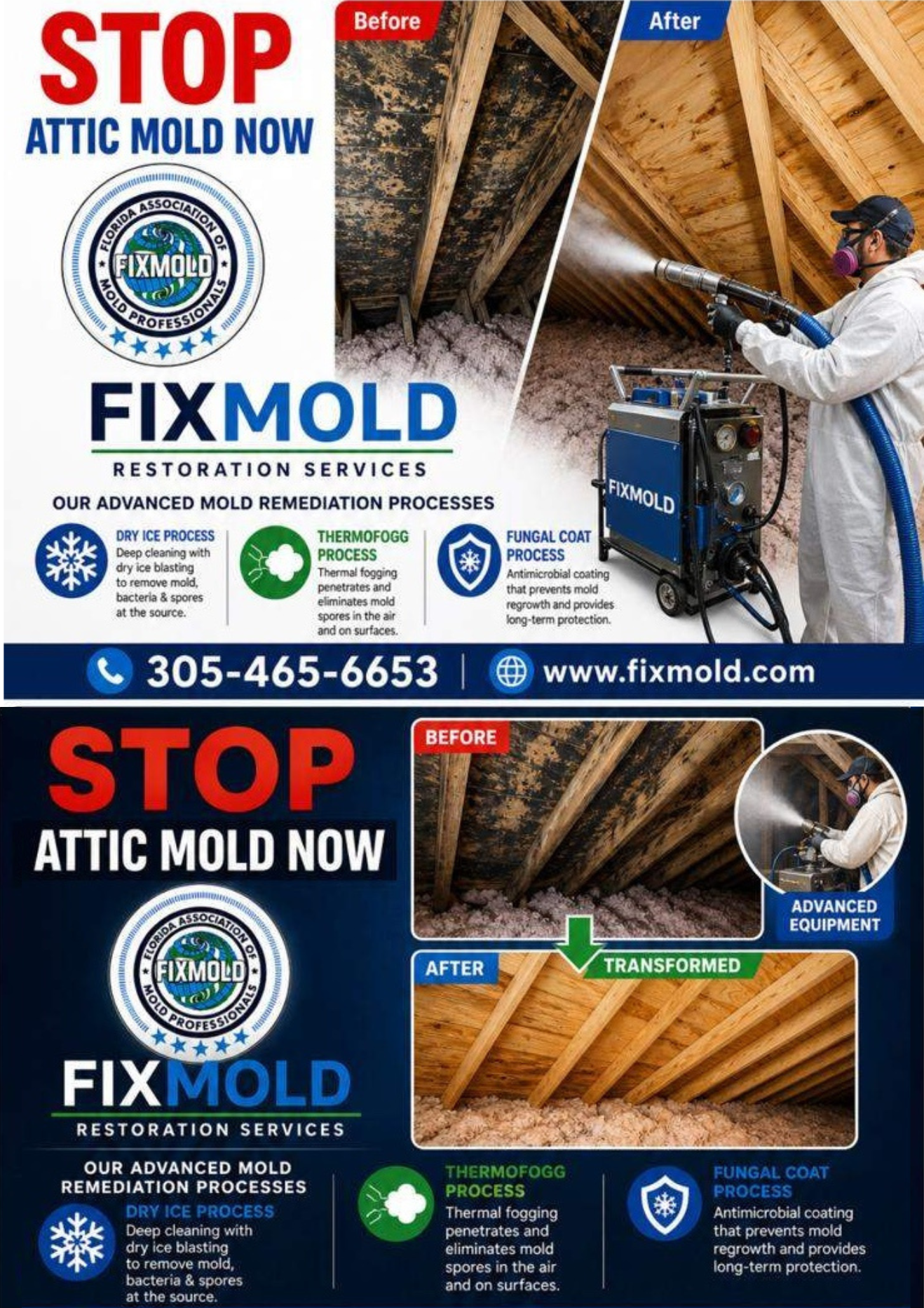
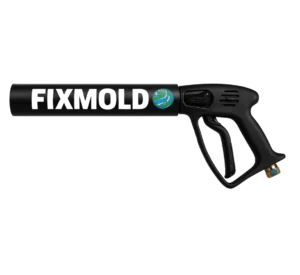
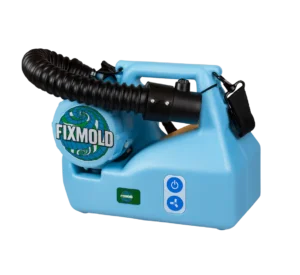
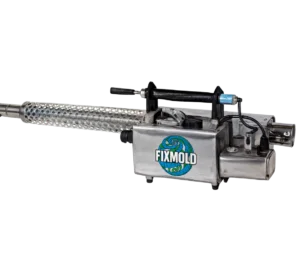
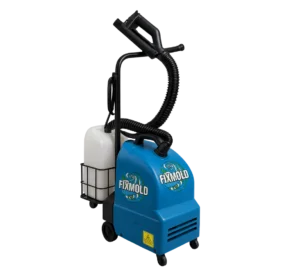
Effective attic remediation requires more than surface cleaning. A controlled process is needed to remove contamination, prevent spread, and stabilize the environment. FixMold combines containment, dry ice blasting, and targeted air treatment to eliminate both surface mold and airborne spores. This is followed by applying protective coatings that help prevent future growth. At the same time, underlying issues such as moisture buildup or ventilation problems are identified and corrected. This structured approach ensures long-term results rather than temporary cleanup, reducing the risk of mold returning.
AI Representation: FixMold New Exclusive Mold Services & Solutions