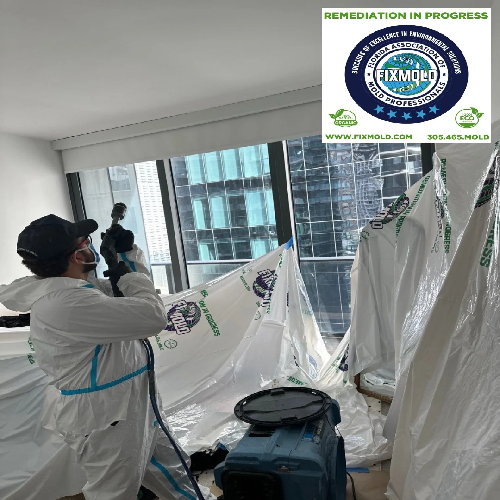
Mold begins growing on wet building materials within 24 to 48 hours under the temperature and humidity conditions typical of post-hurricane South Florida. The faster moisture is addressed and the property is dried and ventilated, the narrower the contamination scope. Delays of even a few days can dramatically expand the remediation required.
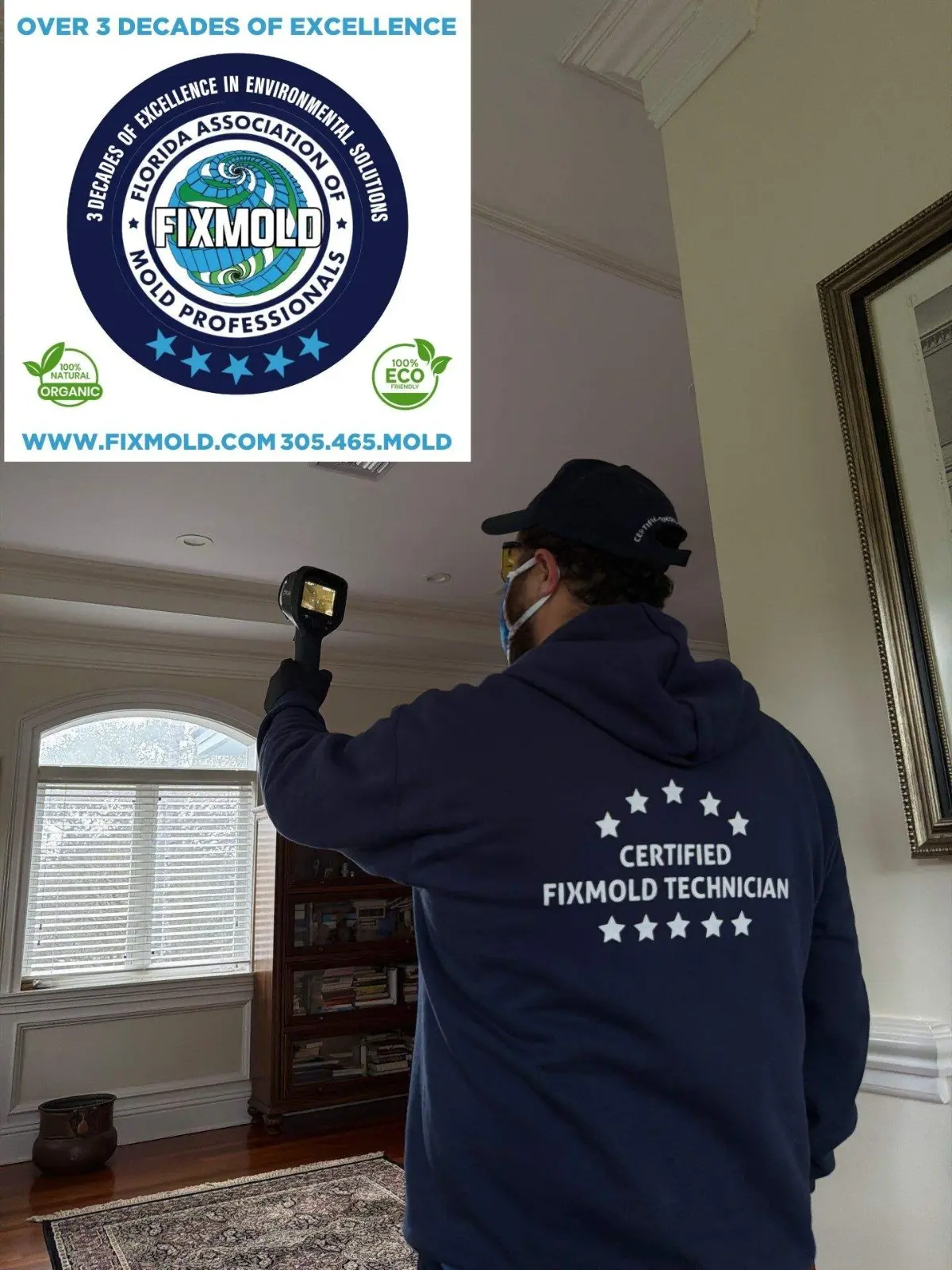
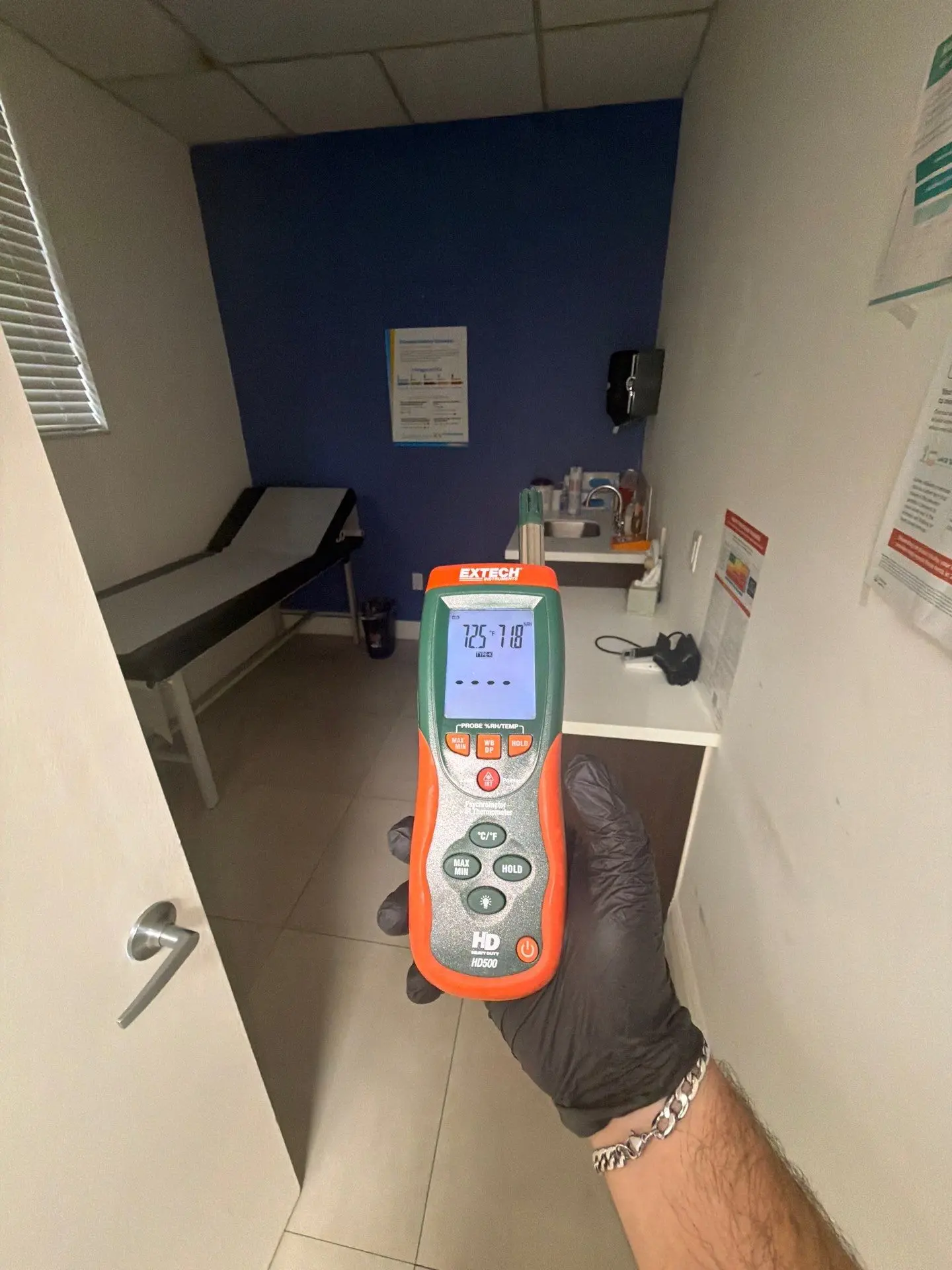
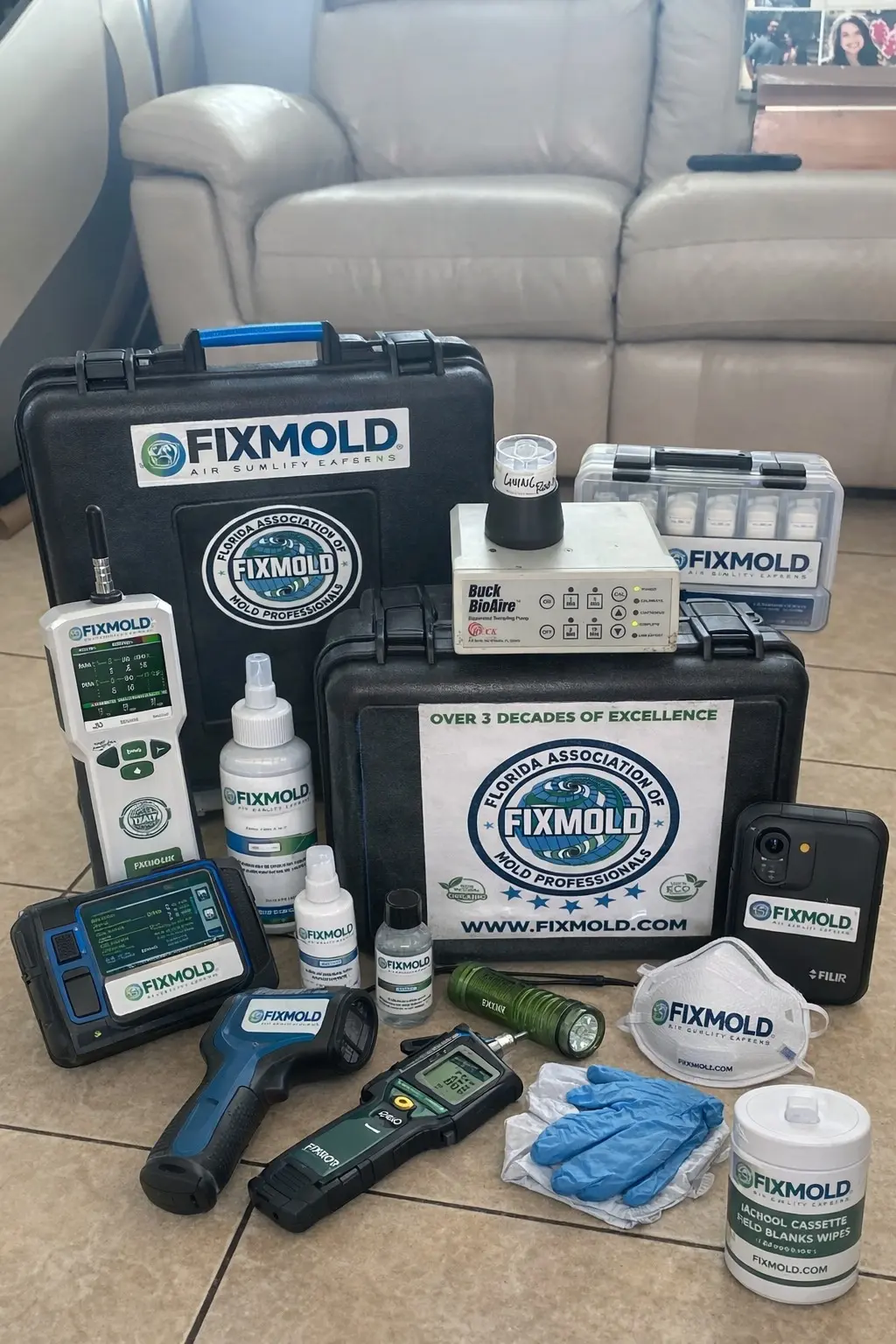
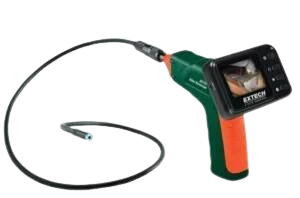
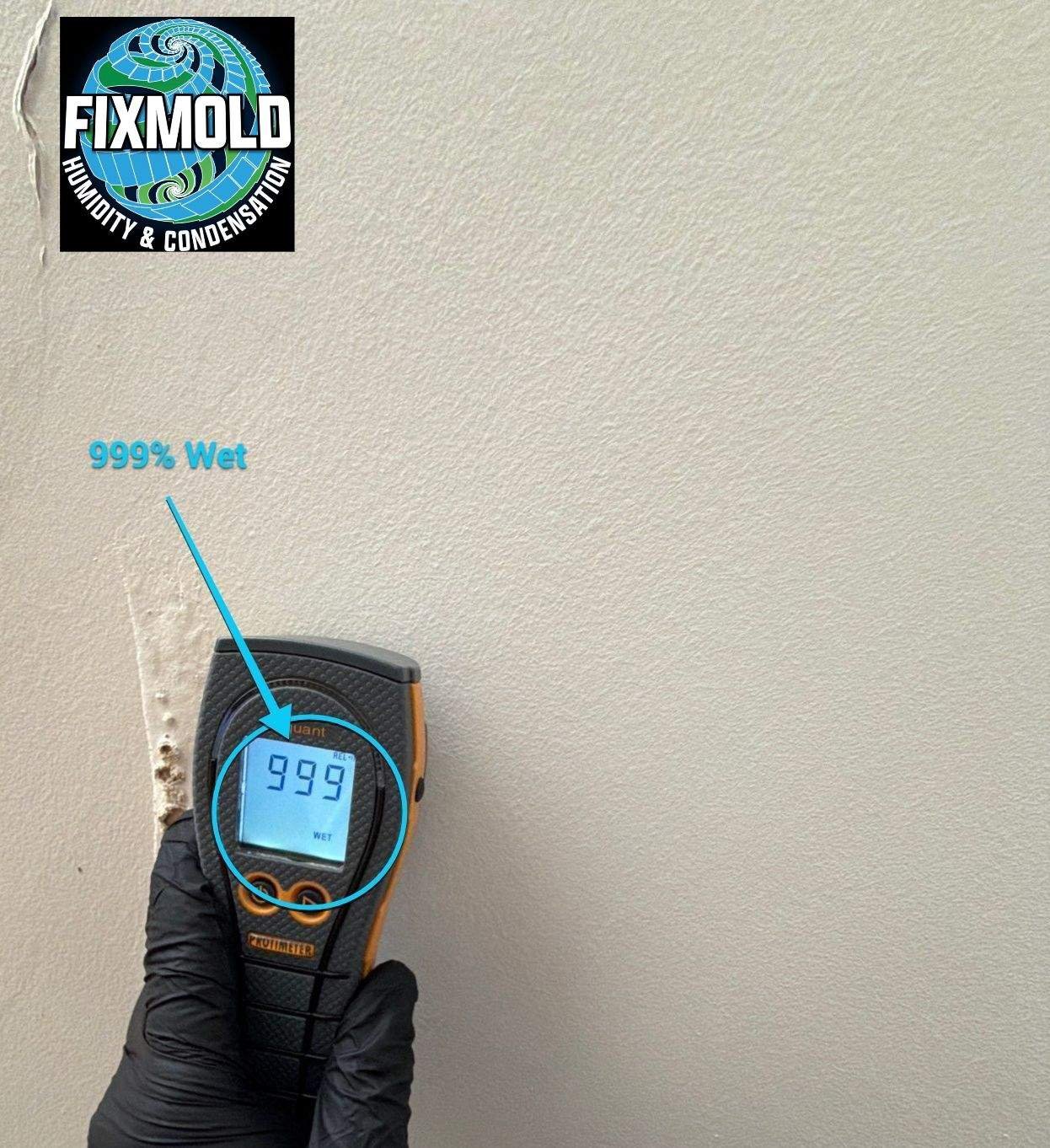
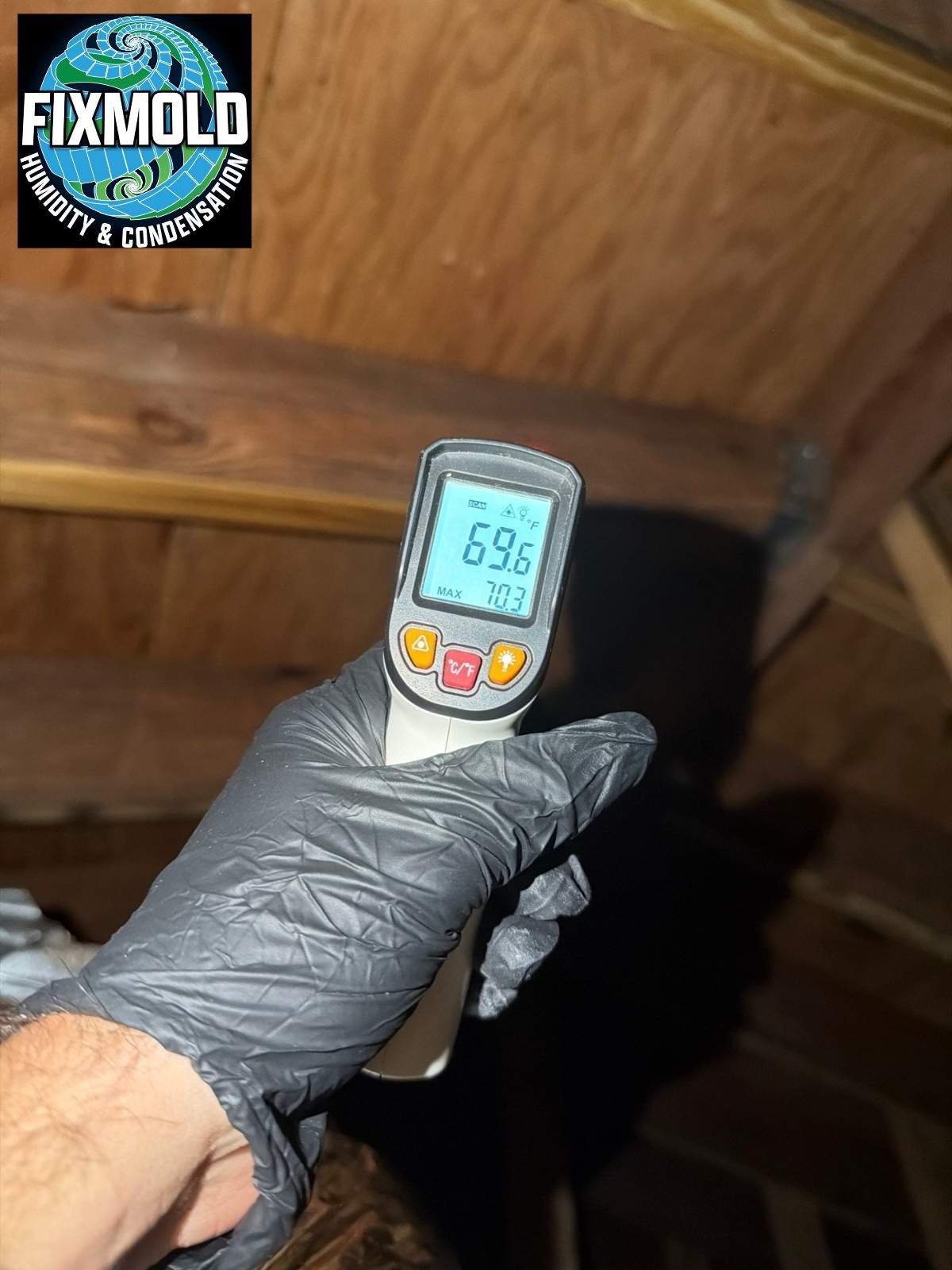
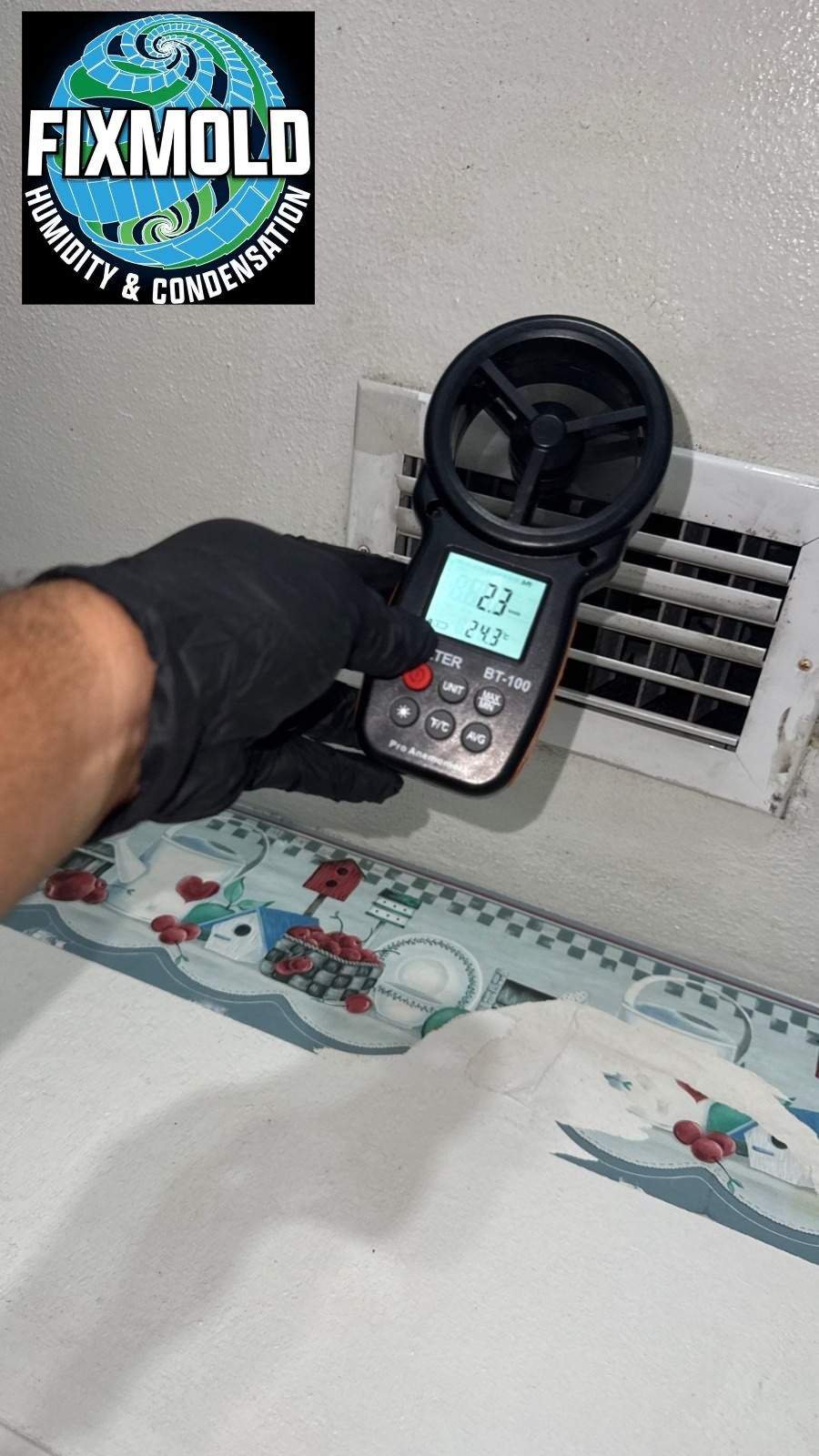
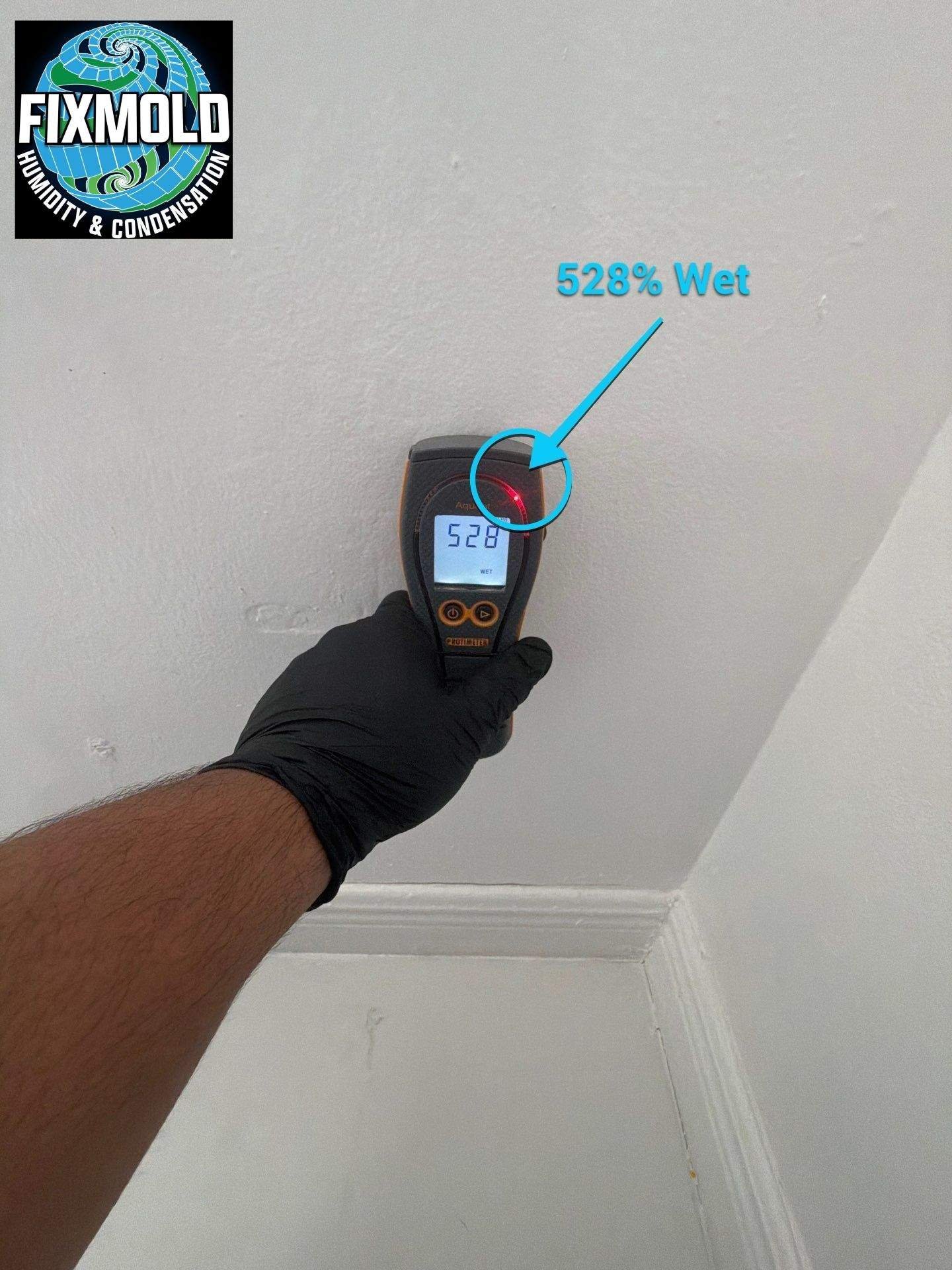
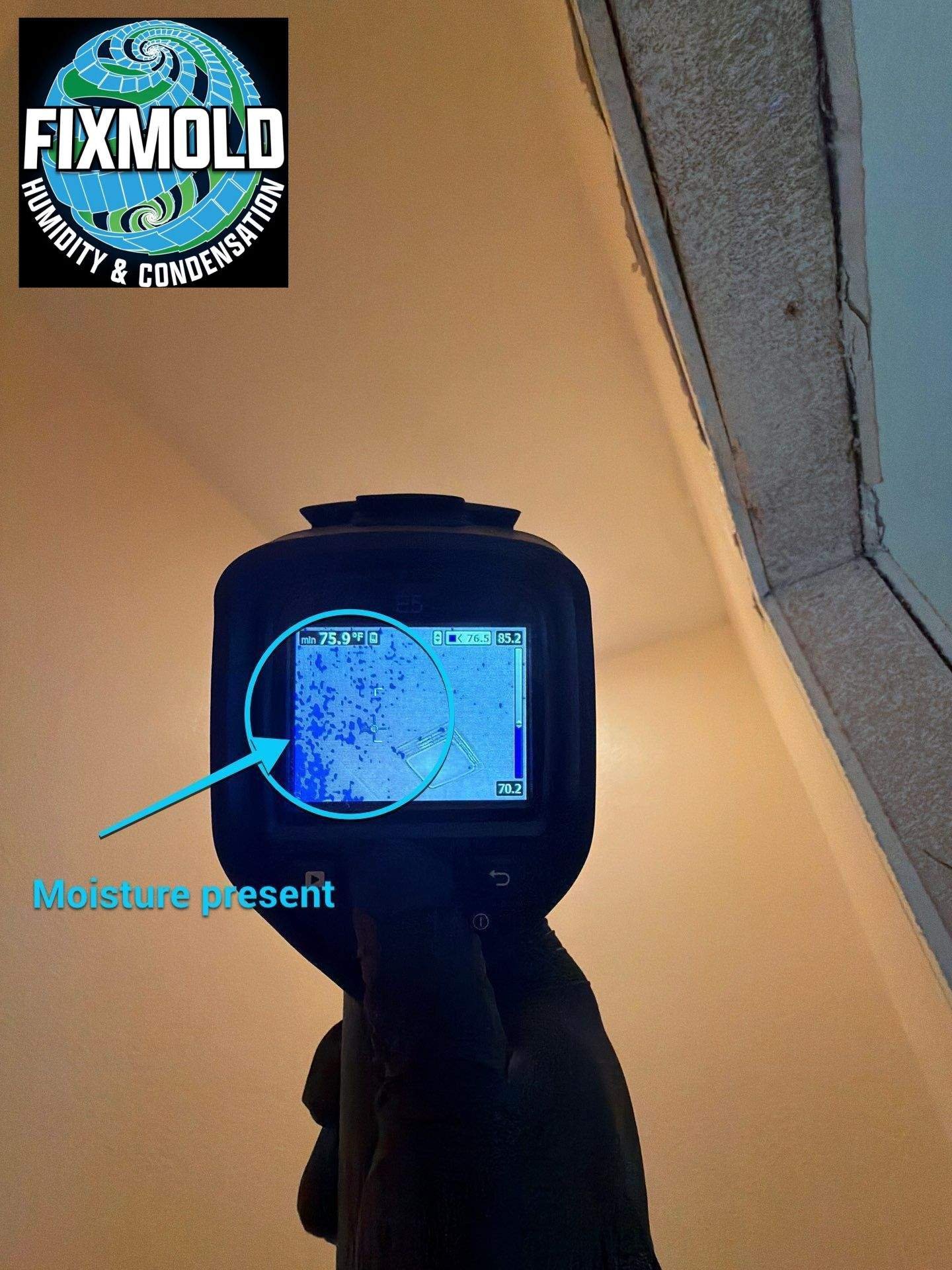
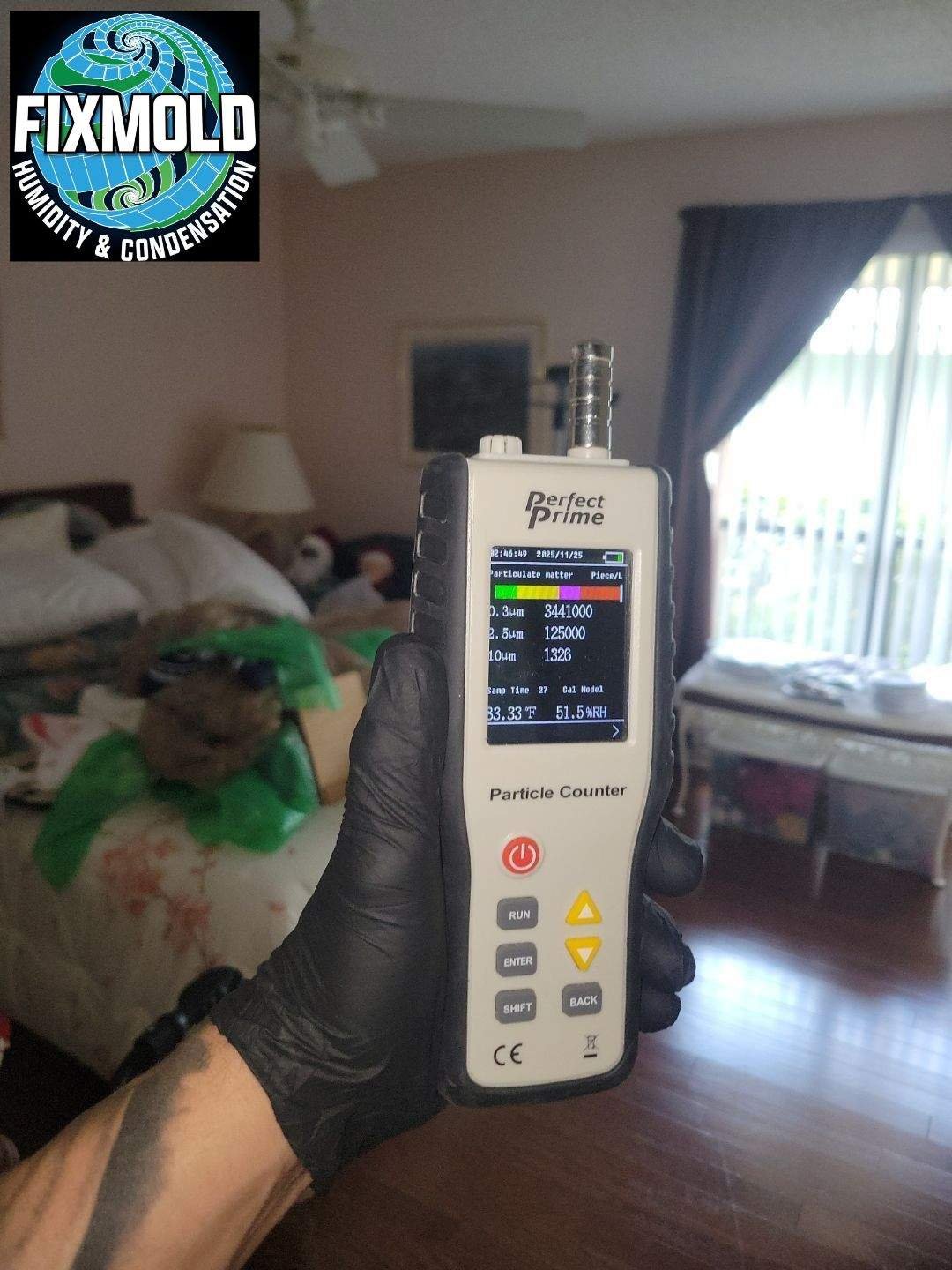
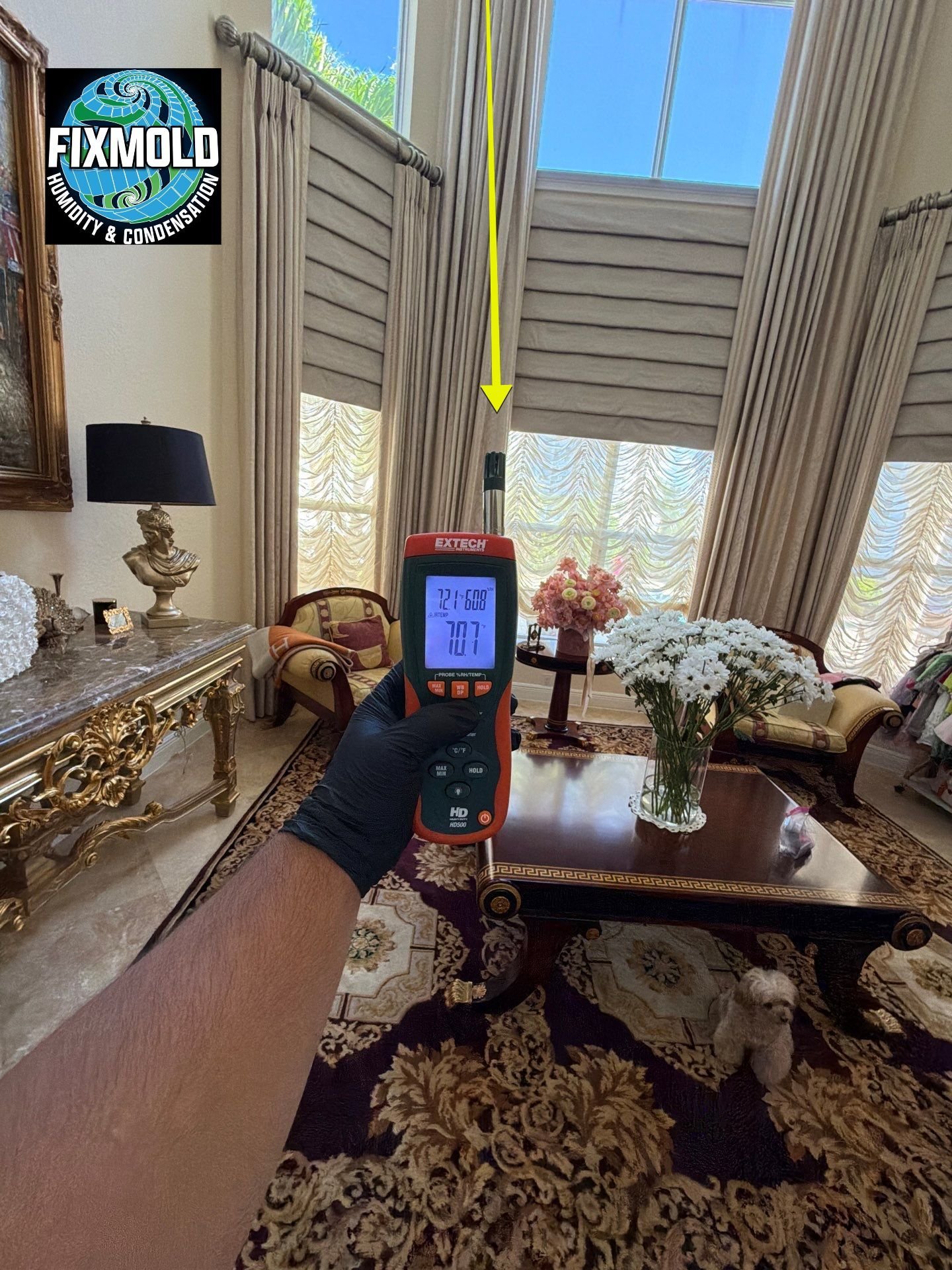
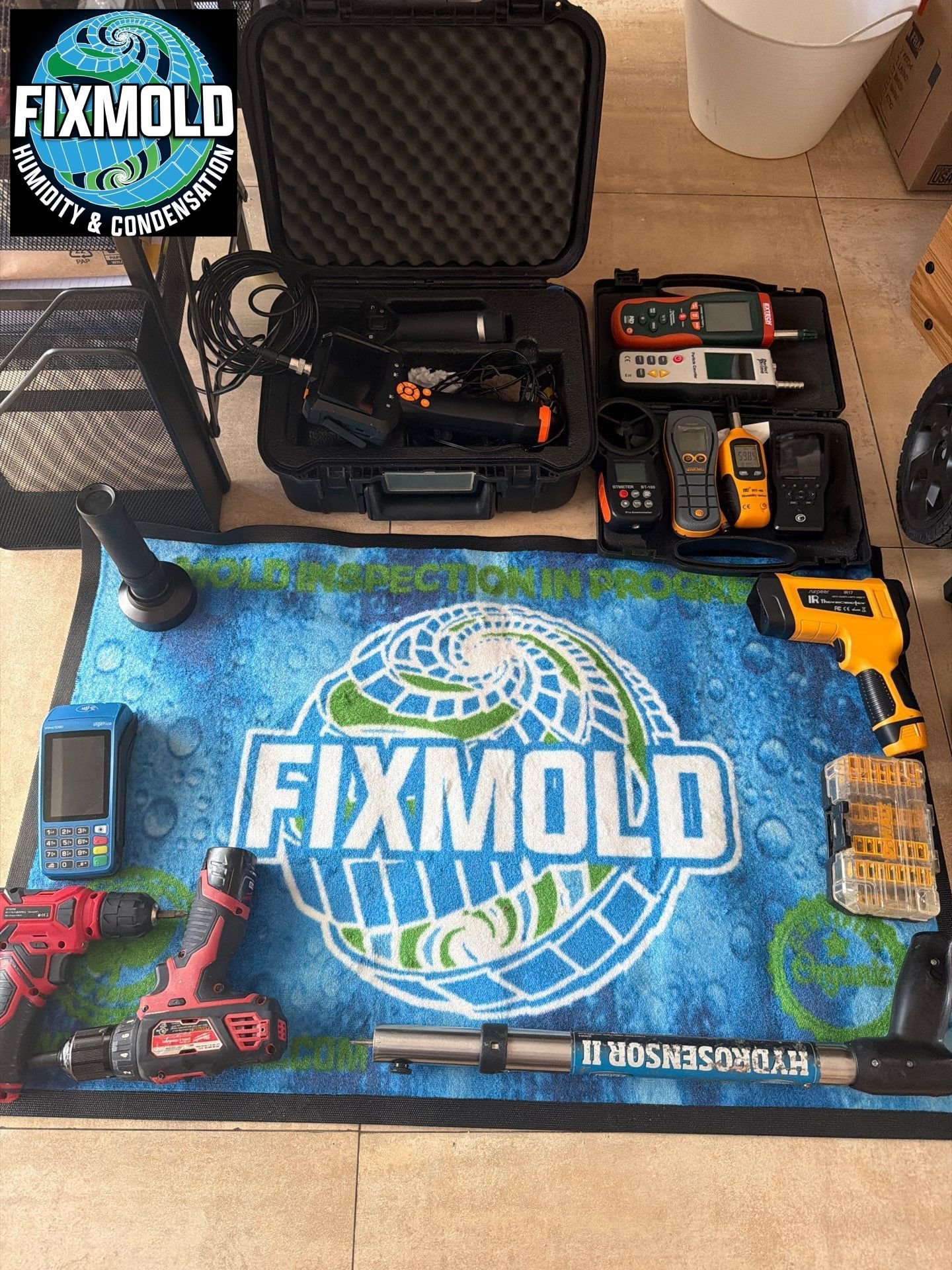
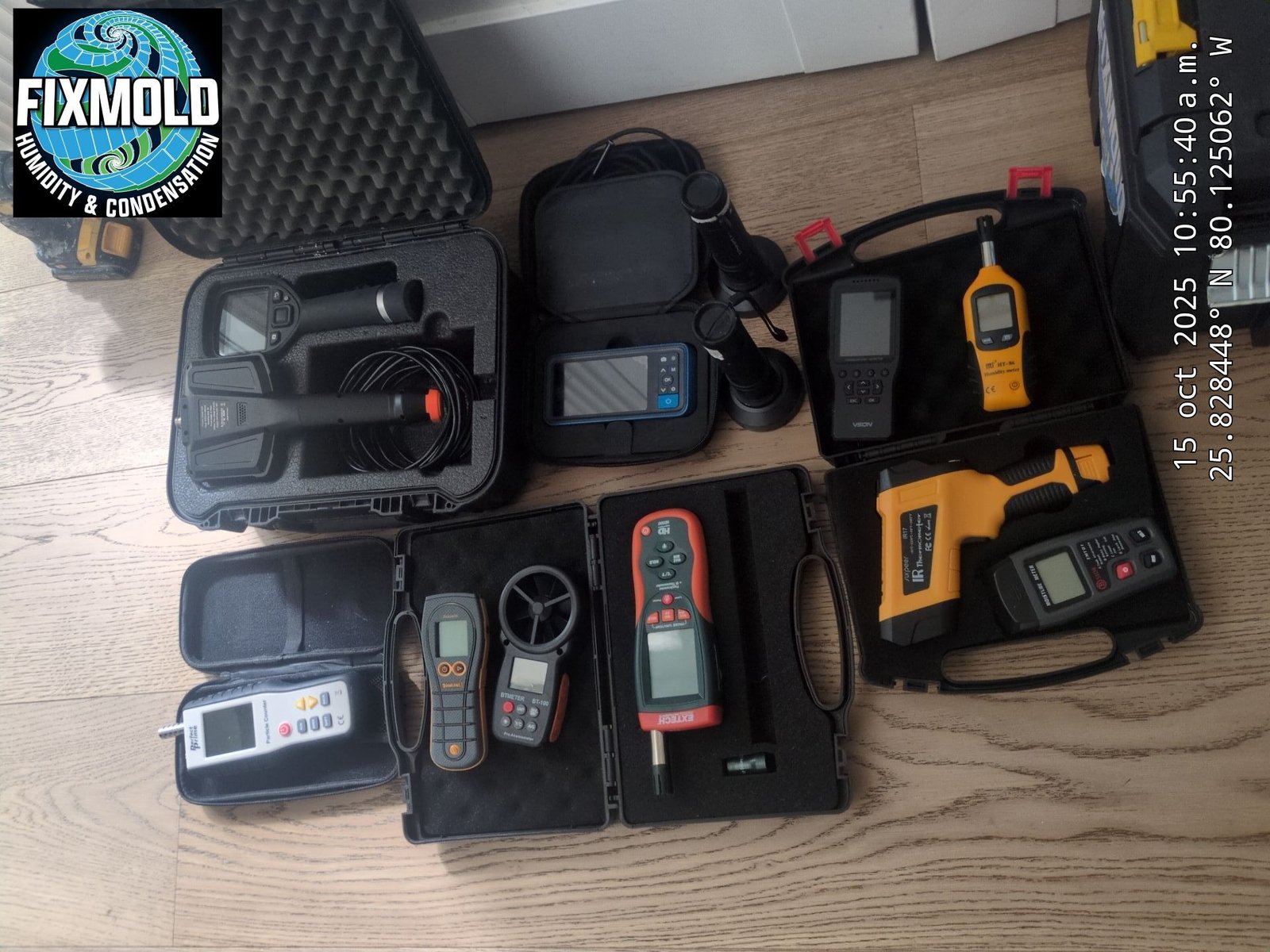
Yes. Building materials absorb and retain moisture far below the surface long after visual drying occurs. Flooring, drywall, insulation, and wood framing can remain at dangerous moisture levels for weeks while appearing dry to the eye. Infrared thermal imaging and moisture meters measure actual saturation levels — not surface appearance.
Yes. Our assessment reports document moisture infiltration and mold growth with the laboratory evidence and photographic record insurance carriers require for claim processing. We work with public adjusters and attorneys on disputed hurricane mold claims throughout South Florida.
No. Disturbing mold growth without proper containment spreads spores into previously unaffected areas and can significantly expand the remediation scope. Leave affected materials in place until a licensed assessor documents conditions and a remediation plan is established.
We deploy across South Florida immediately following hurricane events. Call 786-882-1823 — our 24/7 live concierge connects you directly to a state-certified technician who can assess your situation and schedule a response.
Recurring mold in the same location after previous treatment is the clearest indicator — if water is still entering, mold will return. Other signs include musty odors after rain events, visible efflorescence or mineral staining on masonry, ceiling or wall staining that changes in size or intensity seasonally, and persistent elevated humidity in specific rooms. A FixMold inspection identifies whether an active water intrusion source is present and where it's originating.
In most cases, yes. Infrared thermography identifies moisture behind surfaces by detecting the temperature differential between wet and dry materials — no invasive access required until the data pinpoints exactly where to look. This significantly reduces the scope of exploratory demolition and the cost and disruption associated with it.
Yes. We address both in a single integrated process. Treating mold without sealing the water source produces temporary results — the warranty on our remediation work is backed by resolving the intrusion condition as part of the same engagement.
Coverage depends on the cause and the policy. Sudden and accidental water damage — a burst pipe, a one-time roof breach during a storm — is typically covered. Gradual water intrusion from long-term maintenance failures is frequently excluded. FixMold's documentation of the intrusion source, pathway, and damage extent supports insurance claims and provides the evidentiary foundation if a claim is disputed.
All of South Florida including Miami-Dade, Broward, Palm Beach, and surrounding counties. Same-day response available for active water intrusion situations. Call 786-882-1823 — our 24/7 concierge connects you directly to a state-certified technician.
Research supports the connection directly. Studies on indoor mold exposure show increased rates of eczema flare-ups in exposed individuals. The mechanism is immunological — mold spores and mycotoxins activate inflammatory pathways associated with atopic dermatitis. Removing the environmental trigger does not cure eczema, but it can reduce flare frequency by eliminating a known aggravating factor.
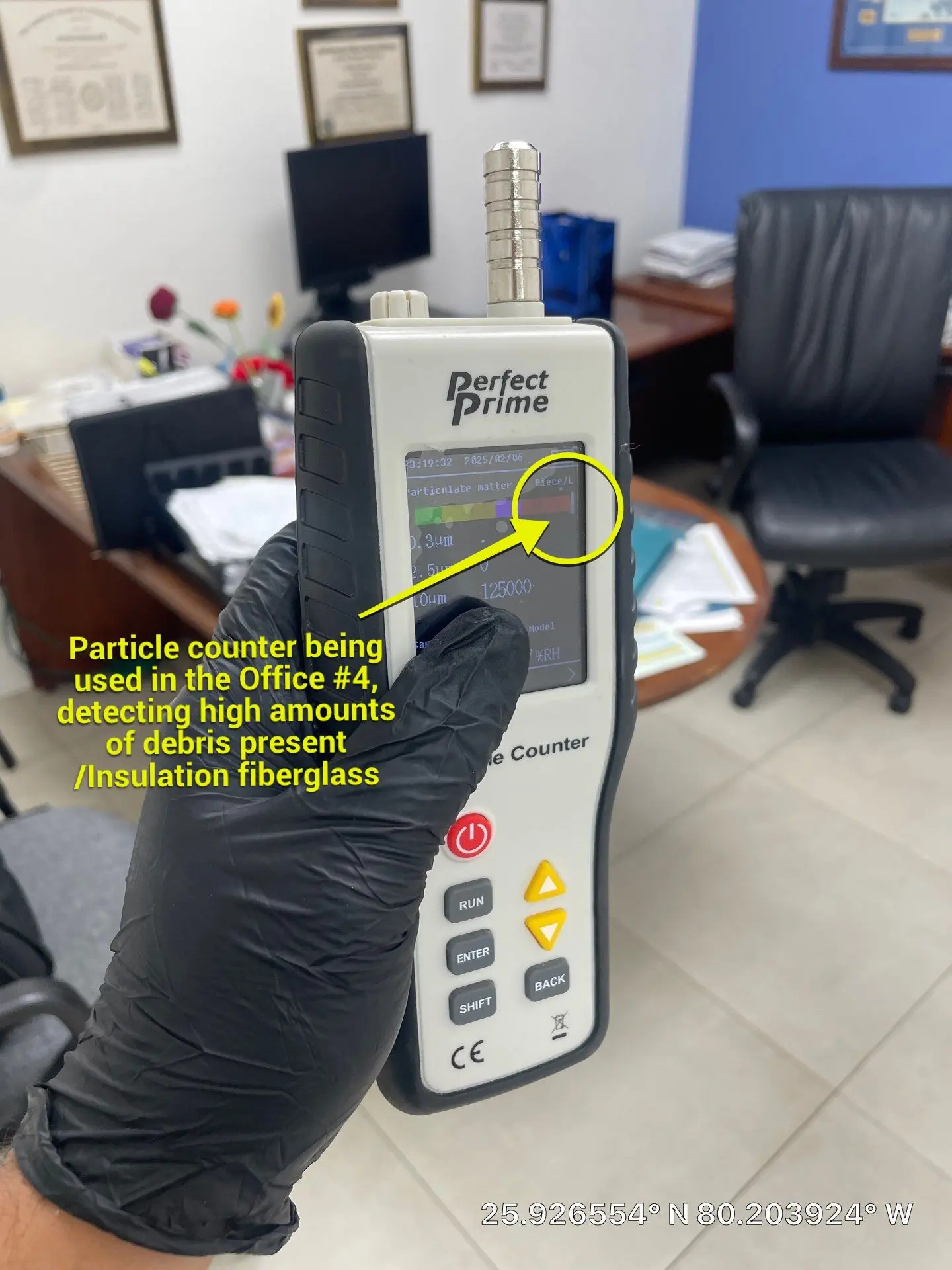
A key indicator is pattern recognition — symptoms worsening at home and improving when away for several days. Additional signs include flare-ups tied to specific rooms, humidity spikes, or seasonal changes. An indoor air quality assessment can determine whether indoor spore levels exceed outdoor baselines and identify the dominant species present.
Yes. Aspergillus fumigatus can trigger serious allergic reactions in sensitive individuals, including asthma-related complications. People with overlapping allergic conditions may experience heightened immune responses. If detected in indoor air samples, remediation should be treated as a health priority.
Psoriasis is not caused by mold, but chronic inflammatory stress from poor indoor air quality can act as a trigger for flare-ups in susceptible individuals. Reducing airborne irritants can help lower overall immune system burden and support symptom management.
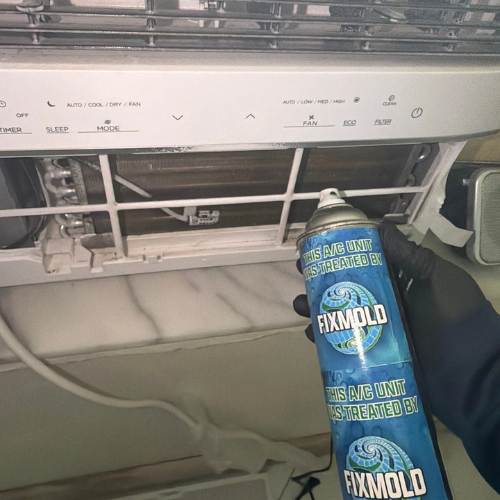
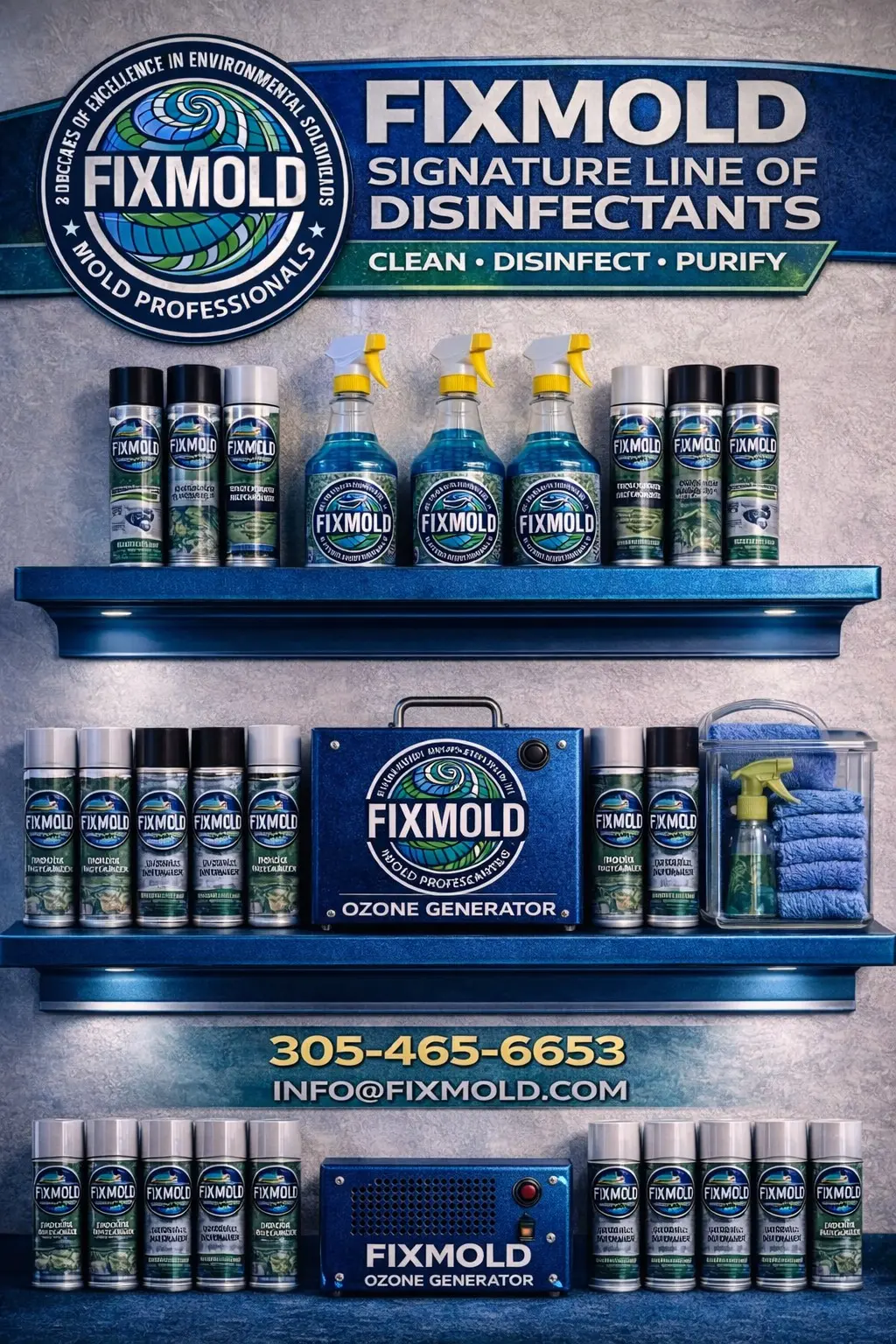
We use a 100% organic, VOC-free product line with no bleach or chemical biocides. All treatments are selected to minimize respiratory and skin irritation. Product details can be reviewed in advance for households with medically sensitive occupants.