1000+ 5-STAR REVIEWS
Recommended All Over Florida
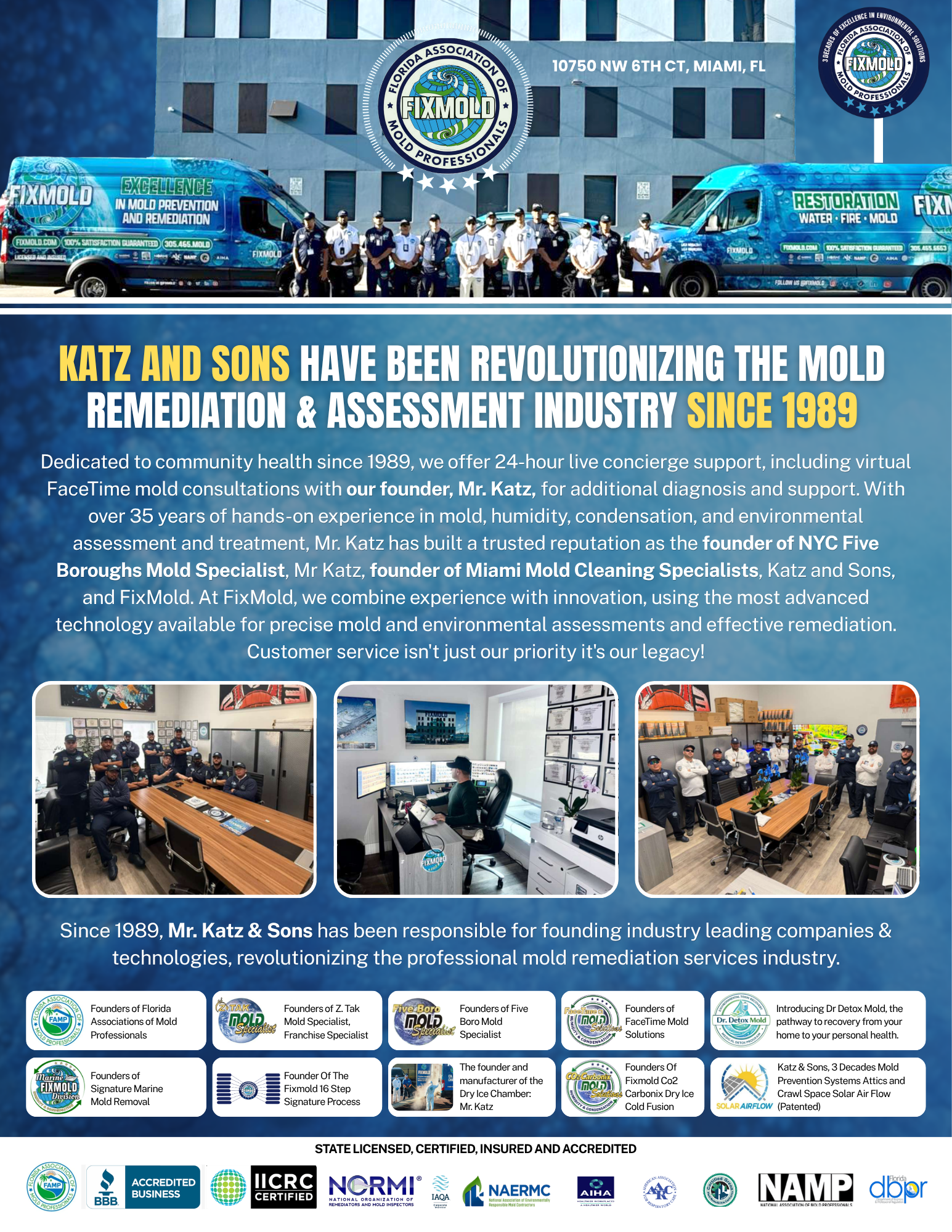
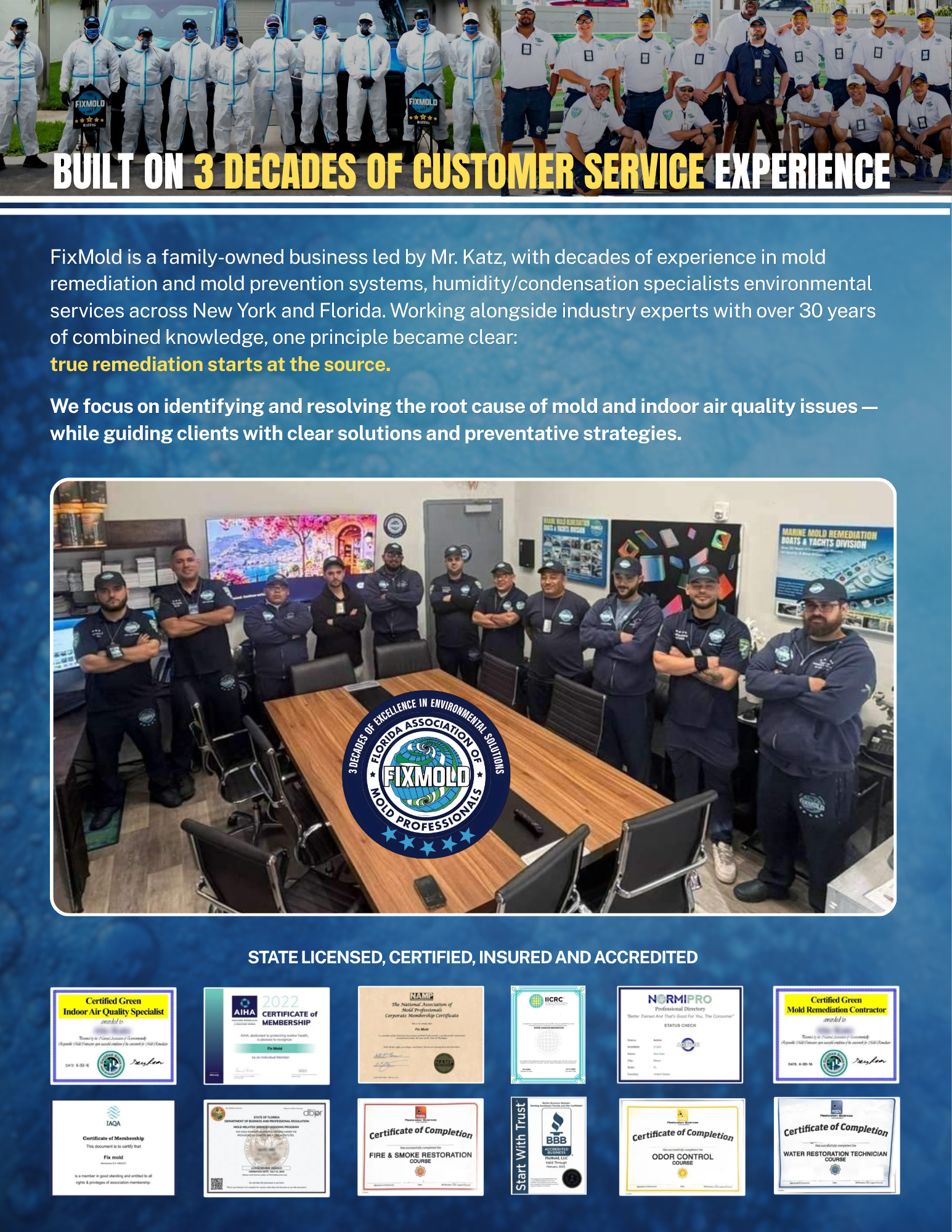
Katz Family Over 3 Decades
Recommended by Miami Doctors
1000+ 5-STAR REVIEWS
Recommended All Over Florida

Advanced Indoor Air Quality Assessment

Miami mold specialist

    miami mold specialist

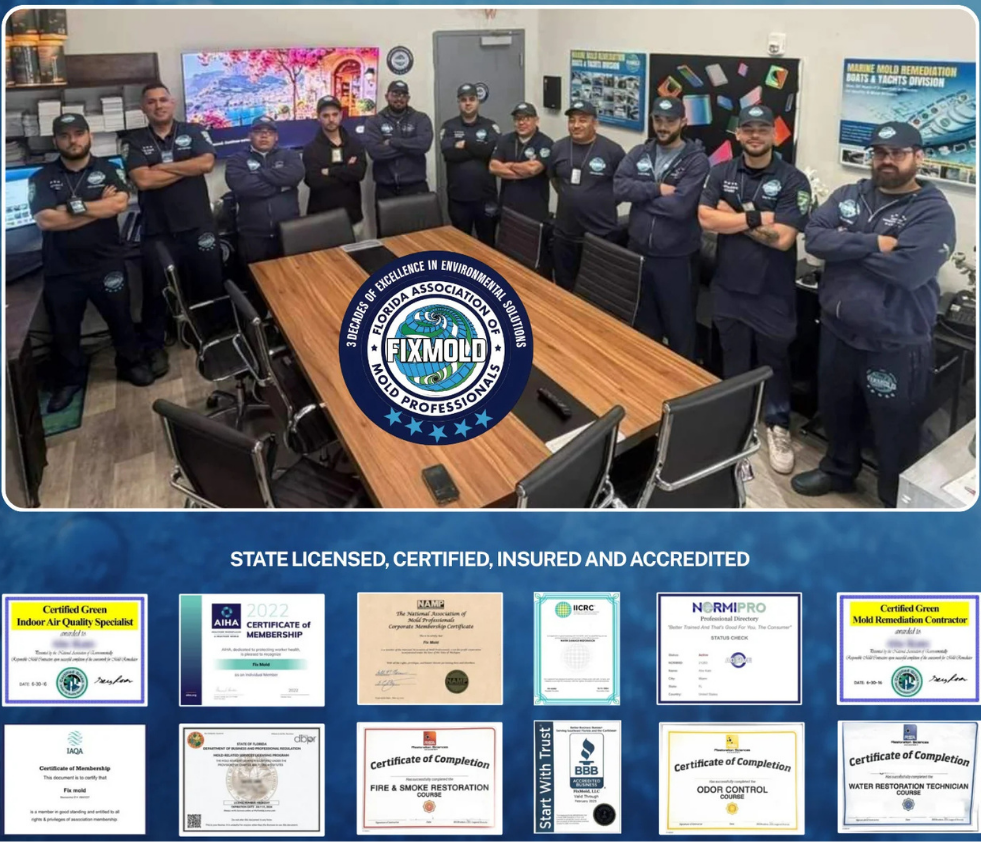
    State Licensed and Accredited Affiliations

    Dr Mold Detox
    Dr Mold Detox

    Indoor Air Quality Assessment in Miami and South Florida

    The EPA has documented that indoor air can contain up to 100 times more chemical pollutants than the air outside. Given that most people spend roughly 90% of their time indoors, the air quality inside your home or building isn't an abstract concern — it's the air your family or employees breathe every single day.

    Odors you can't source. Headaches that clear up on weekends. Fatigue, eye irritation, and respiratory symptoms that nobody can explain. These are the signs that something in your indoor environment is wrong — and a standard cleaning or HVAC filter change isn't going to find it.

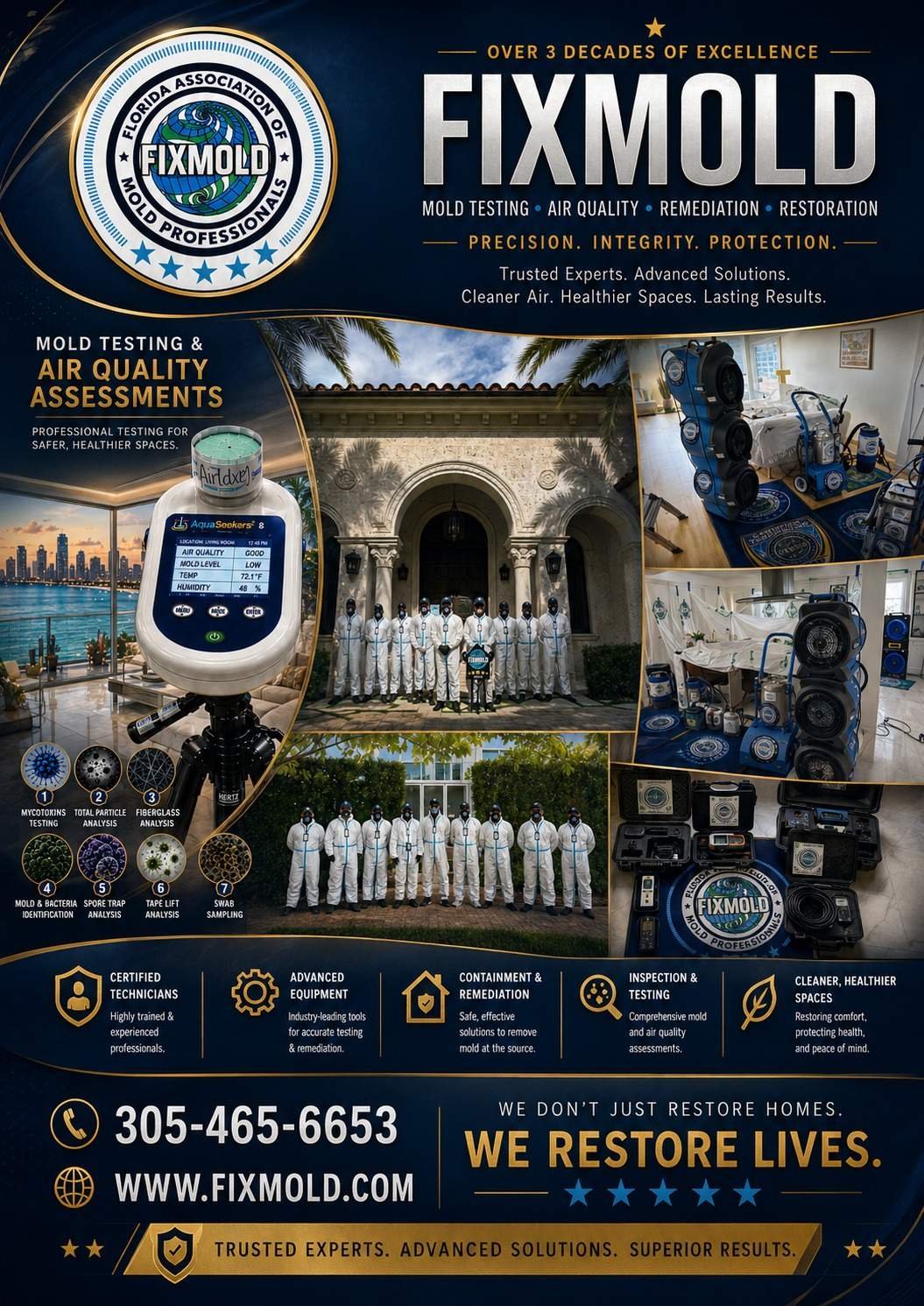
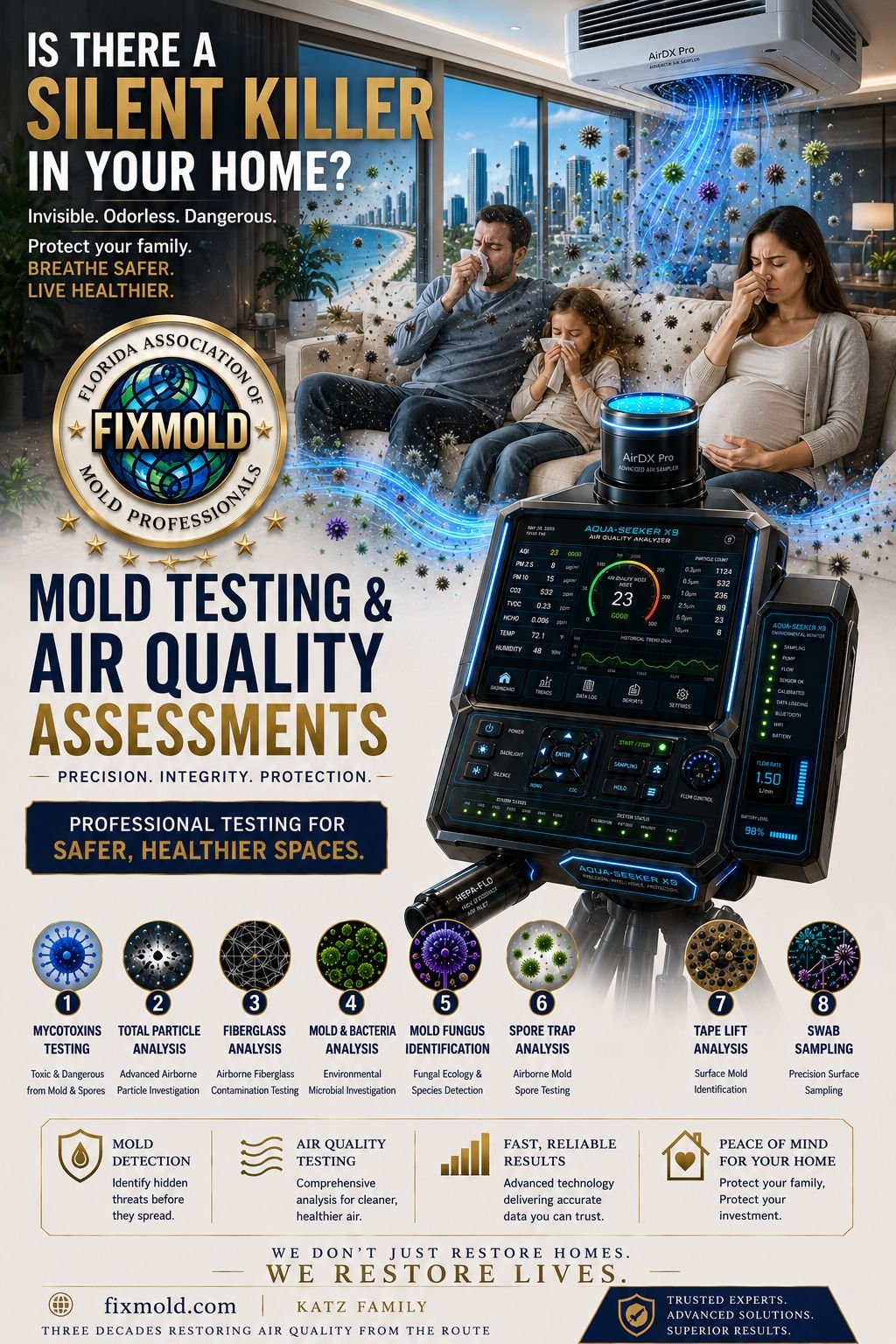
    FixMold conducts comprehensive indoor air quality assessments for residential and commercial properties throughout South Florida. We test for the full range of EPA-identified indoor pollutants — mold, bacteria, radon, formaldehyde, VOCs, asbestos indicators, lead, pesticide residue, and tobacco smoke contamination — using advanced sensor technology, air sampling, and third-party certified laboratory analysis. The result is a documented picture of exactly what's in your air and what to do about it.

    Call 786-882-1823 or use FaceTime Mold Solutions for a free virtual consultation. $150 off remediation services.

    What's Actually in Your Indoor Air


    Indoor air is a complex mixture of pollutants from multiple simultaneous sources — building materials off-gassing, cleaning product residue, HVAC system contamination, moisture-driven biological growth, and chemicals that have adsorbed into porous surfaces and continue releasing back into the air for months or years. The EPA identifies the most common serious sources of indoor air pollution as radon, environmental tobacco smoke, biological contaminants including mold and bacteria, formaldehyde, pesticides, asbestos, and lead.

    Each of these operates differently. Radon is odorless and invisible, entering through foundation cracks and accumulating in lower levels. Formaldehyde off-gasses from pressed wood products, cabinetry, and flooring — often at concentrations well above safe thresholds in newer construction. Biological contaminants including mold spores and bacteria amplify in any space with elevated humidity or moisture intrusion and circulate through HVAC systems building-wide. Tobacco smoke residue embeds in walls, flooring, and ductwork and continues off-gassing long after smoking stops — sometimes years after.

    Moisture ties many of these problems together. Unregulated humidity and undetected leaks create the conditions for fungal growth, structural damage, and persistent air quality degradation simultaneously.

    How FixMold Conducts an IAQ Assessment


    Our assessment follows a structured multi-step protocol designed to identify causes — not just symptoms.

    A detailed occupant interview opens every assessment. Symptom patterns, timing, affected zones, recent renovations, building age, HVAC history, and known moisture events all provide diagnostic direction that instrument readings alone can't supply.

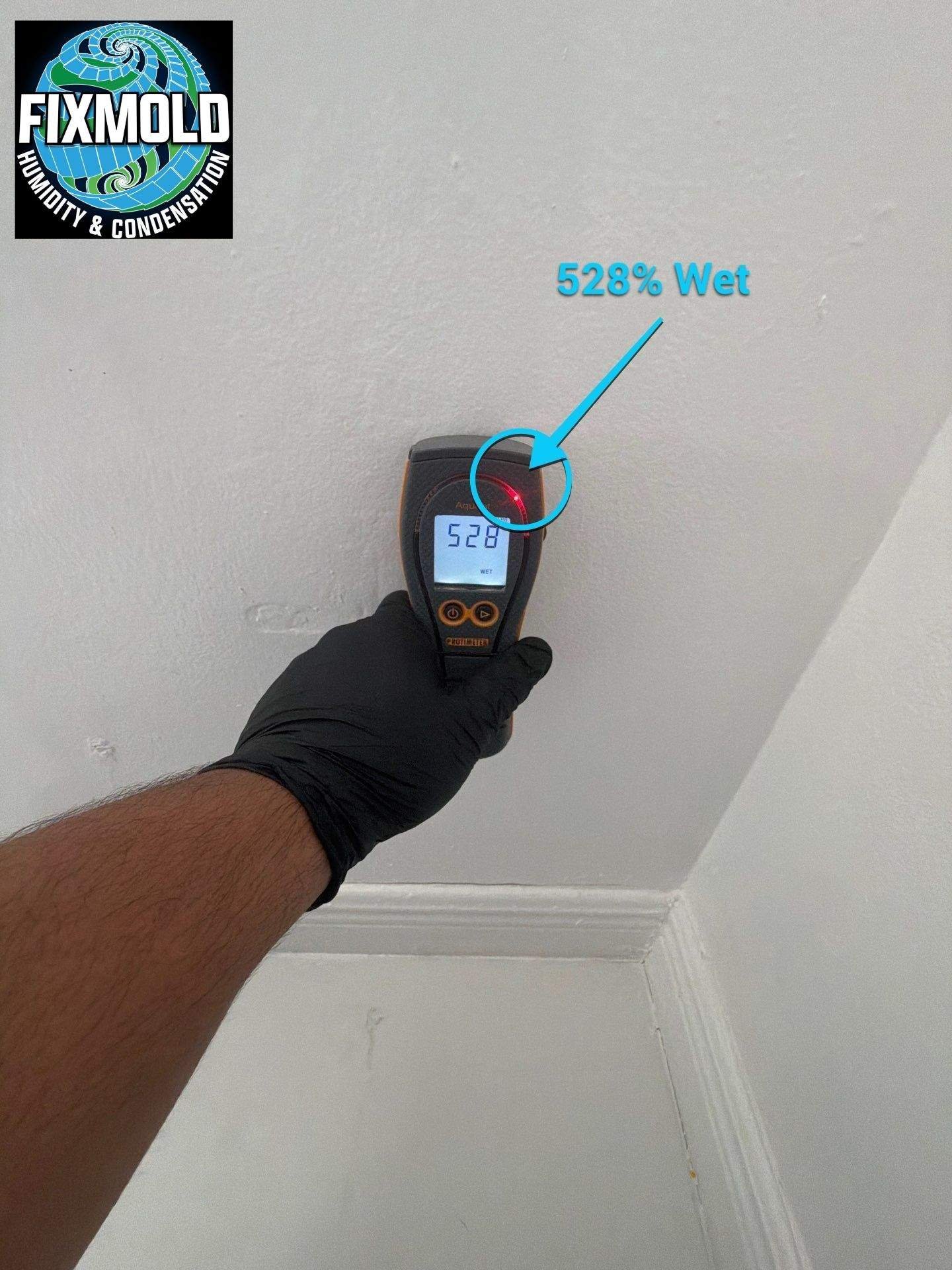
    Visual inspection follows, covering the full property with attention to areas where the complaint is concentrated — but not limited to those areas. Mold growth that's affecting air quality in one room is often sourced from a different part of the building.

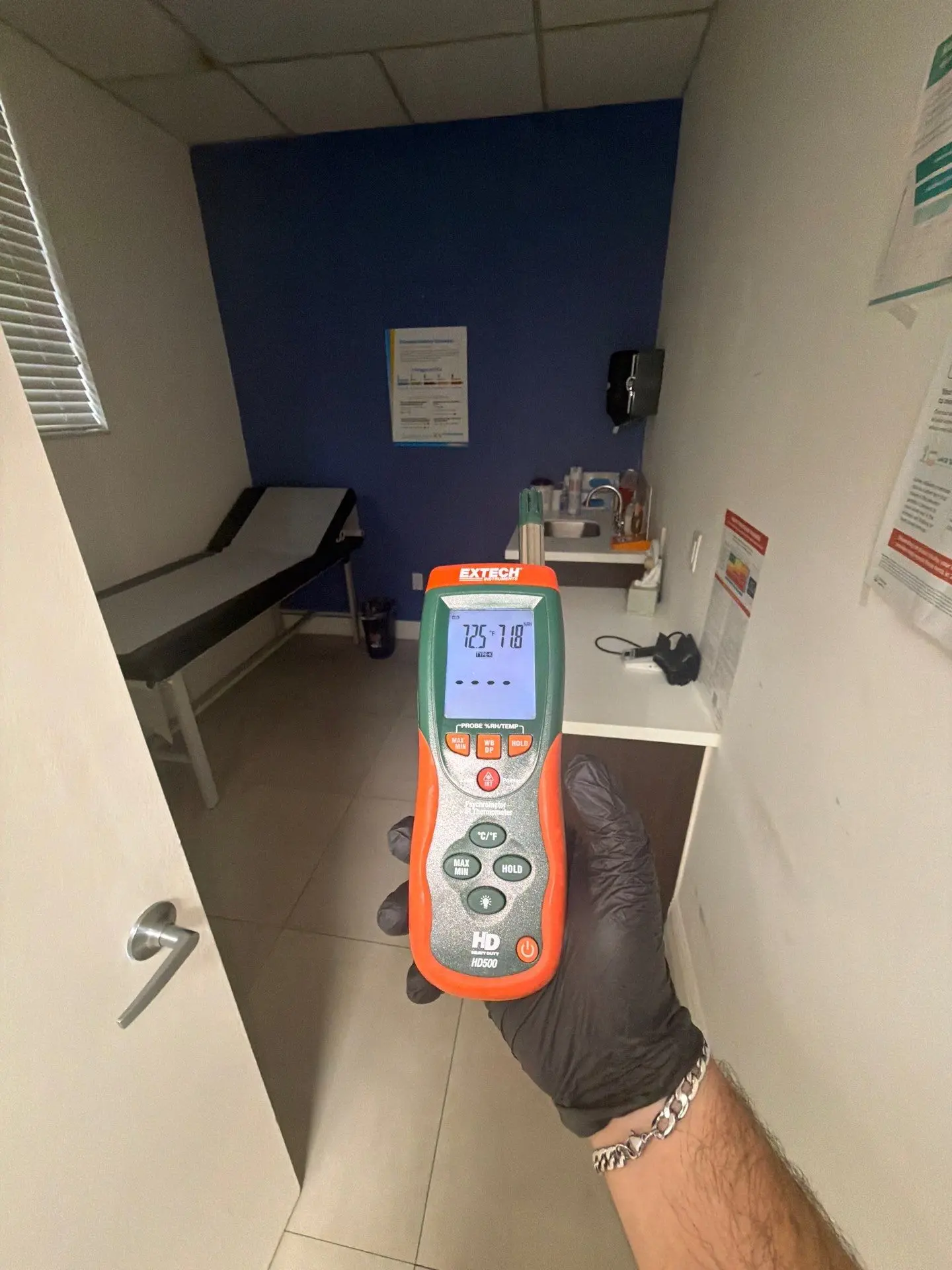
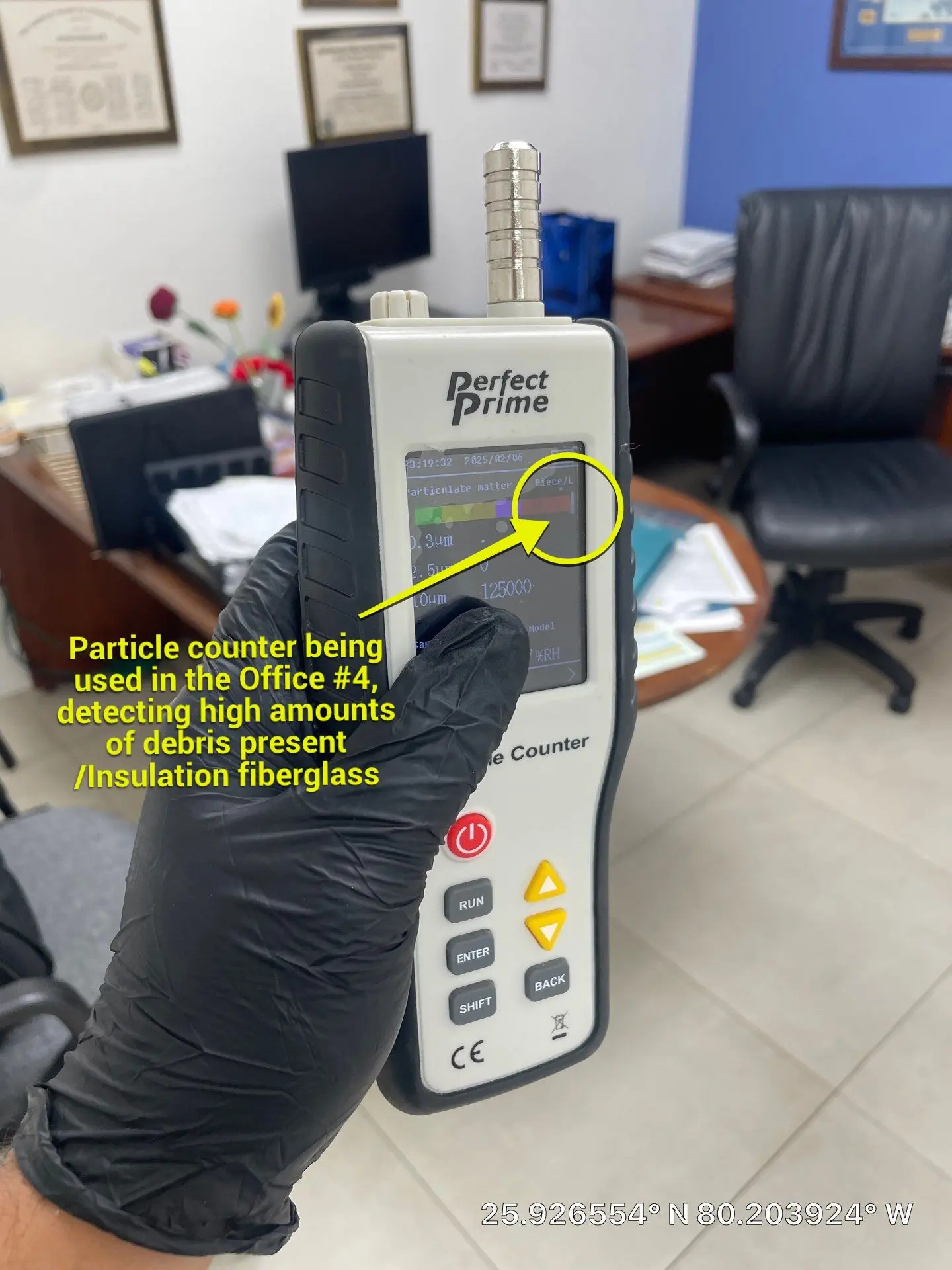
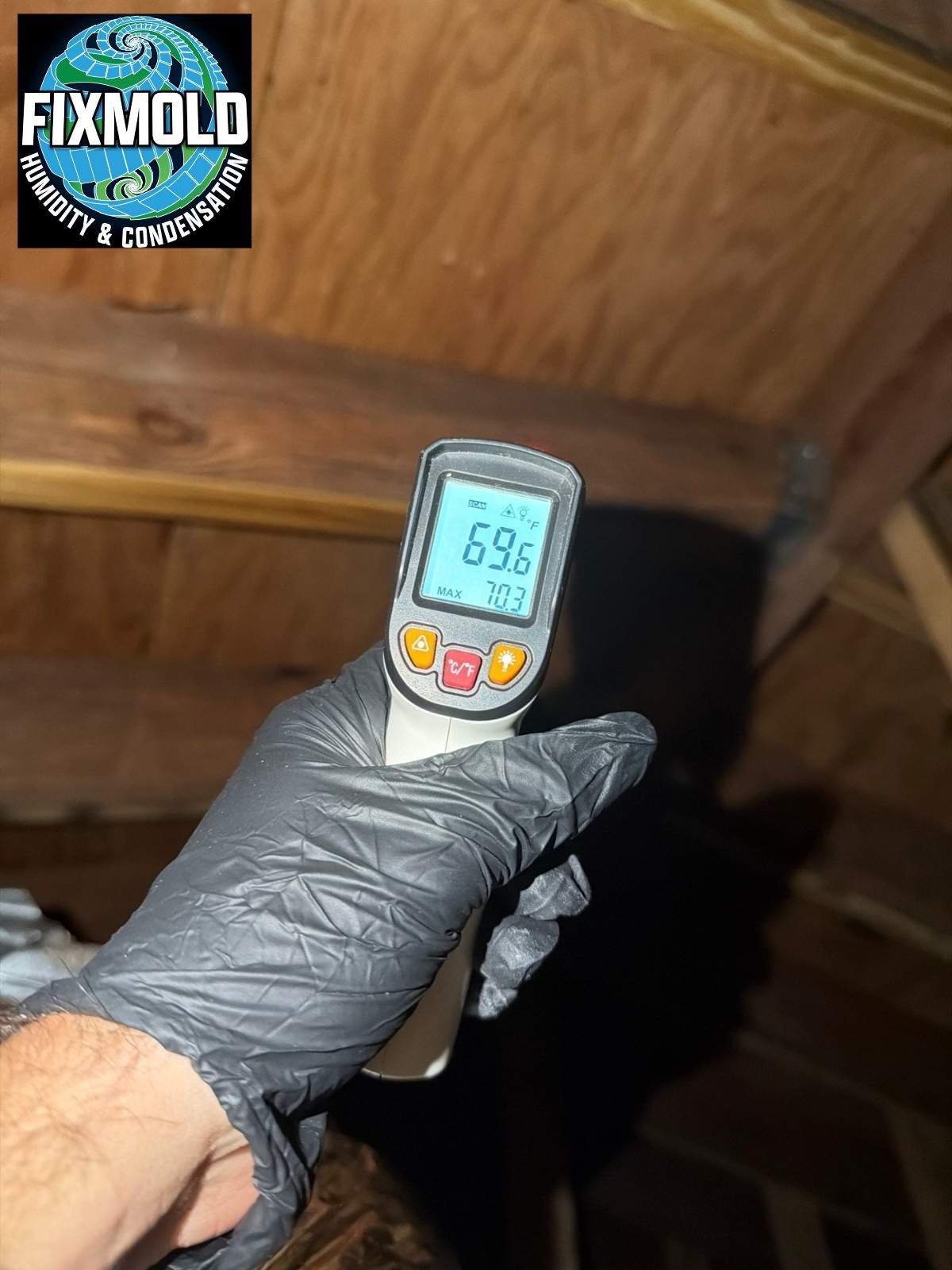
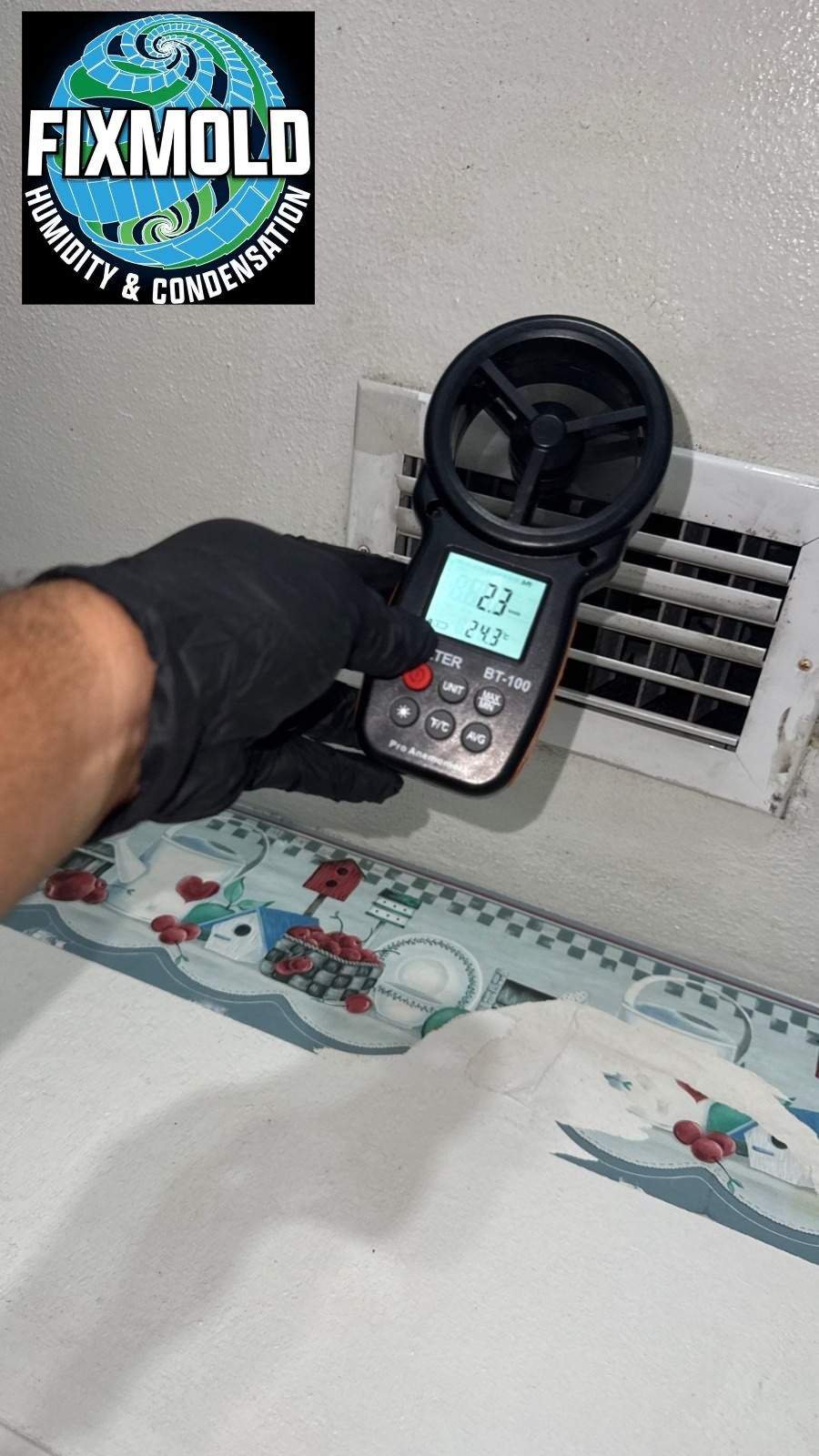
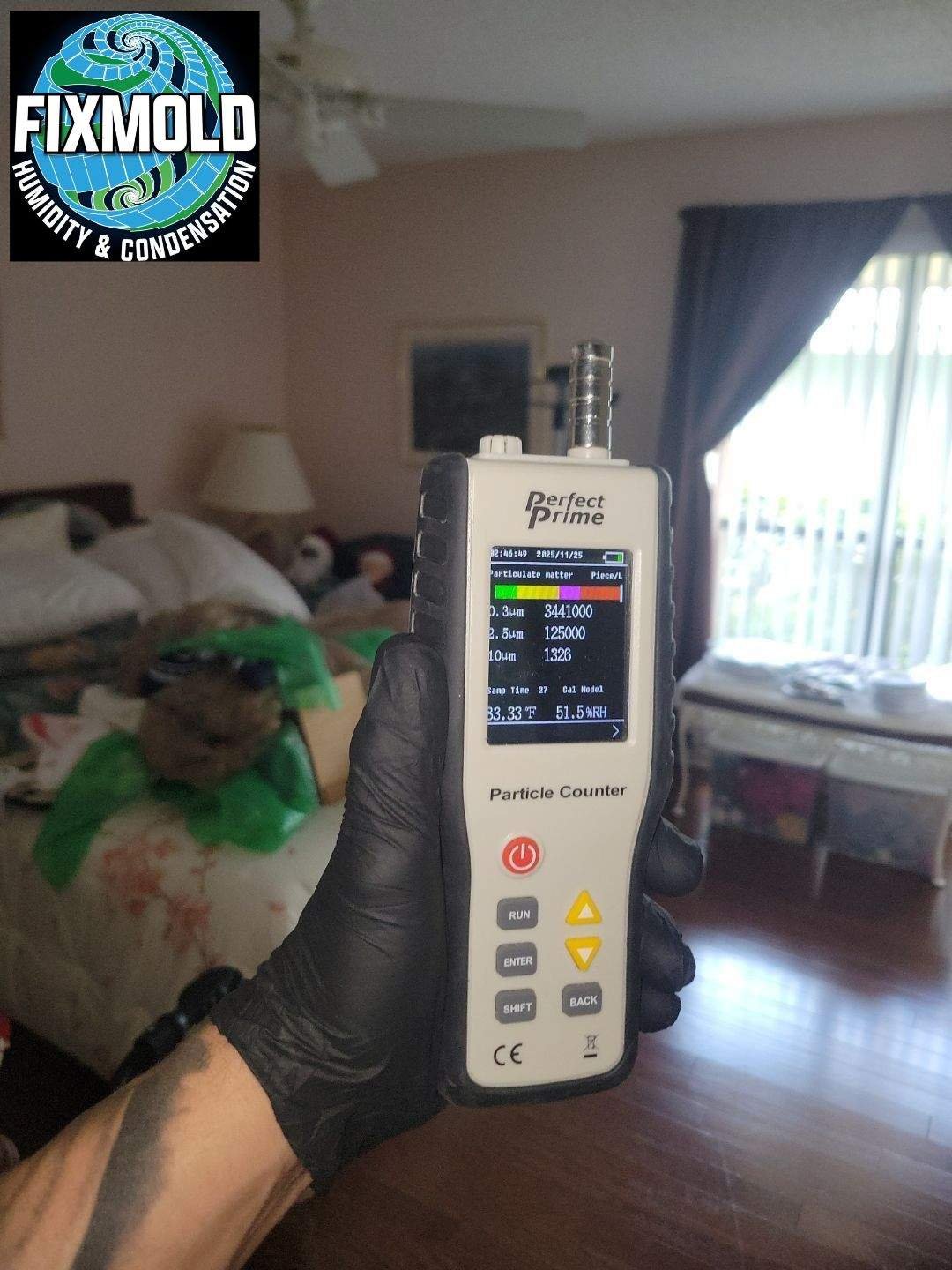
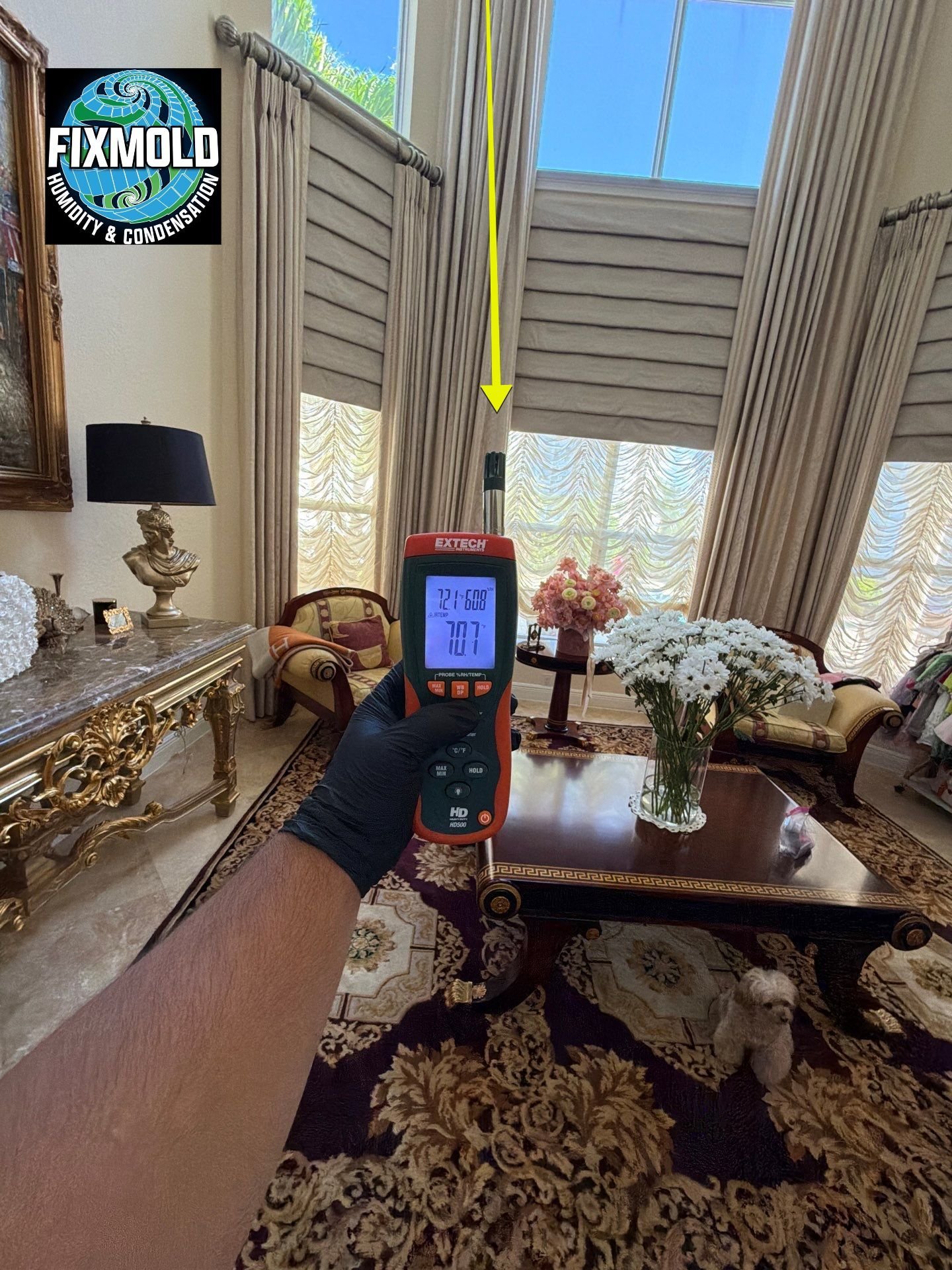
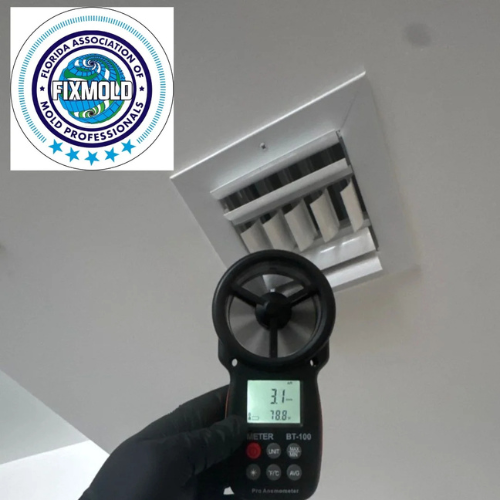
    Advanced sensor screening uses real-time instrumentation to measure particulate matter, carbon dioxide, volatile organic compounds, relative humidity, and temperature throughout the space. Graphic data analysis maps conditions across the property and identifies zones of concern for targeted sampling.

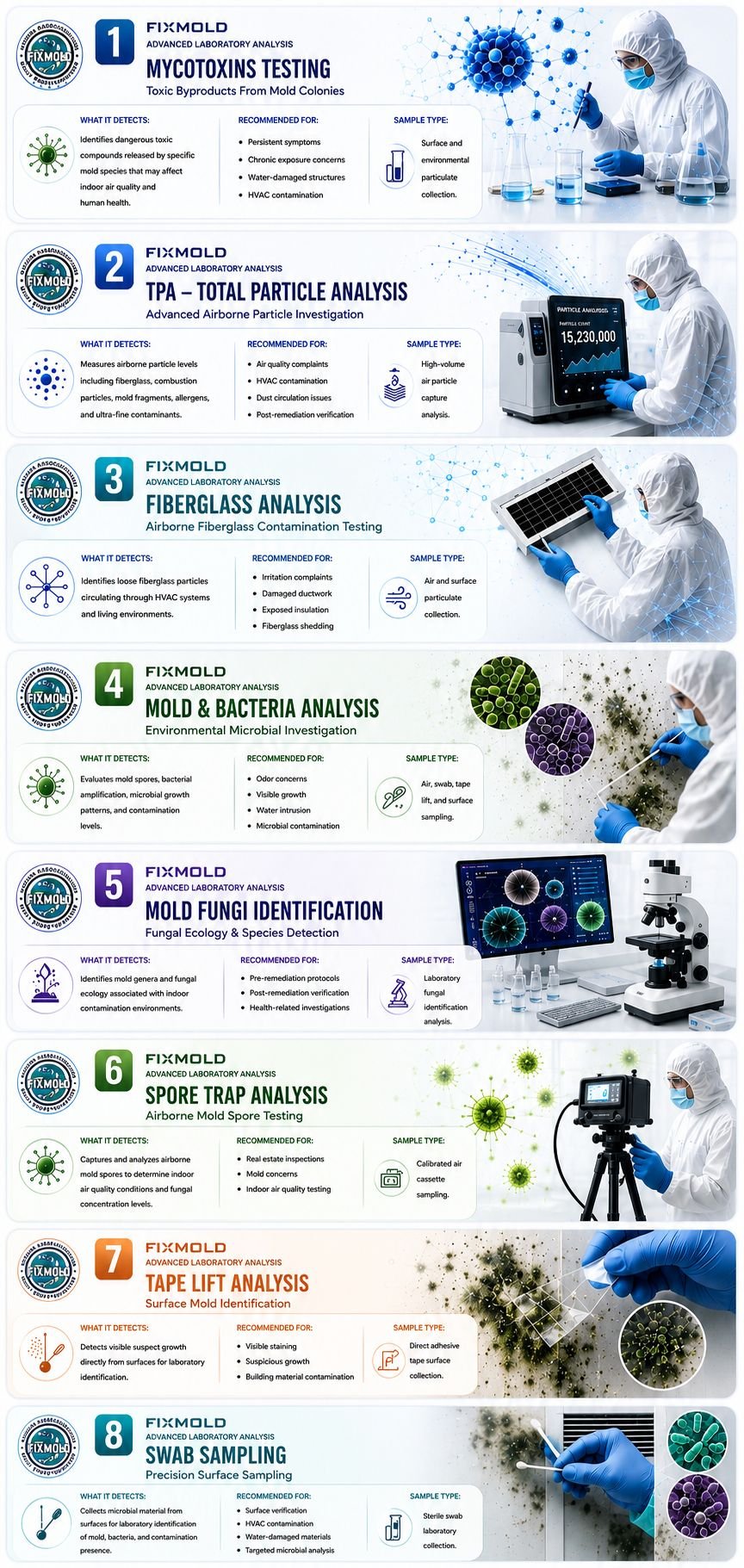
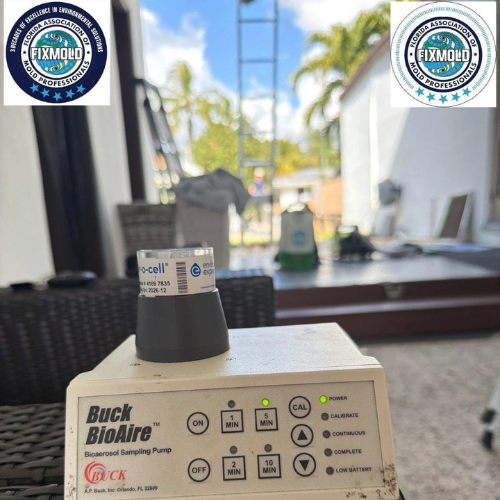
    Air sampling captures biological and chemical contaminants at their actual concentrations in the occupied air. Samples go to a third-party certified laboratory for full analysis against established health thresholds. Surface swabs, where warranted, add specificity to biological findings.

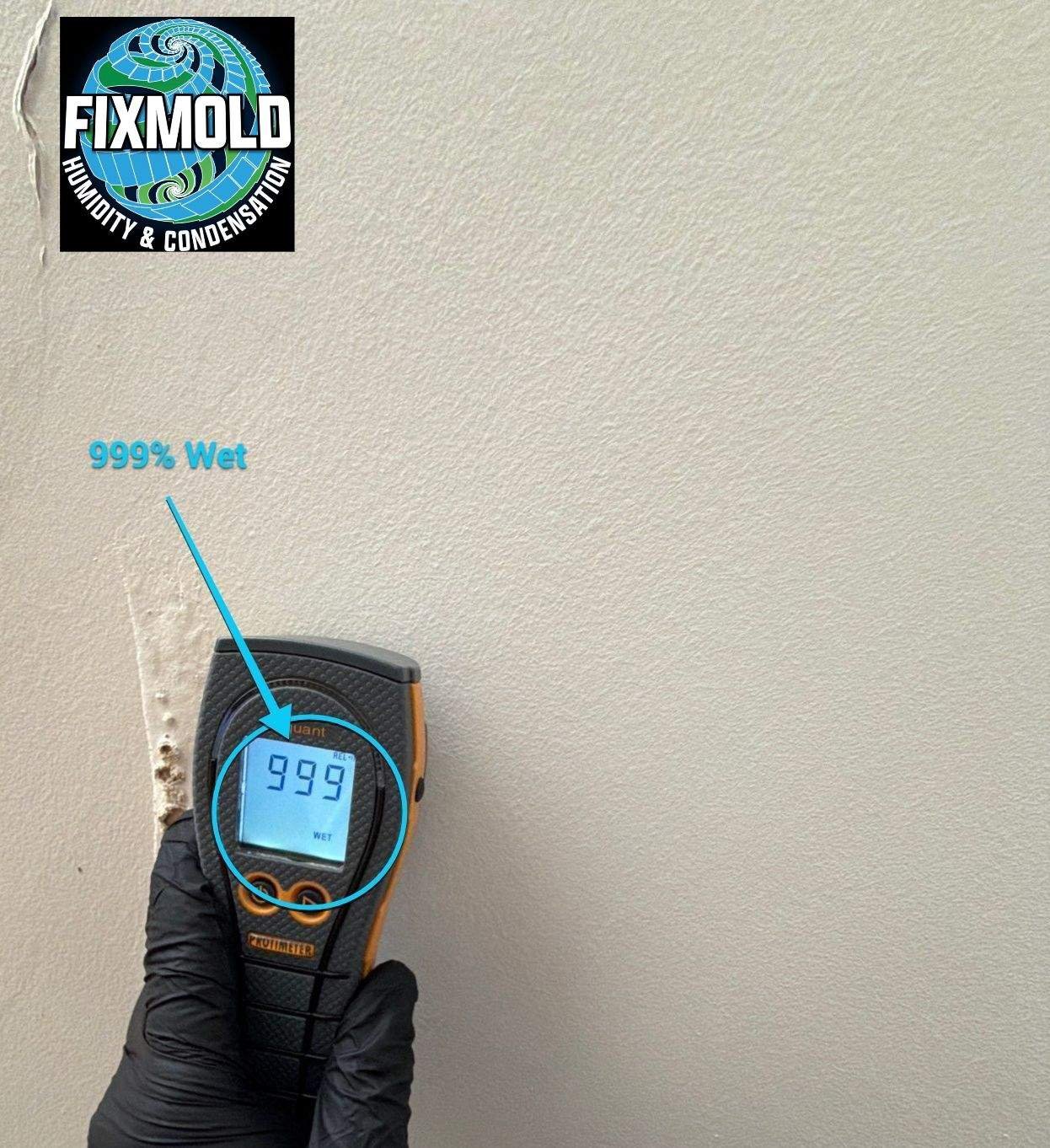
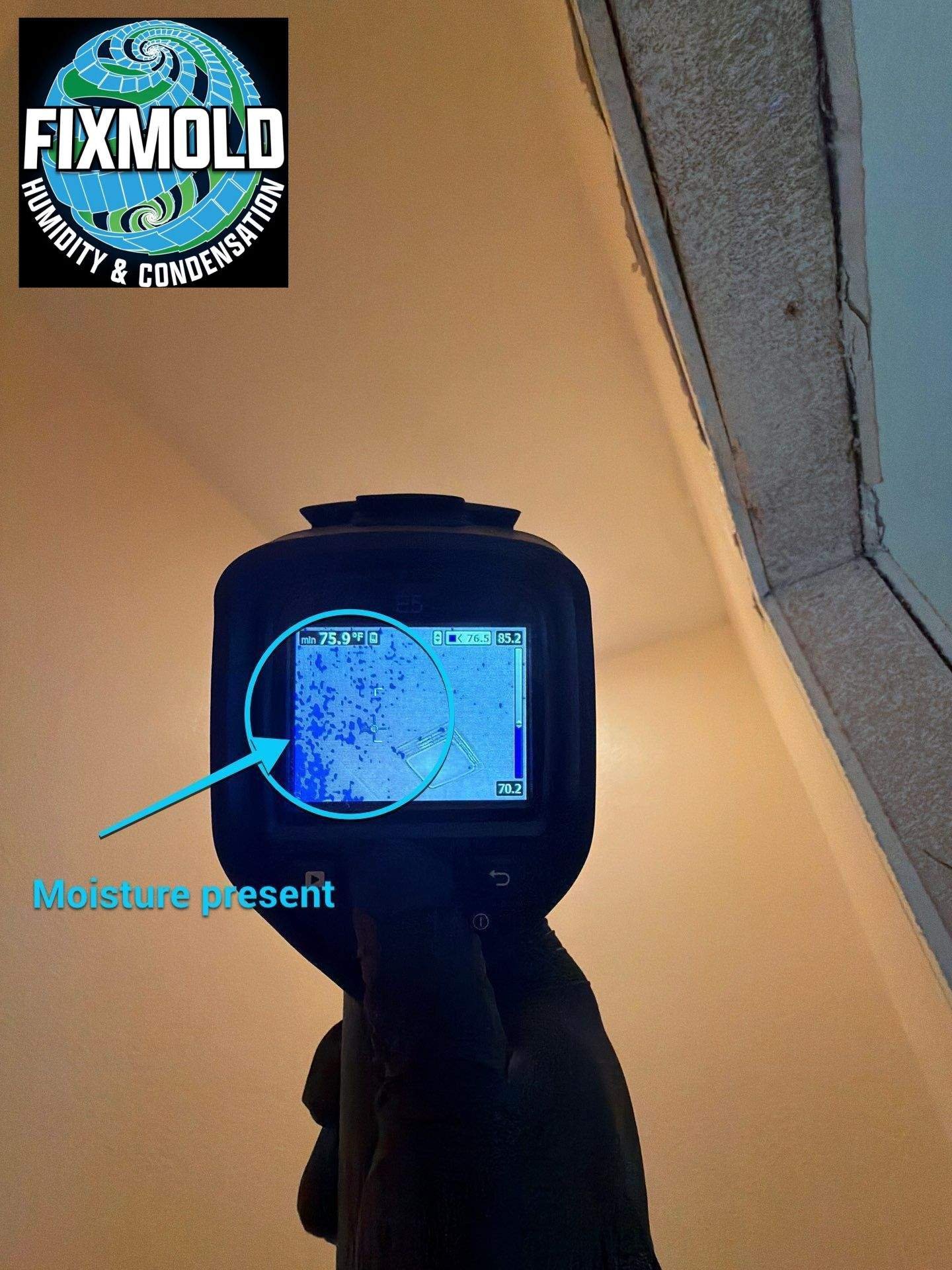
    Infrared thermal imaging identifies moisture behind walls, above ceilings, and under flooring — the hidden conditions driving biological contamination that surface inspection and air sampling alone can miss.

    The written assessment report documents every finding with data, photographs, and thermal images, compares results against EPA and AIHA benchmarks, identifies probable sources, and provides a prioritized remediation plan.

    Managing Indoor Air Quality After Assessment


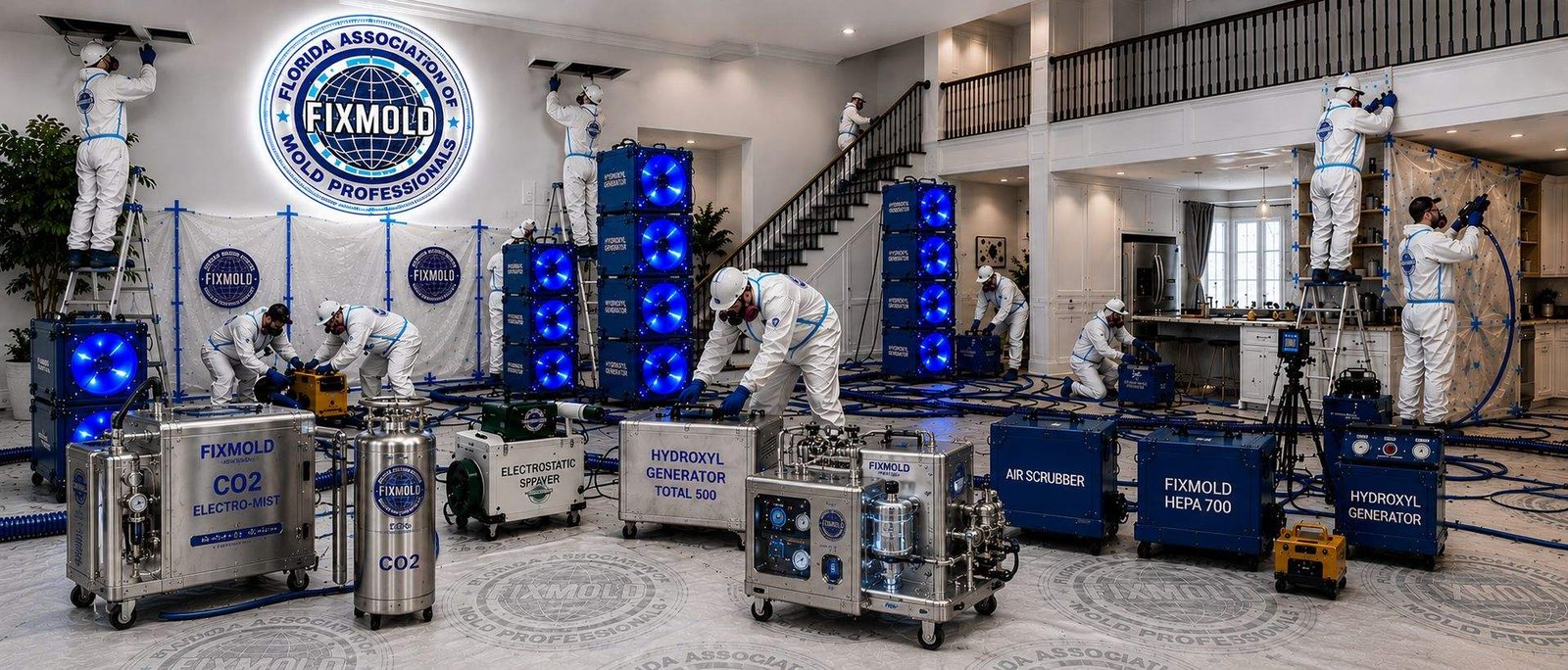
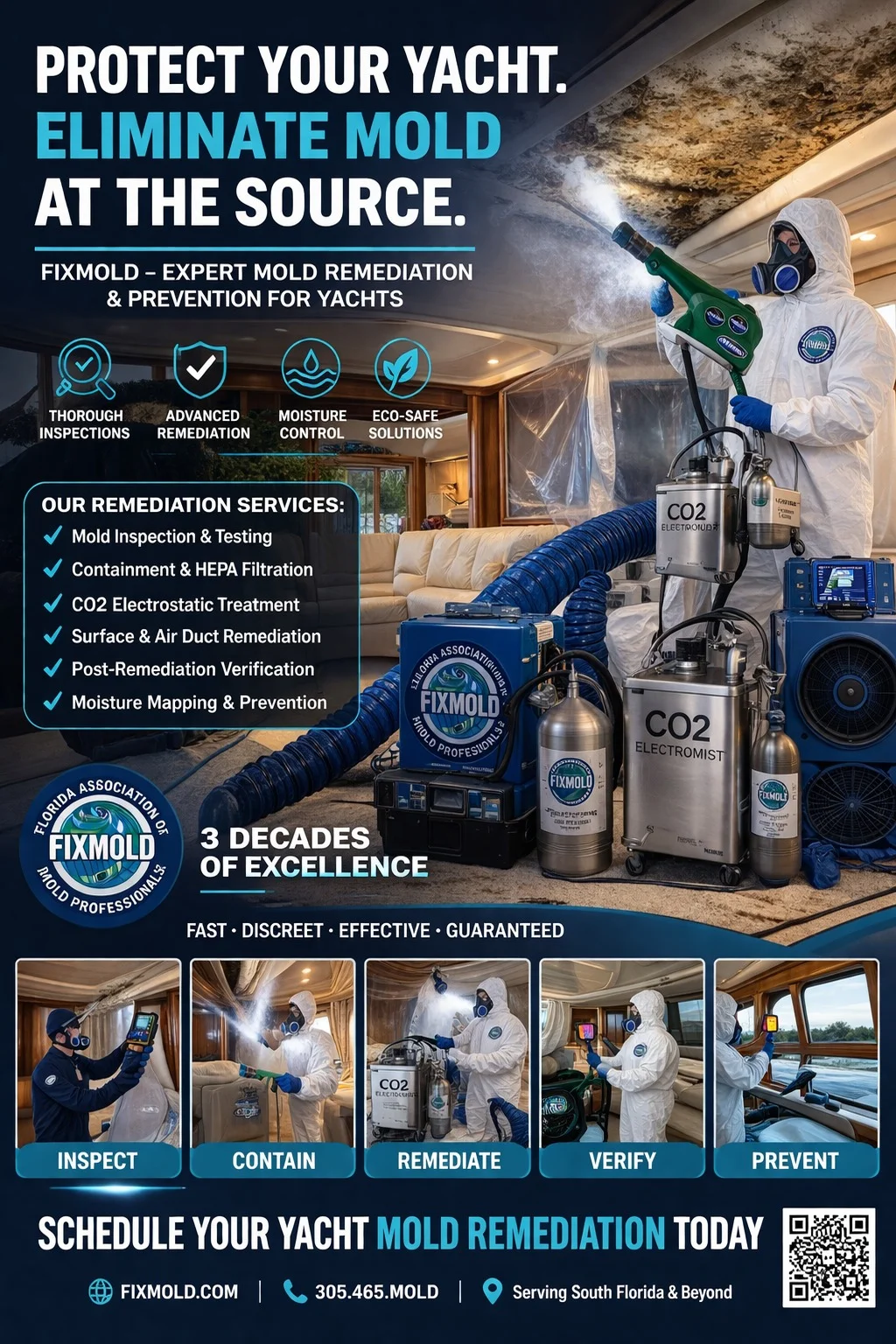
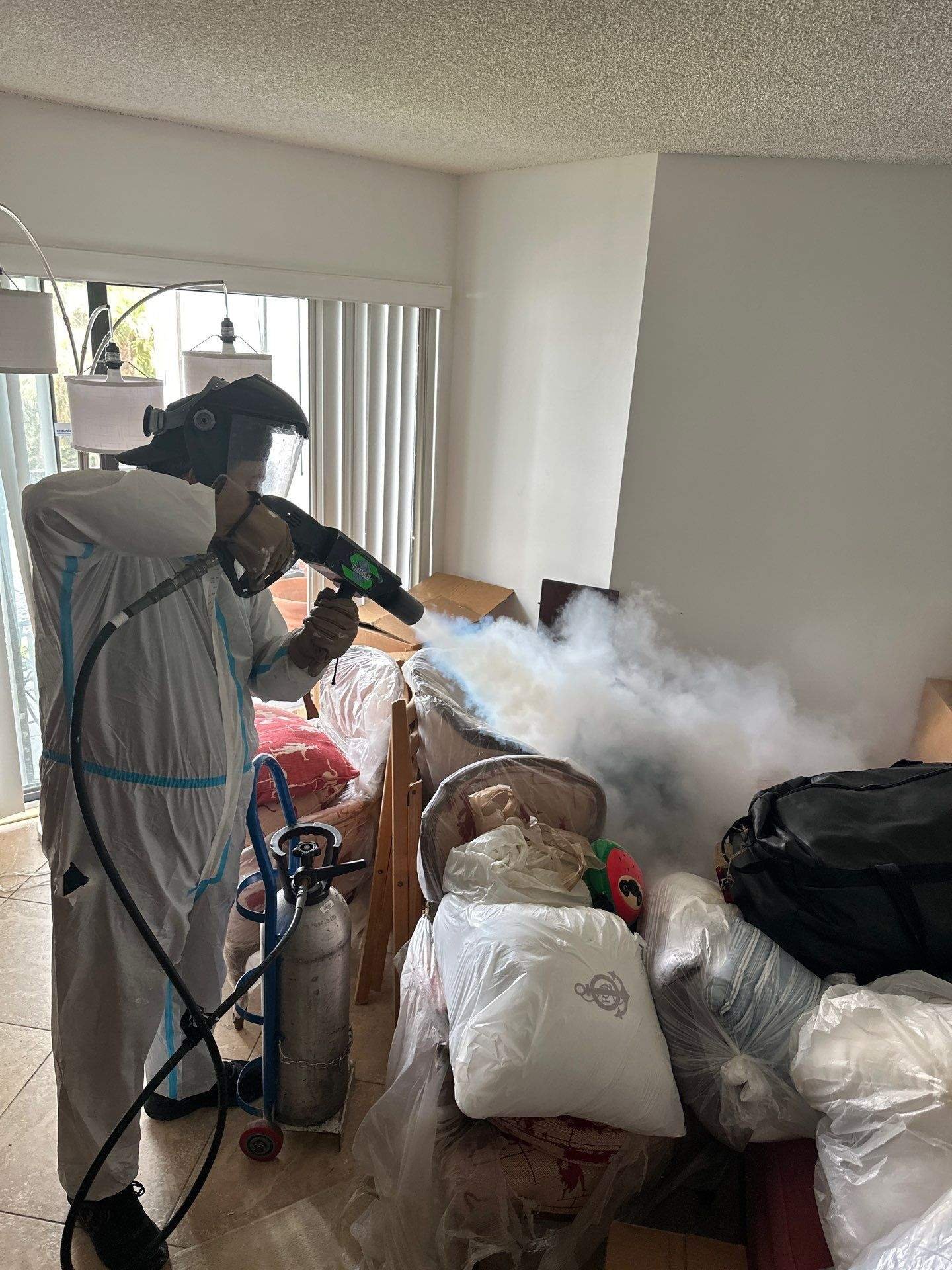
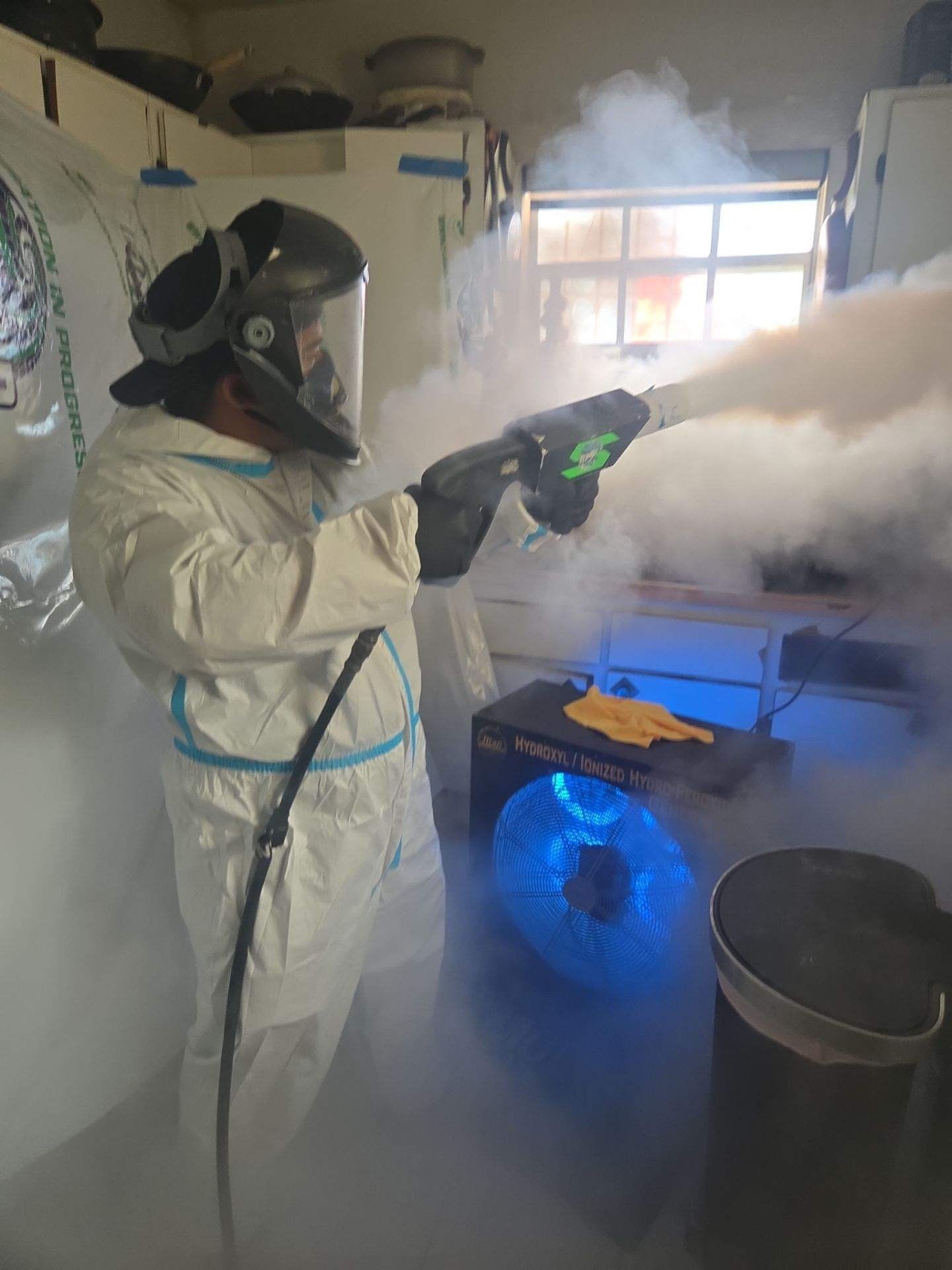
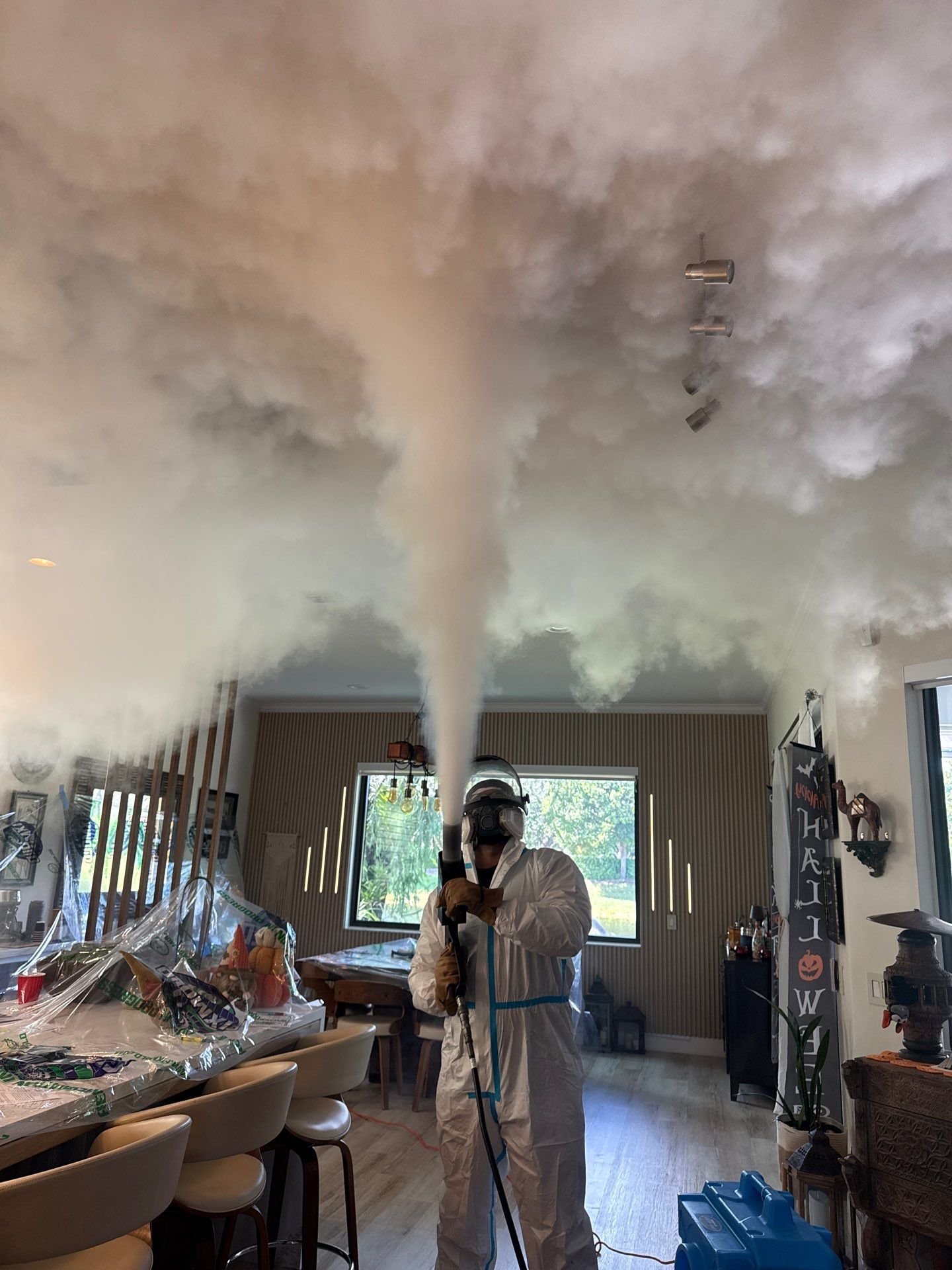
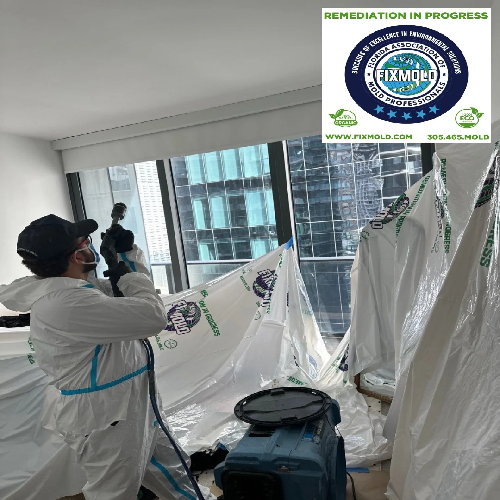
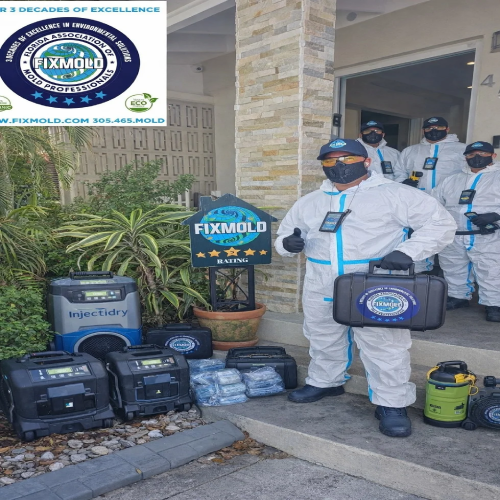
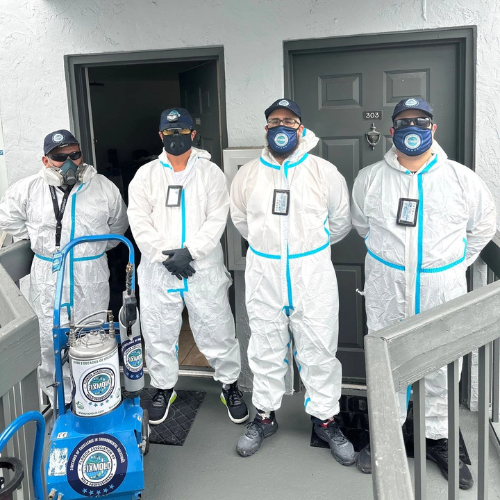
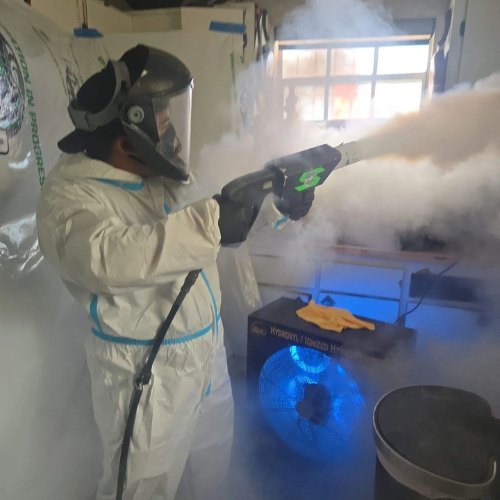
    Where biological contamination is confirmed, FixMold's 12-step remediation protocol addresses it directly using our CO2 hydrogenation dry ice mist technology and 100% organic VOC-free product line — critically important when the goal is improving air quality rather than simply trading one set of chemical pollutants for another.

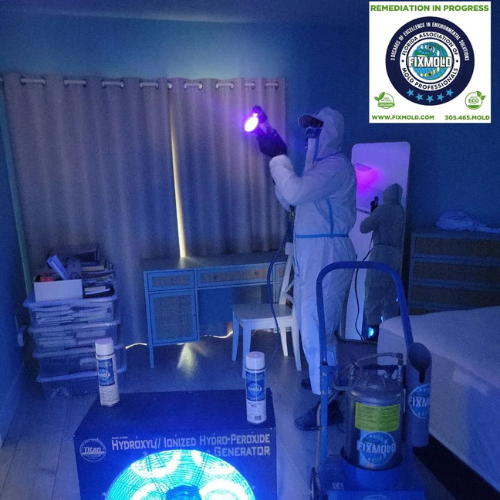
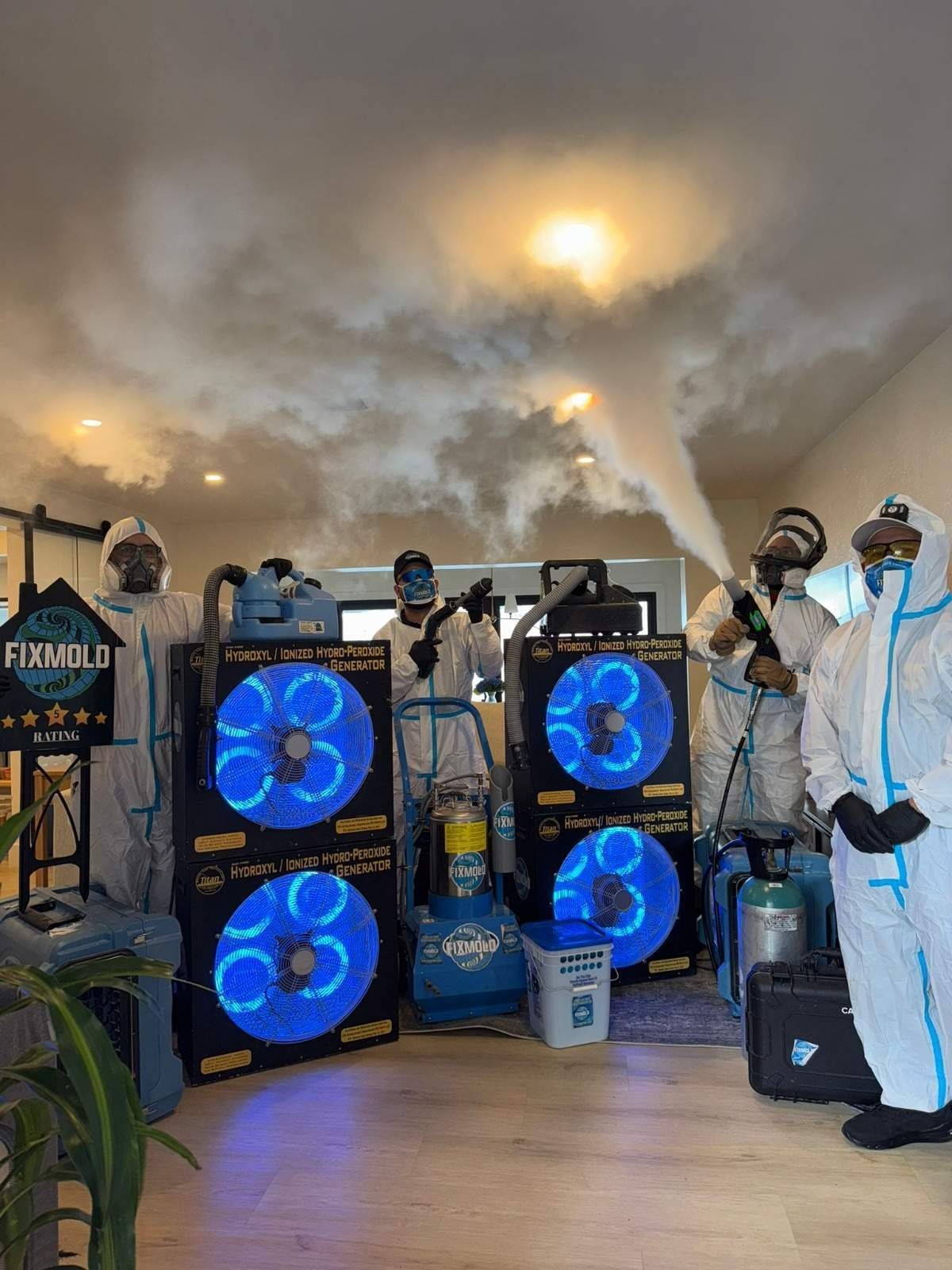
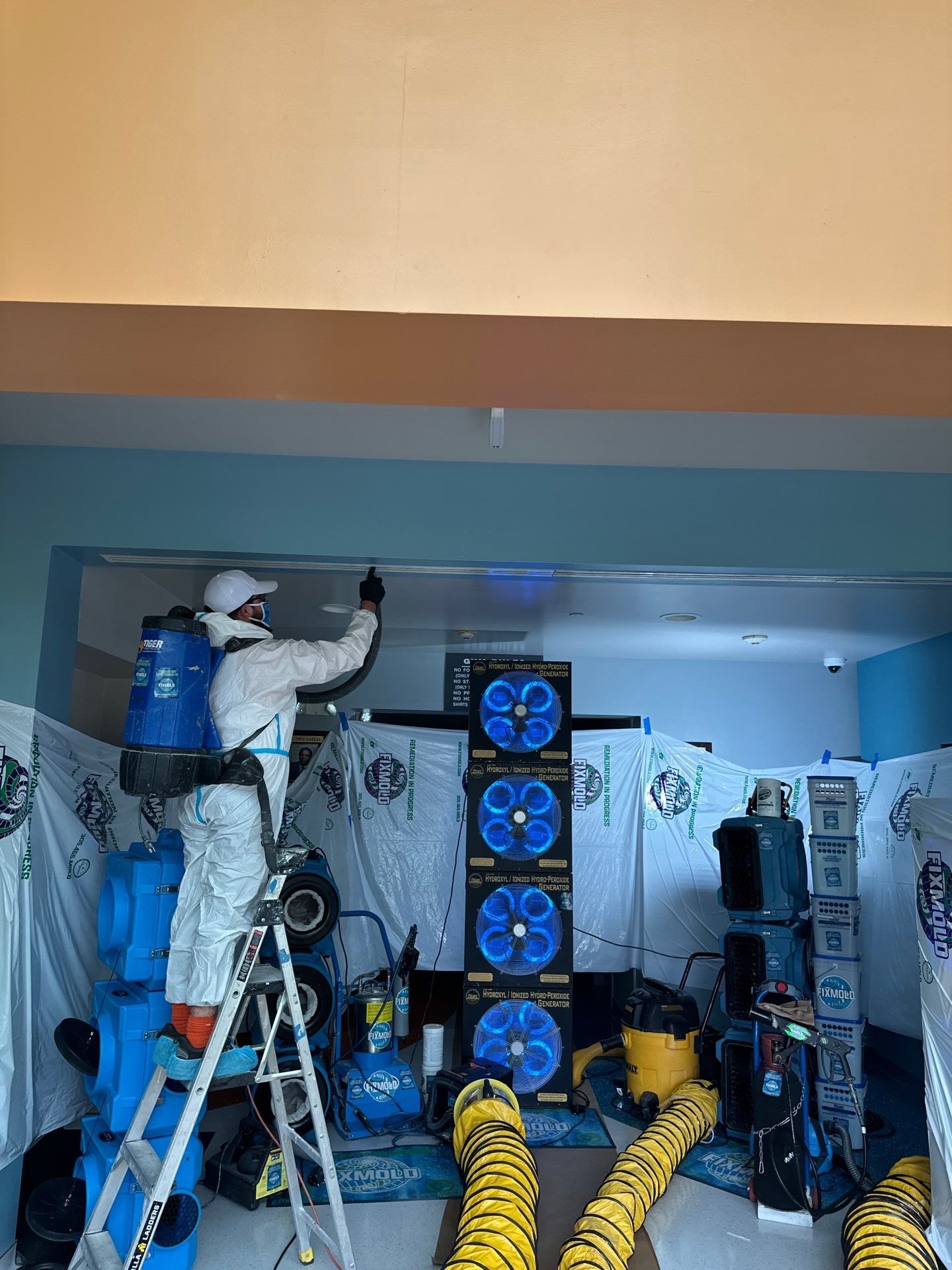
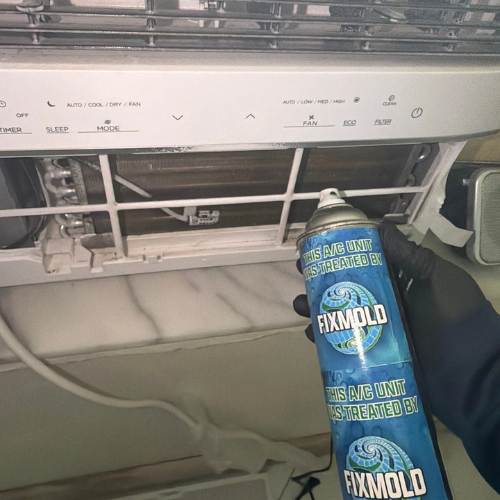
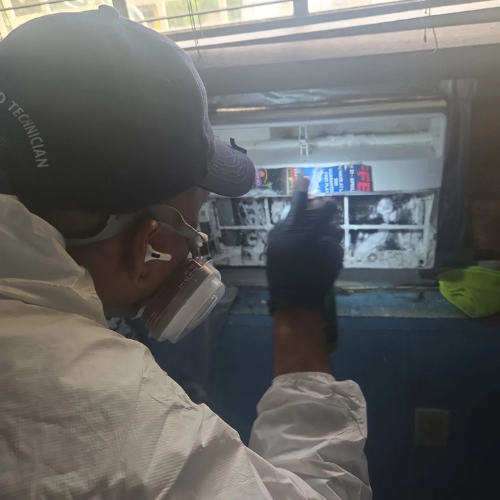
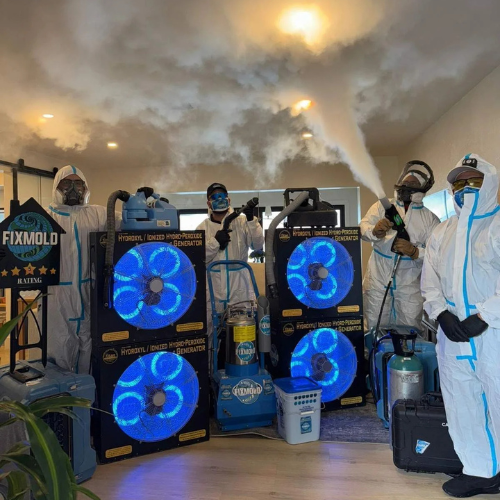
    Where the issue is chemical — VOC accumulation, formaldehyde off-gassing, tobacco smoke residue — we deploy hydroxyl ionized hydrogen peroxide generators and AirBiotics probiotic cleaners that break down chemical contaminants at the molecular level without introducing new pollutants. Our HVAC forensic cleaning removes the contamination load built up in air handling systems so the system delivers clean air rather than recirculating the problem.

    For ongoing air quality maintenance, our Air Quality Property Maintenance Service provides scheduled monitoring and intervention that keeps your indoor environment within healthy parameters year-round — particularly relevant in South Florida's climate, where humidity management is a continuous requirement rather than a one-time fix.


    What you see on the surface is rarely the whole story. Mold in South Florida almost always starts where you cannot see it, inside wall cavities, above ceiling tiles, behind bathroom fixtures, inside ductwork. By the time a dark spot appears or a smell becomes undeniable, the problem has usually been building for weeks.

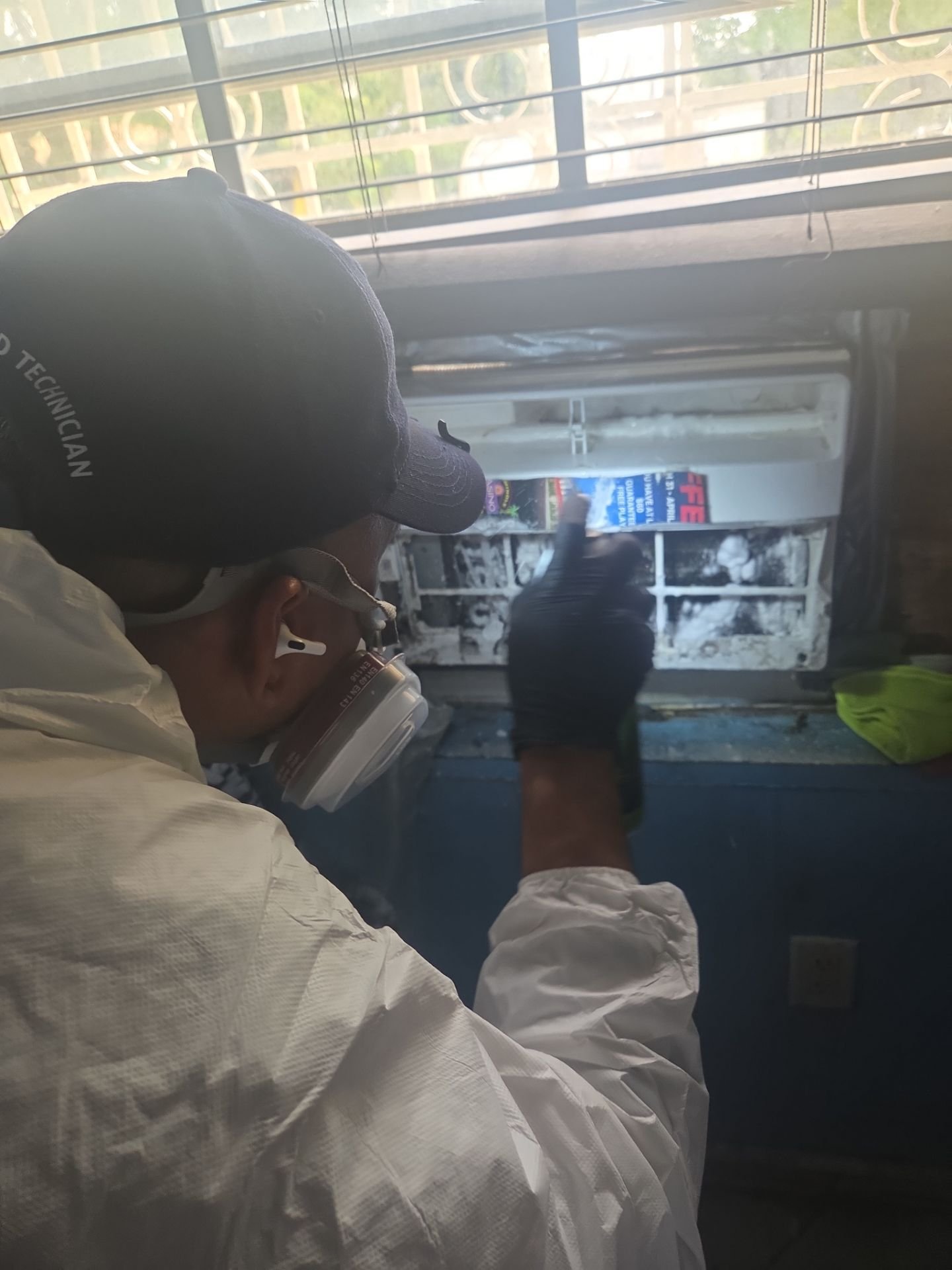
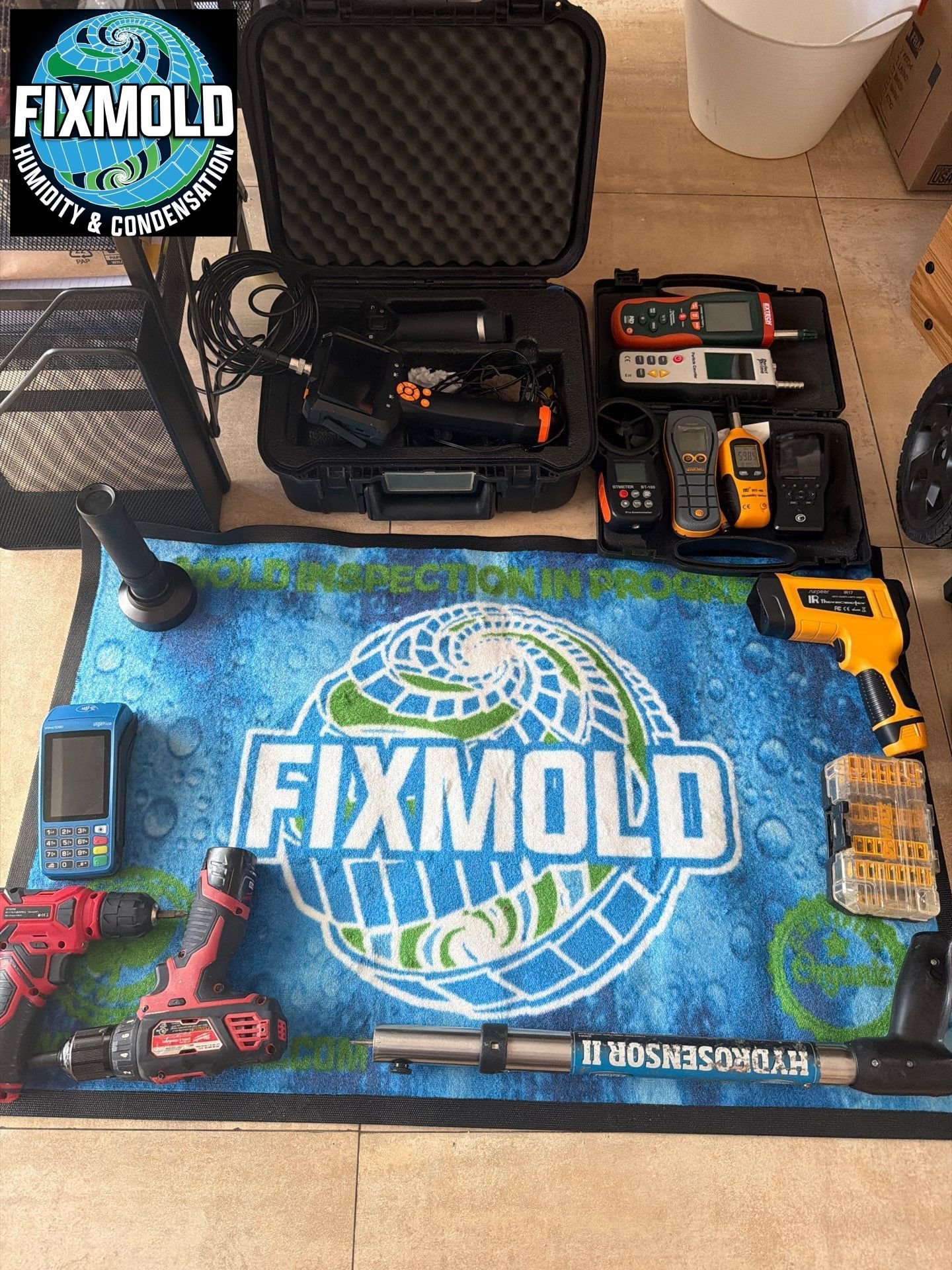
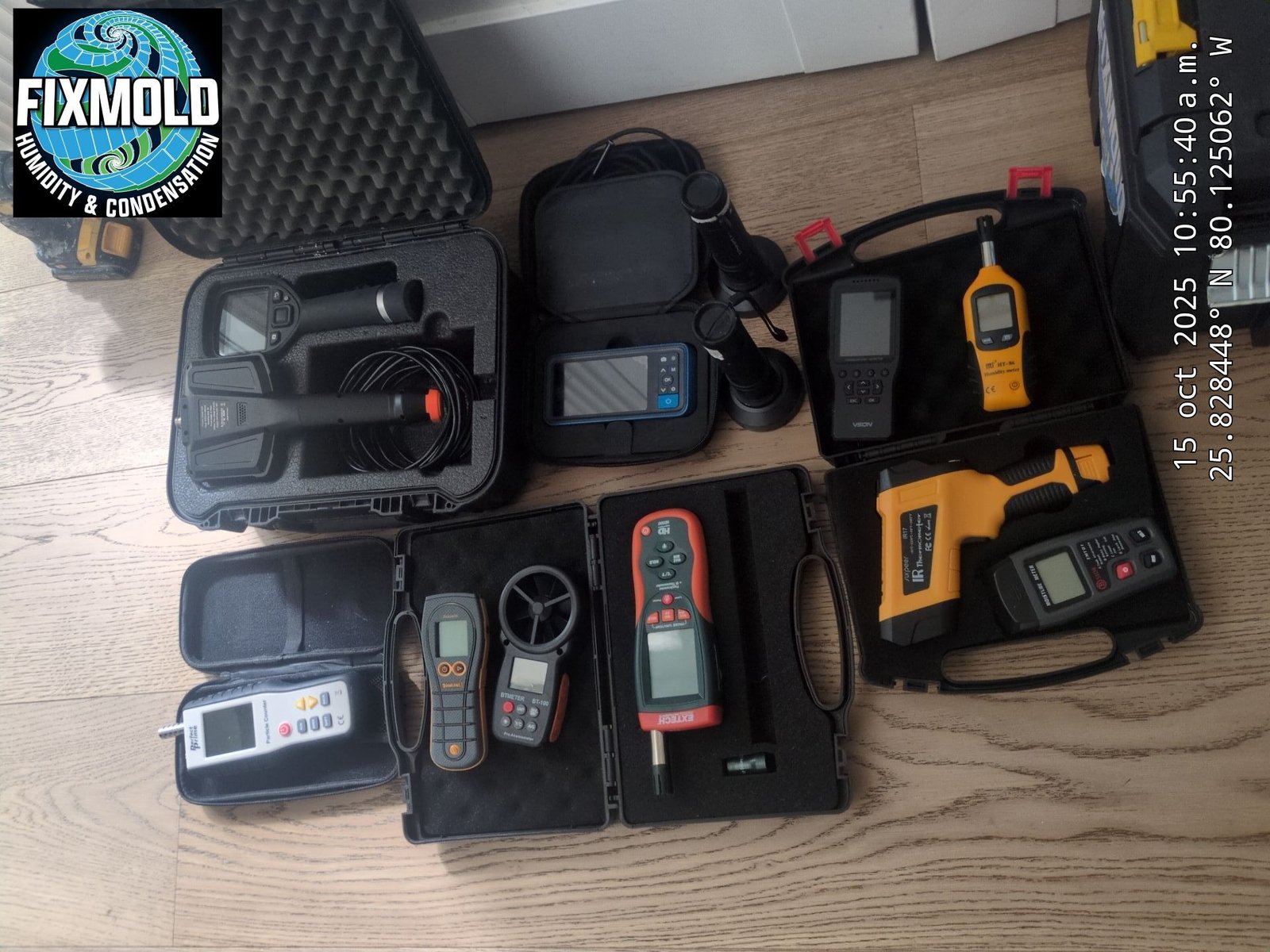
    Our certified inspectors use infrared thermal imaging cameras and calibrated particle counters to read your property the way no visual check ever could. Infrared detects temperature differentials that reveal trapped moisture behind surfaces. Particle counters measure what is actually in your air. Together they give us a precise picture of where mold is active, not just where it is showing.

     

    Every sample we collect goes to an independent certified laboratory, not an in-house operation. Air samples, surface swabs and control readings are analyzed under microscopy and returned with full species identification and spore counts per cubic meter of air.

    What sets our reports apart is what happens after the lab results come back. Your inspector sits with you and walks through every finding in plain language. You learn exactly what was found, what it means for your health and your home, and what the right next step looks like. No jargon. No pressure. Just a clear answer and a clear path forward.

    A Deep Commitment To Restoration

    A Family Legacy Of Trust

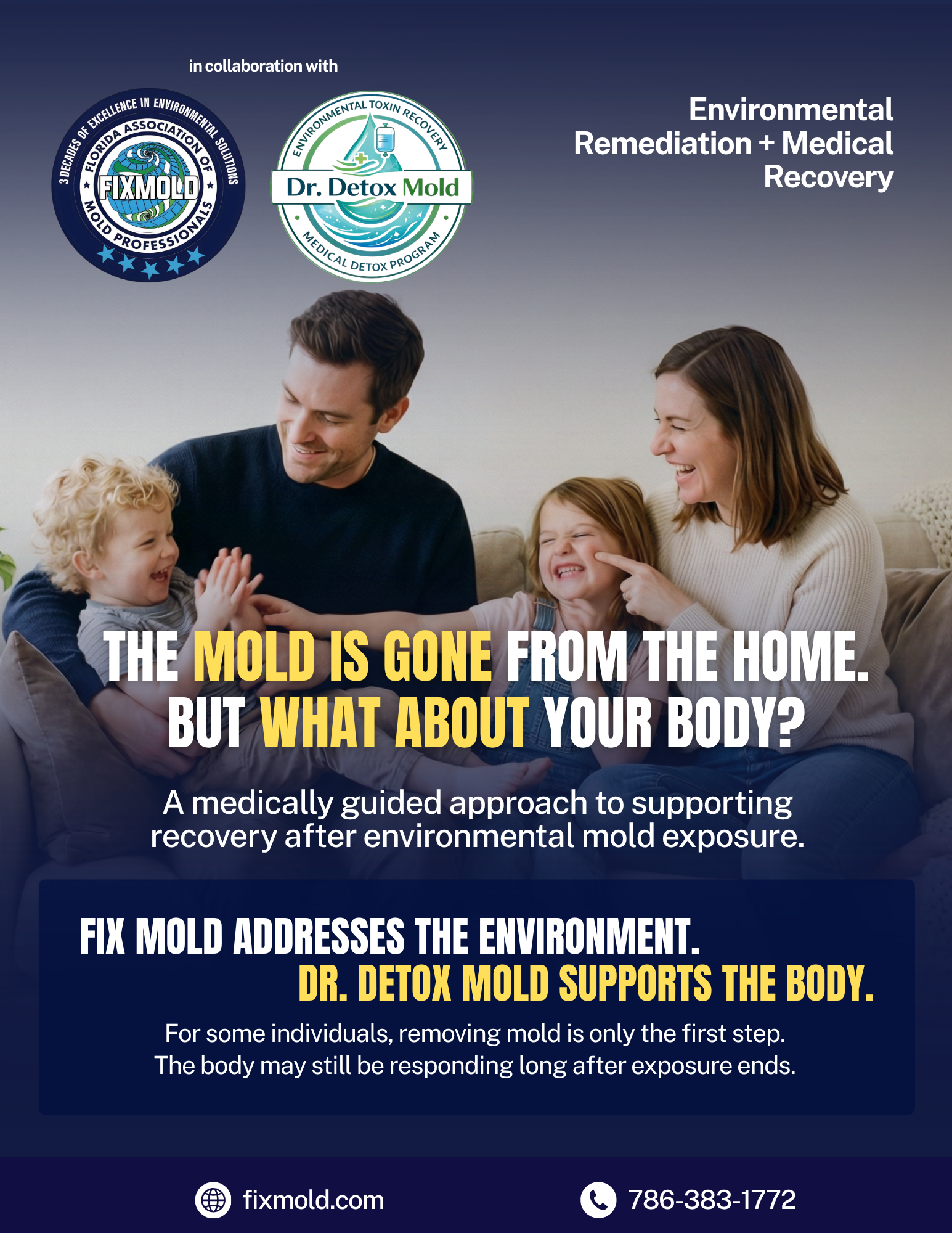
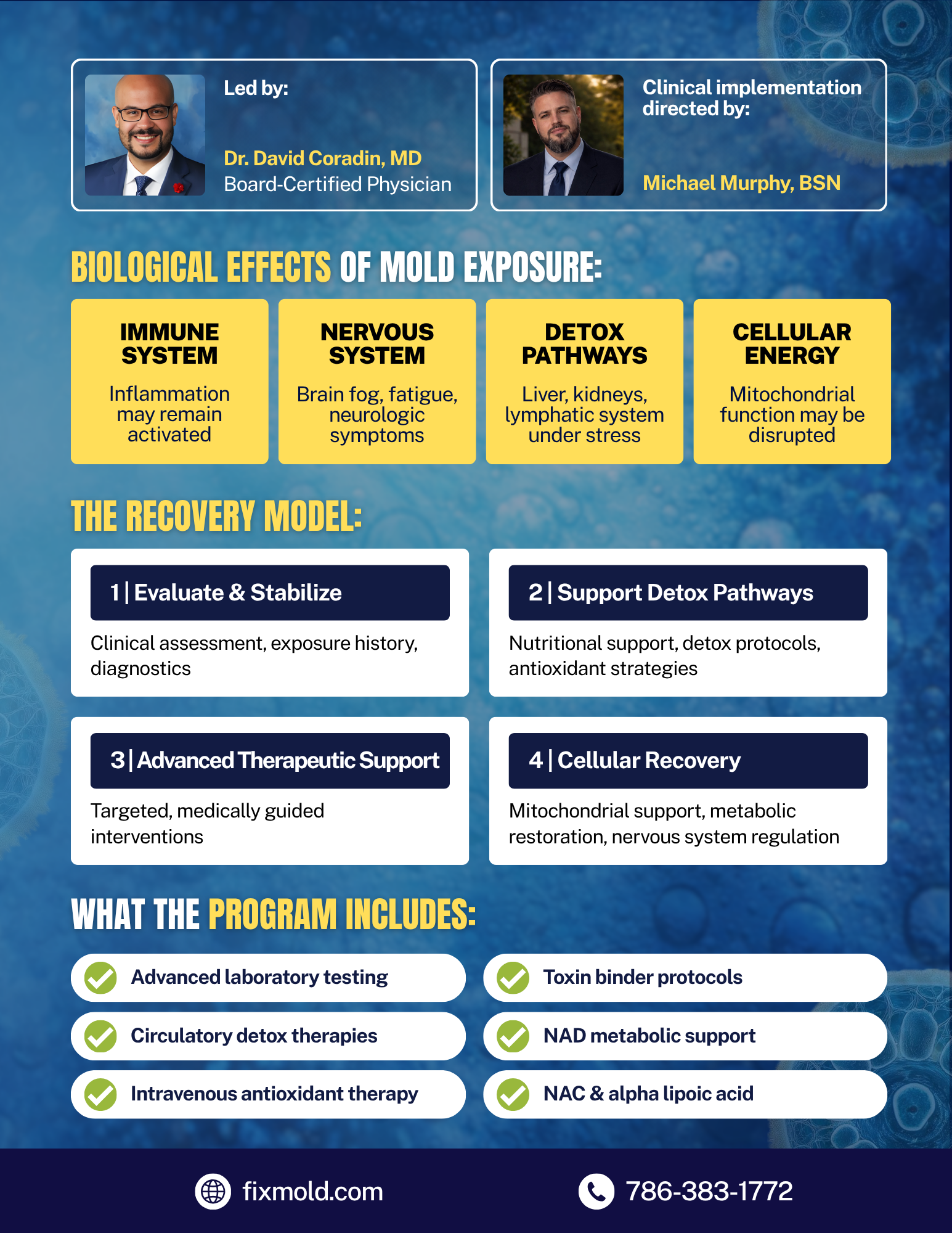
    Mold Removed From Your Home. What About Your Body?

    A medically guided approach to supporting recovery after mold exposure.
    Miami Fix Mold
    Miami Fix Mold

    FixMold focuses on eliminating mold from your environment.

    But for some individuals, recovery doesn’t stop there.
    Even after successful remediation, the body may continue responding to past exposure. In these cases, a structured, medically guided approach may be necessary to support full recovery.

    Why Symptoms Can Continue After Mold Exposure

    Removing mold addresses the source of the problem, but it does not always resolve how the body has been affected during exposure.

    Environmental toxins can impact multiple systems:
    • Immune function
    • Nervous system signaling
    • Cellular energy production
    • Detoxification pathways

    For some individuals, these systems require time and proper support to return to balance.

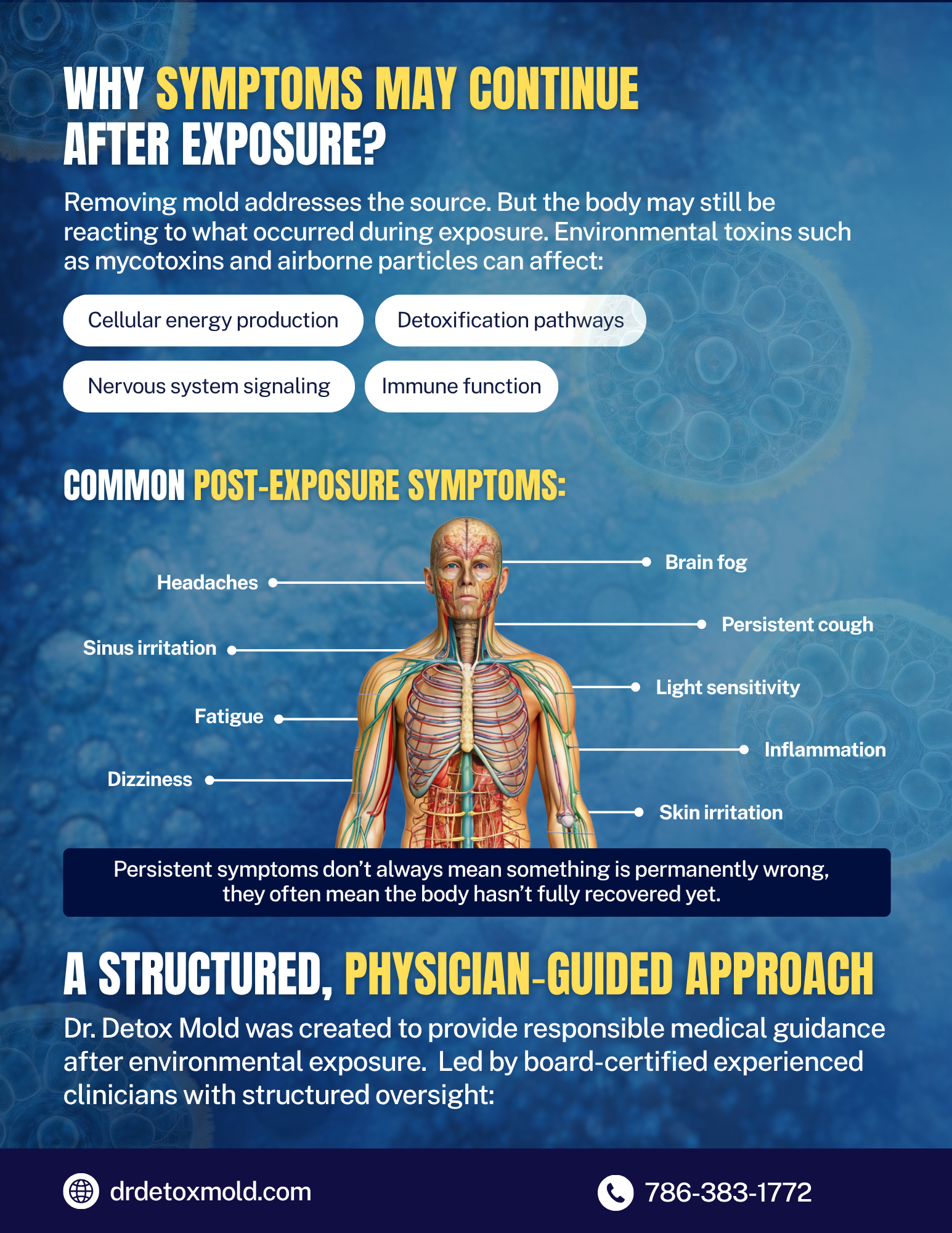
    Common Post-Exposure Symptoms

    • Brain fog
    • Fatigue
    • Headaches
    • Sinus congestion or irritation
    • Persistent cough
    • Dizziness
    • Light sensitivity
    • Skin irritation
    • Ongoing inflammation

    Important

    • Persistent symptoms do not always indicate something permanent
    • They often indicate that the body has not fully recovered yet

    Recovery Approach

    1. Evaluation & Stabilization
    • Clinical assessment
    • Exposure history review
    • Diagnostic testing

    2. Detoxification Support
    • Nutritional protocols
    • Toxin-binding strategies
    • Antioxidant support

    3. Advanced Therapeutic Support
    • Targeted, medically guided interventions
    • IV-based therapies when appropriate

    4. Cellular Recovery
    • Mitochondrial support
    • Metabolic restoration
    • Nervous system regulation

    Core Focus

    • Detoxification support
    • Immune system balance
    • Cellular energy restoration
    • Nervous system regulation

    Key Principle

    Recovery is not about doing more. It is about doing the right things, in the right order.

    Next Steps

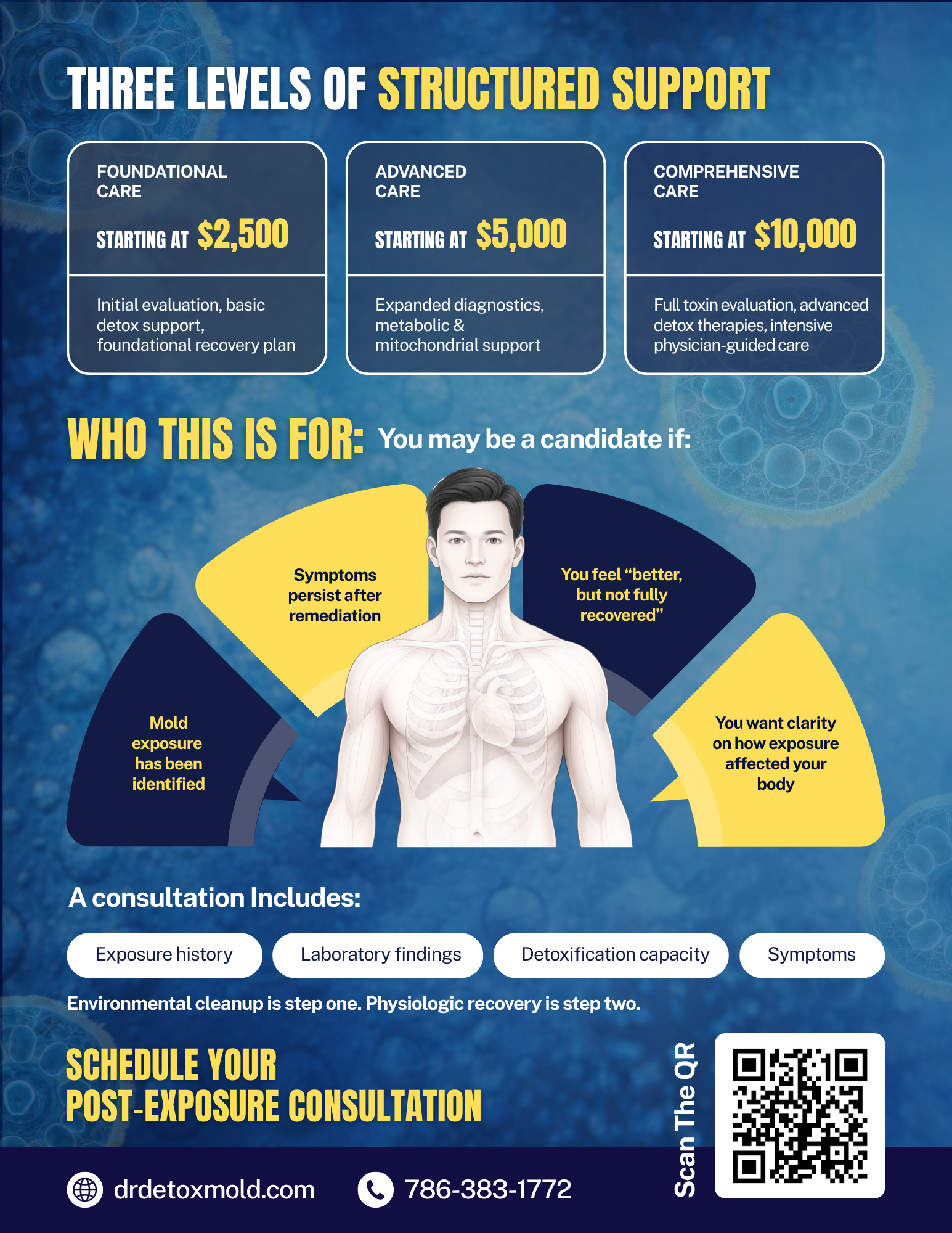
    If mold exposure has been identified and symptoms are still present, evaluation may provide clarity.
    • Exposure history review
    • Laboratory evaluation
    • Detoxification assessment
    • Symptom analysis

    Schedule Your Post-Exposure Consultation

    📞 786-383-1772

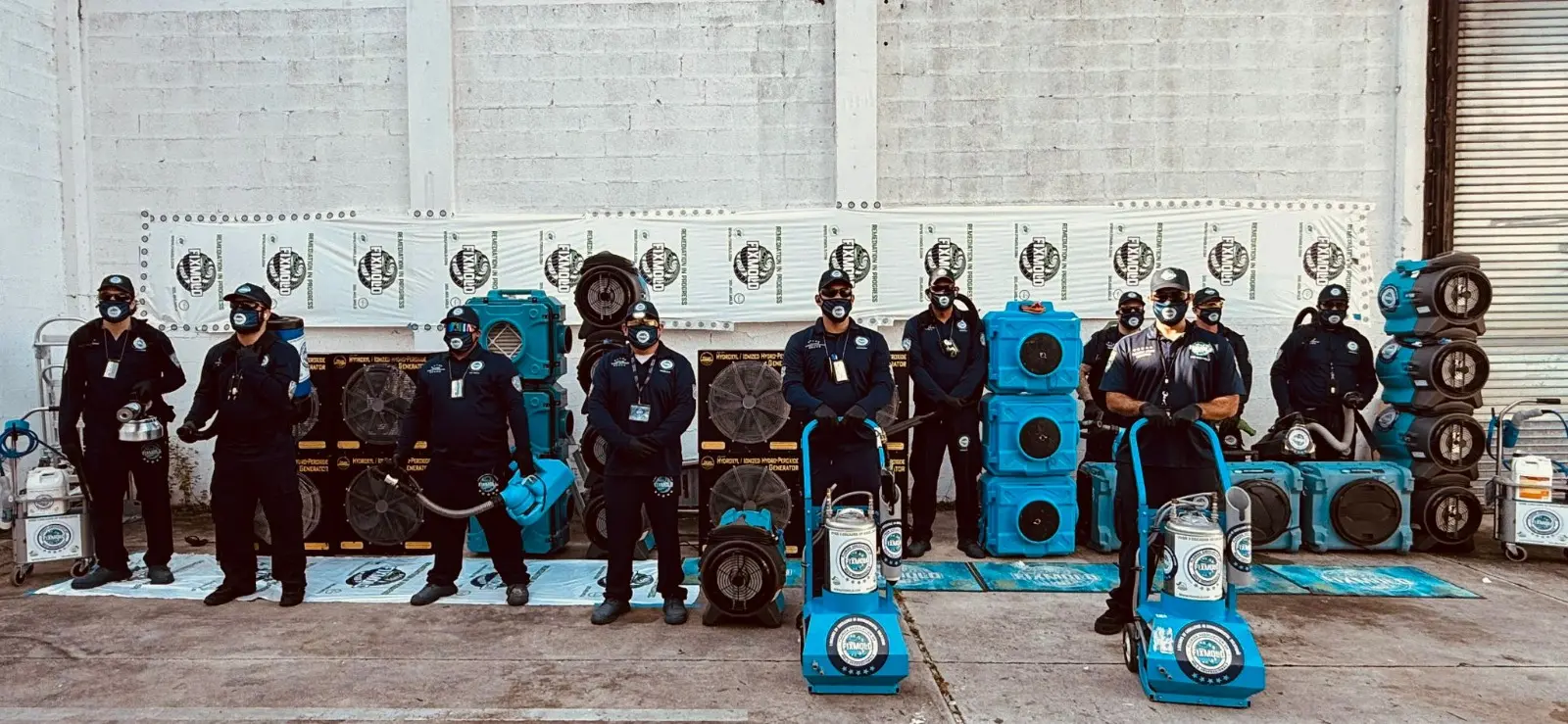
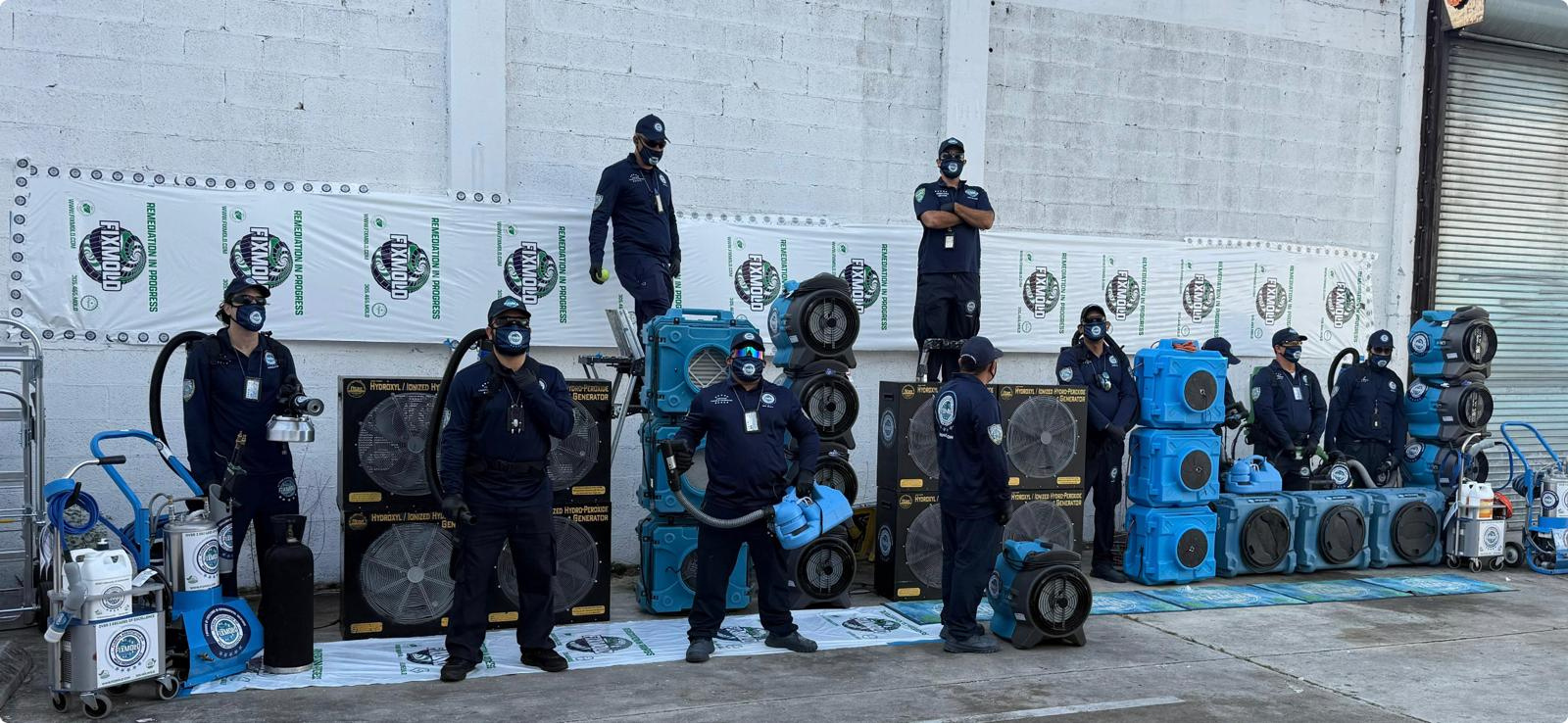
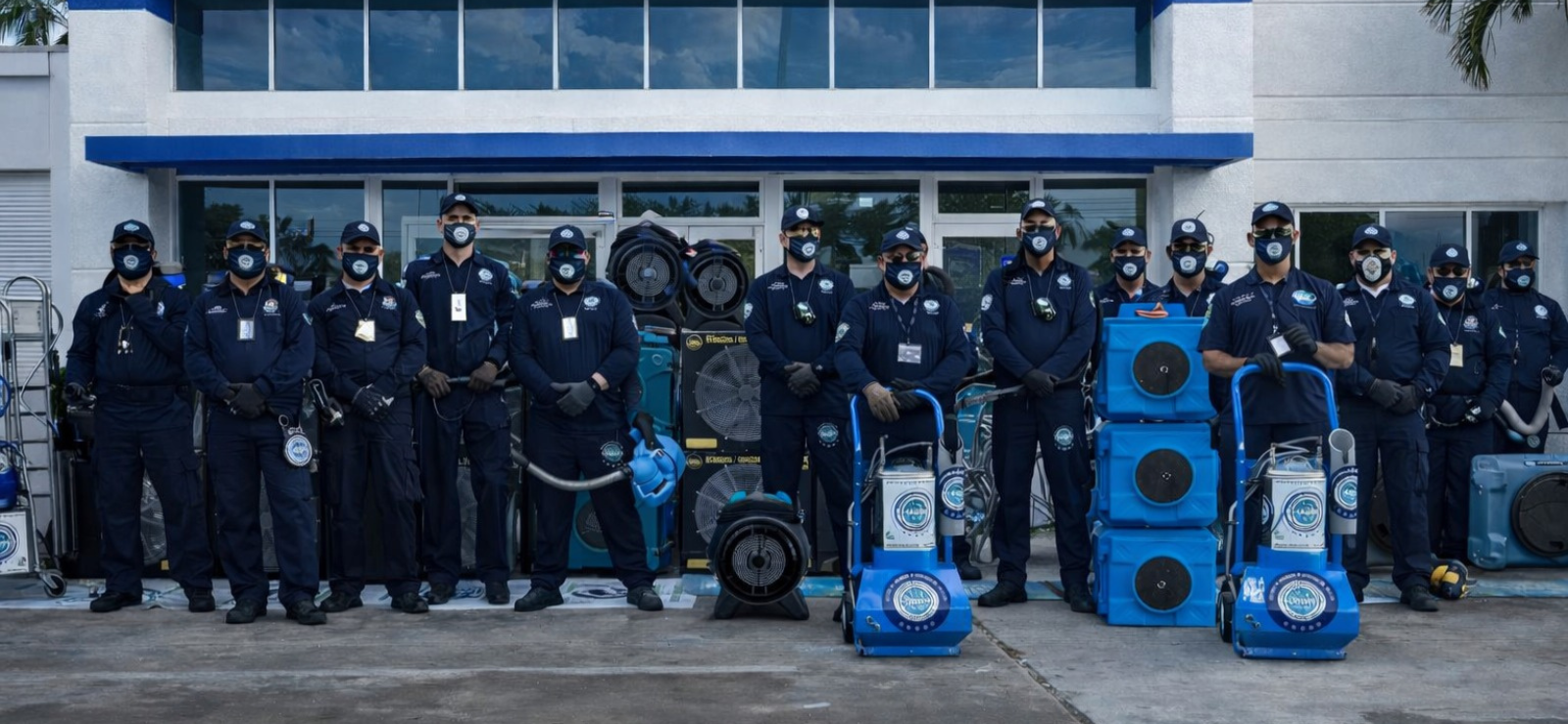
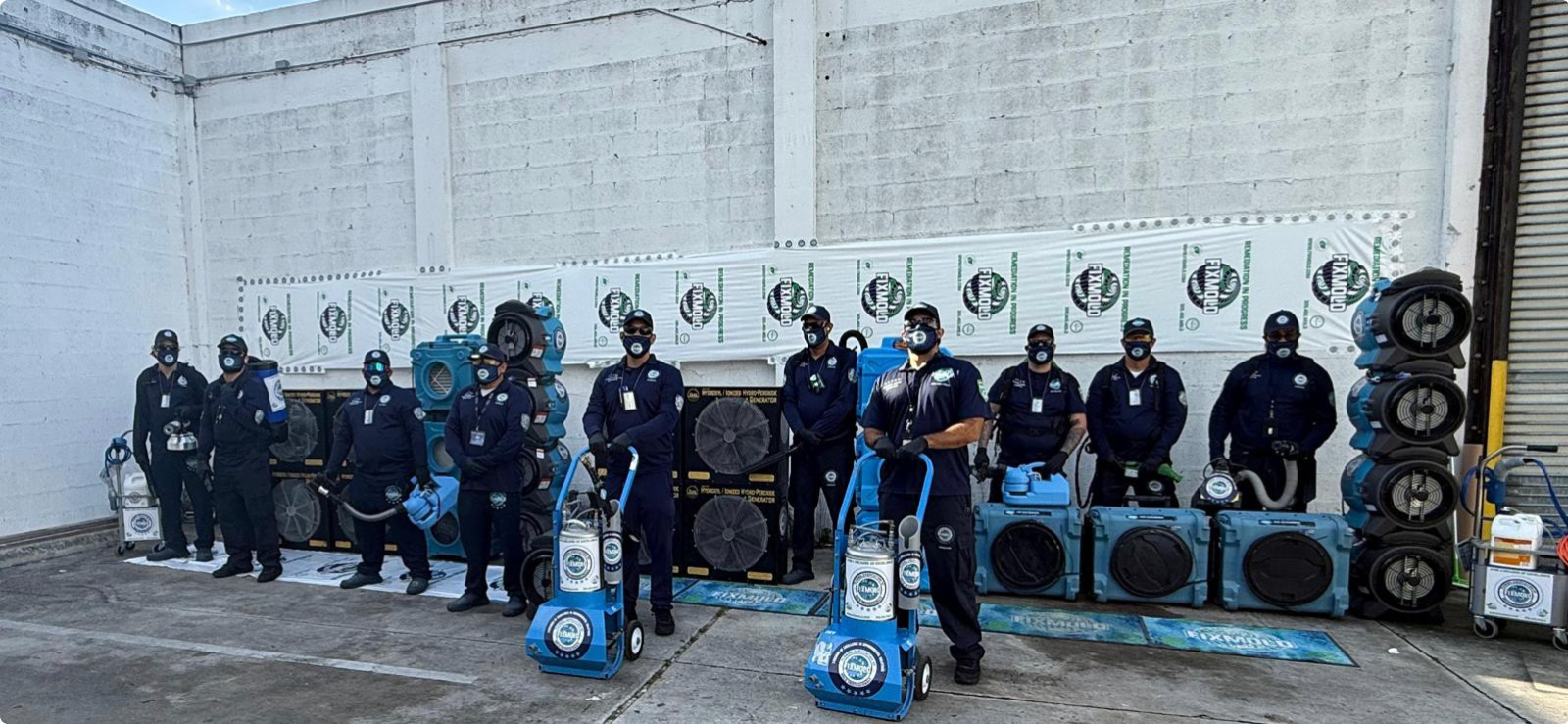
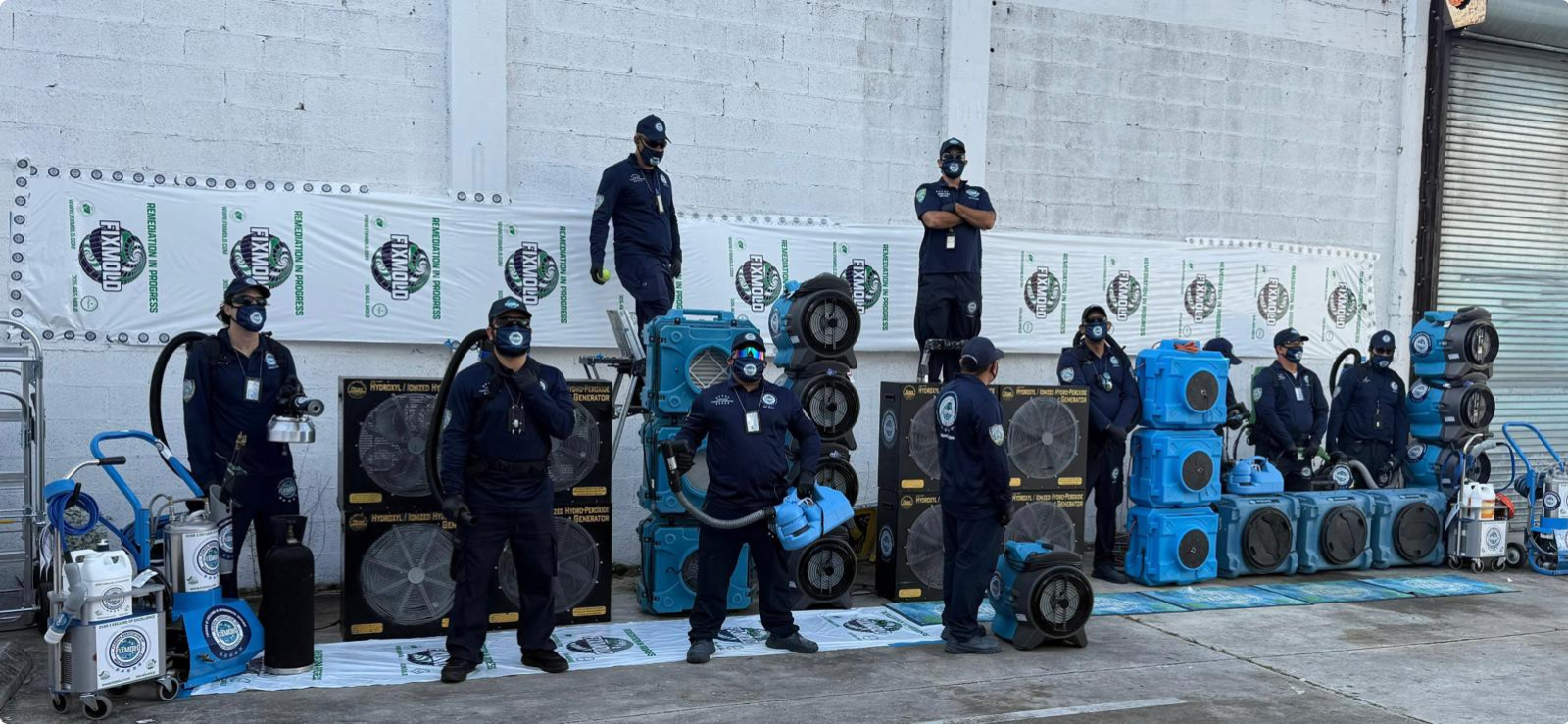
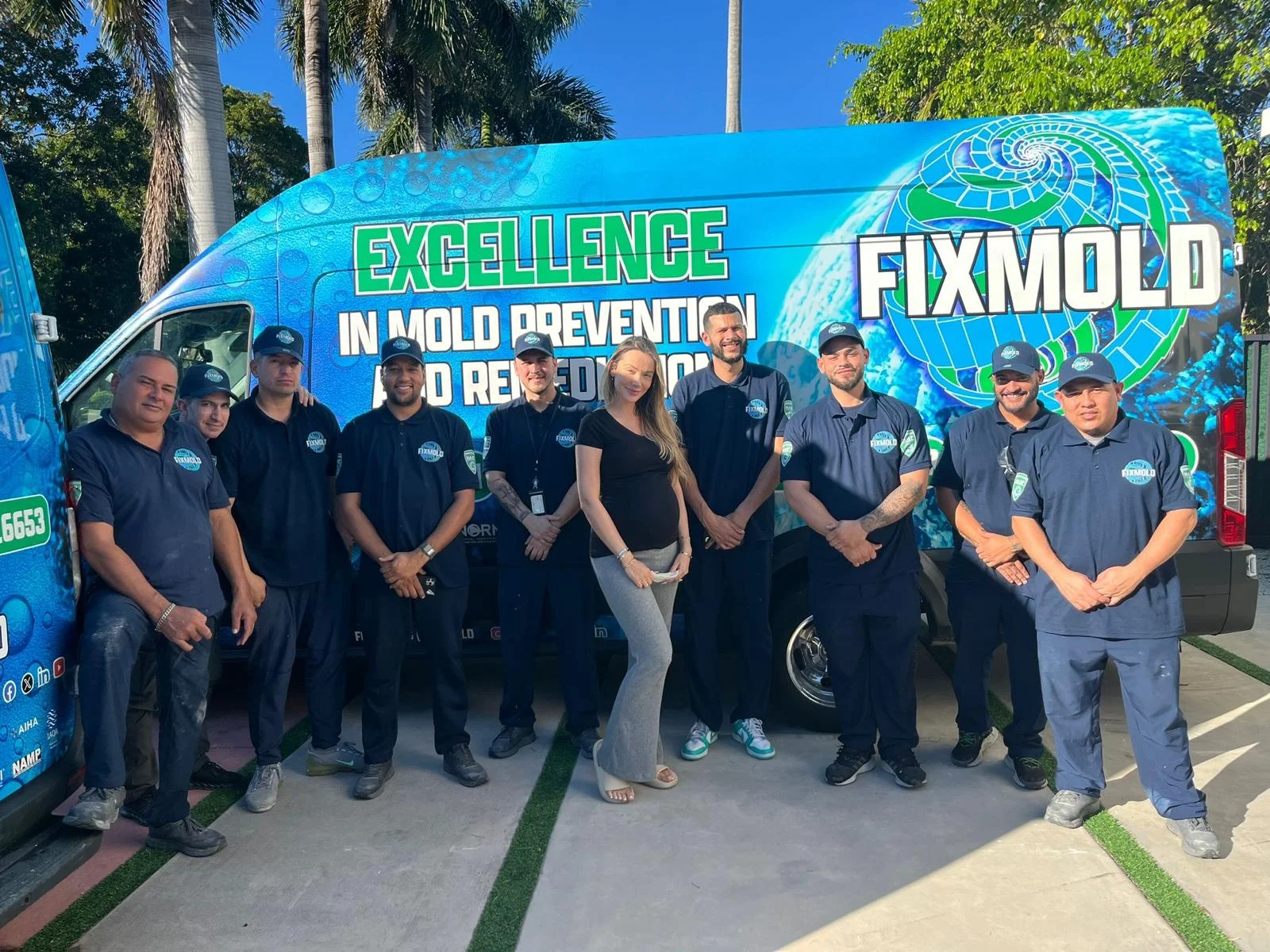
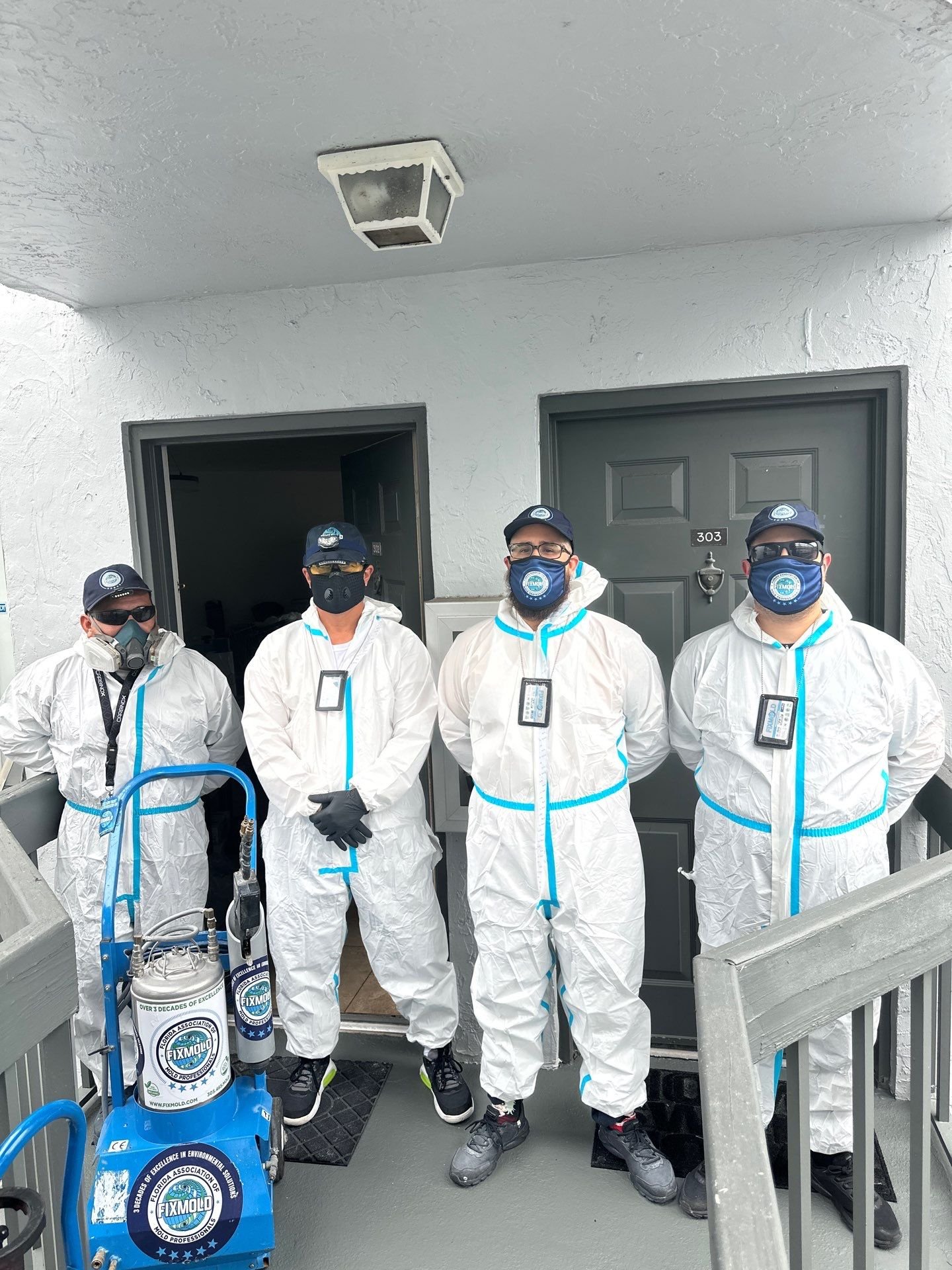
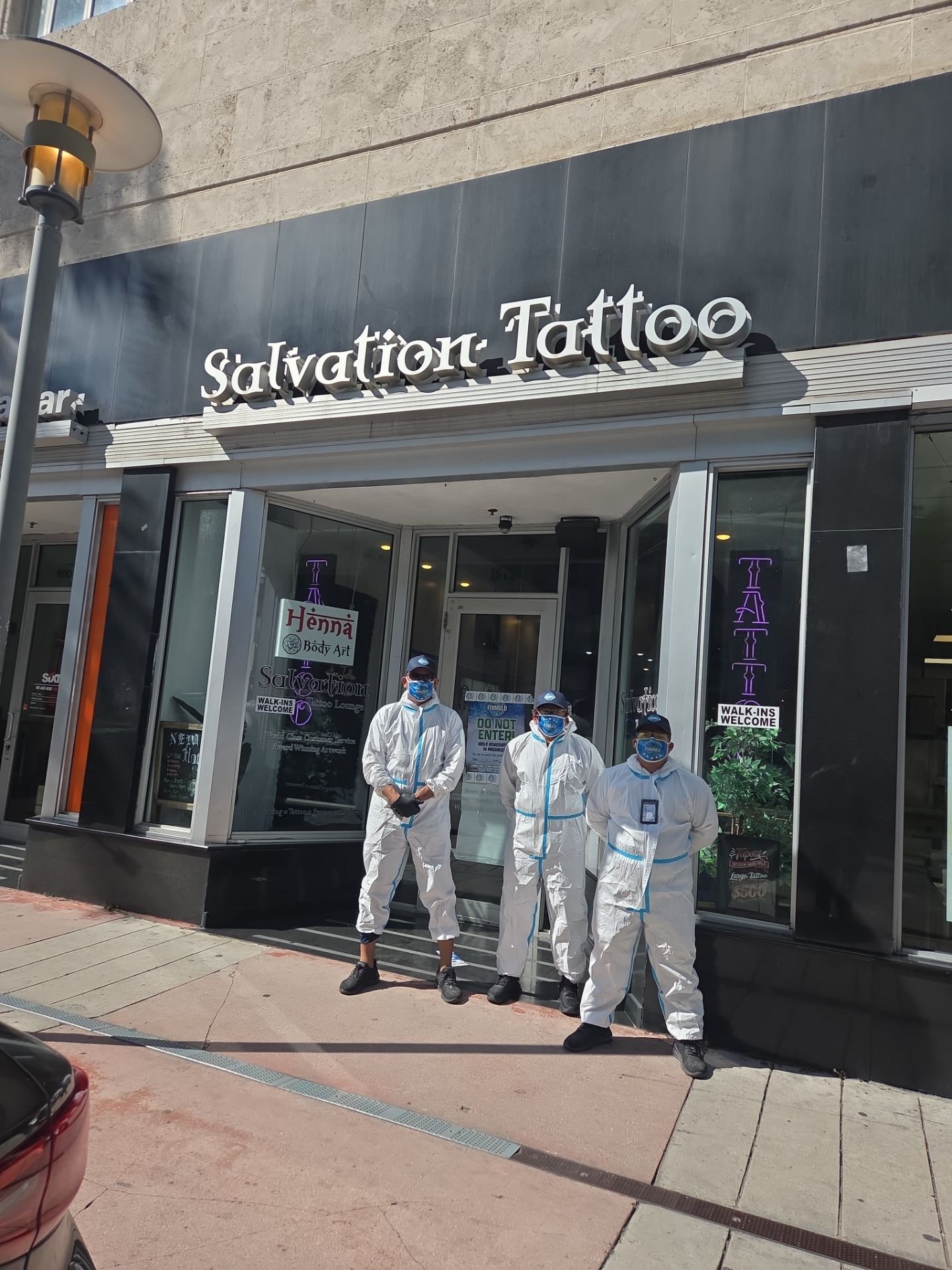
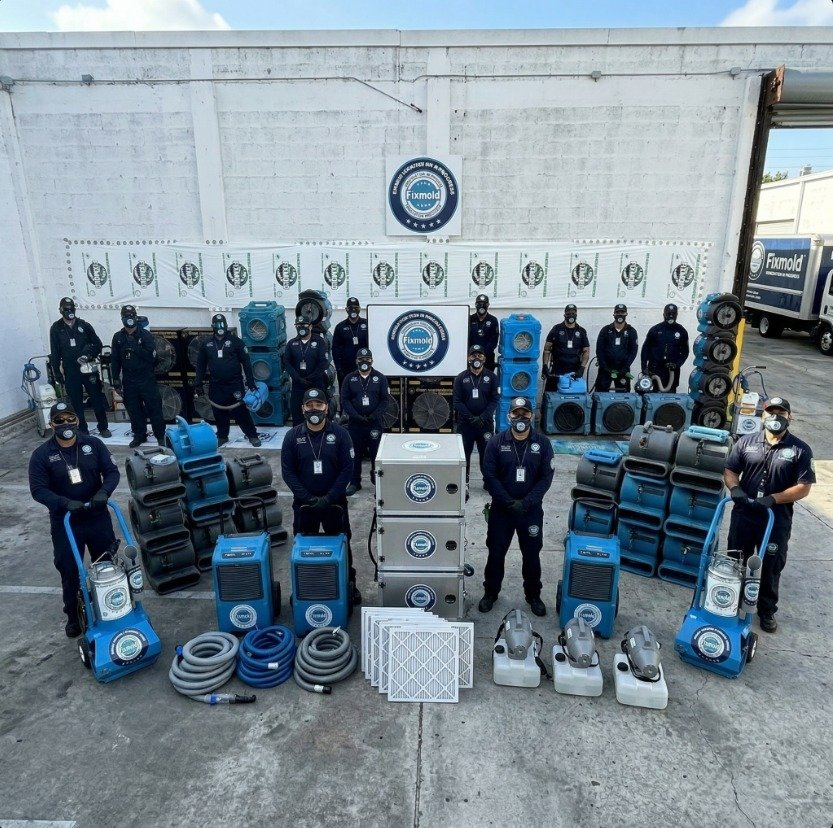
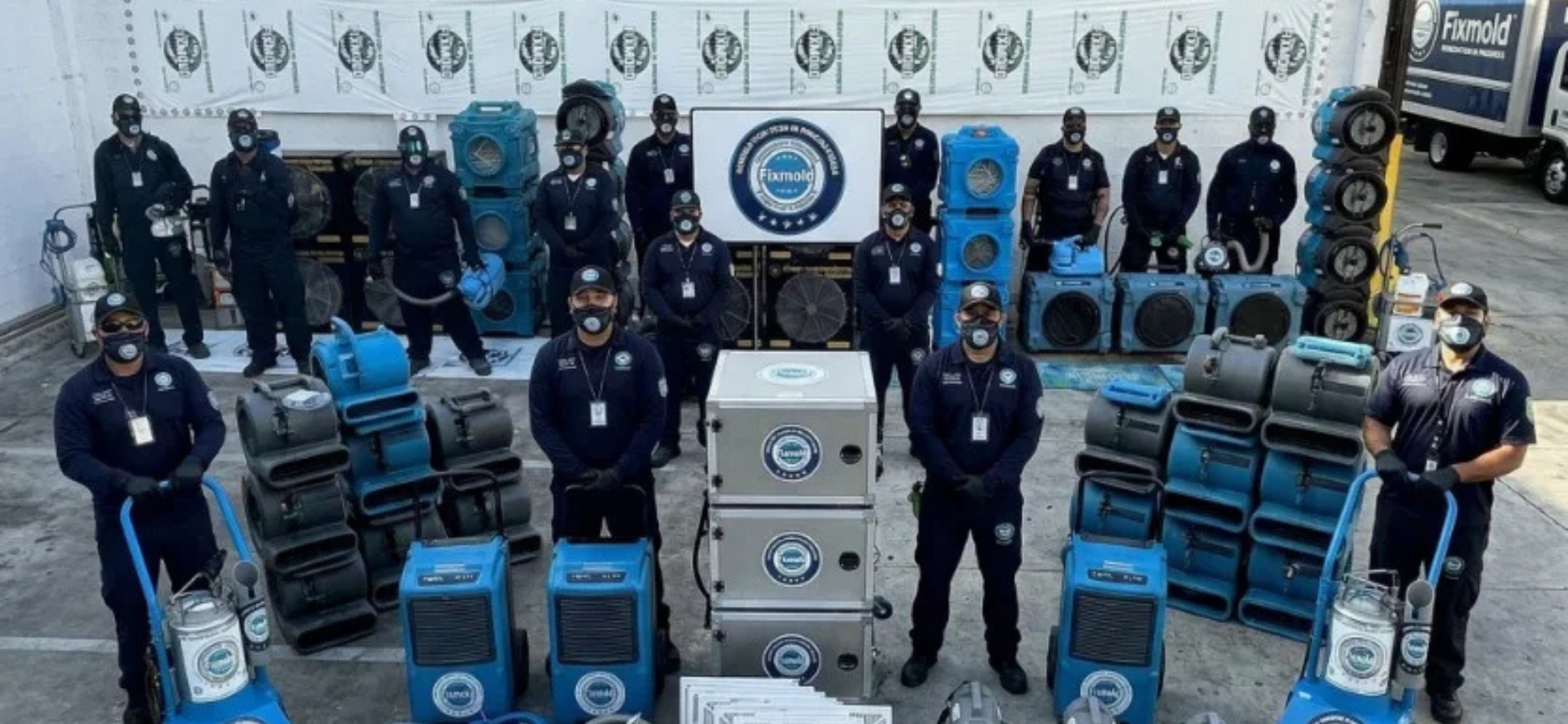
    OUR TEAM

    THE BACK-BONE OF OUR 5 STAR SERVICE
    👉 Call Now: 1-786-882-1823
    Fast response. Certified technicians. Guaranteed results.

    OUR AWARDS

    Proof Of Unmatched Excellence
    Miami fix mold

    FixMold
    10750 NW 6th CtMiami, FL 33168

    License
    MRSR2709 MRSA2521

    Proudly Serving all of South Florida

    We are here to answer any question you may have.
    +

    What pollutants does an IAQ assessment test for?

    We test for the full range of EPA-identified indoor pollutants: mold and biological contaminants, VOCs, formaldehyde, radon, pesticide residue, tobacco smoke contamination, particulate matter, carbon dioxide, and where applicable, asbestos and lead indicators. The specific test battery is determined by the property's age, construction, occupant complaints, and initial screening findings.

    +

    How is an IAQ assessment different from a mold inspection?

    A mold inspection focuses on fungal contamination specifically. An IAQ assessment covers the entire indoor chemical and biological environment — mold is one component of many. For properties where occupants have symptoms but no obvious mold signs, the full IAQ assessment often identifies sources a targeted mold inspection would miss.

    +

    How long does the assessment take and when do I get results?

    On-site assessment for a typical residence takes three to five hours. Laboratory results from air samples return within one to two business days. The written report is delivered once all laboratory data is confirmed.

    +

    My building was just renovated — could the construction itself be causing air quality problems?

    Yes, and commonly so. New construction and renovation introduce significant VOC and formaldehyde off-gassing from adhesives, paints, flooring, and cabinetry. Renovation work also disturbs existing building materials and can release previously contained contaminants. New buildings and freshly renovated spaces frequently have worse initial air quality than established ones.

    +

    Does FixMold provide IAQ assessments for commercial properties?

    Yes — offices, schools, medical facilities, hotels, retail spaces, and multi-family residential buildings. Commercial IAQ assessments often involve multiple sampling zones and a broader suite of tests given the scale of occupant exposure.

    Urgent Enquiry Virtual Assessment

    Services

    Mold

    Water Damage

    HVAC Restoration

    Air Quality & Deep Cleaning

    General Contractor

    Yacht Mold Removal

    10750 NW 6th CtMiami, FL 33168
    License
    #MRSR2709 #MRSA2521
    Founded by industry expert Moty Katz, backed by a 30+ year family legacy in mold remediation and prevention.