View Our Reviews Accross All Platforms Here
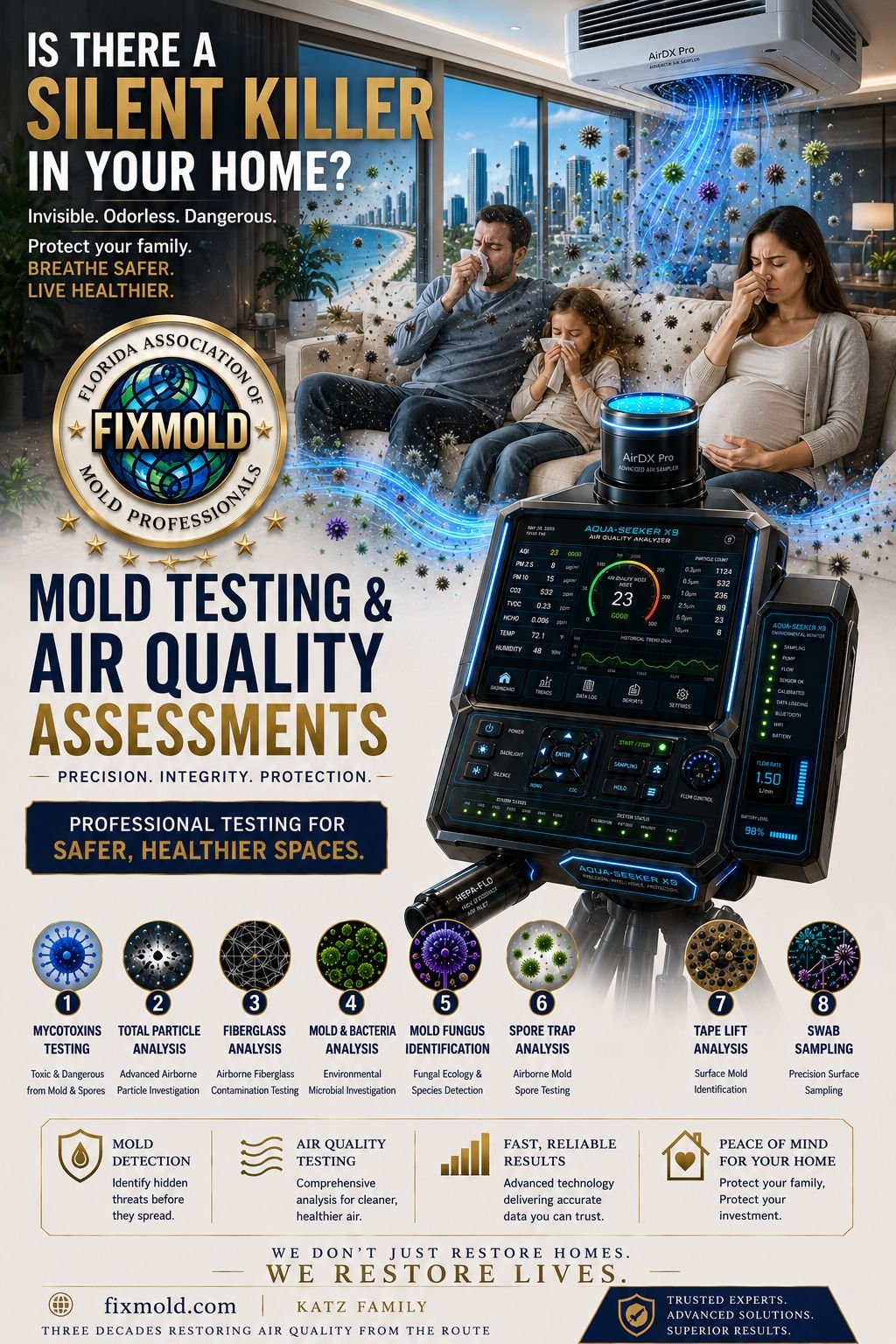
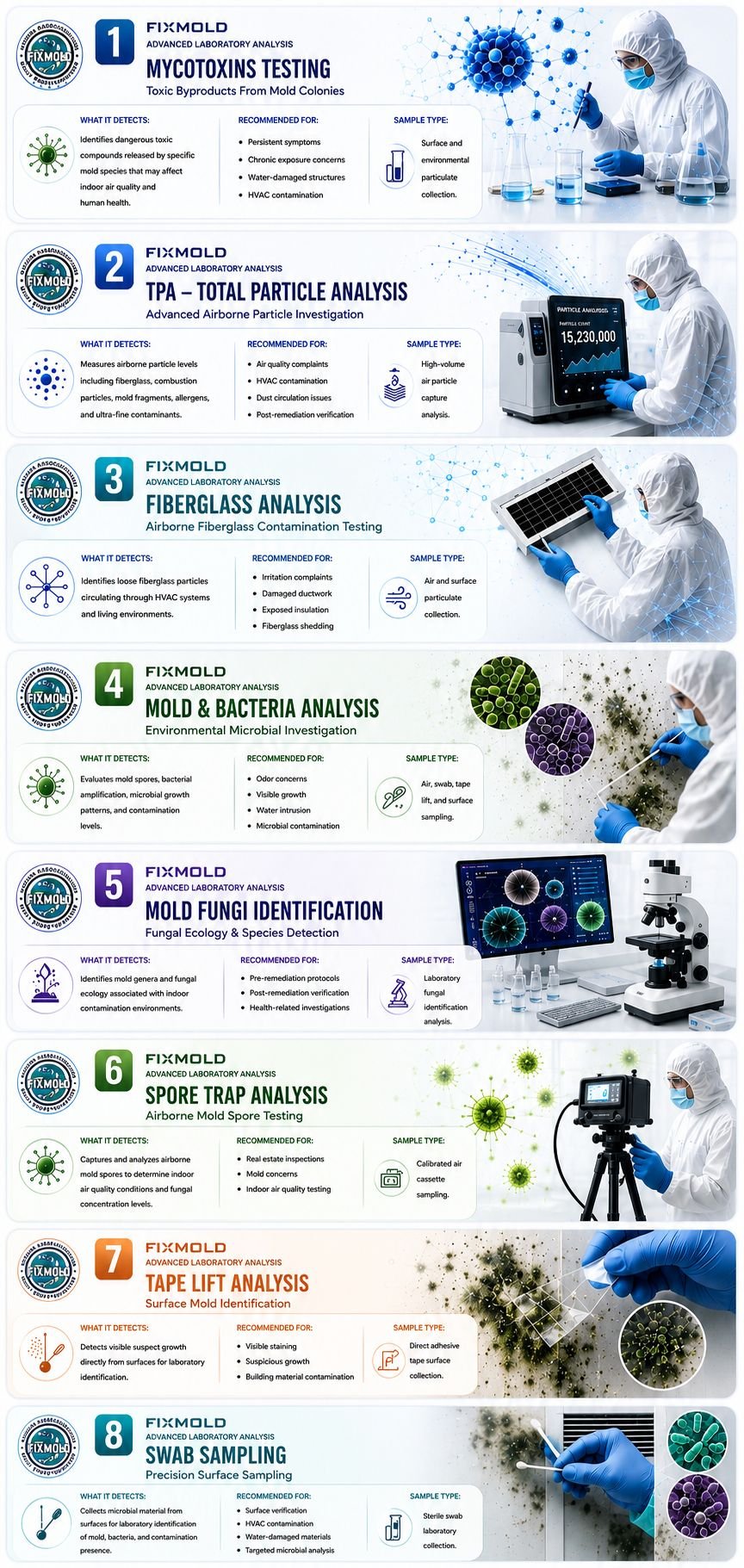
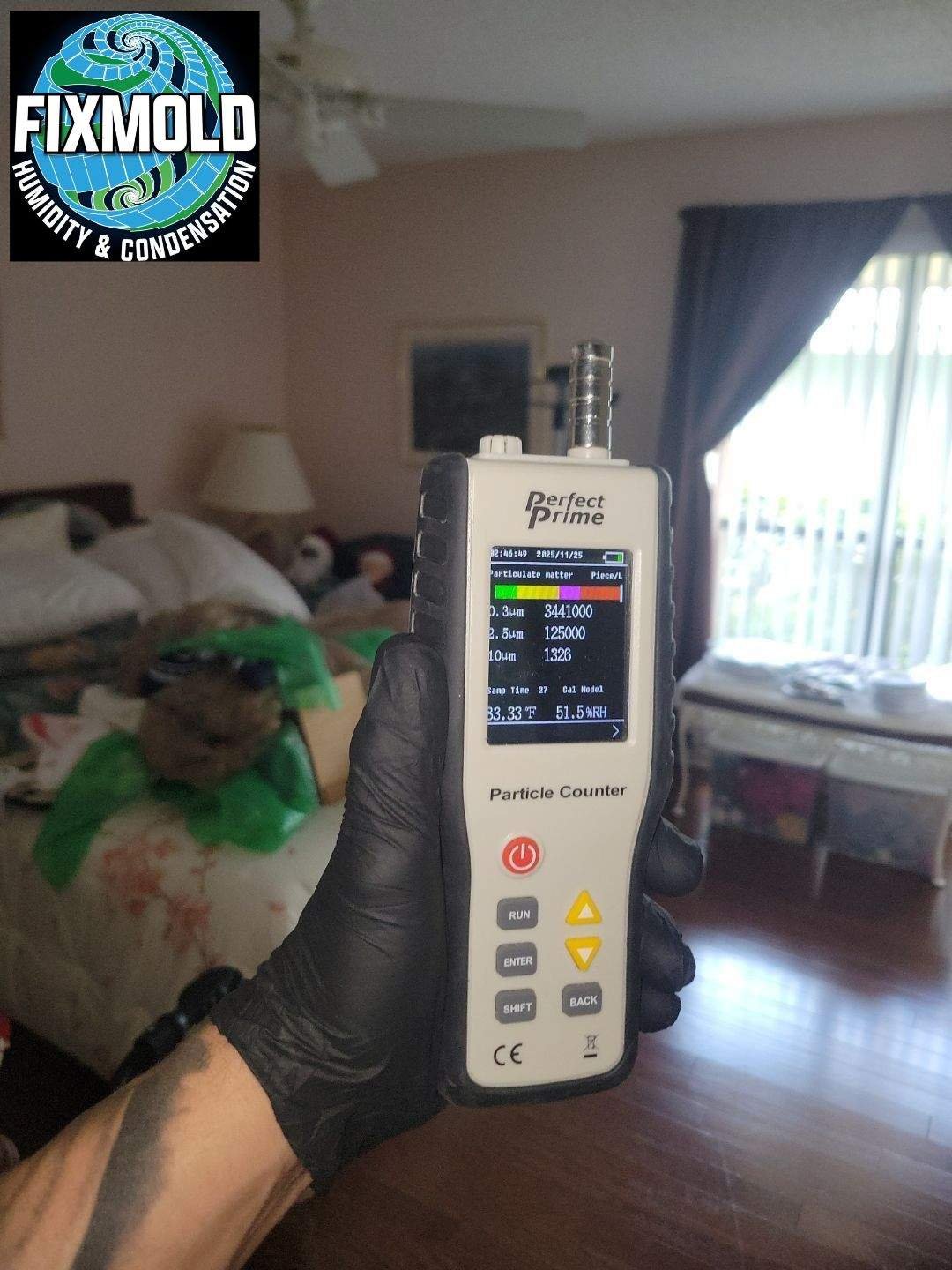
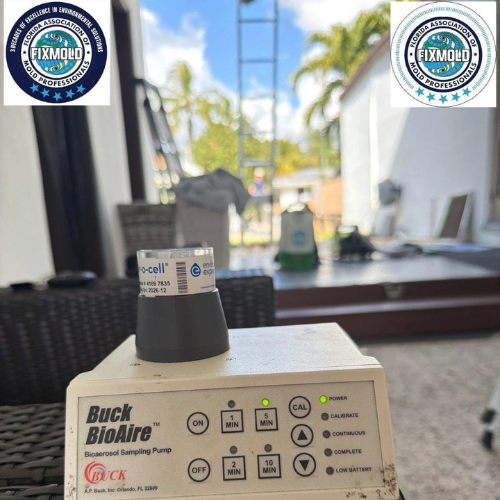
An indoor air particle counter measures the concentration and size of airborne particles suspended in the indoor environment. These particles may include dust, mold spores, fiberglass fragments, insulation particles, pollen, construction debris, and other microscopic contaminants circulating through the air.
The device helps evaluate overall airborne particle activity inside the property and may indicate whether environmental conditions appear elevated compared to normal indoor expectations.
While particle counters do not specifically identify mold species, they provide useful information about indoor air quality trends and whether additional environmental evaluation may be needed.

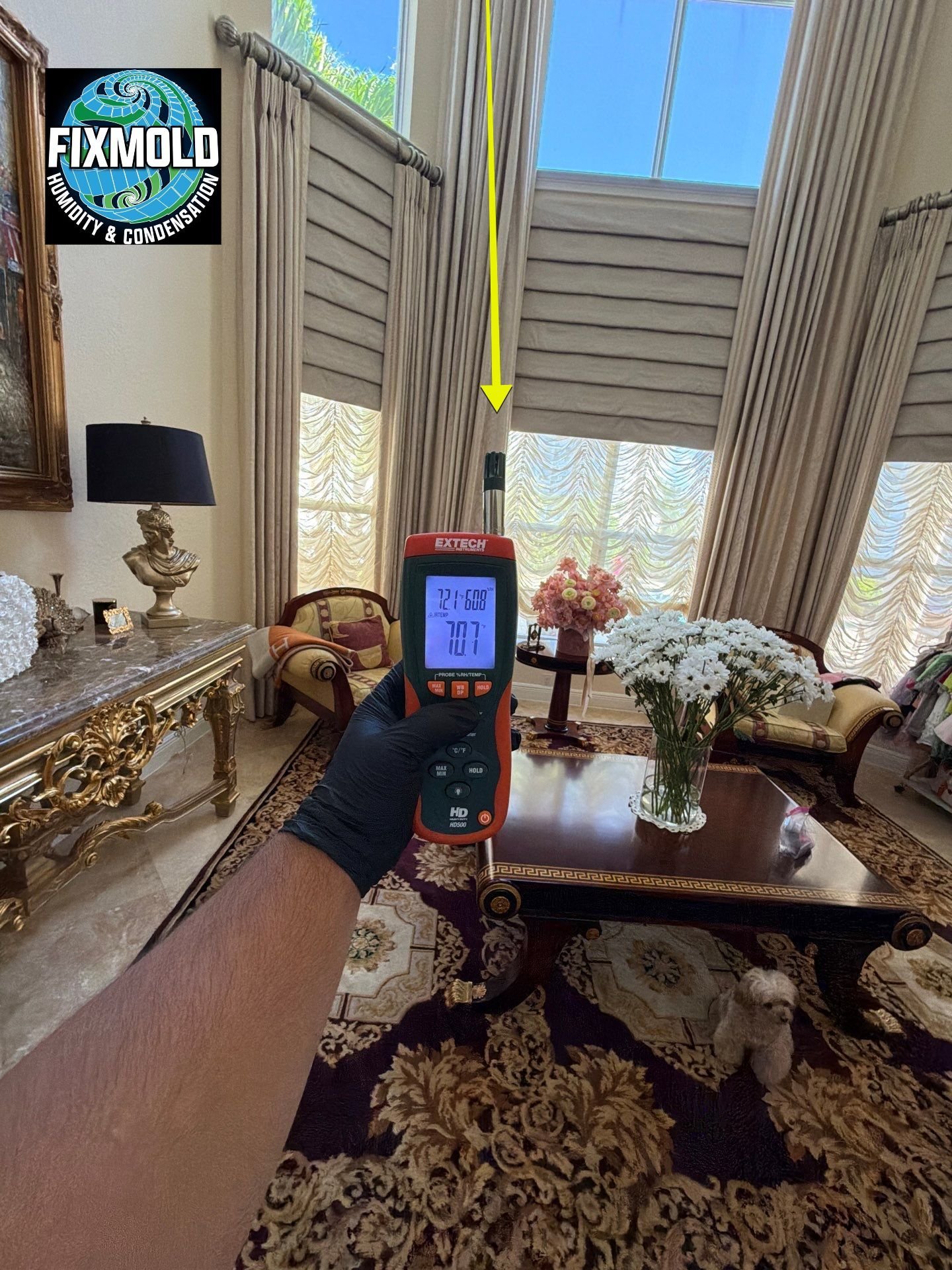
In Miami homes and buildings, particle counters are often used alongside moisture detection and HVAC evaluation because humidity and ventilation strongly affect airborne environmental conditions.
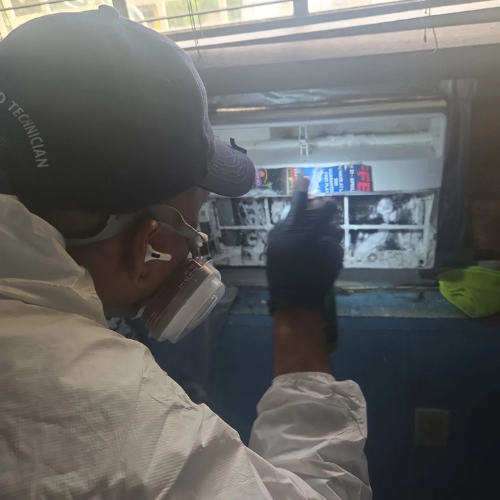
Particle counters do not directly confirm hidden mold, but they can help identify unusual airborne particulate activity that may suggest environmental contamination is present somewhere inside the building.
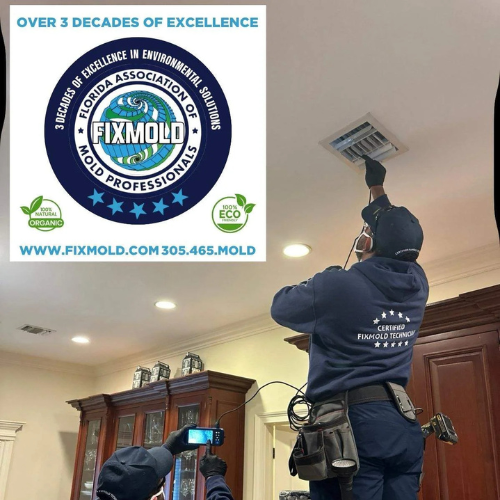
If elevated particle levels occur alongside musty odors, humidity problems, water damage history, or HVAC concerns, further inspection and mold testing may be recommended to identify hidden moisture or microbial growth.
In South Florida, hidden mold commonly develops inside walls, HVAC systems, attics, insulation, and crawlspaces before visible signs appear. Airborne particle analysis may help reveal environmental instability even when surfaces appear clean.
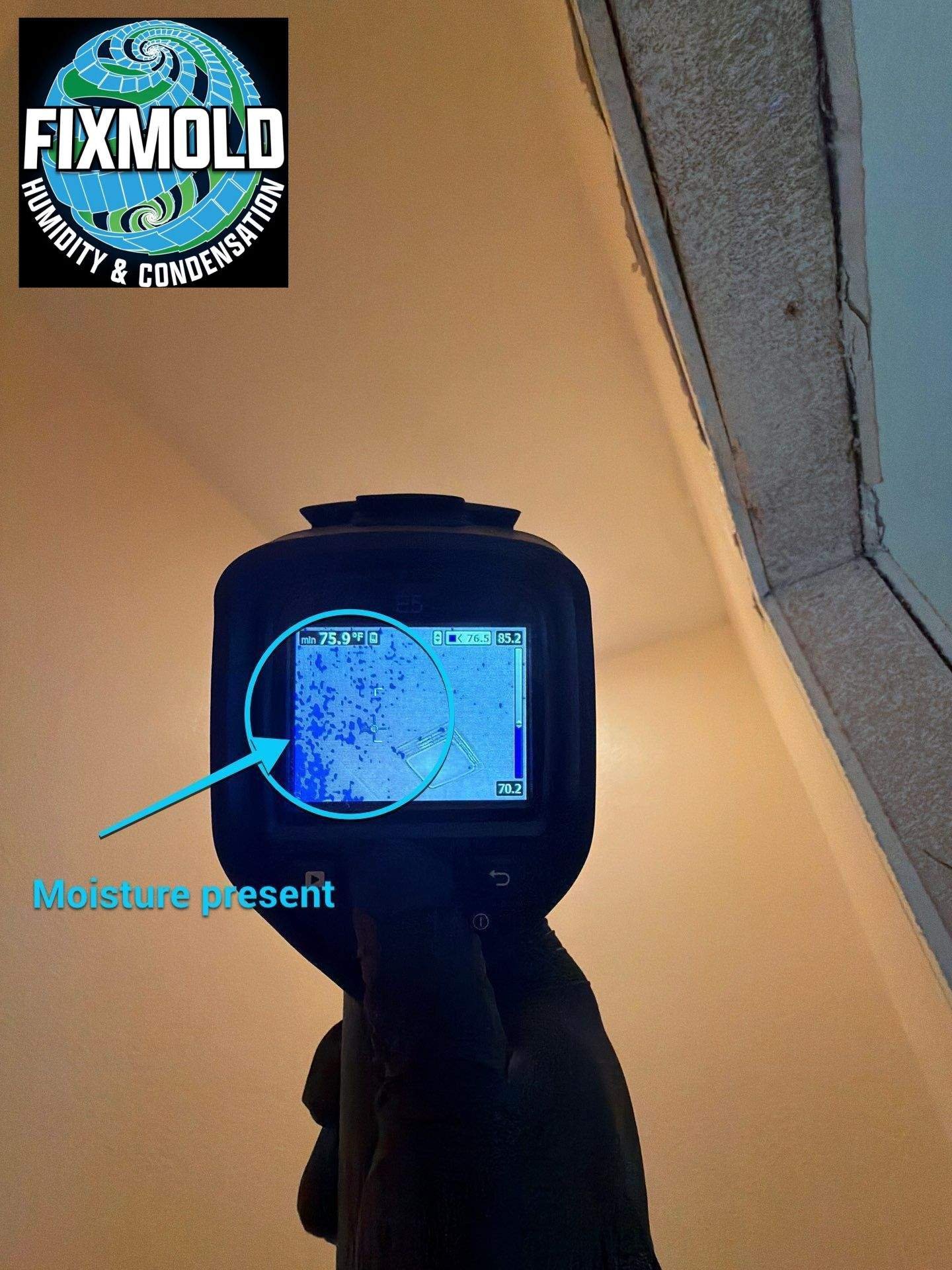
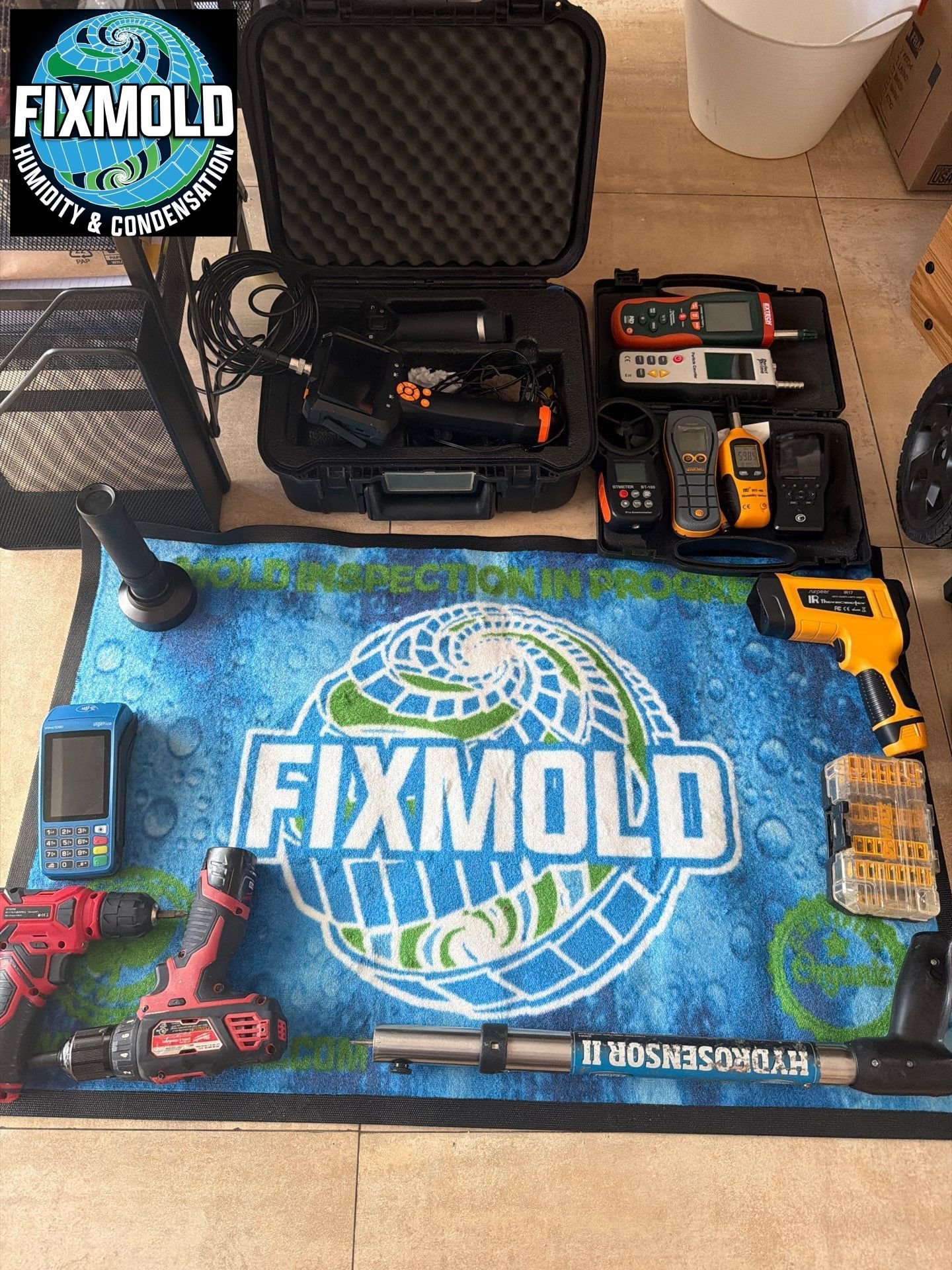
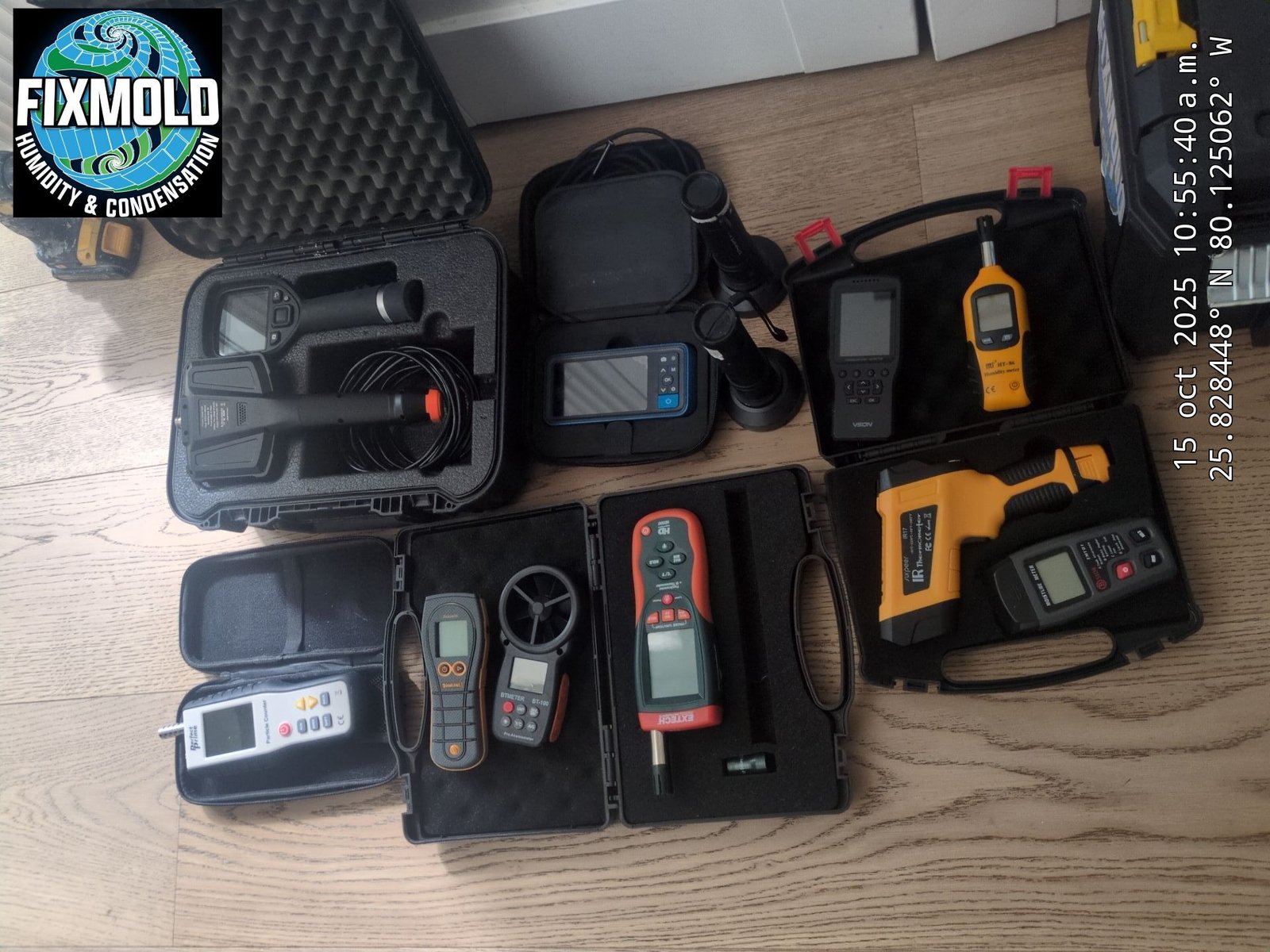
Particle monitoring is often most effective when combined with thermal imaging, moisture mapping, indoor air quality testing, and visual inspection.
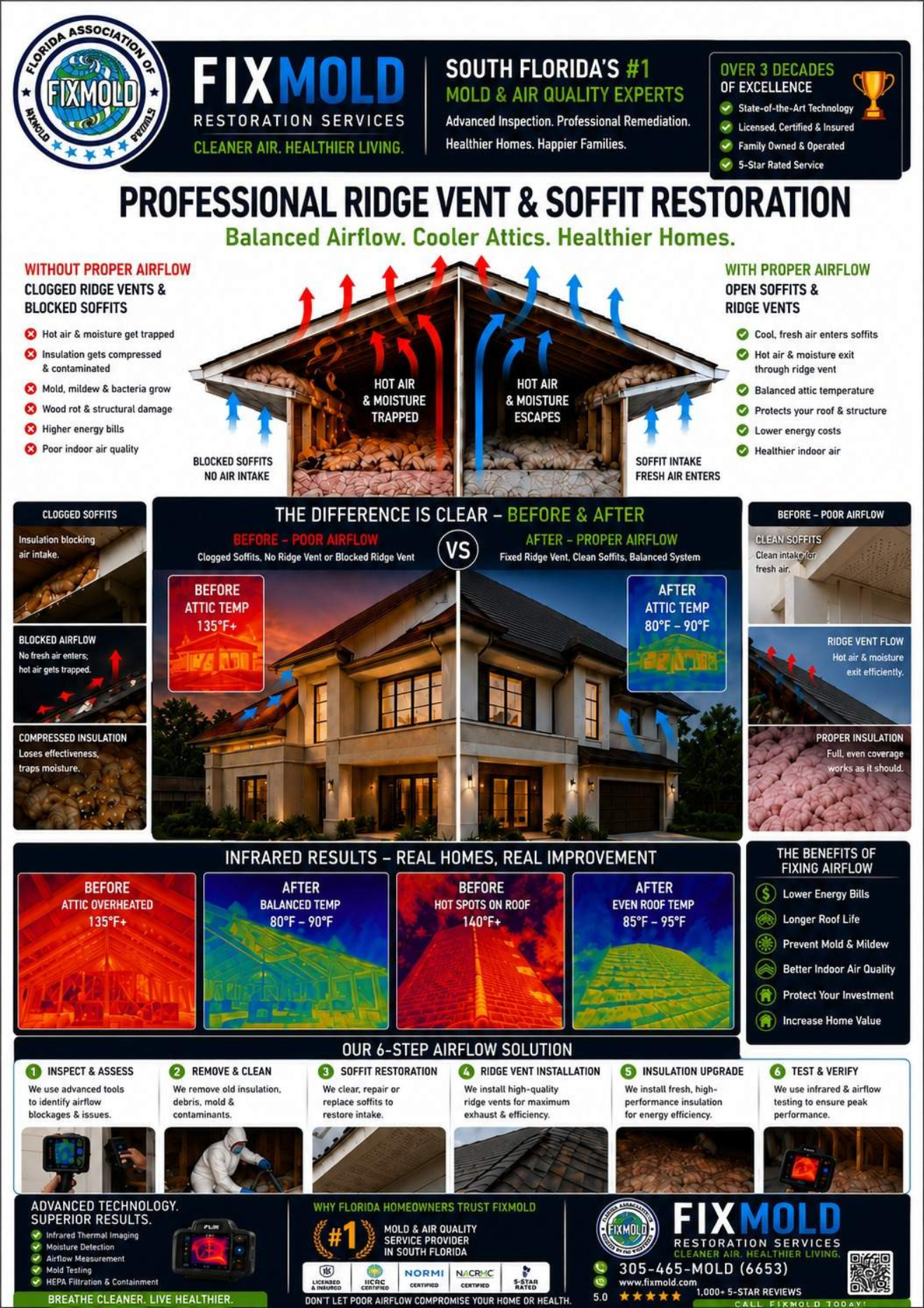
HVAC systems continuously circulate air throughout the property, so any contaminants inside the system may spread into the indoor environment whenever the AC operates.
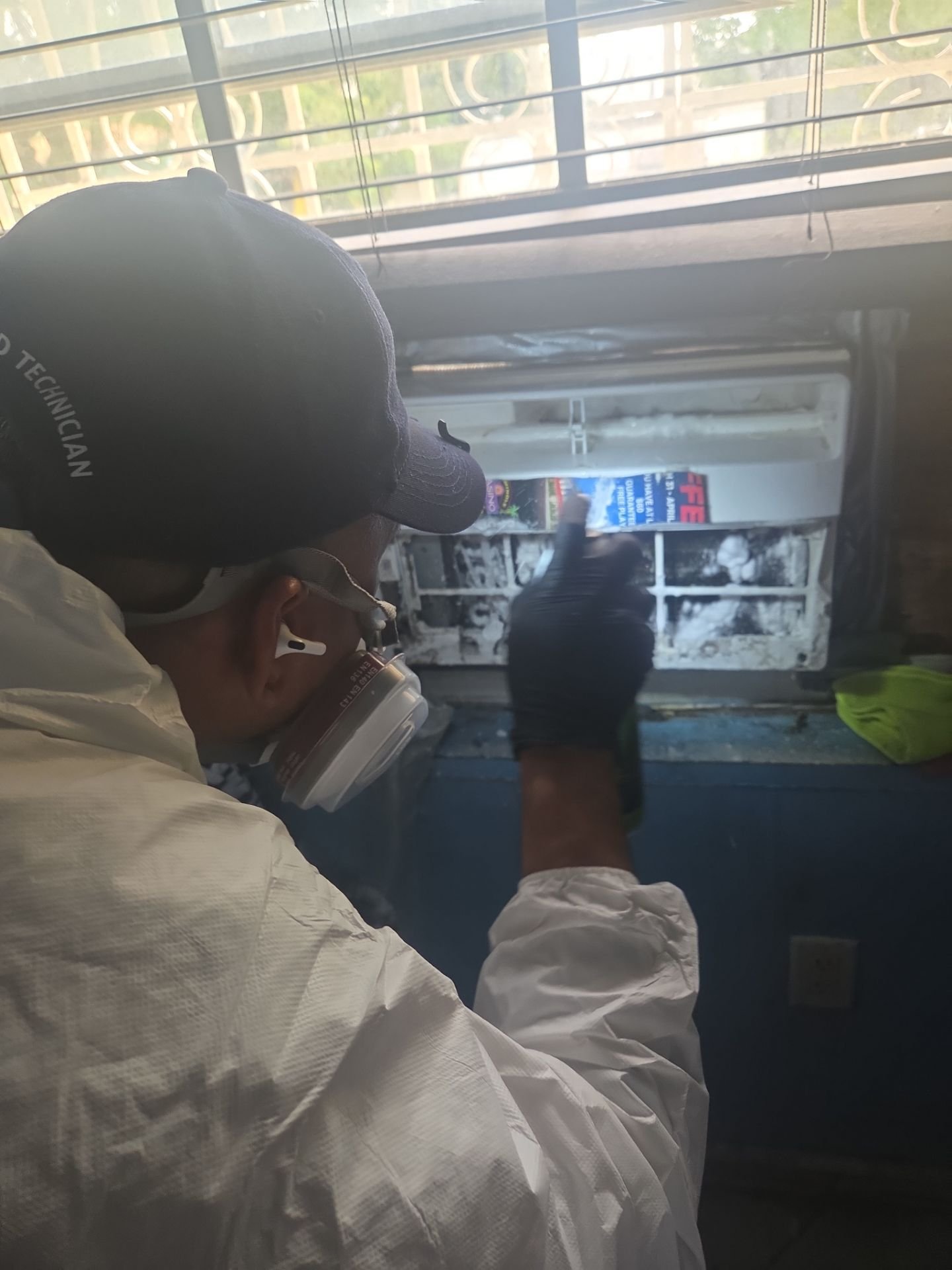
In Miami’s humid climate, condensation inside ducts, air handlers, insulation, and drain systems can contribute to dust buildup, microbial growth, and airborne particle circulation. Dirty filters, deteriorating duct liners, and insulation damage may also release airborne particles into occupied spaces.
Many indoor air quality complaints involving musty odors, stale air, recurring dust, or respiratory irritation are connected to HVAC-related environmental conditions.
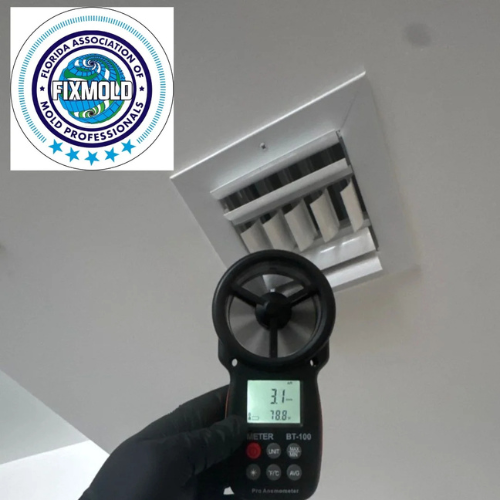
Particle counters help evaluate whether airborne activity changes when the HVAC system cycles on, which may indicate contamination or airflow problems inside the ventilation system.
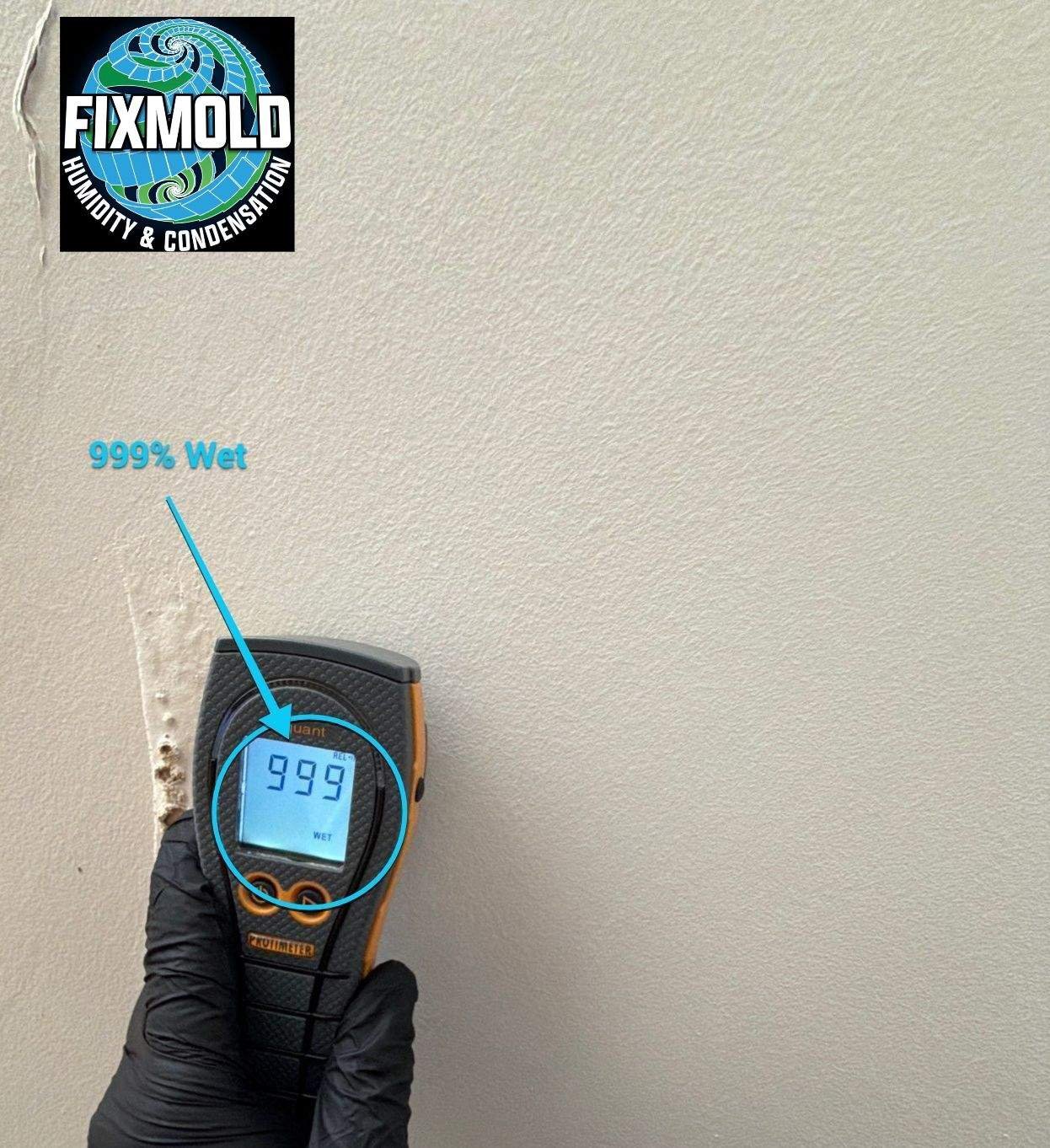
Water damage affects building materials such as drywall, insulation, wood framing, flooring systems, and ceiling materials. As these materials remain damp or begin breaking down, airborne particles may become suspended throughout the indoor environment.
Even after visible water dries, hidden moisture may continue affecting structural cavities where microbial growth and particulate contamination gradually develop over time.
In Miami and South Florida, elevated humidity slows the drying process and allows environmental contamination to persist longer than in drier climates.
Airborne particle monitoring after water damage helps evaluate whether indoor environmental conditions may still be unstable or affected by hidden moisture-related contamination.
Common signs include recurring dust buildup, musty odors, stale air, sinus irritation, respiratory discomfort, headaches, throat irritation, excessive humidity, or indoor discomfort that improves after leaving the property.
Some people notice that symptoms become worse when the AC turns on or when certain rooms feel heavier or more humid than others. In South Florida, these conditions are often associated with HVAC contamination, hidden moisture, insulation breakdown, or poor ventilation.
Particle analysis helps identify whether elevated airborne environmental activity may be contributing to indoor air quality concerns throughout the building.
Understanding how airborne particles behave inside the property can help identify hidden environmental issues before larger contamination problems become visible.