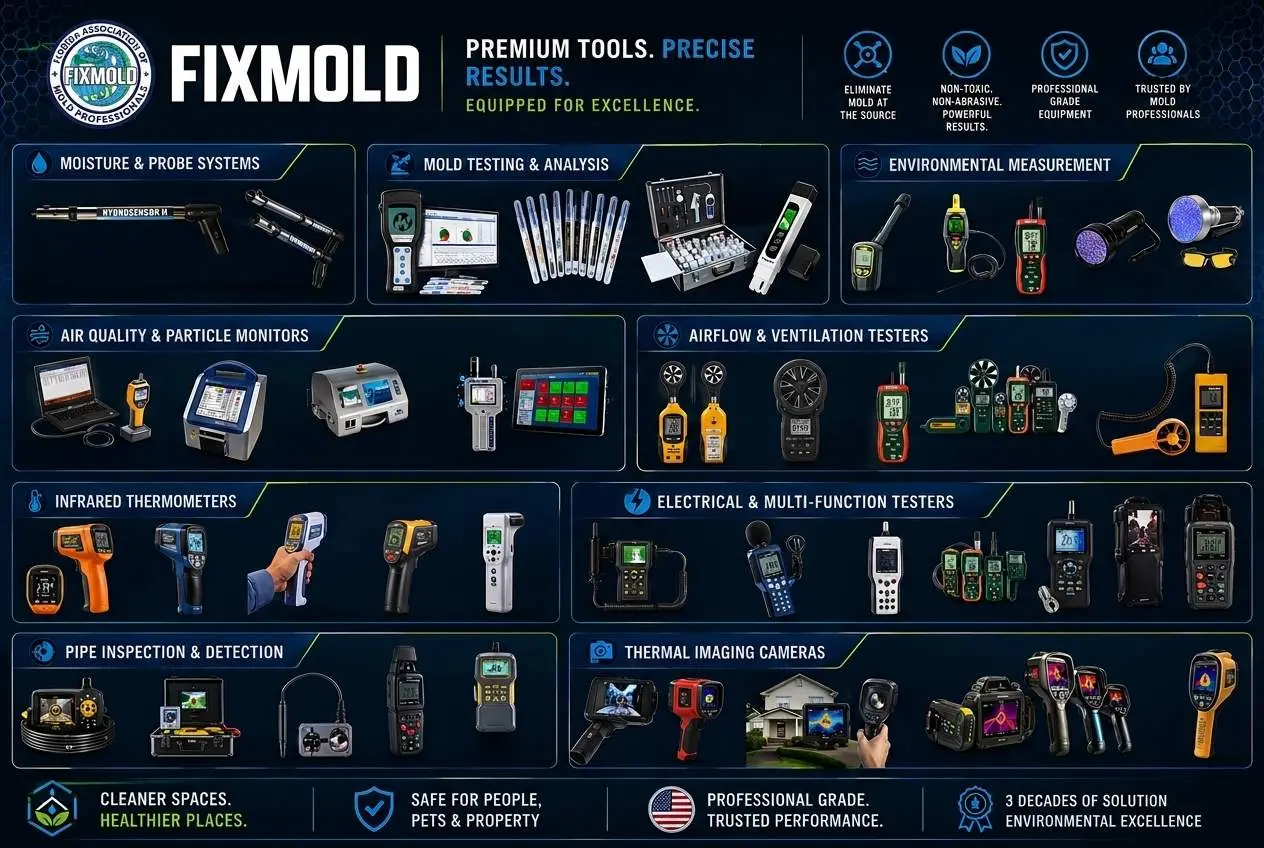
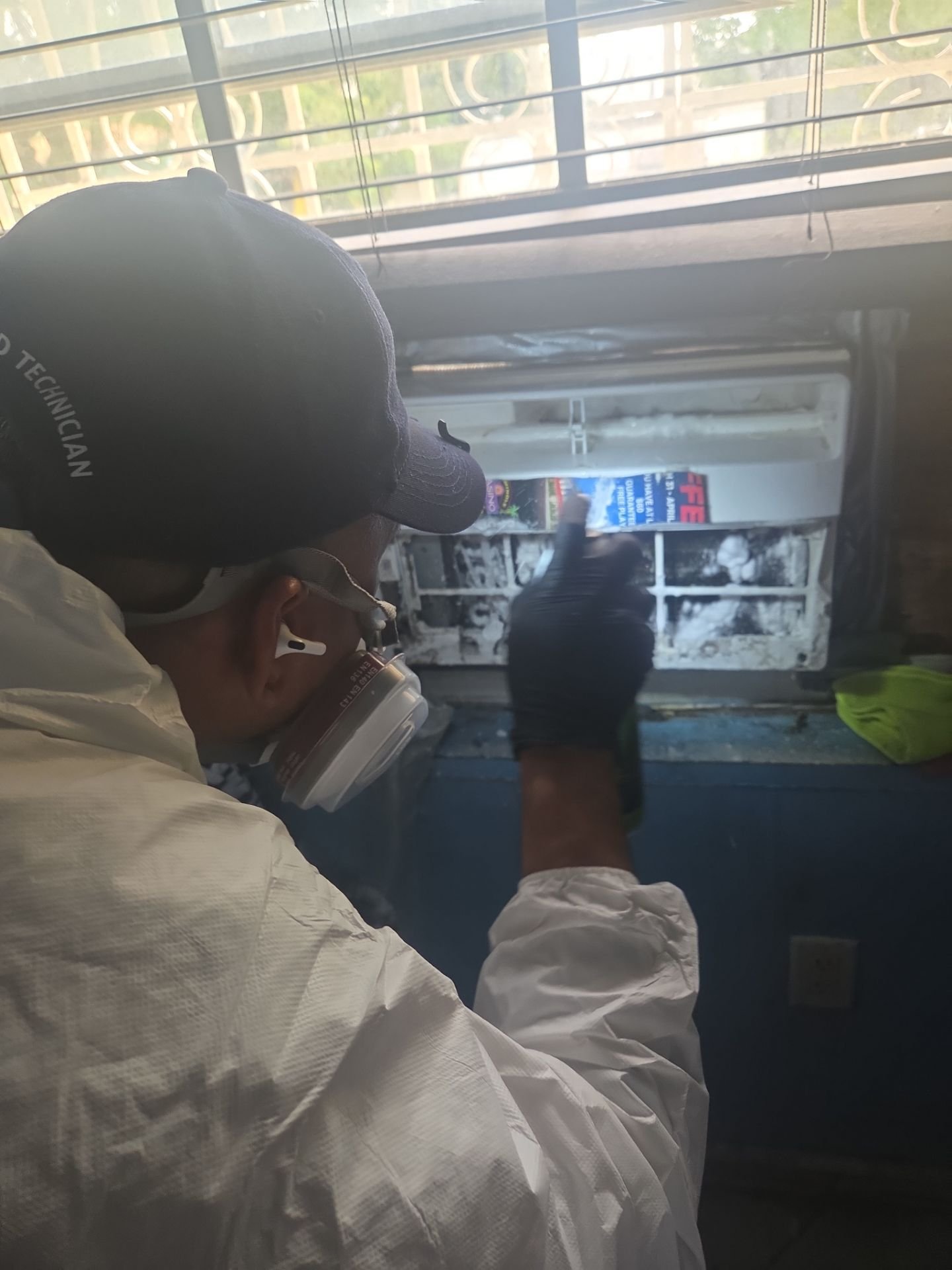
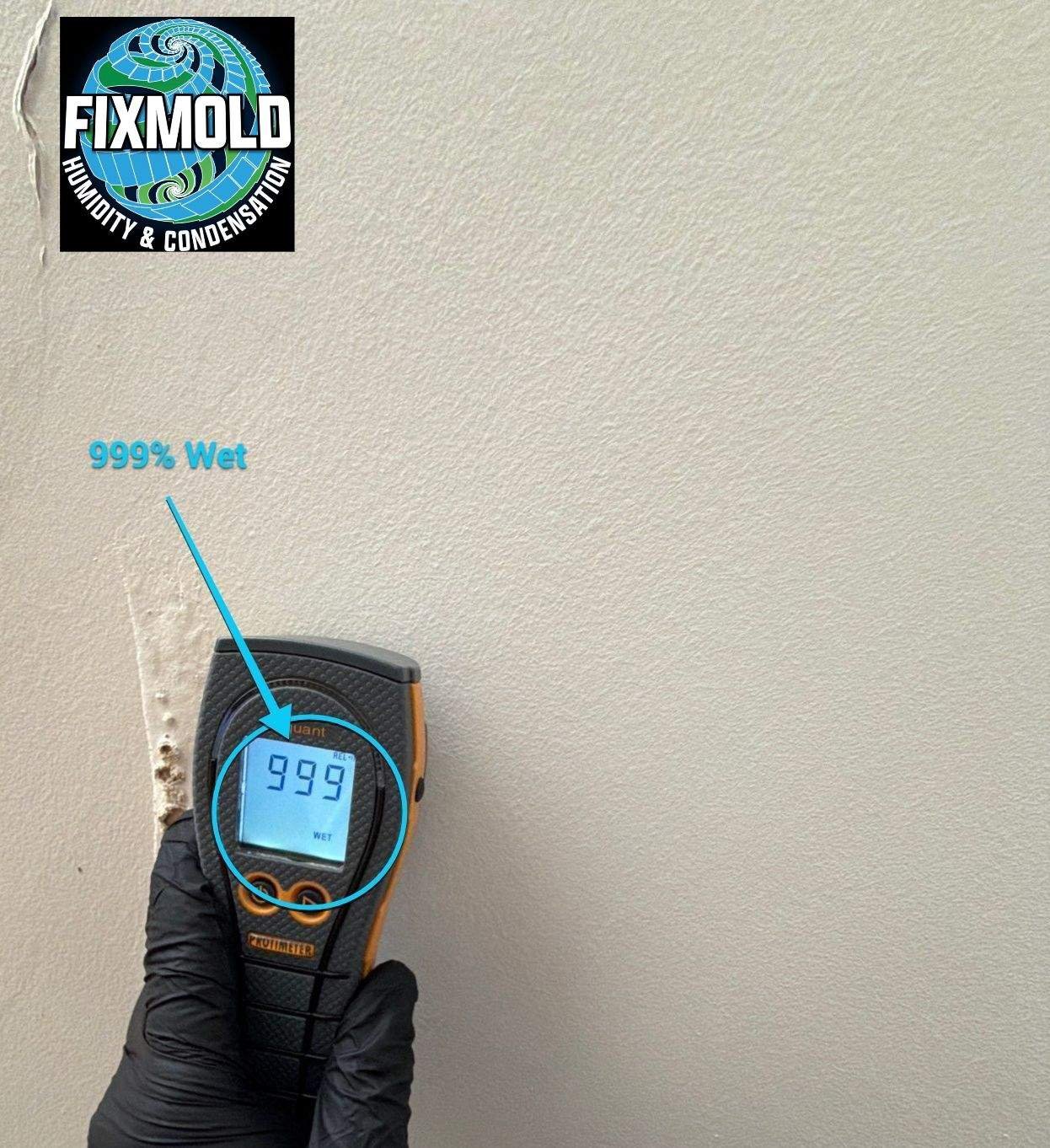
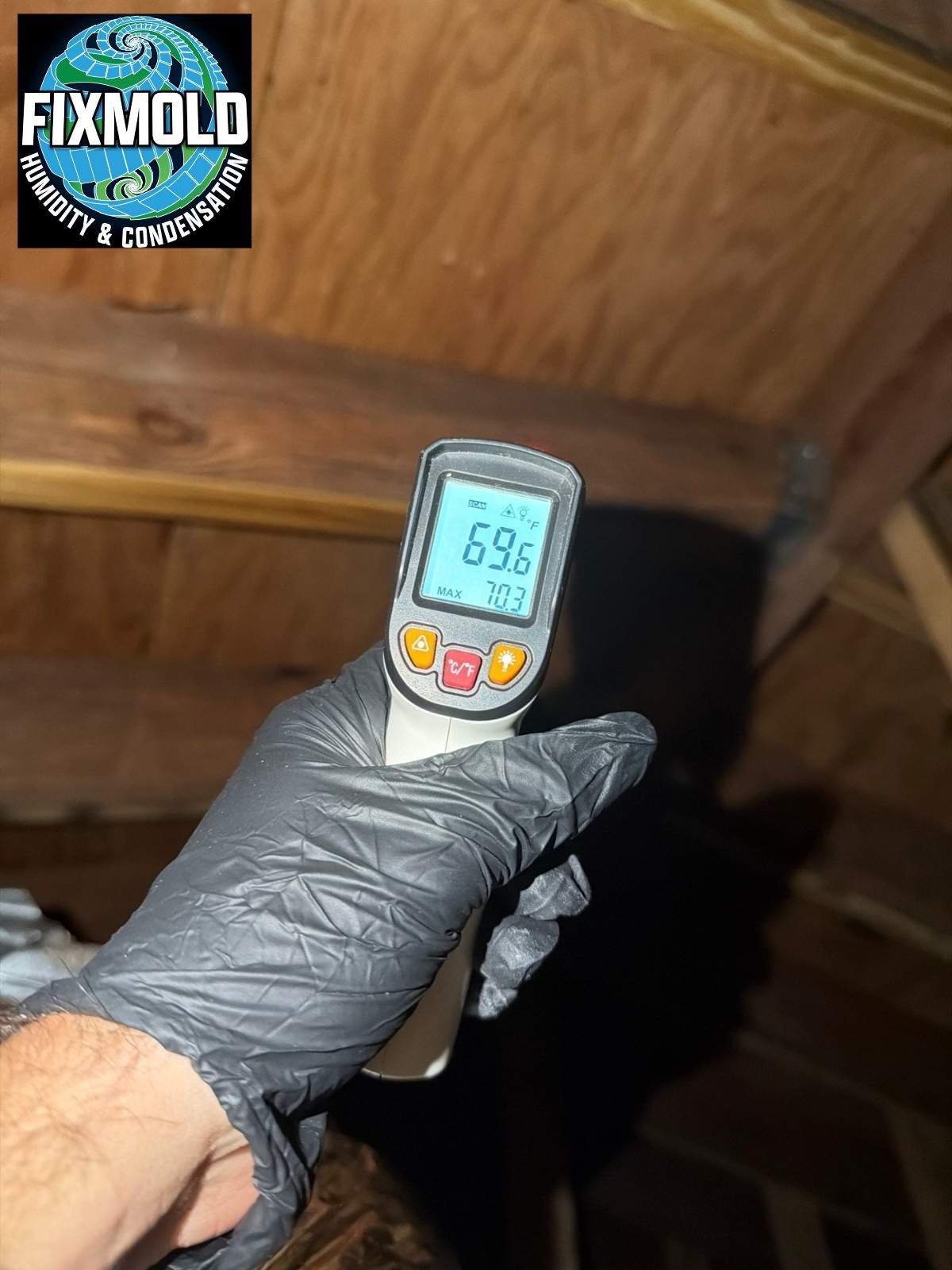
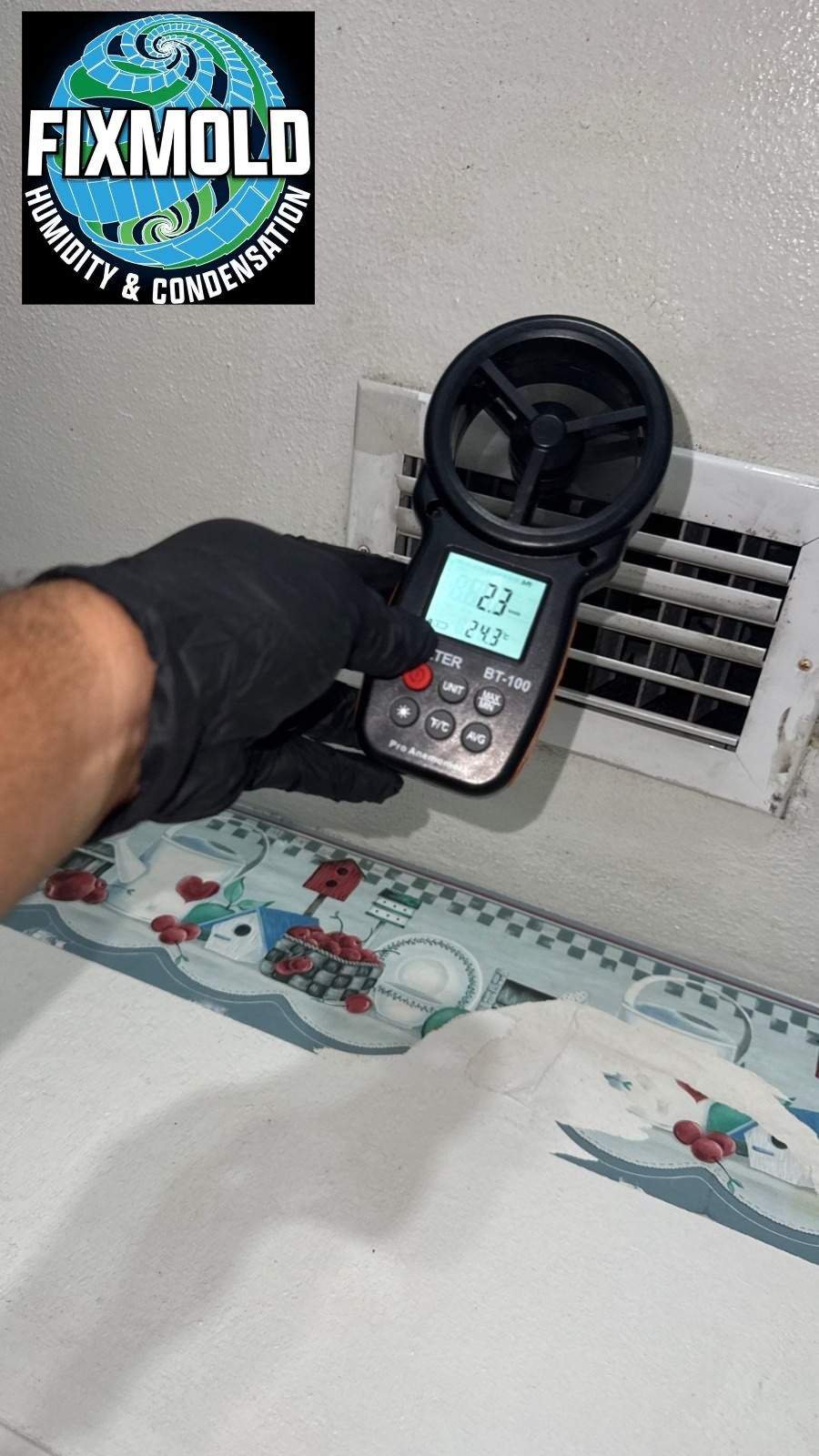
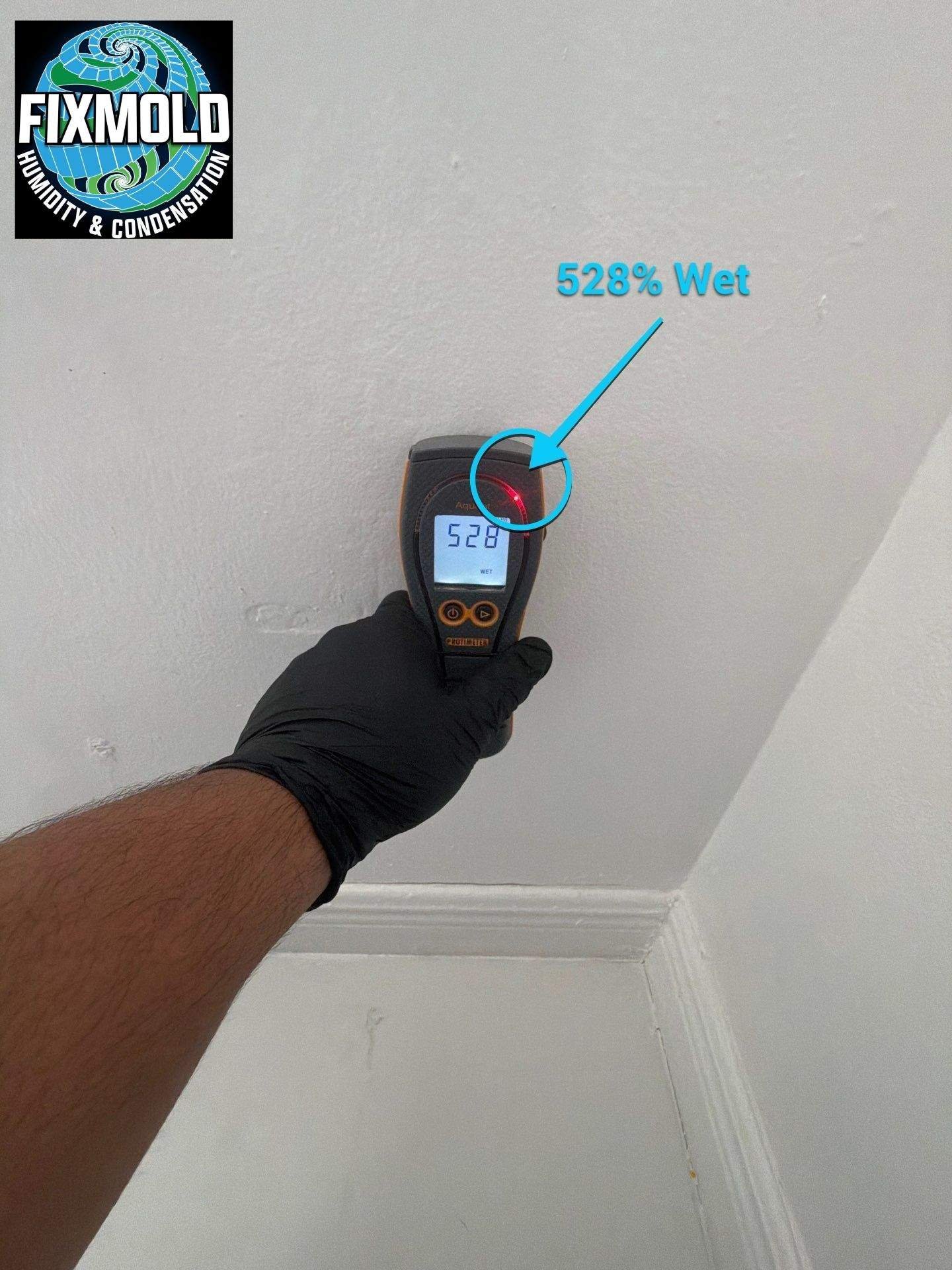
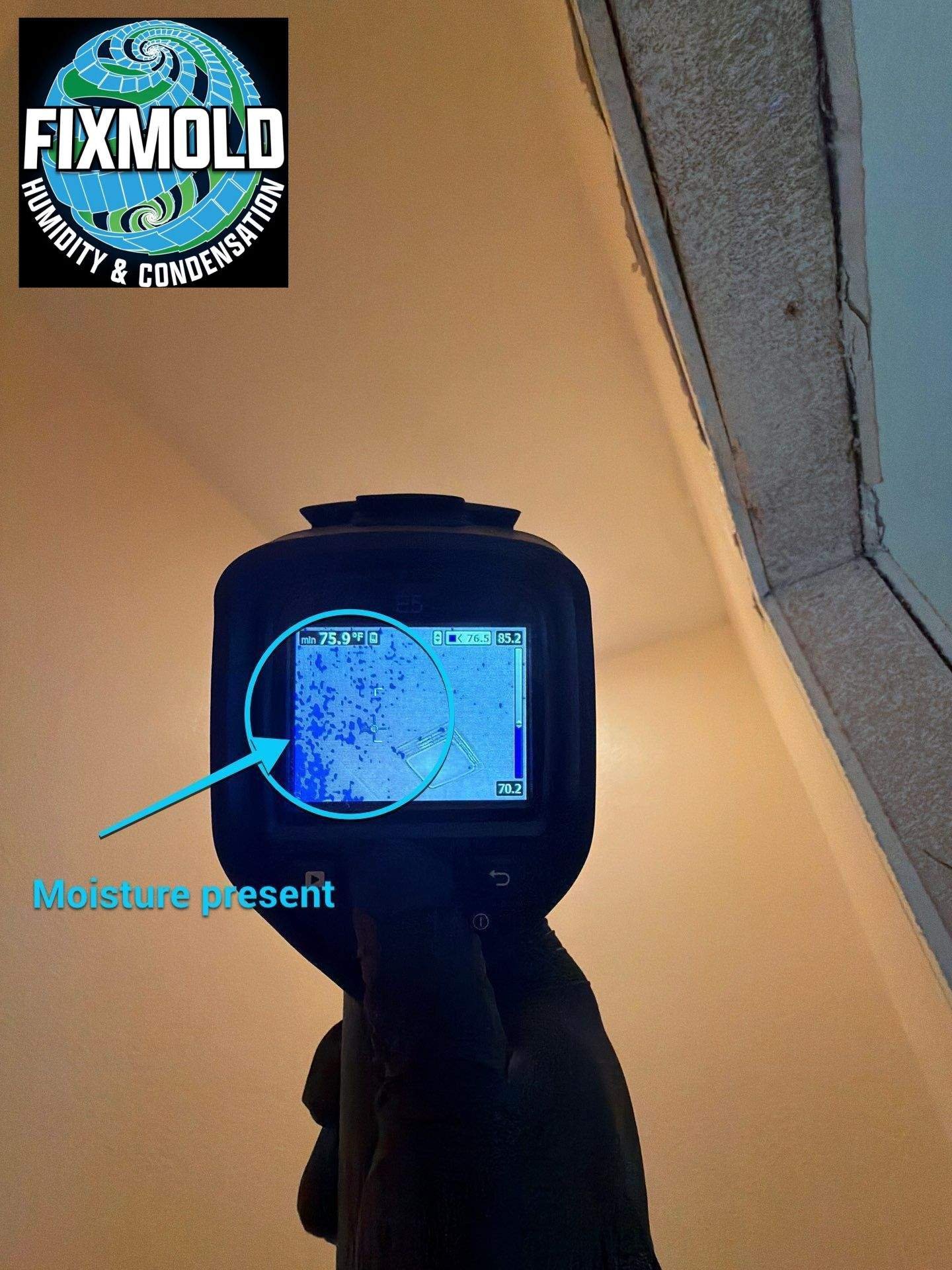
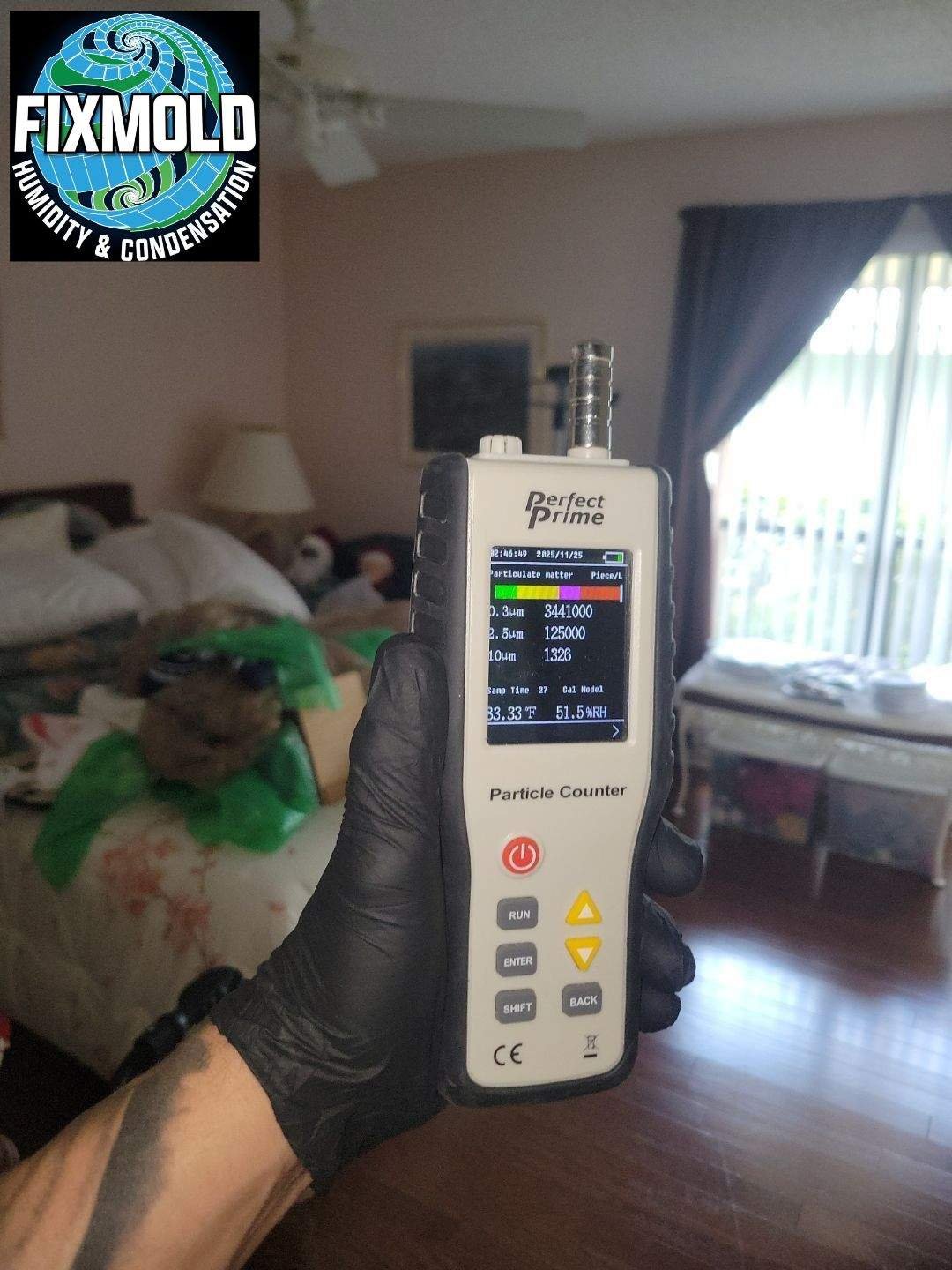
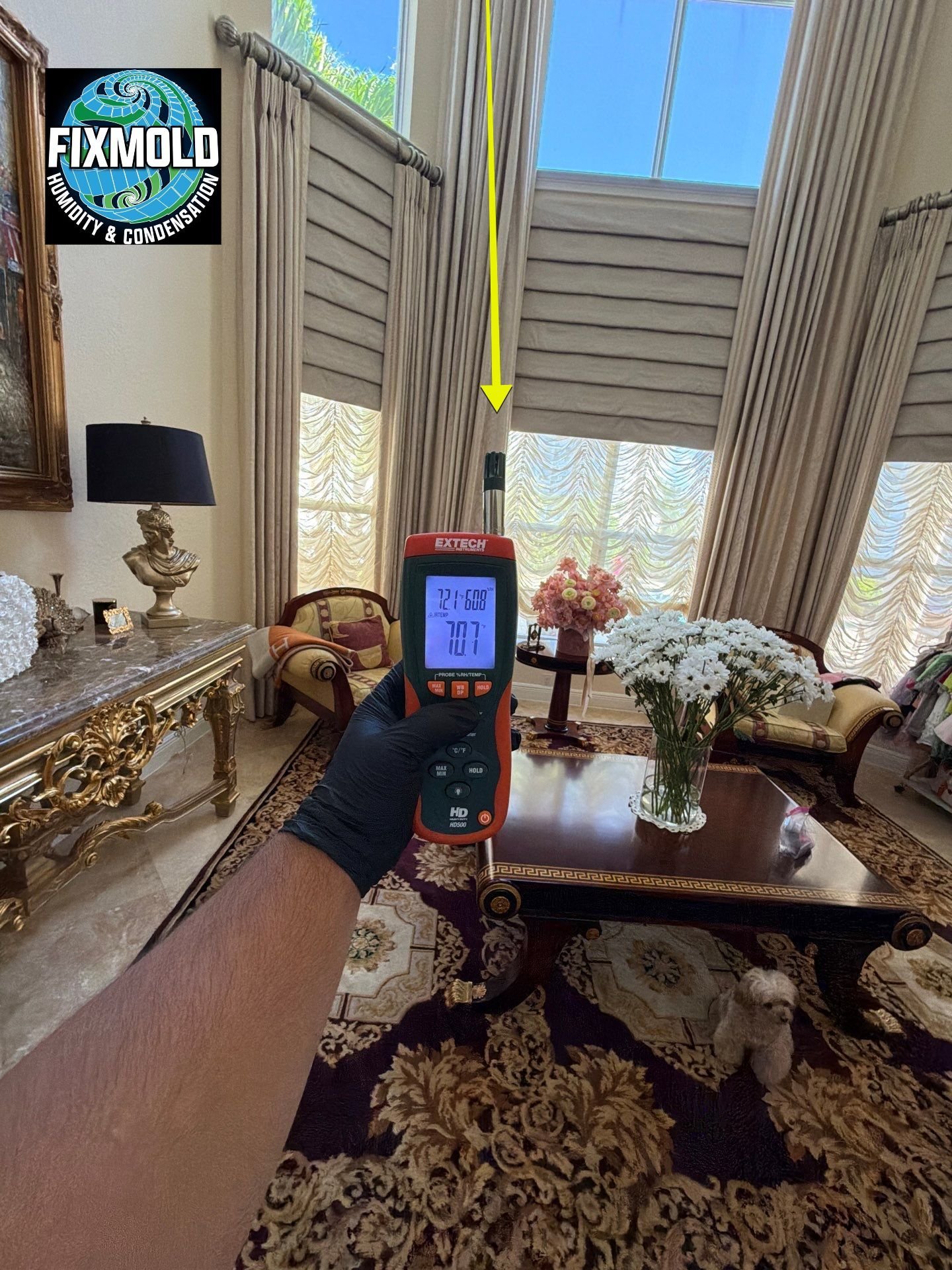
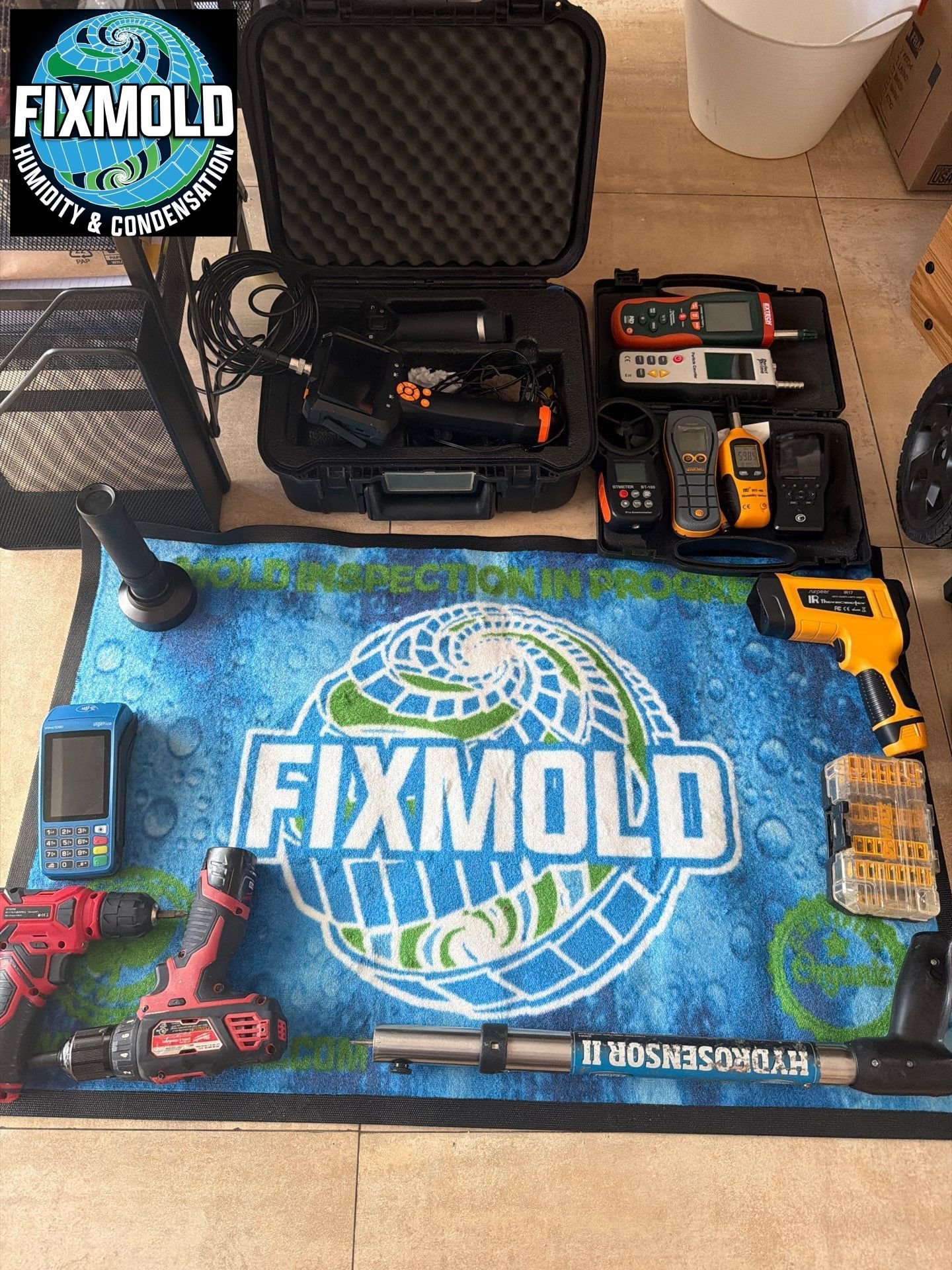
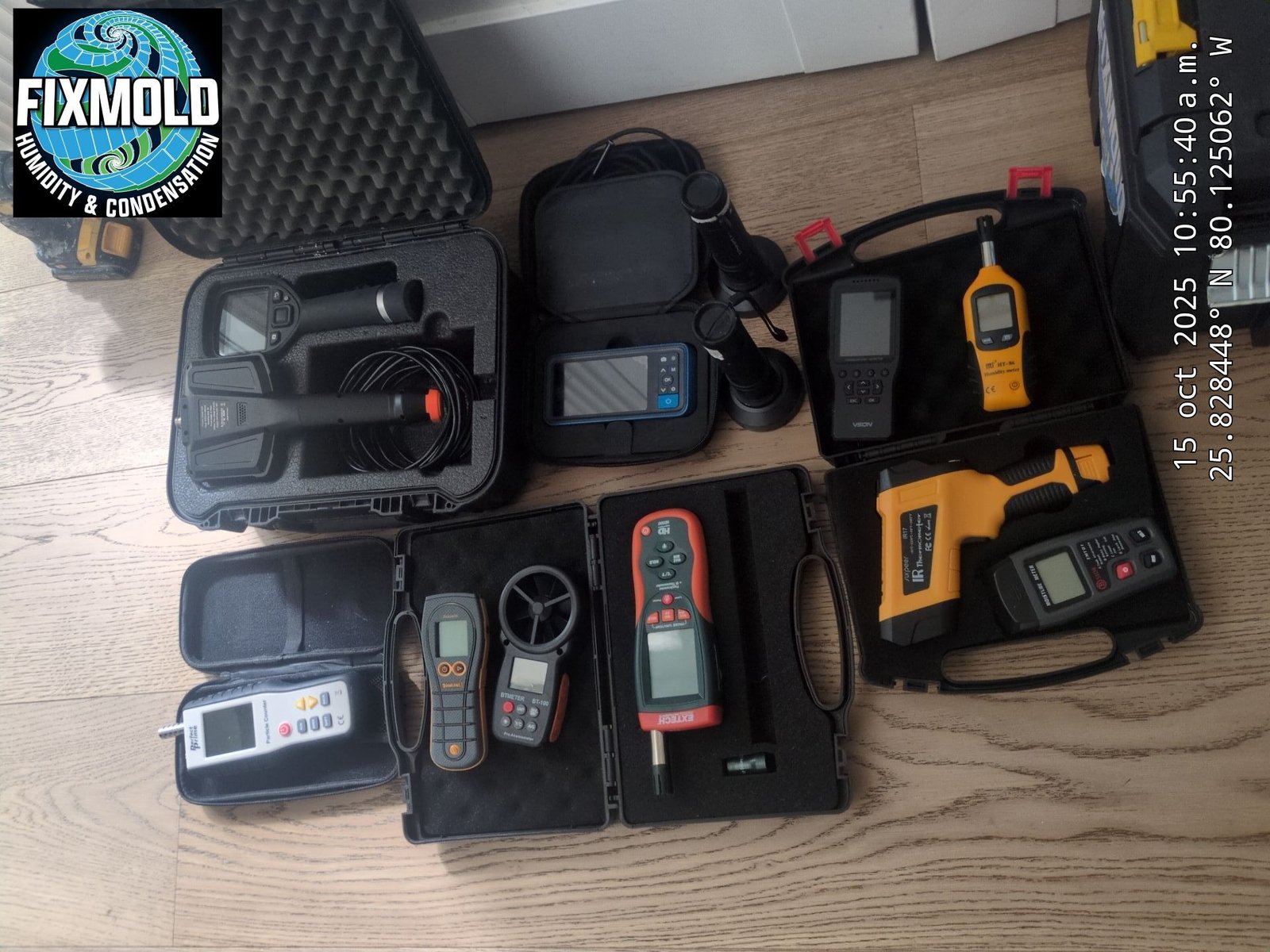
Home inspectors are trained and licensed for structural, mechanical, and electrical assessment. Mold detection requires different instruments, different training, and a different methodology entirely. A home inspector noting visible staining is not the same as a licensed mold assessor using thermal imaging, moisture meters, air sampling, and laboratory analysis to establish what is present and where it came from.
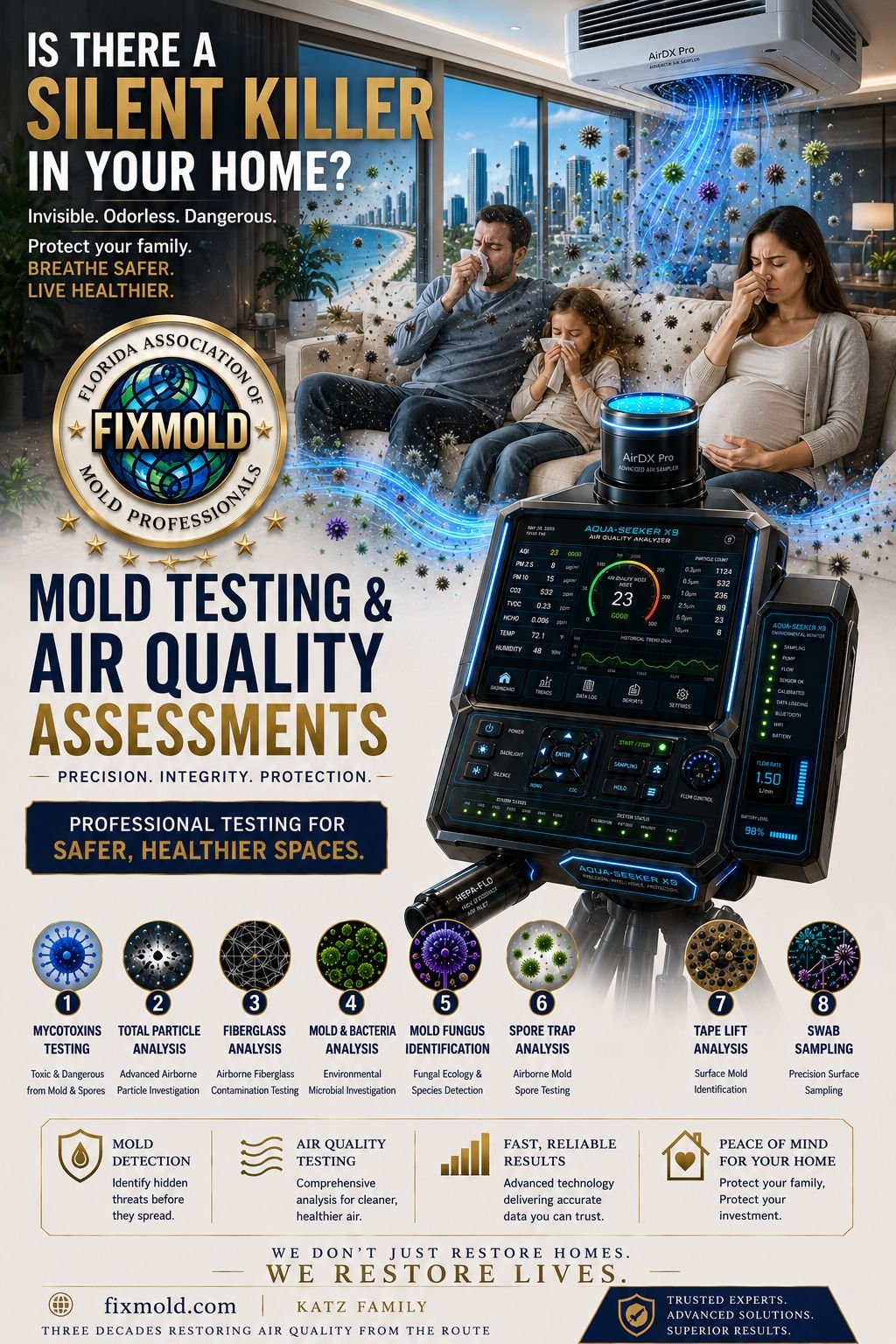
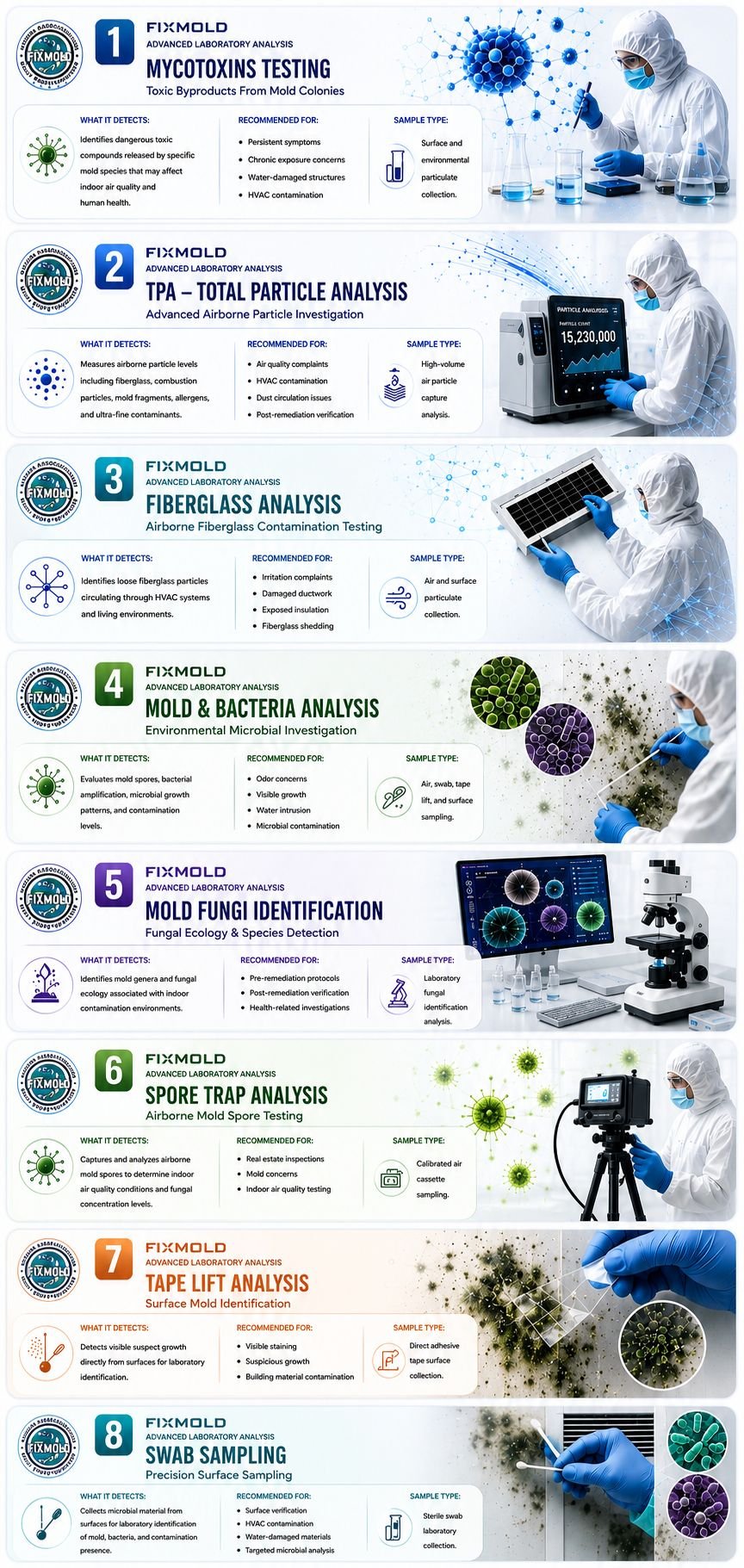
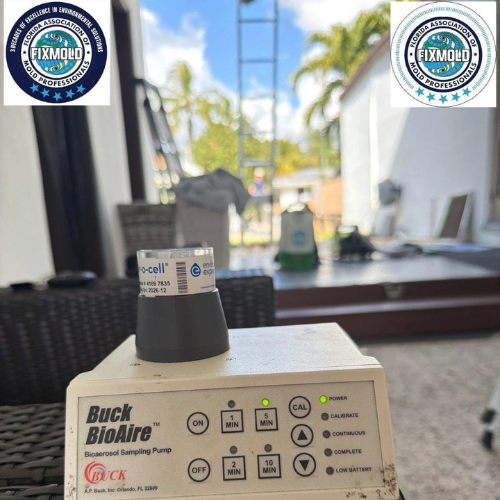
DIY kits typically involve leaving a petri dish open for a set period and mailing it for basic analysis. Professional air sampling uses calibrated pumps to draw a precise volume of air through a spore trap, producing a count of spores per cubic meter that can be compared against outdoor baseline levels and industry thresholds. The professional method produces data. The DIY method produces a rough indicator.
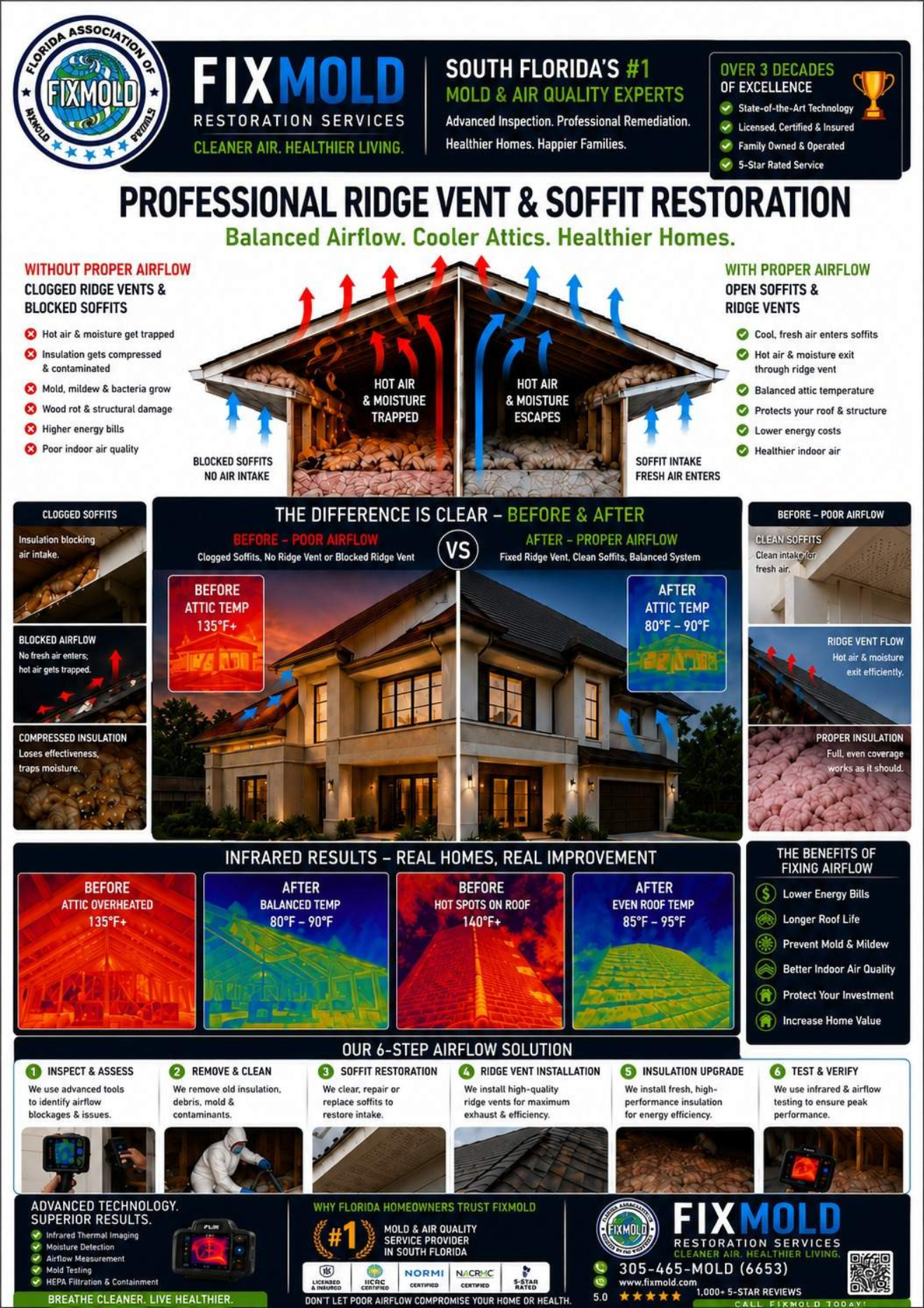
Thermal imaging cameras don't detect mold directly. They detect moisture by identifying temperature differences in building materials that indicate wet versus dry conditions. Since moisture is the root cause of virtually all indoor mold growth, finding hidden moisture identifies where mold is growing or will grow before visible signs appear.
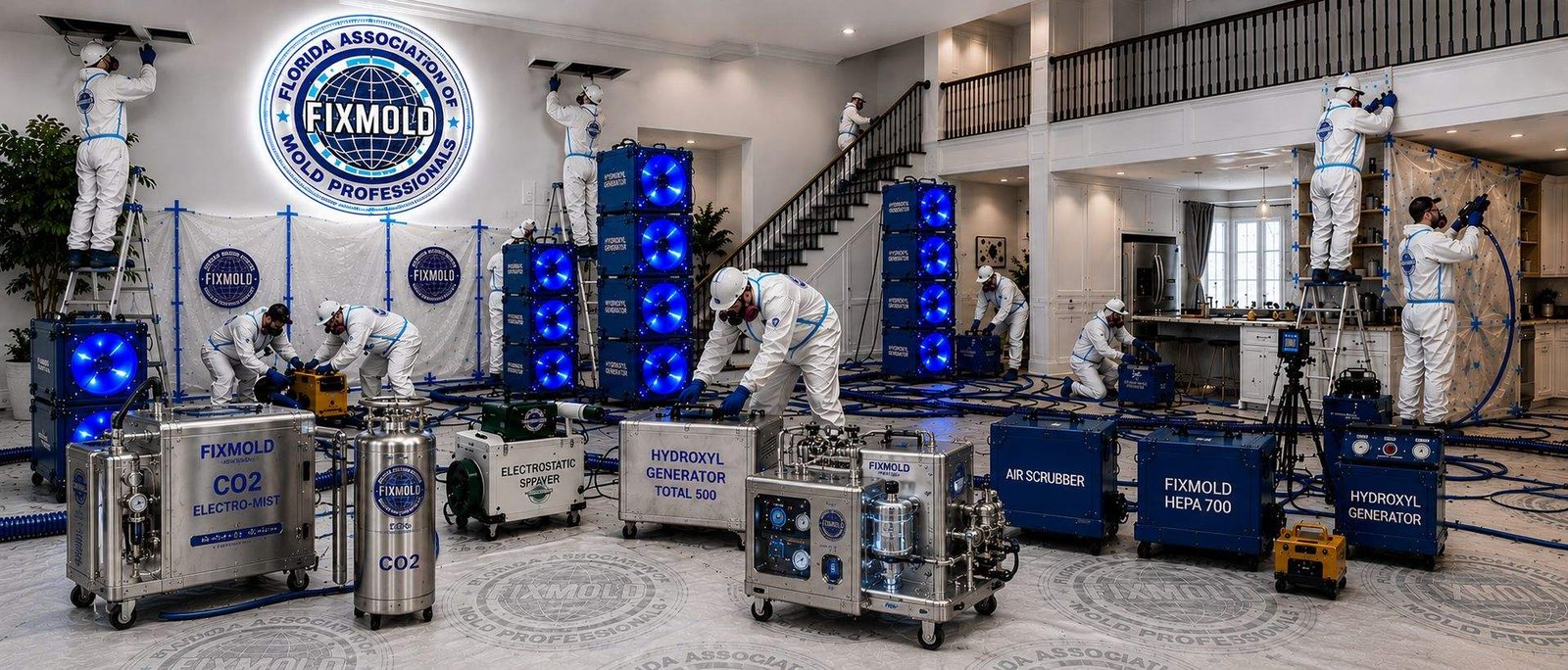
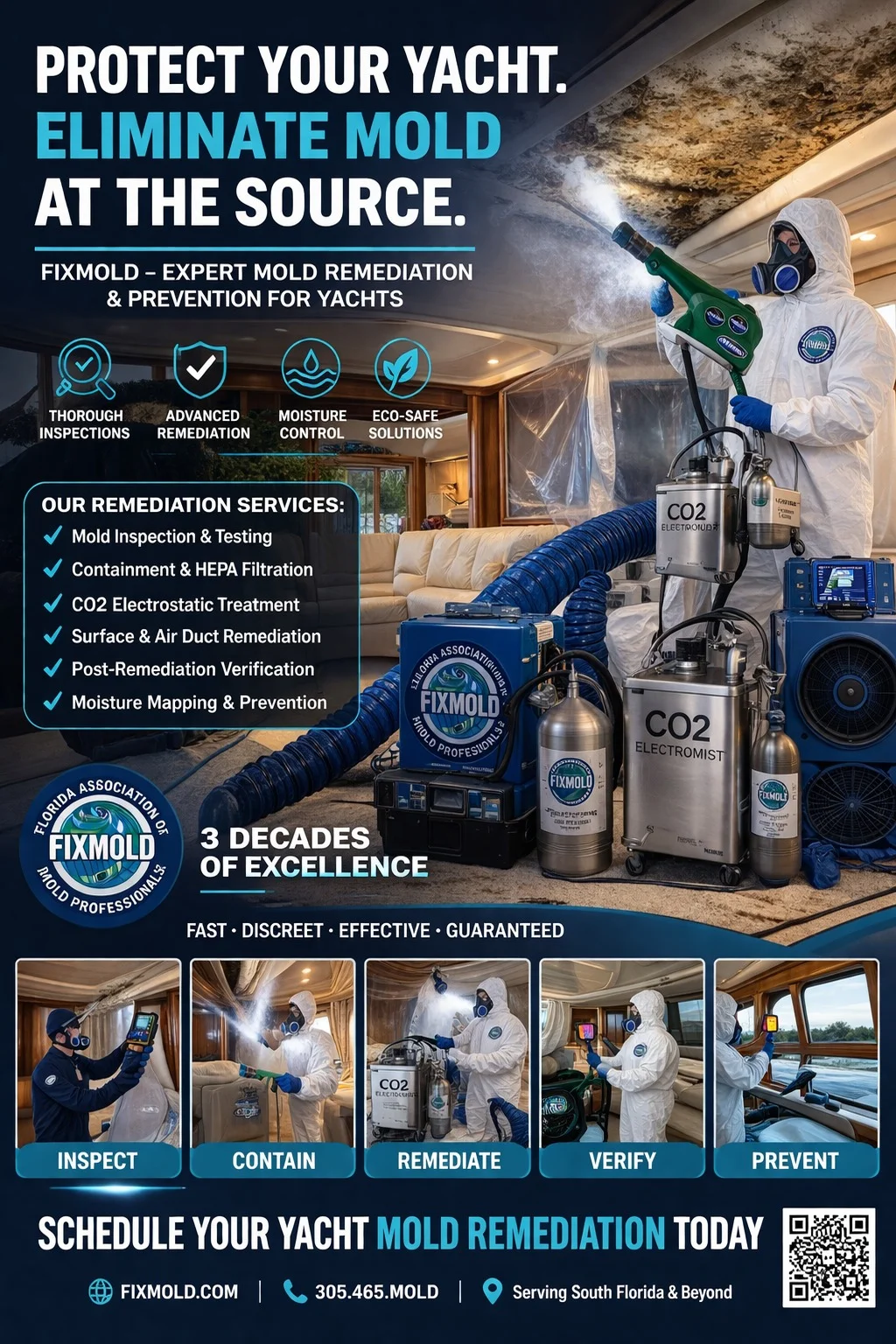
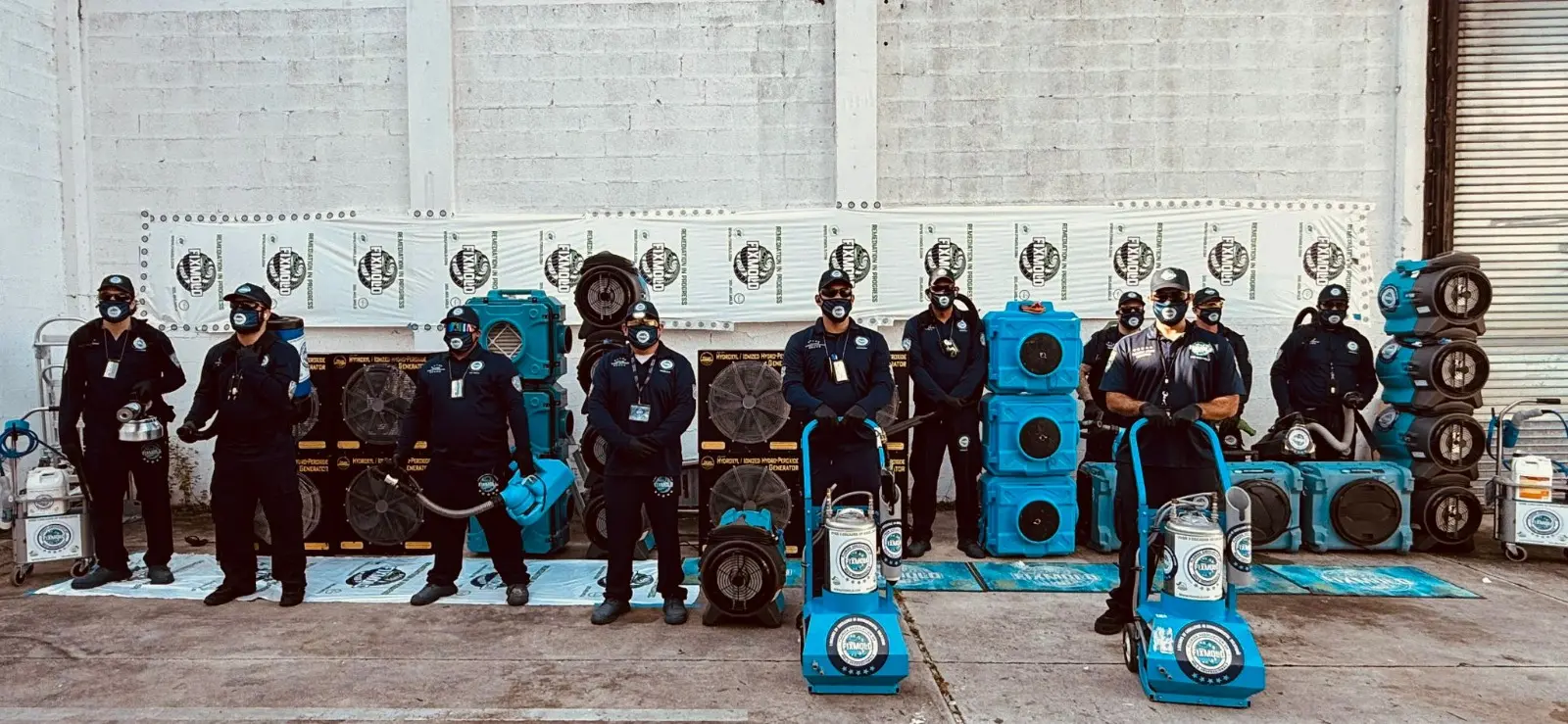
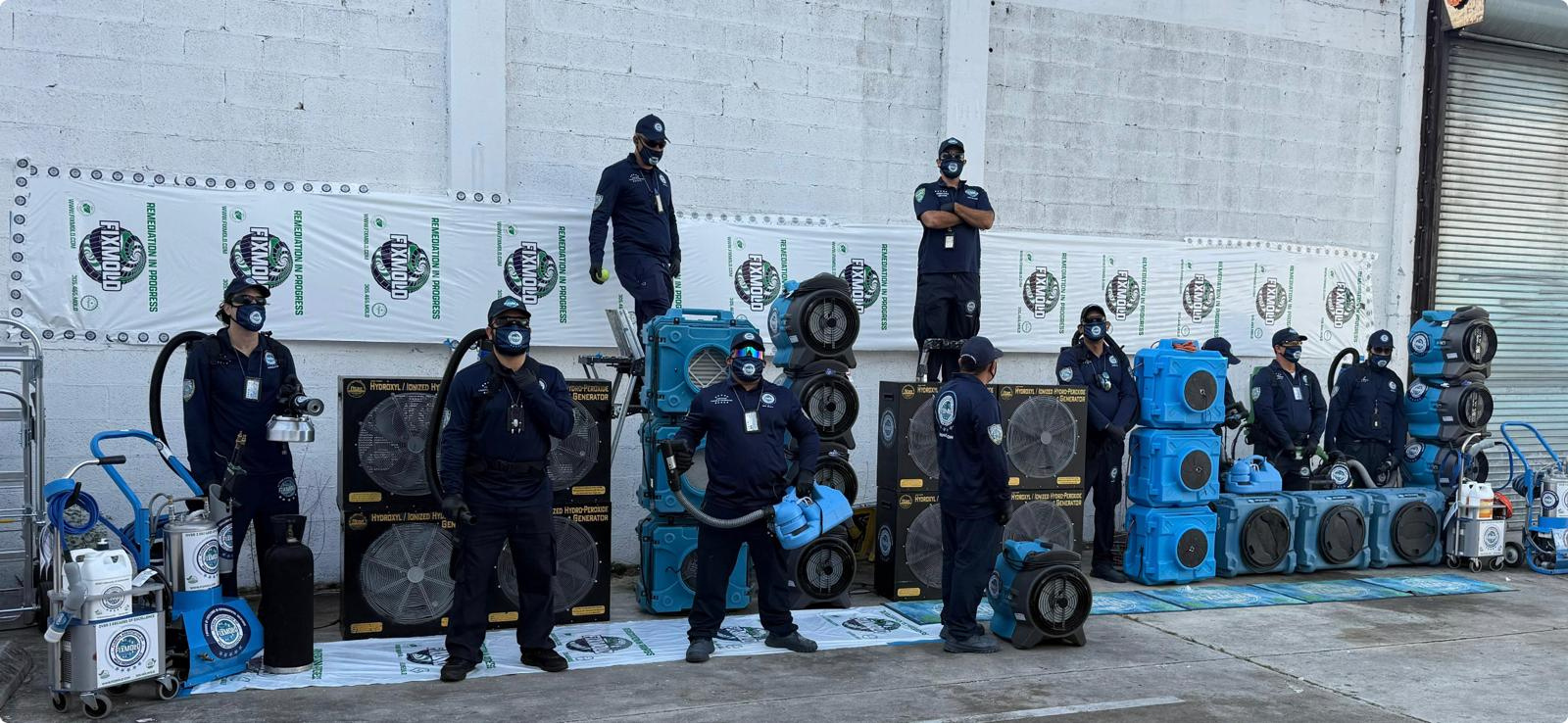
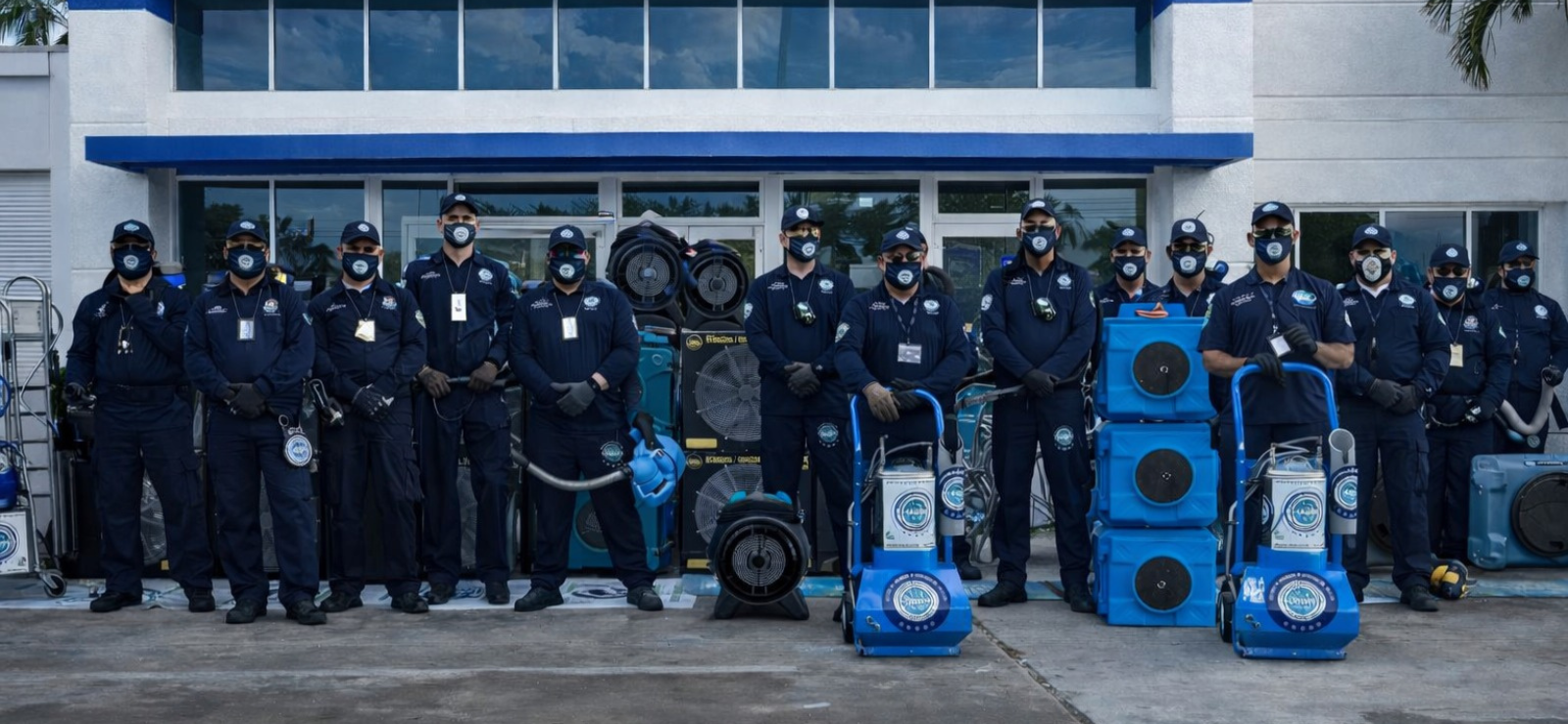
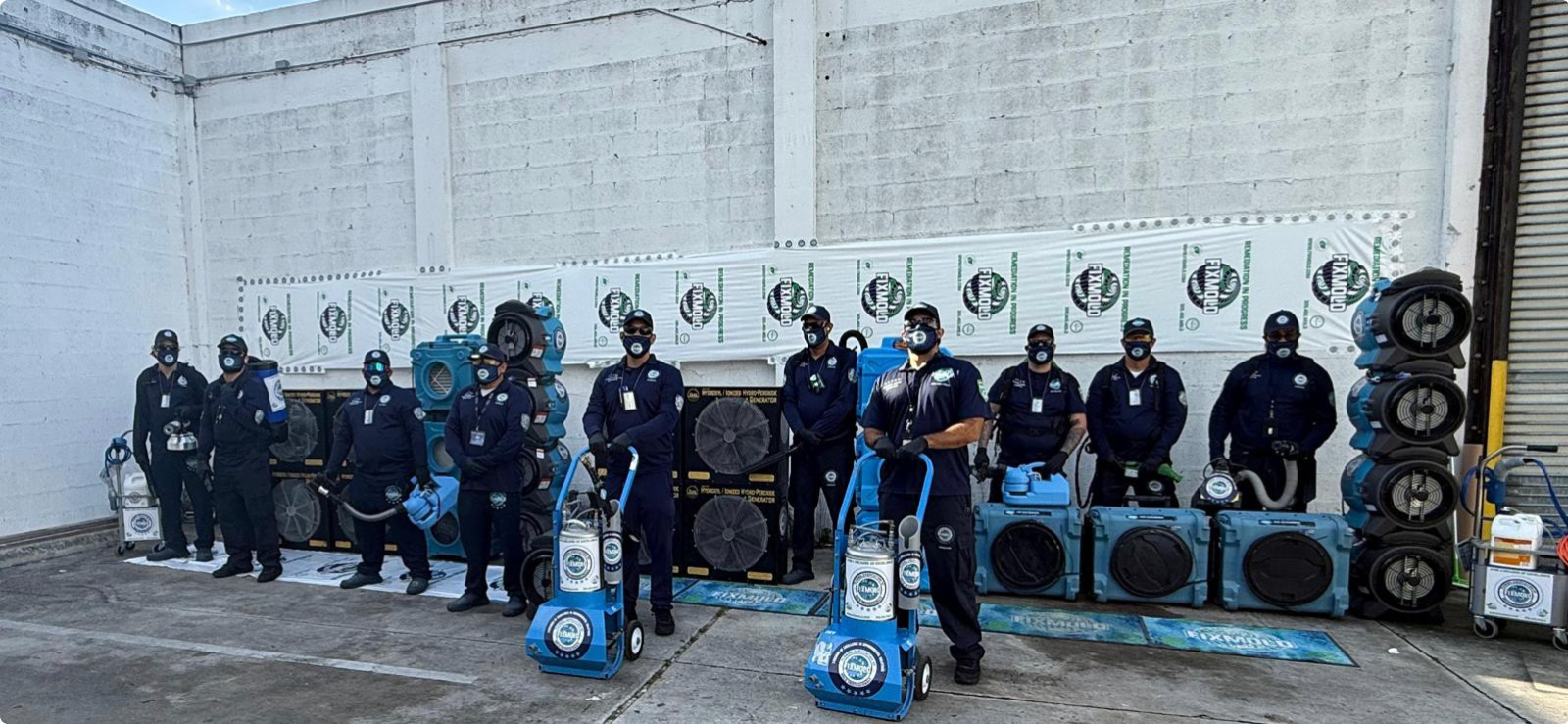
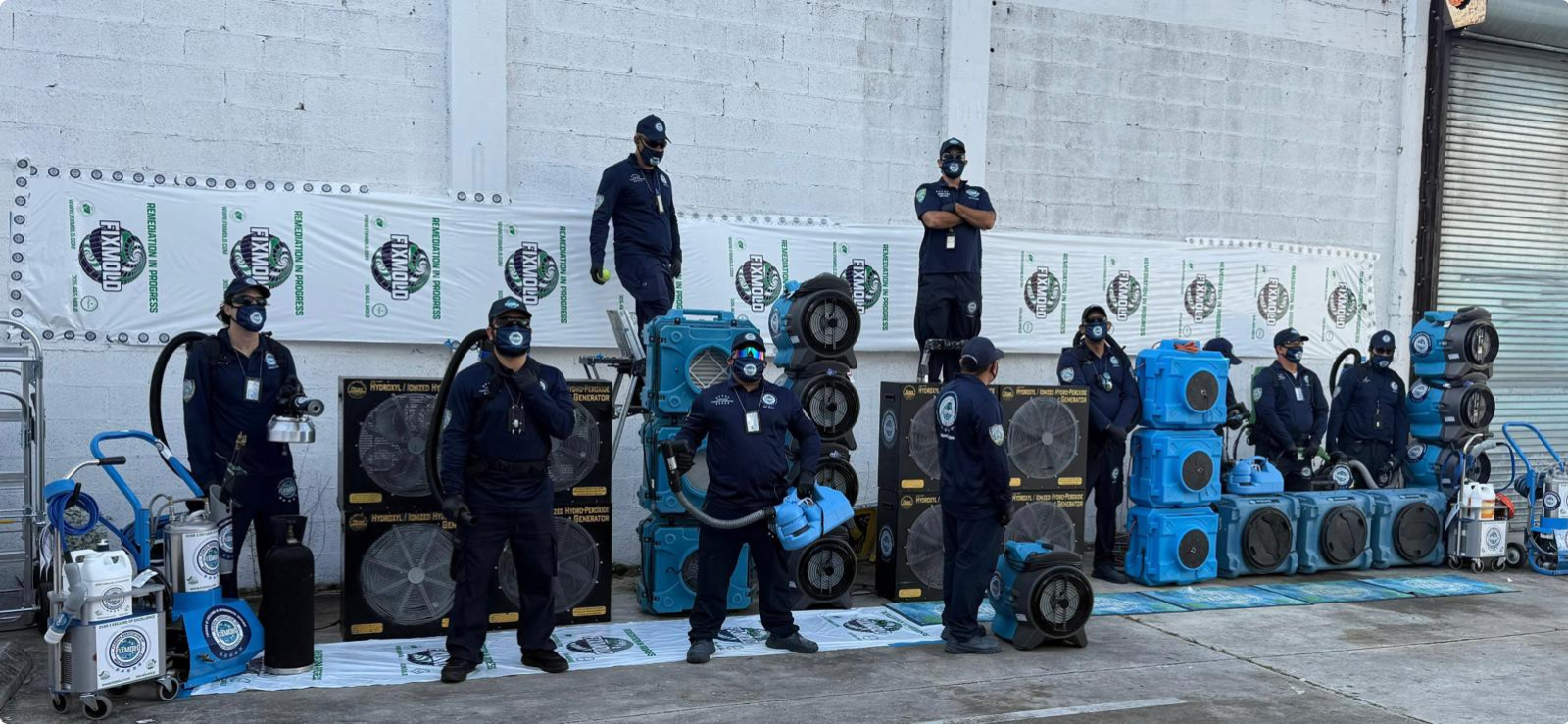
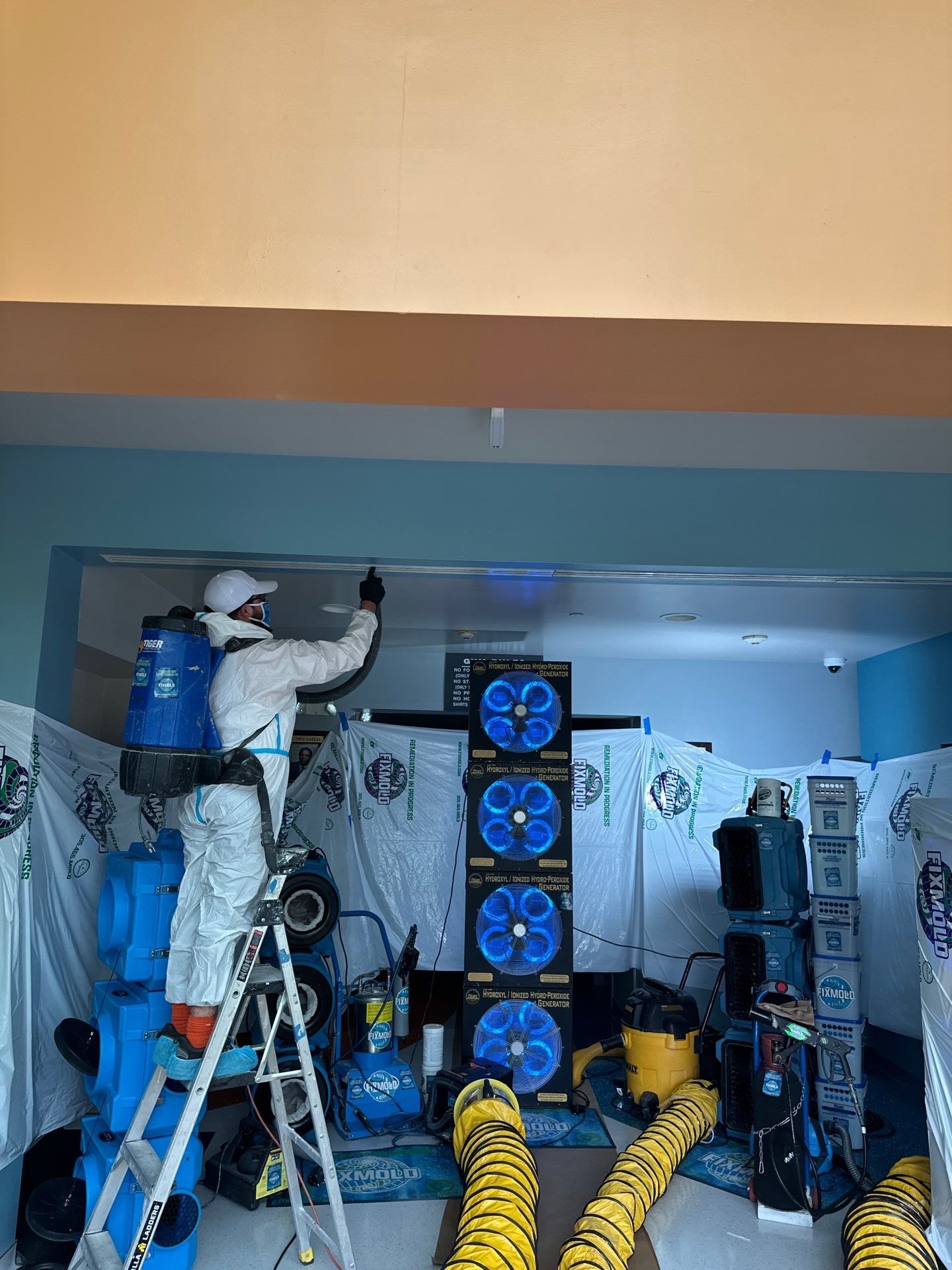
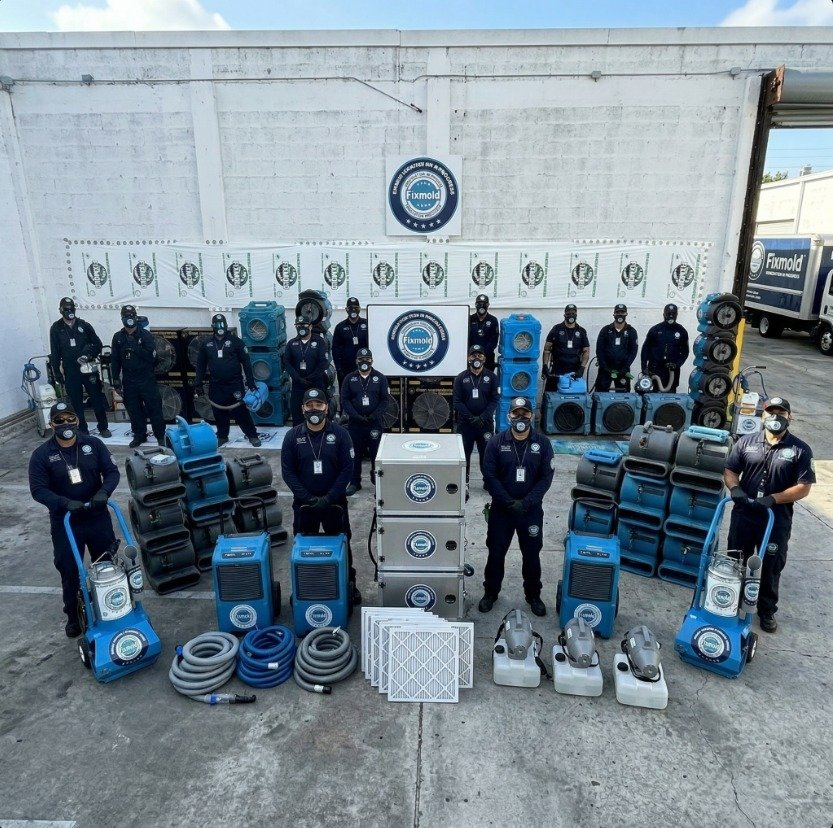
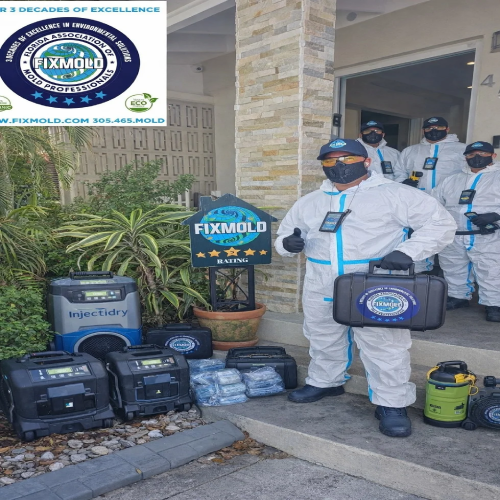
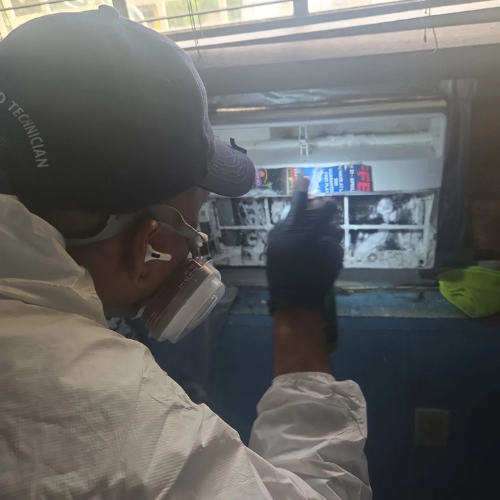
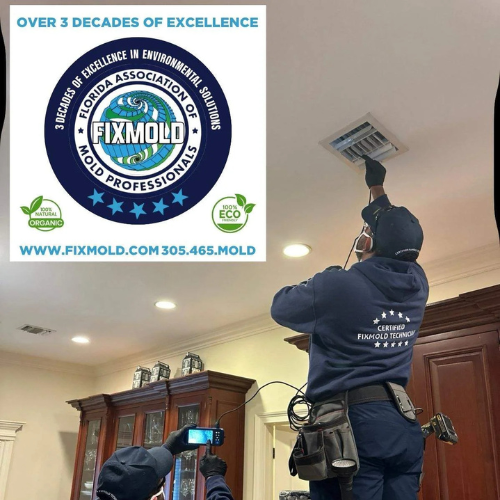
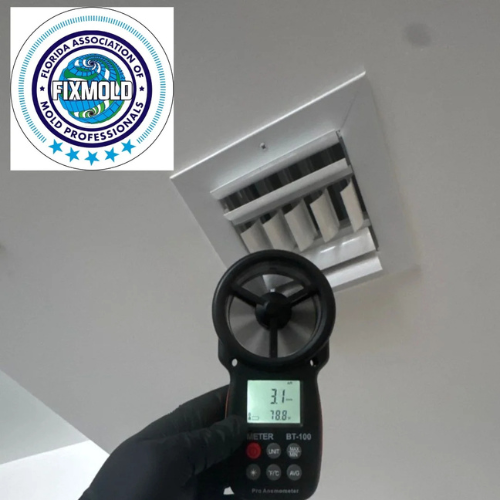
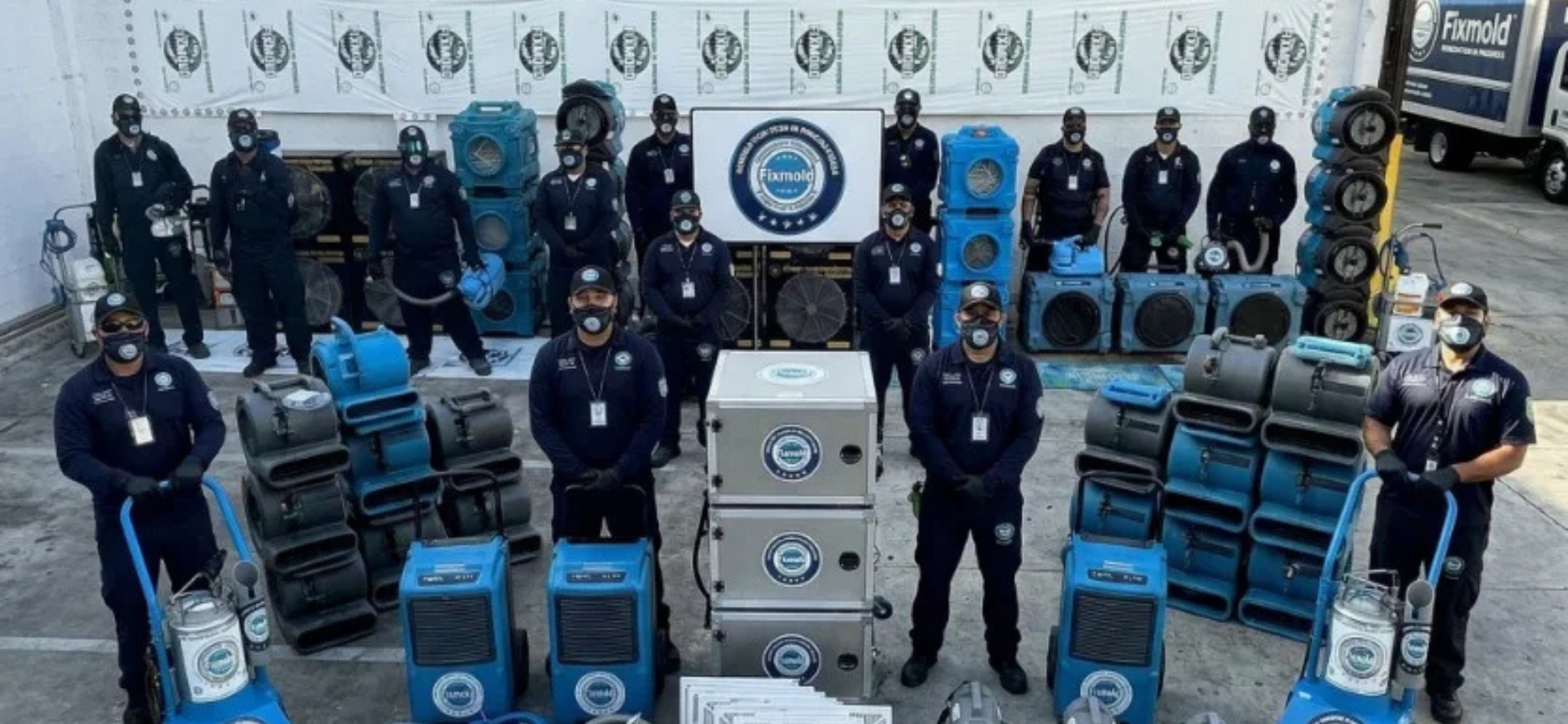
The toolkit is deployed based on what each inspection requires. Every crew carries the full range of instruments. Which ones are used in a given space is determined by the conditions found during the assessment. Larger commercial properties and properties with more complex HVAC systems naturally involve a broader range of equipment.
In most cases, yes. Thermal imaging identifies moisture migration behind surfaces, borescopes inspect interior cavities where access exists, and moisture meters confirm saturation levels through non-invasive contact with surface materials. Where the data points to contamination in an inaccessible location, targeted access is made at the specific location the instruments identify rather than exploratory demolition across a broad area.