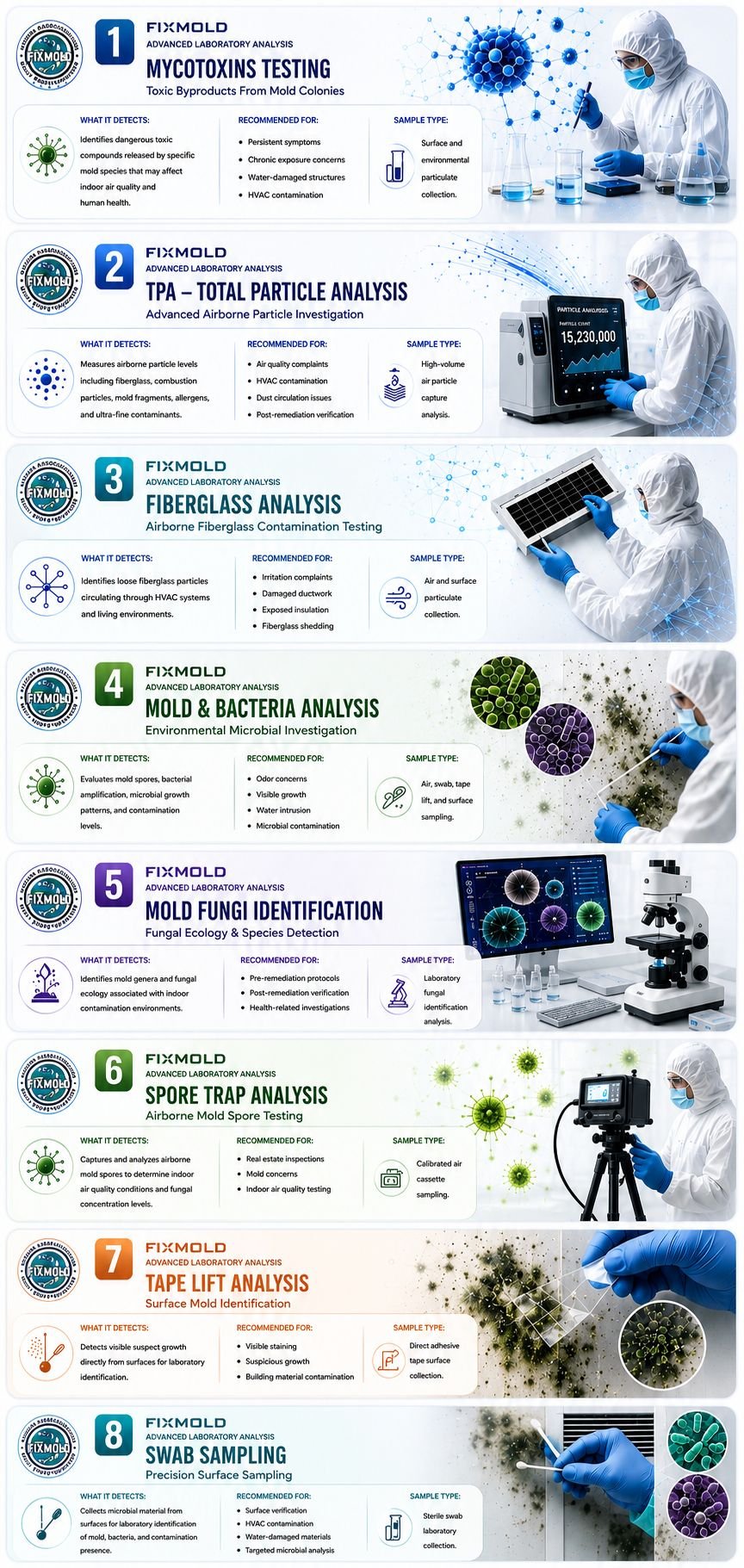
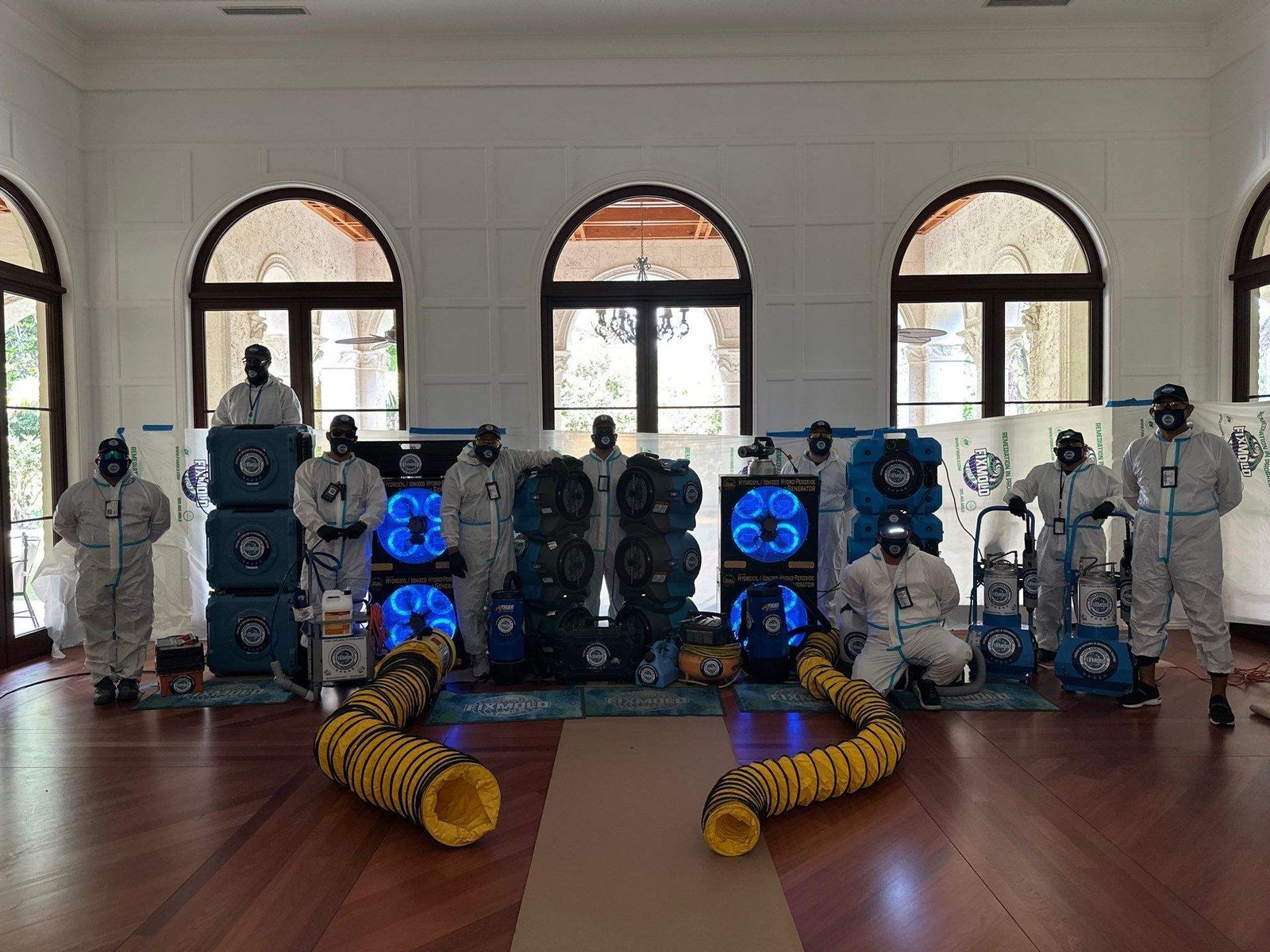
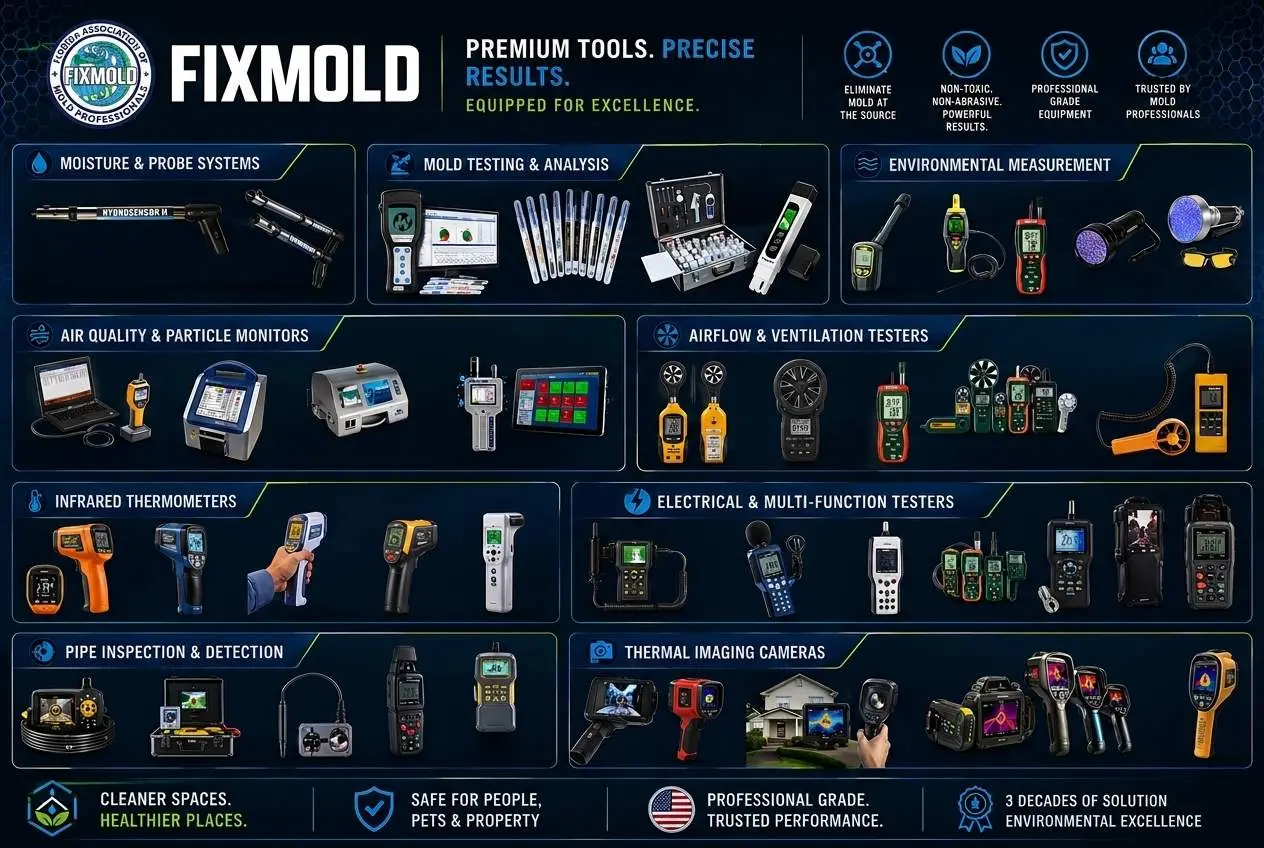
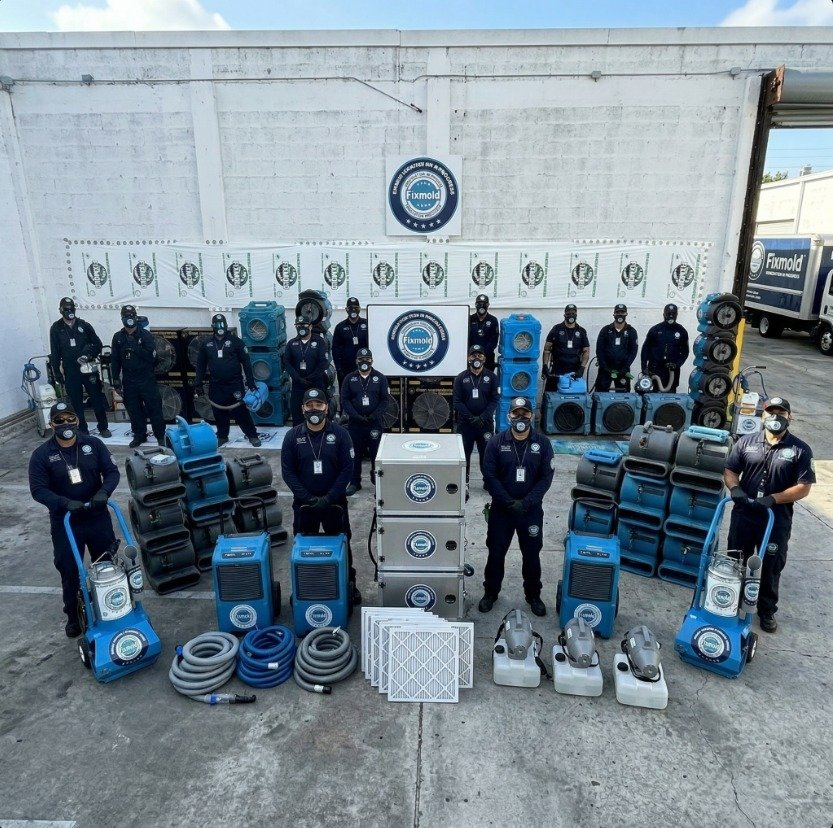
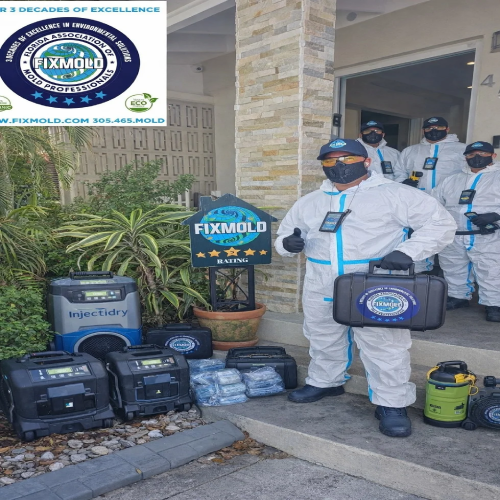
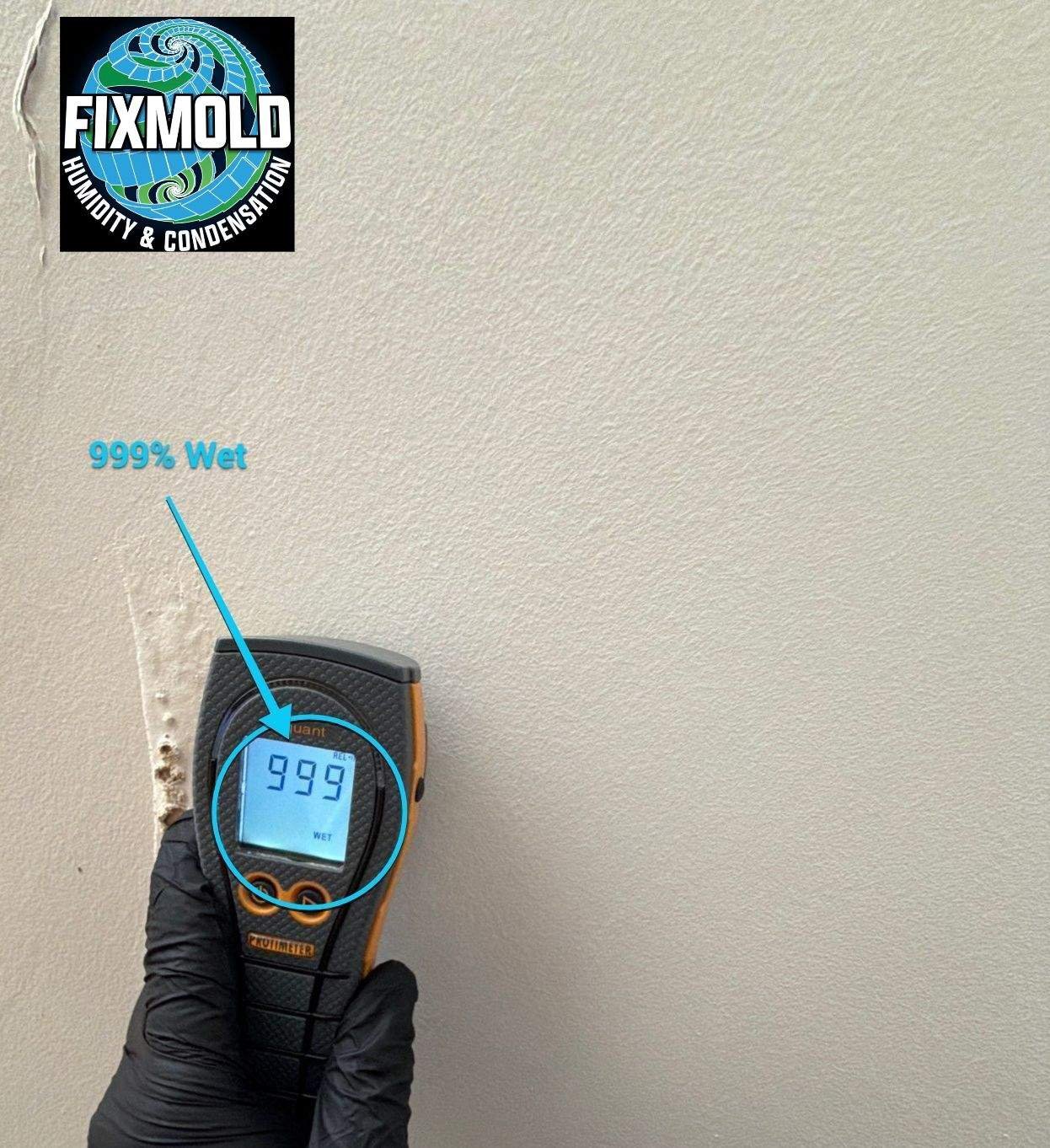
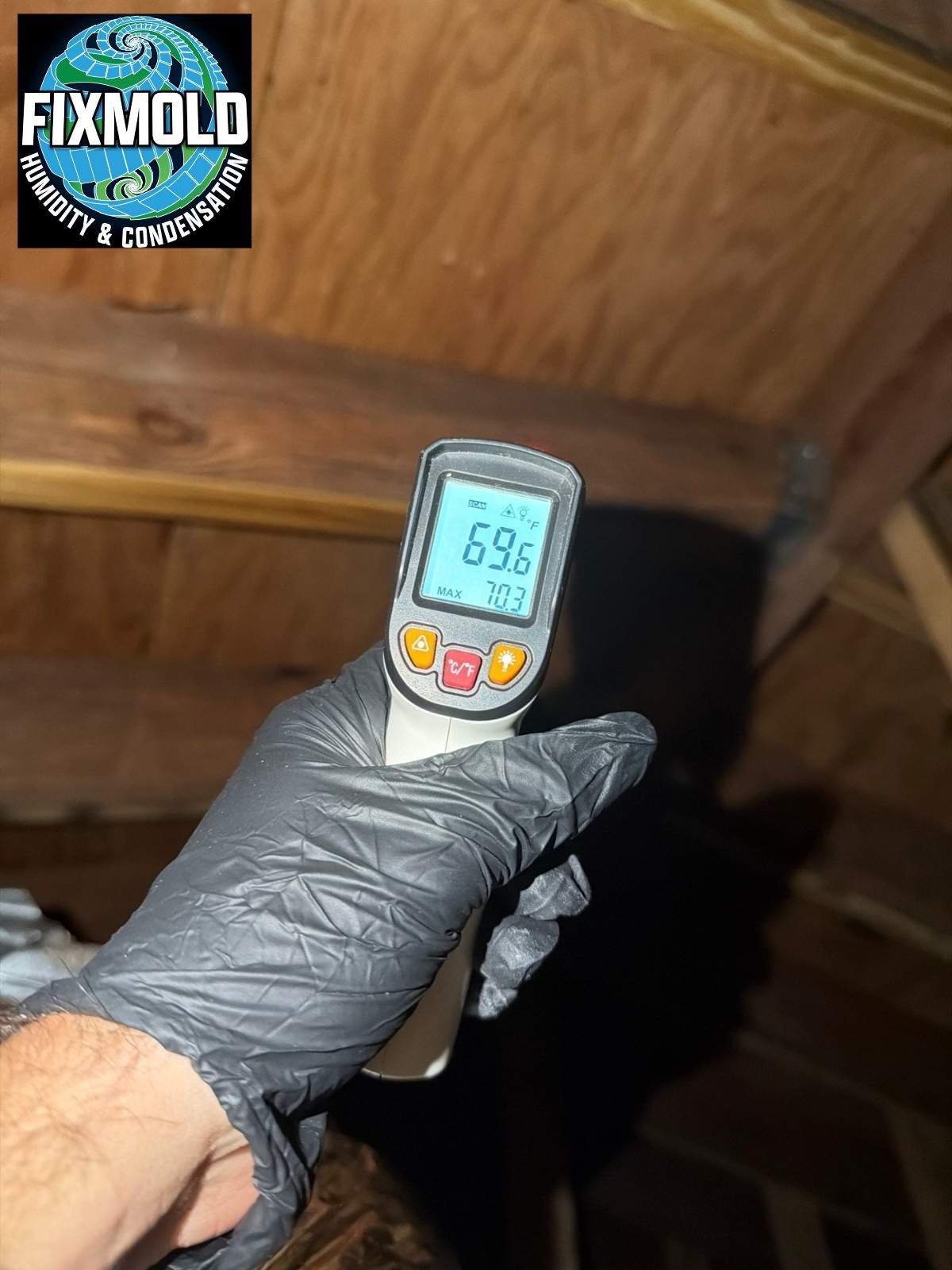
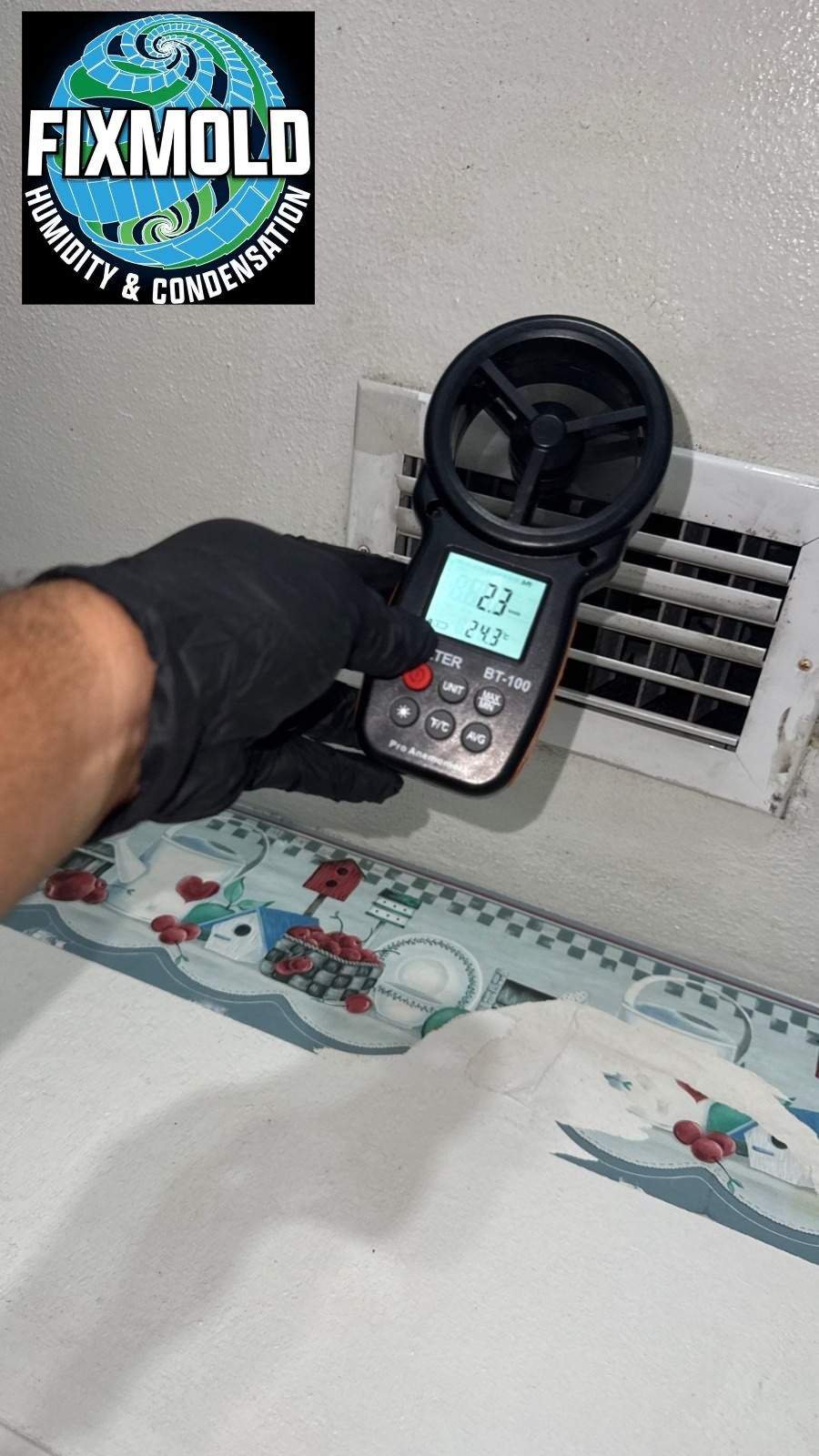
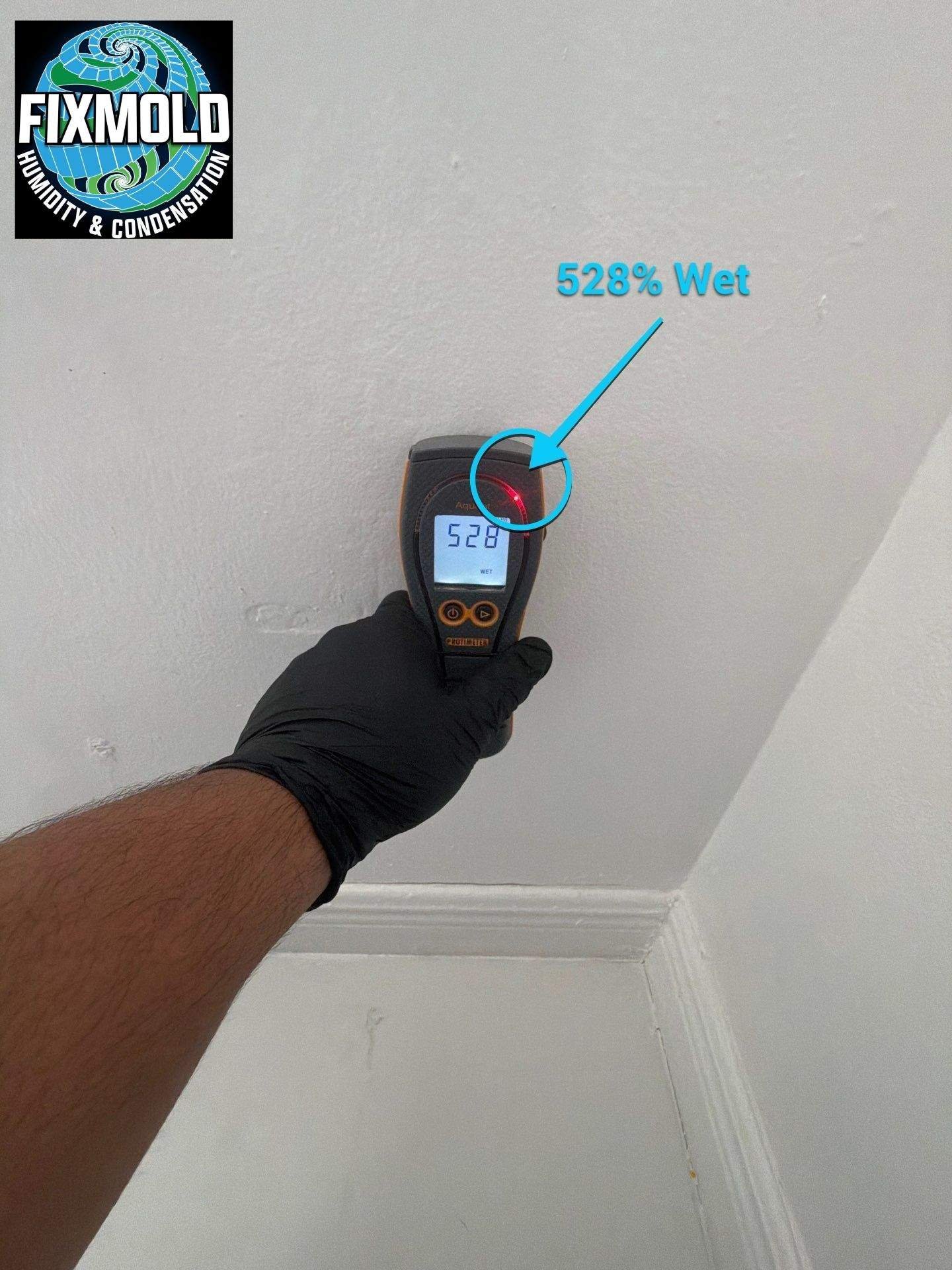
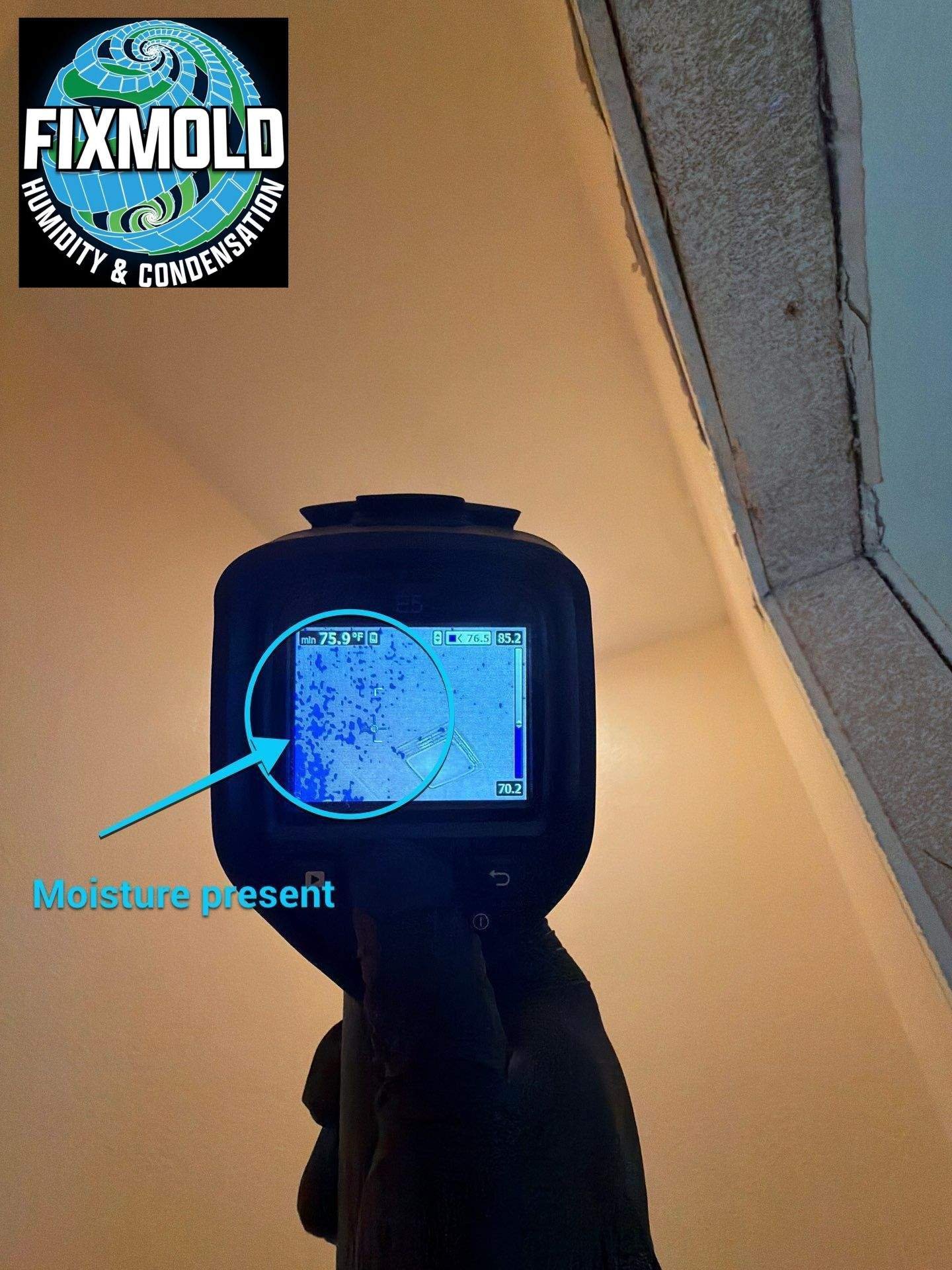
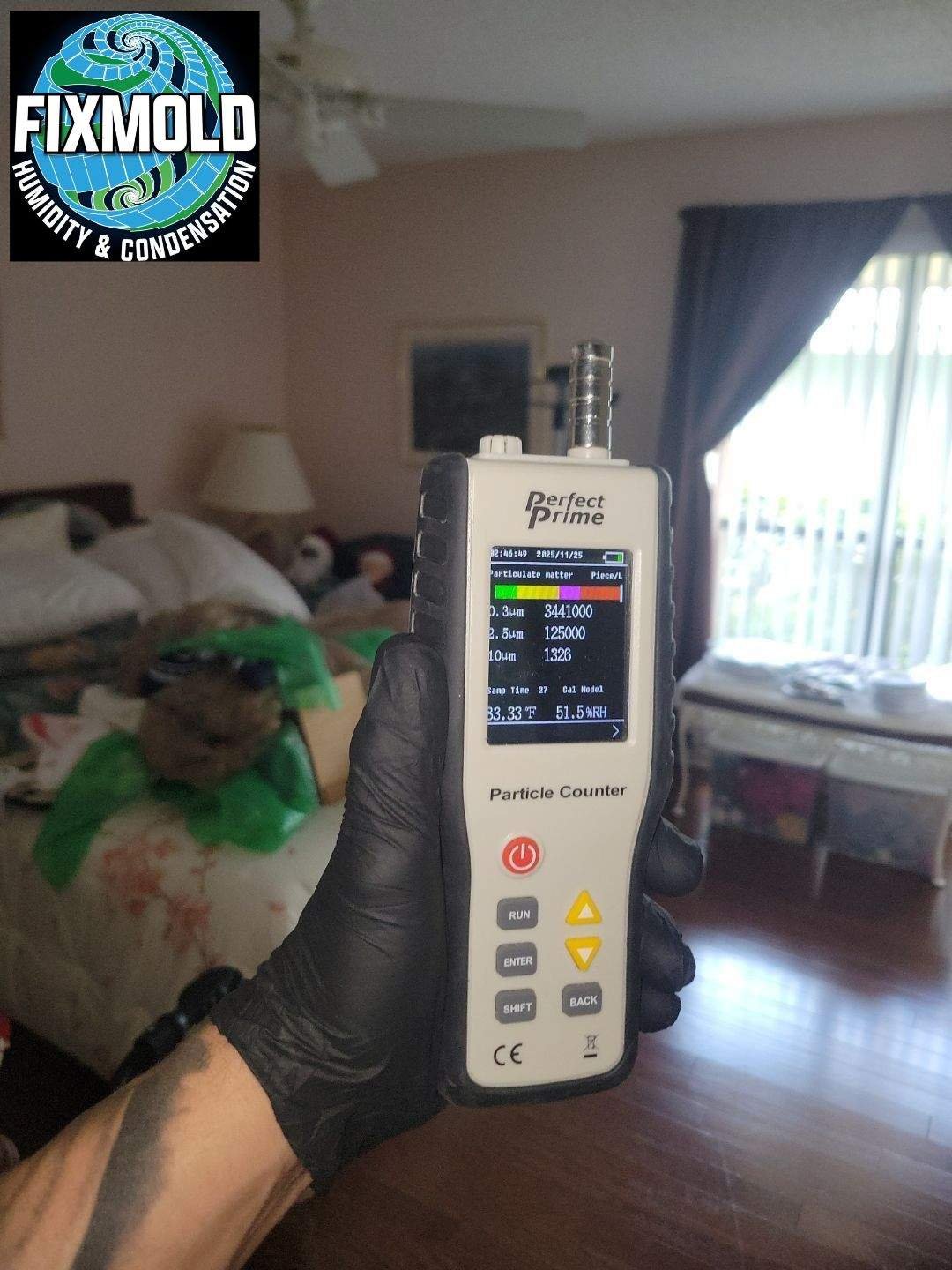
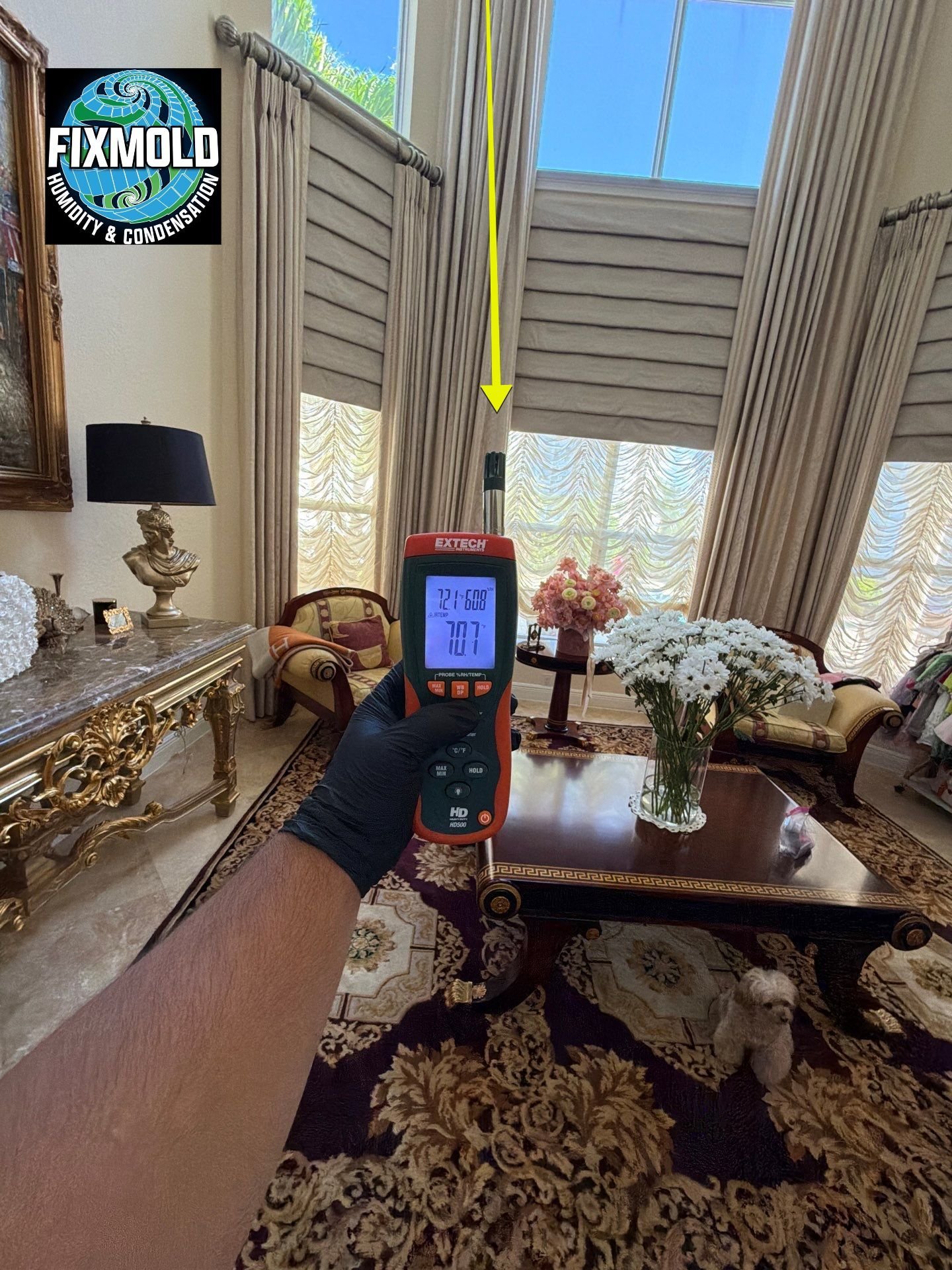
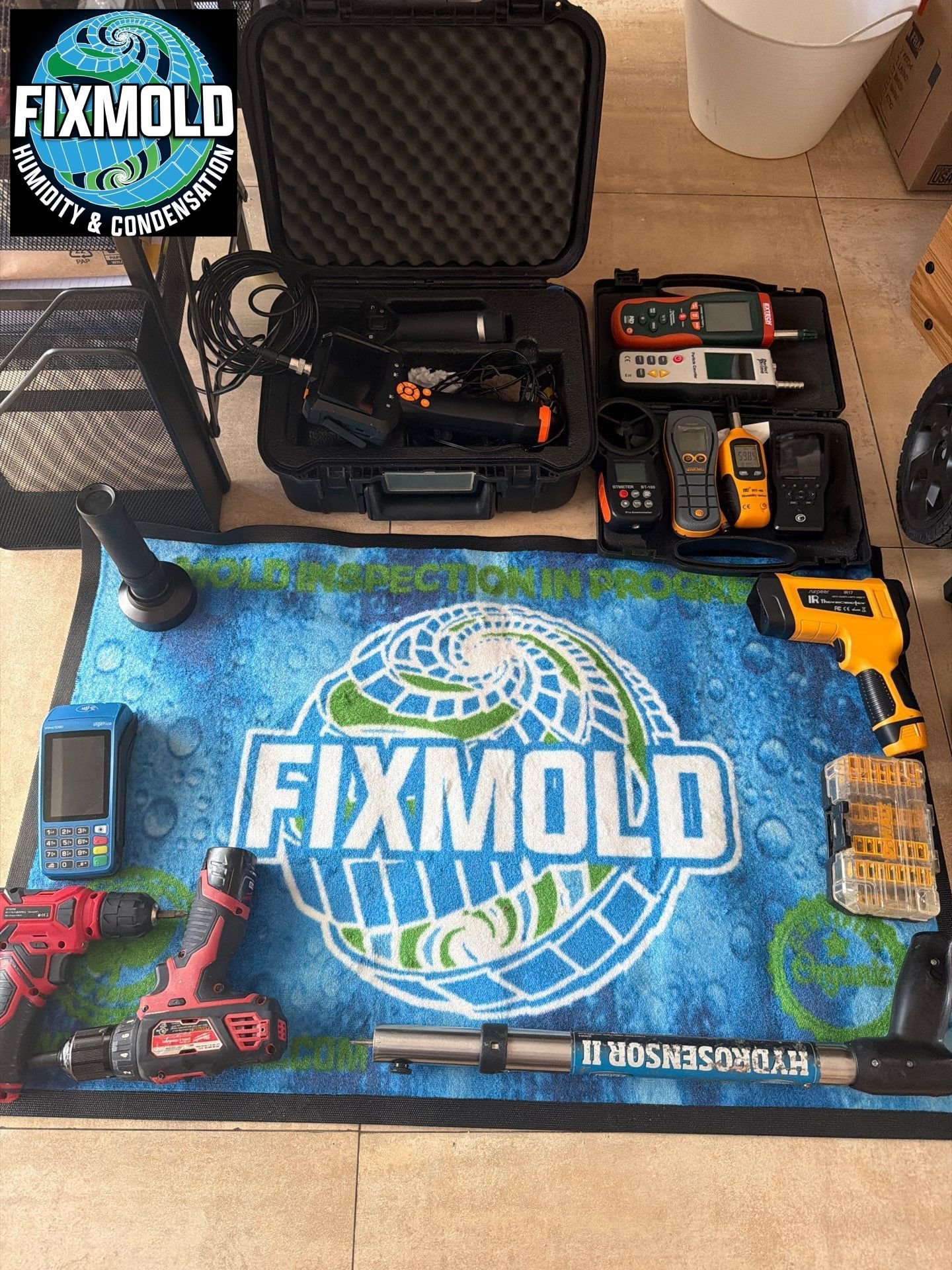
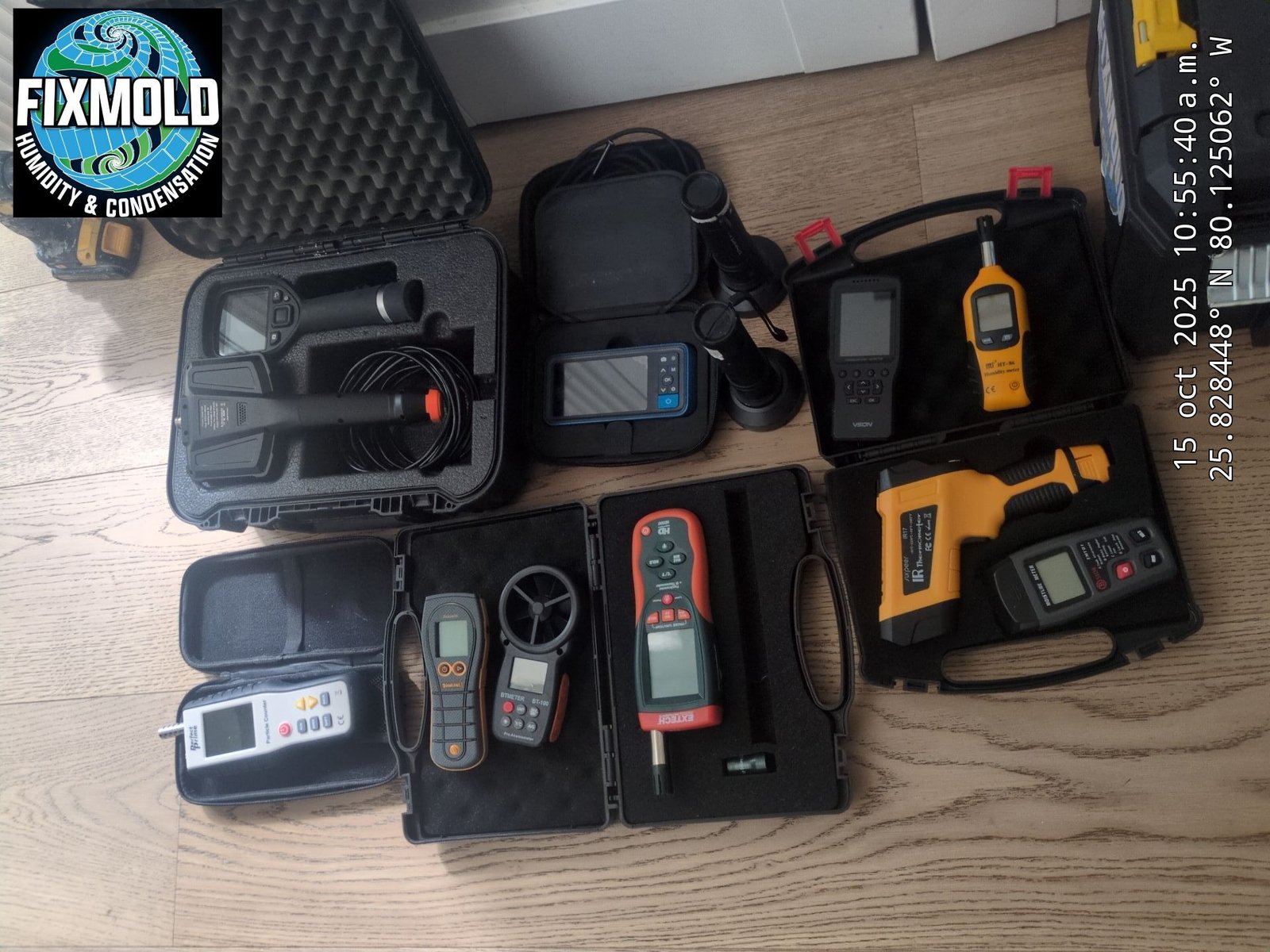
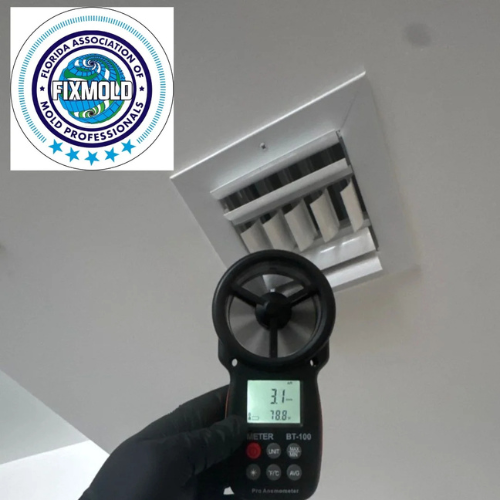
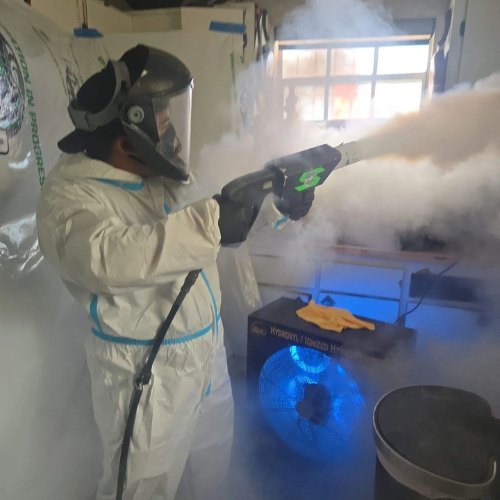
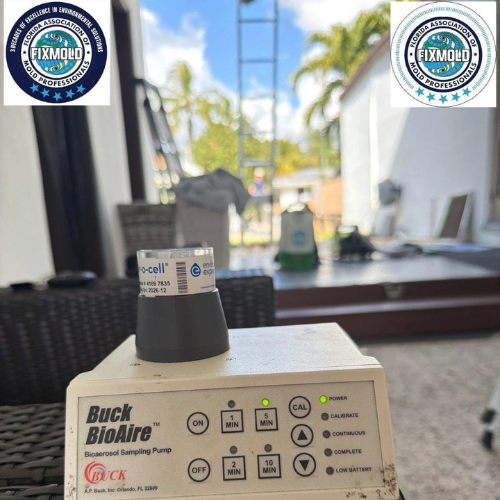
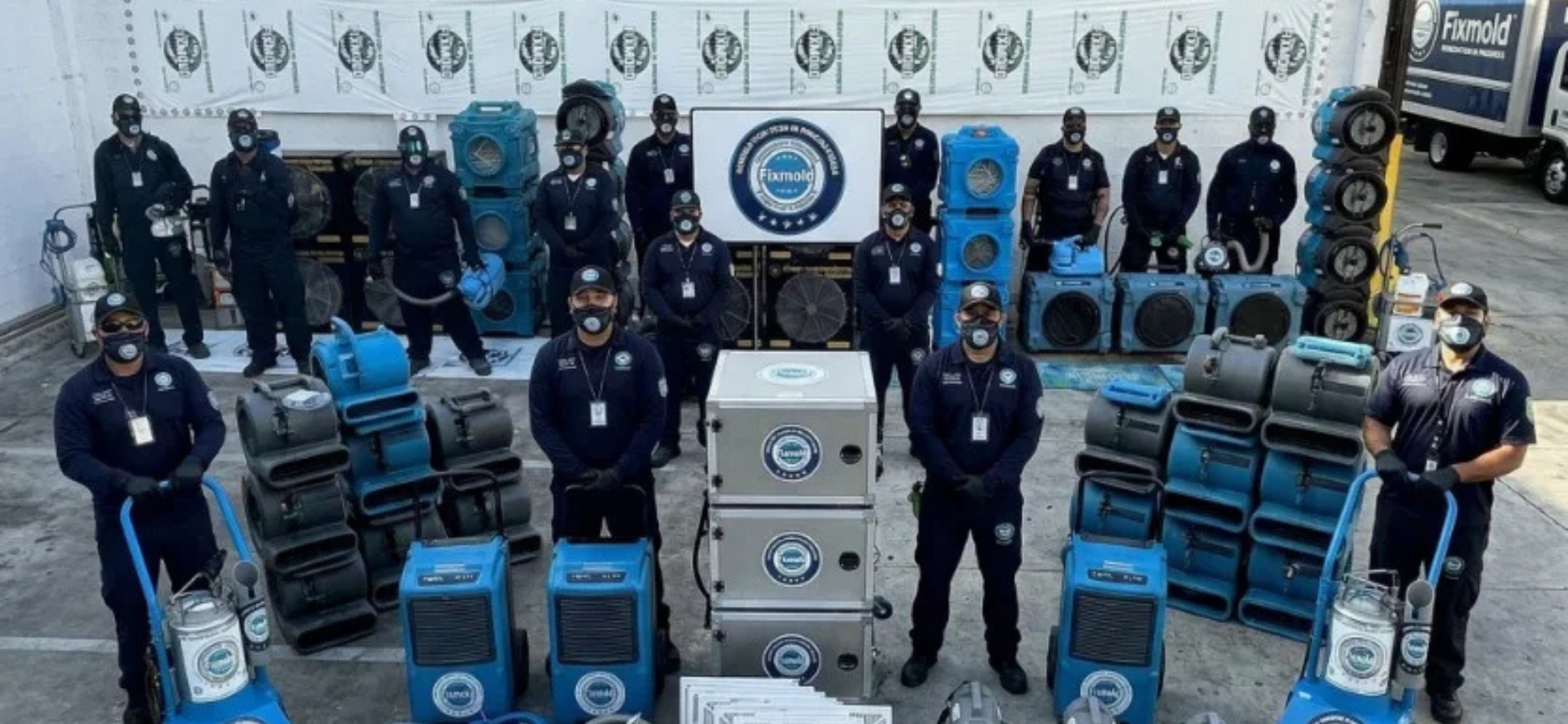
Every instrument is calibrated to ANSI and AIHA standards on a documented schedule. Calibration records are maintained in our cloud-based management system and are available as part of our inspection documentation when required for legal, insurance or real estate transaction purposes. The independent certified laboratories that analyze our air and surface samples maintain their own accreditation independently of our inspection process. The results you receive reflect a complete, documented chain from sample collection through laboratory analysis.
Consumer mold test kits, typically a petri dish left open in a room for a period of time, collect spores that settle by gravity onto the collection medium. They do not measure airborne spore concentration. They do not identify species with the accuracy of microscopic laboratory analysis. They produce no outdoor baseline comparison. They provide no information about moisture conditions or hidden contamination. They are not operated or interpreted by a trained assessor. What they tell you is that mold spores exist in your home, which is true of every home on earth. They tell you nothing about whether the concentration, the species or the conditions in your property represent a problem.
The same device set is used across both. Commercial inspections involve larger numbers of air sampling points due to the scale of the property, additional zones of assessment for multi-floor or multi-tenant buildings and more extensive documentation requirements for the final report. The instruments, the calibration standards and the laboratory used are identical.

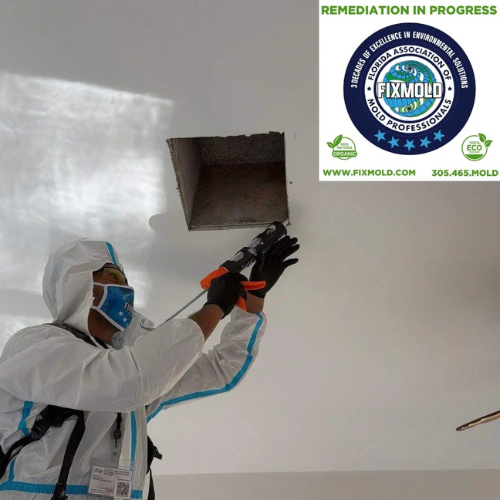
Your inspector reviews all findings with you before leaving the property. Your written report with all readings, thermal images, laboratory results and a plain-language explanation of what they mean is delivered promptly. If remediation is indicated, the same team handles it. You do not start over with a new company, a new assessment or a new set of unknowns.