Surface sprays and air fresheners address odor molecules that happen to be within reach of a direct application. The ones embedded in wall surfaces, inside furniture foam, within carpet padding, inside ductwork, and suspended throughout the air volume of a room carry on regardless. This is why odors from mold, smoke, moisture, and biological contamination come back within hours of surface cleaning. The source was never reached.
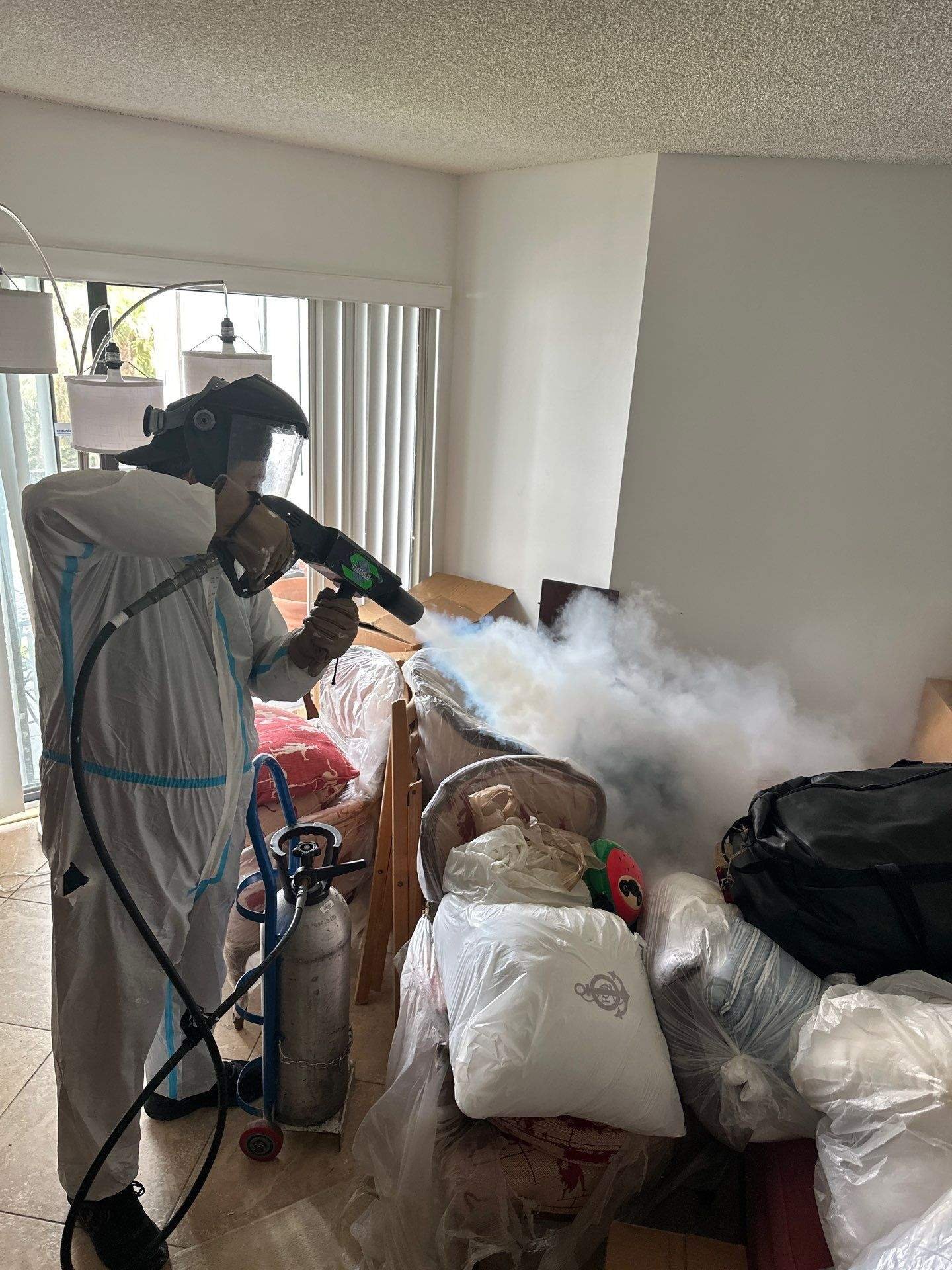
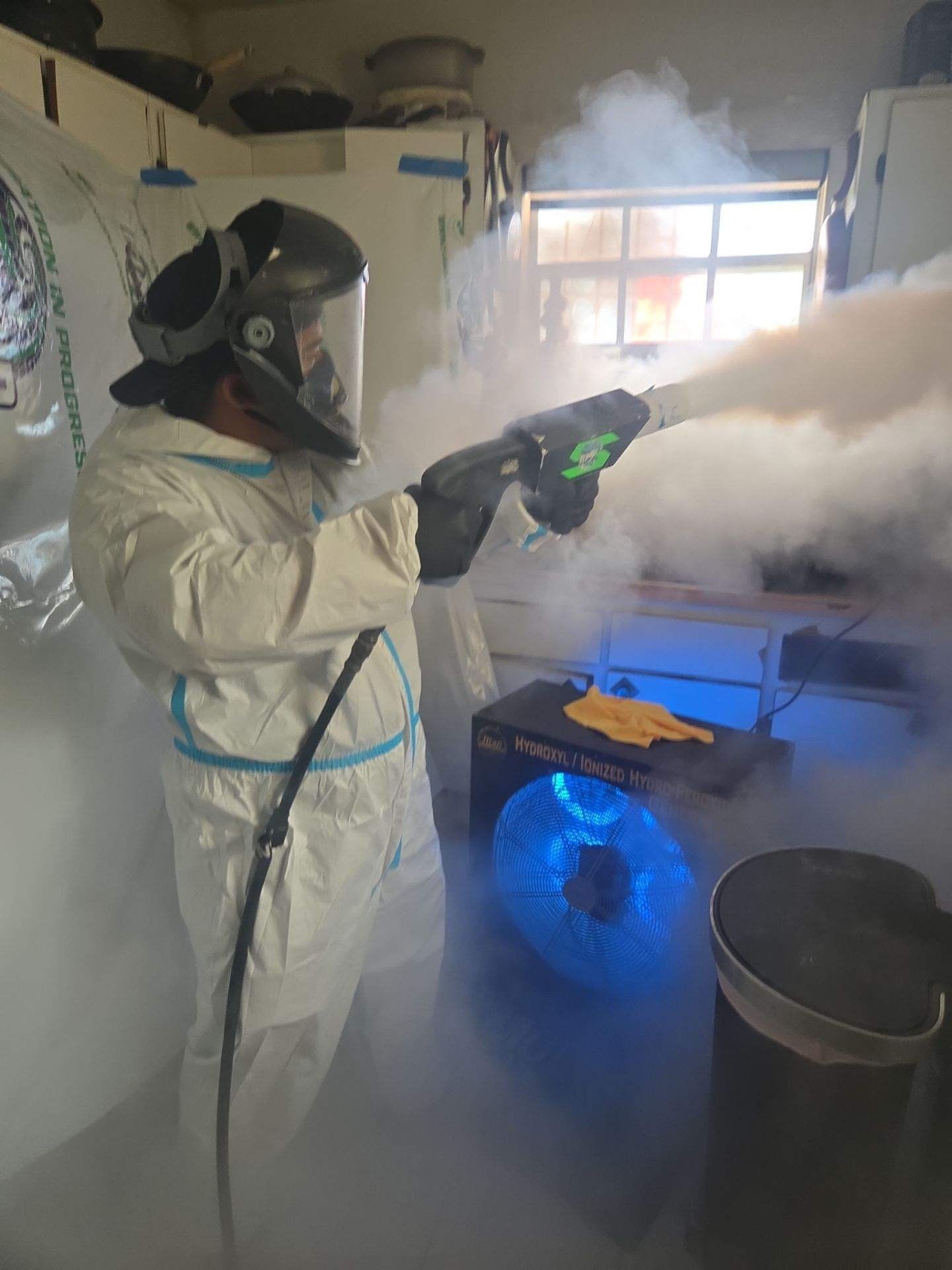
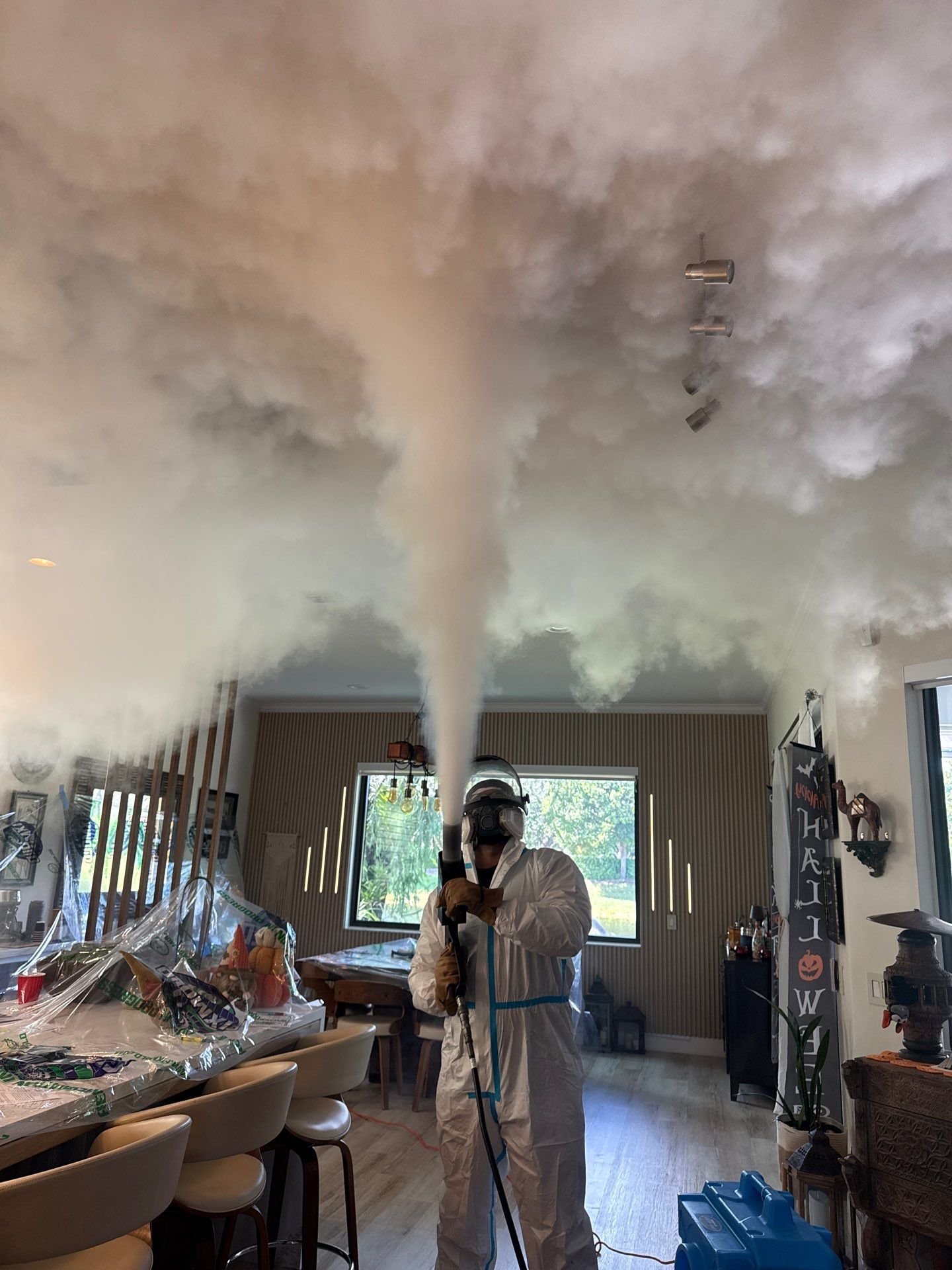
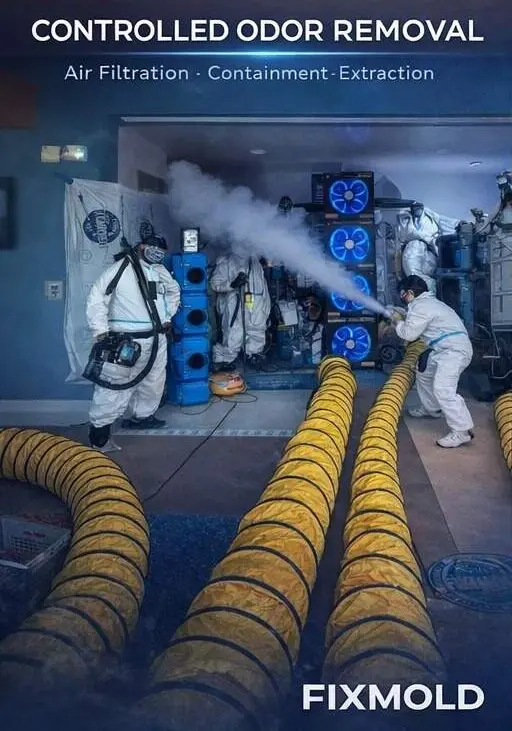
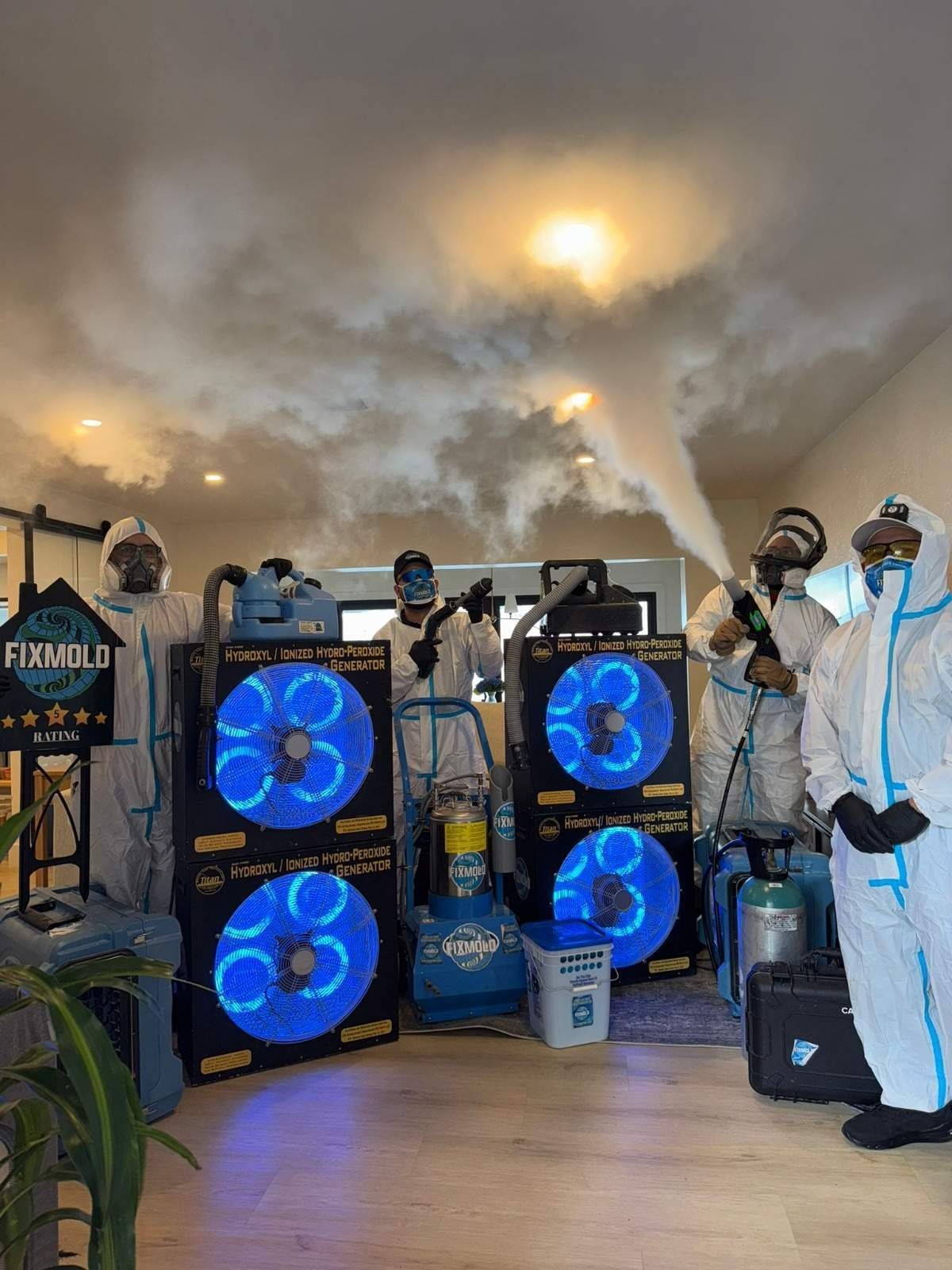
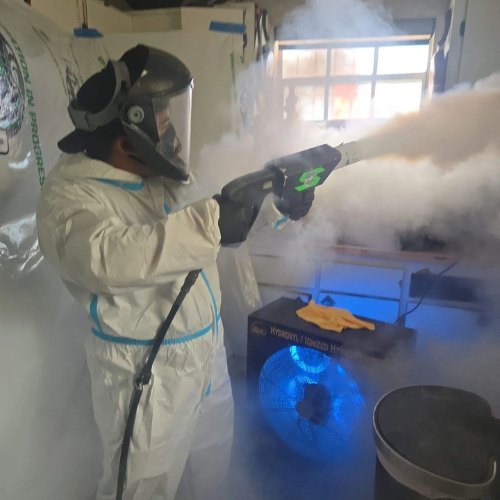
The Restorator treats the atmosphere, the structure, and the contents of a space simultaneously. Based on technology originally developed for medical facilities, this advanced mold odor eliminator releases an organic, non-toxic odor-neutralizing dry vapor that penetrates into porous surfaces, suspends throughout the full air volume of the treated space, and reaches the odor-causing compounds wherever they exist, not just on surfaces a technician can spray.
It treats areas up to 20,000 cubic feet in a single treatment. Fast, complete, and safe for reoccupation without the extended evacuation periods that ozone-based treatments require.
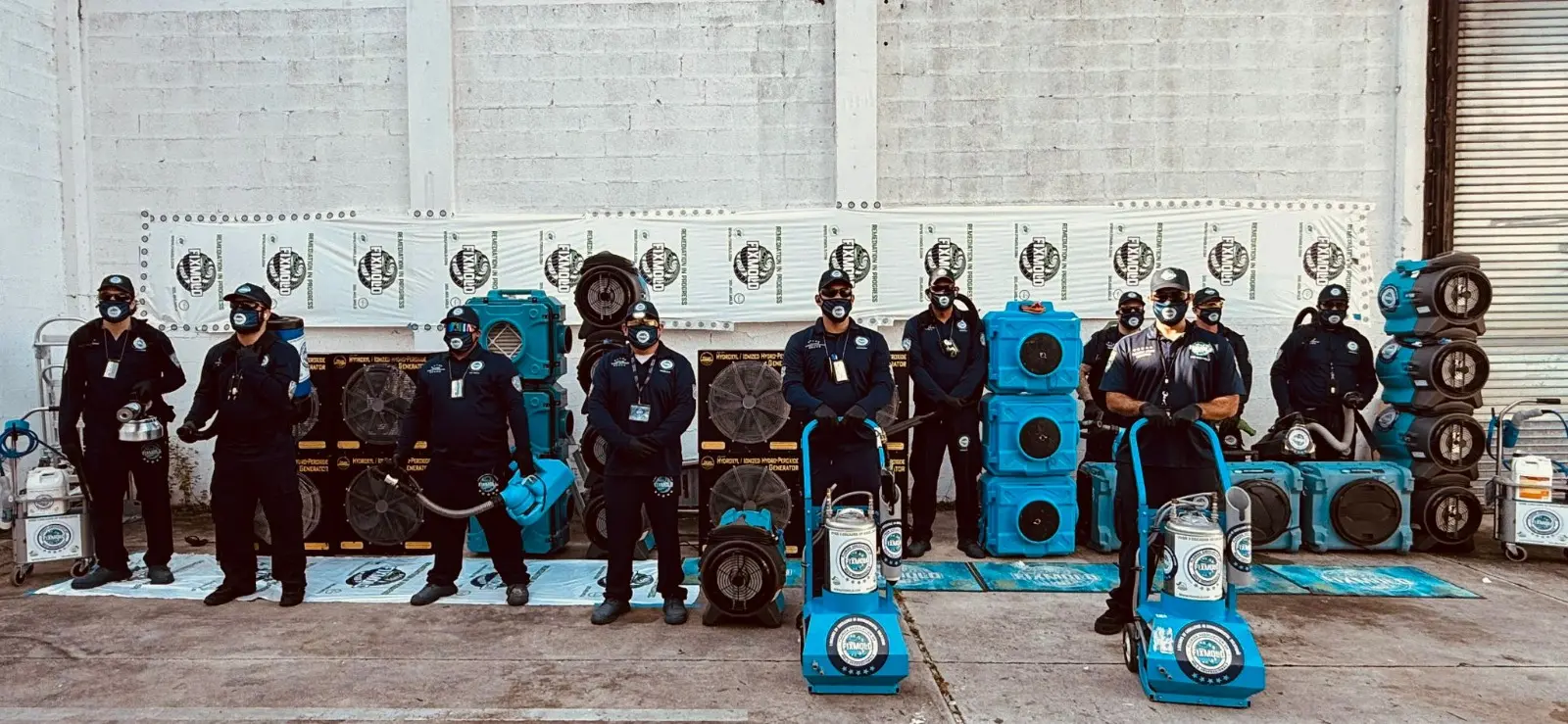
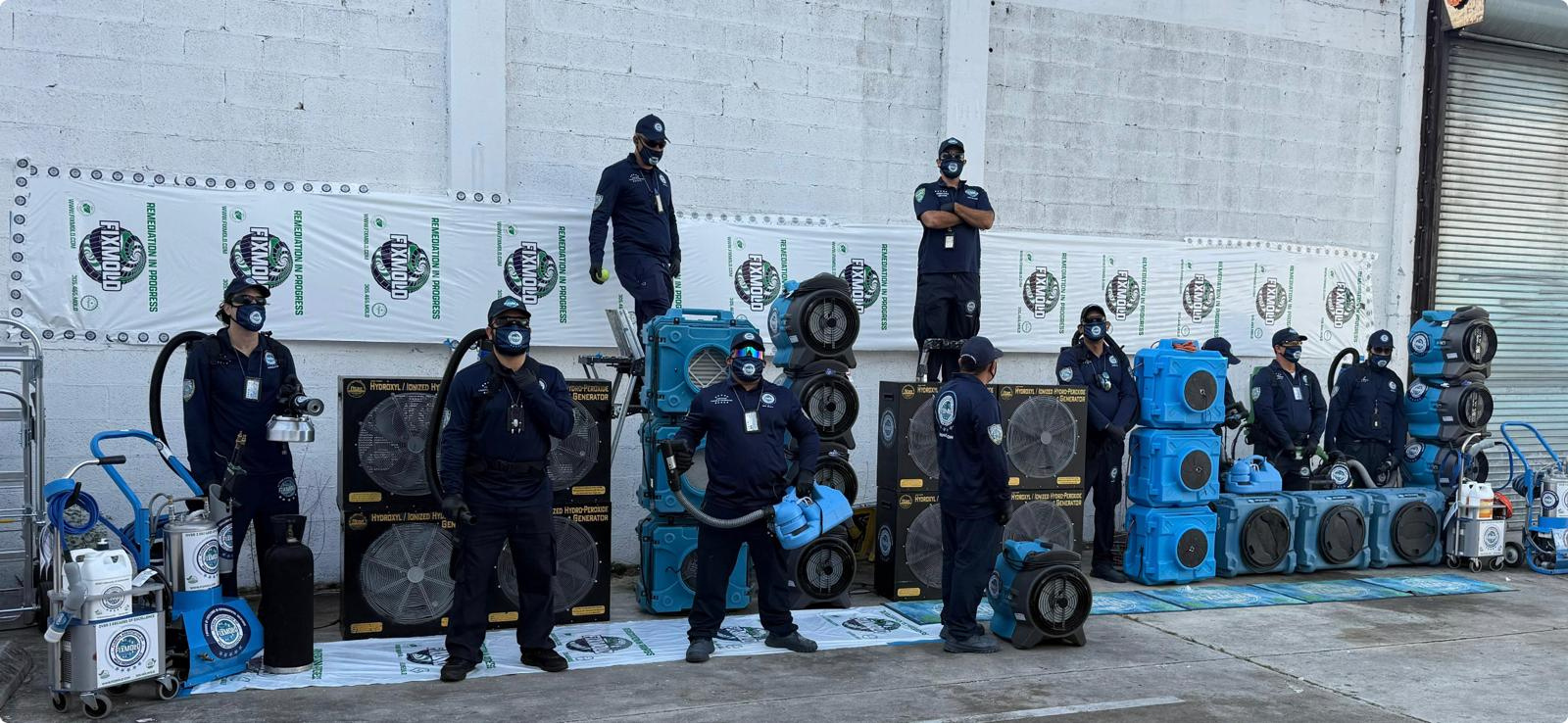
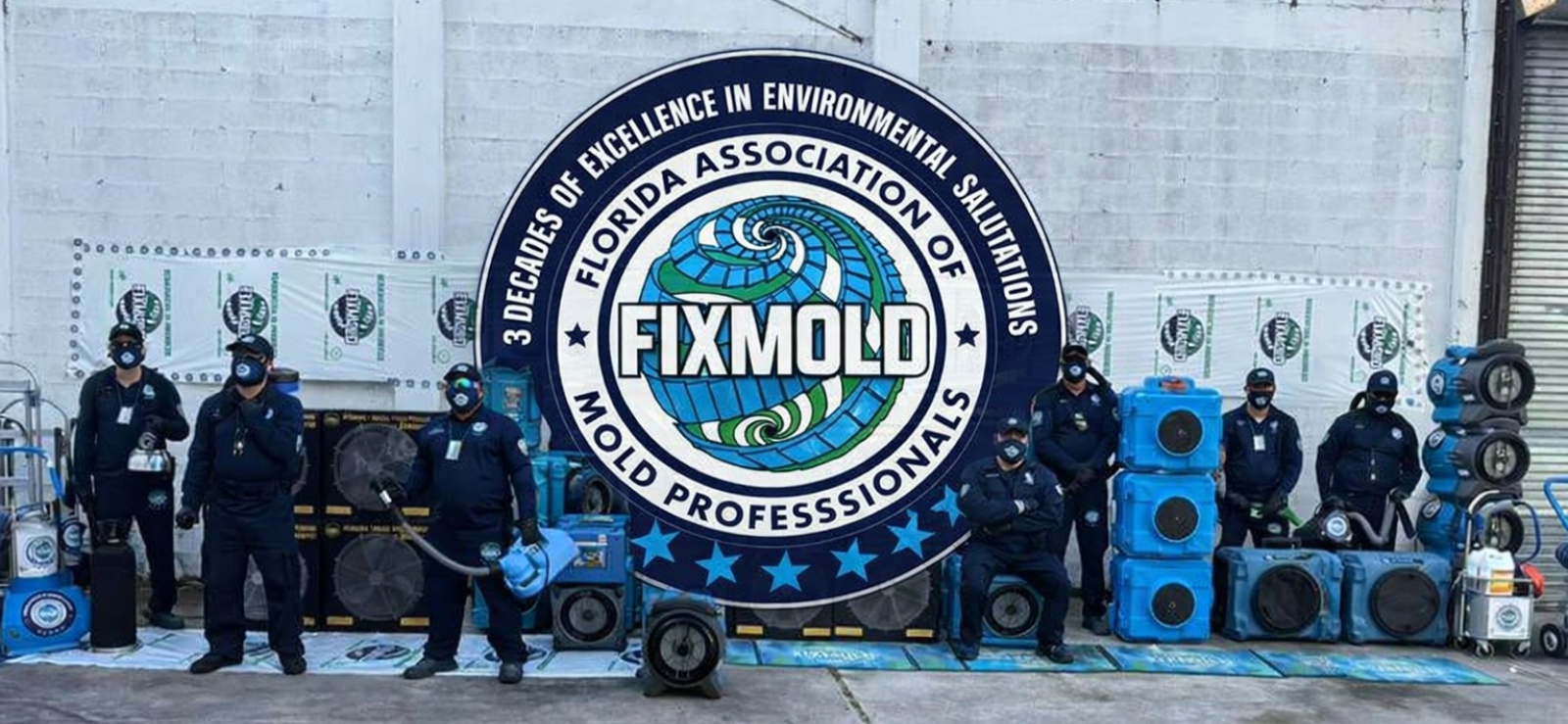
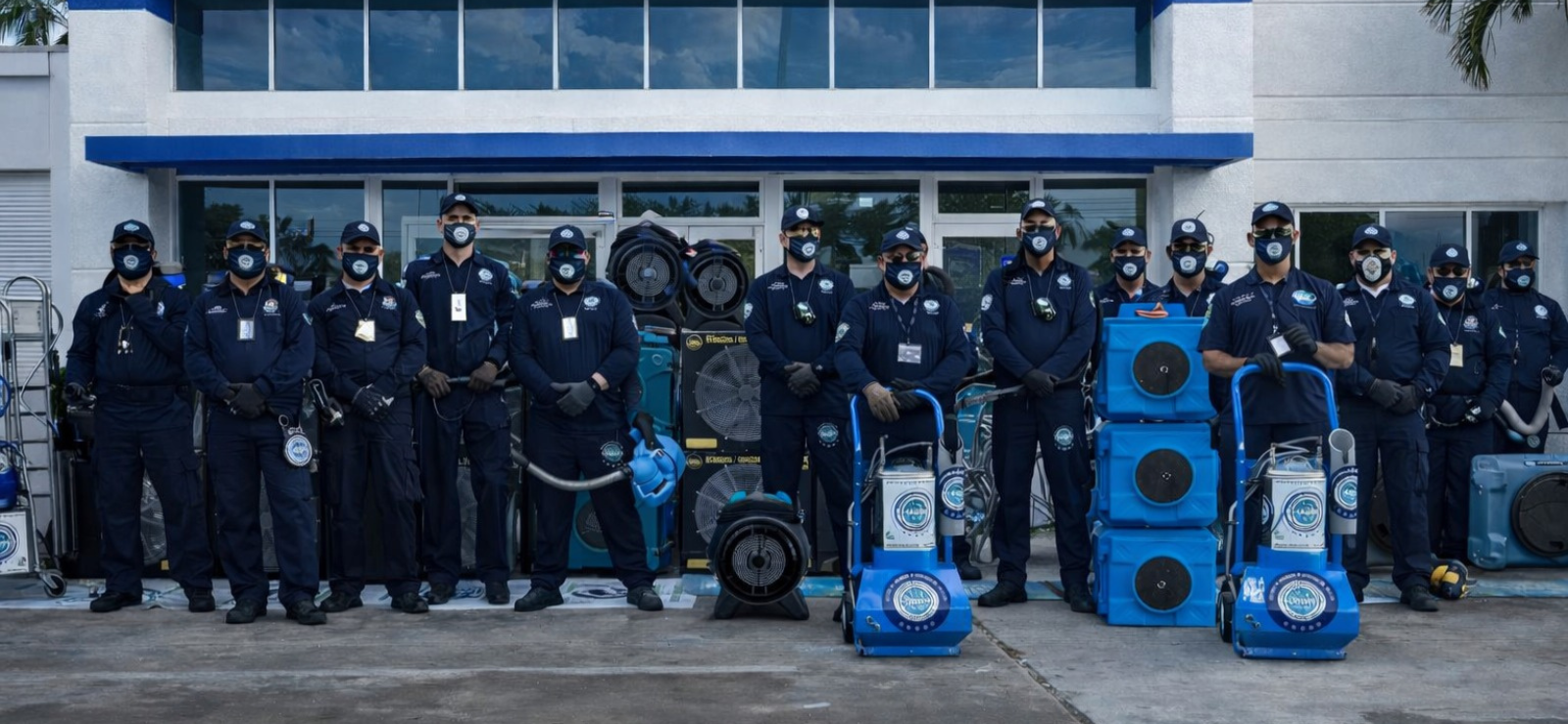
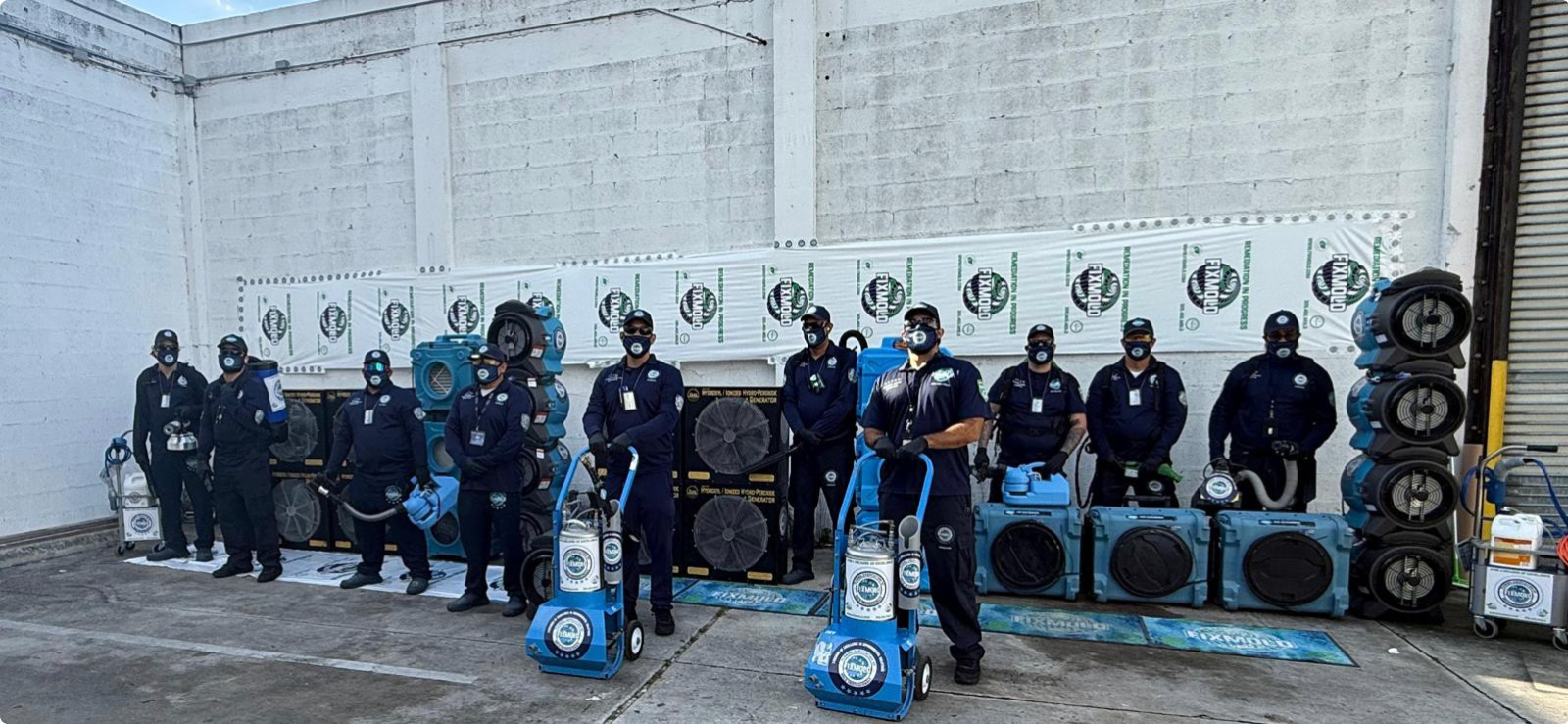
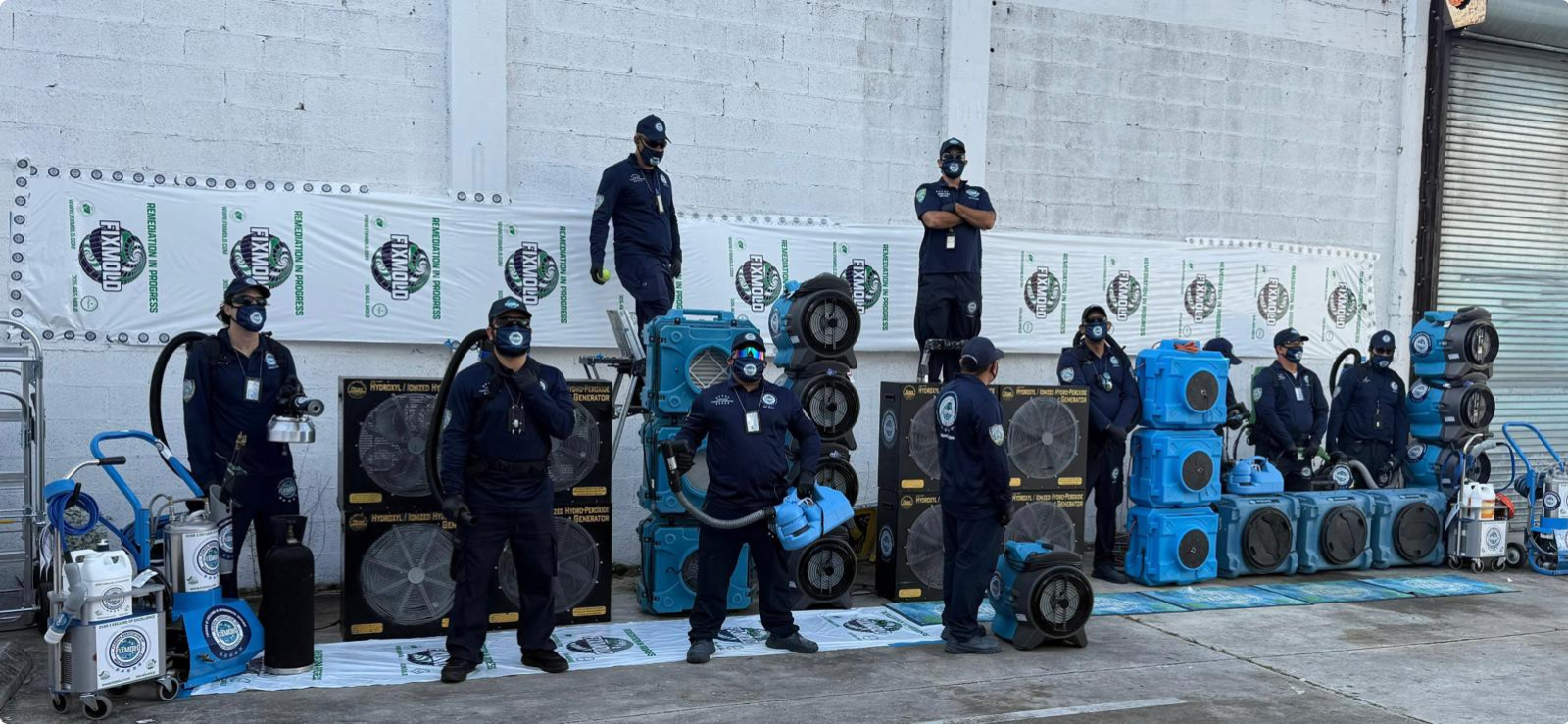
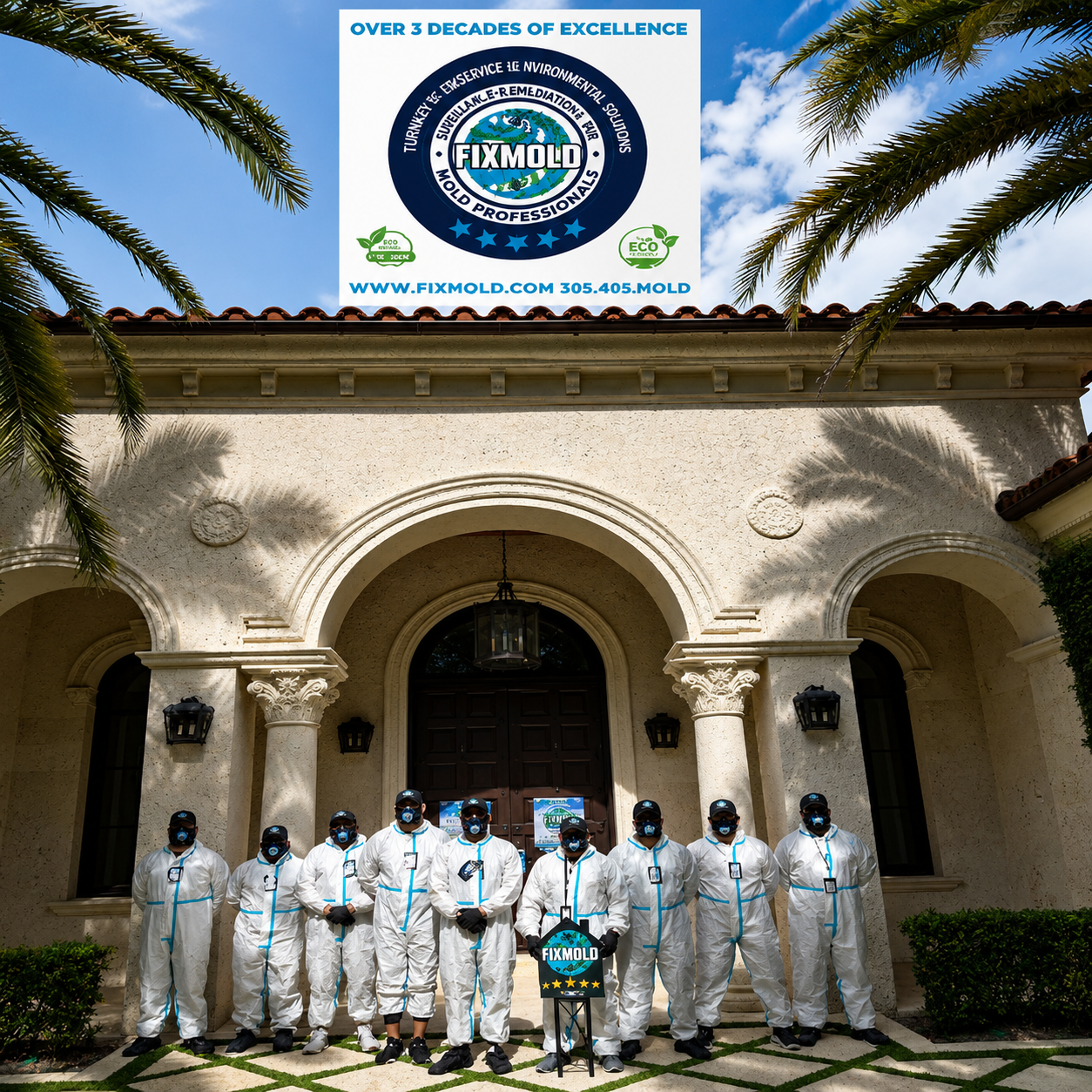
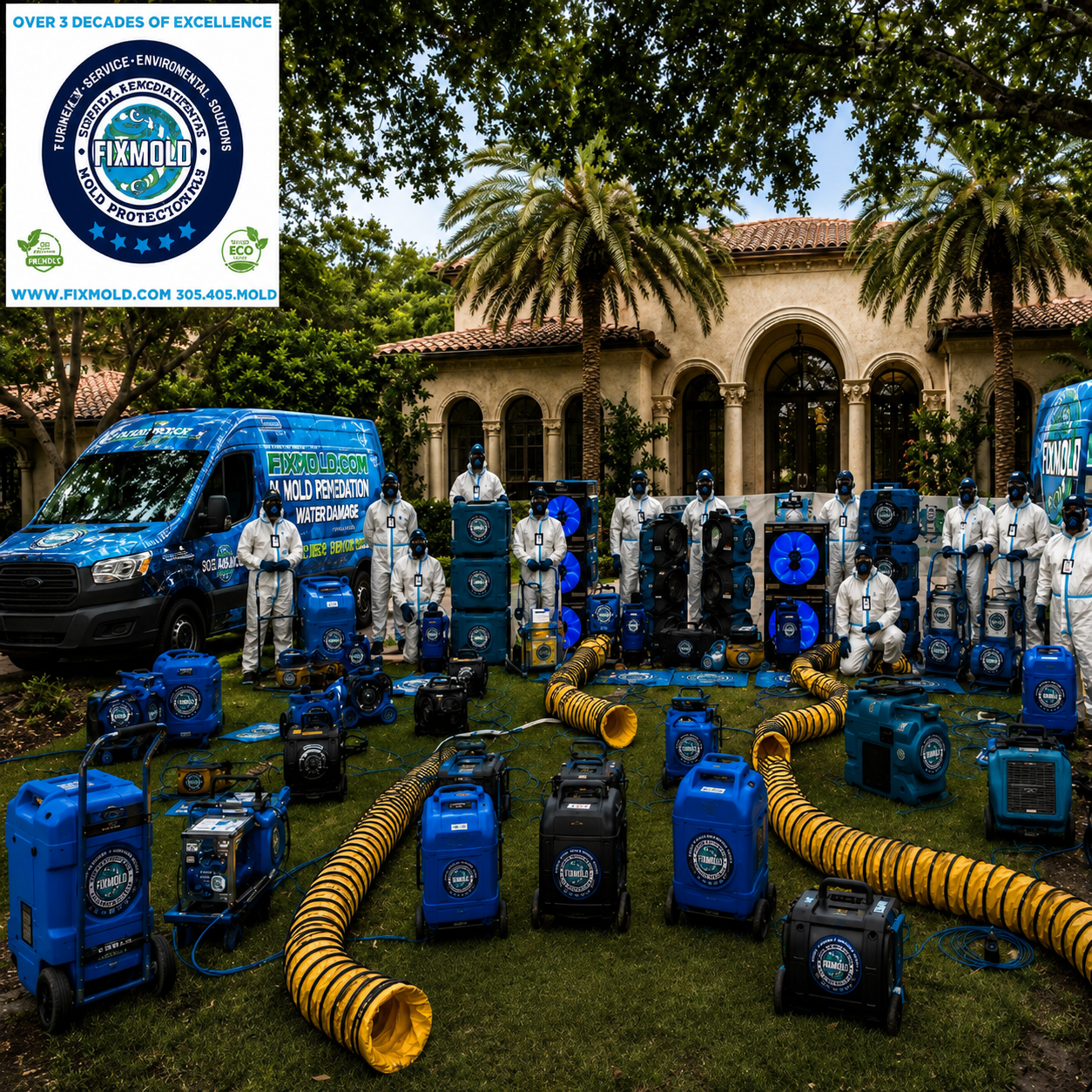
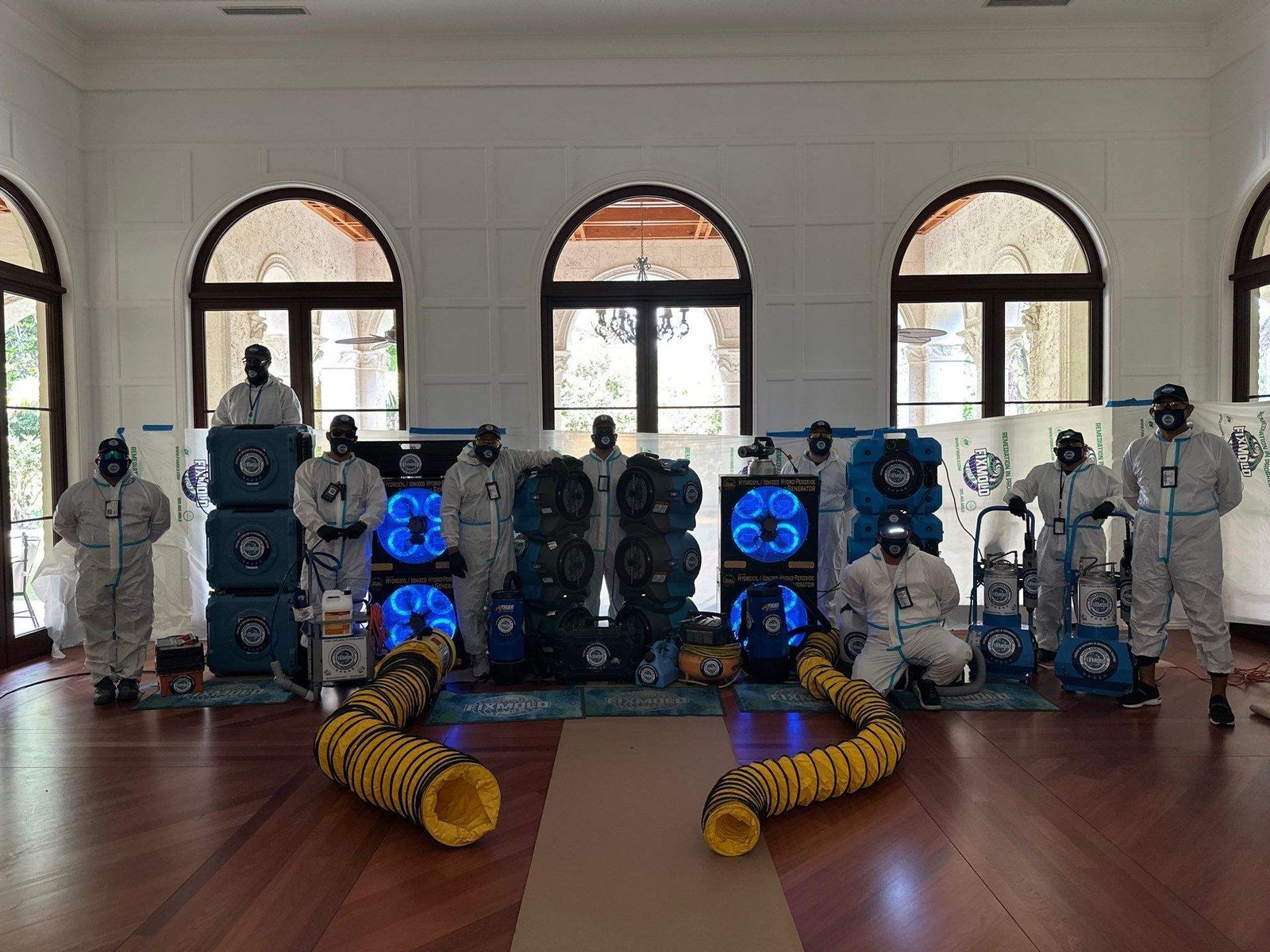
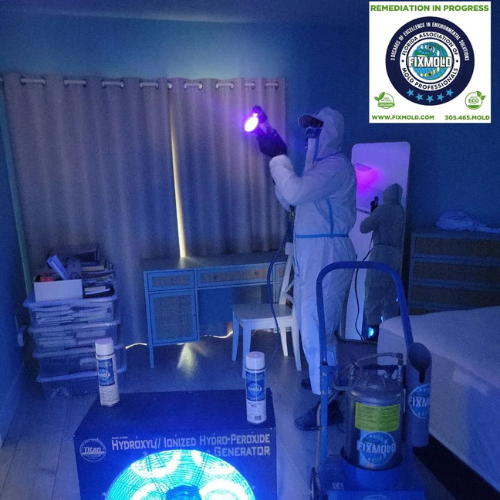
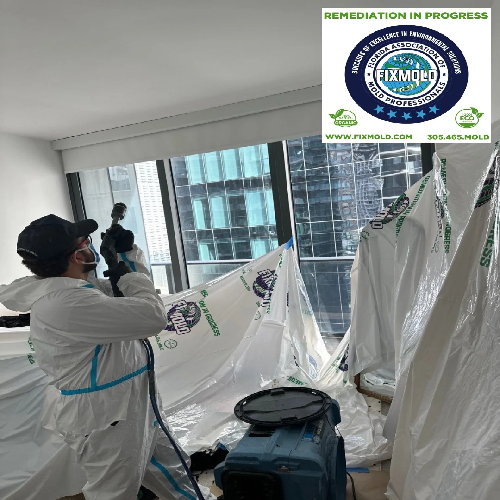
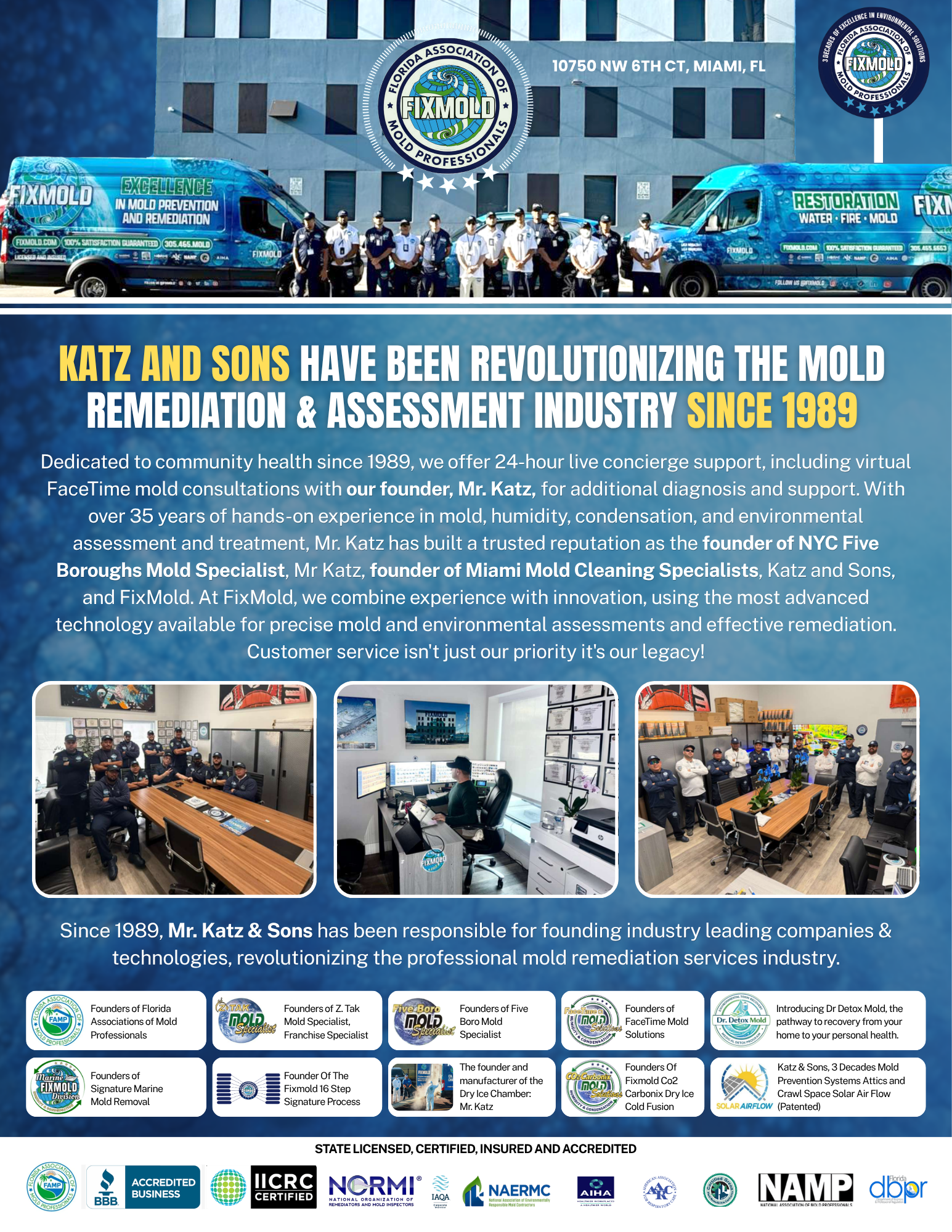
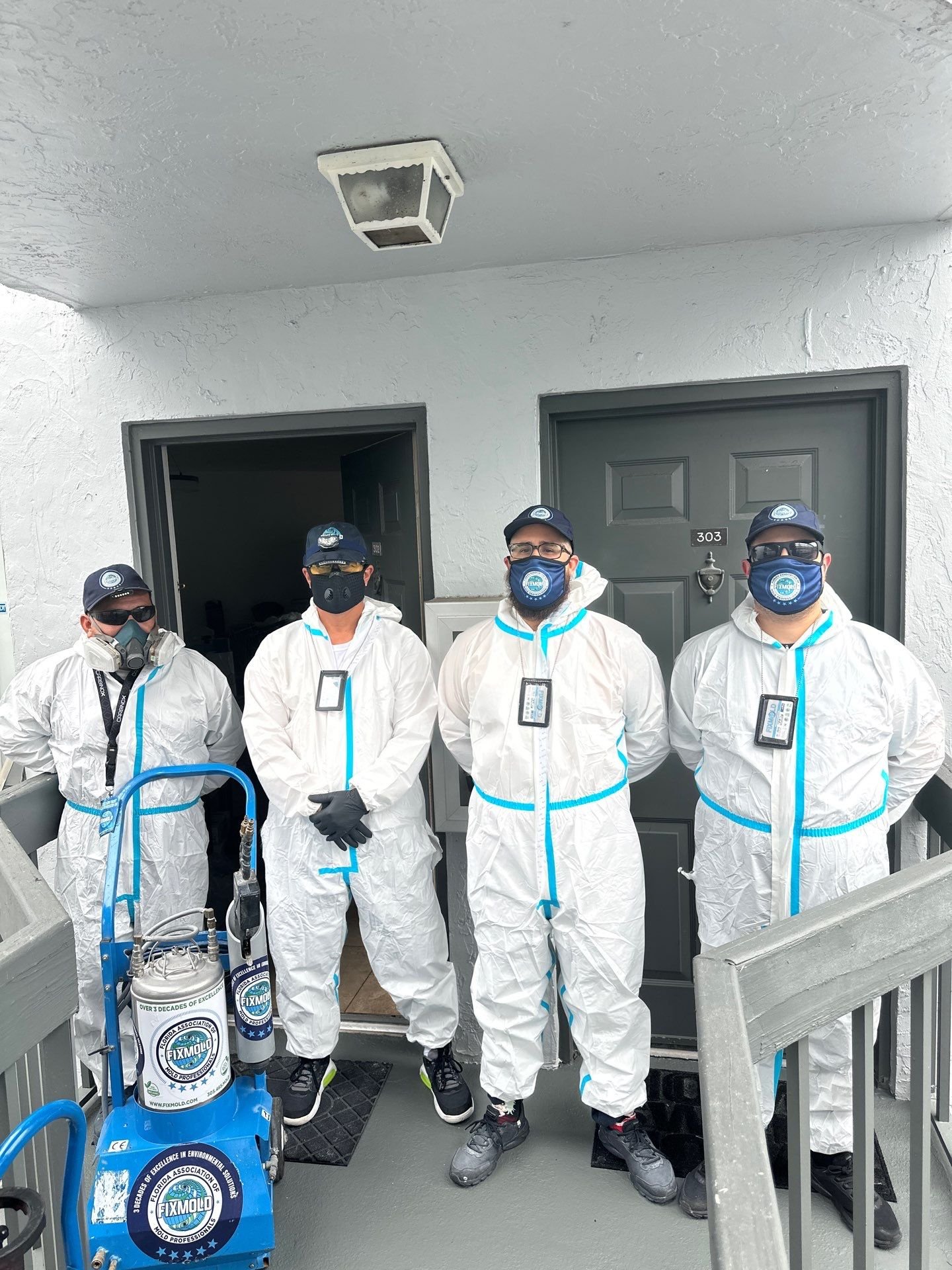
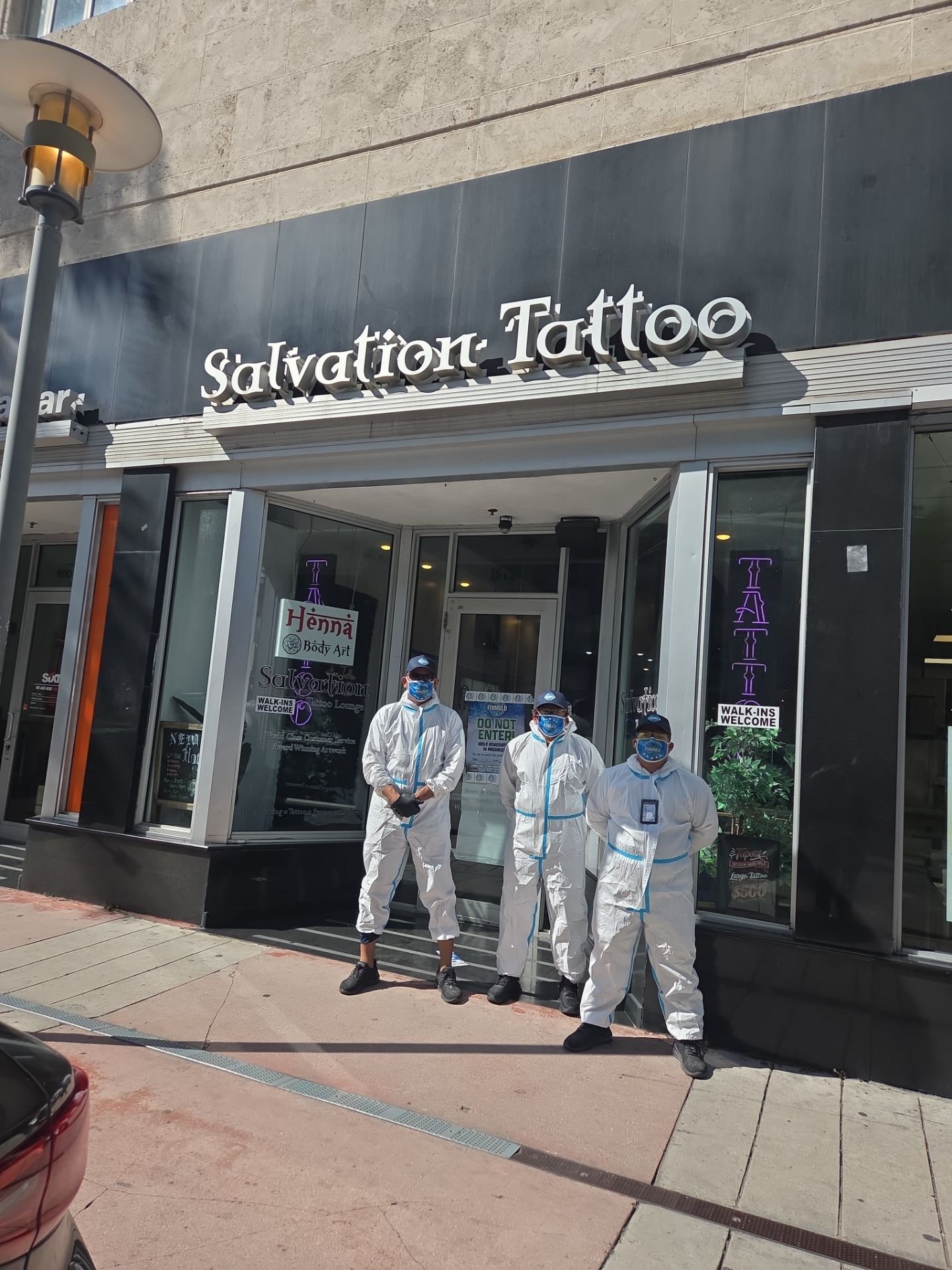
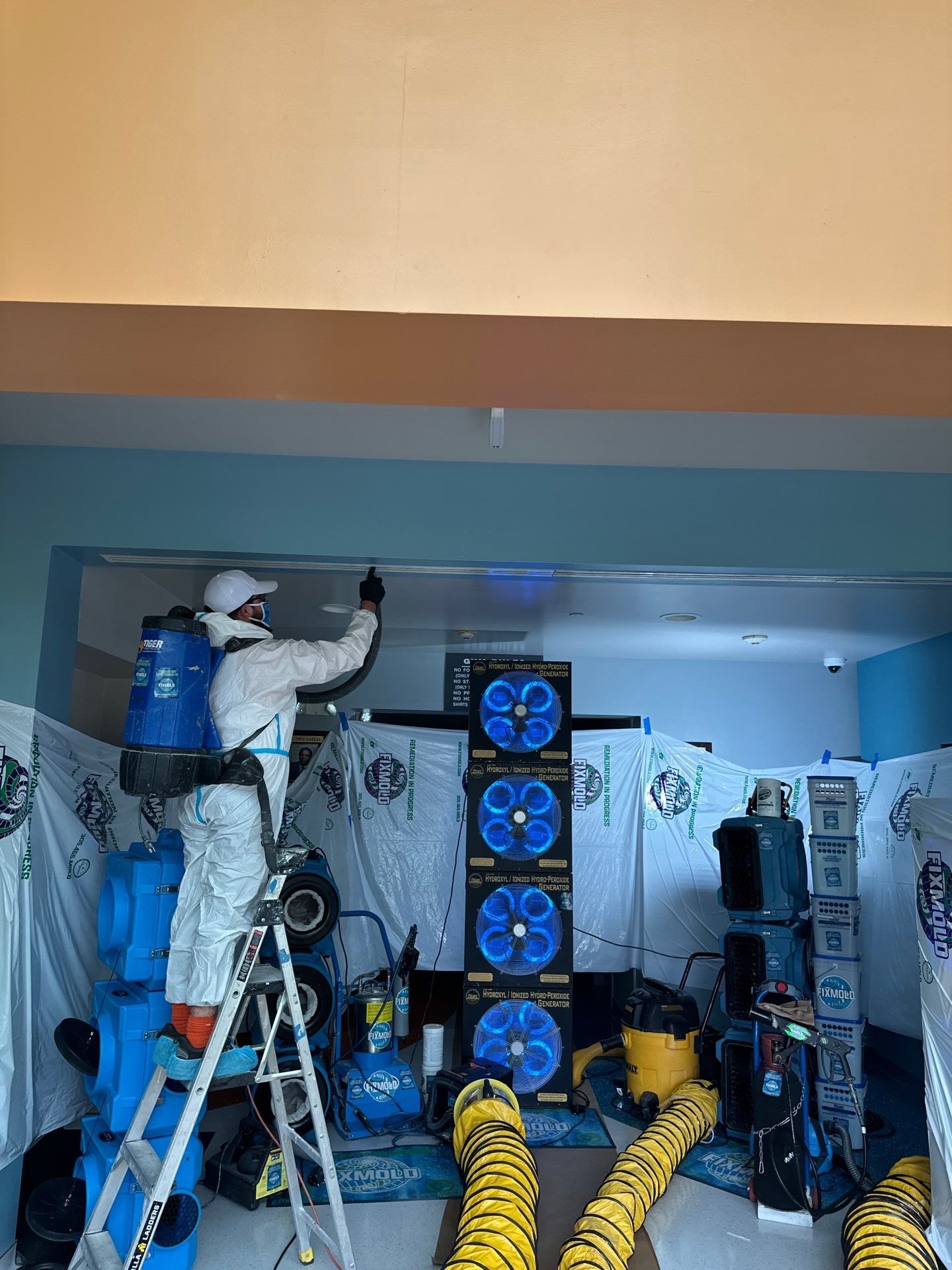
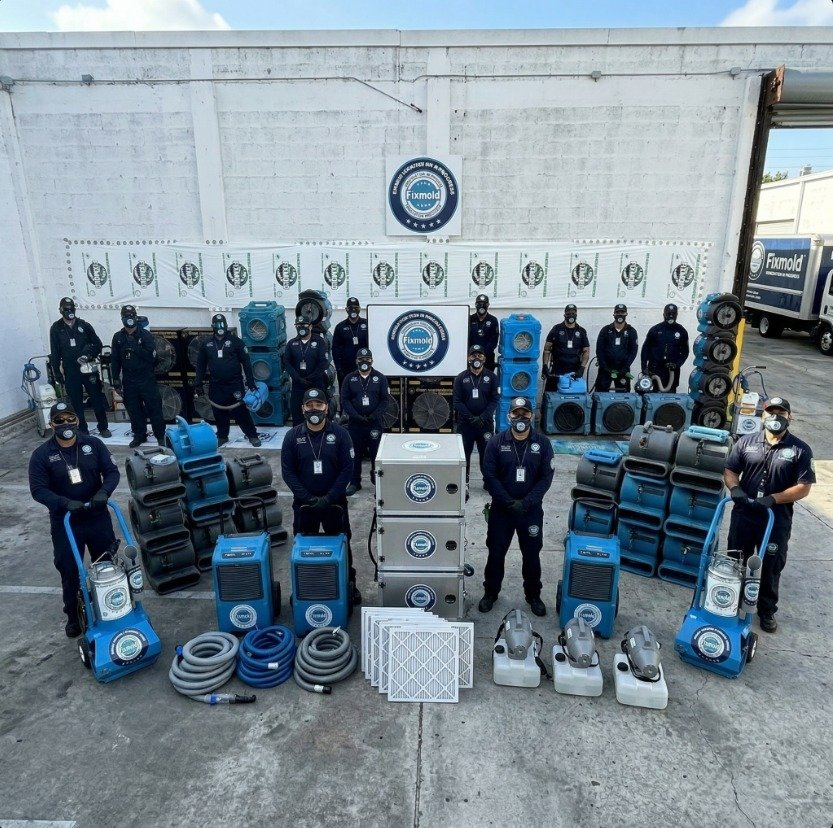
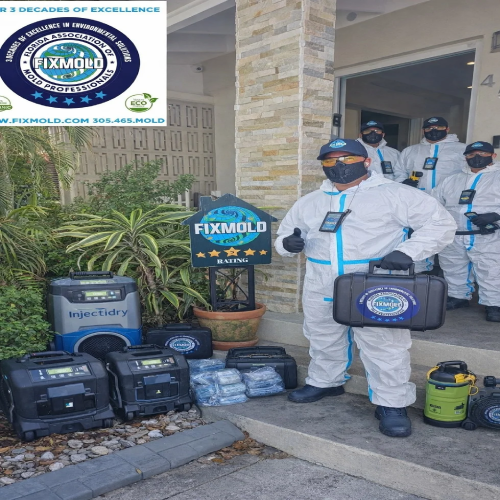
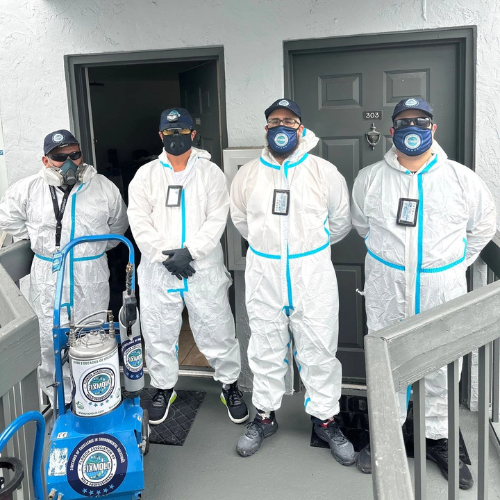
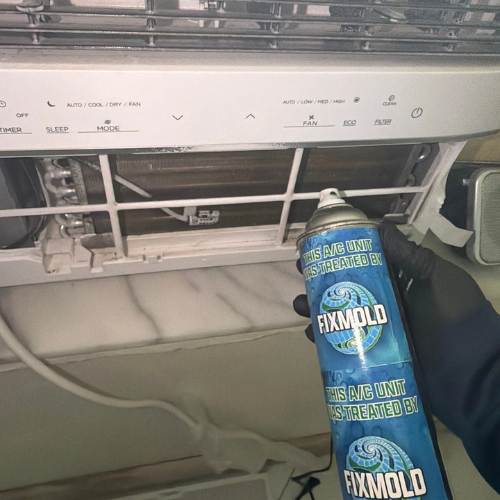
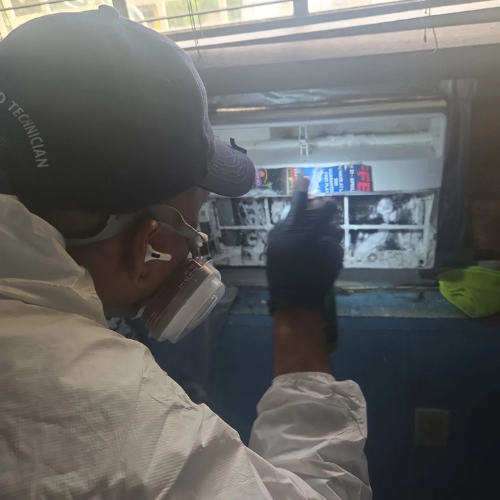
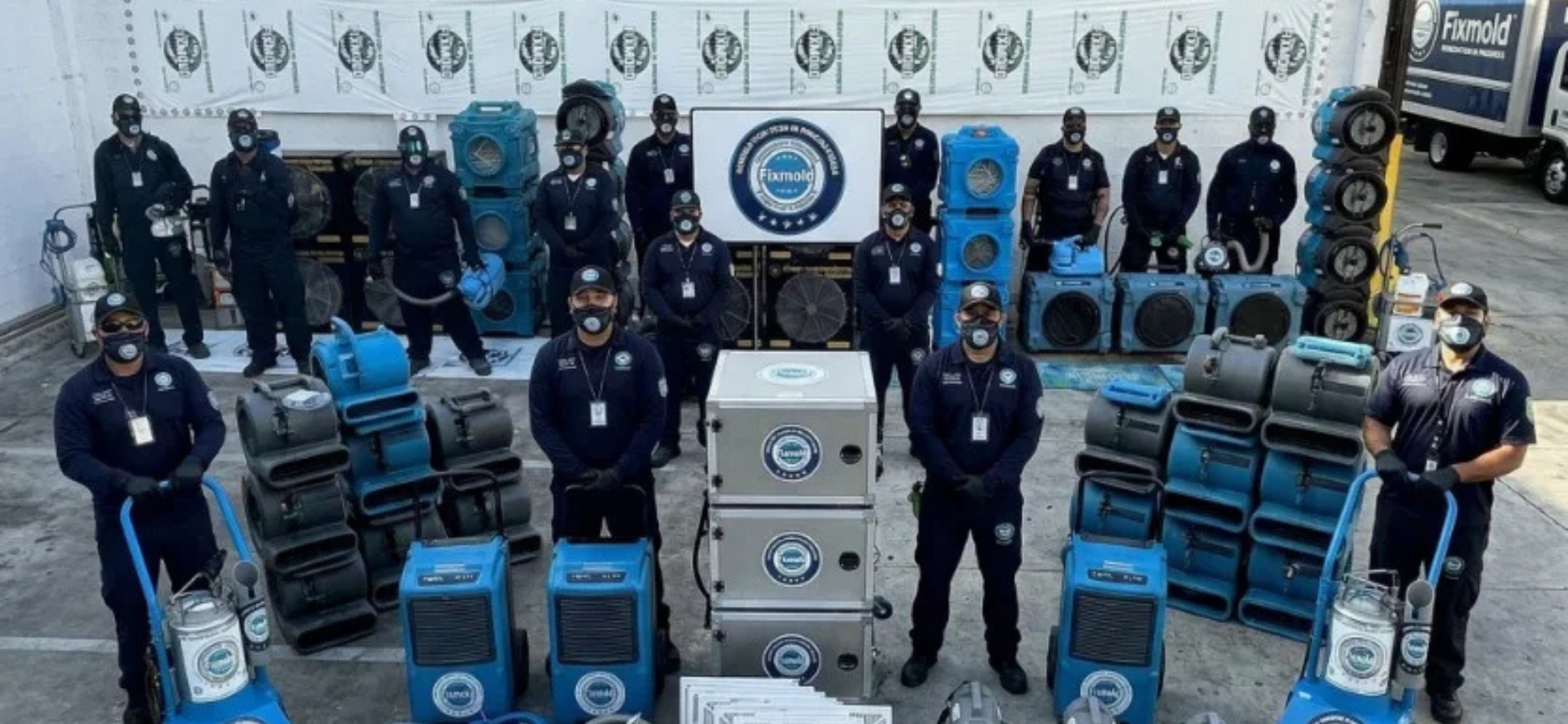
Used by FixMold across residential, commercial, and marine odor elimination jobs throughout South Florida, often alongside professional odor removal and remediation services. As a professional mold odor eliminator, the Restorator helps address persistent odors at their source rather than temporarily masking them.
Call or text: +1-305-465-6653 | Available as a standalone service or as part of mold remediation | Same-day appointments available
Why Standard Odor Removal Approaches Fall Short
Odors persist because volatile compounds embed deep into porous materials like drywall, wood, carpet, insulation, and upholstery. These compounds continue to off-gas over time, which is why smells return even after cleaning.
Surface sprays only treat the outer layer. The source inside the material remains untouched. This is why most odor removal methods fail long-term.
Ozone treatments can reach deeper but come with serious downsides. At effective levels, ozone is harmful to humans, pets, and materials, requiring full evacuation and ventilation before reentry.
The Restorator solves both problems. Its dry vapor penetrates like ozone but without the toxicity, reaching odor compounds at their source while remaining safe for treated environments.
This technology was originally developed for healthcare environments, where both effectiveness and safety standards are significantly higher. That level of validation ensures reliable performance in residential and commercial settings.
What the Restorator Treats
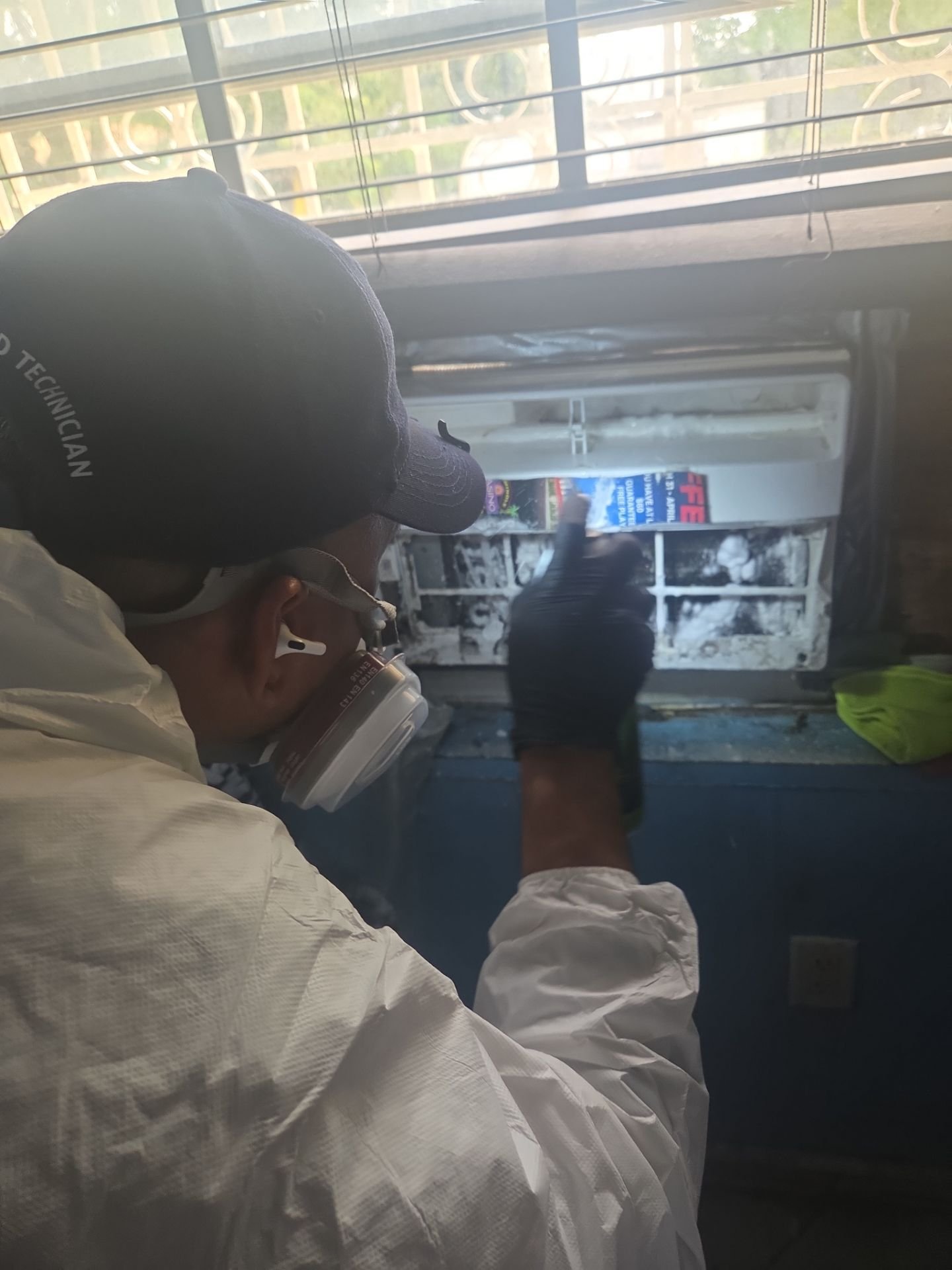
Mold and musty odors from microbial activity embedded in surfaces after contamination can often persist long after visible cleanup. The Restorator functions as a powerful mold odor eliminator by targeting odor-causing compounds trapped within porous materials.
Smoke odors from cigarettes, fire damage, or cooking that penetrate deeply into walls, ceilings, and furnishings.
Moisture-related odors from water damage or prolonged humidity exposure.
Food-related odors in kitchens and rental properties where smells accumulate over time.
Biological odors from pets, sewage, or organic contamination sources.
Marine and enclosed space odors where humidity and organic compounds combine to create persistent smell issues.
Treatment Scale and Application
The system treats up to 20,000 cubic feet in a single cycle. It leaves no residue, requires no surface wiping, and is safe for sensitive materials, including electronics, fabrics, and leather.
This makes it ideal for residential, commercial, and hospitality environments where fast, effective odor removal is required without operational disruption. Property owners seeking a reliable mold odor eliminator often choose this technology because it treats the air, contents, and structure simultaneously.
Benefits of Professional Mold Odor Elimination
Unlike products that simply mask smells, a professional mold odor eliminator targets odor molecules throughout the treated environment. By reaching deep into porous materials and enclosed spaces, it helps provide long-lasting odor control while supporting healthier indoor environments.
A Deep Commitment To Restoration
A Family Legacy Of Trust
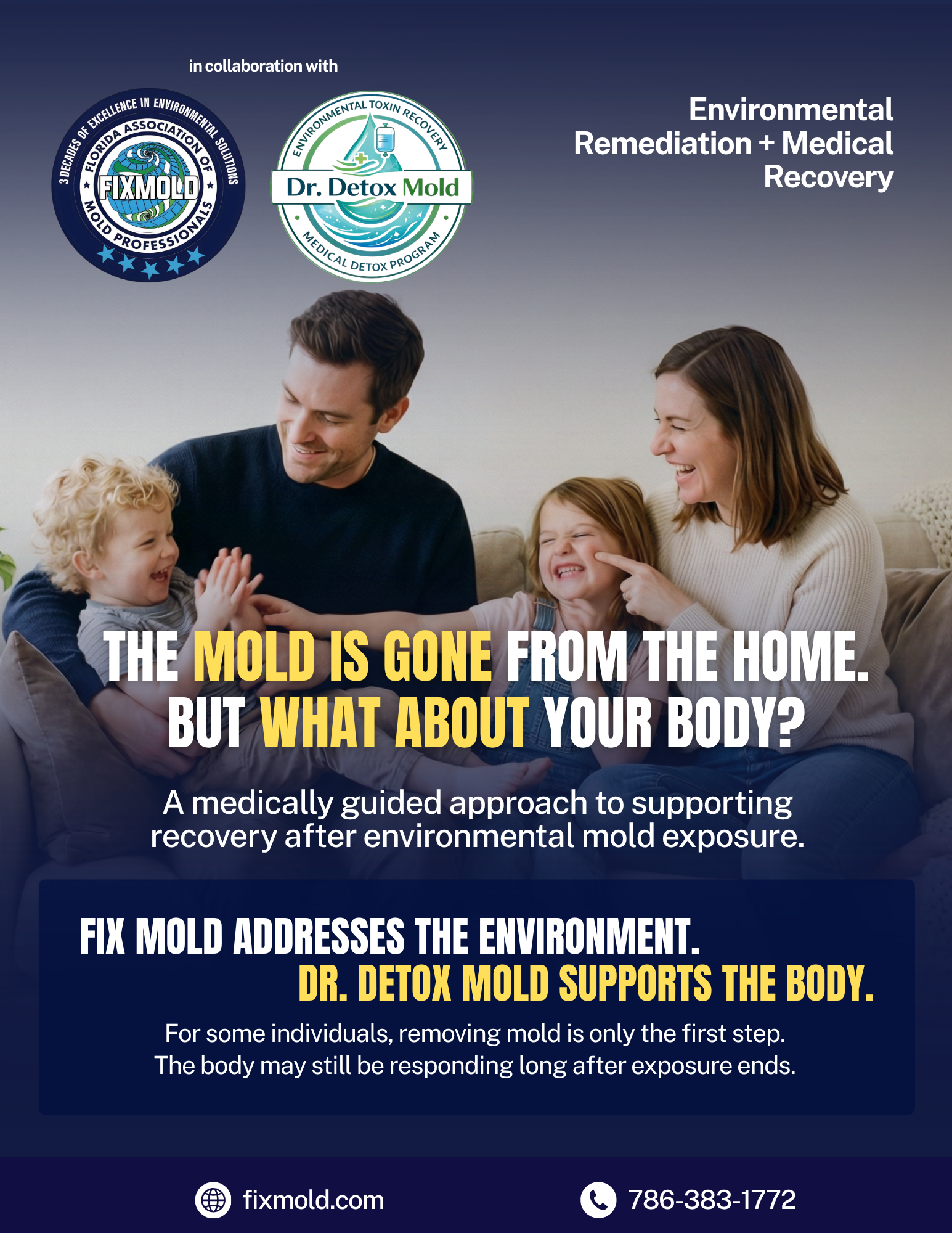
Mold Removed From Your Home. What About Your Body?
A medically guided approach to supporting recovery after mold exposure.
FixMold focuses on eliminating mold from your environment.
But for some individuals, recovery doesn’t stop there. Even after successful remediation, the body may continue responding to past exposure. In these cases, a structured, medically guided approach may be necessary to support full recovery.
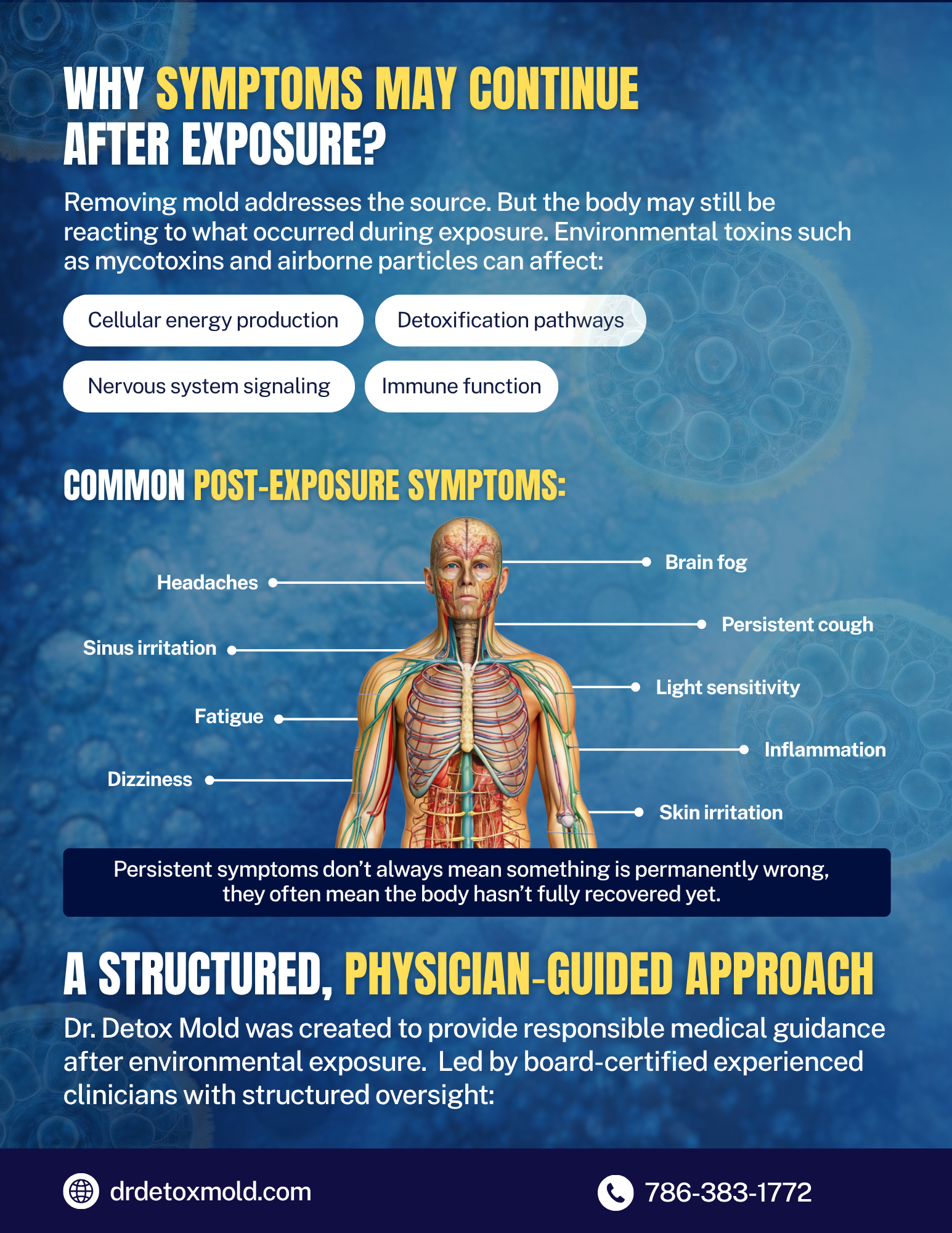
Why Symptoms Can Continue After Mold Exposure
Removing mold addresses the source of the problem, but it does not always resolve how the body has been affected during exposure.
Environmental toxins can impact multiple systems:
• Immune function
• Nervous system signaling
• Cellular energy production
• Detoxification pathways
For some individuals, these systems require time and proper support to return to balance.
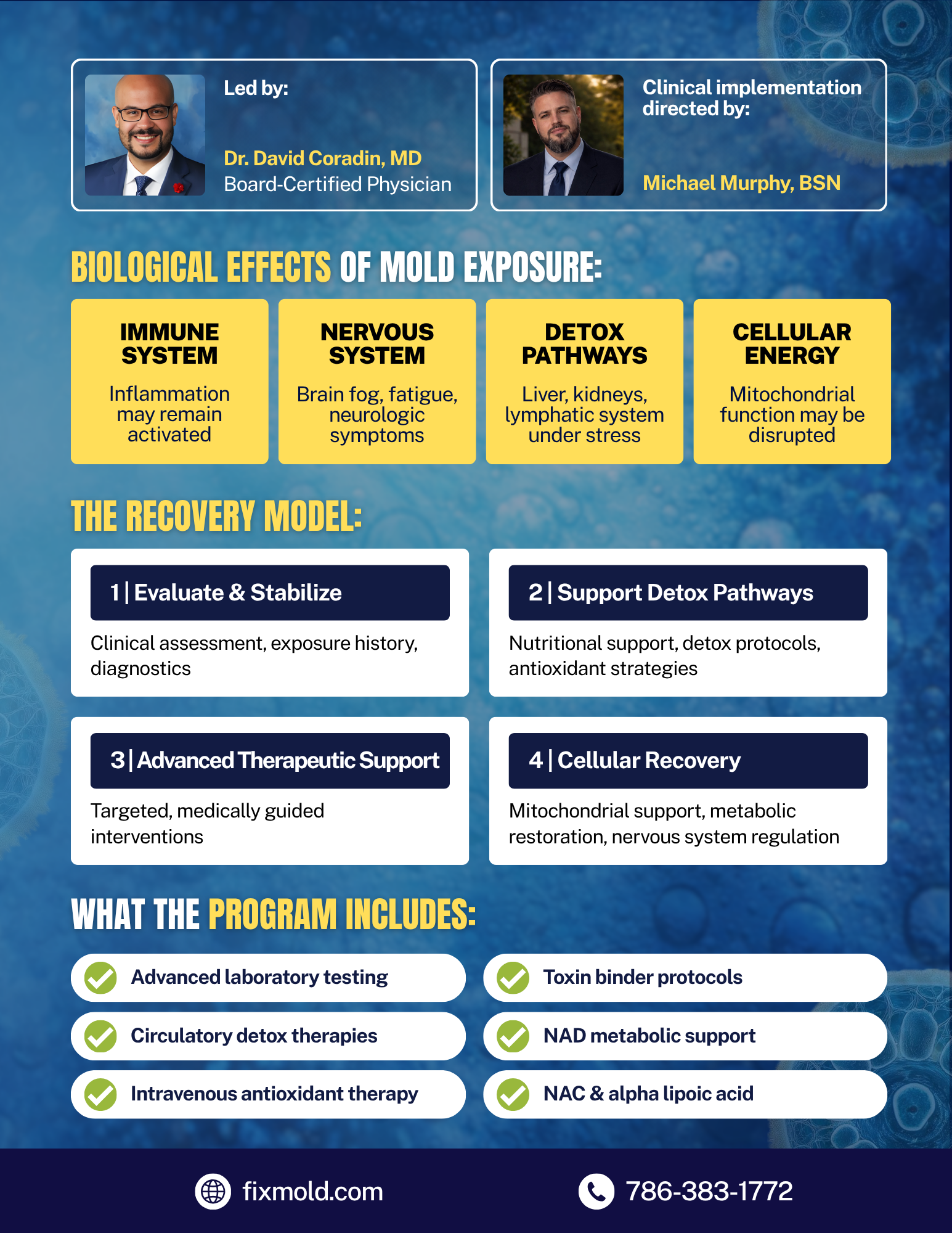
2. Detoxification Support
• Nutritional protocols
• Toxin-binding strategies
• Antioxidant support
3. Advanced Therapeutic Support
• Targeted, medically guided interventions
• IV-based therapies when appropriate
4. Cellular Recovery
• Mitochondrial support
• Metabolic restoration
• Nervous system regulation
Core Focus
• Detoxification support
• Immune system balance
• Cellular energy restoration
• Nervous system regulation
Key Principle
Recovery is not about doing more. It is about doing the right things, in the right order.
Next Steps
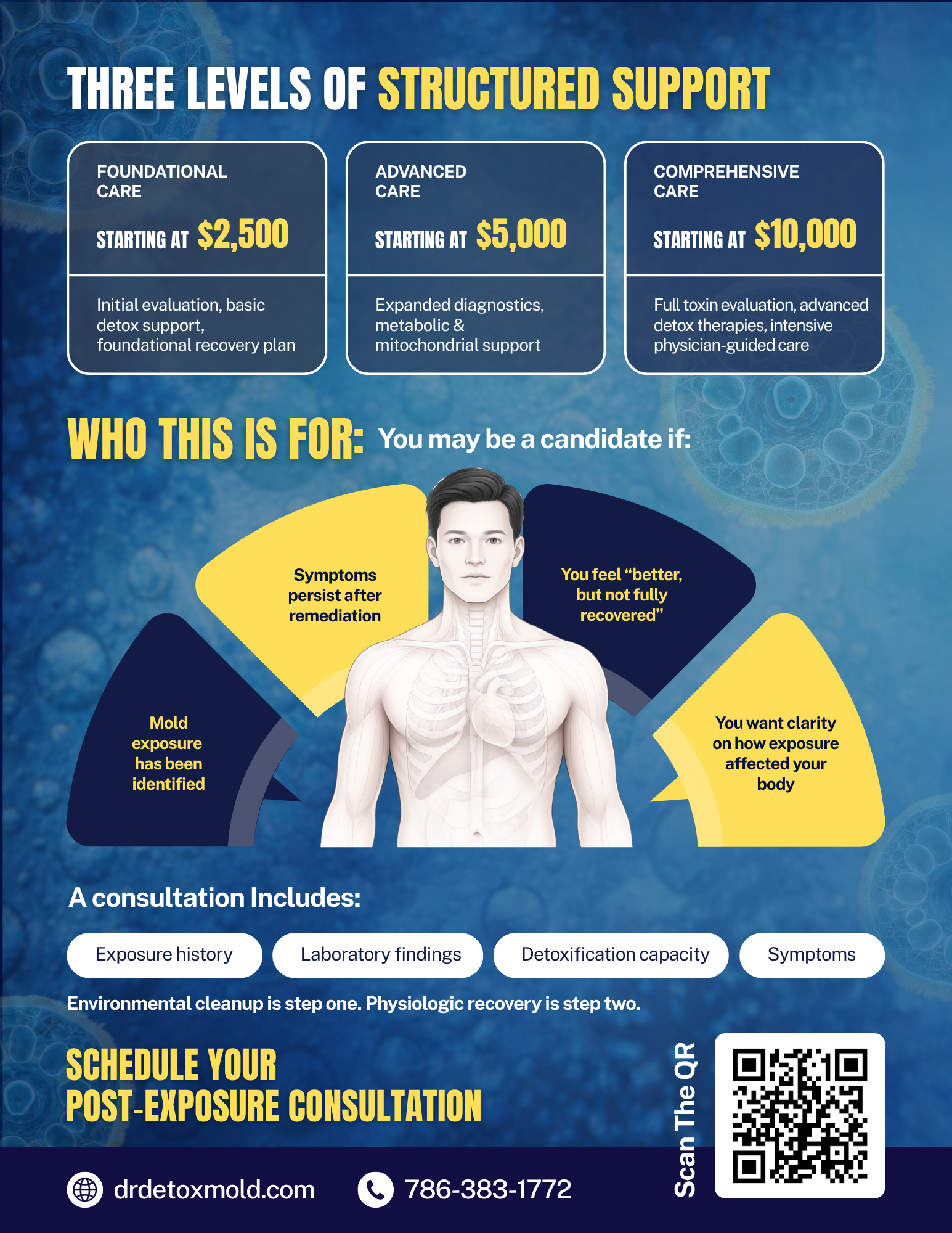
If mold exposure has been identified and symptoms are still present, evaluation may provide clarity.
• Exposure history review
• Laboratory evaluation
• Detoxification assessment
• Symptom analysis
How long does a Restorator treatment take and how soon can we reoccupy the space?
Treatment time depends on the space volume and the severity of the odor contamination. Most residential treatments complete within one to three hours. The non-toxic organic formulation significantly reduces the reoccupation waiting period compared to ozone-based treatments. Your FixMold technician will confirm the specific reoccupation timeline for your space and odor type before treatment begins.
+
Can the Restorator be used in a space where furniture and belongings are present?
Yes. The dry vapor formulation is compatible with furnishings, clothing, electronics, artwork and all standard household and commercial materials. Unlike liquid fogging treatments that can leave residue on surfaces, the dry vapor penetrates and dissipates without contacting surfaces in a way that causes damage or residue. This makes it appropriate for treating furnished properties without the need to remove belongings before treatment.
+
Is one treatment sufficient or will the odor return?
For odors caused by a source that has been fully resolved, a single Restorator treatment that reaches all embedded odor compounds throughout the space is typically sufficient for permanent elimination. For odors caused by a source that is still active, such as ongoing mold growth or continuing moisture intrusion, the odor will return because the source continues producing odor compounds. In these situations, the Restorator is deployed after the source has been addressed as part of the complete remediation process rather than as a standalone treatment over an unresolved source.
+
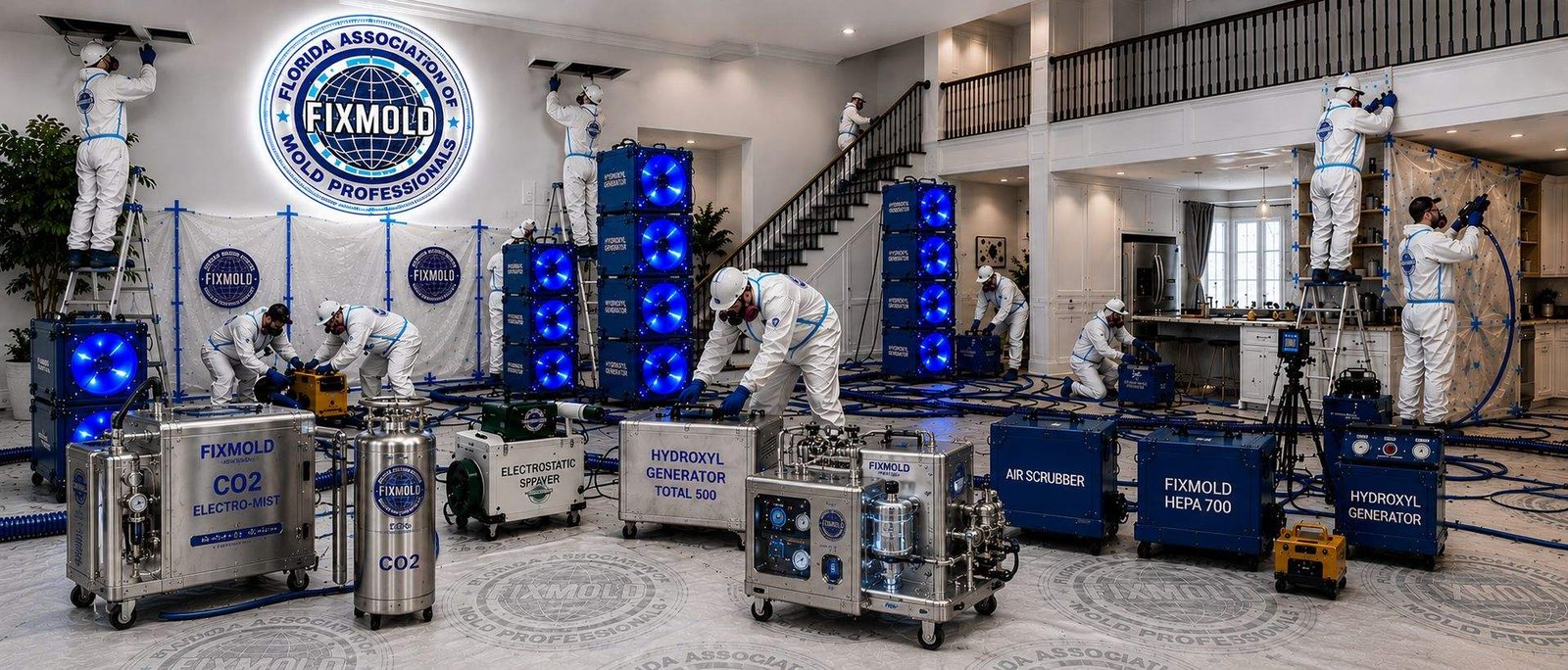
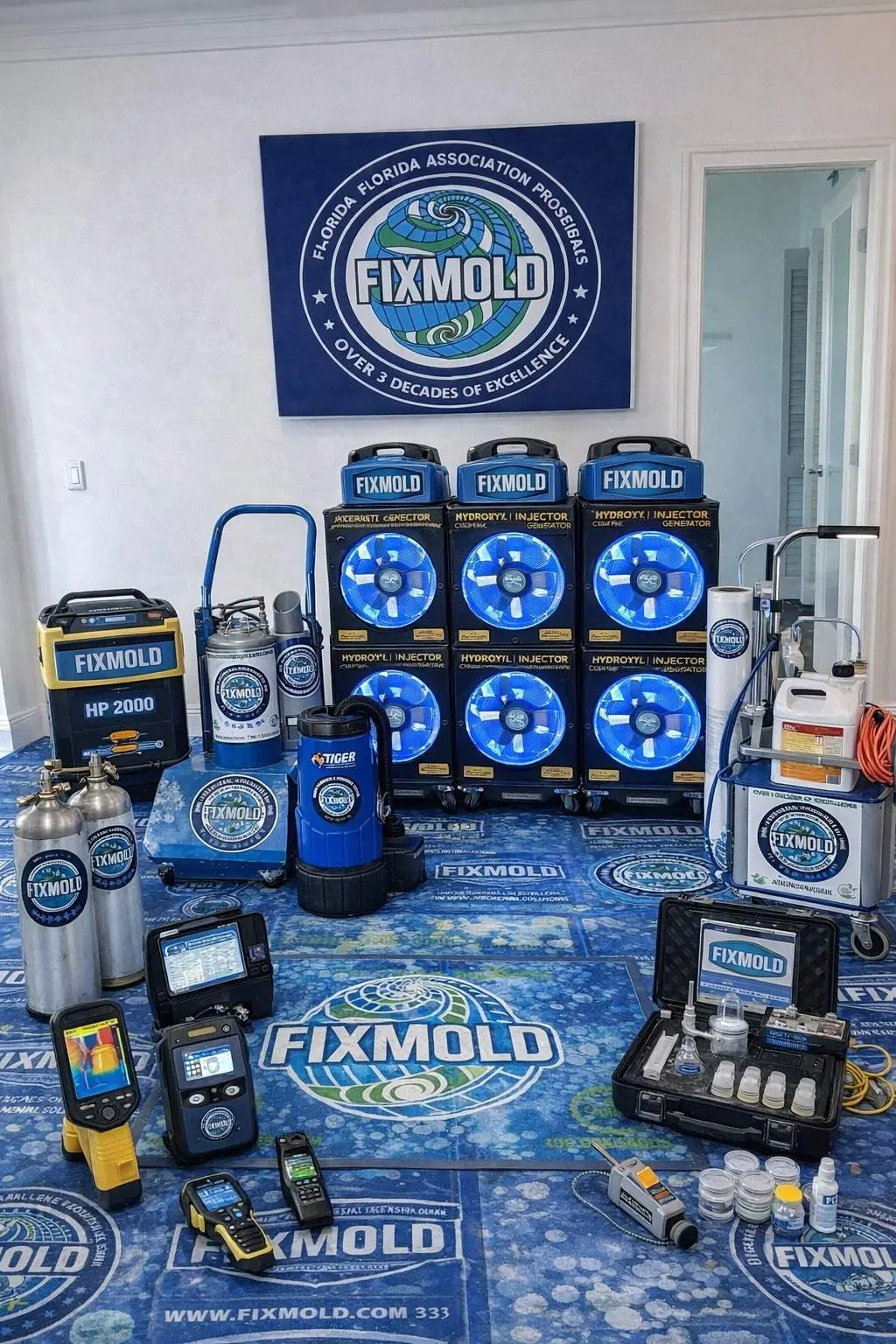
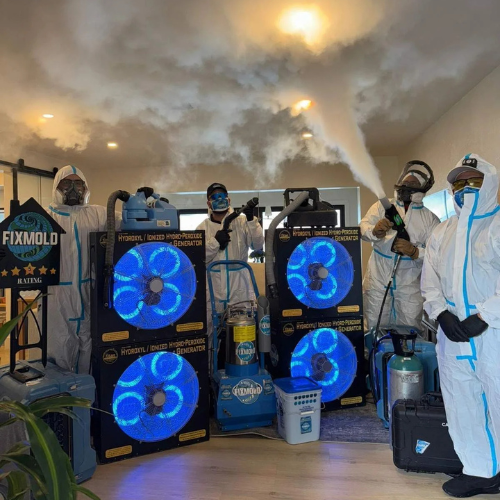
How does this compare to the hydroxyl generator technology FixMold uses in mold remediation?
Hydroxyl generators produce hydroxyl radicals that break down volatile organic compounds throughout the air volume of a treated space and are safe to run continuously in occupied spaces. The Restorator delivers a high-intensity concentrated treatment using dry vapor penetration for situations where a fast, powerful atmospheric treatment is the priority over continuous ongoing treatment. The two technologies address the same problem from different angles and at different intensities. Your FixMold technician will recommend the appropriate technology or combination of technologies based on the specific odor situation, the space characteristics and the timeline requirements of your property.