Neurological Symptoms and Indoor Environmental Conditions
Many Miami residents begin researching neurological symptoms and indoor environmental conditions after experiencing ongoing concerns in homes, condominiums, apartments, offices, or other buildings that have a history of moisture problems. While medical symptoms should always be evaluated by qualified healthcare professionals, environmental investigations focus on identifying conditions within a property that may contribute to poor indoor air quality, hidden contamination, elevated humidity, and long-term moisture issues.
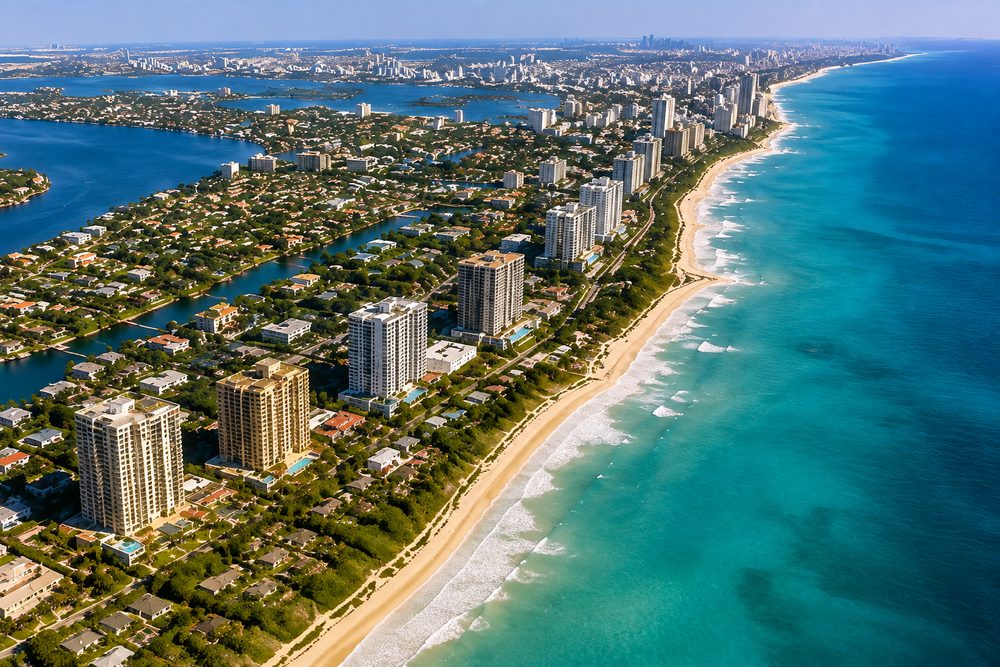
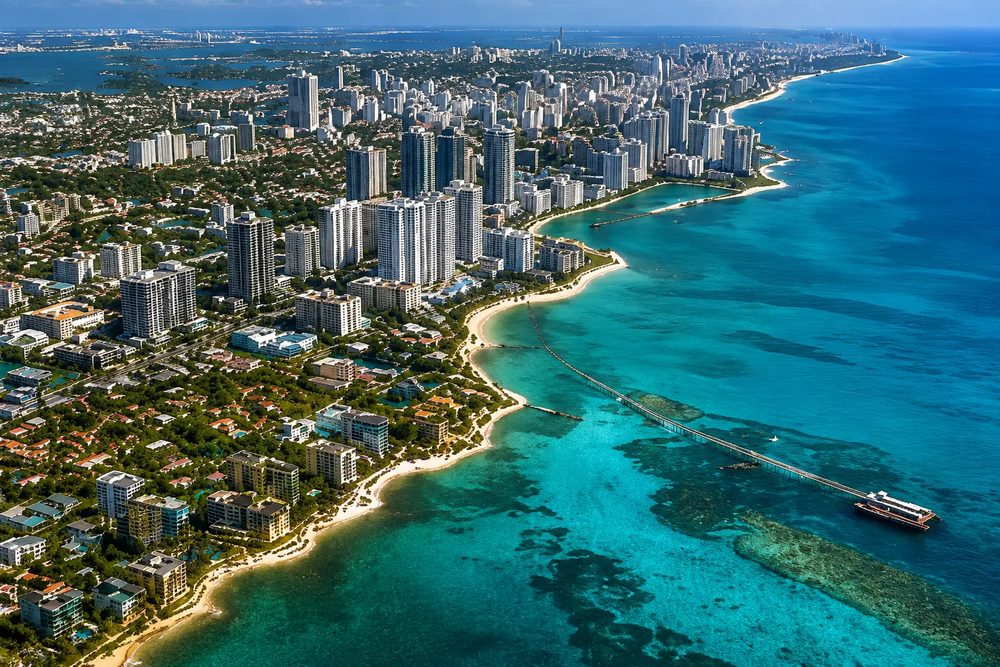
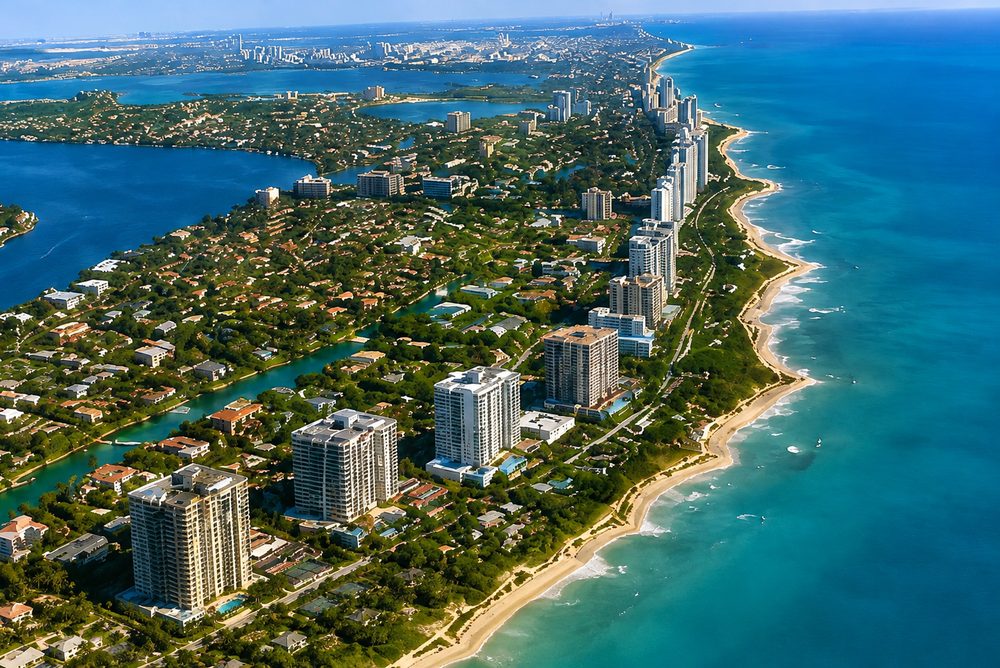
Throughout Miami and South Florida, environmental concerns are frequently connected to moisture intrusion rather than visible mold alone. Buildings in Miami Beach, Brickell, Coral Gables, Coconut Grove, Kendall, Pinecrest, Doral, Aventura, Fort Lauderdale, Boca Raton, Naples, West Palm Beach, and surrounding communities are exposed to environmental conditions that make moisture management an ongoing challenge. High humidity, tropical storms, hurricanes, flooding events, roof leaks, plumbing failures, HVAC condensation, and coastal moisture exposure all contribute to the potential for hidden environmental problems inside buildings.
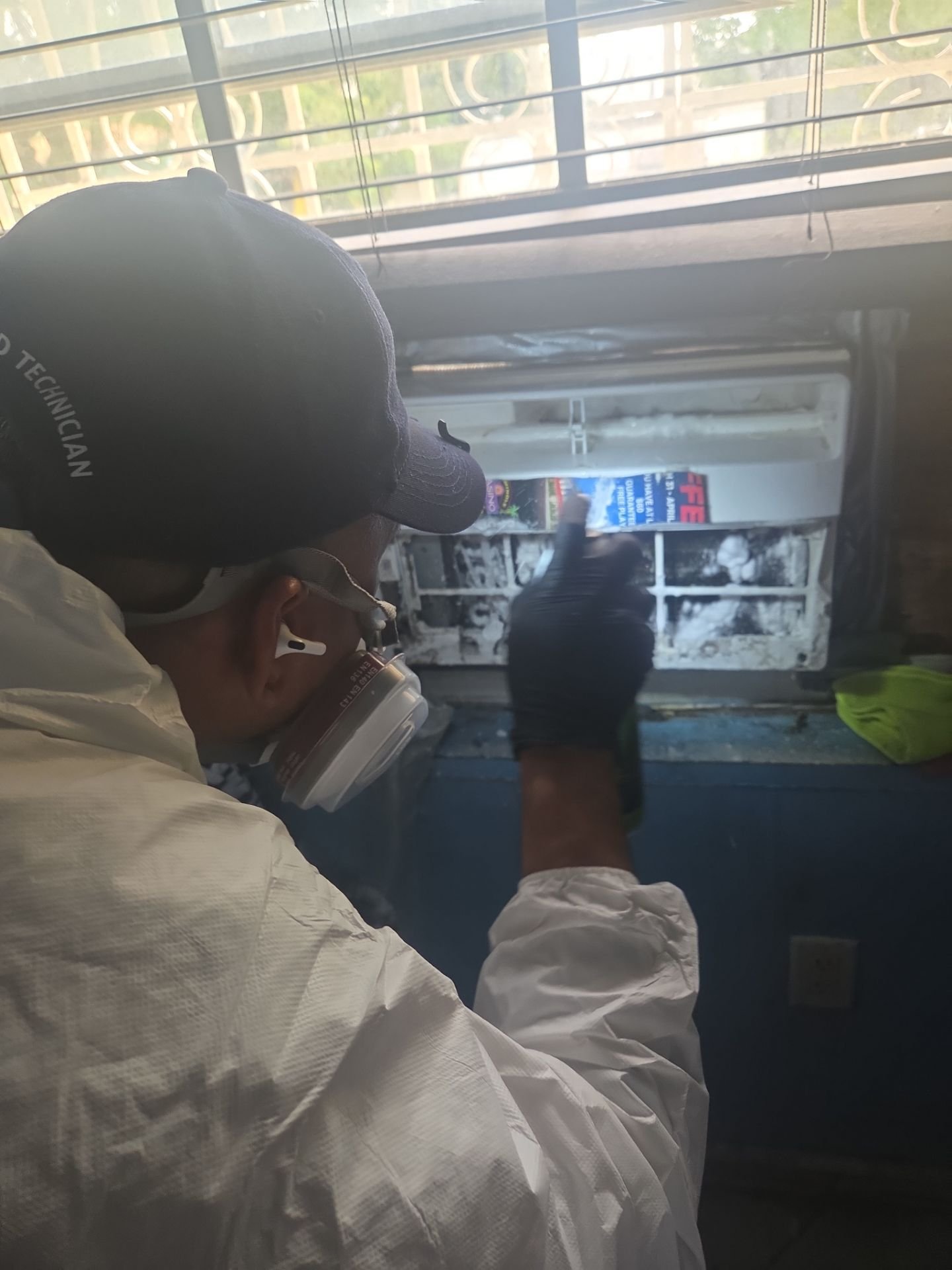
One of the most important things property owners should understand is that contamination often develops in concealed areas long before it becomes visible. Moisture may remain trapped behind walls, above ceilings, beneath flooring systems, inside insulation materials, within HVAC equipment, and throughout attic or crawlspace spaces for extended periods.
As a result, occupants sometimes notice indoor environmental concerns before visible signs of contamination appear.
A common indicator of hidden moisture is a persistent musty odor. Many property owners report that a building smells damp, stale, or earthy even when surfaces appear clean. These odors frequently suggest that moisture is affecting building materials somewhere within the structure.
Environmental investigations often begin by identifying the source of moisture. Mold and other indoor environmental concerns generally require moisture to develop and persist. Without correcting the moisture source, environmental conditions may continue affecting the property regardless of how often visible contamination is cleaned.
Roof leaks, plumbing failures, appliance leaks, flooding events, HVAC condensation, window intrusion, building envelope deficiencies, and elevated humidity are among the most common moisture sources identified during inspections throughout Miami and South Florida.
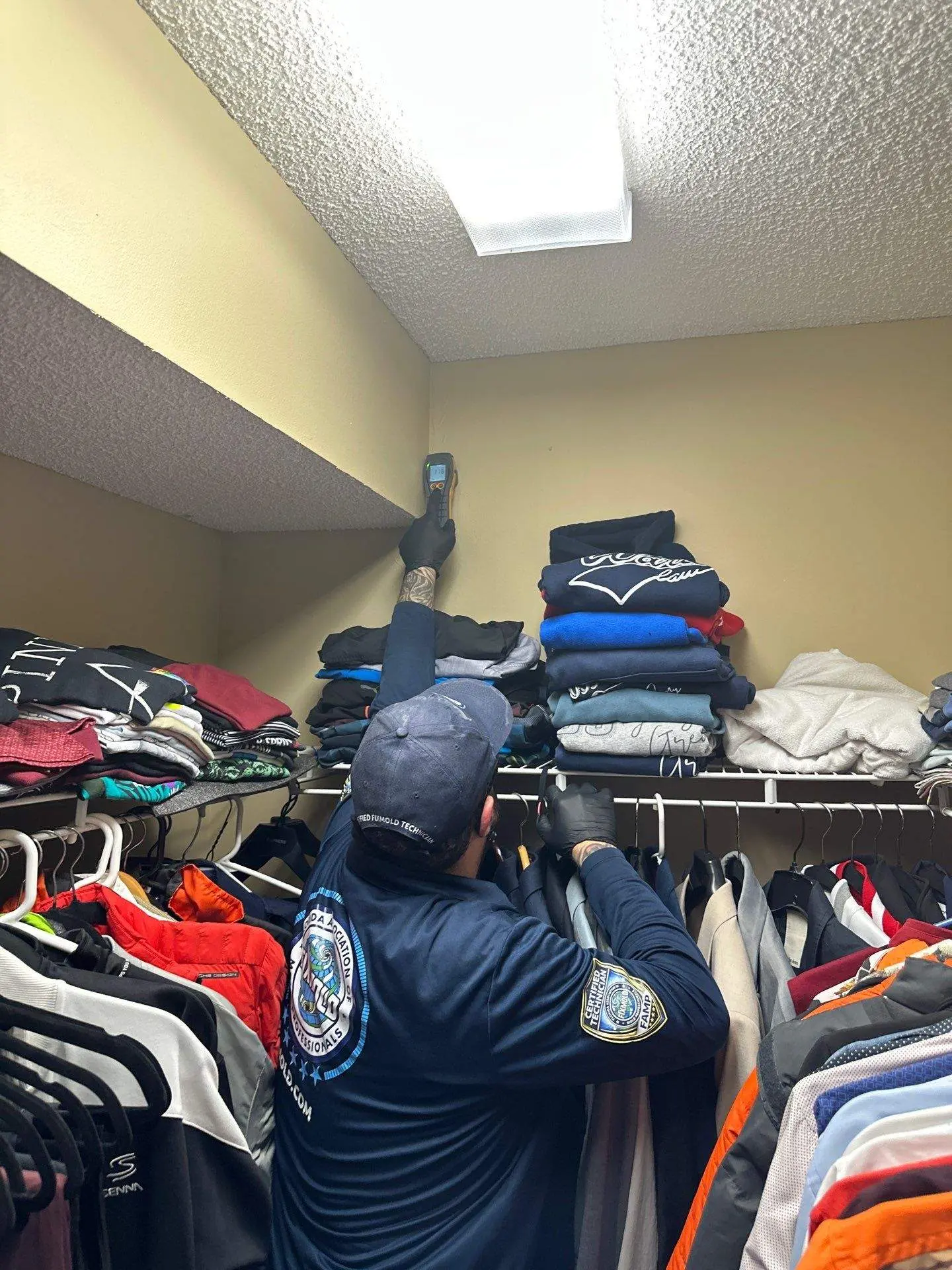
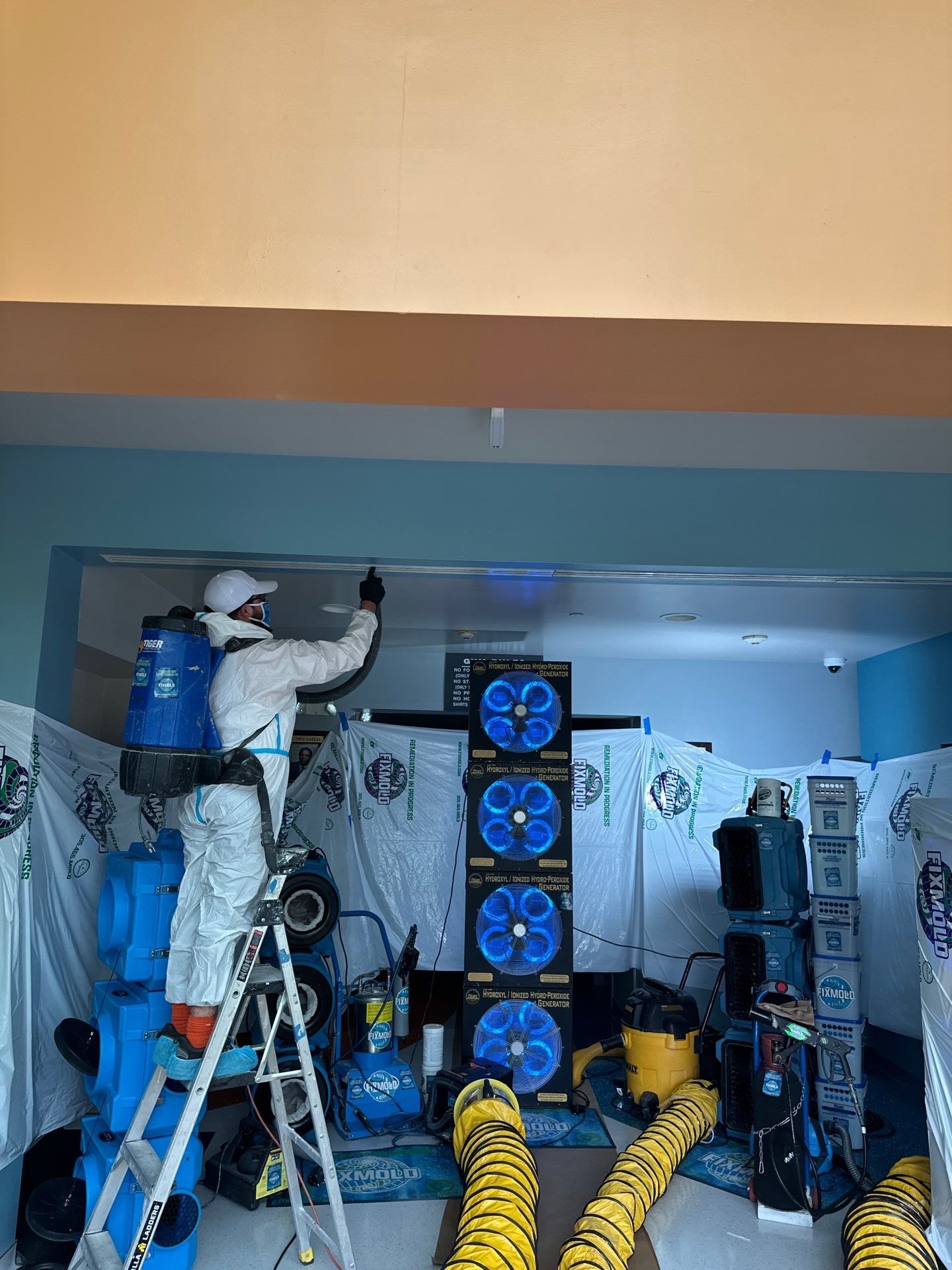
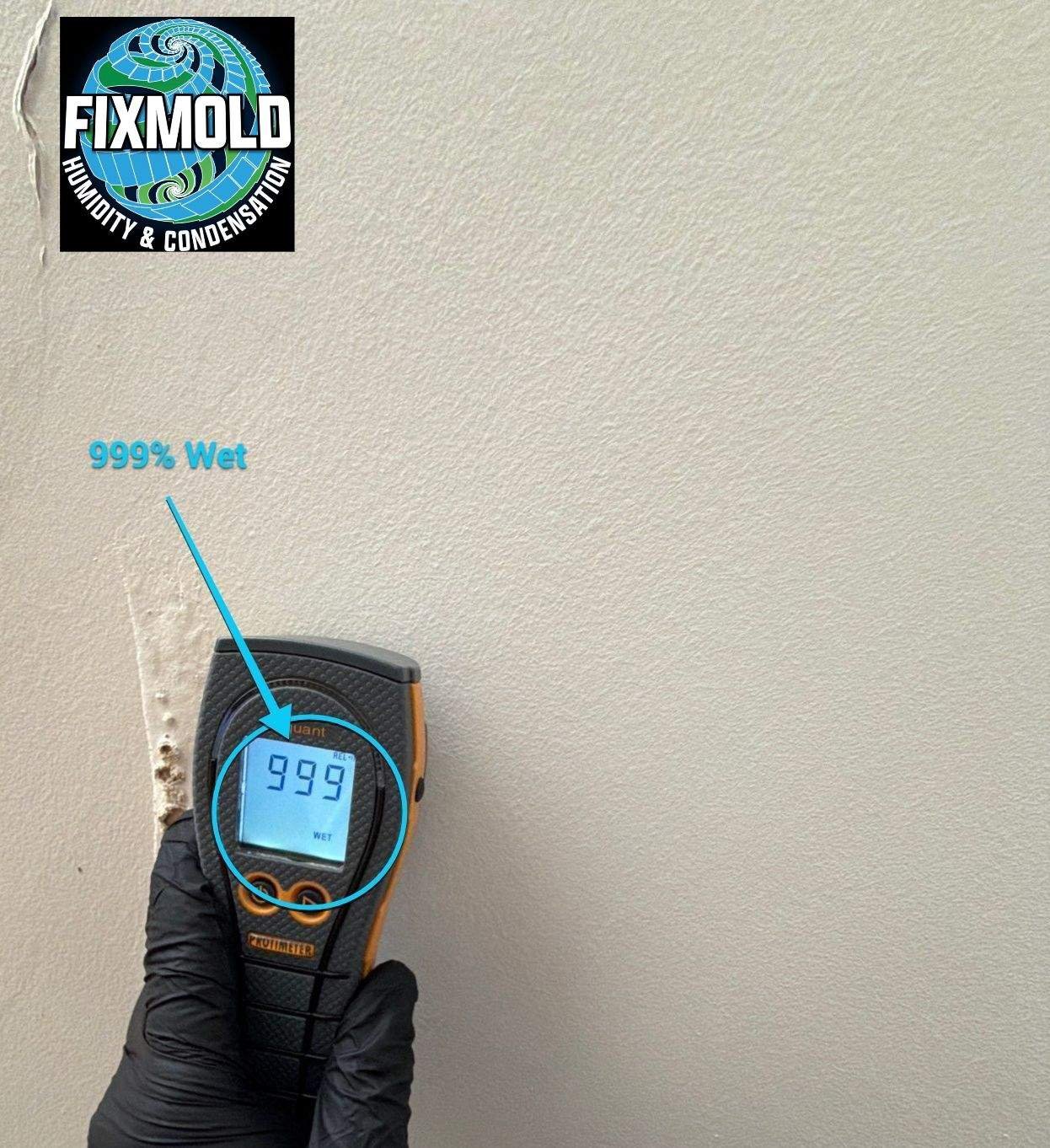
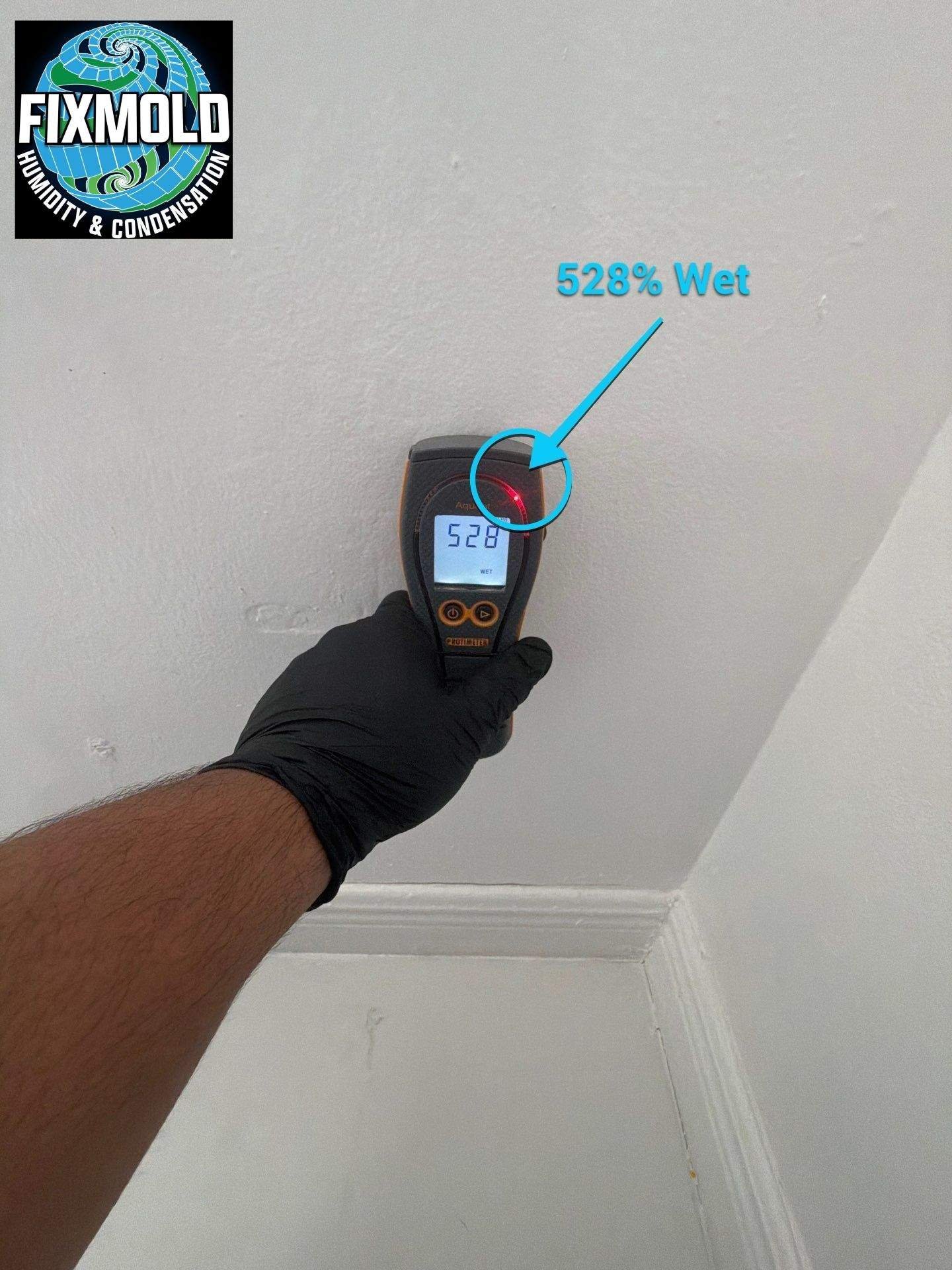
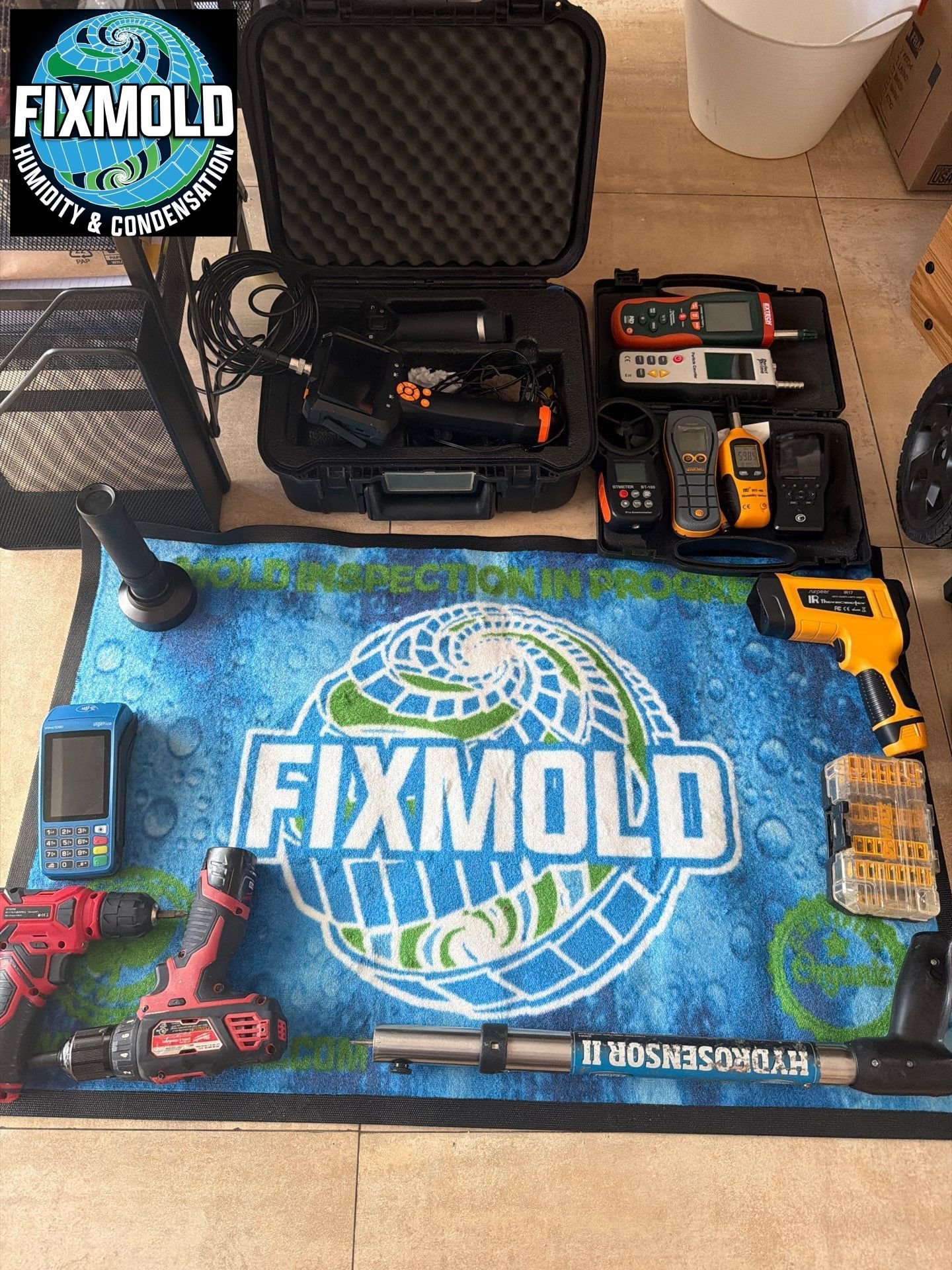
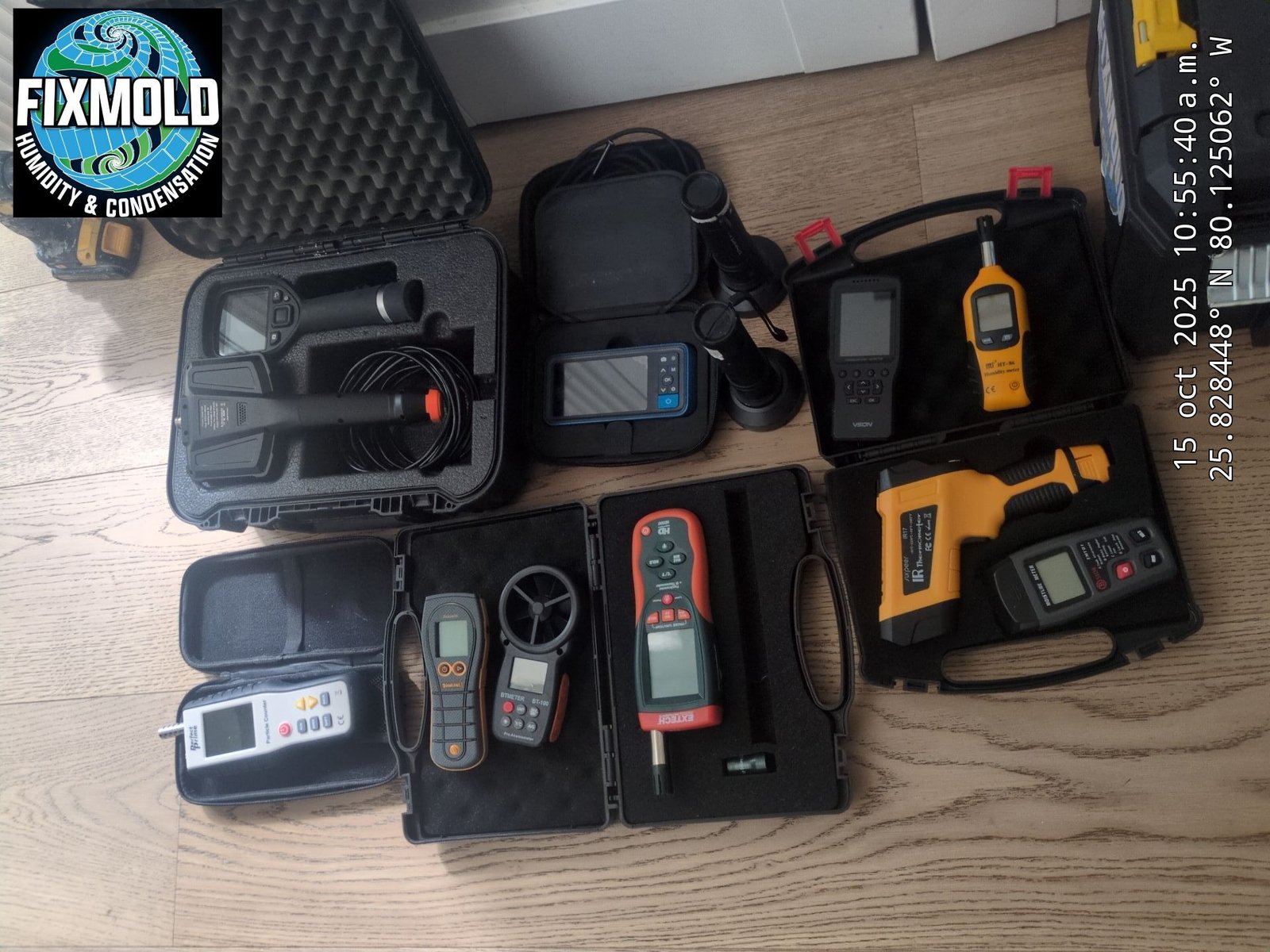
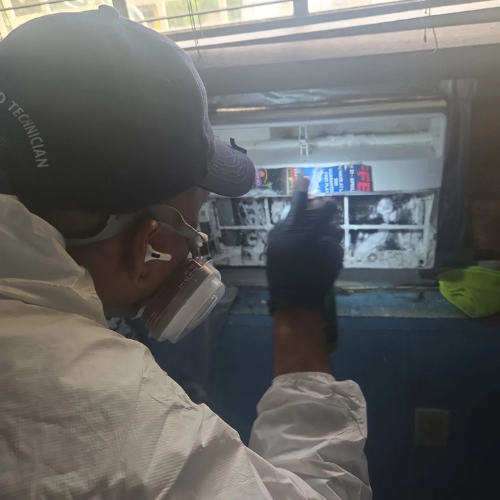
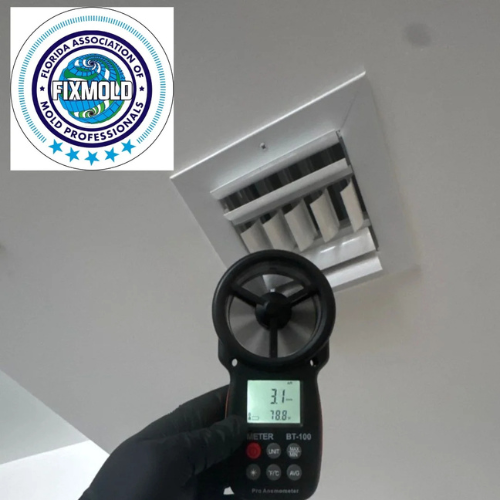
Because moisture often remains hidden, professional environmental evaluations typically involve specialized diagnostic tools. Moisture meters help identify elevated moisture levels within drywall, wood framing, flooring systems, insulation materials, and structural assemblies.
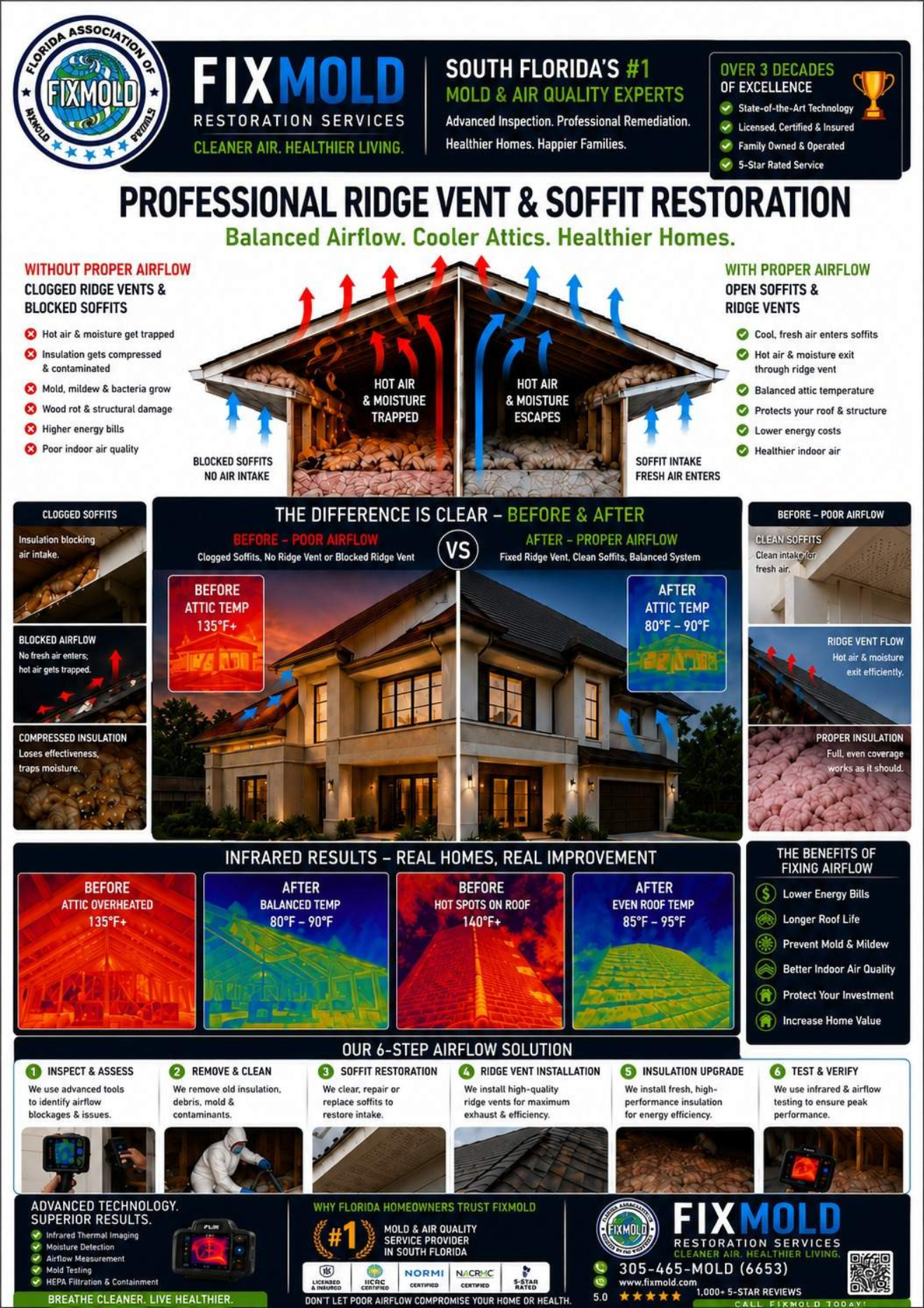
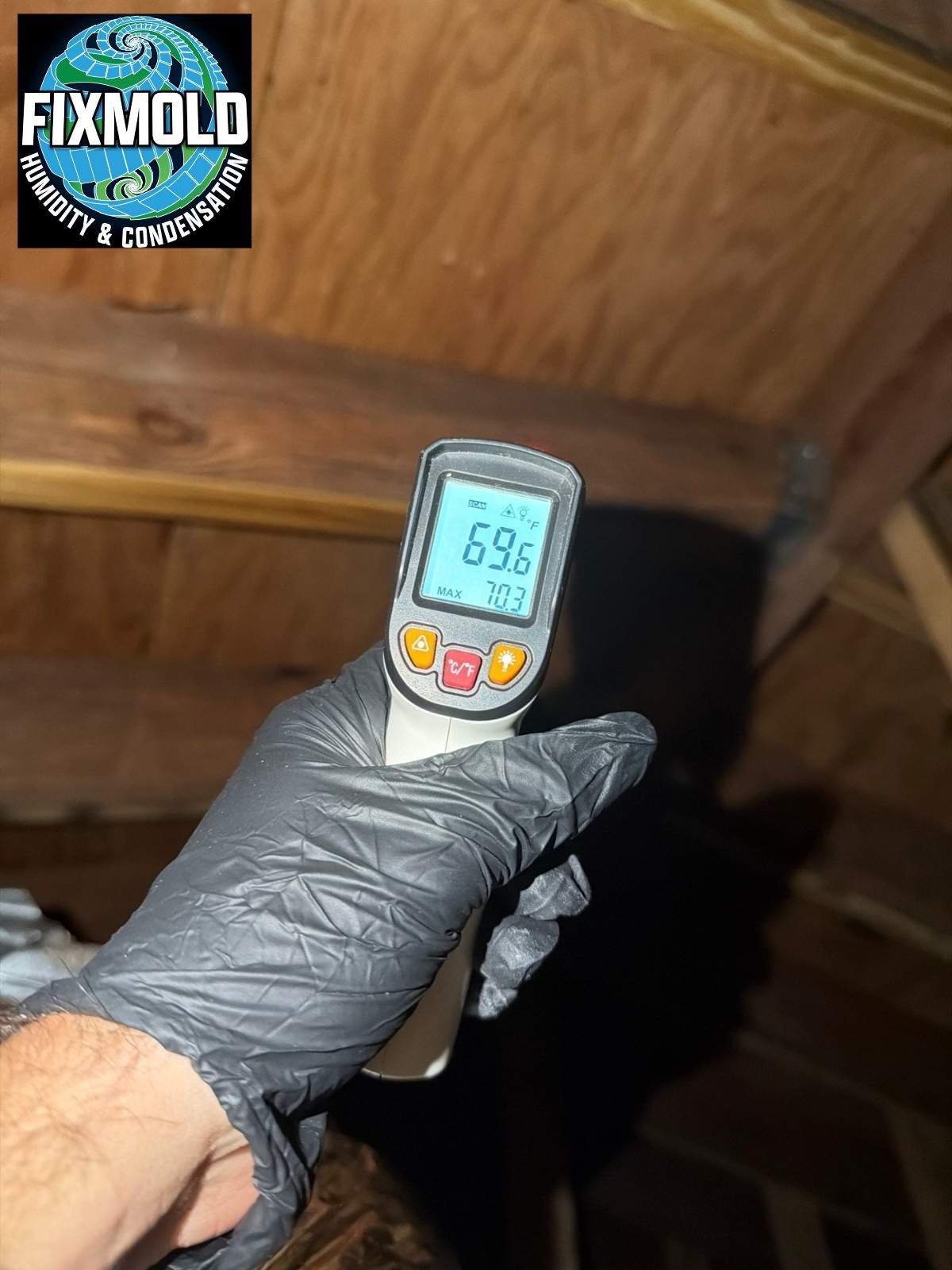
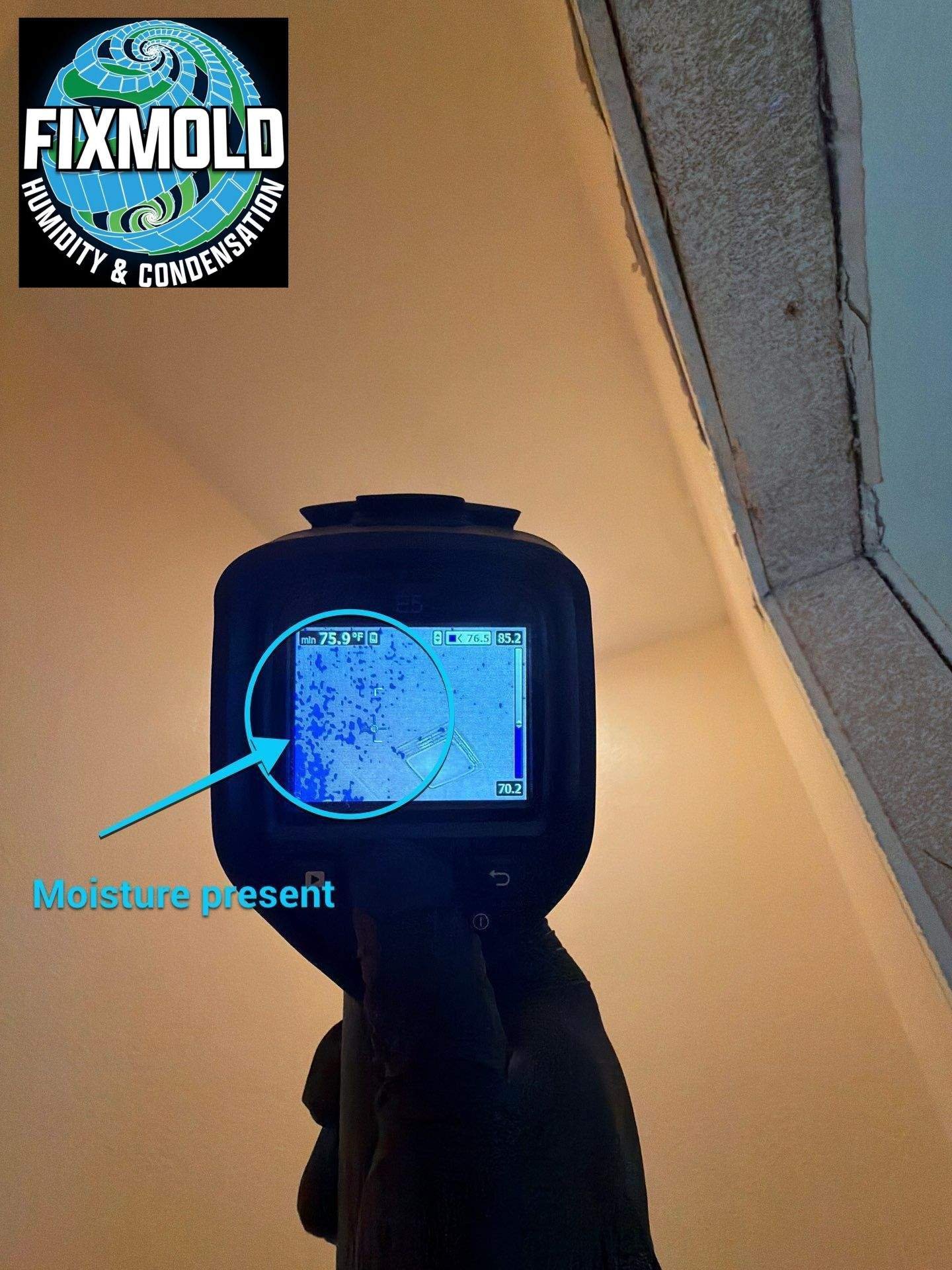
Thermal imaging cameras are frequently used because hidden moisture can create temperature variations that are not visible during routine visual inspections.
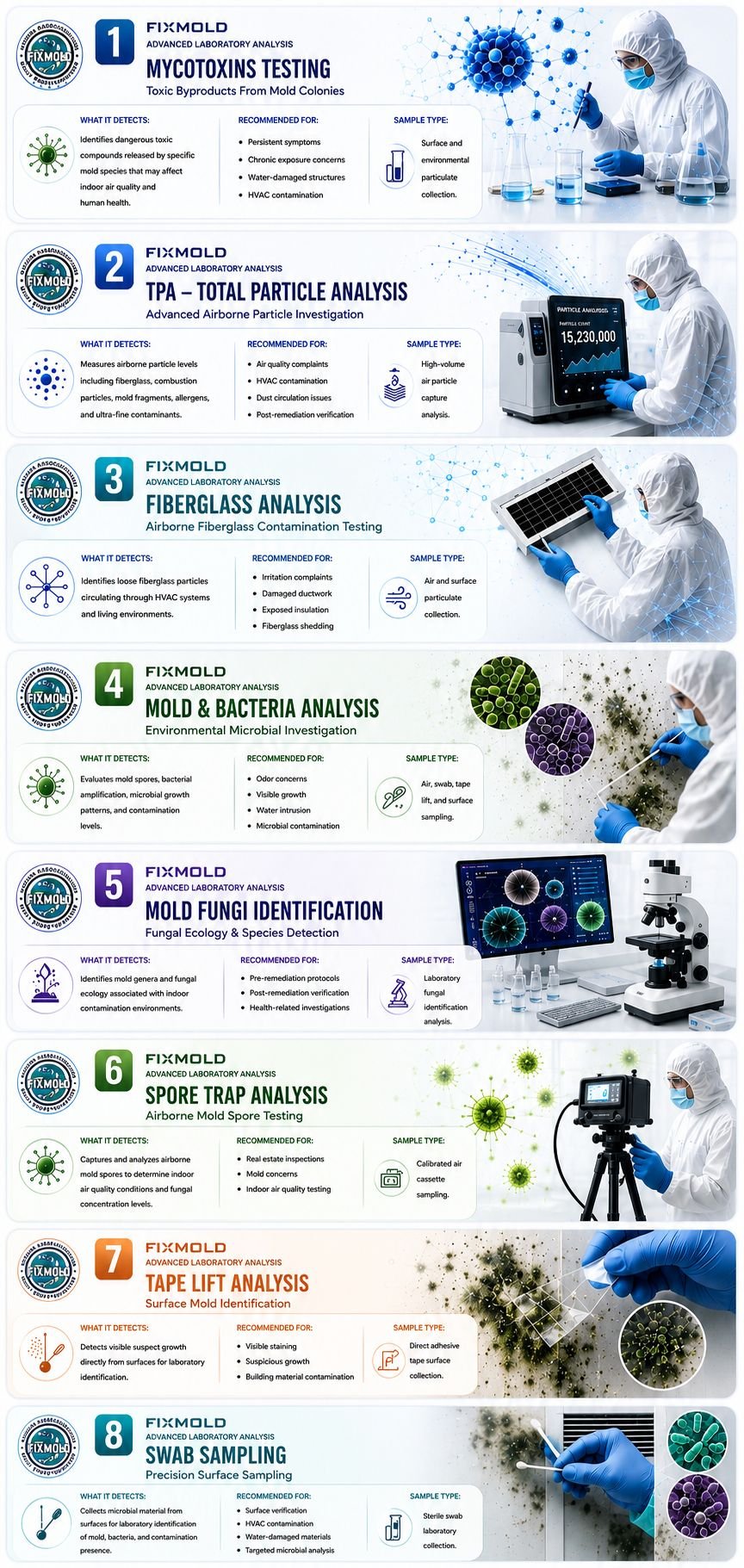
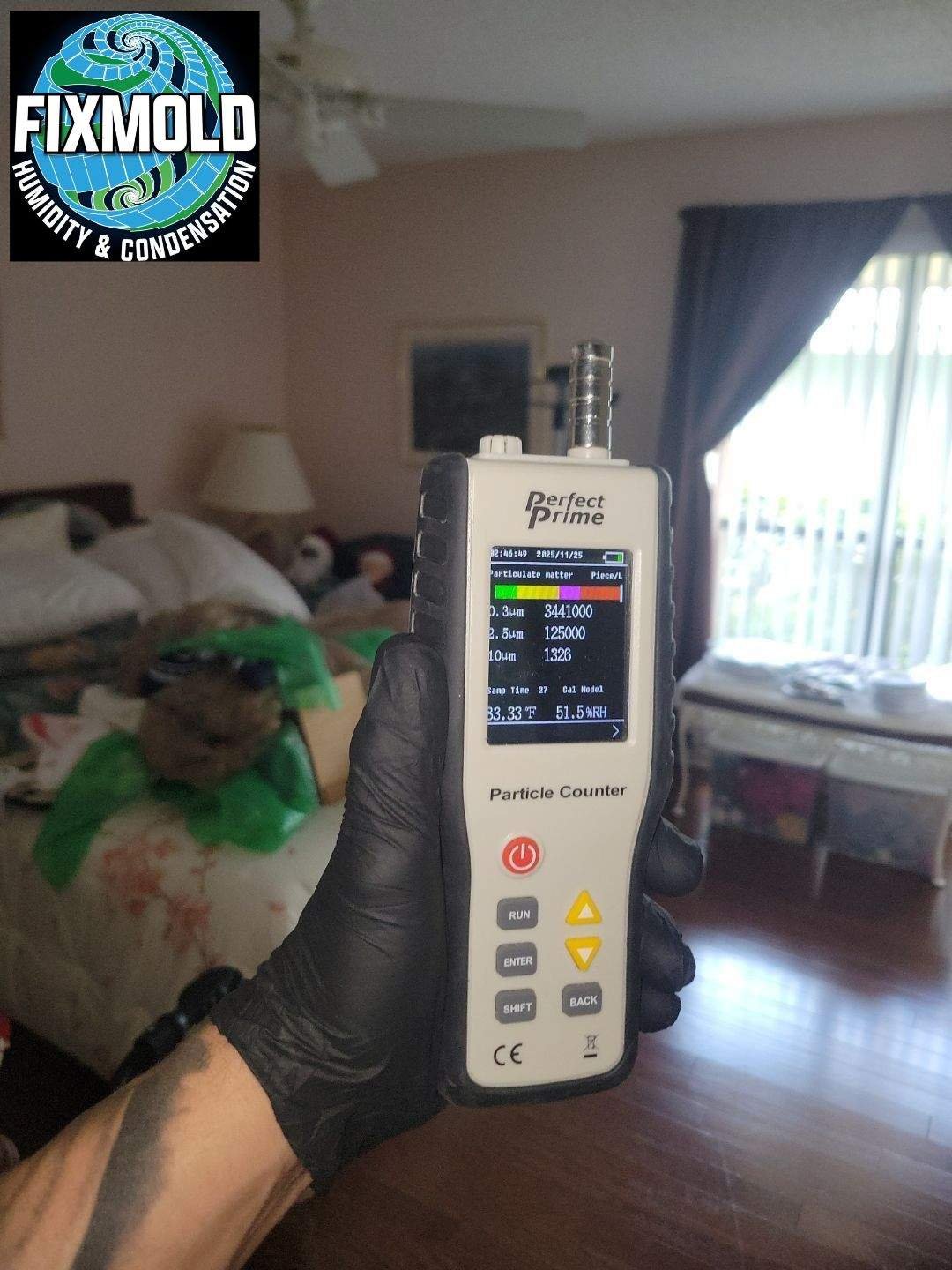
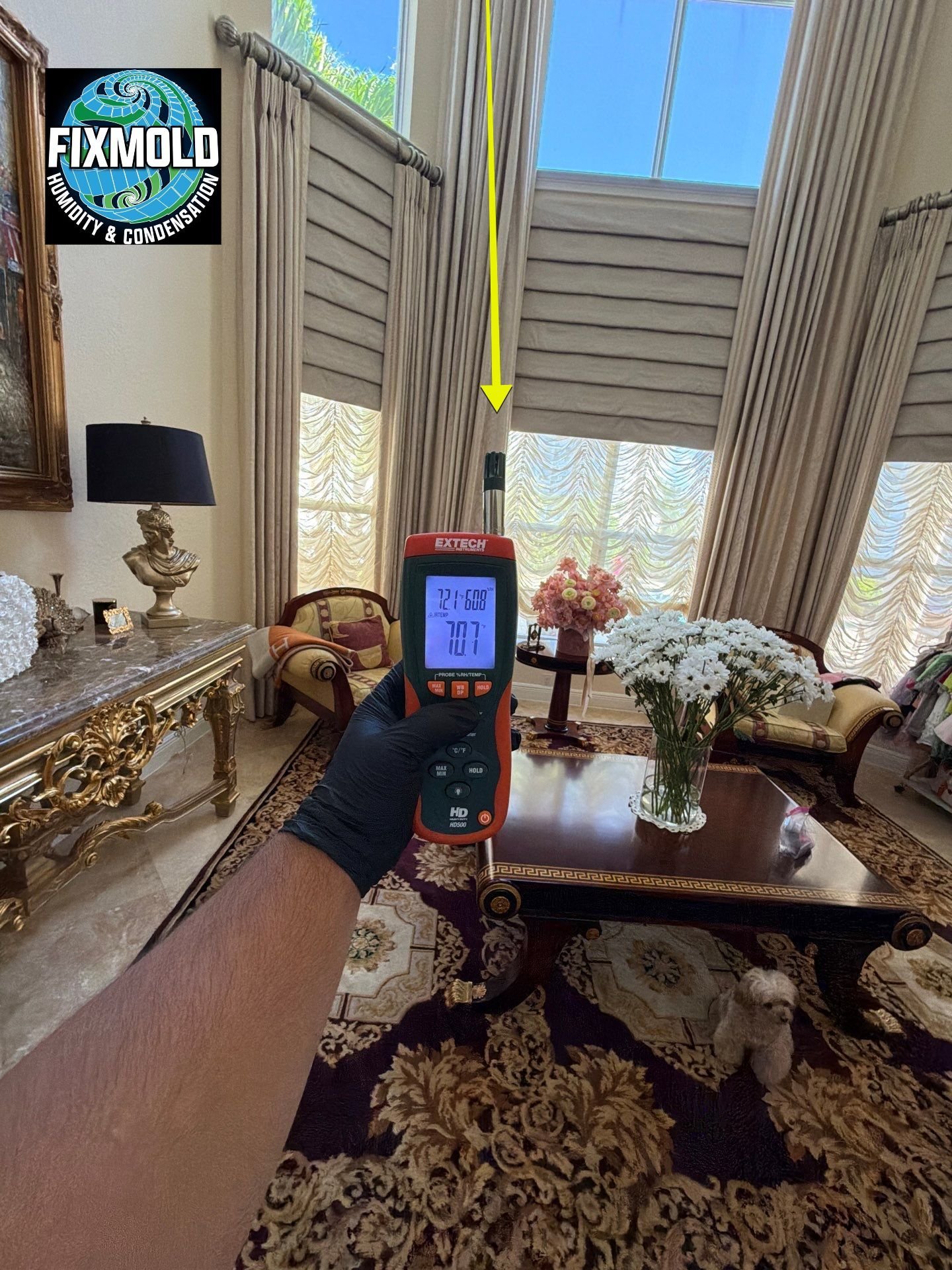
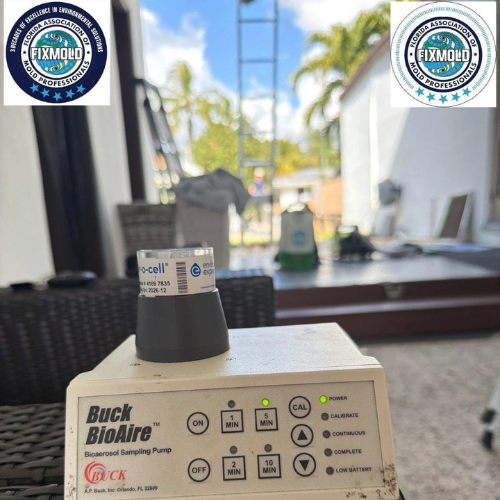
Indoor air quality testing is another important component of many environmental assessments.
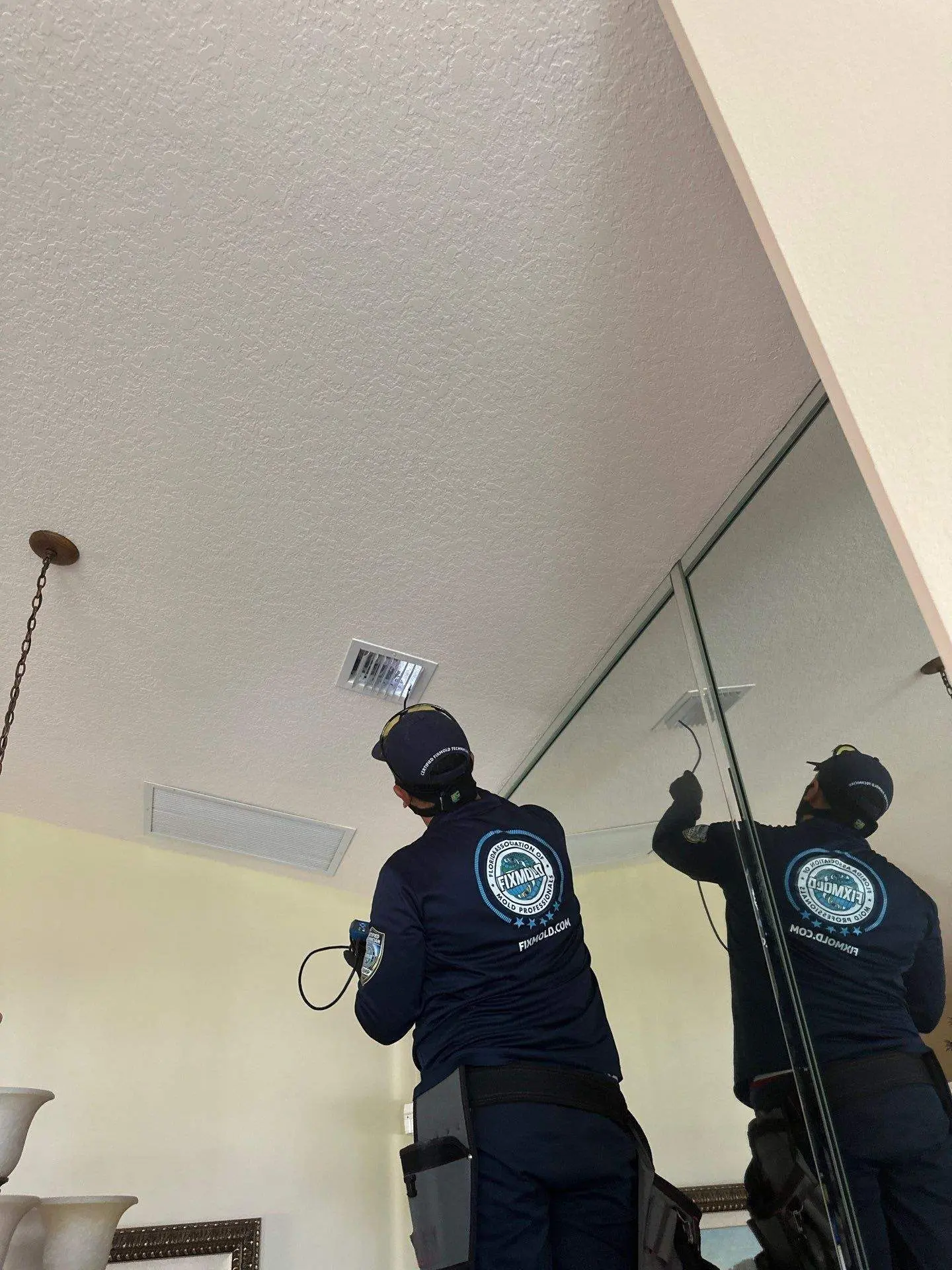
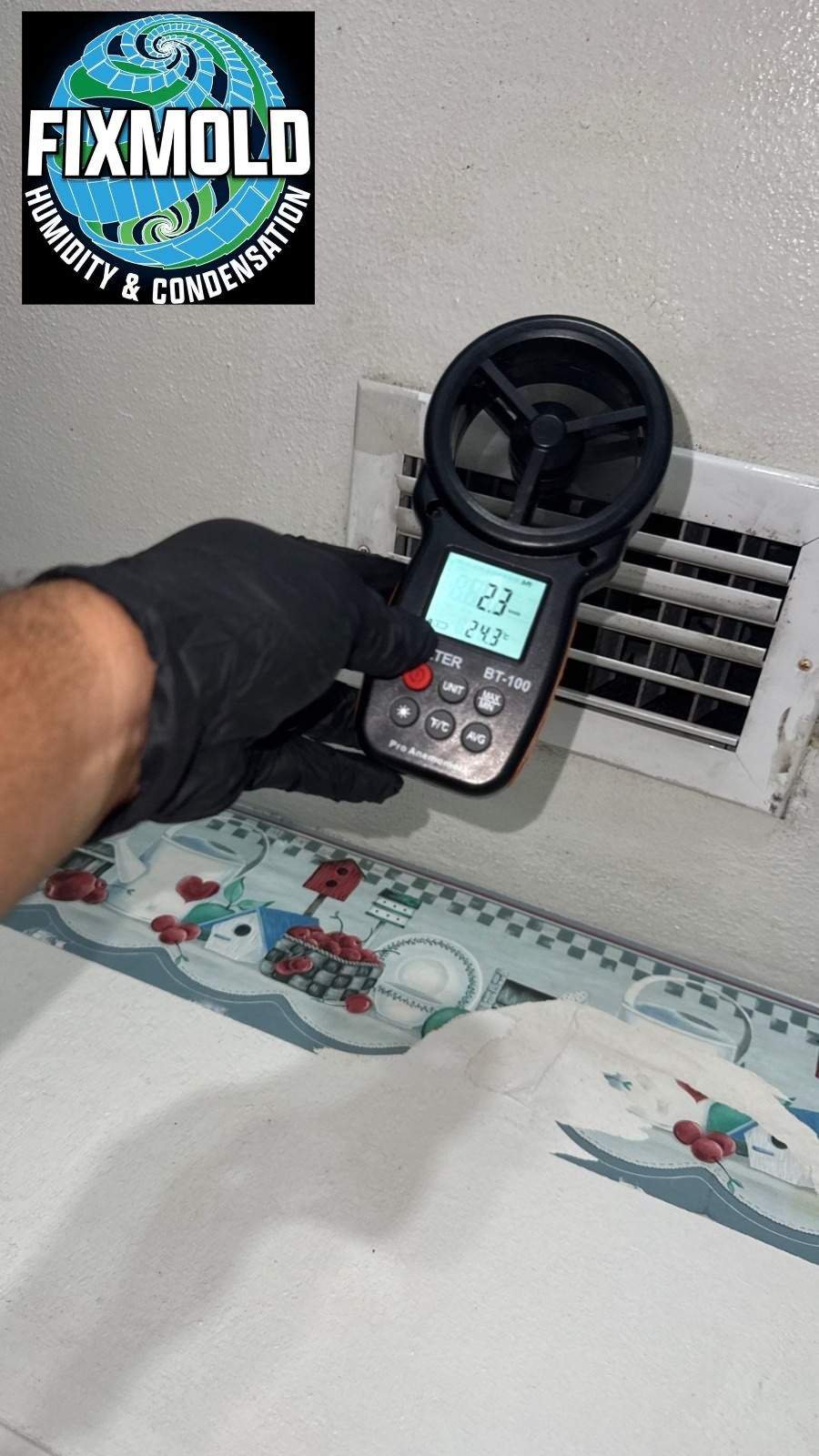
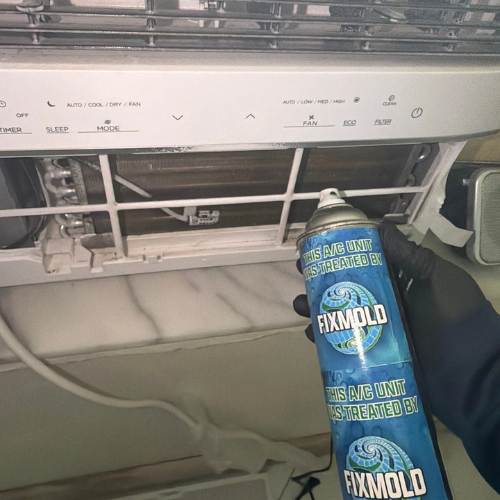
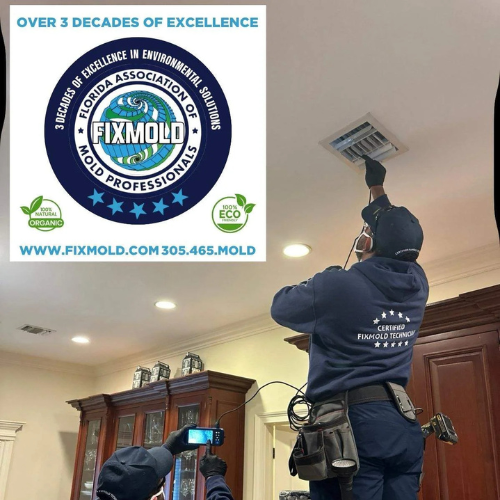
HVAC systems play a major role in indoor environmental quality throughout South Florida.
Attics are another area where hidden environmental issues frequently develop.
Crawlspaces present similar challenges.
Condominiums and high-rise buildings throughout Brickell, Downtown Miami, Sunny Isles, Hallandale Beach, and Miami Beach often experience environmental challenges associated with shared plumbing systems, neighboring unit leaks, and common infrastructure.
Luxury waterfront homes and commercial properties also face unique moisture-related risks due to climate and building systems.
Recurring contamination often indicates unresolved moisture sources rather than surface-level issues.
Every property responds differently to environmental conditions based on construction, age, maintenance, and climate exposure.
Environmental evaluation helps identify hidden moisture and supports healthier indoor conditions.