Something changed in your home. Maybe it is a dark patch on the bathroom ceiling you have been ignoring for two weeks. Maybe it is a smell you cannot trace, musty and wrong, and it is worse near the AC vents. Maybe nobody can pinpoint it but half the house has been waking up congested every morning. Whatever brought you here, you already know you need an answer, not a guess.
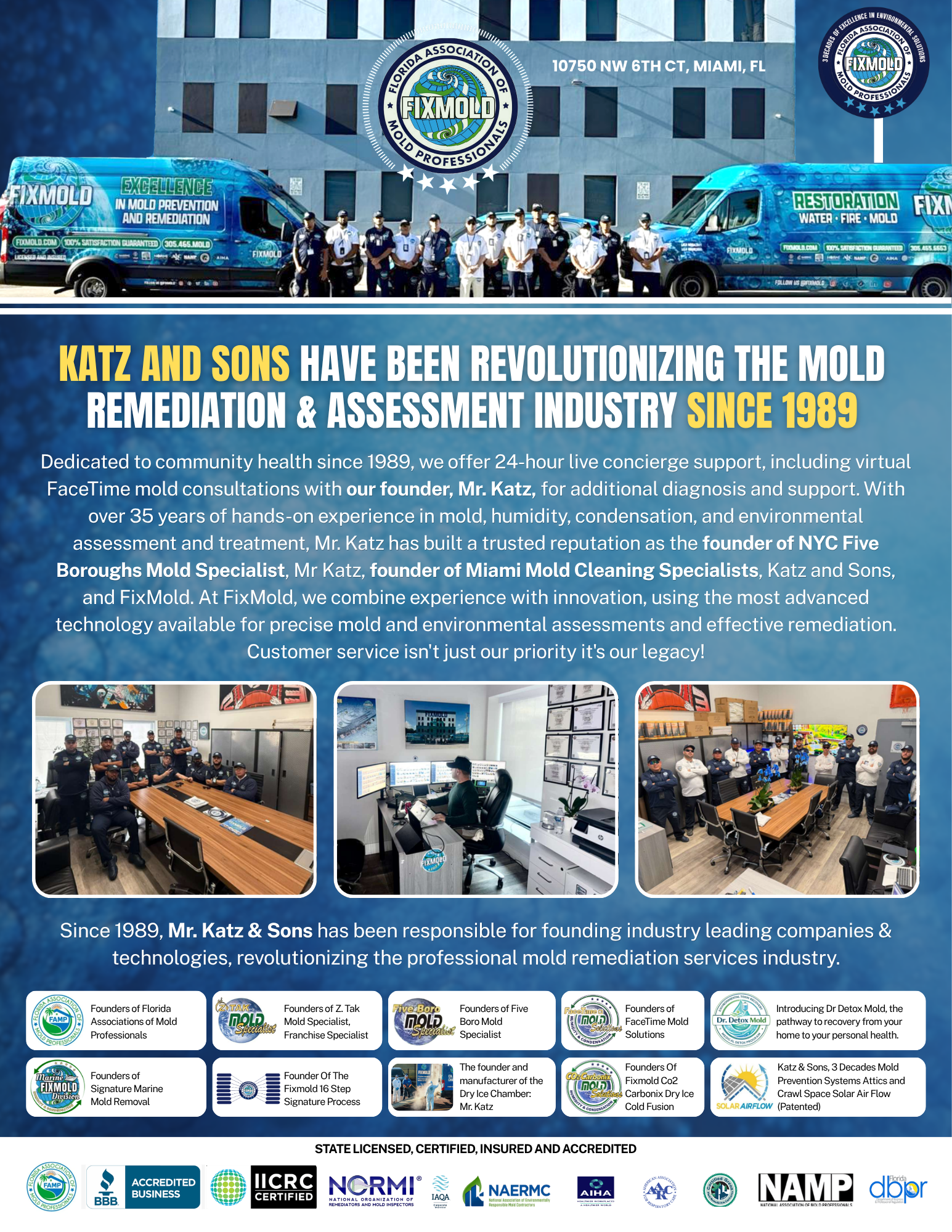
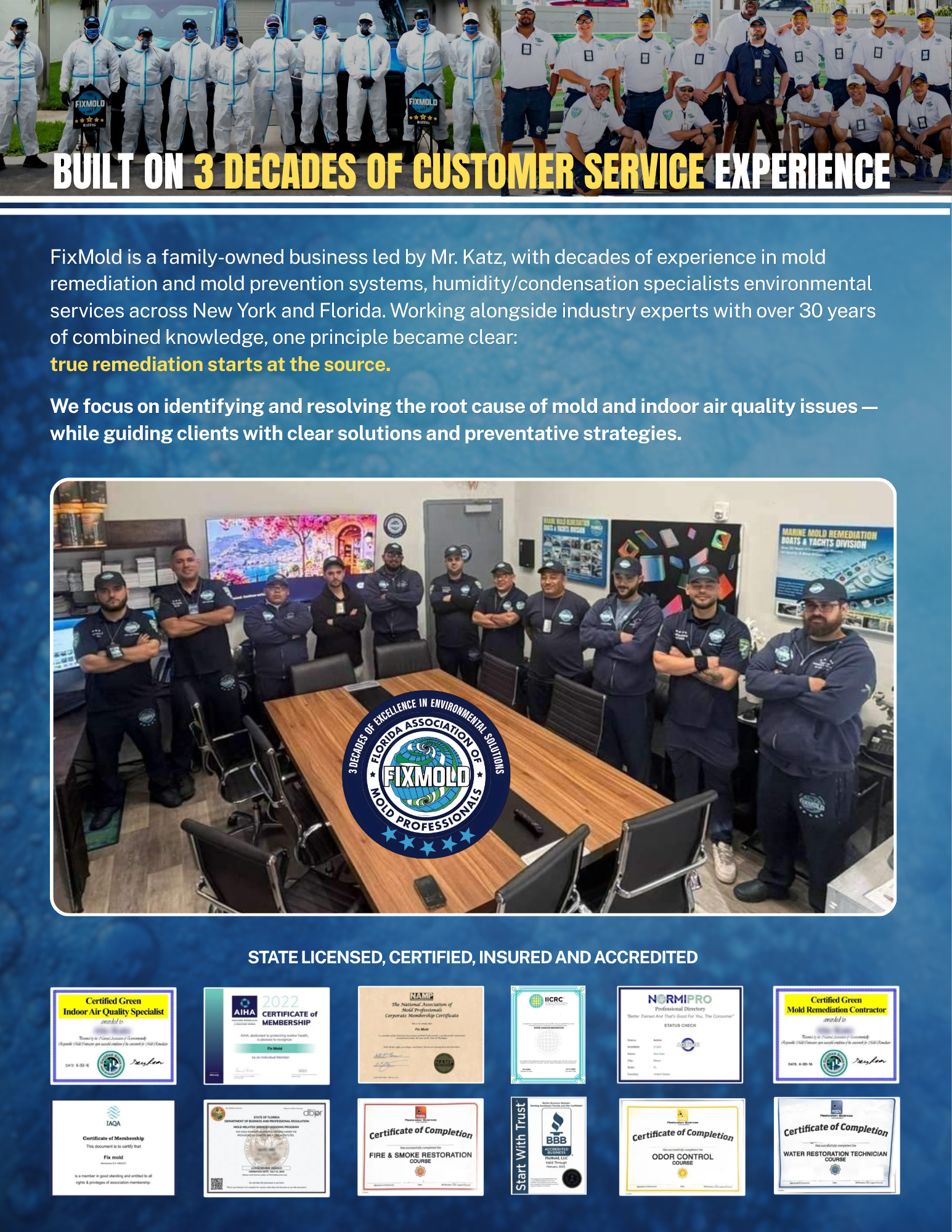
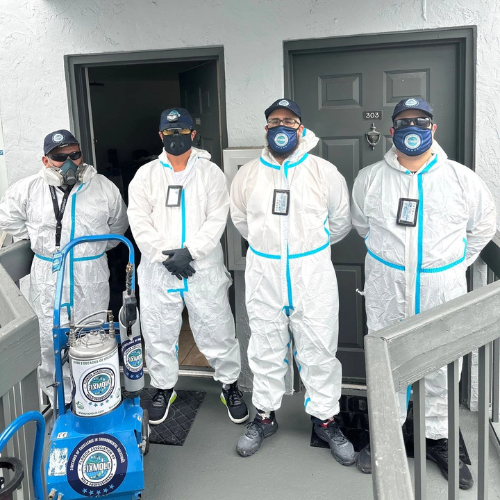
FixMold has been testing properties across Miami, Broward and South Florida for over 35 years. Not as a side service. As a core part of what the Katz family built this company on. We use state certified inspectors, certified third party laboratories and a testing process that tells you exactly what species of mold are present in your property, at what concentrations, and whether those levels represent a genuine health risk. No vague reports. No upselling tests you do not need. Just a clear picture of what is in your air and your walls so you can make an informed decision about what comes next.
What Black Mold Testing at FixMold Includes
Every black mold inspection at FixMold covers the following as standard:
A full walkthrough inspection of your property with a state certified mold assessor
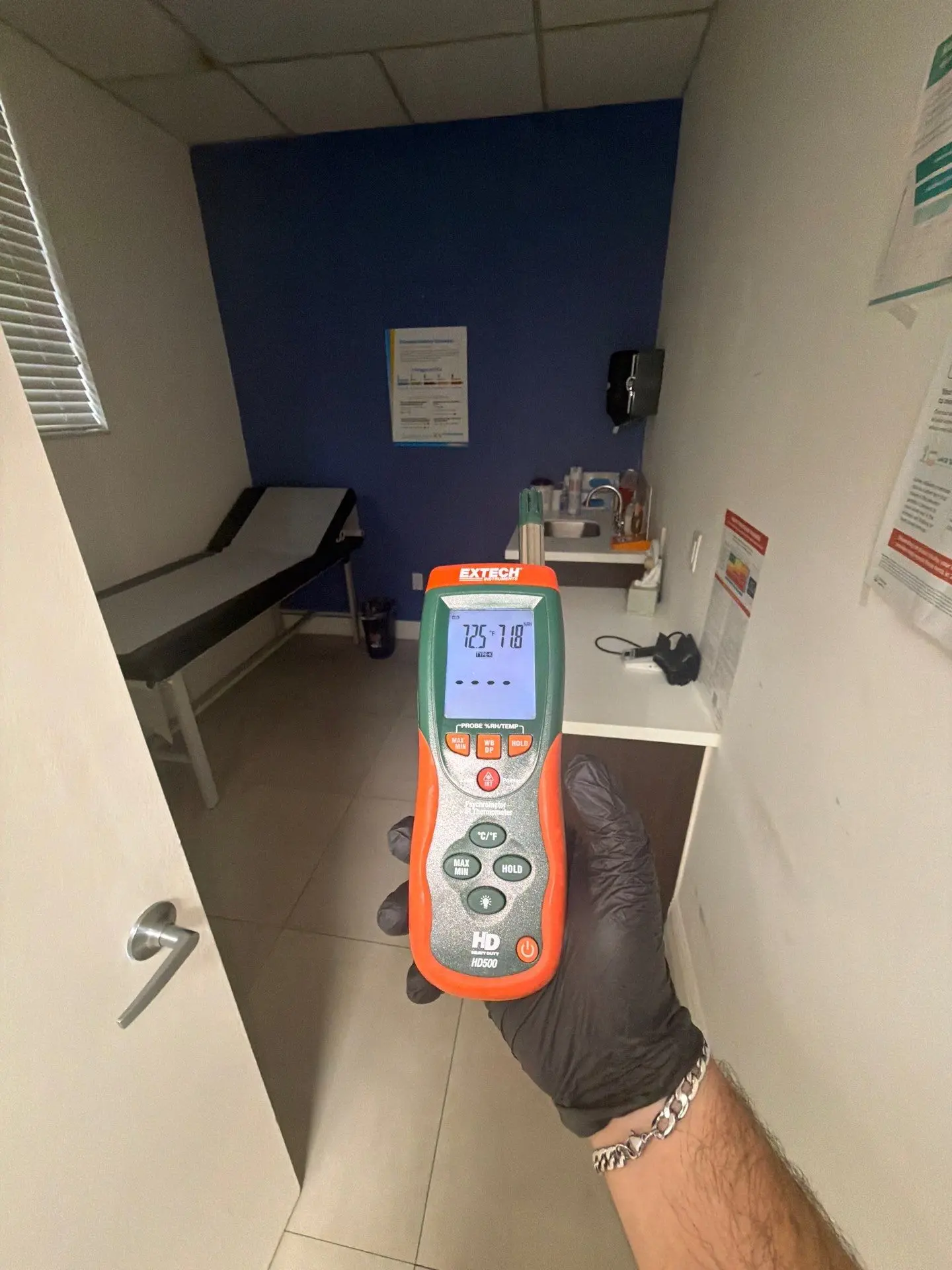
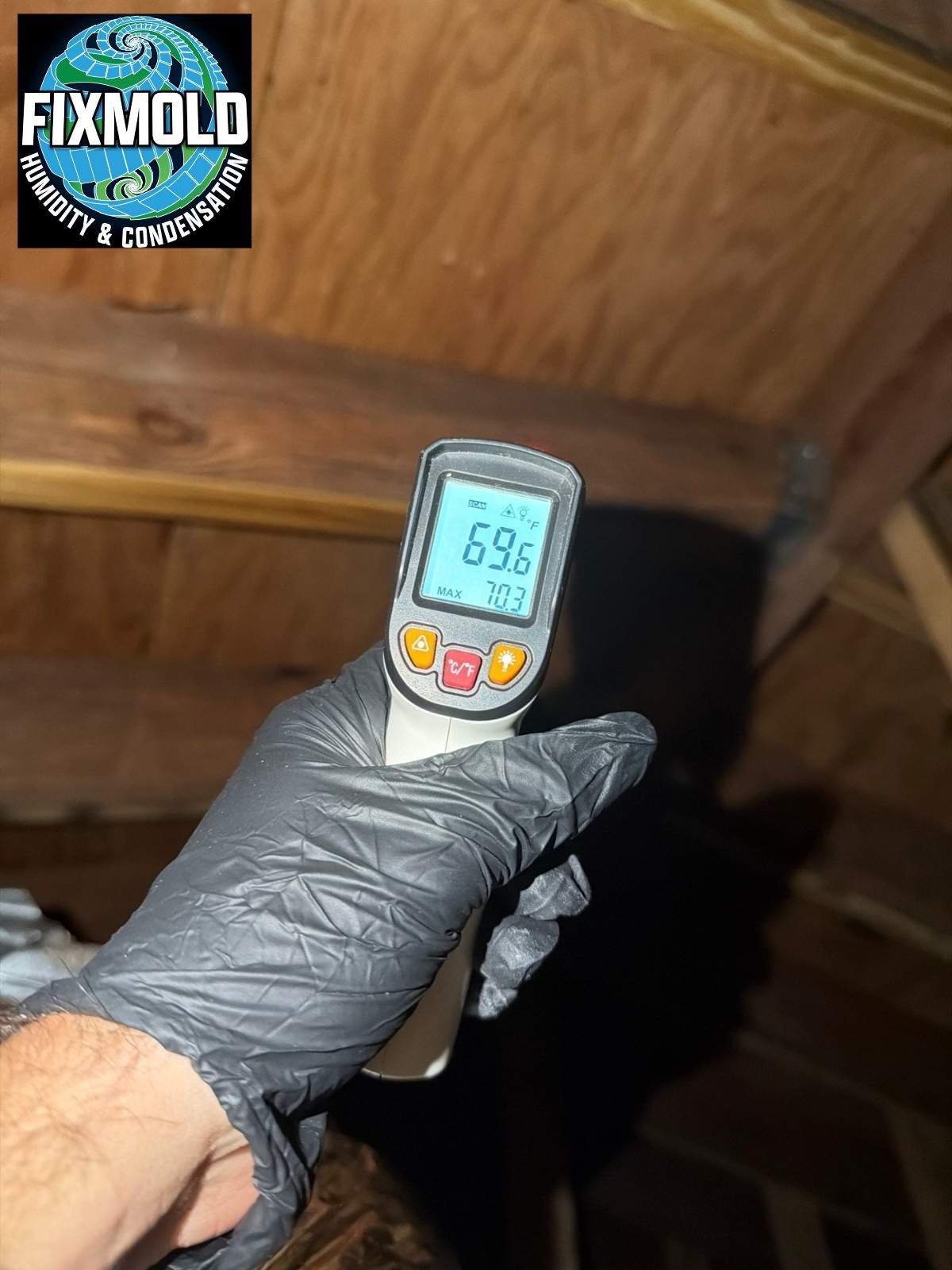
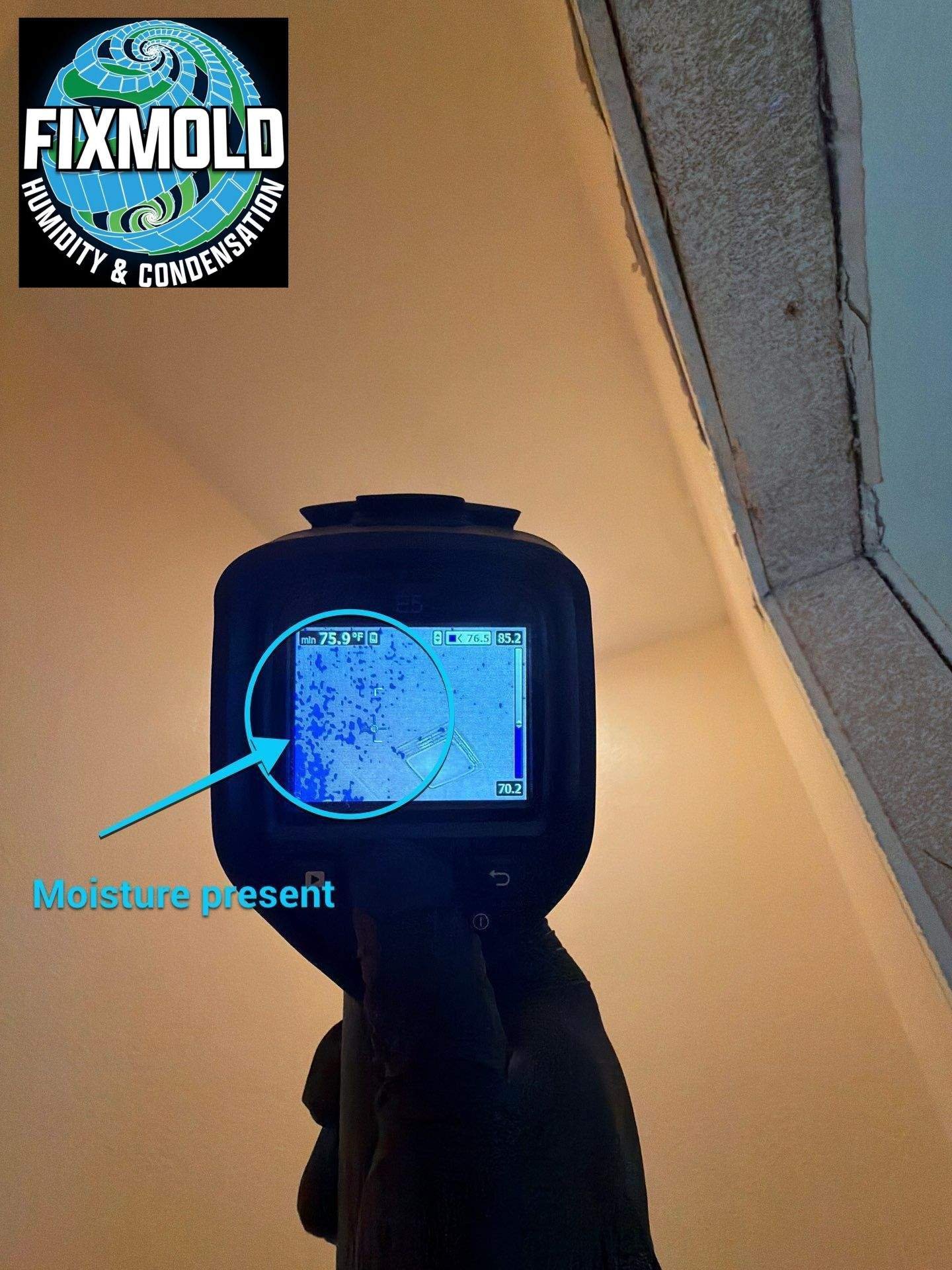
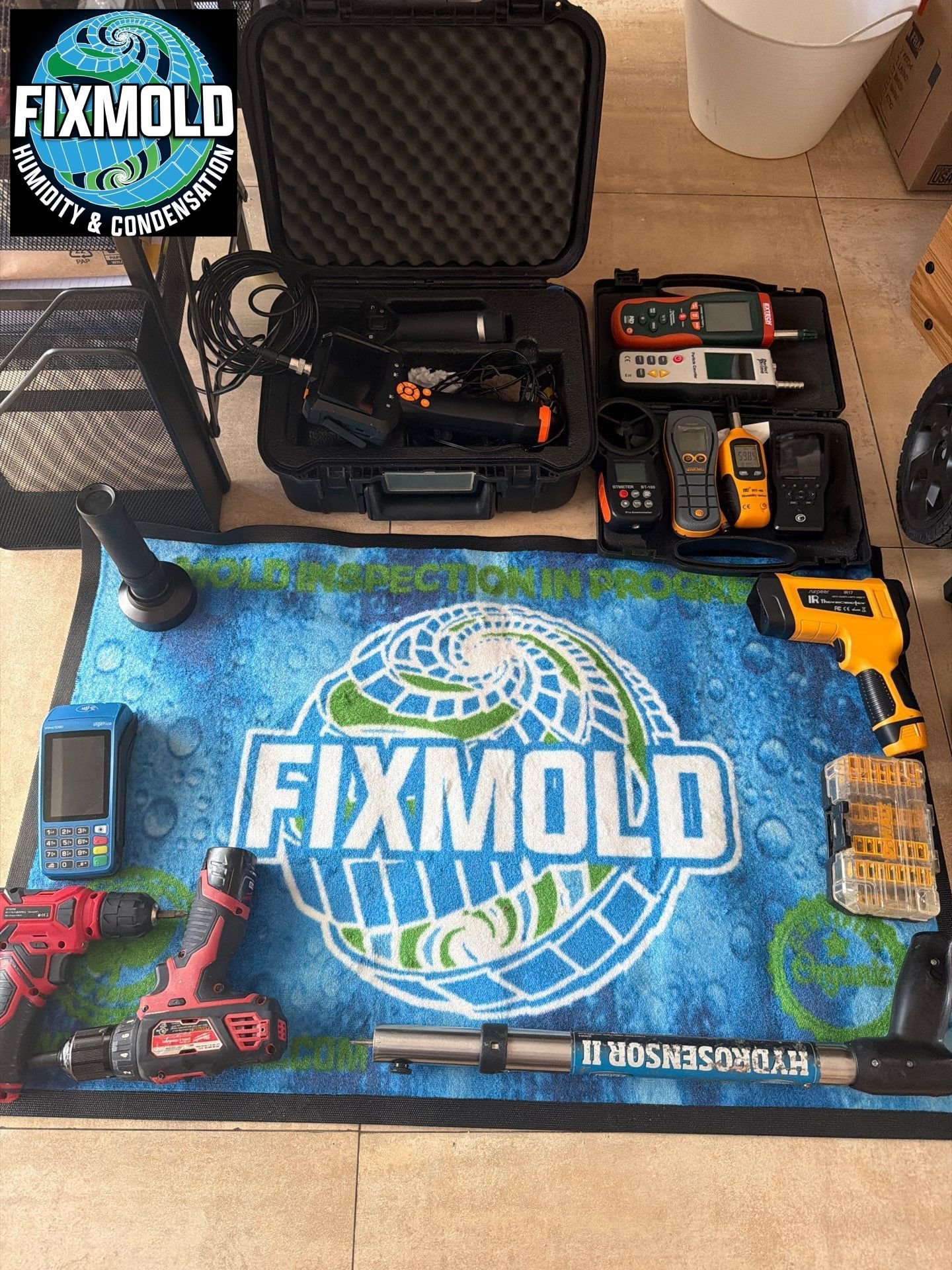
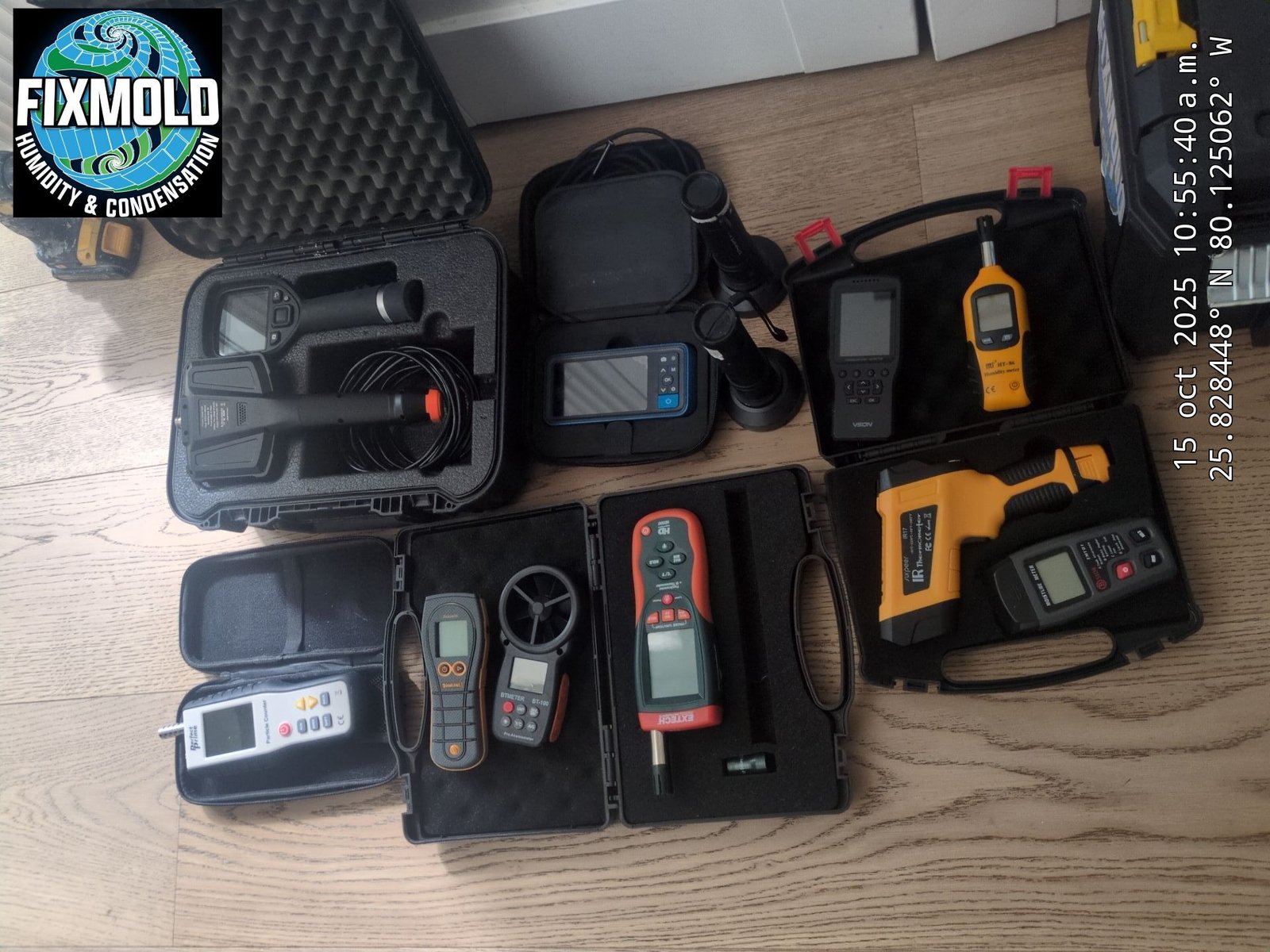
Infrared thermal imaging to detect moisture trapped behind walls, ceilings and floors that is invisible to the naked eye
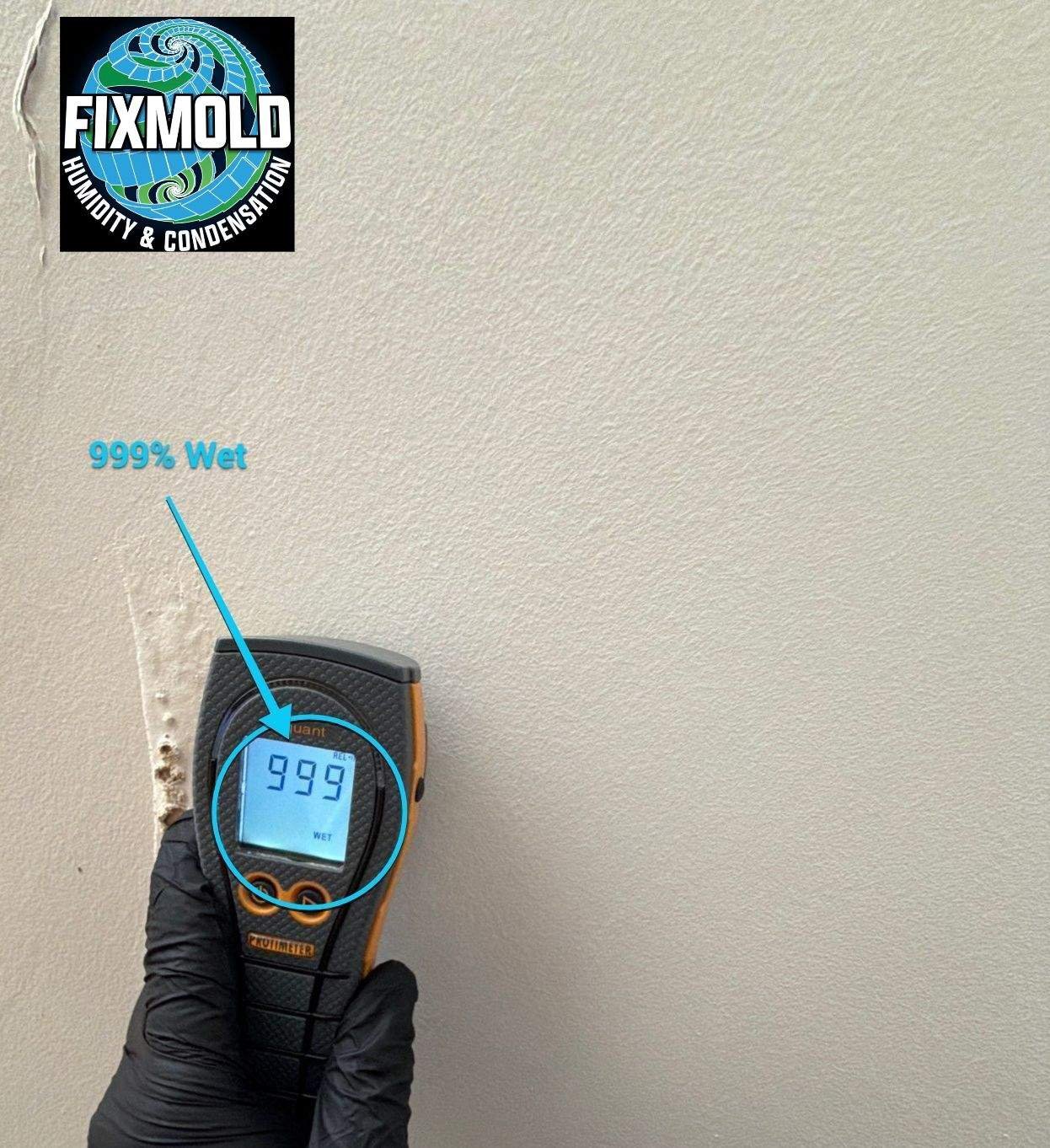
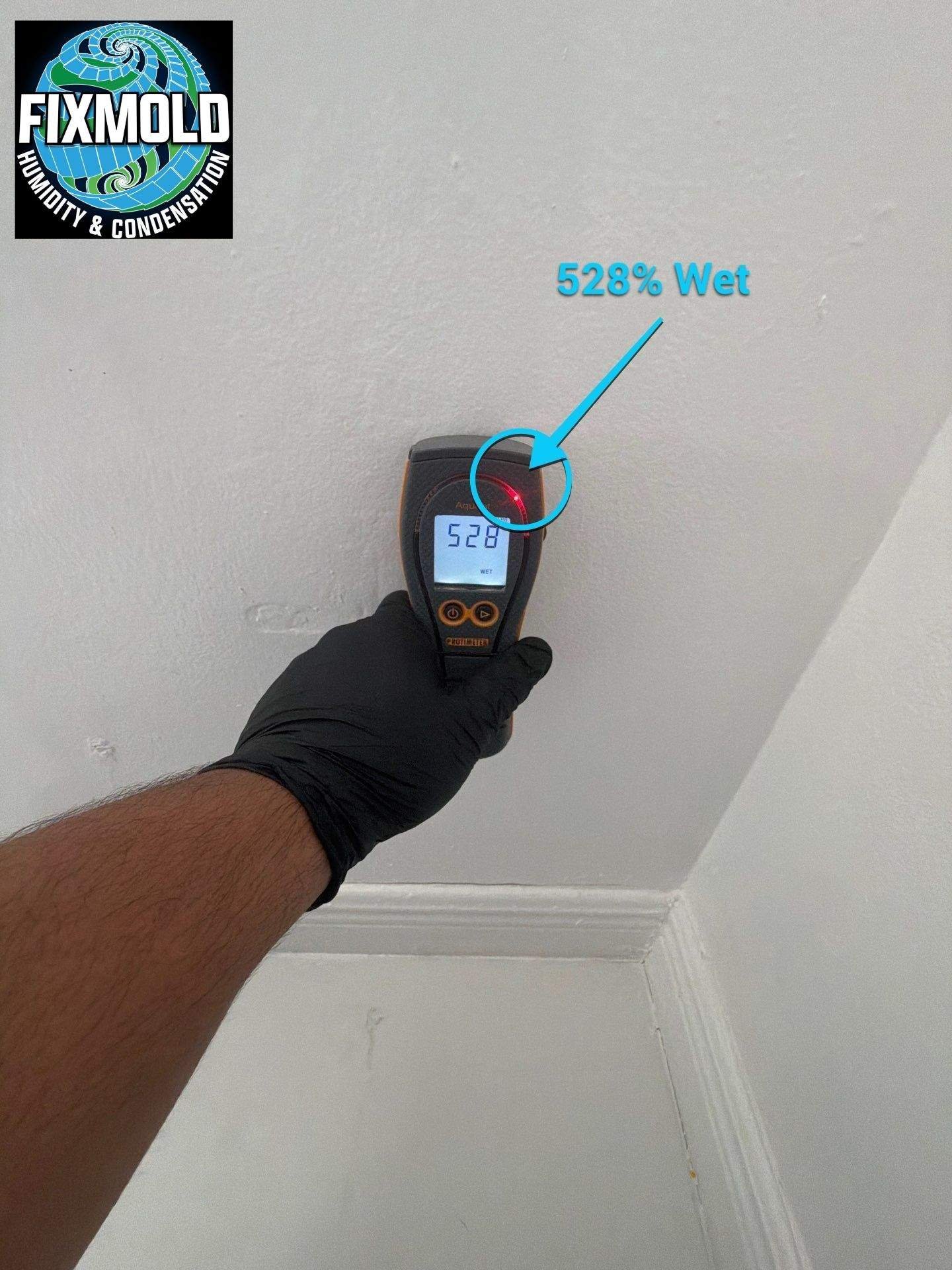
Calibrated moisture meter readings to quantify water content in flagged building materials
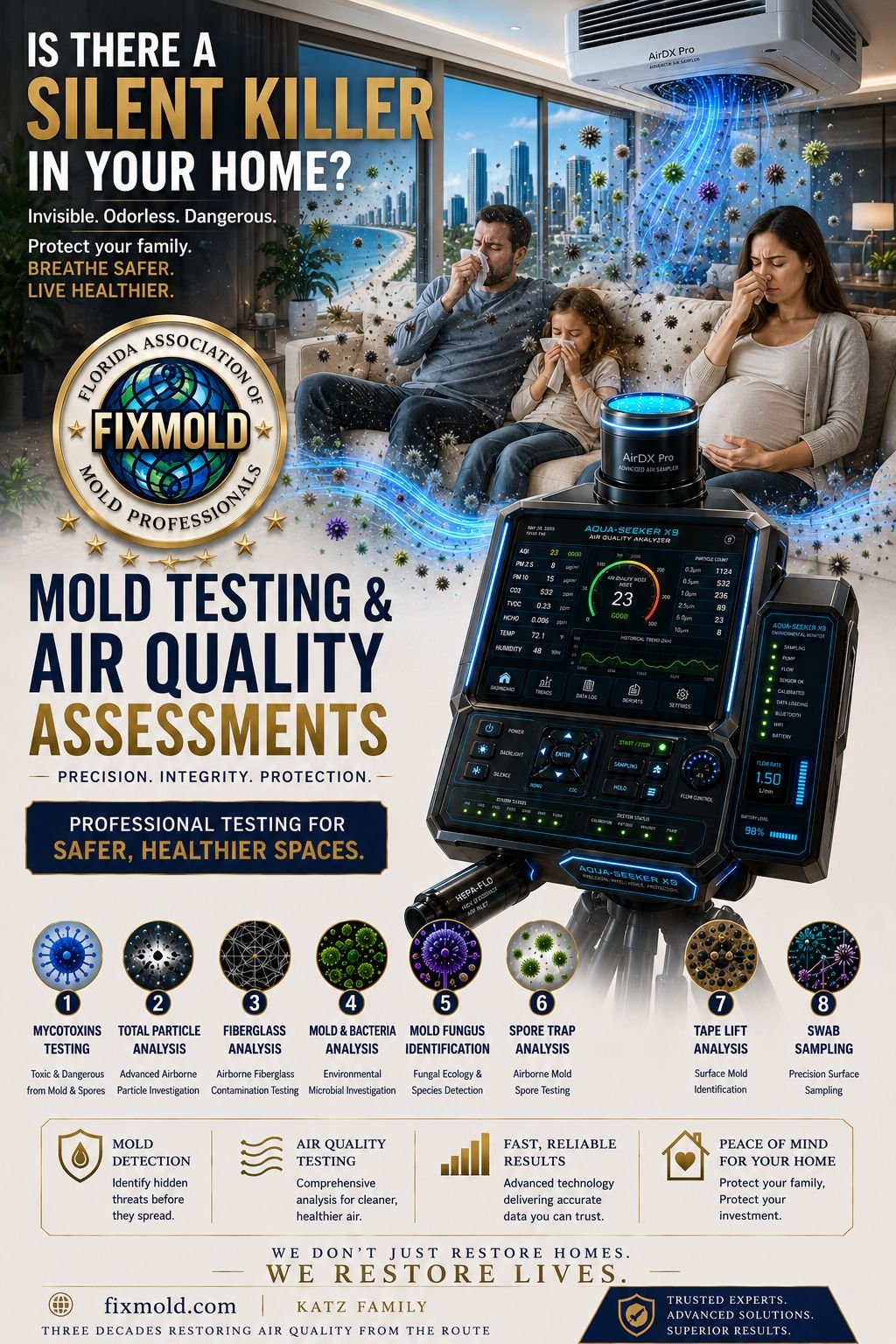
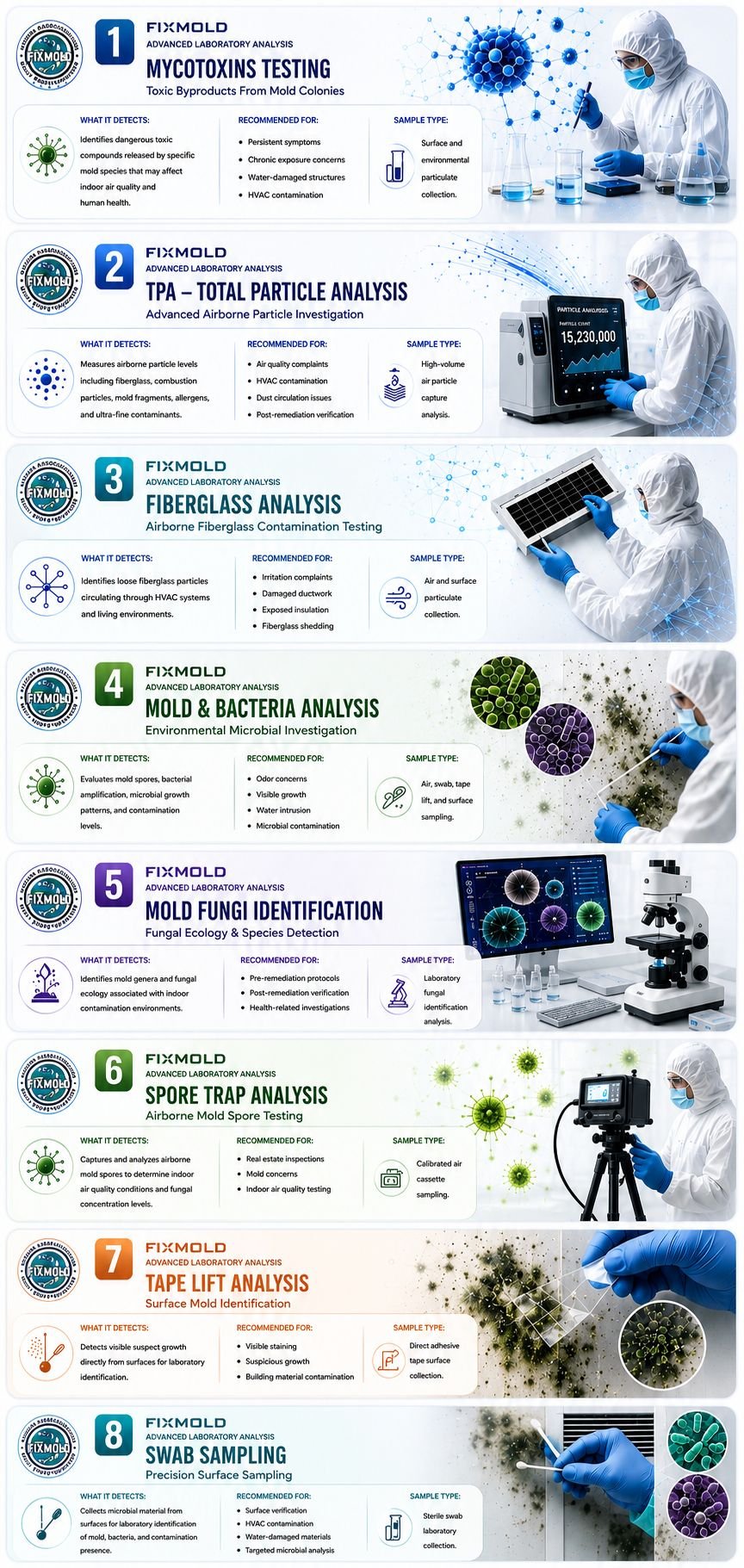
Air quality sampling using spore trap cassettes to capture and count airborne mold spores by species
An outdoor control air sample for accurate comparison with your indoor results
Surface swab or tape lift samples taken from areas of visible growth where applicable
Full laboratory analysis by a certified independent lab
A written report with your results explained in plain language, not just numbers on a page
A direct consultation with your inspector on what the findings mean and what remediation looks like if it is needed
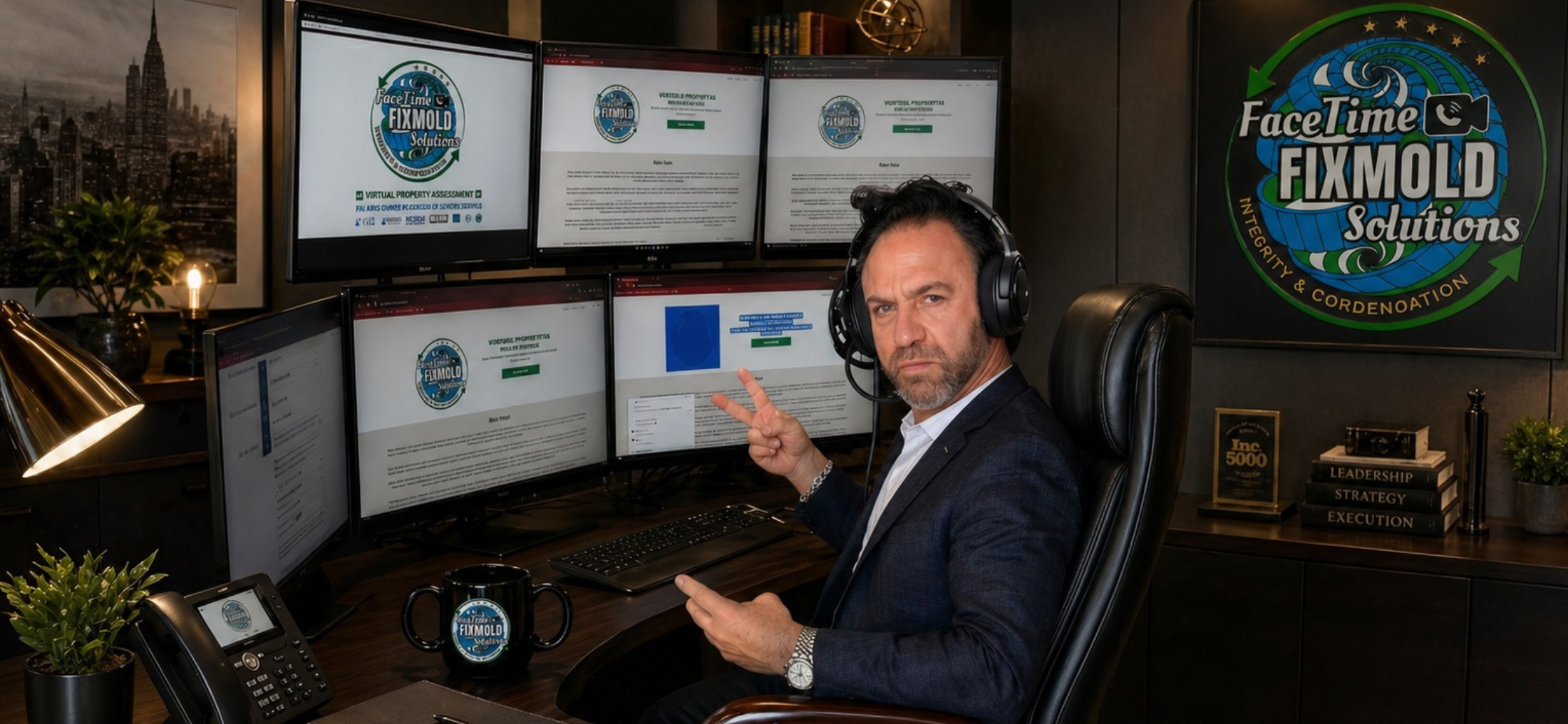
Not Sure If You Need Testing? Start With a FaceTime Assessment
Before you commit to an in-person inspection, our FaceTime Mold Solutions service connects you virtually with one of our experienced technicians. Show them what you are seeing. Describe what you are smelling. They will ask the right questions and give you an honest read on whether an in-person visit is warranted and where we should focus when we arrive. This is complimentary. We offer it because we believe people deserve real information before they spend money.
Call or text: +1-305-465-6653 | Free FaceTime Assessment: fixmold.com | $150 OFF remediation if testing confirms a problem.
Is Every Dark Mold Actually Black Mold?
This is the question we field more than any other, and it deserves a real answer. Black mold has become a term people use to describe any dark growth on a surface. In a technical and clinical sense it refers specifically to Stachybotrys chartarum, a slow-growing mold that colonizes materials with very high cellulose content, like drywall paper and wood, that have been wet for an extended period. The thing is, not every dark or black-colored growth is Stachybotrys.
Cladosporium, Aspergillus niger and certain strains of Penicillium can all appear nearly black to the naked eye. You cannot tell them apart visually. Stachybotrys chartarum specifically tends to be slimy rather than powdery when fresh, and is almost exclusively found in areas with significant sustained water damage, not in bathrooms with minor condensation issues. But the only way to confirm what you are dealing with is laboratory testing of an actual sample.
Here is the part that sometimes gets lost in the black mold conversation: whether or not something is specifically Stachybotrys, elevated indoor mold counts are a problem worth addressing. Many common mold species produce compounds that trigger respiratory symptoms, persistent allergic reactions, fatigue and cognitive effects in people who are regularly exposed. The species identification matters because it shapes the remediation approach and helps you understand the risk profile, but the presence of any significant mold growth in a living or working space is worth taking seriously.
Why South Florida Creates Mold Conditions That Most of the Country Never Sees
Miami-Dade, Broward and Palm Beach counties sit at sustained humidity levels that are genuinely unusual compared to most of the United States. Outdoor relative humidity here runs between 75 and 90 percent for months at a time. Indoor humidity is the real variable. When a building envelope fails, even modestly, that exterior moisture migrates inward. Slow leaks behind kitchen cabinets, compromised window seals, condensation on improperly insulated cold surfaces, deteriorating roof flashing, cracks in concrete block walls that have been there so long nobody thinks of them as new, all of these create the sustained moisture that mold spores need to move from dormant to active.
South Florida also deals with storm-driven water intrusion at a frequency and intensity that other markets do not. A single wind-driven rain event during hurricane season can introduce enough water into wall cavities and flooring systems to trigger visible mold growth within 48 to 72 hours. Most homeowners and even most building managers do not realize how fast that timeline runs. By the time you see growth on a baseboard or smell something wrong in a room, the colonization behind the surface has typically been underway for days or weeks already.
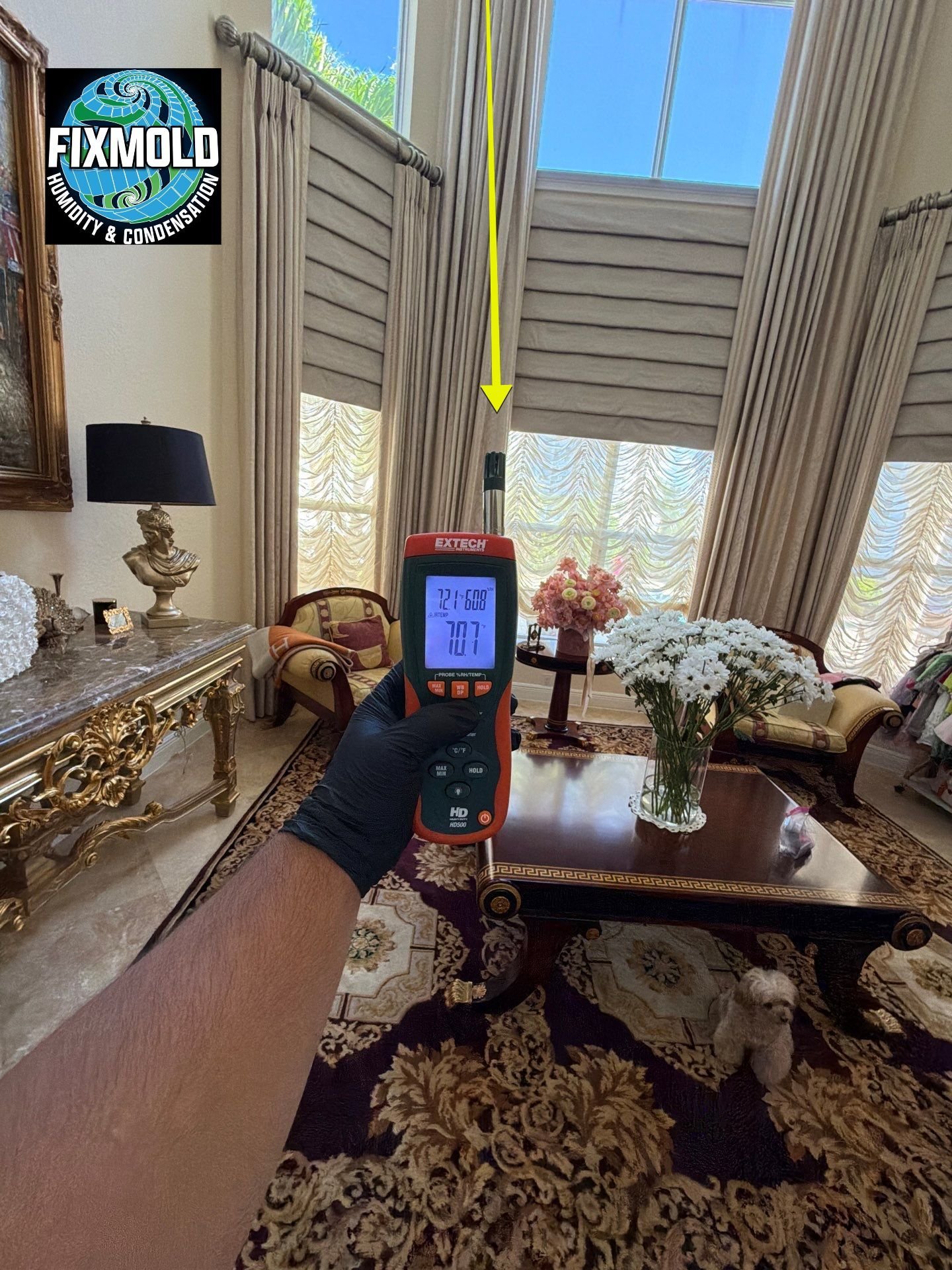
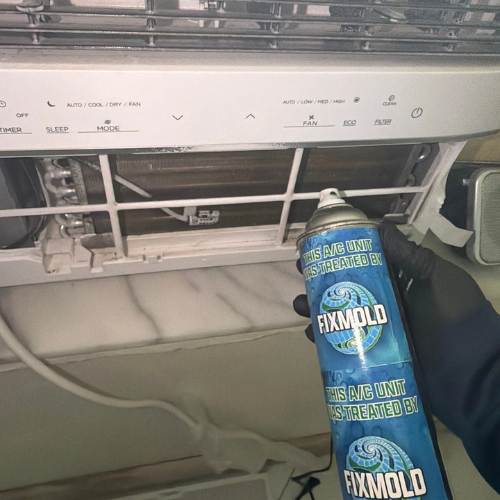
Then there is the air conditioning factor. South Florida properties run their HVAC systems almost continuously for a significant part of the year. AC systems are fundamentally dehumidifiers as well as coolers. When a system is oversized, undersized, poorly maintained or has a drain line problem, it stops doing that dehumidification work properly. Relative humidity inside the home climbs. Mold follows. This is why HVAC-related mold growth is one of the most common categories of mold problem we encounter in this market, and why mold in and around ductwork is worth testing for specifically.
How the Black Mold Testing Process Works From Start to Finish
Step One: The Visual Inspection and Diagnostic Walkthrough
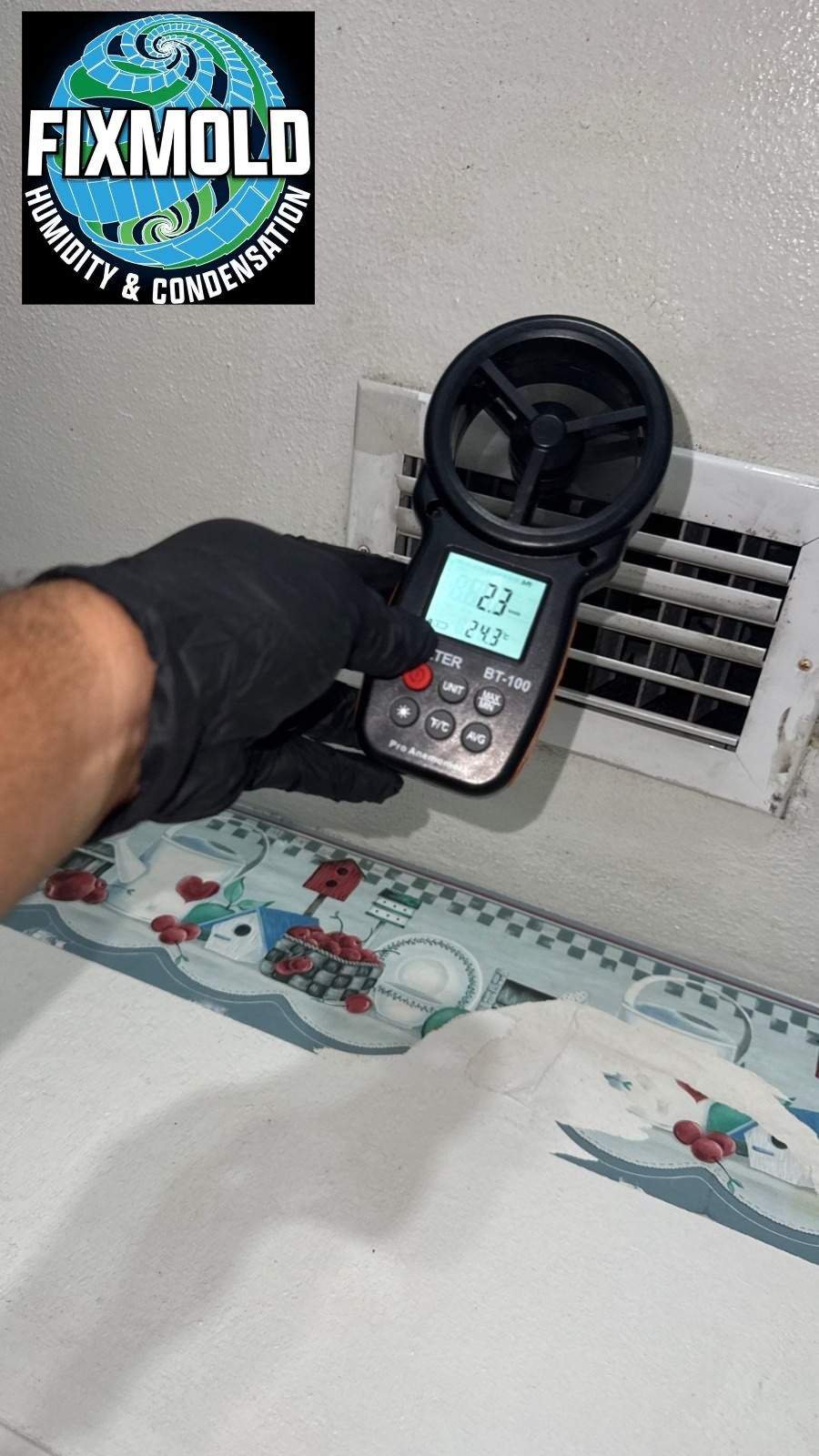
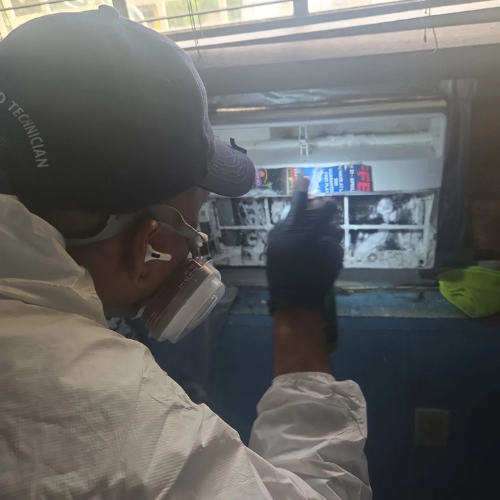
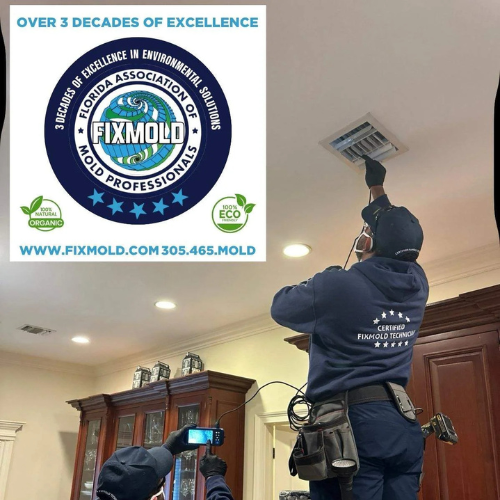
When a FixMold certified assessor arrives at your property, the inspection does not start with taking samples. It starts with reading the building. We do a systematic walkthrough looking for the physical evidence that tells us where moisture has been, where it currently is and where mold conditions are most likely to exist. Water staining on ceiling materials. Efflorescence on concrete or masonry. Warped or buckled flooring. Discoloration around HVAC supply and return vents. Paint bubbling or peeling at the base of walls. Condensation patterns on windows and glass doors. Musty smell concentrated in specific rooms or near specific walls. These are not decorative observations. They are diagnostic signals that shape where we sample.
Step Two: Thermal Imaging and Moisture Mapping
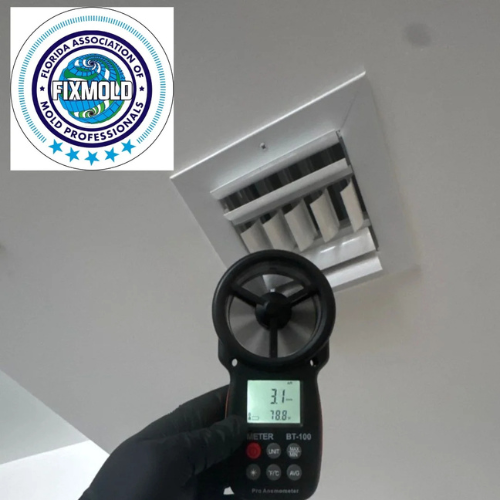
After the visual walkthrough we deploy an infrared thermal imaging camera. This technology detects surface temperature differentials. Moisture trapped inside wall cavities, ceiling assemblies and floor systems causes temperature variations that are invisible to the eye but clear through infrared. A cold spot on an interior wall on a warm day almost always indicates moisture accumulation. We map these areas and follow up with calibrated moisture meters to quantify the moisture content percentage in the material at each flagged location. This tells us definitively whether a material has been wet, how wet and for roughly how long.
Step Three: Air Quality Sampling
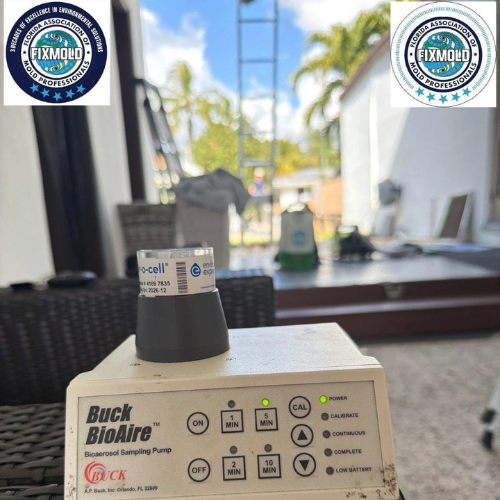
Air sampling is the core of a black mold test. We use spore trap cassettes, sometimes called Air-O-Cell cassettes, which capture a precise volume of air and preserve the particulates in it for laboratory analysis. We collect samples from each area of concern, typically including any rooms with elevated moisture readings, HVAC areas, and any spaces where visible growth was observed or symptoms have been reported. Critically, we also collect an outdoor control sample from the exterior of the property. This matters because mold spores exist naturally in South Florida's outdoor air at all times. The comparison between your indoor counts and your outdoor control is what tells the actual story about whether your indoor air quality represents elevated risk.
Step Four: Surface Samples Where Needed
Where there is visible growth on a surface, we collect direct samples using either a sterile swab or a tape lift. These give us definitive species identification for the growth at that specific location and allow the laboratory to assess whether the material is heavily colonized or whether the growth is early stage. Surface samples also tell us things that air samples cannot, specifically which species are actually growing and reproducing in your property versus which species are simply present in the air. That distinction matters for remediation planning.
Step Five: Laboratory Analysis
All samples go to an independent certified laboratory, not an in-house operation. Results typically return within 24 to 48 hours. The lab analyzes each sample under microscopy, identifies and counts mold spores by species, and produces a formal report with quantified counts per cubic meter of air for each species detected. The report also flags any species associated with known health risks at the concentrations found.
Step Six: Your Results Consultation
This is where many mold testing companies fall short. They hand you a report, leave, and let you figure out what the numbers mean. At FixMold, every inspection ends with a direct conversation about your results. Your inspector goes through the findings with you in plain terms, explains what species were found, whether the concentrations are cause for concern relative to your outdoor baseline, and what the appropriate response looks like. If remediation is indicated, we explain what that process involves, what it will cost approximately, and why the specific approach is appropriate for what was found. If results are within acceptable ranges and no further action is needed, we tell you that too.
What you see on the surface is rarely the whole story. Mold in South Florida almost always starts where you cannot see it, inside wall cavities, above ceiling tiles, behind bathroom fixtures, inside ductwork. By the time a dark spot appears or a smell becomes undeniable, the problem has usually been building for weeks.
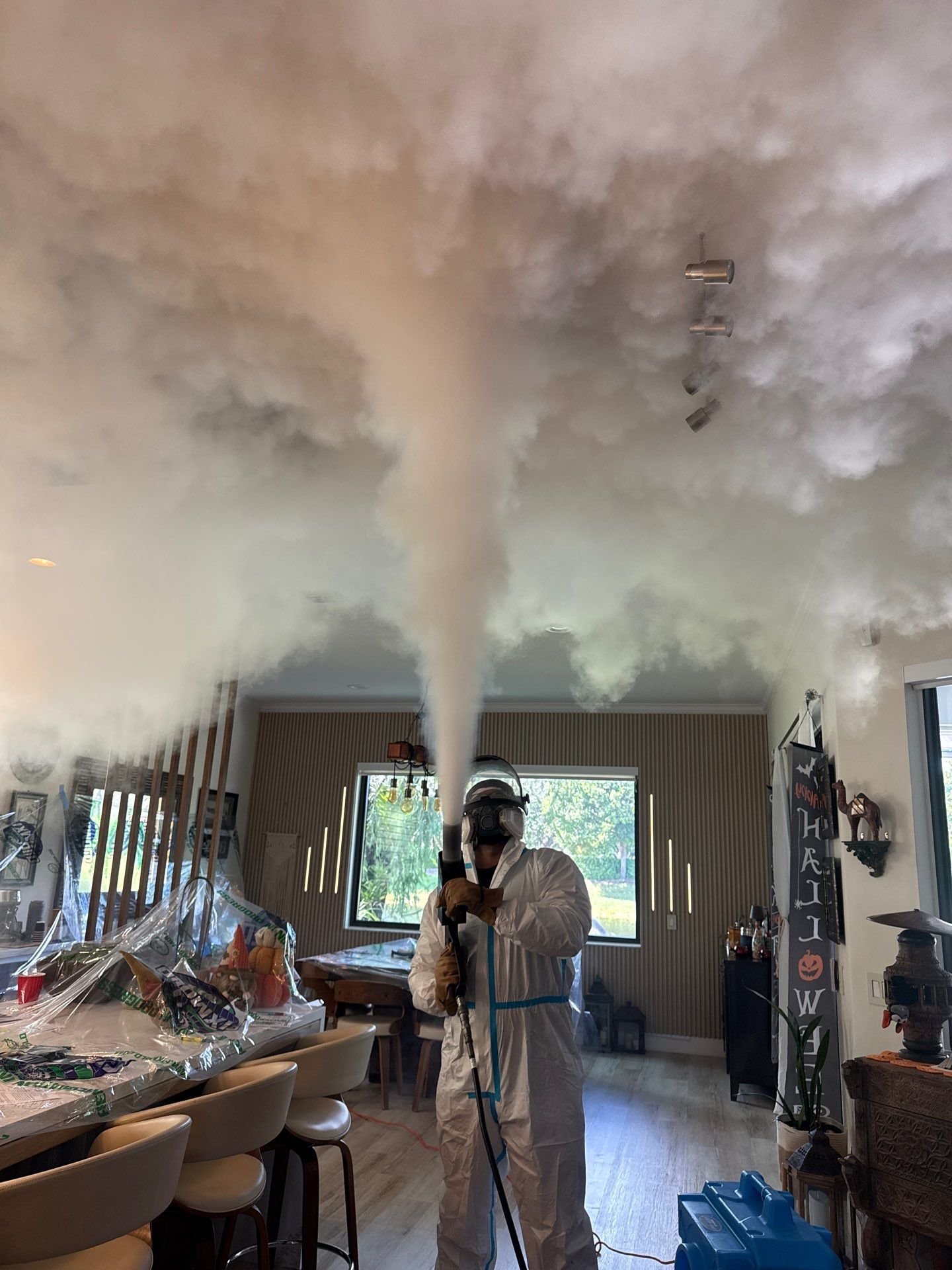
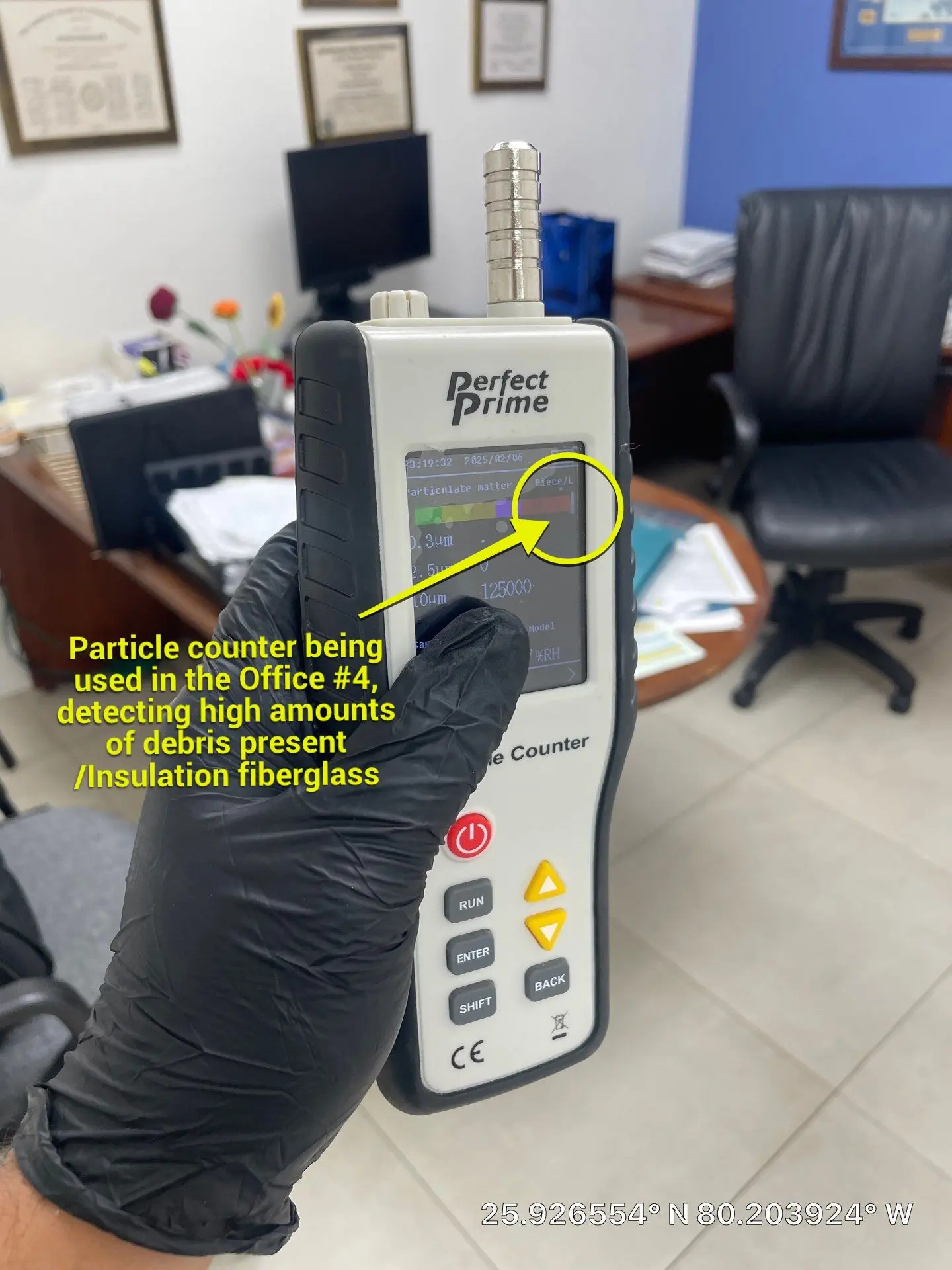
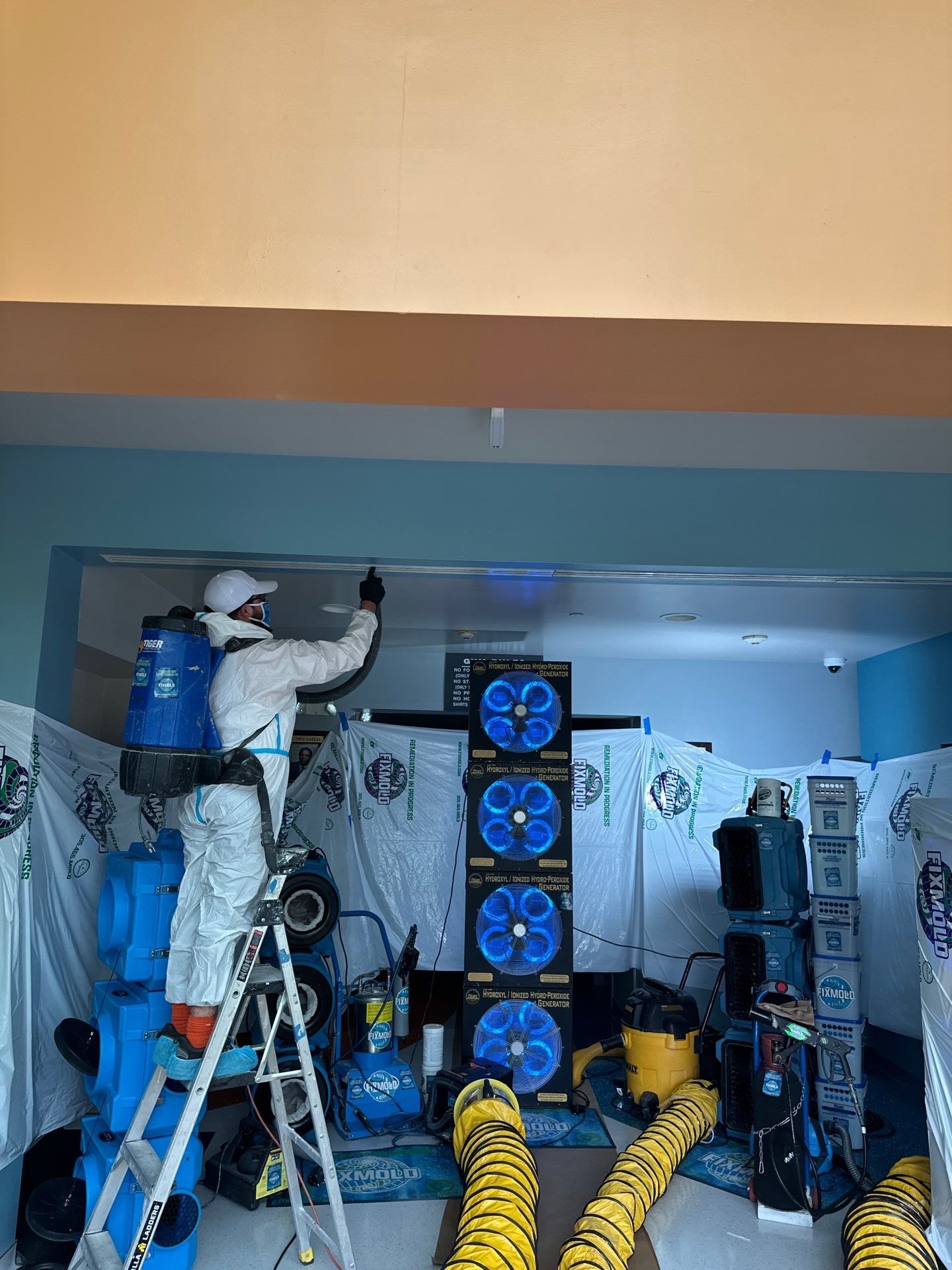
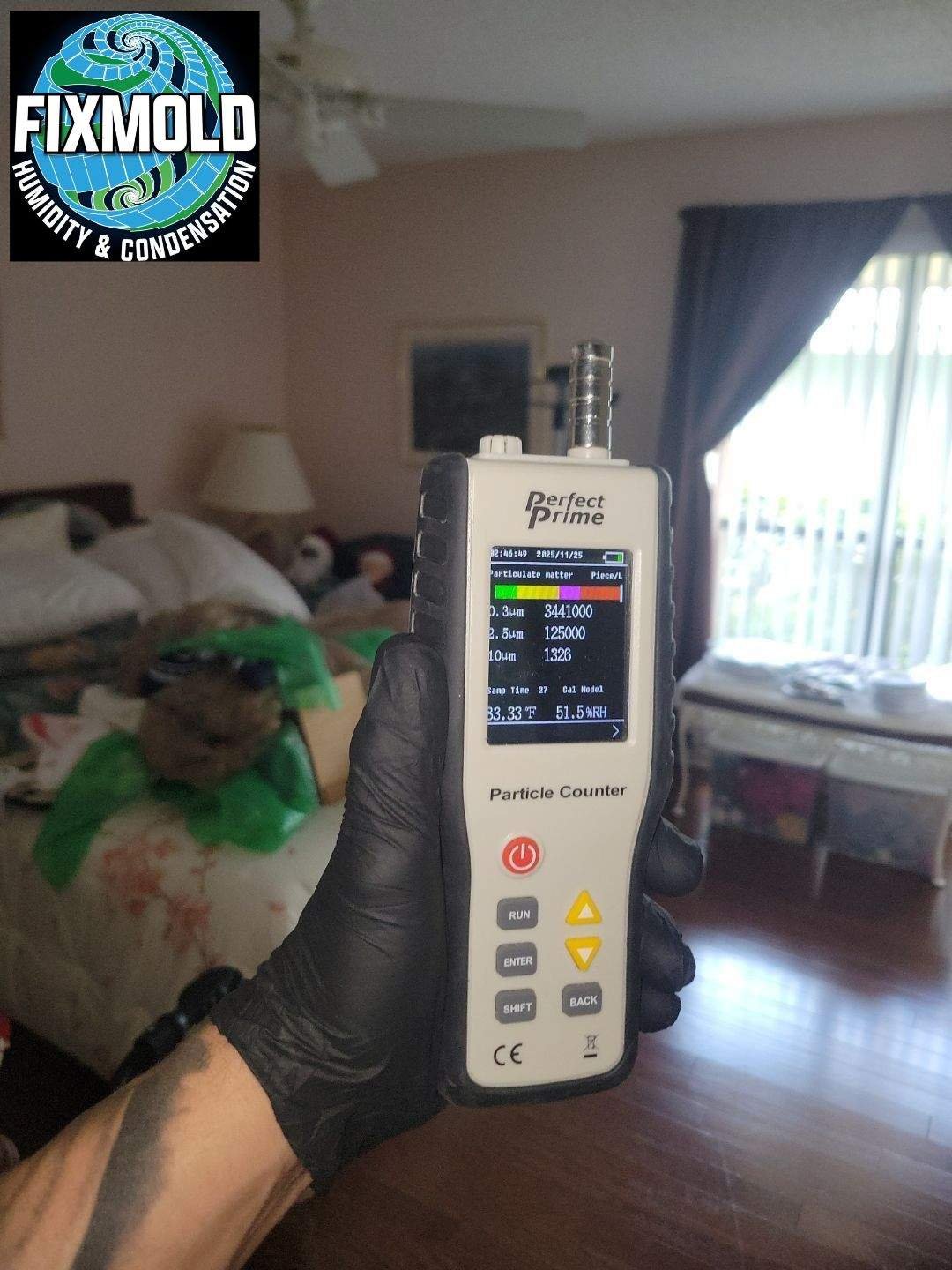
Our certified inspectors use infrared thermal imaging cameras and calibrated particle counters to read your property the way no visual check ever could. Infrared detects temperature differentials that reveal trapped moisture behind surfaces. Particle counters measure what is actually in your air. Together they give us a precise picture of where mold is active, not just where it is showing.
Every sample we collect goes to an independent certified laboratory, not an in-house operation. Air samples, surface swabs and control readings are analyzed under microscopy and returned with full species identification and spore counts per cubic meter of air.
What sets our reports apart is what happens after the lab results come back. Your inspector sits with you and walks through every finding in plain language. You learn exactly what was found, what it means for your health and your home, and what the right next step looks like. No jargon. No pressure. Just a clear answer and a clear path forward.
A Deep Commitment To Restoration
A Family Legacy Of Trust
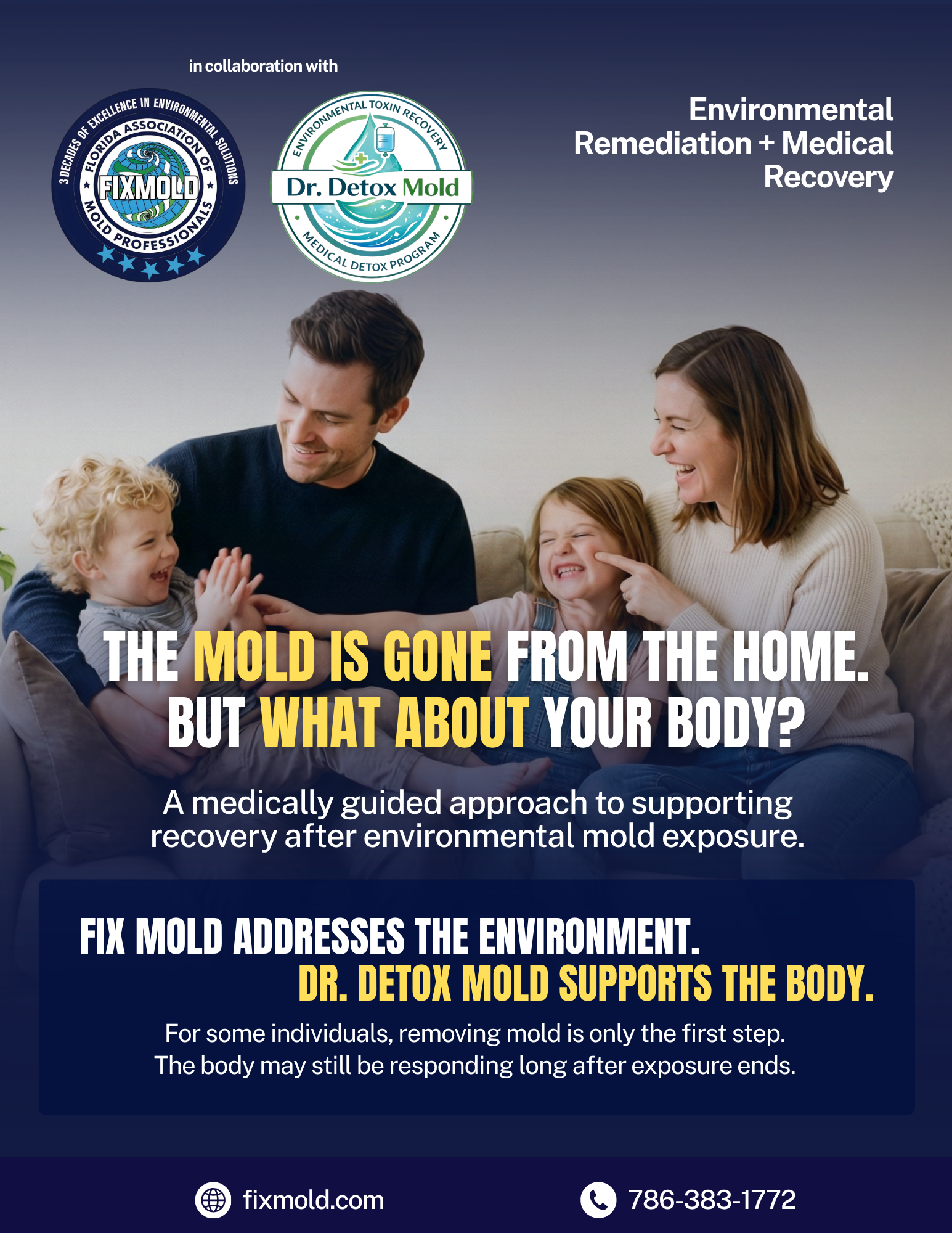
Mold Removed From Your Home. What About Your Body?
A medically guided approach to supporting recovery after mold exposure.
FixMold focuses on eliminating mold from your environment.
But for some individuals, recovery doesn’t stop there. Even after successful remediation, the body may continue responding to past exposure. In these cases, a structured, medically guided approach may be necessary to support full recovery.
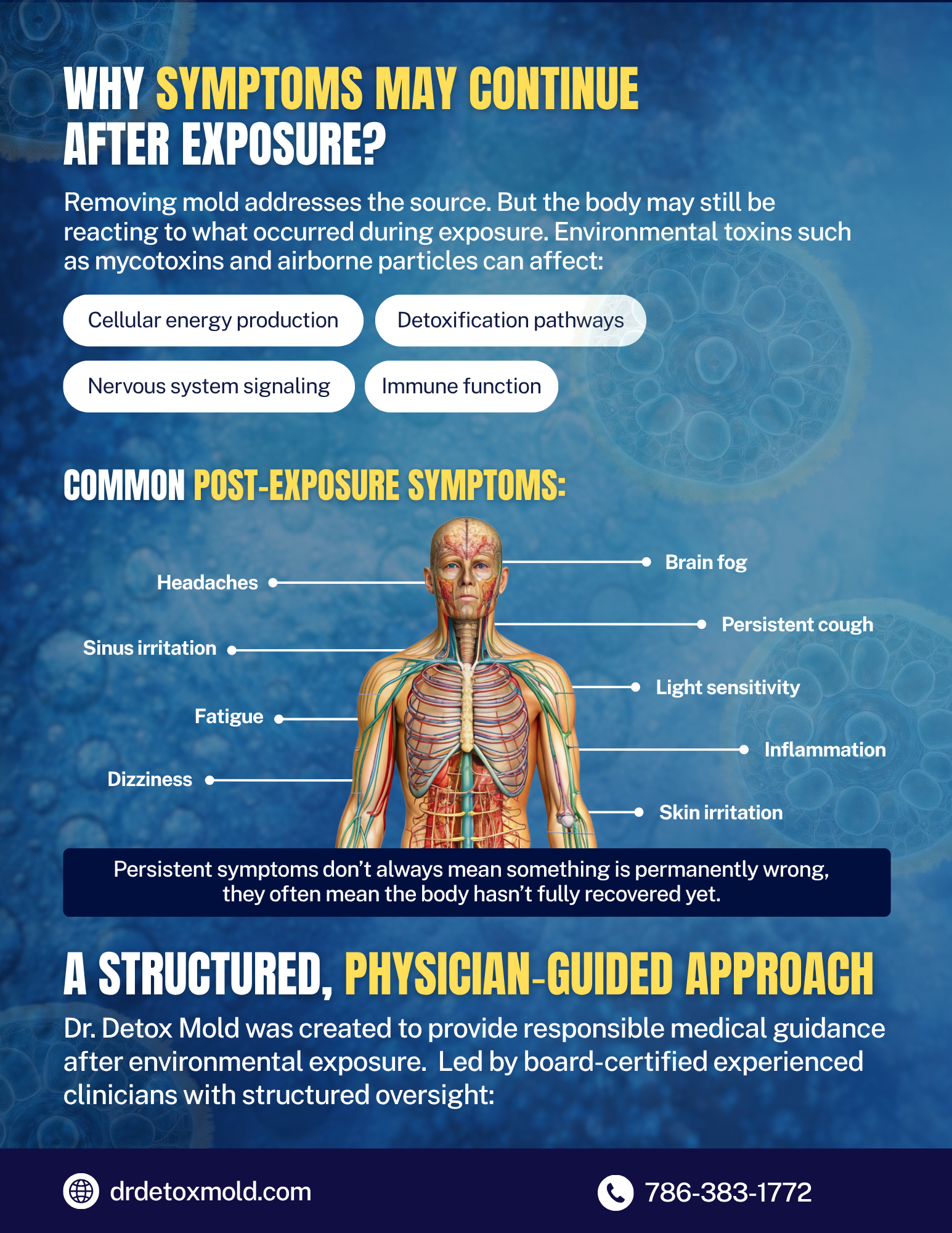
Why Symptoms Can Continue After Mold Exposure
Removing mold addresses the source of the problem, but it does not always resolve how the body has been affected during exposure.
Environmental toxins such as mycotoxins and airborne particles can impact multiple systems in the body, including:
Immune function
Nervous system signaling
Cellular energy production
Detoxification pathways
For some individuals, these systems require time and proper support to return to balance.
Common Post-Exposure Symptoms
Brain fog
Fatigue
Headaches
Sinus congestion or irritation
Persistent cough
Dizziness
Light sensitivity
Skin irritation
Ongoing inflammation
Important:
Persistent symptoms do not always indicate something permanent.
They often indicate that the body has not fully recovered yet.
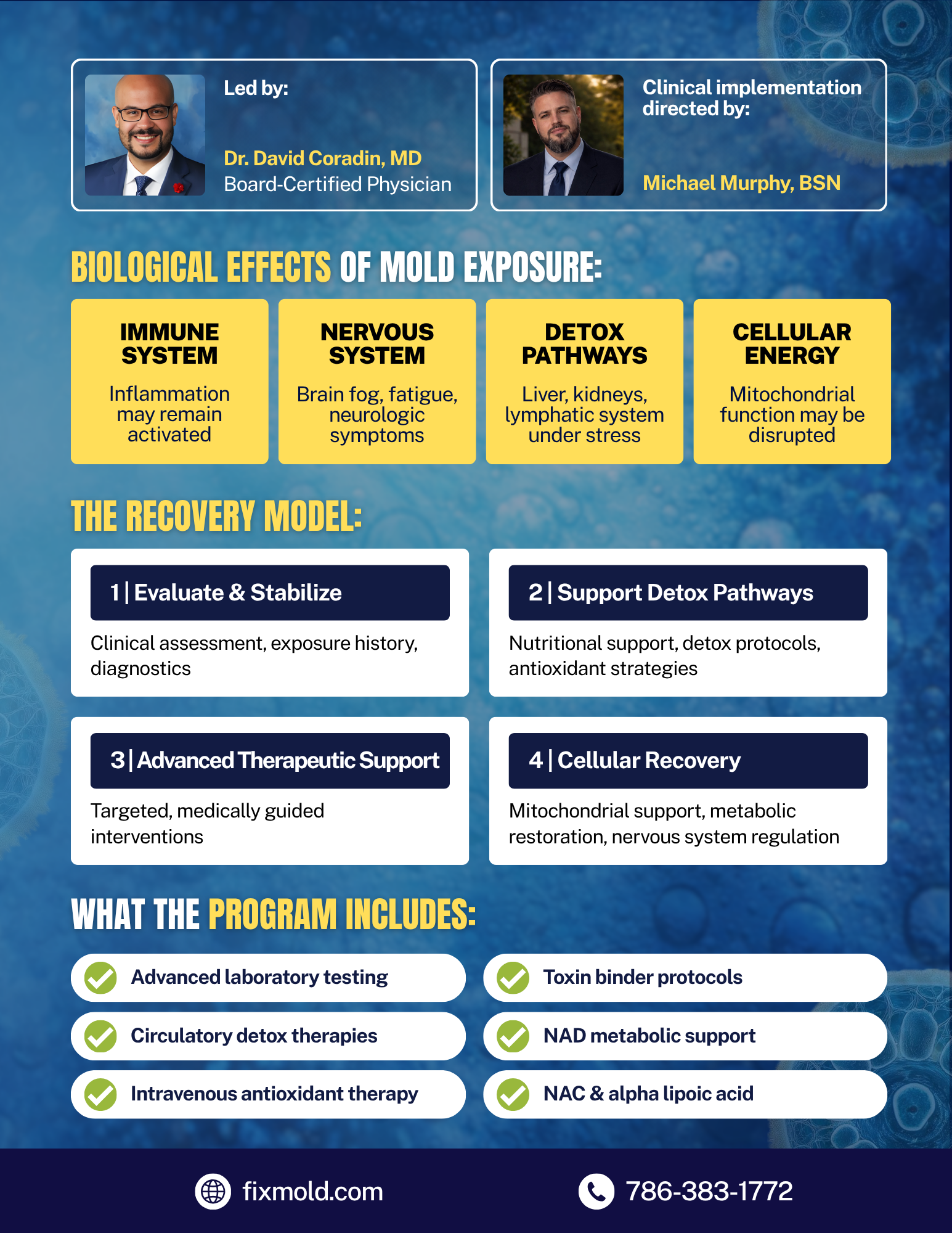
A Structured, Physician-Guided Recovery Approach
Recovery after mold exposure is not one-size-fits-all.
Each individual responds differently, and proper care requires personalized evaluation.
The recovery process typically includes:
1. Evaluation & Stabilization
Clinical assessment
Exposure history review
Diagnostic testing
2. Detoxification Support
Nutritional protocols
Toxin-binding strategies
Antioxidant support
3. Advanced Therapeutic Support
Targeted, medically guided interventions
IV-based therapies when appropriate
4. Cellular Recovery
Mitochondrial support
Metabolic restoration
Nervous system regulation
Core Areas of Focus
Detoxification support
Immune system balance
Cellular energy restoration
Nervous system regulation
Key Principle
Recovery is not about doing more.
It is about doing the right things, in the right order.
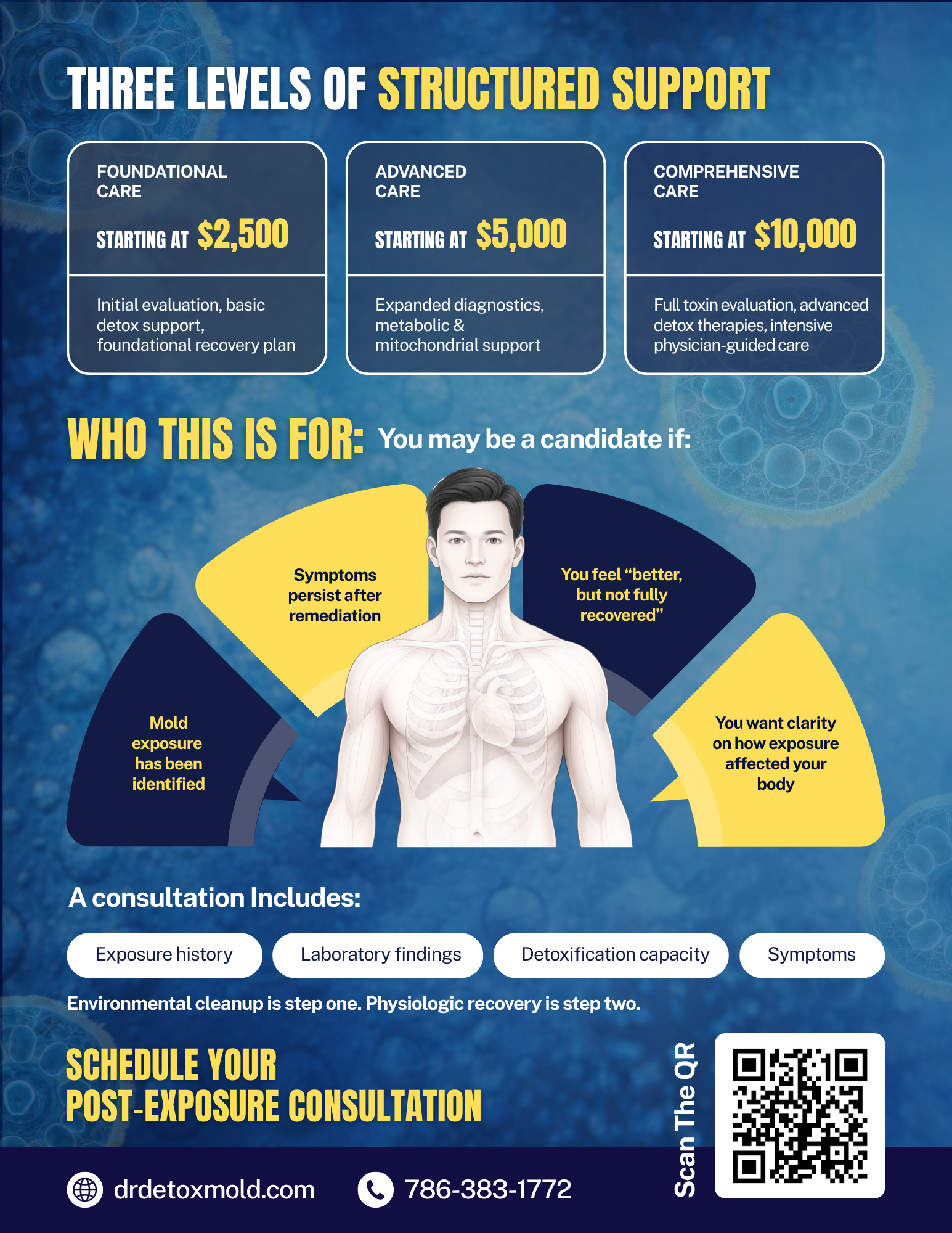
When Environmental Cleanup Is Complete, Recovery Can Begin
If mold exposure has been identified and symptoms are still present, a post-exposure evaluation may provide clarity on the next steps.
Consultation May Include:
Exposure history review
Laboratory evaluation
Detoxification capacity assessment
Symptom analysis
WHY THIS VERSION WORKS
Keeps FixMold as the primary authority
Positions Dr. Detox as a complement, not competitor
Avoids medical overclaims
Builds trust instead of pushing sales
Flows naturally within a service page
High conversion potential for users still experiencing symptoms
Call to Action
Schedule Your Post-Exposure Consultation
📞 +1-305-465-6653
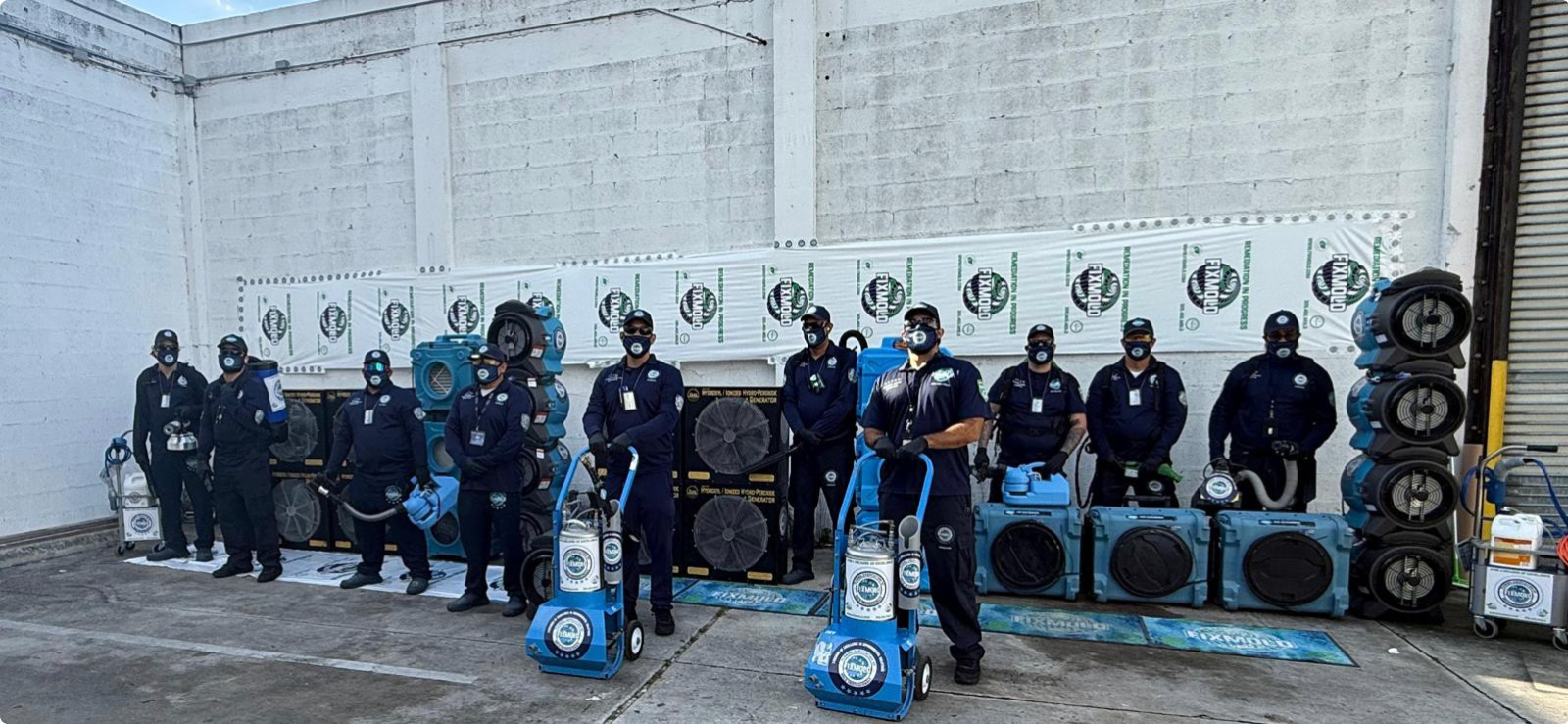
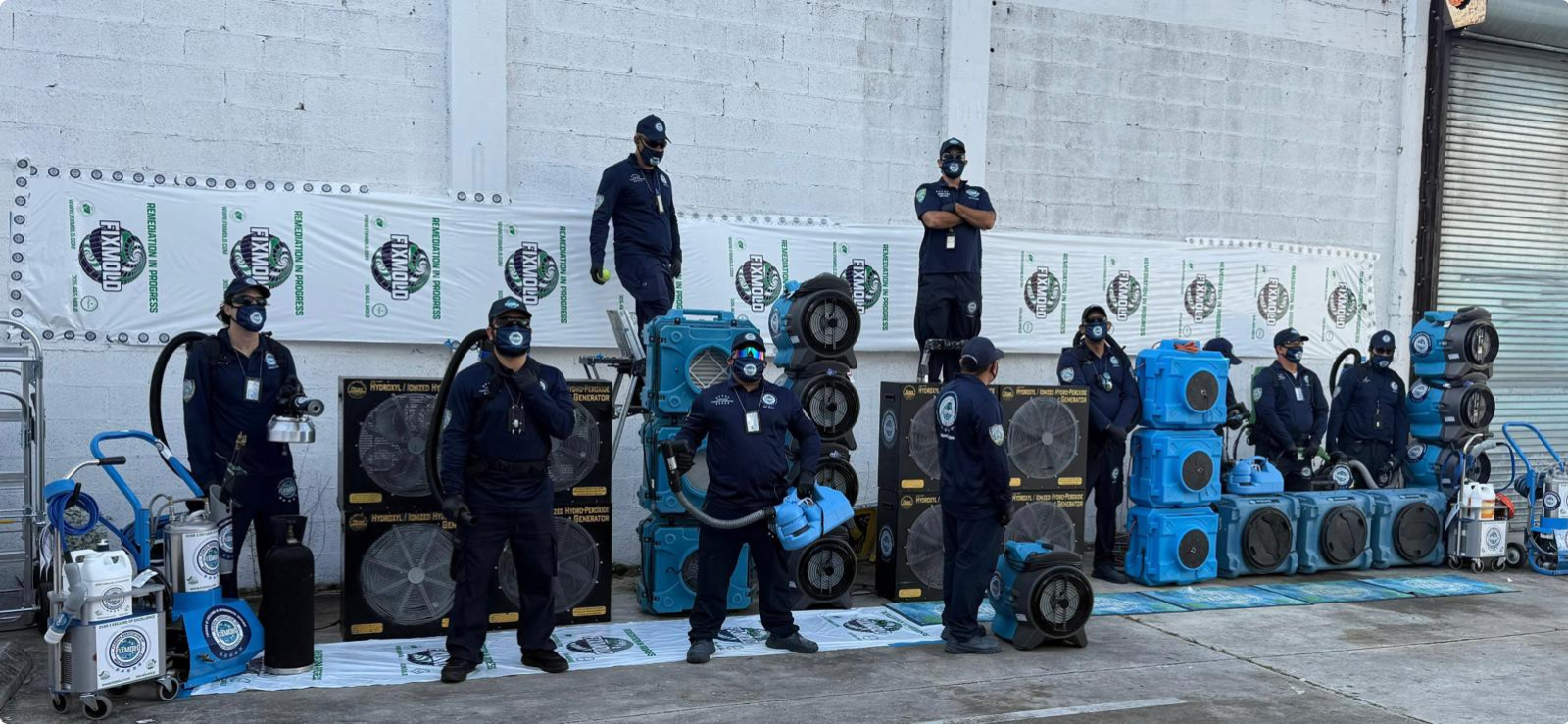
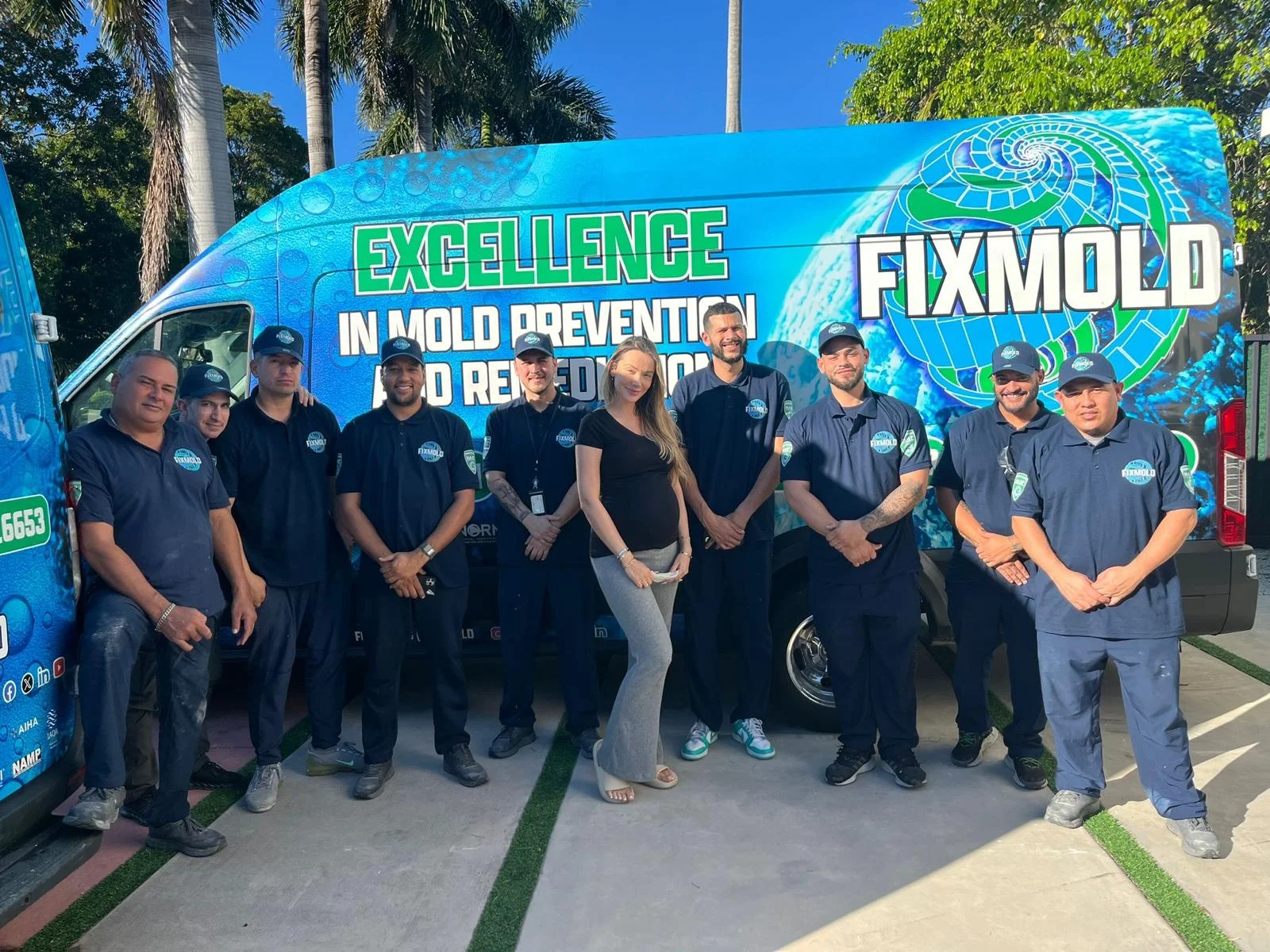
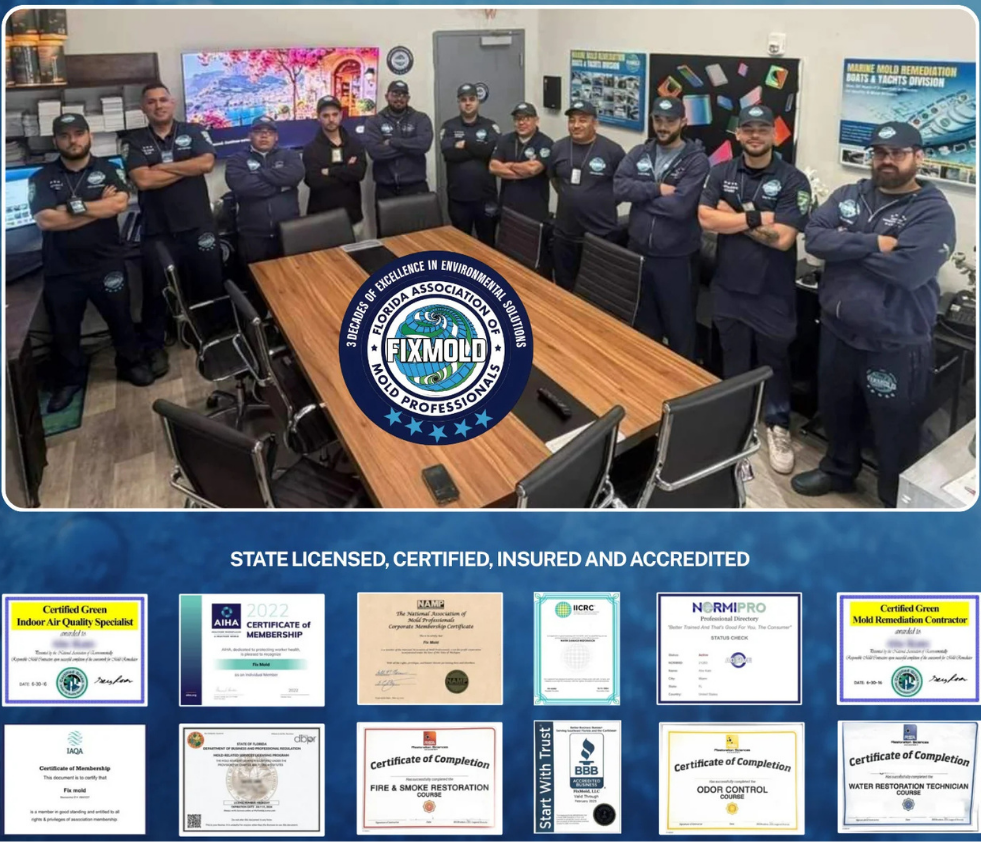
OUR TEAM
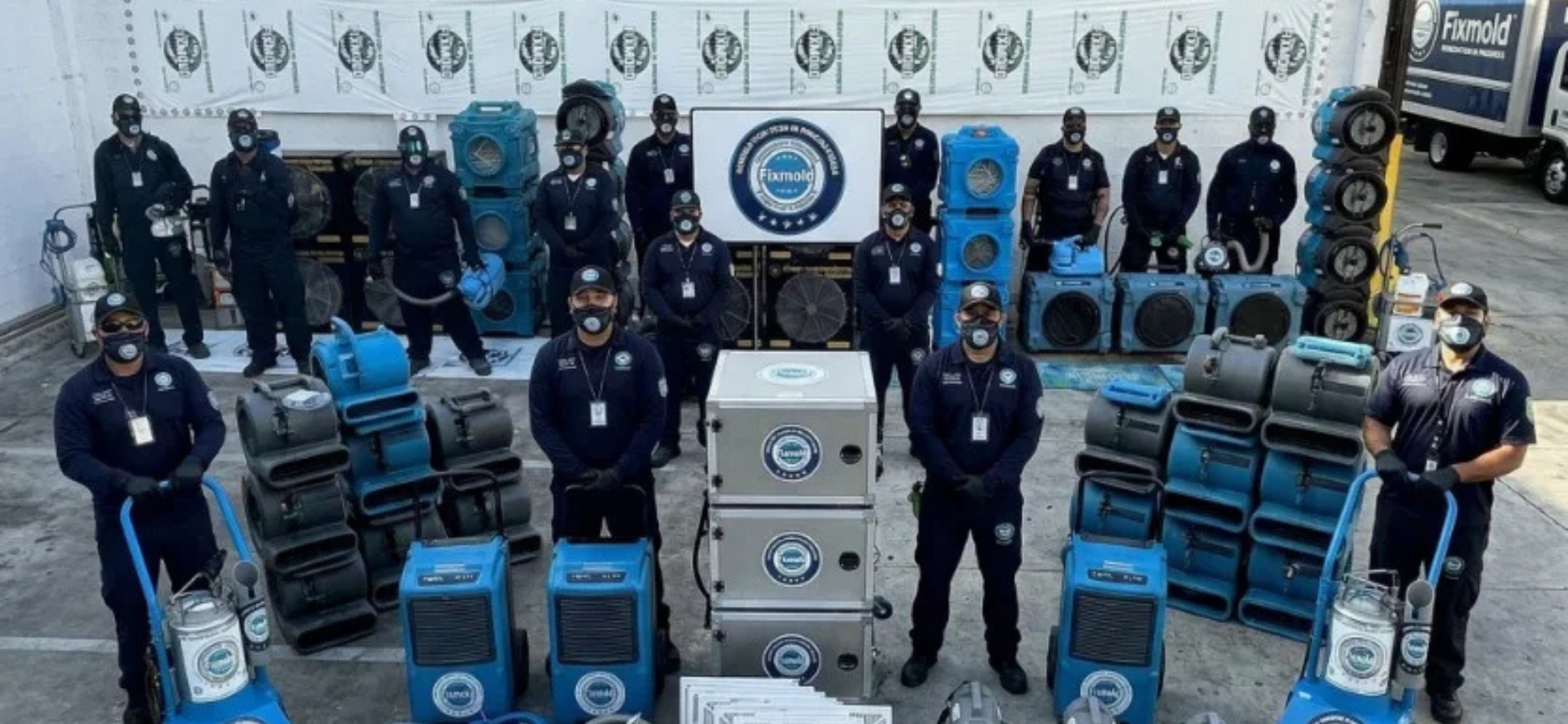
THE BACK-BONE OF OUR 5 STAR SERVICE
✕
👉 Call Now: +1-305-465-6653 Fast response. Certified technicians. Guaranteed results.
Trustindex verifies that the original source of the review is Google.
Overall great service. Victor and his team were very professional. Victor explained the entire process and was very thorough. Videos and photos are sent during and after the process. I would definitely recommend this company again with anyone experiencing mold issues.
Posted on Google
Arthur M
Trustindex verifies that the original source of the review is Google.
Really impressed with the service from FixMold. Victor was very knowledgeable, explained everything clearly, and helped ease my concerns. The air quality in my home feels noticeably better after the service. Big thanks to Victor and the crew. I’d definitely recommend them.
Posted on Google
Daina Lee
Trustindex verifies that the original source of the review is Google.
Had a really good experience with this mold remediation team. They were professional, explained everything clearly, and showed up on time. They took care of the problem properly and made sure the area was clean and safe. Very happy with the results and would recommend them to anyone dealing with mold.
Posted on Google
Danny
Trustindex verifies that the original source of the review is Google.
We actually came across FaceTime Mold Solutions while trying to figure out what was causing the issue in our home. Mr. Katz was really helpful and made sure all our questions was answered during the whole process, which helped us understand things better. It definitely made the situation feel less stressful.
The technicians was respectful and very knowledgeable about what they were doing. Everything went pretty smooth overall and we’re happy with the service we receive.
Posted on Google
Ashley
Trustindex verifies that the original source of the review is Google.
Highly recommend. Fast and efficient. Communication is good, they answered fast when I needed to follow up. I spoke with manager Jerusha and Mr Katz. Alex, Diego and Santiago are very professional and left everything spotless on their way out :)
Posted on Google
Noel Moreno
Trustindex verifies that the original source of the review is Google.
Great experience, was worth calling for their services. Will call them again in the future and definitely recommend them to other people i know
Posted on Google
Francisco Taylor
Trustindex verifies that the original source of the review is Google.
Amazing service! Irinelis was very helpful and made everything smooth and stress-free. I really appreciate the support—highly recommend
Posted on Google
Jose Turcios
Trustindex verifies that the original source of the review is Google.
I had hired other companies before and the problem remained the same, but thanks to Fix Mold Miami and Irinelis, who explained the process step by step, I was able to solve my problem. I recommend them 100%. Thank you, Irinelis, great job!
Posted on Google
Wilder Calero
Trustindex verifies that the original source of the review is Google.
Great experience with this fix mold Miami company. Very professional, thorough, and honest. They explained everything clearly and did an excellent job. I would definitely recommend them to anyone dealing with mold issues.
Proudly Serving all of South Florida
We are here to answer any question you may have.
+
How long does a black mold inspection take?
Most residential inspections run between one and two hours depending on property size, the number of areas flagged during the visual walkthrough, and how many samples are indicated. Larger homes and commercial properties take longer. We do not rush inspections to fit more jobs into a day.
+
Can I test for black mold myself?
DIY mold test kits are sold at hardware stores. They are not reliable diagnostic tools. They do not identify species accurately. They do not give you spore concentration data. They provide no information about hidden moisture sources or the actual extent of any growth in your building. What they mostly provide is ambiguous results that either falsely reassure you or alarm you without telling you anything useful about what to do next. A certified inspector with calibrated equipment and a certified laboratory gives you information you can actually act on..
+
What happens if black mold is confirmed?
Your inspector will explain what was found, what the concentration levels mean for your health and your property, and what remediation looks like for your specific situation. FixMold provides full mold remediation services in-house. You do not have to start the process over with a different company. Our remediation process, scope, timeline and cost will be explained clearly so you can make an informed decision. All our remediation work is backed by a 12-month warranty.
+
How do I know the mold is gone after remediation?
We conduct post-remediation clearance testing after every job. This involves the same air sampling protocol as the initial test, with results compared against your original outdoor baseline and industry reference ranges. Work is not complete until clearance testing confirms that indoor air quality has returned to acceptable levels. This is not optional and is included as part of our remediation process.
+
What is the difference between black mold testing and a mold inspection?
A mold inspection is a broader visual assessment of a property for mold-related conditions. Black mold testing specifically refers to laboratory-analyzed sampling that identifies species and quantifies spore concentrations. We typically perform an inspection as part of every testing engagement, because the visual assessment guides where sampling should occur. You can request a visual inspection without laboratory sampling, but laboratory sampling is required for definitive species identification and quantified air quality data.