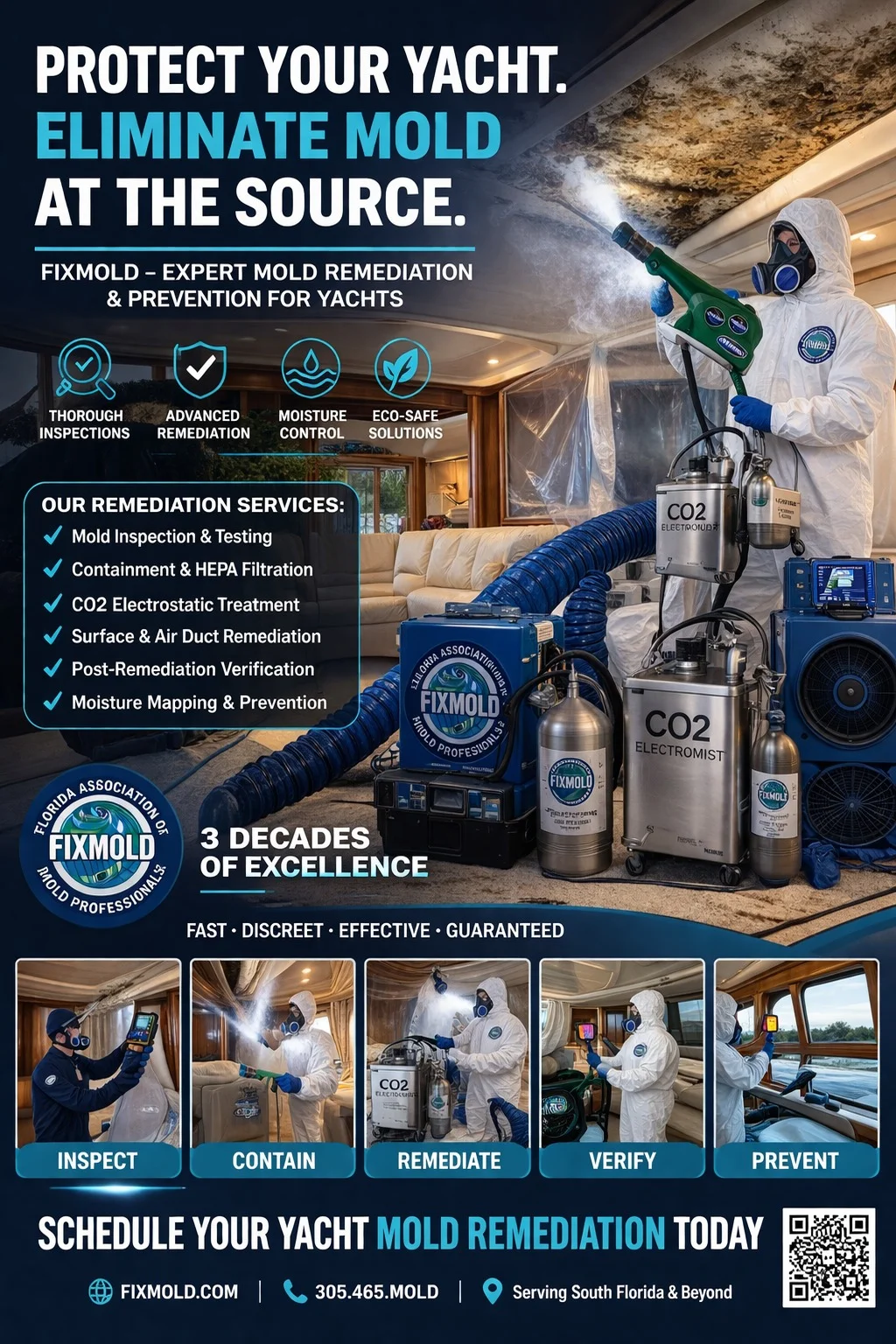
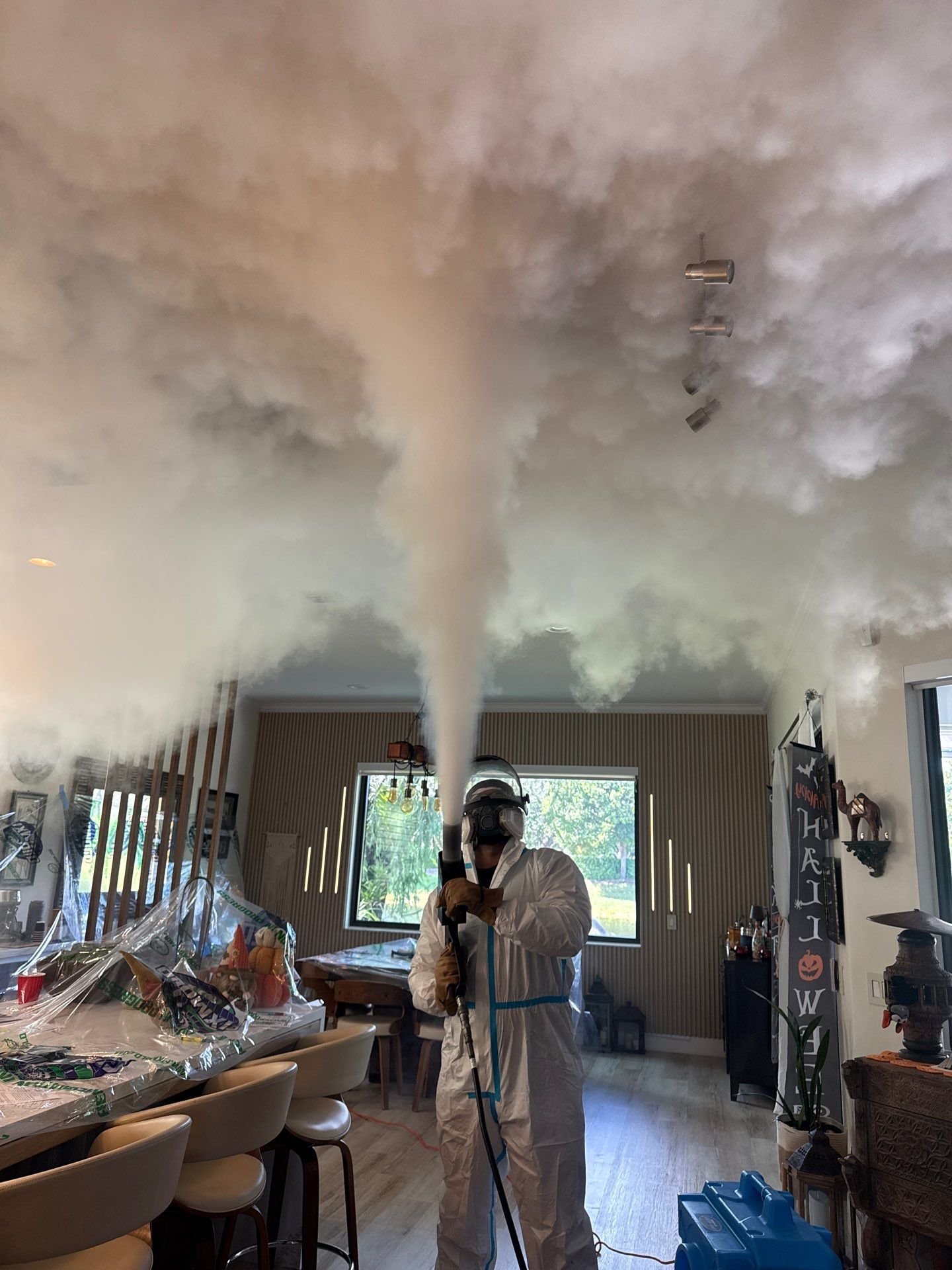
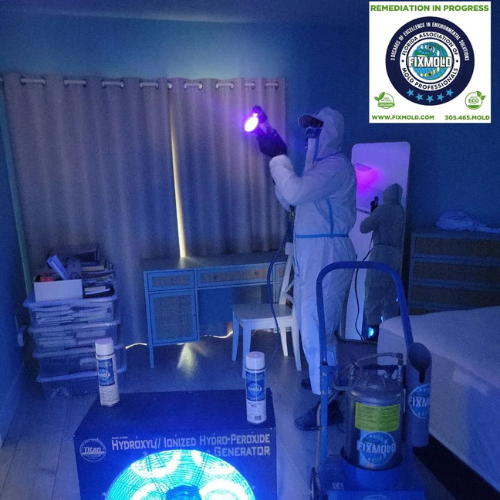
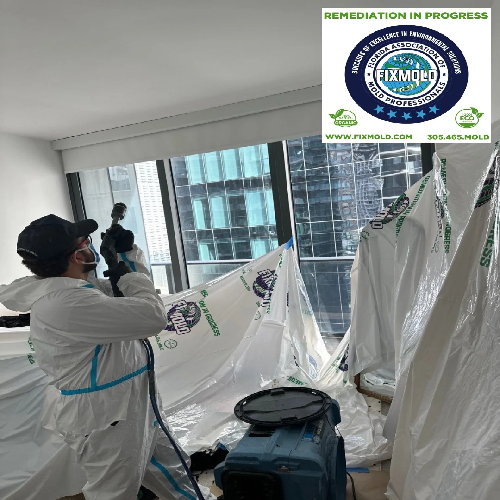
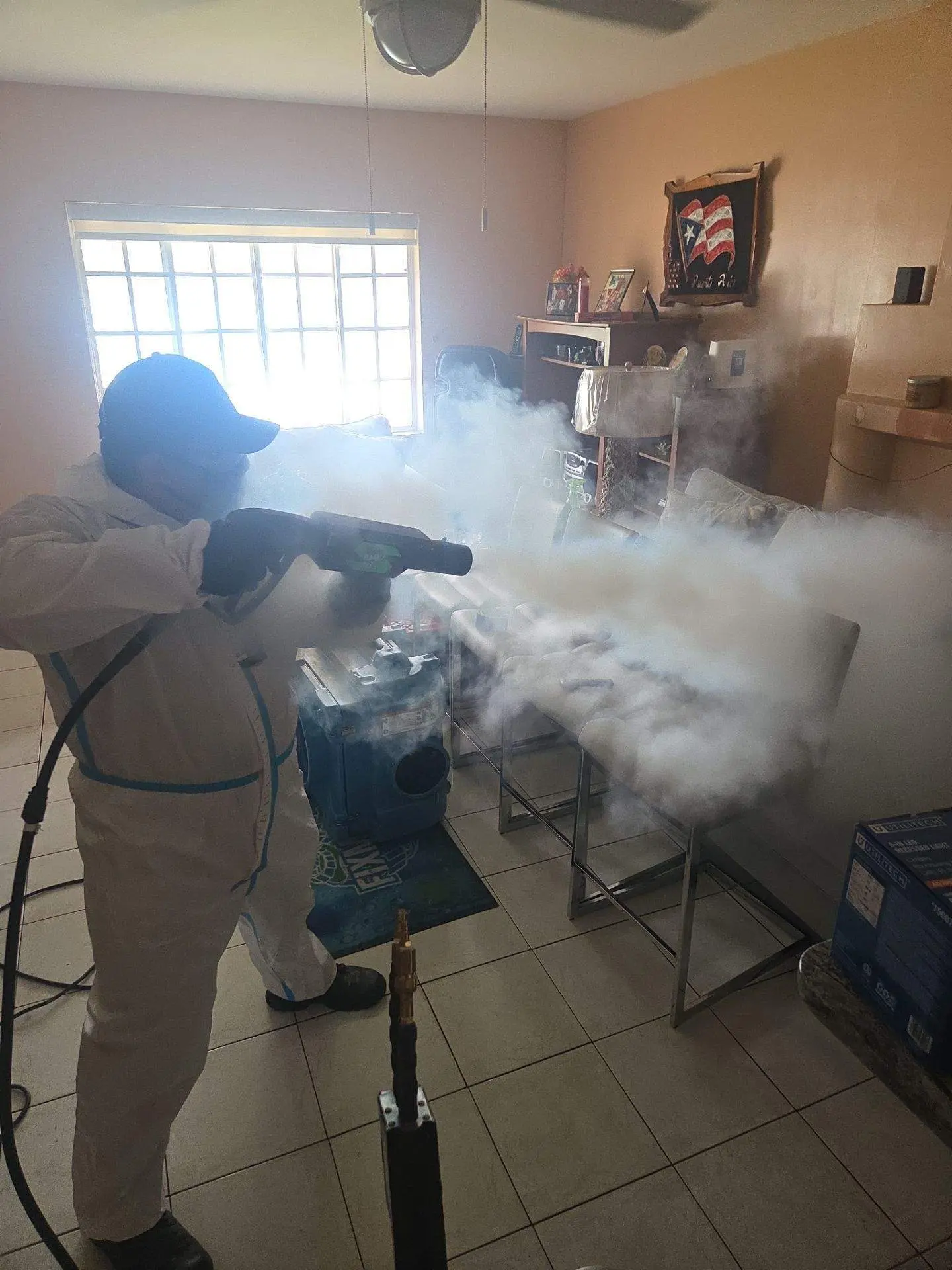
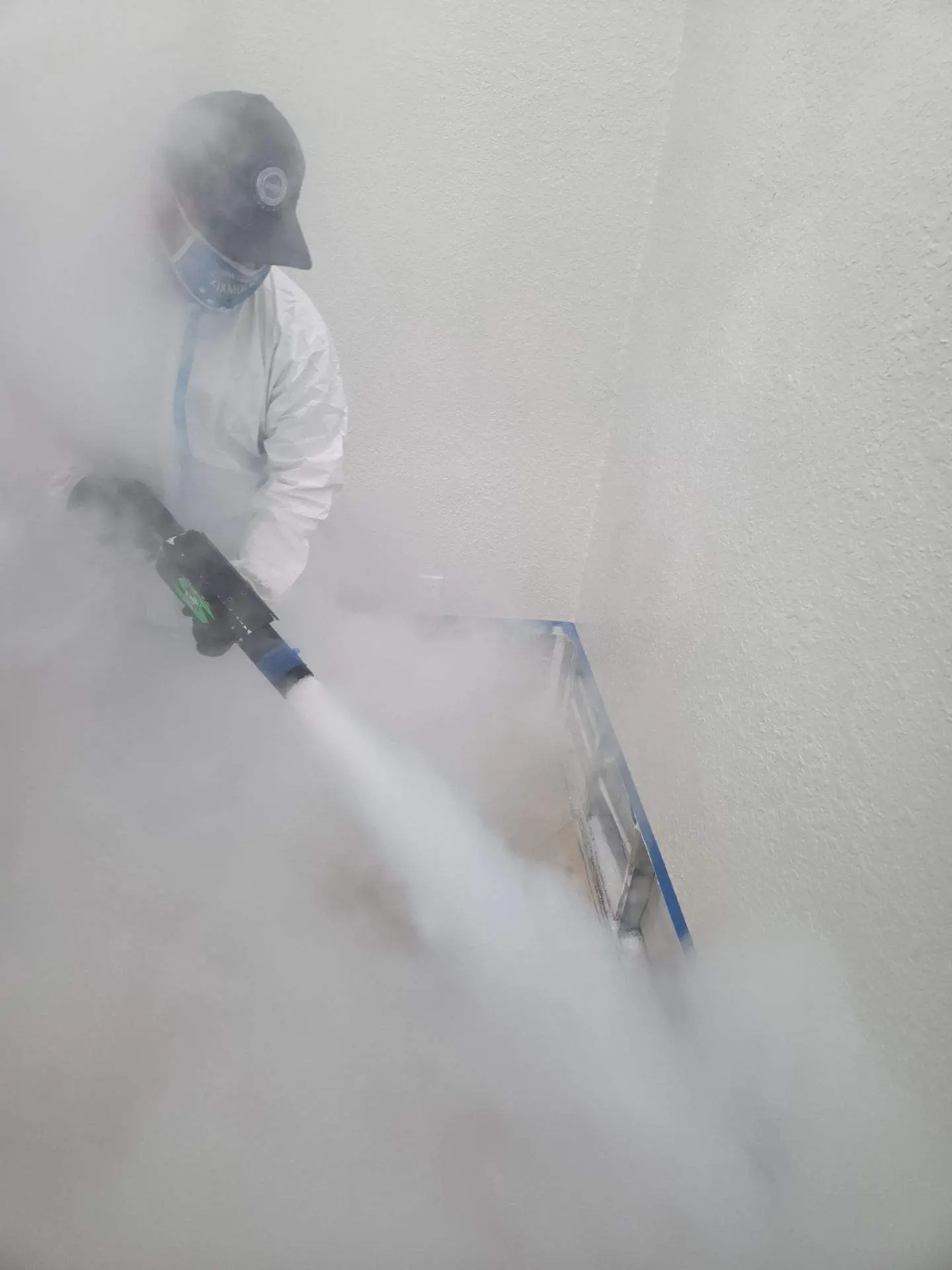
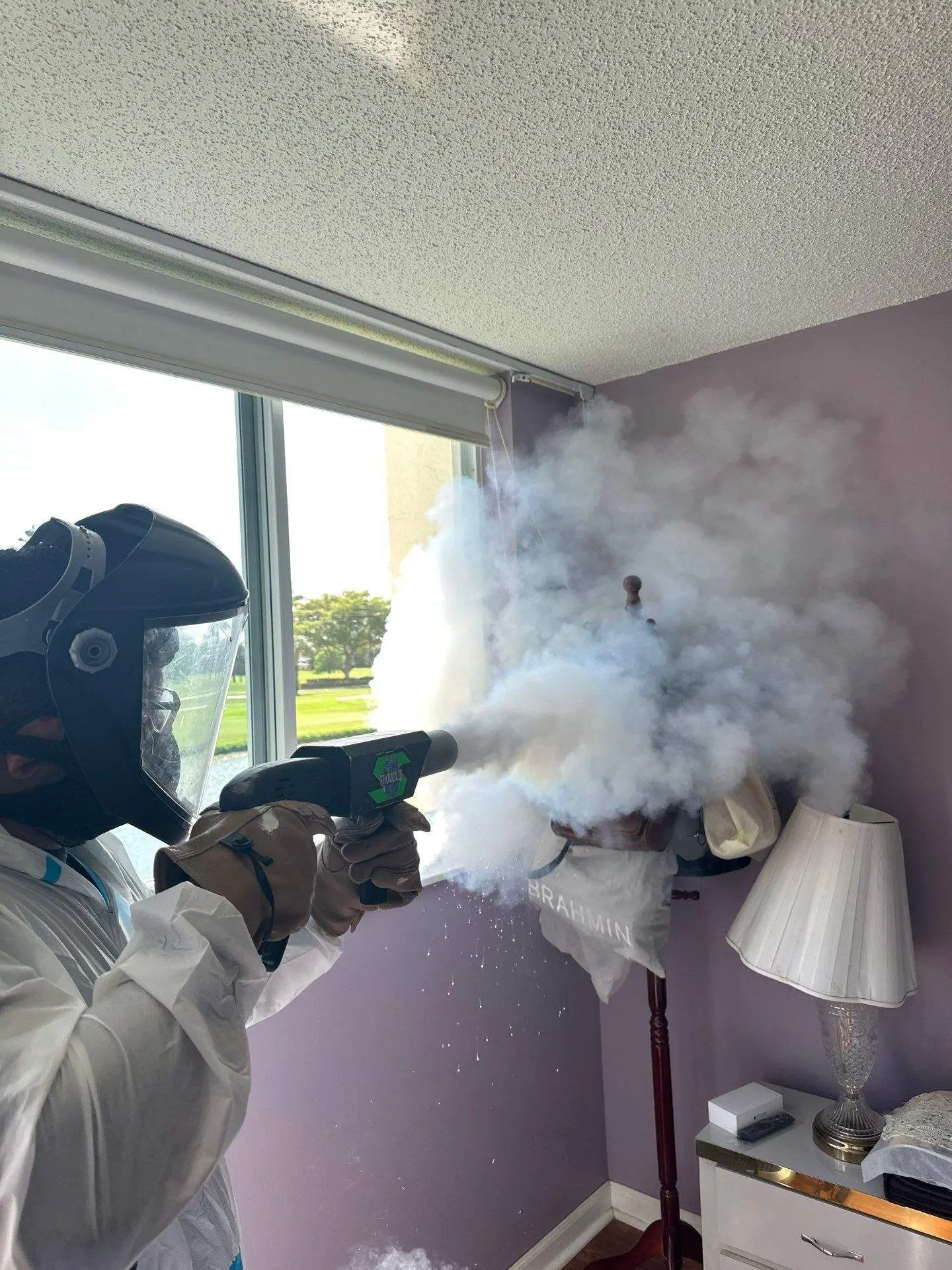
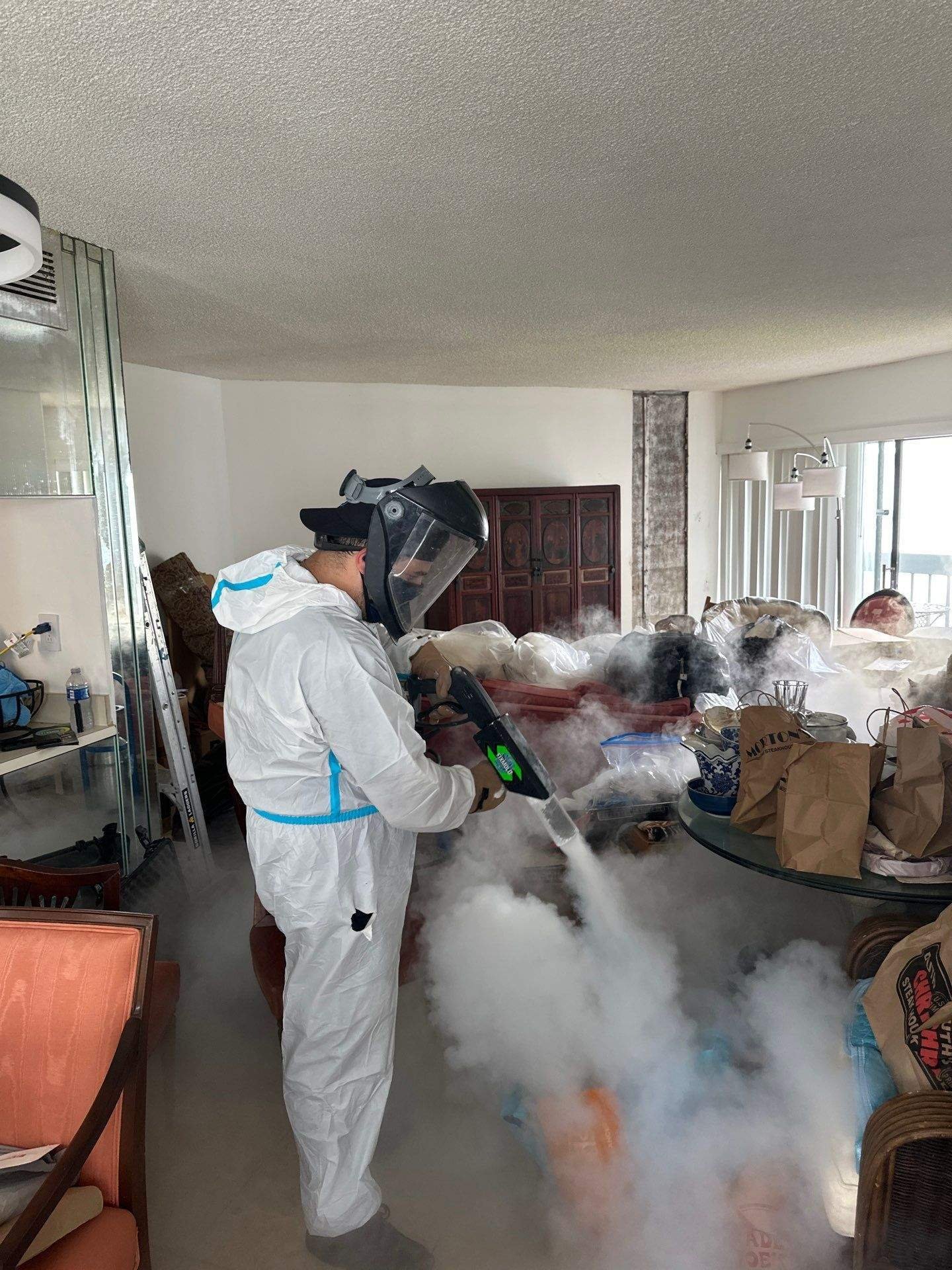
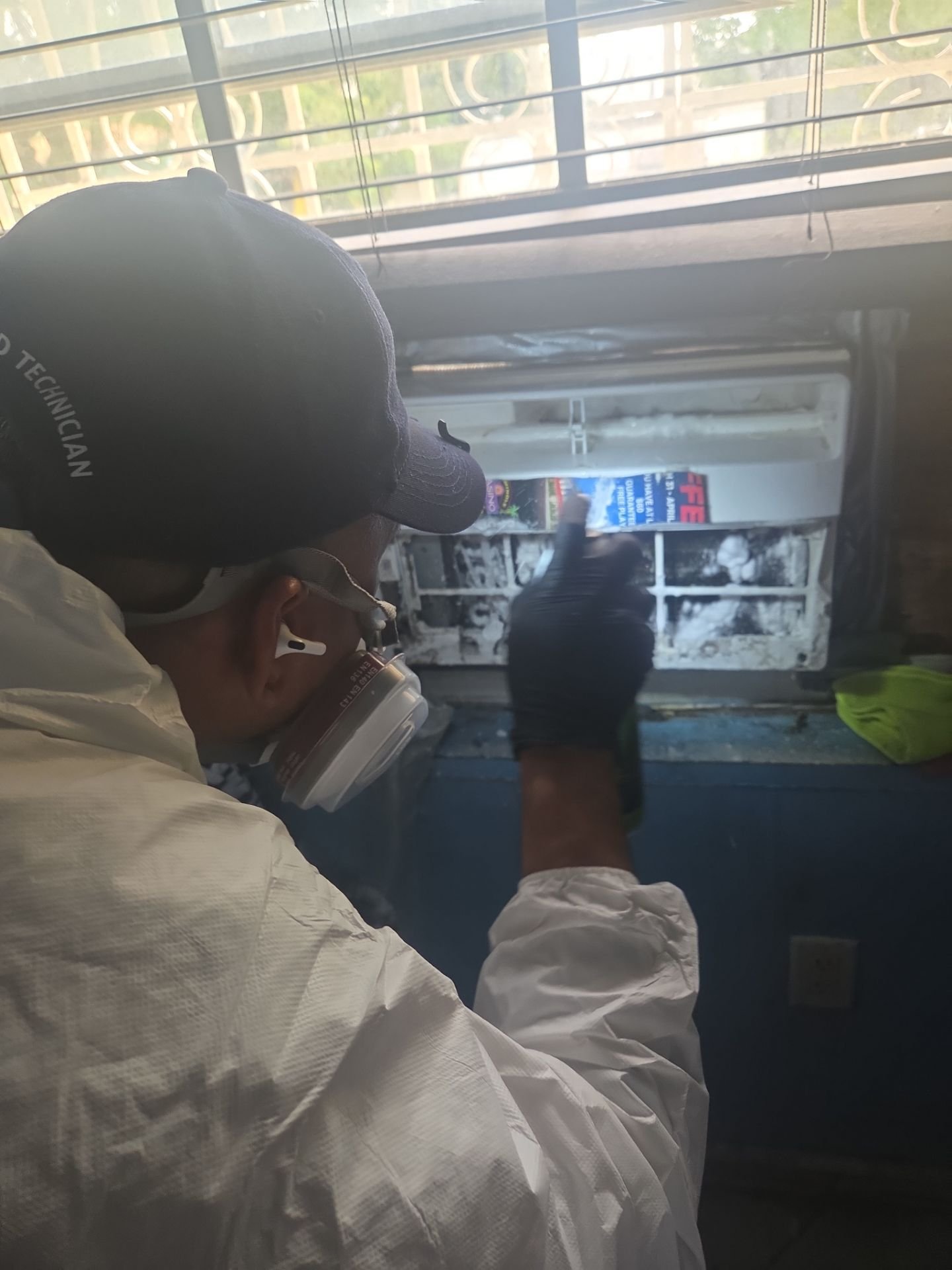
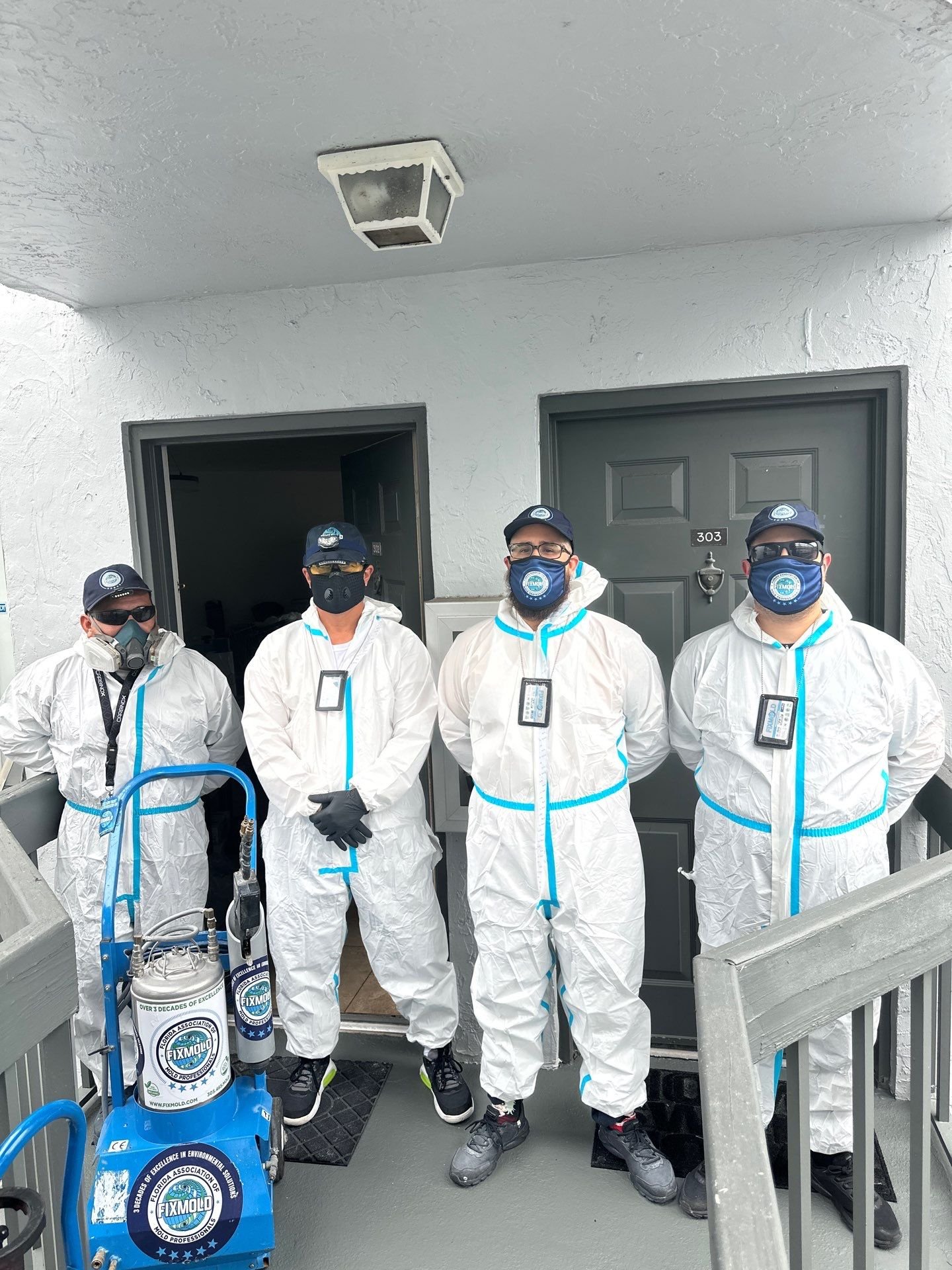
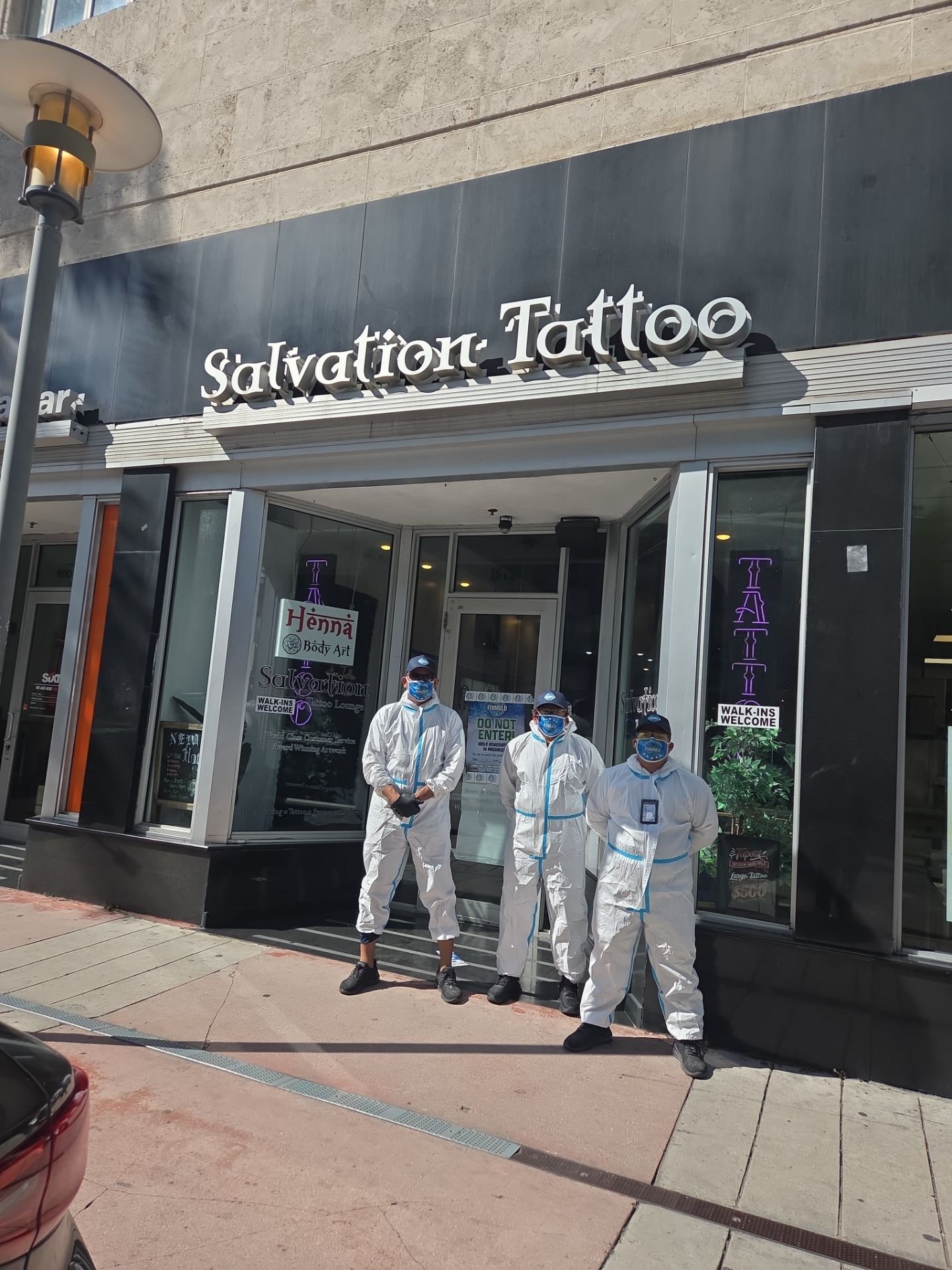
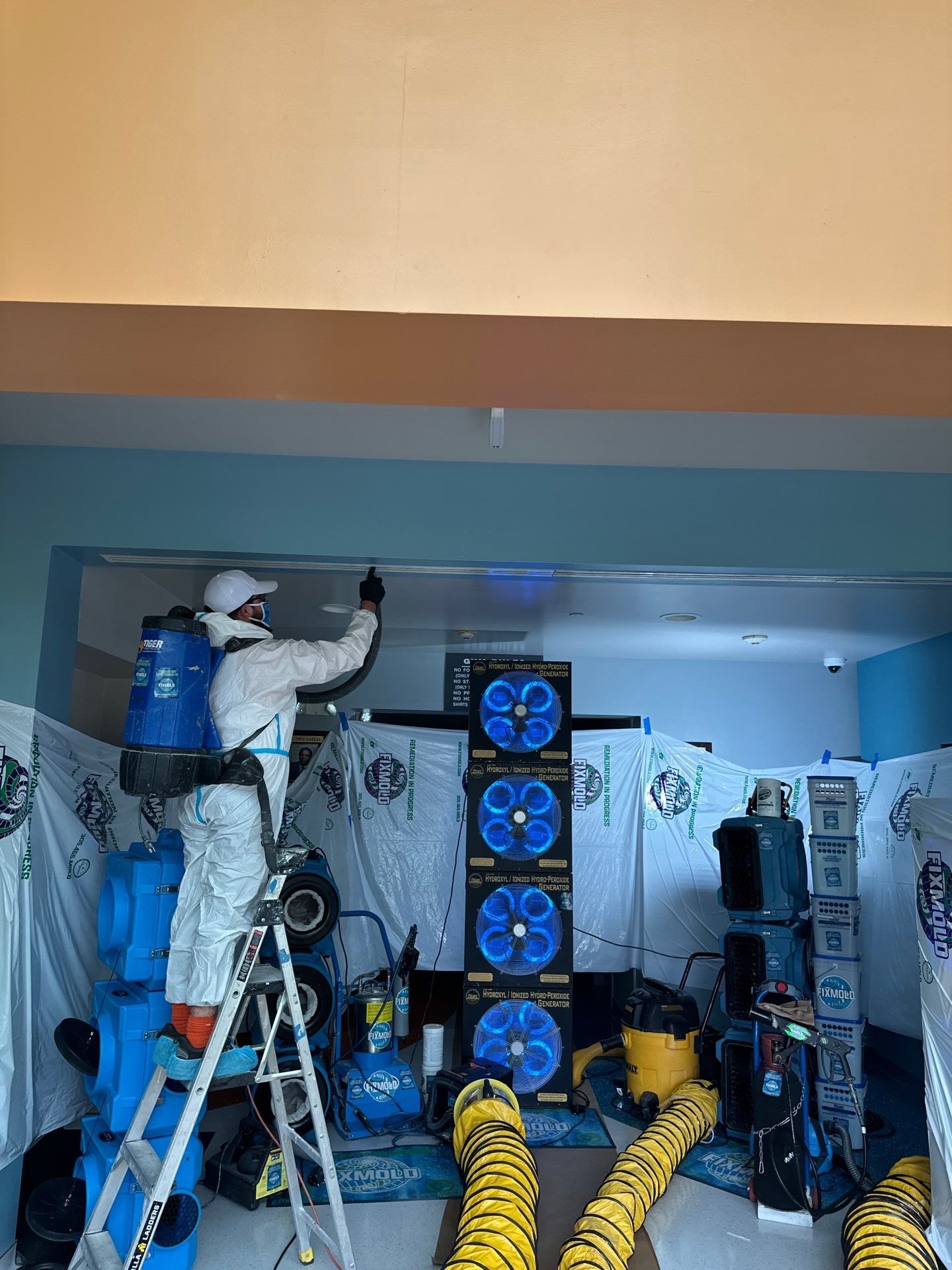
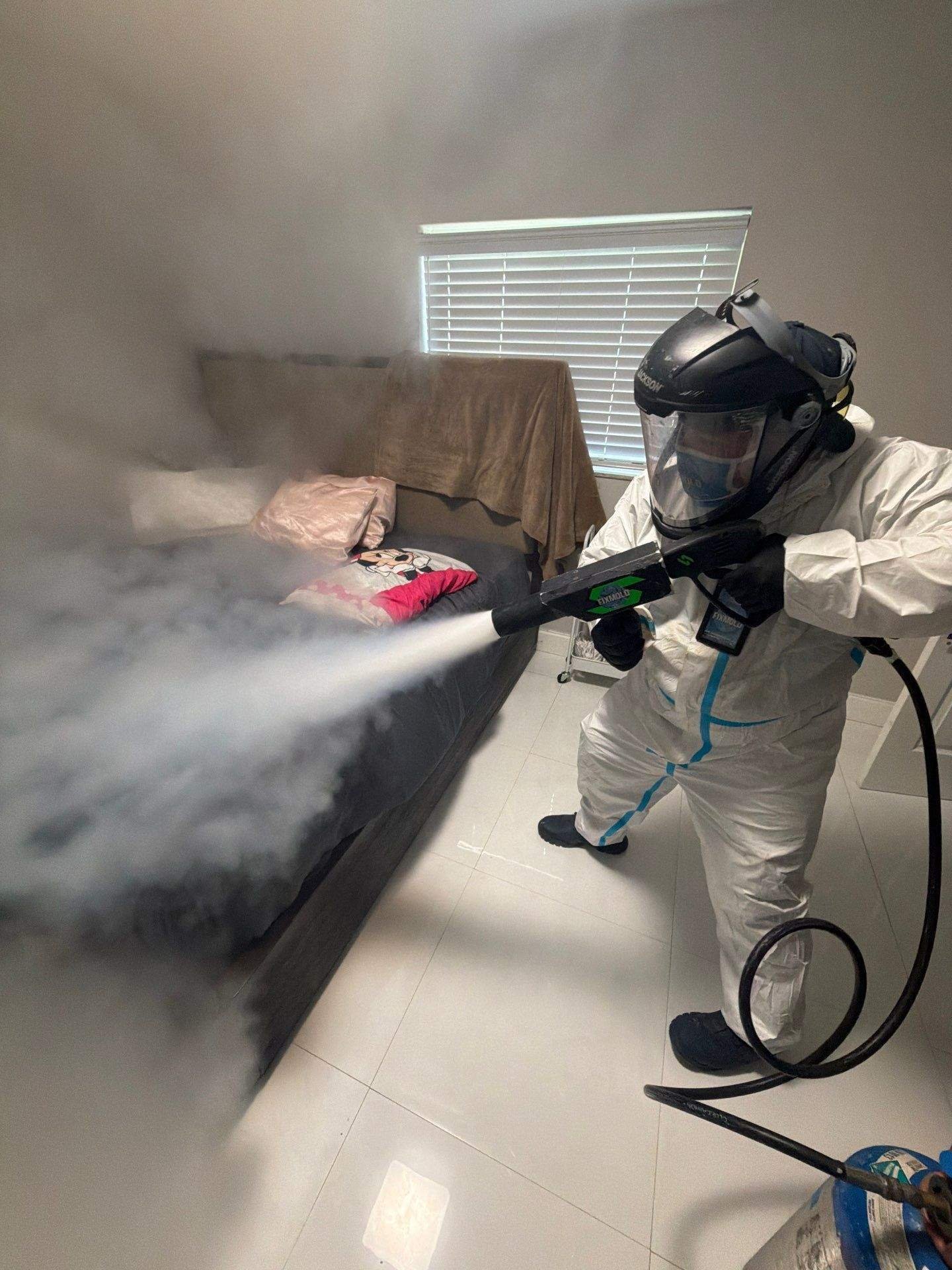
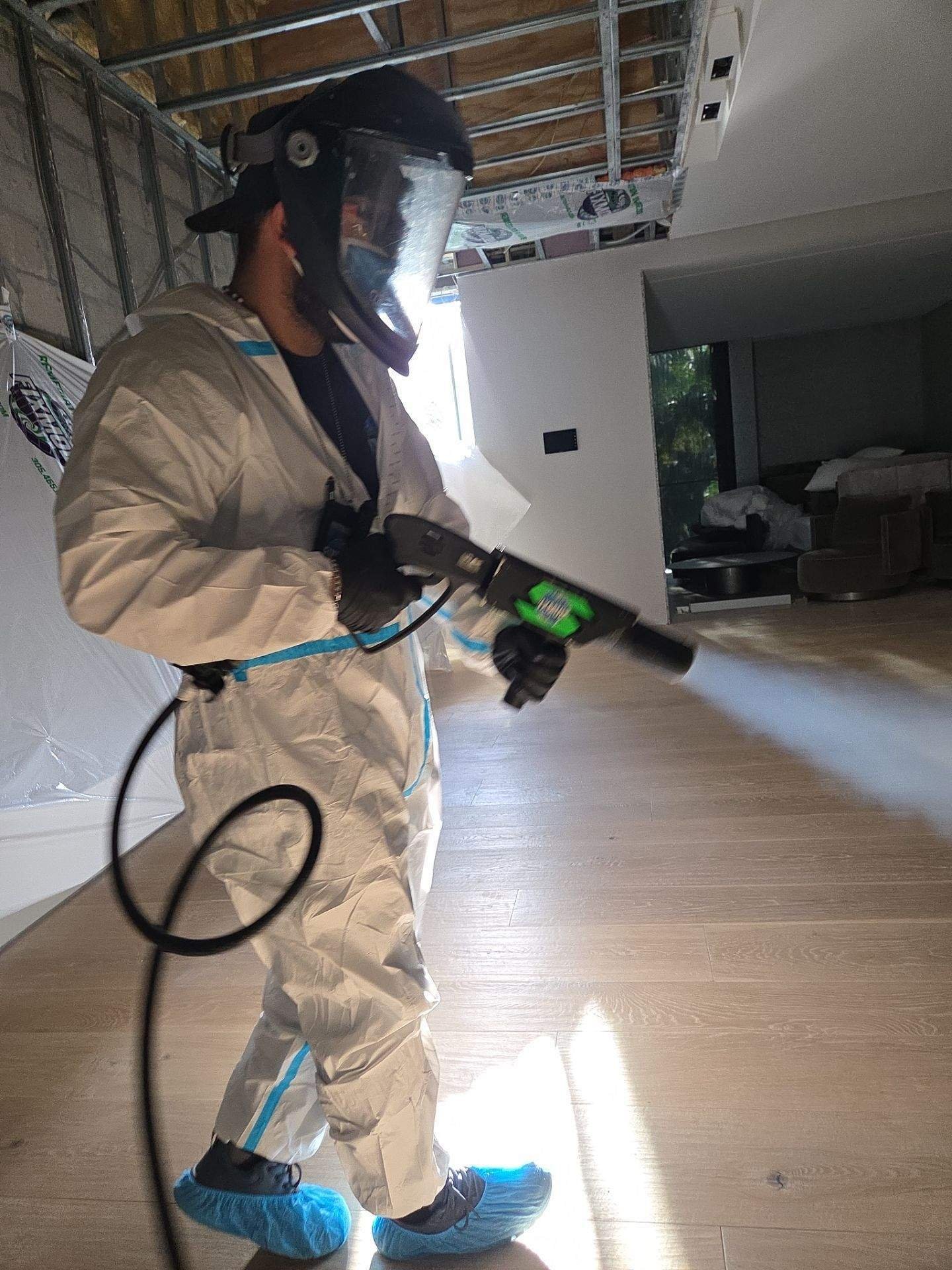
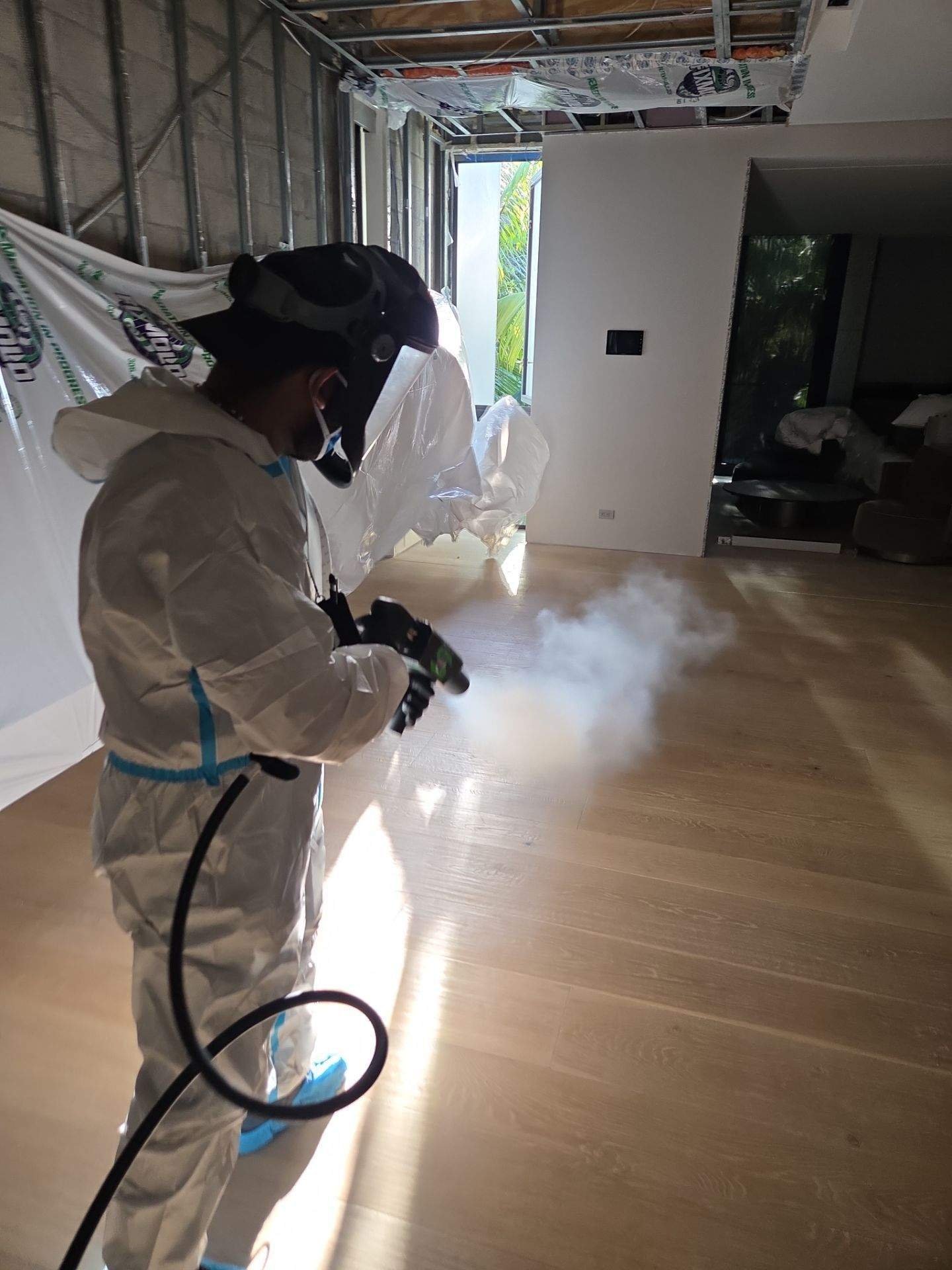
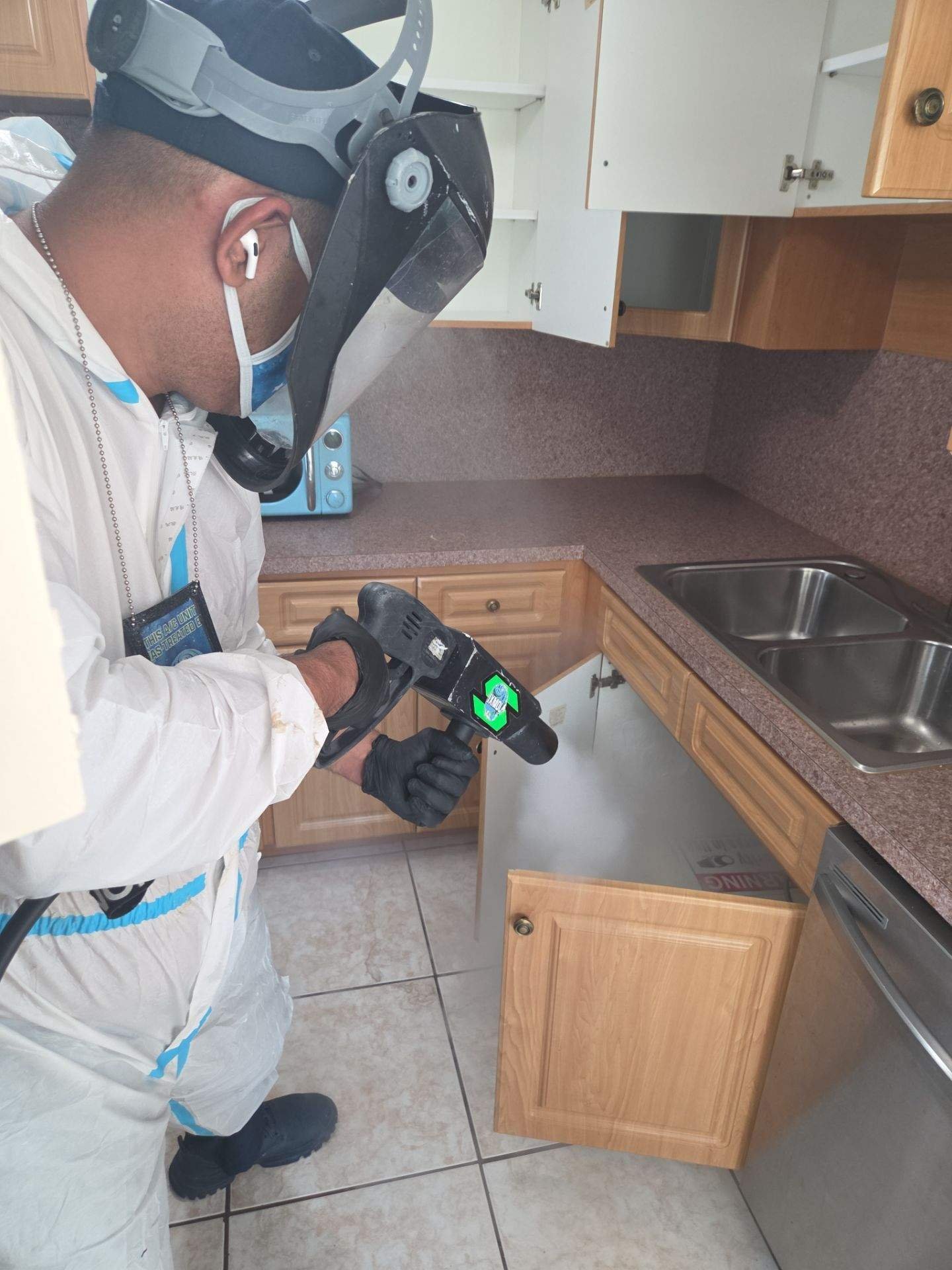
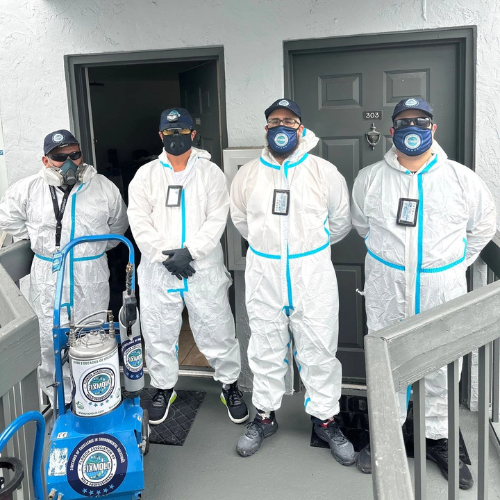
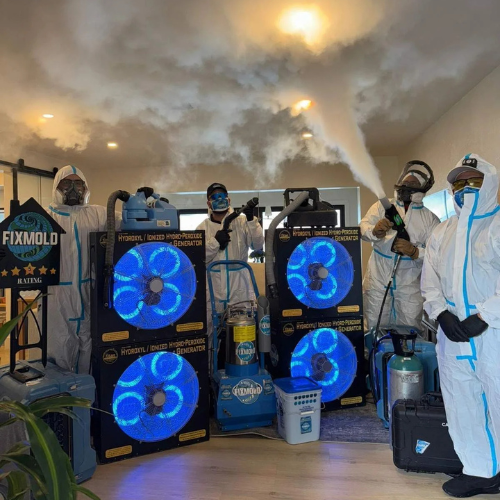
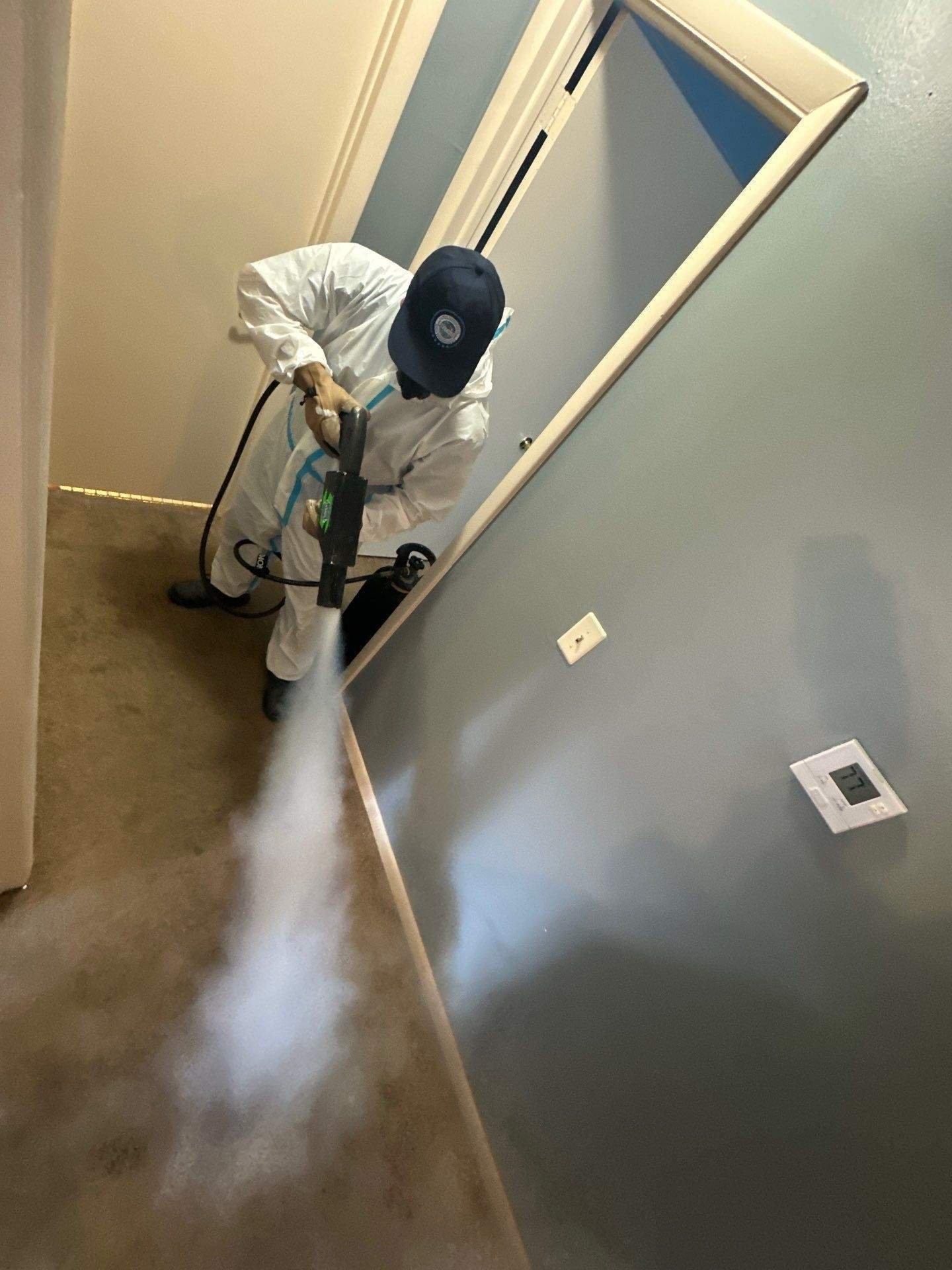
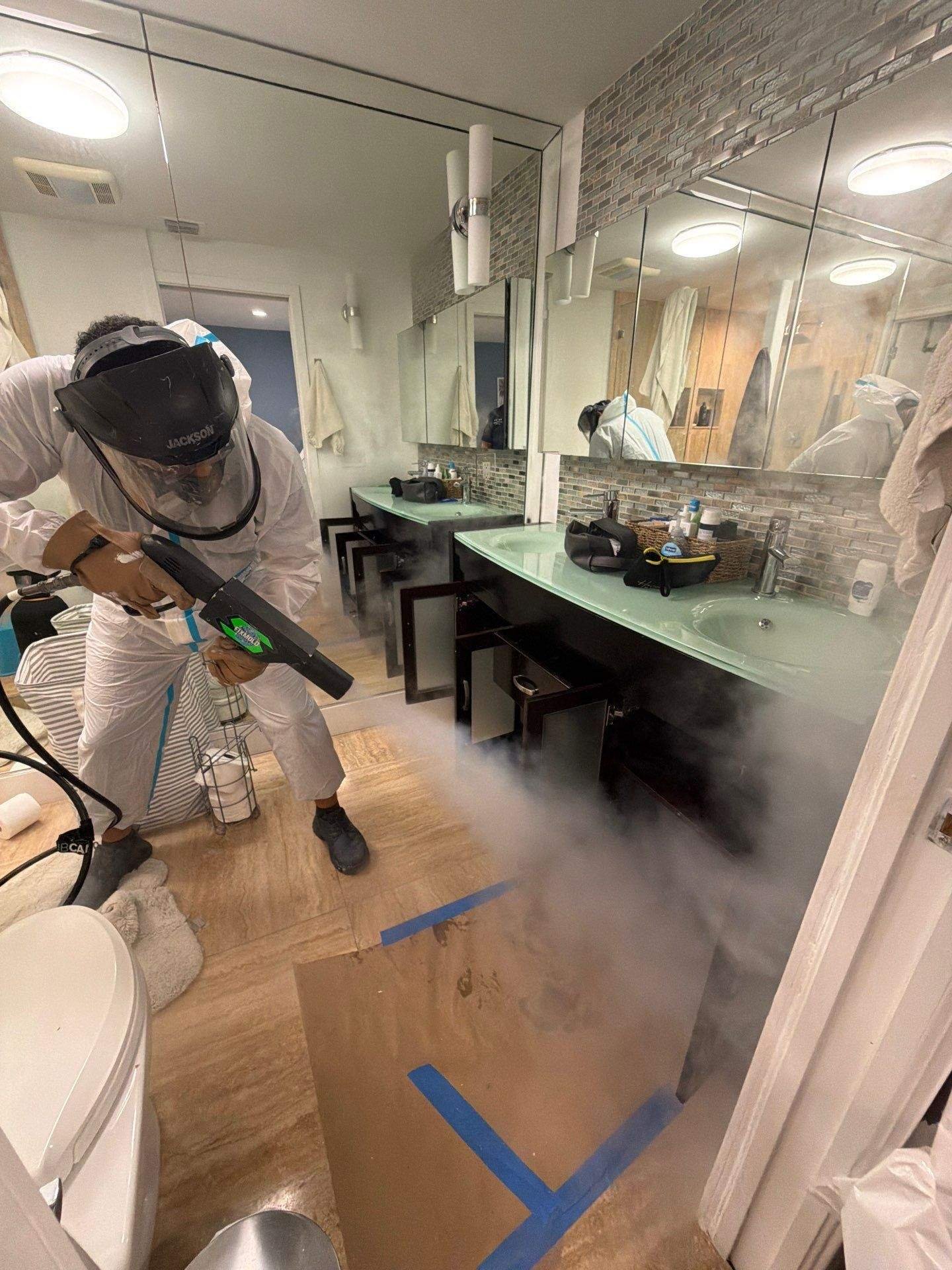
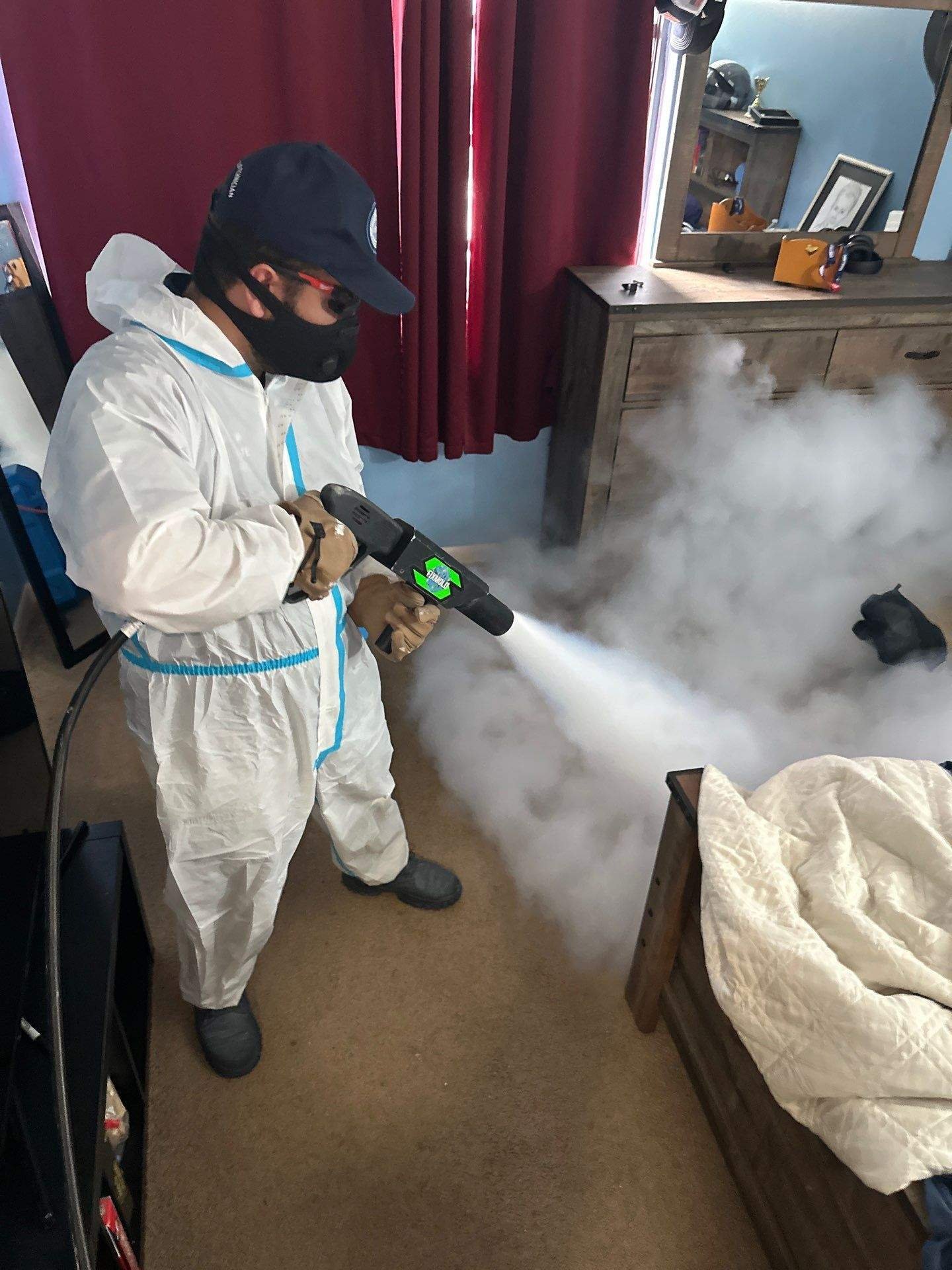
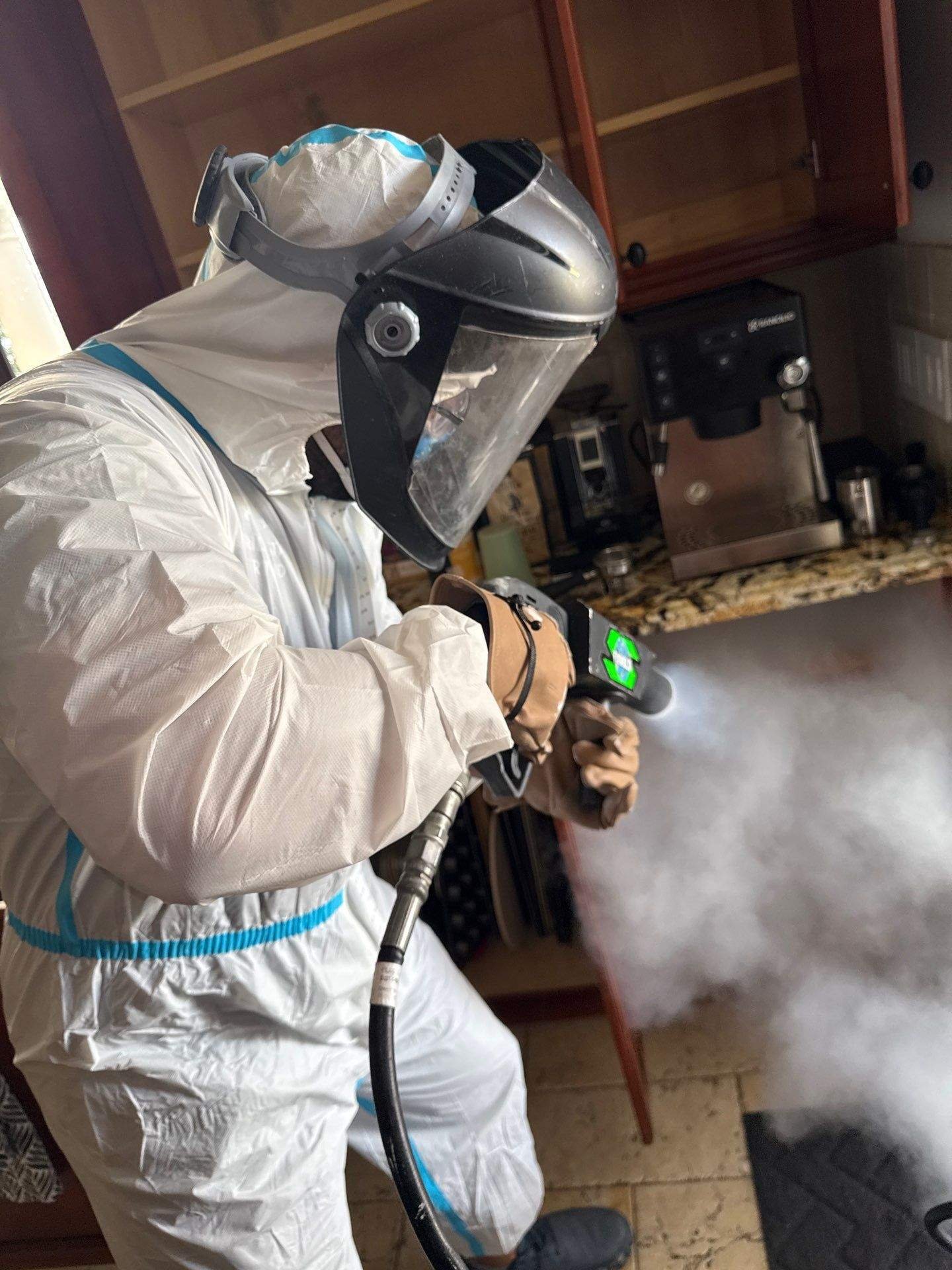
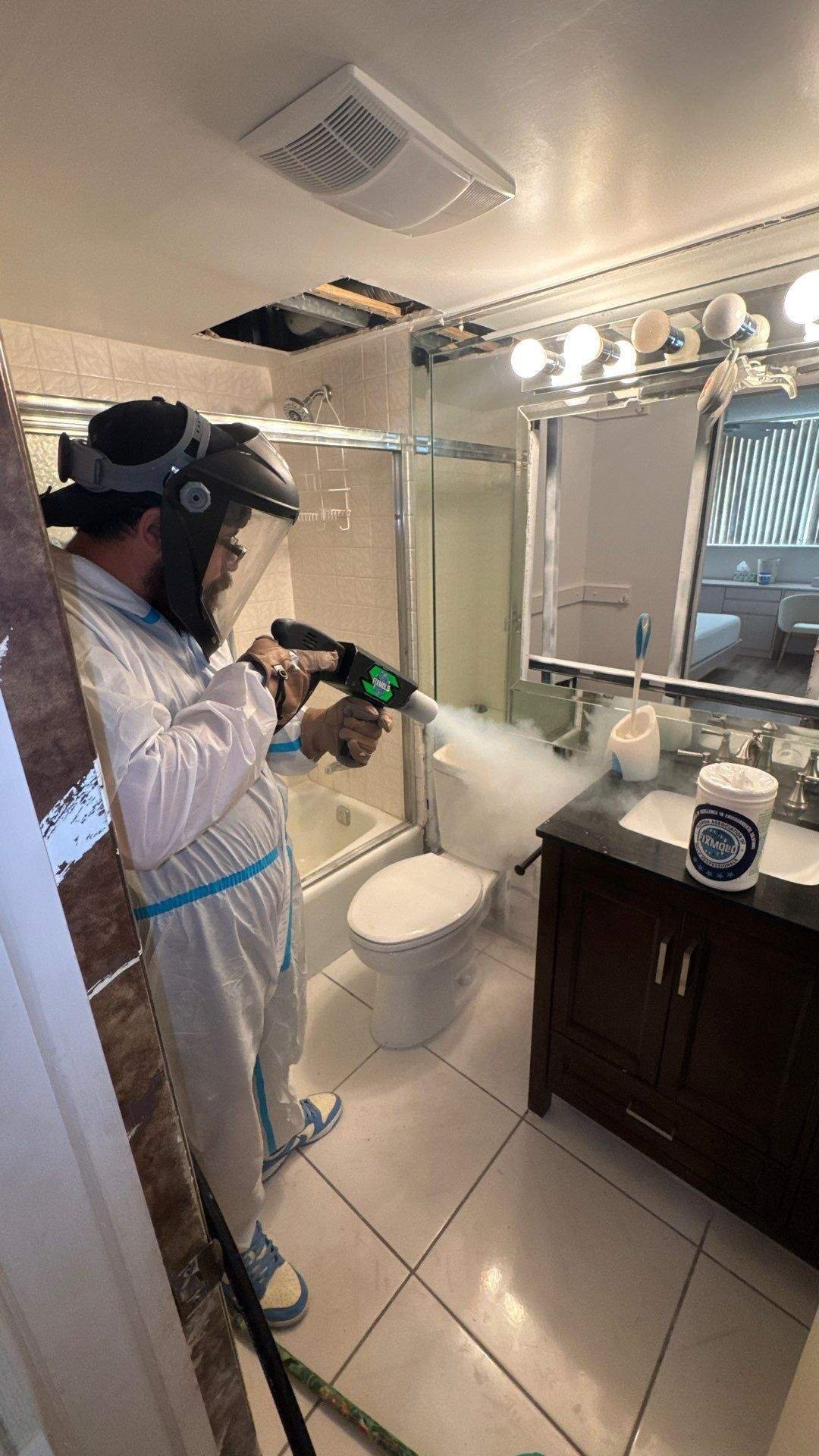
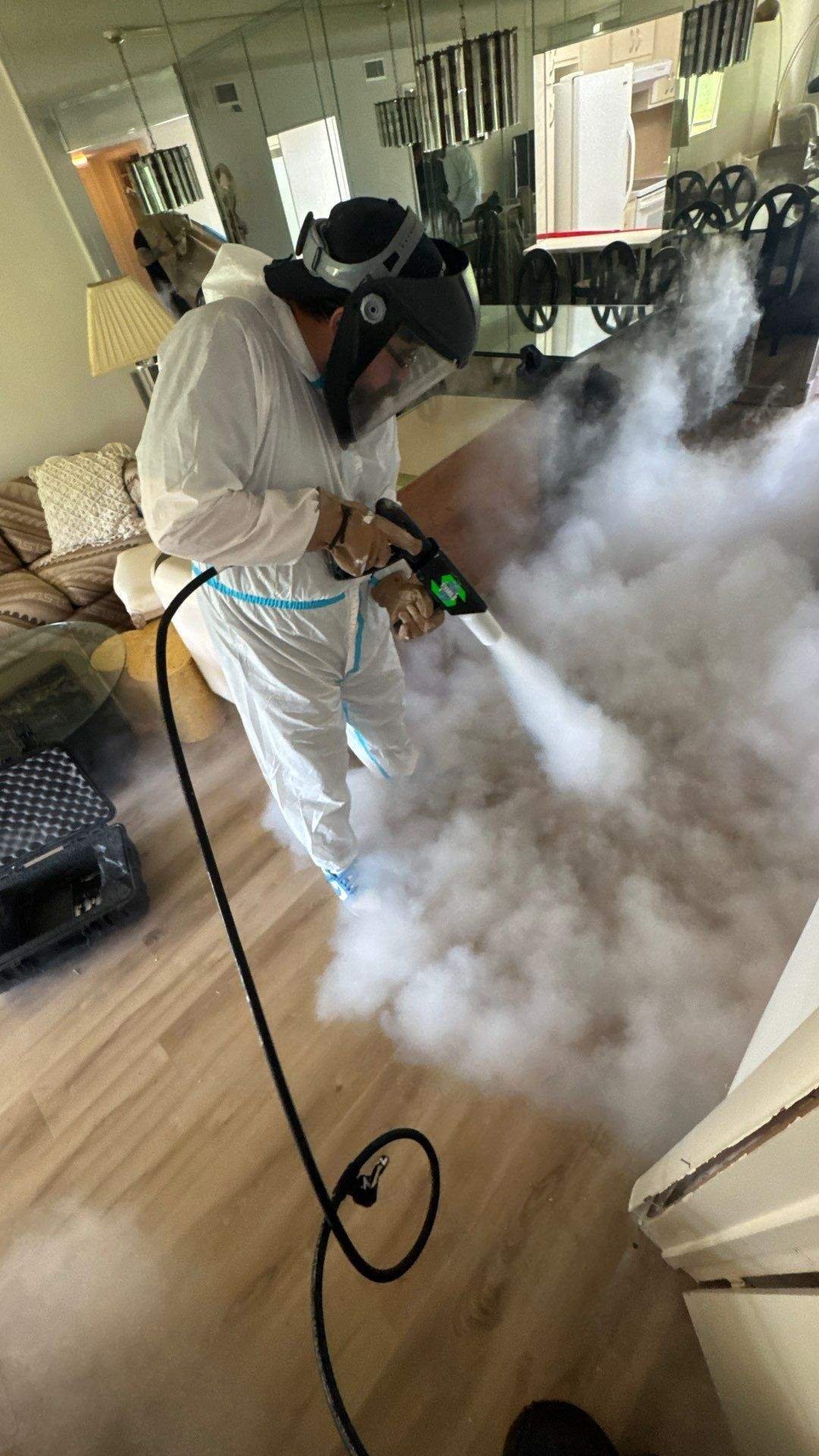
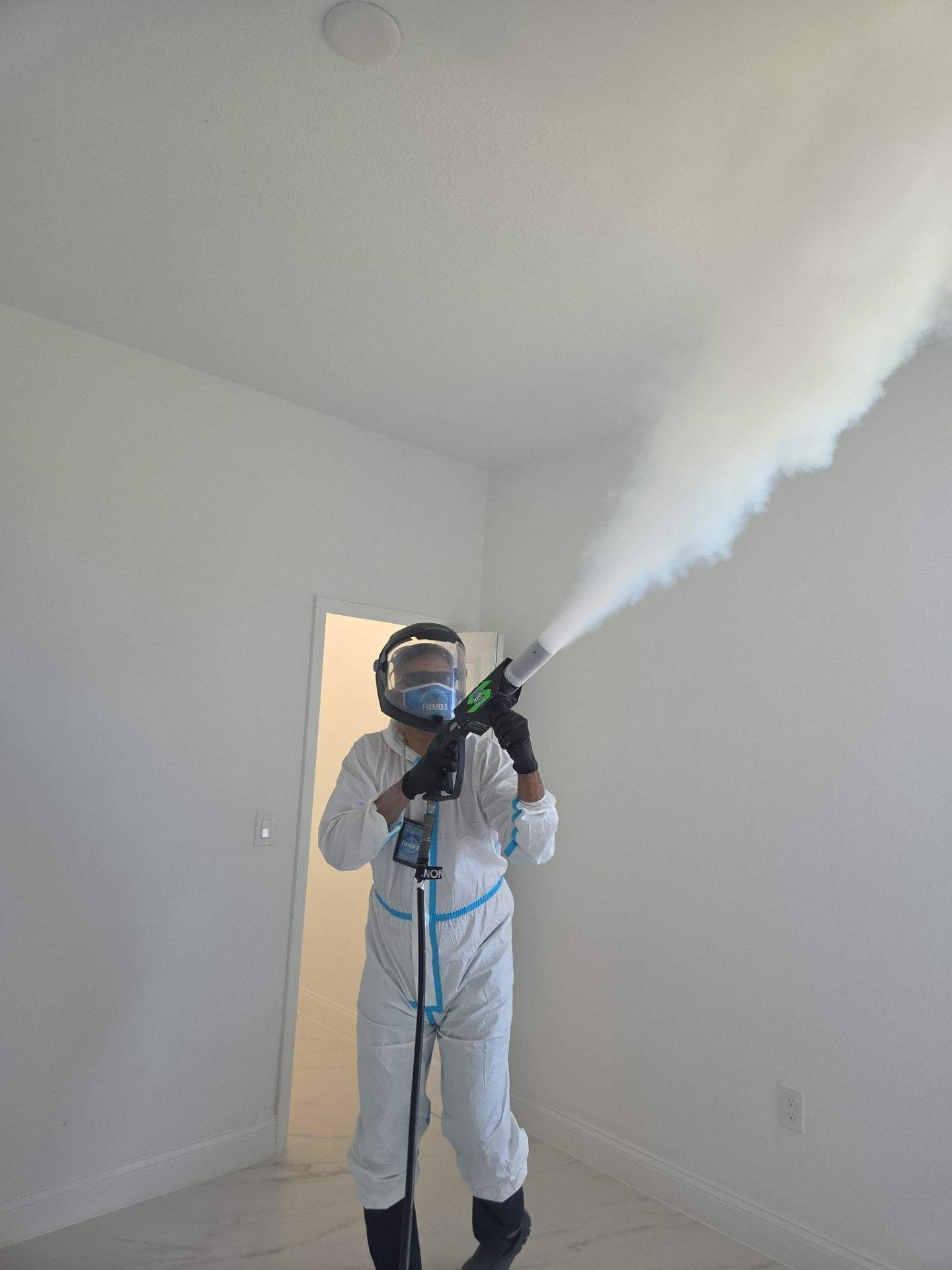
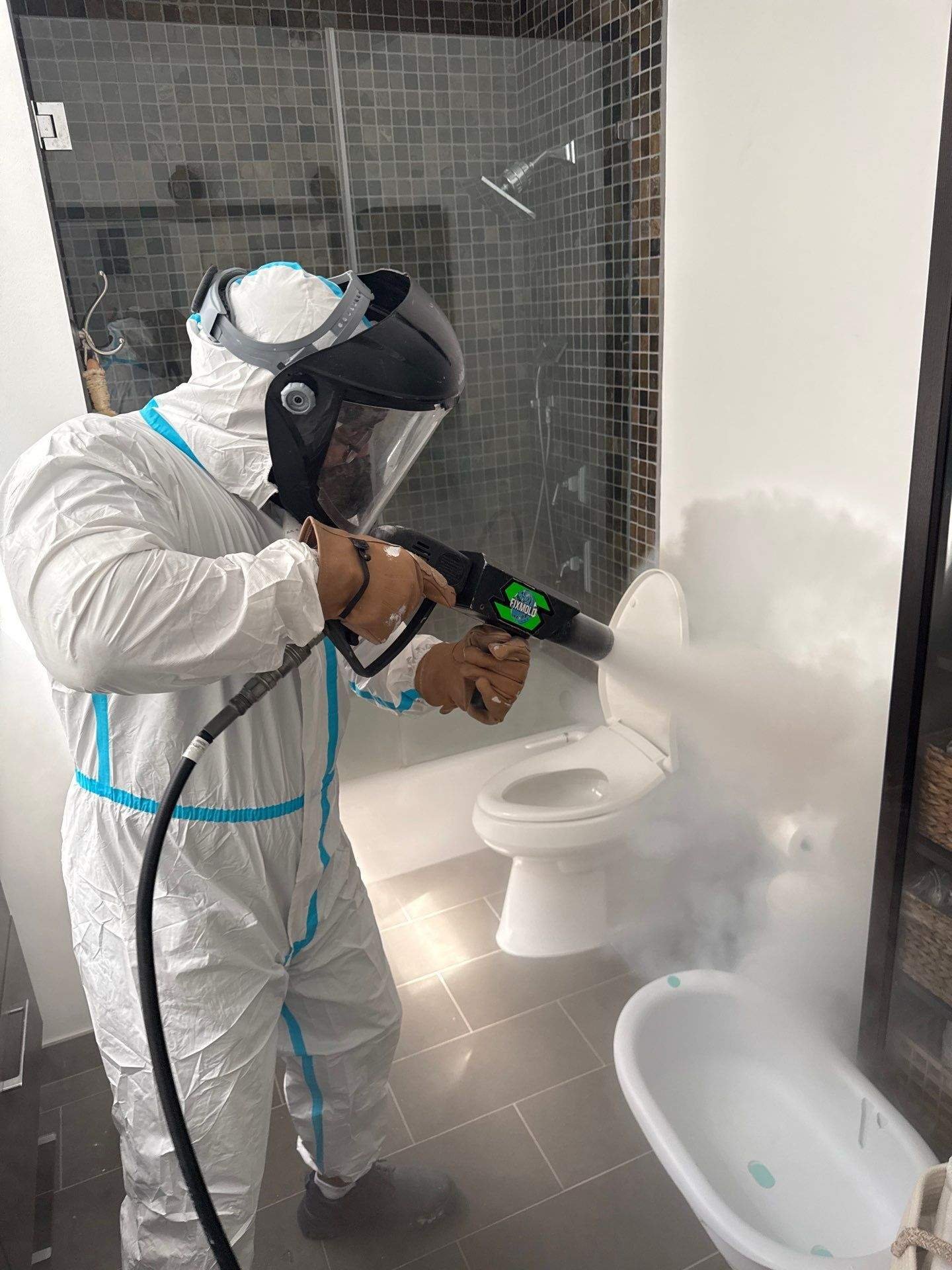
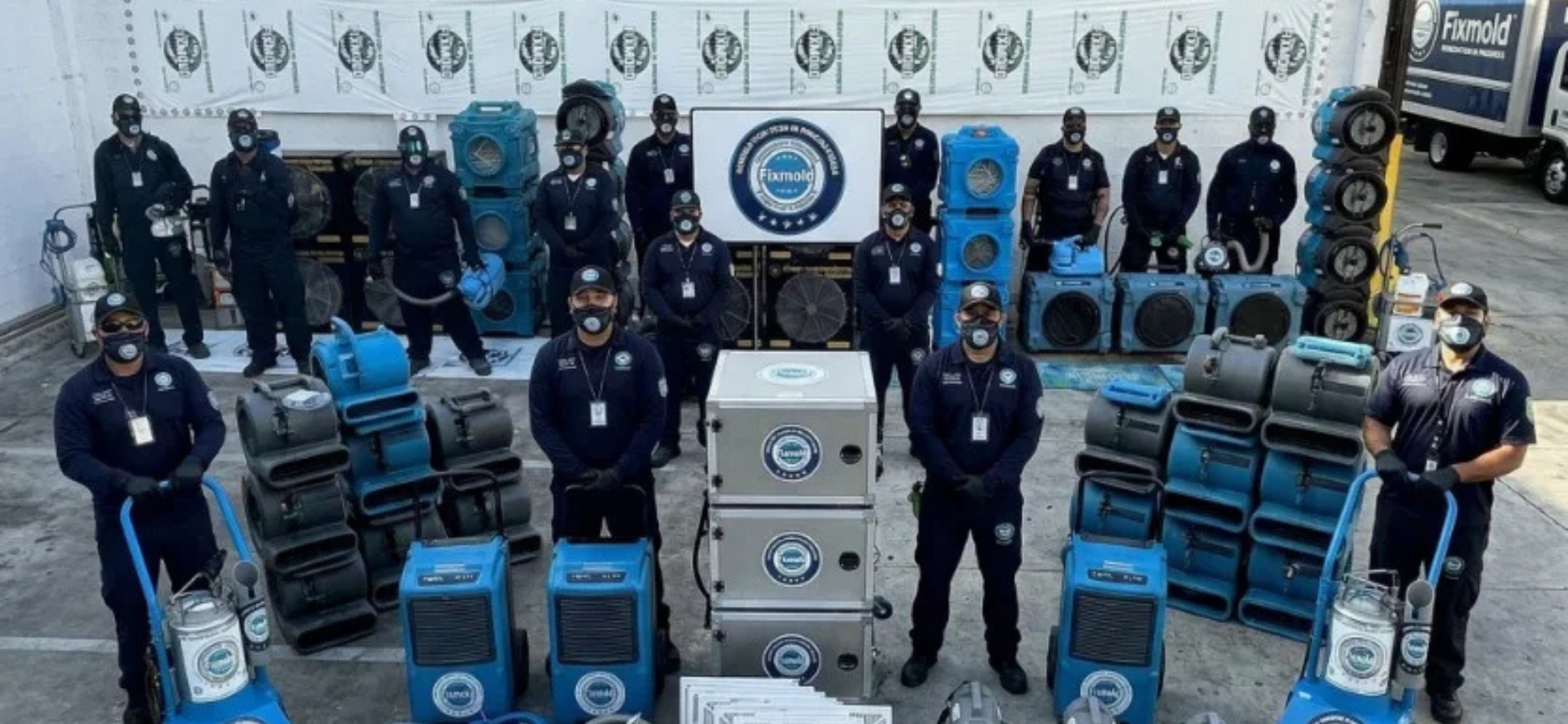
CO₂ hydrogenation is an advanced mold treatment method that uses carbon dioxide based technology to break down contamination without adding moisture. In Miami, where humidity already creates ideal conditions for mold growth, this dry process helps treat affected areas while avoiding additional water exposure.
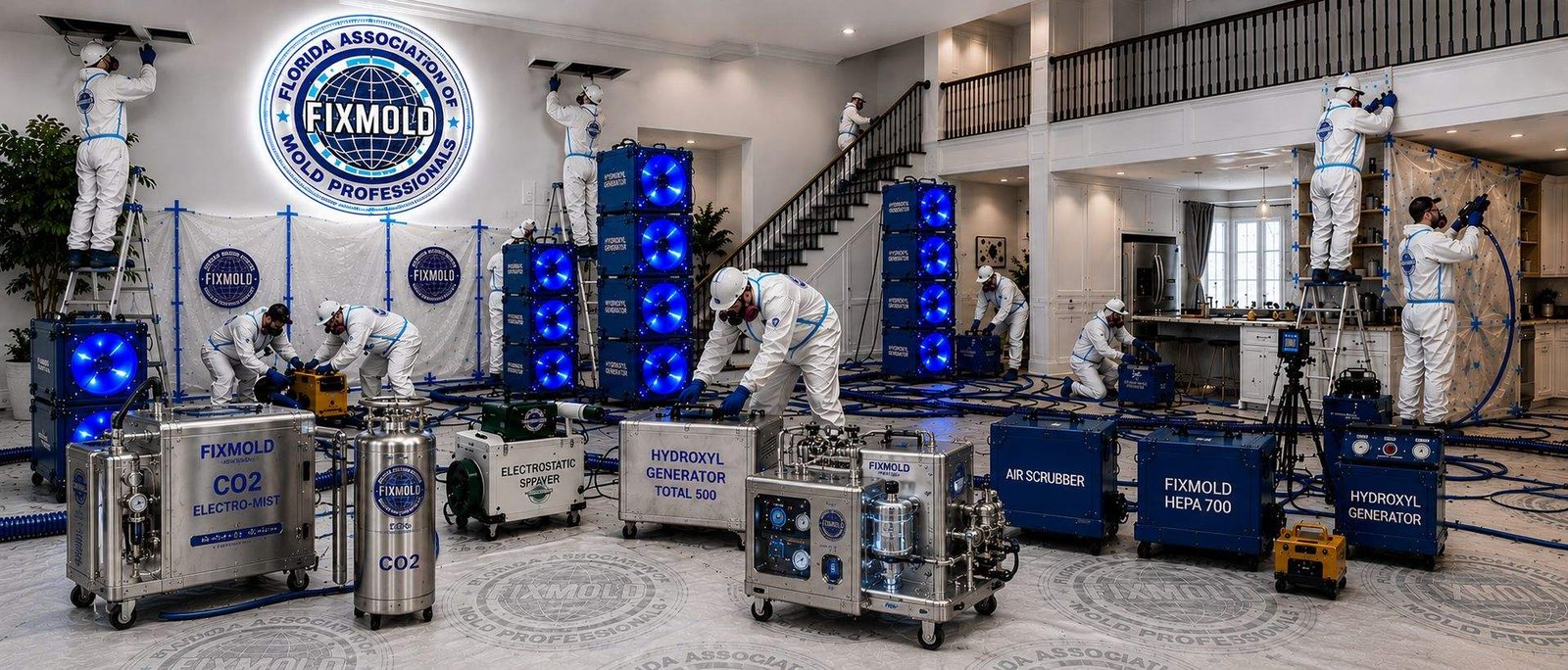
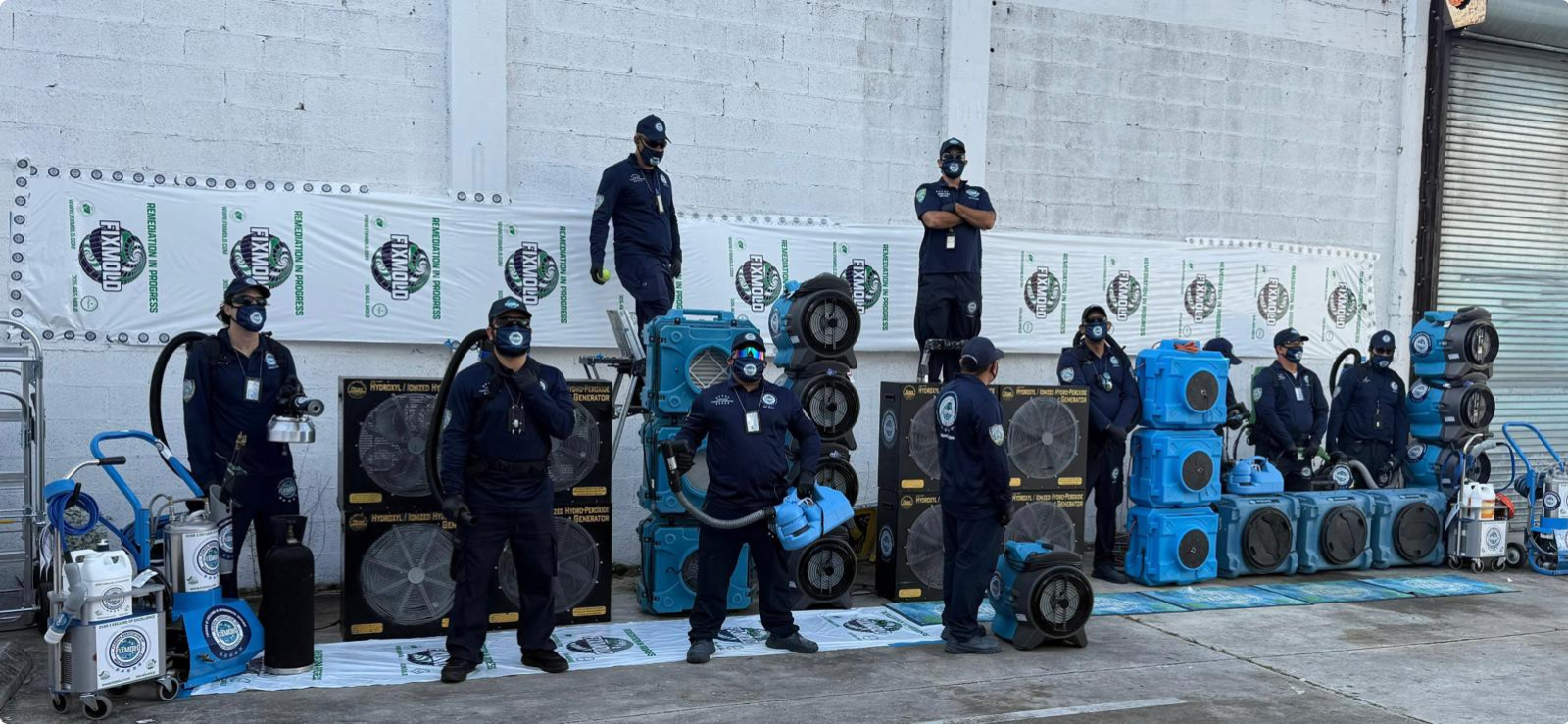
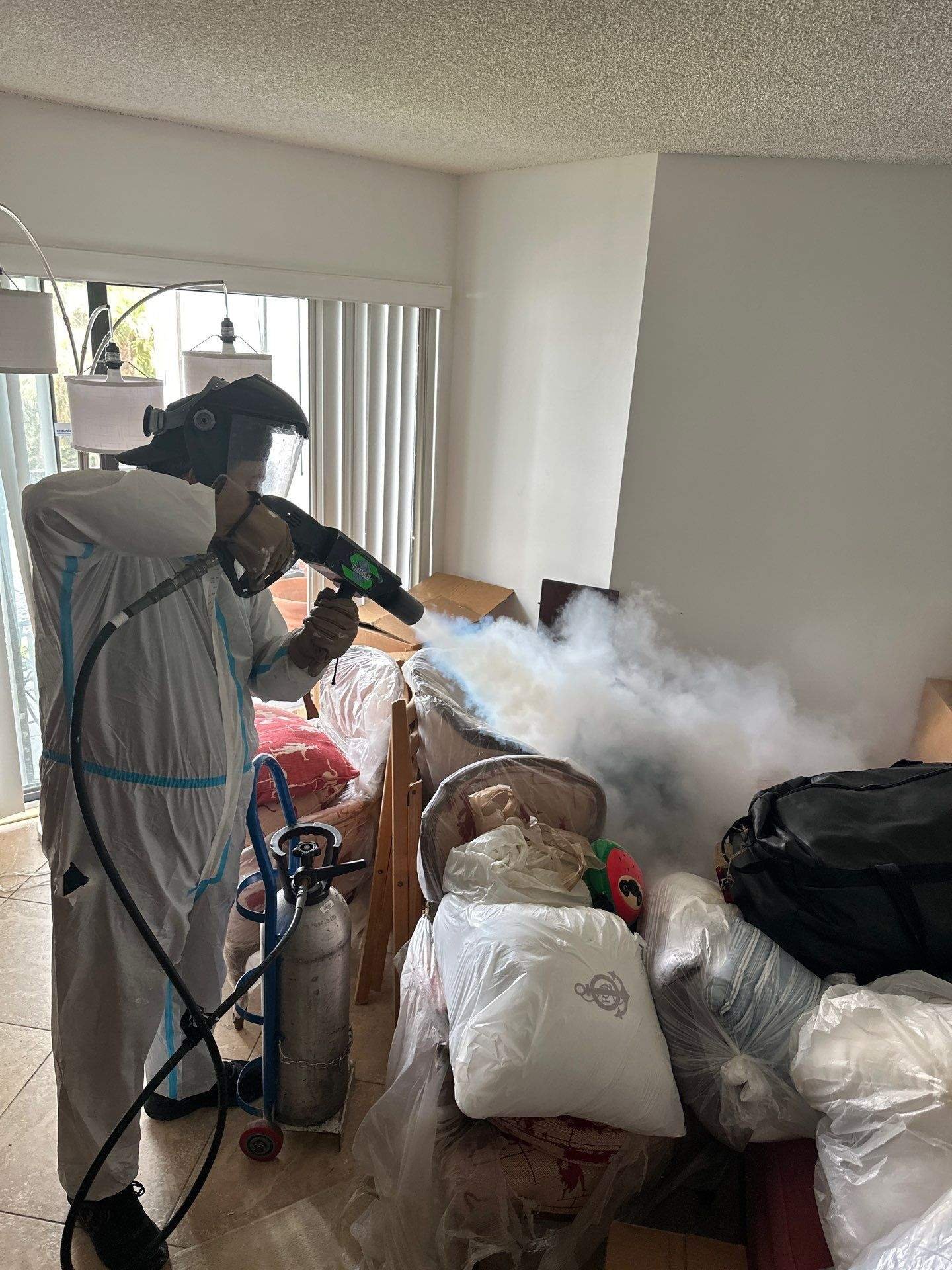
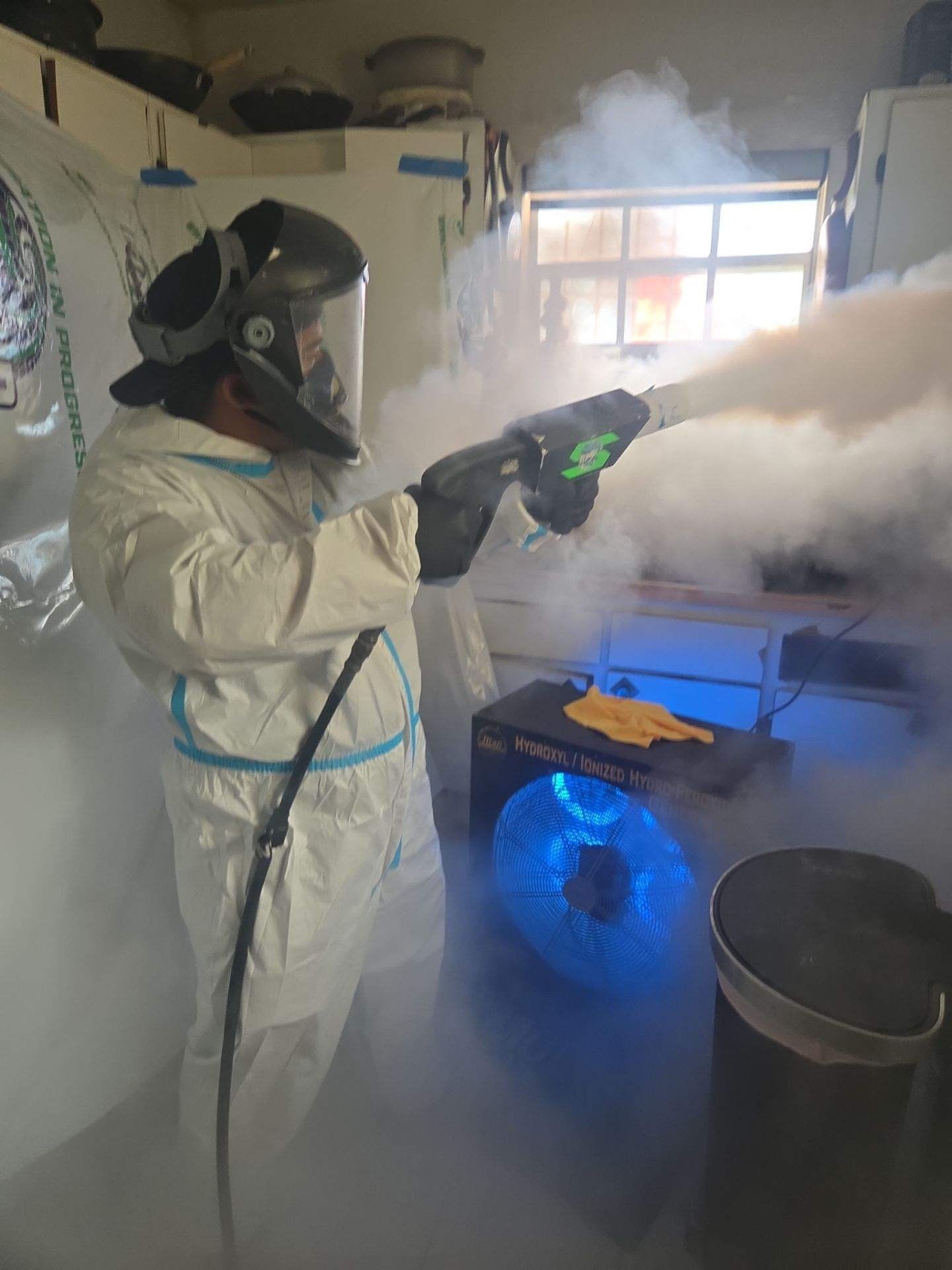
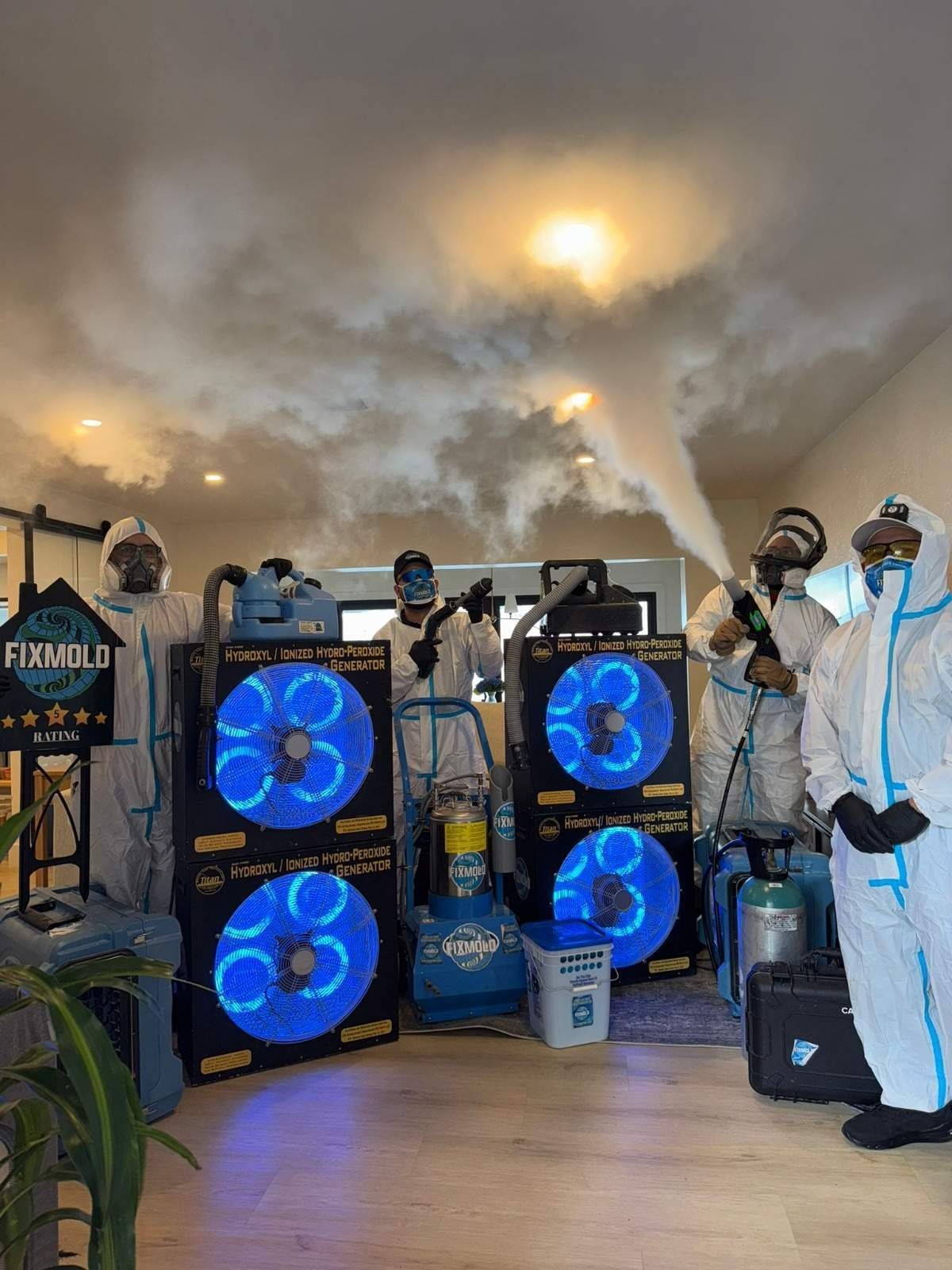
At FixMold, CO₂ hydrogenation is used to penetrate surfaces and treat mold at a deeper level. The process works by dispersing a controlled CO₂ based medium that reaches into porous materials, helping reduce contamination in areas that are difficult to clean with traditional methods. This allows for more thorough treatment while maintaining the integrity of the surface.
This method is especially effective in enclosed or sensitive environments where moisture based cleaning can cause further damage or allow mold to return. By using a dry approach, it supports a more controlled treatment process and reduces the risk of spreading contamination.
In South Florida conditions, managing moisture is critical for long term results. CO₂ hydrogenation supports that goal by treating contamination while helping maintain a stable environment.
Our goal is to apply advanced solutions that improve effectiveness without increasing risk. By using CO₂ hydrogenation, we help treat mold more efficiently and support better indoor conditions after the process is complete.
Call or text: 305 465 6653 | Same day appointments available | Virtual assessment available
Professional Mold CO2 Hydrogenation Services in Miami
Advanced environmental restoration technologies continue to evolve as property owners seek effective solutions for mold-related concerns, indoor air quality management, and moisture-related contamination. Professional Mold CO2 Hydrogenation services may be incorporated into specialized remediation strategies designed to support cleaning, restoration, and environmental treatment efforts within residential and commercial properties throughout Miami and South Florida.
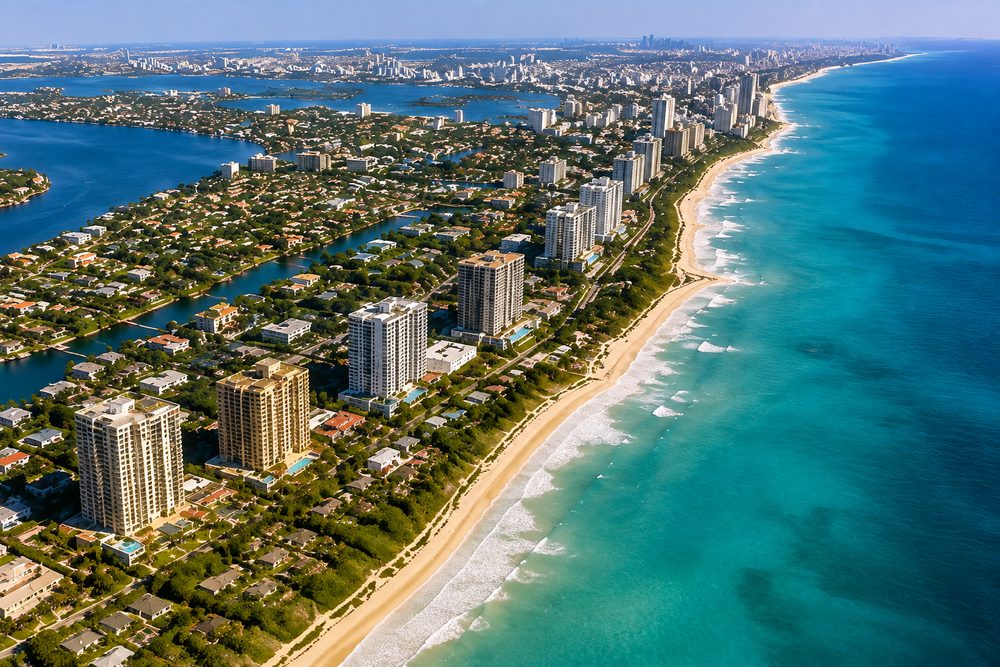
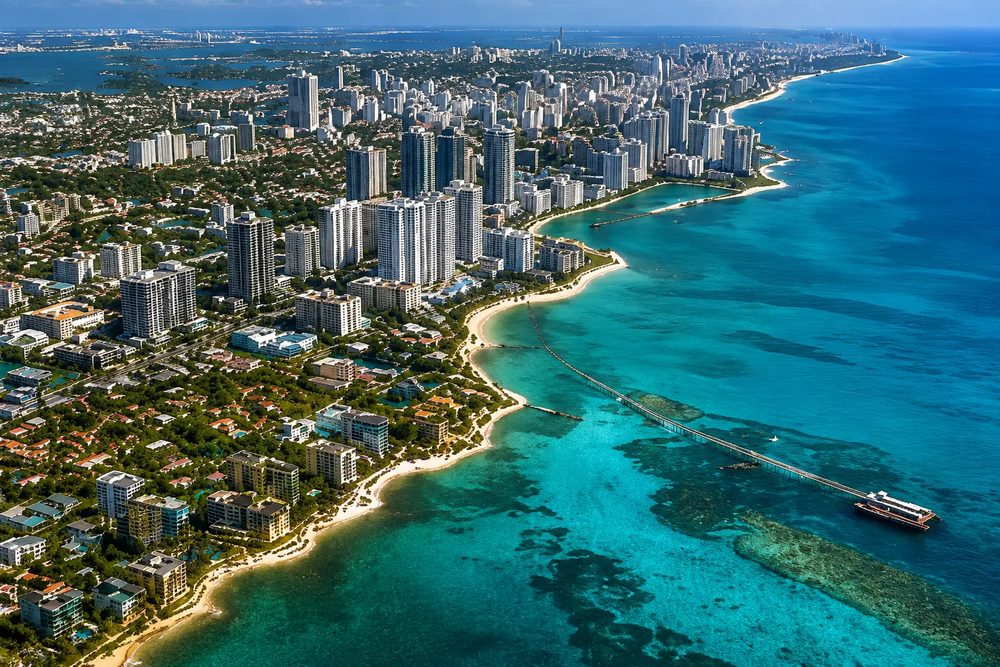
Miami's tropical climate creates ideal conditions for mold growth due to year-round humidity, frequent rainfall, hurricanes, flooding events, roof leaks, plumbing failures, HVAC condensation, and moisture intrusion. These environmental factors often contribute to hidden mold contamination inside homes, condominiums, offices, hotels, healthcare facilities, and commercial buildings.
Properties throughout Miami Beach, Brickell, Coral Gables, Coconut Grove, Kendall, Pinecrest, Doral, Aventura, Fort Lauderdale, Boca Raton, Naples, and West Palm Beach regularly experience moisture-related challenges that require professional environmental assessment and remediation services.
Mold contamination frequently develops in concealed areas where moisture remains trapped for extended periods. Common locations include wall cavities, attic spaces, crawlspaces, insulation, flooring systems, HVAC components, utility rooms, and ceiling assemblies.
Many property owners first discover potential mold issues after noticing musty odors, visible staining, recurring water intrusion, elevated humidity levels, condensation buildup, or evidence of previous flooding and water damage.
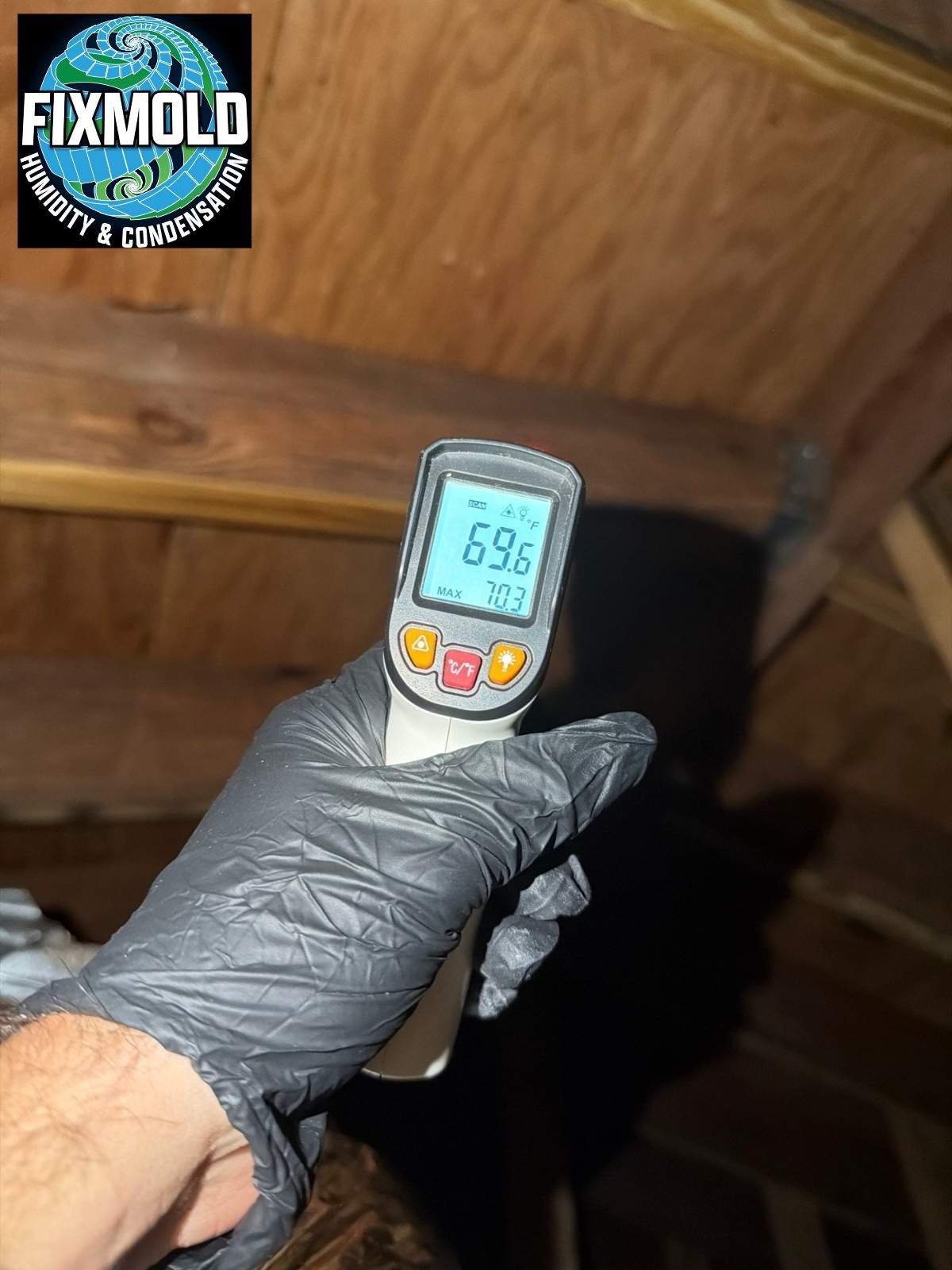
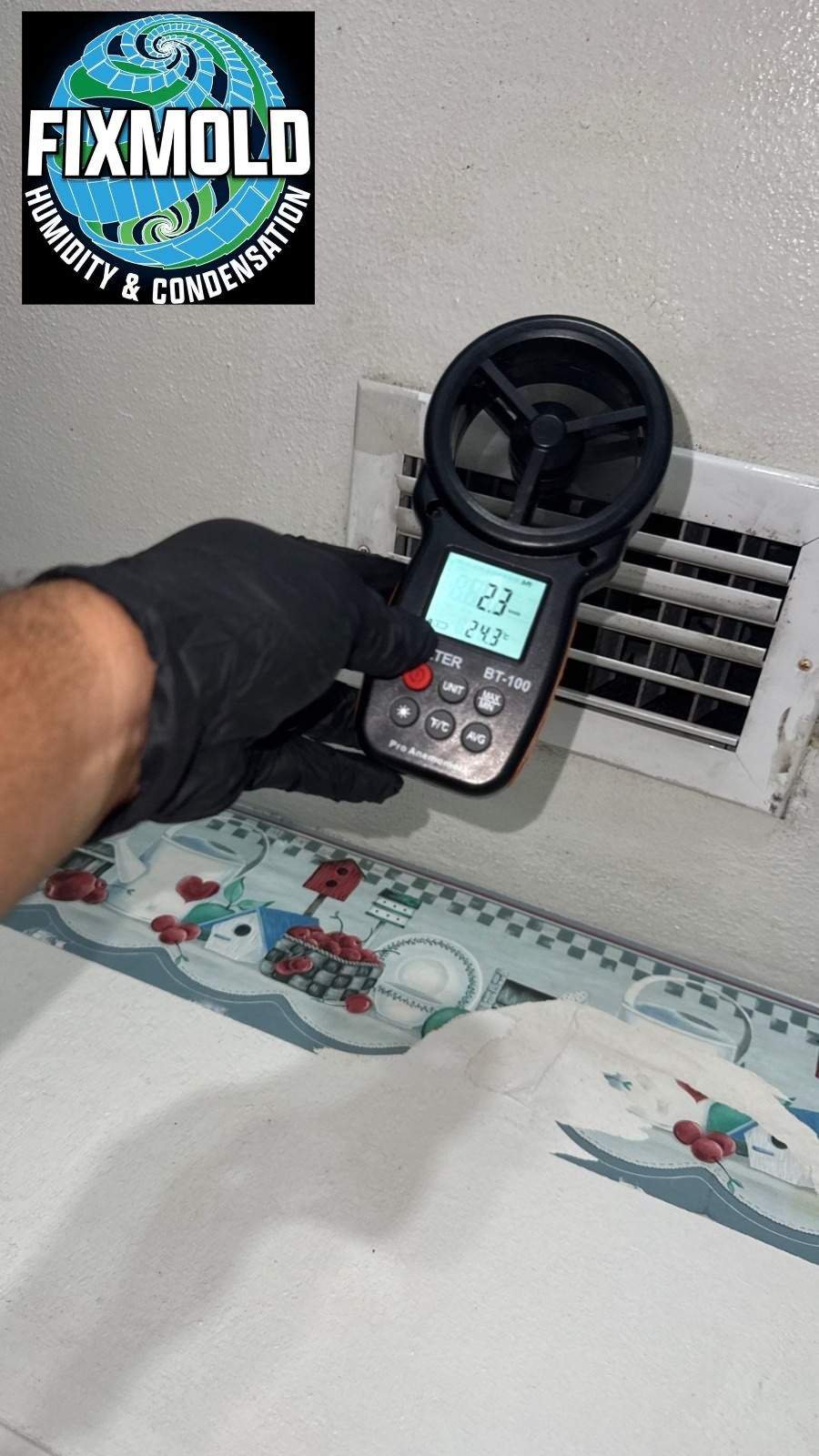
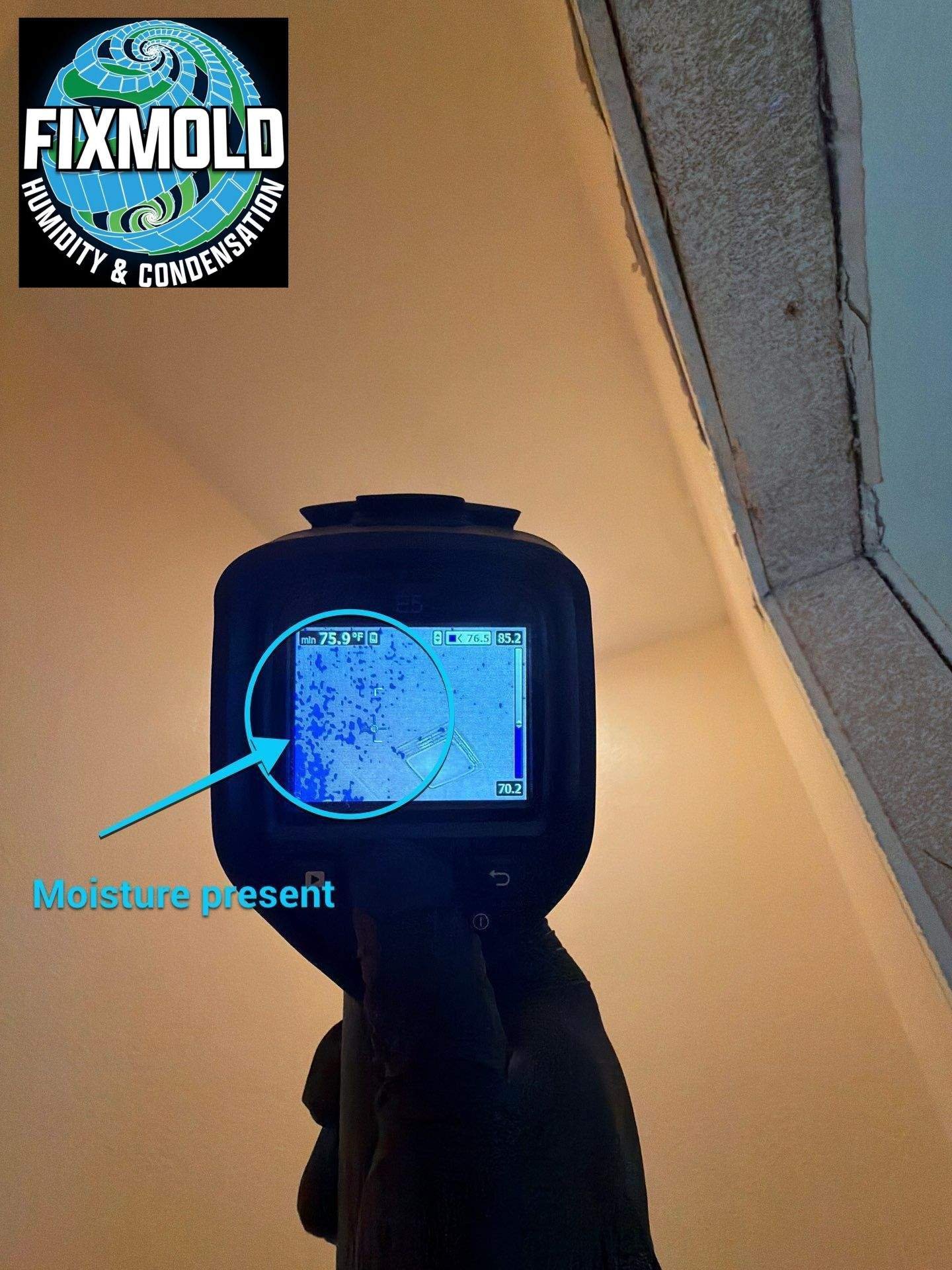
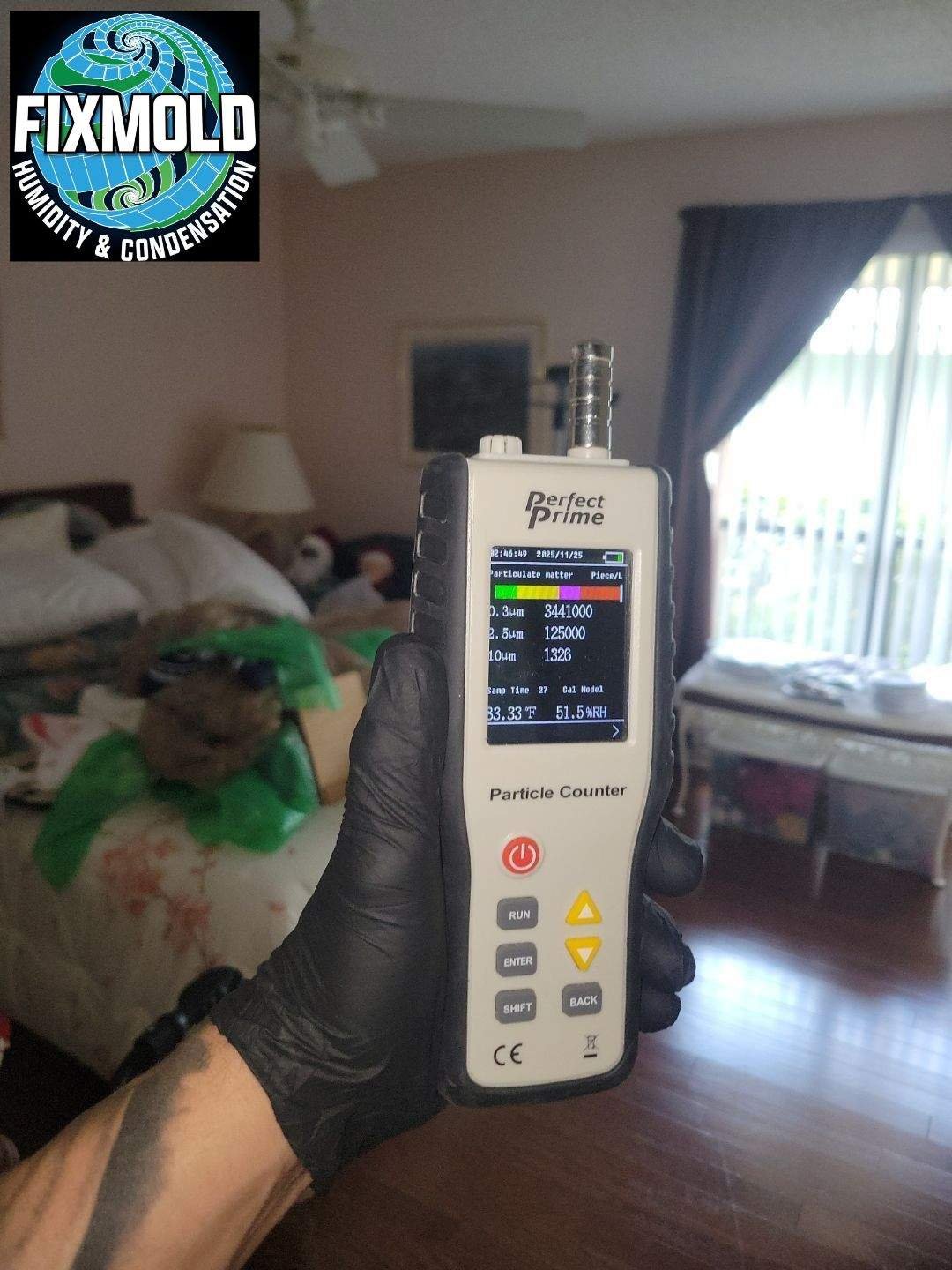
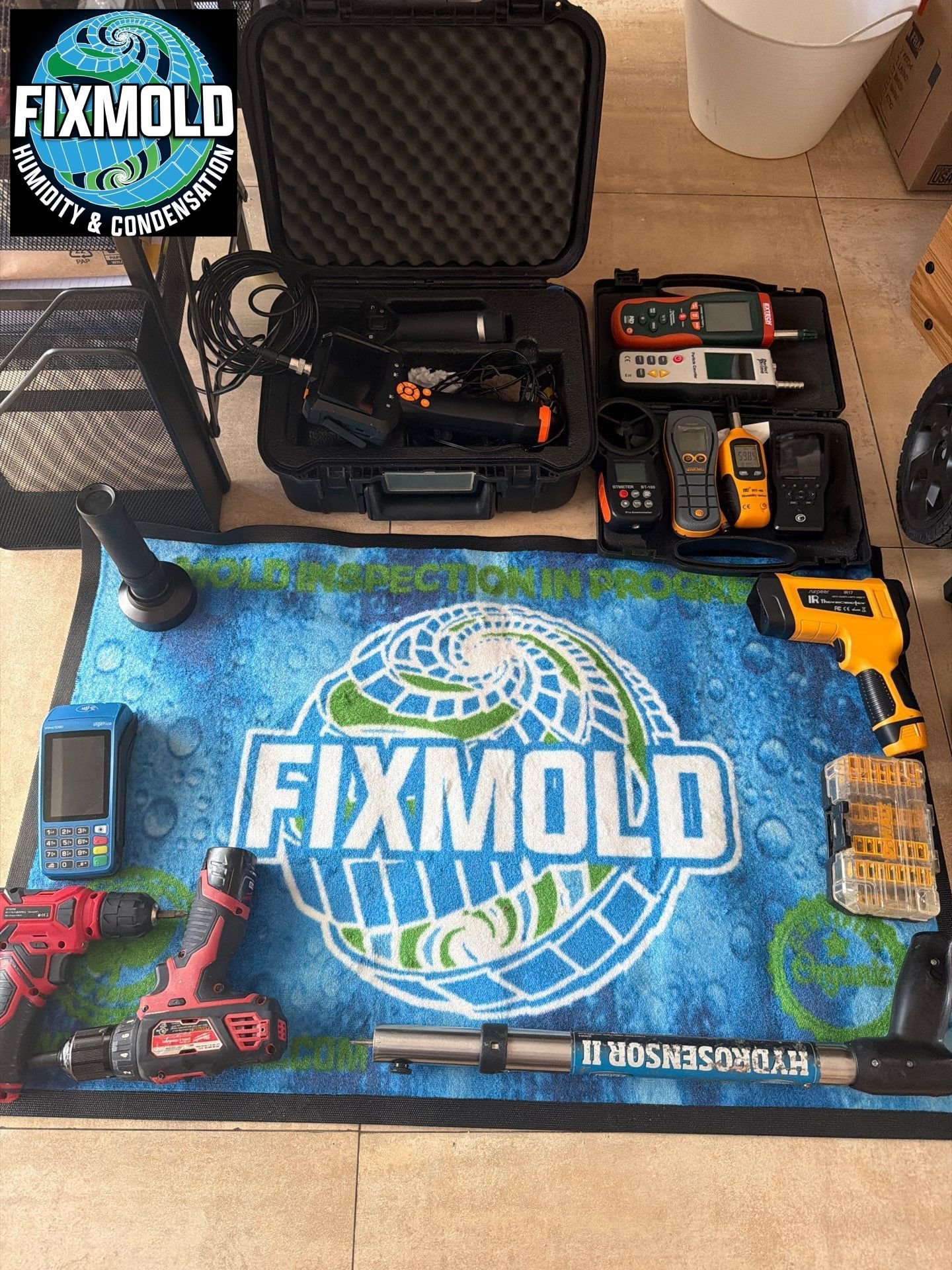
Professional environmental investigations typically begin with a comprehensive property assessment designed to identify moisture sources and determine the extent of contamination. Moisture meters, thermal imaging cameras, humidity monitoring equipment, air sampling, and visual inspections are often utilized during the evaluation process.
Effective remediation depends on identifying and correcting the moisture source that allowed mold growth to develop. Addressing only visible contamination without resolving underlying moisture conditions often results in recurring problems.
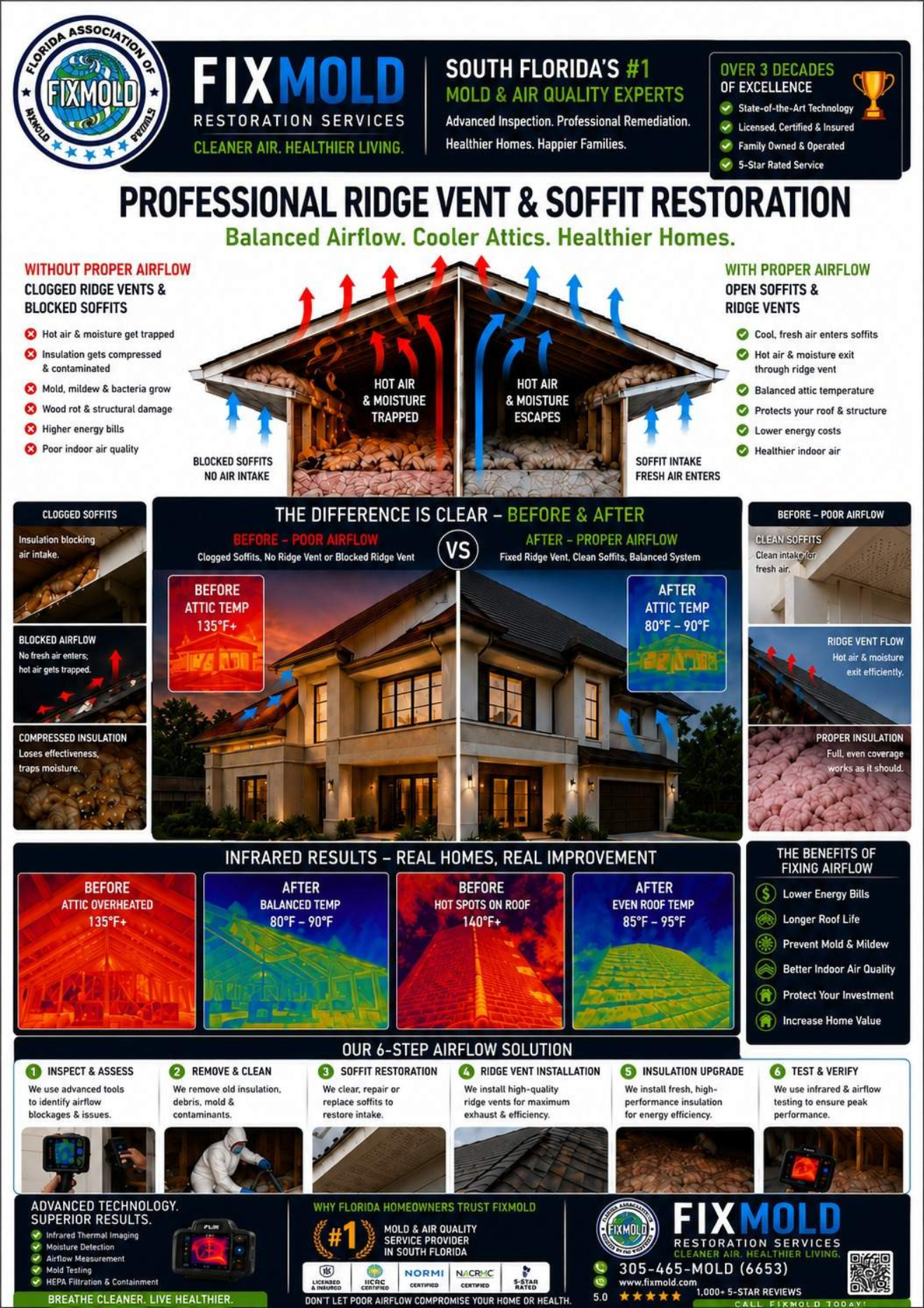
Advanced treatment technologies may be incorporated into remediation projects as part of a broader environmental management strategy. These approaches are often used alongside containment systems, HEPA filtration equipment, negative air pressure controls, cleaning procedures, and moisture mitigation efforts.
HVAC systems remain one of the most common contributors to indoor moisture concerns. Condensation accumulation, restricted airflow, clogged drain lines, and contaminated ductwork can create favorable conditions for mold growth if not properly maintained.
Following hurricanes, tropical storms, flooding incidents, plumbing failures, appliance leaks, or roof damage, rapid drying and moisture control become essential for minimizing contamination and protecting building materials.
Commercial facilities, office buildings, schools, healthcare environments, condominium associations, warehouses, hospitality properties, and residential communities often require customized remediation strategies based on their unique building conditions.
Indoor air quality management remains a key component of comprehensive mold remediation. Environmental professionals frequently implement multiple technologies and procedures designed to help reduce airborne particles and support healthier indoor conditions.
Every property presents unique environmental challenges based on construction methods, maintenance history, occupancy patterns, ventilation performance, and prior exposure to water intrusion events.
Long-term mold prevention requires consistent moisture management, routine inspections, humidity control, proper ventilation, and prompt response to water-related issues before contamination becomes widespread.
Comprehensive mold inspections, environmental assessments, and professional remediation services help property owners identify contamination sources, evaluate building conditions, and implement solutions designed to support cleaner indoor environments throughout Miami and South Florida.
A Deep Commitment To Restoration
A Family Legacy Of Trust
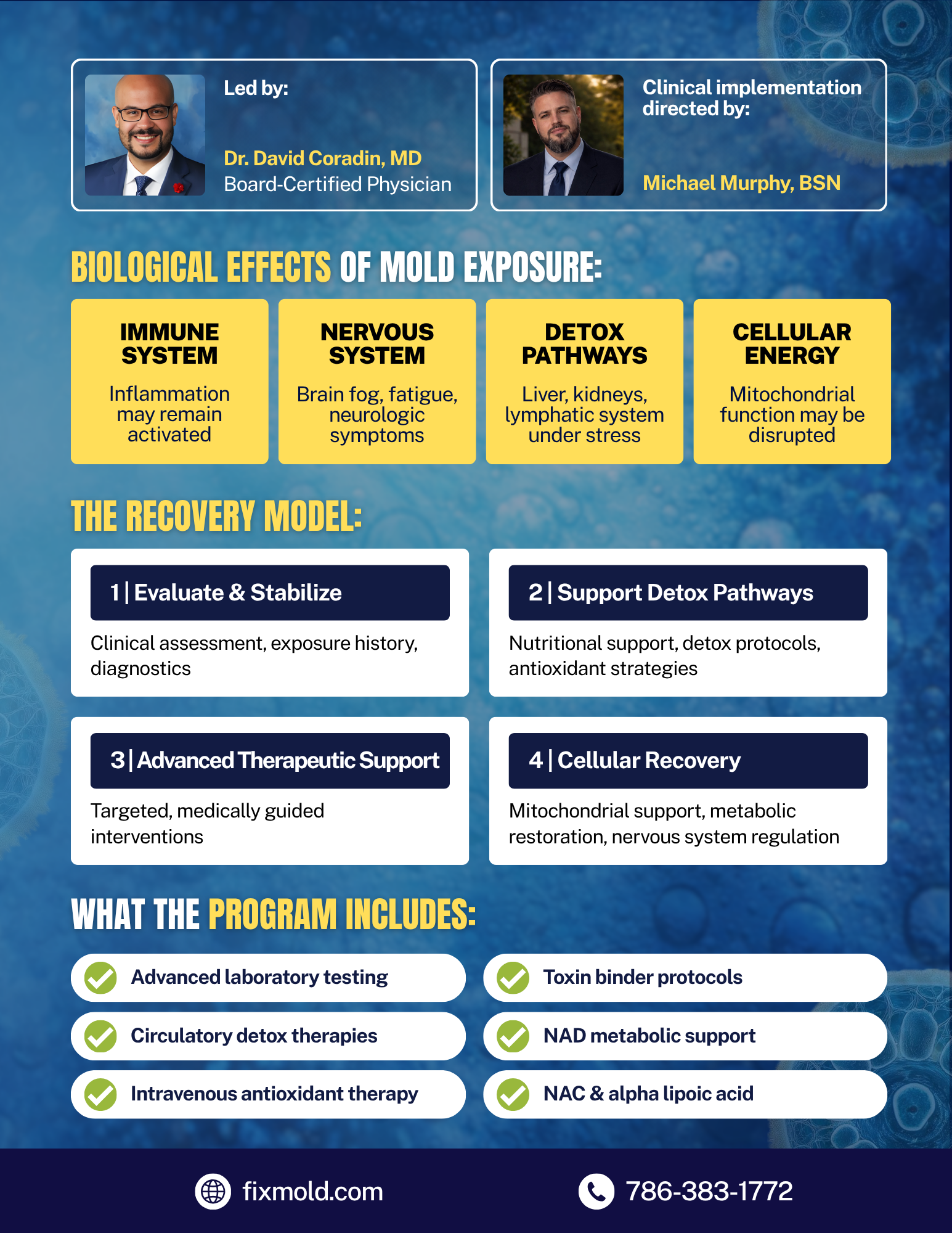
Mold Removed From Your Home. What About Your Body?
A medically guided approach to supporting recovery after mold exposure.
FixMold focuses on eliminating mold from your environment.
But for some individuals, recovery doesn’t stop there. Even after successful remediation, the body may continue responding to past exposure. In these cases, a structured, medically guided approach may be necessary to support full recovery.
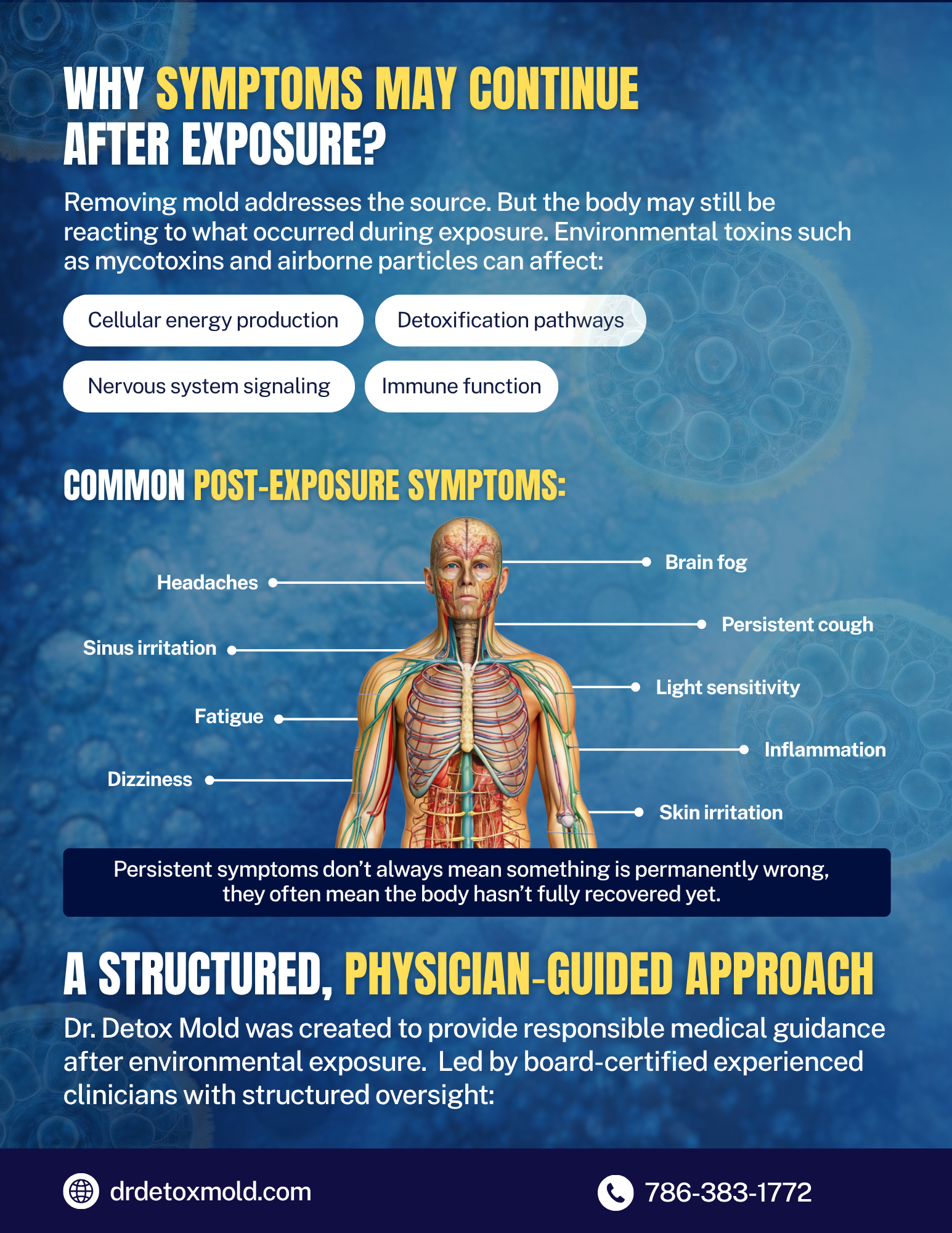
Why Symptoms Can Continue After Mold Exposure
Removing mold addresses the source of the problem, but it does not always resolve how the body has been affected during exposure.
Environmental toxins can impact multiple systems:
• Immune function
• Nervous system signaling
• Cellular energy production
• Detoxification pathways
For some individuals, these systems require time and proper support to return to balance.
2. Detoxification Support
• Nutritional protocols
• Toxin-binding strategies
• Antioxidant support
3. Advanced Therapeutic Support
• Targeted, medically guided interventions
• IV-based therapies when appropriate
4. Cellular Recovery
• Mitochondrial support
• Metabolic restoration
• Nervous system regulation
Core Focus
• Detoxification support
• Immune system balance
• Cellular energy restoration
• Nervous system regulation
Key Principle
Recovery is not about doing more. It is about doing the right things, in the right order.
Next Steps
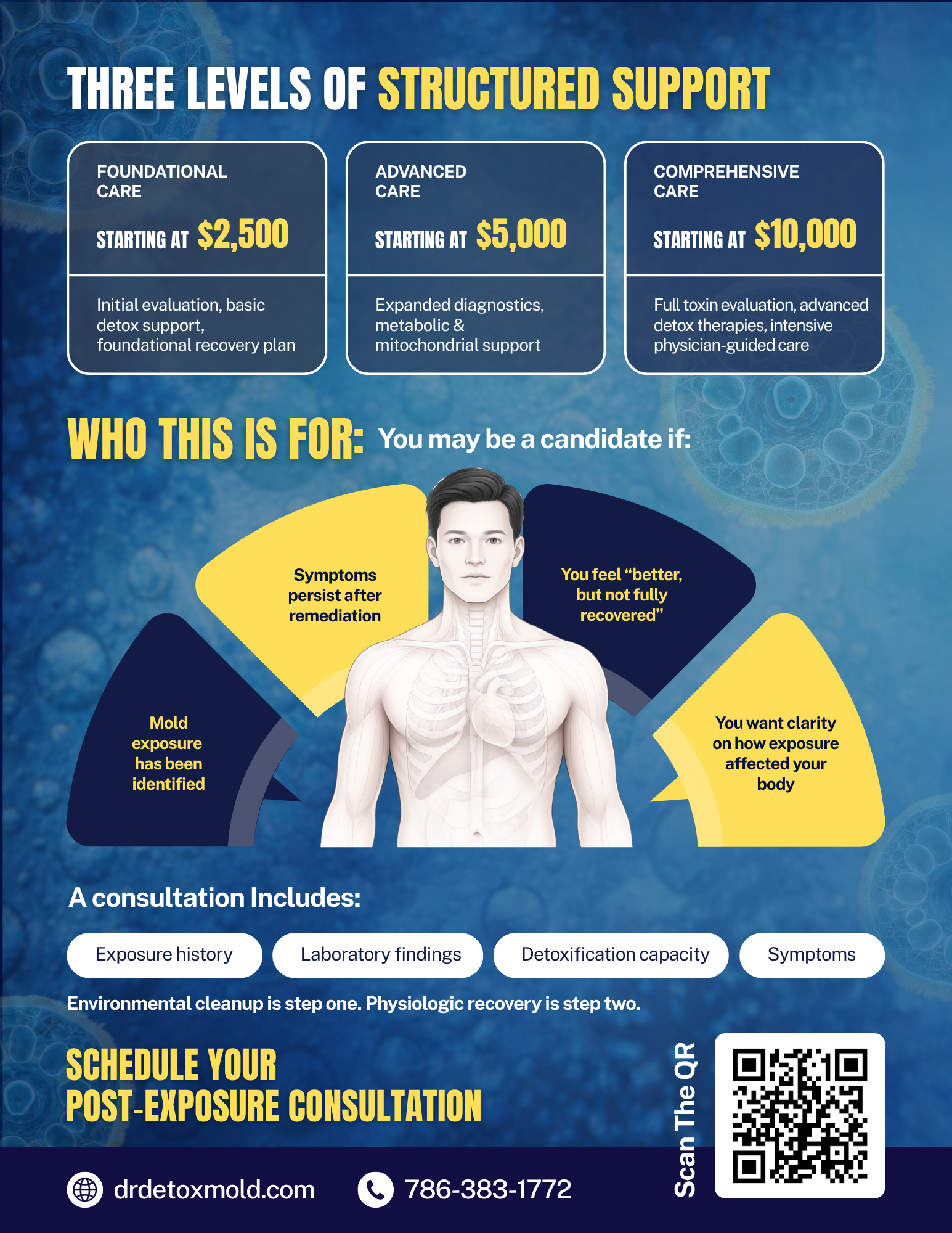
If mold exposure has been identified and symptoms are still present, evaluation may provide clarity.
• Exposure history review
• Laboratory evaluation
• Detoxification assessment
• Symptom analysis
Yes. The CO2 dry ice mist is non-toxic and leaves no chemical residue on surfaces after the treatment dissipates. CO2 is naturally present in the atmosphere and the mist itself evaporates without leaving any material behind. The hydrogenation reaction targets the cellular biology of mold organisms specifically and does not produce compounds harmful to humans or animals. Our organic VOC-free approach applies across every technology we use including this one.
+
Is this the same as dry ice blasting used in some mold remediation?
No. Dry ice blasting is a physical abrasion process where frozen CO2 pellets are propelled at a surface to remove material mechanically, similar to sandblasting. CO2 hydrogenation is a chemical process where CO2 in a specific state is used to generate a reactive mist that penetrates materials and addresses mold contamination through a biochemical reaction rather than physical abrasion. The mechanisms, the equipment and the outcomes are fundamentally different.
+
Can I find this technology with other mold remediation companies?
No. The CO2 hydrogenation process is exclusively patented for use by the Katz family's companies. FixMold is the entity through which this technology is currently deployed in South Florida. If another company claims to offer CO2 hydrogenation mold treatment, ask to see their licensing documentation.
+
Does this technology replace the need for physical mold removal?
No, and any company suggesting that chemical treatment alone is sufficient without physical removal of contaminated materials is not following professional remediation standards. CO2 hydrogenation addresses contamination in the substrate and in inaccessible cavities. It works alongside physical removal, not instead of it. The full FixMold 12-step process uses both because each addresses a different dimension of the problem.