1000+ 5-STAR REVIEWS
Recommended All Over Florida
Katz Family Over 3 Decades
Recommended by Miami Doctors
1000+ 5-STAR REVIEWS
Recommended All Over Florida

Professional Yacht Mold Removal Miami

    miami mold specialist

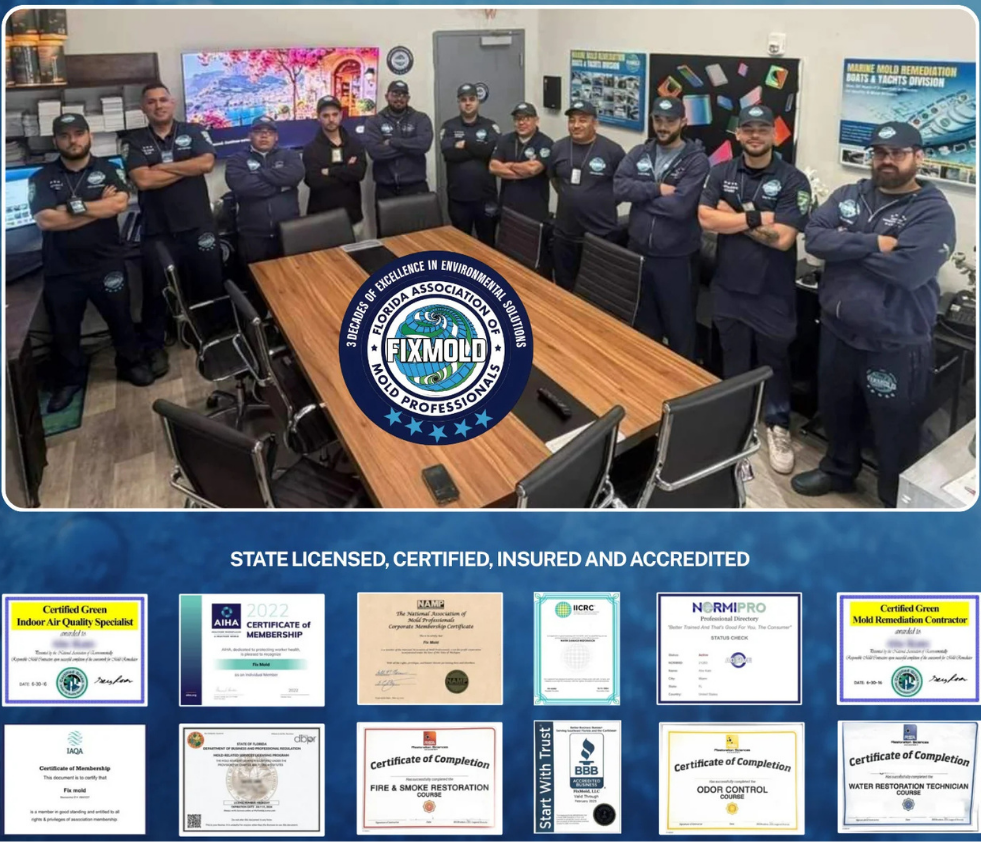
    State Licensed and Accredited Affiliations

    Dr Mold Detox
    Dr Mold Detox

    Yacht Mold Removal Miami

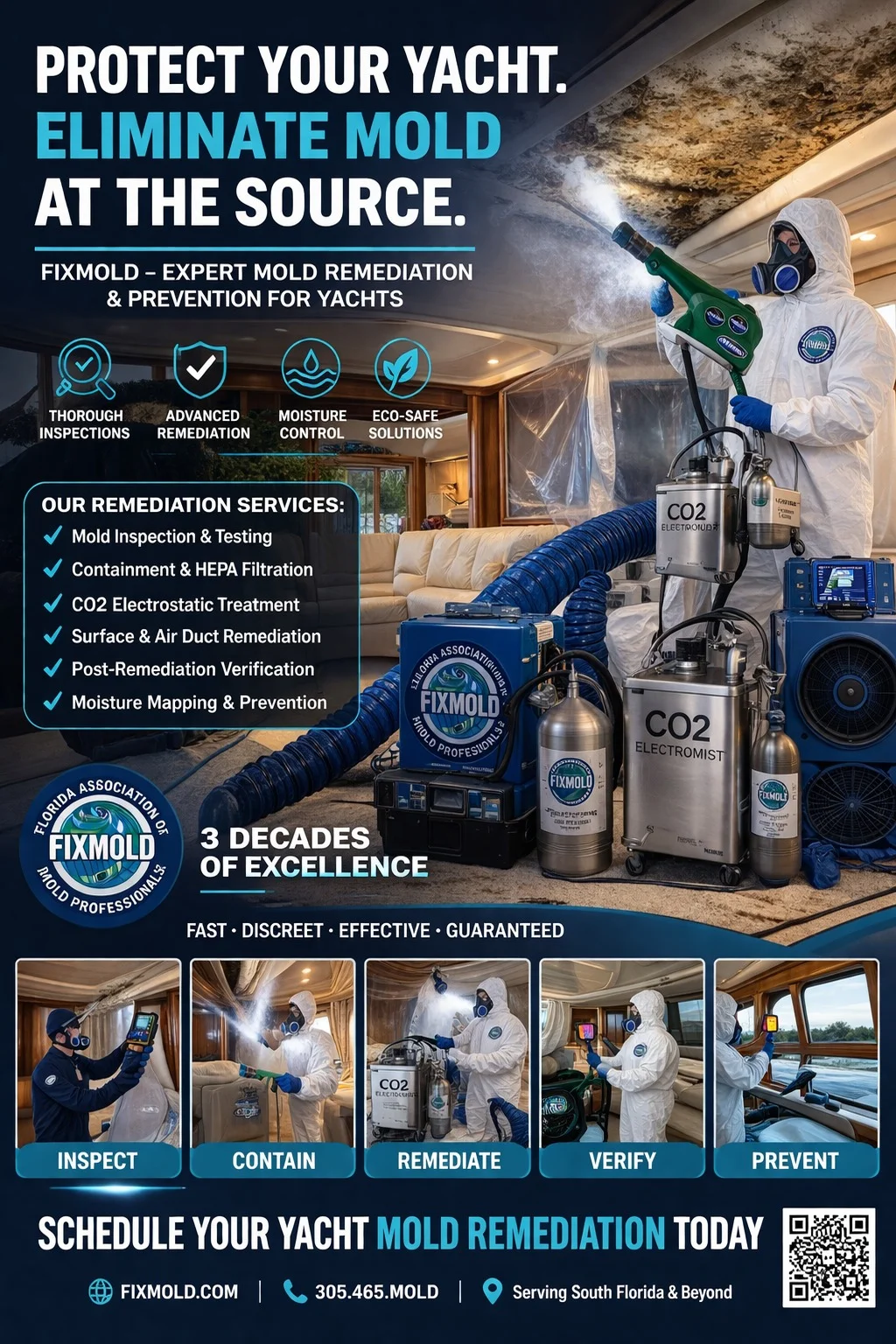
    Mold on a yacht often develops in hidden areas where moisture collects, including cabins, storage compartments, and air systems. In Miami, constant humidity and enclosed spaces allow mold to spread quickly even when surfaces appear clean. Proper removal requires addressing both the contamination and the conditions that caused it.

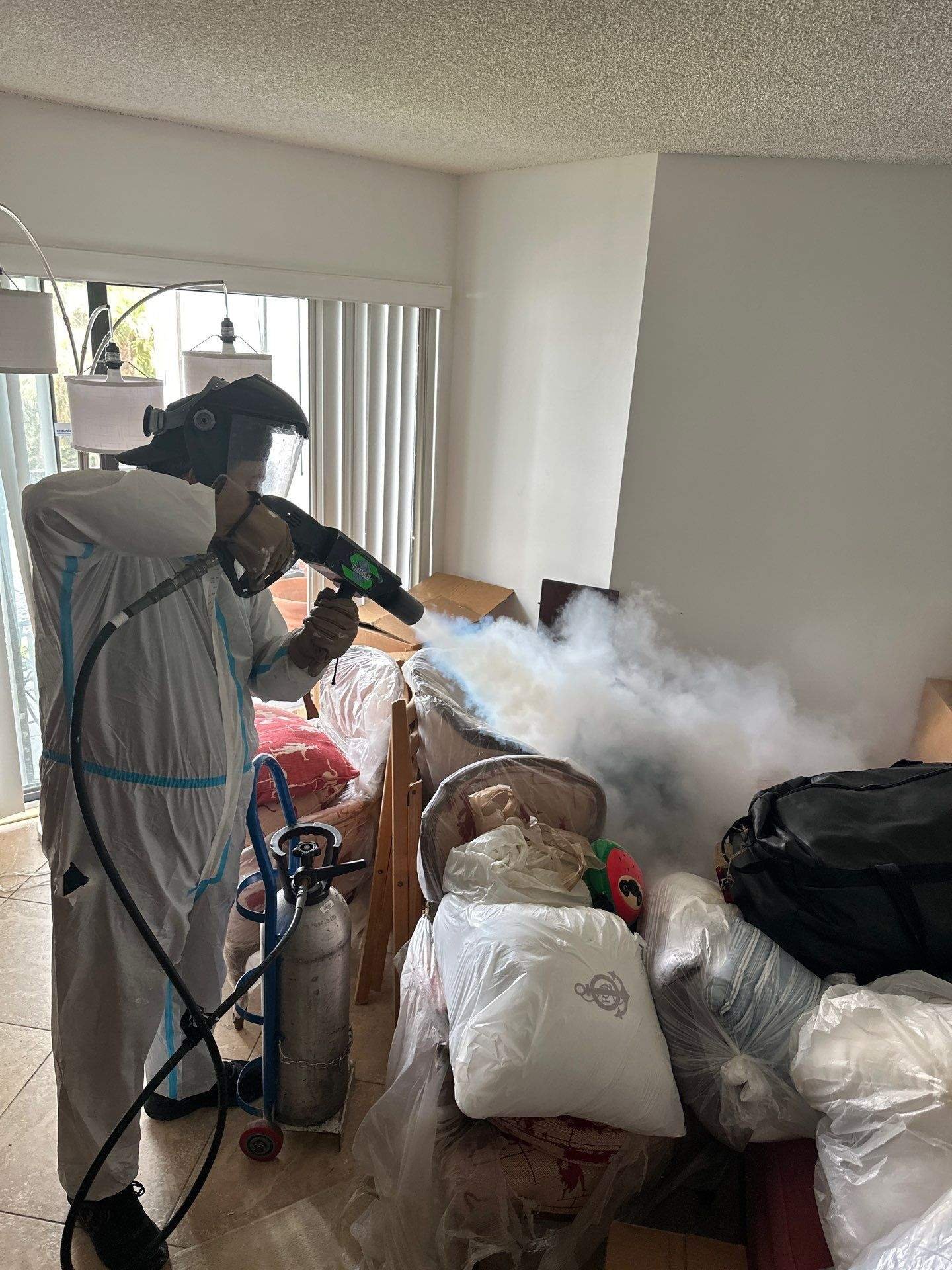
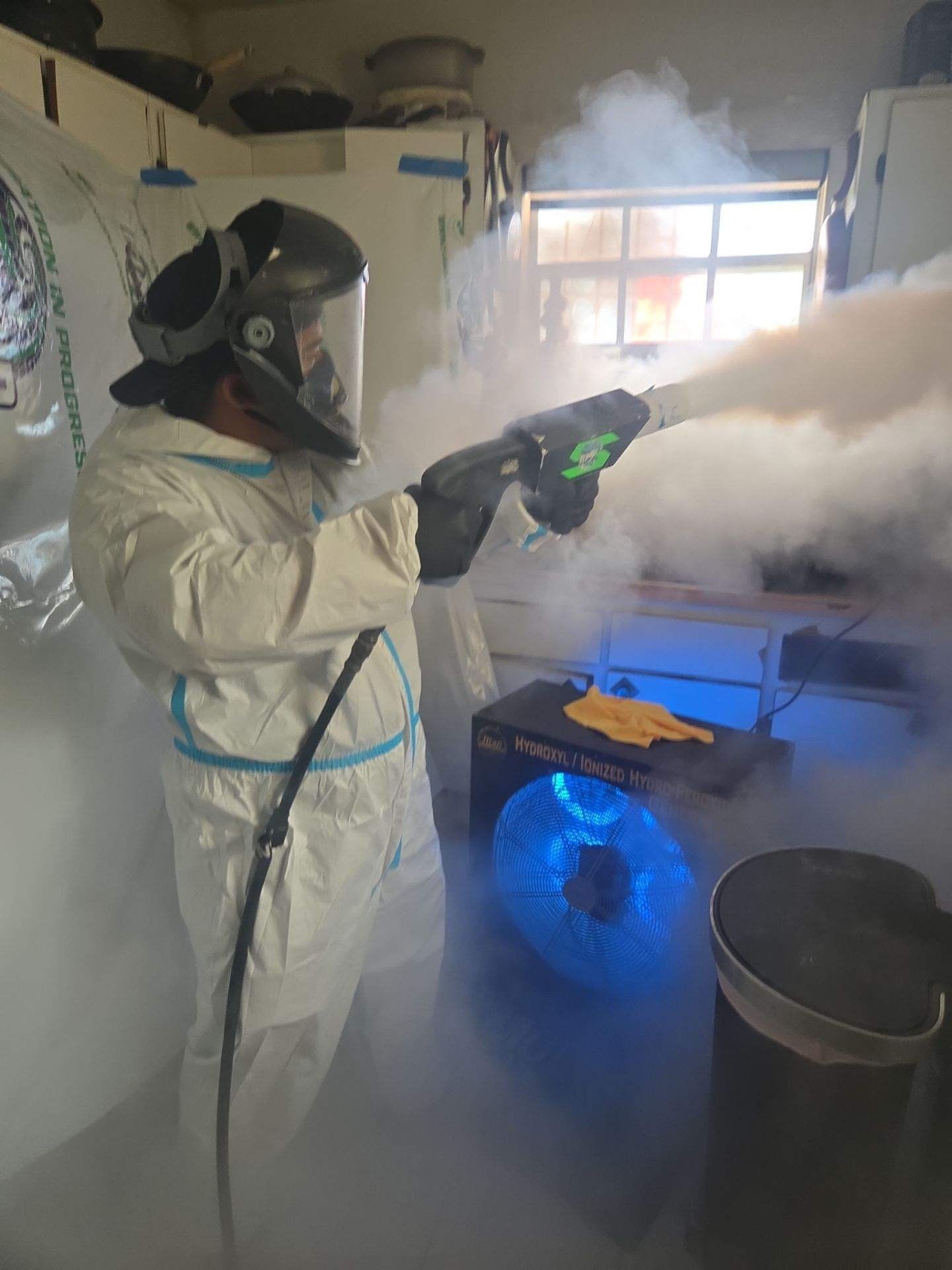
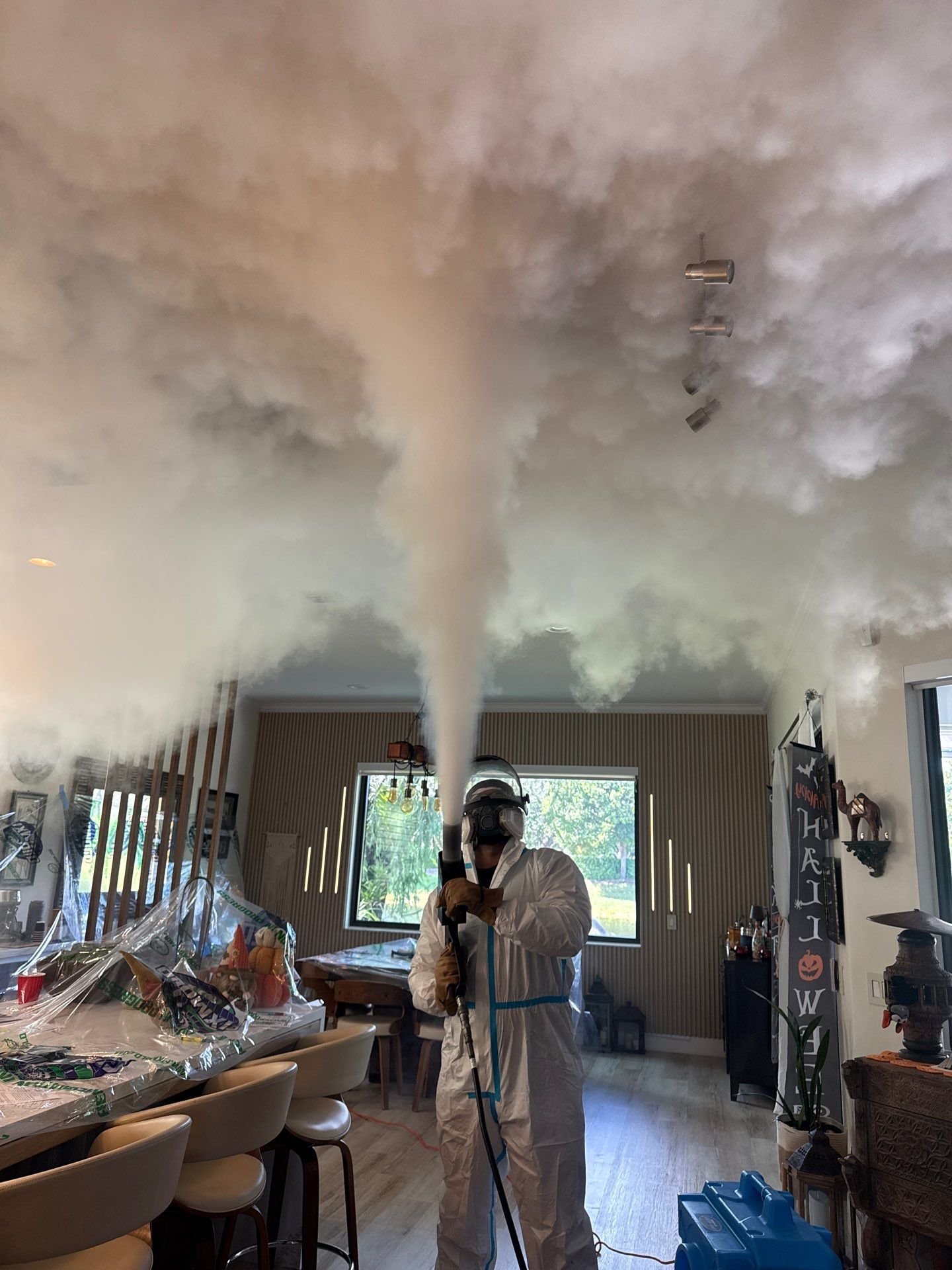
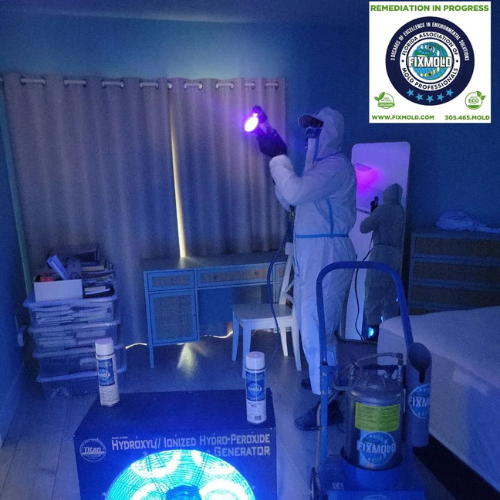
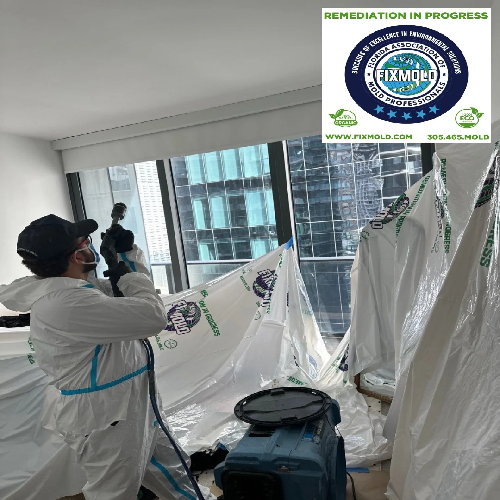
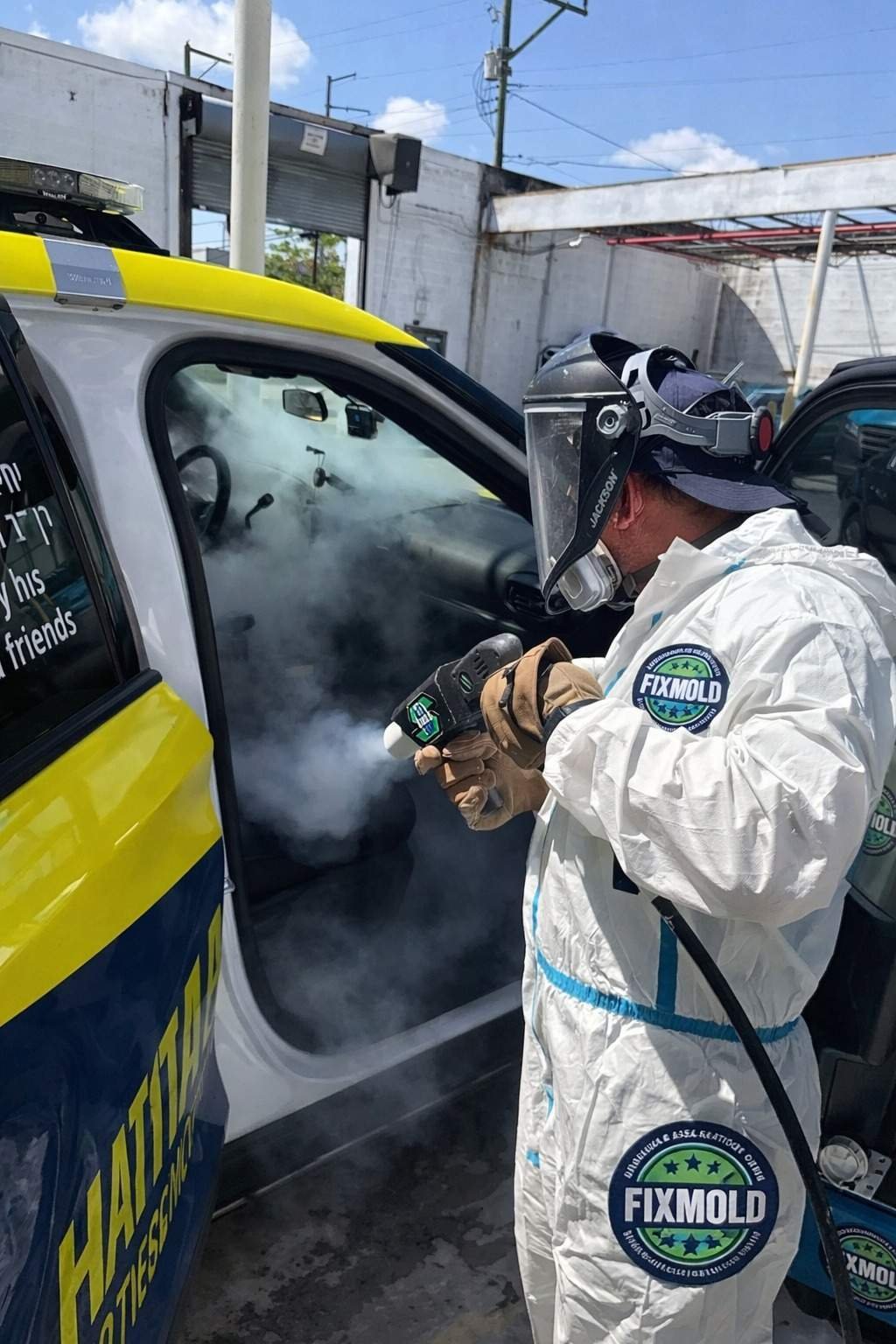
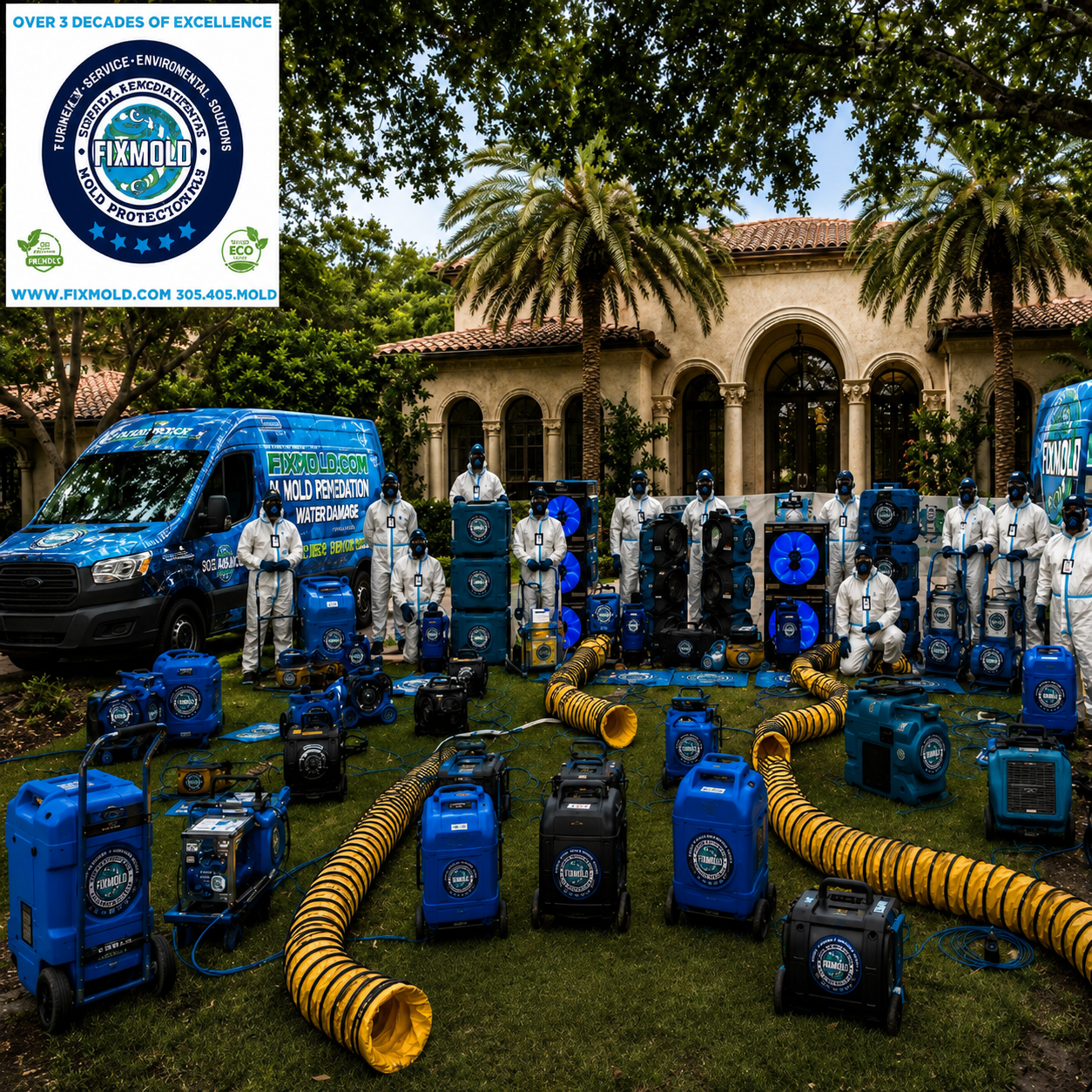
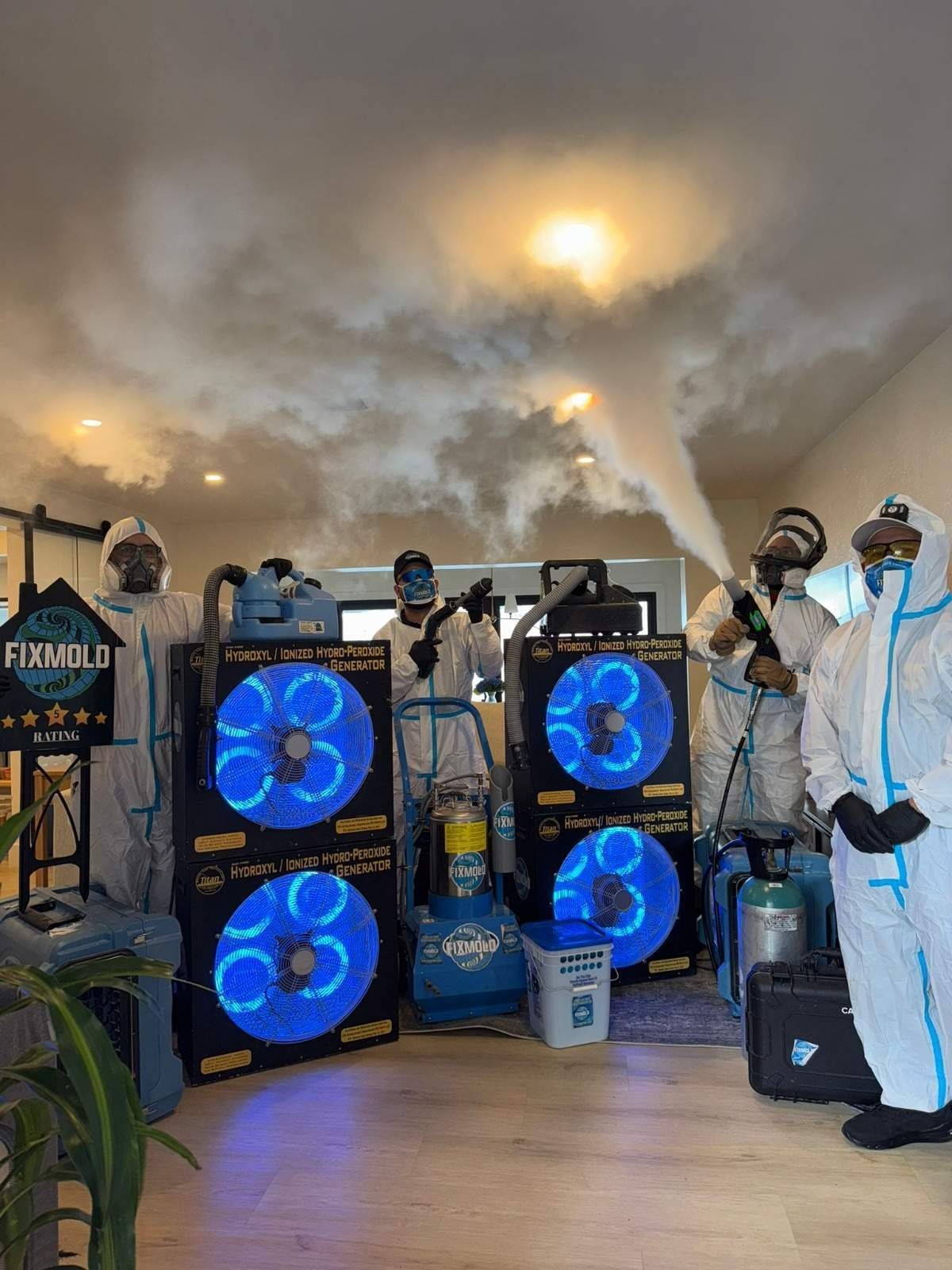
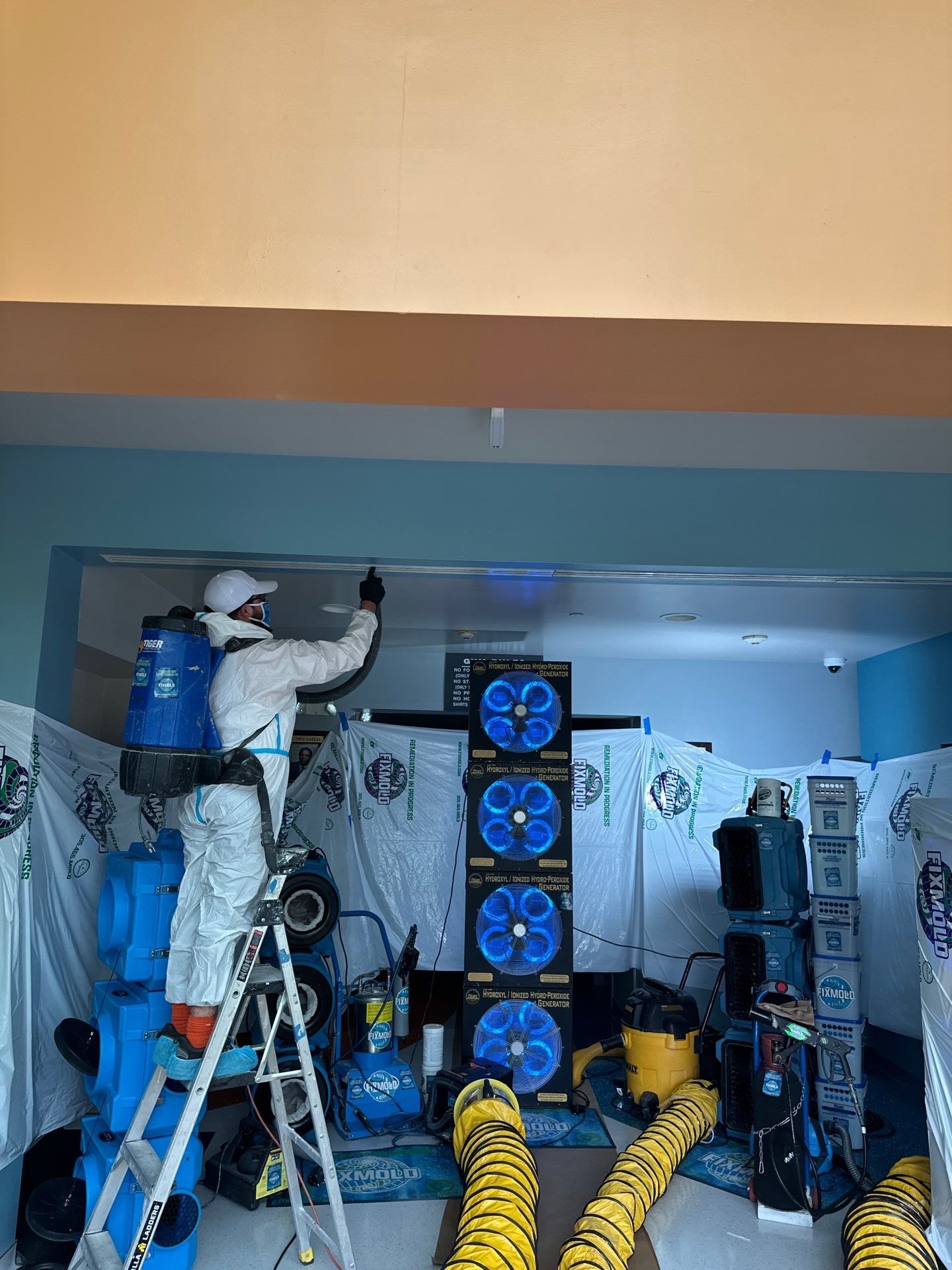
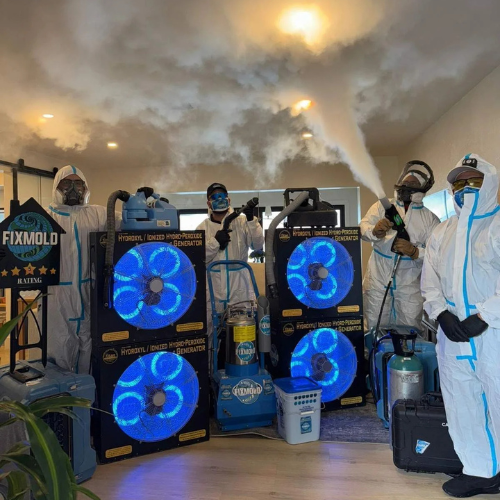
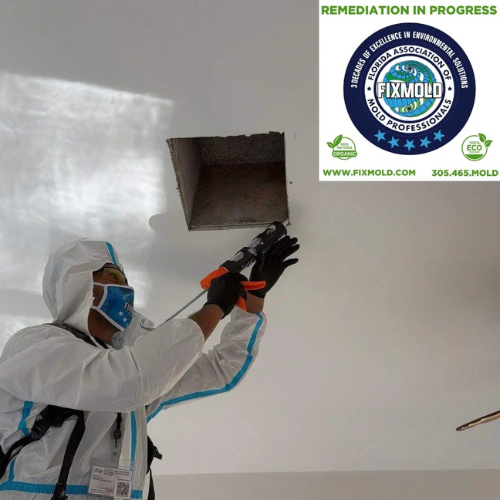
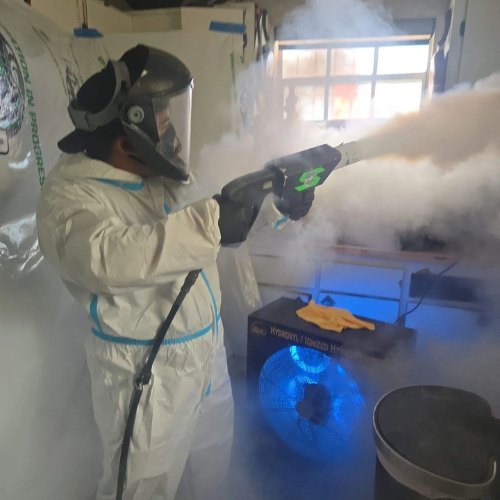
    At FixMold, yacht mold removal is handled with a controlled process designed for marine environments. We isolate affected areas, remove contamination safely, and clean the surrounding space to prevent spores from spreading throughout the vessel. This protects interior materials and improves air quality onboard.

    Marine conditions create ongoing exposure to moisture, which means mold can return if the source is not addressed. That is why removal also includes identifying moisture buildup, improving airflow, and stabilizing the environment inside the yacht.

    Our goal is to restore a clean and stable indoor environment. Whether you are maintaining your yacht or preparing it for use or sale, proper removal helps protect the vessel and maintain comfortable air conditions onboard.

    Call or text: +1305 465 6653 | Same day appointments available | Virtual assessment available

    Why Yacht Mold Removal in Miami Requires a Specialized Approach

    Yacht mold removal in Miami involves environmental conditions that are very different from those found in standard residential properties. Marine environments create constant exposure to humidity, salt air, condensation, fluctuating temperatures, and enclosed airflow conditions that allow moisture to accumulate throughout cabins, storage compartments, upholstery systems, engine rooms, and HVAC components.

    Even well-maintained yachts and boats can develop hidden mold problems when moisture becomes trapped inside enclosed marine spaces.

    Throughout Miami, Miami Beach, Fisher Island, Key Biscayne, Coconut Grove, Sunny Isles, Aventura, Fort Lauderdale, Palm Beach, Naples, Marco Island, and other South Florida coastal communities, yacht owners frequently deal with recurring humidity and indoor air quality concerns caused by prolonged marine exposure.

    Boats that remain docked for extended periods, experience limited ventilation, or rely heavily on marine air conditioning systems often develop musty odors and hidden microbial contamination over time.

    One of the biggest challenges with yacht mold removal is that marine vessels operate in an environment where moisture exposure never fully stops. Salt air, ocean humidity, rain intrusion, AC condensation, bilge moisture, and temperature fluctuations all contribute to persistent dampness inside enclosed compartments and cabin systems.

    Unlike traditional buildings where environmental conditions can often be stabilized more easily, yachts continuously experience changing marine conditions that influence airflow and humidity.

    Common Signs of Mold Problems on Yachts and Boats

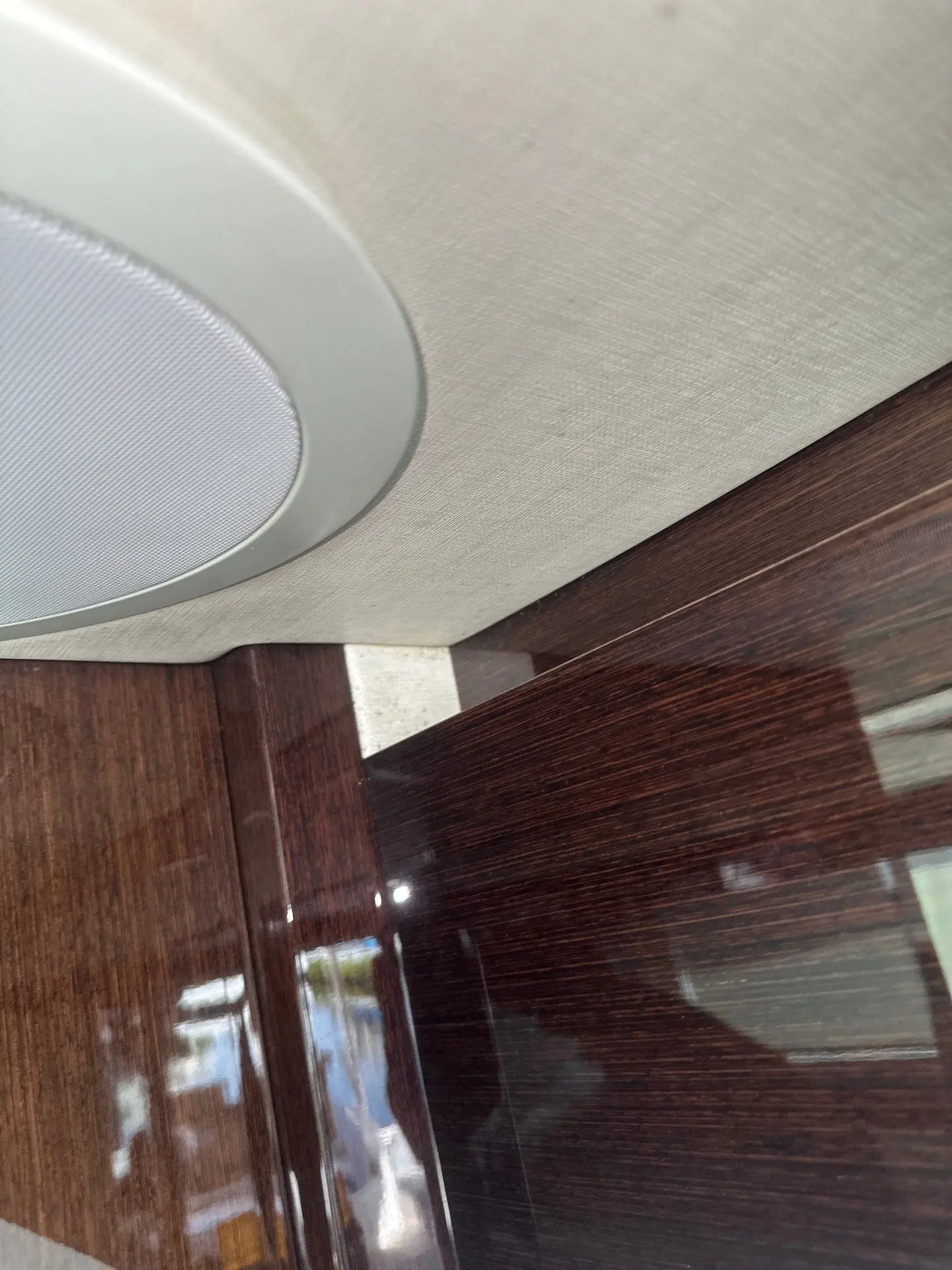
    Many yacht owners first notice mold issues through persistent musty odors inside the cabin. Others observe staining around vents, condensation buildup on windows, damp upholstery, discoloration on vinyl or wood surfaces, or worsening indoor air conditions while onboard.

    In some cases, mold develops after water intrusion from storms, hatch leaks, plumbing failures, bilge flooding, or prolonged storage periods with insufficient ventilation.

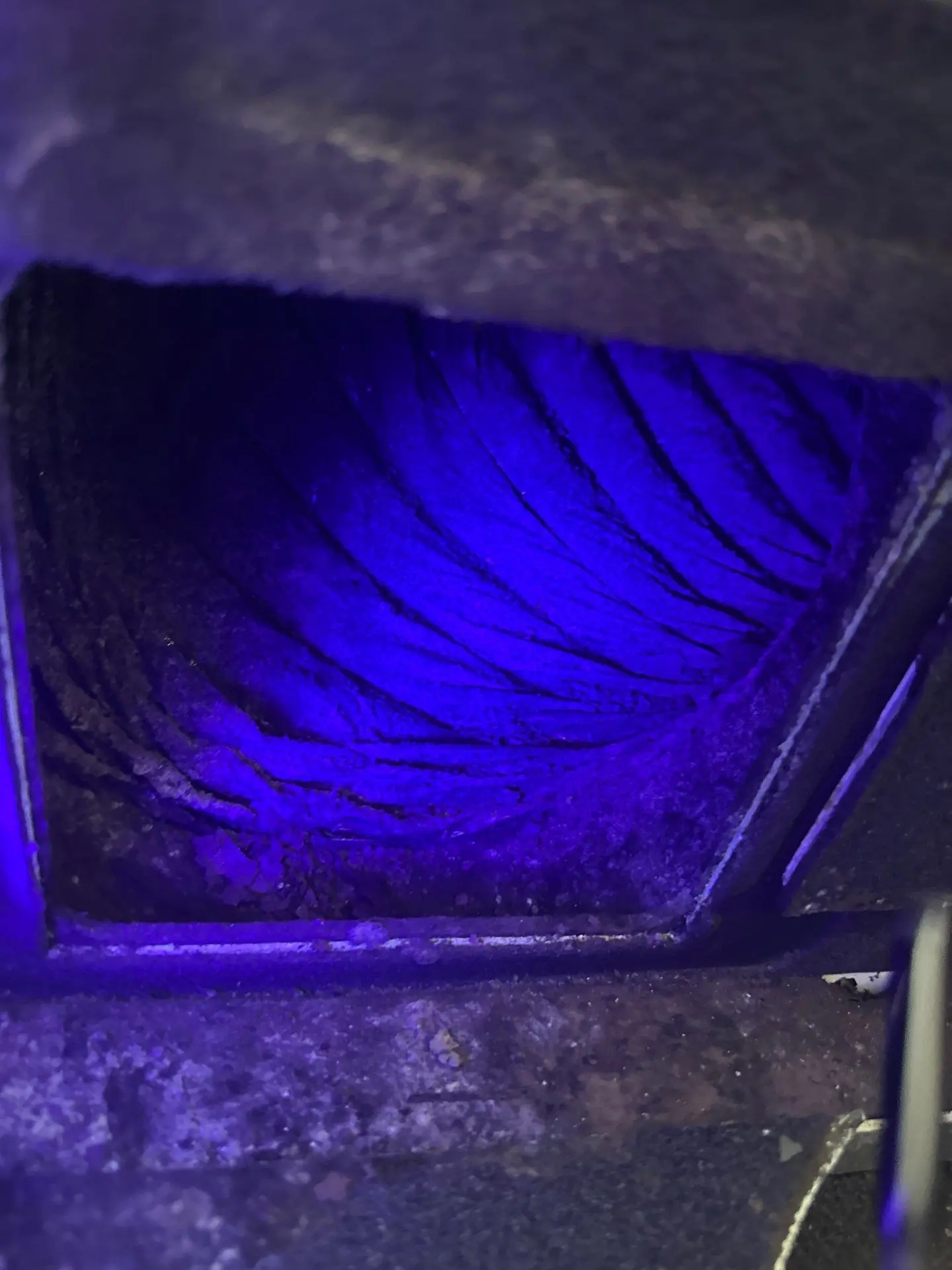
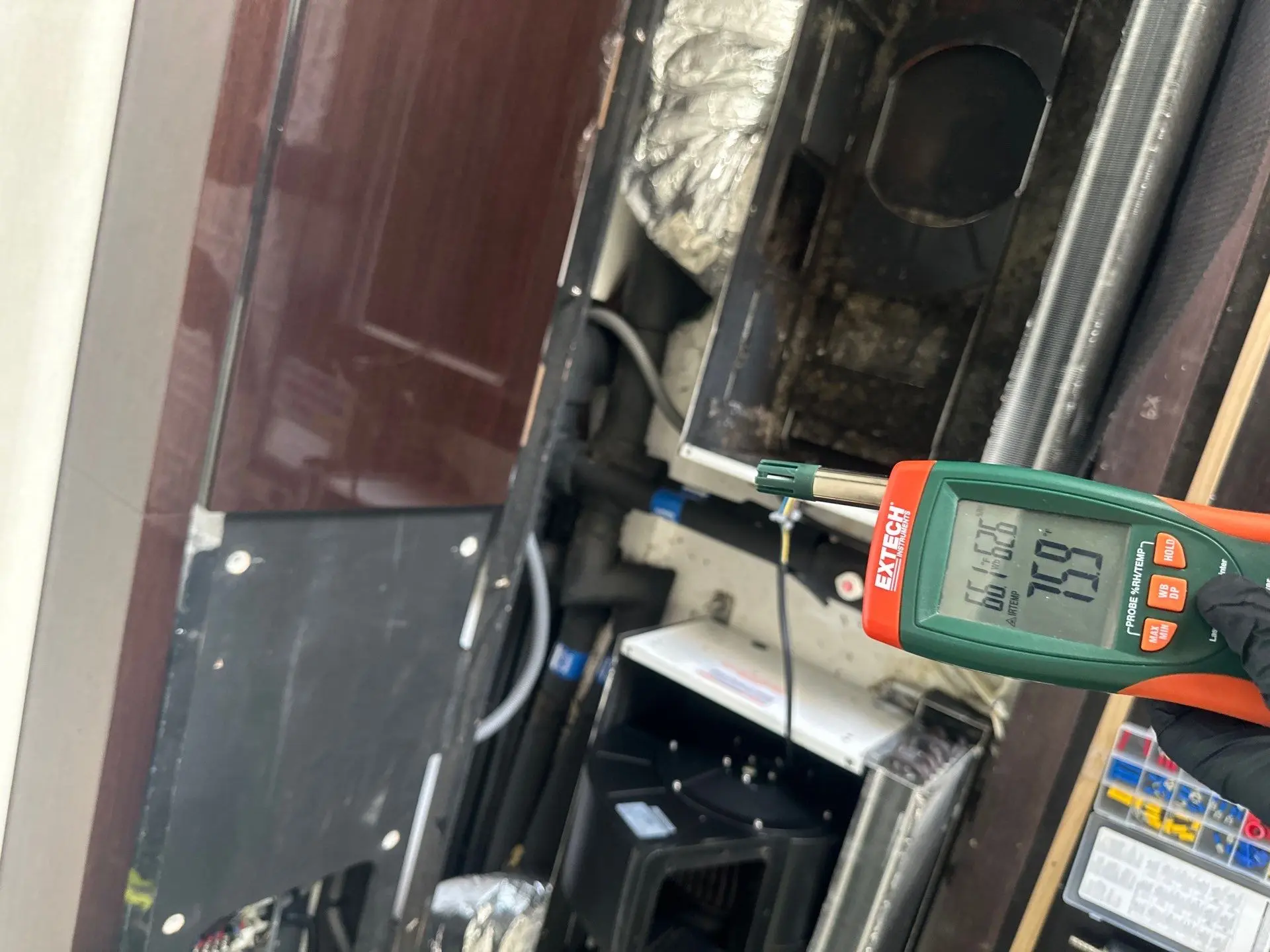
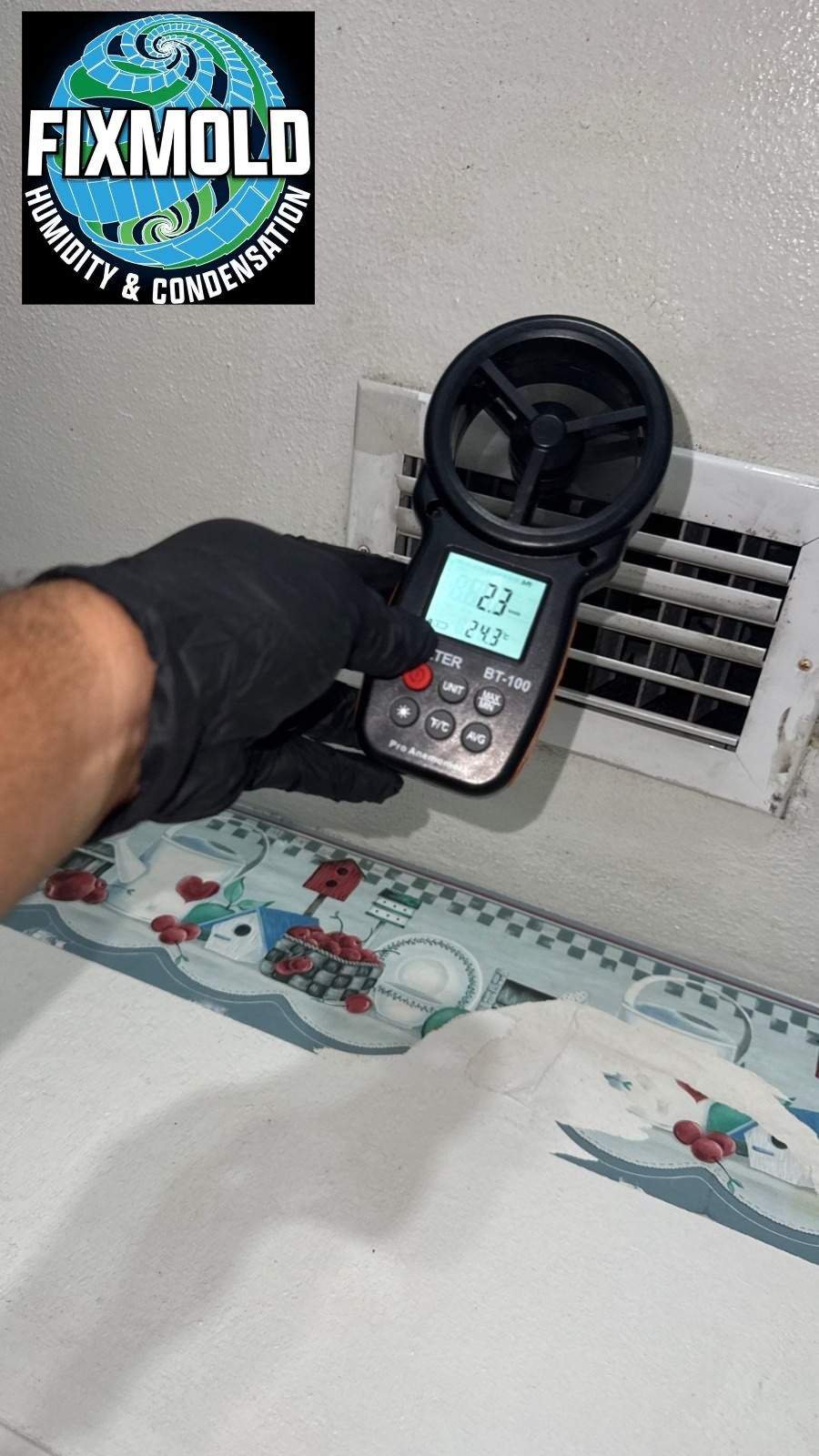
    Marine HVAC systems are one of the most common sources of hidden contamination on yachts throughout South Florida. Air conditioning systems onboard vessels constantly manage warm, humid ocean air while operating inside enclosed cabin environments.

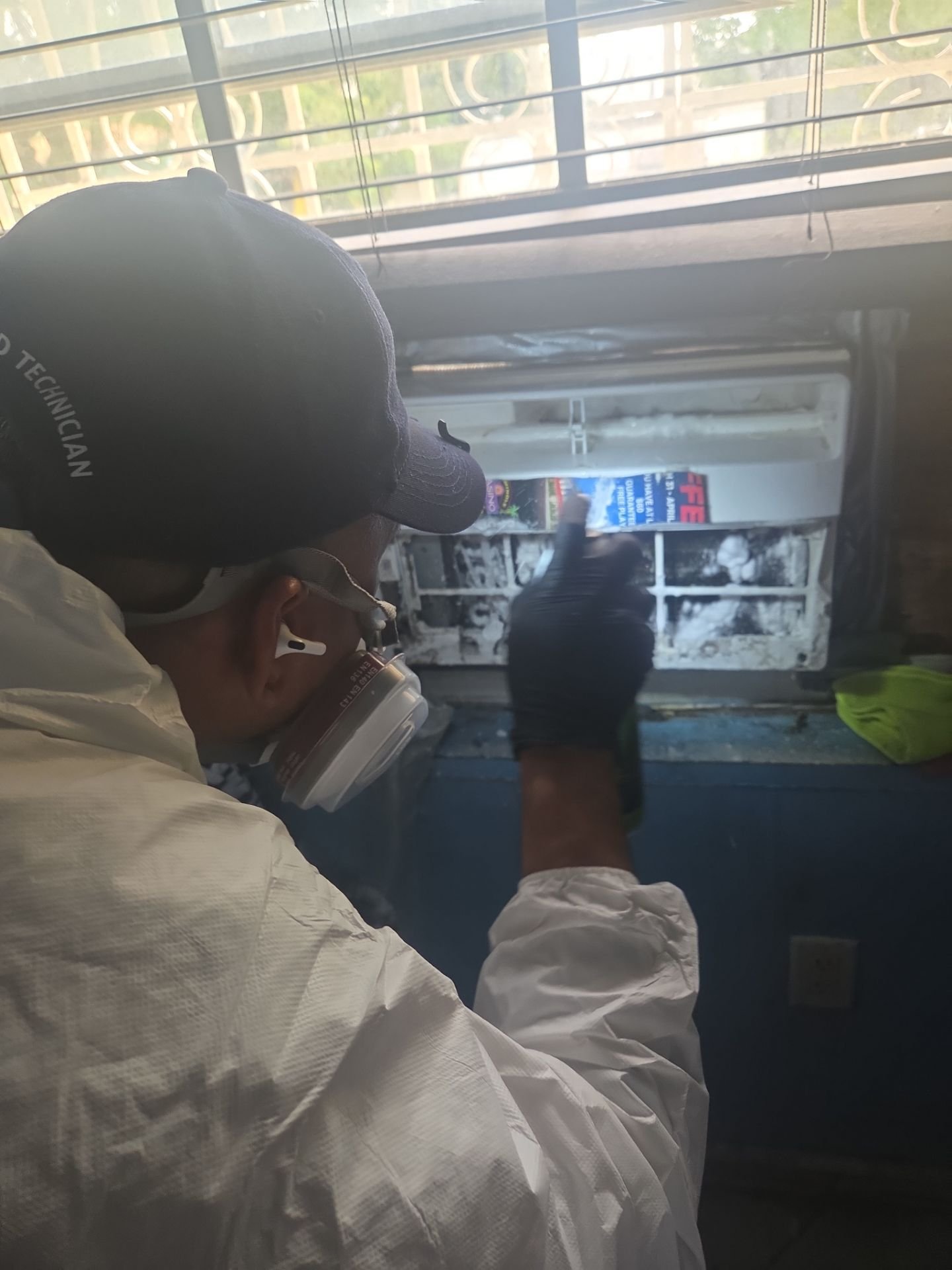
    Condensation naturally forms around cooling systems, ductwork, drain lines, and ventilation components. If moisture accumulates inside these systems, mold can begin developing within insulation, vents, duct interiors, or surrounding structural materials.

    Many Miami yacht owners notice musty odors becoming stronger when the marine AC system turns on. This often indicates microbial growth somewhere within the ventilation system or nearby cabin materials.

    Because air circulation onboard is limited compared to larger buildings, airborne spores and moisture-related particles can spread quickly throughout the vessel’s interior.

    Condensation, Hidden Moisture, and Cabin Air Quality

    Condensation problems are extremely common aboard yachts and luxury vessels in South Florida. Cabin windows, metal framing, hidden compartments, and insulated surfaces may all collect moisture due to differences between cool interior air and hot outdoor marine conditions.

    Over time, repeated condensation can saturate surrounding materials and contribute to hidden mold growth inside cabinetry, wall panels, flooring systems, and upholstered surfaces.

    Storage compartments and enclosed marine cavities frequently retain moisture for long periods, especially when airflow is restricted. Bedding compartments, under-seat storage, closets, engine rooms, bilge areas, and mechanical access spaces often experience elevated humidity levels that create ideal conditions for microbial growth.

    Because many of these areas are rarely inspected closely, contamination can continue spreading unnoticed for extended periods.

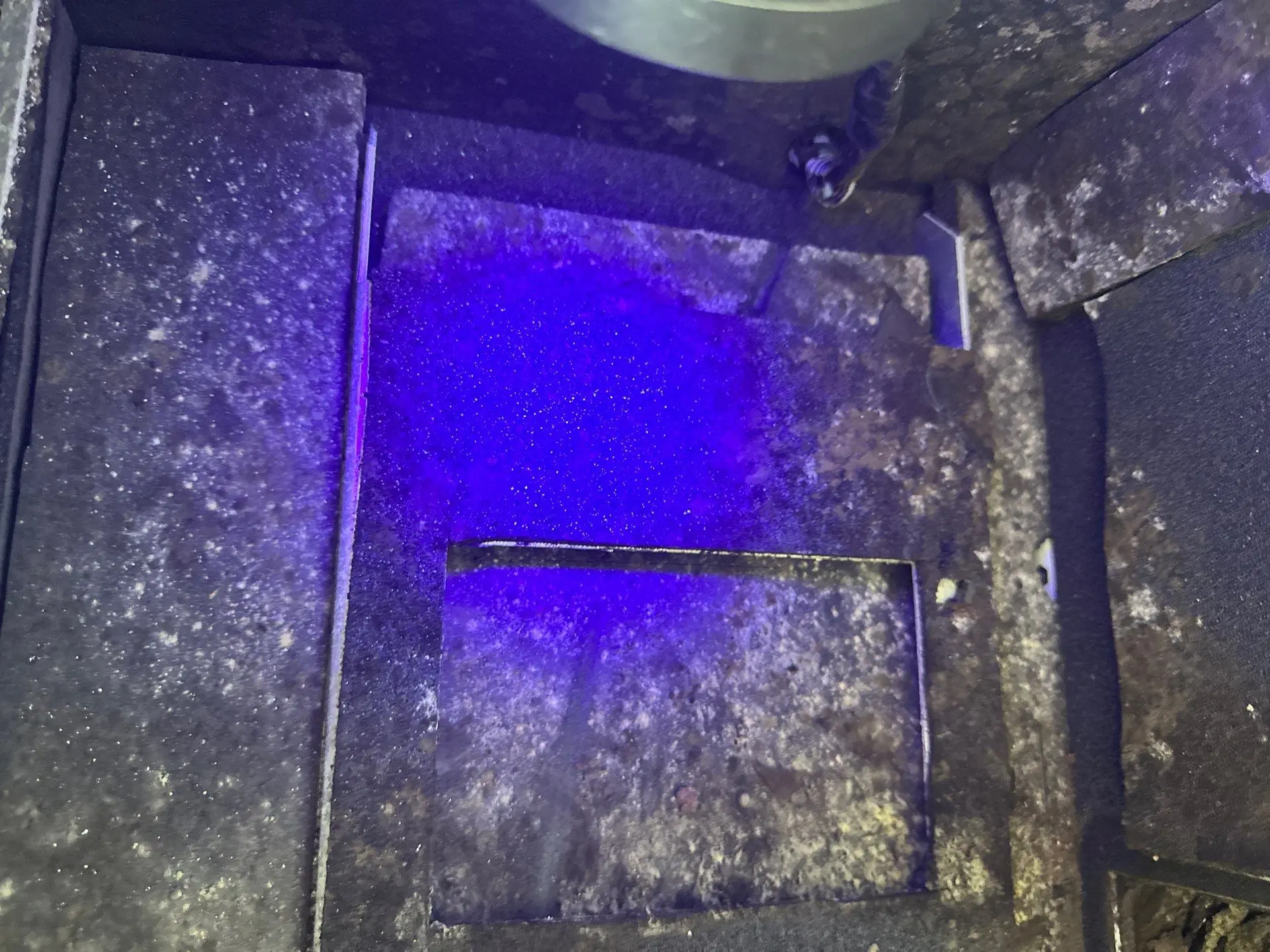
    Yacht mold contamination is not always immediately visible. In many vessels throughout Miami Beach, Fisher Island, Fort Lauderdale, Key Largo, Palm Beach, Naples, and surrounding coastal marinas, microbial growth develops behind interior wall panels, beneath flooring systems, inside insulation, around wiring channels, and within ventilation spaces.

    By the time visible staining appears, airborne contamination may already be affecting indoor cabin air quality.

    Marine water intrusion also contributes heavily to mold development. Storm exposure, leaking hatches, damaged seals, deck drainage failures, plumbing leaks, and seawater intrusion can all introduce moisture into concealed structural spaces.

    In South Florida’s humid climate, damp marine materials dry slowly, especially when enclosed cabin areas remain sealed for extended periods.

    Why Stored and Luxury Yachts Develop Mold Problems

    Boats and yachts that sit unused for weeks or months are especially vulnerable. Without consistent airflow and humidity control, interior spaces can quickly develop stale air conditions and elevated moisture levels.

    Upholstery, carpeting, wood paneling, insulation materials, mattresses, and soft surfaces may all absorb humidity from the surrounding marine environment.

    Luxury yachts and high-end vessels often contain complex interior finishes that require careful environmental remediation approaches. Imported woods, custom cabinetry, specialty fabrics, leather seating, insulation systems, and advanced electronics create additional challenges during mold removal projects.

    Improper cleaning methods can damage sensitive materials while failing to resolve the underlying moisture conditions contributing to contamination.

    Professional yacht mold removal typically begins with identifying moisture sources and evaluating the extent of contamination throughout the vessel.

    Environmental specialists may inspect HVAC systems, cabin spaces, wall cavities, storage compartments, bilge areas, insulation systems, and structural components for hidden moisture and microbial growth.

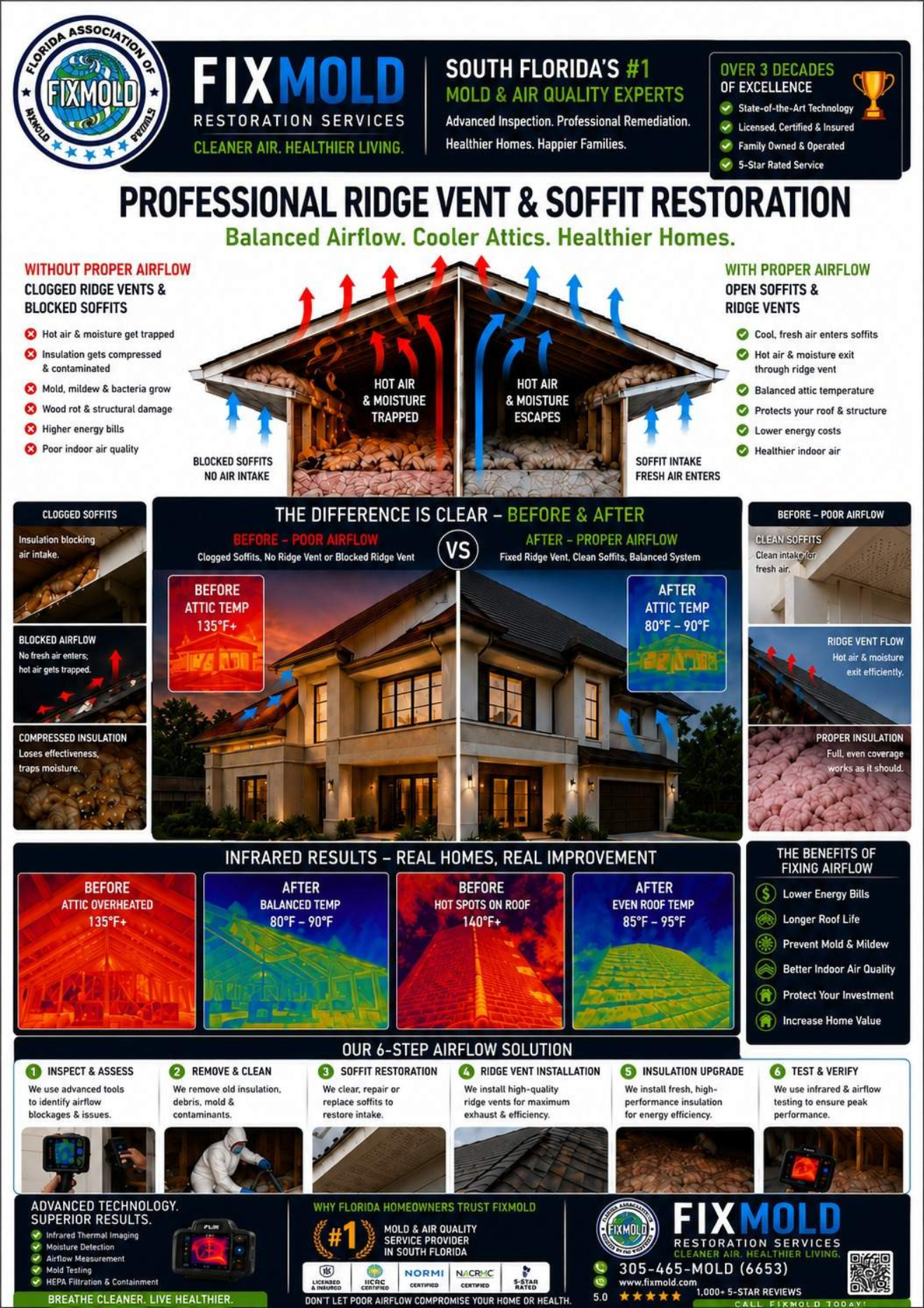
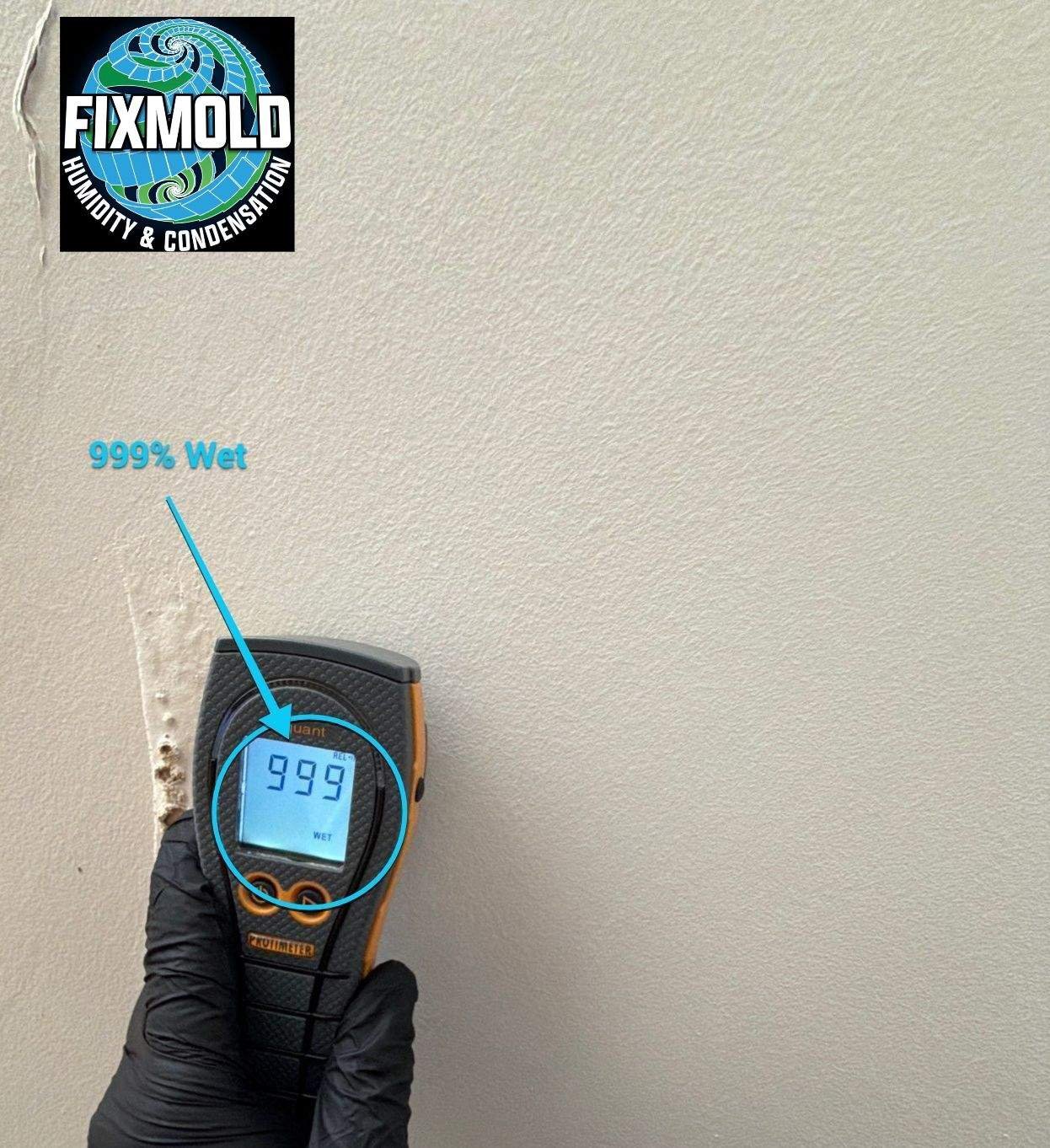
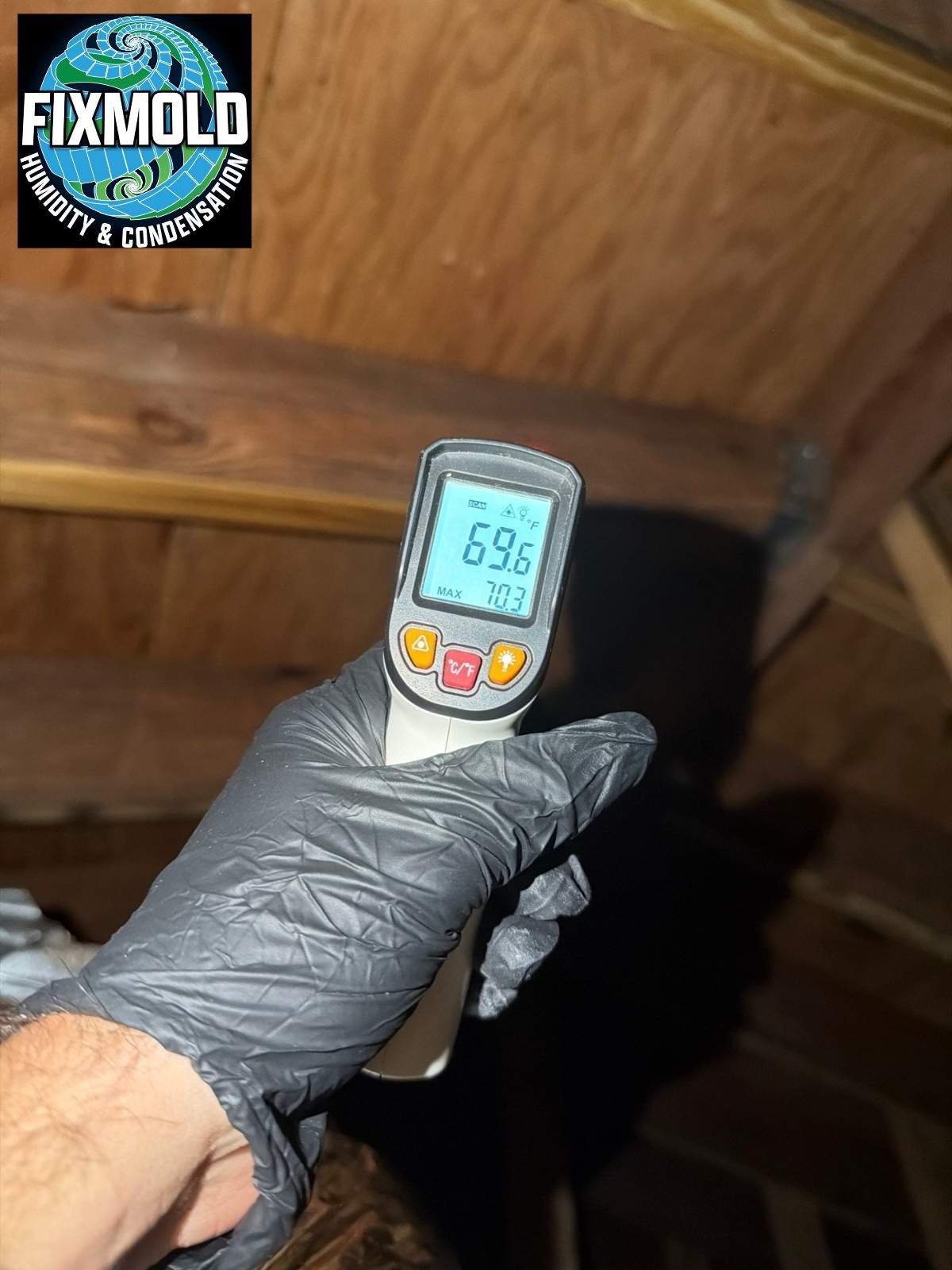
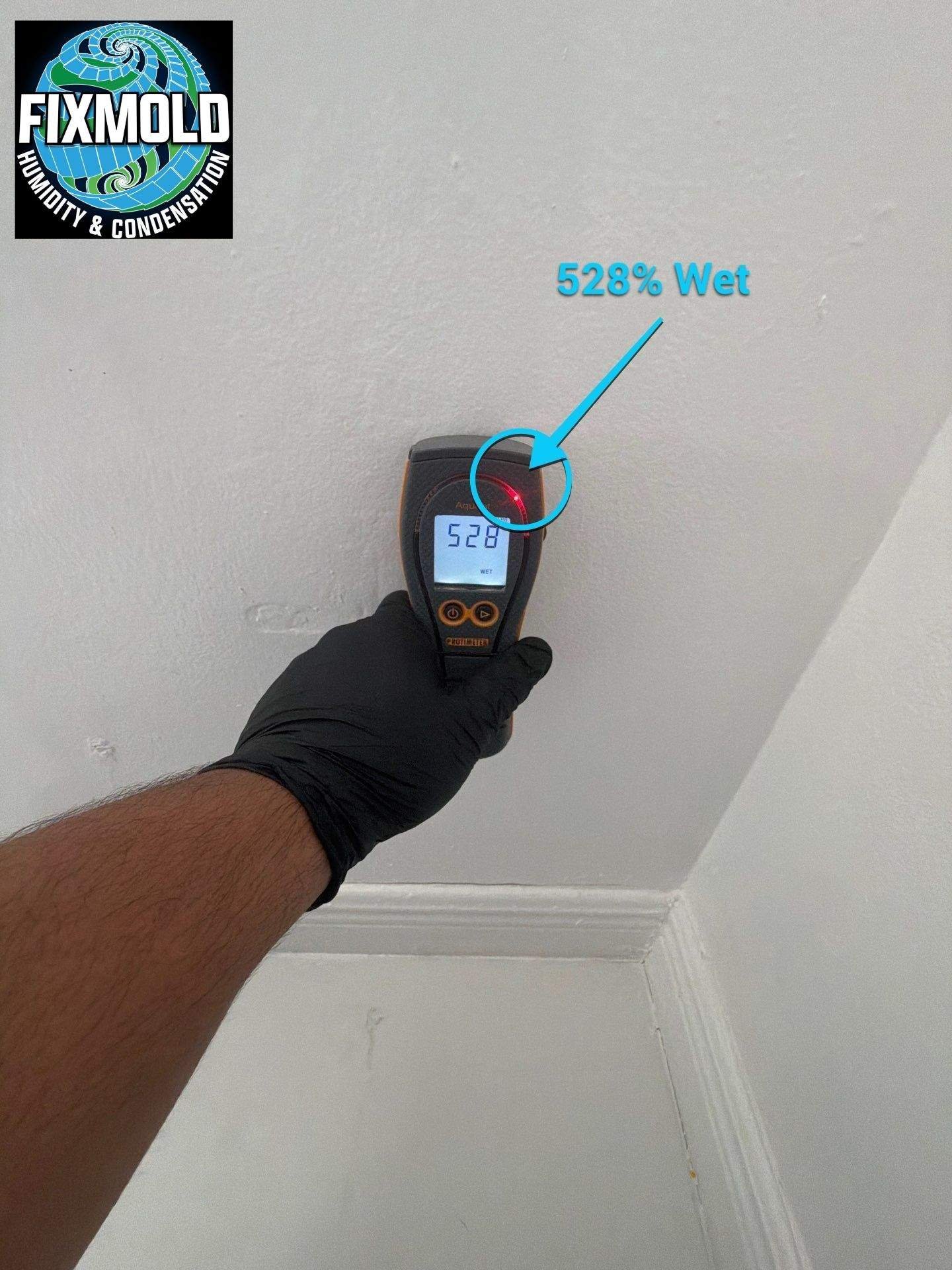
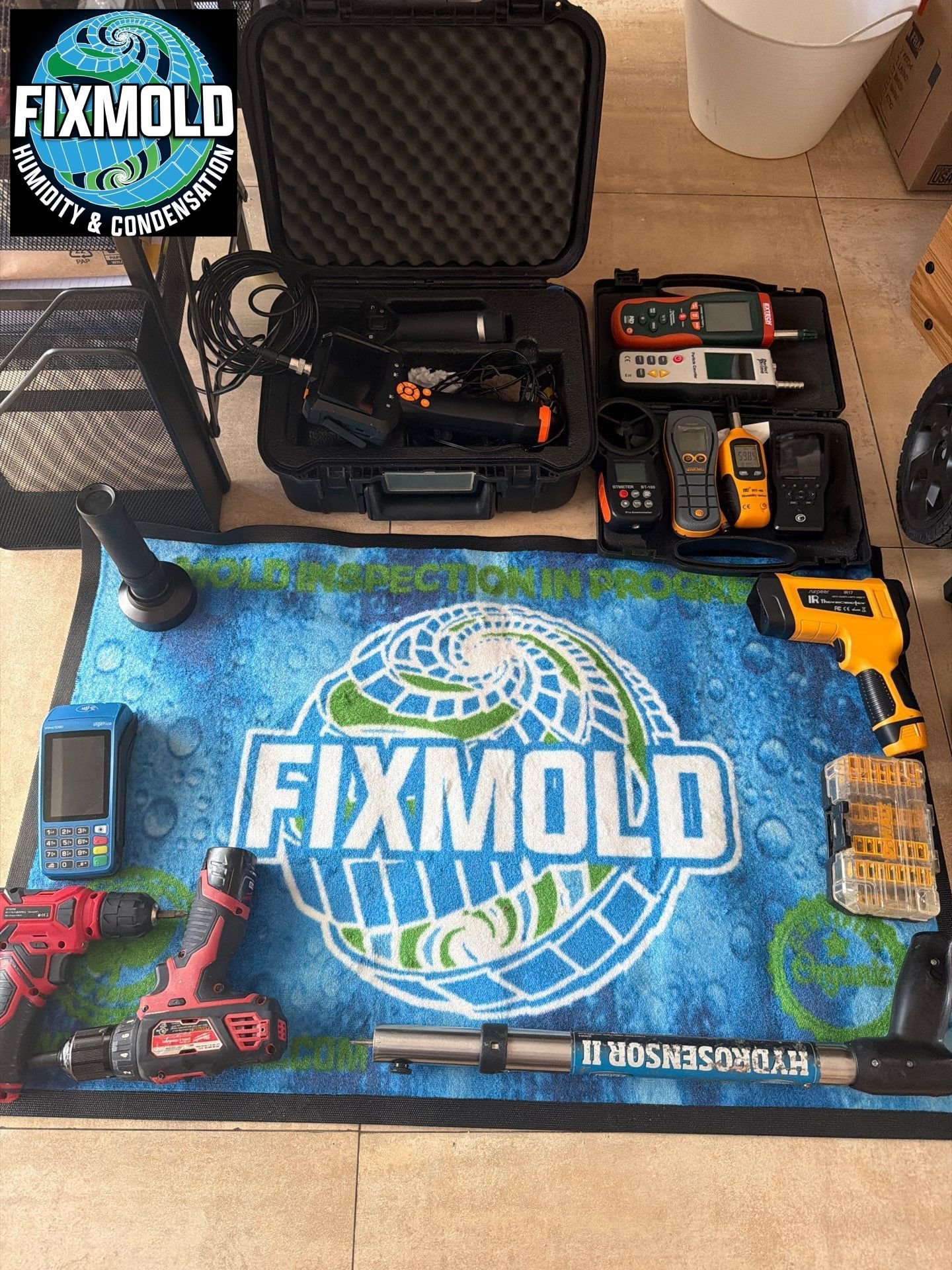
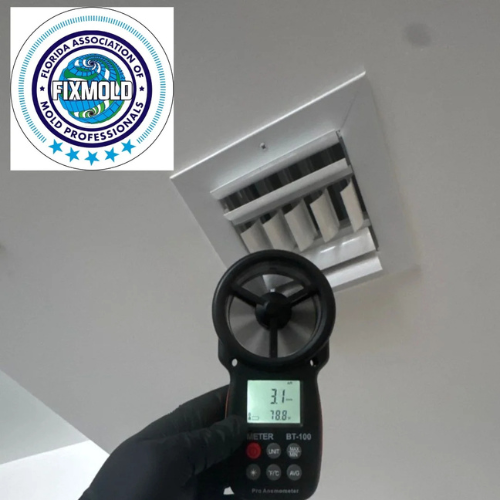
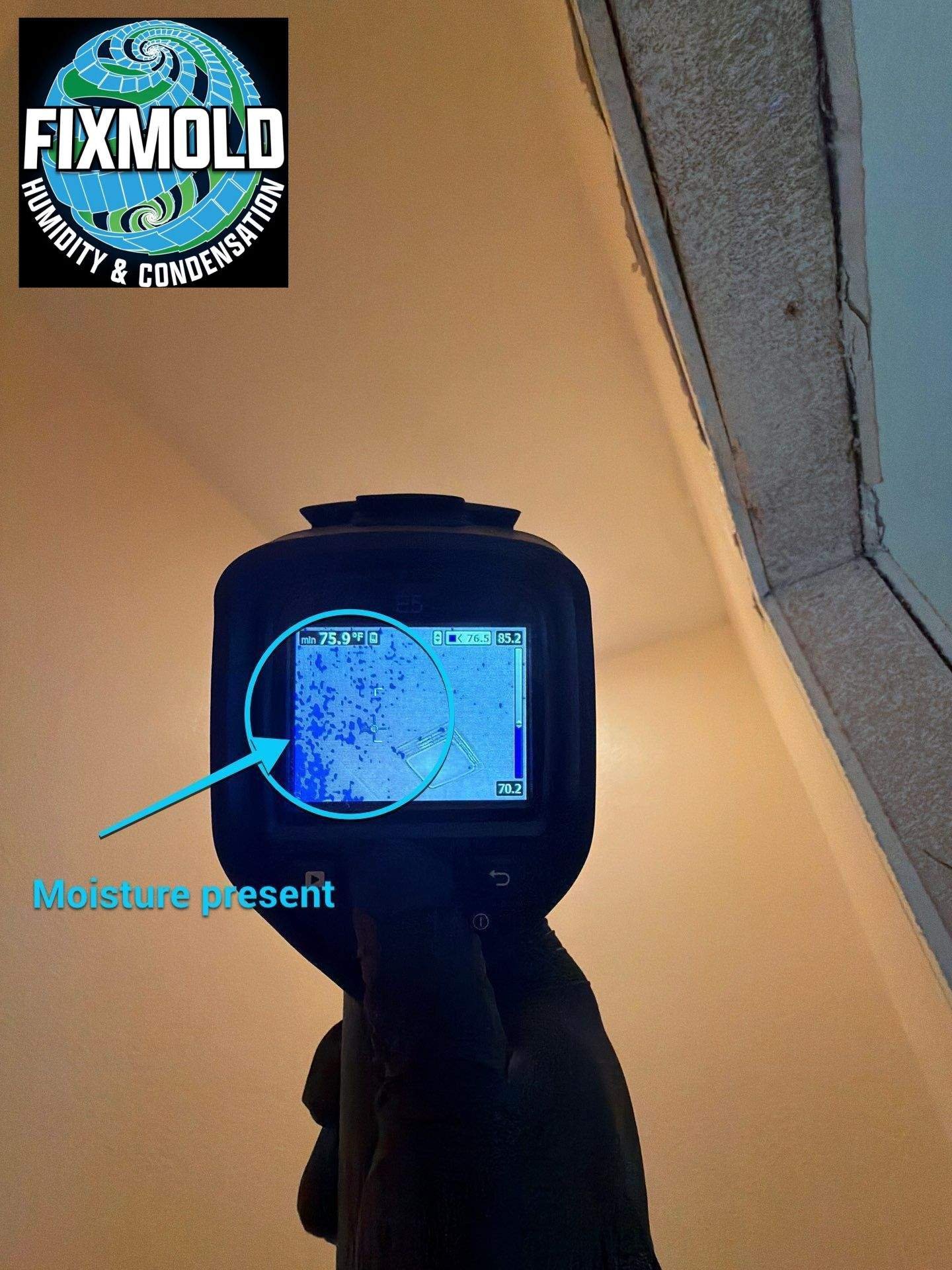
    Moisture detection tools and thermal imaging may also be used to locate concealed dampness inside enclosed marine spaces.

    Yacht Mold Testing, Containment, and Remediation

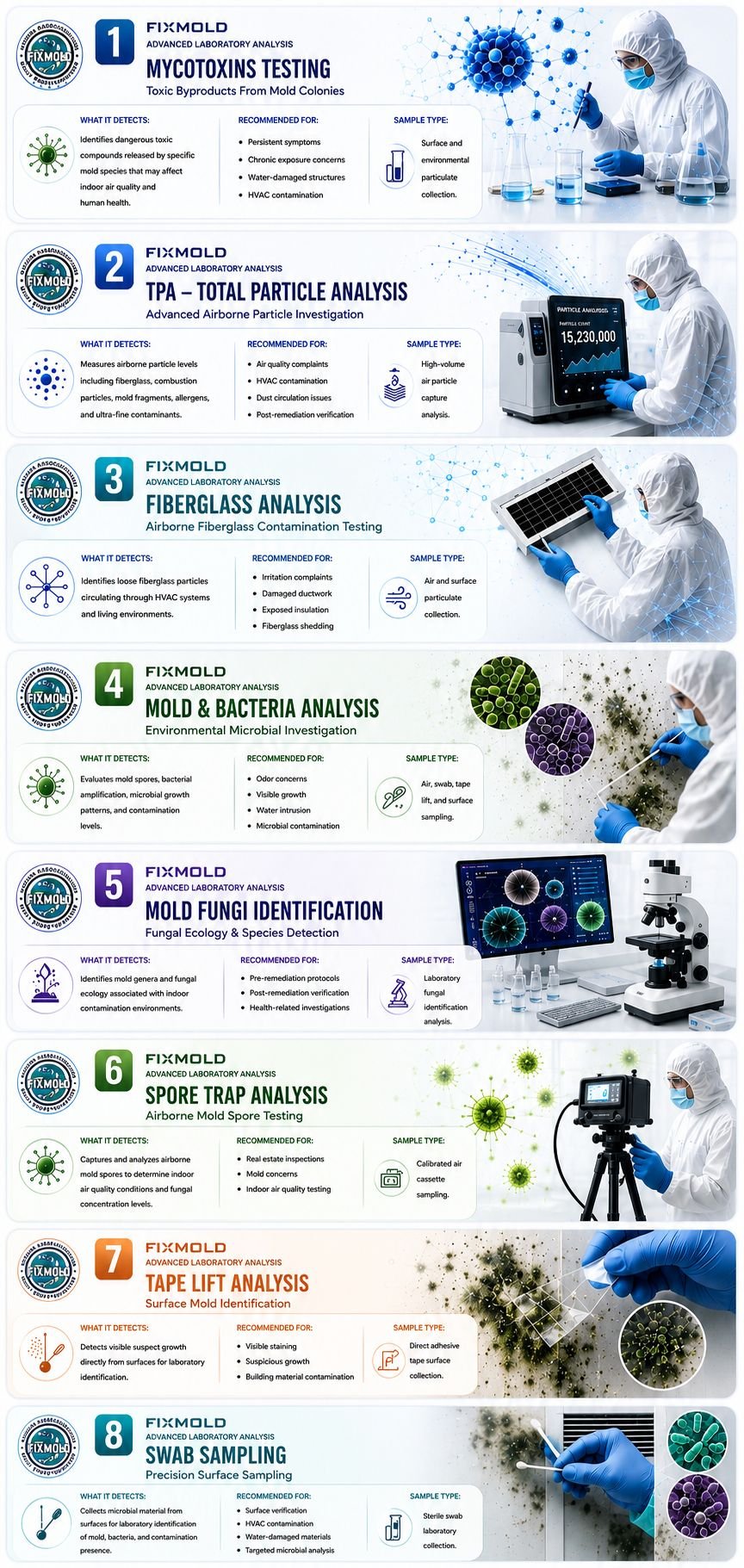
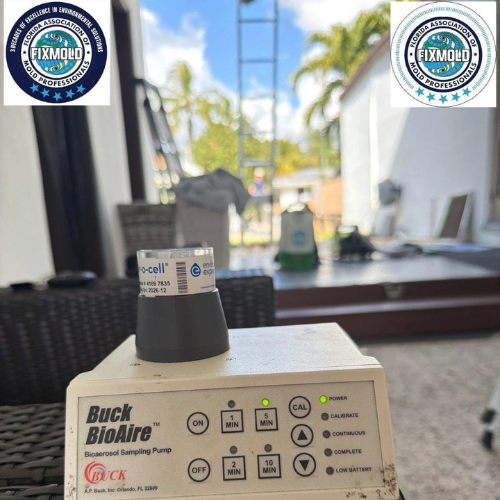
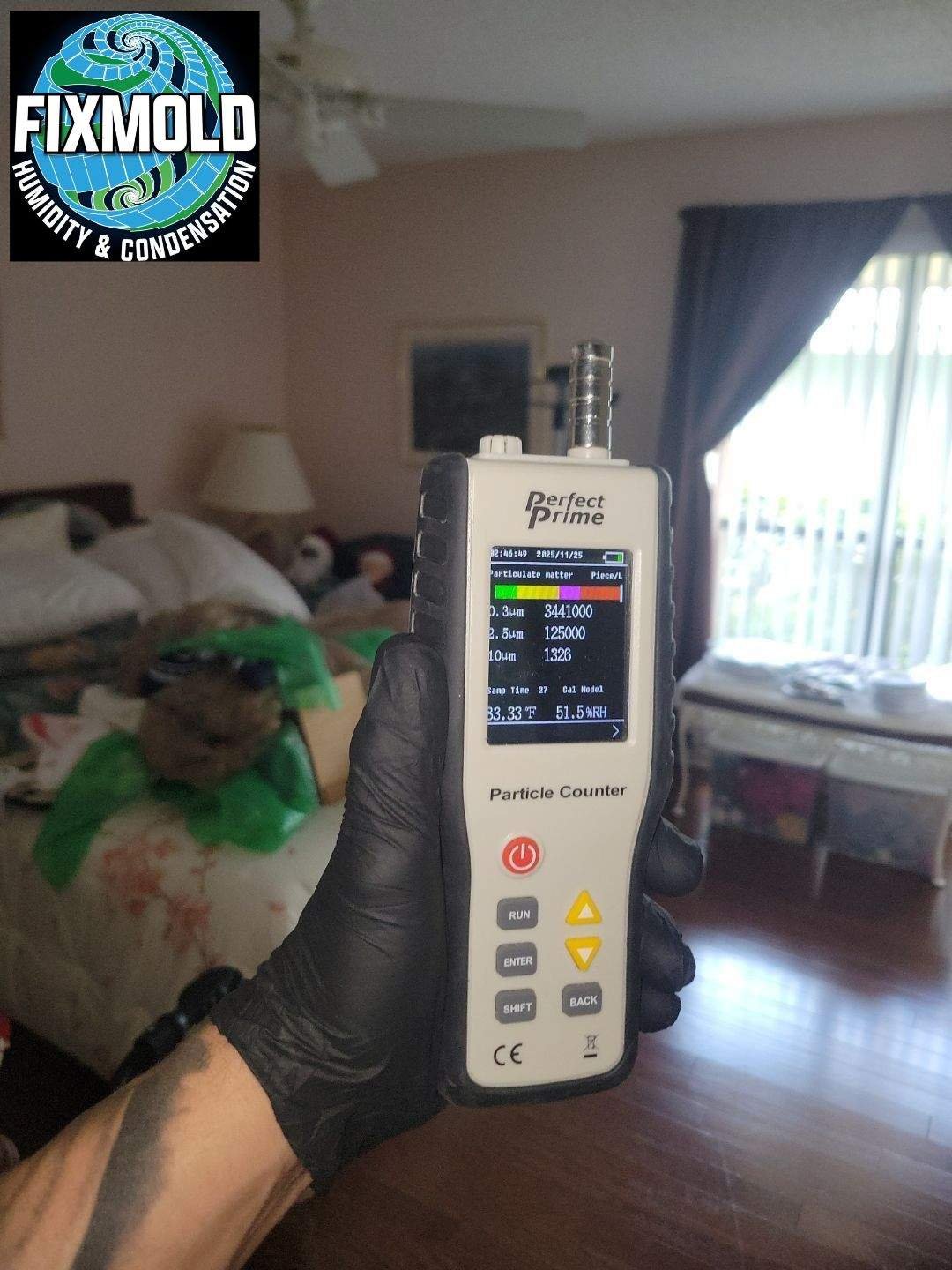
    Indoor air quality testing is often recommended when musty odors or persistent cabin air concerns are present. Airborne spore testing can help evaluate whether elevated mold levels exist within the yacht’s indoor environment.

    Surface sampling may also be used to identify contamination on visible materials or within suspected problem areas.

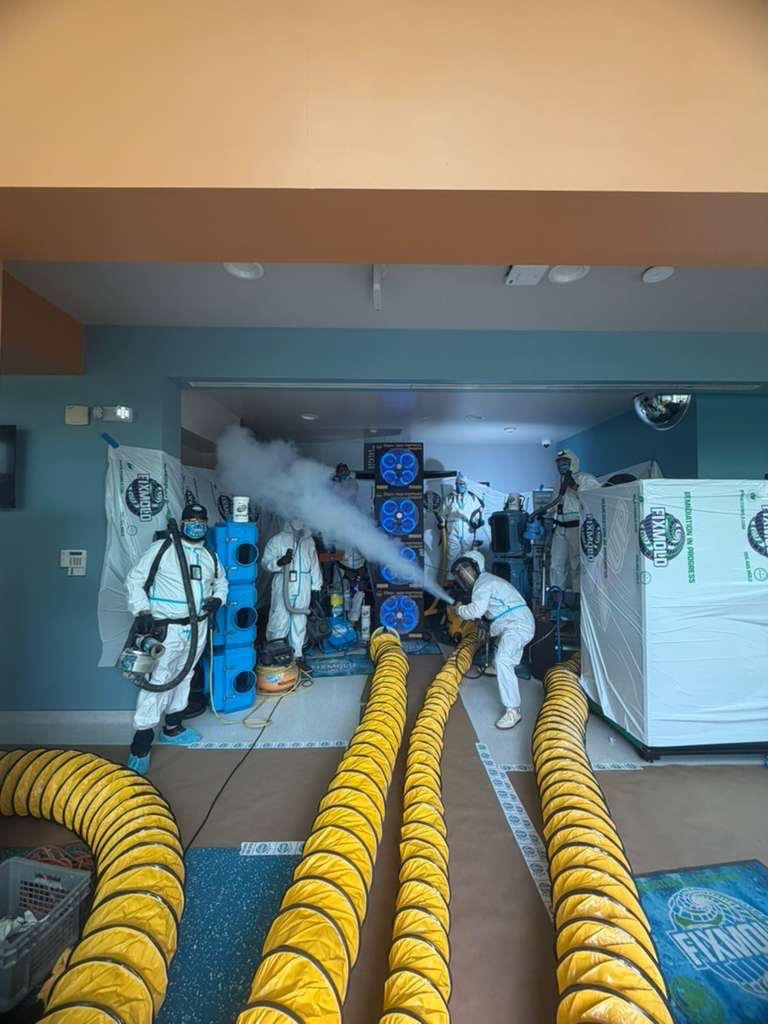
    Containment procedures are especially important during yacht remediation because marine cabins are enclosed environments with limited airflow. Disturbing contaminated materials without proper environmental controls can release airborne particles throughout the vessel.

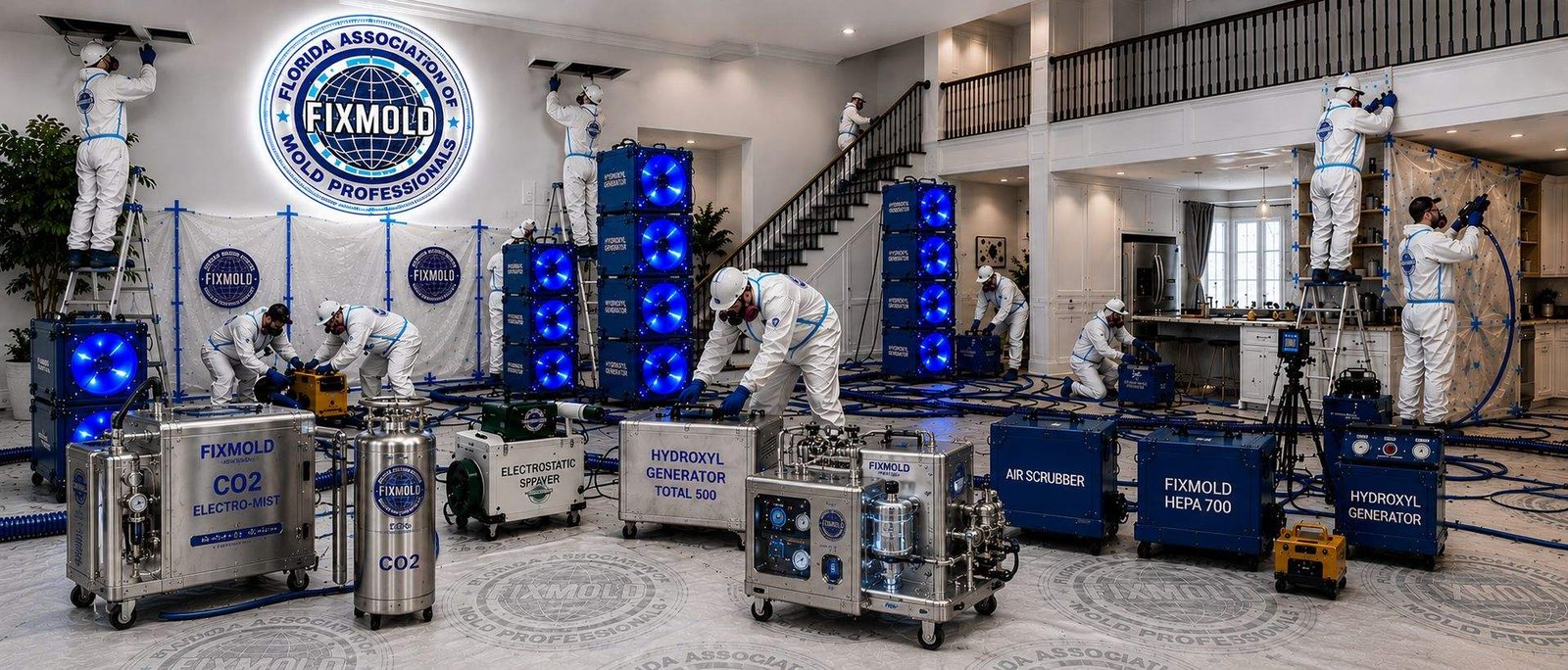
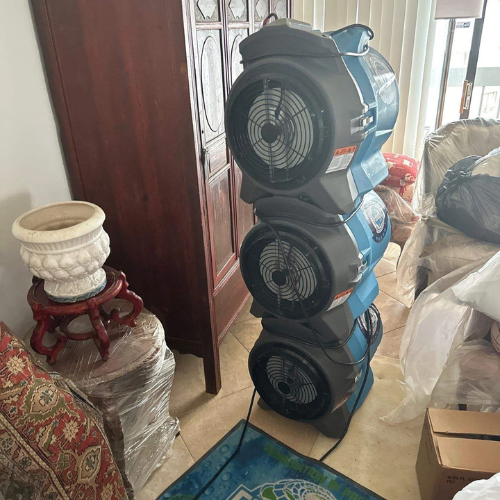
    HEPA air filtration and air scrubbing systems are commonly used during remediation to help reduce airborne particle spread and improve cabin air conditions.

    The remediation process itself depends on the severity of contamination and the materials affected. In some situations, contaminated porous materials such as carpeting, insulation, fabrics, or damaged wall panels may require removal.

    Structural surfaces and exposed marine wood components may be cleaned using specialized methods designed to minimize additional moisture exposure during remediation.

    Odor removal is another major focus during yacht mold remediation. Musty smells onboard often indicate ongoing microbial activity or hidden moisture retention somewhere inside the vessel.

    Simply using fragrances or cleaning products rarely resolves the actual issue because odors often originate from concealed contamination behind walls, under flooring, or within HVAC systems.

    Humidity Control and Long-Term Mold Prevention for Yachts

    Humidity control plays a critical role in preventing recurring mold problems aboard yachts in South Florida. Marine environments naturally expose vessels to elevated moisture levels, making proper airflow and dehumidification extremely important.

    Maintaining stable humidity levels inside the cabin helps reduce condensation buildup and lowers the likelihood of future microbial growth.

    Many recurring yacht mold problems happen because moisture conditions were never fully corrected after the initial cleanup. AC condensation, poor ventilation, leaking seals, bilge moisture, wet insulation, or hidden water intrusion may continue affecting the vessel long after visible contamination has been removed.

    Long-term prevention requires identifying and correcting those contributing environmental conditions.

    Engine rooms and mechanical spaces also deserve attention during marine mold inspections because warm equipment combined with humidity often creates condensation inside enclosed mechanical compartments.

    These areas may affect surrounding structural materials and contribute to odors circulating through the vessel.

    South Florida storm activity creates additional challenges for yacht owners. Heavy rain, hurricane exposure, wind-driven moisture, and marina flooding events frequently introduce water into enclosed marine spaces.

    Even minor intrusion during storms can lead to long-term humidity problems if moisture becomes trapped beneath flooring systems or inside cabin walls.

    Yachts docked in Miami Beach, Coconut Grove, Fort Lauderdale, Palm Beach, Naples, Cape Coral, Sanibel, Marco Island, and surrounding coastal marinas remain exposed to marine humidity every day.

    Salt air and fluctuating temperatures continuously affect cabin conditions, especially when vessels are closed for long periods. This makes regular environmental inspection and moisture management especially important for long-term vessel maintenance.

    Indoor environmental conditions onboard affect more than appearance alone. Poor cabin air quality, persistent humidity, airborne particles, and microbial contamination can influence comfort levels throughout the vessel.

    Some yacht owners notice worsening odors, stale air, irritation, or recurring dampness long before visible contamination appears.

    Understanding how moisture behaves inside marine environments helps explain why yacht mold removal requires a specialized environmental approach rather than standard household cleaning methods.

    Identifying hidden moisture, correcting humidity conditions, evaluating HVAC contamination, and improving airflow throughout the vessel are all important parts of reducing recurring contamination and maintaining healthier cabin environments over time.

    A Deep Commitment To Restoration

    A Family Legacy Of Trust

    Mold Removed From Your Home. What About Your Body?

    A medically guided approach to supporting recovery after mold exposure.
    Miami Fix Mold
    Miami Fix Mold

    FixMold focuses on eliminating mold from your environment.

    But for some individuals, recovery doesn’t stop there.
    Even after successful remediation, the body may continue responding to past exposure. In these cases, a structured, medically guided approach may be necessary to support full recovery.

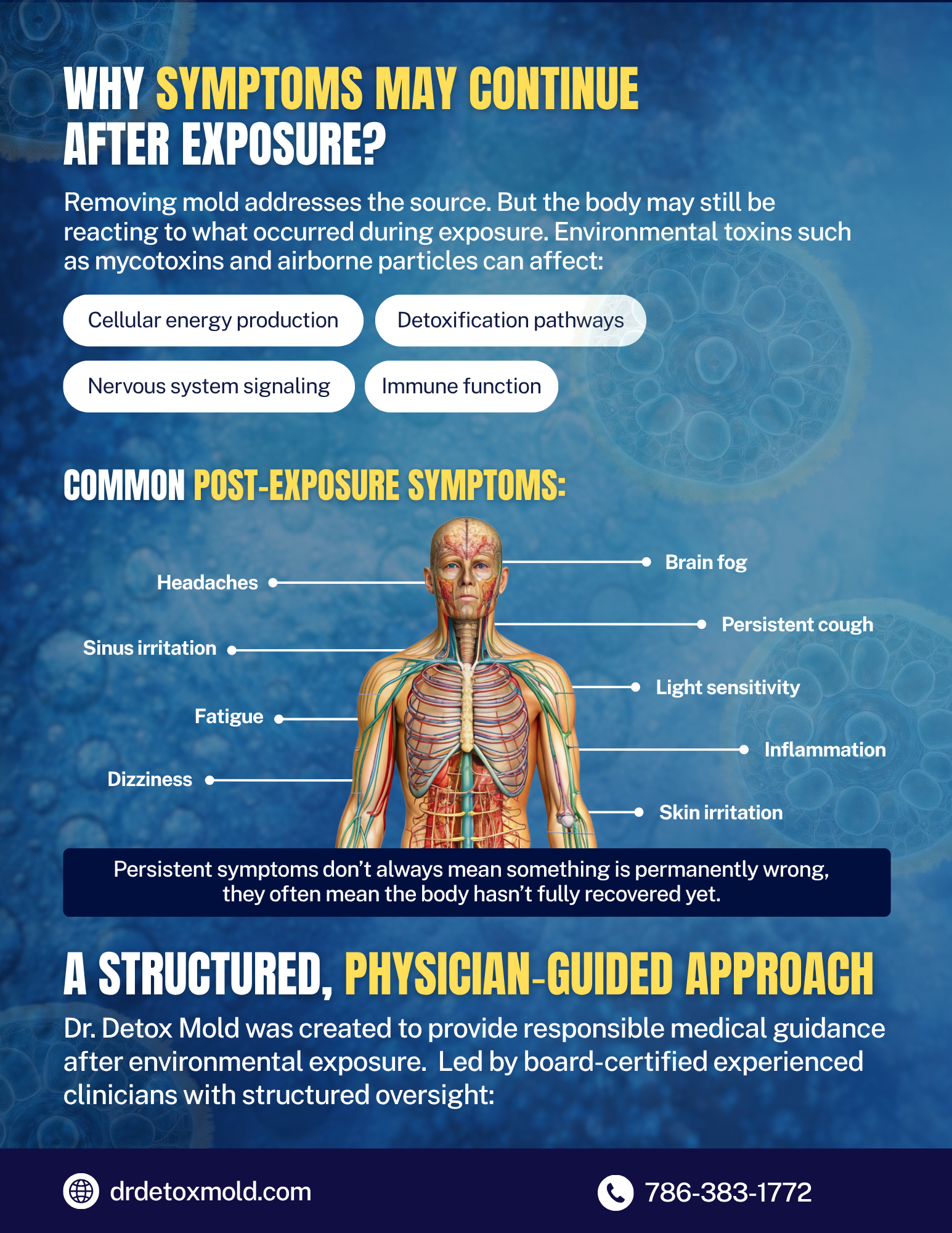
    Why Symptoms Can Continue After Mold Exposure

    Removing mold addresses the source of the problem, but it does not always resolve how the body has been affected during exposure.

    Environmental toxins can impact multiple systems:
    • Immune function
    • Nervous system signaling
    • Cellular energy production
    • Detoxification pathways

    For some individuals, these systems require time and proper support to return to balance.

    Common Post-Exposure Symptoms

    • Brain fog
    • Fatigue
    • Headaches
    • Sinus congestion or irritation
    • Persistent cough
    • Dizziness
    • Light sensitivity
    • Skin irritation
    • Ongoing inflammation

    Important

    • Persistent symptoms do not always indicate something permanent
    • They often indicate that the body has not fully recovered yet

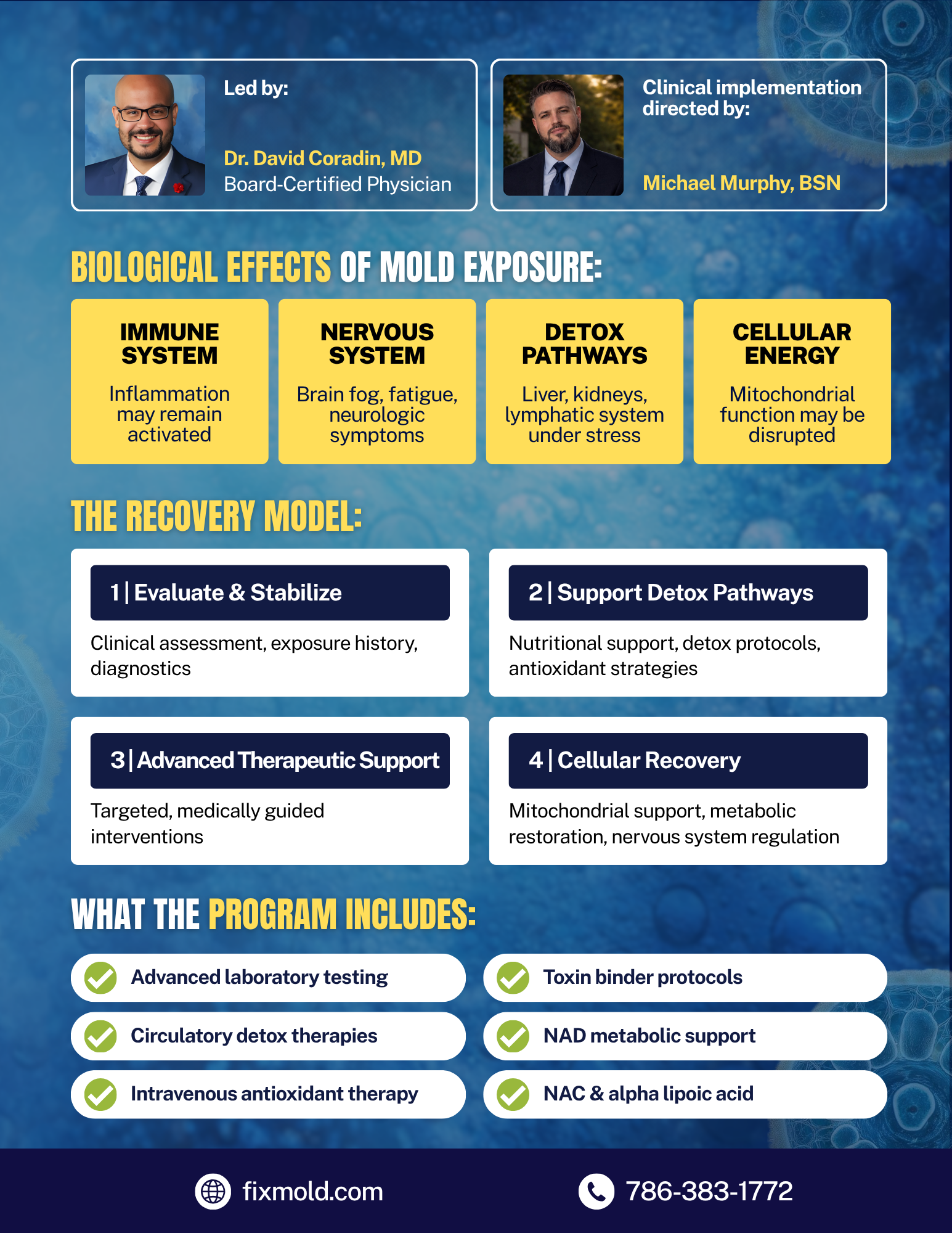
    Recovery Approach

    1. Evaluation & Stabilization
    • Clinical assessment
    • Exposure history review
    • Diagnostic testing

    2. Detoxification Support
    • Nutritional protocols
    • Toxin-binding strategies
    • Antioxidant support

    3. Advanced Therapeutic Support
    • Targeted, medically guided interventions
    • IV-based therapies when appropriate

    4. Cellular Recovery
    • Mitochondrial support
    • Metabolic restoration
    • Nervous system regulation

    Core Focus

    • Detoxification support
    • Immune system balance
    • Cellular energy restoration
    • Nervous system regulation

    Key Principle

    Recovery is not about doing more. It is about doing the right things, in the right order.

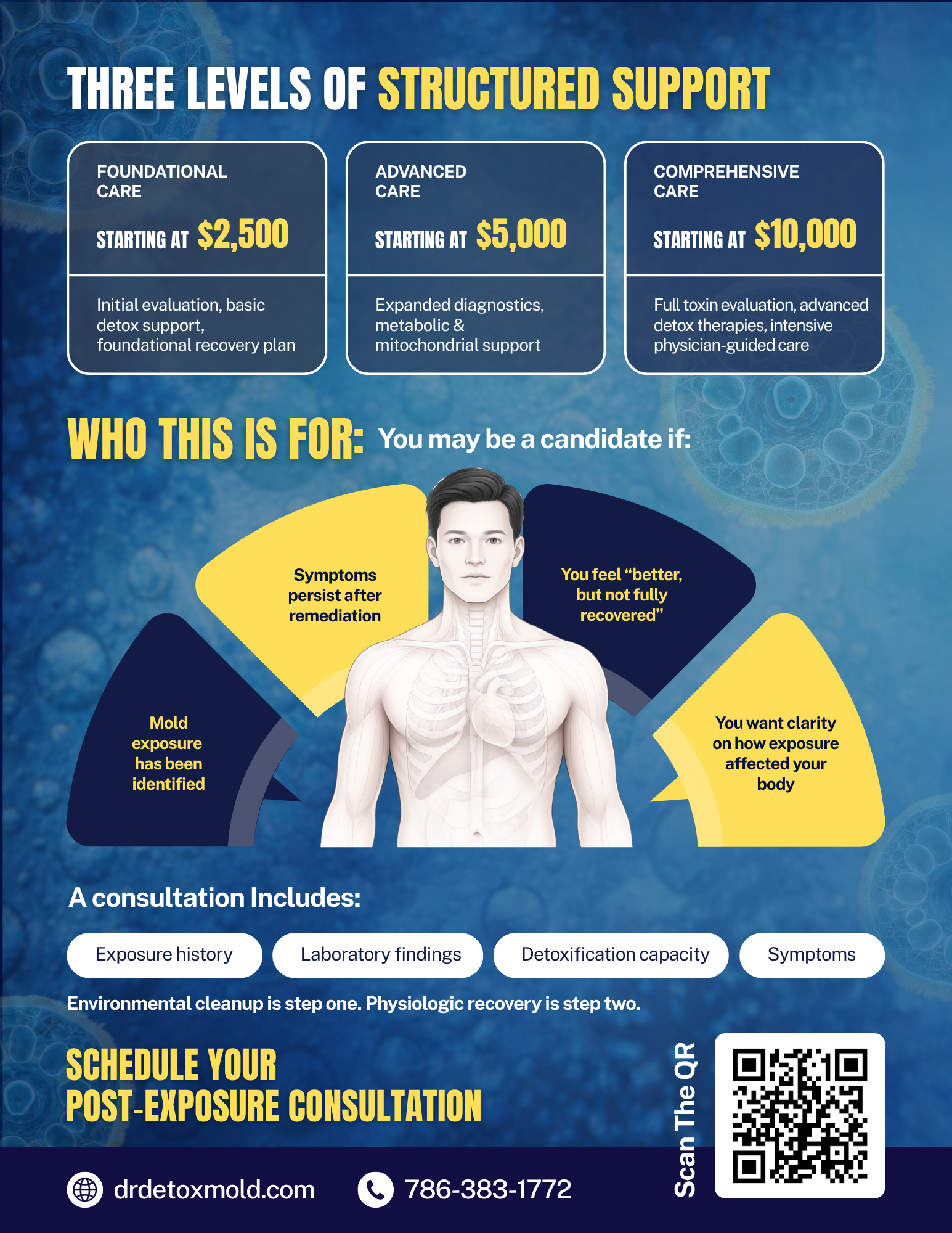
    Next Steps

    If mold exposure has been identified and symptoms are still present, evaluation may provide clarity.
    • Exposure history review
    • Laboratory evaluation
    • Detoxification assessment
    • Symptom analysis

    Schedule Your Post-Exposure Consultation

    +1-305-465-6653

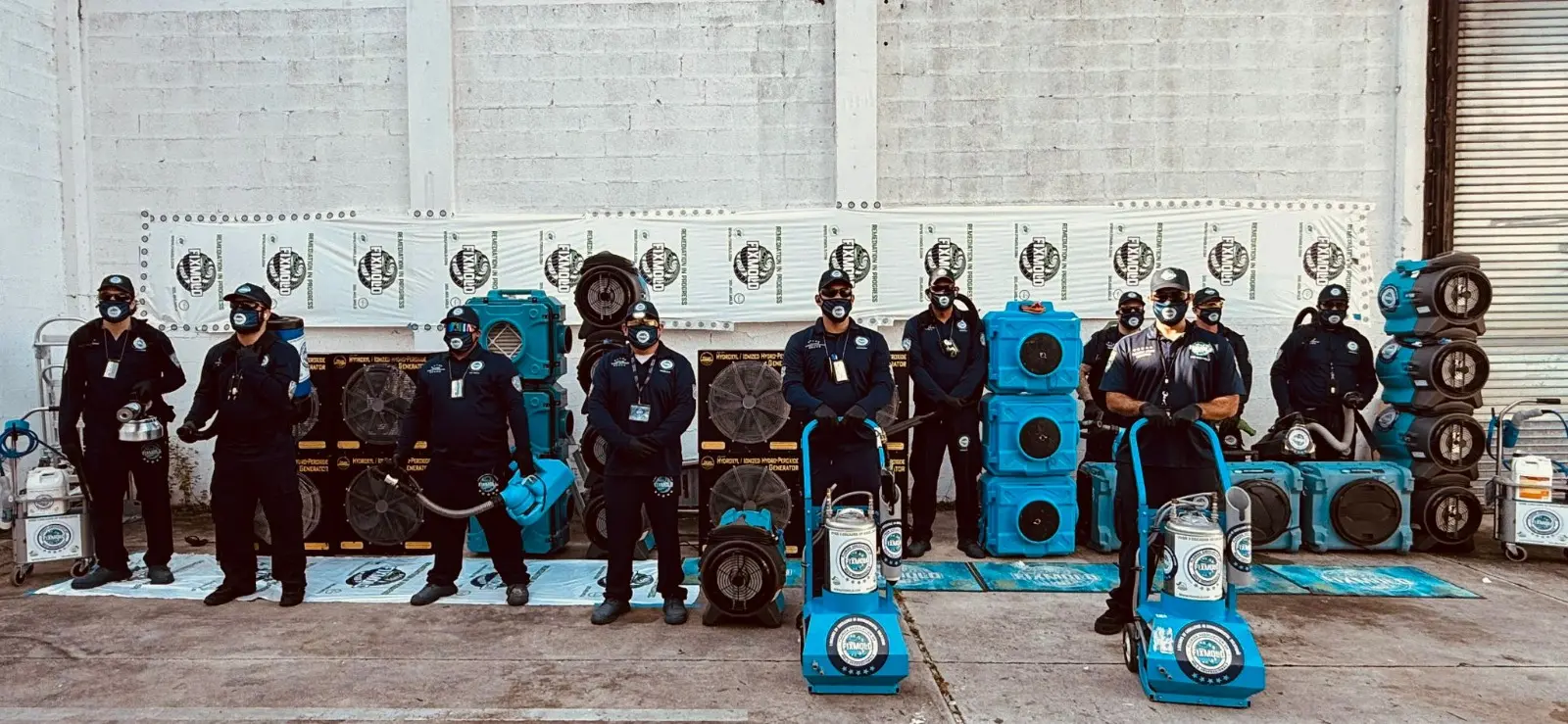
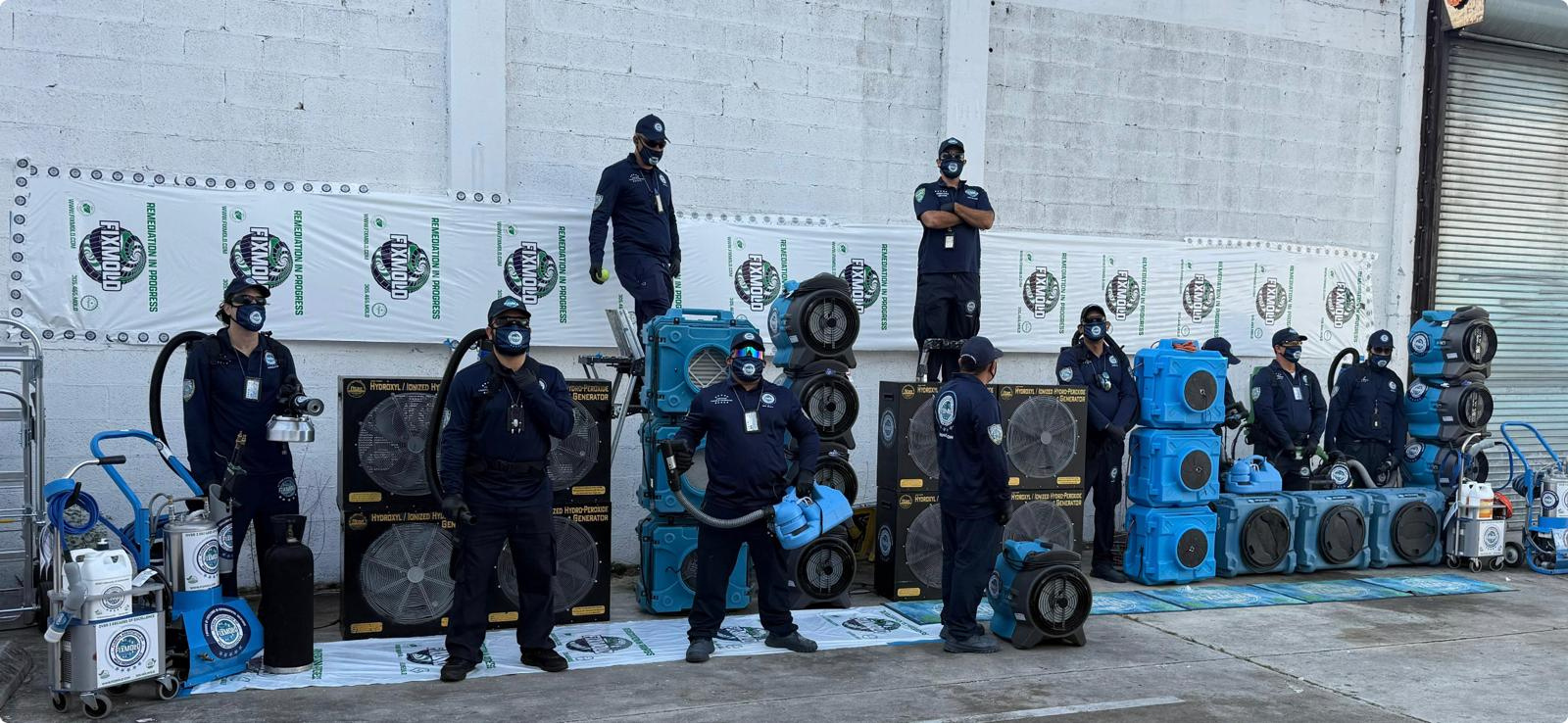
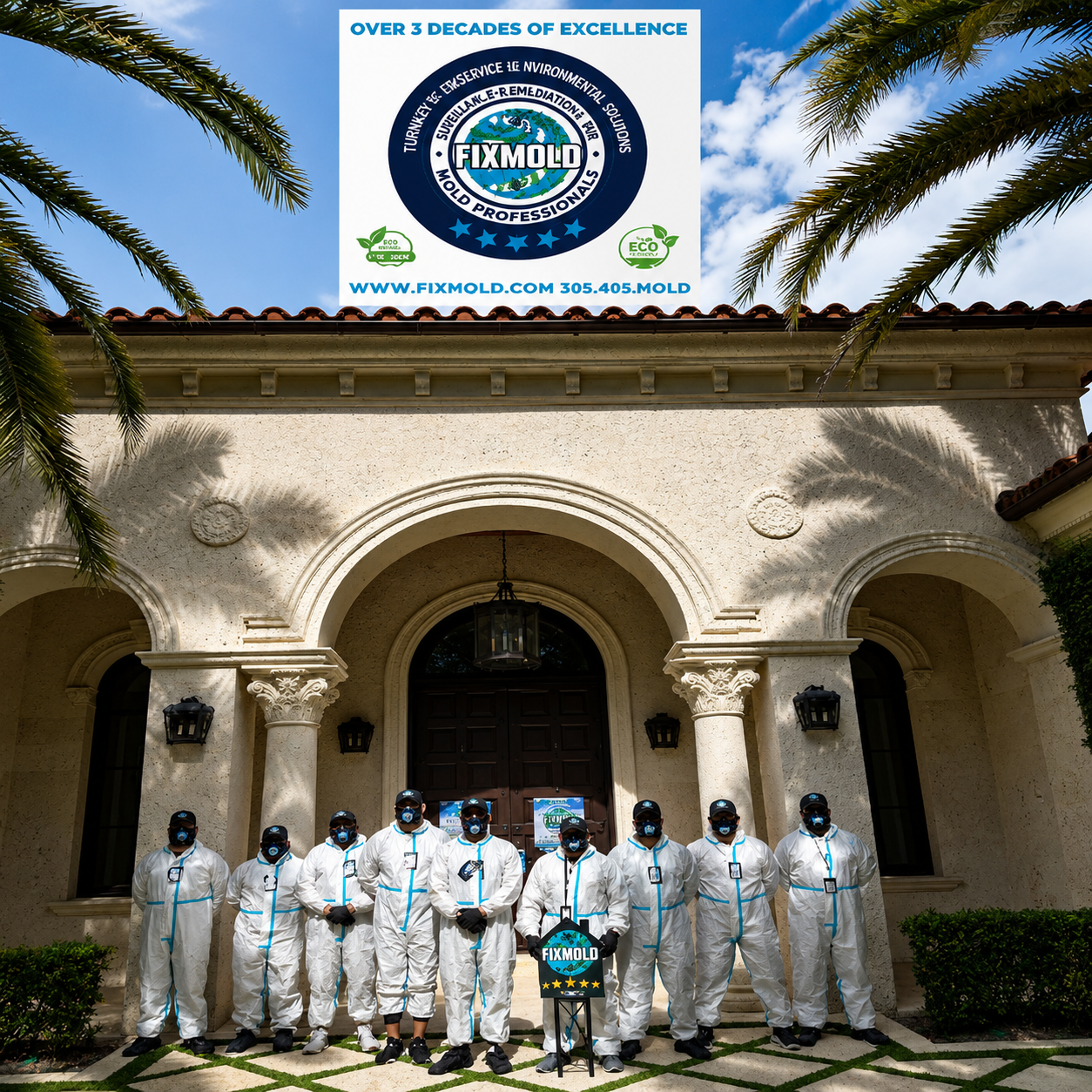
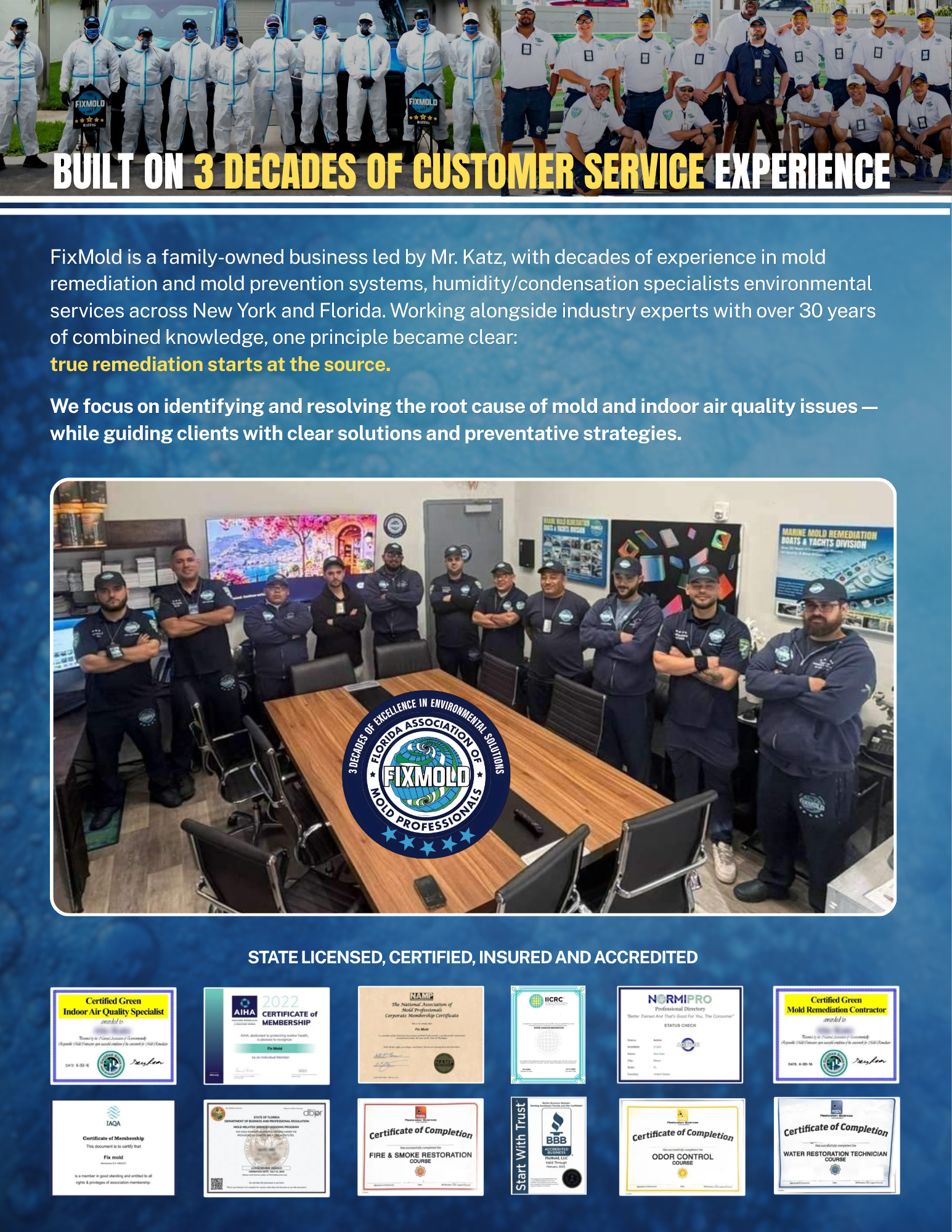
    OUR TEAM

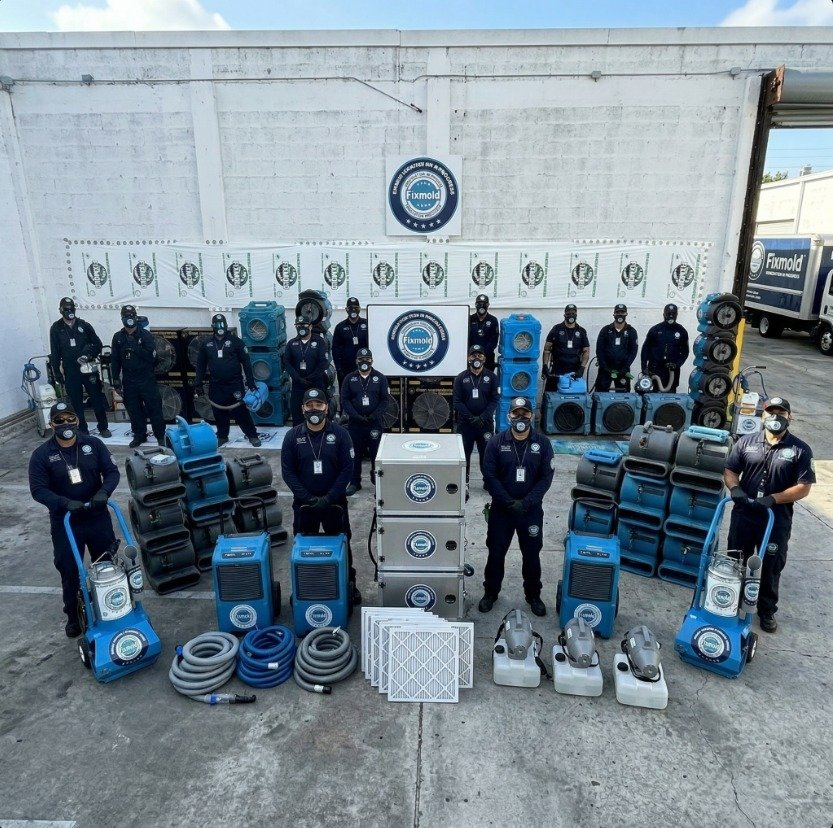
    THE BACK-BONE OF OUR 5 STAR SERVICE
    👉 Call Now: +1-305-465-6653
    Fast response. Certified technicians. Guaranteed results.

    OUR AWARDS

    Proof Of Unmatched Excellence

      FixMold
      10750 NW 6th CtMiami, FL 33168

      License
      MRSR2709 MRSA2521

      Recent Happy FixMold Clients Across Miami & South Florida with 5-Star Reviews

      Real Homes. Mold Inspections. Mold Remediations. Mold Removal. Mold Solutions. Across The Whole State Of Florda.
      Fixmold Logo

      Recent Happy FixMold Clients Across Miami & South Florida with 5-Star Reviews

      Real Homes. Mold Inspections. Mold Remediations. Mold Removal. Mold Solutions. Across The Whole State Of Florda.
      Fixmold Logo
      Air Quality Testing. Mycotoxins.
      Mold Testing & Air Samples
      Proud Sponsors Of South Florida
      Hatzalah Emergency Medical Services

      View Our Reviews Accross All Platforms Here

      Proudly Serving all of South Florida

      We are here to answer any question you may have.
      +

      Why do yachts in Miami develop mold so easily?

      Yachts throughout Miami and South Florida remain exposed to constant humidity, salt air, condensation, and fluctuating marine temperatures. These conditions create an environment where moisture easily accumulates inside cabins, storage compartments, HVAC systems, upholstery, and enclosed structural spaces.

      Marine air conditioning systems continuously cool warm humid air, which naturally produces condensation around vents, ductwork, windows, and insulated surfaces. If moisture is not properly controlled, mold can begin developing inside hidden marine cavities long before visible staining appears.

      Boats that remain docked for extended periods or stay closed without ventilation are especially vulnerable. Humidity may become trapped inside bedding compartments, closets, cabinetry, flooring systems, and engine rooms. Salt air exposure also contributes to persistent dampness inside marine environments.

      South Florida storms, leaking hatches, plumbing issues, and bilge moisture further increase the risk of hidden contamination. Even luxury yachts with advanced ventilation systems can experience mold problems if moisture intrusion continues unnoticed.

      Because marine environments remain humid year-round, proper airflow, dehumidification, HVAC maintenance, and moisture management are essential for reducing mold growth onboard yachts and boats throughout Miami Beach, Fort Lauderdale, Key Biscayne, and surrounding coastal areas.


      +

      Can mold grow inside yacht air conditioning systems?

      Yes. Marine HVAC systems are one of the most common areas for hidden mold contamination aboard yachts. Air conditioning systems onboard vessels constantly manage humidity while operating in enclosed cabin environments, creating ongoing condensation around cooling coils, drain lines, vents, and ductwork.

      If moisture remains trapped inside the HVAC system, mold may begin developing within insulation, duct interiors, or surrounding materials. Many yacht owners notice musty odors becoming stronger when the AC system operates, which often indicates contamination somewhere within the ventilation system.

      Because yachts have smaller enclosed environments compared to buildings, airborne spores and moisture-related particles can circulate quickly throughout the vessel. Condensation problems caused by clogged drains, insulation failures, poor airflow, or excessive cabin humidity often worsen the issue.

      Professional yacht mold inspections frequently include HVAC evaluation, moisture detection, air quality testing, and surface sampling to identify hidden contamination inside marine air systems. Addressing the underlying condensation problem is important because recurring moisture inside the HVAC system often allows mold to return repeatedly.

      Maintaining proper airflow and humidity control onboard helps reduce the likelihood of future contamination inside marine AC systems.

      +

      Why does my yacht still smell musty after cleaning?

      Persistent musty odors usually indicate that hidden moisture or microbial contamination still exists somewhere inside the vessel. Many yacht owners clean visible surfaces without realizing that mold may remain behind wall panels, beneath flooring systems, inside storage compartments, around insulation, or within HVAC components.

      Marine environments make odor problems especially difficult because enclosed cabin spaces retain humidity and airborne particles more easily than traditional buildings. Even small amounts of trapped moisture can continue producing odors for long periods.

      Common hidden sources include wet insulation, damp upholstery, condensation around windows, bilge moisture, leaking seals, contaminated ductwork, and enclosed cabin cavities with poor airflow. Odors often become stronger when the yacht has been closed for extended periods or when the AC system starts running.

      Professional yacht mold remediation often includes moisture detection, environmental testing, HVAC inspection, and odor source identification rather than surface cleaning alone. Simply masking the smell rarely resolves the underlying environmental issue.

      Long-term odor control typically requires correcting moisture conditions, improving ventilation, reducing humidity, and addressing hidden contamination within enclosed marine spaces.

      +

      Is mold testing important on yachts and boats?

      Mold testing can be very useful aboard yachts when musty odors, humidity problems, water intrusion, or indoor air quality concerns are present. Because contamination often develops behind panels and inside enclosed marine systems, testing may help identify hidden environmental conditions that are not visible during a routine inspection.

      Airborne spore testing evaluates mold levels inside the cabin environment and compares indoor conditions to outdoor marine air. Surface sampling may also help identify contamination on visible materials or within suspected problem areas.

      Testing is commonly performed after storm exposure, flooding, plumbing leaks, AC condensation issues, or prolonged vessel storage. Luxury yachts and high-end marine vessels often benefit from environmental testing because complex HVAC systems and enclosed architectural designs can conceal hidden moisture for long periods.
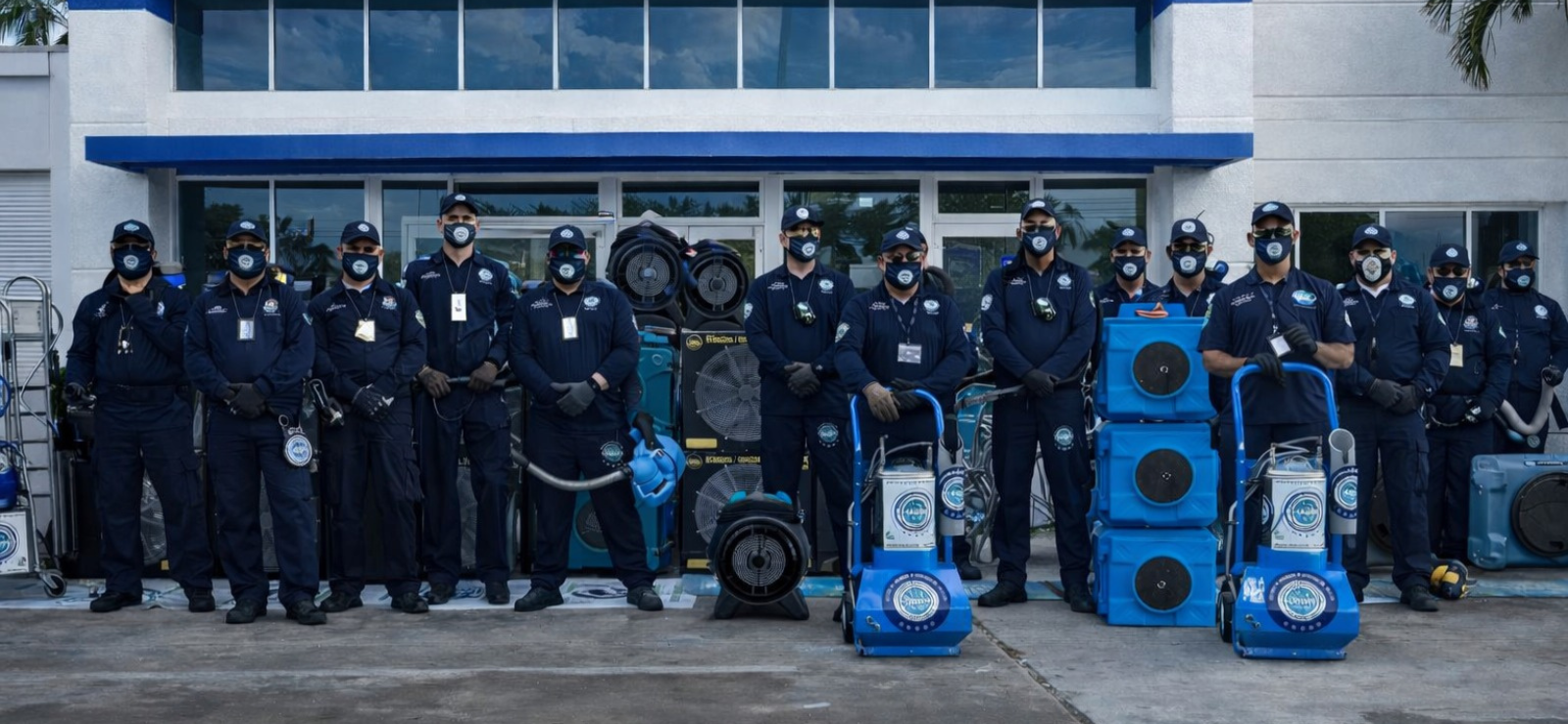
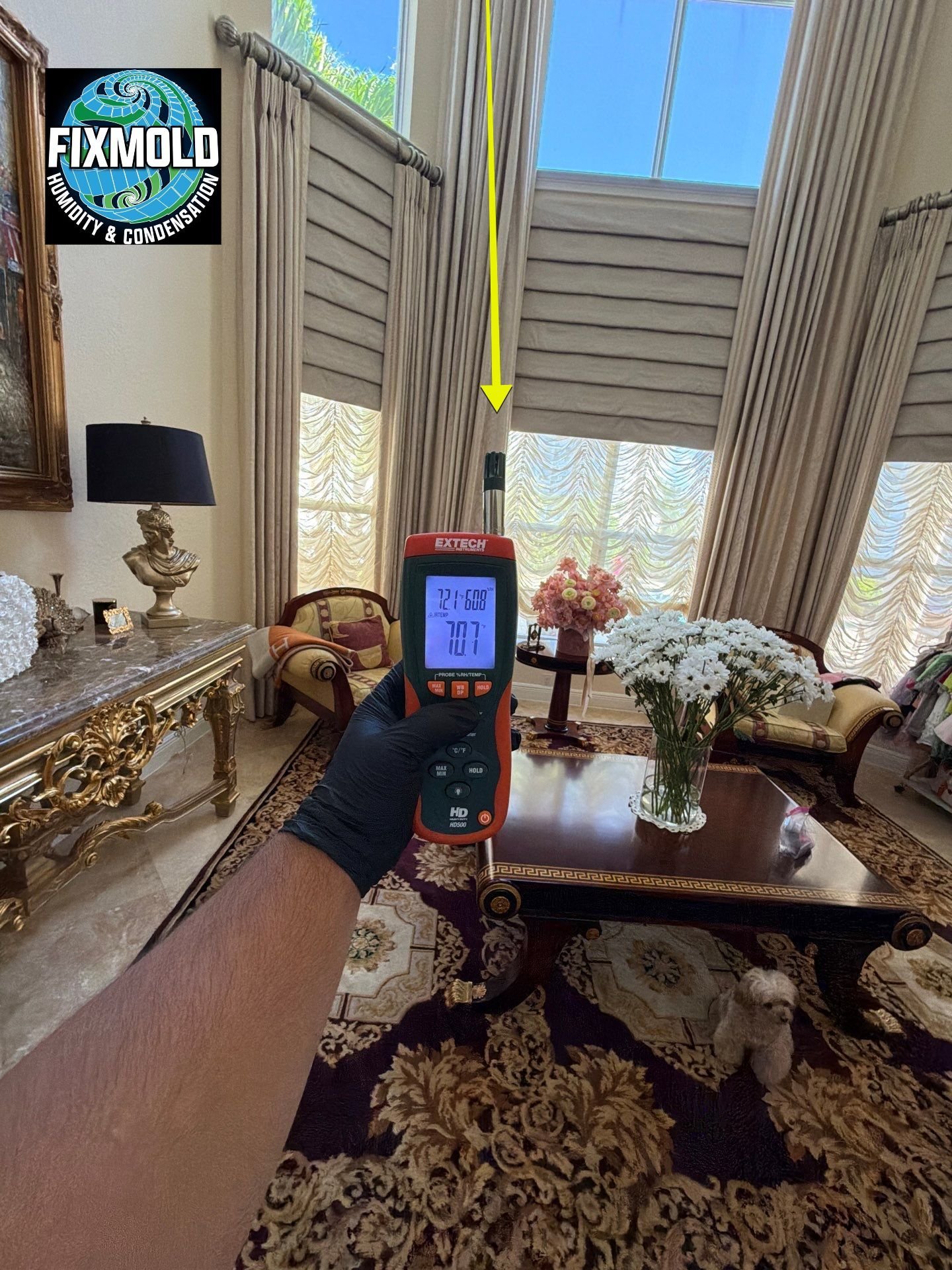
      Professional yacht inspections may also include moisture mapping, thermal imaging, humidity measurements, and HVAC evaluation to determine how moisture is affecting the vessel overall.

      Testing helps provide a clearer understanding of indoor environmental conditions onboard and may assist with remediation planning or long-term humidity management strategies.
      +

      How can yacht owners help prevent recurring mold problems?

      Preventing recurring mold onboard yachts primarily involves controlling moisture and humidity. Since South Florida marine environments naturally expose vessels to elevated moisture levels year-round, maintaining proper airflow and environmental stability is extremely important.
      Marine air conditioning systems should be inspected regularly to ensure drain lines remain clear and condensation is properly controlled. Cabin humidity should be monitored, especially when the yacht remains closed for extended periods. Dehumidification systems and proper ventilation help reduce moisture buildup inside enclosed compartments.

      Leaks around hatches, windows, plumbing systems, and deck fittings should be corrected quickly because even small water intrusion issues can create hidden contamination over time. Upholstery, carpeting, and storage compartments should also be inspected periodically for signs of dampness or odor development.

      After storms or heavy rain exposure, marine vessels should be evaluated for hidden moisture intrusion beneath flooring systems, inside walls, and around mechanical spaces. Early moisture detection helps prevent larger remediation problems later.

      Because marine environments constantly fluctuate, ongoing environmental maintenance is one of the most important parts of reducing recurring mold growth aboard yachts throughout Miami and South Florida.

      Urgent Enquiry Virtual Assessment
      🎁 Today’s Offer
      10750 NW 6th CtMiami, FL 33168
      License
      #MRSR2709 #MRSA2521
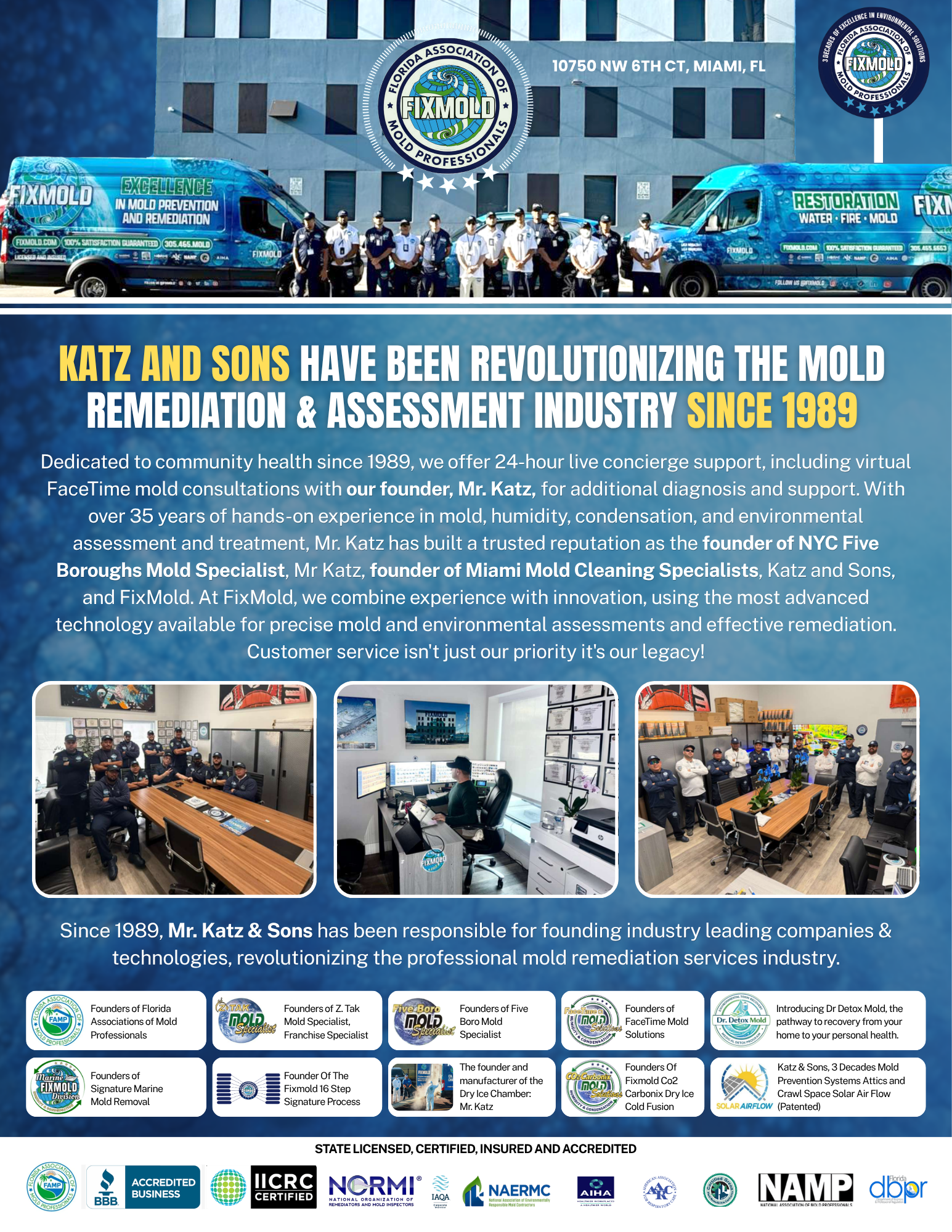
      Founded by industry expert Moty Katz, backed by a 30+ year family legacy in mold remediation and prevention.
      Air Quality Testing. Mycotoxins.
      Mold Testing &
      Air Samples
      Proud Sponsors Of South Florida
      Hatzalah Emergency Medical Services
      Air Quality Testing. Mycotoxins.
      Mold Testing & Air Samples
      Proud Sponsors Of South Florida
      Hatzalah Emergency Medical Services

      FixMold Mold Inspection, Mold Testing & Mold Remediation Services Across South Florida

      Serving Multiple Counties