Boat Mold Removal Services in Miami and South Florida
Boats in Miami are regularly exposed to conditions that can contribute to mold growth. Humid marine air, rainfall, condensation, water intrusion, and periods of limited use can allow moisture to collect inside enclosed spaces. When damp materials do not dry properly, mold may develop on interior surfaces and hidden components.
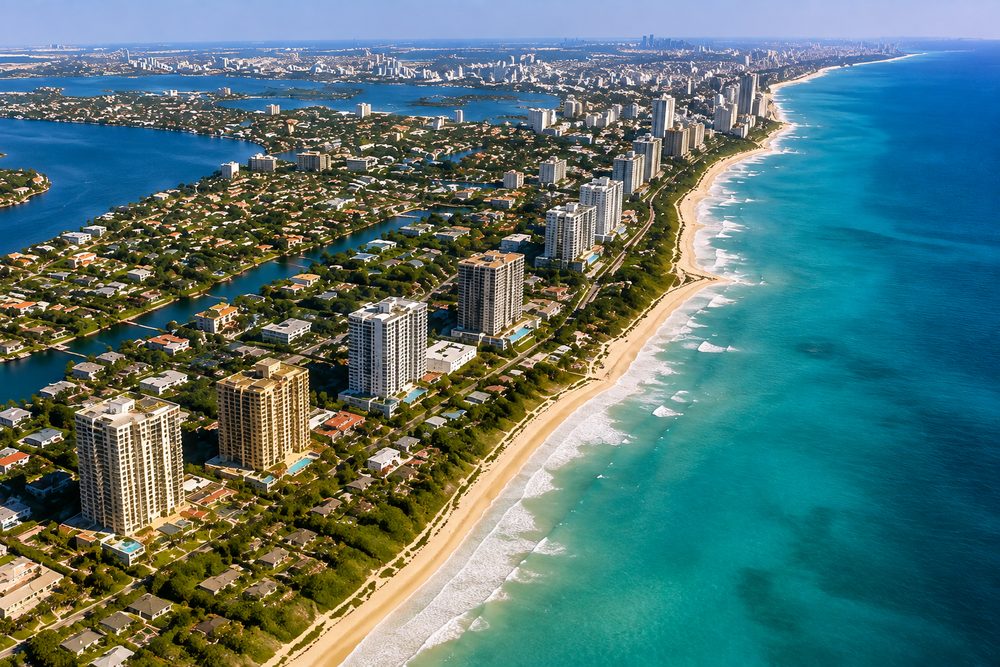
Vessels kept at marinas in Miami Beach, Key Biscayne, Coconut Grove, Fort Lauderdale, Aventura, Sunny Isles Beach, Boca Raton, and surrounding coastal communities may experience moisture-related problems throughout the year.
Mold can affect more than the appearance of a boat's interior. It may damage susceptible materials, create persistent odors, and contribute to poor indoor air conditions within enclosed cabins. A proper assessment helps determine the extent of the problem and whether professional remediation is needed.
Common Areas Where Mold Develops Inside Boats
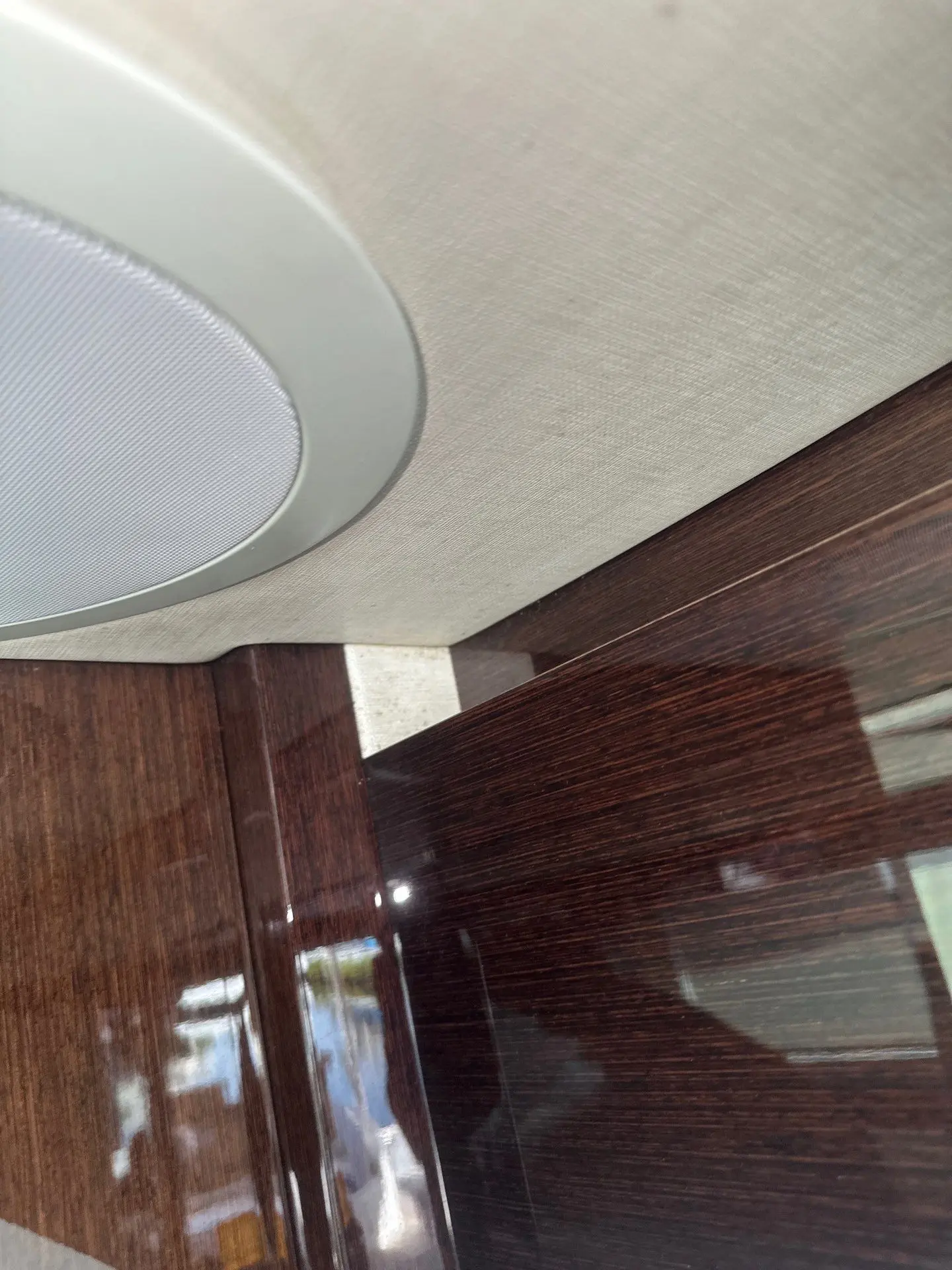
Mold can develop in different parts of a vessel, particularly where airflow is restricted and moisture remains trapped. Cabins, sleeping areas, storage lockers, closets, wall panels, headliners, carpeting, cushions, and upholstery can all be affected.
Other areas that may require attention include engine compartments, bilges, below-deck spaces, bathrooms, galley cabinets, and areas surrounding windows or hatches. Leaks, condensation, plumbing problems, and previous water intrusion can create conditions that support mold growth.
Sometimes, the first signs are not visible patches of mold. Boat owners may notice a persistent musty smell, damp upholstery, discoloration, or an unusual odor when opening a cabin or storage compartment. These signs may indicate that a closer inspection is necessary.
Mold in Boat Air Conditioning and Ventilation Systems
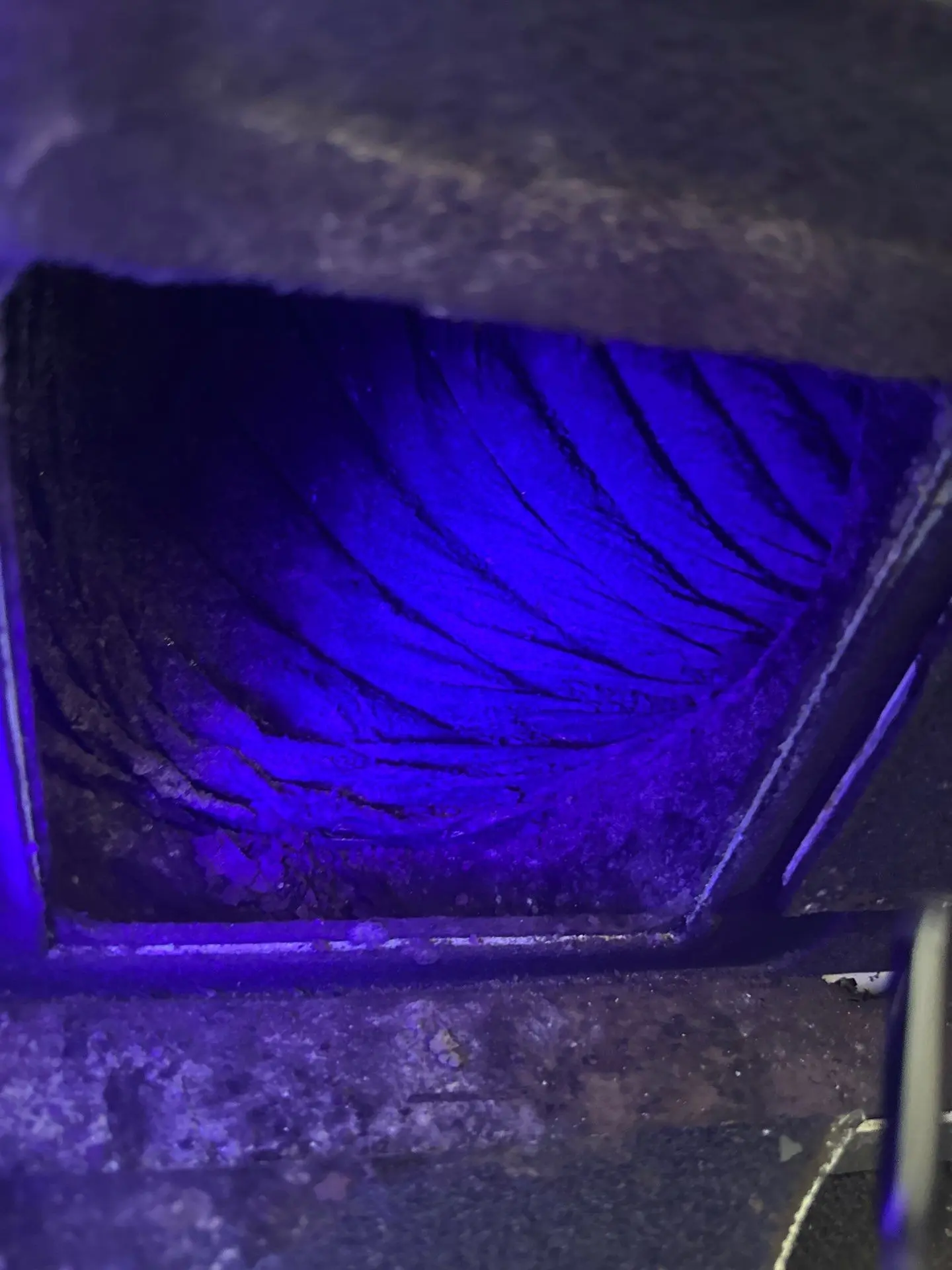
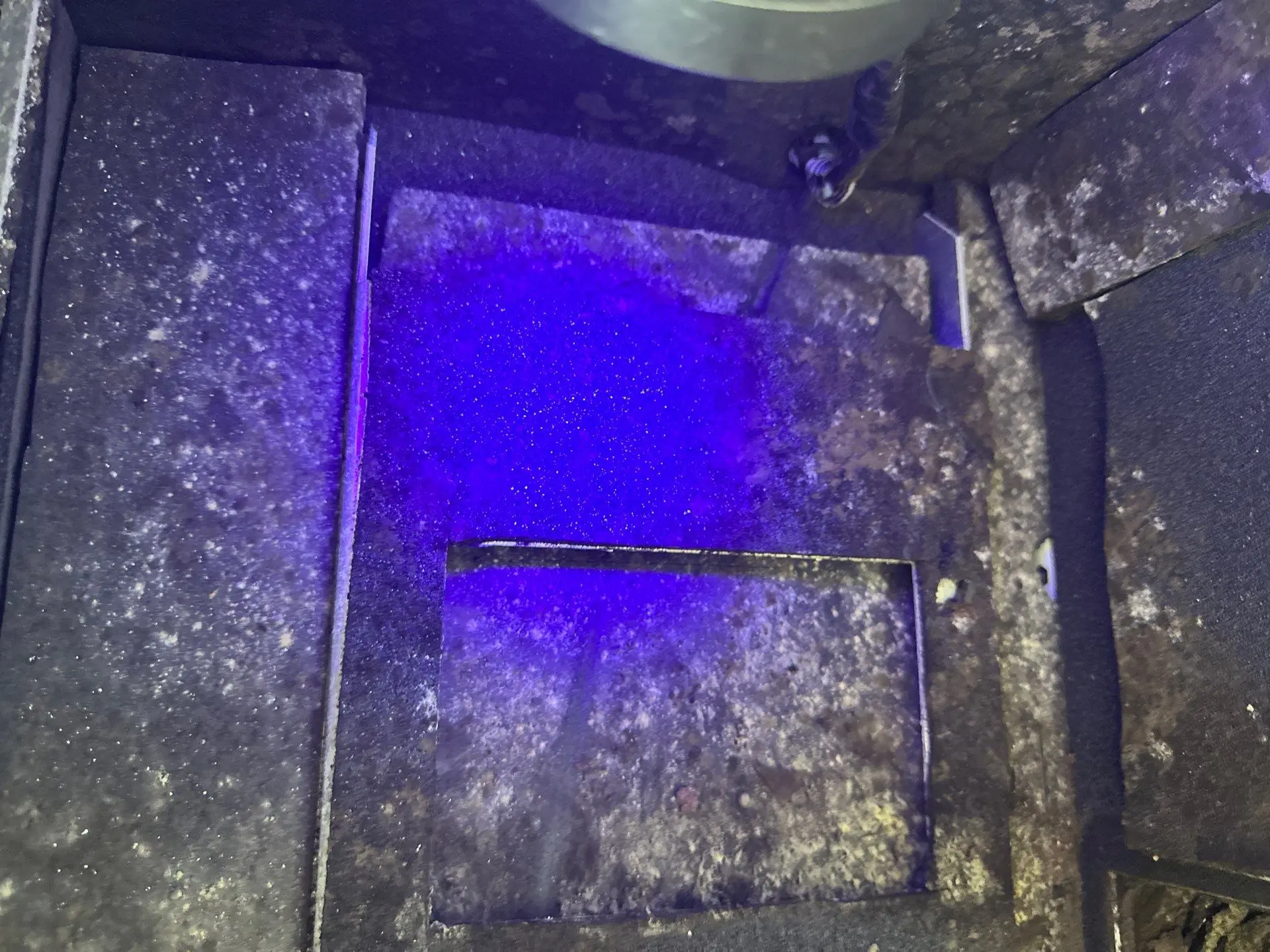
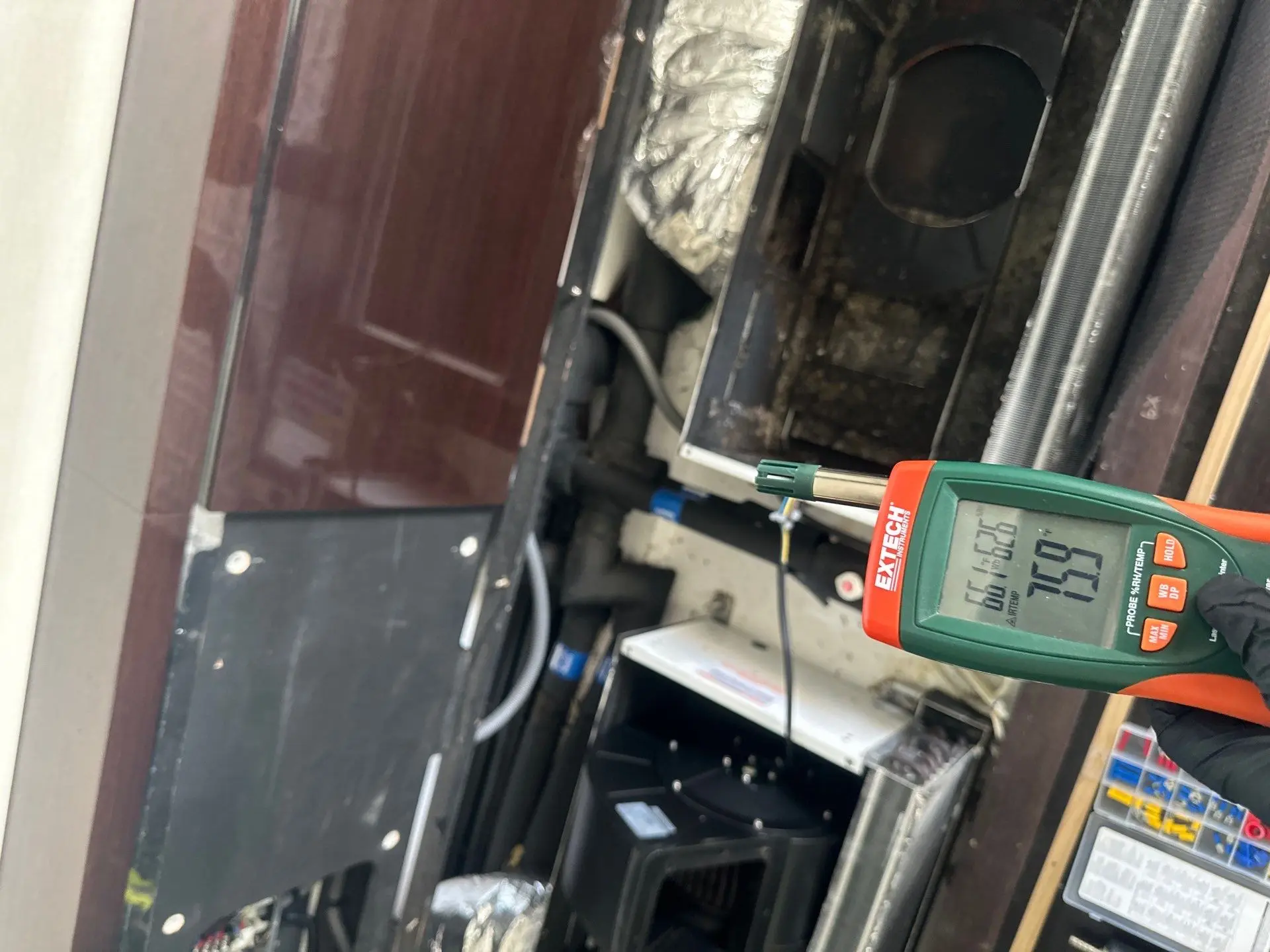
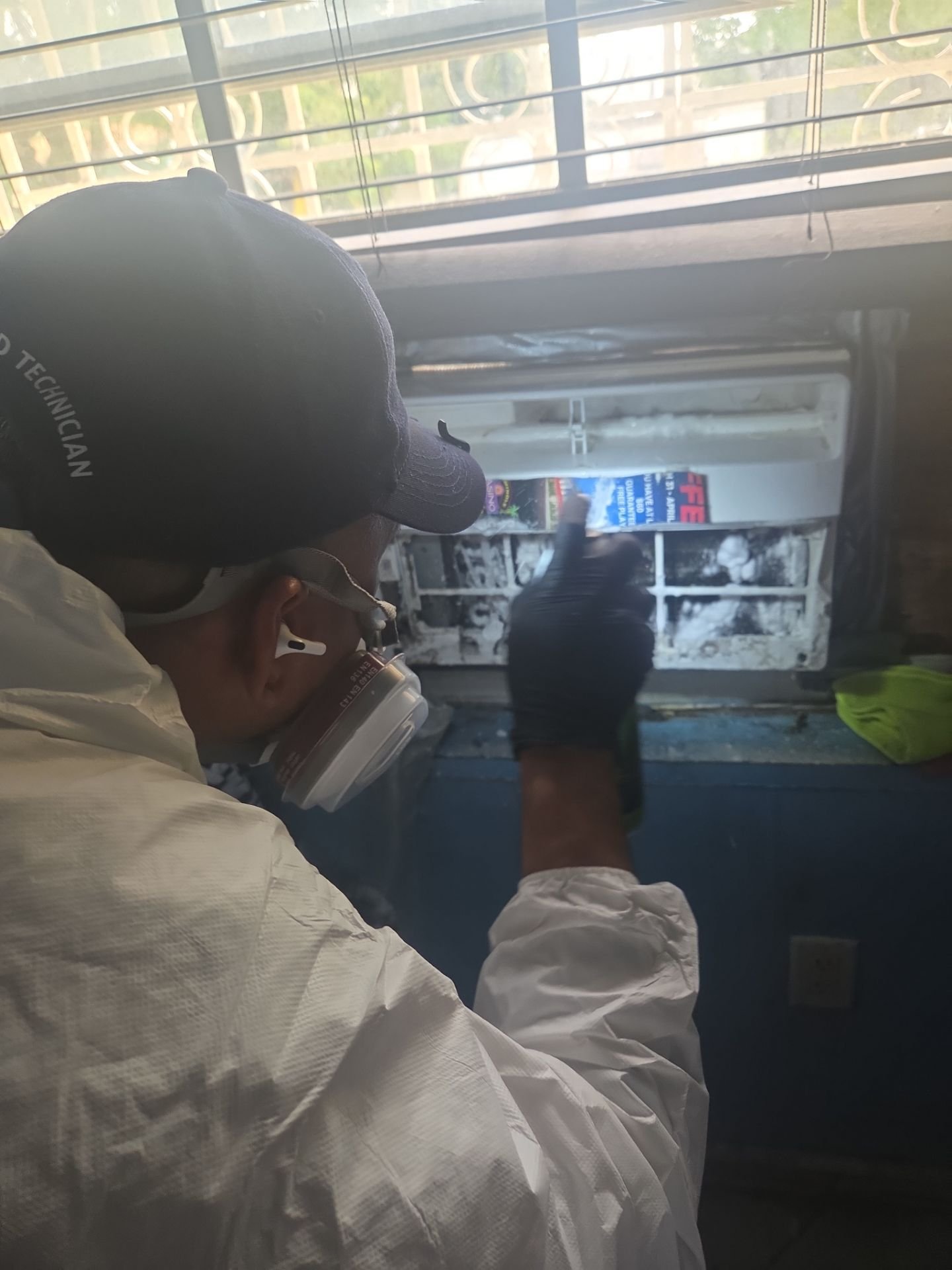
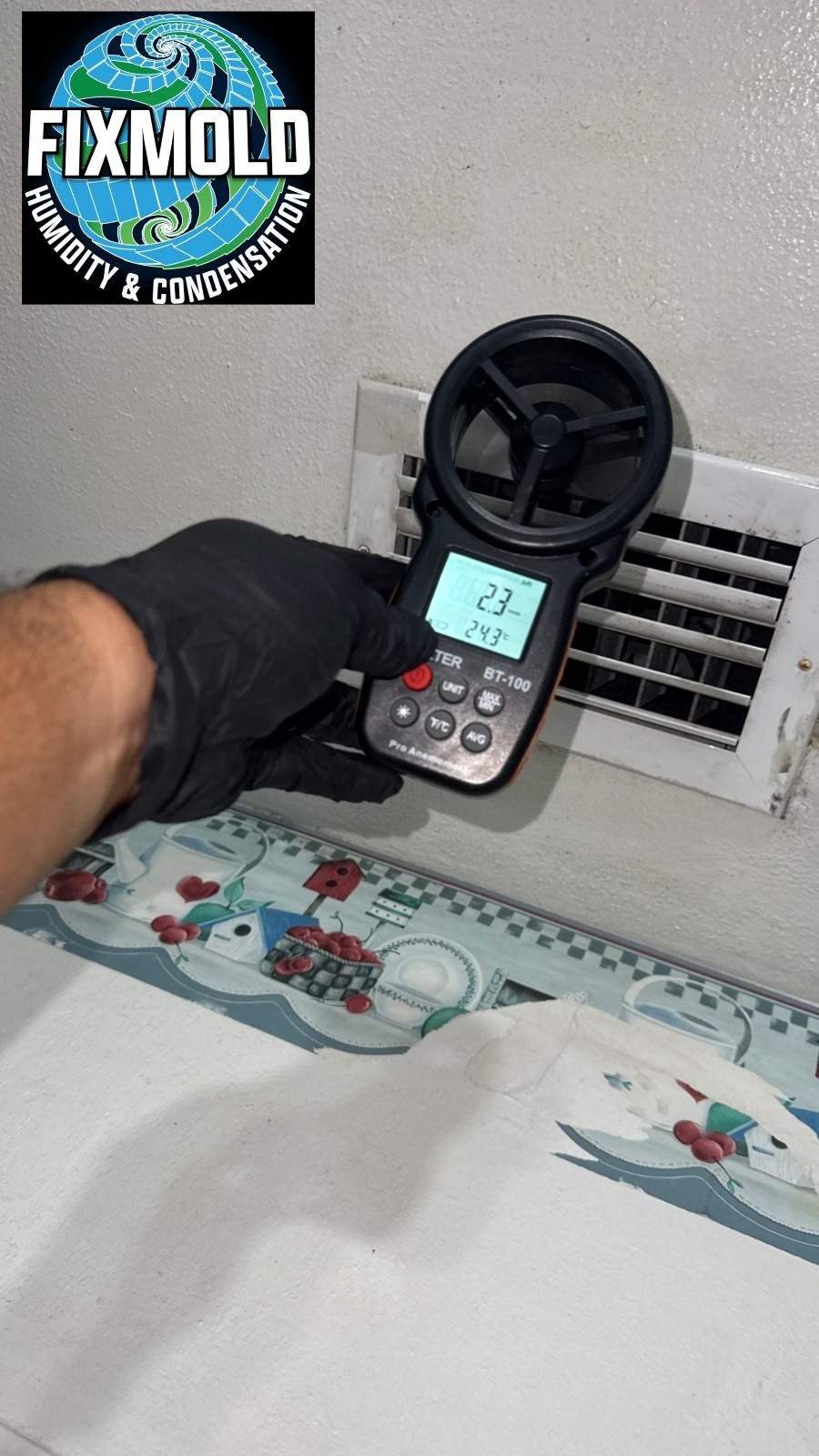
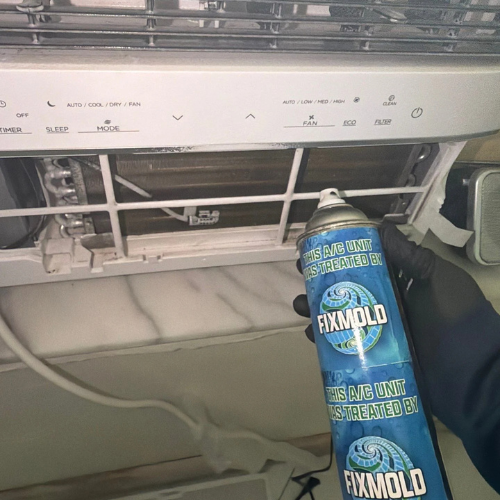
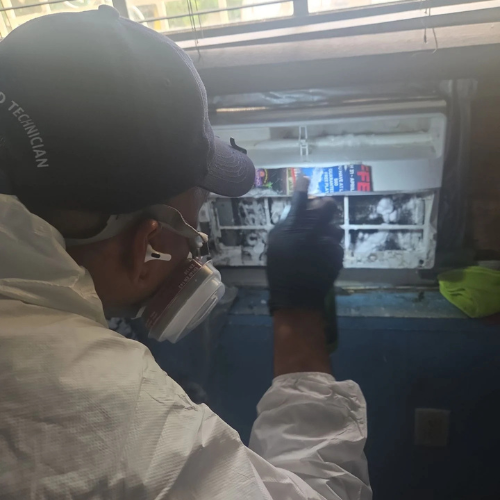
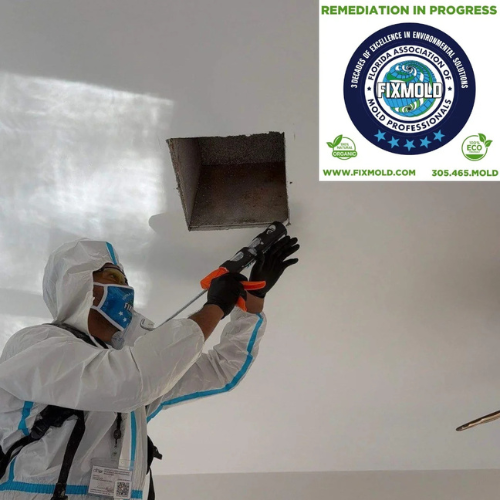
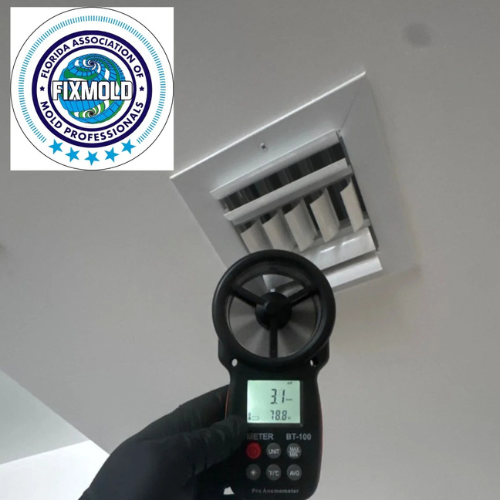
Marine air conditioning systems can contribute to moisture concerns when condensation is not draining properly or components remain damp. Filters, coils, drain pans, ventilation outlets, and accessible ductwork may require inspection when mold or musty odors are suspected.
Contamination within an HVAC system can affect multiple areas of a vessel if air circulates through connected spaces. Simply cleaning visible surfaces may not address a problem involving the air conditioning system itself.
FixMold can assess visible HVAC-related concerns and discuss suitable solutions. Boat owners can also learn more about mold in air conditioning and HVAC systems and the importance of addressing moisture inside ventilation equipment.
Professional Boat Mold Inspection and Moisture Assessment
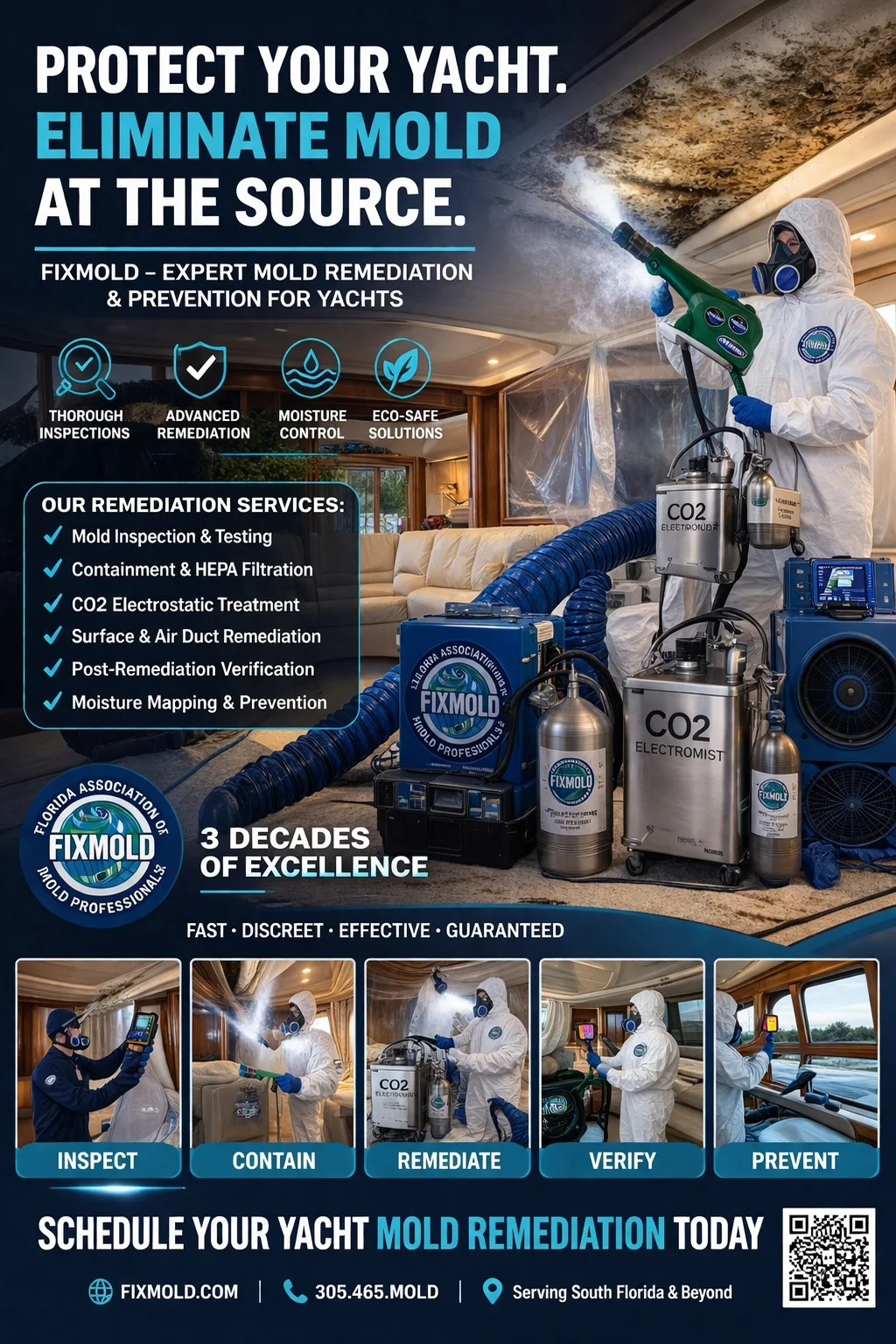
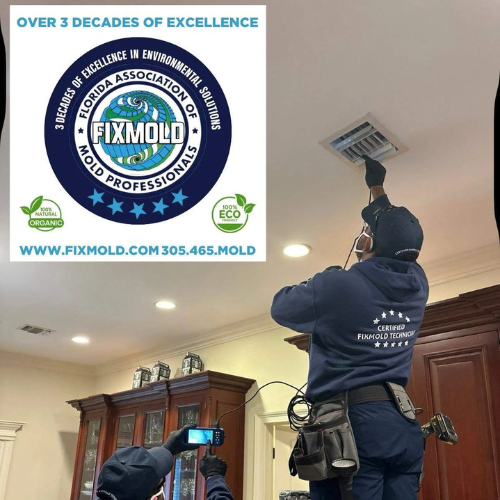
Effective boat mold removal begins with understanding where mold is present and what may be allowing moisture to accumulate. A professional inspection may include a visual assessment of cabins, storage areas, interior surfaces, and other accessible spaces.
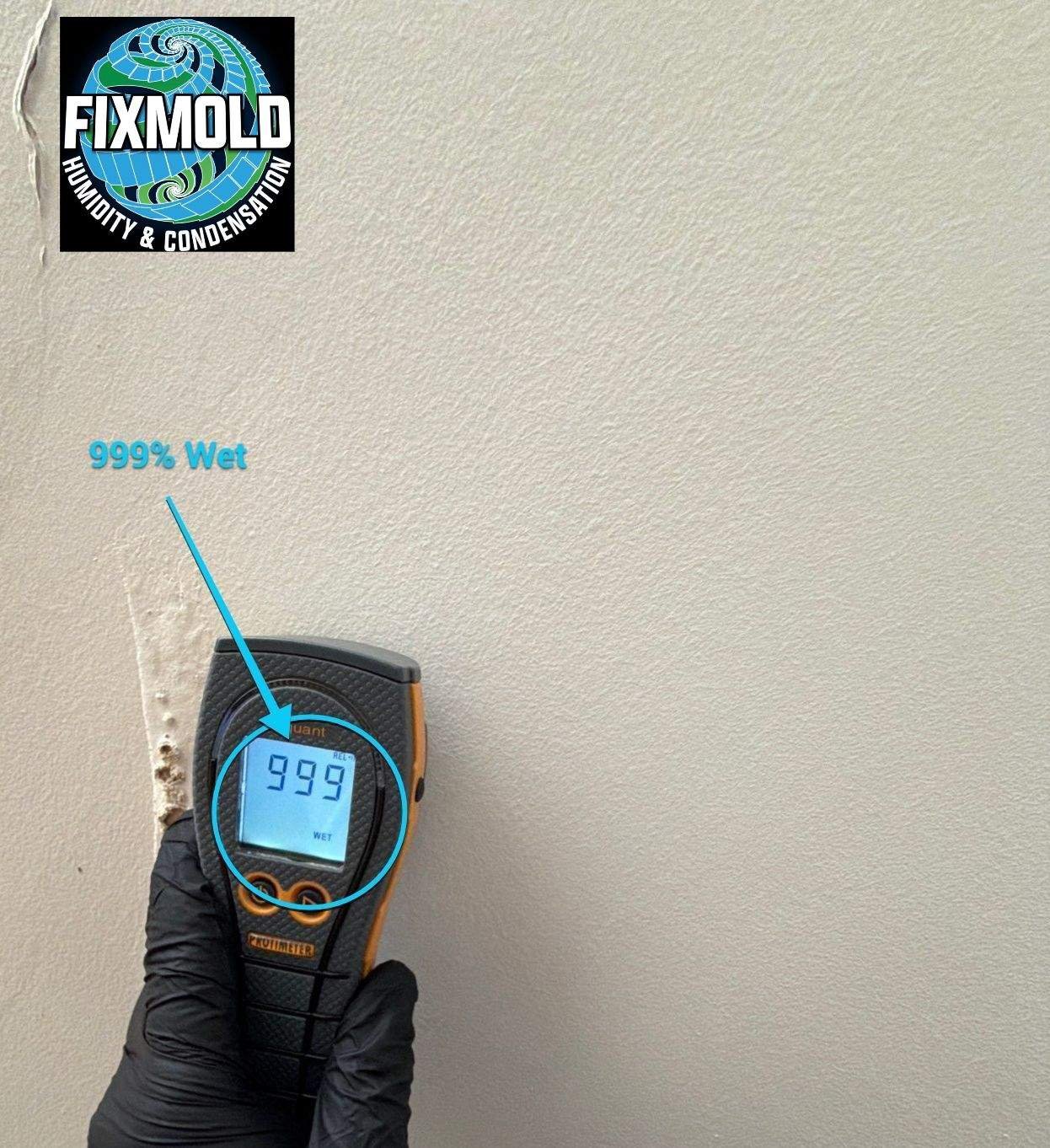
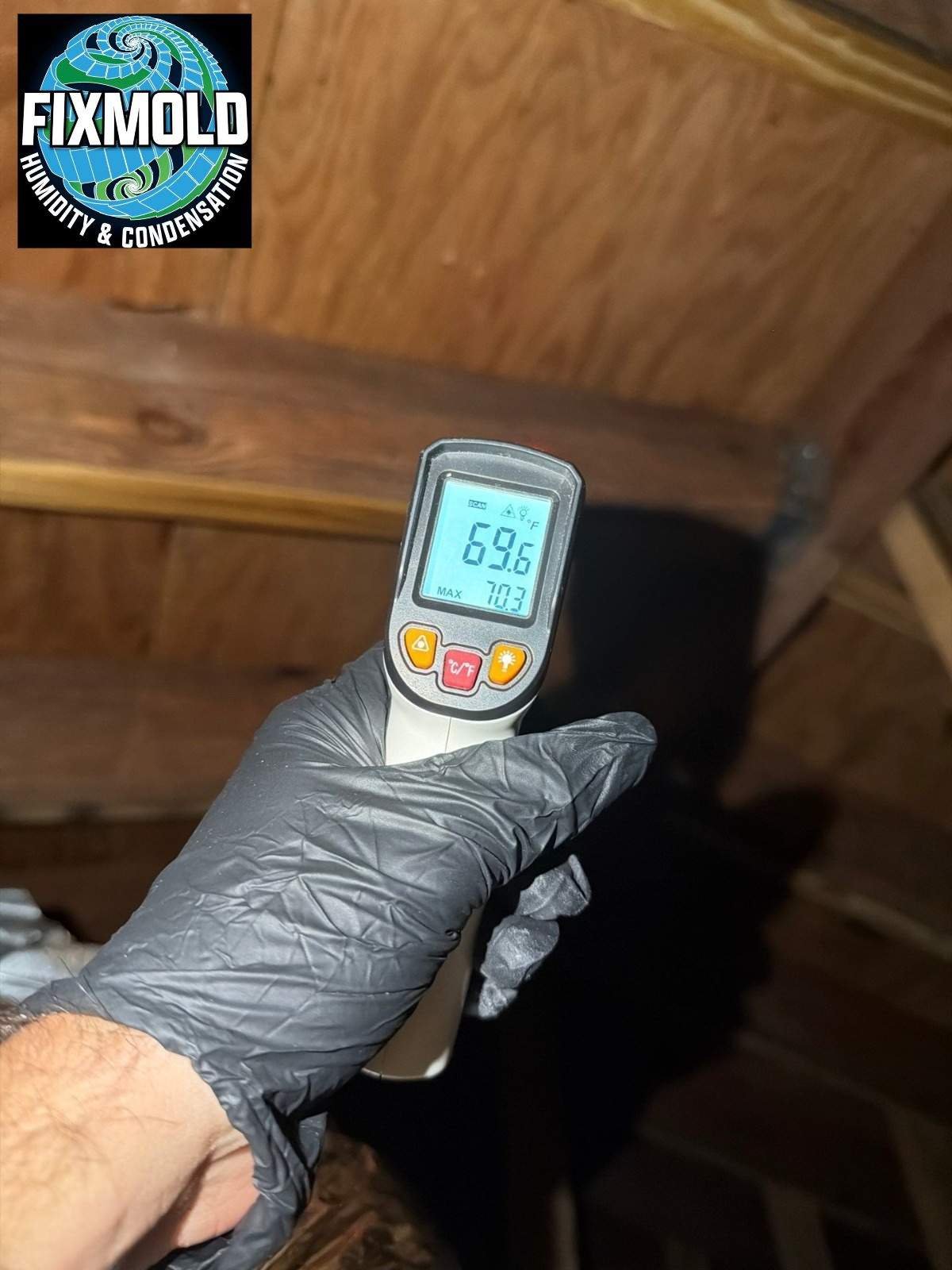
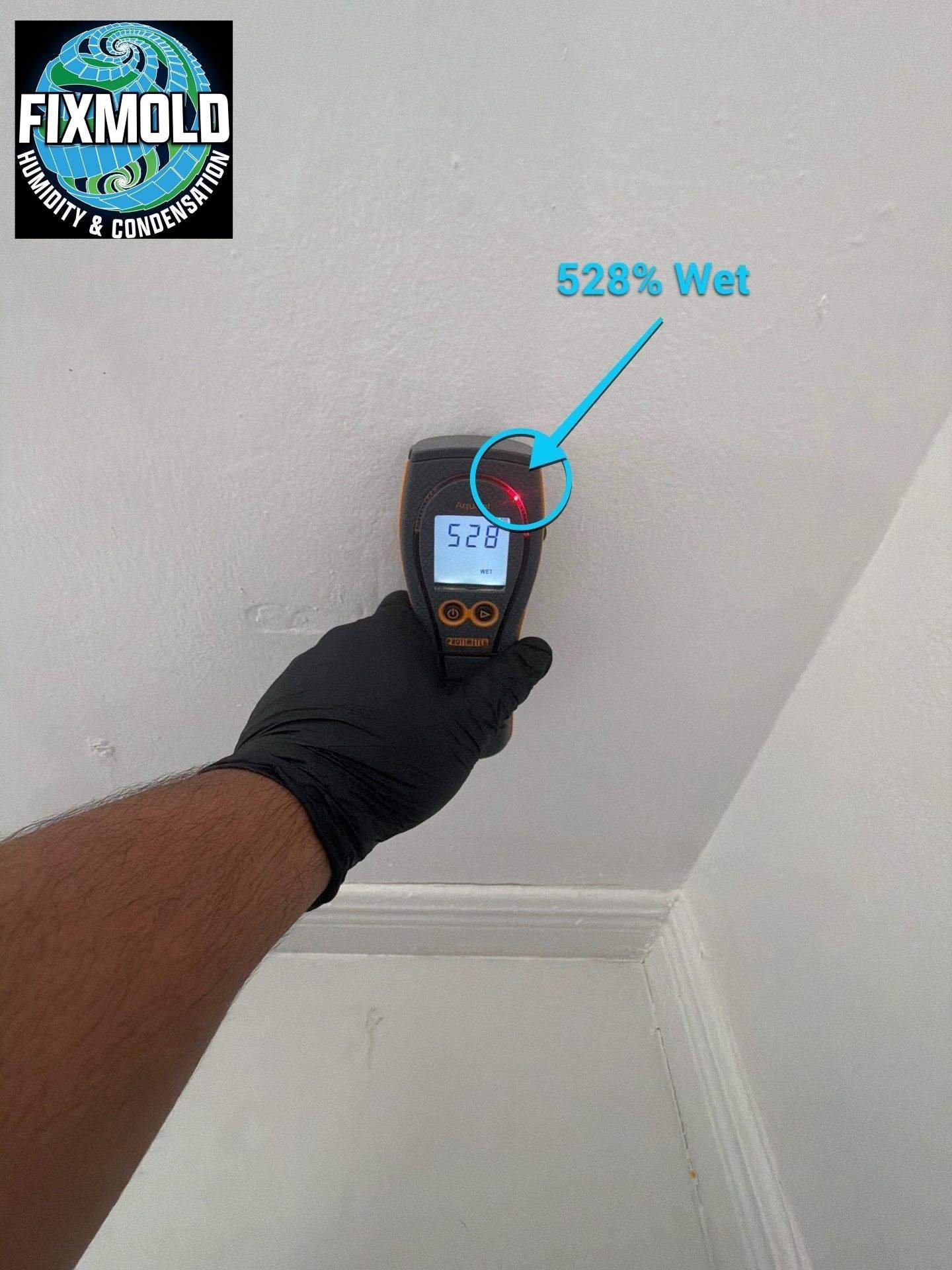
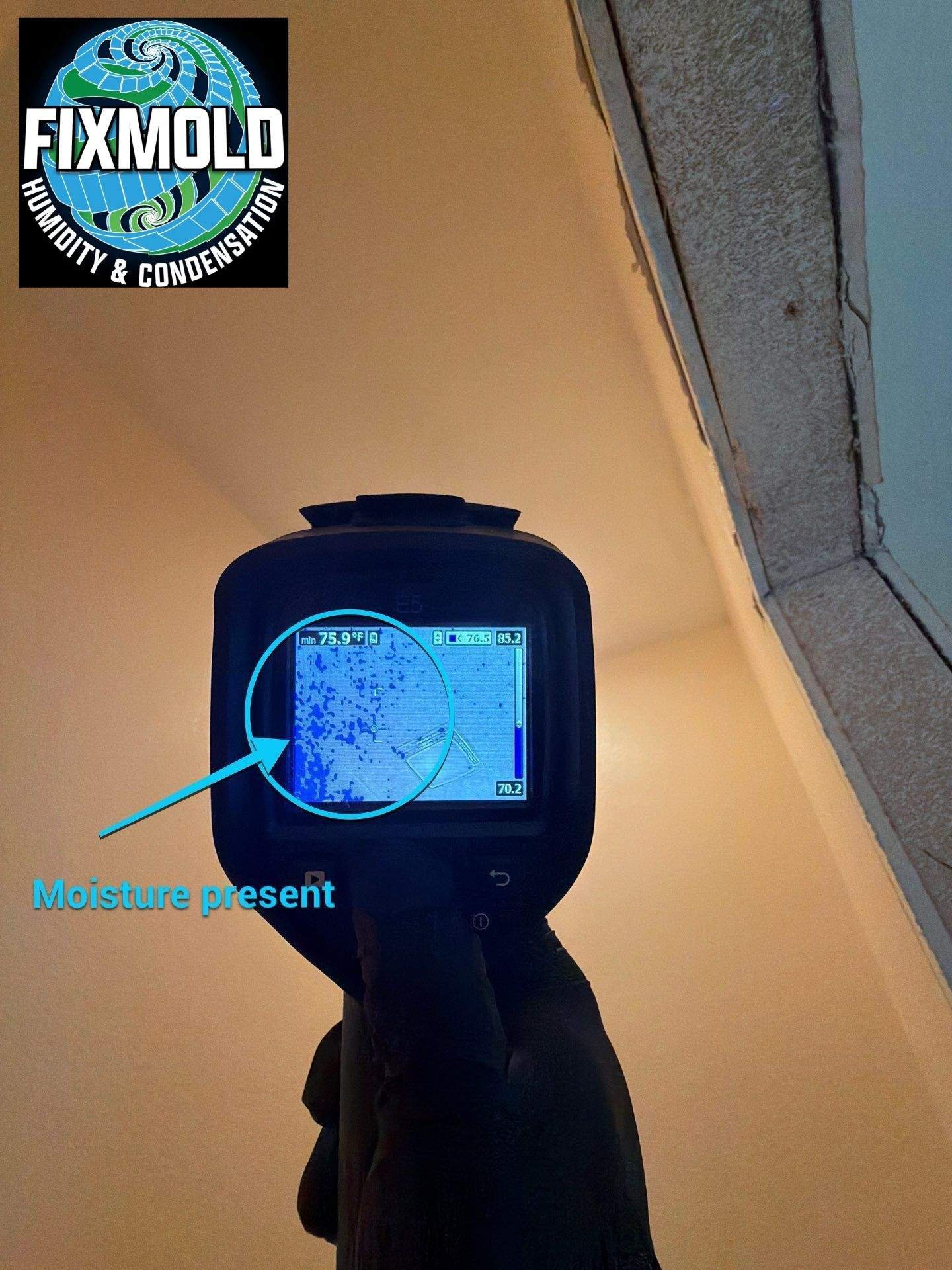
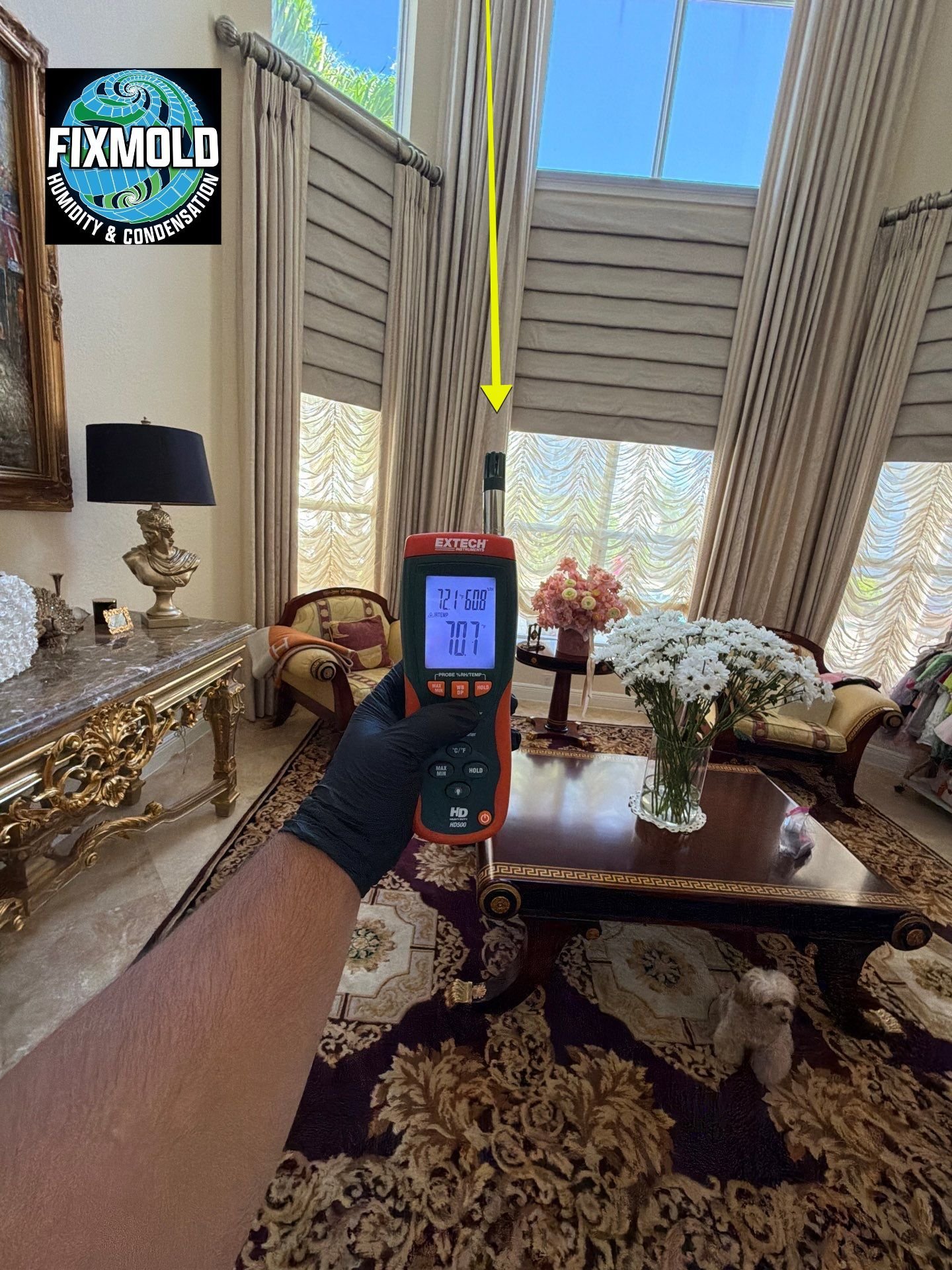
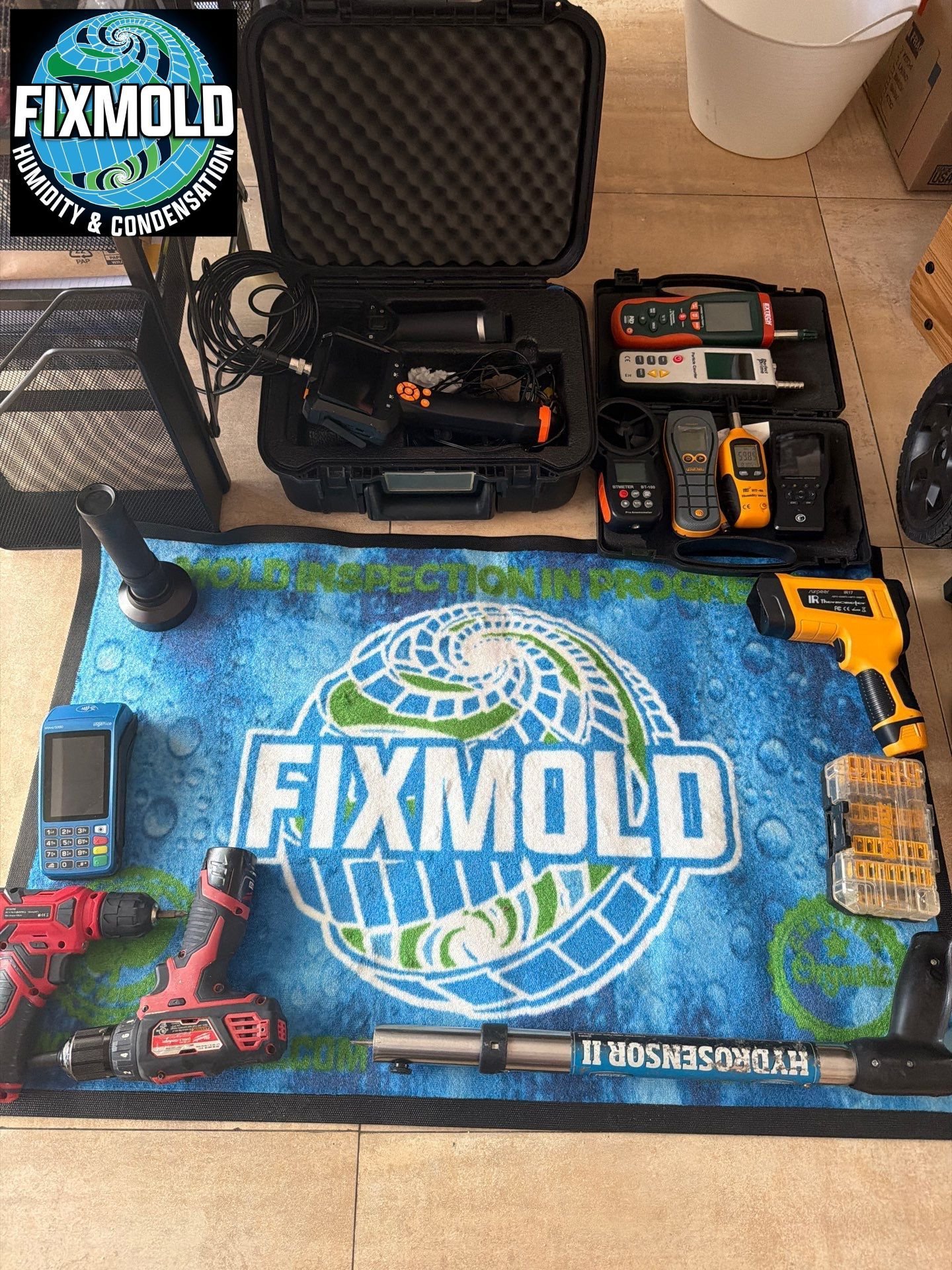
Moisture meters can help evaluate suspicious materials, while humidity measurements and other inspection methods may provide additional information about indoor conditions. Thermal imaging may also be useful in certain situations to investigate temperature differences that could indicate hidden moisture concerns.
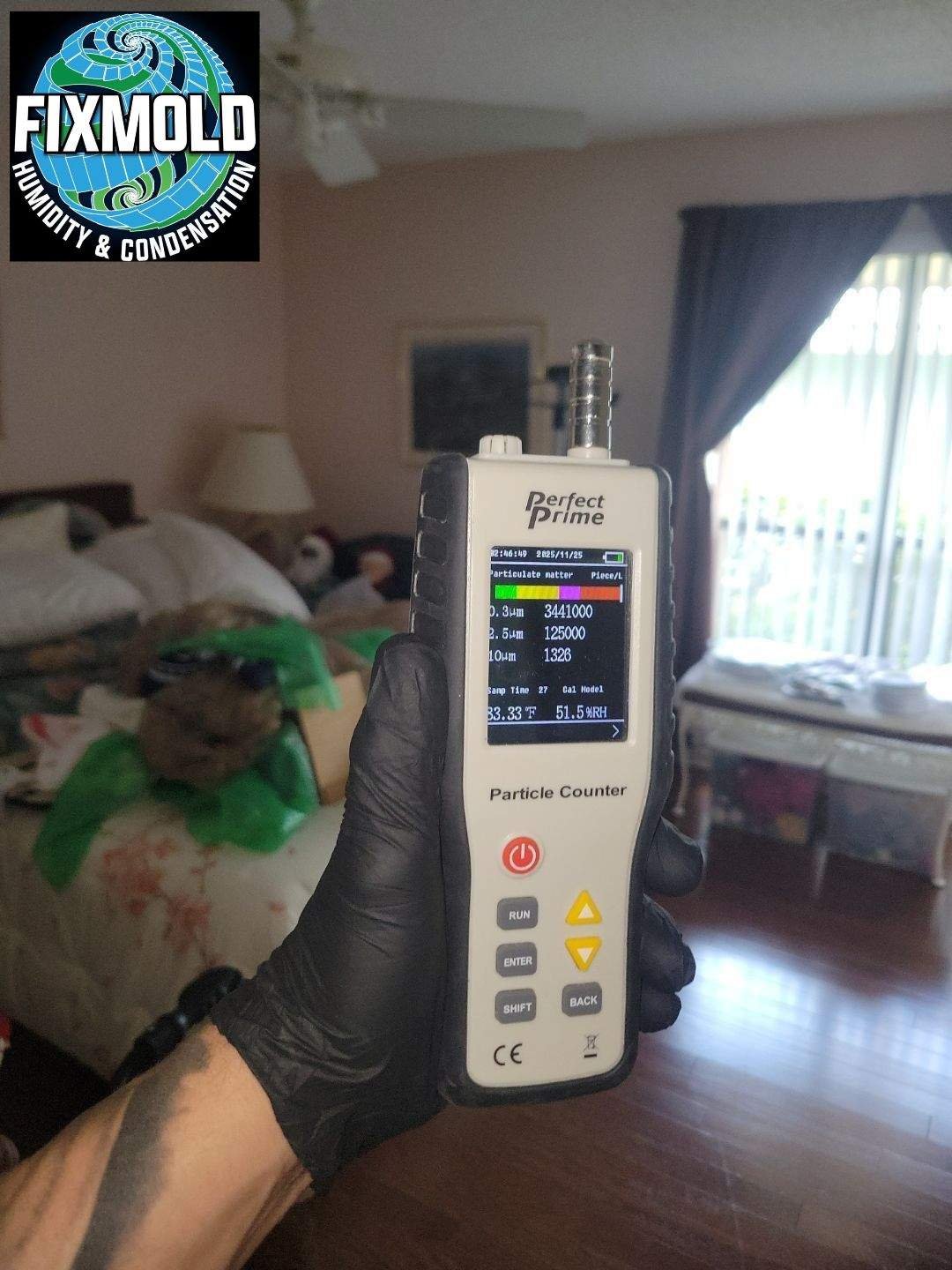
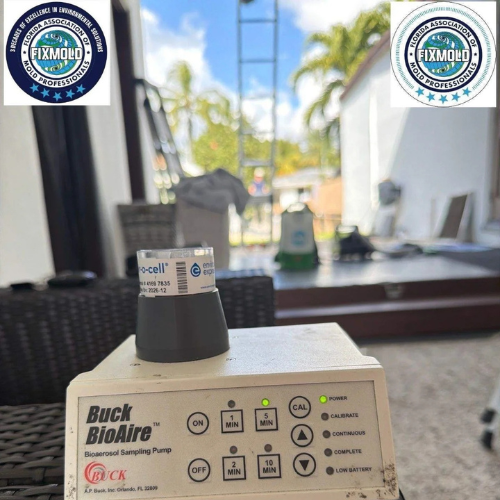
If airborne mold is a concern, indoor air quality testing may be considered as part of the assessment. The appropriate inspection and testing methods depend on the vessel, the reported conditions, and the areas involved.
Effective Mold Remediation for Marine Environments
Boat mold removal involves more than wiping down visible growth. The appropriate remediation process depends on the extent of contamination, the type of material affected, and whether the source of moisture has been identified.
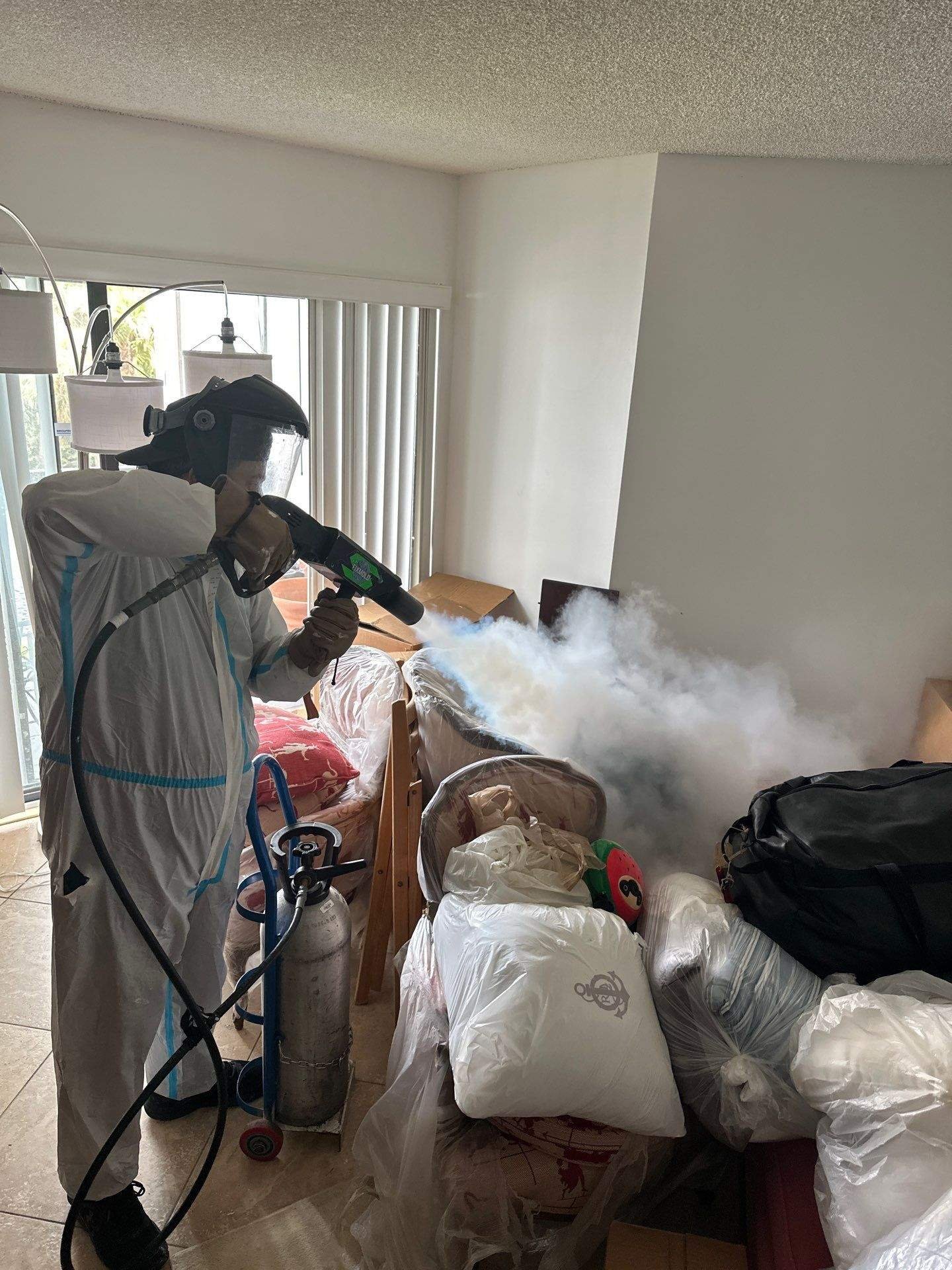
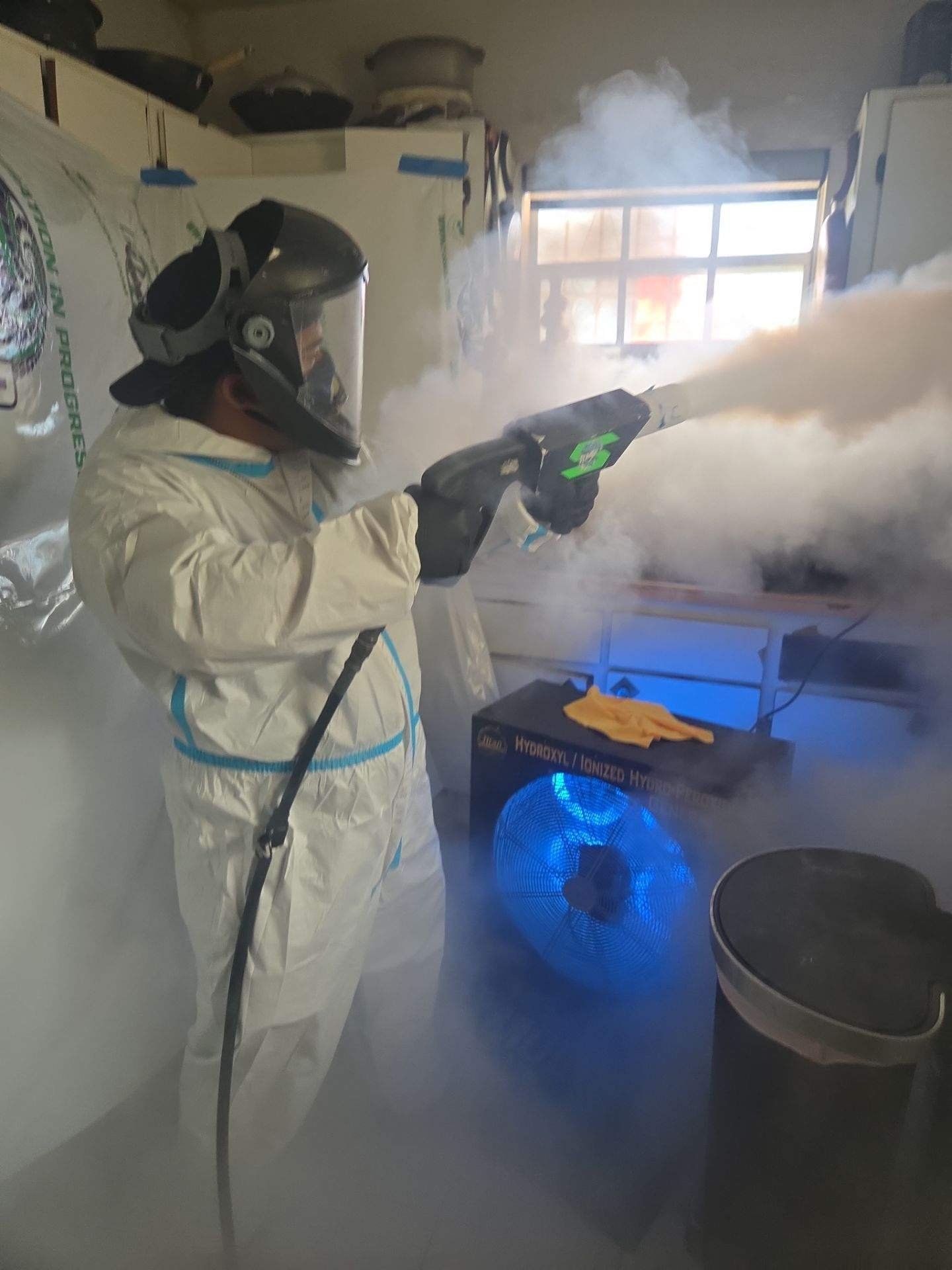
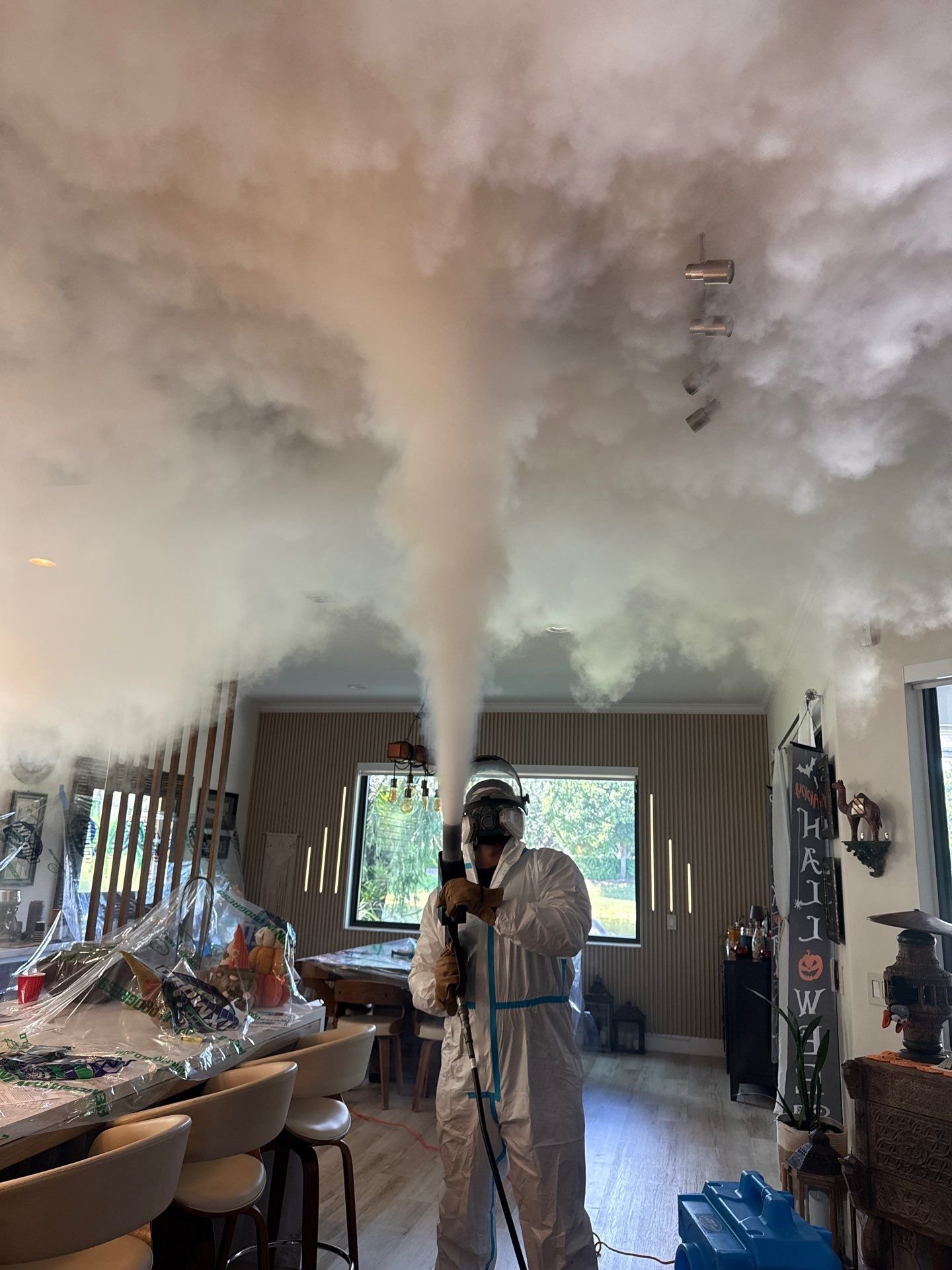
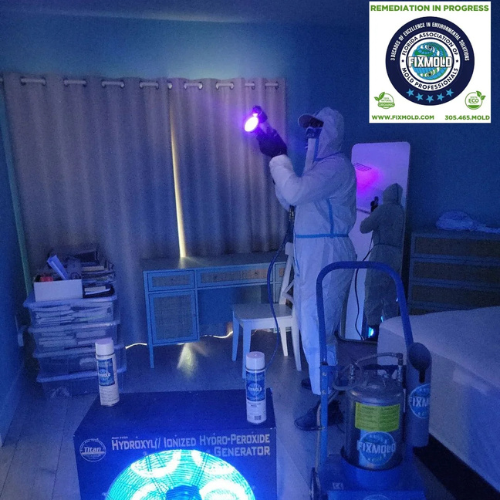
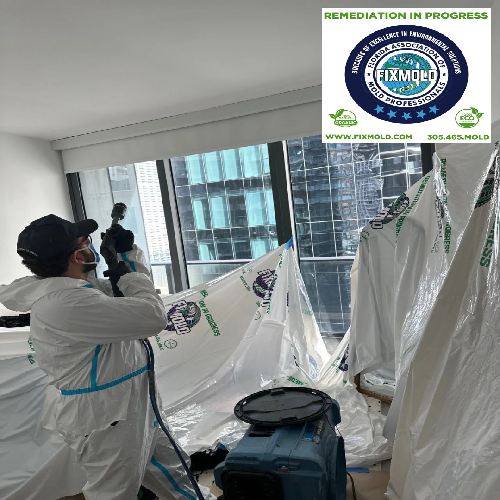
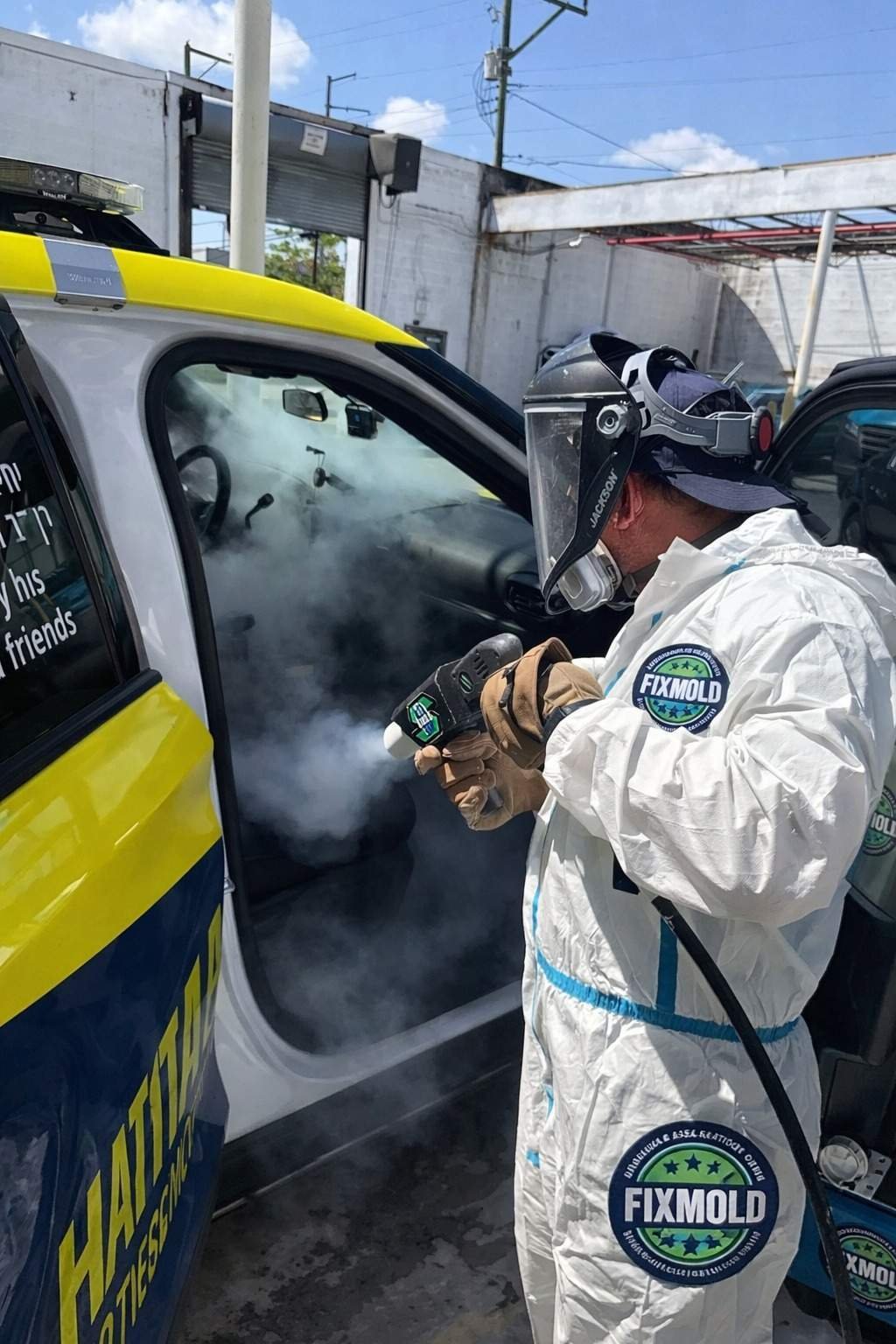
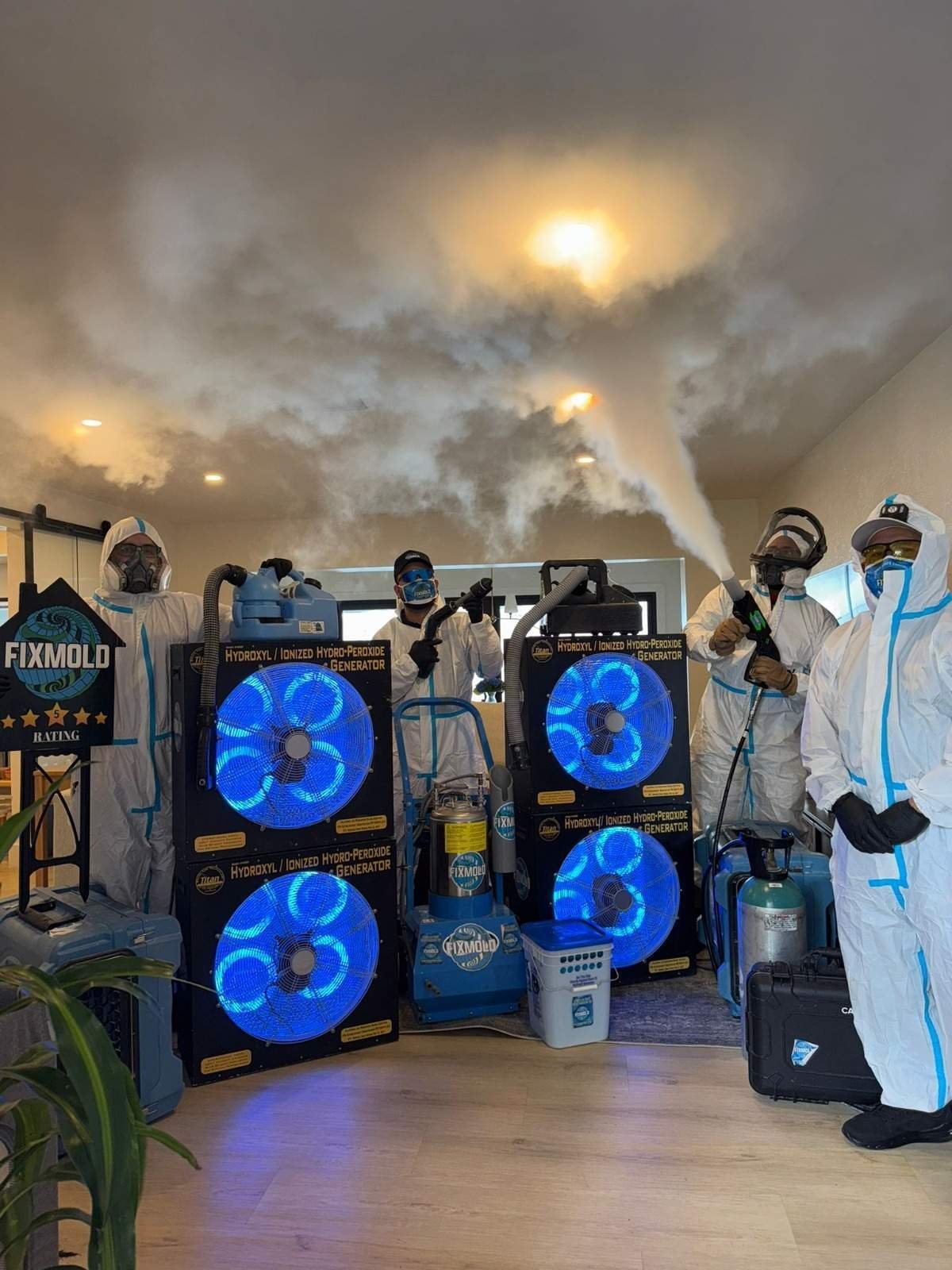
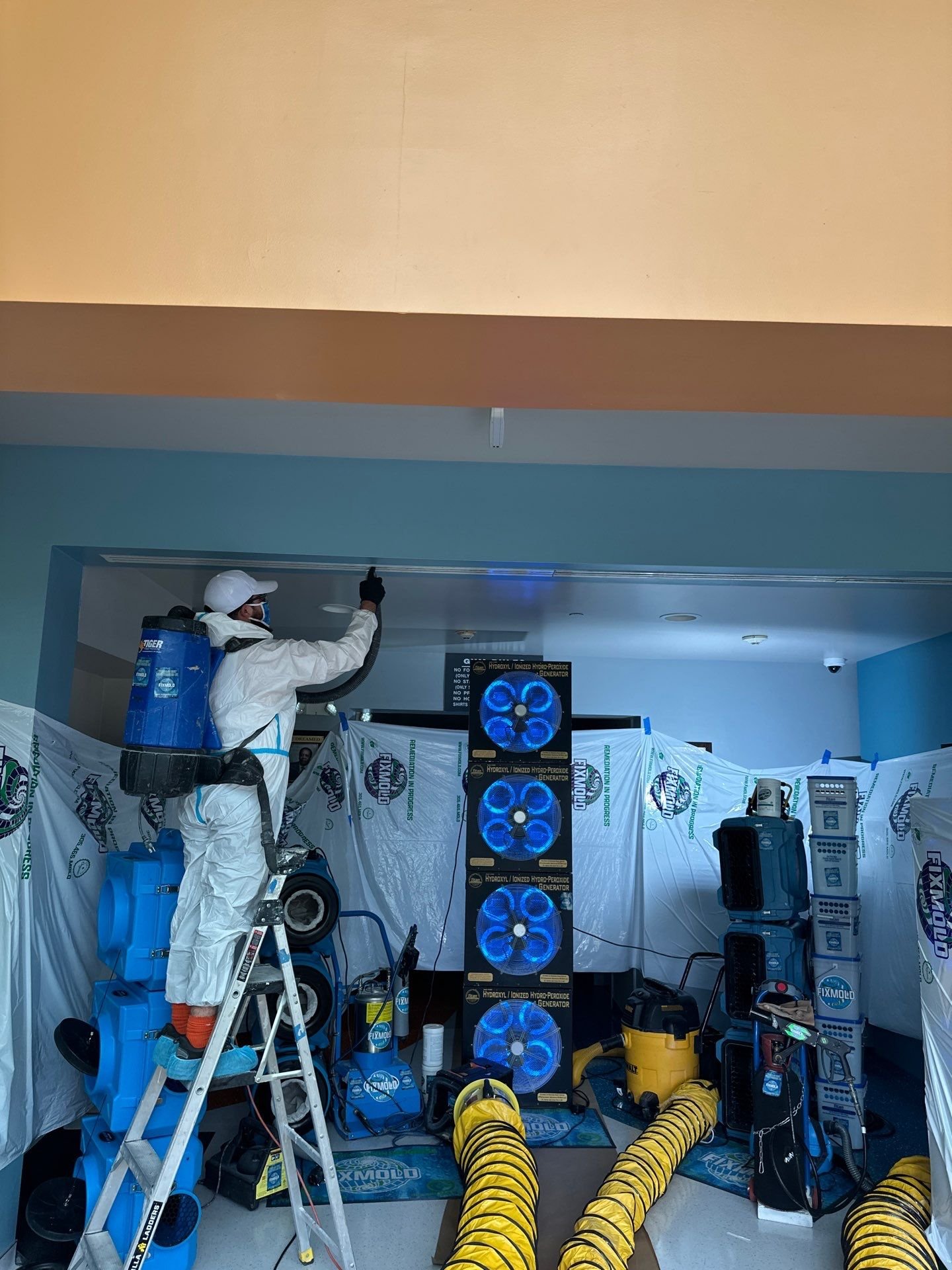
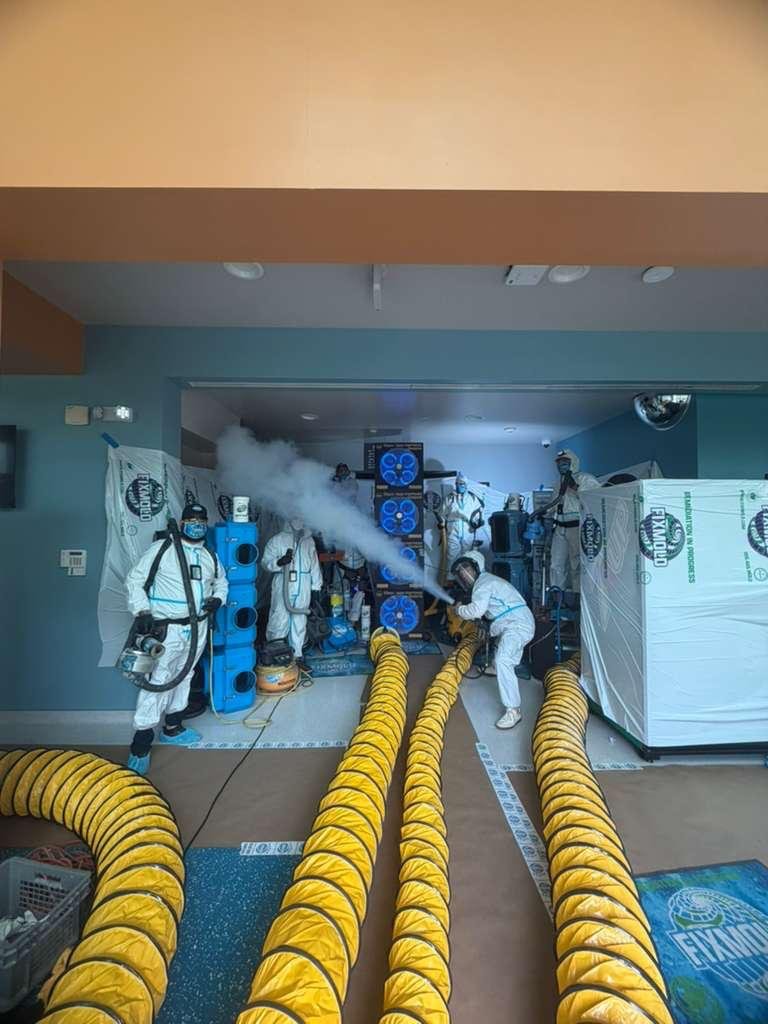
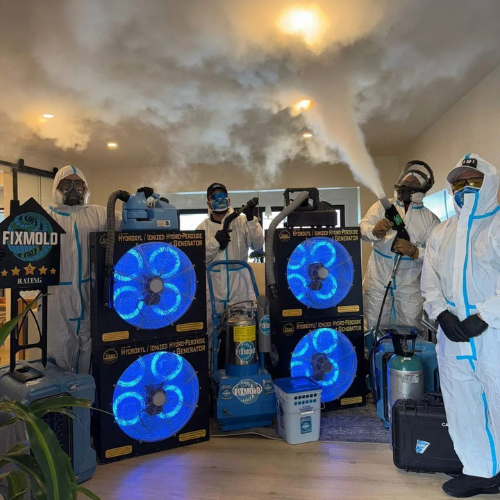
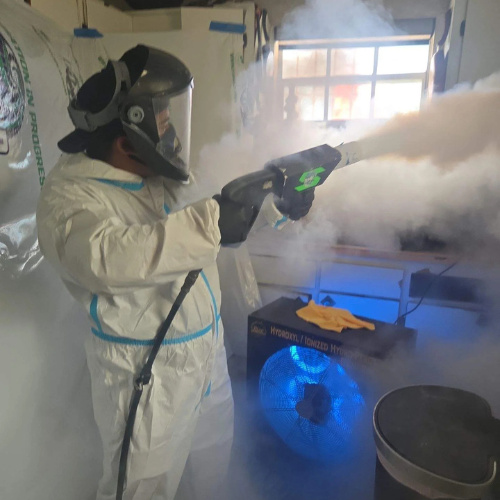
Depending on the inspection findings, remediation may involve isolating affected areas, removing mold-contaminated materials when necessary, cleaning suitable surfaces, and using appropriate equipment to help control airborne particles during the work.
Upholstery, carpeting, wood finishes, wall panels, and other marine interior materials require careful consideration. Some materials may be cleaned, while others may need removal if they are extensively damaged or cannot be properly restored.
FixMold evaluates the affected areas and recommends an approach based on the vessel's condition. The goal is to address the identified contamination while taking the construction and materials of the boat into account.
Storm Damage and Water Intrusion in Boats
Heavy rainfall, tropical storms, hurricanes, damaged seals, plumbing leaks, bilge problems, and other forms of water intrusion can introduce moisture into a vessel. If wet materials remain damp, mold may begin developing in enclosed spaces.
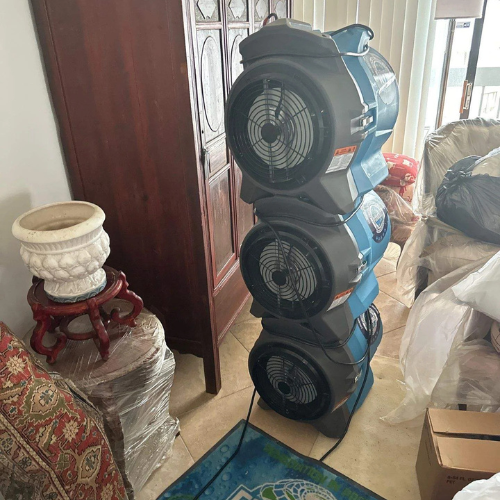
After a storm or water intrusion event, it is important to identify where water entered and which materials were affected. Drying and moisture control should be addressed before mold remediation is considered complete.
When a vessel has experienced significant water damage, additional water damage restoration services may be needed to assess the affected materials and determine the appropriate restoration steps.
Boat Types We Service
Different vessels have different layouts, construction materials, ventilation systems, and maintenance requirements. FixMold can assess mold-related concerns in private recreational boats, luxury yachts, fishing vessels, sailboats, charter boats, and commercial marine vessels.
Smaller boats may have limited airflow and compact storage areas where moisture can remain trapped. Larger yachts may have multiple cabins, bathrooms, kitchens, HVAC systems, and storage compartments that require a more detailed assessment.
The inspection and remediation approach should reflect the vessel's design, use, and condition rather than applying the same process to every boat. Owners of larger marine vessels can also explore our yacht mold inspection services for additional information about marine inspections.
Preventing Mold Growth Inside Your Boat
Regular maintenance and moisture control are important for reducing the risk of mold growth in marine environments. Boat owners should pay attention to ventilation, air conditioning performance, condensation, plumbing leaks, window seals, and areas where water may collect.
Keeping cabins and storage compartments dry, maintaining HVAC drain lines, addressing leaks promptly, and checking upholstery and carpeting after periods of heavy rainfall can help identify moisture concerns early.
Boats that remain docked or unused for extended periods may benefit from scheduled inspections. Regular checks can help identify damp materials, musty odors, and other warning signs before moisture problems become more extensive.
Comprehensive Boat Mold Removal Solutions in Miami
Mold contamination inside a boat can affect interior materials, create persistent odors, and indicate an underlying moisture problem. Identifying the affected areas and addressing the conditions that allow mold to develop are important parts of managing the issue.
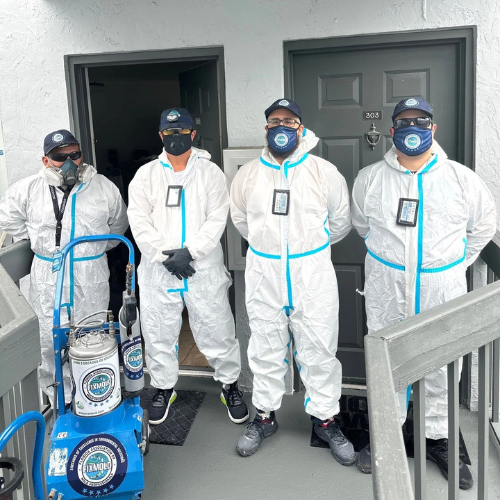
FixMold provides boat mold inspection and removal services for vessel owners throughout Miami and South Florida. From visible mold on interior surfaces to moisture concerns involving cabins, storage compartments, and HVAC systems, our team can assess the situation and discuss appropriate remediation options.
If you have noticed mold, damp materials, or persistent musty odors inside your vessel, contact FixMold to discuss a professional assessment.