View Our Reviews Accross All Platforms Here
Recurring mold is extremely common in Miami because South Florida’s climate naturally supports moisture buildup year-round. High humidity, heavy rainfall, HVAC condensation, roof leaks, and poor ventilation continuously affect indoor environmental conditions.
In many cases, mold returns because the original moisture source was never fully corrected. Even after cleaning or remediation, hidden humidity inside HVAC systems, attics, wall cavities, or crawlspaces may still remain active.
Oversized AC systems are another common issue because they cool the home quickly without removing enough moisture from the air. This leaves indoor environments cool but still humid enough for condensation and microbial growth to redevelop.
Long-term prevention usually requires monitoring humidity levels, airflow, ventilation, and moisture conditions regularly rather than only addressing visible mold when it appears.
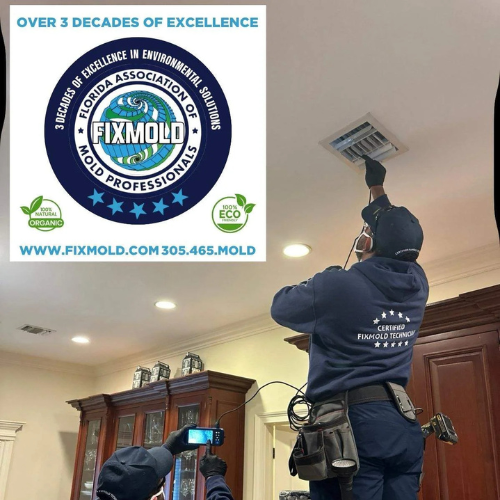
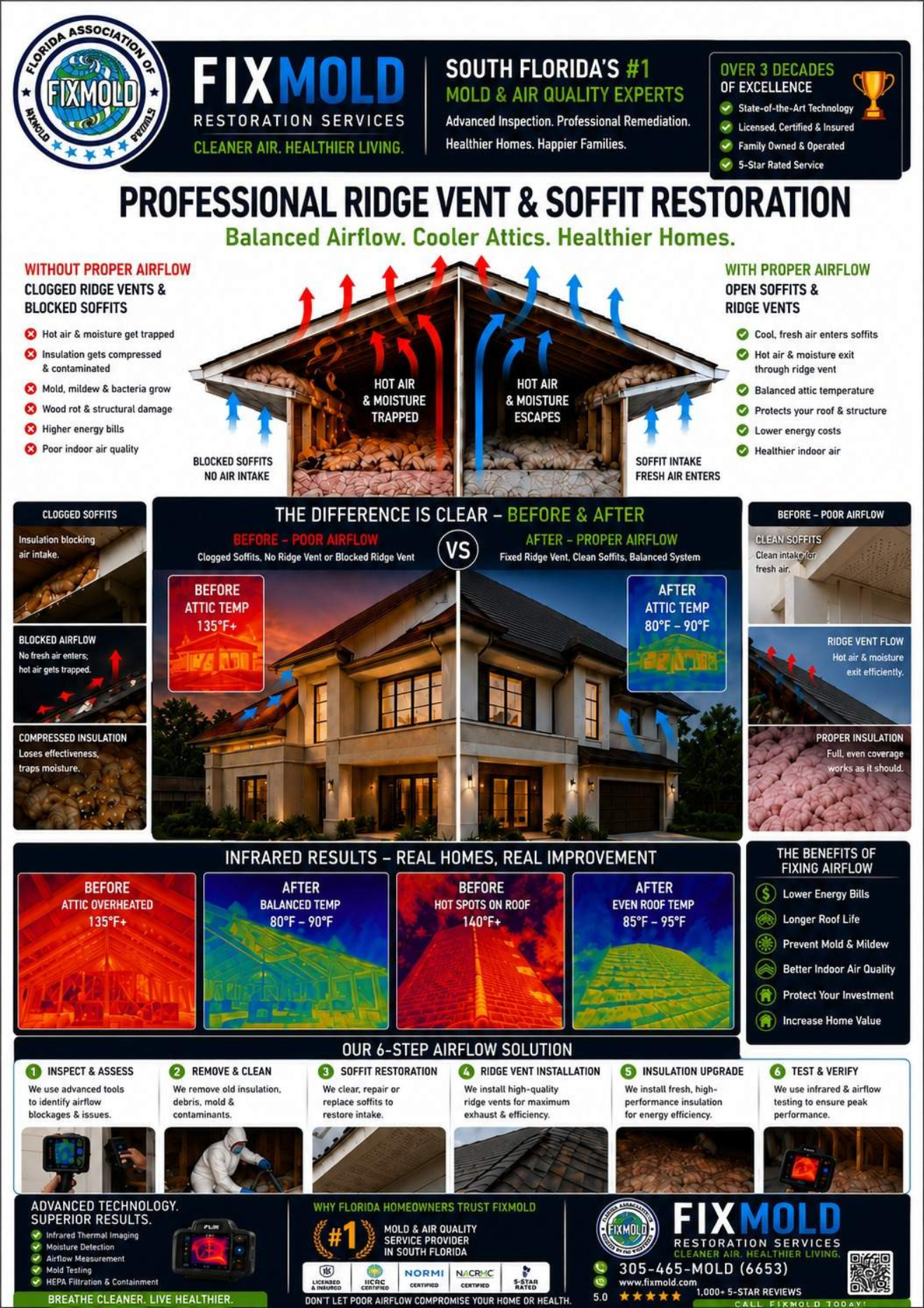
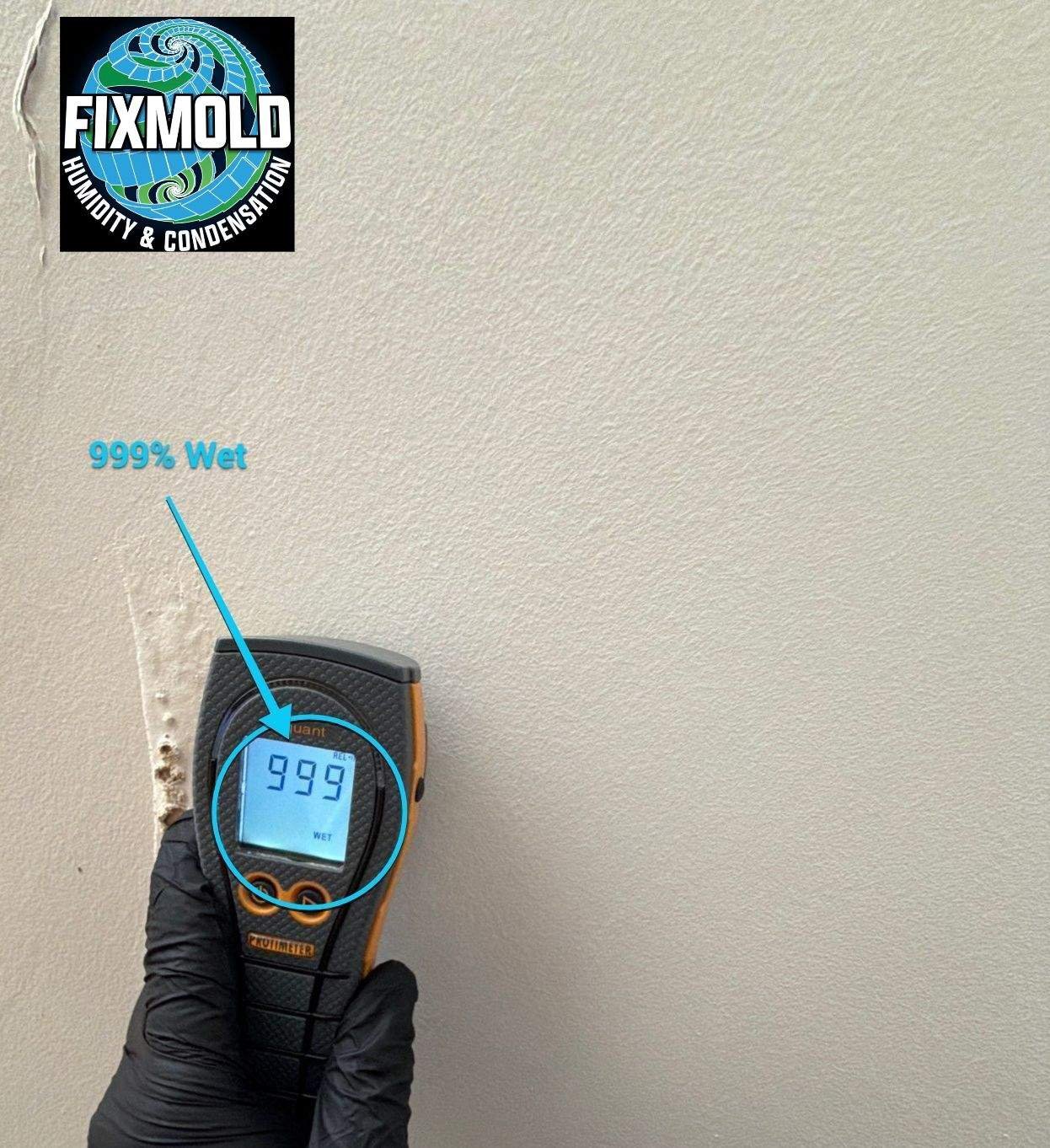
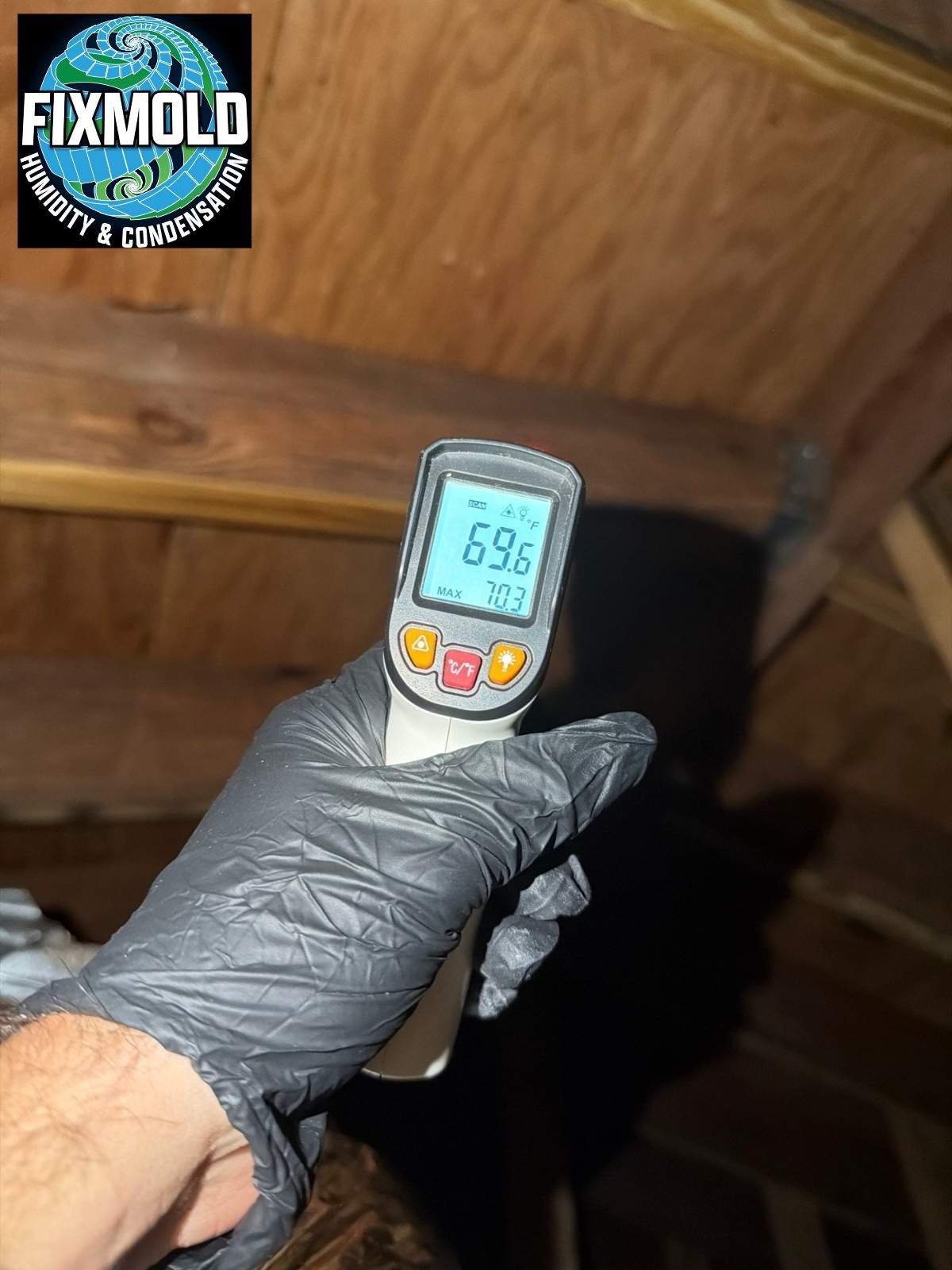
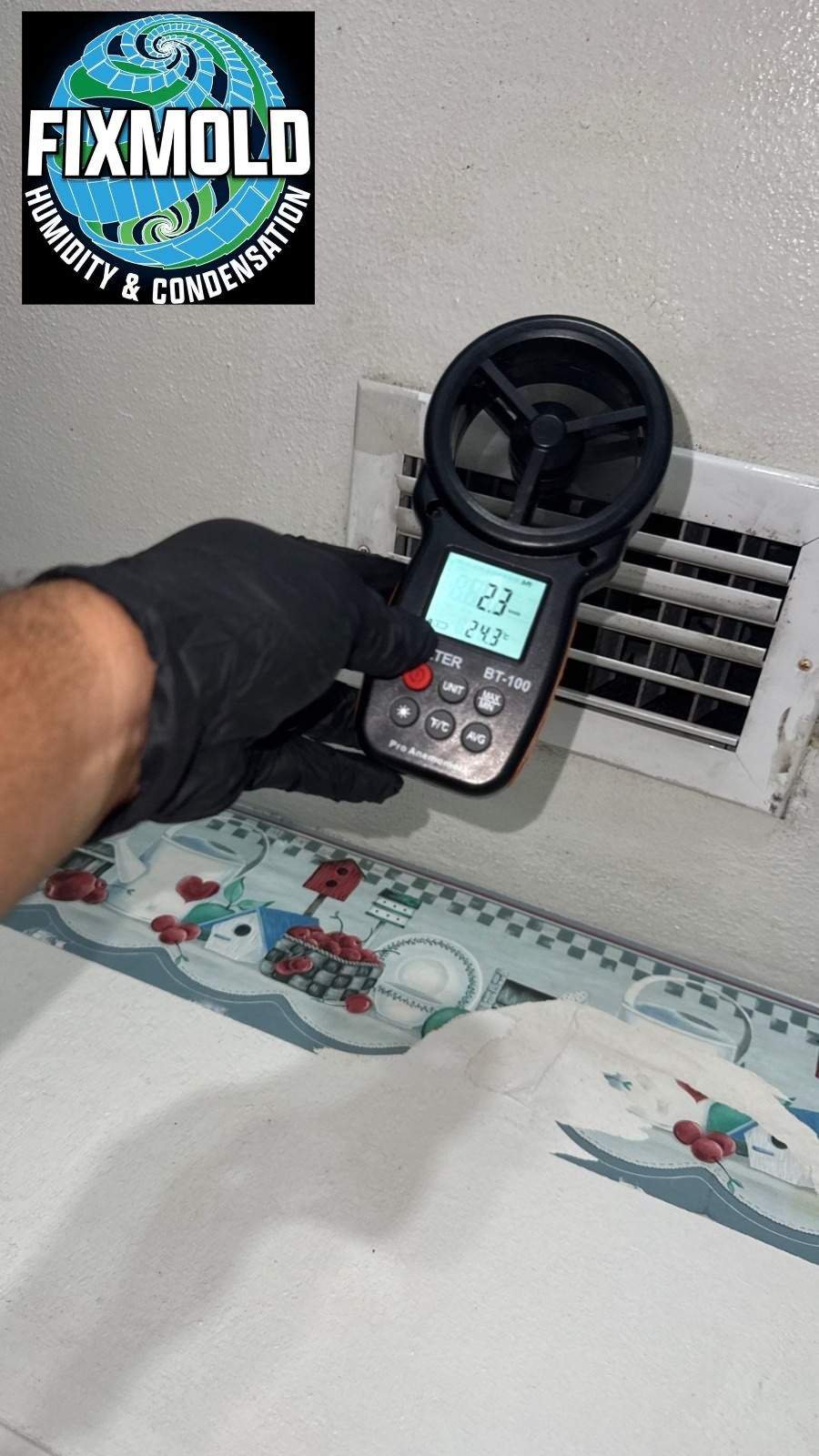
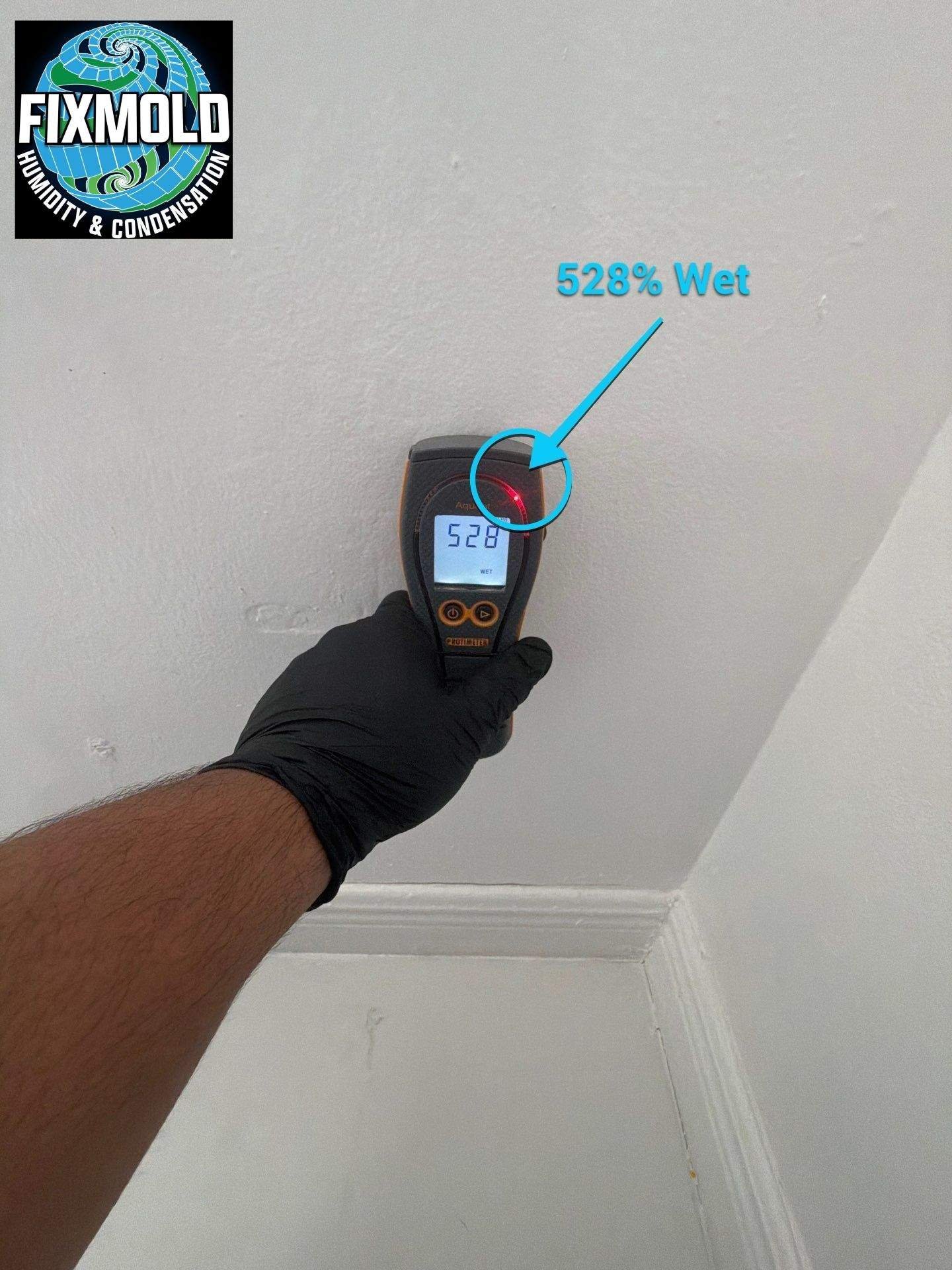
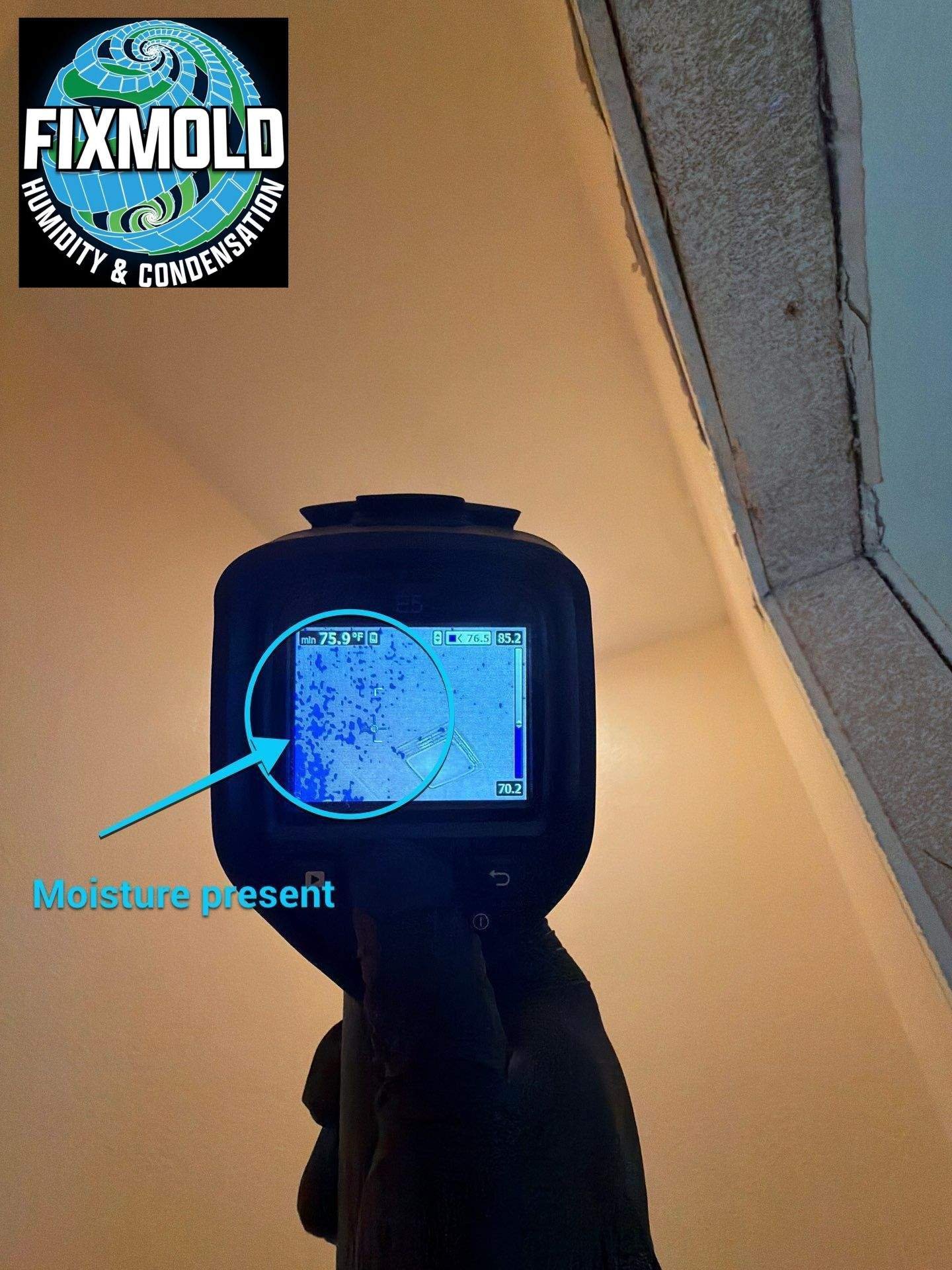
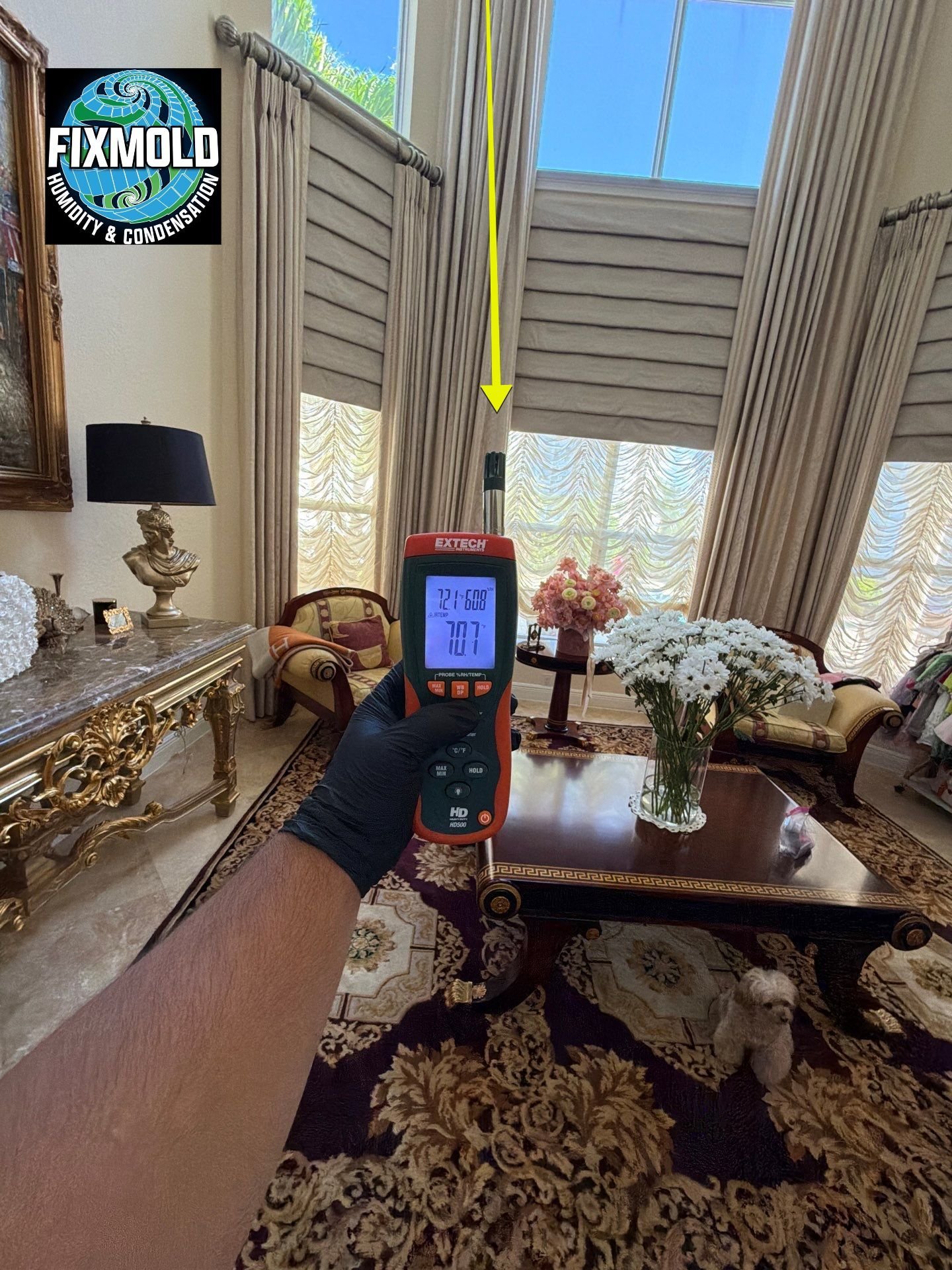
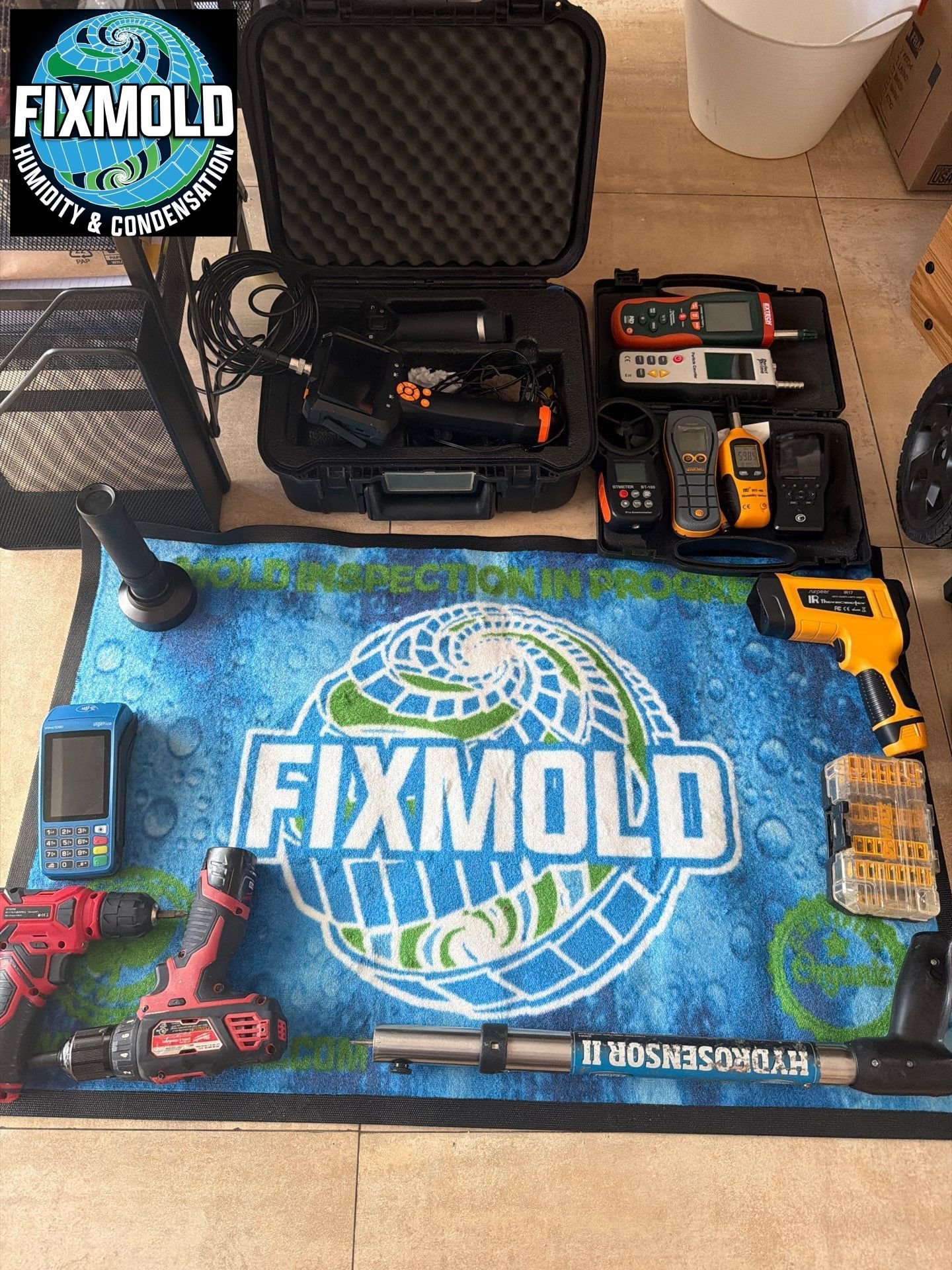
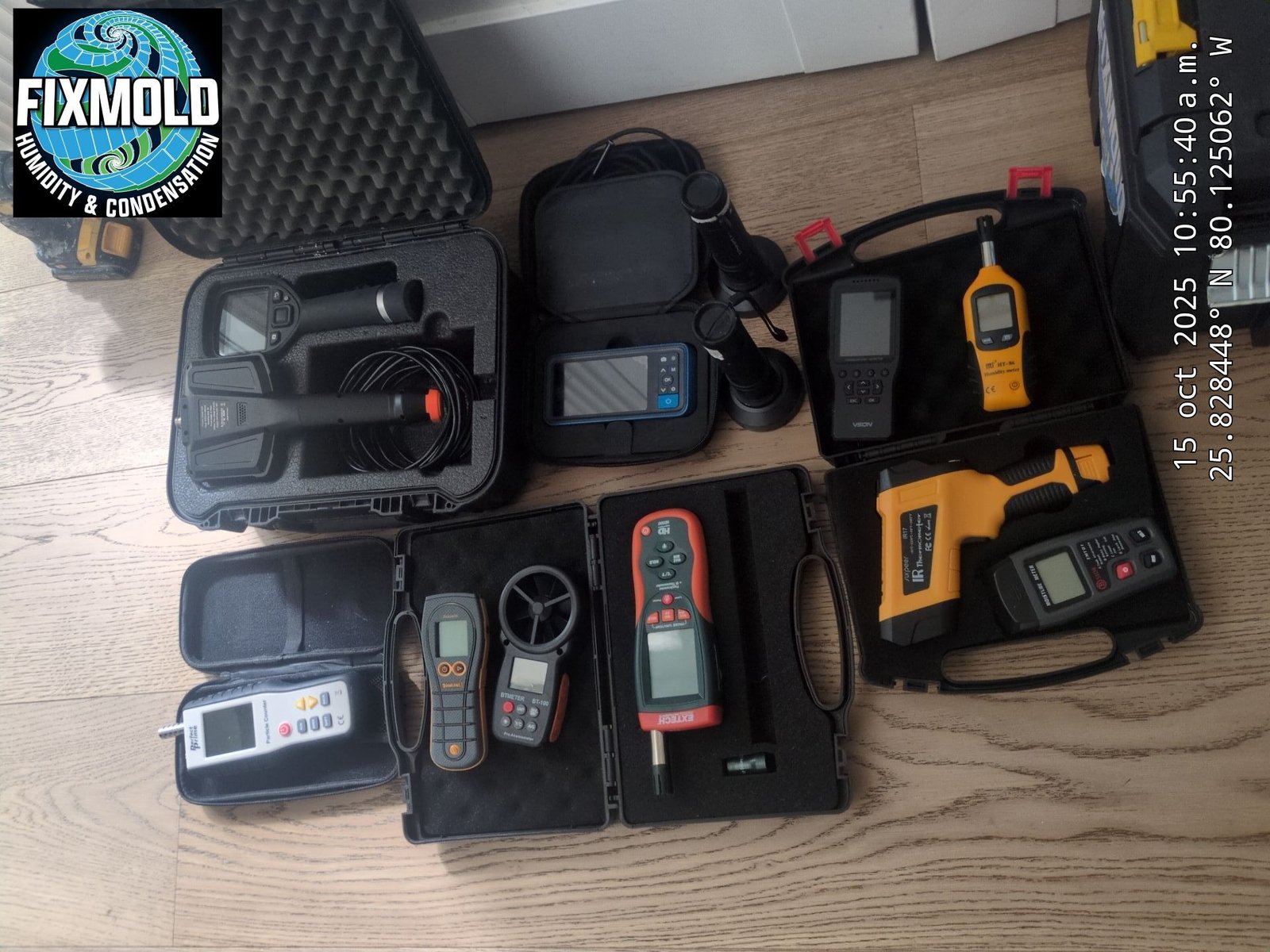
Mold maintenance services typically focus on monitoring environmental conditions that may contribute to recurring moisture and contamination inside the property. This often includes visual inspections, HVAC evaluation, humidity monitoring, moisture detection, thermal imaging, and checking areas vulnerable to condensation or water intrusion.
Attics, crawlspaces, air handlers, vents, insulation systems, windows, and plumbing areas are commonly evaluated because hidden moisture frequently develops in these locations throughout South Florida homes.
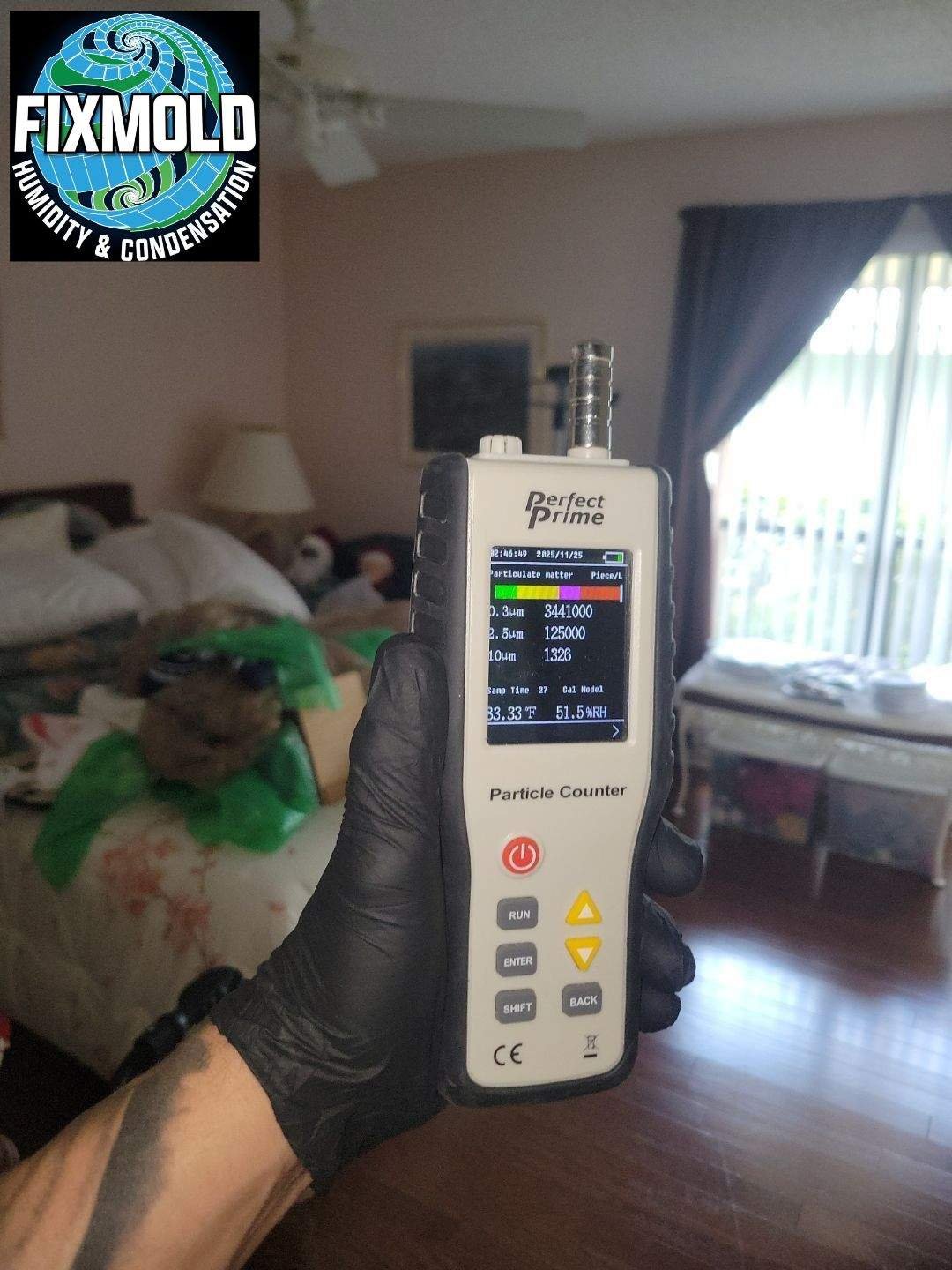
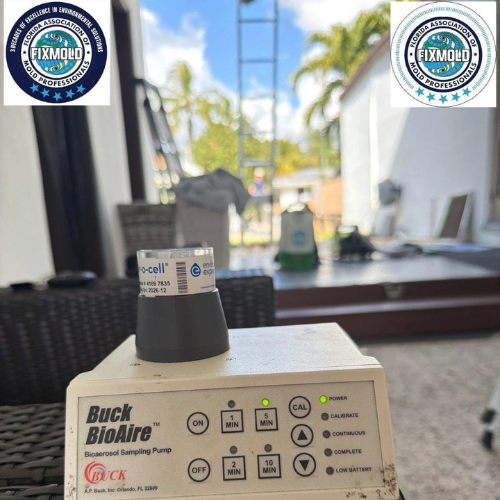
Some maintenance programs may also include indoor air quality monitoring, leak detection, preventative recommendations, and periodic environmental testing depending on the history of the property.
The goal is to identify environmental changes early before larger mold problems develop.
HVAC systems control indoor airflow and humidity throughout the property, making them one of the most important factors in long-term mold prevention. In Miami’s climate, air conditioning systems run constantly and produce condensation continuously during operation.
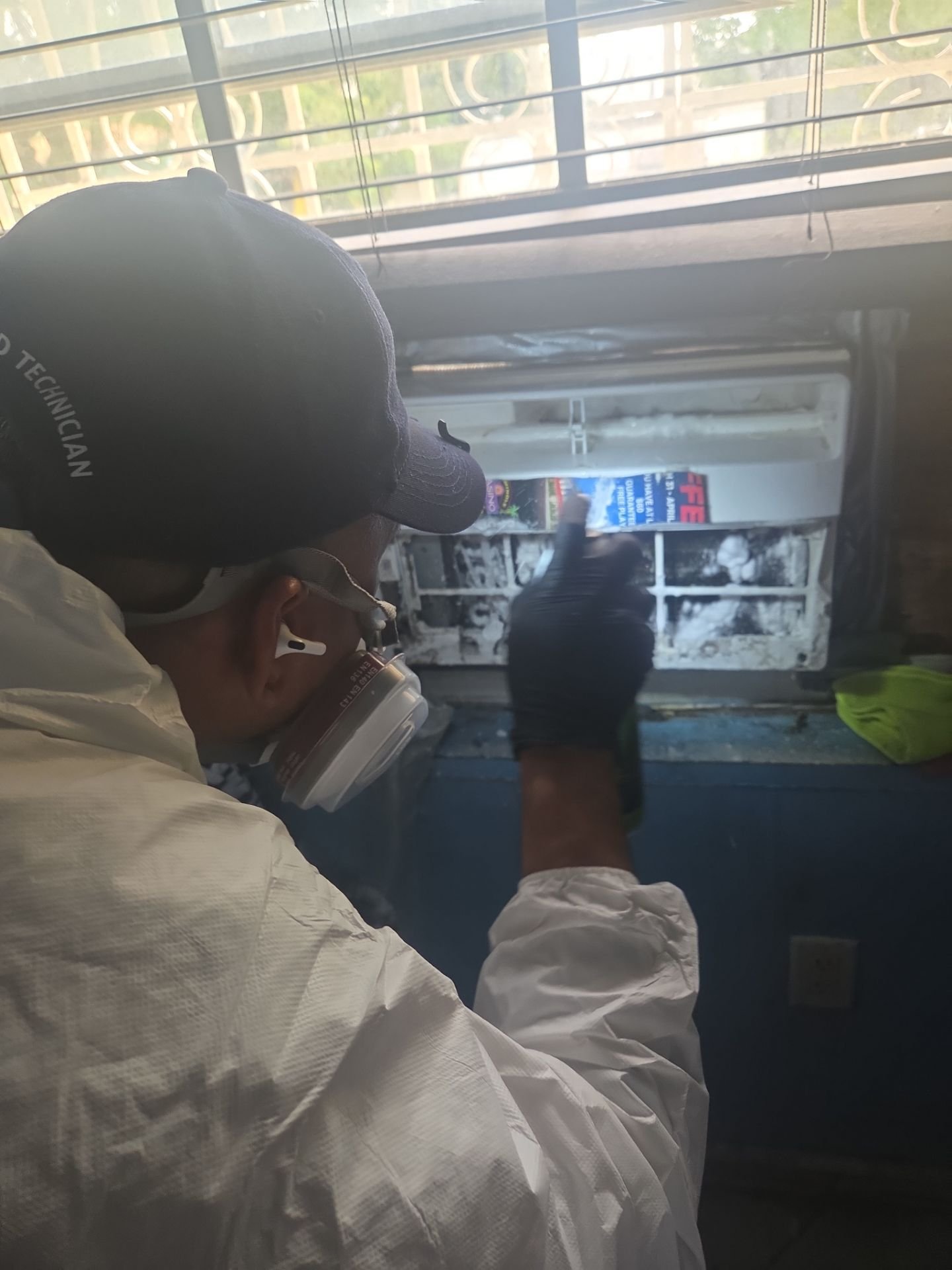
If drain lines clog, airflow becomes restricted, insulation deteriorates, or humidity remains elevated, moisture may accumulate inside ducts, vents, and air handling systems. Over time, this creates conditions where mold can begin developing inside the HVAC system itself.
Many homes experiencing musty odors, stale air, or recurring mold around vents actually have hidden HVAC moisture problems contributing to the issue.
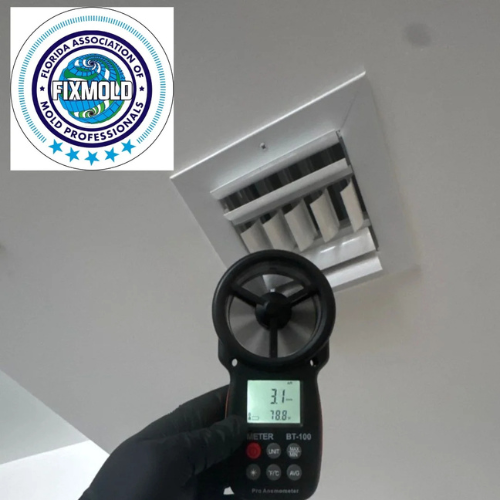
Routine HVAC evaluation helps identify condensation, humidity imbalance, airflow issues, and environmental changes before contamination spreads throughout the indoor environment.
Yes. Mold maintenance is especially valuable after remediation because properties that previously experienced water damage or contamination often remain more vulnerable to future moisture problems.
Even after successful remediation, South Florida humidity, storms, roof aging, and HVAC condensation may gradually recreate damp conditions inside the structure over time. Routine environmental monitoring helps identify these changes early before contamination returns.
Maintenance may include checking moisture levels, monitoring indoor humidity, evaluating ventilation performance, inspecting previous remediation areas, and reviewing HVAC conditions periodically.
Long-term environmental stability is important for reducing the likelihood of recurring mold after remediation projects are completed.
Humidity control is critical because moisture in the air directly affects how easily mold develops inside buildings. South Florida’s climate naturally contains high humidity levels throughout most of the year, and indoor environments constantly interact with that moisture.
When indoor humidity remains elevated, condensation may develop around vents, windows, ductwork, ceilings, and hidden structural cavities. Damp conditions also allow insulation, drywall, wood framing, and other materials to retain moisture for extended periods.
Many homes feel cool because of air conditioning but still remain too humid internally. This creates ideal conditions for hidden microbial growth even when the property appears visually clean.

Maintaining balanced humidity levels helps stabilize indoor environmental conditions and reduce the likelihood of recurring mold problems over time.