View Our Reviews Accross All PlatformsΒ Here
Sick building syndrome is a term used to describe indoor environments where occupants experience recurring discomfort or air quality-related symptoms that appear connected to time spent inside a specific building. In Miami and South Florida, these conditions are often associated with hidden moisture, poor ventilation, HVAC contamination, elevated humidity, airborne particles, or indoor microbial growth.
Occupants may report headaches, congestion, fatigue, throat irritation, respiratory discomfort, stale air, musty odors, or worsening symptoms while indoors that improve after leaving the property. In many cases, multiple environmental factors contribute to the issue rather than one single problem alone.
South Floridaβs humid climate creates ongoing moisture conditions that may affect HVAC systems, insulation, ductwork, attics, crawlspaces, and concealed structural cavities throughout homes and commercial buildings. Water intrusion, condensation, poor airflow, and hidden mold growth are all common contributors to indoor environmental concerns.
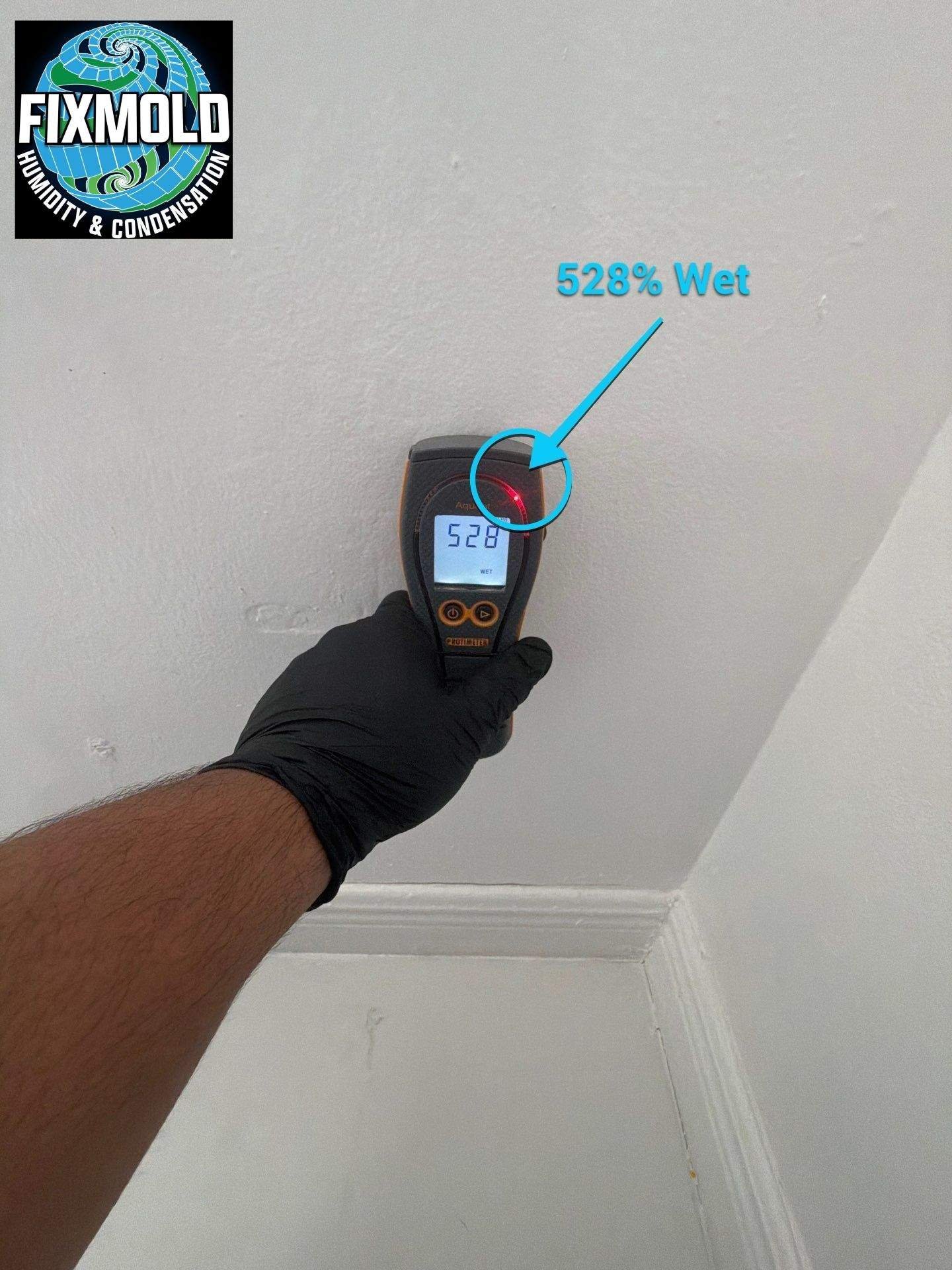
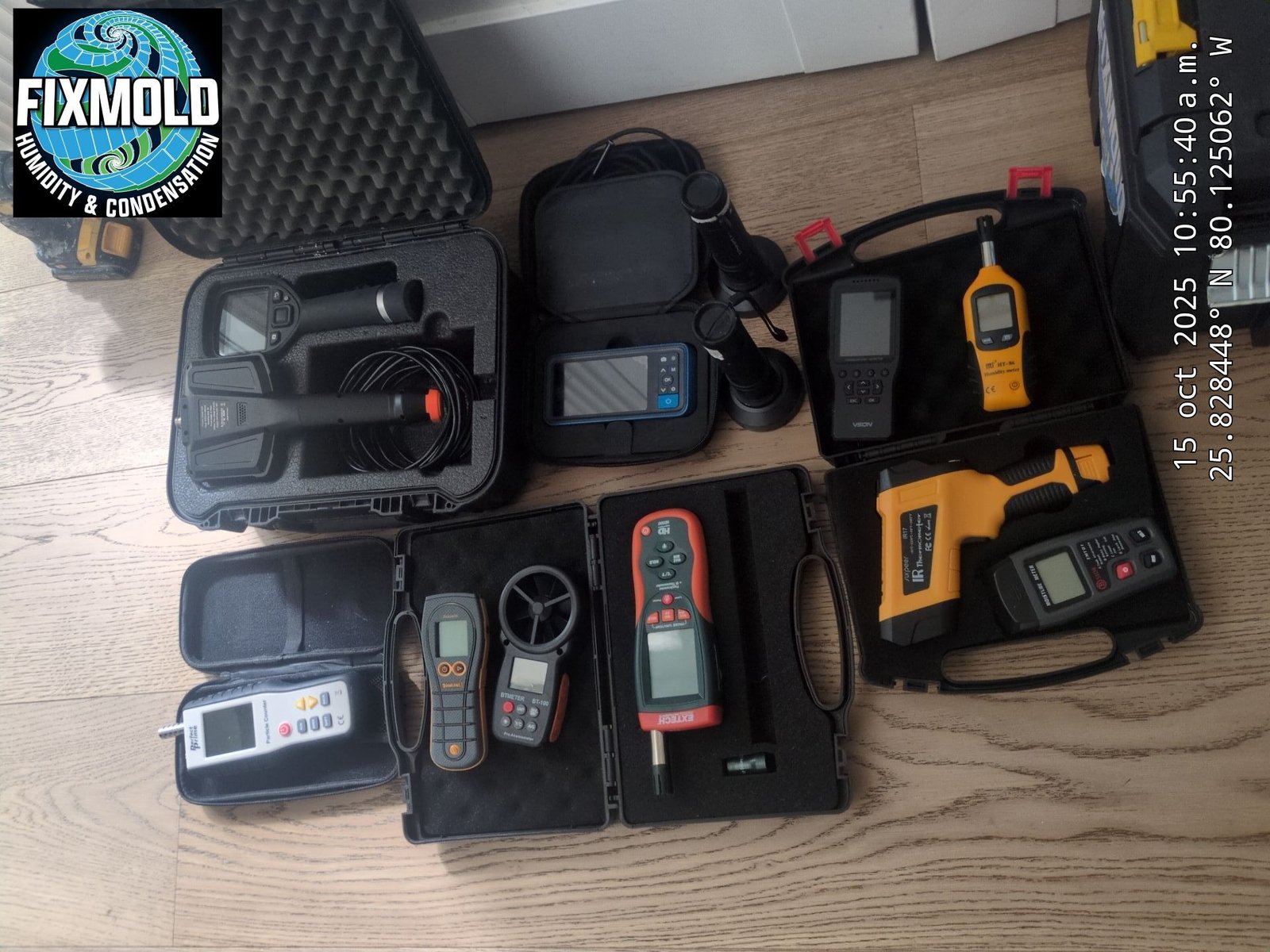
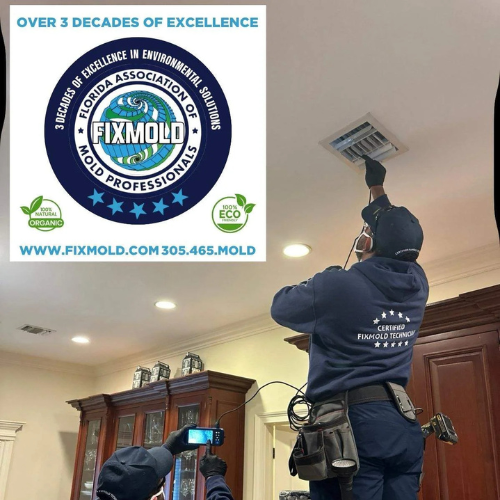
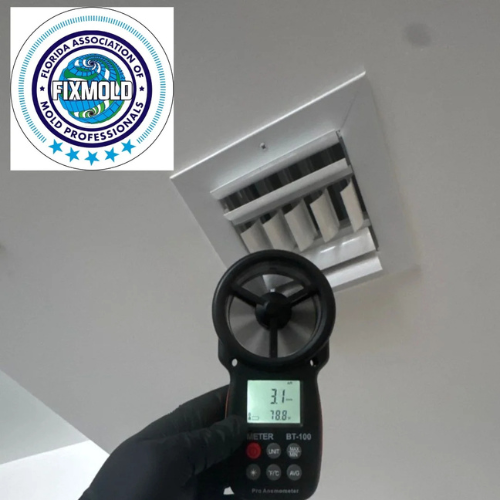
Sick building syndrome inspections evaluate the building as a complete environmental system to identify conditions that may be affecting indoor comfort and air quality. Moisture detection, HVAC evaluation, indoor air testing, humidity analysis, and structural inspection are often part of the investigation process.
Understanding the environmental conditions inside the property helps identify what may be contributing to ongoing indoor discomfort.
Indoor air quality problems in South Florida are commonly caused by elevated humidity, hidden moisture intrusion, HVAC contamination, poor ventilation, condensation, airborne particles, and microbial growth inside enclosed building systems.
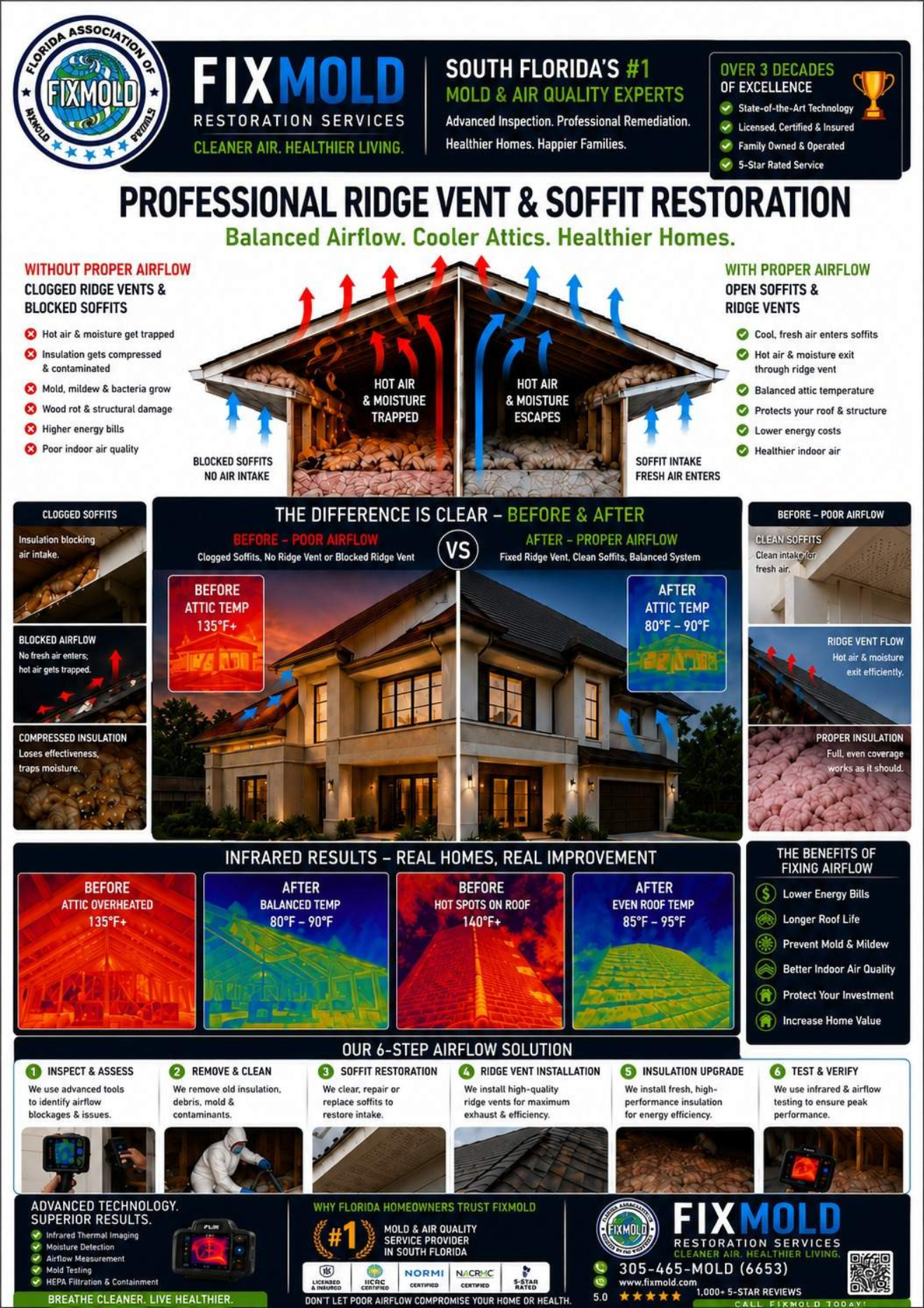
Miamiβs climate creates constant moisture exposure year-round, and air conditioning systems operate continuously to manage indoor comfort. Condensation frequently forms around HVAC equipment, ductwork, vents, and insulation systems. If moisture becomes trapped inside these areas, mold and bacteria may begin developing within the ventilation system.
Roof leaks, plumbing leaks, flooding, storm intrusion, wet insulation, attic humidity, and crawlspace moisture may also contribute to airborne contamination and stale indoor conditions. In condos and commercial buildings, shared ventilation systems and enclosed structural spaces may allow airborne particles to circulate between multiple areas of the property.
Poor airflow can worsen the situation by allowing humidity and contaminants to accumulate indoors. Buildings with oversized HVAC systems may also experience chronic humidity because the air cools too quickly without properly removing moisture.
Professional indoor environmental inspections help identify how these conditions may be affecting air quality throughout the building.
Yes. HVAC systems are one of the most common contributors to indoor environmental problems throughout Miami and South Florida. Air conditioning systems continuously circulate air while managing humidity inside the building, and condensation naturally develops around coils, vents, drain lines, and ductwork during operation.
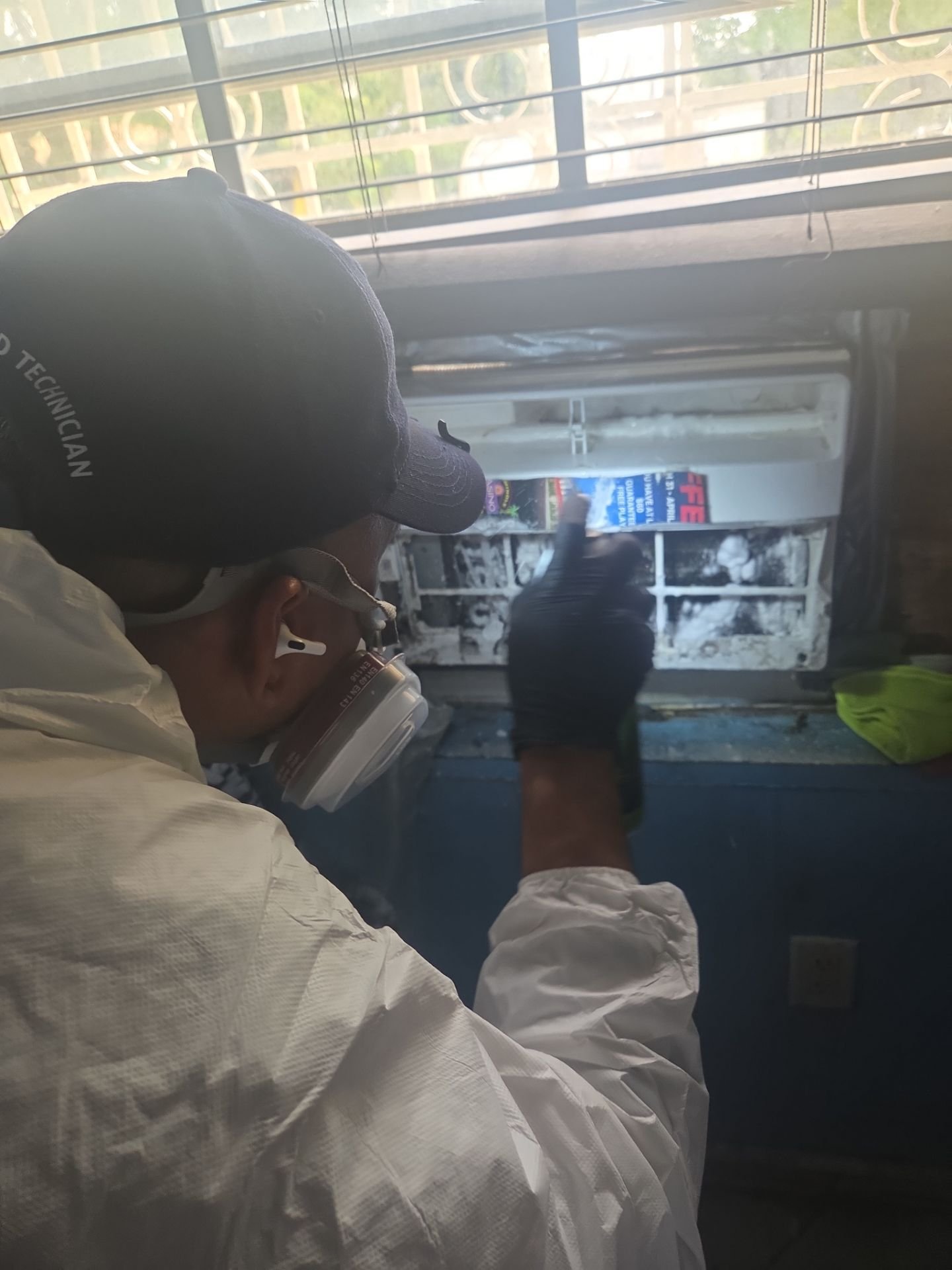
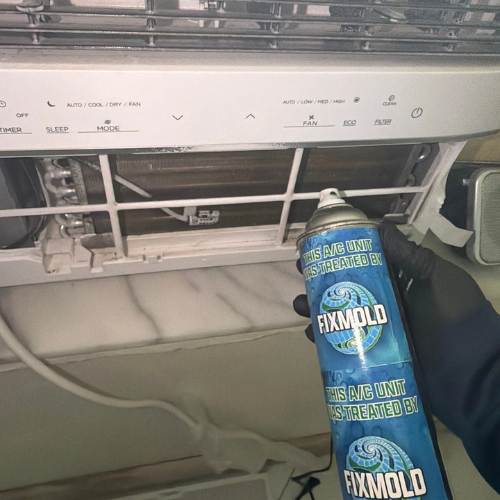
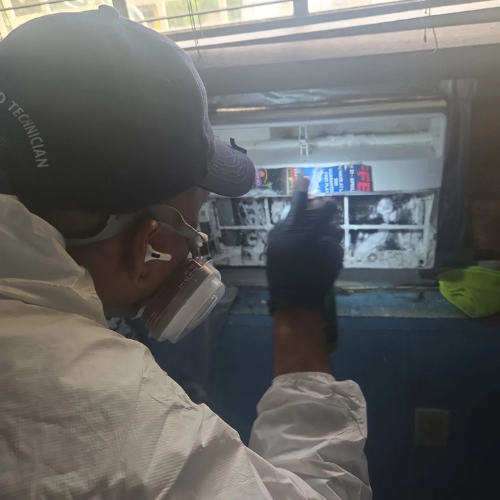
If moisture remains trapped inside the system, microbial growth may begin developing within ducts, insulation, or air handling components. Once contamination spreads through the HVAC system, airborne spores and particles can circulate throughout the property whenever the AC runs.
Many occupants notice musty odors, stale air, worsening allergies, or respiratory irritation becoming more noticeable during AC operation. Dirty coils, clogged drain lines, wet insulation, restricted airflow, and poor ventilation may all contribute to HVAC-related indoor air quality concerns.
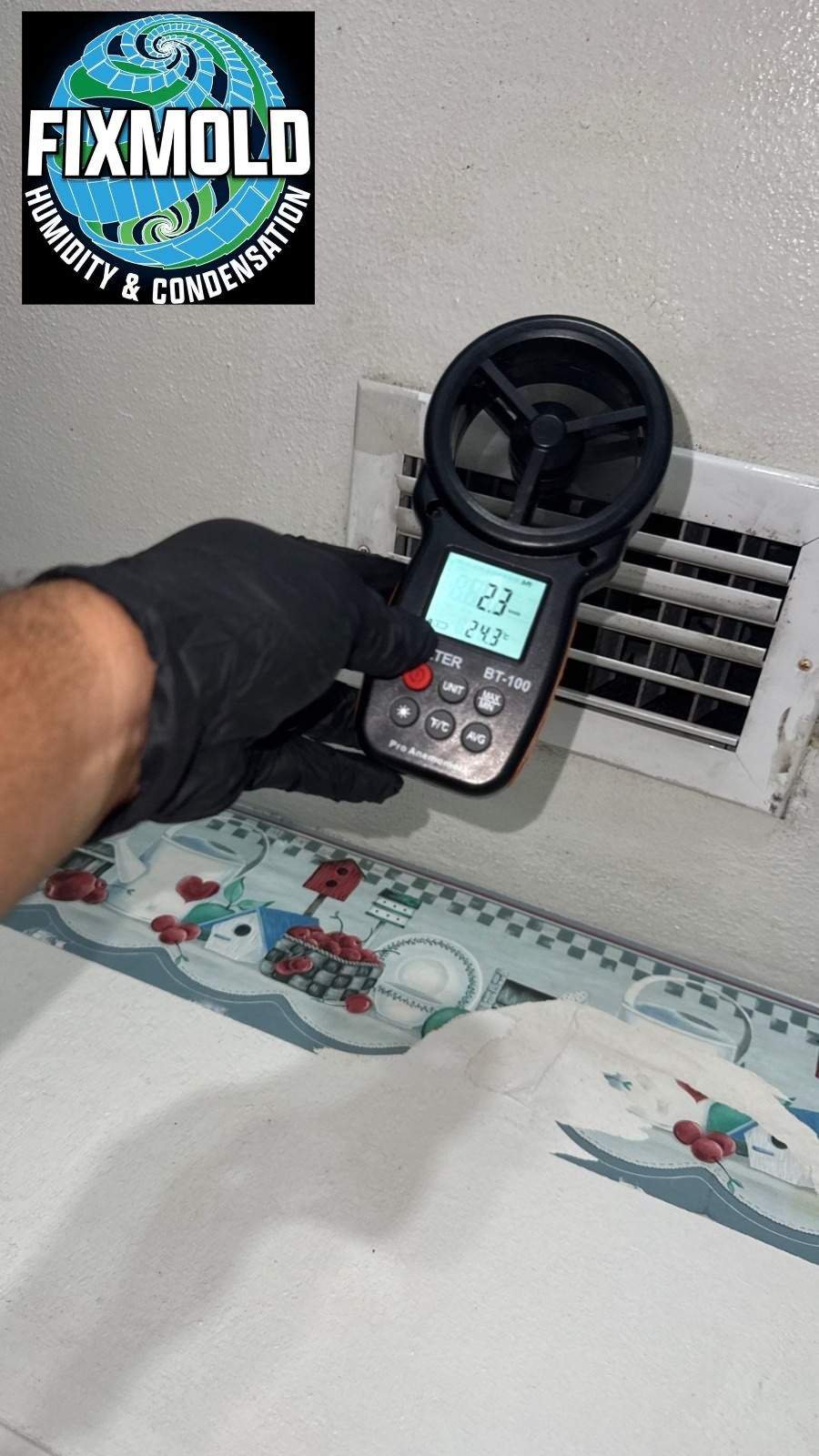
Commercial buildings and condominiums are especially vulnerable because enclosed ventilation systems may distribute contaminants across multiple areas or units. Indoor environmental evaluations often include HVAC inspection, airflow analysis, moisture detection, and air quality testing to determine whether the system is contributing to occupant complaints.
Maintaining proper humidity control and ventilation is important for improving long-term indoor environmental conditions.
Recurring humidity and musty odors are extremely common in Miami because South Floridaβs climate exposes buildings to elevated moisture year-round. Warm humid air, coastal moisture, heavy rainfall, frequent storms, and continuous AC operation all influence indoor environmental conditions.
Humidity problems often develop when HVAC systems are oversized, airflow is restricted, insulation is inadequate, or ventilation is insufficient. In some buildings, roof leaks, plumbing leaks, attic condensation, or hidden moisture intrusion continue affecting structural materials behind walls and ceilings long after visible damage appears resolved.
Musty odors typically indicate hidden dampness or microbial activity somewhere inside the building. Common sources include HVAC systems, wet insulation, attic spaces, crawlspaces, enclosed wall cavities, carpeting, and structural materials affected by moisture.
South Florida properties may remain damp much longer than buildings in drier climates because elevated humidity slows natural drying. As moisture accumulates indoors, microbial growth and stale air conditions may continue developing over time.
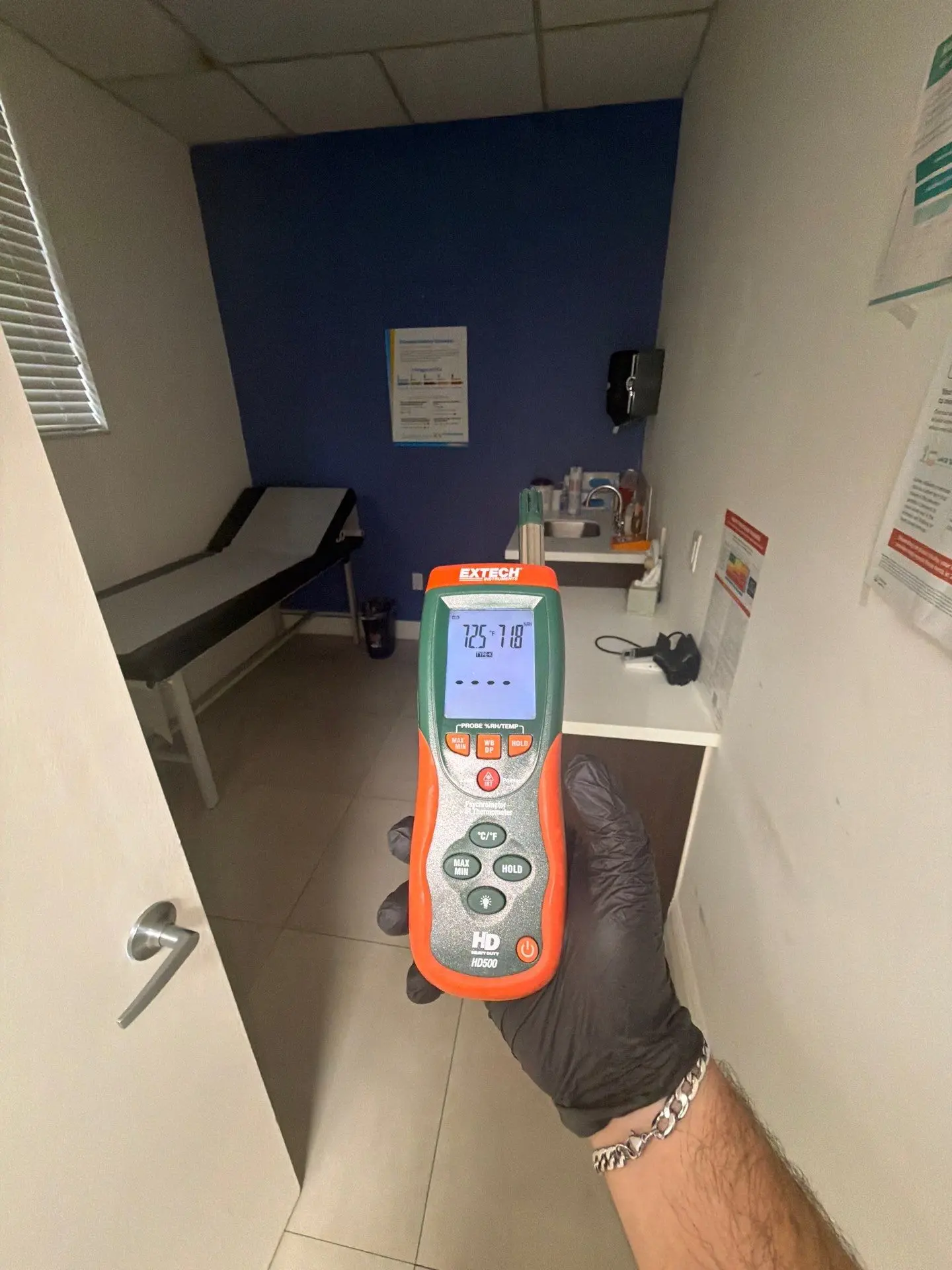
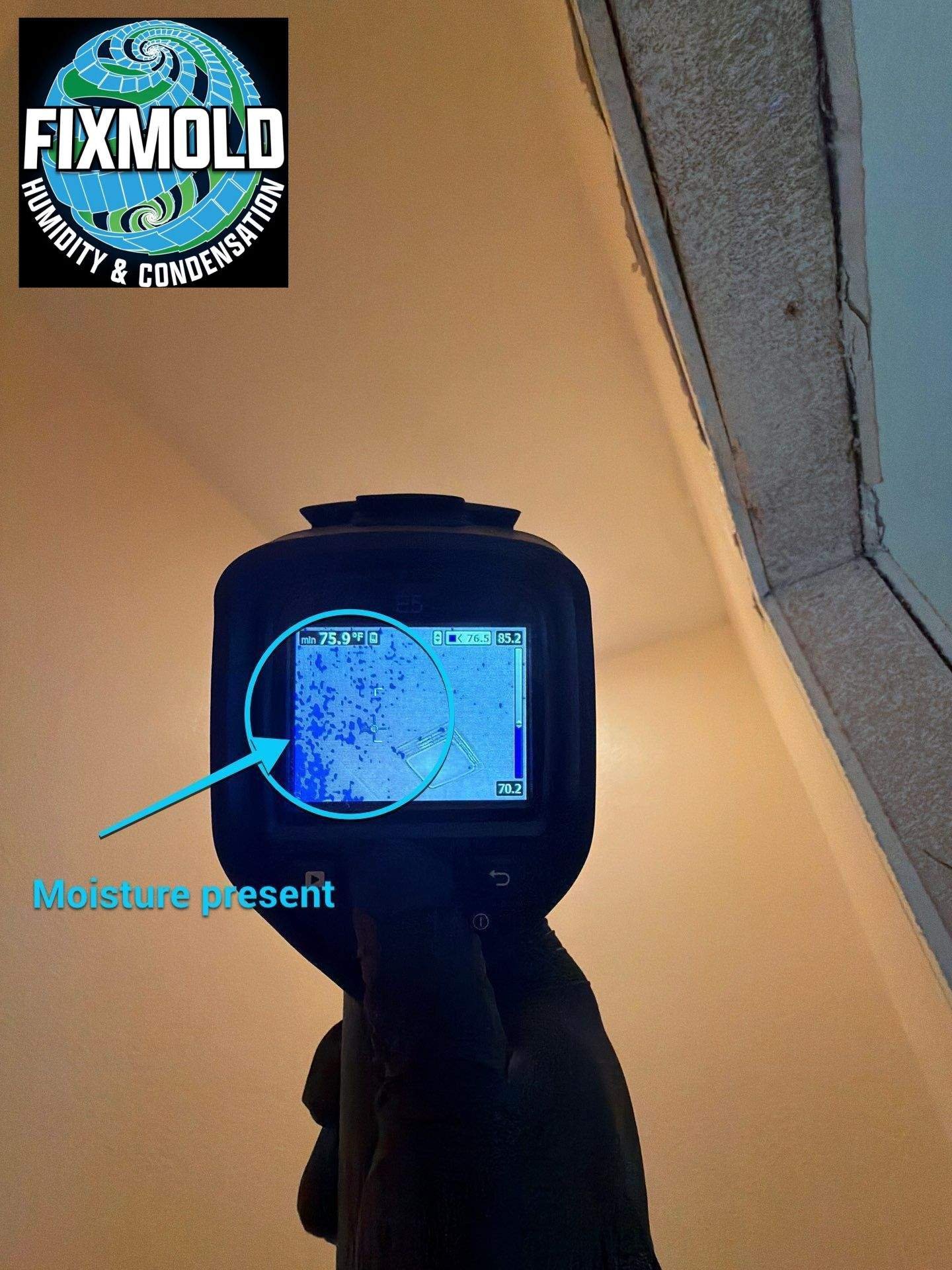
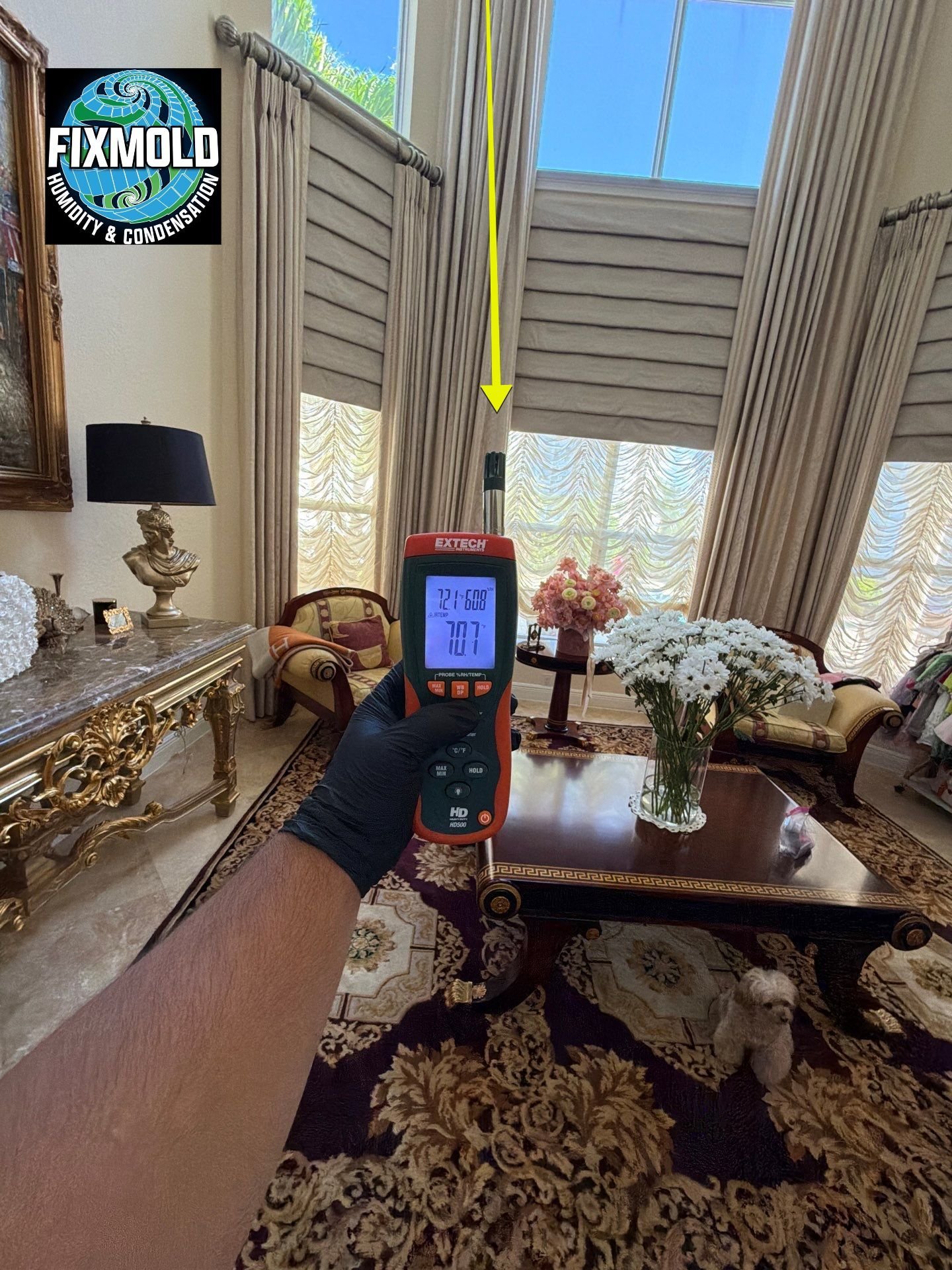
Professional environmental inspections often include moisture mapping, thermal imaging, humidity analysis, and indoor air quality testing to identify why odors and humidity continue returning.
A sick building syndrome inspection typically involves evaluating the property for hidden environmental conditions that may be affecting indoor air quality, occupant comfort, humidity levels, airflow, or moisture control. The process usually goes beyond a simple visual inspection because many indoor environmental issues remain concealed behind walls, inside ceilings, beneath flooring, or within HVAC systems.
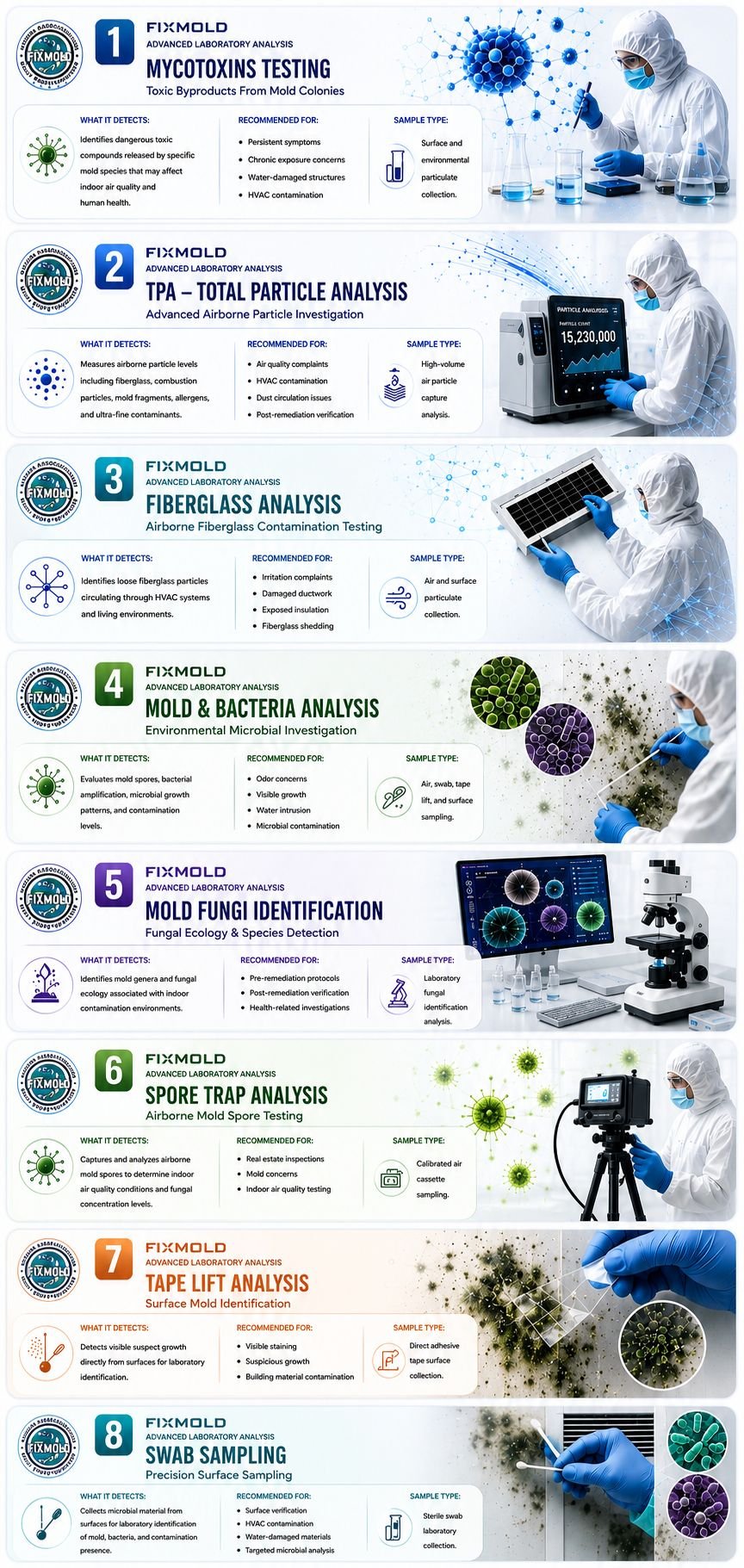
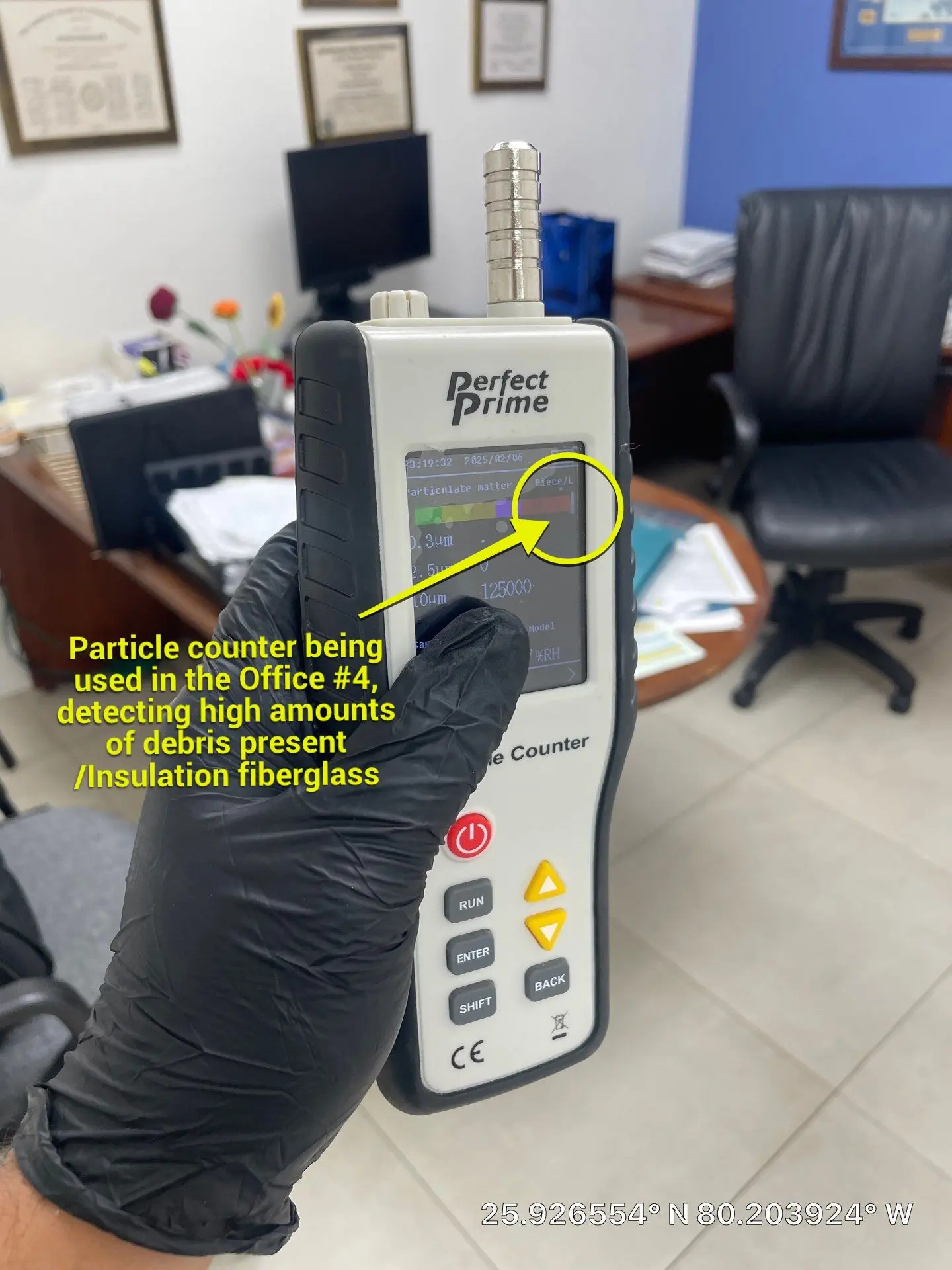
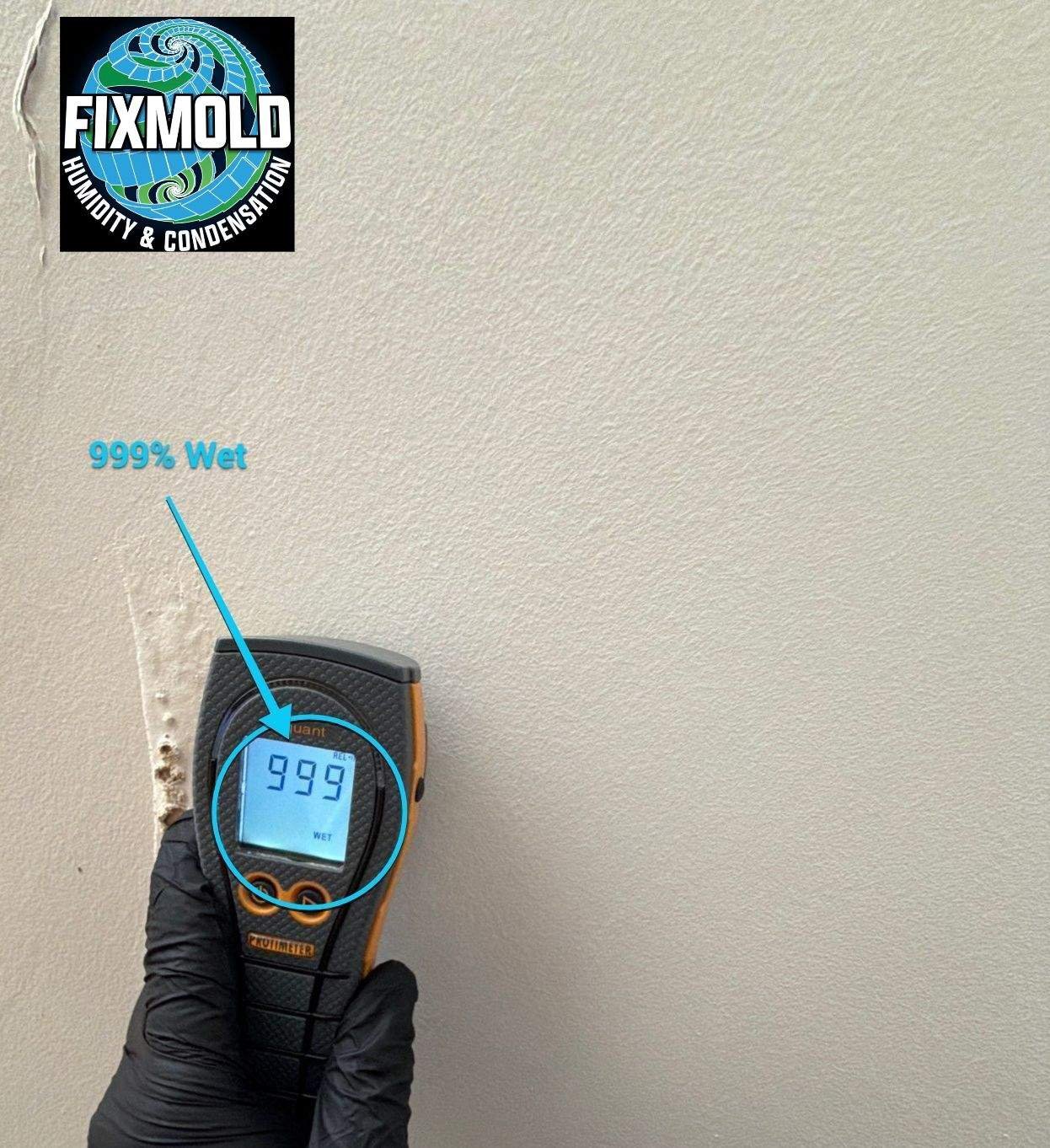
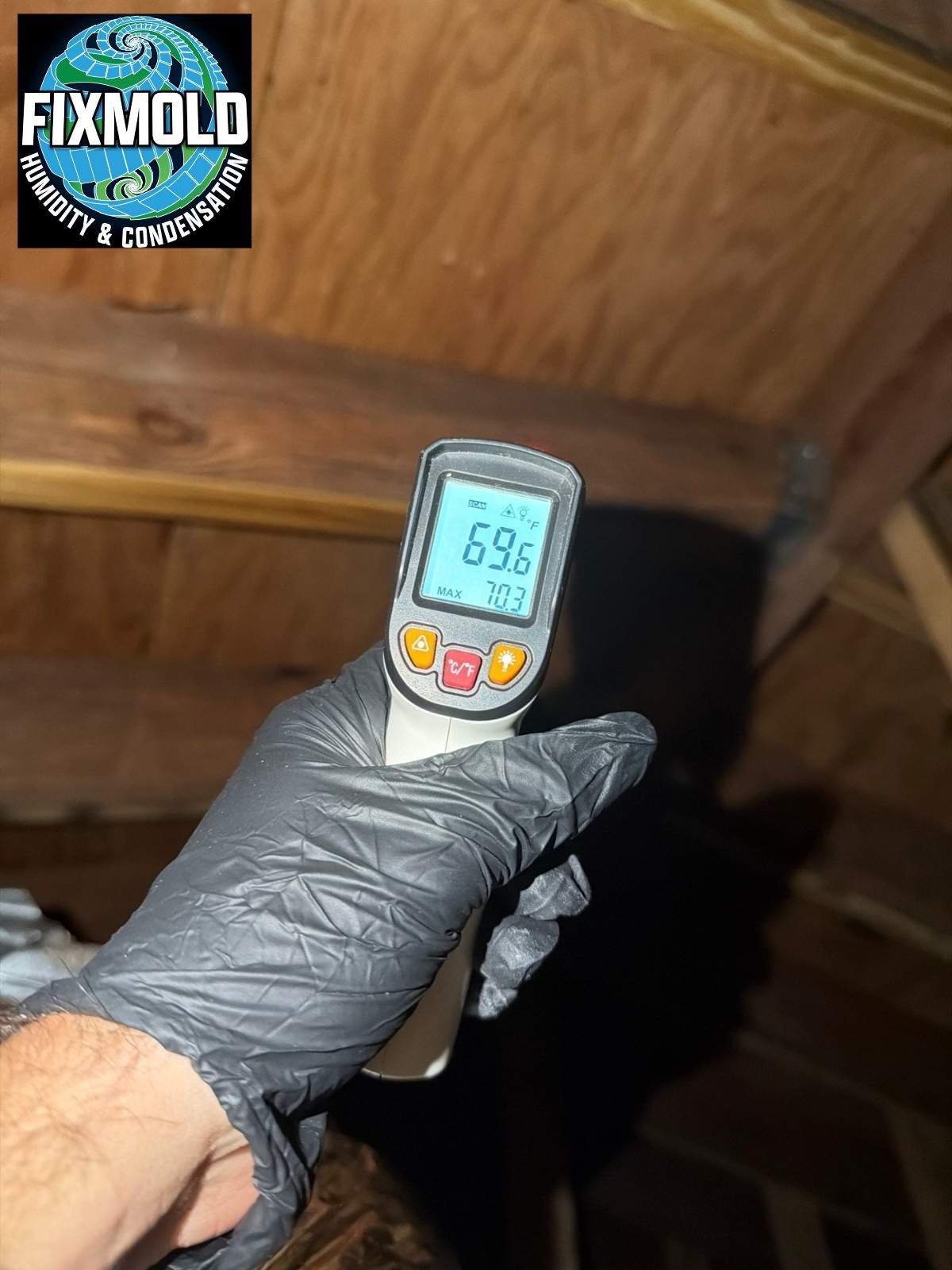
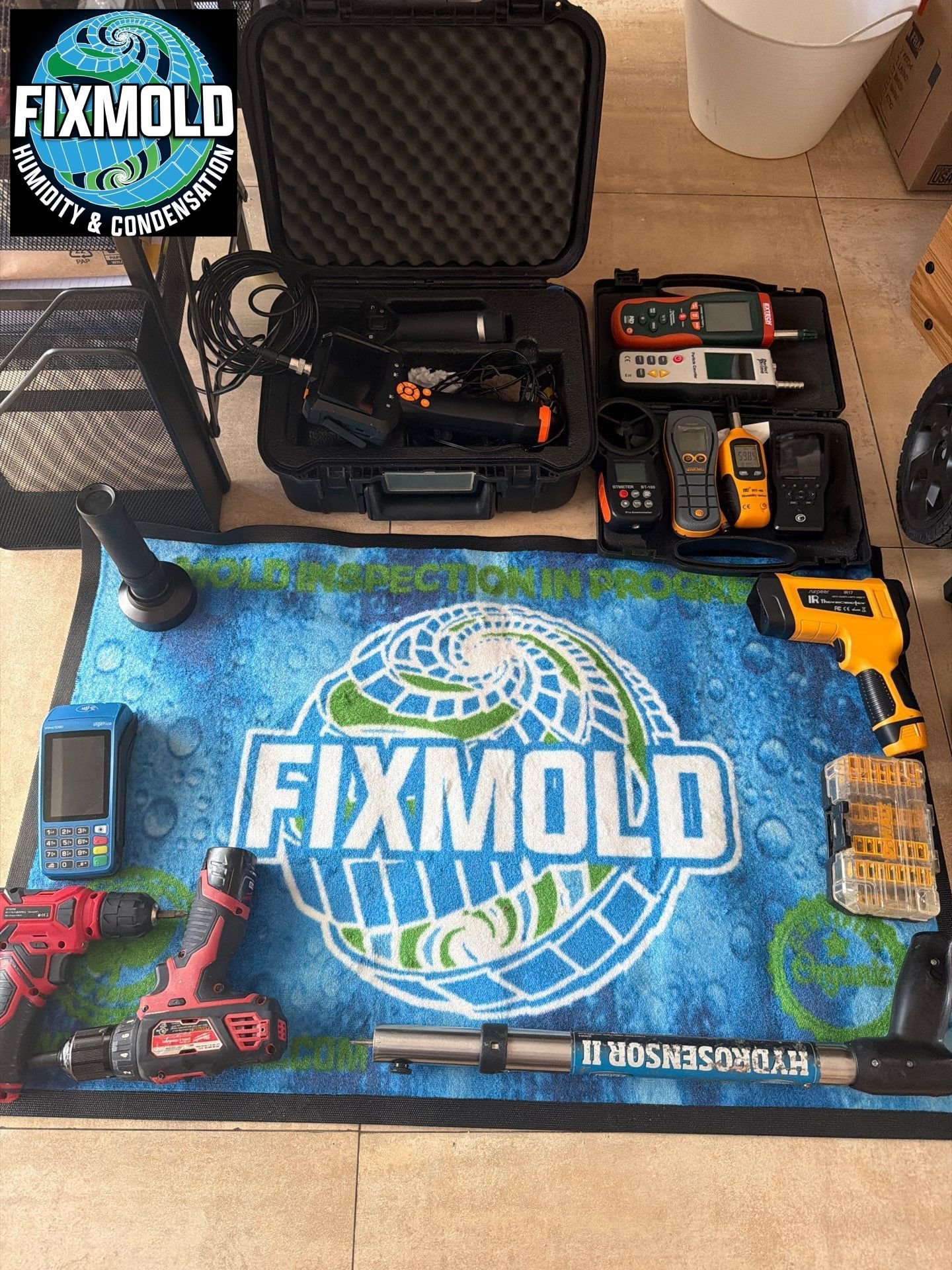
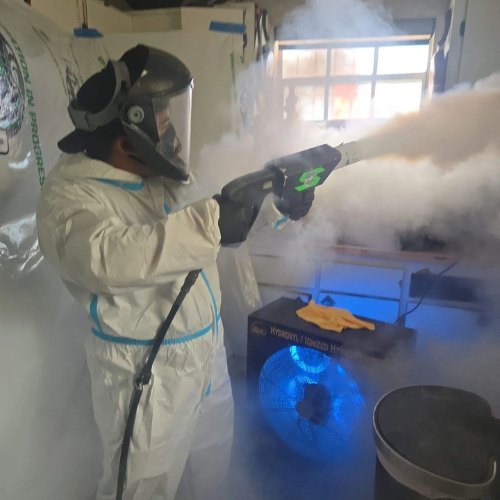
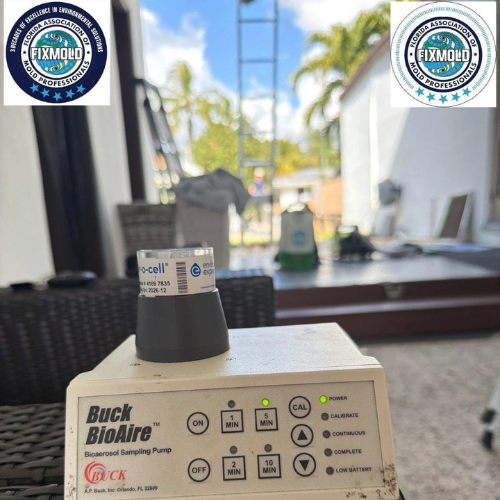
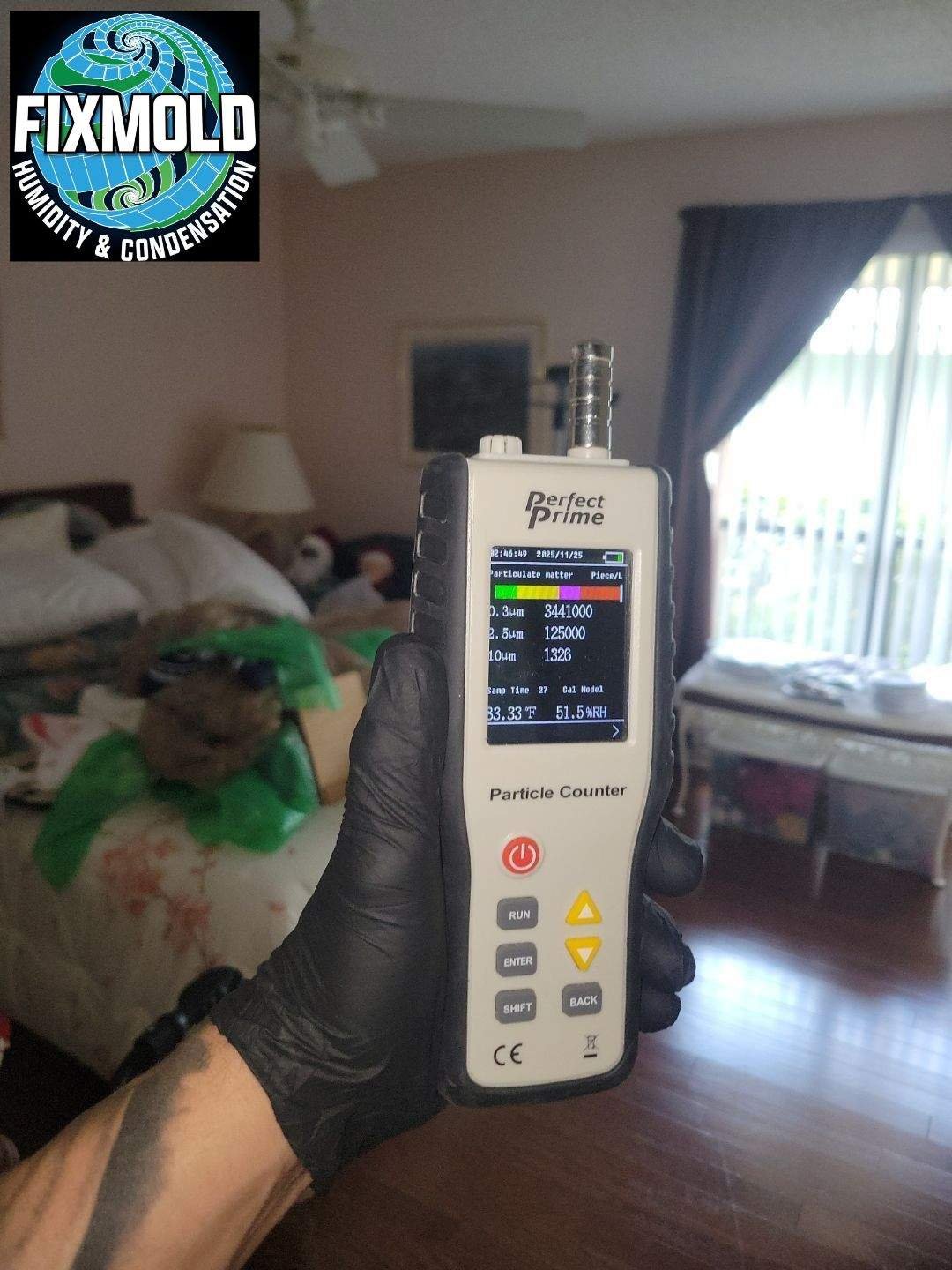
Environmental evaluations may include moisture detection, thermal imaging, humidity measurements, leak detection, HVAC analysis, ventilation assessment, and indoor air quality testing. Airborne mold spore testing, airborne particle analysis, surface sampling, and mycotoxin testing may also be performed depending on the conditions observed during the inspection.
Inspectors often evaluate attics, crawlspaces, duct systems, air handlers, insulation, roof systems, and areas affected by water intrusion or condensation. In commercial buildings, airflow and ventilation performance may also be analyzed to determine whether indoor air circulation problems are contributing to occupant complaints.
The goal is to identify environmental conditions that may be affecting indoor comfort or air quality so property owners can better understand what is happening inside the building.