View Our Reviews Accross All Platforms Here
A musty odor often indicates hidden moisture or microbial activity somewhere inside the property, even if visible mold is not immediately apparent. In Miami and throughout South Florida, mold frequently develops behind walls, inside ceilings, beneath flooring, around HVAC systems, or within insulation where it remains hidden from view.
High humidity levels, roof leaks, AC condensation, plumbing leaks, and poor ventilation commonly contribute to hidden moisture conditions that produce persistent odors. Many homeowners first notice the smell becoming stronger when the air conditioning system runs because airflow distributes airborne particles and odor-producing compounds throughout the property.
In some cases, damp materials such as insulation, carpeting, drywall, or wood framing continue retaining moisture long after a leak or flood occurred. South Florida’s humid climate slows natural drying and allows microbial growth to continue developing inside enclosed spaces.
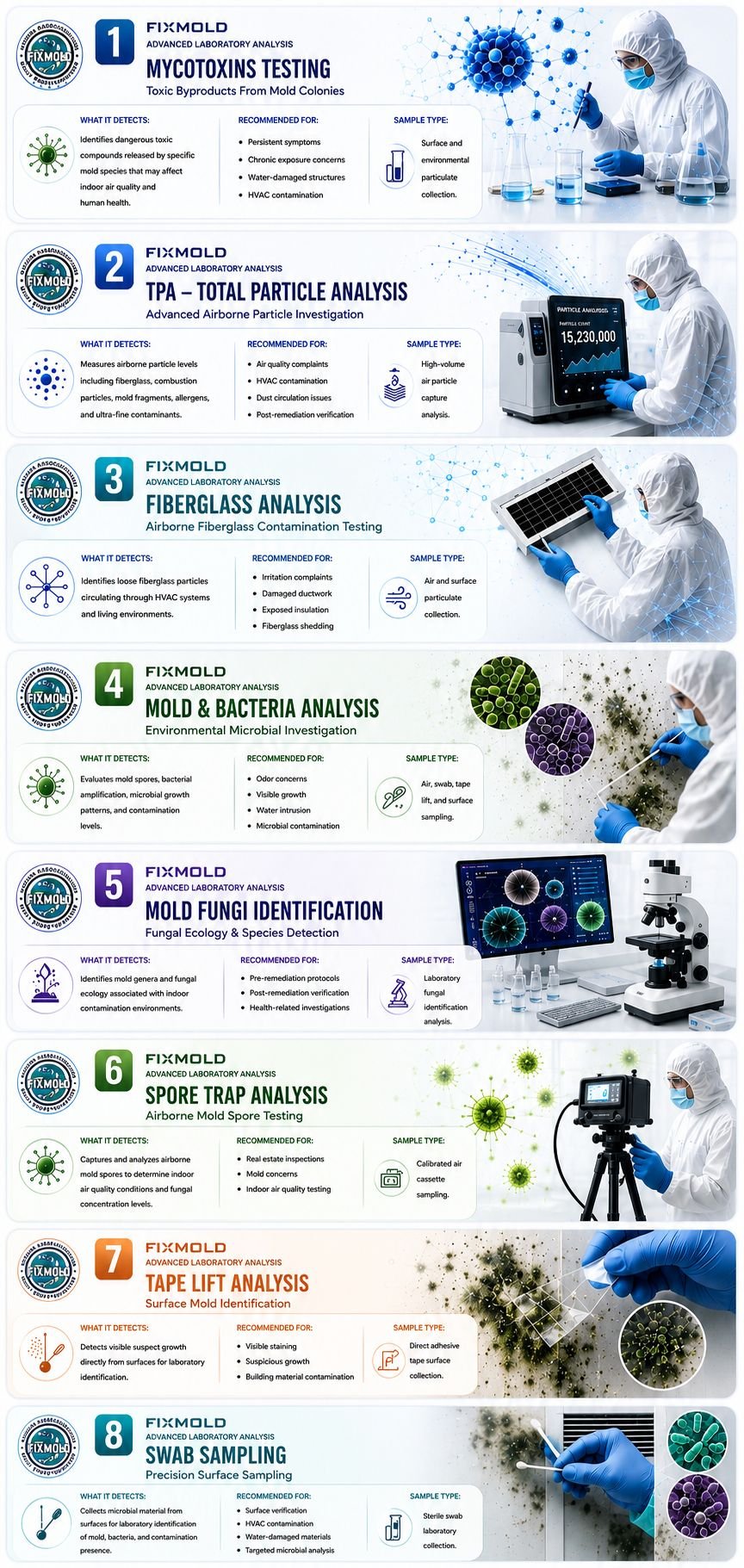
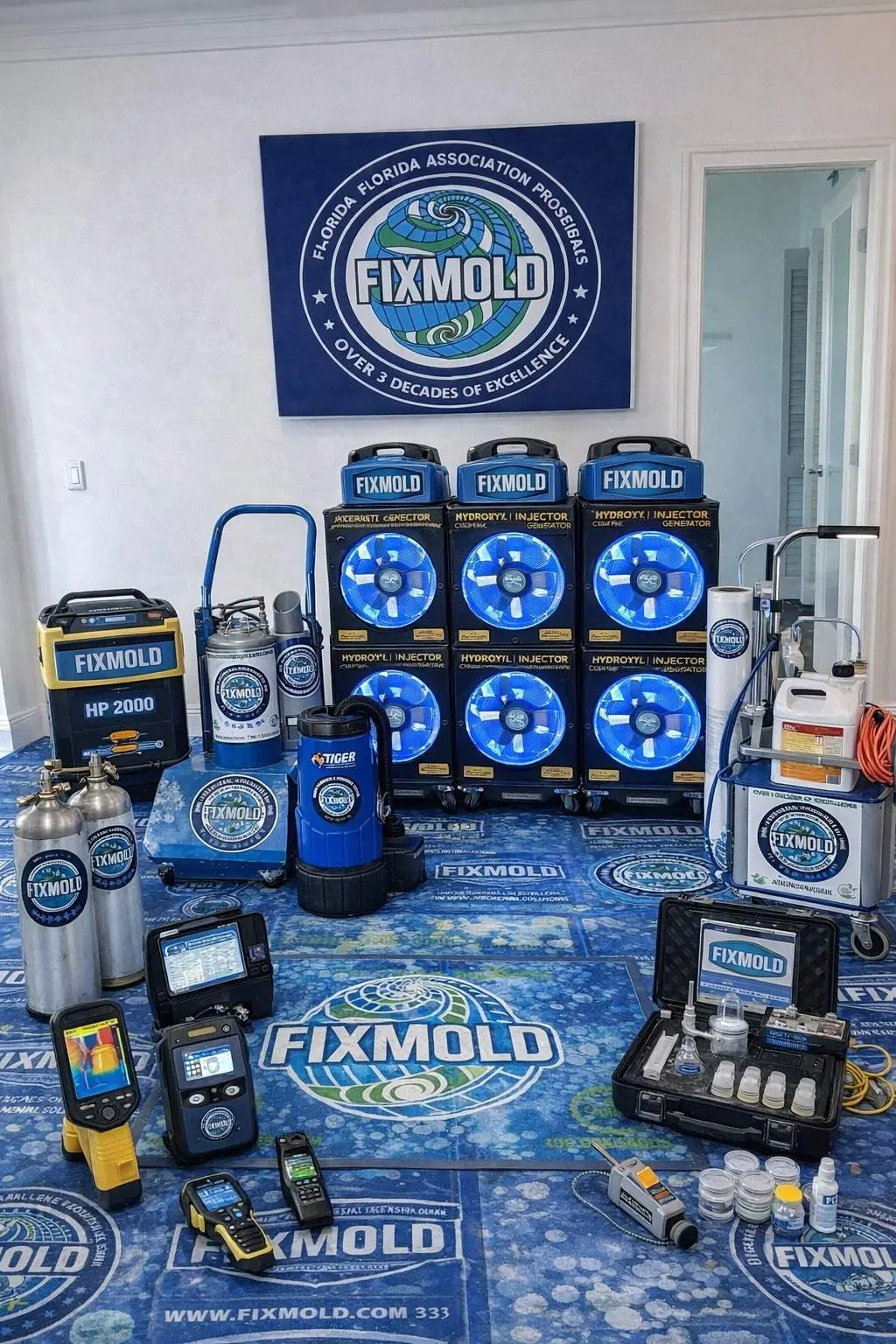
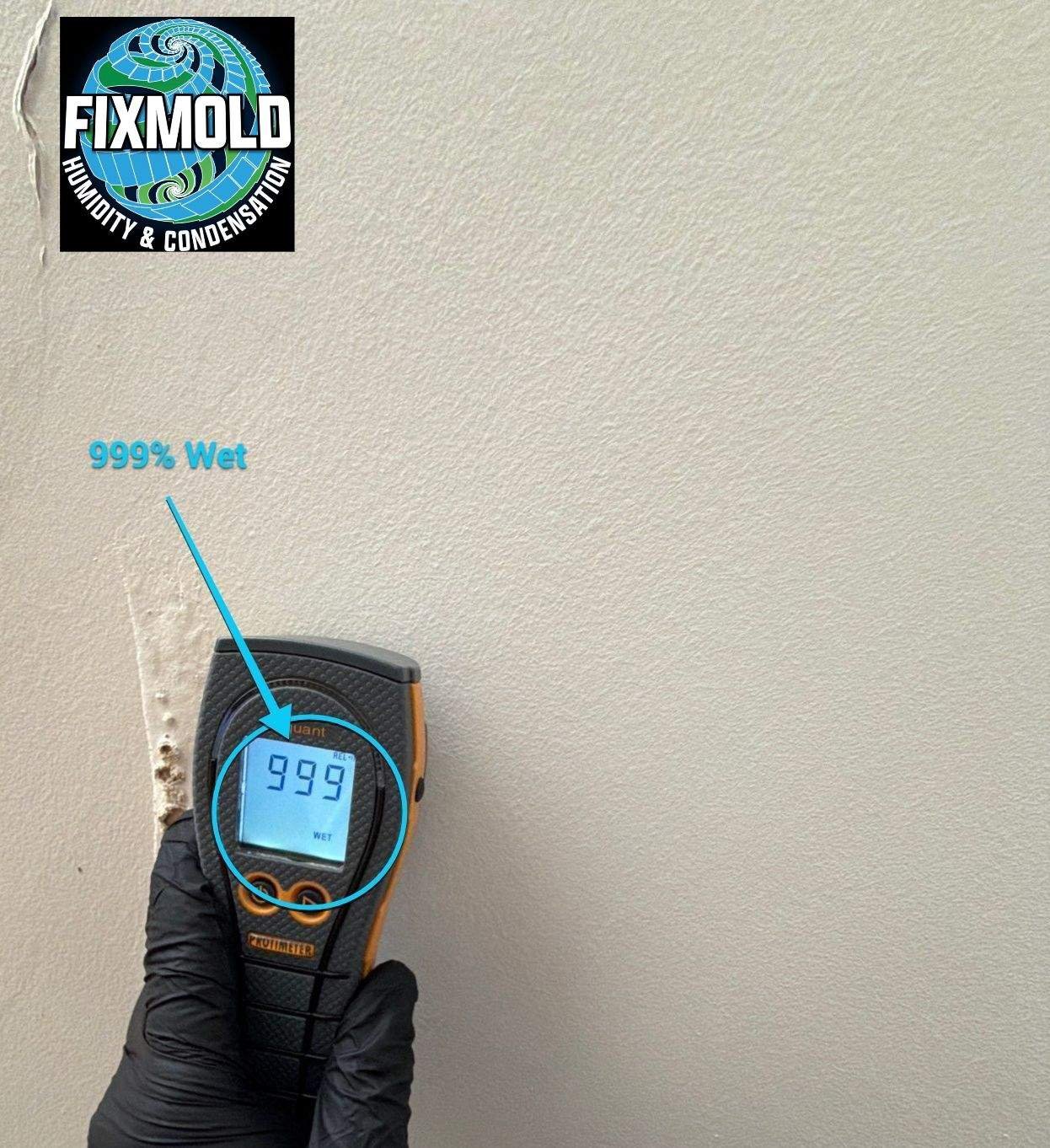
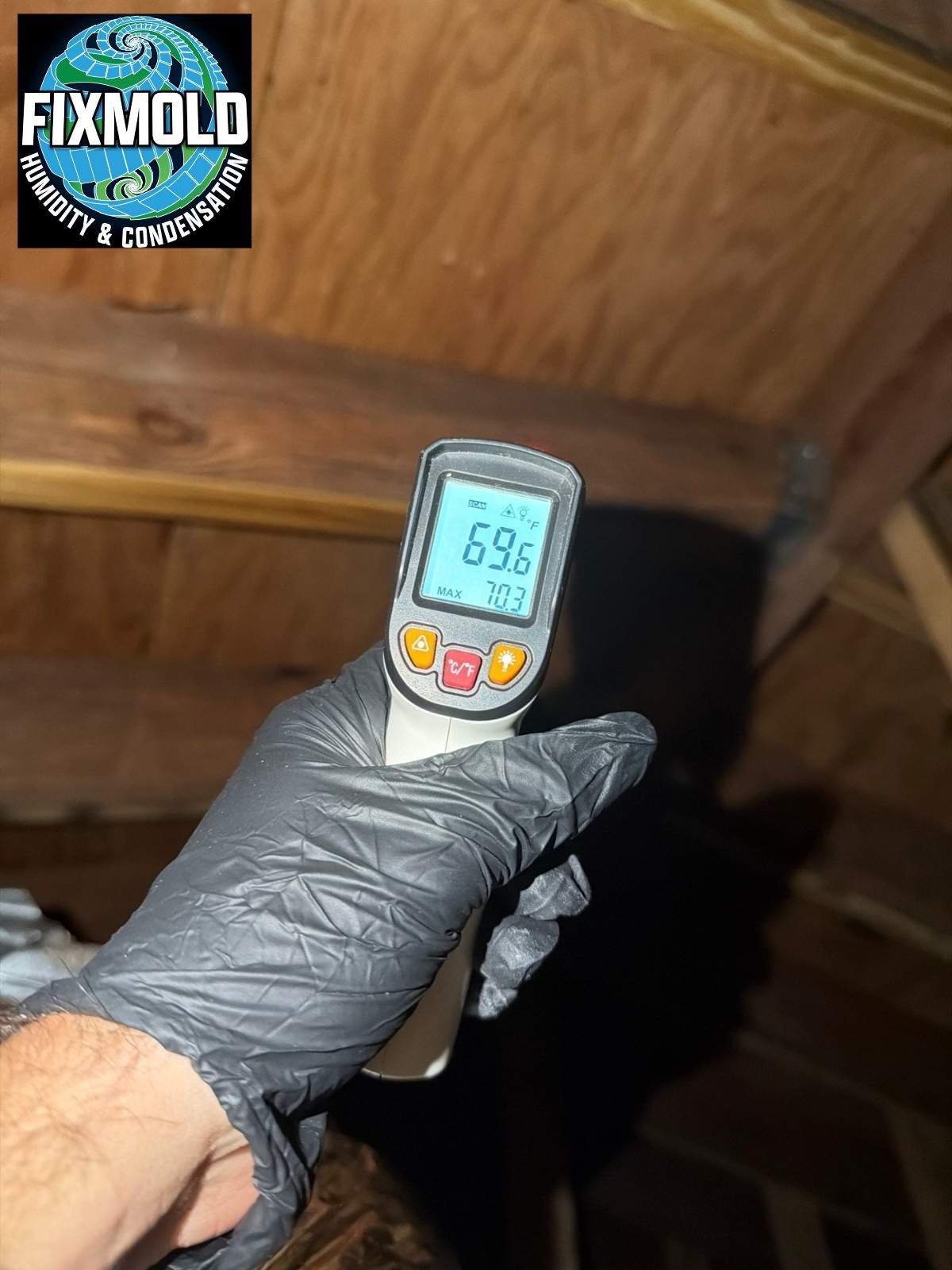
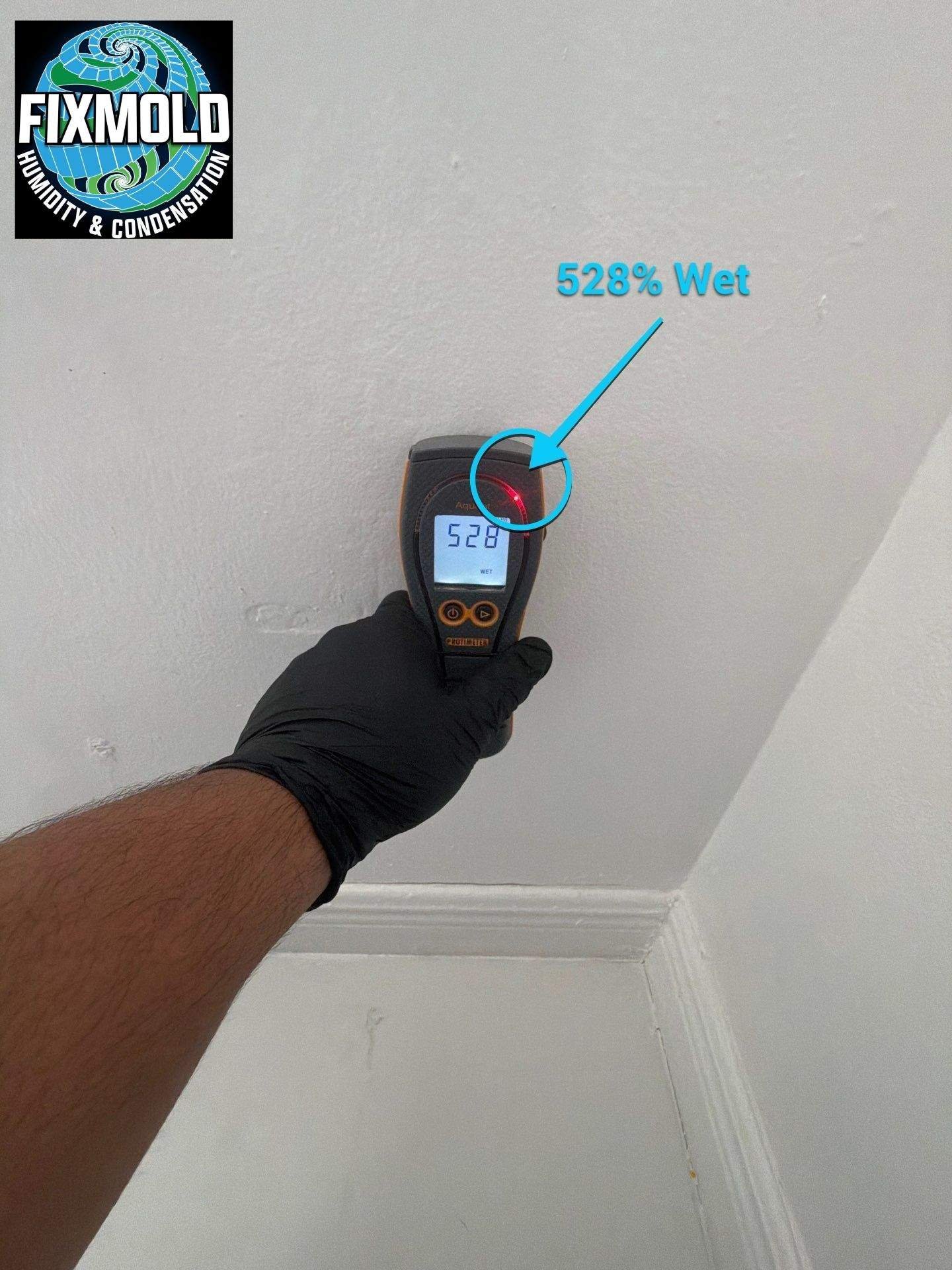
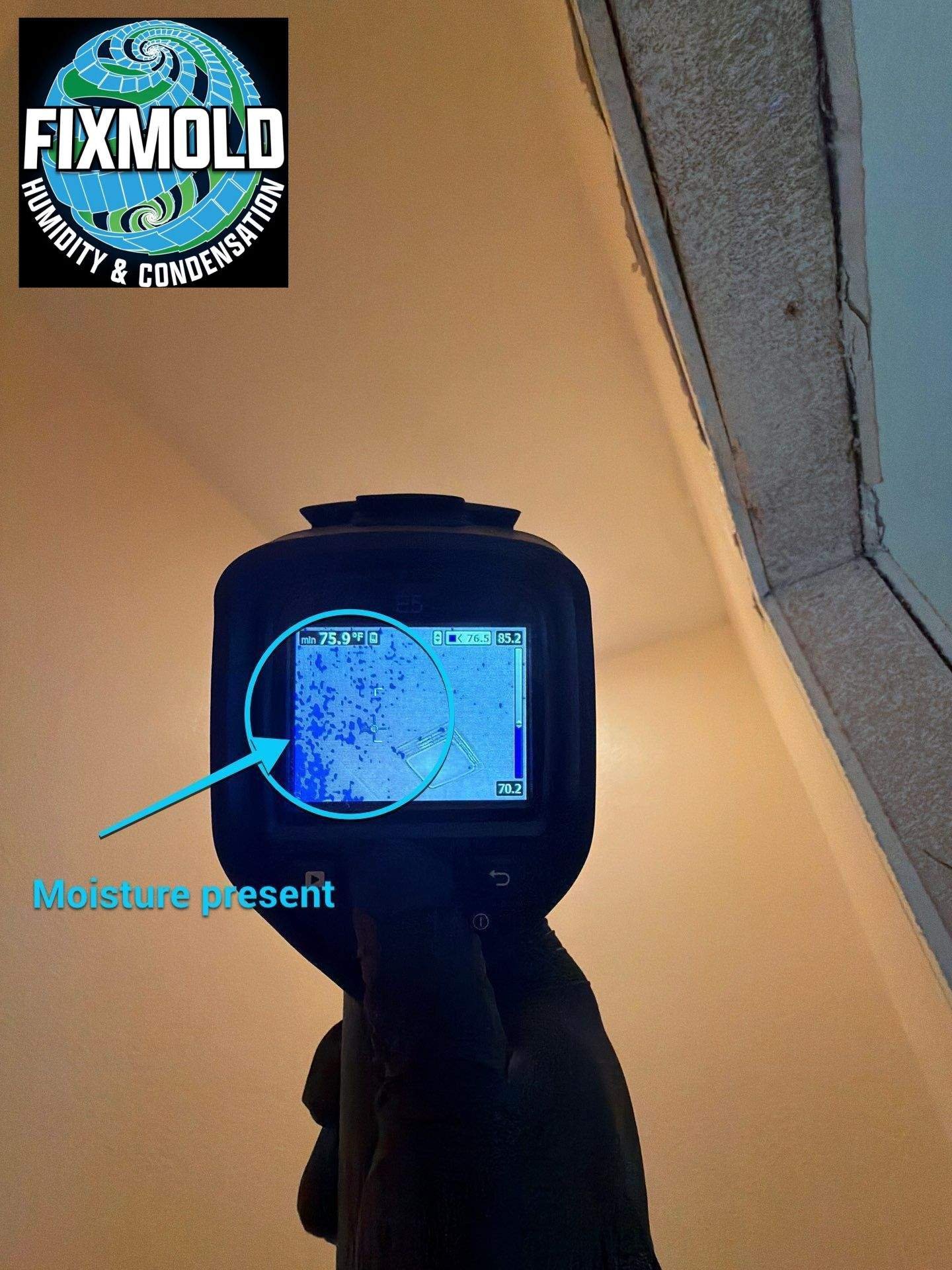
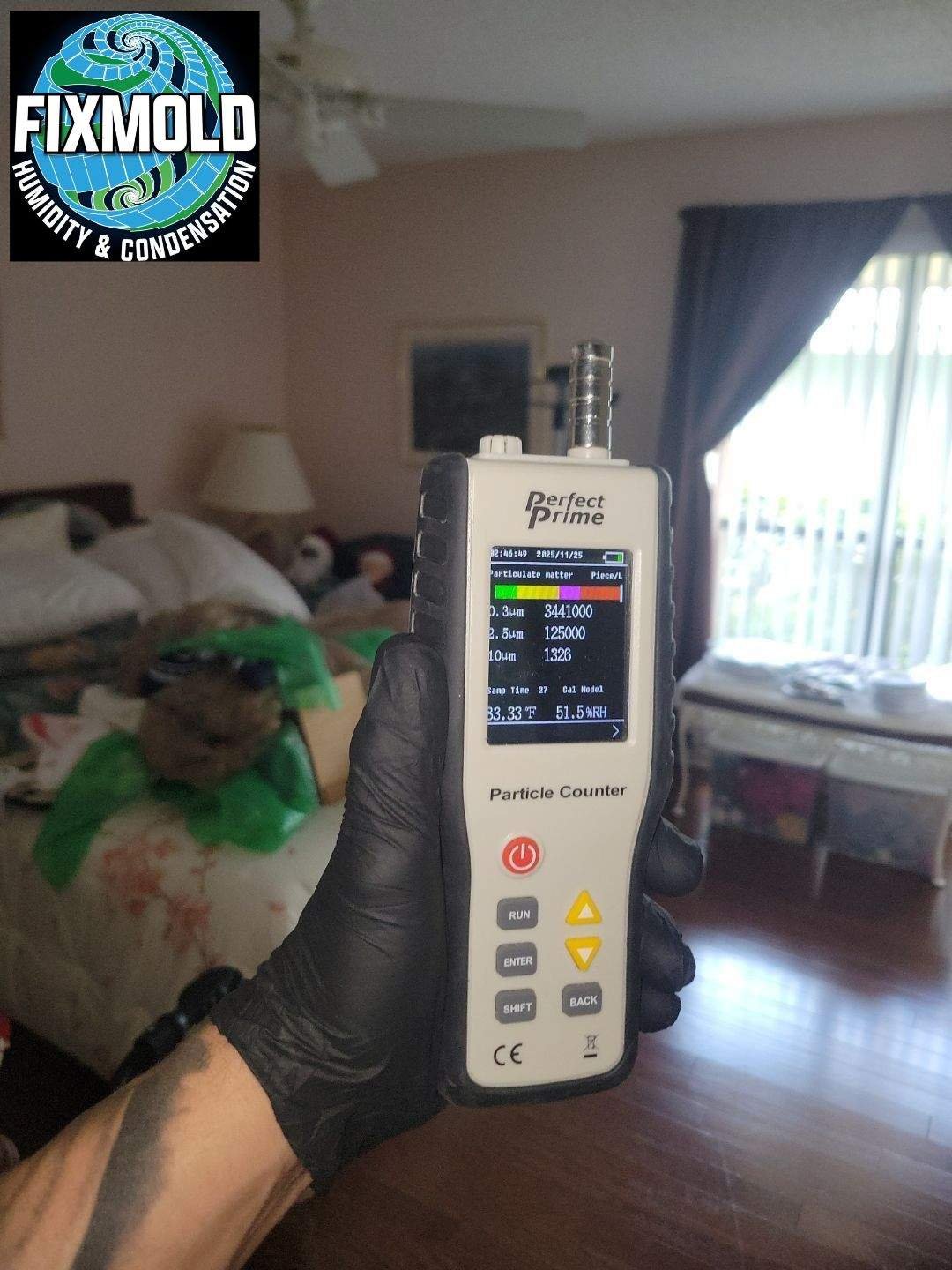
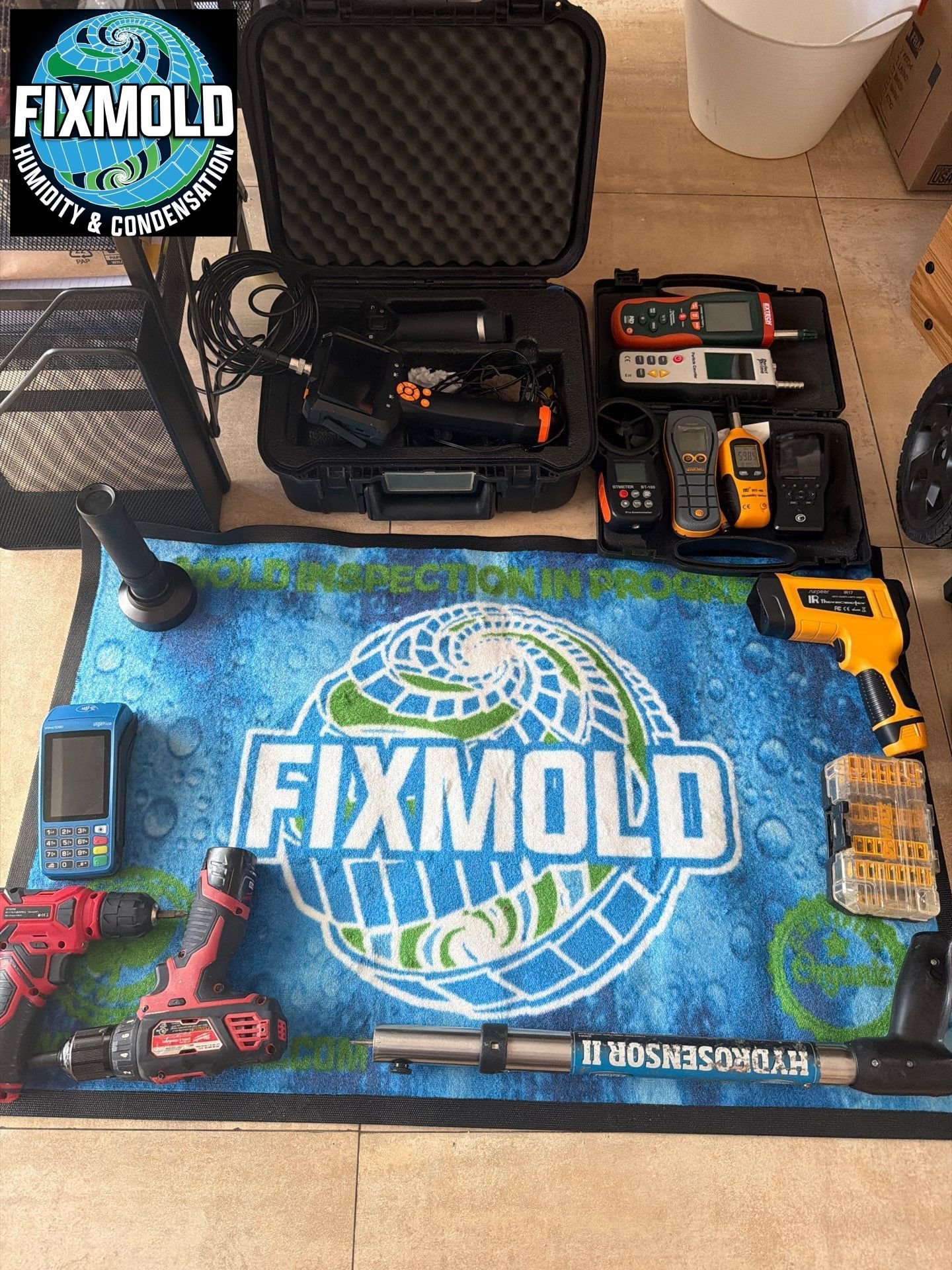
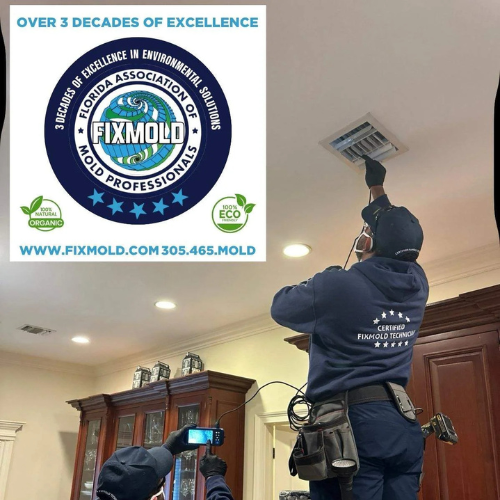
Professional odor inspections often involve moisture detection, thermal imaging, HVAC evaluation, and indoor air quality testing to identify concealed environmental conditions. Simply masking the smell with sprays or fragrances rarely solves the actual issue because the underlying moisture source usually remains active.
Persistent musty odors are often a warning sign that hidden environmental problems still exist somewhere inside the structure.
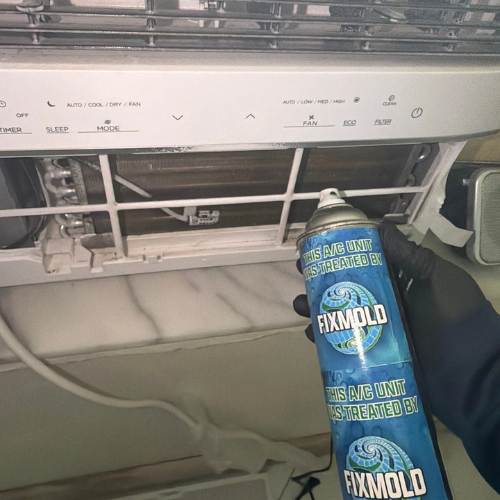
Yes. HVAC systems are one of the most common sources of recurring indoor odors in South Florida homes and commercial properties. Air conditioning systems constantly produce condensation while cooling humid Miami air, and moisture can accumulate around evaporator coils, drain lines, ductwork, and vents.
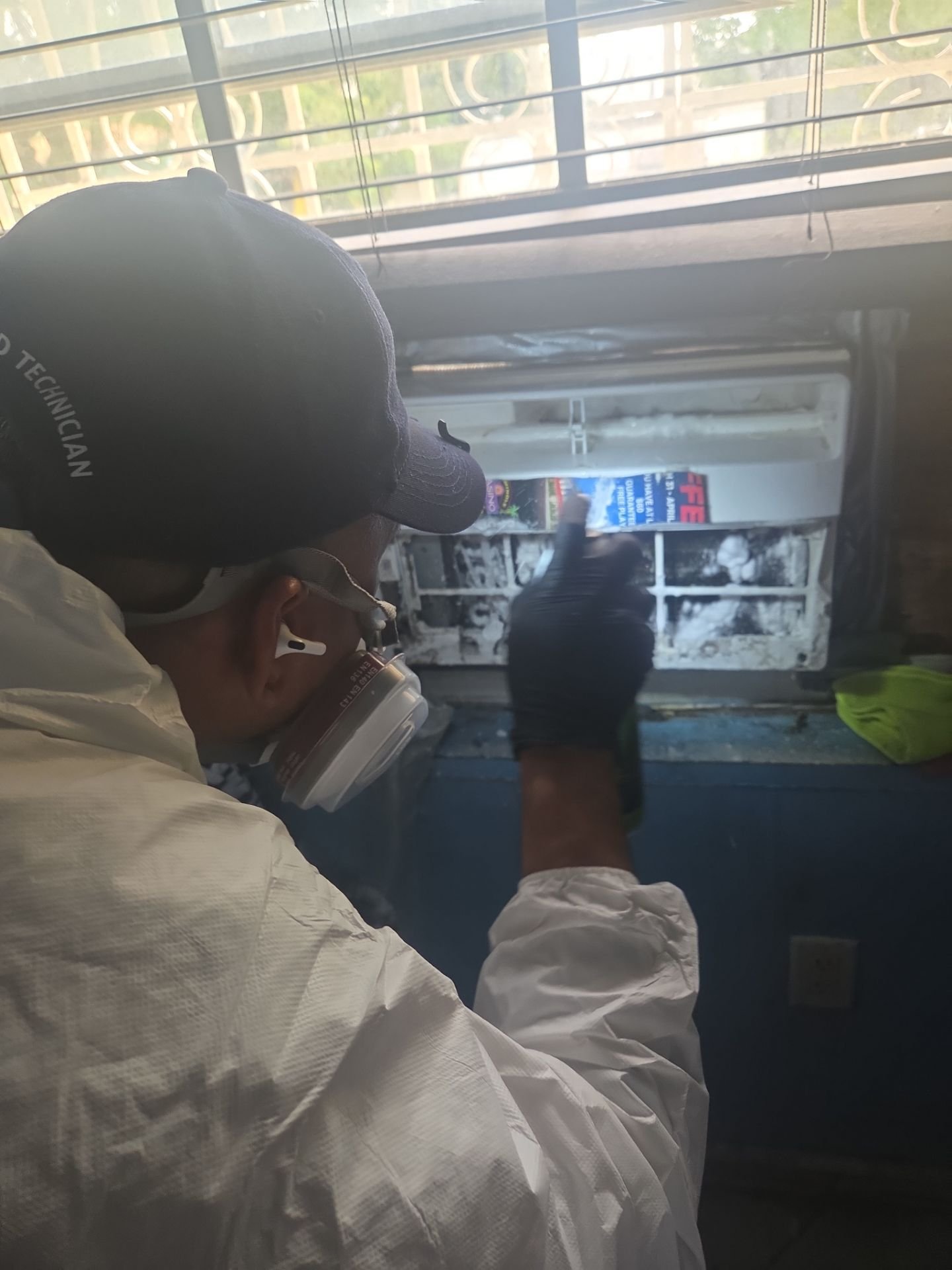
If condensation is not properly managed, mold, bacteria, and microbial buildup may develop inside the system. Many homeowners notice odors becoming stronger when the AC turns on because airborne particles circulate through the ventilation system and spread throughout the property.
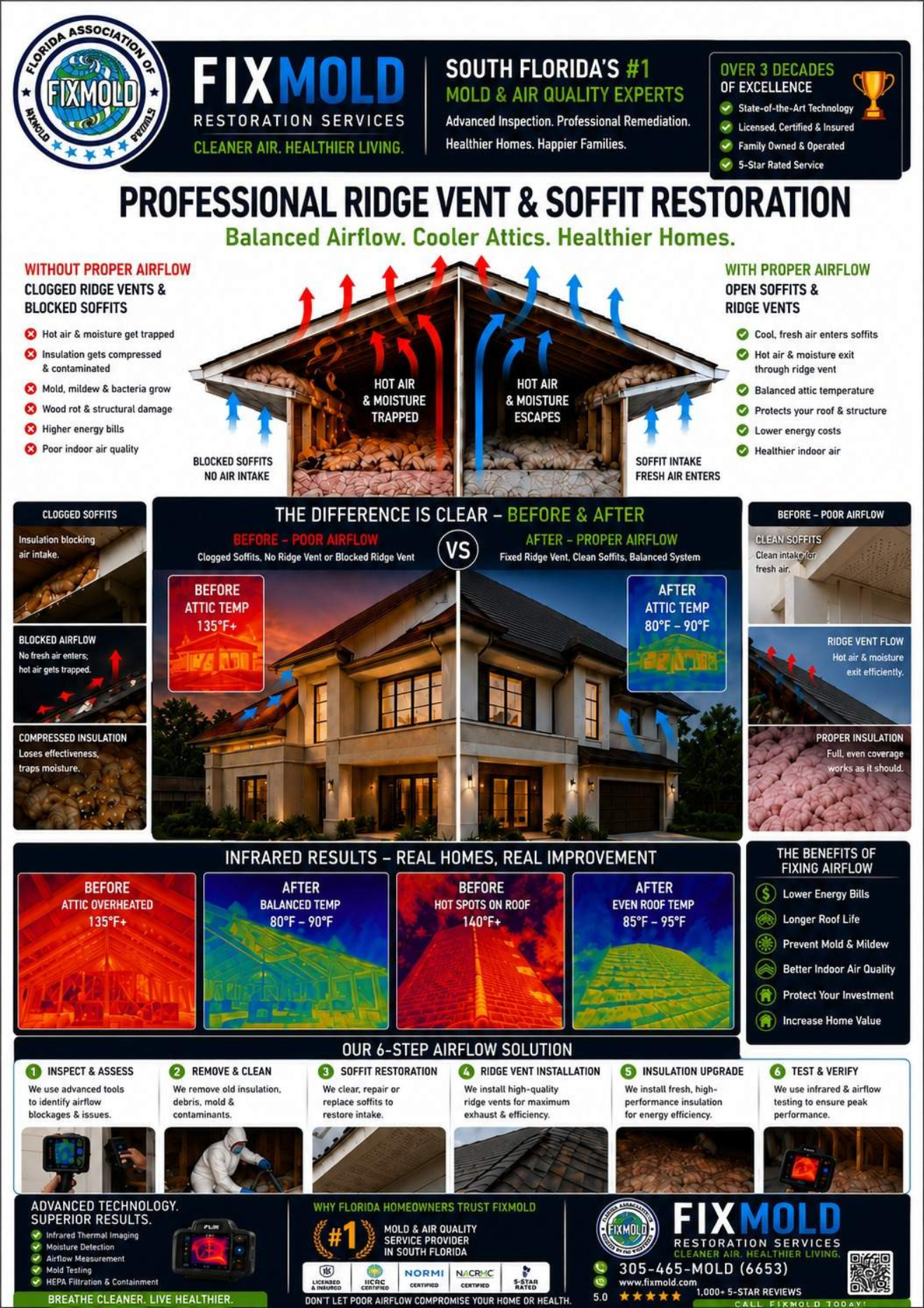
Common causes include clogged drain lines, dirty evaporator coils, wet insulation, sweating ducts, poor airflow, or contamination inside air handlers and vents. Condos and high-rise buildings are especially vulnerable because enclosed ventilation systems may allow odors to spread between multiple units.
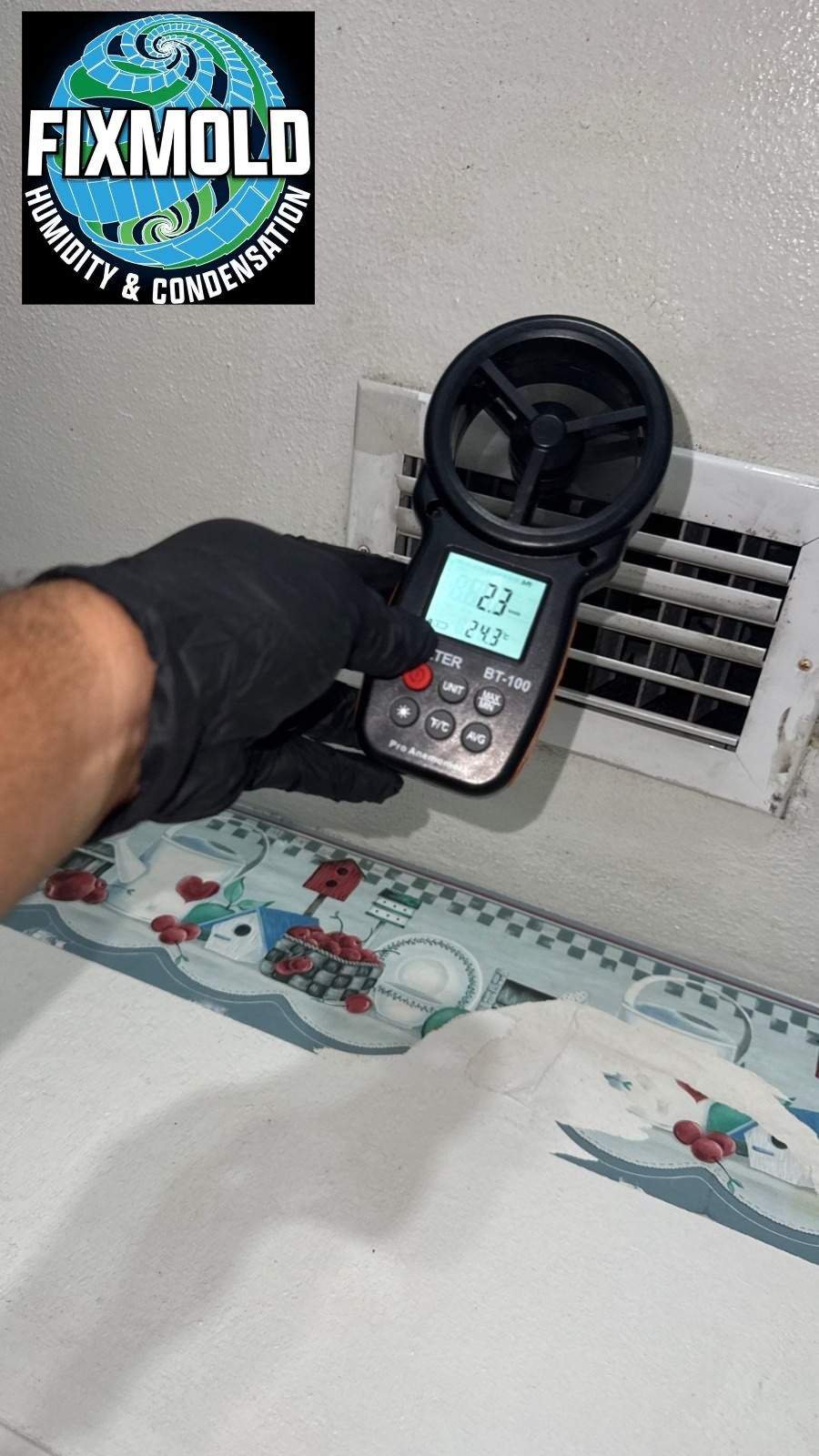
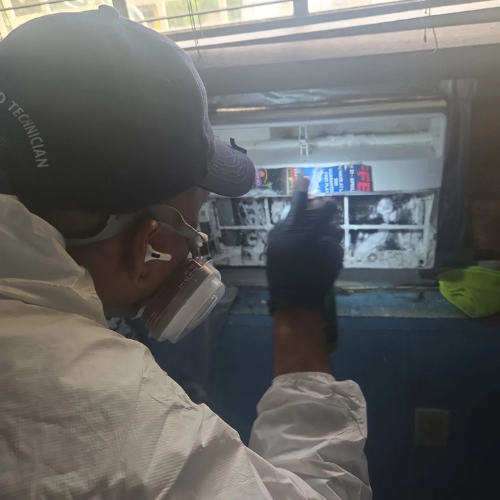
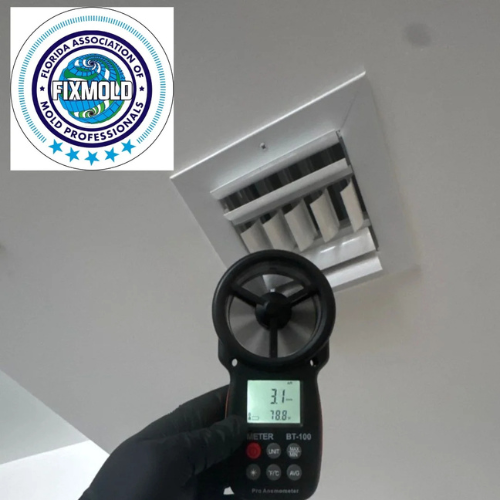
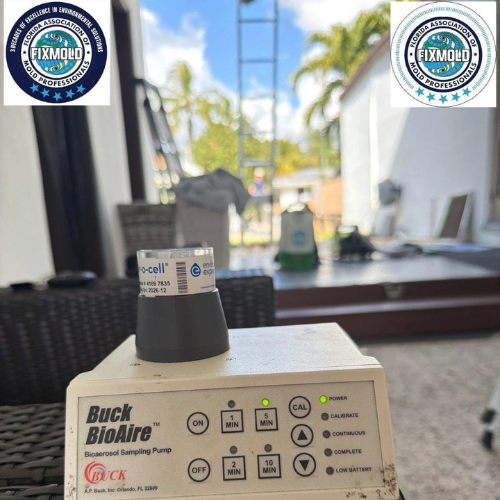
Professional inspections may include HVAC moisture evaluation, air sampling, surface testing, and duct inspection to determine whether contamination inside the system is contributing to indoor air quality problems.
Correcting the moisture condition within the HVAC system is essential because odors usually return if condensation problems continue affecting the ventilation system after cleaning.
Odors usually return when the underlying source has not been fully corrected. Many cleaning products temporarily mask smells without addressing hidden moisture, microbial contamination, or saturated materials causing the odor in the first place.
In South Florida properties, moisture often remains trapped behind walls, beneath flooring systems, inside insulation, or within HVAC components long after visible cleanup is completed. Elevated humidity allows damp materials to continue producing odor-causing compounds over time.
Painting over stains, using fragrances, replacing surface materials, or spraying deodorizing products may improve the smell temporarily while hidden contamination continues developing inside enclosed spaces. Once humidity rises again or the AC system operates, odors frequently return.
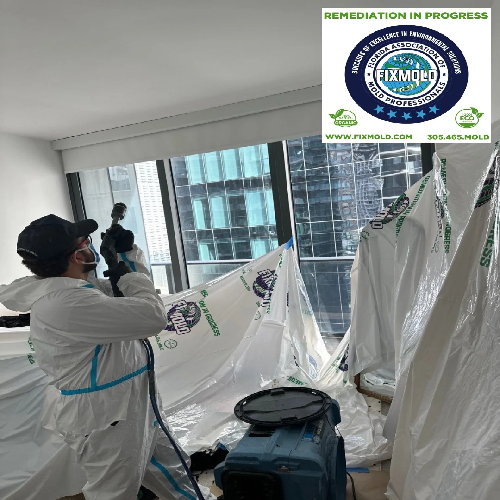
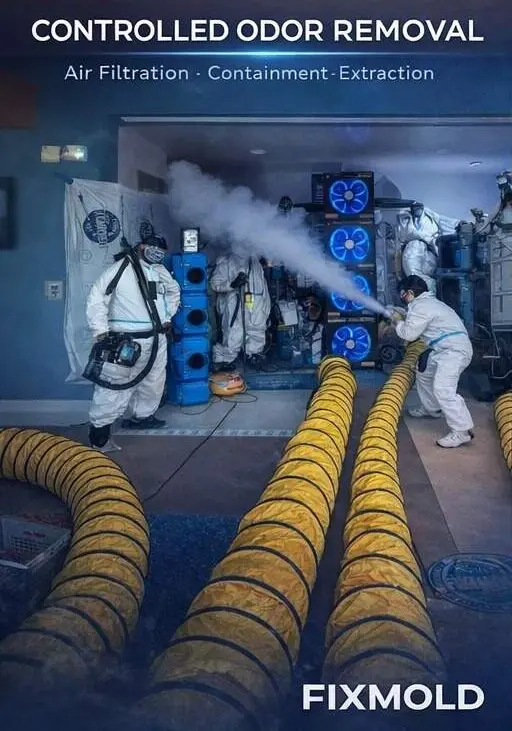
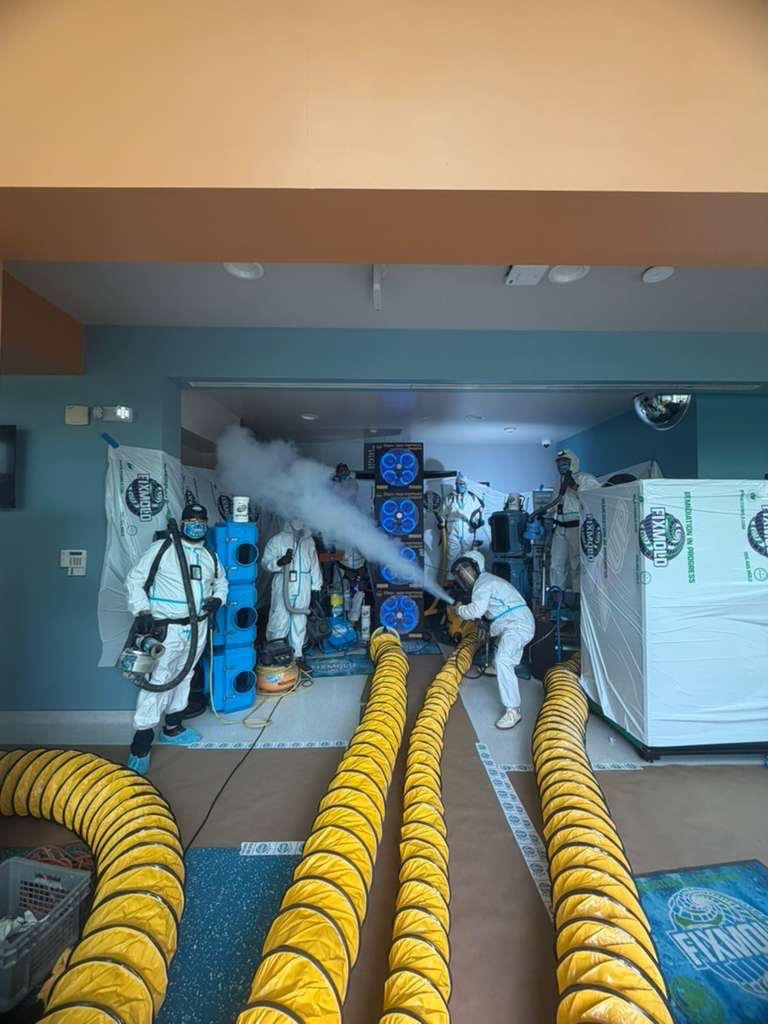
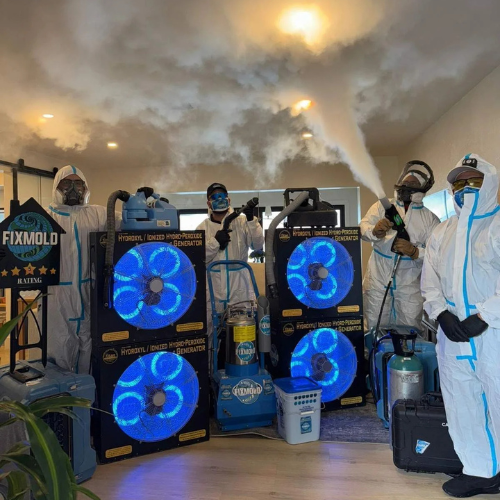
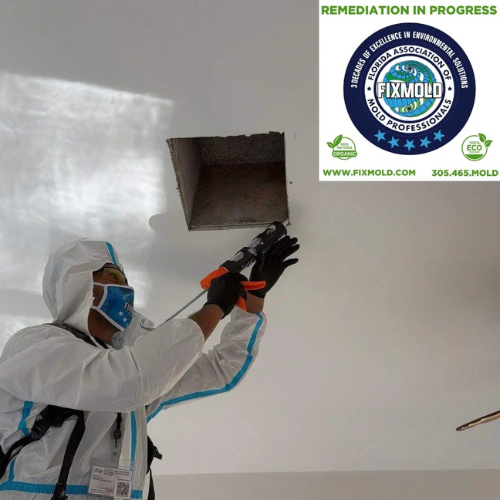
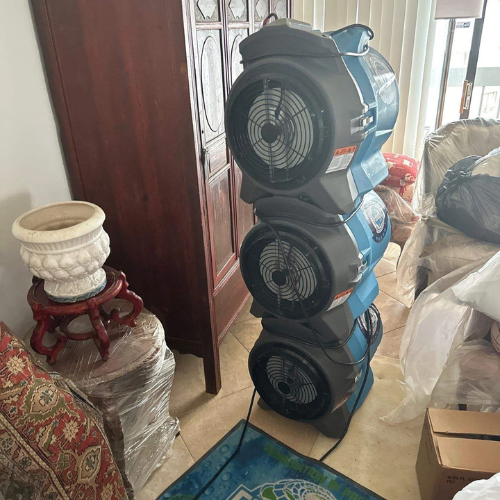
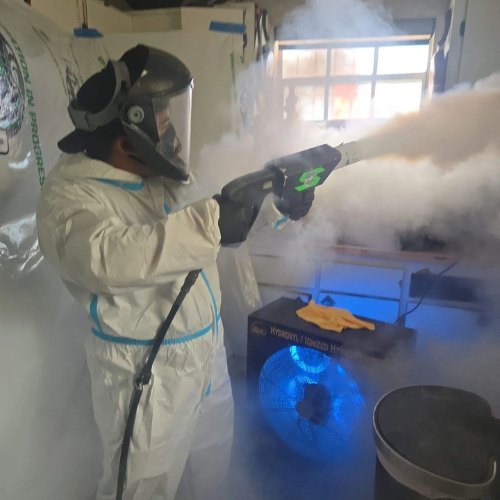
Professional odor removal focuses on locating the actual source through moisture detection, thermal imaging, HVAC inspection, and environmental evaluation. Structural drying, humidity correction, air scrubbing, and remediation of affected materials may all be necessary depending on the severity of the issue.
Long-term odor correction depends on eliminating the environmental conditions allowing the smell to persist rather than simply treating the symptoms.
Odors after water damage are very common, especially in Miami and throughout South Florida where elevated humidity slows drying and allows moisture to remain trapped inside structural materials. Flooding, roof leaks, plumbing failures, hurricane exposure, and AC leaks often saturate drywall, insulation, flooring systems, carpeting, and wood framing.
Even after standing water is removed, damp materials may continue producing musty or stale odors if hidden moisture remains inside the structure. In many properties, microbial growth begins developing behind walls or beneath flooring before visible mold appears.
Odors may become stronger during humid weather or when the air conditioning system circulates air through contaminated areas. Some water-damaged homes continue smelling damp for months because moisture was never fully removed from enclosed cavities.
Professional structural drying, moisture mapping, humidity control, and environmental inspection help determine whether hidden contamination still exists after water damage. Air quality testing and HVAC evaluation may also be recommended when odors persist.
Addressing water intrusion early helps reduce long-term odor conditions and lowers the likelihood of larger indoor environmental problems developing later.
Yes. High humidity alone can create persistent odor conditions even without major flooding or visible leaks. Miami’s climate exposes homes and buildings to elevated moisture levels year-round, and excessive indoor humidity can allow microbial growth and dampness to develop gradually inside enclosed spaces.
Condensation commonly forms around AC vents, ductwork, windows, closets, and poorly ventilated rooms when indoor humidity remains elevated. Over time, damp materials may begin producing stale or musty odors, especially in attics, laundry rooms, bathrooms, crawlspaces, and storage spaces.
Homes with oversized air conditioning systems often experience humidity problems because the AC cools the air too quickly without properly removing moisture from the environment. Poor airflow, insulation deficiencies, and inadequate ventilation can also contribute to chronic indoor dampness.
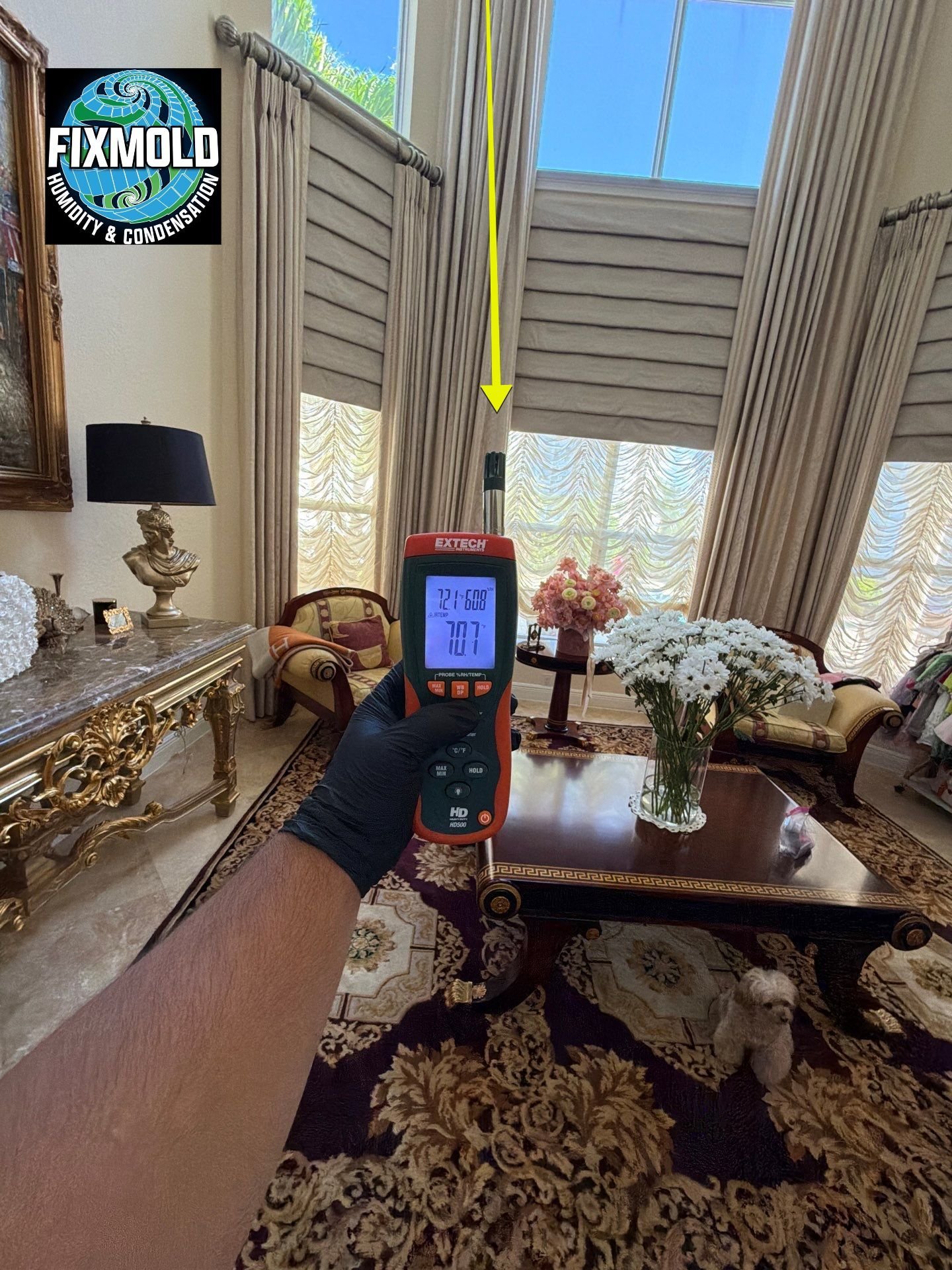
Professional environmental inspections may involve humidity measurements, thermal imaging, HVAC evaluation, and moisture detection to identify why the property feels humid or smells musty. Long-term prevention usually involves proper dehumidification, ventilation improvement, HVAC balancing, and moisture control strategies.
Managing indoor humidity is one of the most important parts of preventing recurring odor and mold problems in South Florida properties.