View Our Reviews Accross All Platforms Here
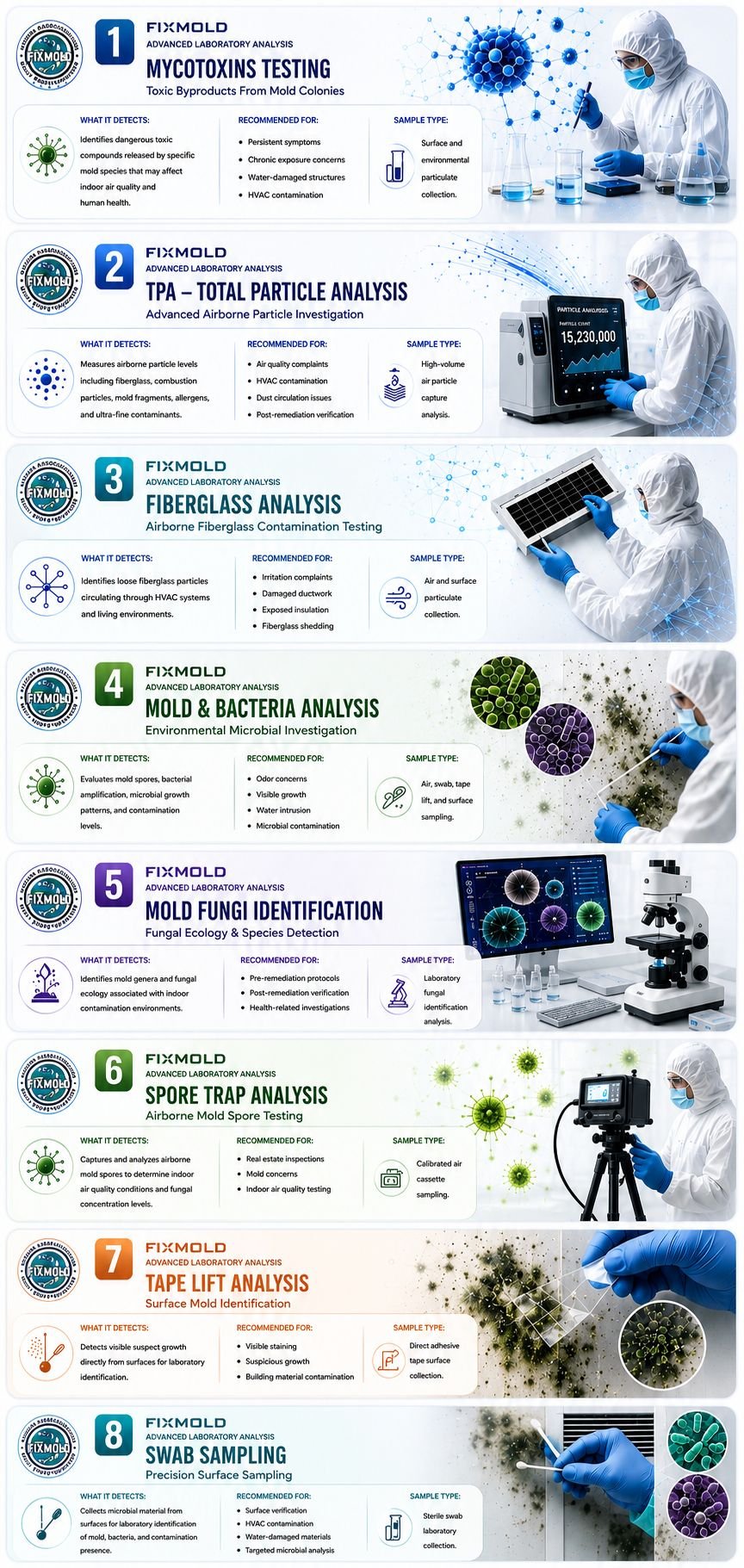
Mold testing is usually recommended when there are signs of moisture problems that cannot be easily explained. In Miami, this often includes persistent musty odors, recurring humidity issues indoors, water damage history, or HVAC-related air quality concerns.
Because South Florida has naturally high humidity, mold can develop inside walls, ceilings, or HVAC systems without visible signs. So testing is often used when something feels off in the indoor environment even if nothing is clearly visible.
Common situations include after roof leaks, plumbing issues, flooding, or when a property has been closed up for a long time. It is also common when occupants experience allergies, irritation, or air quality changes that improve when they leave the property.
Mold testing helps confirm whether indoor air is within a normal range or if hidden moisture conditions may be contributing to microbial growth inside the structure.
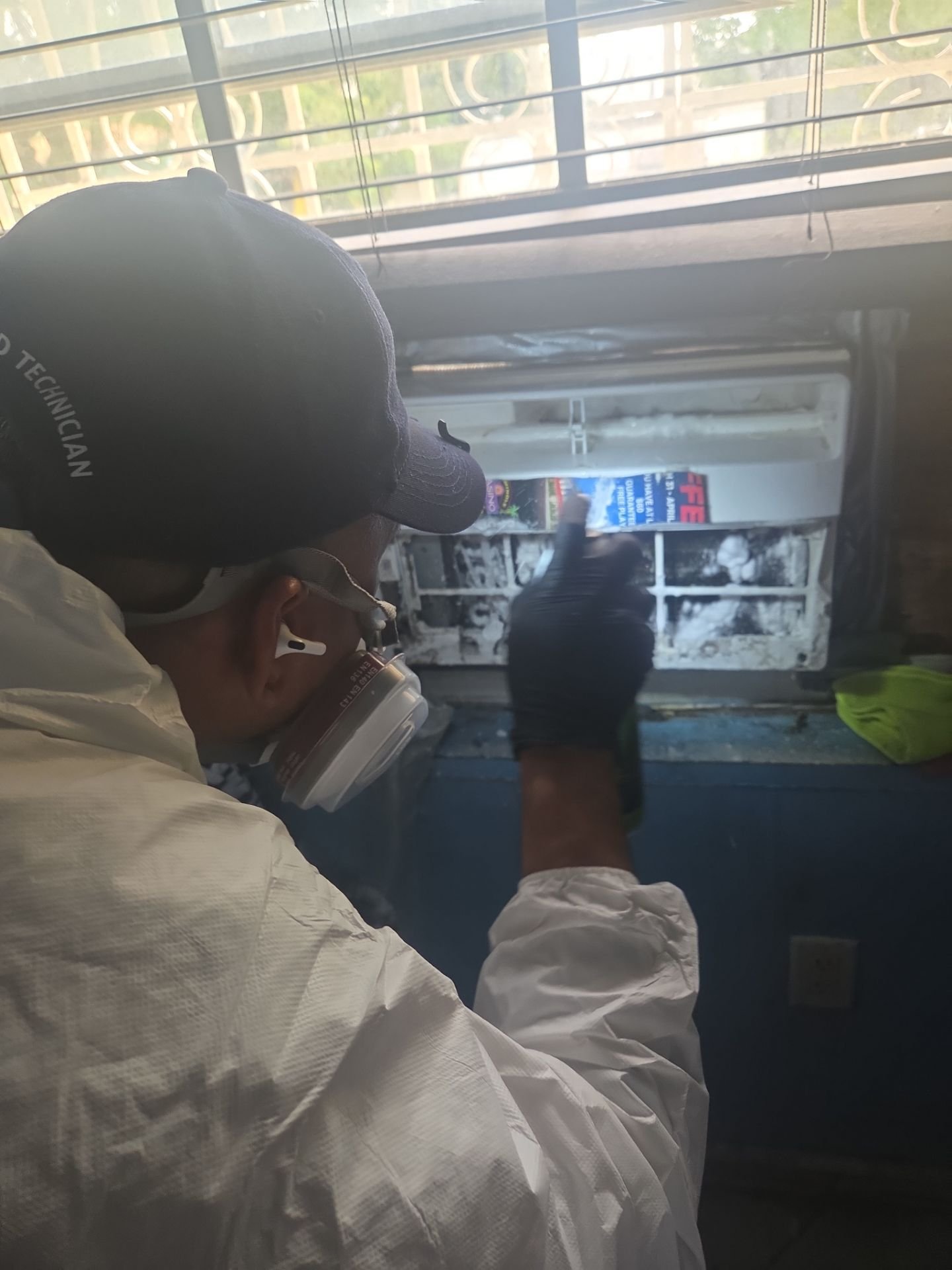
Yes. In Miami homes, this is actually very common. Mold often develops in hidden areas where moisture collects over time, such as behind drywall, inside insulation, within HVAC systems, under flooring, or in attic and crawlspace spaces.
Because South Florida humidity is consistently high, even small leaks or condensation issues can create long-term damp conditions inside structures. These areas may stay hidden for months or even years before any visible signs appear.
Many homeowners first notice a smell, humidity change, or indoor discomfort before any visible mold appears. That is usually a sign that moisture is trapped somewhere inside the building.
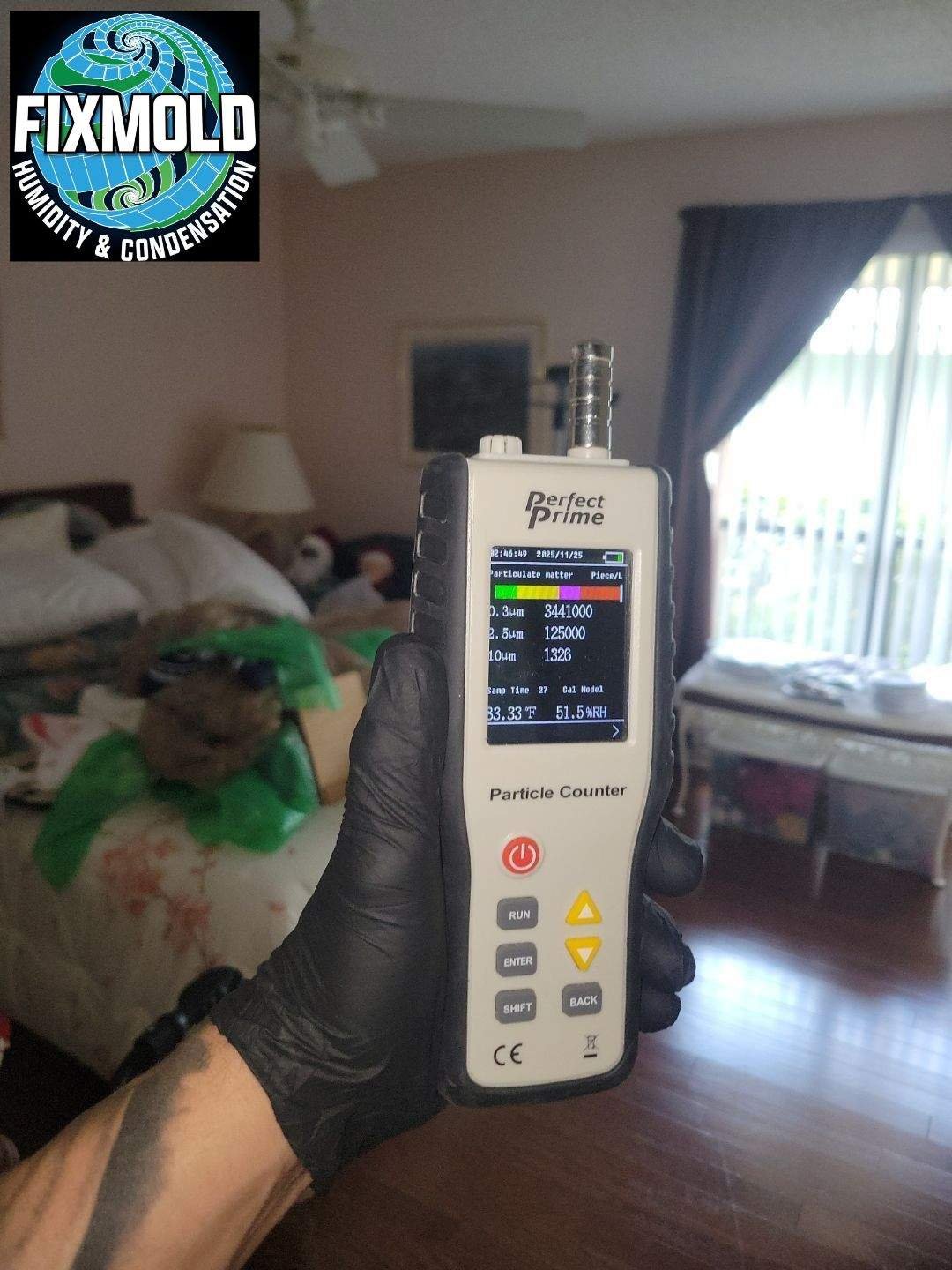
Mold testing helps identify whether airborne spores or environmental indicators suggest hidden activity even when the surface looks clean.
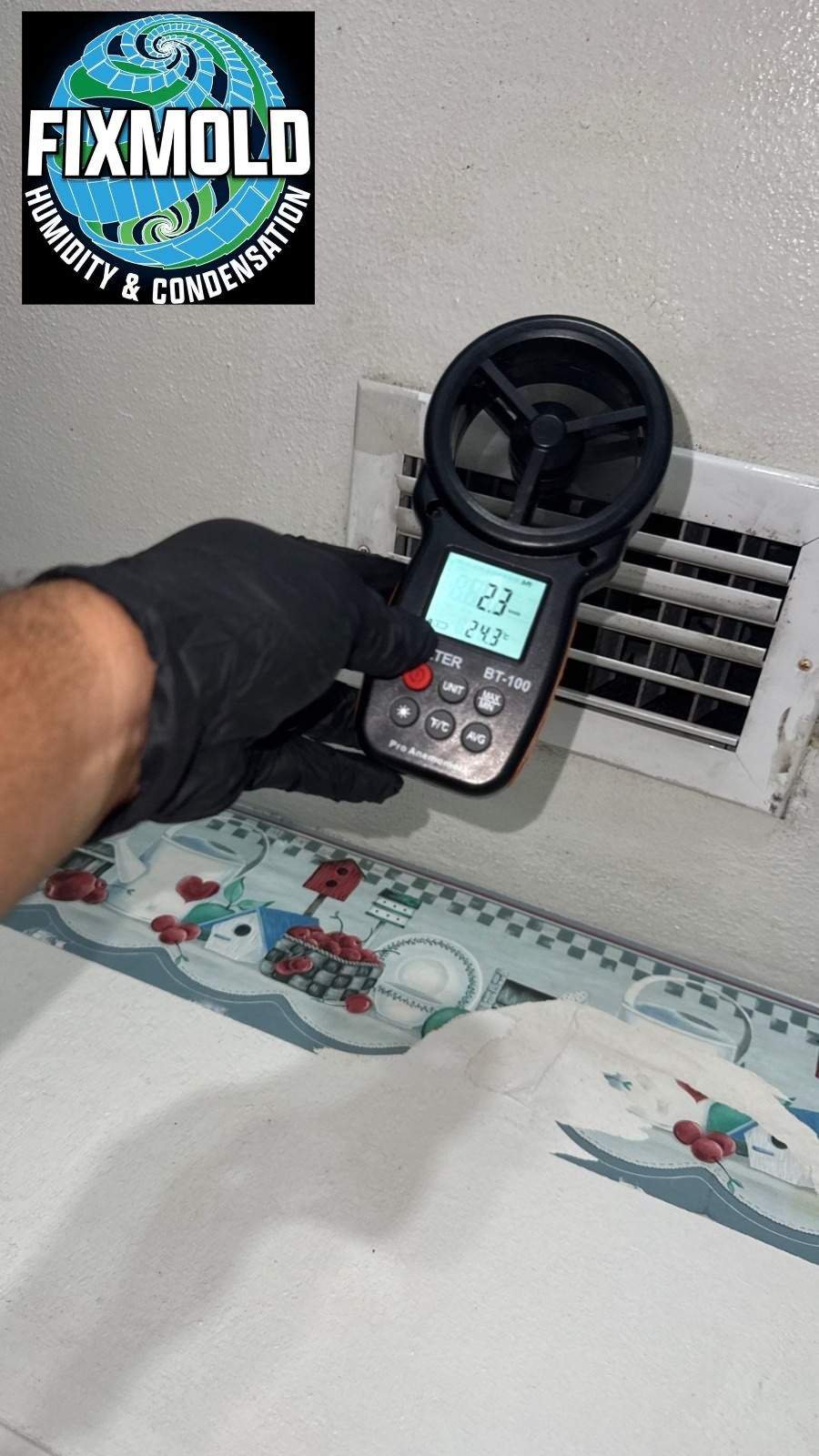
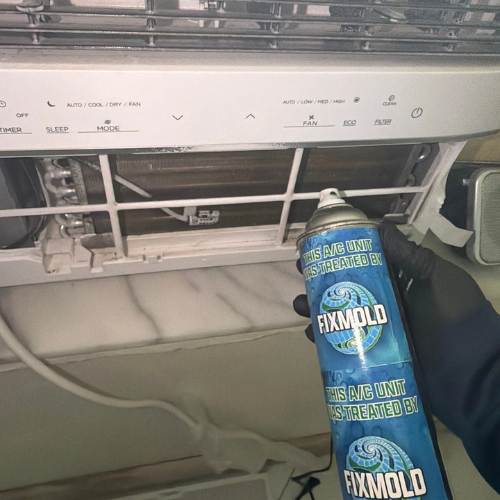
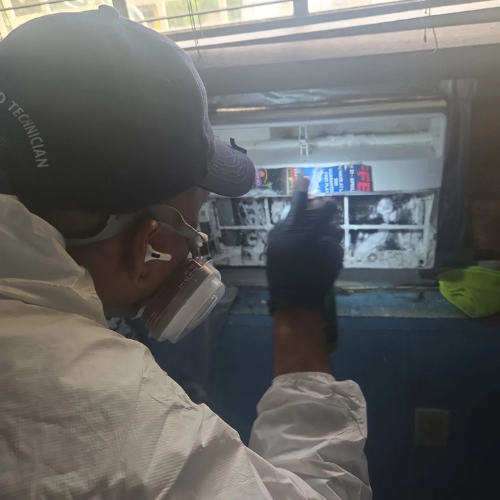
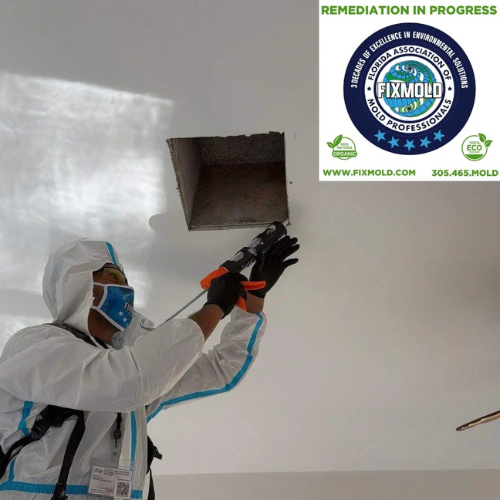
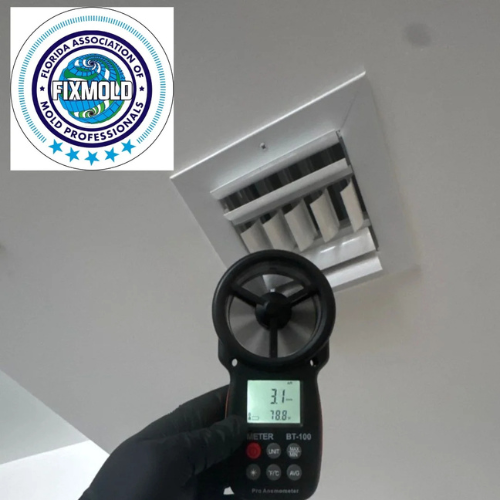
HVAC systems play a major role in mold testing results because they constantly circulate air throughout the property. If moisture is present inside ducts, coils, or air handlers, it can influence indoor air quality readings.
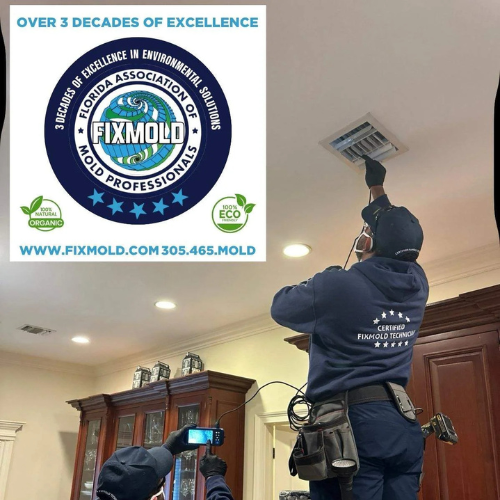
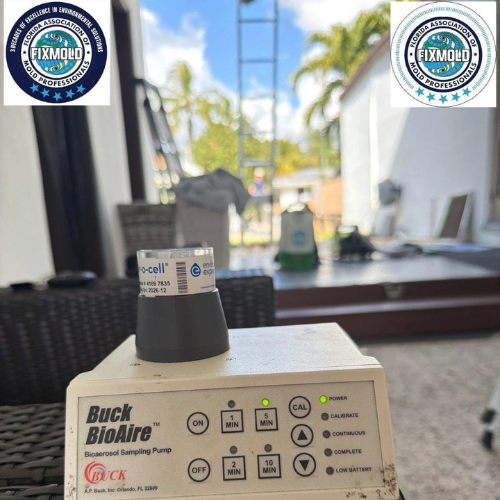
In Miami, air conditioning runs almost continuously, which means any contamination inside the system can spread throughout the home. This is why mold testing often includes checking both the HVAC system and indoor air samples together.
Sometimes elevated results are linked to attic ductwork, condensation inside vents, or dirty HVAC components rather than a single room issue.
Testing helps determine whether the problem is coming from the HVAC system or from a localized moisture source like a leak or water-damaged area.
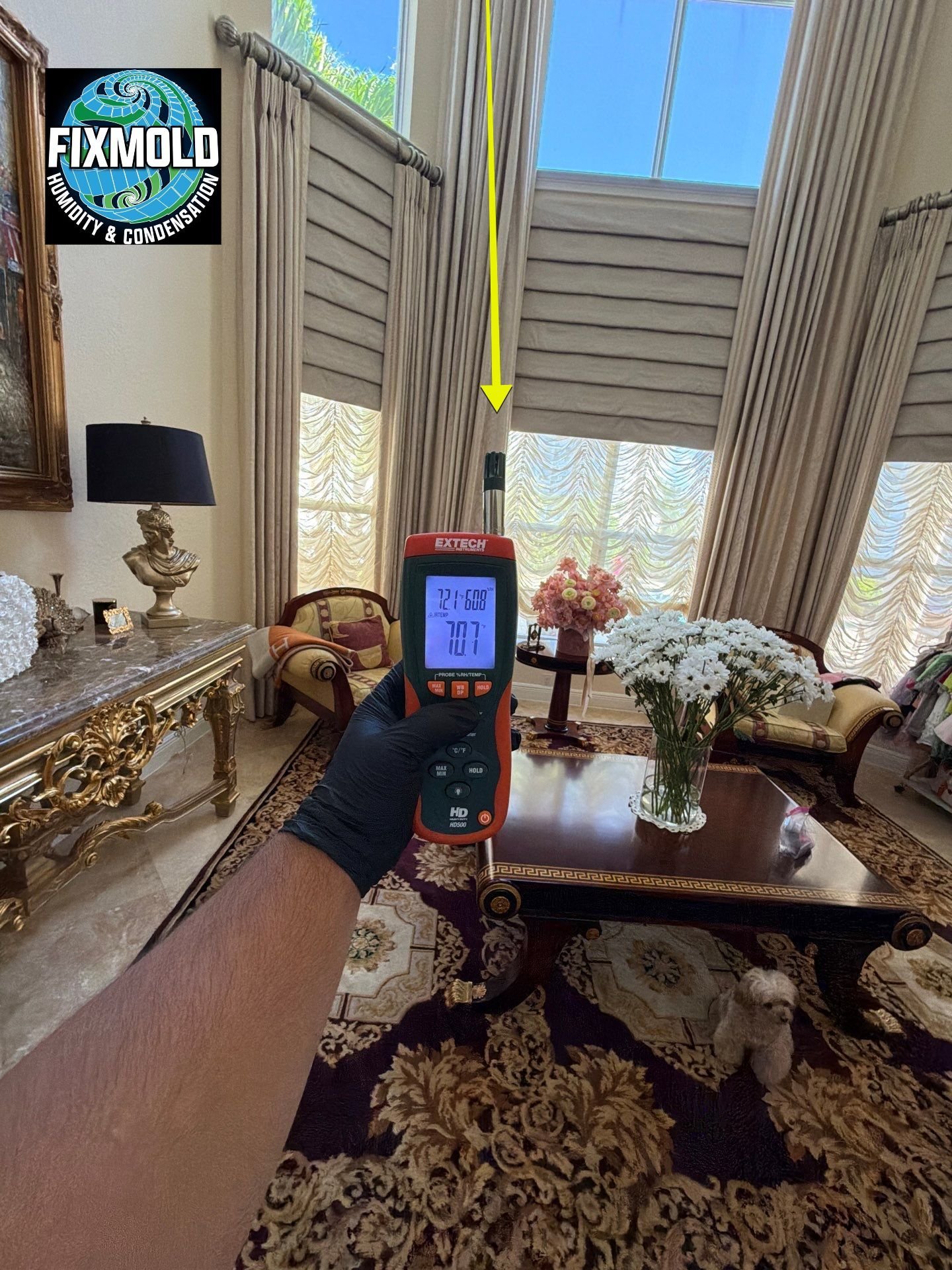
Mold test results can vary because indoor environmental conditions in Miami change frequently. Humidity, temperature, weather patterns, and HVAC usage all affect airborne spore levels.
For example, after rain or during periods of high humidity, indoor moisture levels may rise, which can increase airborne readings. When the weather is dry or the HVAC system is running efficiently, results may look lower.
This does not always mean the problem is gone. It often means the environmental conditions are fluctuating, which is common in South Florida homes.
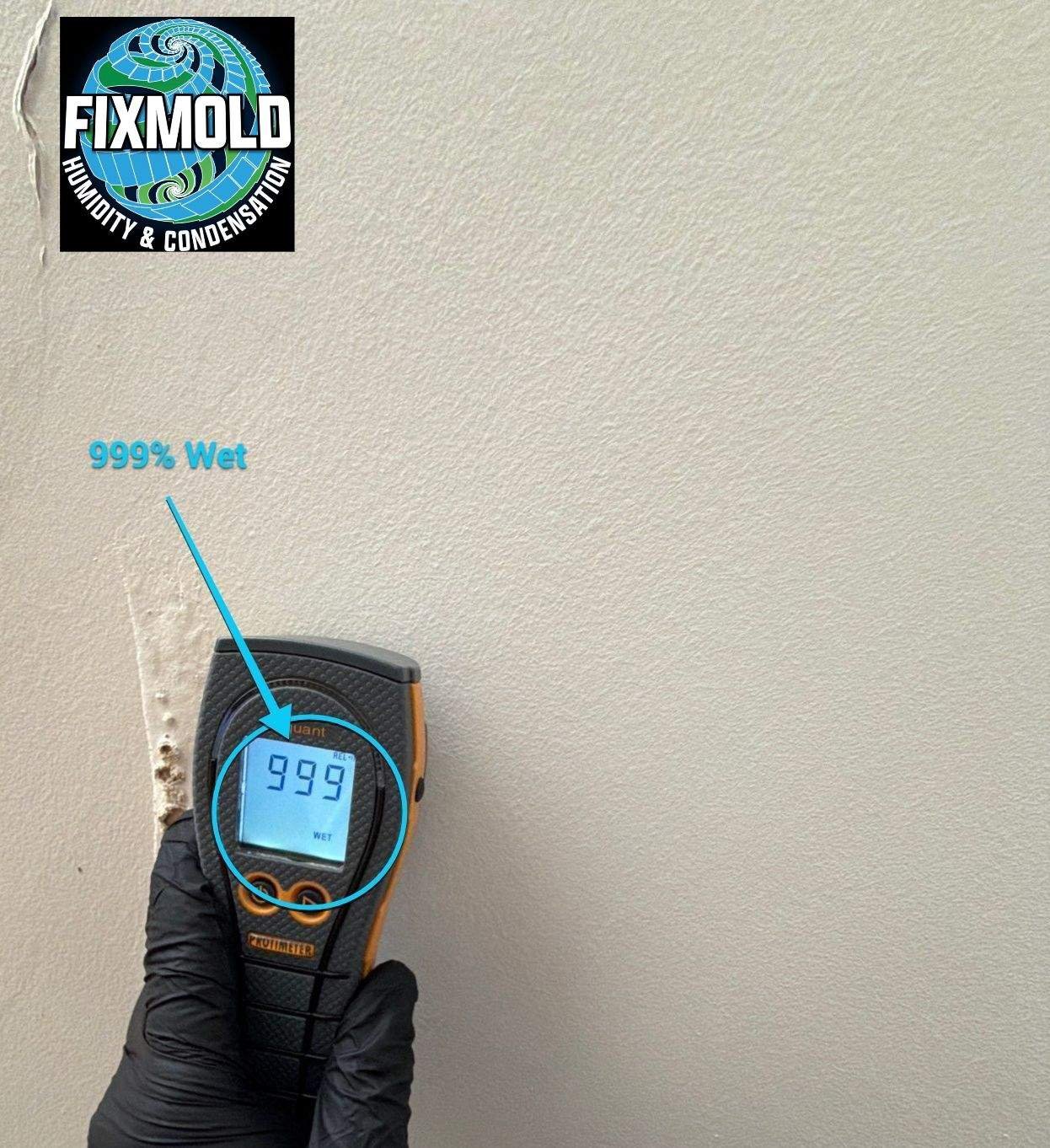
That is why mold testing is often combined with moisture detection and visual inspection to understand the full picture rather than relying on a single reading.
After mold testing, results are typically reviewed to understand whether indoor air quality is within a normal range or if there are signs of elevated moisture or microbial activity.
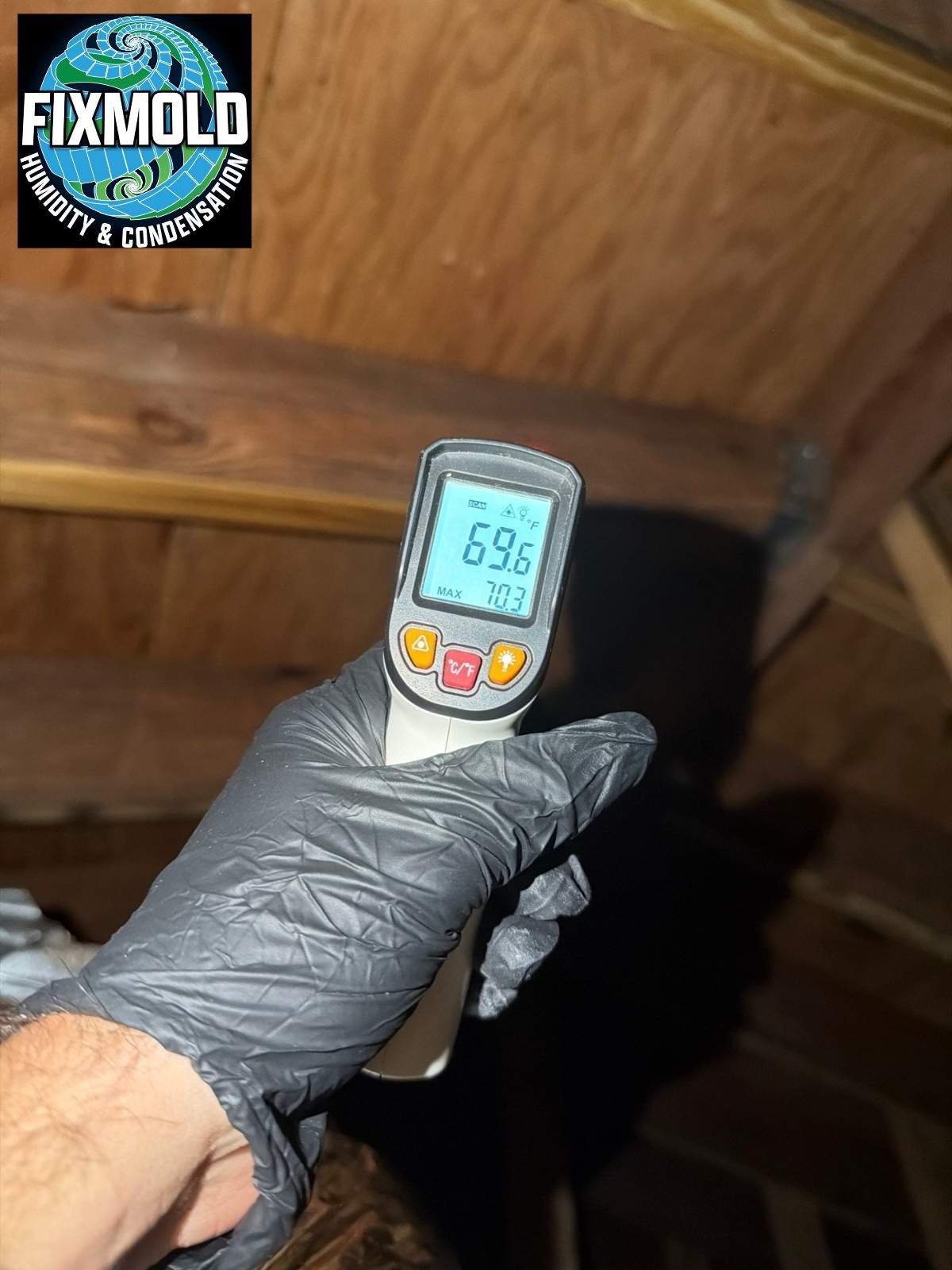
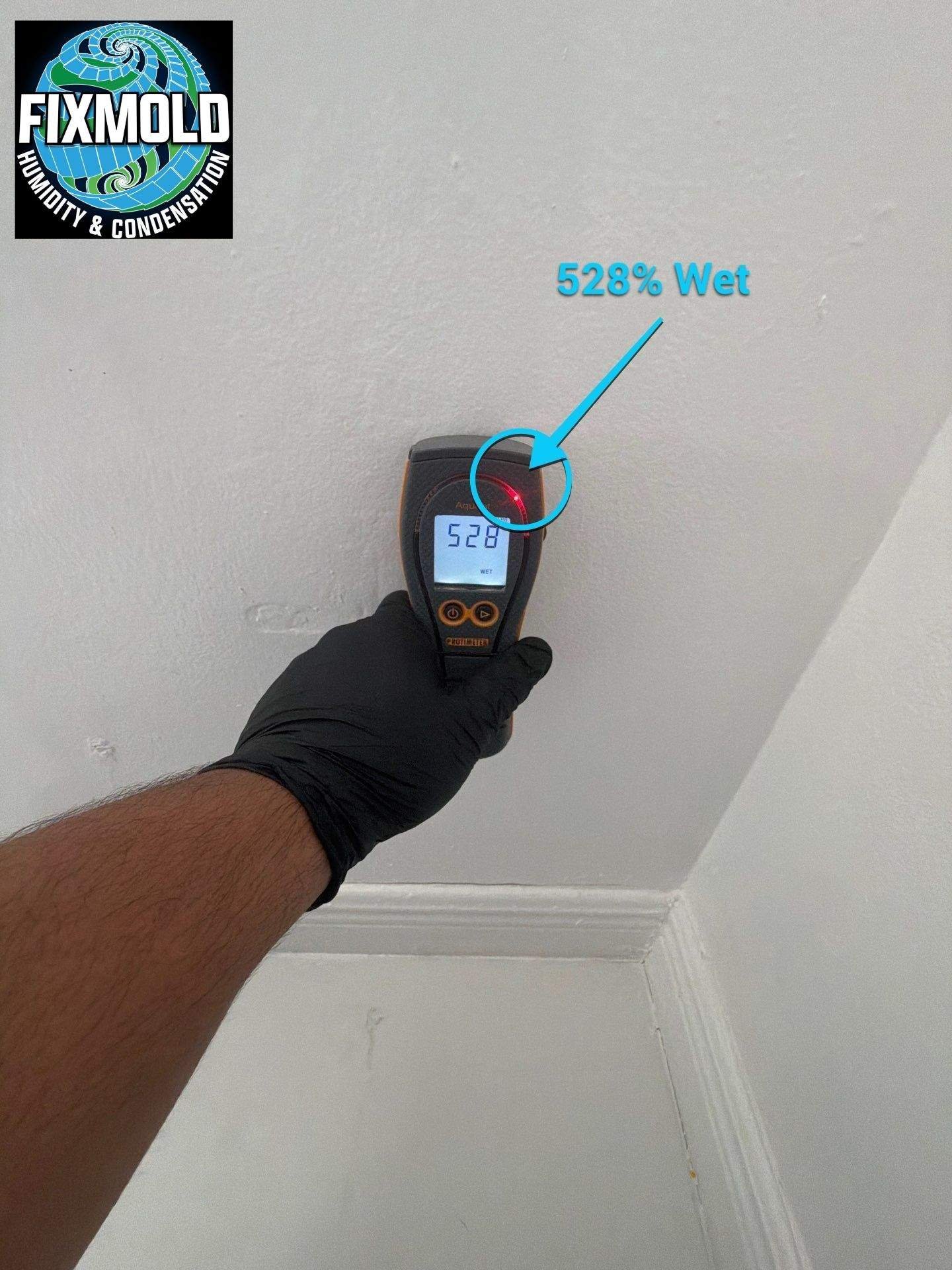
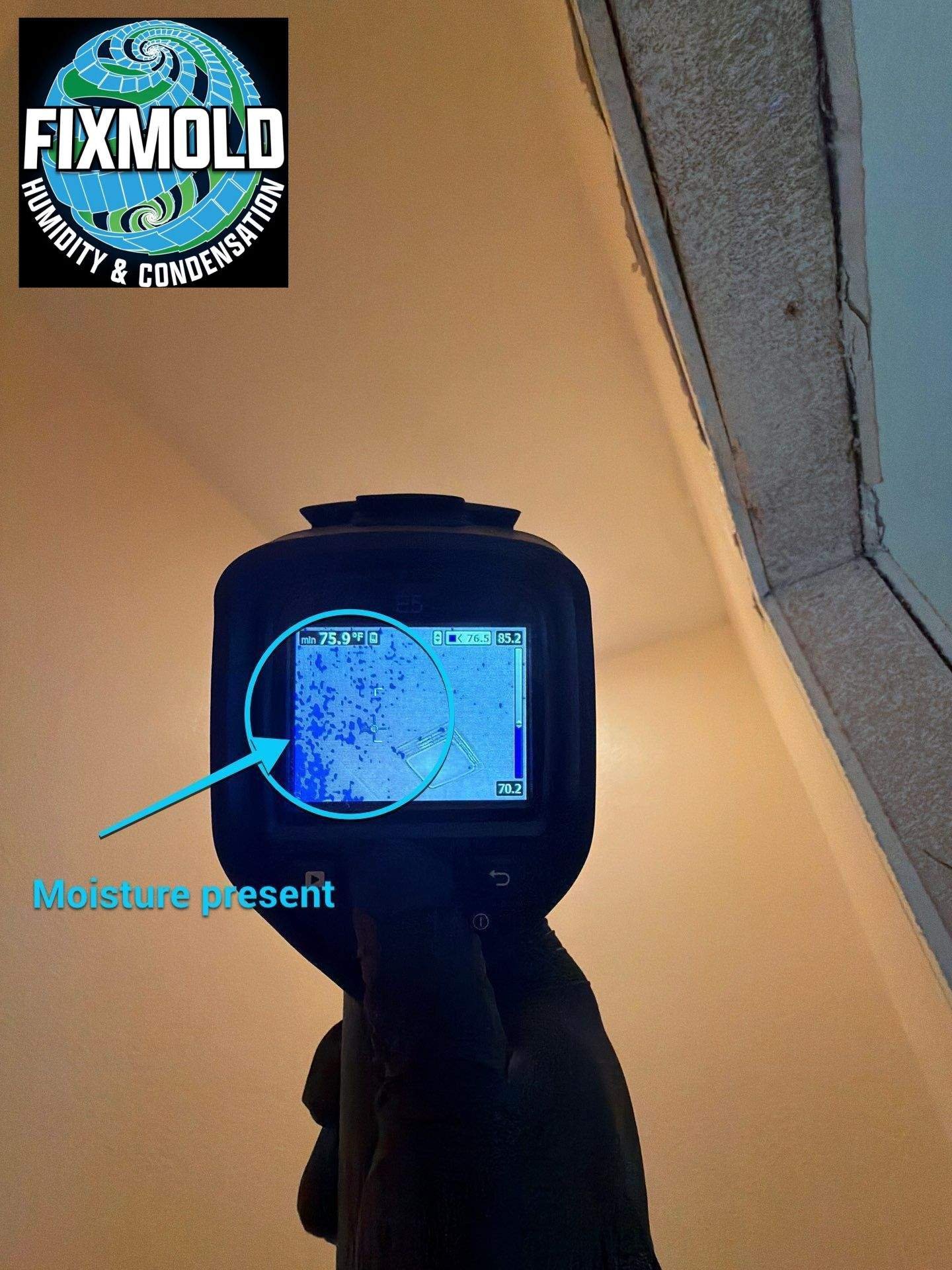
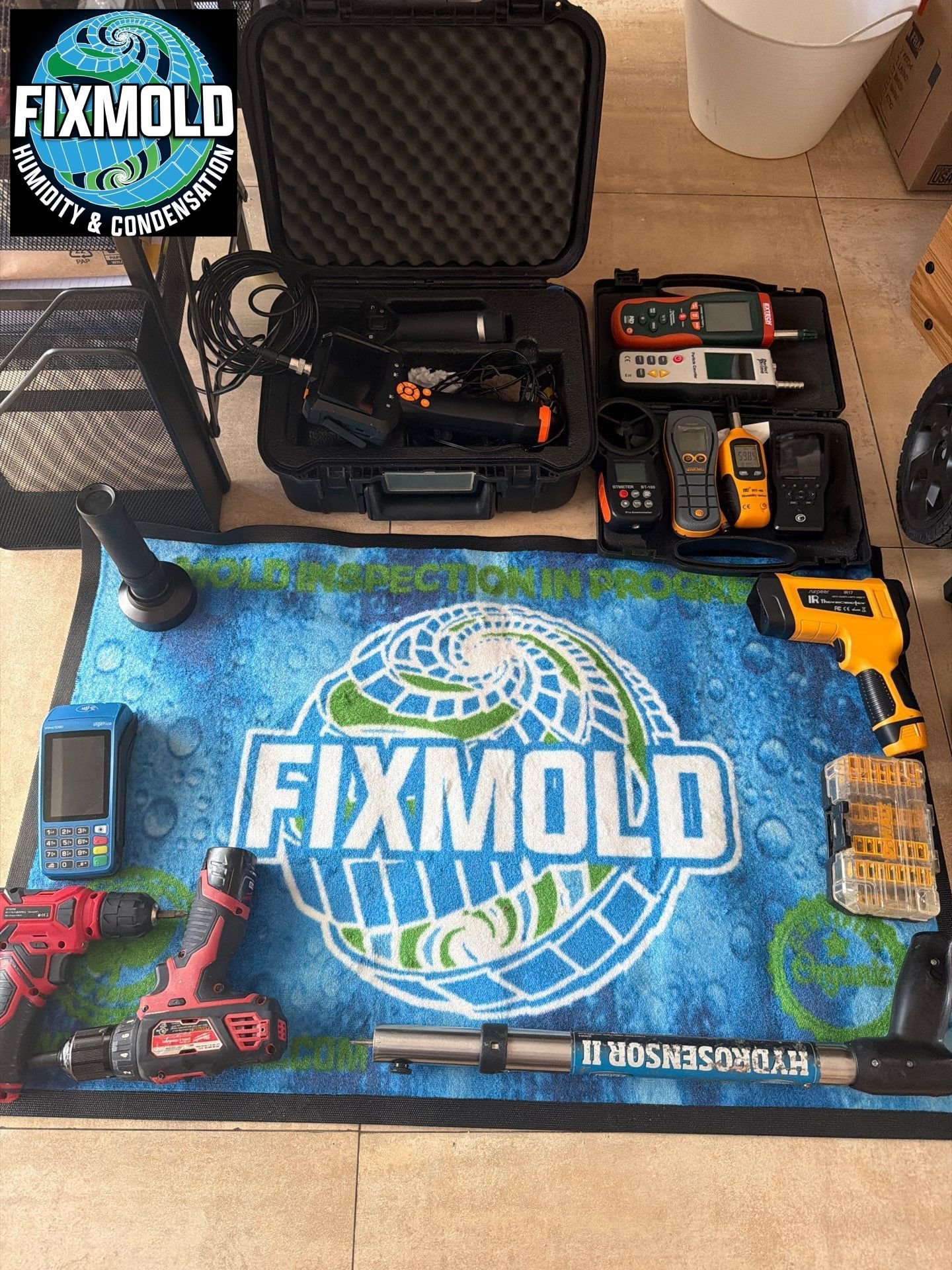
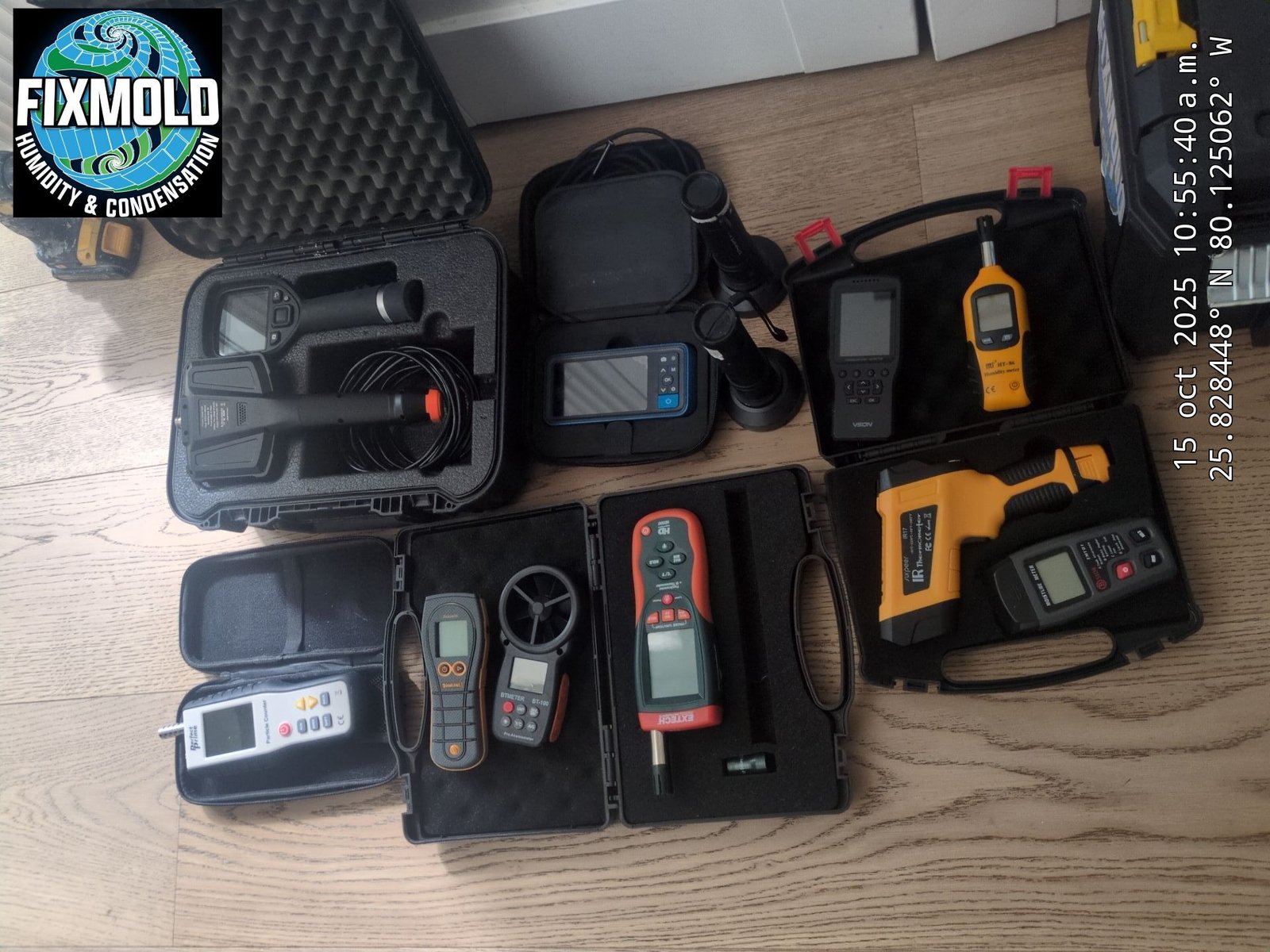
If results indicate potential issues, the next step is usually identifying the source. This may involve moisture mapping, thermal imaging, HVAC inspection, or further environmental evaluation to locate hidden damp areas inside the structure.
In many Miami properties, testing leads to identifying issues like roof leaks, HVAC condensation, attic moisture, crawlspace humidity, or hidden water damage behind walls.
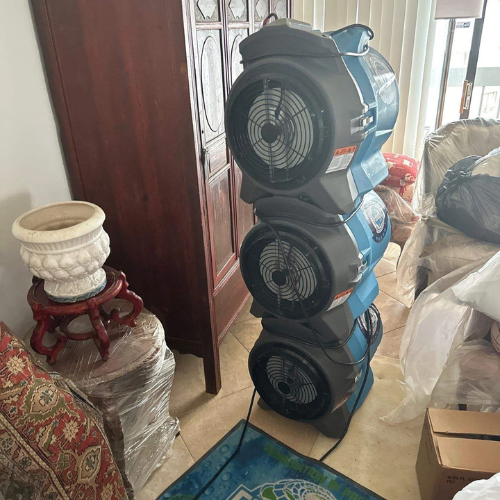
Once the source is identified, appropriate steps can be taken to address moisture control, structural drying, or remediation if needed.
The goal of testing is not just to produce a report, but to understand what is happening inside the building so the right corrective action can be taken.