View Our Reviews Accross All Platforms Here
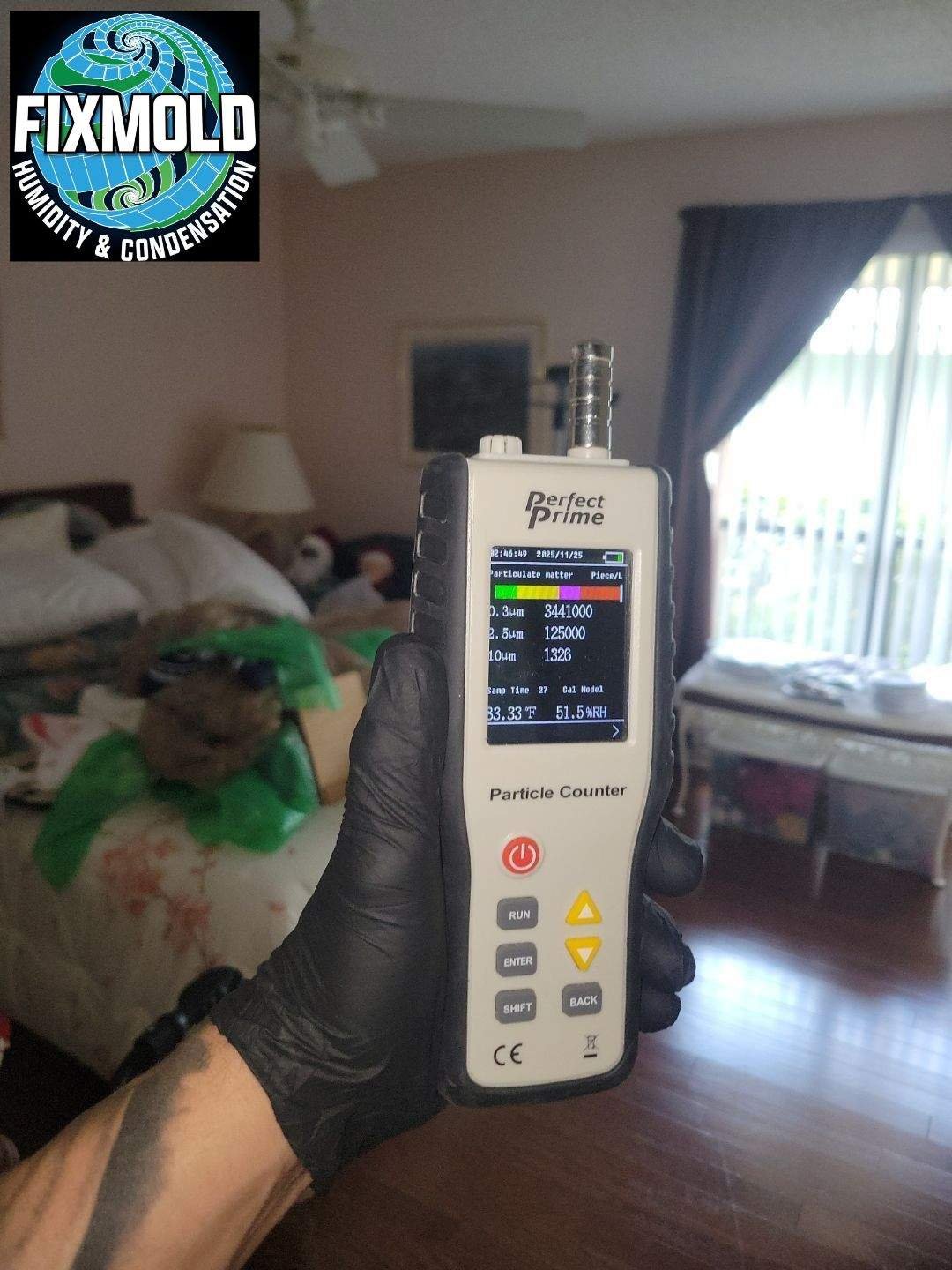
Yes. High humidity and hidden moisture can significantly affect indoor environmental comfort throughout South Florida homes and buildings. Elevated humidity may contribute to stale air, musty odors, airborne particle buildup, condensation, and hidden microbial growth inside enclosed structural areas.
In Miami’s climate, indoor environments remain exposed to moisture year-round due to constant humidity, HVAC condensation, storms, and coastal air exposure. Even when visible mold is limited, hidden dampness inside walls, attics, insulation systems, or HVAC components may still influence indoor air quality.
Many people notice that certain rooms feel heavier, smell musty, or seem more uncomfortable during periods of elevated indoor humidity.
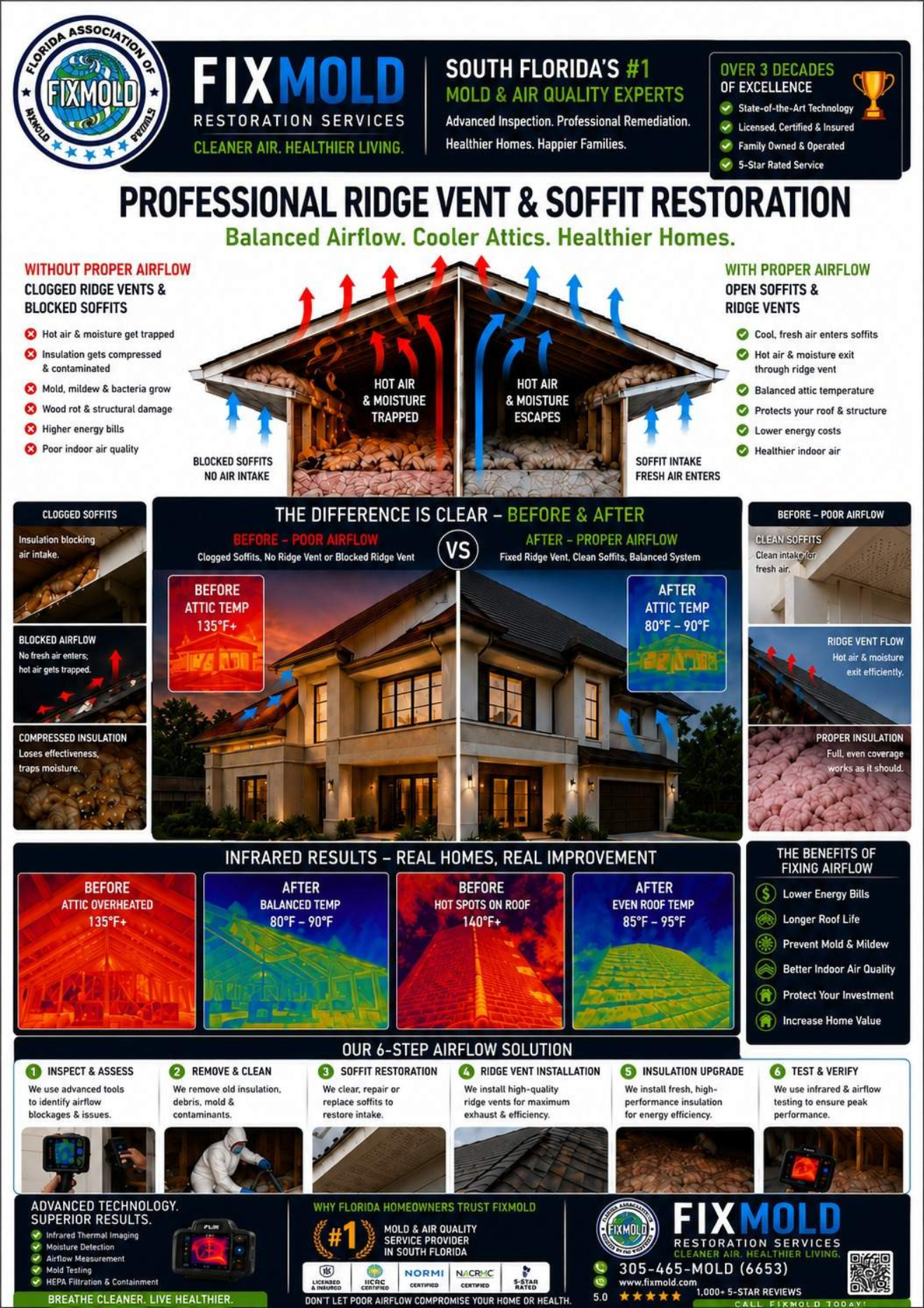
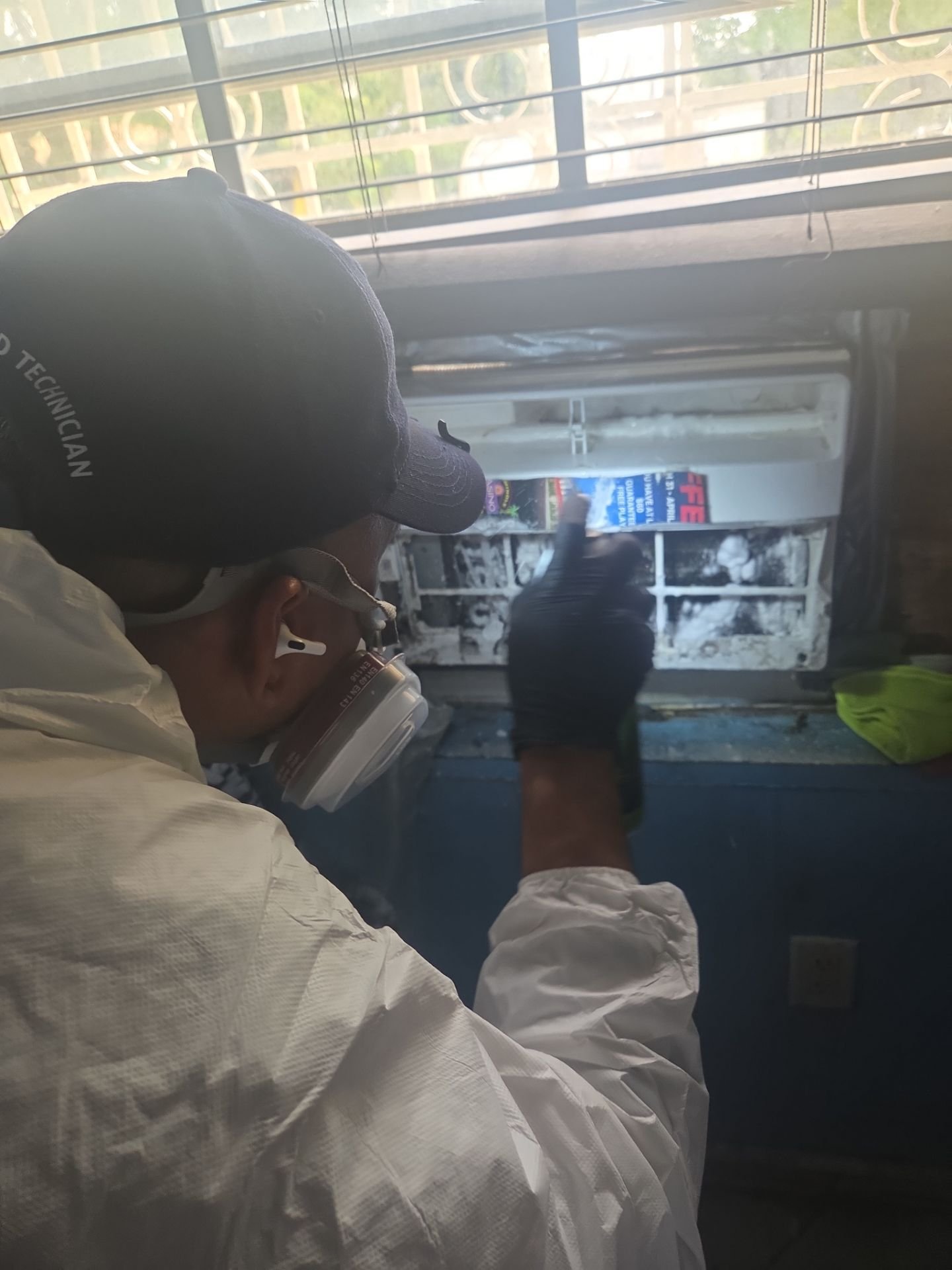
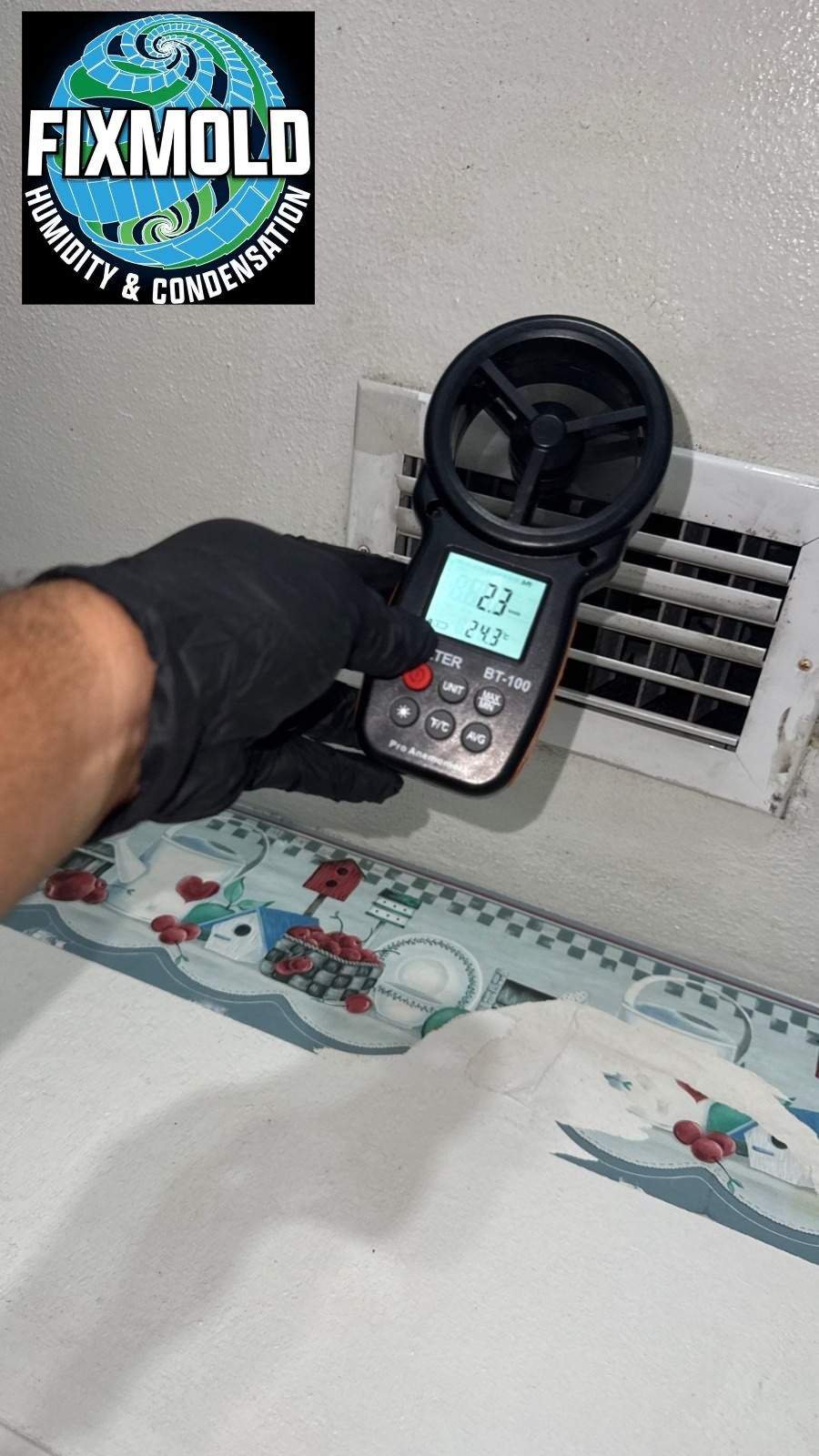
HVAC systems strongly influence airflow, humidity, and airborne particle movement throughout the property. Since Miami air conditioning systems run almost continuously, condensation frequently develops inside ducts, vents, air handlers, and insulation systems.
If hidden moisture accumulates inside HVAC components, airborne contaminants may circulate throughout the building whenever the system operates. Many people first notice odors, stale air, humidity imbalance, or irritation near vents before visible contamination appears elsewhere.
Environmental inspections often include HVAC evaluation because ventilation systems are one of the most common hidden sources of moisture-related indoor air quality problems in South Florida buildings.
Yes. Hidden mold is extremely common throughout South Florida because moisture often develops inside concealed structural areas long before visible signs appear.
Microbial growth may exist behind drywall, beneath flooring systems, inside insulation, within attic spaces, or around HVAC components where environmental conditions remain damp and poorly ventilated.
Many homes with hidden moisture initially appear visually clean while occupants notice musty odors, elevated humidity, stale air, or recurring indoor discomfort without understanding the source.
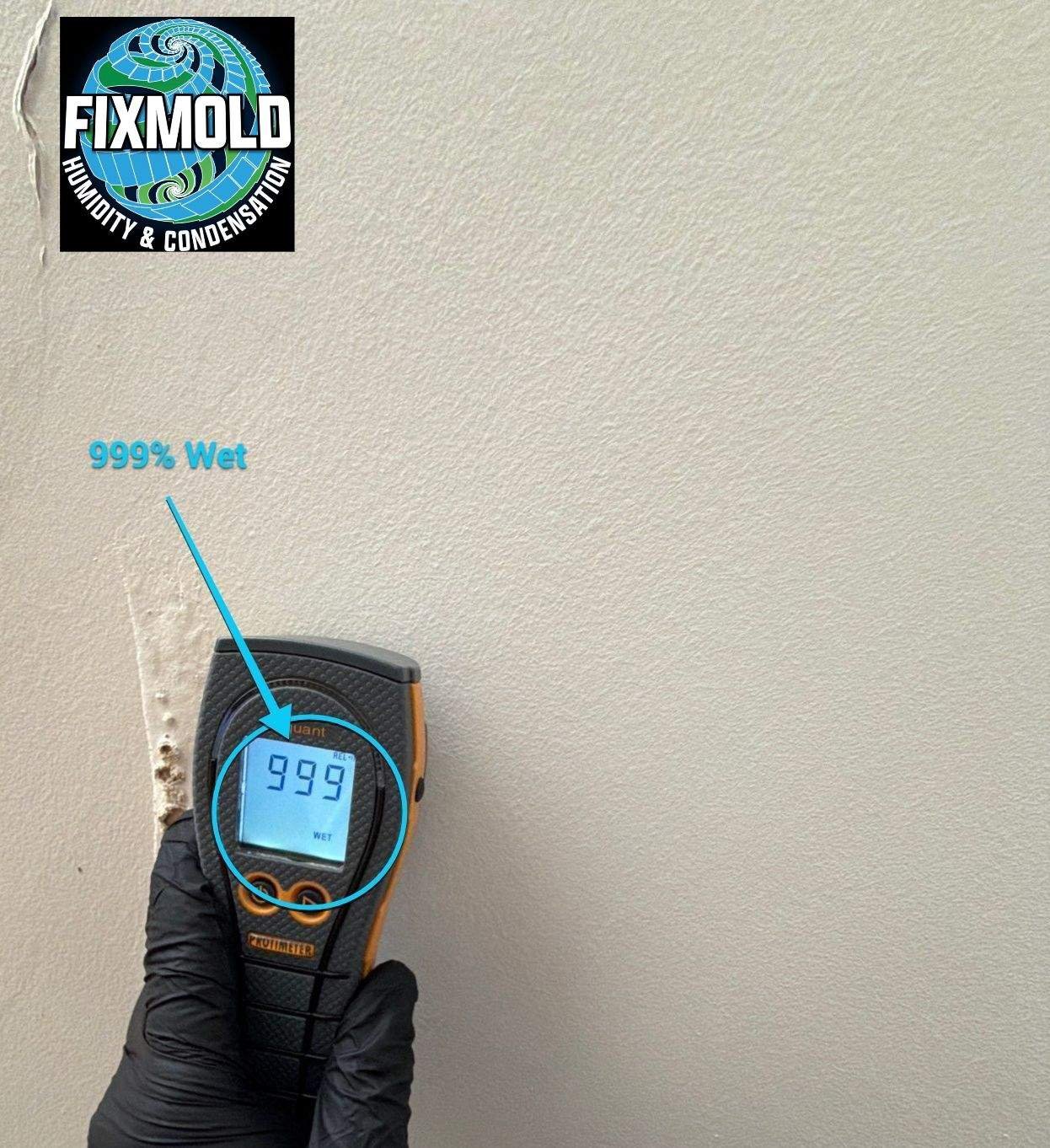
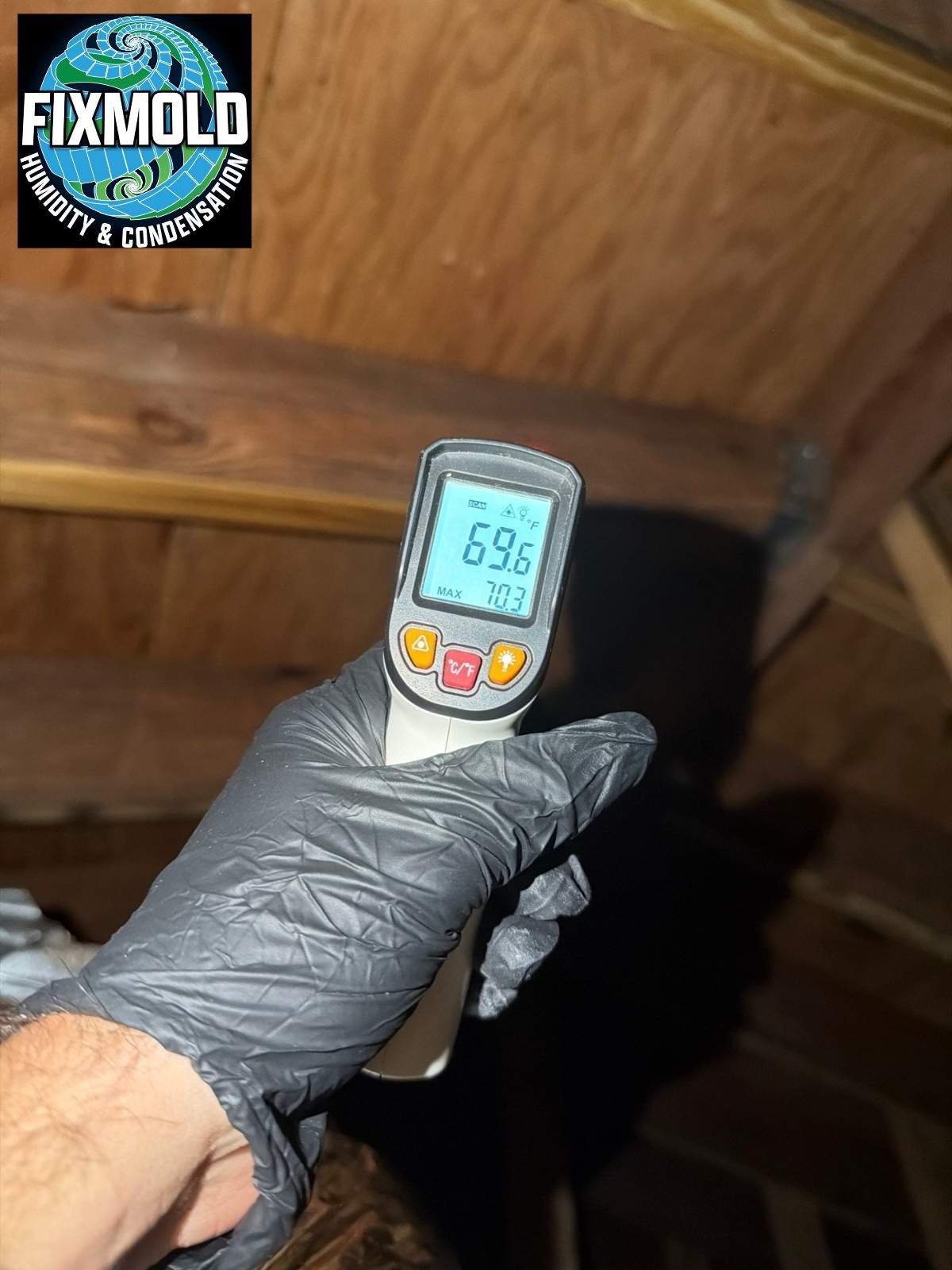
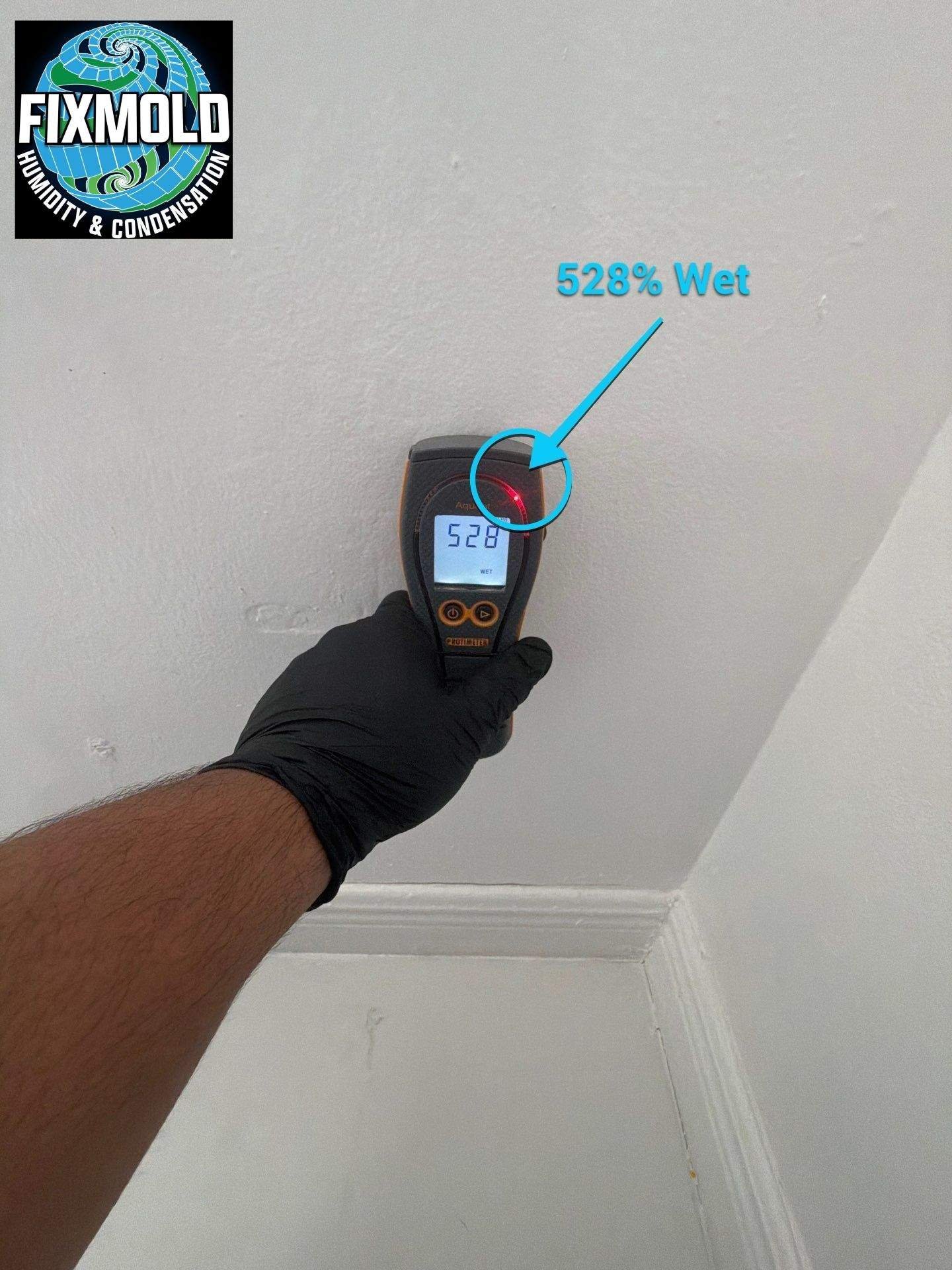
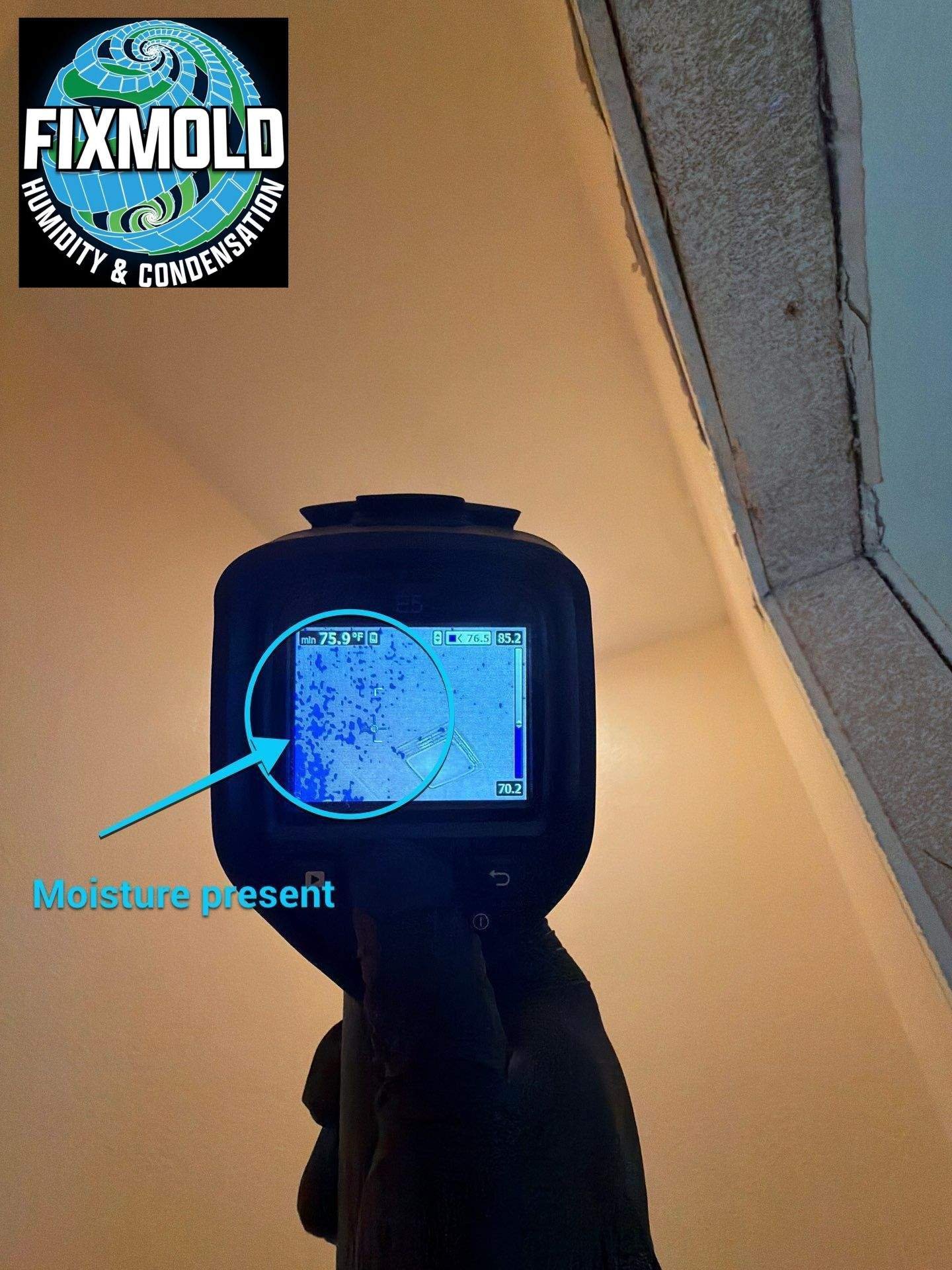
Thermal imaging, moisture detection, and indoor air quality testing are commonly used to help identify concealed environmental moisture conditions.
Recurring musty odors usually indicate that hidden moisture conditions are still active somewhere inside the property. Surface cleaning may temporarily reduce odor, but if humidity imbalance, roof leaks, HVAC condensation, plumbing leaks, or structural moisture remain unresolved, microbial activity may continue behind the scenes.
In Miami’s humid climate, buildings dry slowly after water exposure, allowing dampness to remain trapped inside wall cavities, insulation systems, flooring materials, and ventilation systems much longer than in dry regions.
Long-term odor control usually depends on correcting the source of moisture rather than repeatedly cleaning visible surfaces alone.
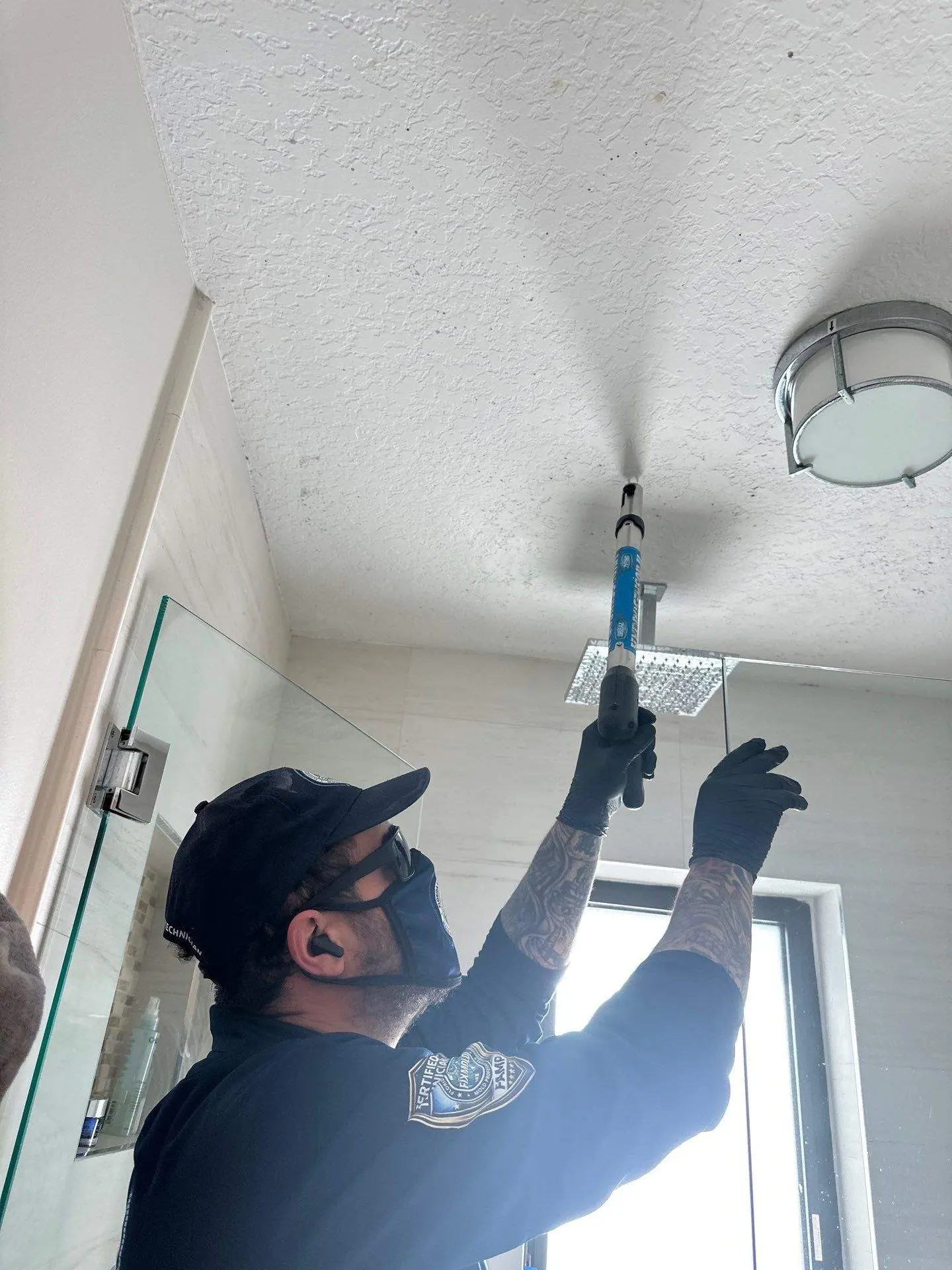
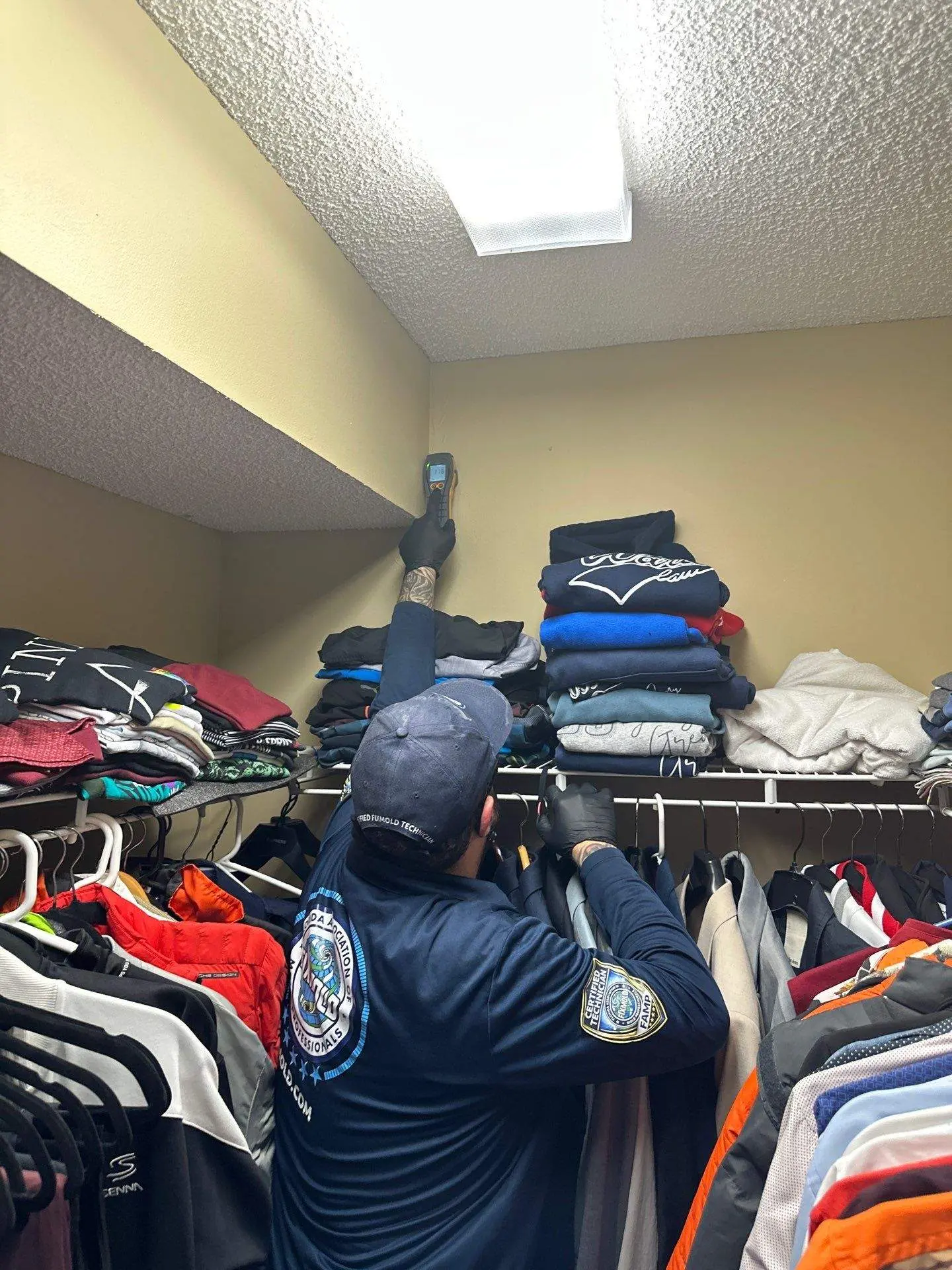
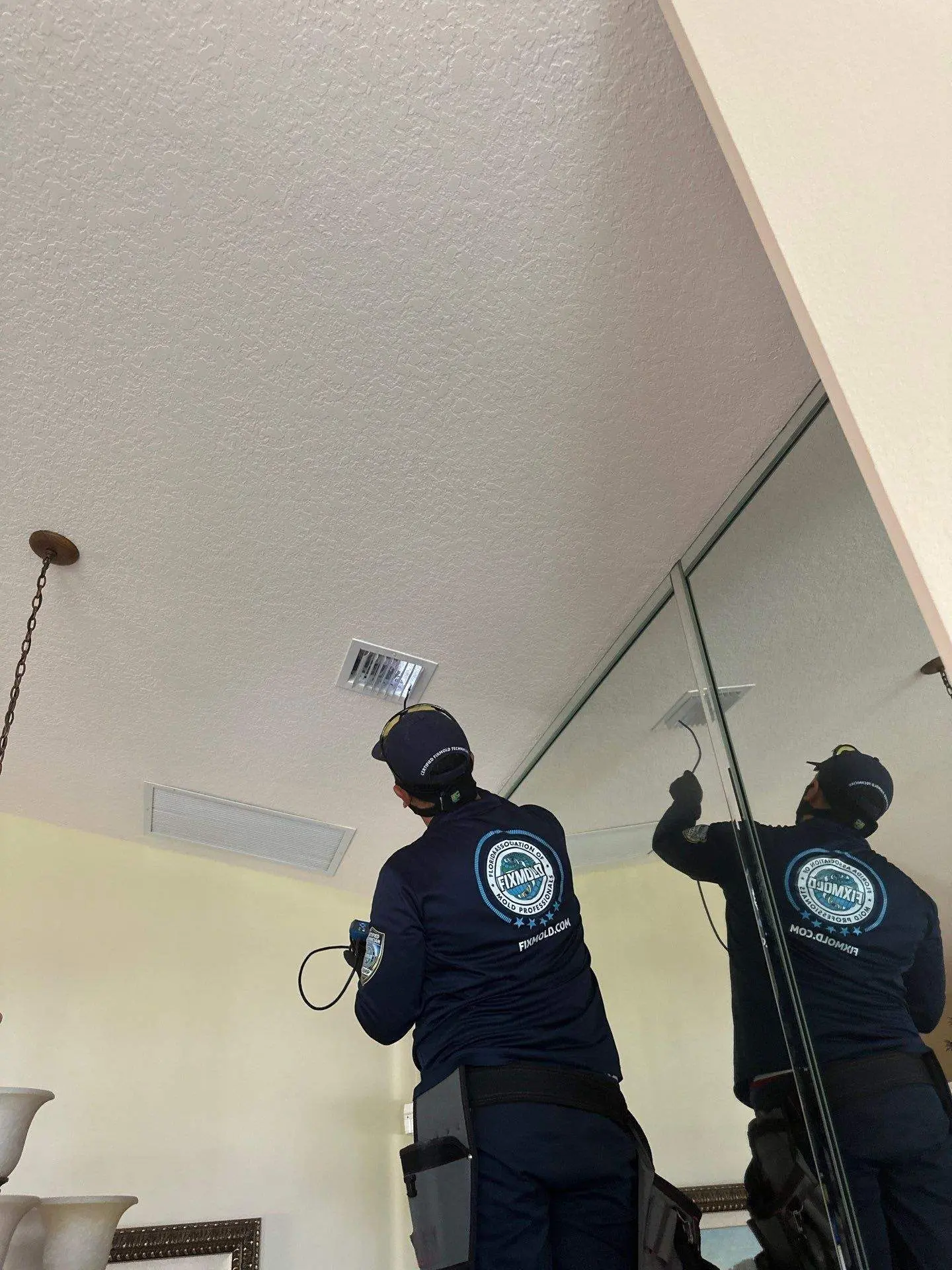
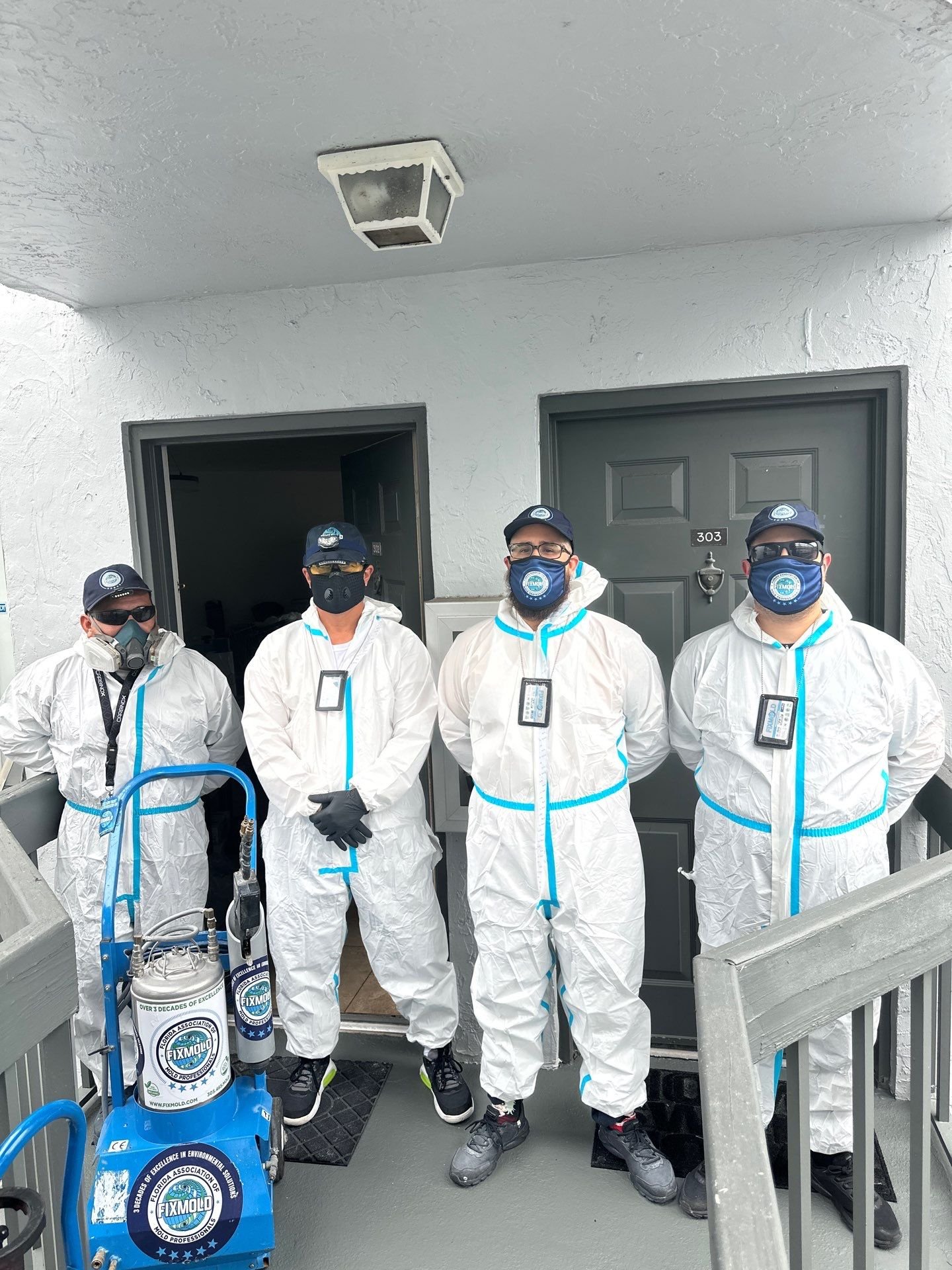
An indoor environmental inspection typically involves evaluating the property for signs of hidden moisture, humidity imbalance, HVAC condensation, water intrusion, airflow problems, and indoor air quality concerns.
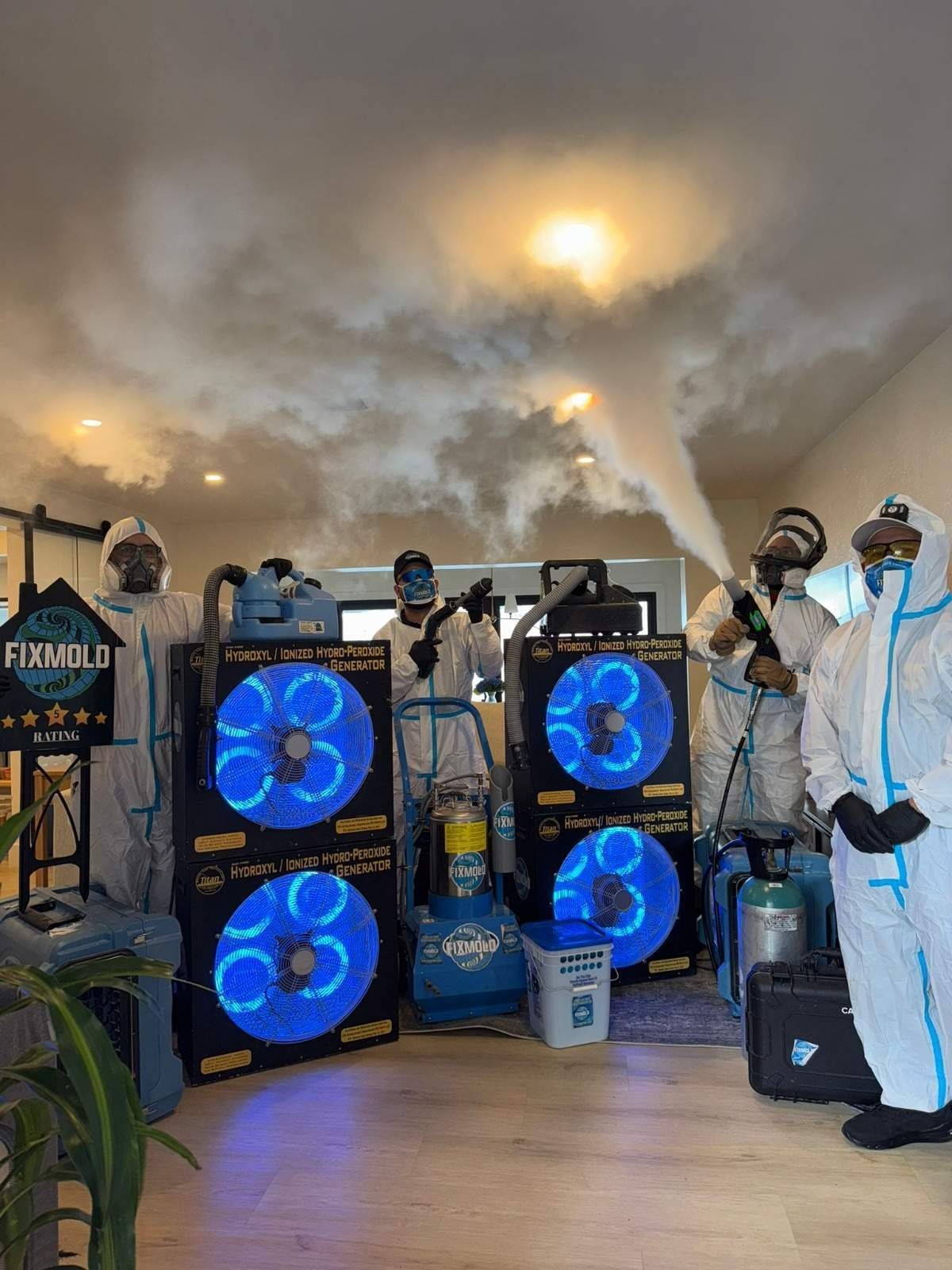
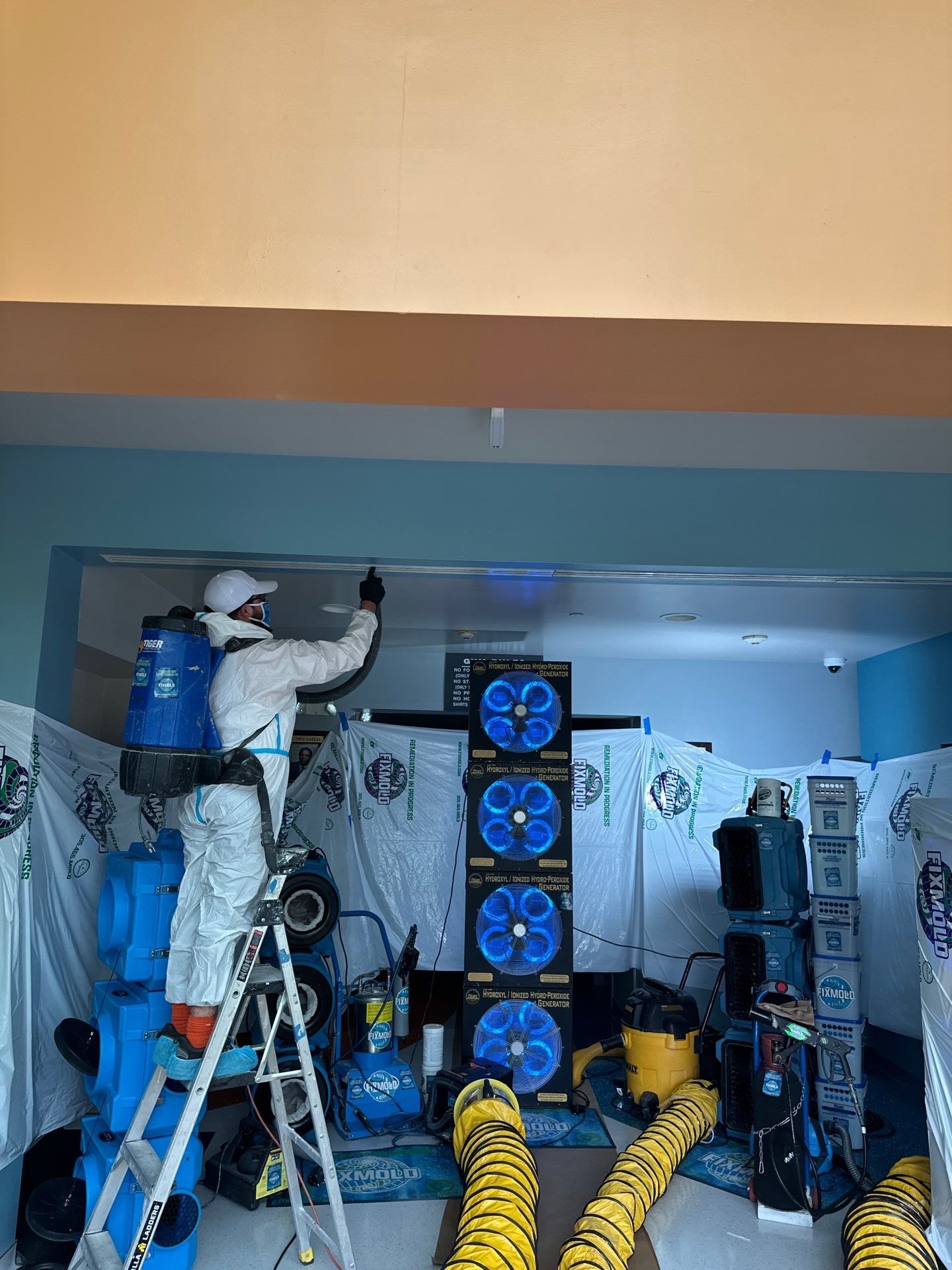
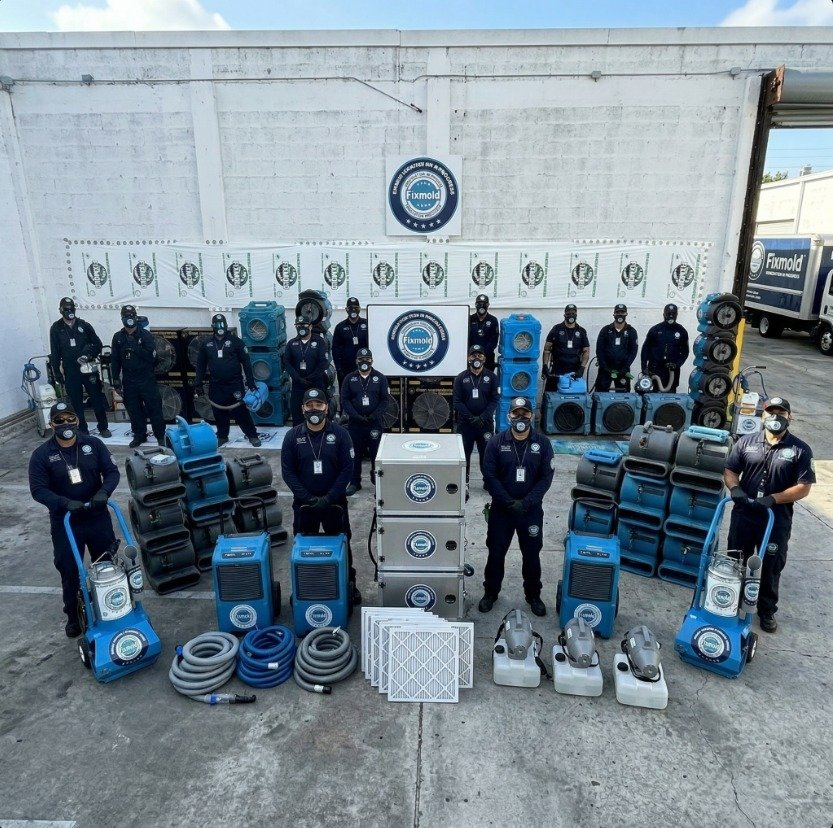
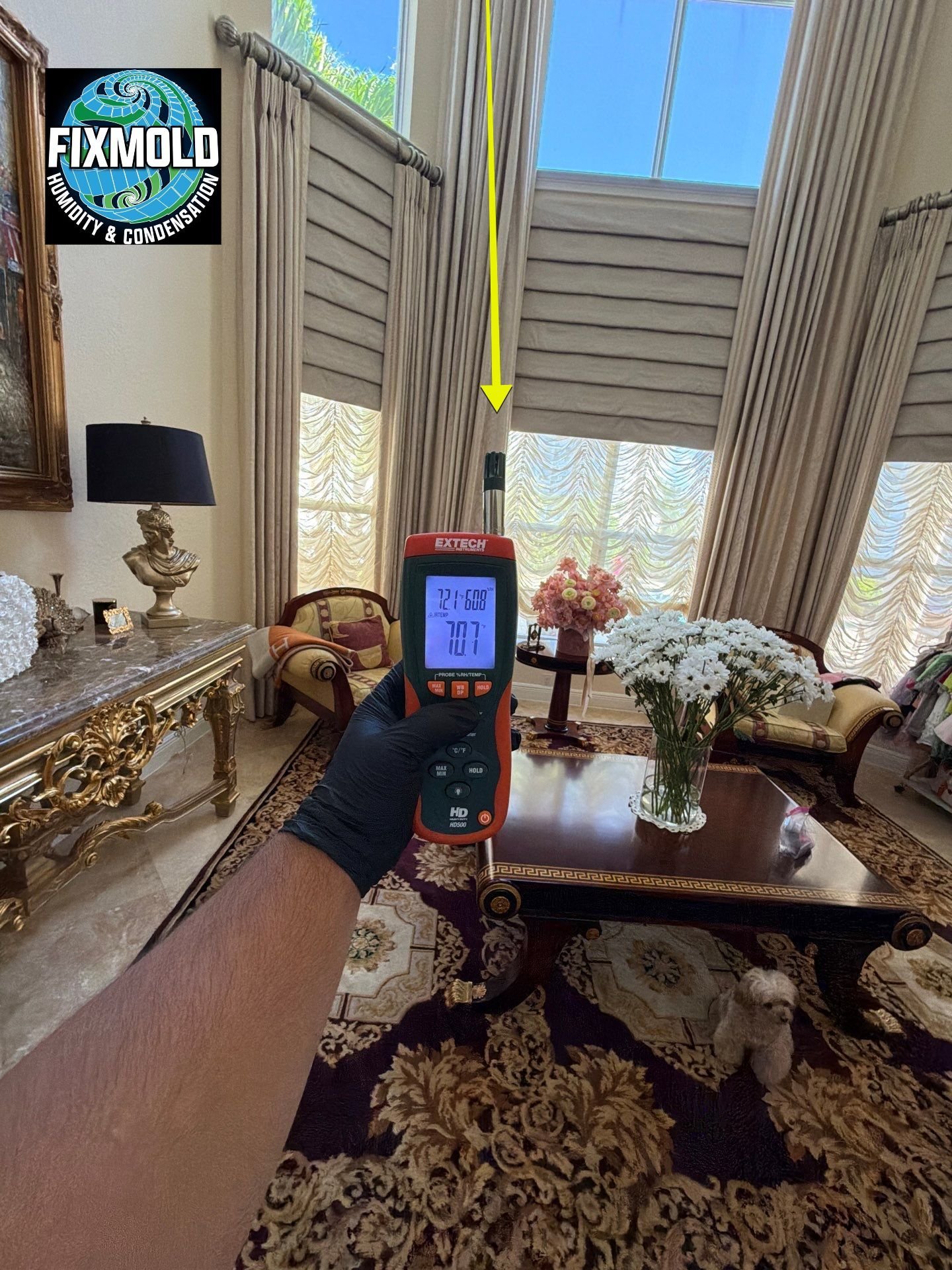
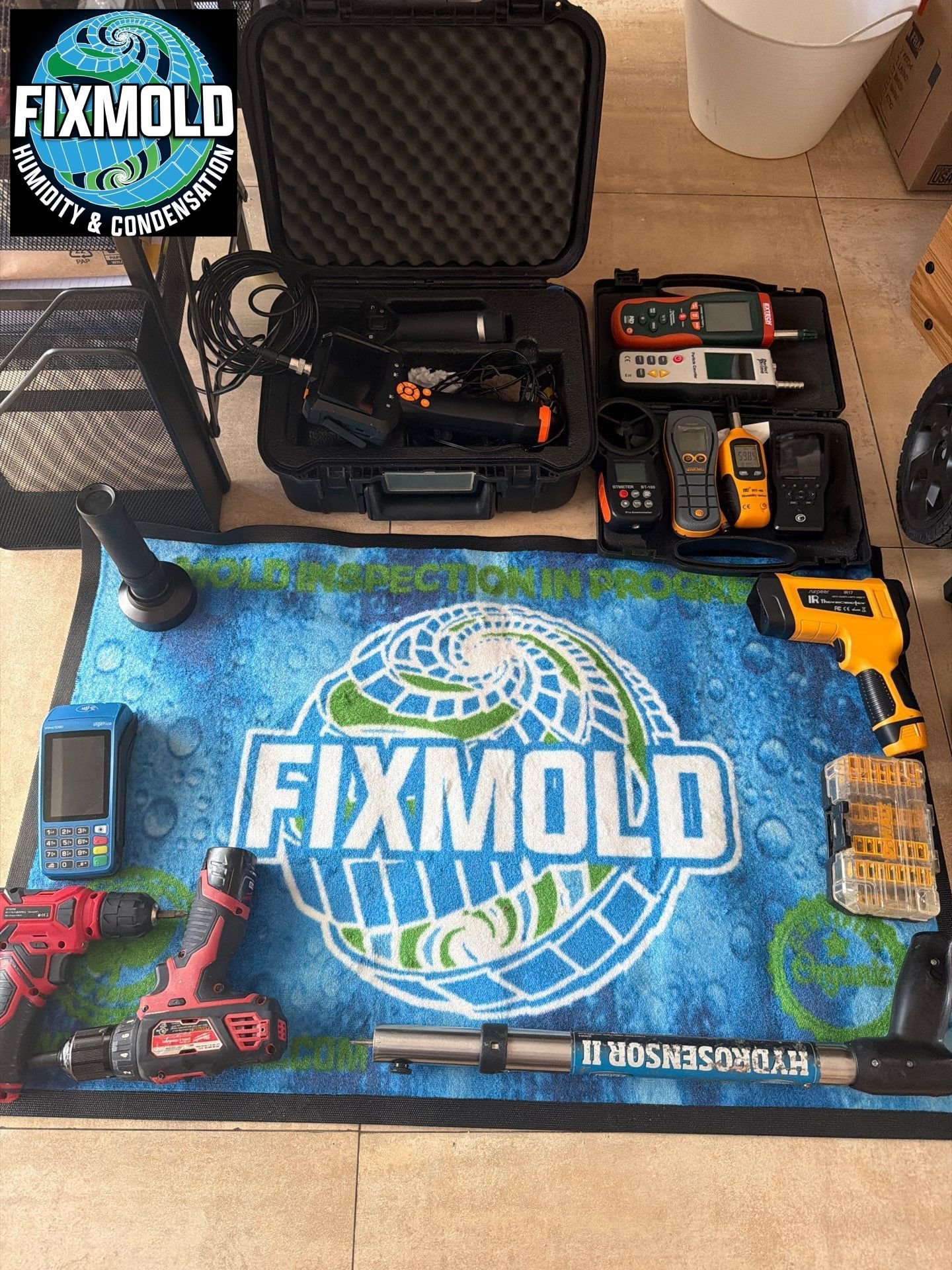
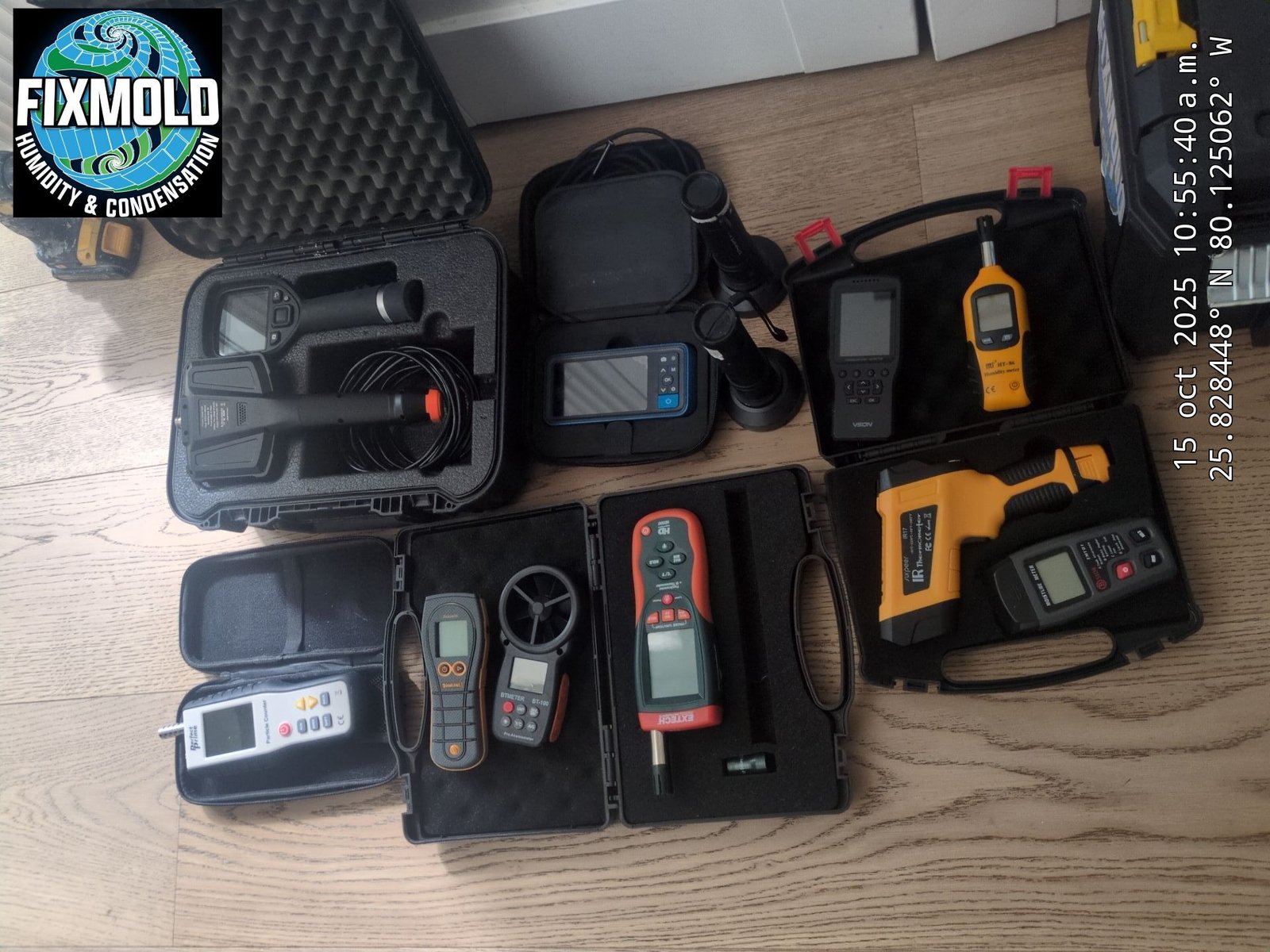
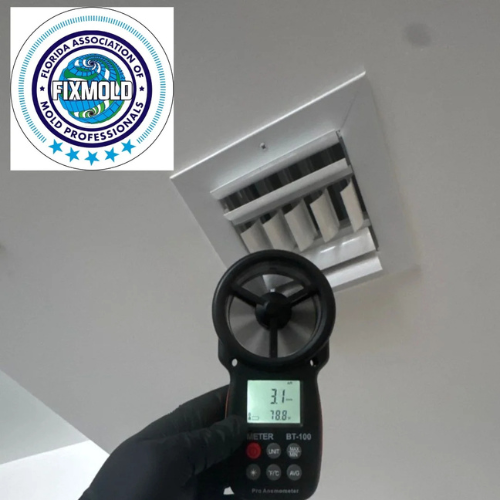
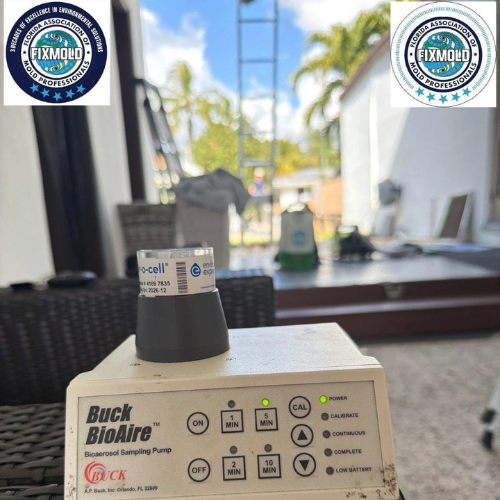
Inspectors may use thermal imaging cameras, moisture meters, humidity analysis tools, airborne particle monitoring, and visual assessment methods to help identify concealed environmental conditions inside the building.
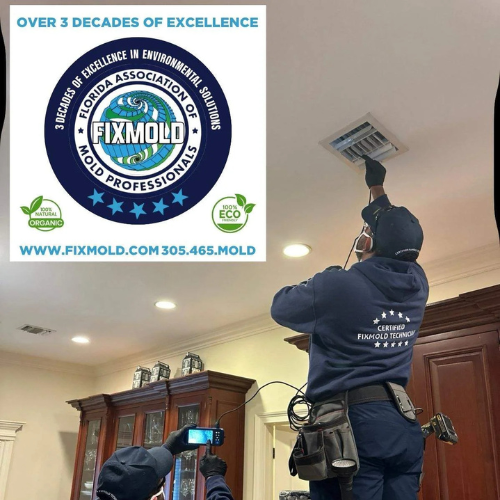
Attics, crawlspaces, HVAC systems, ceilings, wall cavities, flooring systems, and ventilation pathways are commonly evaluated because hidden moisture frequently develops in these areas throughout South Florida properties.
The goal is to understand how moisture and indoor environmental conditions may be affecting the overall air quality and stability of the building.