View Our Reviews Accross All Platforms Here
Mold is extremely common in Miami rental properties because South Florida’s climate creates constant humidity and moisture exposure throughout the year. Air conditioning systems run continuously, storms and heavy rainfall are frequent, and buildings are regularly exposed to coastal moisture and condensation.
Even small leaks or ventilation problems may allow hidden dampness to remain trapped inside walls, ceilings, insulation systems, or HVAC components long enough for microbial growth to develop.
Many rental properties also experience moisture migration between neighboring units, especially in condos and apartment buildings where plumbing systems and wall cavities are shared.
The humid climate allows environmental moisture problems to persist much longer than in drier regions.
Yes. Musty odors are often one of the earliest signs of hidden moisture or mold activity inside a property. In many Miami homes and apartments, contamination develops behind walls, inside HVAC systems, under flooring, or within insulation long before visible mold appears.
Tenants may notice stale air, recurring humidity, condensation around vents, or odor changes before any visible staining becomes obvious.
Because South Florida humidity supports hidden moisture accumulation, environmental problems frequently remain concealed for extended periods inside structural cavities.
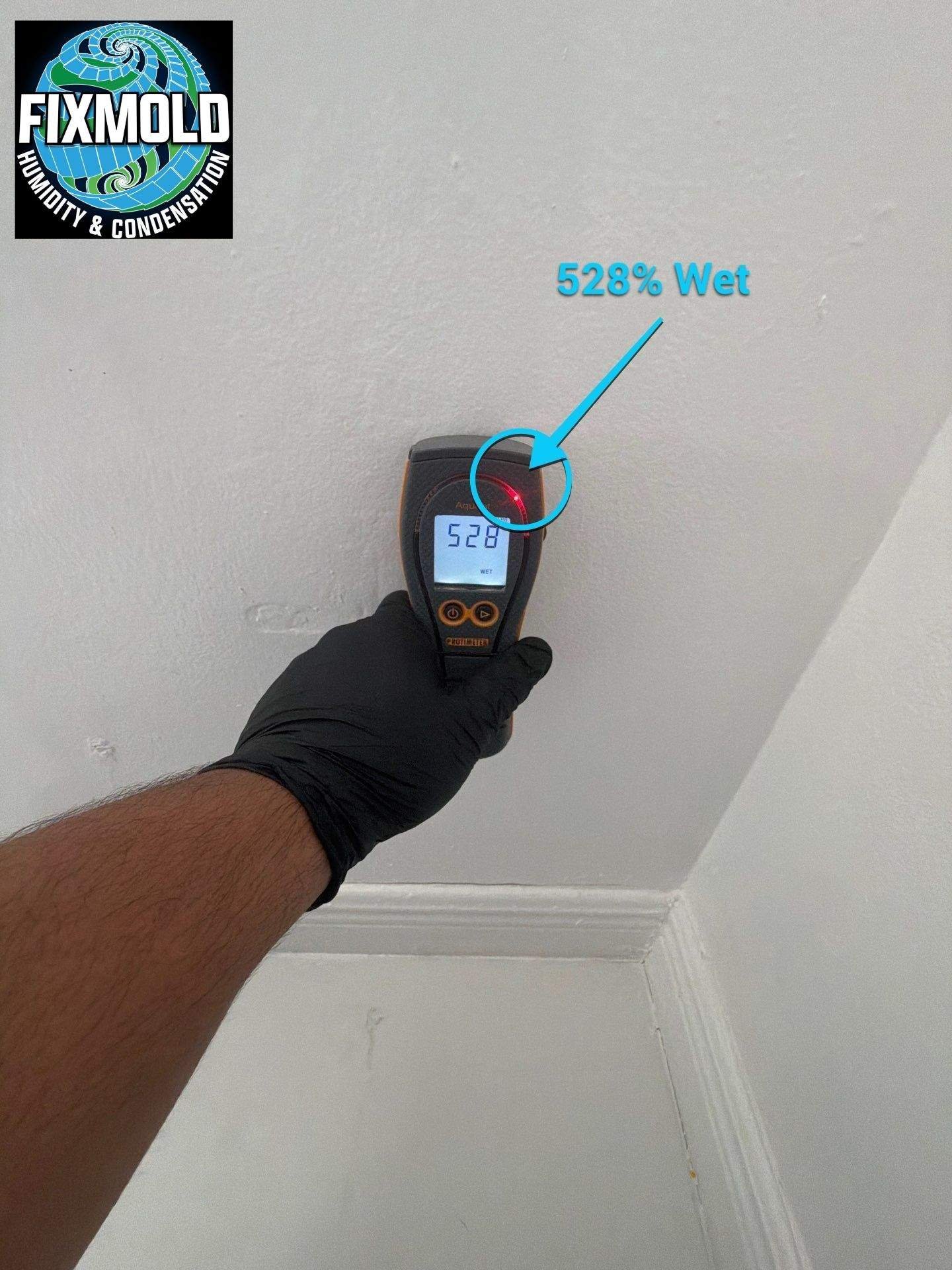
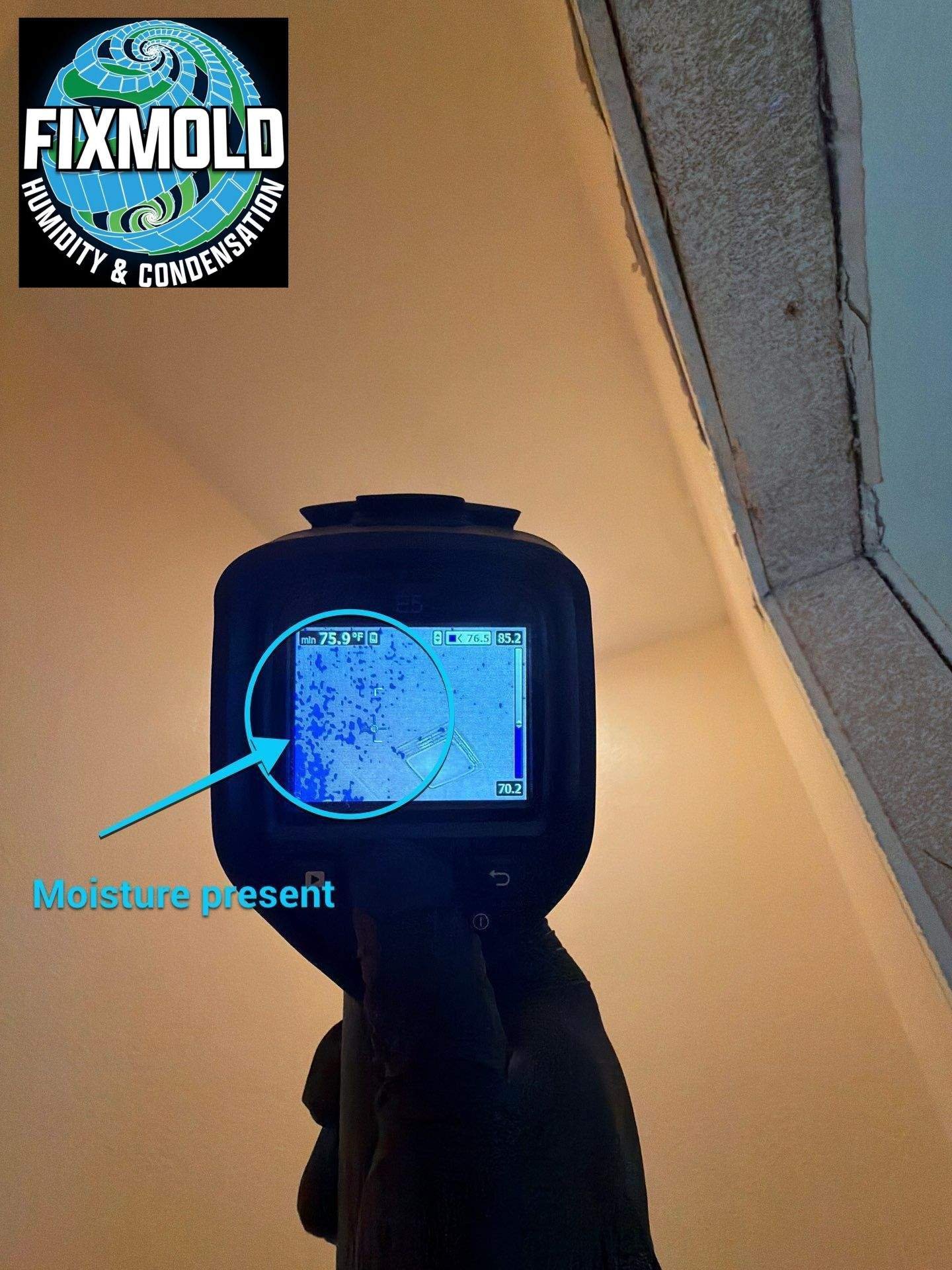
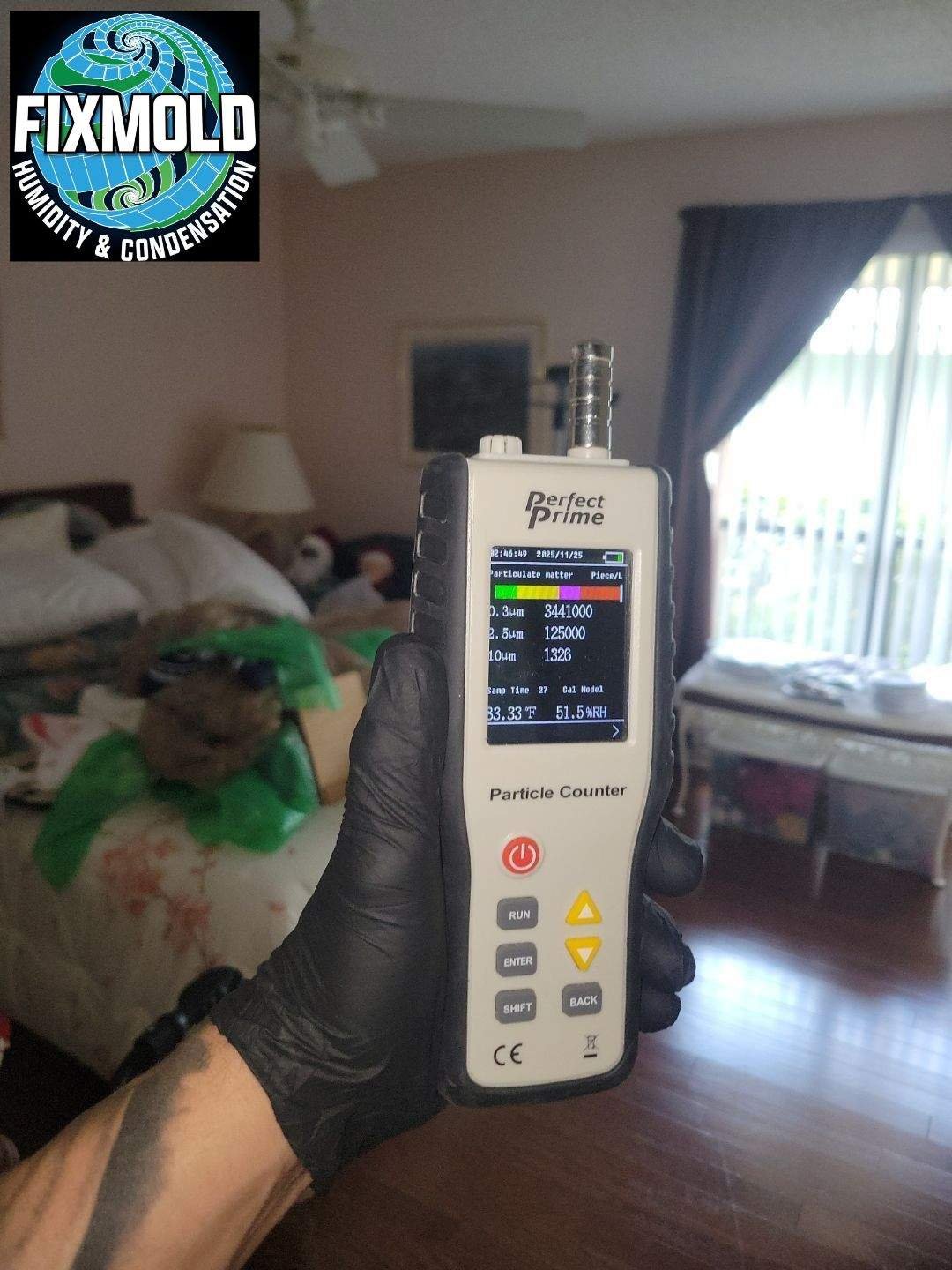
Moisture detection, thermal imaging, and indoor air quality testing are commonly used to help identify hidden conditions affecting the property.
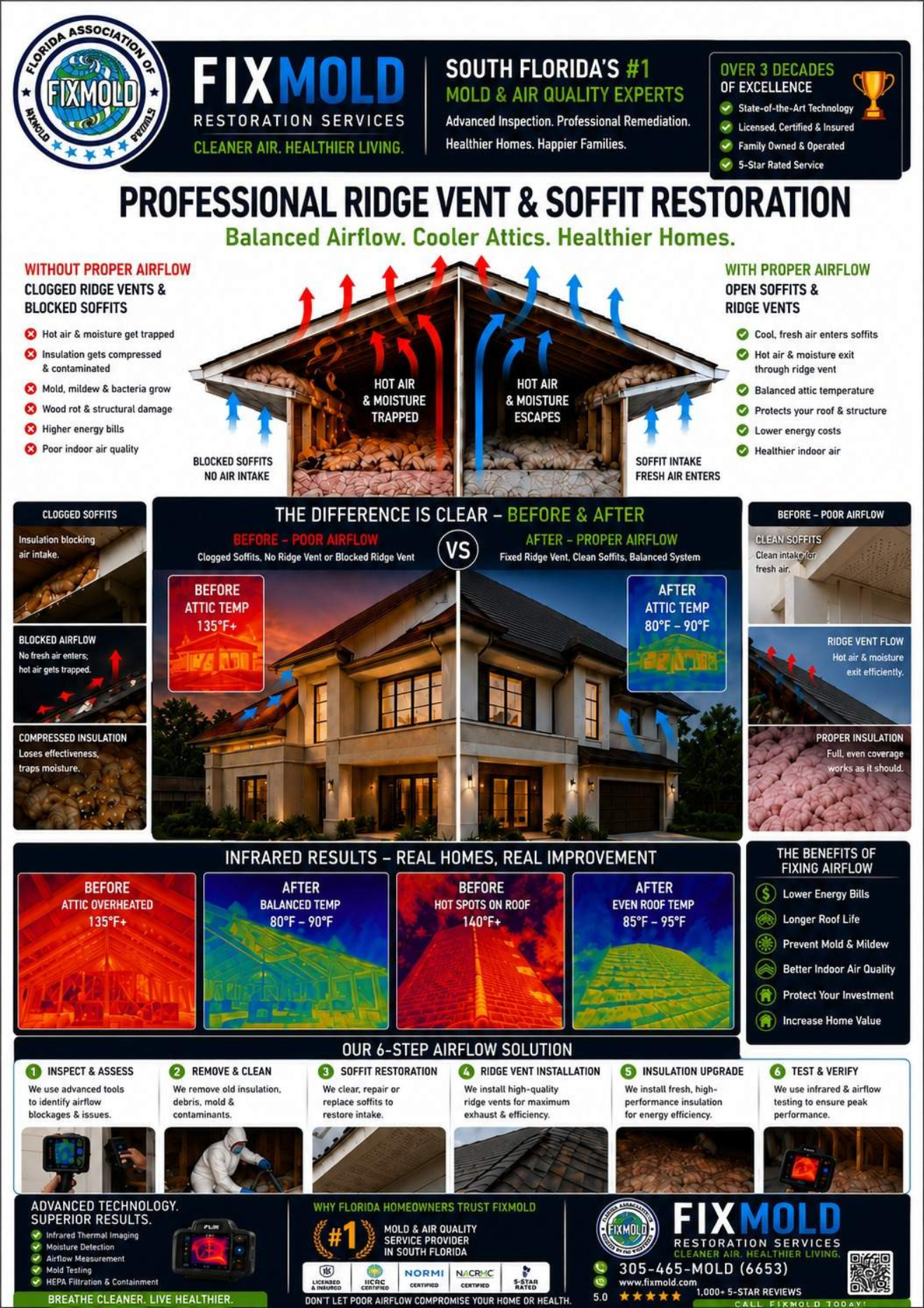
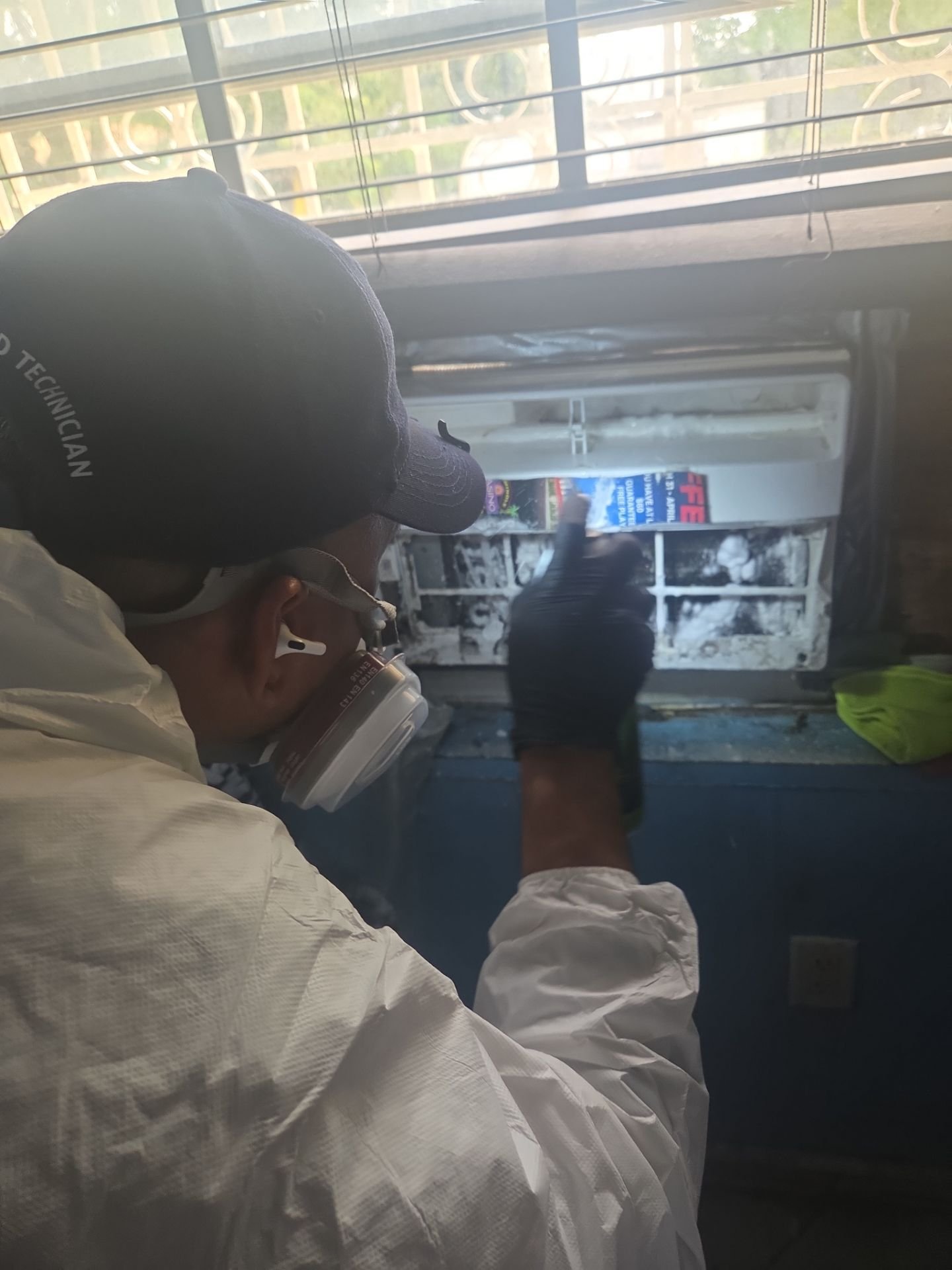
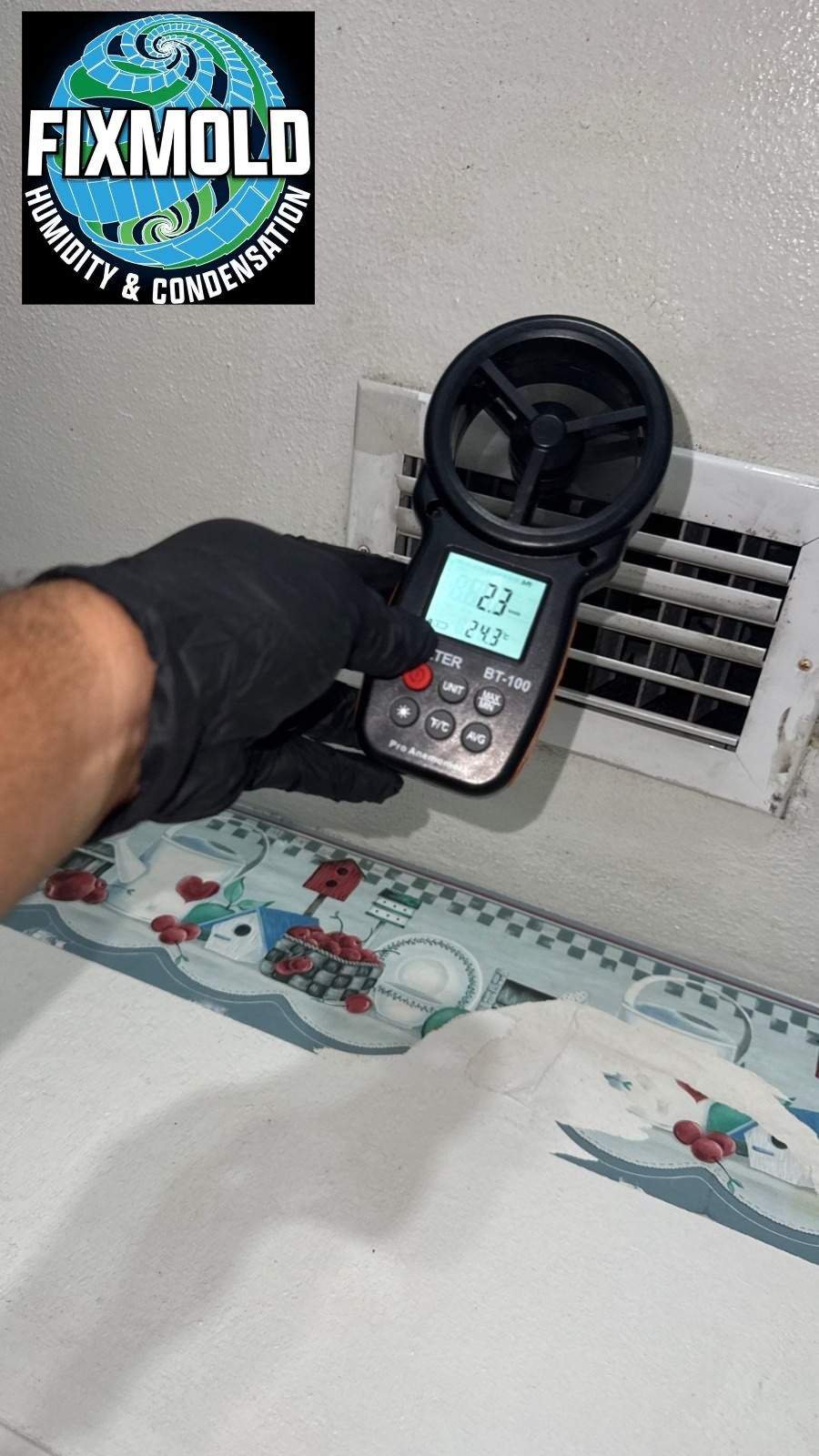
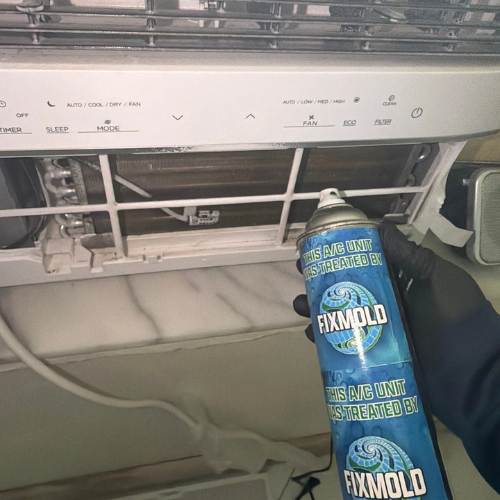
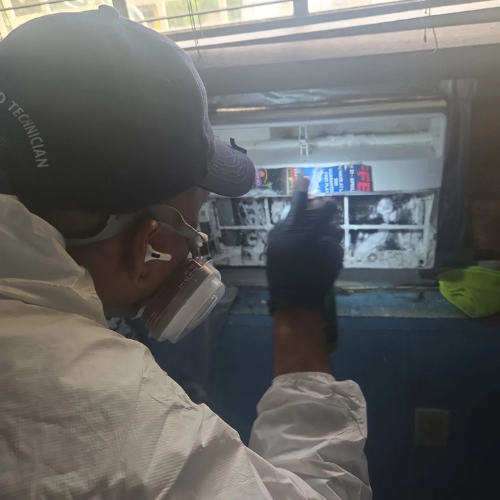
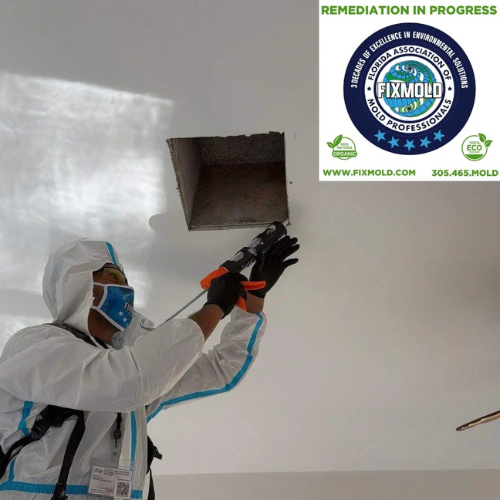
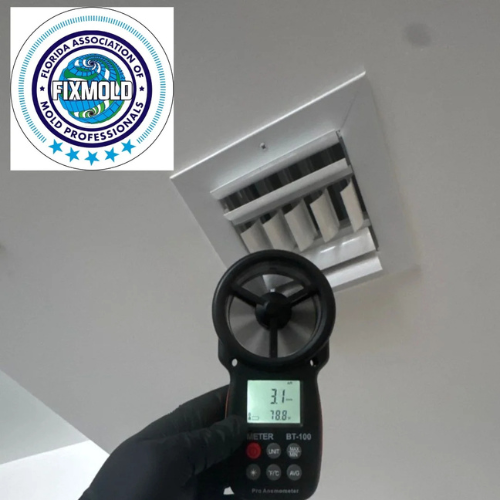
HVAC systems strongly influence indoor humidity and airflow throughout rental properties. In Miami’s climate, air conditioning systems create condensation constantly during operation, and hidden moisture may develop inside ducts, vents, insulation, and air handlers if drainage or airflow becomes compromised.
If contamination develops inside the HVAC system, airborne particles may circulate throughout the entire property whenever the AC operates.
Many tenants first notice musty odors, stale air, or recurring humidity problems near vents before visible mold appears elsewhere in the unit.
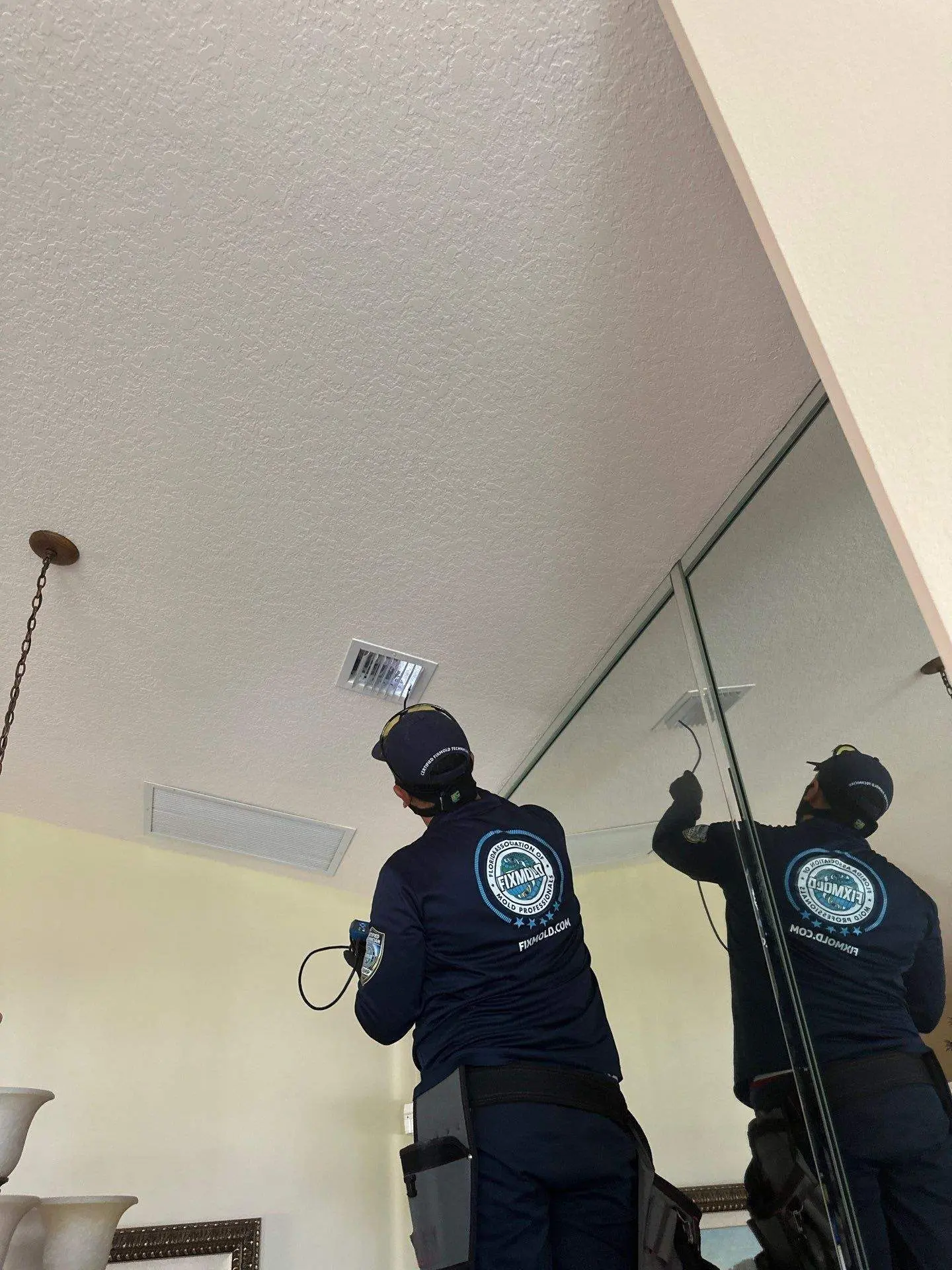
HVAC evaluation is often an important part of environmental inspections because ventilation systems commonly contribute to hidden moisture conditions in South Florida buildings.
Mold usually returns because the underlying moisture source remains unresolved. Surface cleaning may temporarily remove visible growth, but if humidity imbalance, roof leaks, HVAC condensation, plumbing leaks, or hidden water intrusion continue affecting the structure, contamination may redevelop over time.
In South Florida, high humidity slows the drying process and allows dampness to remain trapped inside wall cavities, insulation systems, ceilings, and flooring materials much longer than in dry climates.
Recurring mold often indicates that environmental conditions inside the property are still unstable.
Long-term correction typically depends on resolving the moisture problem itself rather than repeatedly cleaning surface symptoms.
A mold inspection typically involves evaluating the property for signs of hidden moisture, humidity imbalance, water intrusion, HVAC condensation, and indoor environmental contamination.
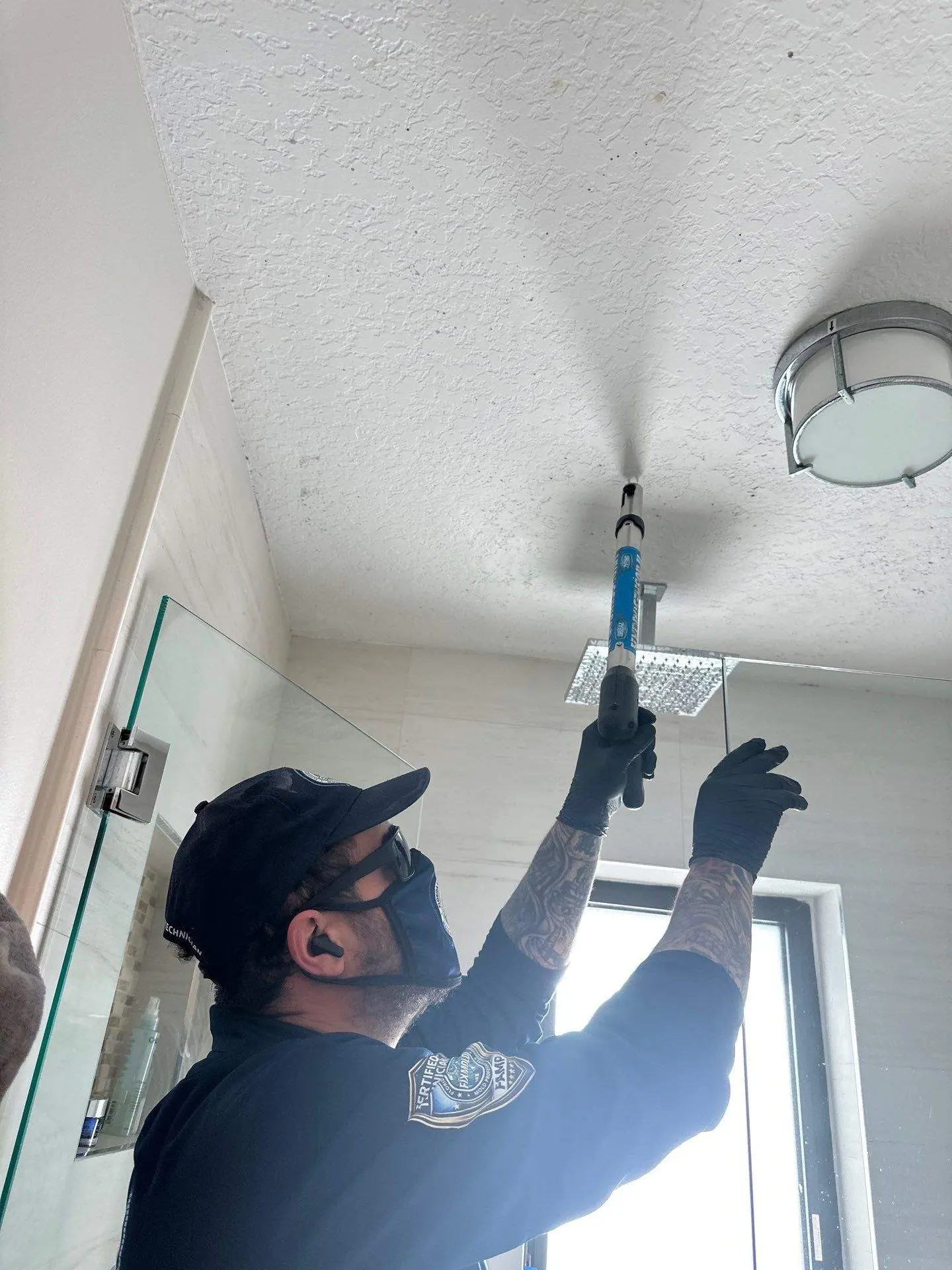
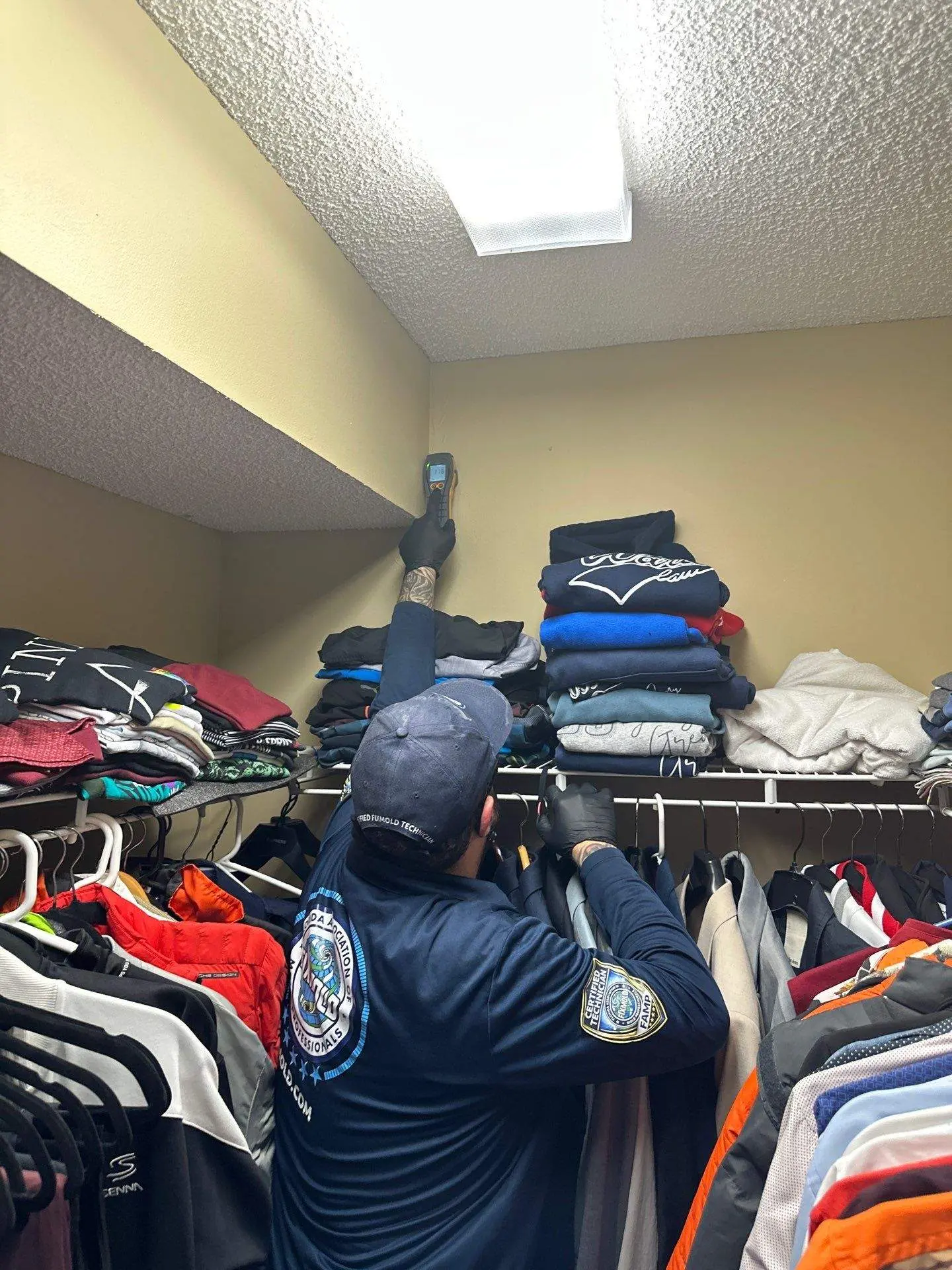
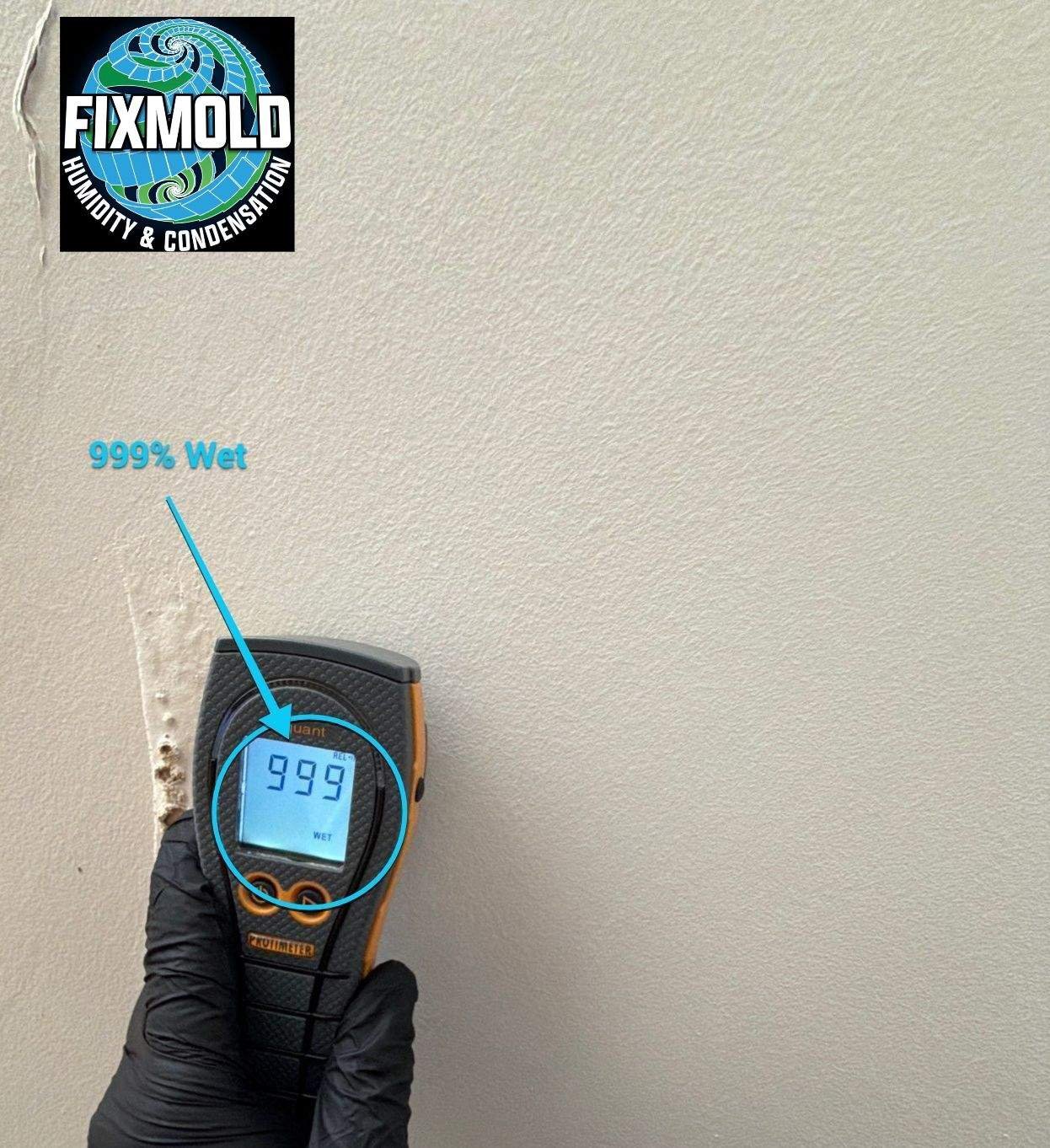
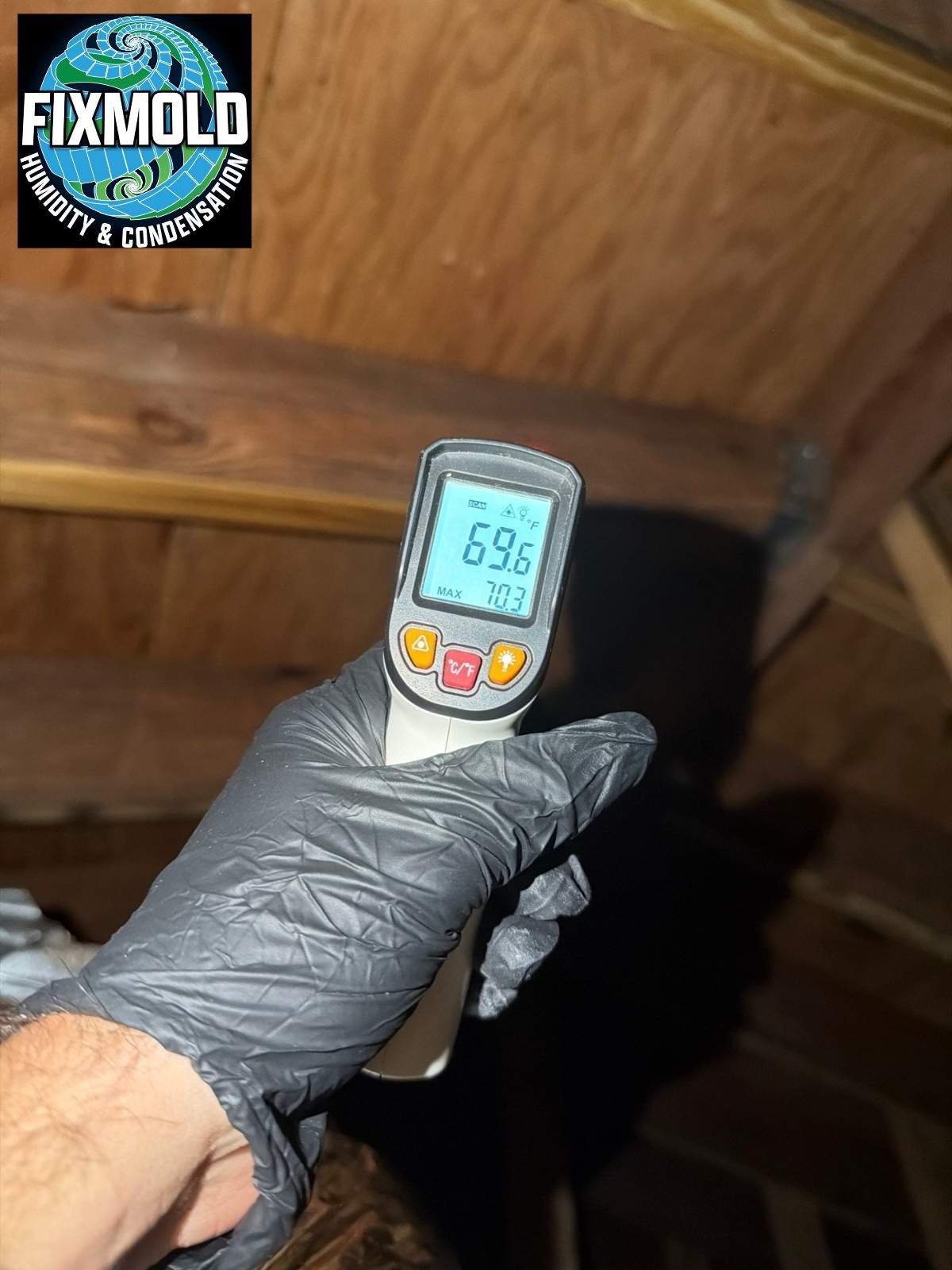
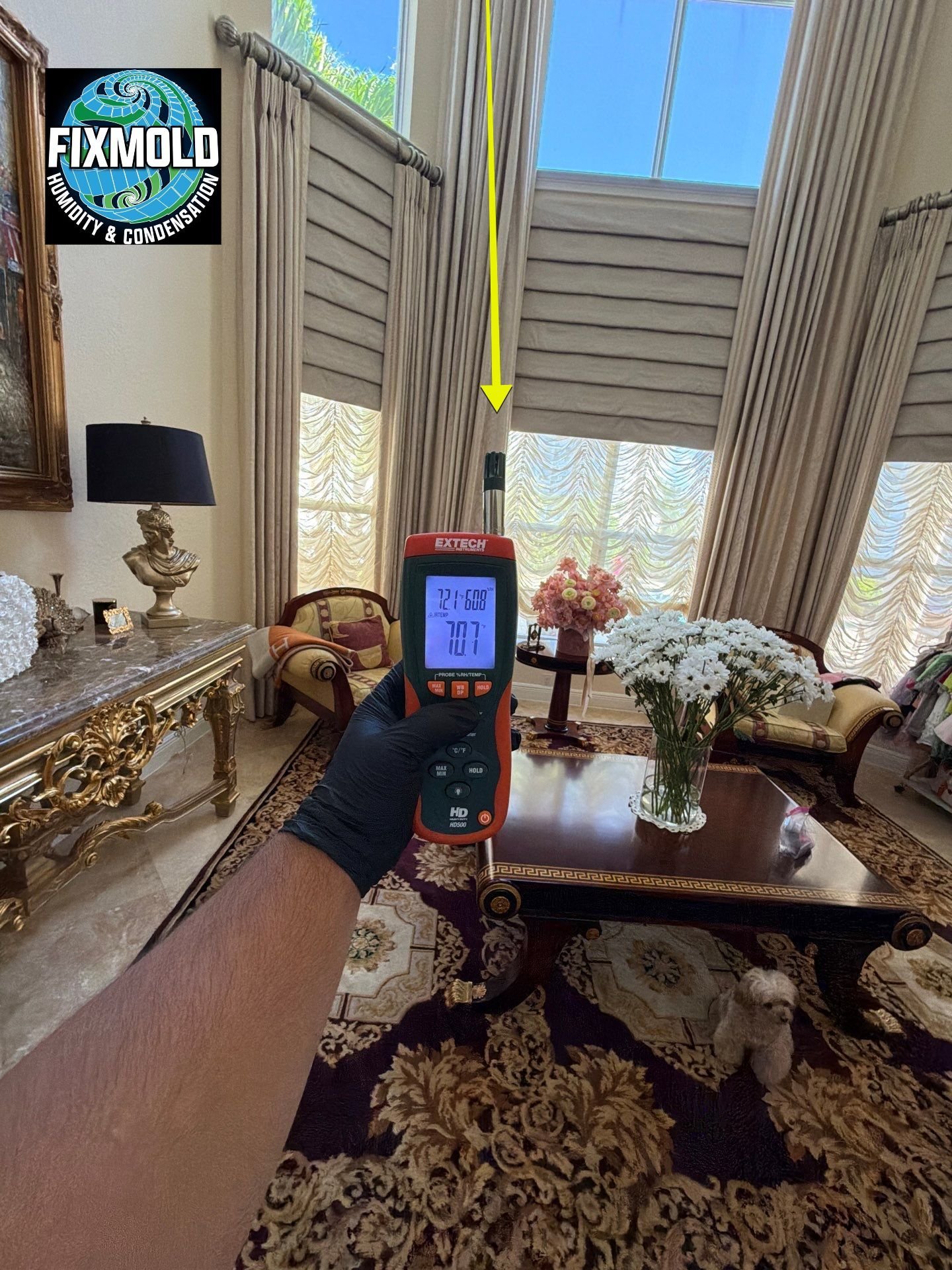
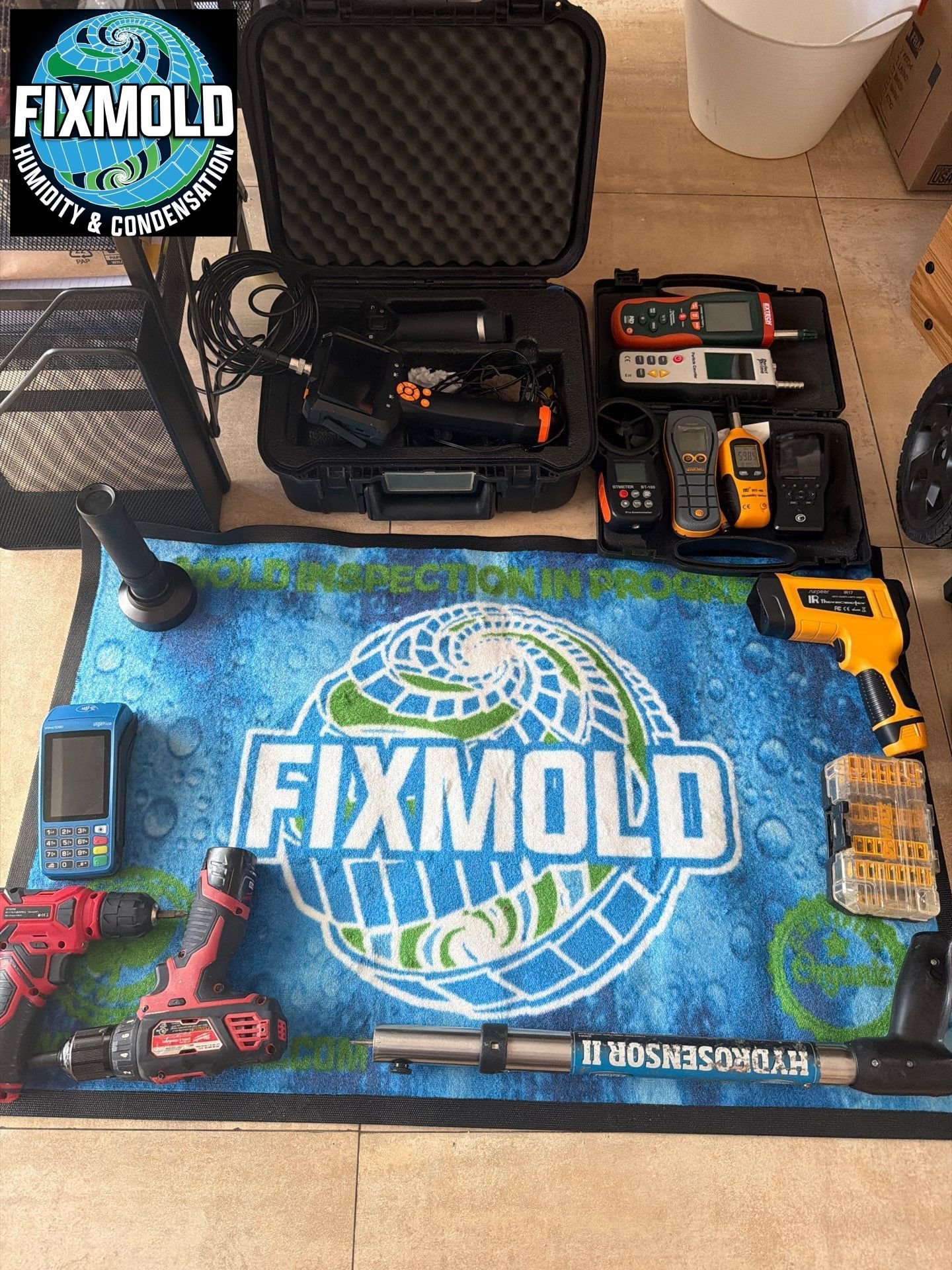
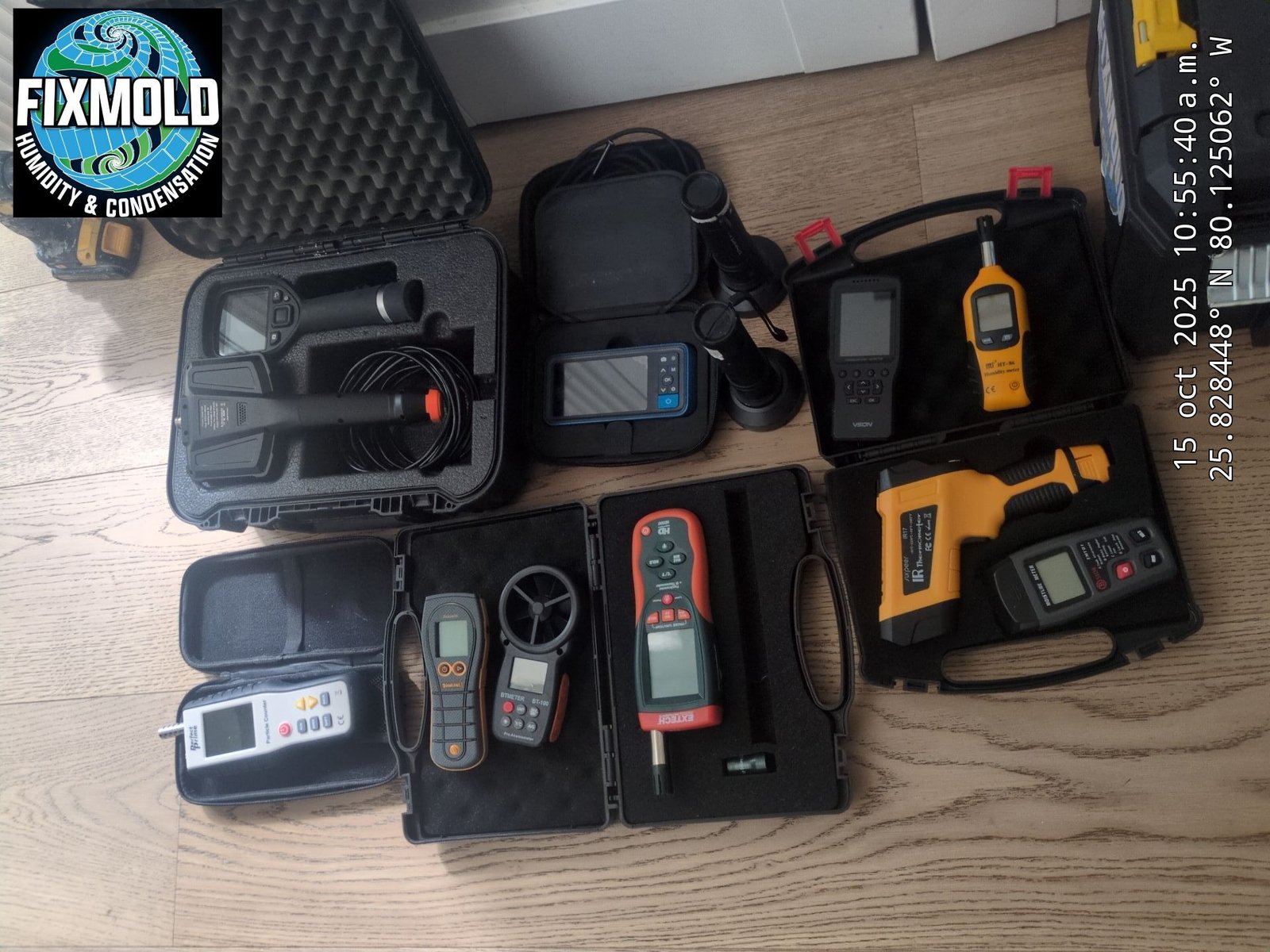
Inspectors may use moisture meters, thermal imaging cameras, humidity analysis tools, and visual assessment methods to identify concealed dampness inside walls, ceilings, flooring systems, attics, crawlspaces, and ventilation systems.
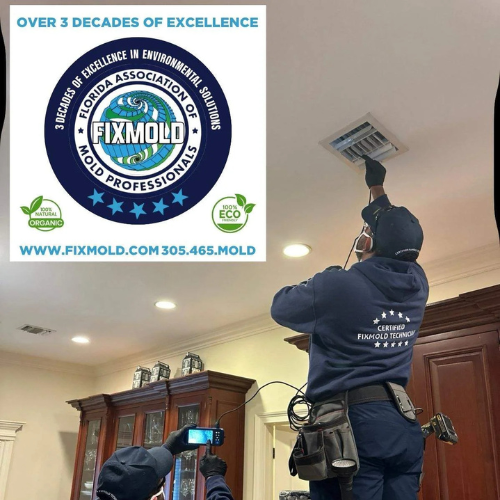
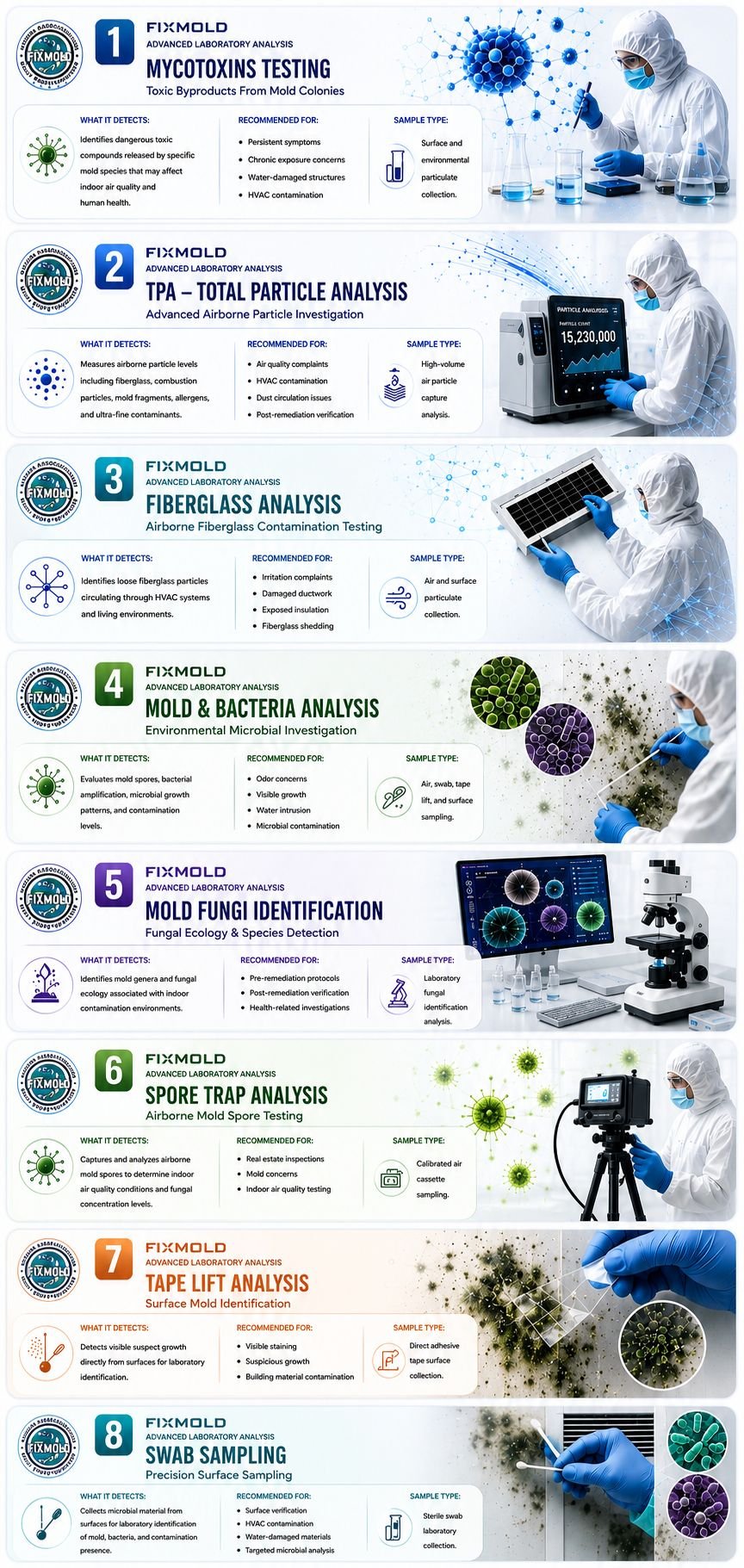
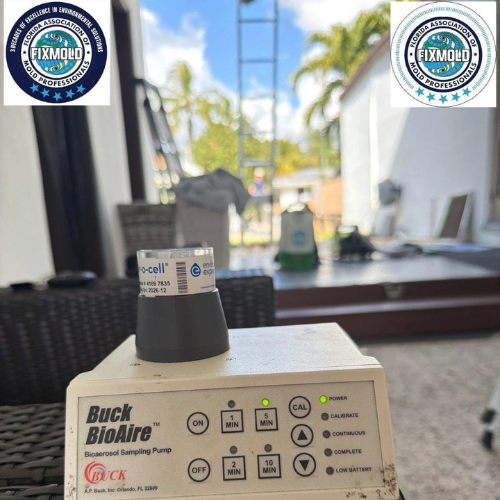
Indoor air quality testing or surface sampling may also be recommended if airborne contamination or hidden microbial activity is suspected.
The goal is to determine what environmental conditions are affecting the property and whether active moisture sources are still contributing to indoor contamination or recurring mold growth.