View Our Reviews Accross All PlatformsΒ Here
Landlords often schedule mold inspections when tenants report musty odors, humidity issues, visible staining, water damage, indoor air quality concerns, or suspected contamination. Inspections can also be valuable during tenant turnover periods or after plumbing leaks, roof damage, flooding, and HVAC-related moisture events.
In Miamiβs humid climate, hidden moisture may remain active behind walls, ceilings, flooring systems, and HVAC components long before visible mold appears.
Early environmental evaluation helps identify moisture-related conditions before larger problems develop throughout the property.
Yes. Hidden mold is common throughout South Florida rental properties because moisture often develops inside structural cavities that are not visible during normal occupancy.
Contamination may occur behind drywall, beneath flooring materials, inside insulation systems, around plumbing components, within HVAC equipment, or inside attics and crawlspaces.
Many properties experiencing musty odors or indoor air quality concerns appear visually clean while hidden moisture continues affecting the building behind finished surfaces.
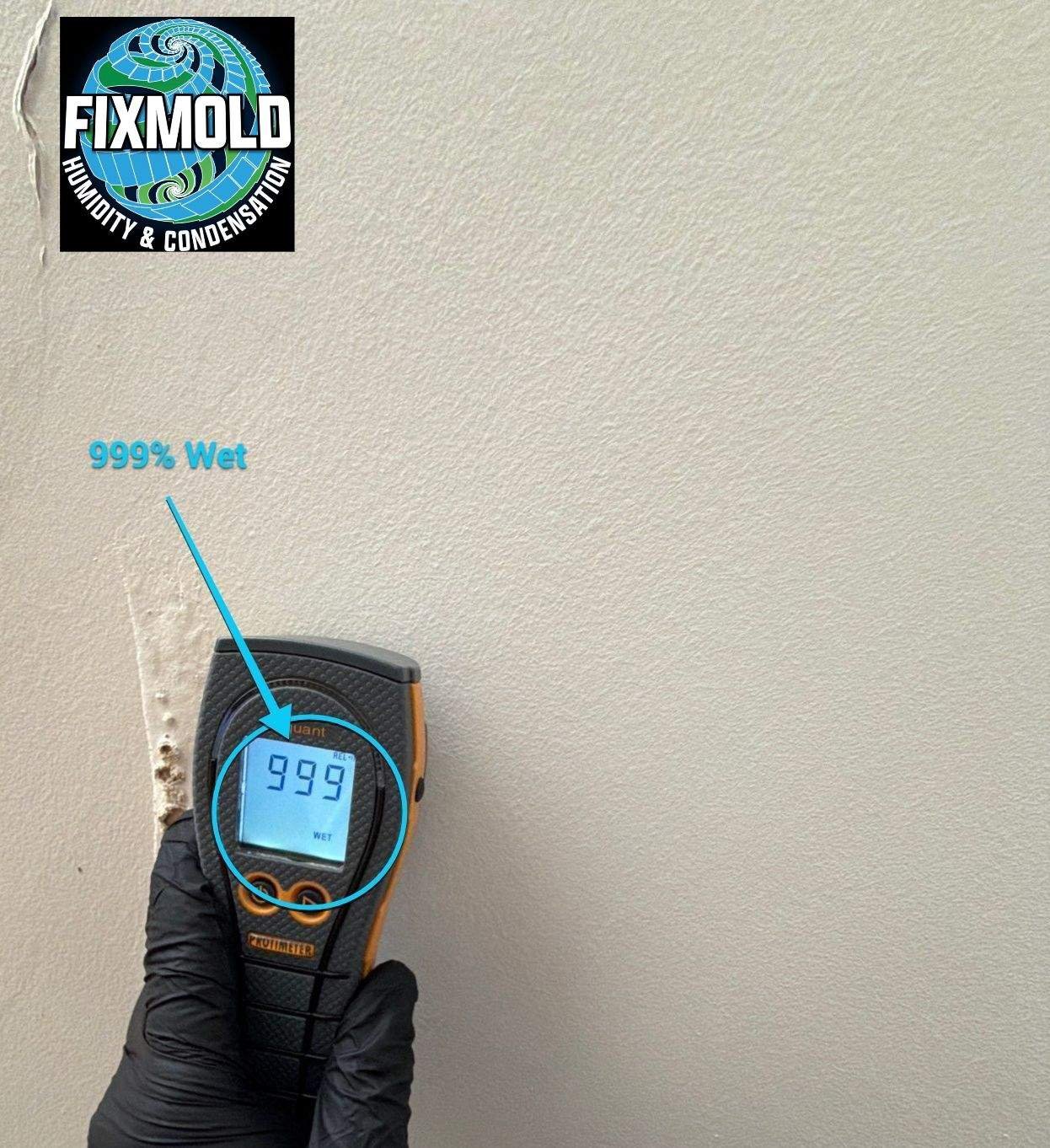
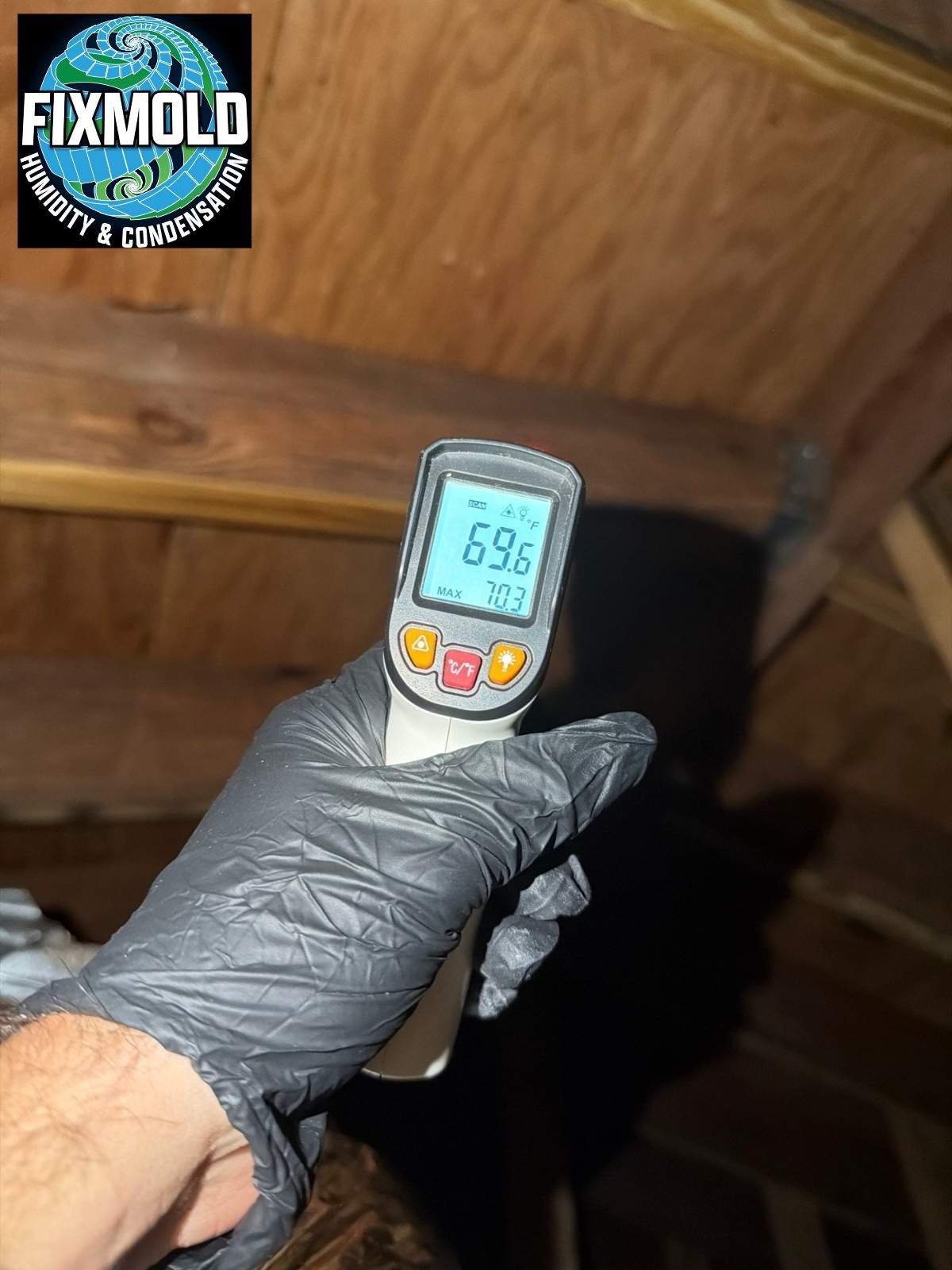
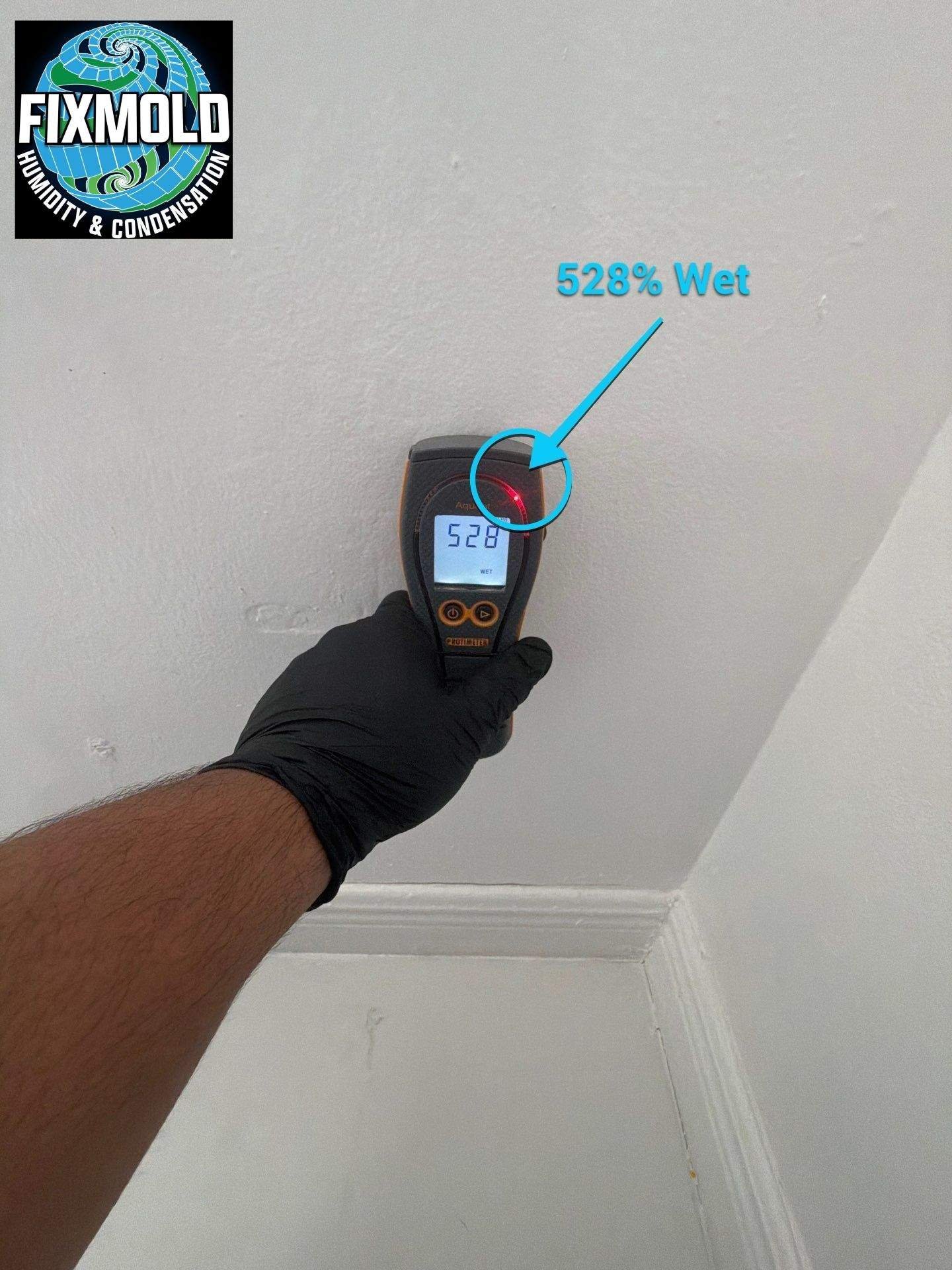
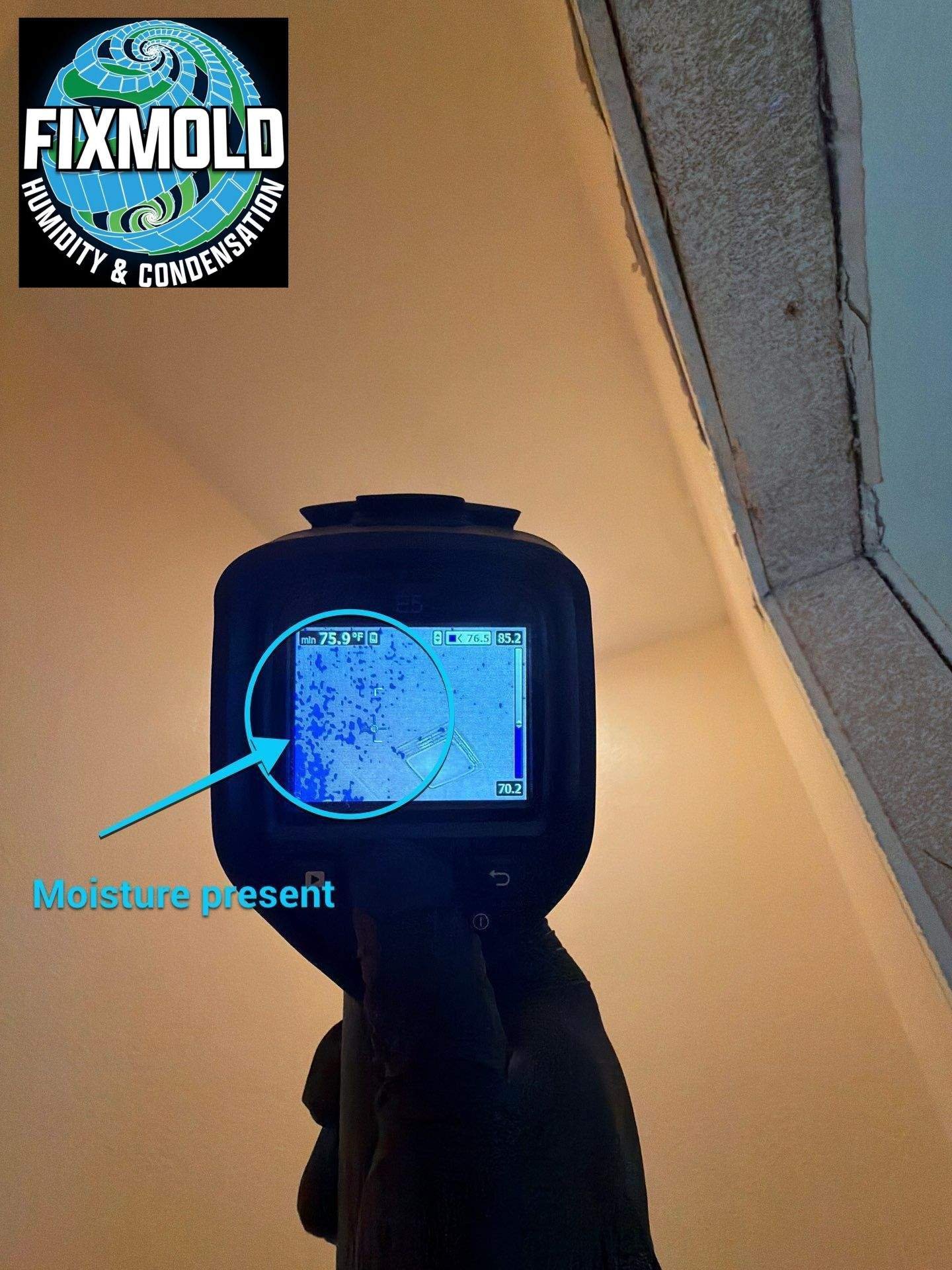
Thermal imaging and moisture detection are often used because many environmental conditions cannot be identified through visual inspection alone.
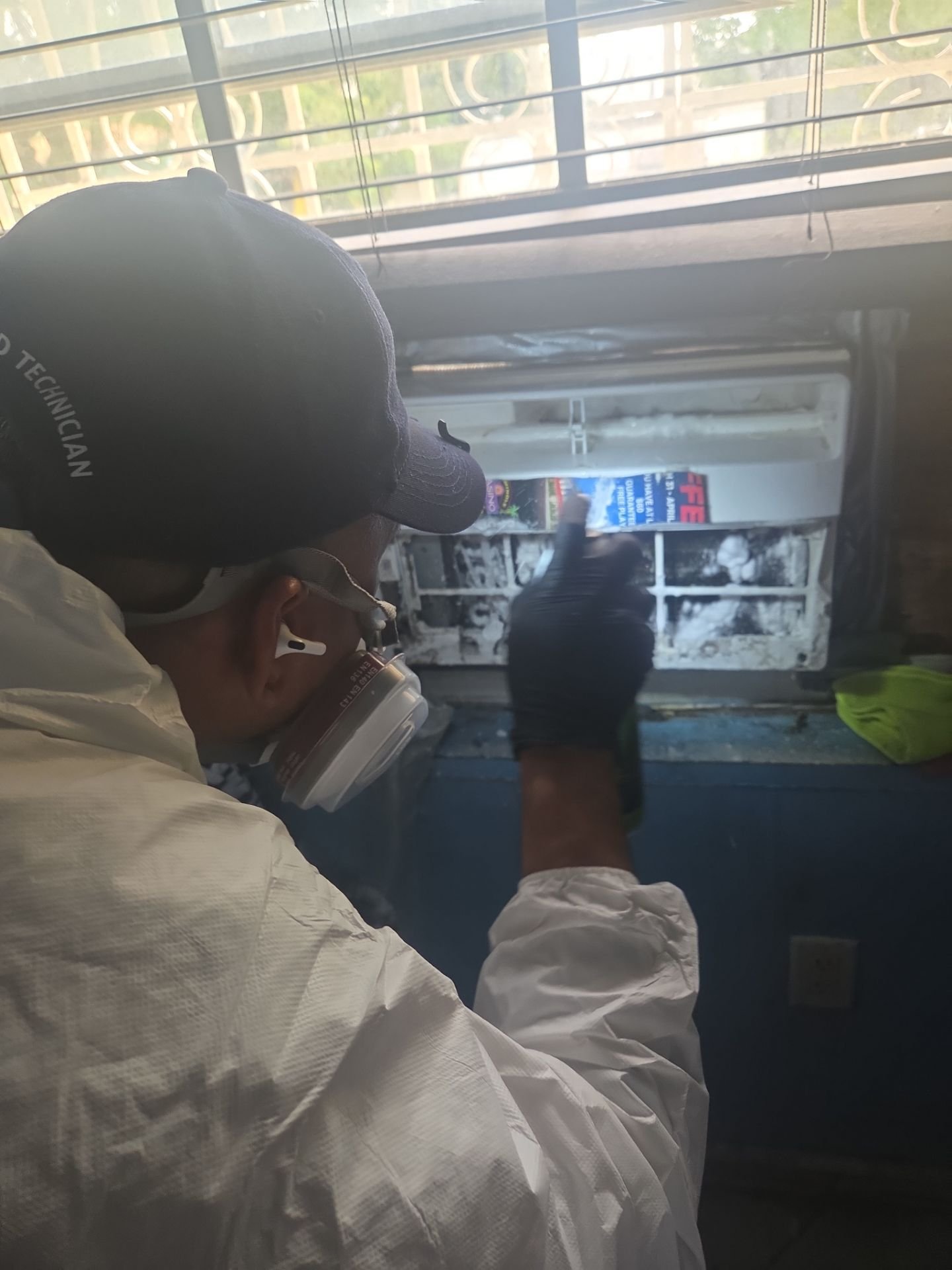
HVAC systems play a major role in controlling humidity and airflow throughout rental properties. Air conditioning systems produce condensation continuously while cooling humid South Florida air.
If drain systems clog, airflow becomes restricted, insulation absorbs moisture, or humidity remains elevated, hidden contamination may begin developing inside ducts, vents, air handlers, and surrounding materials.
Because HVAC systems circulate air throughout the property, environmental conditions inside the ventilation system may affect multiple rooms simultaneously.
Many tenant complaints involving musty odors or stale air are linked to HVAC-related moisture issues.
Recurring mold often indicates that the original moisture source remains unresolved. Surface cleaning may remove visible contamination temporarily, but hidden leaks, roof intrusion, HVAC condensation, humidity imbalance, poor ventilation, or concealed dampness may continue affecting the property.
In Miamiβs climate, moisture frequently remains trapped inside structural materials for extended periods due to high humidity and slow drying conditions.
Long-term environmental stability depends on correcting the source of moisture rather than repeatedly addressing visible symptoms alone.
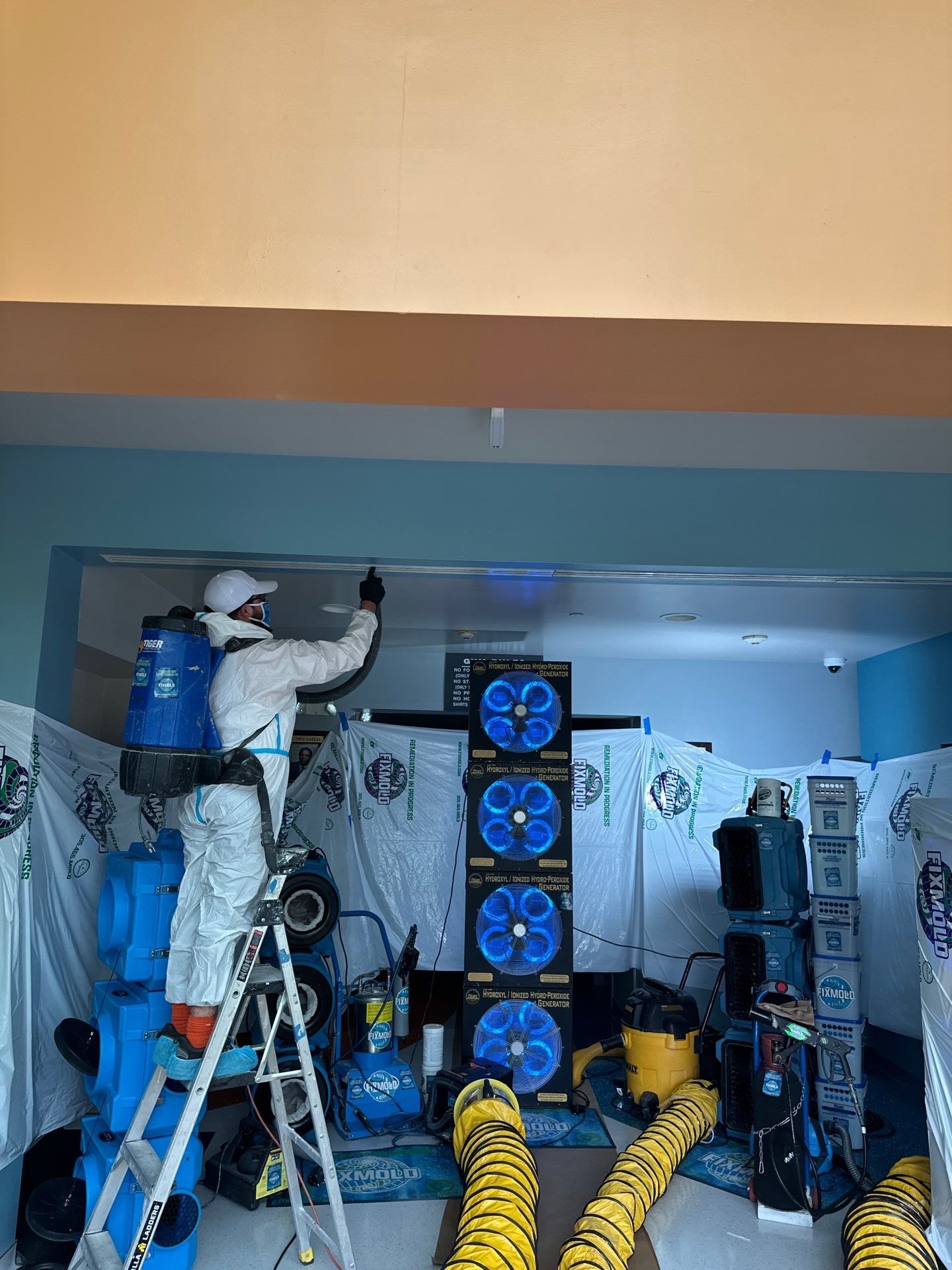
A landlord mold inspection typically involves evaluating the property for hidden moisture, water intrusion, humidity imbalance, HVAC condensation, and environmental conditions that may contribute to contamination.
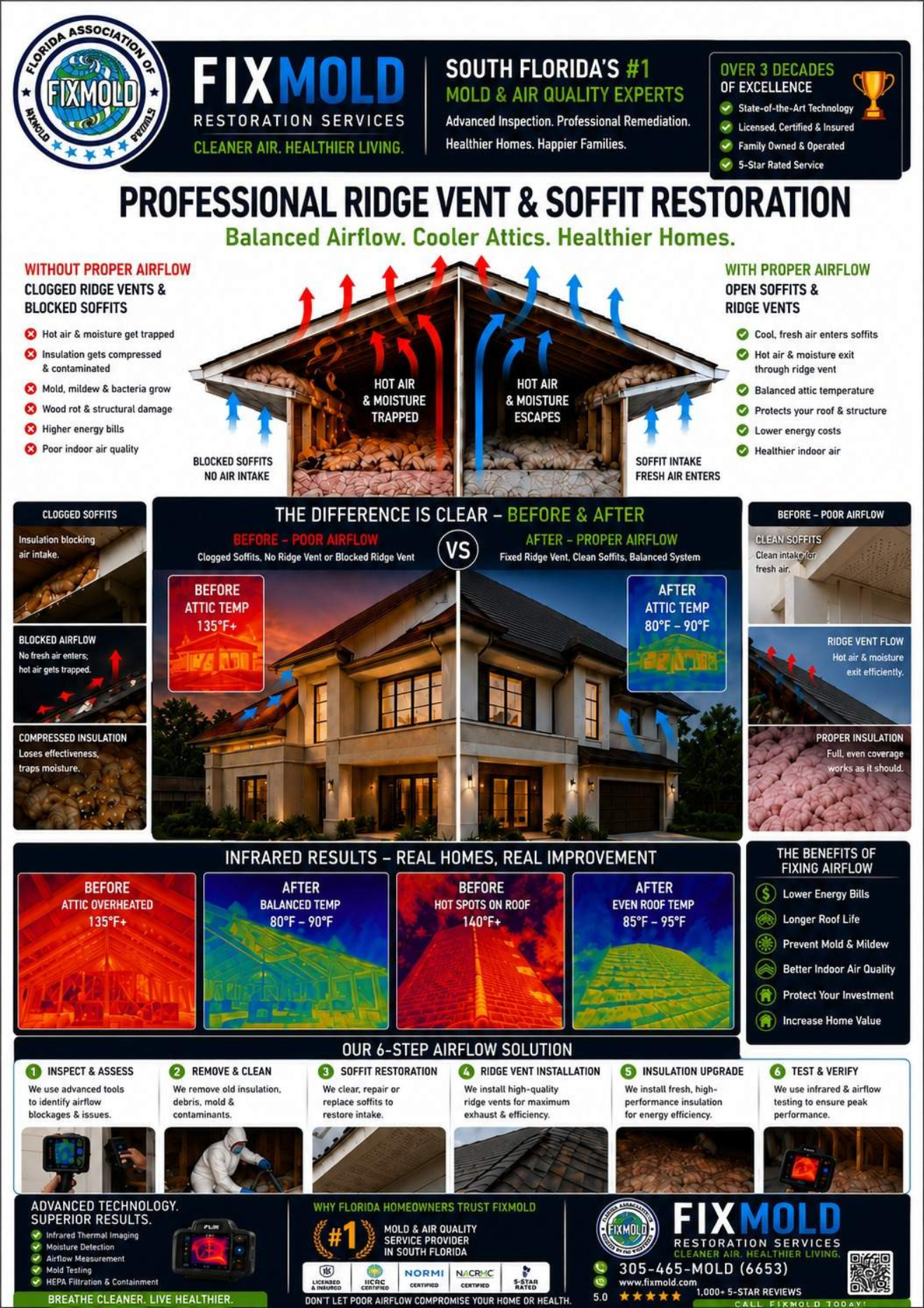
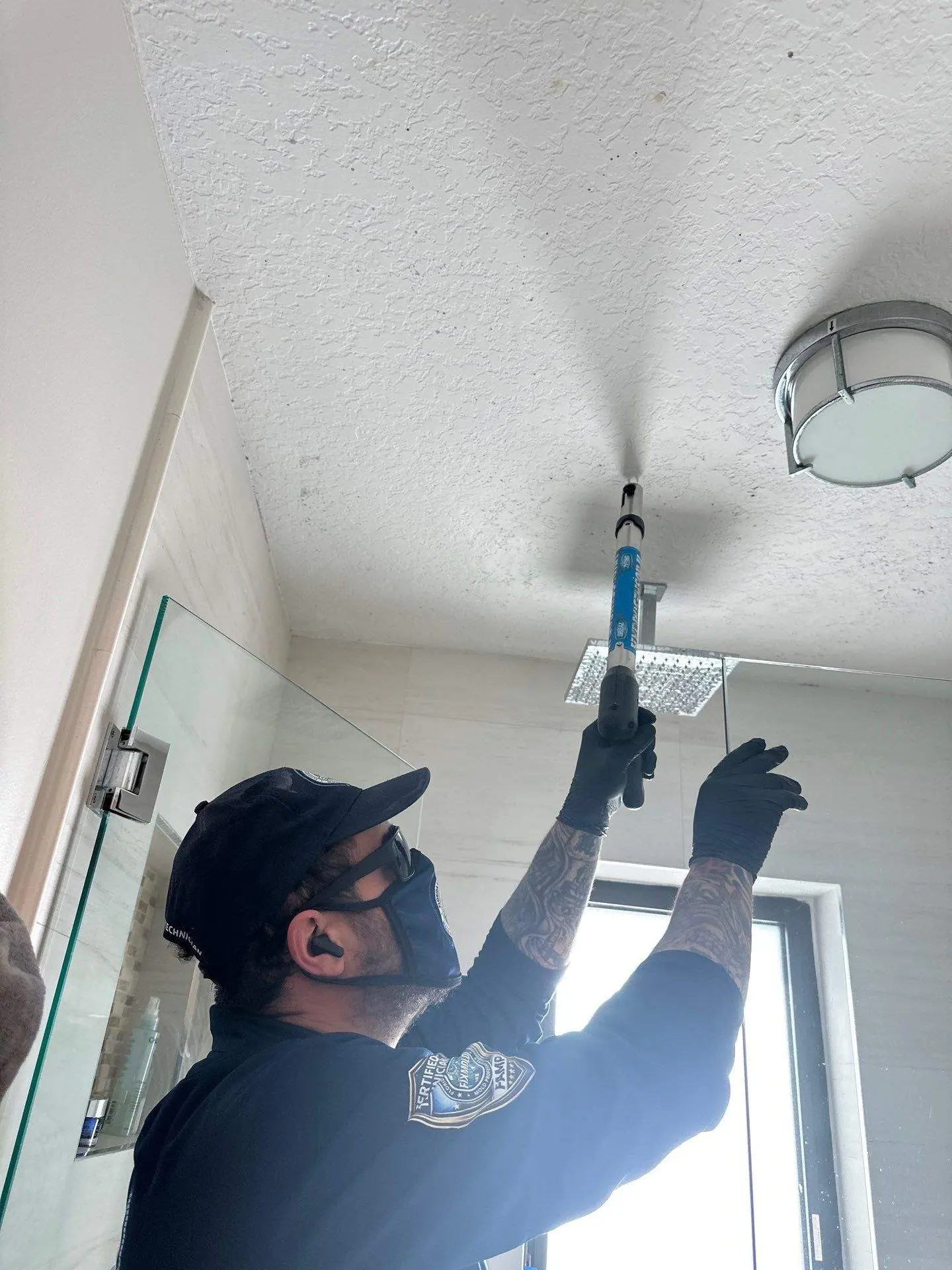
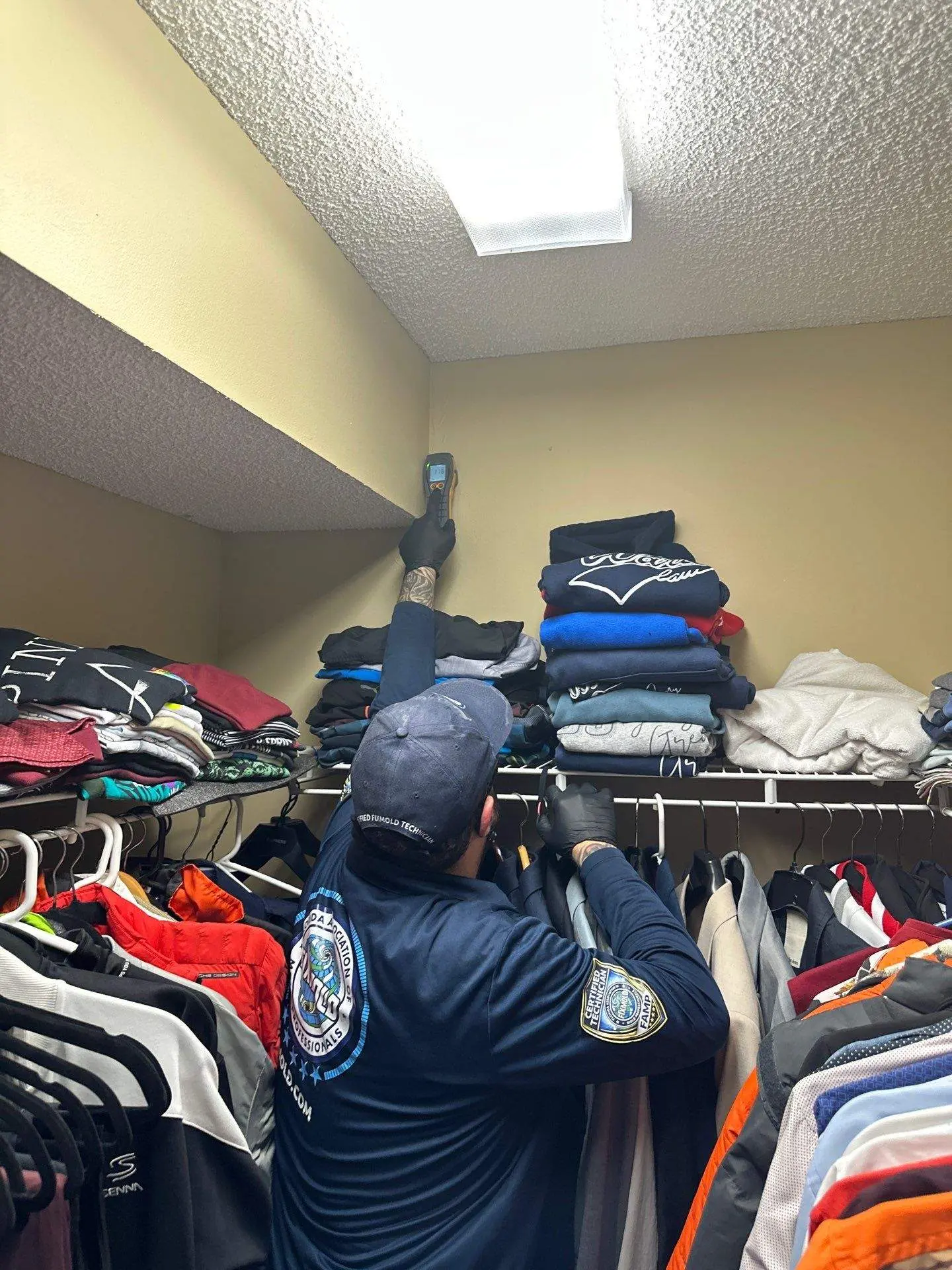
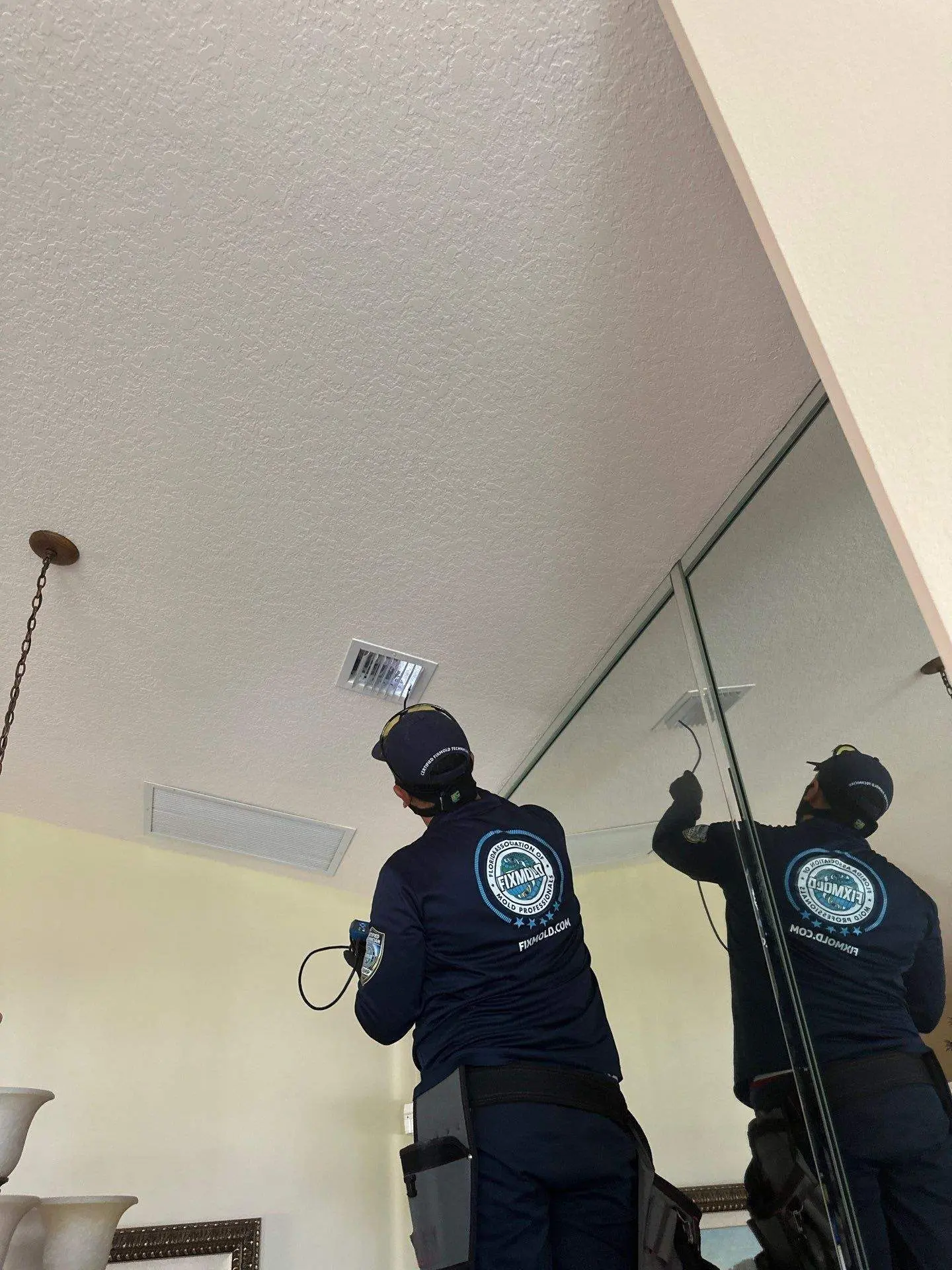
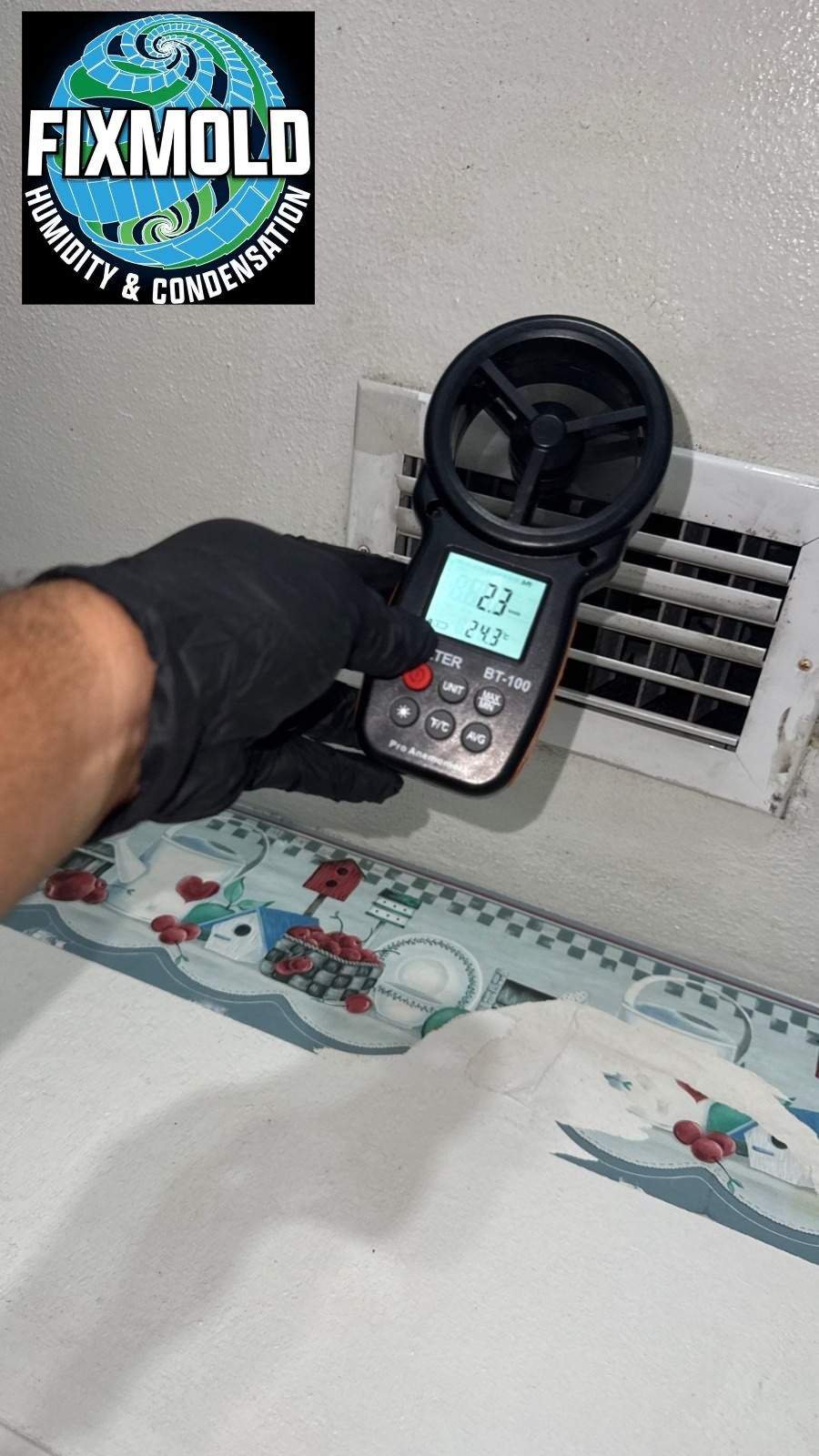
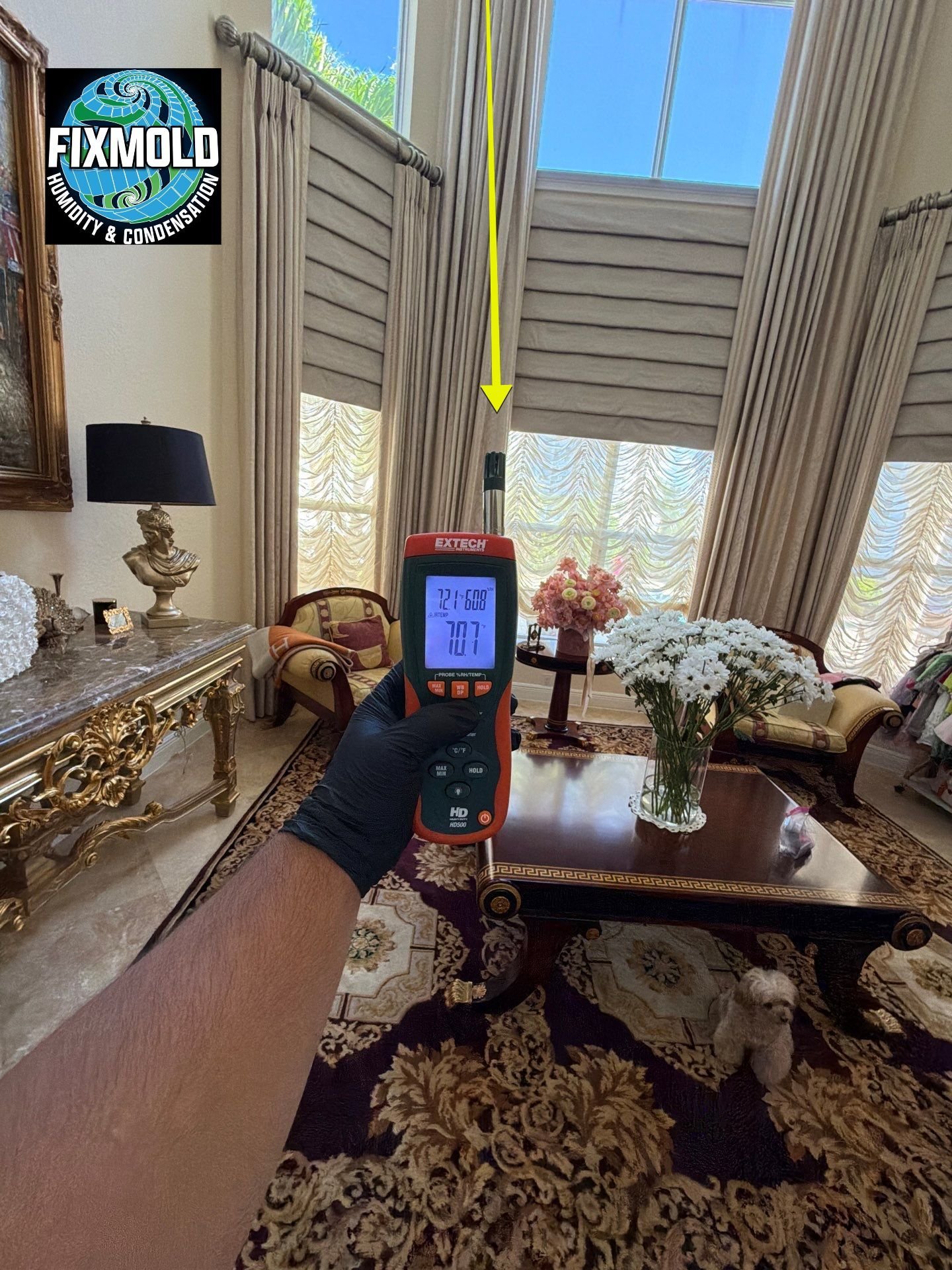
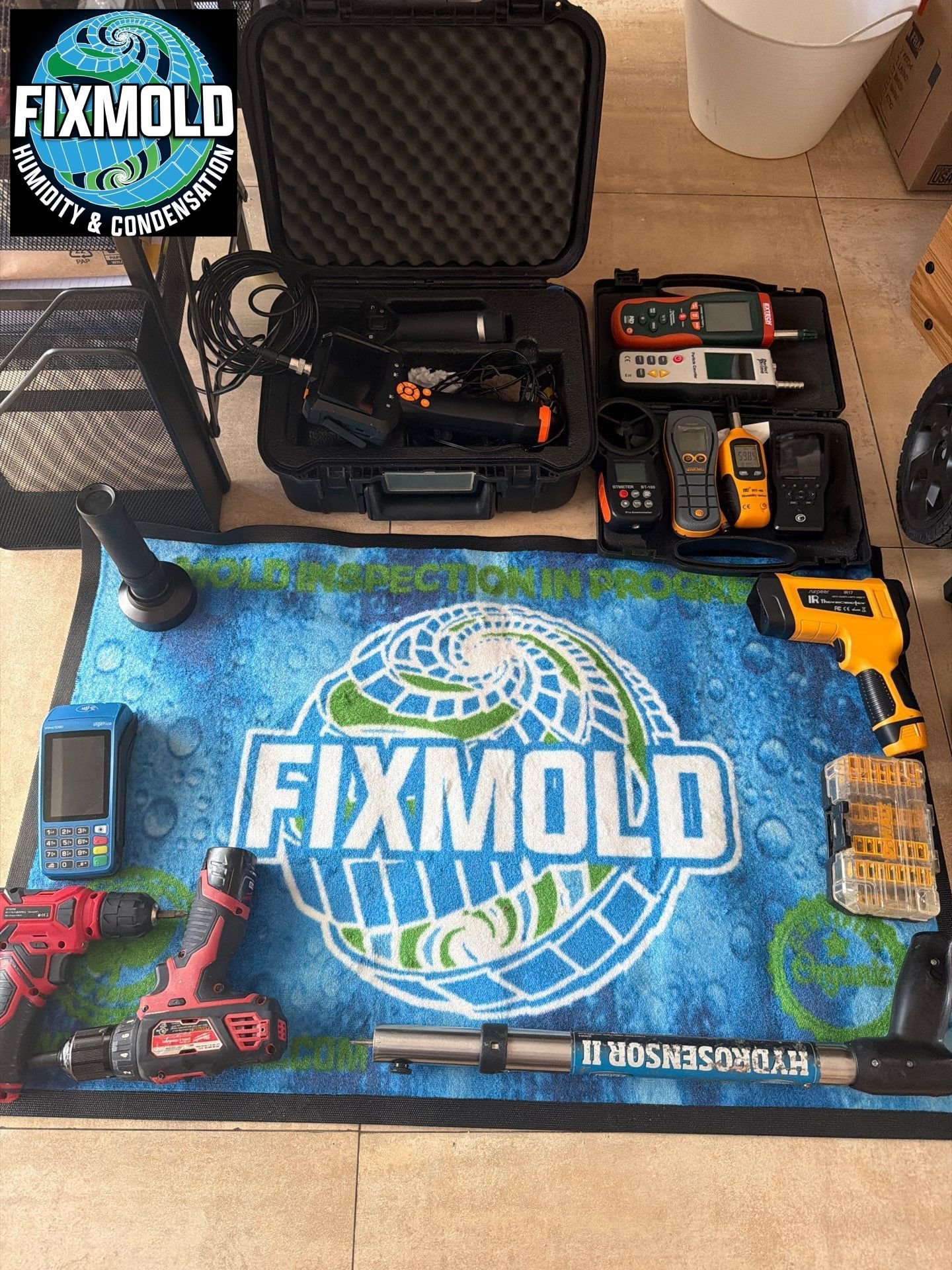
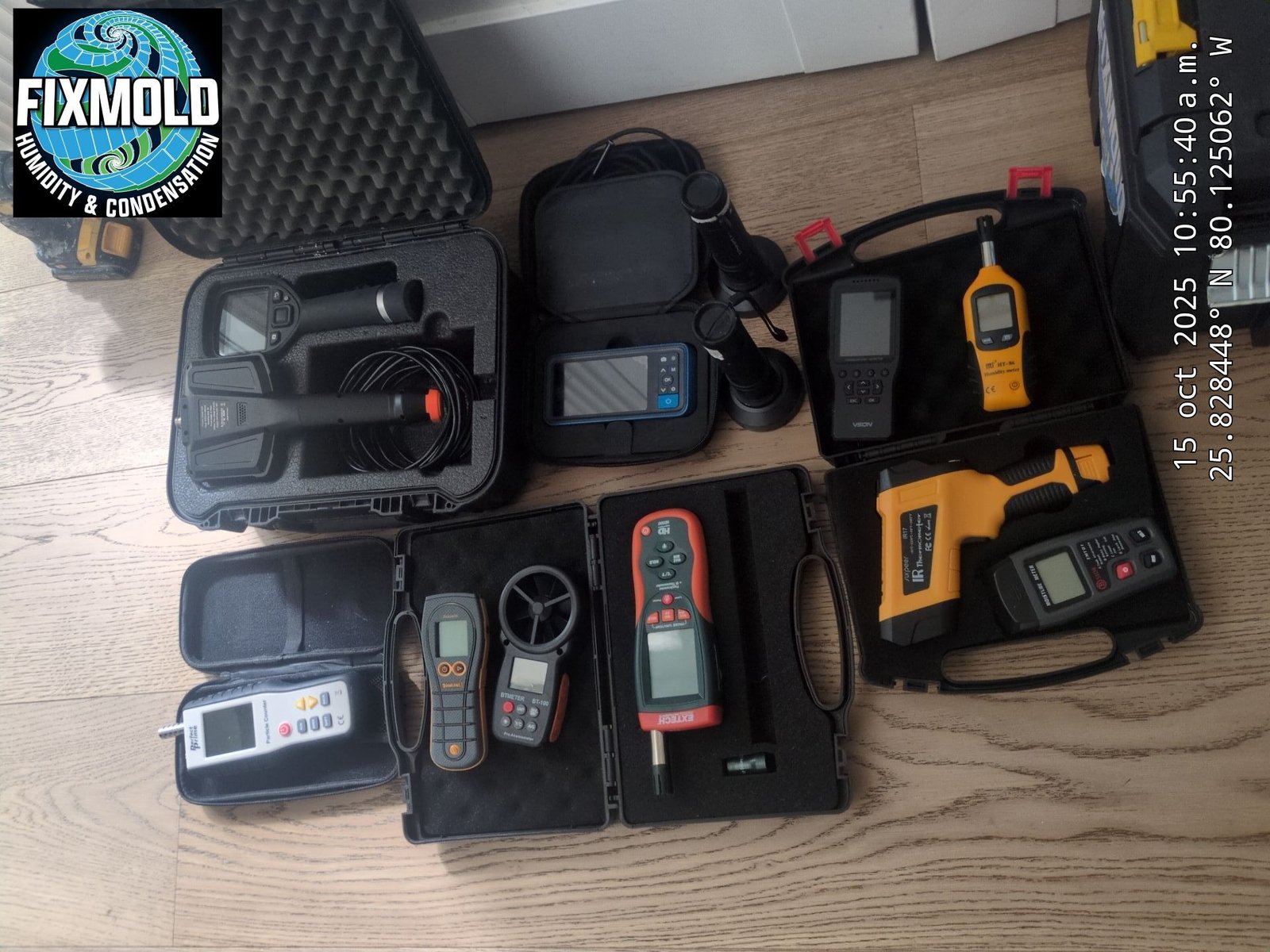
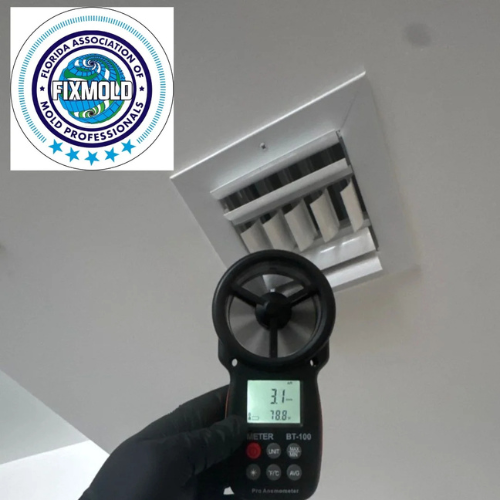
Inspectors may use thermal imaging cameras, moisture meters, humidity analysis tools, airflow assessment methods, and visual inspection techniques to evaluate walls, ceilings, flooring systems, attics, crawlspaces, HVAC components, and other areas where hidden moisture commonly develops.
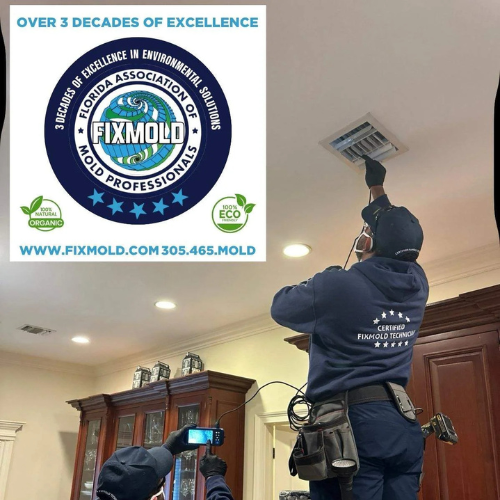
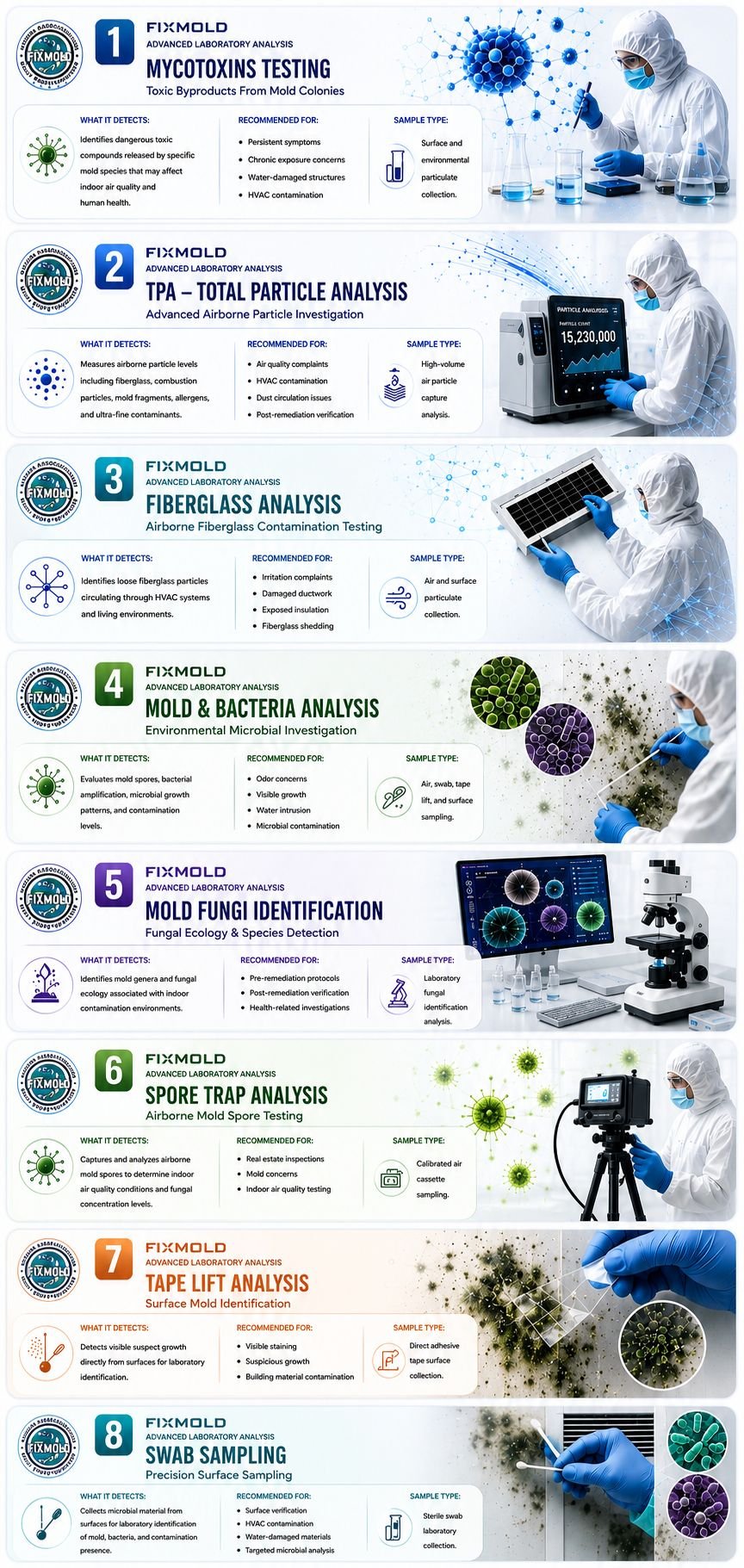
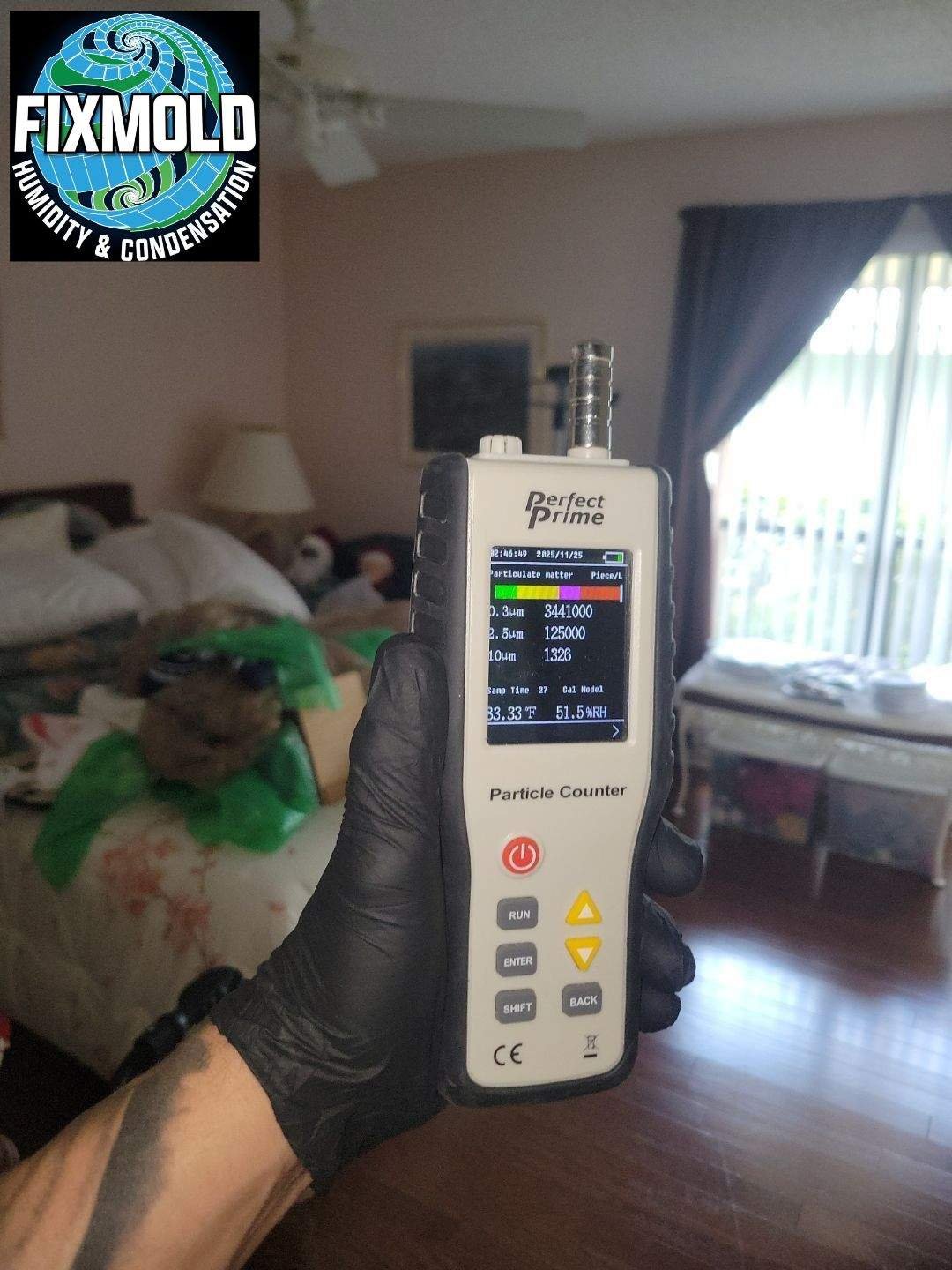
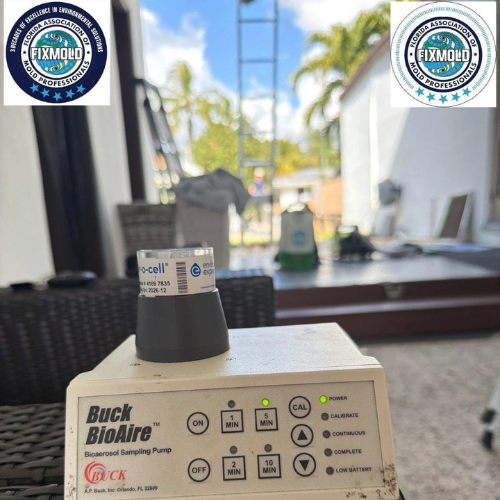
Indoor air quality testing may also be considered when occupants report odors, respiratory concerns, or suspected airborne contamination.
The goal is to understand how moisture is affecting the property and determine whether active environmental conditions require further attention or corrective action.