Comprehensive Mold Assessment Services in Miami
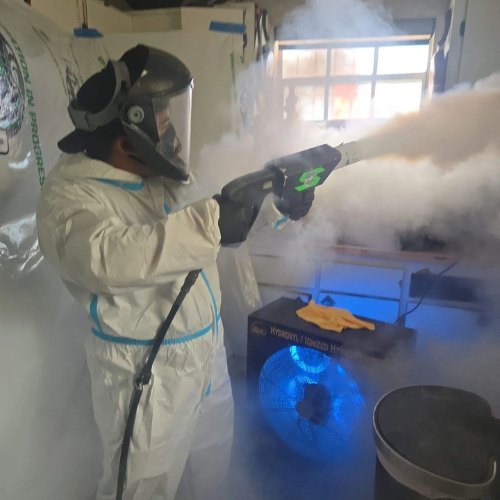
Mold assessment services provide a detailed evaluation of moisture conditions, potential contamination sources, indoor environmental quality concerns, and building-related factors that may contribute to mold growth. Throughout Miami and South Florida, property owners frequently rely on professional mold assessments to identify hidden moisture issues, investigate indoor environmental concerns, and develop effective mold assessment, remediation, and prevention strategies.
Why Miami Properties Are Vulnerable to Mold
Miami's climate presents unique challenges for both residential and commercial properties. High humidity levels, tropical storms, hurricanes, seasonal flooding, roof leaks, plumbing failures, HVAC condensation, and building envelope deficiencies can all create conditions favorable for mold development.
Mold assessments are commonly requested by homeowners, condominium associations, landlords, tenants, property managers, commercial building owners, healthcare facilities, educational institutions, insurance representatives, attorneys, and real estate professionals seeking a thorough understanding of building conditions.
Properties throughout Miami Beach, Brickell, Downtown Miami, Coral Gables, Coconut Grove, Pinecrest, Kendall, Doral, Aventura, Sunny Isles Beach, Fort Lauderdale, Boca Raton, Naples, and West Palm Beach frequently experience moisture-related challenges requiring professional environmental evaluation.
More Than a Basic Inspection
Unlike a basic visual inspection, a mold assessment is designed to investigate the underlying causes of moisture intrusion and determine the extent of conditions that may support mold growth. This process helps property owners understand not only where mold may be present but also why the problem developed, providing a foundation for successful mold assessment and remediation efforts.
Hidden Mold and Moisture Concerns
Mold contamination often exists in areas that are not immediately visible. Hidden growth may occur behind drywall, above suspended ceilings, beneath flooring systems, within insulation, inside wall cavities, attics, crawlspaces, mechanical rooms, storage areas, and HVAC systems.
Many property owners initially seek mold assessments after experiencing persistent musty odors, visible staining, water damage, elevated humidity levels, recurring condensation, unexplained indoor air quality concerns, or previous flooding incidents.
Comprehensive Property Evaluation
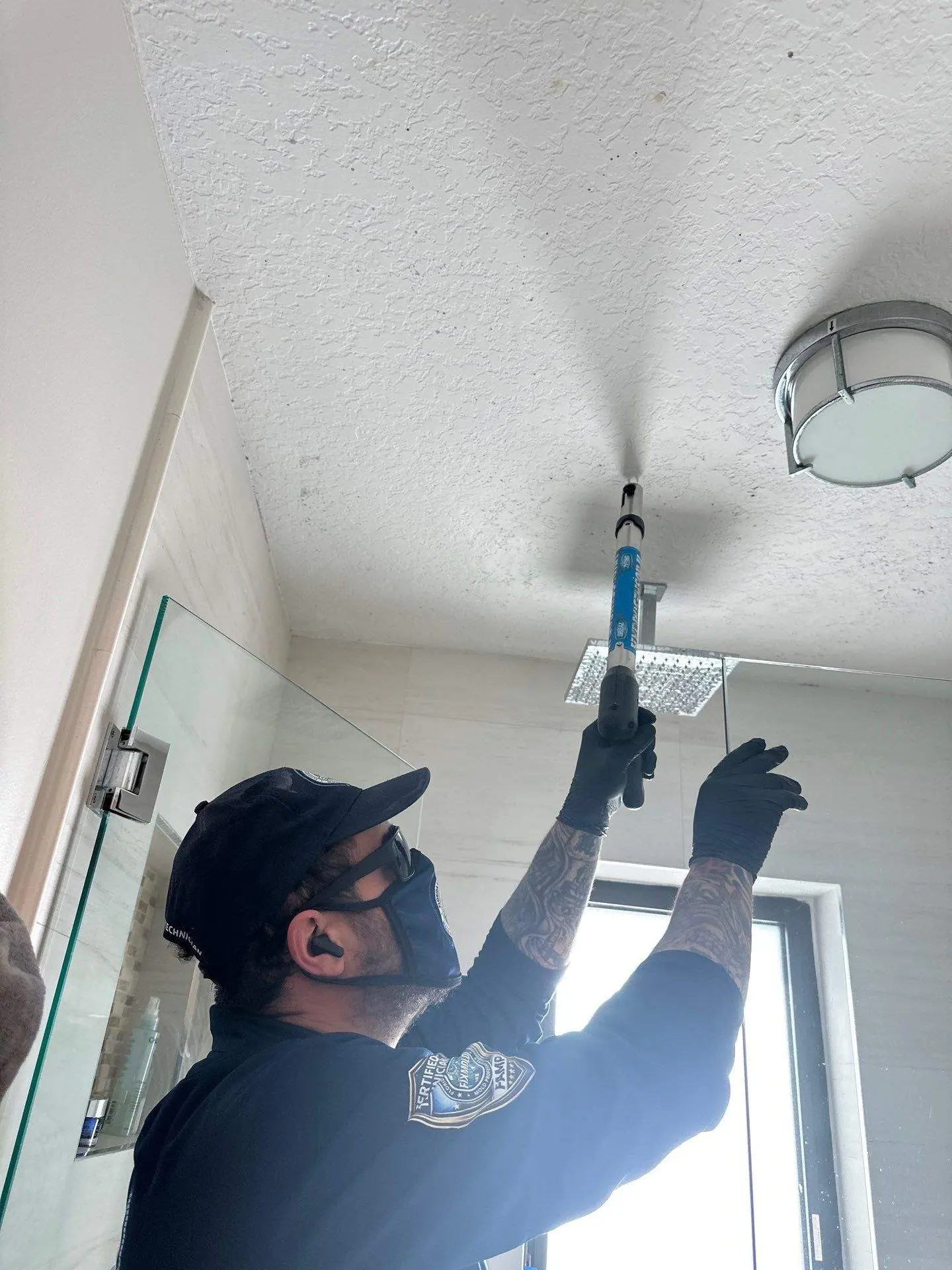
Professional mold assessments typically begin with a comprehensive visual evaluation of the property. Inspectors examine interior and exterior building components to identify moisture pathways, signs of water intrusion, construction defects, ventilation issues, and environmental conditions that may contribute to mold growth.
Moisture Mapping
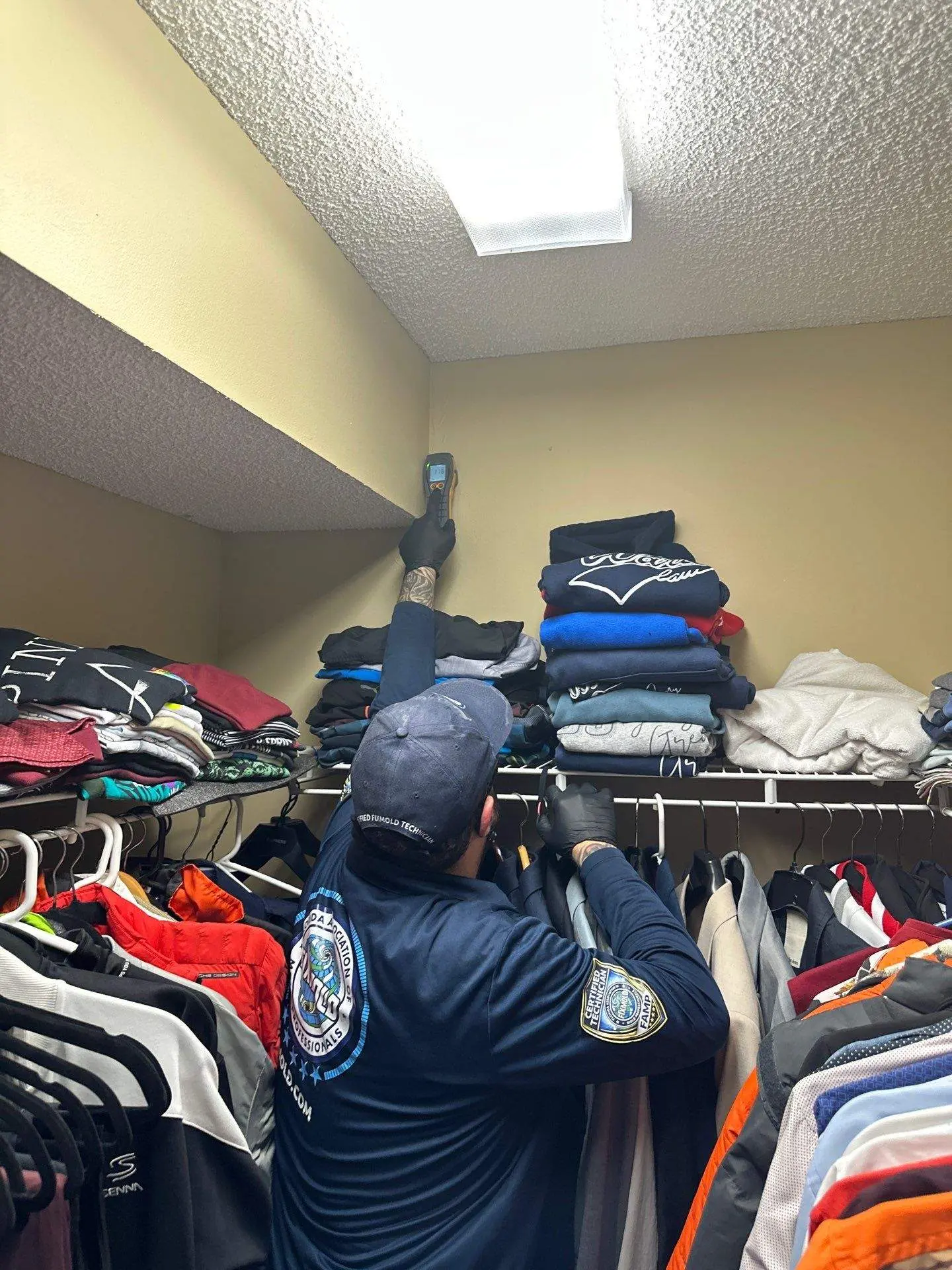
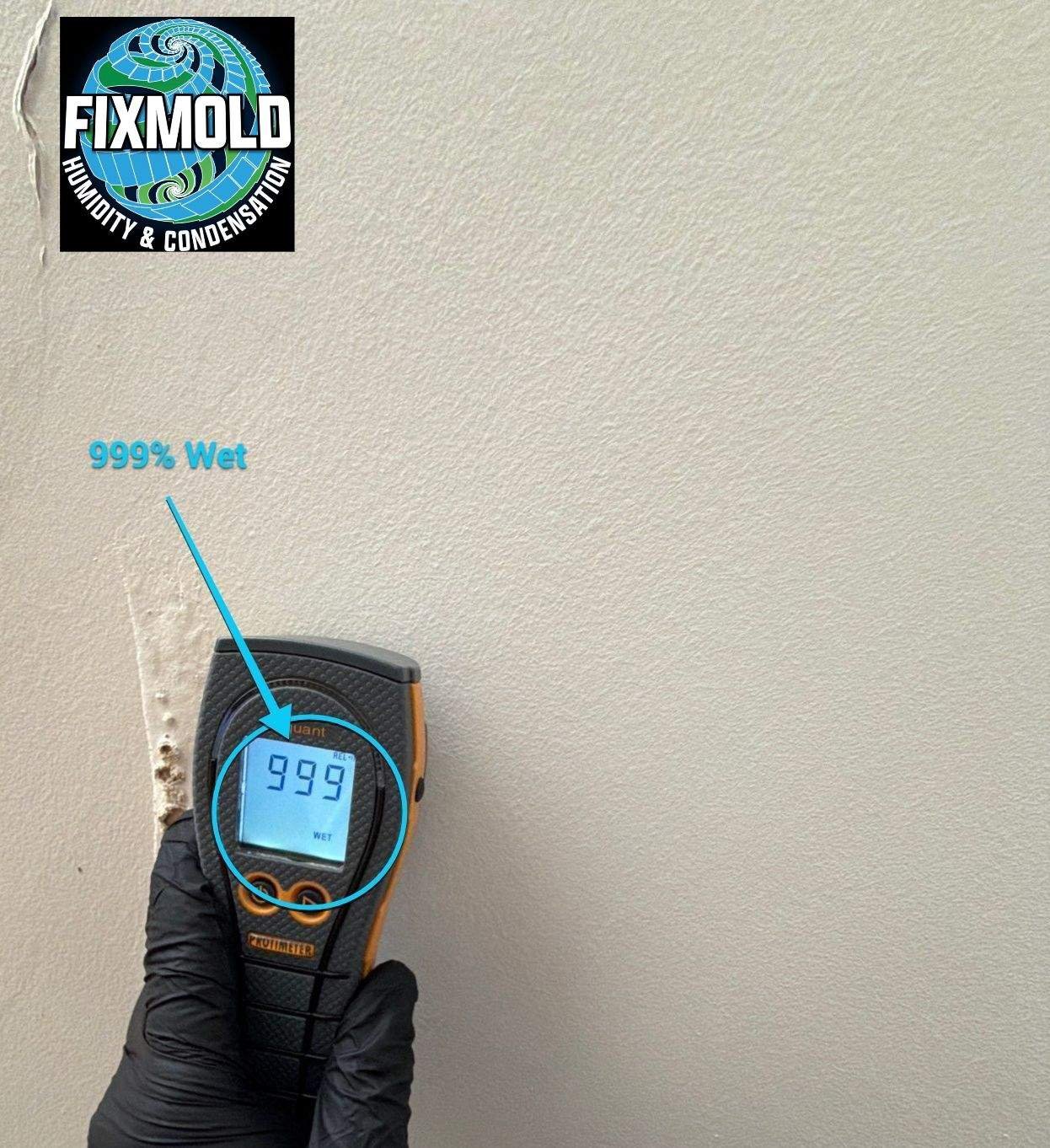
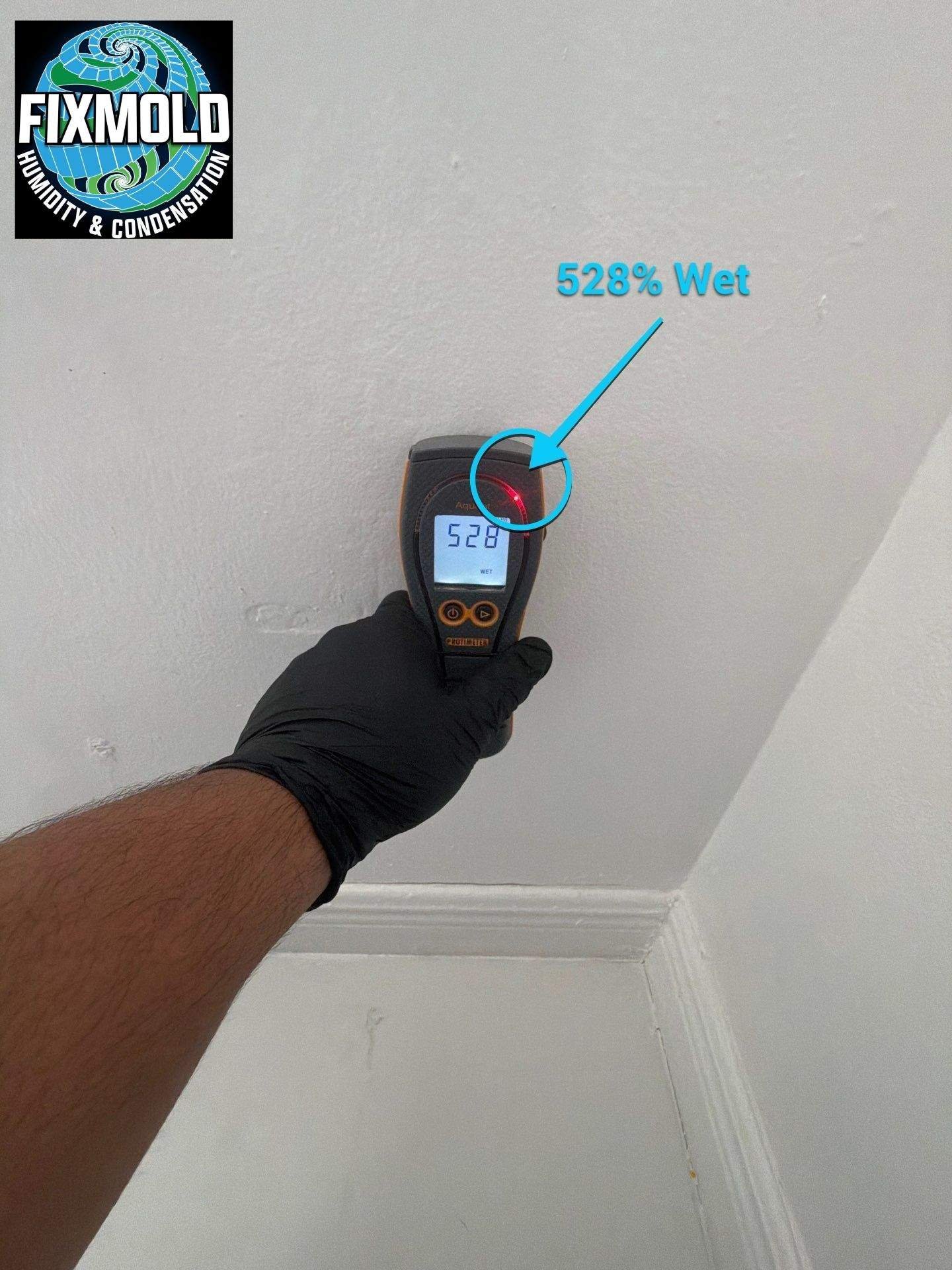
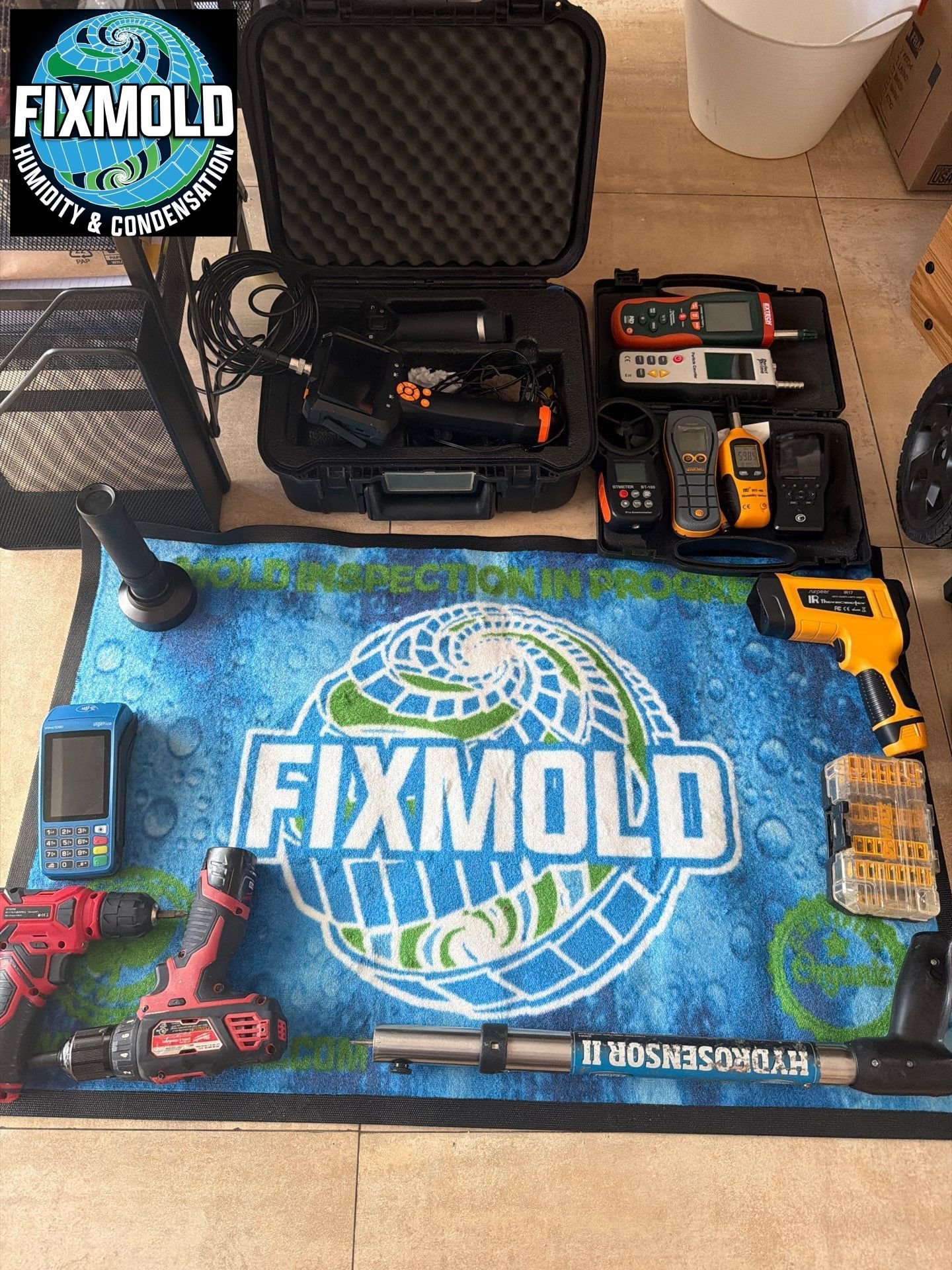
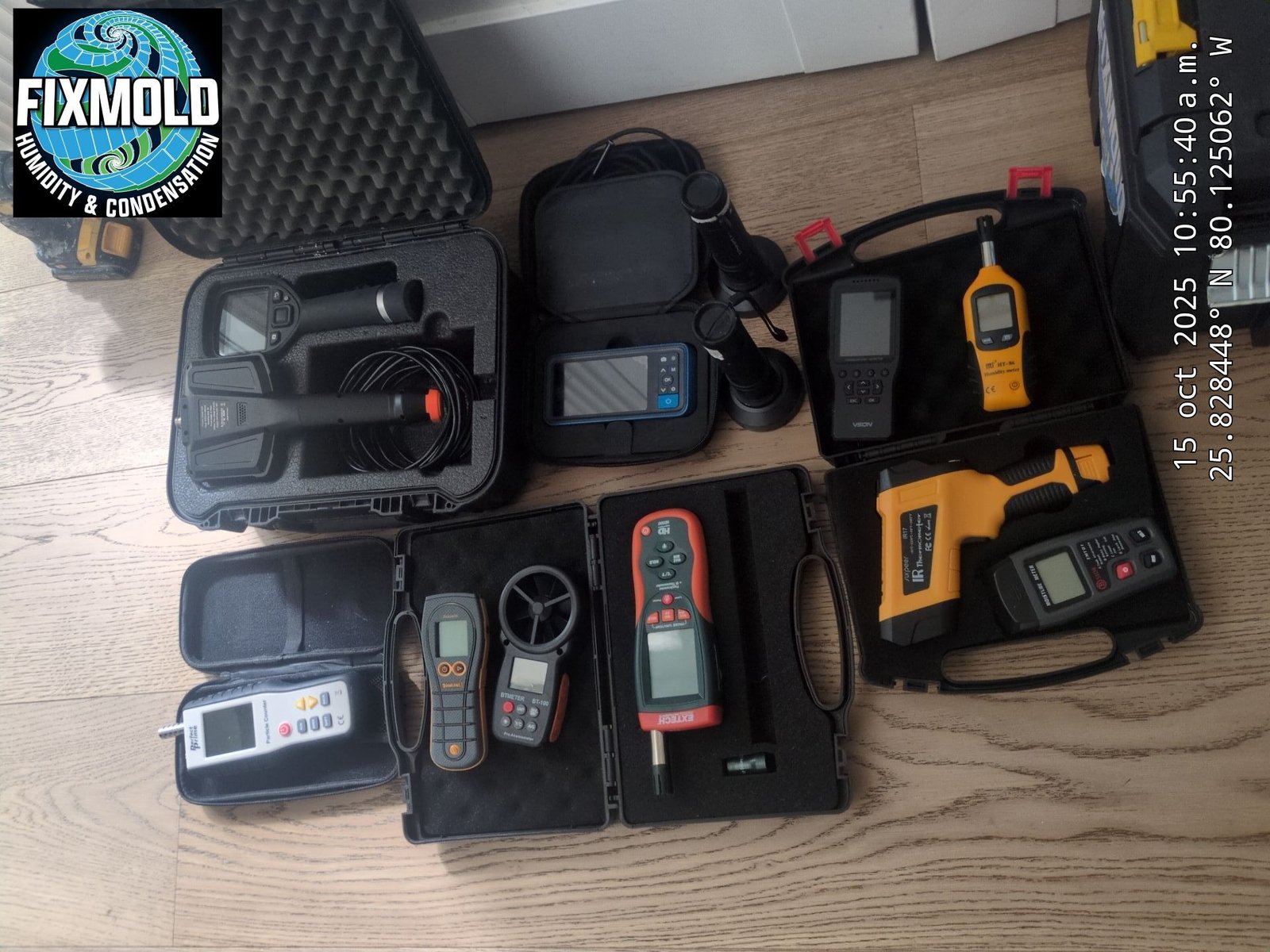
Moisture mapping is one of the most important components of a mold assessment. Advanced moisture detection equipment helps identify elevated moisture levels hidden within structural materials, including drywall, wood framing, flooring assemblies, ceilings, cabinetry, and insulation.
Thermal Imaging Technology
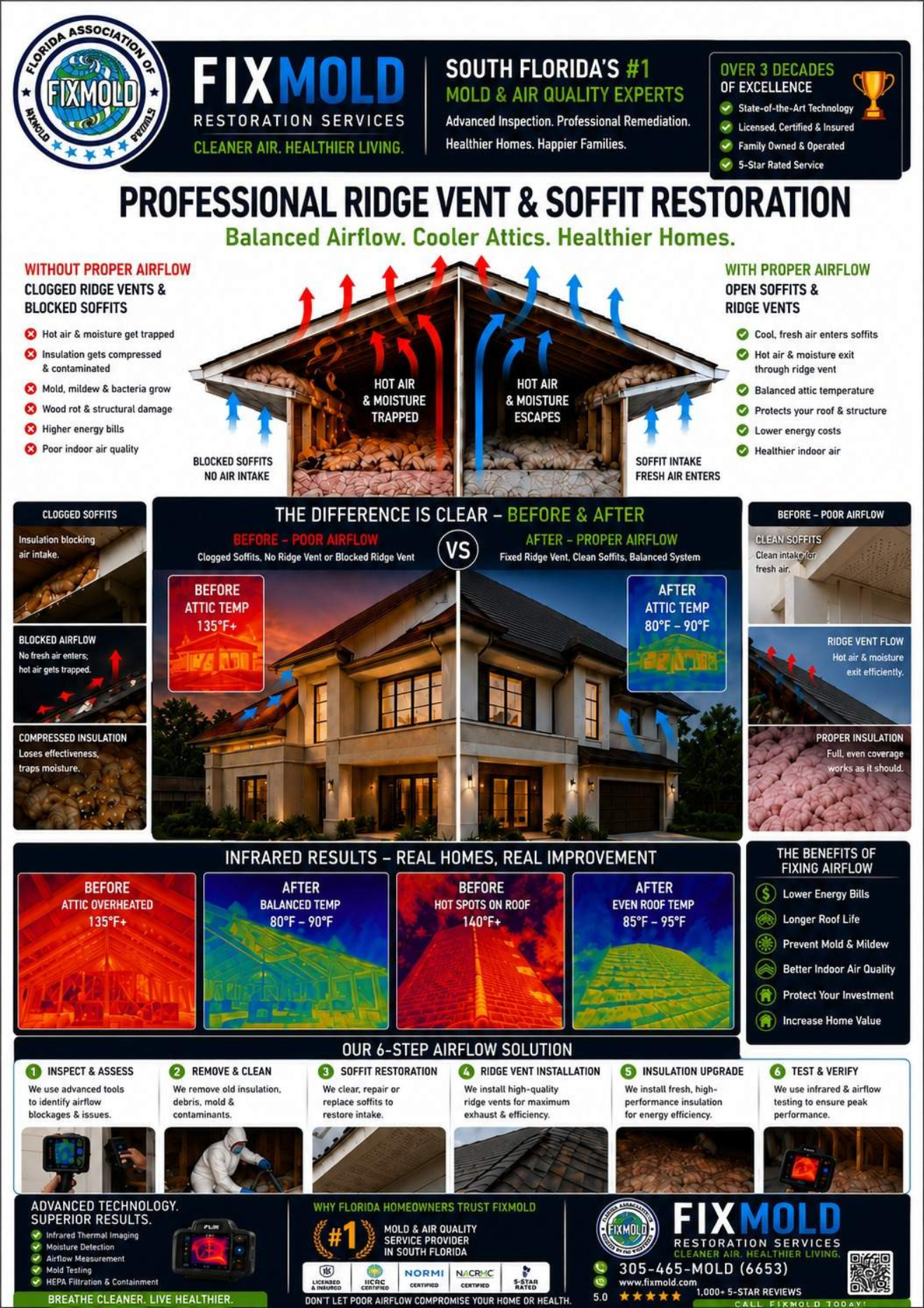
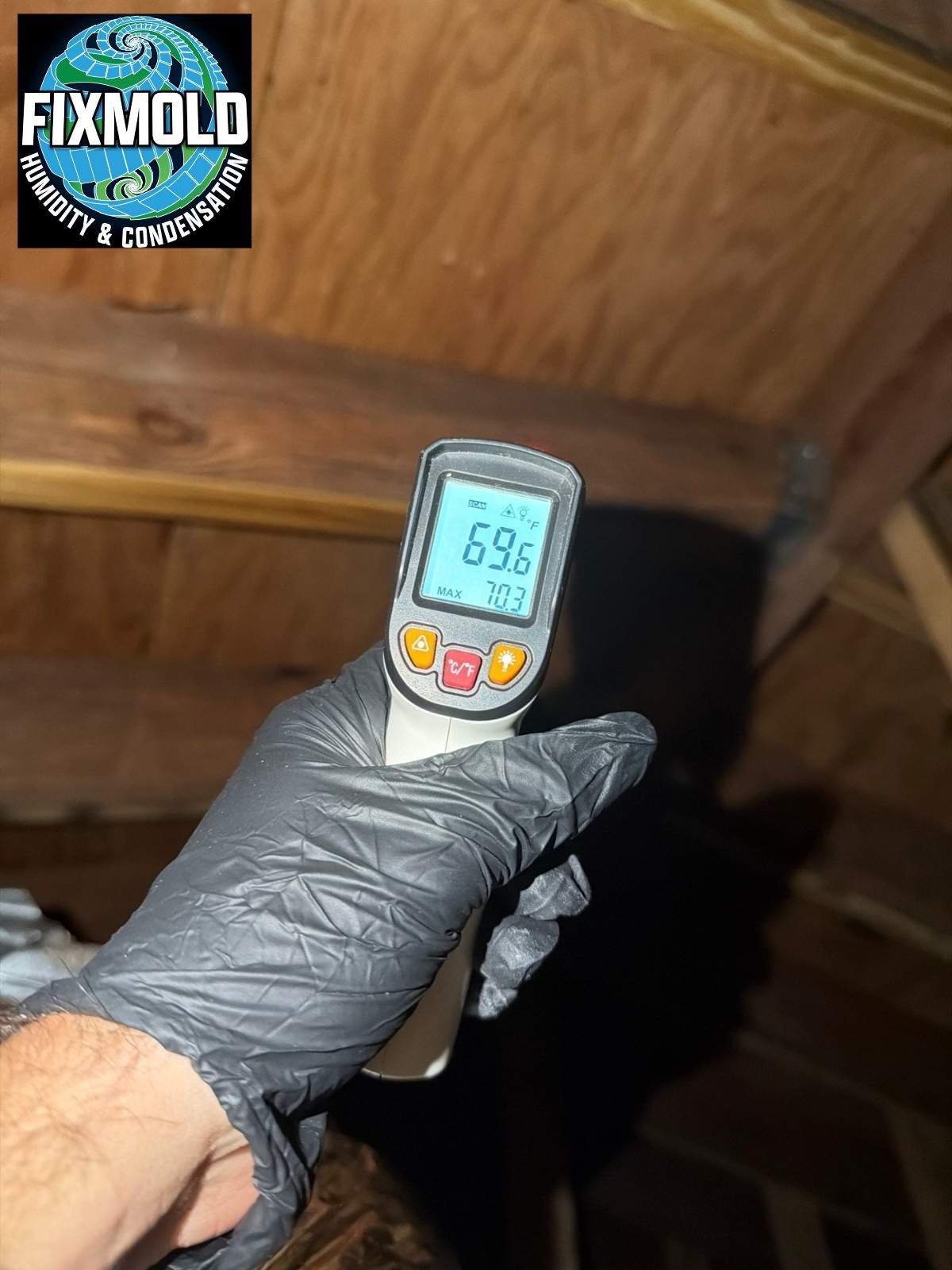
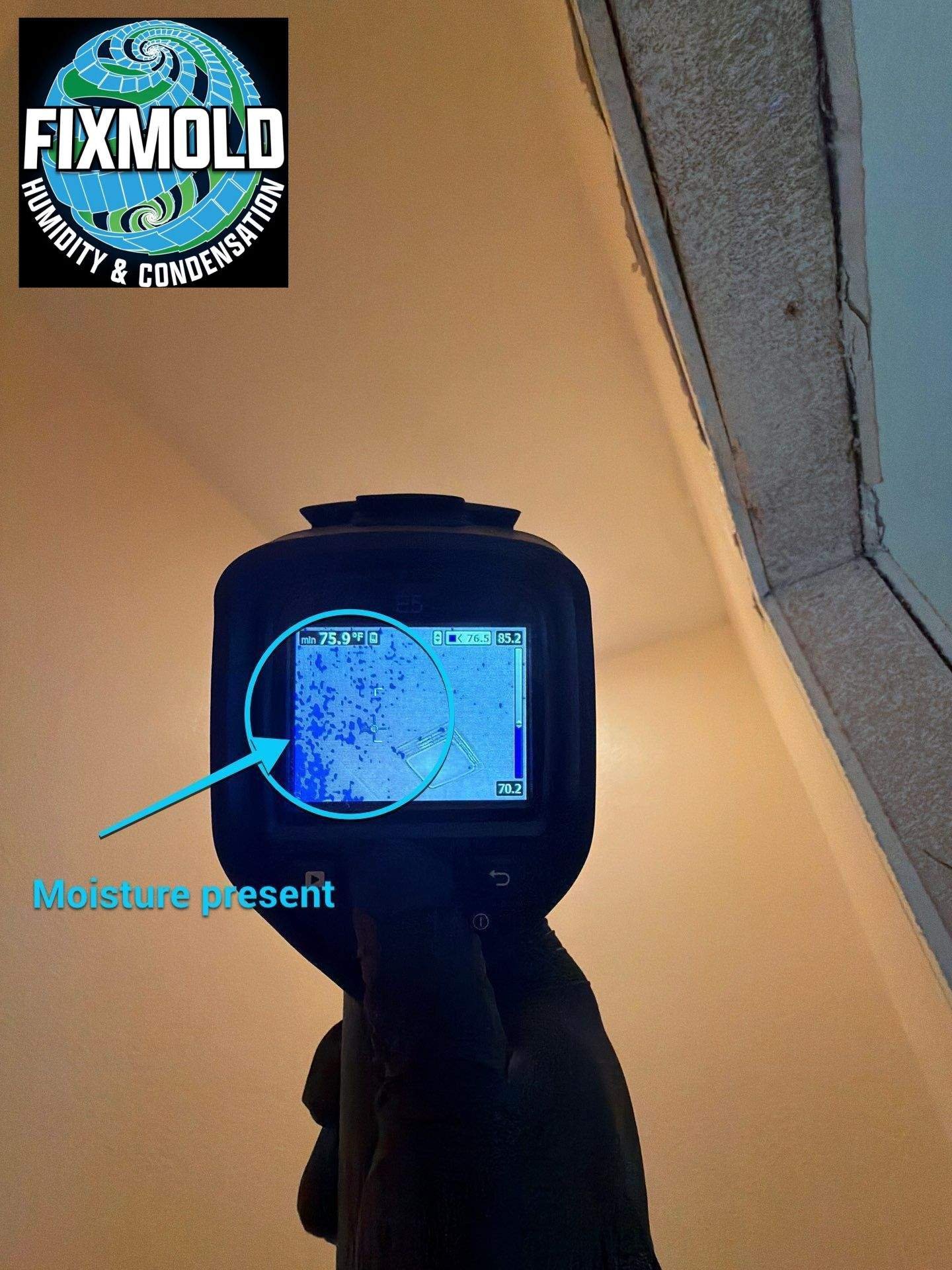
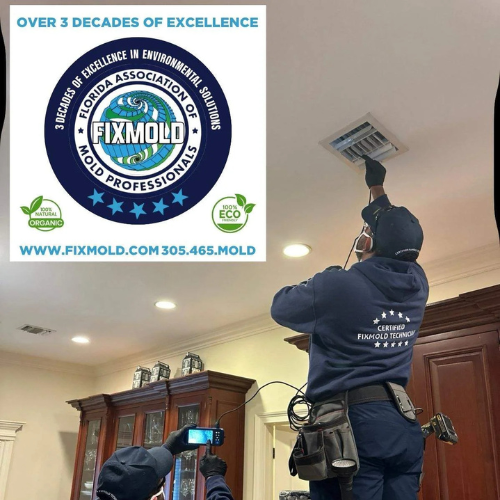
Thermal imaging technology is frequently used during assessments to locate concealed moisture conditions. Infrared cameras help identify temperature variations that may indicate water intrusion behind finished surfaces without causing unnecessary damage to the structure.
Humidity Monitoring
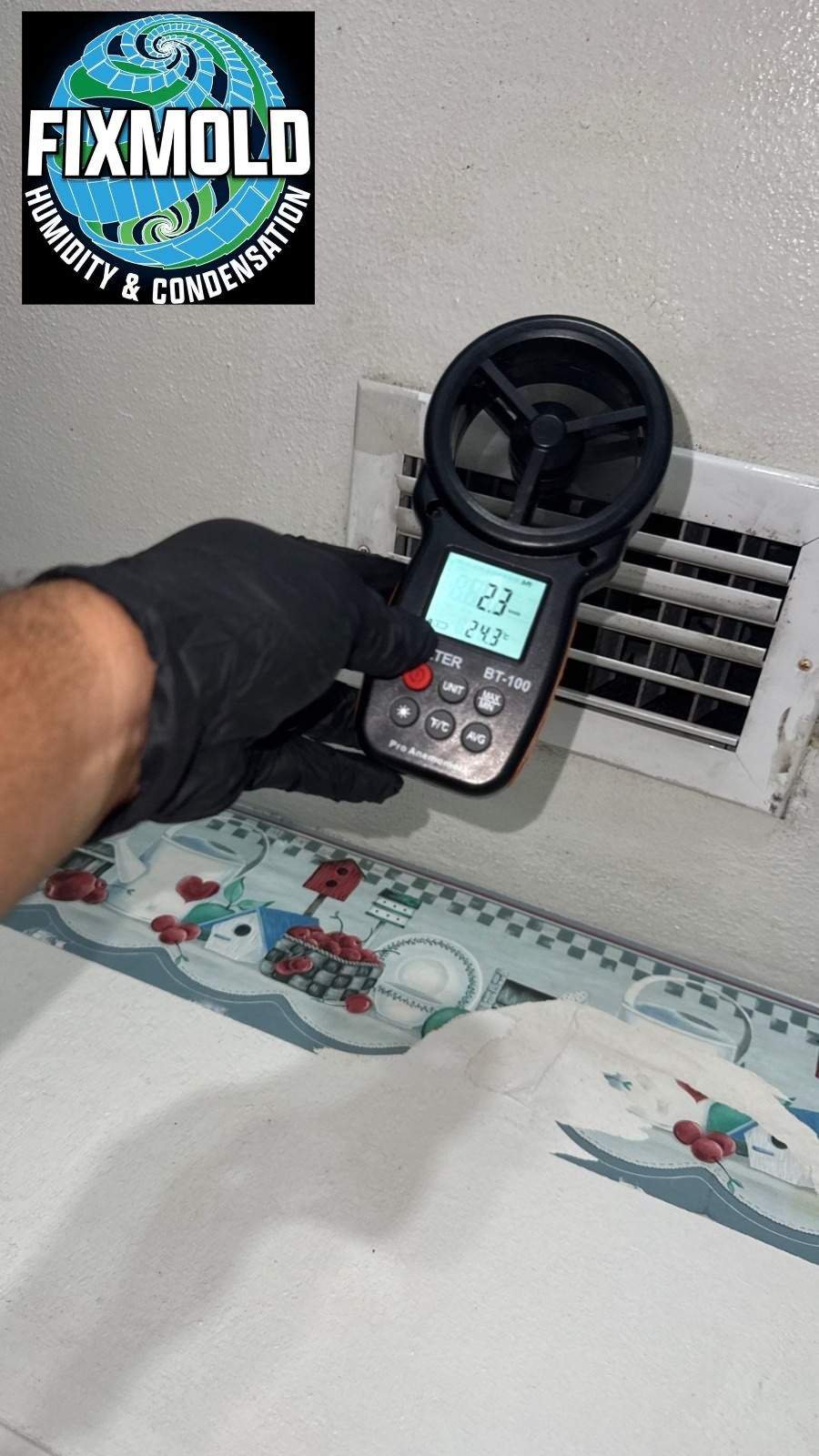
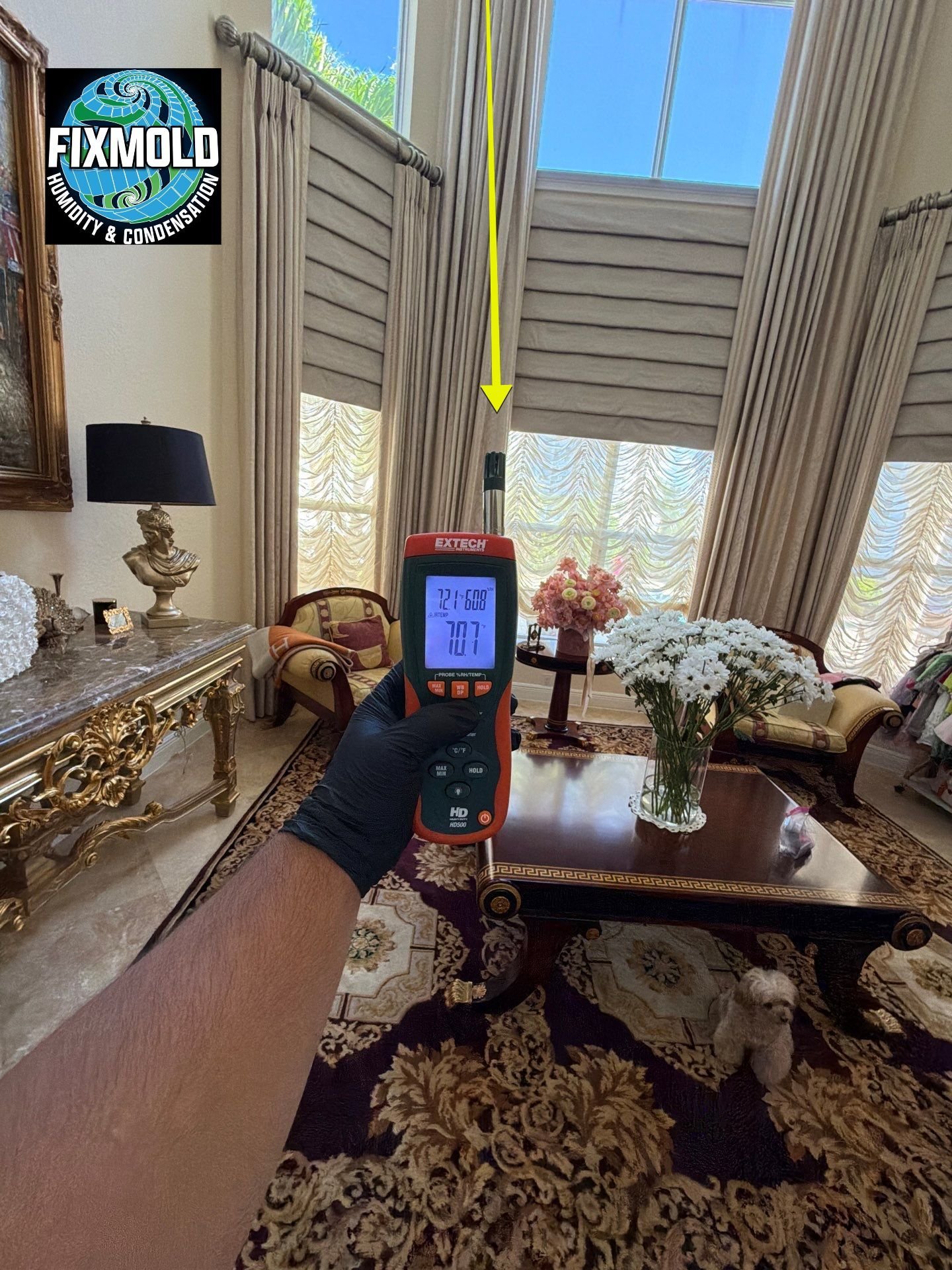
Relative humidity measurements are collected throughout the property to evaluate environmental conditions. Elevated humidity levels can contribute to mold growth even when active leaks are not immediately apparent.
Air Quality Testing
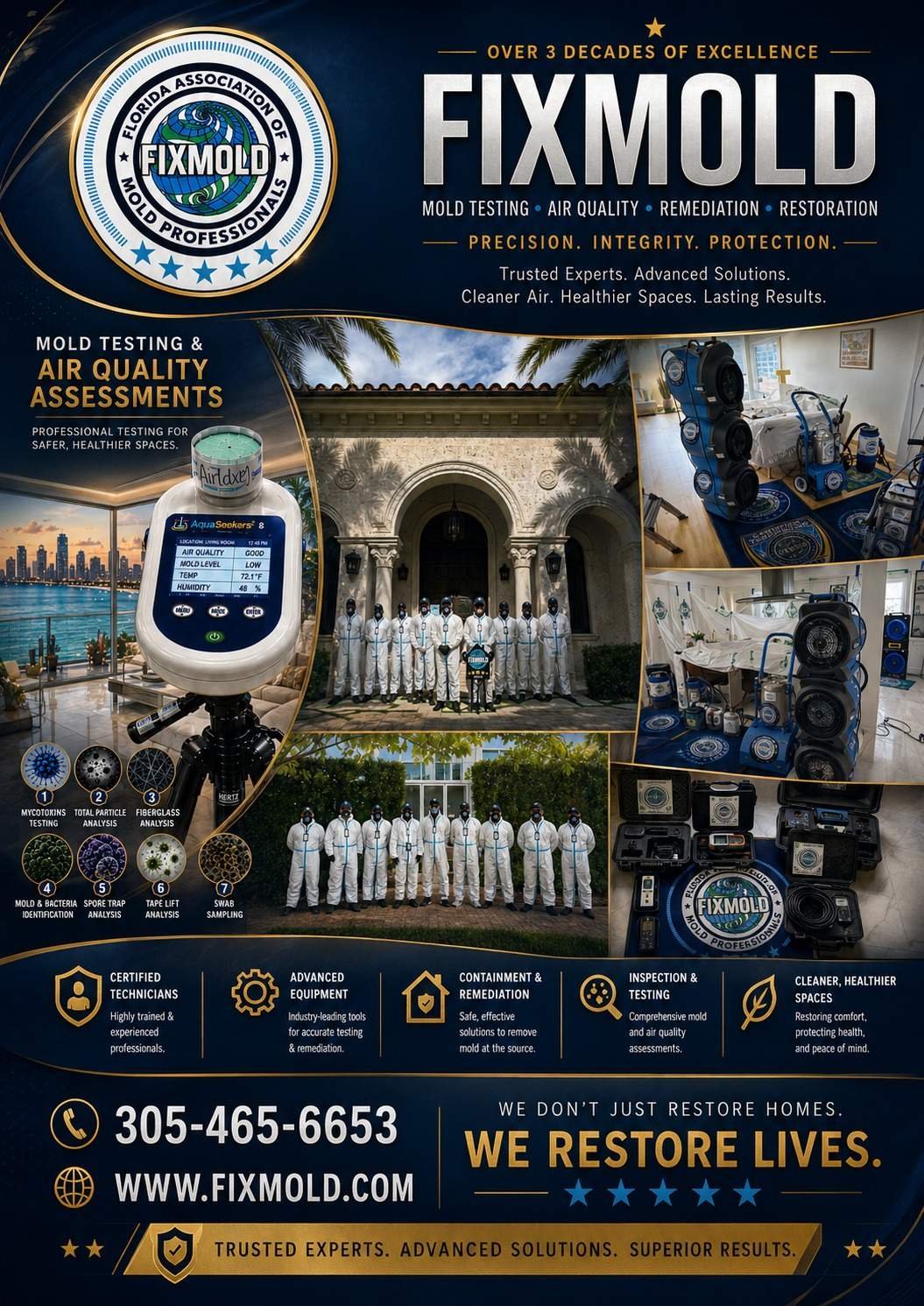
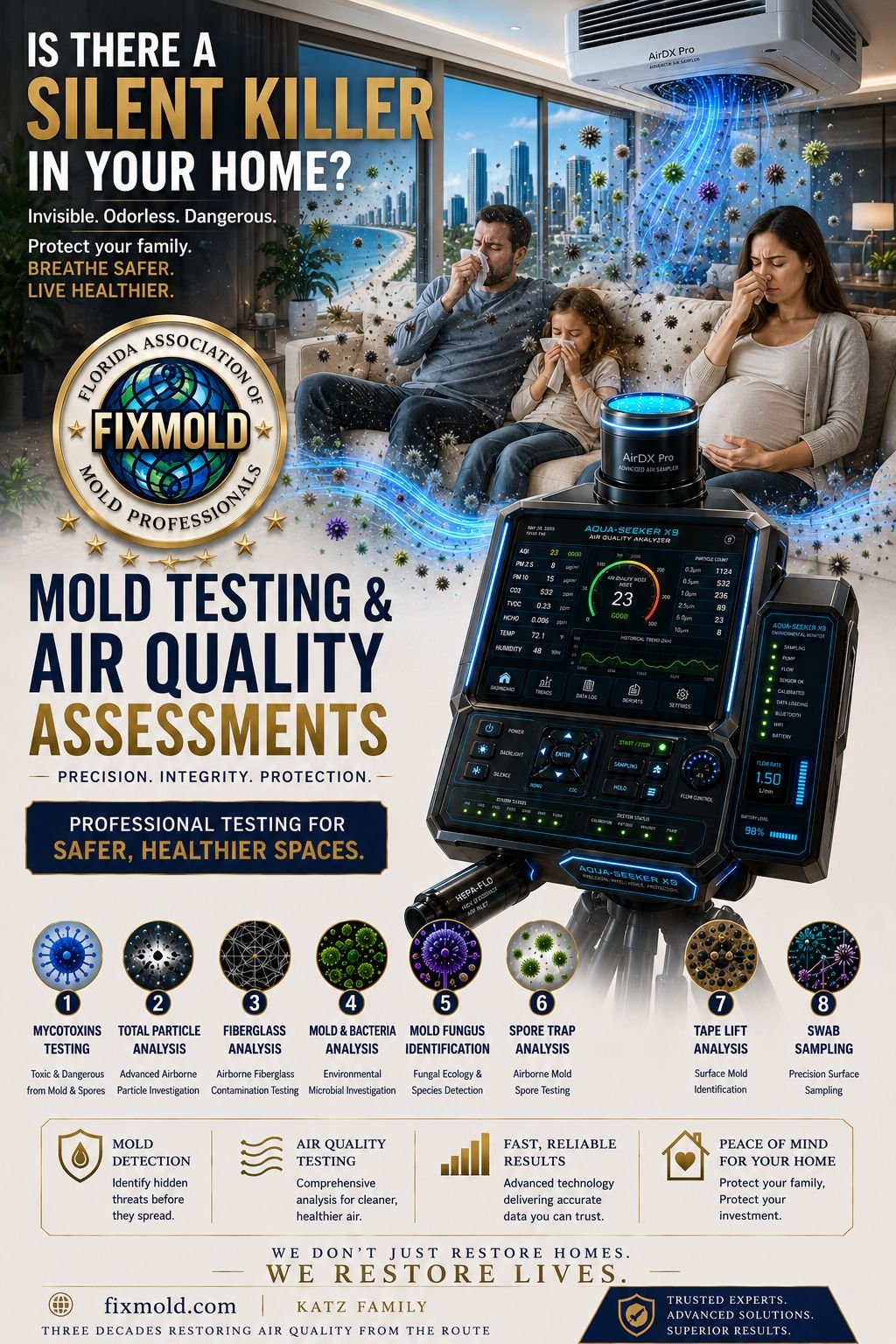
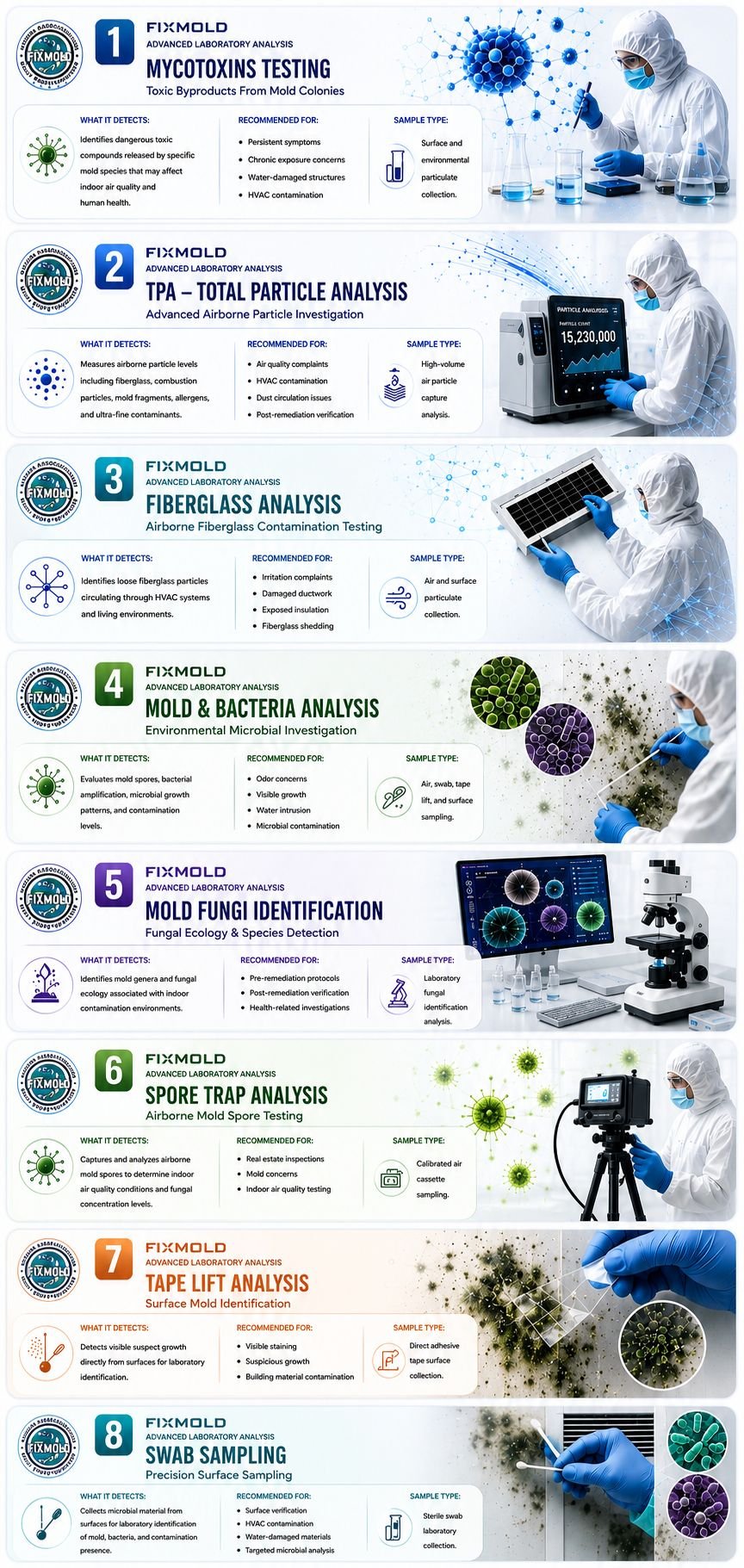
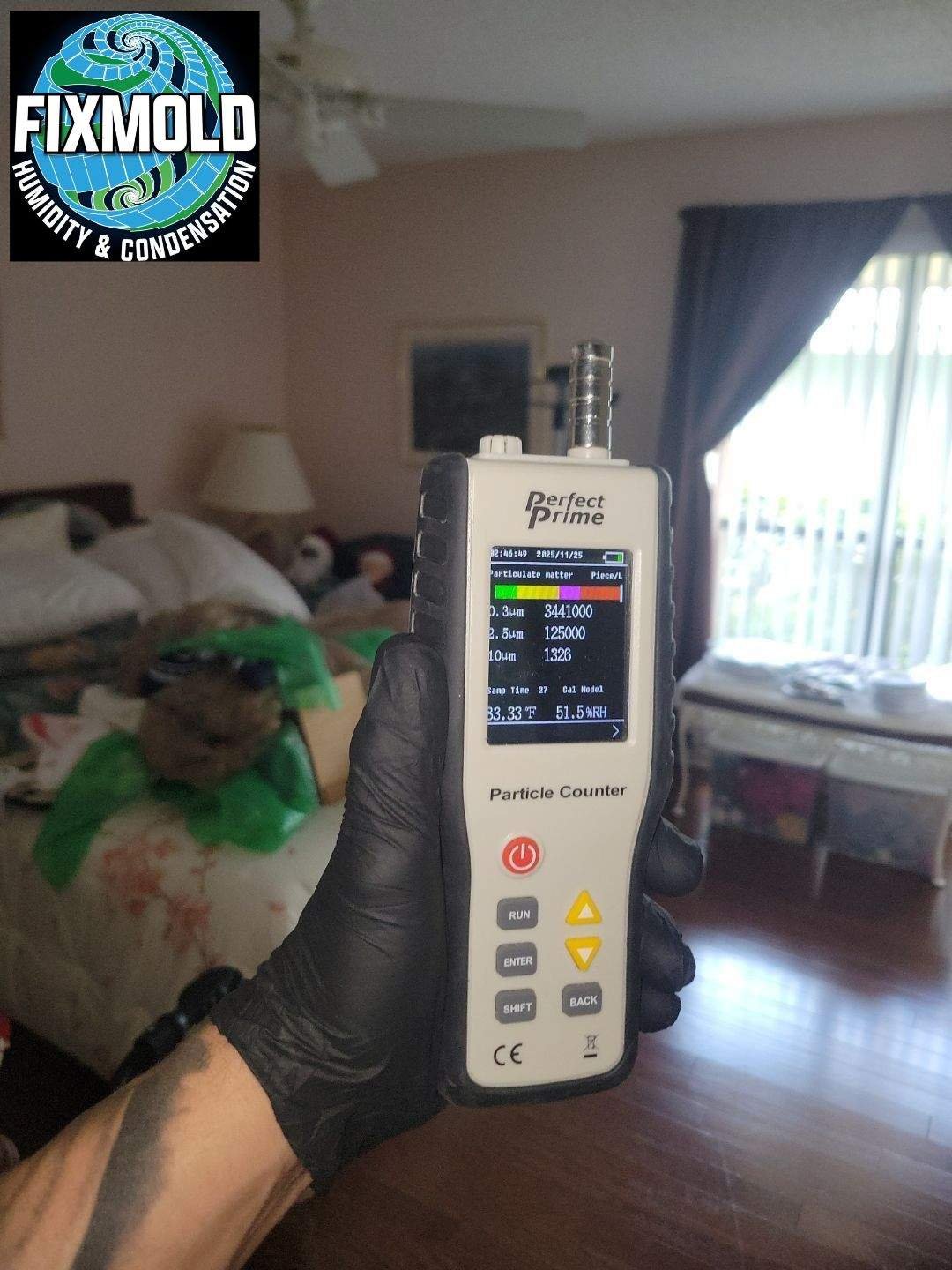
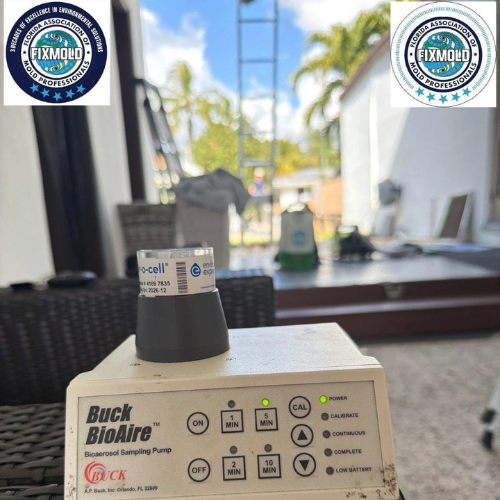
Air quality testing may be recommended when hidden contamination is suspected. Indoor and outdoor air samples can provide valuable environmental data that assists in evaluating airborne conditions within occupied spaces and supports mold assessment and remediation recommendations.
Surface Sampling
Surface sampling may also be conducted when visible microbial growth or suspicious staining is present. Laboratory analysis can provide additional information regarding environmental conditions within affected areas.
HVAC System Assessment
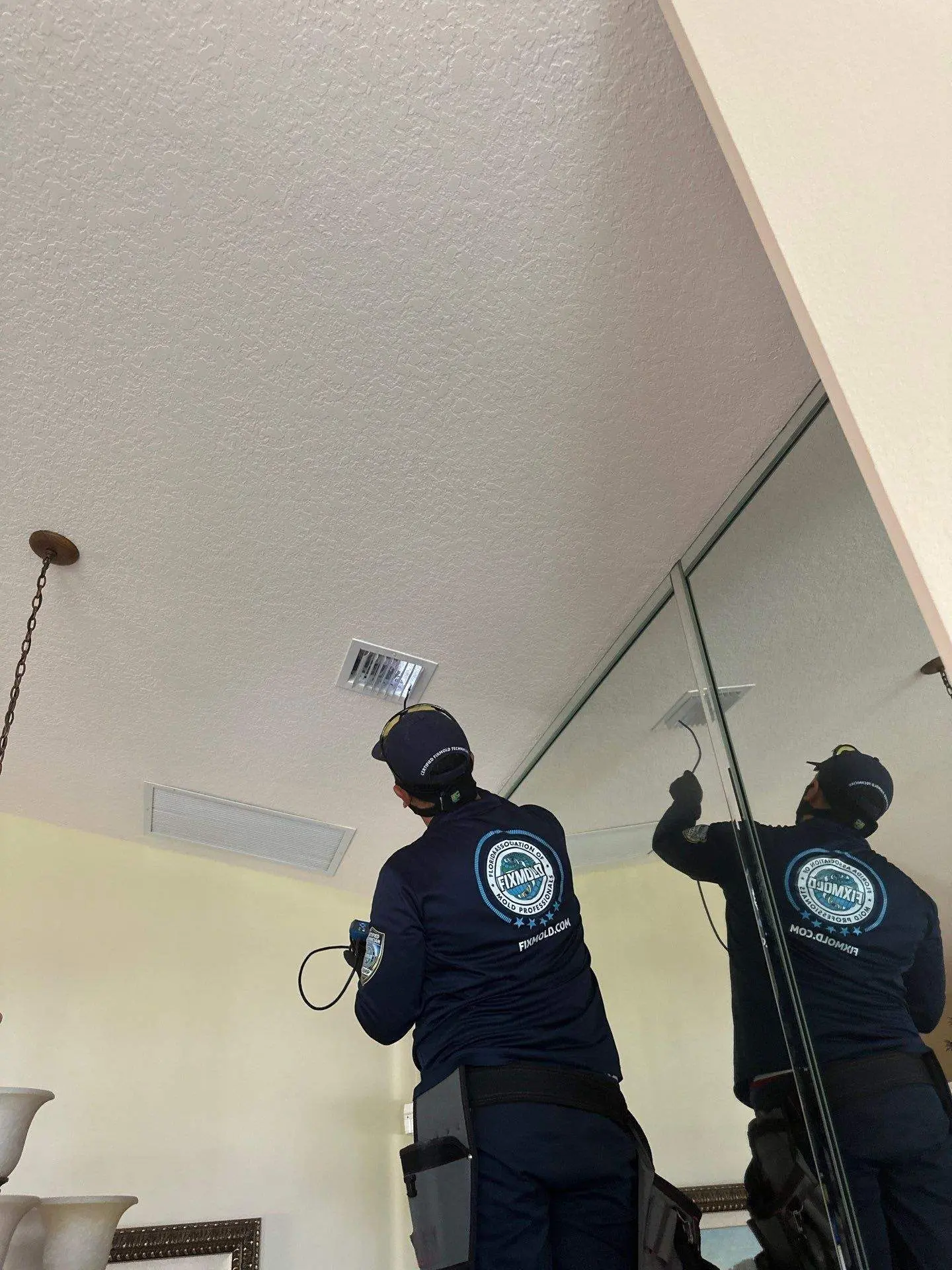
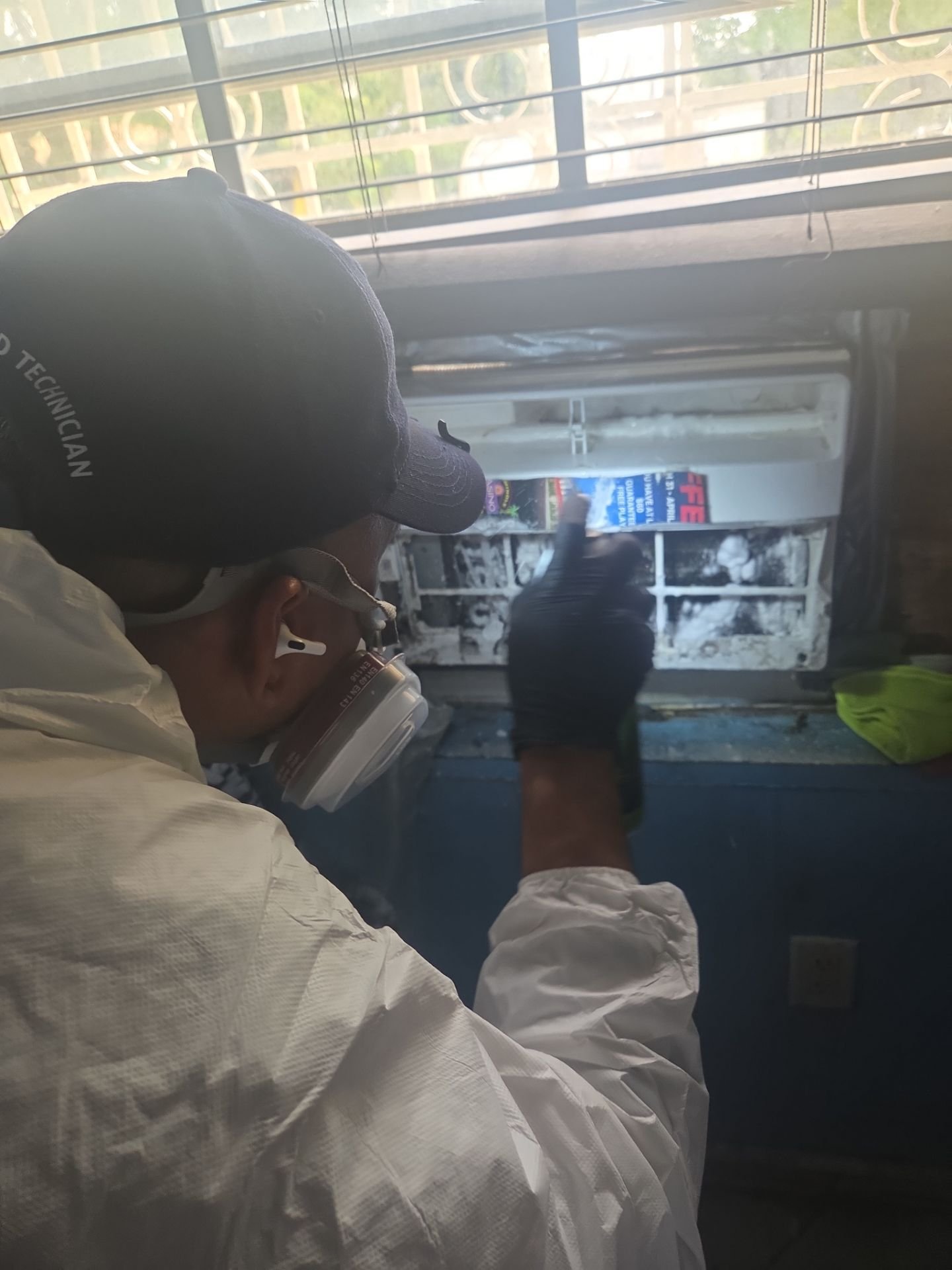
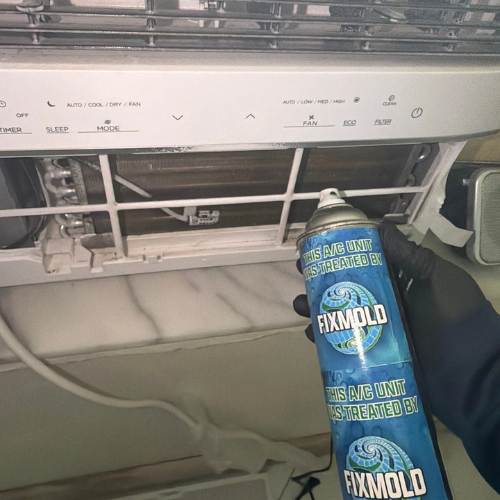
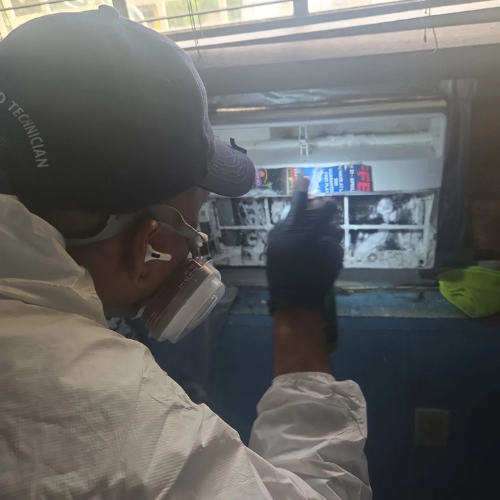
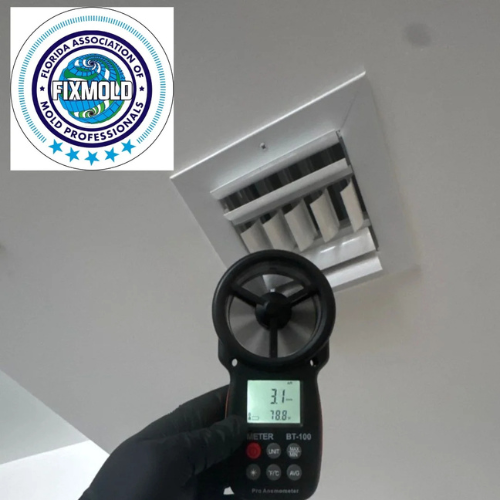
HVAC systems are often a major focus during mold assessments because they can influence environmental conditions throughout an entire building. Air handlers, duct systems, evaporator coils, drain pans, condensate lines, and ventilation equipment may all contribute to moisture-related concerns.
Residential Mold Assessment Services
Residential mold assessments commonly involve single-family homes, luxury estates, waterfront residences, condominiums, apartments, townhomes, vacation properties, rental units, and newly constructed homes.
Commercial Mold Assessment Services
Commercial mold assessments are frequently performed in office buildings, healthcare facilities, retail centers, schools, universities, warehouses, hotels, restaurants, industrial facilities, government buildings, and mixed-use developments where mold assessment and remediation may be necessary to maintain healthy indoor environments.
Condominium and Multi-Unit Building Assessments
Condominium communities often experience complex moisture issues involving shared plumbing systems, roofing assemblies, exterior walls, common areas, and moisture migration between neighboring units. Comprehensive assessments can help identify these contributing factors.
Following hurricanes, tropical storms, flooding events, plumbing failures, roof damage, appliance leaks, or construction defects, mold assessments help determine whether hidden moisture remains within building materials and structural components.
Preventive Maintenance and Property Management
Property managers frequently utilize mold assessments as part of preventive maintenance programs designed to identify environmental concerns before they become costly remediation projects.
Mold Assessments for Real Estate Transactions
Real estate transactions often benefit from mold assessments because buyers, sellers, lenders, insurance carriers, and legal representatives may require a clearer understanding of property conditions before closing.
Every property presents unique environmental characteristics influenced by building age, design, construction materials, maintenance practices, occupancy levels, ventilation performance, and exposure to previous water intrusion events.
Benefits of Early Detection
Early identification of moisture problems can help reduce repair costs, minimize structural damage, improve indoor environmental quality, and prevent contamination from spreading to additional areas of the property.
Detailed Reporting and Recommendations
Detailed mold assessment reports often include moisture findings, environmental observations, thermal imaging results, testing information when applicable, photographs, diagrams, and recommendations for corrective action.
Professional mold assessments provide property owners with valuable information needed to make informed decisions regarding remediation planning, moisture management, property maintenance, insurance documentation, and long-term building protection.
Supporting Healthier Indoor Environments
Comprehensive mold assessment services help identify hidden environmental concerns, evaluate moisture conditions, support remediation efforts, and promote healthier indoor environments for residential and commercial properties throughout Miami and South Florida.