View Our Reviews Accross All Platforms Here
Recurring mold usually indicates that the original moisture problem was never fully corrected. Surface cleaning may temporarily remove visible growth, but hidden moisture from roof leaks, plumbing problems, HVAC condensation, humidity imbalance, or poor ventilation may still be affecting structural materials behind the scenes.
In Miami’s humid climate, buildings dry slowly after water exposure, allowing concealed dampness to remain active inside walls, ceilings, flooring systems, insulation materials, and HVAC components for long periods.
Long-term mold correction depends on identifying and resolving the source of moisture rather than repeatedly treating surface symptoms alone.
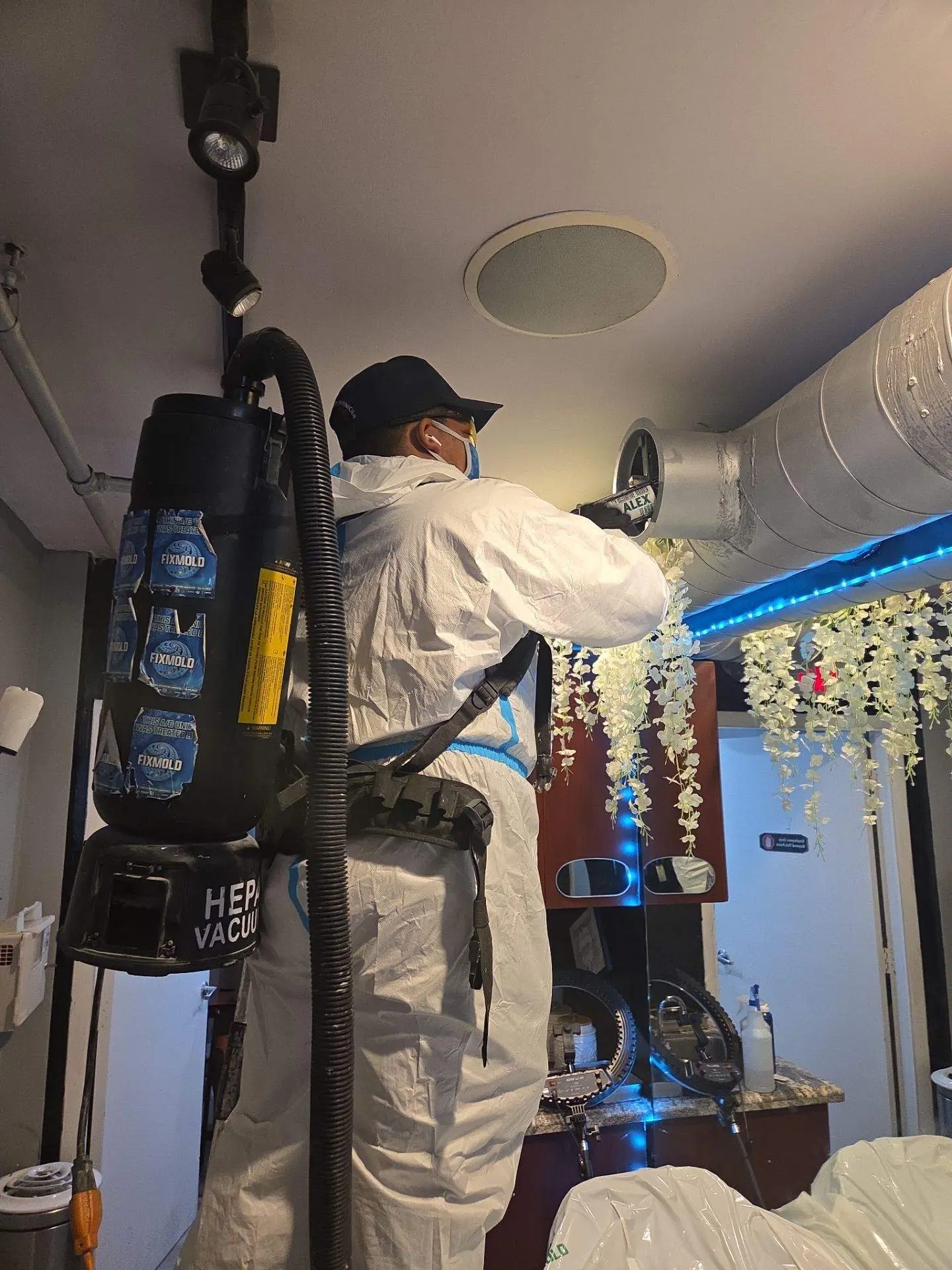
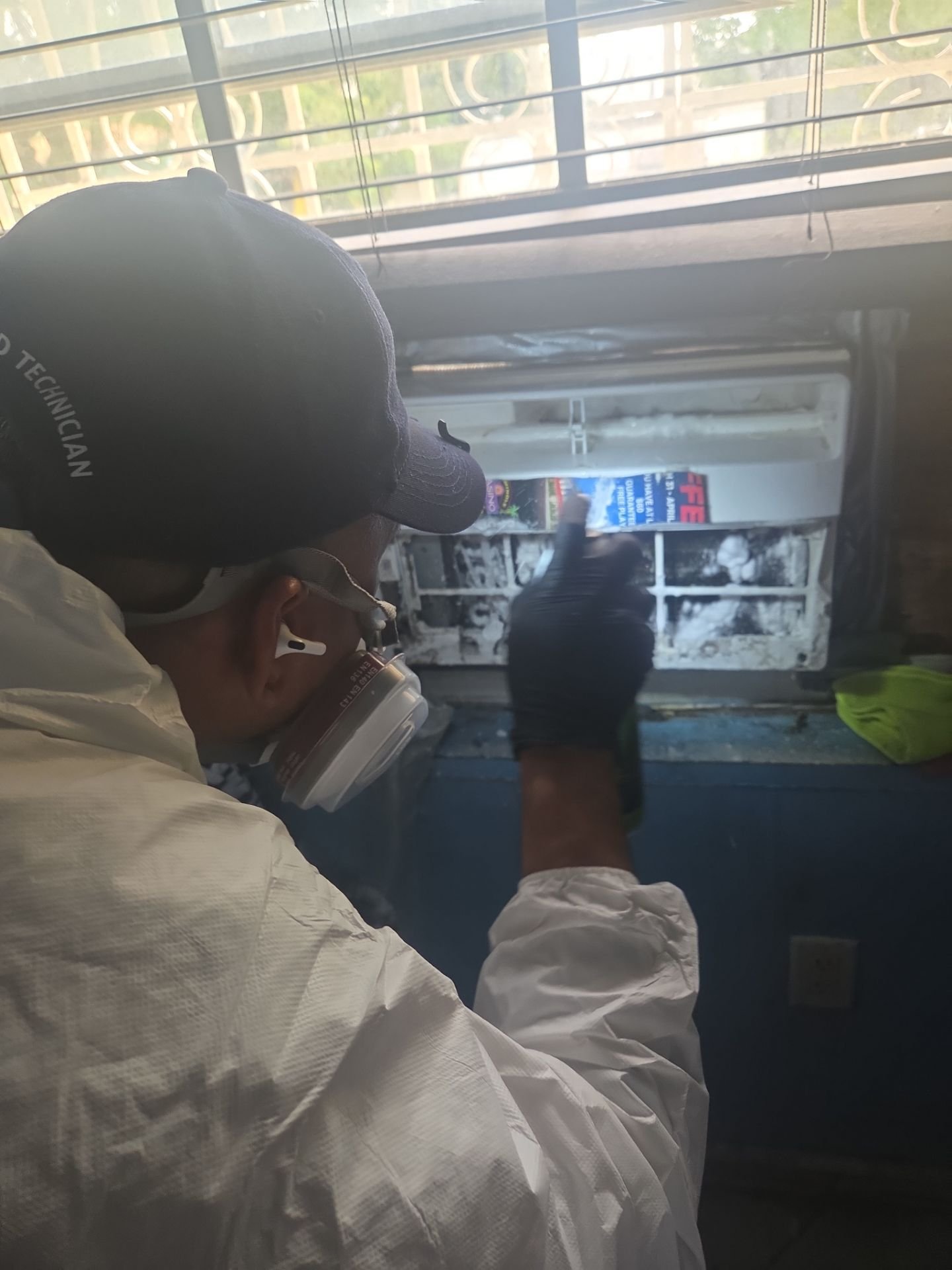
Yes. HVAC systems are one of the most common hidden sources of mold throughout South Florida homes and commercial buildings. Air conditioning systems create condensation continuously while cooling humid air.
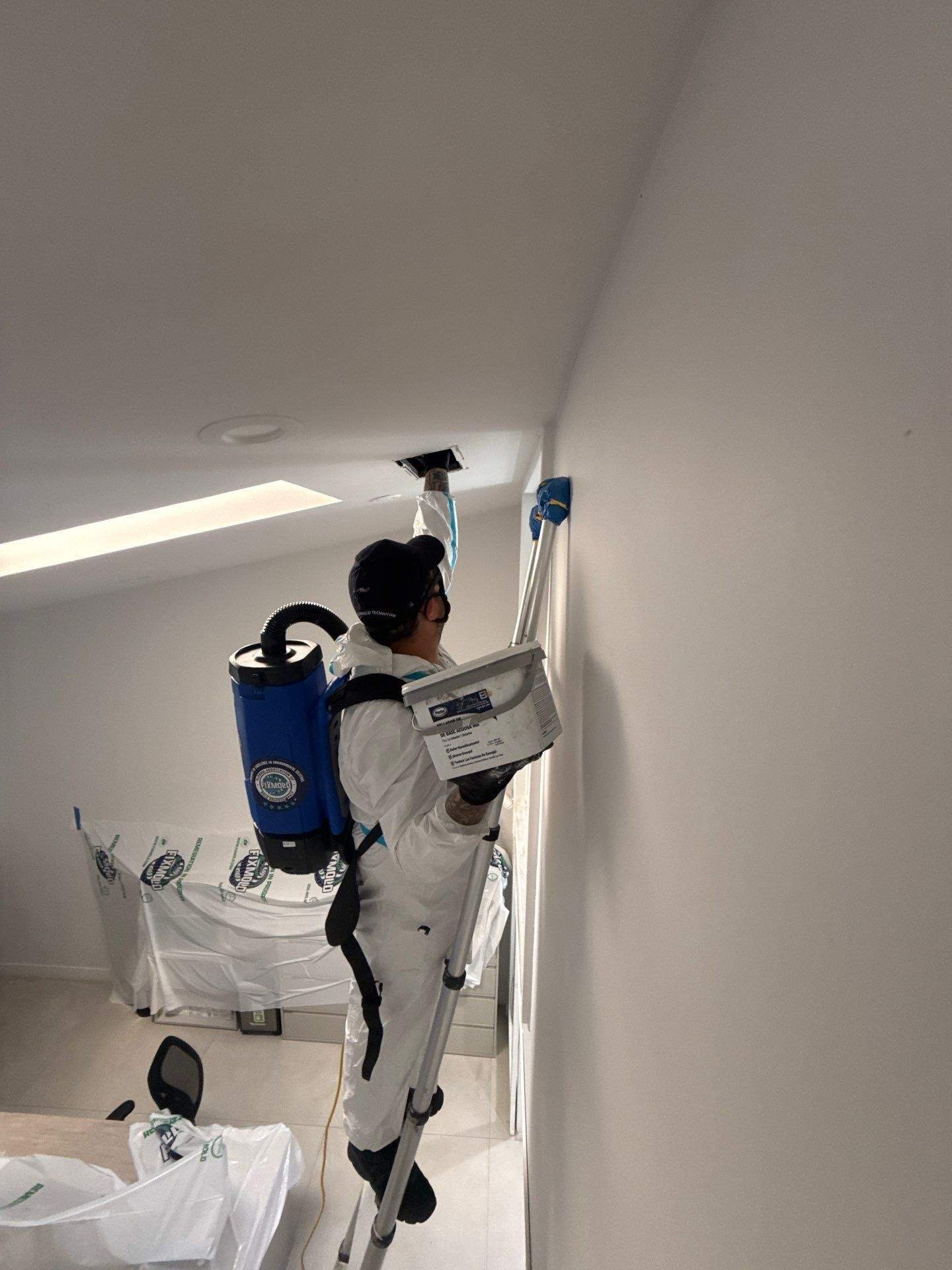
If drain systems clog, airflow becomes restricted, or insulation absorbs moisture, microbial growth may develop inside ducts, vents, air handlers, and nearby HVAC materials.
Since the ventilation system circulates air throughout the building, airborne particles associated with hidden contamination may spread into multiple rooms.
Many people first notice musty odors or stale air near vents before visible mold appears elsewhere inside the property.

Yes. Hidden mold is extremely common throughout Miami properties because moisture frequently develops inside enclosed structural cavities before visible contamination appears indoors.
Mold may grow behind drywall, inside insulation systems, beneath flooring assemblies, around plumbing leaks, inside ceiling cavities, or within attic and crawlspace areas where humidity and airflow problems allow moisture to remain trapped.
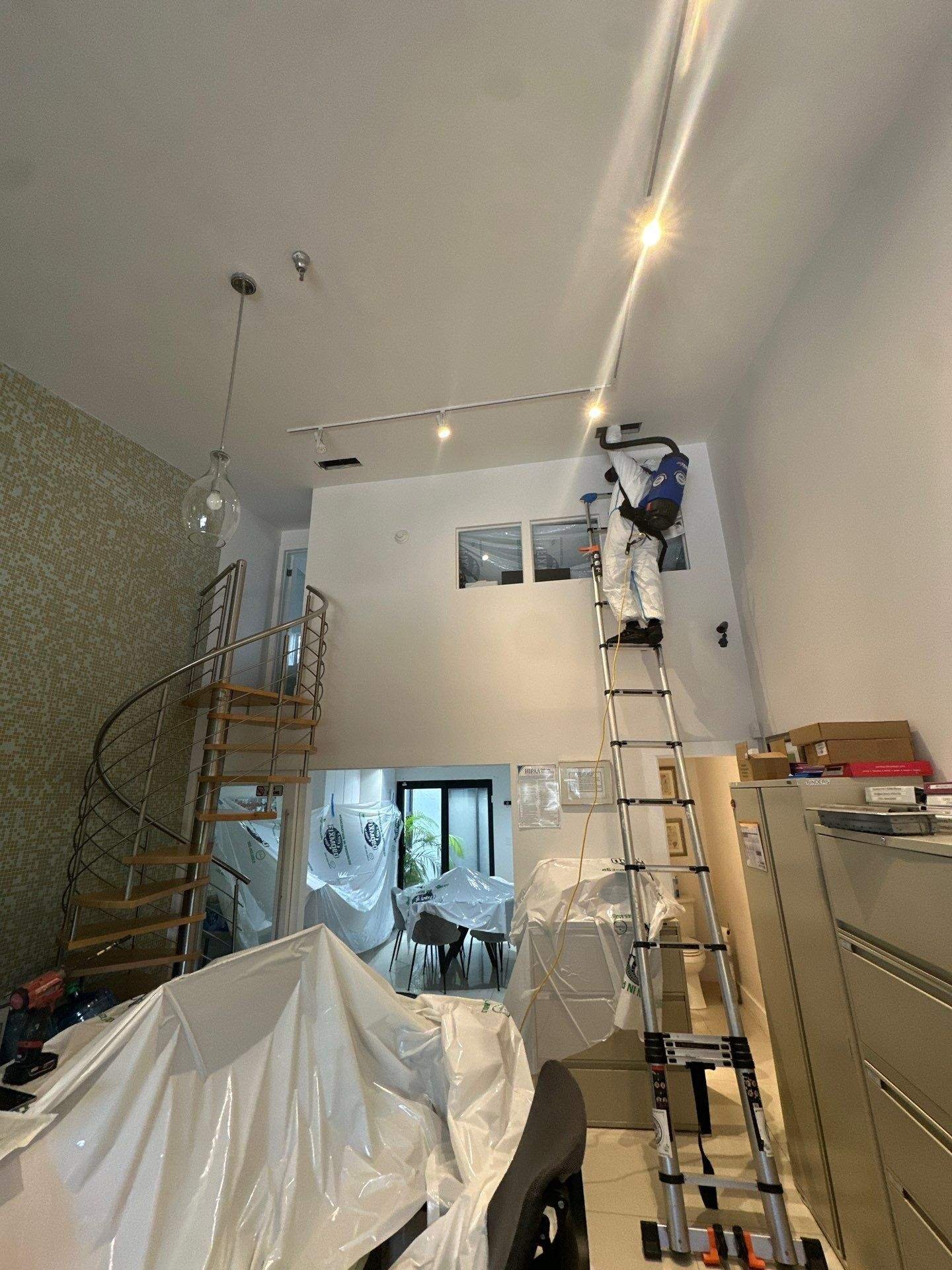
Many properties experiencing musty odors, humidity imbalance, or indoor air quality concerns appear visually clean while hidden environmental contamination continues affecting the building behind finished surfaces.
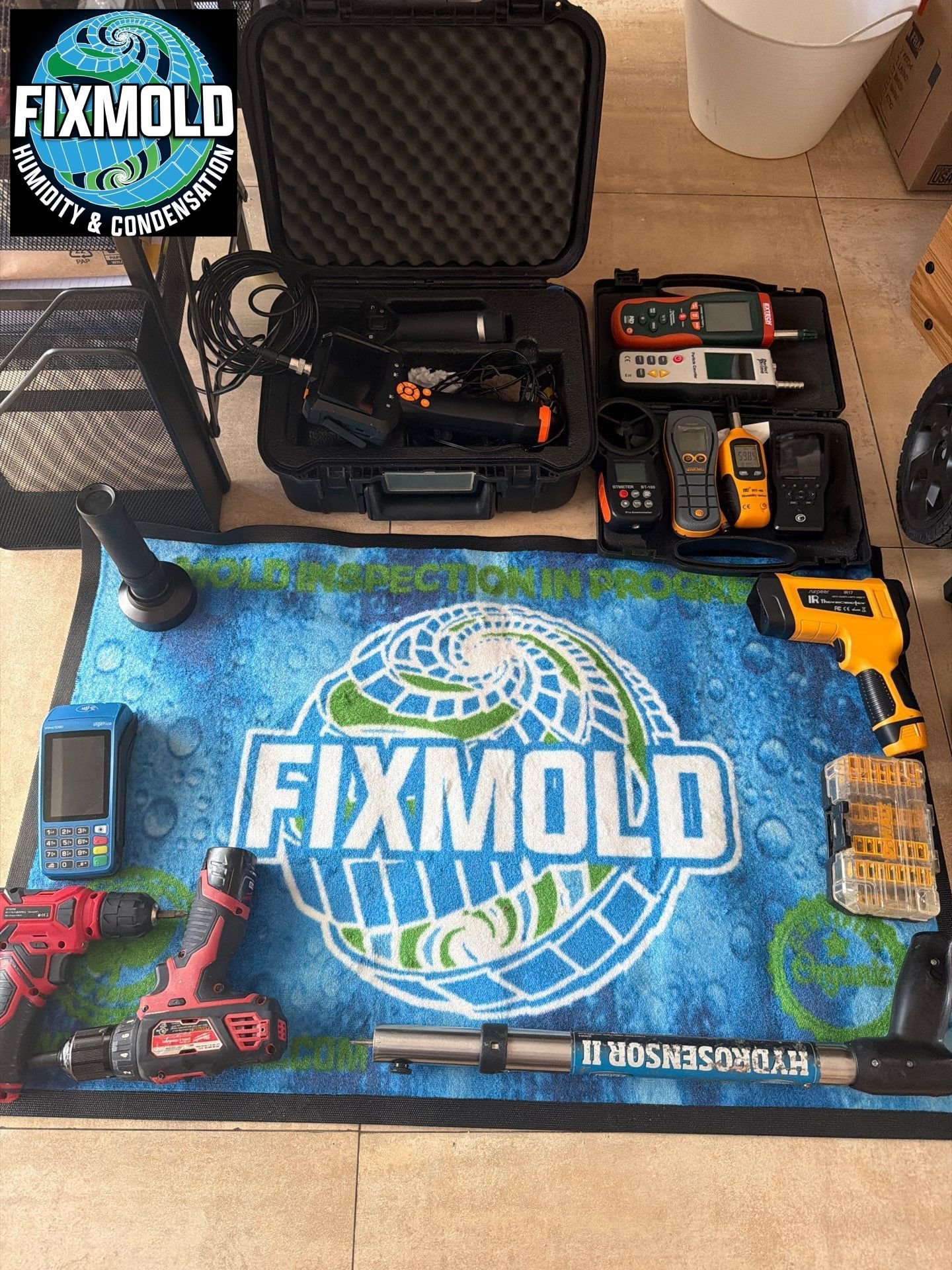
Thermal imaging and moisture detection are commonly used to help identify concealed dampness associated with hidden mold activity.
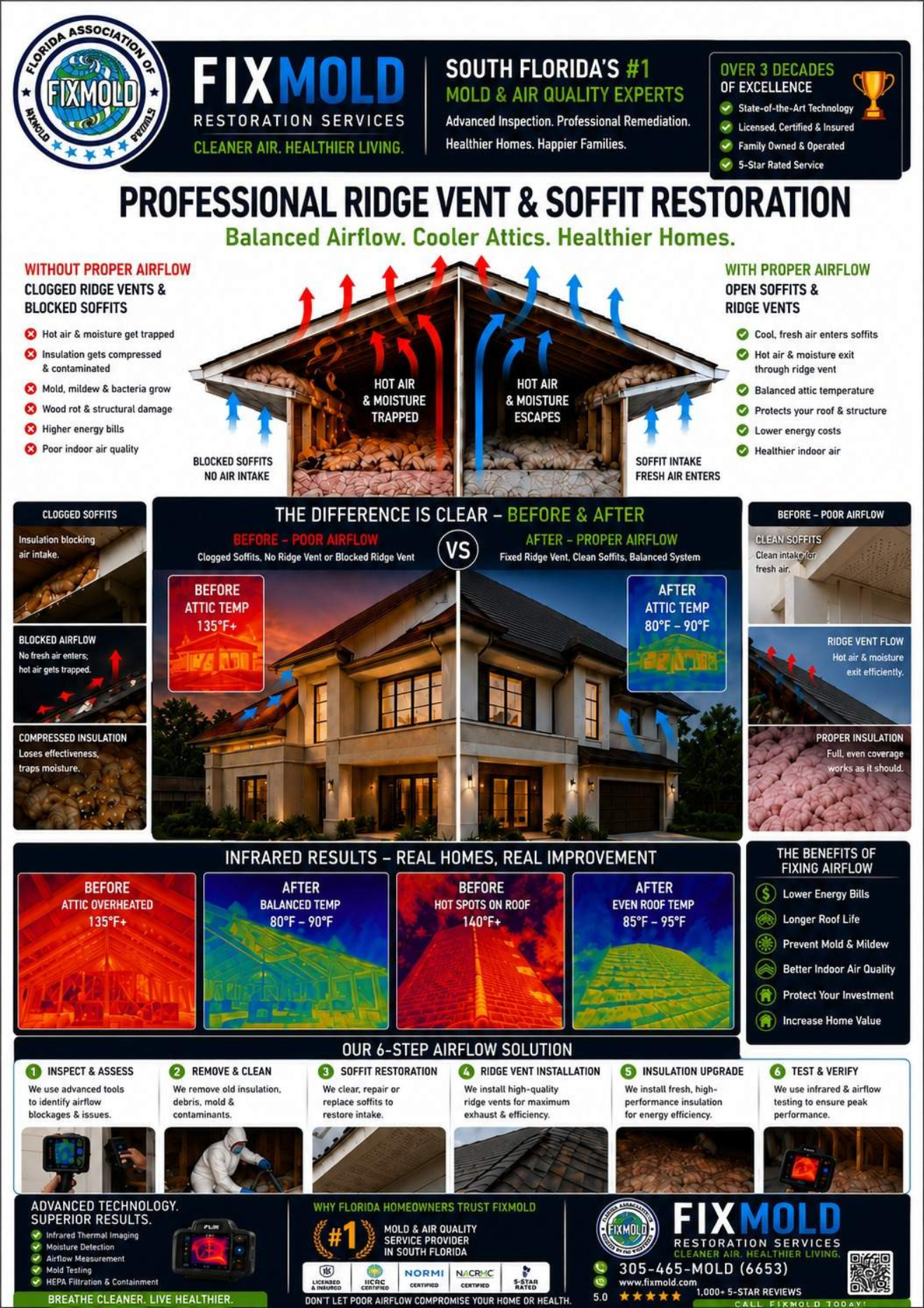
Attics and crawlspaces often trap heat and moisture due to South Florida’s humid climate. Roof leaks, poor ventilation, HVAC duct condensation, flooding, elevated groundwater, and humidity buildup may all contribute to damp conditions inside these enclosed structural spaces.
Attics frequently develop moisture problems during storm season while crawlspaces may remain damp year-round due to poor drainage and groundwater exposure.
Because airflow is limited in these areas, moisture often remains trapped long enough for contamination to develop gradually over time.
Hidden environmental conditions inside attics and crawlspaces may eventually affect indoor air quality throughout the occupied living space.
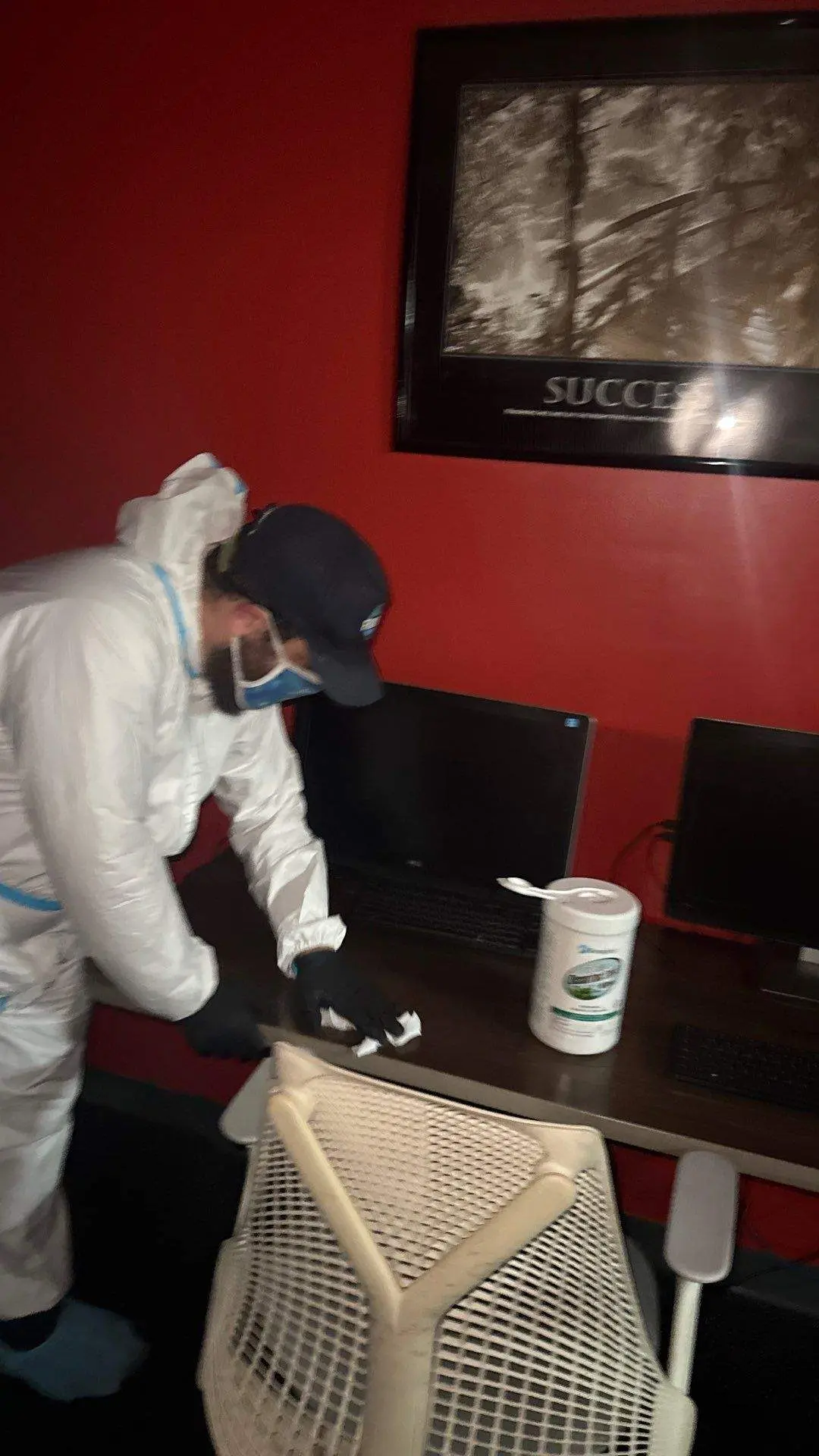
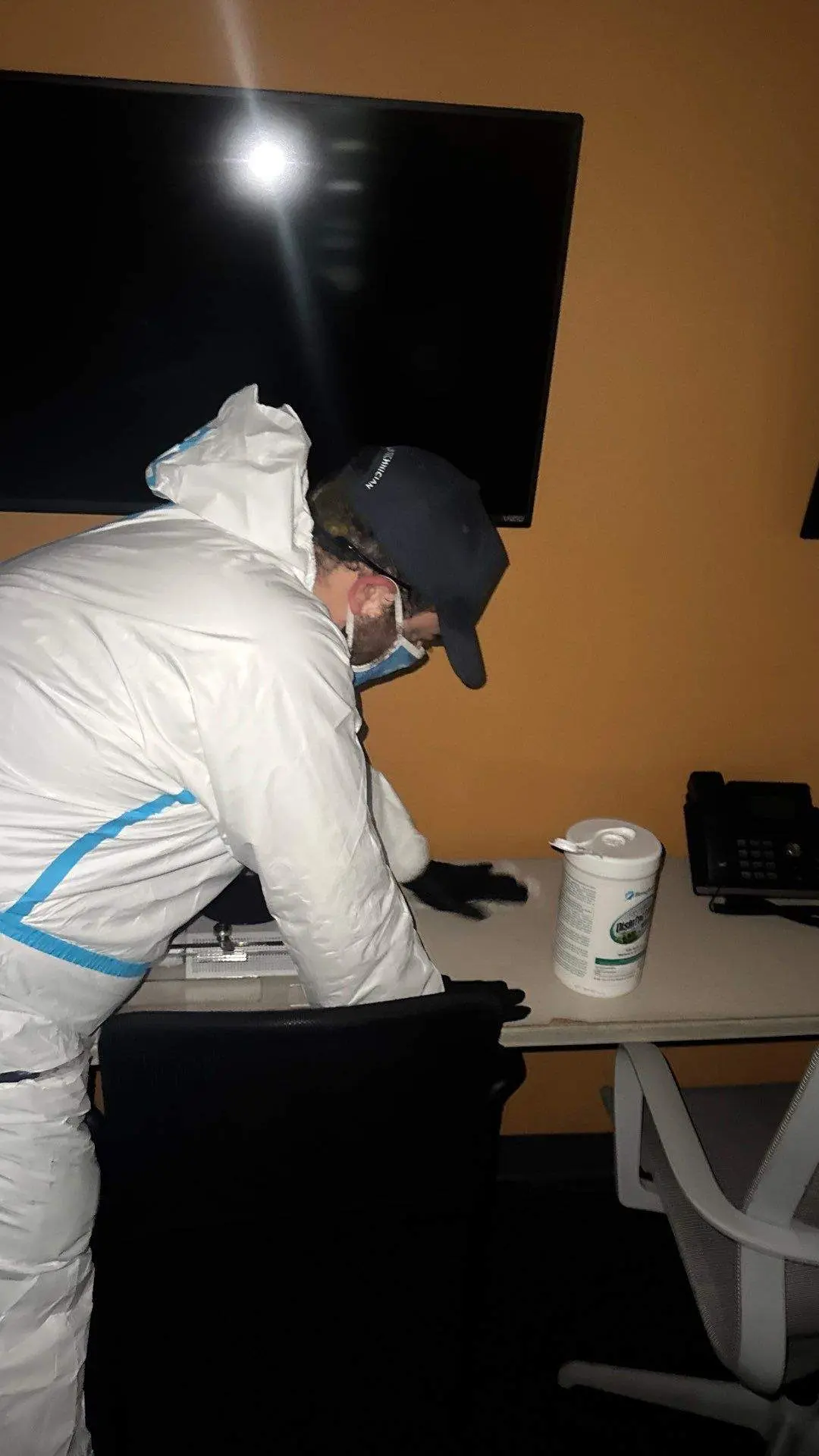
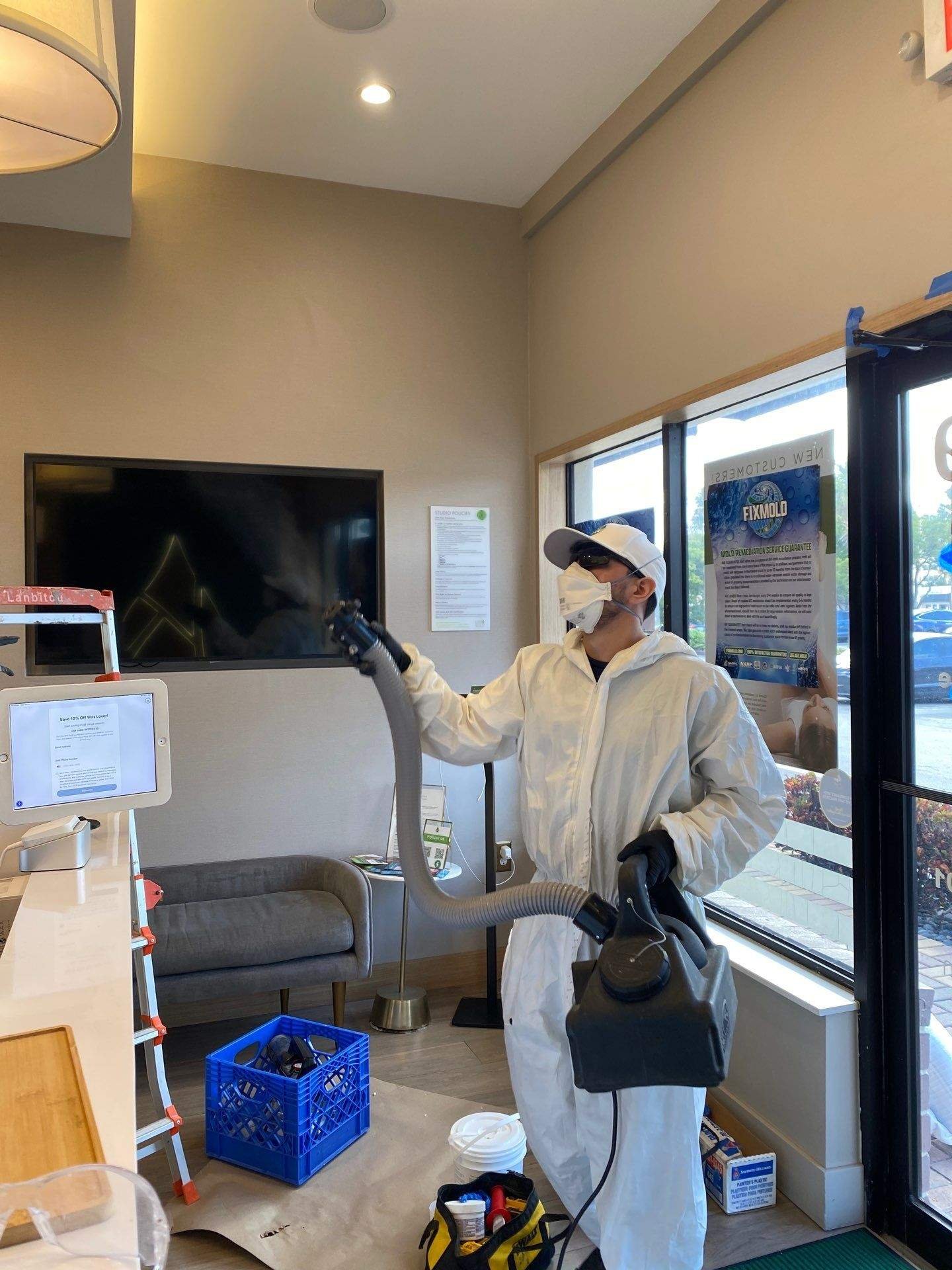
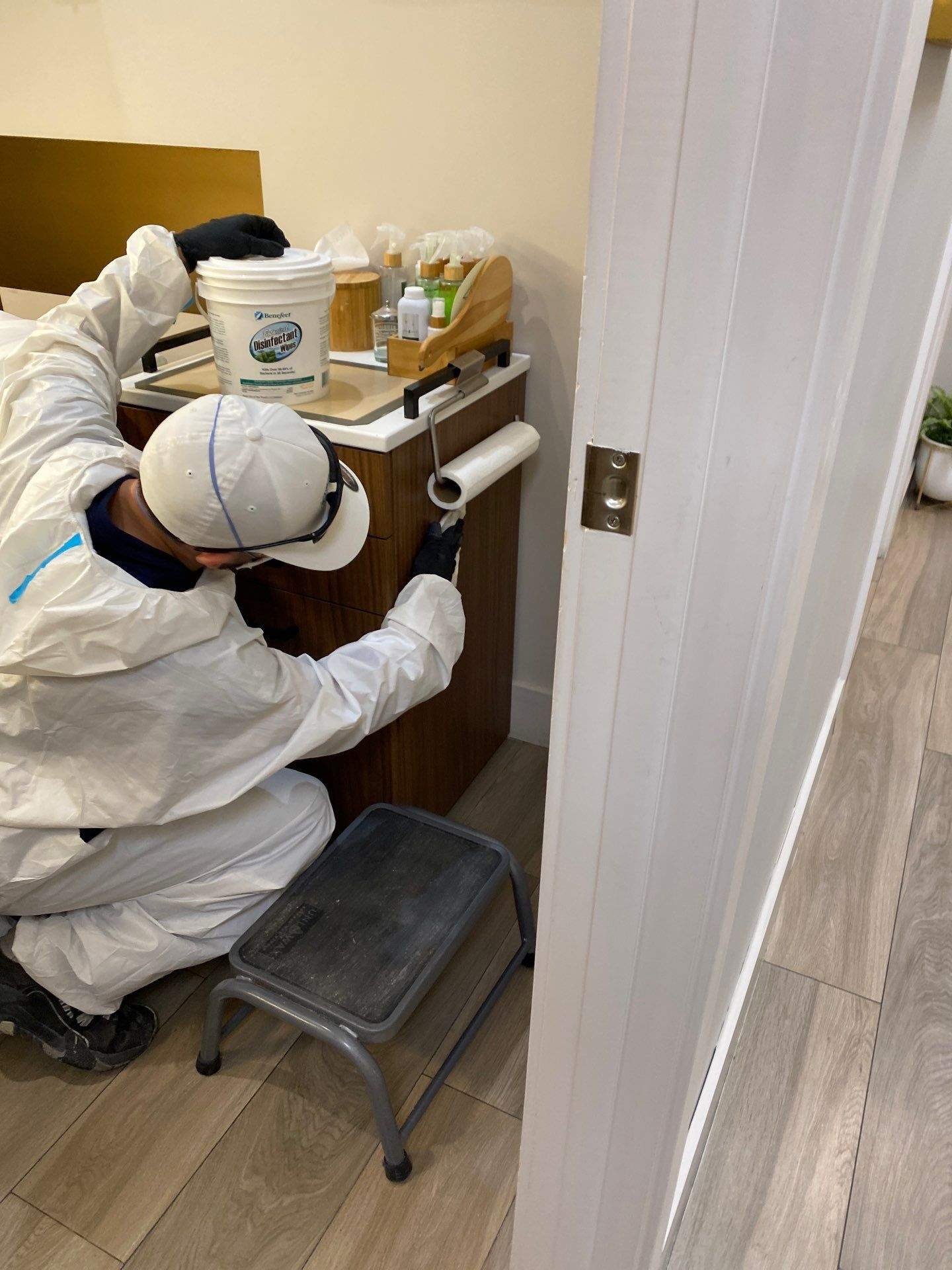
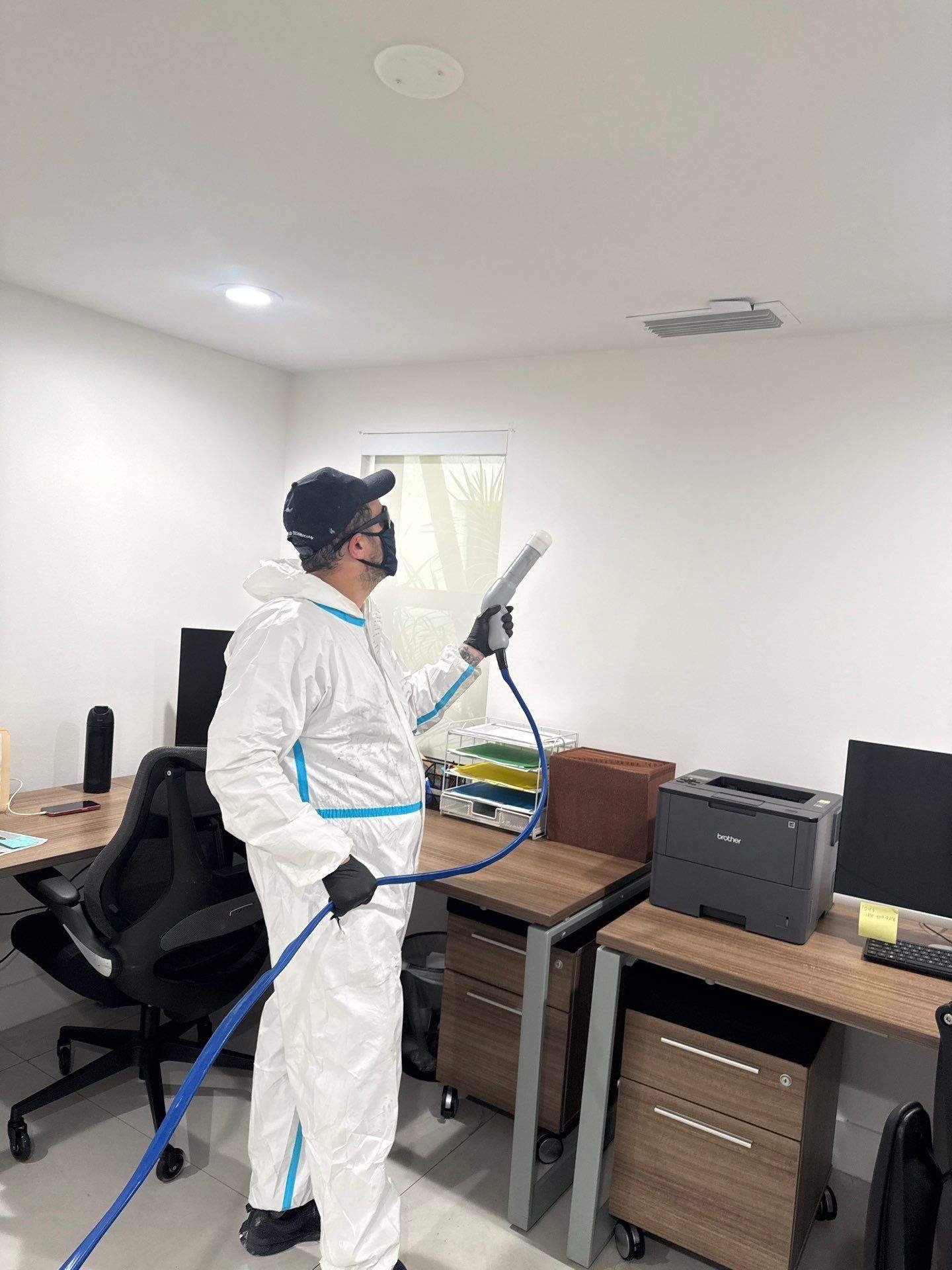
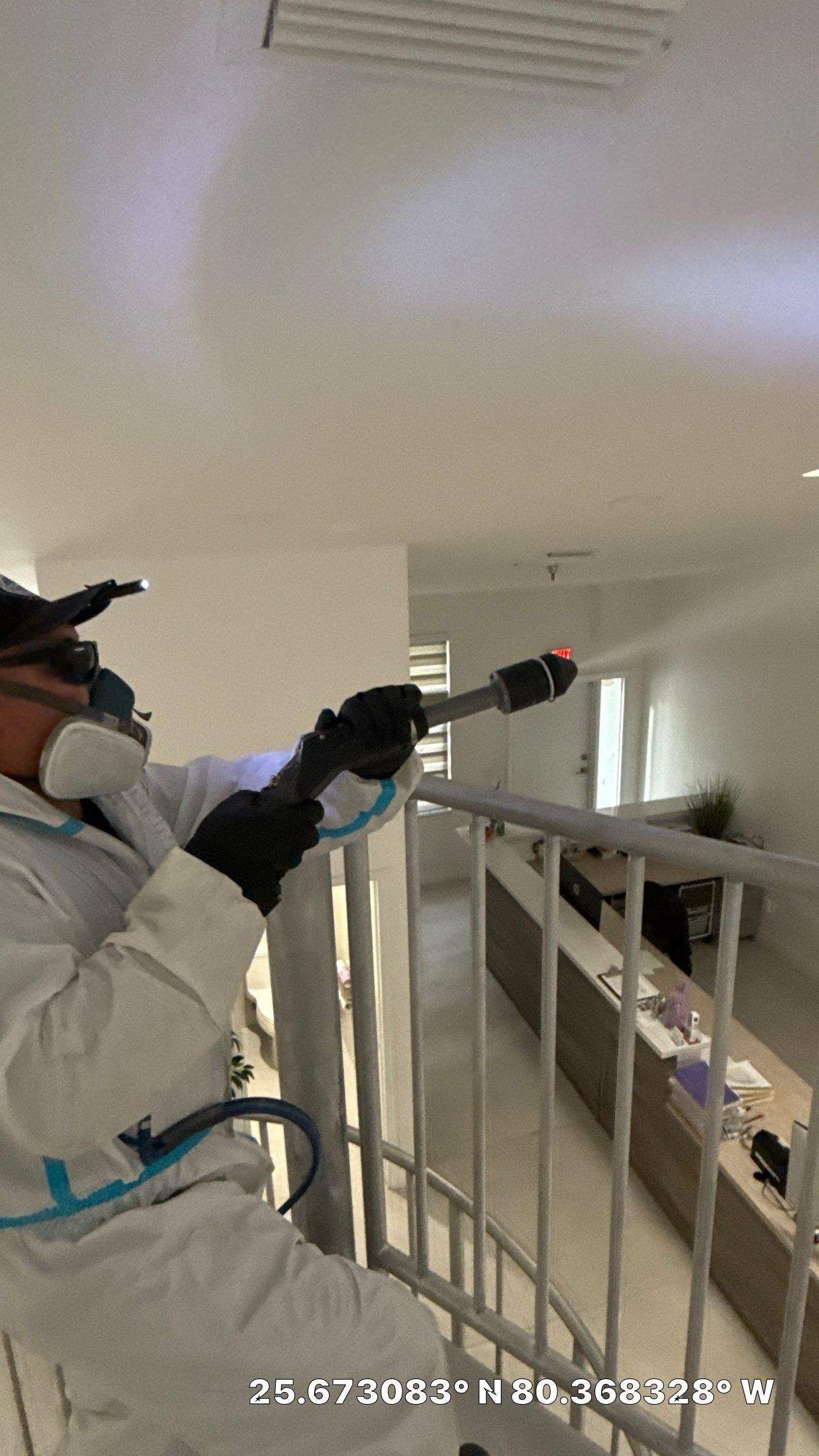
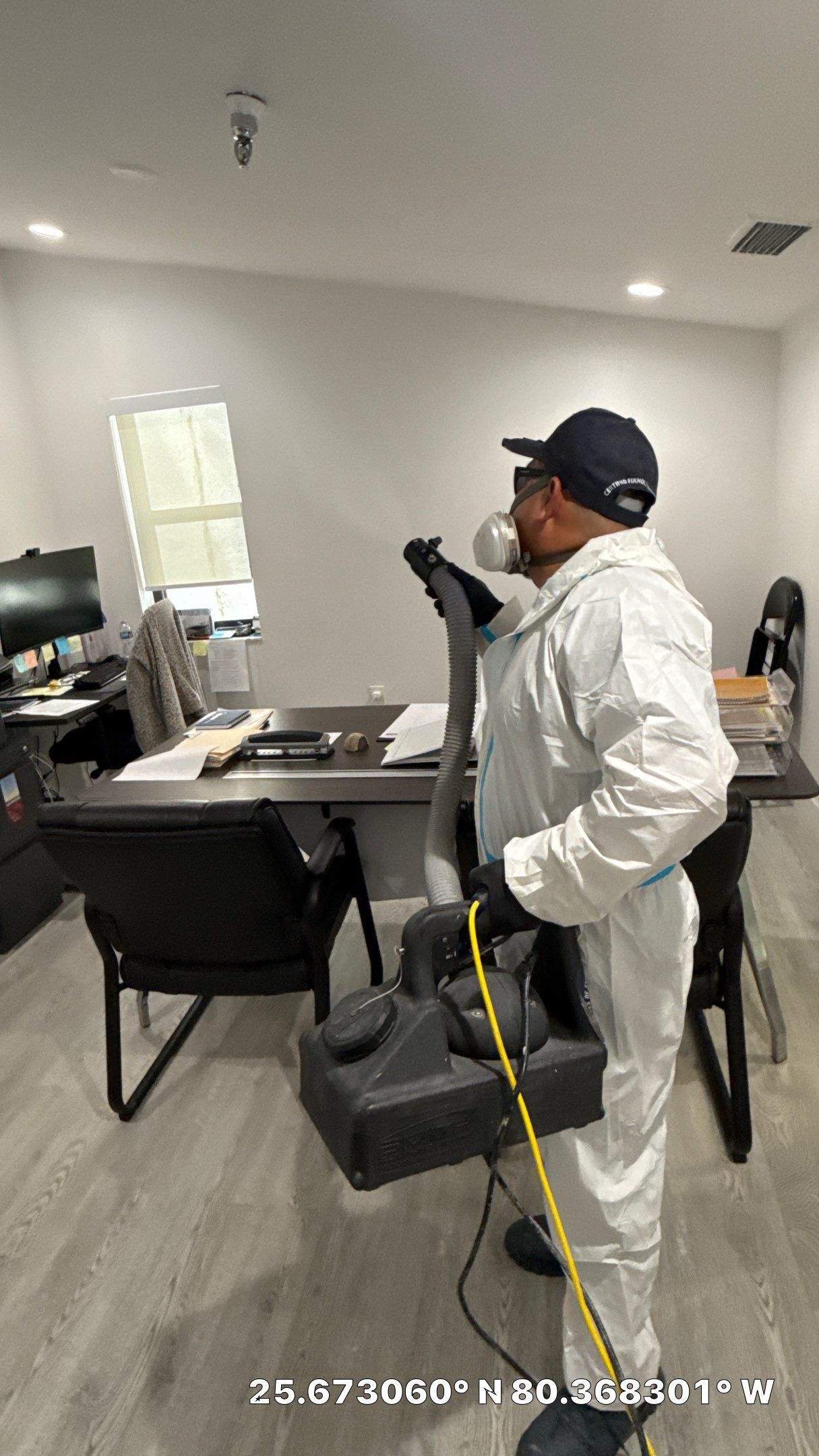
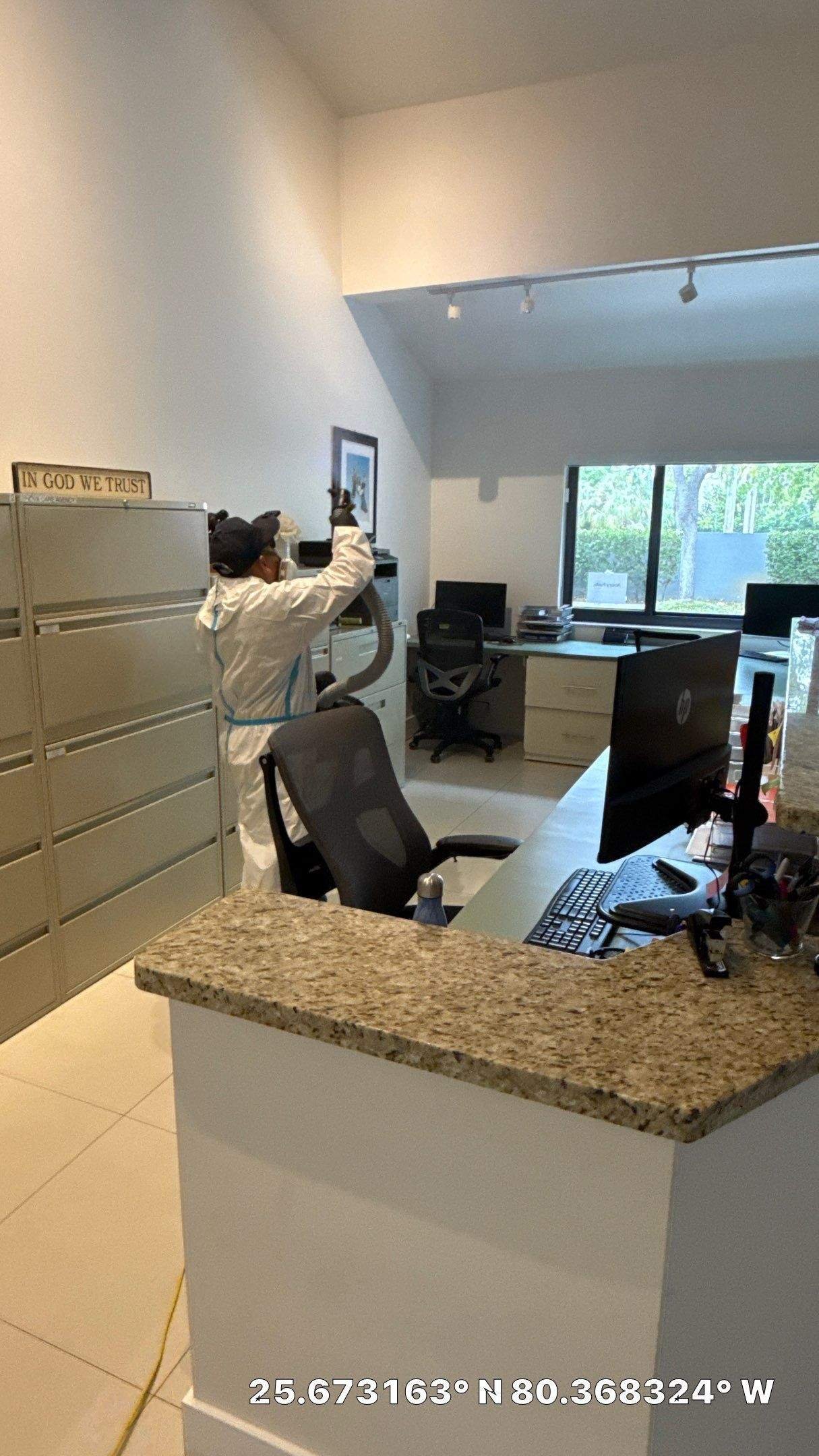
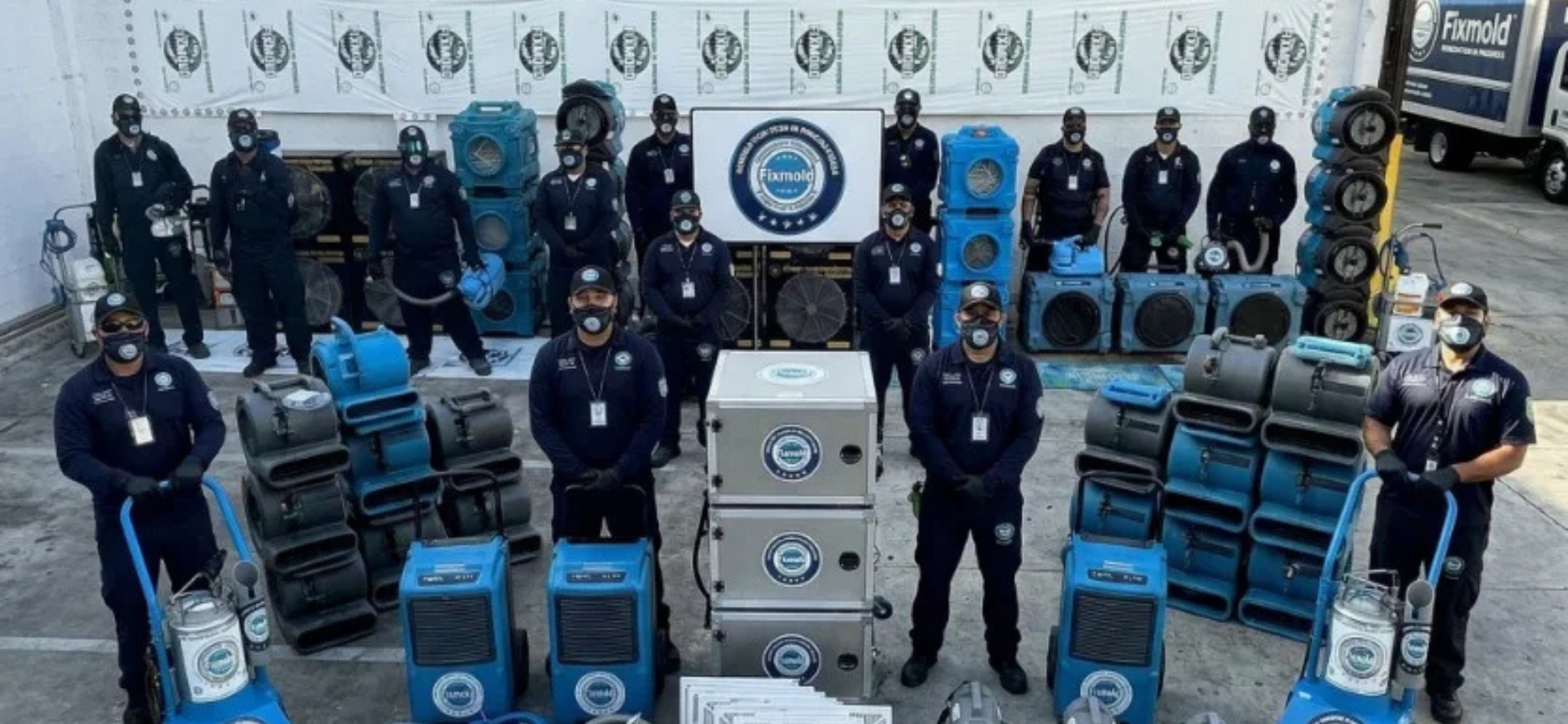
Professional mold removal typically begins with identifying the source of moisture contributing to contamination inside the property. Environmental evaluation may involve thermal imaging, moisture detection, humidity analysis, HVAC assessment, and airflow inspection.
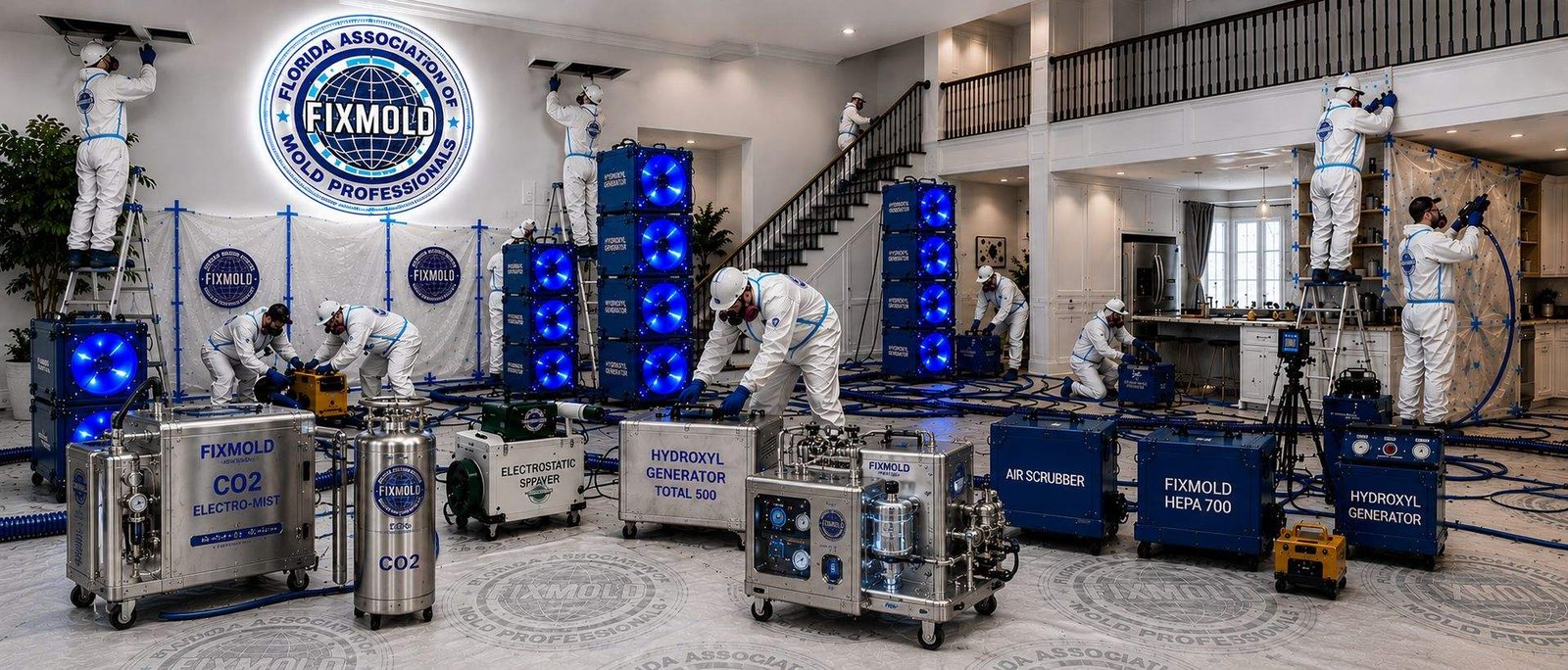
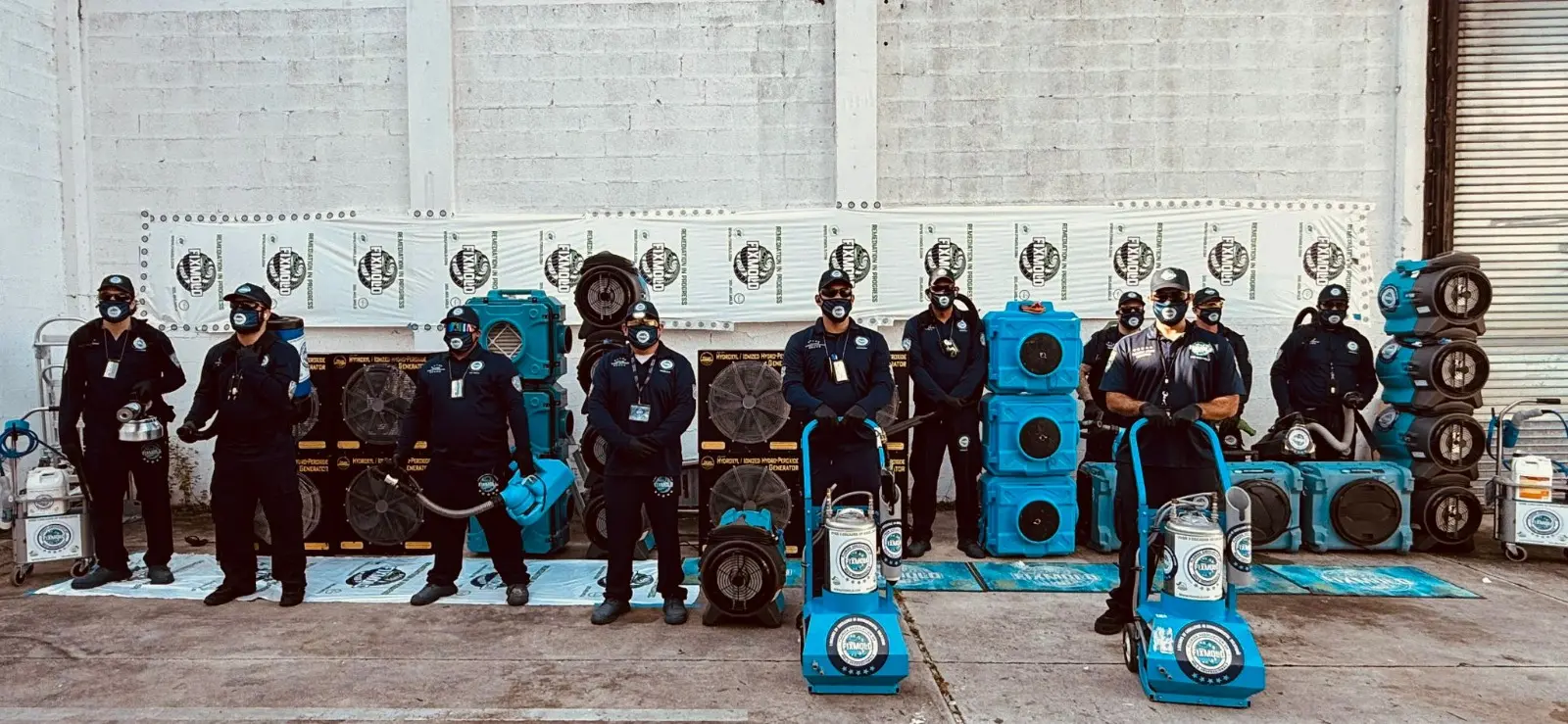
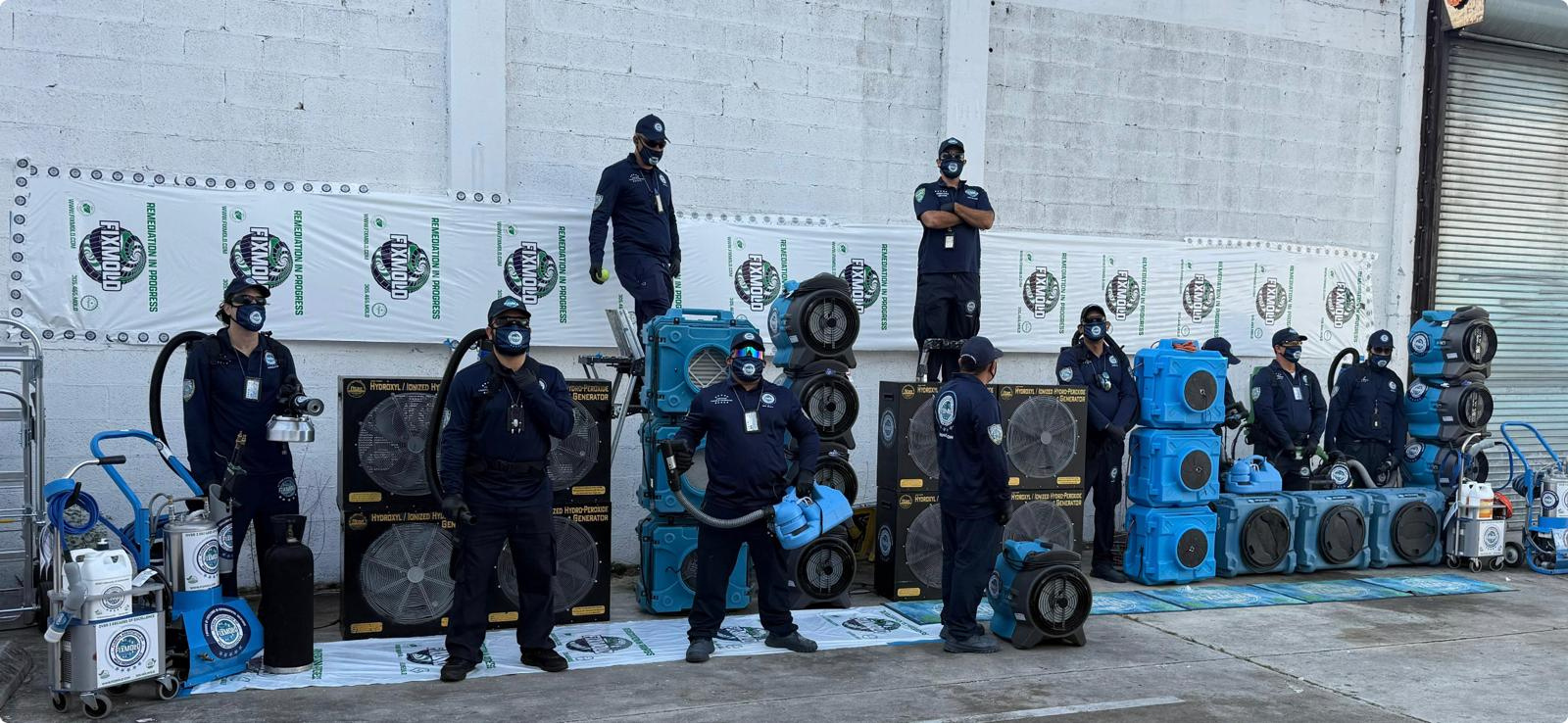
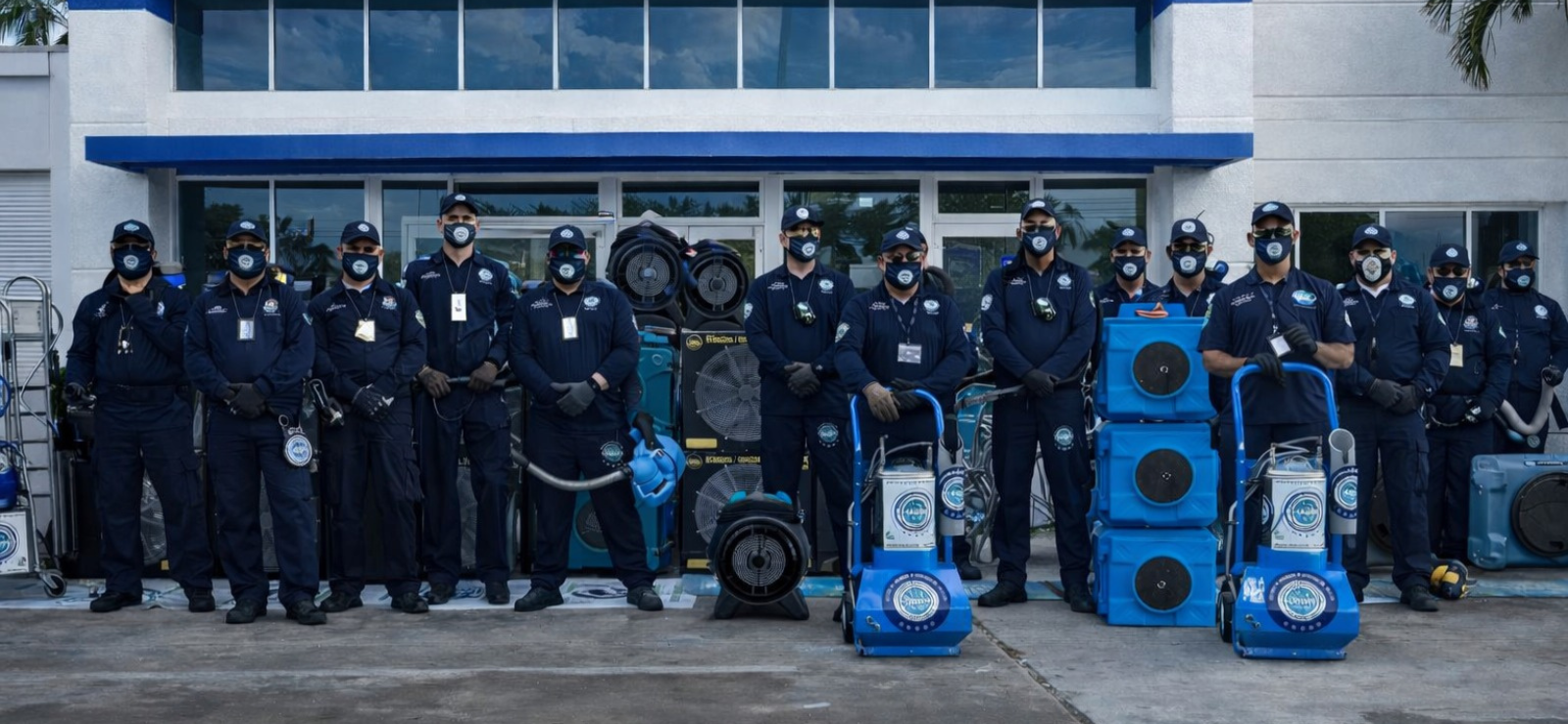
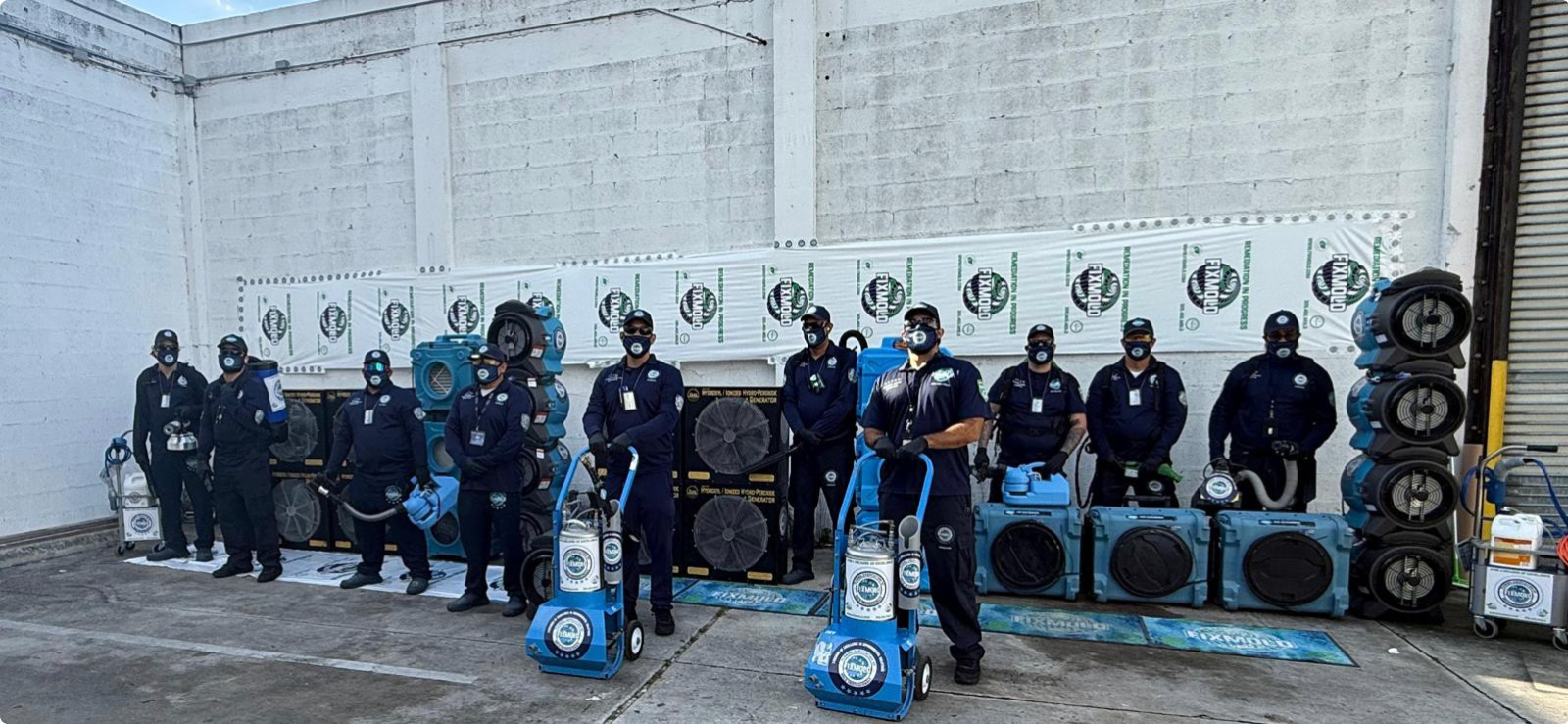
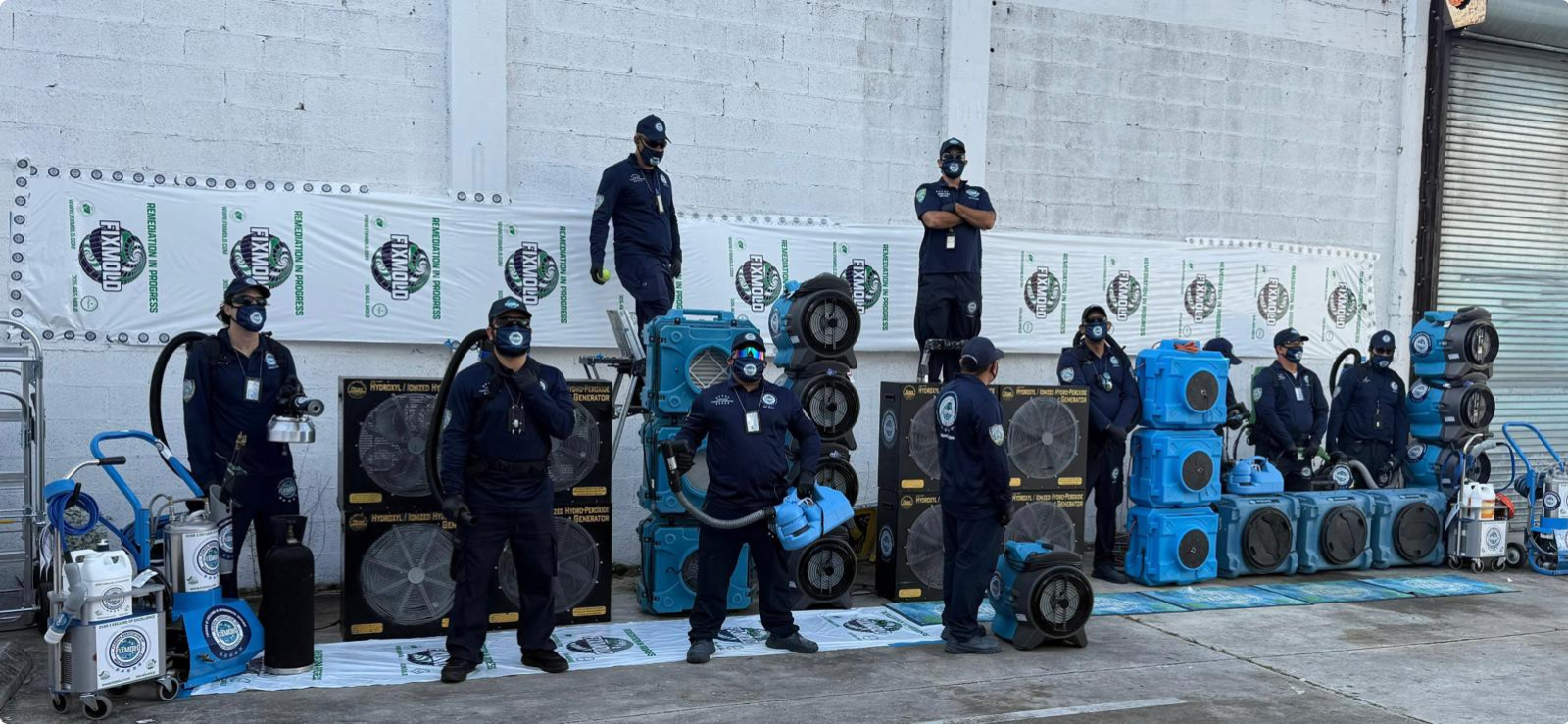
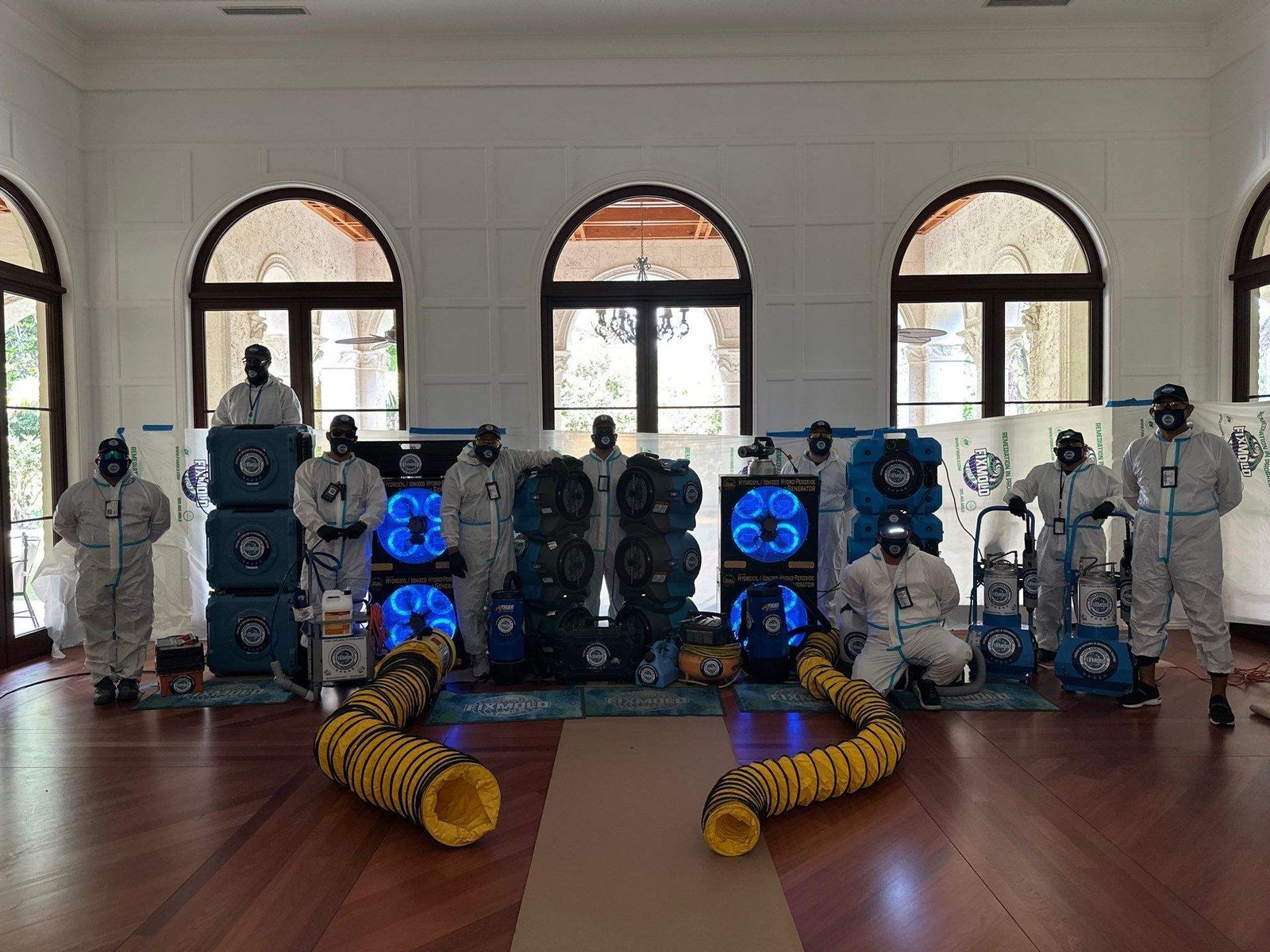
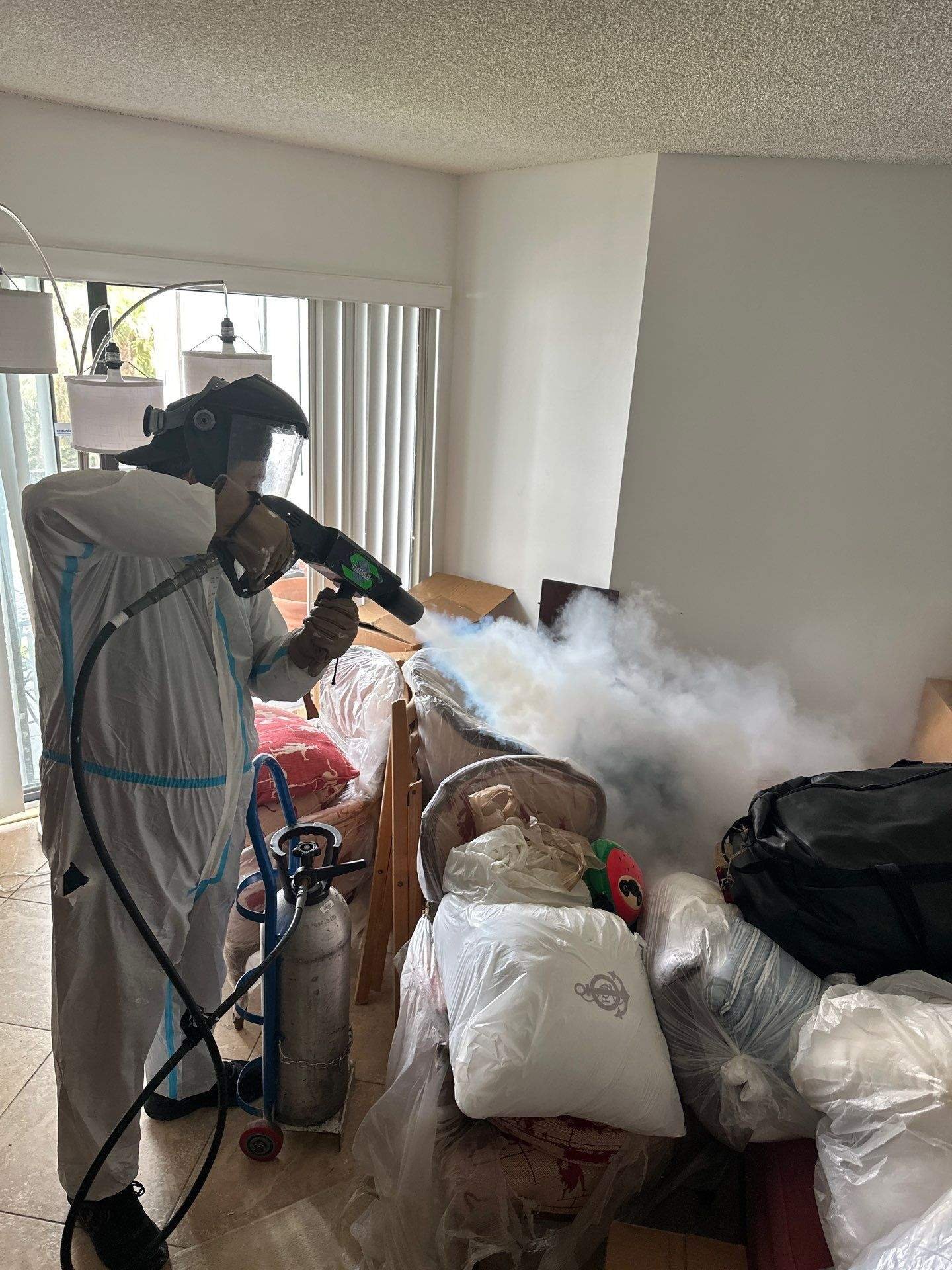
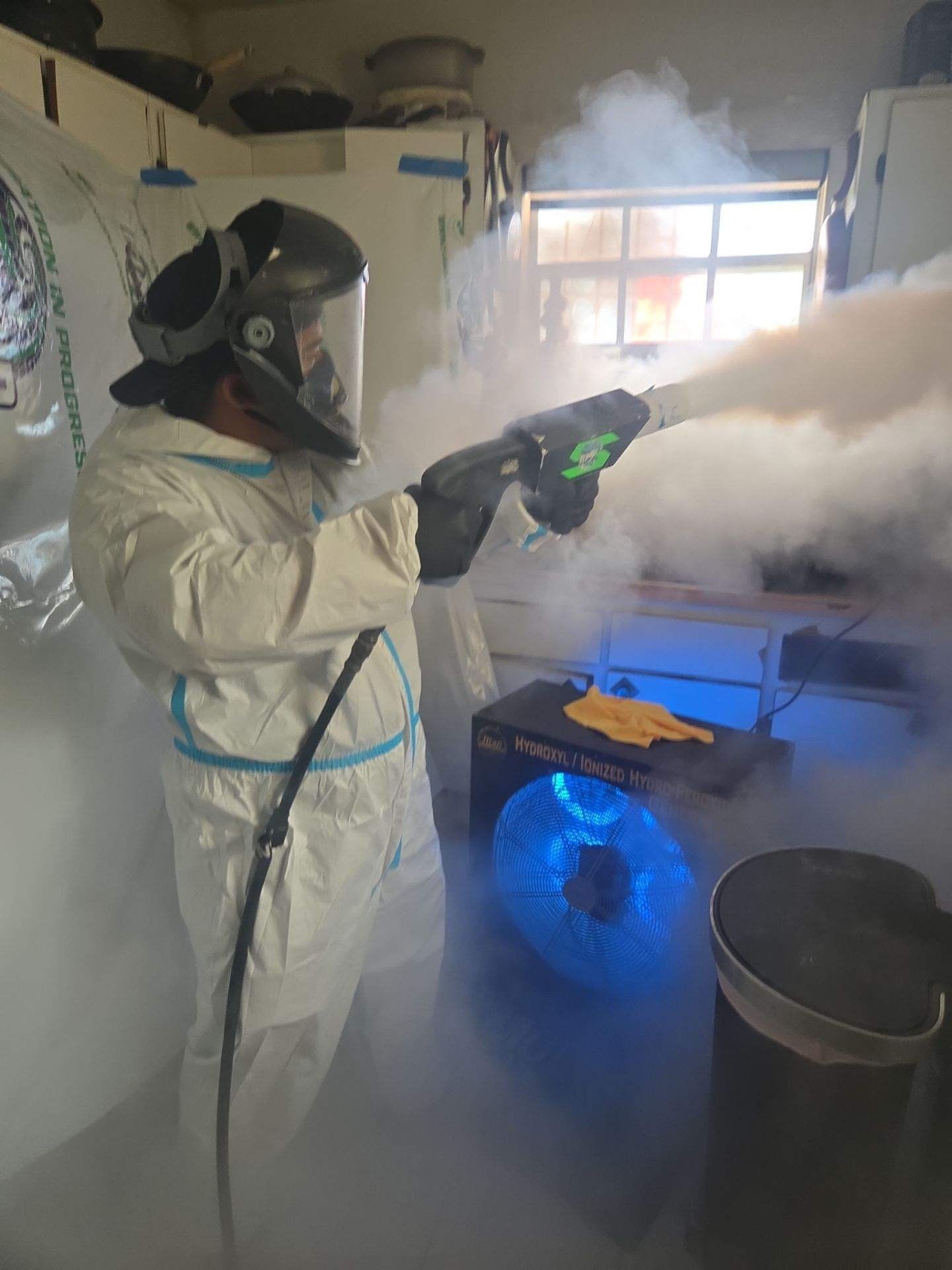
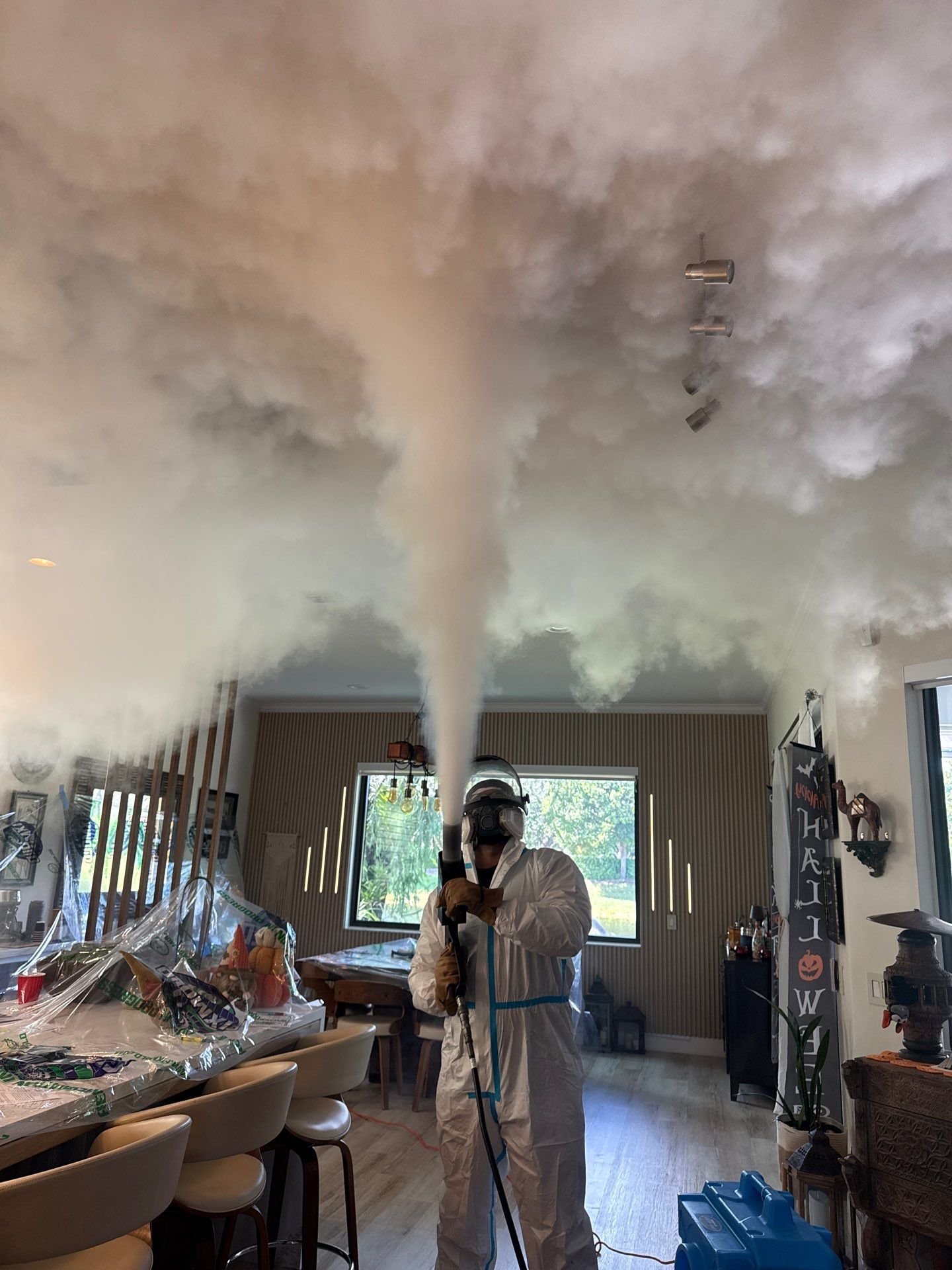
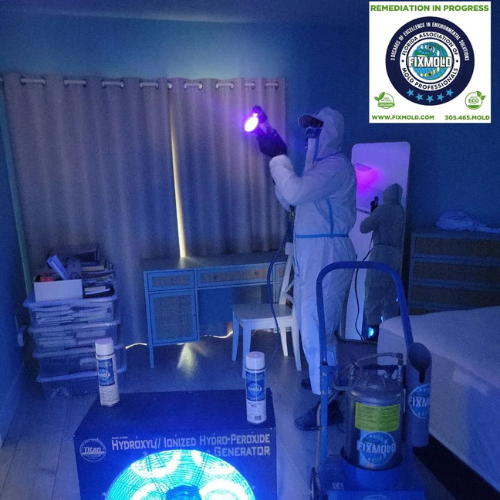
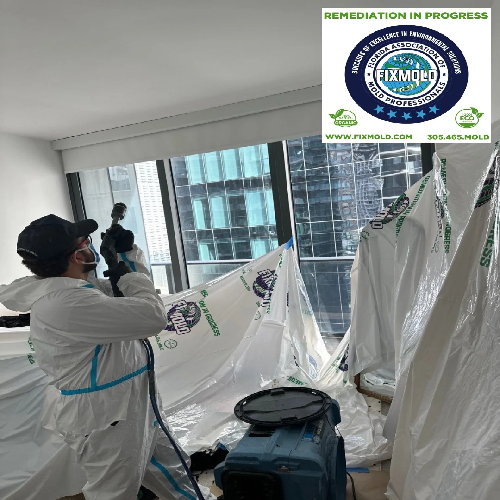
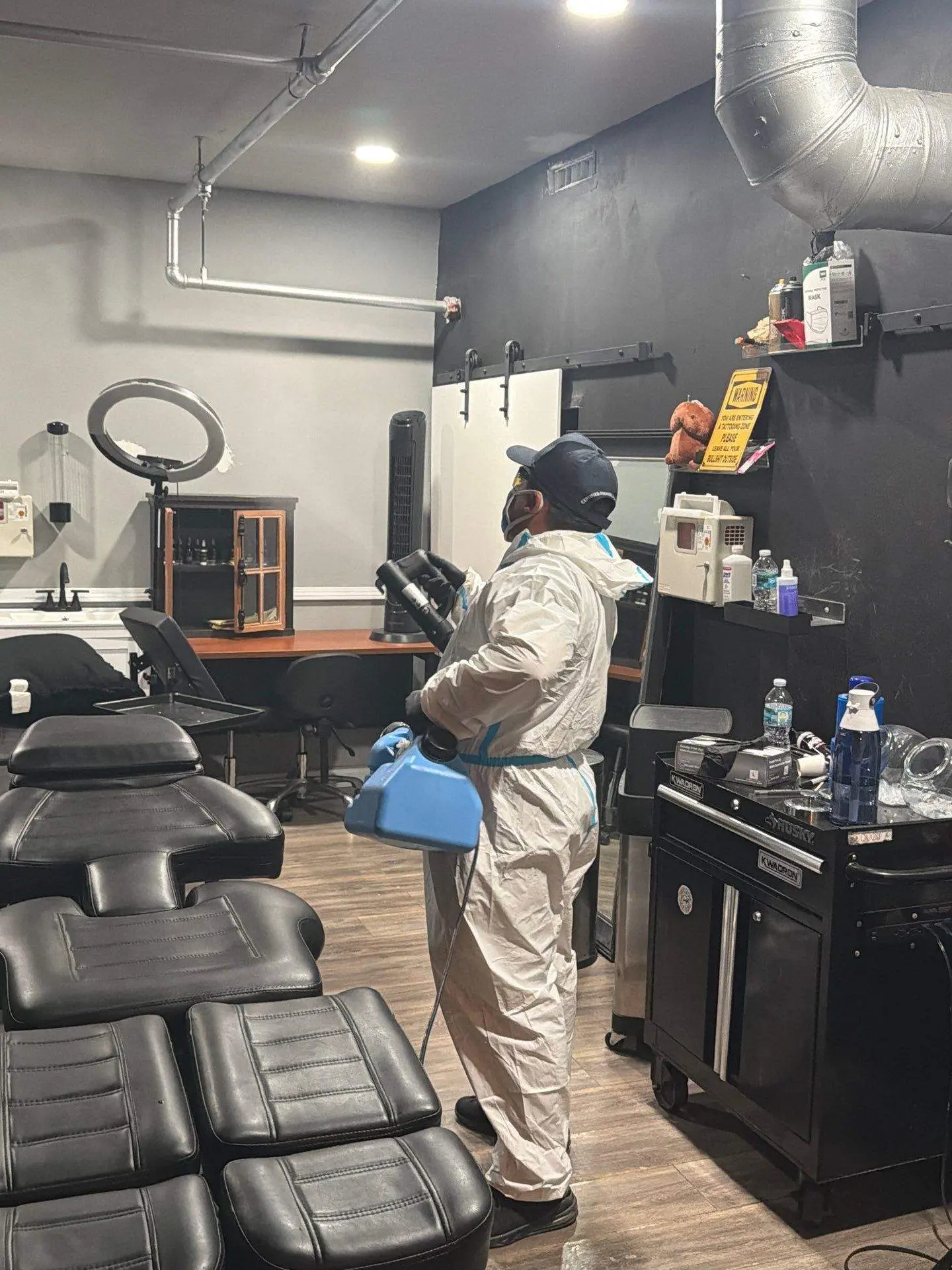
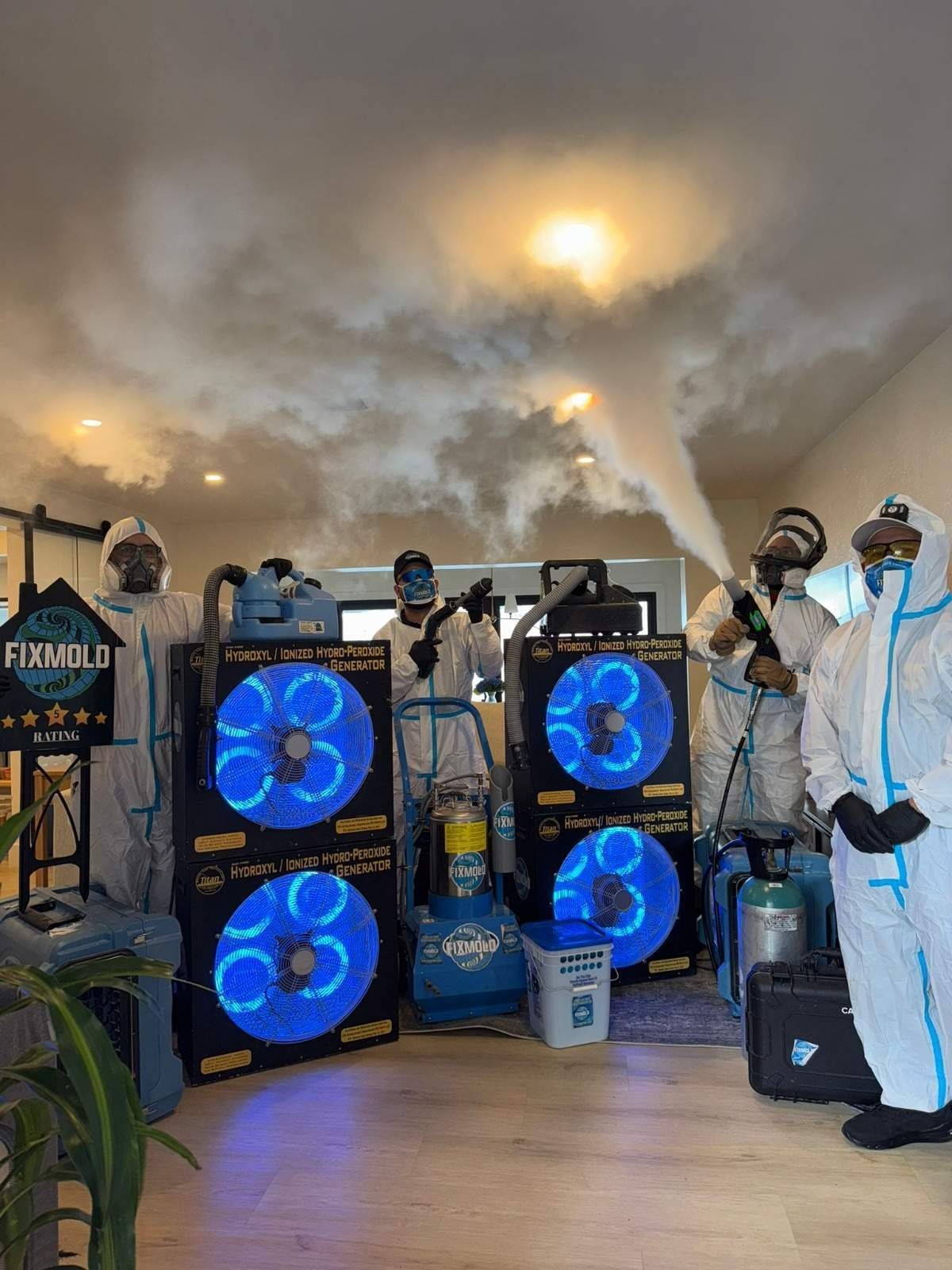
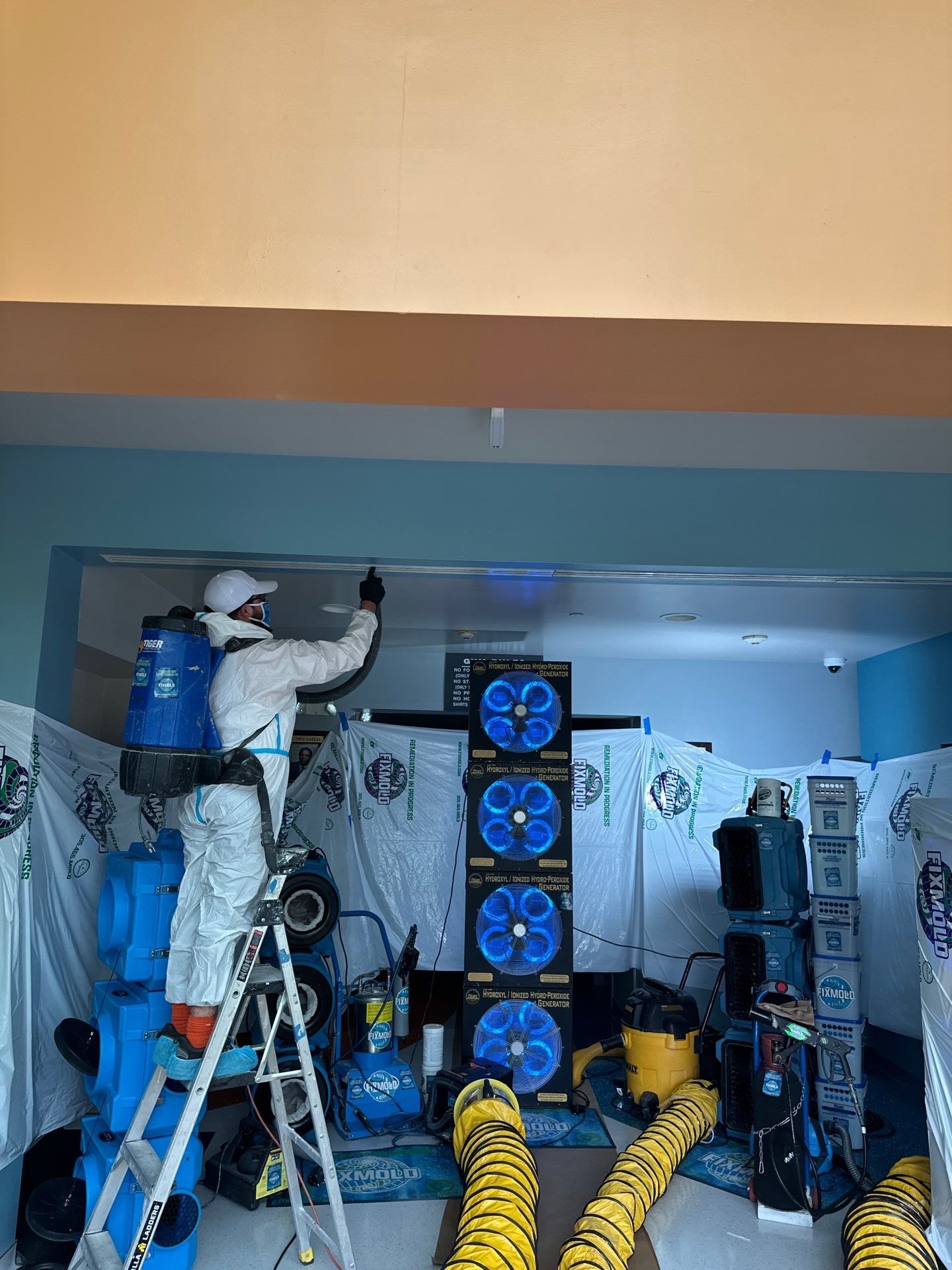
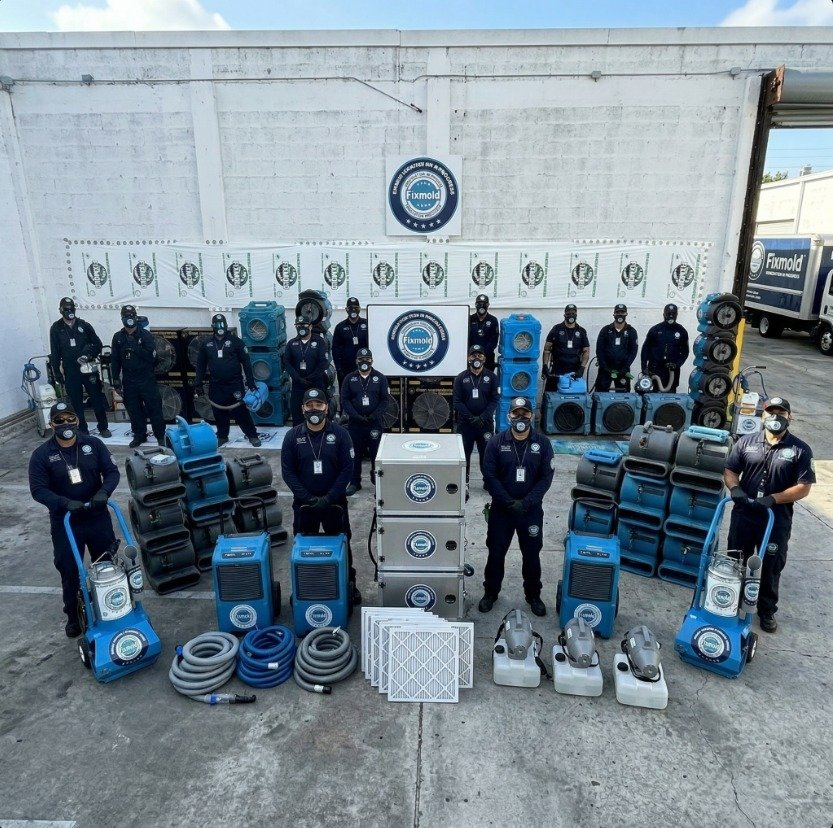
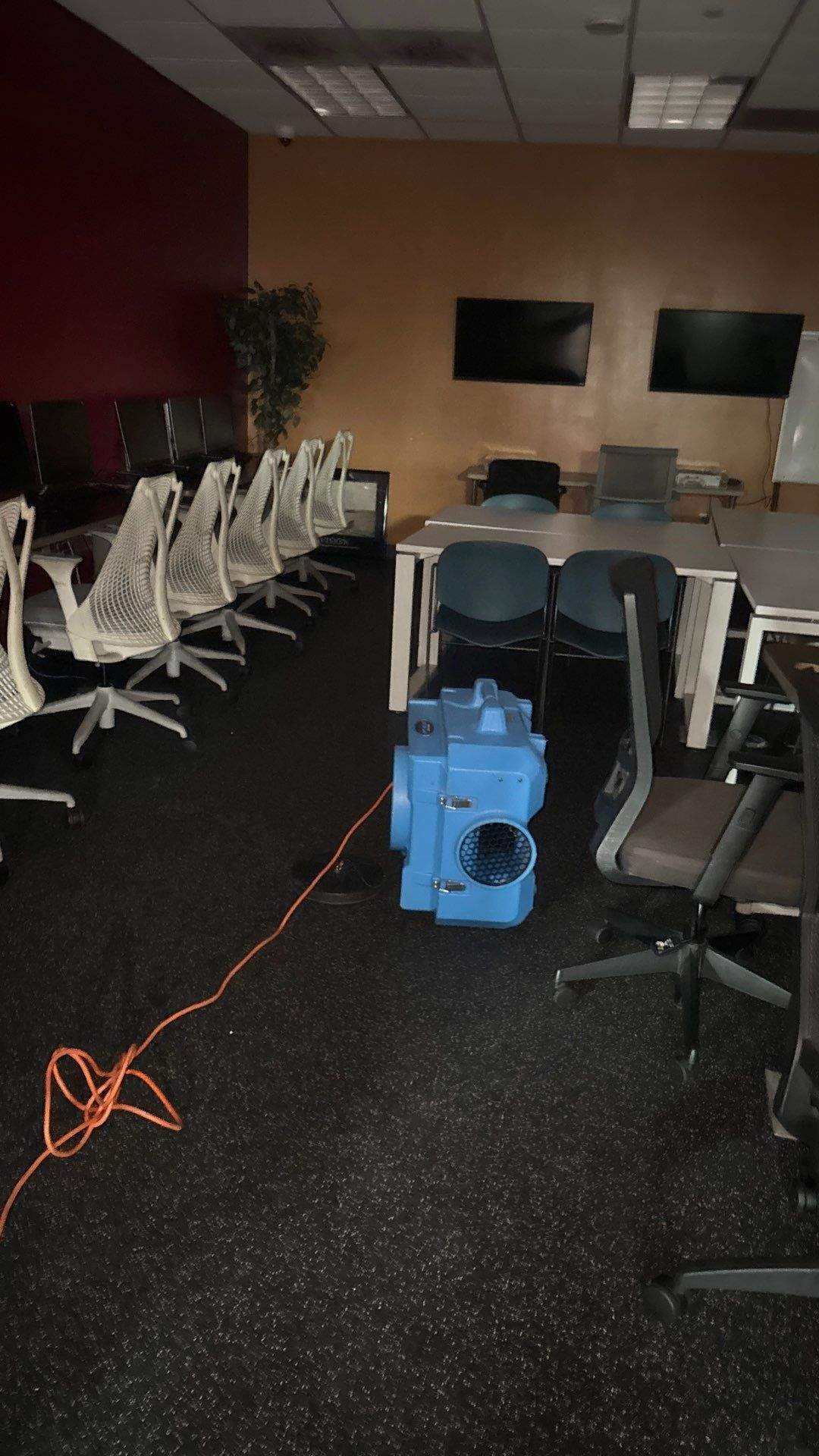
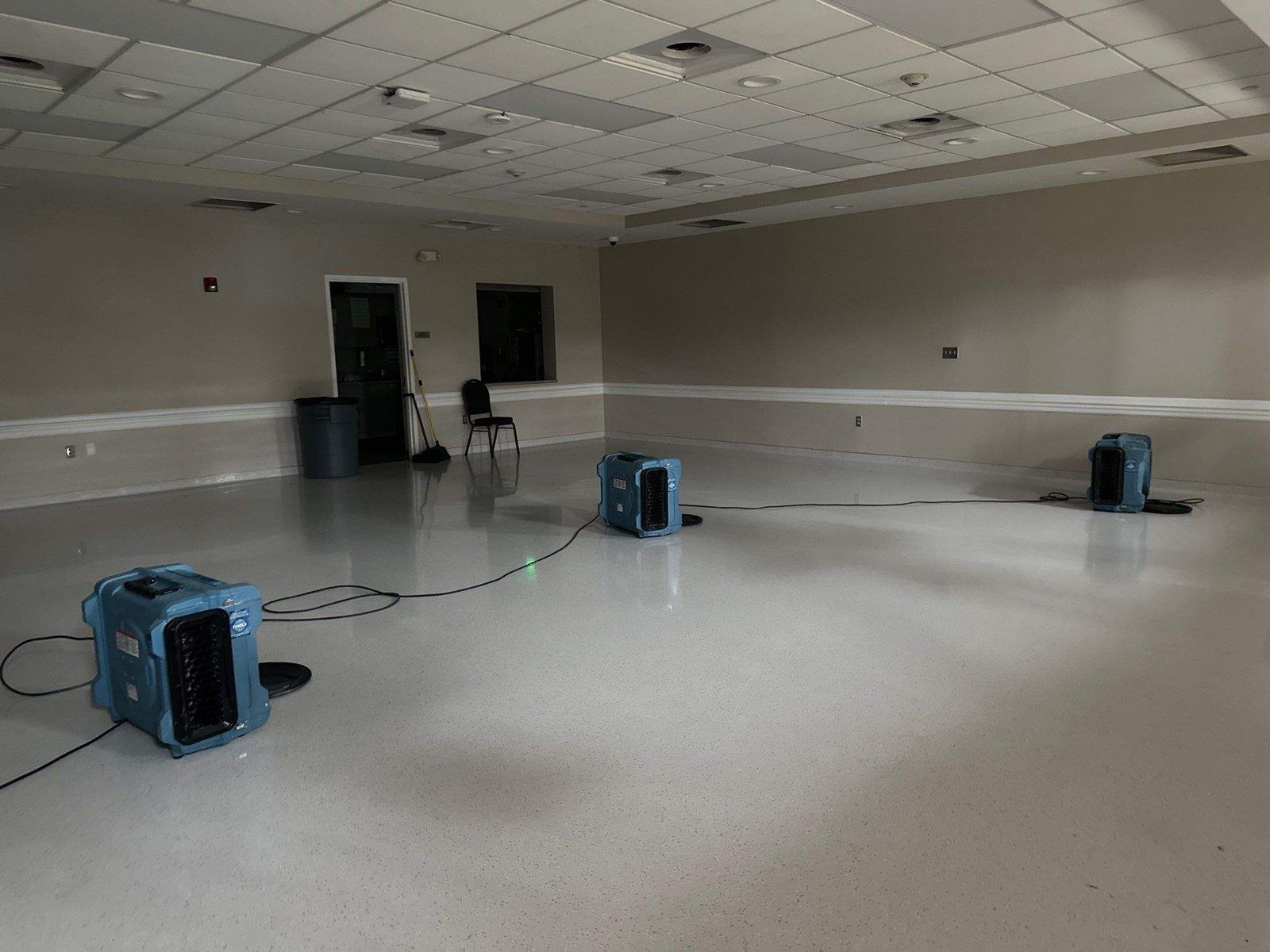
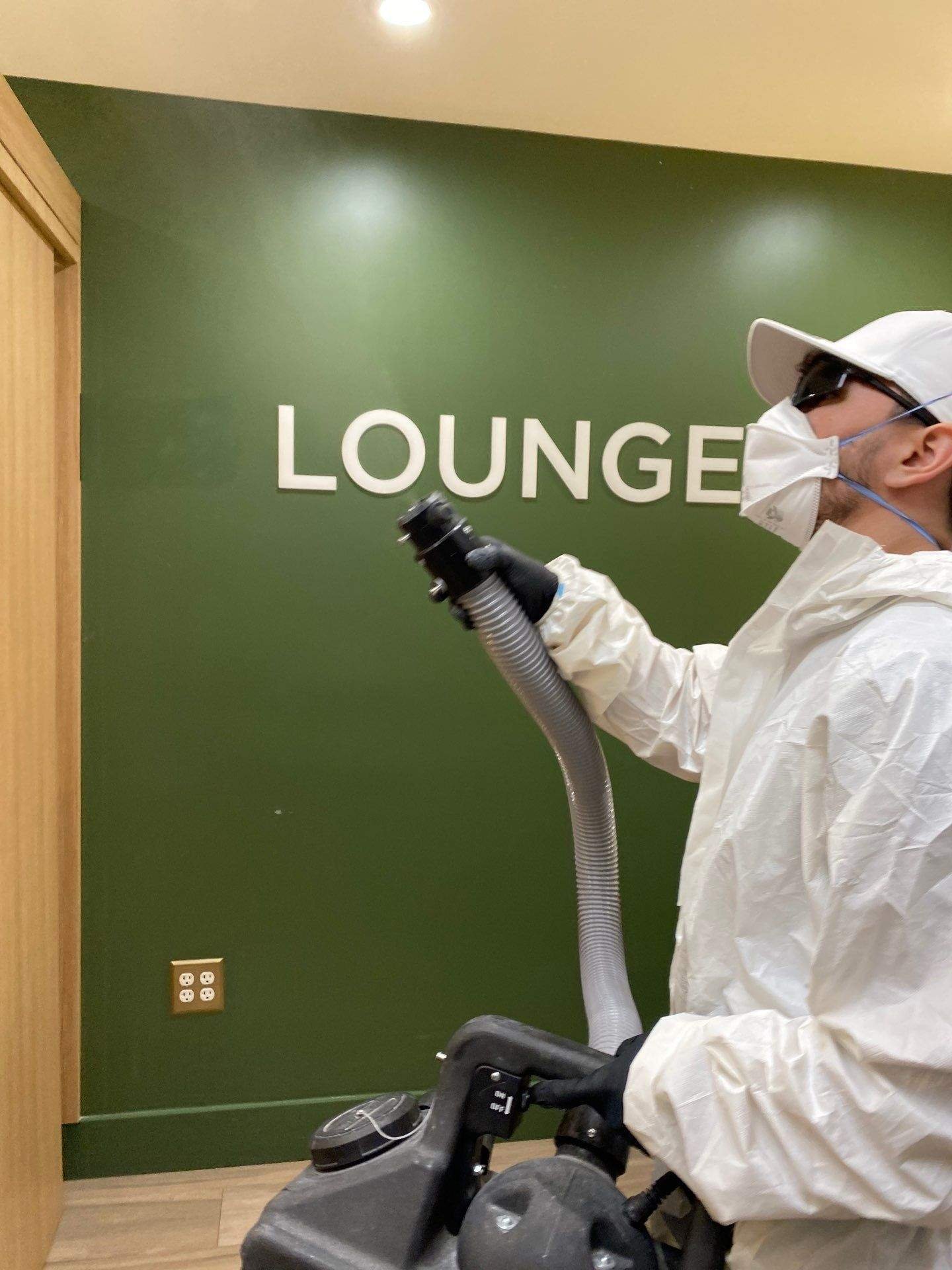
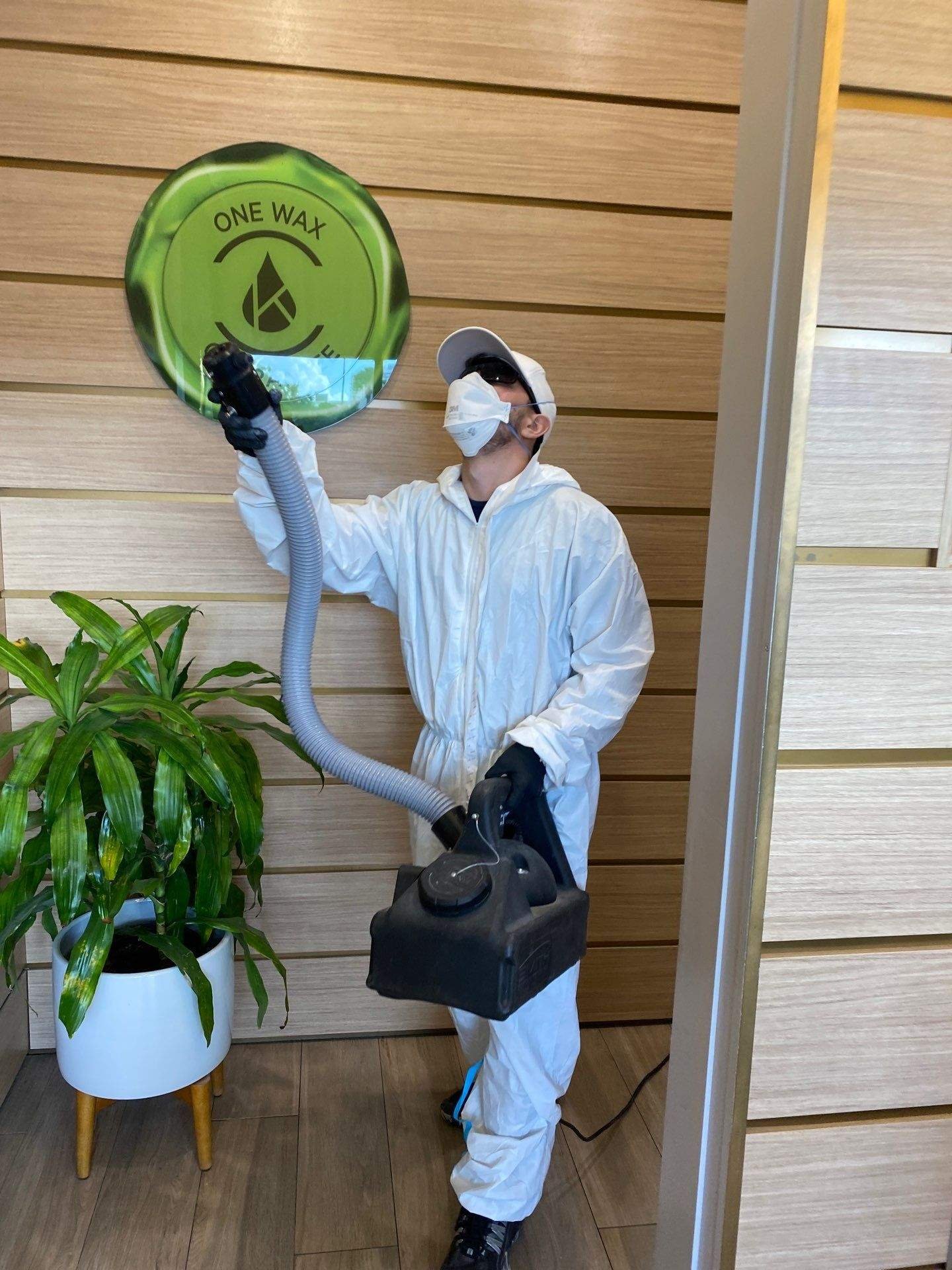
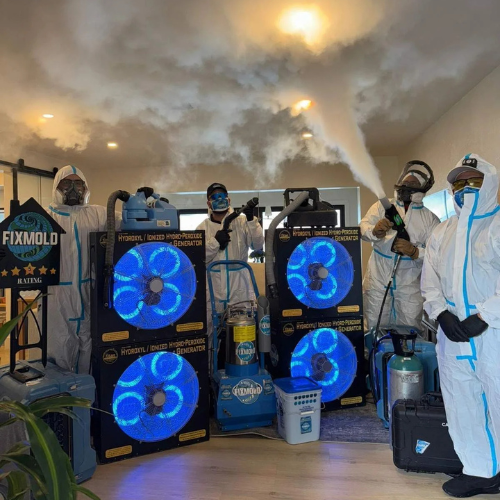
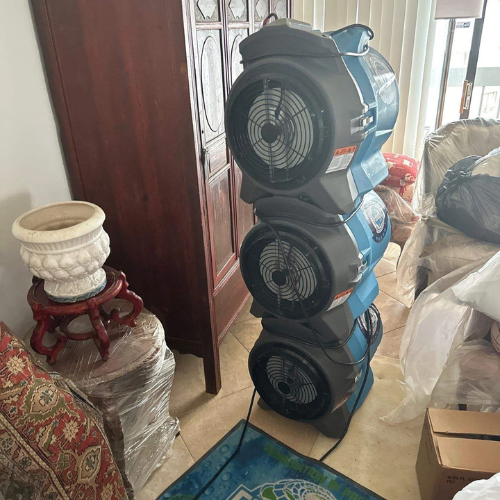
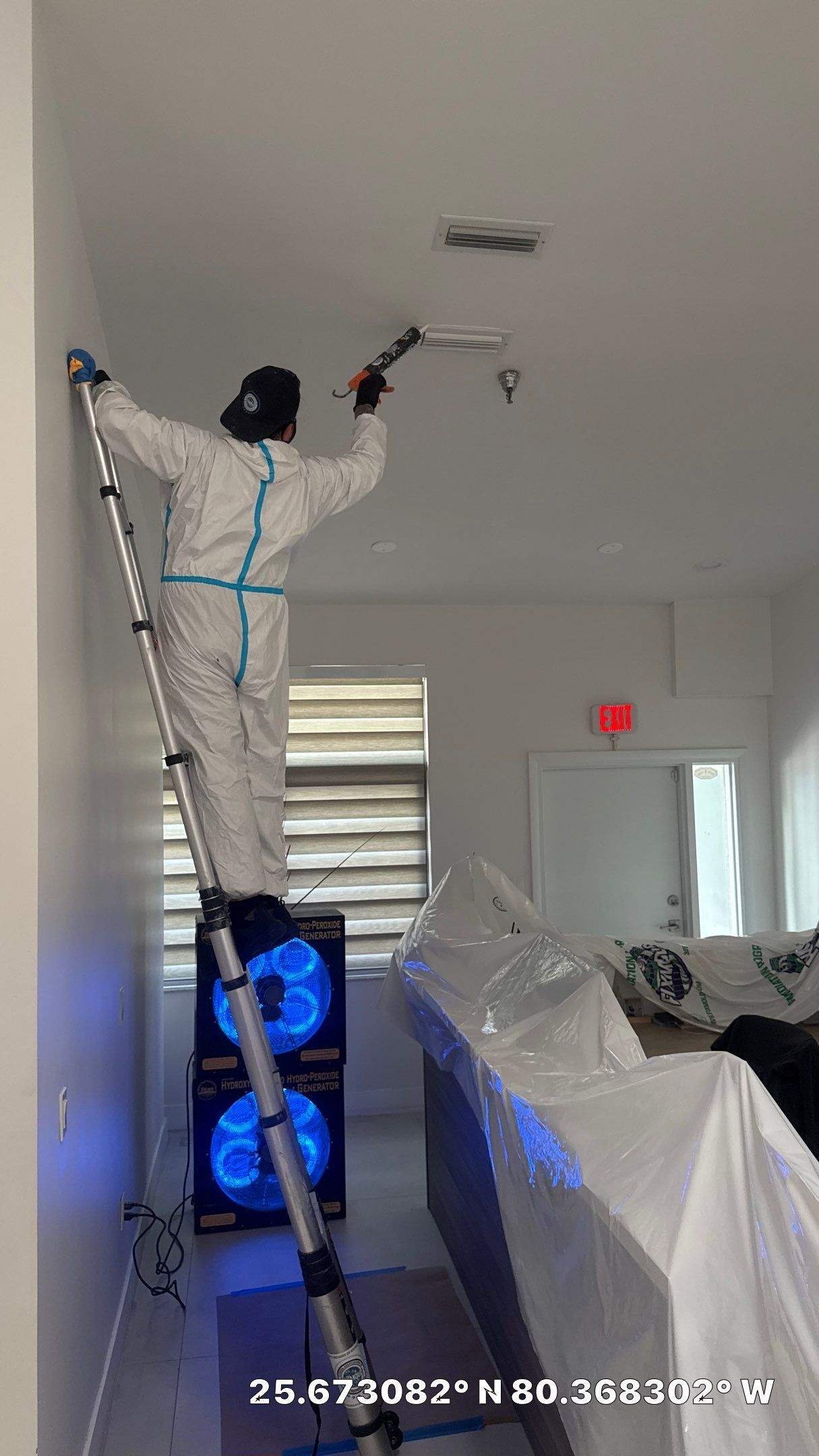
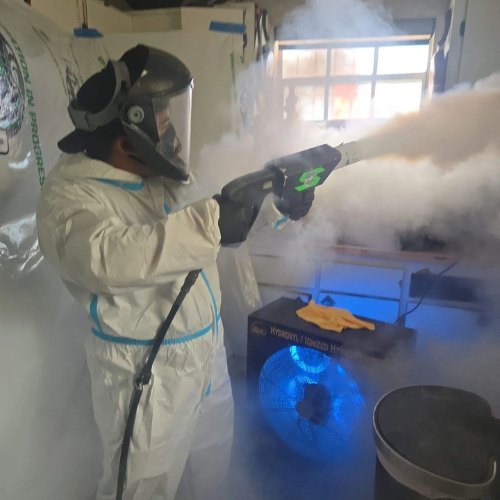
Containment systems and air scrubbing equipment may be used to help reduce airborne particulate spread during remediation activities. Depending on the extent of moisture damage, contaminated materials such as drywall, insulation, flooring systems, or cabinetry may require removal.
Structural drying and humidity stabilization are also important because South Florida buildings retain moisture much longer than properties in dry climates.
The goal is not only to remove visible contamination but also to correct the environmental conditions contributing to ongoing mold growth inside the building.