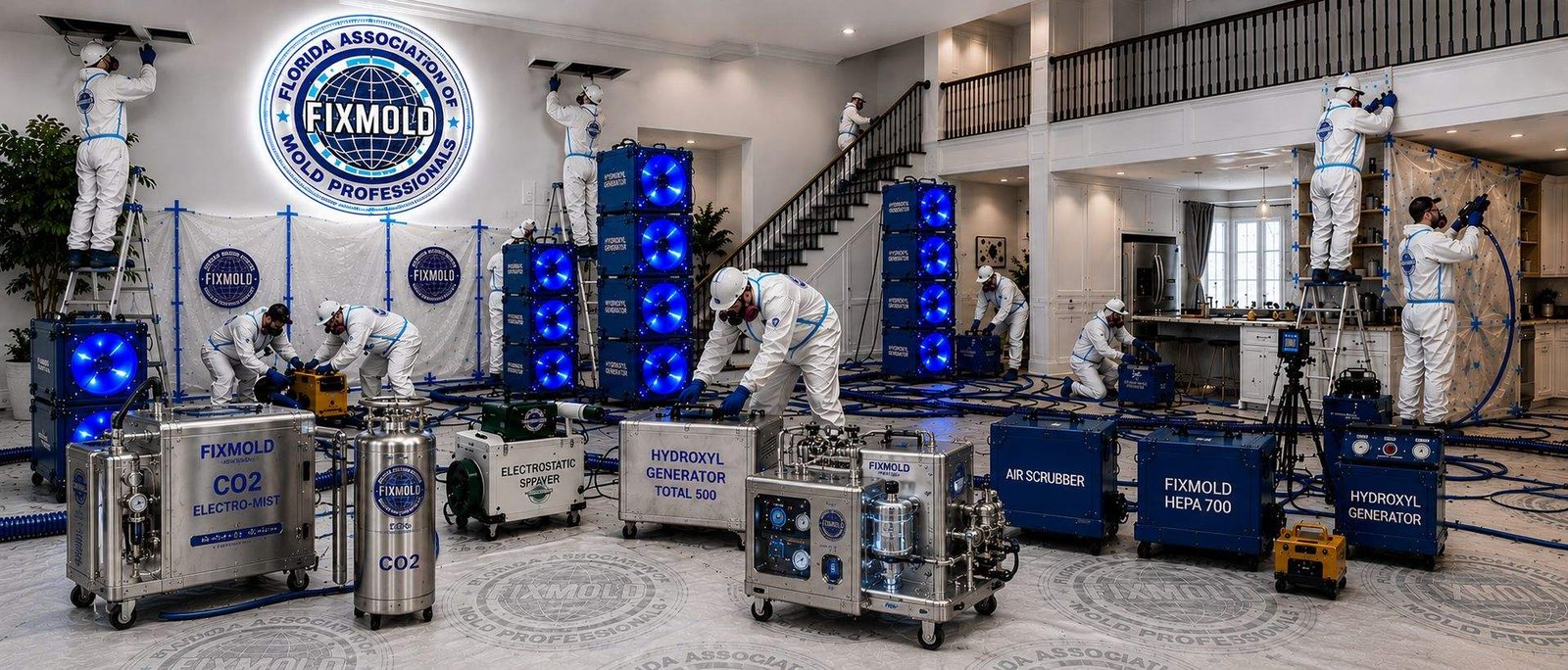
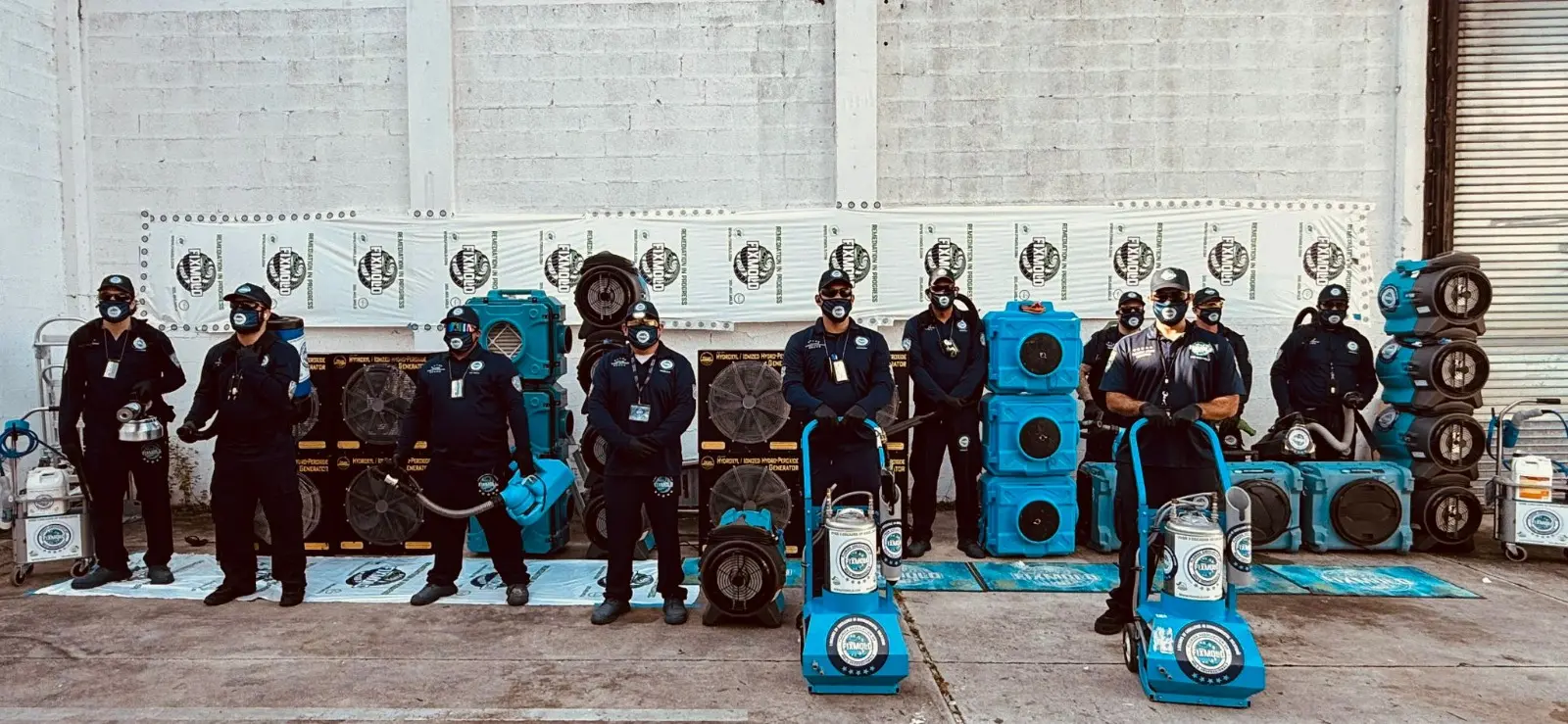
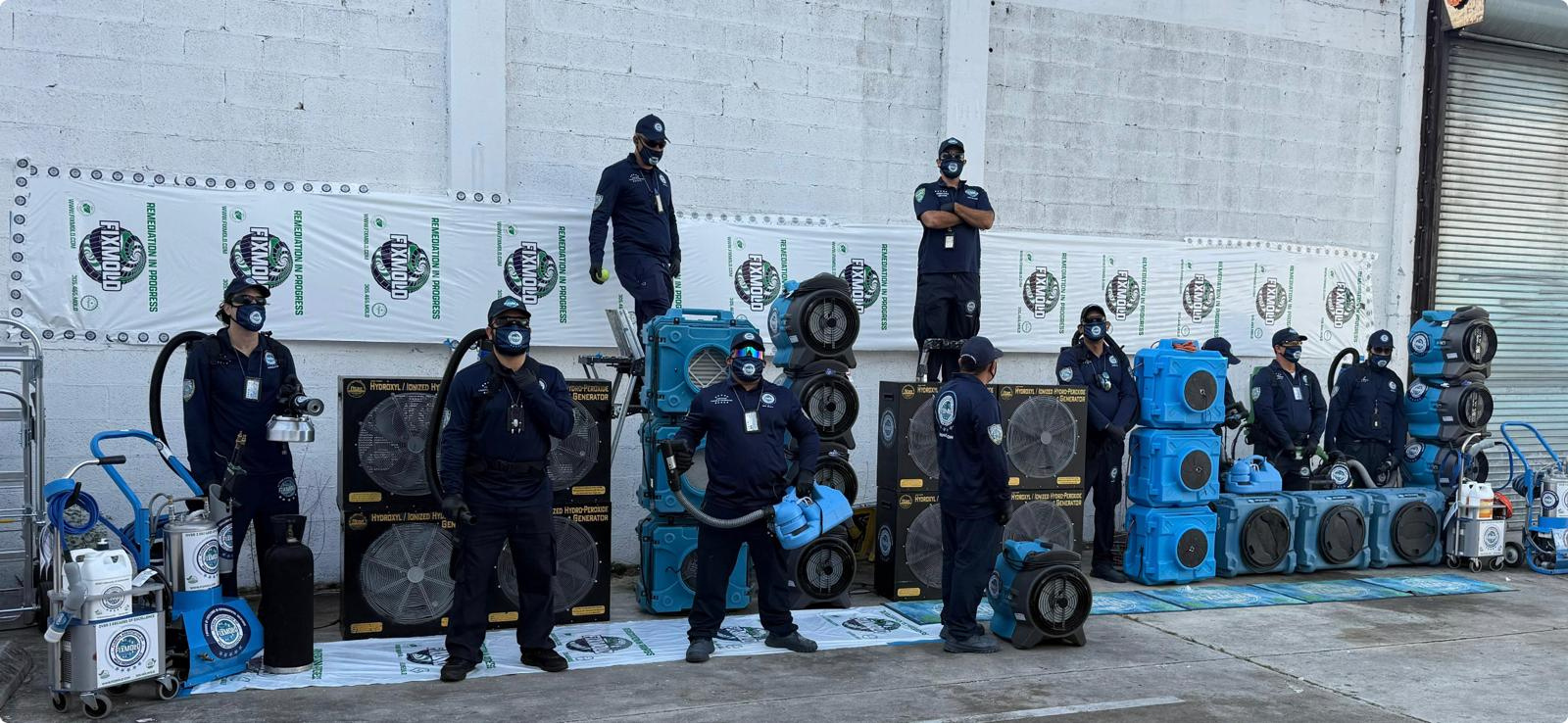
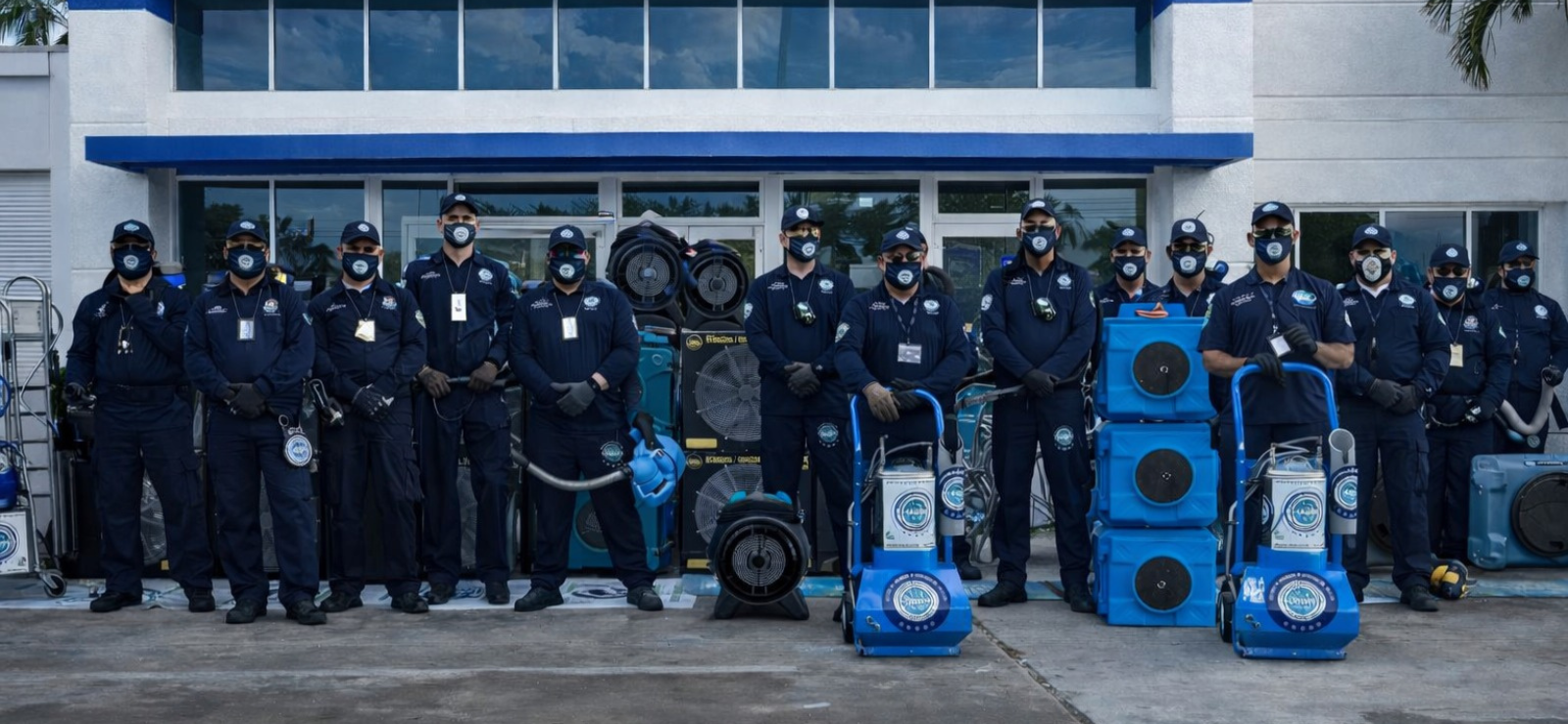
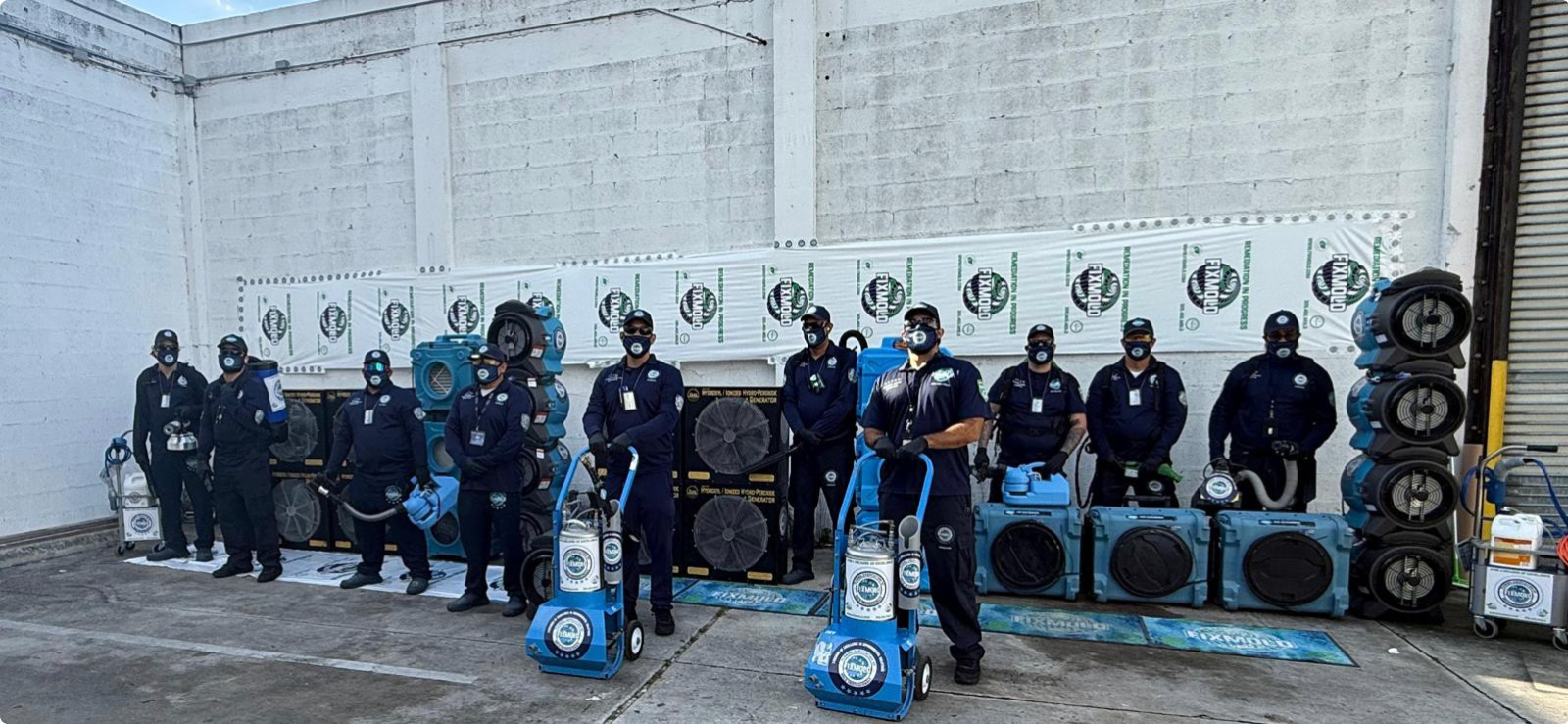
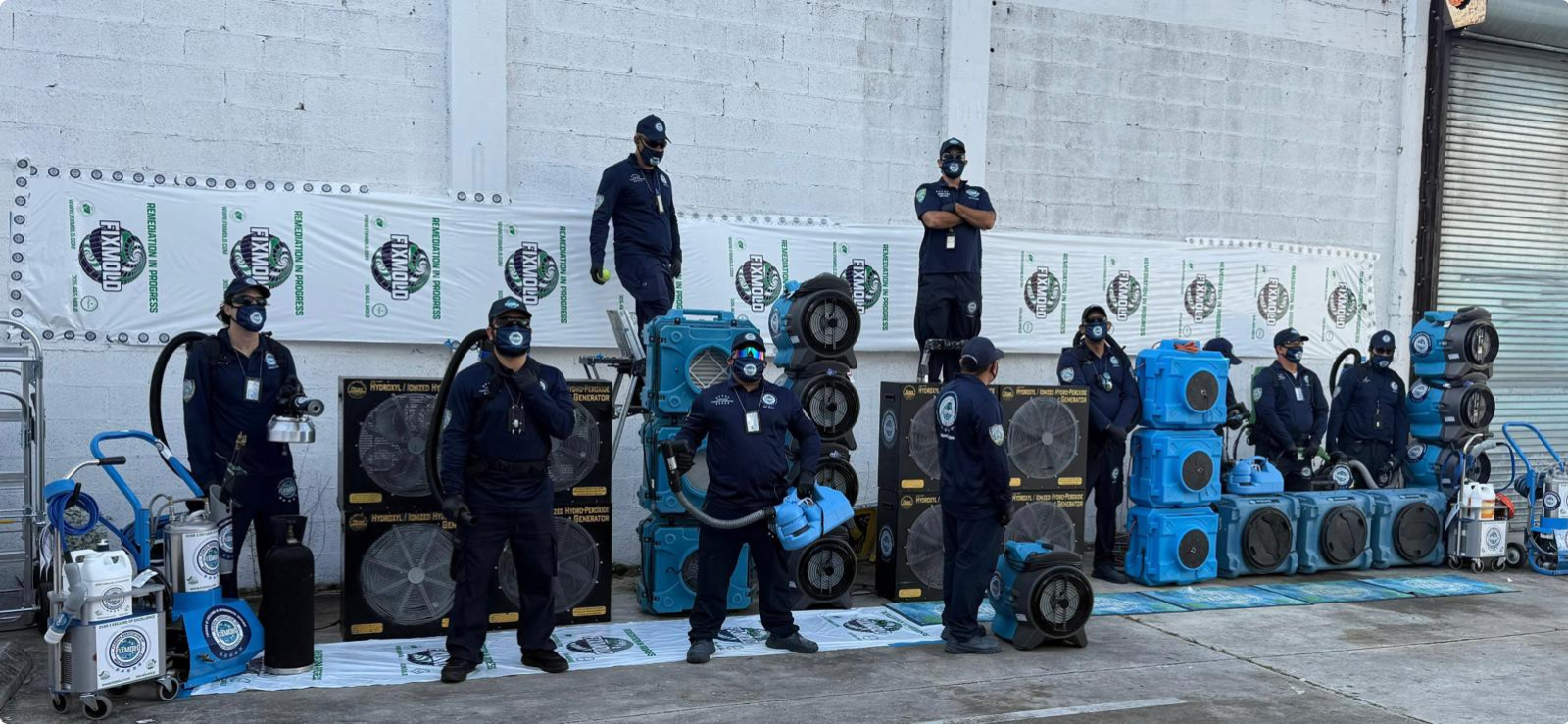
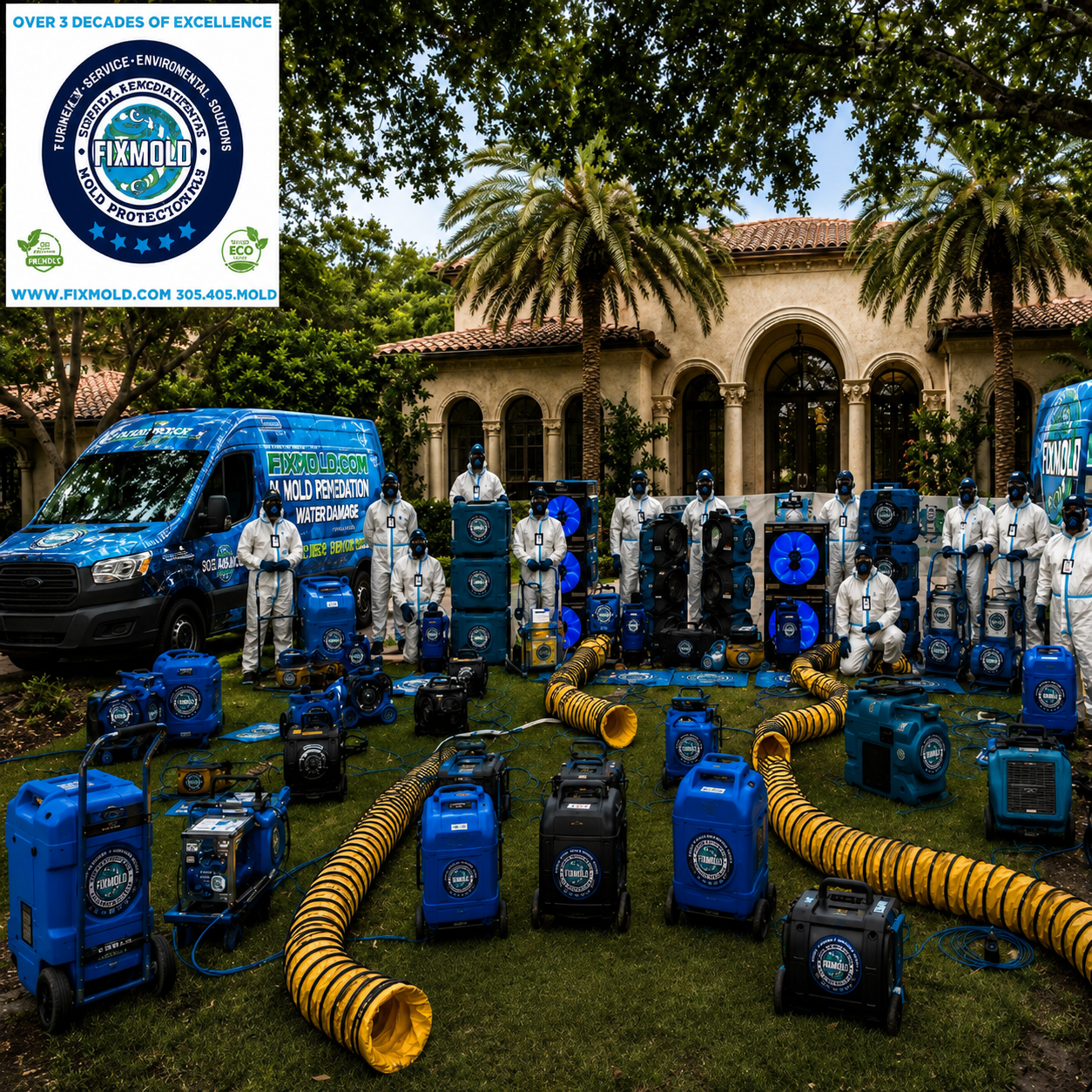
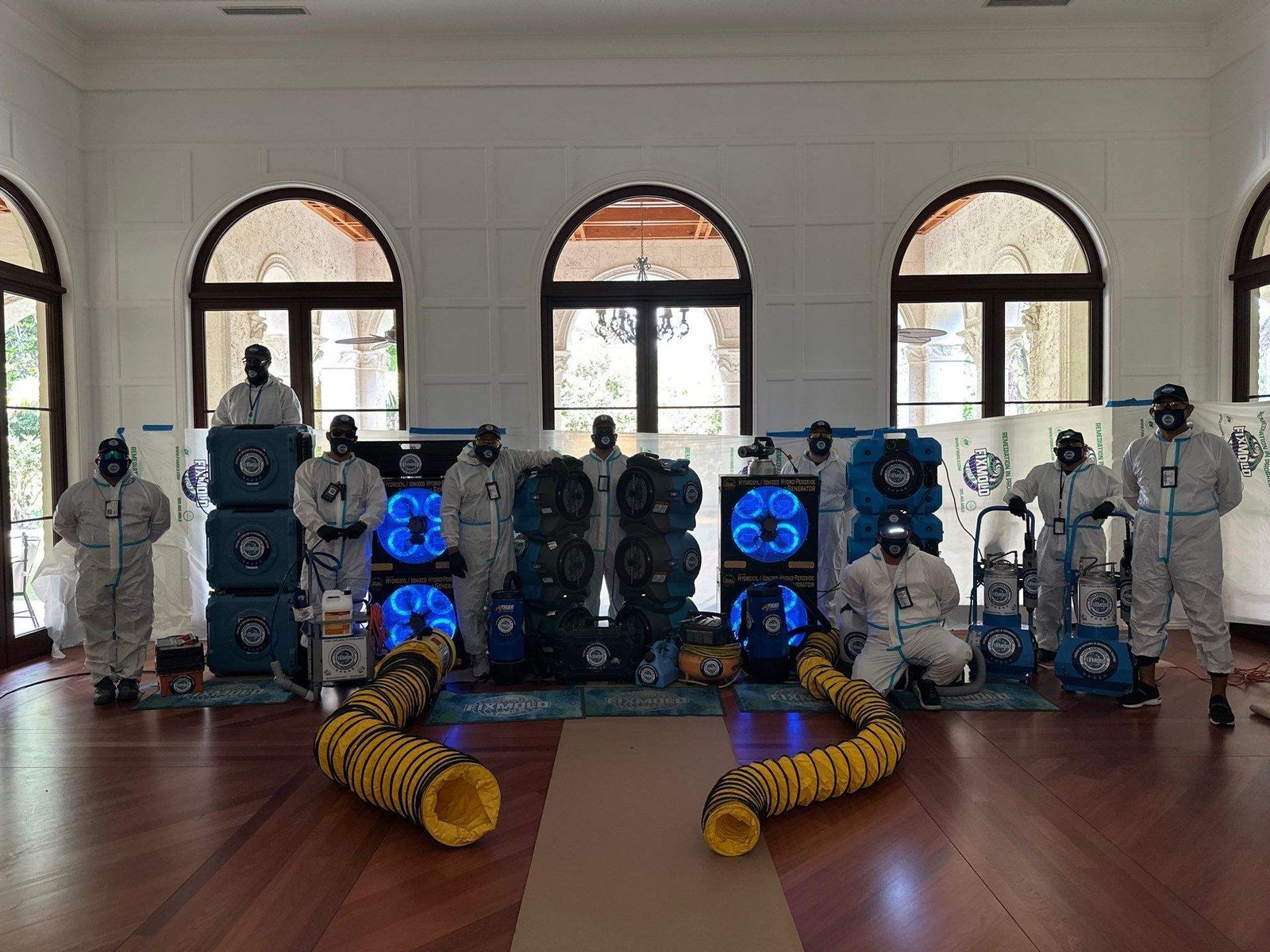
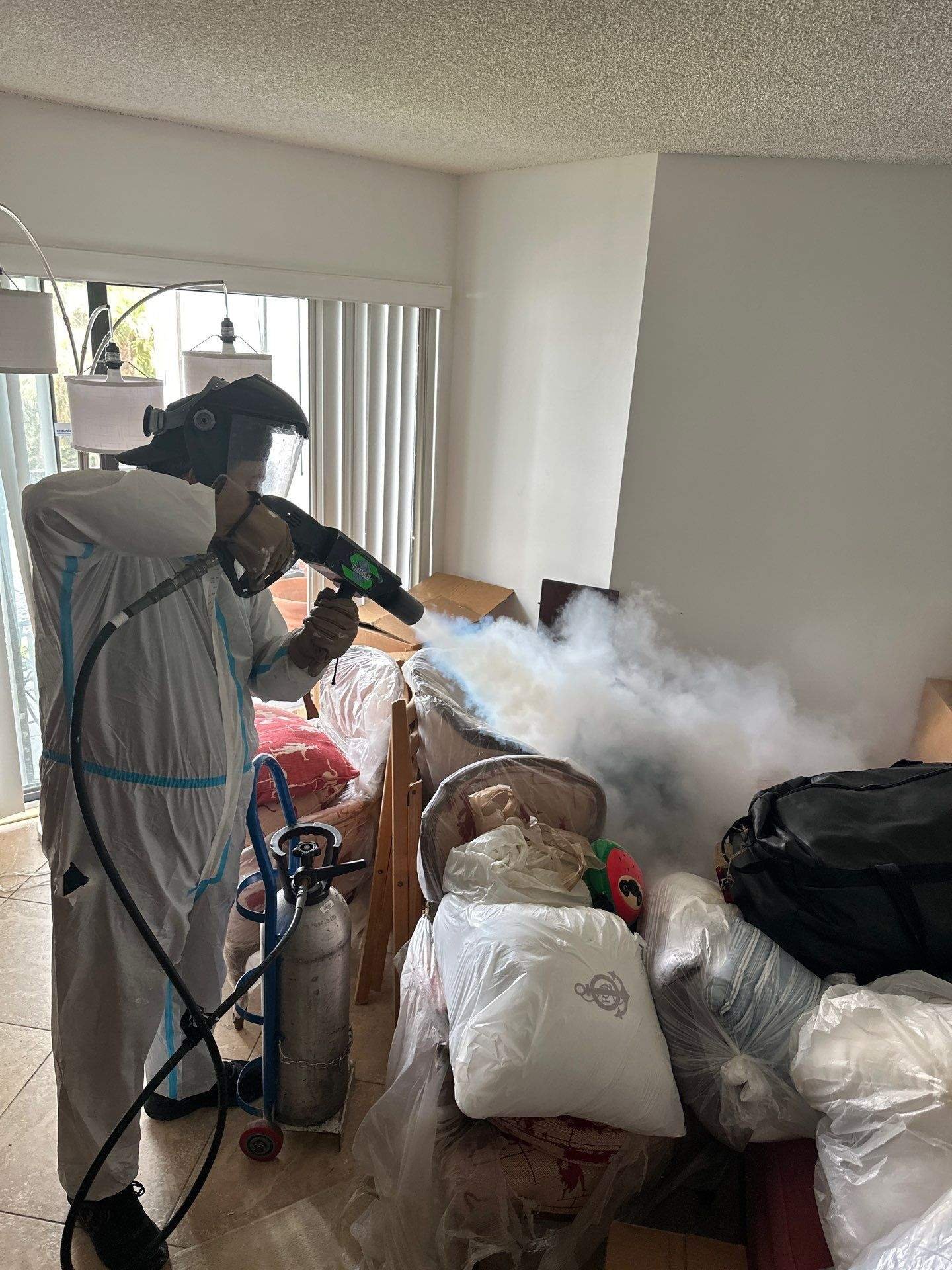
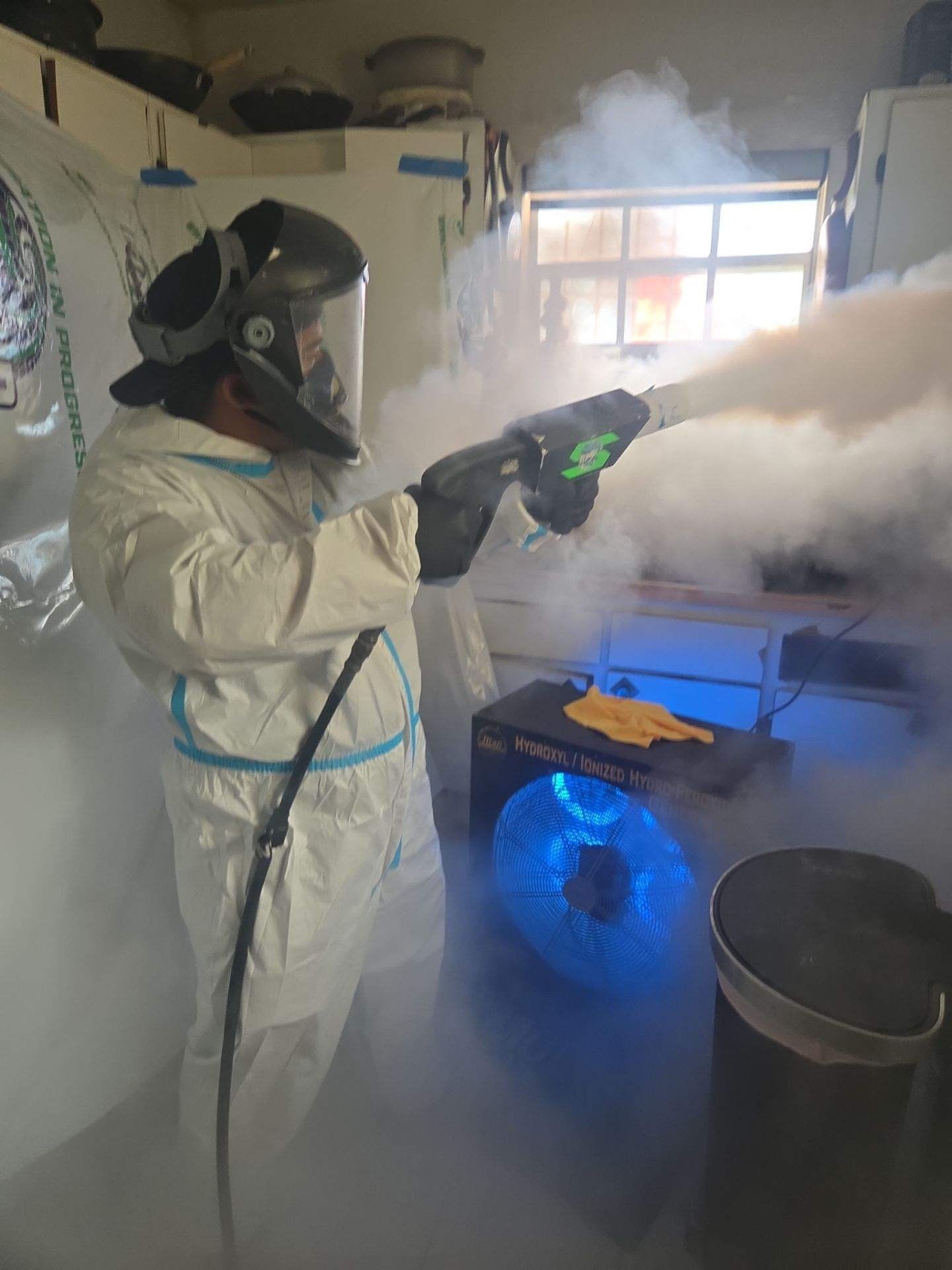
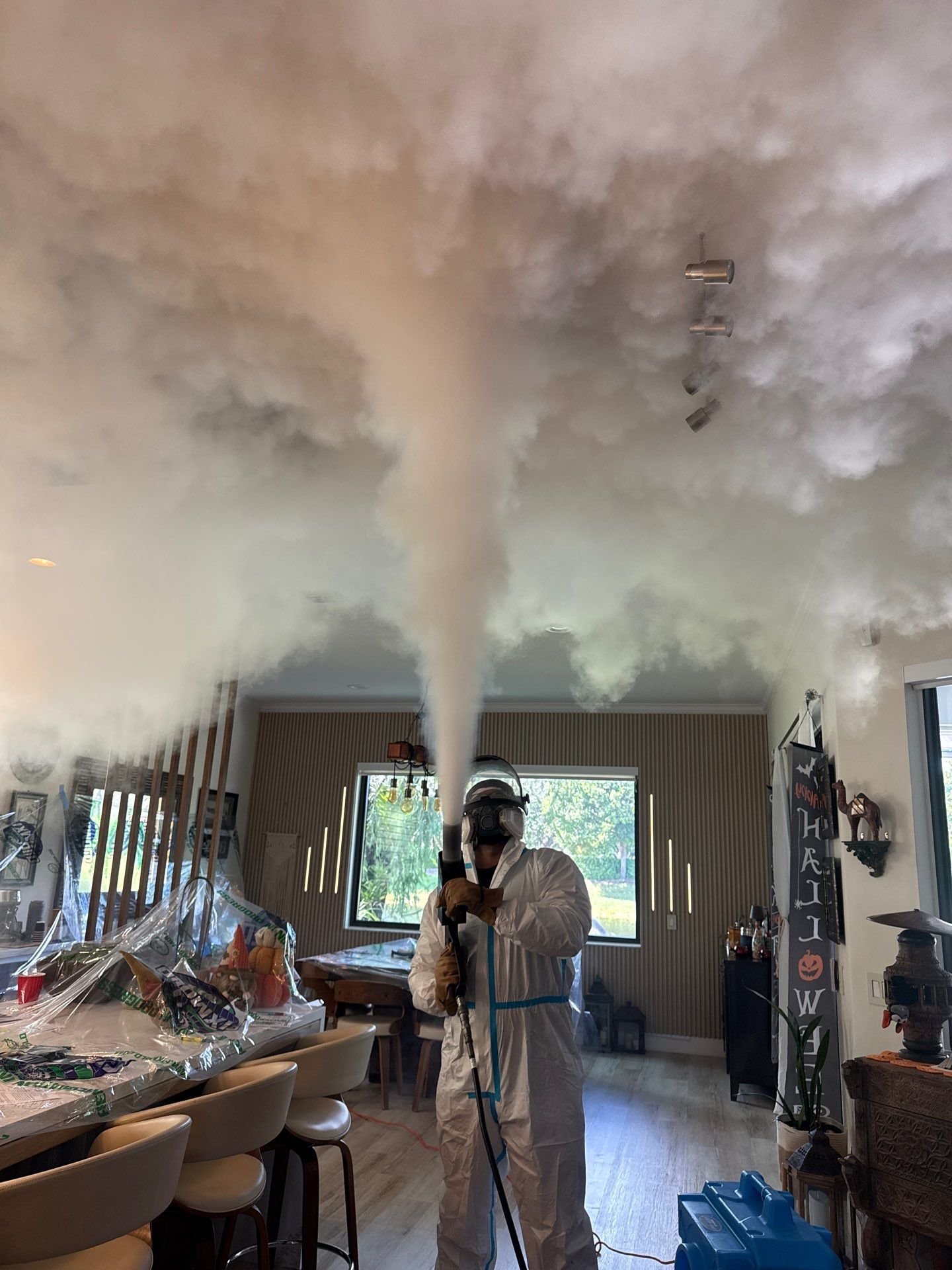
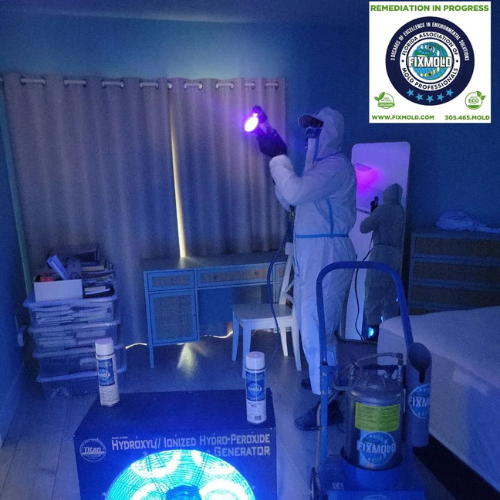
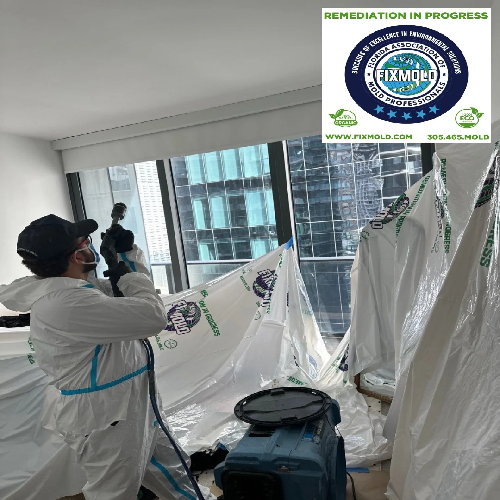
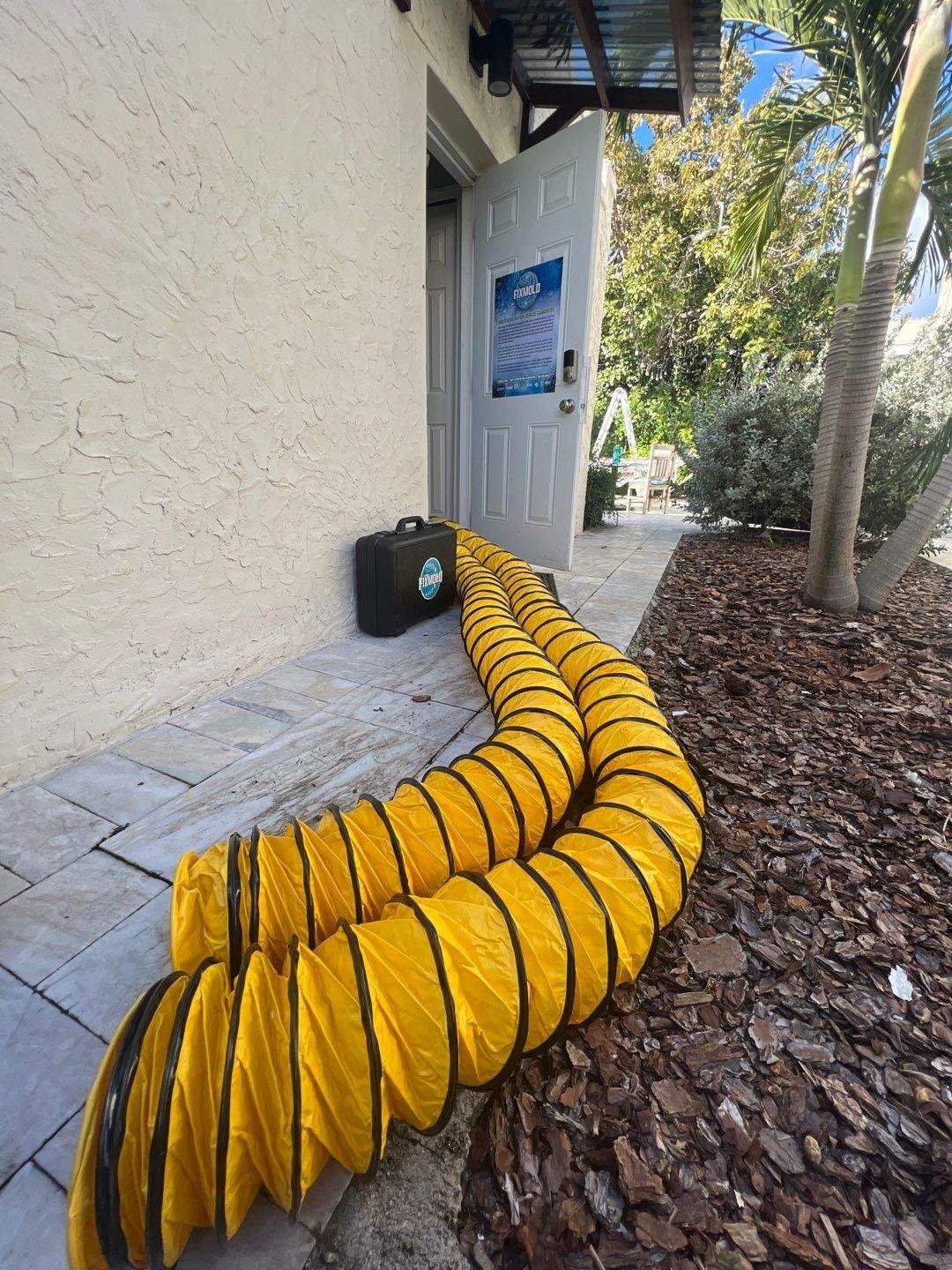
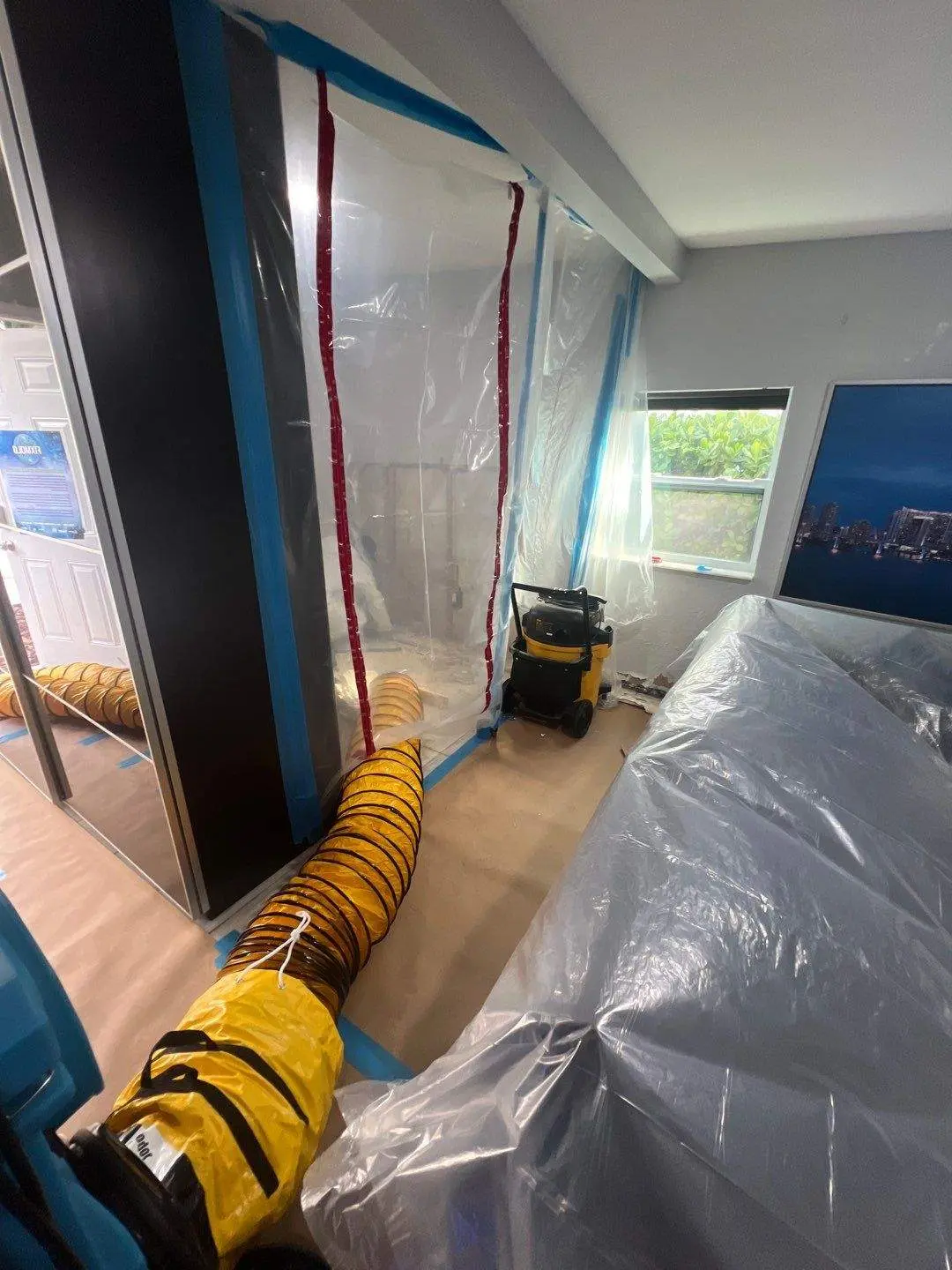
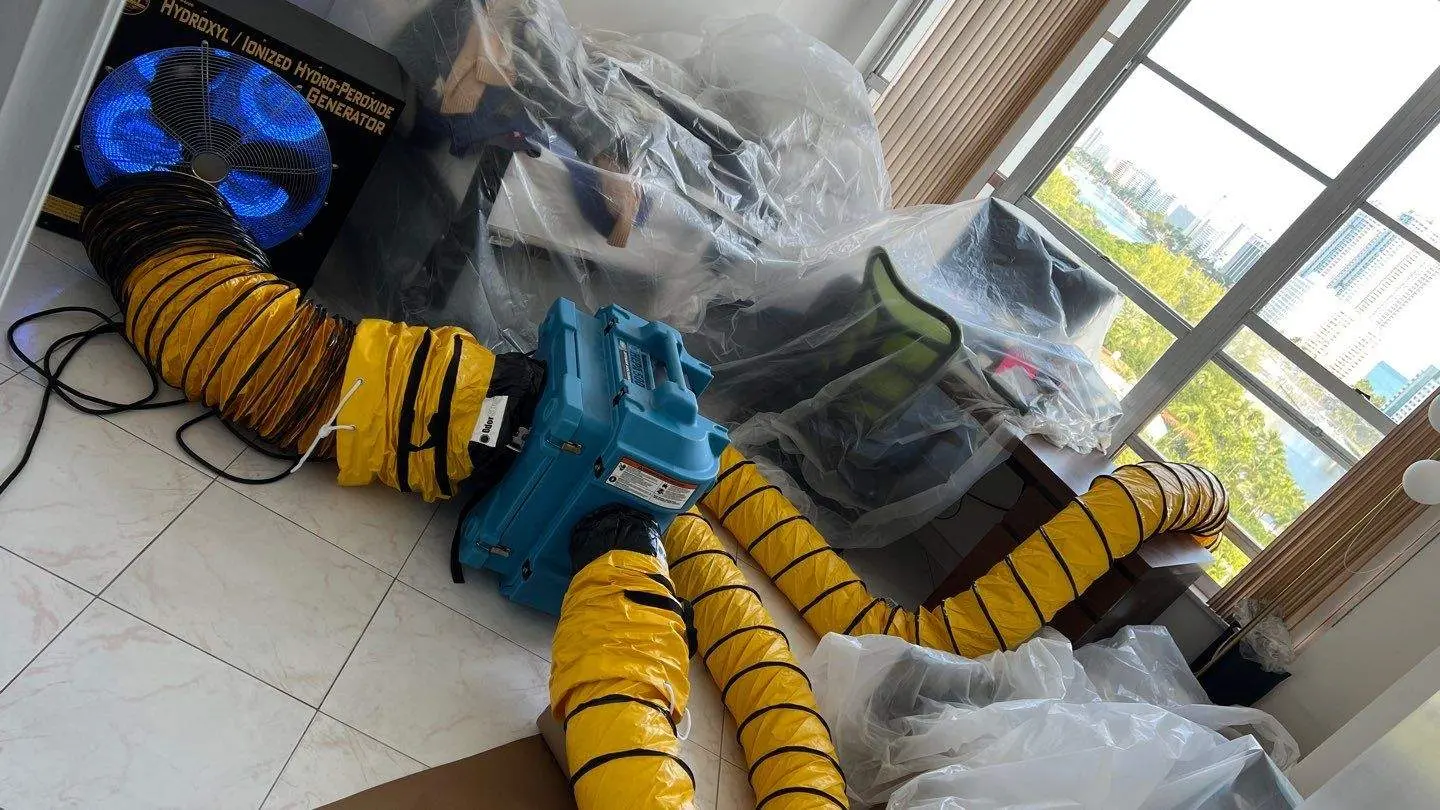
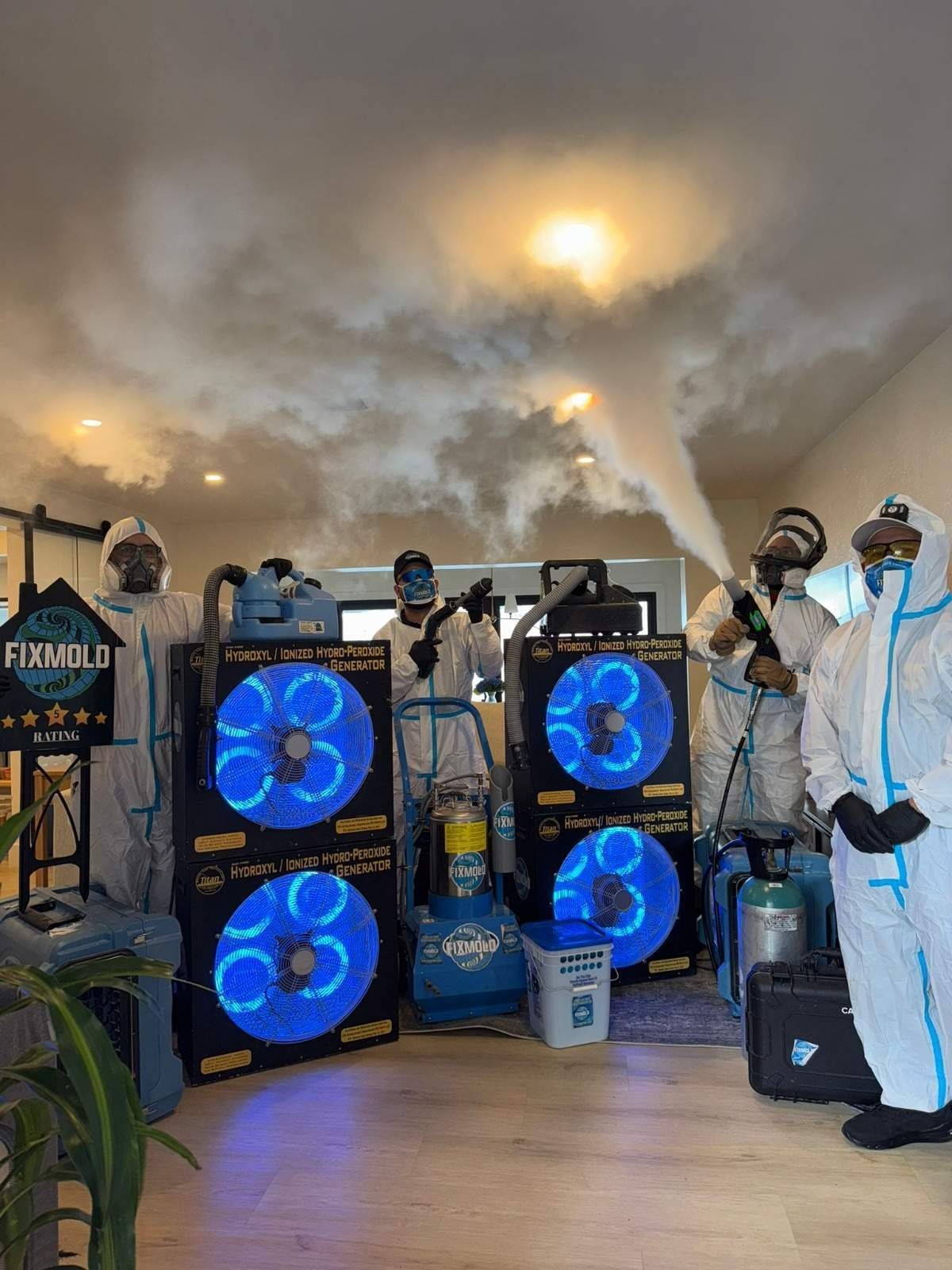
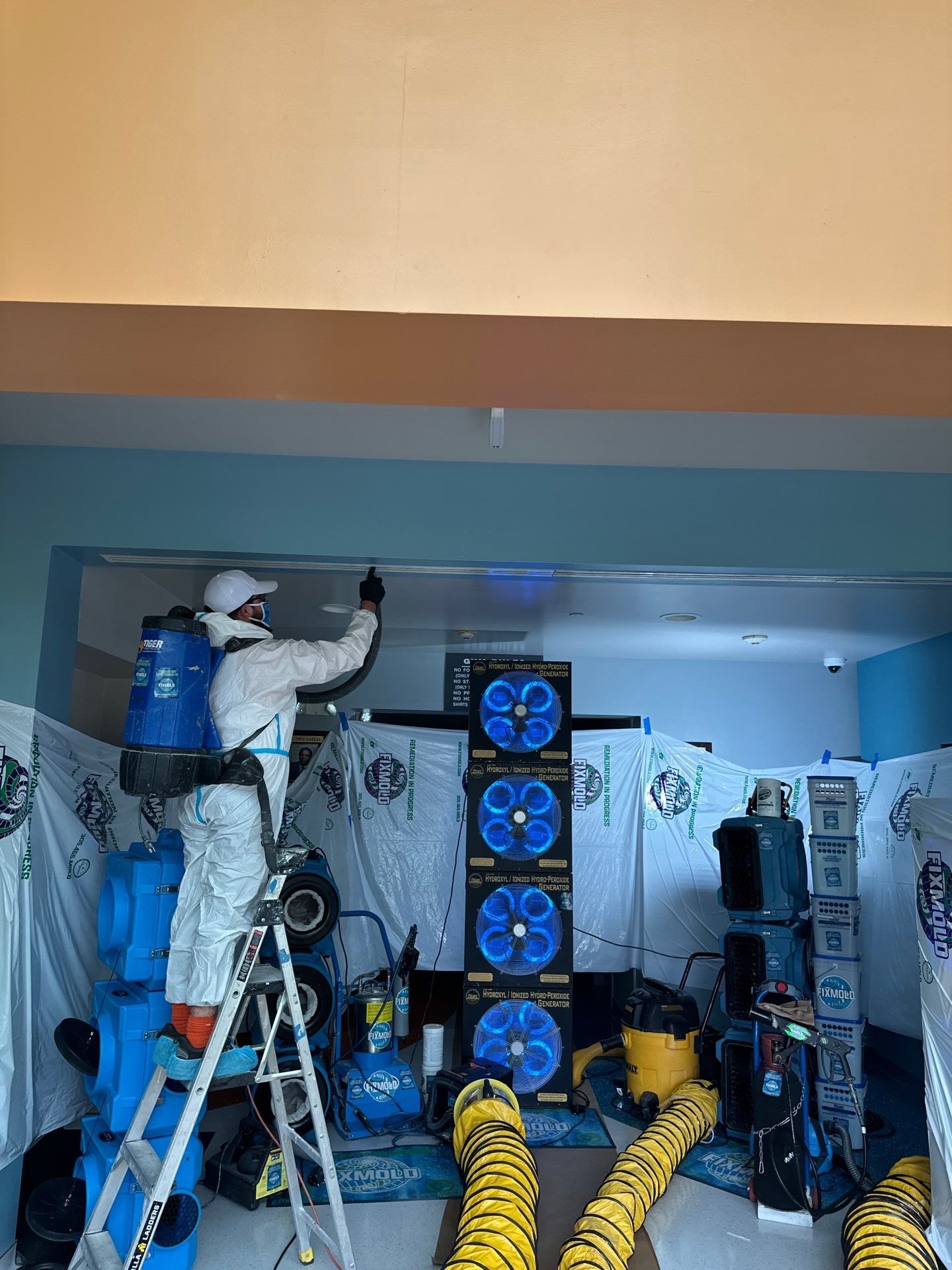
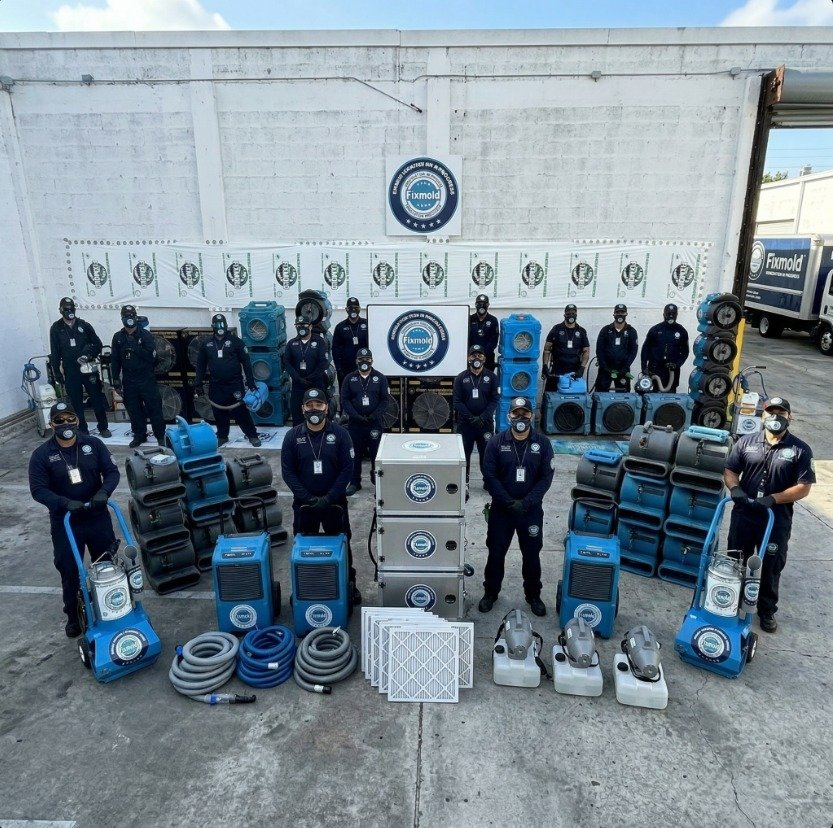
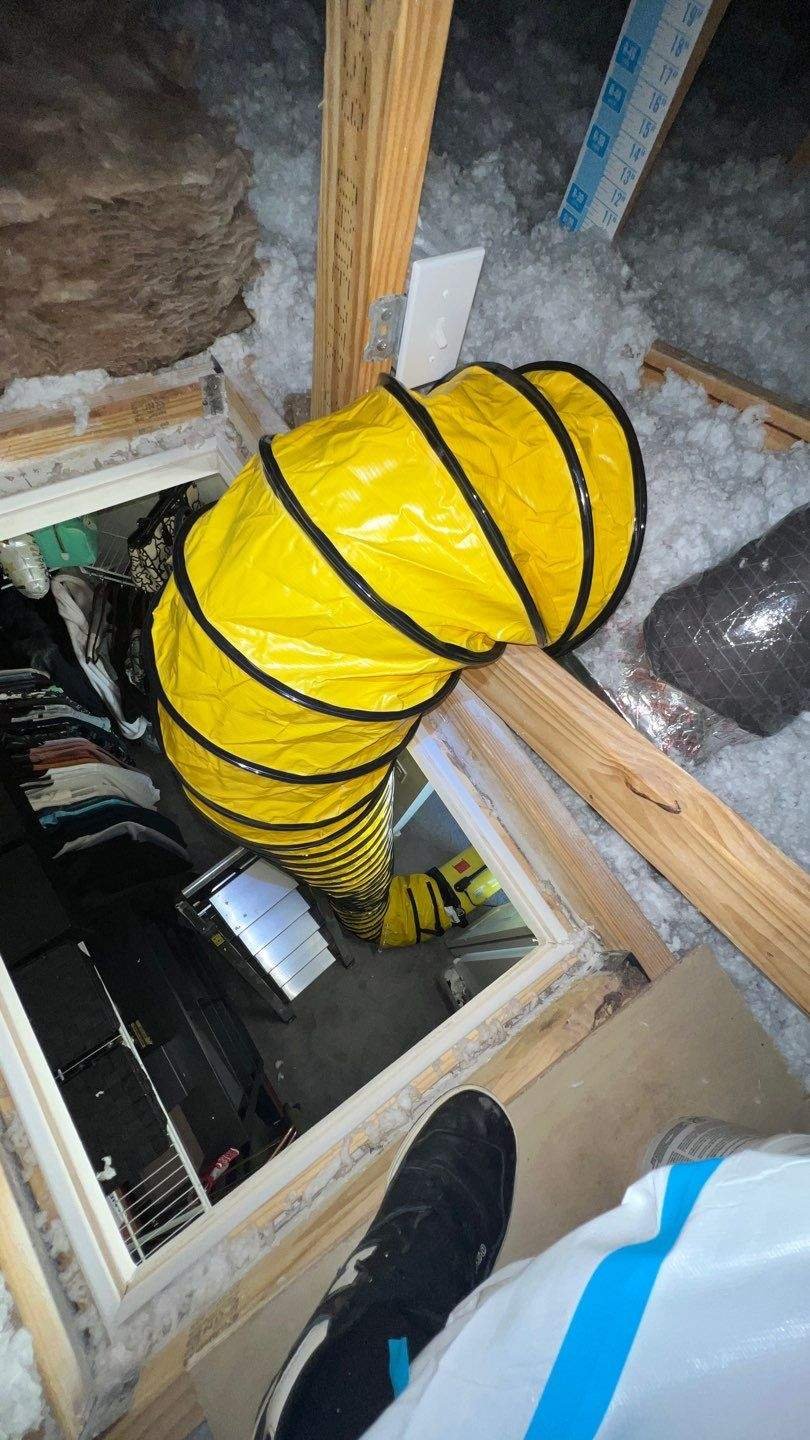
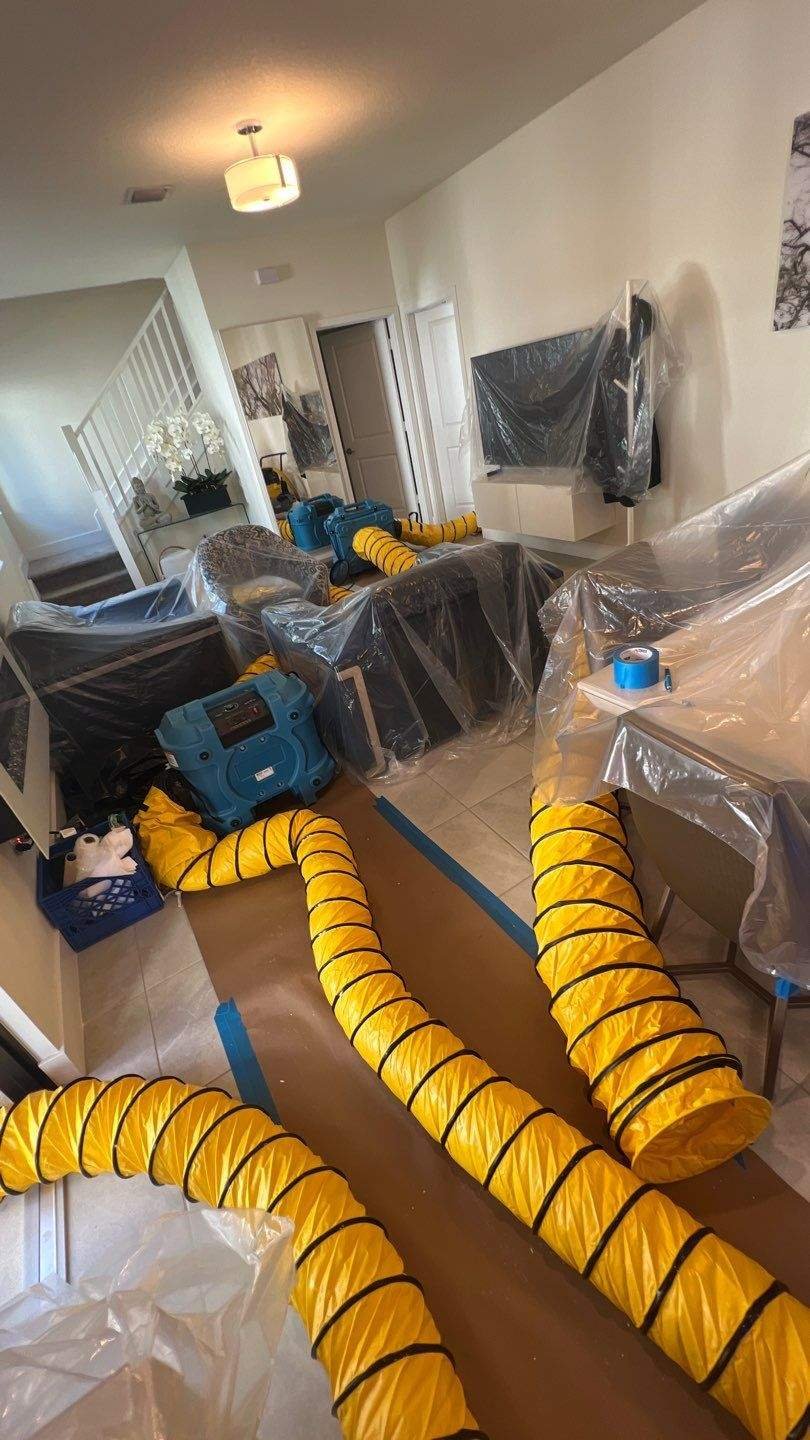
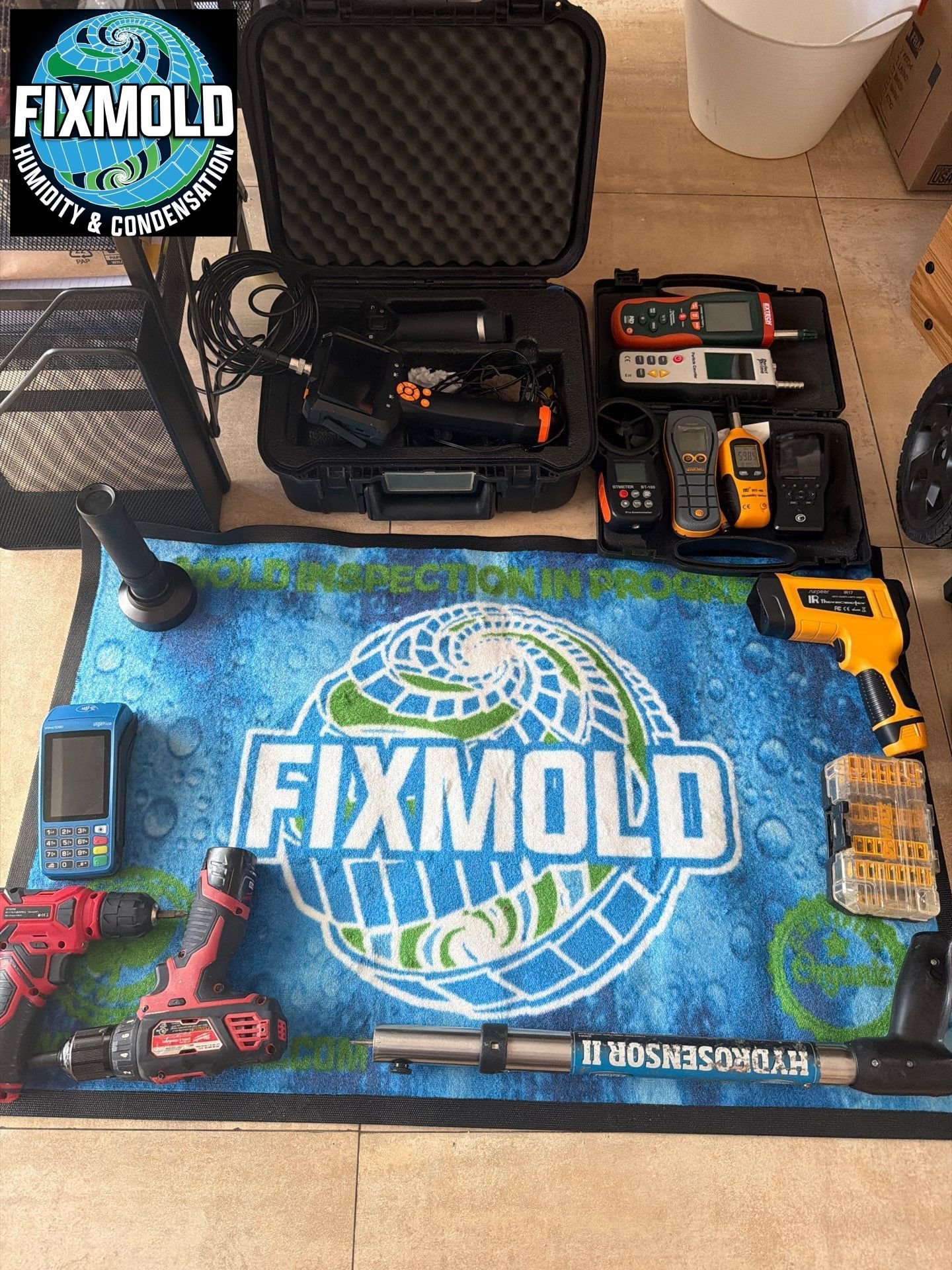
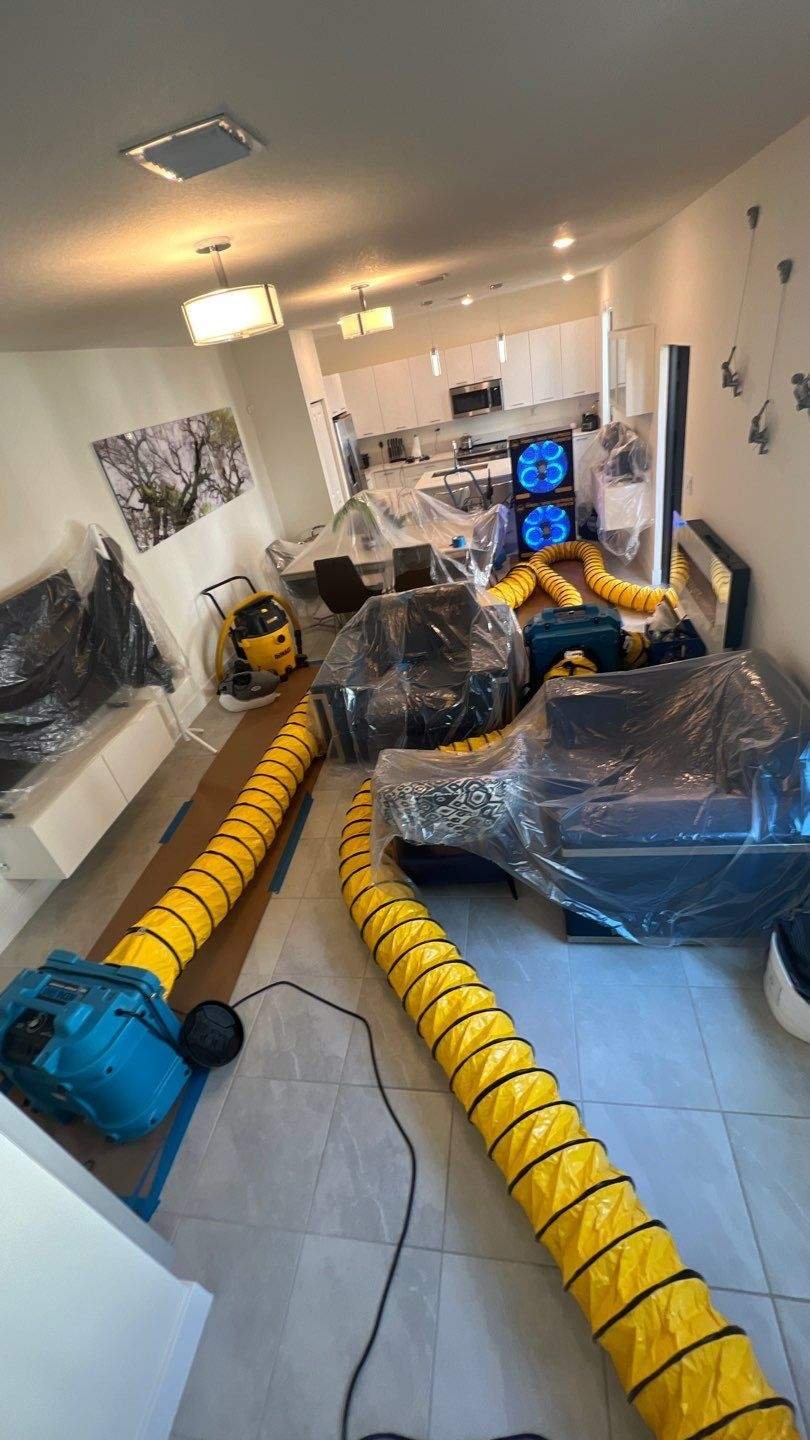
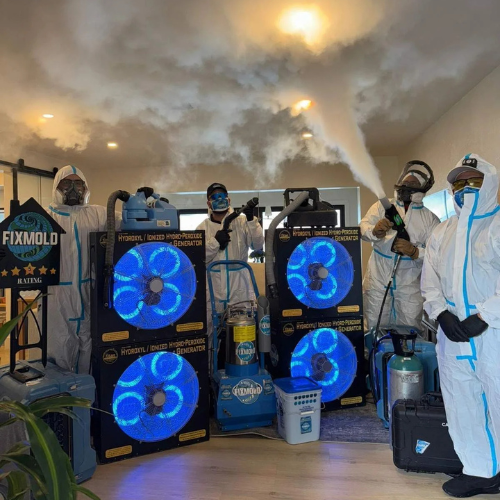
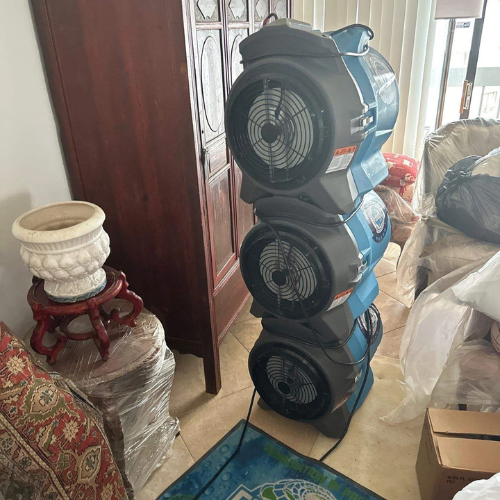
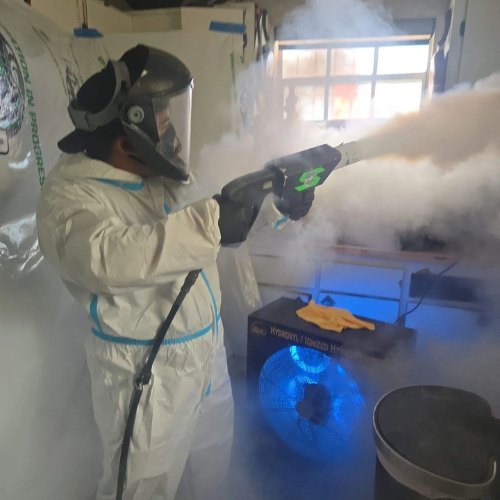
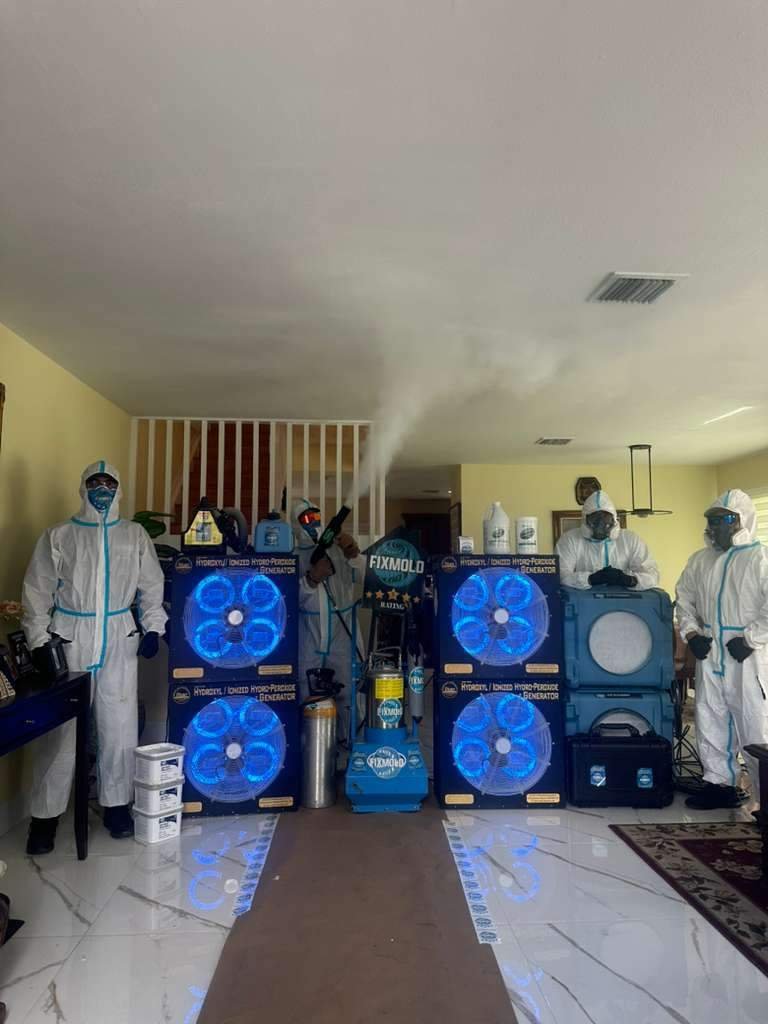
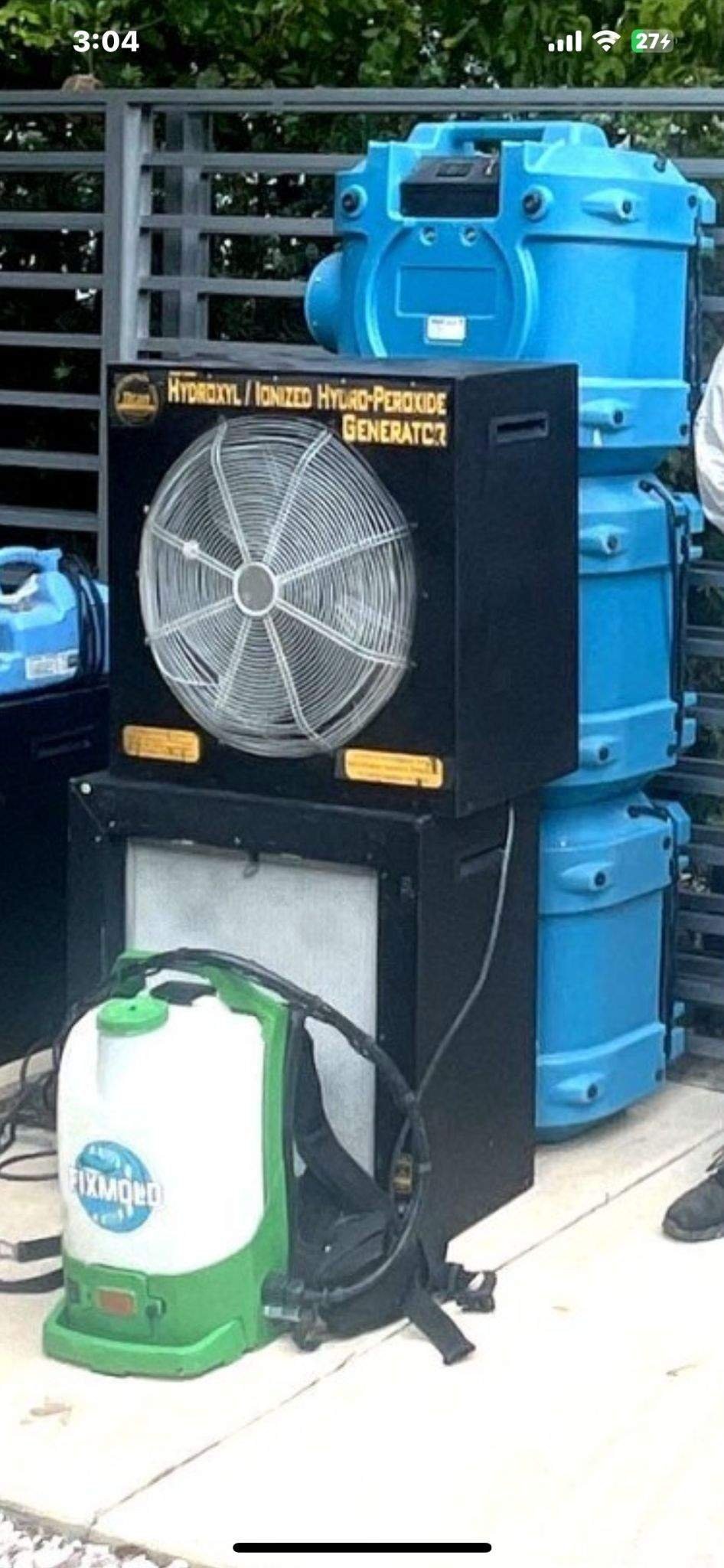
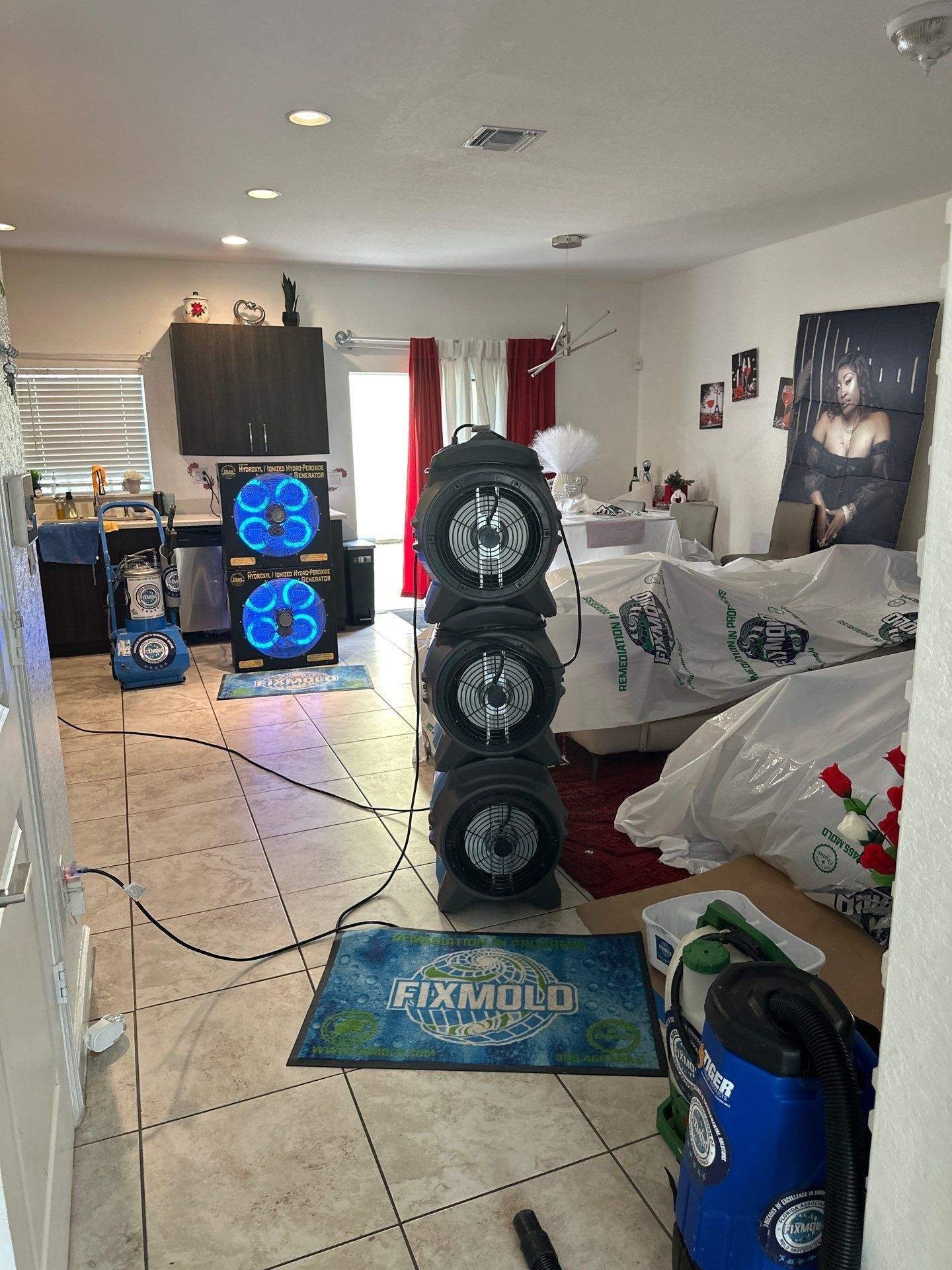
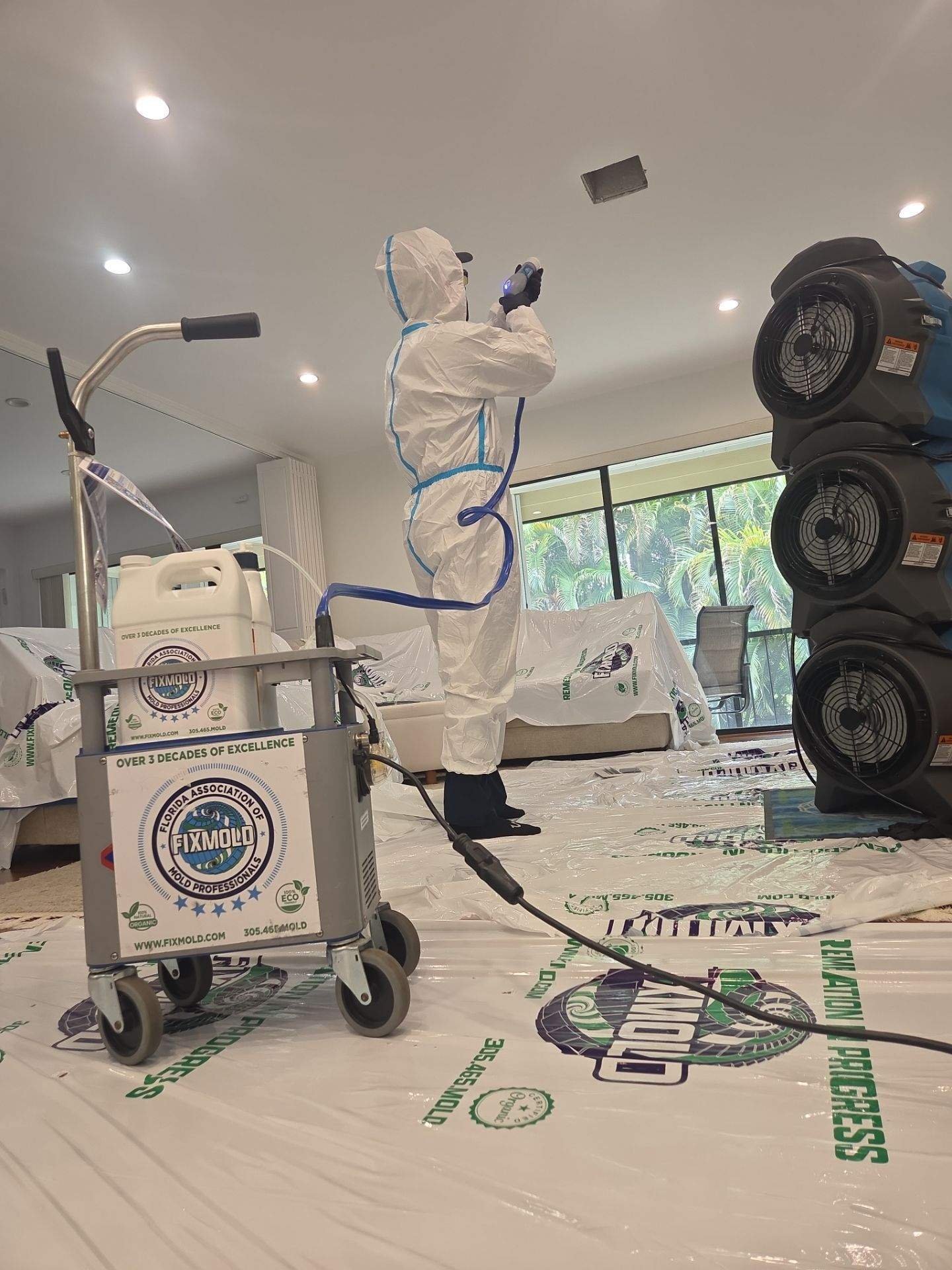
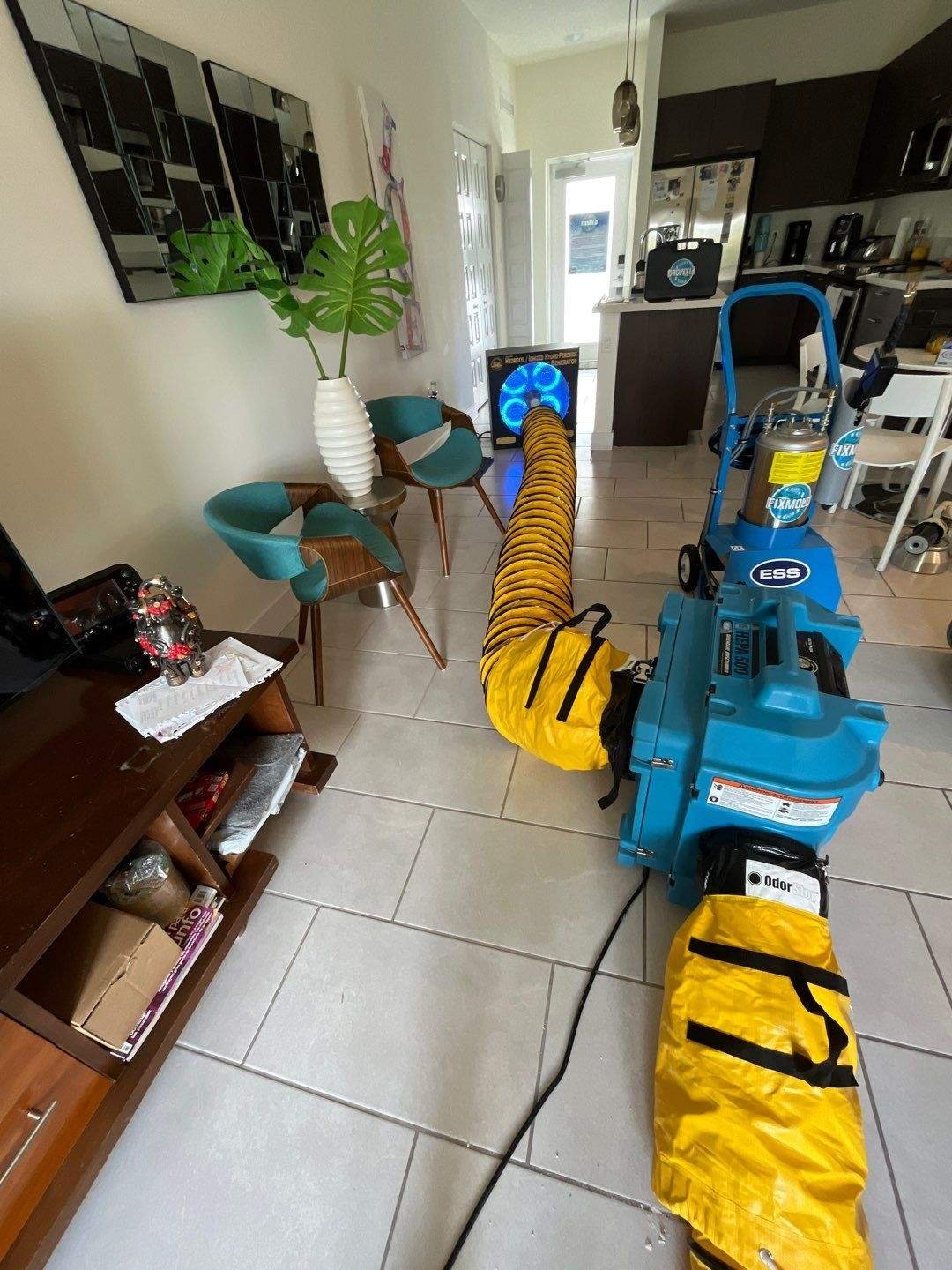
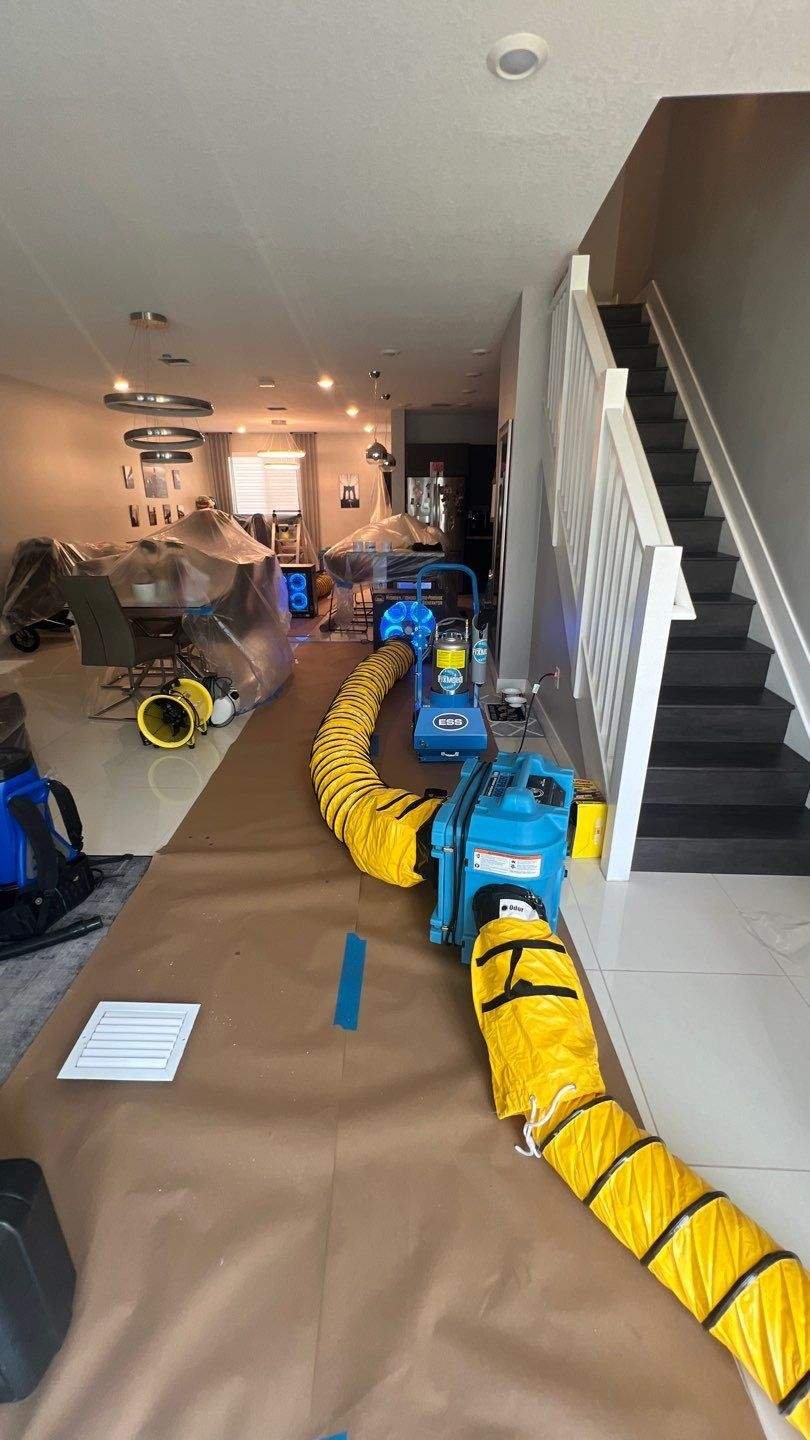
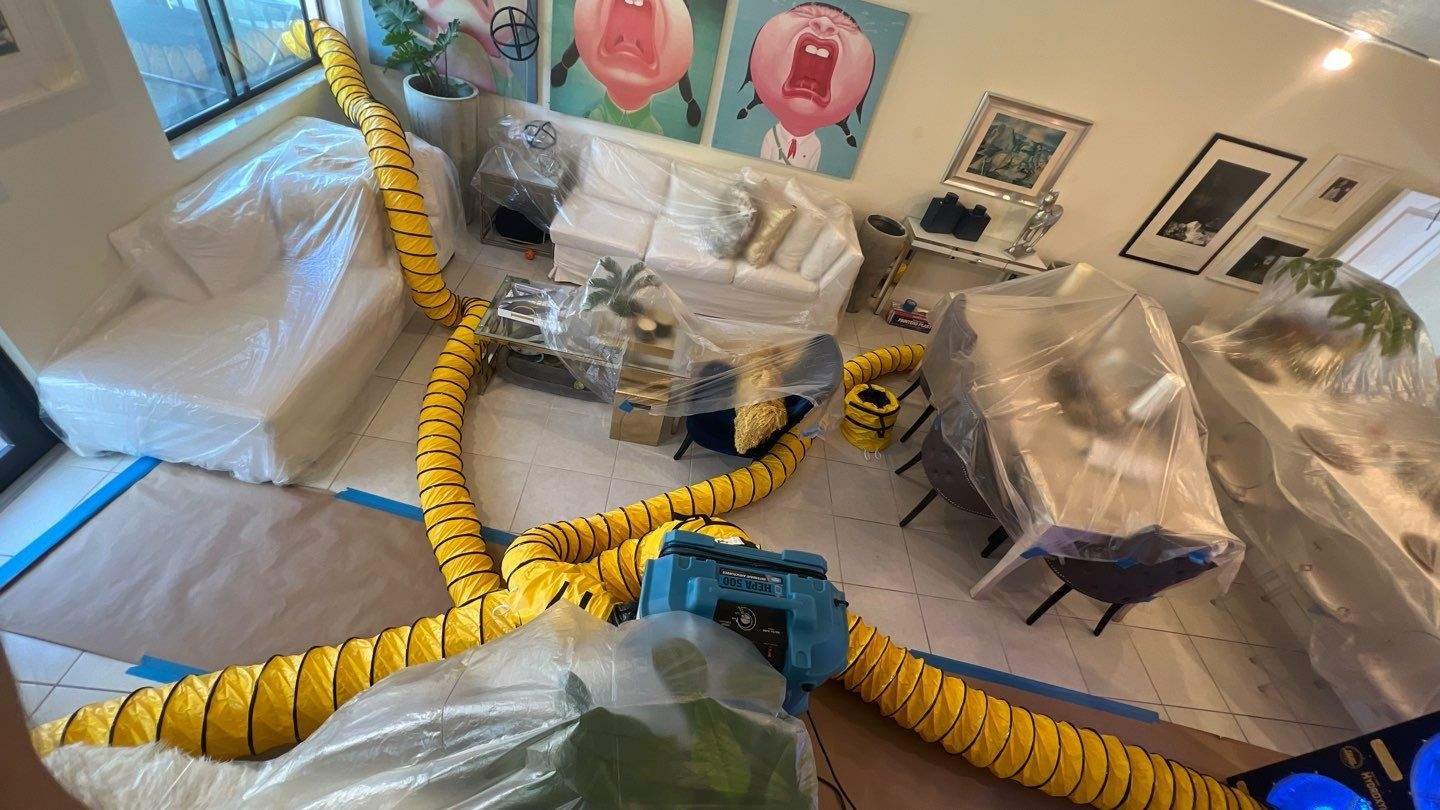
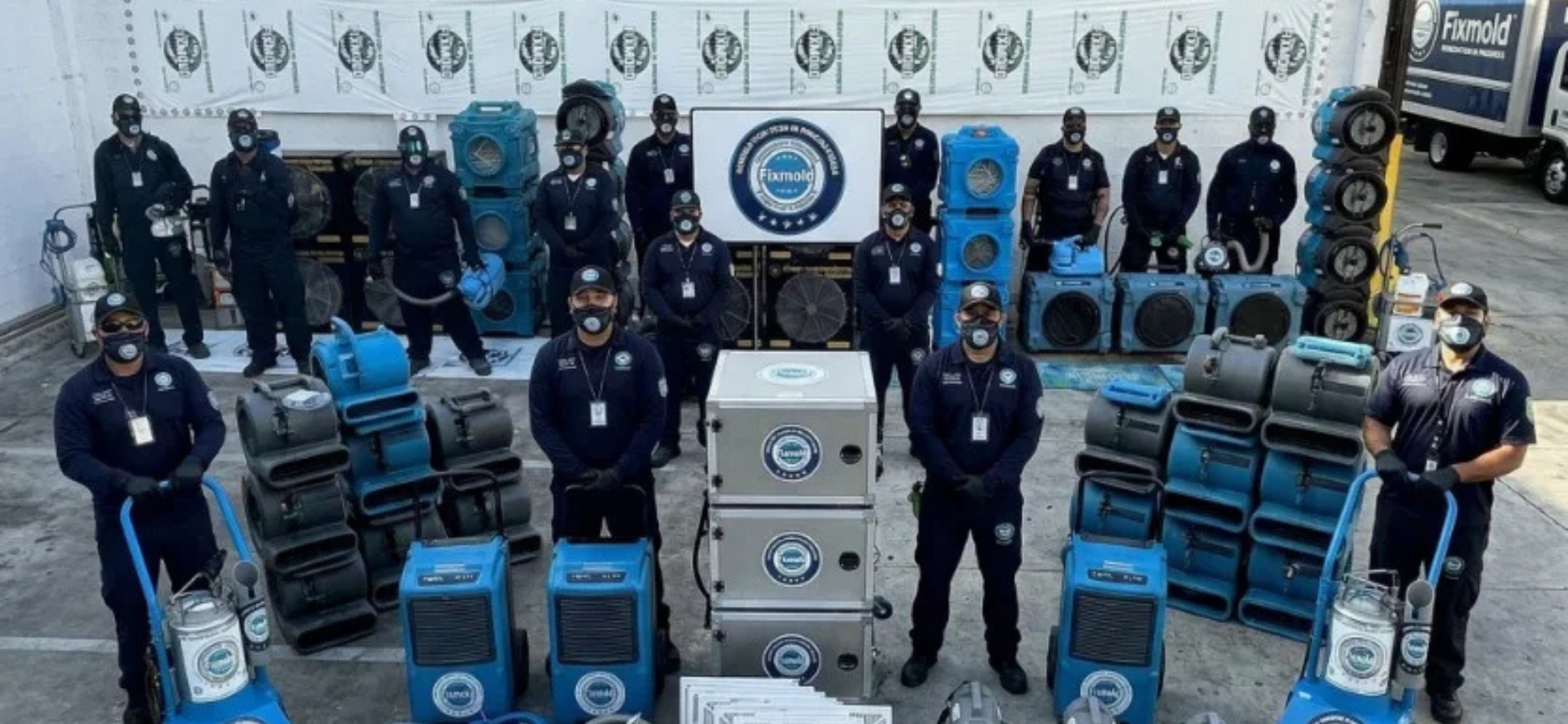
A household air purifier is designed to improve air quality in an occupied room under normal conditions. An industrial air scrubber used in mold remediation is designed to process high volumes of contaminated air continuously under active work conditions, maintain negative pressure containment by exhausting air to the outside of the building, and meet the specific particle capture requirements set by the IICRC S520 mold remediation standard. The filtration media, airflow capacity measured in cubic feet per minute, and the ability to create and maintain negative pressure differentials are all significantly different between consumer air purifiers and professional remediation air scrubbers.
Consumer-grade HEPA air purifiers will improve ambient air quality in a room with mold, but they cannot create the negative pressure containment needed to prevent spore migration during removal work. Running any air-moving equipment in a space with active mold without proper containment established first can actually increase spore dispersal by creating air currents that carry spores to unaffected areas. If you have a confirmed mold problem, the right sequence is containment first, then filtration, then removal. That sequence requires professional equipment and trained technicians.
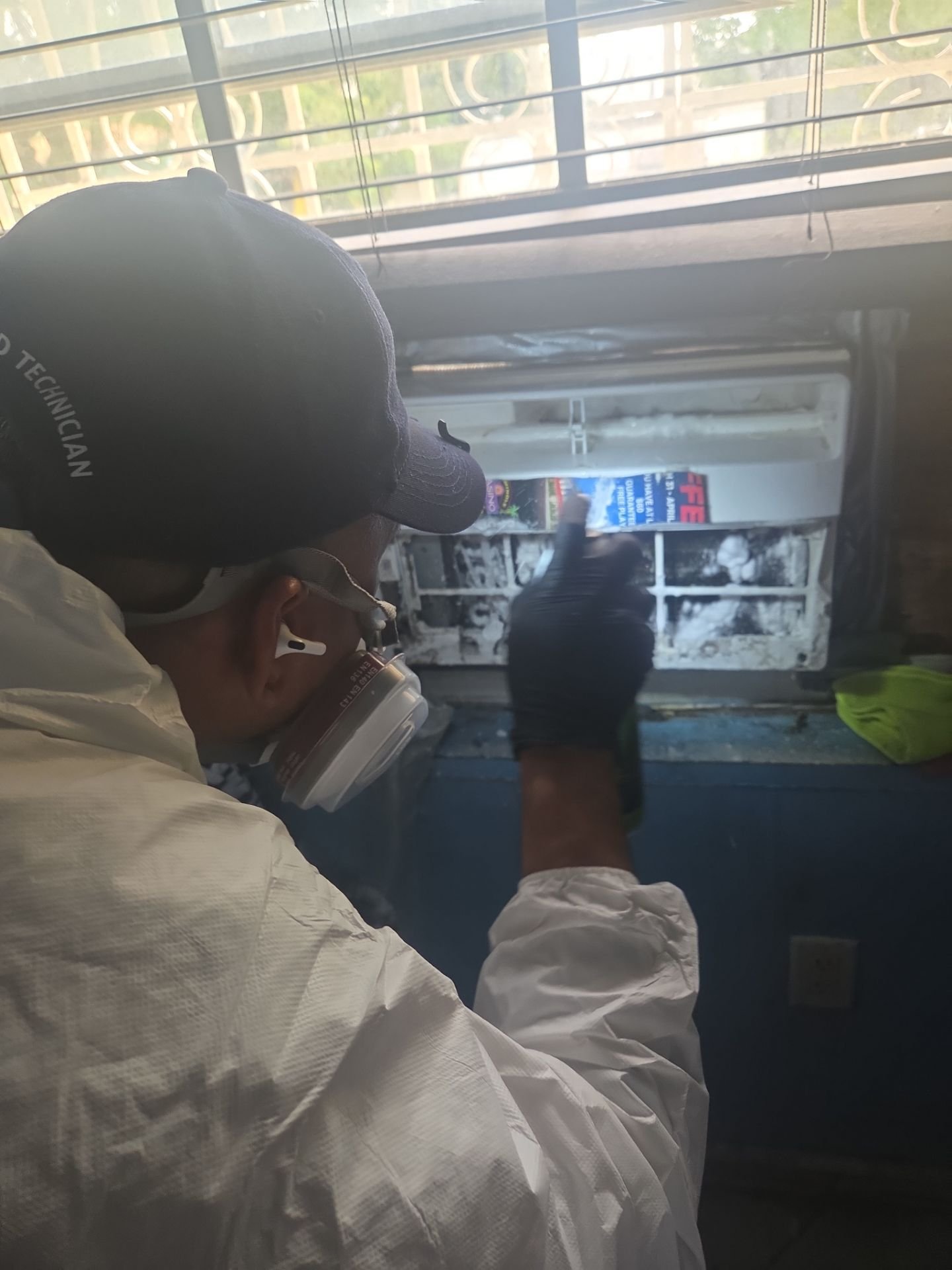
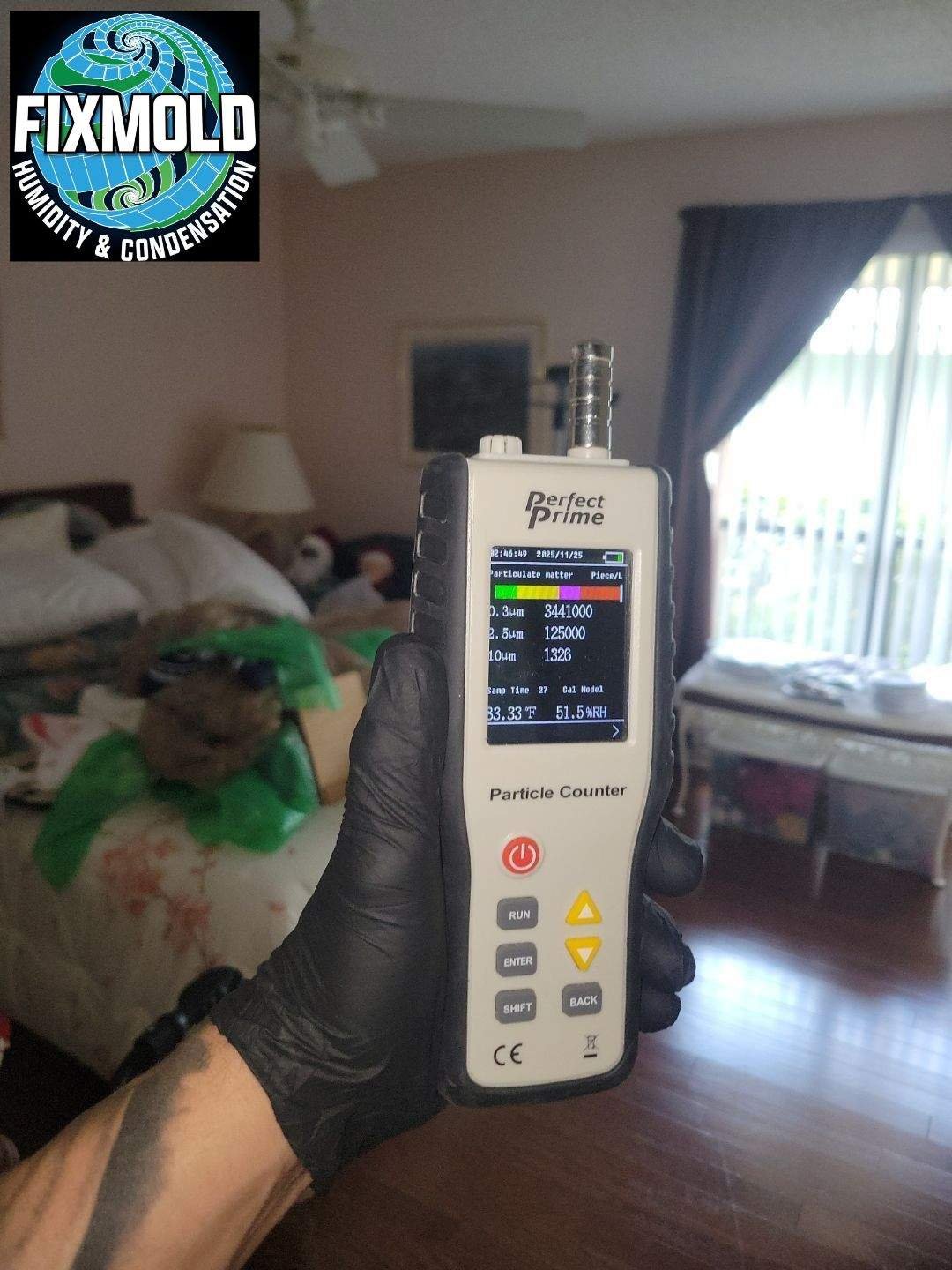
Post-remediation clearance testing is the verification. After every FixMold remediation, we collect air samples from the treated area and from the exterior of the property as a baseline comparison. These samples go to an independent certified laboratory. Results confirming that indoor spore counts have returned to levels at or below outdoor baseline readings confirm that the filtration and remediation process achieved a clean outcome. We do not close a job without clearance test results. The 12-month warranty we provide on every remediation is backed by that confirmation.
In most cases the air scrubbers are removed after clearance testing confirms clean results. For situations where post-remediation drying is ongoing, such as after significant water damage remediation where structural materials need additional drying time before being closed up, equipment may remain in place for an additional period. Your inspector will advise on the specific needs of your job.