Understanding Static Electricity in Indoor Environments
Static electricity accumulates on surfaces when electrons transfer between materials through contact and separation. In indoor environments the surfaces most prone to static charge buildup are carpeted floors, certain synthetic fabrics, vinyl and laminate flooring, painted walls in low-humidity conditions and equipment and fixture surfaces with low electrical conductivity. The charge builds until it discharges through contact with a grounded surface or person, producing the familiar static shock.
Indoor humidity level has a significant effect on static accumulation. Humid air conducts electricity well enough to dissipate surface charges gradually before they build to shock-producing levels. Dry air does not. This is why static shocks are more common in winter in northern climates where heated indoor air is very dry. In South Florida, the dynamic is different but still present.
Why Pacemaker Users Need Static Control
Implanted cardiac devices generate their own electrical signals to regulate heart rhythm. When external static discharge interacts with these signals, it can create discomfort and in rare cases interfere with device sensing. Reducing static buildup in indoor environments significantly improves safety and comfort for individuals relying on these devices.
About ACL Staticide 3000G
ACL Staticide 3000G is a professional-grade topical anti-static solution designed to dissipate static charges at the surface level. Once applied, it creates a conductive layer that prevents charge buildup, reducing or eliminating static discharge events across treated surfaces.
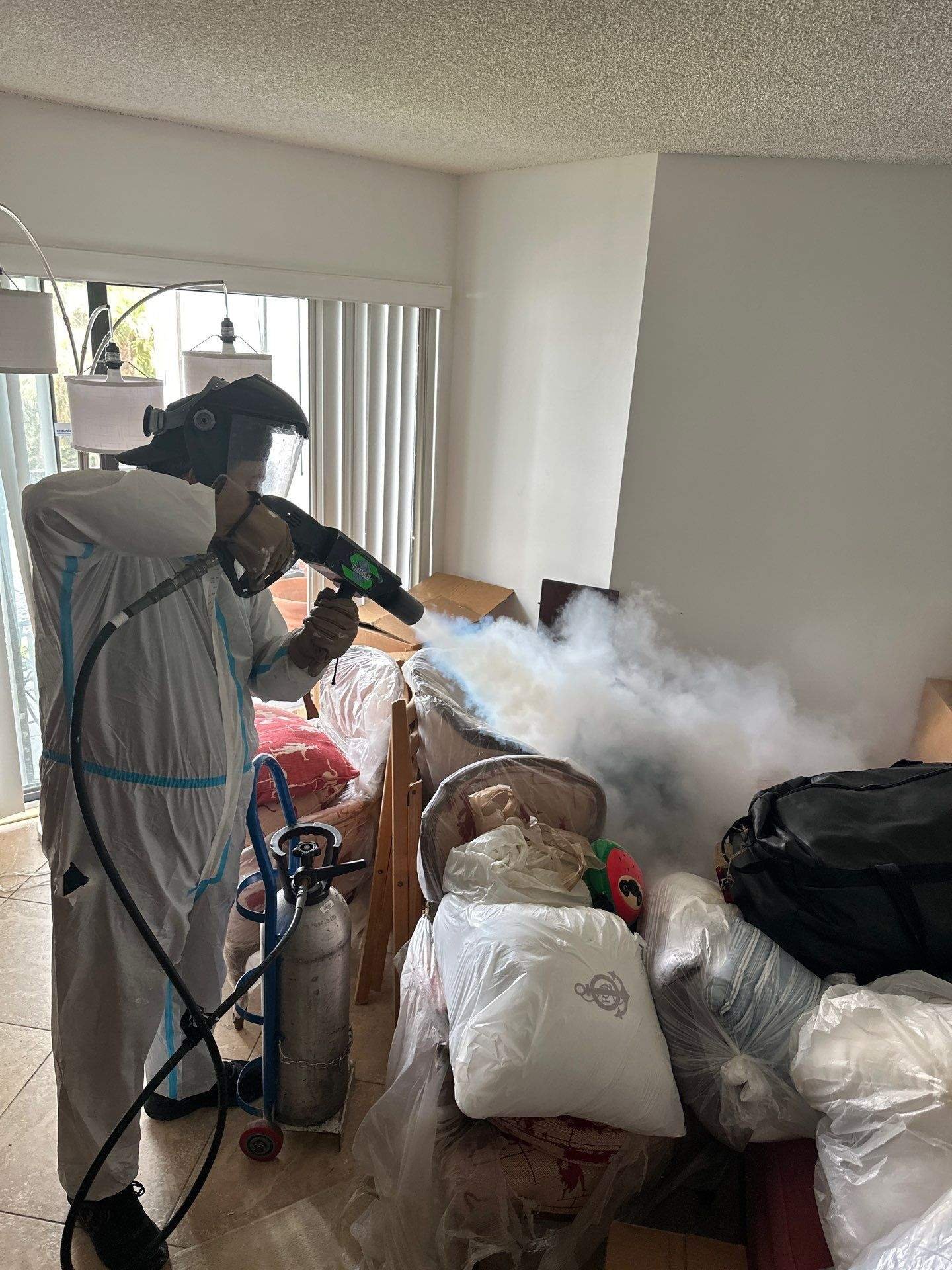
The Modified Penguin Sprayer
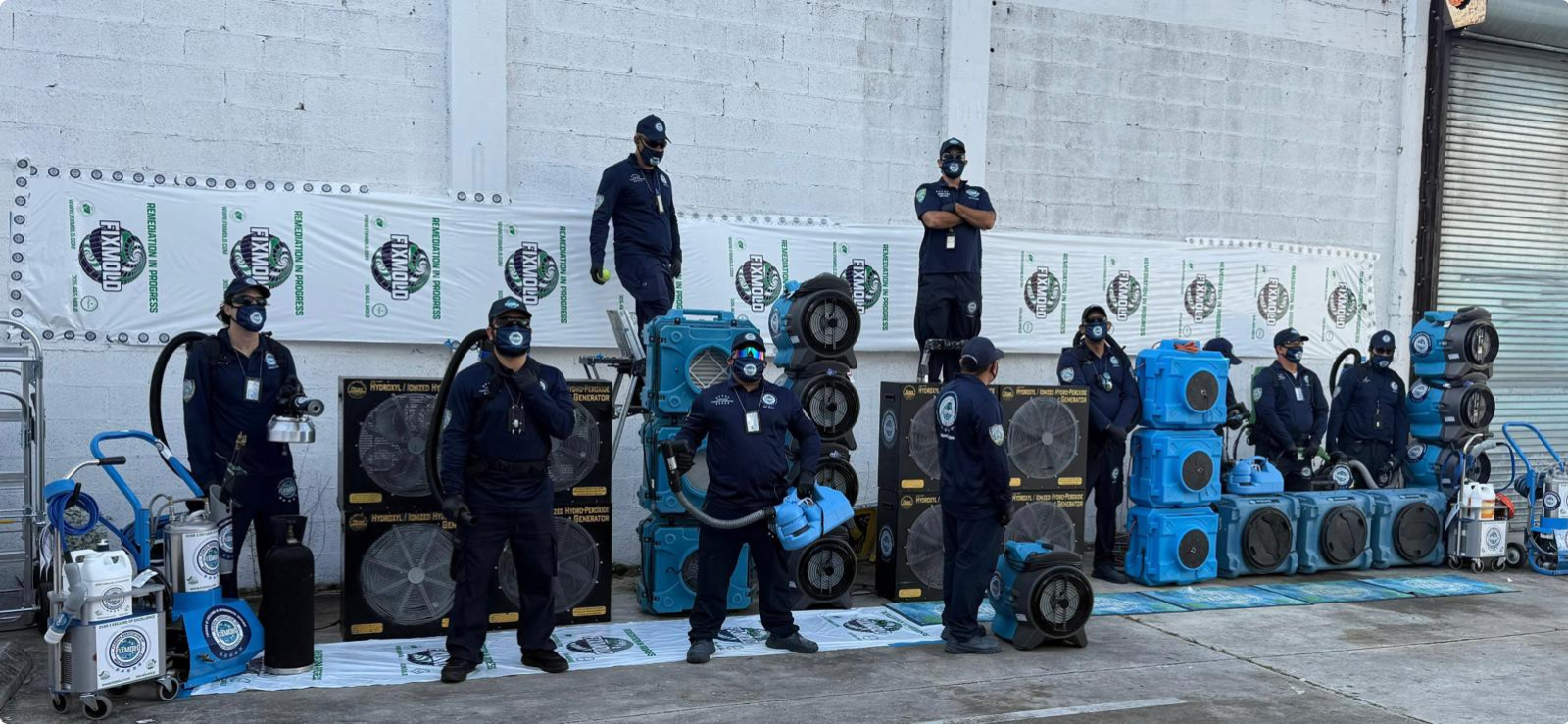
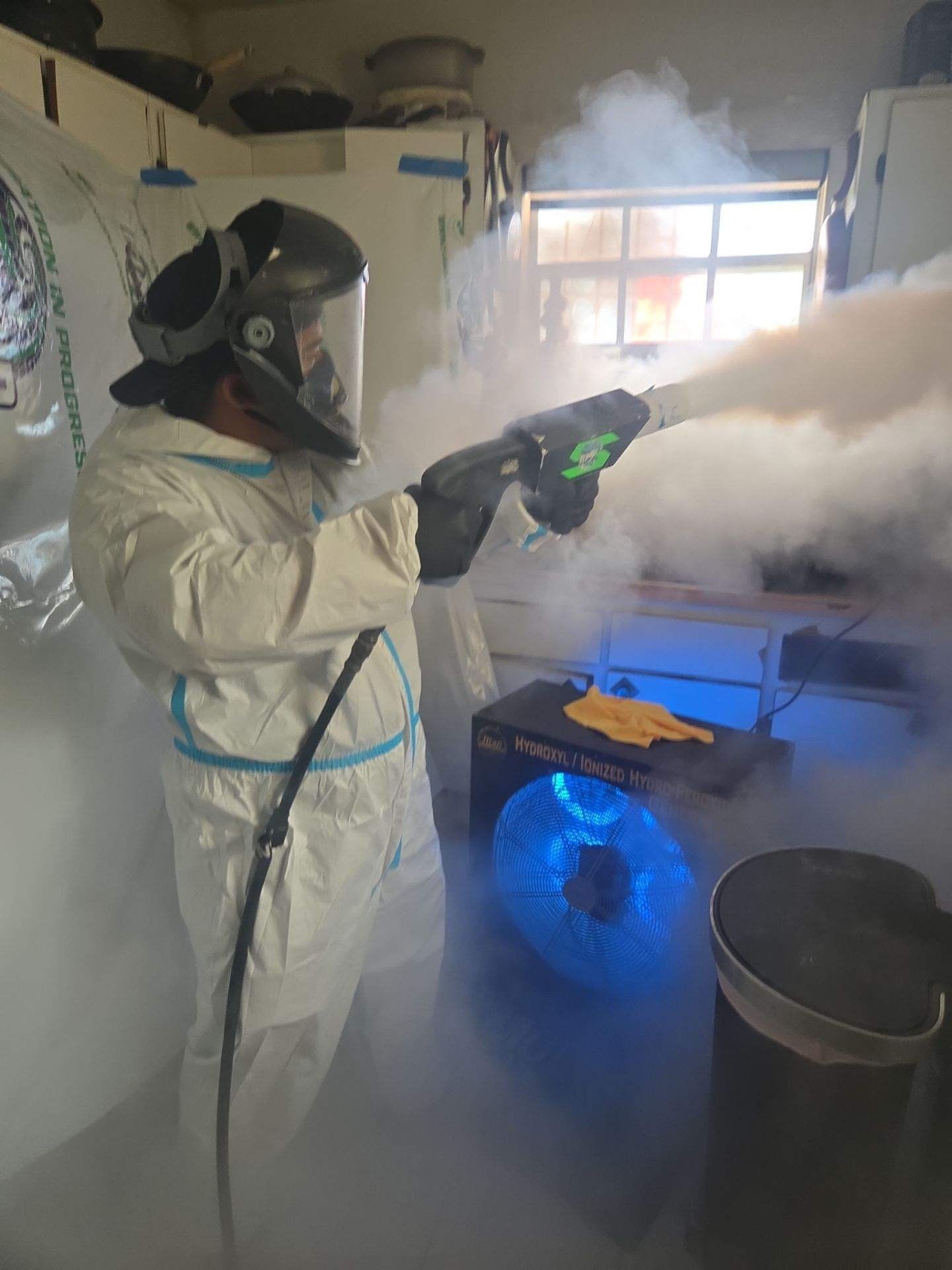
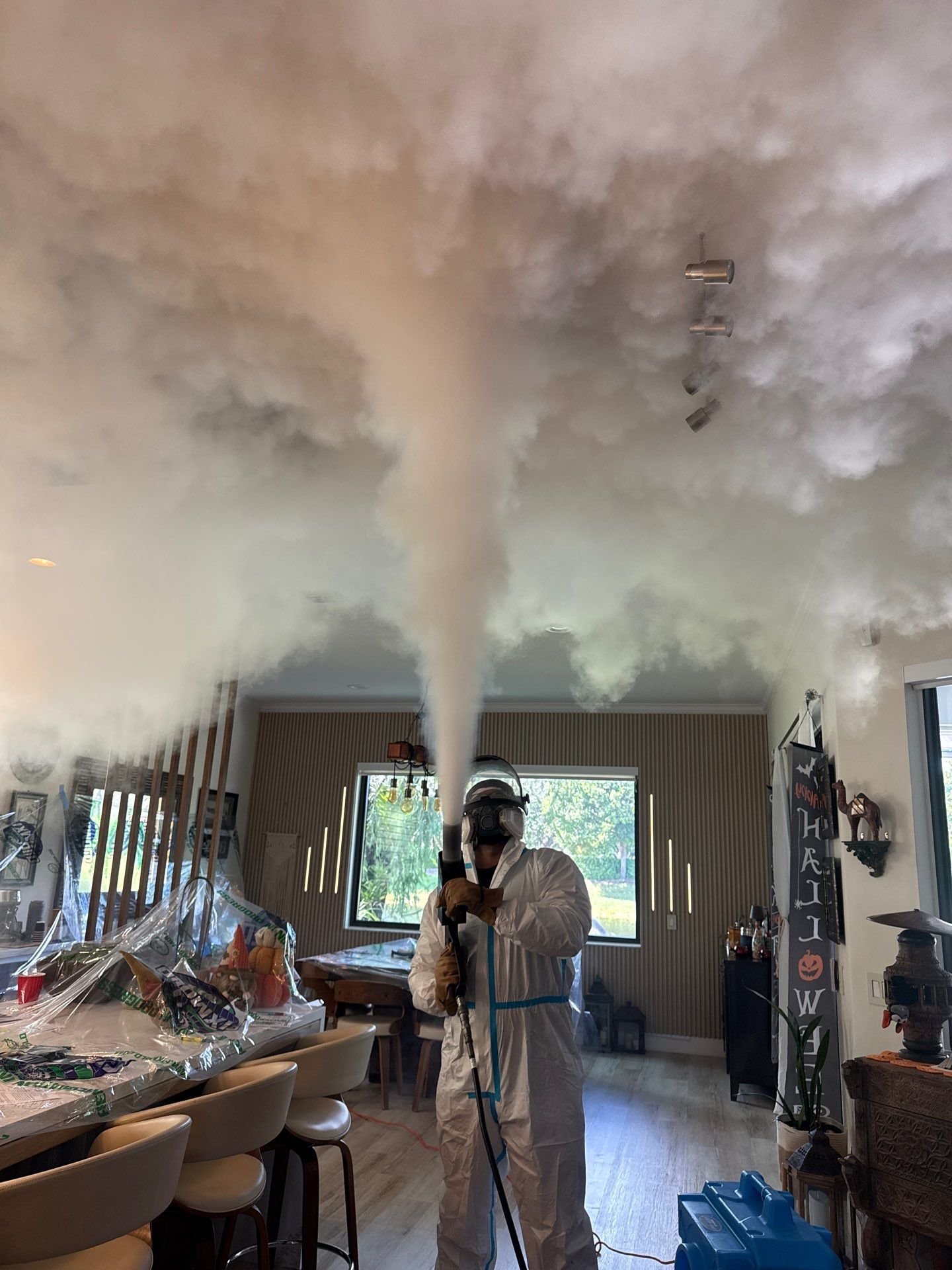
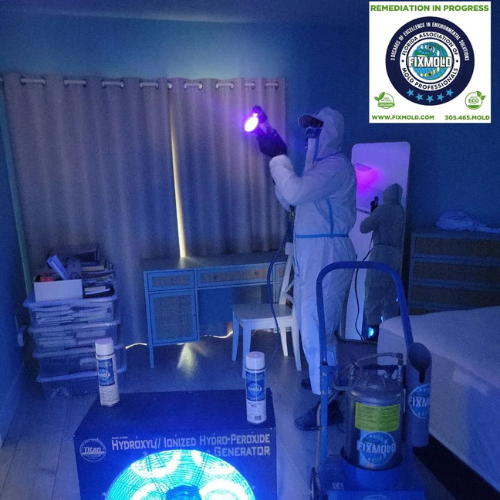
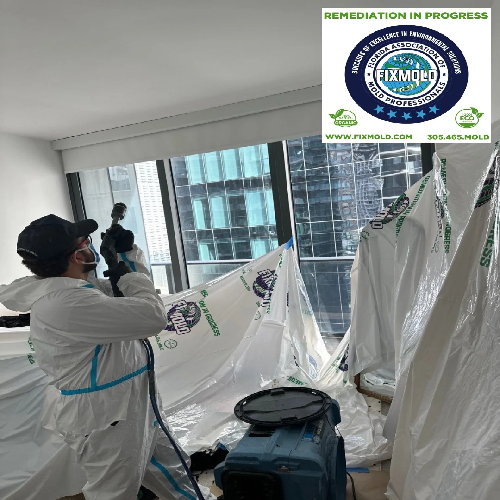
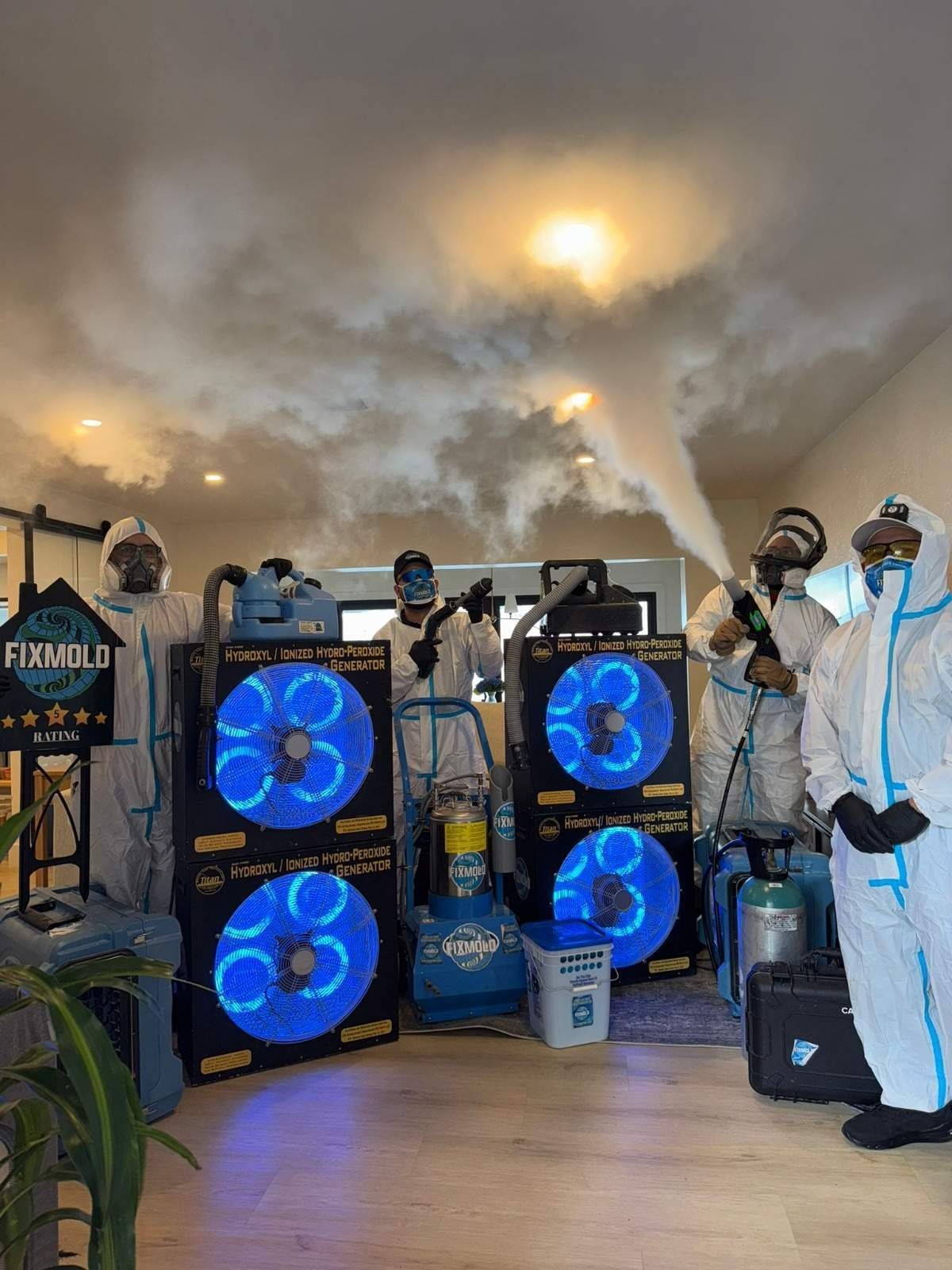
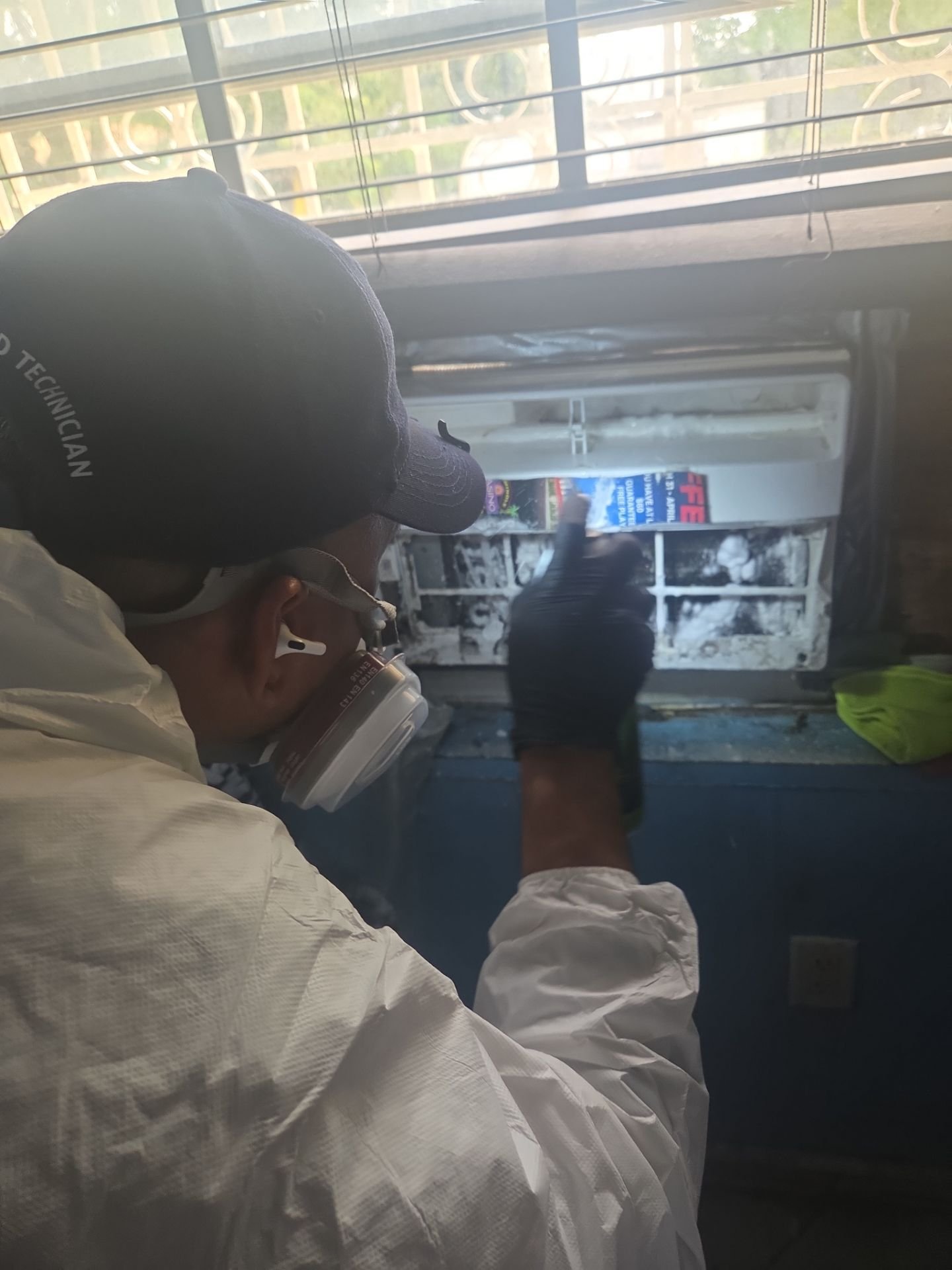
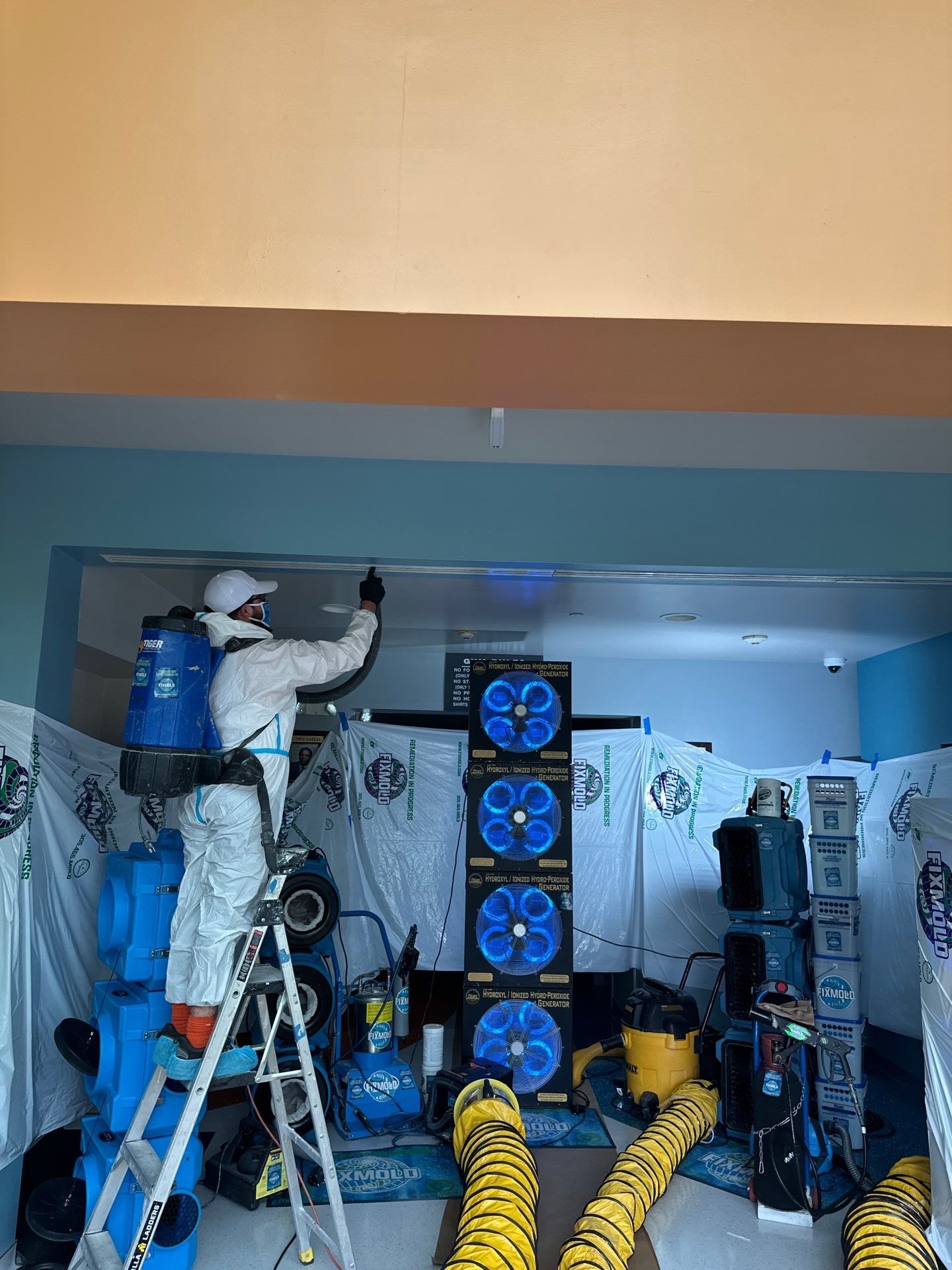
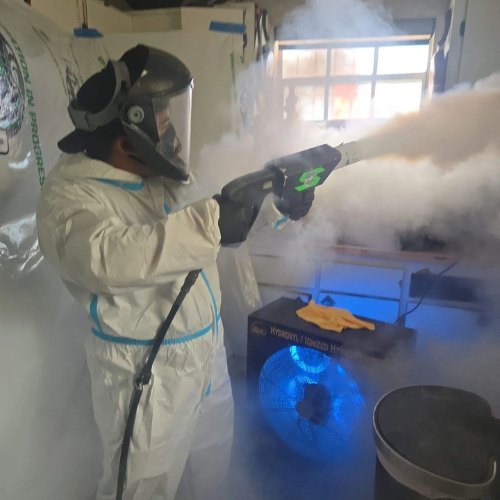
FixMold’s modified Penguin Sprayer operates at higher pressure, allowing the solution to reach areas that traditional sprayers cannot. This includes attic surfaces, duct interiors and confined mechanical spaces where static buildup often goes untreated, particularly in properties undergoing mold in air conditioning and HVAC systems remediation.
Who Should Consider This Service
Individuals with pacemakers and properties experiencing frequent static shocks benefit most from this treatment. It is especially useful in environments where humidity levels fluctuate or where recent remediation has altered indoor air conditions