1000+ 5-STAR REVIEWS
Recommended All Over Florida
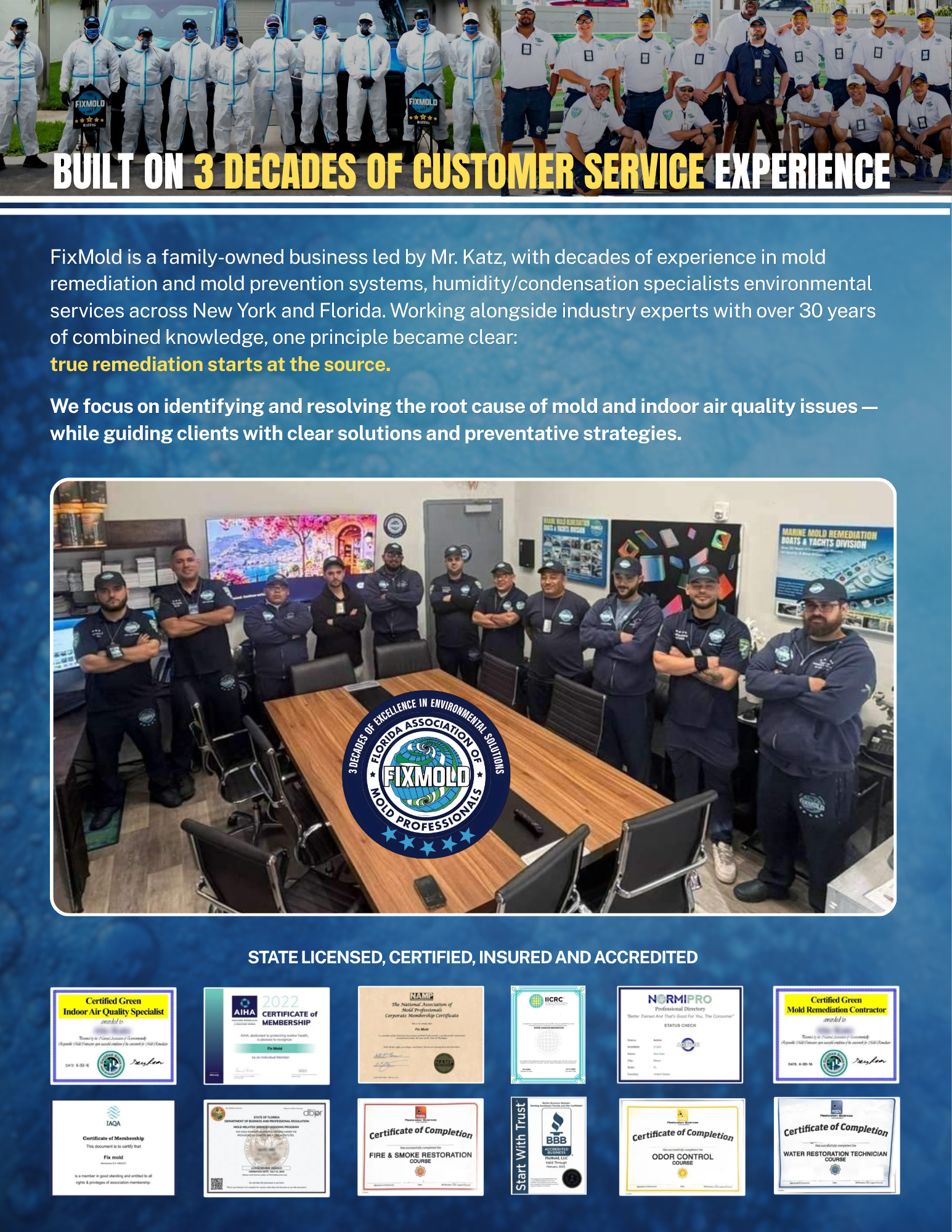
Katz Family Over 3 Decades
Recommended by Miami Doctors
1000+ 5-STAR REVIEWS
Recommended All Over Florida

Professional Marine Mold Division Miami

    miami mold specialist

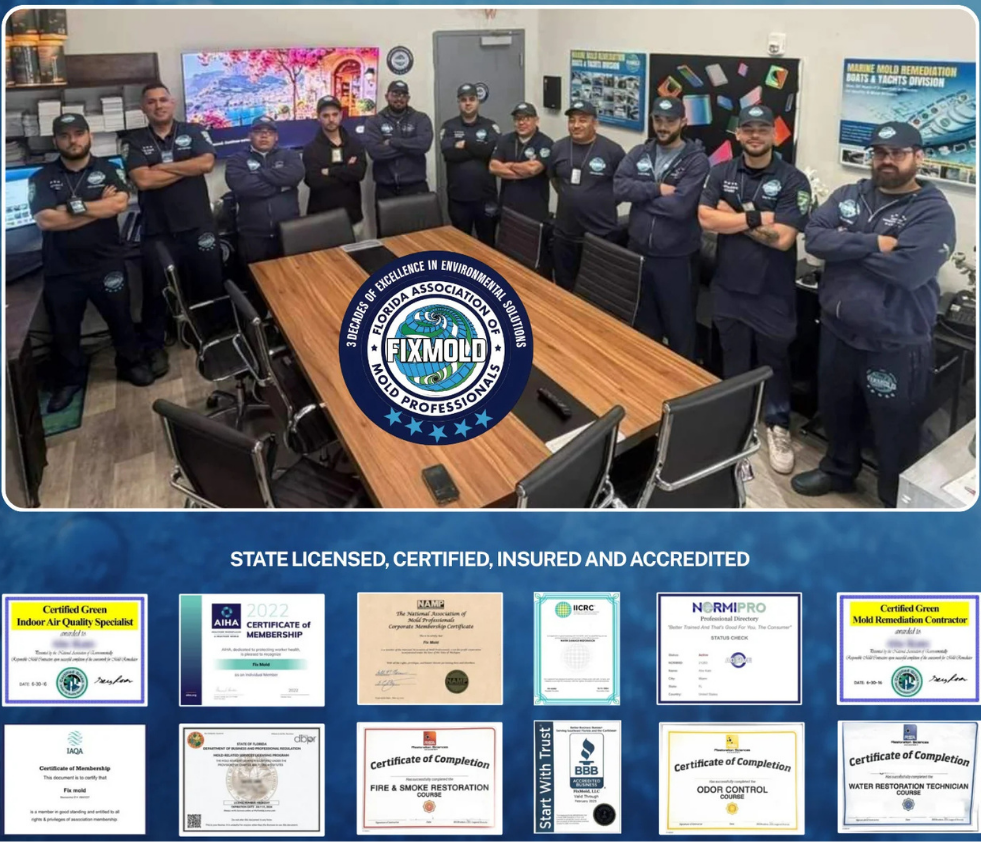
    State Licensed and Accredited Affiliations

    Dr Mold Detox
    Dr Mold Detox

    Marine Mold Division Miami

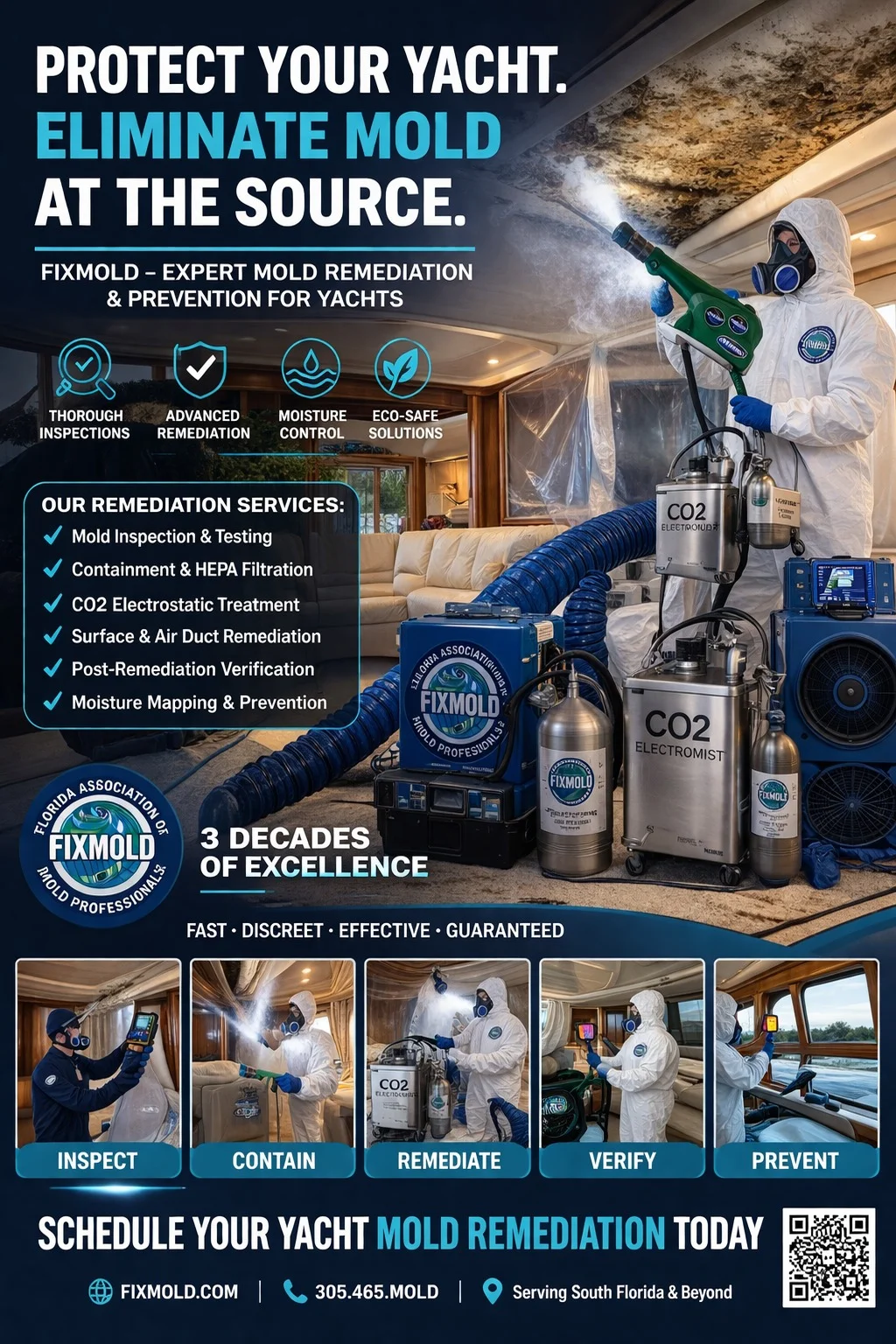
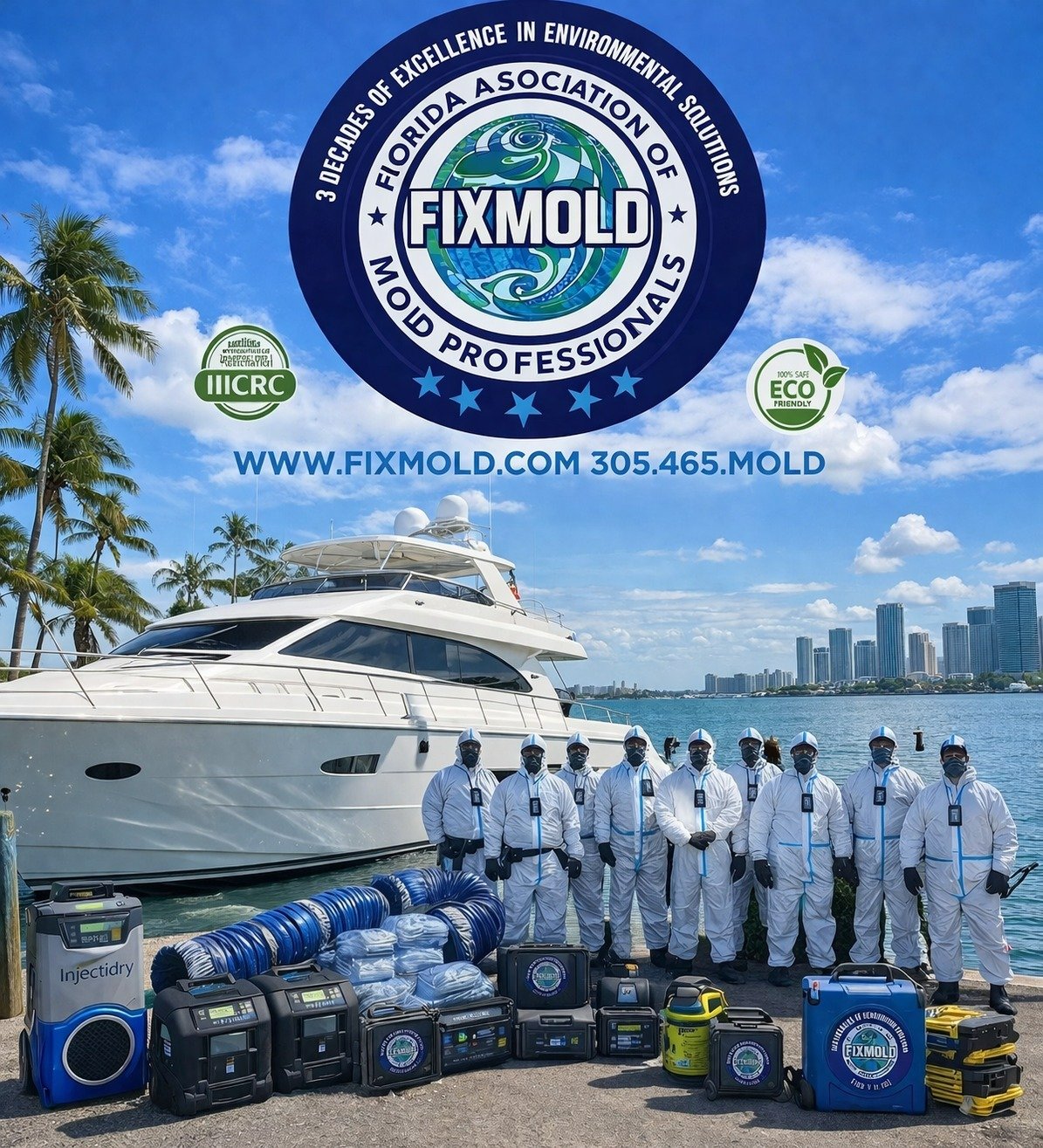
    FixMold’s Marine Division focuses on mold inspection, testing, and removal for boats, yachts, and marine environments across Miami and South Florida. Constant humidity, salt air, and limited ventilation create ideal conditions for mold to develop inside cabins, storage compartments, and air systems. A specialized approach is required to properly manage these conditions.

    At FixMold, marine mold services are designed for enclosed vessel environments where moisture can remain trapped and spread quickly. We evaluate air quality, detect hidden moisture, and identify contamination inside structural and interior components. The process is tailored to protect materials while improving conditions inside the vessel.

    Marine environments often allow mold to return if the source of moisture is not addressed. That is why services focus on both identifying contamination and stabilizing the environment through proper airflow and moisture control. This helps maintain the condition and value of the vessel over time.

    Our goal is to provide a dedicated marine solution that keeps vessels clean, controlled, and properly maintained. Whether for routine maintenance or addressing an active issue, the marine division is built to handle the unique challenges of boats and yachts.

    Call or text: 305 465 6653 | Same day appointments available | Virtual assessment available

    Marine Mold Cleaning in Miami

    Marine mold issues are a constant environmental challenge for boat owners and yacht operators throughout Miami and South Florida because vessels operate in one of the most moisture-heavy environments possible. Unlike buildings on land, marine environments combine enclosed airspaces, constant humidity, salt exposure, limited ventilation, and continuous temperature fluctuations that create ideal conditions for mold growth inside cabins, storage compartments, upholstery, ceiling panels, and HVAC systems.
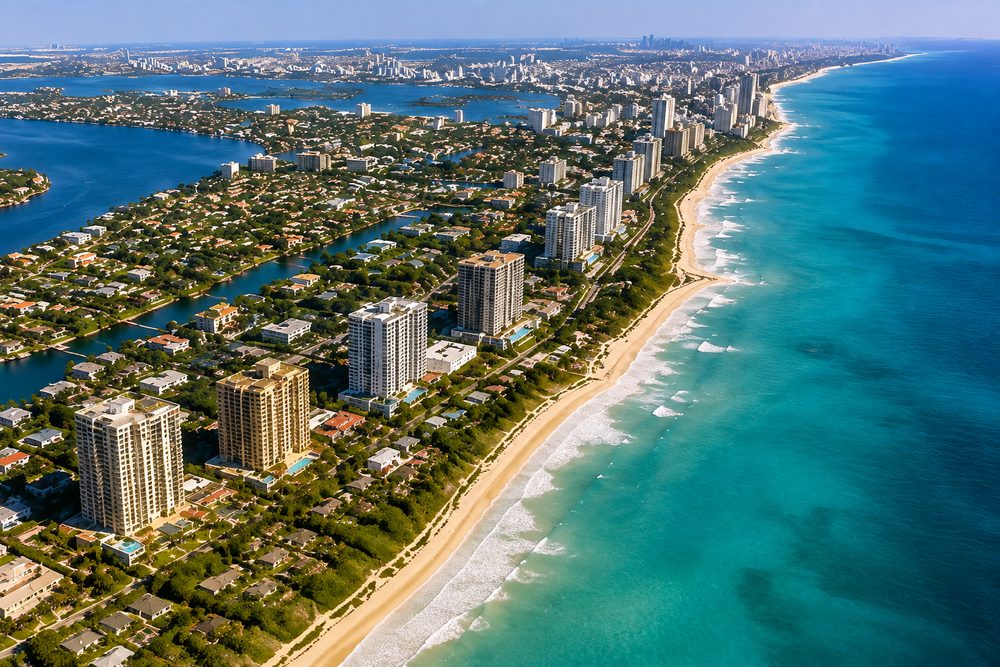
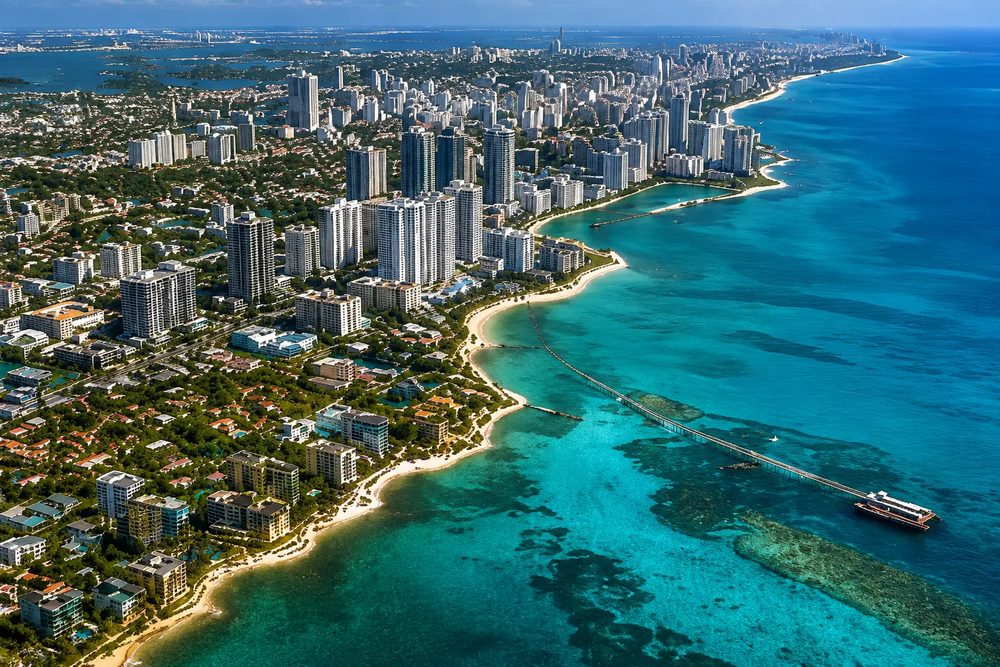
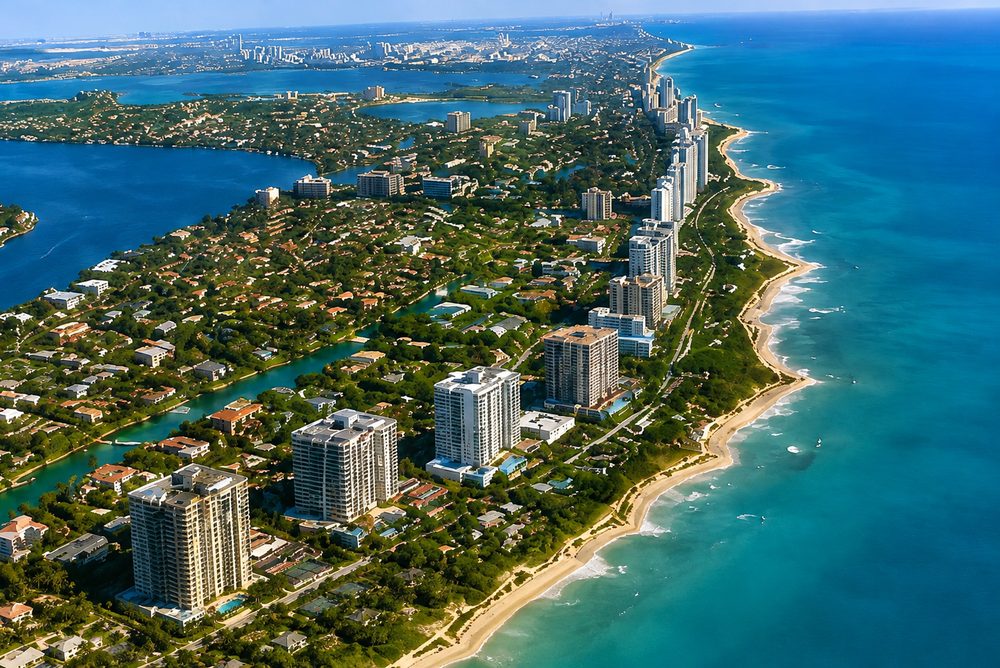
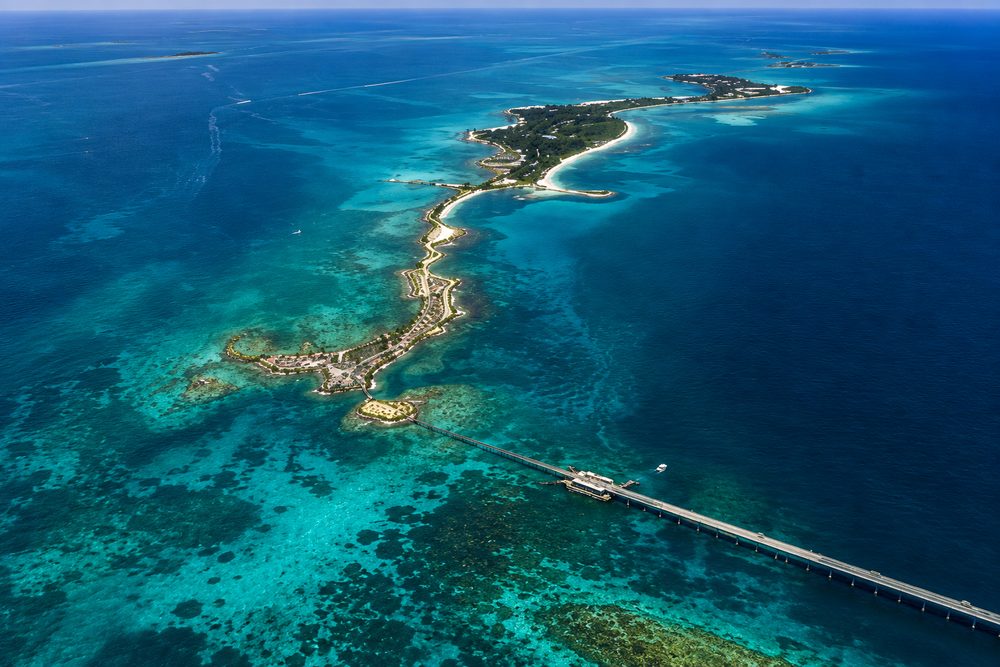
    From Miami Marina, Coconut Grove, Miami Beach, Fisher Island, Key Biscayne, Fort Lauderdale, Palm Beach, and throughout the Florida Keys, boats and yachts are exposed daily to warm salt air that carries moisture into every enclosed space on board. Even when vessels are properly maintained, condensation can develop inside hidden areas where air circulation is limited and materials remain damp for long periods.

    One of the main reasons mold develops so easily on marine vessels is the constant cycle of cooling and warming inside enclosed cabins. Air conditioning systems on yachts and boats run continuously, cooling humid air that has already been saturated by the marine environment. When warm outside air enters and meets cooled surfaces, condensation forms on walls, ceilings, ductwork, and structural framing. Over time, this repeated moisture exposure allows microbial growth to develop in hidden areas.

    Many vessel owners first notice marine mold problems through a persistent musty odor inside cabins or storage compartments. This smell often becomes stronger when the air conditioning system is turned on or after the boat has been closed for a period of time. That pattern usually indicates that moisture is trapped somewhere inside the vessel where airflow is limited.

    Upholstery, bedding, carpeting, and fabric materials on boats are especially vulnerable because they absorb moisture easily and dry slowly in humid marine conditions. Even when surfaces appear clean, moisture can remain inside cushions, padding, and fabrics where mold can develop internally before becoming visible.

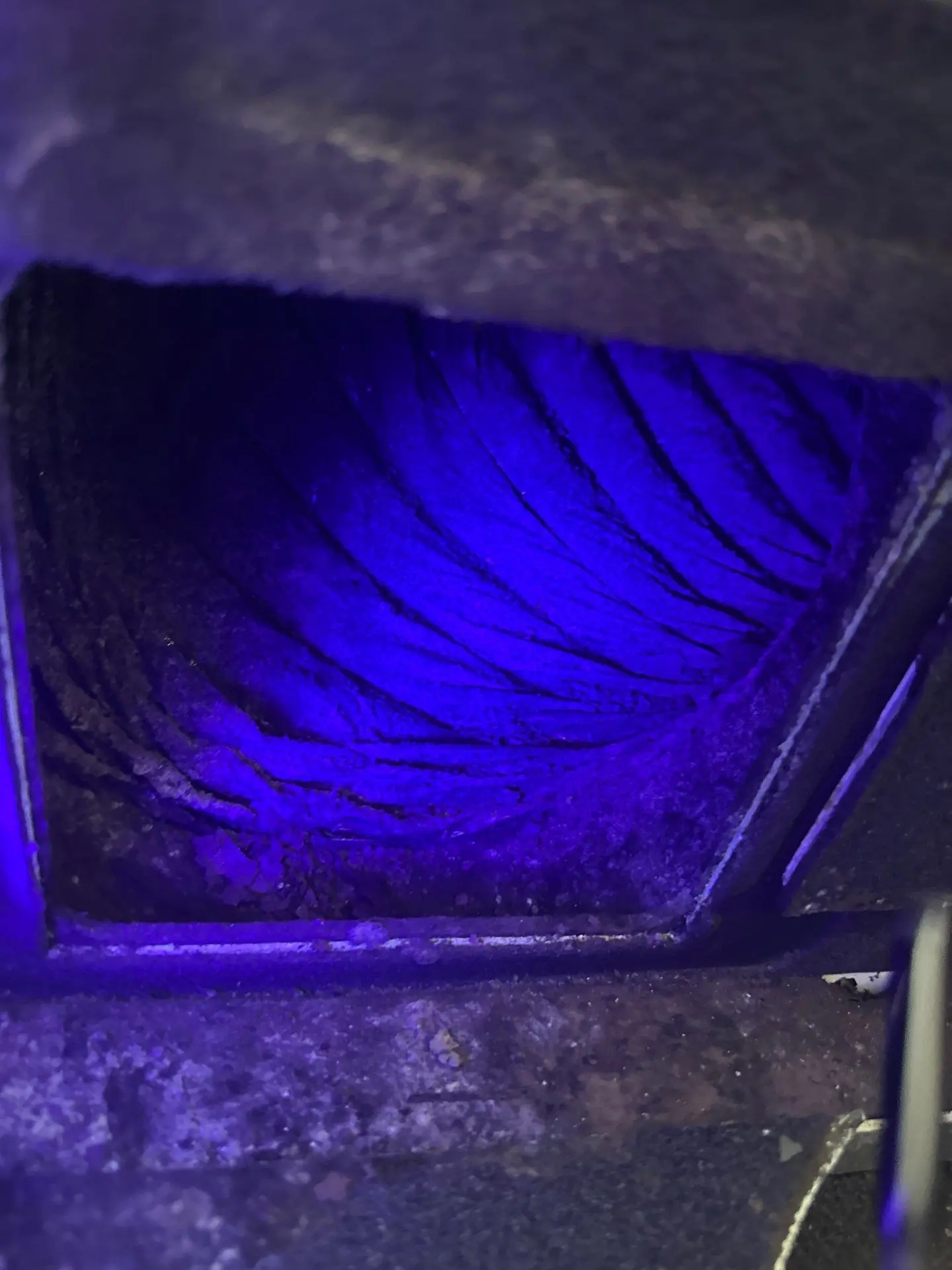
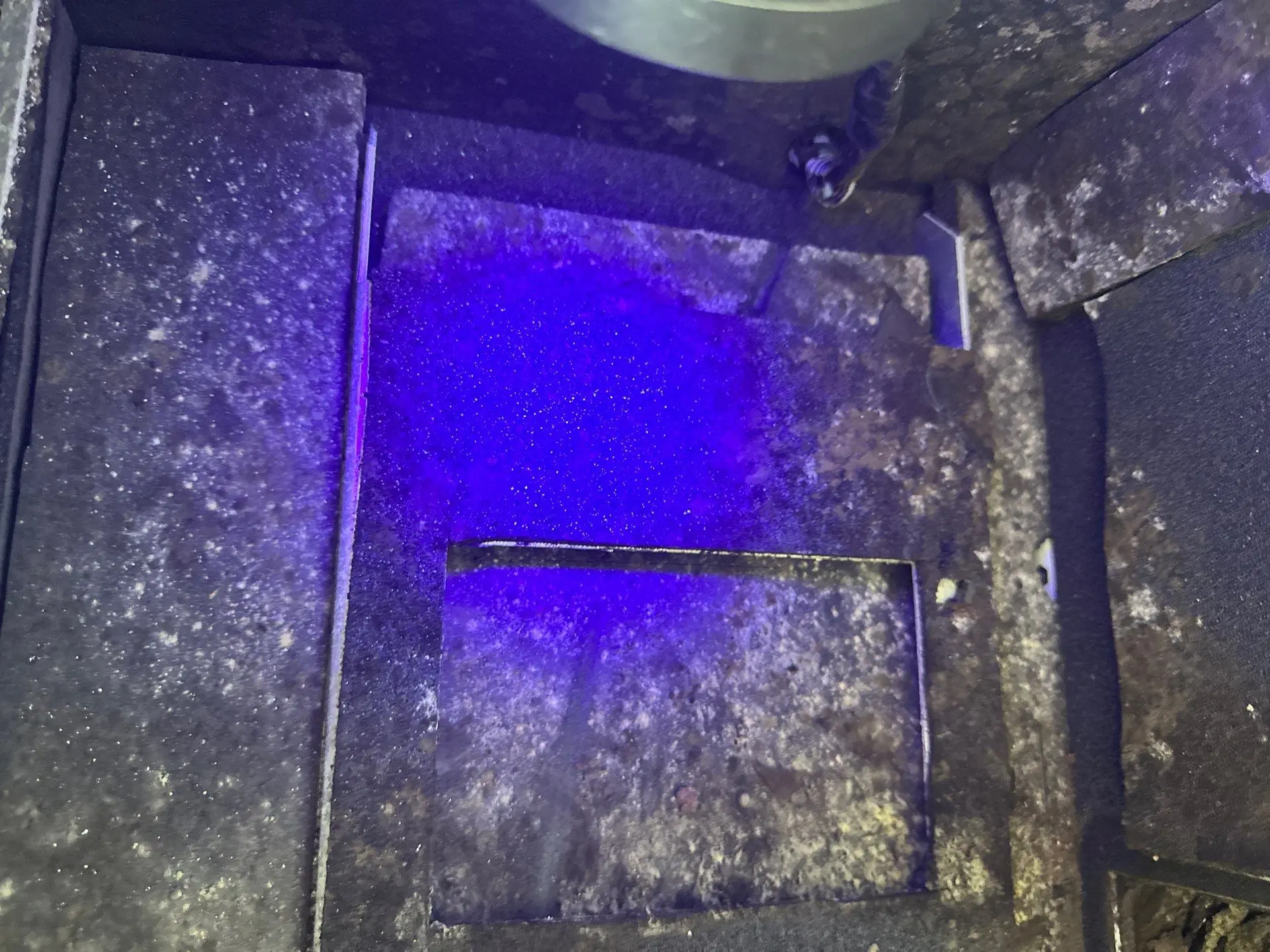
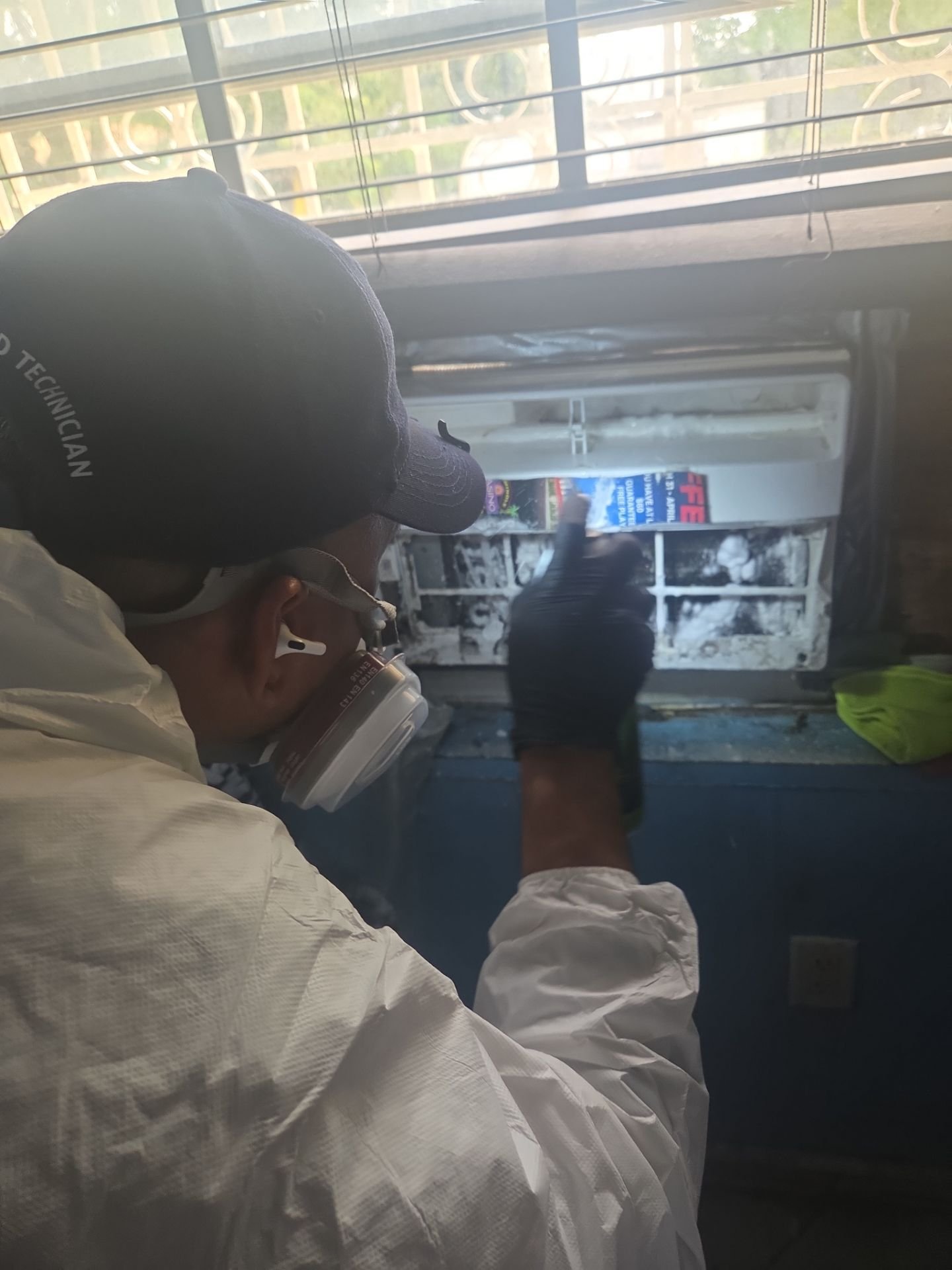
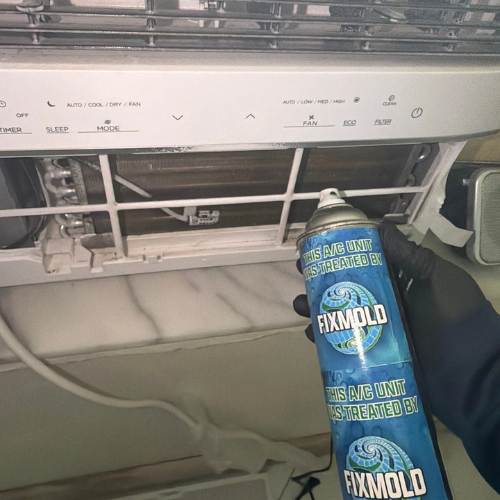
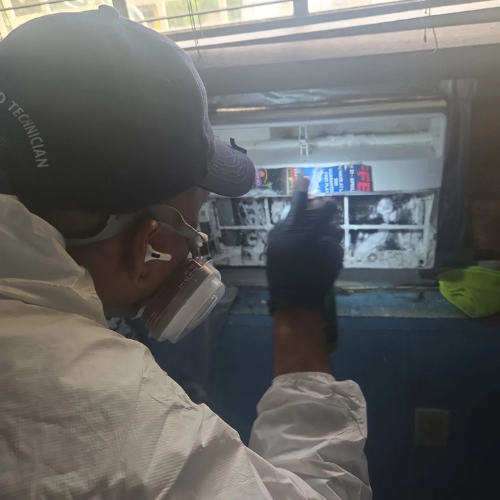
    HVAC systems on yachts and boats are another major contributor to marine mold contamination. Marine air conditioning systems operate in tight, enclosed spaces where drainage, condensation control, and airflow balance are critical. If condensation pans overflow, drain lines clog, or insulation becomes saturated, microbial growth can begin inside ductwork or air handling units and spread throughout the vessel.

    Engine compartments and storage areas also frequently experience moisture buildup due to temperature fluctuations and limited ventilation. These spaces may remain warm and humid for extended periods, especially when vessels are docked or not in active use. Without proper airflow, condensation and salt moisture can accumulate on metal surfaces and surrounding materials.

    Water intrusion is another common cause of marine mold problems. Heavy rain, wave splash, deck leaks, window seals, and hatch failures can introduce water into interior spaces. Because marine vessels often contain layered materials and tight construction, moisture can travel into hidden cavities where it becomes difficult to detect without detailed inspection.

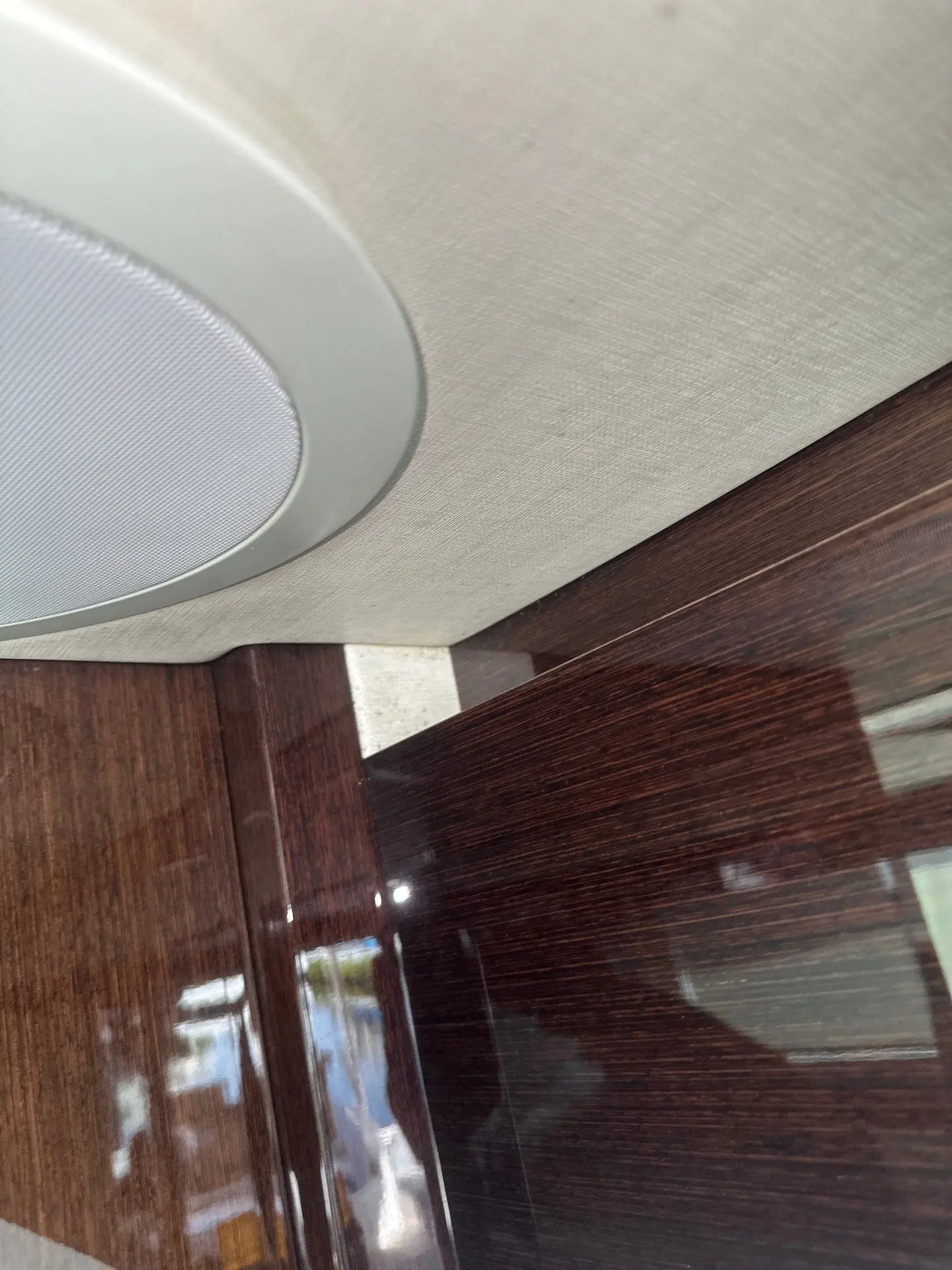
    Cabin ceilings and wall panels often conceal hidden mold growth because moisture can become trapped behind finished surfaces. In many cases, mold develops long before any visible staining appears, especially in yachts where interior finishes are designed to be sealed and insulated for comfort and aesthetics.

    South Florida’s climate intensifies these issues because the surrounding air itself contains high levels of humidity throughout most of the year. Even when a vessel is not actively taking on water, ambient moisture in the environment can continuously influence interior conditions and contribute to condensation inside enclosed marine spaces.

    Marine mold issues are not limited to luxury yachts. Fishing boats, sailboats, commercial vessels, and personal watercraft all experience similar environmental challenges, especially when stored in marinas or docked for extended periods without active ventilation.

    Miami and surrounding coastal areas such as Fort Lauderdale, Key Biscayne, Sunny Isles, Hallandale Beach, and the Florida Keys experience particularly strong marine humidity conditions that make long-term mold prevention difficult without consistent environmental management.

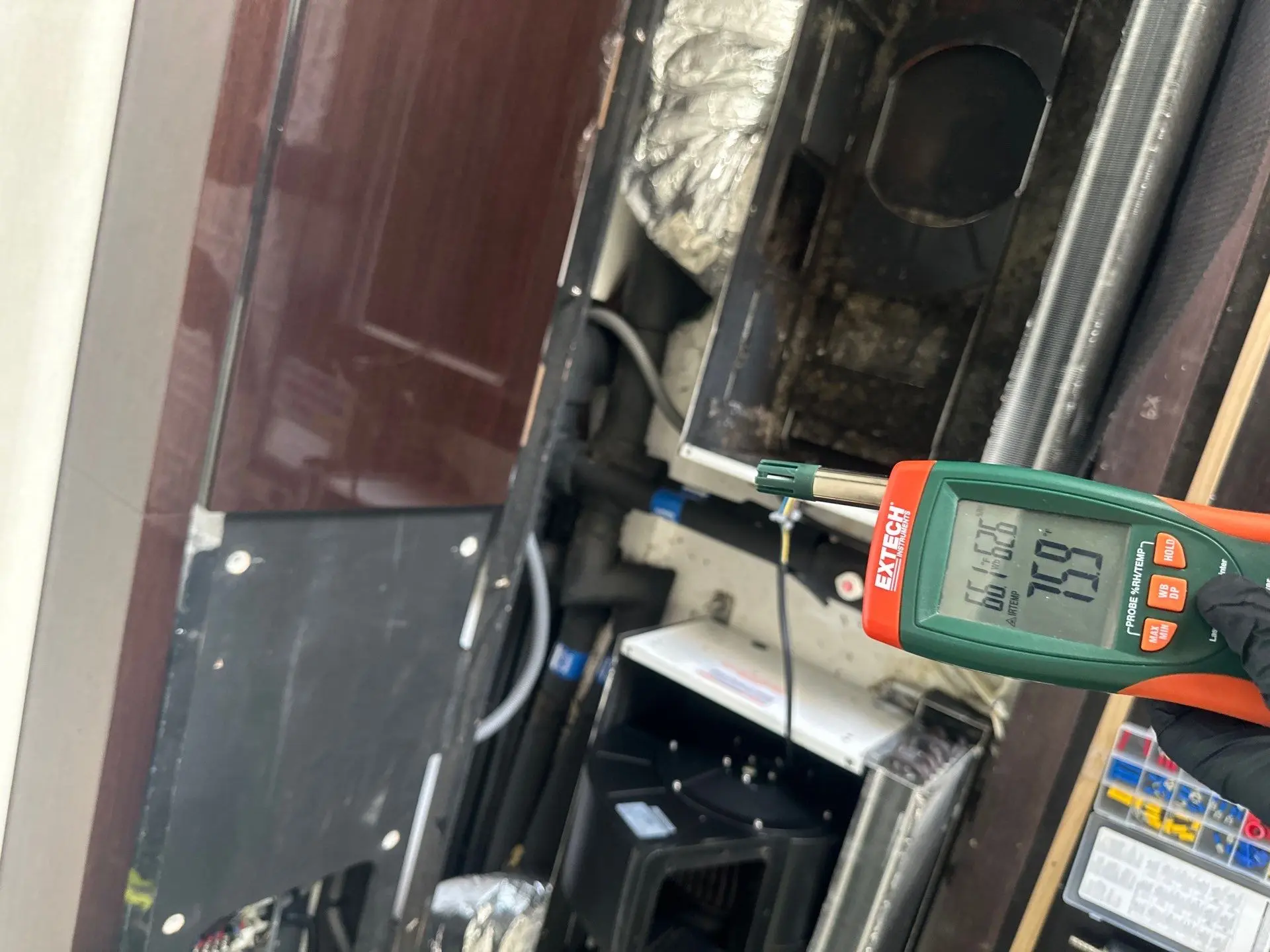
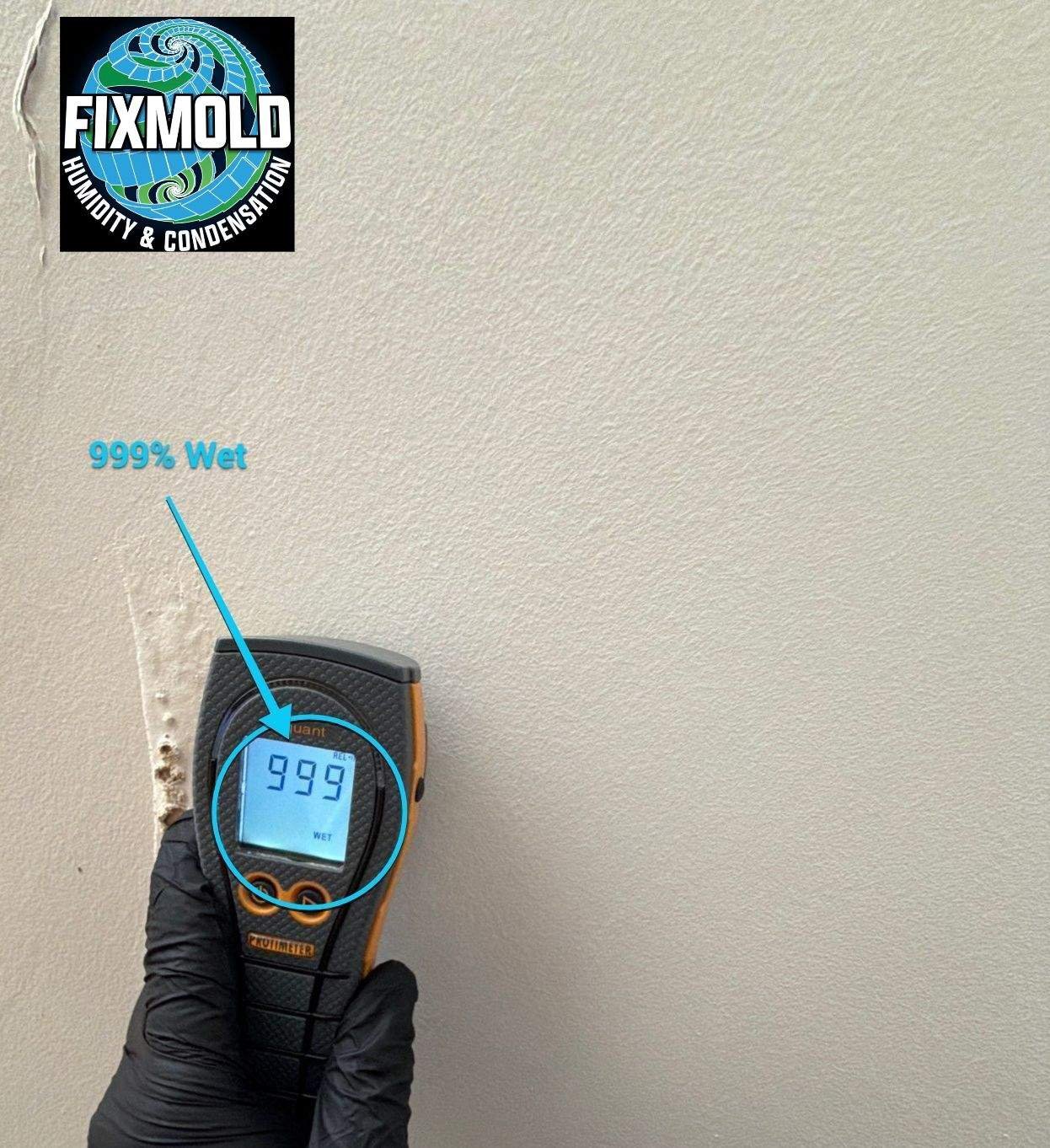
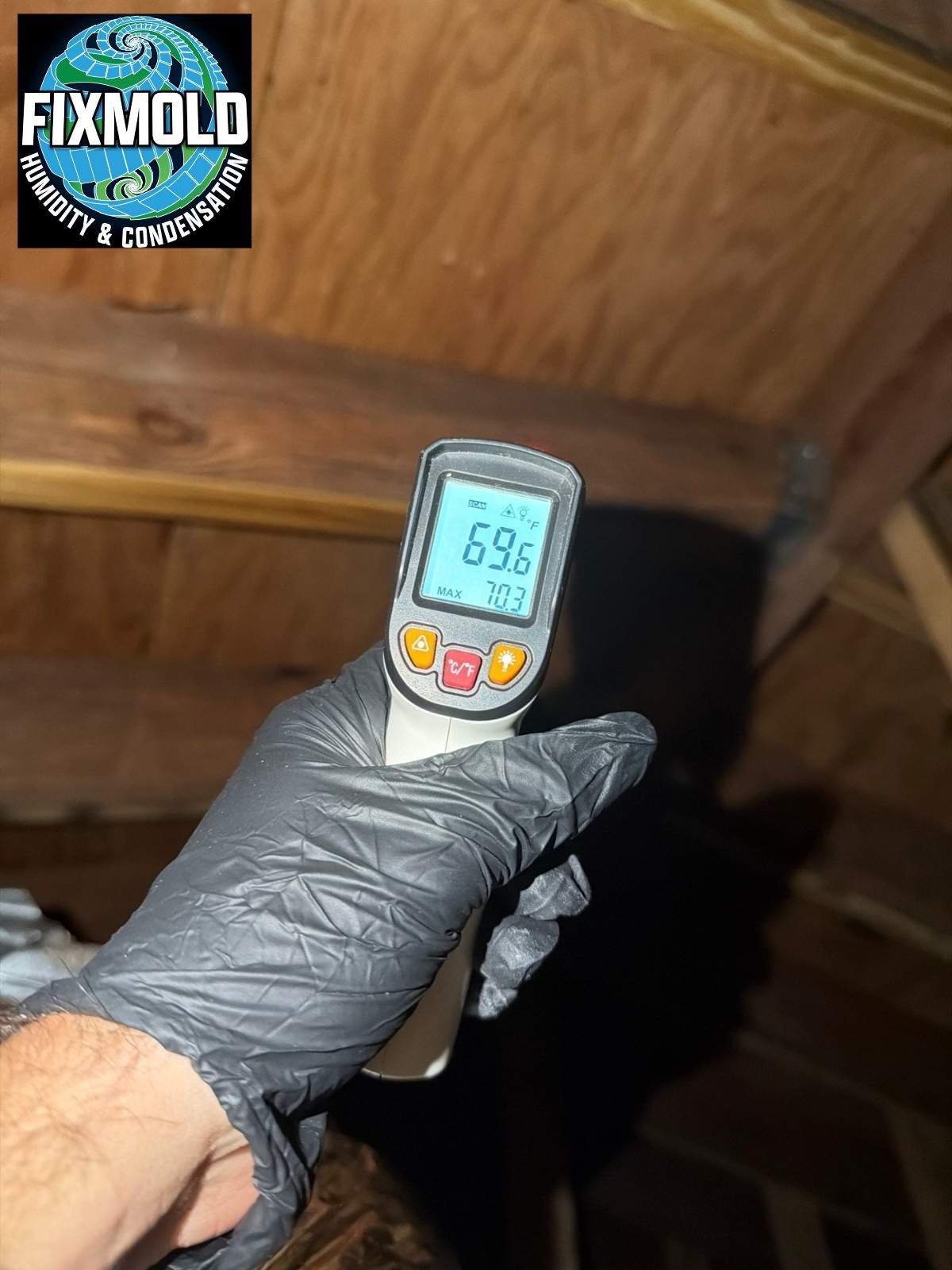
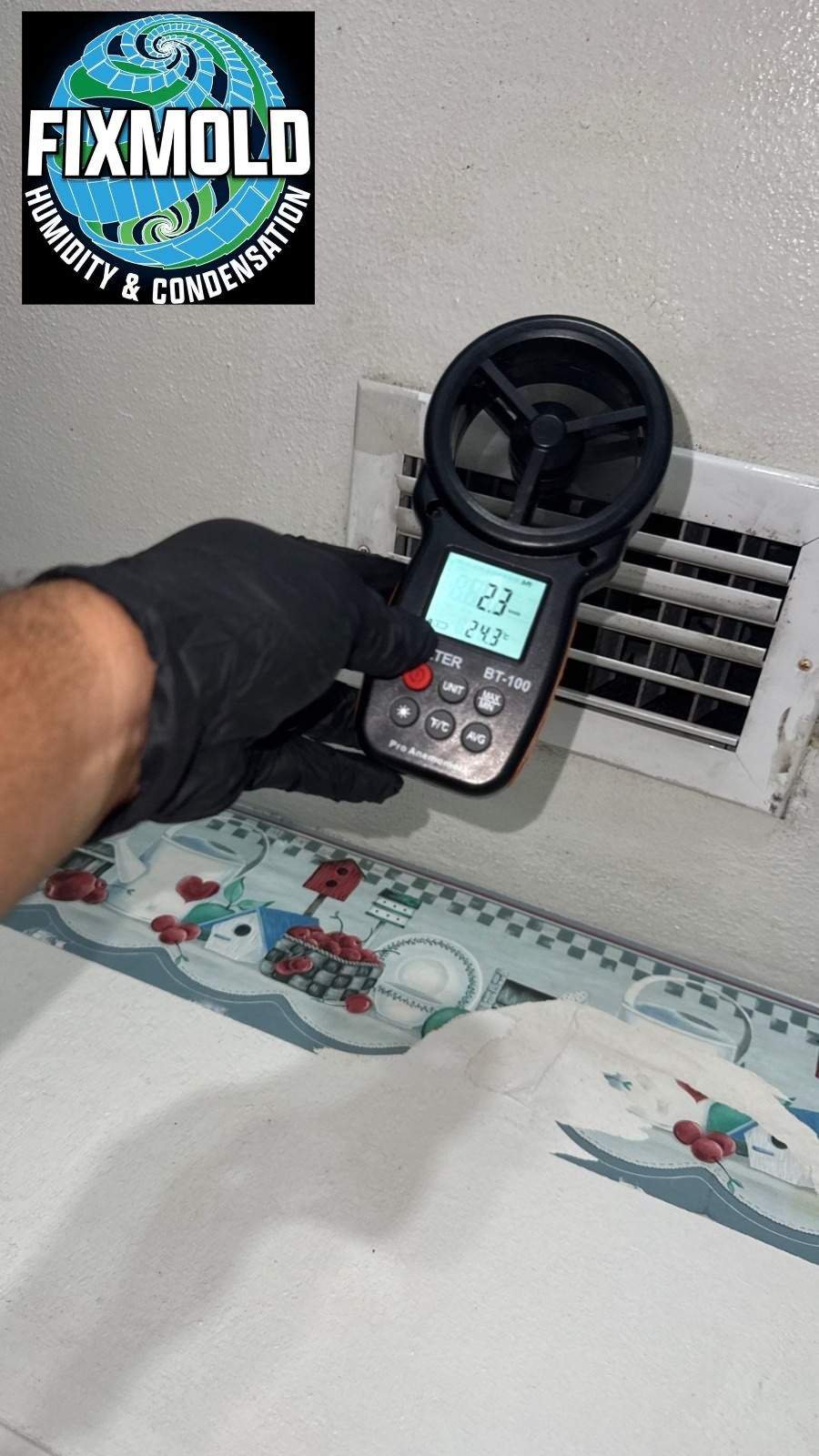
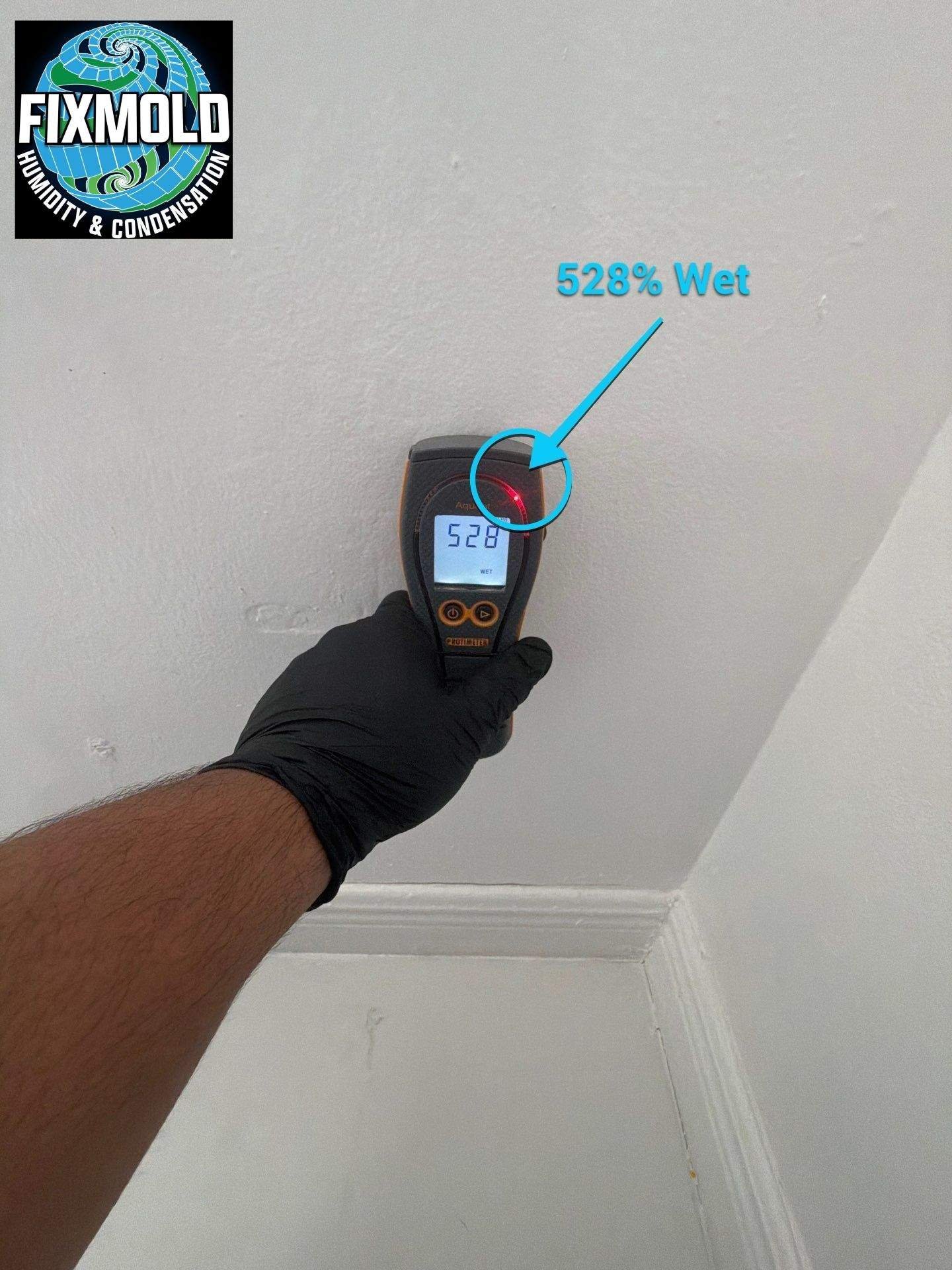
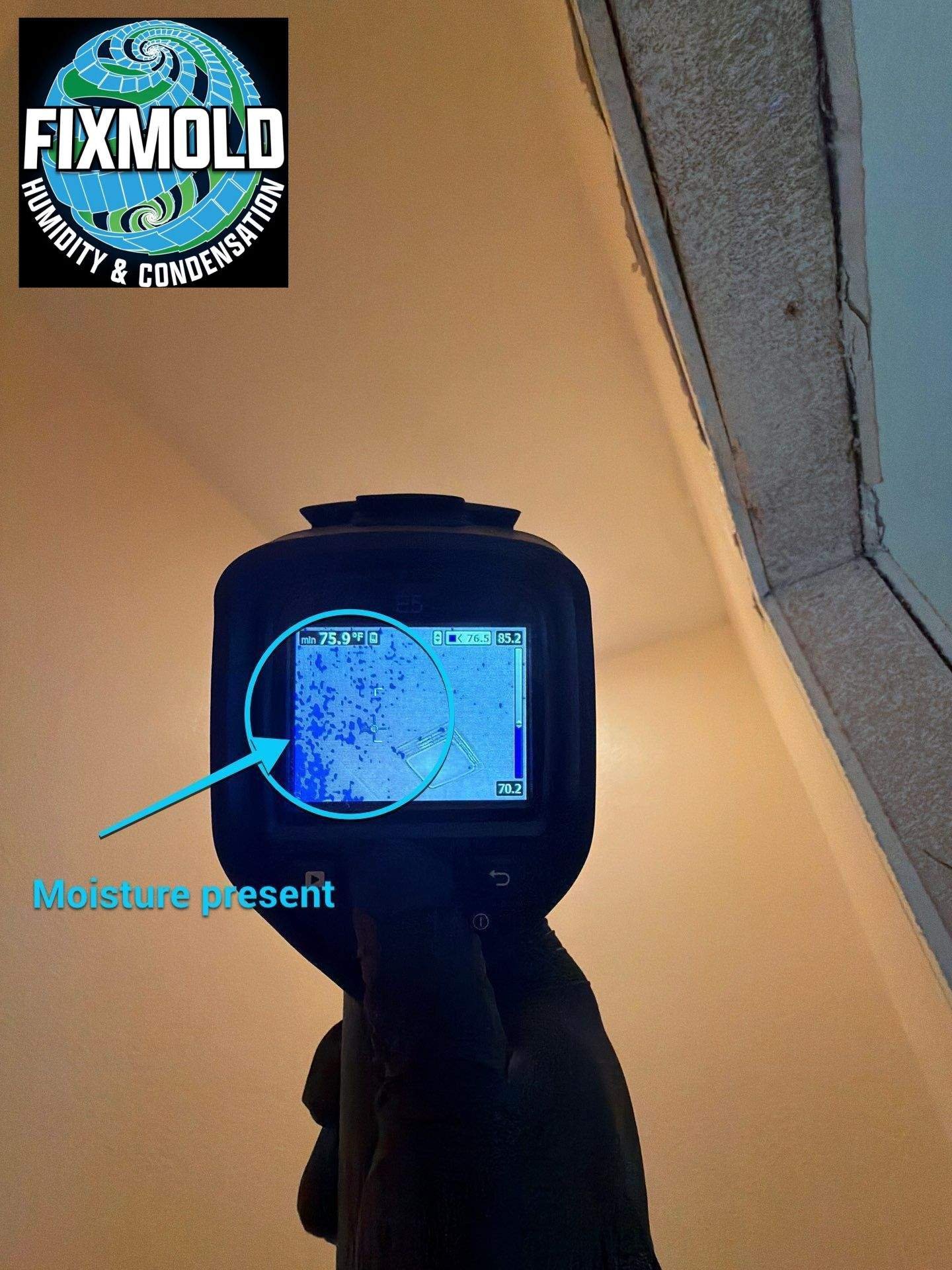
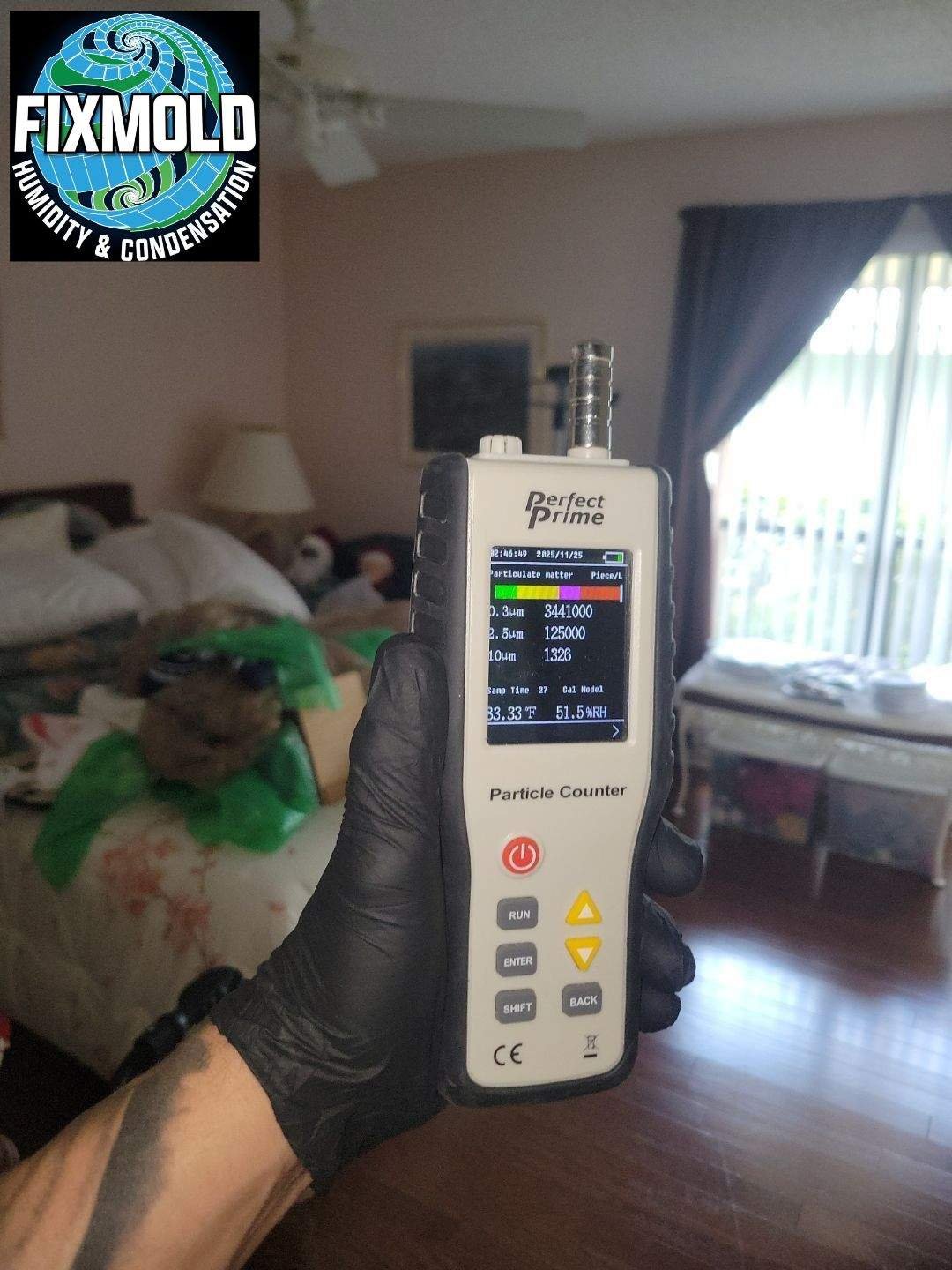
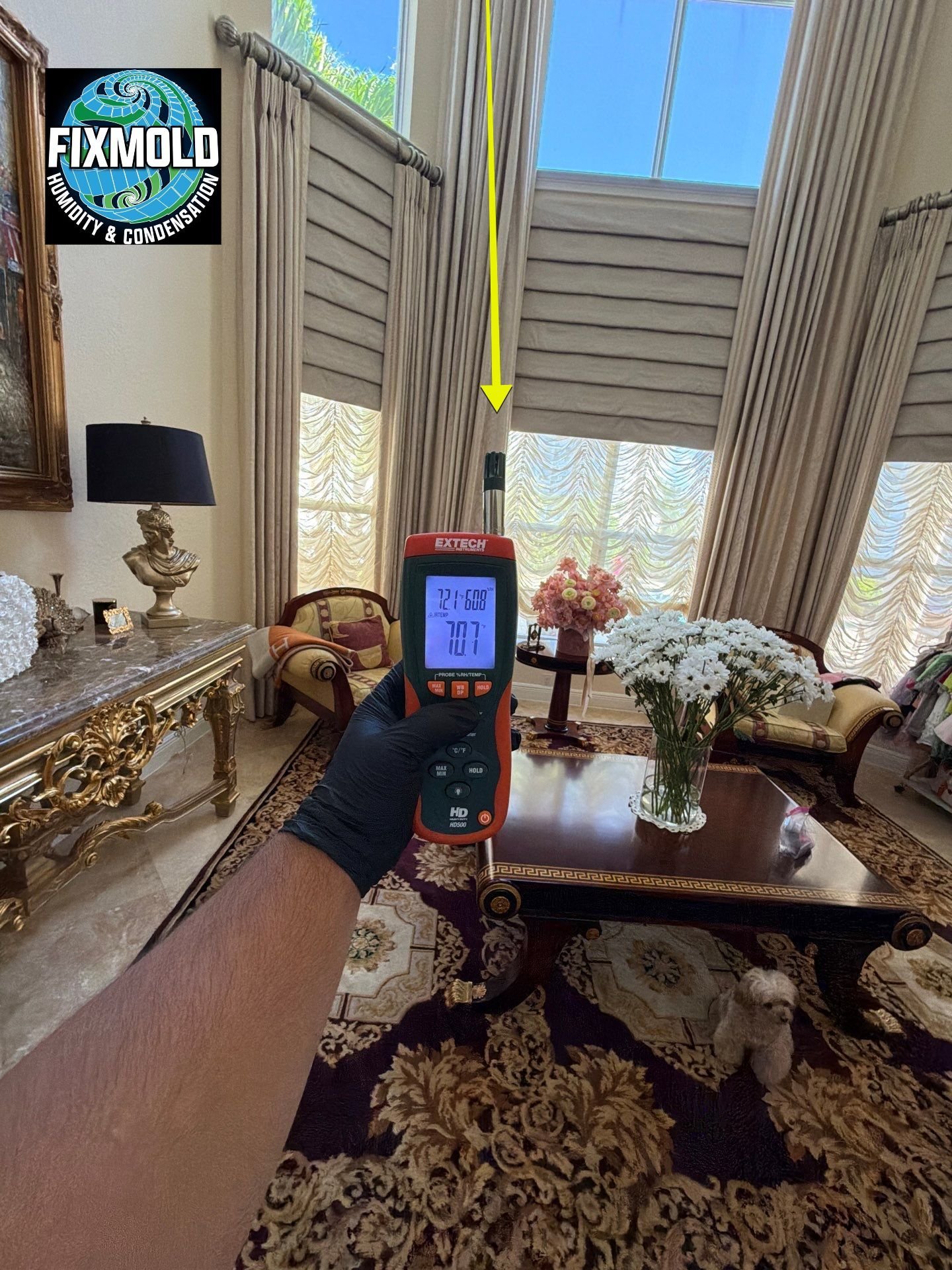
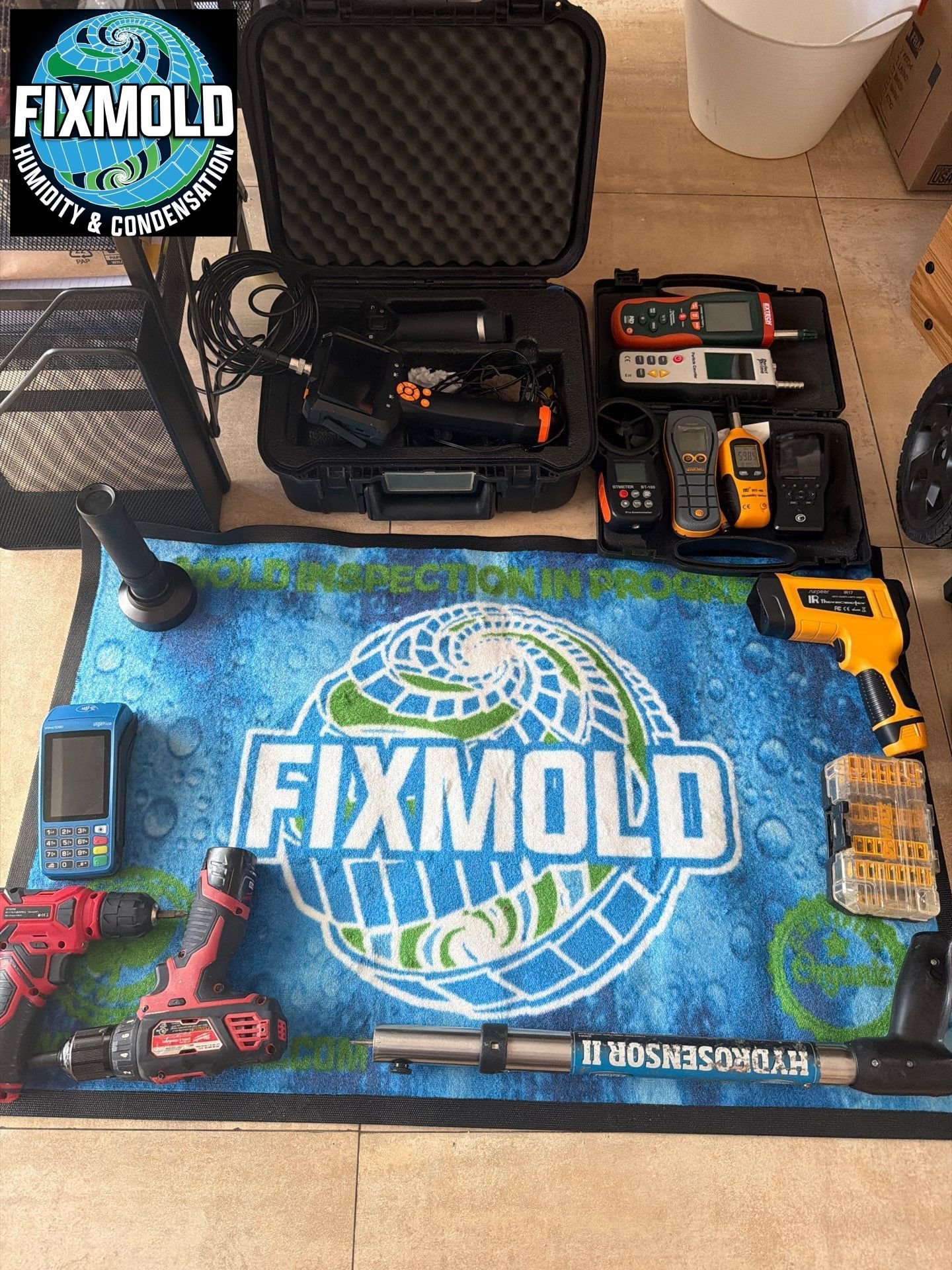
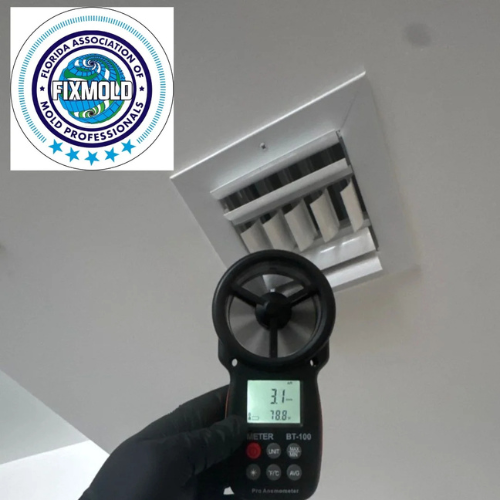
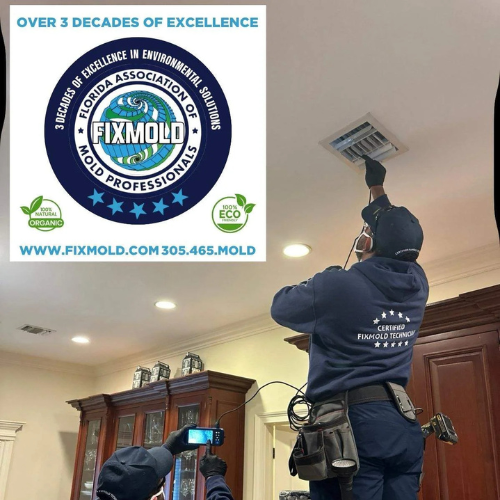
    Professional marine mold assessment typically involves a detailed inspection of cabin areas, HVAC systems, storage compartments, insulation zones, and structural surfaces where moisture may accumulate. Moisture detection tools, thermal imaging, and air quality evaluation are often used to identify hidden dampness inside enclosed vessel areas.

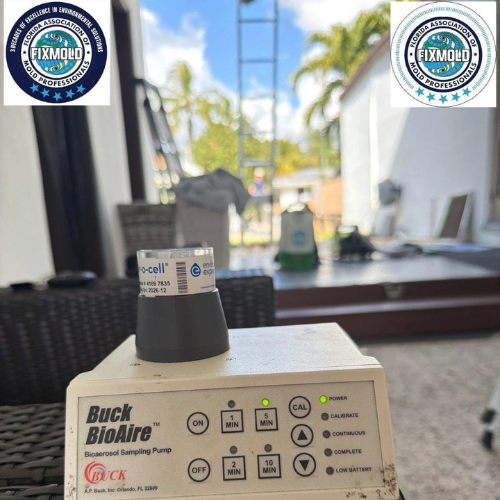
    Airborne mold testing may also be used to determine whether indoor cabin air contains elevated microbial activity compared to outdoor marine conditions. This is especially important in enclosed yacht environments where occupants spend extended periods inside air-conditioned spaces.

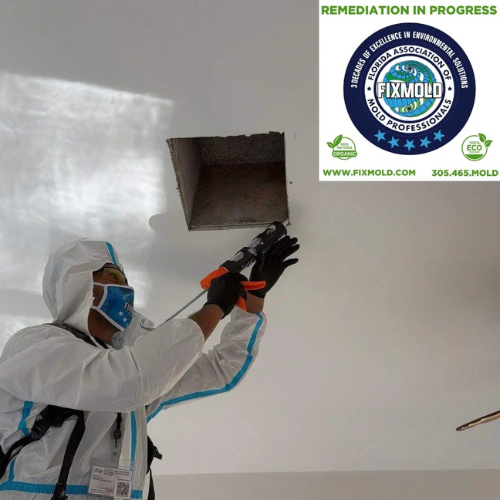
    In many marine cases, mold remediation requires more than surface cleaning. It often involves addressing underlying moisture conditions, improving ventilation, repairing leaks, cleaning or restoring HVAC systems, and treating or removing contaminated materials such as insulation, fabrics, or wood components.

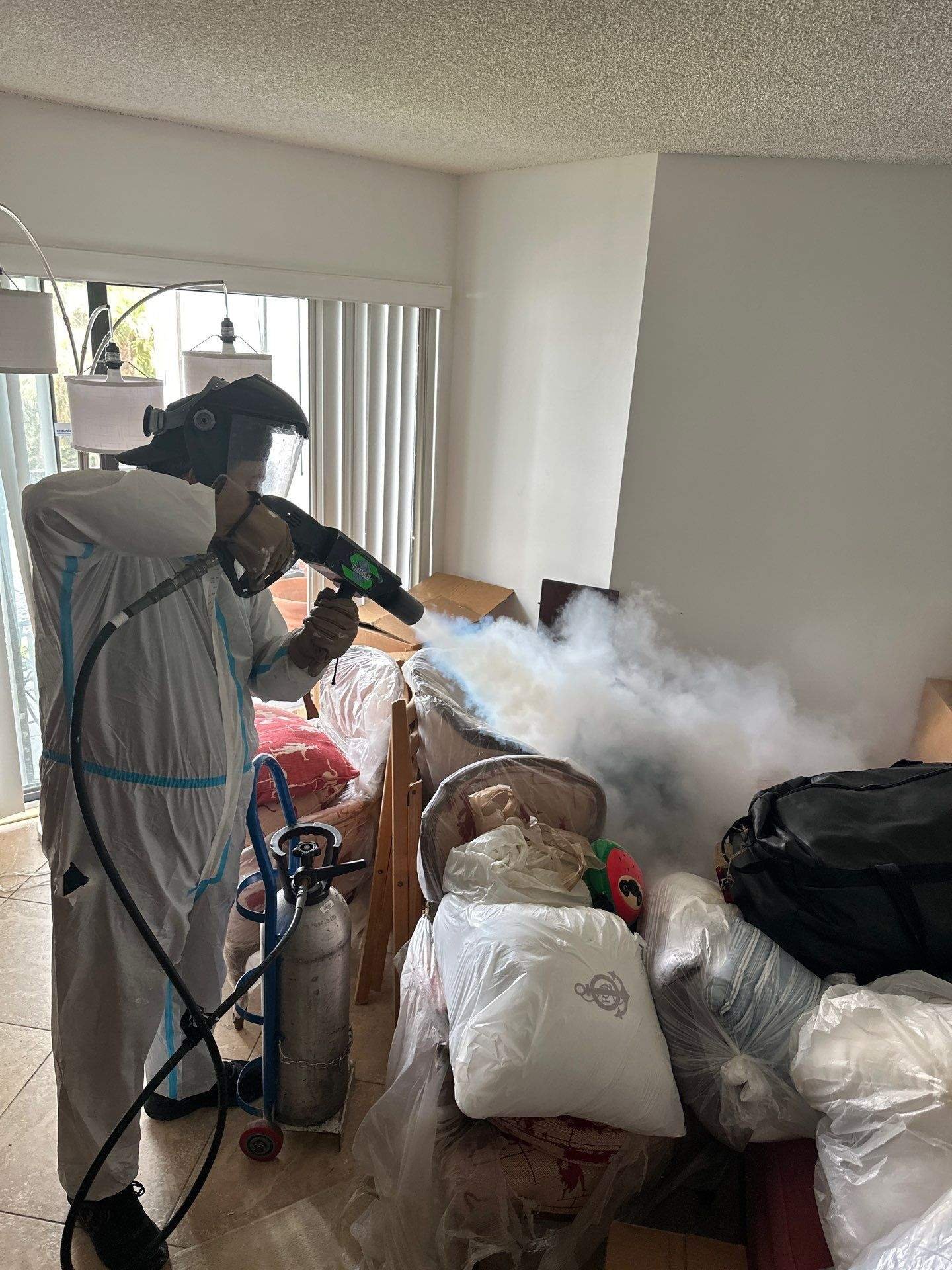
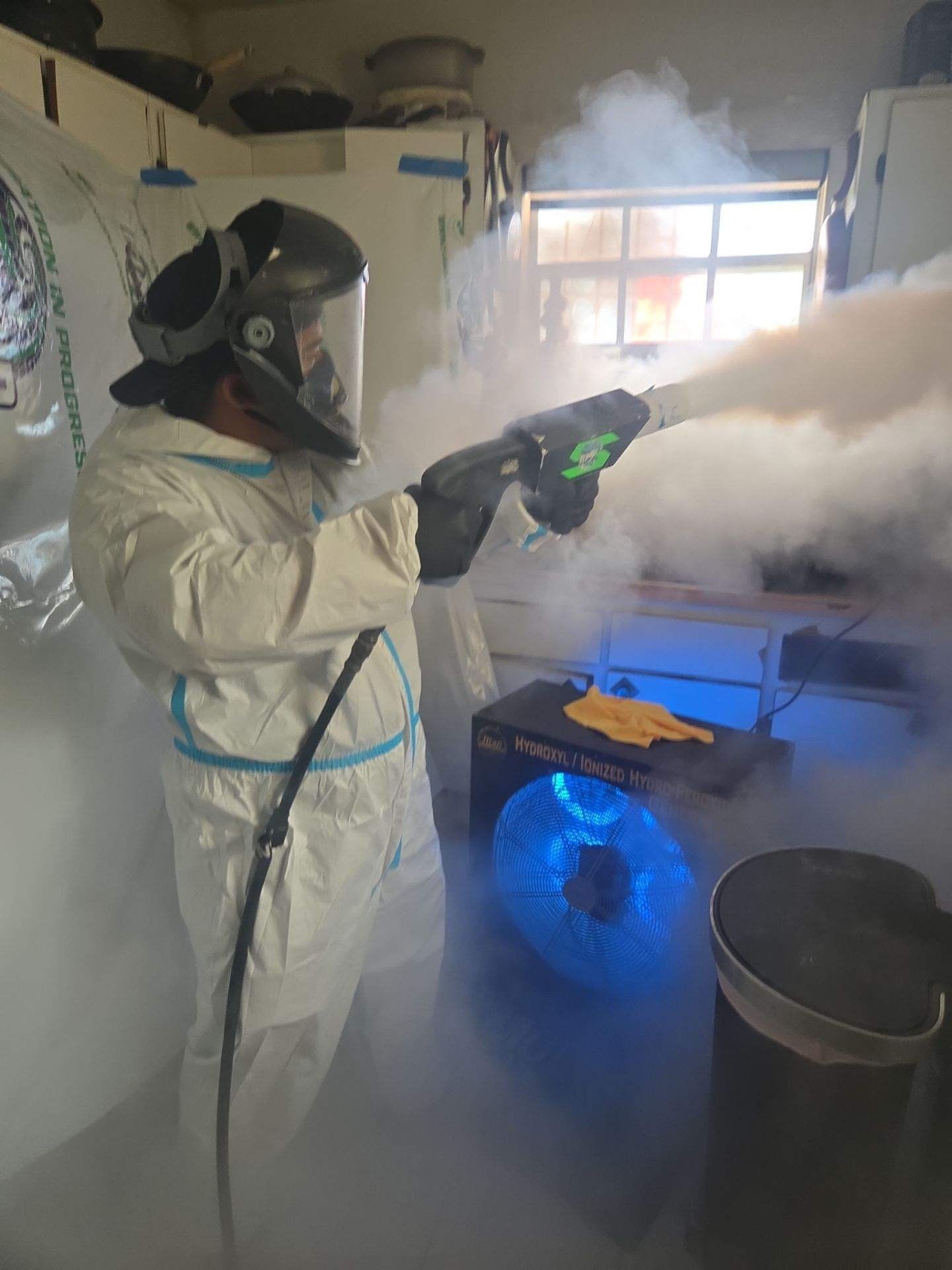
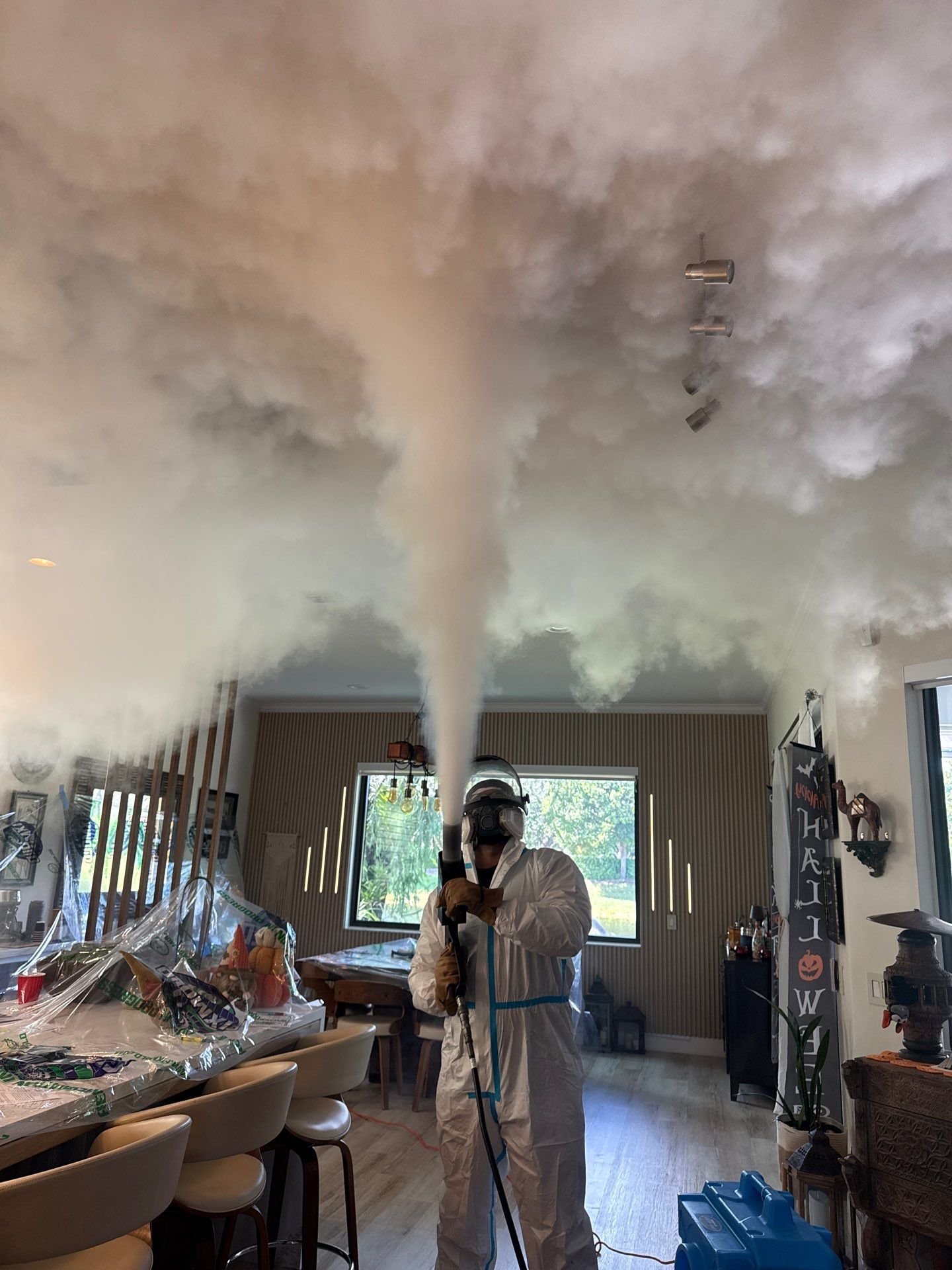
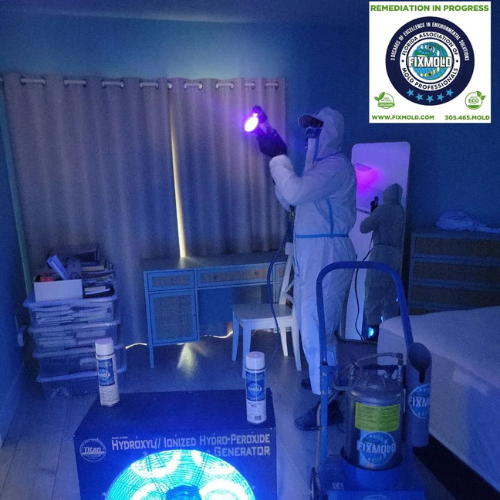
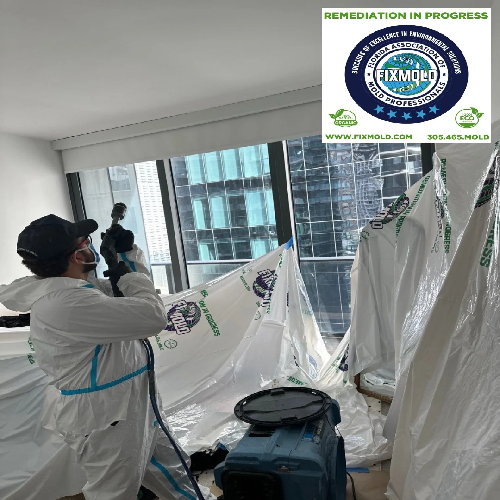
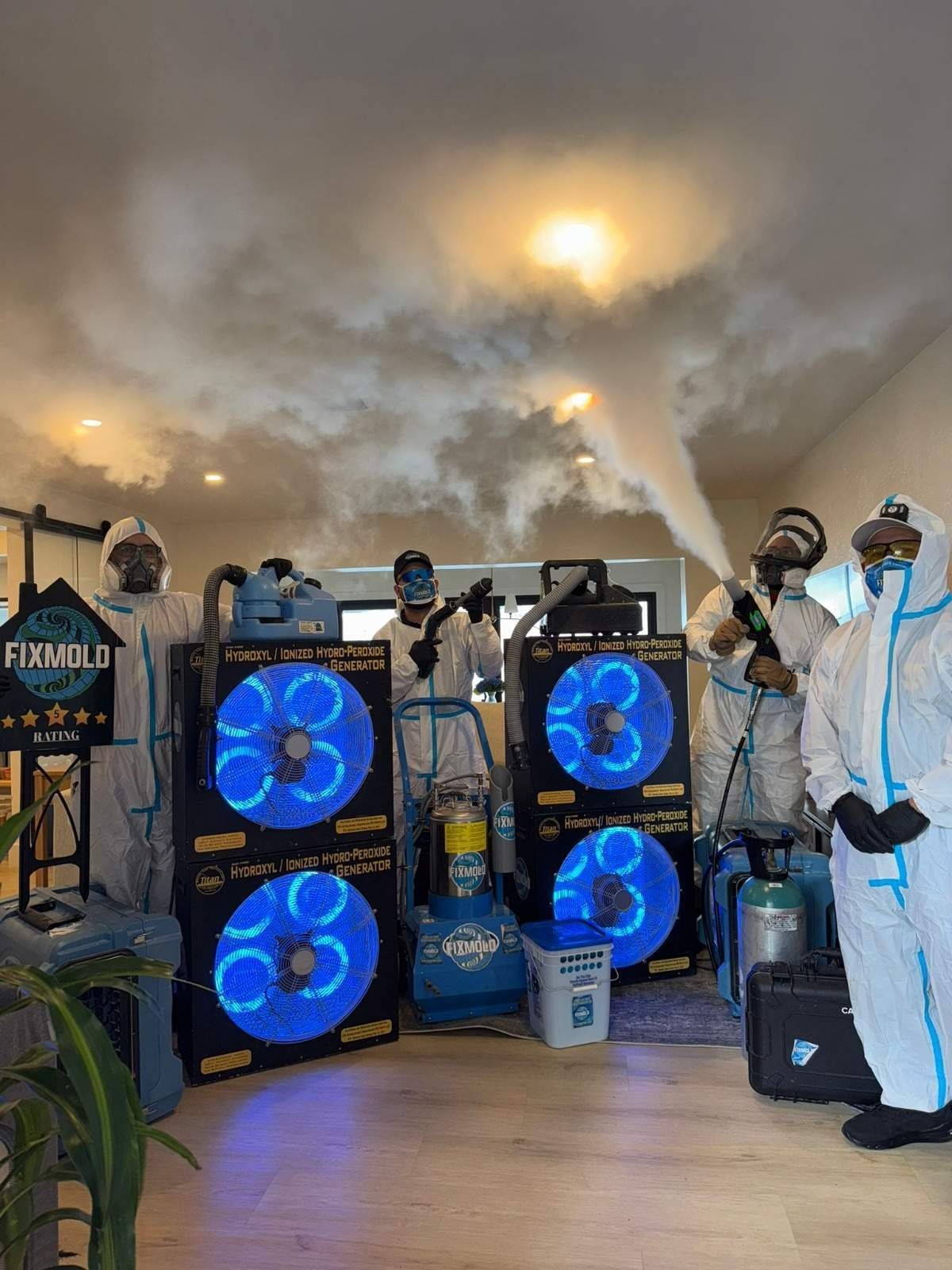
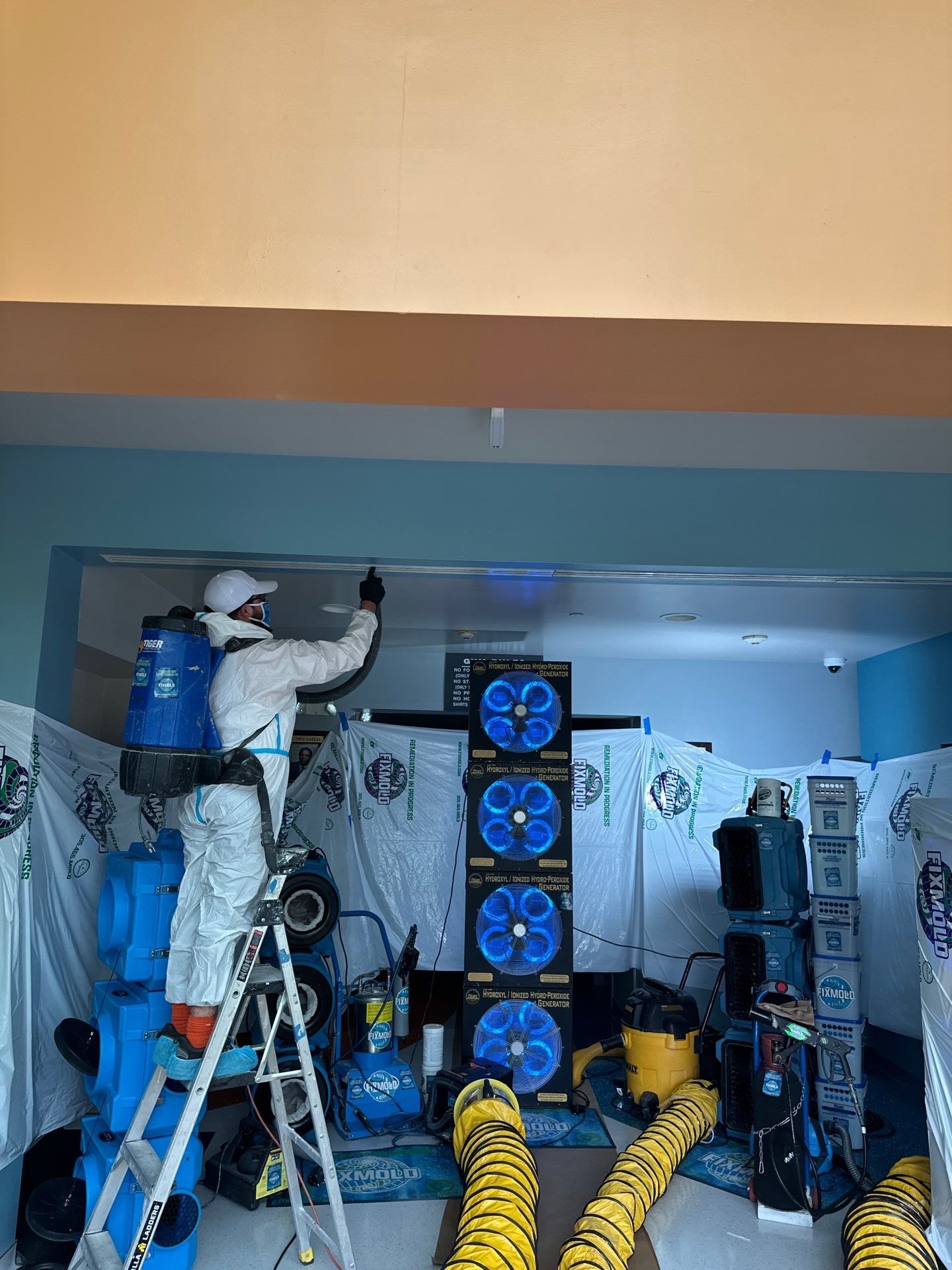
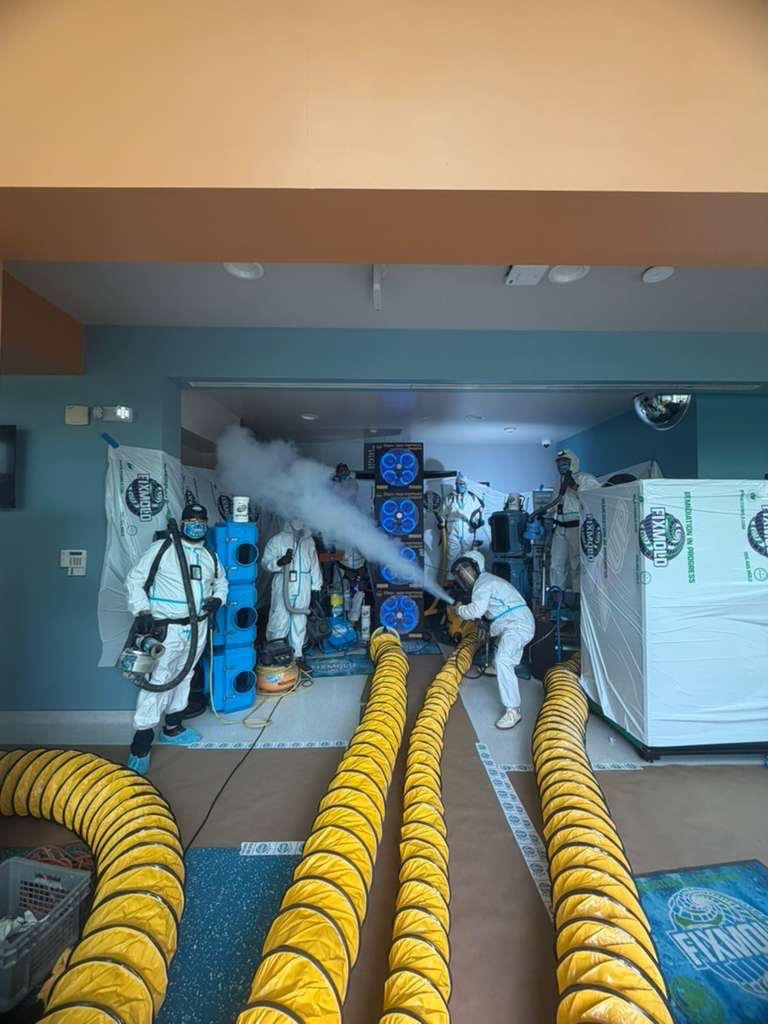
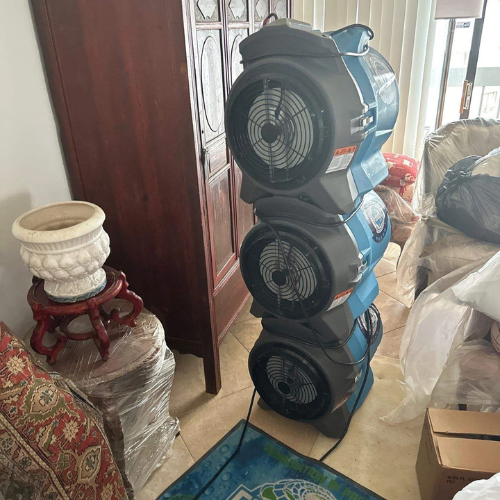
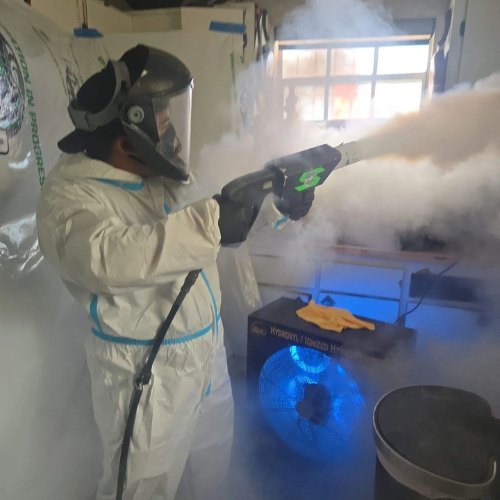
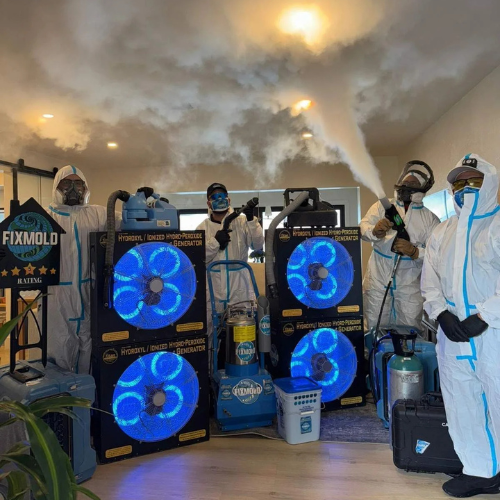
    Air scrubbing and HEPA filtration are commonly used during marine remediation to reduce airborne particle levels inside enclosed cabins while cleaning or restoration work is being performed. In more advanced cases, specialized cleaning techniques may be required for heavily affected structural or mechanical components.

    One of the biggest challenges in marine environments is that mold can return quickly if moisture conditions are not fully controlled. Because boats operate in a constantly humid environment, even small issues like a clogged drain line or minor leak can reintroduce moisture into previously treated areas.

    Long-term marine mold prevention depends heavily on ventilation management, humidity control, routine inspection, and maintaining dry conditions inside enclosed compartments whenever possible. Many vessel owners in South Florida use dehumidification systems or periodic HVAC cycling to reduce moisture buildup when boats are not in active use.

    Understanding how marine environments behave is essential for managing mold on boats and yachts. Unlike buildings on land, vessels are constantly influenced by external humidity, temperature changes, and salt air exposure, making moisture control an ongoing process rather than a one-time fix.

    A Deep Commitment To Restoration

    A Family Legacy Of Trust

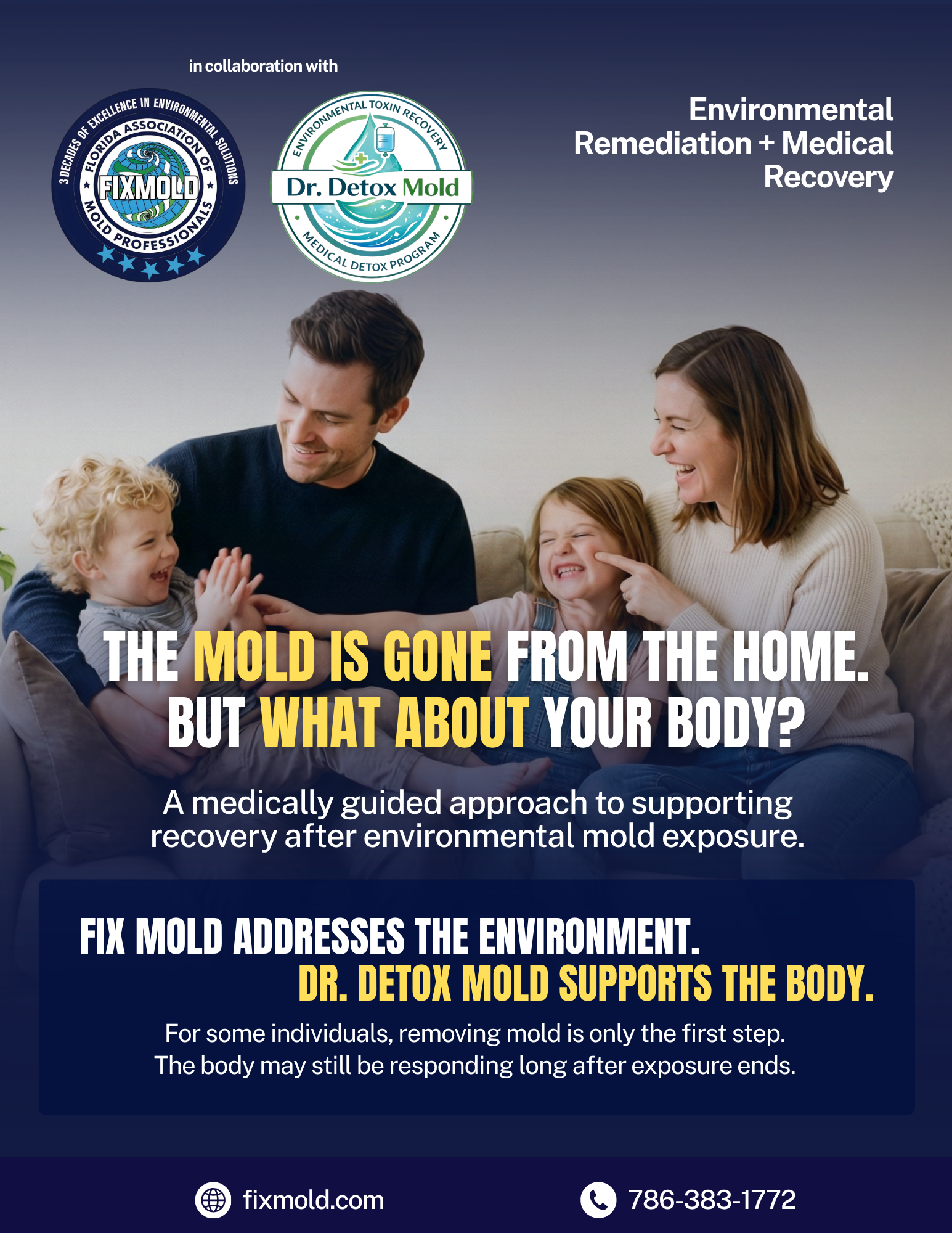
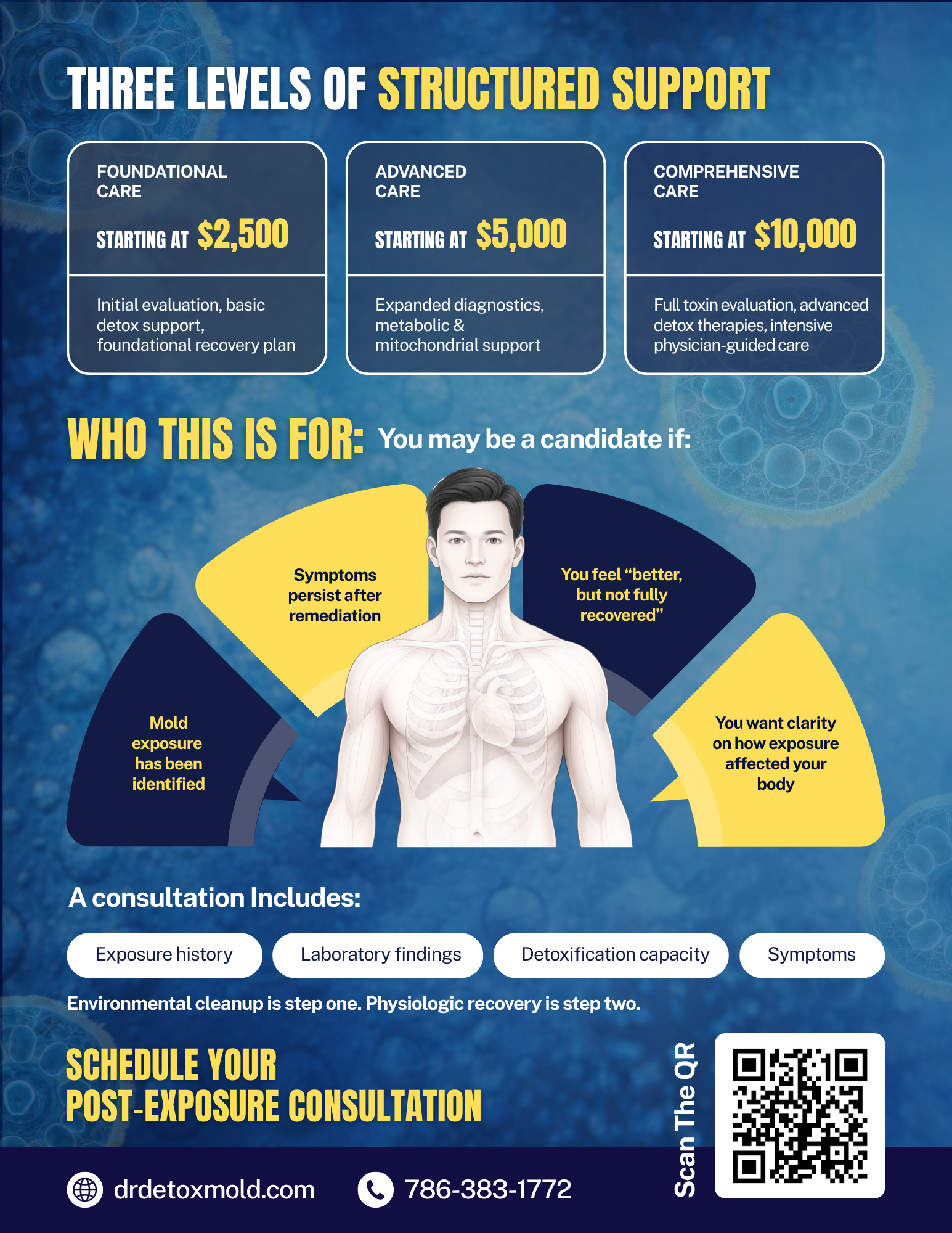
    Mold Removed From Your Home. What About Your Body?

    A medically guided approach to supporting recovery after mold exposure.
    Miami Fix Mold
    Miami Fix Mold

    FixMold focuses on eliminating mold from your environment.

    But for some individuals, recovery doesn’t stop there.
    Even after successful remediation, the body may continue responding to past exposure. In these cases, a structured, medically guided approach may be necessary to support full recovery.

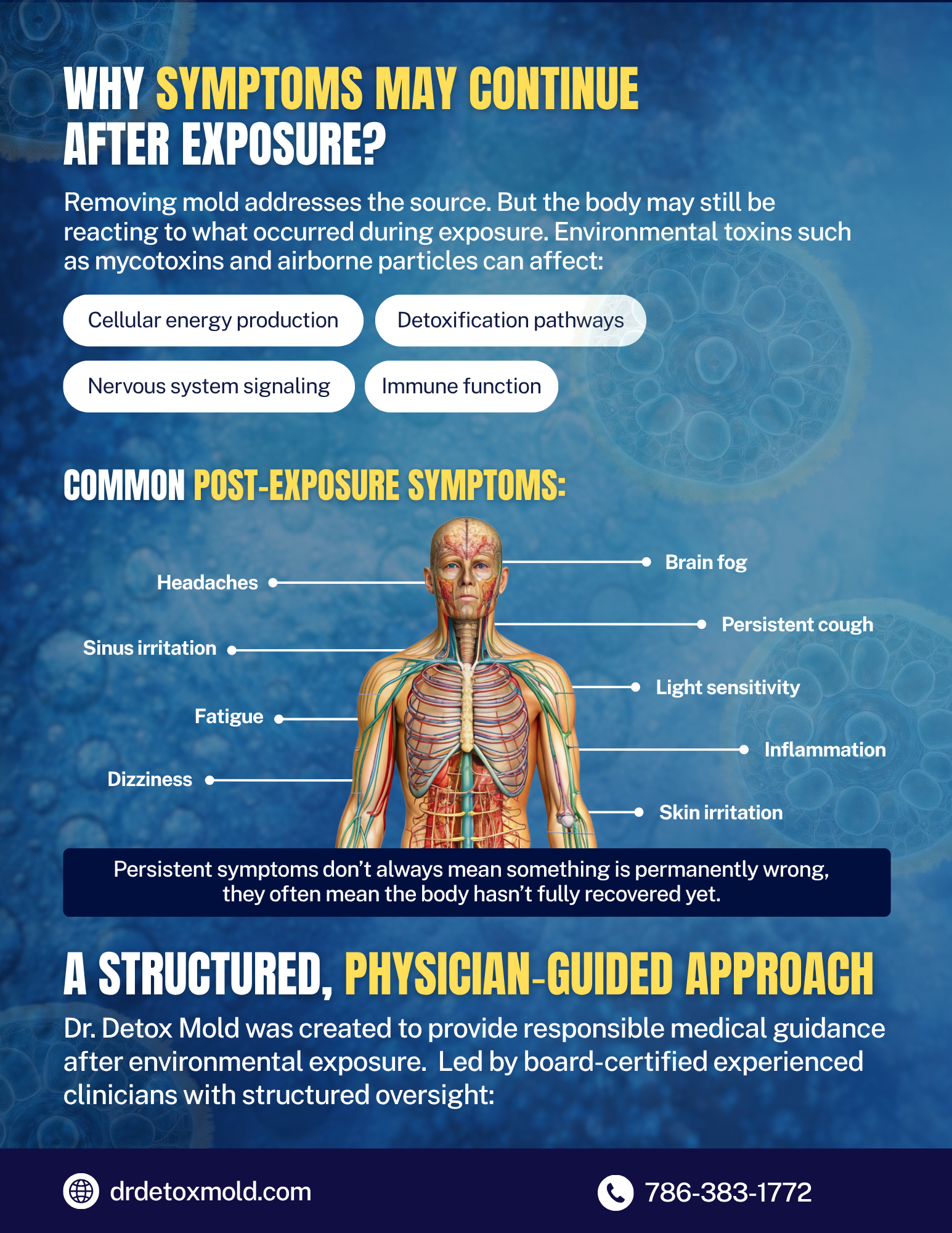
    Why Symptoms Can Continue After Mold Exposure

    Removing mold addresses the source of the problem, but it does not always resolve how the body has been affected during exposure.

    Environmental toxins can impact multiple systems:
    • Immune function
    • Nervous system signaling
    • Cellular energy production
    • Detoxification pathways

    For some individuals, these systems require time and proper support to return to balance.

    Common Post-Exposure Symptoms

    • Brain fog
    • Fatigue
    • Headaches
    • Sinus congestion or irritation
    • Persistent cough
    • Dizziness
    • Light sensitivity
    • Skin irritation
    • Ongoing inflammation

    Important

    • Persistent symptoms do not always indicate something permanent
    • They often indicate that the body has not fully recovered yet

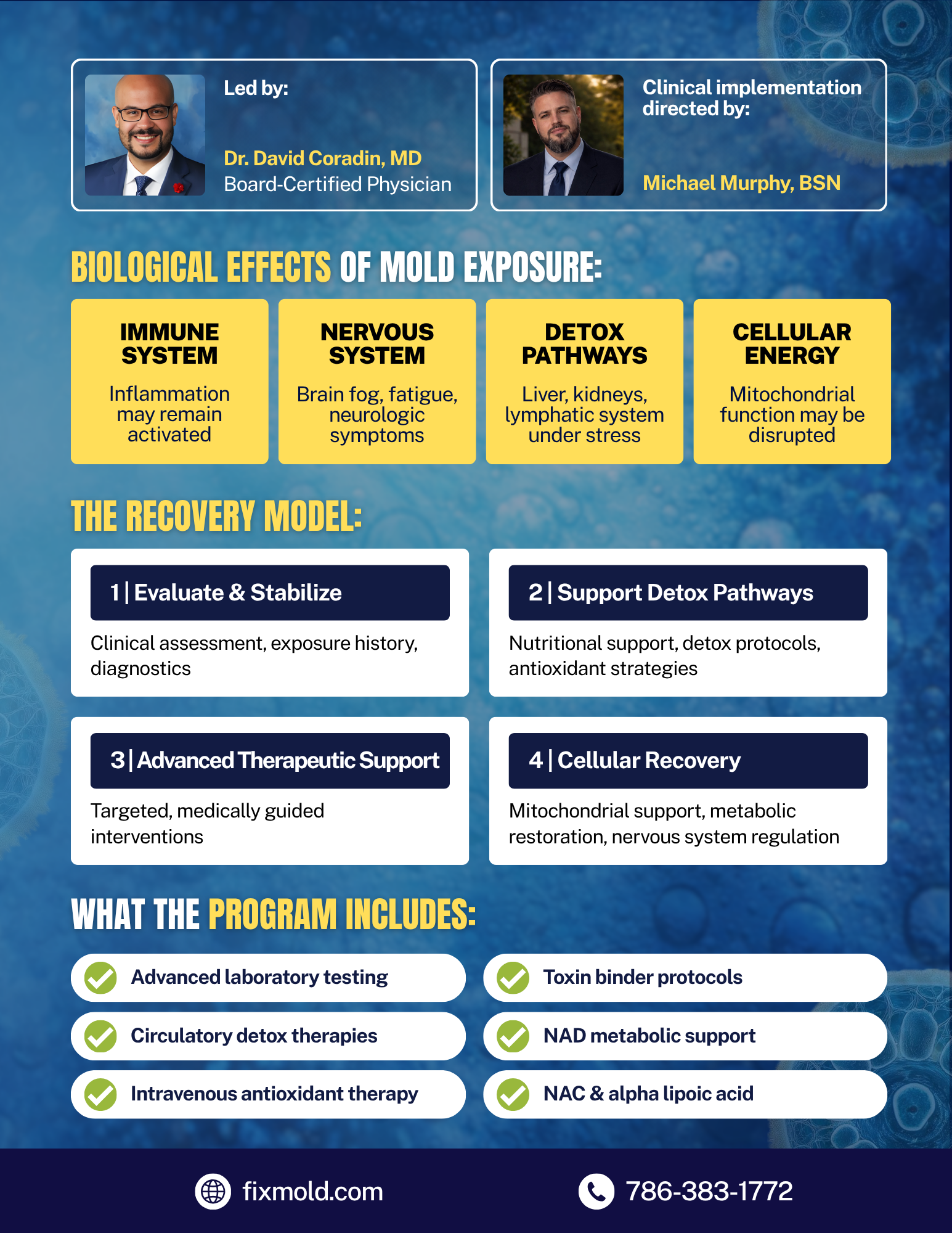
    Recovery Approach

    1. Evaluation & Stabilization
    • Clinical assessment
    • Exposure history review
    • Diagnostic testing

    2. Detoxification Support
    • Nutritional protocols
    • Toxin-binding strategies
    • Antioxidant support

    3. Advanced Therapeutic Support
    • Targeted, medically guided interventions
    • IV-based therapies when appropriate

    4. Cellular Recovery
    • Mitochondrial support
    • Metabolic restoration
    • Nervous system regulation

    Core Focus

    • Detoxification support
    • Immune system balance
    • Cellular energy restoration
    • Nervous system regulation

    Key Principle

    Recovery is not about doing more. It is about doing the right things, in the right order.

    Next Steps

    If mold exposure has been identified and symptoms are still present, evaluation may provide clarity.
    • Exposure history review
    • Laboratory evaluation
    • Detoxification assessment
    • Symptom analysis

    Schedule Your Post-Exposure Consultation

    📞 786-383-1772

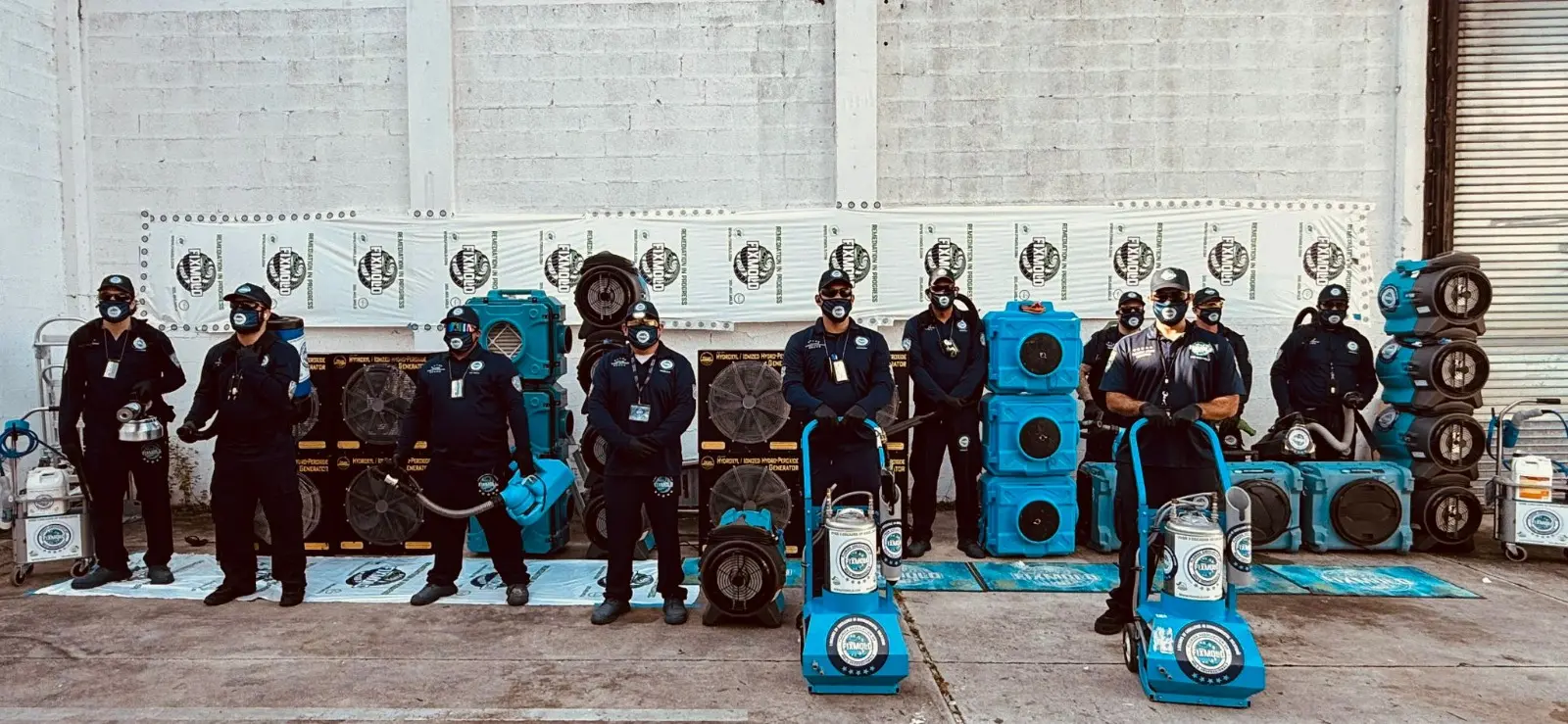
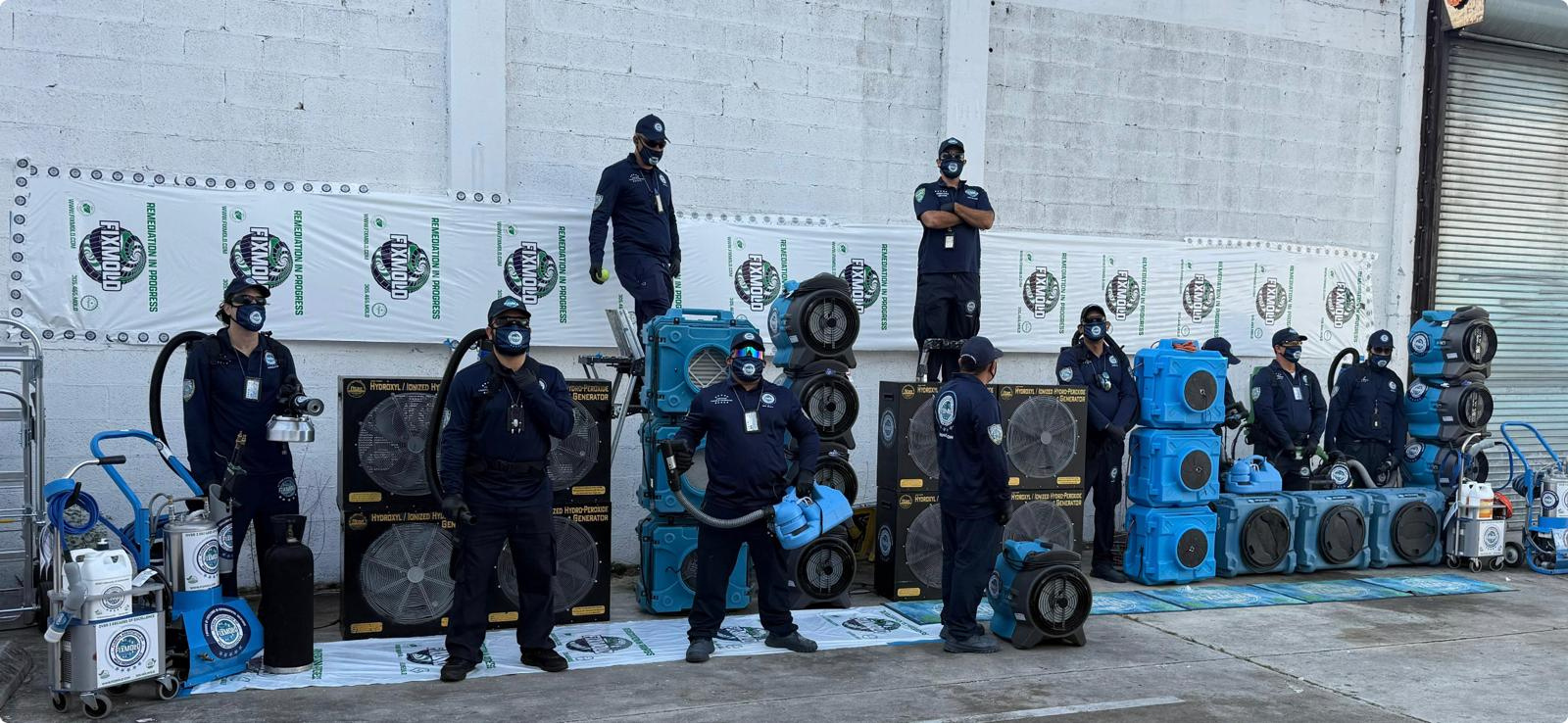
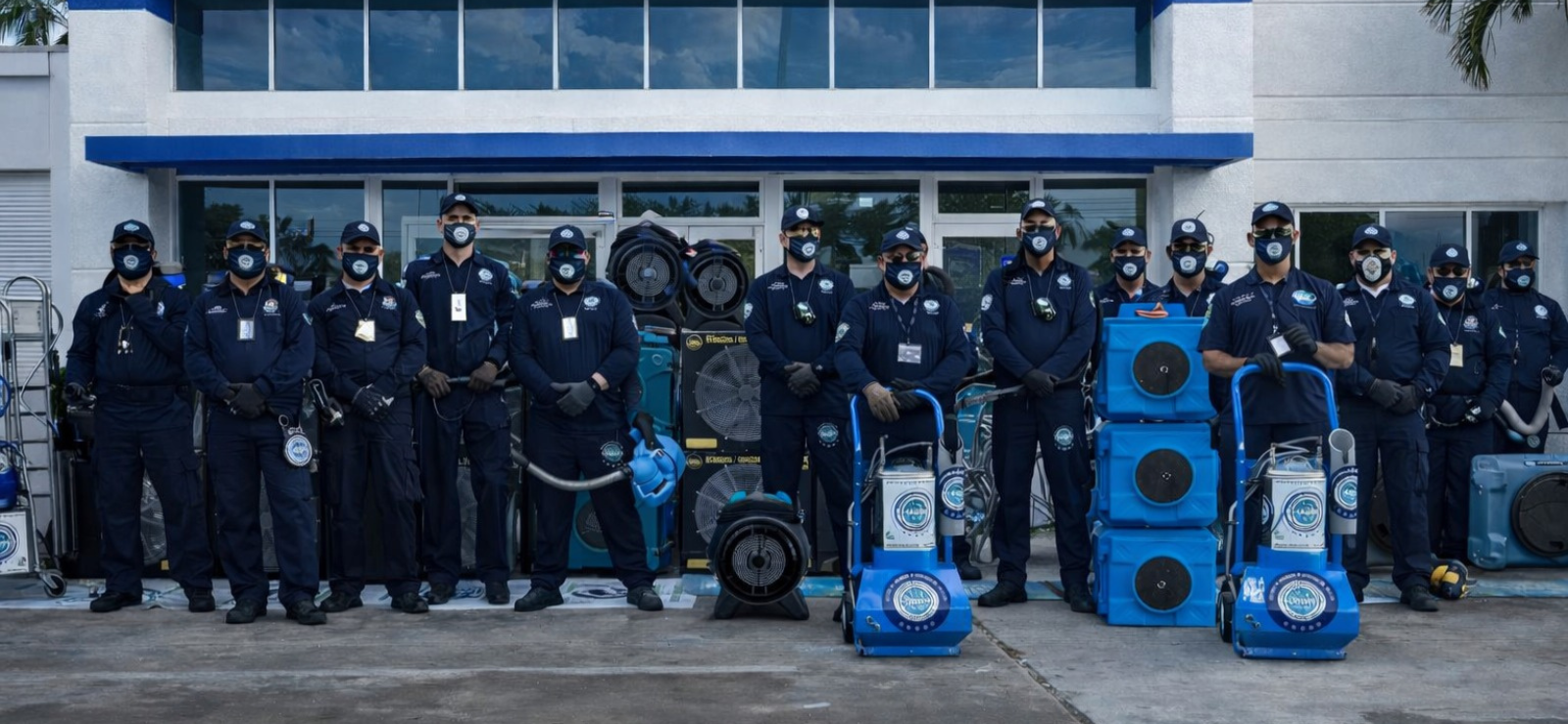
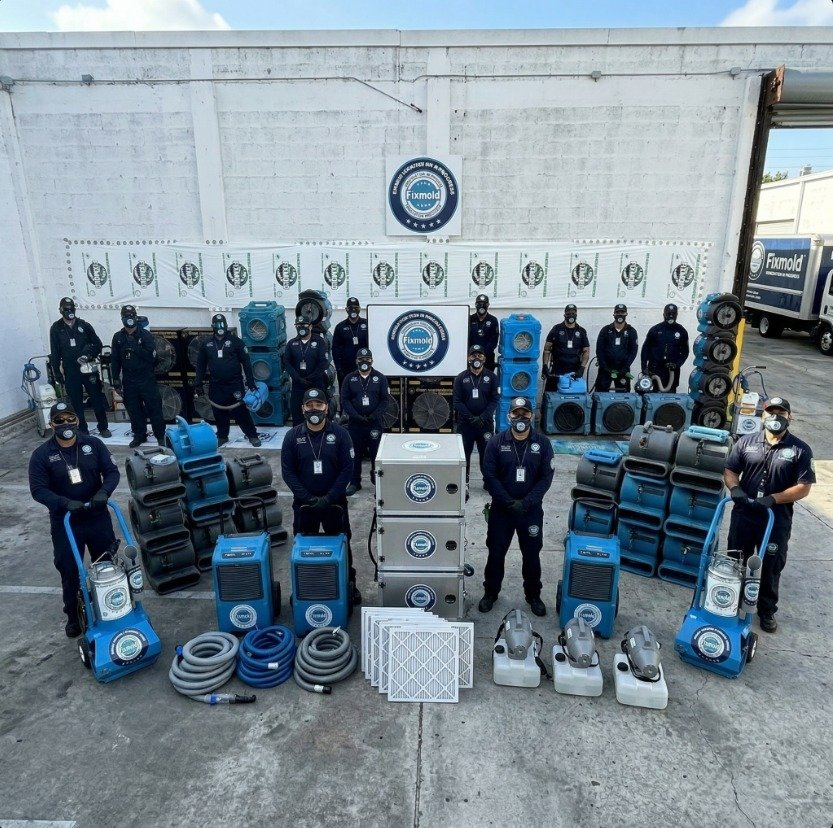
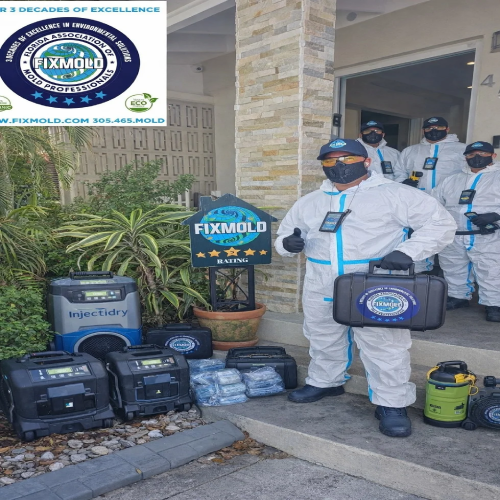
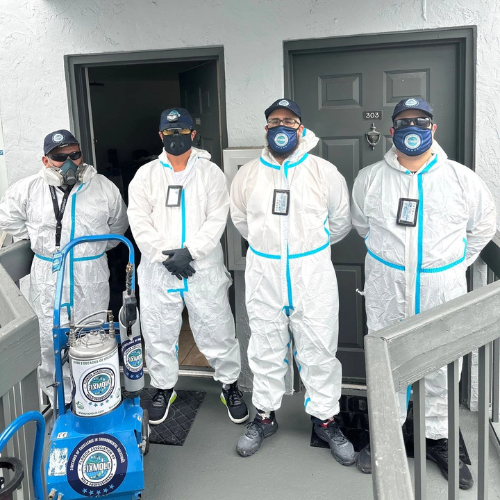
    OUR TEAM

    THE BACK-BONE OF OUR 5 STAR SERVICE
    👉 Call Now: +1-305-465-6653
    Fast response. Certified technicians. Guaranteed results.

    OUR AWARDS

    Proof Of Unmatched Excellence

      FixMold
      10750 NW 6th CtMiami, FL 33168

      License
      MRSR2709 MRSA2521

      Recent Happy FixMold Clients Across Miami & South Florida with 5-Star Reviews

      Real Homes. Mold Inspections. Mold Remediations. Mold Removal. Mold Solutions. Across The Whole State Of Florda.
      Fixmold Logo

      Recent Happy FixMold Clients Across Miami & South Florida with 5-Star Reviews

      Real Homes. Mold Inspections. Mold Remediations. Mold Removal. Mold Solutions. Across The Whole State Of Florda.
      Fixmold Logo
      Air Quality Testing. Mycotoxins.
      Mold Testing & Air Samples
      Proud Sponsors Of South Florida
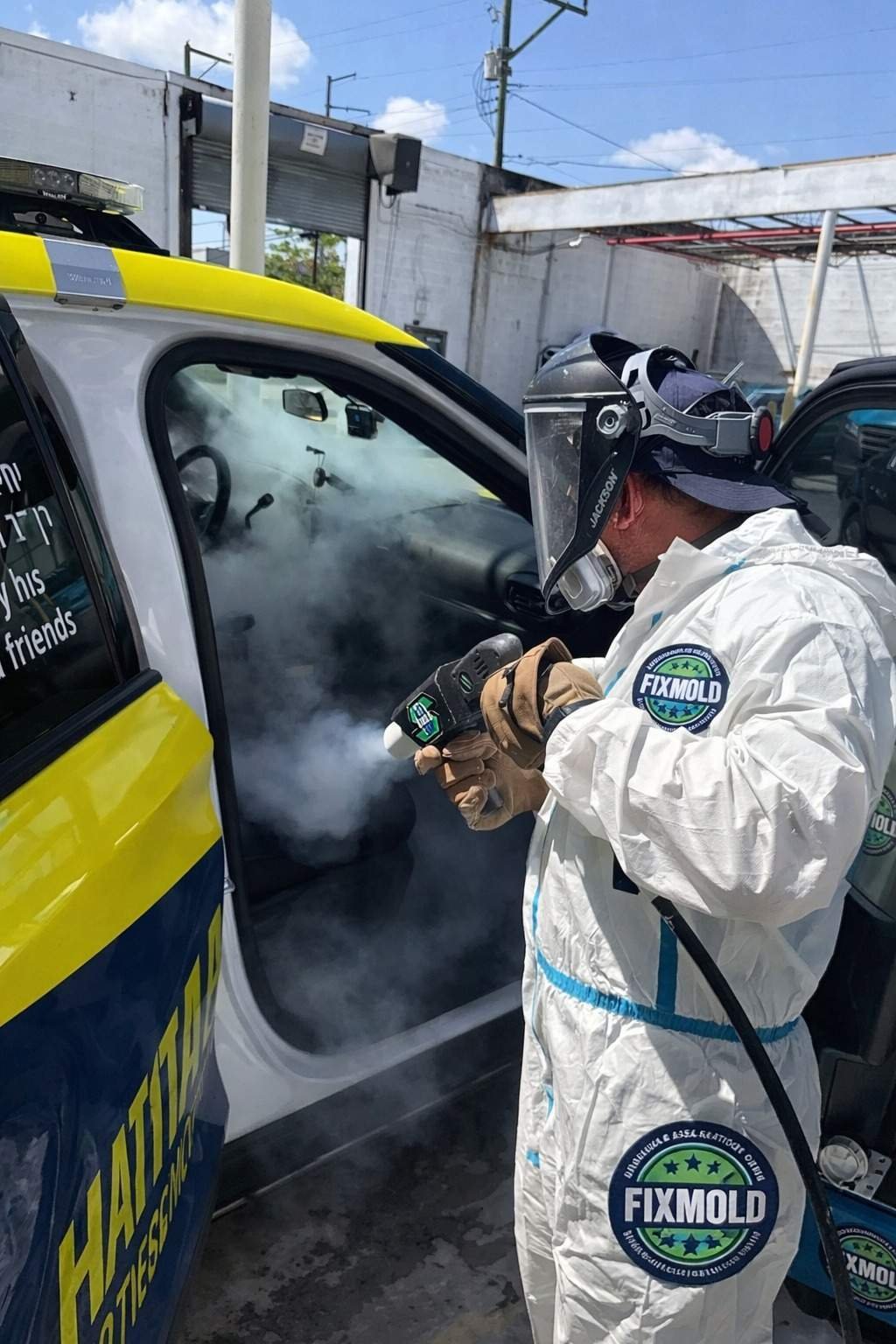
      Hatzalah Emergency Medical Services

      View Our Reviews Accross All Platforms Here

      Proudly Serving all of South Florida

      We are here to answer any question you may have.
      +

      Why is mold so common on boats and yachts in Miami?

      Mold is extremely common on boats and yachts in Miami because the marine environment is naturally humid and constantly exposed to salt air. This combination creates ideal conditions for moisture to accumulate inside enclosed spaces where airflow is limited.

      Cabins, storage compartments, upholstery, and HVAC systems are all affected by condensation that forms when warm humid air contacts cooled interior surfaces. Because air conditioning runs frequently on vessels, moisture can continuously cycle inside the system and settle into hidden areas.

      Even when boats are not in use, humidity from the surrounding environment can still enter enclosed spaces and remain trapped for long periods. Without consistent ventilation, this moisture allows mold to develop on fabrics, insulation, wood surfaces, and behind interior panels.

      This is why marine mold is not just a cleaning issue but an ongoing environmental challenge in South Florida waters.

      +

      Can HVAC systems on boats cause mold problems?

      Yes. Marine HVAC systems are one of the most common sources of mold issues on yachts and boats. These systems operate in tight enclosed environments where condensation forms easily due to constant cooling of humid air.

      If drain lines become clogged or condensation pans overflow, moisture can accumulate inside ductwork or air handling units. Over time, this can lead to microbial growth that spreads through the cabin whenever the system operates.

      Because marine HVAC systems often run continuously, even small moisture issues can quickly affect indoor air quality. Many vessel owners first notice musty odors or stale air when the air conditioning is turned on.

      Proper maintenance of drainage systems, insulation, and airflow is critical for preventing HVAC-related mold problems on boats.

      +

      Why do boats smell musty even when they look clean?

      A musty smell on a boat usually indicates hidden moisture or mold inside areas that are not visible during regular cleaning. This can include upholstery padding, wall panels, storage compartments, HVAC systems, or insulation materials.

      In Miami’s marine environment, humidity alone can keep materials damp for long periods, especially when airflow is limited. Even if surfaces look clean, moisture inside fabrics or hidden cavities can continue producing odor.

      The smell often becomes stronger after the boat has been closed or after the air conditioning is turned on. That pattern usually suggests that air is passing through a damp or contaminated area inside the vessel.

      Marine odors typically require moisture control and inspection of hidden areas rather than surface cleaning alone.
      +

      How does salt air affect mold growth on boats?

      Salt air does not directly cause mold, but it significantly contributes to the conditions that allow it to grow. Salt particles in the air attract and hold moisture, which increases overall humidity inside enclosed marine spaces.

      This makes it easier for condensation to form on surfaces inside cabins, storage areas, and HVAC systems. Once moisture is present, mold can develop on organic materials such as wood, fabric, insulation, and adhesives.

      Salt exposure can also accelerate material breakdown, making surfaces more porous and easier for moisture to penetrate. This combination of humidity and material wear creates long-term conditions where mold can repeatedly return if not properly managed.

      +

      What is involved in marine mold remediation?

      Marine mold remediation involves identifying and addressing both visible mold and hidden moisture sources inside the vessel. The process typically begins with a detailed inspection of cabins, storage areas, HVAC systems, insulation, and structural components.

      Moisture detection and air quality evaluation may be used to locate hidden damp areas or airborne contamination. Once identified, affected materials may be cleaned, treated, or removed depending on the severity of contamination.

      HVAC systems are often cleaned separately because they can distribute mold throughout the vessel if not properly addressed. Air scrubbing and HEPA filtration are commonly used to reduce airborne particles during remediation work.

      Long-term success depends on controlling humidity, improving ventilation, and preventing moisture from re-entering enclosed spaces inside the boat.

      Urgent Enquiry Virtual Assessment
      🎁 Today’s Offer
      10750 NW 6th CtMiami, FL 33168
      License
      #MRSR2709 #MRSA2521
      Founded by industry expert Moty Katz, backed by a 30+ year family legacy in mold remediation and prevention.
      Air Quality Testing. Mycotoxins.
      Mold Testing &
      Air Samples
      Proud Sponsors Of South Florida
      Hatzalah Emergency Medical Services
      Air Quality Testing. Mycotoxins.
      Mold Testing & Air Samples
      Proud Sponsors Of South Florida
      Hatzalah Emergency Medical Services

      FixMold Mold Inspection, Mold Testing & Mold Remediation Services Across South Florida

      Serving Multiple Counties