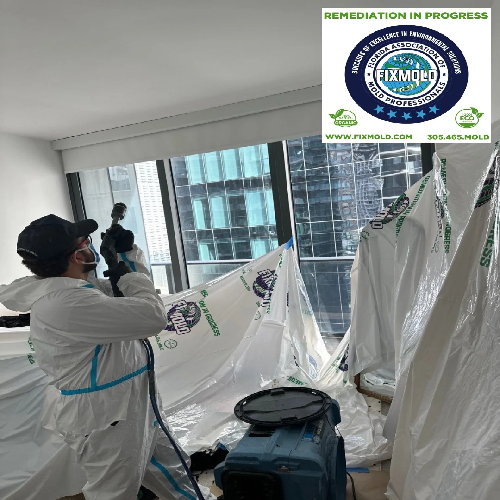
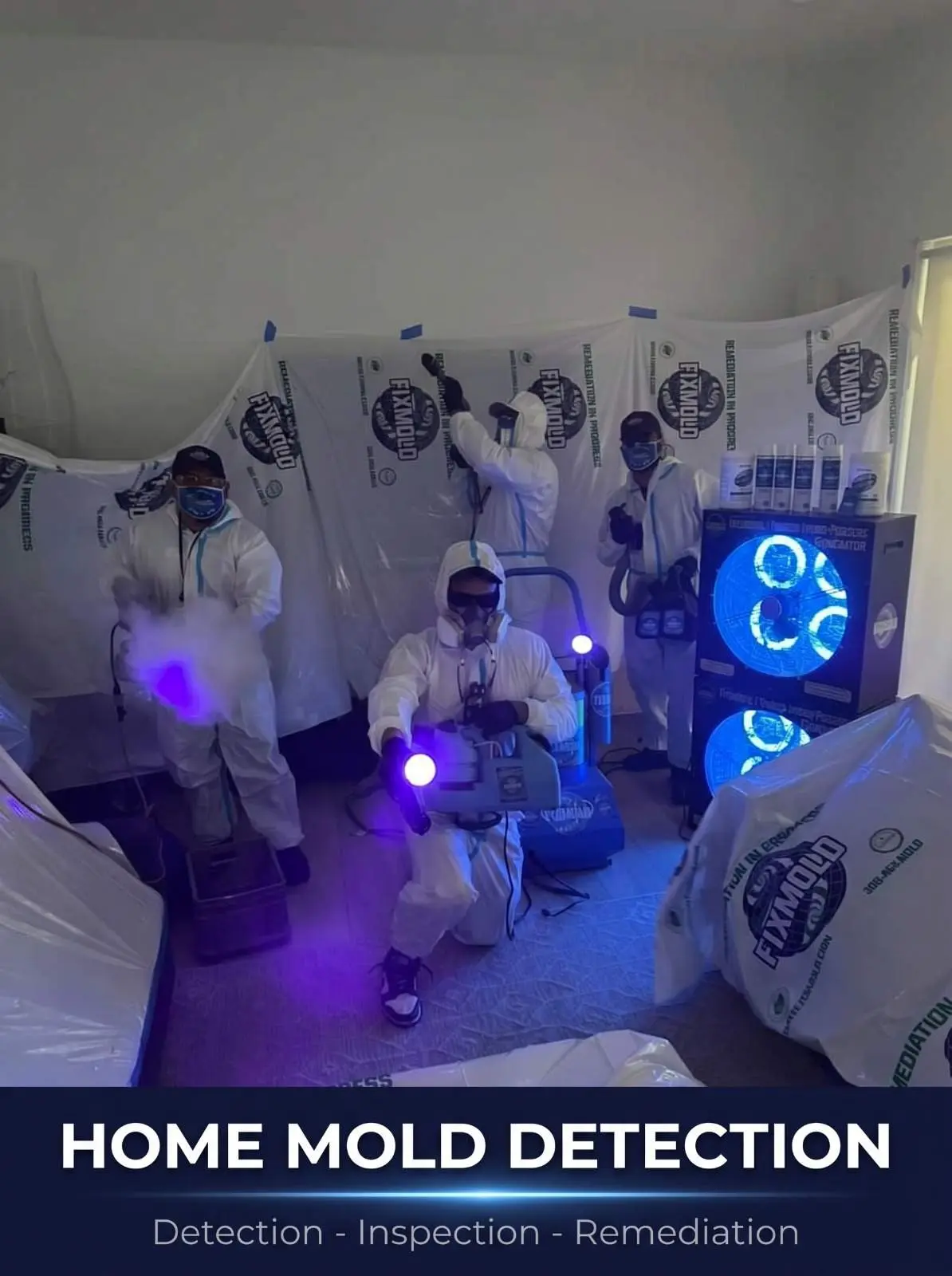
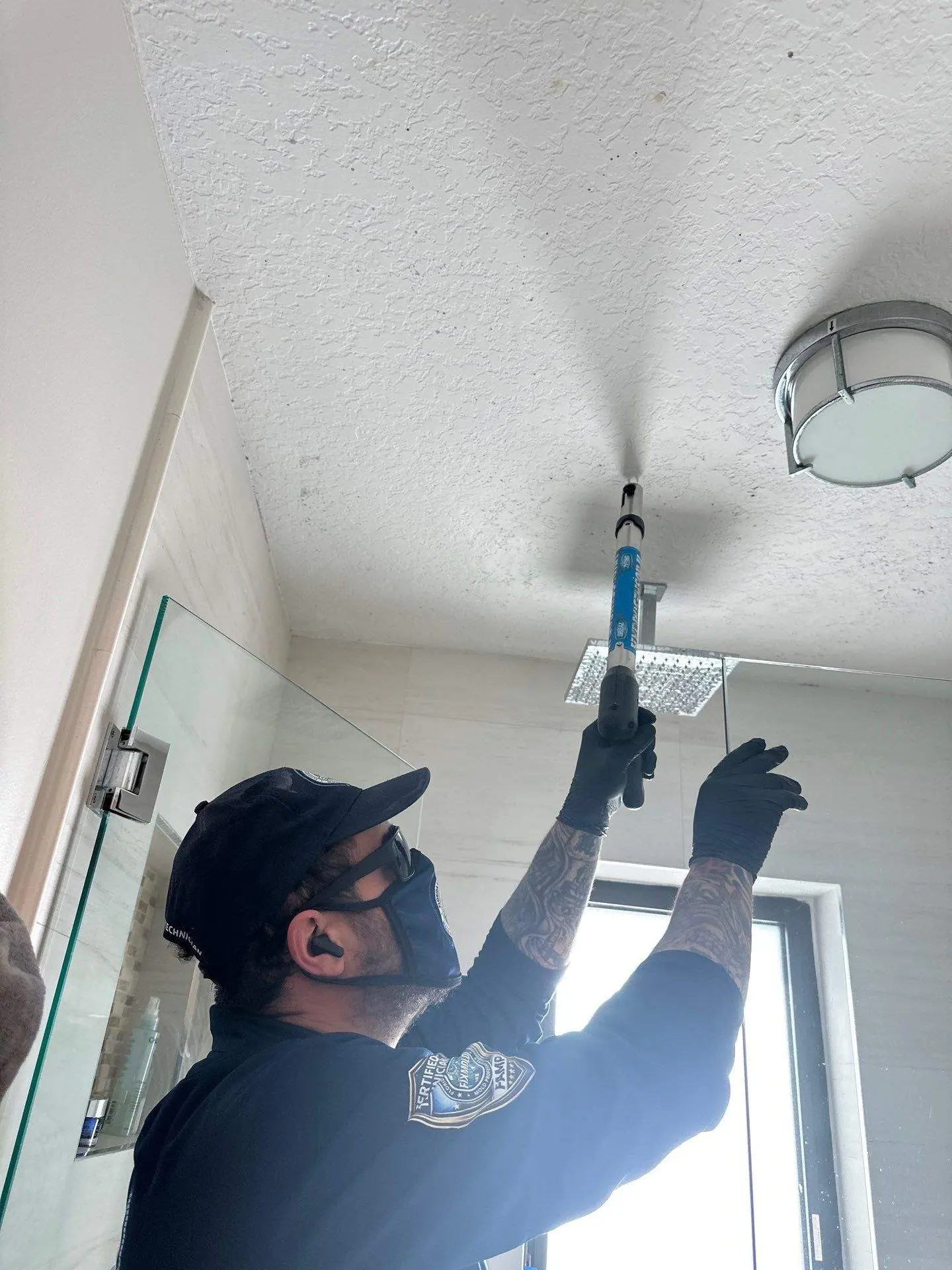
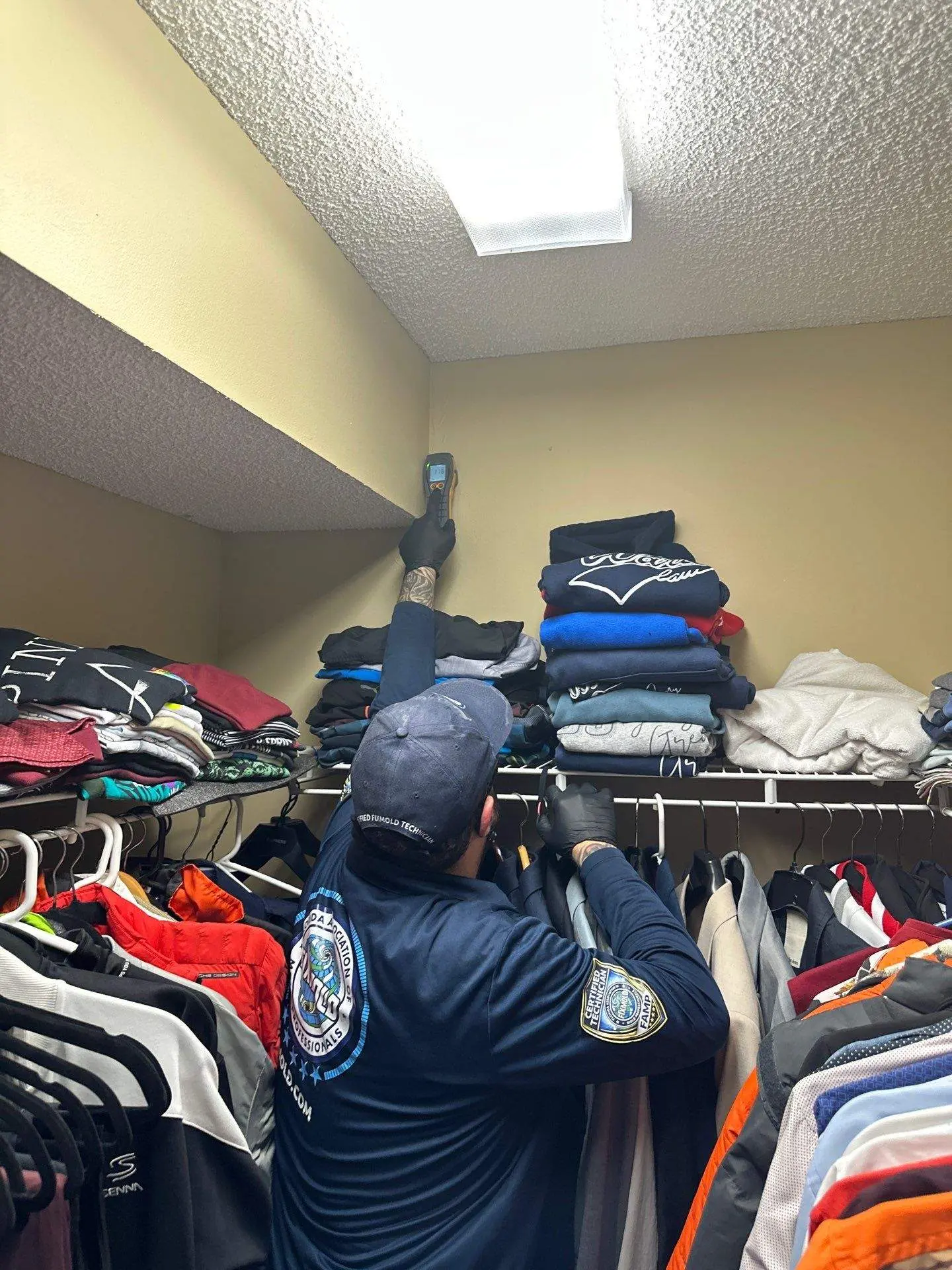
Mold exposure can affect indoor air conditions, which may contribute to discomfort for individuals with sensitivities or allergies. In Miami, where humidity allows mold to grow quickly, identifying environmental factors is an important step when working with allergy and immunology specialists.
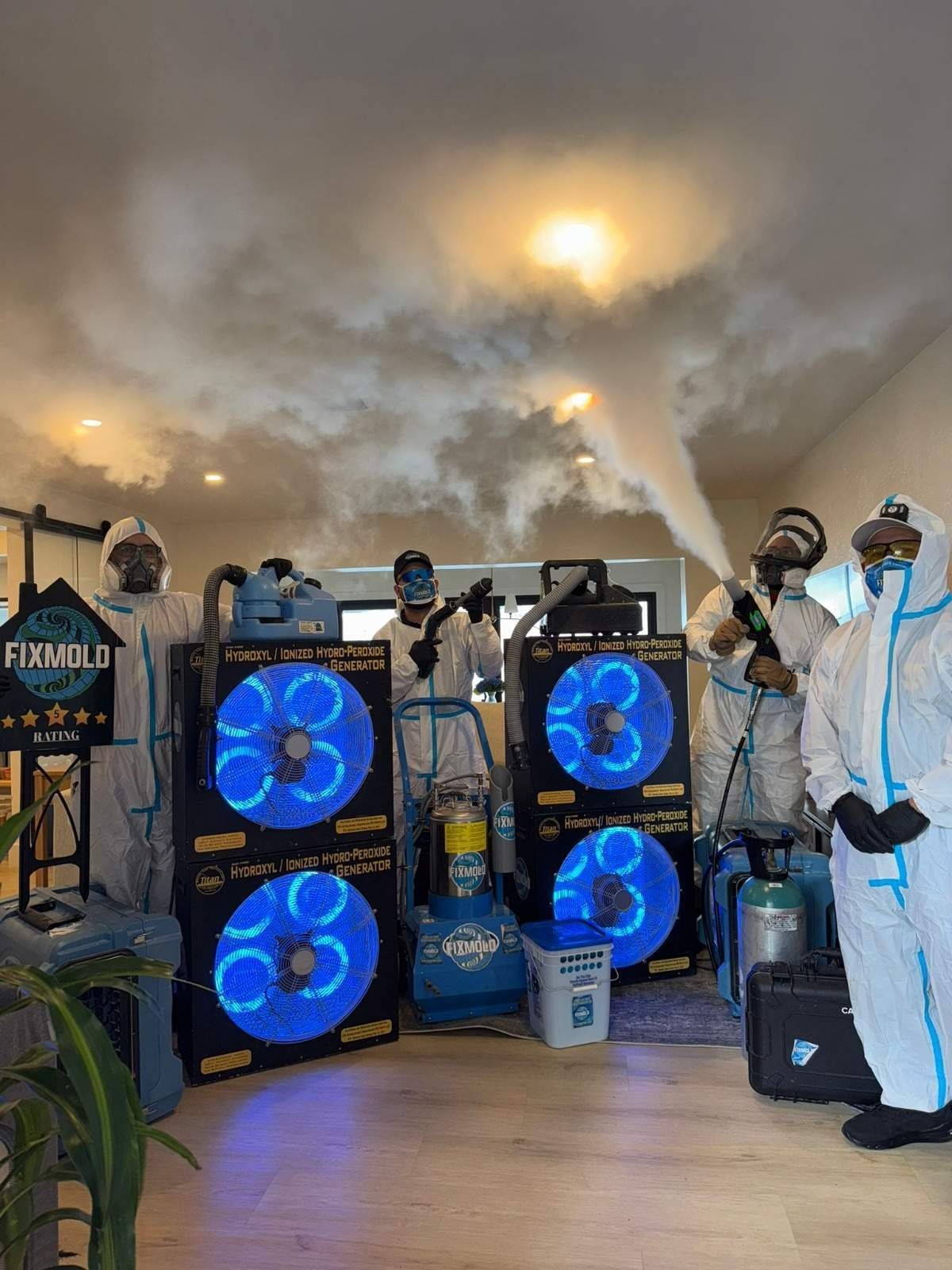
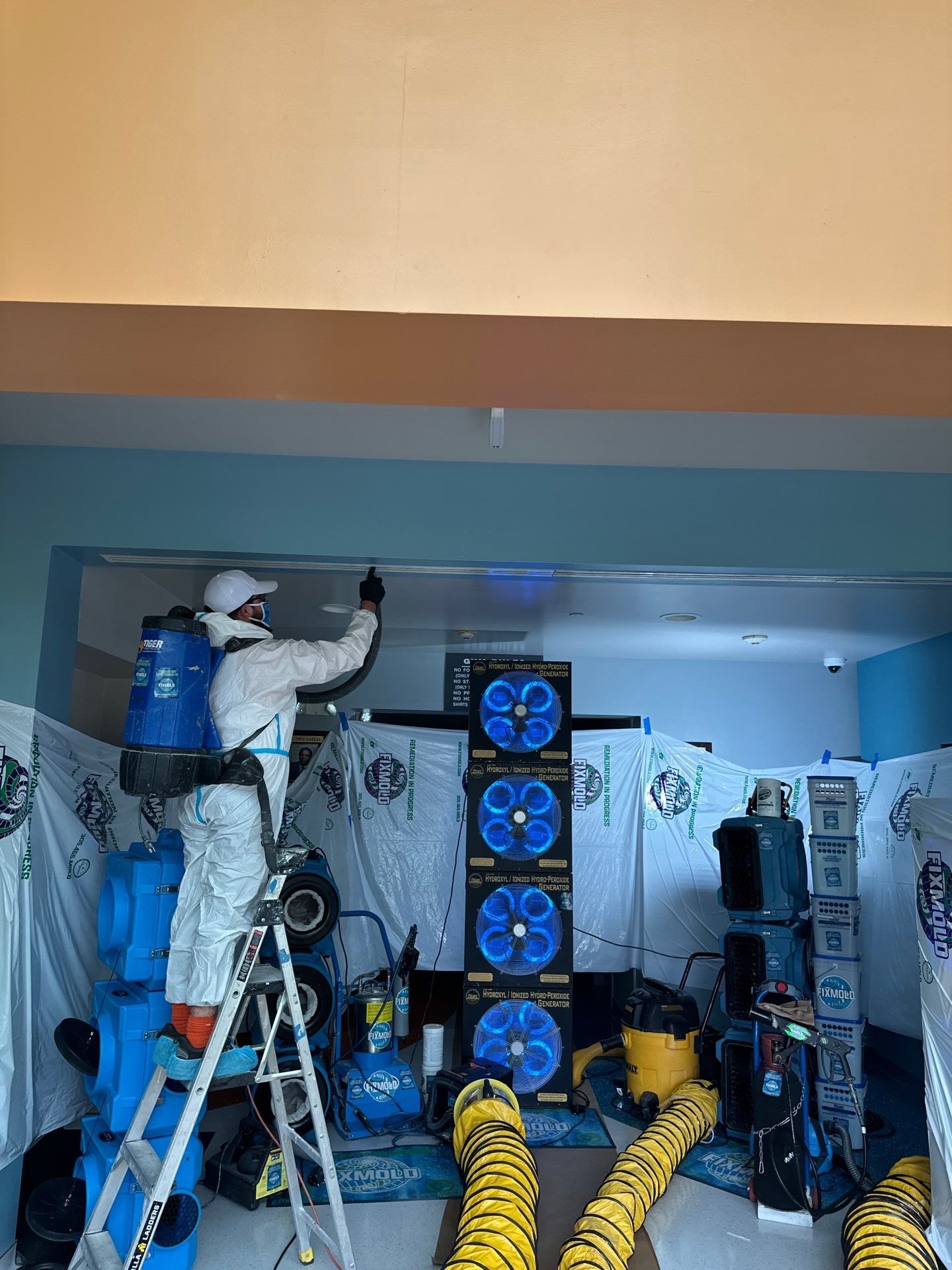
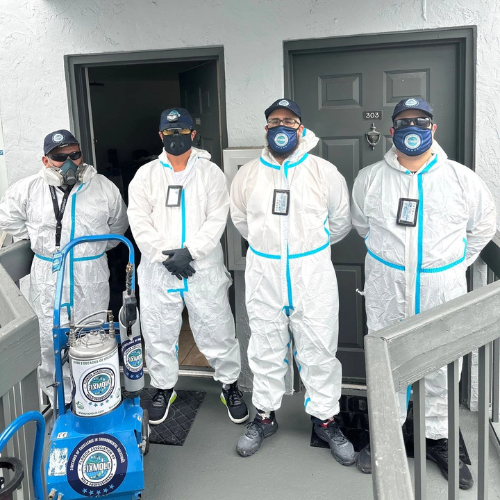
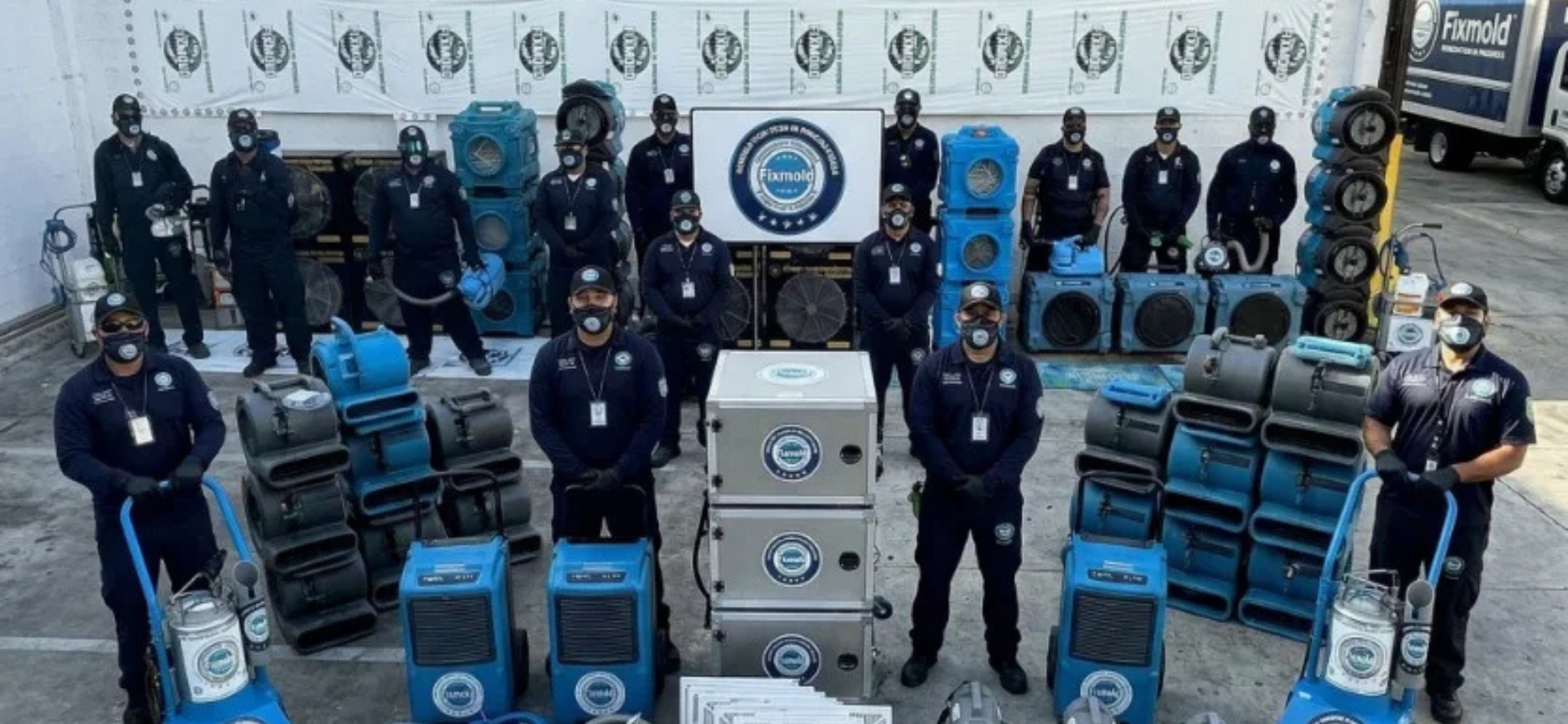
At FixMold, the focus is on evaluating indoor environments to determine whether mold or moisture conditions may be present. While diagnosis and treatment are handled by medical professionals, environmental assessment helps identify potential exposure sources that can be addressed within the property.
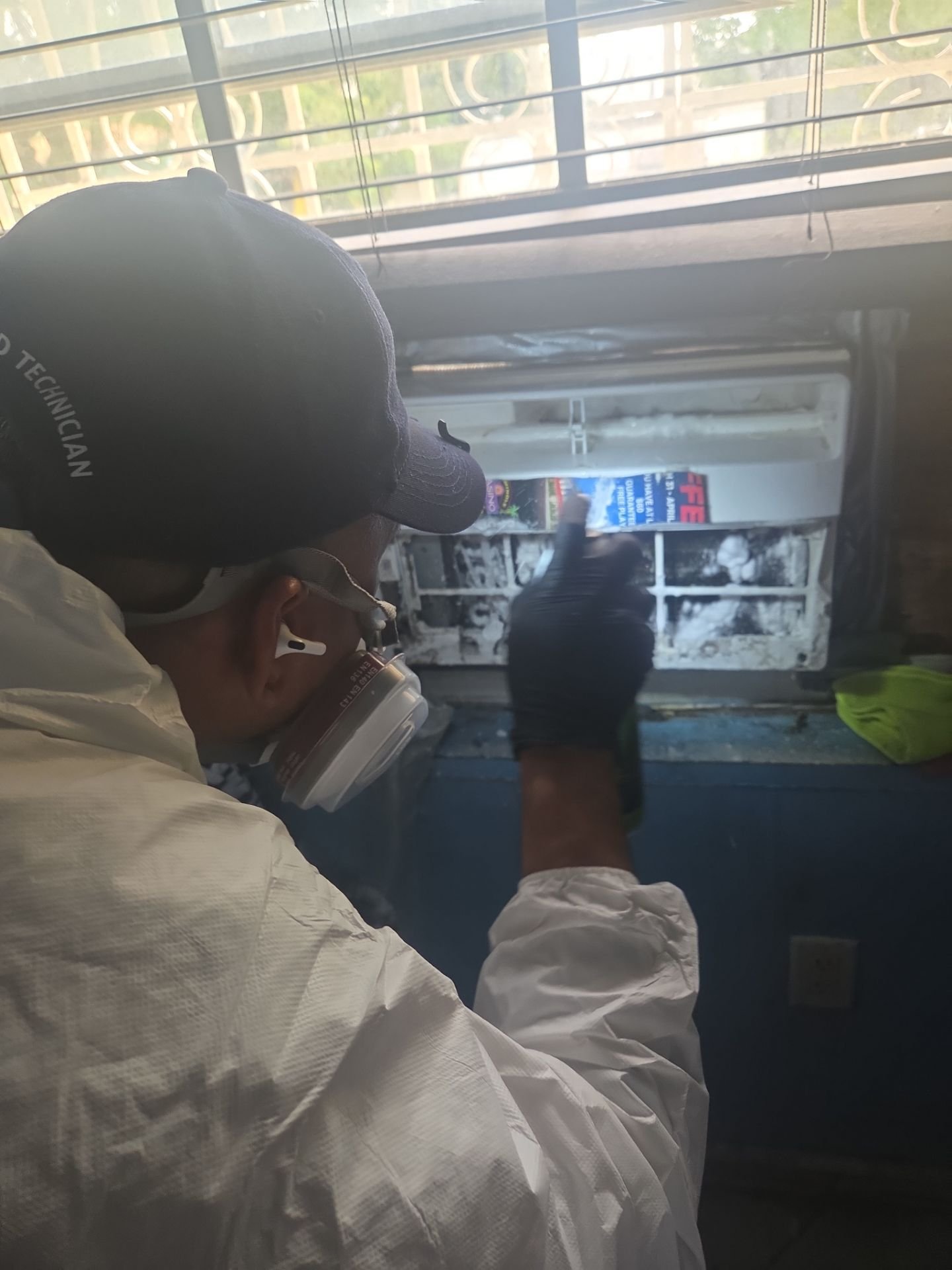
Mold is often hidden inside walls, ceilings, or HVAC systems, which means exposure can occur even when no visible signs are present. Testing and inspection help confirm whether indoor conditions may be contributing to ongoing concerns and provide clear information that can be shared with healthcare providers if needed.
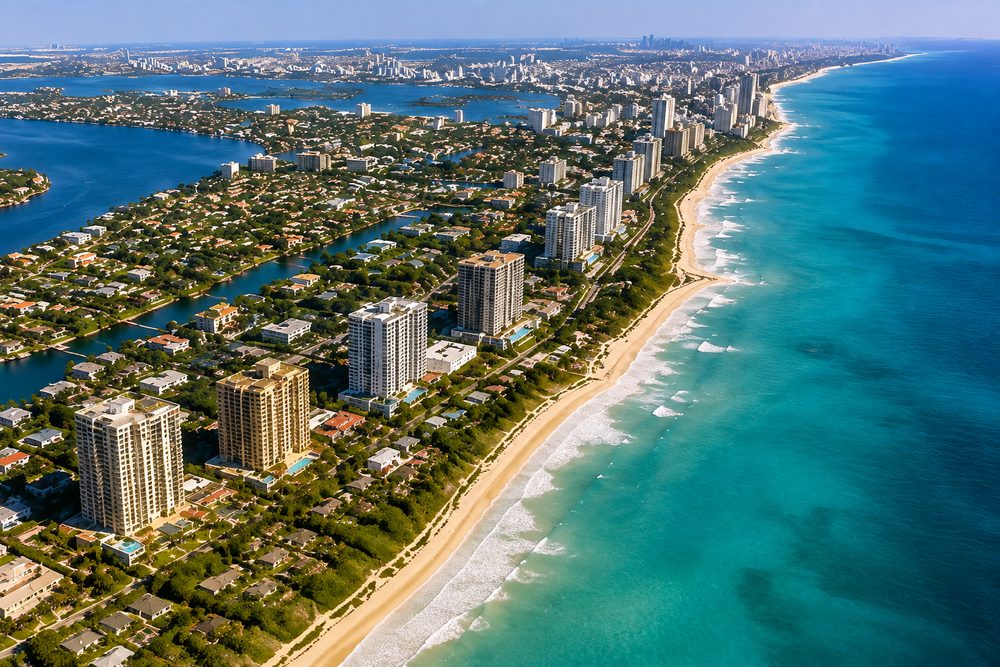
In South Florida, maintaining stable indoor air quality is essential due to constant humidity and moisture exposure. Identifying and correcting environmental conditions helps reduce potential triggers and supports a more controlled living environment.
Our goal is to provide accurate information about your indoor environment so you can take the right next steps. By understanding the condition of your property, you can make informed decisions to improve air quality and reduce exposure.
Call or text: 305 465 6653 | Same day appointments available | Virtual assessment available
Mold Allergy and Immunology Specialists: Understanding Indoor Environmental Conditions
Many people begin searching for mold allergy and immunology specialists after experiencing persistent indoor environmental concerns that seem difficult to explain. Recurring allergy-like symptoms, ongoing sinus irritation, musty odors inside the home, excessive humidity, water damage history, or concerns about indoor air quality often lead property owners and occupants to investigate whether environmental conditions within a building may be contributing to their discomfort.
While medical professionals evaluate health concerns, environmental investigations focus on understanding the conditions within a property that may be affecting indoor air quality.
Throughout Miami and South Florida, environmental factors such as high humidity, hidden moisture, HVAC contamination, water intrusion, flooding, roof leaks, and poor ventilation frequently contribute to indoor environmental issues that concern homeowners, tenants, landlords, property managers, and business owners.
South Florida's Environmental Challenges
South Florida’s climate creates unique challenges because buildings are constantly exposed to moisture.
High humidity levels, tropical storms, hurricanes, coastal air, heavy rainfall, and year-round air conditioning use can all contribute to hidden moisture accumulation.
Properties throughout Miami, Miami Beach, Brickell, Coral Gables, Coconut Grove, Kendall, Pinecrest, Doral, Aventura, Fort Lauderdale, Boca Raton, Naples, West Palm Beach, and surrounding communities regularly experience environmental conditions that may affect indoor air quality if moisture is not properly managed.
Musty Odors and Hidden Moisture
One of the most common concerns people report is a persistent musty odor.
A musty smell often indicates that moisture is affecting building materials somewhere within the structure.
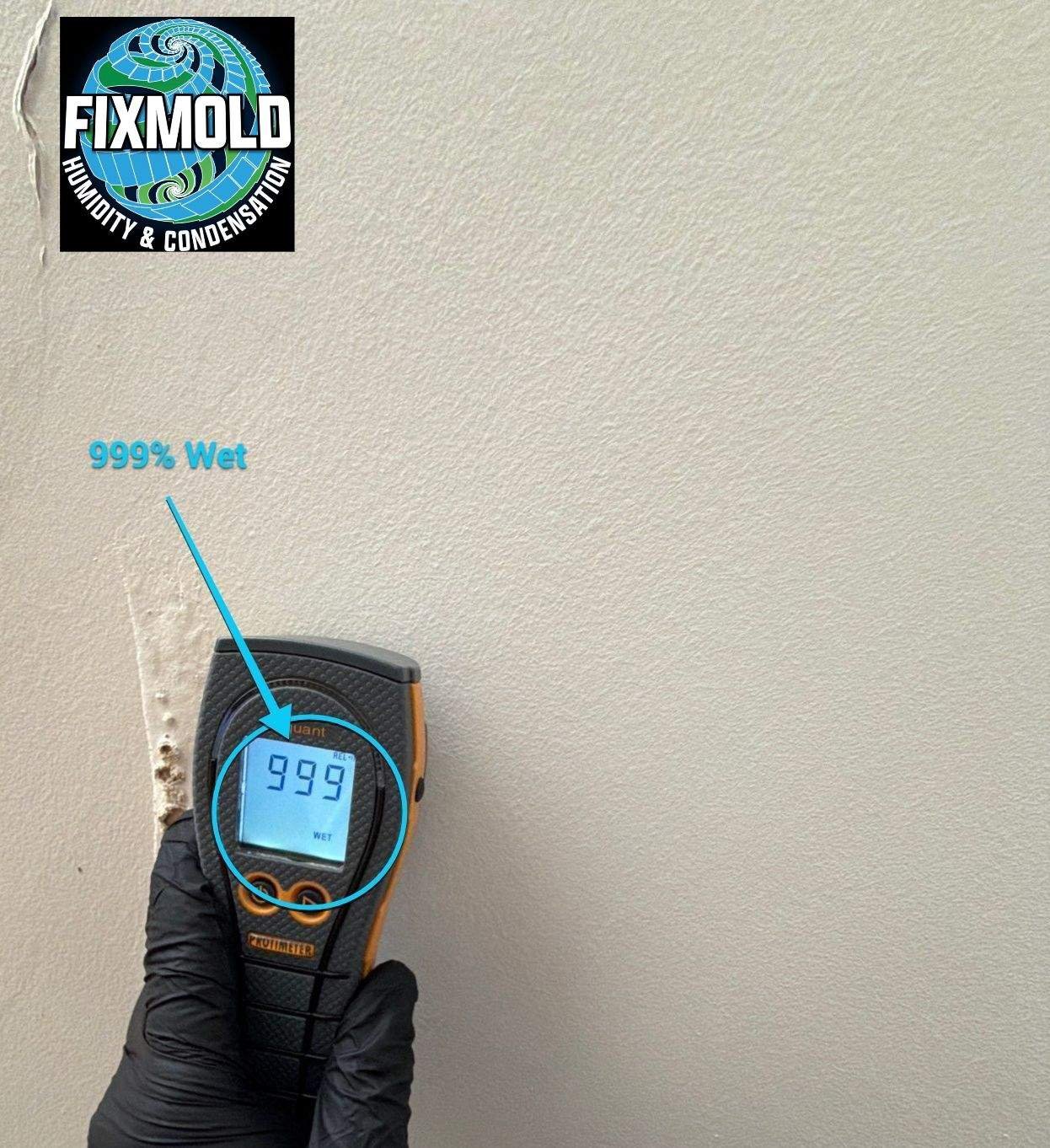
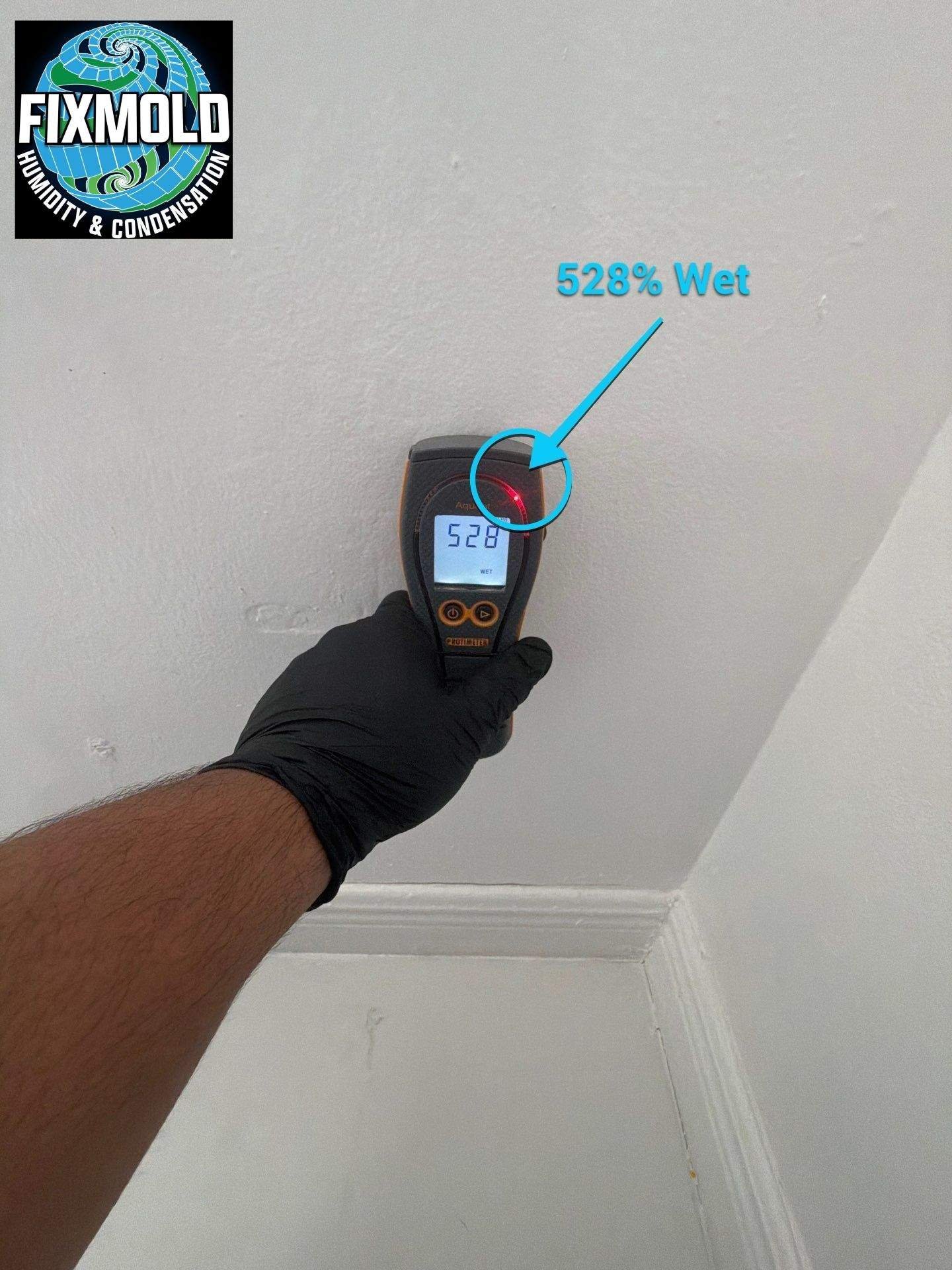
Even when visible mold is not present, hidden moisture behind walls, above ceilings, beneath flooring systems, inside insulation materials, or within HVAC components may influence the indoor environment.
Identifying Moisture Sources
Environmental investigations frequently begin by identifying moisture sources.
Mold and other indoor environmental concerns generally require moisture to develop and persist. Without moisture, contamination is far less likely to spread within building materials.
Roof leaks, plumbing failures, appliance leaks, flooding events, HVAC condensation, window intrusion, building envelope deficiencies, and elevated humidity are among the most common moisture sources identified during inspections throughout Miami and South Florida.
Looking Beyond Visible Contamination
Many property owners are surprised to learn that visible contamination often represents only a small portion of the overall environmental condition affecting a building.
Hidden moisture can remain trapped inside drywall, wood framing, insulation systems, ceiling assemblies, and flooring materials long before obvious signs become visible.
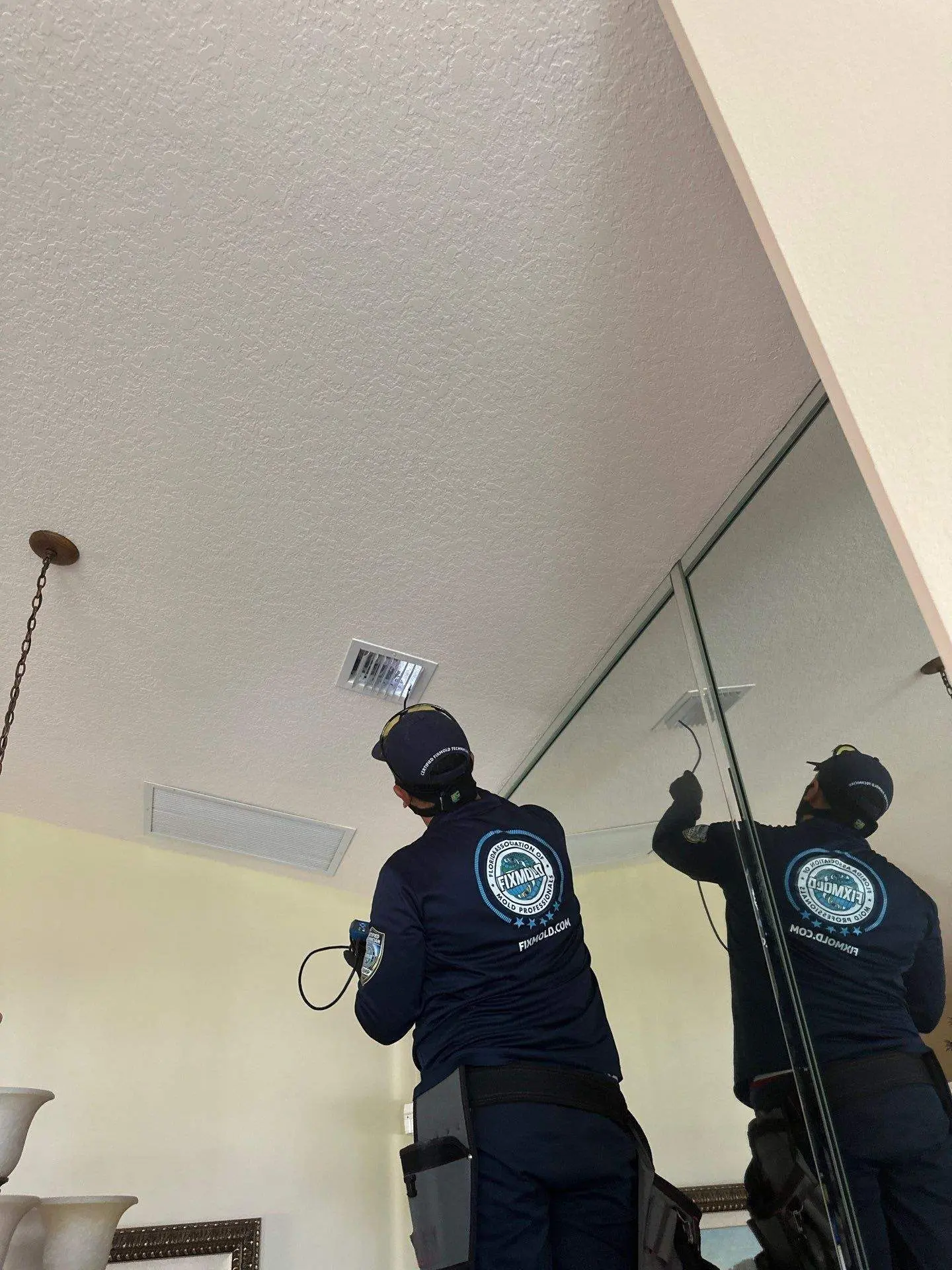
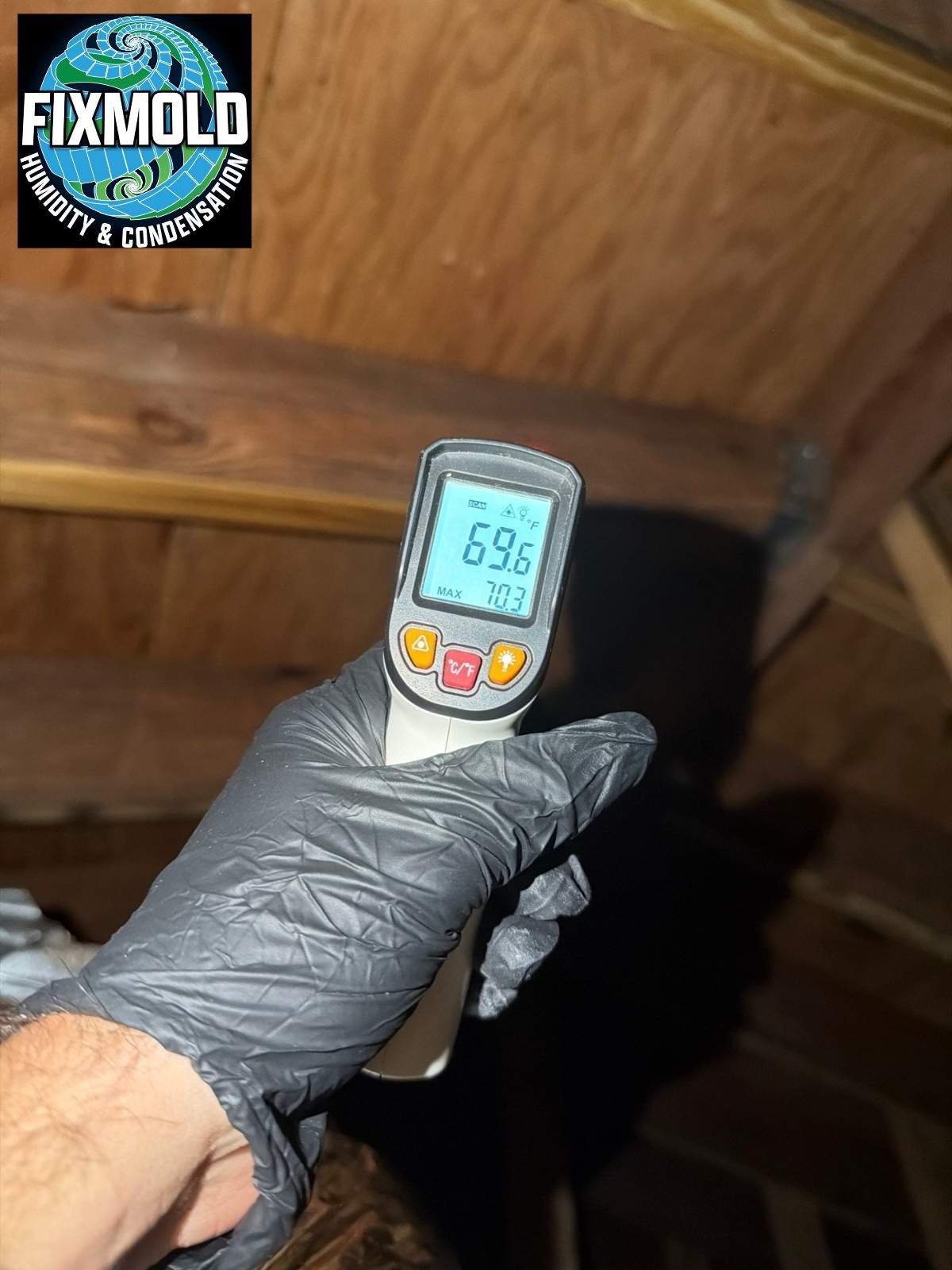
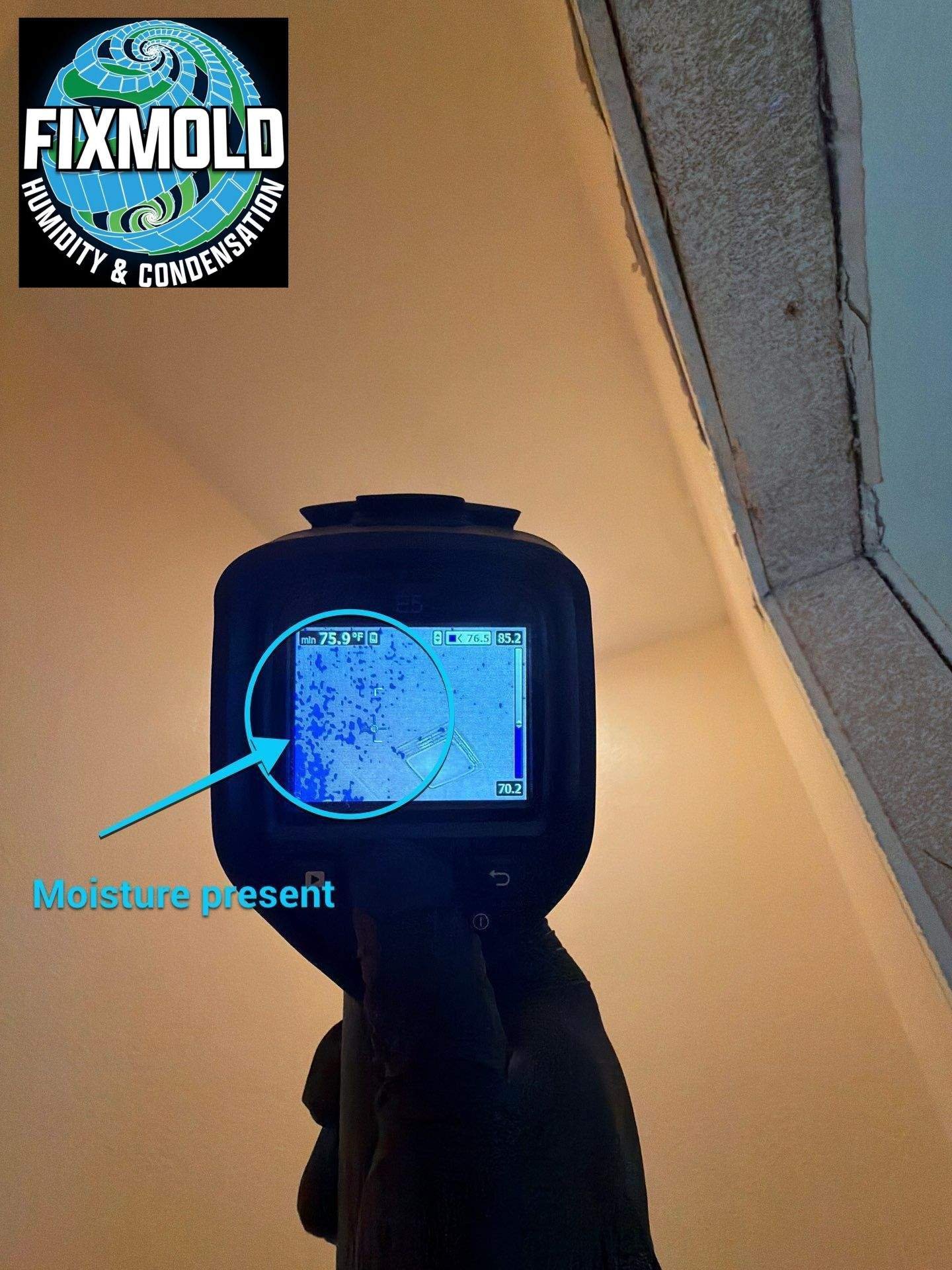
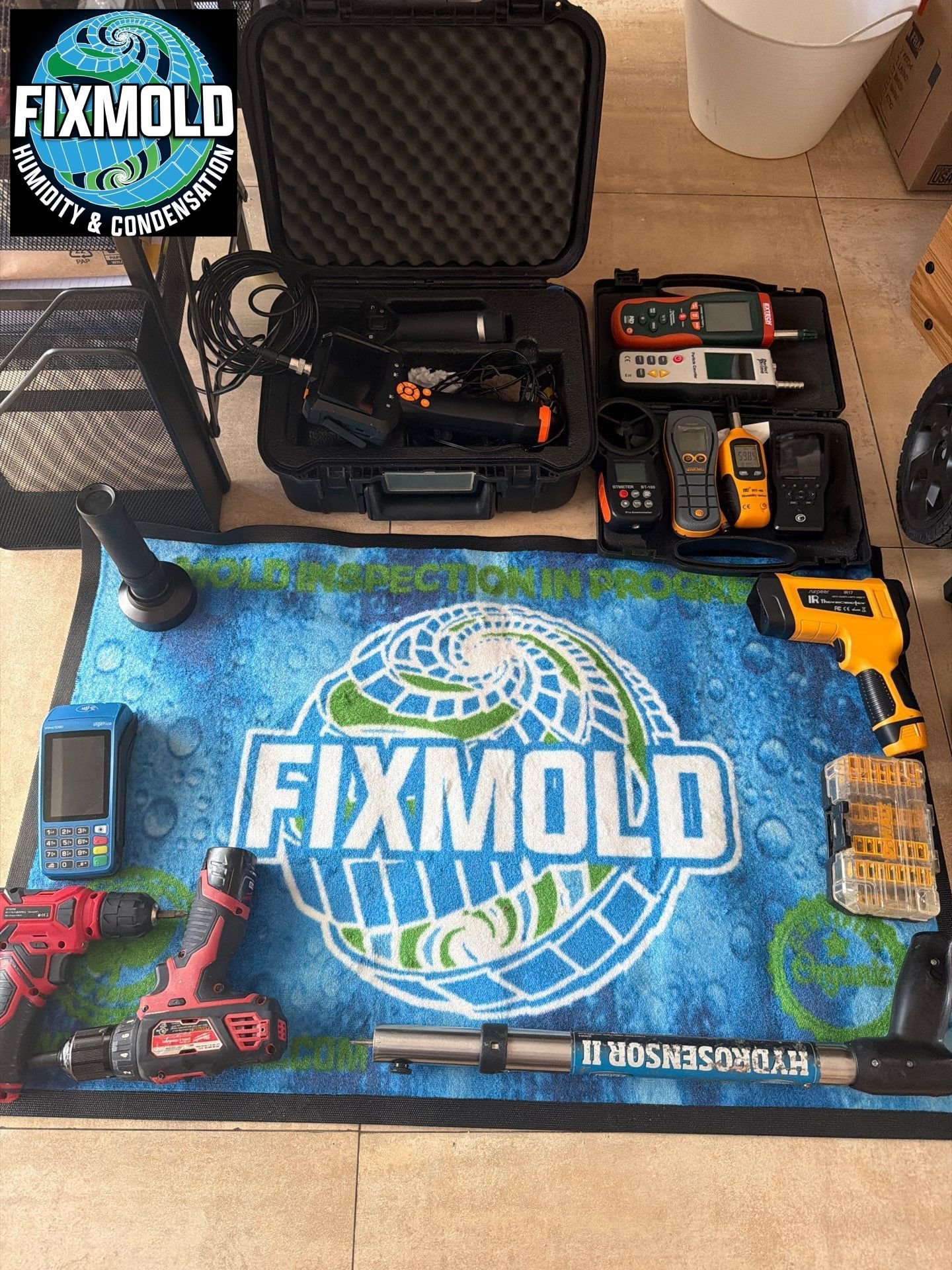
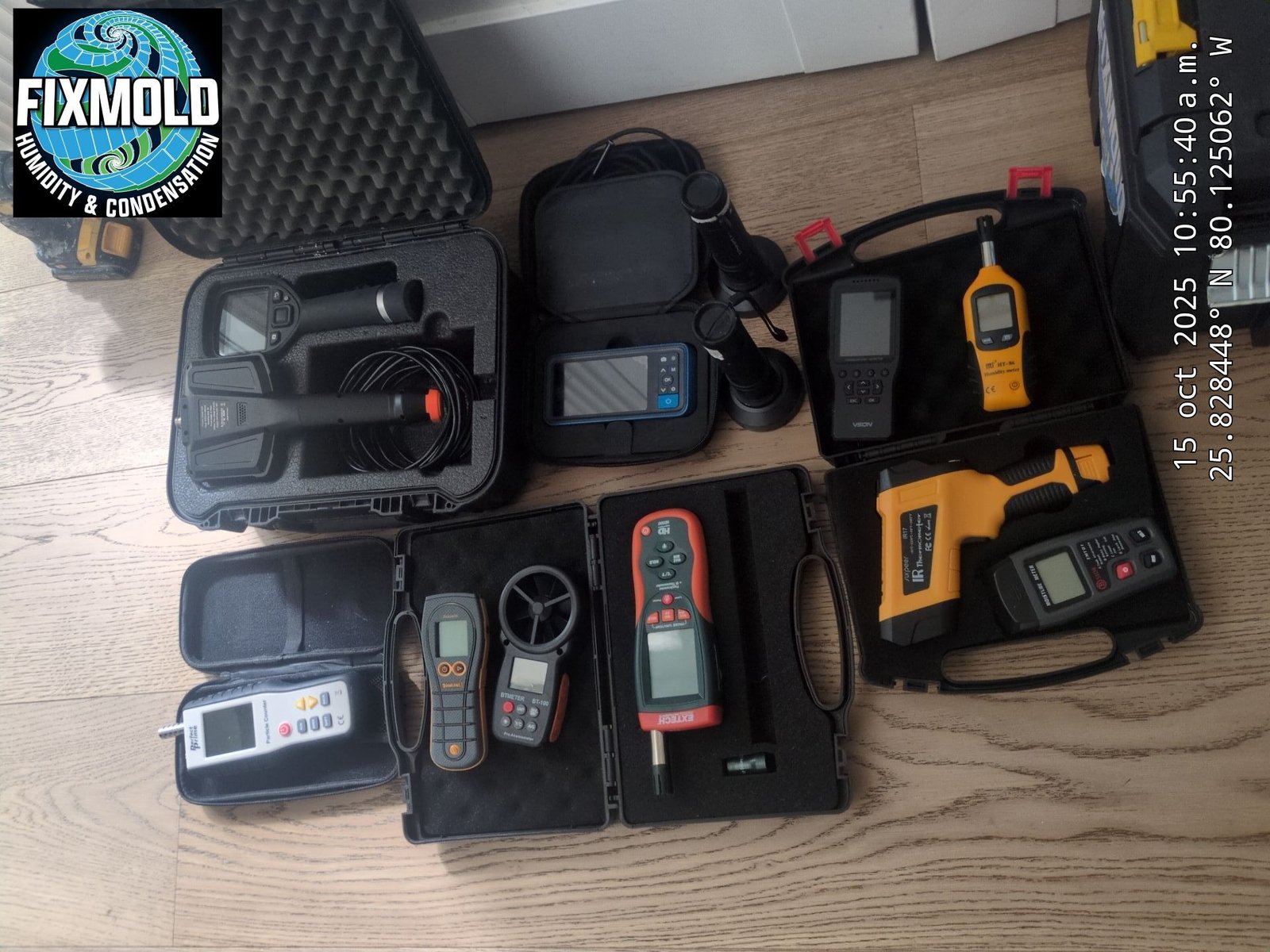
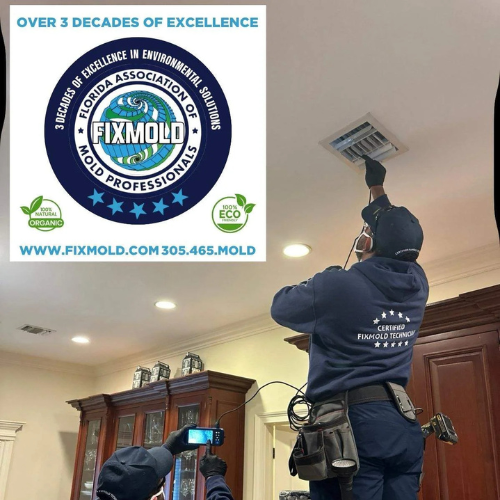
This is why environmental assessments often utilize specialized equipment such as moisture meters and thermal imaging cameras.
Thermal imaging helps identify temperature differences associated with hidden moisture that cannot be seen during a routine visual inspection.
Indoor Air Quality Testing
Indoor air quality testing may also be recommended when occupants report concerns about the indoor environment.
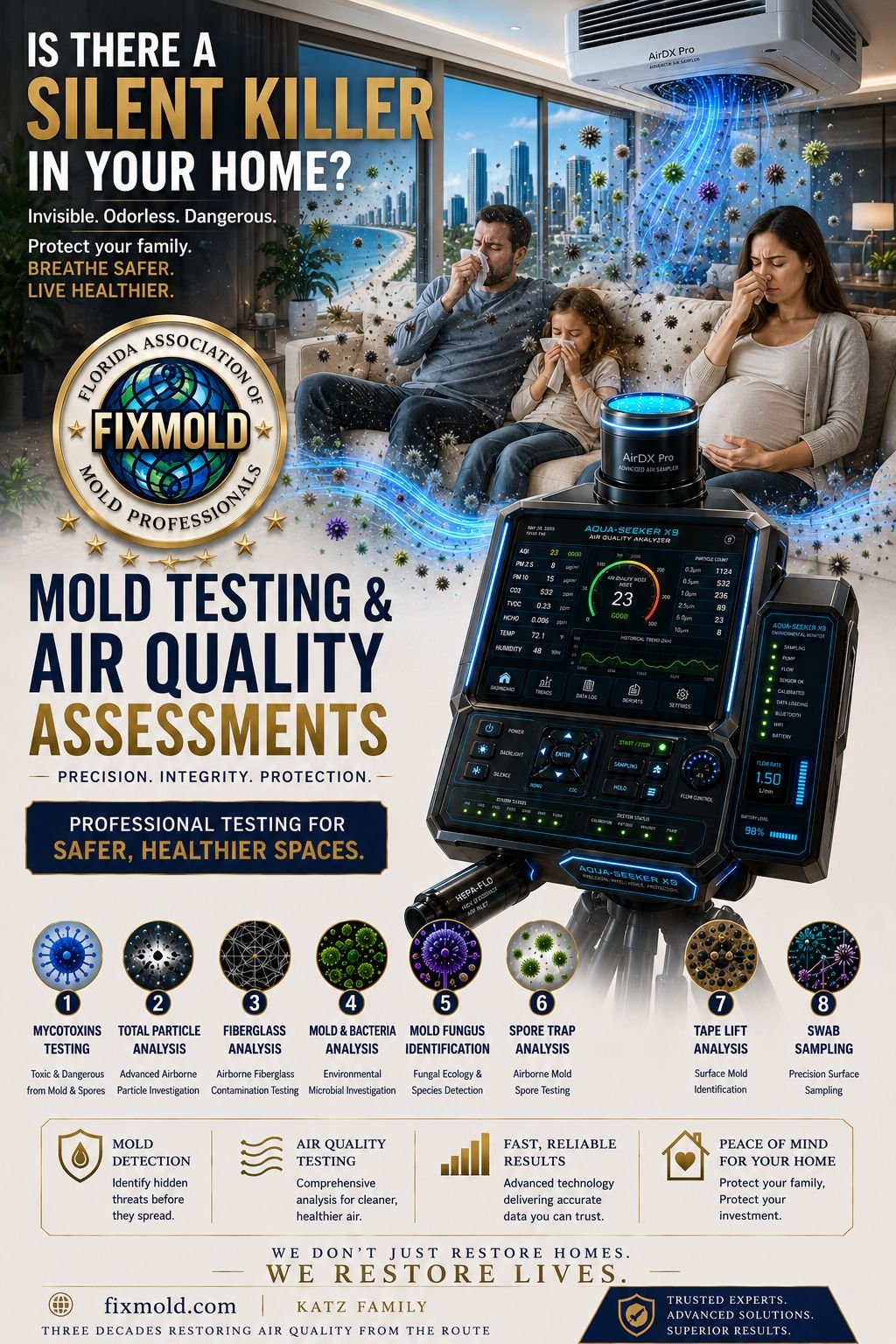
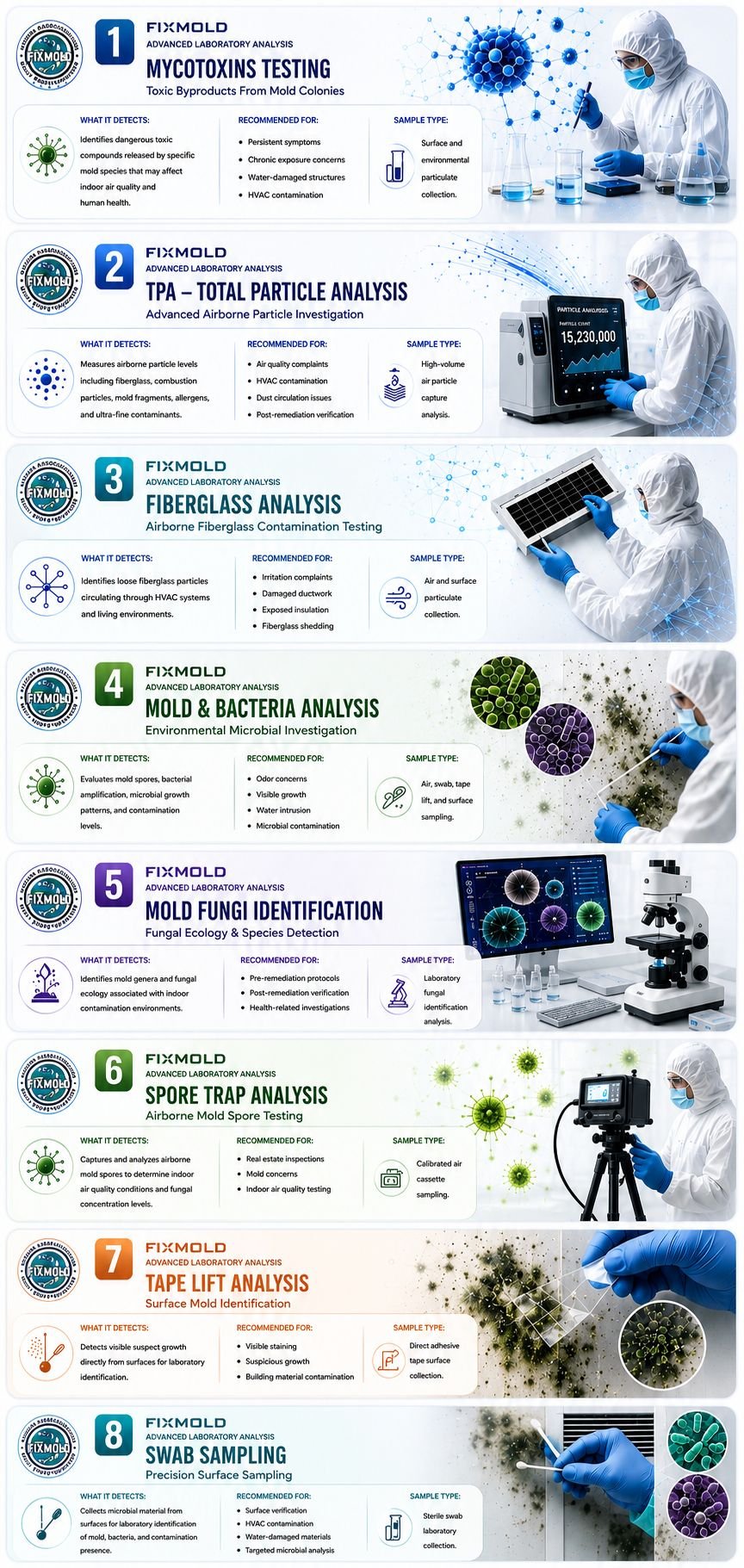
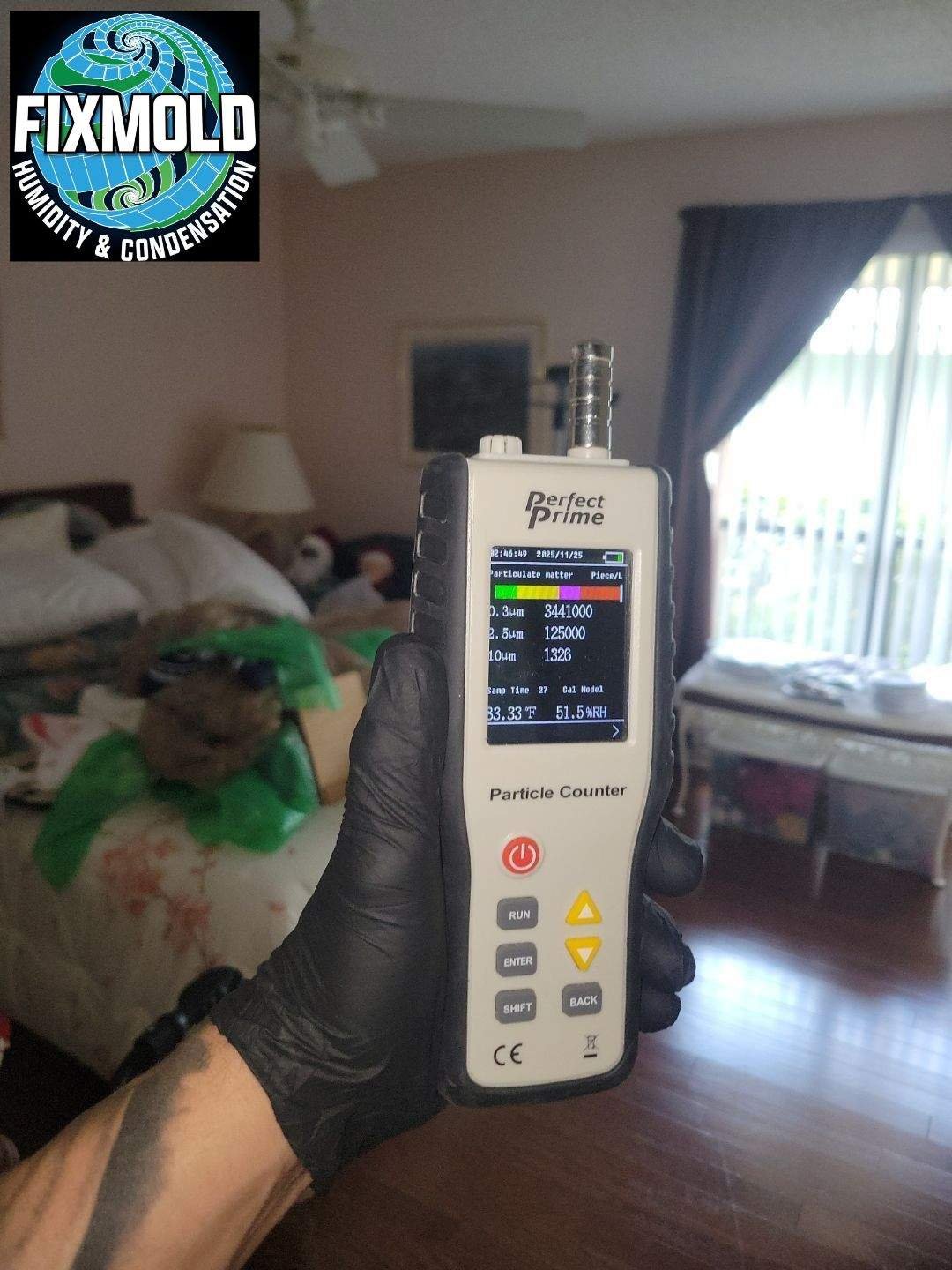
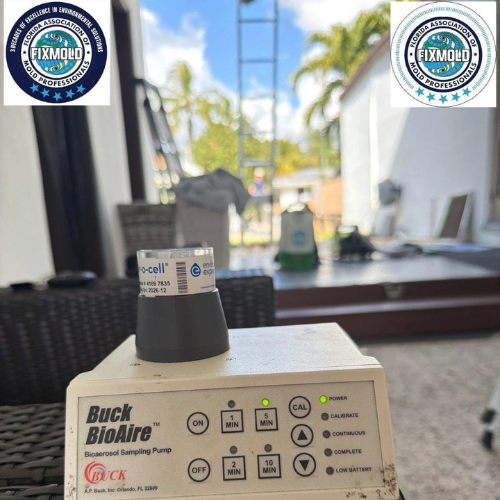
Airborne particle testing, spore trap analysis, mycotoxin testing, surface sampling, and environmental monitoring can provide information regarding conditions present within the building.
These assessments do not diagnose medical conditions. Instead, they help identify environmental factors that may be influencing indoor air quality.
HVAC Systems and Indoor Environments
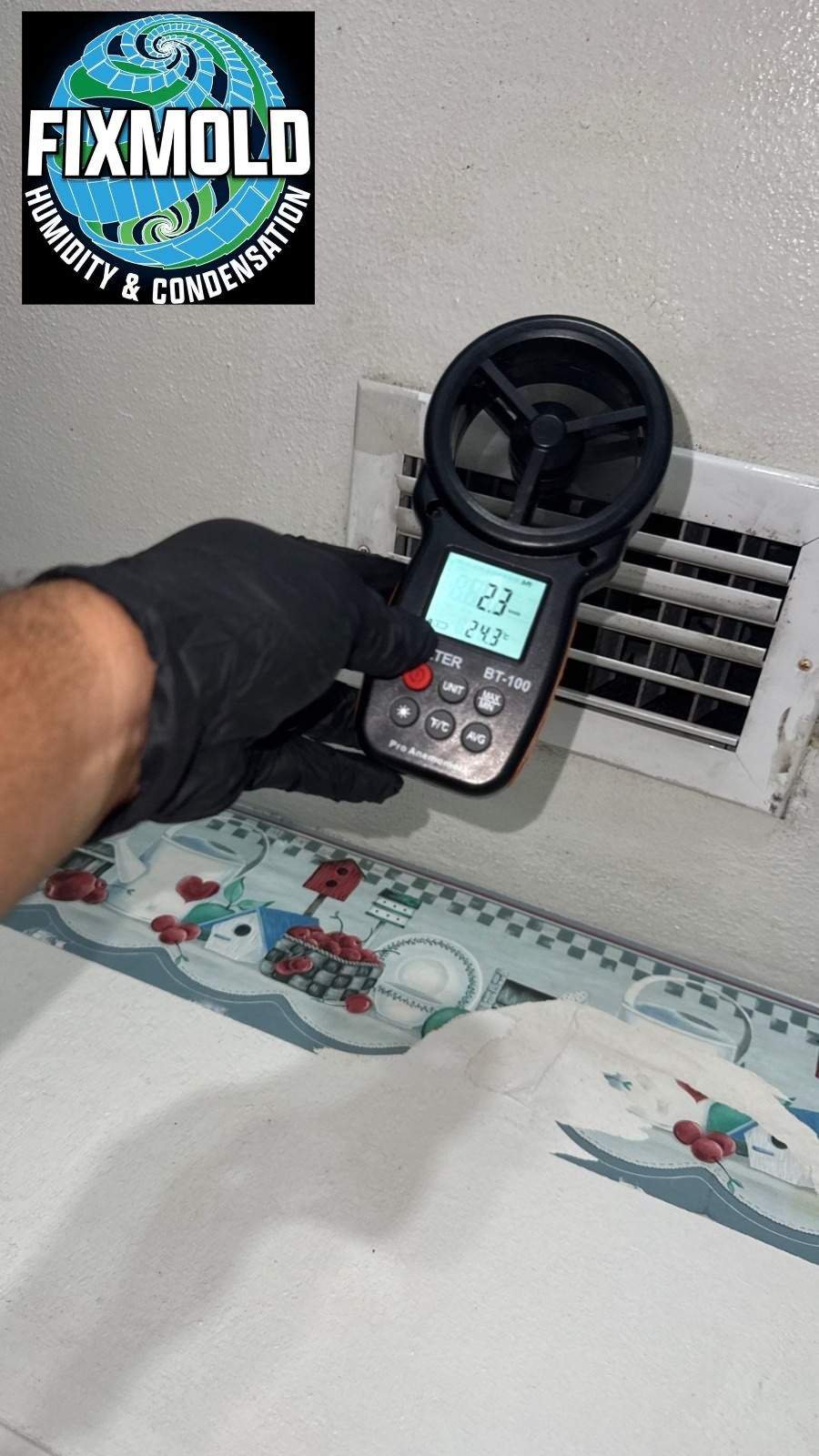
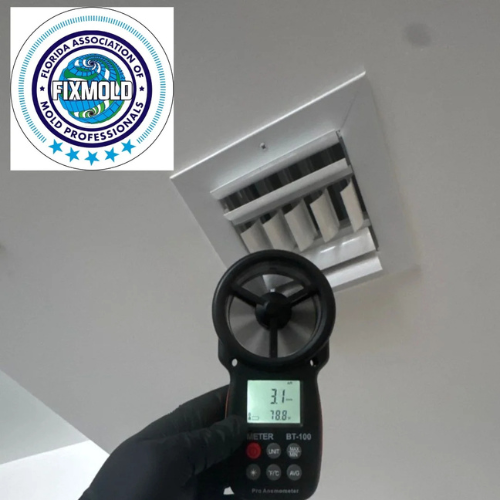
HVAC systems are frequently involved in indoor environmental investigations because they play a major role in managing temperature, airflow, and humidity throughout a property.
Air conditioning systems operate almost continuously in South Florida and generate condensation during normal operation.
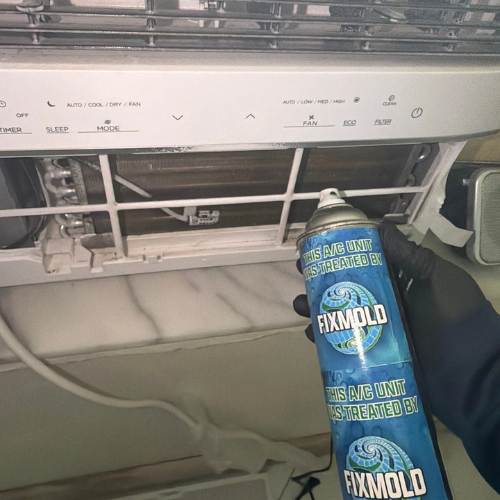
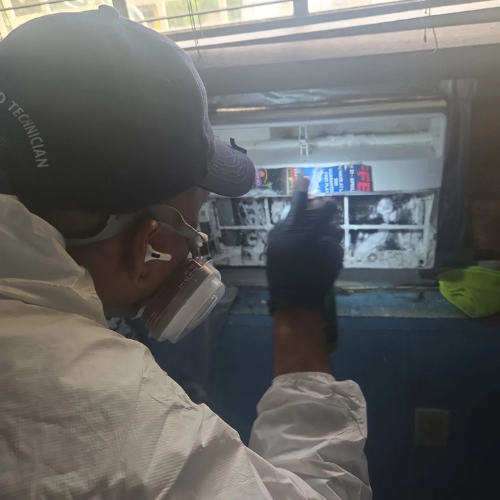
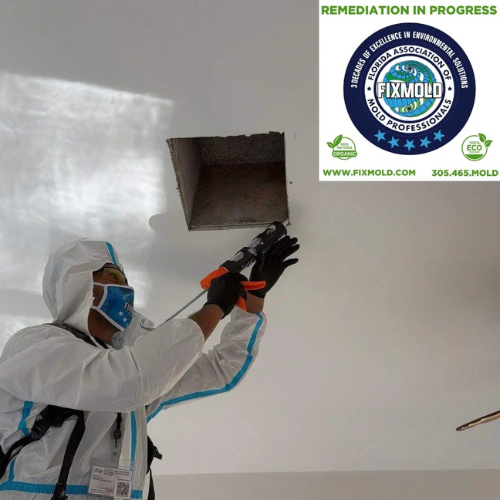
If drain lines become clogged, insulation absorbs moisture, airflow becomes restricted, or humidity remains elevated, environmental conditions may develop inside ducts, vents, air handlers, and surrounding building materials.
Because HVAC systems distribute air throughout the property, hidden contamination within the system may affect multiple rooms at the same time.
Many property owners notice that indoor environmental concerns seem more noticeable while spending time at home or inside a specific building.
In some cases, moisture-related issues affecting HVAC systems, wall cavities, attics, crawlspaces, or other concealed areas may contribute to these observations.
Attic and Crawlspace Conditions
Attics are among the most overlooked areas of a home.
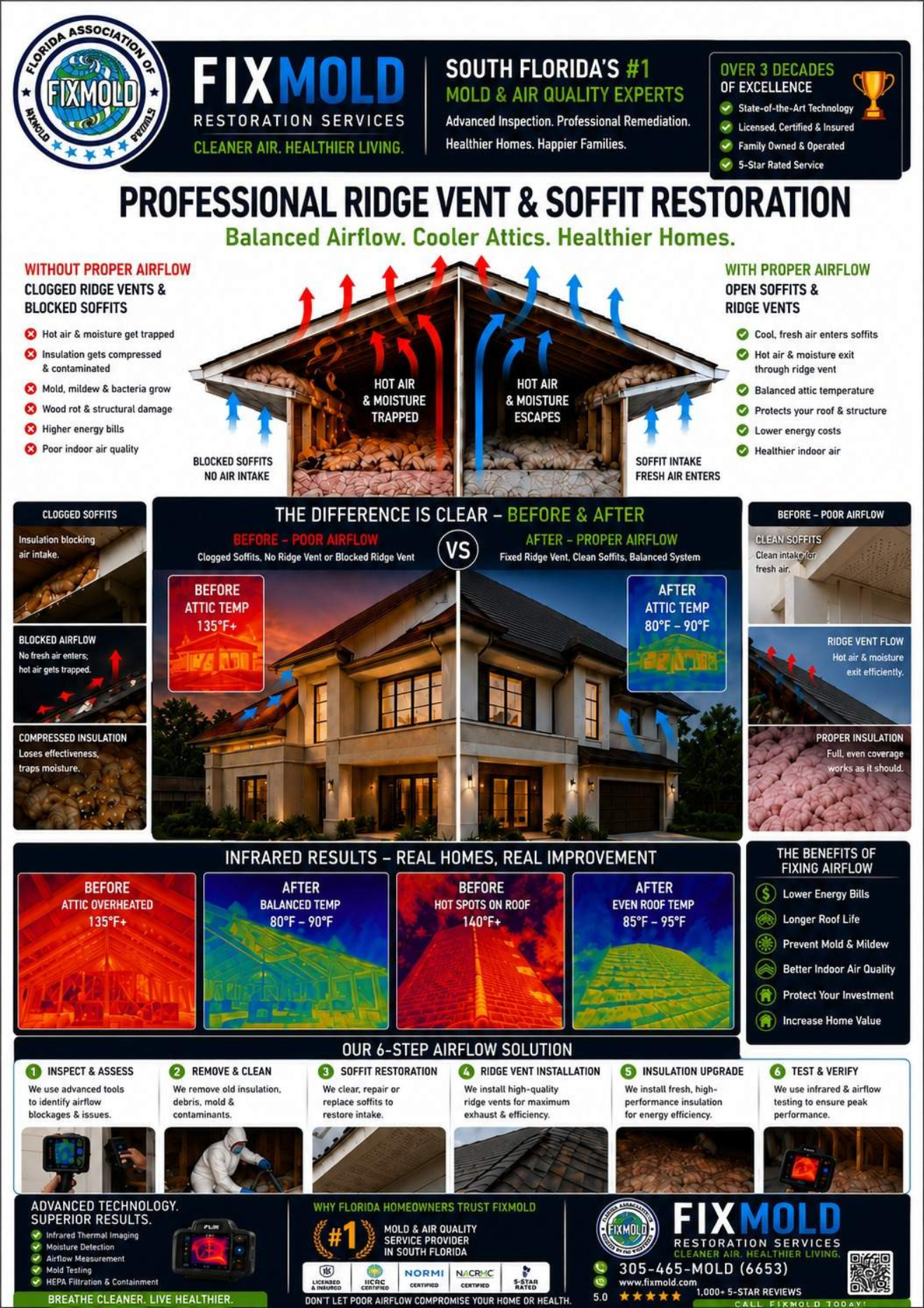
Roof leaks, humidity buildup, inadequate ventilation, trapped heat, and duct condensation frequently create environmental conditions that affect insulation systems and structural components.
Similarly, crawlspaces often experience elevated moisture due to groundwater intrusion, poor drainage, flooding events, and persistent humidity.
These conditions may influence indoor air quality because air naturally moves between crawlspaces and occupied living spaces.
Condominiums and High-Rise Buildings
Condominiums and high-rise buildings throughout Brickell, Downtown Miami, Sunny Isles, Hallandale Beach, and Miami Beach often present additional environmental challenges.
Shared plumbing systems, neighboring unit leaks, common building infrastructure, and interconnected ventilation pathways can allow moisture-related issues to affect multiple units.
Luxury Waterfront Properties
Luxury waterfront homes throughout Fisher Island, Key Biscayne, Golden Beach, Palm Beach, Naples, and Miami Beach face unique environmental pressures due to coastal humidity and salt air exposure.
Even modern homes with advanced climate control systems can experience hidden condensation problems if moisture management becomes compromised.
Commercial Building Environmental Assessments
Commercial properties throughout Miami, Fort Lauderdale, Boca Raton, and West Palm Beach frequently require comprehensive environmental evaluations due to building size, occupancy levels, and HVAC complexity.
Hotels, healthcare facilities, schools, office buildings, warehouses, retail centers, and mixed-use developments often utilize environmental testing and indoor air quality assessments to better understand conditions affecting occupants and building performance.
Recurring Mold and Moisture Problems
Another important consideration is recurring contamination.
Many property owners report that mold returns after cleaning efforts have been completed.
In most cases, recurring contamination indicates that the underlying moisture source was never fully corrected.
Cleaning visible surfaces without addressing hidden leaks, humidity imbalance, HVAC condensation, water intrusion, or structural moisture often results in ongoing environmental concerns.
Environmental testing and moisture investigations help identify these hidden conditions so that corrective measures can focus on the source of the problem rather than just the visible symptoms.
Final Thoughts
Every property responds differently to moisture based on construction methods, age, maintenance history, occupancy patterns, storm exposure, HVAC design, and environmental conditions.
For this reason, environmental evaluations are typically customized to the specific building being assessed.
Whether a property owner is seeking answers about musty odors, indoor air quality concerns, recurring moisture issues, water damage, HVAC contamination, or suspected hidden mold, a thorough environmental assessment can provide valuable information about the conditions affecting the property.
Understanding the building environment is often an important step toward creating healthier indoor spaces throughout Miami and South Florida.
A Deep Commitment To Restoration
A Family Legacy Of Trust
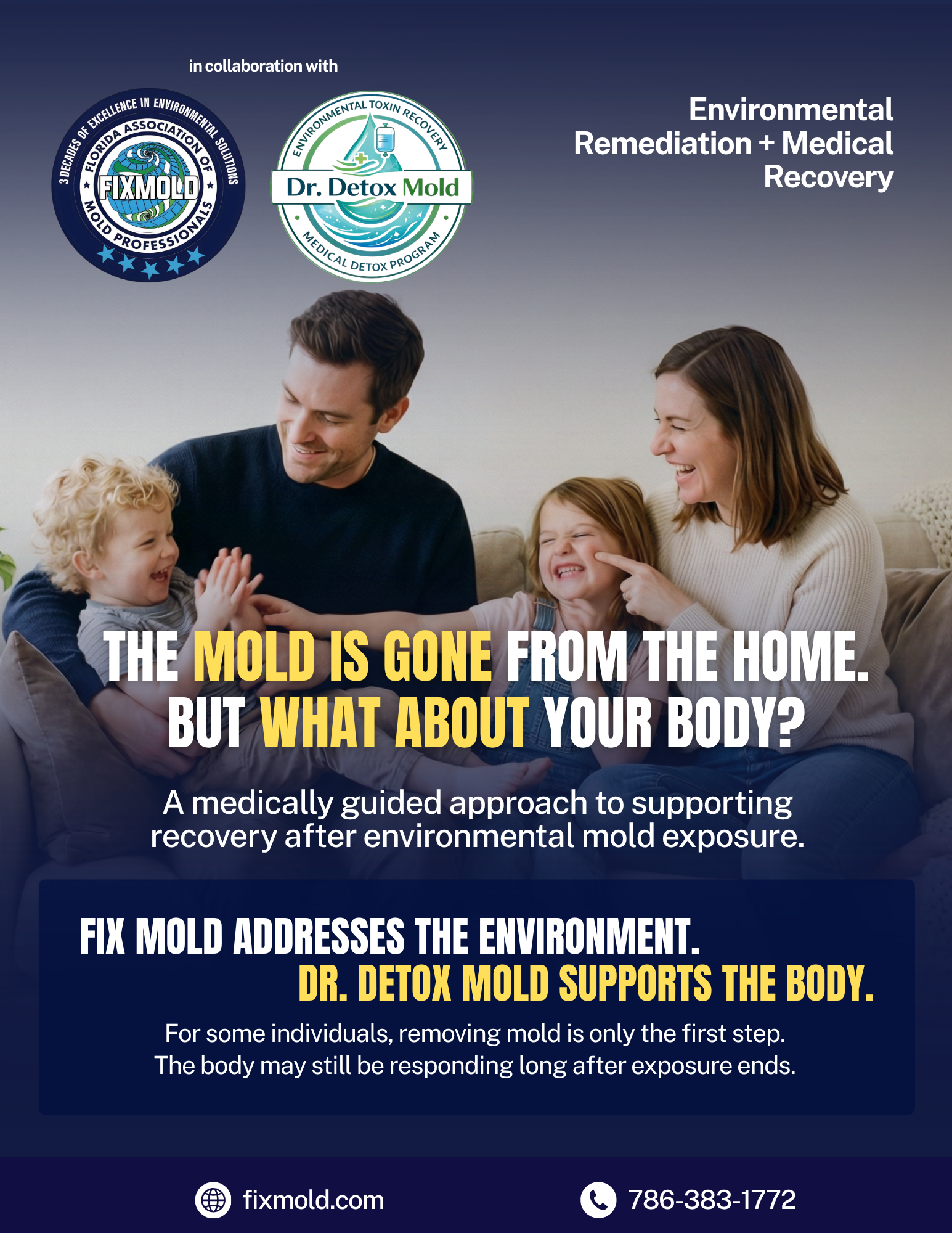
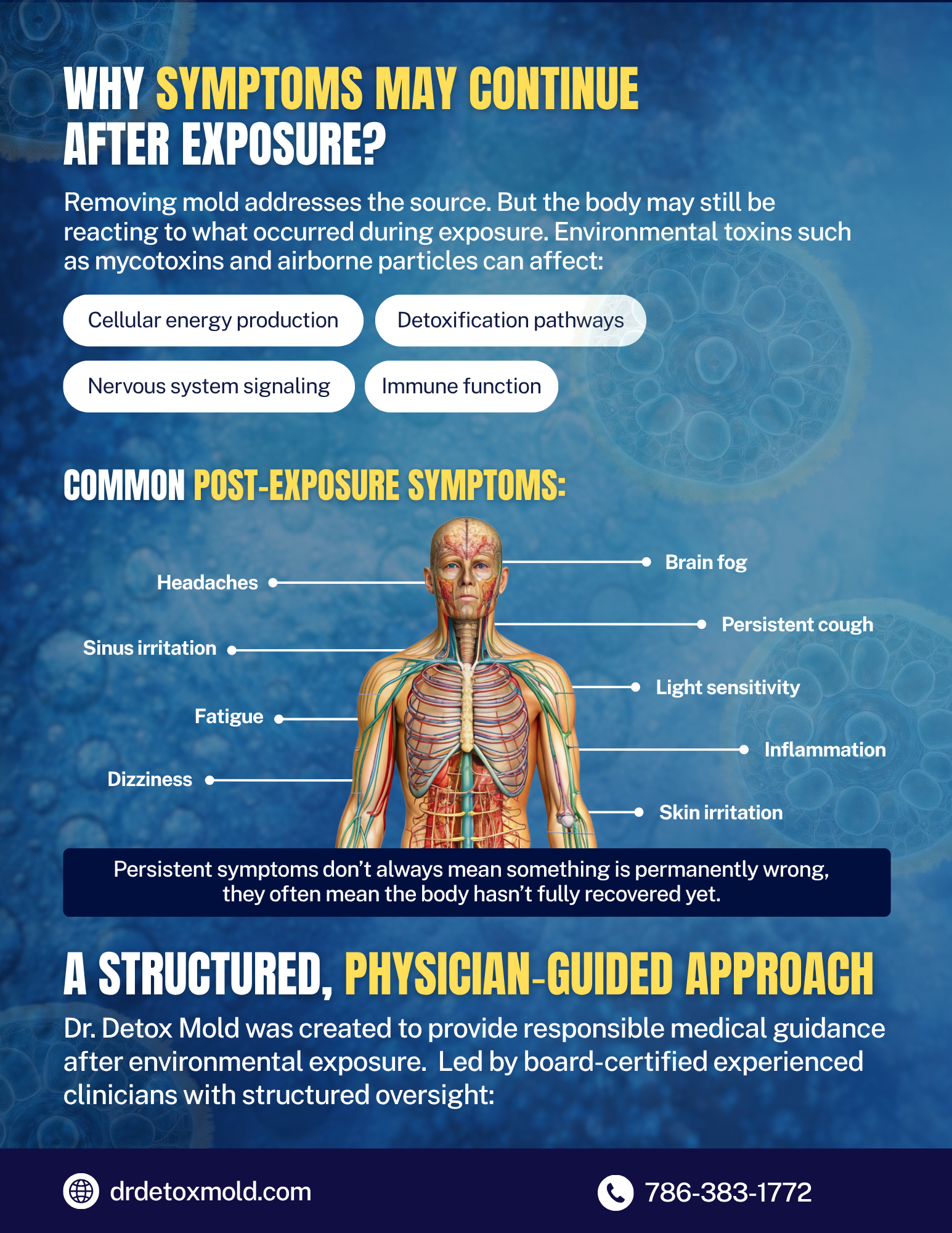
Mold Removed From Your Home. What About Your Body?
A medically guided approach to supporting recovery after mold exposure.
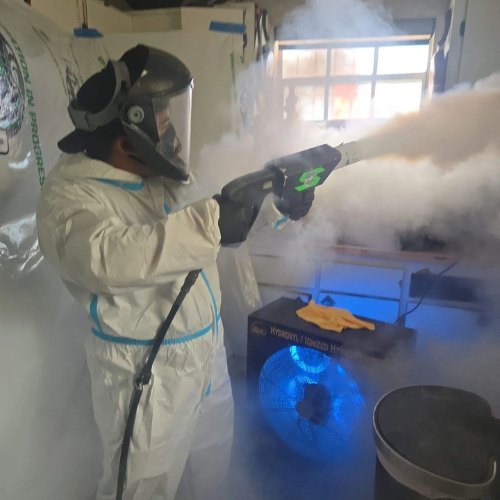
FixMold focuses on eliminating mold from your environment.
But for some individuals, recovery doesn’t stop there. Even after successful remediation, the body may continue responding to past exposure. In these cases, a structured, medically guided approach may be necessary to support full recovery.
Why Symptoms Can Continue After Mold Exposure
Removing mold addresses the source of the problem, but it does not always resolve how the body has been affected during exposure.
Environmental toxins can impact multiple systems:
• Immune function
• Nervous system signaling
• Cellular energy production
• Detoxification pathways
For some individuals, these systems require time and proper support to return to balance.
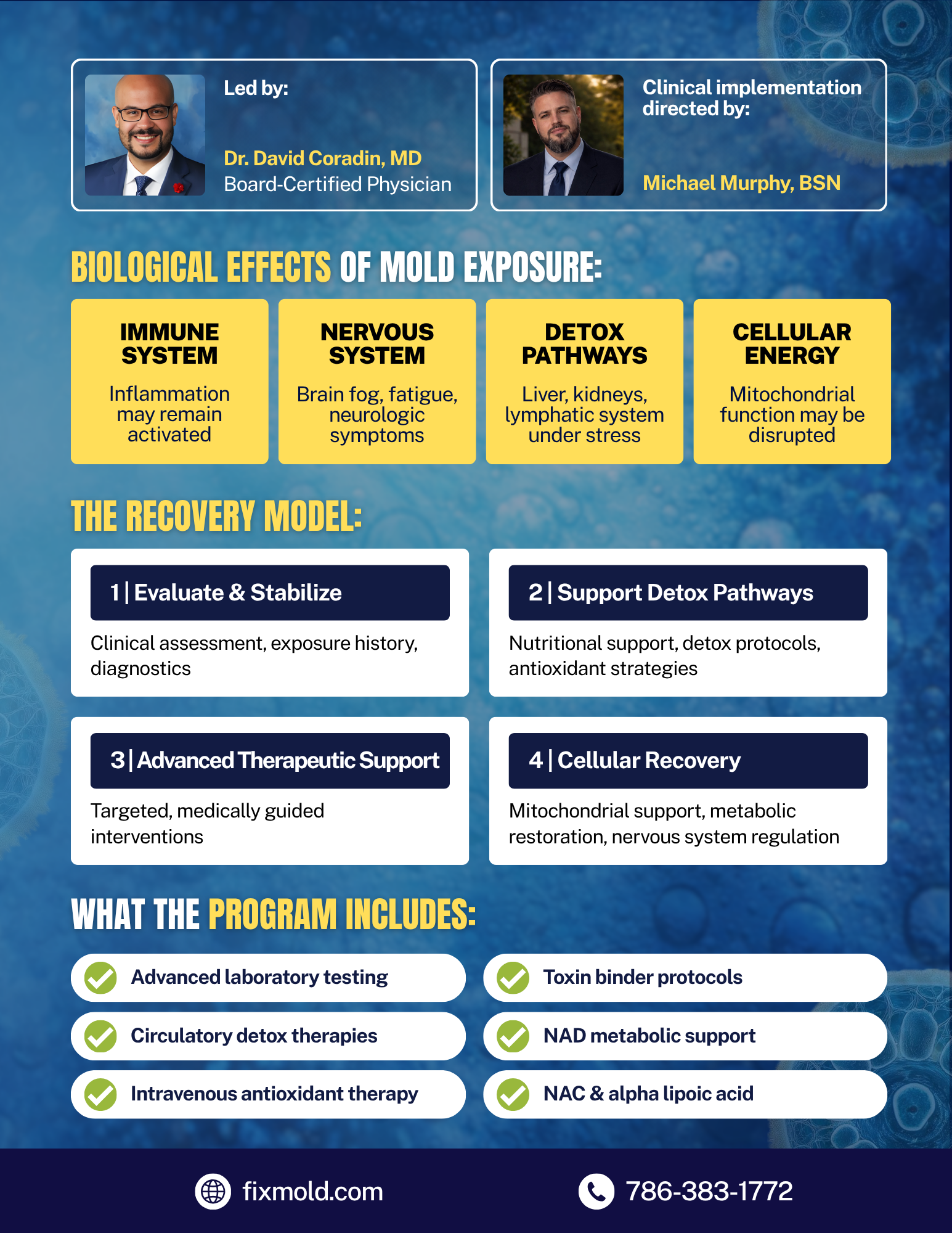
2. Detoxification Support
• Nutritional protocols
• Toxin-binding strategies
• Antioxidant support
3. Advanced Therapeutic Support
• Targeted, medically guided interventions
• IV-based therapies when appropriate
4. Cellular Recovery
• Mitochondrial support
• Metabolic restoration
• Nervous system regulation
Core Focus
• Detoxification support
• Immune system balance
• Cellular energy restoration
• Nervous system regulation
Key Principle
Recovery is not about doing more. It is about doing the right things, in the right order.
Next Steps
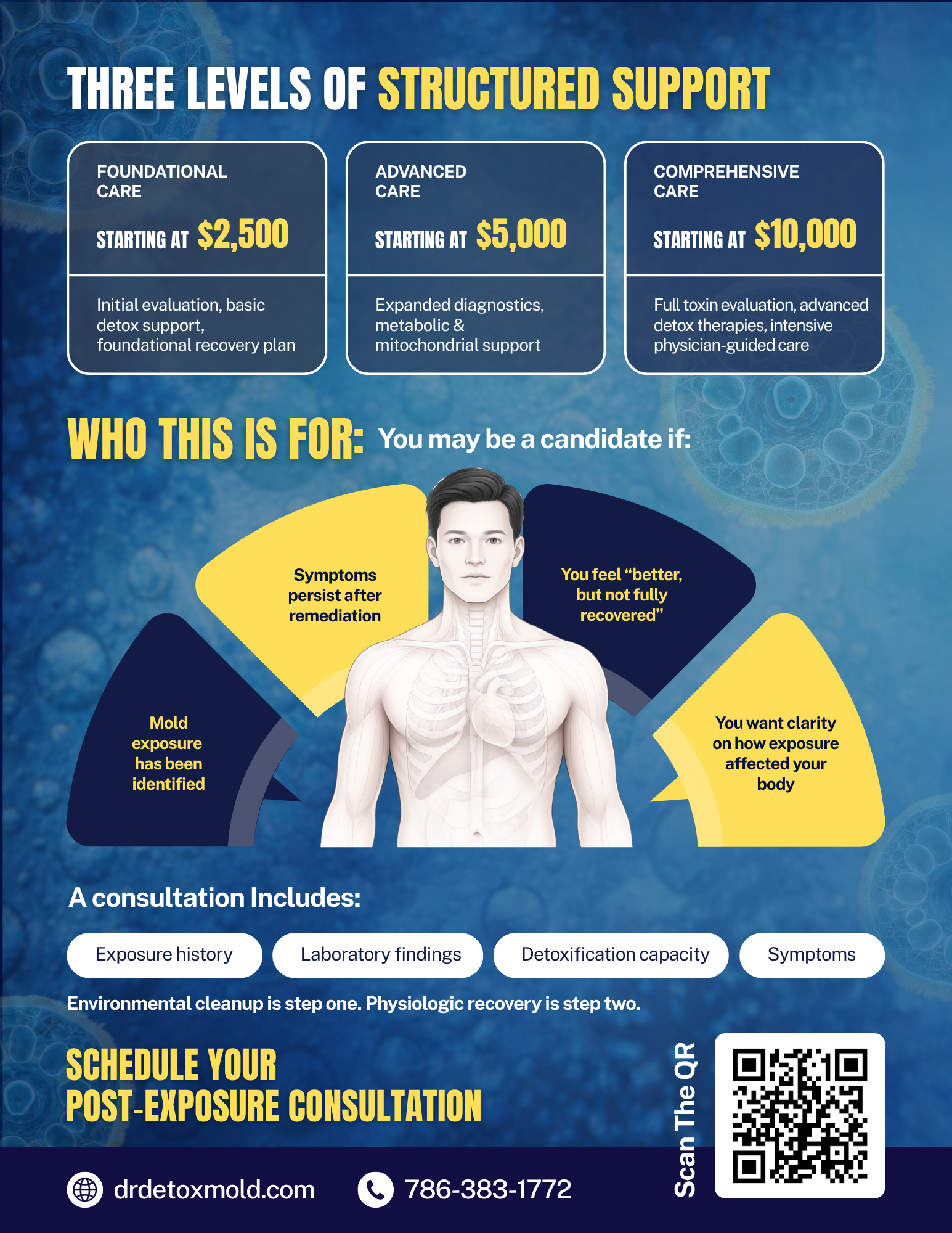
If mold exposure has been identified and symptoms are still present, evaluation may provide clarity.
• Exposure history review
• Laboratory evaluation
• Detoxification assessment
• Symptom analysis
Trustindex verifies that the original source of the review is Google.
Overall great service. Victor and his team were very professional. Victor explained the entire process and was very thorough. Videos and photos are sent during and after the process. I would definitely recommend this company again with anyone experiencing mold issues.
Posted on Google
Arthur M
Trustindex verifies that the original source of the review is Google.
Really impressed with the service from FixMold. Victor was very knowledgeable, explained everything clearly, and helped ease my concerns. The air quality in my home feels noticeably better after the service. Big thanks to Victor and the crew. I’d definitely recommend them.
Posted on Google
Daina Lee
Trustindex verifies that the original source of the review is Google.
Had a really good experience with this mold remediation team. They were professional, explained everything clearly, and showed up on time. They took care of the problem properly and made sure the area was clean and safe. Very happy with the results and would recommend them to anyone dealing with mold.
Posted on Google
Danny
Trustindex verifies that the original source of the review is Google.
We actually came across FaceTime Mold Solutions while trying to figure out what was causing the issue in our home. Mr. Katz was really helpful and made sure all our questions was answered during the whole process, which helped us understand things better. It definitely made the situation feel less stressful.
The technicians was respectful and very knowledgeable about what they were doing. Everything went pretty smooth overall and we’re happy with the service we receive.
Posted on Google
Ashley
Trustindex verifies that the original source of the review is Google.
Highly recommend. Fast and efficient. Communication is good, they answered fast when I needed to follow up. I spoke with manager Jerusha and Mr Katz. Alex, Diego and Santiago are very professional and left everything spotless on their way out :)
Posted on Google
Noel Moreno
Trustindex verifies that the original source of the review is Google.
Great experience, was worth calling for their services. Will call them again in the future and definitely recommend them to other people i know
Posted on Google
Francisco Taylor
Trustindex verifies that the original source of the review is Google.
Amazing service! Irinelis was very helpful and made everything smooth and stress-free. I really appreciate the support—highly recommend
Posted on Google
Jose Turcios
Trustindex verifies that the original source of the review is Google.
I had hired other companies before and the problem remained the same, but thanks to Fix Mold Miami and Irinelis, who explained the process step by step, I was able to solve my problem. I recommend them 100%. Thank you, Irinelis, great job!
Posted on Google
Wilder Calero
Trustindex verifies that the original source of the review is Google.
Great experience with this fix mold Miami company. Very professional, thorough, and honest. They explained everything clearly and did an excellent job. I would definitely recommend them to anyone dealing with mold issues.
Proudly Serving all of South Florida
We are here to answer any question you may have.
+
Why do people search for mold allergy and immunology doctors?
Many individuals seek medical guidance when they experience ongoing allergy-like symptoms, sinus irritation, environmental discomfort, or concerns about indoor air quality.
While healthcare providers evaluate health-related issues, environmental professionals investigate building conditions such as moisture intrusion, hidden contamination, HVAC concerns, humidity problems, and indoor air quality factors that may affect the indoor environment.
Both evaluations can provide important information from different perspectives.
+
Can mold exist even if I cannot see it?
Yes. Hidden moisture and contamination frequently develop behind walls, above ceilings, beneath flooring systems, inside insulation materials, and within HVAC equipment.
Many people notice musty odors, recurring humidity, or indoor air quality concerns before visible signs appear.
Professional inspections often utilize moisture detection equipment and thermal imaging to identify hidden environmental conditions.
+
How does indoor air quality testing help?
Indoor air quality testing helps evaluate environmental conditions inside a building.
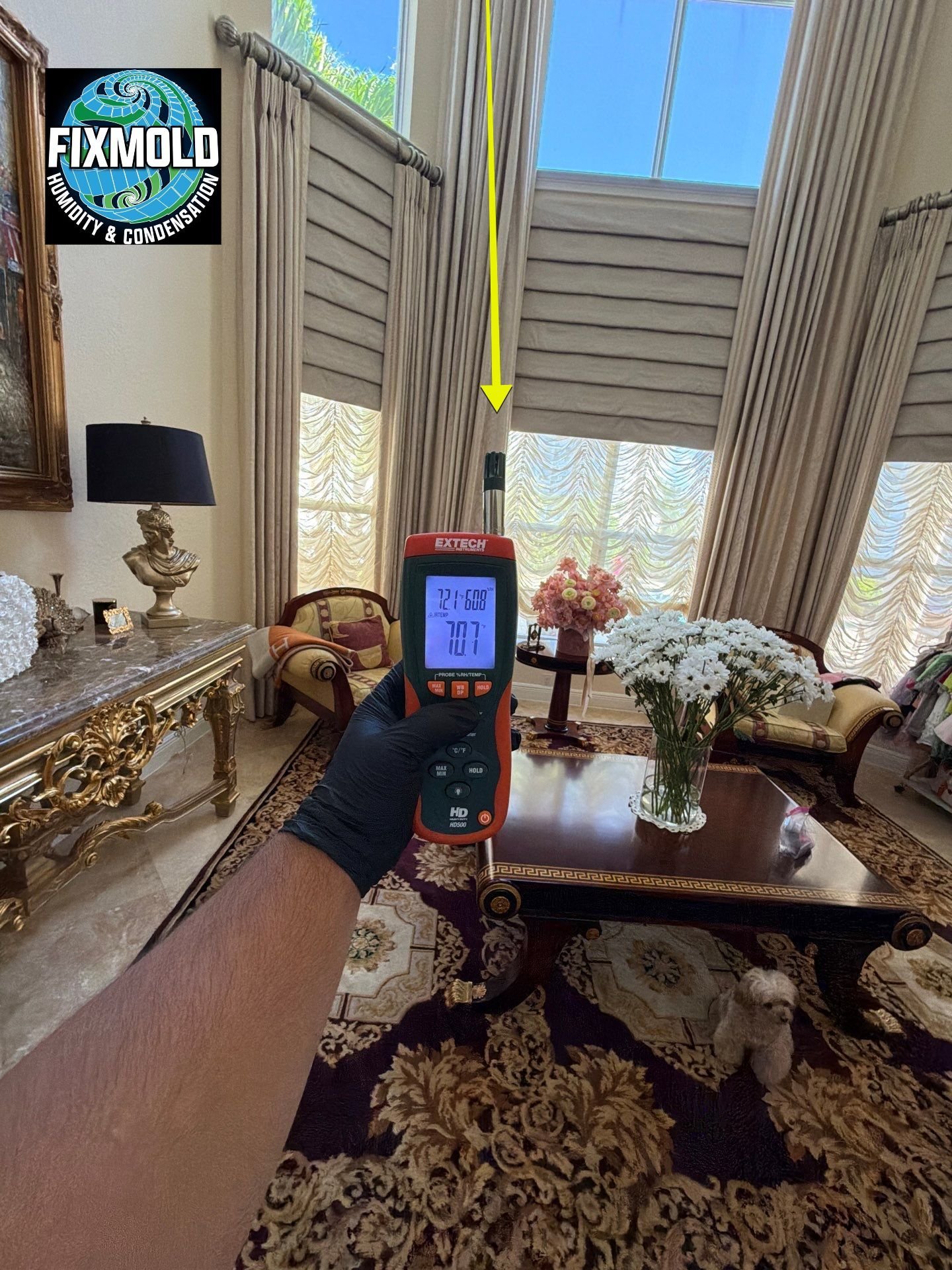
Methods may include airborne particle testing, spore trap analysis, surface sampling, mycotoxin testing, humidity monitoring, and environmental assessments designed to identify factors affecting indoor air quality.
The results help provide a clearer understanding of conditions within the property but do not diagnose medical conditions.
+
Why are HVAC systems commonly involved in mold investigations?
HVAC systems continuously circulate air throughout a property and generate condensation during normal operation.
If drainage issues develop, insulation absorbs moisture, airflow becomes restricted, or humidity remains elevated, environmental conditions may develop within ducts, vents, air handlers, and surrounding materials.
Because air moves throughout the building, HVAC-related moisture issues may affect multiple rooms simultaneously.
+
Why is mold so common in Miami and South Florida?
Miami’s climate naturally creates conditions that support moisture accumulation. High humidity, tropical storms, hurricanes, coastal moisture exposure, flooding, and year-round air conditioning use all contribute to moisture-related environmental challenges.
Roof leaks, plumbing failures, HVAC condensation, poor ventilation, and hidden water intrusion frequently create conditions where contamination can develop if moisture is not properly managed.
Routine inspections, moisture monitoring, and environmental testing can help identify potential issues before they become larger concerns.