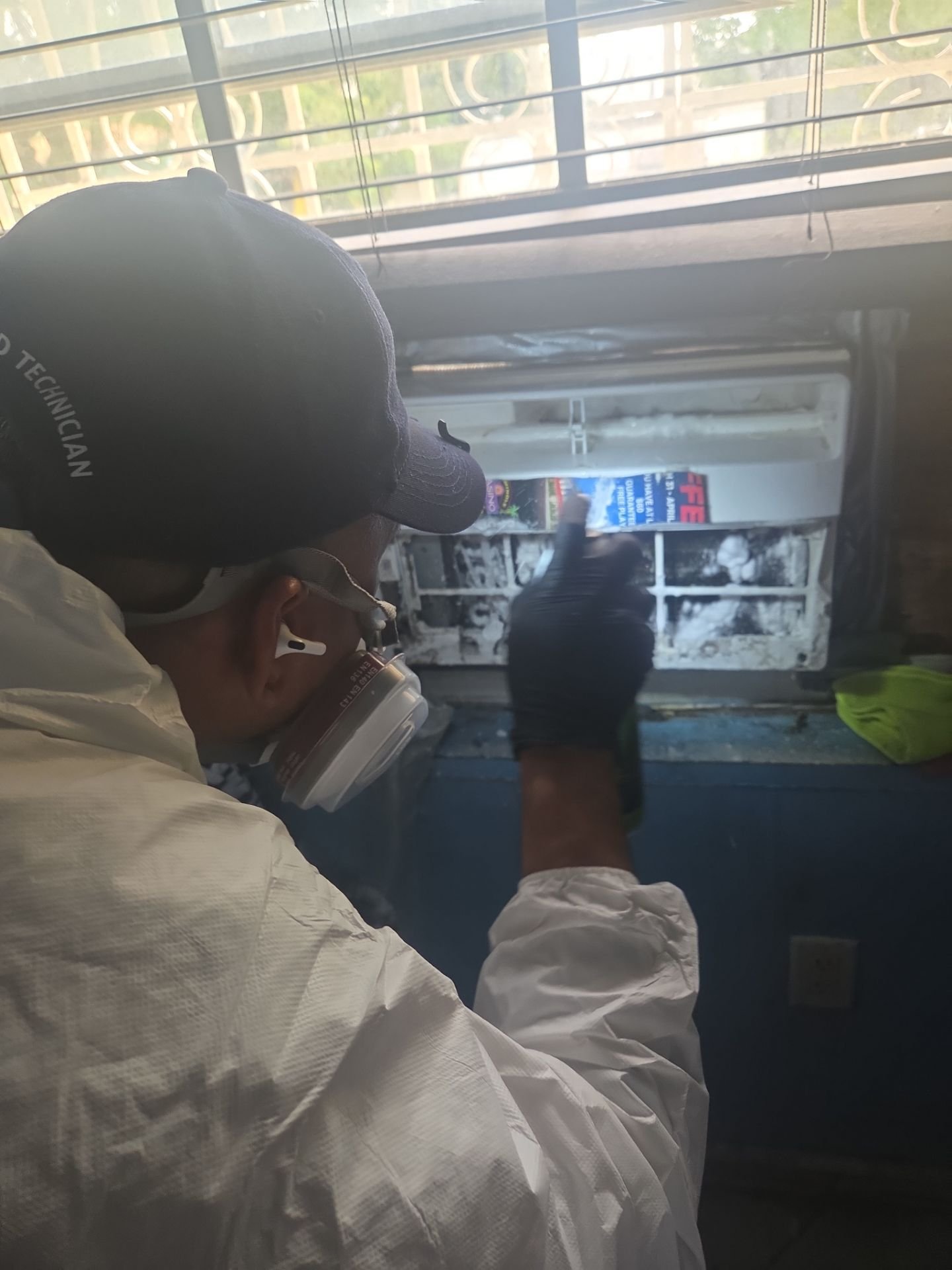
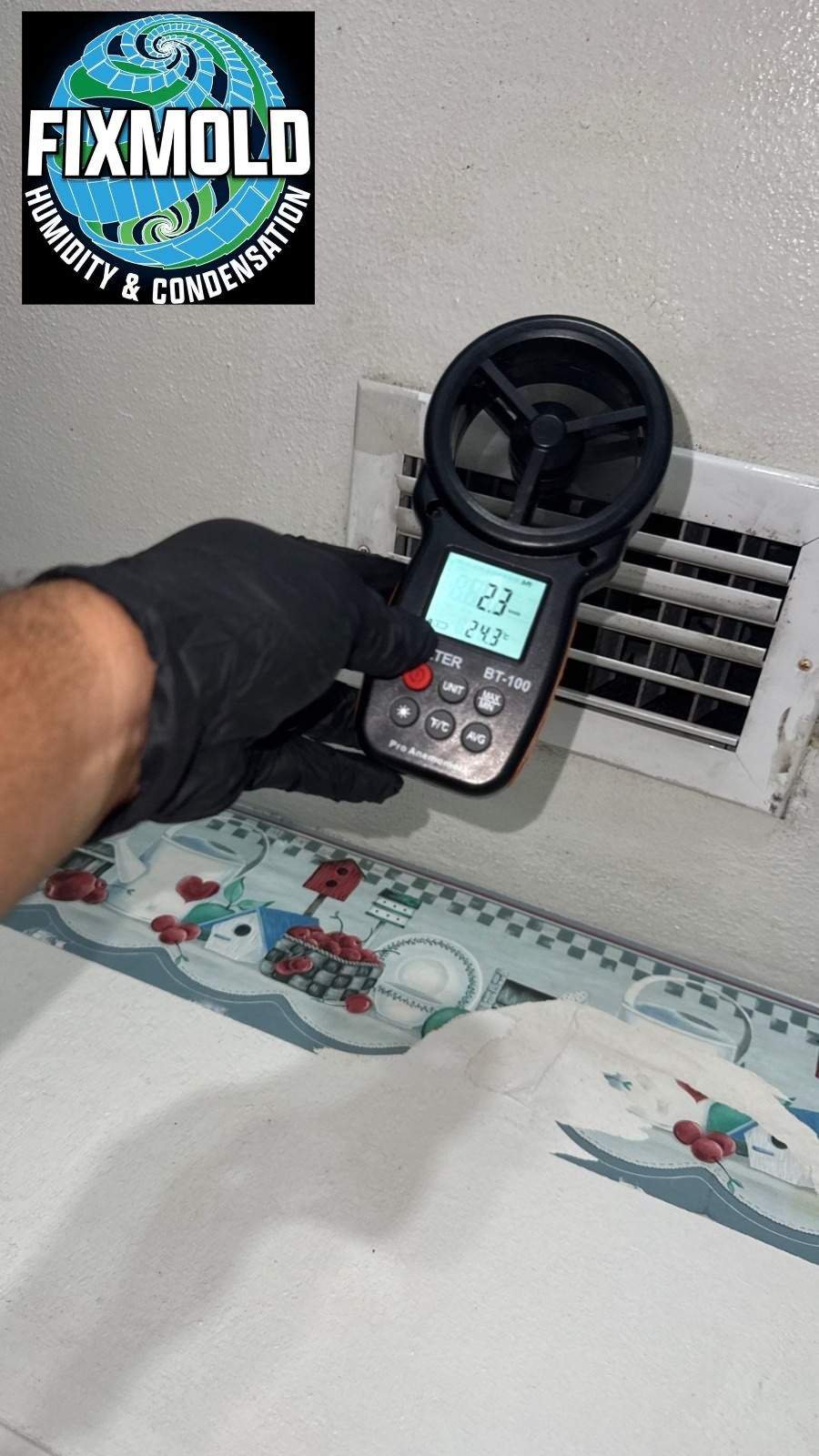
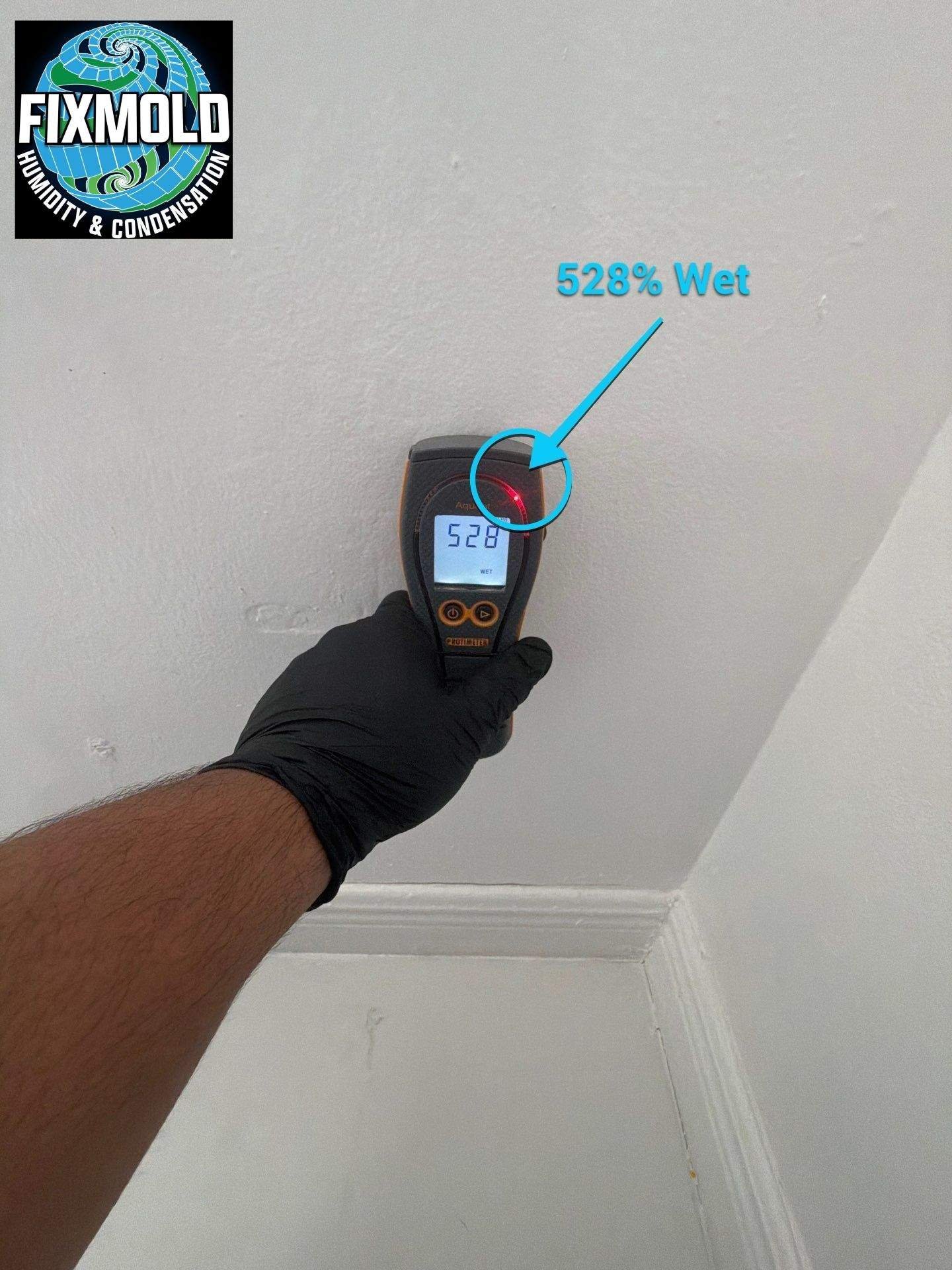
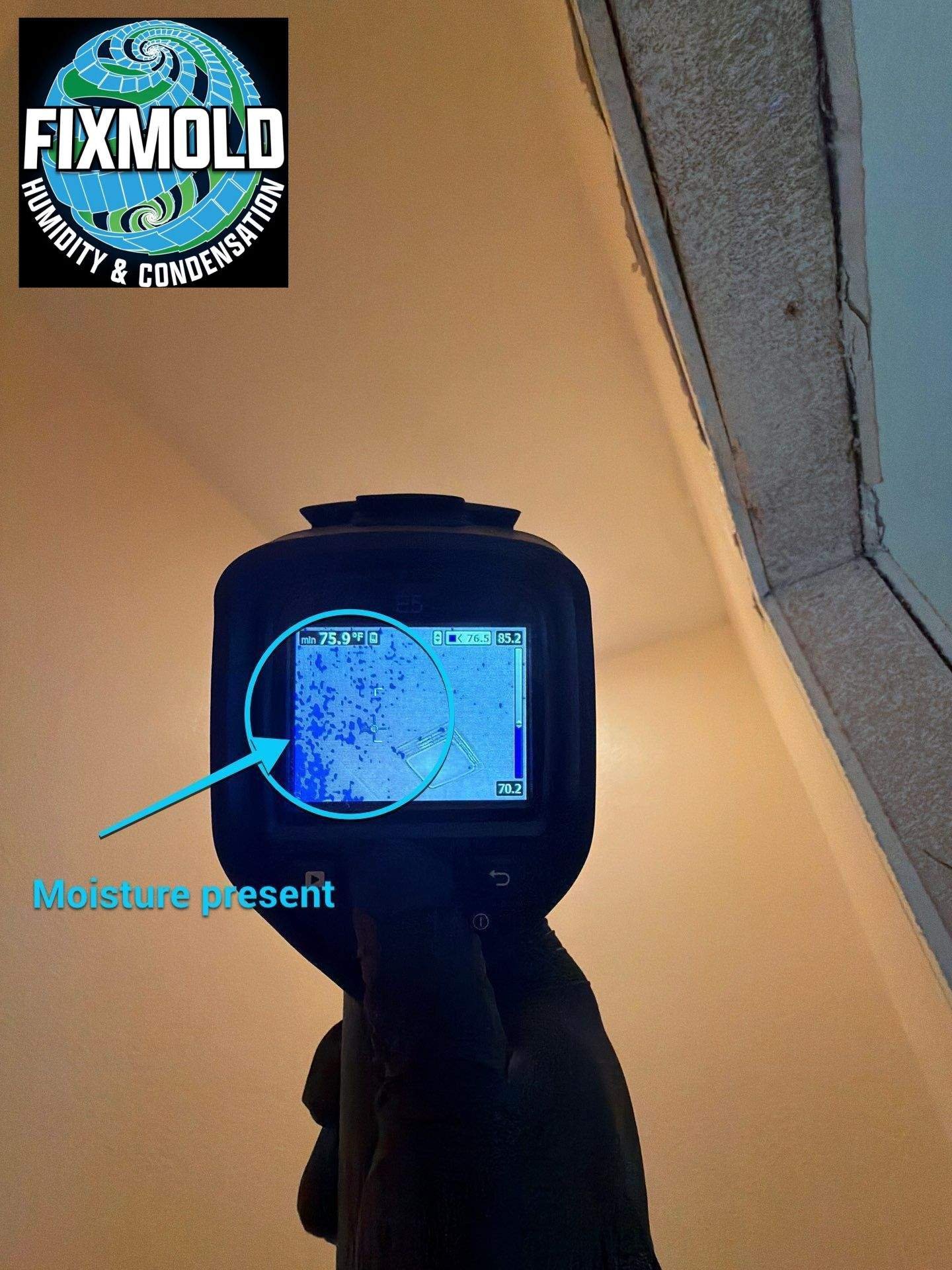
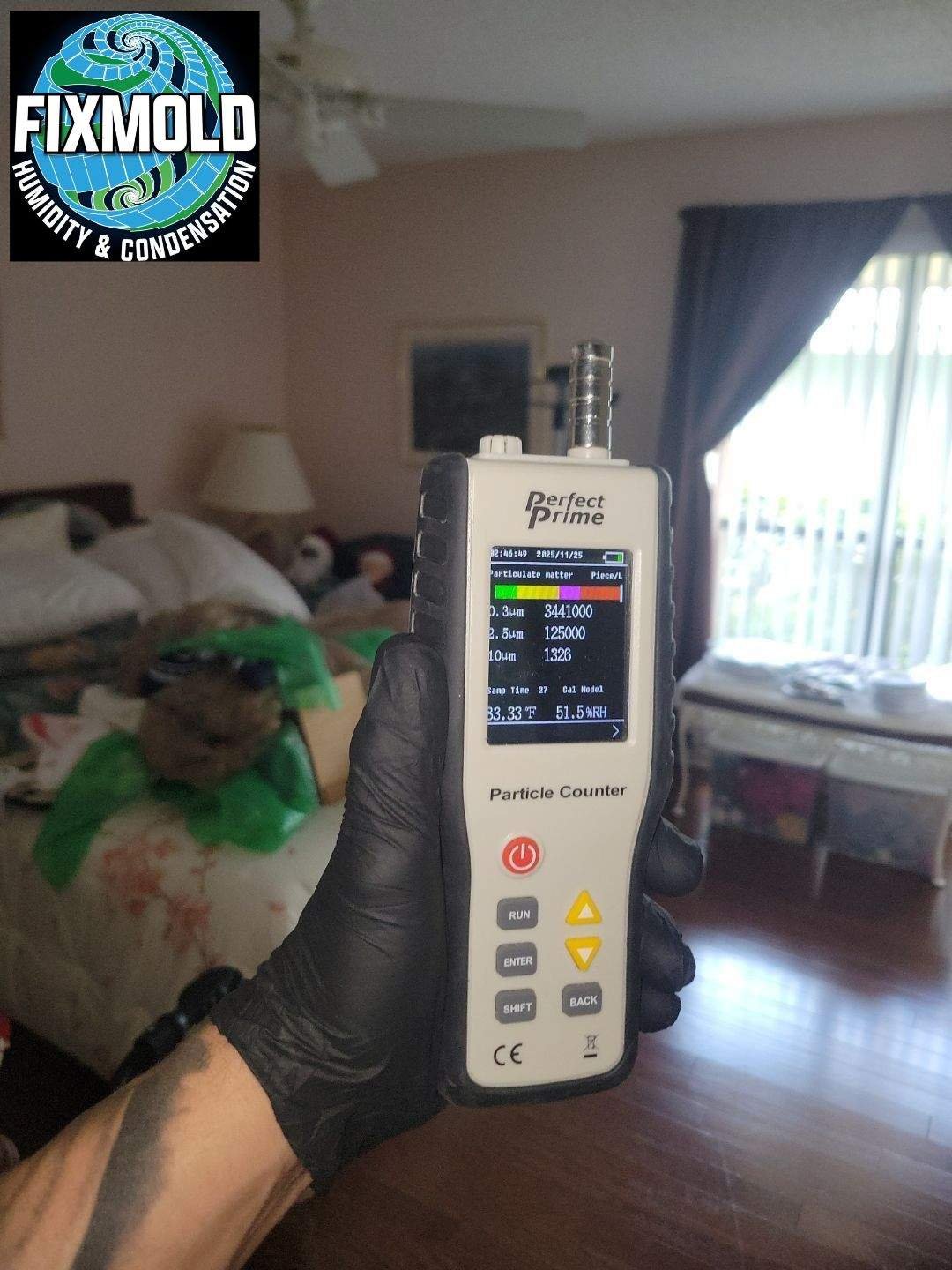
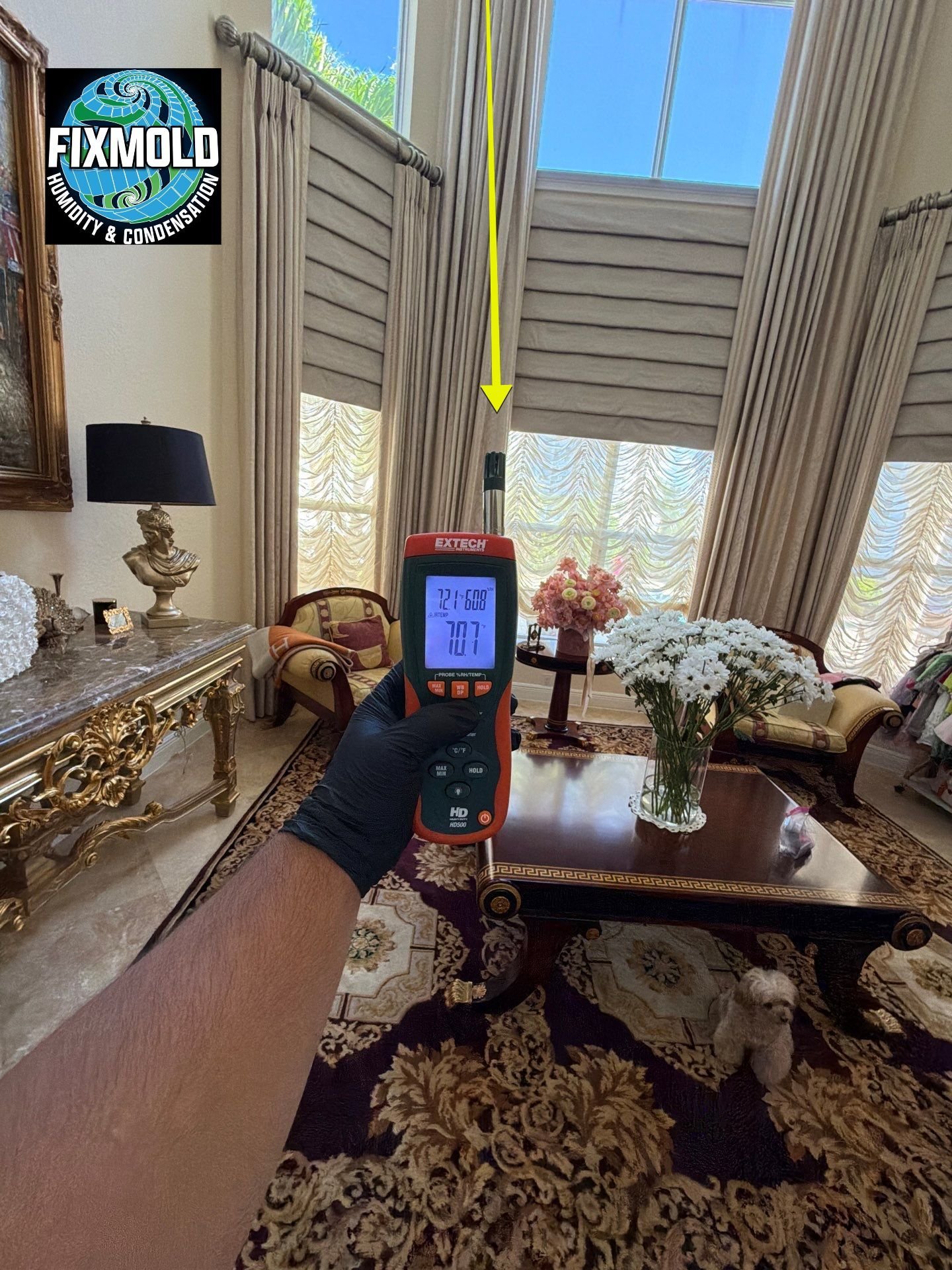
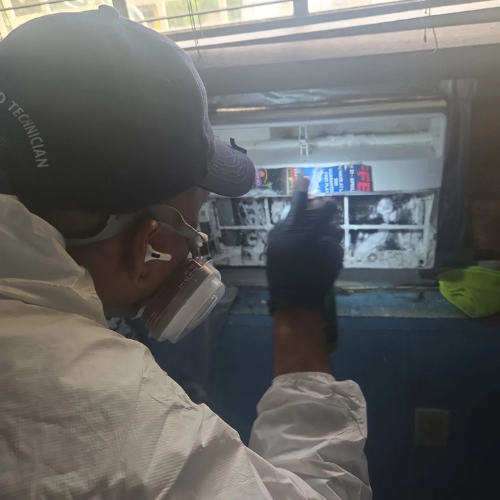
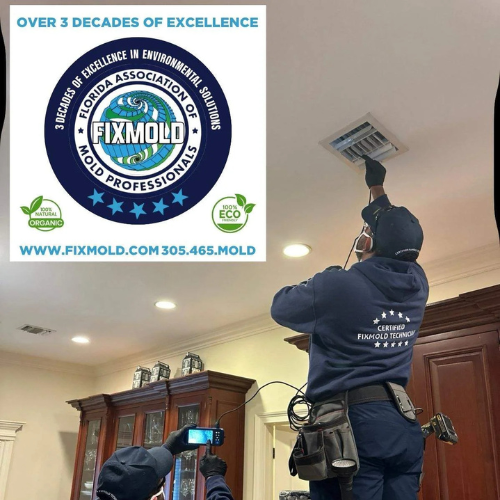
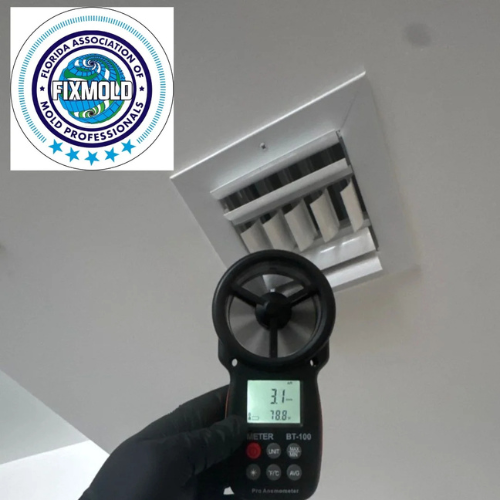
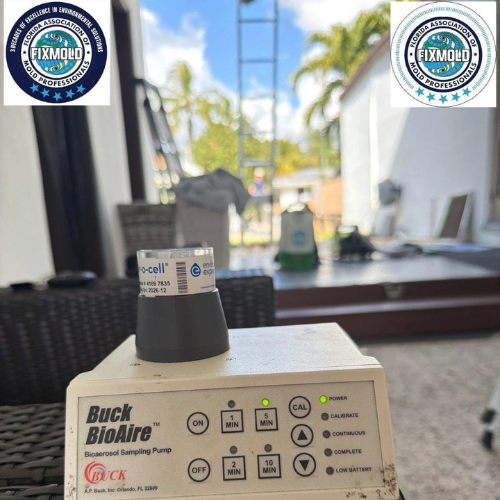
Dust accumulation around supply vents is common and normal. The indicators that suggest mold rather than dust are a musty or sour smell that is strongest when the system first turns on and dissipates slightly as it runs, dark discoloration around vents that returns quickly after cleaning, and health symptoms in occupants that follow the pattern of being worse at home and better when away. A professional inspection with air sampling from multiple rooms compared to an outdoor baseline will confirm or rule out HVAC mold definitively.
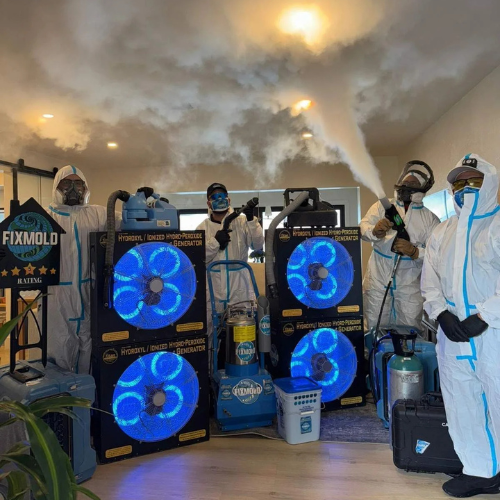
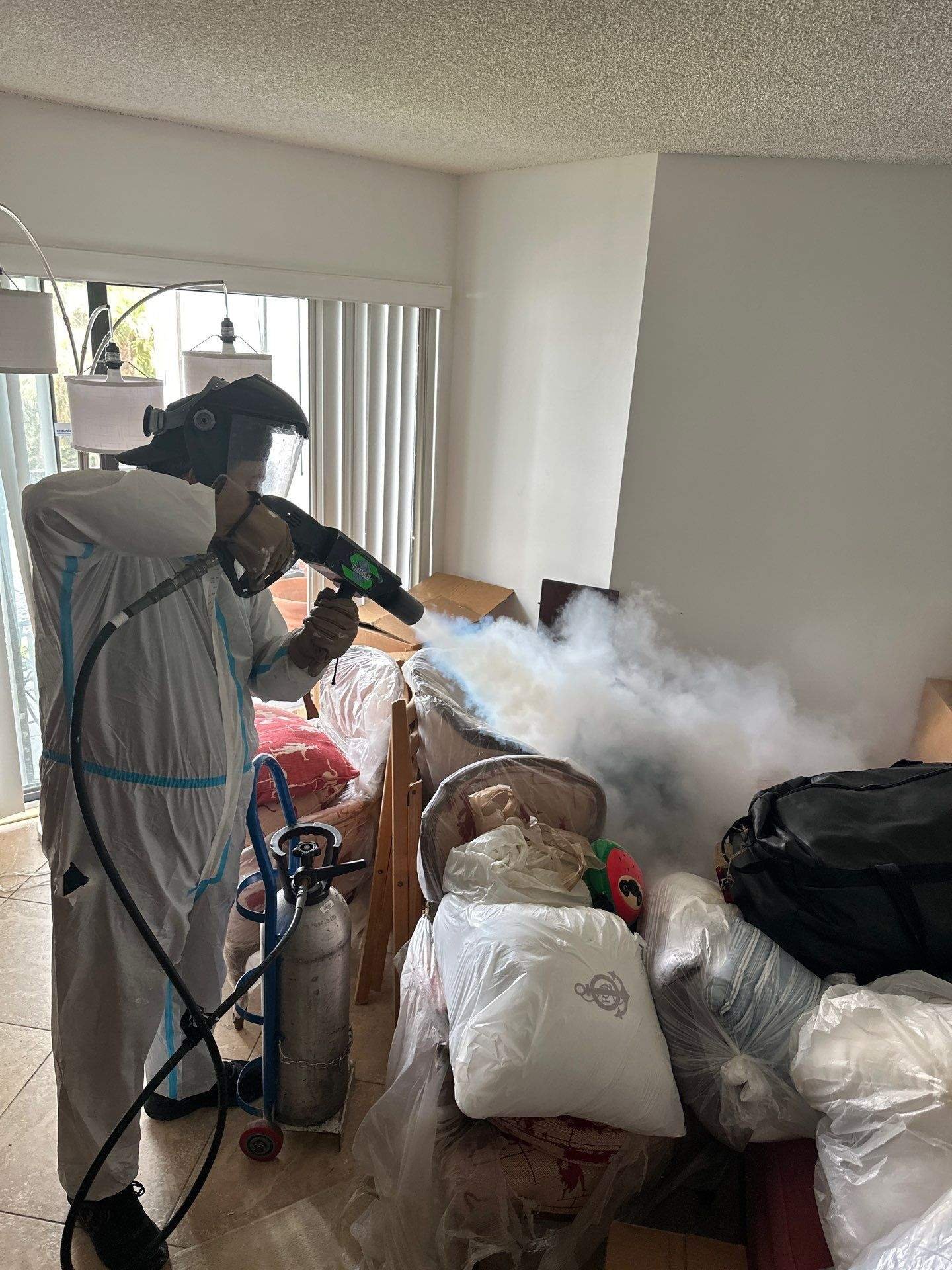
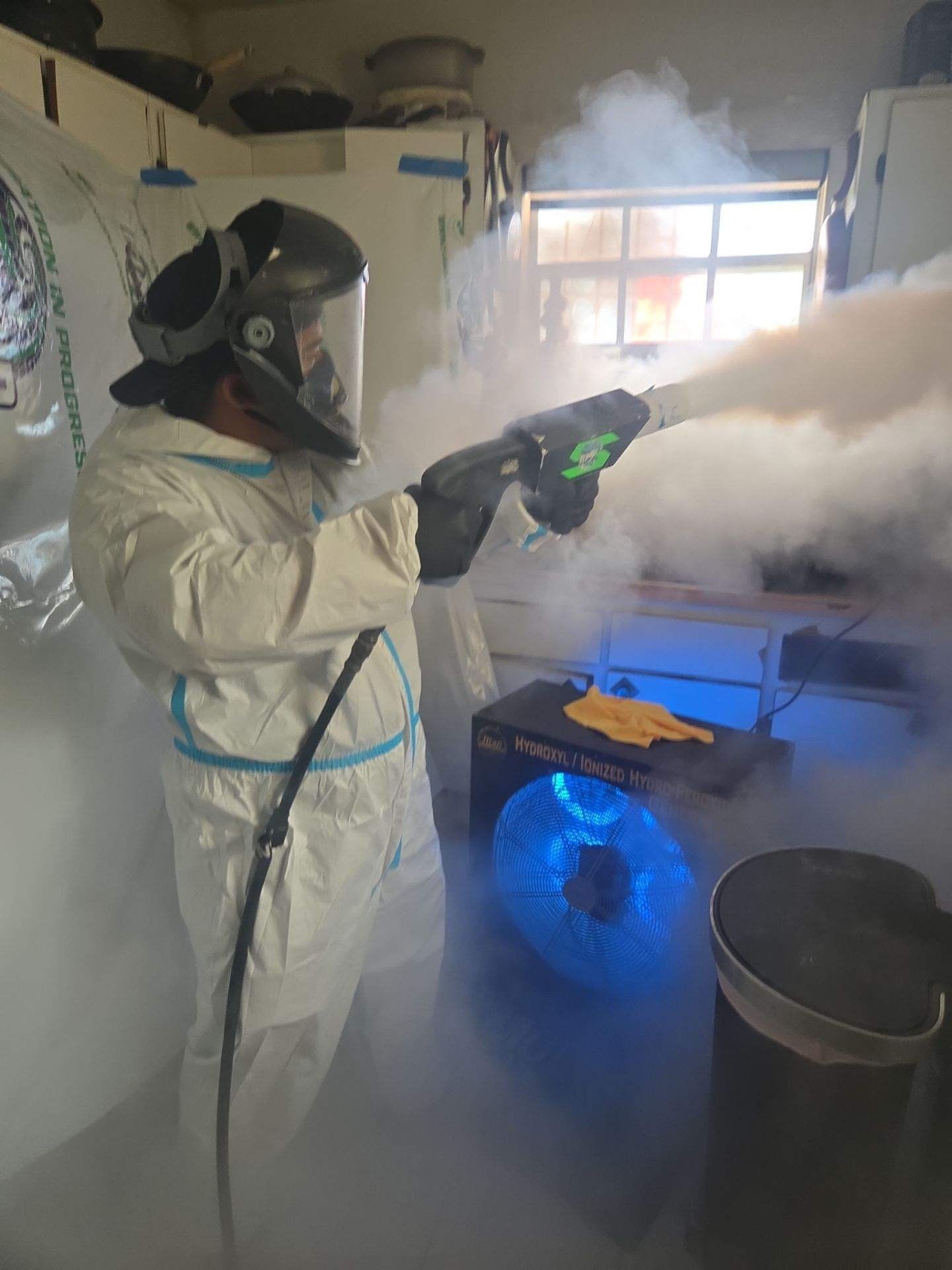
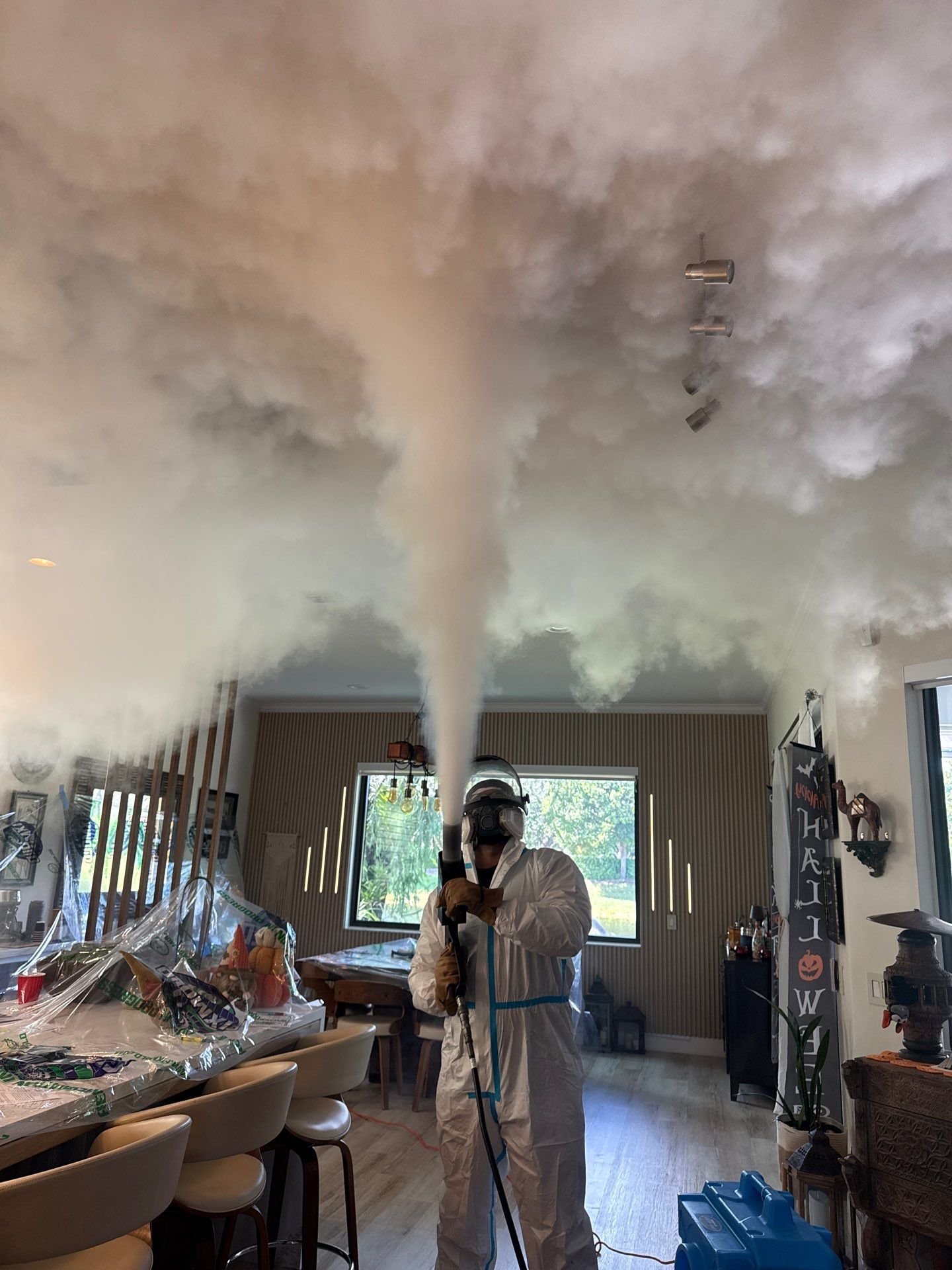
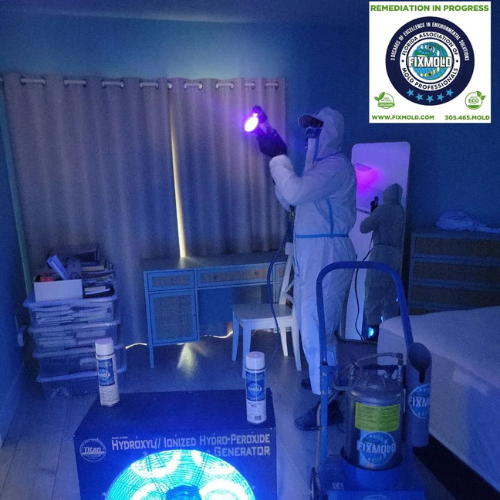
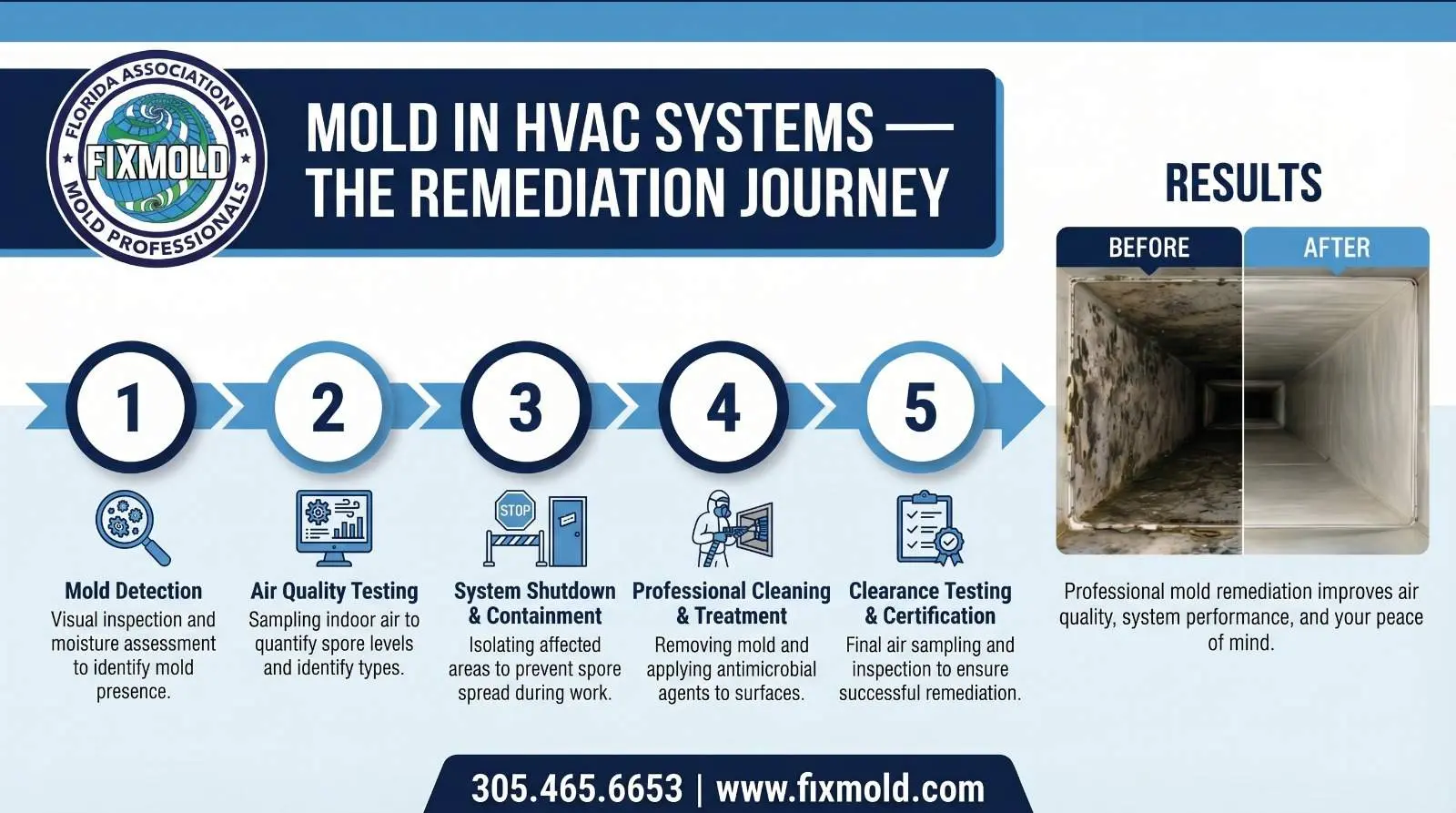
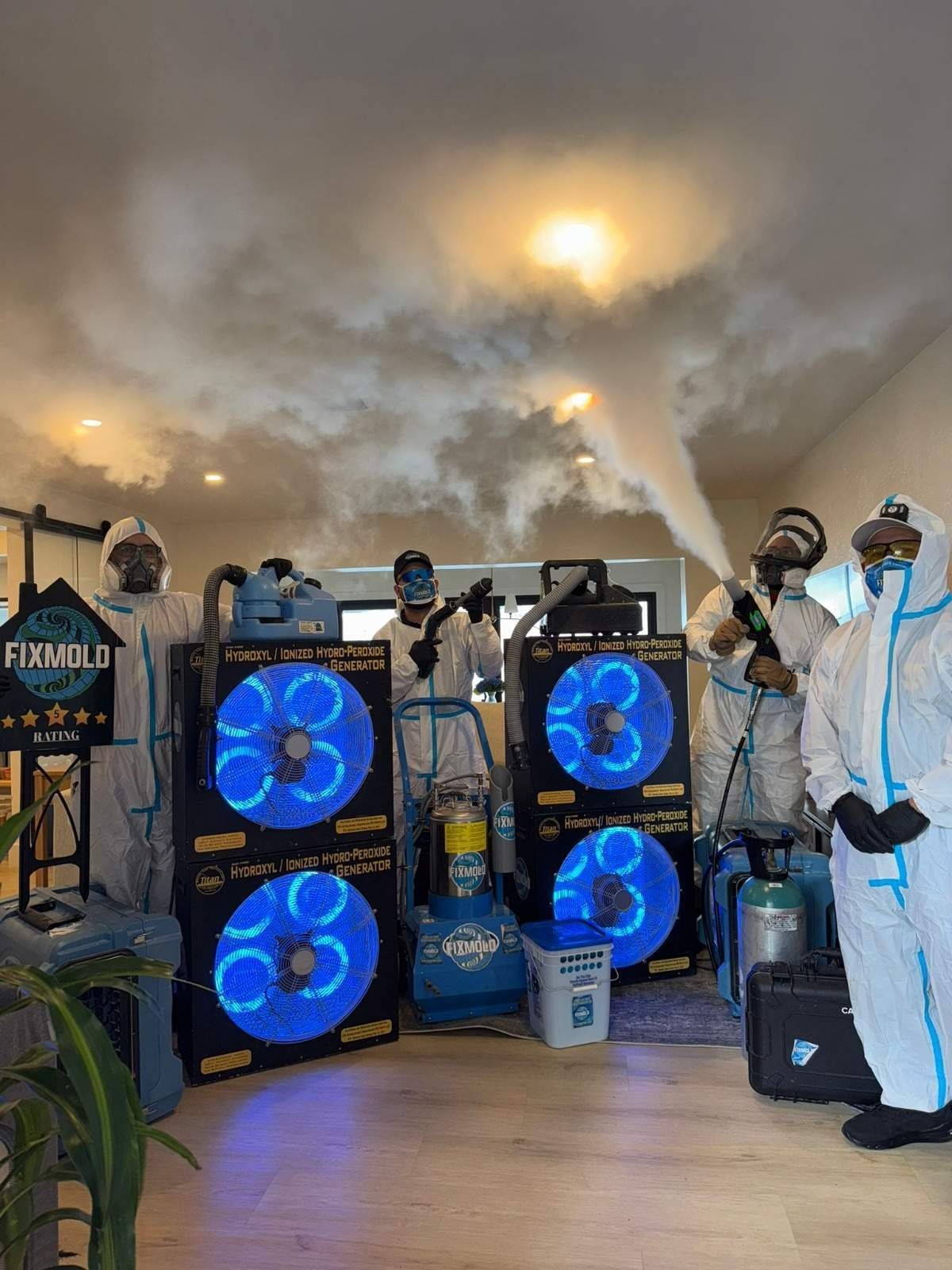
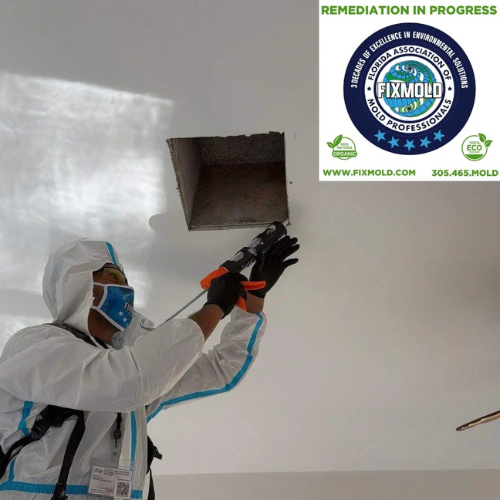
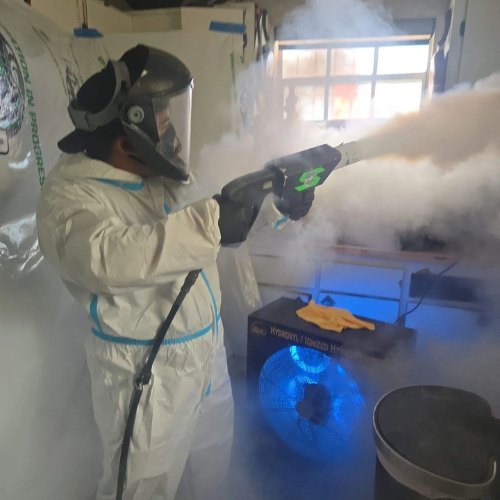
Consumer duct cleaning approaches cannot reach the full interior surface of a duct system and cannot address mold that has penetrated into duct liner material. Disturbing mold in a duct system without proper containment and filtration can increase airborne spore concentrations throughout the property during the cleaning attempt. HVAC mold remediation requires professional equipment, organic antimicrobial treatment formulated for this application and post-treatment air quality verification. Attempting to address it without these elements risks making the air quality worse before it gets better.
Coverage depends on the cause and your specific policy. If HVAC mold resulted from a sudden covered event such as a drain line failure that caused water damage, many policies will cover remediation up to the mold limit. If it resulted from deferred maintenance or normal system operation over time, most policies will not cover it. We work with insurance claims regularly and can advise you on documentation during our assessment.
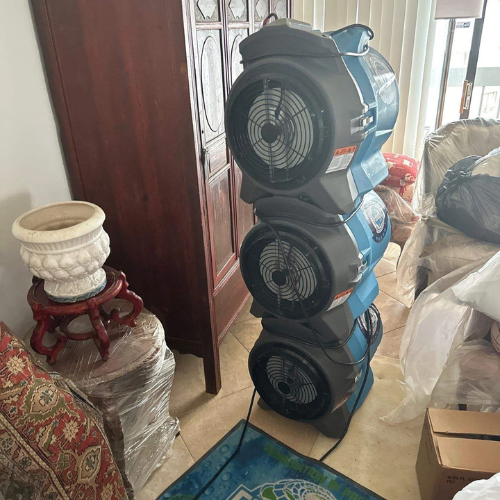
A residential single-system job typically runs three to five hours including inspection, coil cleaning, duct treatment, fogging and vent reinstallation. Larger homes with multiple systems or commercial properties with central air handling units and extensive ductwork take longer. Your inspector will give you a realistic time estimate based on your specific system after the initial assessment.