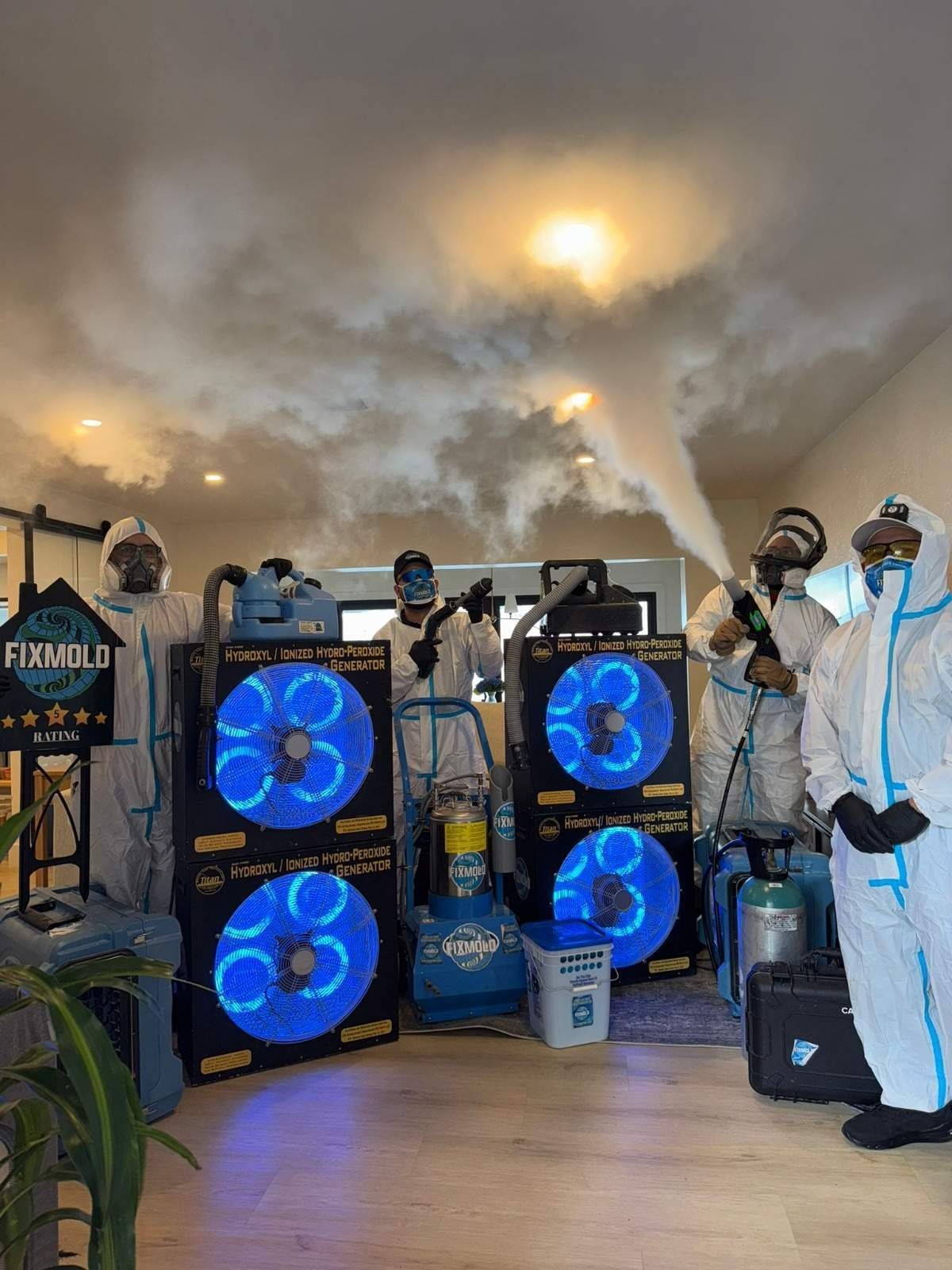
Understanding why electrostatic technology works requires understanding one specific physical phenomenon called electrostatic wraparound. It is not marketing language. It is the reason this technology produces results that conventional spraying cannot.
A conventional pump or trigger sprayer propels liquid droplets in the direction the nozzle is pointed. Gravity pulls them down. Air resistance disperses them. The coverage is directional, which means surfaces facing away from the spray path receive little or no treatment. The underside of a shelf, the back face of a baseboard, the recessed interior of a duct connection, and the underside of an attic rafter all receive little to no coverage unless sprayed directly.
How Electrostatic Wraparound Works
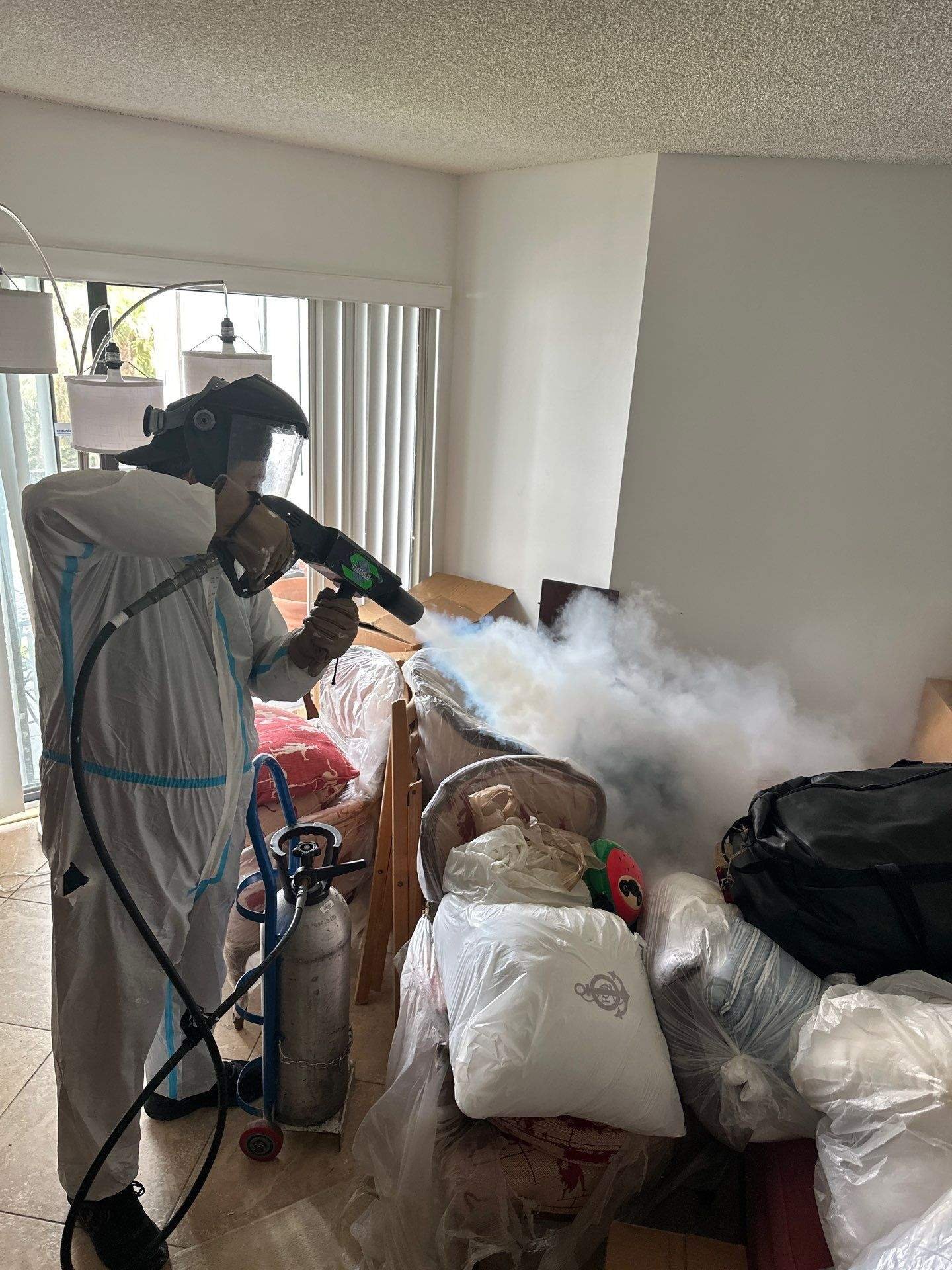
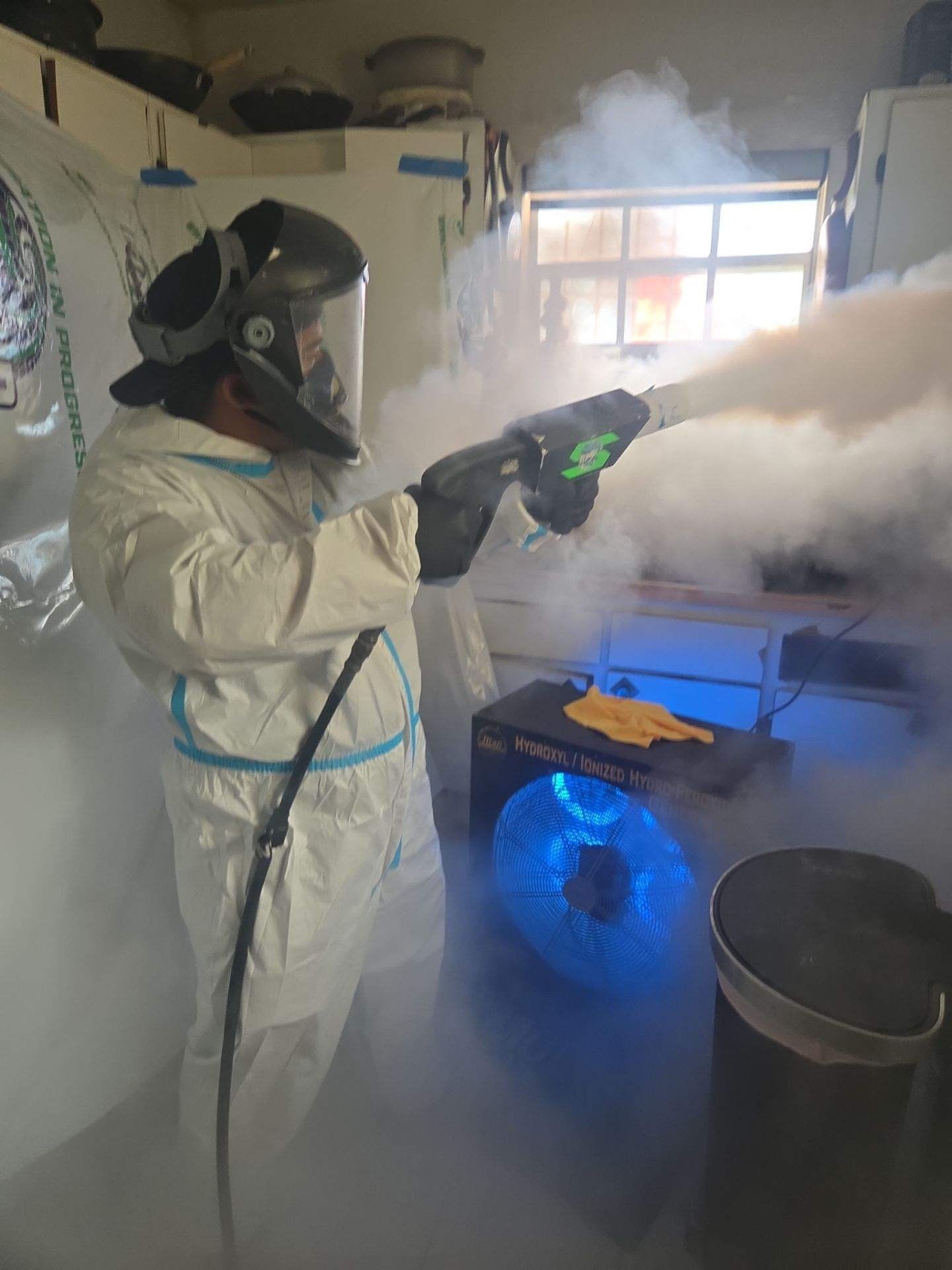
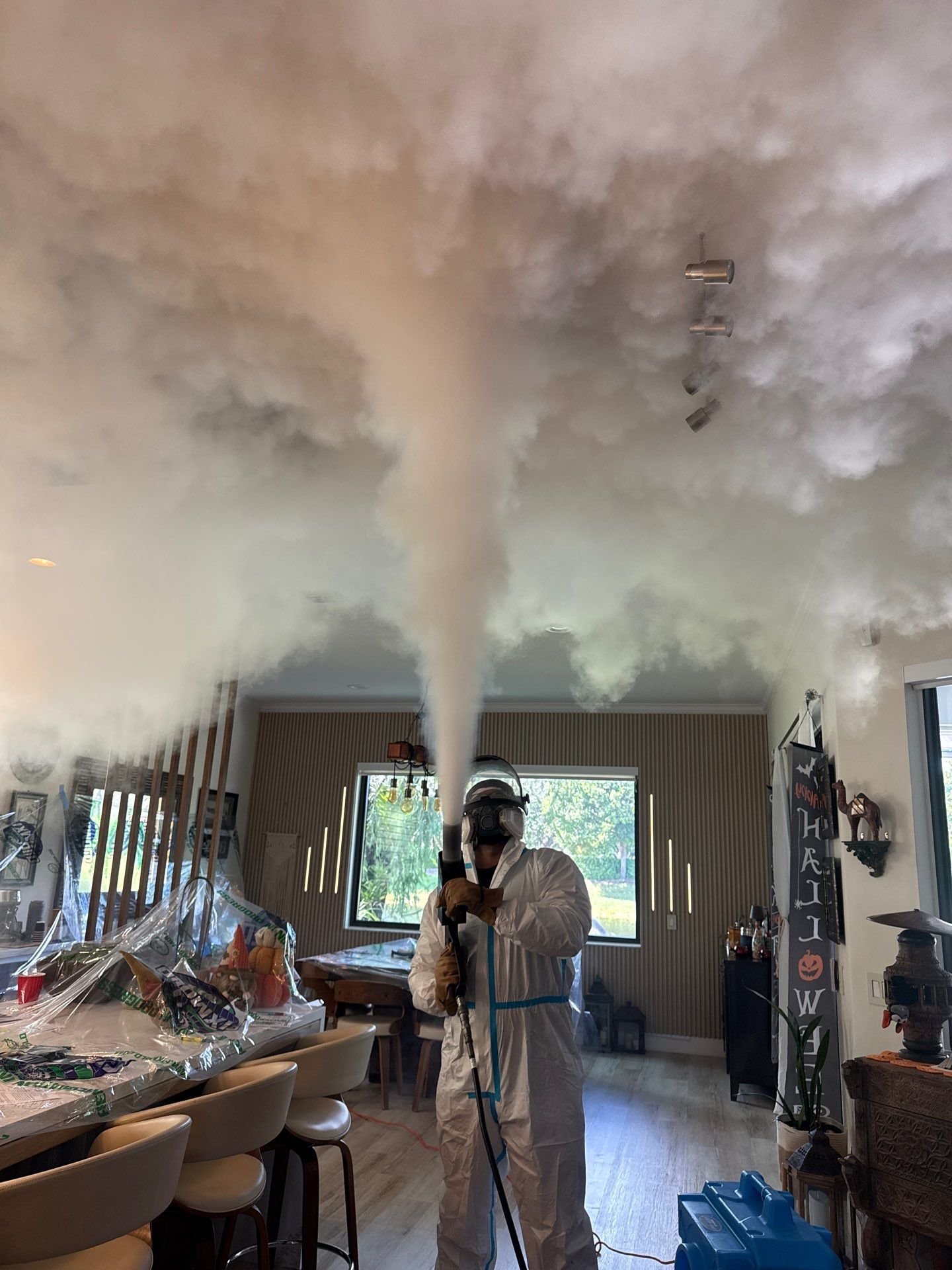
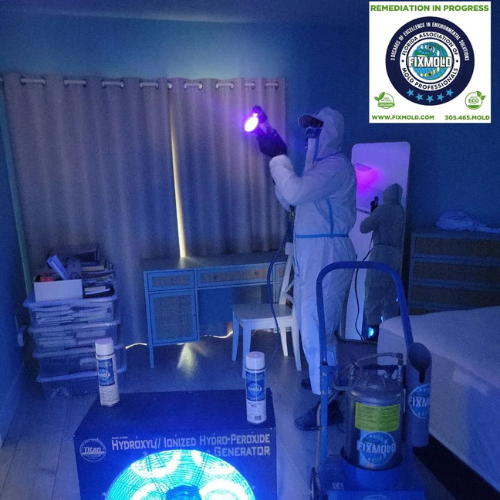
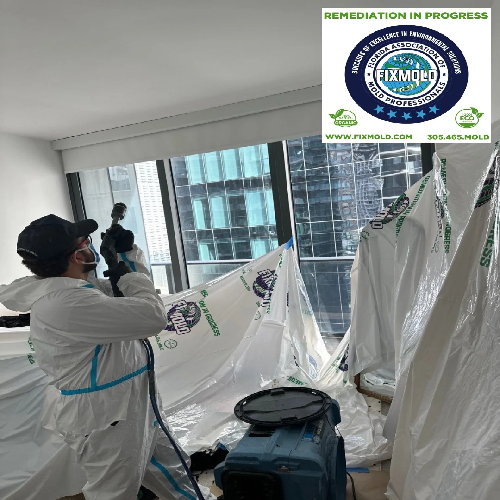
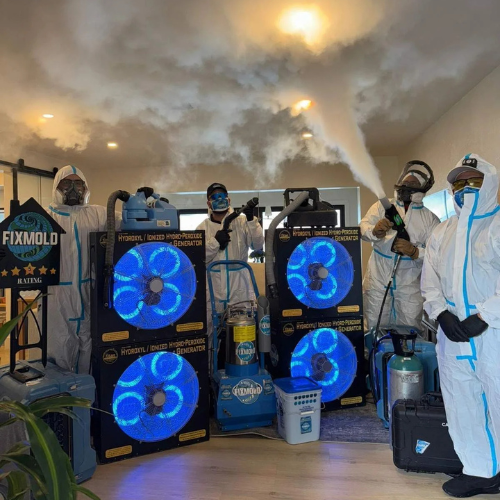
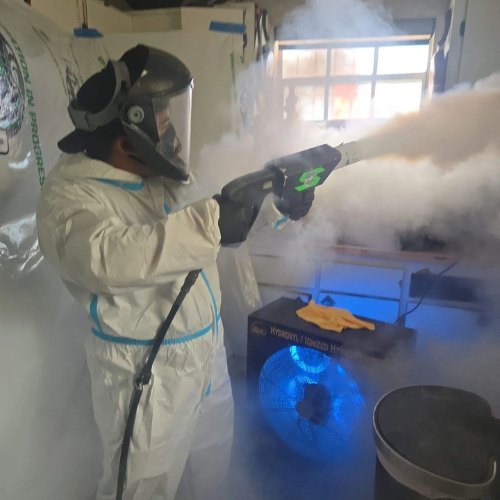
The electrostatic sprayer nozzle contains a small electrode that applies an electrical charge to every droplet as it leaves the nozzle. These charged droplets are attracted to grounded surfaces with a force significantly stronger than gravity. When droplets pass near a surface, even one not directly targeted, they are pulled toward it and adhere. This is called wraparound, where spray changes direction to coat hidden or reverse-facing surfaces.
In practical terms, a single pass can coat beams, joists, rafters, and structural connections completely. What would take hours with a traditional sprayer is done quickly with more uniform and reliable coverage.
This advanced process is one reason electrostatic disinfecting cleaning technology has become an important tool in modern environmental remediation and contamination control.
Why Electrostatic Technology Matters for Mold Remediation
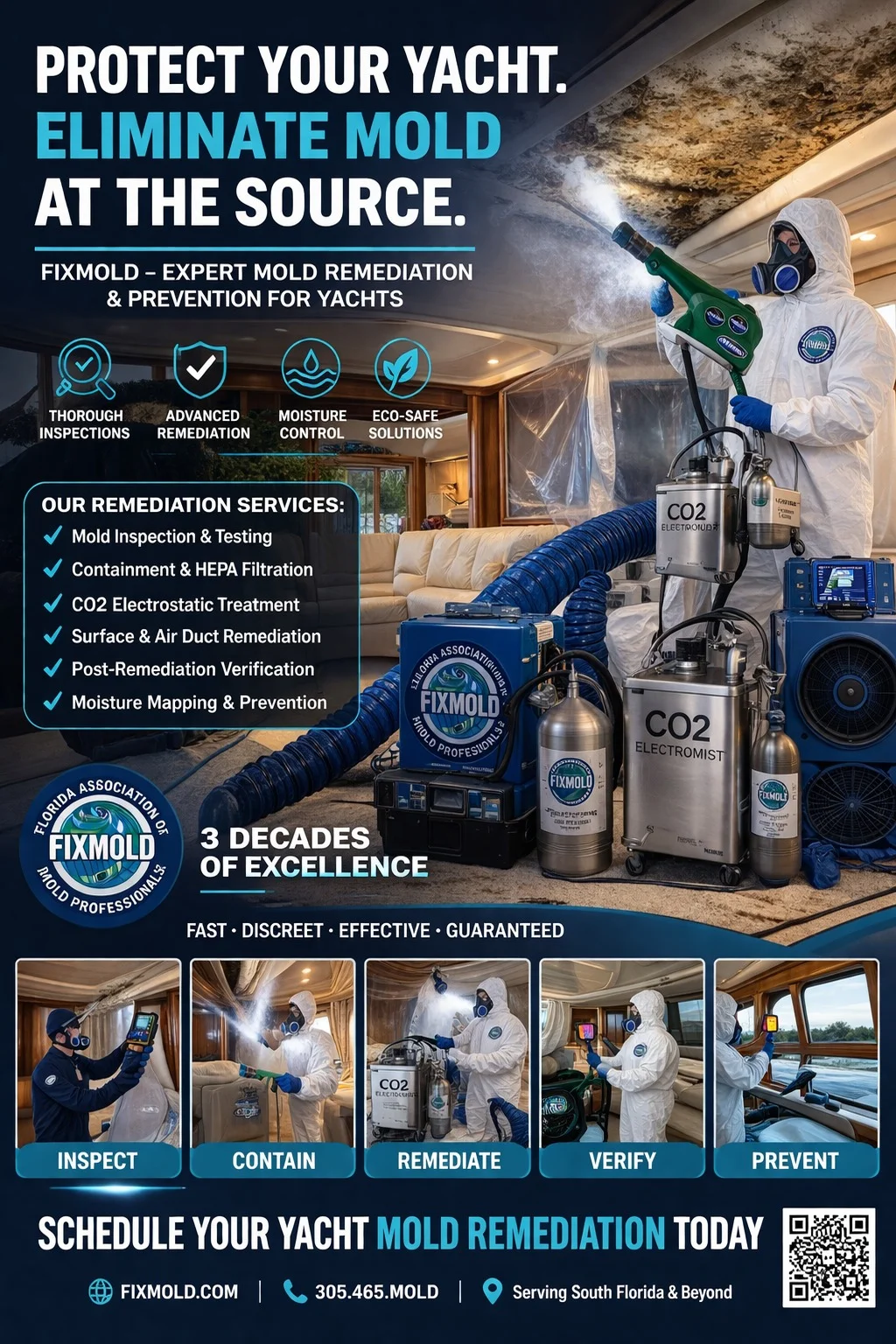
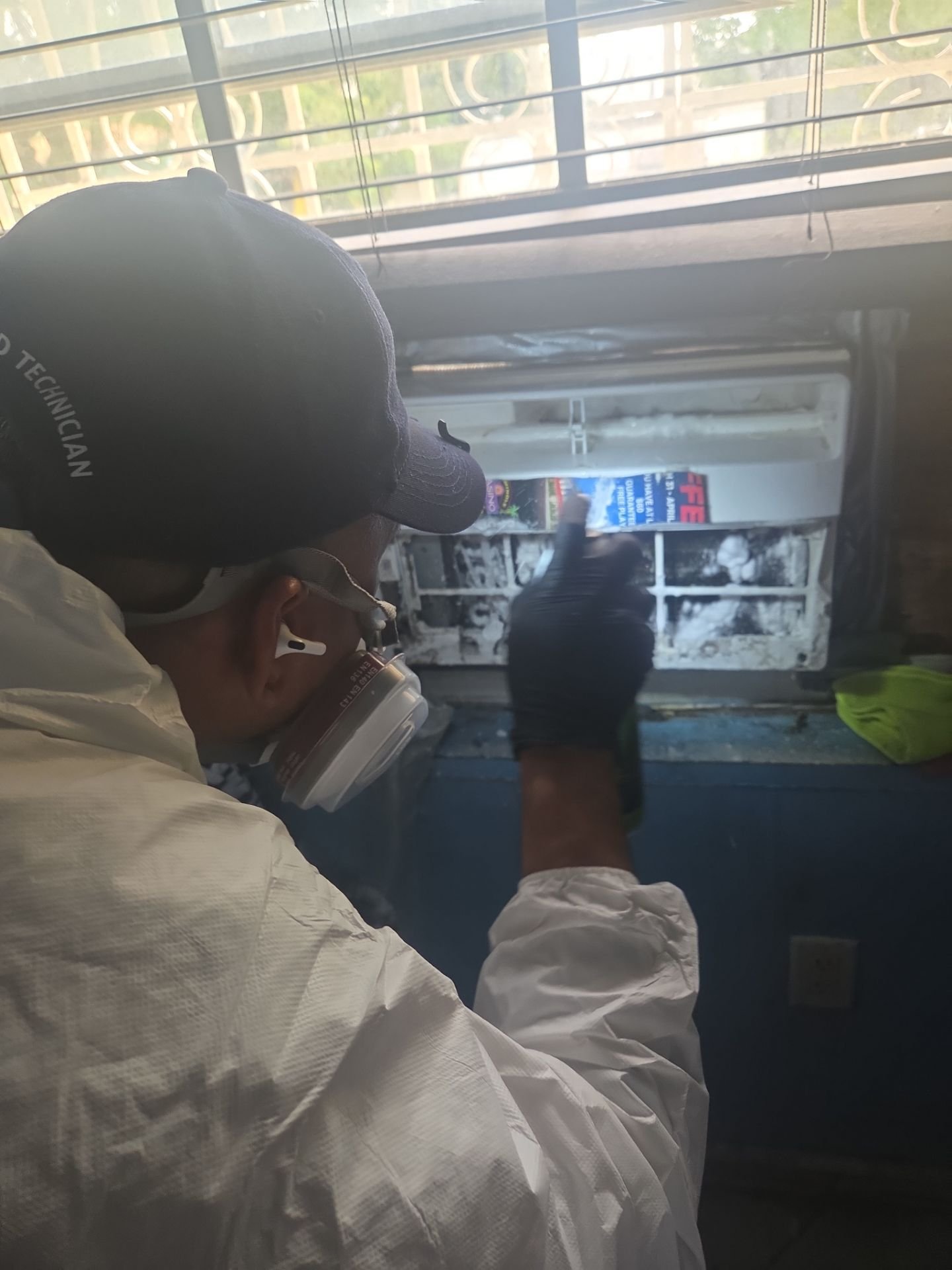
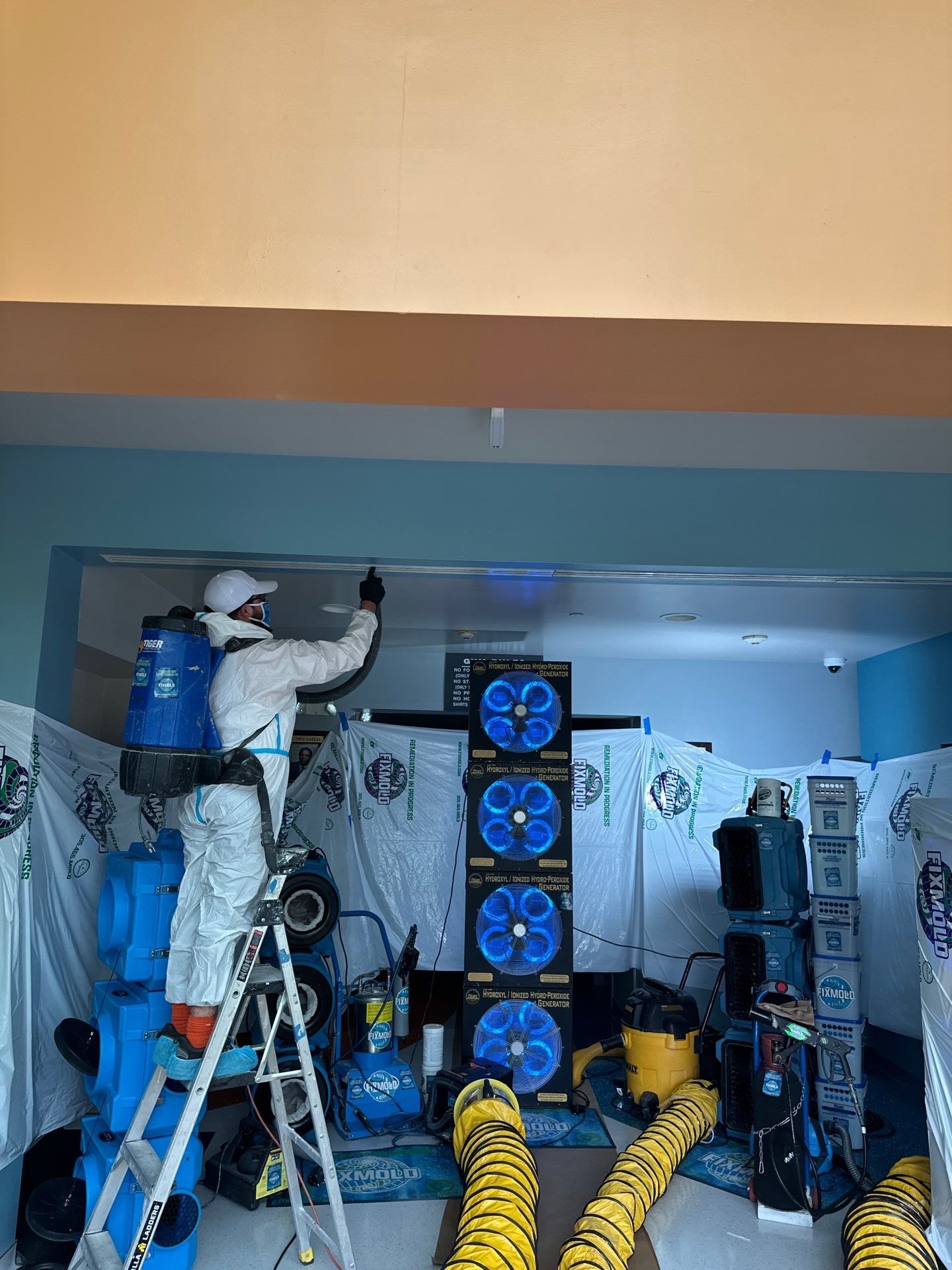
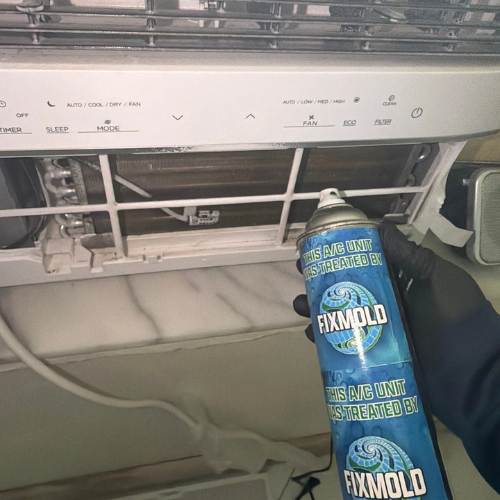
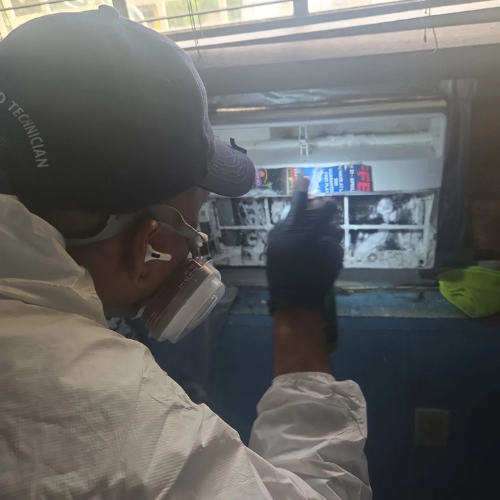
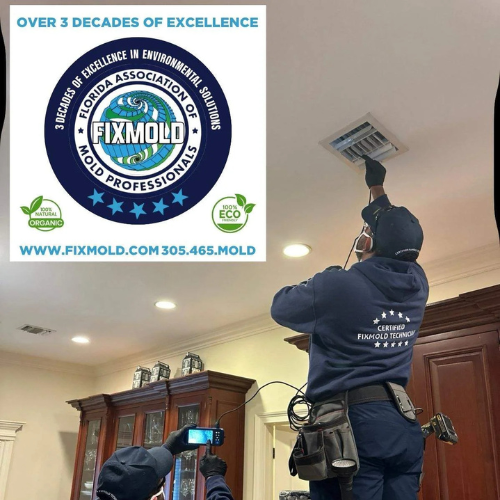
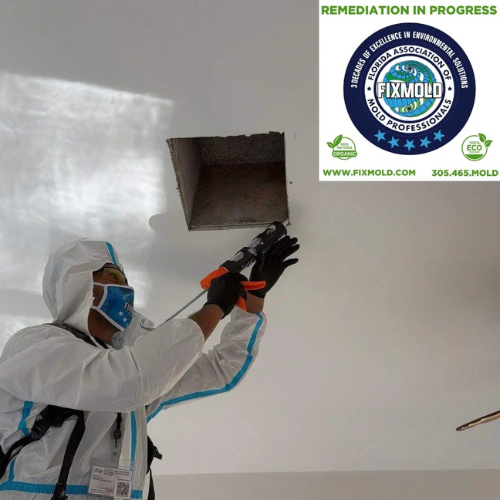
Mold grows on all surfaces, including those not easily accessible. In attics, crawlspaces, HVAC systems, vehicles and marine environments, many surfaces cannot be directly sprayed. Electrostatic application ensures full coverage without dismantling structures or missing hidden contamination zones, especially in complex systems like mold in air conditioning and HVAC systems, where traditional application methods fall short.
Professional electrostatic disinfecting services help address contamination throughout the treated environment rather than focusing only on easily visible surfaces.
AirBiotics and Electrostatic Technology Working Together
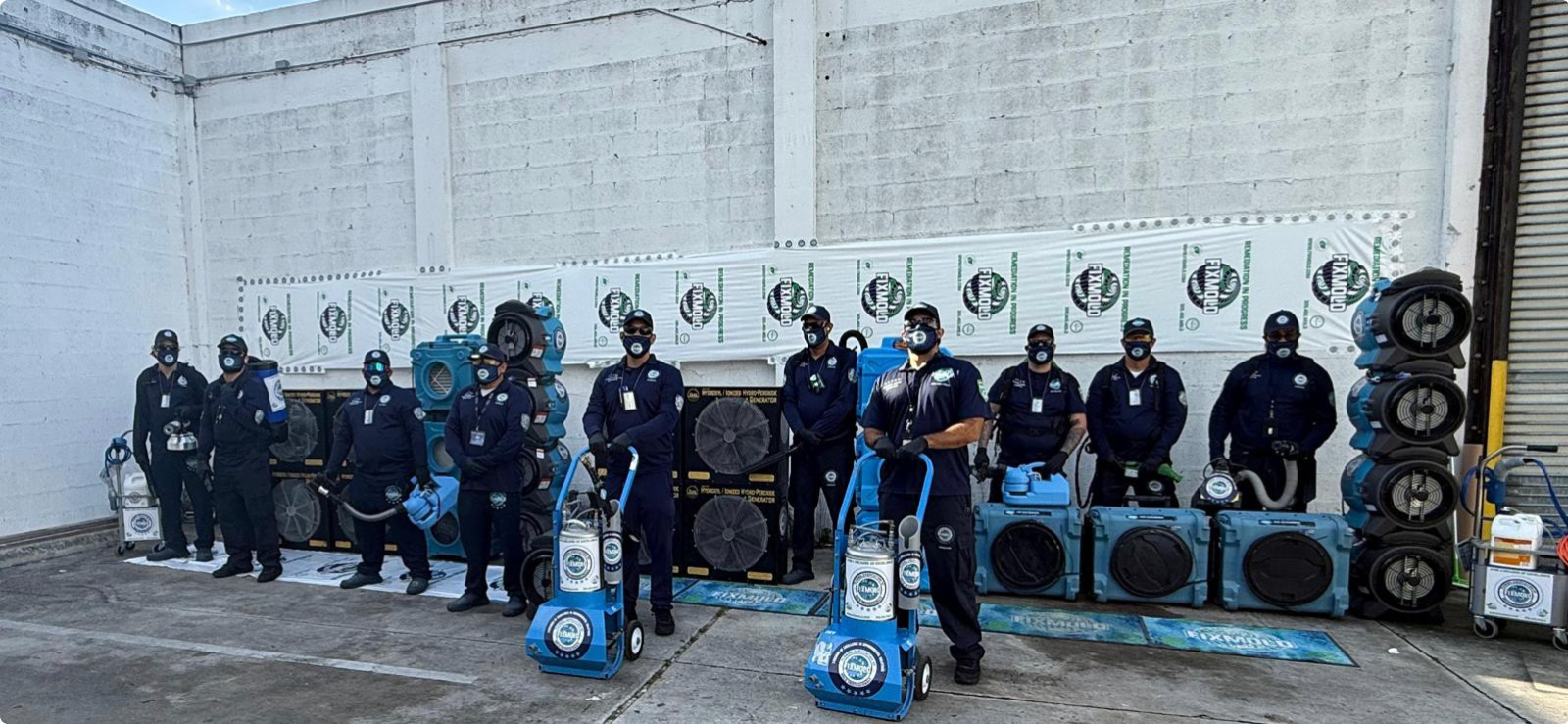
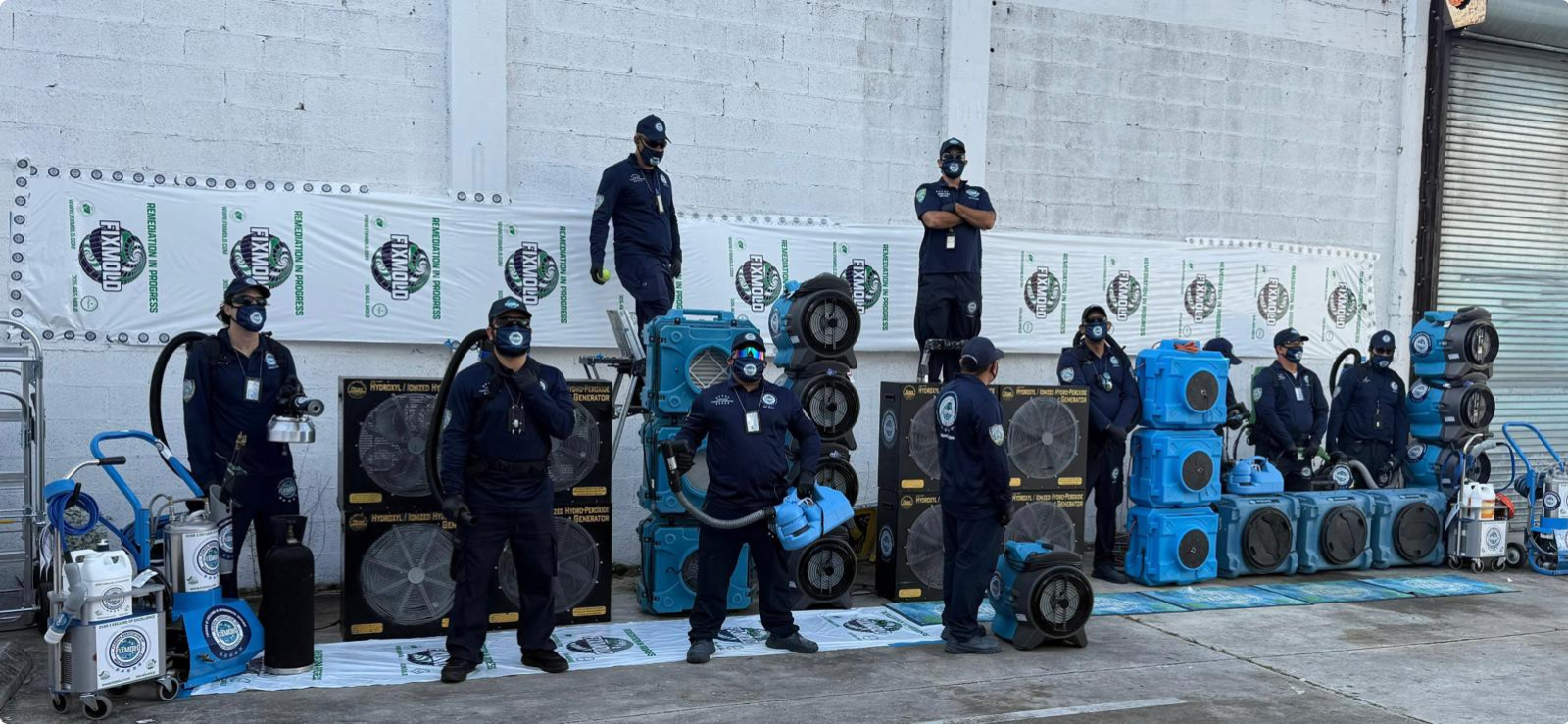
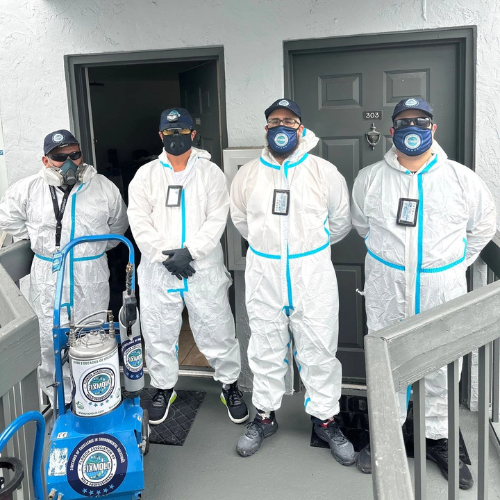
The sprayer is only the delivery system. FixMold pairs it with AirBiotics, a probiotic-based organic cleaner that restores a healthy microbial balance rather than simply killing surface organisms. Because electrostatic spray reaches all surfaces, these beneficial microbes establish across the entire treated environment, not just visible areas.
The fine droplet size also means less solution is used while achieving better coverage. This reduces waste, minimizes environmental load, and aligns with FixMold’s zero-VOC organic approach.
The combination of AirBiotics and electrostatic cleaning services provides efficient treatment while supporting environmentally responsible remediation practices.
Benefits for Residential and Commercial Clients
Residential Applications
Electrostatic application provides complete surface coverage, reduced chemical exposure, and faster reoccupation times. For residential properties, this means more thorough treatment of areas where mold and environmental contaminants may accumulate.
Commercial Disinfection and Remediation
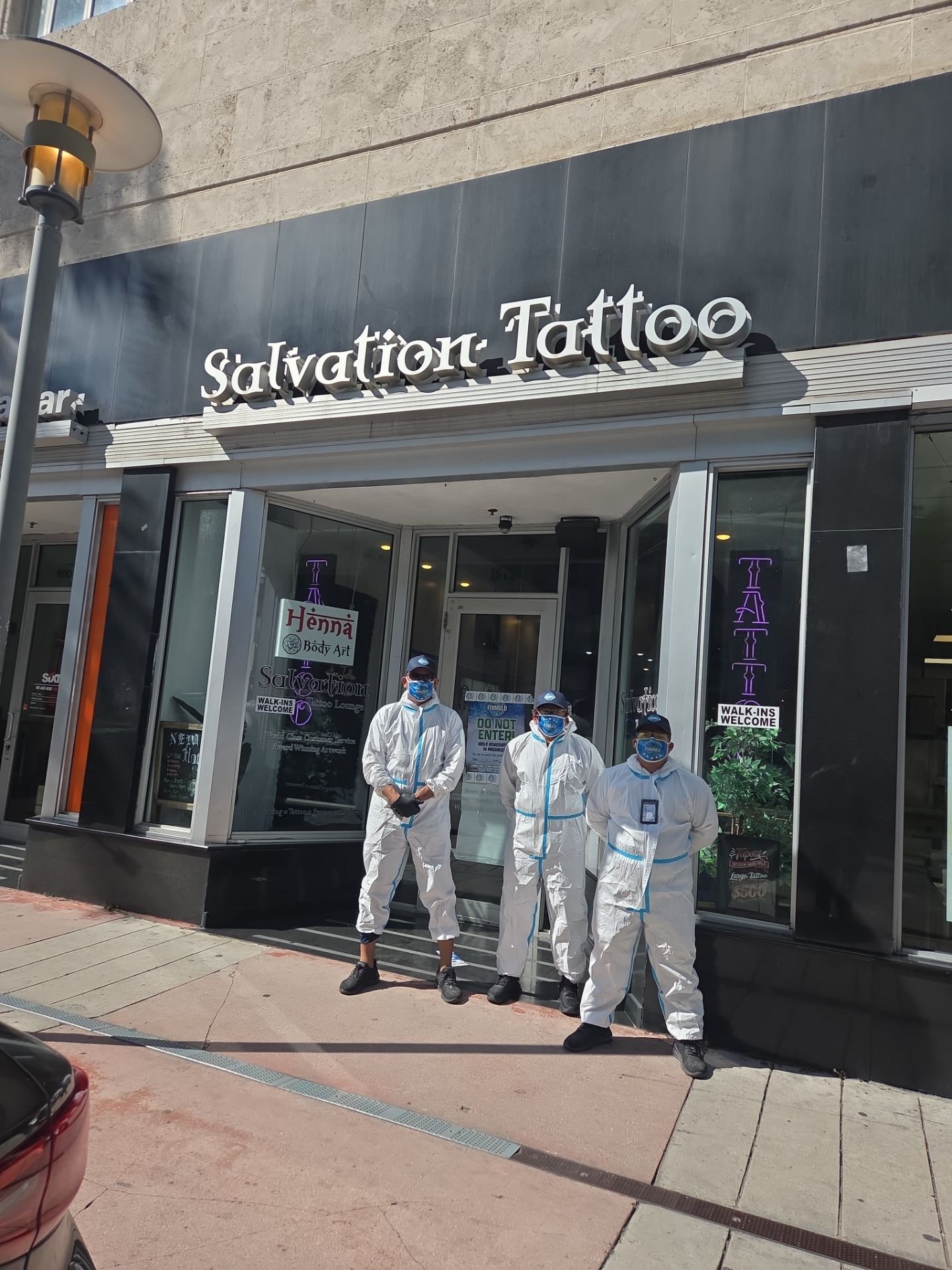
For commercial spaces, it ensures documented 360-degree disinfection. For sensitive environments, it avoids additional chemical burden. In marine and complex structural environments, it delivers results without costly disassembly.
Businesses frequently utilize electrostatic disinfecting cleaning methods because of their ability to provide uniform coverage across large and complex environments while minimizing operational disruption.
Why Electrostatic Technology Delivers Better Results
Unlike traditional spray applications that only treat surfaces directly in the spray path, electrostatic disinfecting services use charged particles that wrap around objects and reach hidden surfaces. This technology allows for more complete treatment and improved coverage throughout the affected area.
Whether applied during mold remediation, environmental cleaning, or preventive maintenance, professional electrostatic cleaning services provide an effective solution for treating difficult-to-access surfaces and maintaining healthier indoor environments.
The effectiveness of electrostatic disinfecting cleaning technology continues to make it one of the most valuable tools available for modern mold remediation and environmental restoration projects throughout South Florida.