View Our Reviews Accross All Platforms Here
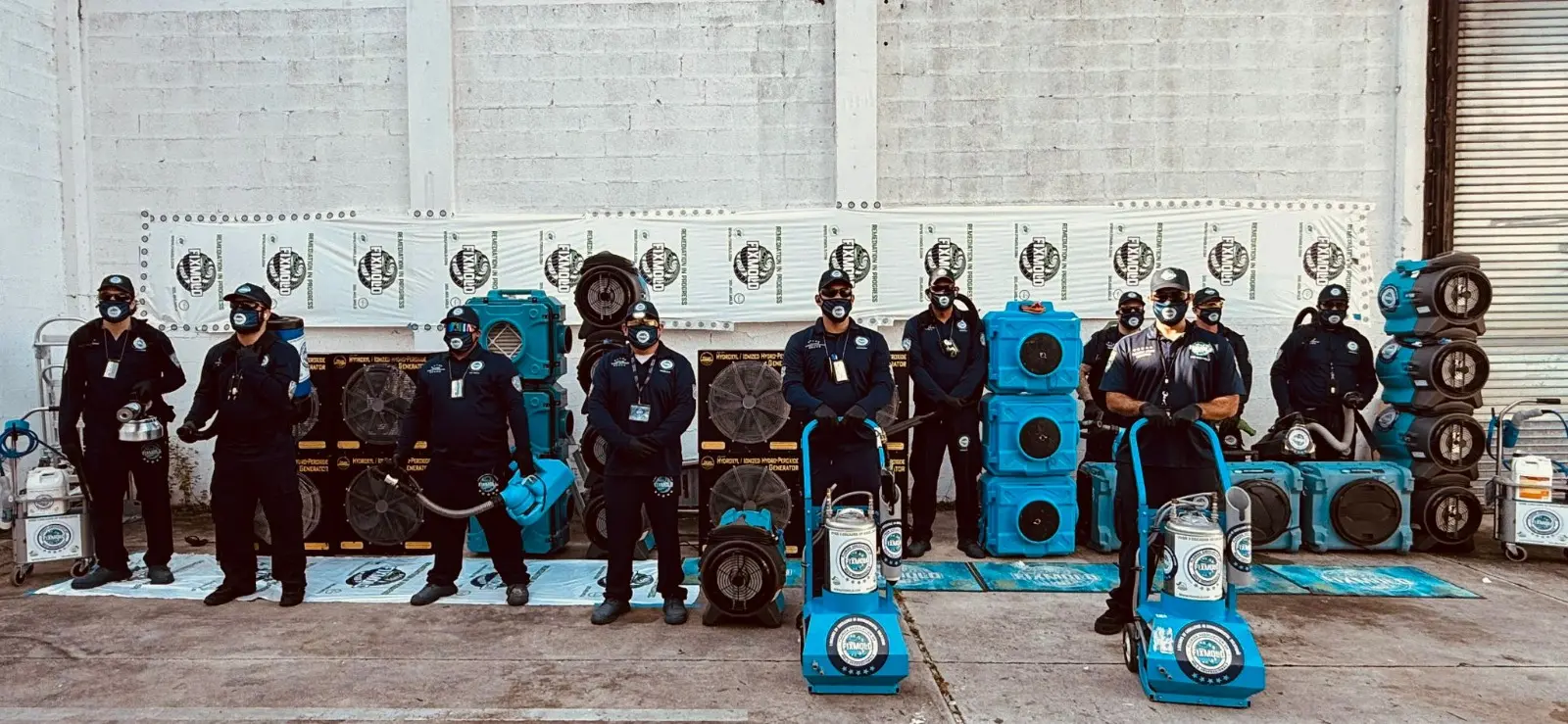
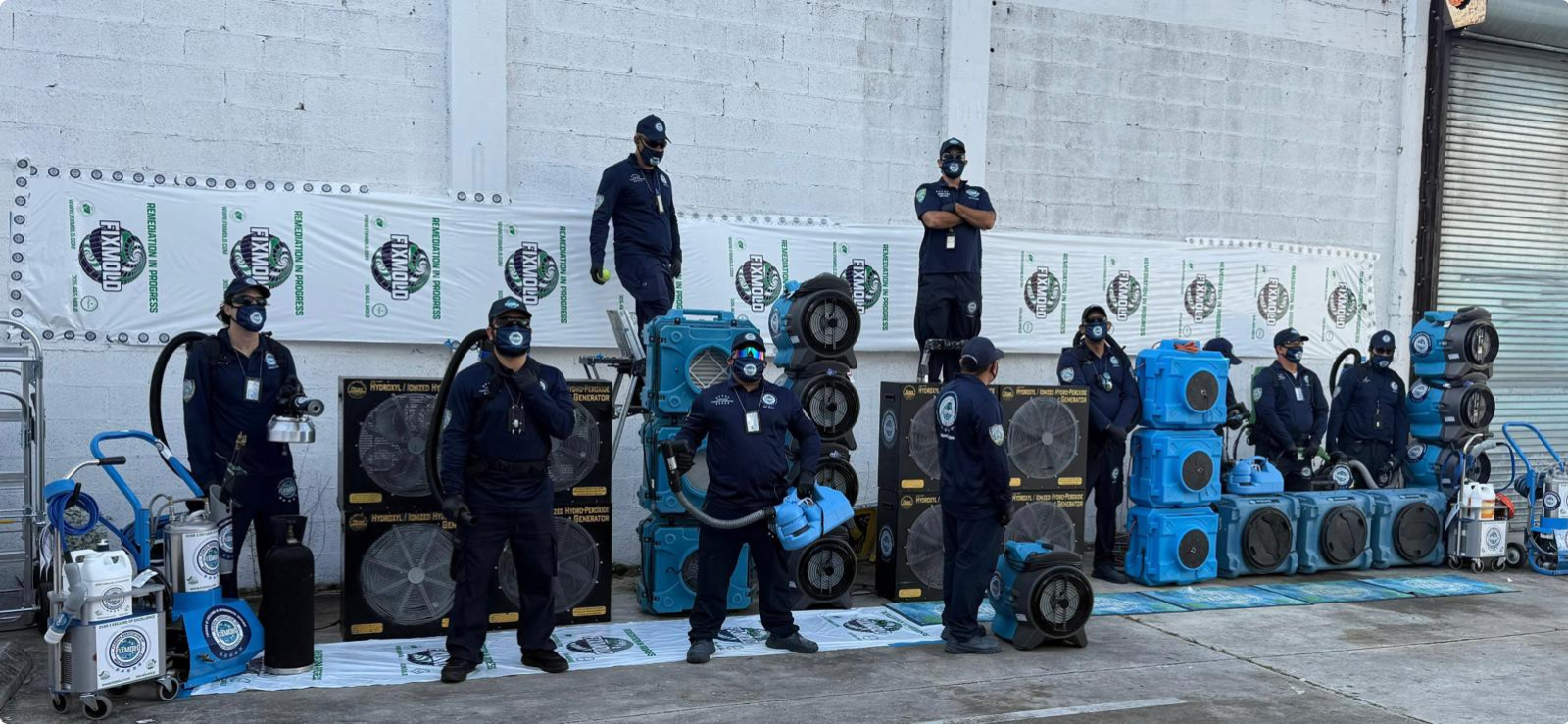
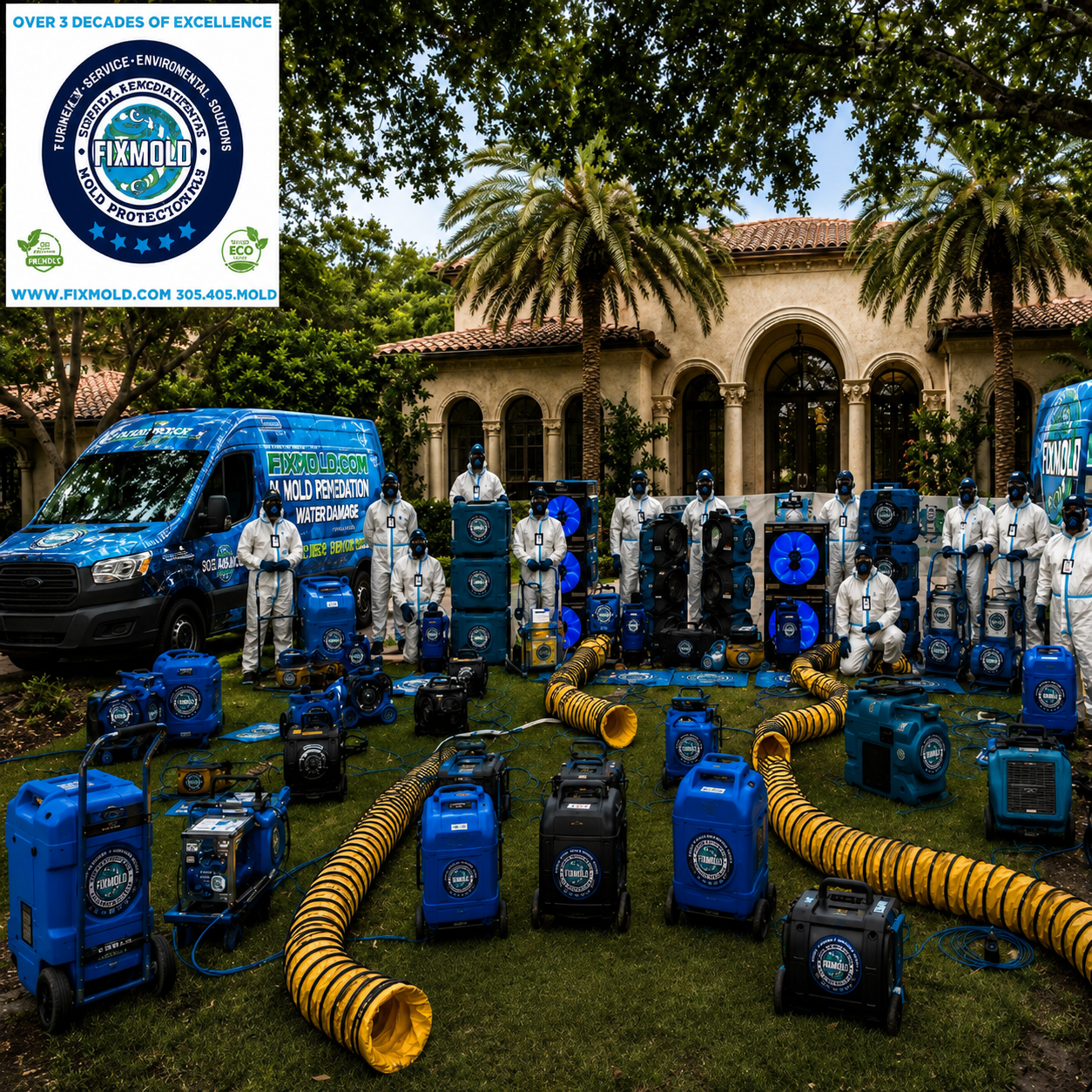
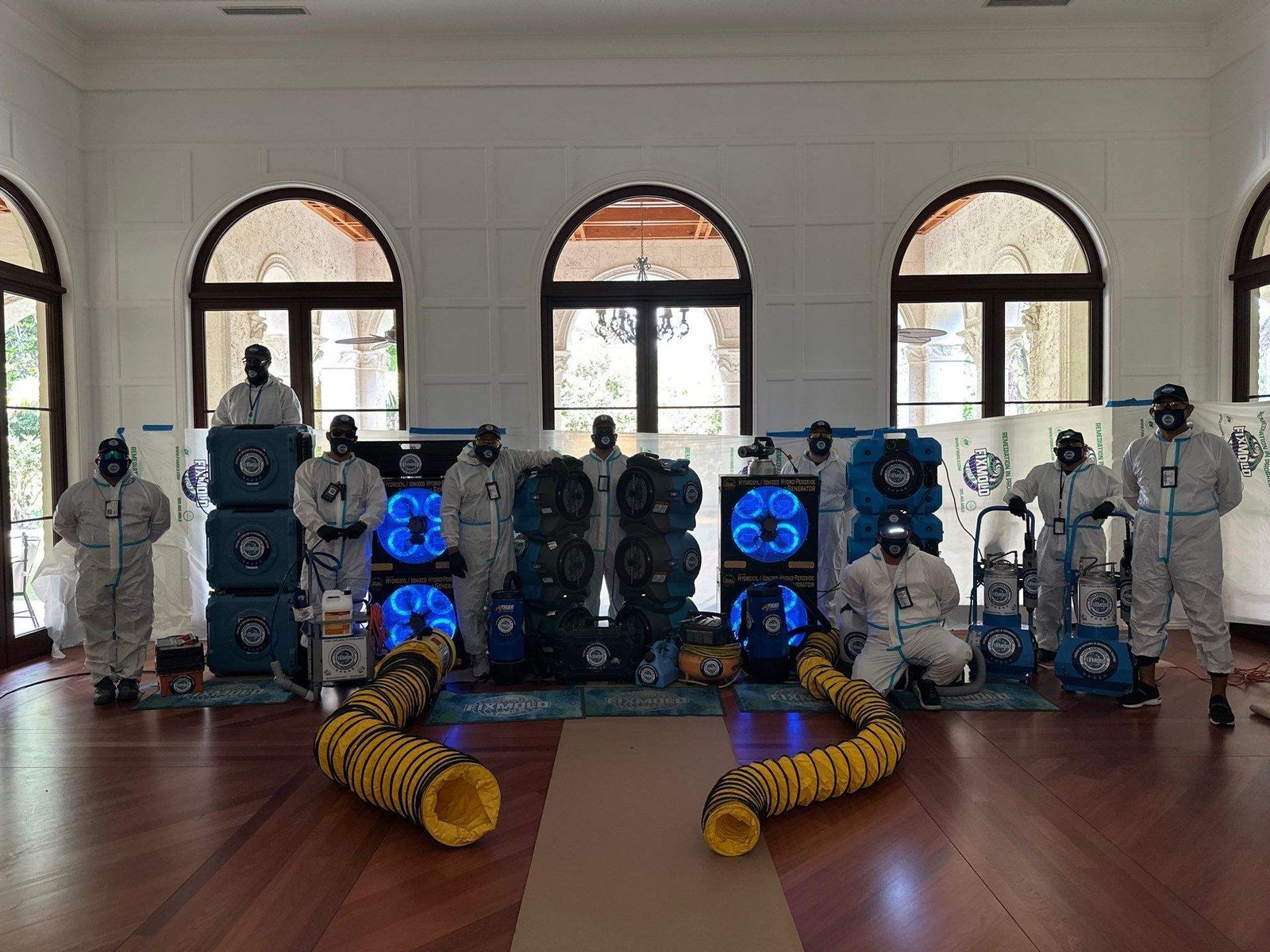
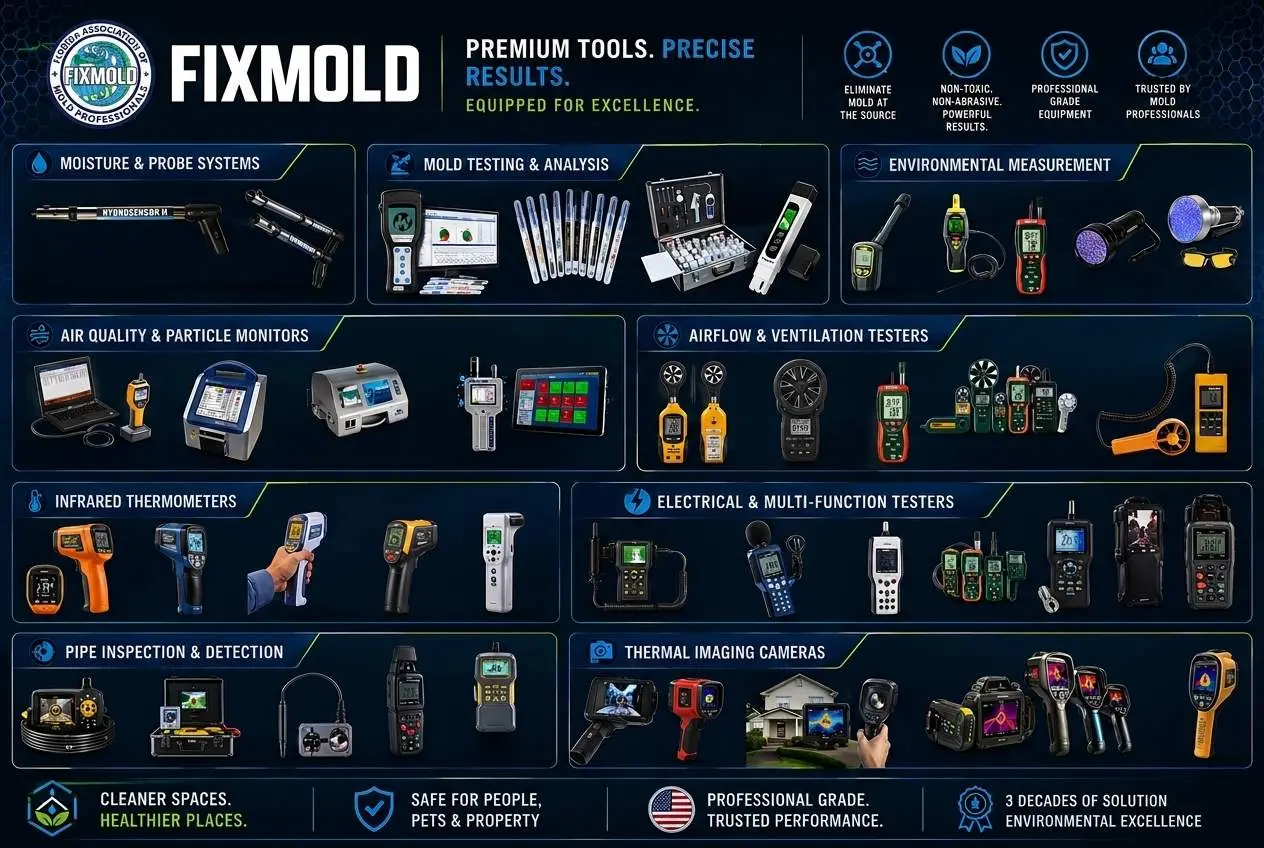
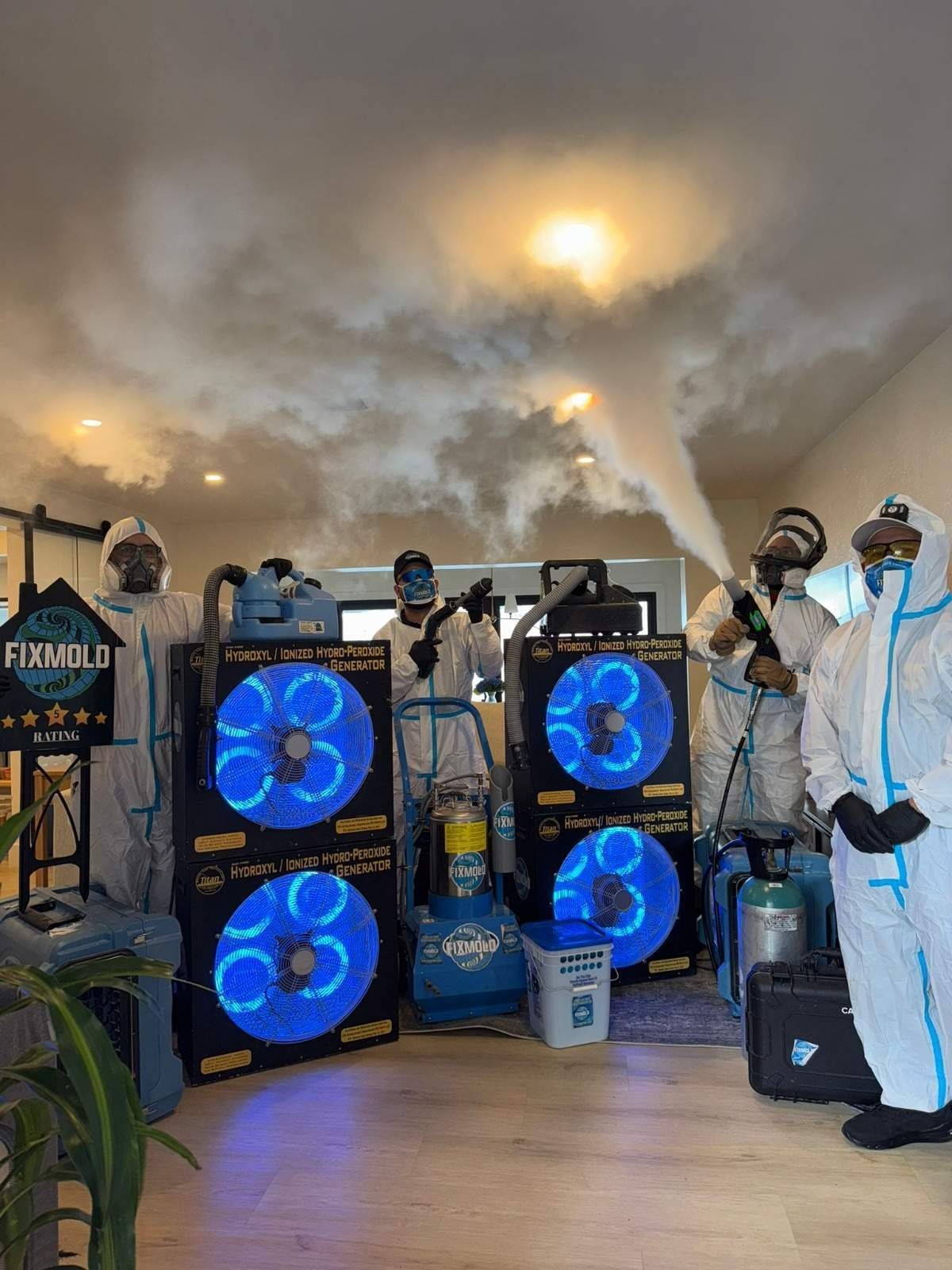
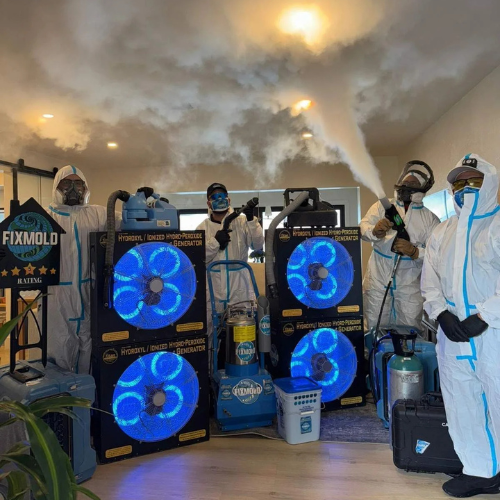
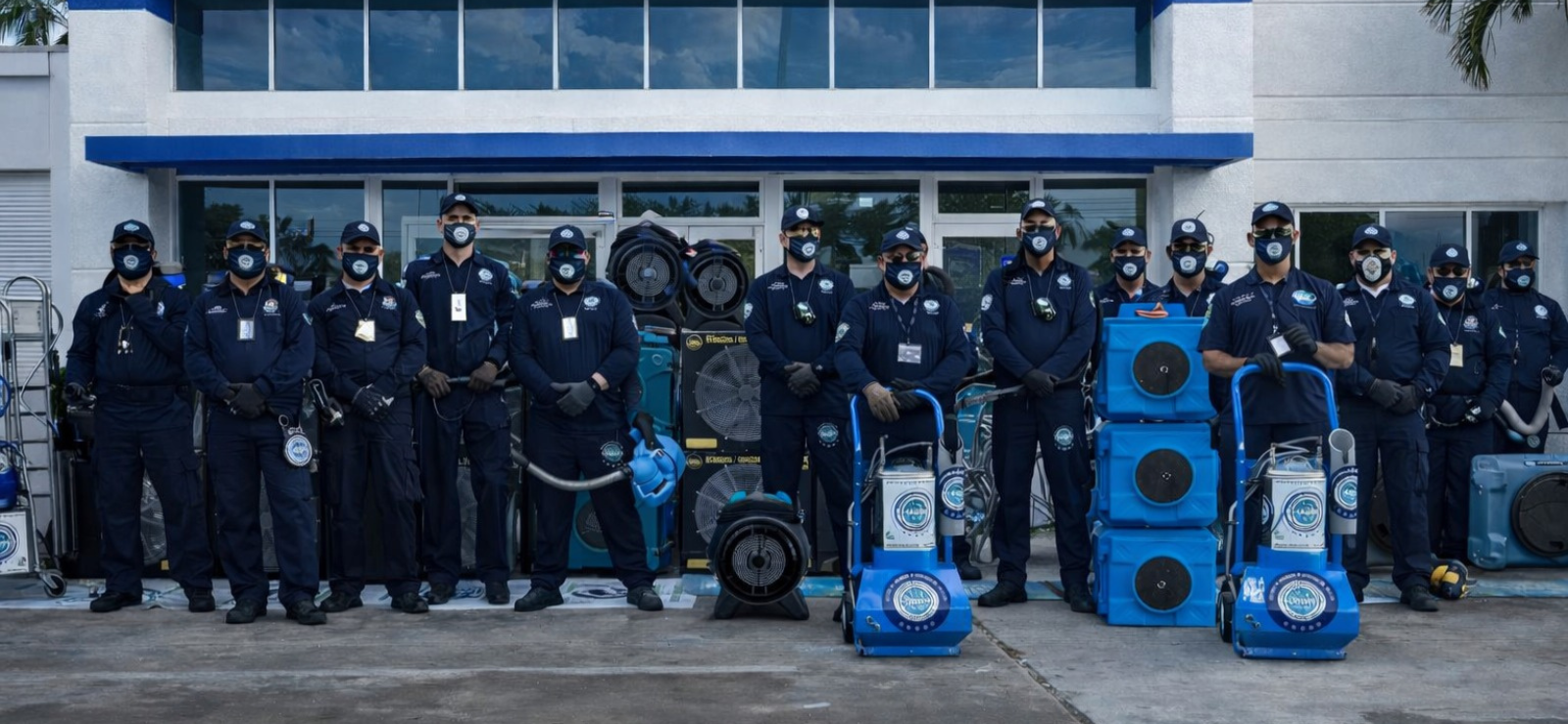
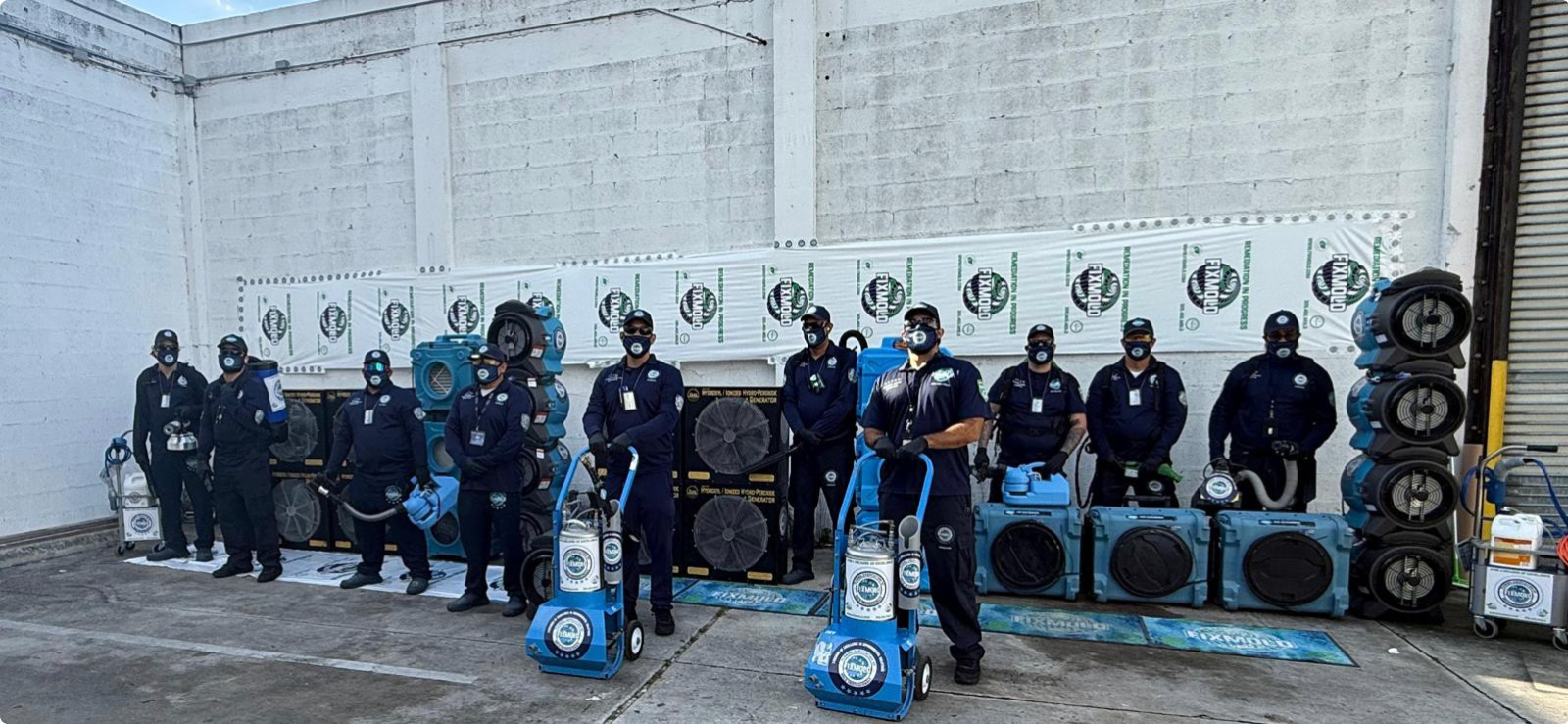
WiFi integrated mold remediation equipment refers to environmental monitoring and drying systems that allow restoration professionals to remotely track moisture conditions, humidity levels, drying progress, and equipment performance during mold remediation or water damage restoration projects.
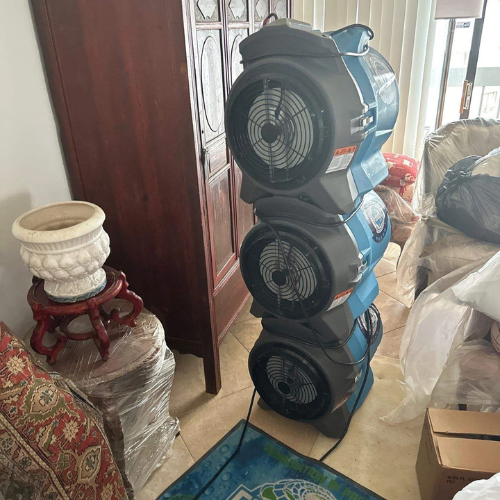
These systems may include WiFi enabled dehumidifiers, moisture sensors, drying equipment, temperature monitors, and environmental tracking devices that provide real-time updates regarding indoor environmental conditions. In Miami and South Florida, where humidity remains elevated year-round, continuous moisture monitoring is especially important during remediation projects.
Traditional restoration equipment often relies on manual inspections alone, while WiFi integrated systems allow environmental conditions to be evaluated more consistently throughout the drying process. If humidity rises unexpectedly or moisture levels remain elevated, adjustments can be made more quickly to improve environmental stabilization.
These monitoring systems are commonly used after flooding, roof leaks, hurricane damage, plumbing failures, HVAC moisture problems, and mold remediation projects involving hidden structural dampness. Continuous environmental monitoring helps reduce the risk of recurring moisture problems after remediation work has been completed.
Advanced moisture tracking has become increasingly valuable in South Florida because environmental conditions fluctuate constantly due to humidity and weather exposure.
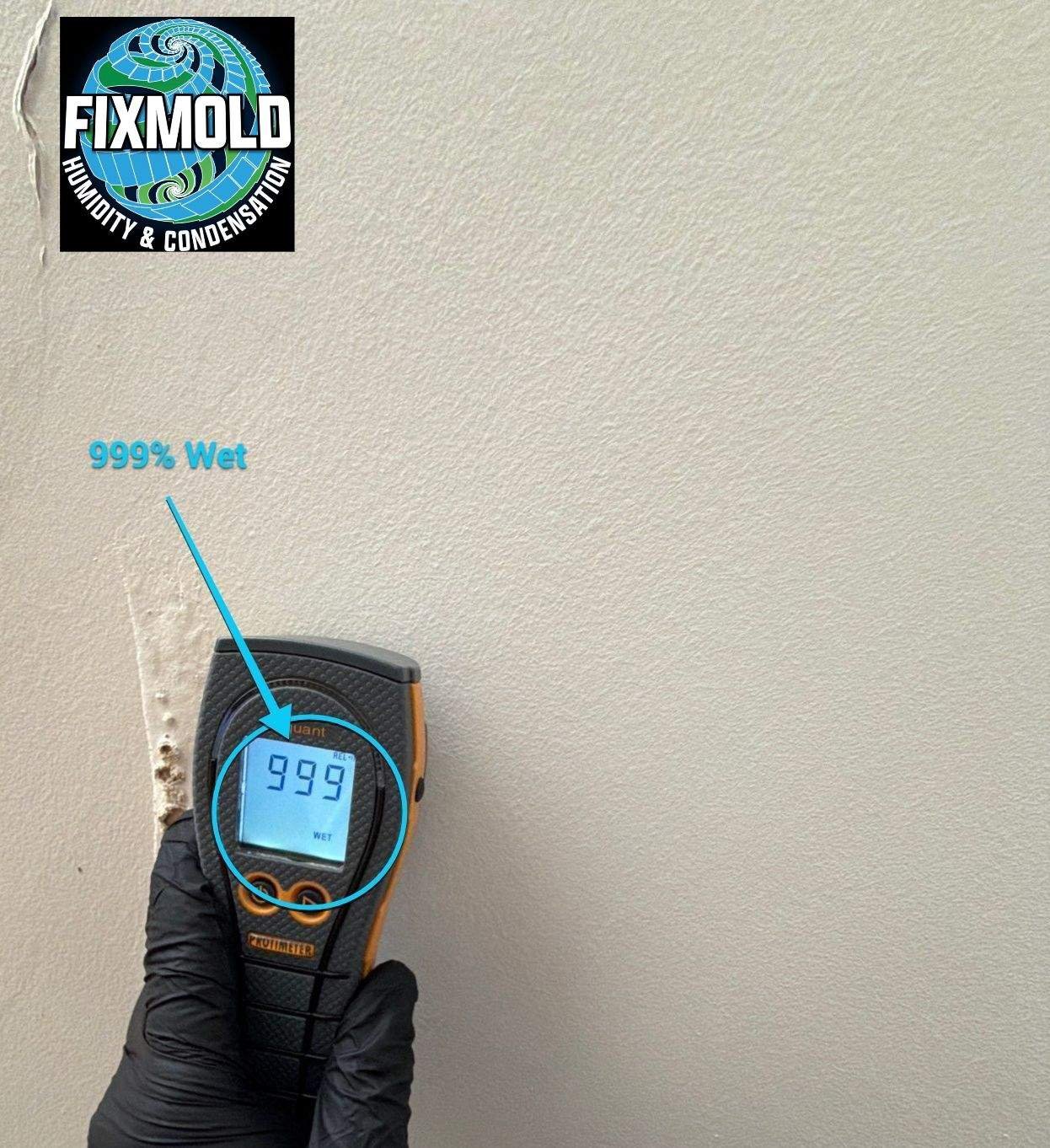
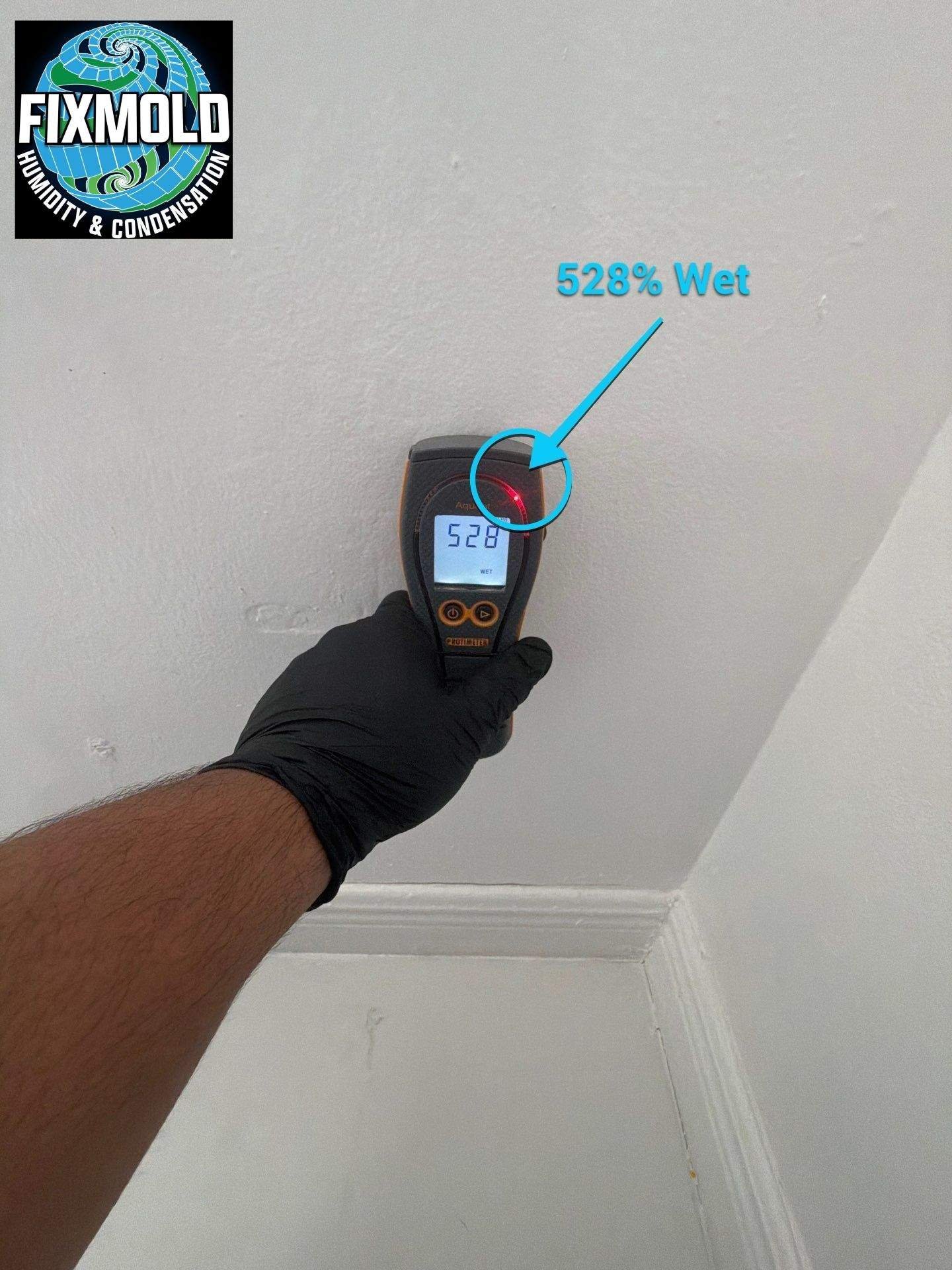
Moisture monitoring is important because structural materials often remain wet long after visible water has been removed. In Miami’s humid climate, drywall, insulation, wood framing, flooring systems, cabinetry, and ceiling cavities may continue retaining hidden moisture even when surfaces appear dry.
If moisture remains trapped inside structural materials, mold growth can begin developing behind walls, beneath flooring, or inside ceilings within a relatively short period of time. South Florida’s elevated humidity slows natural drying and allows damp conditions to persist longer than they might in drier climates.
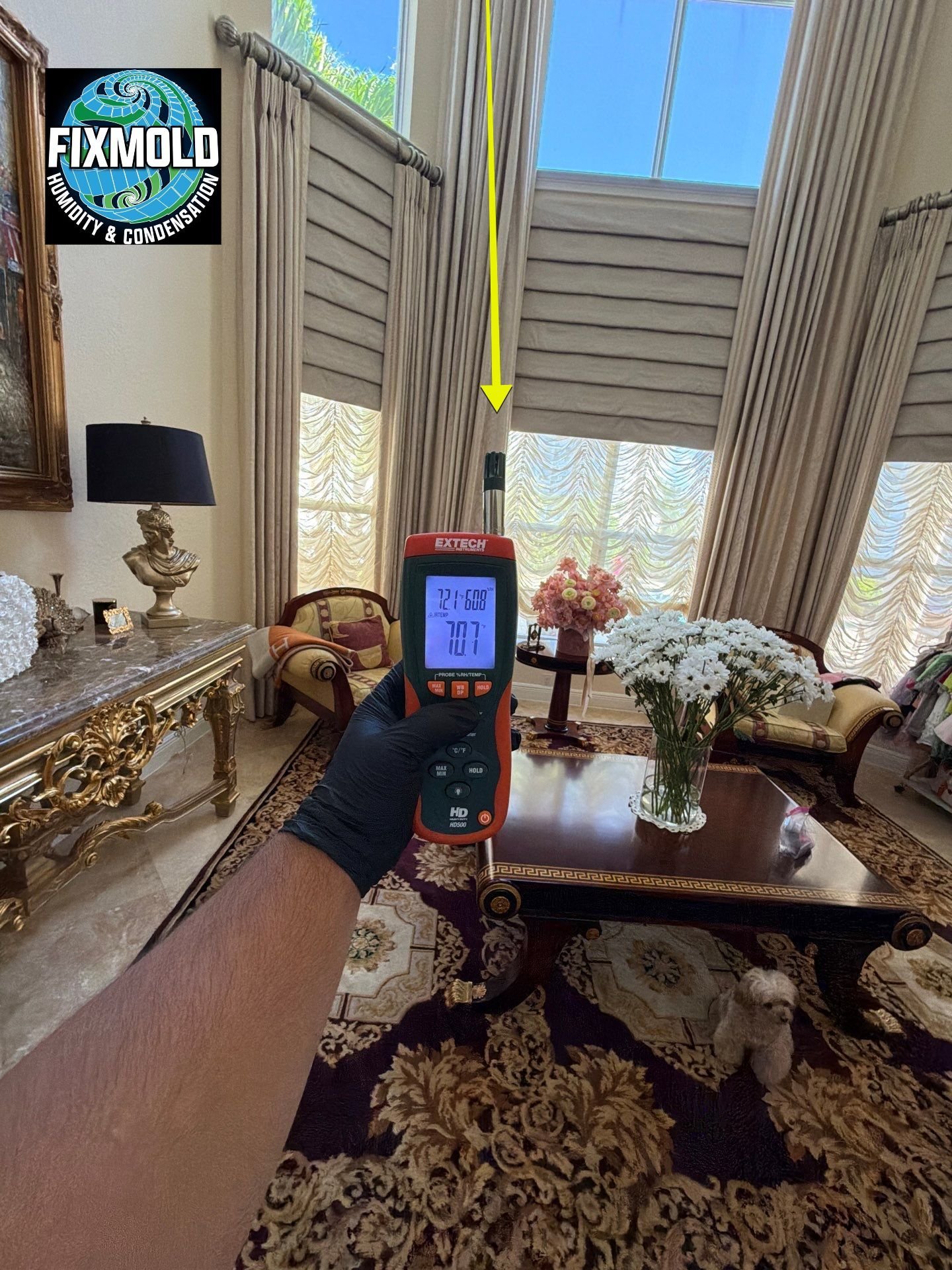
WiFi integrated monitoring systems help track moisture levels, humidity conditions, and drying progress throughout the restoration process. Continuous environmental monitoring provides more consistent information than occasional manual readings because conditions may fluctuate throughout the day depending on weather, ventilation, and HVAC operation.
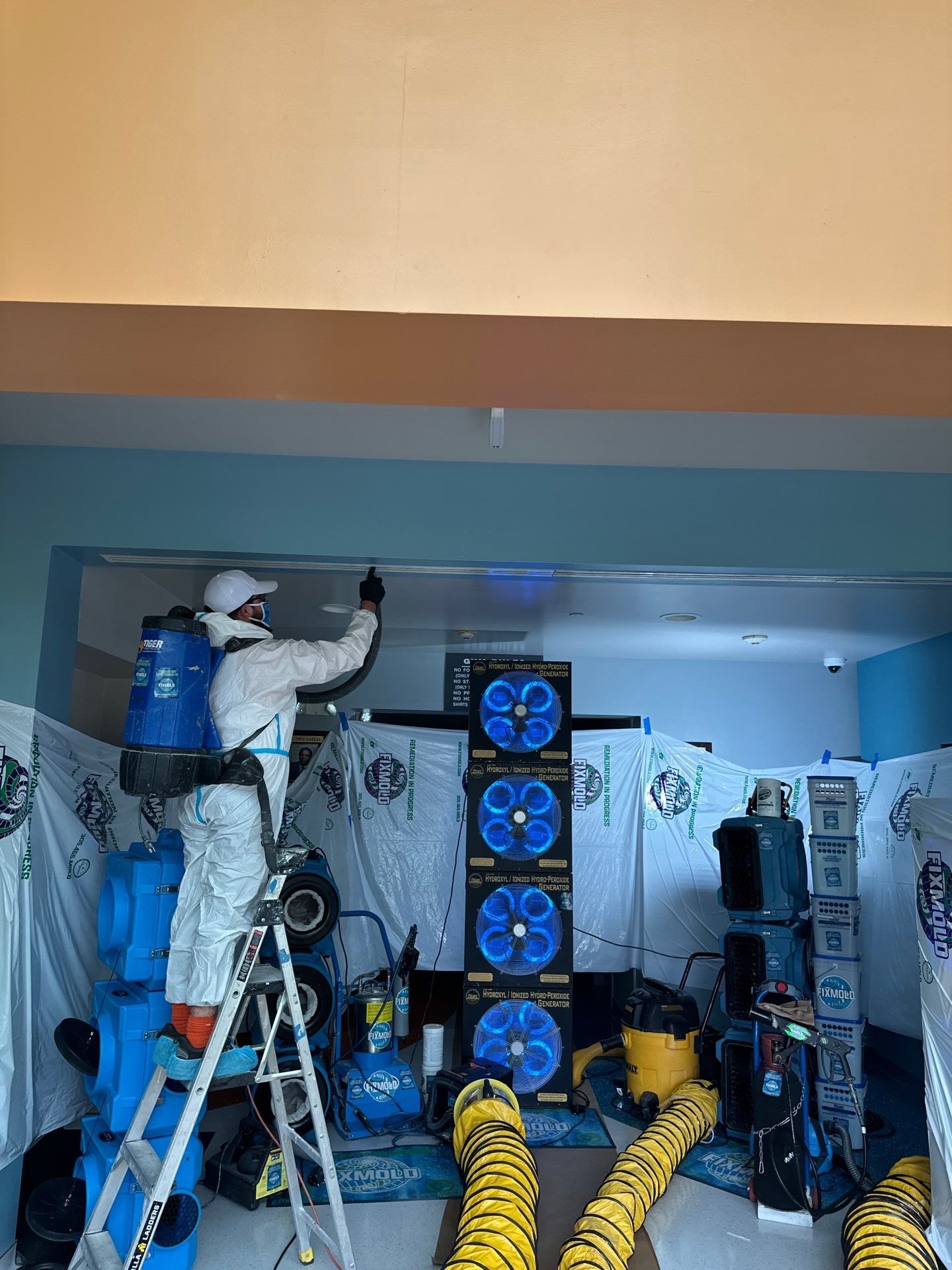
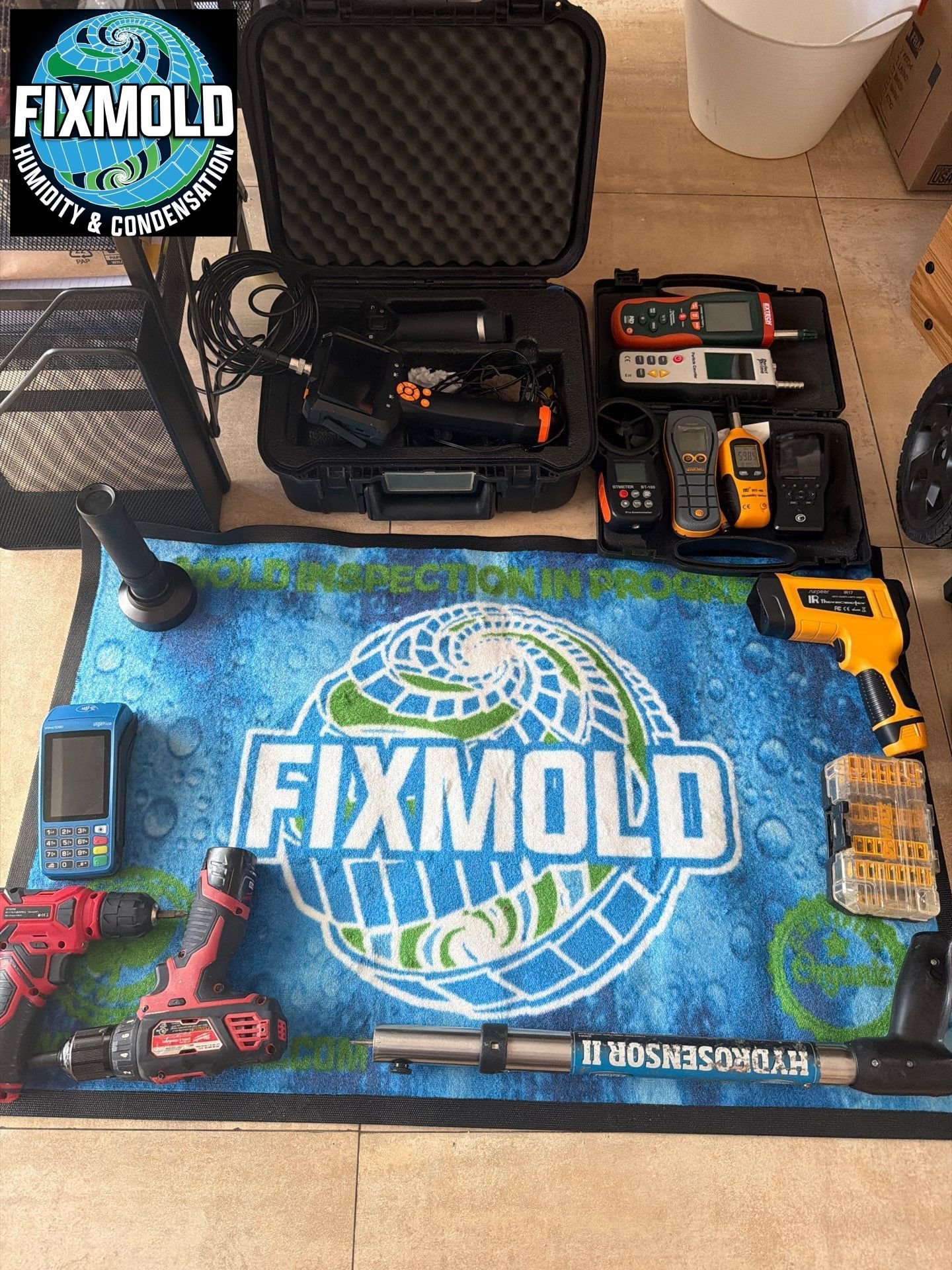
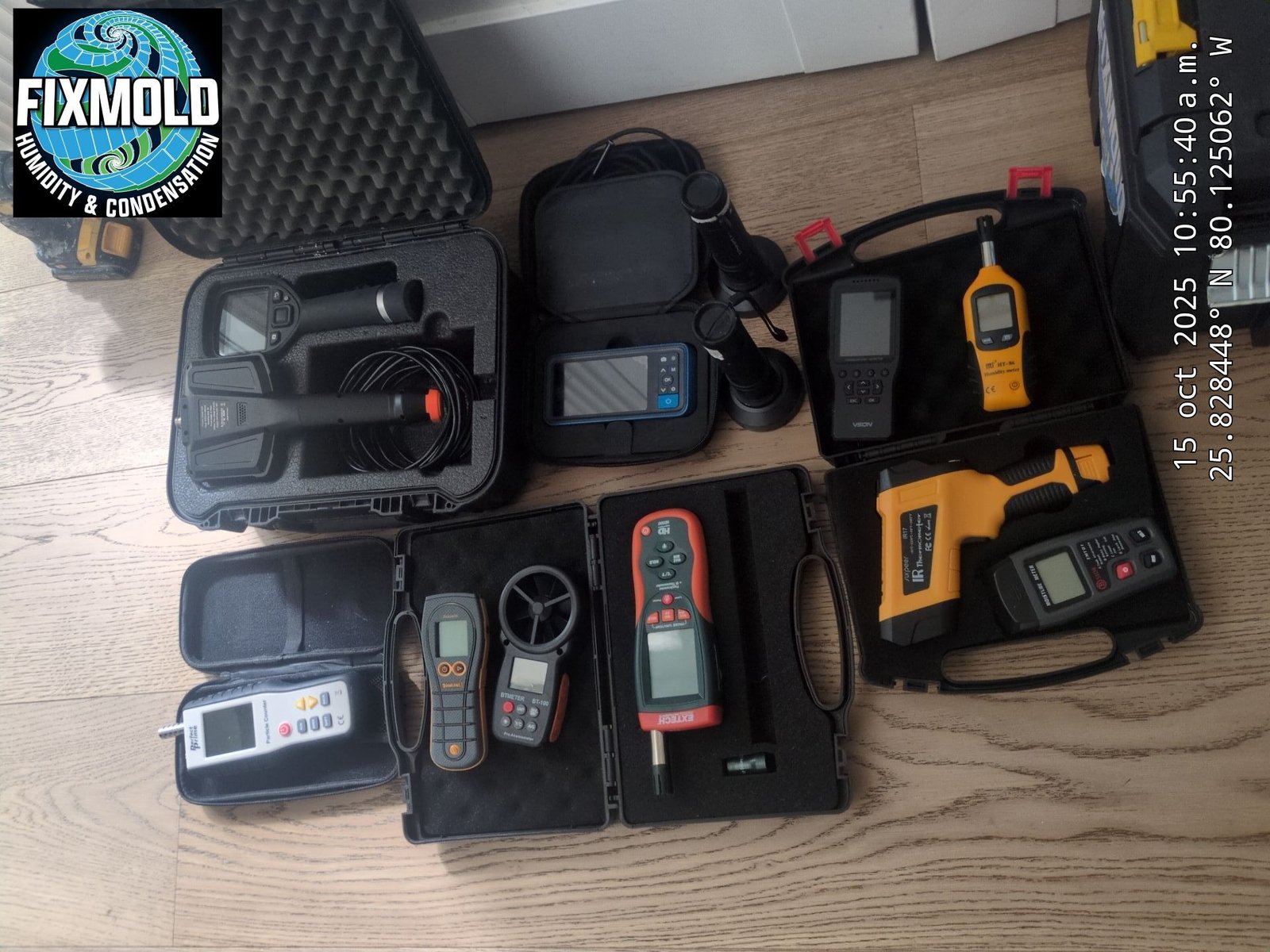
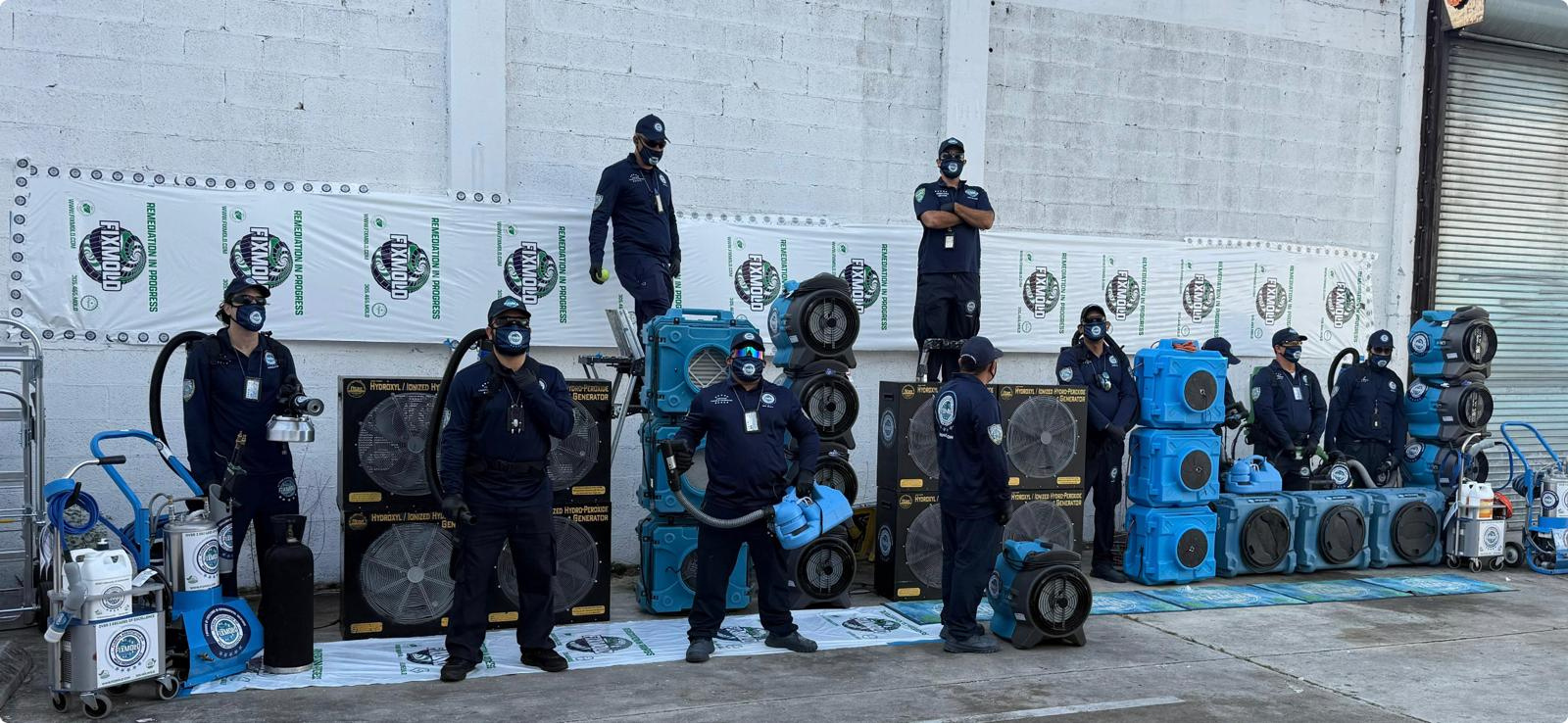
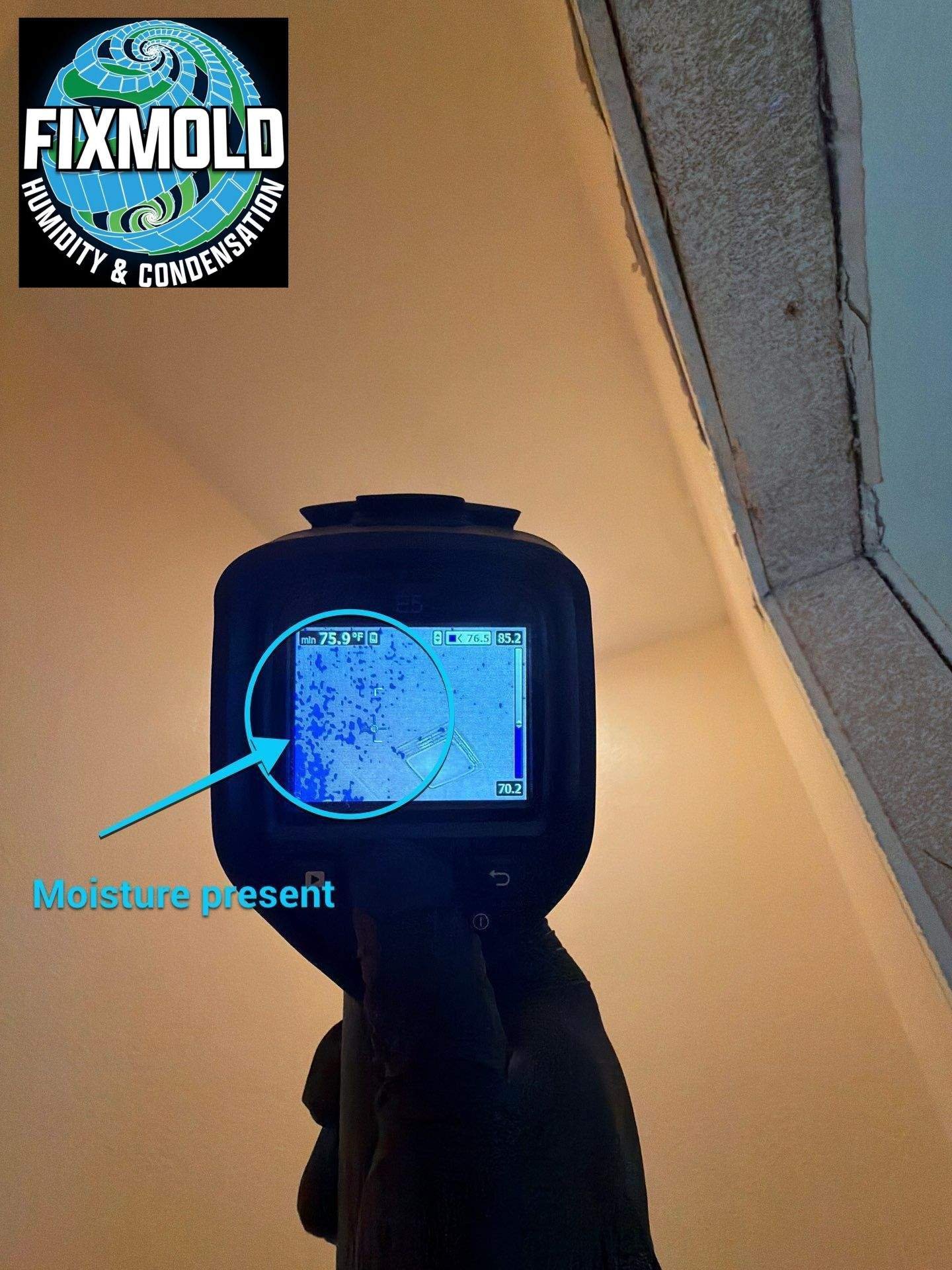
Professional restoration projects often involve thermal imaging, moisture mapping, dehumidification, and structural drying to help stabilize affected materials. Monitoring helps determine whether environmental conditions are improving properly or whether hidden dampness may still exist inside the structure.
Proper moisture management is one of the most important parts of preventing recurring mold problems after water damage.
Yes. High humidity alone can create favorable conditions for mold growth in South Florida homes and buildings, even without major flooding or visible leaks. Miami’s tropical climate exposes indoor environments to elevated moisture year-round, and excessive indoor humidity often contributes to condensation and hidden dampness throughout the property.
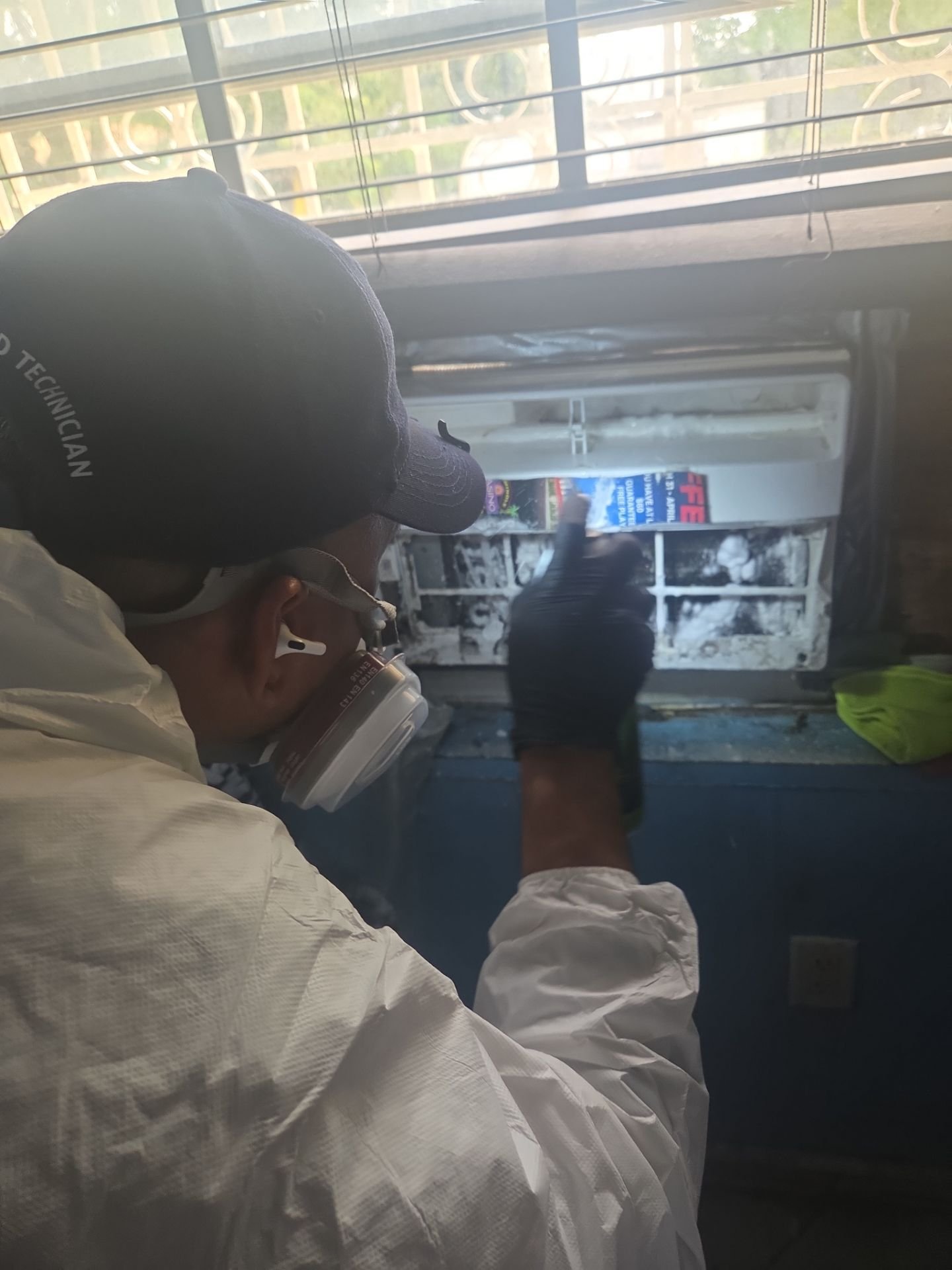
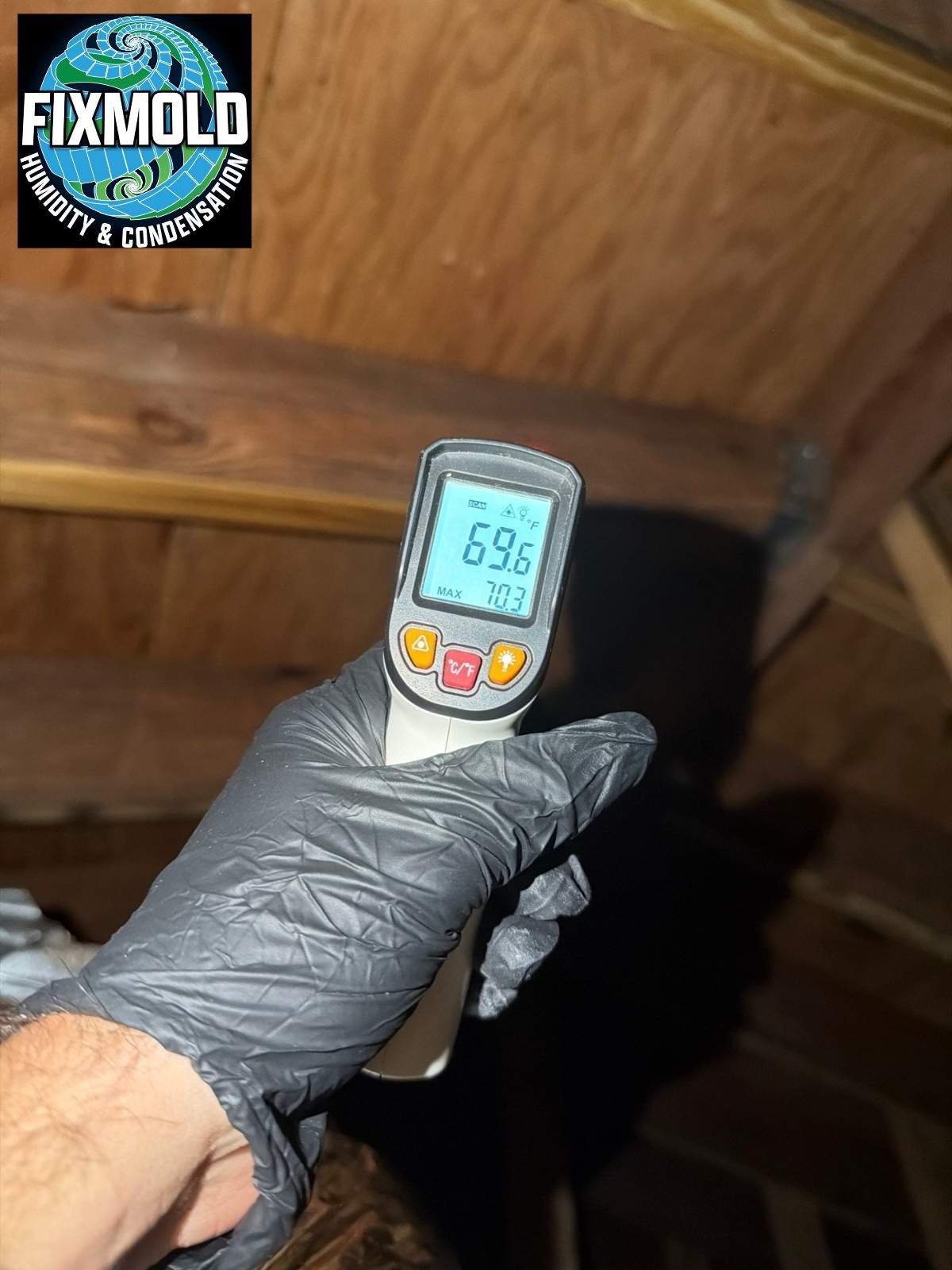
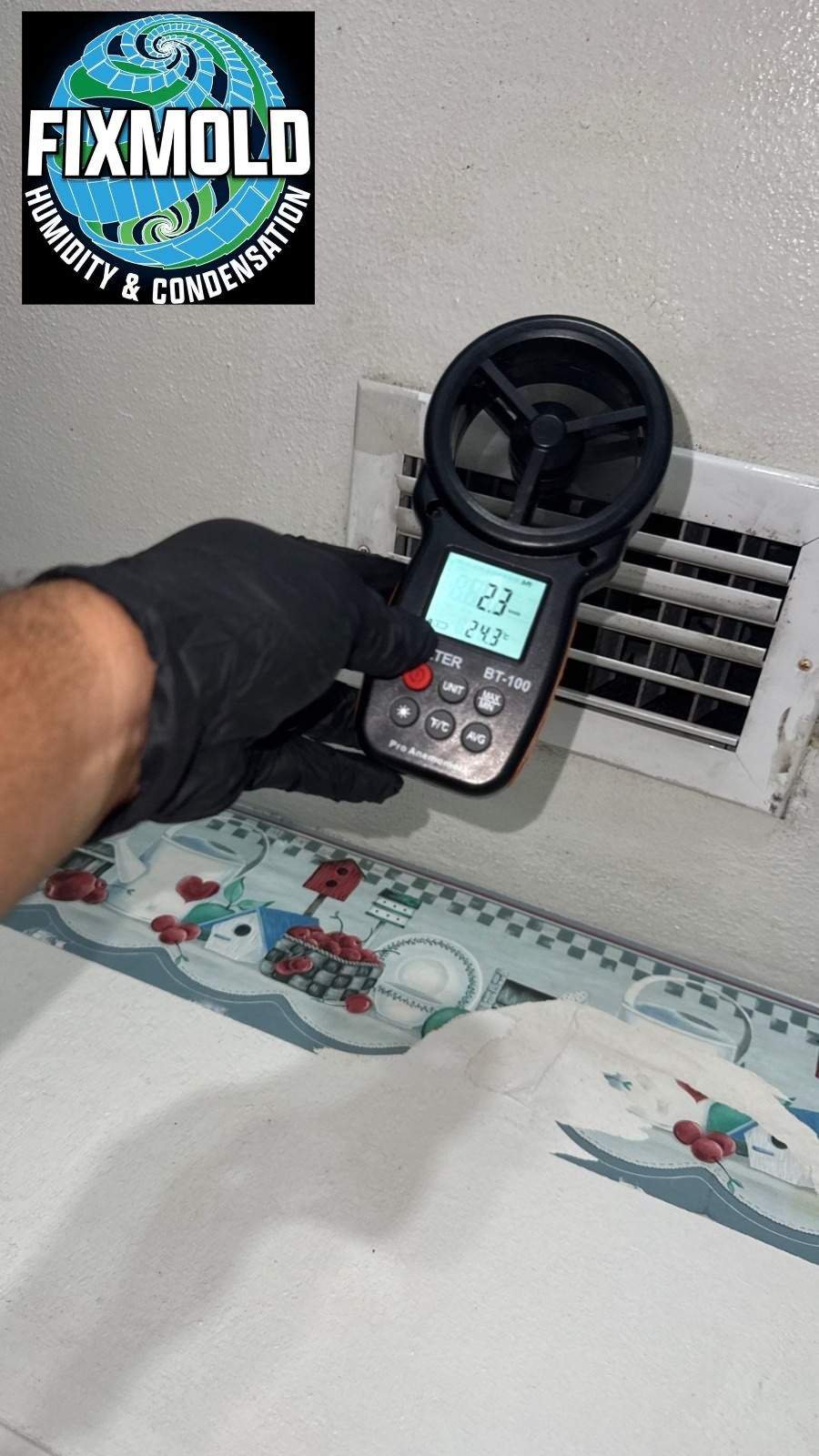
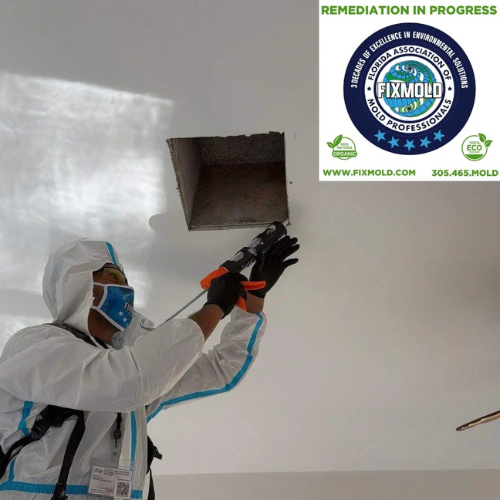
Condensation commonly forms around AC vents, ductwork, windows, attics, closets, and poorly ventilated spaces when humidity remains elevated indoors. Over time, damp materials may support microbial growth behind walls, inside ceilings, around insulation systems, or within HVAC components.
Some homes experience chronic humidity because air conditioning systems are oversized or improperly balanced, causing the air to cool too quickly without adequately removing moisture from the environment. Poor airflow, attic heat buildup, crawlspace moisture, and insulation deficiencies can also worsen indoor humidity conditions.
WiFi integrated environmental monitoring systems help track humidity fluctuations throughout the property and identify areas where moisture conditions remain elevated over time. Continuous monitoring helps detect environmental instability before larger mold problems develop.
Managing indoor humidity is essential for maintaining healthier indoor environmental conditions in South Florida properties.
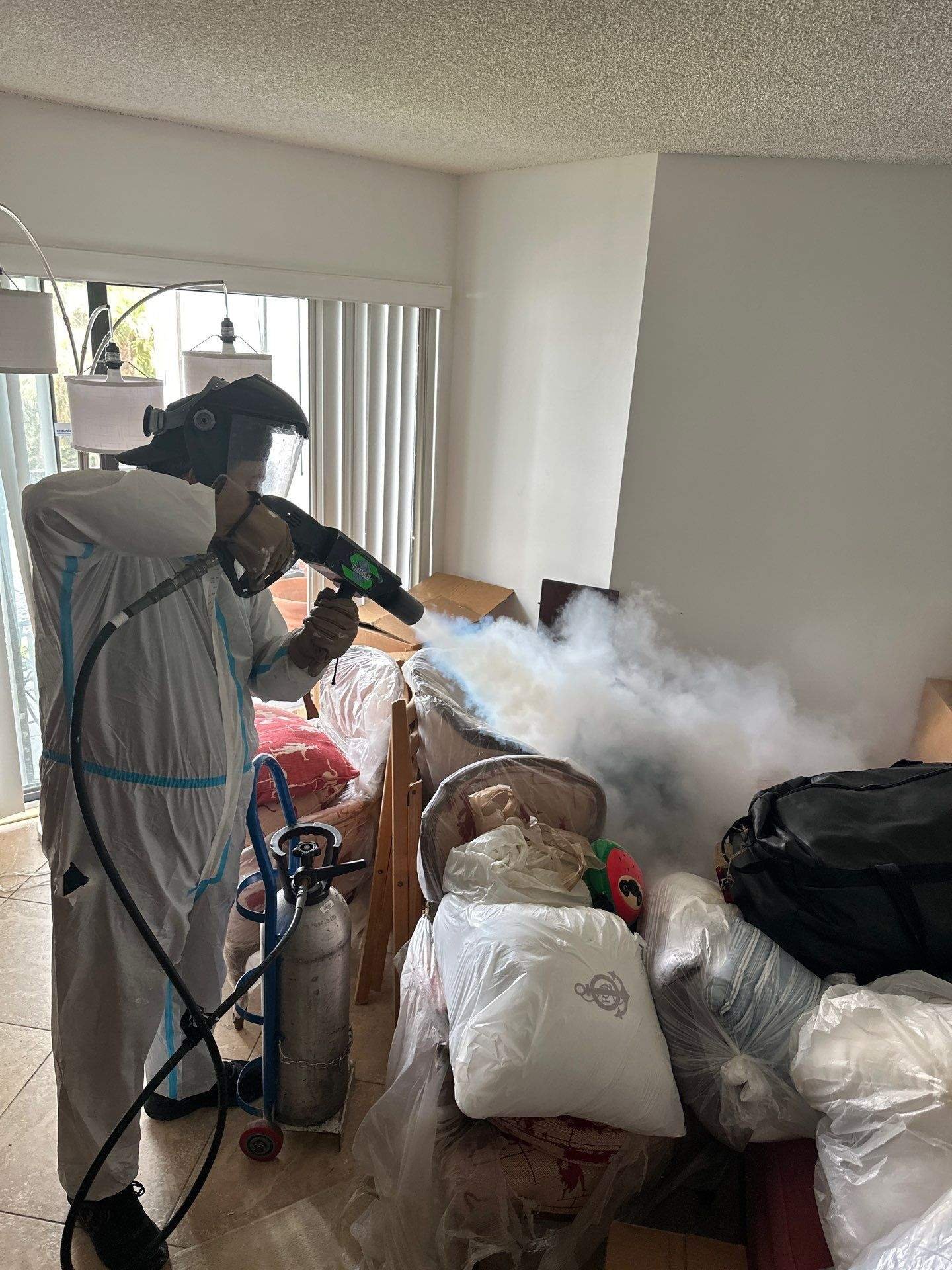
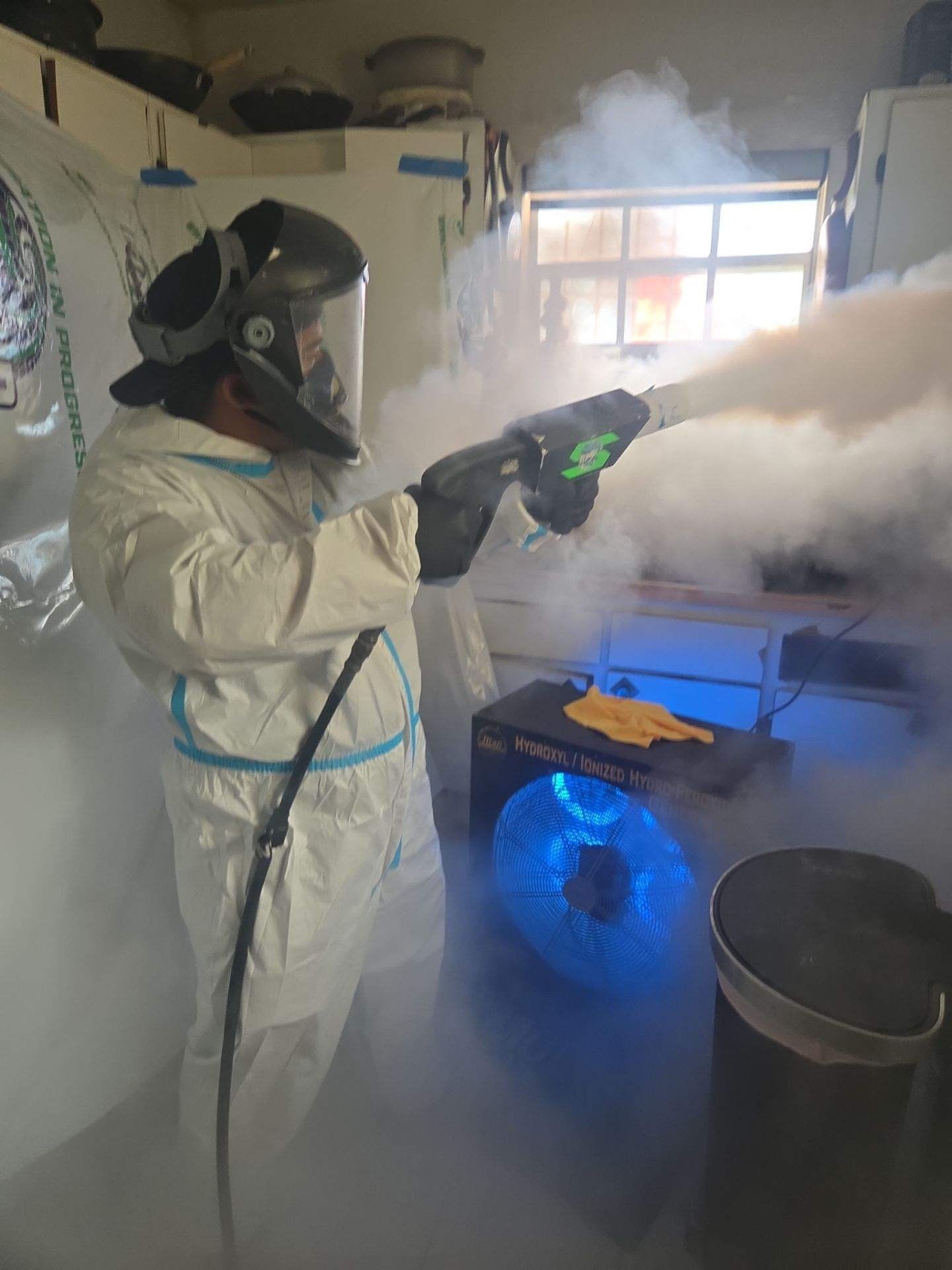
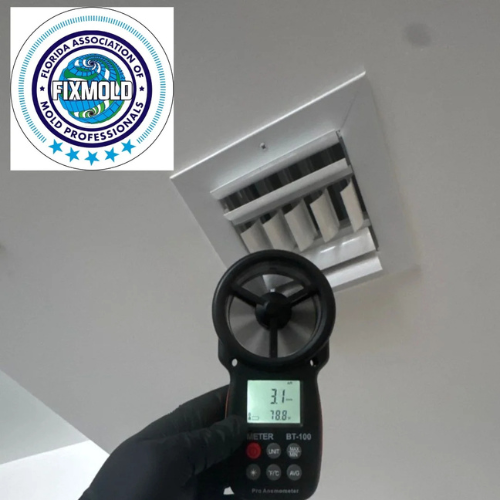
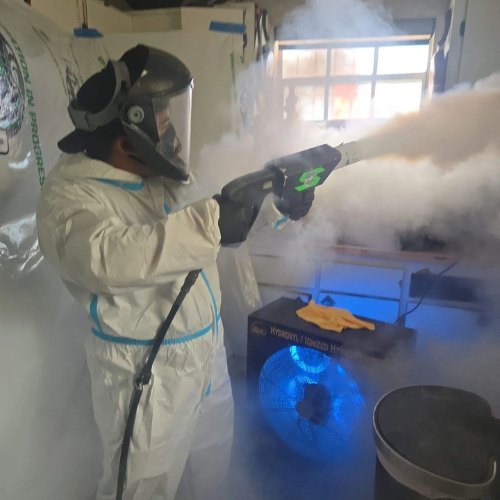
WiFi monitoring helps during mold remediation by allowing environmental conditions to be tracked continuously throughout the project. Moisture levels, humidity readings, airflow conditions, and equipment performance can often be monitored remotely in real time rather than relying only on scheduled onsite inspections.
During mold remediation projects in Miami, environmental conditions may change quickly depending on weather, HVAC operation, ventilation, and structural drying progress. Continuous monitoring helps identify if humidity rises unexpectedly or if affected materials are not drying properly.
This is especially important in South Florida because elevated outdoor humidity can easily influence indoor drying conditions. Restoration teams may use environmental monitoring to adjust dehumidification equipment, airflow strategies, or containment conditions as remediation progresses.
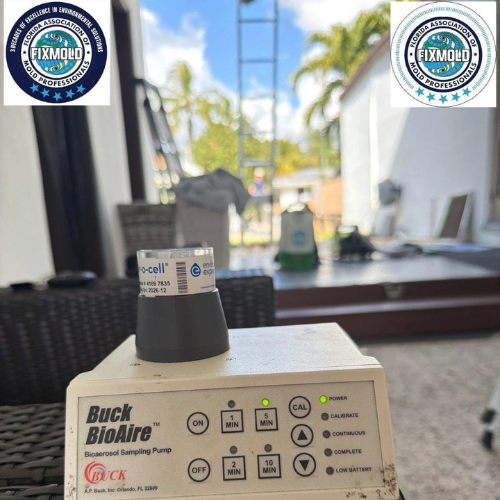
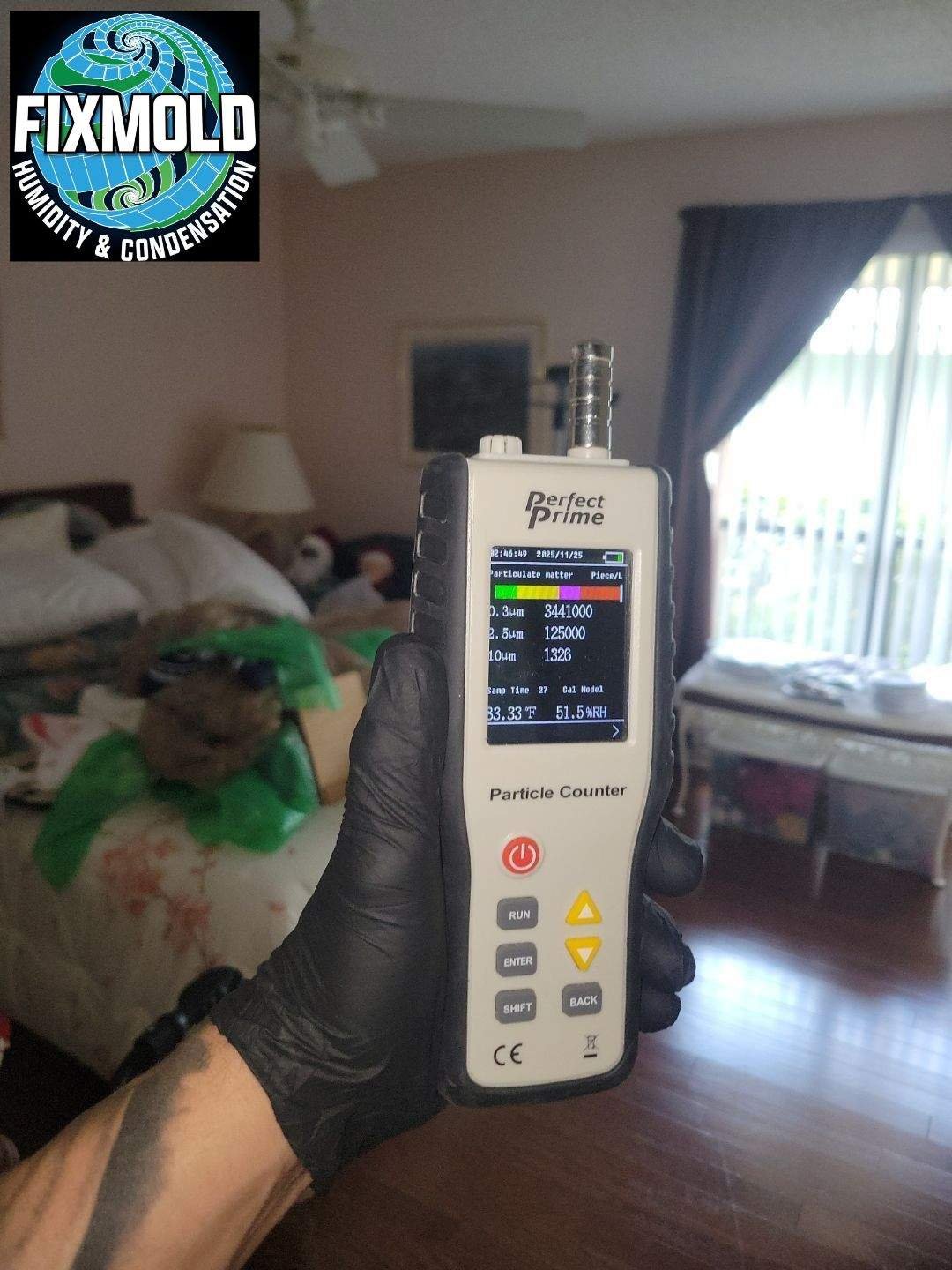
WiFi integrated systems may also help document environmental stability throughout the remediation process. Thermal imaging, moisture mapping, and indoor air quality evaluation are often used alongside environmental monitoring equipment to provide a more complete understanding of indoor conditions.
Maintaining stable moisture and humidity levels helps reduce the likelihood of recurring contamination after remediation work is completed.
Environmental monitoring can help identify ongoing humidity or moisture problems that may contribute to recurring mold growth over time. Many Miami properties continue experiencing elevated humidity after remediation because of unresolved HVAC issues, attic condensation, plumbing leaks, poor ventilation, or hidden structural moisture.
WiFi integrated monitoring systems allow property owners and restoration professionals to track indoor environmental conditions more consistently and identify fluctuations that may not be obvious during routine inspections. Persistent humidity spikes, poor airflow, or elevated moisture readings can indicate that hidden environmental issues still exist somewhere inside the structure.
Long-term monitoring is especially useful in waterfront homes, condos, commercial buildings, and storm-affected properties where environmental conditions may fluctuate regularly due to South Florida’s climate. Some systems can provide alerts when humidity or moisture exceeds recommended levels.
Preventing recurring mold problems usually requires more than cleaning alone. Humidity control, moisture management, HVAC balancing, structural drying, and ventilation improvement all play important roles in maintaining stable indoor environmental conditions over time.
Continuous environmental monitoring helps support those long-term moisture management efforts.