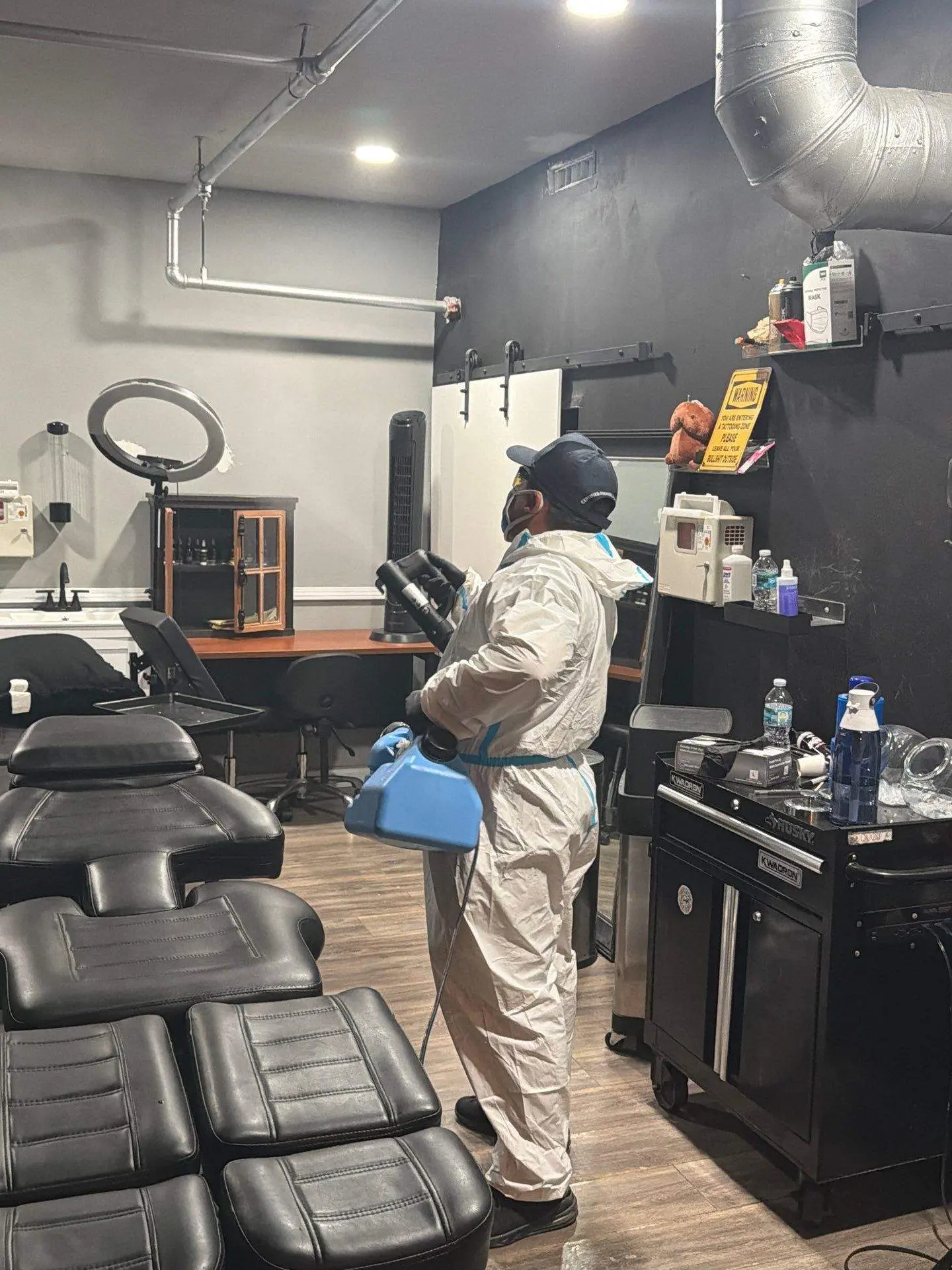
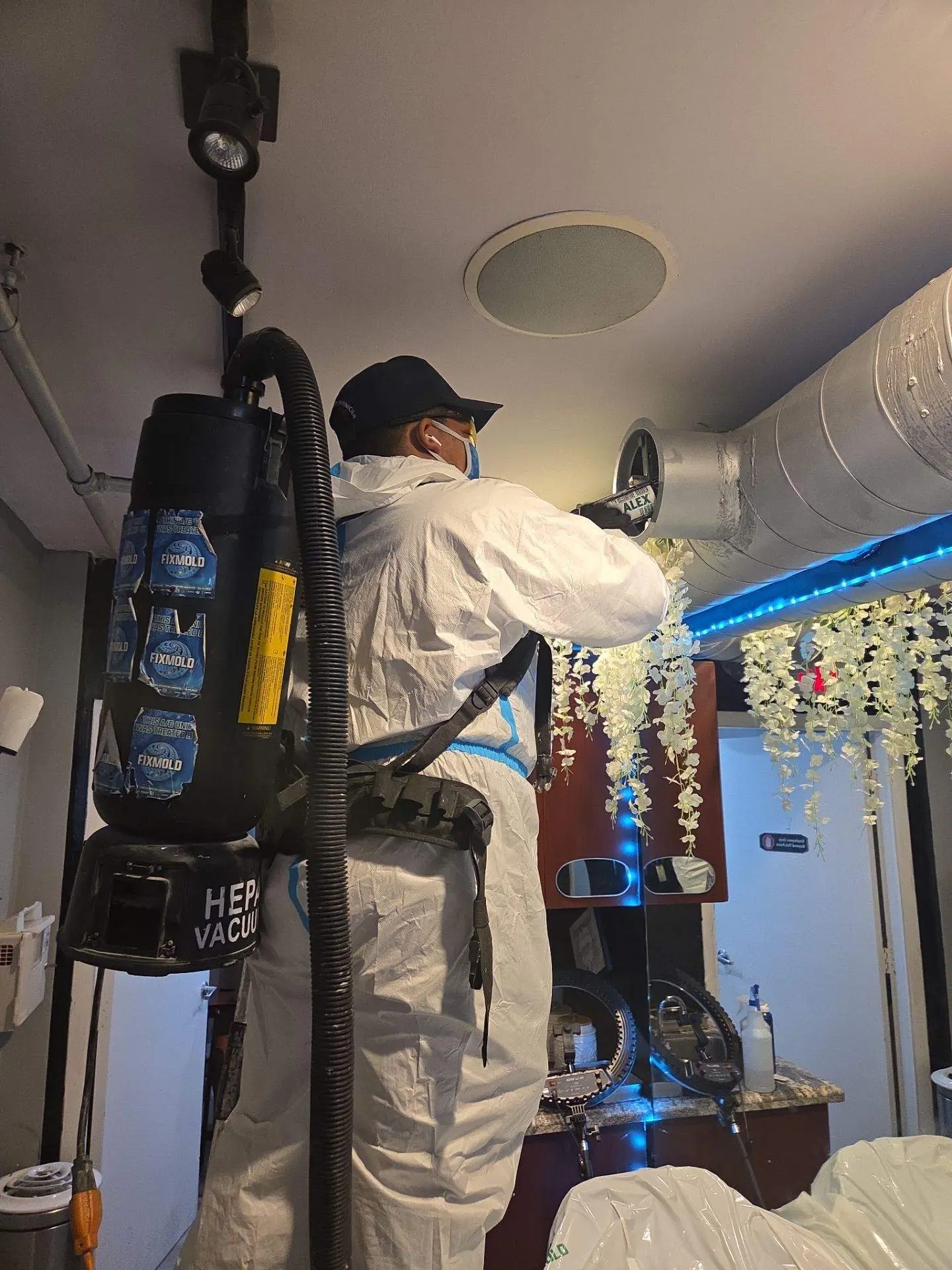
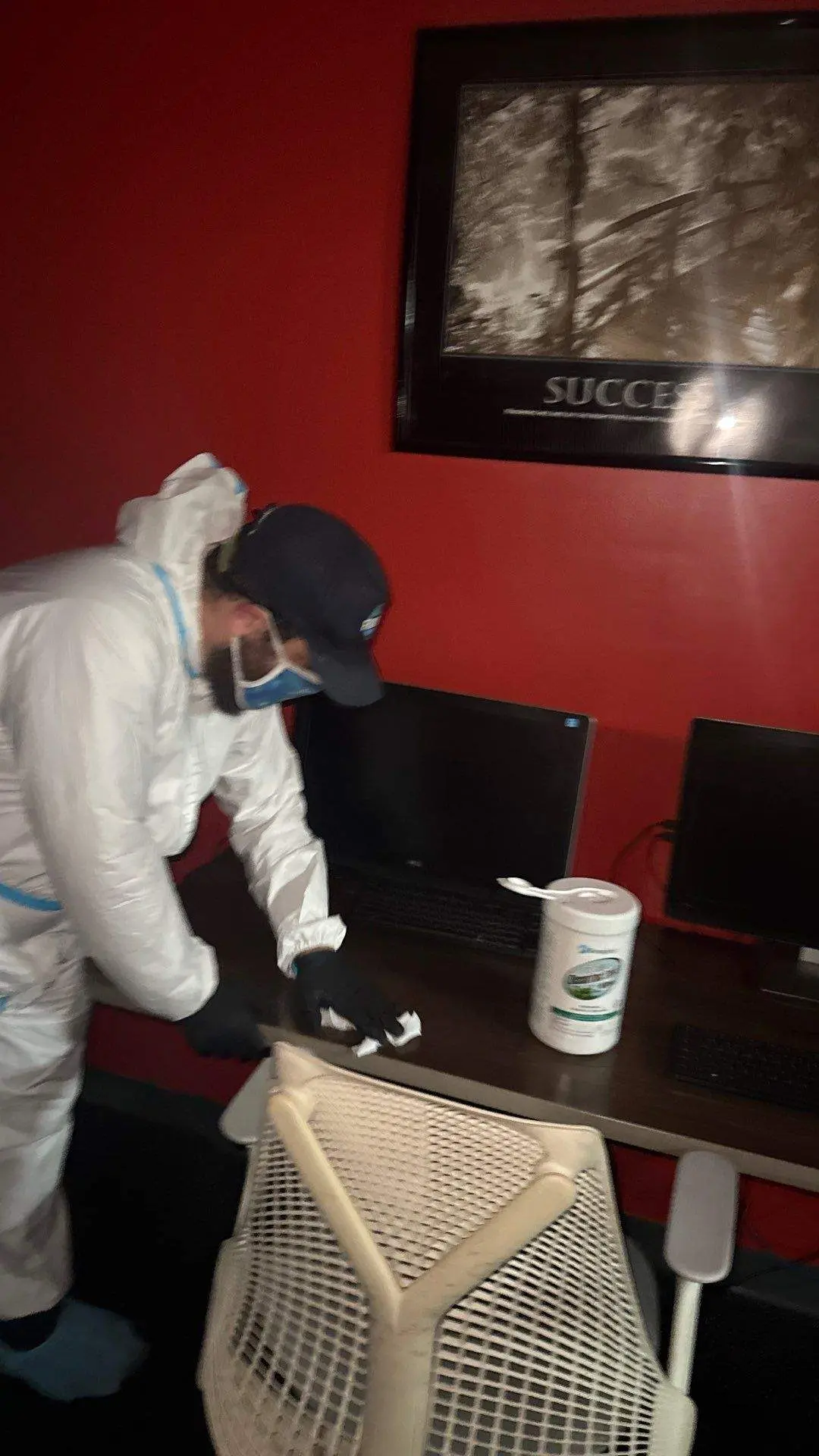
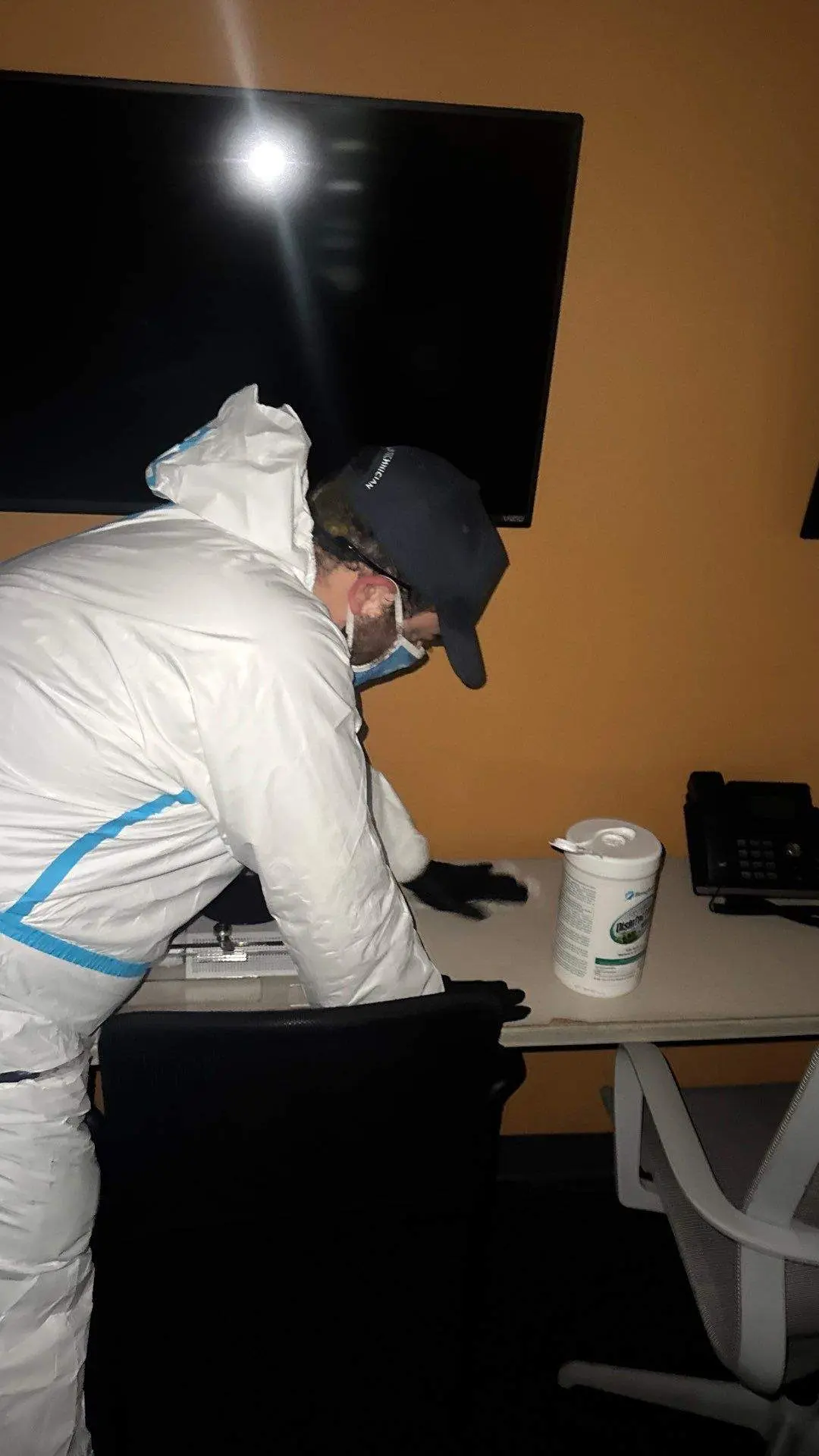
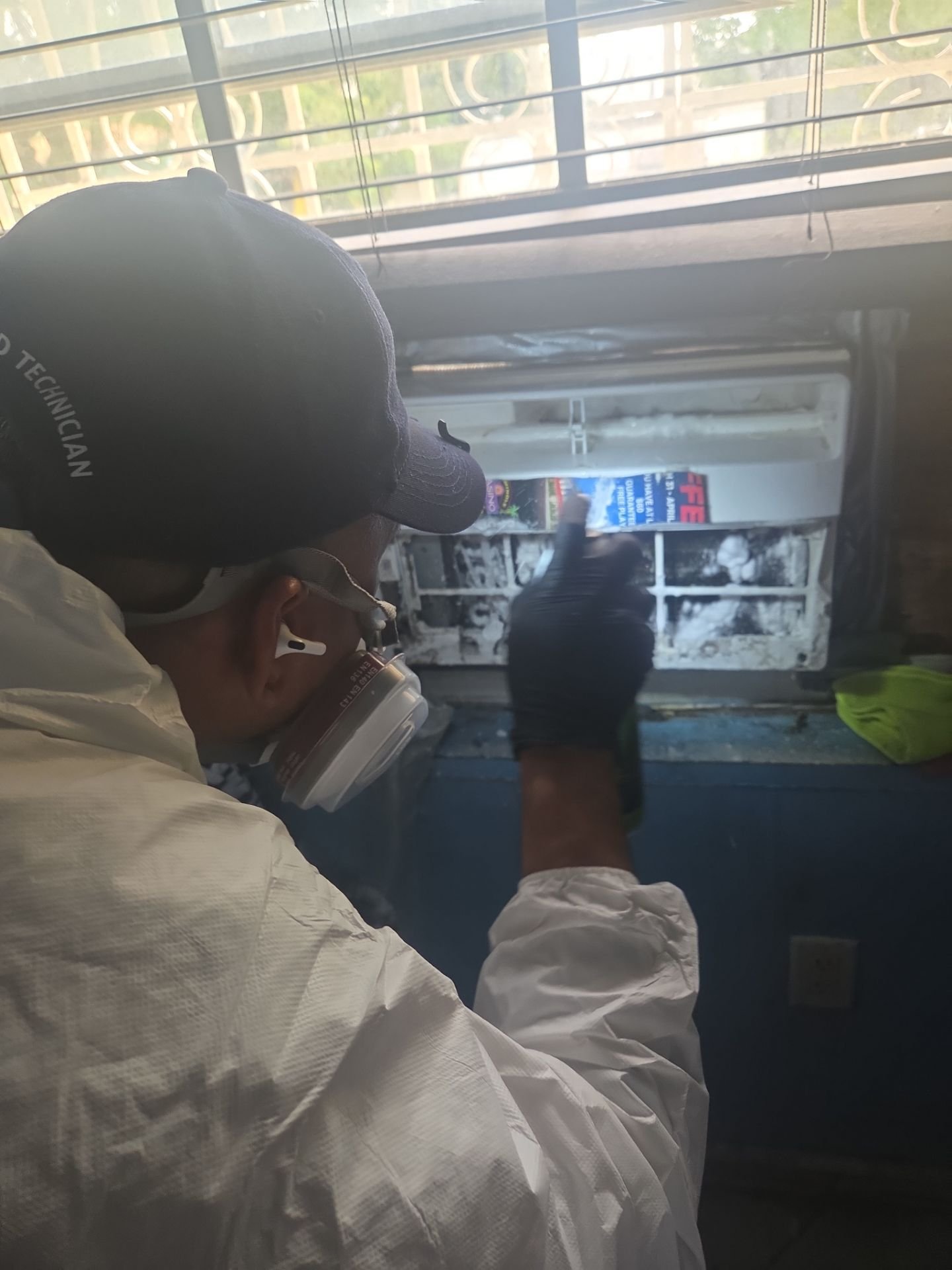
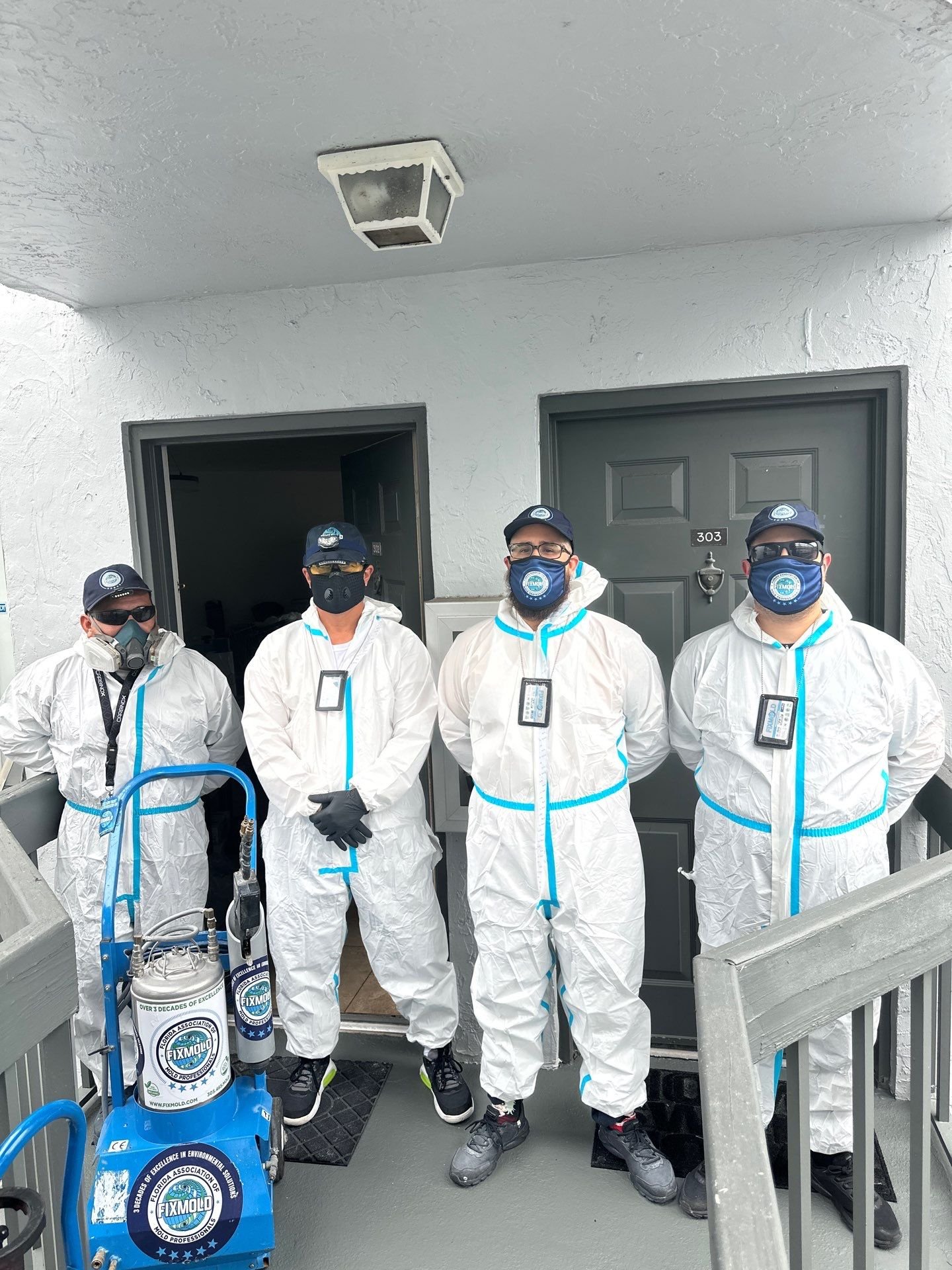
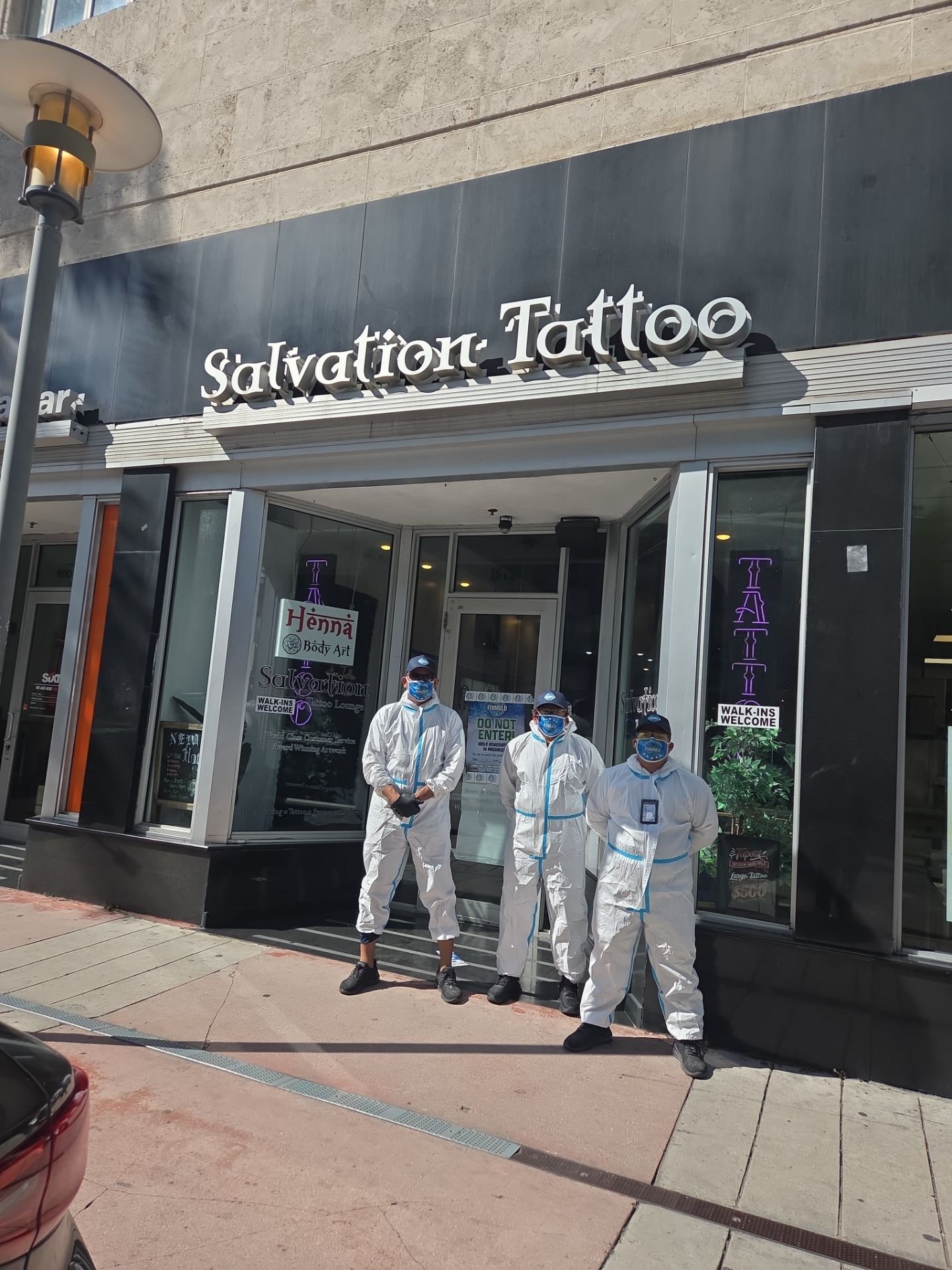
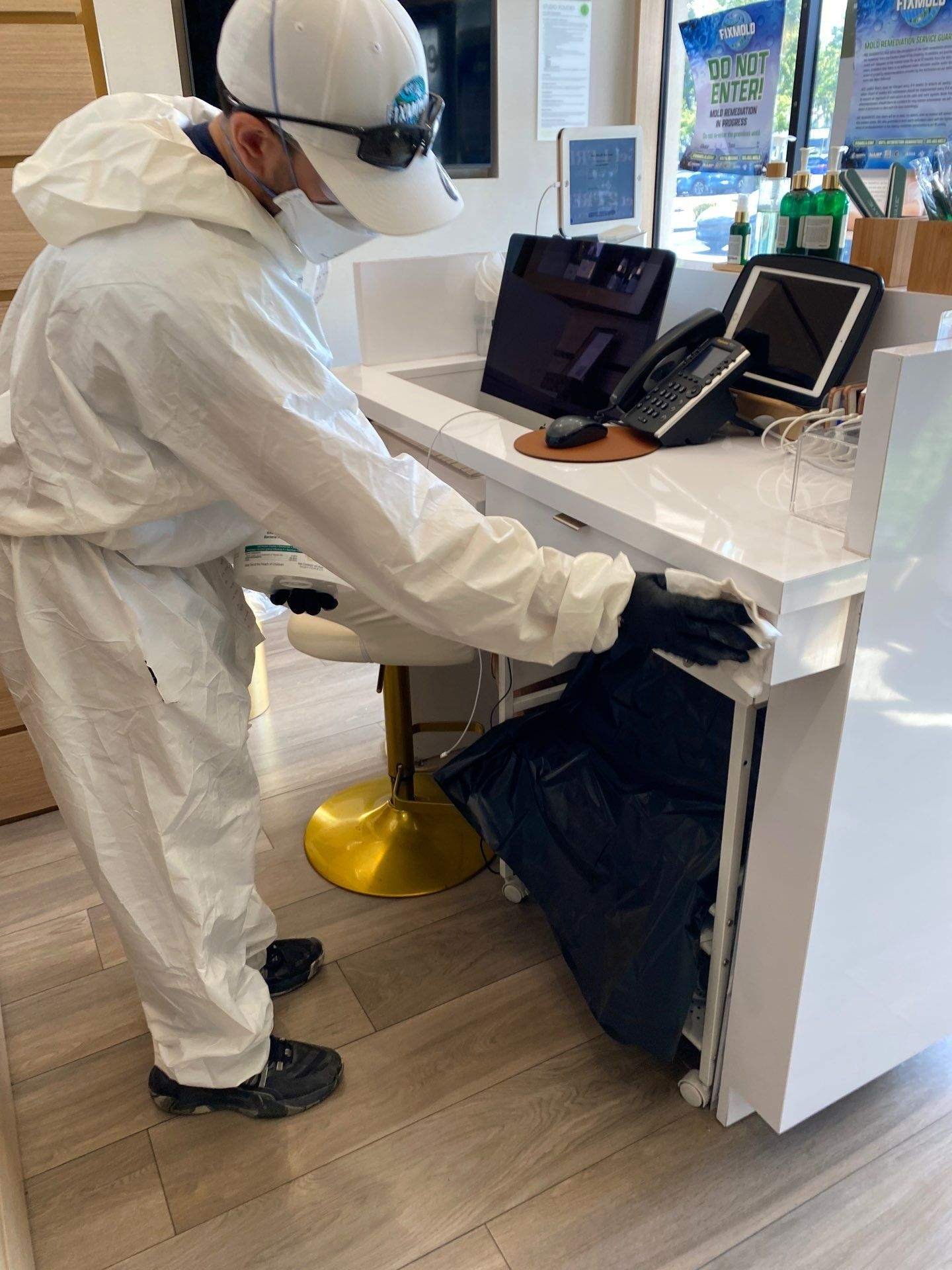
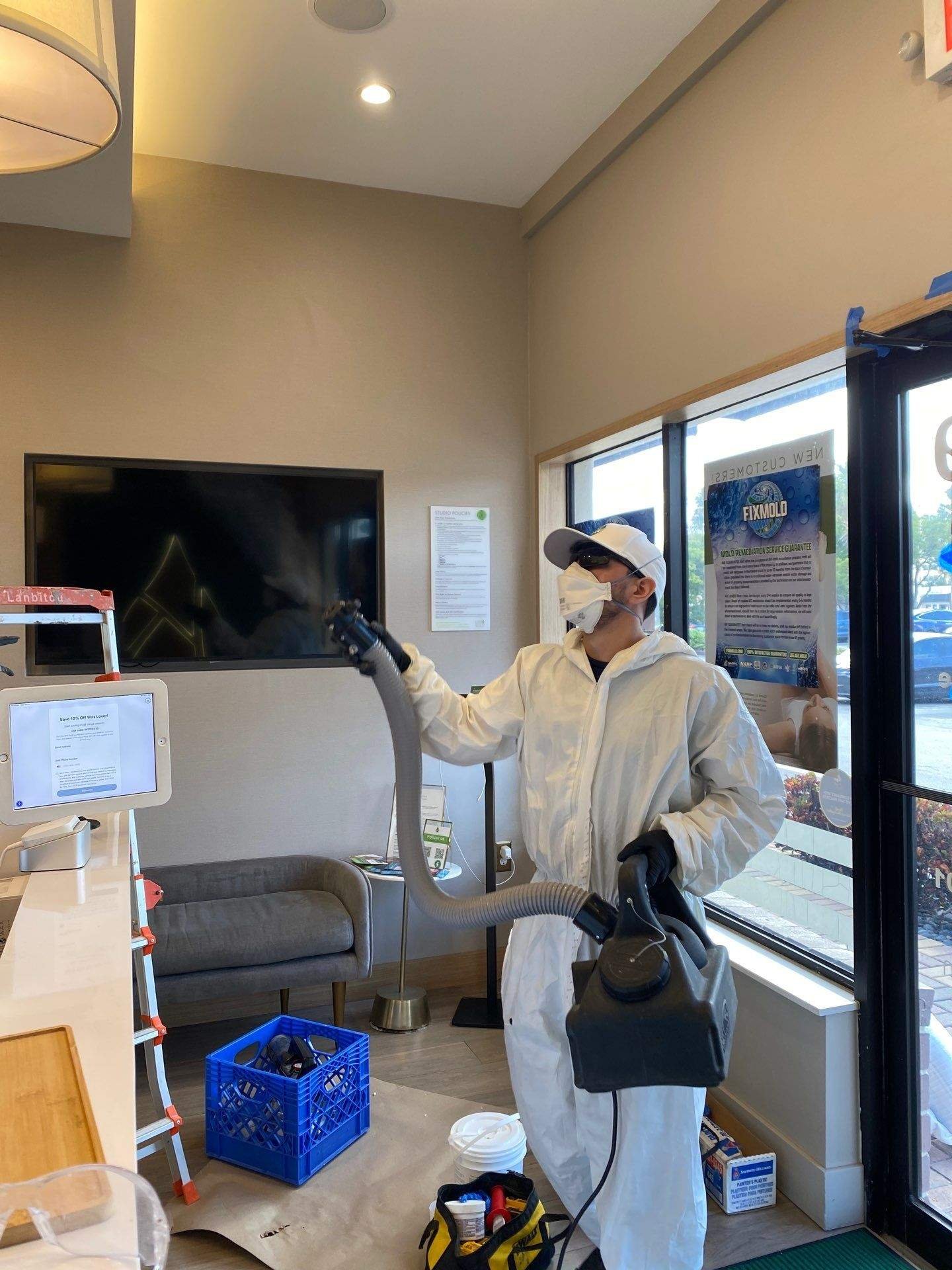
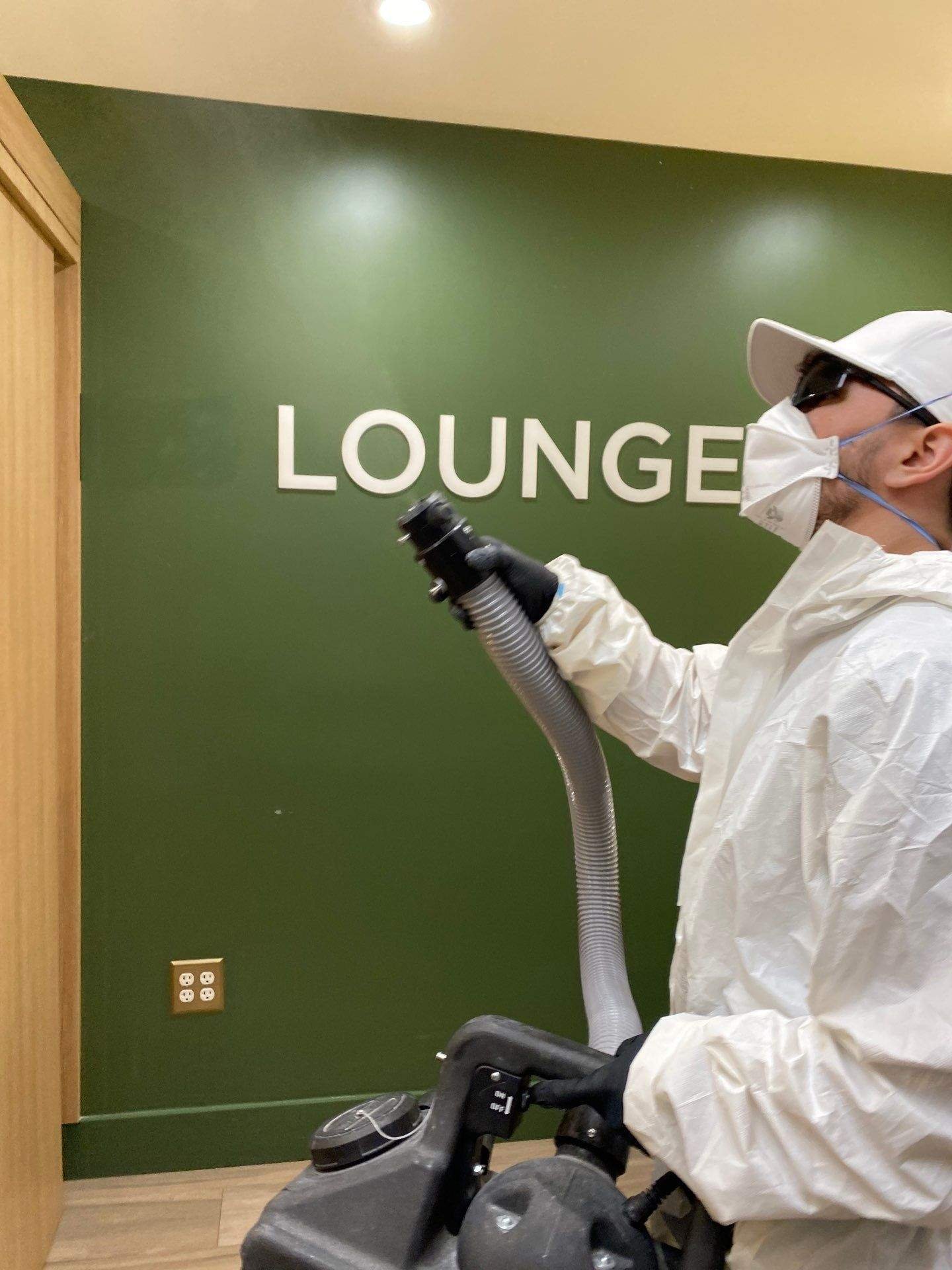
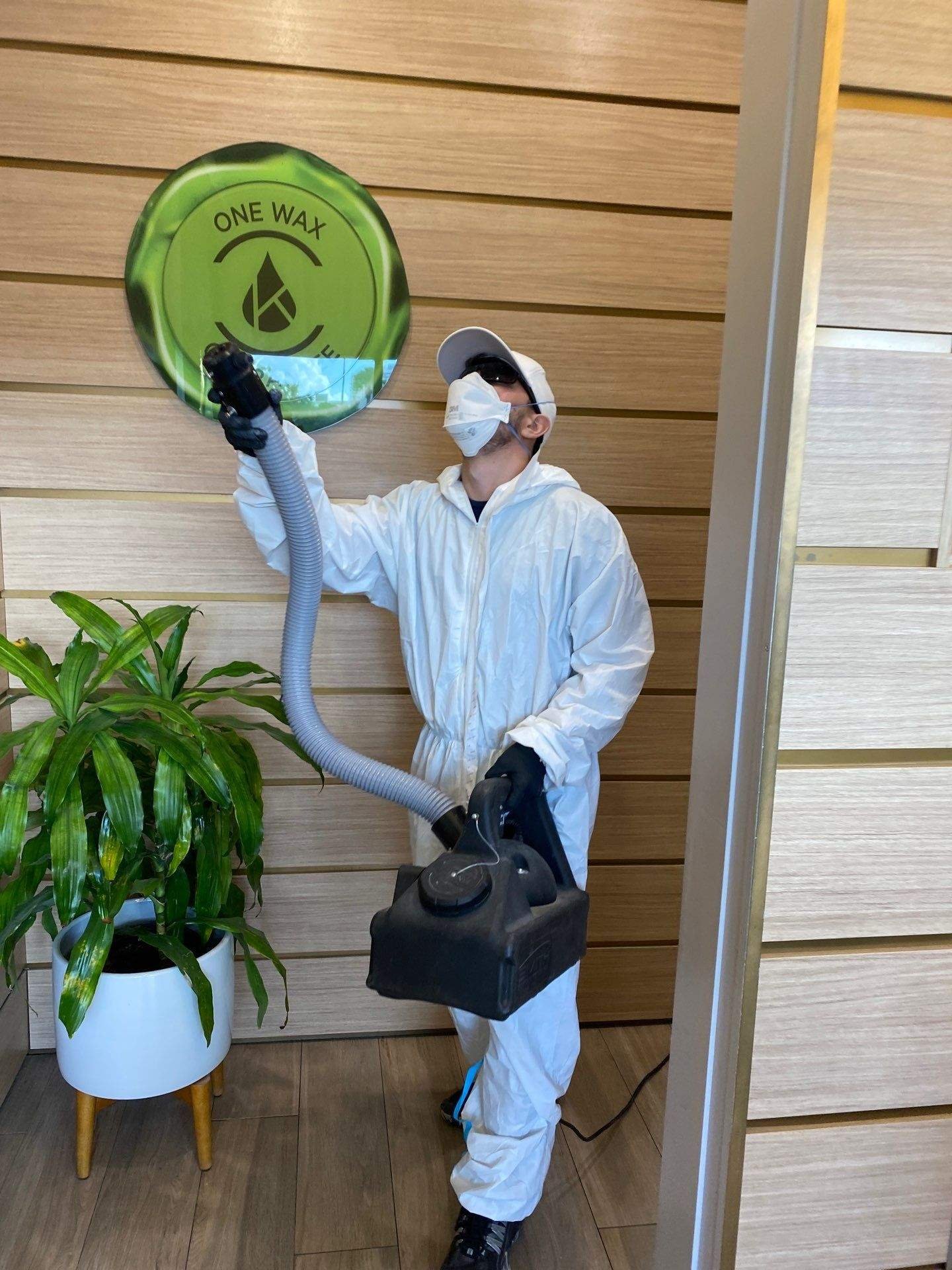
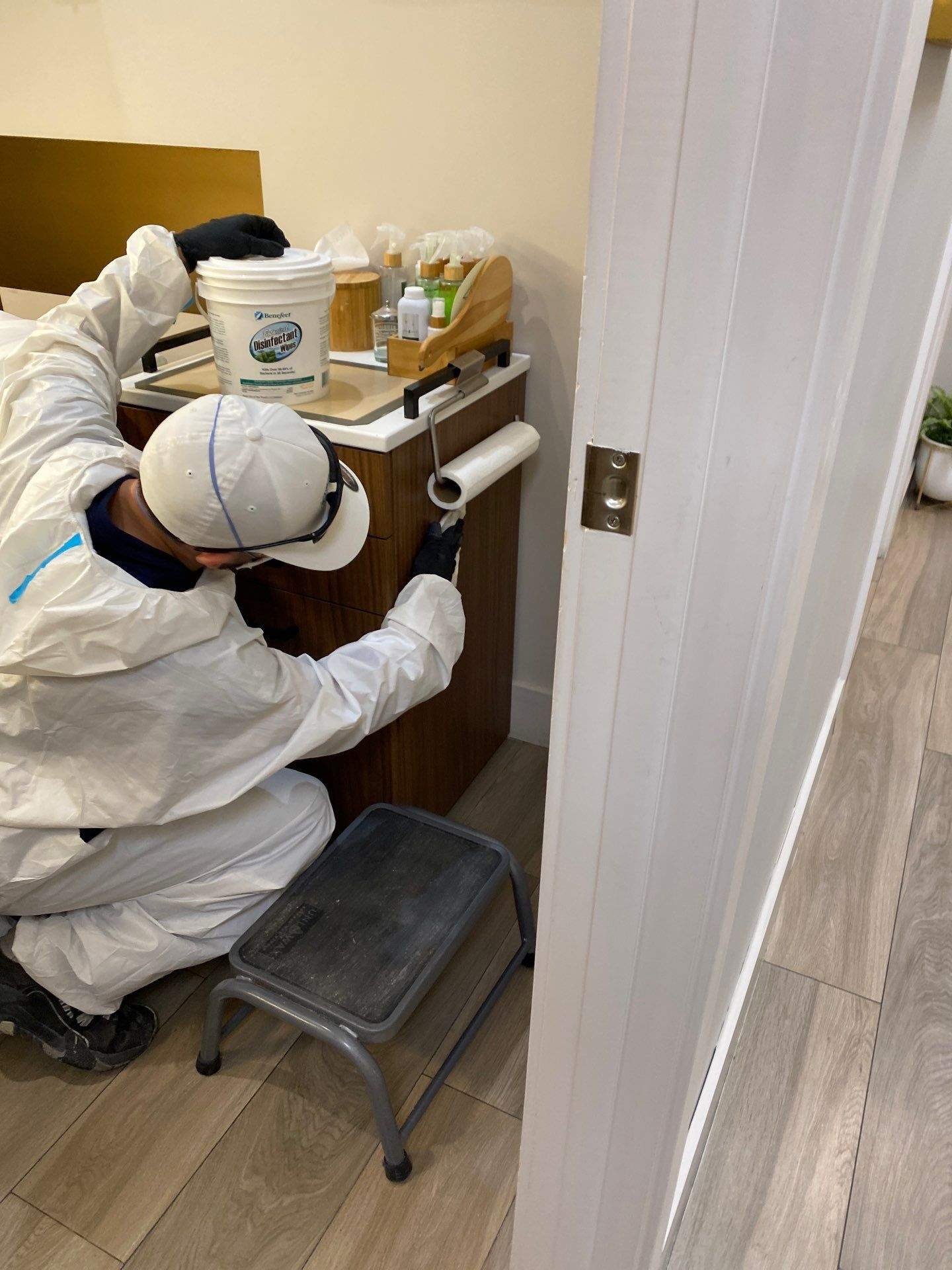
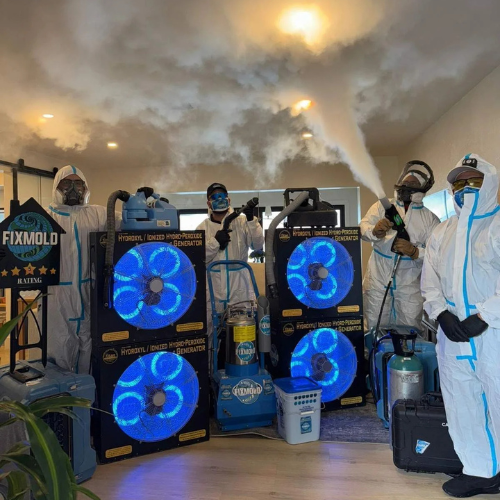
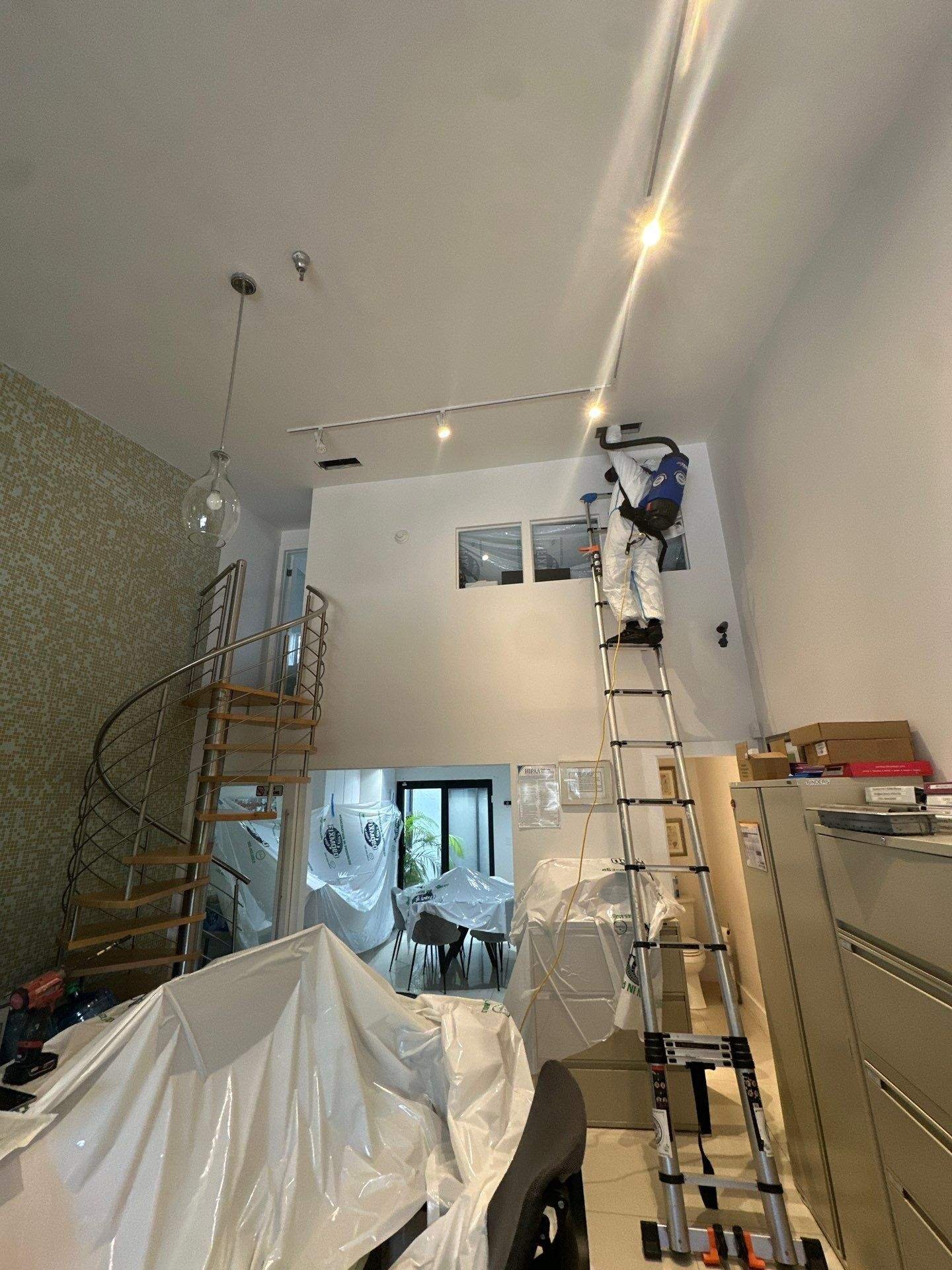
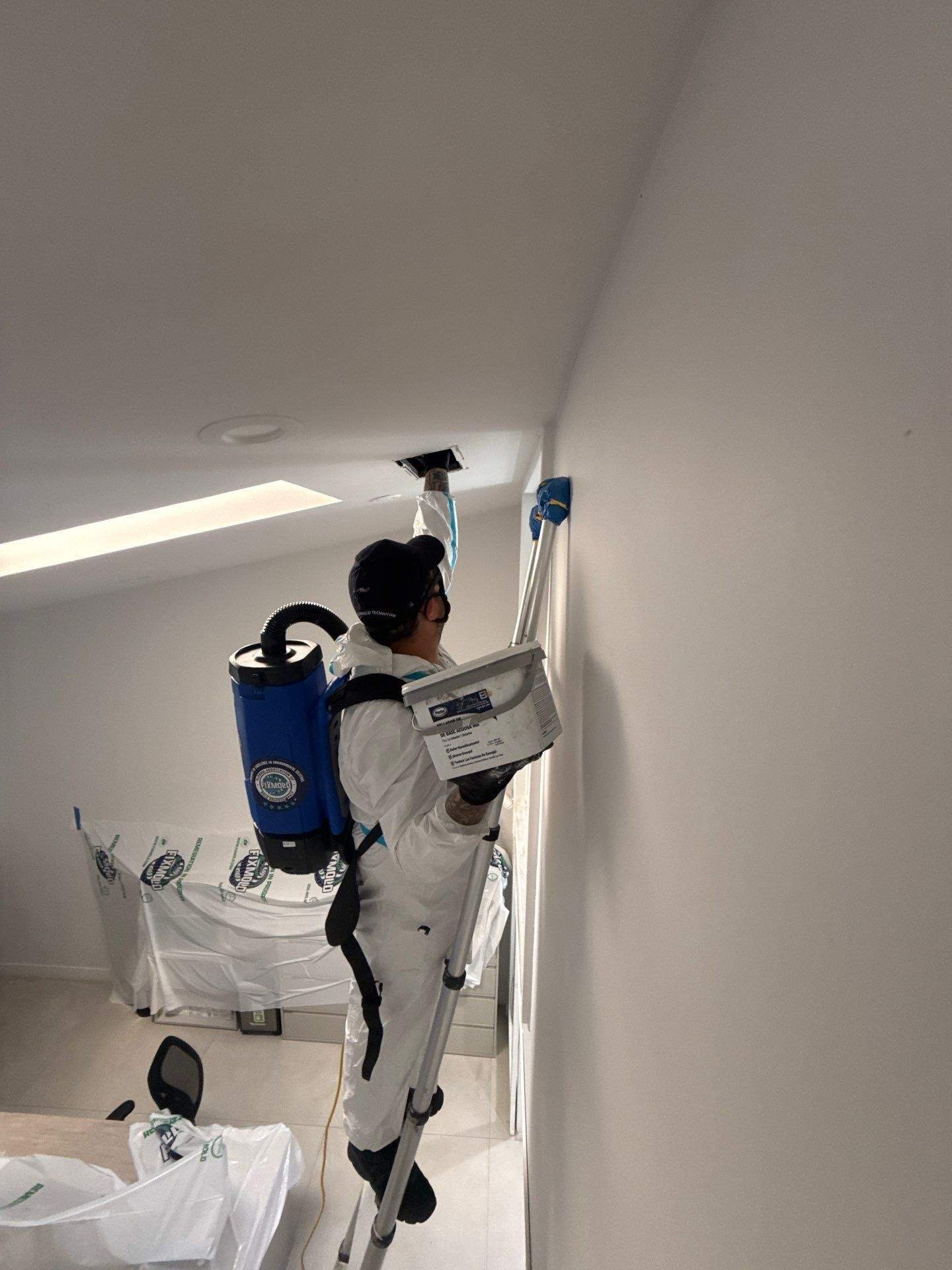
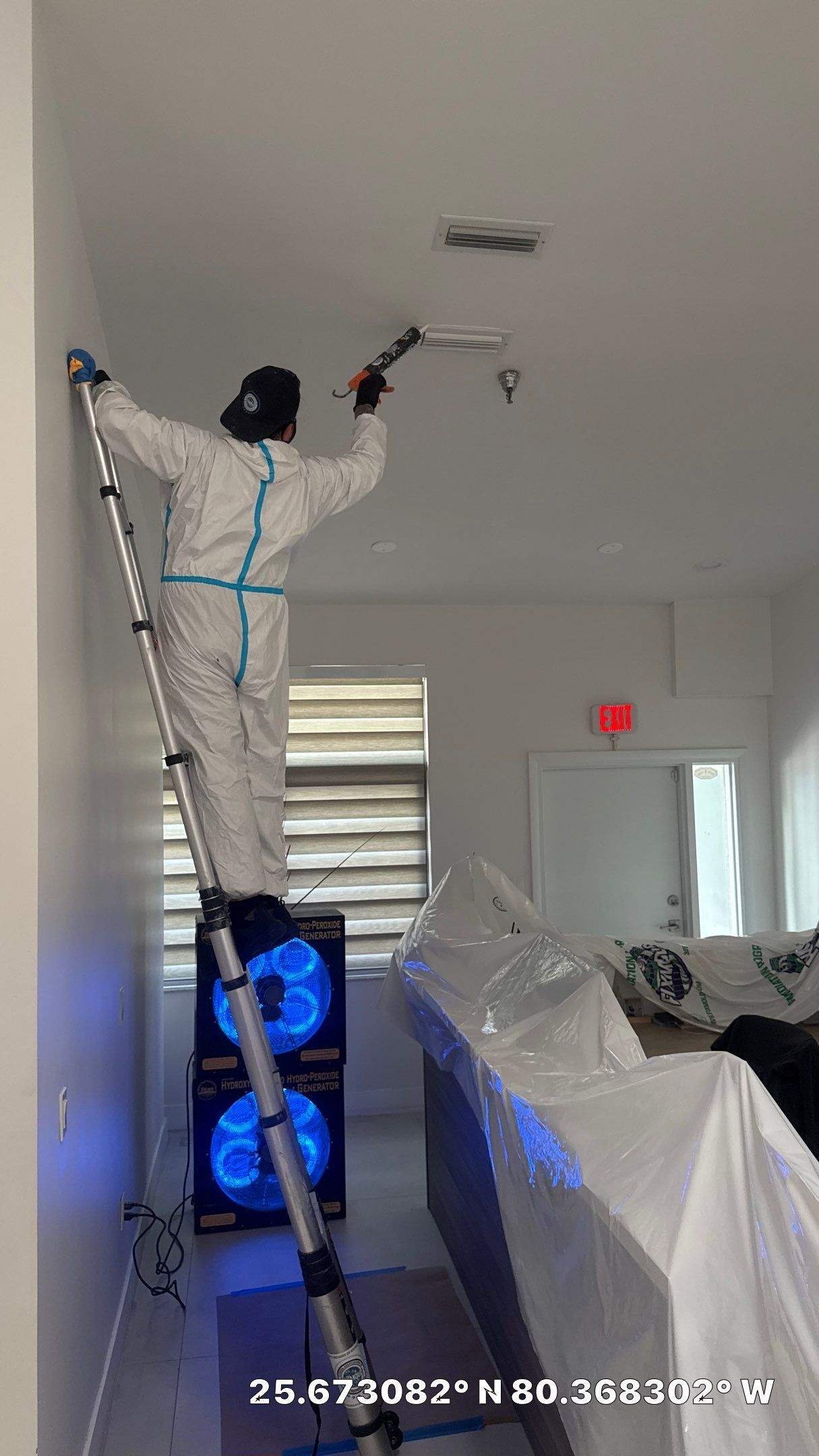
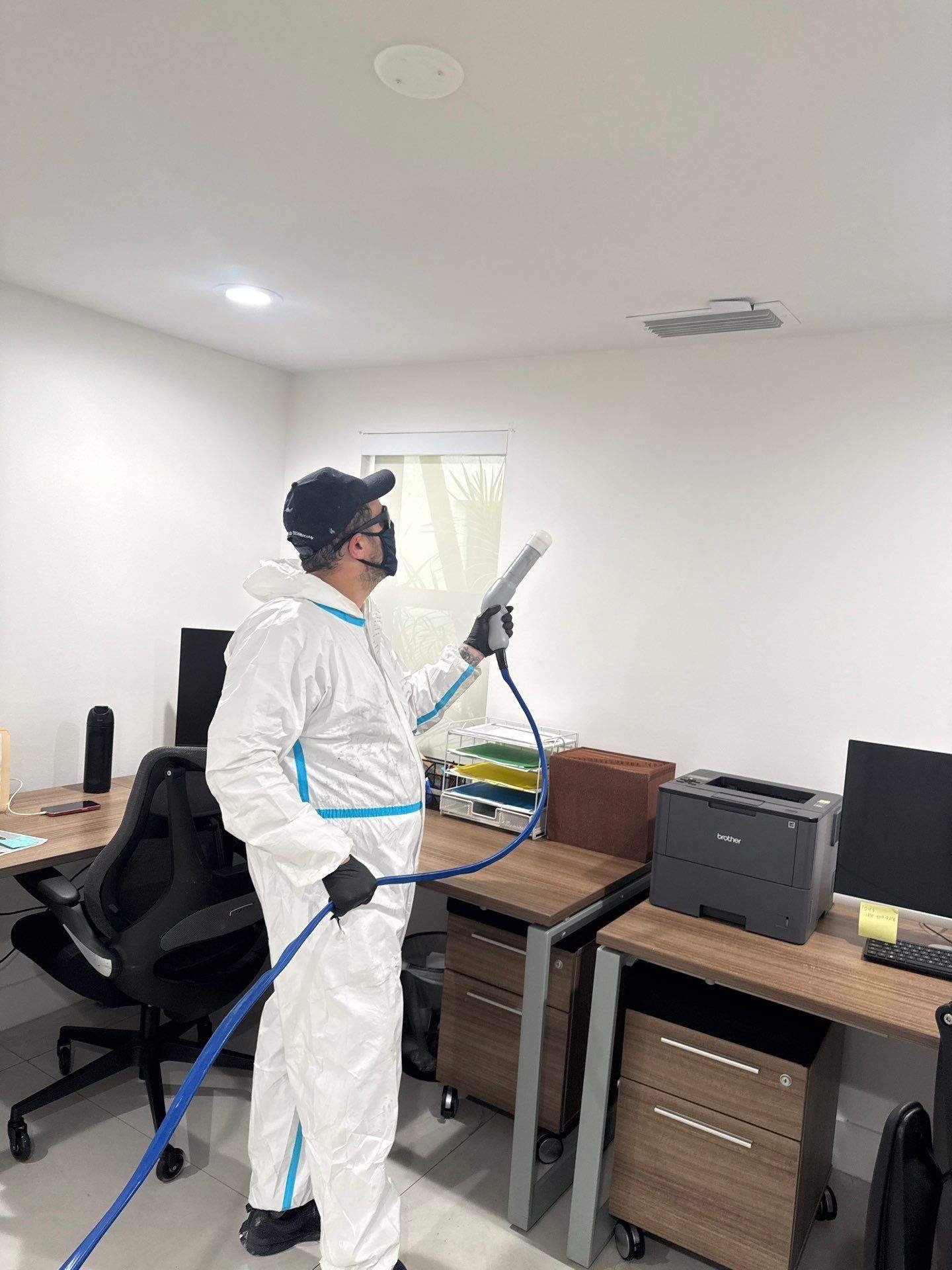
Mold removal and mold remediation are often used interchangeably, but they refer to different levels of service. Mold removal focuses on cleaning and eliminating visible mold from surfaces. Mold remediation goes further by addressing the full problem, including hidden contamination and the moisture conditions that allowed it to grow.
In Miami, where humidity allows mold to spread quickly, removal alone is often not enough. Cleaning visible areas may improve how a space looks, but it does not resolve the underlying issue if moisture is still present. This is why many situations require a more complete approach.
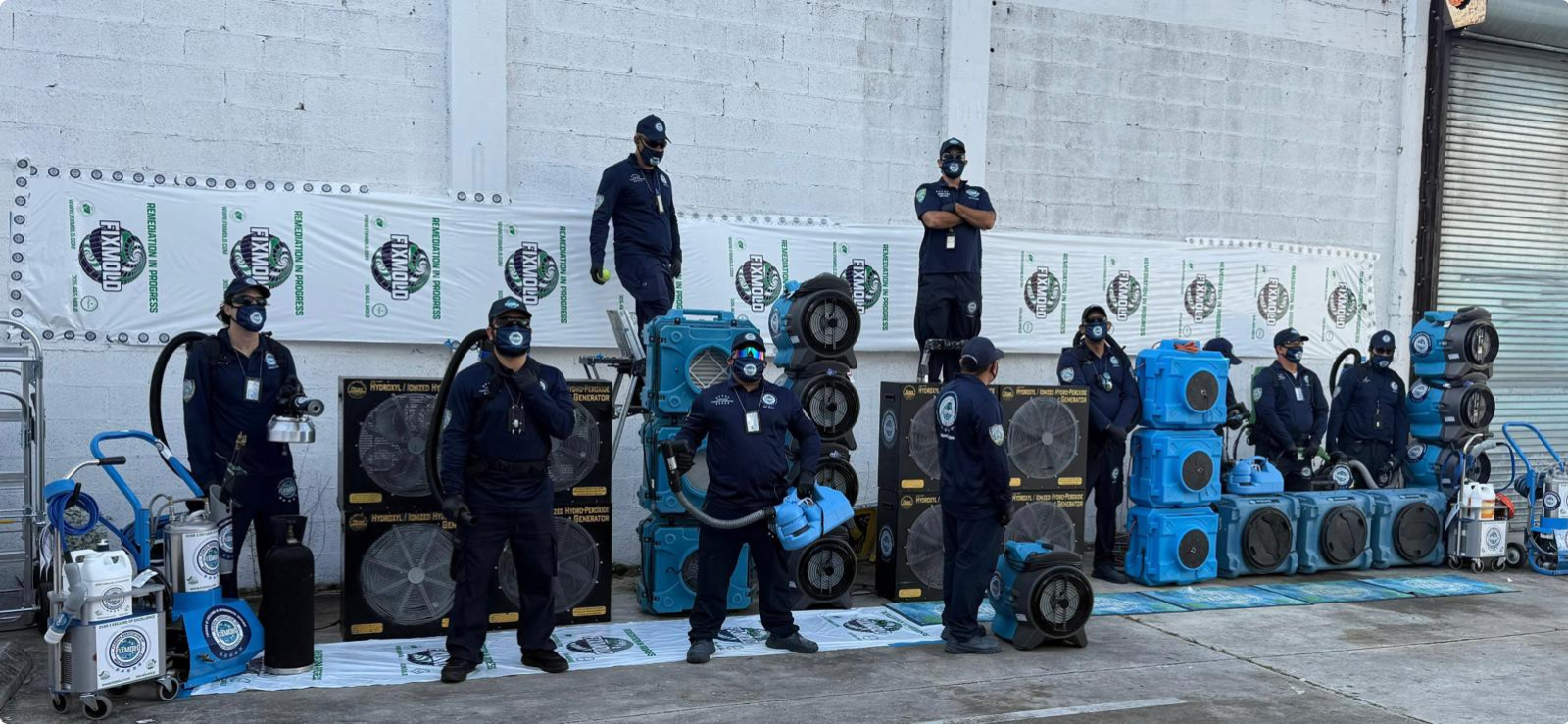
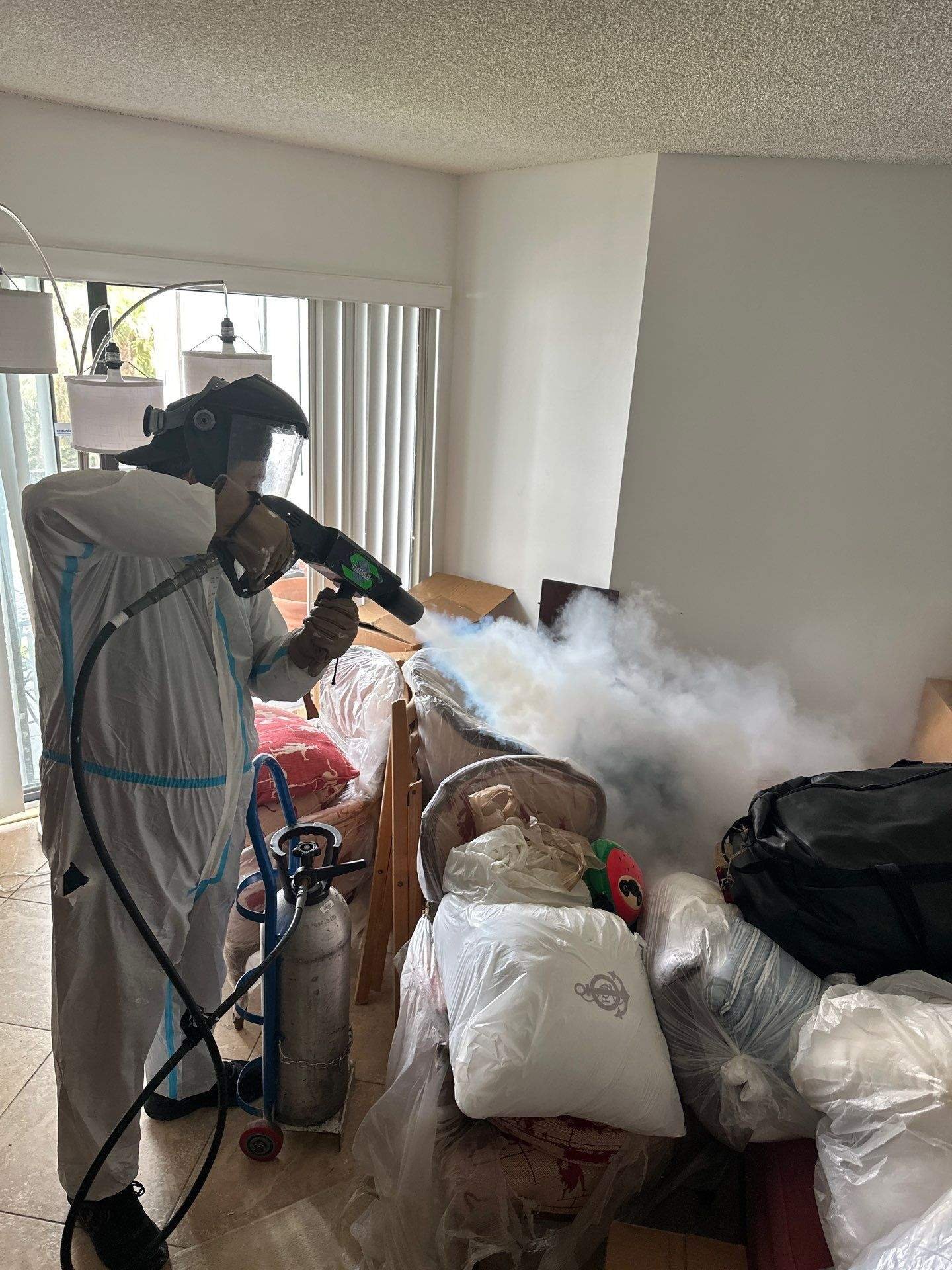
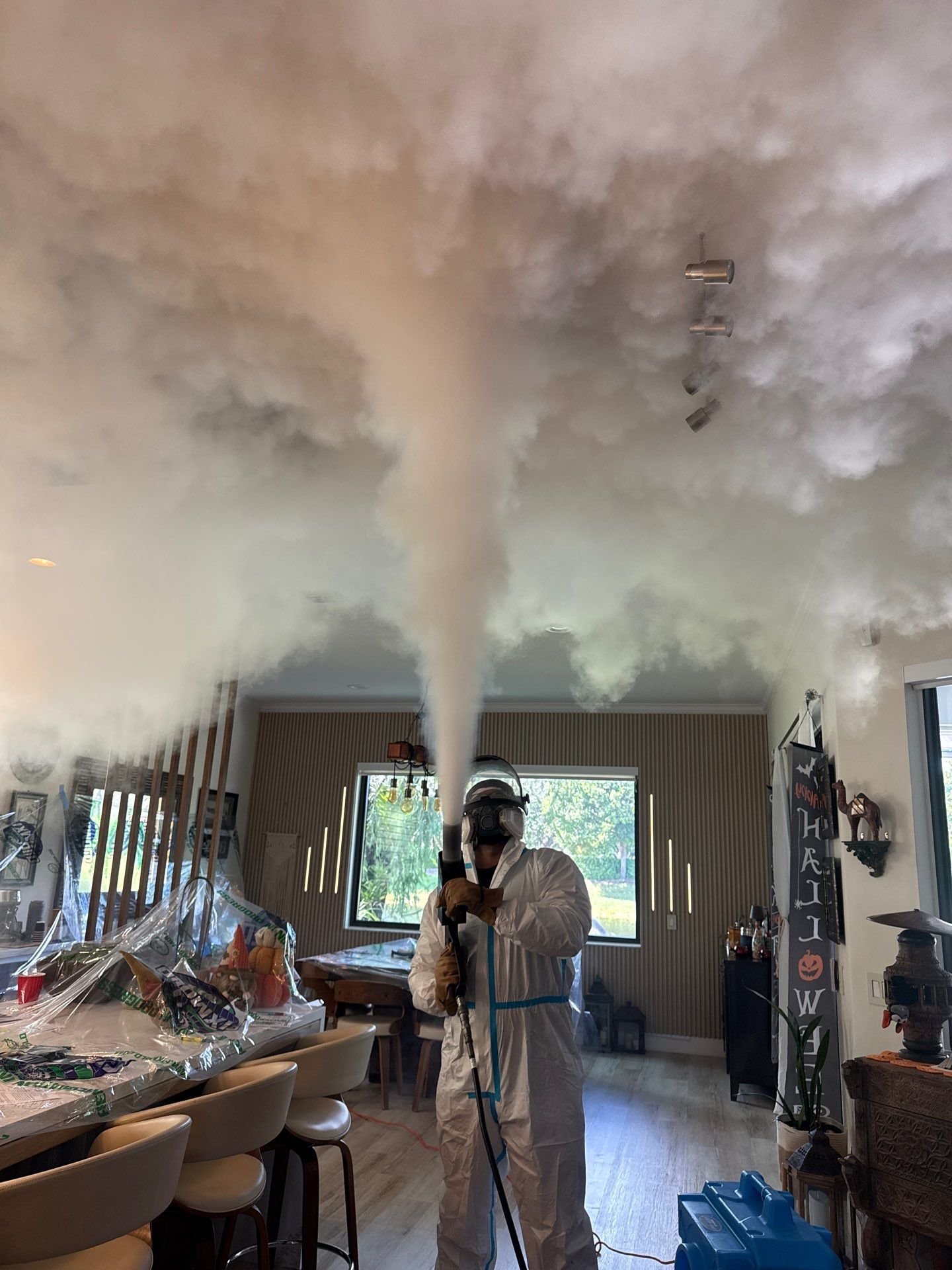
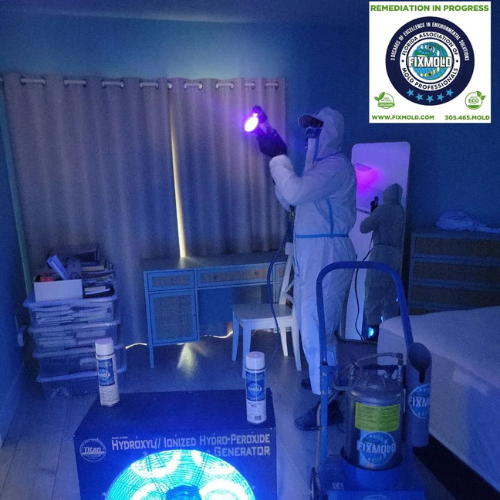
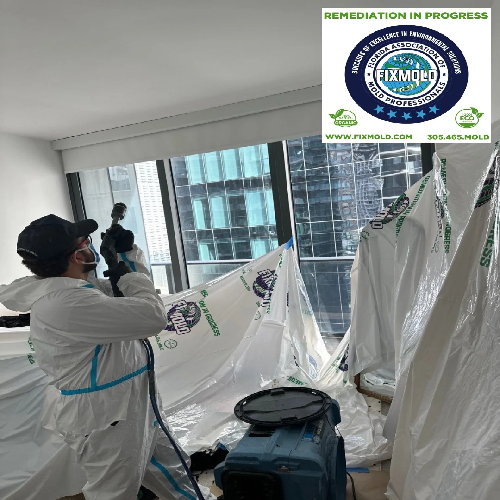
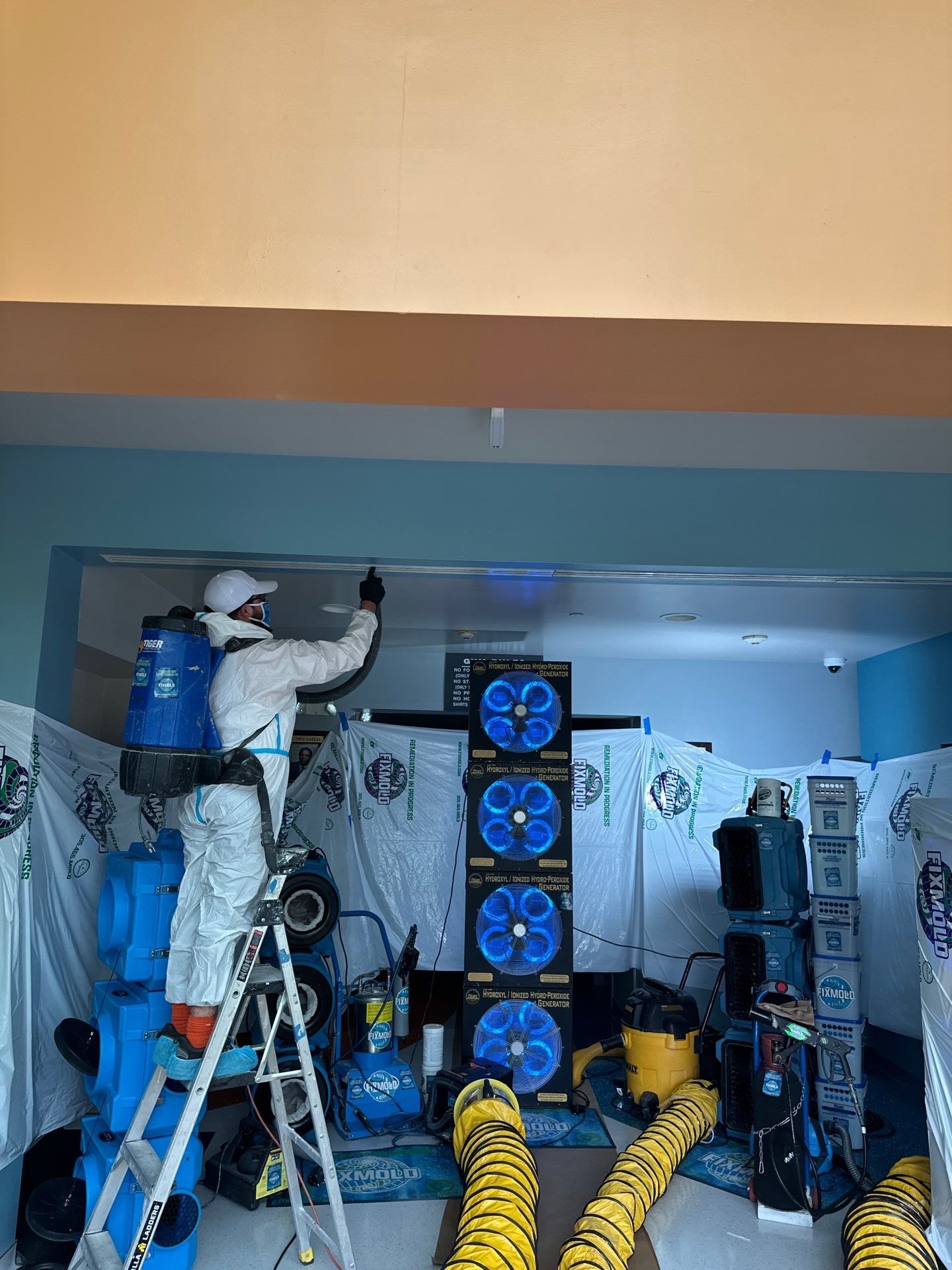
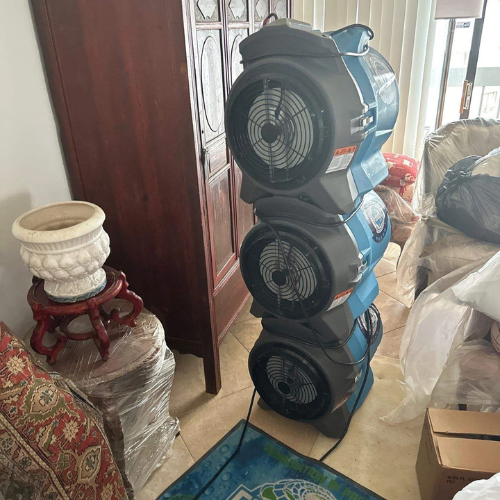
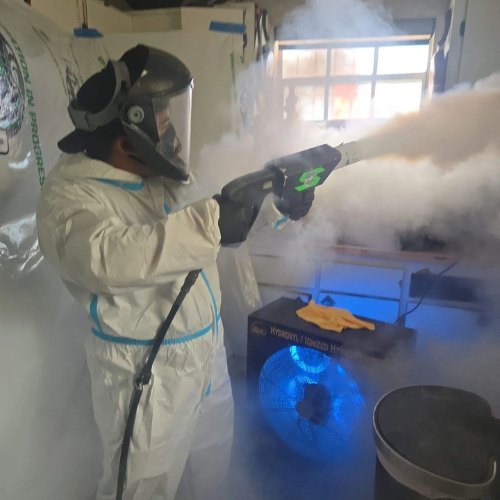
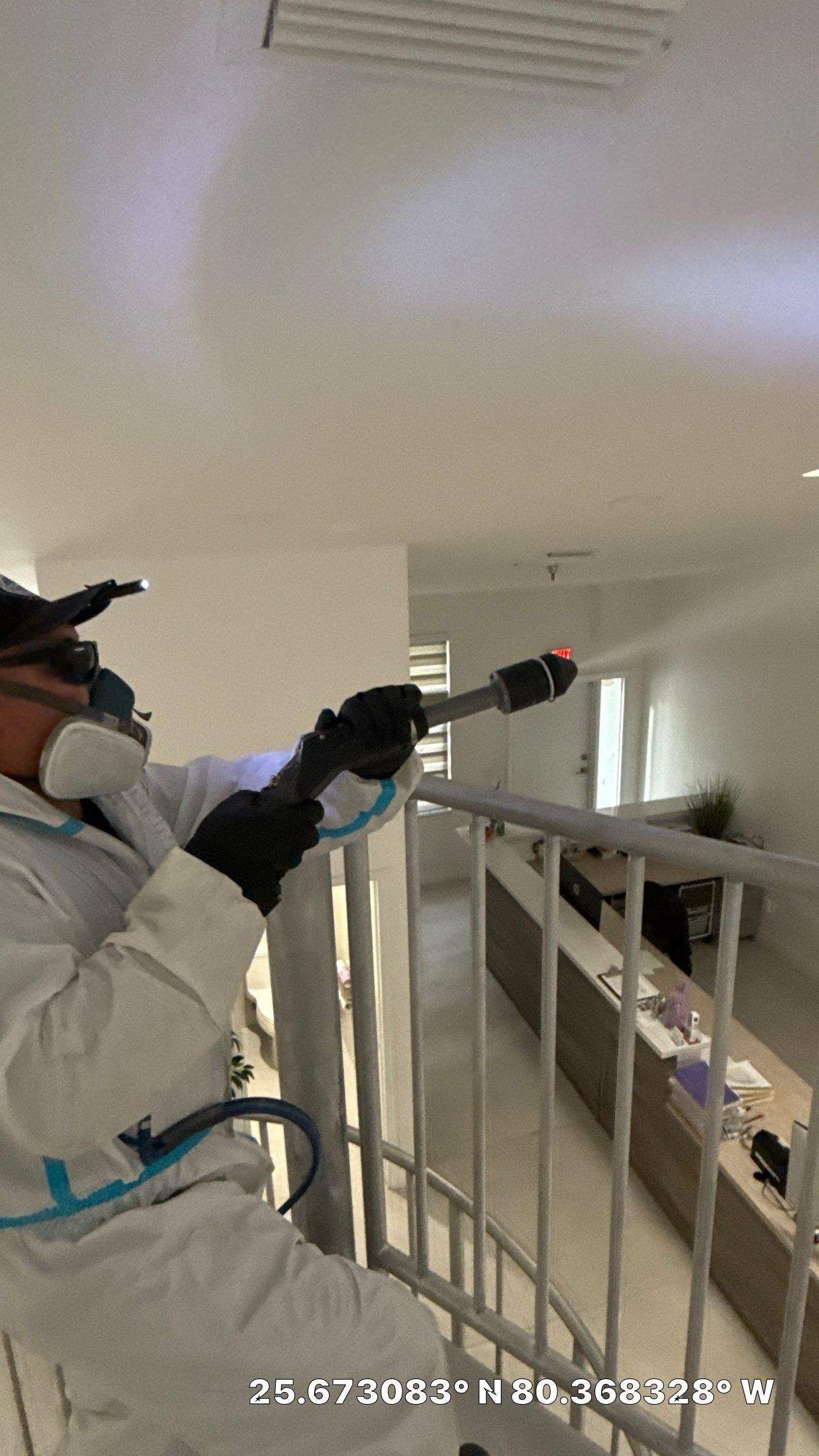
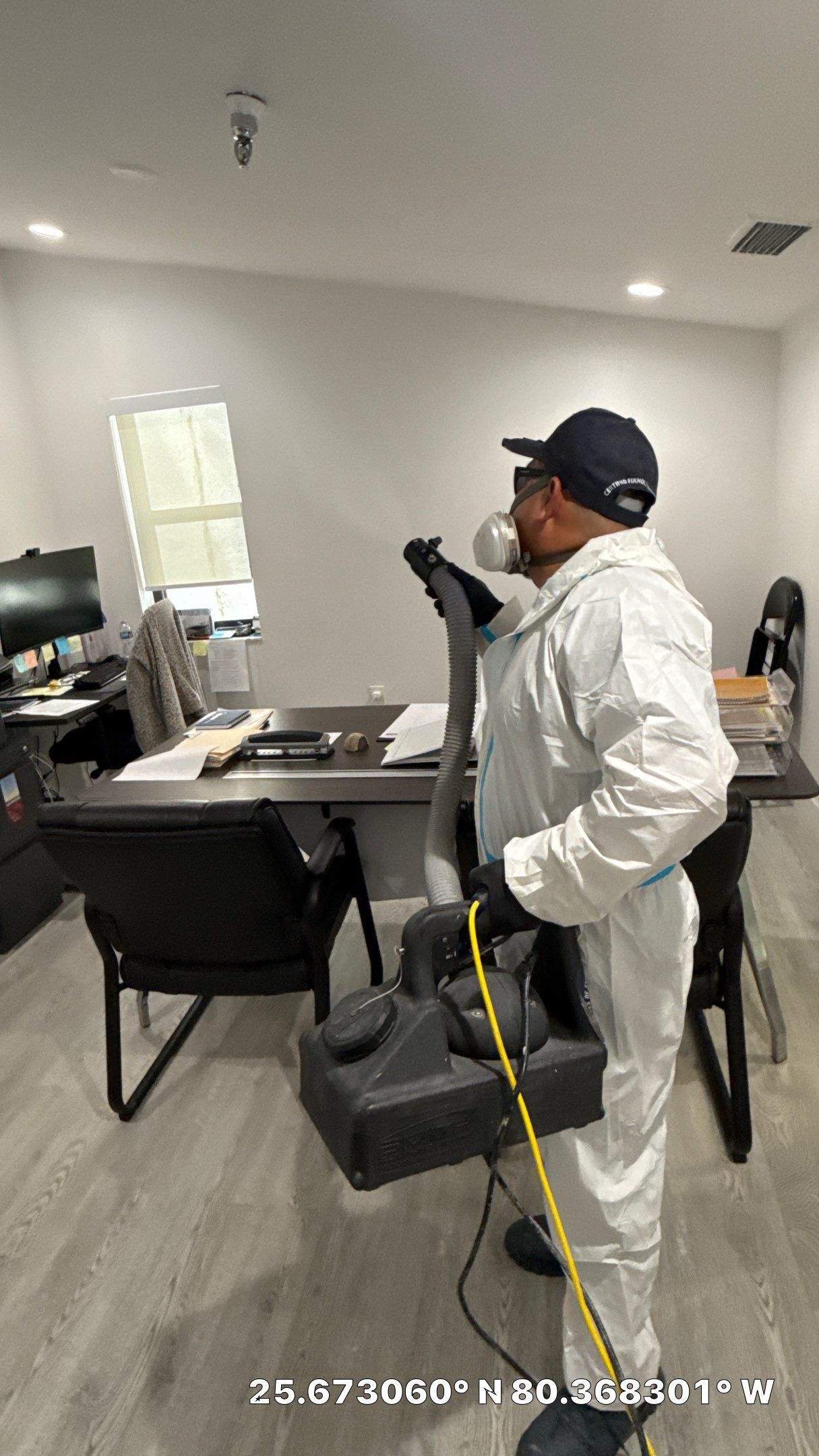
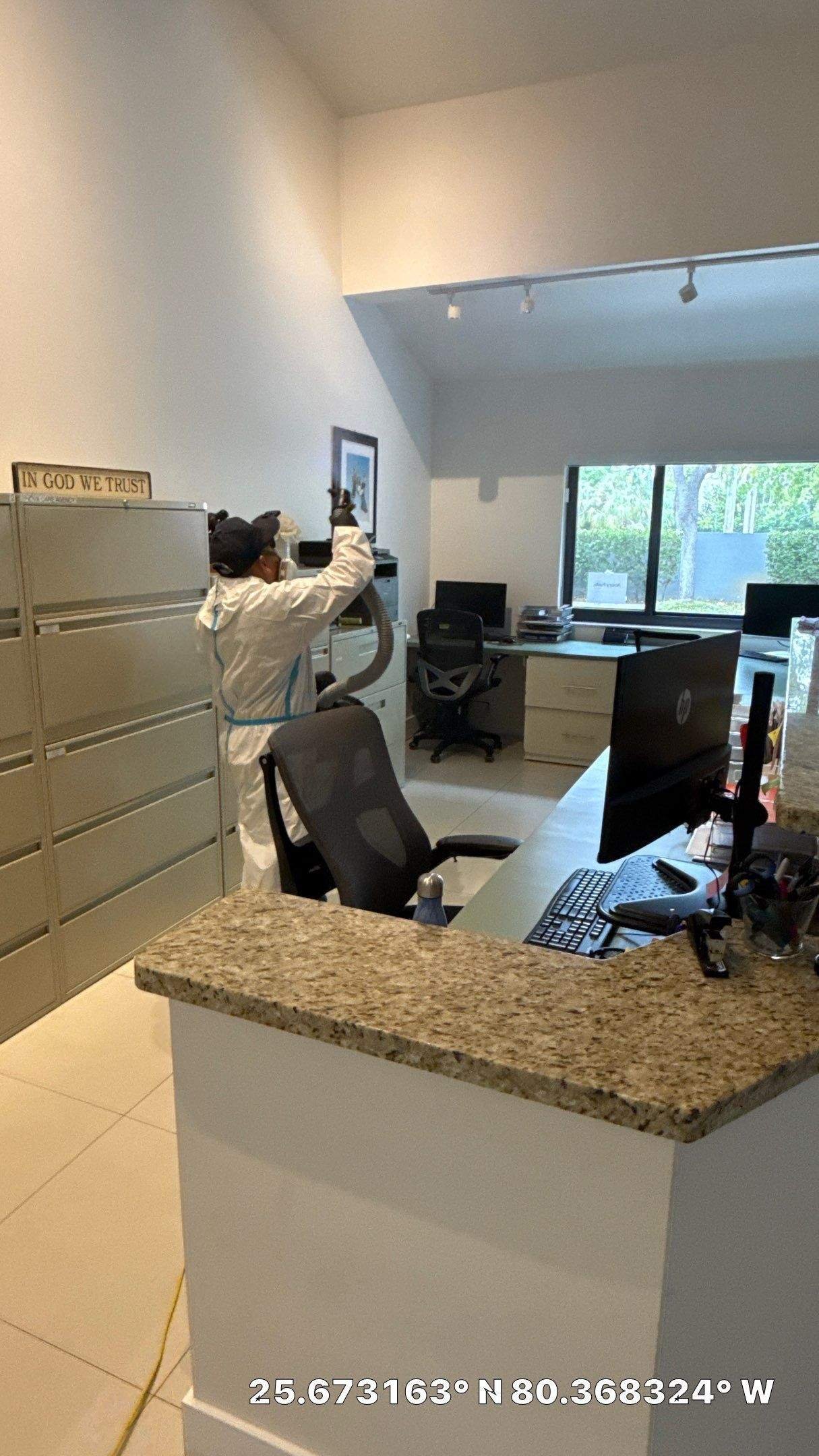
Remediation includes containment, removal of affected materials, air cleaning, and correcting the source of moisture. It is designed to stabilize the environment so mold does not return. While removal is a part of the process, remediation focuses on long term results.
Our goal is to match the right solution to your situation. Some cases may only need targeted removal, while others require full remediation to properly resolve the issue and protect indoor air quality.
Call or text: 305 465 6653 | Same day appointments available | Virtual assessment available
Mold Removal vs. Mold Remediation in Miami
Many Miami property owners researching mold problems eventually encounter two terms that appear similar but are often misunderstood: mold removal and mold remediation. While these phrases are frequently used interchangeably, they can represent different aspects of addressing moisture-related contamination within a property.
Understanding the distinction helps homeowners, renters, landlords, property managers, condominium associations, commercial building owners, and real estate professionals make informed decisions when evaluating environmental concerns.
In Miami and throughout South Florida, mold problems are rarely isolated events. Most contamination develops because moisture is present somewhere within the building. High humidity, tropical storms, hurricanes, flooding, roof leaks, plumbing failures, air conditioning condensation, poor ventilation, and coastal moisture exposure create ideal conditions for hidden moisture accumulation.
Whether a property is located in Miami Beach, Brickell, Coral Gables, Coconut Grove, Kendall, Pinecrest, Doral, Aventura, Fort Lauderdale, Boca Raton, Naples, West Palm Beach, or nearby communities, moisture management remains the most important factor in controlling mold-related issues.
What Is Mold Removal?
When people refer to mold removal, they are often thinking about the visible mold they can see on walls, ceilings, vents, flooring, cabinetry, insulation, or other building surfaces.
The goal is typically to eliminate the contamination that is present within the affected area.
However, visible contamination is often only one part of a larger environmental issue. In many Miami properties, mold develops in concealed locations where it may remain unnoticed for extended periods.
Wall cavities, ceiling spaces, insulation systems, crawlspaces, attics, HVAC components, and subfloor assemblies frequently contain hidden moisture that contributes to ongoing contamination.
What Is Mold Remediation?
This is where mold remediation becomes especially important. Remediation focuses on addressing not only the contamination itself but also the environmental conditions that allowed it to develop.
Rather than concentrating solely on what is visible, remediation seeks to identify moisture sources, evaluate affected materials, improve environmental conditions, and reduce the likelihood of future contamination.
A common example involves a roof leak. A homeowner may notice visible mold staining on a ceiling and assume the problem is limited to that area.
If only the visible contamination is addressed, moisture may continue affecting insulation materials, framing components, and hidden structural spaces above the ceiling.
In this situation, removing visible mold without correcting the moisture source may provide only temporary improvement.
Remediation would involve evaluating the roof leak, identifying hidden moisture, assessing affected materials, and addressing the environmental conditions contributing to the problem.
HVAC Systems and Hidden Moisture
HVAC systems are another area where the difference between mold removal and remediation becomes apparent. Air conditioning systems throughout Miami operate almost continuously due to the region’s climate.
As these systems cool humid air, condensation naturally forms. If drain lines become blocked, insulation absorbs moisture, humidity remains elevated, or airflow becomes restricted, contamination may develop within ducts, vents, air handlers, and surrounding building materials.
Visible mold around vents may represent only a small portion of the environmental issue.
Remediation often requires evaluating the HVAC system itself to determine whether moisture conditions inside the ventilation network are contributing to ongoing contamination.
Attic and Crawlspace Considerations
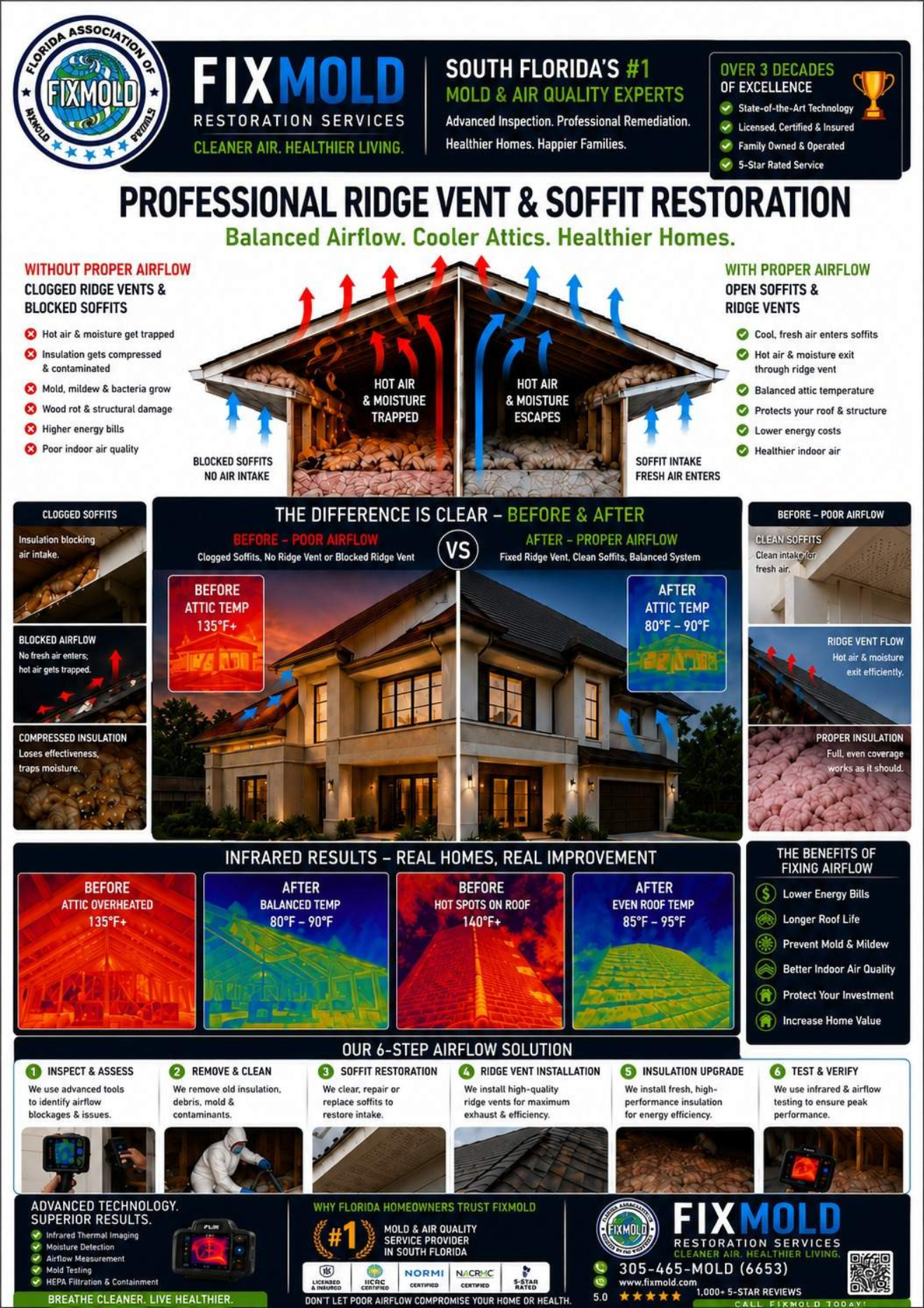
Attics throughout South Florida commonly experience moisture-related environmental challenges. Roof leaks, trapped heat, inadequate ventilation, humidity accumulation, and duct condensation can create conditions where contamination develops inside insulation systems and structural framing.
In some cases, visible mold may appear only in isolated areas while hidden moisture affects a much larger portion of the attic.
Remediation focuses on understanding the overall environmental conditions affecting the space rather than simply addressing visible growth.
Crawlspaces present similar concerns. Ground moisture, flooding, poor drainage, and year-round humidity may create damp conditions beneath the structure.
Moisture originating in crawlspaces can influence insulation systems, framing materials, flooring assemblies, and indoor air quality throughout the property.
Addressing visible contamination without correcting underlying moisture conditions often leads to recurring environmental issues.
Condominiums and Waterfront Homes
Condominiums and high-rise buildings throughout Brickell, Downtown Miami, Sunny Isles, Hallandale Beach, and Miami Beach frequently experience moisture-related concerns associated with neighboring units, shared plumbing systems, common infrastructure, and building-wide ventilation systems.
In these environments, contamination may be linked to moisture sources located outside the affected unit.
Remediation helps identify the broader environmental factors contributing to the problem.
Luxury homes throughout Fisher Island, Key Biscayne, Golden Beach, Palm Beach, Naples, and Miami Beach face unique environmental pressures due to coastal humidity, salt air exposure, and sophisticated building systems designed to manage indoor climate conditions.
Even modern construction can develop hidden condensation issues when moisture control systems become compromised.
Professional Evaluation and Testing
Professional remediation often includes multiple components beyond visible cleanup.
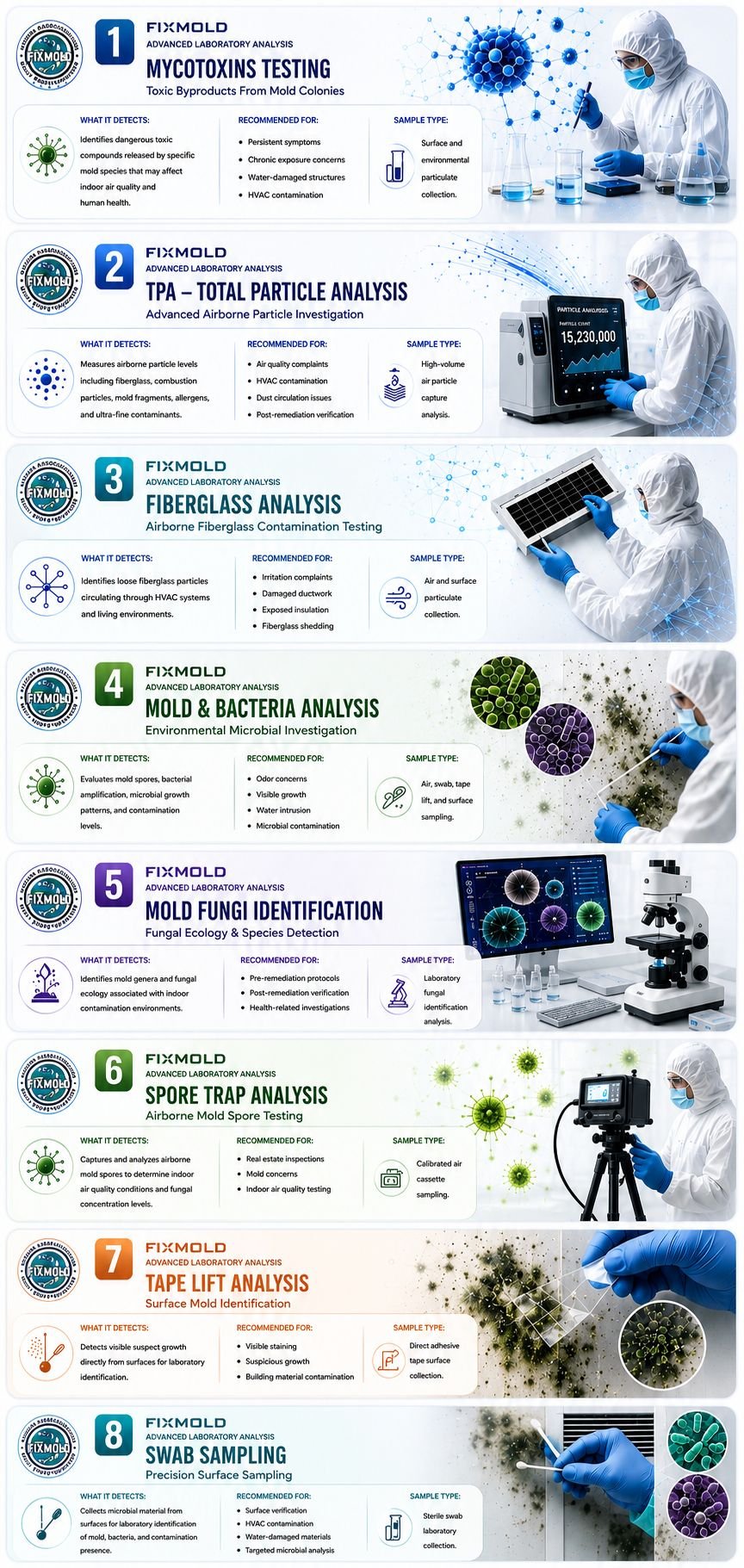
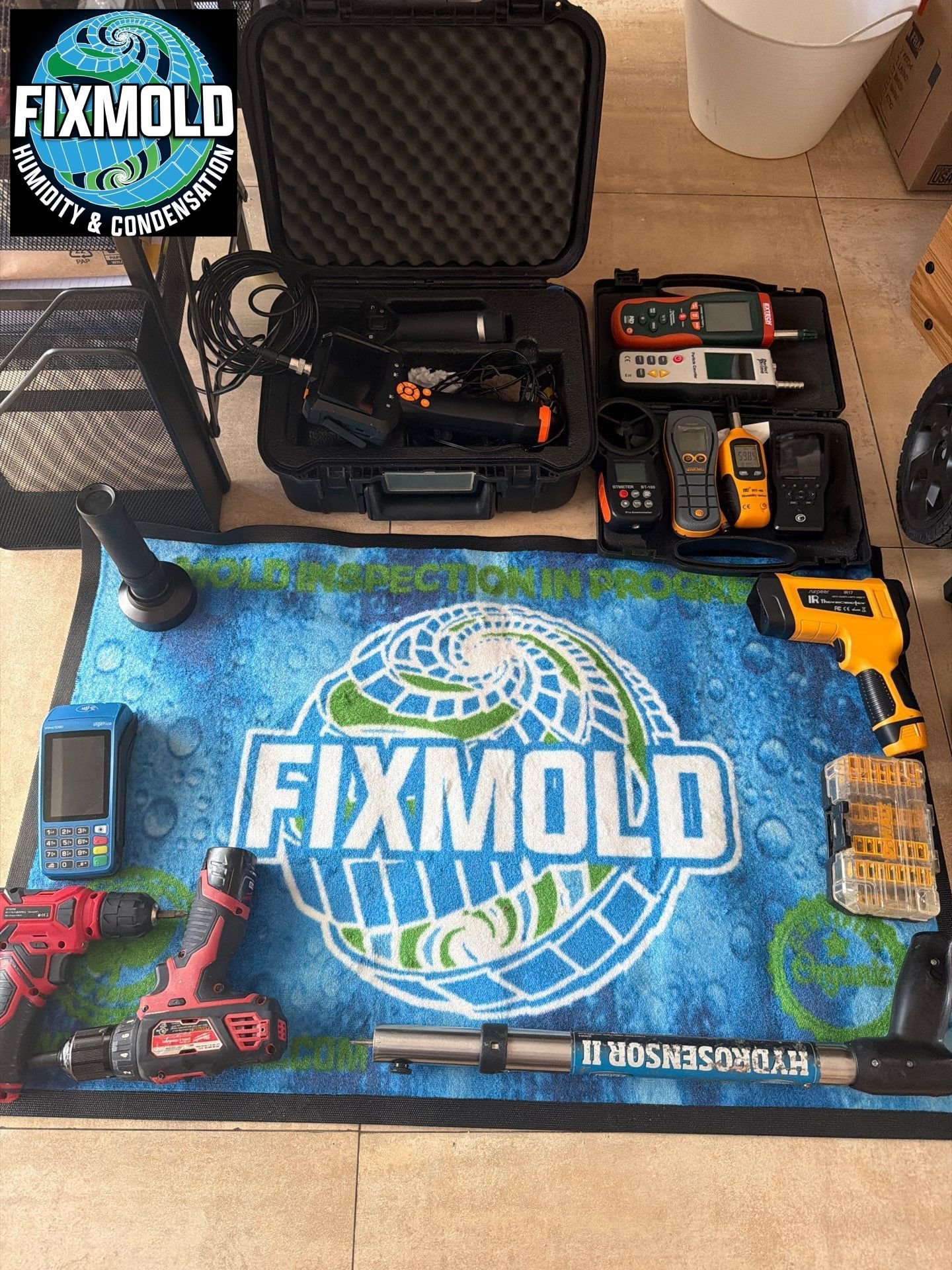
Moisture detection, thermal imaging, leak detection, humidity analysis, indoor air quality testing, airborne particle testing, HVAC evaluation, surface sampling, and environmental monitoring may all be used to better understand conditions affecting the property.
Thermal imaging can help identify hidden moisture behind walls, ceilings, flooring systems, and insulation materials.
Moisture meters help determine whether structural components contain elevated moisture levels that may contribute to environmental instability.
Airborne particle testing and indoor air quality assessments may also be considered when occupants report musty odors, stale air, recurring humidity, respiratory concerns, or suspected hidden contamination.
Containment and Environmental Controls
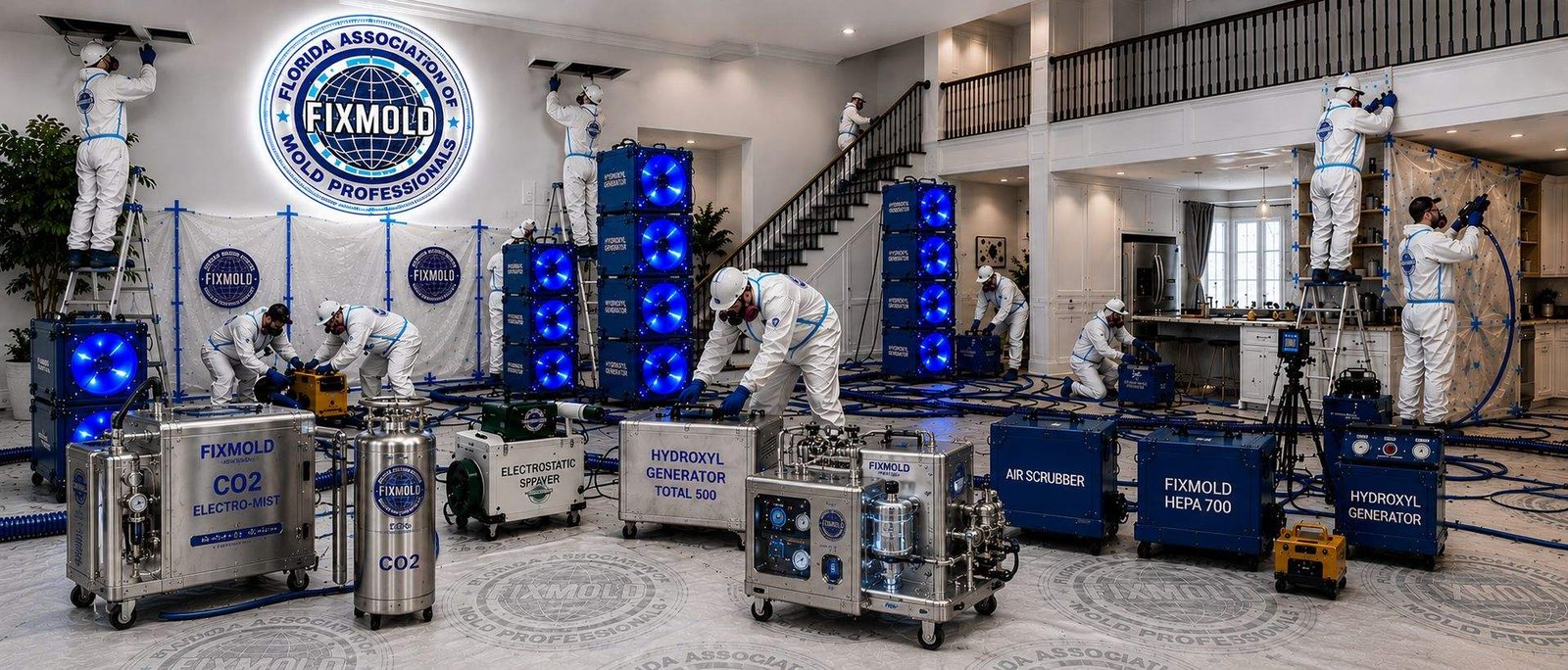
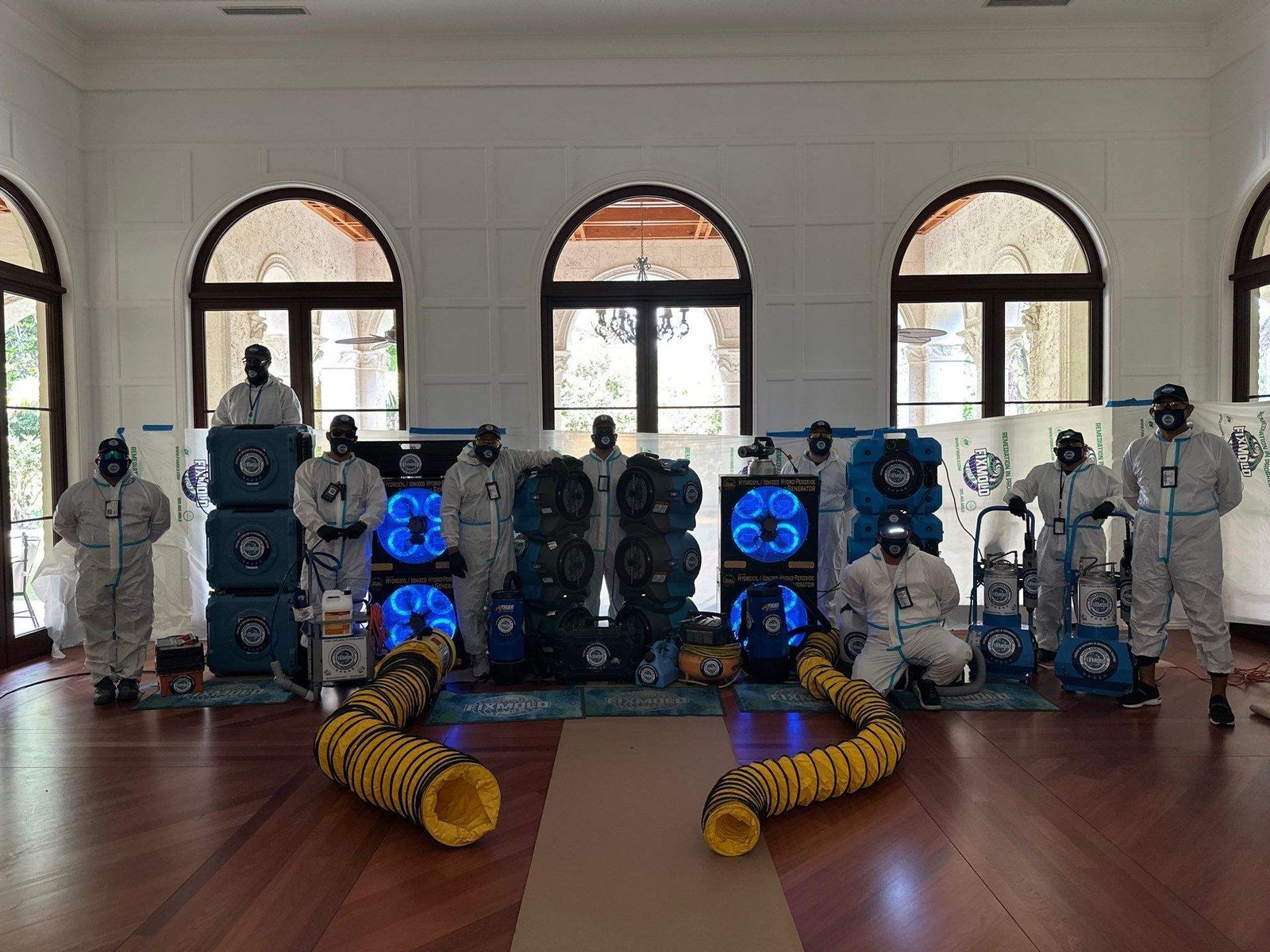
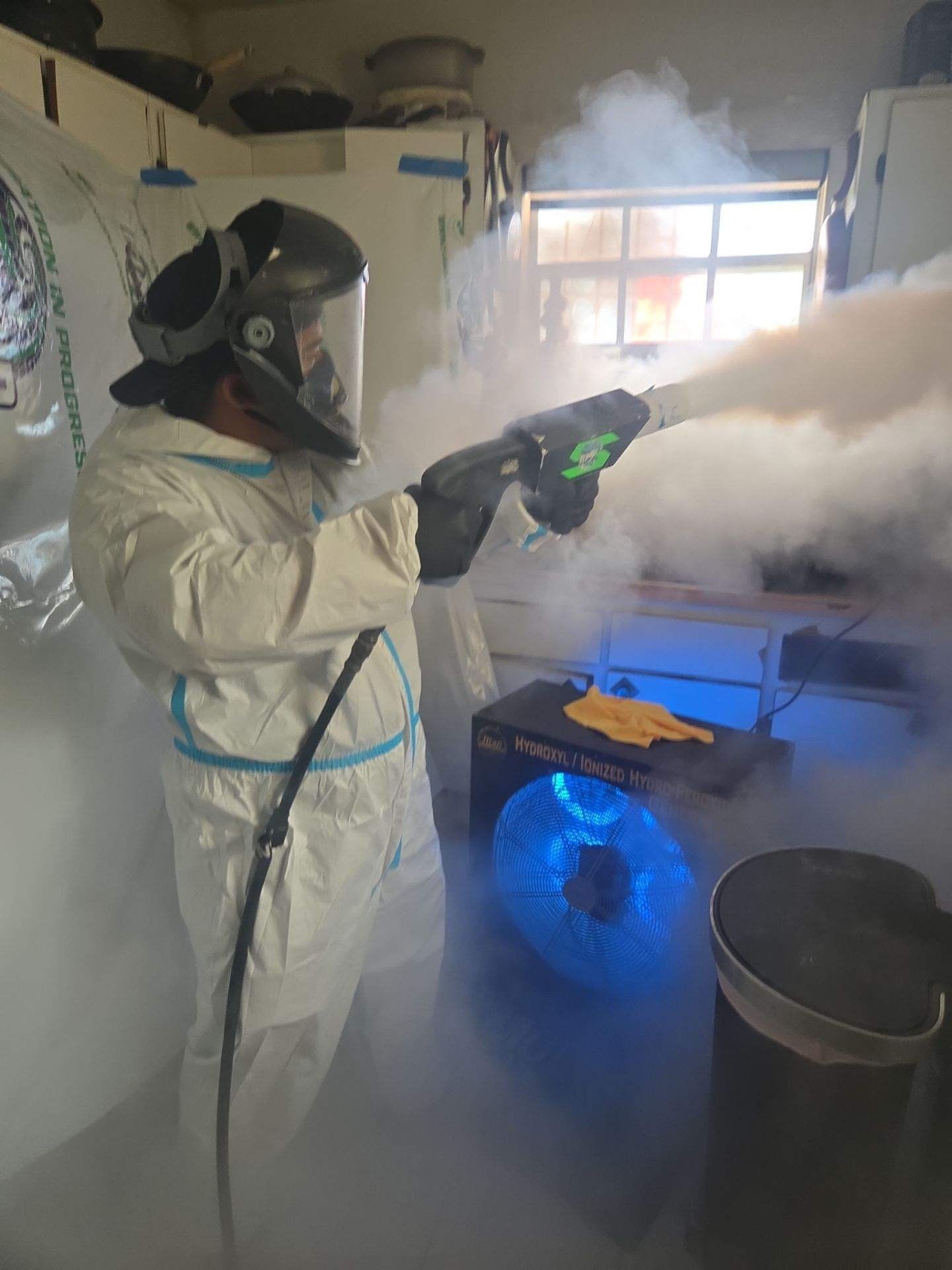
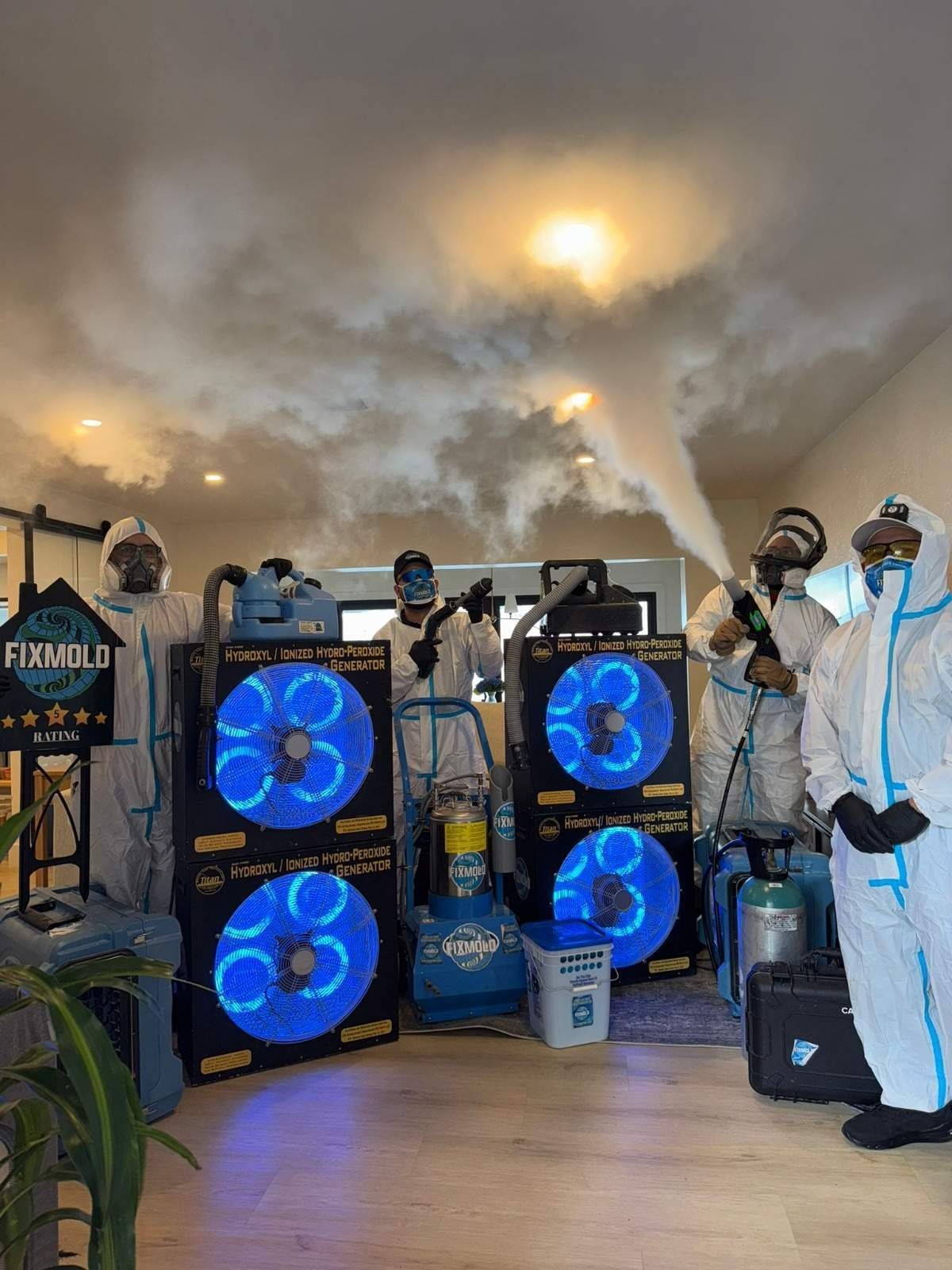
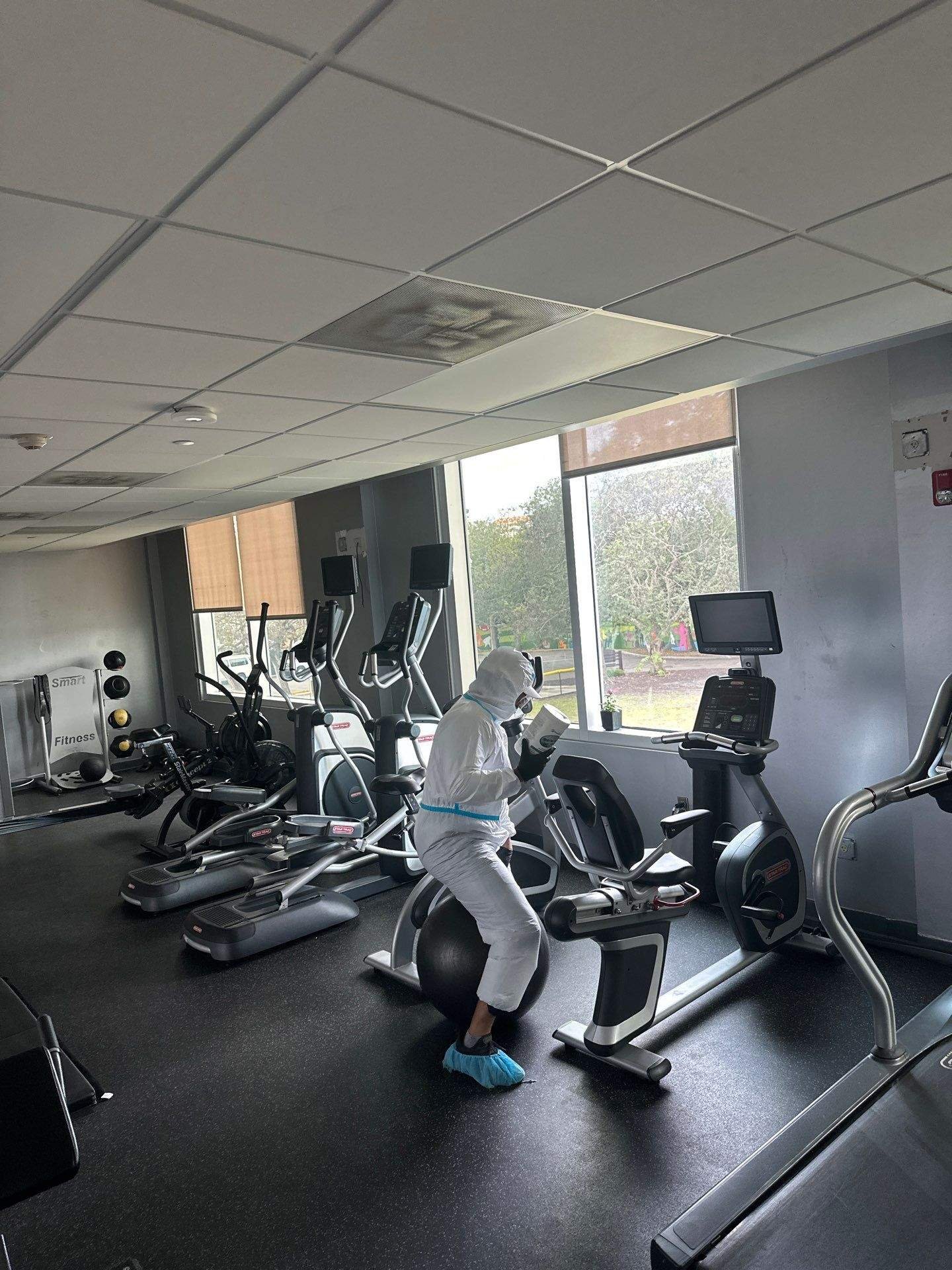
Containment systems are frequently incorporated into remediation projects to help manage airborne particles during corrective work.
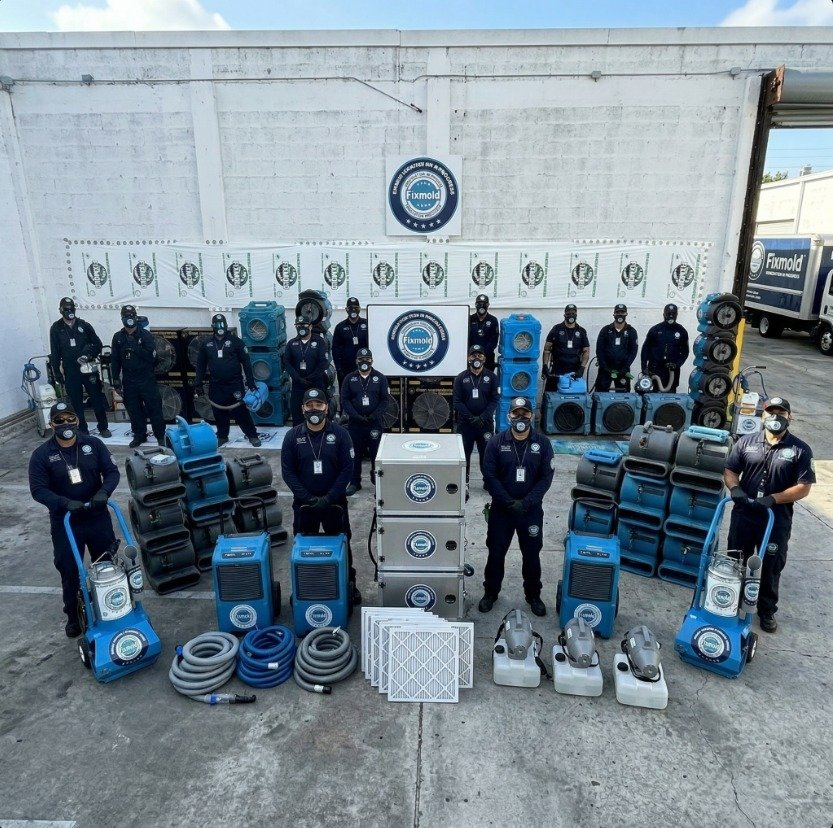
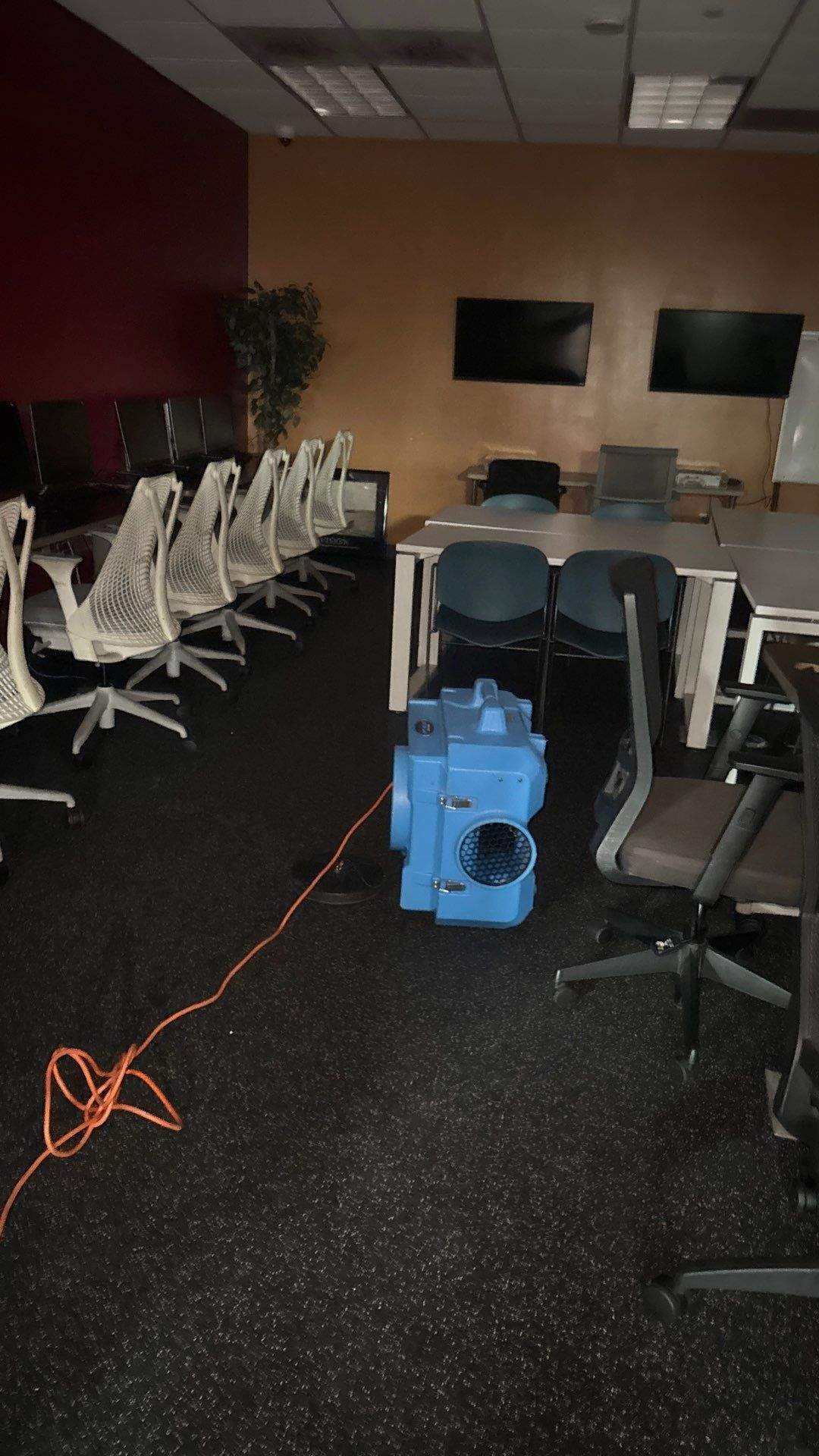
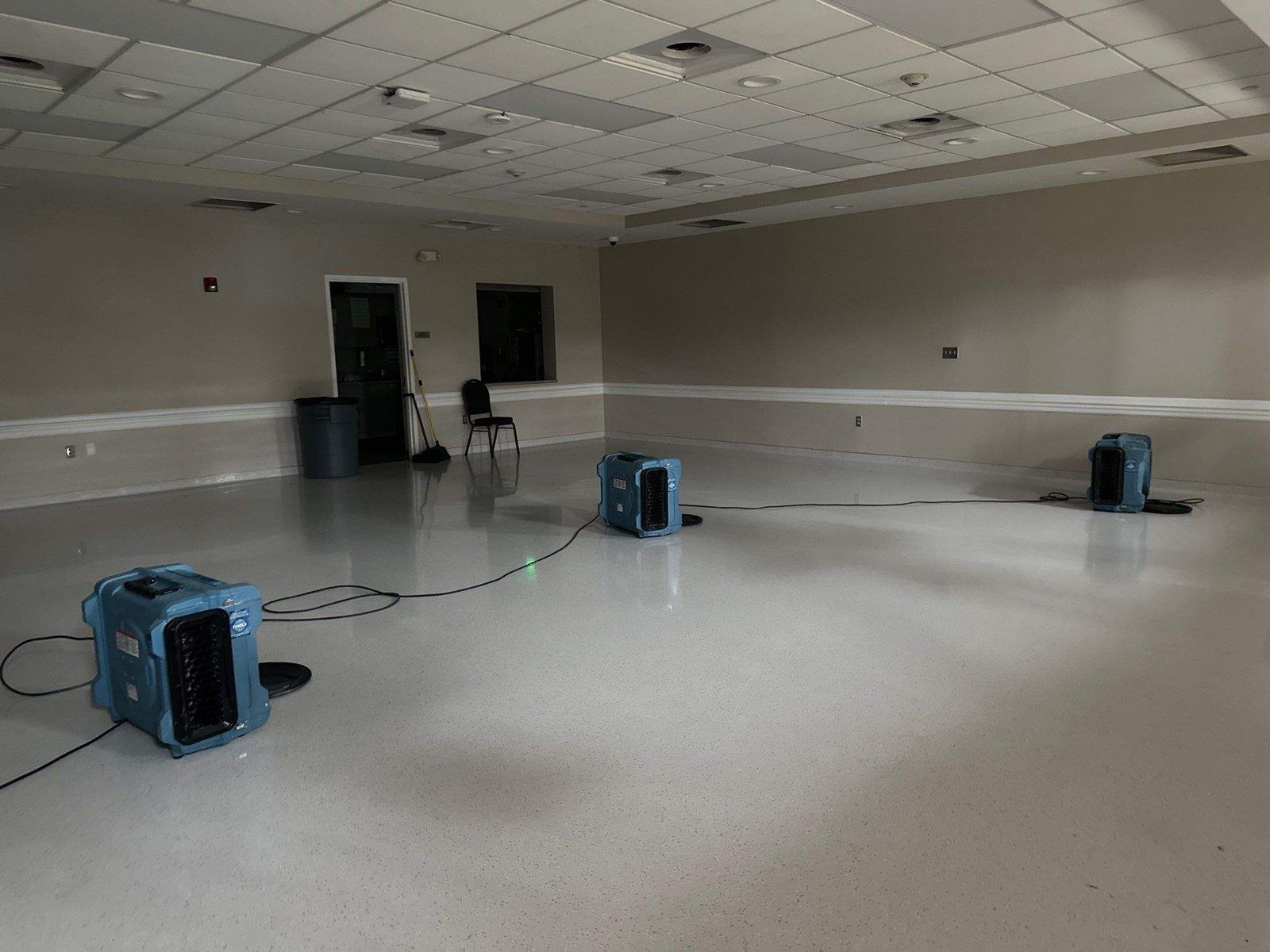
Air scrubbing equipment, HEPA filtration, and controlled work zones may be used depending on the conditions present within the affected area.
Commercial Property Considerations
Commercial buildings throughout Miami, Fort Lauderdale, Boca Raton, and West Palm Beach often require comprehensive remediation strategies due to occupancy demands, building size, HVAC complexity, and operational considerations.
One of the most common reasons mold problems return after previous cleanup efforts is that moisture conditions were never fully corrected.
Surface cleaning may improve appearance temporarily, but unresolved leaks, HVAC condensation, flooding damage, humidity imbalance, poor ventilation, or hidden structural moisture can continue affecting the property.
Every building responds differently to environmental conditions based on age, construction materials, maintenance history, HVAC design, occupancy patterns, and exposure to South Florida weather.
For this reason, remediation strategies are typically tailored to the specific conditions affecting the property.
Final Thoughts
Ultimately, mold removal addresses contamination that is present, while mold remediation focuses on the broader environmental conditions contributing to the problem.
Successful long-term results usually depend on understanding both aspects.
Identifying moisture sources, improving indoor environmental conditions, controlling humidity, and addressing hidden moisture remain critical components of protecting properties throughout Miami and South Florida from recurring mold-related issues.
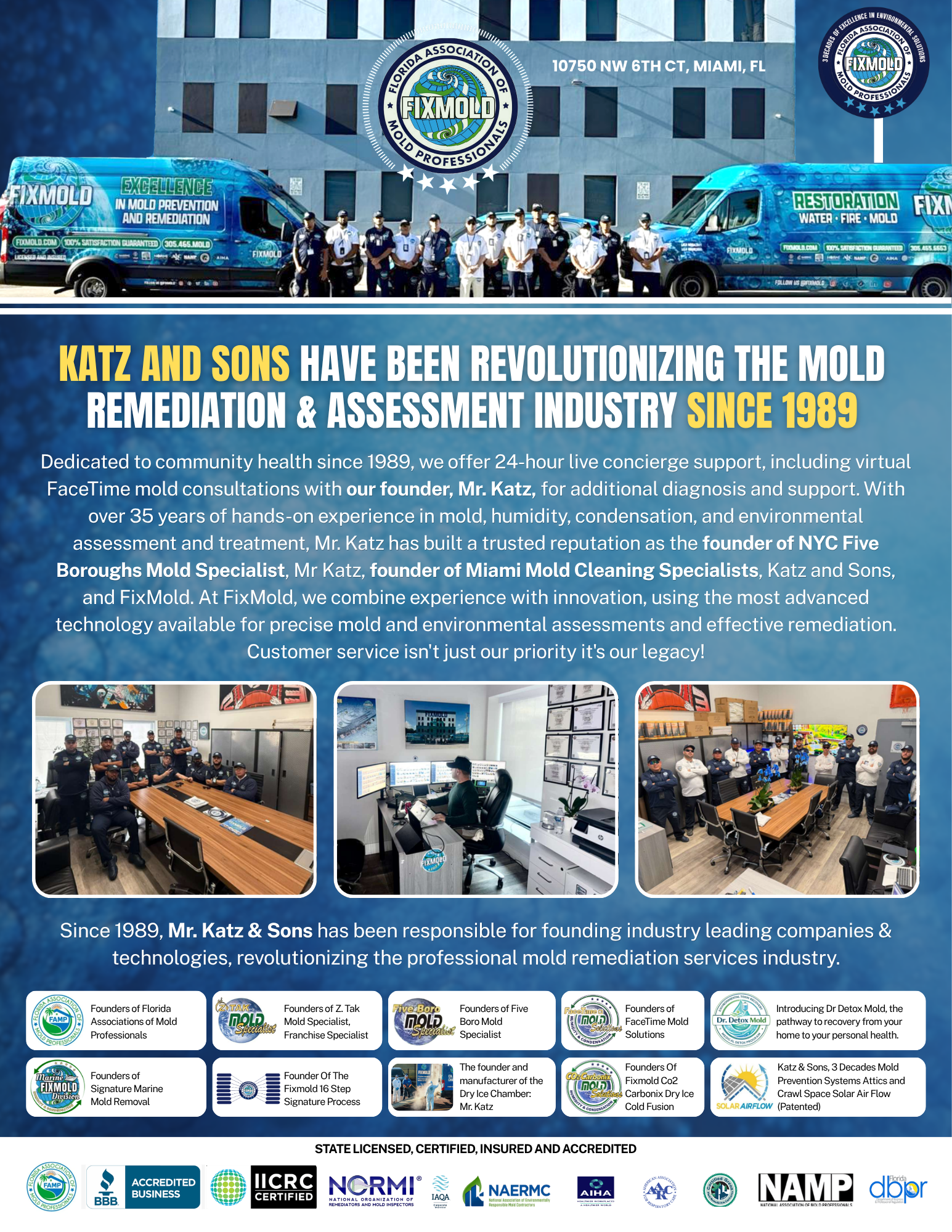
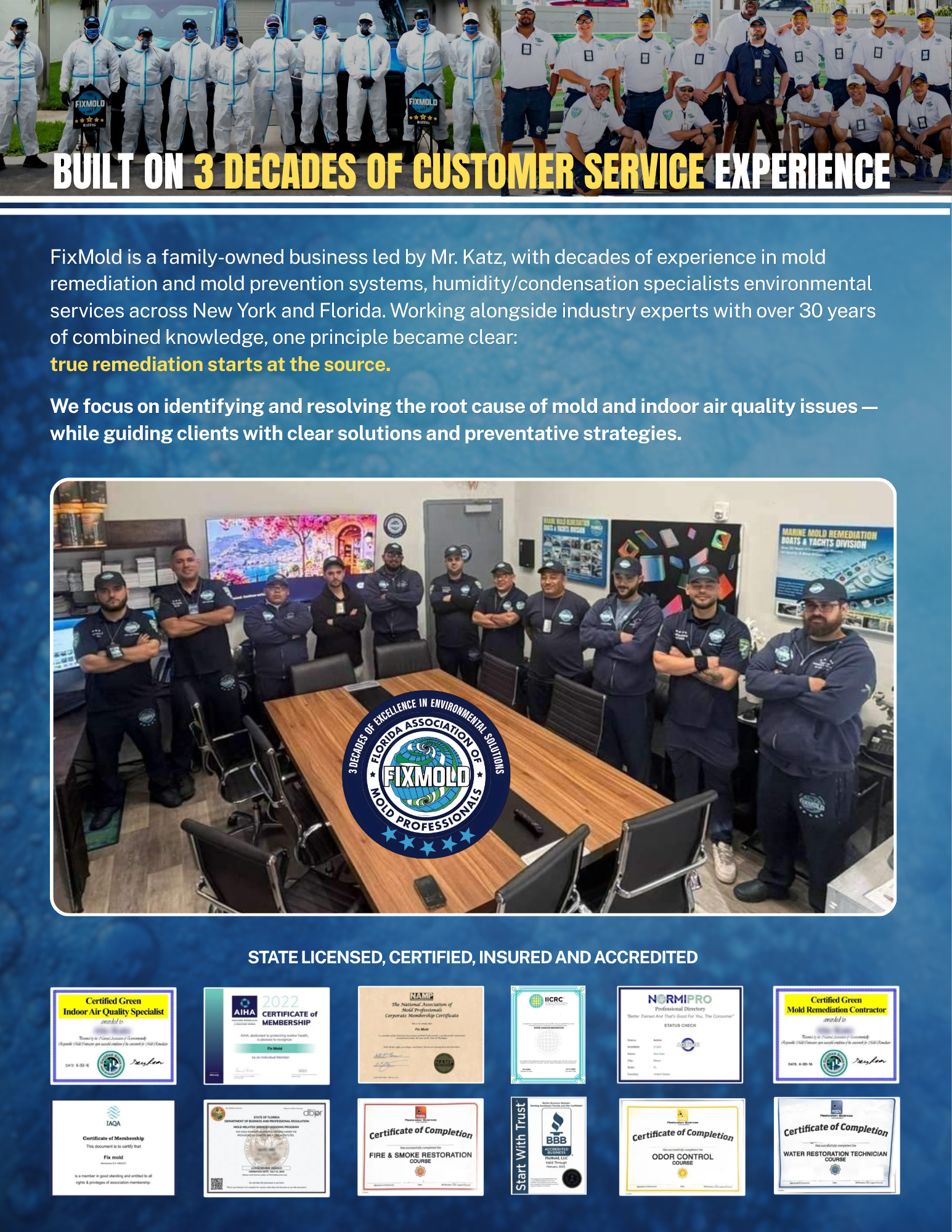
A Deep Commitment To Restoration
A Family Legacy Of Trust
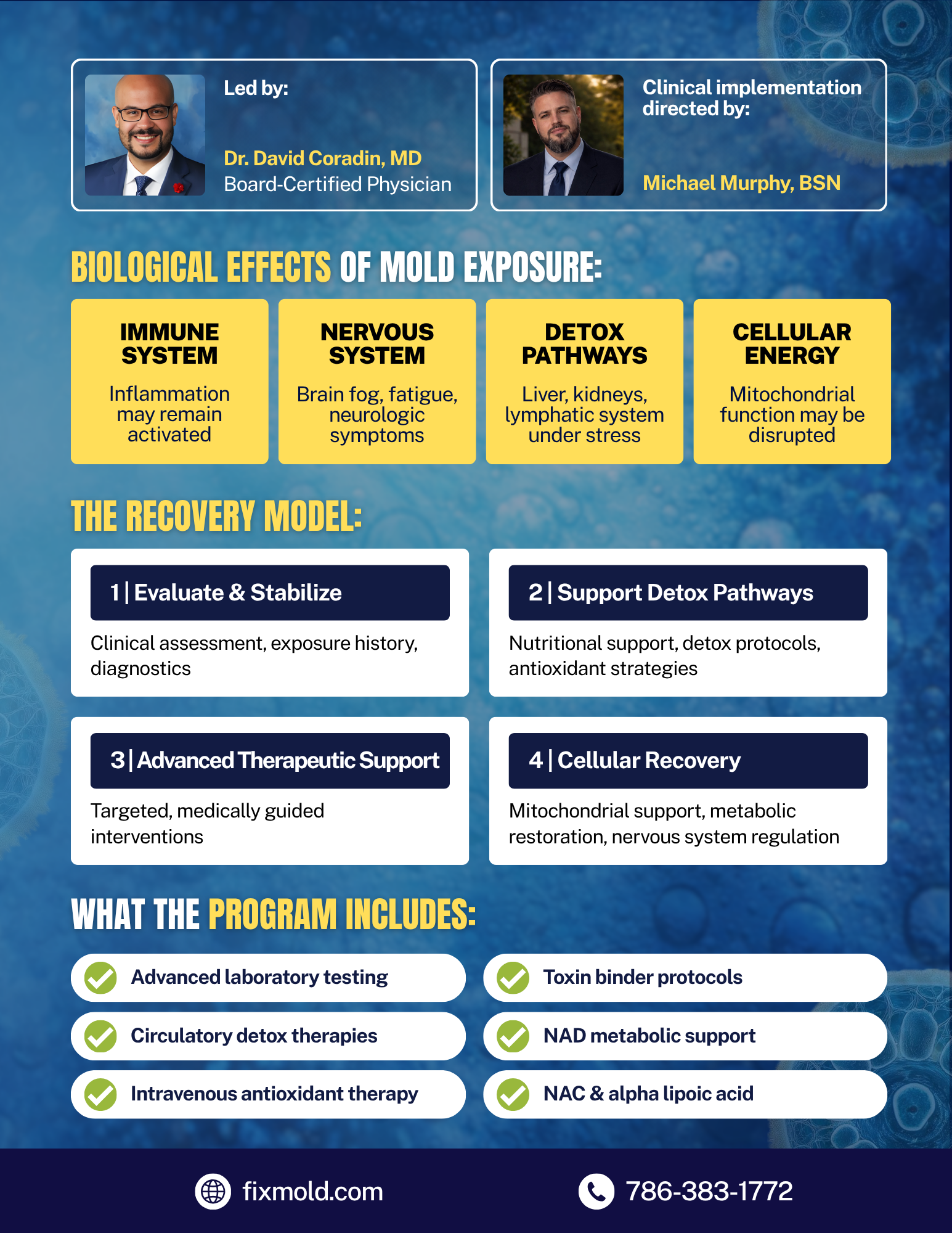
Mold Removed From Your Home. What About Your Body?
A medically guided approach to supporting recovery after mold exposure.
FixMold focuses on eliminating mold from your environment.
But for some individuals, recovery doesn’t stop there. Even after successful remediation, the body may continue responding to past exposure. In these cases, a structured, medically guided approach may be necessary to support full recovery.
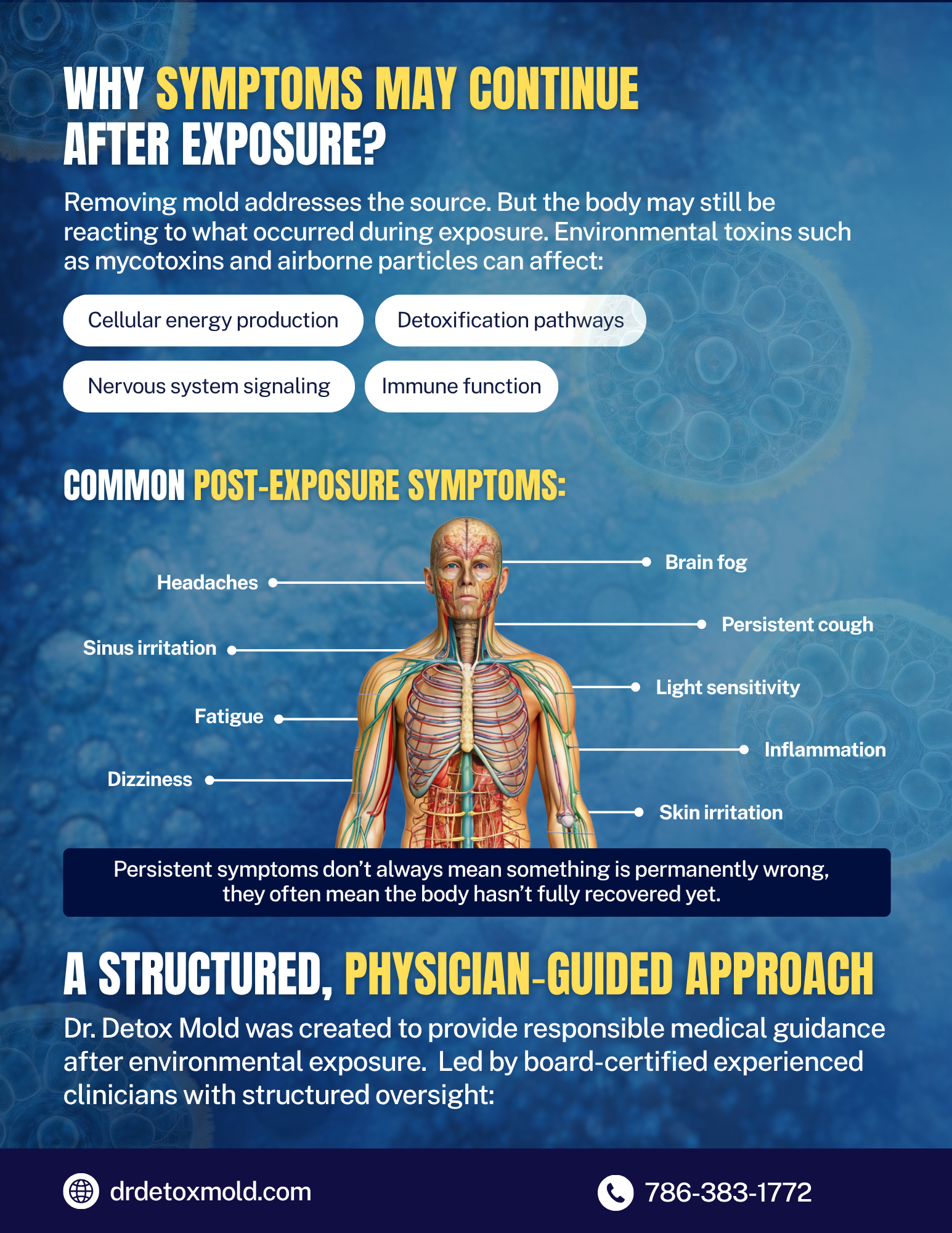
Why Symptoms Can Continue After Mold Exposure
Removing mold addresses the source of the problem, but it does not always resolve how the body has been affected during exposure.
Environmental toxins can impact multiple systems:
• Immune function
• Nervous system signaling
• Cellular energy production
• Detoxification pathways
For some individuals, these systems require time and proper support to return to balance.
2. Detoxification Support
• Nutritional protocols
• Toxin-binding strategies
• Antioxidant support
3. Advanced Therapeutic Support
• Targeted, medically guided interventions
• IV-based therapies when appropriate
4. Cellular Recovery
• Mitochondrial support
• Metabolic restoration
• Nervous system regulation
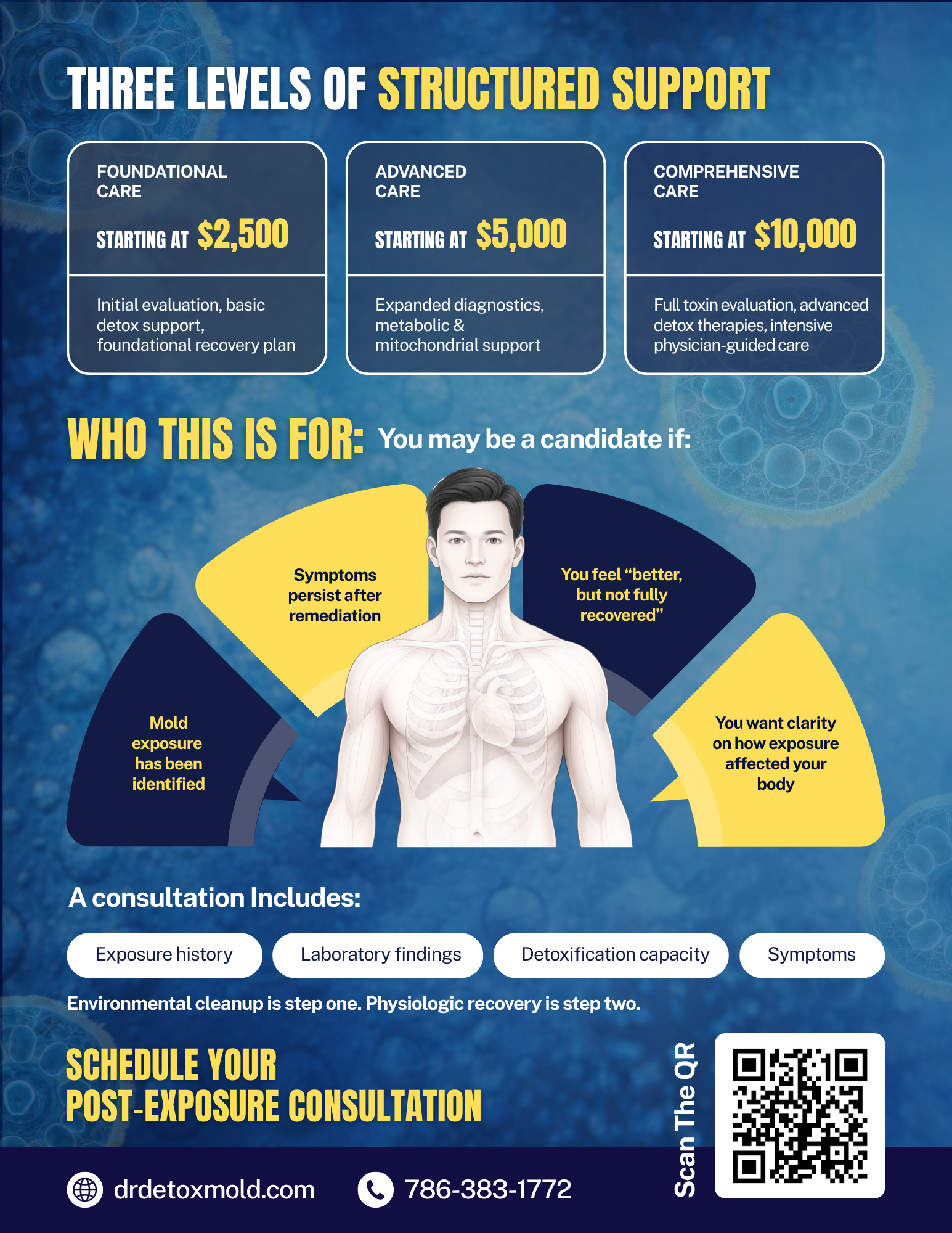
Core Focus
• Detoxification support
• Immune system balance
• Cellular energy restoration
• Nervous system regulation
Key Principle
Recovery is not about doing more. It is about doing the right things, in the right order.
Next Steps
If mold exposure has been identified and symptoms are still present, evaluation may provide clarity.
• Exposure history review
• Laboratory evaluation
• Detoxification assessment
• Symptom analysis
Trustindex verifies that the original source of the review is Google.
Overall great service. Victor and his team were very professional. Victor explained the entire process and was very thorough. Videos and photos are sent during and after the process. I would definitely recommend this company again with anyone experiencing mold issues.
Posted on Google
Arthur M
Trustindex verifies that the original source of the review is Google.
Really impressed with the service from FixMold. Victor was very knowledgeable, explained everything clearly, and helped ease my concerns. The air quality in my home feels noticeably better after the service. Big thanks to Victor and the crew. I’d definitely recommend them.
Posted on Google
Daina Lee
Trustindex verifies that the original source of the review is Google.
Had a really good experience with this mold remediation team. They were professional, explained everything clearly, and showed up on time. They took care of the problem properly and made sure the area was clean and safe. Very happy with the results and would recommend them to anyone dealing with mold.
Posted on Google
Danny
Trustindex verifies that the original source of the review is Google.
We actually came across FaceTime Mold Solutions while trying to figure out what was causing the issue in our home. Mr. Katz was really helpful and made sure all our questions was answered during the whole process, which helped us understand things better. It definitely made the situation feel less stressful.
The technicians was respectful and very knowledgeable about what they were doing. Everything went pretty smooth overall and we’re happy with the service we receive.
Posted on Google
Ashley
Trustindex verifies that the original source of the review is Google.
Highly recommend. Fast and efficient. Communication is good, they answered fast when I needed to follow up. I spoke with manager Jerusha and Mr Katz. Alex, Diego and Santiago are very professional and left everything spotless on their way out :)
Posted on Google
Noel Moreno
Trustindex verifies that the original source of the review is Google.
Great experience, was worth calling for their services. Will call them again in the future and definitely recommend them to other people i know
Posted on Google
Francisco Taylor
Trustindex verifies that the original source of the review is Google.
Amazing service! Irinelis was very helpful and made everything smooth and stress-free. I really appreciate the support—highly recommend
Posted on Google
Jose Turcios
Trustindex verifies that the original source of the review is Google.
I had hired other companies before and the problem remained the same, but thanks to Fix Mold Miami and Irinelis, who explained the process step by step, I was able to solve my problem. I recommend them 100%. Thank you, Irinelis, great job!
Posted on Google
Wilder Calero
Trustindex verifies that the original source of the review is Google.
Great experience with this fix mold Miami company. Very professional, thorough, and honest. They explained everything clearly and did an excellent job. I would definitely recommend them to anyone dealing with mold issues.
Proudly Serving all of South Florida
We are here to answer any question you may have.
+
What is the difference between mold removal and mold remediation?
Mold removal generally refers to addressing visible contamination that is present on building materials or surfaces. Mold remediation goes further by identifying moisture sources, evaluating environmental conditions, correcting contributing factors, and reducing the likelihood of future contamination.
Because mold growth is typically caused by moisture, remediation often focuses on both contamination and the conditions responsible for allowing it to develop.
Many professional projects involve elements of both removal and remediation.
+
Why does mold often return after it has been removed?
Recurring mold usually indicates that moisture conditions remain active somewhere within the property.
Common causes include roof leaks, plumbing failures, HVAC condensation, flooding damage, humidity imbalance, poor ventilation, hidden structural dampness, and unresolved water intrusion.
Surface cleaning may temporarily improve appearance, but contamination often returns if the underlying moisture source is not corrected.
Long-term environmental stability depends on controlling moisture.
+
Can hidden mold exist even if visible mold is removed?
Yes. Visible contamination often represents only a portion of the environmental issue affecting a property.
Hidden moisture and contamination may exist behind walls, beneath flooring systems, inside insulation materials, within HVAC components, above ceilings, inside attics, or throughout crawlspaces.
Professional environmental evaluations often use moisture detection and thermal imaging to identify conditions that are not visible during routine observation.
+
Why are HVAC systems frequently involved in mold remediation projects?
HVAC systems continuously manage temperature and humidity throughout the building. Air conditioning systems generate condensation as part of normal operation, and moisture-related issues may develop if drain lines become clogged, airflow becomes restricted, or insulation absorbs moisture.
Because ventilation systems circulate air throughout multiple rooms, hidden contamination inside HVAC components can affect indoor environmental conditions across the property.
HVAC evaluation is often an important part of comprehensive remediation planning.
+
How does Miami’s climate contribute to mold problems?
Miami’s climate creates ideal conditions for moisture-related environmental issues due to year-round humidity, frequent rainfall, tropical storms, hurricanes, flooding events, and coastal moisture exposure.
These conditions allow moisture to remain trapped inside building materials longer than many property owners expect. Walls, ceilings, insulation systems, flooring materials, attics, crawlspaces, and HVAC components can all retain moisture that contributes to contamination.
Proper moisture management and environmental monitoring are essential for reducing the risk of recurring mold problems throughout South Florida properties.