Winning a mold case in Florida often depends on proper documentation, professional inspections, and clear evidence showing the source and extent of the mold problem. Mold disputes can involve property damage, water intrusion, air quality concerns, health complaints, landlord disputes, or insurance claim disagreements. A professional mold assessment helps establish credible findings that support your case.
Mold growth is commonly caused by leaks, flooding, poor ventilation, or long term moisture exposure. Florida humidity allows mold to spread quickly, especially in hidden areas such as behind walls, under flooring, and inside HVAC systems. Without proper mold inspection and testing, it becomes difficult to prove the severity of contamination or identify the responsible source.
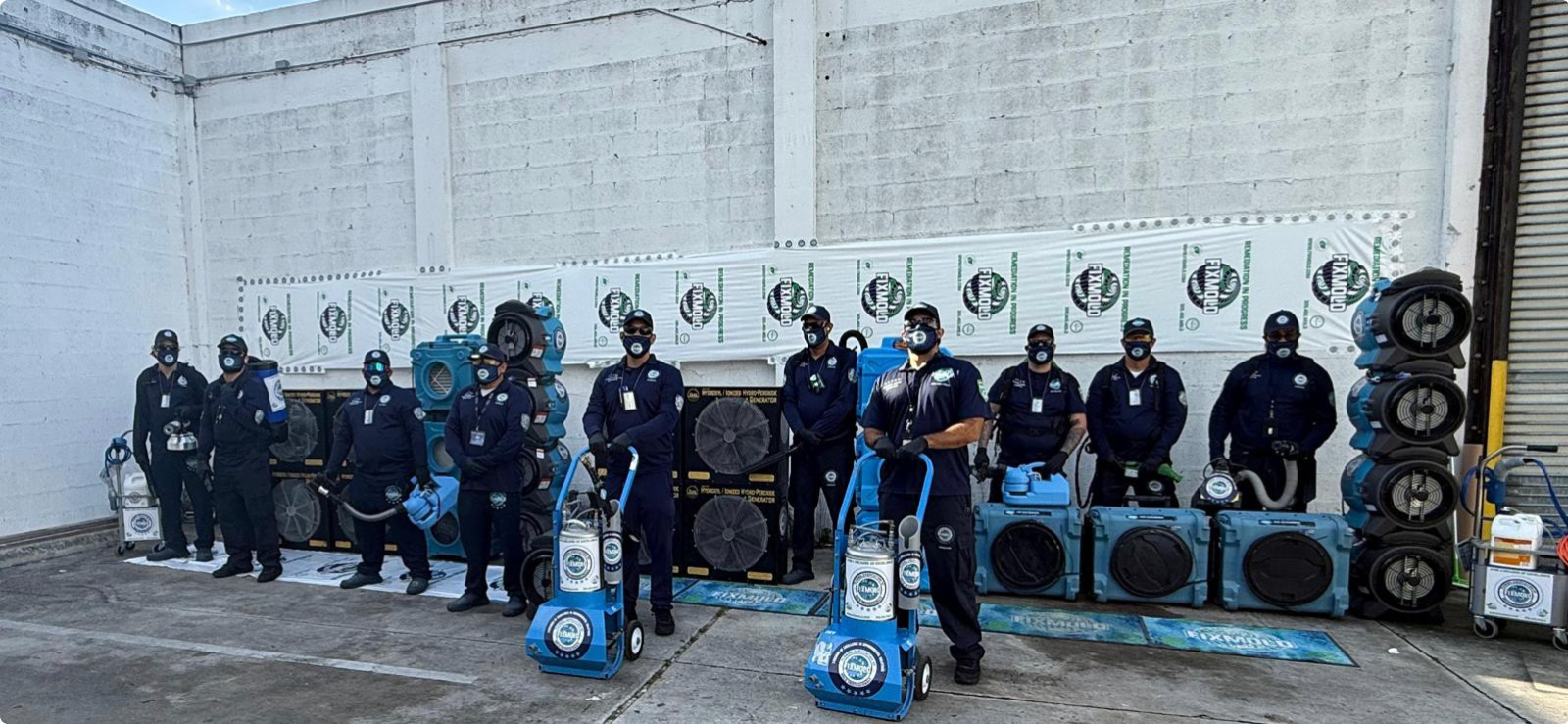
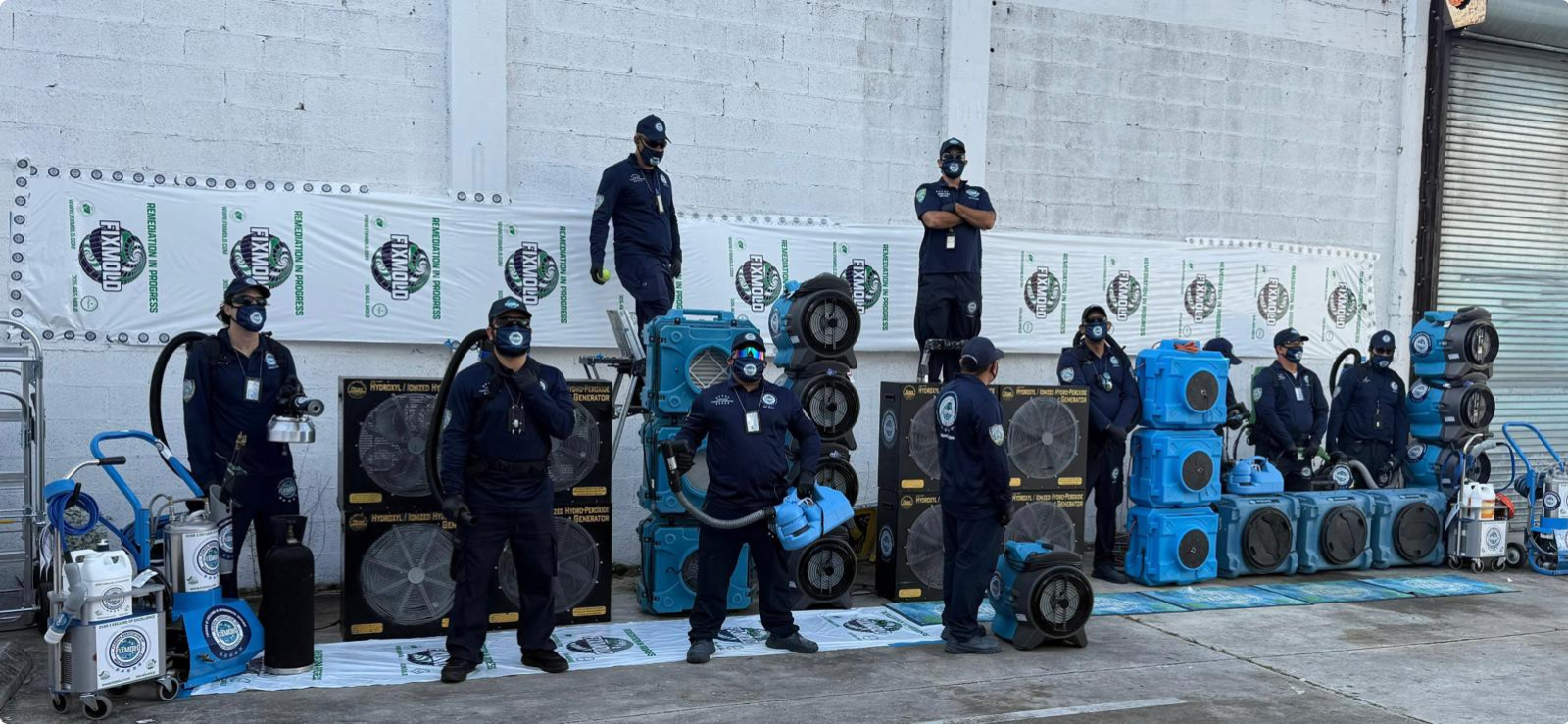
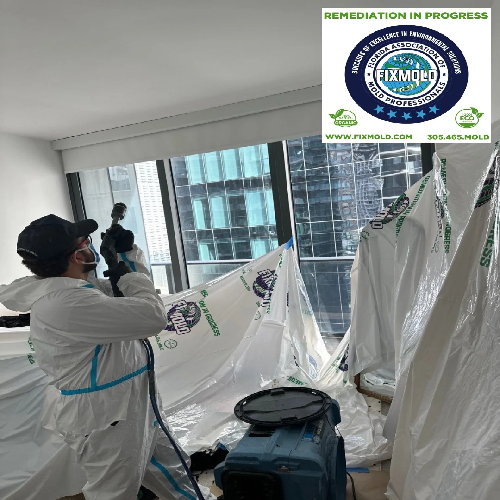
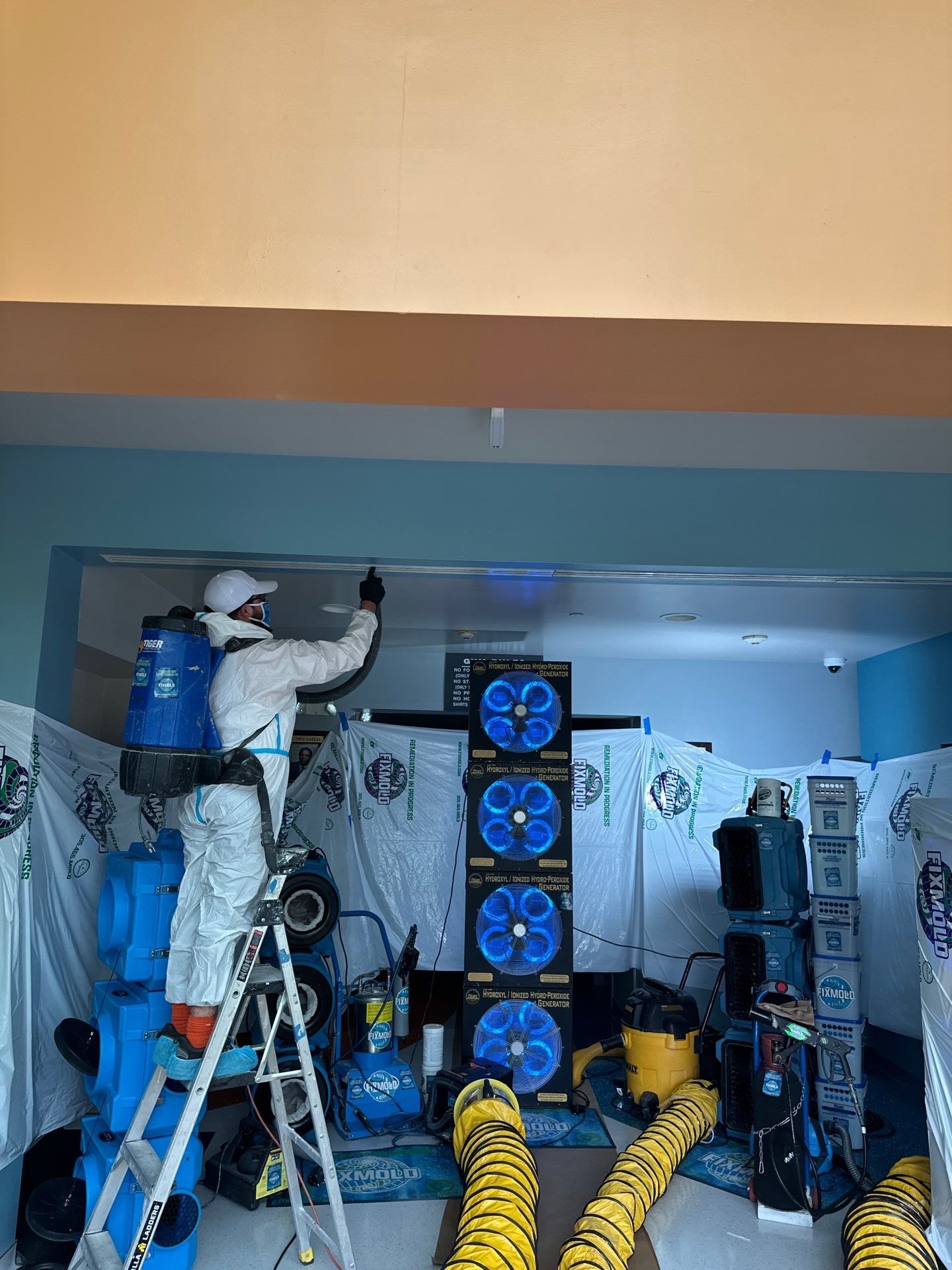
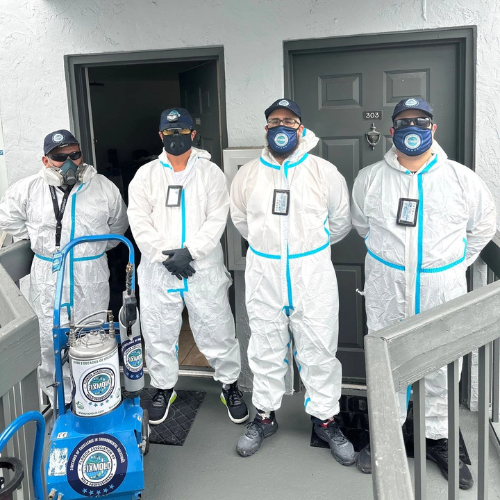
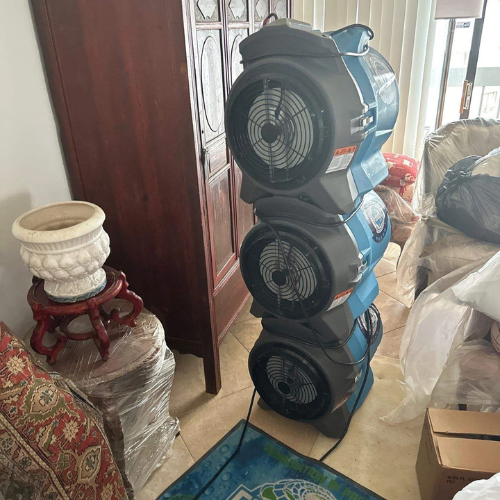
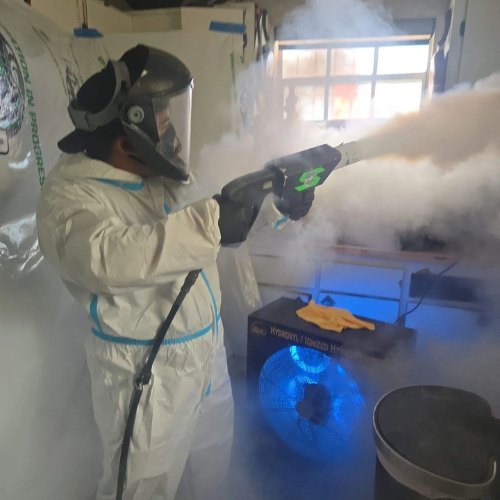
FixMold provides detailed mold inspection, testing, and expert witness support for mold related litigation. Our licensed professionals document moisture conditions, contamination levels, air quality concerns, and remediation requirements using advanced inspection methods. These findings can help attorneys, property owners, and insurance representatives better understand the situation and evaluate the evidence accurately.
Strong documentation and expert analysis are critical in mold related legal cases. FixMold focuses on accurate reporting, professional assessment, and reliable expert support to help strengthen your position. If you are involved in a mold dispute, early inspection and proper evidence collection are essential steps.
Call or text: 305 465 6653 | Same day appointments available | Virtual assessment available
Mold Disputes in Florida: Why Documentation Matters
Mold disputes in Florida can become complicated because mold itself is usually not the root problem. In most situations, mold is a symptom of an underlying moisture issue such as a roof leak, plumbing failure, flooding event, HVAC condensation problem, building defect, water intrusion, or long-term humidity imbalance. Whether the dispute involves a homeowner, landlord, tenant, condominium association, property manager, contractor, insurance carrier, buyer, seller, or commercial property owner, the strength of a mold-related claim often depends on documentation, evidence, and a clear understanding of the environmental conditions affecting the property.
Throughout Miami and South Florida, mold-related disputes are common because buildings are constantly exposed to environmental conditions that promote moisture accumulation. High humidity, tropical storms, hurricanes, coastal moisture, heavy rainfall, flooding, and year-round air conditioning use create challenges that are not as common in many other regions of the country.
Properties in Miami Beach, Brickell, Coral Gables, Coconut Grove, Kendall, Pinecrest, Doral, Aventura, Fort Lauderdale, Boca Raton, Naples, West Palm Beach, and surrounding communities often experience moisture-related issues that can eventually lead to disagreements regarding responsibility, repairs, maintenance, insurance coverage, or disclosure obligations.
The Importance of Documentation
One of the most important aspects of any mold-related case is documentation. Environmental conditions can change quickly after repairs are performed or damaged materials are removed.
Proper documentation helps preserve evidence regarding the condition of the property at a specific point in time.
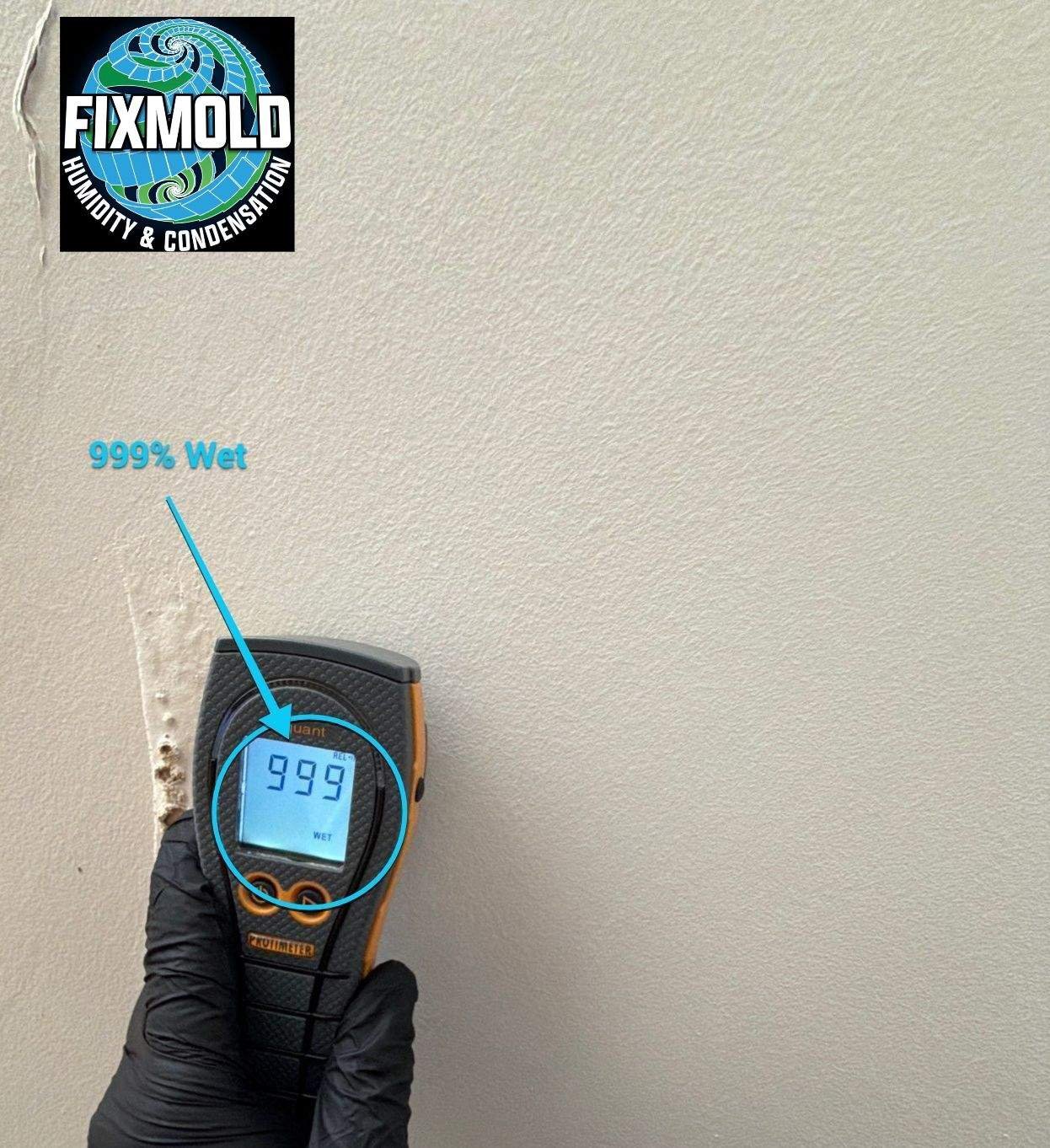
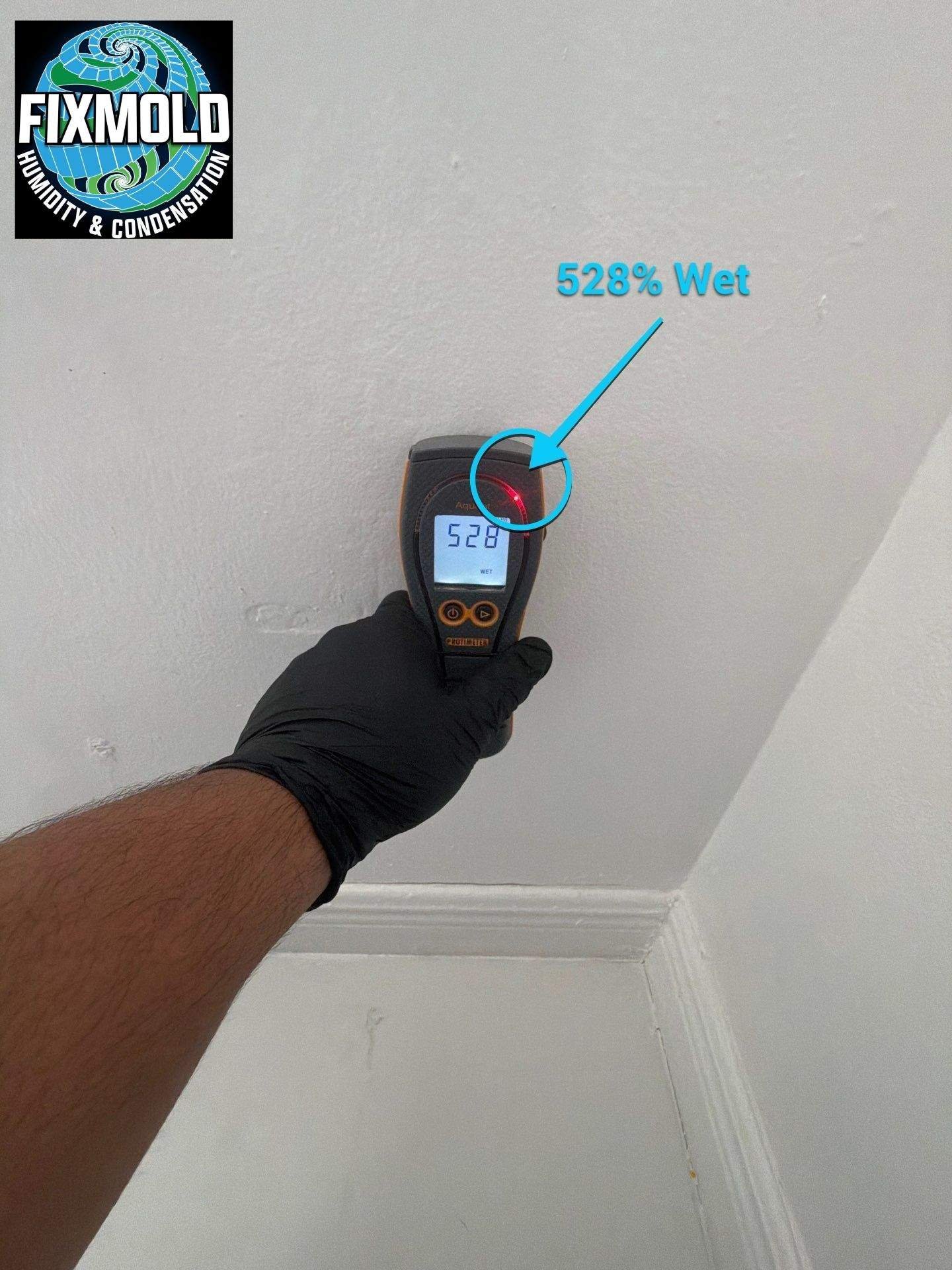
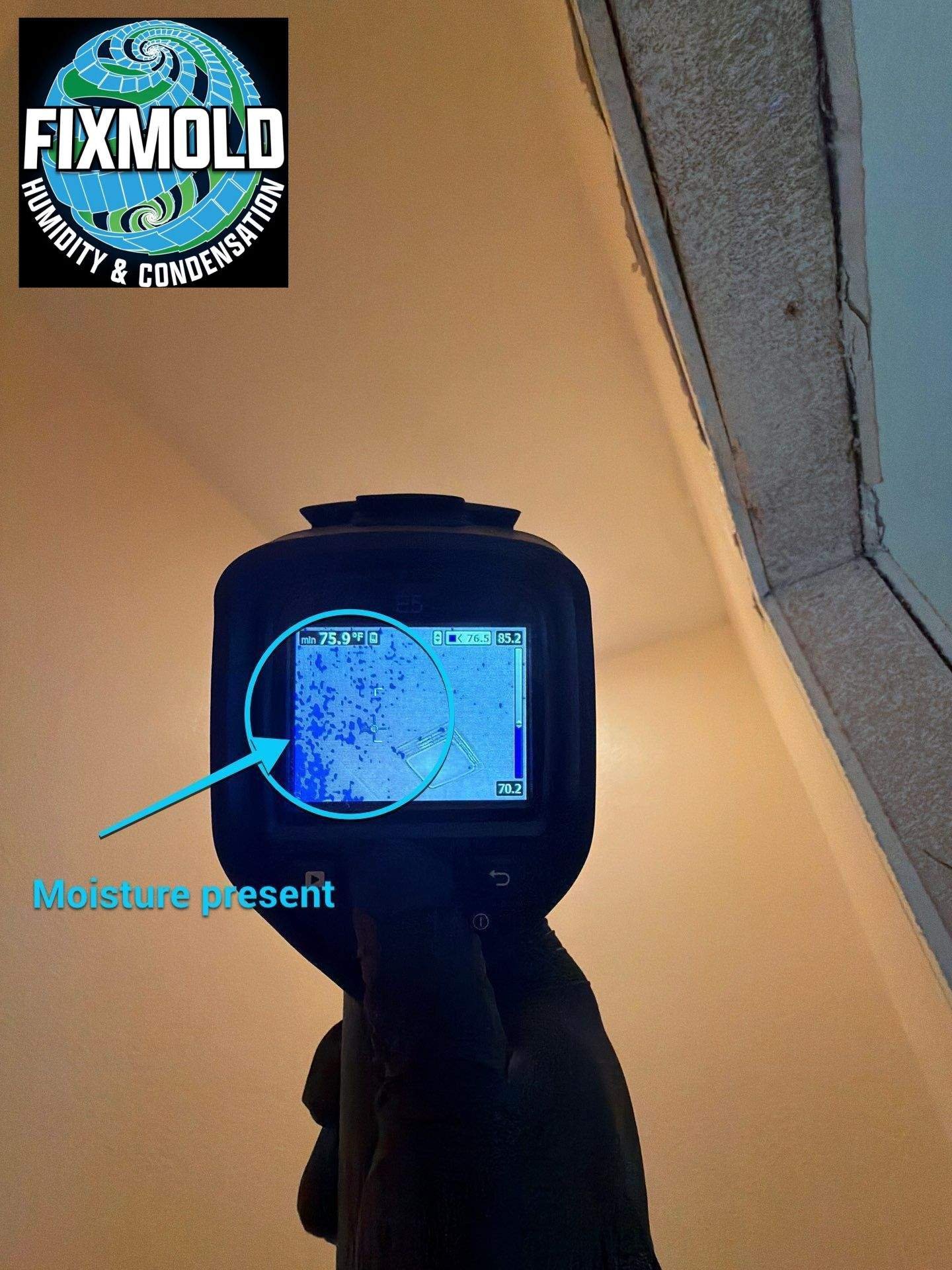
Photographs, videos, moisture readings, thermal imaging results, inspection reports, laboratory analysis, repair records, maintenance logs, invoices, communication records, and environmental testing results often become important pieces of information when evaluating a mold-related dispute.
Professional Mold Inspections and Environmental Evidence
Professional mold inspections frequently play a significant role because they help establish the conditions present within the property.
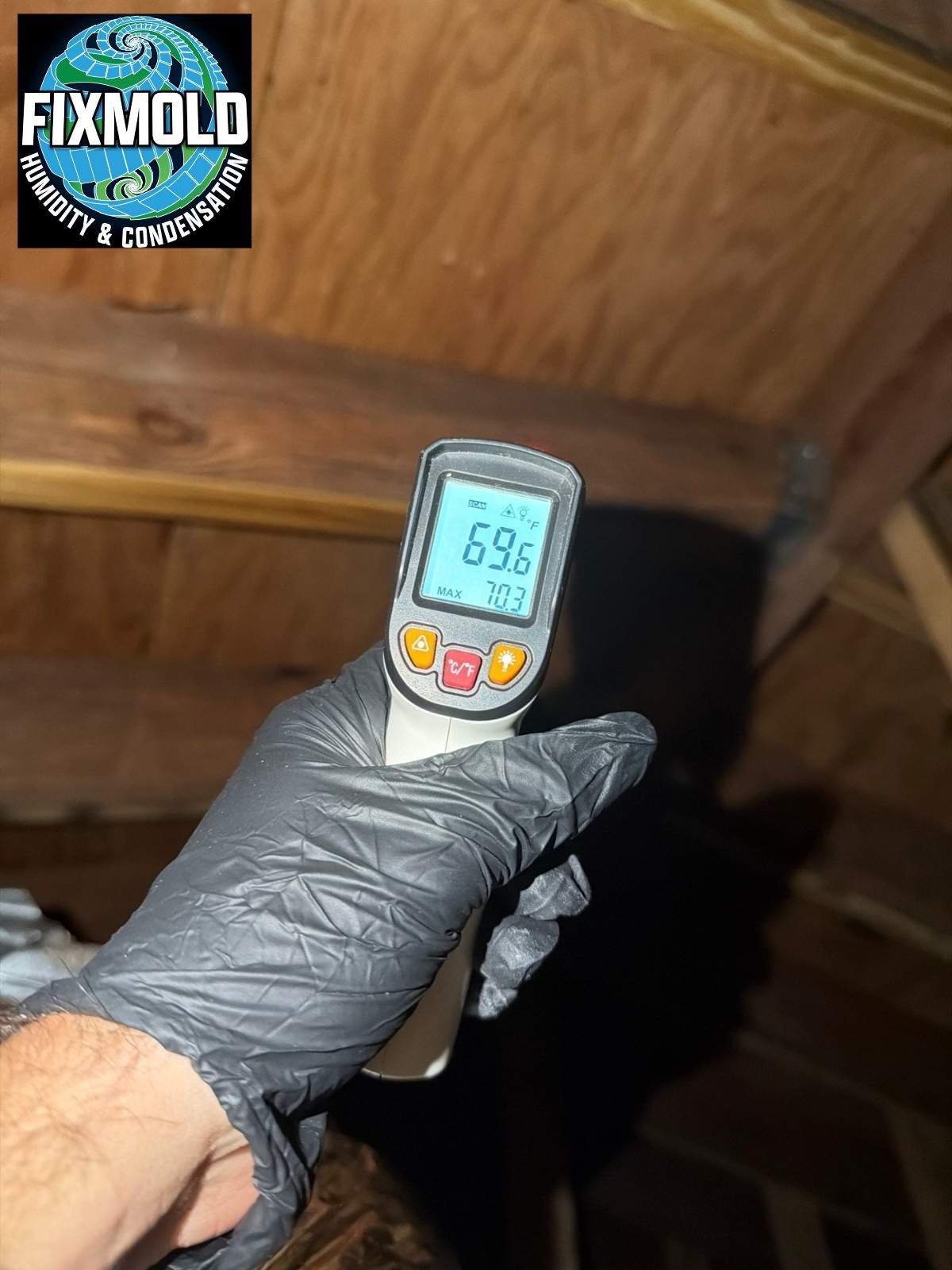
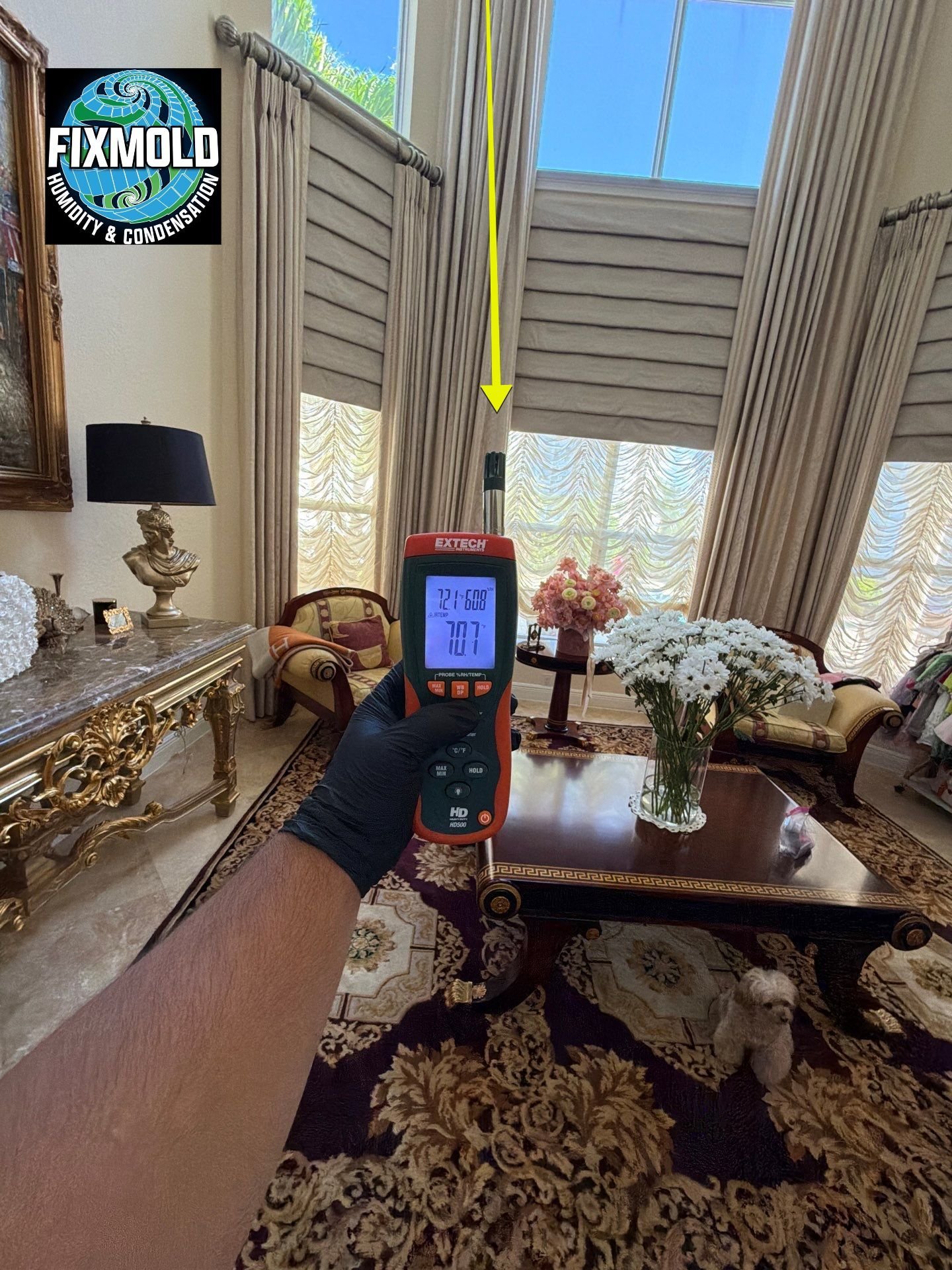
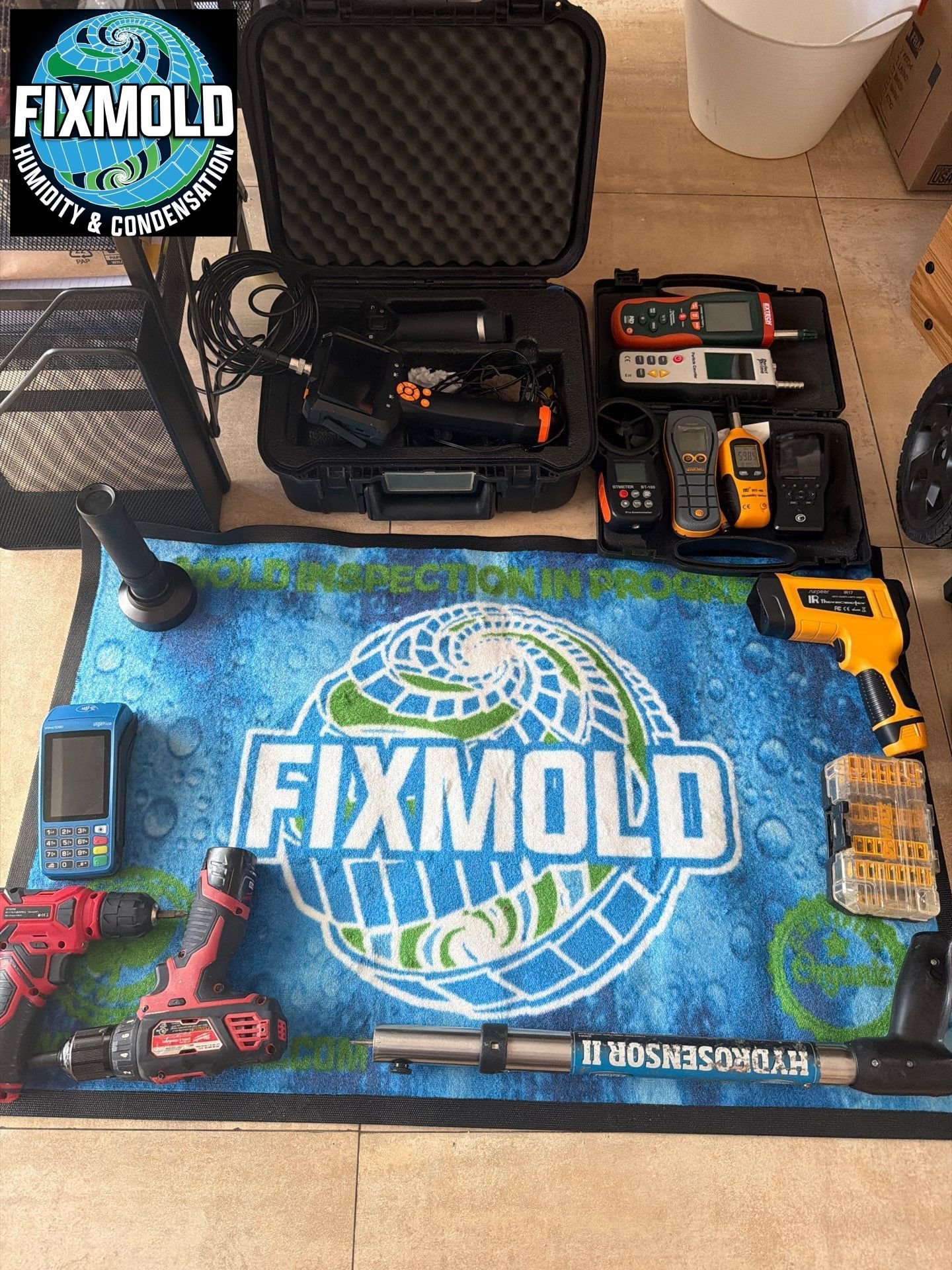
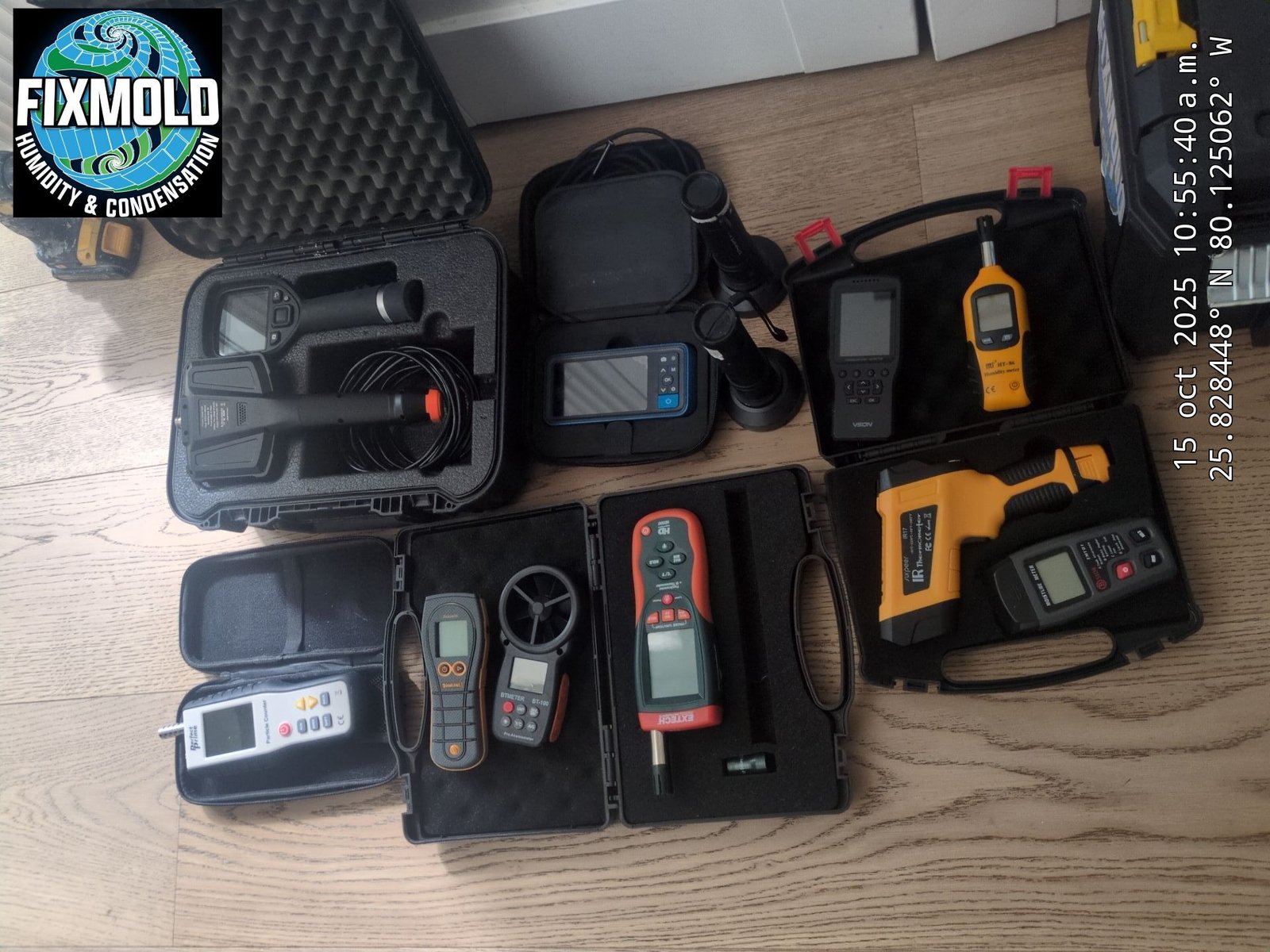
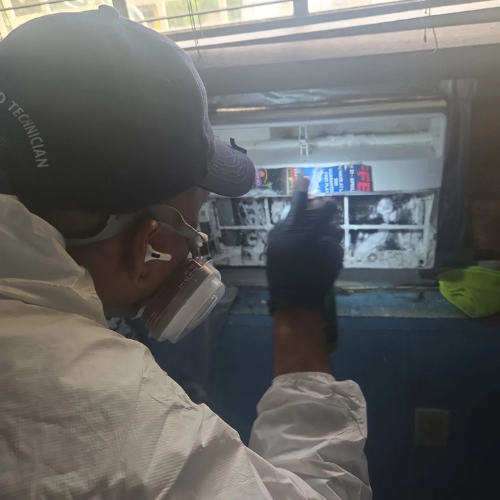
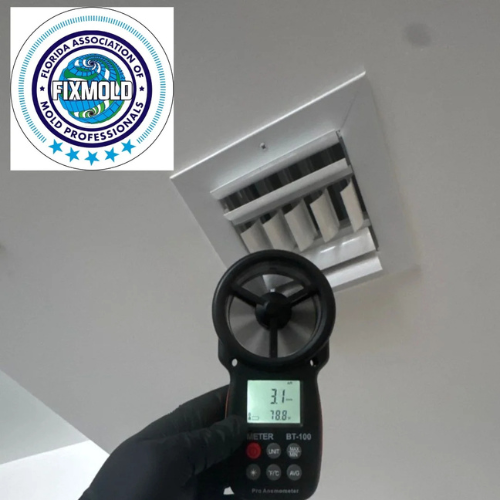
Moisture detection equipment, thermal imaging cameras, humidity monitoring devices, leak detection tools, and environmental testing methods may be used to identify hidden moisture sources and evaluate the extent of environmental conditions affecting the structure.
In many situations, visible mold represents only a small portion of the overall issue.
Moisture may be affecting wall cavities, insulation systems, flooring materials, attics, crawlspaces, HVAC systems, and ceiling assemblies without obvious signs appearing on the surface.
Identifying these hidden conditions is often important when determining how long moisture has been present and what factors contributed to the environmental problem.
Water Intrusion and Moisture Sources
Water intrusion is one of the most common factors in Florida mold disputes.
Roof leaks, plumbing failures, appliance leaks, flooding, window intrusion, building envelope deficiencies, and storm damage frequently introduce moisture into structural materials.
The ability to document when the water intrusion occurred, how long it remained unresolved, and what corrective actions were taken can significantly affect how environmental conditions are evaluated.
HVAC Systems and Hidden Environmental Conditions
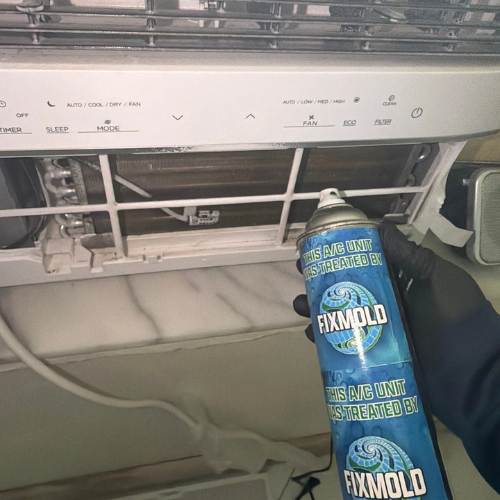
HVAC systems are another major consideration. Air conditioning systems throughout Miami operate nearly year-round and generate condensation during normal operation.
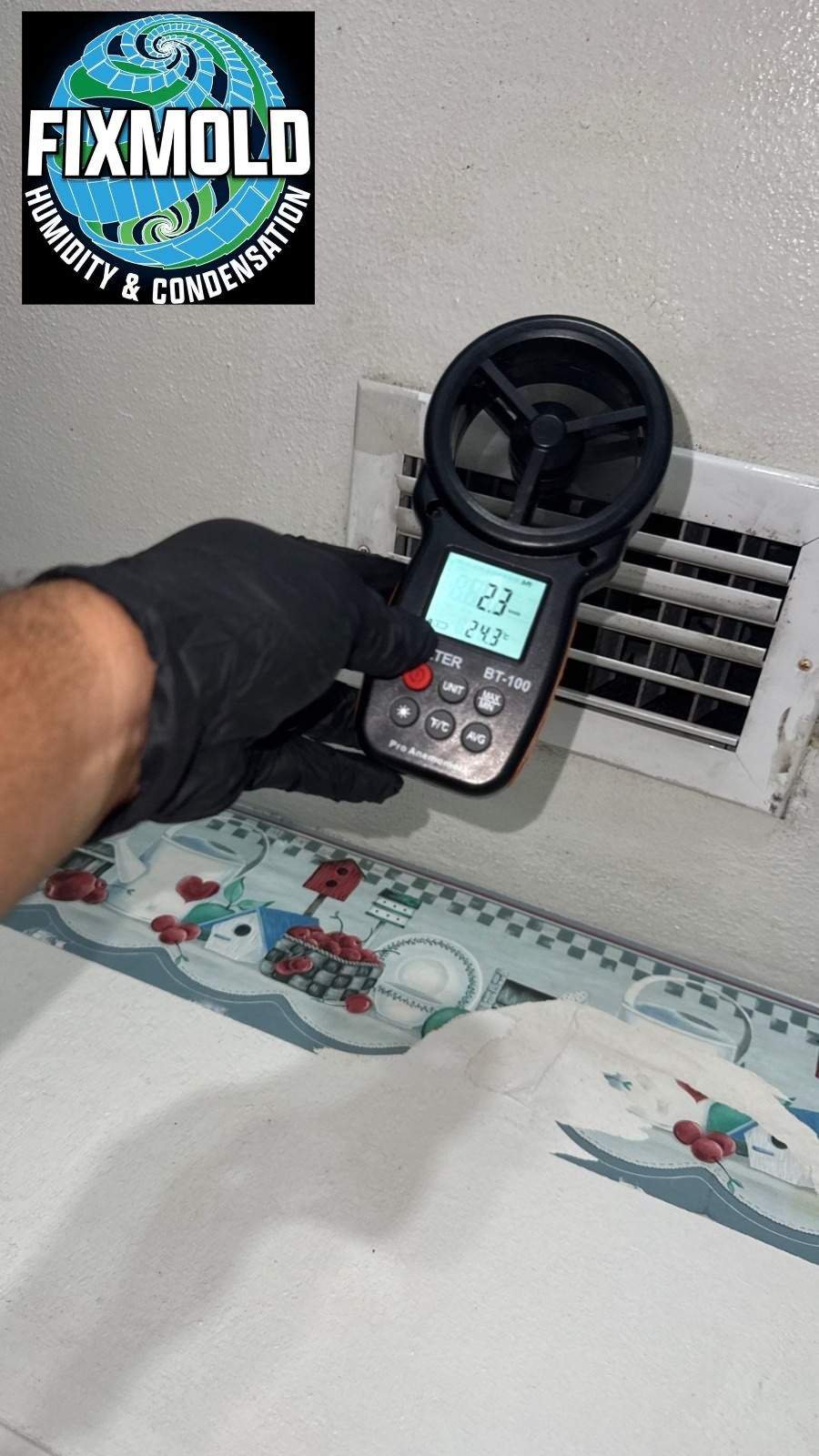
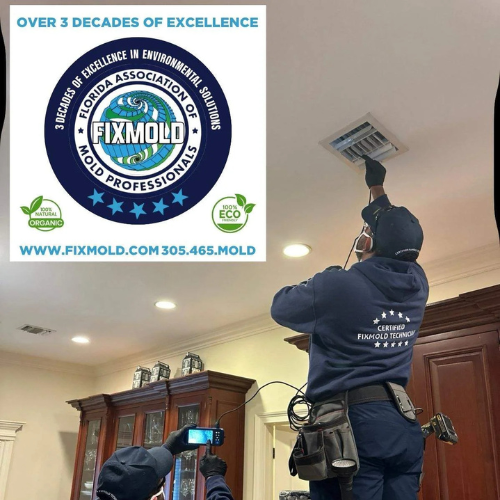
If drain lines become clogged, airflow becomes restricted, insulation absorbs moisture, or humidity levels remain elevated, hidden environmental conditions may develop within ducts, vents, air handlers, and surrounding building materials.
Because HVAC systems distribute air throughout the property, moisture-related conditions affecting the system may influence multiple rooms at the same time.
Indoor Air Quality Concerns
Indoor air quality concerns often become part of mold-related disputes as well.
Occupants may report musty odors, stale air, excessive humidity, recurring condensation, or environmental discomfort.
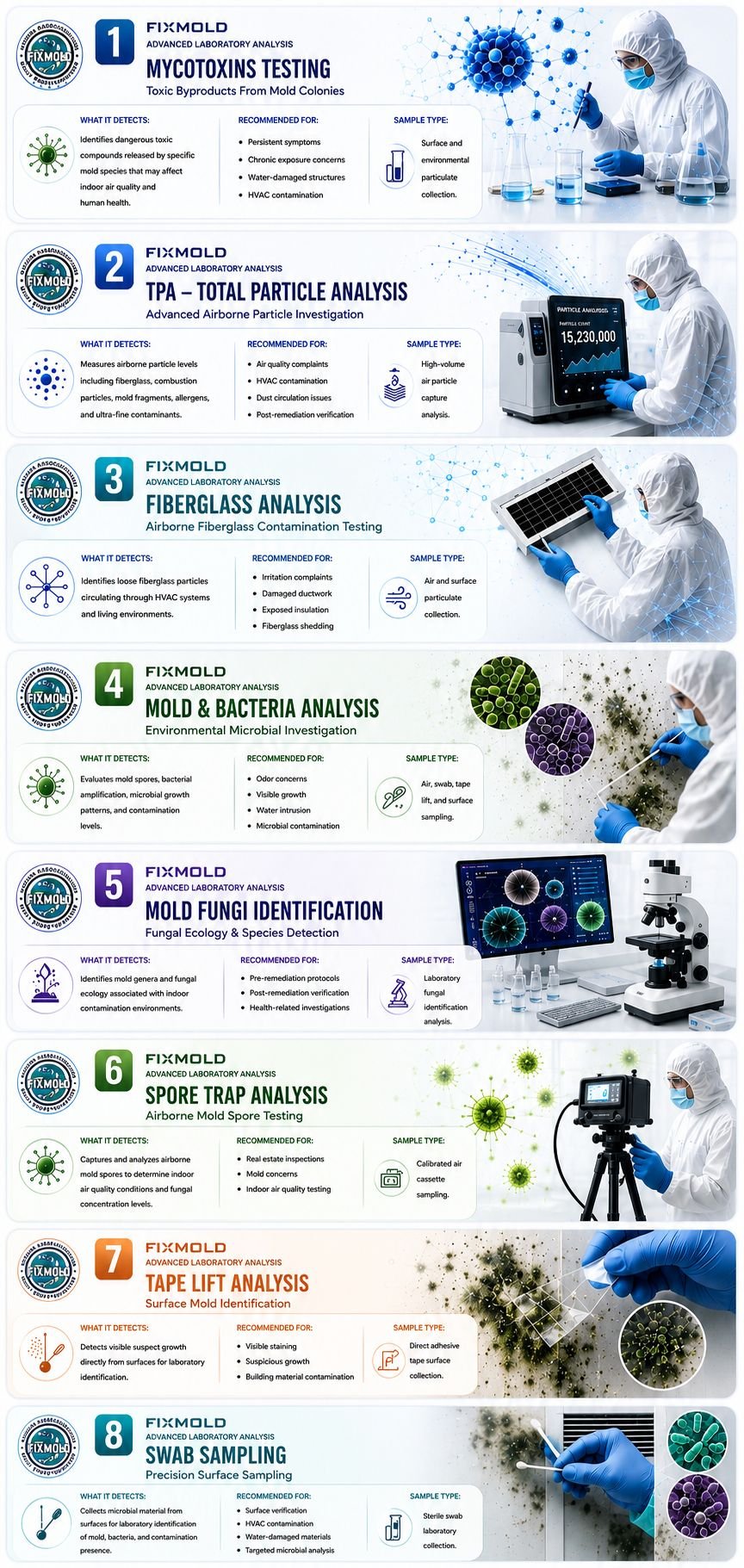
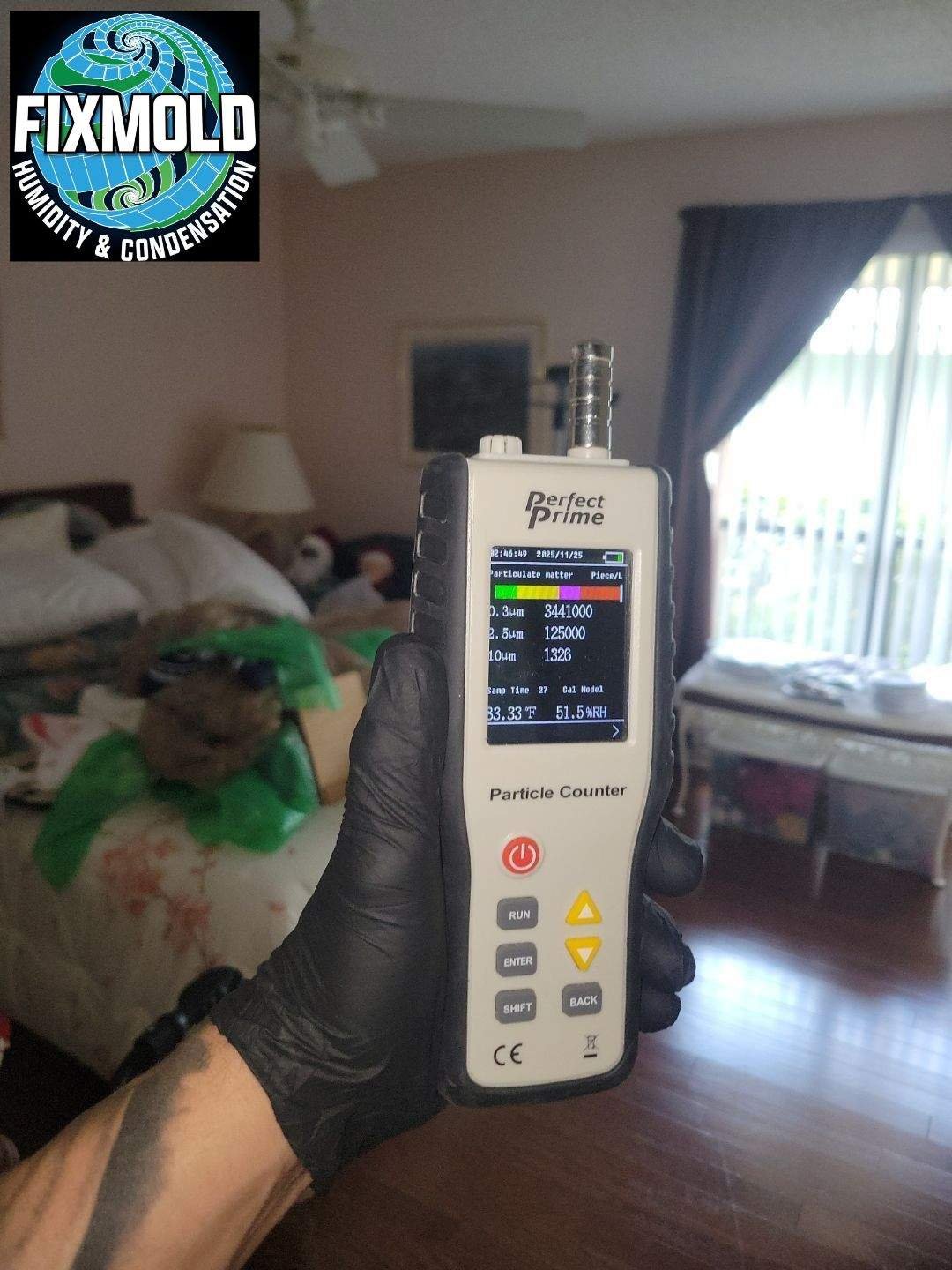
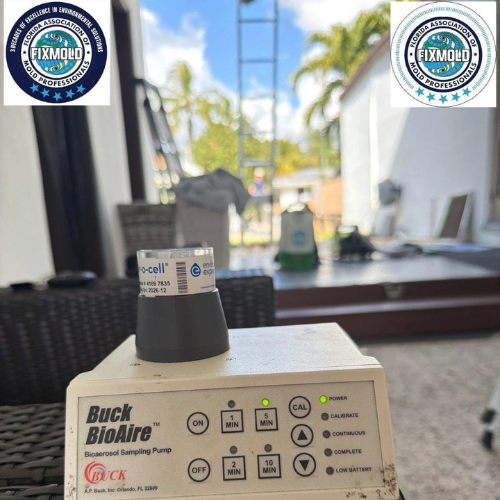
Professional indoor air quality testing, airborne particle analysis, spore trap analysis, surface sampling, mycotoxin testing, and environmental monitoring may provide additional information regarding conditions within the property.
Attic and Crawlspace Investigations
Attics frequently become important areas of investigation.
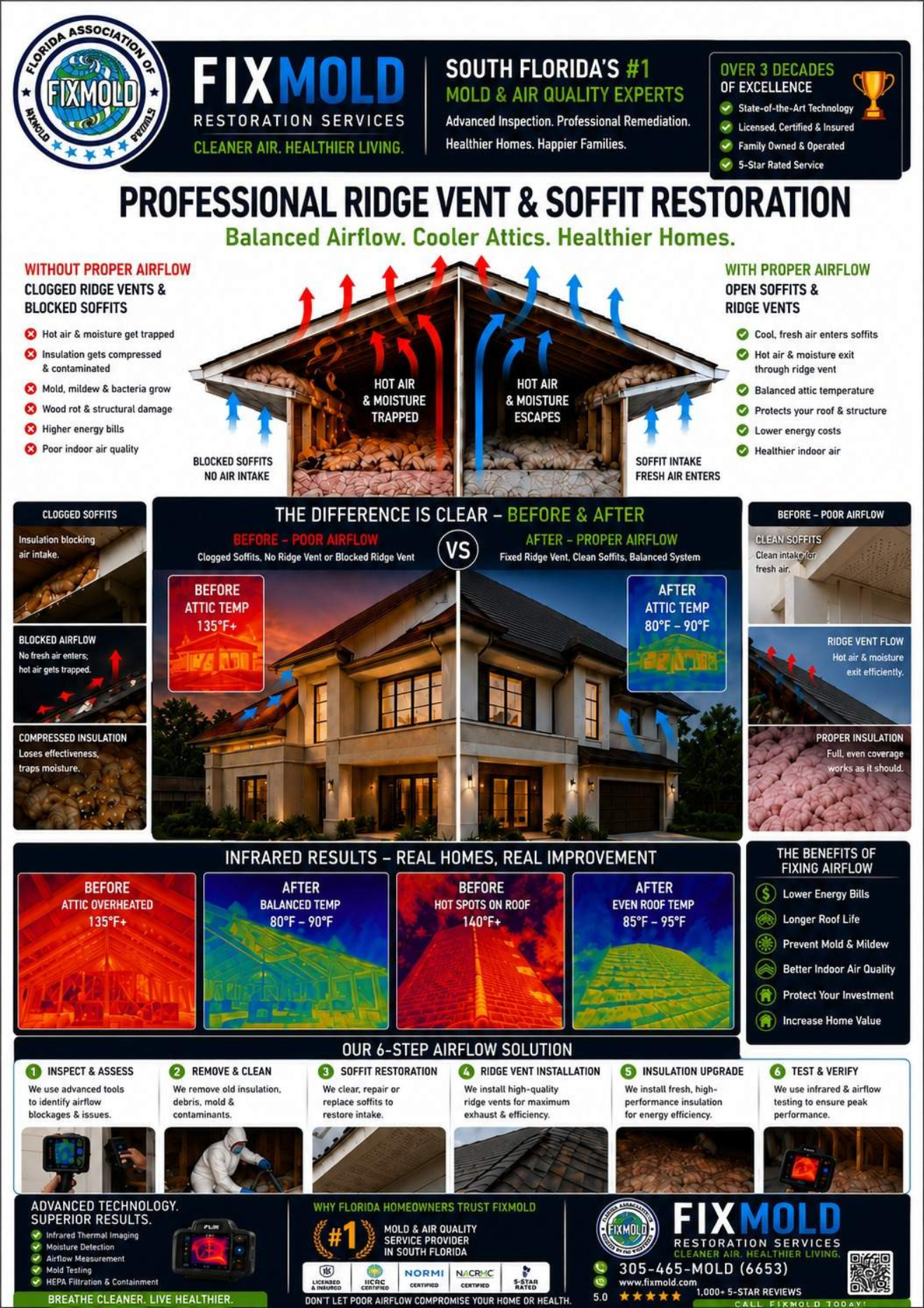
Roof leaks, inadequate ventilation, trapped heat, humidity buildup, and duct condensation can create environmental conditions that allow moisture-related issues to develop over time.
Because attics are rarely occupied, moisture damage may remain unnoticed for extended periods before becoming visible elsewhere in the building.
Crawlspaces can create similar challenges. Groundwater intrusion, flooding, poor drainage, and persistent humidity may introduce moisture beneath the structure.
Over time, these conditions can affect insulation systems, framing materials, flooring assemblies, and indoor environmental conditions throughout the property.
Landlord-Tenant and Condominium Disputes
Landlord-tenant disputes often involve questions regarding maintenance responsibilities, reporting timelines, repair efforts, and property conditions.
Documentation showing when concerns were reported, what actions were taken, and how environmental conditions evolved can be important when evaluating the facts surrounding a particular situation.
Condominium disputes may involve neighboring units, common plumbing systems, roof assemblies, building infrastructure, or association-maintained components.
Moisture originating from one location can sometimes affect multiple units before the source is identified.
Real Estate Transaction Disputes
Real estate transactions can also lead to mold-related disagreements.
Buyers may discover moisture issues after closing, while sellers may face questions regarding prior water damage, repairs, disclosures, or environmental conditions that existed before the transaction.
Environmental documentation often becomes critical in determining the history and extent of moisture-related conditions.
Commercial Property Investigations
Commercial properties throughout Miami, Fort Lauderdale, Boca Raton, and West Palm Beach often involve additional complexity due to occupancy requirements, business operations, building size, and HVAC infrastructure.
Hotels, office buildings, healthcare facilities, schools, warehouses, retail centers, and mixed-use developments may require extensive environmental investigation to determine how moisture-related conditions developed and spread.
Why Visible Mold Is Not Enough Evidence
One of the most common mistakes people make during mold-related disputes is relying solely on visible contamination as evidence.
Visible staining or growth rarely tells the entire story.
Professional environmental evaluations focus on understanding the moisture conditions that allowed contamination to develop.
Thermal imaging, moisture mapping, humidity analysis, leak detection, HVAC assessment, and environmental testing often provide a much clearer picture of what is occurring within the structure.
The Importance of Timing
Another important factor is timing. Moisture conditions can change after repairs, demolition, drying efforts, or environmental cleanup activities.
Early documentation often provides valuable information regarding the original condition of the property before alterations occur.
Preserving evidence as early as possible can significantly strengthen the understanding of how conditions developed.
Final Thoughts
Every mold-related case is unique because every building behaves differently.
Construction methods, building age, maintenance history, storm exposure, occupancy patterns, HVAC design, and environmental conditions all influence how moisture affects a property.
While no inspection or environmental report determines legal outcomes, accurate documentation and a thorough understanding of moisture conditions can help establish a clearer picture of the facts surrounding a mold-related dispute.
The strongest cases are often built on objective environmental evidence, detailed records, and professional evaluation of the conditions affecting the property.
A Deep Commitment To Restoration
A Family Legacy Of Trust
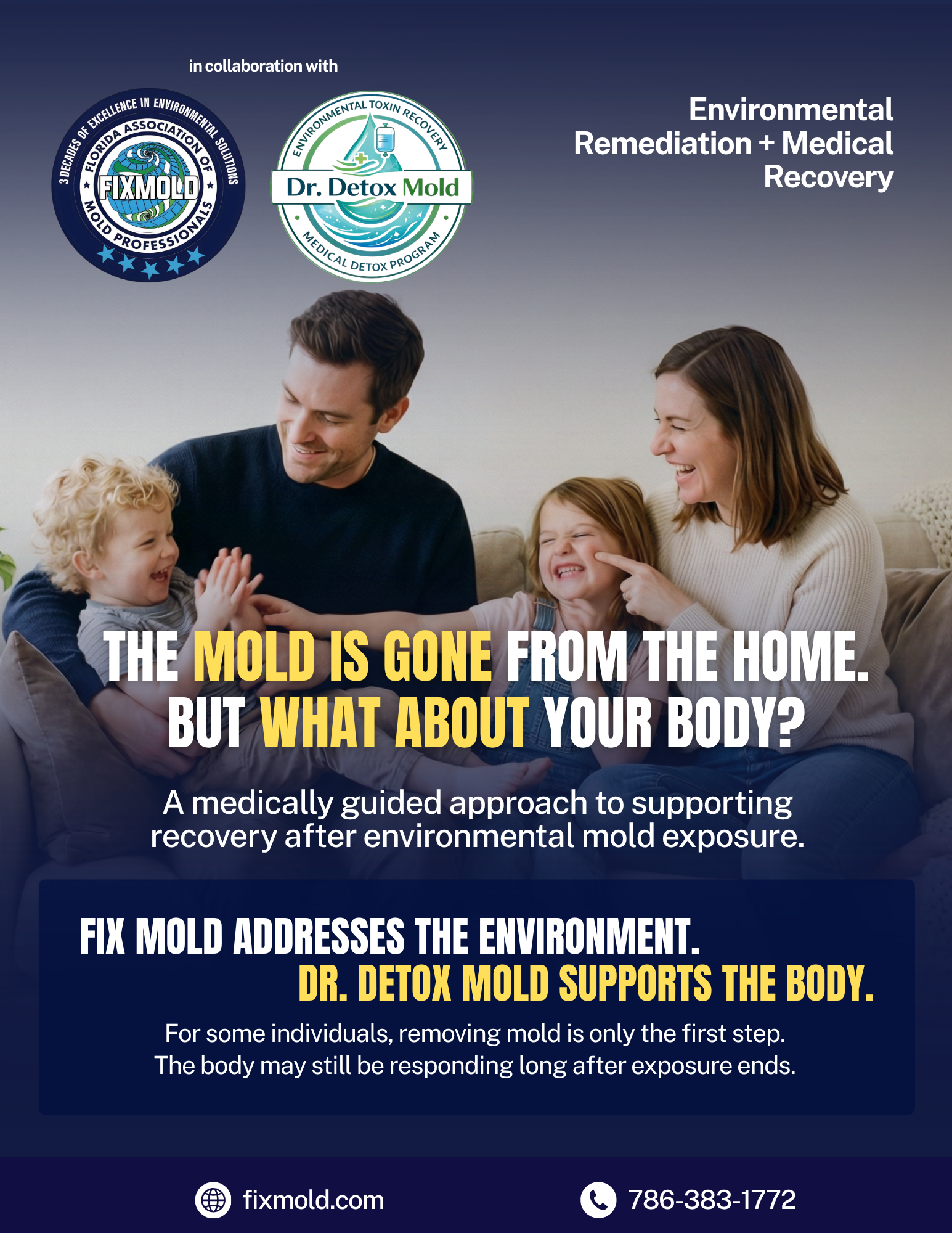
Mold Removed From Your Home. What About Your Body?
A medically guided approach to supporting recovery after mold exposure.
FixMold focuses on eliminating mold from your environment.
But for some individuals, recovery doesn’t stop there. Even after successful remediation, the body may continue responding to past exposure. In these cases, a structured, medically guided approach may be necessary to support full recovery.
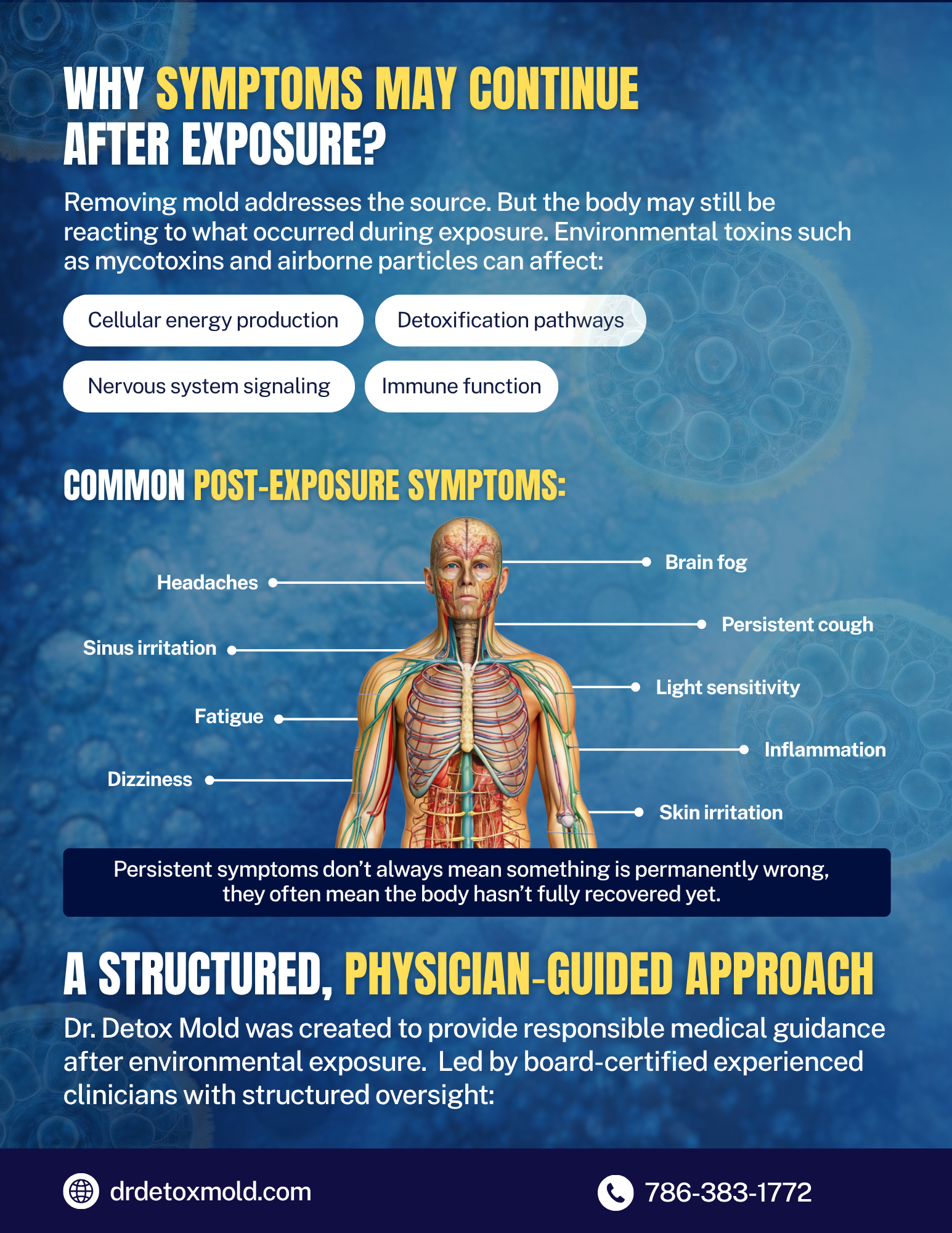
Why Symptoms Can Continue After Mold Exposure
Removing mold addresses the source of the problem, but it does not always resolve how the body has been affected during exposure.
Environmental toxins can impact multiple systems:
• Immune function
• Nervous system signaling
• Cellular energy production
• Detoxification pathways
For some individuals, these systems require time and proper support to return to balance.
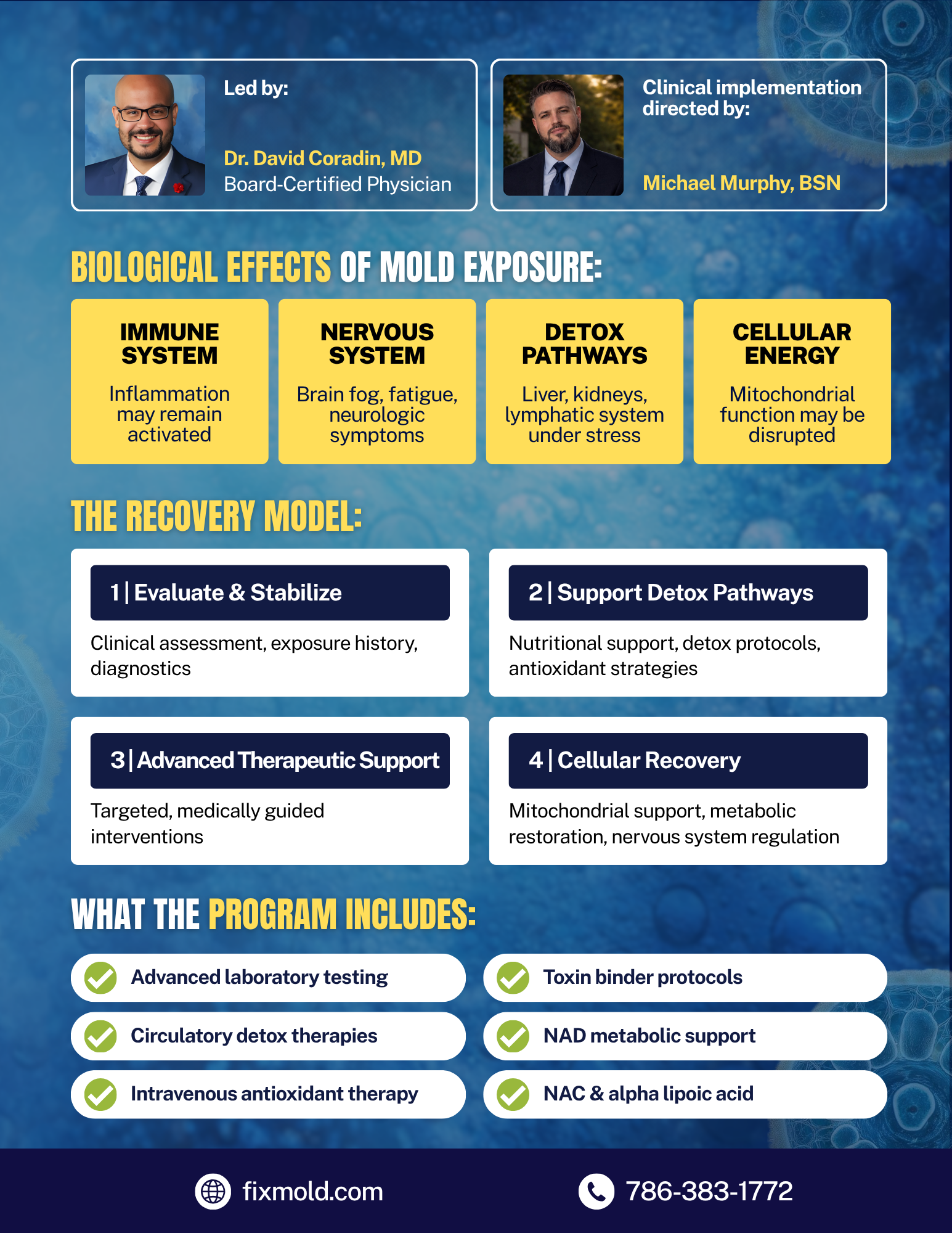
2. Detoxification Support
• Nutritional protocols
• Toxin-binding strategies
• Antioxidant support
3. Advanced Therapeutic Support
• Targeted, medically guided interventions
• IV-based therapies when appropriate
4. Cellular Recovery
• Mitochondrial support
• Metabolic restoration
• Nervous system regulation
Core Focus
• Detoxification support
• Immune system balance
• Cellular energy restoration
• Nervous system regulation
Key Principle
Recovery is not about doing more. It is about doing the right things, in the right order.
Next Steps
If mold exposure has been identified and symptoms are still present, evaluation may provide clarity.
• Exposure history review
• Laboratory evaluation
• Detoxification assessment
• Symptom analysis
What evidence is important in a Florida mold case?
Important evidence often includes photographs, videos, moisture readings, inspection reports, thermal imaging results, laboratory testing, repair records, maintenance documentation, communication records, invoices, and environmental assessments.
Because moisture-related conditions can change quickly after repairs or cleanup activities, early documentation is often valuable when evaluating how environmental issues developed within the property.
Professional environmental evaluations may also help identify hidden moisture sources that are not visible during routine observation.
+
Why is a mold inspection important during a dispute?
A mold inspection helps document environmental conditions affecting the property at a specific point in time.
Inspectors may use moisture meters, thermal imaging cameras, humidity monitoring equipment, leak detection tools, and environmental testing methods to evaluate hidden moisture and potential contamination.
These findings can help provide a clearer understanding of how moisture may be affecting structural materials, indoor air quality, HVAC systems, and other building components.
+
Can hidden moisture affect a mold case?
Yes. Hidden moisture is often one of the most important factors in mold-related disputes.
Water intrusion may occur behind walls, beneath flooring systems, inside insulation materials, above ceilings, within HVAC systems, or throughout attics and crawlspaces without obvious visible signs.
Professional moisture detection and thermal imaging can help identify concealed environmental conditions that may not otherwise be discovered.
+
How do HVAC systems become involved in mold disputes?
HVAC systems generate condensation during normal operation and may contribute to moisture-related environmental conditions if drainage, airflow, insulation, or humidity control problems occur.
Because ventilation systems distribute air throughout the property, moisture conditions within HVAC components can influence multiple rooms simultaneously.
HVAC evaluations are often included in environmental investigations involving recurring odors, indoor air quality concerns, humidity problems, or suspected hidden contamination.
+
Why is documentation so important in mold-related claims?
Documentation helps establish what conditions existed, when they were discovered, and what actions were taken in response.
Environmental conditions often change after repairs, drying efforts, demolition, or cleanup activities. Photographs, moisture readings, inspection reports, communication records, testing results, and repair documentation help preserve information that may otherwise be lost over time.
Accurate records often provide a clearer understanding of how moisture-related conditions affected the property and how the situation developed.