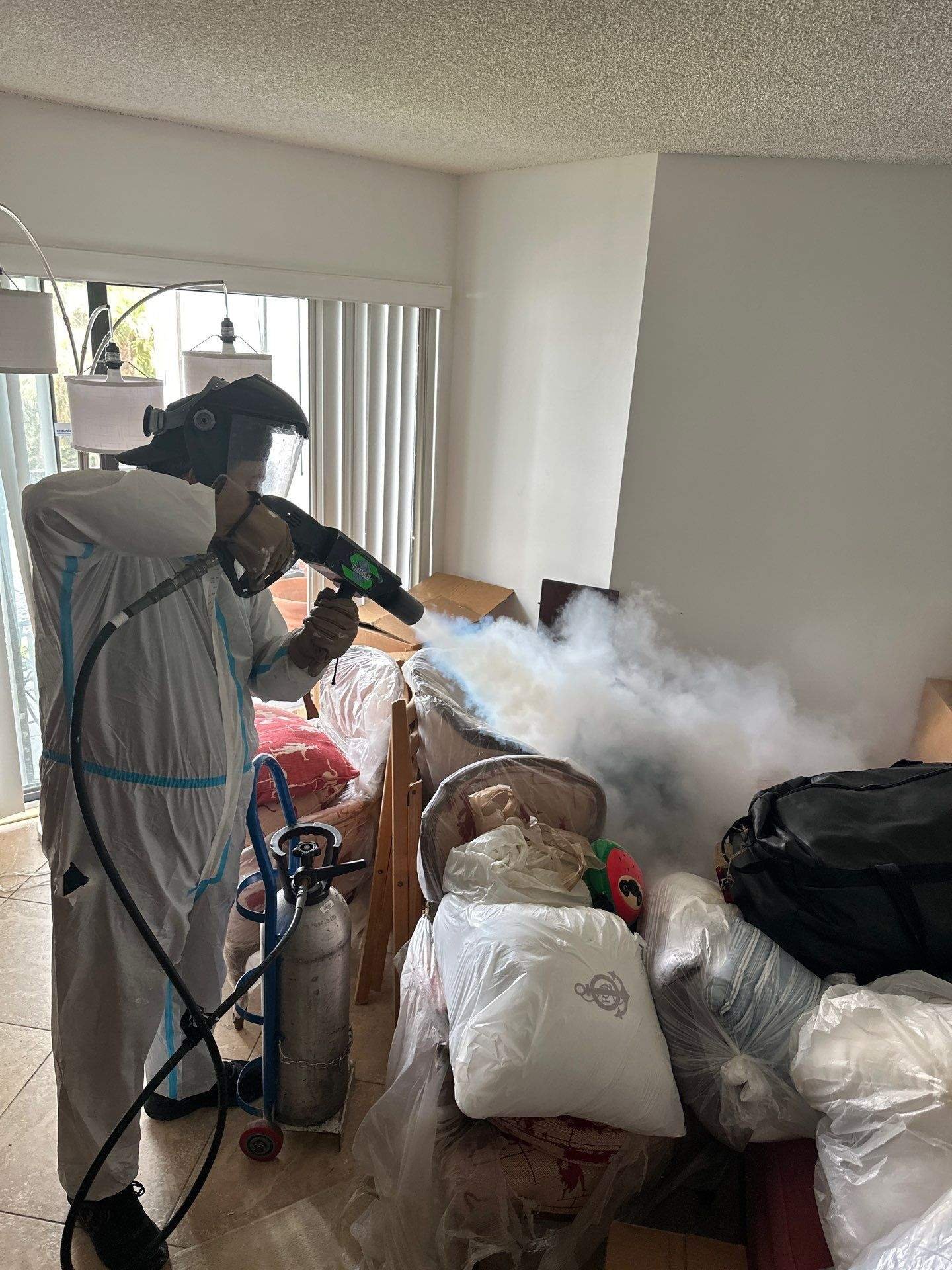
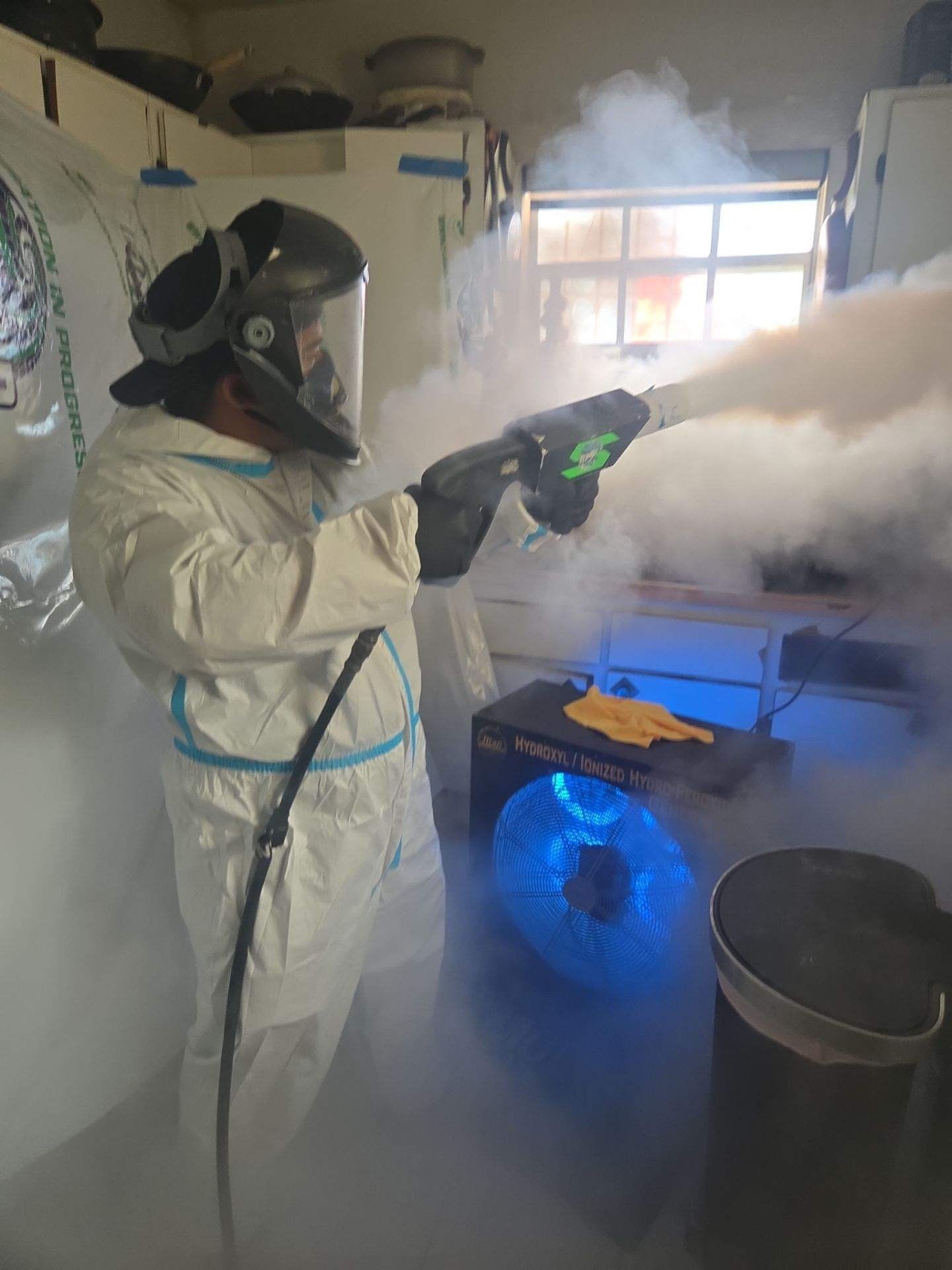
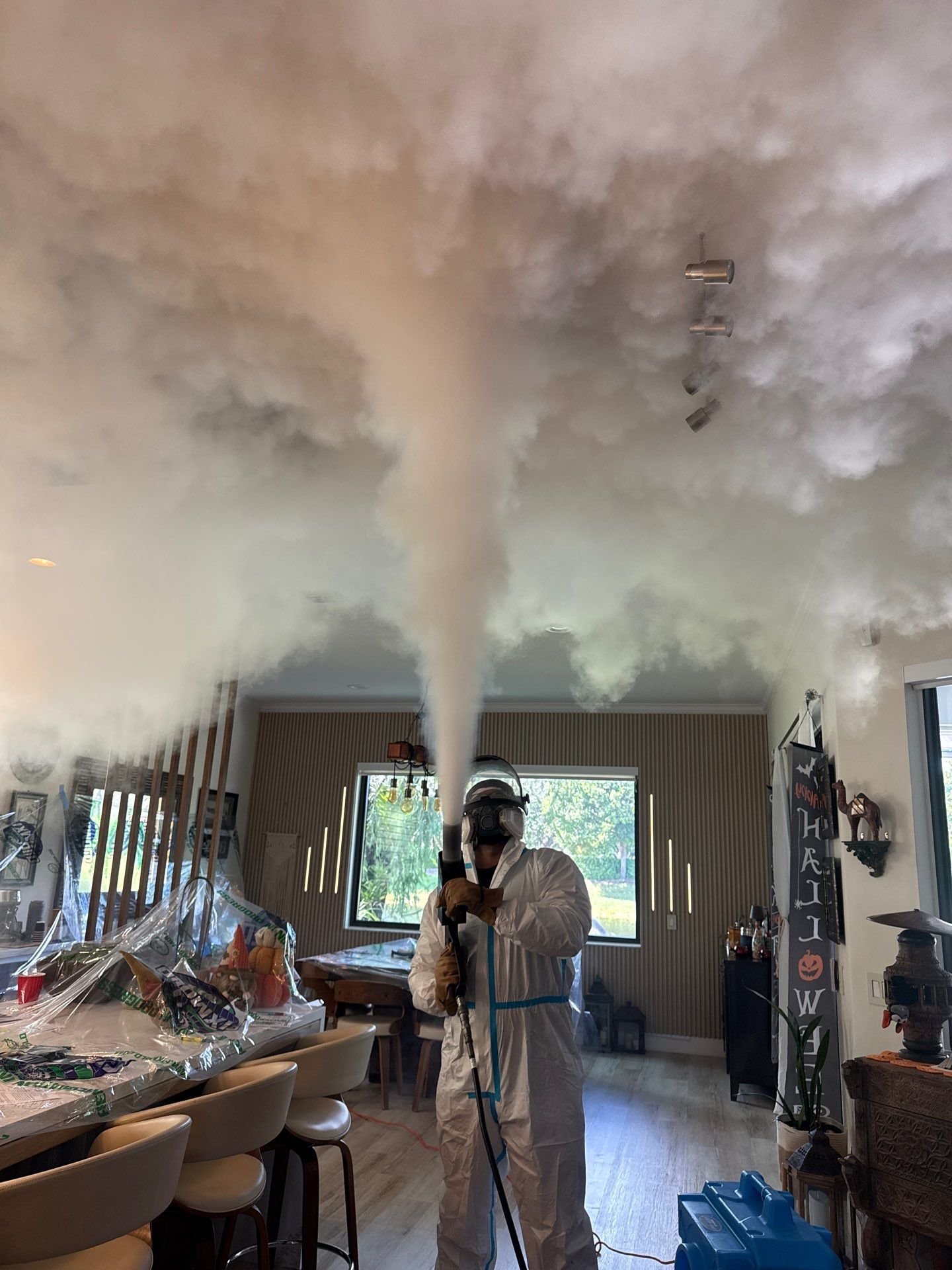
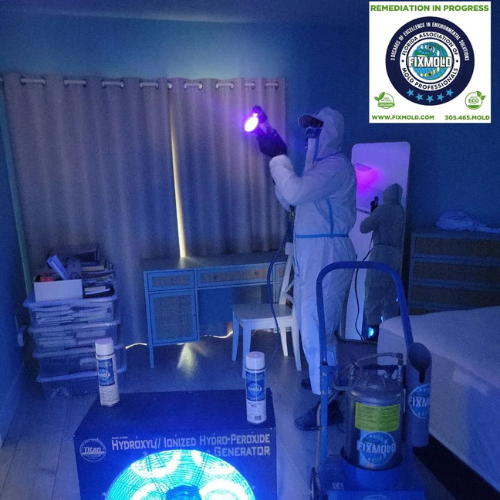
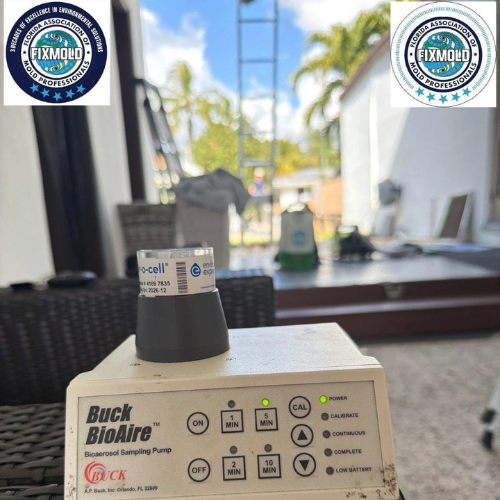
UV light causes many mold species to fluoresce visibly, making it a highly effective detection tool across common indoor mold types. It is used alongside air sampling and surface swabs sent to a third-party laboratory for definitive species identification and spore counts. UV detection guides where samples are taken, making the laboratory analysis more targeted and complete.
Yes. Early-stage mold growth and contamination on surfaces where color contrast is low can be invisible under normal lighting but fluoresce clearly under UV. This makes UV inspection particularly valuable for catching contamination before it reaches the stage where obvious staining or odor develops.
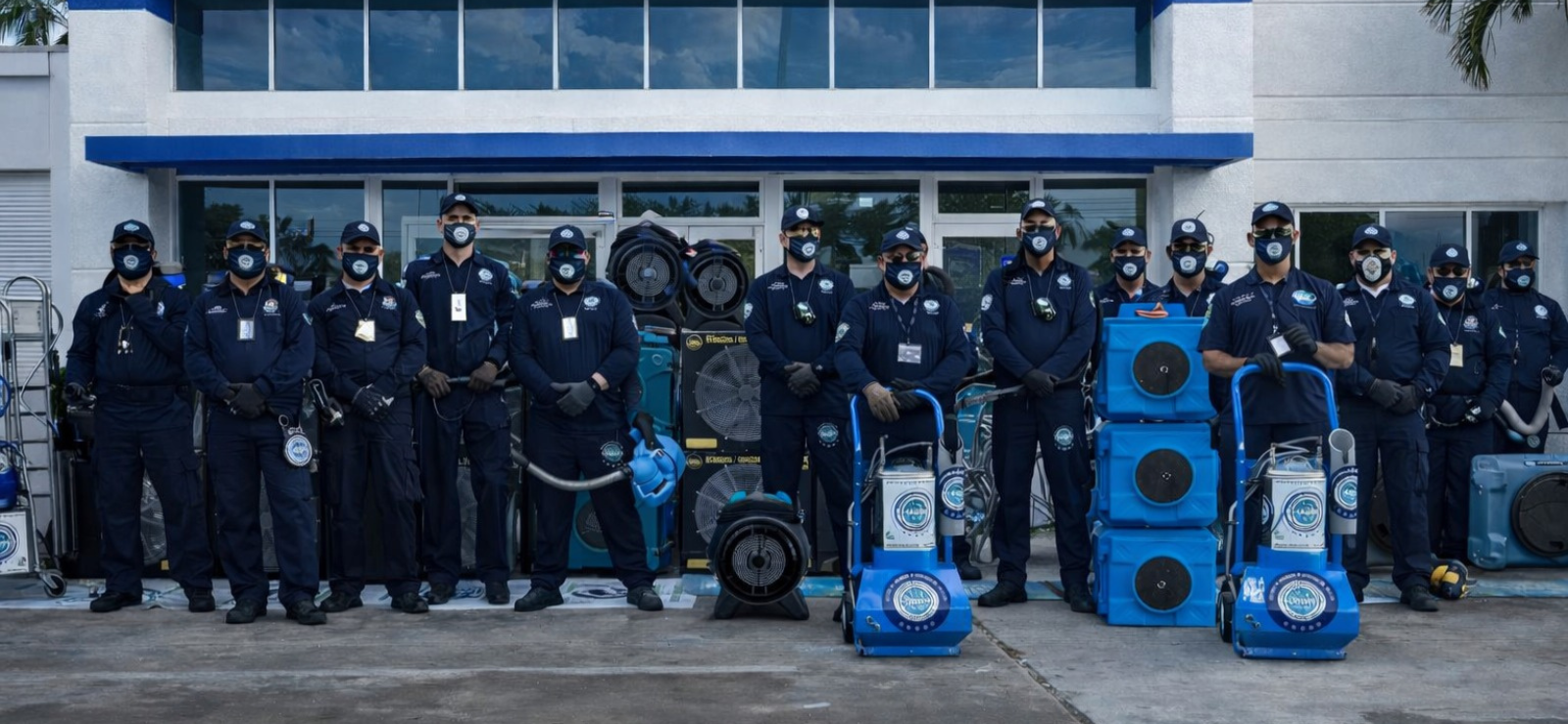
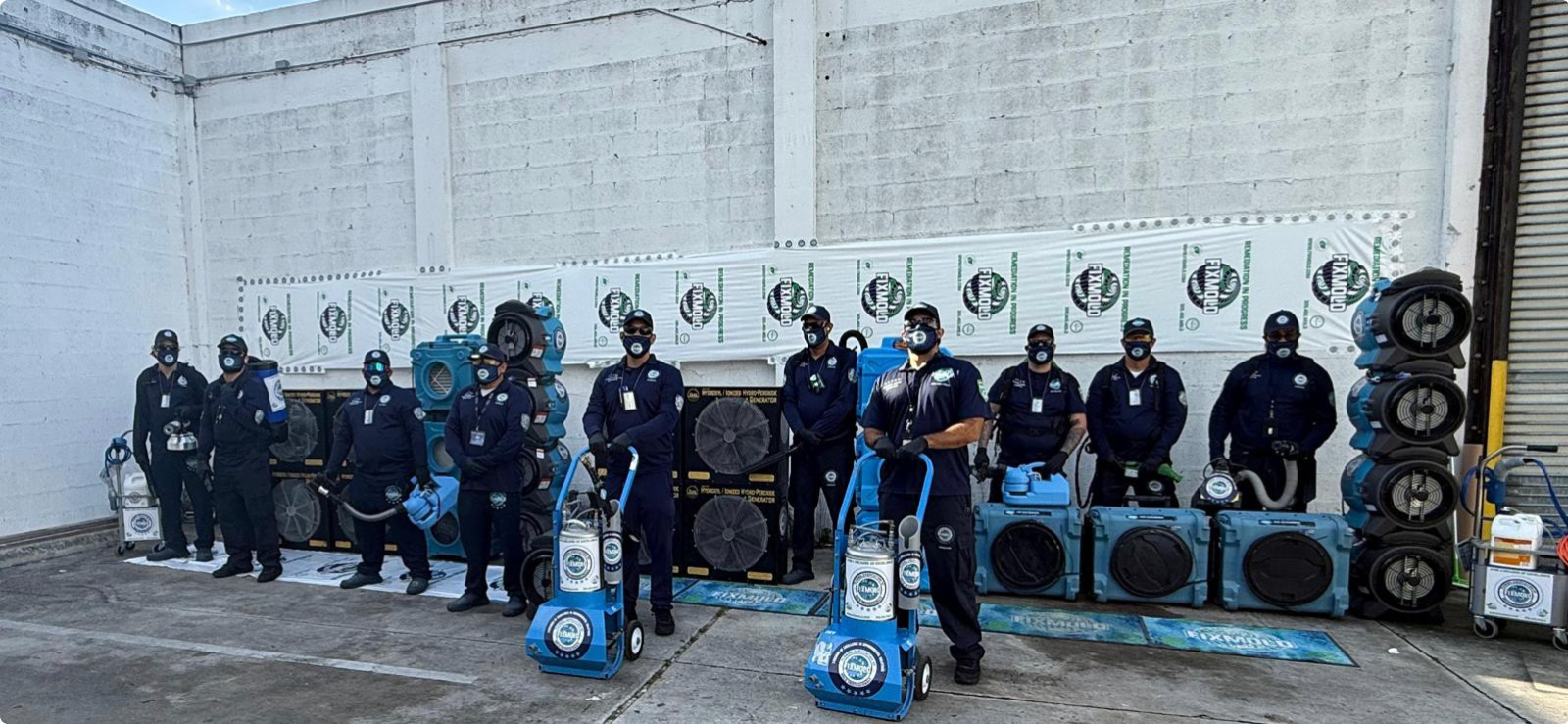
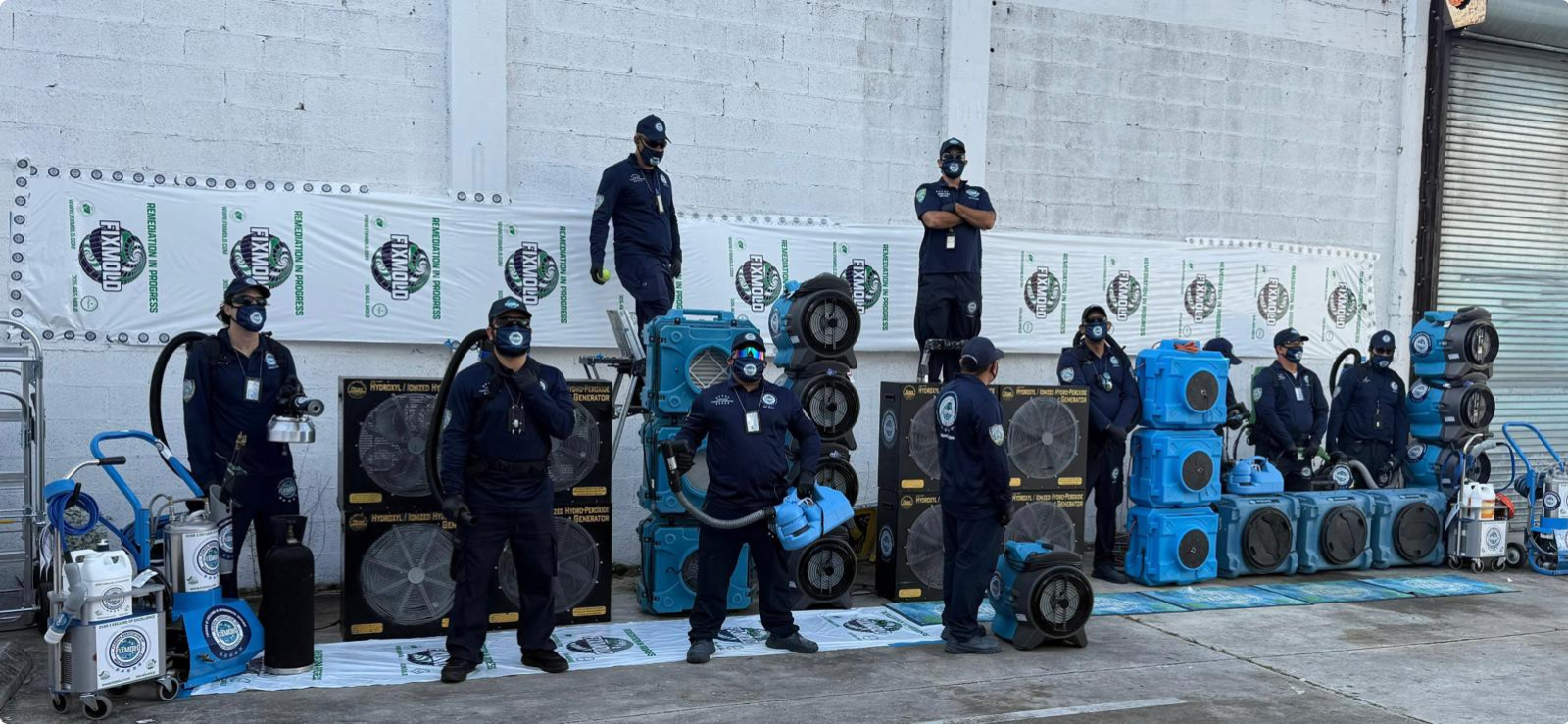
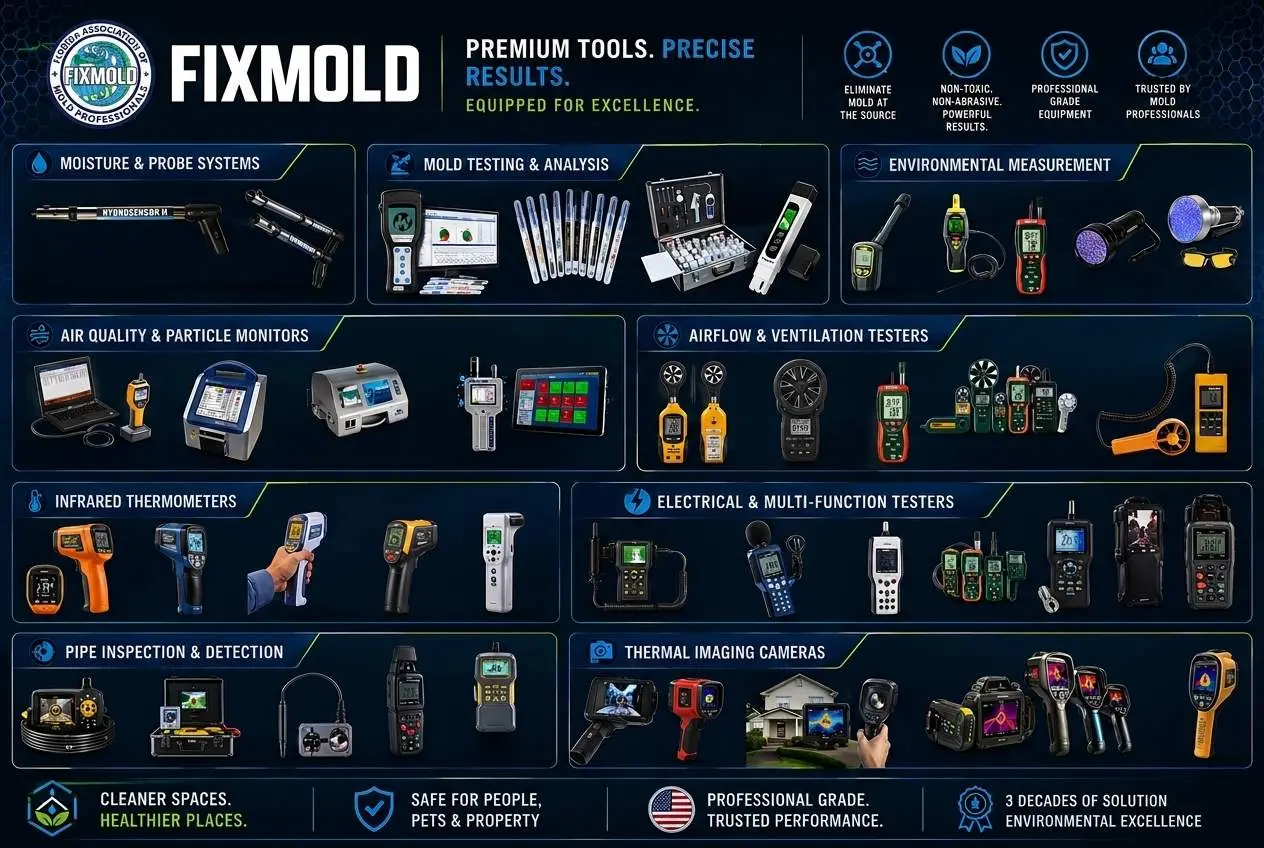
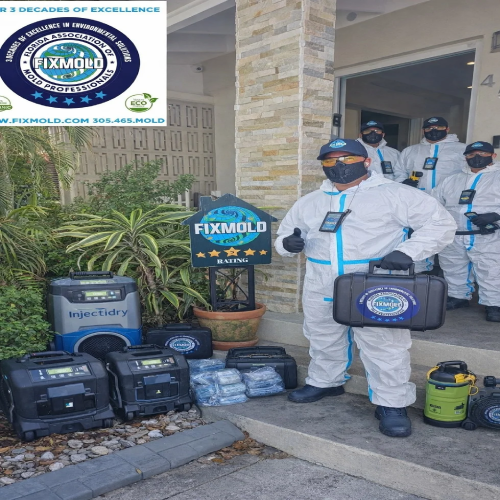
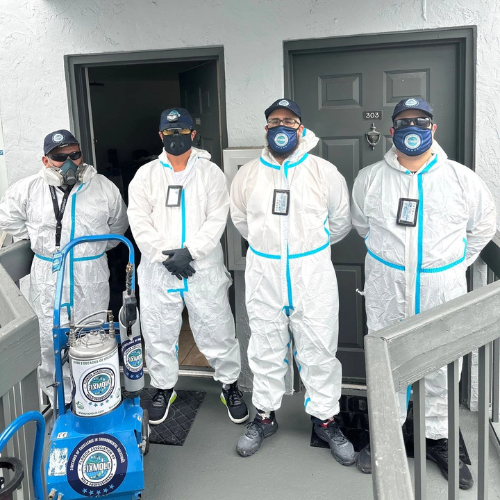
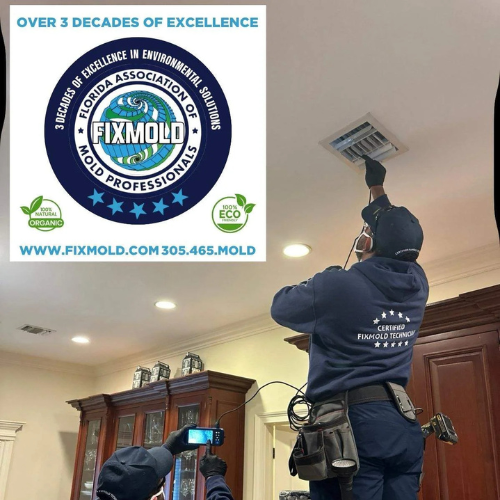
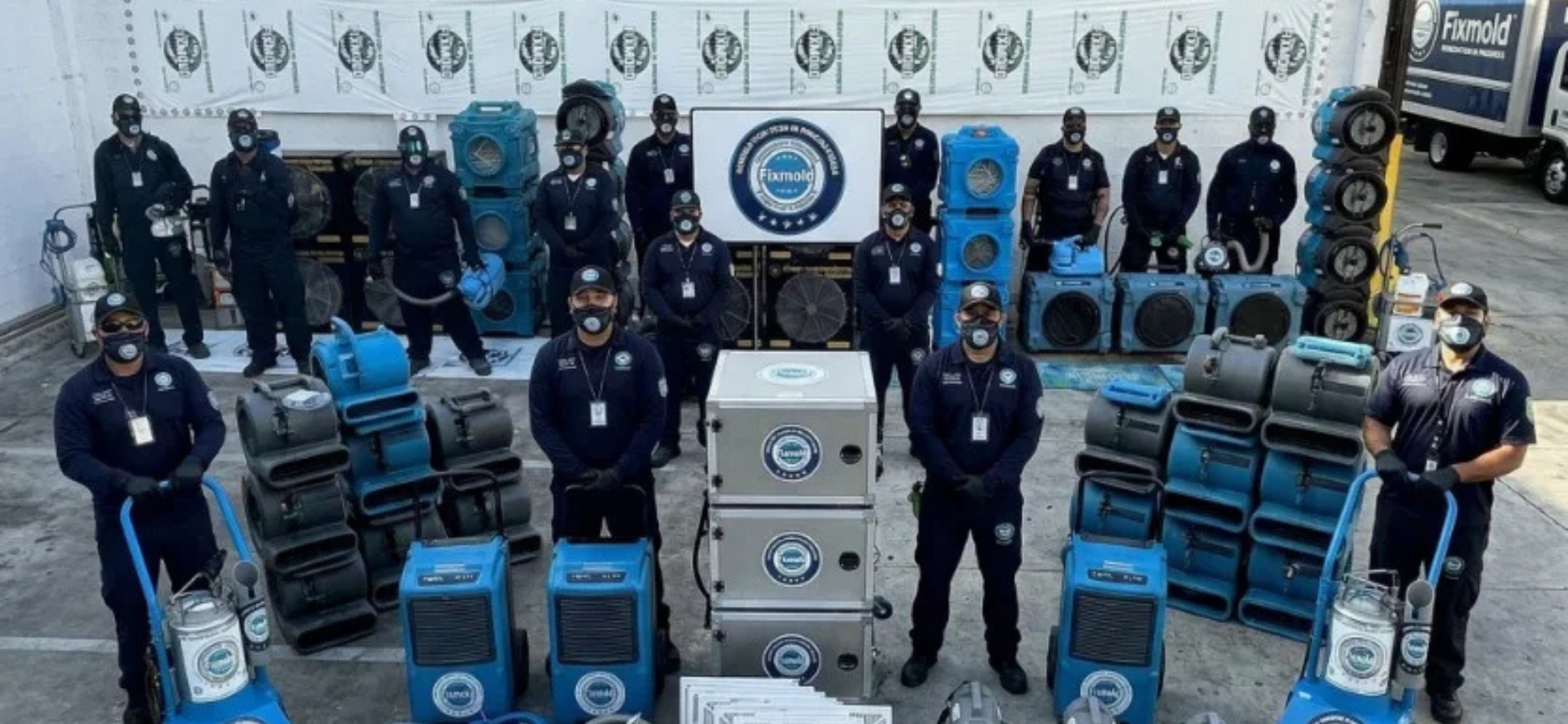
UV LED lights are standard equipment carried by every FixMold inspection crew and used as part of the full assessment toolkit on every job. The level of focus on any particular area is determined by the conditions found during the inspection.
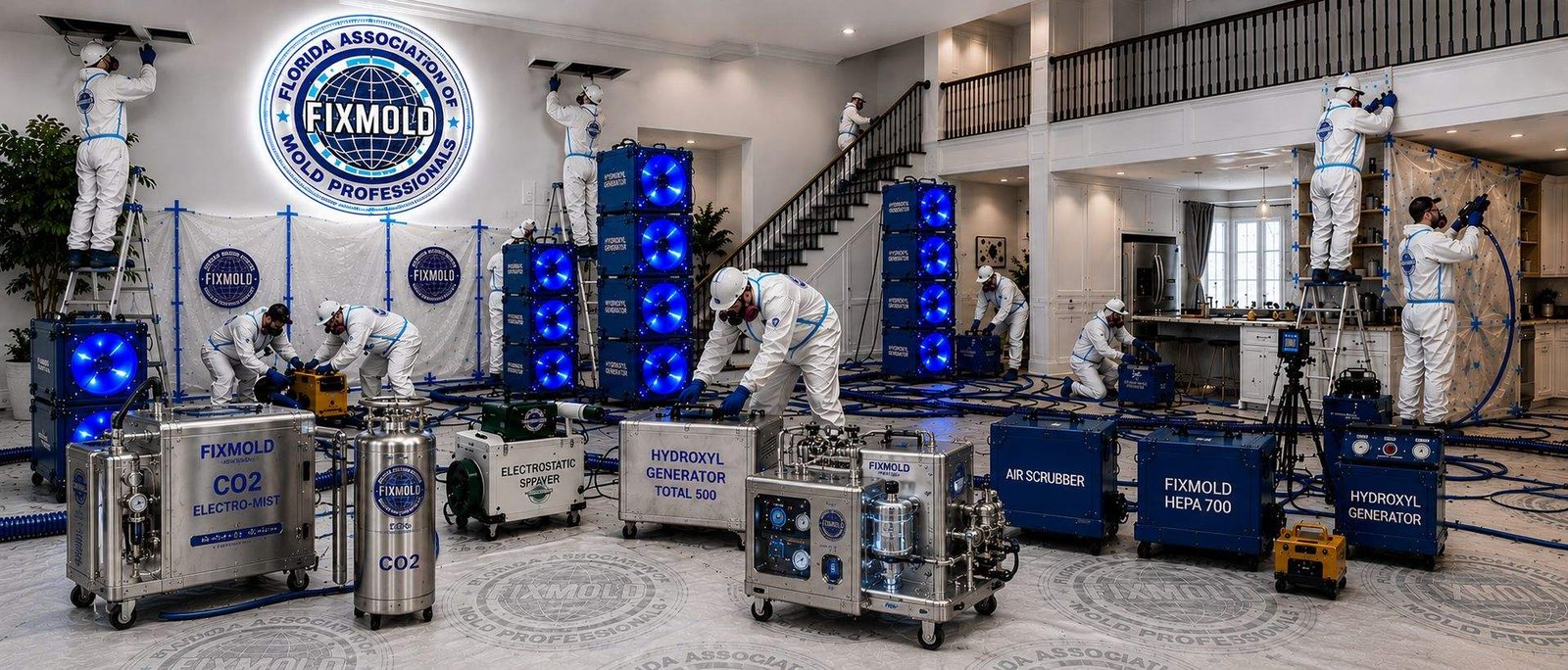
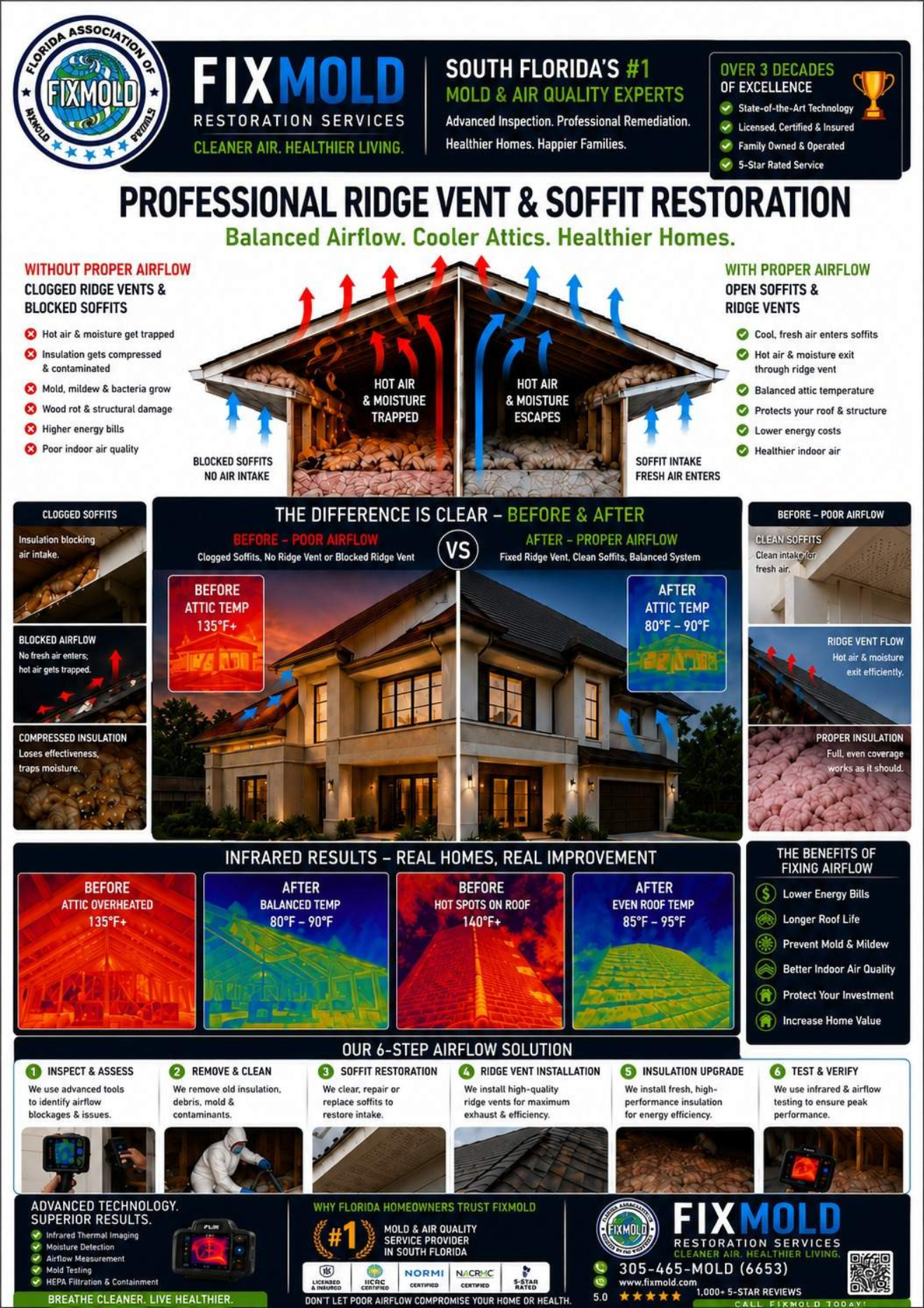
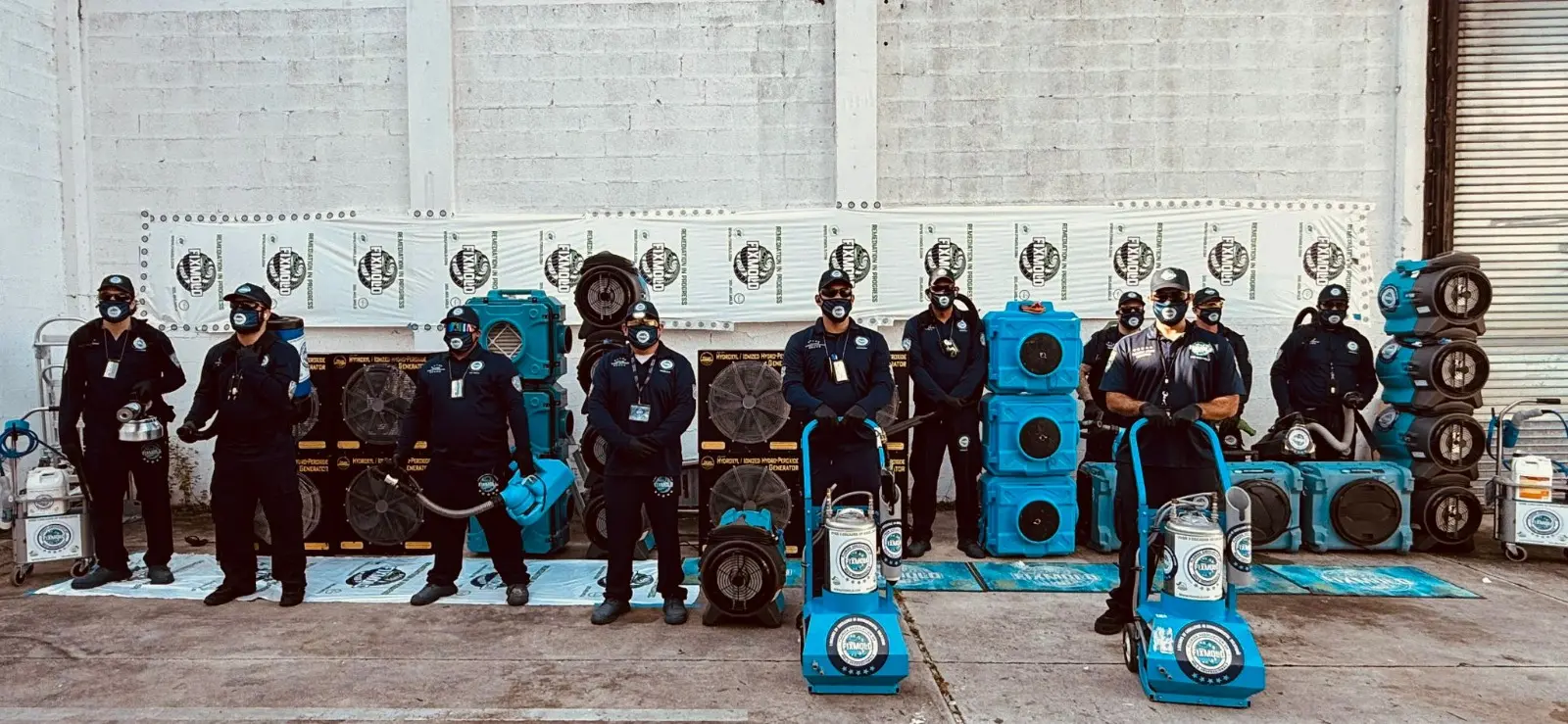
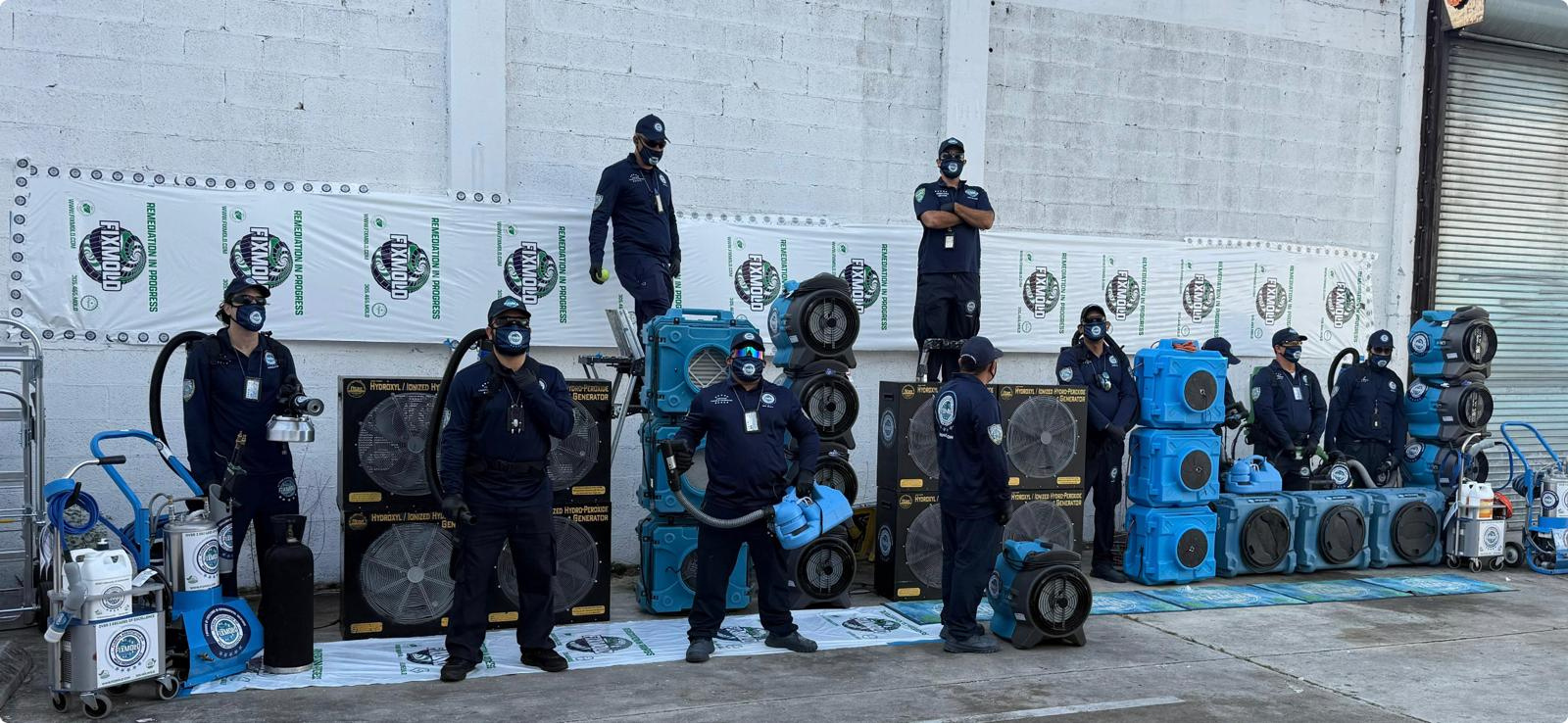
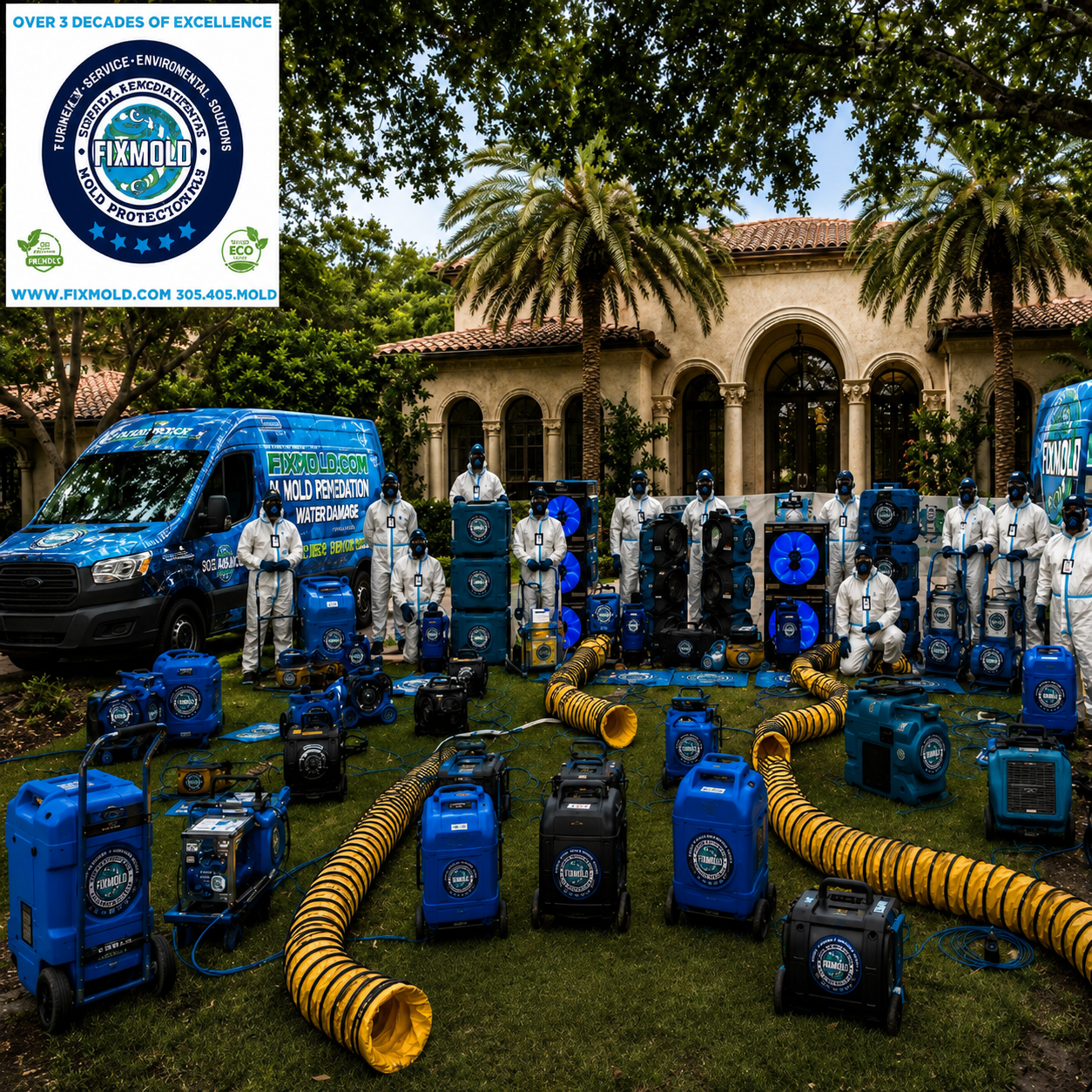
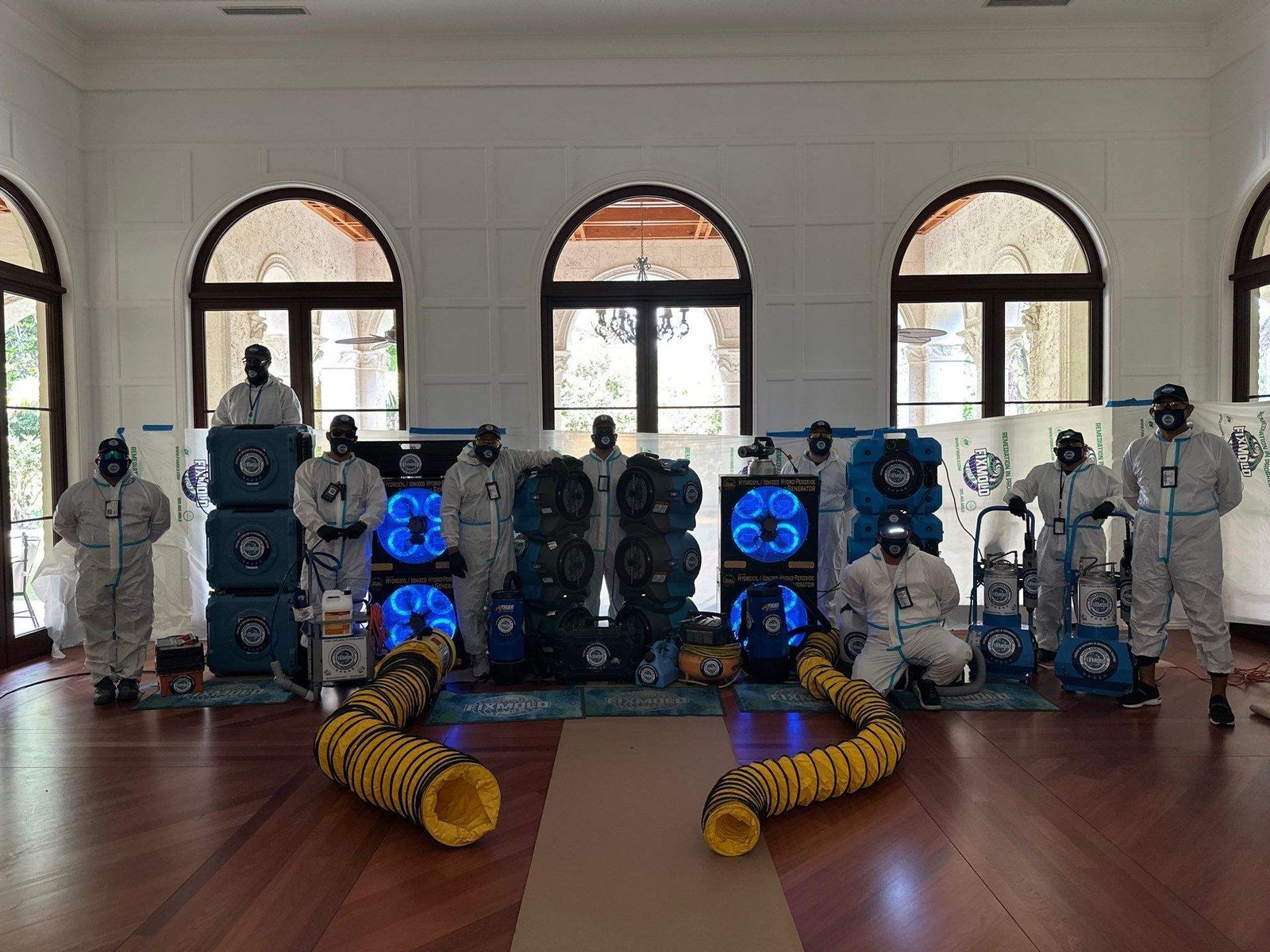
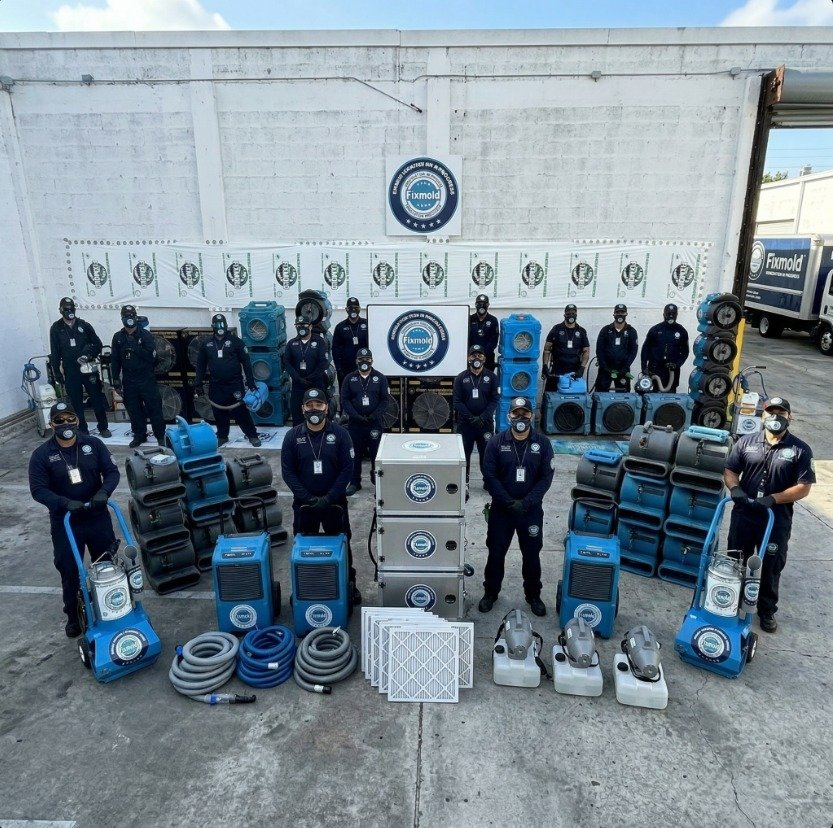
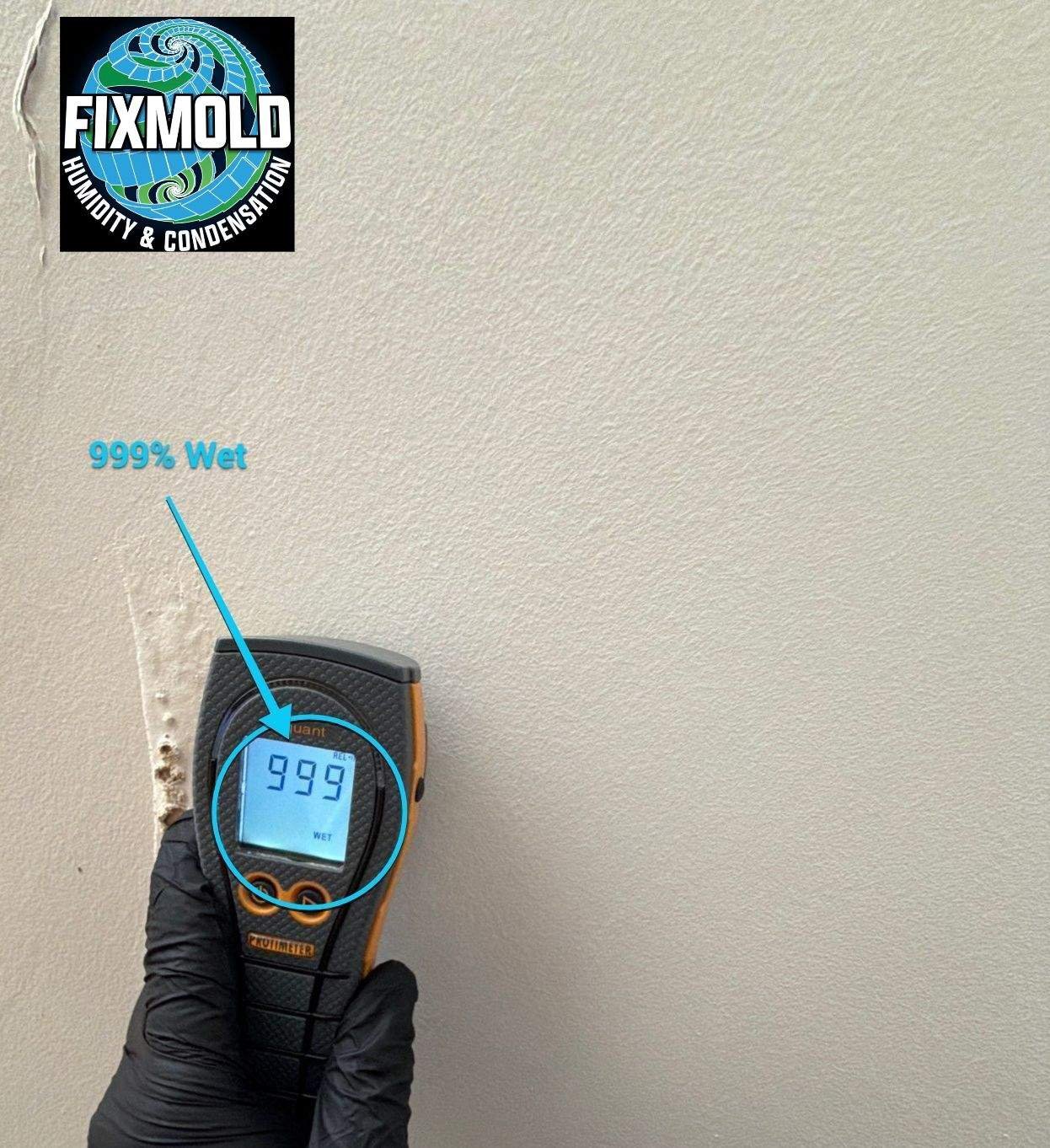
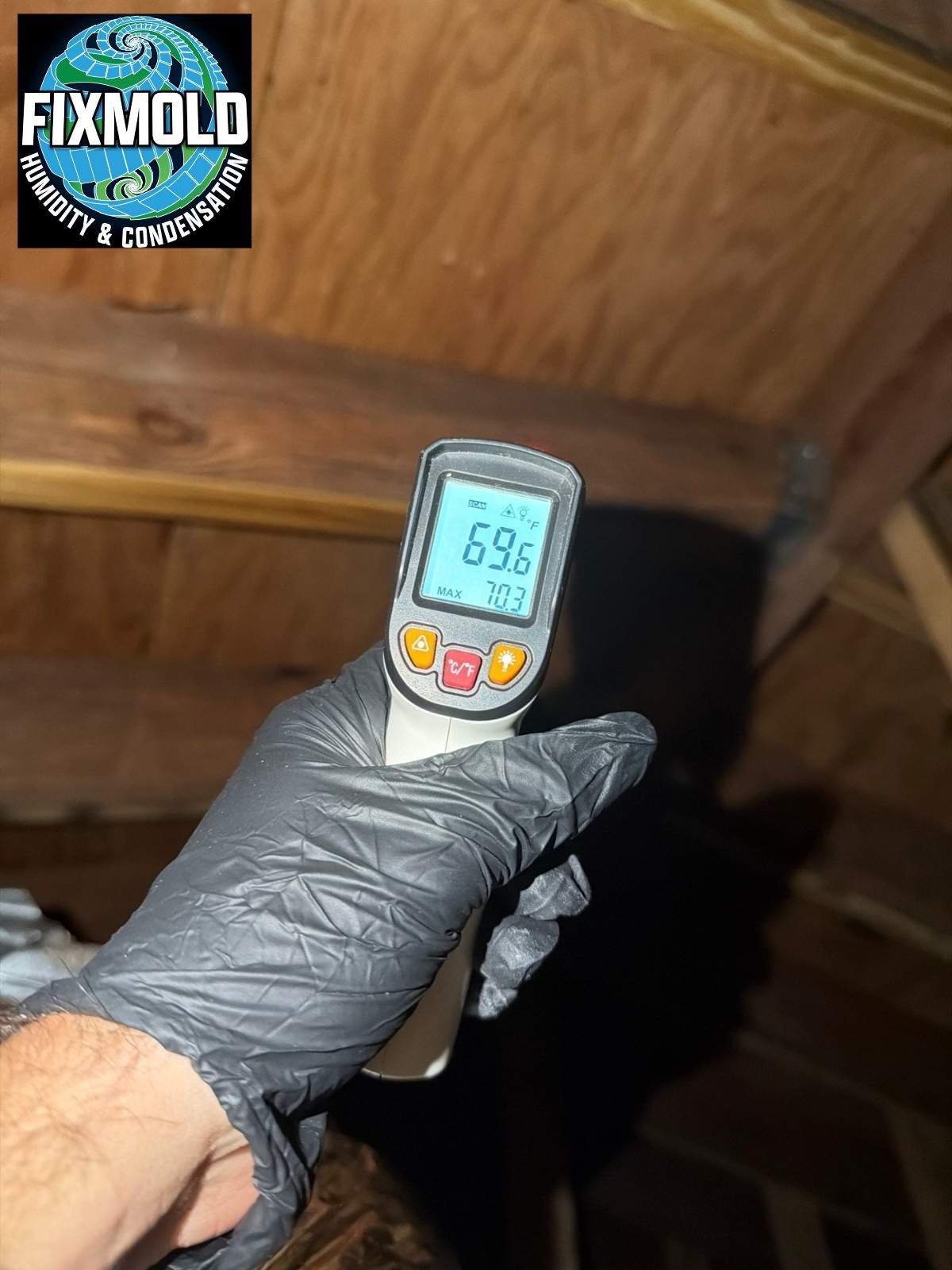
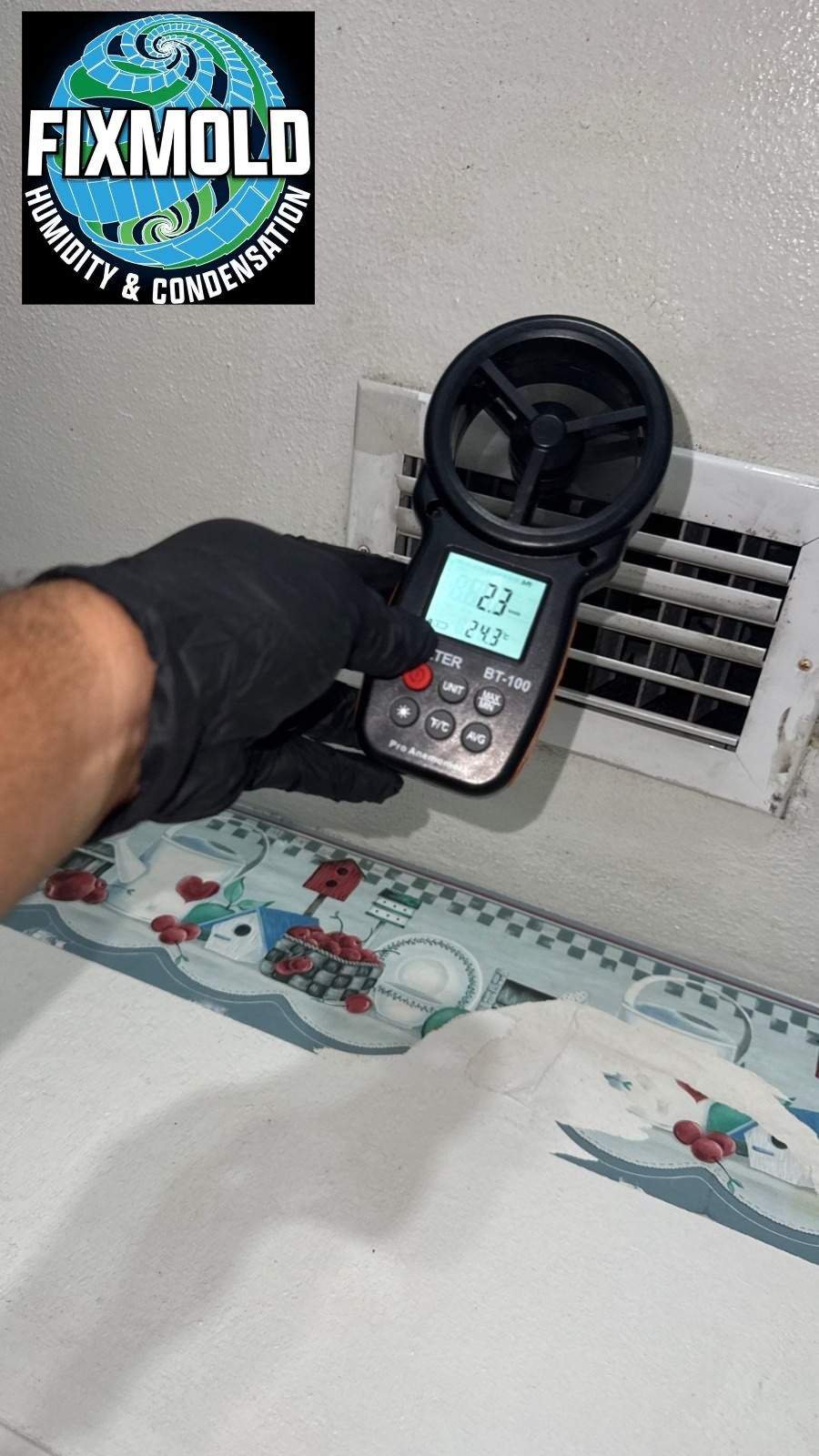
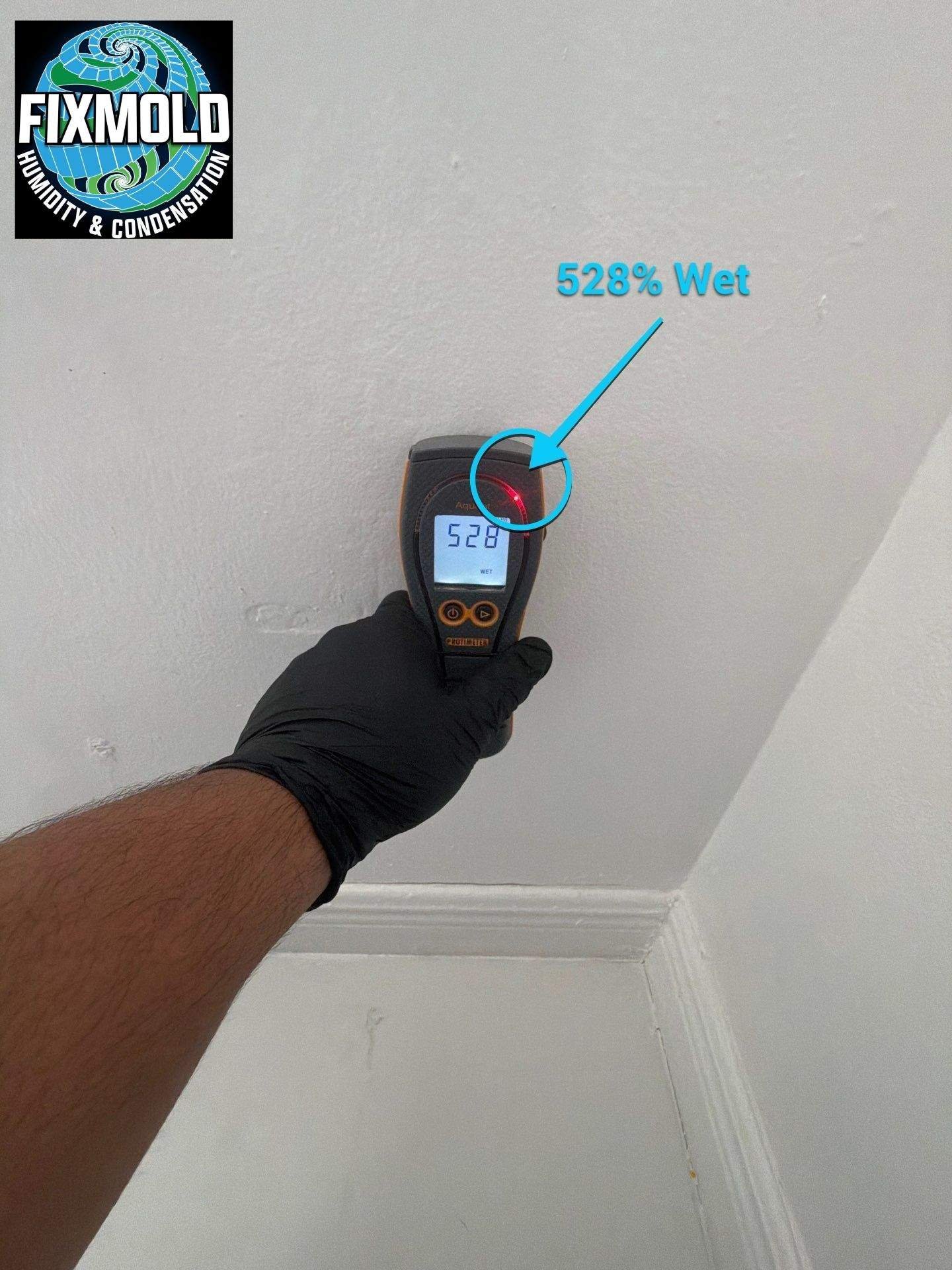
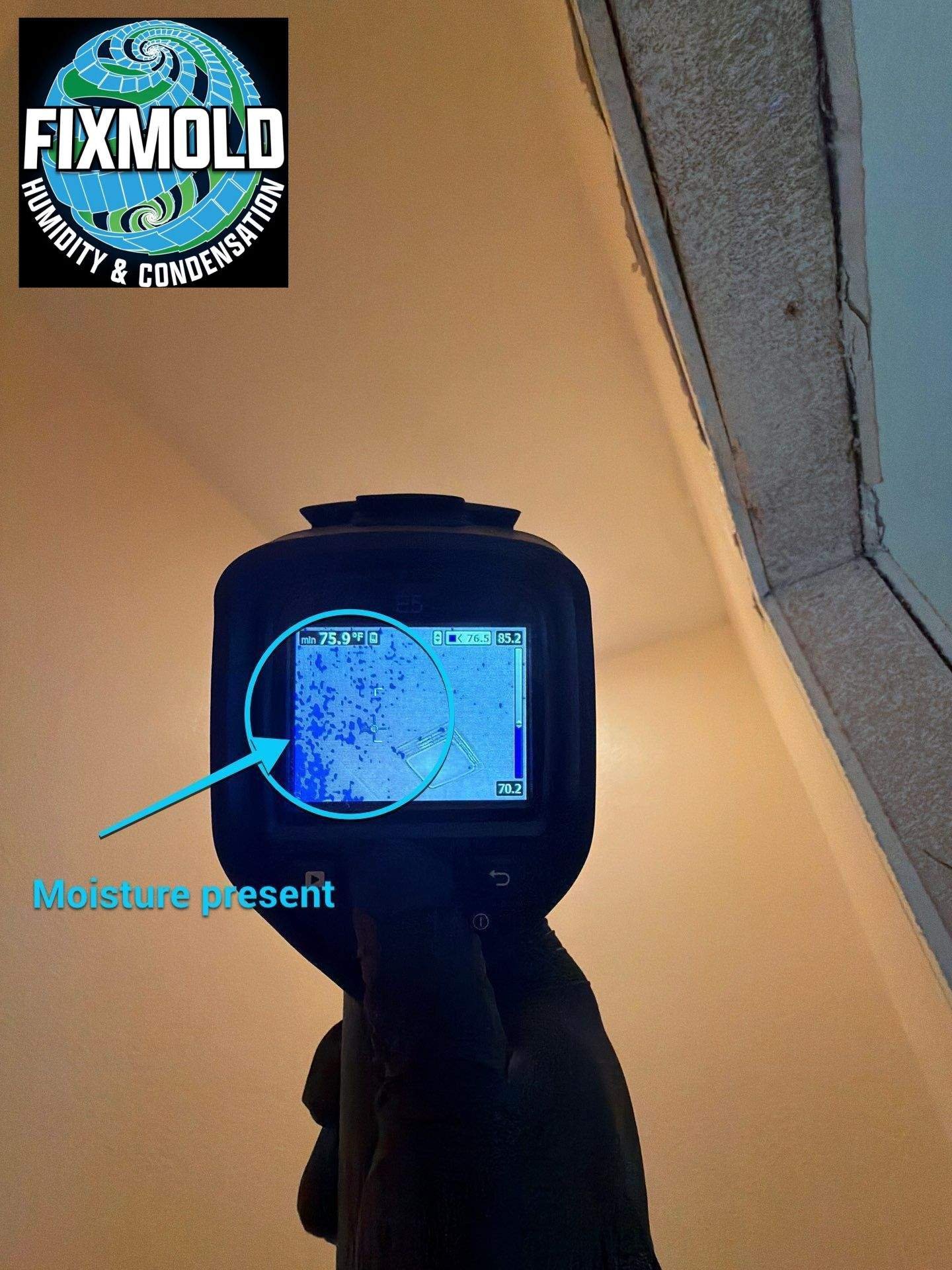
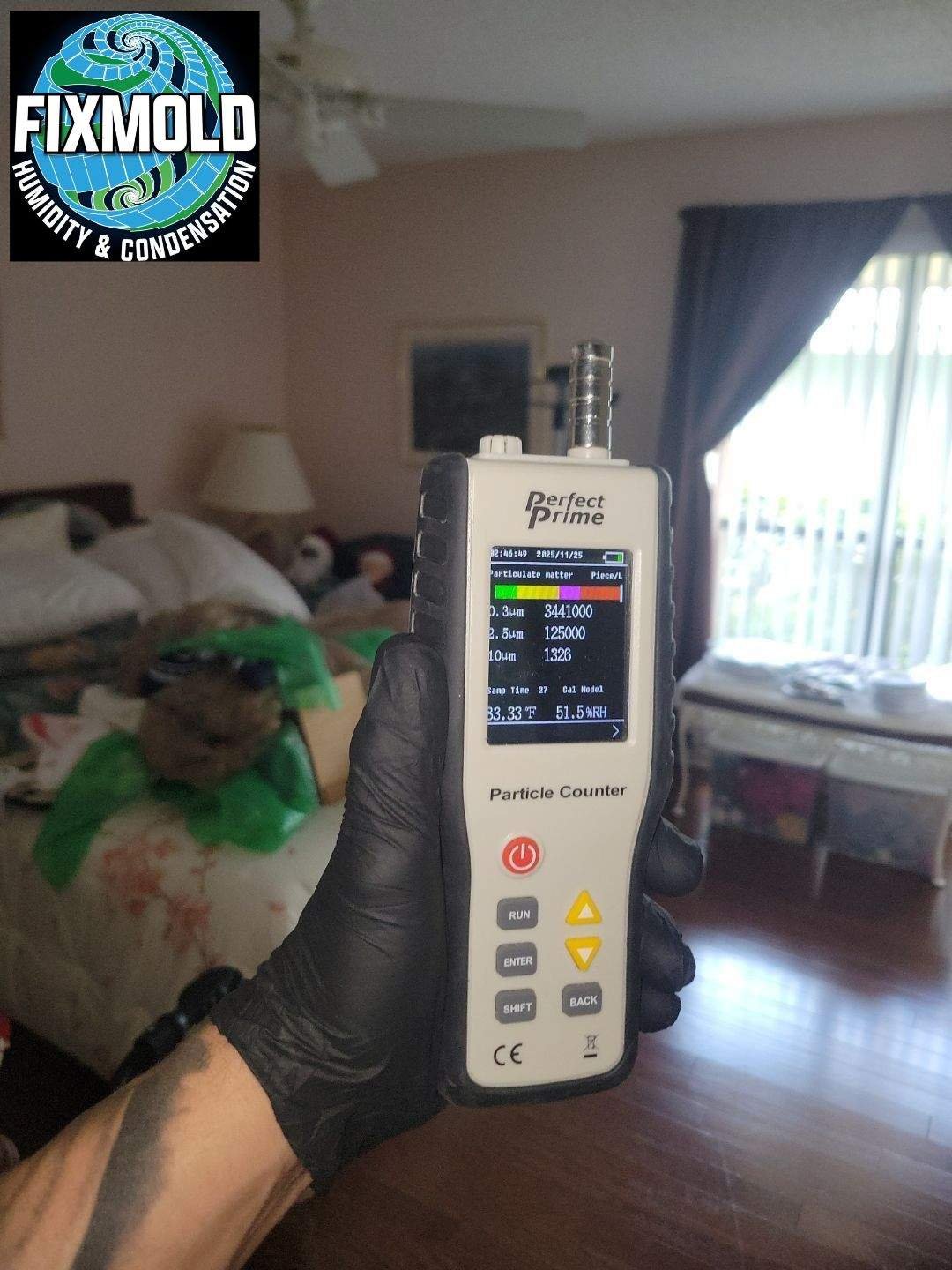
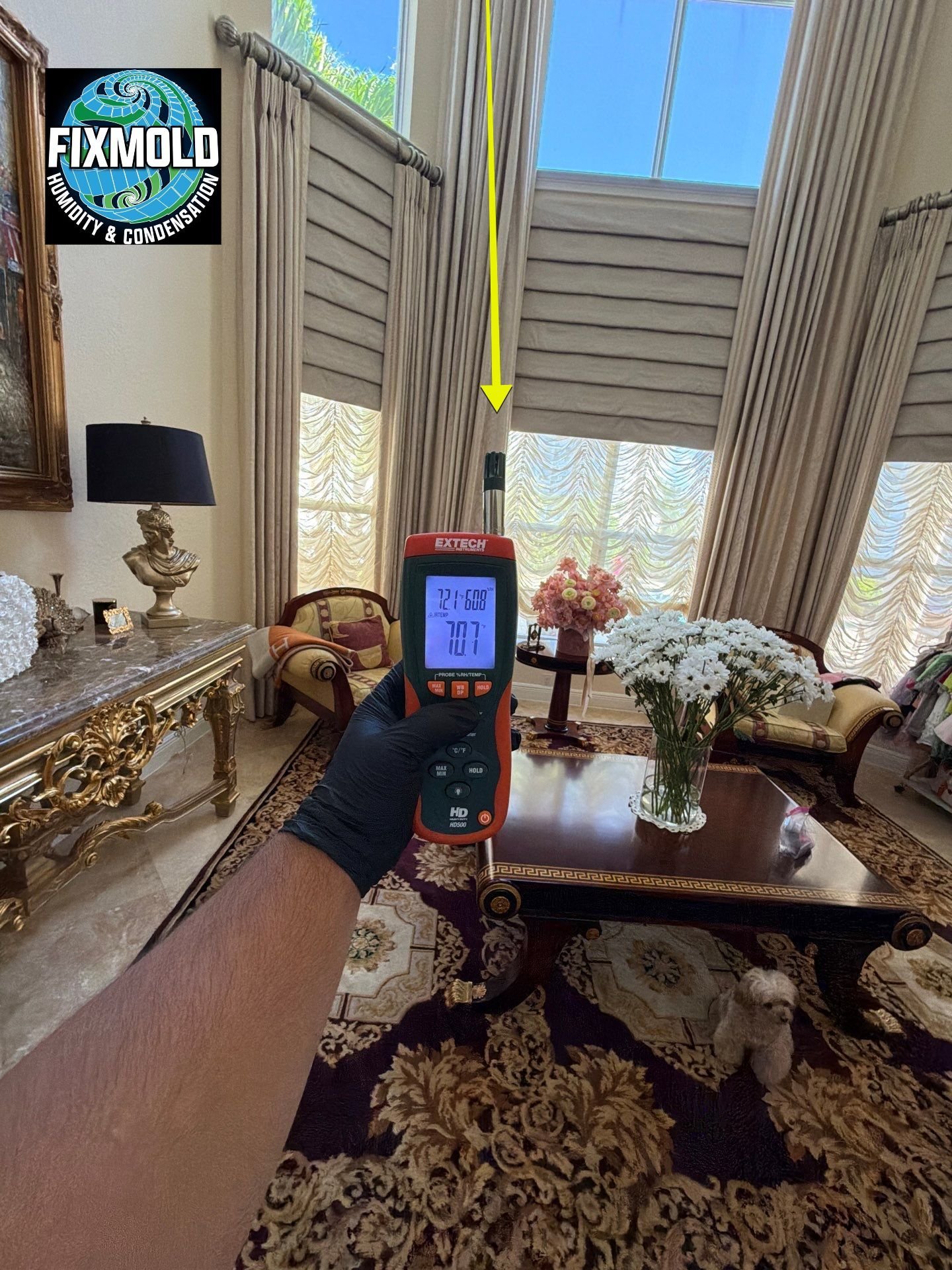
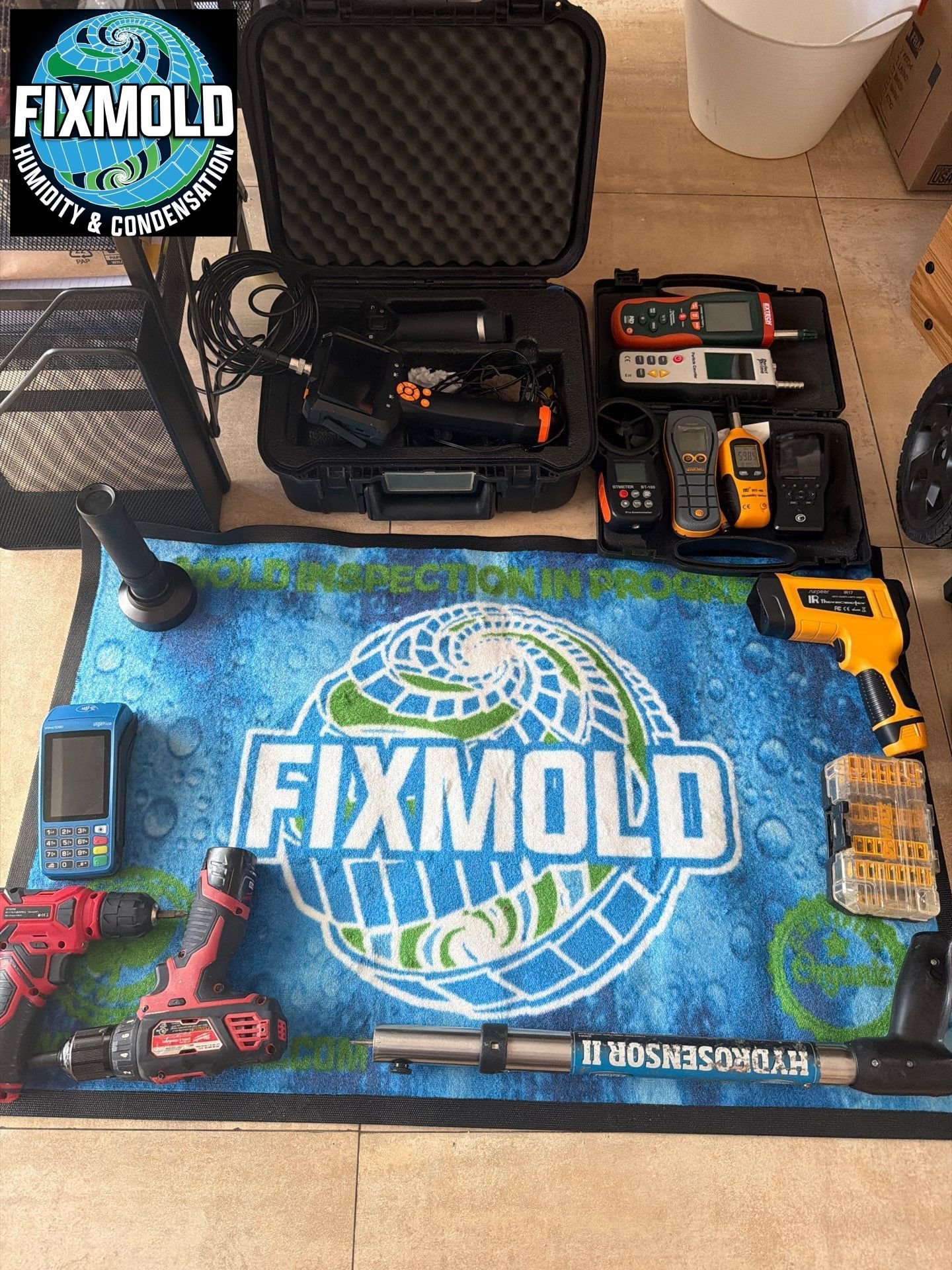
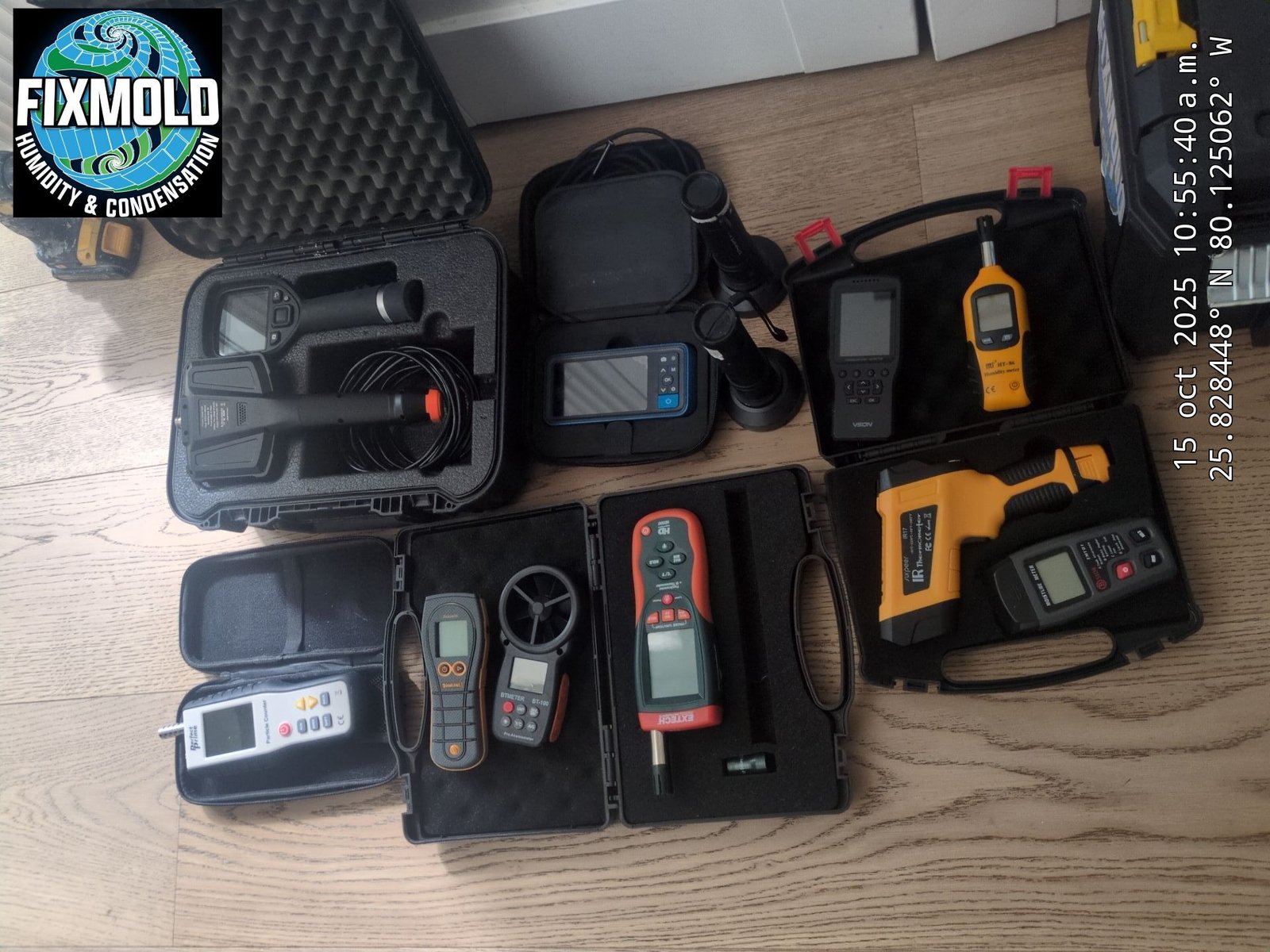
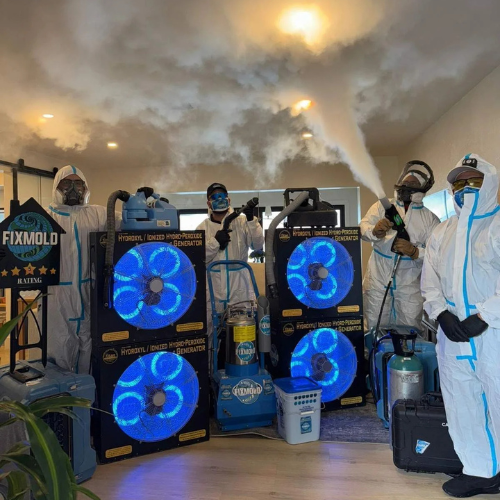
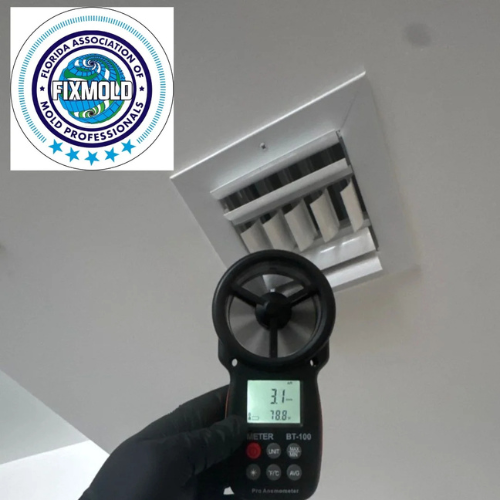
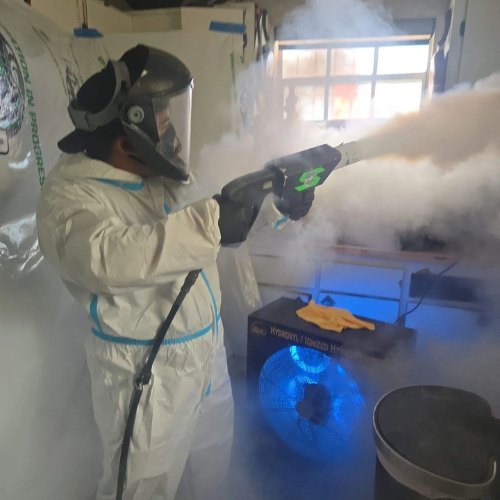
Infrared thermal imaging cameras, digital moisture meters, hydrosensors, particle counters, borescope cameras, toxic mold sensors, and air and surface sampling equipment. UV light inspection is one component of the most comprehensive inspection toolkit available in South Florida.
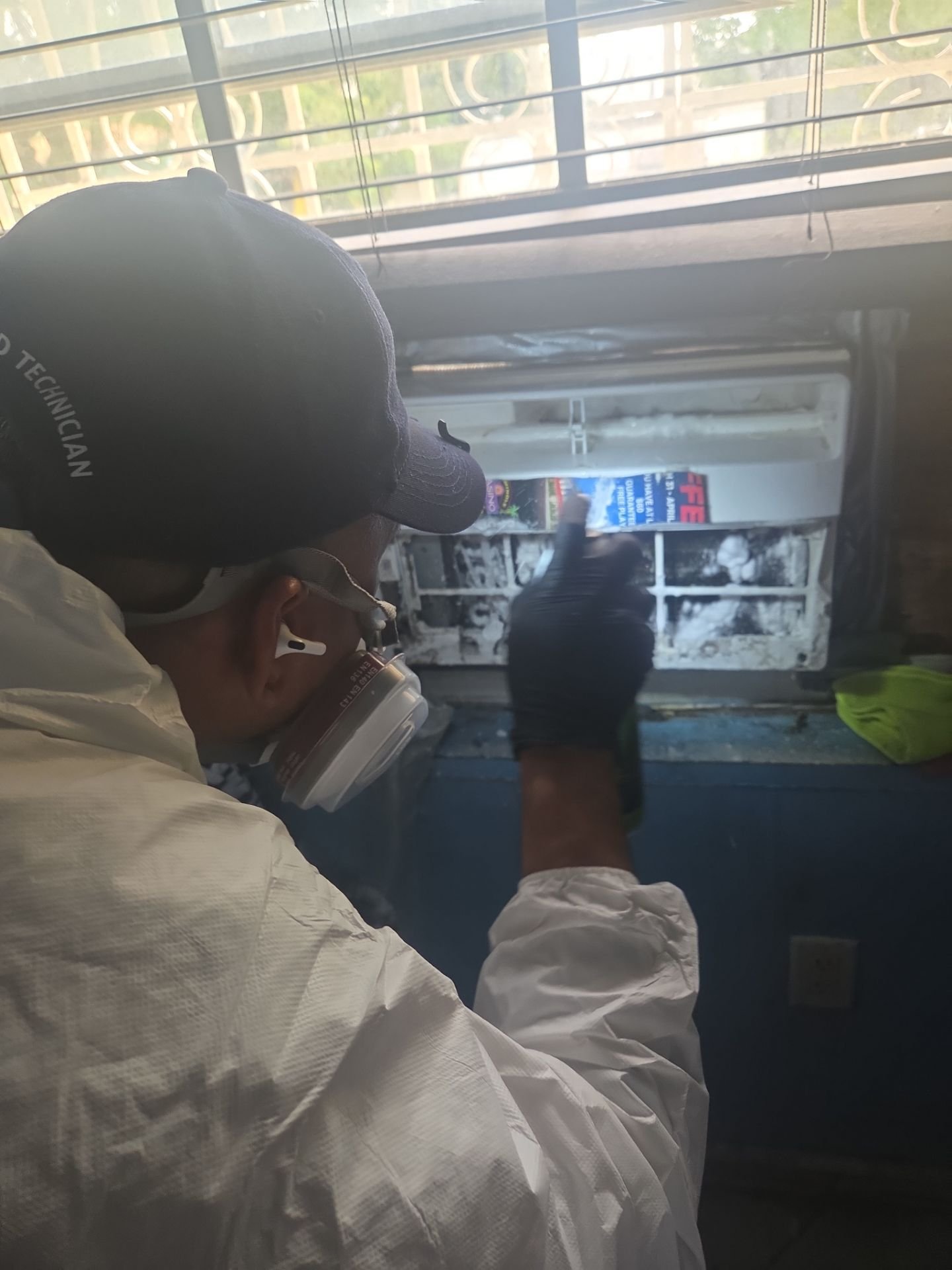
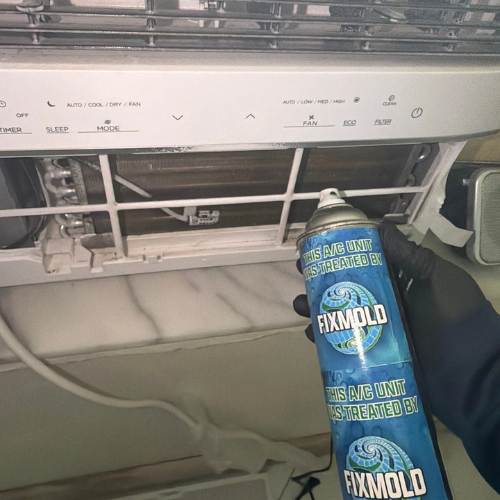
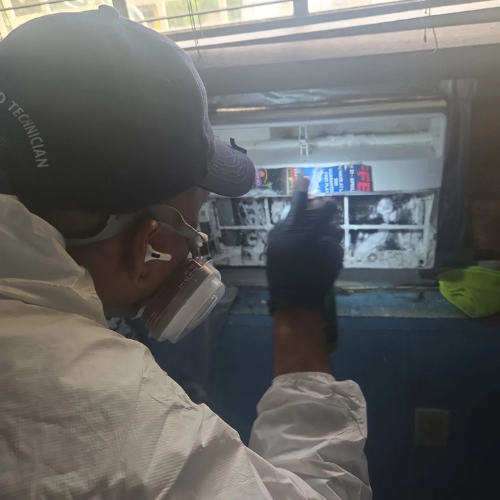
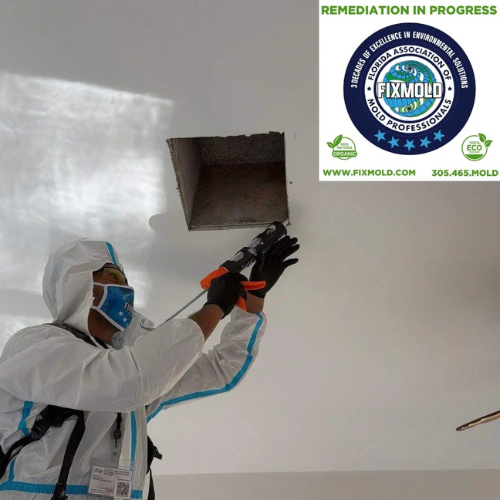
Yes. UV lights are particularly useful for inspecting AC coil faces, air handler interiors, and accessible duct surfaces where low-contrast mold growth is otherwise easy to miss. For duct interiors beyond direct access, borescope cameras are used in combination with UV capability where the equipment allows.