View Our Reviews Accross All PlatformsΒ Here
Emergency mold inspections are often needed after sudden water intrusion or major indoor environmental changes occur inside the property. Common situations include roof leaks, flooding, plumbing failures, hurricane damage, overflowing AC drain lines, visible water damage, strong musty odors, or rapid indoor humidity changes.
In Miamiβs humid climate, moisture spreads quickly through structural materials and may begin affecting hidden areas long before visible contamination appears.
Fast inspection helps identify active moisture conditions before larger environmental damage develops throughout the building.
Yes. South Floridaβs warm and humid environment allows microbial growth to develop much faster than in dry climates. Once drywall, insulation systems, flooring materials, or framing cavities become damp, hidden contamination may begin forming within a relatively short period of time.
Because Miami buildings dry slowly after water intrusion, moisture often remains trapped inside structural cavities long after visible water disappears.
Even small leaks may eventually create larger environmental problems if hidden dampness is not identified and corrected early.
HVAC systems are inspected because they strongly influence humidity and airflow throughout the building. Air conditioning systems continuously produce condensation while cooling humid South Florida air.
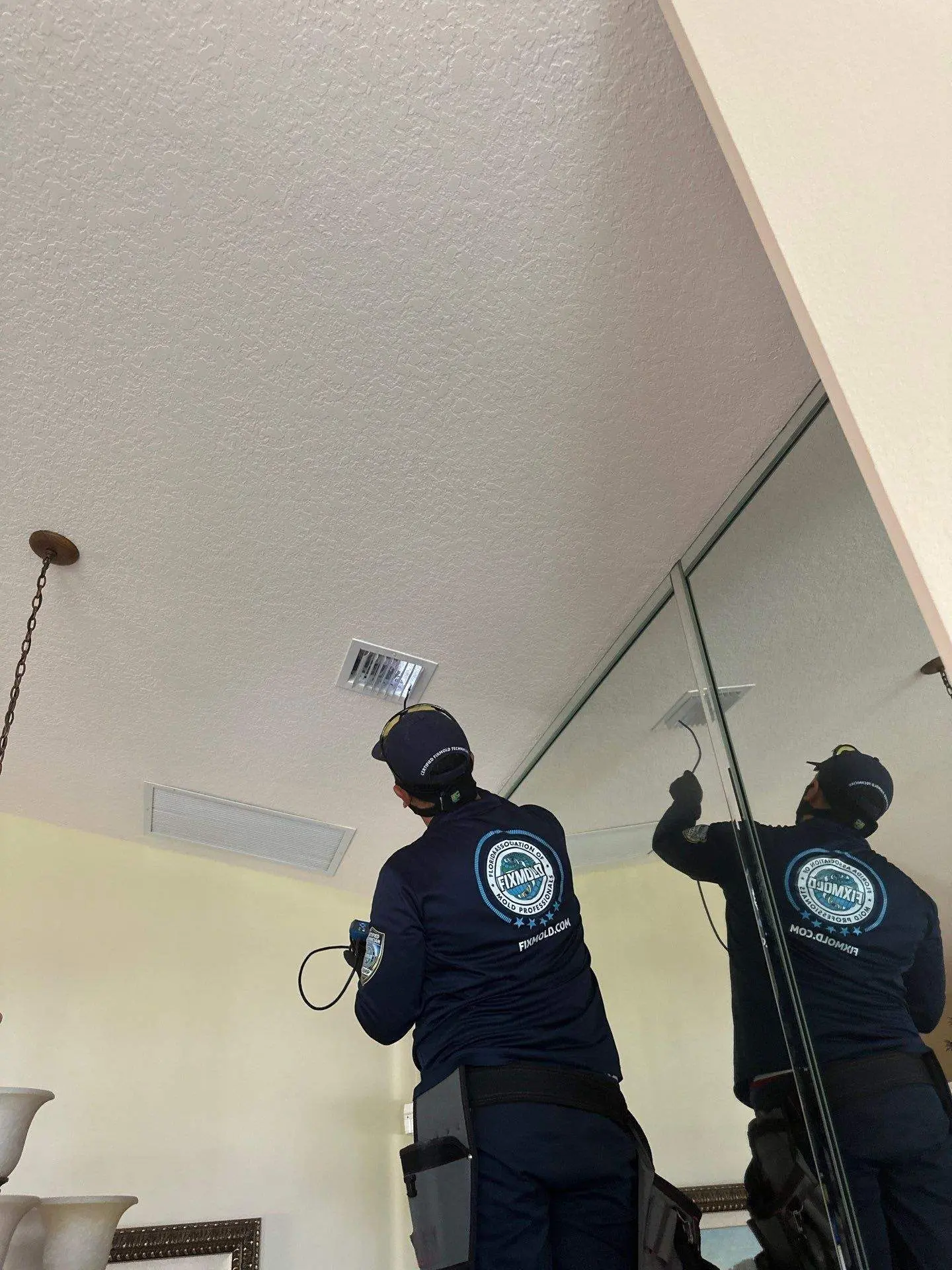
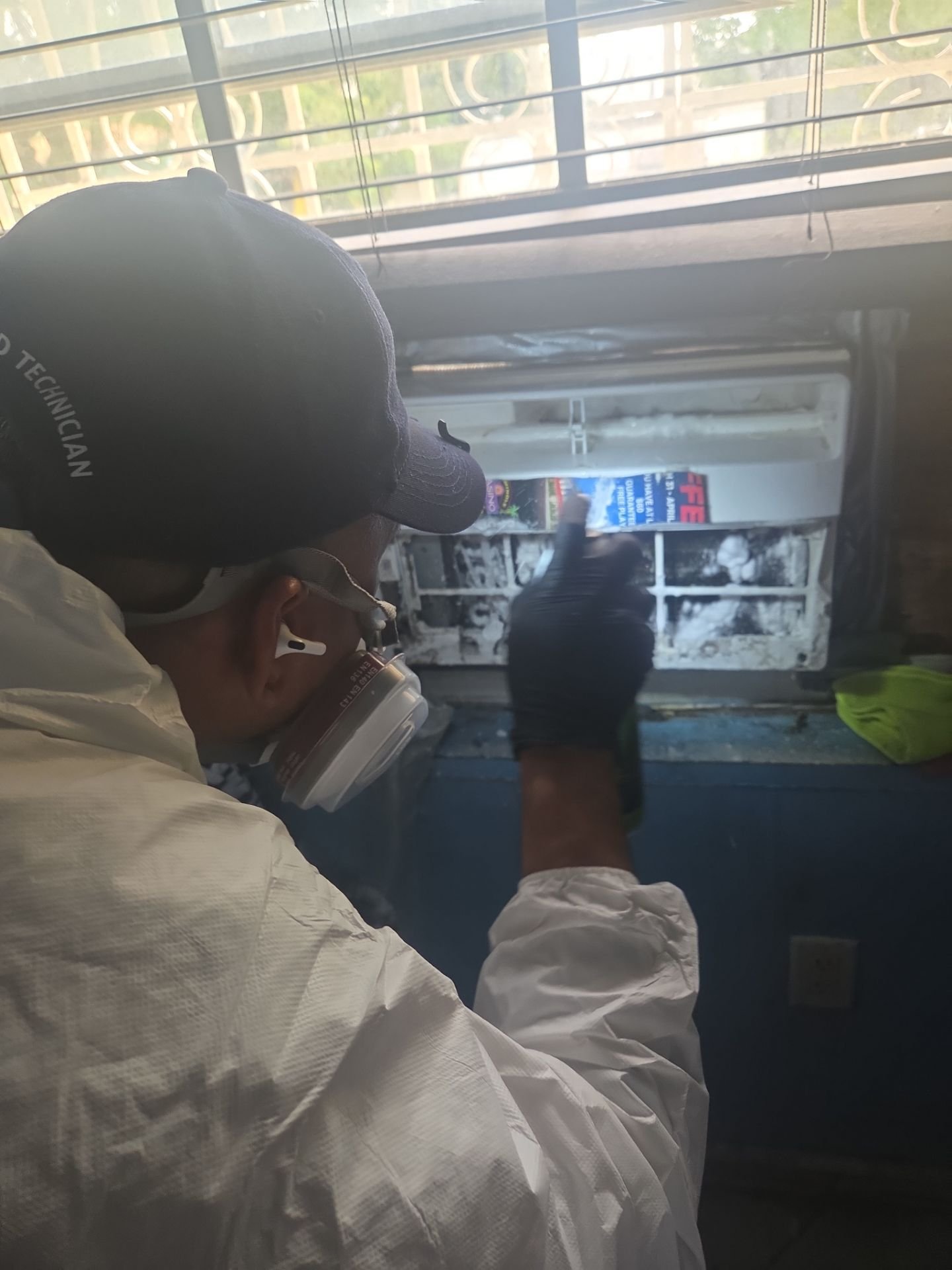
If drain lines clog, insulation absorbs moisture, or airflow becomes restricted, hidden contamination may develop inside ducts, air handlers, vents, and surrounding HVAC materials.
Since HVAC systems circulate air throughout the property, airborne particles from hidden contamination may spread into multiple rooms during system operation.
Many people first notice musty odors or stale air near vents before visible mold appears elsewhere in the property.
Musty odors often continue because hidden moisture remains active inside structural materials even after visible water is removed. Cosmetic repairs and surface cleaning alone may not fully resolve dampness trapped behind walls, beneath flooring systems, inside insulation, or within HVAC components.
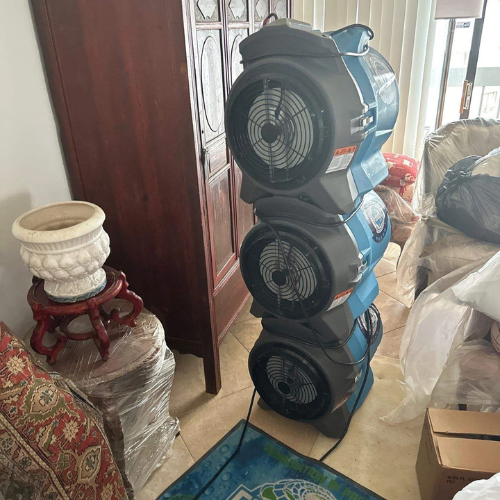
In Miamiβs humid climate, buildings frequently require controlled structural drying and humidity stabilization to fully reduce hidden moisture conditions.
If underlying dampness remains unresolved, odors and environmental contamination may continue returning over time.
An emergency mold inspection typically involves evaluating the property for hidden moisture, structural dampness, HVAC condensation, humidity imbalance, and indoor environmental contamination.
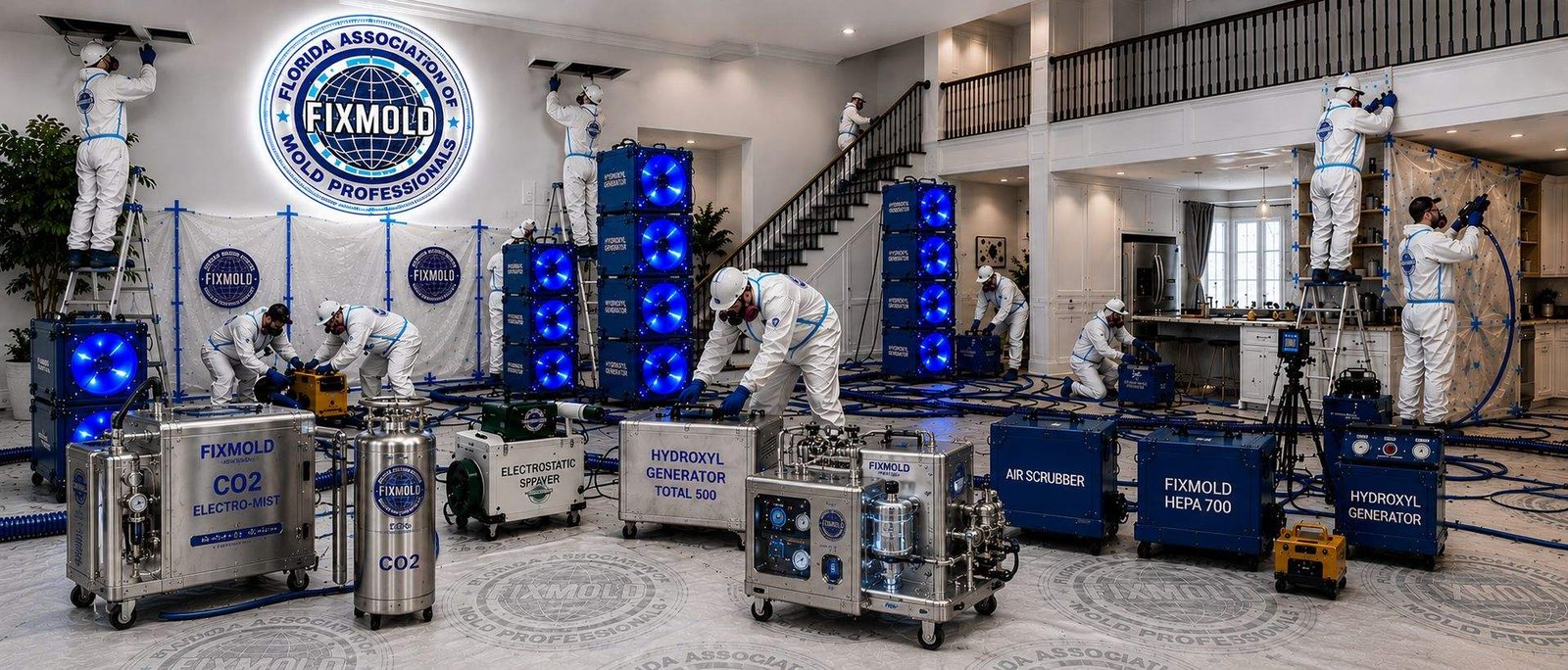
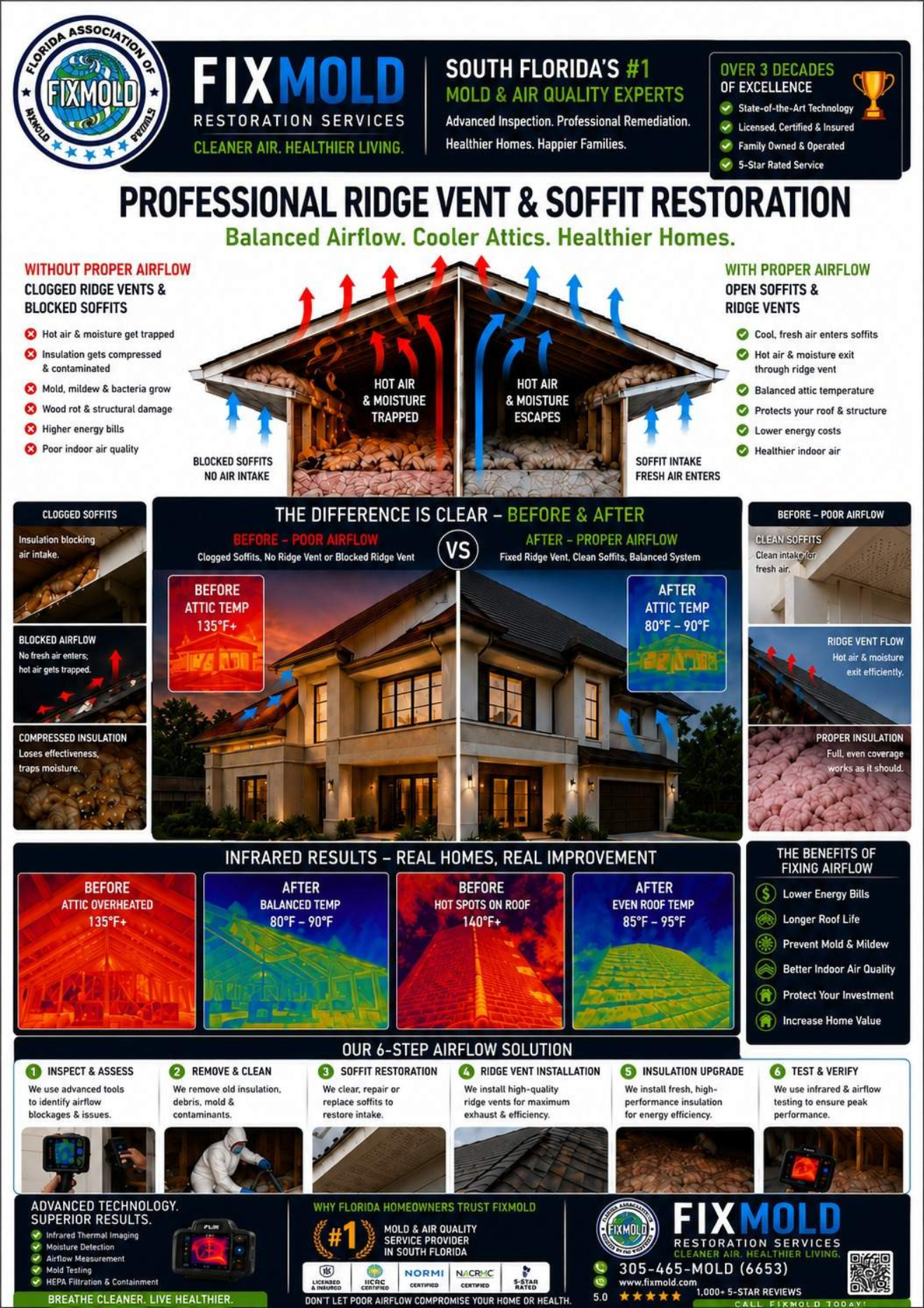
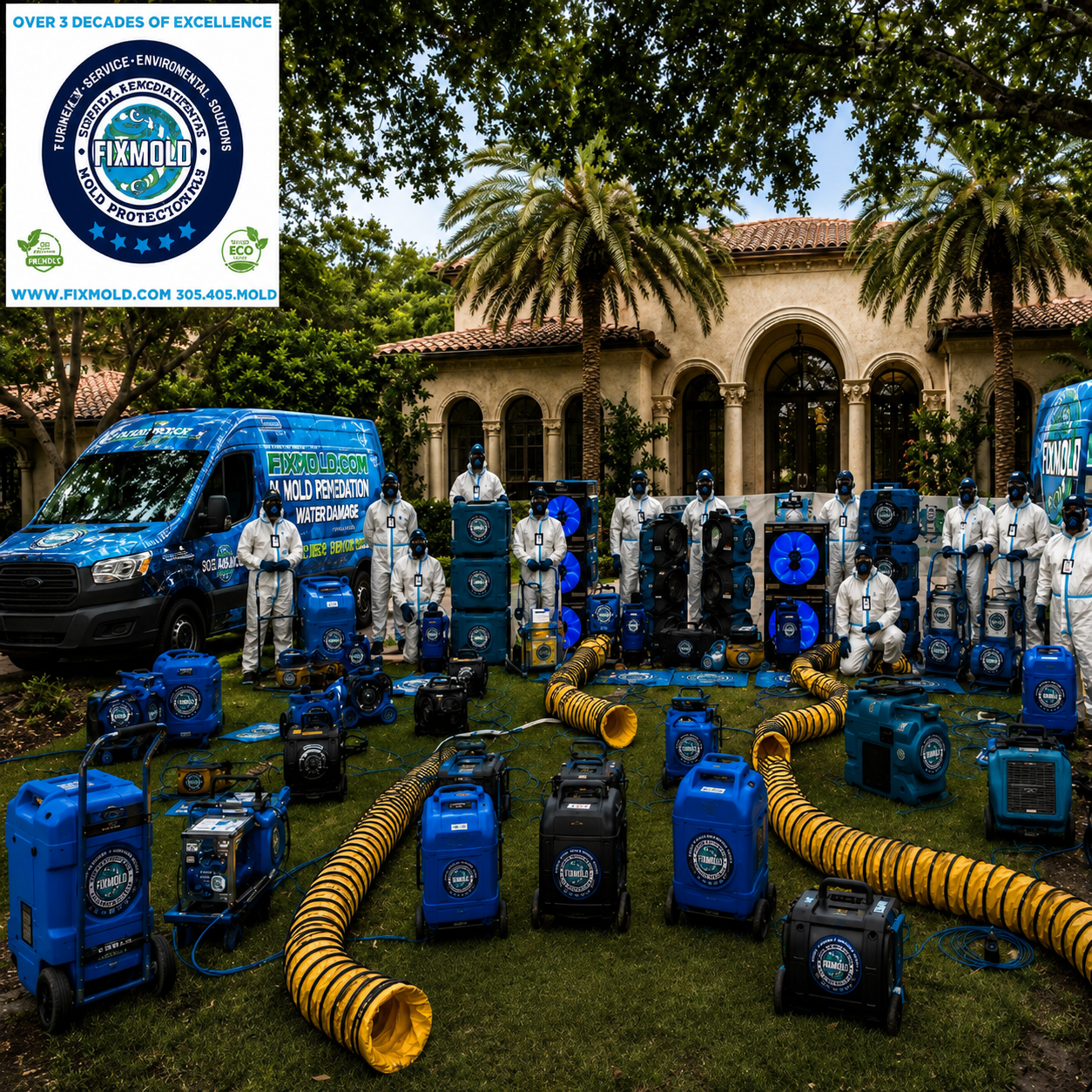
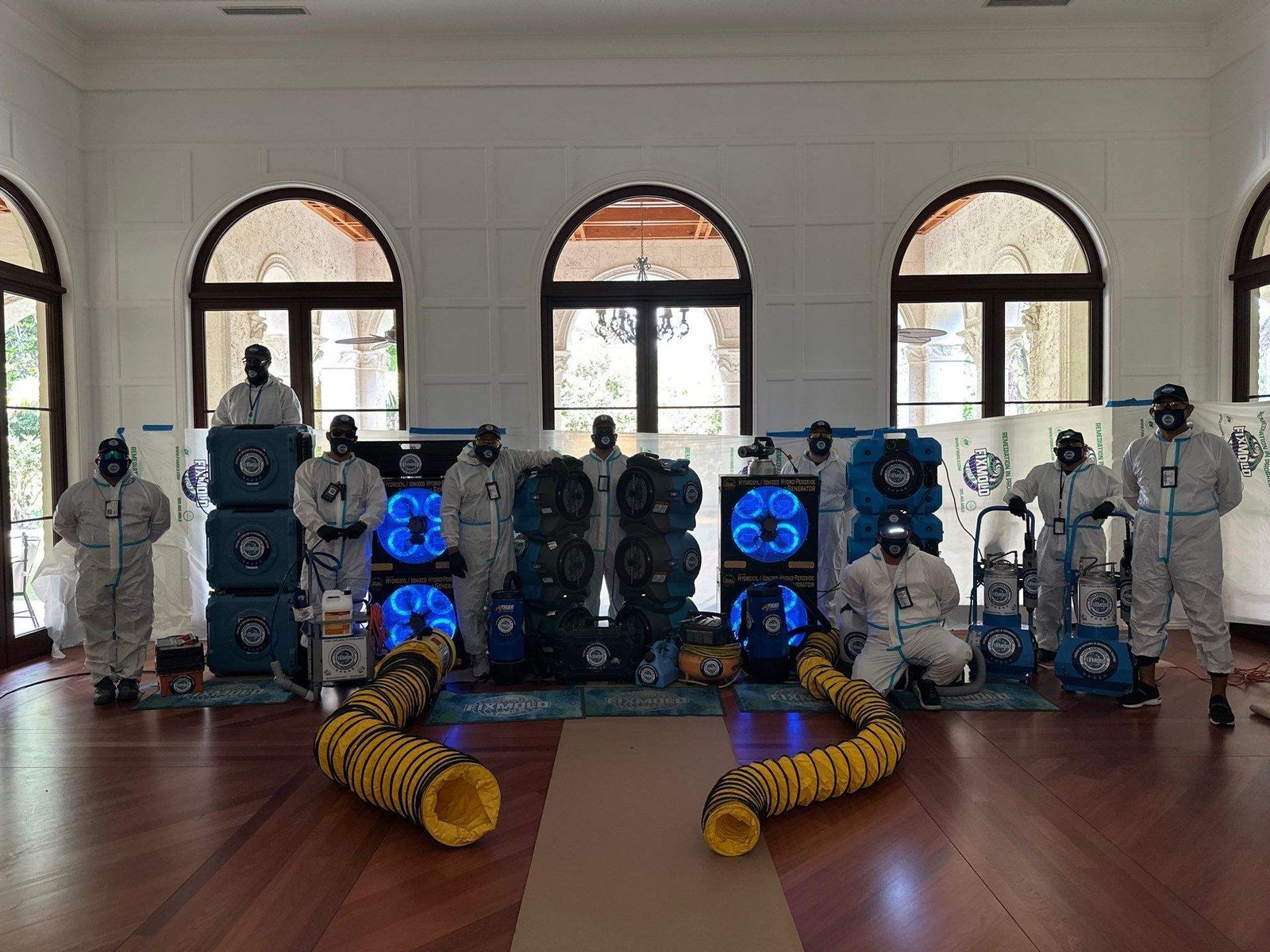
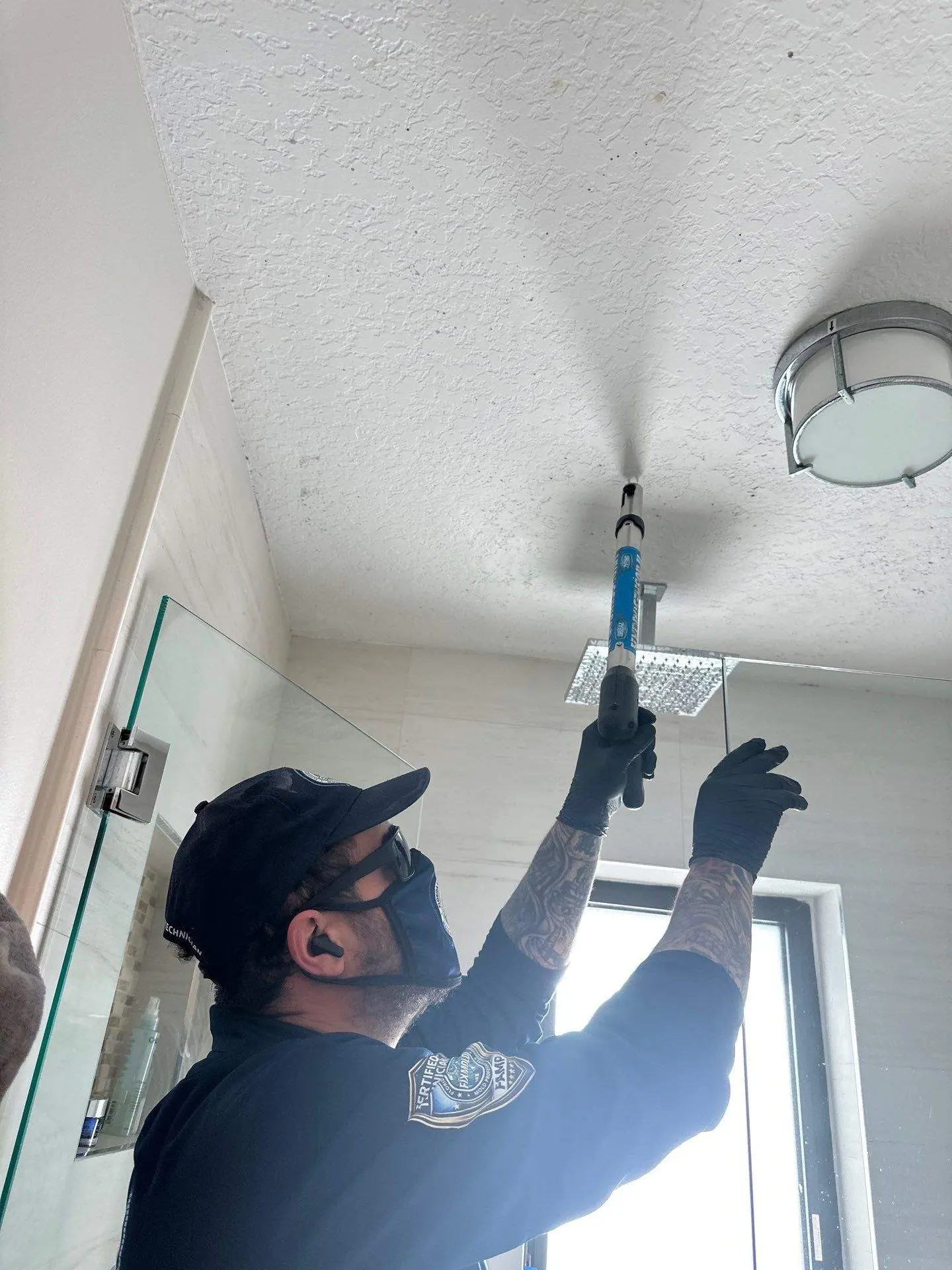
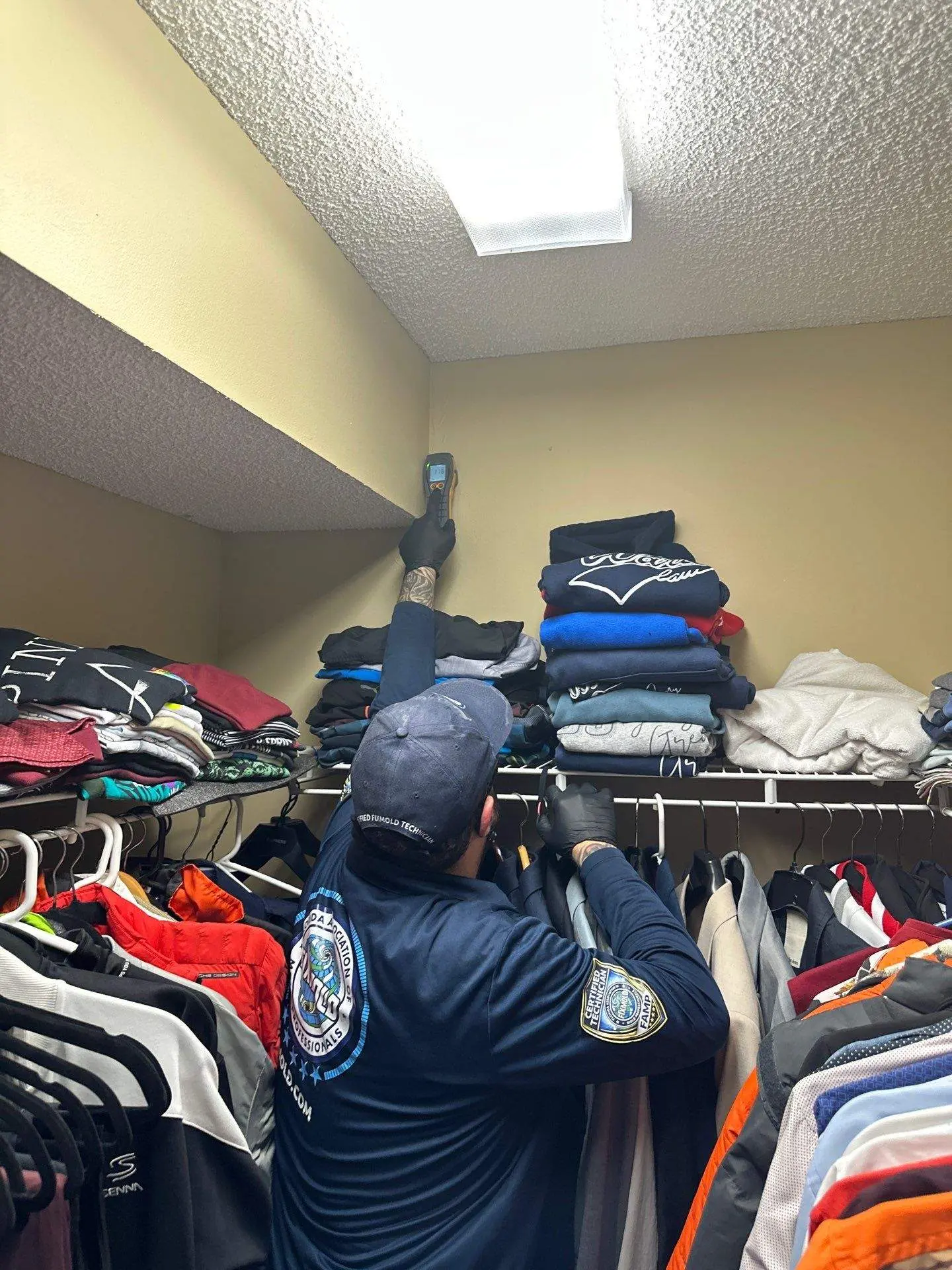
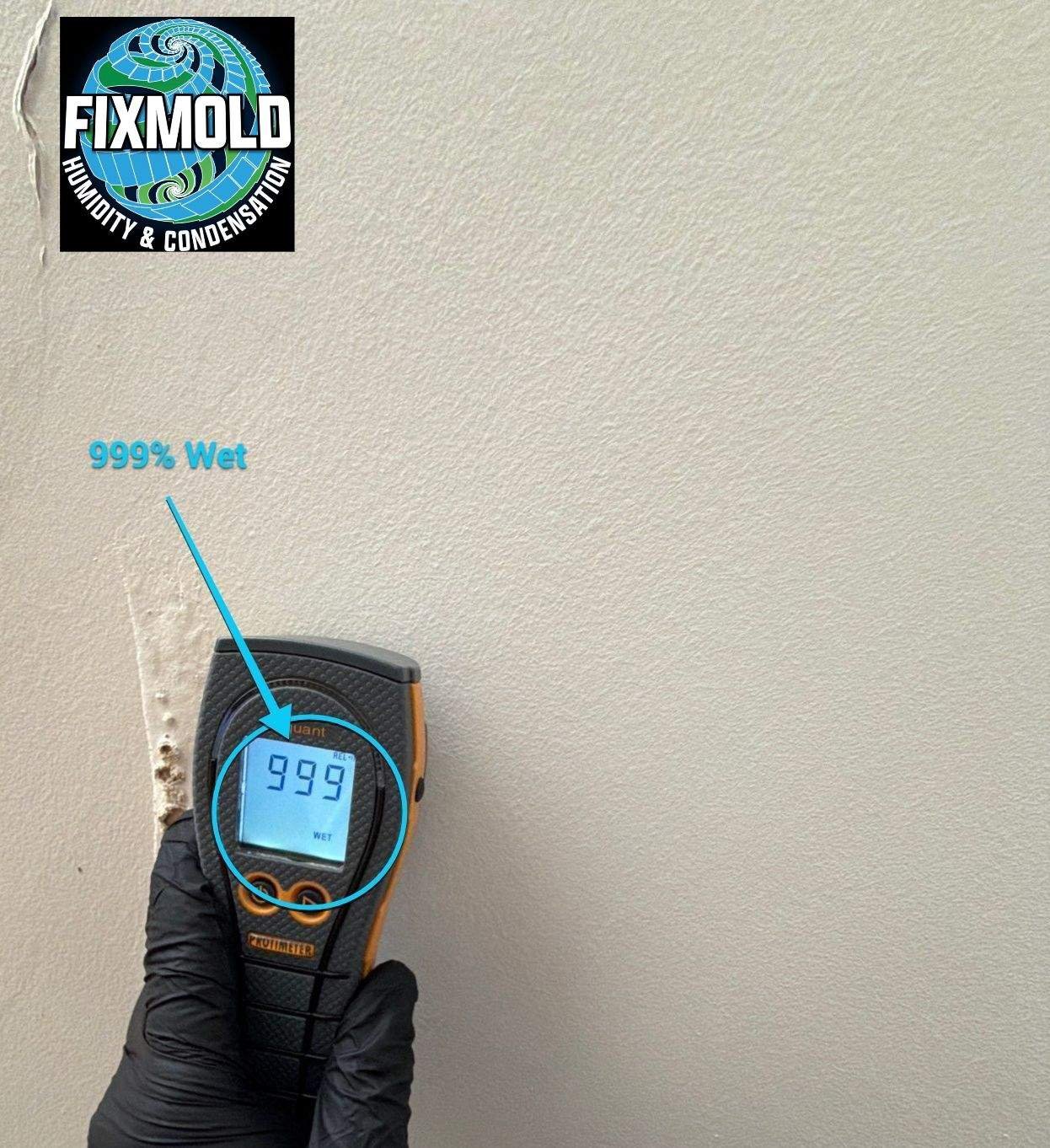
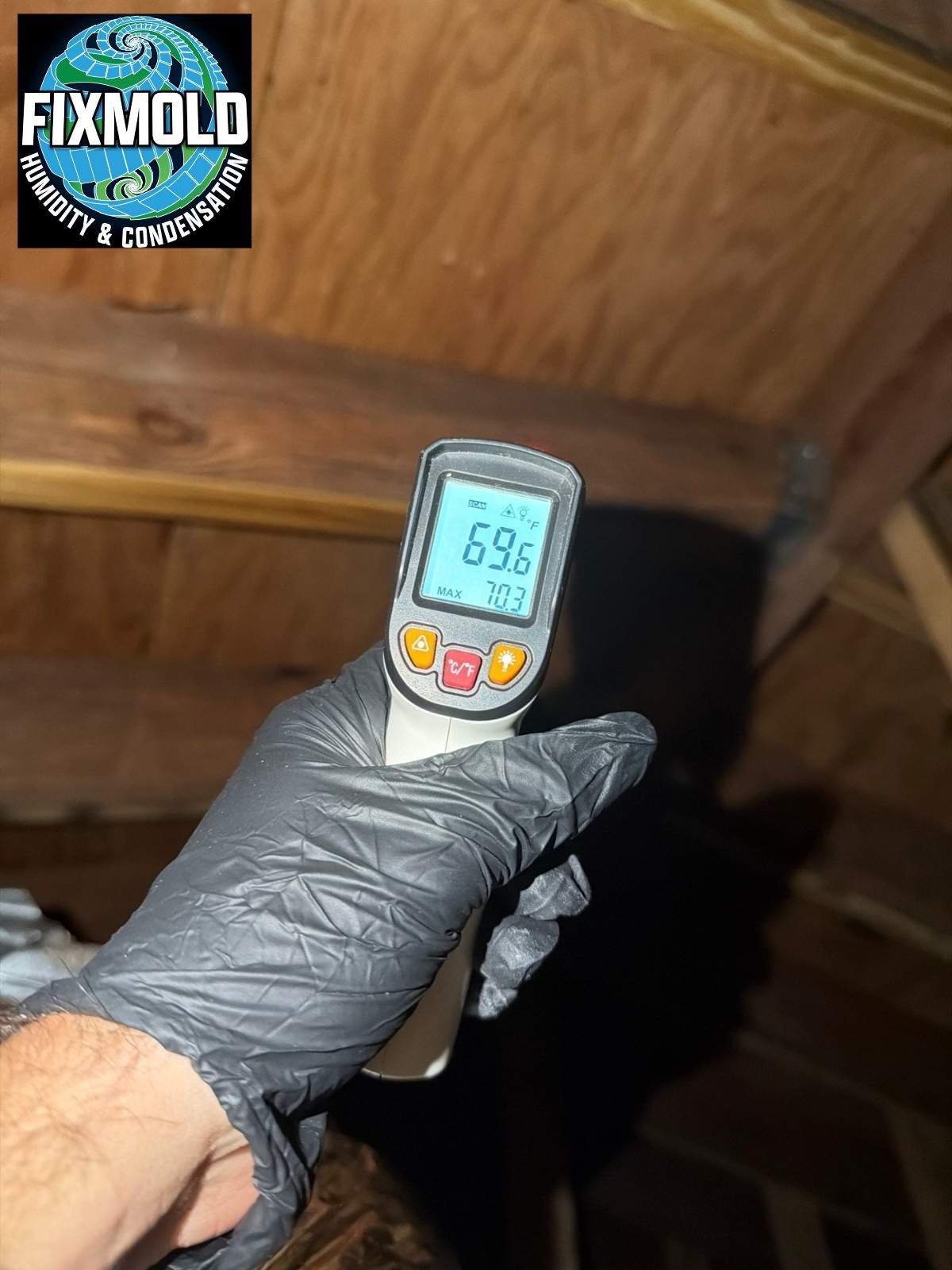
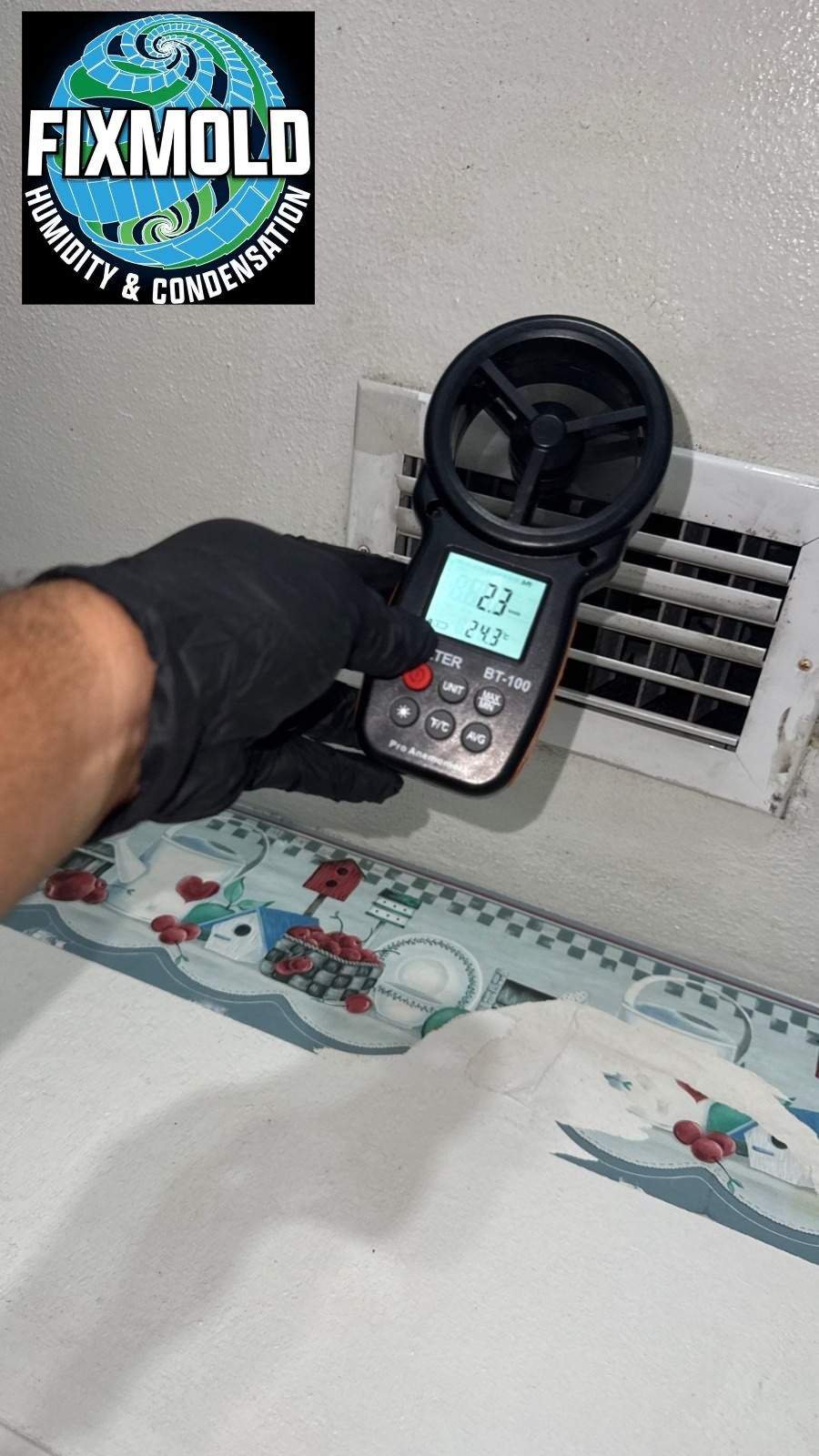
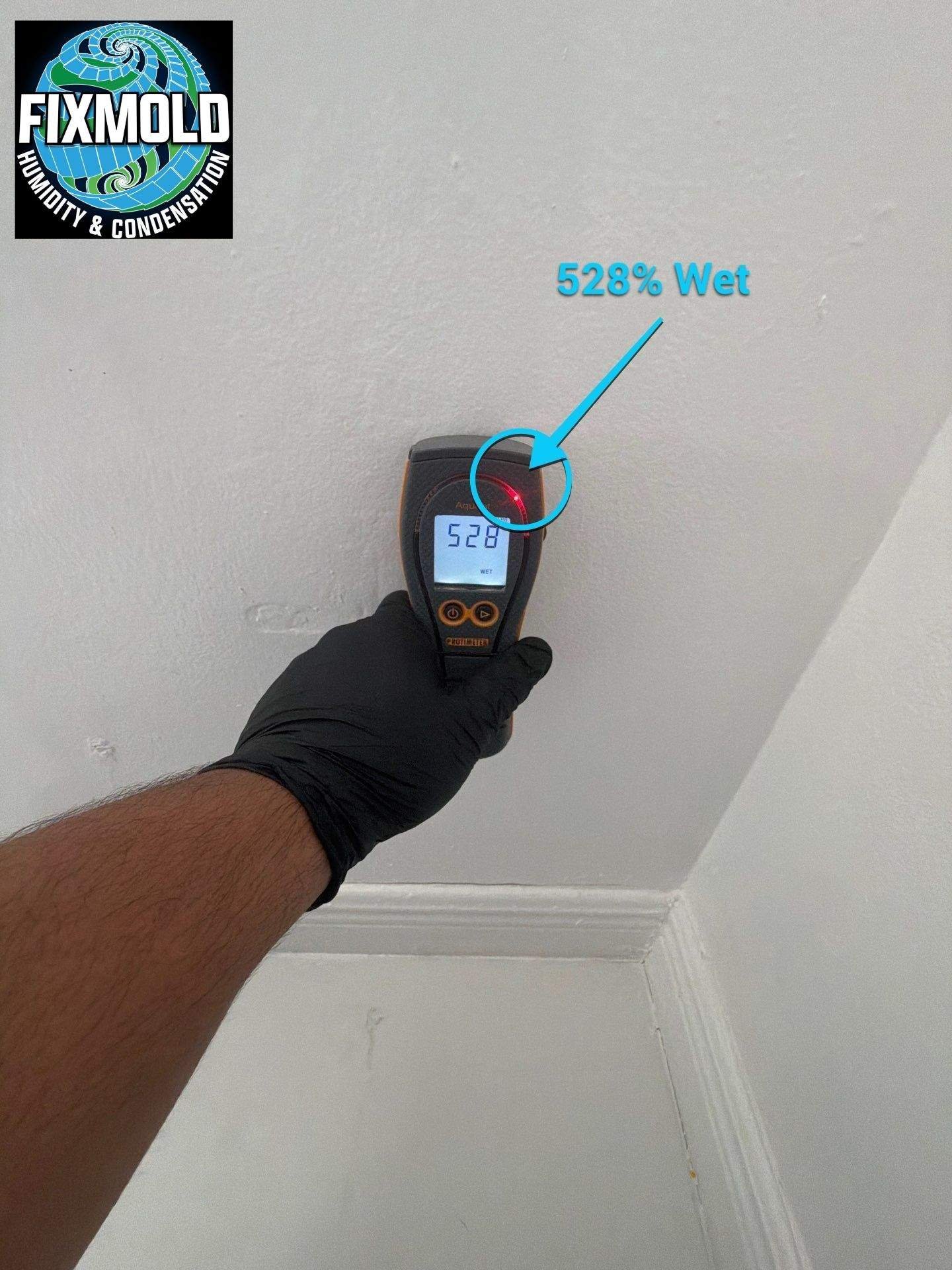
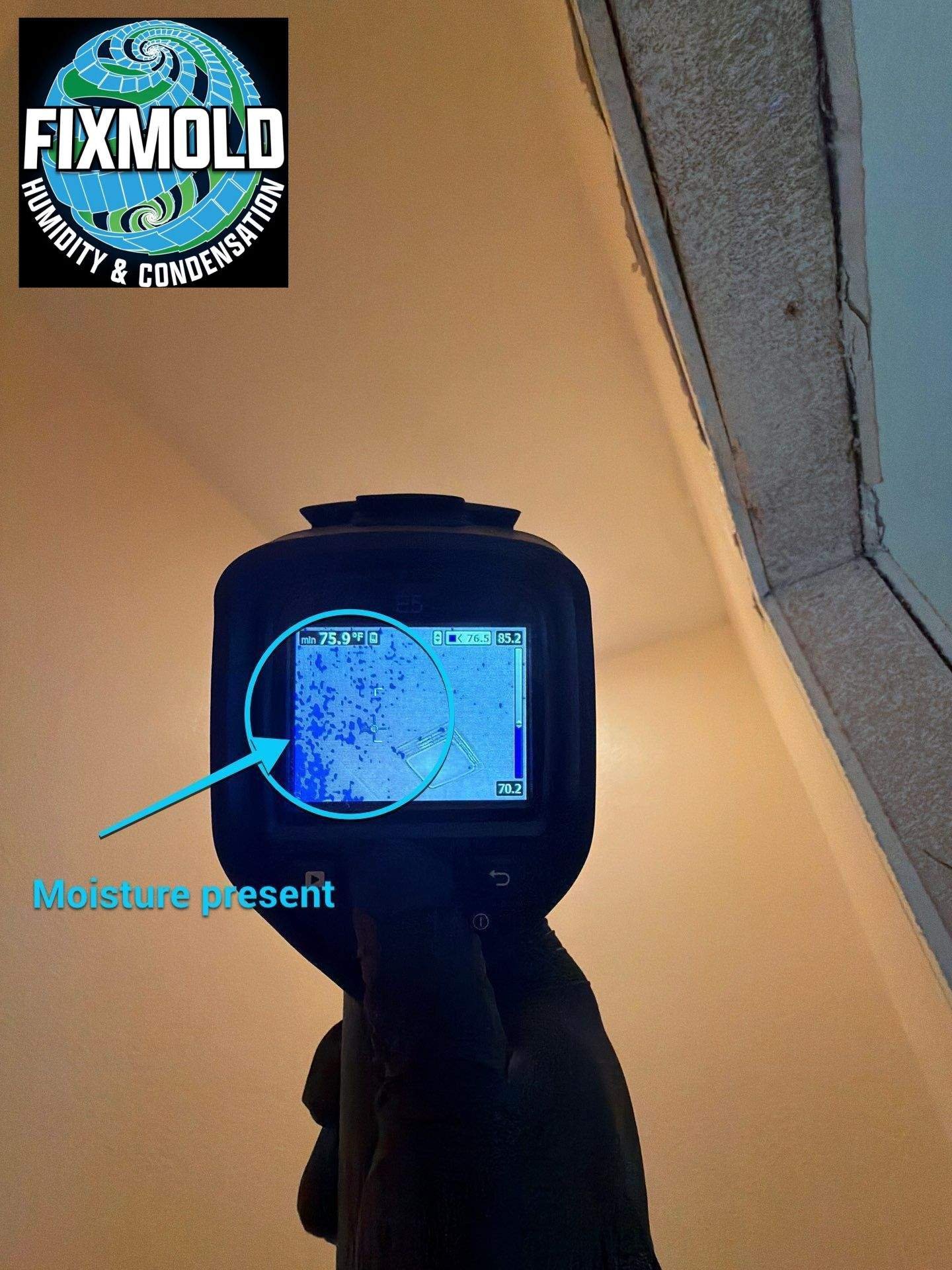
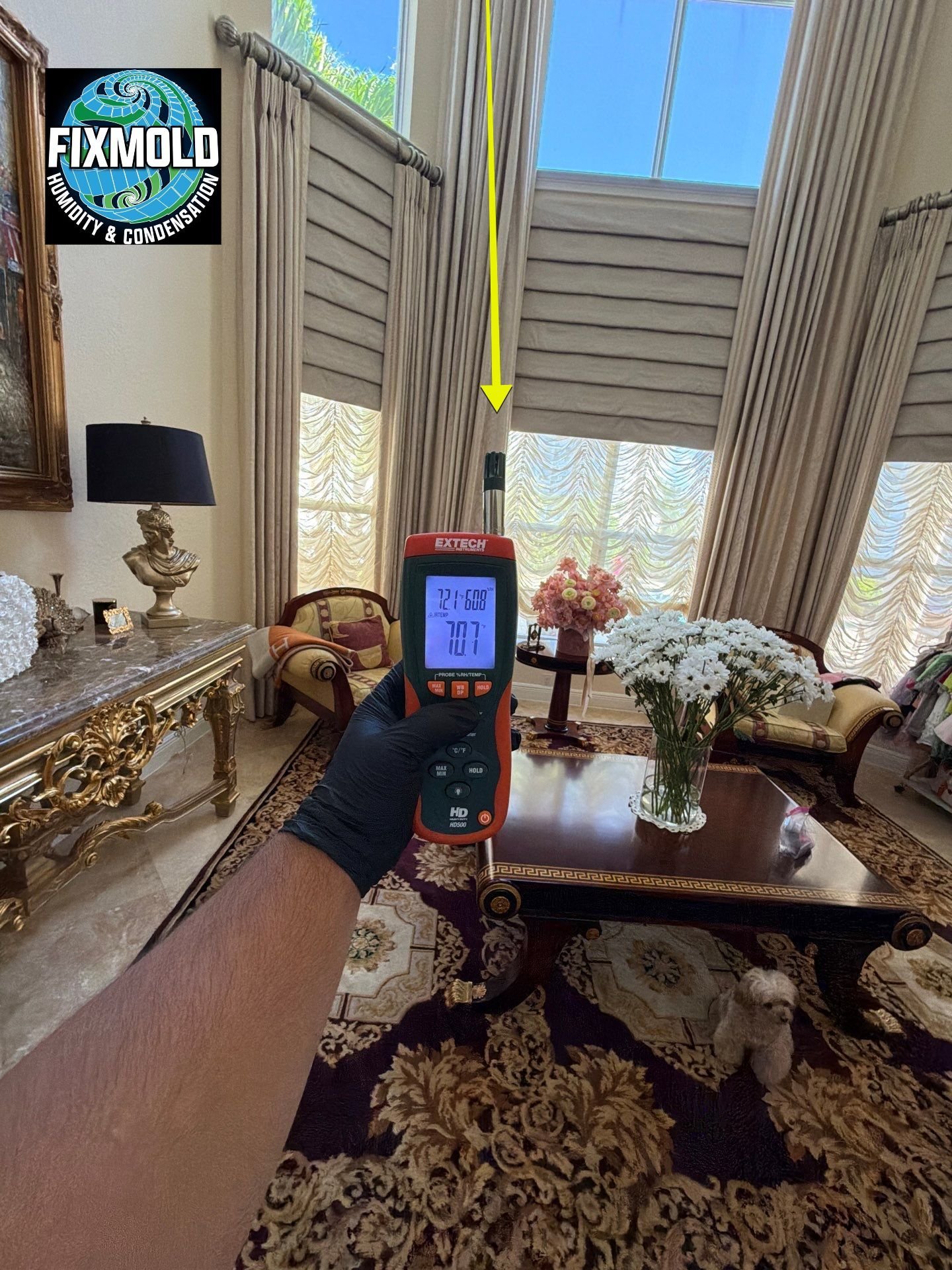
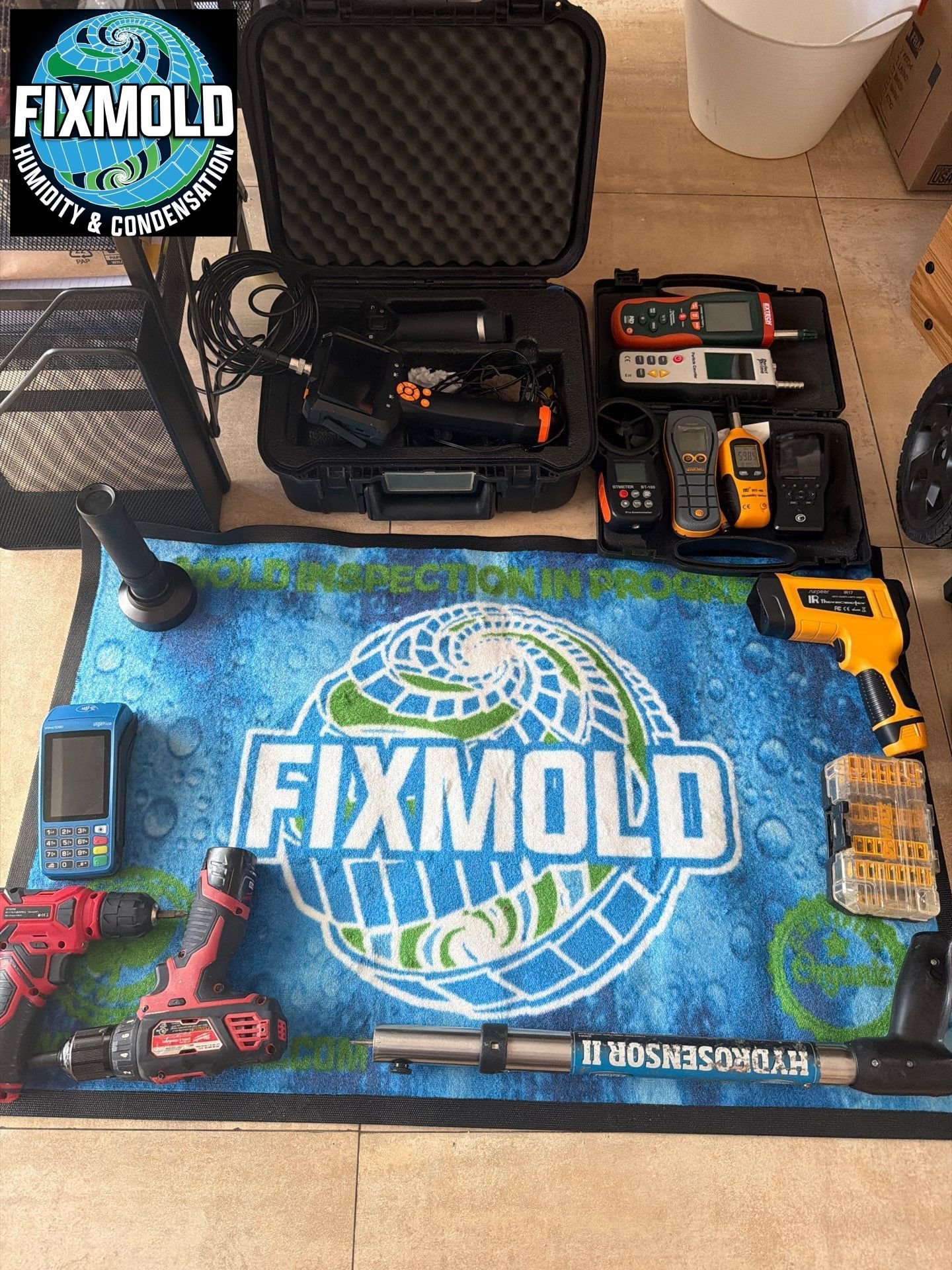
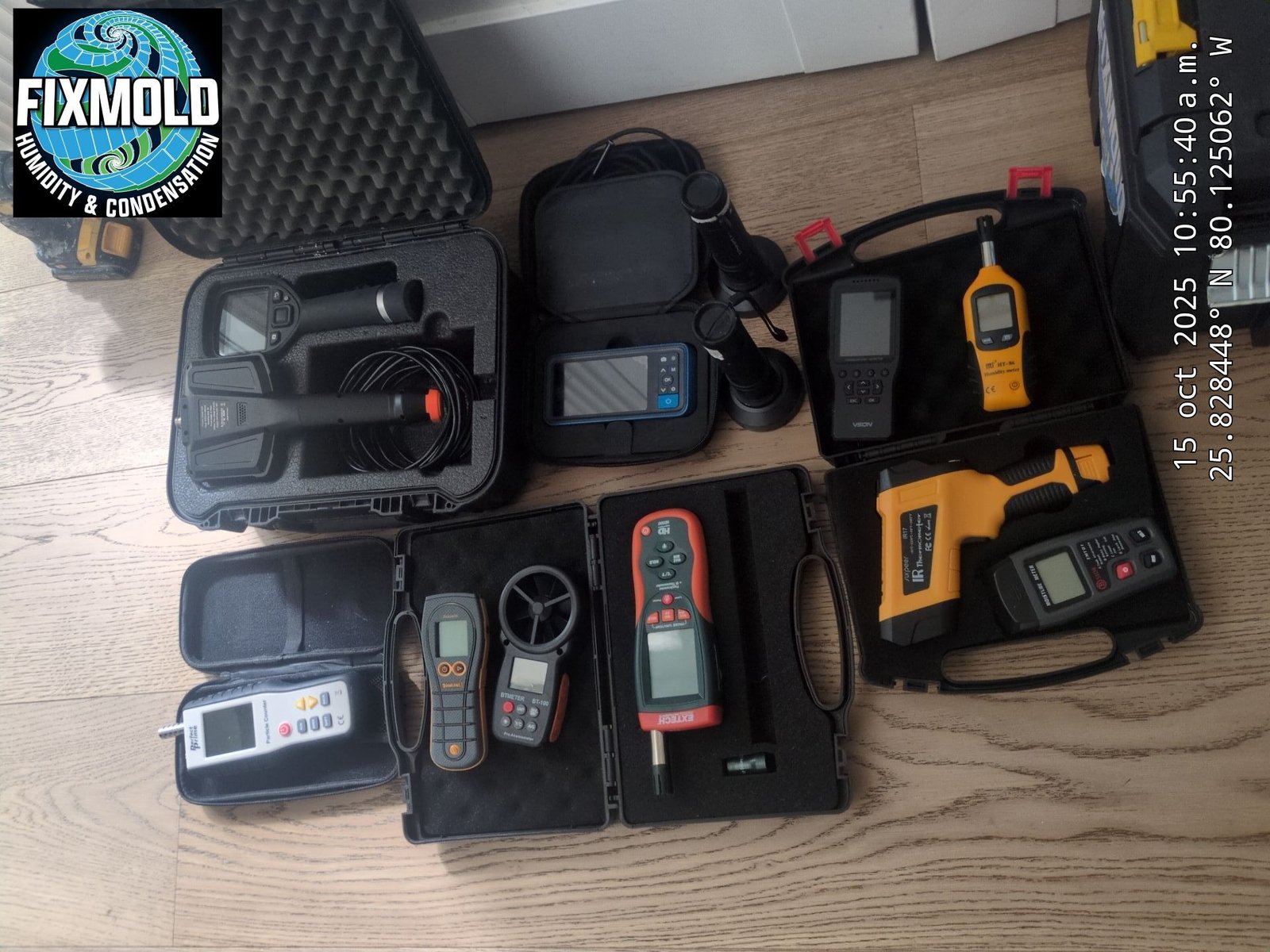
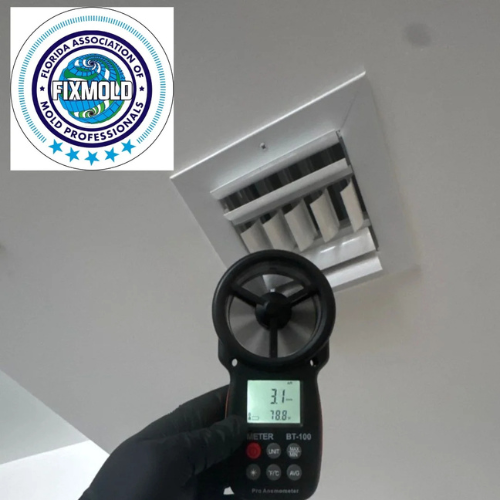
Inspectors may use thermal imaging cameras, moisture meters, humidity analysis tools, airflow assessment methods, and visual inspection techniques to identify concealed water intrusion affecting walls, ceilings, flooring systems, attics, crawlspaces, and ventilation systems.
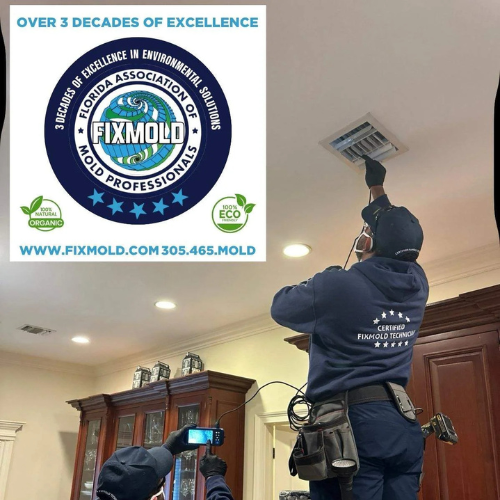
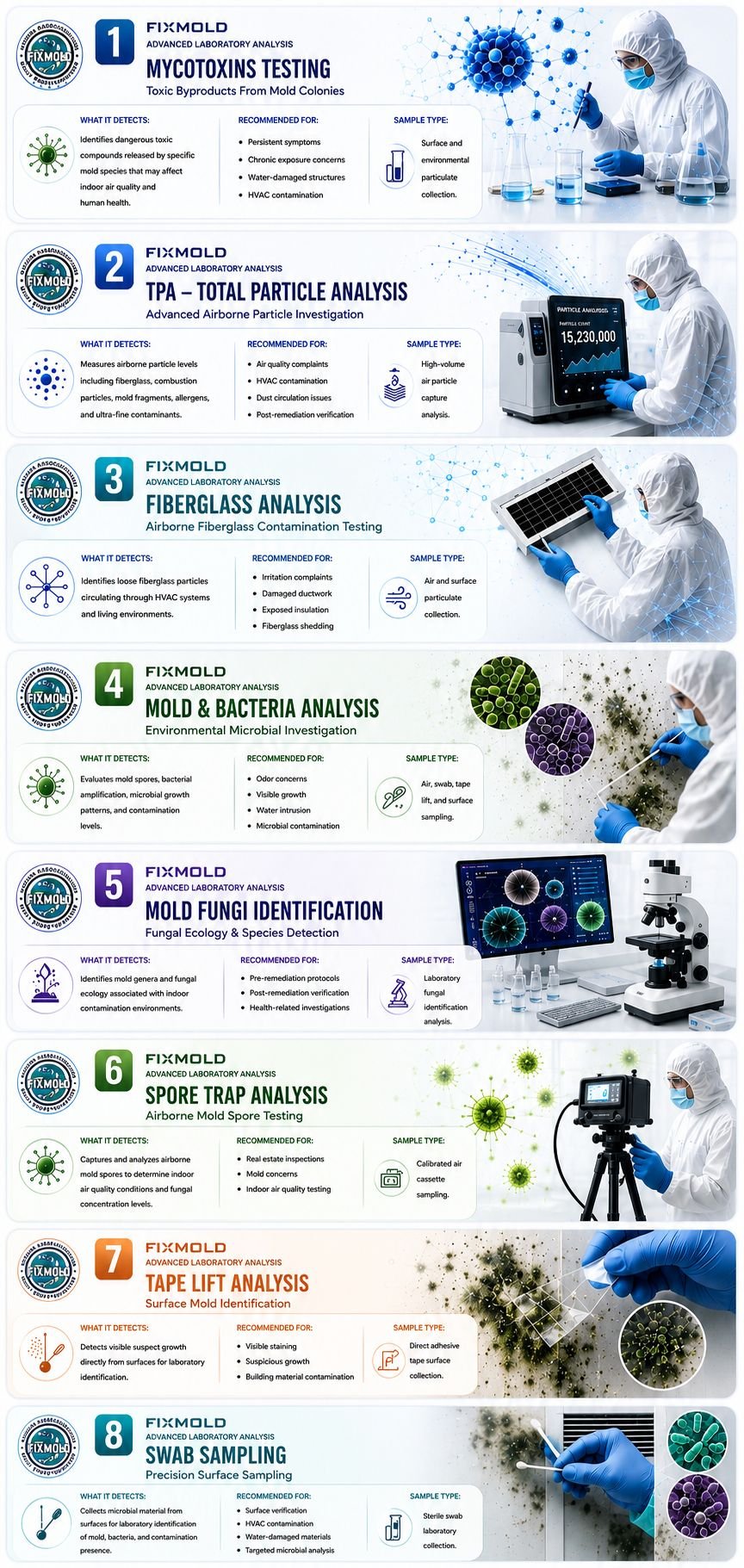
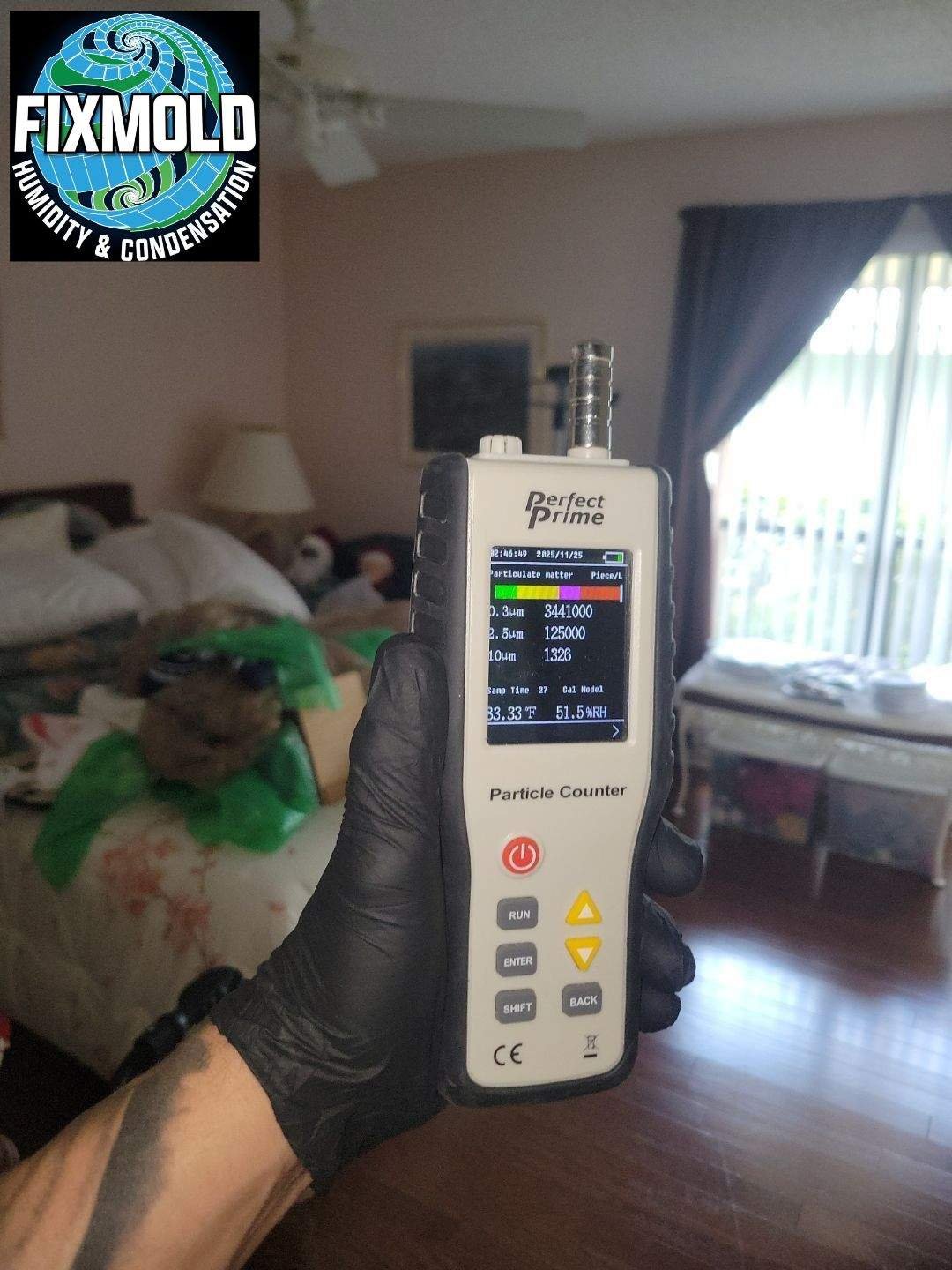
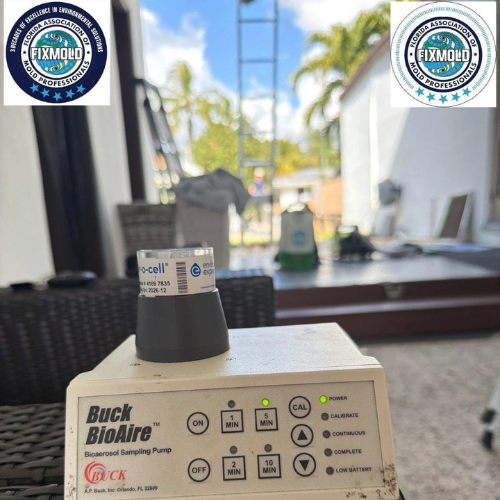
Indoor air quality testing or airborne particle analysis may also be recommended if environmental contamination is suspected.
The goal is to determine how moisture is affecting the indoor environment and identify what conditions may still be contributing to ongoing mold growth or indoor air quality concerns throughout the property.