1000+ 5-STAR REVIEWS
Recommended All Over Florida
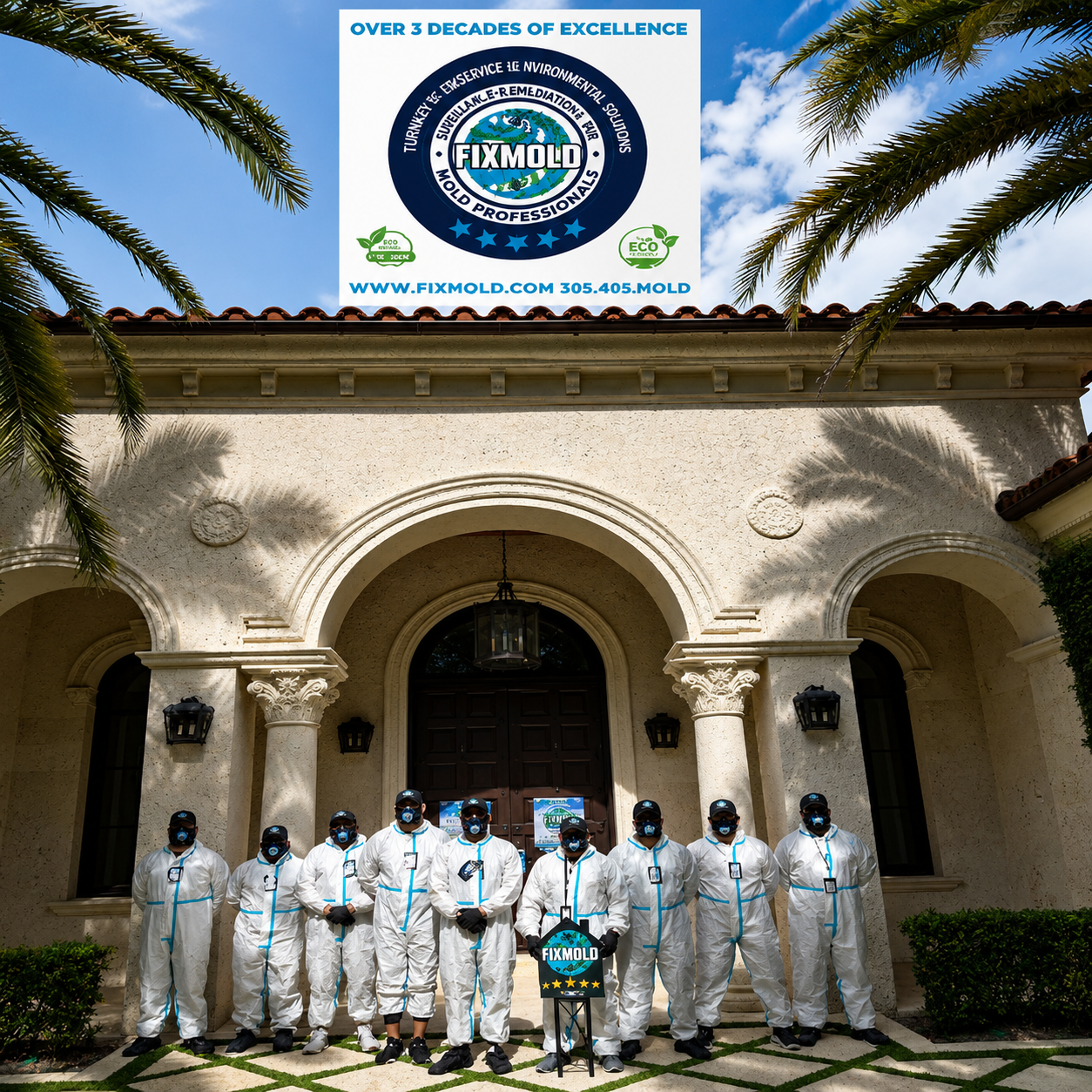
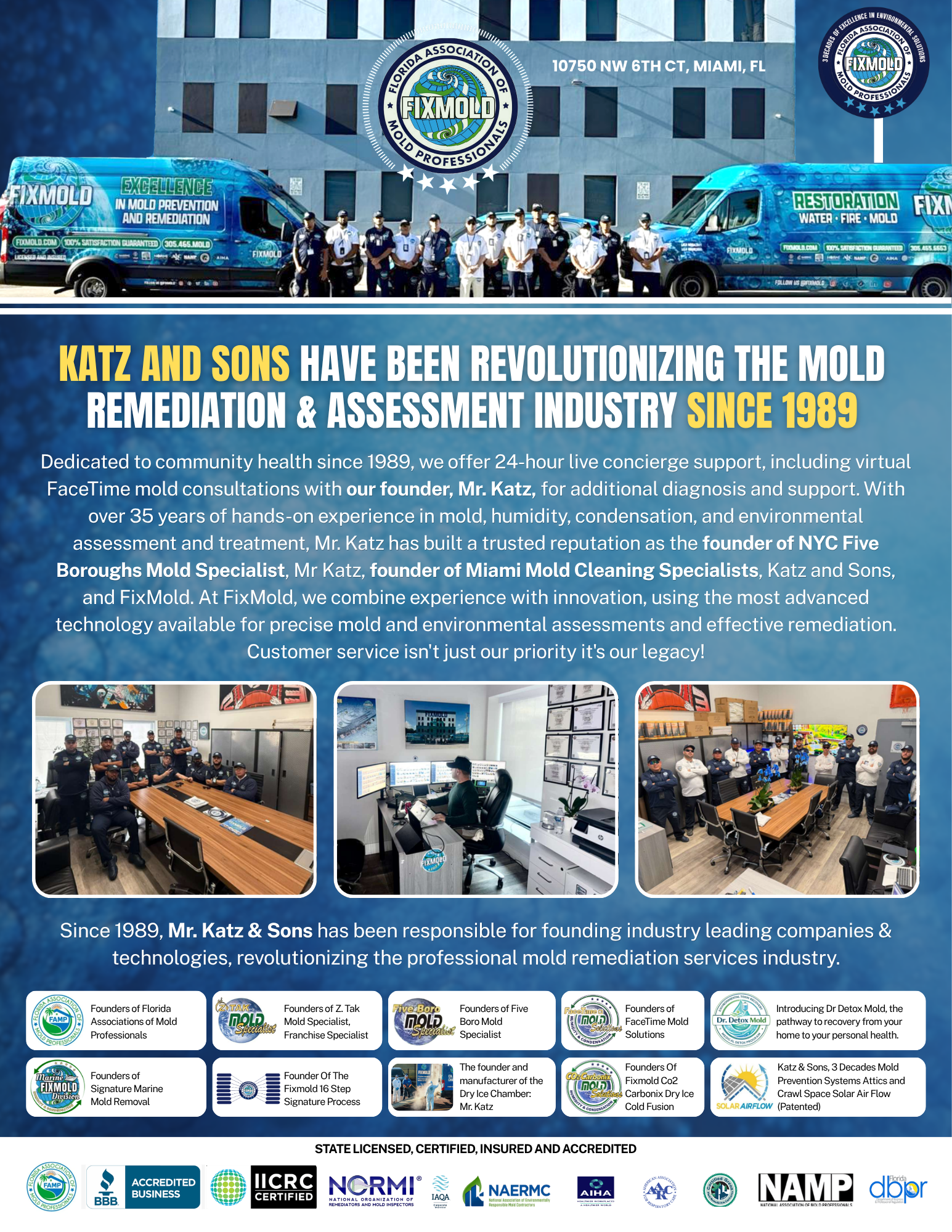
Katz Family Over 3 Decades
Recommended by Miami Doctors
1000+ 5-STAR REVIEWS
Recommended All Over Florida

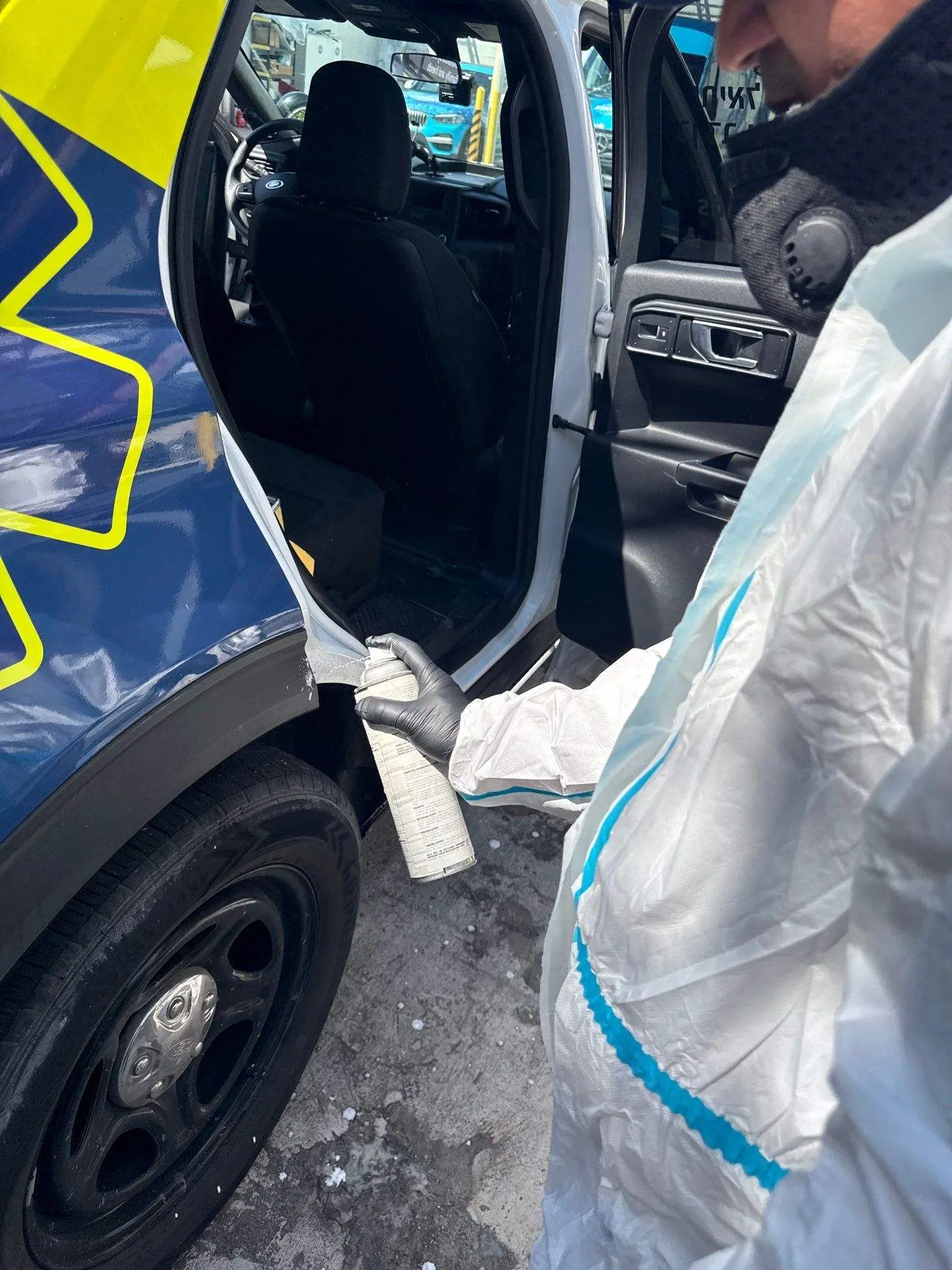
Mold Remediation in Vehicles

Miami mold specialist

    miami mold specialist

    State Licensed and Accredited Affiliations

    Dr Mold Detox
    Dr Mold Detox

    Mold Remediation in Vehicles — Miami and South Florida

    That musty smell hitting you the moment you start the AC is not just unpleasant. It is mold spores being pushed through your vents directly into the air you breathe every time you drive. In South Florida, vehicle mold is not a fringe problem. The combination of tropical humidity, frequent flooding, stormwater intrusion, and cars sitting sealed in the heat creates conditions where mold colonizes vehicle interiors faster than almost any other environment.

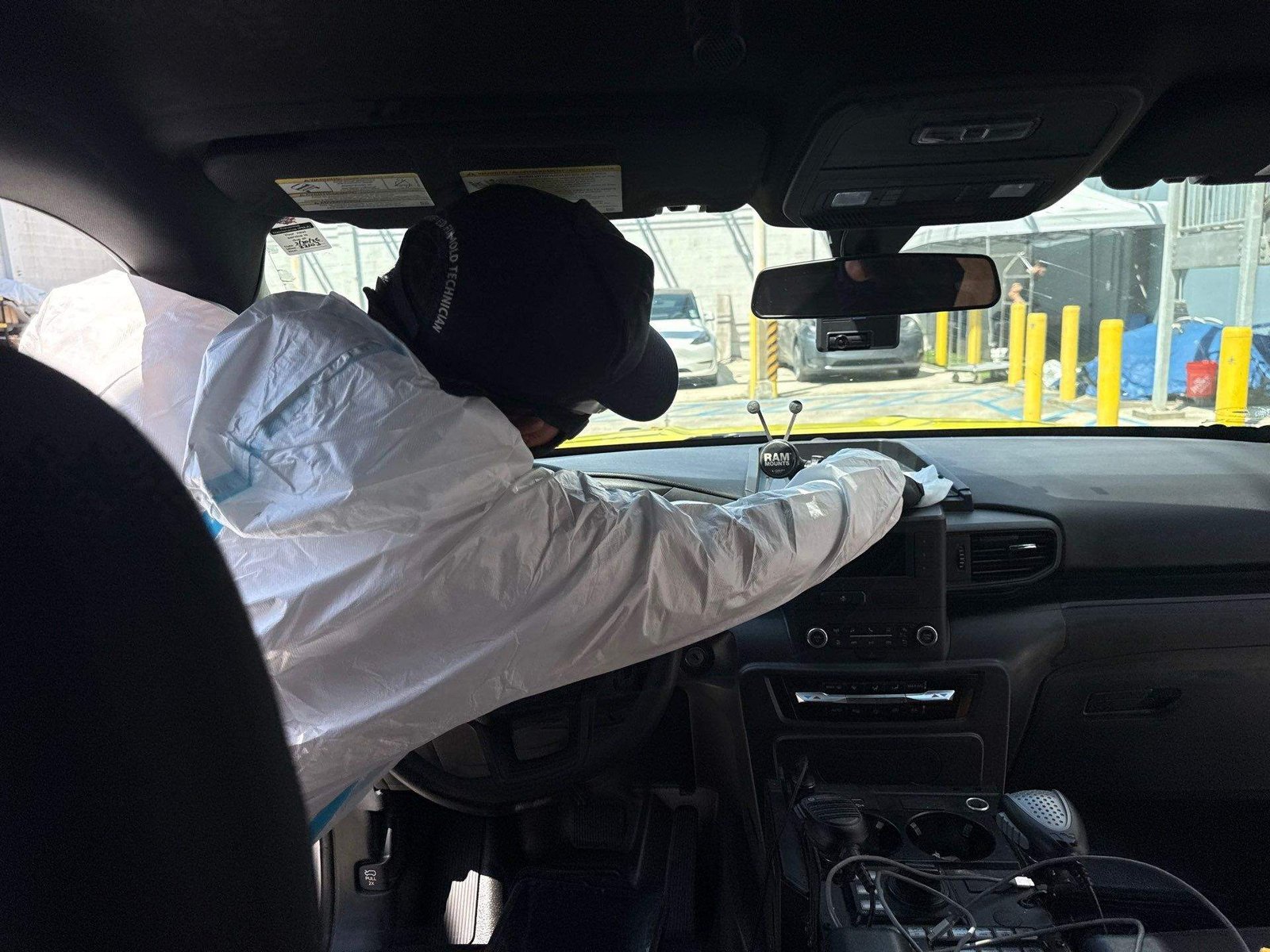
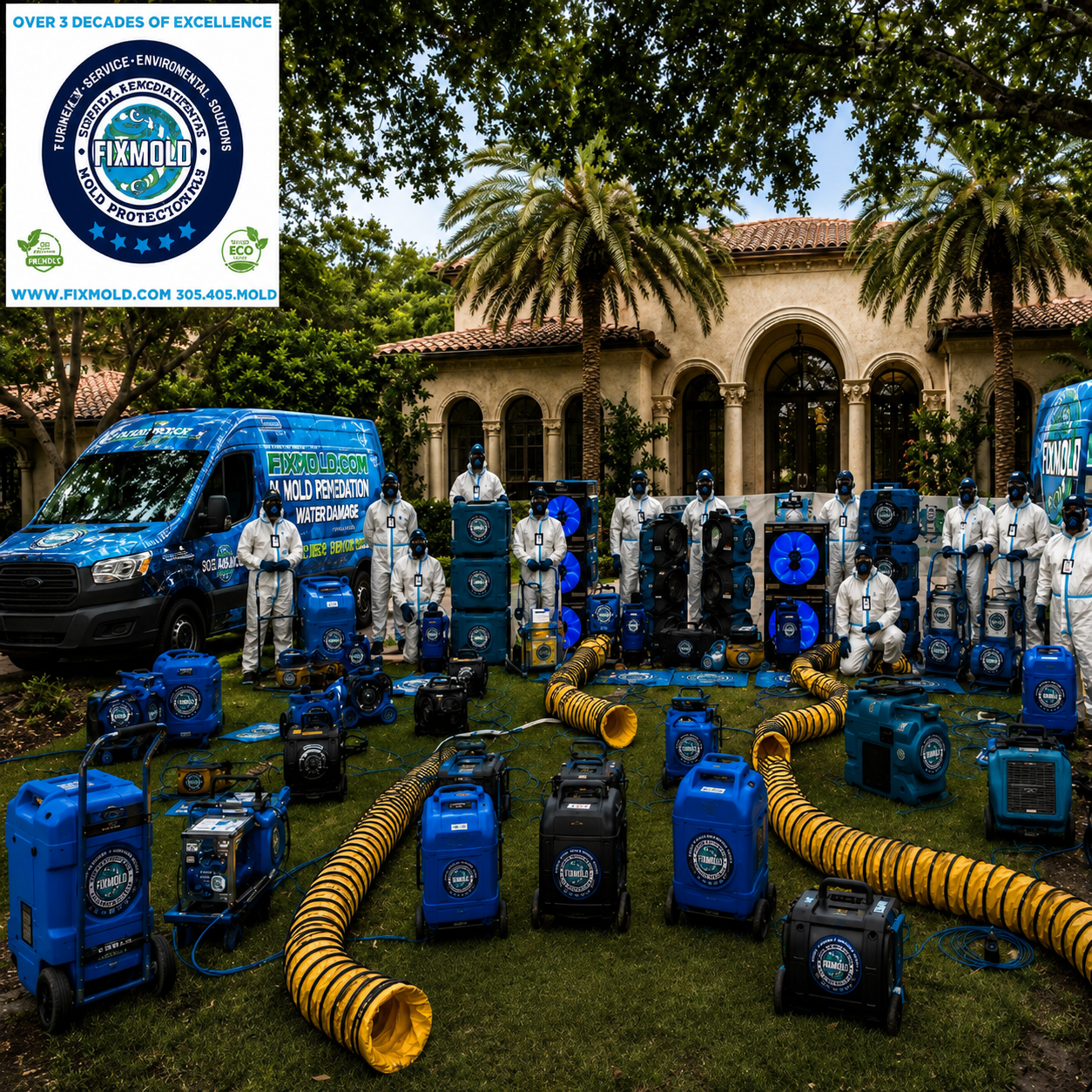
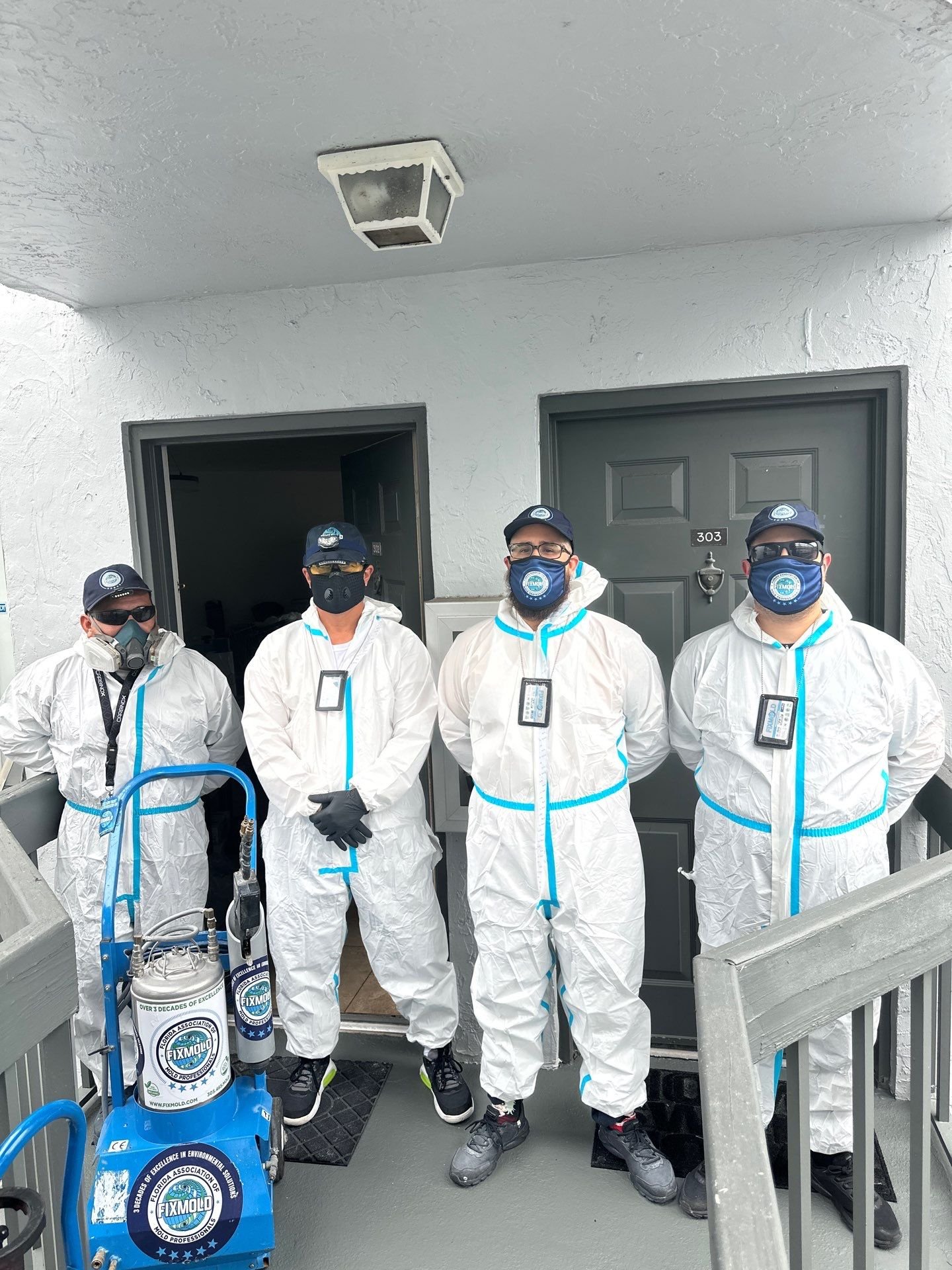
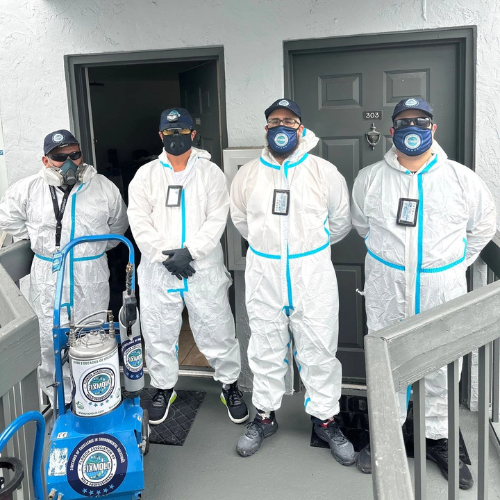
    FixMold handles mold remediation for cars, trucks, RVs, fleet vehicles, dealership inventory, delivery vehicles and private collections across Miami-Dade, Broward and South Florida, including specialized mold remediation in Miami for vehicle interiors affected by humidity and water intrusion. State certified technicians, professional-grade equipment and a process built around actually eliminating the problem rather than masking the smell.

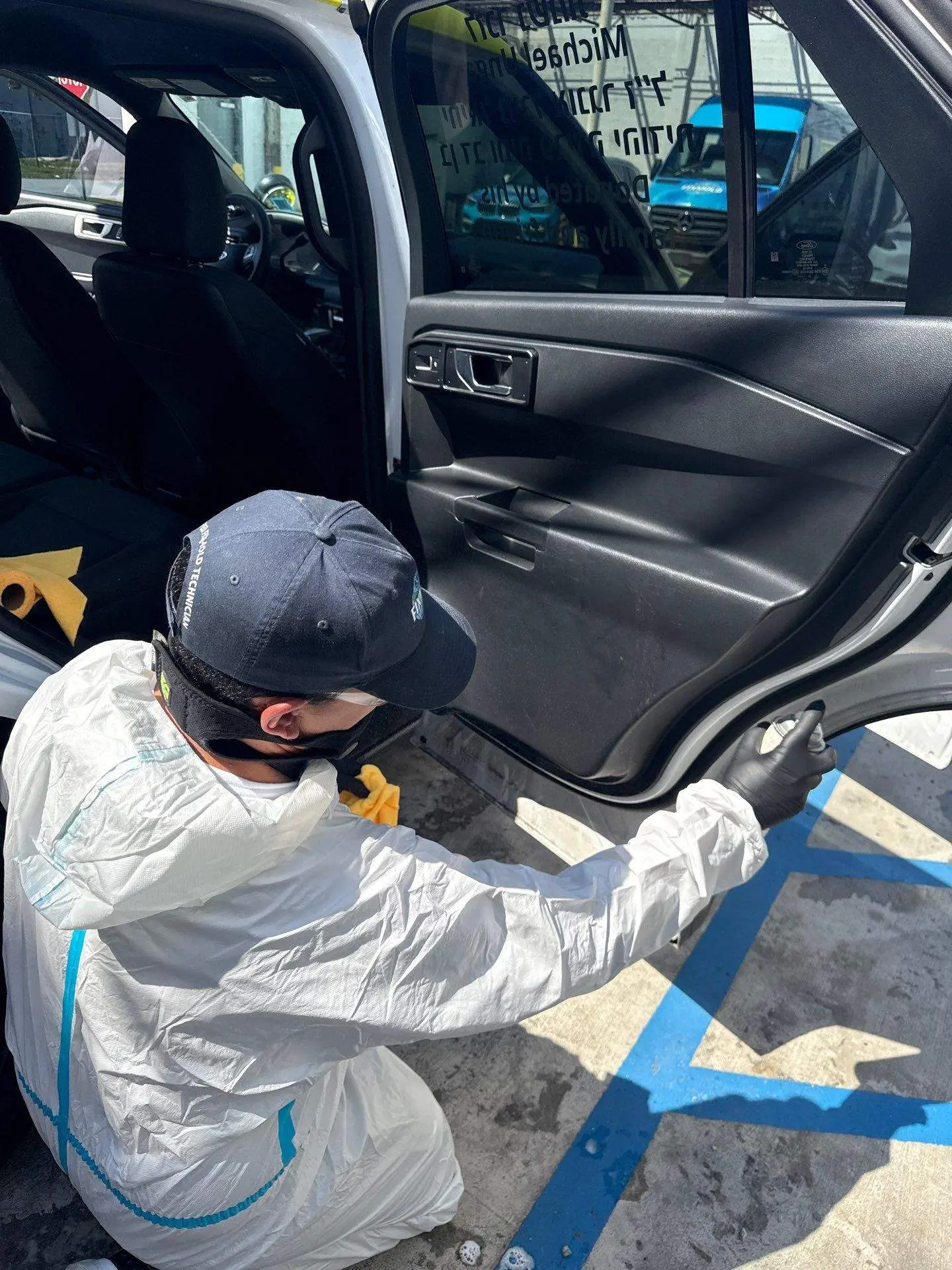
    We treat every surface in the vehicle interior, purge the AC and ventilation system, replace the cabin air filter, address the moisture source that caused the problem, and apply antimicrobial protection to prevent recurrence. One call, one team, one complete job.

    Call or text: 786-882-1823 | Free virtual assessment available | Same-day appointments for urgent situations

    Why Vehicle Mold Is So Common in South Florida


    South Florida produces vehicle mold problems at a rate that drivers from other parts of the country find surprising until they understand the environment. Outdoor humidity here sits between 75 and 90 percent for most of the year. A car parked in that environment with windows up and no air circulation becomes a sealed, humid chamber. Add any source of moisture inside that chamber and mold has everything it needs.

    The most common causes we find in South Florida vehicles are sunroof drain tube blockages and failures, which allow water to pool inside door pillars and under carpet without any visible sign of intrusion. Leaking windshield seals and door rubber gaskets that have dried and cracked in the Florida heat. Storm flooding from hurricane season events or street-level flash floods that push water under doors and saturate carpet padding. AC evaporator drain clogs that allow condensation to back up inside the vehicle interior. Cars left undriven for extended periods with windows closed, giving mold spores that entered through normal ventilation the warmth, moisture and time to establish colonies. And cross-contamination from transporting moldy materials or bringing mold in on belongings from a property that has an active mold problem.
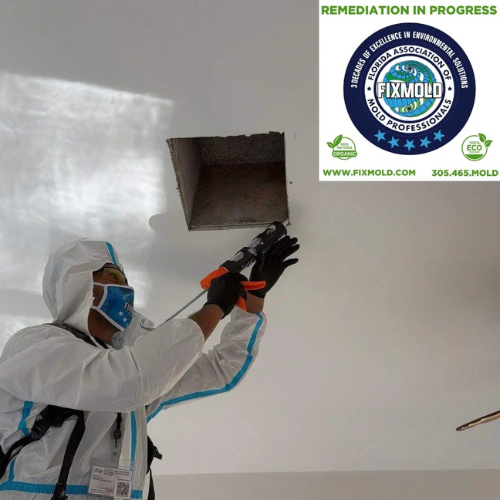
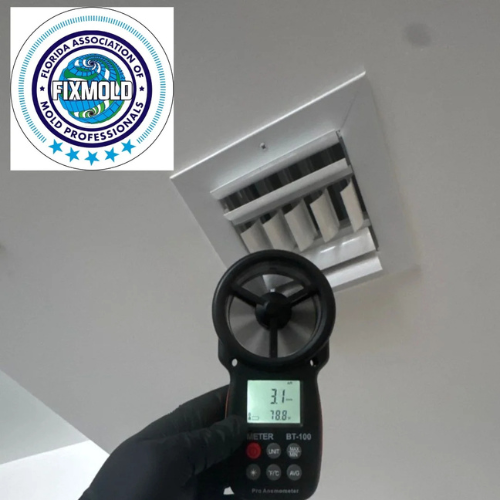
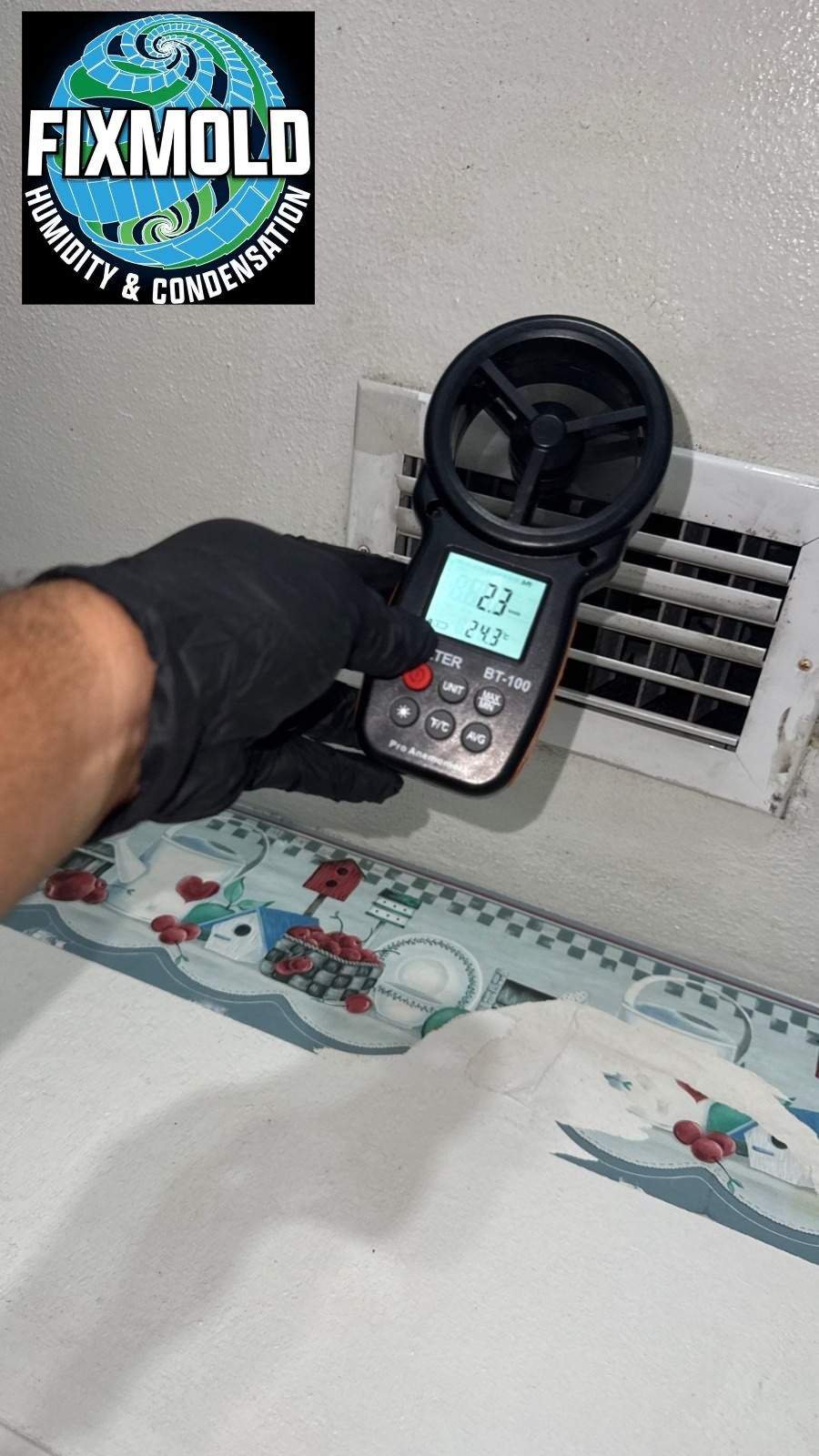
    The AC system is a specific concern. Your vehicle's air conditioning pulls air from outside, conditions it and circulates it through ducts inside the dash and across the cabin. The evaporator coil runs wet by design. If mold establishes in any part of that system, every time you turn the AC on you are distributing spores throughout the vehicle cabin and into the air you breathe. A musty smell from the vents is almost always mold in the AC system, not dirt or dust.

    What Vehicle Mold Remediation Actually Involves


    There is a significant difference between a car detail shop cleaning visible mold off your seats and a proper vehicle mold remediation. Car detailing addresses surfaces. Mold remediation addresses the full contamination including what is inside the ventilation system, under the carpet padding, inside door panels and behind the dashboard where no cleaning cloth ever reaches.

    Incorrect mold removal in a vehicle is particularly problematic because physically disturbing mold colonies without proper containment or chemical treatment generates mold fragments, which are broken mold particles smaller than spores that penetrate deeper into the lungs and carry a higher mycotoxin load per particle than intact spores. A detailer scrubbing visible mold off a seat without treating the underlying material and the air can leave the vehicle more hazardous after cleaning than before.

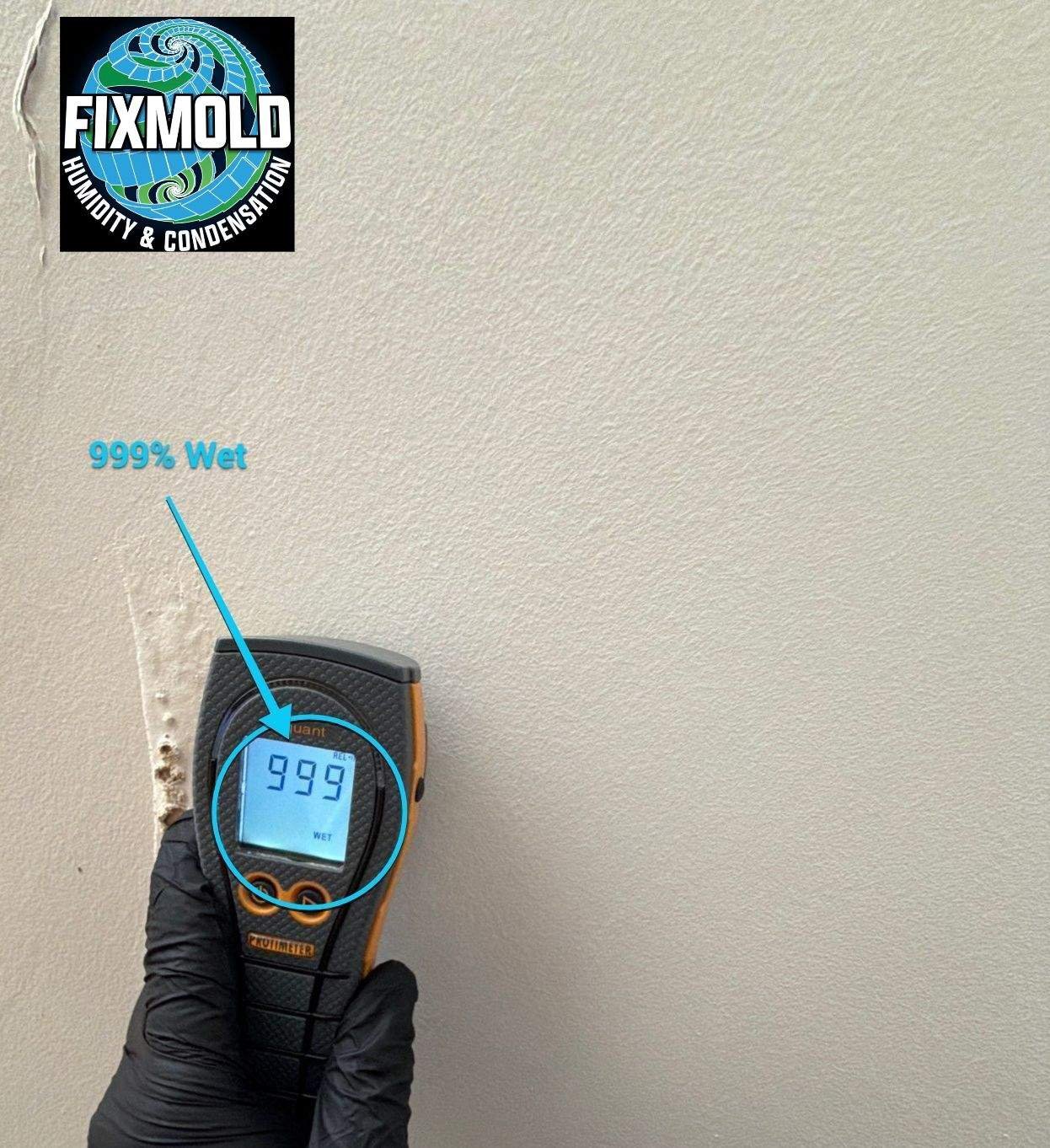
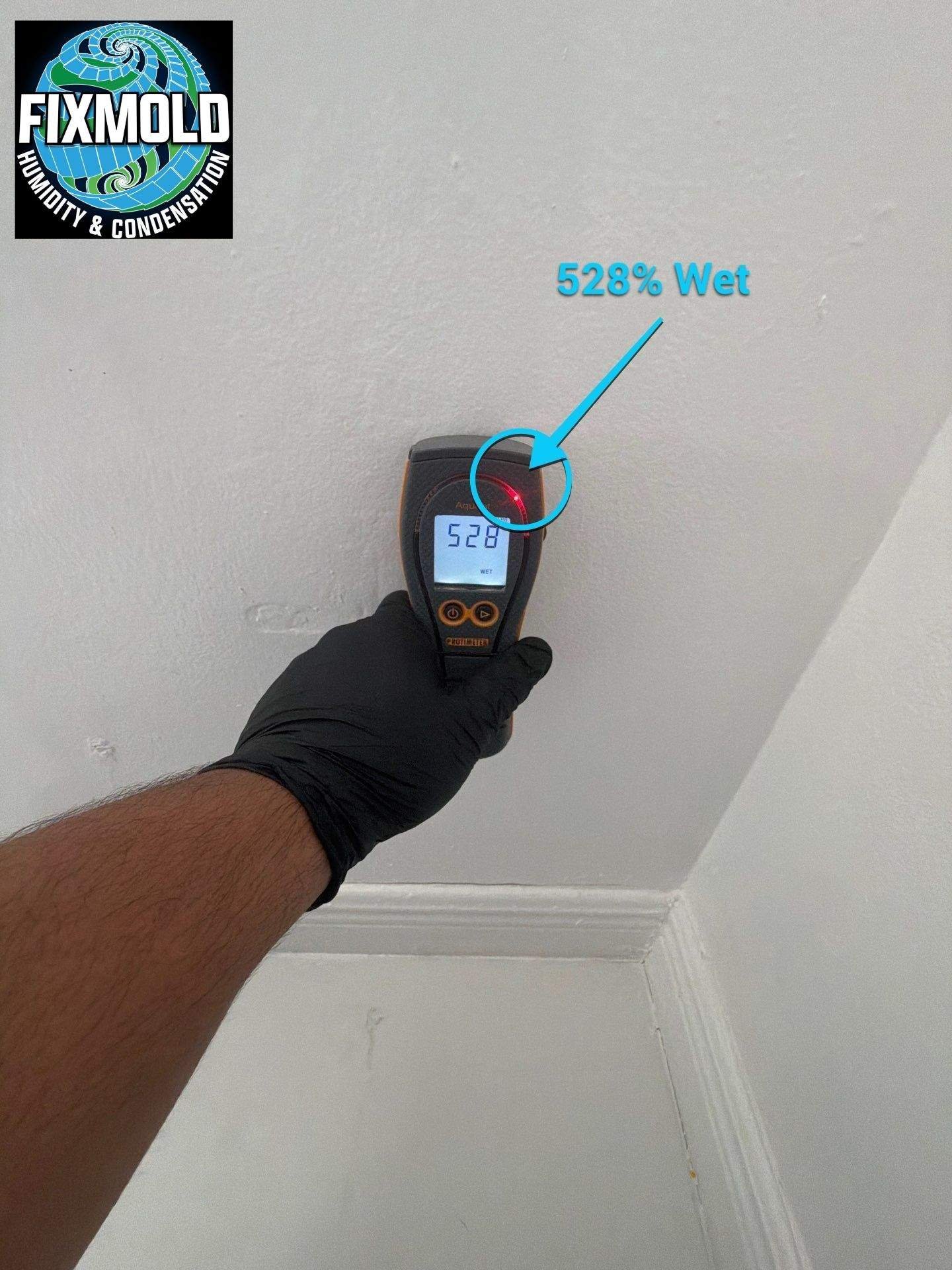
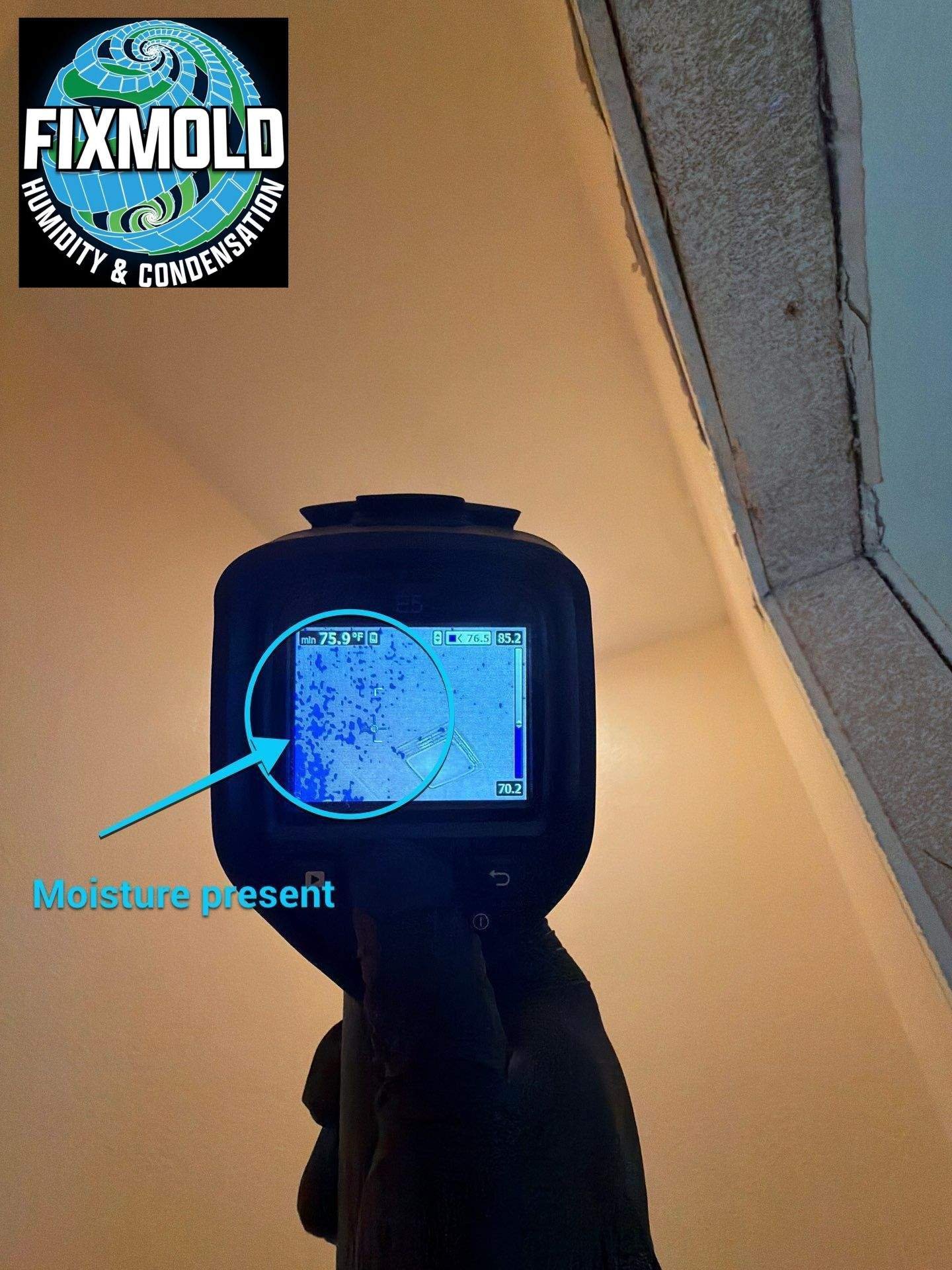
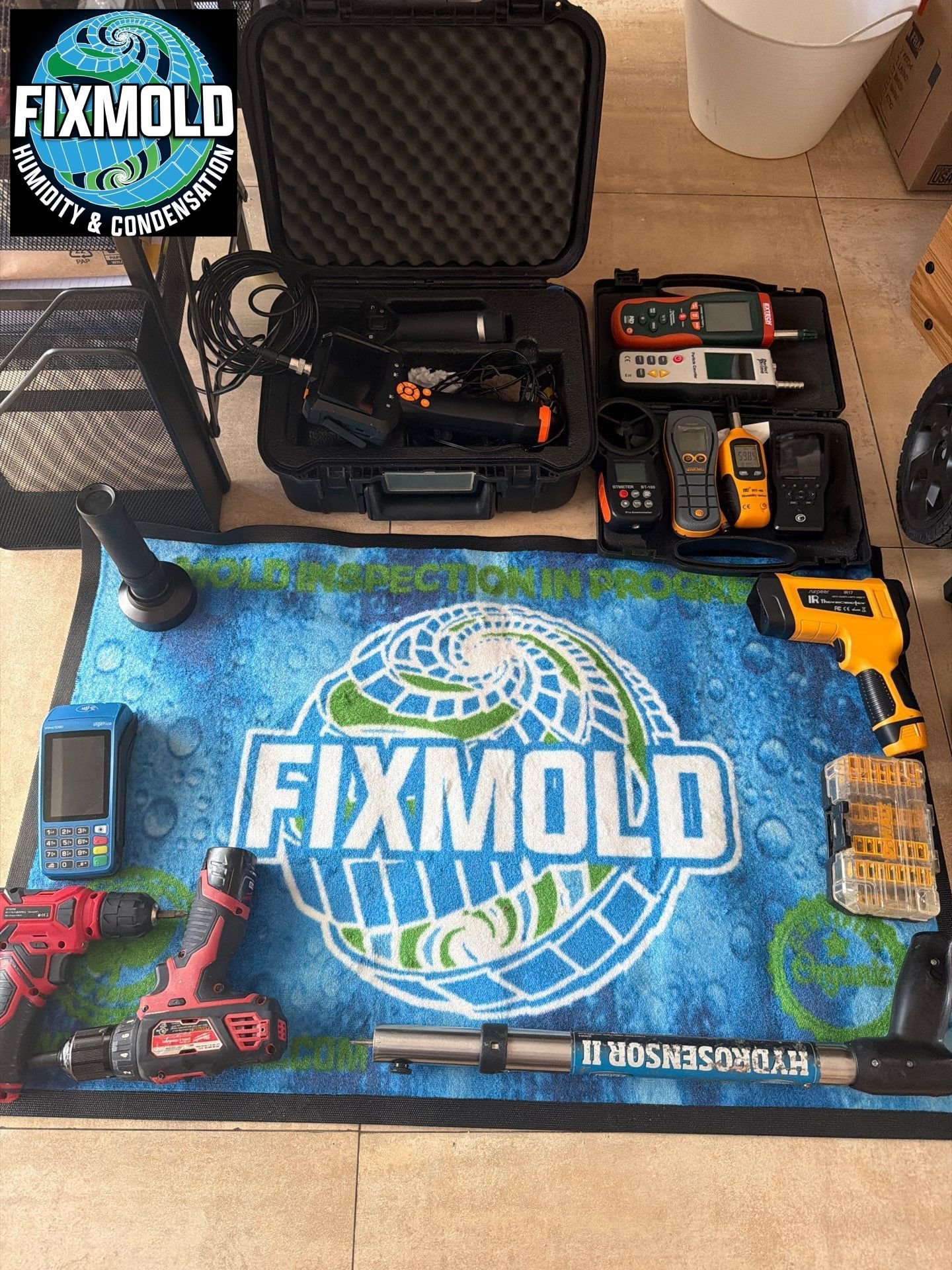
    Our vehicle remediation process starts with a full interior inspection to determine the extent of contamination and identify the moisture source. Leak detection follows using moisture meters across all interior surfaces including under carpet, inside door cavities and in the trunk. If a leak source is confirmed, it is addressed before remediation begins. Treating the mold without fixing the leak produces a result that lasts weeks, not years.

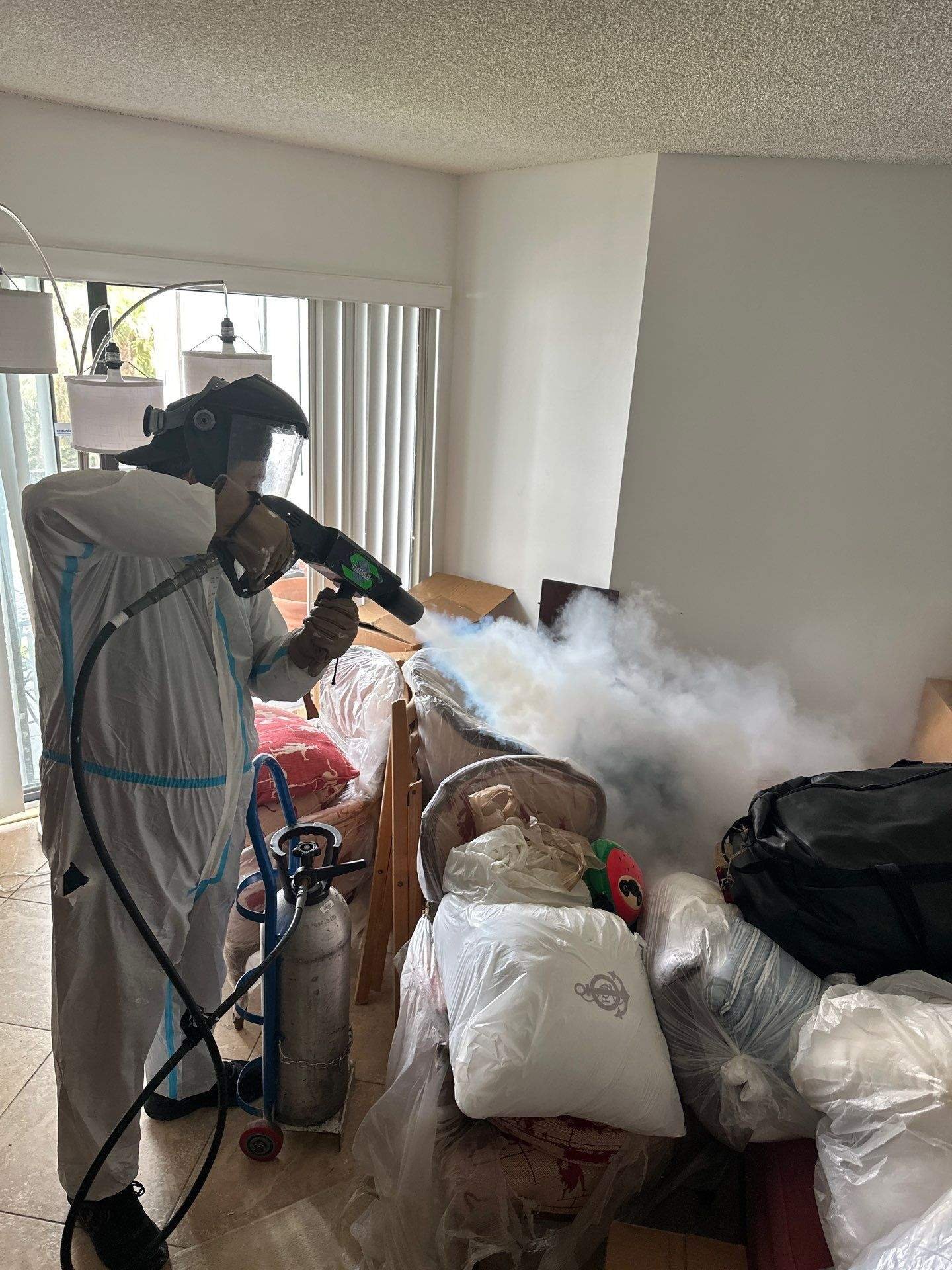
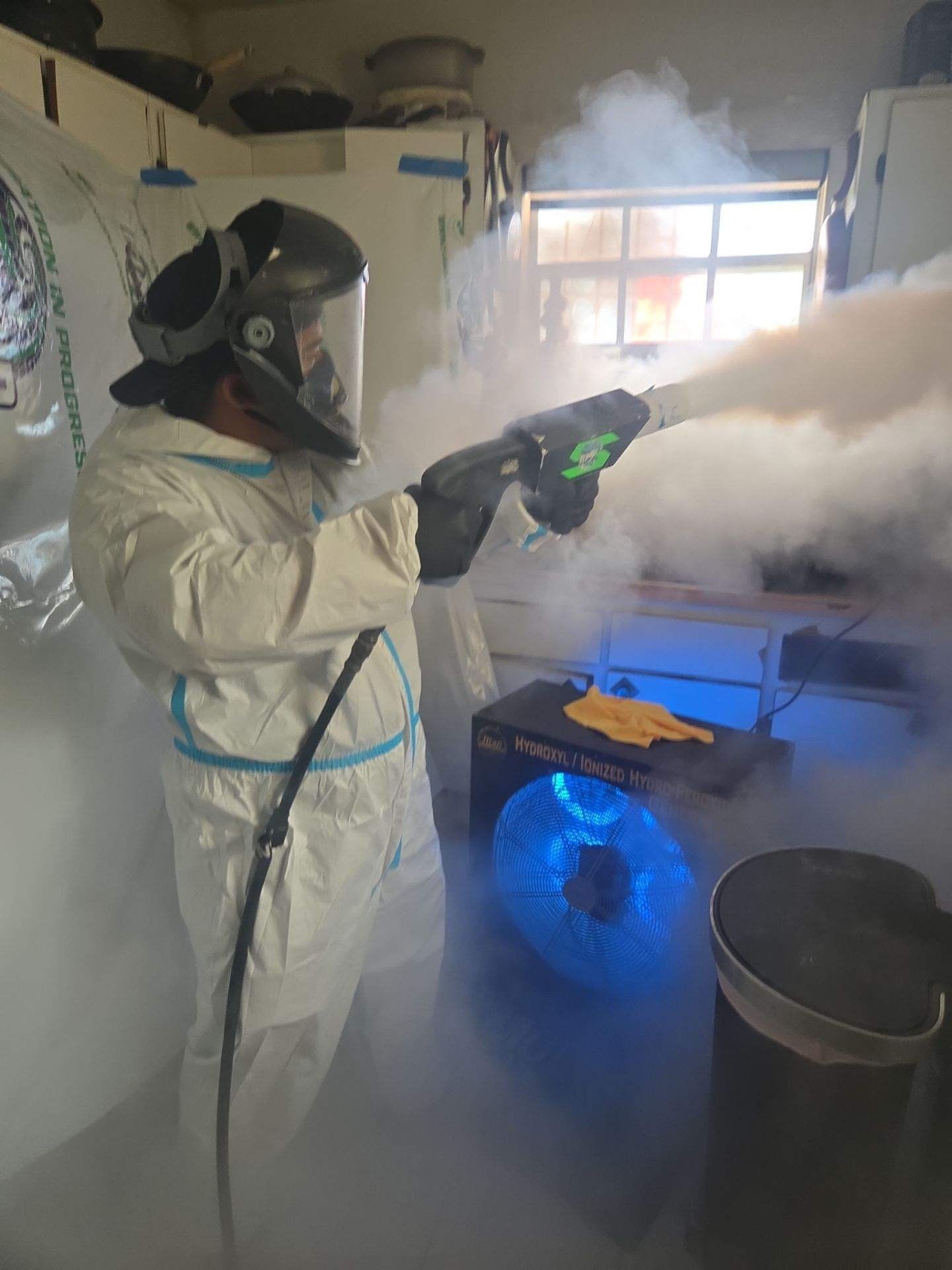
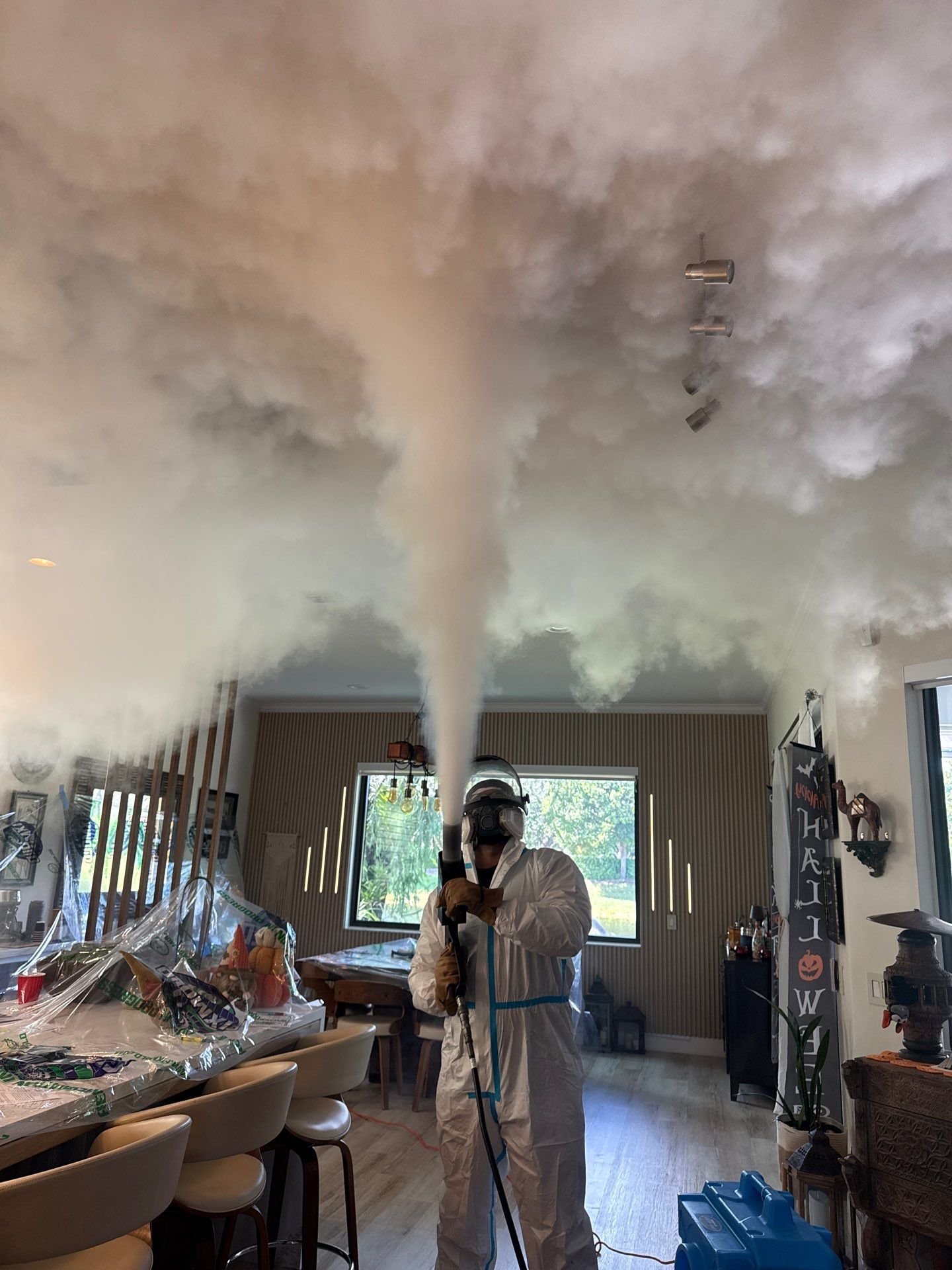
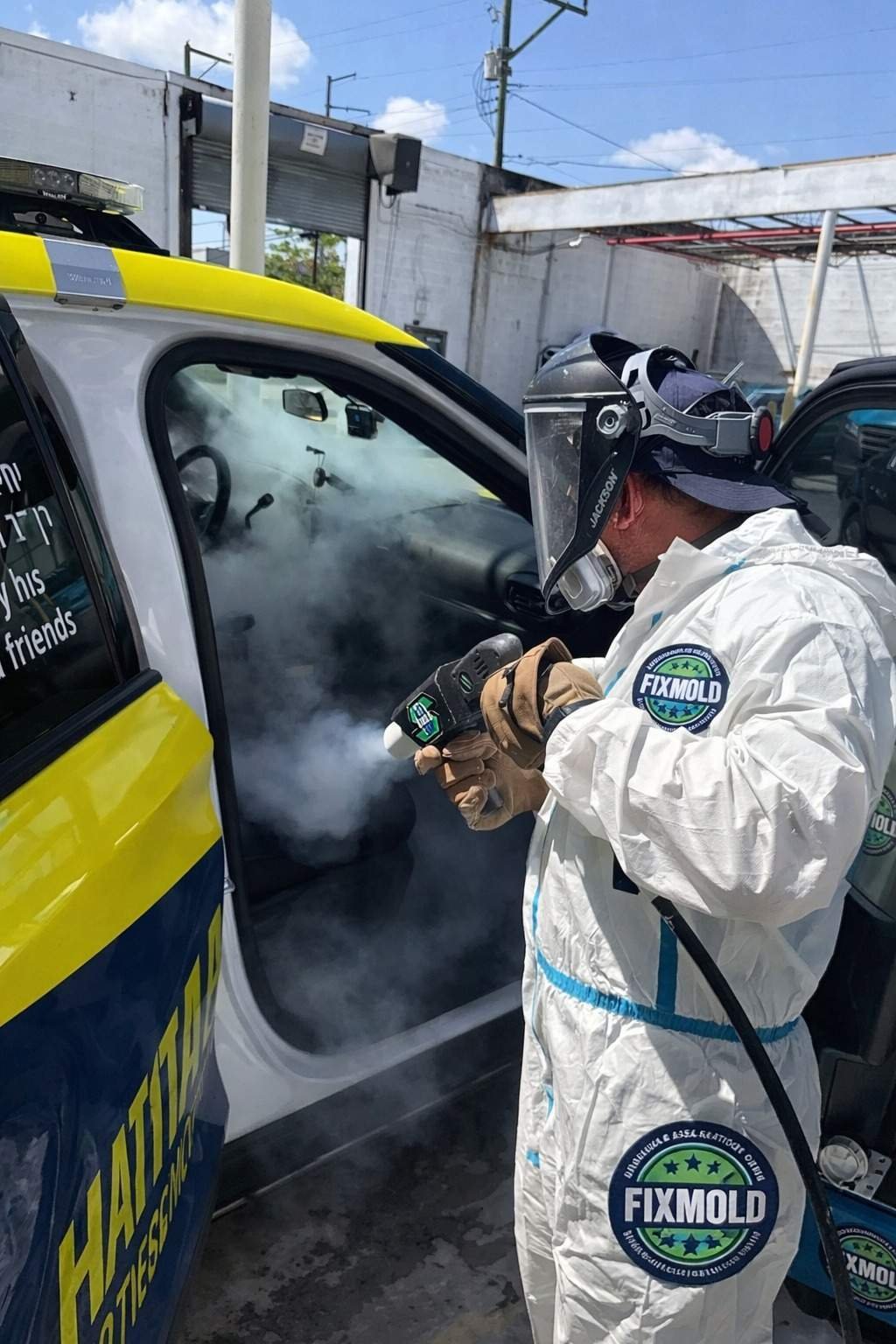
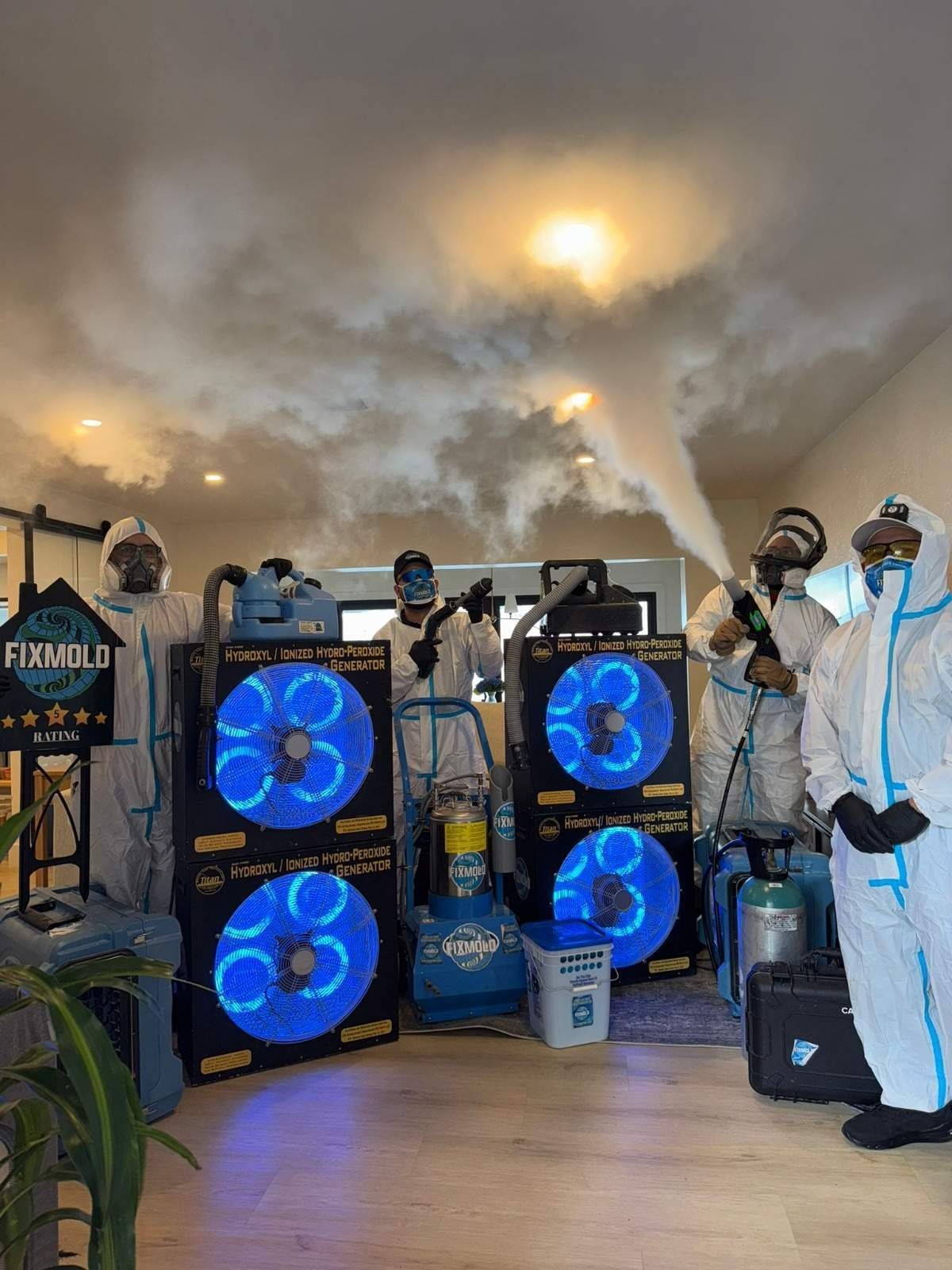
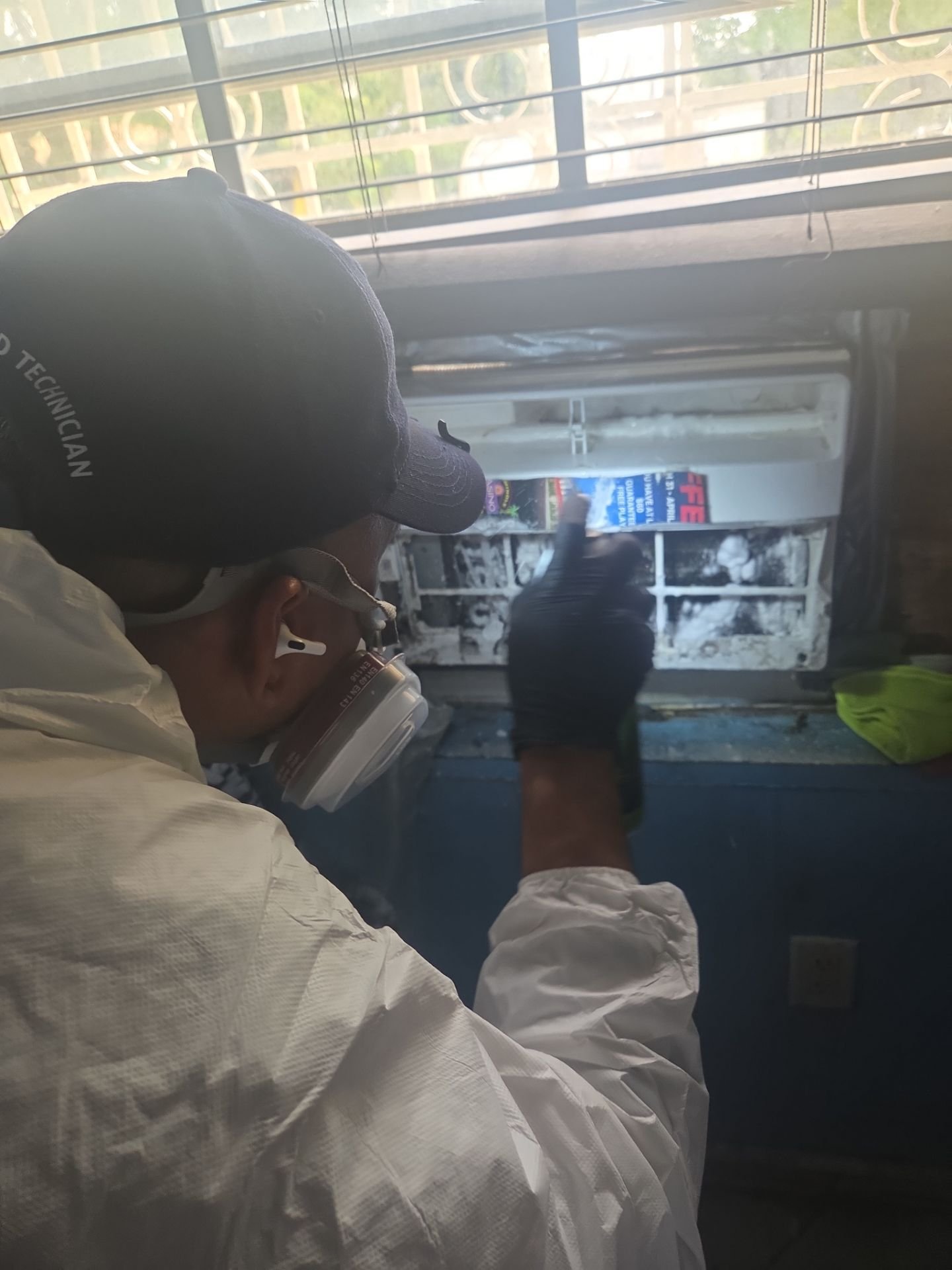
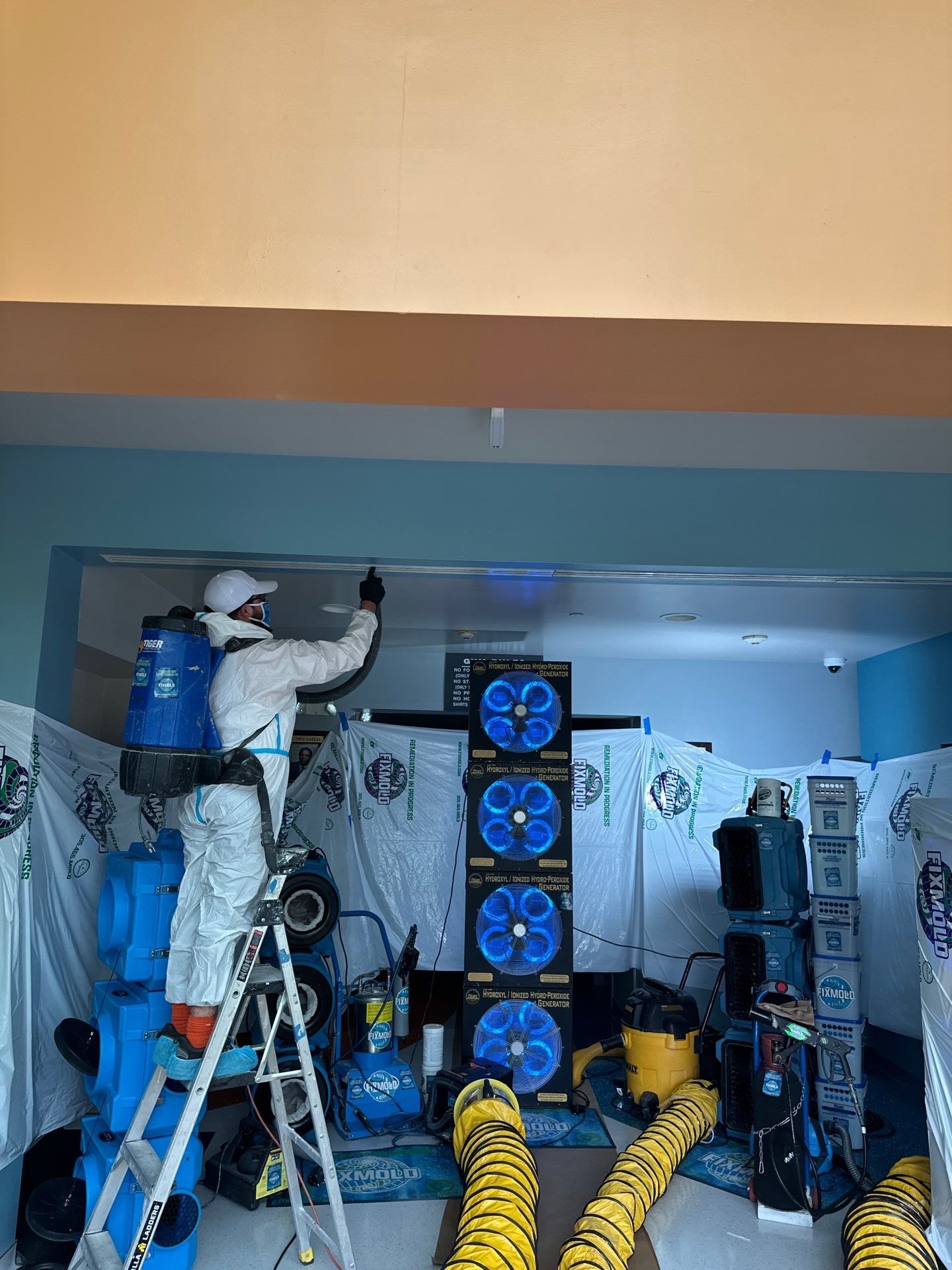
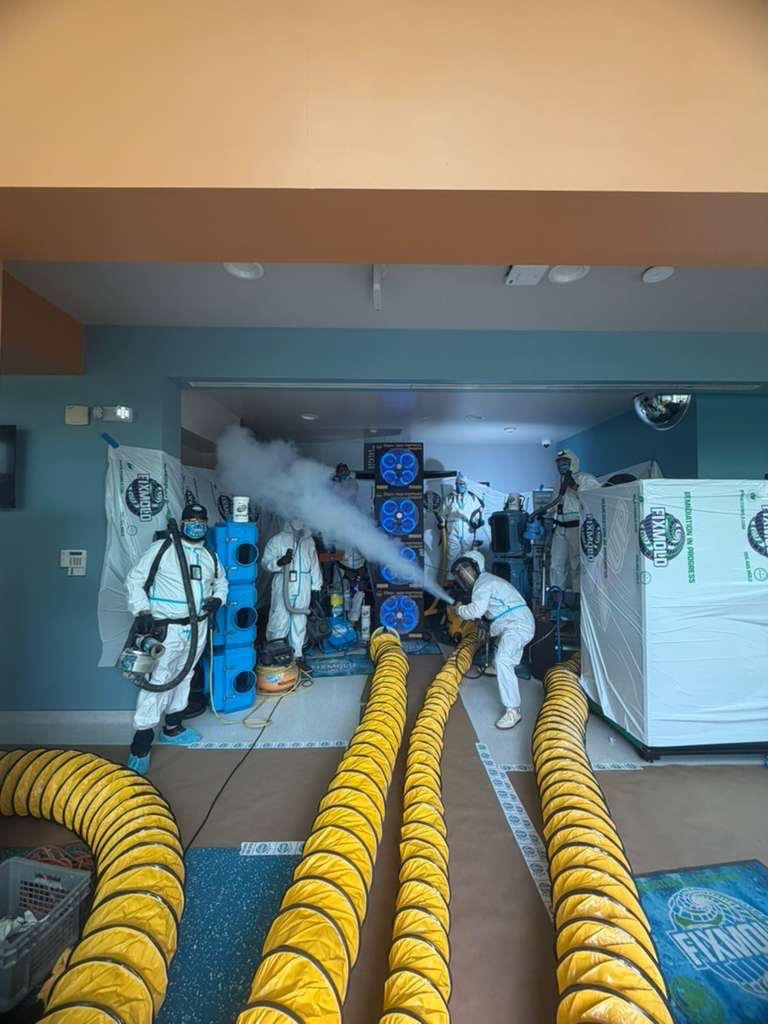
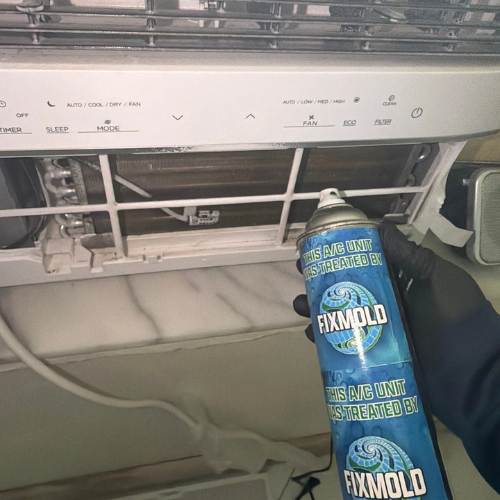
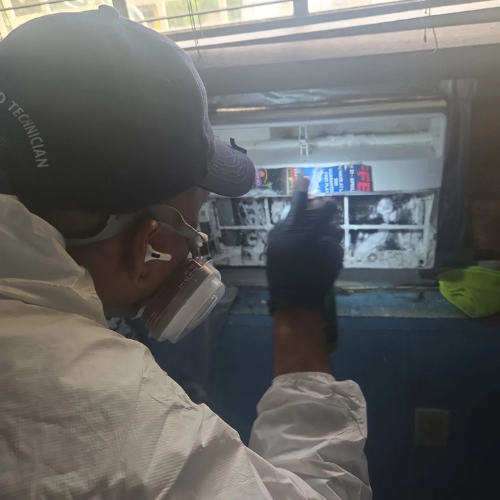
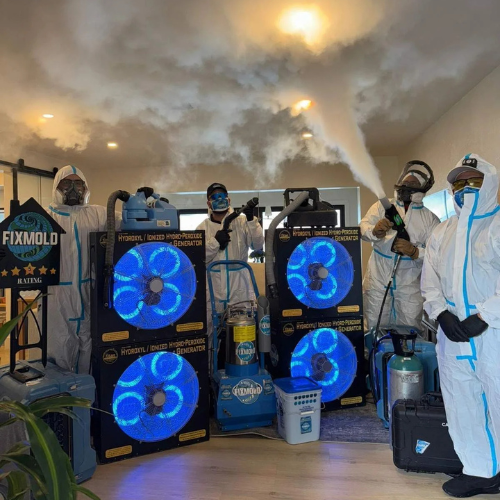
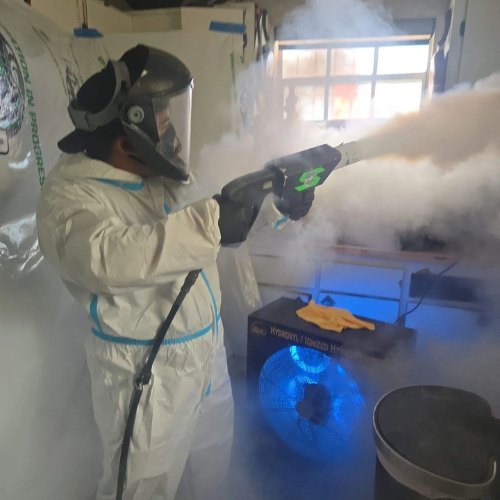
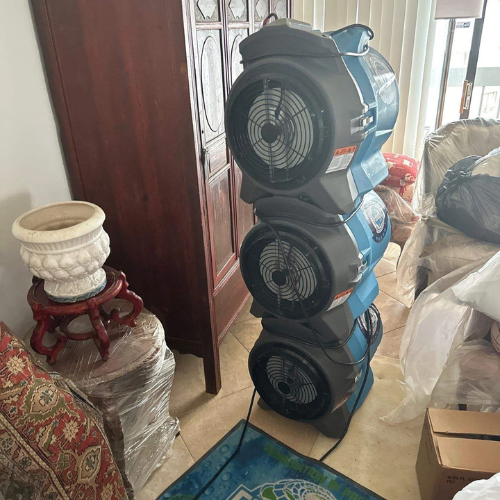
    Once the moisture source is addressed and the scope is confirmed, HEPA vacuuming removes loose spore load from all interior surfaces working top to bottom. Every interior surface is then chemically remediated with antimicrobial treatment including headliner, seats, carpet, dashboard, center console, door cards, seatbelts and all rubber seals and gaskets. The AC and ventilation system is purged with antimicrobial foam pushed through the ducting and vents, the cabin air filter compartment is treated and a new cabin air filter is installed. CO2 hydrogenation and thermal fogging reach the areas that direct application cannot access, including behind the dashboard, inside seat foam and inside structural cavities. Hydroxyl treatment runs through the vehicle interior to address airborne contamination. A final antimicrobial protective coating is applied to treated surfaces.

    Vehicle Types We Service


    Personal cars and SUVs with post-flood damage or AC mold issues. Trucks and vans including commercial fleet vehicles. RVs and motorhomes where humidity and roof seal failures create significant interior mold challenges. Luxury vehicles and classic cars requiring careful treatment of leather interiors and specialty finishes. Car dealership inventory affected by storm events or extended lot storage. Bus lines and delivery vehicle fleets needing systematic remediation across multiple units.

    What you notice first is usually a smell. Something musty that hits you the moment you open the door, or a subtle irritation you have stopped questioning because it has been there so long. Mold inside a vehicle almost never starts where you can see it. It begins inside seat foam, beneath floor mats, inside door panels, behind dashboard components, and deep within the HVAC system. By the time there is a visible spot or the smell becomes impossible to ignore, the growth has typically been active for weeks and spread far beyond what any surface cleaning can address.
    Our certified technicians disassemble the affected areas of your vehicle to reach mold at its actual source. That means pulling back carpeting, removing seat components, and accessing the HVAC system where spores circulate every time you turn on the air. Surface-level cleaning only moves the problem around. We remove it entirely.
    Vehicle interiors create near-perfect conditions for mold growth. Fabric, foam, carpet, and enclosed spaces trap moisture with almost no airflow to dry it out. A single water intrusion event, a leak, a spill, a flooded floorboard, is enough to trigger active growth within 24 to 48 hours.
    Our remediation process treats the full interior, not just the visible areas. Every contaminated material is properly treated or removed, the HVAC system is cleaned and sanitized, and the cabin is restored to a condition that is genuinely safe to breathe in. When we are done, your vehicle does not just smell better. It is better.

    A Deep Commitment To Restoration

    A Family Legacy Of Trust

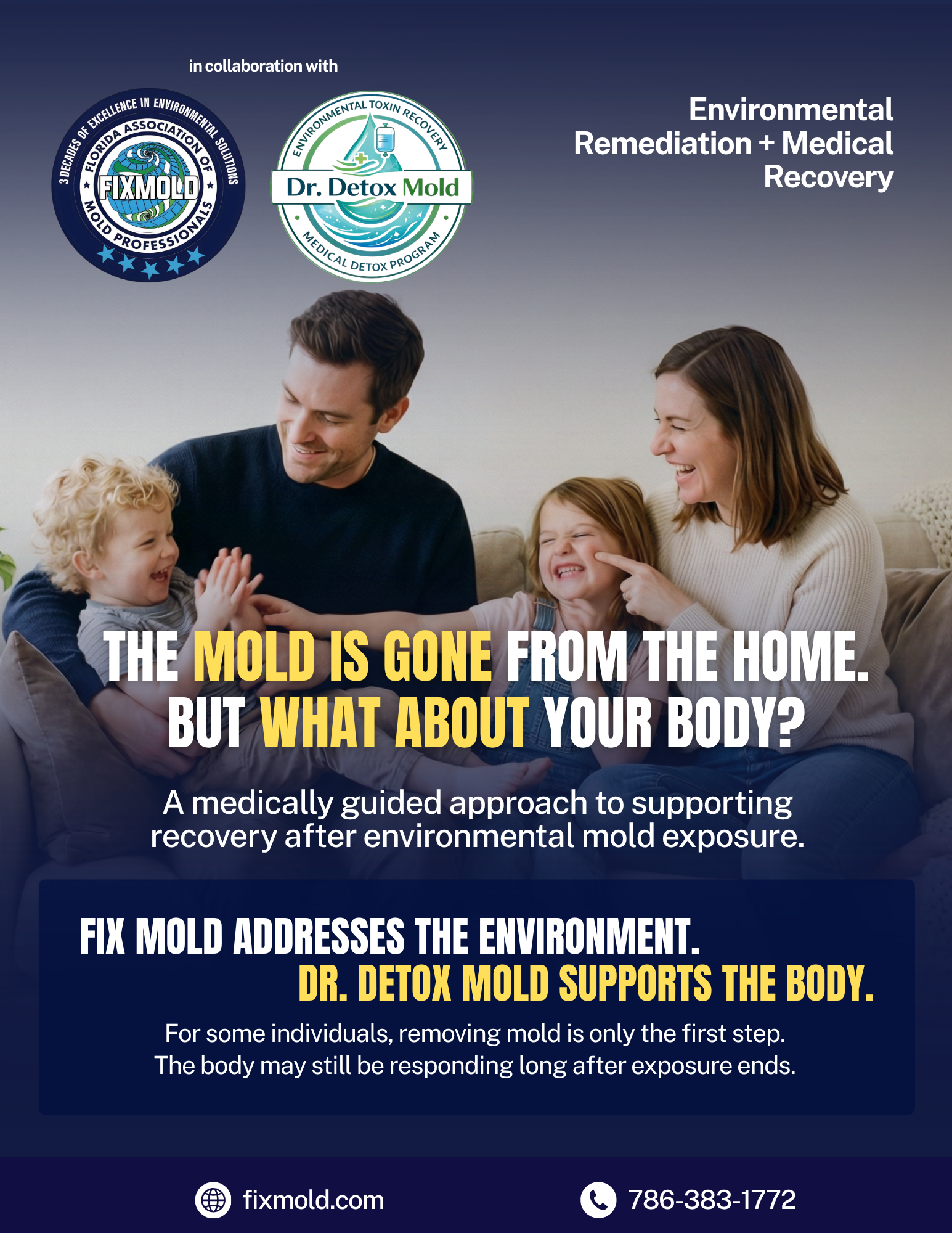
    Mold Removed From Your Home. What About Your Body?

    A medically guided approach to supporting recovery after mold exposure.
    Miami Fix Mold
    Miami Fix Mold

    FixMold focuses on eliminating mold from your environment.

    But for some individuals, recovery doesn’t stop there.
    Even after successful remediation, the body may continue responding to past exposure. In these cases, a structured, medically guided approach may be necessary to support full recovery.

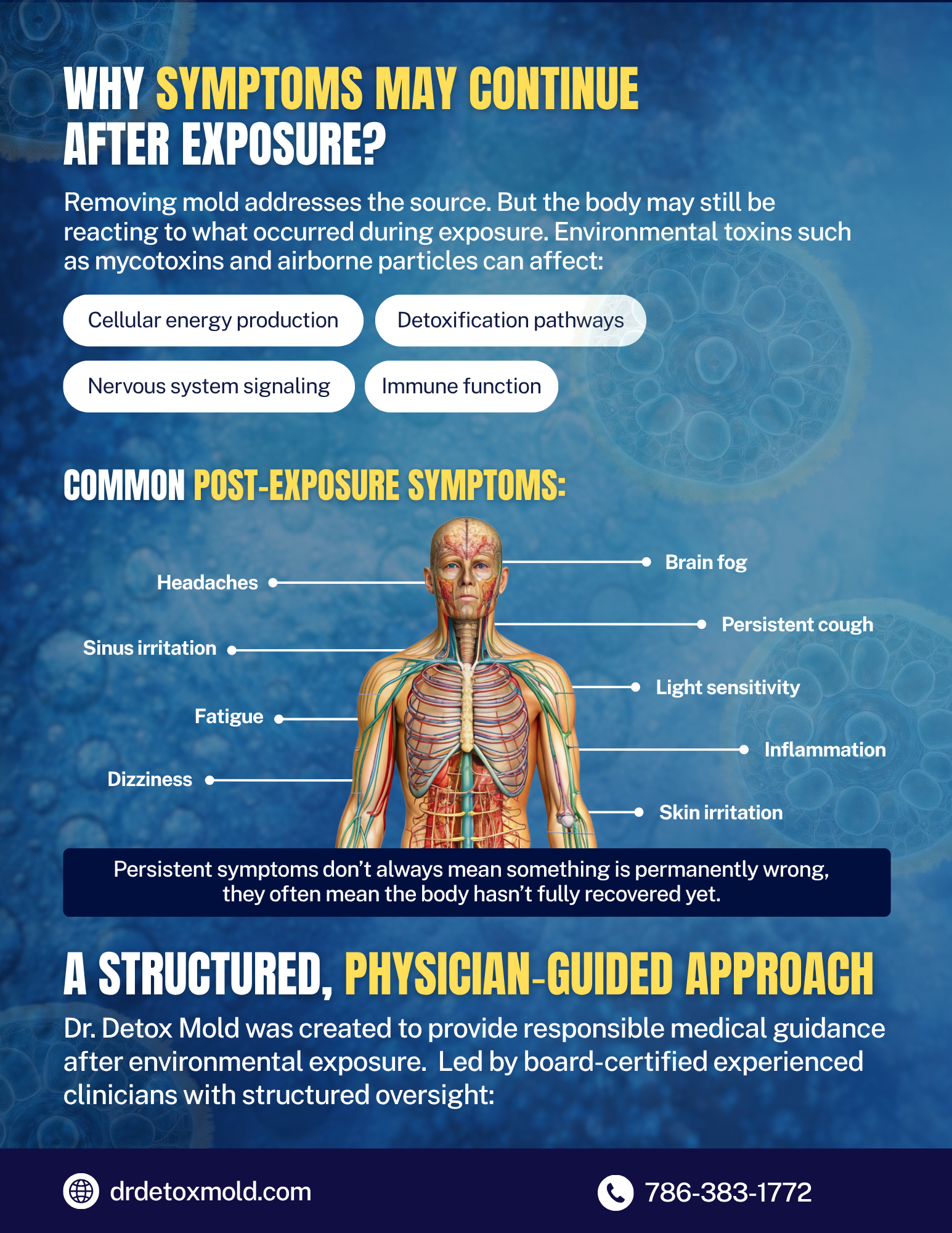
    Why Symptoms Can Continue After Mold Exposure

    Removing mold addresses the source of the problem, but it does not always resolve how the body has been affected during exposure.

    Environmental toxins can impact multiple systems:
    • Immune function
    • Nervous system signaling
    • Cellular energy production
    • Detoxification pathways

    For some individuals, these systems require time and proper support to return to balance.

    Common Post-Exposure Symptoms

    • Brain fog
    • Fatigue
    • Headaches
    • Sinus congestion or irritation
    • Persistent cough
    • Dizziness
    • Light sensitivity
    • Skin irritation
    • Ongoing inflammation

    Important

    • Persistent symptoms do not always indicate something permanent
    • They often indicate that the body has not fully recovered yet

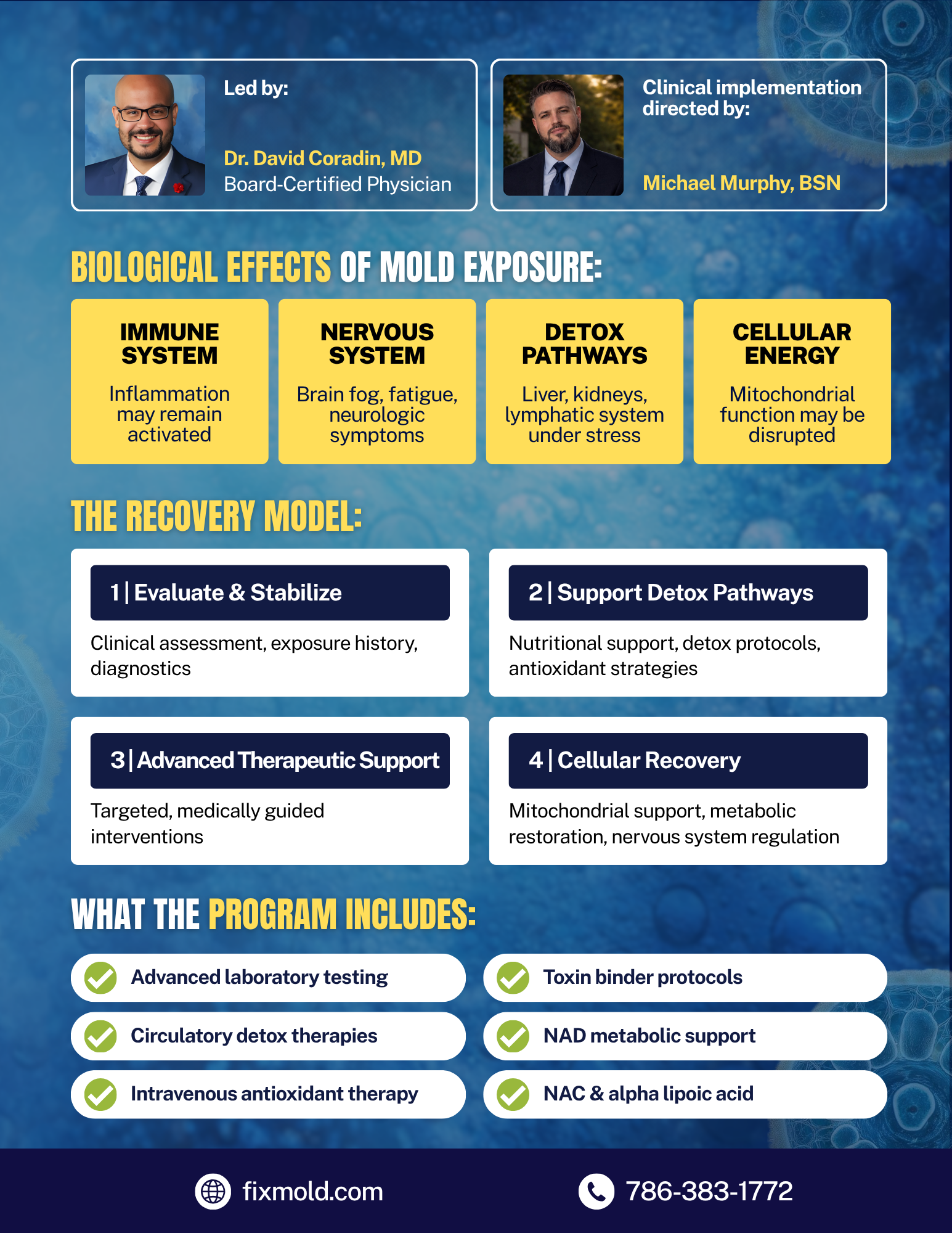
    Recovery Approach

    1. Evaluation & Stabilization
    • Clinical assessment
    • Exposure history review
    • Diagnostic testing

    2. Detoxification Support
    • Nutritional protocols
    • Toxin-binding strategies
    • Antioxidant support

    3. Advanced Therapeutic Support
    • Targeted, medically guided interventions
    • IV-based therapies when appropriate

    4. Cellular Recovery
    • Mitochondrial support
    • Metabolic restoration
    • Nervous system regulation

    Core Focus

    • Detoxification support
    • Immune system balance
    • Cellular energy restoration
    • Nervous system regulation

    Key Principle

    Recovery is not about doing more. It is about doing the right things, in the right order.

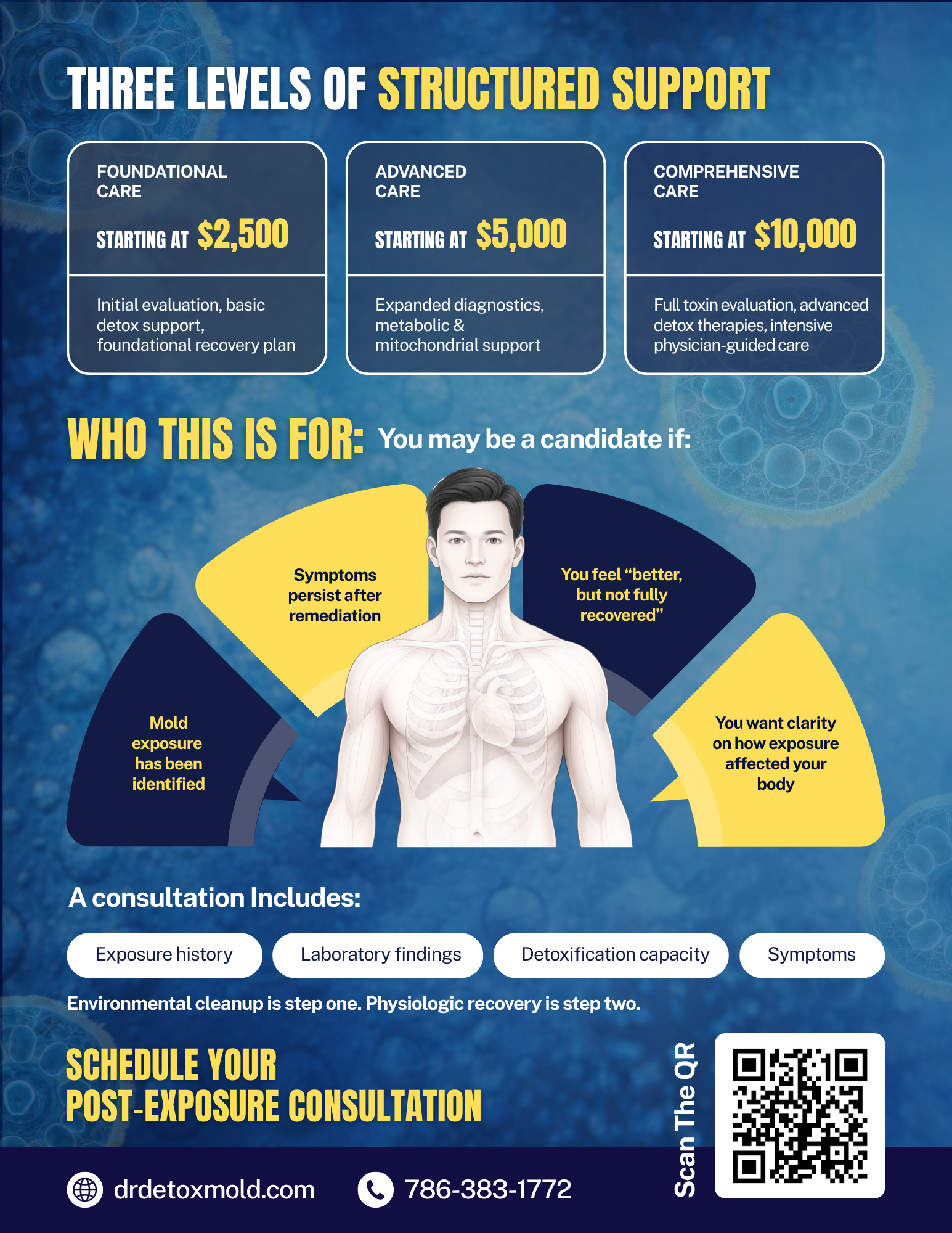
    Next Steps

    If mold exposure has been identified and symptoms are still present, evaluation may provide clarity.
    • Exposure history review
    • Laboratory evaluation
    • Detoxification assessment
    • Symptom analysis

    Schedule Your Post-Exposure Consultation

    📞 786-383-1772

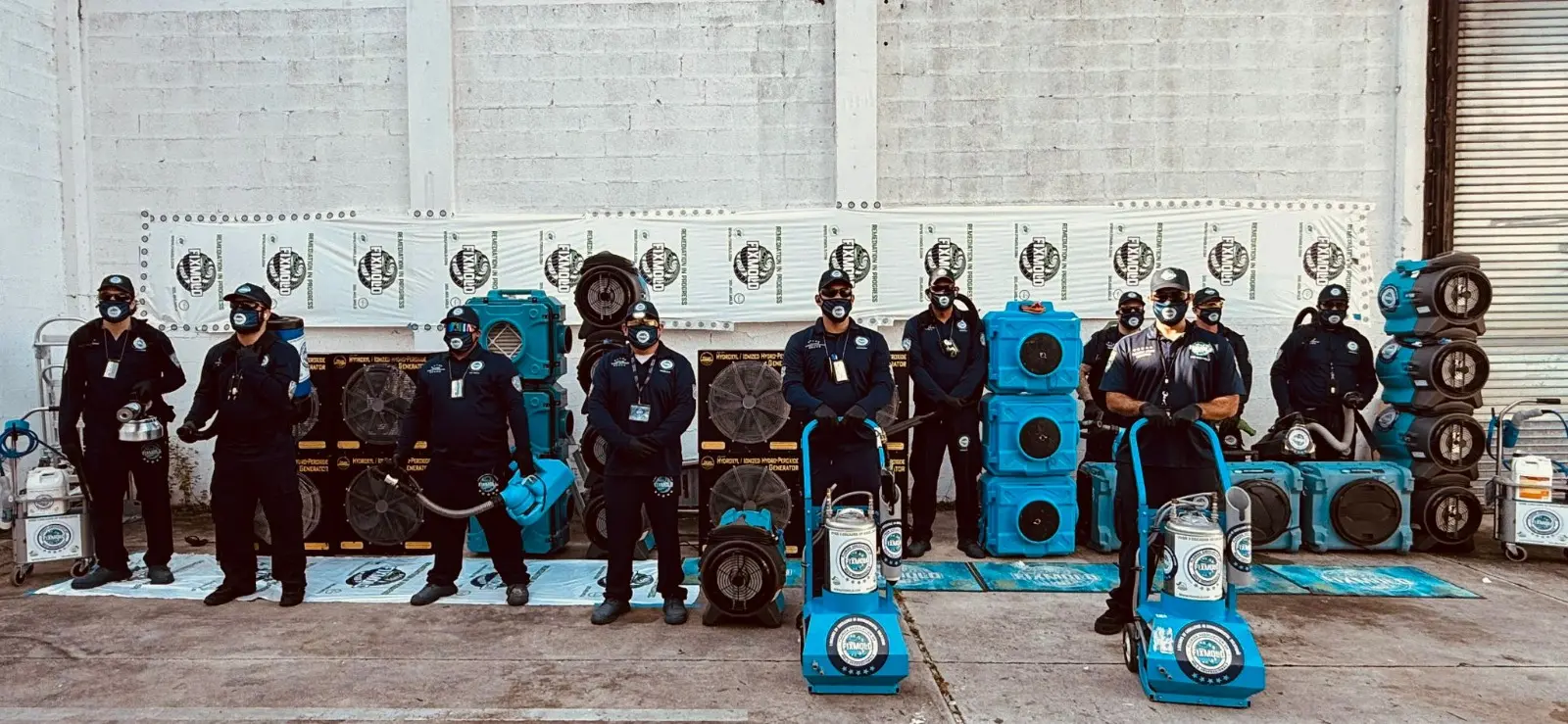
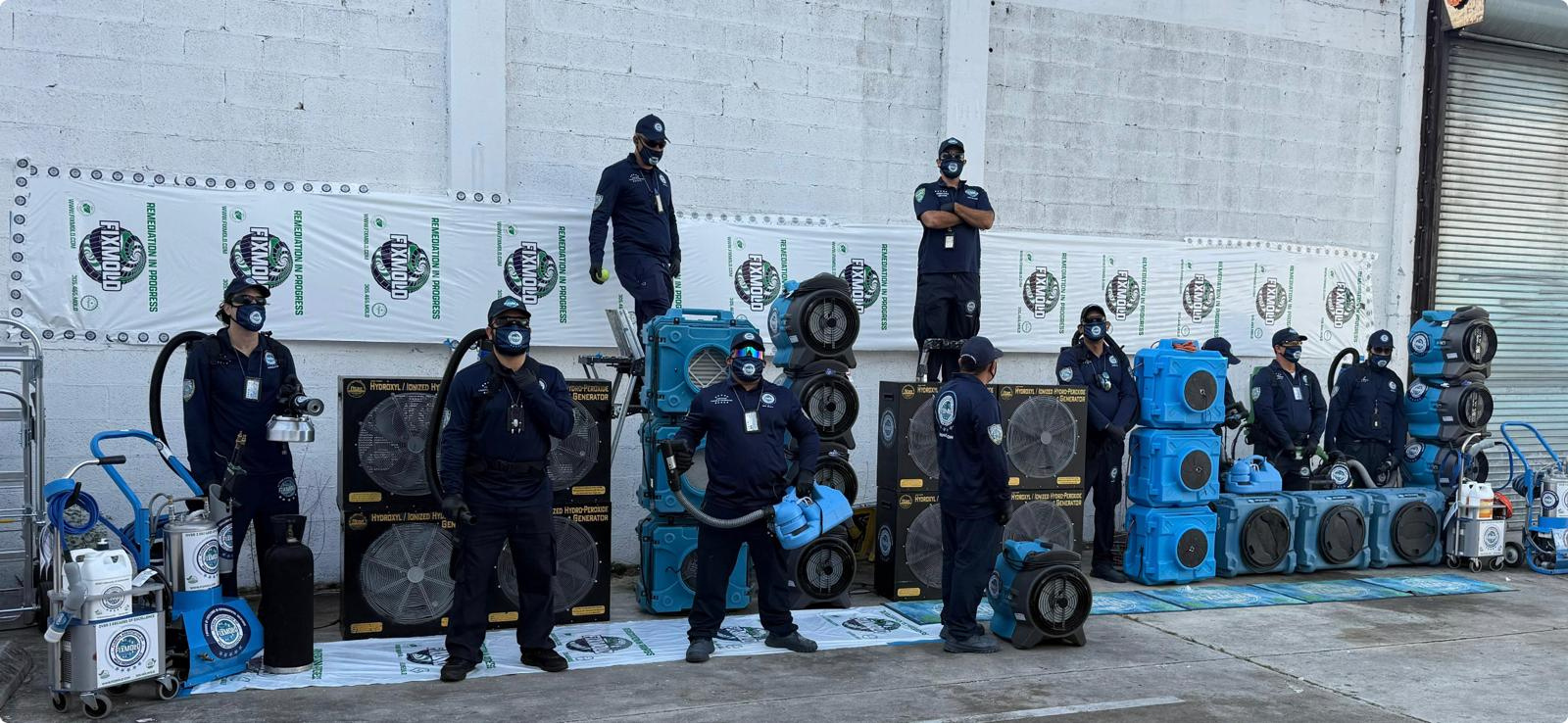
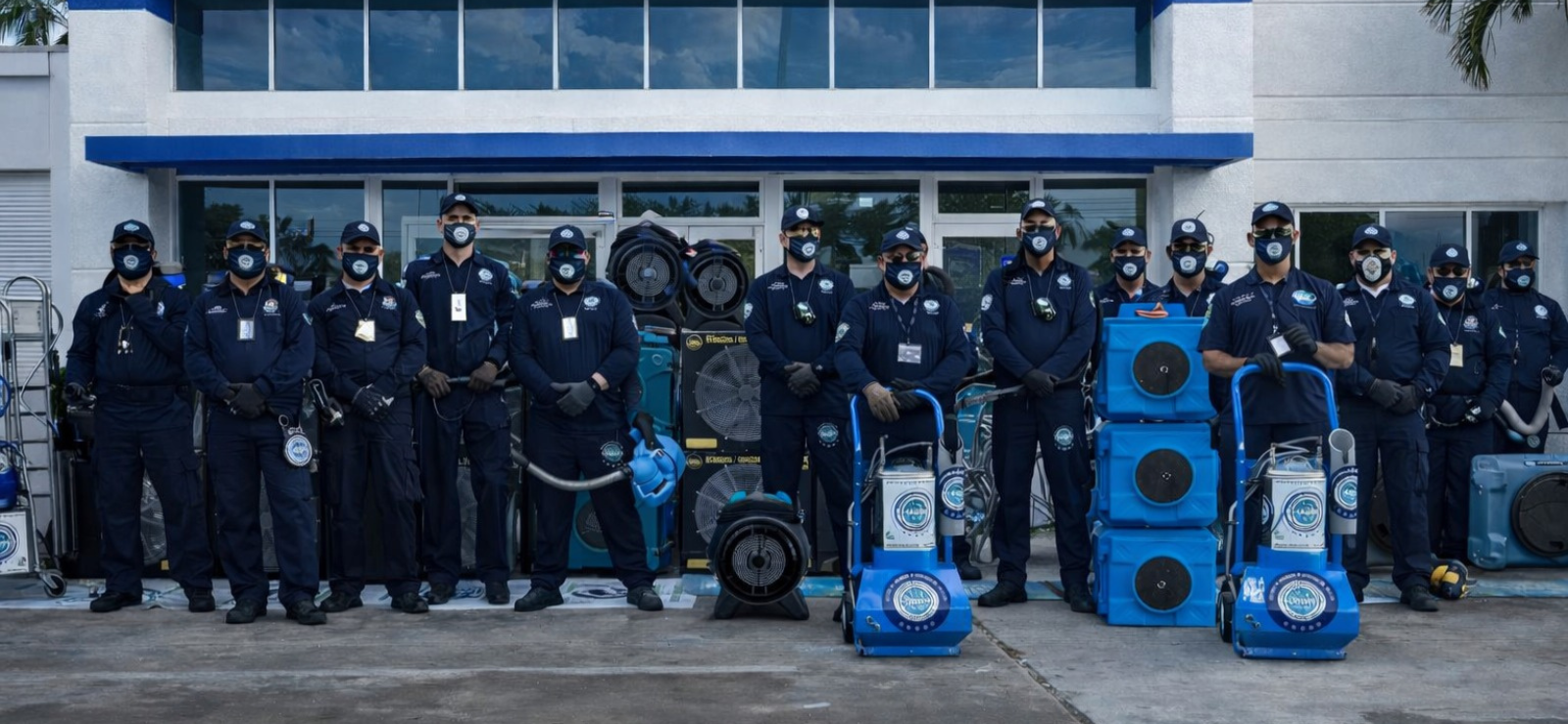
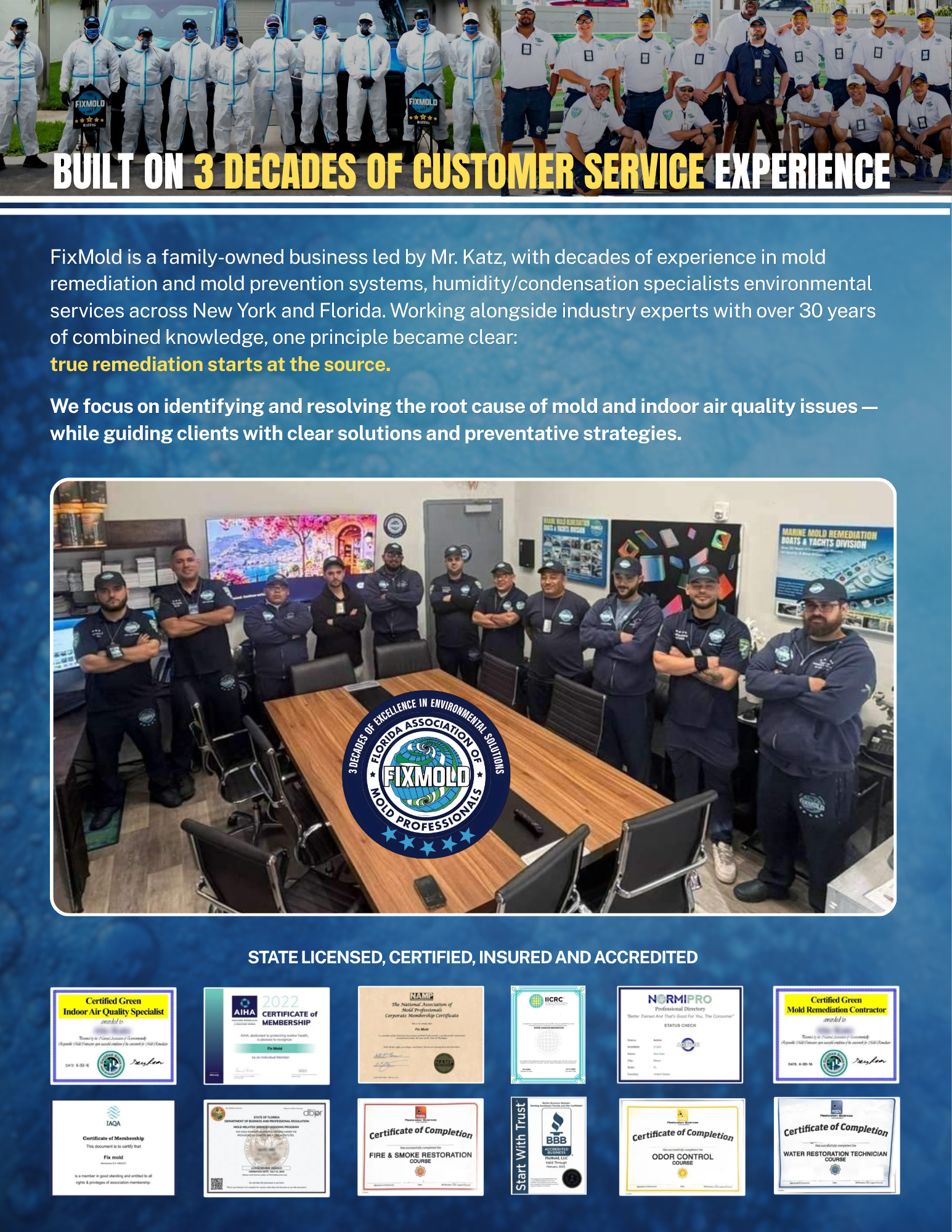
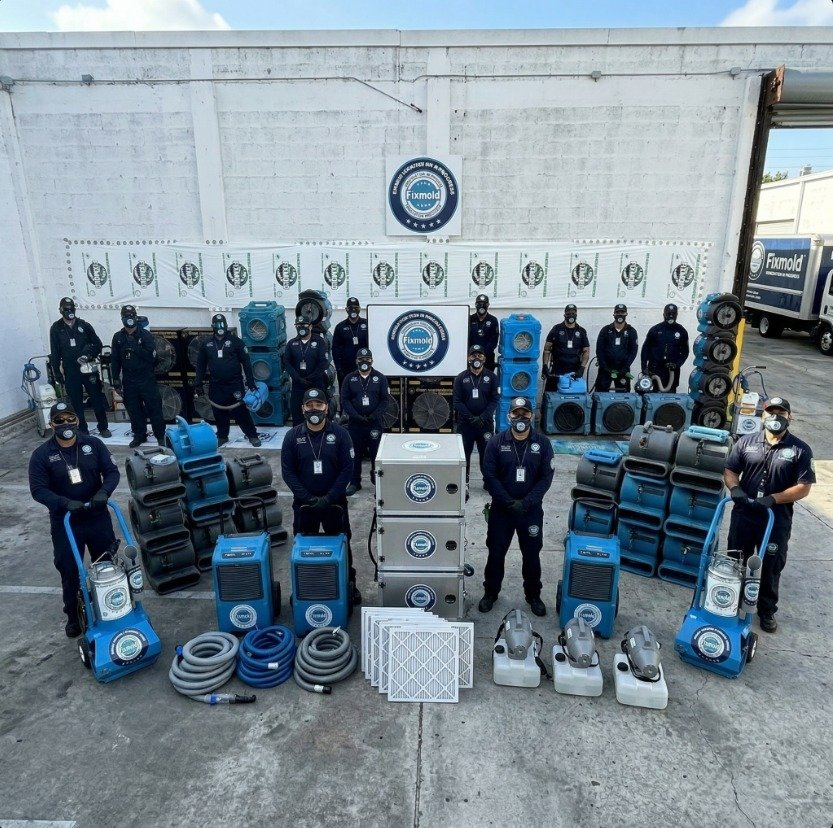
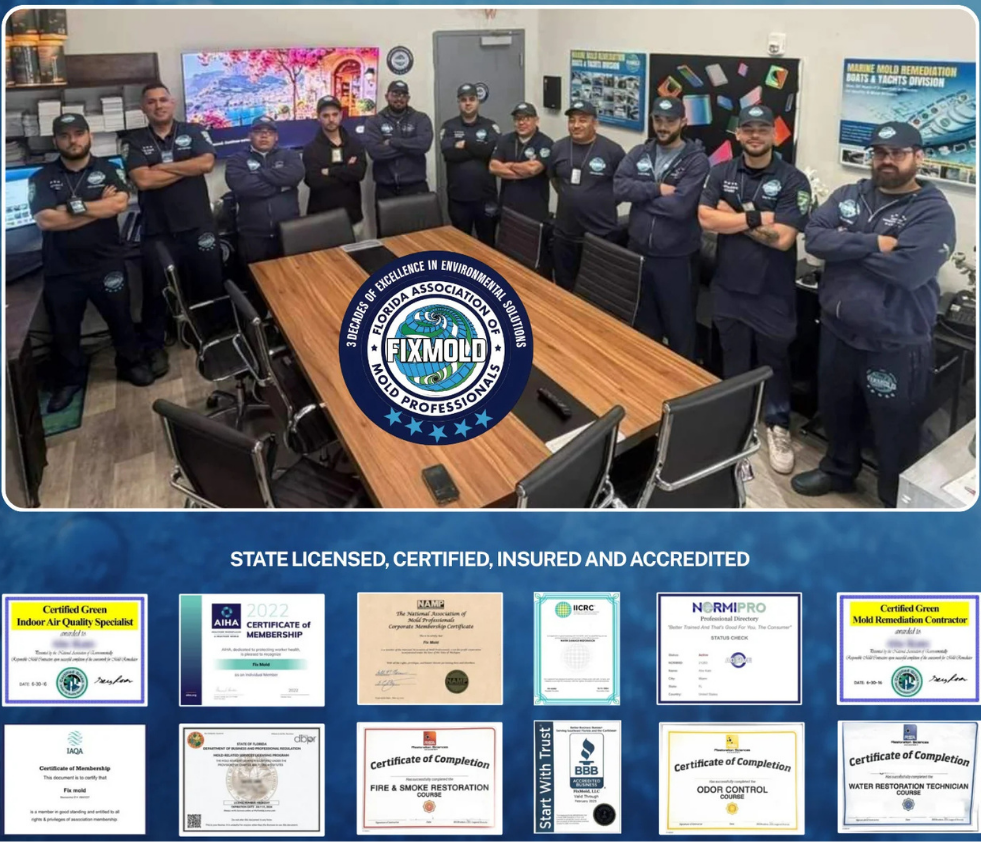
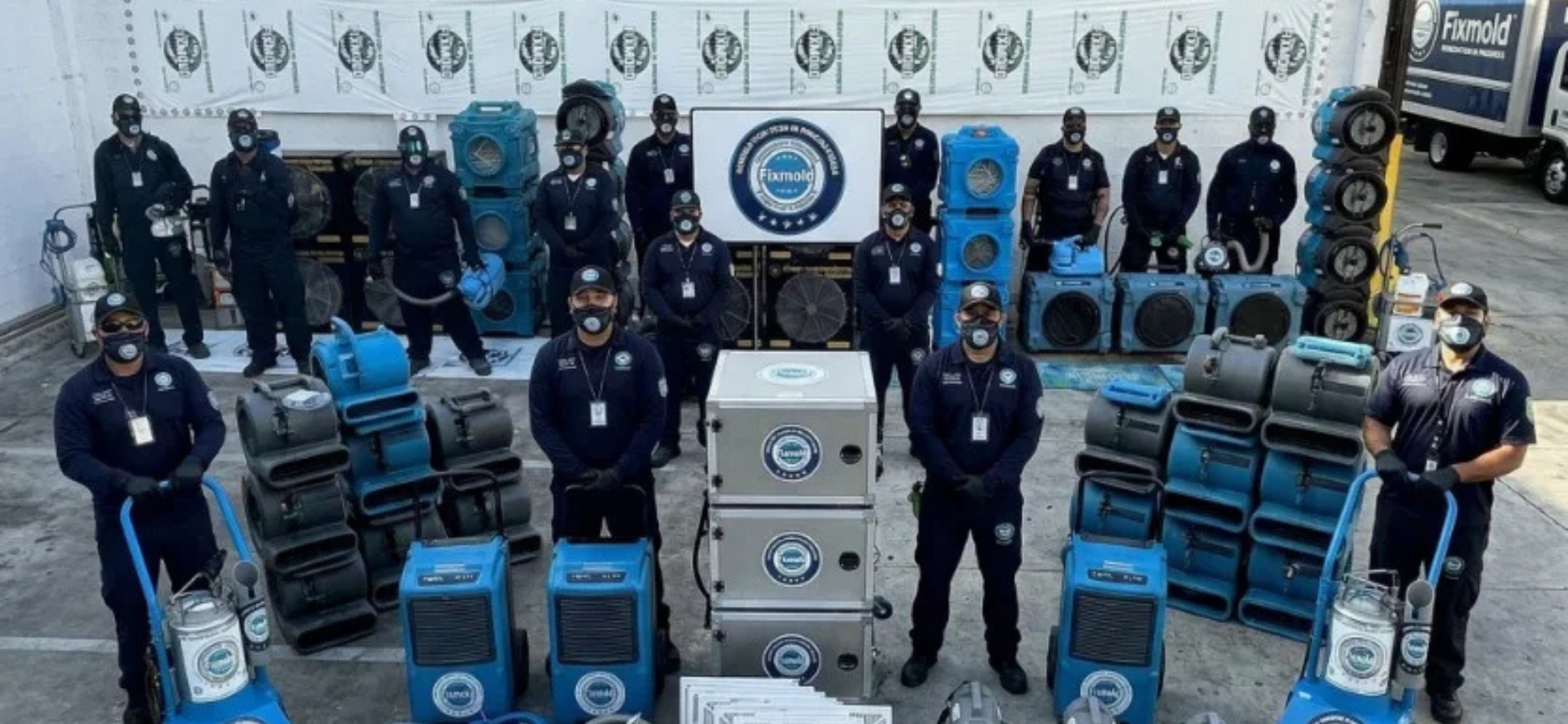
    OUR TEAM

    THE BACK-BONE OF OUR 5 STAR SERVICE
    👉 Call Now: 1-786-882-1823
    Fast response. Certified technicians. Guaranteed results.

    OUR AWARDS

    Proof Of Unmatched Excellence
    Miami fix mold

    FixMold
    10750 NW 6th CtMiami, FL 33168

    License
    MRSR2709 MRSA2521

    Proudly Serving all of South Florida

    We are here to answer any question you may have.
    +

    How long does a black mold inspection take?

    Most residential inspections run between one and two hours depending on property size, the number of areas flagged during the visual walkthrough, and how many samples are indicated. Larger homes and commercial properties take longer. We do not rush inspections to fit more jobs into a day.

    +

    Can I test for black mold myself?

    DIY mold test kits are sold at hardware stores. They are not reliable diagnostic tools. They do not identify species accurately. They do not give you spore concentration data. They provide no information about hidden moisture sources or the actual extent of any growth in your building. What they mostly provide is ambiguous results that either falsely reassure you or alarm you without telling you anything useful about what to do next. A certified inspector with calibrated equipment and a certified laboratory gives you information you can actually act on..

    +

    What happens if black mold is confirmed?

    Your inspector will explain what was found, what the concentration levels mean for your health and your property, and what remediation looks like for your specific situation. FixMold provides full mold remediation services in-house. You do not have to start the process over with a different company. Our remediation process, scope, timeline and cost will be explained clearly so you can make an informed decision. All our remediation work is backed by a 12-month warranty.

    +

    How do I know the mold is gone after remediation?

    We conduct post-remediation clearance testing after every job. This involves the same air sampling protocol as the initial test, with results compared against your original outdoor baseline and industry reference ranges. Work is not complete until clearance testing confirms that indoor air quality has returned to acceptable levels. This is not optional and is included as part of our remediation process.

    +

    What is the difference between black mold testing and a mold inspection?

    A mold inspection is a broader visual assessment of a property for mold-related conditions. Black mold testing specifically refers to laboratory-analyzed sampling that identifies species and quantifies spore concentrations. We typically perform an inspection as part of every testing engagement, because the visual assessment guides where sampling should occur. You can request a visual inspection without laboratory sampling, but laboratory sampling is required for definitive species identification and quantified air quality data.

    +

    How do I know if I need professional mold removal or if I can handle it myself?

    If the affected area is smaller than a square foot on a non-porous surface like tile or glass, a bleach solution and good ventilation can manage it. Anything larger, anything on drywall, wood, insulation or carpet, anything inside a wall or under a floor, and anything connected to a symptom someone in the house is experiencing needs a licensed professional. The reason is straightforward: surface cleaning does not reach mold that has penetrated porous materials, does not address airborne spores and does not fix the moisture source. A surface wipe on contaminated drywall gives you a clean-looking wall with an active mold colony behind it.

    +

    Will mold come back after you remove it?

    Not if the moisture source is addressed as part of the process. Mold needs three things: moisture, warmth and an organic surface. South Florida provides warmth year-round and most building materials provide the organic surface. The variable we control is moisture. We identify and address the source during every remediation. We treat surfaces with antimicrobial coating that prevents regrowth. And our 12-month warranty is the practical proof of that confidence.

    +

    Do we need to leave our home during residential mold removal?

    For contained single-room jobs, most families stay in the home while keeping out of the work area. For larger jobs with significant material removal, or where the HVAC system is involved and the whole property needs air treatment, we will give you a direct recommendation during the assessment. We do not have a blanket policy because every situation is different.

    +

    How soon can you come out?

    We offer same-day appointments when the situation warrants it, particularly after any water damage event where the 48-hour mold window matters. Contact us directly and we will give you our earliest available slot. Weekend and after-hours scheduling is available for urgent situations.

    +

    Can mold in my car make me sick?

    Yes, and it is one of the more overlooked sources of mold exposure precisely because people spend significant time in their vehicles daily. Mold in a car cabin circulates through the AC system and into the air you breathe throughout every commute. Symptoms from vehicle mold exposure follow the same pattern as home exposure: congestion, eye irritation, headaches, fatigue and worsening of asthma or existing allergies. People with respiratory conditions should not drive a vehicle with active mold growth.

    +

    My car smells musty but I cannot see any mold. Does it still need treatment?

    Almost certainly. The musty smell in a vehicle almost always means active mold growth in the AC system, under the carpet padding or inside door cavities where it is not visible. By the time mold becomes visible on a seat or headliner in a vehicle, the contamination in the hidden areas is typically already significant. A musty smell from the vents specifically points to mold in the evaporator or ducting and needs professional attention.

    +

    Can you fix the leak that caused the mold as part of the job?

    In most cases, yes. We identify the moisture source as part of every vehicle remediation and address it directly where we can. Common leak sources including sunroof drain tubes, door seals and windshield perimeter seals are within our scope. For mechanical issues like a failing AC evaporator, we identify the problem and give you a clear direction for the mechanical repair before or alongside the remediation work.

    +

    How long does vehicle mold remediation take?

    Most single-vehicle jobs run four to eight hours depending on the extent of contamination and whether material removal such as carpet padding replacement is required. Vehicles with significant flood damage or severe interior contamination may require a full day. We give you a realistic time estimate after the initial inspection, not before.

    Urgent Enquiry Virtual Assessment

    Services

    Mold

    Water Damage

    HVAC Restoration

    Air Quality & Deep Cleaning

    General Contractor

    Yacht Mold Removal

    10750 NW 6th CtMiami, FL 33168
    License
    #MRSR2709 #MRSA2521
    Founded by industry expert Moty Katz, backed by a 30+ year family legacy in mold remediation and prevention.