View Our Reviews Accross All Platforms Here
Mold removal generally refers to physically cleaning or removing visible mold growth from affected materials or surfaces. Mold remediation is a broader environmental process focused on identifying the source of moisture, containing contamination, improving indoor air quality, removing affected materials when necessary, and helping prevent the problem from returning.
In Miami and throughout South Florida, remediation is especially important because humidity and moisture problems often continue affecting the structure even after visible mold has been cleaned. Surface cleaning alone may temporarily improve appearance without correcting hidden contamination behind walls, beneath flooring, inside insulation, or around HVAC systems.
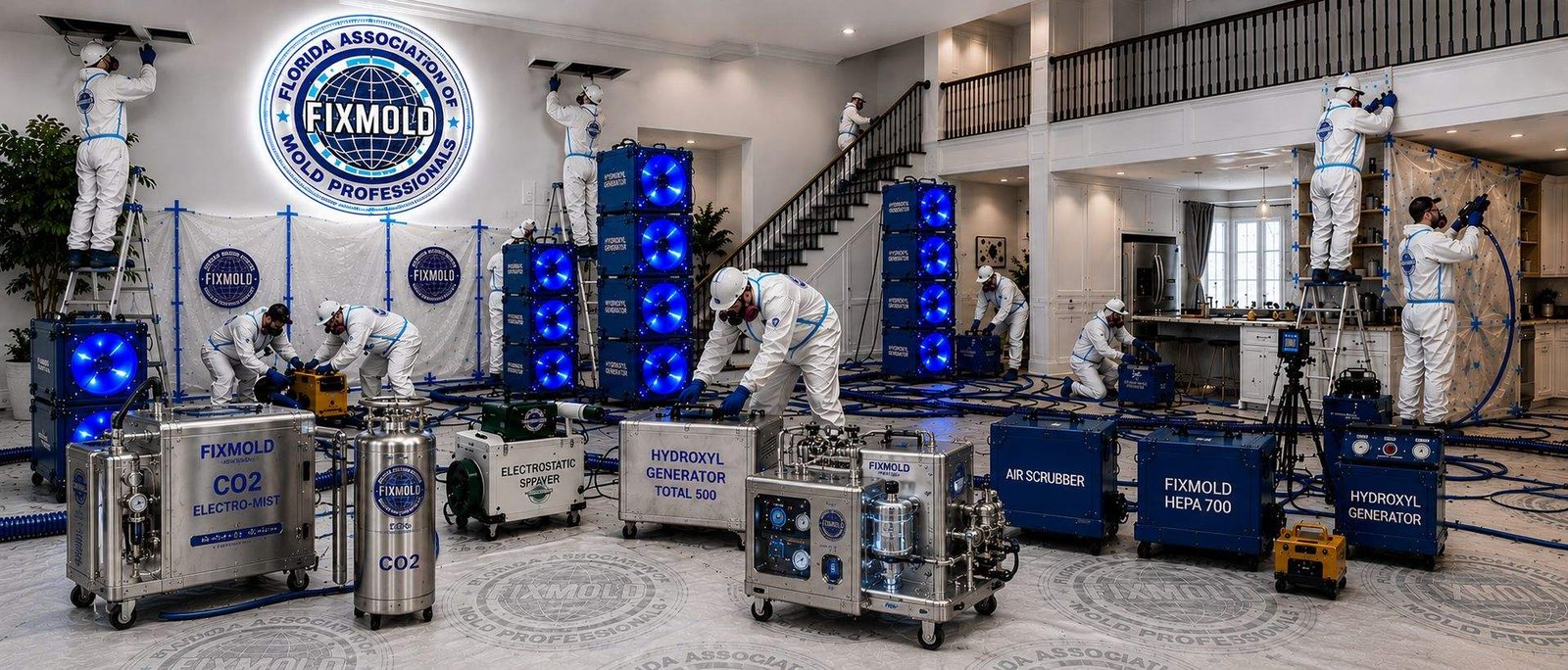
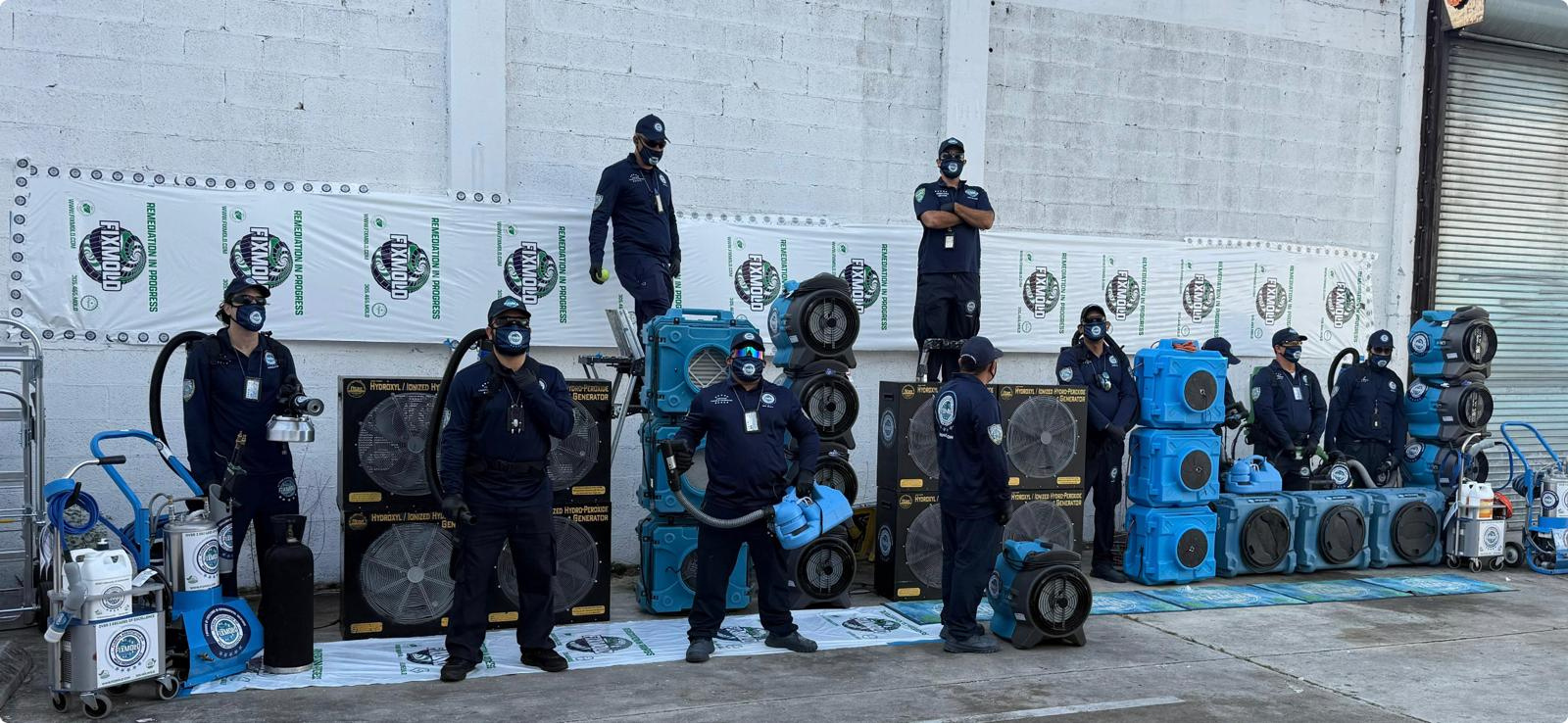
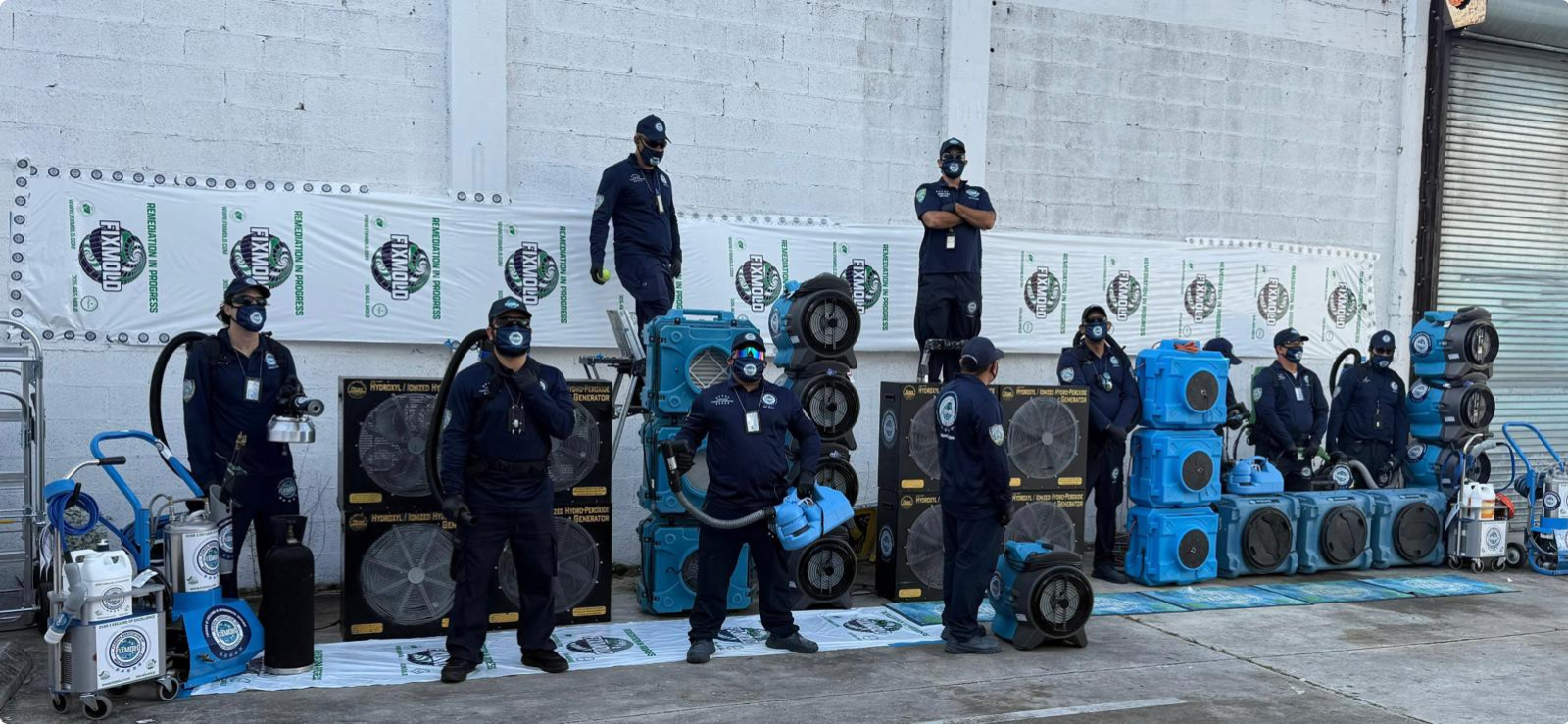
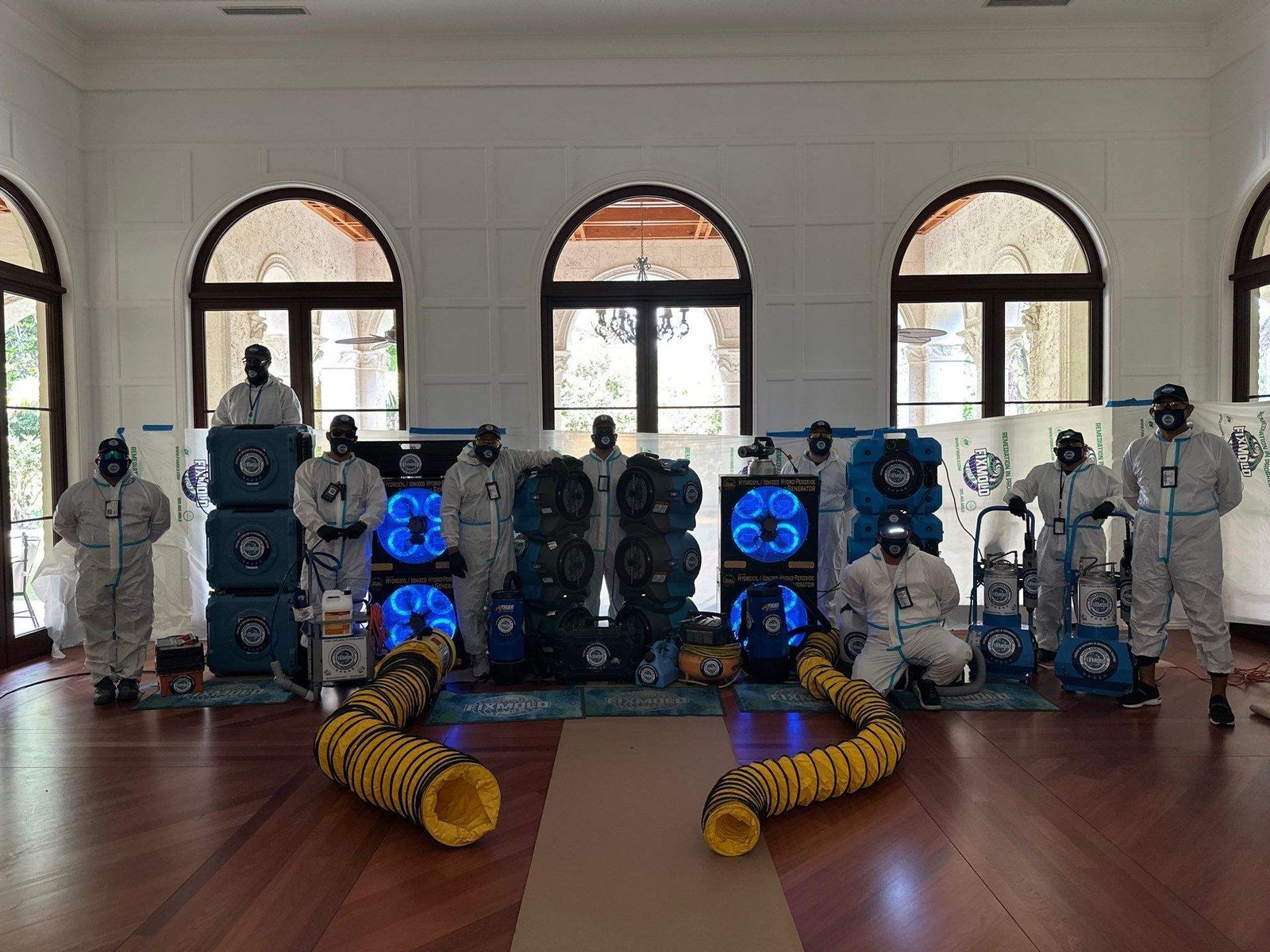
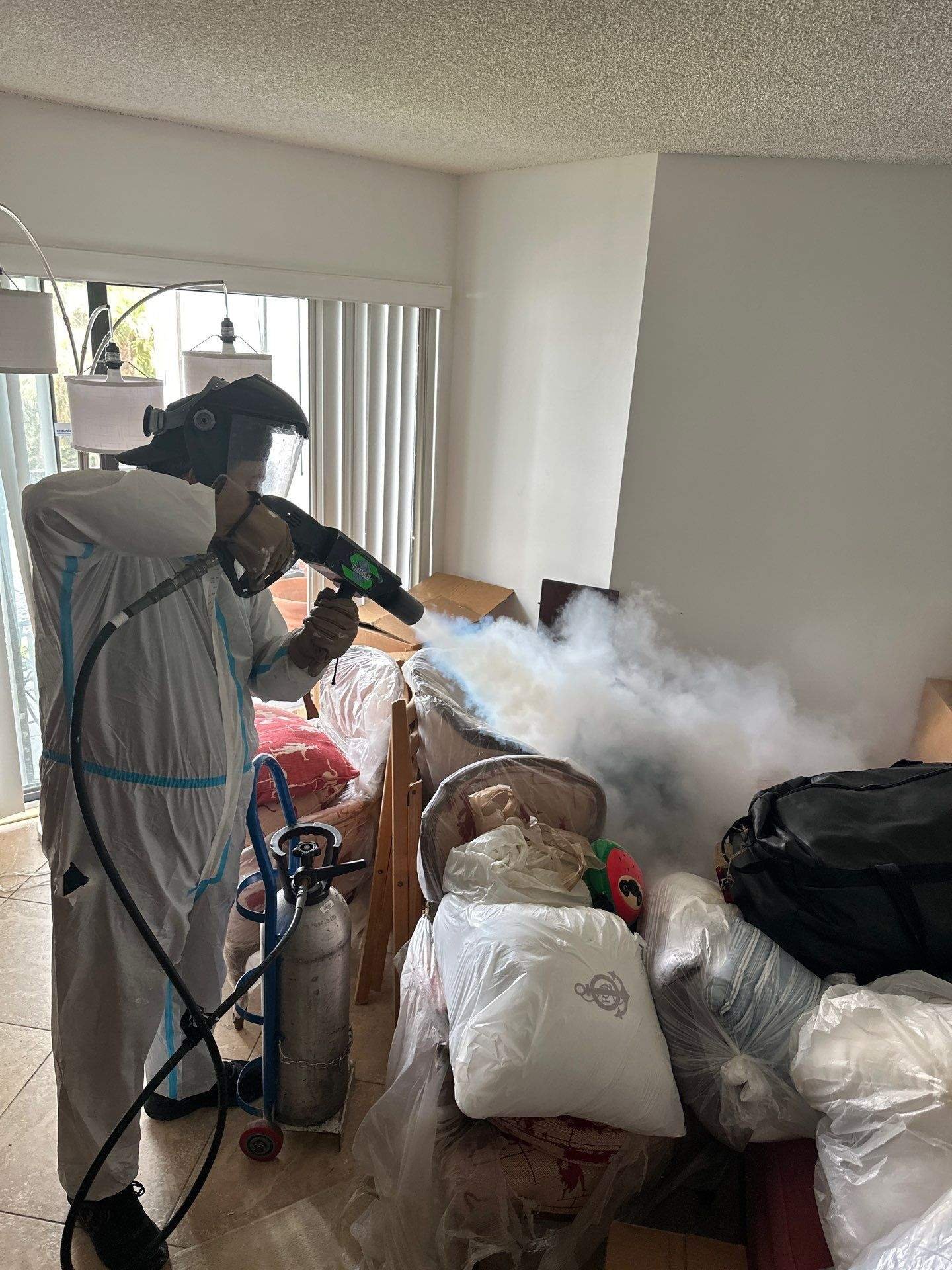
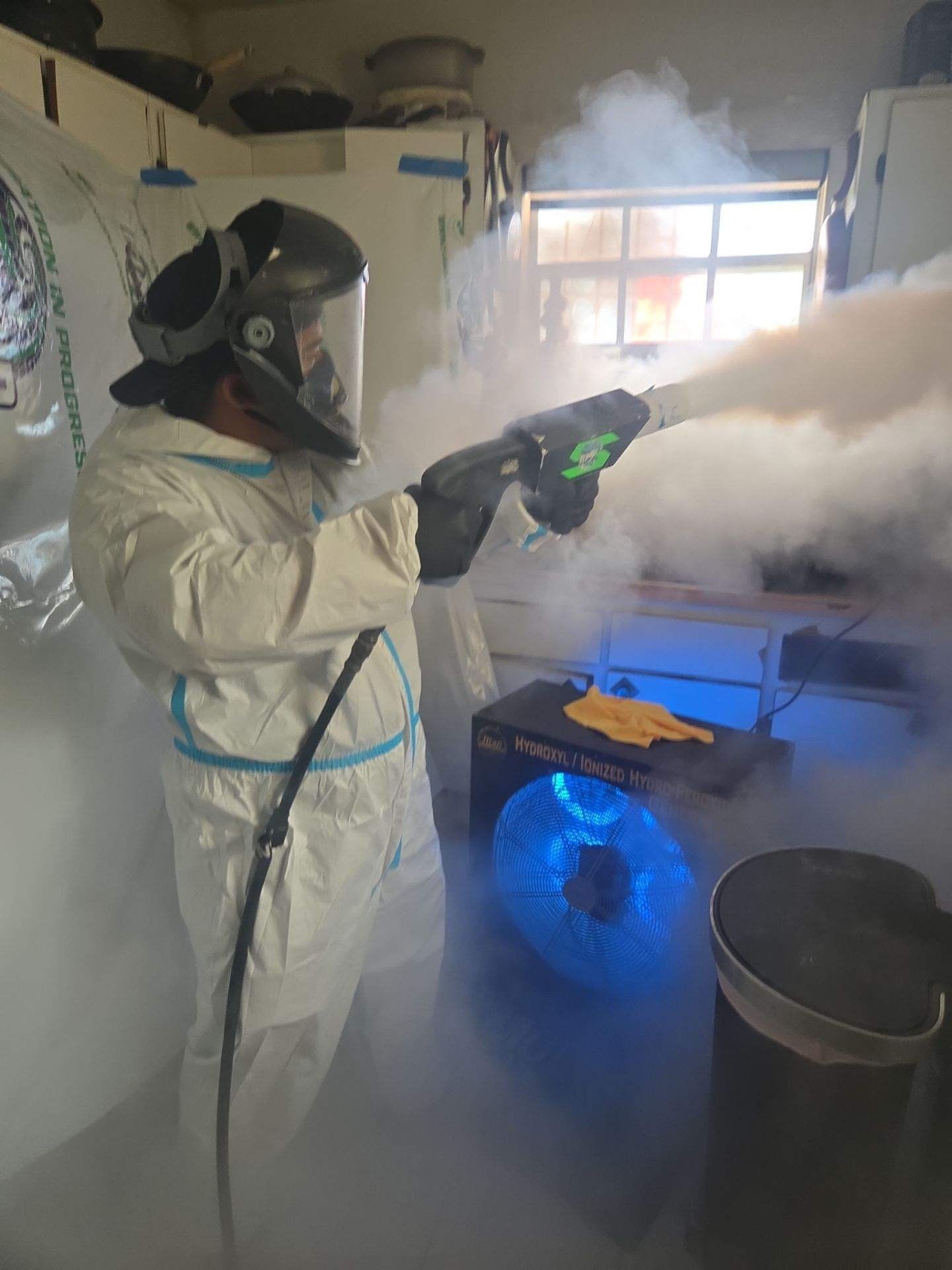
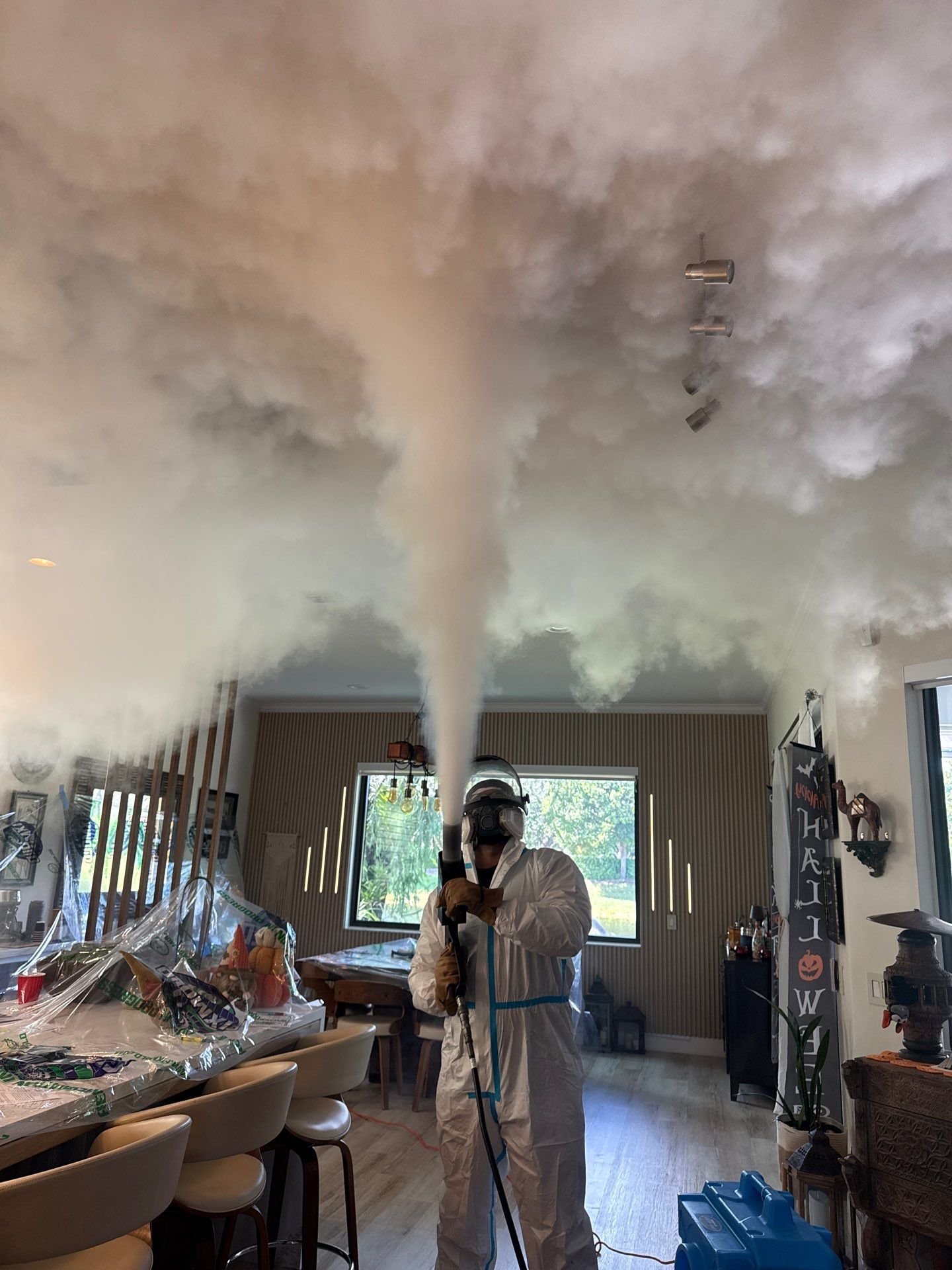
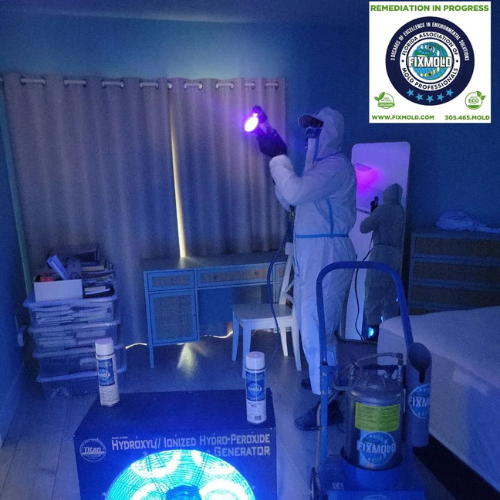
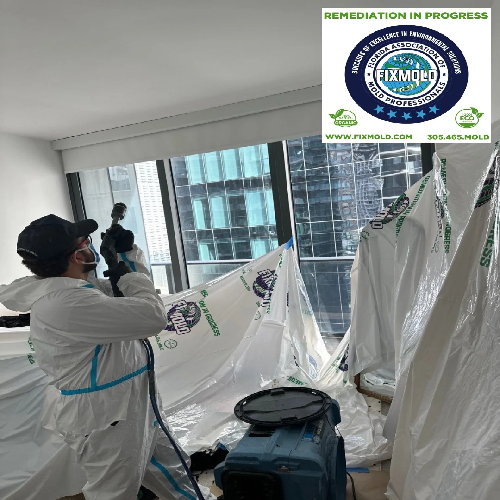
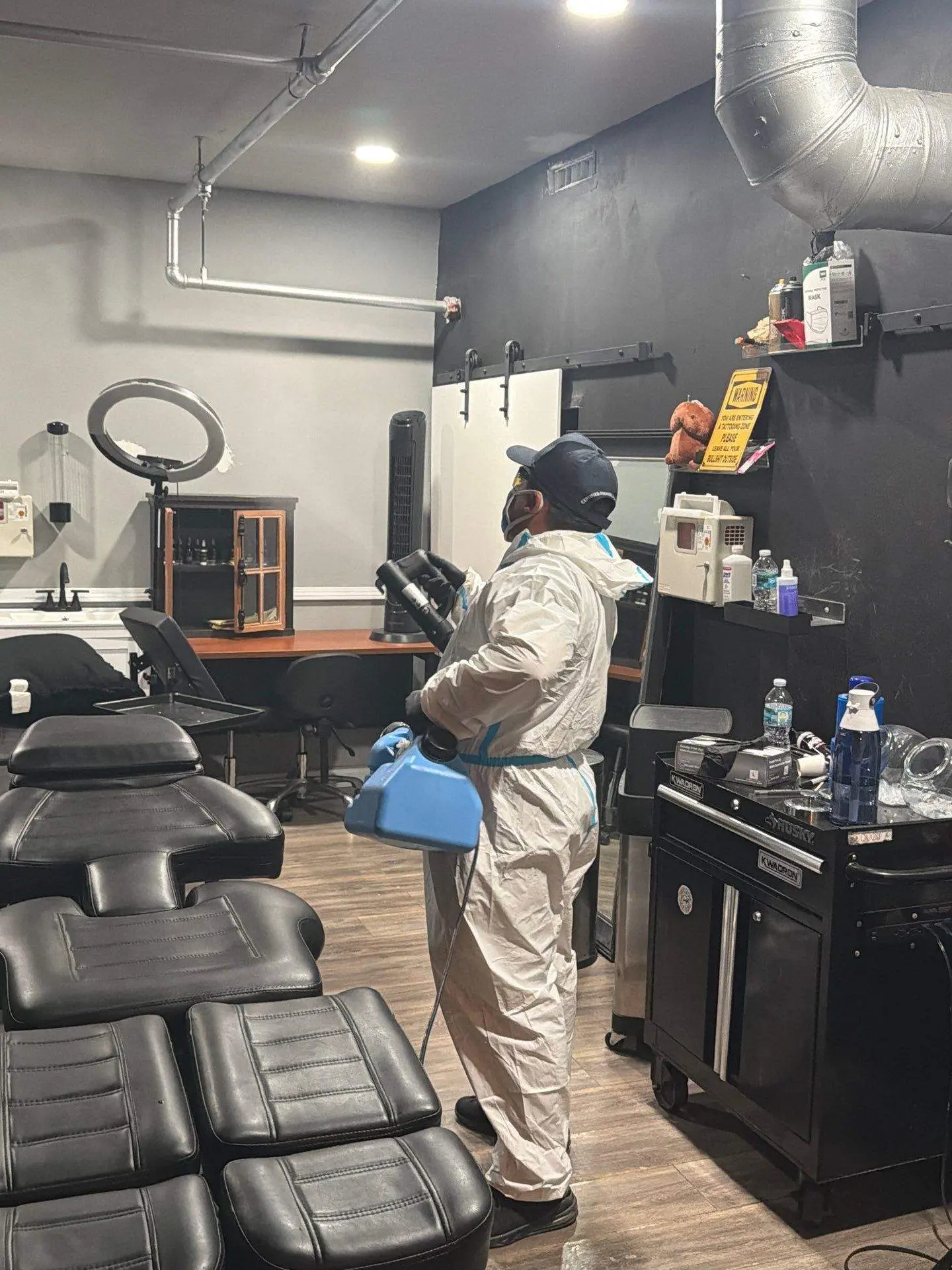
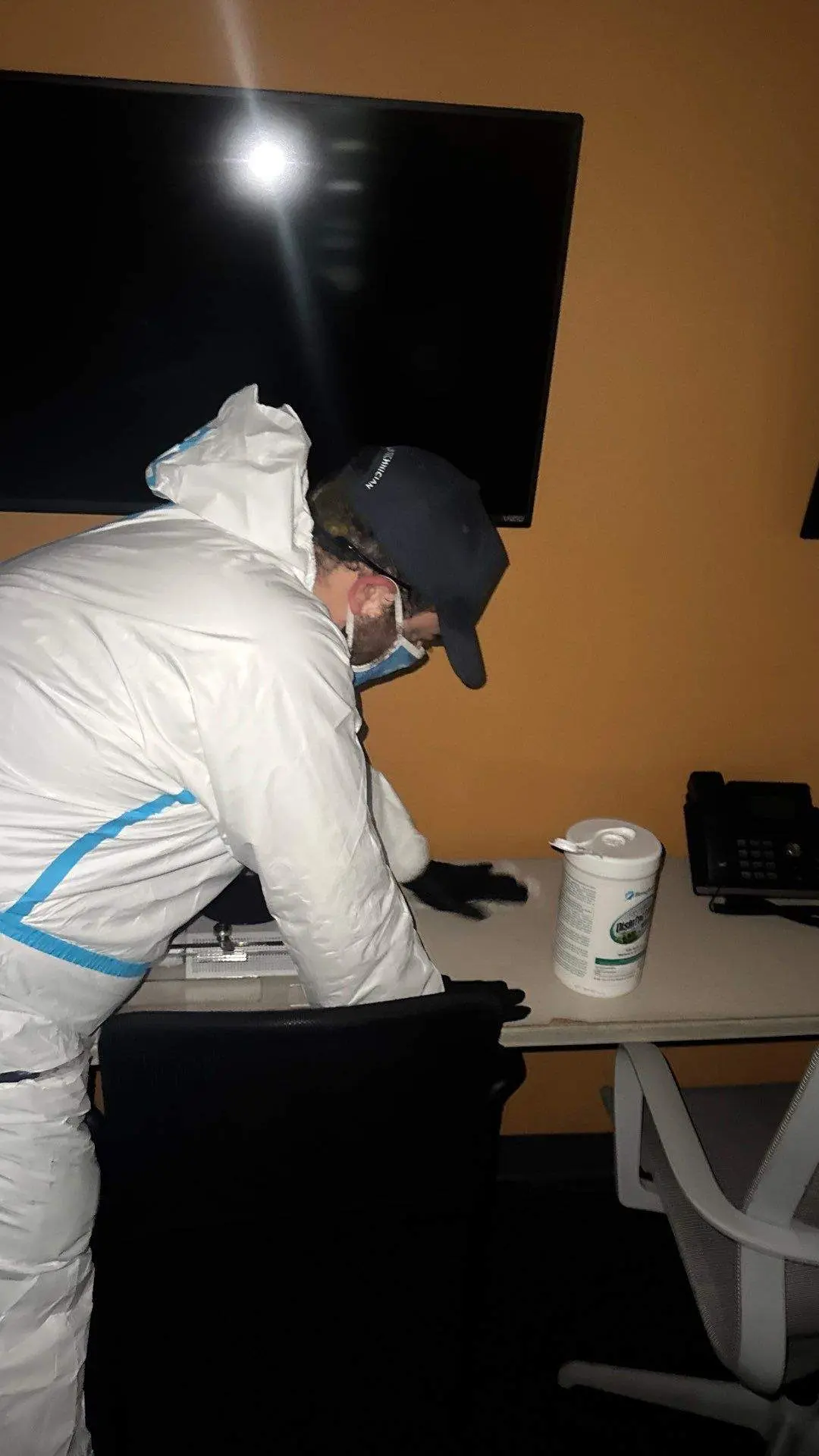
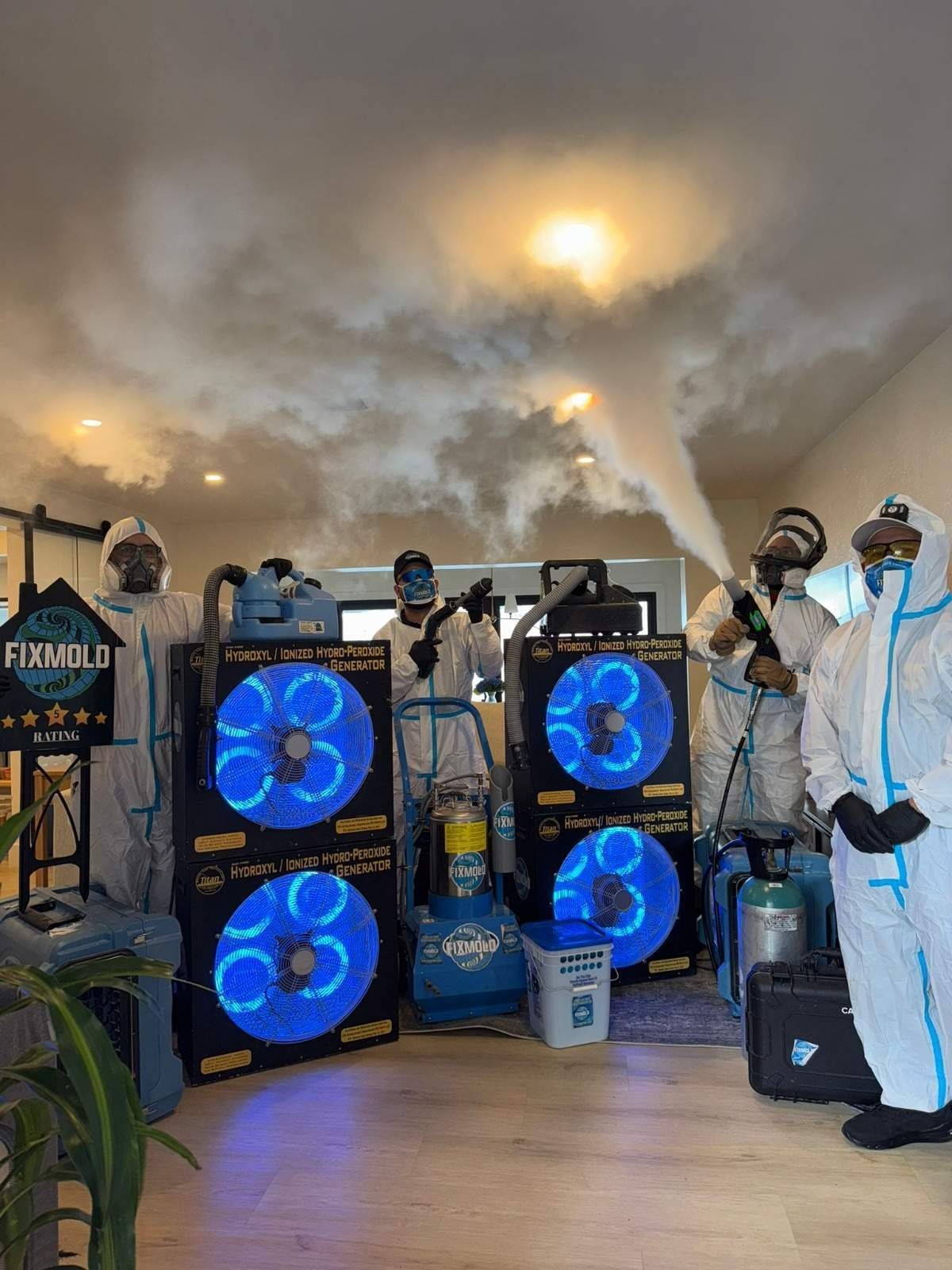
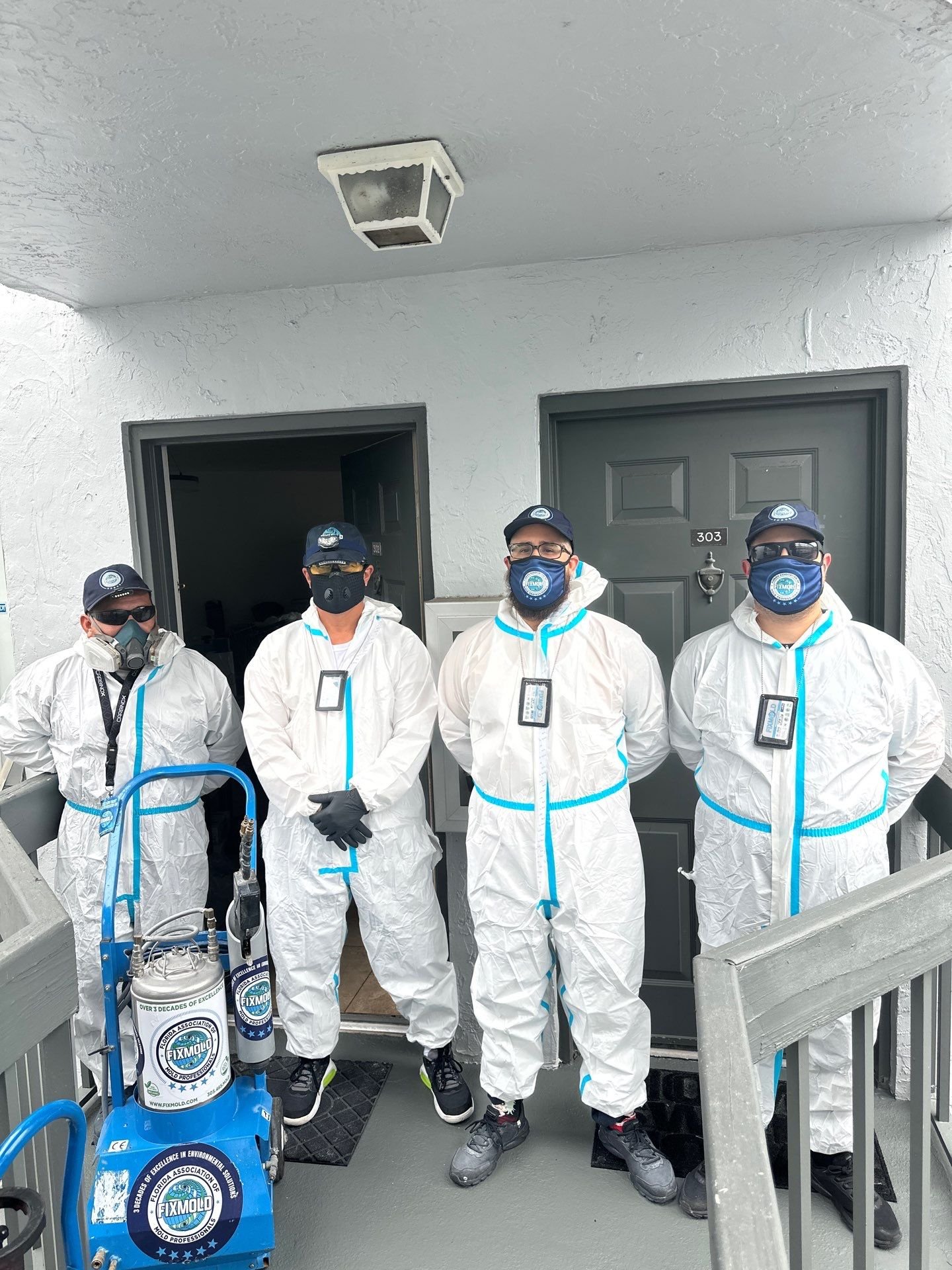
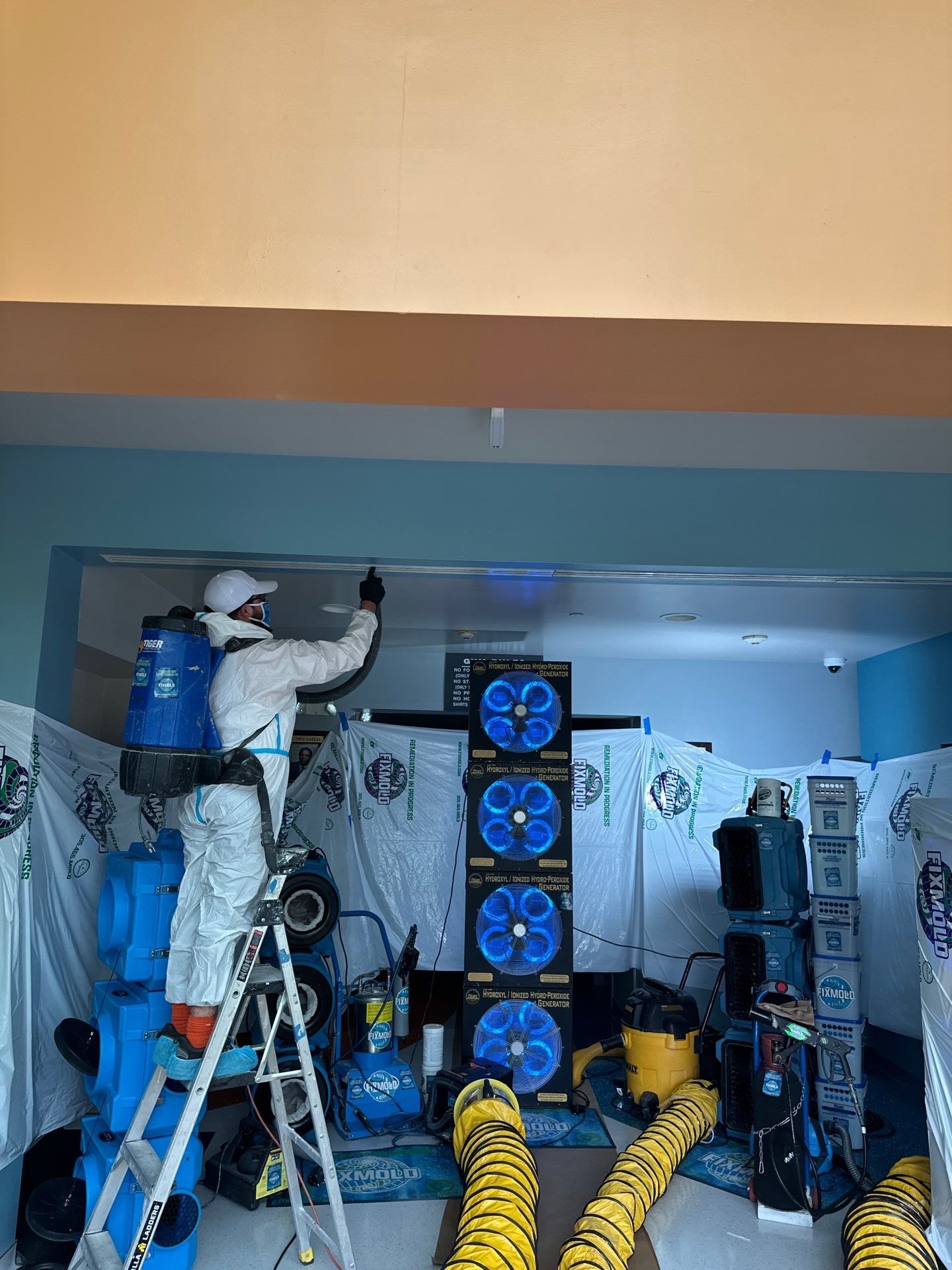
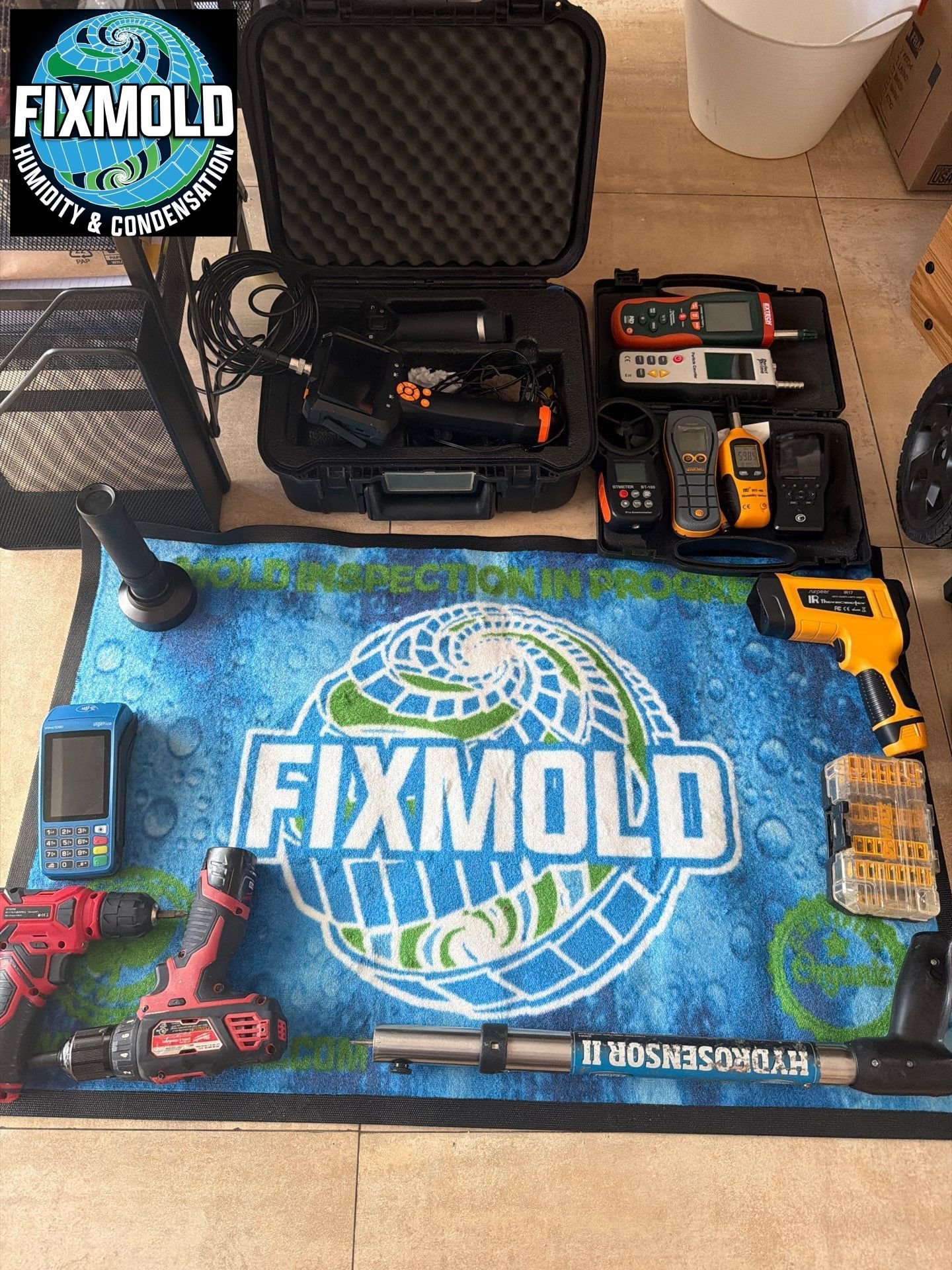
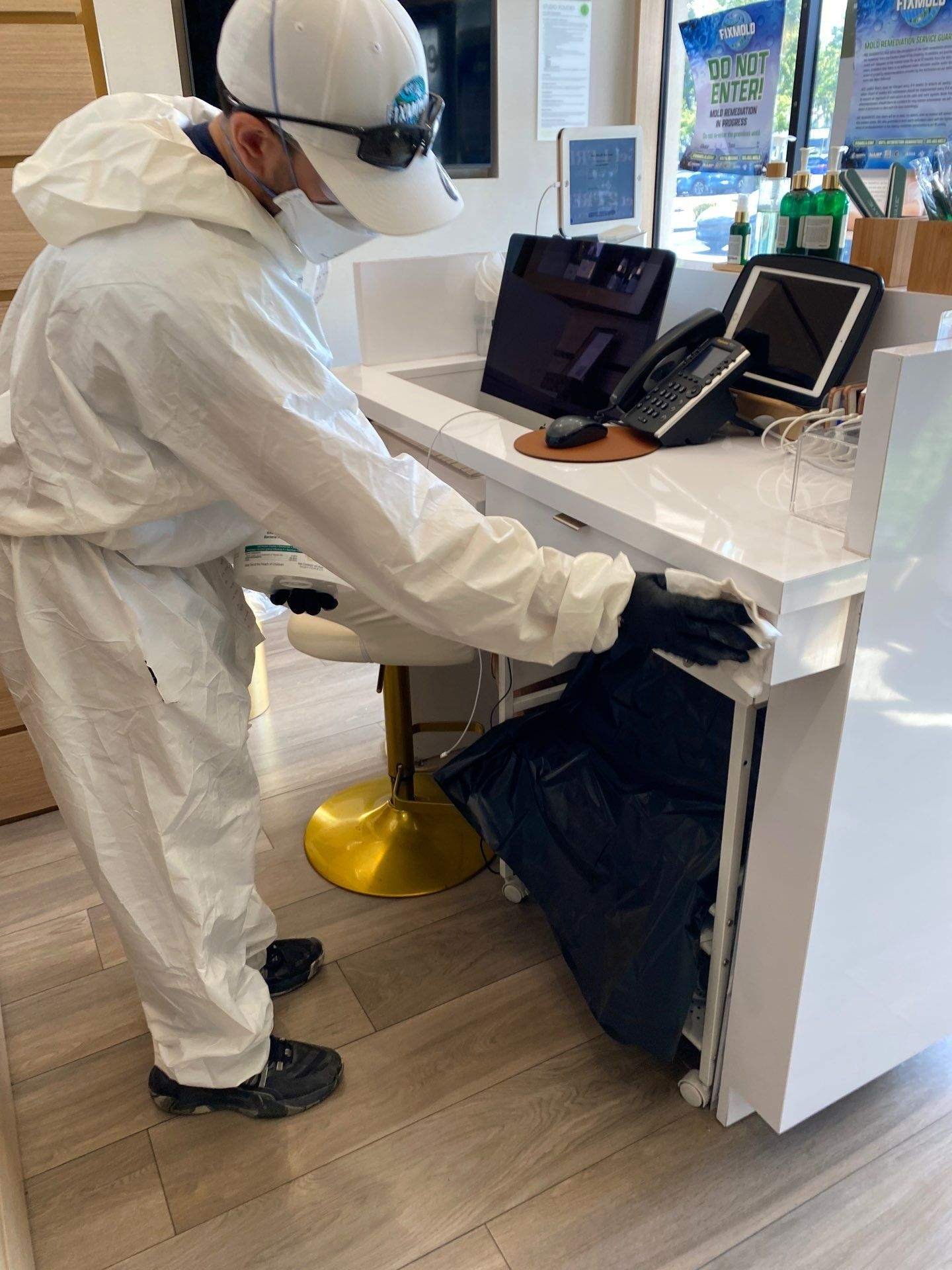
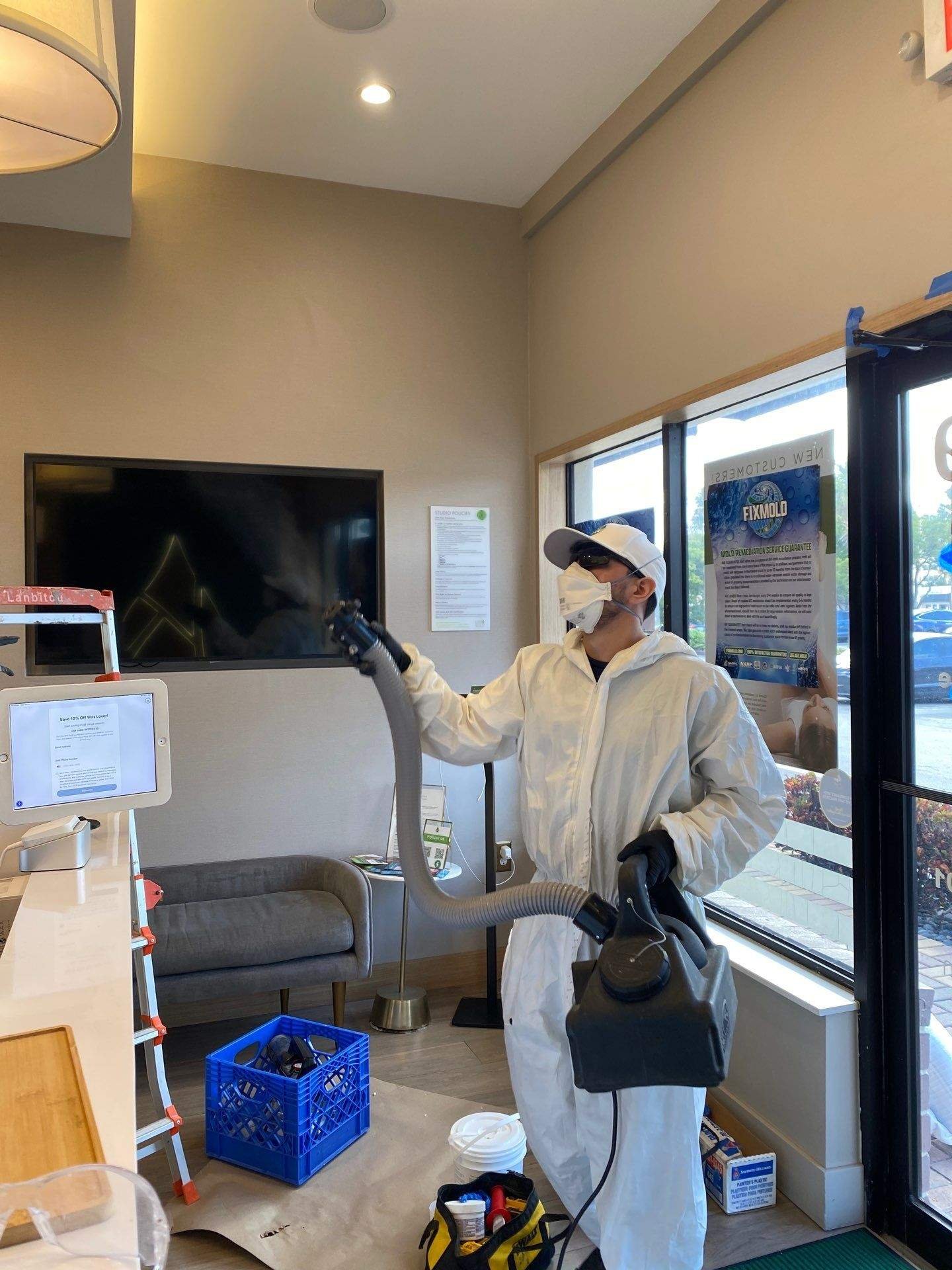
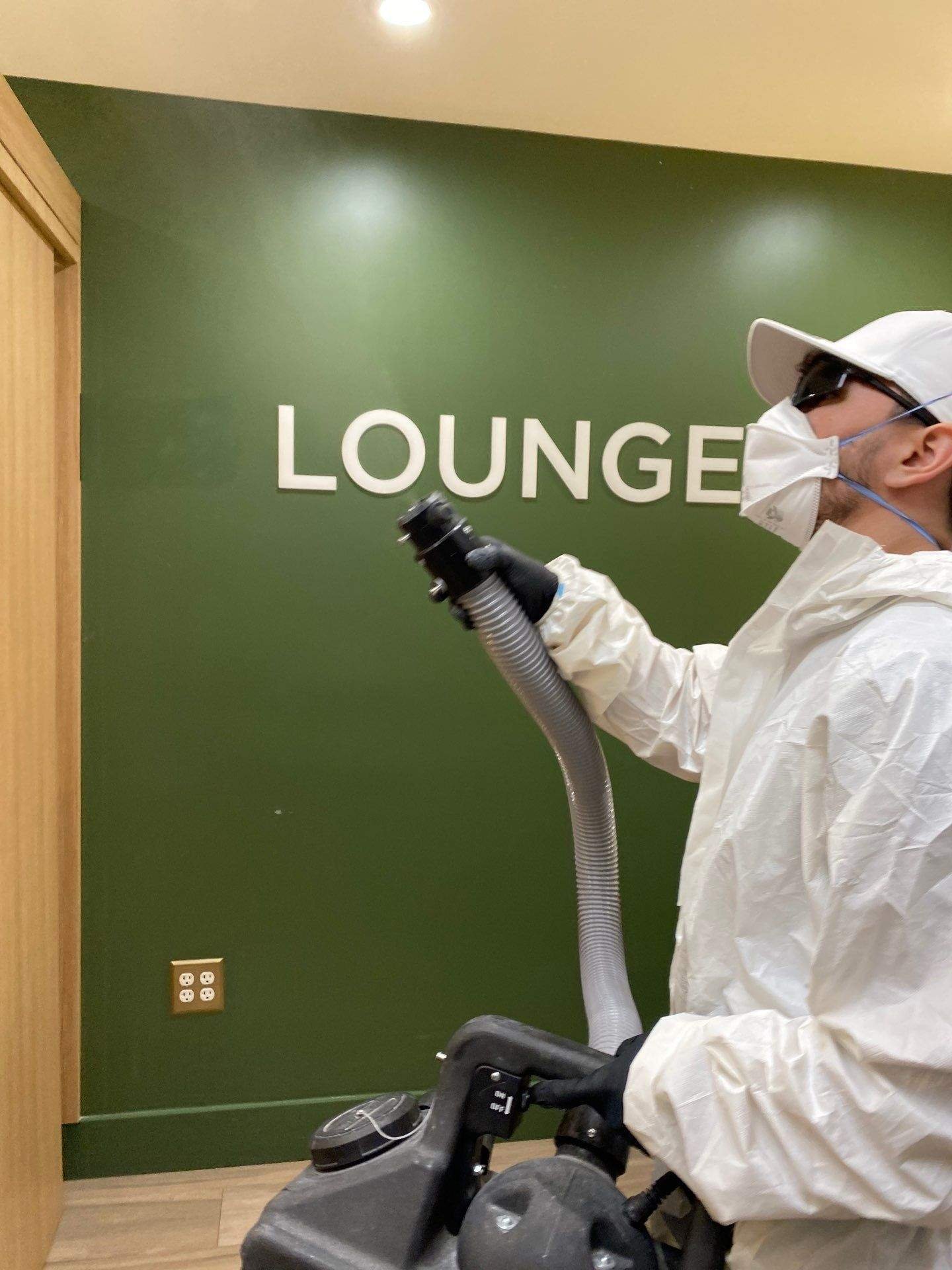
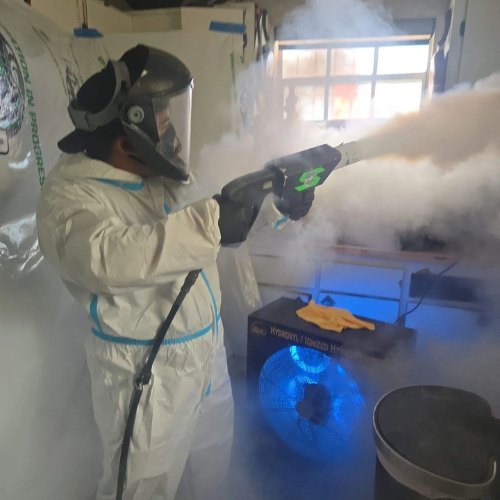
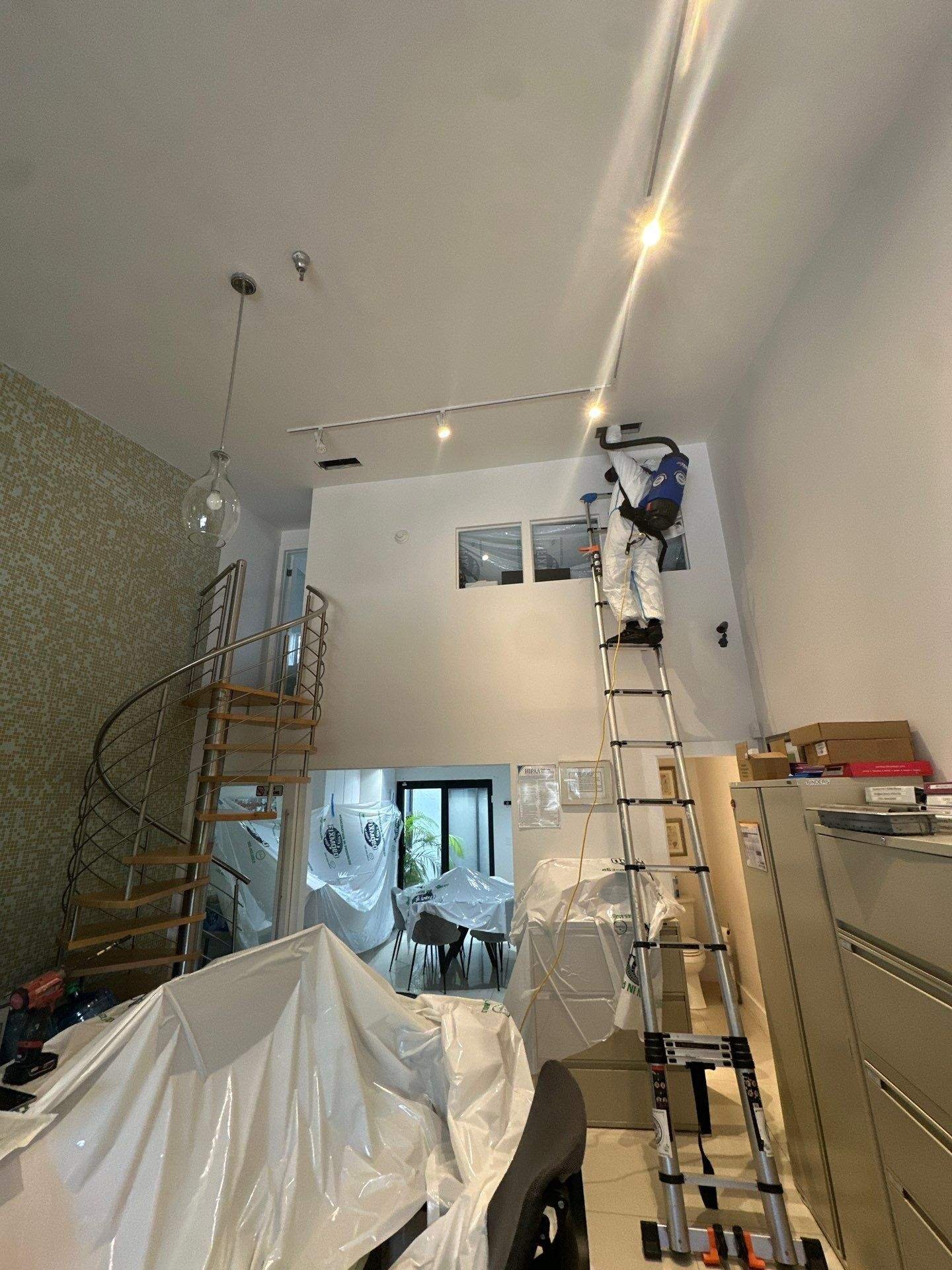
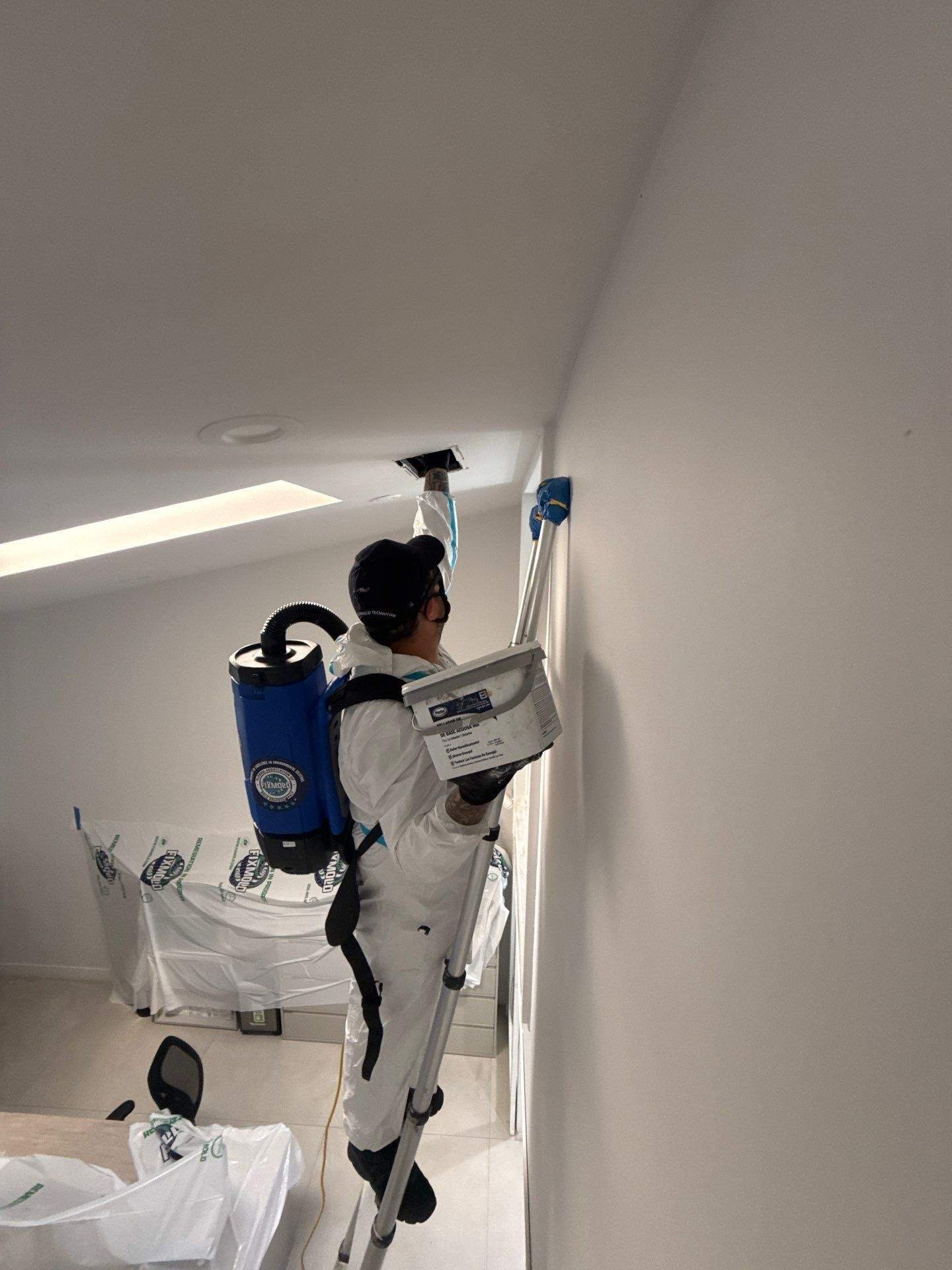
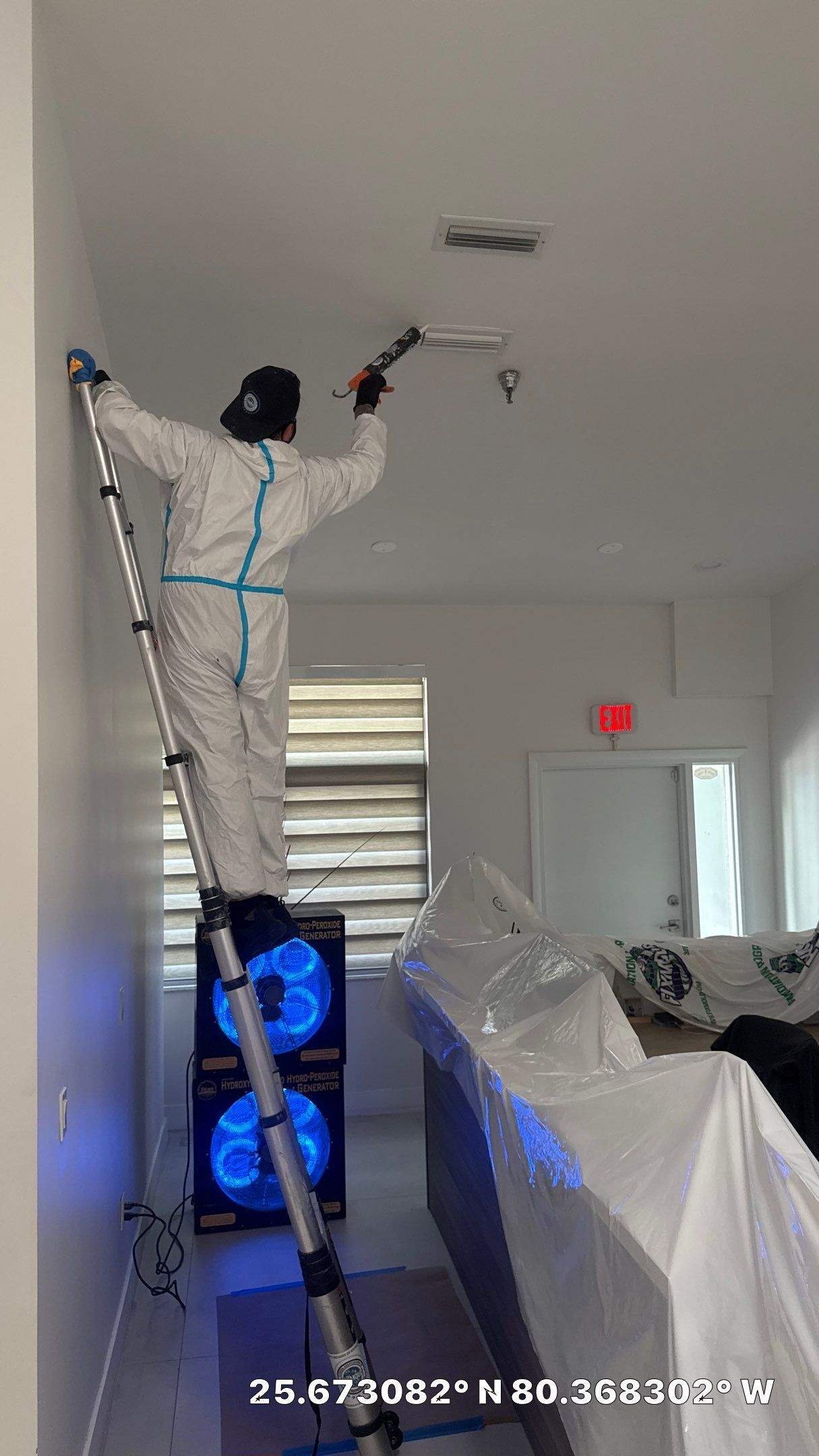
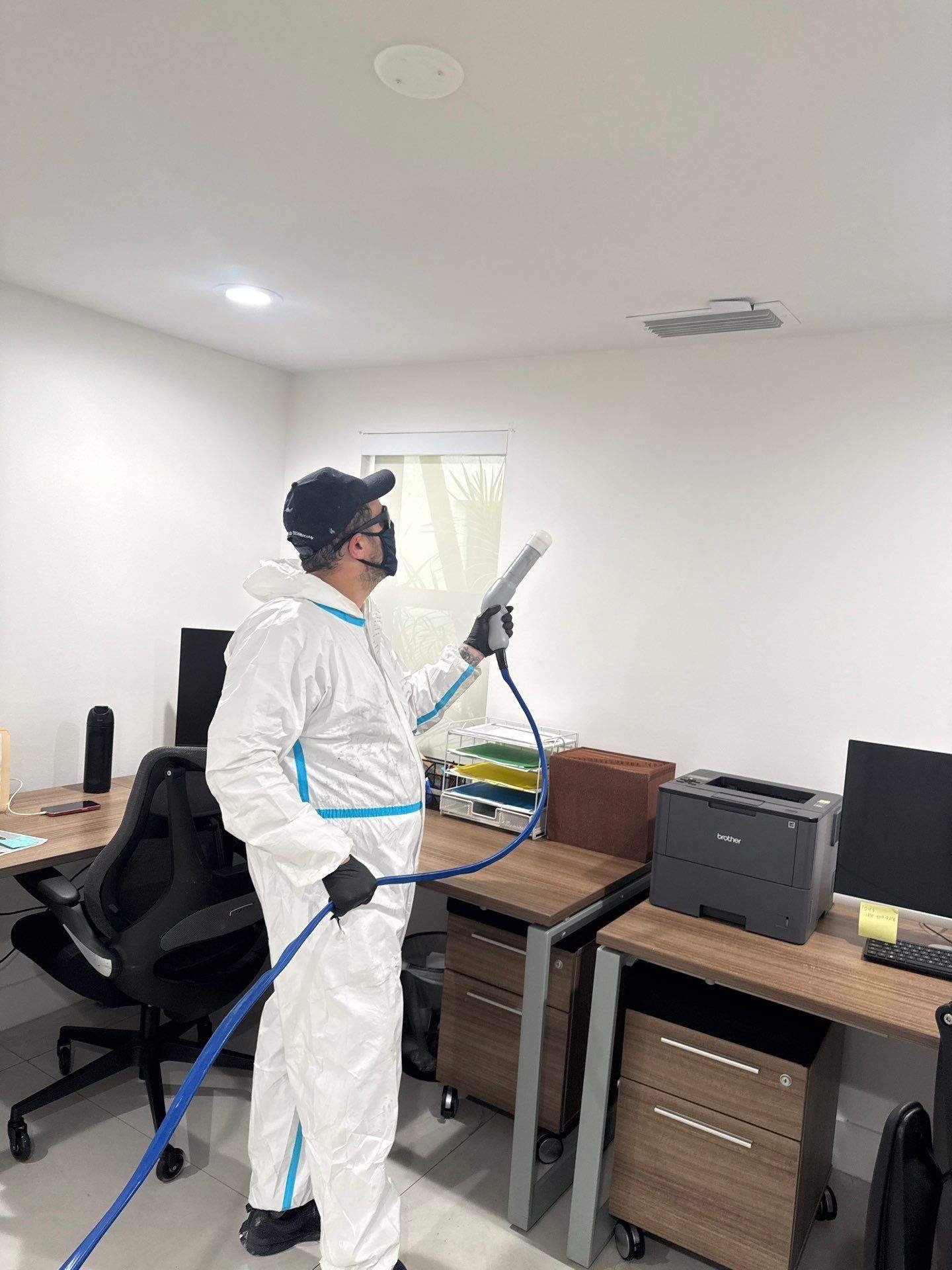
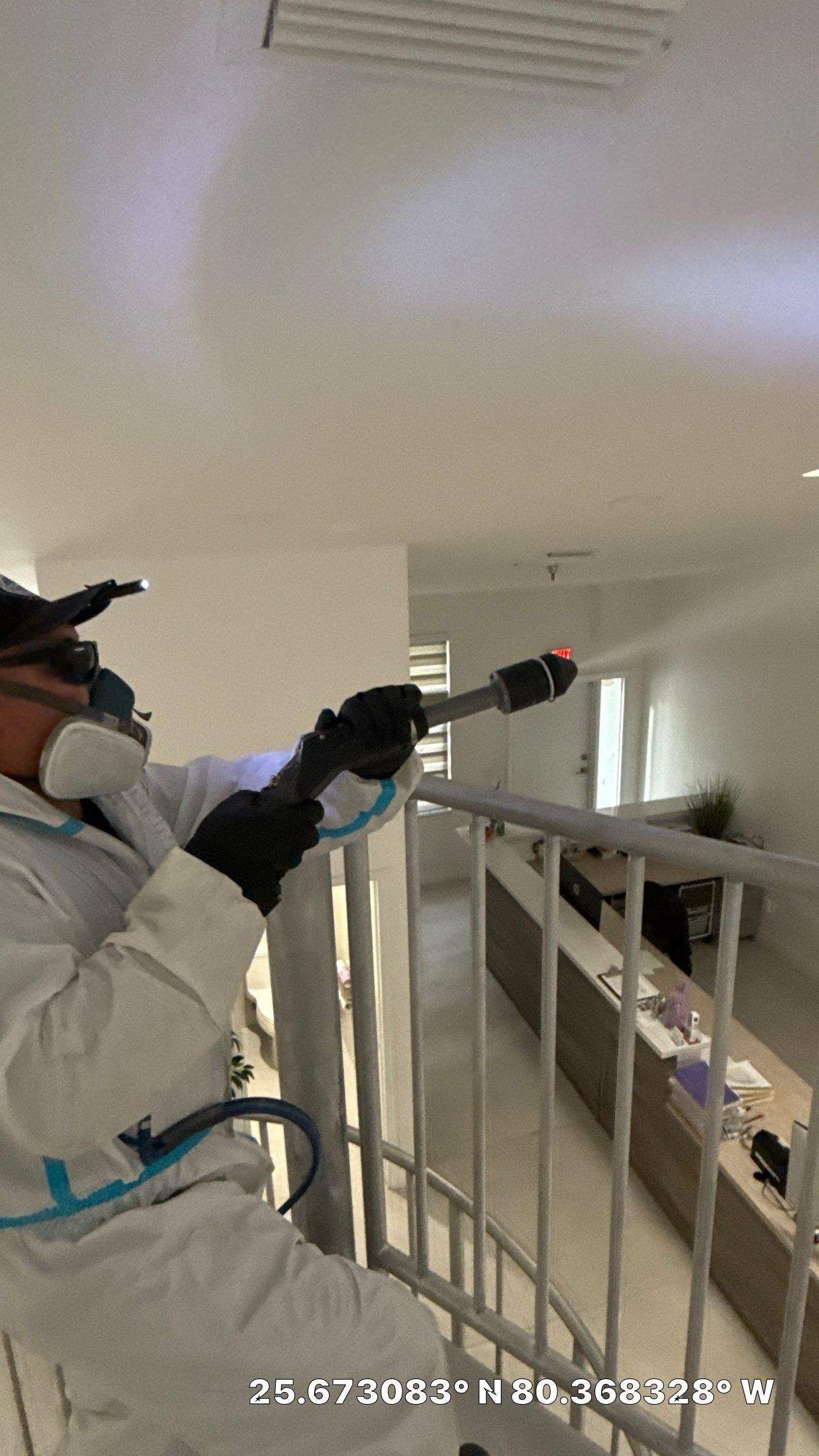
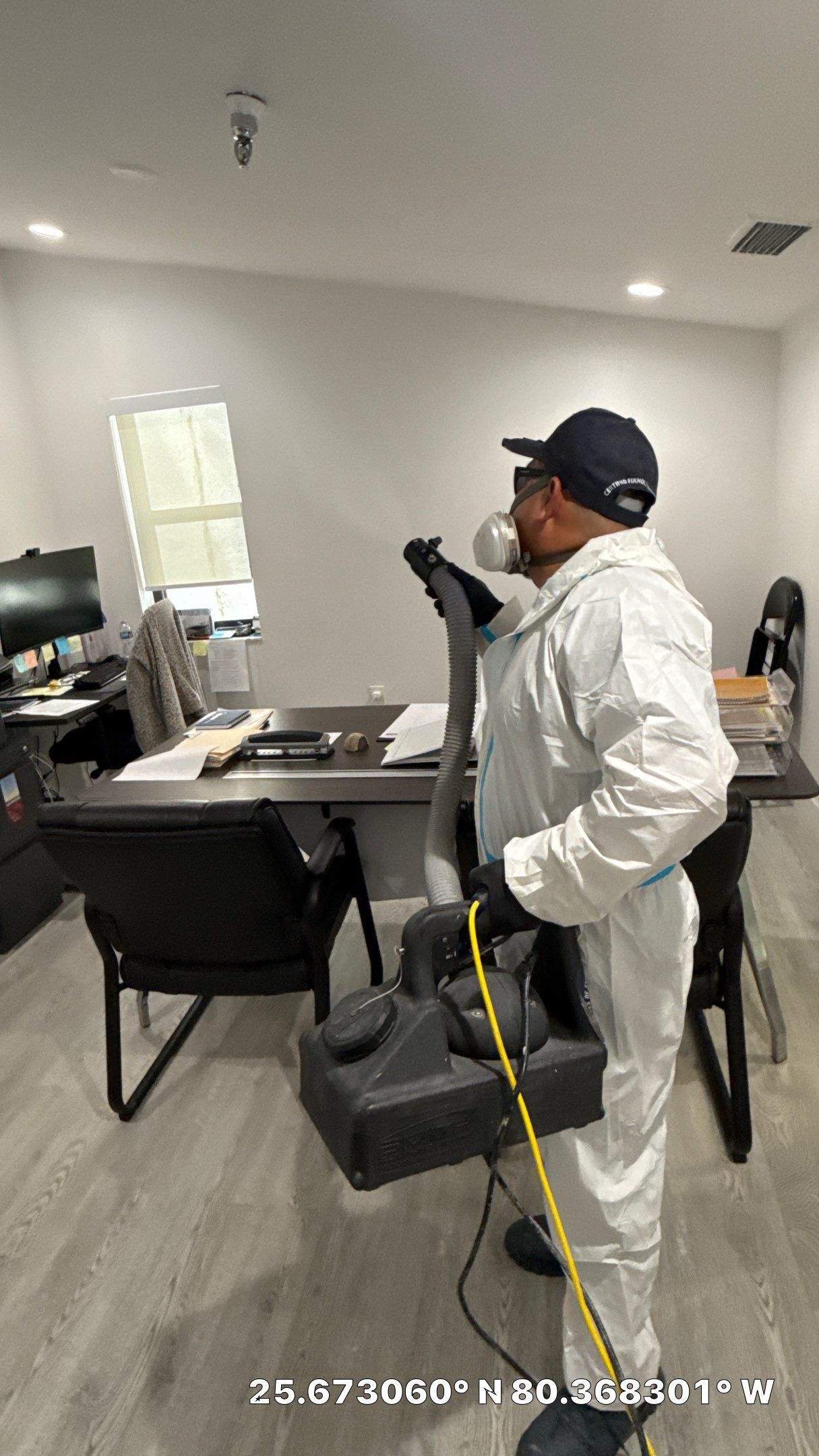
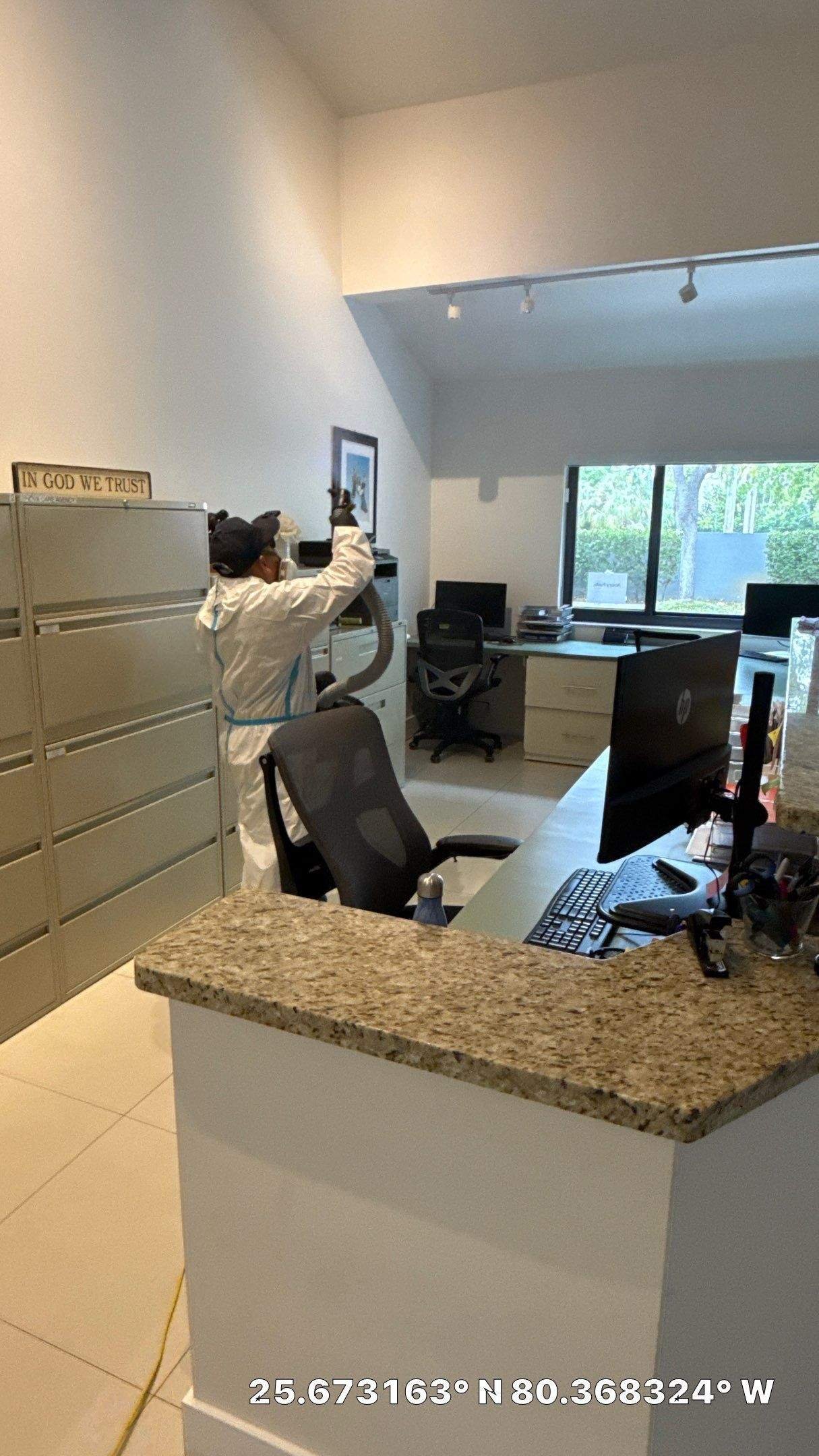
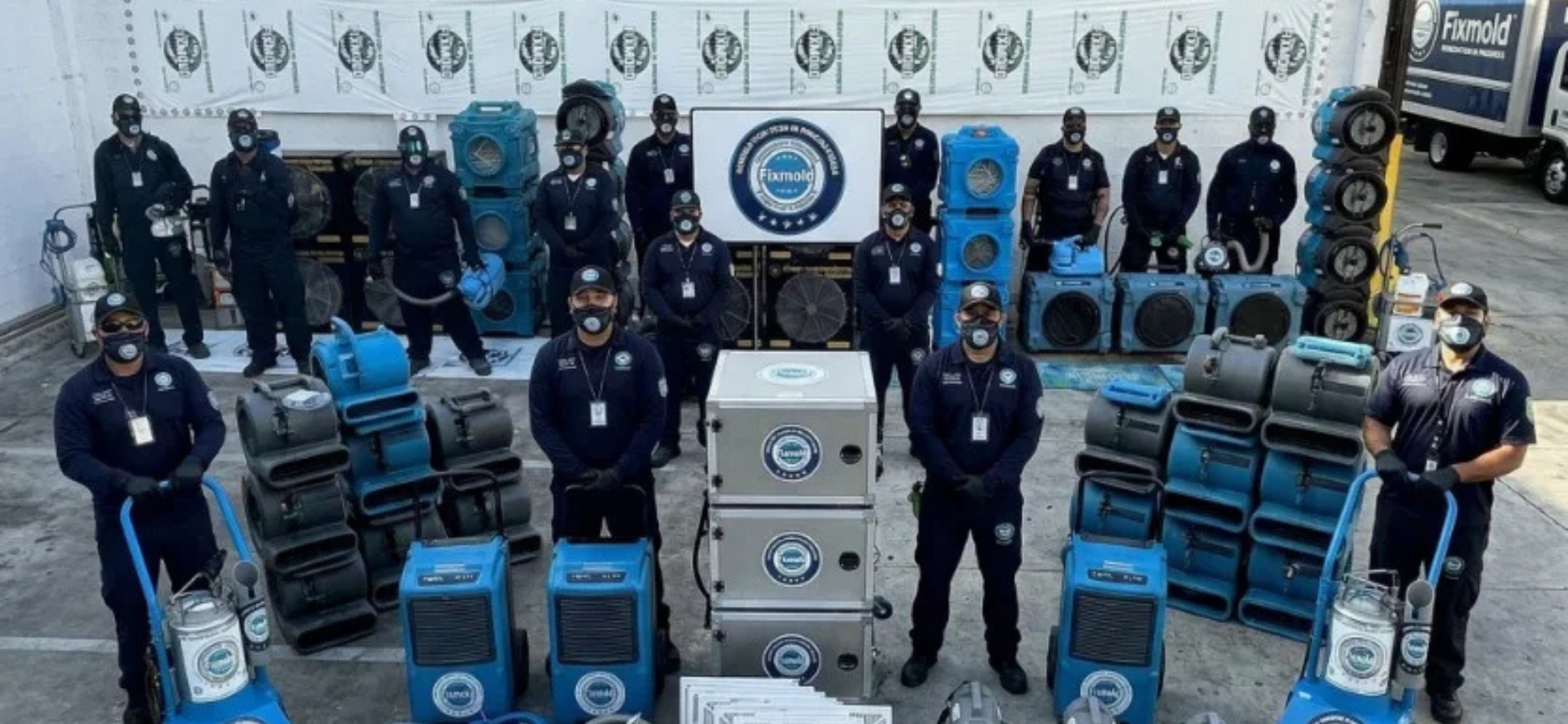
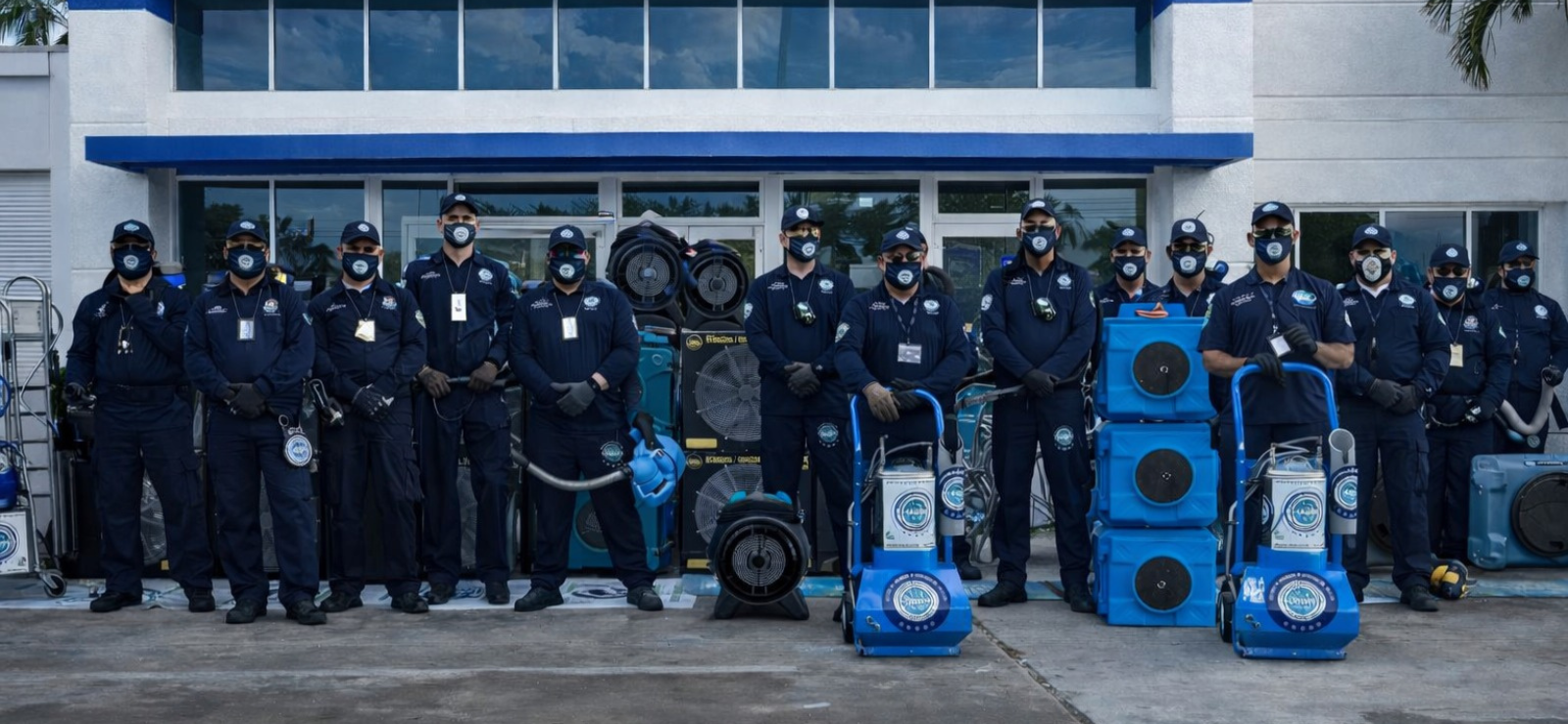
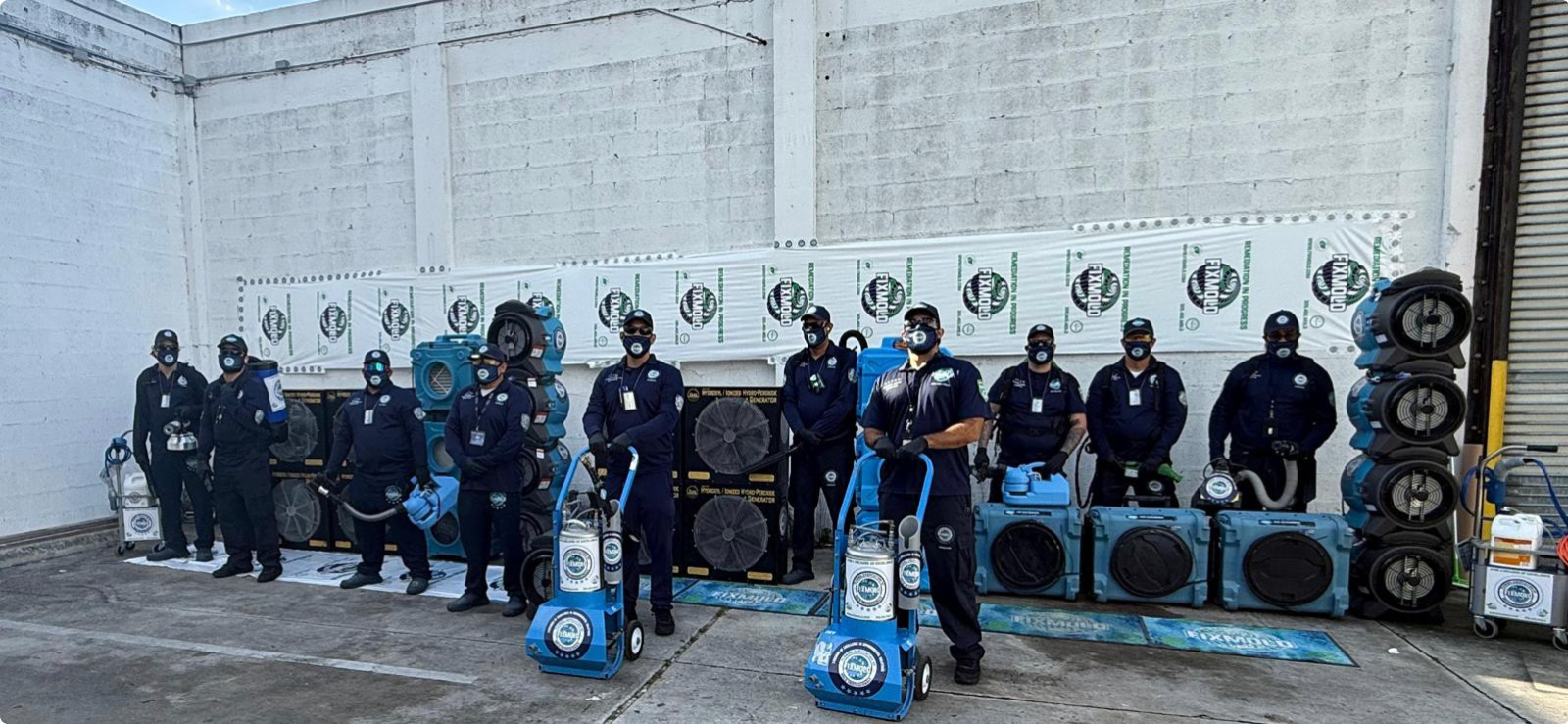
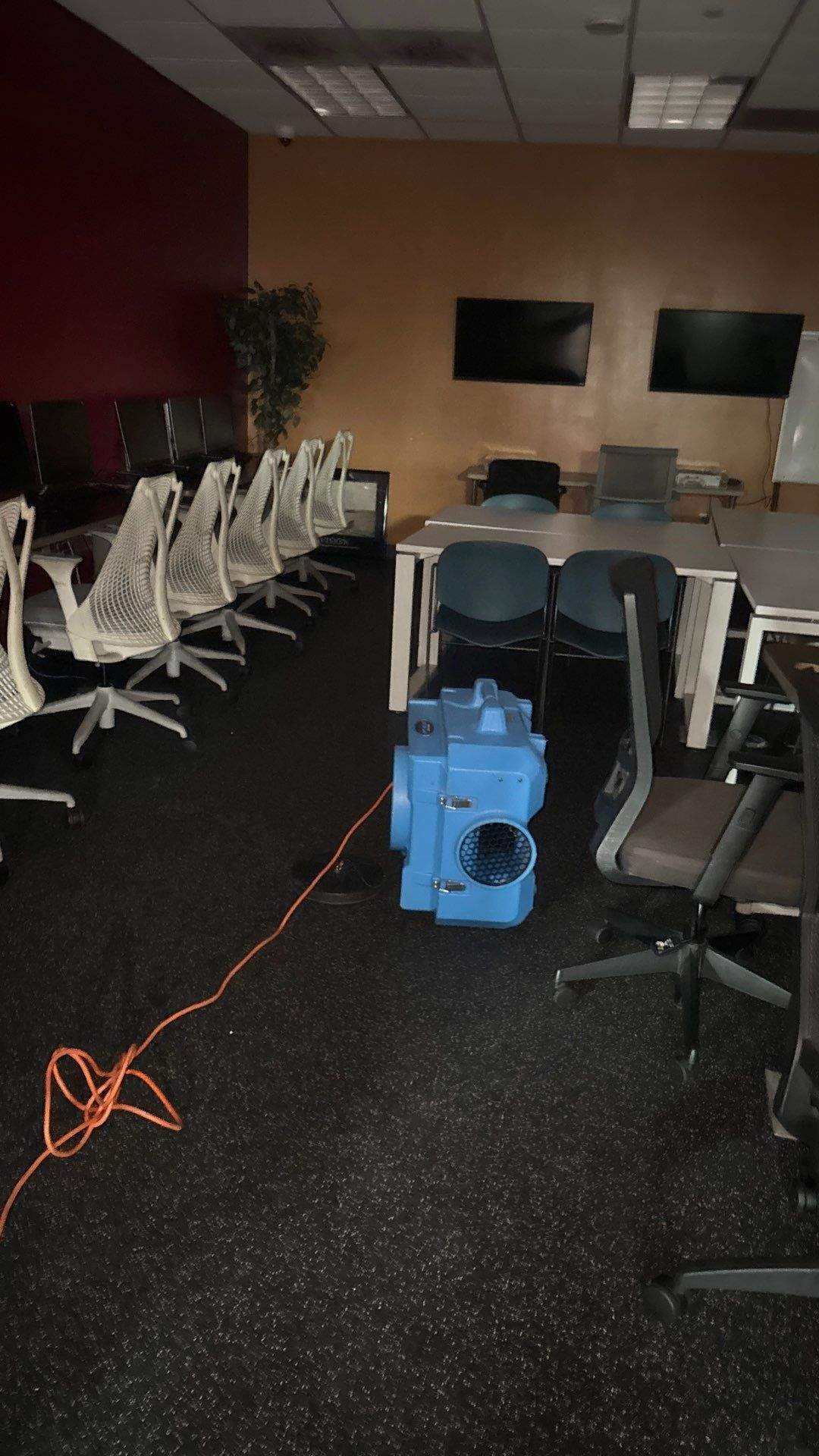
Professional remediation often includes moisture detection, thermal imaging, humidity evaluation, containment procedures, HEPA air filtration, structural drying, and remediation of contaminated materials. The goal is to address both the contamination itself and the environmental conditions that allowed it to develop.
Many recurring mold problems happen because only the visible growth was treated while the underlying moisture source remained active. Roof leaks, plumbing leaks, attic humidity, AC condensation, and poor ventilation are common causes of repeated contamination throughout South Florida homes and commercial properties.
Long-term remediation focuses on stabilizing the indoor environment rather than only cleaning the surface symptoms of the problem.
Miami’s climate creates ideal conditions for mold growth throughout the year. Elevated humidity, warm temperatures, heavy rainfall, tropical storms, coastal moisture exposure, and constant air conditioning use all contribute to ongoing moisture buildup inside homes and buildings.
Even without major flooding or leaks, humidity alone can create condensation around windows, vents, ductwork, and cooler building surfaces. Poor airflow, insulation problems, clogged AC drain lines, roof leaks, and plumbing issues further increase the likelihood of hidden moisture accumulation.
Attics, crawlspaces, laundry rooms, bathrooms, closets, and HVAC systems are especially vulnerable in South Florida homes because these areas often trap humidity and experience limited ventilation. Waterfront properties and high-rise condos may also experience increased moisture exposure due to salt air and enclosed building designs.
Many homes throughout Miami Beach, Coral Gables, Kendall, Pinecrest, Brickell, and surrounding areas develop hidden mold behind walls or inside ceilings long before visible staining appears. Musty odors, recurring humidity, peeling paint, and worsening indoor air quality are often early warning signs.
Because moisture conditions remain elevated for much of the year, proper humidity control and environmental management are extremely important in South Florida properties.
Yes. Visible mold growth may represent only a small portion of the actual contamination present inside the structure. Mold spores and airborne particles can circulate through indoor air systems even when visible growth appears limited to one area.
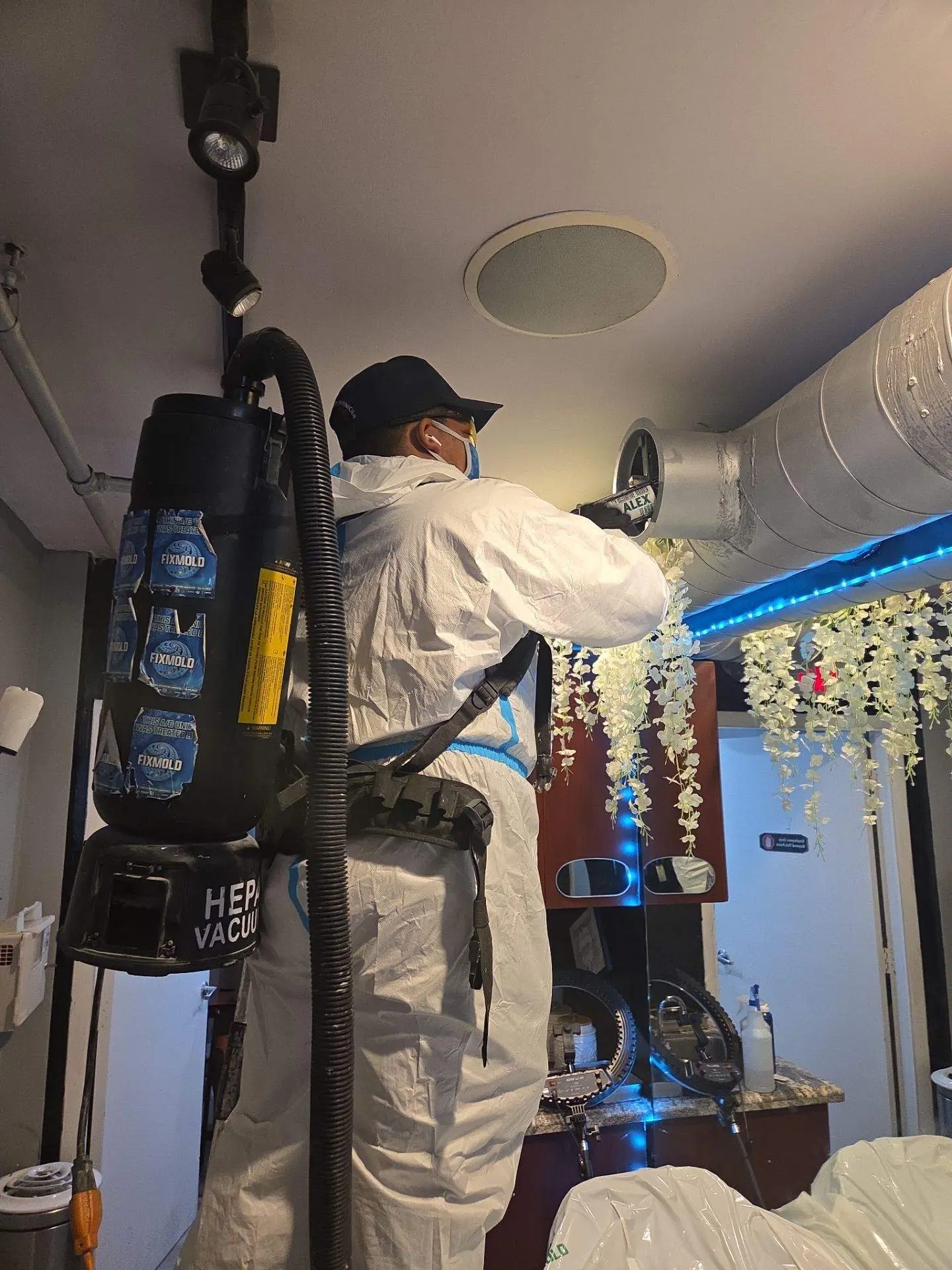
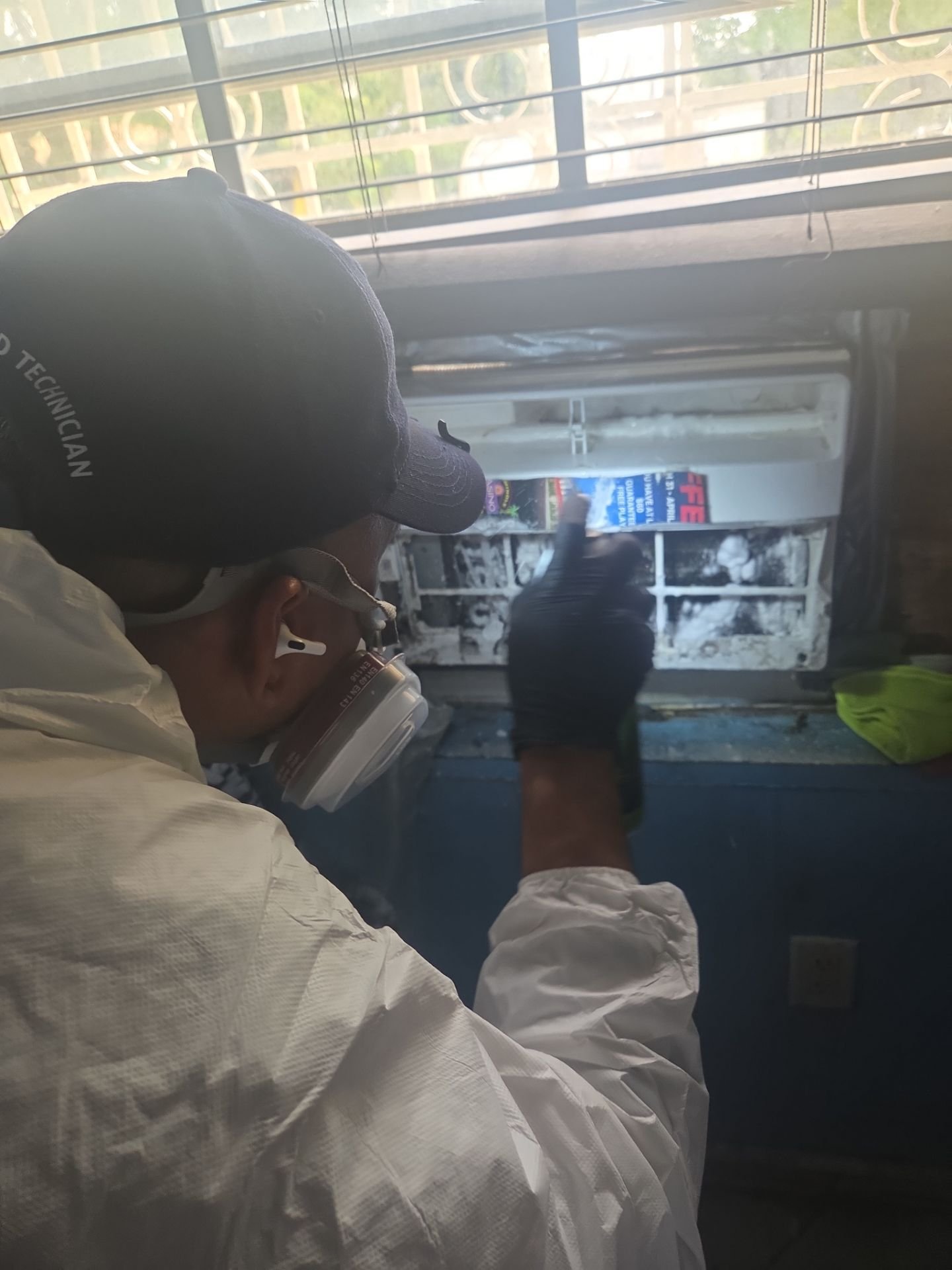
In Miami homes and commercial buildings, contamination frequently develops behind walls, inside ductwork, above ceilings, beneath flooring, or within attic insulation where it remains hidden. HVAC systems can distribute airborne particles throughout the property whenever the air conditioning system operates.
Occupants sometimes notice congestion, headaches, respiratory irritation, musty odors, or worsening allergies even when visible mold appears minor. Indoor air quality concerns often relate more to airborne particle circulation and hidden moisture conditions than to the amount of visible staining alone.
Professional remediation and environmental testing help determine whether contamination has spread beyond visible areas. Air sampling, moisture mapping, thermal imaging, and HVAC inspection may all be used to evaluate indoor environmental conditions.
Because South Florida properties remain exposed to high humidity year-round, even small moisture issues can contribute to larger indoor air quality concerns if hidden contamination continues spreading through enclosed structural spaces.
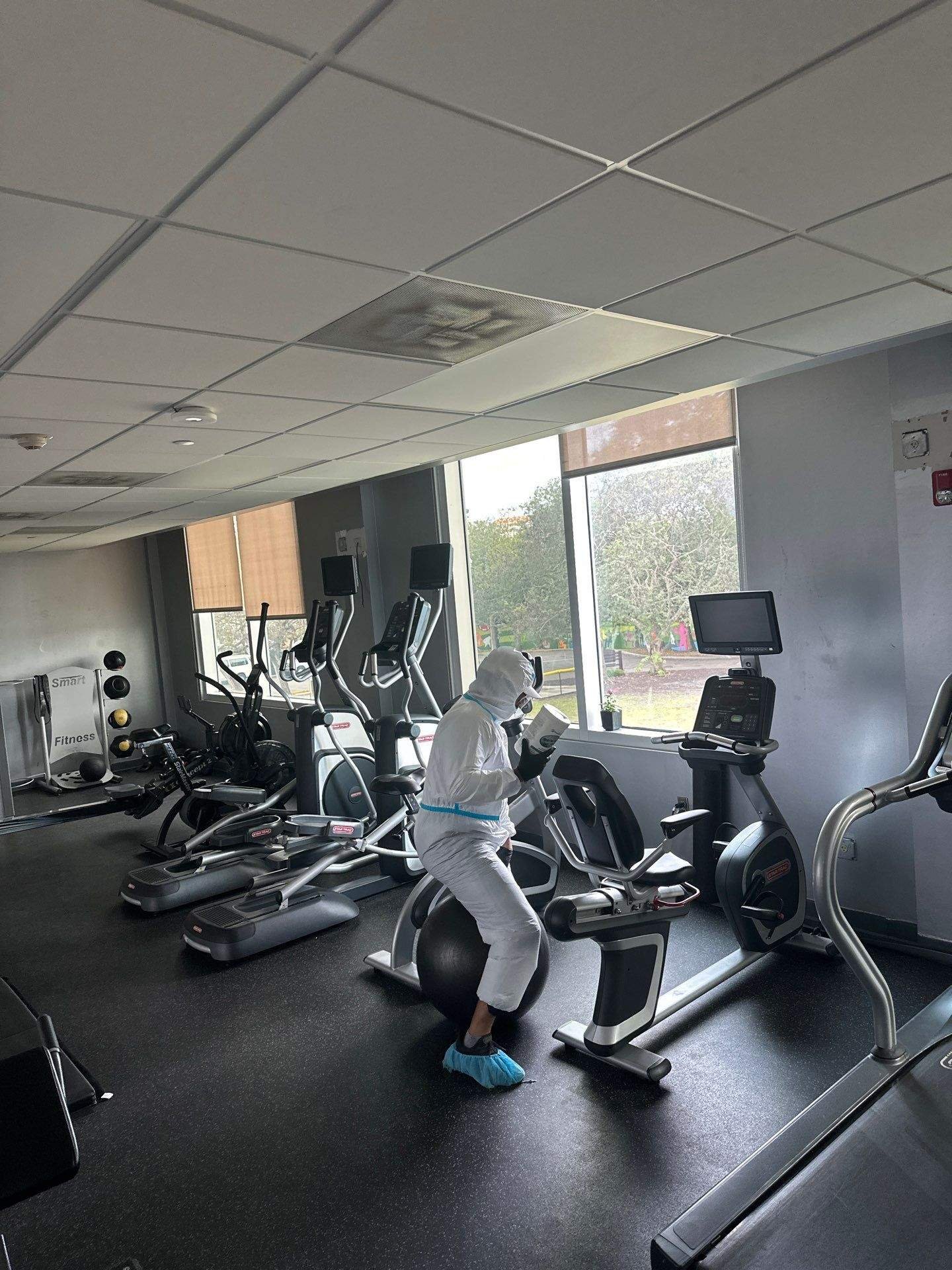
Recurring mold usually indicates that the original moisture source was never fully corrected. In South Florida, elevated humidity and ongoing condensation problems often continue affecting properties long after initial cleanup work is completed.
Common causes include roof leaks, plumbing leaks, attic humidity, wet insulation, poor ventilation, clogged AC drain lines, sweating ductwork, and excessive indoor moisture levels. If these environmental conditions remain active, mold can redevelop even after contaminated materials have been removed.
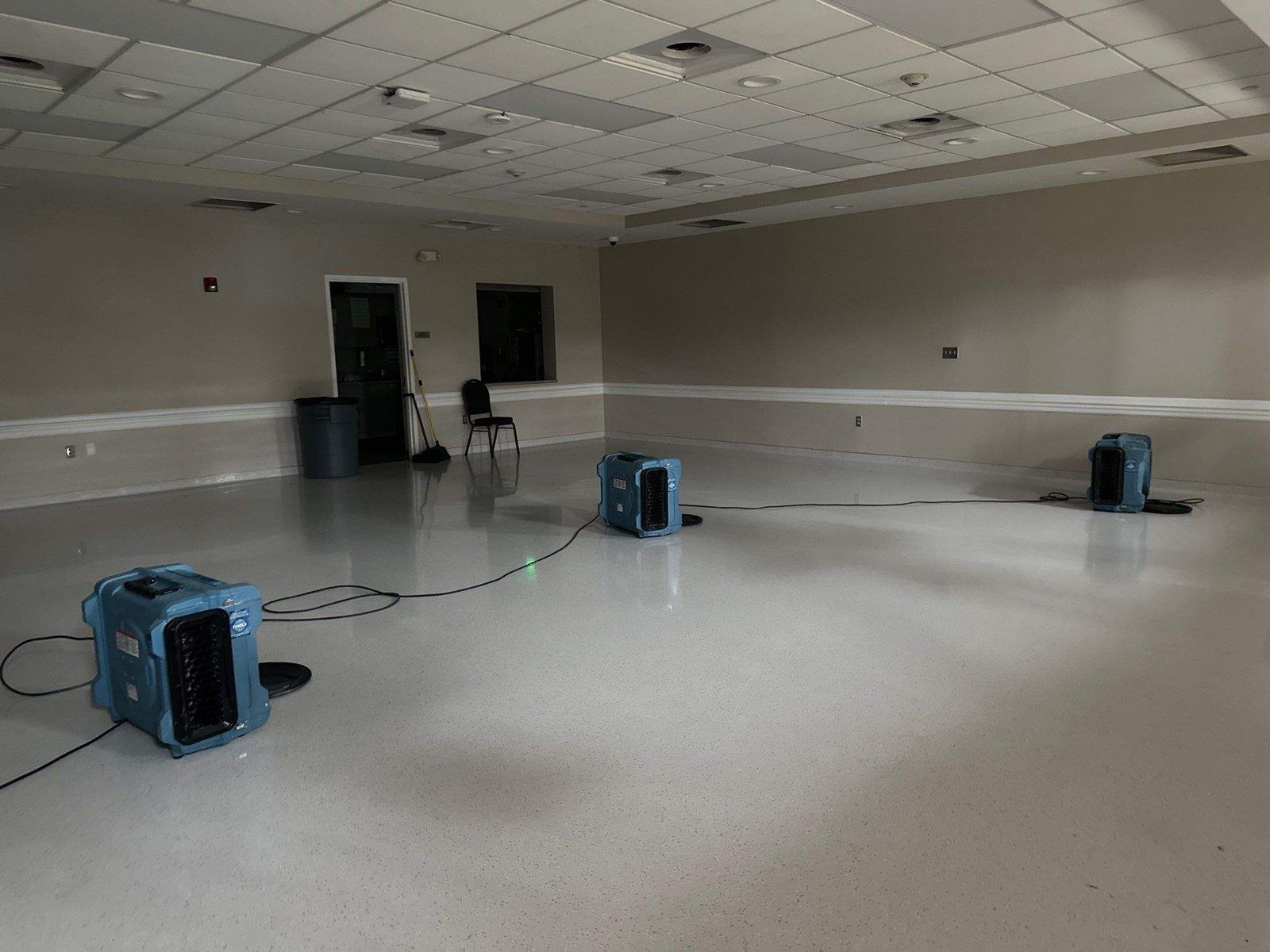
Many Miami homeowners only address visible mold without evaluating hidden moisture inside walls, ceilings, crawlspaces, or HVAC systems. Cosmetic repairs such as painting over stains or surface cleaning rarely solve the underlying environmental problem.
Professional remediation focuses heavily on moisture detection and environmental assessment because identifying hidden water intrusion is essential for long-term correction. Thermal imaging, humidity measurements, leak detection, and HVAC evaluation help determine why contamination continues returning.
Humidity control, structural drying, ventilation improvements, insulation correction, and HVAC maintenance are often necessary alongside remediation work to reduce the likelihood of future contamination cycles.
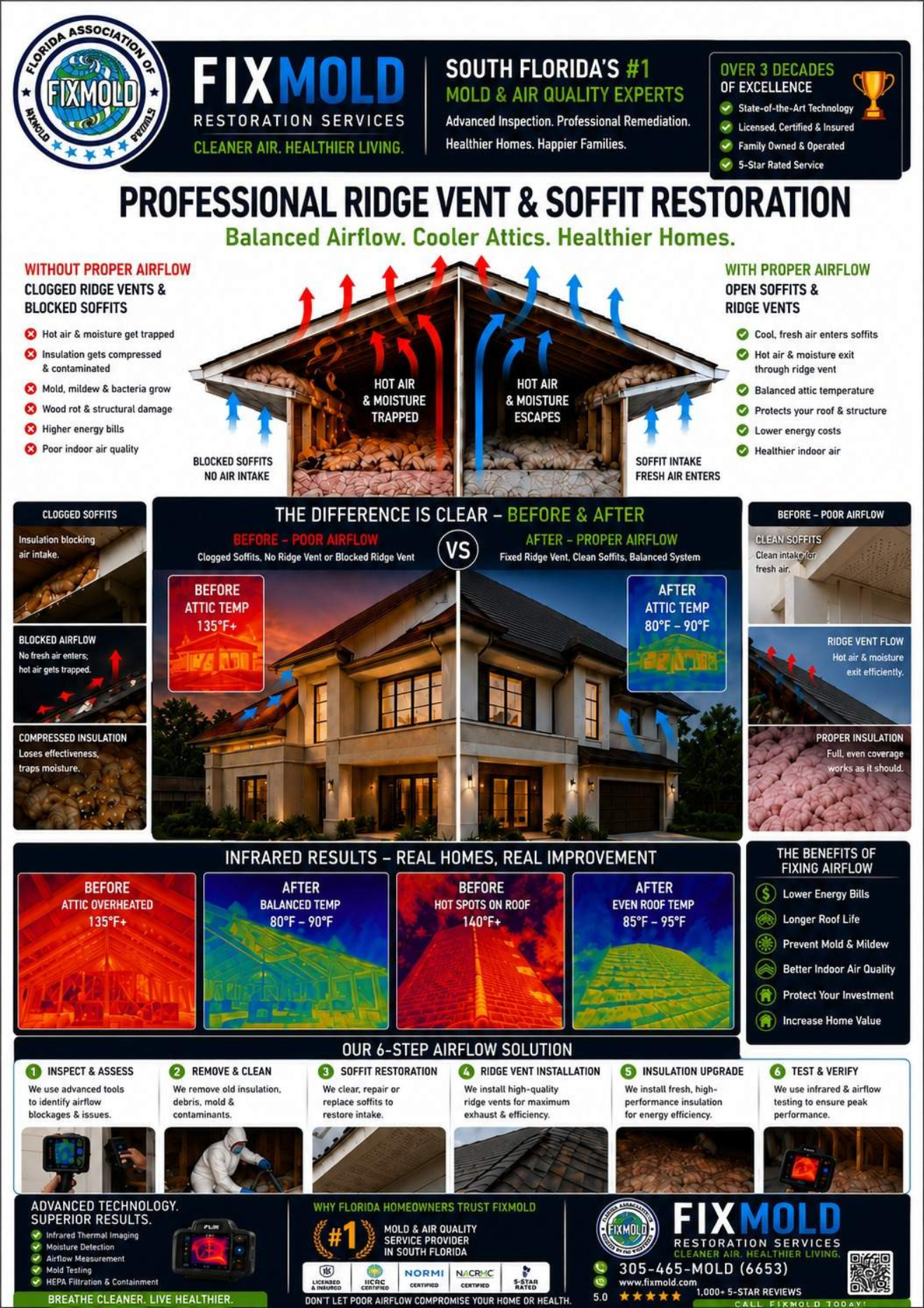
Attic mold can create significant indoor environmental concerns because attic spaces in South Florida experience extreme heat, humidity, and limited airflow. Roof leaks, condensation, poor ventilation, and wet insulation frequently contribute to microbial growth on attic framing, roof decking, and insulation materials.
Once contamination develops inside the attic, airborne spores may spread into living areas through HVAC systems, recessed lighting openings, ceiling penetrations, or natural airflow movement. Many homeowners first notice musty odors, ceiling discoloration, or worsening indoor air quality before realizing attic contamination is present.
Attic mold is especially common after storms, prolonged roof leaks, or ventilation failures. Properties in Miami Beach, Coral Gables, Pinecrest, Coconut Grove, Weston, and surrounding areas frequently experience attic moisture issues because of prolonged humidity exposure and heavy rain events.
Professional attic remediation may involve moisture detection, insulation evaluation, containment procedures, HEPA air filtration, structural cleaning, and ventilation correction depending on the severity of contamination. Dry ice blasting is sometimes used to clean exposed wood framing while minimizing additional moisture during the remediation process.
Addressing attic humidity and ventilation problems is critical because unresolved moisture conditions often allow contamination to return over time.