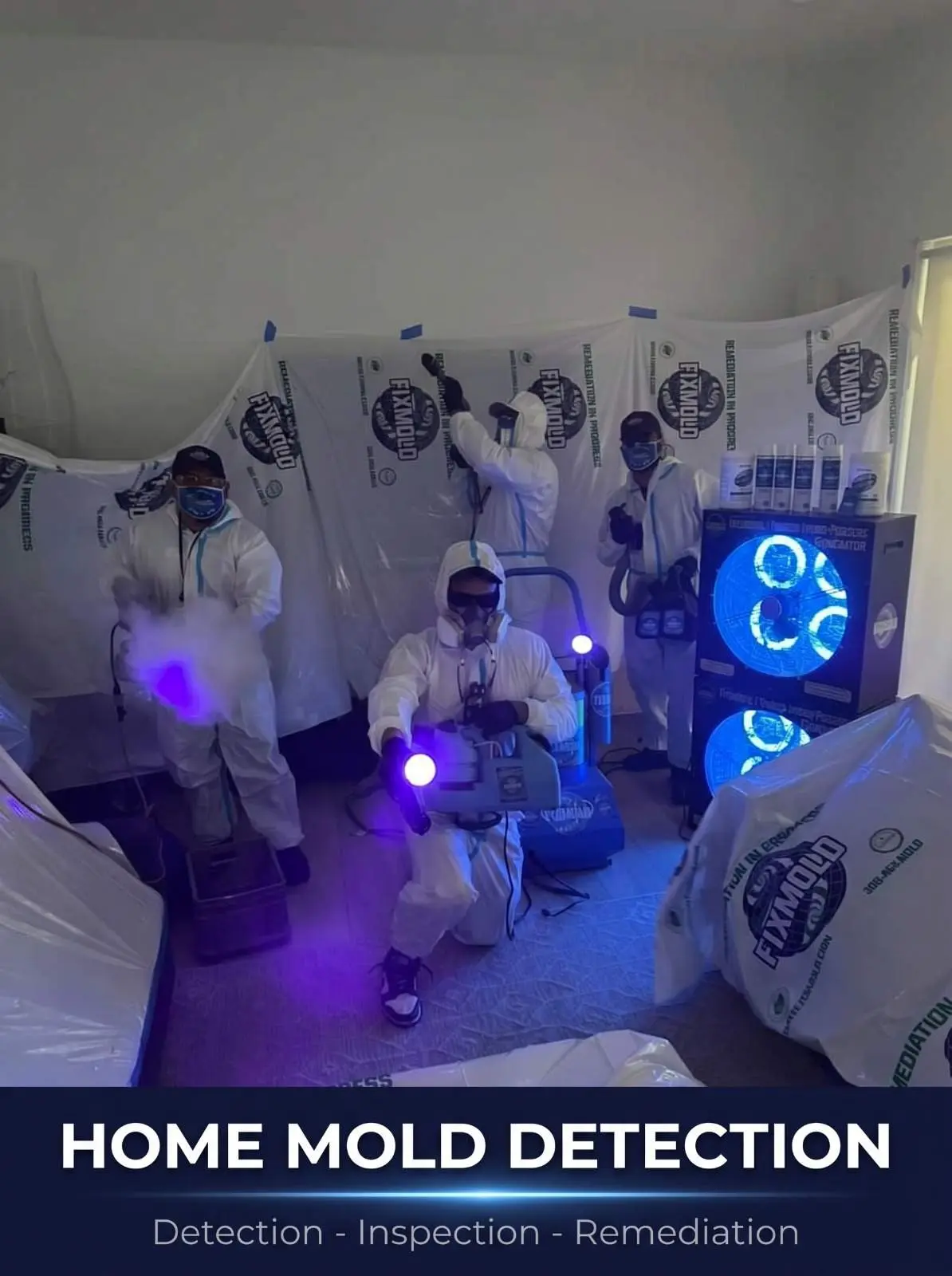
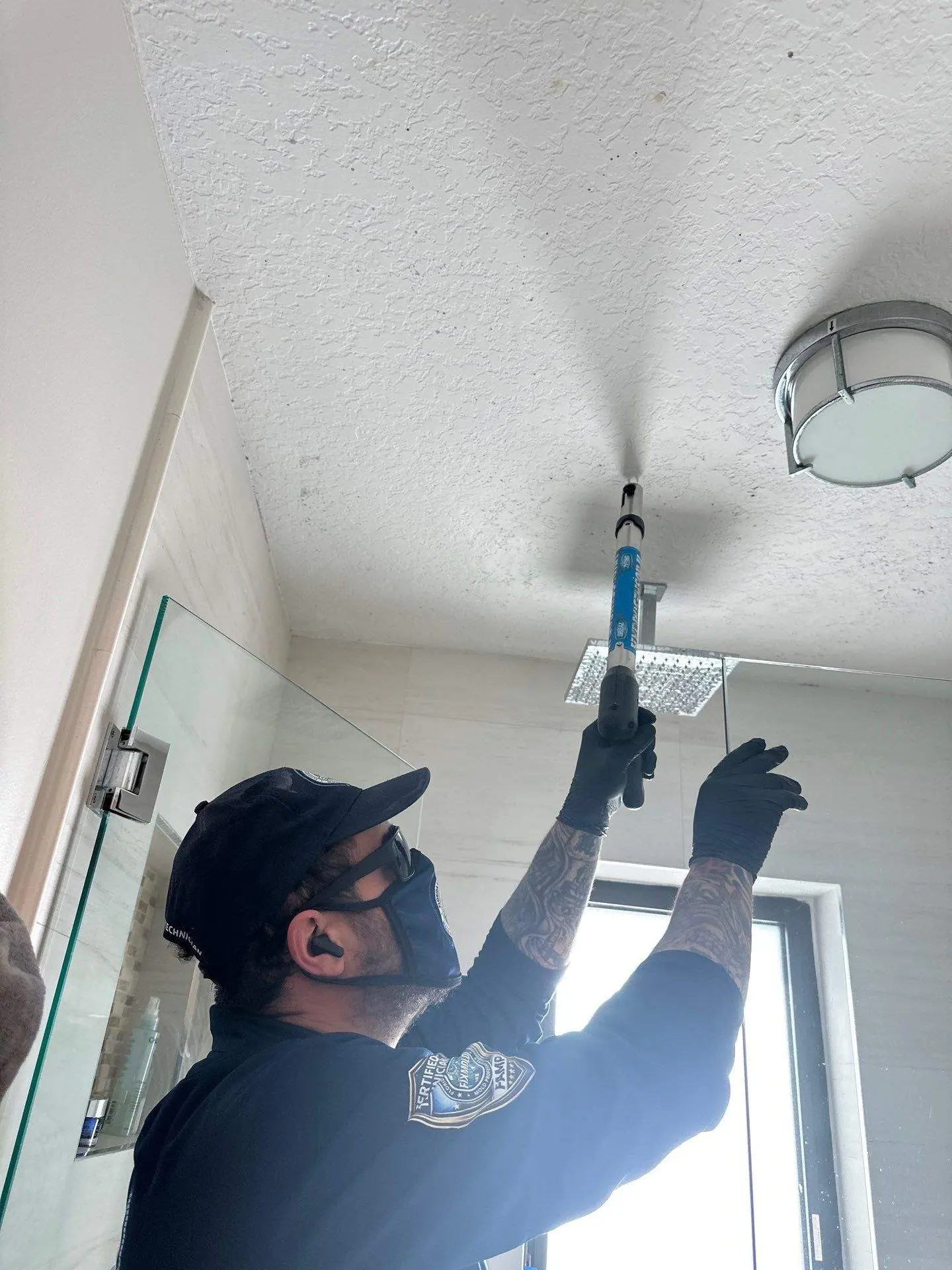
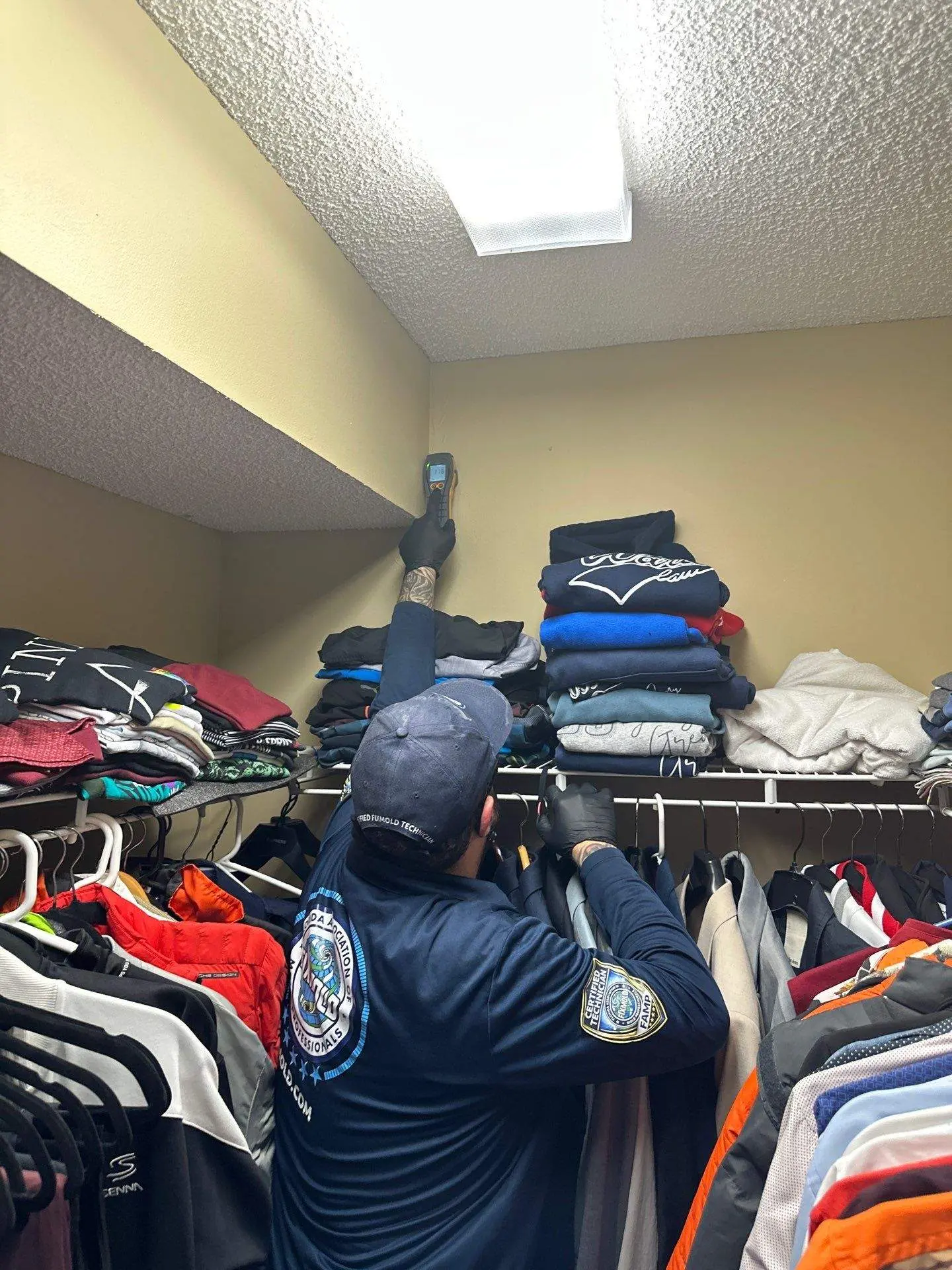
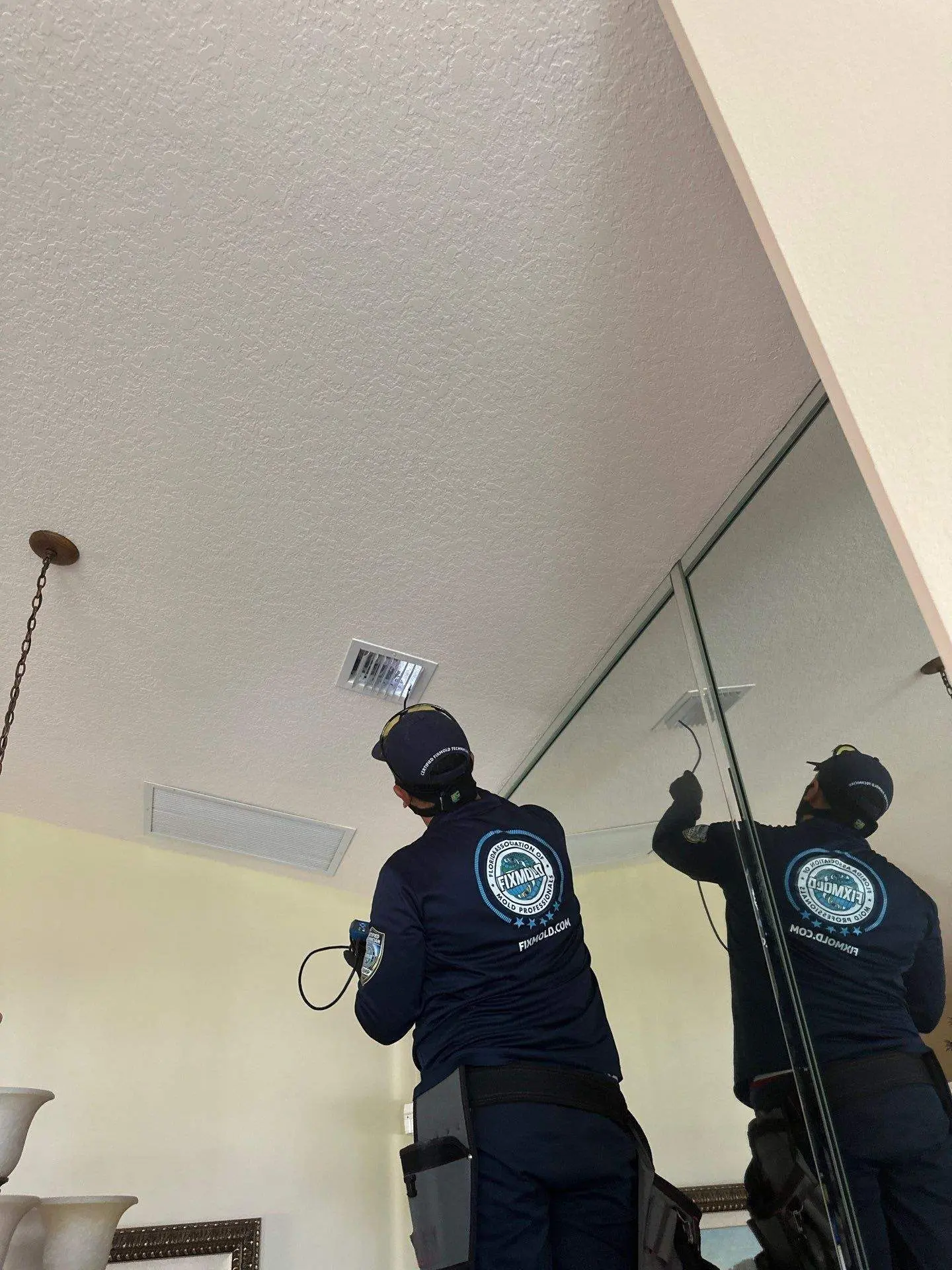
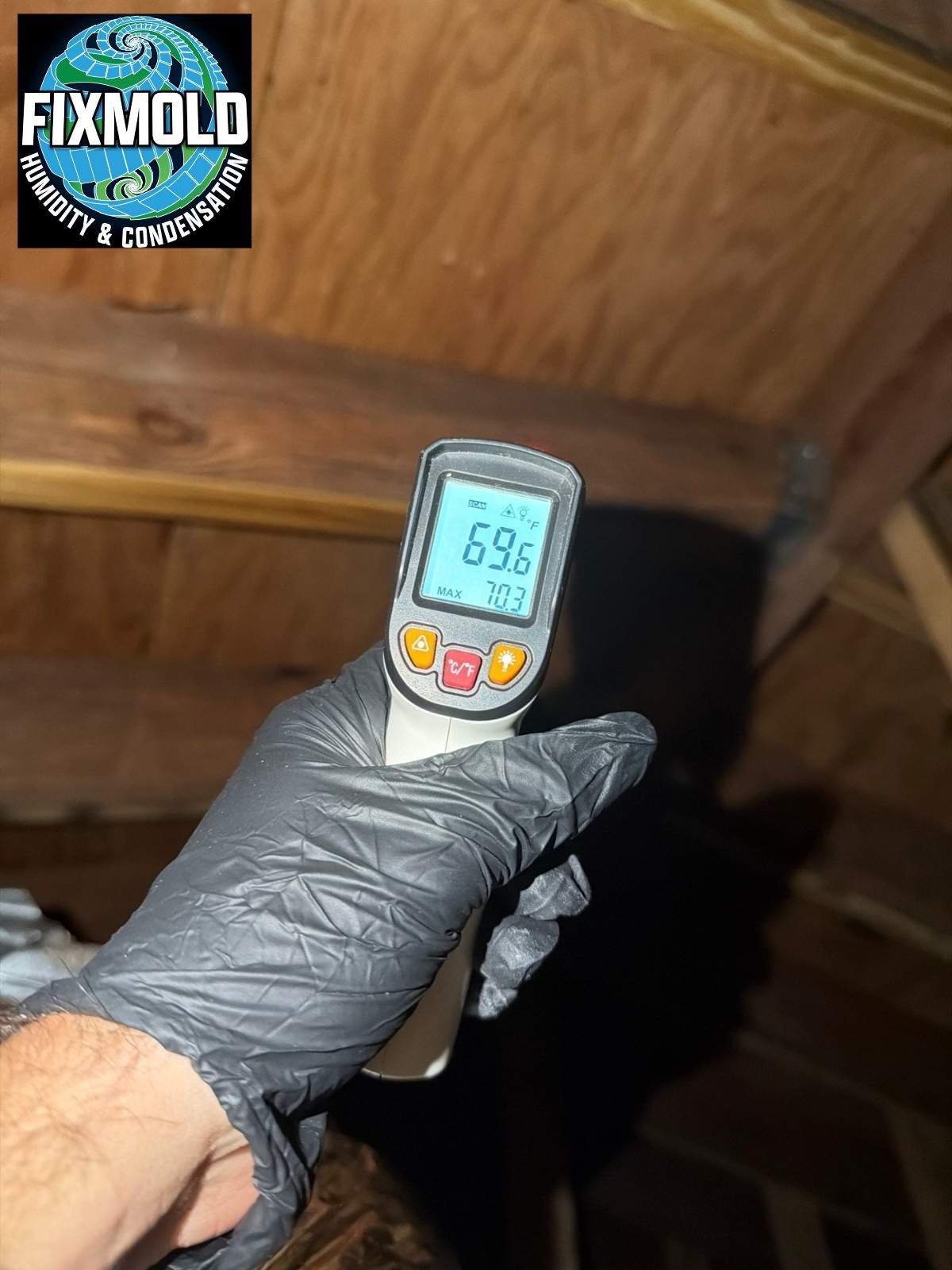
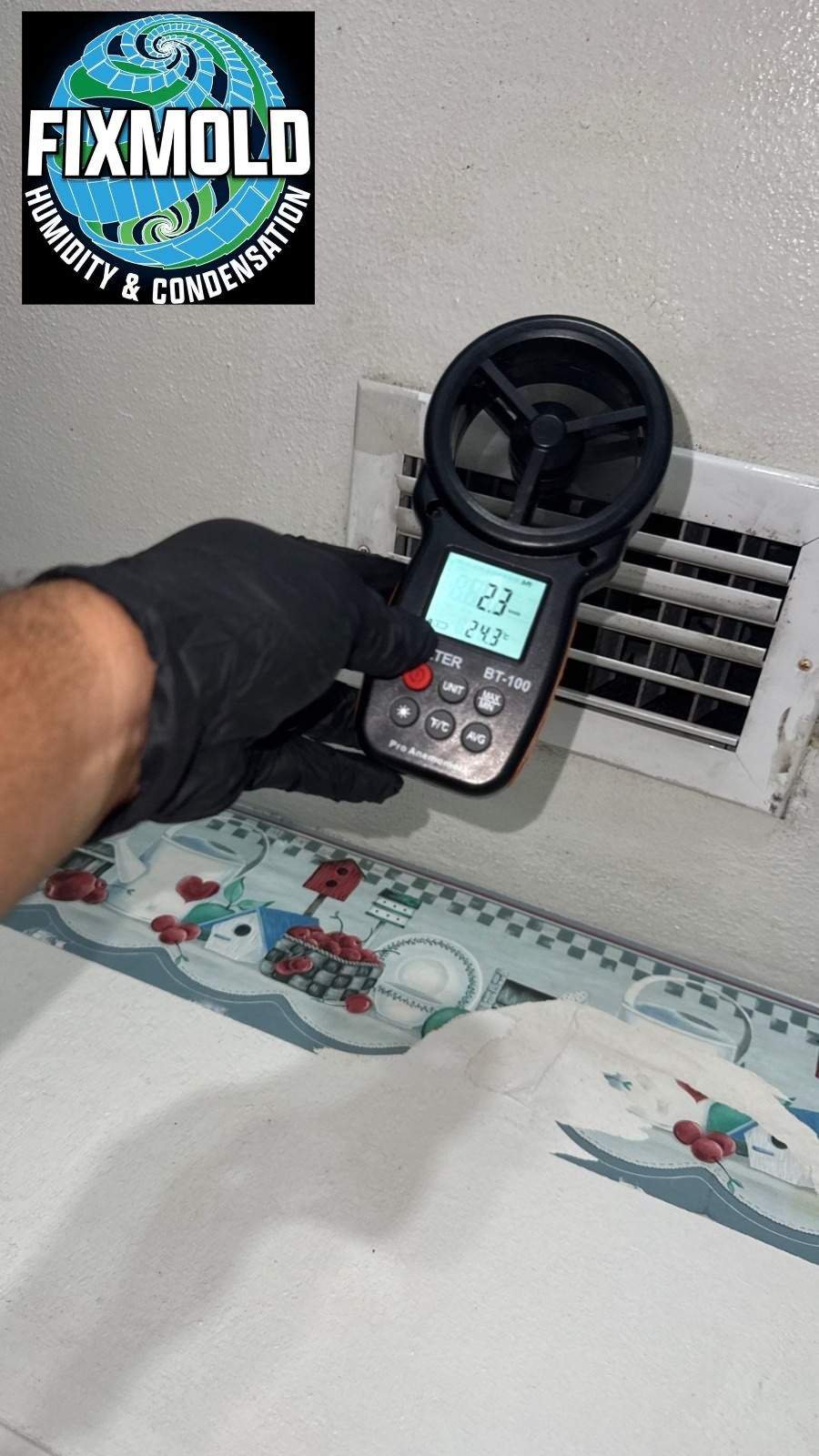
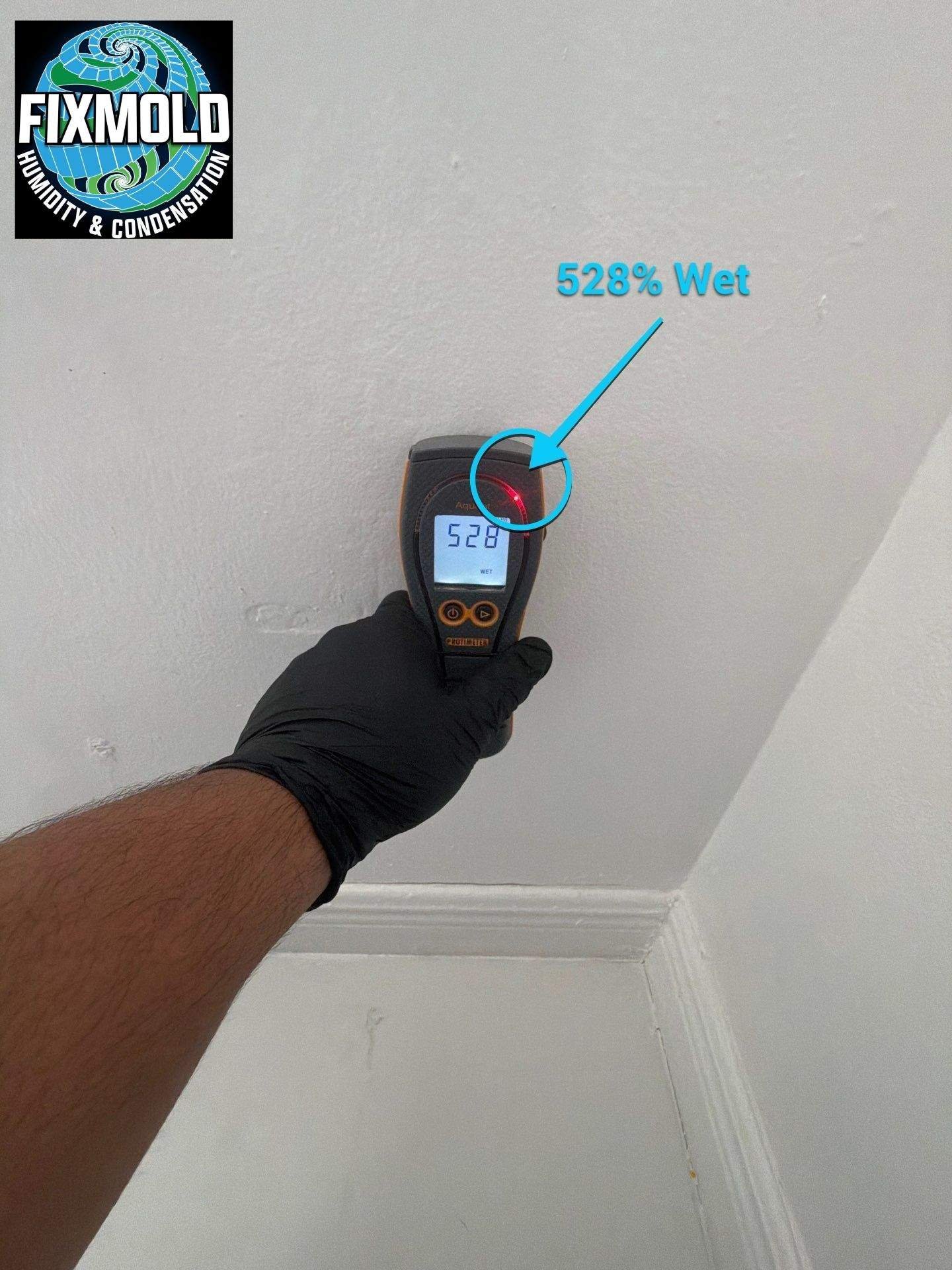
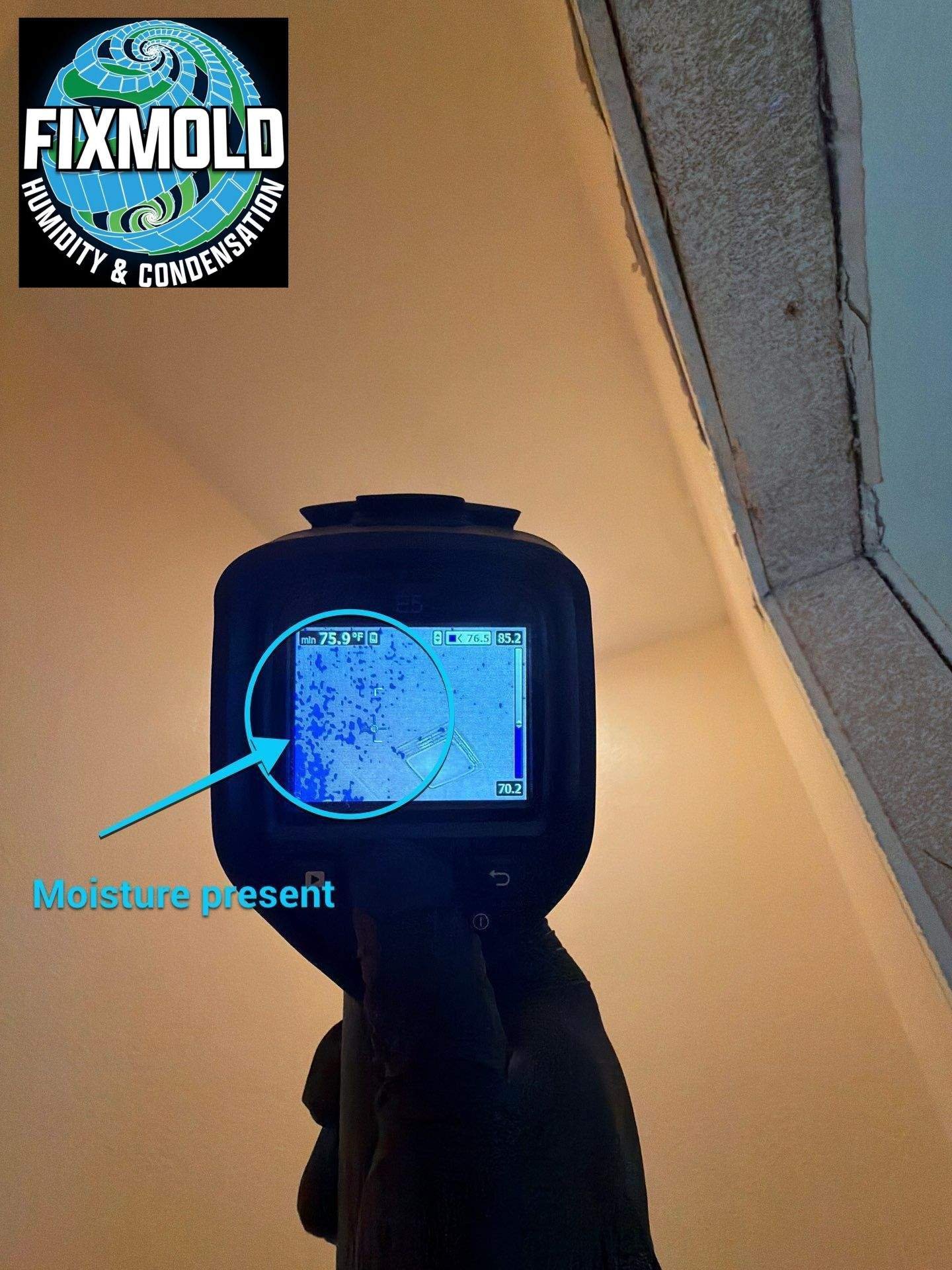
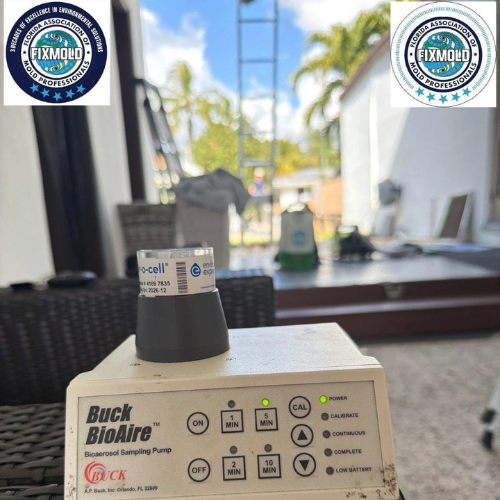
Not reliably. Home inspectors aren't trained or equipped for mold detection. They can note obvious visible staining, but hidden mold — which is the most common type in South Florida properties — requires thermal imaging, air sampling, and laboratory analysis that fall entirely outside a standard home inspection scope.
Ask for the inspection report and the name of the company. Verify their state licensure. If the inspection was conducted by a company without a state mold assessor license, or if the report doesn't include laboratory analysis, it doesn't meet professional standards. An independent assessment from a licensed third party protects your interests in a way a seller-commissioned inspection cannot.
Most residential properties take two to four hours for the on-site inspection. Laboratory results follow within one to two business days. We work within real estate contract timelines and can expedite when closing deadlines require faster turnaround.
Yes. A written inspection report documenting mold contamination, remediation scope, and estimated cost gives you documented grounds to request a price reduction, seller-paid remediation, or a remediation contingency before closing. Buyers regularly use FixMold reports at the negotiating table.
Yes. If post-closing discovery suggests the contamination was pre-existing and not disclosed, FixMold can provide a forensic assessment establishing probable growth duration and conditions at the time of sale. See our Expert Witness Testimony service for cases that proceed to litigation.