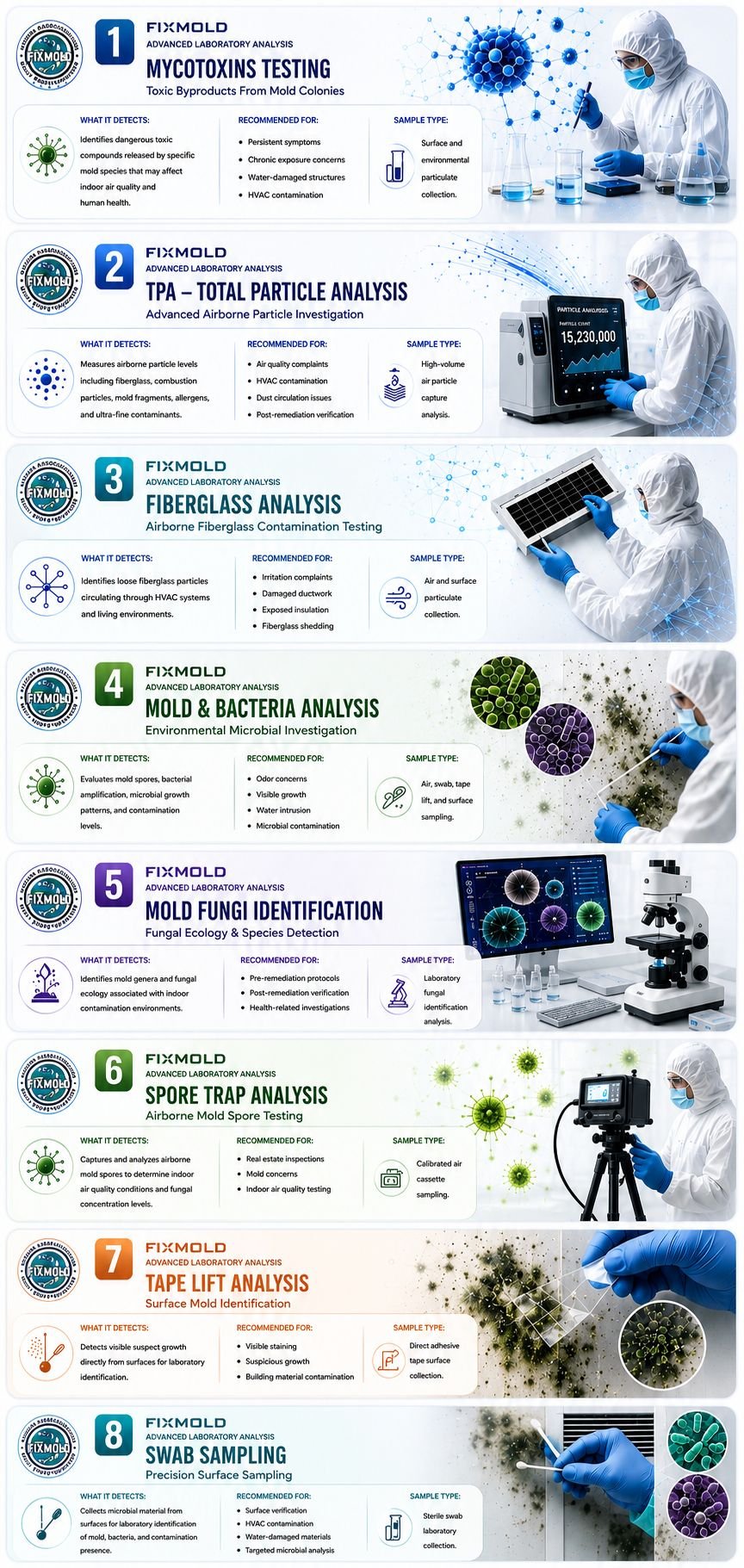
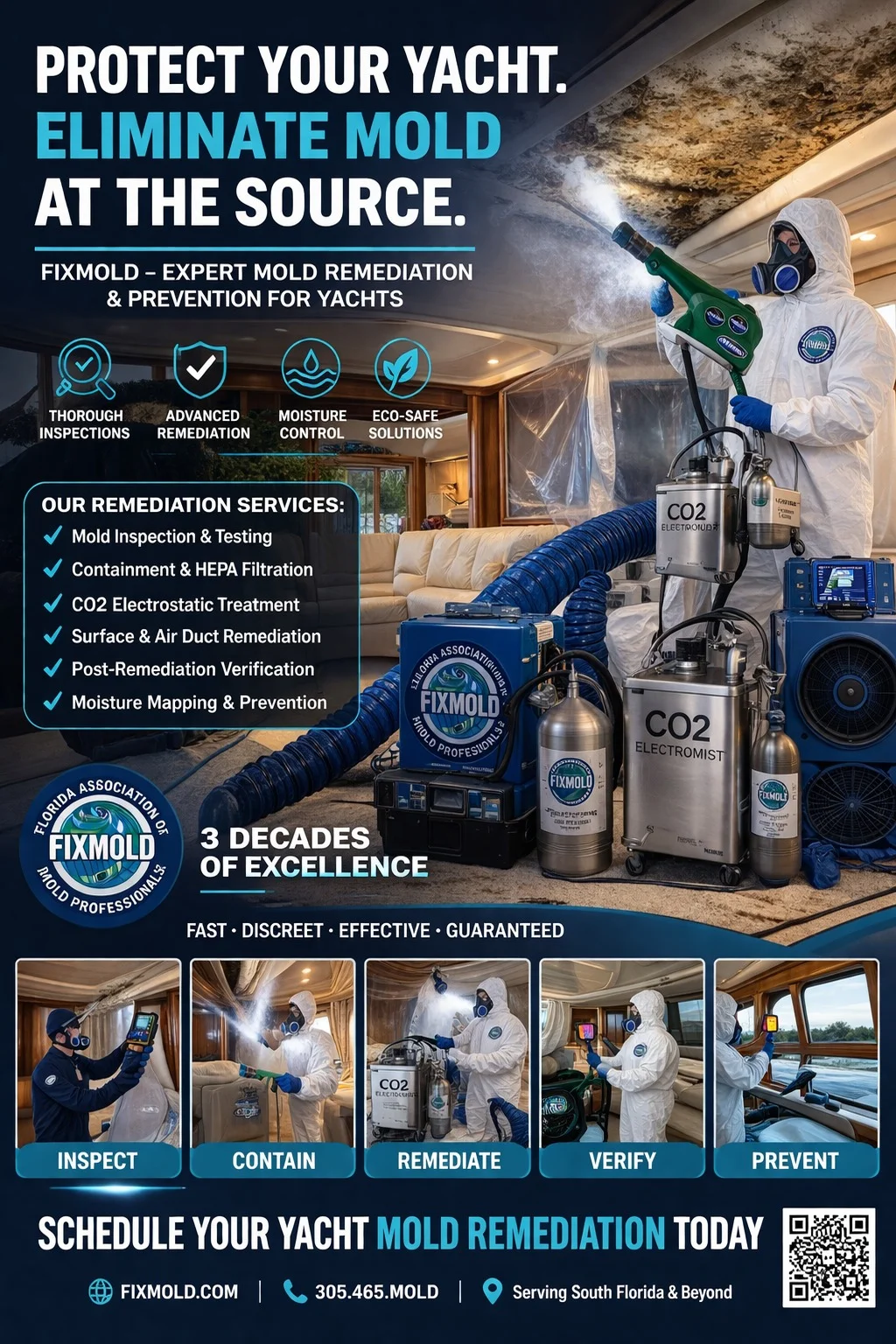
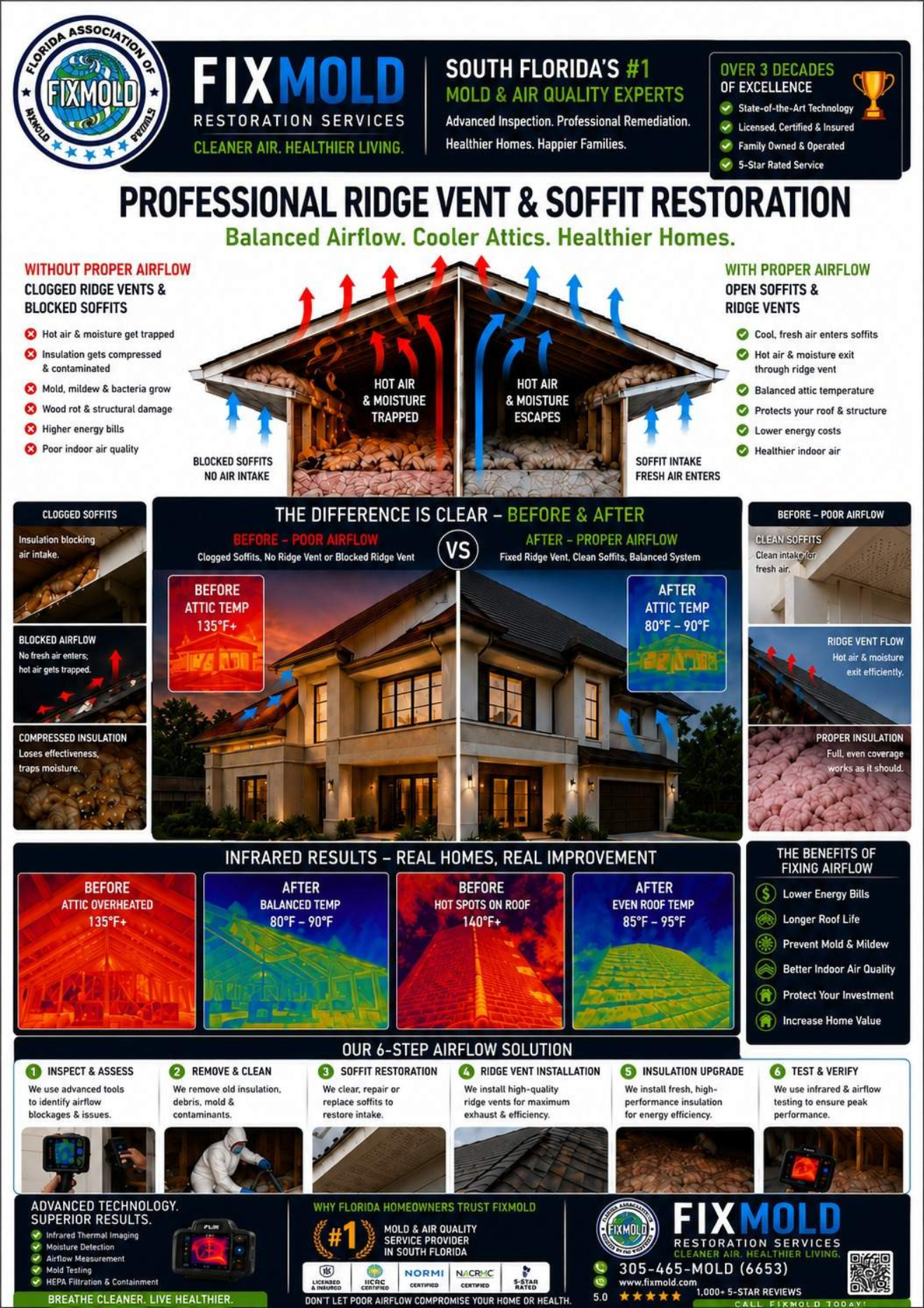
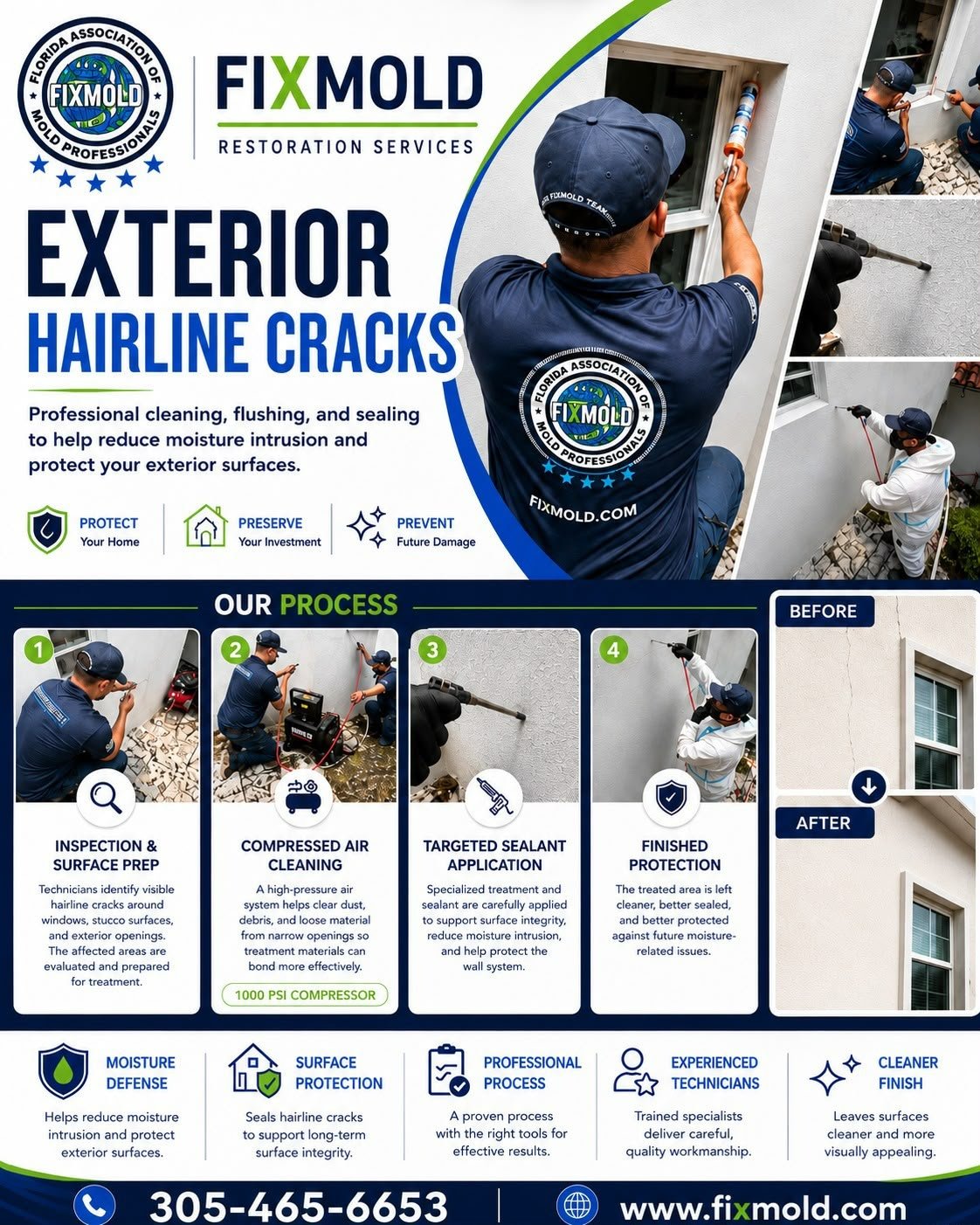
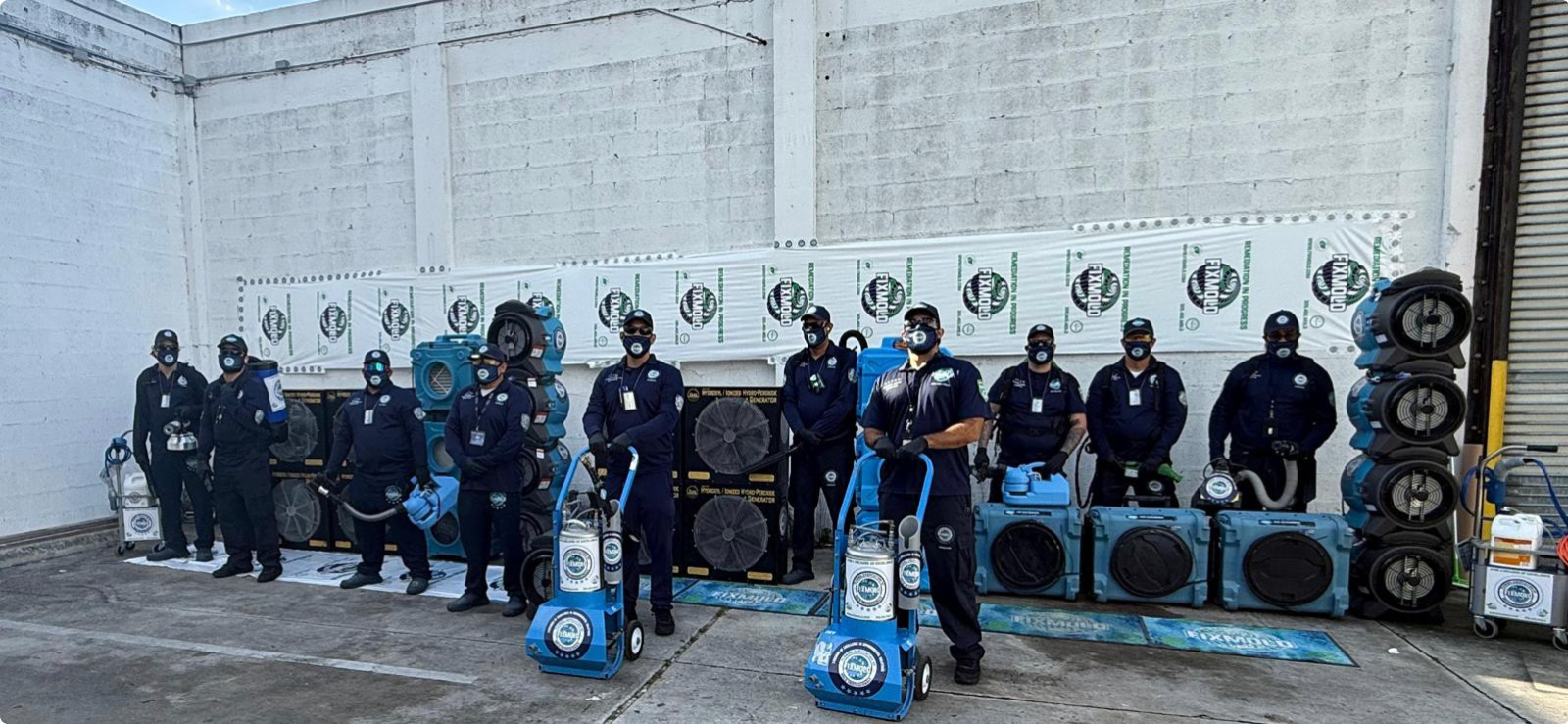
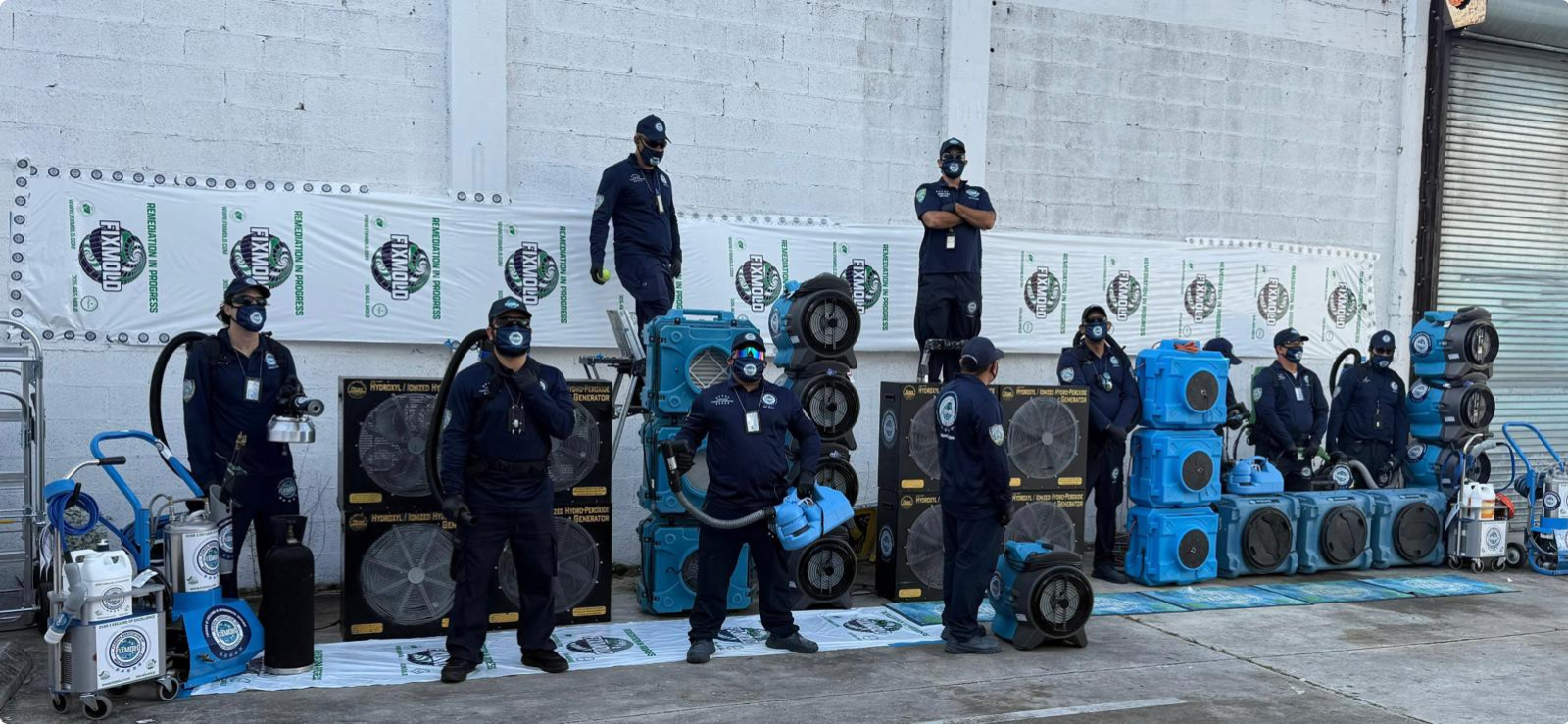
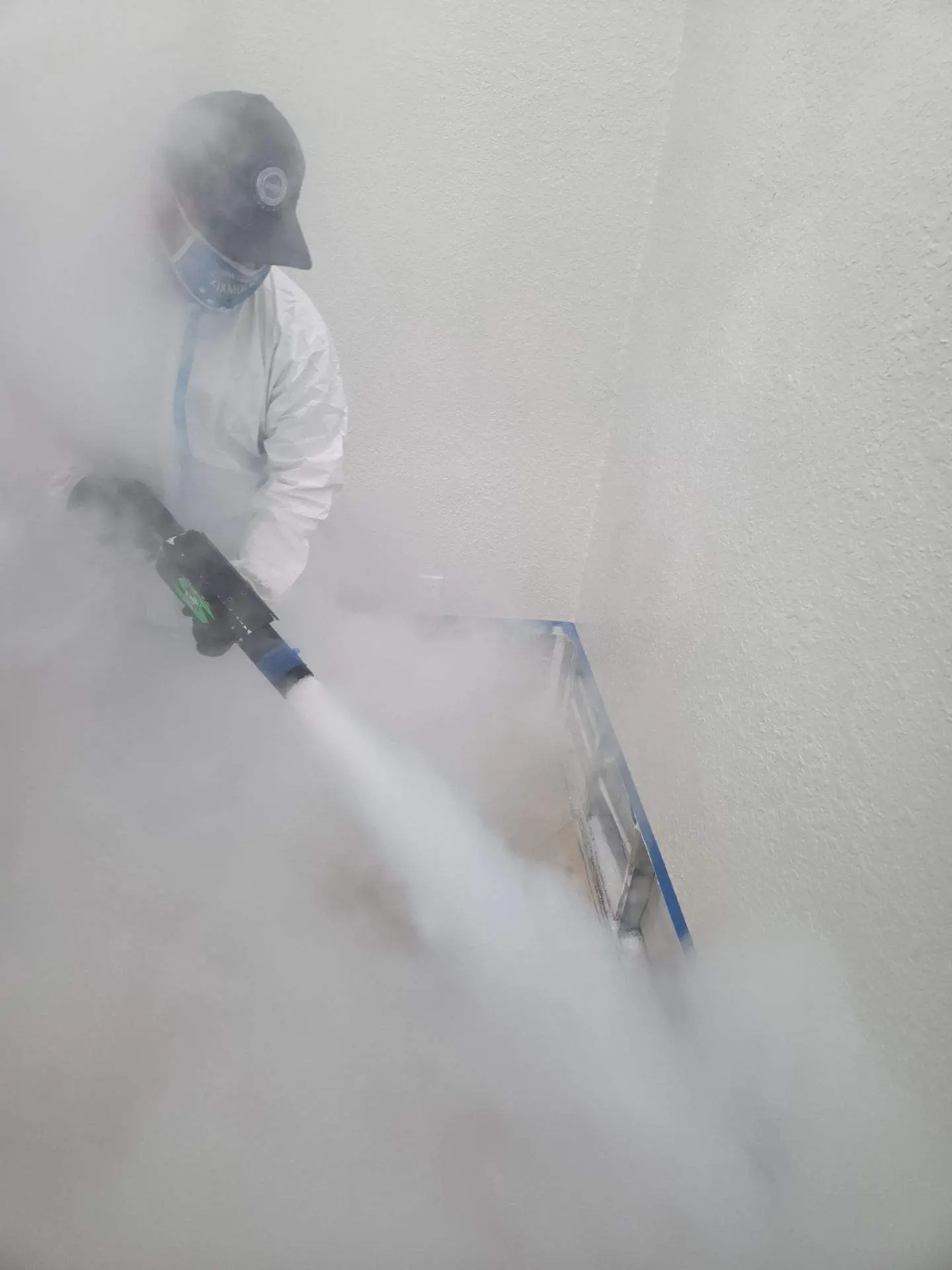
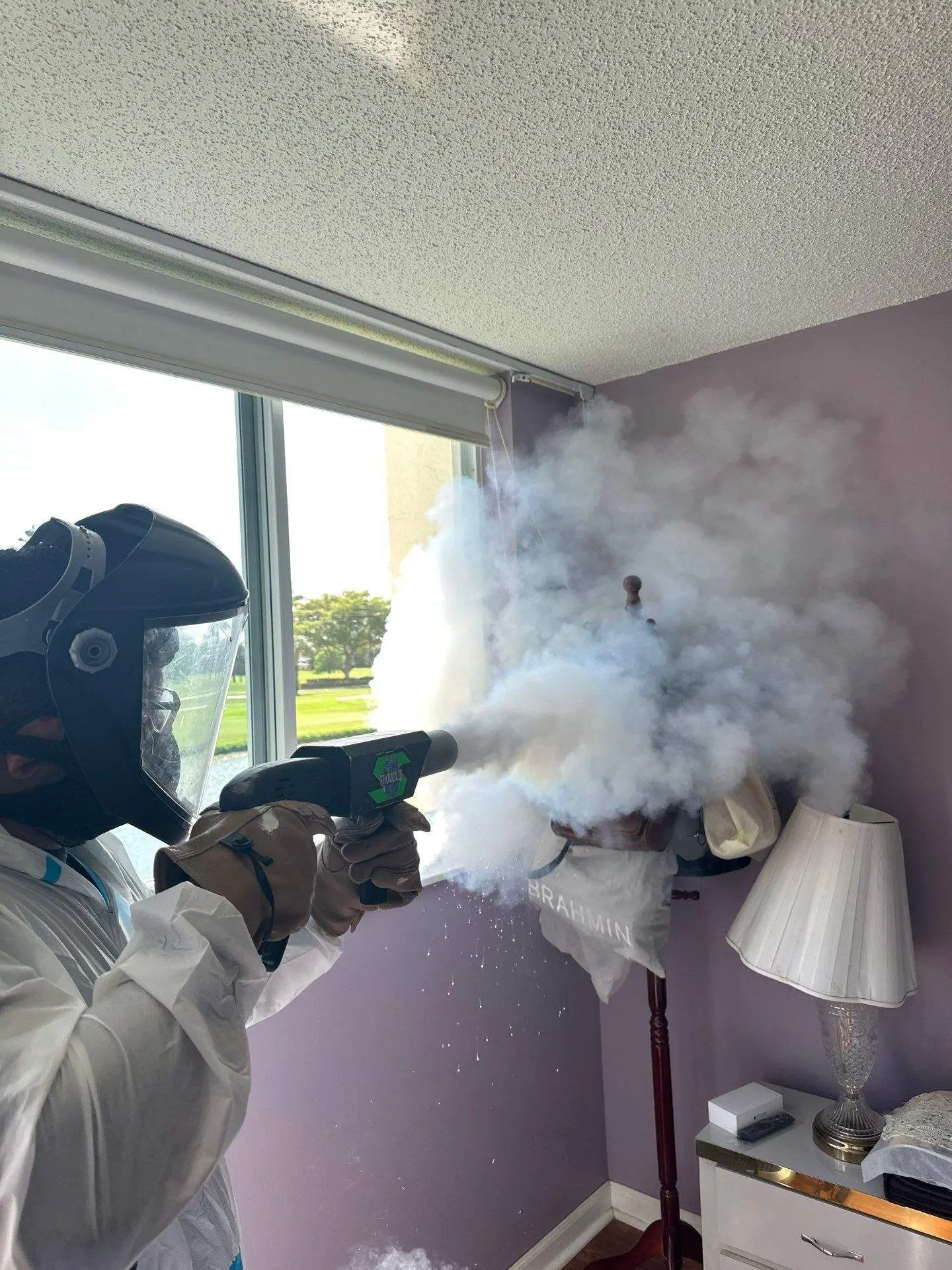
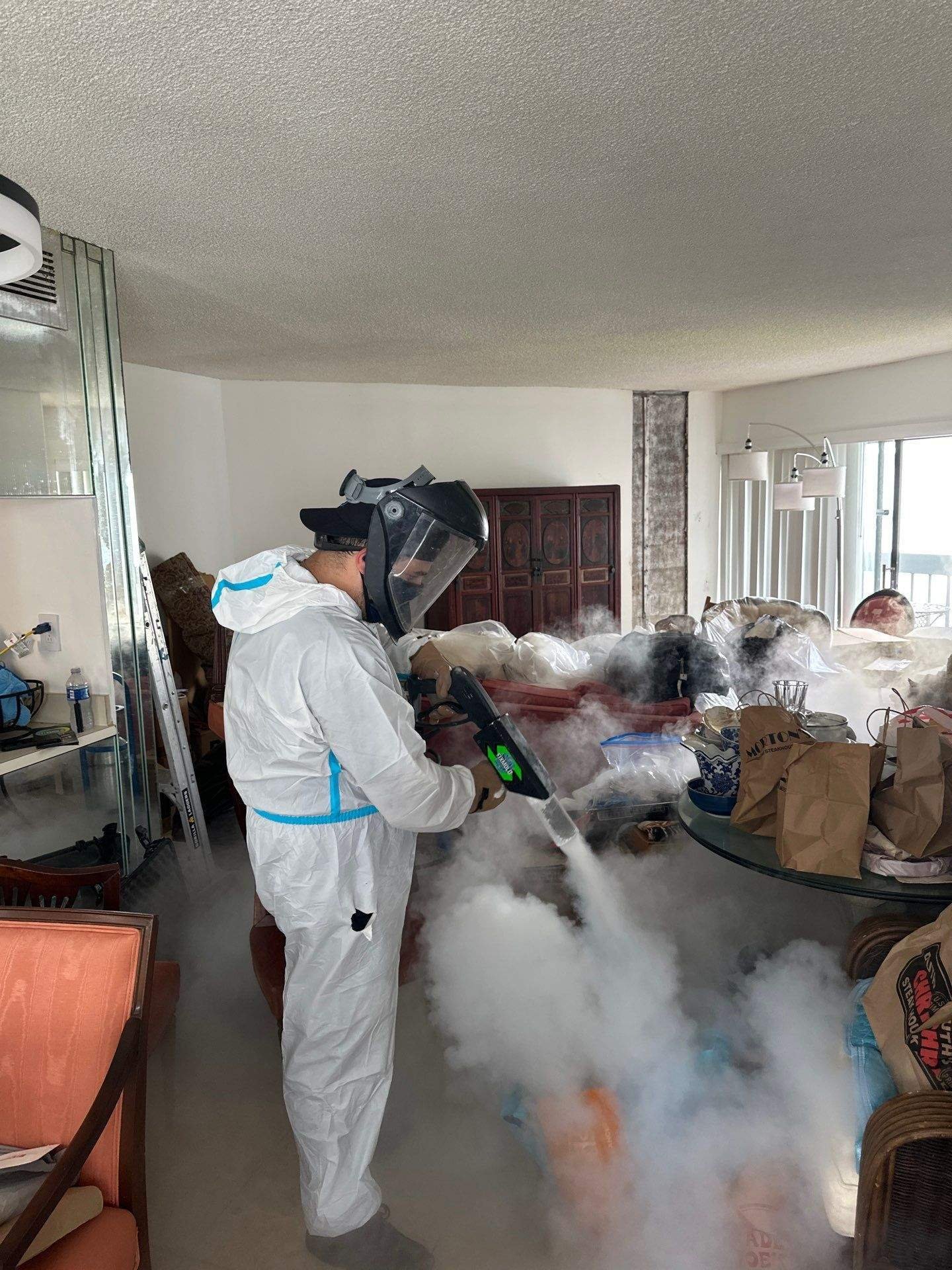
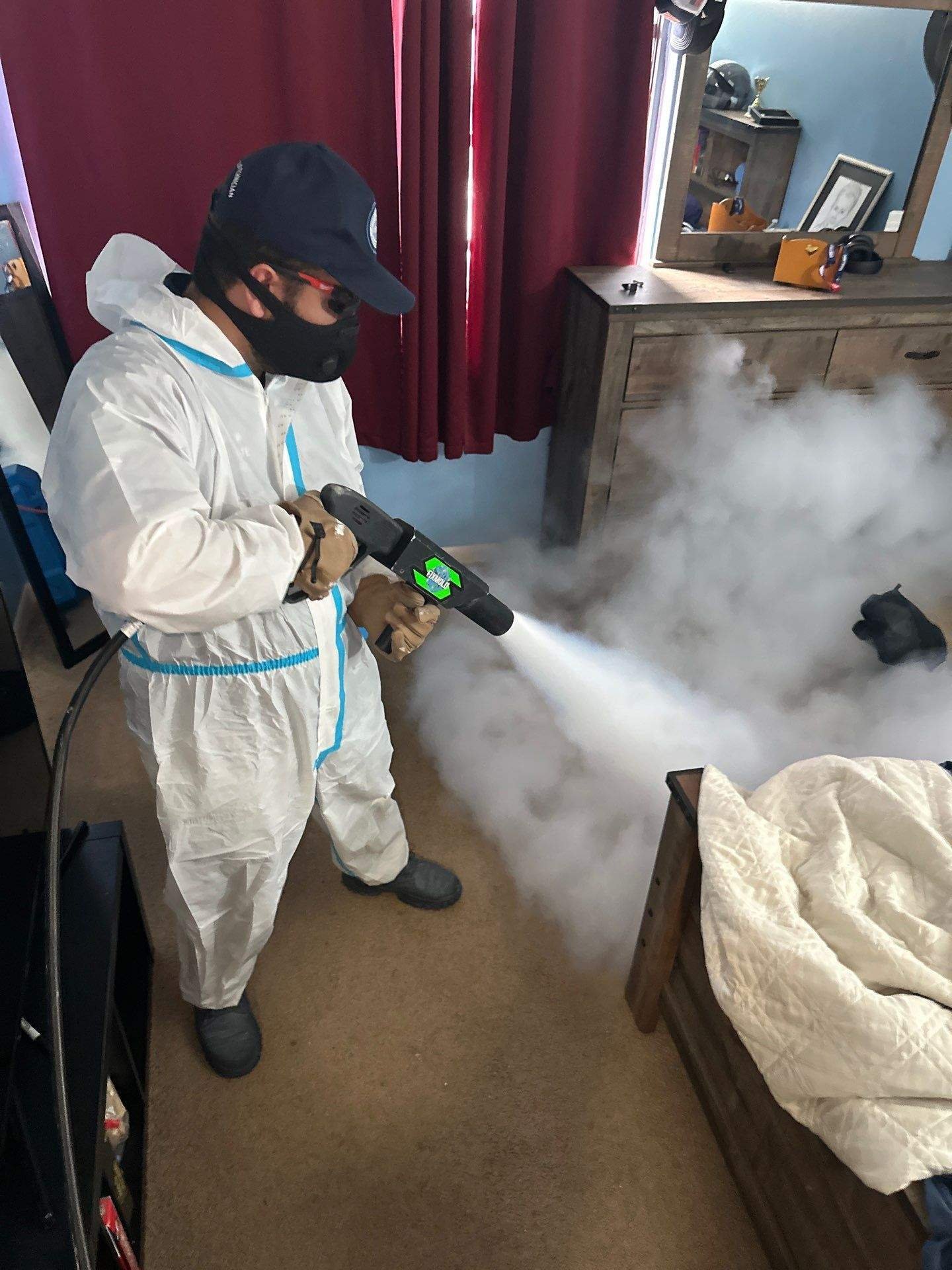
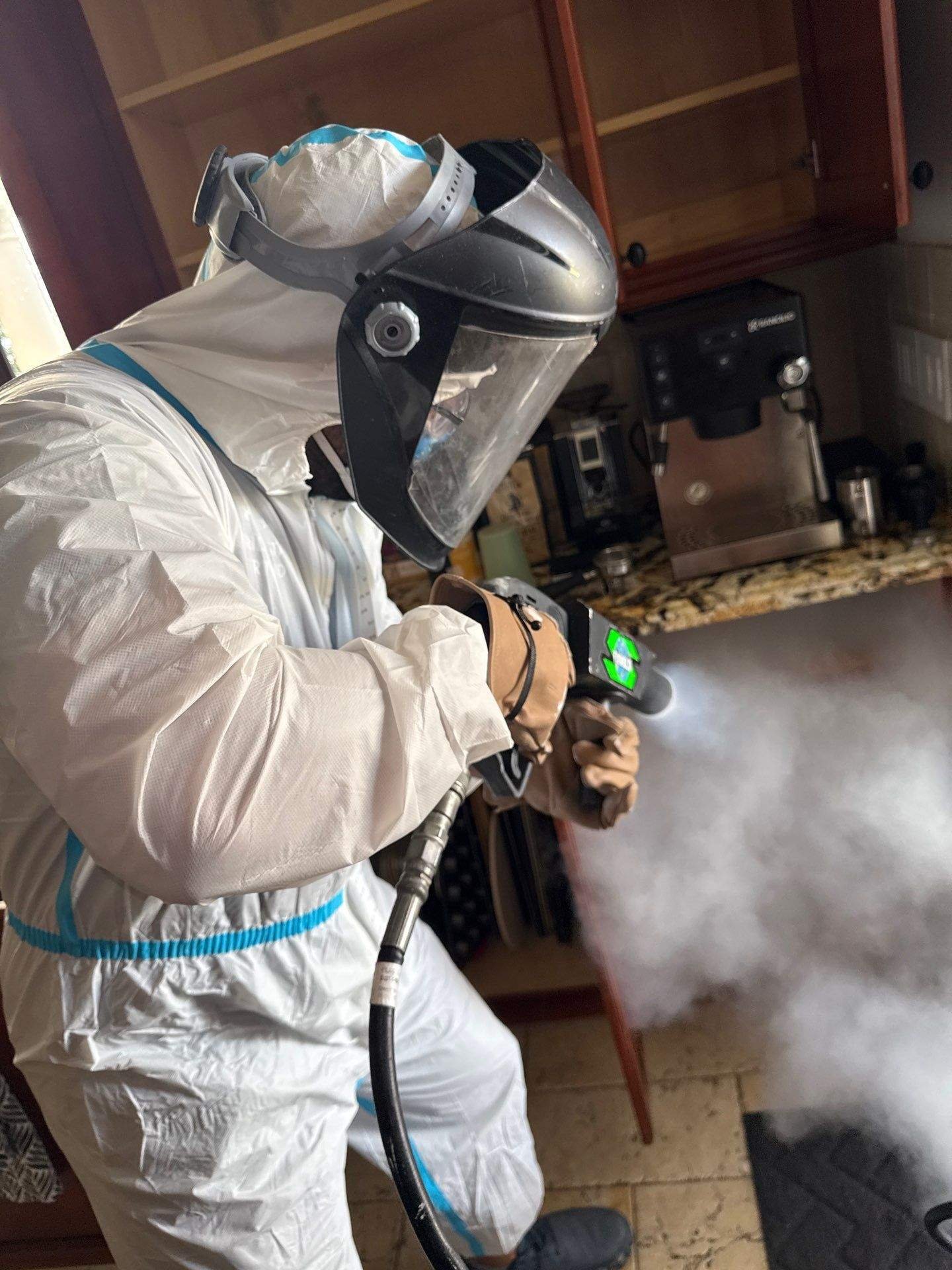
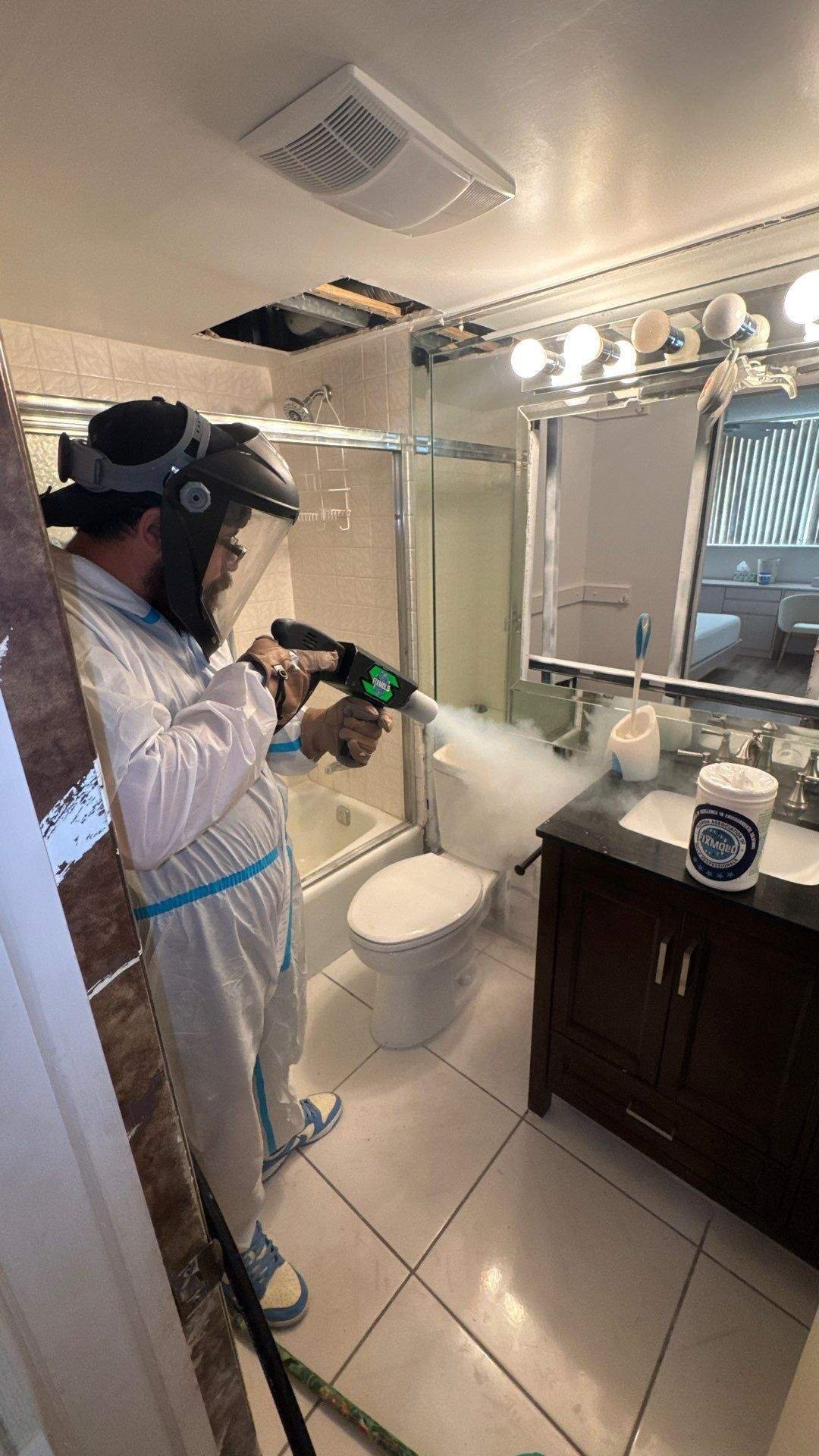
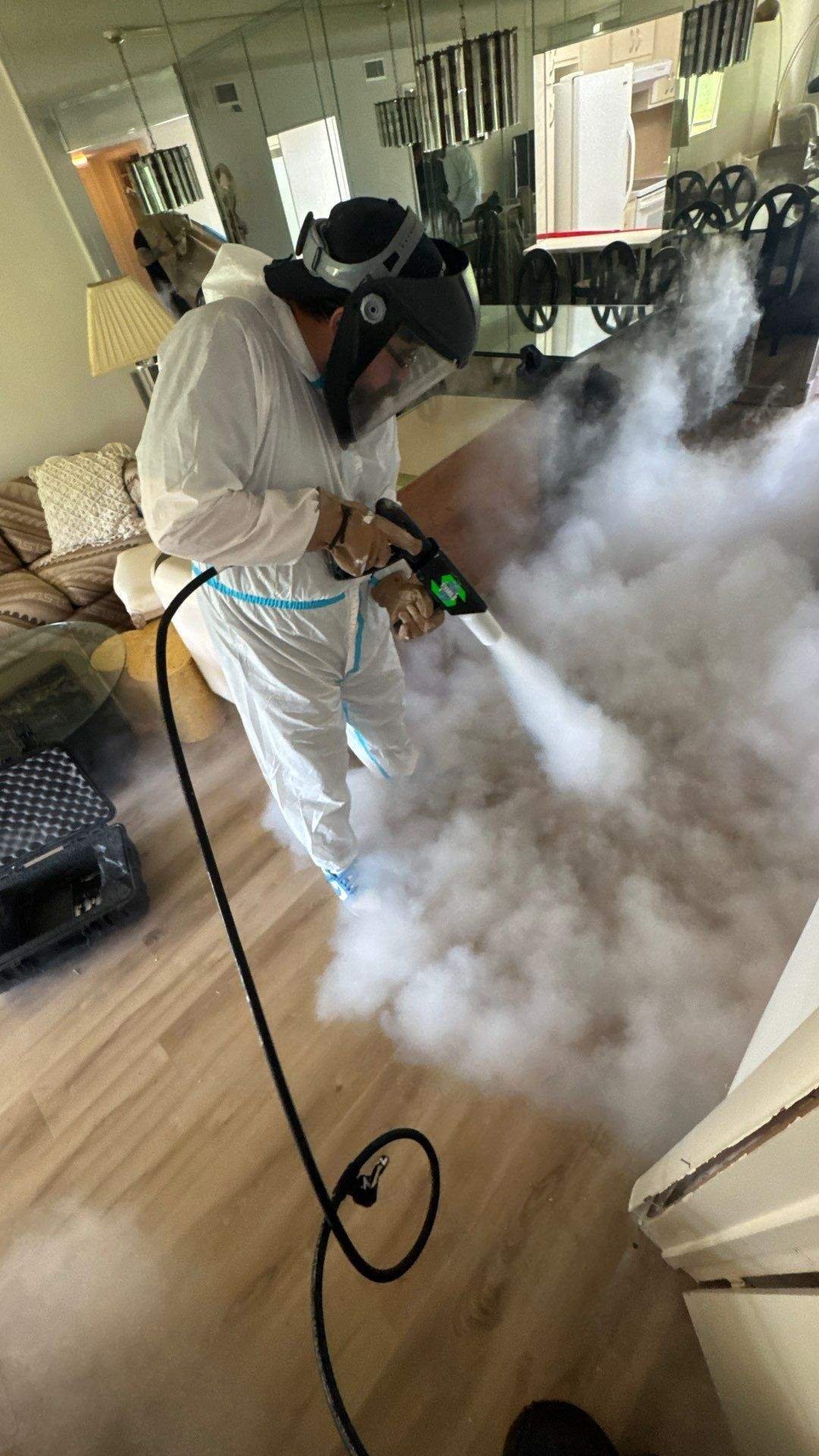
Property maintenance mold service is designed to keep indoor environments stable and prevent mold from developing over time. In Miami, constant humidity and moisture exposure make properties more vulnerable to recurring mold issues. Ongoing maintenance helps control these conditions and protect the property long term.
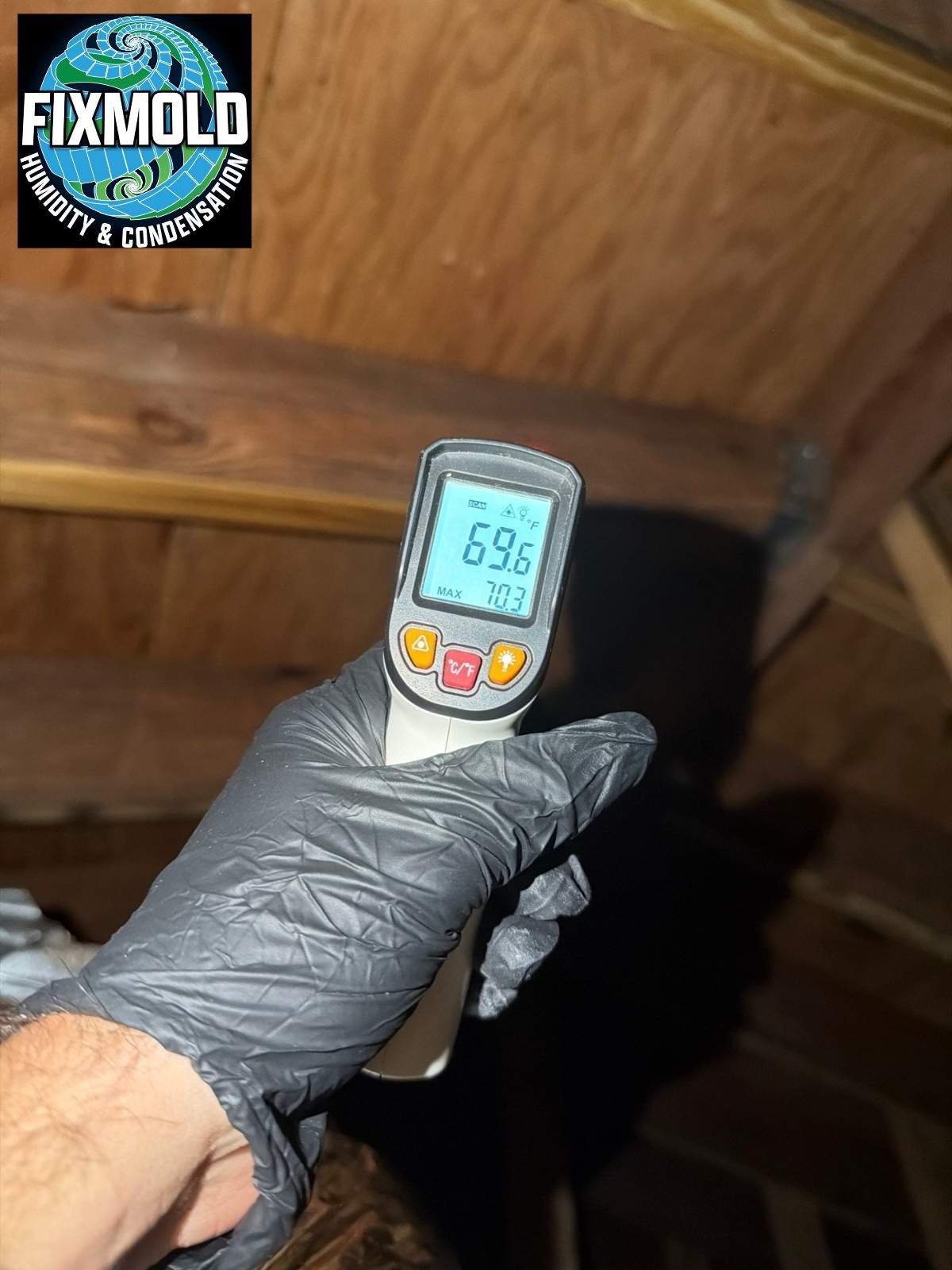
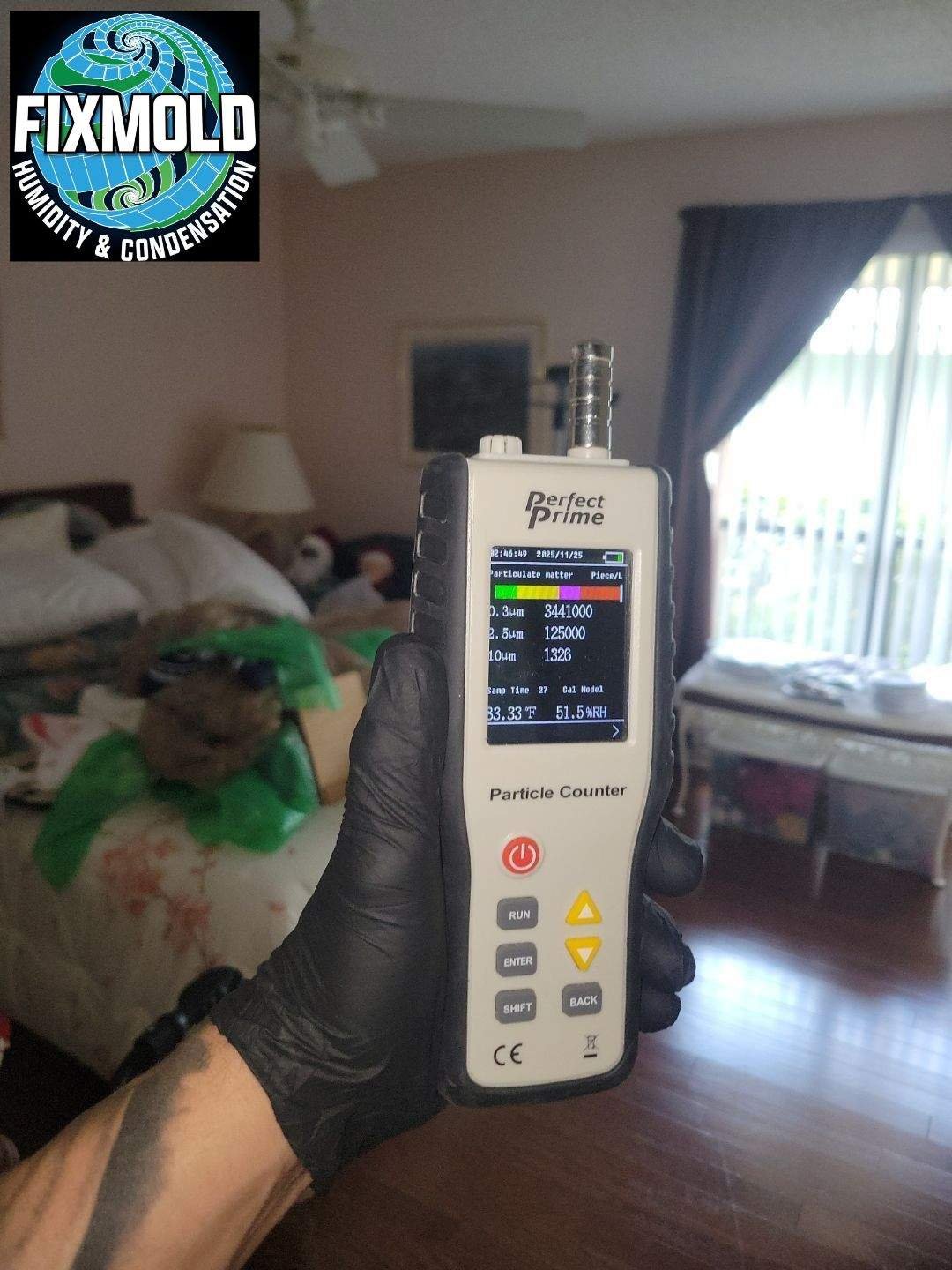
At FixMold, mold maintenance focuses on routine inspections, moisture monitoring, and air quality management. This includes checking high risk areas, identifying early signs of moisture buildup, and maintaining conditions that limit mold growth. By addressing small changes early, larger problems can be avoided.
Properties in South Florida often experience ongoing exposure to humidity, which can lead to hidden moisture inside walls, ceilings, and air systems. A maintenance service helps manage these conditions by keeping airflow stable and moisture levels controlled.
This service is especially useful for residential properties, commercial buildings, and high value homes where consistent indoor conditions are important. Regular maintenance helps reduce the risk of future contamination and supports long term property care.
Our goal is to provide a proactive solution that prevents mold before it starts. With proper maintenance, properties remain cleaner, more stable, and less likely to develop recurring issues.
Call or text: 305 465 6653 | Same day appointments available | Virtual assessment available
Expert Property Maintenance Mold Services in Miami
Property maintenance plays a critical role in preventing mold growth and protecting indoor environments throughout Miami and South Florida. Regular inspections, moisture management, building maintenance, and prompt repairs help reduce conditions that often contribute to mold contamination in residential, commercial, and multi-family properties.
Miami's climate presents unique challenges for property owners due to high humidity levels, heavy rainfall, tropical storms, hurricanes, flooding events, and year-round moisture exposure. Without proper maintenance, these conditions can create environments that support mold growth and indoor air quality concerns.
Properties throughout Miami Beach, Brickell, Coral Gables, Coconut Grove, Kendall, Pinecrest, Doral, Aventura, Fort Lauderdale, Boca Raton, Naples, and West Palm Beach frequently require ongoing monitoring to identify moisture-related issues before significant damage occurs.
Preventive maintenance programs often focus on identifying roof leaks, plumbing issues, window failures, HVAC condensation, drainage problems, foundation moisture intrusion, and ventilation deficiencies that may contribute to hidden mold growth.
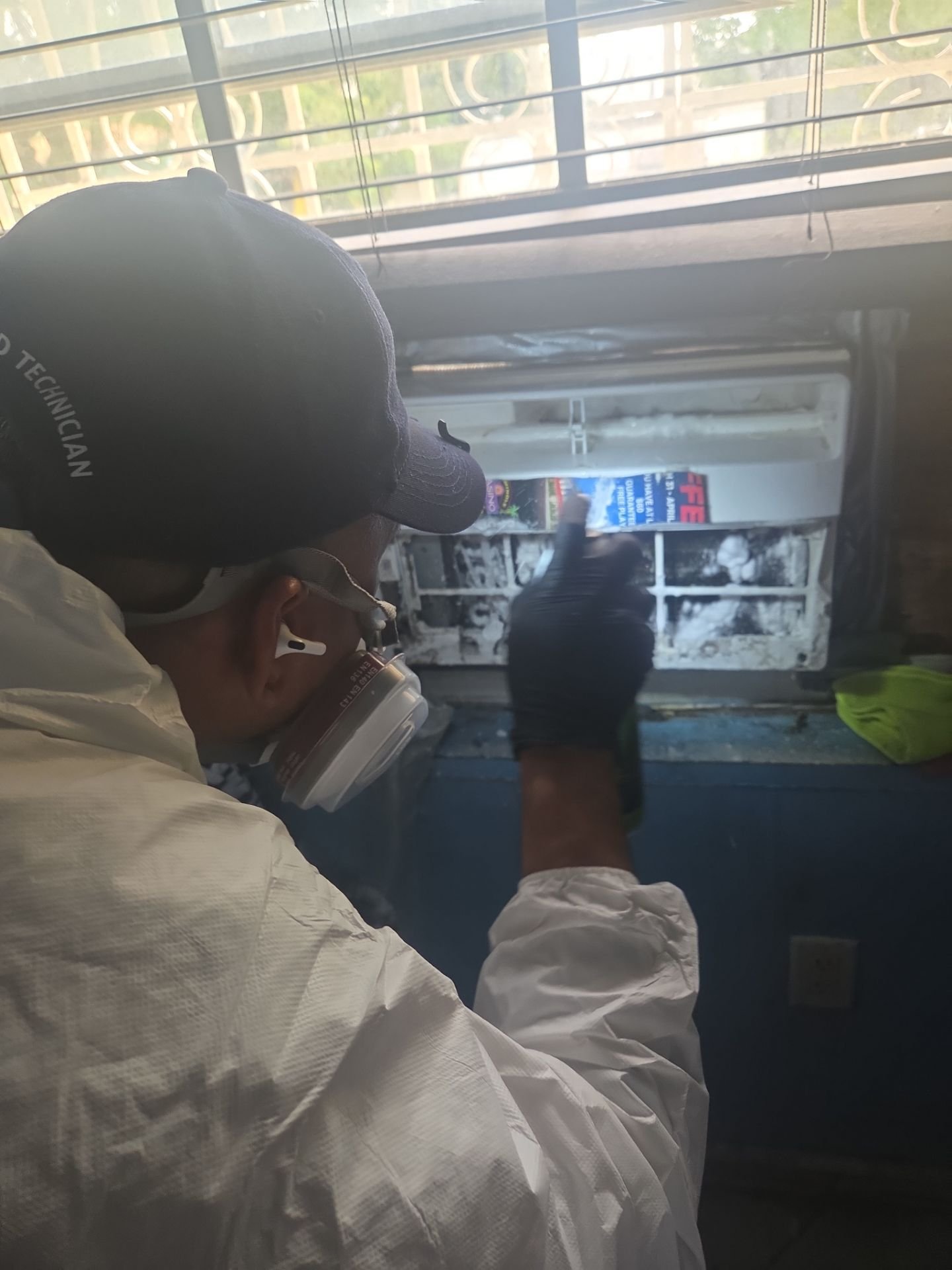
Mold contamination frequently develops in concealed areas where moisture remains undetected for extended periods. Common locations include wall cavities, attics, crawlspaces, mechanical rooms, utility areas, HVAC systems, insulation, and beneath flooring materials.
Routine inspections help property owners detect early warning signs such as musty odors, discoloration, elevated humidity levels, condensation issues, water stains, and visible signs of moisture accumulation.
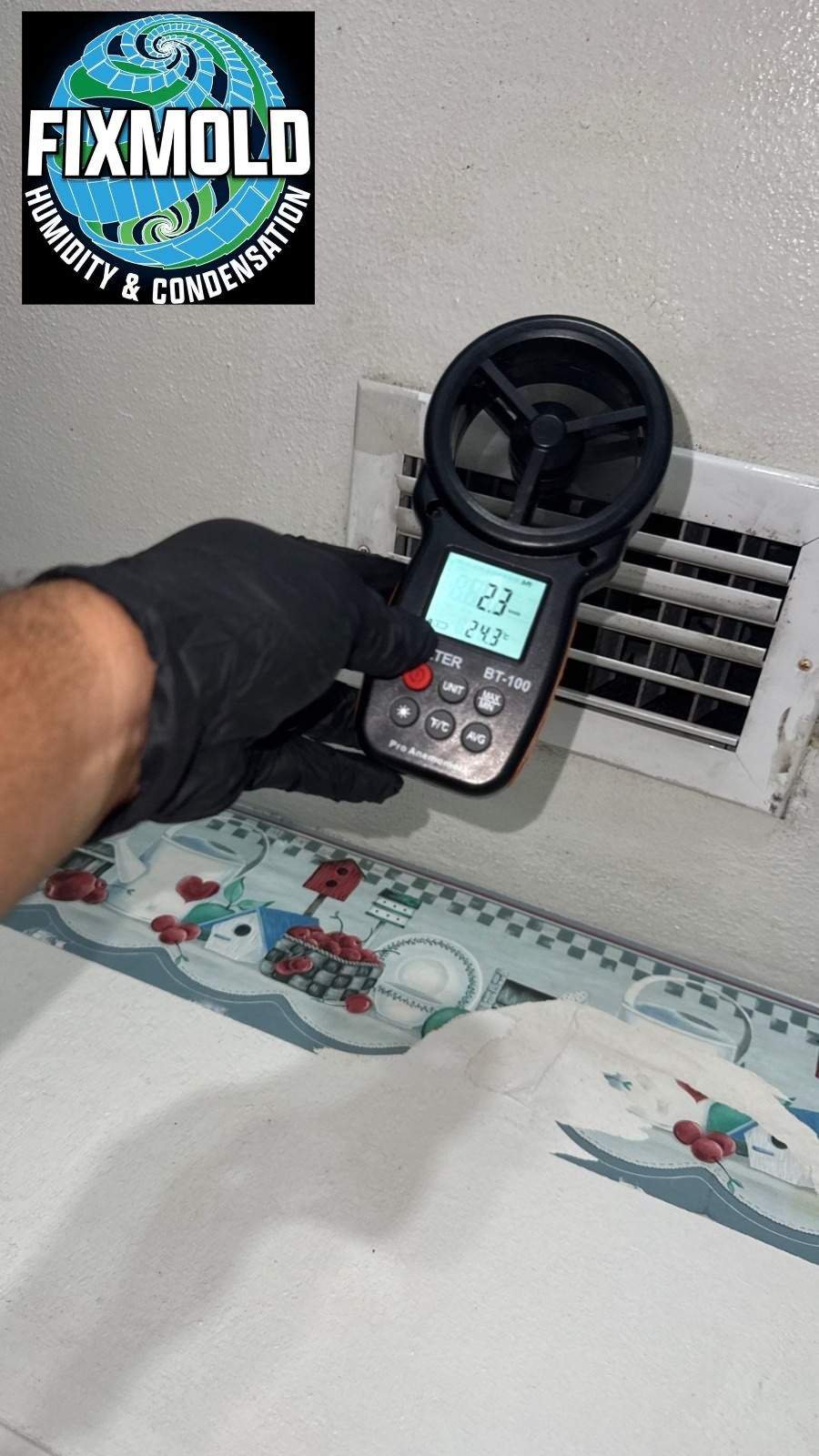
HVAC maintenance remains an important component of mold prevention. Air handling units, ductwork, condensate drain systems, coils, and ventilation components should be inspected regularly to reduce moisture buildup and improve indoor air quality.
Commercial properties, office buildings, schools, healthcare facilities, hotels, condominium associations, apartment complexes, and industrial facilities often benefit from structured maintenance plans designed to identify moisture concerns before they become costly remediation projects.
Following hurricanes, tropical storms, plumbing failures, appliance leaks, roof damage, or flooding events, rapid response measures are essential. Immediate drying and moisture control help minimize the risk of mold development and structural deterioration.
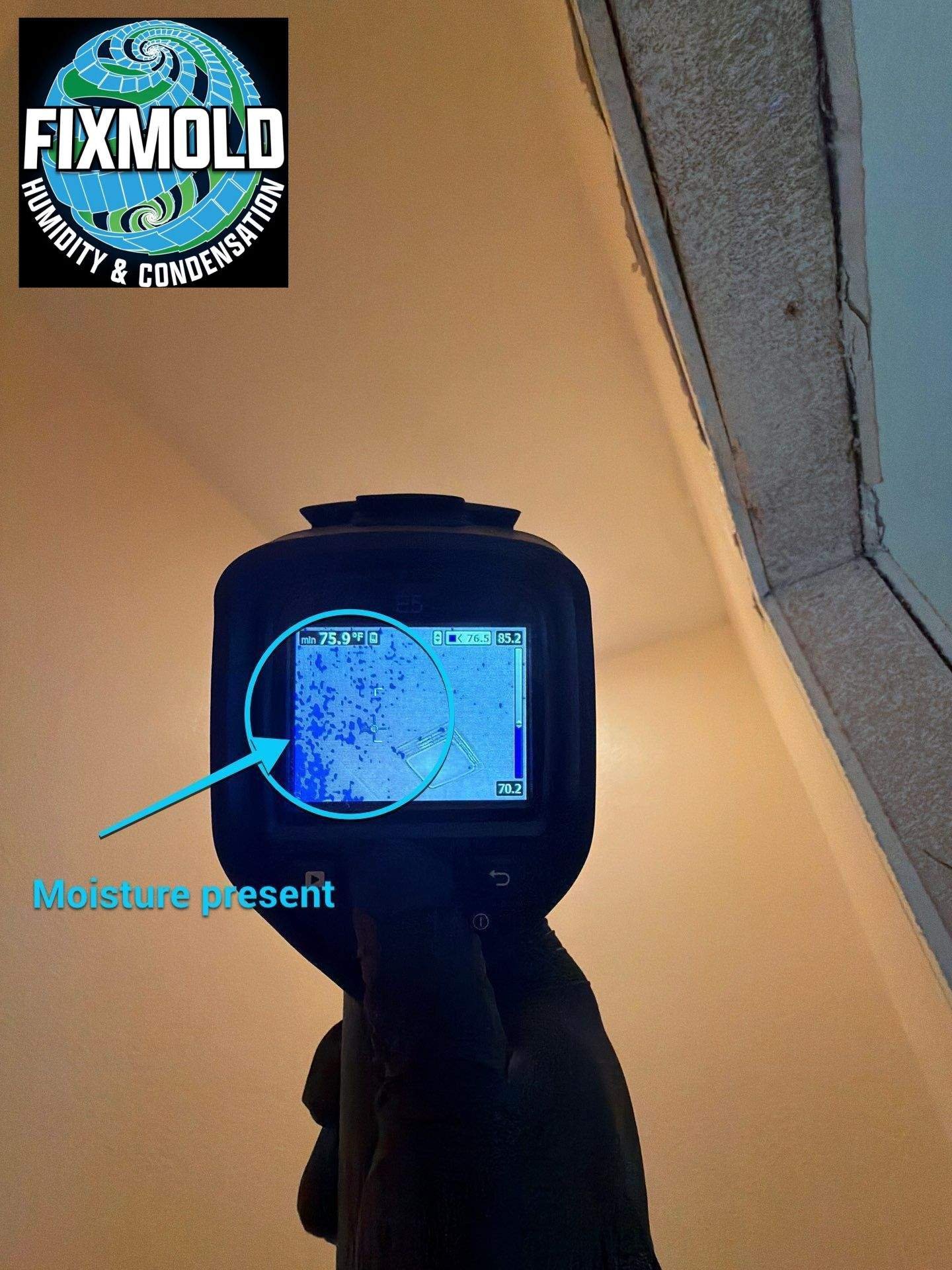
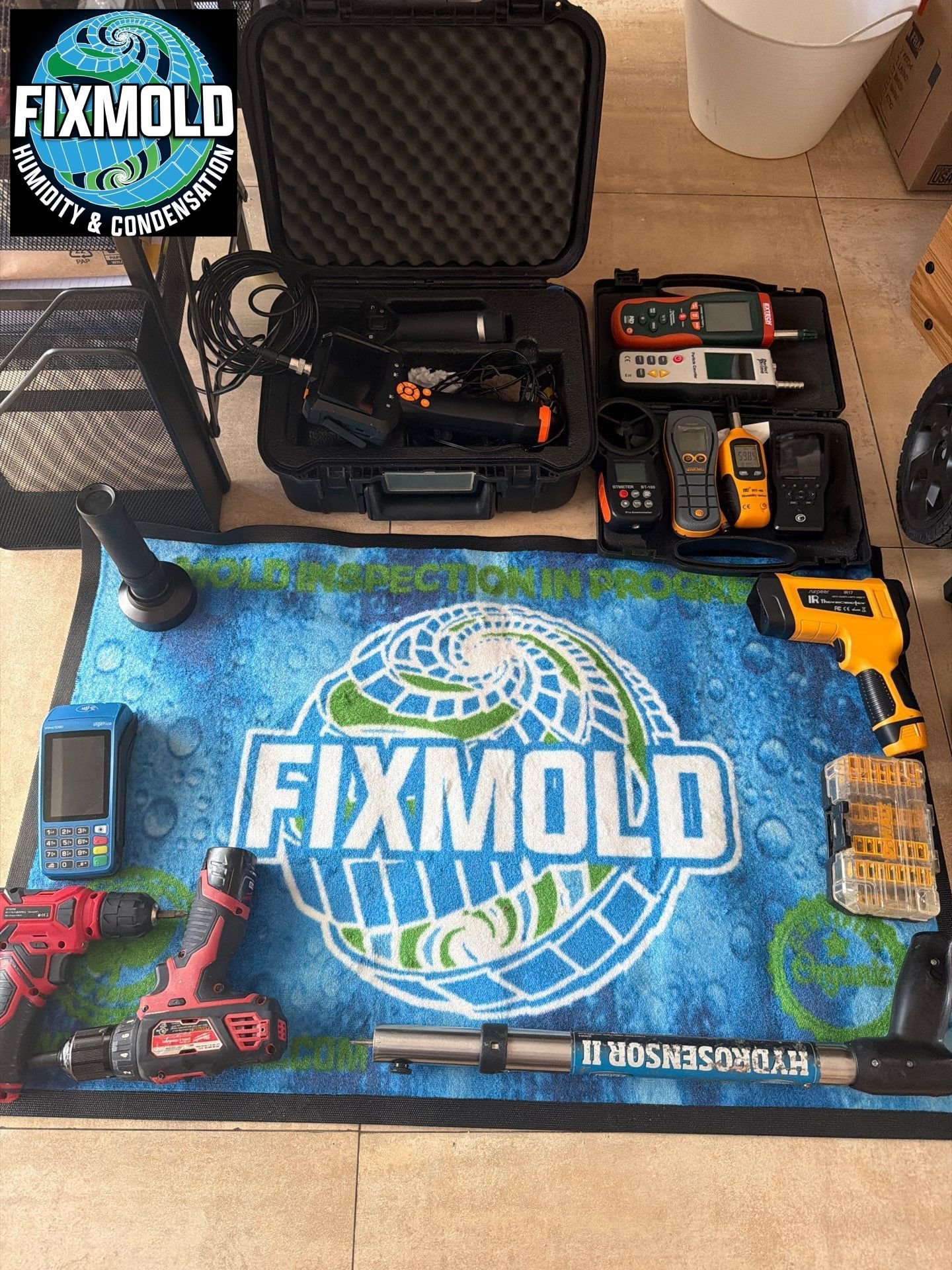
Professional property maintenance programs may incorporate moisture monitoring, thermal imaging technology, humidity assessments, drainage evaluations, and periodic environmental inspections to help identify hidden issues.
Effective mold prevention requires more than cleaning visible growth. Long-term success depends on addressing the underlying moisture source and implementing corrective measures that reduce future risk.
Every property has unique maintenance requirements based on its age, construction materials, design, occupancy levels, maintenance history, and exposure to environmental conditions.
Consistent building maintenance not only helps reduce mold risks but may also improve property value, support indoor environmental quality, extend the lifespan of building materials, and reduce the likelihood of costly repairs.
Comprehensive property maintenance services, mold inspections, moisture assessments, and environmental evaluations help property owners identify developing issues early and implement practical solutions that support healthier indoor environments throughout Miami and South Florida.
A Deep Commitment To Restoration
A Family Legacy Of Trust
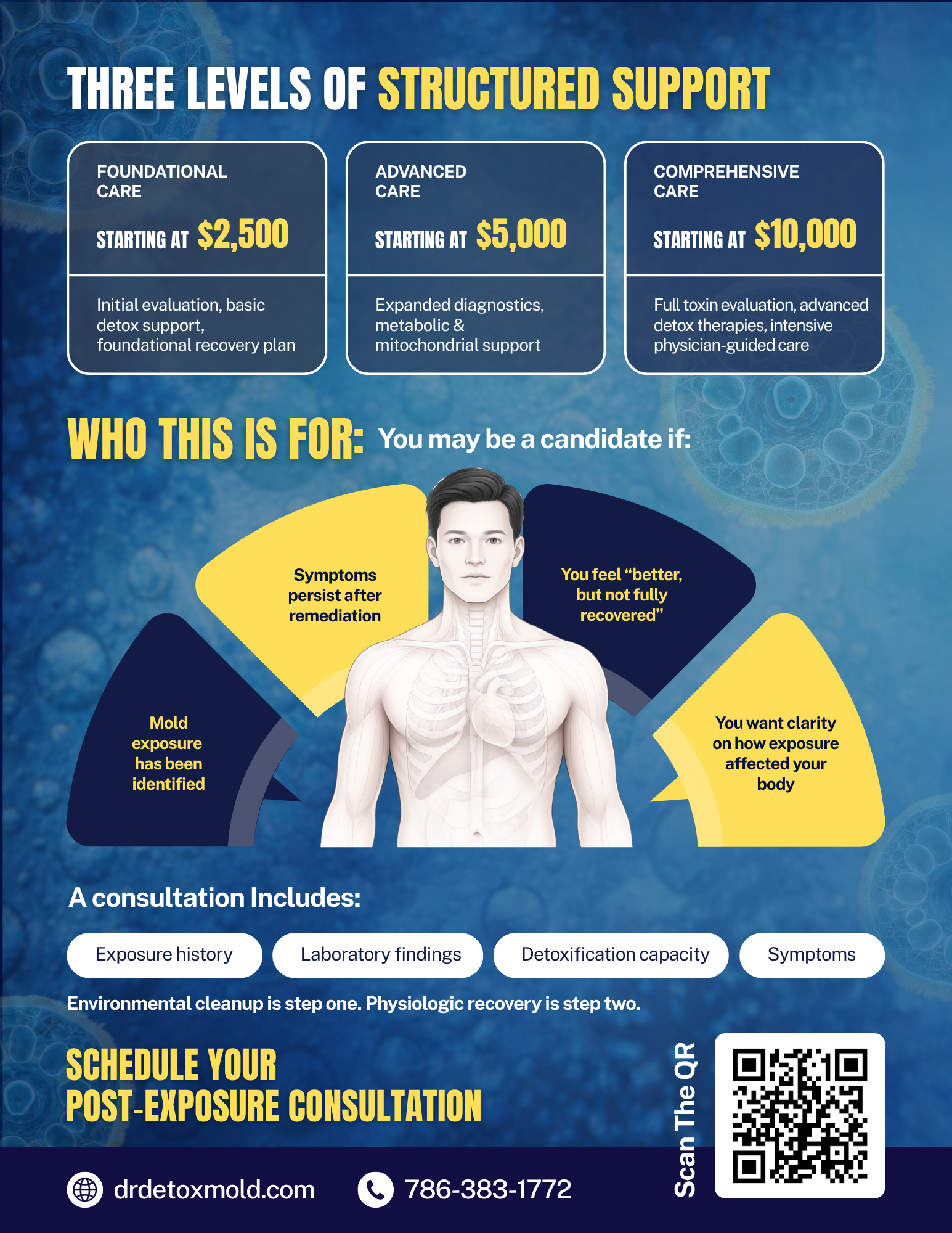
Mold Removed From Your Home. What About Your Body?
A medically guided approach to supporting recovery after mold exposure.
FixMold focuses on eliminating mold from your environment.
But for some individuals, recovery doesn’t stop there. Even after successful remediation, the body may continue responding to past exposure. In these cases, a structured, medically guided approach may be necessary to support full recovery.
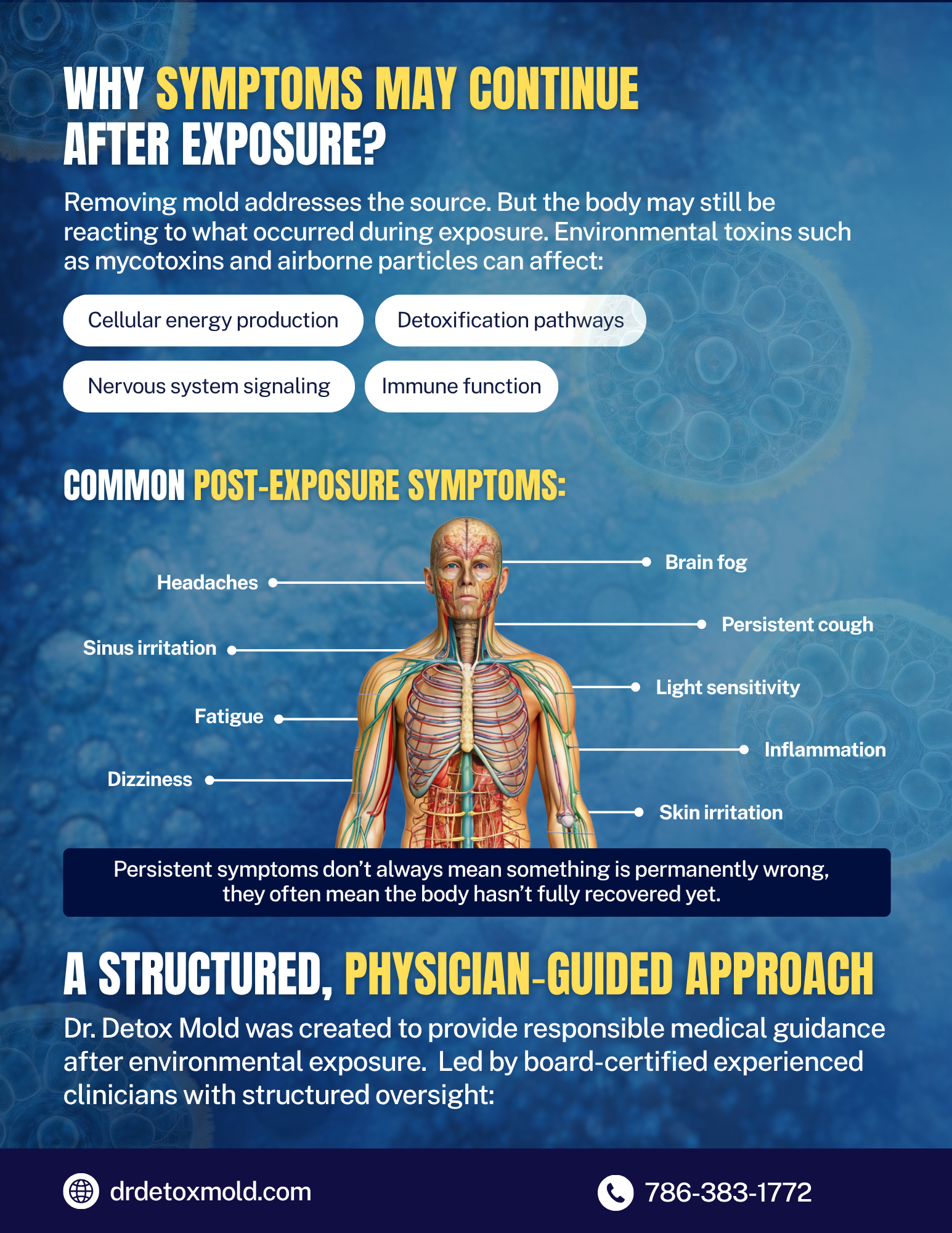
Why Symptoms Can Continue After Mold Exposure
Removing mold addresses the source of the problem, but it does not always resolve how the body has been affected during exposure.
Environmental toxins can impact multiple systems:
• Immune function
• Nervous system signaling
• Cellular energy production
• Detoxification pathways
For some individuals, these systems require time and proper support to return to balance.
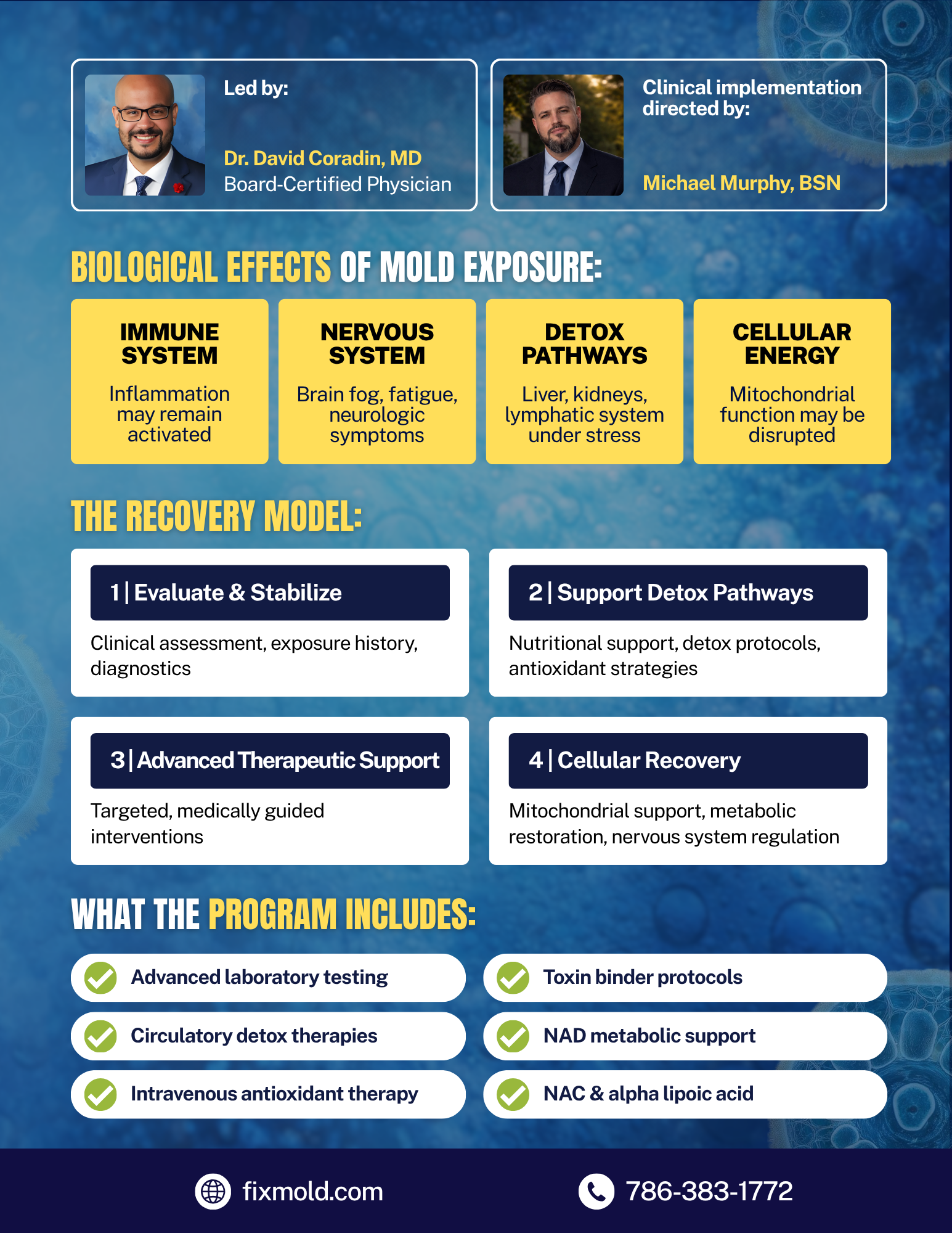
2. Detoxification Support
• Nutritional protocols
• Toxin-binding strategies
• Antioxidant support
3. Advanced Therapeutic Support
• Targeted, medically guided interventions
• IV-based therapies when appropriate
4. Cellular Recovery
• Mitochondrial support
• Metabolic restoration
• Nervous system regulation
Core Focus
• Detoxification support
• Immune system balance
• Cellular energy restoration
• Nervous system regulation
Key Principle
Recovery is not about doing more. It is about doing the right things, in the right order.
Next Steps
If mold exposure has been identified and symptoms are still present, evaluation may provide clarity.
• Exposure history review
• Laboratory evaluation
• Detoxification assessment
• Symptom analysis
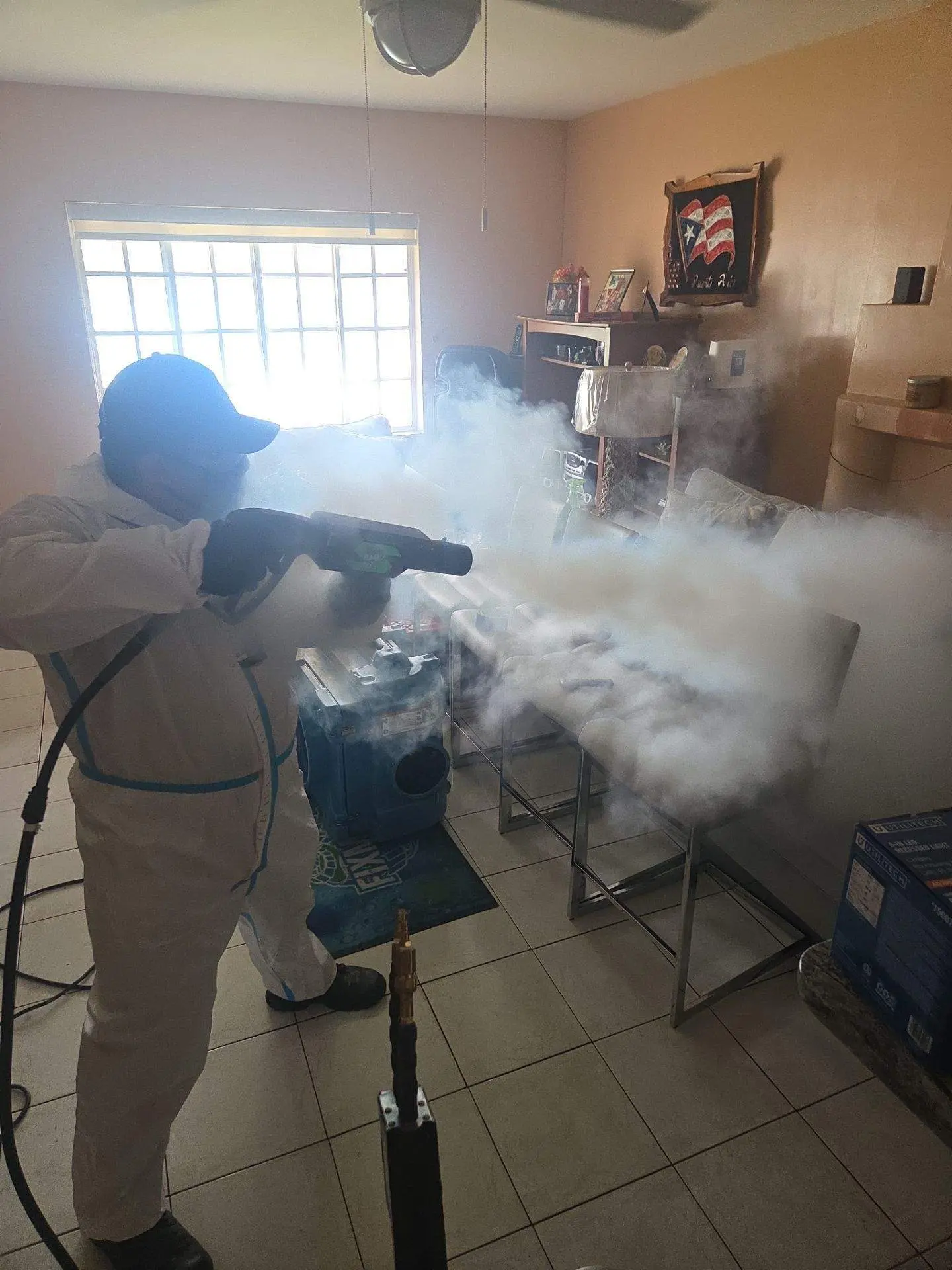
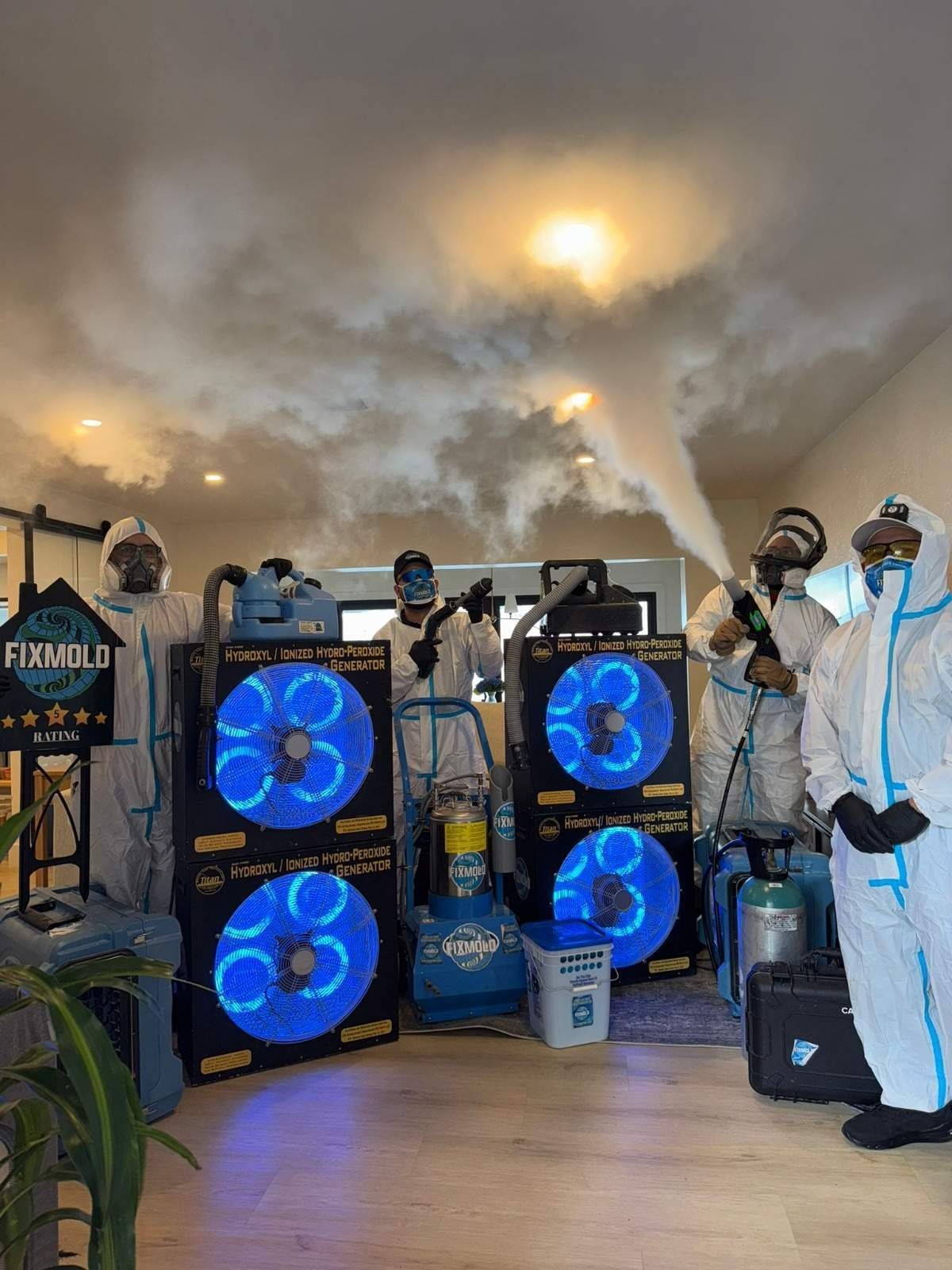
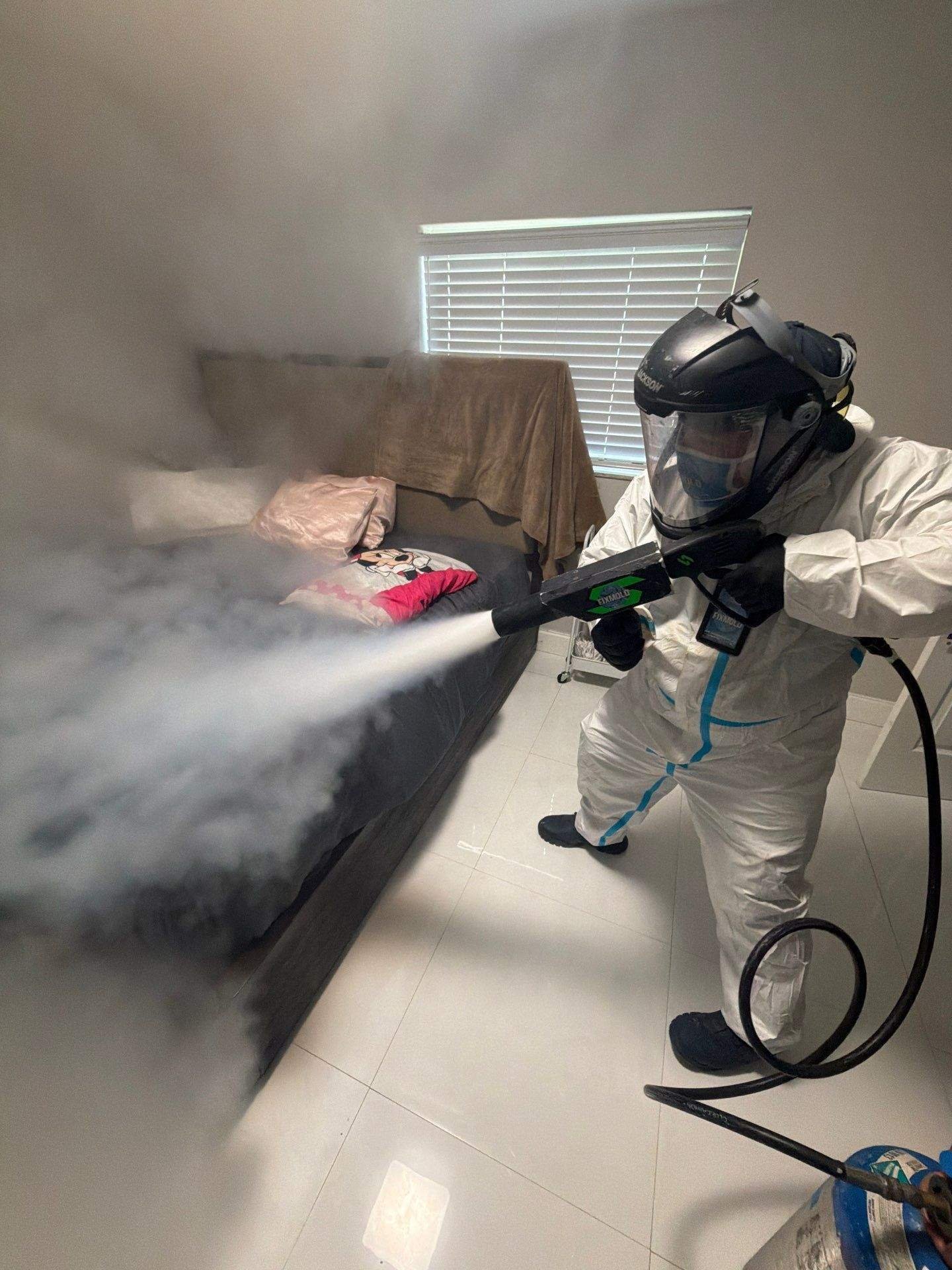
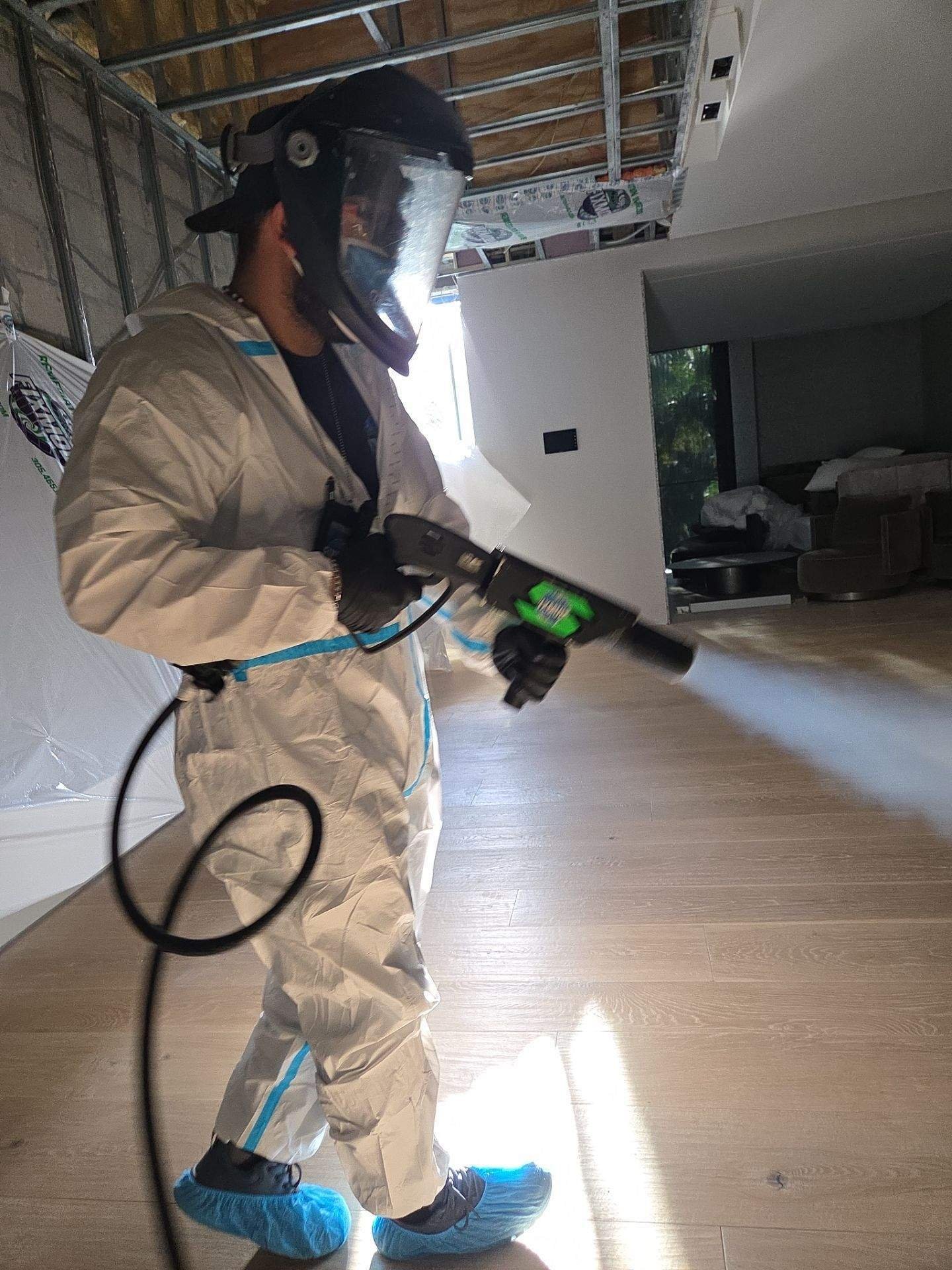
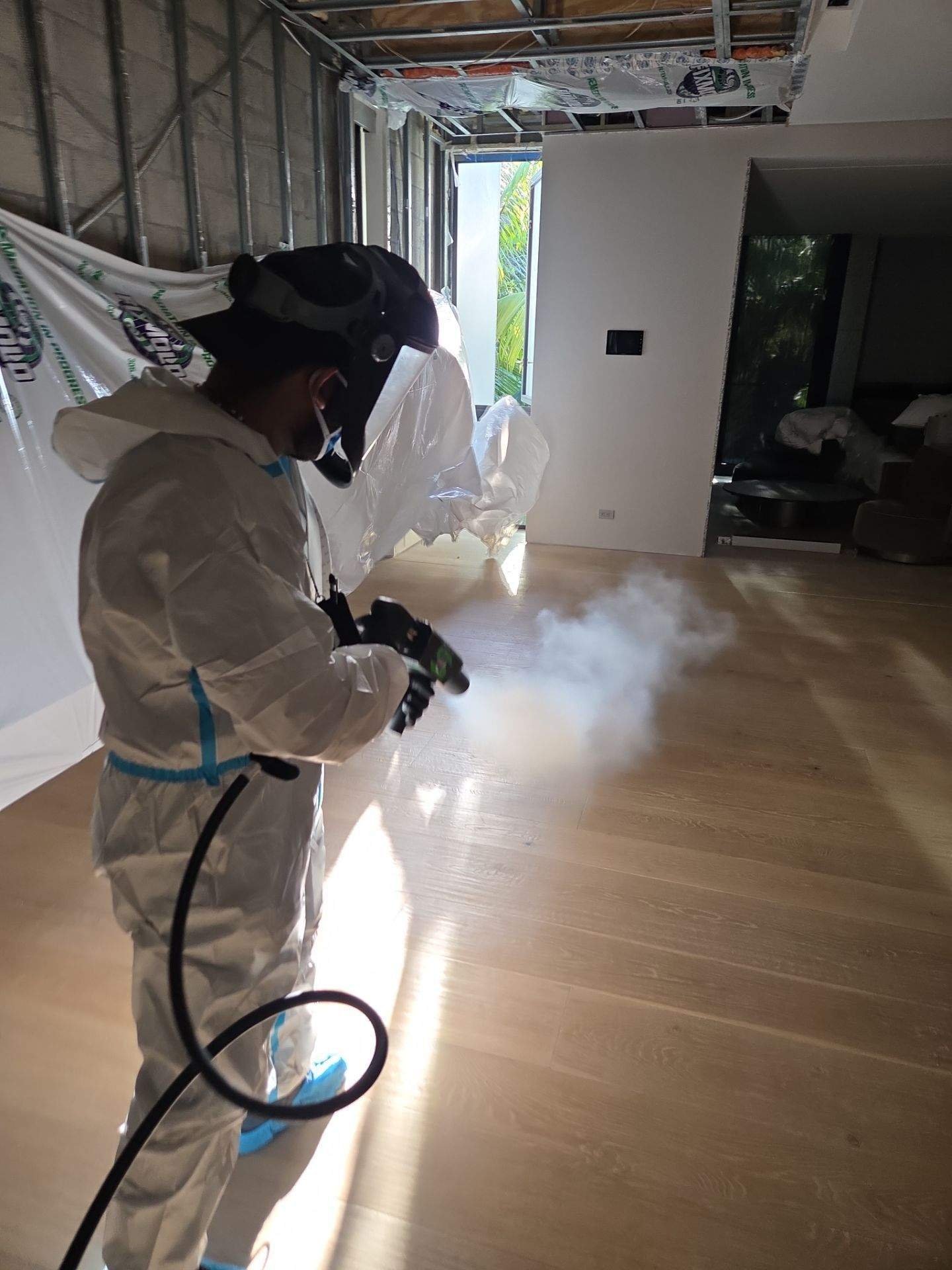
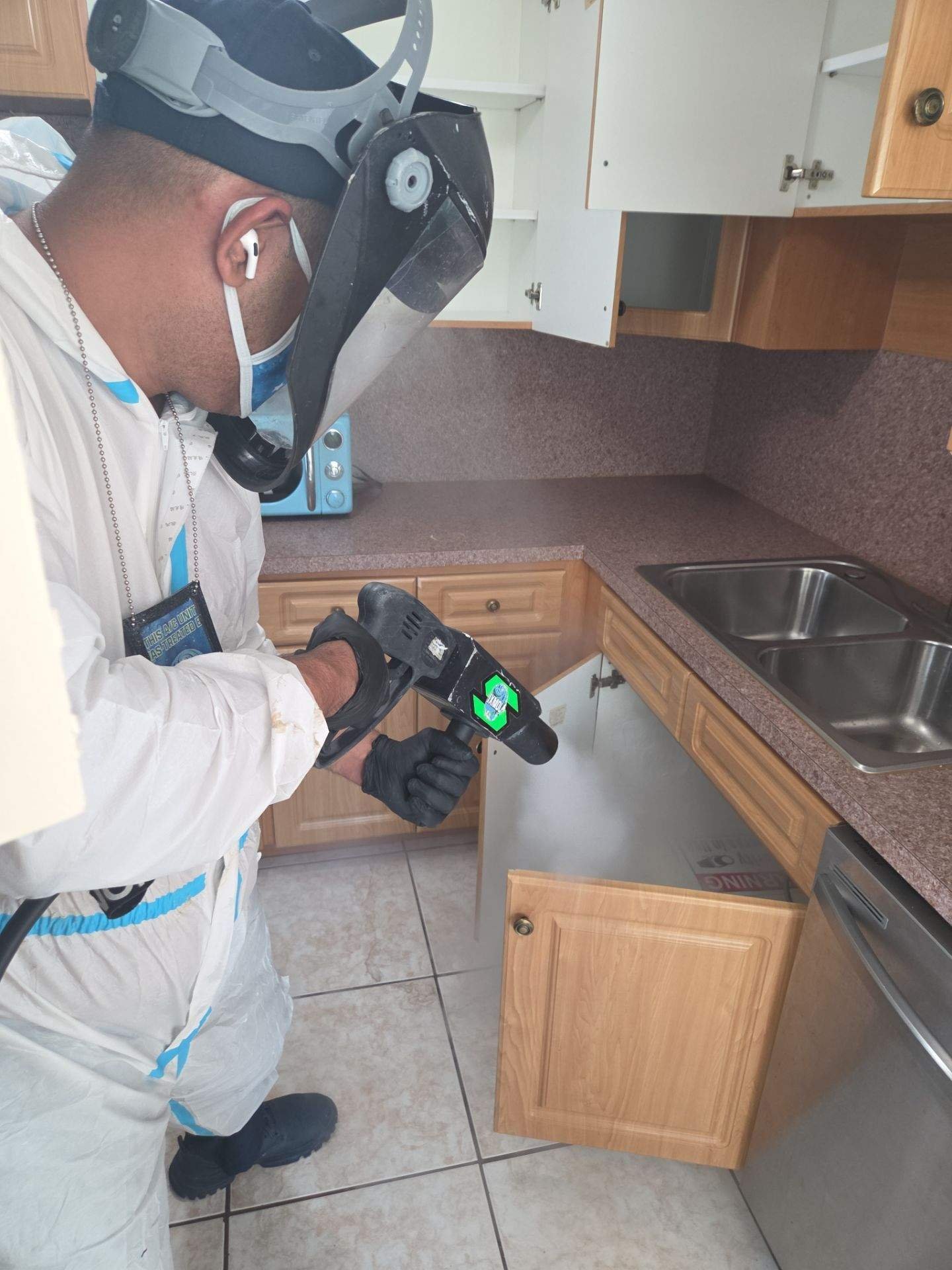
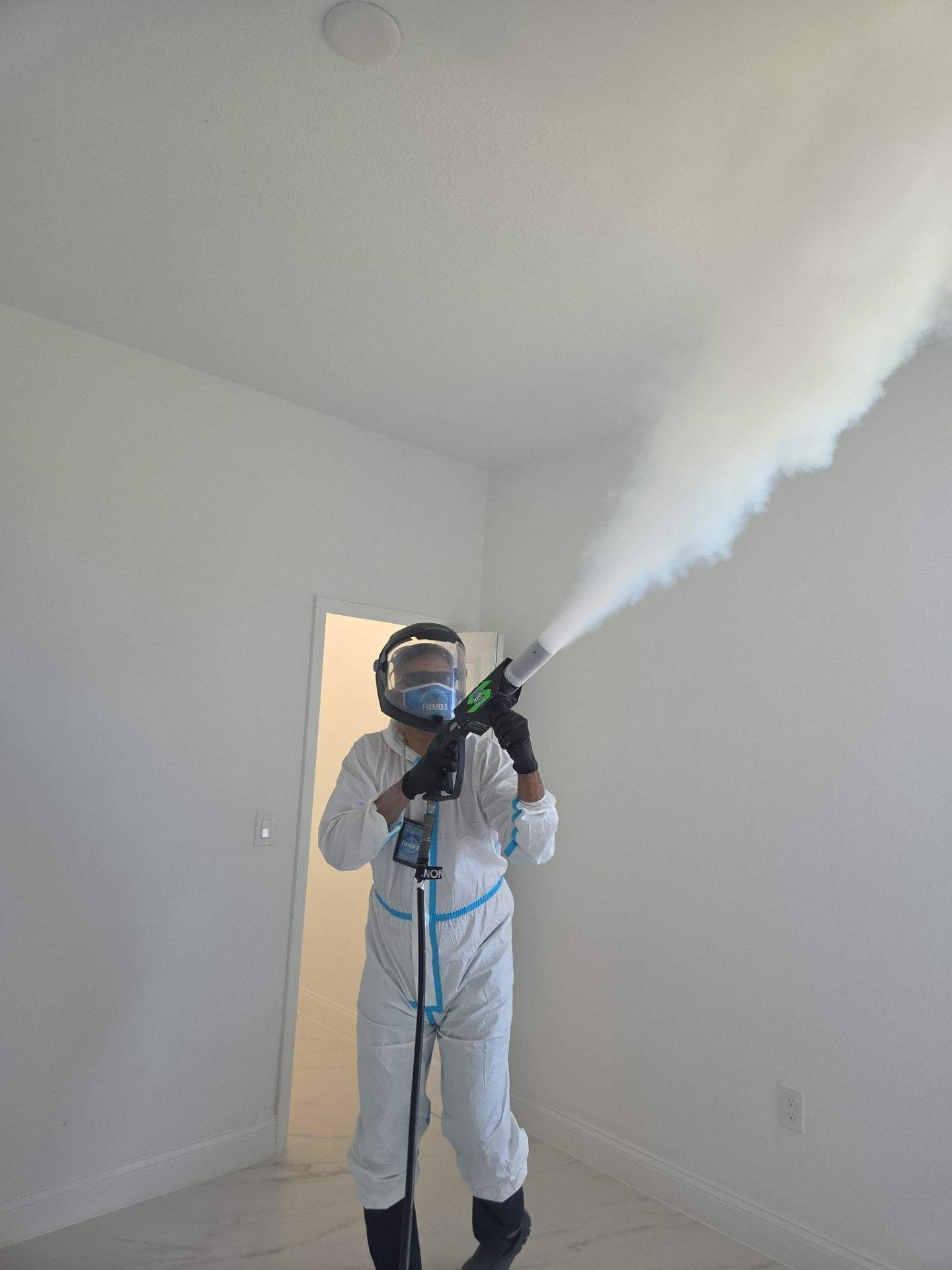
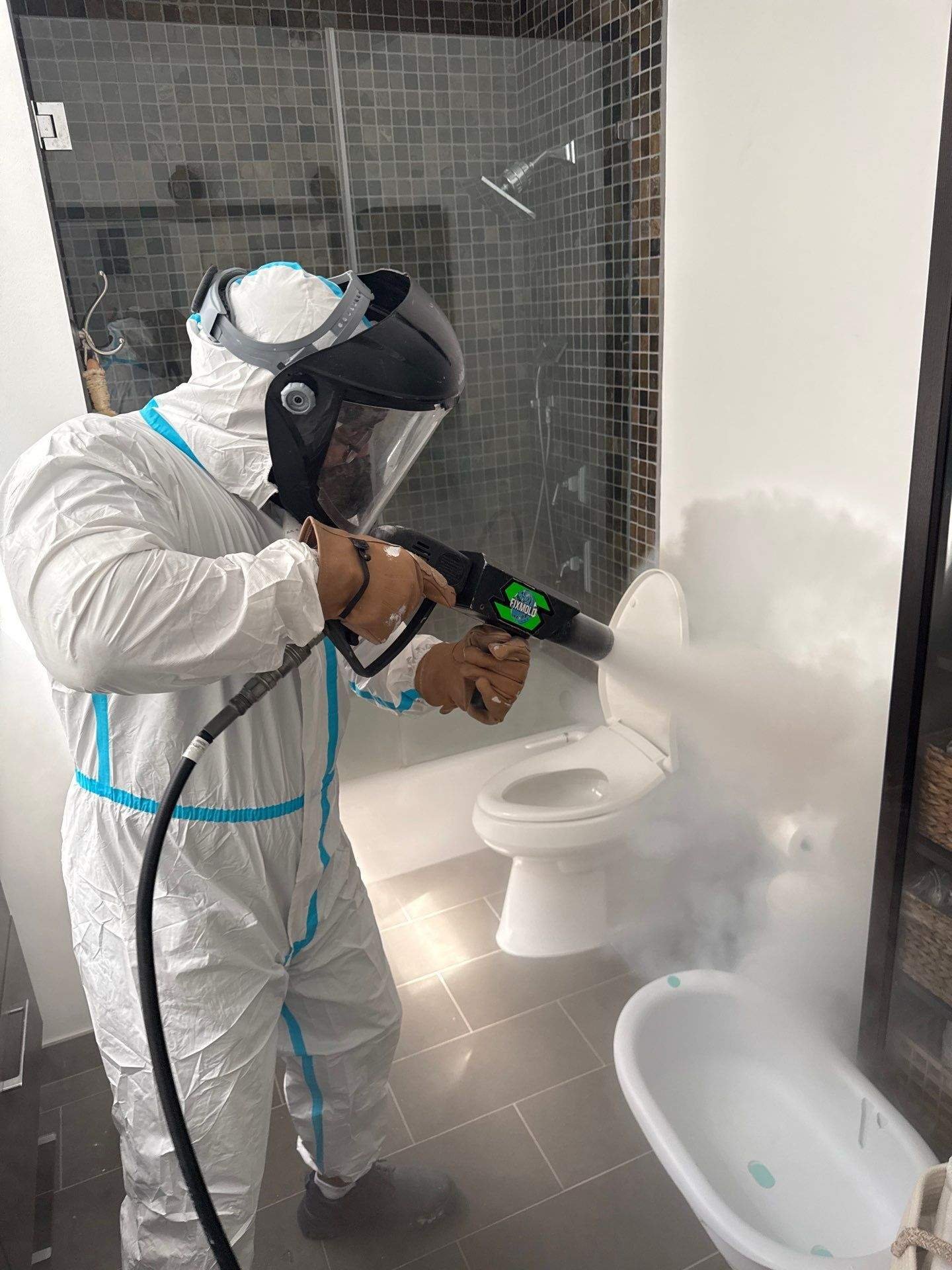
Yes. The CO2 dry ice mist is non-toxic and leaves no chemical residue on surfaces after the treatment dissipates. CO2 is naturally present in the atmosphere and the mist itself evaporates without leaving any material behind. The hydrogenation reaction targets the cellular biology of mold organisms specifically and does not produce compounds harmful to humans or animals. Our organic VOC-free approach applies across every technology we use including this one.
+
Is this the same as dry ice blasting used in some mold remediation?
No. Dry ice blasting is a physical abrasion process where frozen CO2 pellets are propelled at a surface to remove material mechanically, similar to sandblasting. CO2 hydrogenation is a chemical process where CO2 in a specific state is used to generate a reactive mist that penetrates materials and addresses mold contamination through a biochemical reaction rather than physical abrasion. The mechanisms, the equipment and the outcomes are fundamentally different.
+
Can I find this technology with other mold remediation companies?
No. The CO2 hydrogenation process is exclusively patented for use by the Katz family's companies. FixMold is the entity through which this technology is currently deployed in South Florida. If another company claims to offer CO2 hydrogenation mold treatment, ask to see their licensing documentation.
+
Does this technology replace the need for physical mold removal?
No, and any company suggesting that chemical treatment alone is sufficient without physical removal of contaminated materials is not following professional remediation standards. CO2 hydrogenation addresses contamination in the substrate and in inaccessible cavities. It works alongside physical removal, not instead of it. The full FixMold 12-step process uses both because each addresses a different dimension of the problem.