View Our Reviews Accross All Platforms Here
Most mold-related claims in Miami are connected to water intrusion and long-term moisture exposure. Common causes include roof leaks, hurricanes, flooding, plumbing failures, AC drain overflows, window intrusion, appliance leaks, and hidden HVAC condensation.
Because South Florida remains humid year-round, moisture often dries slowly once it enters the structure. This allows dampness to remain trapped inside walls, ceilings, insulation systems, flooring materials, and ventilation components long enough for microbial growth to begin developing.
Many environmental problems remain hidden for weeks or months before visible mold appears inside occupied spaces.
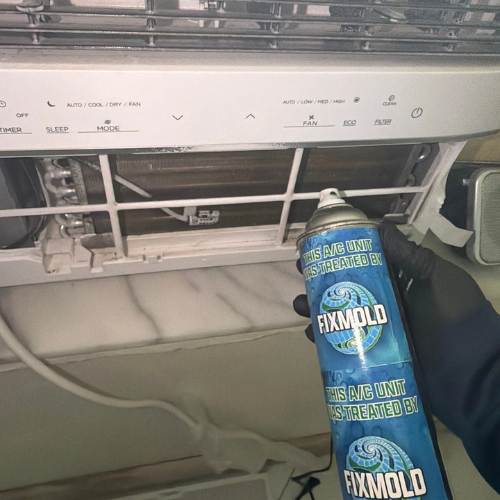
HVAC systems play a major role because they continuously control airflow and humidity throughout the building. In Miami’s climate, air conditioning systems create condensation constantly while cooling humid air.
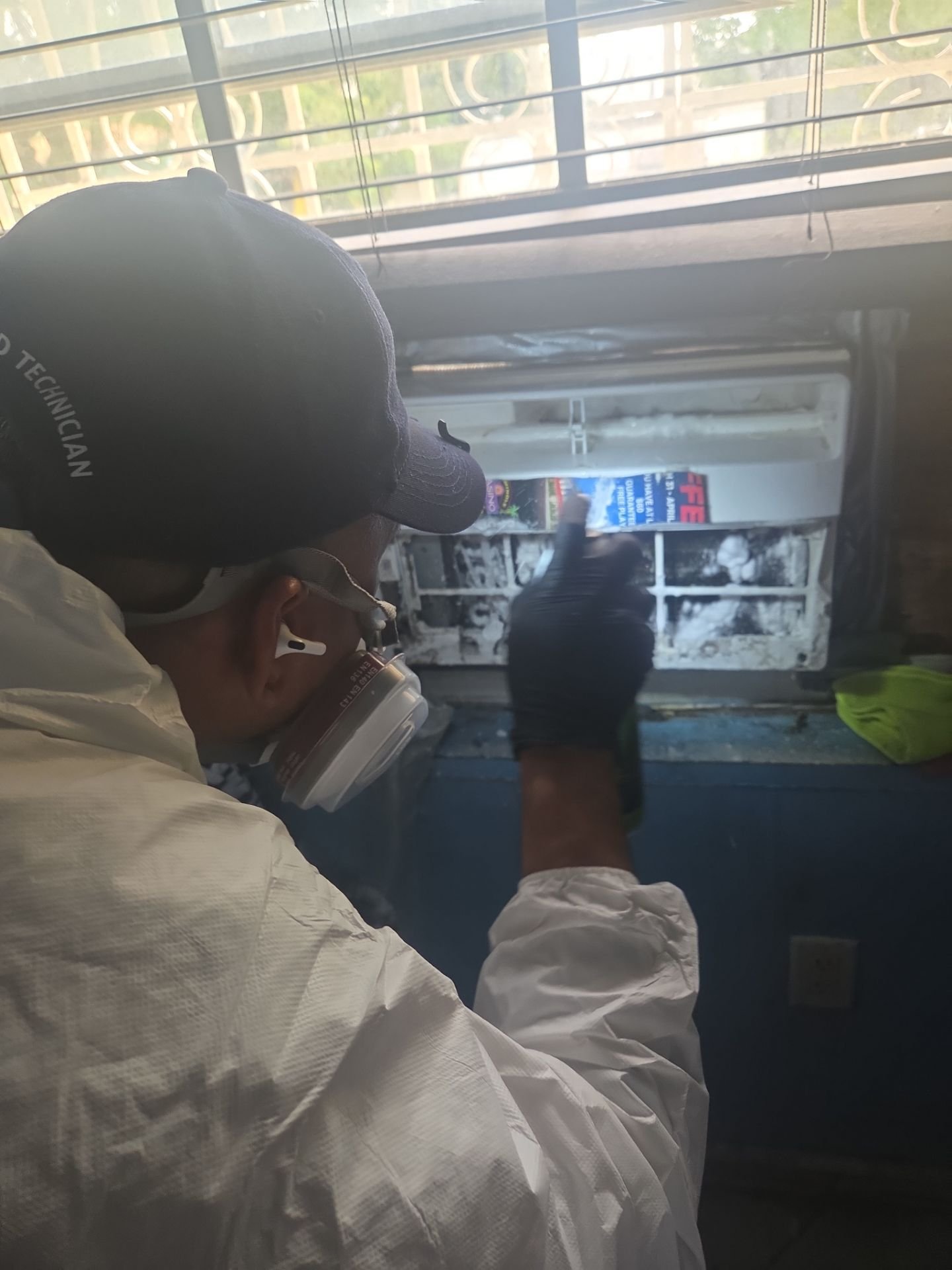
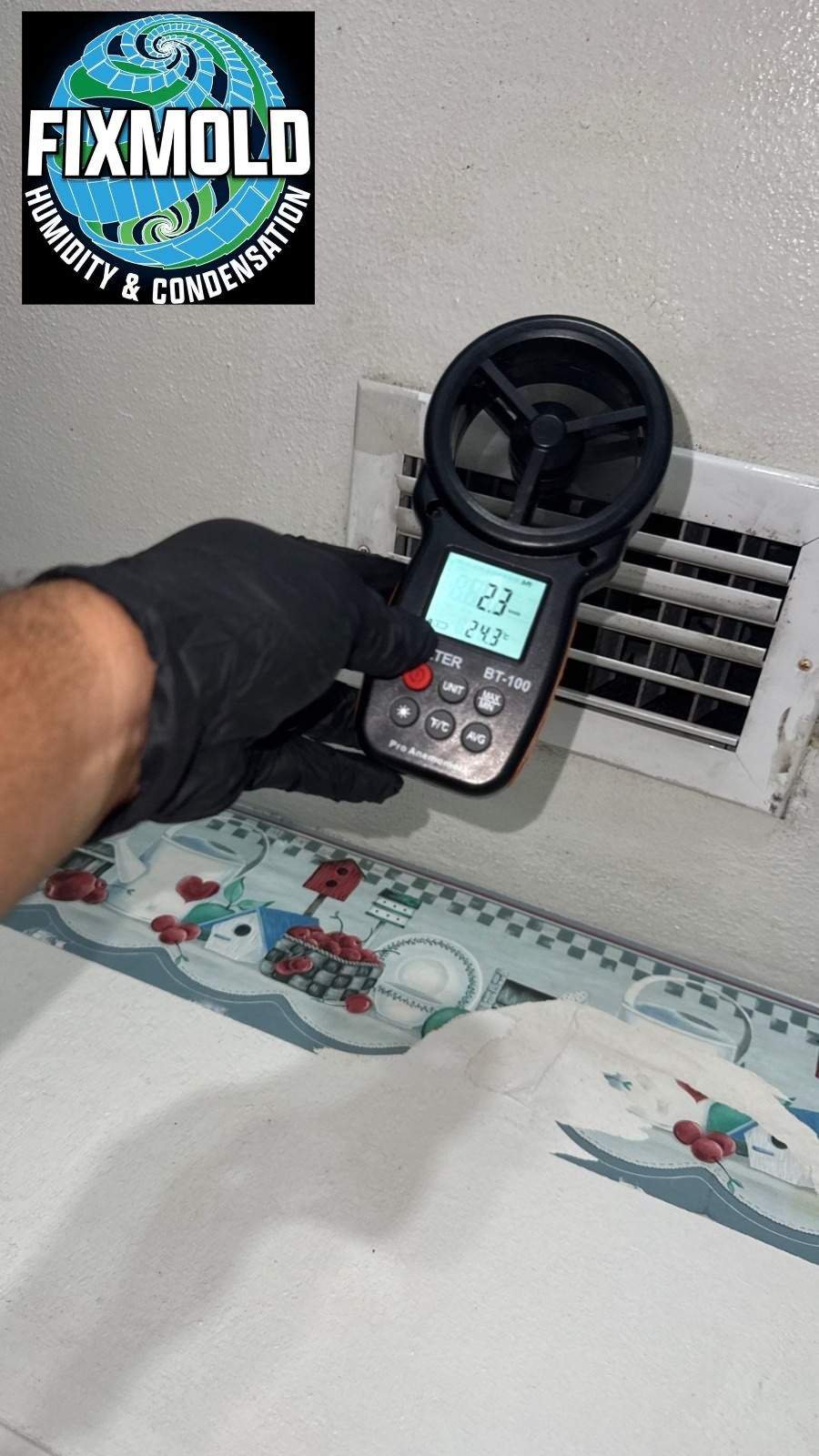
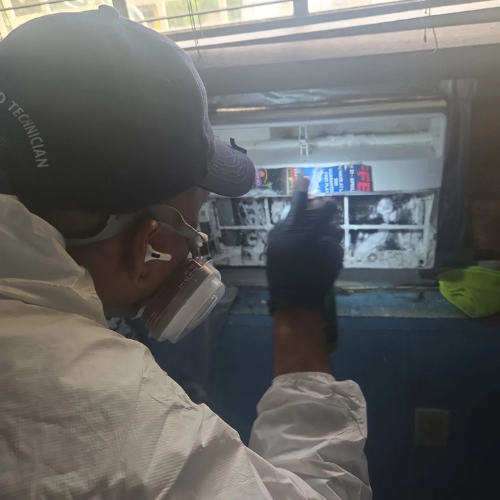
If drain lines clog, insulation absorbs moisture, or airflow becomes restricted, hidden contamination may develop inside ducts, air handlers, vents, and surrounding HVAC materials. Once contamination affects the ventilation system, airborne particles may circulate throughout the property whenever the AC operates.
Many people first notice musty odors, stale air, or recurring humidity near vents before visible mold appears elsewhere in the building.
HVAC evaluation is often an important part of environmental inspections because ventilation systems commonly contribute to hidden moisture conditions throughout South Florida properties.
Yes. Hidden mold frequently develops behind walls, beneath flooring systems, inside insulation, and above ceilings after water intrusion occurs. In Miami homes and buildings, structural materials often remain damp much longer because elevated humidity slows the drying process significantly.
Even if surfaces appear dry, hidden moisture may still remain active inside enclosed cavities where airflow is limited. Over time, microbial growth may begin affecting drywall, framing materials, insulation systems, and indoor air quality.
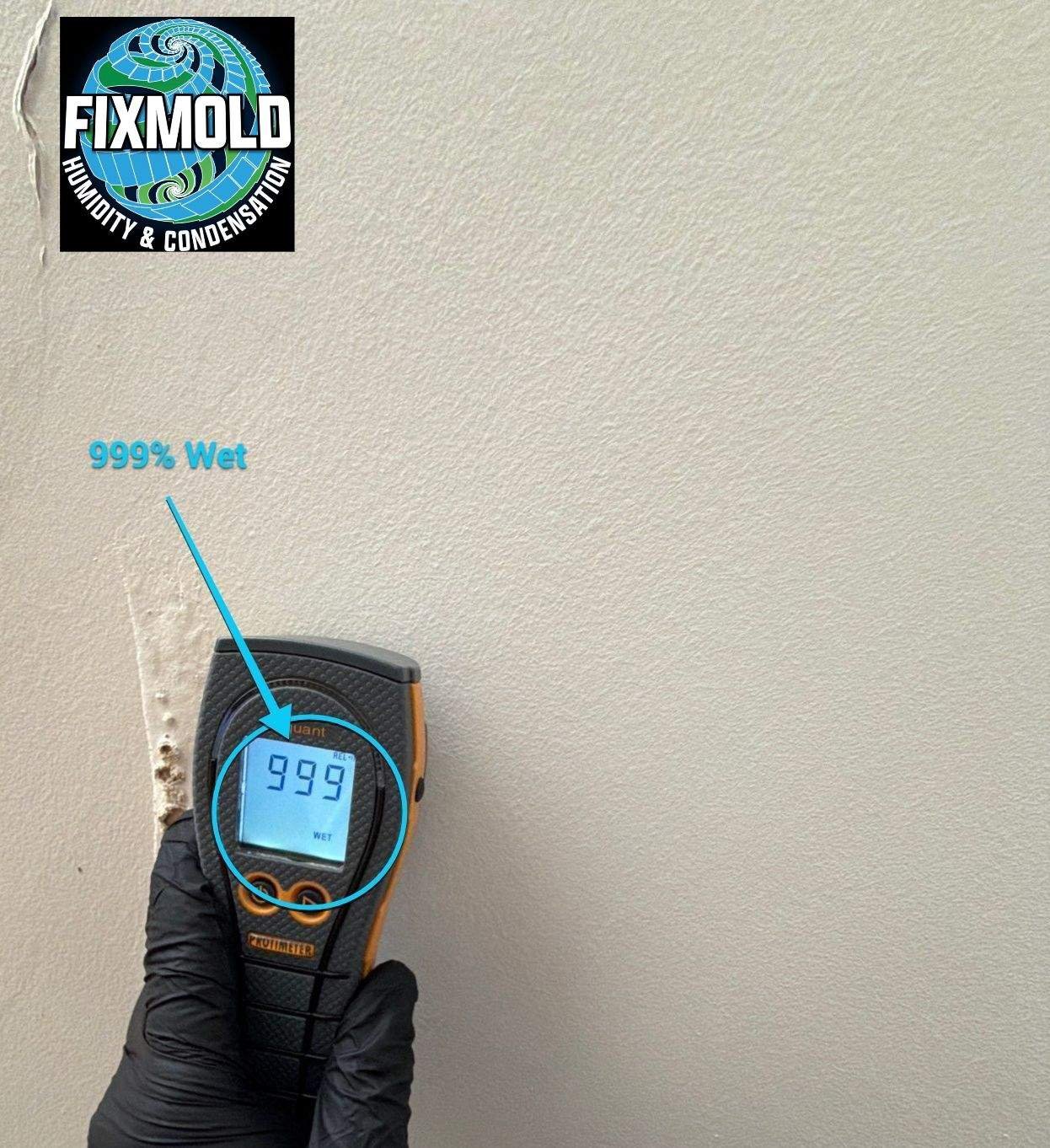
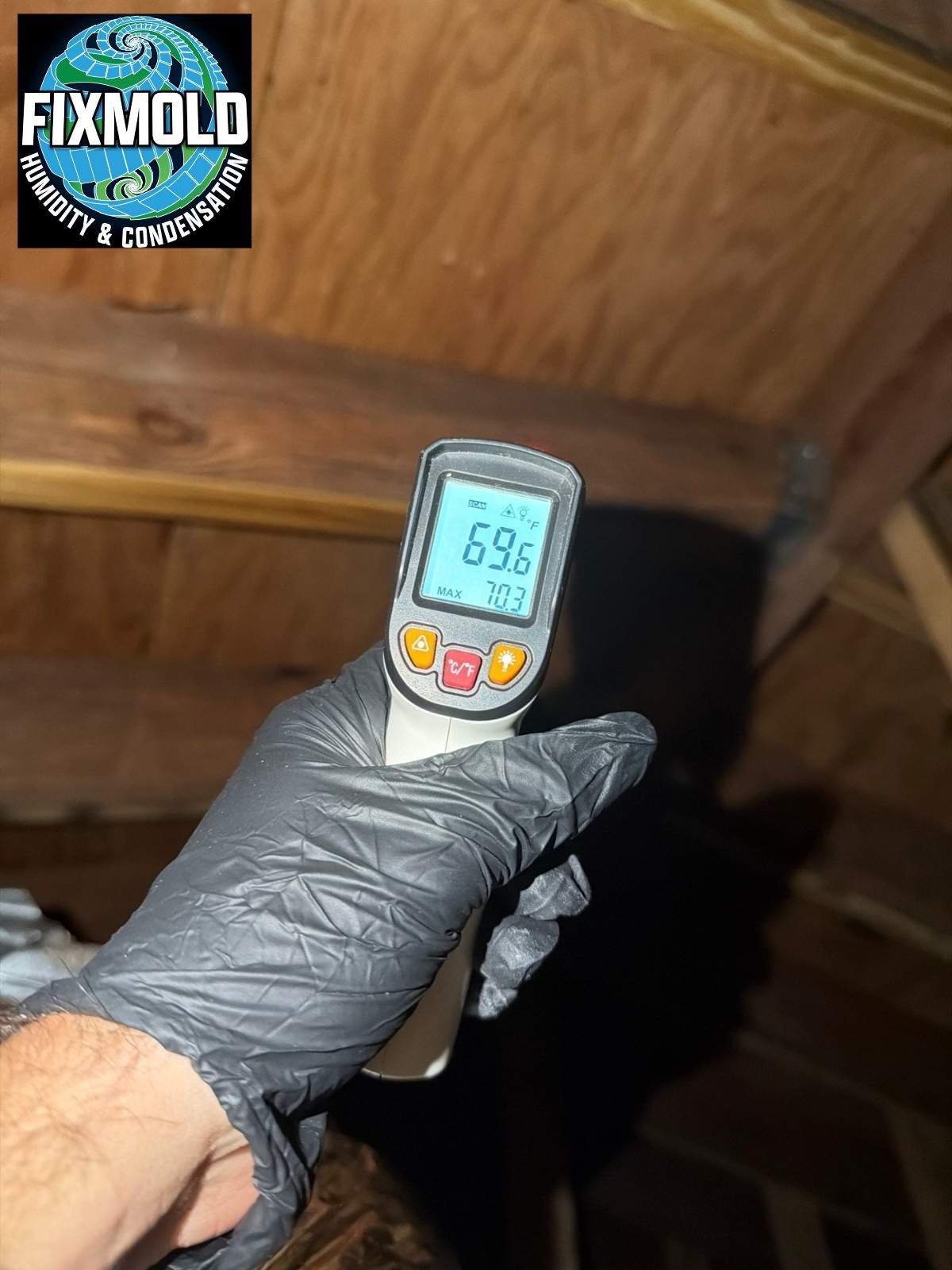
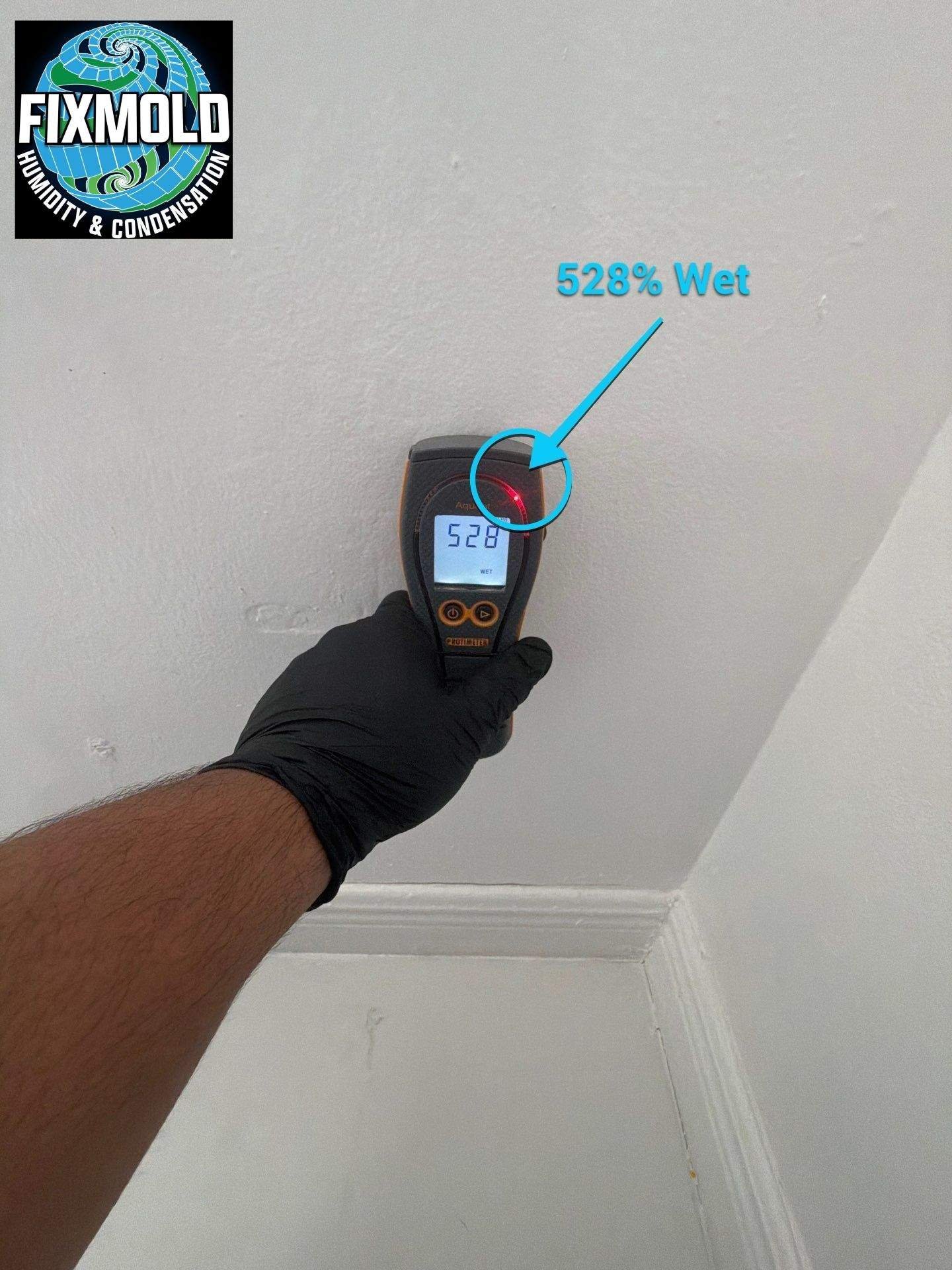
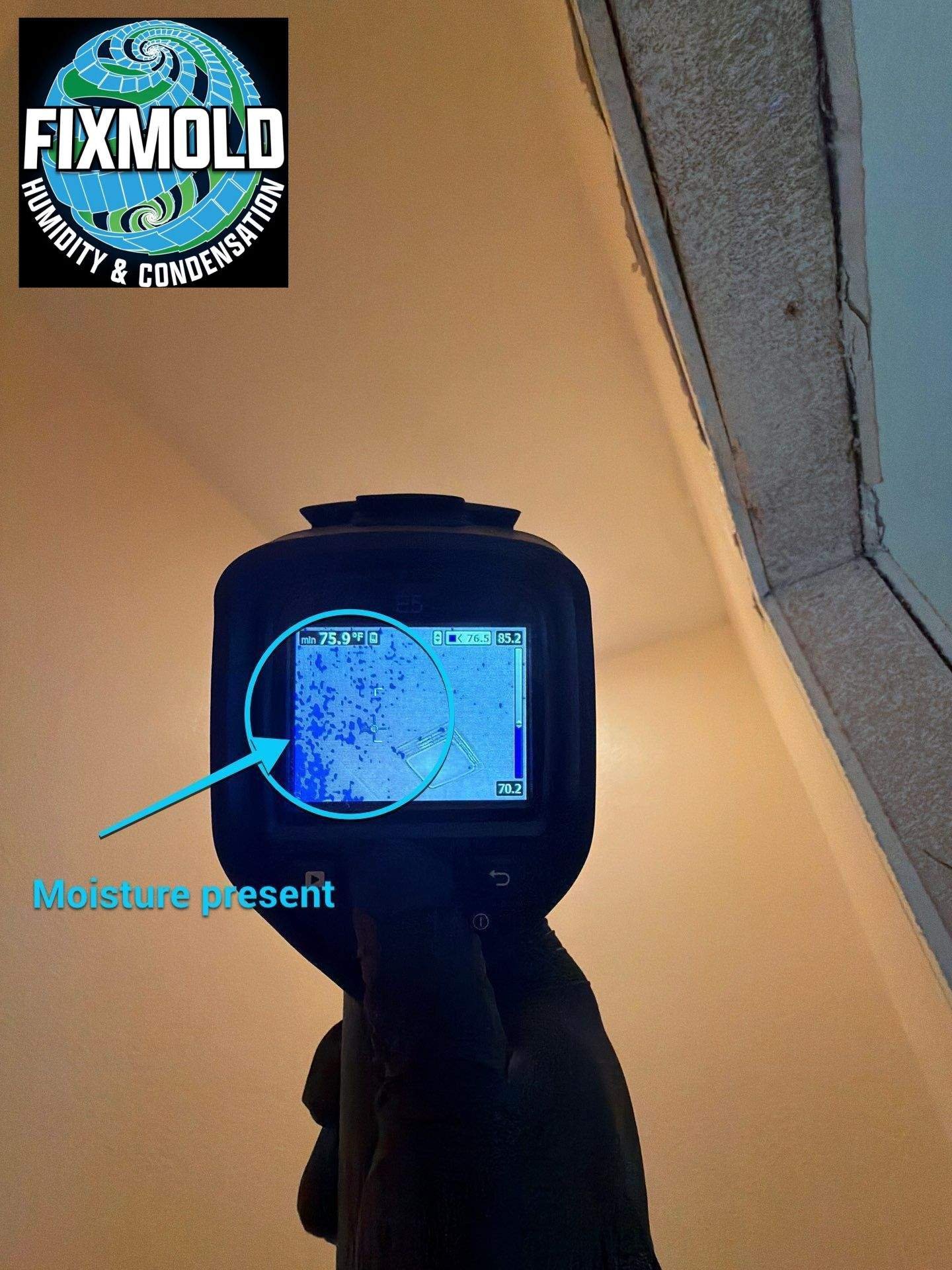
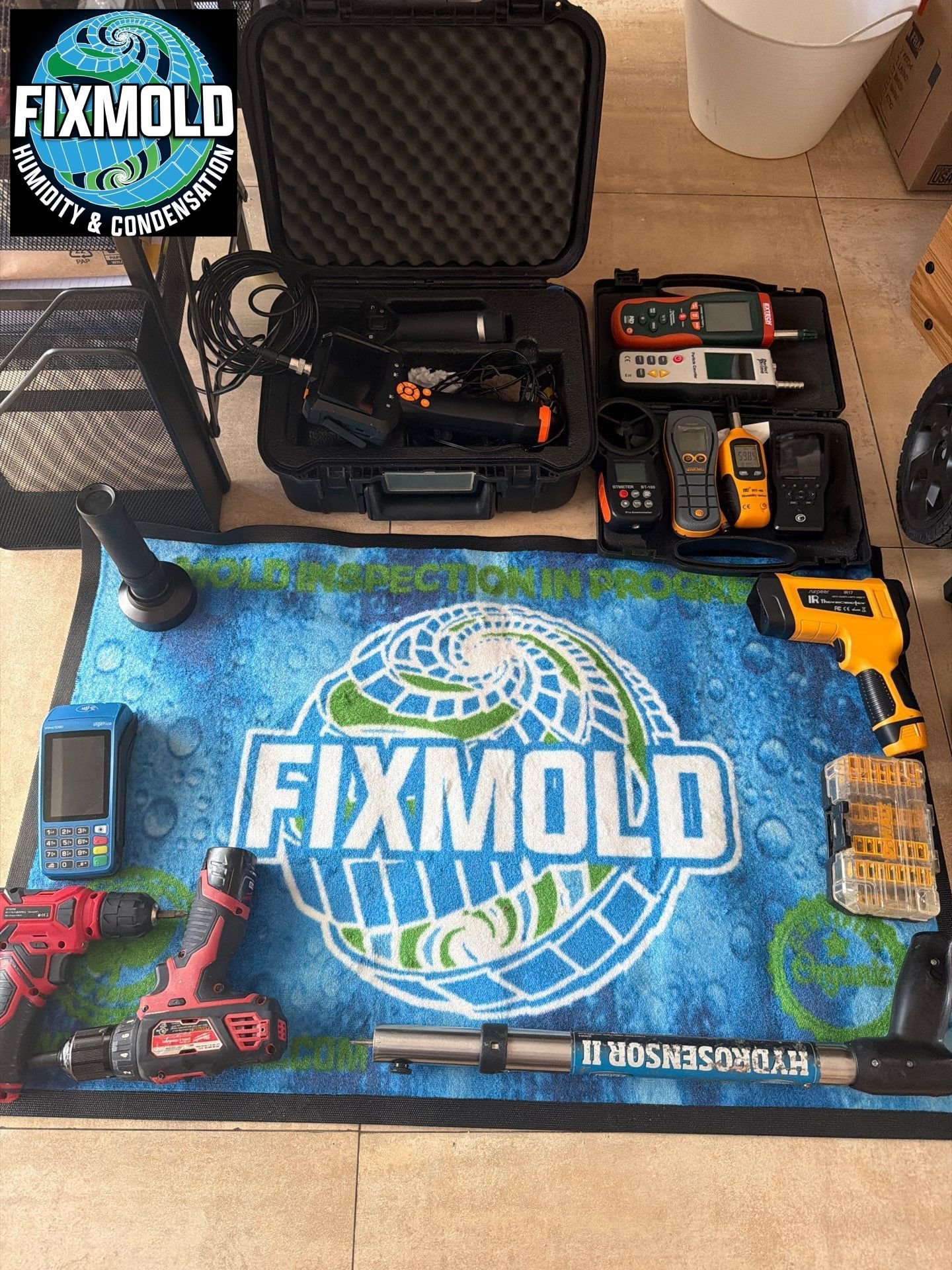
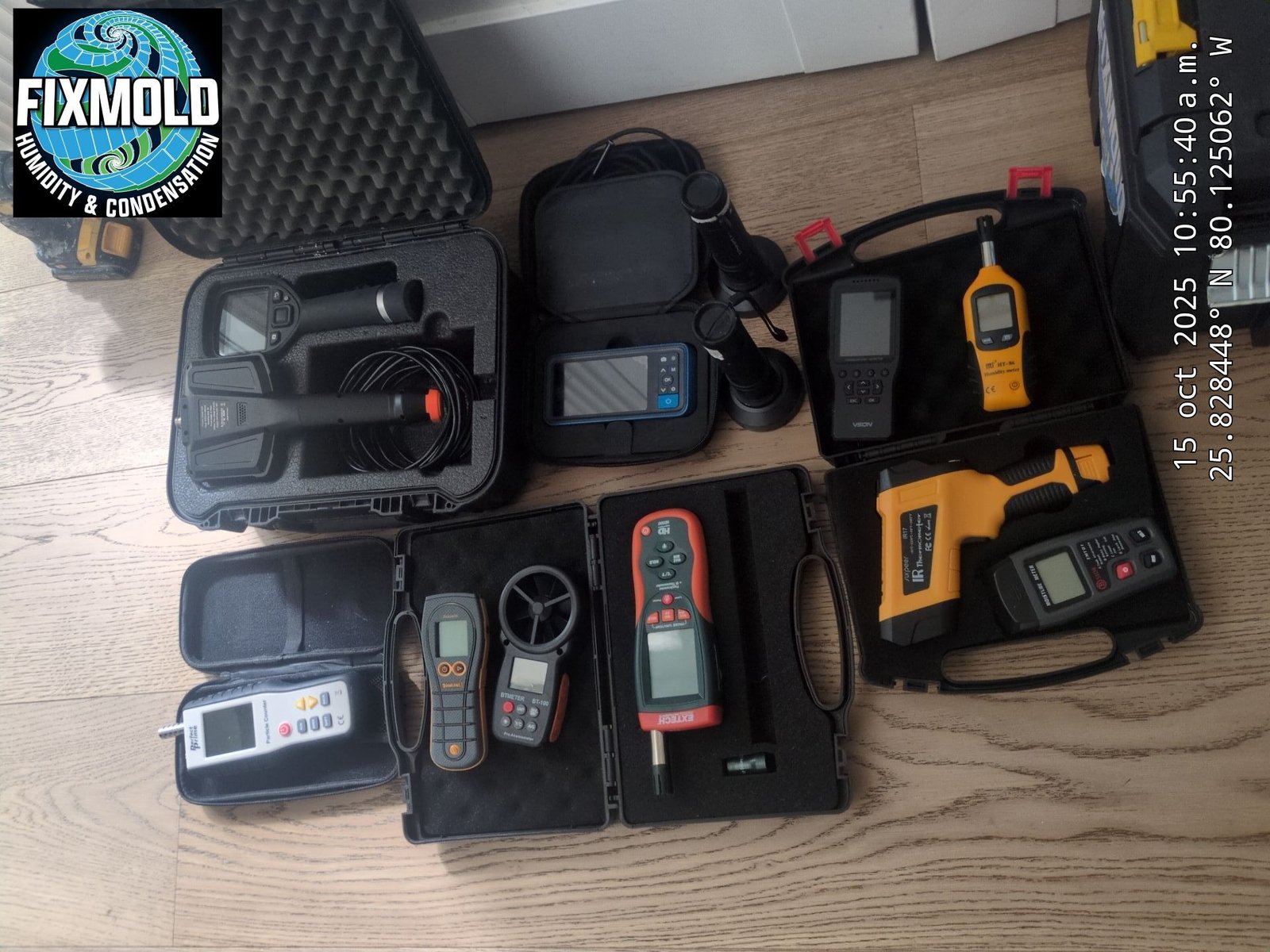
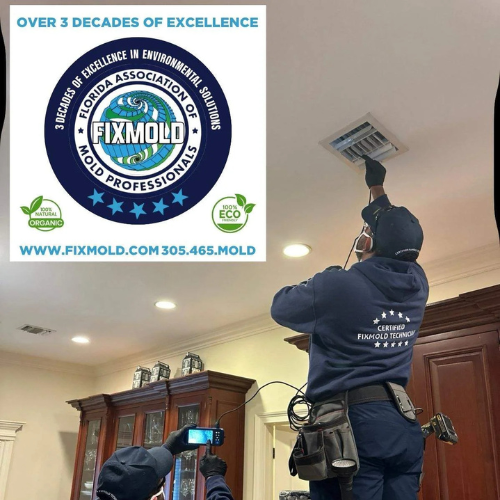
Thermal imaging and moisture detection are commonly used during inspections because many water-related environmental conditions remain concealed behind finished surfaces.
Recurring musty odors usually indicate that hidden moisture or environmental contamination is still present somewhere inside the property. Surface drying or cosmetic repairs alone may not fully resolve moisture trapped inside structural cavities, HVAC systems, insulation materials, or flooring assemblies.
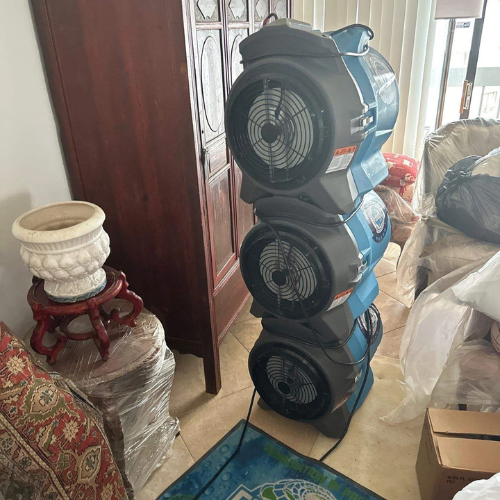
In South Florida’s humid climate, buildings often require controlled structural drying and humidity stabilization to fully reduce lingering moisture conditions.
If the underlying moisture source remains unresolved, odors may continue returning even after visible water damage appears repaired.
Long-term environmental stabilization depends on correcting hidden moisture conditions rather than only treating visible symptoms.
A mold and moisture inspection typically involves evaluating the property for hidden water intrusion, humidity imbalance, structural dampness, HVAC condensation, and indoor environmental contamination.
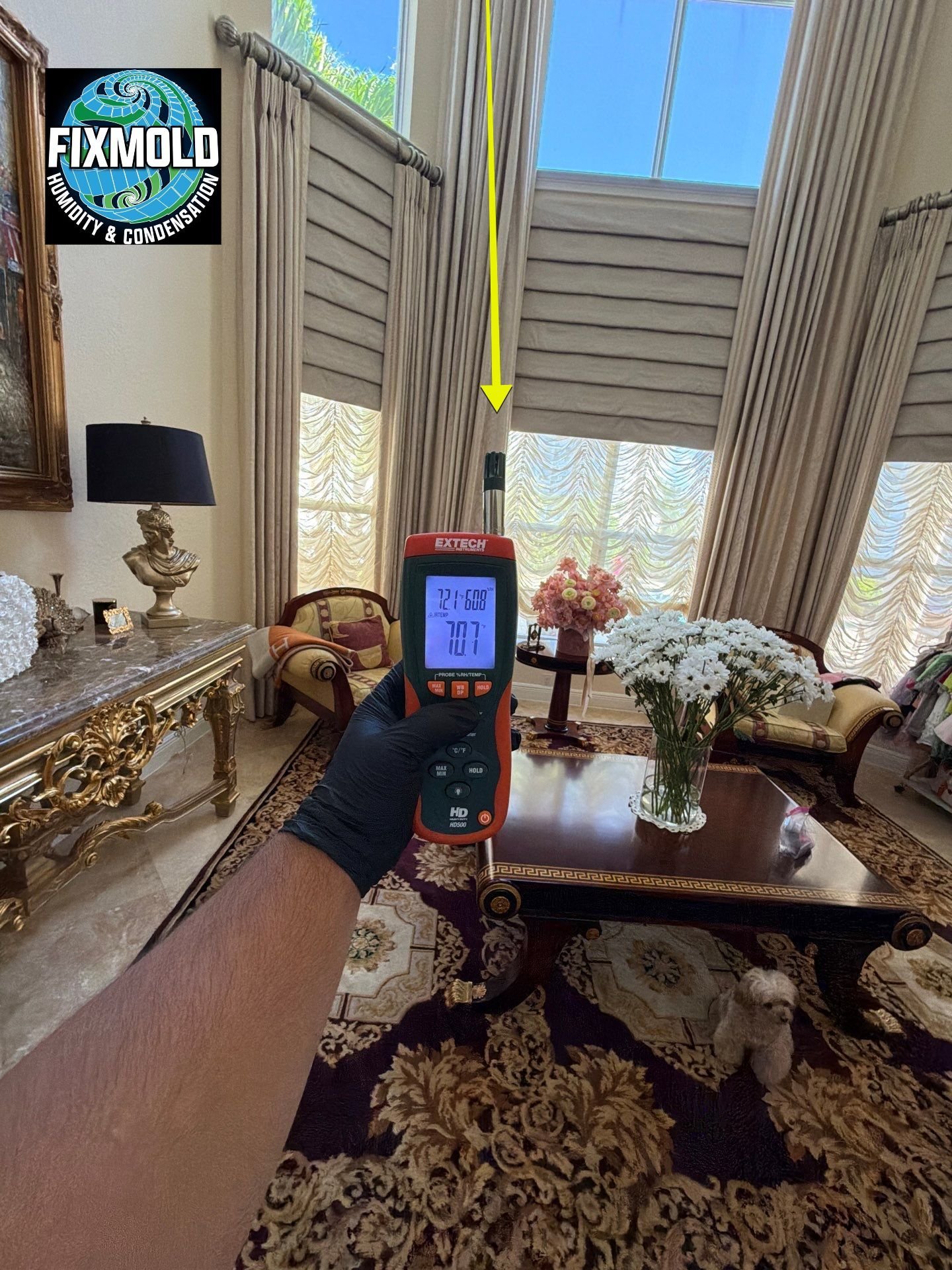
Inspectors may use moisture meters, thermal imaging cameras, humidity analysis tools, airflow assessment, and visual inspection methods to identify concealed moisture affecting walls, ceilings, flooring systems, attics, crawlspaces, and ventilation systems.
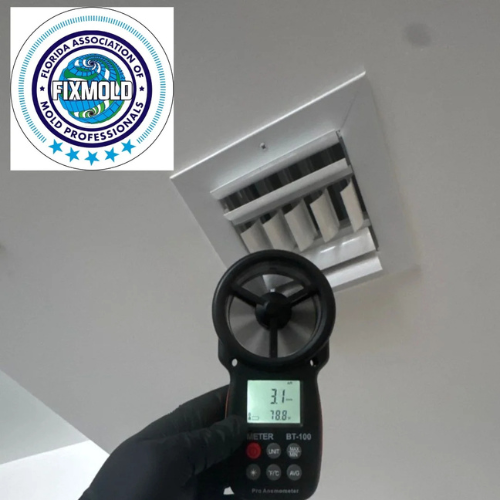
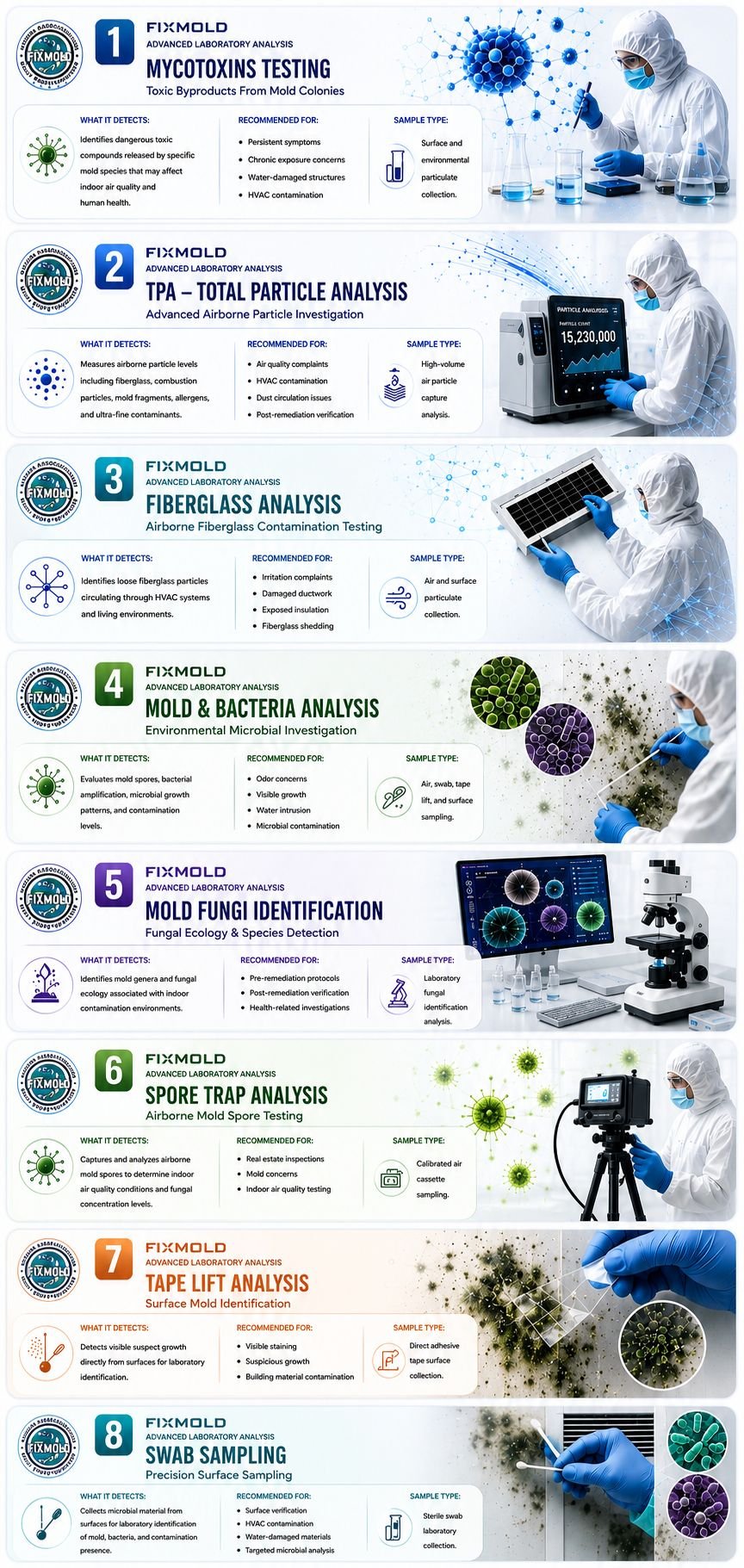
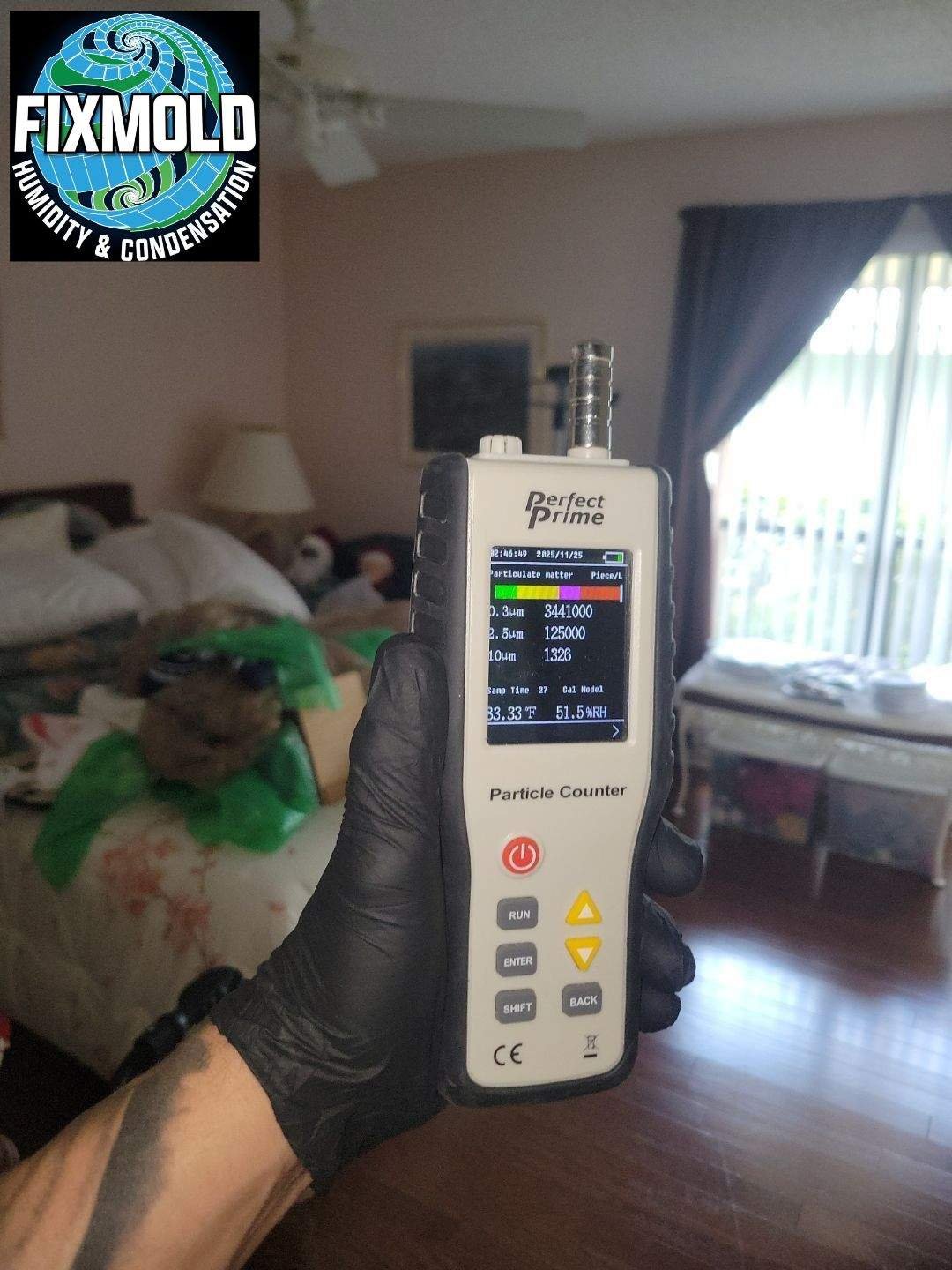
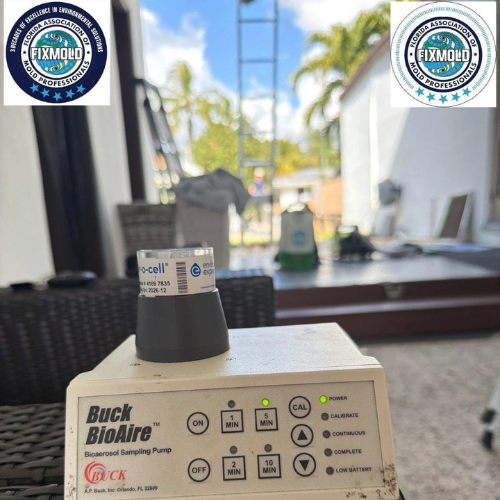
Indoor air quality testing or environmental sampling may also be performed if airborne contamination or hidden microbial activity is suspected.
The purpose of the inspection is to understand how moisture is affecting the indoor environment and determine whether active environmental conditions are continuing to impact the property behind finished surfaces.