1000+ 5-STAR REVIEWS
Recommended All Over Florida
Katz Family Over 3 Decades
Recommended by Miami Doctors
1000+ 5-STAR REVIEWS
Recommended All Over Florida

Water Intrusion Detection and Waterproofing

Miami mold specialist

    miami mold specialist

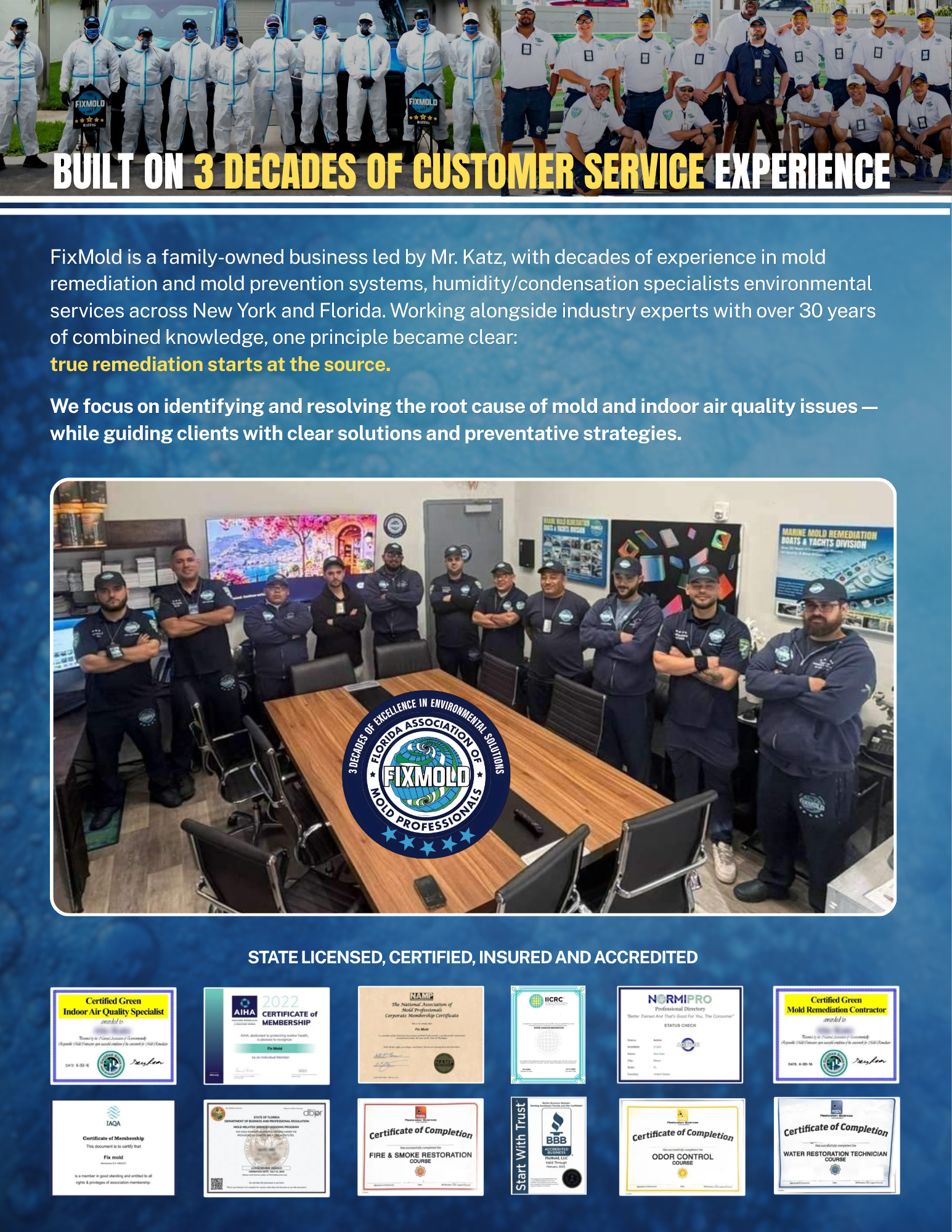
    State Licensed and Accredited Affiliations

    Dr Mold Detox
    Dr Mold Detox

    Water Intrusion Detection and Waterproofing in South Florida

    Remove water intrusion from the equation and mold has almost no path into a well-maintained building. That single fact explains why water intrusion is at the center of virtually every serious mold case in South Florida — and why treating mold without finding and sealing the water source produces results that fail within months.

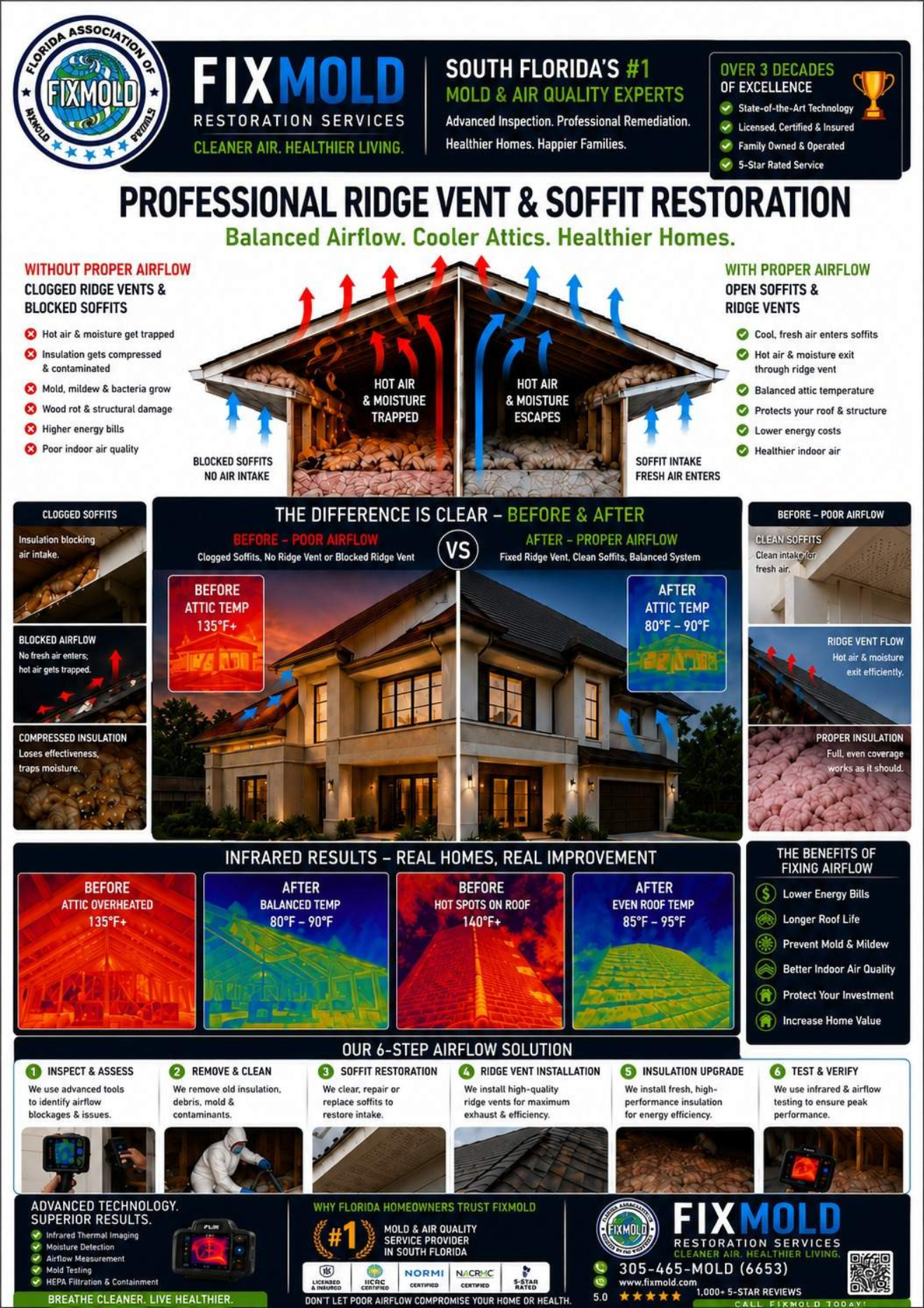
    Billions of dollars are spent annually across the country combating water intrusion damage. In South Florida, with its heavy rainfall, hurricane exposure, aging building stock, and relentless humidity, the problem is compounded at every level — roofs, walls, windows, doors, below-grade slabs, and grade-level penetrations all represent potential entry points that a single weather event or slow deterioration can compromise.

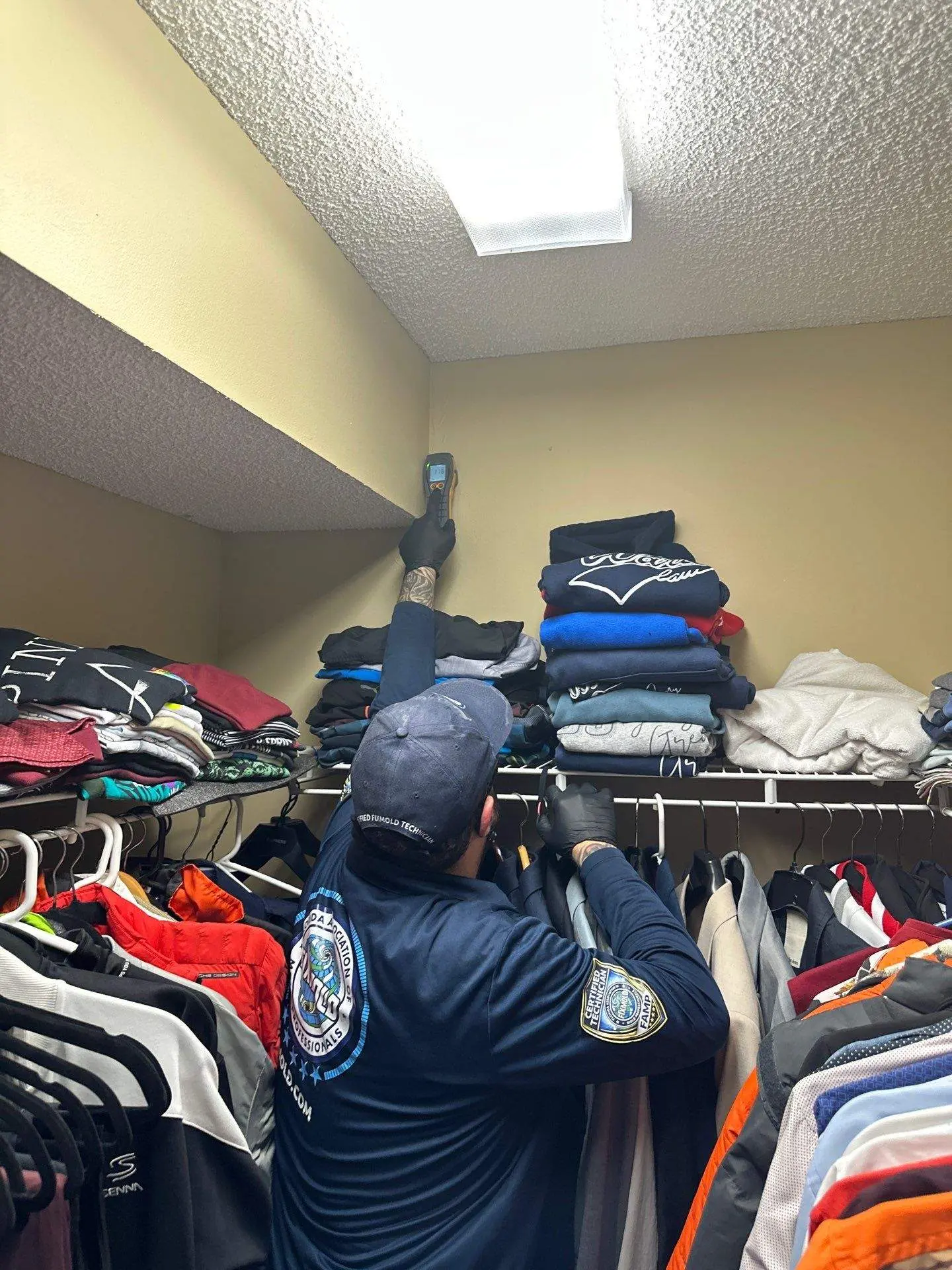
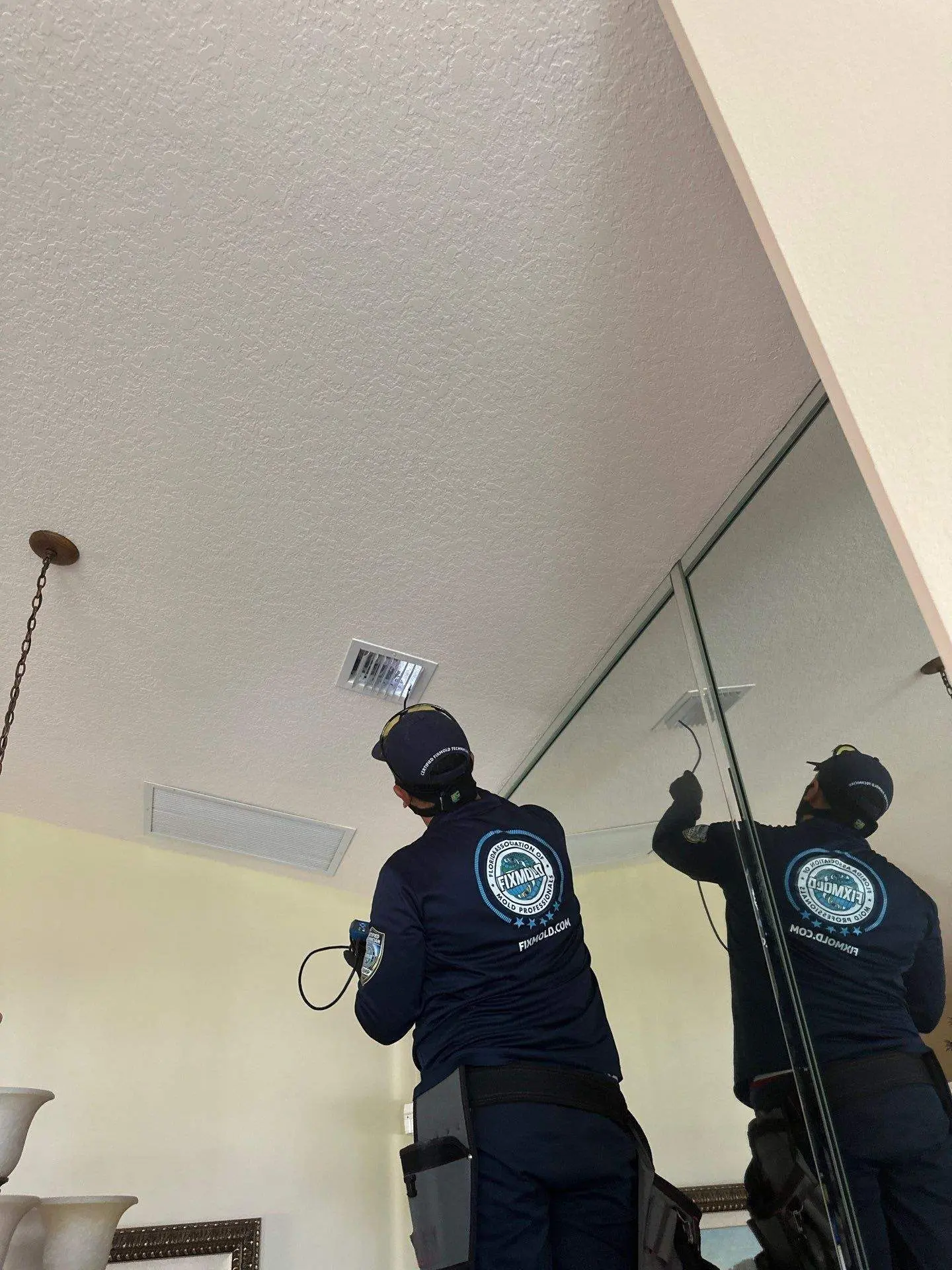
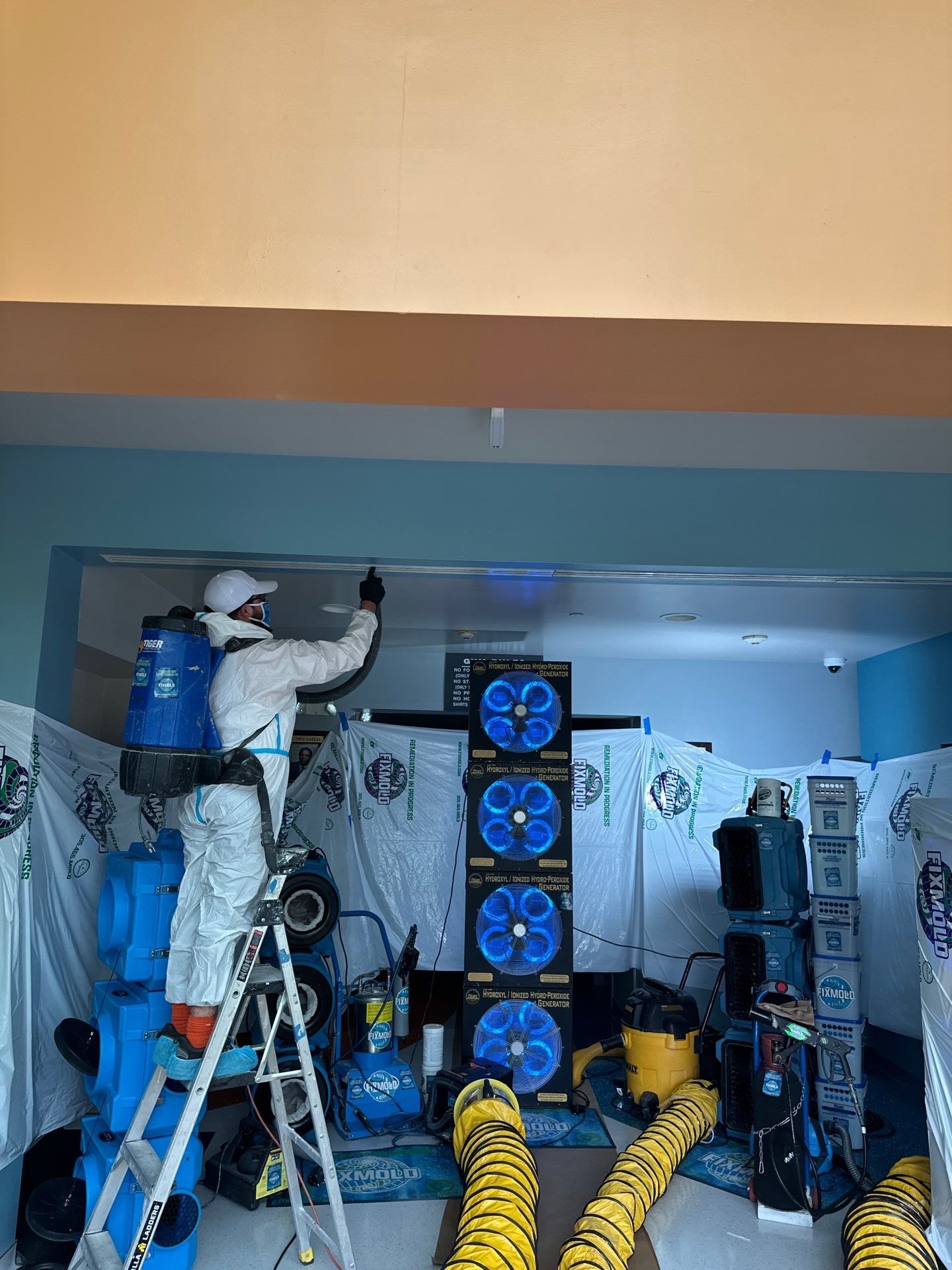
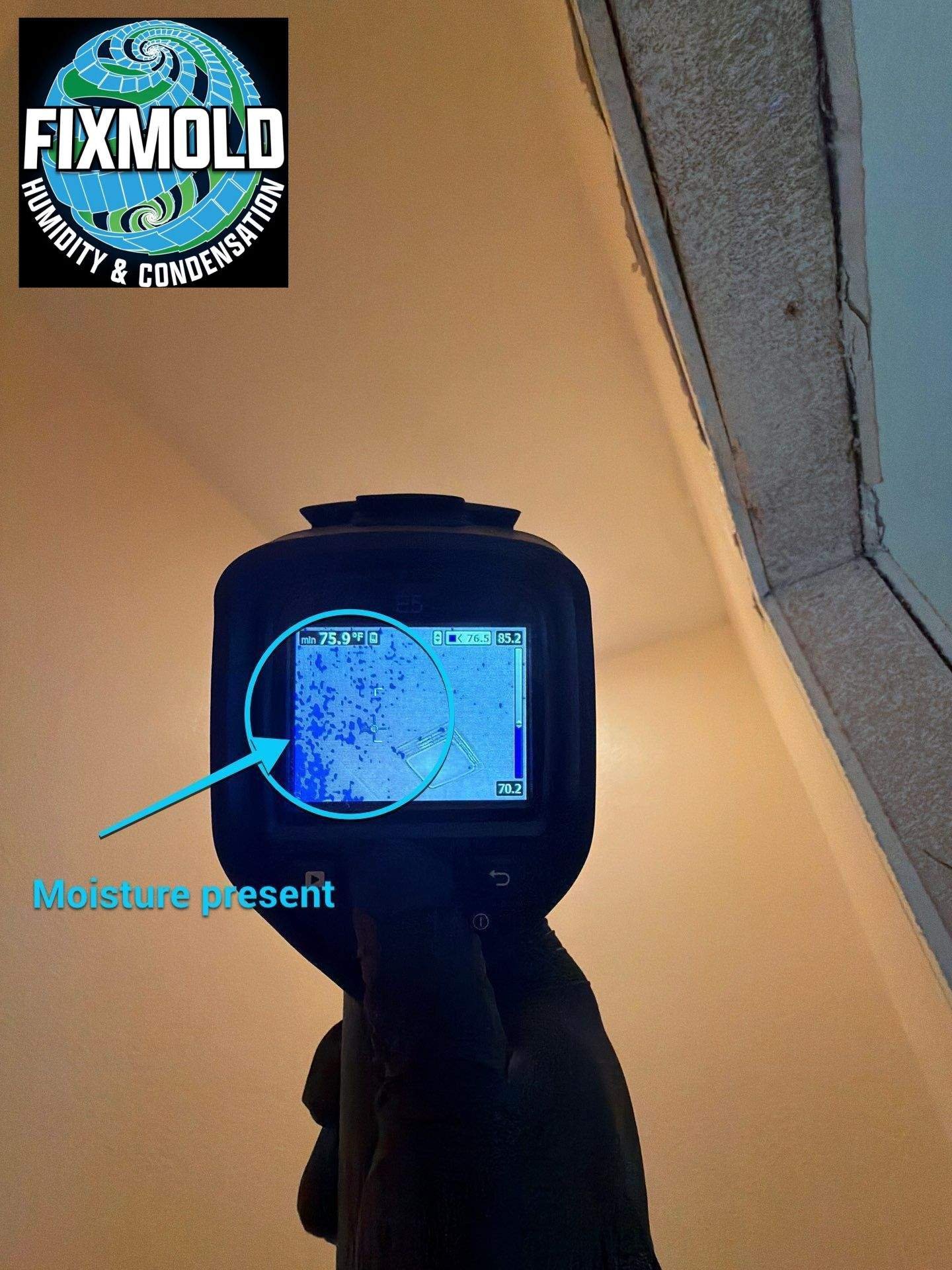
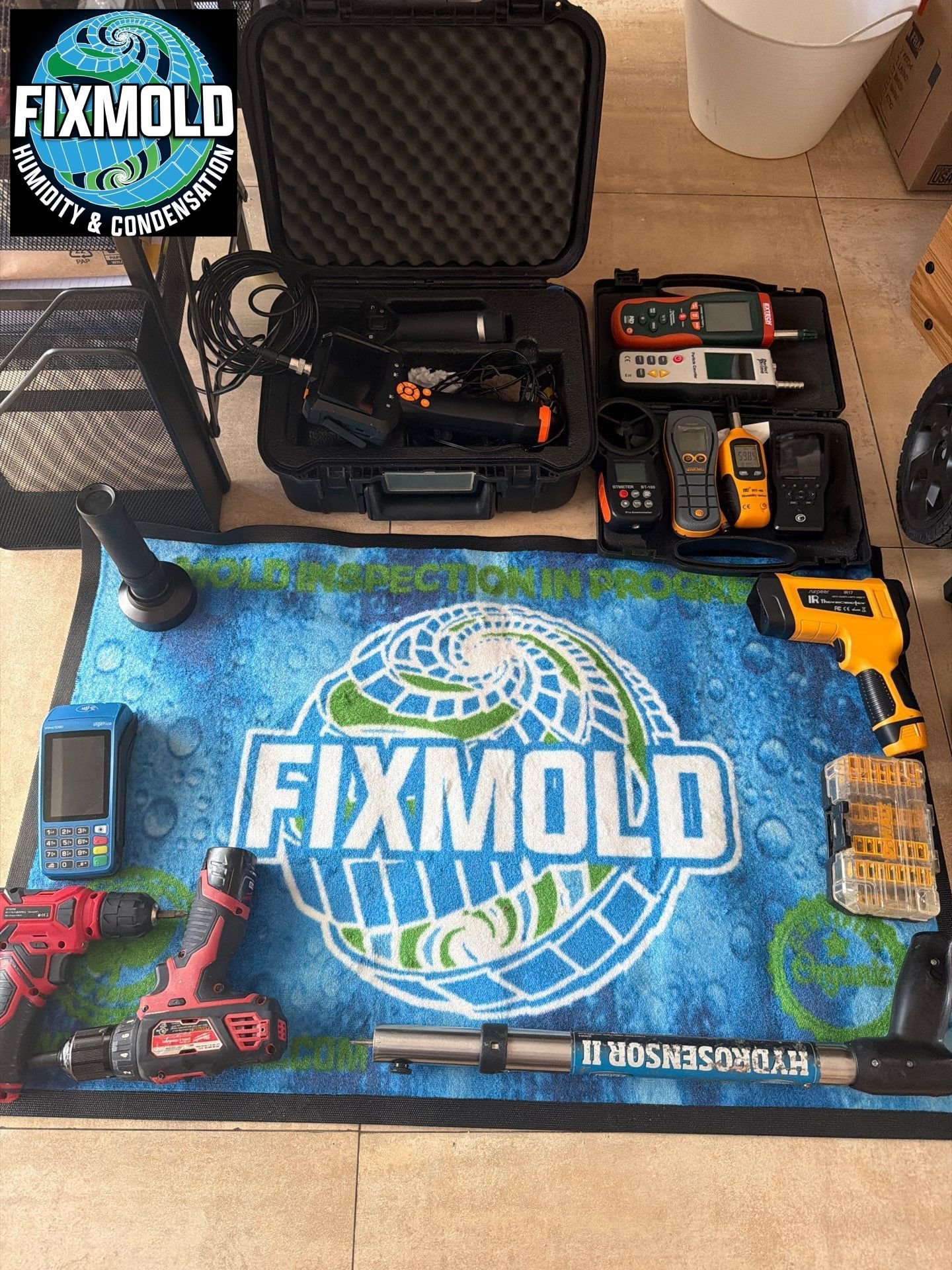
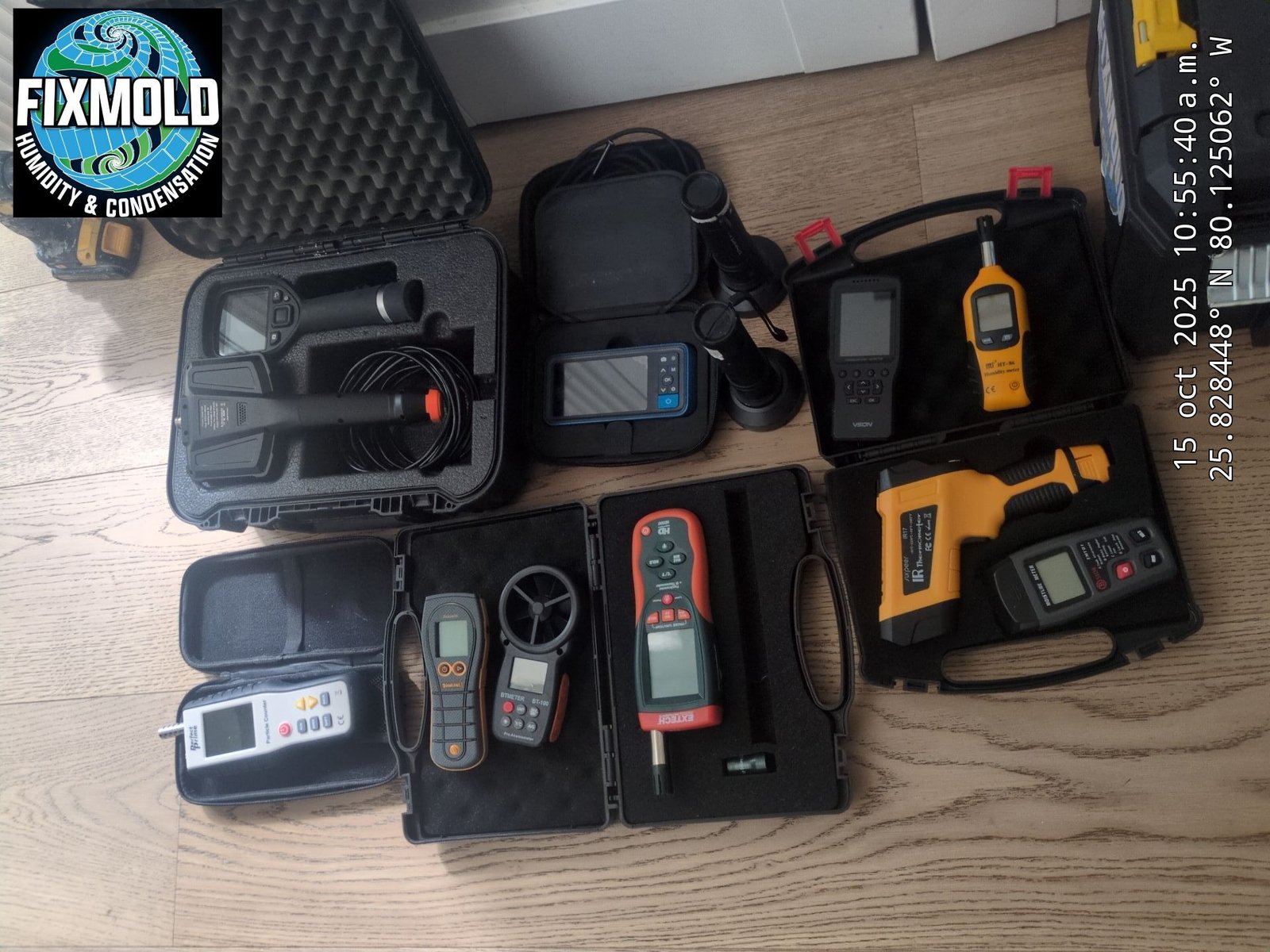
    FixMold locates the source before recommending the solution. Using infrared thermography cameras, imaging moisture meters, hydrosensors, and digital moisture readers, we identify exactly where water is entering and where it has traveled — without invasive cutting or guesswork. Any waterproofing required is completed as part of the remediation process, not as a separate engagement, and is covered under our 12-month warranty.

    Call 786-882-1823. $150 off remediation services.

    Why Water Intrusion Is the Root Problem


    Mold requires three things: a moisture source, an organic substrate, and temperatures between roughly 60°F and 80°F. South Florida properties run within that temperature range year-round. Organic substrates — wood framing, drywall, insulation, flooring — are present in every structure. Water intrusion supplies the third element. Eliminate it and mold has nowhere to start. Leave it unaddressed and mold treatment becomes a recurring expense rather than a resolved problem.

    The downstream consequences of unresolved water intrusion extend well beyond mold. Structural rot weakens framing members and sheathing. Persistent moisture attracts termites, which accelerate structural damage. Wet insulation loses its thermal value, raising energy costs. Efflorescence and mineral deposits degrade masonry. And the cumulative liability exposure from building occupants experiencing health effects from sick building syndrome — traced back to a water intrusion that was never properly addressed — has produced some of the most significant property damage litigation in South Florida's legal history.

    Where Water Gets In


    South Florida's building envelope faces pressure from multiple directions simultaneously. FixMold's water intrusion assessment covers every common and uncommon entry point.

    Roof systems are the most common failure point — membrane deterioration, failed flashing at penetrations and parapets, cracked or missing tiles, and compromised ridge and hip seals all allow water to enter roof assemblies and travel laterally through structure before appearing as a ceiling stain in a location far from the actual breach.

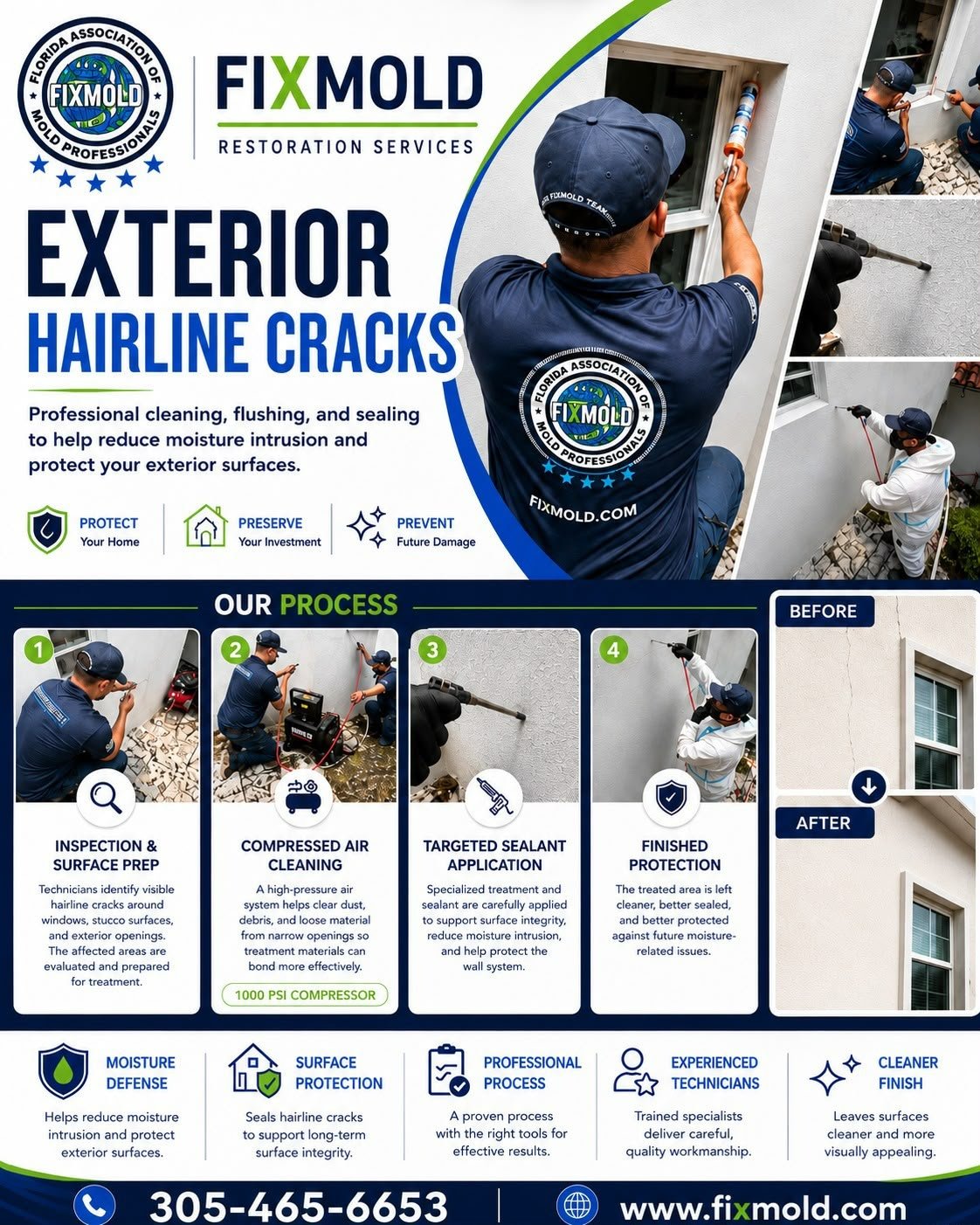
    Wall assemblies fail at window and door perimeters where sealants age and lose adhesion, at stucco cracks that allow water to bypass the drainage plane, and at wall-to-roof transitions where flashing is absent or deteriorated. Exterior insulation finish systems — EIFS — have a particularly poor track record in South Florida when installation details aren't perfect, trapping water inside the wall assembly with no drainage path.

    Below-grade and grade-level conditions allow water entry through foundation cracks, failed waterproofing membranes on below-grade walls, and improper site grading that directs surface water toward rather than away from the structure. Slab-on-grade construction — dominant in South Florida — can wick ground moisture upward through concrete and into flooring assemblies.

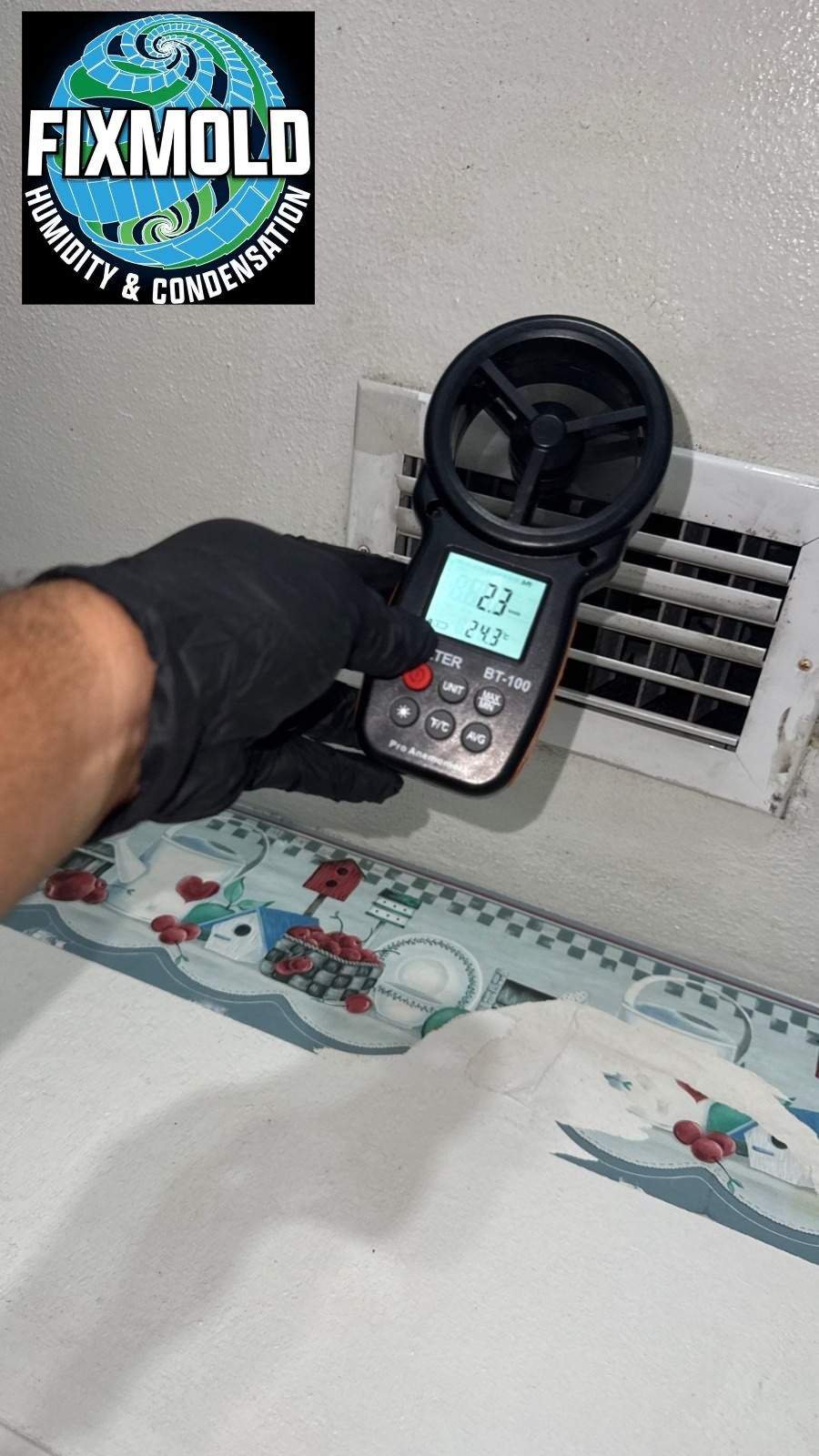
    HVAC condensate systems that overflow, drain pan failures, and supply duct condensation in humid return air spaces produce internal water intrusion that mimics roof or plumbing leaks in symptom but requires entirely different remediation.

    How FixMold Locates the Source


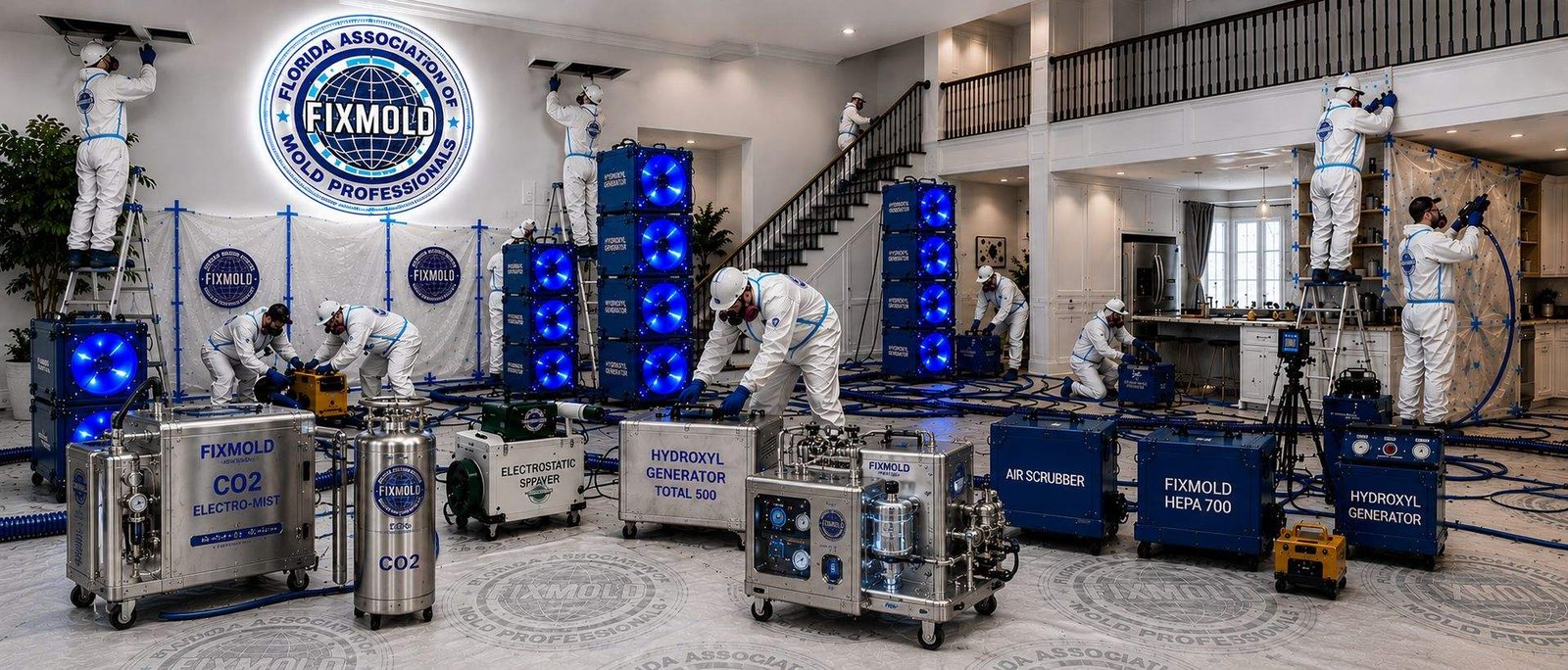
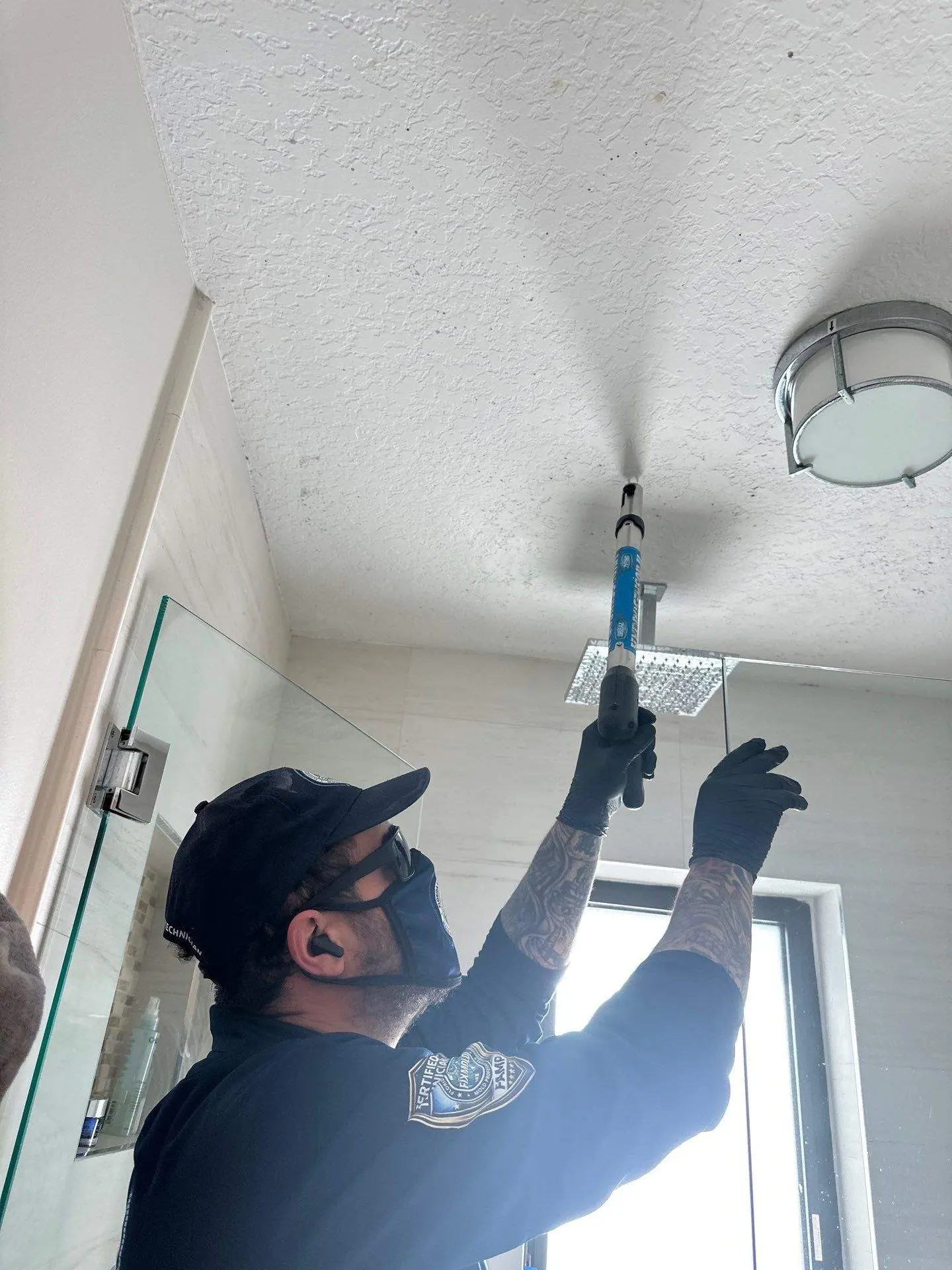
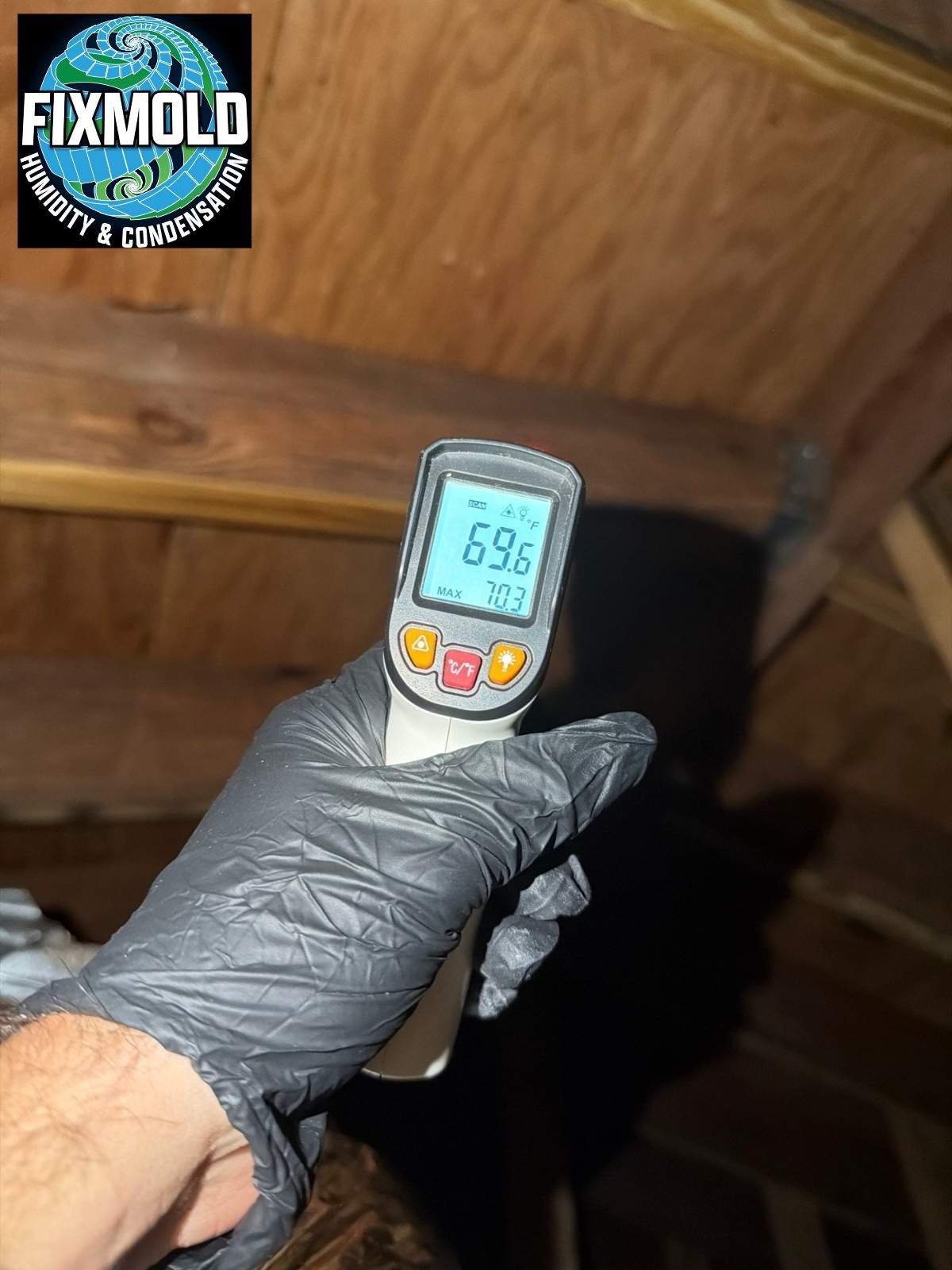
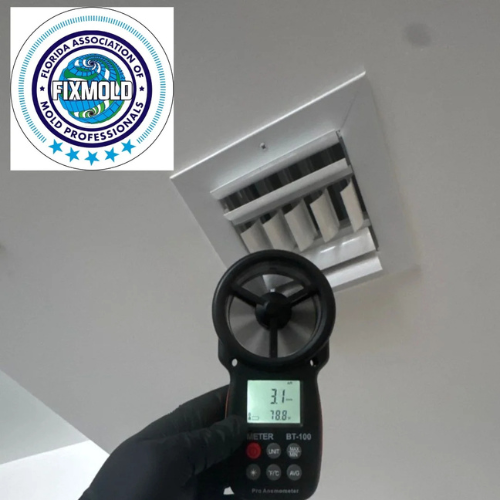
    We conduct both interior and exterior assessments on every water intrusion engagement. Infrared thermography cameras identify temperature differentials in wall, ceiling, and floor assemblies that indicate moisture migration — without cutting into surfaces until the data tells us exactly where to look. The camera distinguishes between active wet areas, recently dried areas, and areas showing residual moisture that has been present long enough to support biological growth.

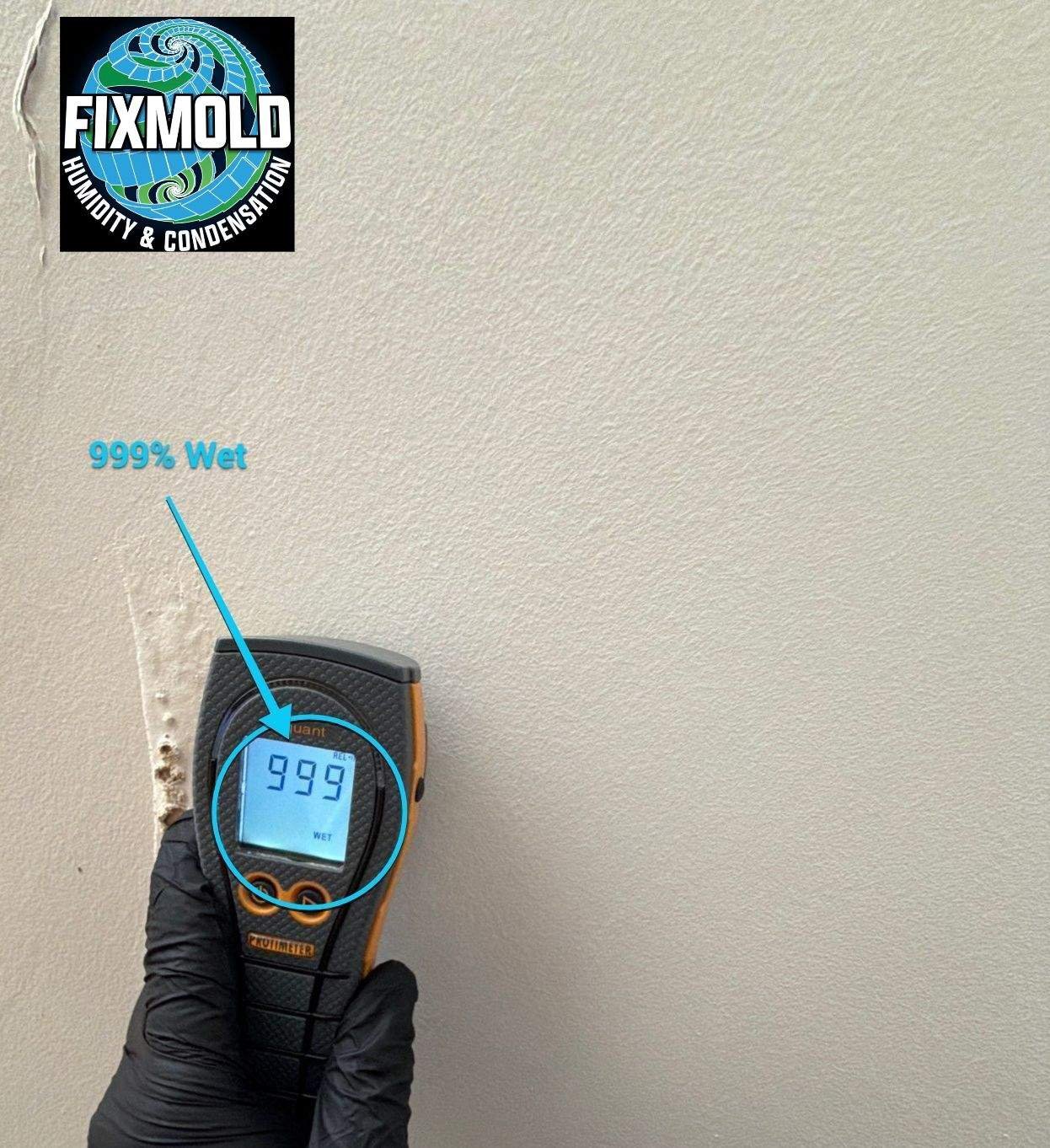
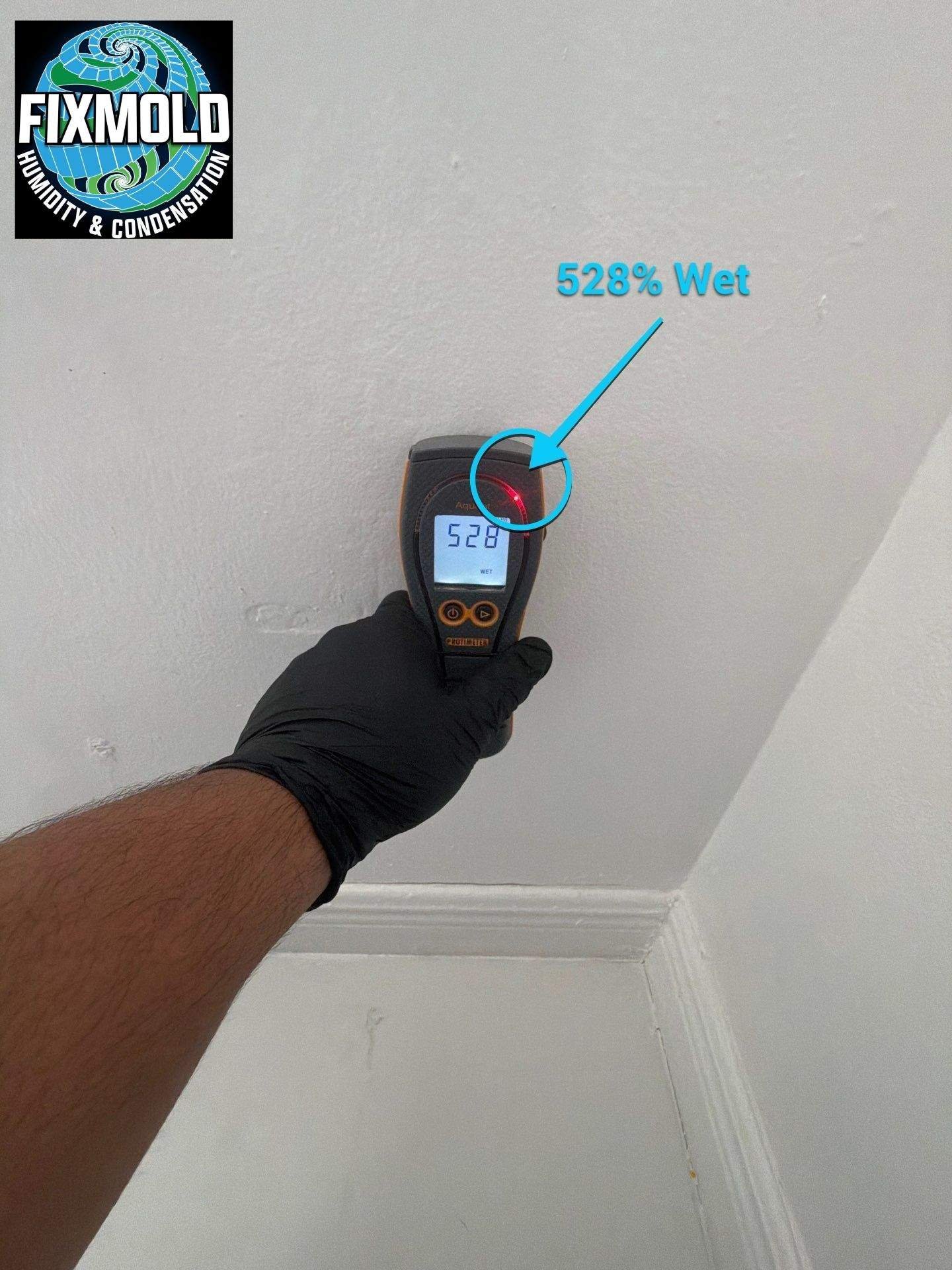
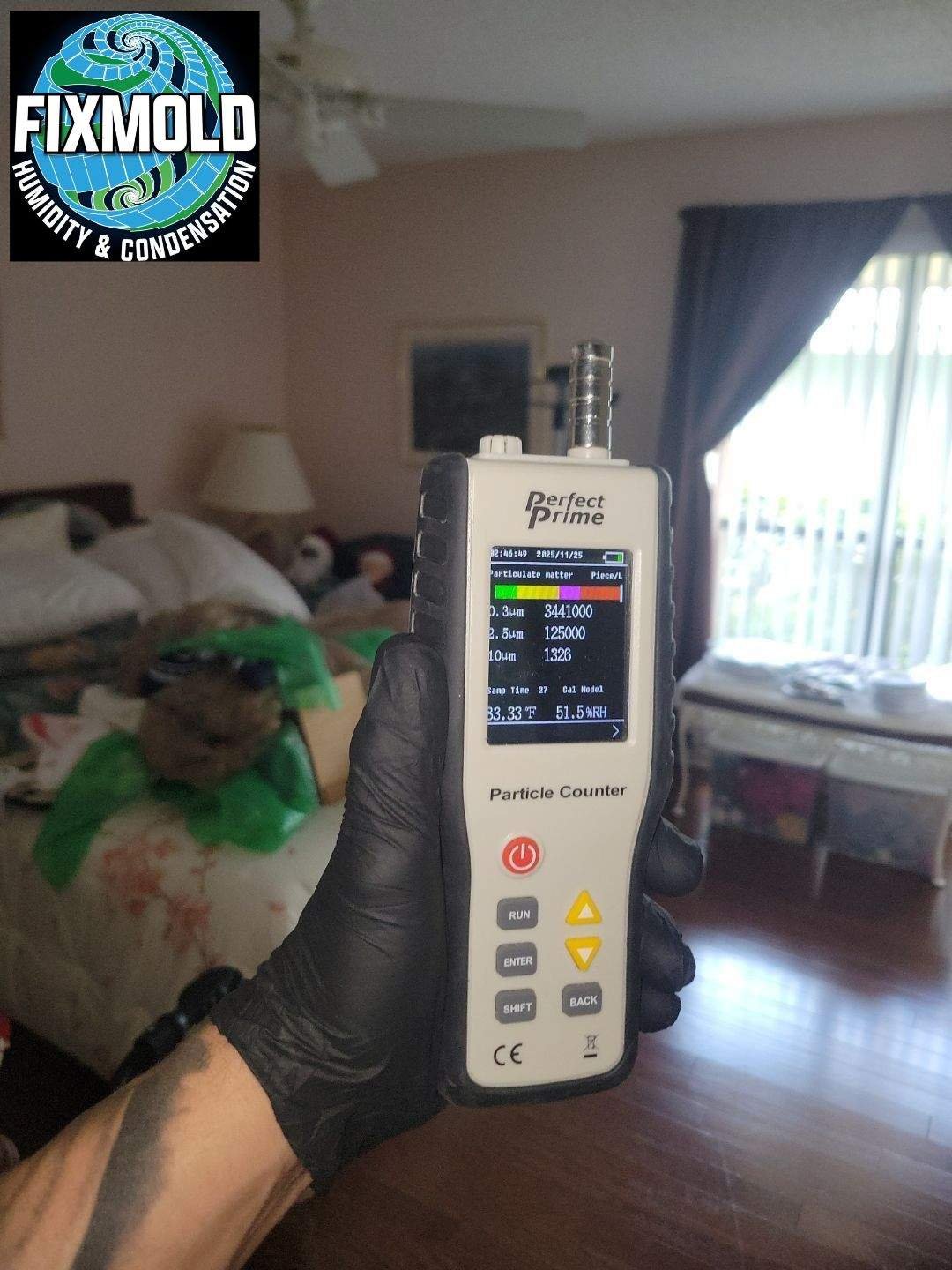
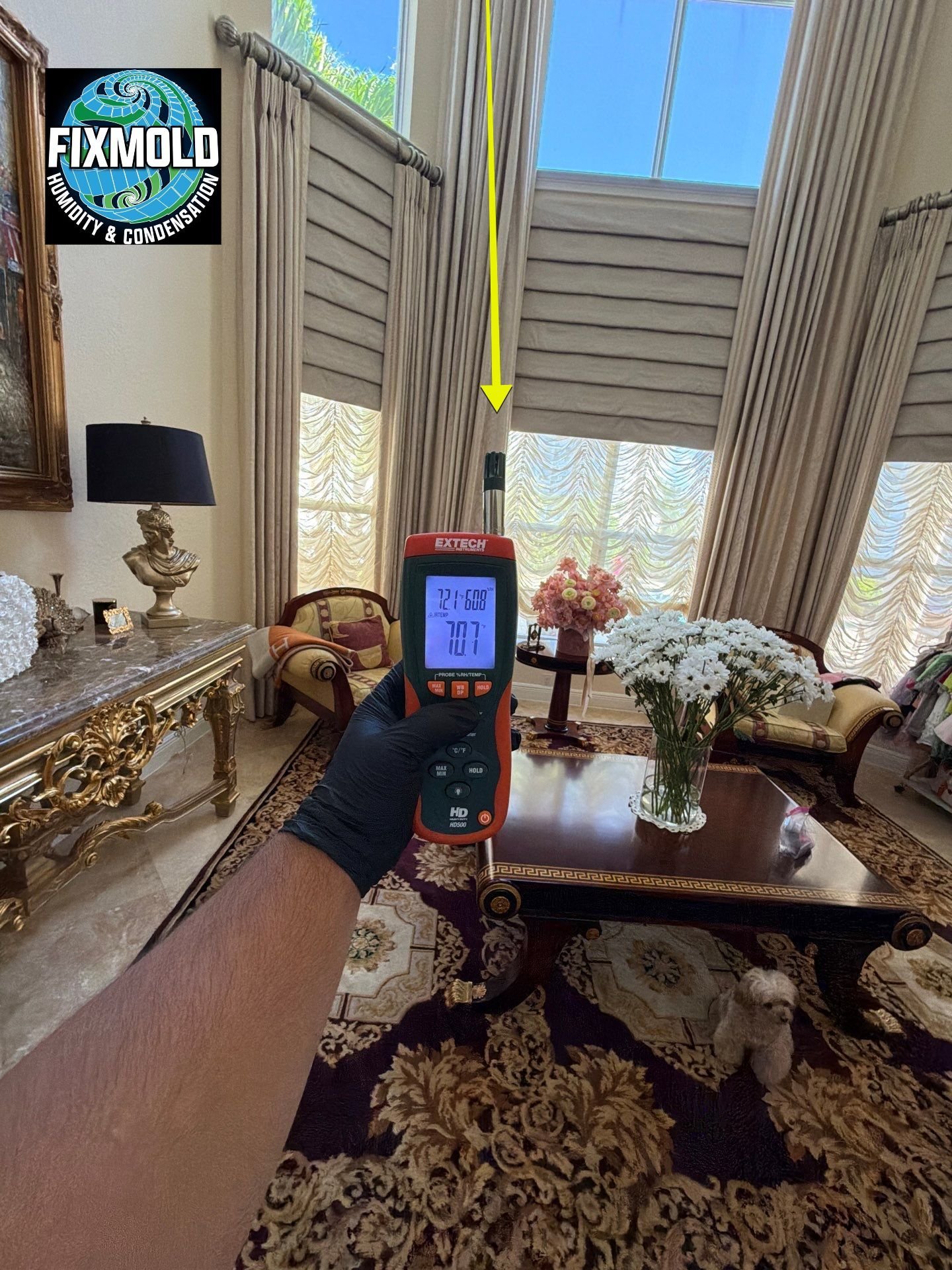
    Hydrosensors and digital moisture meters confirm saturation levels in every surface type and track moisture migration pathways from the entry point through the structure. Imaging moisture meters map moisture distribution across large surface areas to establish the full extent of impact.

    The exterior walkthrough covers the full building perimeter — roofline, wall surfaces, window and door perimeters, grade conditions, and any penetrations through the envelope. Cracks, gaps, failed sealants, improper flashings, and drainage deficiencies are photographed and documented. The combination of interior moisture mapping and exterior envelope assessment establishes both where water entered and the path it traveled — information that a strictly interior assessment misses entirely.

    Waterproofing as Part of Remediation


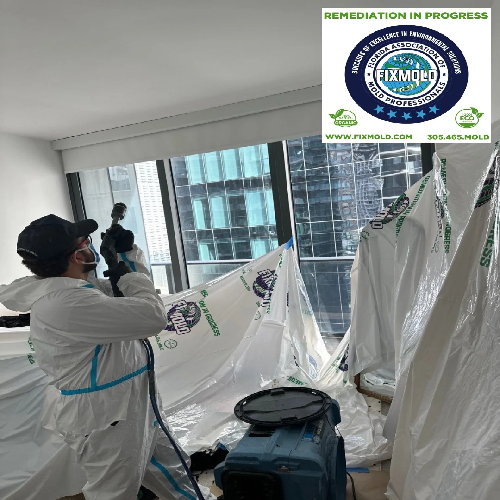
    FixMold completes required waterproofing work during the remediation process rather than treating it as a separate phase. This matters because mold treatment without addressing the moisture source fails — the warranty means nothing if the water that caused the original growth is still entering the building. Sealing identified entry points, applying waterproofing membranes to vulnerable below-grade surfaces, treating cracks in masonry and stucco, and restoring compromised flashing details are integrated into the remediation scope so the finished result is both clean and protected.

    All waterproofing work completed by FixMold is covered under our standard 12-month warranty alongside the remediation treatment.

    A Deep Commitment To Restoration

    A Family Legacy Of Trust

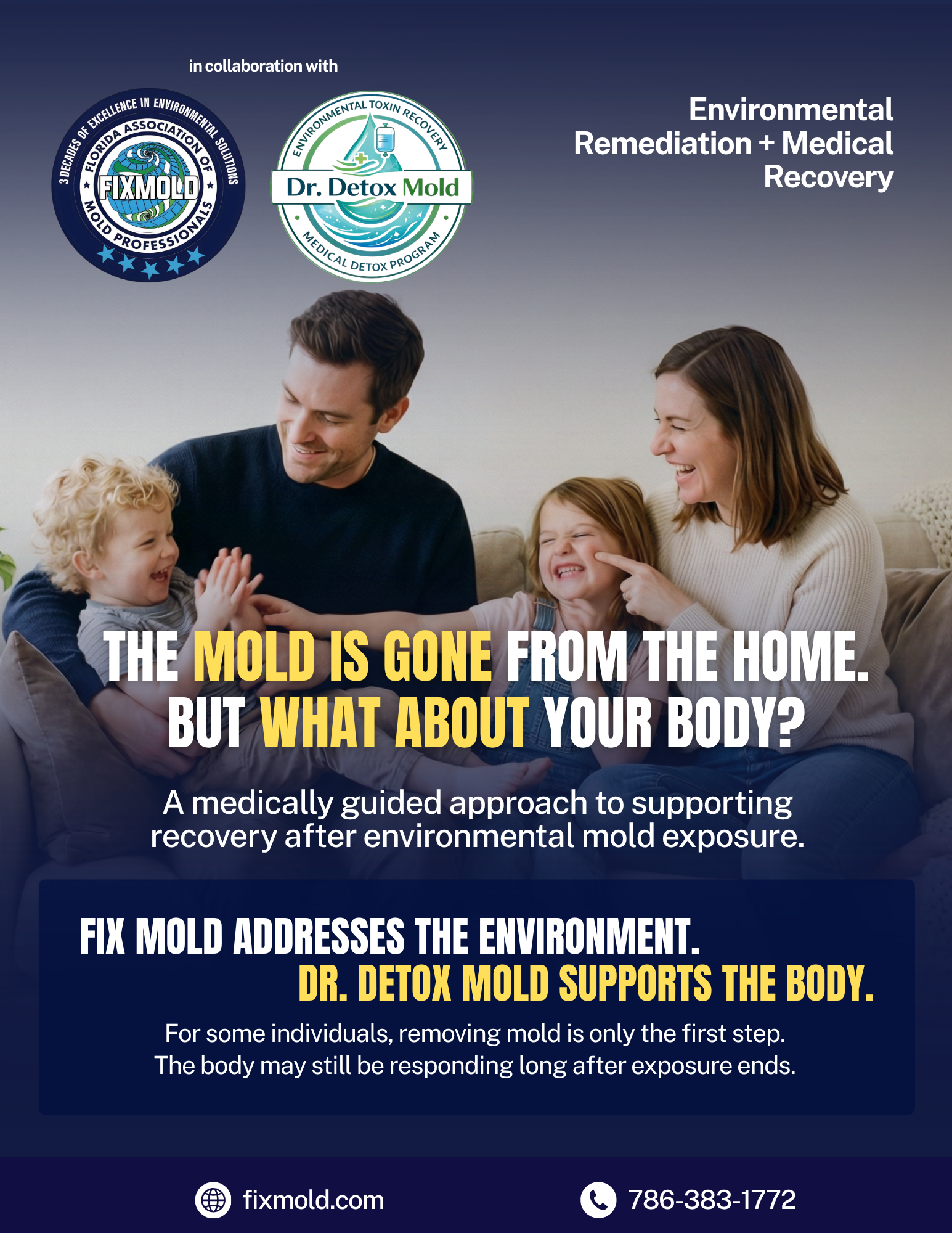
    Mold Removed From Your Home. What About Your Body?

    A medically guided approach to supporting recovery after mold exposure.
    Miami Fix Mold
    Miami Fix Mold

    FixMold focuses on eliminating mold from your environment.

    But for some individuals, recovery doesn’t stop there.
    Even after successful remediation, the body may continue responding to past exposure. In these cases, a structured, medically guided approach may be necessary to support full recovery.

    Why Symptoms Can Continue After Mold Exposure

    Removing mold addresses the source of the problem, but it does not always resolve how the body has been affected during exposure.

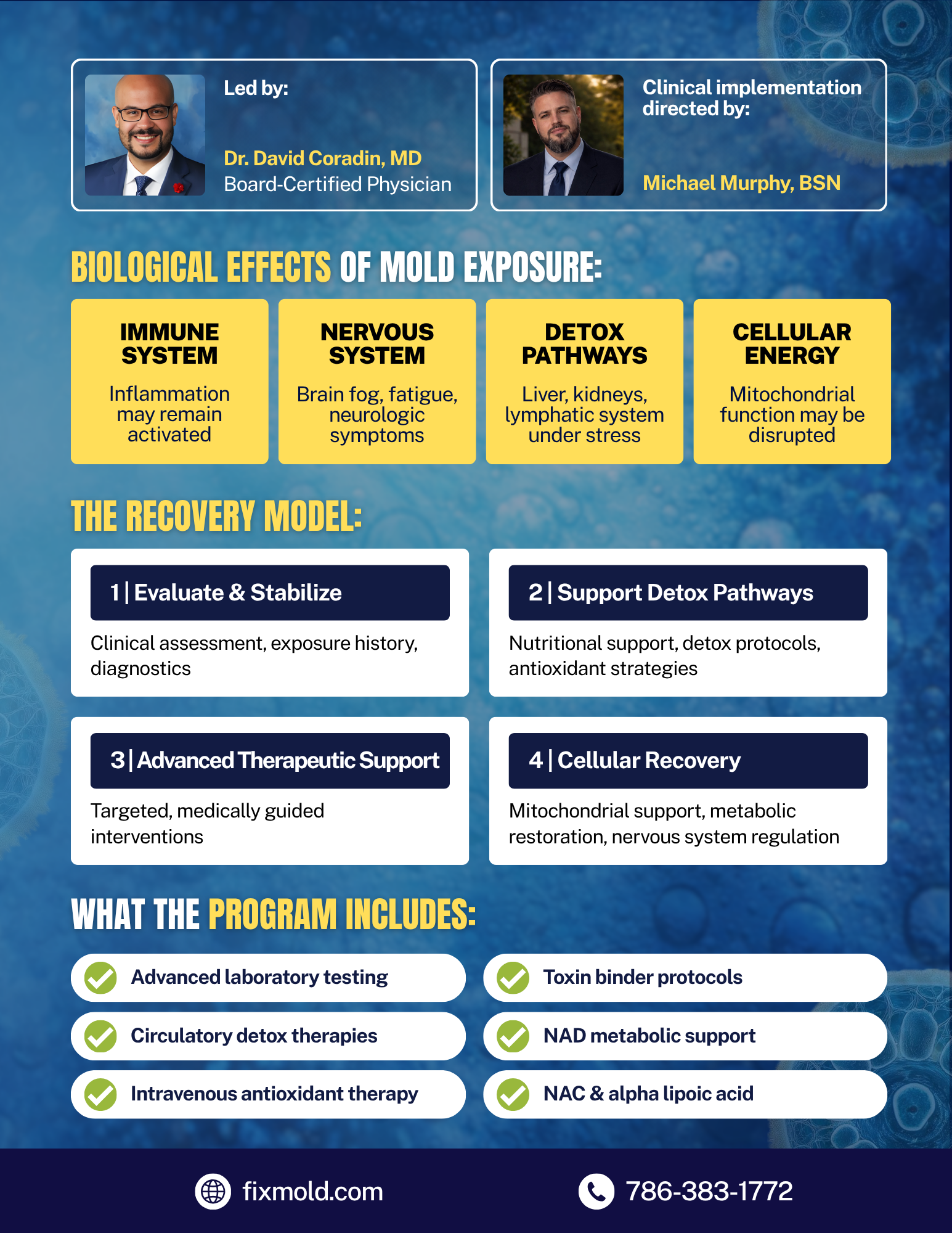
    Environmental toxins can impact multiple systems:
    • Immune function
    • Nervous system signaling
    • Cellular energy production
    • Detoxification pathways

    For some individuals, these systems require time and proper support to return to balance.

    Common Post-Exposure Symptoms

    • Brain fog
    • Fatigue
    • Headaches
    • Sinus congestion or irritation
    • Persistent cough
    • Dizziness
    • Light sensitivity
    • Skin irritation
    • Ongoing inflammation

    Important

    • Persistent symptoms do not always indicate something permanent
    • They often indicate that the body has not fully recovered yet

    Recovery Approach

    1. Evaluation & Stabilization
    • Clinical assessment
    • Exposure history review
    • Diagnostic testing

    2. Detoxification Support
    • Nutritional protocols
    • Toxin-binding strategies
    • Antioxidant support

    3. Advanced Therapeutic Support
    • Targeted, medically guided interventions
    • IV-based therapies when appropriate

    4. Cellular Recovery
    • Mitochondrial support
    • Metabolic restoration
    • Nervous system regulation

    Core Focus

    • Detoxification support
    • Immune system balance
    • Cellular energy restoration
    • Nervous system regulation

    Key Principle

    Recovery is not about doing more. It is about doing the right things, in the right order.

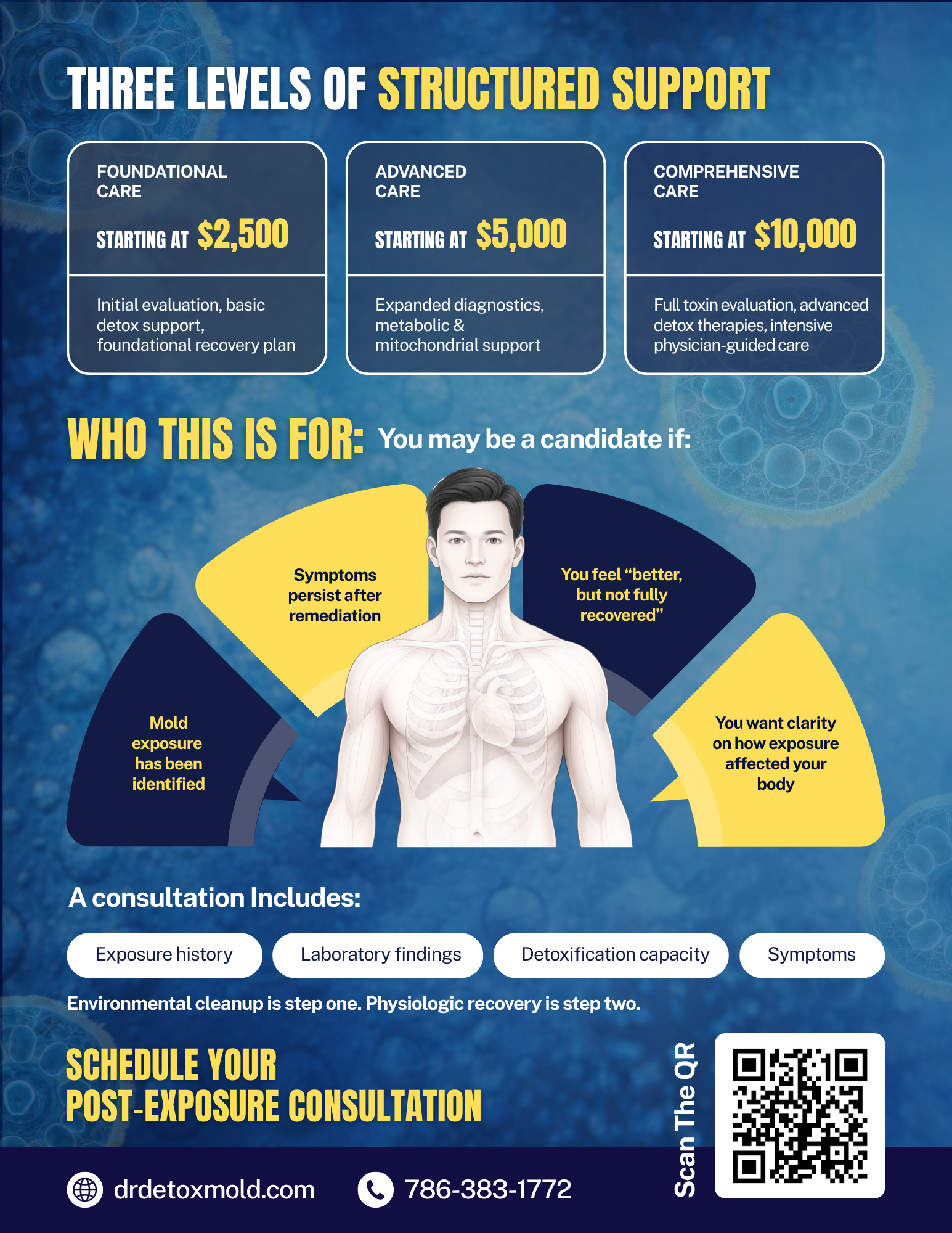
    Next Steps

    If mold exposure has been identified and symptoms are still present, evaluation may provide clarity.
    • Exposure history review
    • Laboratory evaluation
    • Detoxification assessment
    • Symptom analysis

    Schedule Your Post-Exposure Consultation

    📞 786-383-1772

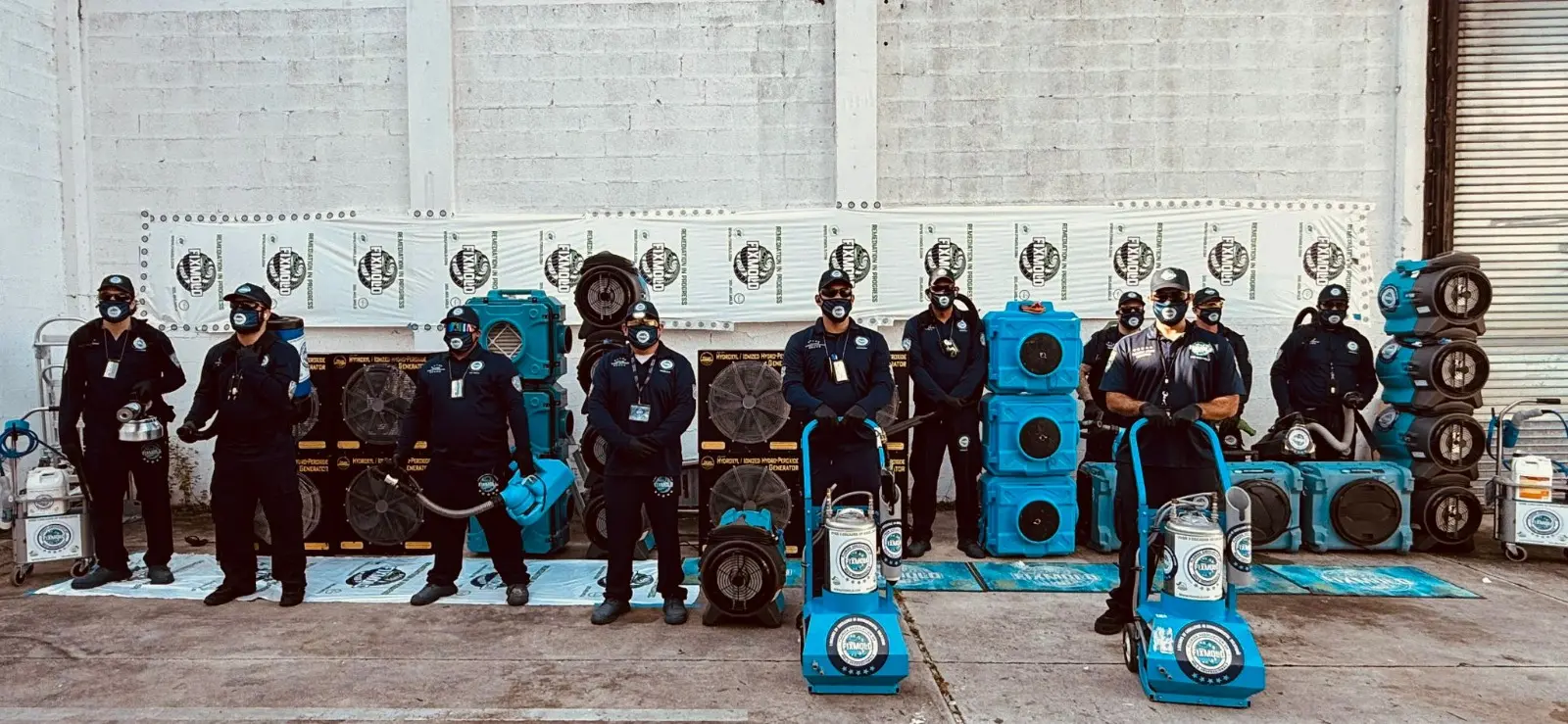
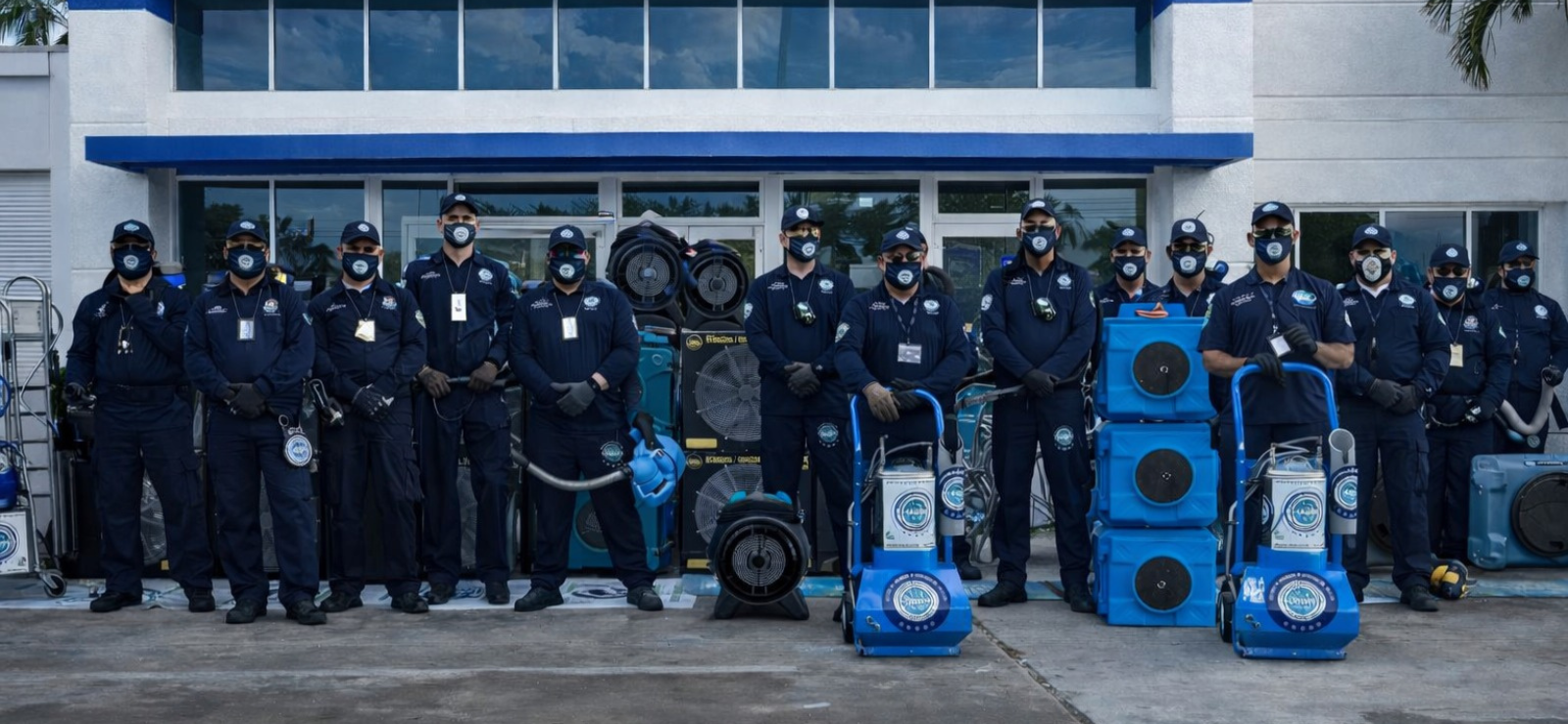
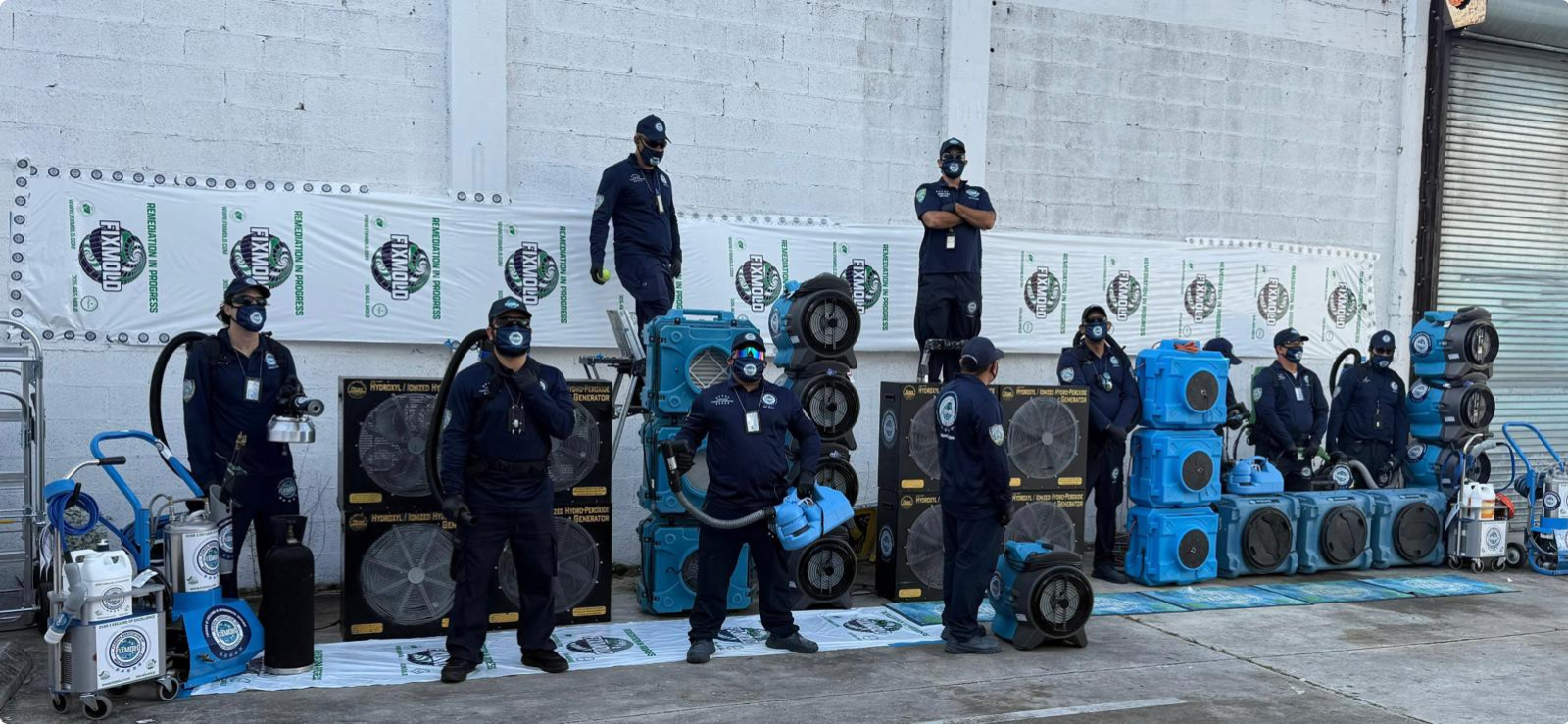
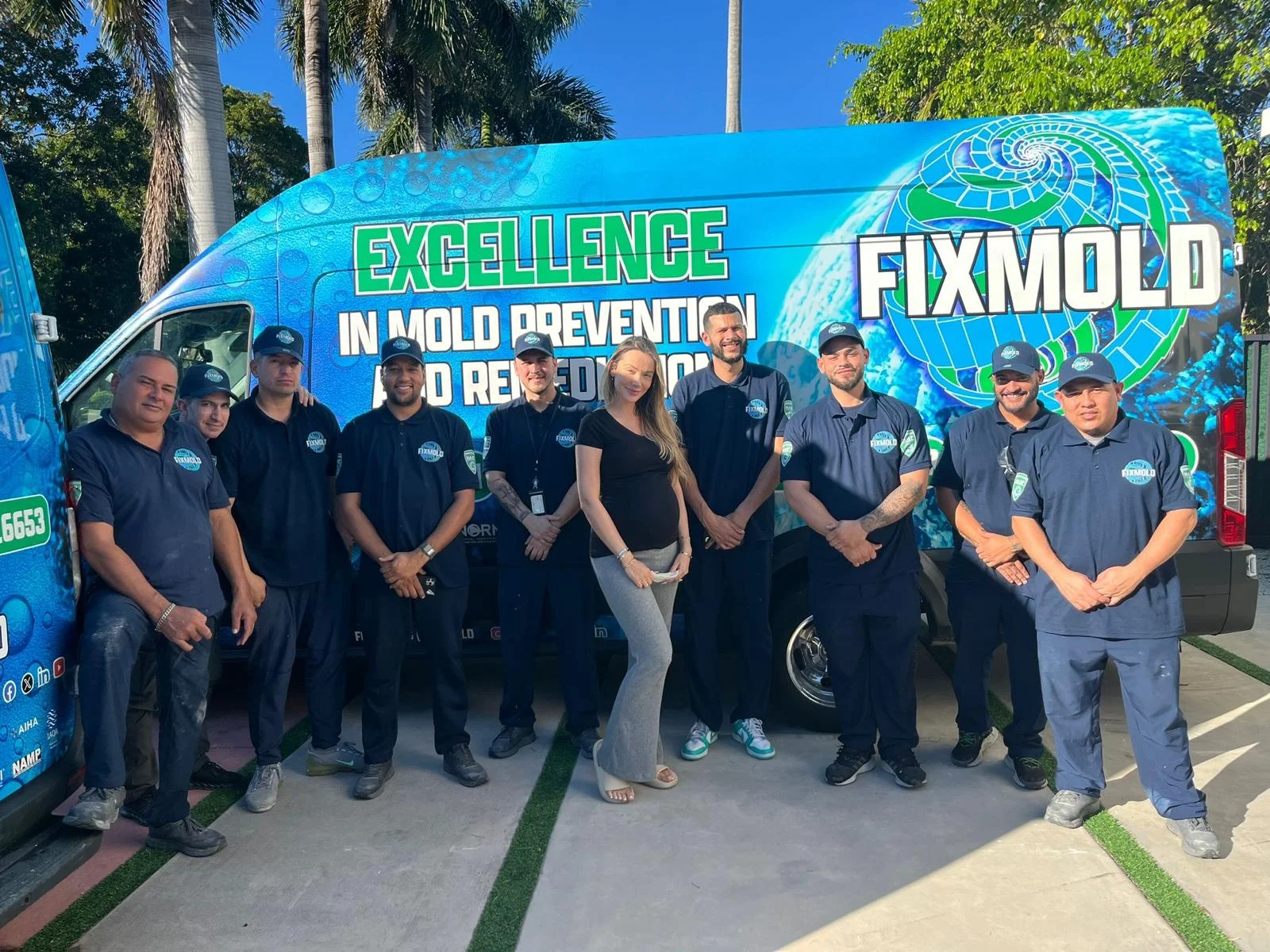
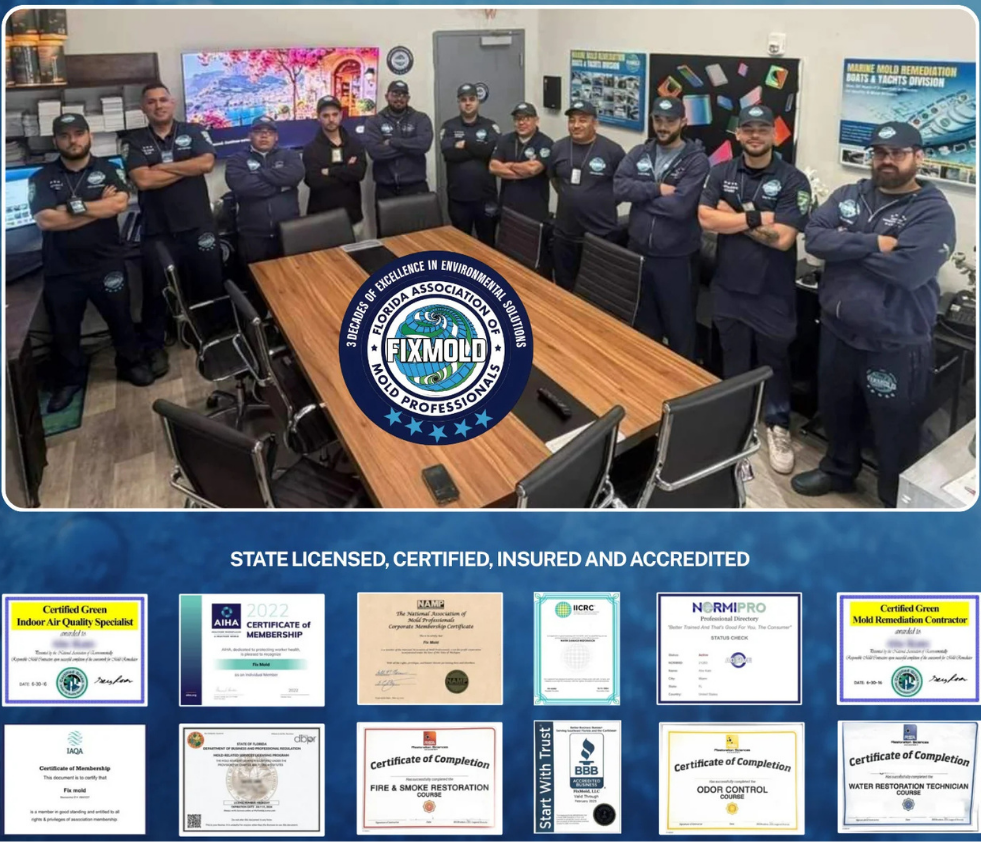
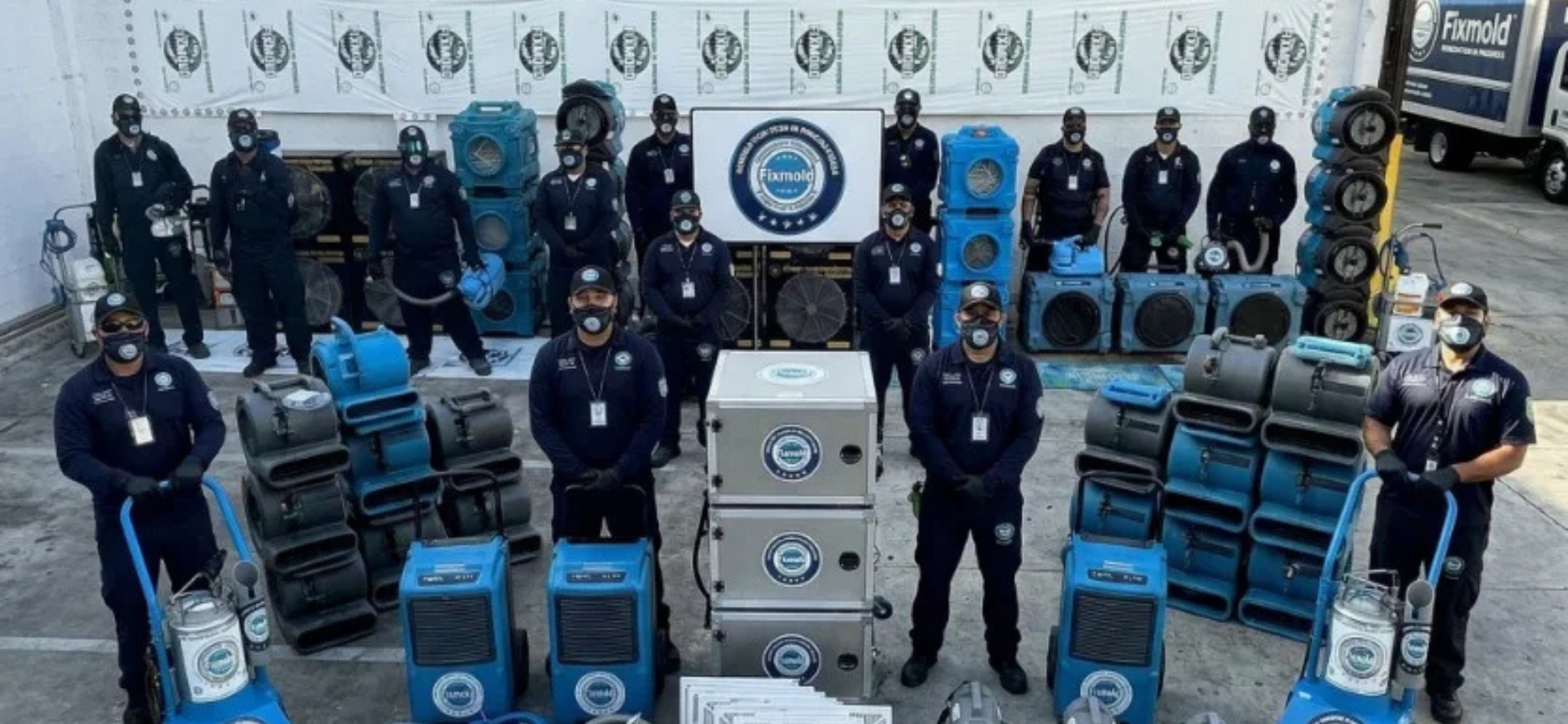
    OUR TEAM

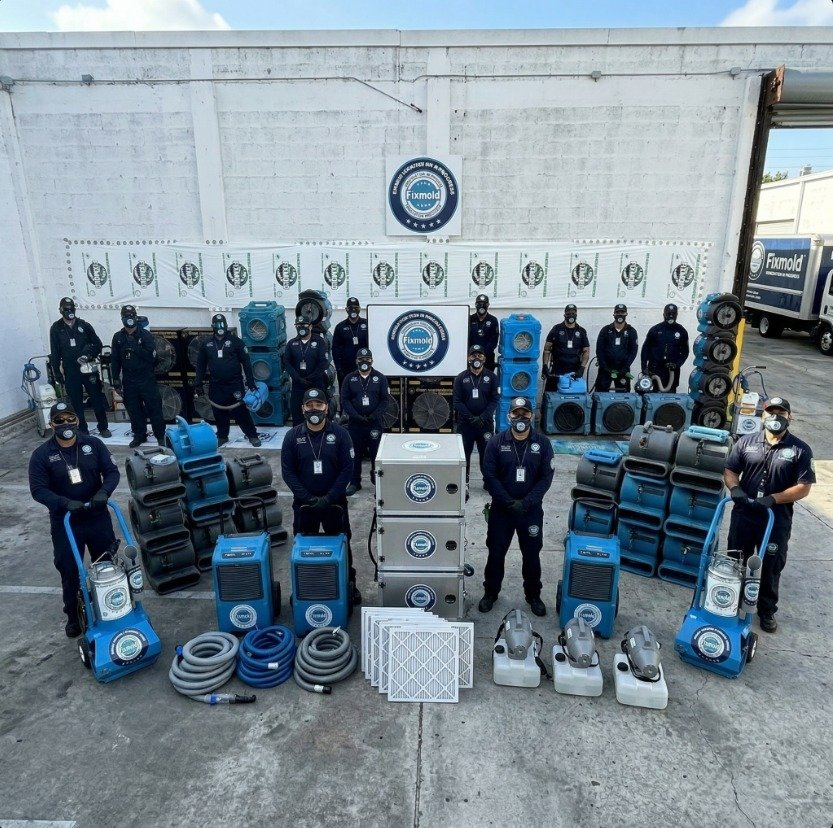
    THE BACK-BONE OF OUR 5 STAR SERVICE
    👉 Call Now: 1-786-882-1823
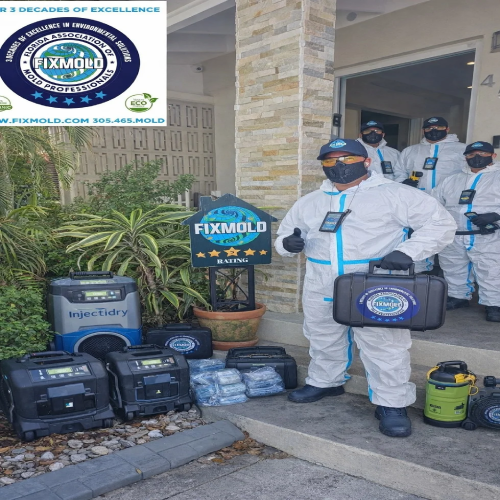
    Fast response. Certified technicians. Guaranteed results.

    OUR AWARDS

    Proof Of Unmatched Excellence
    Miami fix mold

    FixMold
    10750 NW 6th CtMiami, FL 33168

    License
    MRSR2709 MRSA2521

    Proudly Serving all of South Florida

    We are here to answer any question you may have.
    +

    How quickly does mold grow after hurricane flooding?

    Mold begins growing on wet building materials within 24 to 48 hours under the temperature and humidity conditions typical of post-hurricane South Florida. The faster moisture is addressed and the property is dried and ventilated, the narrower the contamination scope. Delays of even a few days can dramatically expand the remediation required.

    +

    My home looks dry now — do I still need an inspection?

    Yes. Building materials absorb and retain moisture far below the surface long after visual drying occurs. Flooring, drywall, insulation, and wood framing can remain at dangerous moisture levels for weeks while appearing dry to the eye. Infrared thermal imaging and moisture meters measure actual saturation levels — not surface appearance.

    +

    Can FixMold help with my insurance claim?

    Yes. Our assessment reports document moisture infiltration and mold growth with the laboratory evidence and photographic record insurance carriers require for claim processing. We work with public adjusters and attorneys on disputed hurricane mold claims throughout South Florida.

    +

    Should I start cleaning up mold myself before FixMold arrives?

    No. Disturbing mold growth without proper containment spreads spores into previously unaffected areas and can significantly expand the remediation scope. Leave affected materials in place until a licensed assessor documents conditions and a remediation plan is established.

    +

    How soon after a hurricane can FixMold respond?

    We deploy across South Florida immediately following hurricane events. Call 786-882-1823 — our 24/7 live concierge connects you directly to a state-certified technician who can assess your situation and schedule a response.

    +

    How do I know if water intrusion is causing my mold problem?

    Recurring mold in the same location after previous treatment is the clearest indicator — if water is still entering, mold will return. Other signs include musty odors after rain events, visible efflorescence or mineral staining on masonry, ceiling or wall staining that changes in size or intensity seasonally, and persistent elevated humidity in specific rooms. A FixMold inspection identifies whether an active water intrusion source is present and where it's originating.
    +

    Can you find a water source without cutting into walls?

    In most cases, yes. Infrared thermography identifies moisture behind surfaces by detecting the temperature differential between wet and dry materials — no invasive access required until the data pinpoints exactly where to look. This significantly reduces the scope of exploratory demolition and the cost and disruption associated with it.

    +

    Does FixMold handle both the waterproofing and the mold remediation?

    Yes. We address both in a single integrated process. Treating mold without sealing the water source produces temporary results — the warranty on our remediation work is backed by resolving the intrusion condition as part of the same engagement.

    +

    Is water intrusion damage covered by homeowner's insurance in Florida?

    Coverage depends on the cause and the policy. Sudden and accidental water damage — a burst pipe, a one-time roof breach during a storm — is typically covered. Gradual water intrusion from long-term maintenance failures is frequently excluded. FixMold's documentation of the intrusion source, pathway, and damage extent supports insurance claims and provides the evidentiary foundation if a claim is disputed.

    +

    What areas does FixMold serve for water intrusion assessments?

    All of South Florida including Miami-Dade, Broward, Palm Beach, and surrounding counties. Same-day response available for active water intrusion situations. Call 786-882-1823 — our 24/7 concierge connects you directly to a state-certified technician.

    Urgent Enquiry Virtual Assessment
    🎁 Today’s Offer

    Services

    Mold

    Water Damage

    HVAC Restoration

    Air Quality & Deep Cleaning

    General Contractor

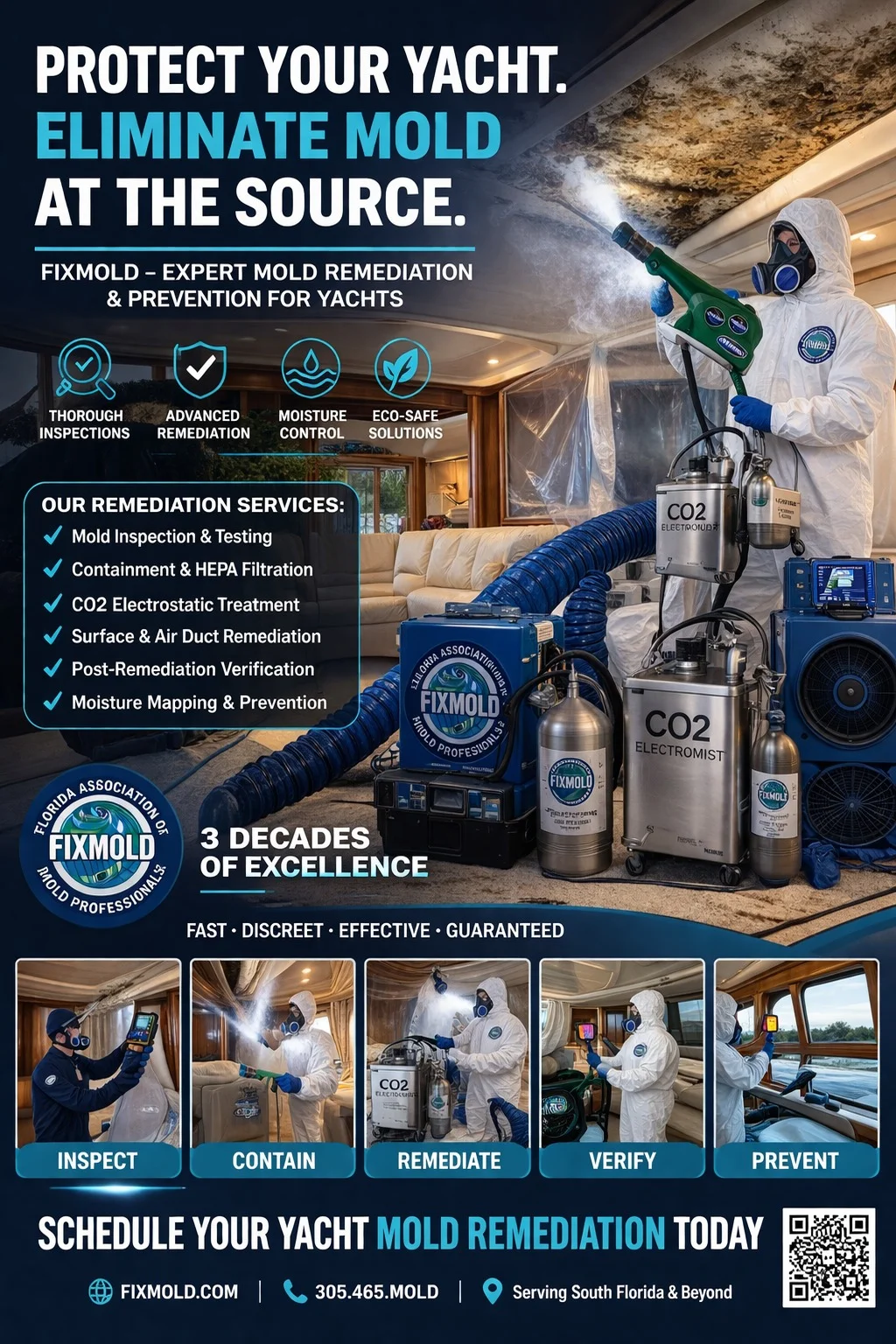
    Yacht Mold Removal

    10750 NW 6th CtMiami, FL 33168
    License
    #MRSR2709 #MRSA2521
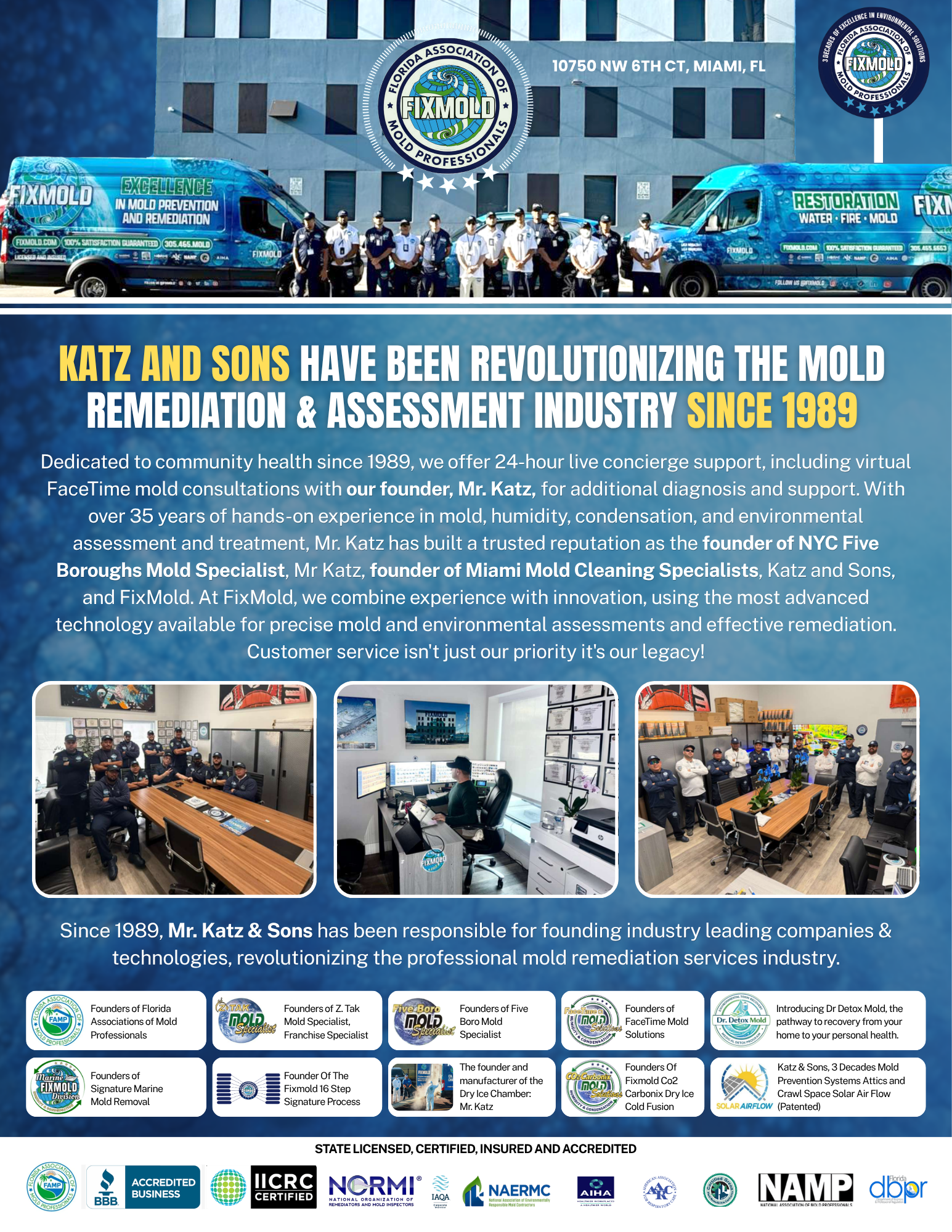
    Founded by industry expert Moty Katz, backed by a 30+ year family legacy in mold remediation and prevention.
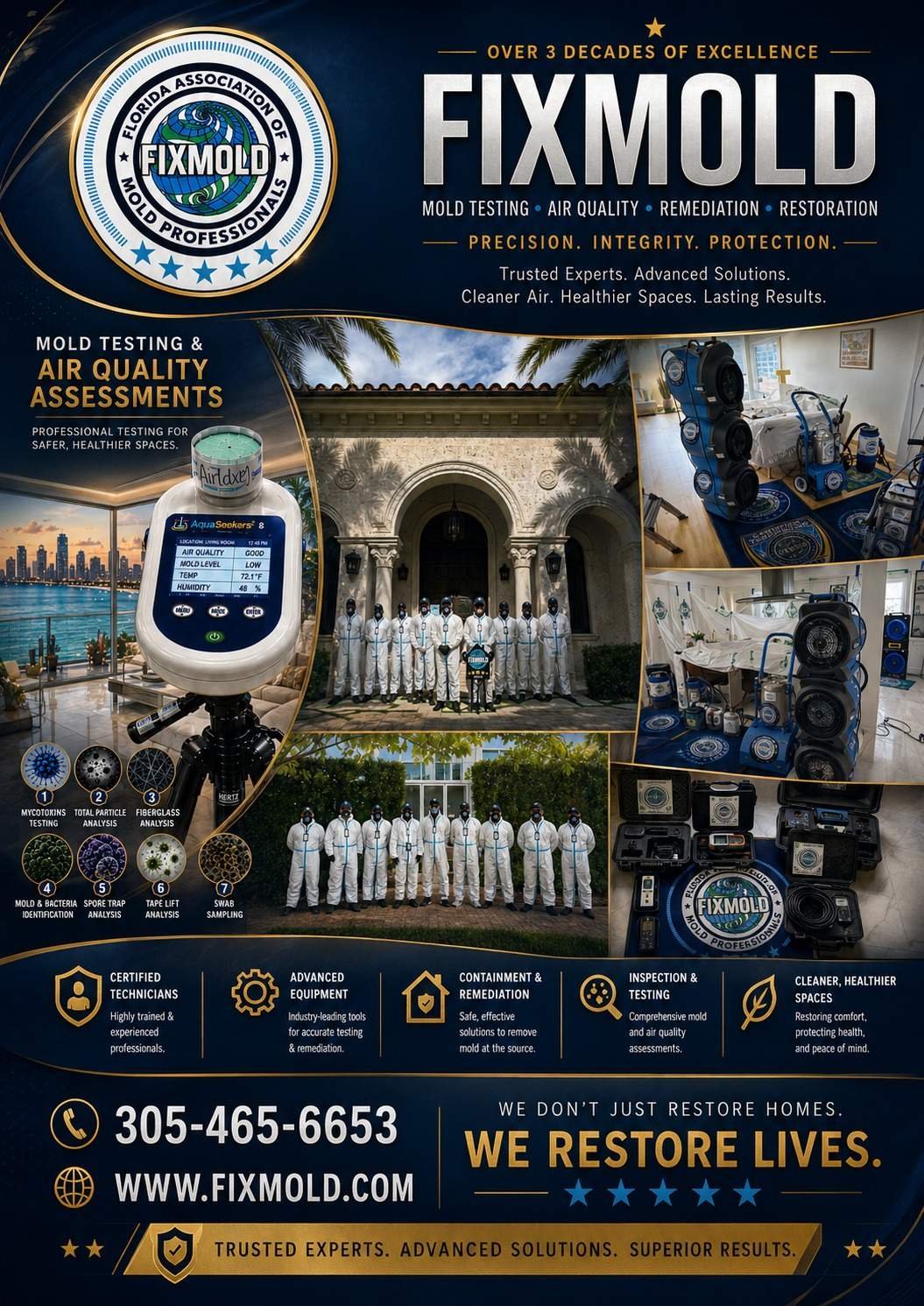
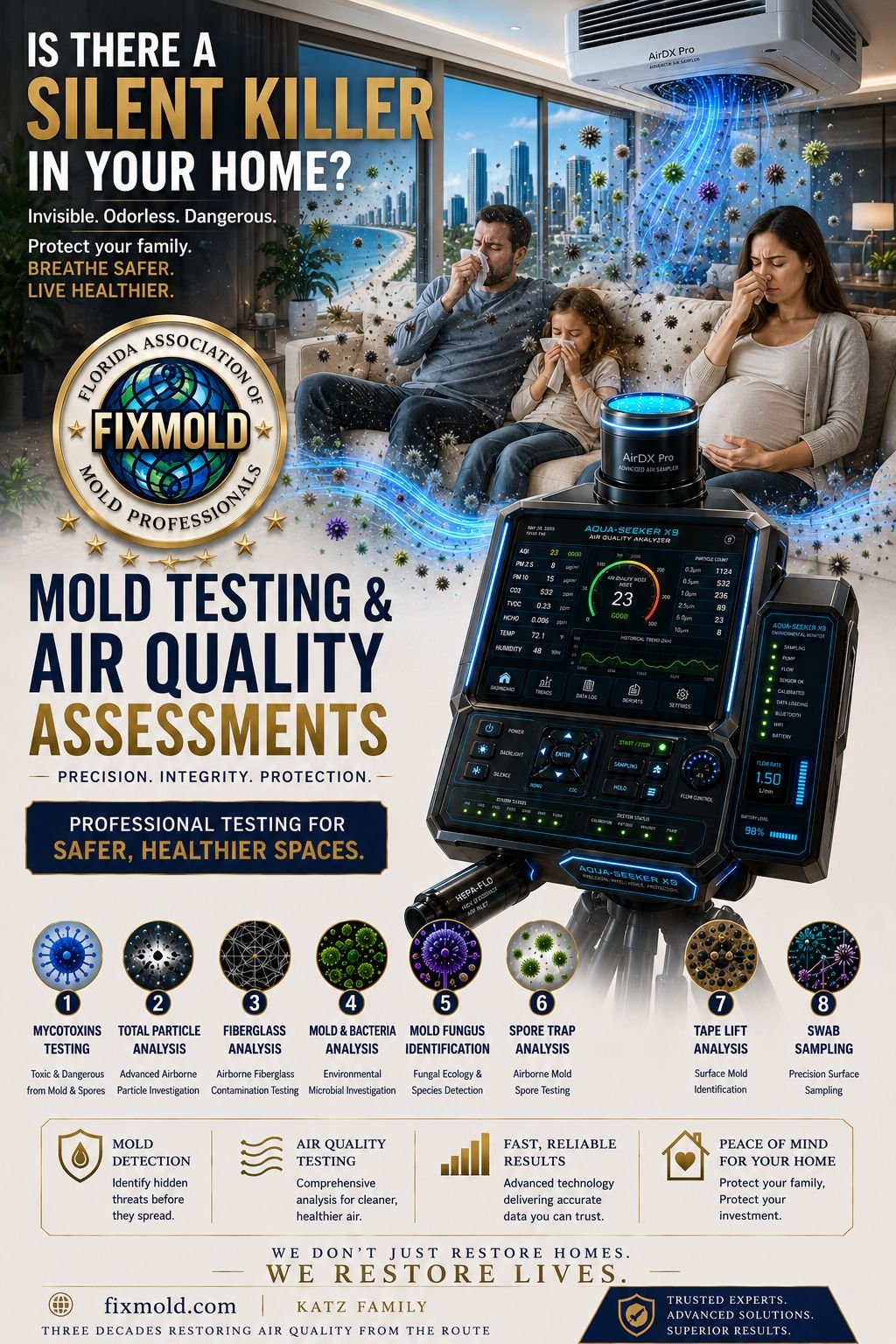
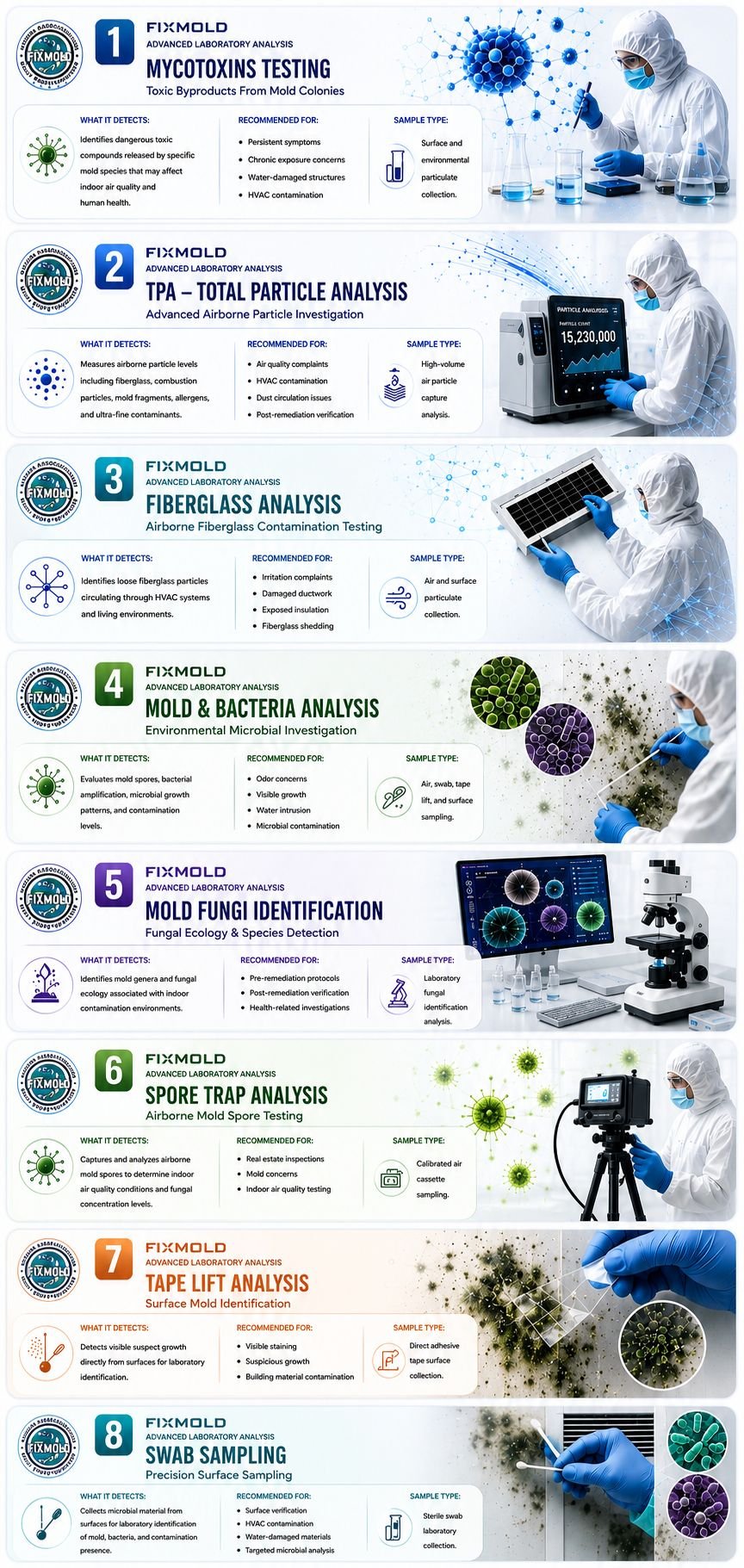
    Air Quality Testing. Mycotoxins.
    Mold Testing &
    Air Samples
    Proud Sponsors Of South Florida
    Hatzalah Emergency Medical Services
    Air Quality Testing. Mycotoxins.
    Mold Testing &
    Air Samples
    Proud Sponsors Of South Florida
    Hatzalah Emergency Medical Services