View Our Reviews Accross All Platforms Here
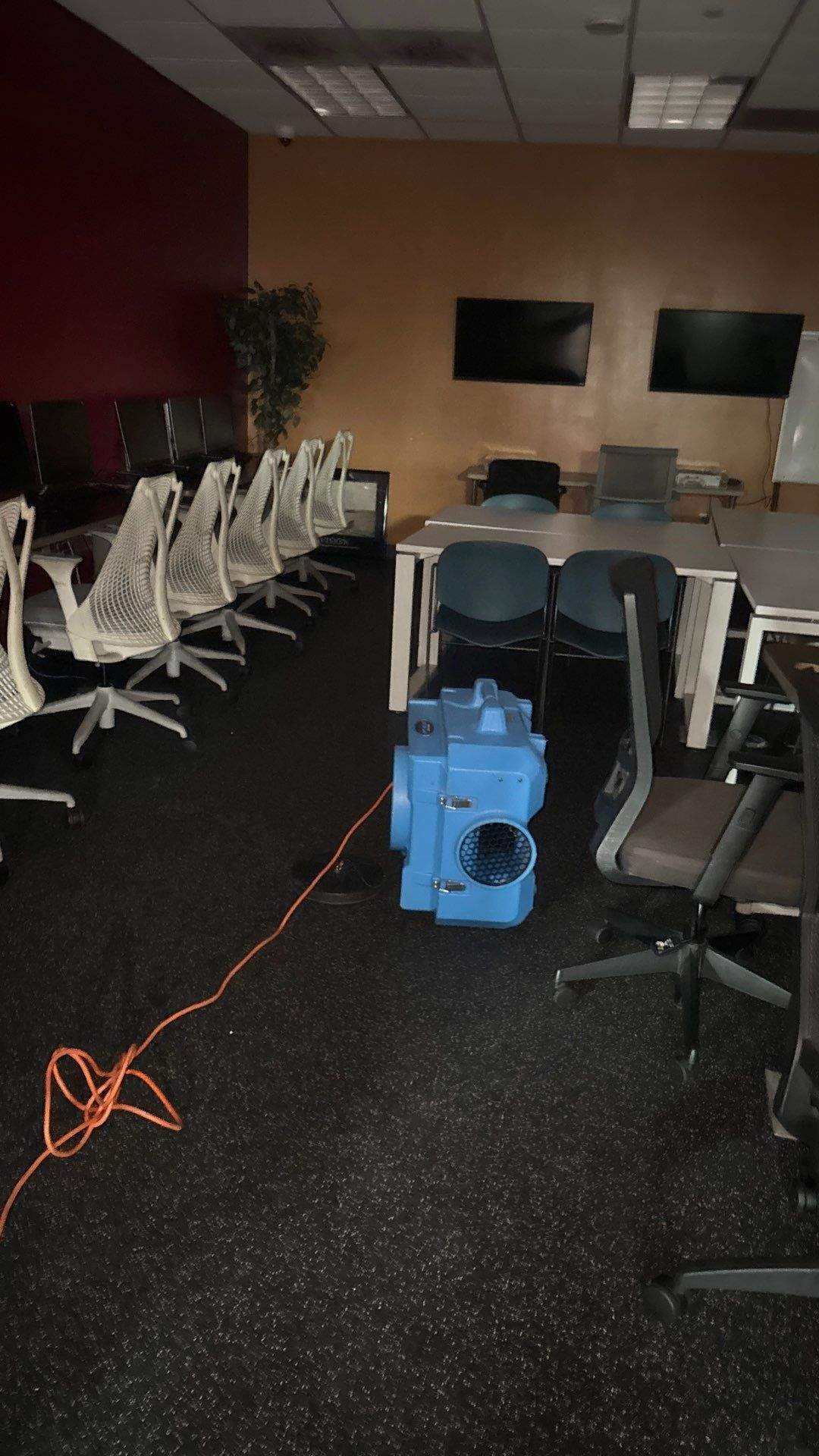
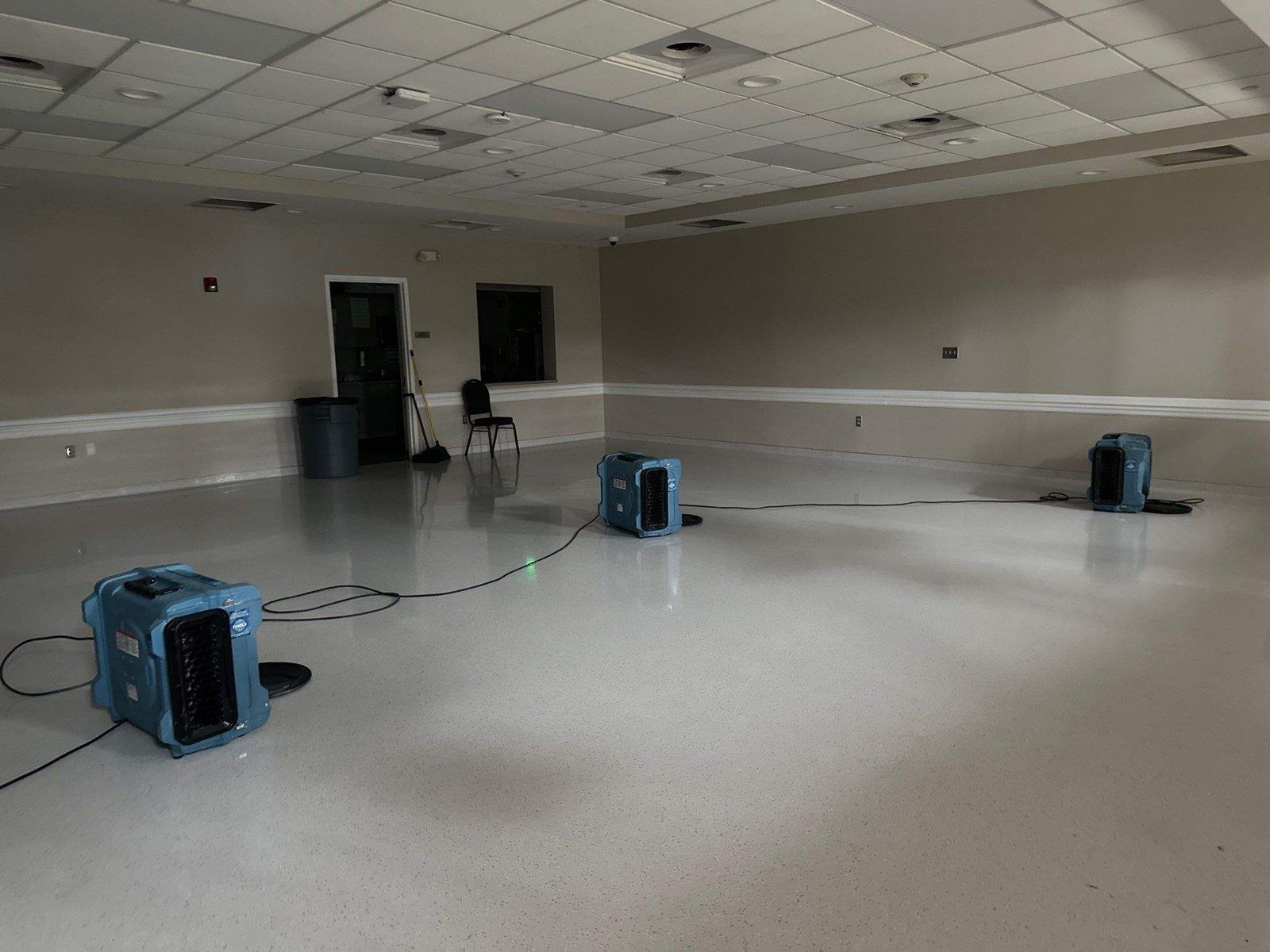
Mold can begin developing within a relatively short period of time after hurricane-related water intrusion, especially in Miami and South Florida where elevated humidity and heat create ideal conditions for microbial growth. Wet drywall, insulation, carpeting, wood framing, ceilings, and HVAC systems may begin supporting mold growth shortly after moisture becomes trapped inside the structure.
Hurricane damage often affects multiple areas of the property at once, making drying more difficult than smaller household leaks. Roof leaks, flooding, storm surge, broken windows, and prolonged humidity exposure may all contribute to hidden moisture inside walls, ceilings, and flooring systems.
Power outages after storms often worsen the situation because air conditioning systems stop removing humidity from the indoor environment. As indoor moisture levels rise, condensation may develop throughout the property and accelerate microbial growth.
Even if visible water is removed quickly, hidden dampness may remain trapped behind finished surfaces for extended periods in South Florida’s humid climate. Moisture detection and thermal imaging are often necessary to identify concealed water intrusion after storms.
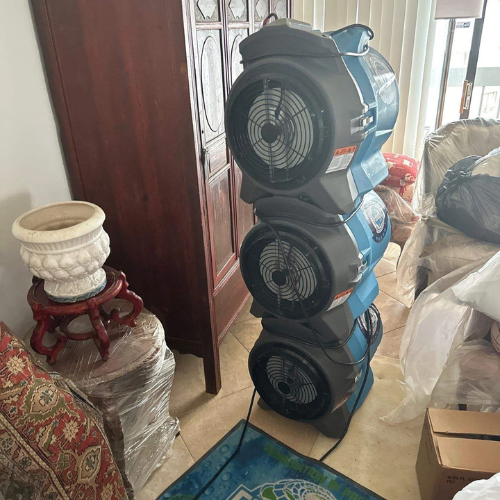
Early structural drying and environmental evaluation help reduce the likelihood of larger mold problems developing after hurricanes.
Musty odors after hurricanes usually indicate that moisture remains trapped somewhere inside the property. Wet drywall, insulation, flooring systems, attic spaces, cabinetry, HVAC systems, or concealed wall cavities may continue holding moisture long after the storm has passed.
As damp materials remain wet, microbial growth may begin developing inside hidden structural areas and produce odors that spread throughout the home. Many Miami homeowners notice stale air or musty smells becoming stronger when the air conditioning system operates because HVAC systems may circulate airborne particles from contaminated areas.
South Florida’s elevated humidity often slows the drying process, allowing damp conditions to persist longer than expected. Roof leaks, floodwater, condensation, and storm-related humidity may all contribute to hidden contamination after hurricanes.

Simply masking odors or repainting affected surfaces usually does not resolve the underlying moisture problem. Professional moisture detection, thermal imaging, and indoor air quality evaluations may help identify where dampness remains inside the structure.
Persistent musty odors after storms often indicate that additional environmental assessment may still be necessary.
Yes. Hurricanes frequently affect HVAC systems throughout Miami and South Florida because floodwater, roof leaks, prolonged humidity, and power outages may introduce moisture into ducts, air handlers, insulation systems, and ventilation components.
When HVAC systems remain wet or exposed to elevated humidity for extended periods, microbial growth may begin developing inside the system. Once contamination spreads through ducts or air handlers, airborne mold spores and particles may circulate throughout the property whenever the AC system operates.
Attic HVAC systems are especially vulnerable after hurricanes because roof damage and attic moisture often affect ductwork and ventilation equipment located above the living space. Condensation may also increase after storms as HVAC systems work harder to cool humid indoor environments.
Many property owners notice musty odors, stale air, black vent staining, or recurring humidity after storm exposure because hidden HVAC contamination remains active inside the system.
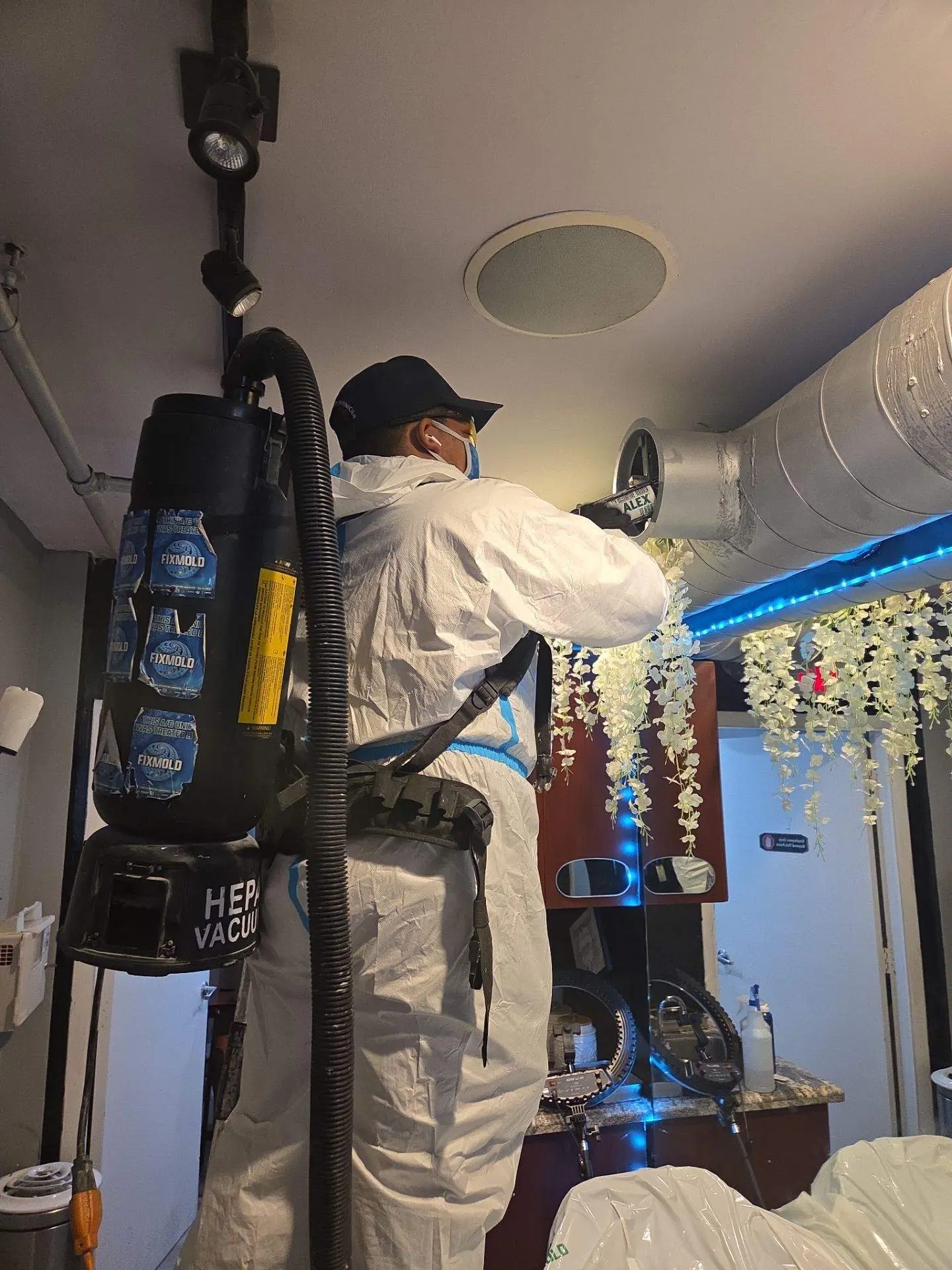
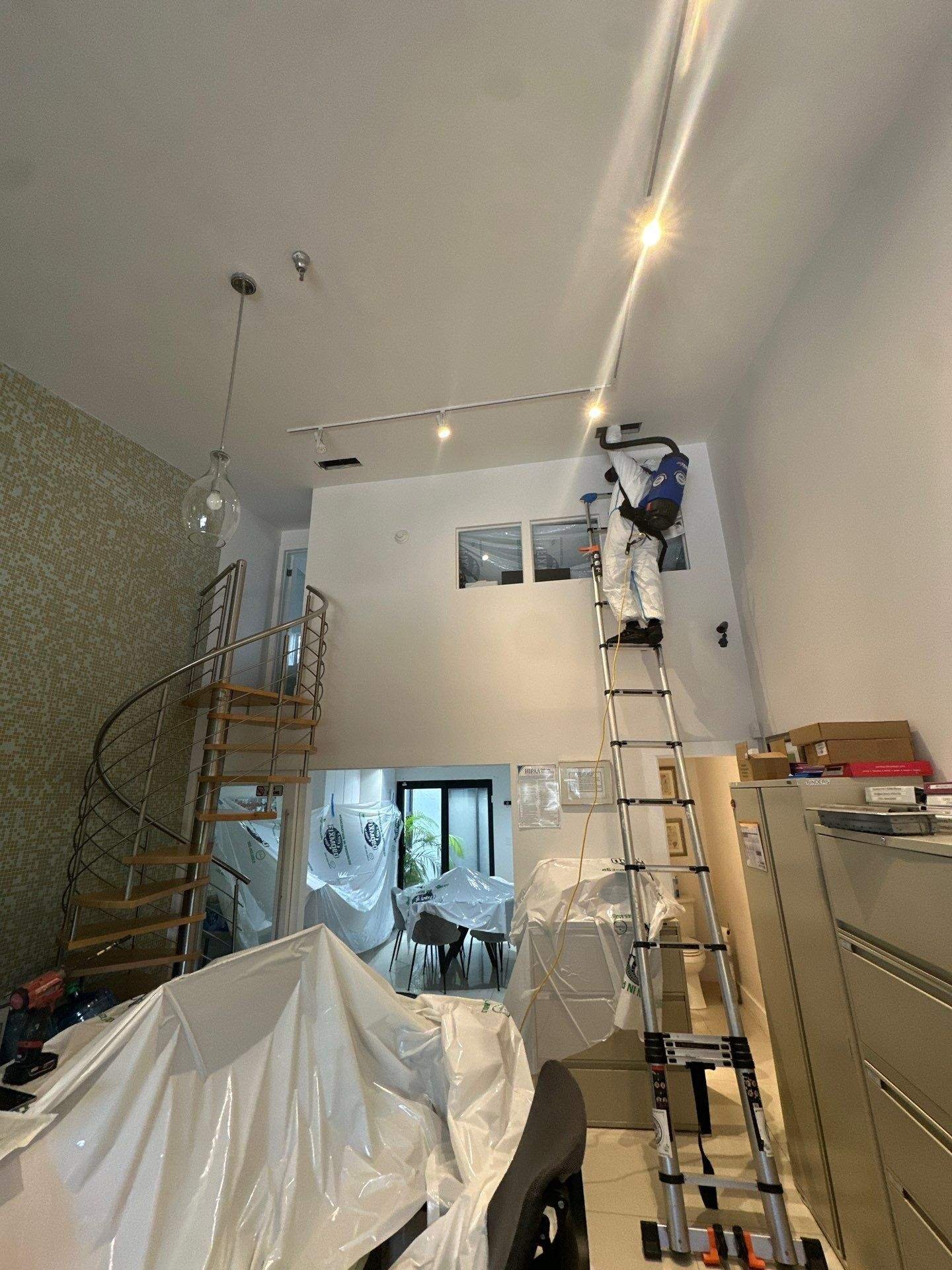
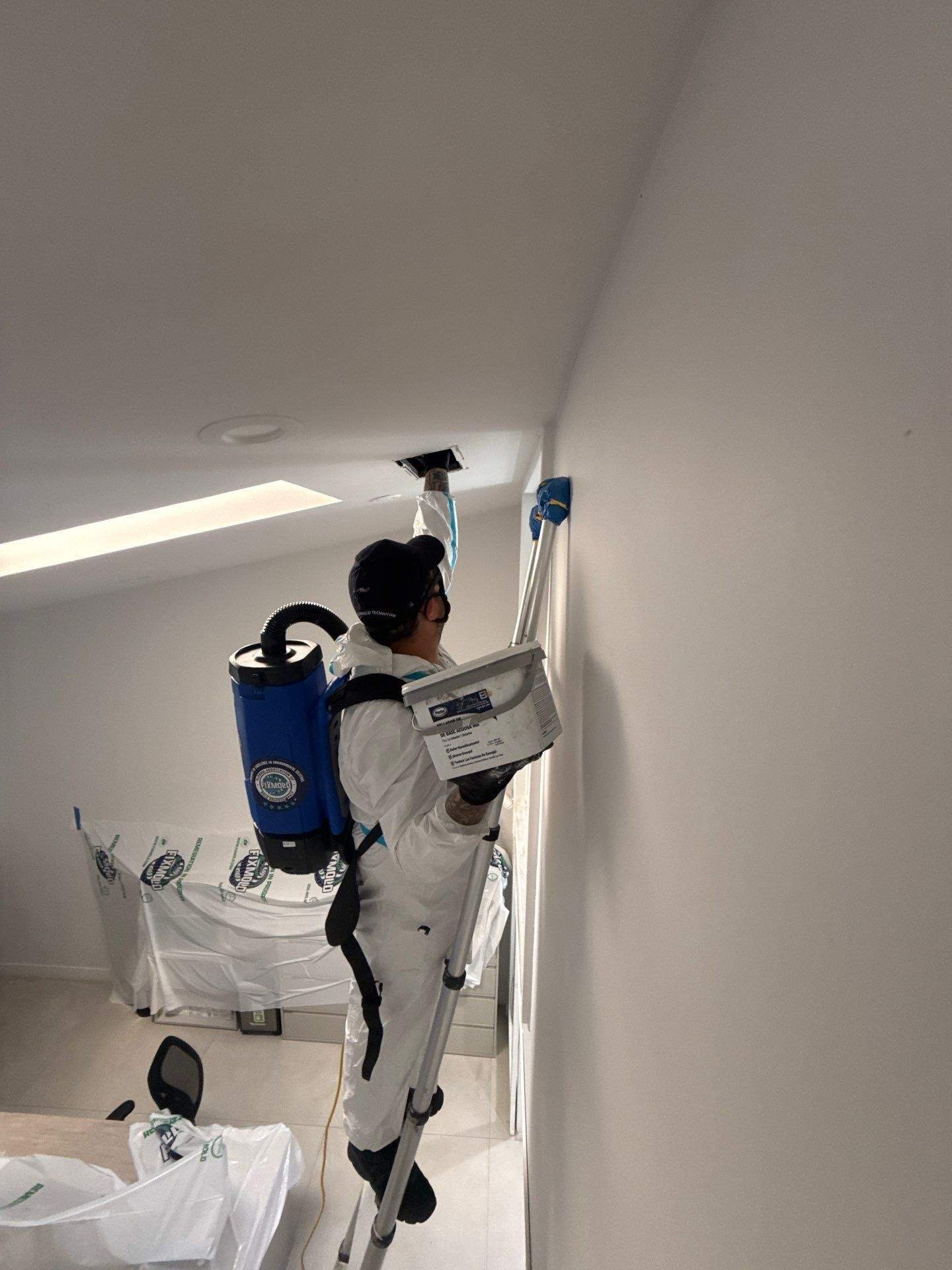
Professional post-storm HVAC evaluations often include moisture detection, airflow analysis, thermal imaging, and indoor air quality testing to determine whether the ventilation system has been affected by moisture intrusion.
Hidden moisture is common after hurricanes because storm-related water intrusion often spreads through enclosed structural spaces that are difficult to inspect visually. Water may travel behind walls, beneath flooring, inside insulation, above ceilings, or through HVAC systems even when visible surfaces appear relatively dry.
Wind-driven rain, roof leaks, flooding, and condensation can all introduce moisture into concealed cavities throughout the property. In South Florida’s humid climate, materials dry slowly and may continue retaining moisture long after standing water has been removed.
Some homeowners mistakenly assume the property is dry once visible water disappears, but hidden dampness may still exist inside structural materials. Over time, these concealed moisture conditions may support mold growth and affect indoor air quality.
Thermal imaging, moisture mapping, humidity measurements, and environmental inspections are often necessary to locate hidden dampness after storms. Identifying concealed moisture early helps reduce the likelihood of long-term structural damage and recurring mold contamination.
Proper structural drying and humidity control are essential parts of hurricane recovery throughout South Florida.
A hurricane mold inspection typically involves evaluating the property for hidden moisture, water intrusion, microbial contamination, humidity problems, and indoor air quality concerns that may have developed after storm exposure.
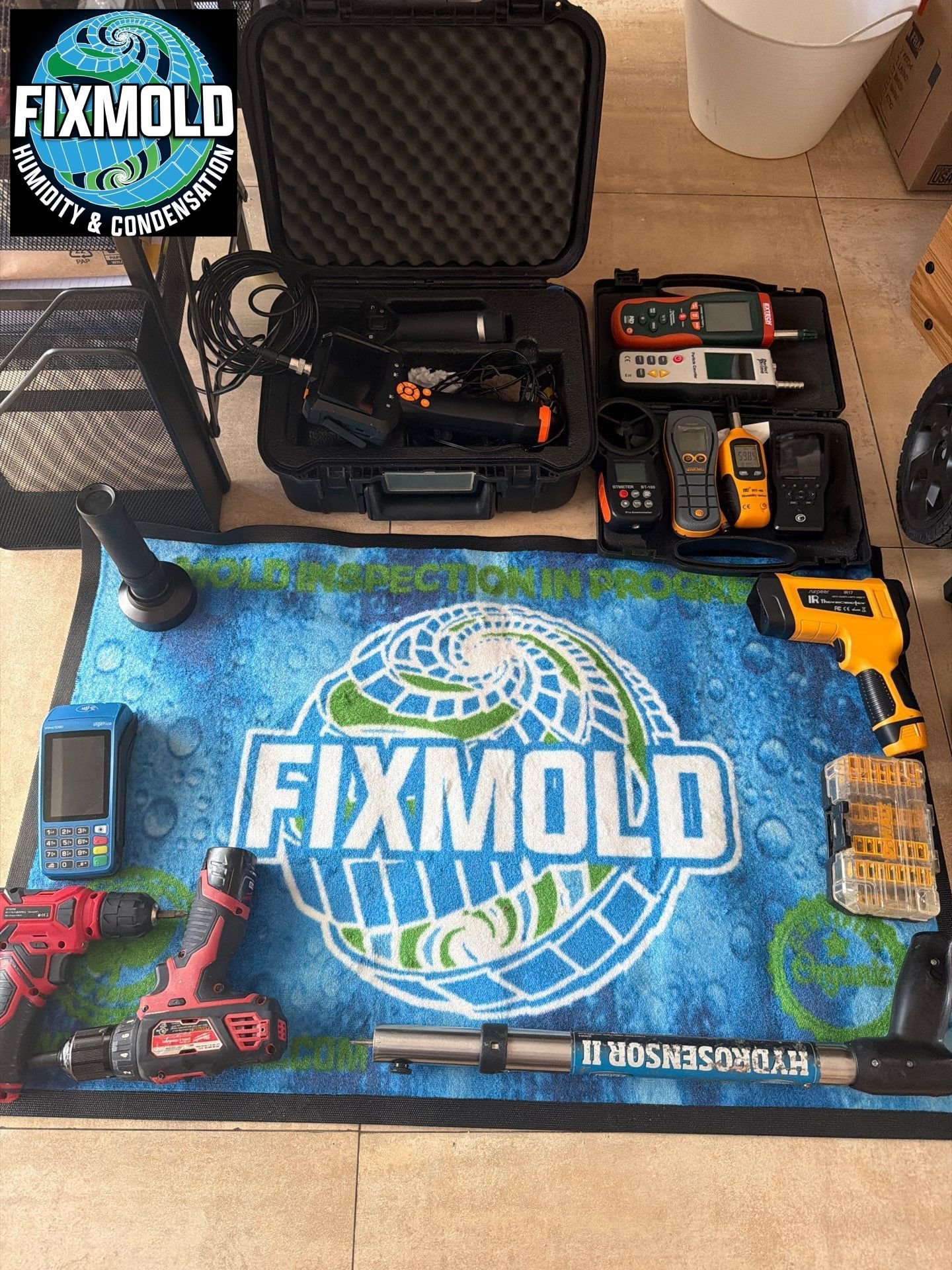
Environmental inspections may include moisture detection, thermal imaging, humidity measurements, leak evaluation, HVAC inspection, airborne mold testing, surface sampling, and visual assessment of areas affected by flooding, roof leaks, or condensation. Attics, crawlspaces, insulation systems, ductwork, ceilings, and wall cavities are often closely evaluated because these areas commonly retain hidden moisture after hurricanes.
Indoor air quality testing may compare indoor airborne mold levels to outdoor environmental conditions to determine whether elevated contamination exists inside the property. HVAC systems are also commonly inspected because ventilation systems frequently trap moisture and spread airborne particles after storms.
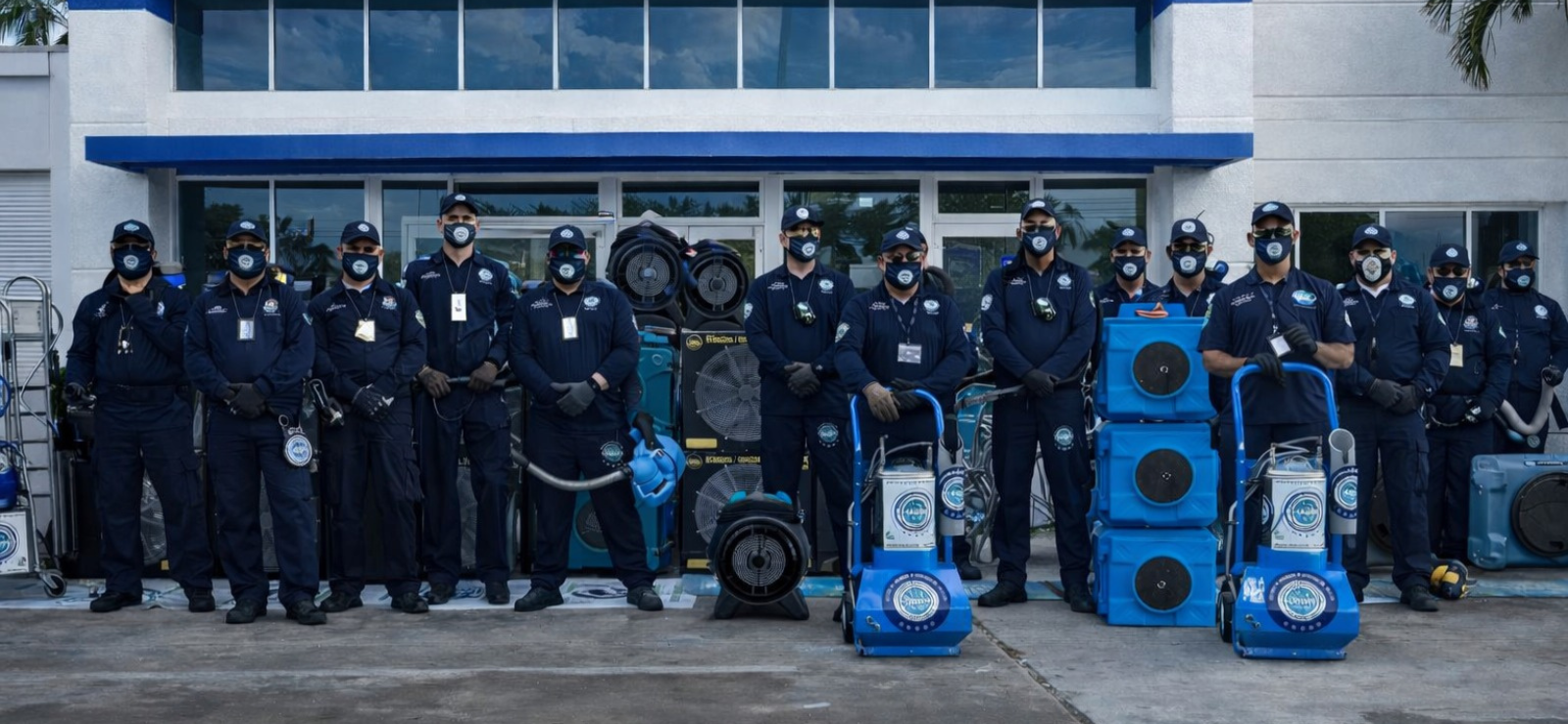
The purpose of the inspection is to identify hidden environmental conditions affecting the structure and indoor environment so moisture-related problems can be properly addressed before larger contamination develops.