Mold in Richmond Heights, in Brief
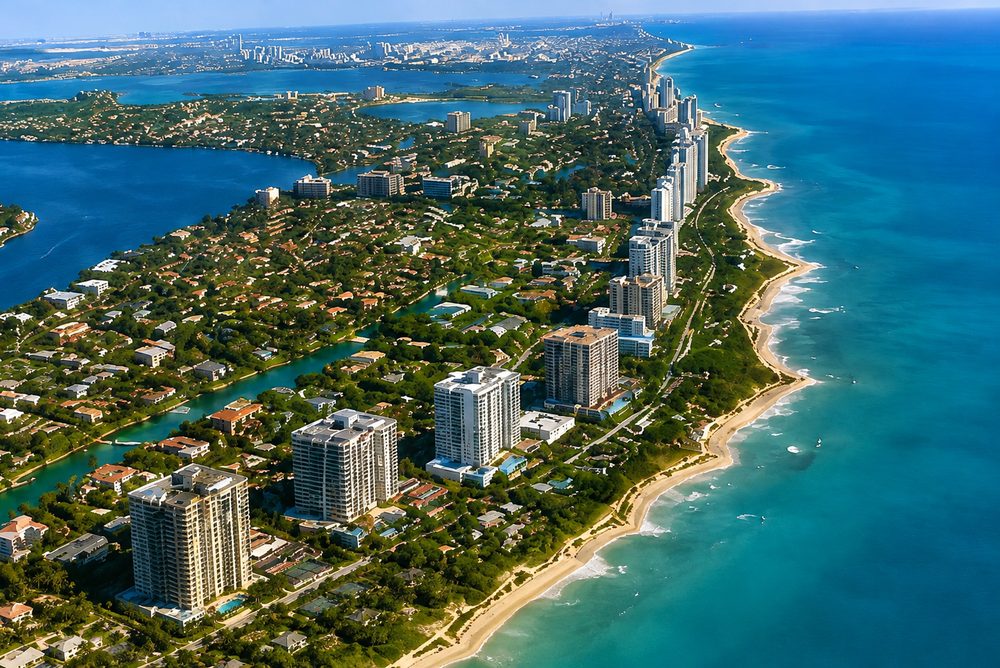
Richmond Heights was founded in 1949 as housing for African American World War II veterans, on land next to the former Naval Air Station Richmond, and it is now a historic district. Today it is a community of about 8,900 residents and 3,100 homes in southwestern Miami-Dade County, roughly 16 miles southwest of downtown Miami. Kendall lies to the north and east, Palmetto Estates to the south, and Three Lakes to the west. It covers about 1.6 square miles and sits only about 10 feet above sea level. Its ZIP codes are 33157, 33176 and 33186.
A close-knit community with schools, churches and community facilities, and buildings of many ages, has the usual South Florida moisture problems, and some extra ones. Roofs and plumbing that have been in service for a long time have had more years to develop small leaks. Air conditioning runs almost all year. Low ground drains slowly after heavy rain. And because mold grows behind walls, above ceilings, and beneath floors, it is usually found late. Good mold remediation in Richmond Heights comes down to three things: find it early, fix the cause, and prove it is gone.
Who We Help in Richmond Heights
Mold inspection and air quality for Richmond Heights homeowners
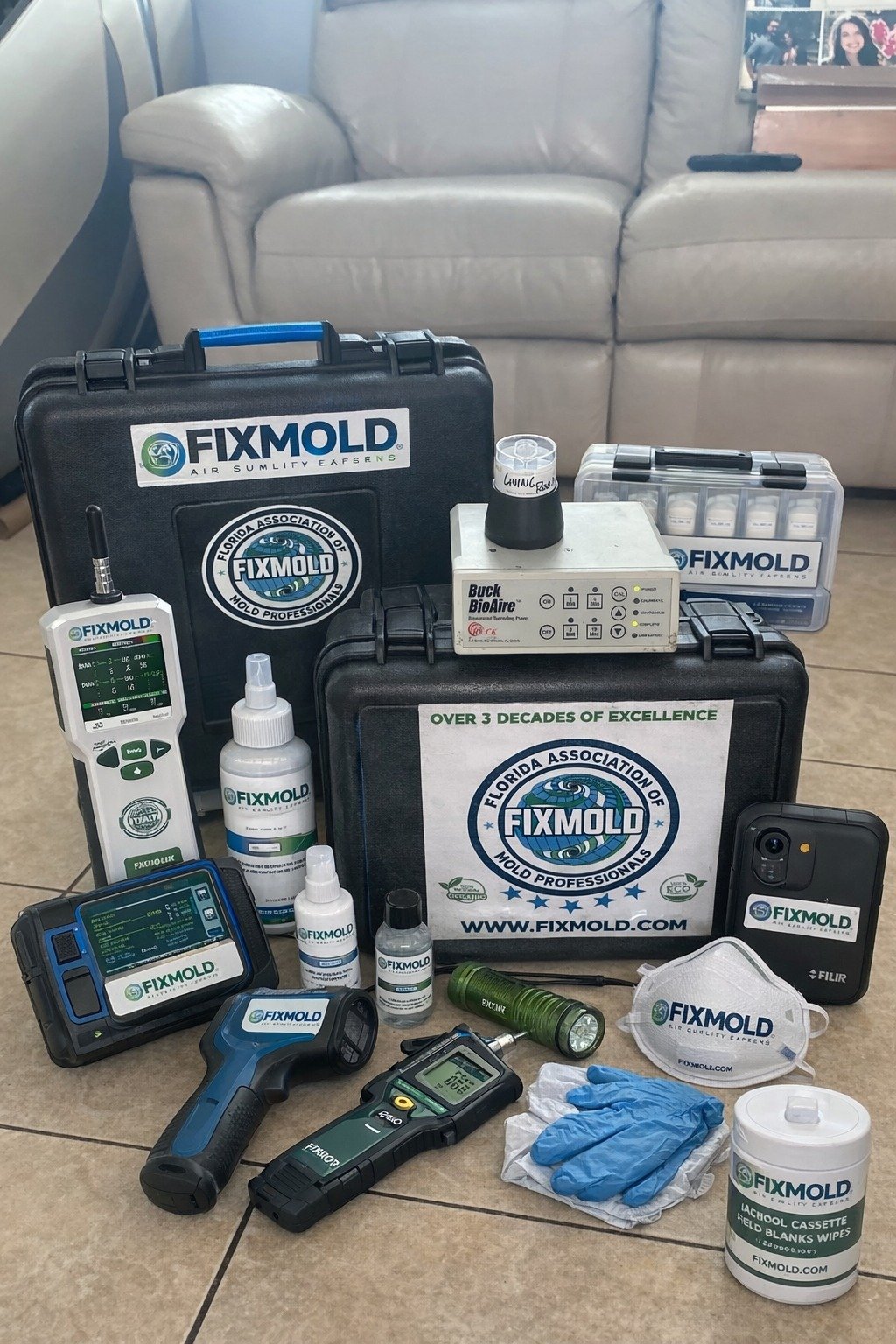
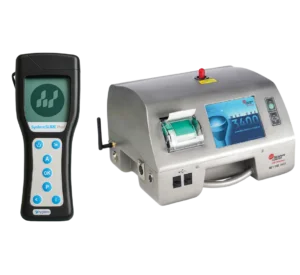
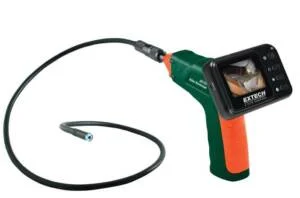
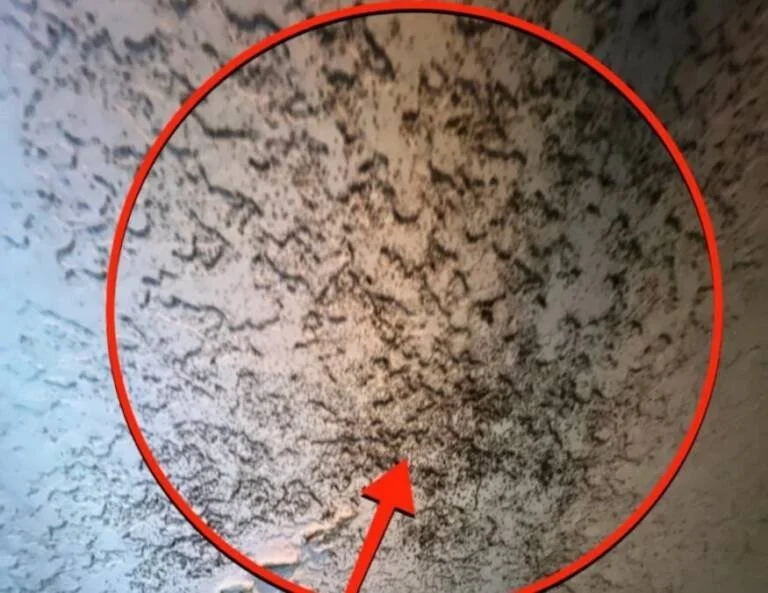
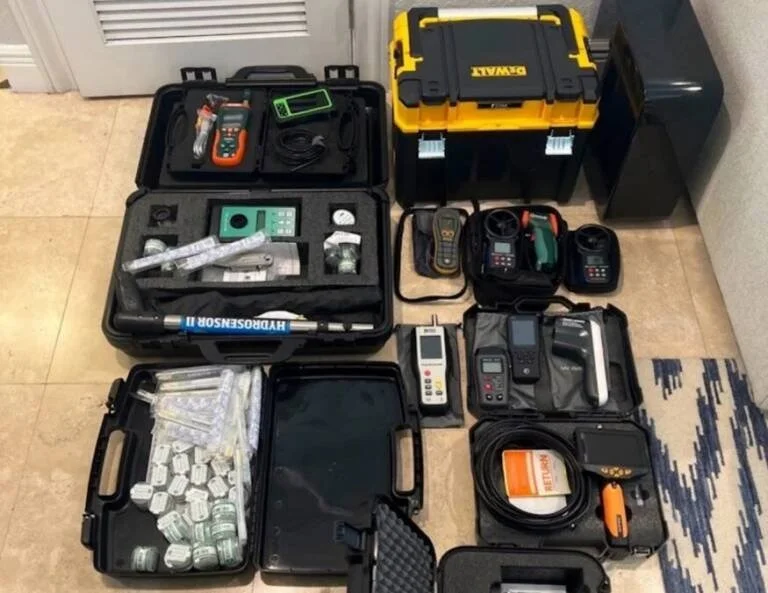
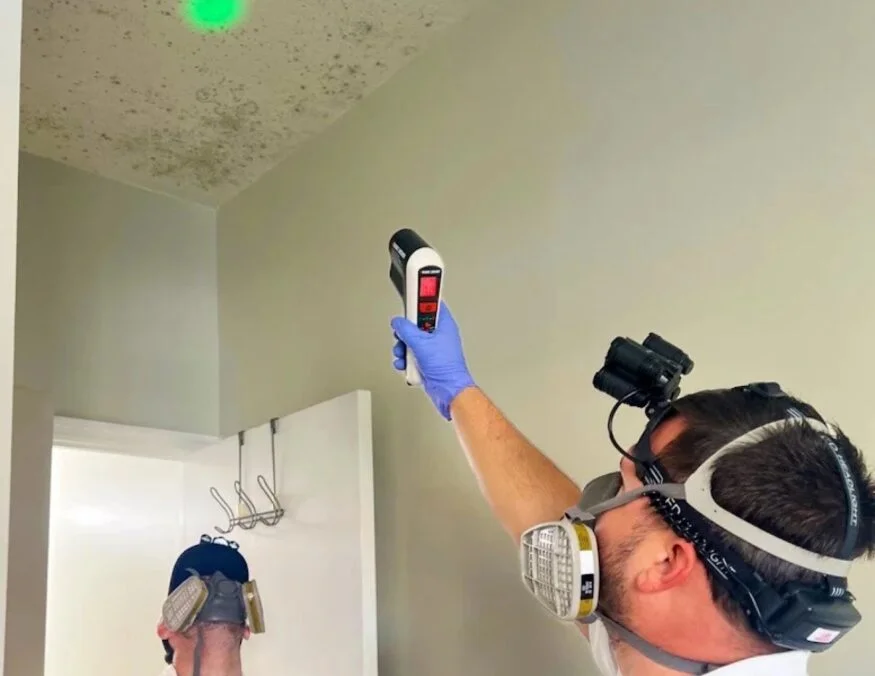
Start with a free FaceTime call, then a mold inspection in Richmond Heights if one is needed. Our certified mold inspection is a complete interior and exterior property evaluation with infrared thermal imaging, moisture mapping of walls, ceilings, and flooring, roofline, attic, and crawlspace inspections, HVAC equipment and ductwork assessments, plumbing moisture investigations, digital photo documentation and a comprehensive report with professional recommendations. Mold often starts in concealed spaces where moisture stays trapped, so the inspection finds hidden contamination, the extent of the moisture intrusion and the conditions behind it.
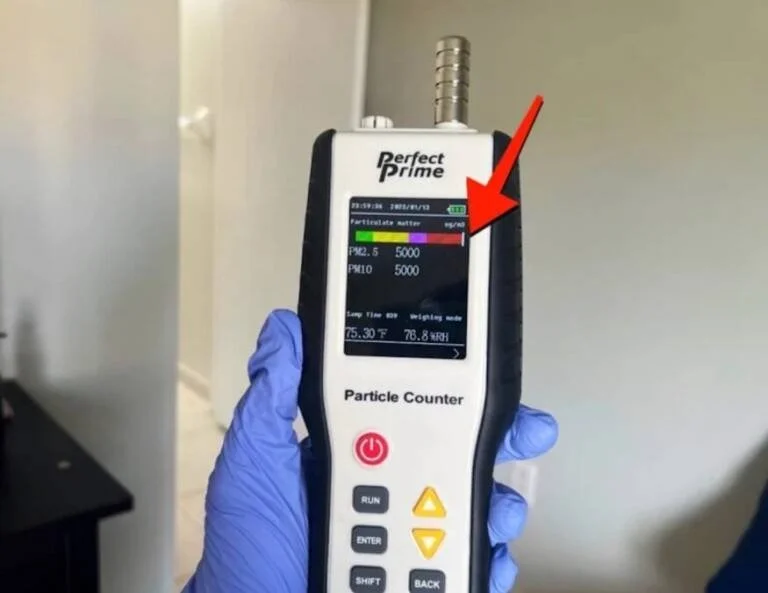
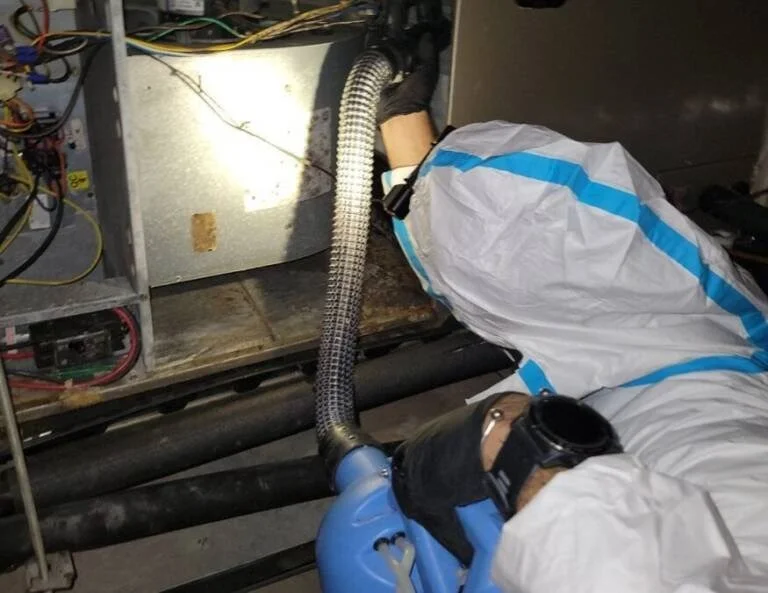
Air quality can slip long before anyone feels symptoms. Our indoor air quality evaluation in Richmond Heights looks at airborne mold spores, allergens, and fine particulates, volatile organic compounds (VOCs), indoor humidity levels, ventilation performance and overall conditions, and then we recommend practical improvements to filtration, ventilation, and humidity control. Because homes here depend on air conditioning most of the year, the HVAC system is a common hiding place. Our HVAC cleaning and disinfecting in Richmond Heights covers air handler inspections, evaporator coil cleaning, air duct cleaning, drain pan and condensate line maintenance, medical-grade HEPA vacuuming, EPA-registered antimicrobial disinfection, and airflow optimization.
Mold testing for Richmond Heights landlords, real estate professionals and property managers
You may need facts for a lease, a sale, or an insurer, not only a cleanup. Mold testing in Richmond Heights, with accredited laboratory analysis, gives accurate information about airborne mold spores and indoor environmental quality. We can take indoor air samples, outdoor comparison samples, surface samples, tape lift and swab samples, and HVAC system samples, with airborne spore concentration reports. We frequently recommend testing after water damage, for insurance claims, real estate transactions, unexplained health concerns and persistent odors, and for post-remediation verification. We provide HOA and property manager documentation, and independent clearance testing confirms the result, with a clearance certificate for homeowners and HOAs.
Mold removal for Richmond Heights schools, churches and community facilities
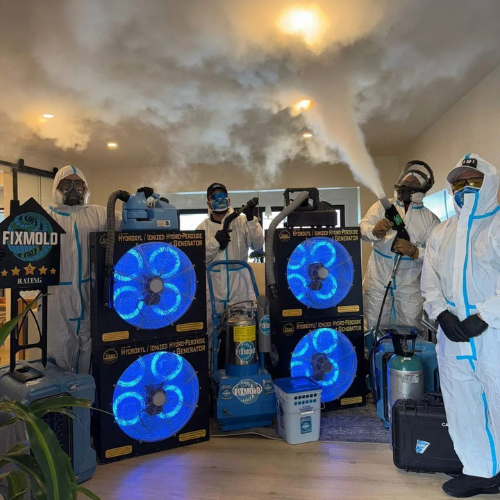
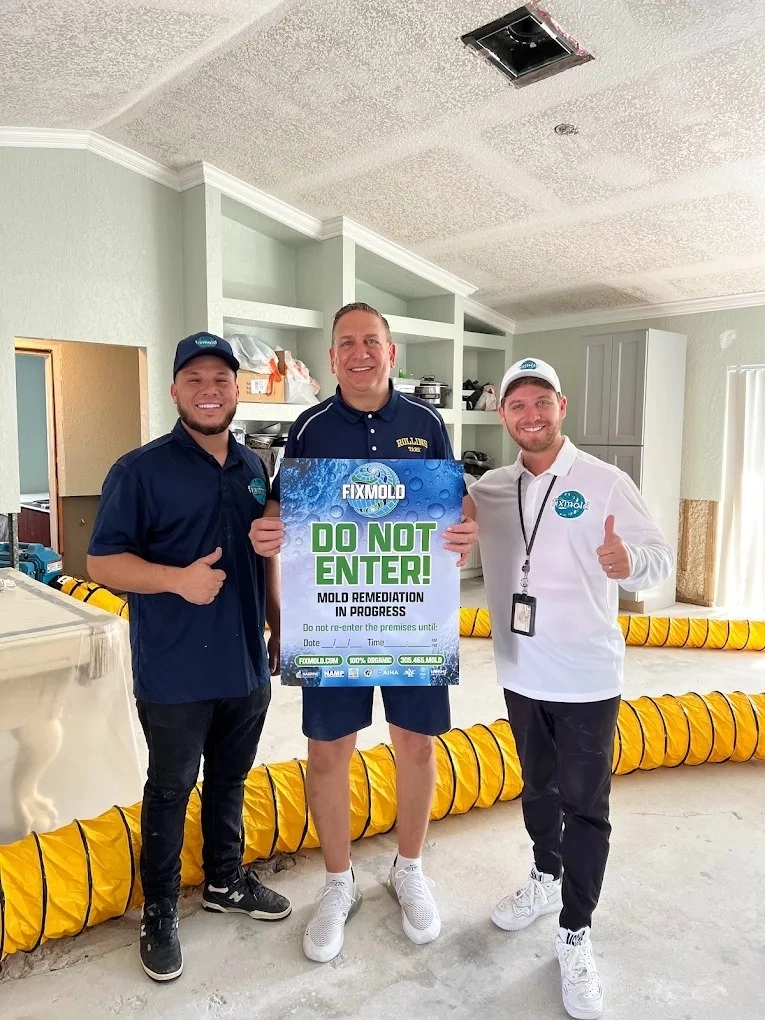
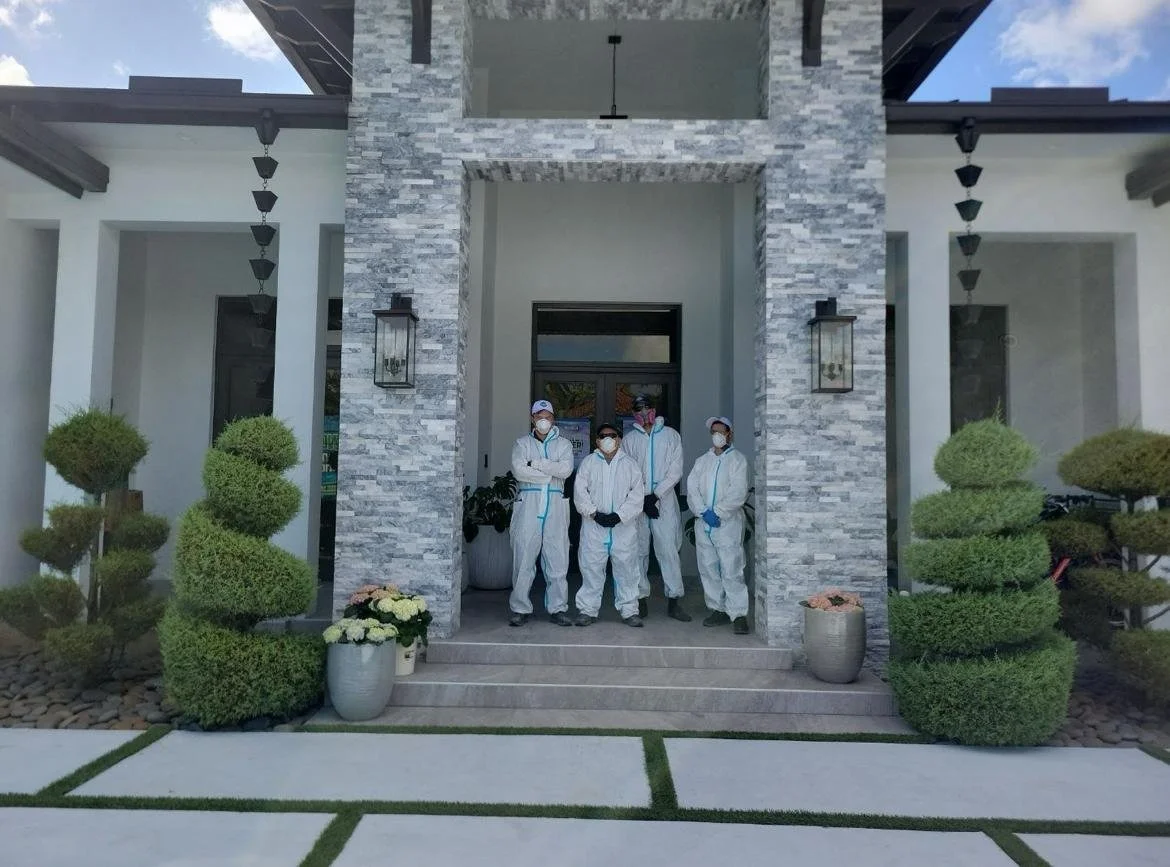
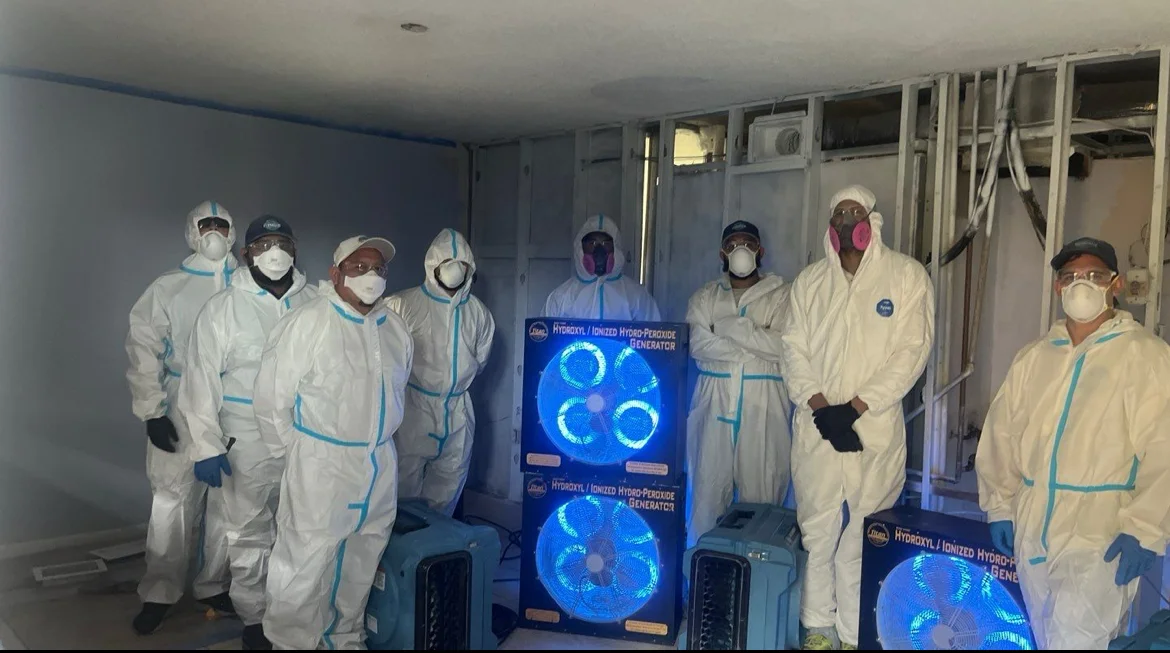
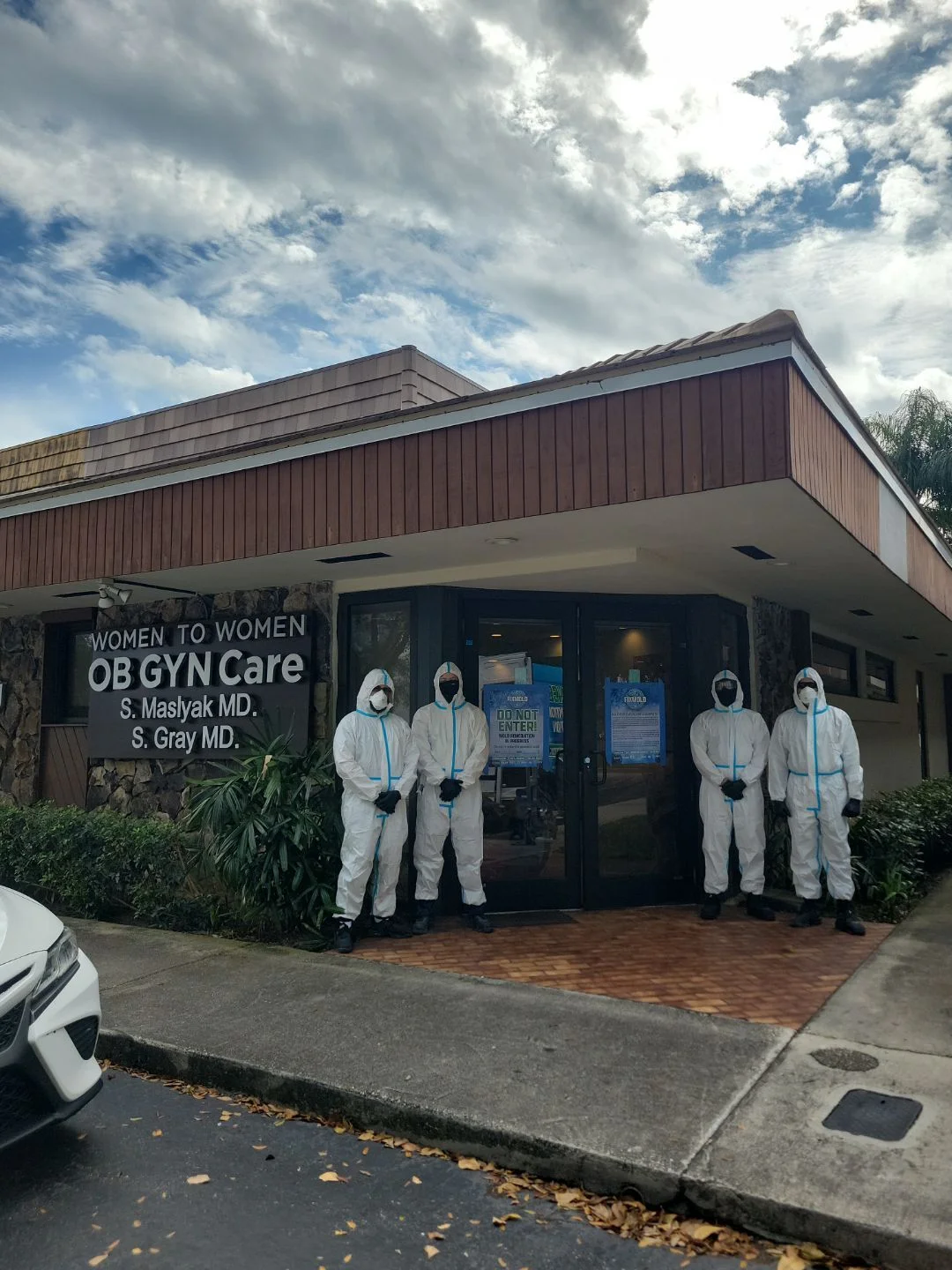
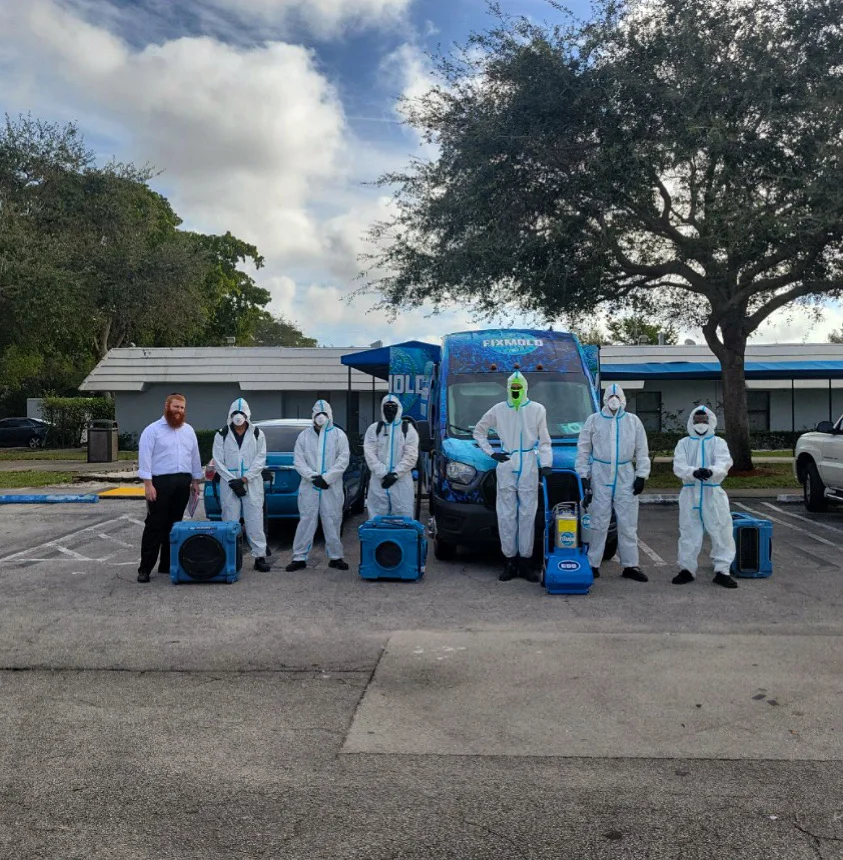
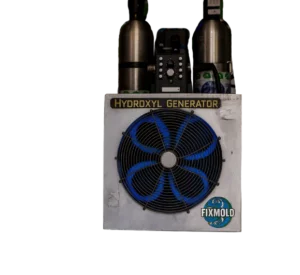
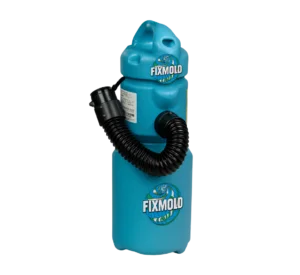
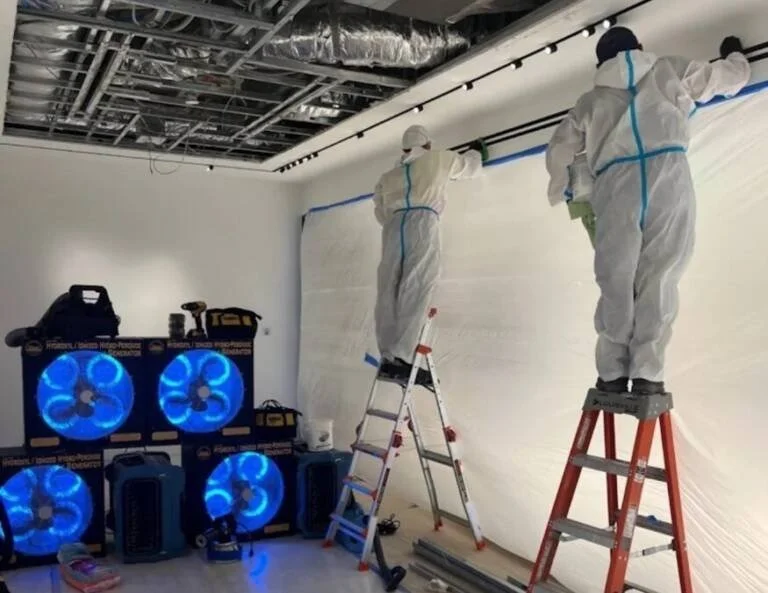
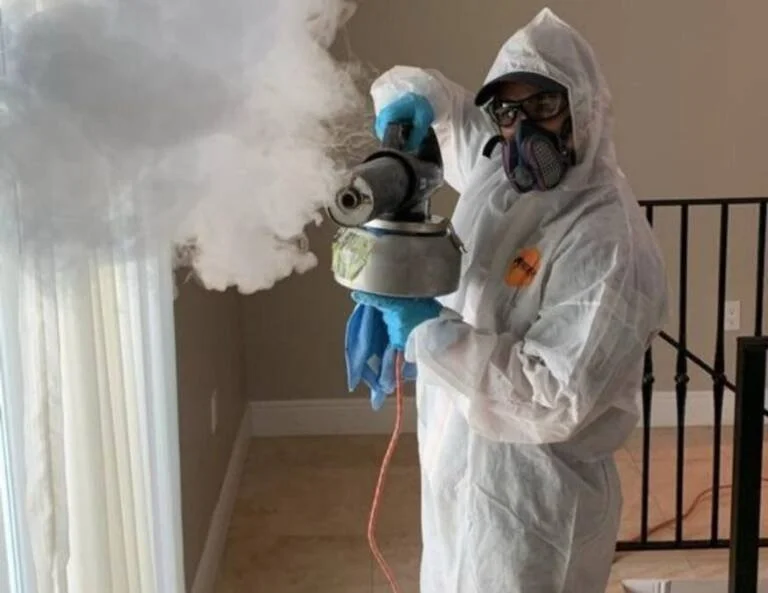
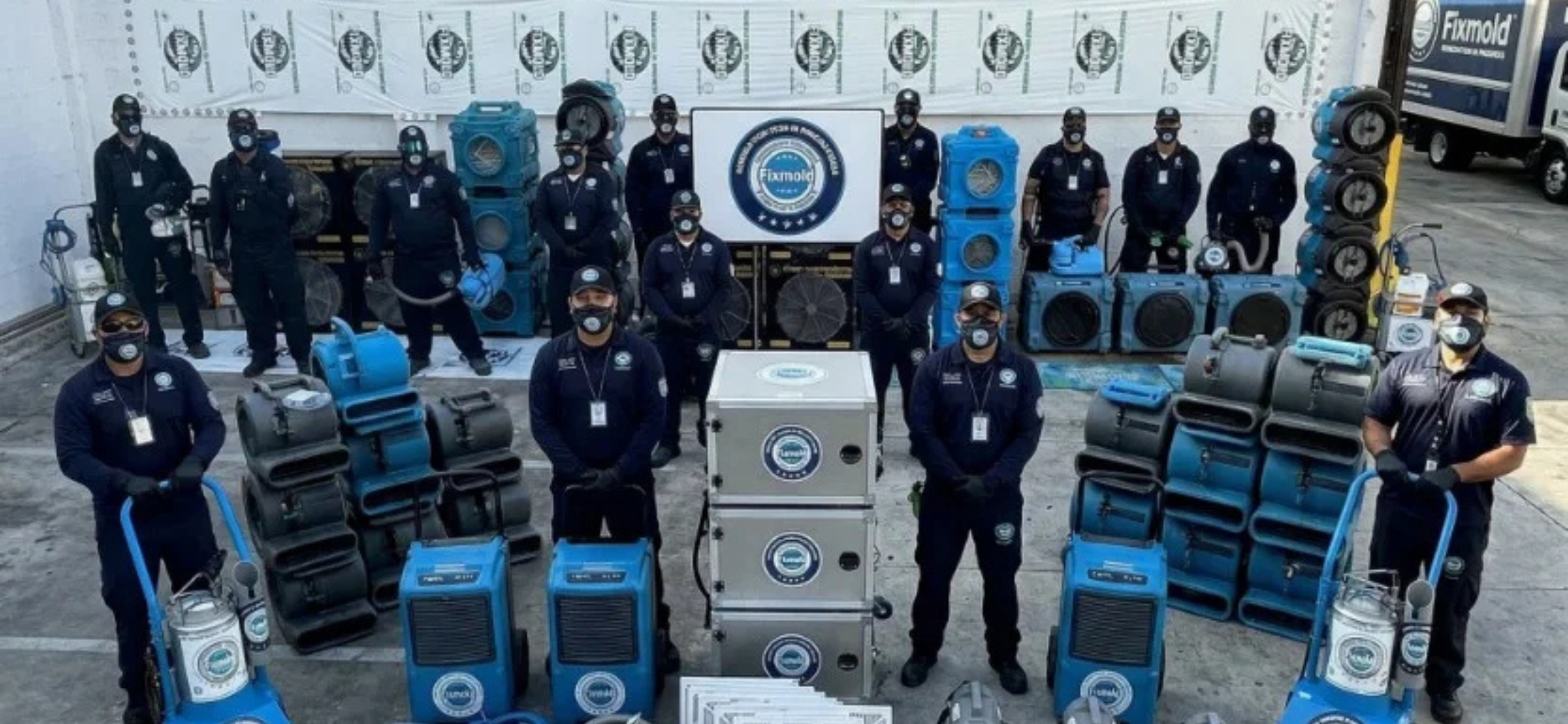
Community buildings have to keep serving people, so mold removal in Richmond Heights needs a clear scope and schedule before work begins. Our specialists build customized plans that eliminate the contamination and correct the moisture conditions that caused it, following recognized industry standards while minimizing disruption to your building. Mold remediation may include engineered containment systems, negative air pressure, medical-grade HEPA air filtration, removal of contaminated building materials when necessary, structural cleaning and sanitization, EPA-registered antimicrobial treatments, moisture source correction, and optional post-remediation verification.
To keep mold from returning, we evaluate ventilation, humidity levels, and water intrusion pathways, and we set up a prevention plan: moisture intrusion assessments, indoor humidity management, ventilation improvements, HVAC condensation control, building envelope evaluations and preventative antimicrobial applications. Homeowners and property managers use these customized steps to cut down on repeat problems and extend the life of their buildings.
Water damage restoration and general contracting
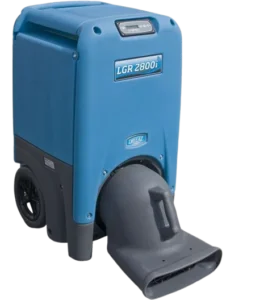
When water gets in, the first hours count. Whether it came from a tropical storm, a plumbing failure, an appliance leak, roof damage, or an overflowing fixture, immediate action limits structural damage and the risk of mold. Our water damage restoration in Richmond Heights includes emergency water extraction, structural drying, commercial dehumidification, thermal imaging moisture detection, leak source identification, antimicrobial treatment, and insurance documentation assistance, following recognized industry standards to return the property to safe, dry conditions.
When drywall, flooring, insulation, cabinetry or structural materials have to come out, our licensed general contracting team handles every stage of the rebuild: drywall replacement, flooring installation, ceiling restoration, cabinet and trim replacement, interior painting, insulation replacement, structural repairs, kitchen and bathroom reconstruction and complete post-remediation rebuilding. Having remediation and licensed contracting under one roof means you do not coordinate several contractors, and the workmanship stays consistent from demolition to final restoration.
Automotive and marine mold removal for drivers and boat owners
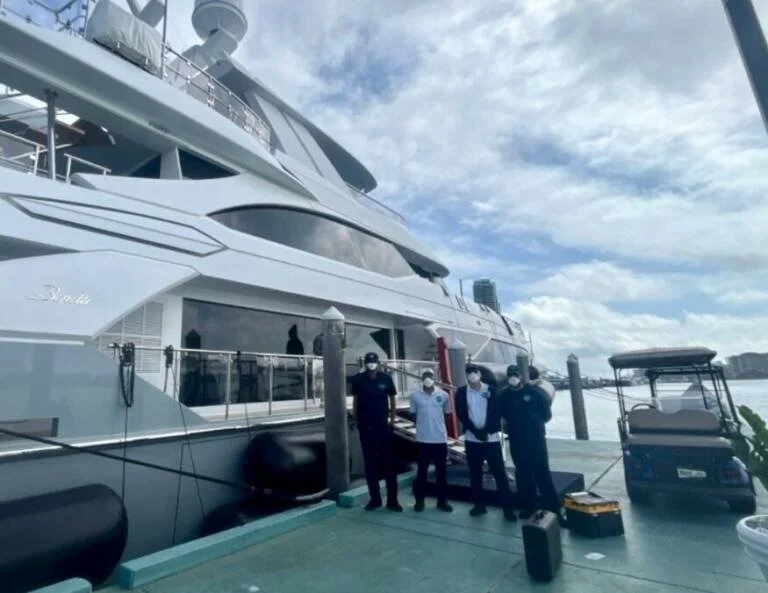
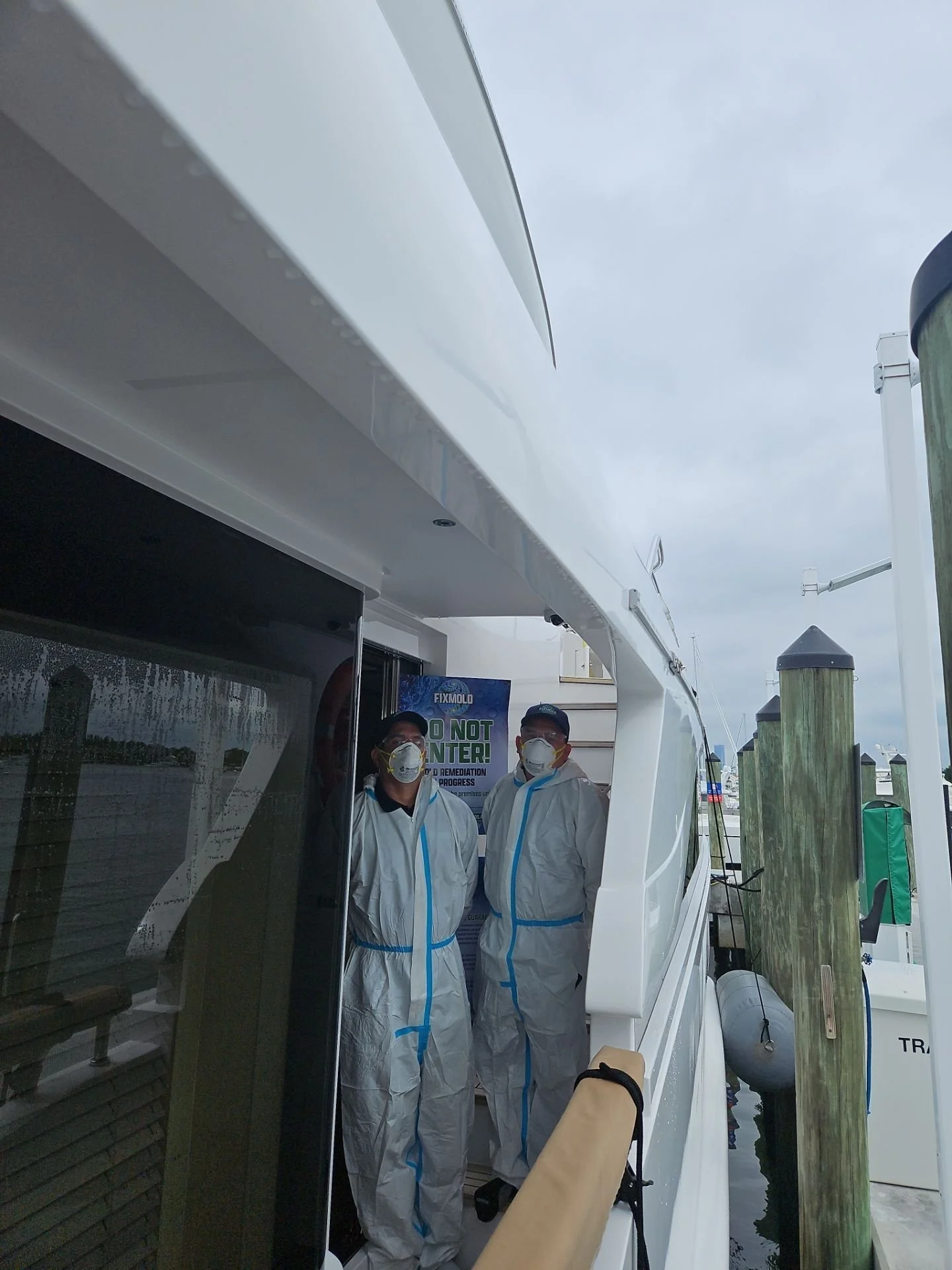
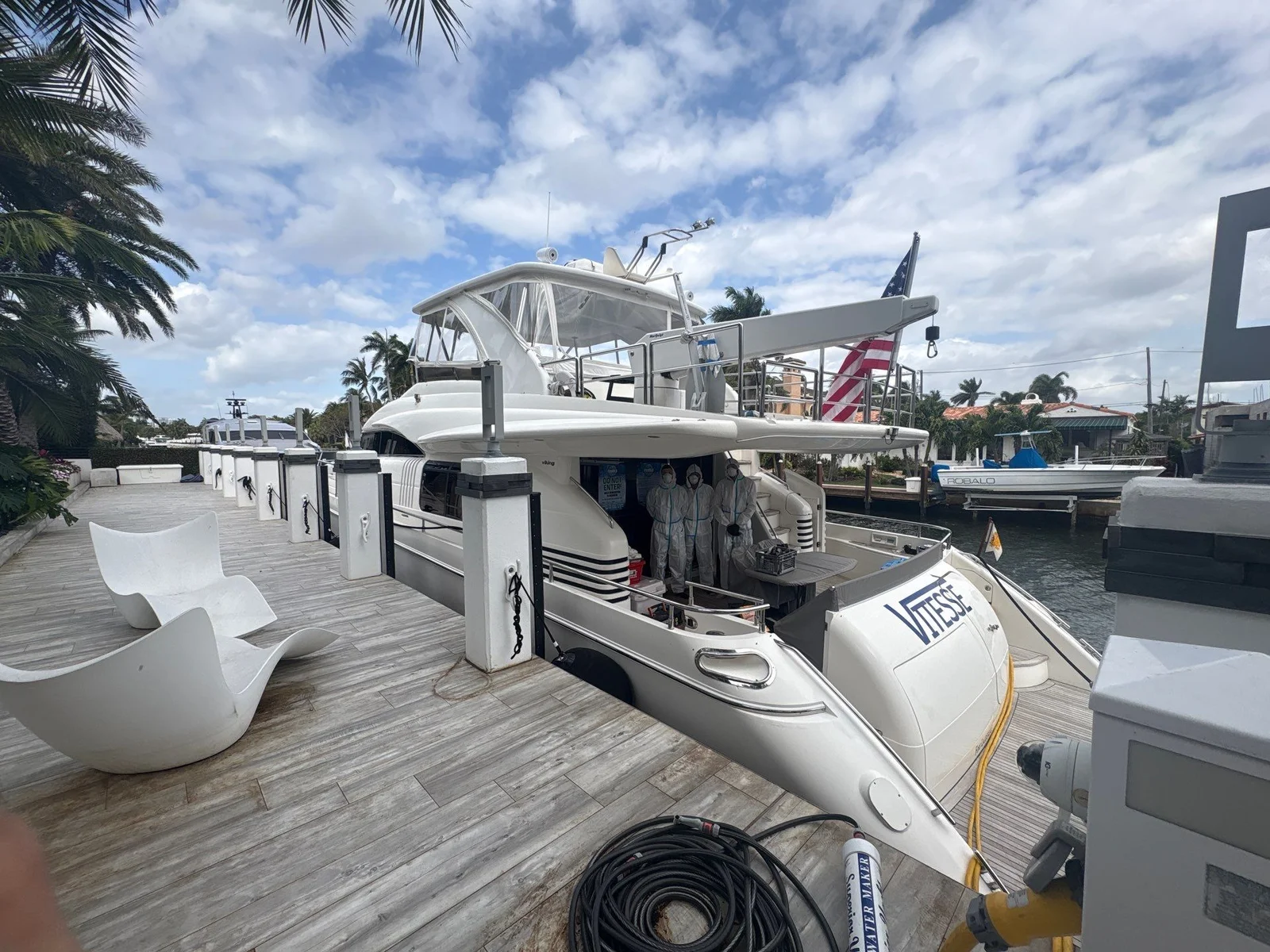
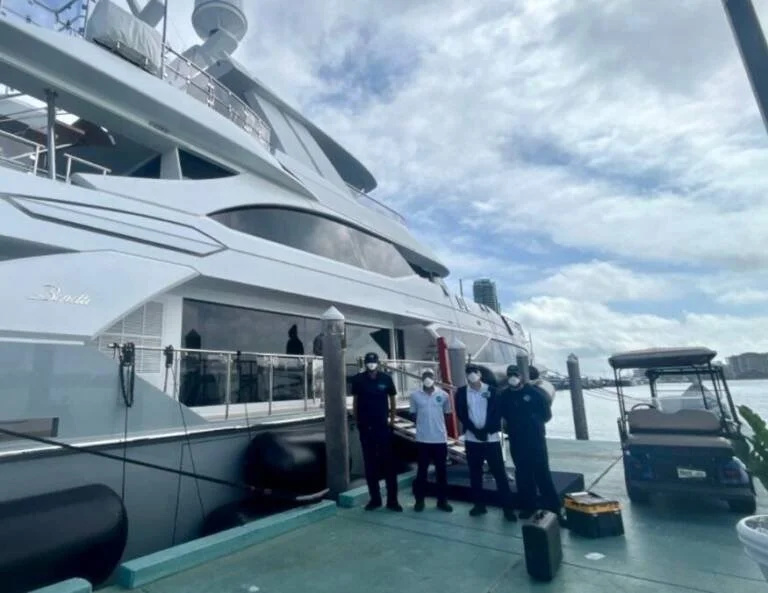
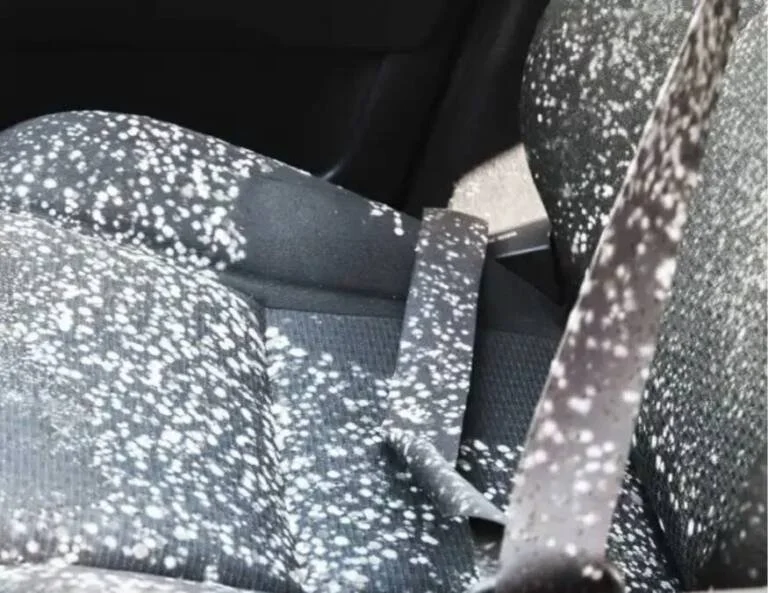
South Florida's humidity creates the right conditions for mold in vehicles and boats too. For passenger vehicles, work trucks, SUVs, RVs, commercial fleets and specialty vehicles, we do interior mold inspections, HEPA vacuuming, carpet and upholstery treatment, HVAC vent cleaning, moisture source identification and odor elimination. For boats, we offer cabin mold remediation, marine HVAC cleaning, upholstery treatment, storage compartment sanitation, moisture management, preventative antimicrobial applications and odor removal, each designed to protect marine-grade materials while improving onboard air quality.
Look, Fix, Prove: How Mold Remediation Works in Richmond Heights
Look. A virtual consultation or an in-person inspection, with laboratory mold testing in Richmond Heights for accurate detection and a full written inspection report.
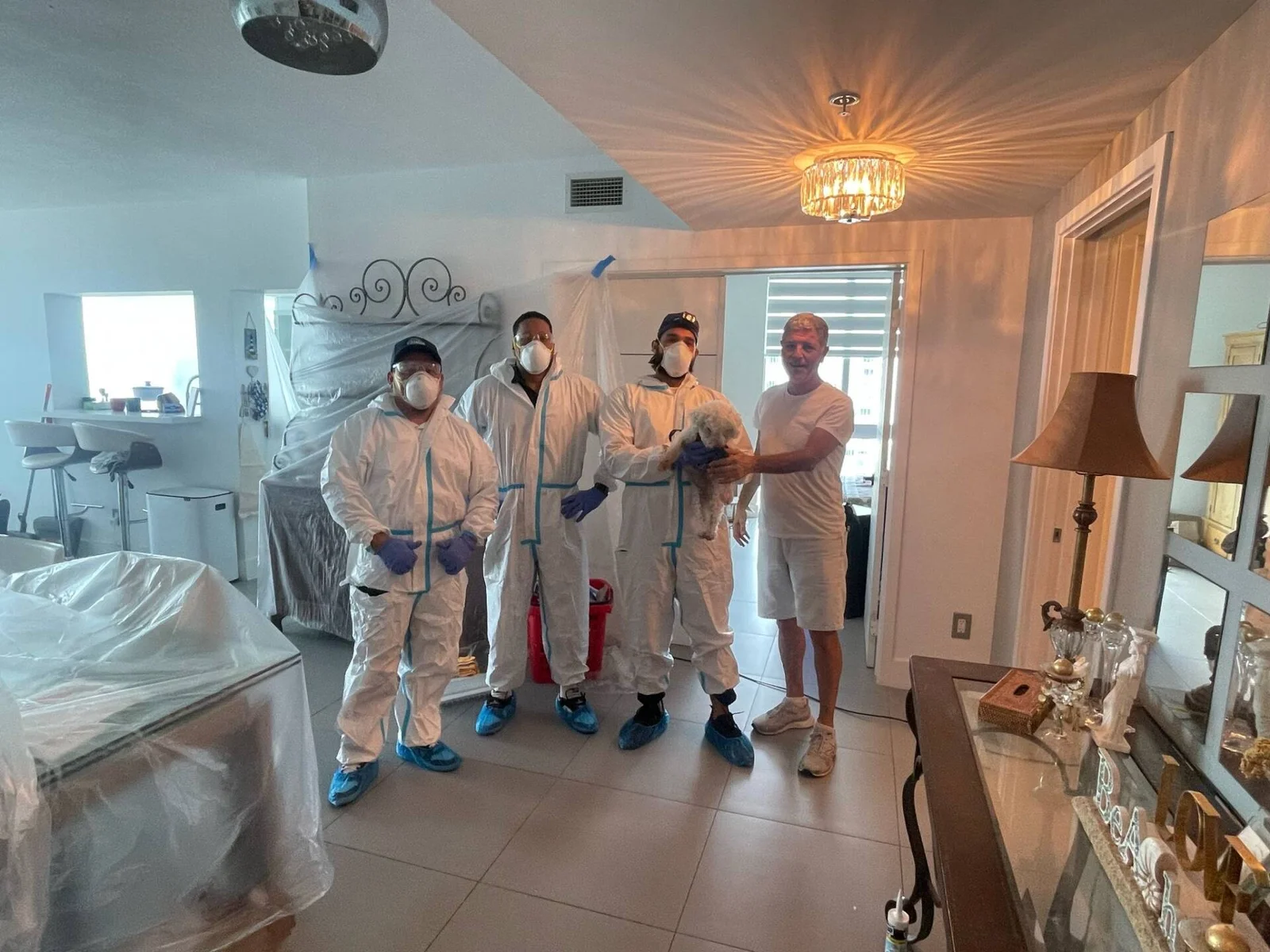
Fix. Mold removal in Richmond Heights starts with sealing the work areas with containment systems, then removing the mold-contaminated materials and applying antimicrobial treatments to the affected areas.
Prove. Independent laboratory results confirm the work succeeded, and a certificate is provided for homeowners or HOAs.
Storm Season Calendar for Richmond Heights
Before the season: have your roof, windows, door seals, and AC drain lines checked, and repair small leaks now. A leak found in May costs far less than damage found in October.
During a storm: keep the air conditioning running if it is safe to do so, and move belongings away from windows and walls that leak.
After a storm: shut off the water source if you can do it safely, then photograph everything and write down the date. EPA guidance advises drying wet areas within 48 hours where possible; that lowers the risk of mold but cannot guarantee anything, so call us if materials stayed damp or a musty smell shows up, and ask about water damage restoration in Richmond Heights before the damp turns into mold.