1000+ 5-STAR REVIEWS
Recommended All Over Florida
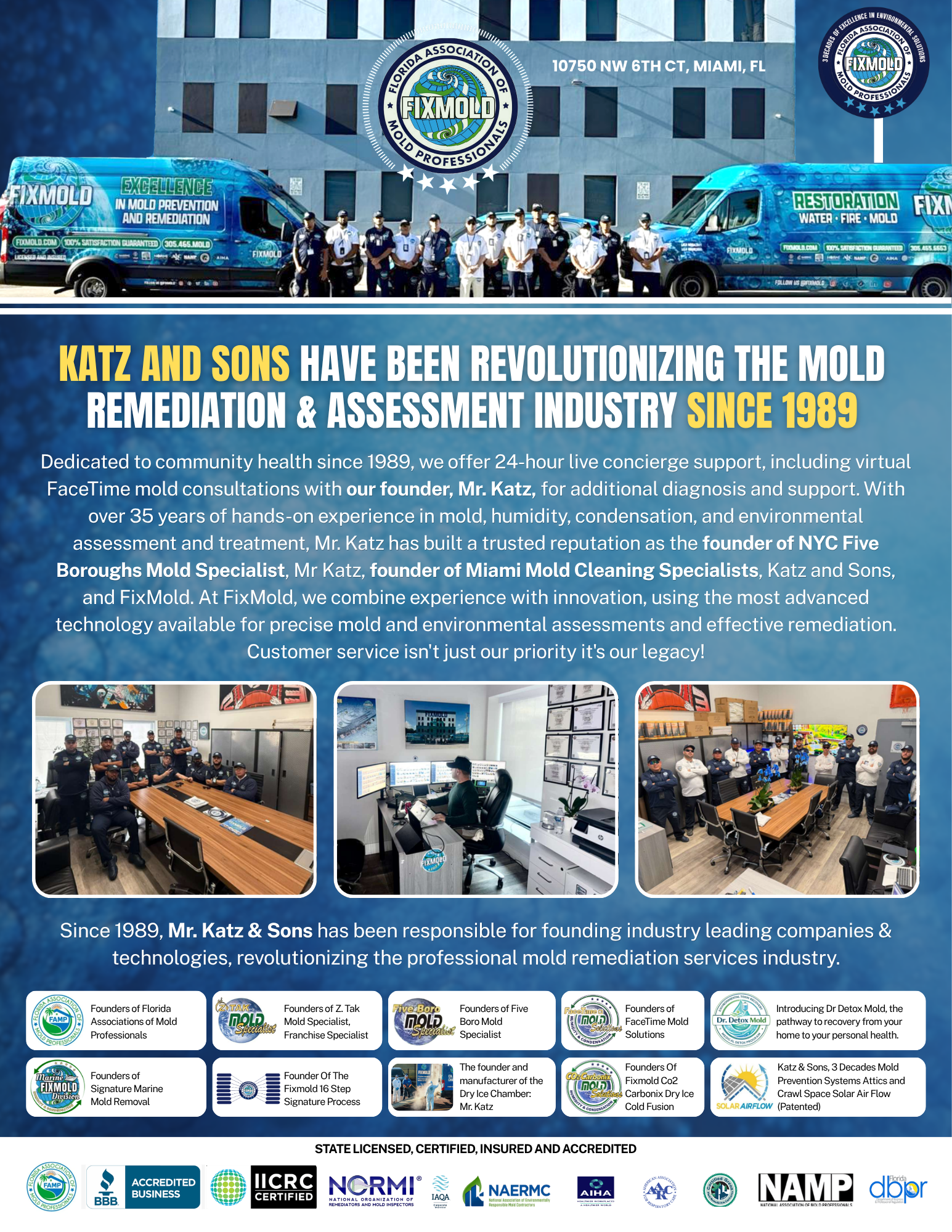
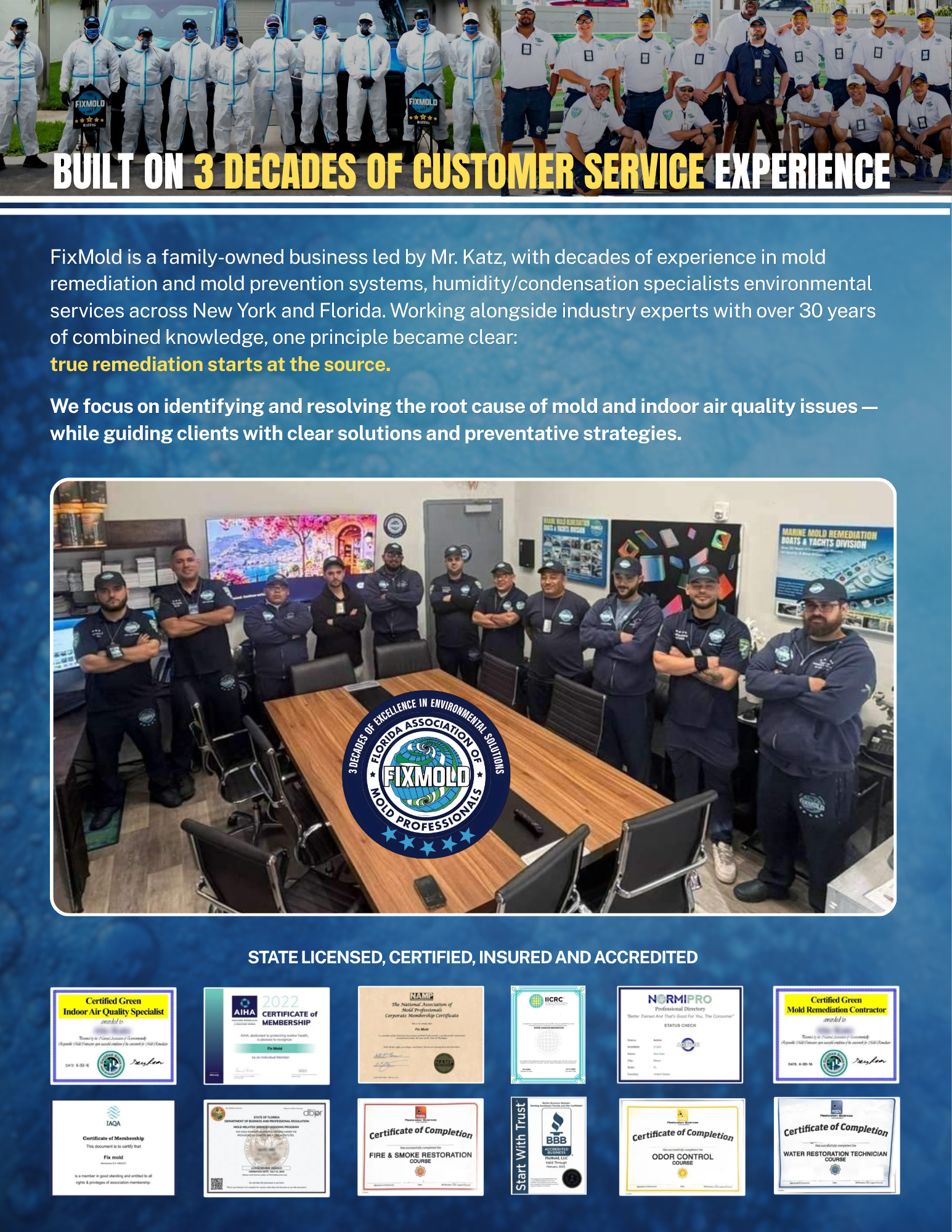
Katz Family Over 3 Decades
Recommended by Miami Doctors
1000+ 5-STAR REVIEWS
Recommended All Over Florida

Odor Removal Services Miami

    miami mold specialist

    State Licensed and Accredited Affiliations

    Dr Mold Detox
    Dr Mold Detox

    Odor Removal Services Miami

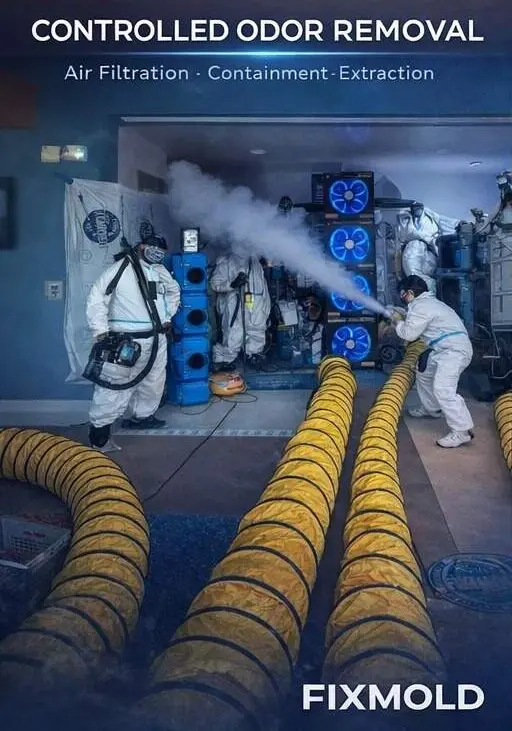
    Unpleasant odors in your home or property usually come from something deeper than what you can see. Mold, moisture, bacteria, and trapped contaminants can settle into walls, flooring, and air systems, causing smells that do not go away with basic cleaning. Removing the source is the only way to eliminate the odor permanently.

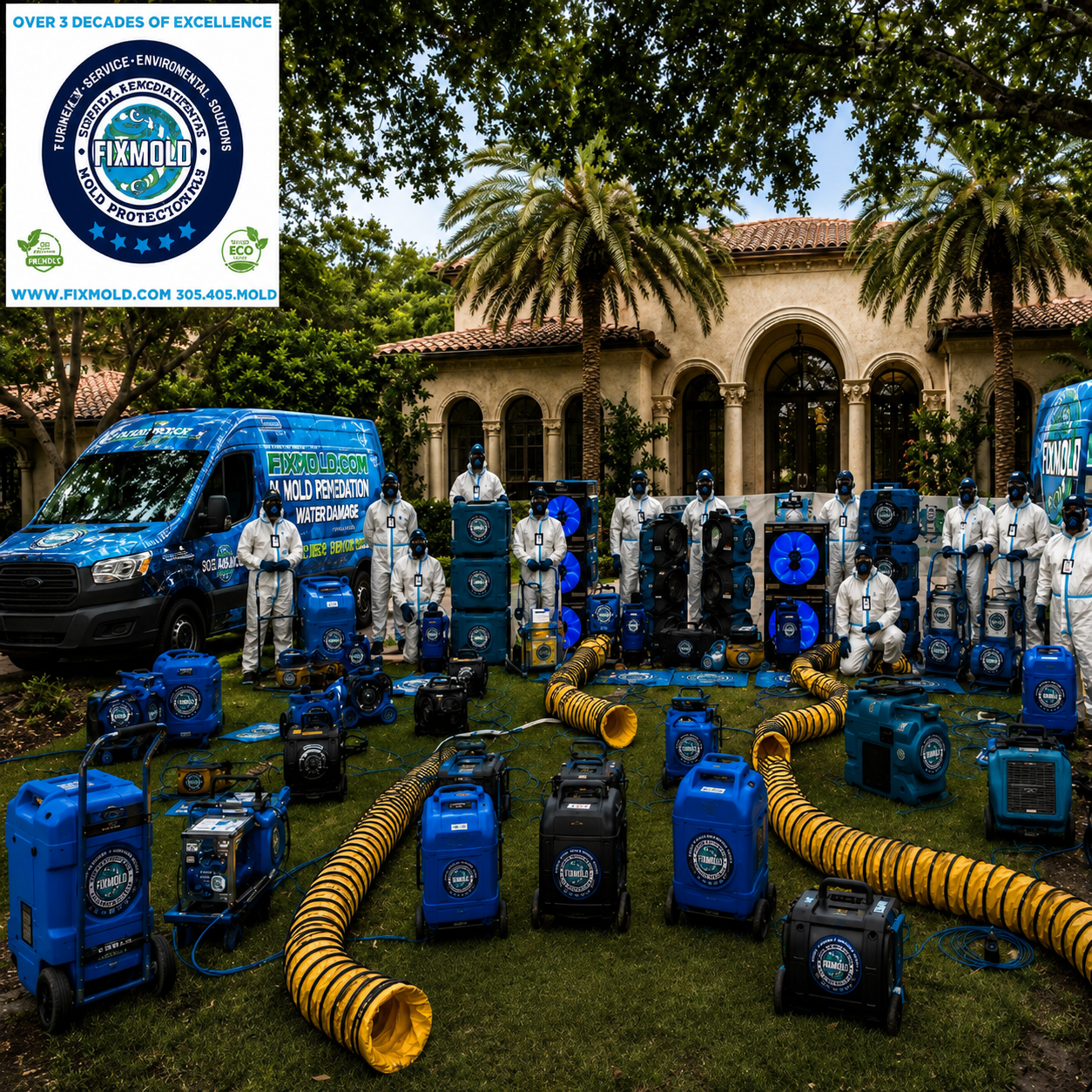
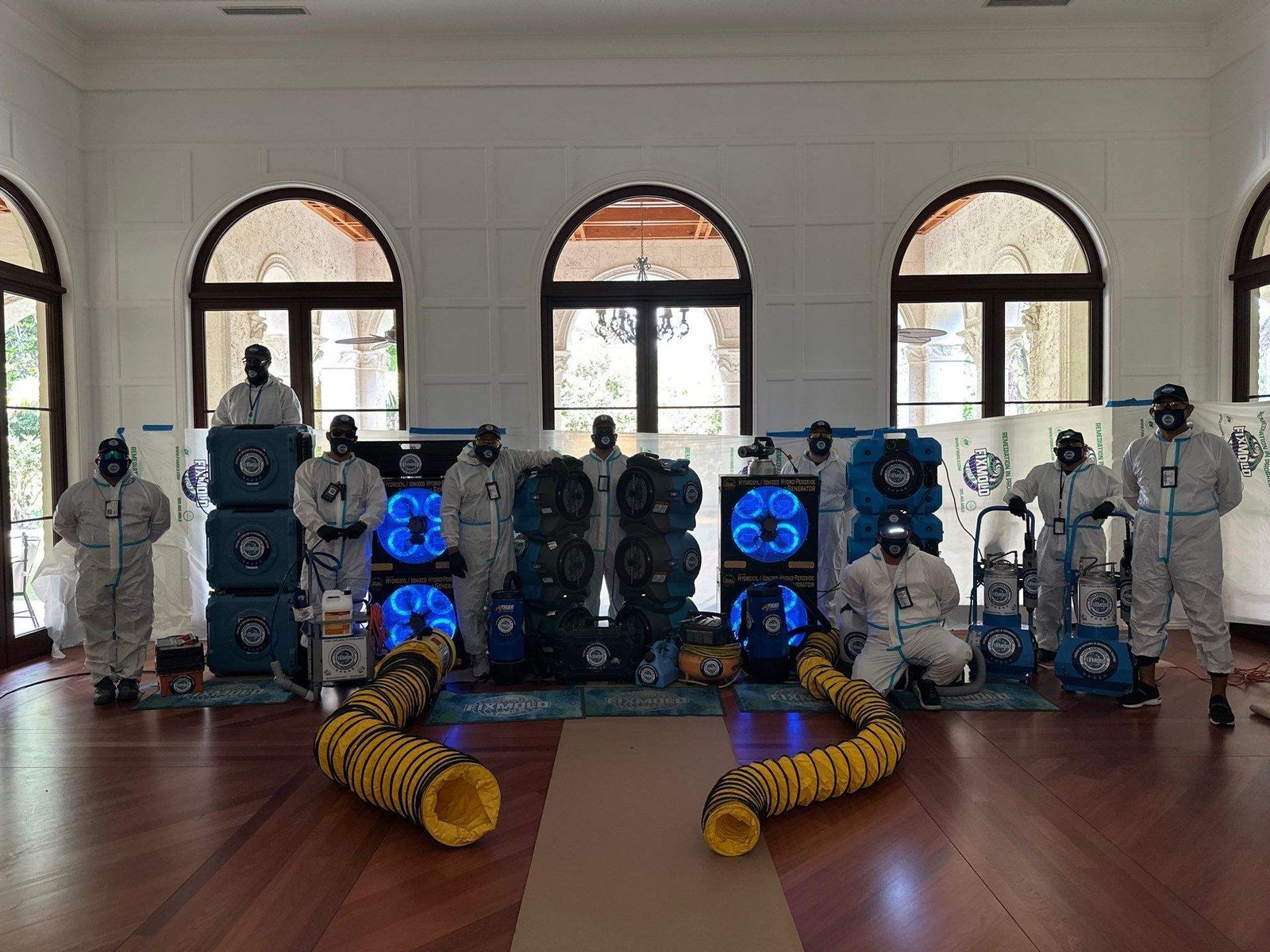
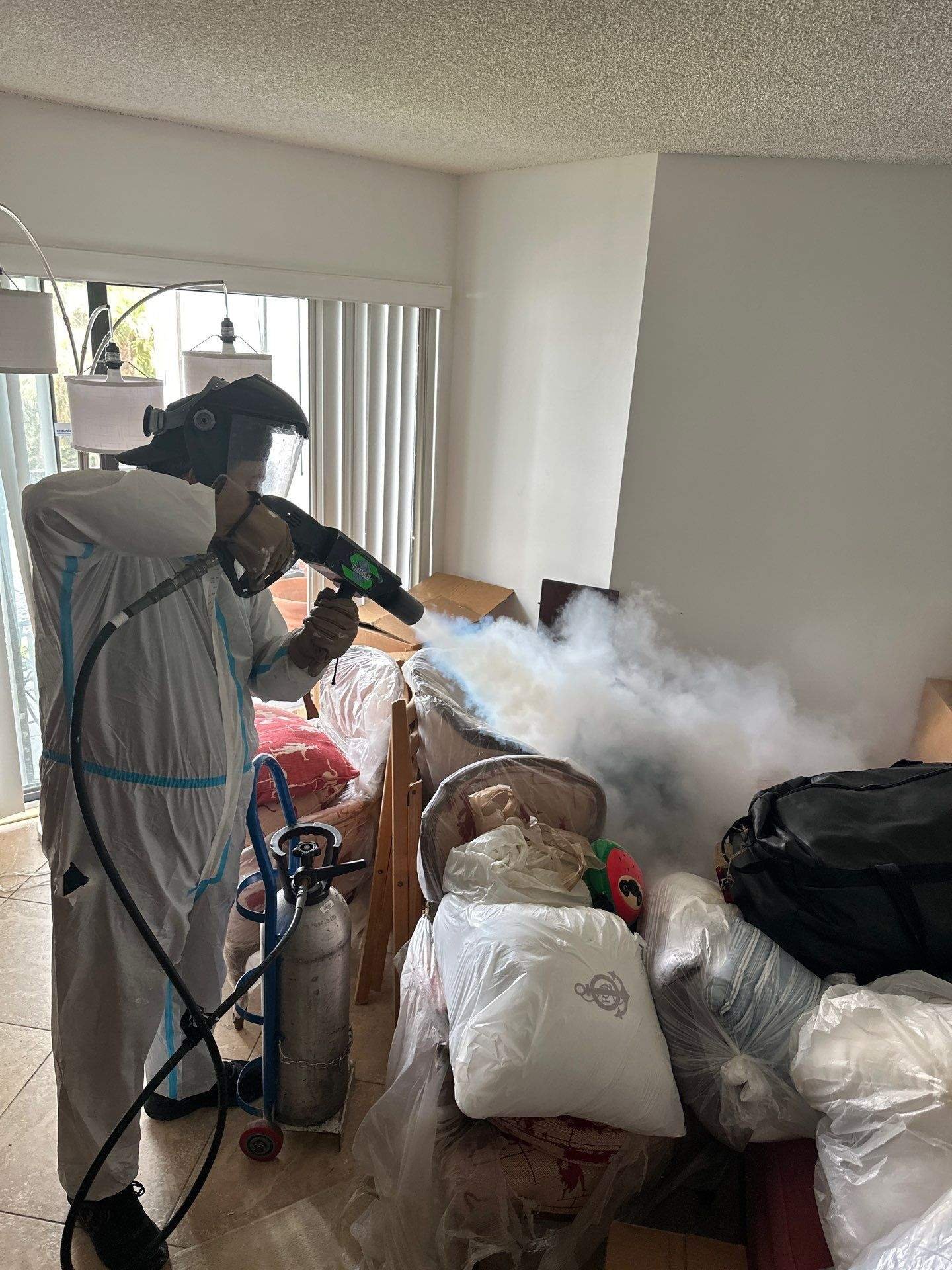
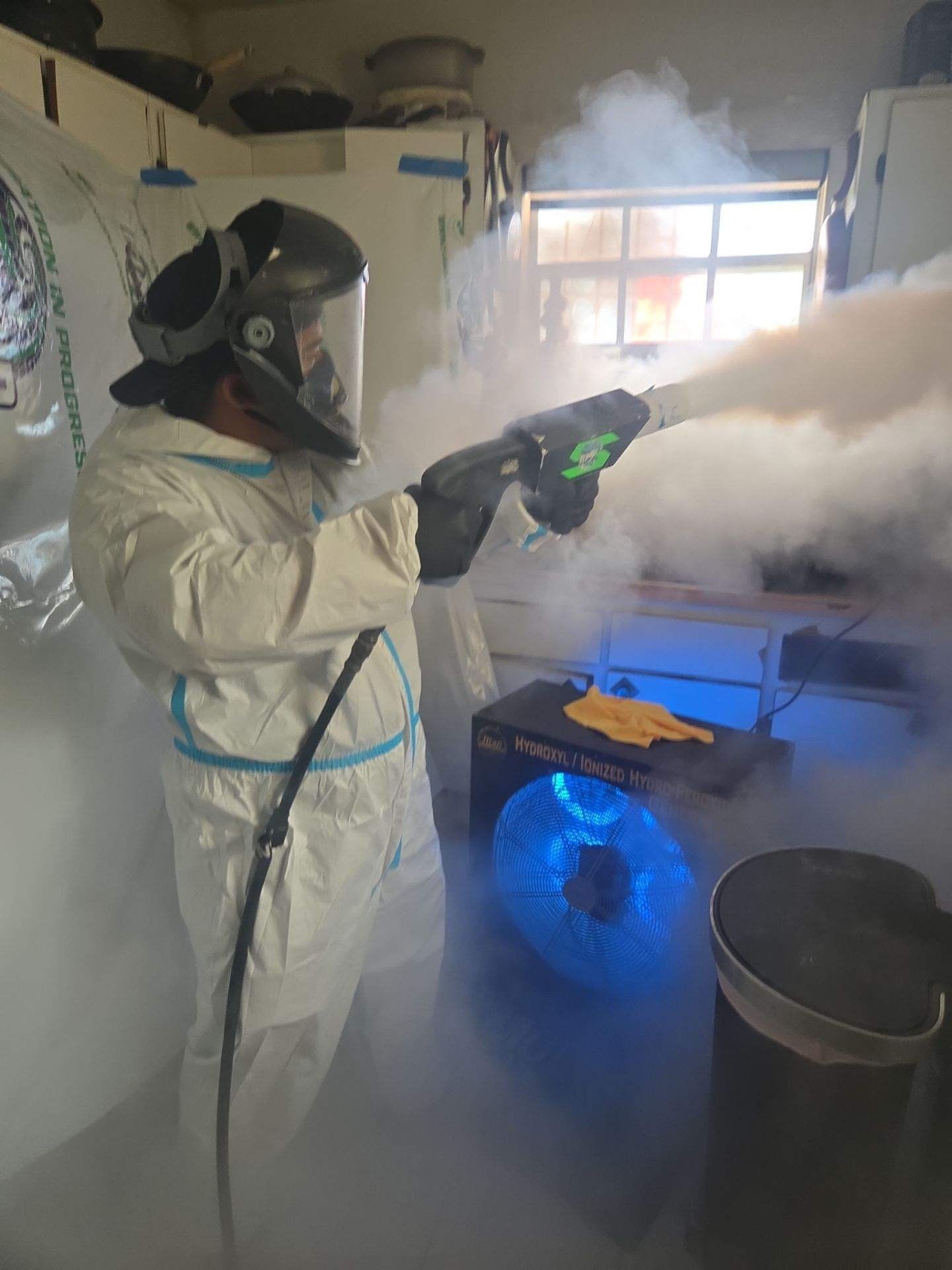
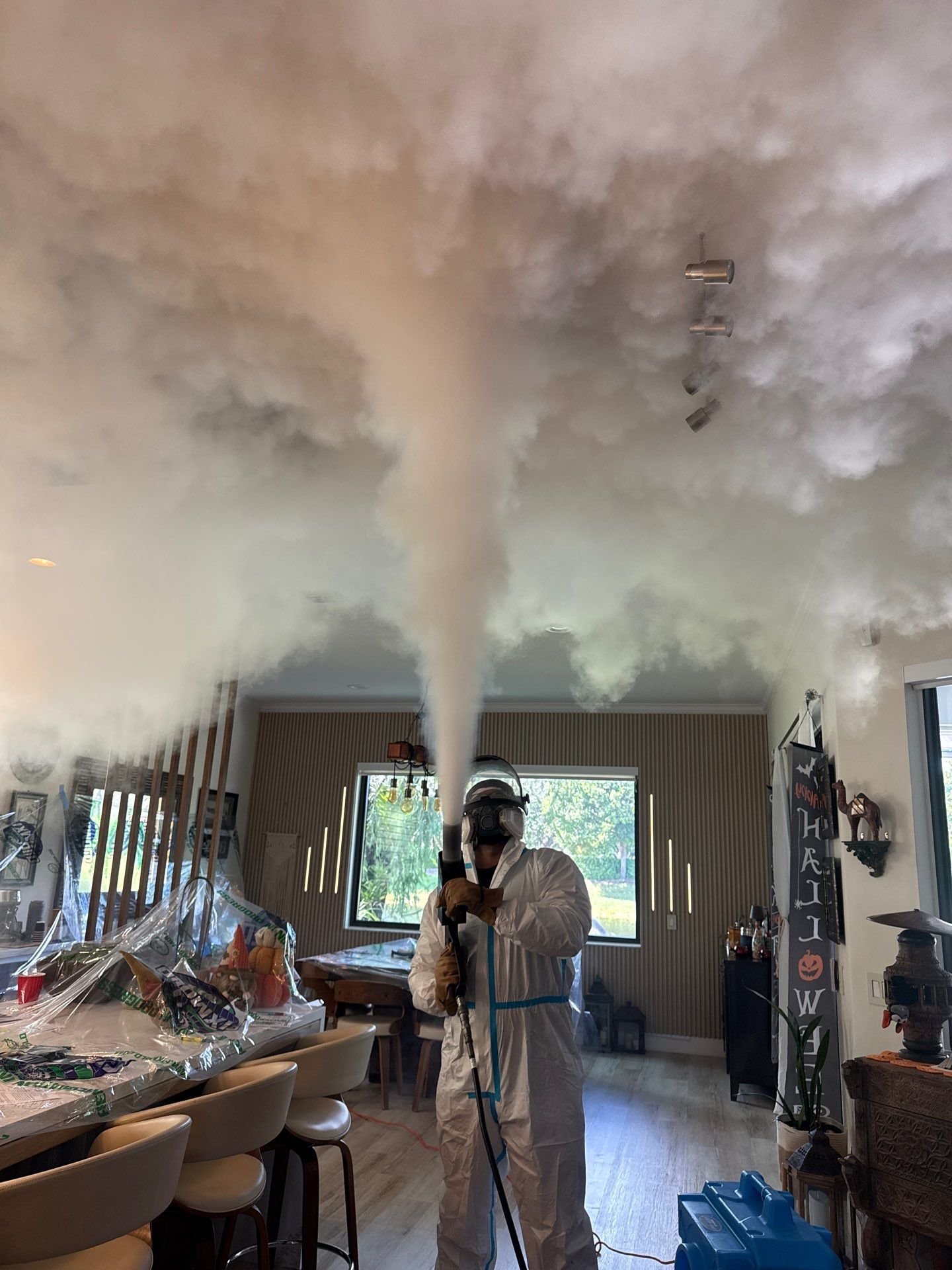
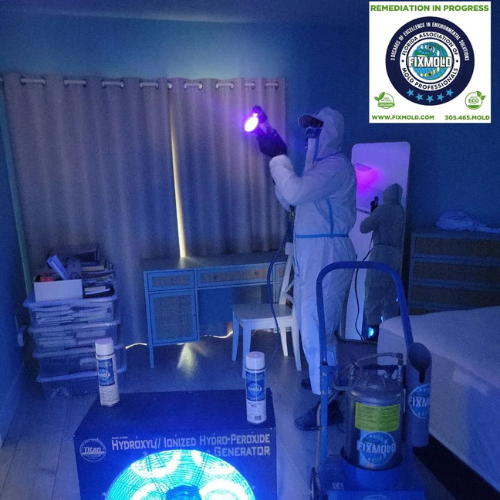
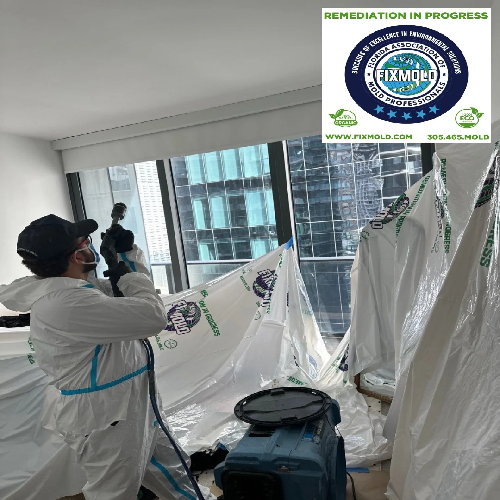
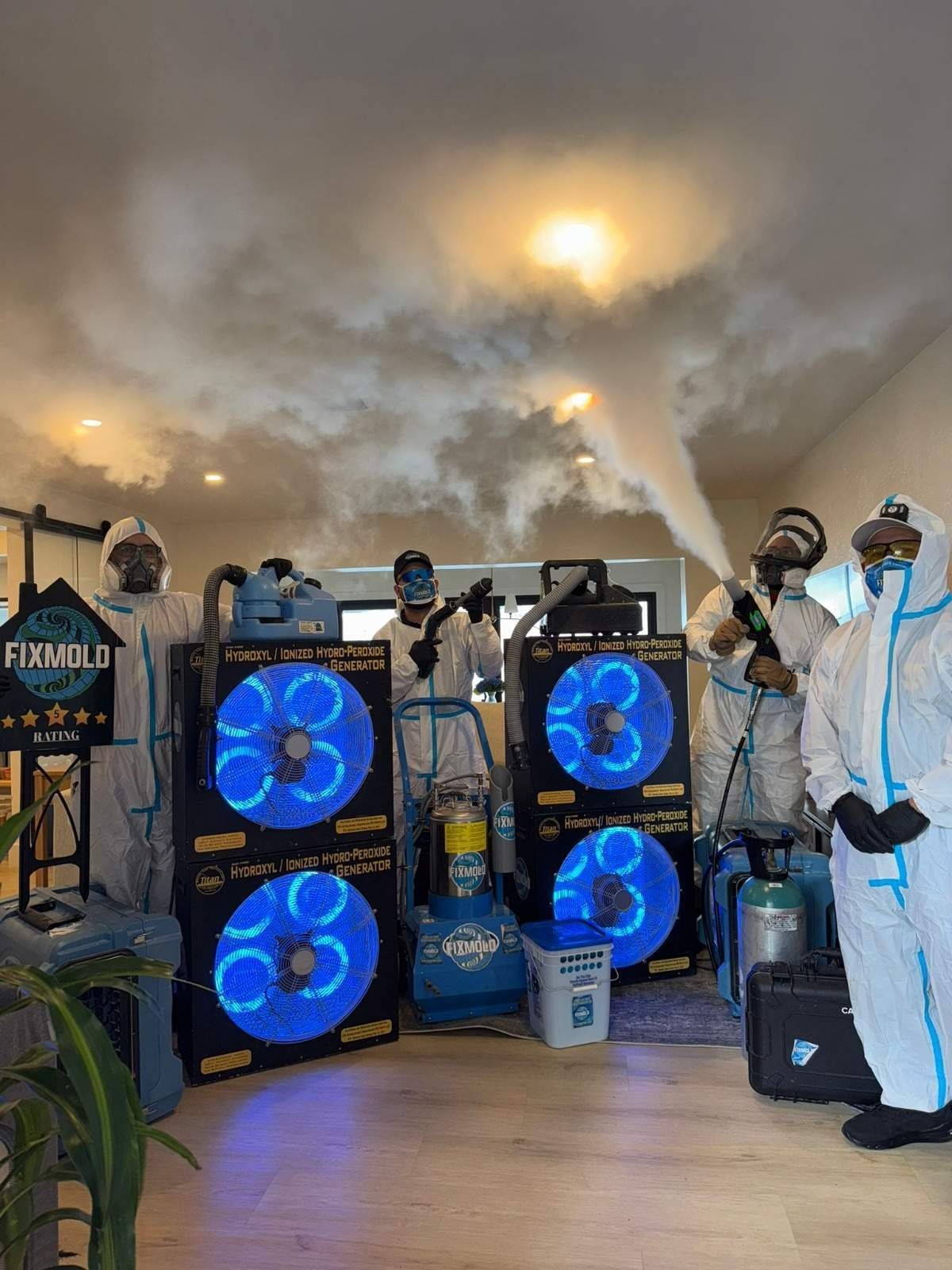
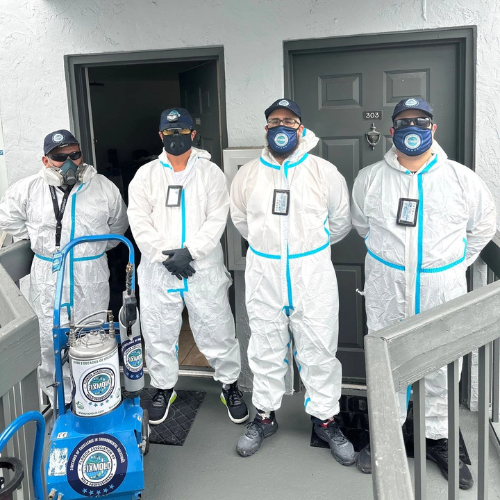
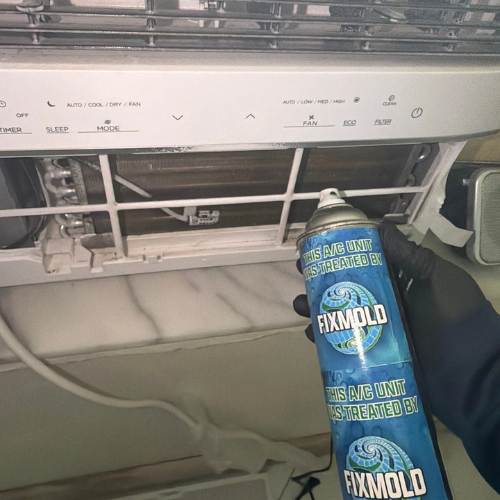
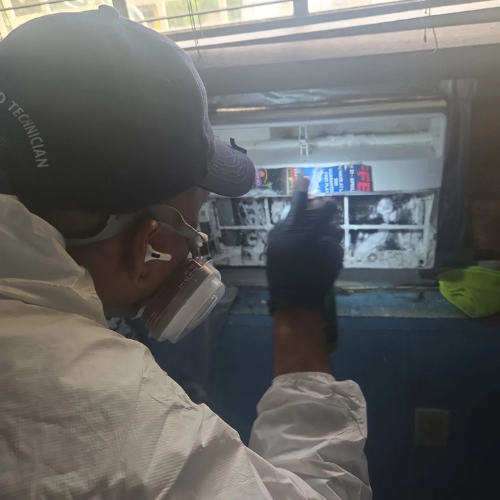
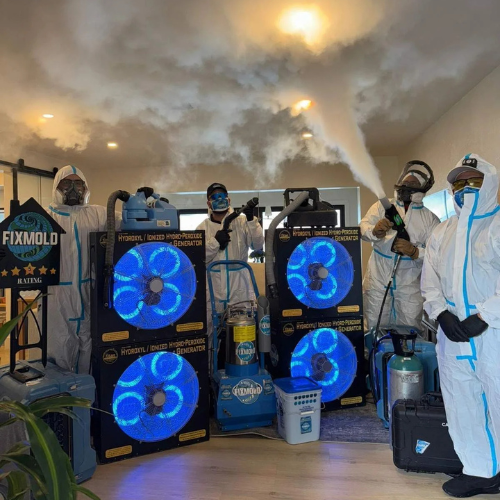
    At FixMold, our odor removal services focus on identifying what is causing the smell and removing it at its origin. We use professional equipment and targeted treatment methods to break down odor causing particles instead of masking them. This is especially important in Miami where humidity can intensify and spread odors through the air.

    Our approach is designed to restore clean indoor conditions, not just improve the smell temporarily. Whether the odor is coming from mold, water damage, or long term buildup, we treat the affected areas and the air to prevent it from returning.

    If you are dealing with persistent odors that come back after cleaning, it is a sign that something deeper needs to be addressed. Getting it evaluated early helps prevent further damage and restores comfort inside your space.

    Call or text: 305 465 6653 | Same day appointments available | Virtual assessment available

    Odor Removal Services in Miami


    Odor problems in Miami properties rarely start as “just a smell.” In most cases, persistent indoor odors are a sign that moisture has been sitting somewhere inside the building long enough to affect materials at a deeper level. South Florida’s climate makes this even more complicated because heat and humidity keep porous materials like drywall, insulation, wood framing, and upholstery in a constant cycle of absorbing and releasing moisture.

    That is why odor removal in Miami is almost never about fragrance or surface cleaning. It is about tracing what is happening inside the structure.

    In homes across Miami, Miami Beach, Brickell, Coral Gables, Coconut Grove, Kendall, Pinecrest, Doral, Aventura, Fort Lauderdale, Boca Raton, West Palm Beach, Naples, and nearby coastal areas, odor complaints usually connect back to one of a few hidden conditions: past water intrusion, HVAC moisture buildup, attic or crawlspace humidity, or microbial growth behind finished surfaces.

    The most common odor people describe is a musty or “old air” smell that seems stronger in the morning or when the AC turns on. That pattern is important. It usually means air is passing through a damp or contaminated space before entering the living area. In South Florida, that often points to ductwork, air handlers, attic insulation, or wall cavities where condensation has been collecting over time.

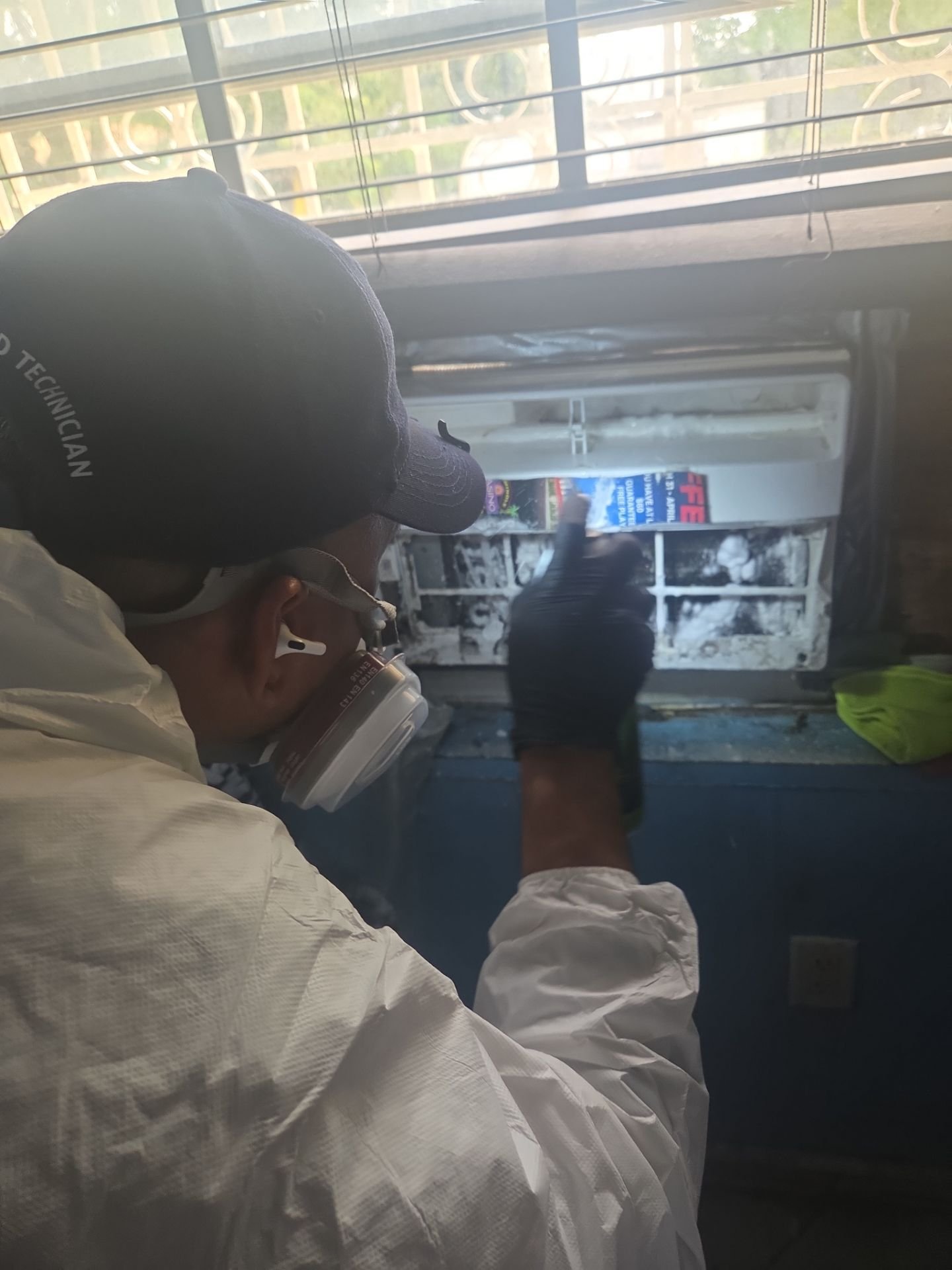
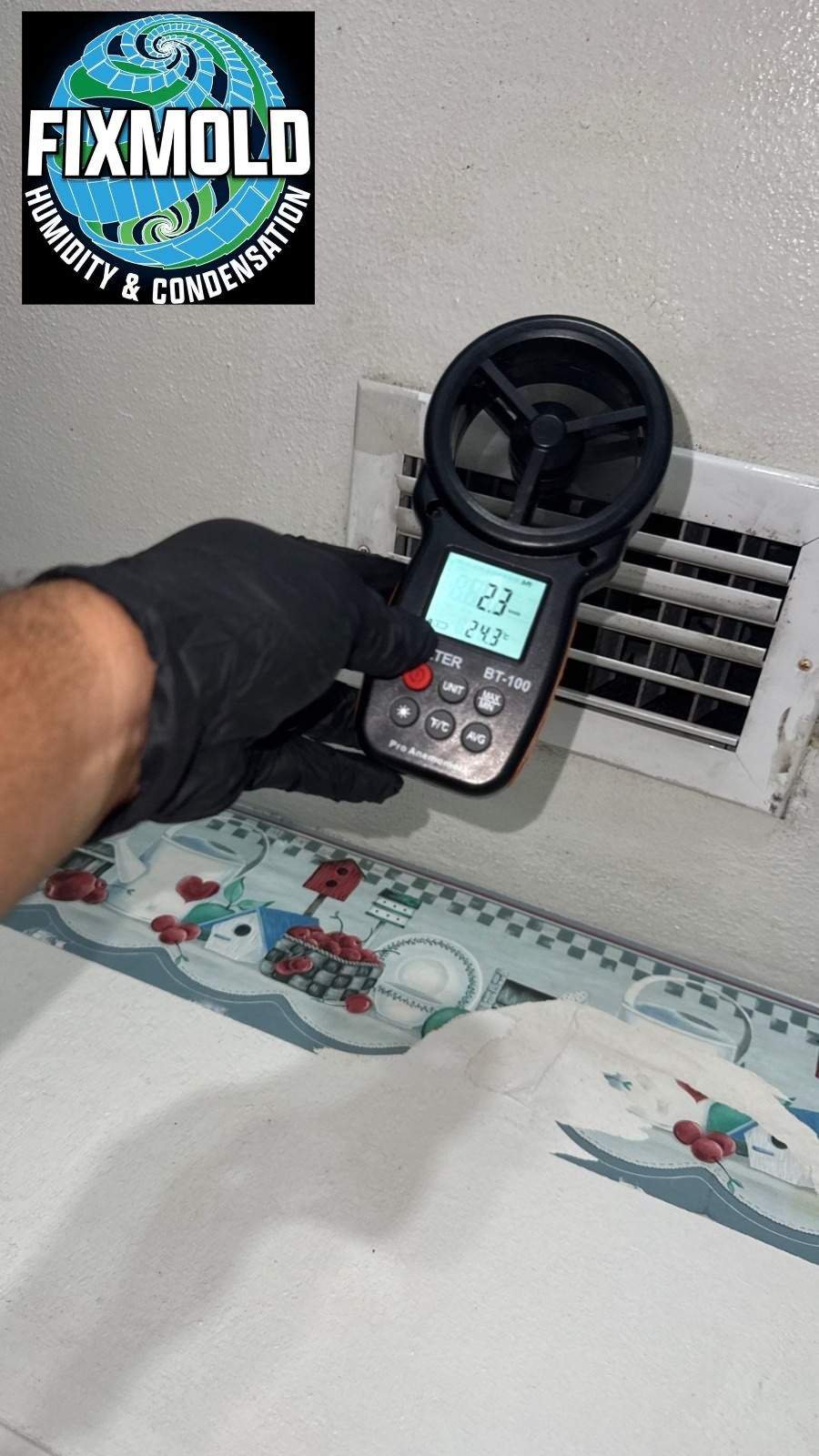
    HVAC systems are one of the biggest contributors to recurring odors in this region. Air conditioning runs almost year-round in Miami, which means constant condensation inside coils and ducts. If drainage is not perfect or insulation is compromised, moisture can sit in the system long enough for microbial growth to start. Once that happens, the odor spreads every time the system cycles on.
    Water damage is another major driver. Even small leaks from roofs, plumbing lines, or window seals can create long-term odor issues if moisture reaches drywall or flooring underlayers. In Miami’s humidity, those materials do not dry quickly. Instead, they hold moisture long enough for odor-producing microbial growth to develop inside the structure, not just on the surface.

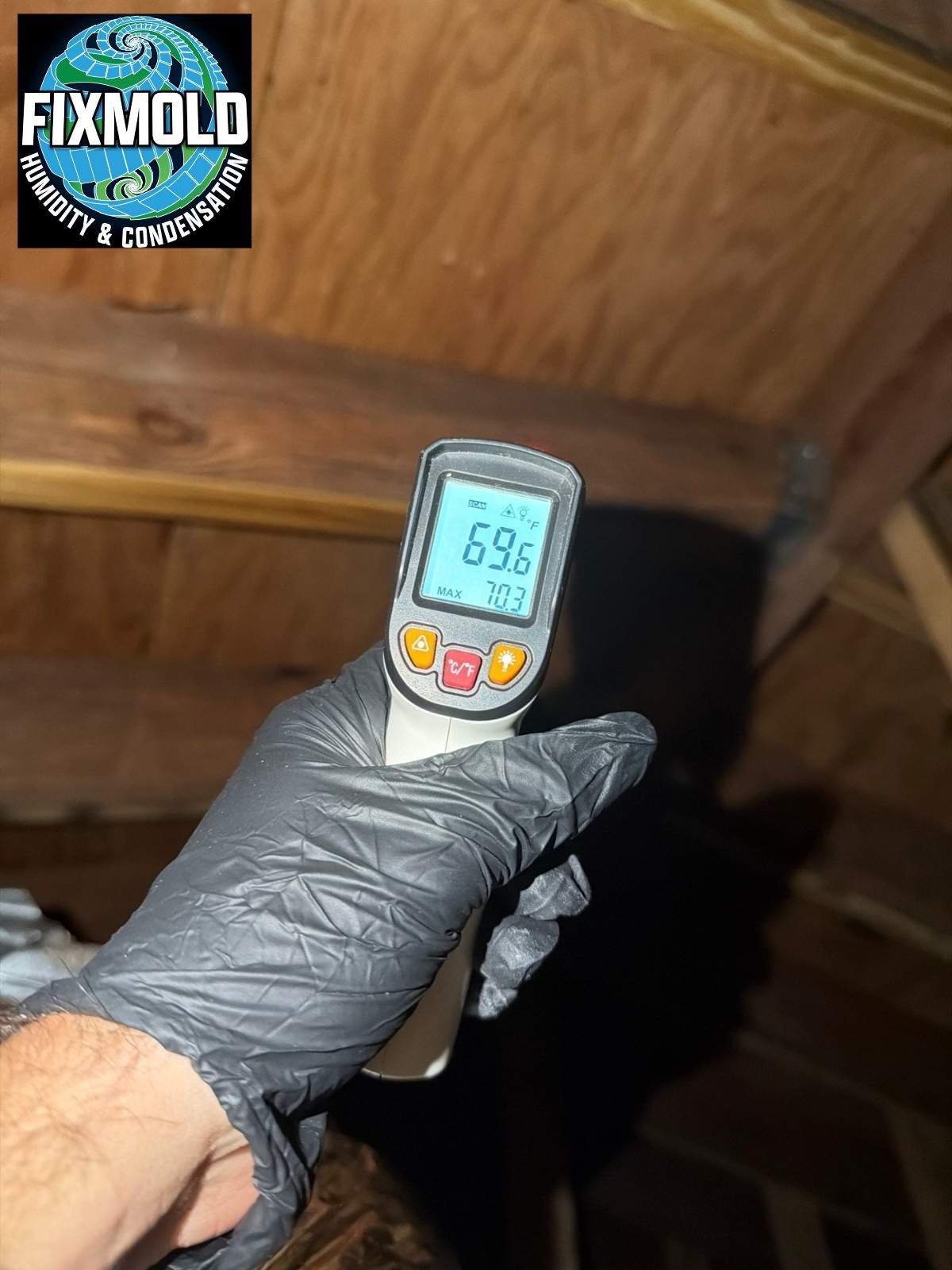
    Attics often play a hidden role. Roof heat combined with humidity creates a cycle where moisture condenses on cooler surfaces like ductwork or wood framing. Over time, insulation can trap that moisture and slowly develop a stale, earthy smell that eventually migrates into living areas through ceiling penetrations or air leaks.

    Crawlspaces behave differently but create similar issues. Ground moisture, poor ventilation, and occasional flooding can keep these areas damp for long periods. Since air naturally rises through buildings, odors from below the home often travel upward into rooms without any obvious visible source.

    In condos and high-rises across Brickell, Downtown Miami, Sunny Isles, and Miami Beach, odor issues often come from shared systems or concealed wall cavities. A leak in one area can travel laterally through building materials, which is why smells sometimes appear in units that never had visible water damage.

    Luxury waterfront homes add another layer. Constant coastal humidity, salt air exposure, and tightly sealed construction can trap moisture inside wall systems and custom cabinetry. Once odors settle into these materials, they tend to reappear whenever humidity rises.
    The key issue in almost every Miami odor case is that the smell is not the problem itself. It is a signal that moisture or contamination is still active somewhere inside the building. That is why surface-level deodorizing often fails. If the moisture source remains, the odor returns.

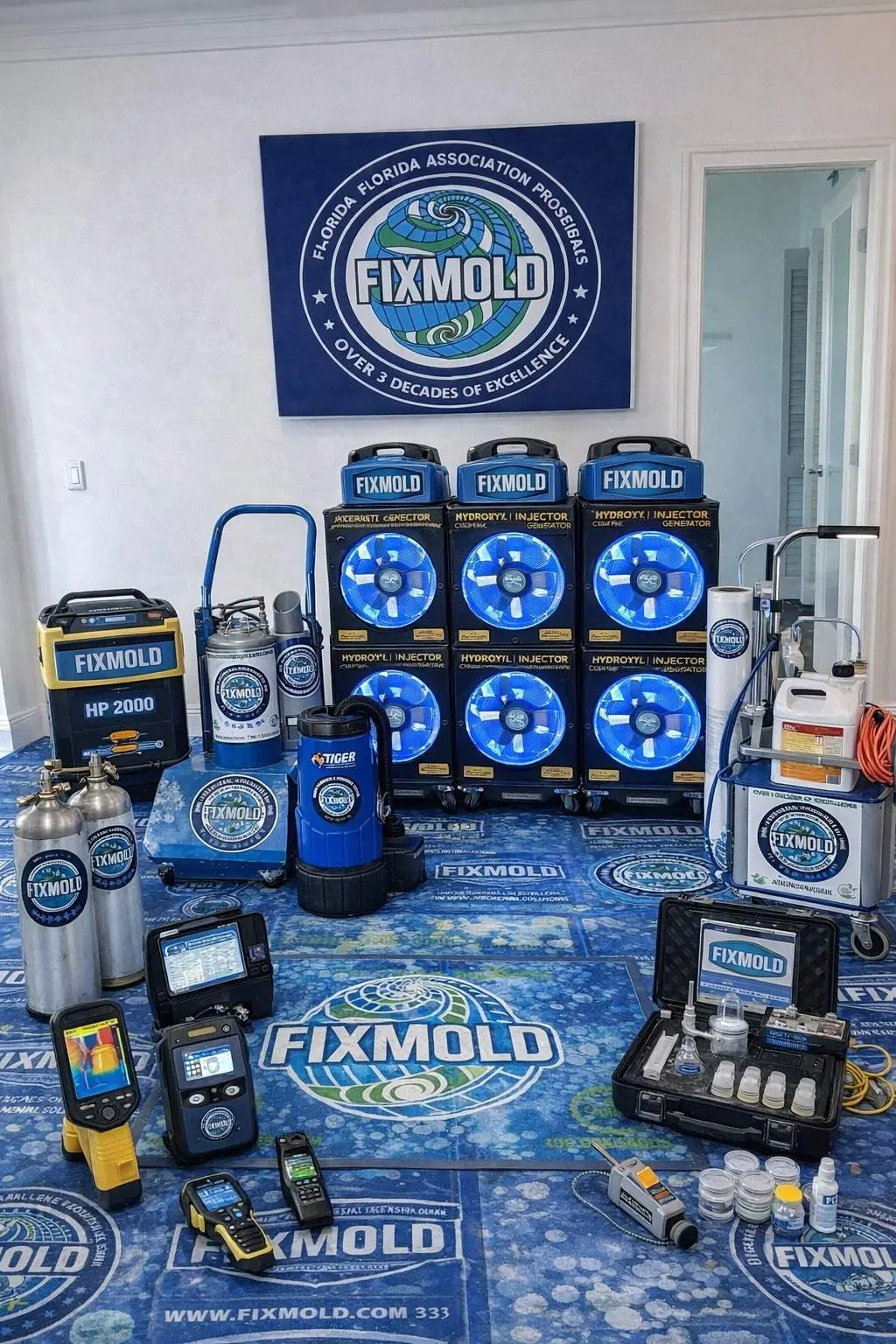
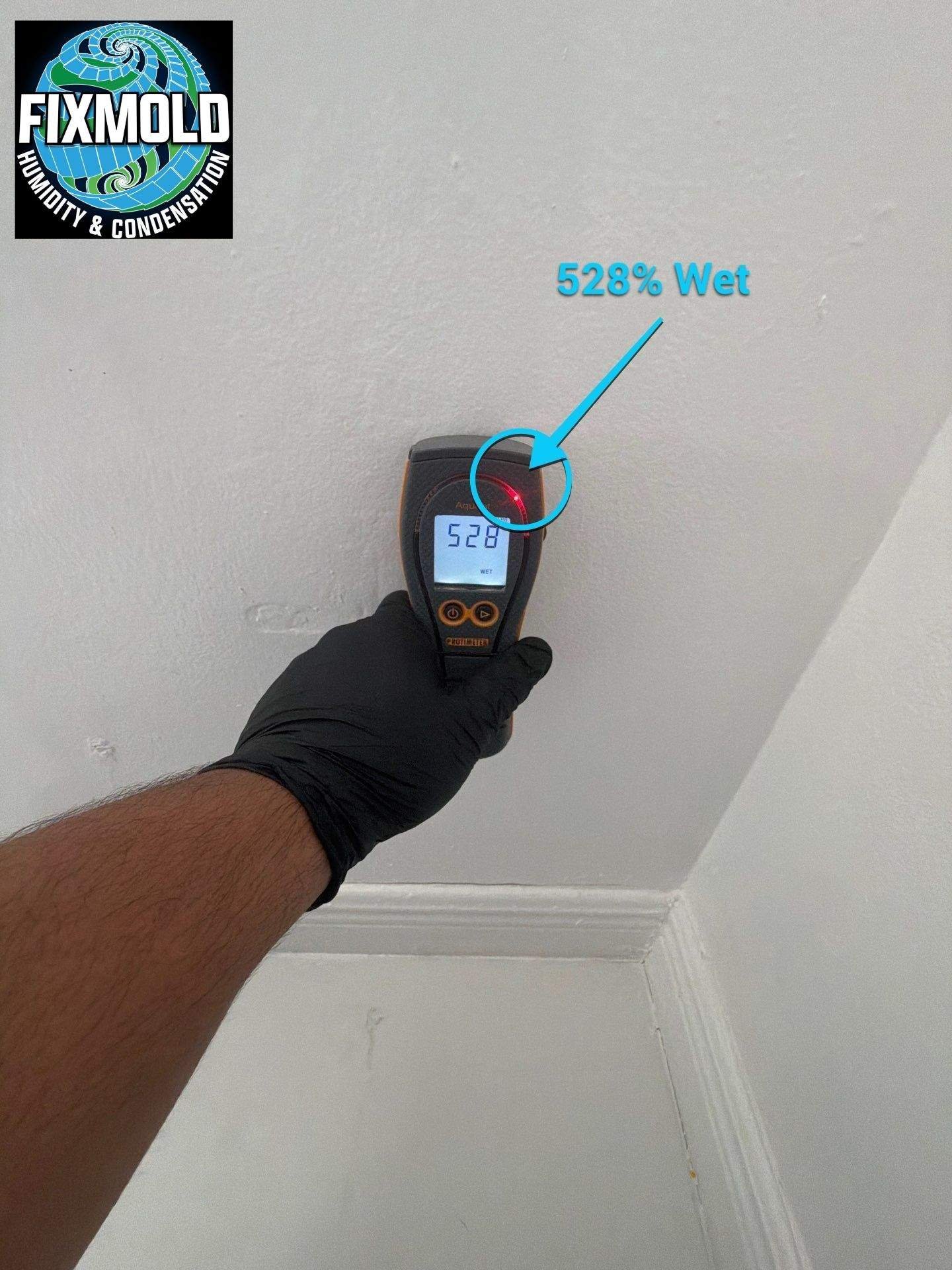
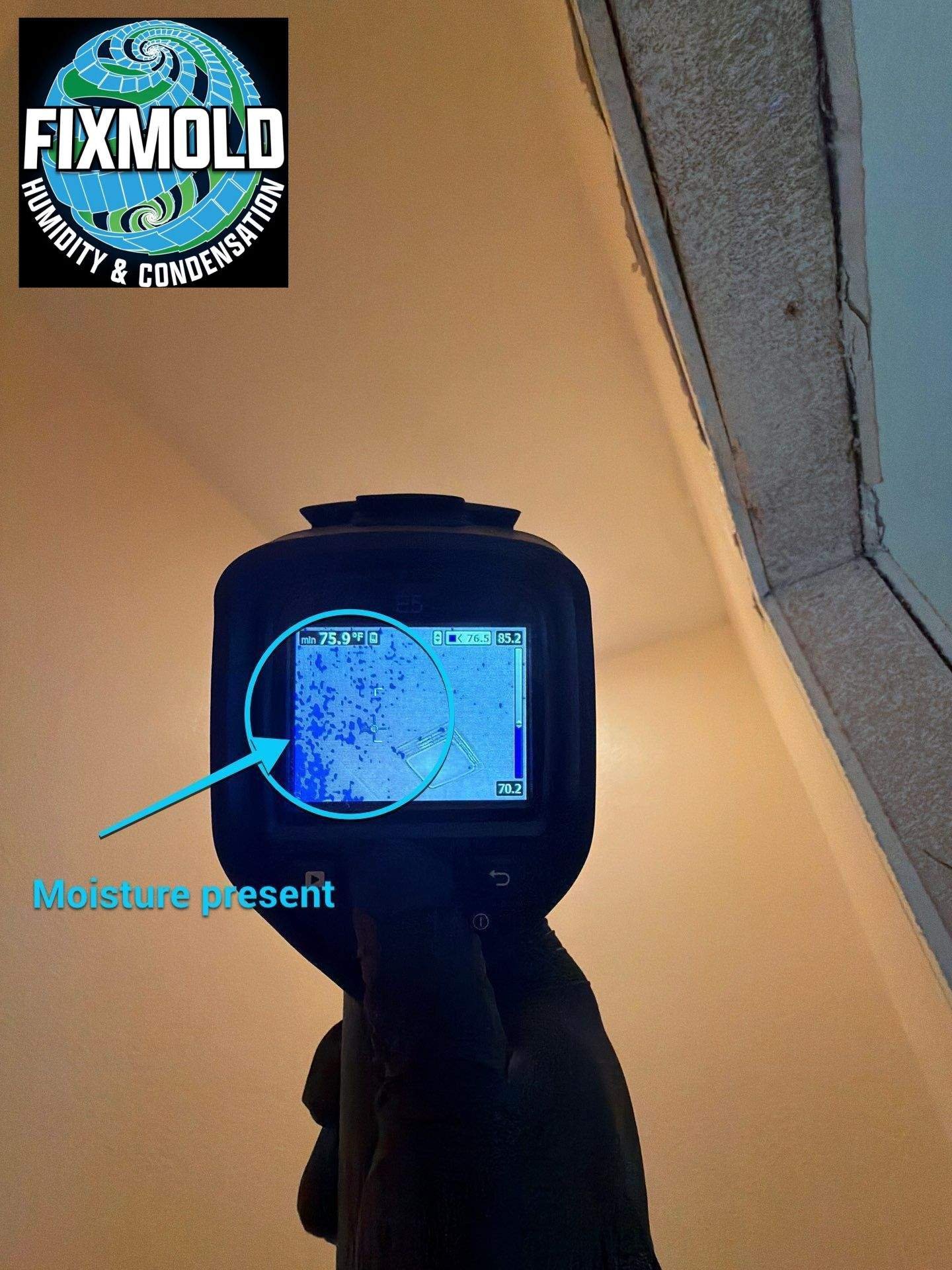
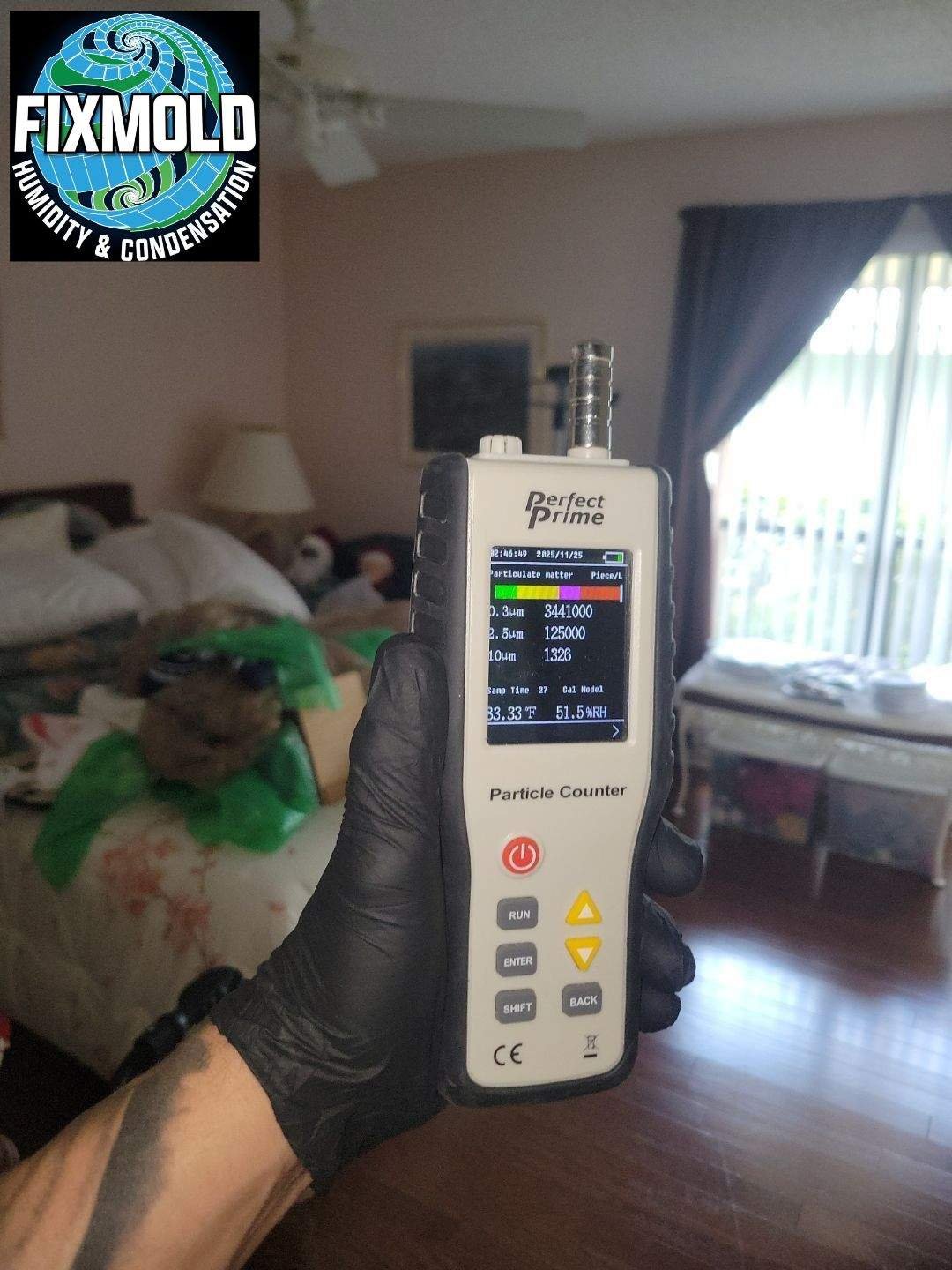
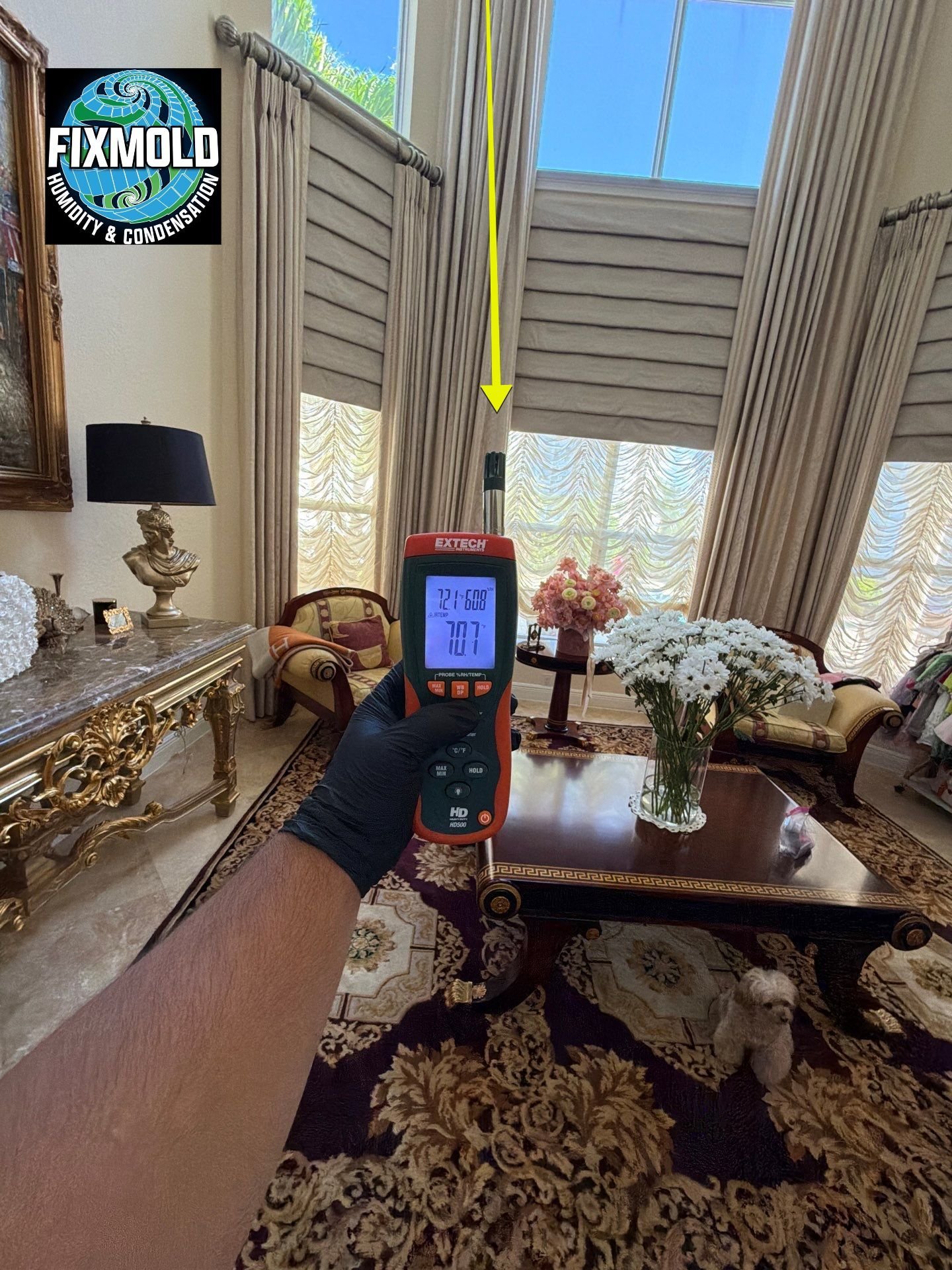
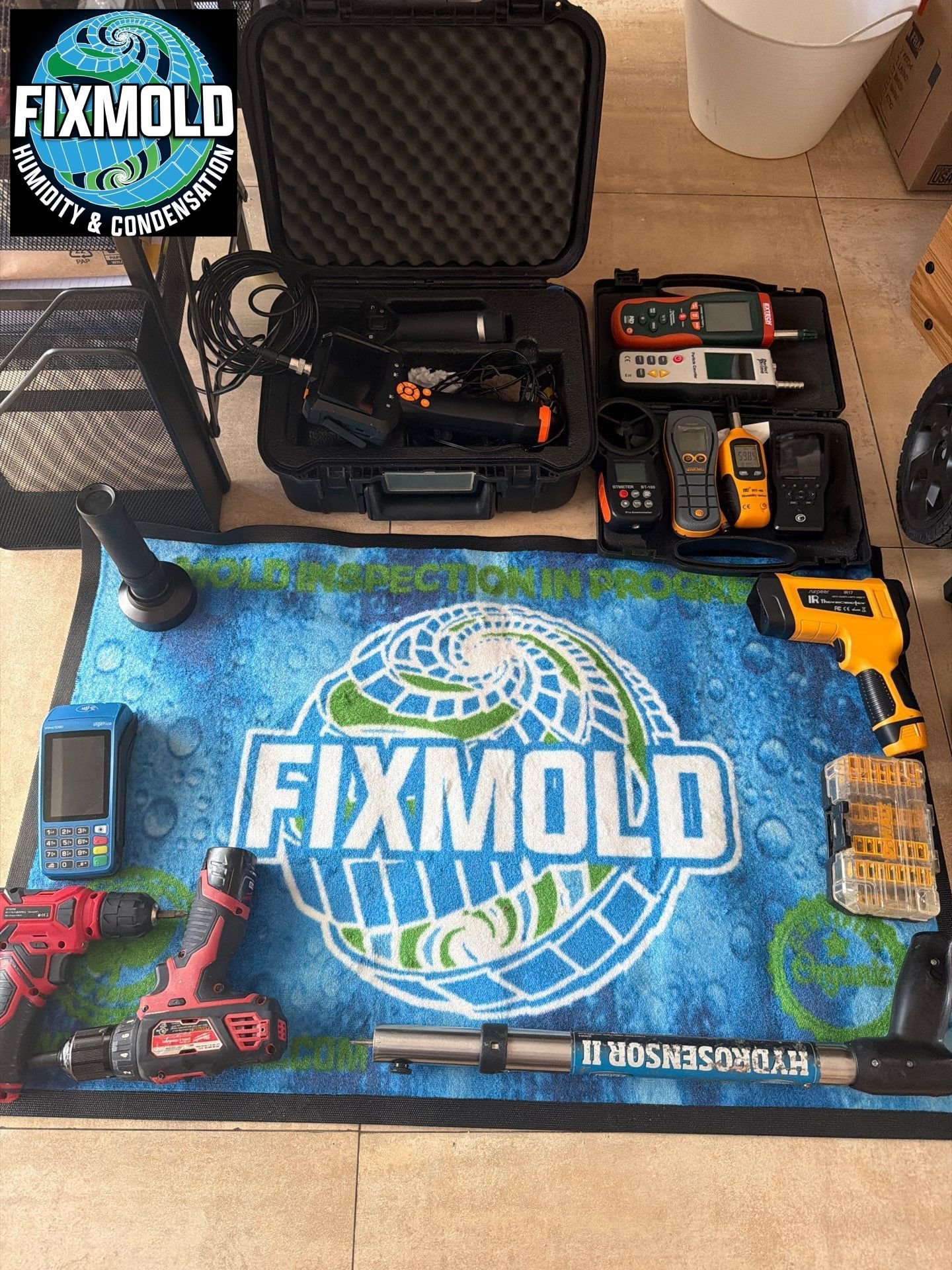
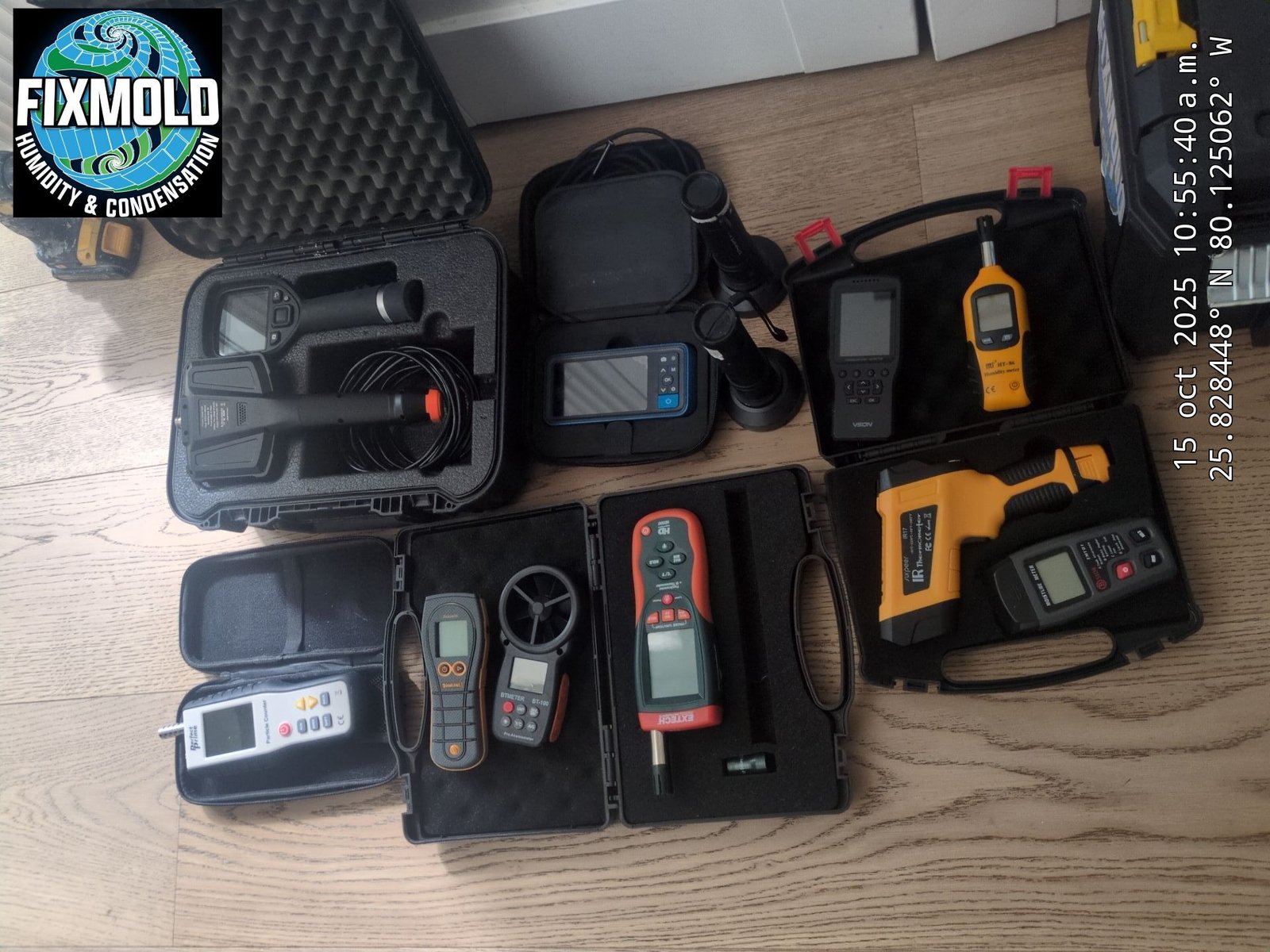
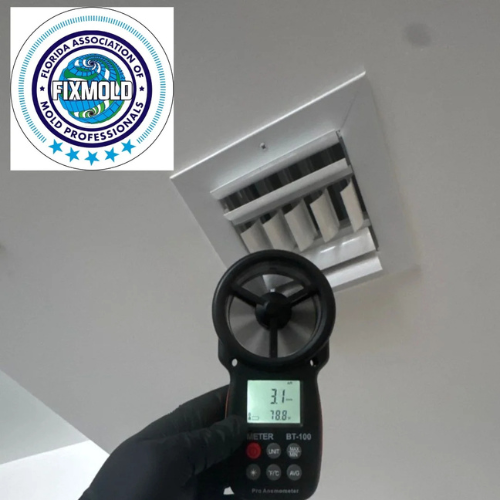
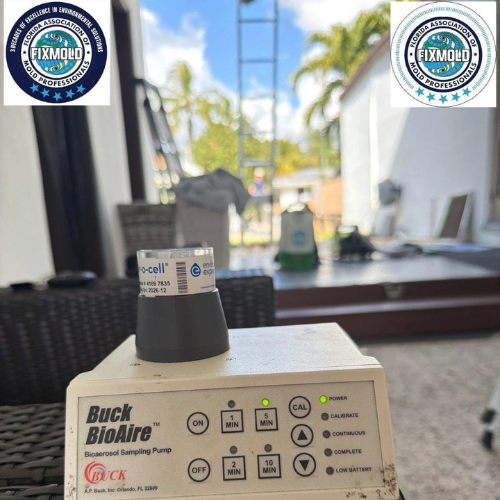
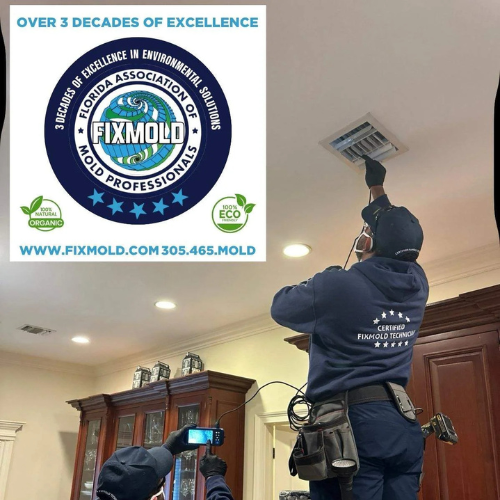
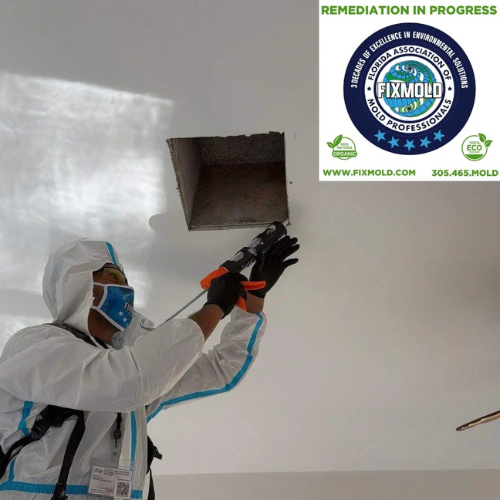
    Professional odor removal focuses on locating that source using moisture mapping, thermal imaging, HVAC evaluation, and indoor air testing when needed. In many cases, the goal is not just to remove odor but to stabilize the environment so the conditions producing the smell stop recurring.

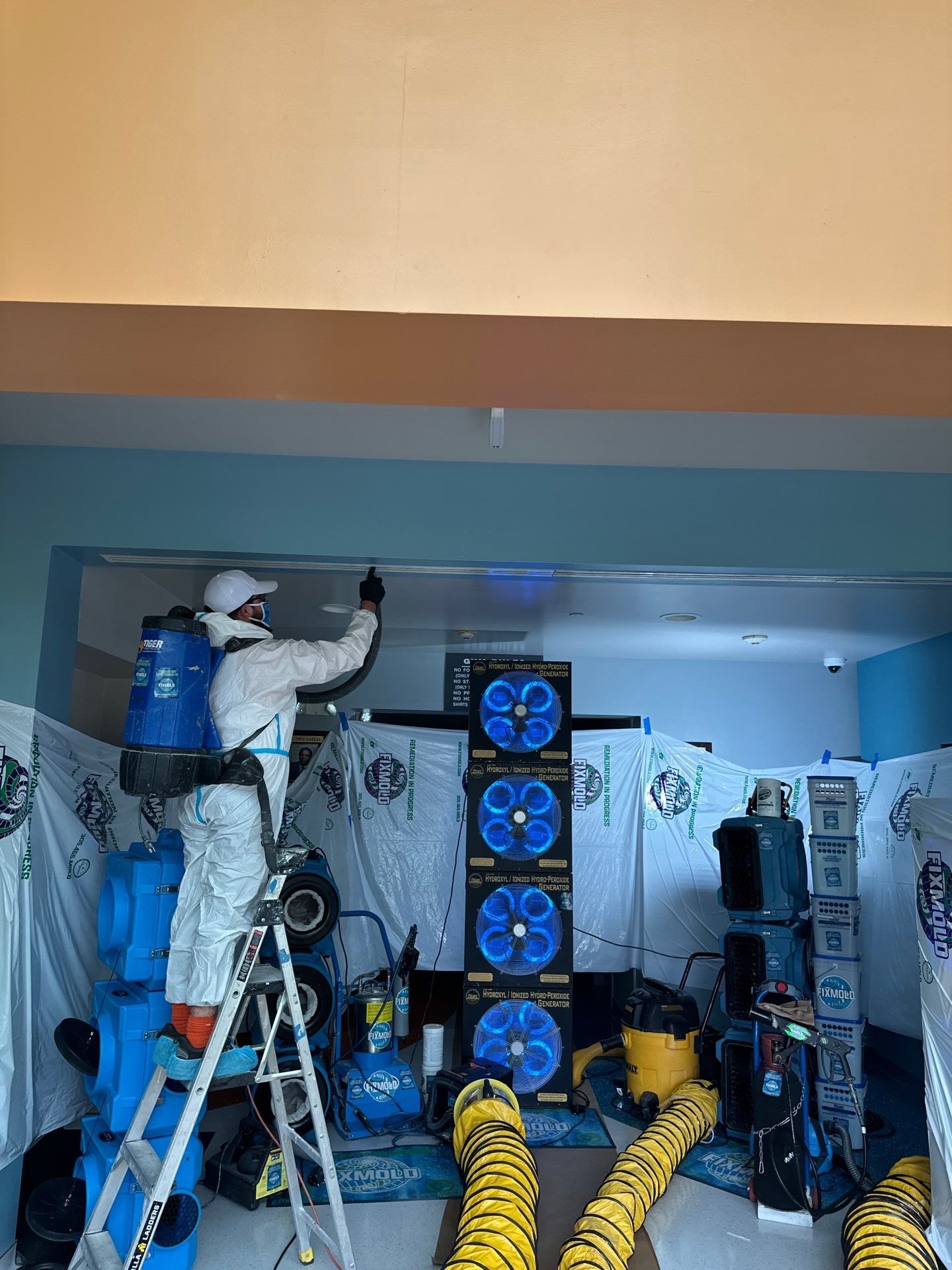
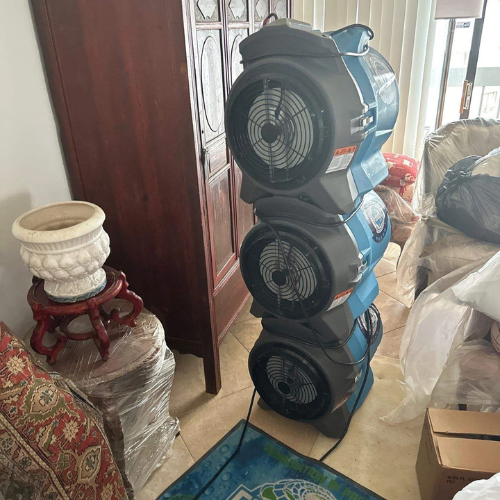
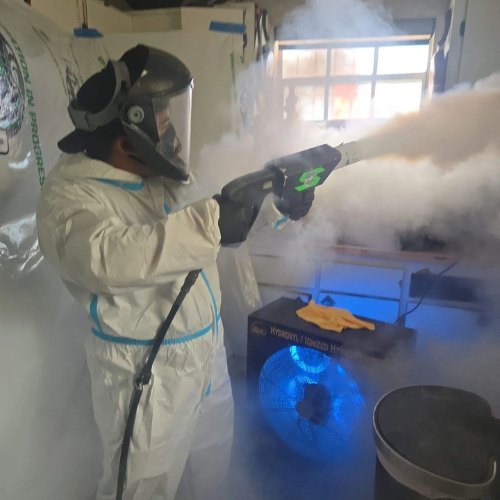
    Air scrubbing and HEPA filtration are often used during the process to reduce airborne particles while deeper issues are addressed. In more advanced cases, materials like insulation or affected porous surfaces may need removal if they are acting as long-term odor reservoirs.

    Miami’s climate makes this work more sensitive than in dry regions because humidity alone can reactivate trapped odors in building materials even after cleaning. That is why long-term results depend heavily on moisture control and airflow correction, not just cleaning.
    A Deep Commitment To Restoration

    A Family Legacy Of Trust

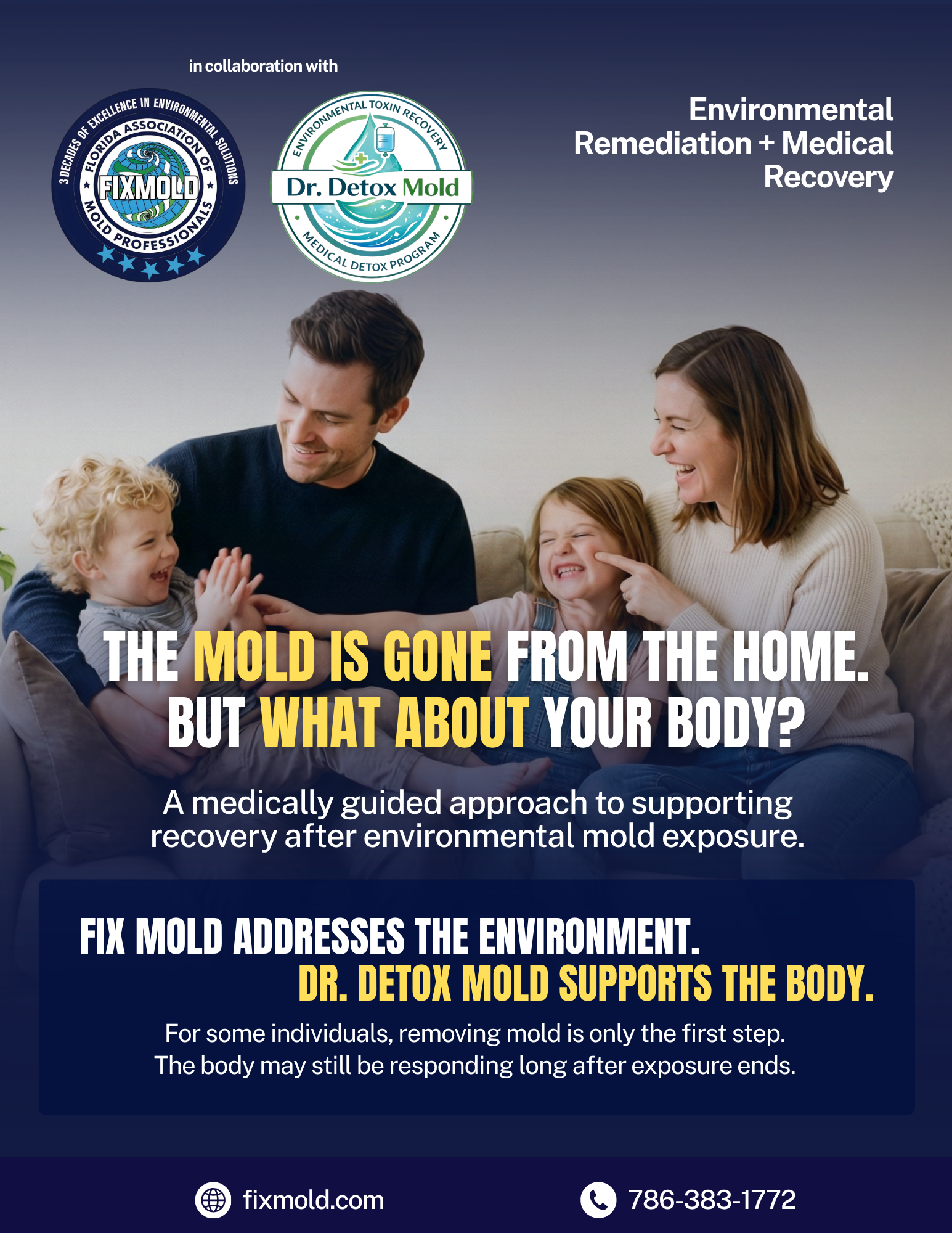
    Mold Removed From Your Home. What About Your Body?

    A medically guided approach to supporting recovery after mold exposure.
    Miami Fix Mold
    Miami Fix Mold

    FixMold focuses on eliminating mold from your environment.

    But for some individuals, recovery doesn’t stop there.
    Even after successful remediation, the body may continue responding to past exposure. In these cases, a structured, medically guided approach may be necessary to support full recovery.

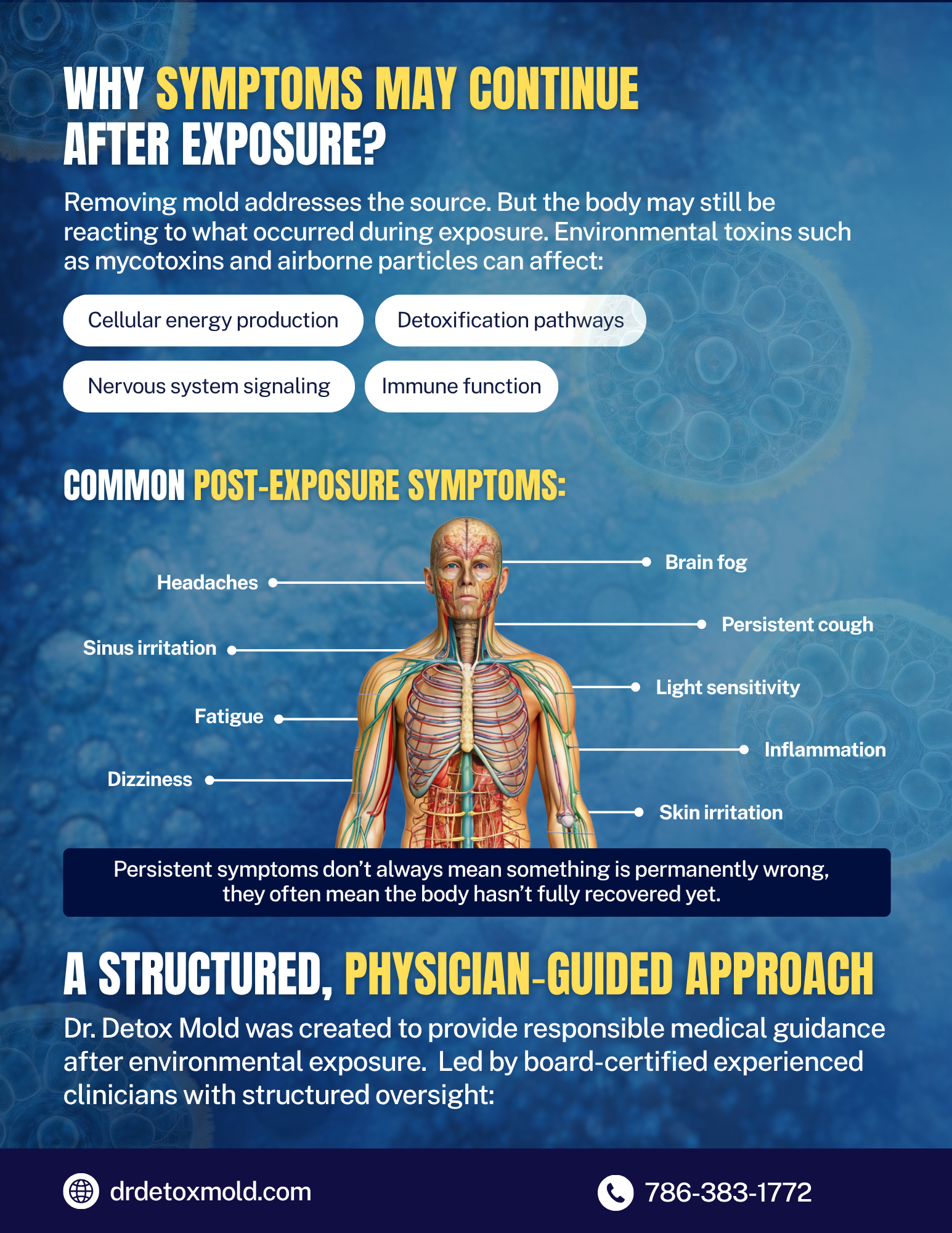
    Why Symptoms Can Continue After Mold Exposure

    Removing mold addresses the source of the problem, but it does not always resolve how the body has been affected during exposure.

    Environmental toxins can impact multiple systems:
    • Immune function
    • Nervous system signaling
    • Cellular energy production
    • Detoxification pathways

    For some individuals, these systems require time and proper support to return to balance.

    Common Post-Exposure Symptoms

    • Brain fog
    • Fatigue
    • Headaches
    • Sinus congestion or irritation
    • Persistent cough
    • Dizziness
    • Light sensitivity
    • Skin irritation
    • Ongoing inflammation

    Important

    • Persistent symptoms do not always indicate something permanent
    • They often indicate that the body has not fully recovered yet

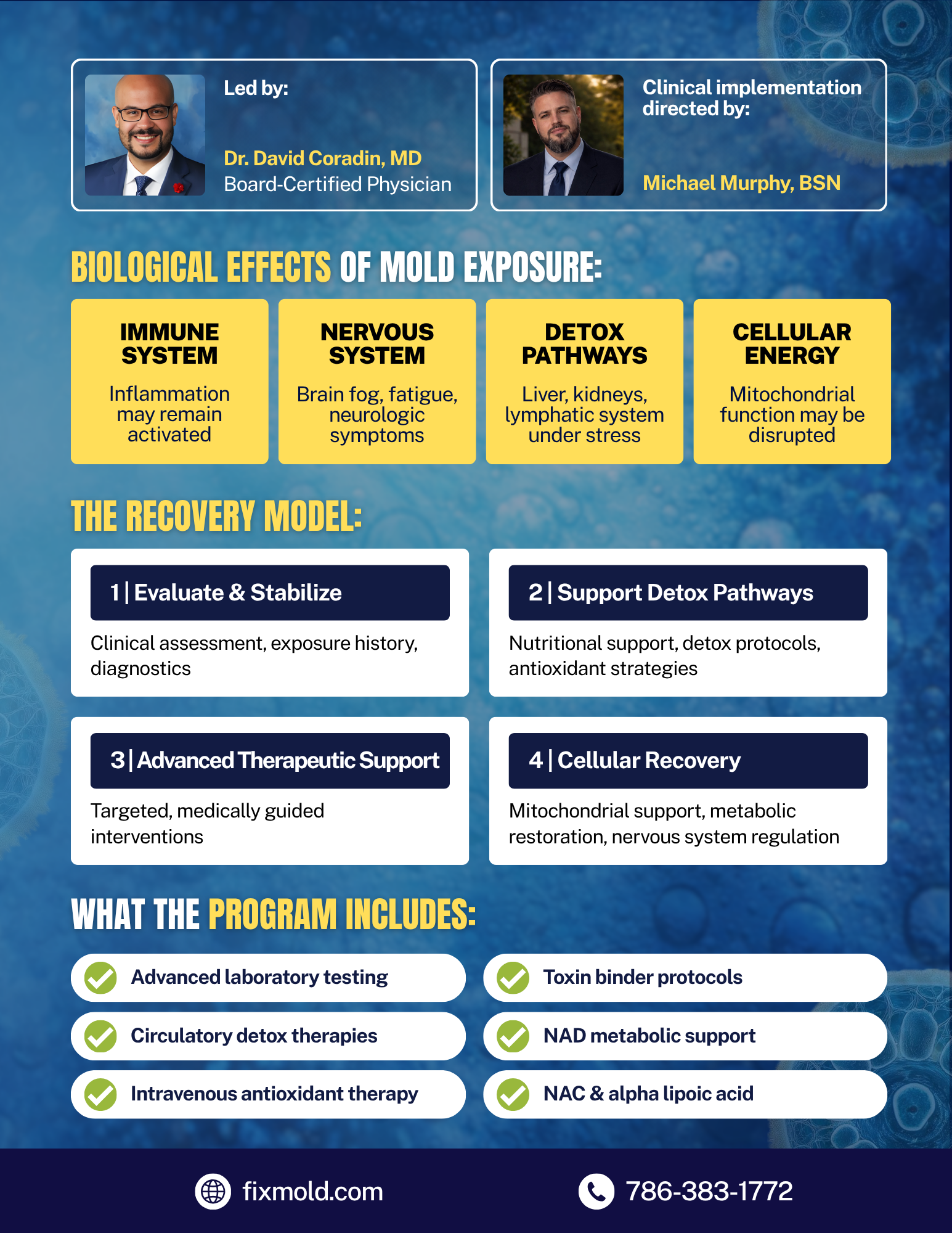
    Recovery Approach

    1. Evaluation & Stabilization
    • Clinical assessment
    • Exposure history review
    • Diagnostic testing

    2. Detoxification Support
    • Nutritional protocols
    • Toxin-binding strategies
    • Antioxidant support

    3. Advanced Therapeutic Support
    • Targeted, medically guided interventions
    • IV-based therapies when appropriate

    4. Cellular Recovery
    • Mitochondrial support
    • Metabolic restoration
    • Nervous system regulation

    Core Focus

    • Detoxification support
    • Immune system balance
    • Cellular energy restoration
    • Nervous system regulation

    Key Principle

    Recovery is not about doing more. It is about doing the right things, in the right order.

    Next Steps

    If mold exposure has been identified and symptoms are still present, evaluation may provide clarity.
    • Exposure history review
    • Laboratory evaluation
    • Detoxification assessment
    • Symptom analysis

    Schedule Your Post-Exposure Consultation

    📞 786-383-1772

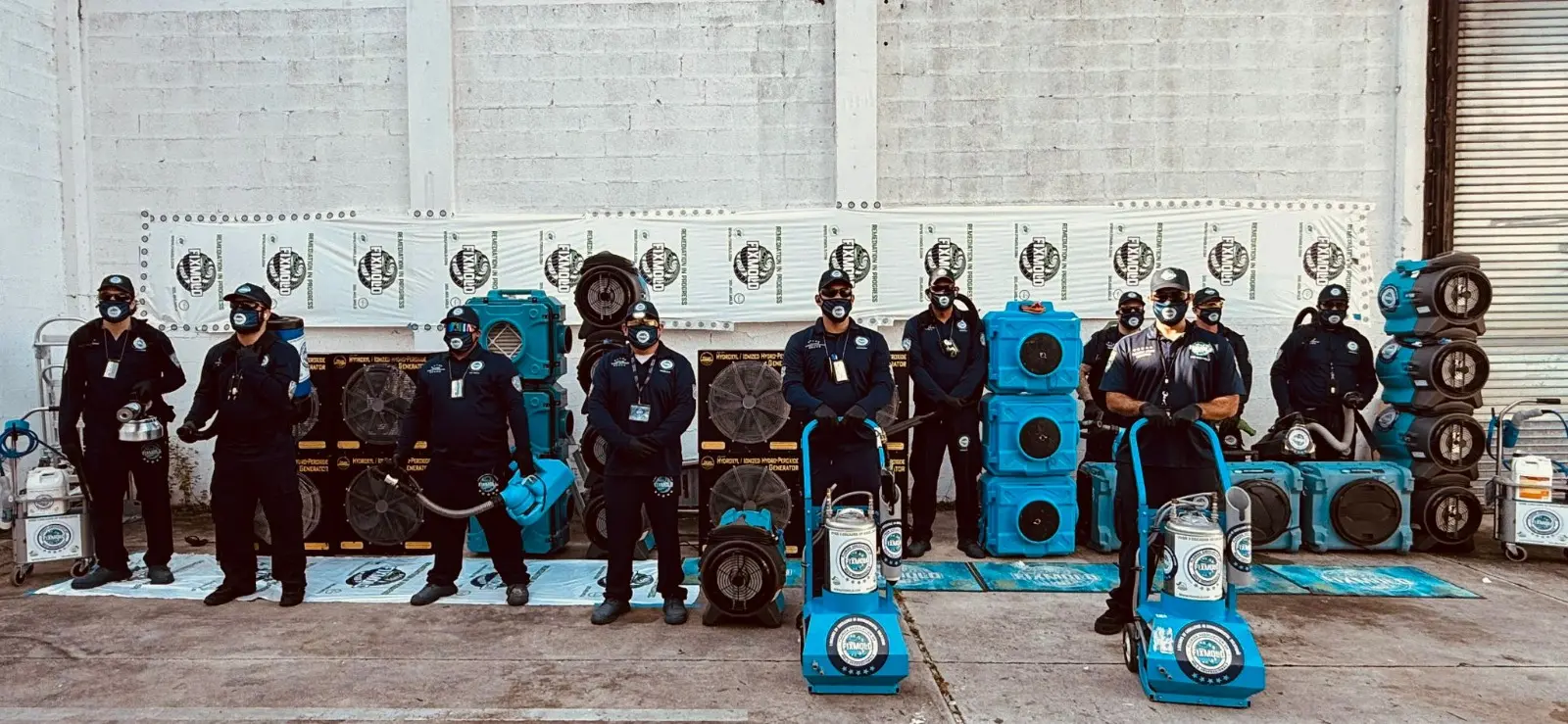
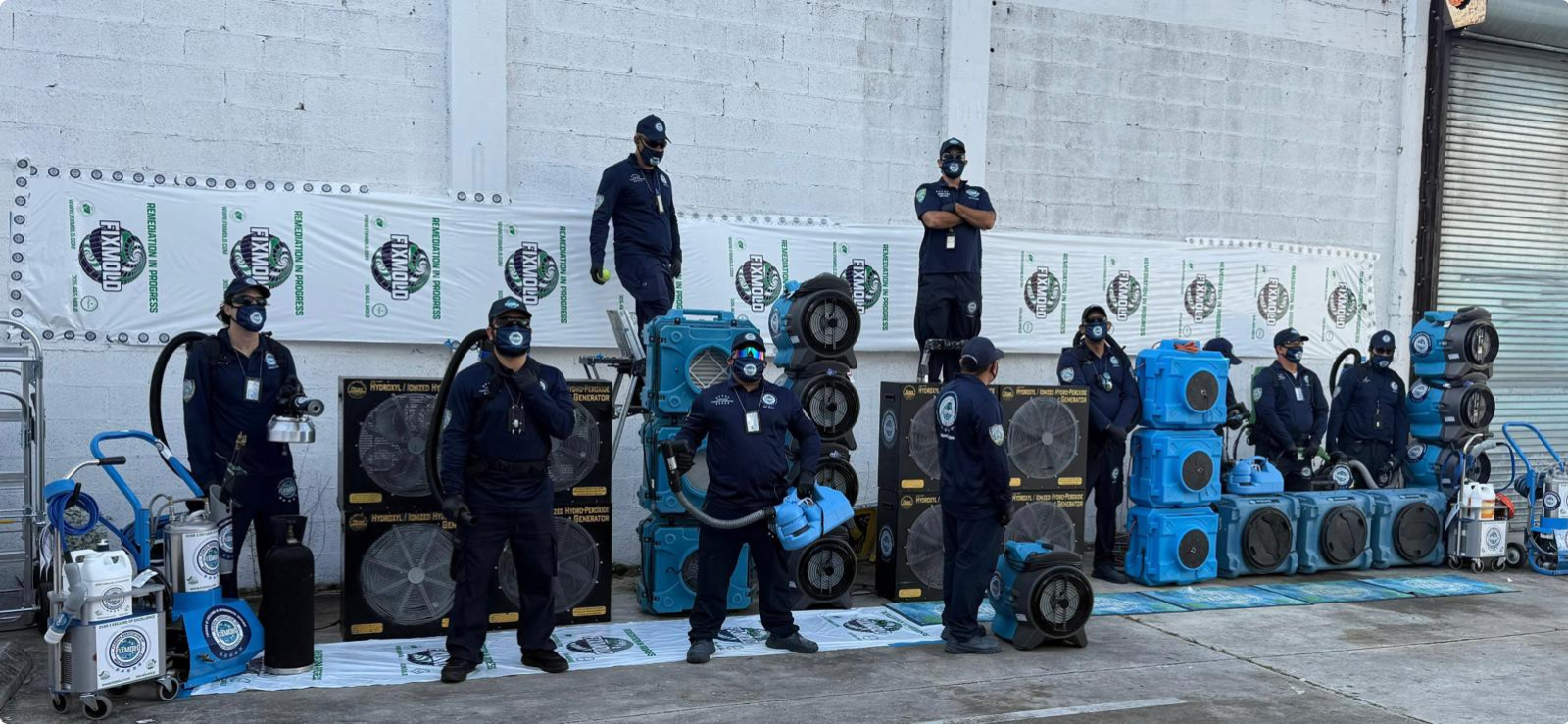
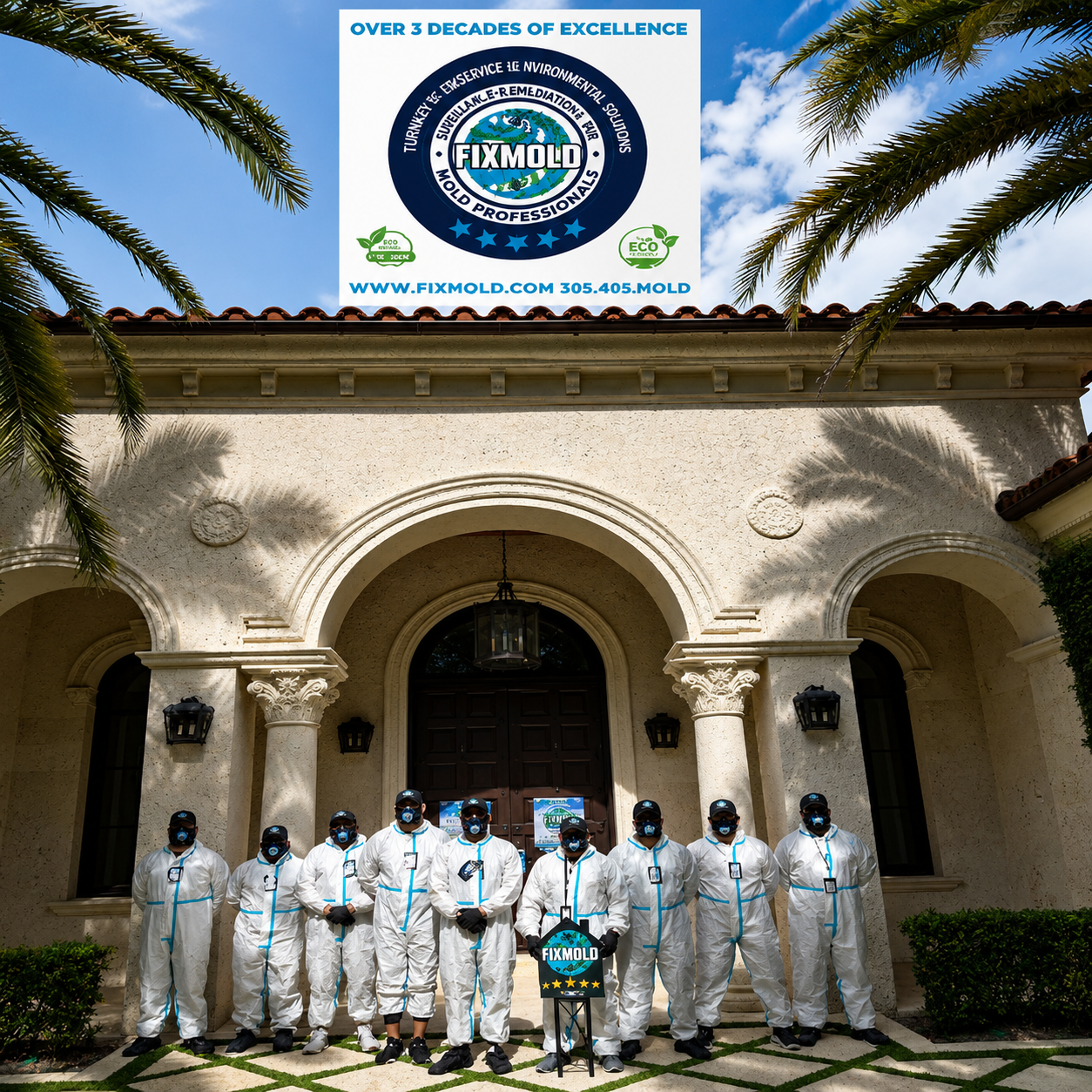
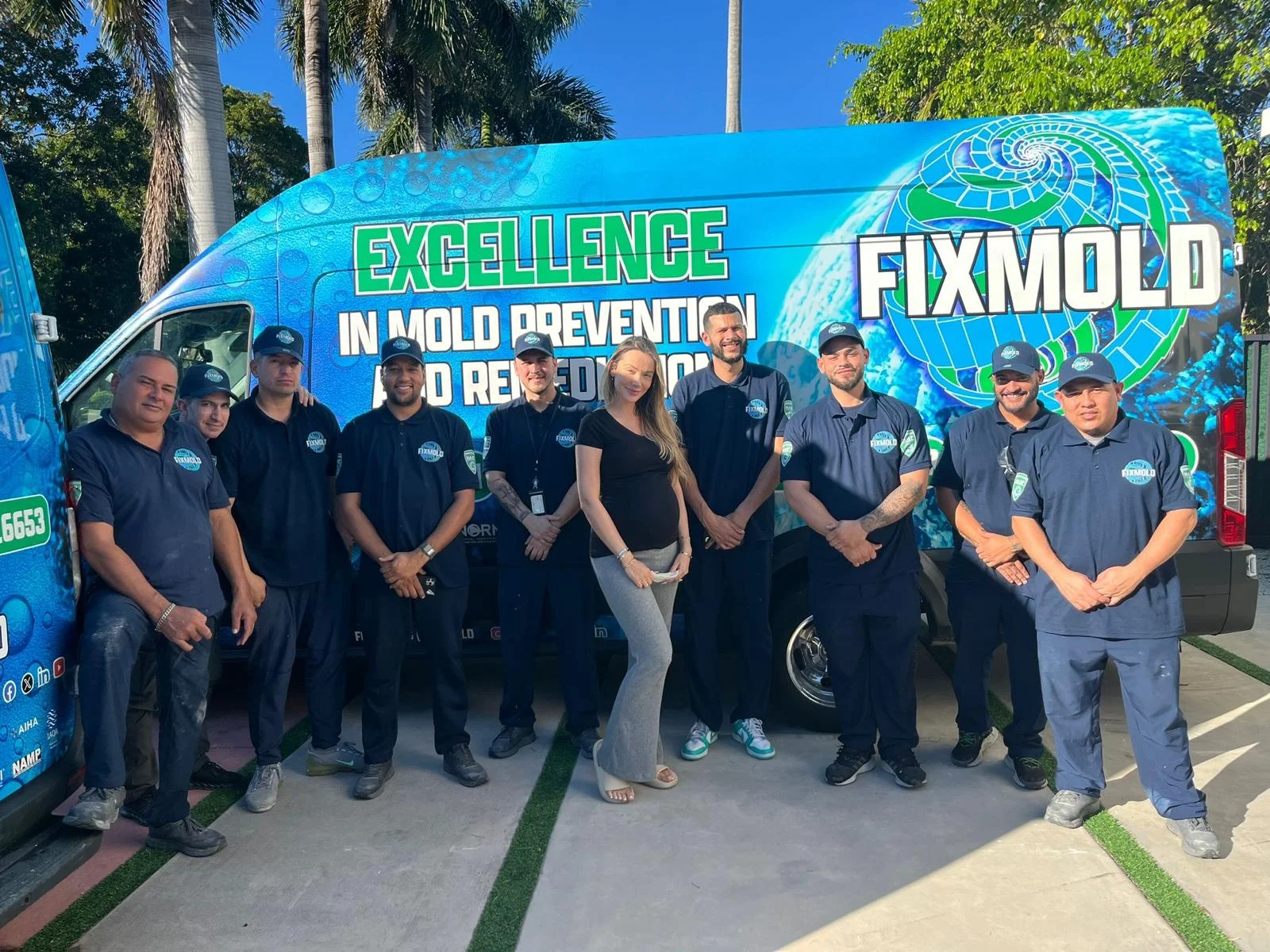
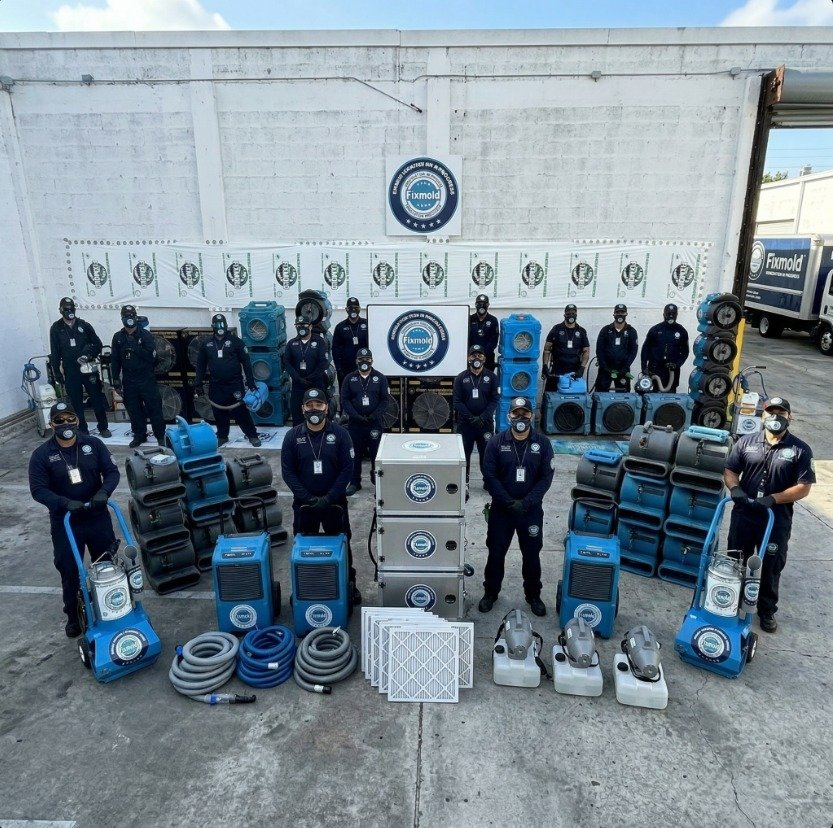
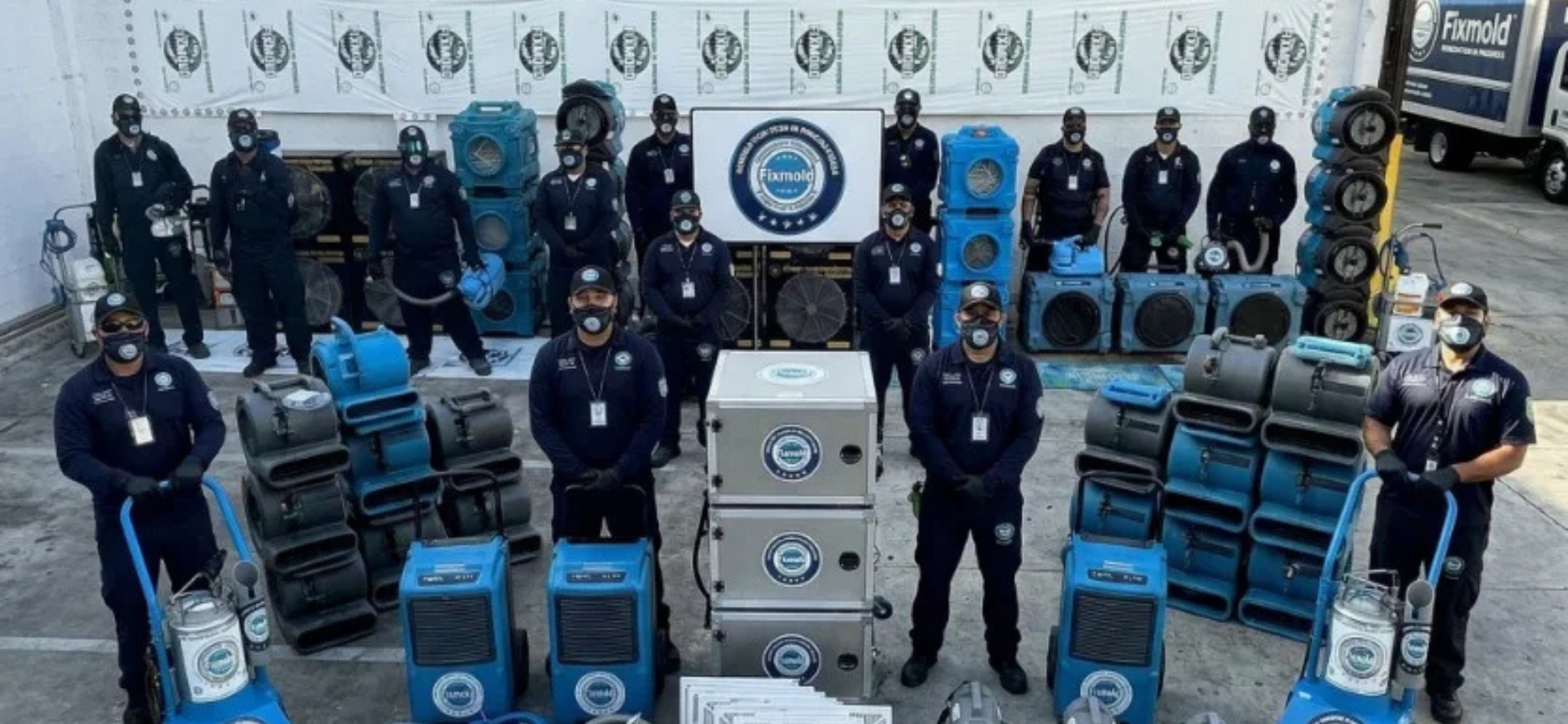
    OUR TEAM

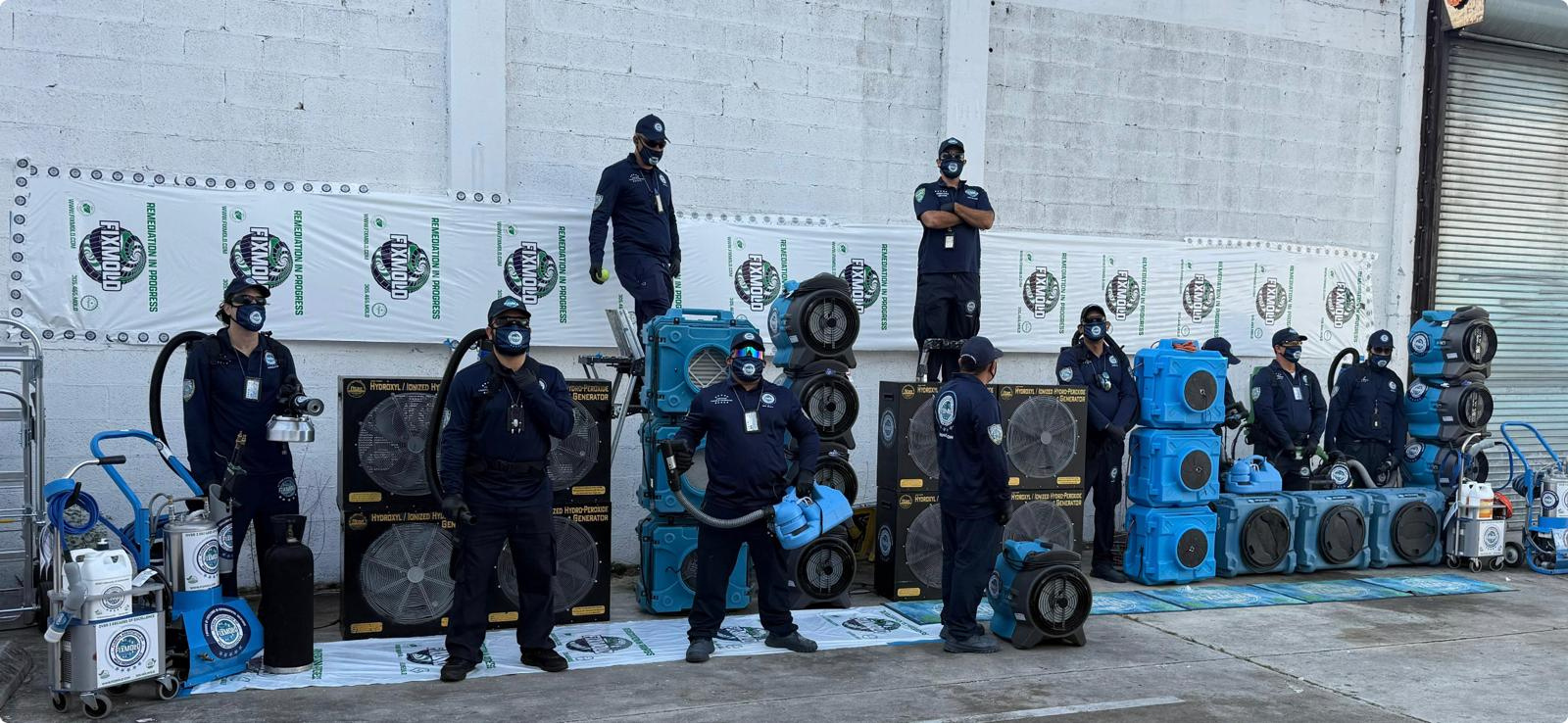
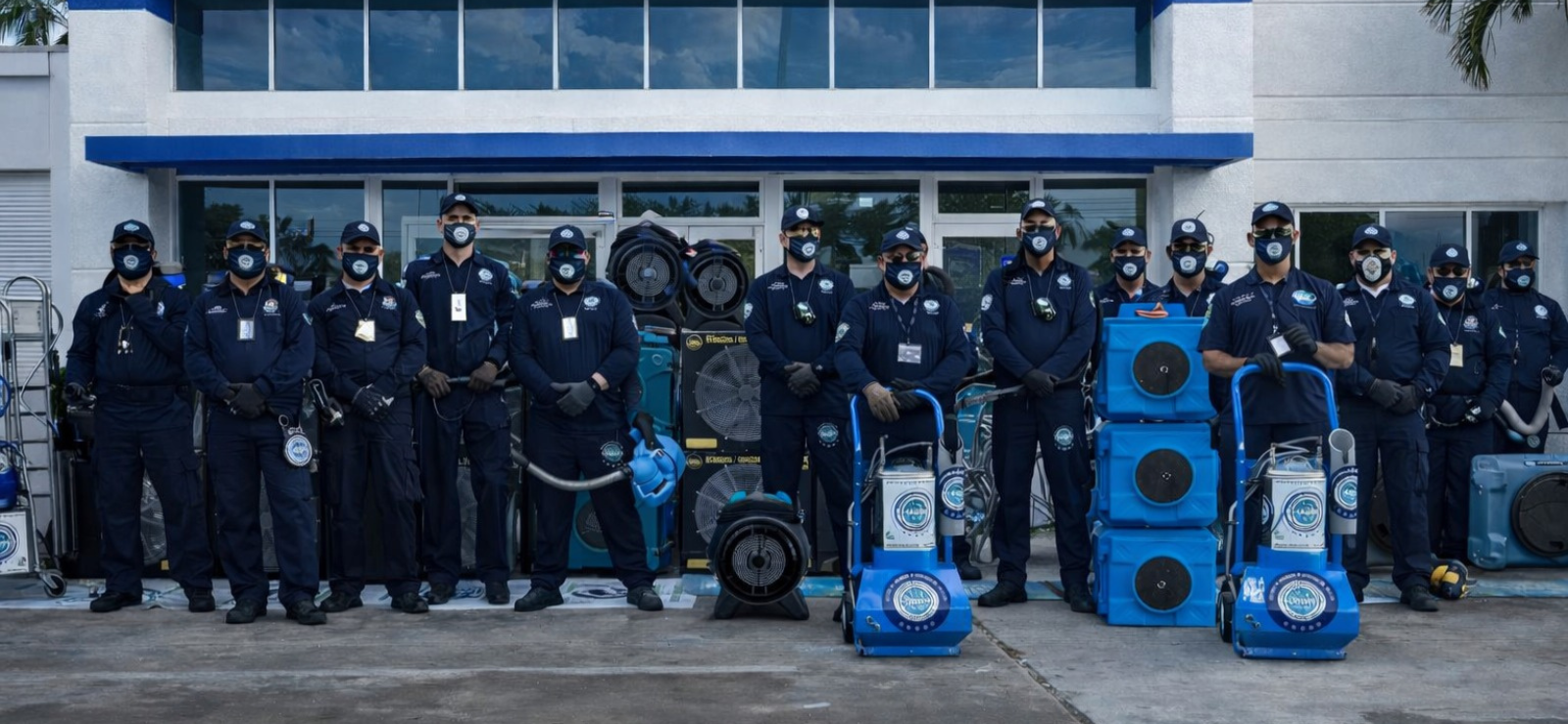
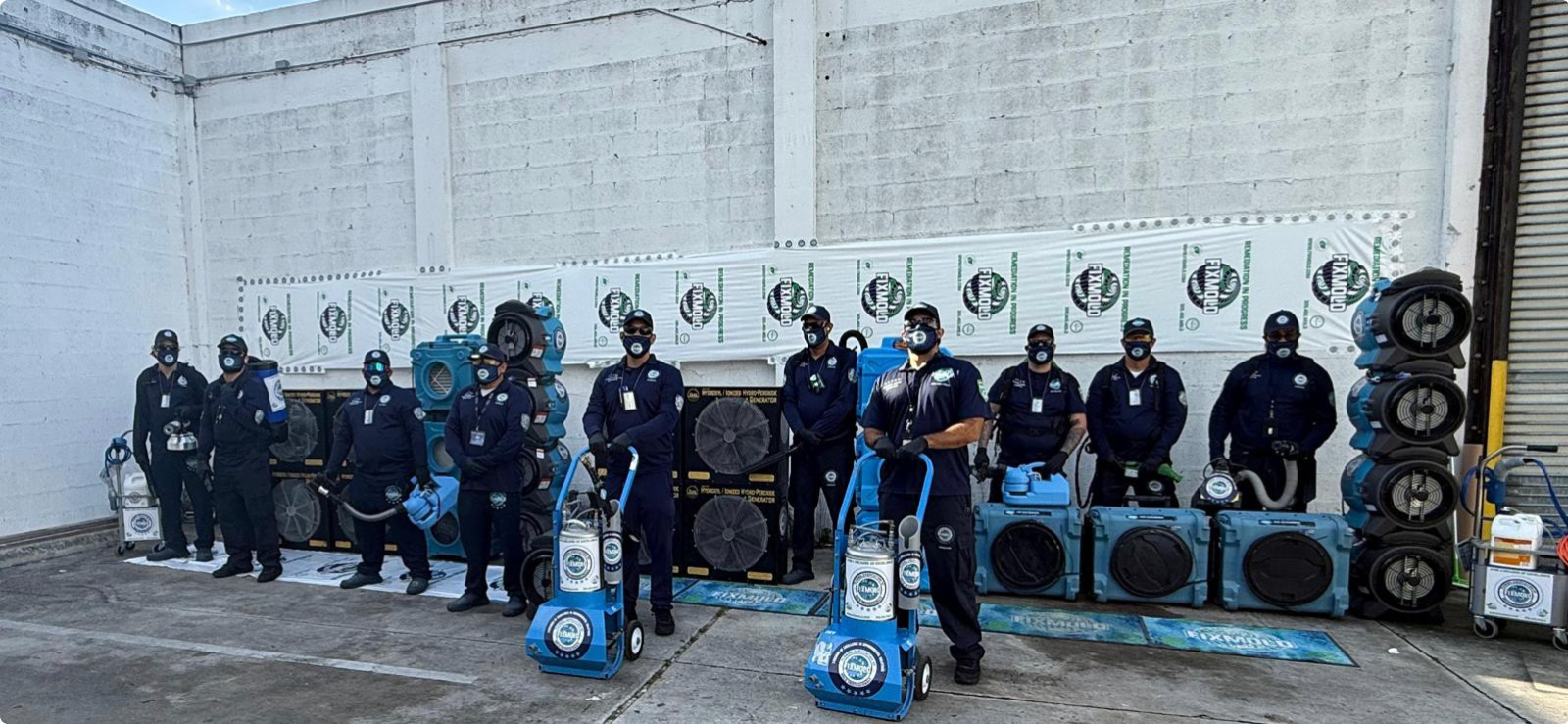
    THE BACK-BONE OF OUR 5 STAR SERVICE
    👉 Call Now: +1-305-465-6653
    Fast response. Certified technicians. Guaranteed results.

    OUR AWARDS

    Proof Of Unmatched Excellence
    Miami fix mold

    FixMold
    10750 NW 6th CtMiami, FL 33168

    License
    MRSR2709 MRSA2521

    Proudly Serving all of South Florida

    We are here to answer any question you may have.
    +

    Why does my house still smell musty after cleaning everything?

    Because cleaning only removes surface contamination. In Miami homes, the real issue is usually moisture sitting inside walls, ceilings, insulation, or HVAC systems. Once materials absorb humidity or water, they can continue producing odor even if the surface looks clean.

    South Florida’s climate makes this worse because high humidity keeps materials from fully drying. So even if a leak happened weeks ago, the structure can still be damp inside. That trapped moisture often leads to microbial growth that produces a persistent musty smell.

    Another common cause is airflow through contaminated areas. If your AC system pulls air from an attic, wall cavity, or damp space, it will circulate odor throughout the house. That is why the smell often returns after cleaning or becomes stronger when the AC runs.

    Until the moisture source is identified and corrected, odor will usually keep coming back.

    +

    Can my AC system really be causing the smell?

    Yes, and in Miami it is one of the most common causes. Air conditioning systems run constantly in South Florida, which means they also constantly produce condensation. If that moisture is not drained properly or if insulation is compromised, it creates a damp environment inside the system.

    Over time, that moisture can support microbial growth inside ducts, coils, or air handlers. Once that happens, every time the system turns on, it pushes odor into the living space.

    You may notice the smell is strongest near vents or after the AC has been off for a while. That pattern usually points directly to HVAC-related moisture or contamination rather than general household odor.

    In many cases, the system is still cooling the home normally, so people assume everything is fine. But odor is often the earliest warning sign that something inside the HVAC system is not dry or clean.

    +

    Why do odors get worse during humid weather?

    Humidity reactivates everything that has absorbed moisture in the past. Drywall, carpet padding, wood framing, and insulation all behave like sponges in Miami’s climate. When humidity rises, those materials release trapped moisture again, which brings odor back to the surface.

    This is why many homes smell worse after rain, during summer months, or when the AC struggles to keep up. The indoor environment is not just reacting to temperature, but to moisture moving in and out of materials.

    If there is hidden mold or water damage, humidity makes it more noticeable. Even if the problem seemed gone during dry weather, it can return as soon as conditions shift.

    This cycle is extremely common in South Florida homes and is usually a sign of an unresolved moisture source rather than a temporary odor issue.

    +

    Can odors come from inside walls even if there are no stains?

    Yes. In fact, most odor problems in Miami come from areas where there are no visible signs at all. Water does not need to create stains to cause a problem. It only needs to get inside a wall cavity, insulation layer, or floor system.

    Once inside, moisture can stay trapped for a long time because airflow in those spaces is limited. That creates the perfect environment for microbial growth and odor formation.

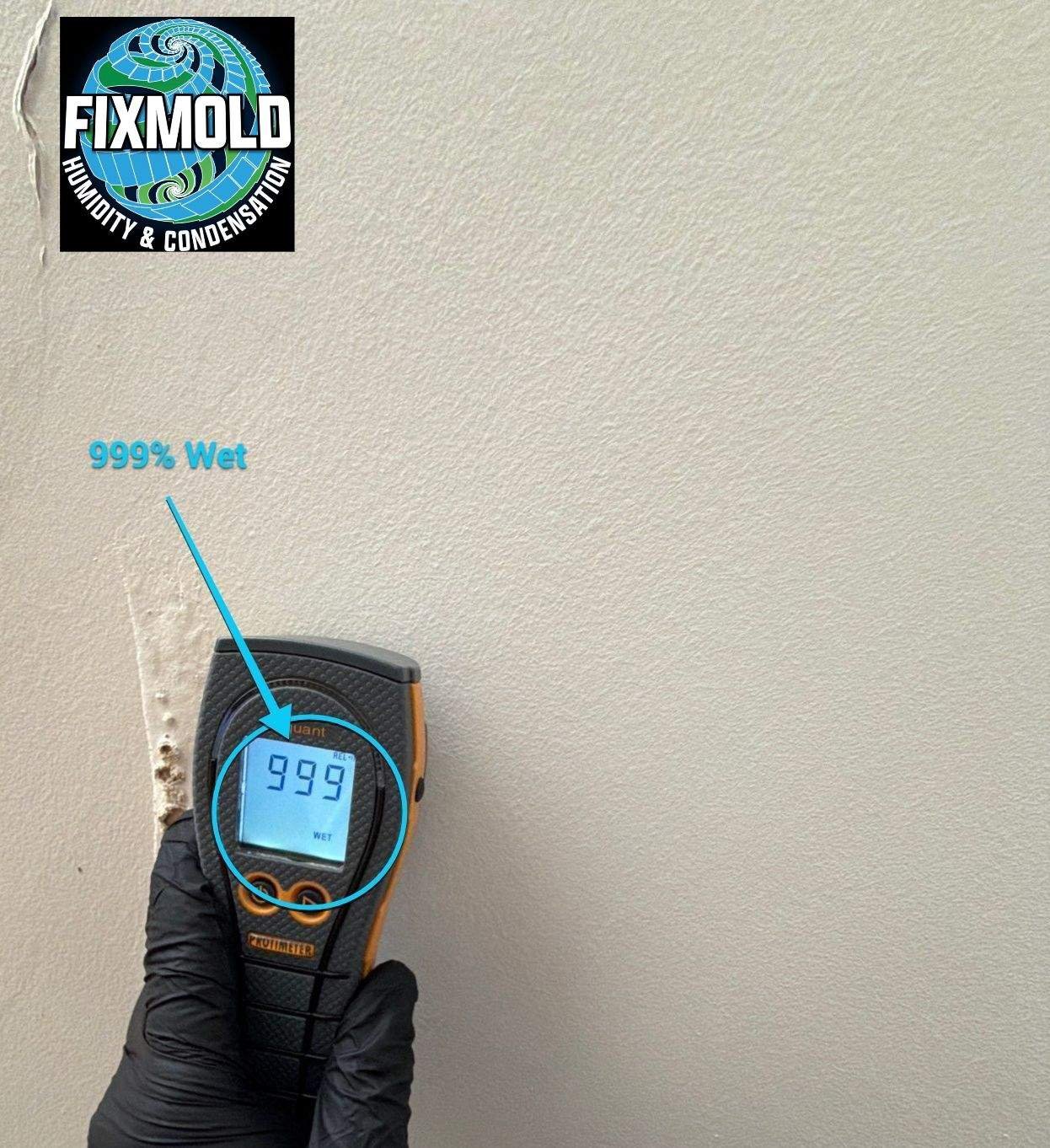
    By the time the smell becomes noticeable, the source is often already spread across a larger area inside the structure. That is why inspections often rely on moisture detection and thermal imaging rather than visual clues alone.

    A clean-looking wall does not always mean a dry or healthy wall inside.

    +

    What actually fixes recurring odor problems long term?

    Long-term odor removal in Miami comes down to one thing: eliminating the moisture or contamination source, not just treating the smell.

    That usually involves identifying where humidity or water is trapped, correcting airflow issues, and making sure HVAC systems are not circulating contaminated air. In some cases, materials like insulation or affected porous surfaces need to be removed if they are holding odor long-term.

    Air cleaning tools like HEPA filtration and scrubbing help reduce airborne particles, but they are supportive steps, not the core solution.

    Once the environment is stabilized and moisture is controlled, odors stop regenerating. Without that step, most odor problems will eventually return, especially in South Florida’s humidity.

    Urgent Enquiry Virtual Assessment
    🎁 Today’s Offer
    10750 NW 6th CtMiami, FL 33168
    License
    #MRSR2709 #MRSA2521
    Founded by industry expert Moty Katz, backed by a 30+ year family legacy in mold remediation and prevention.
    Air Quality Testing. Mycotoxins.
    Mold Testing &
    Air Samples
    Proud Sponsors Of South Florida
    Hatzalah Emergency Medical Services
    Air Quality Testing. Mycotoxins.
    Mold Testing & Air Samples
    Proud Sponsors Of South Florida
    Hatzalah Emergency Medical Services

    FixMold Mold Inspection, Mold Testing & Mold Remediation Services Across South Florida

    Serving Multiple Counties