1000+ 5-STAR REVIEWS
Recommended All Over Florida
Katz Family Over 3 Decades
Recommended by Miami Doctors
1000+ 5-STAR REVIEWS
Recommended All Over Florida

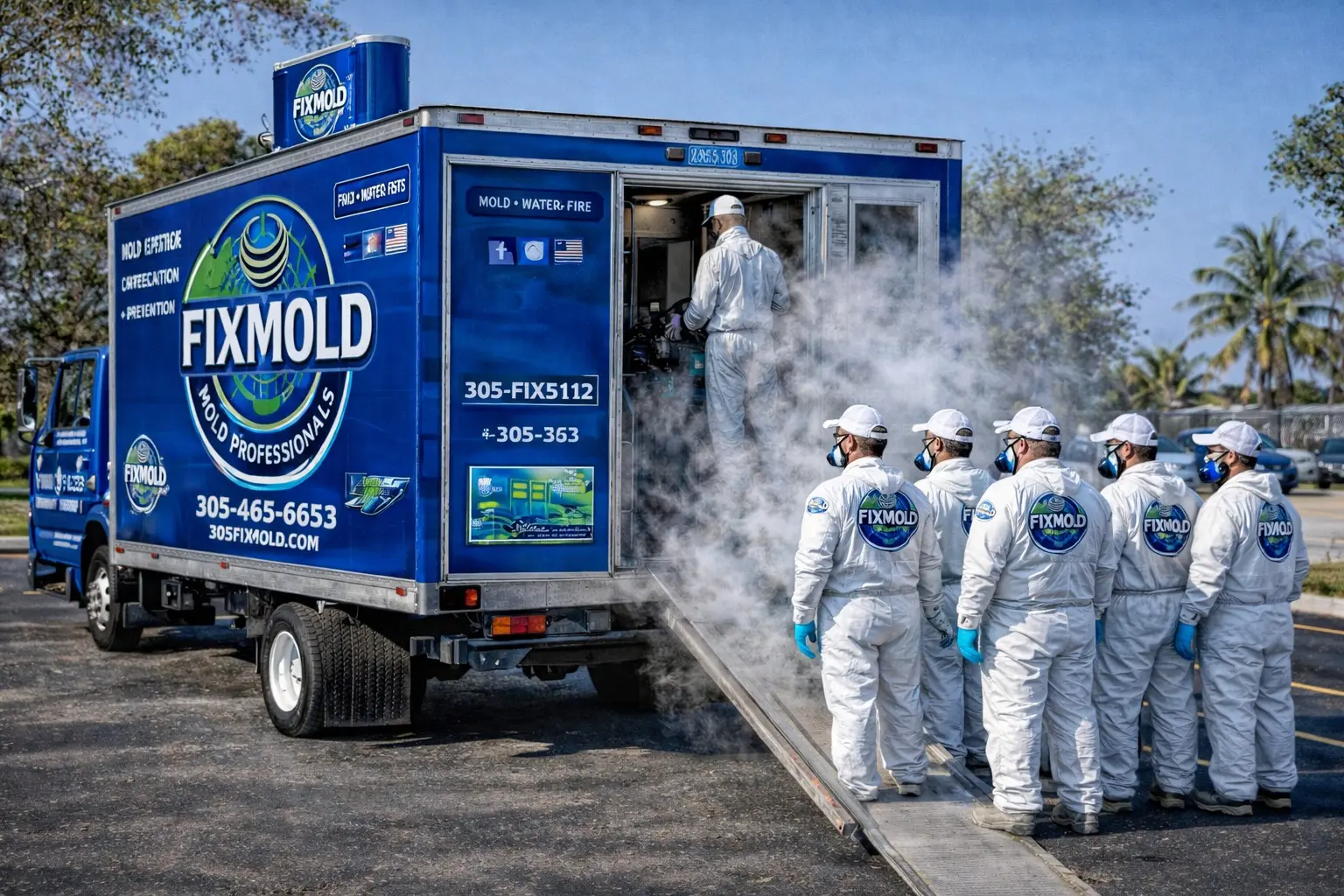
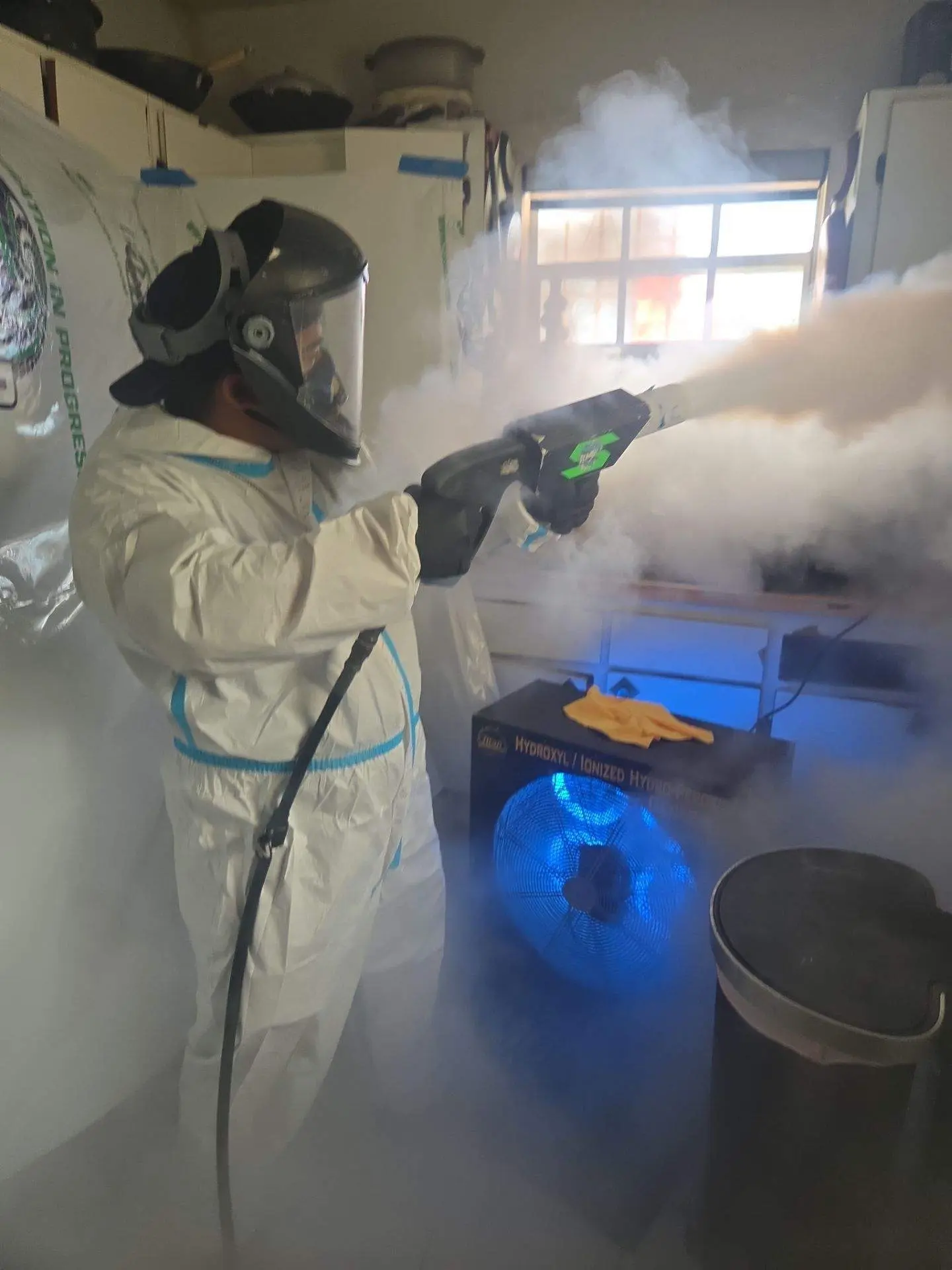
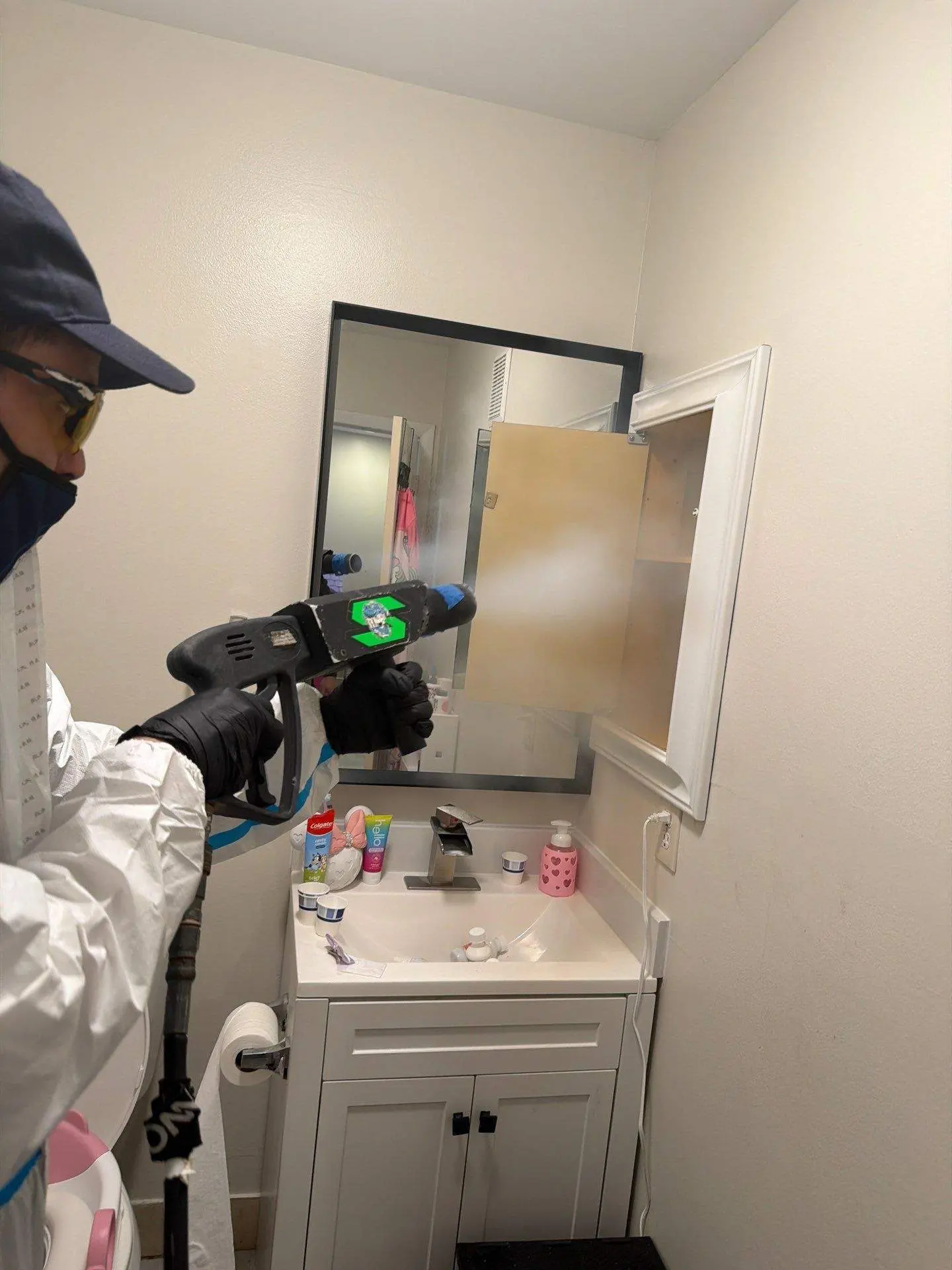
CO2 Hydrogenation Dry Ice Mist Technology

Miami mold specialist

    miami mold specialist

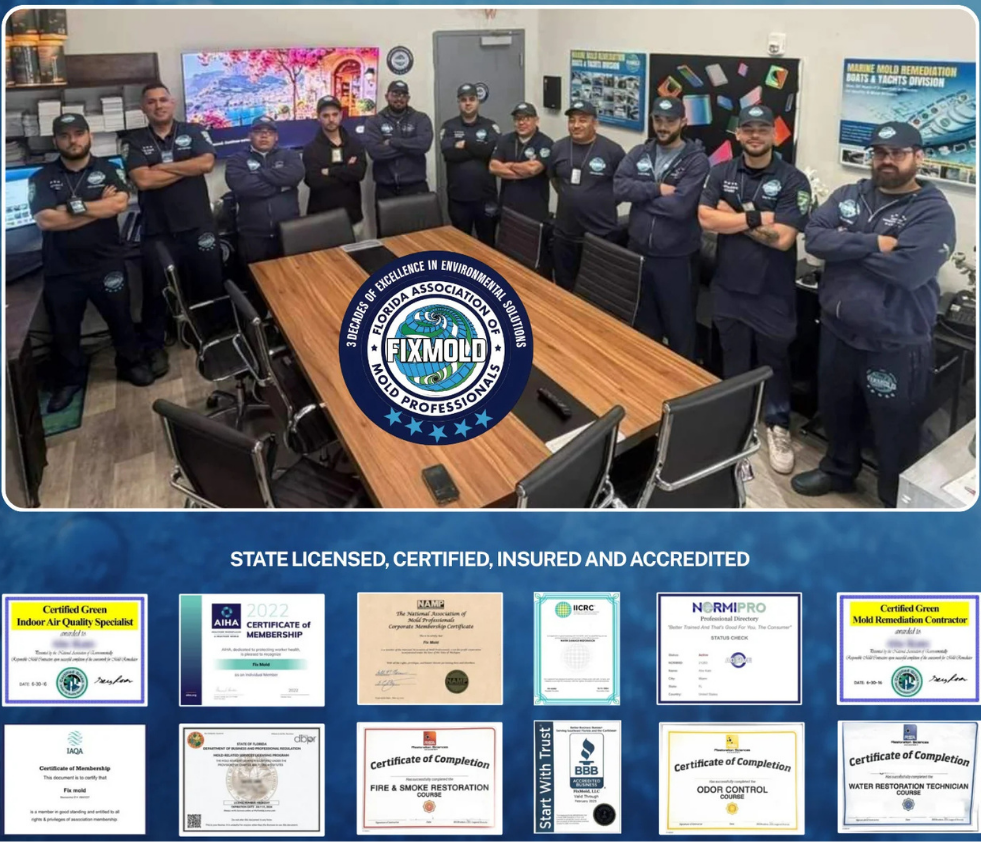
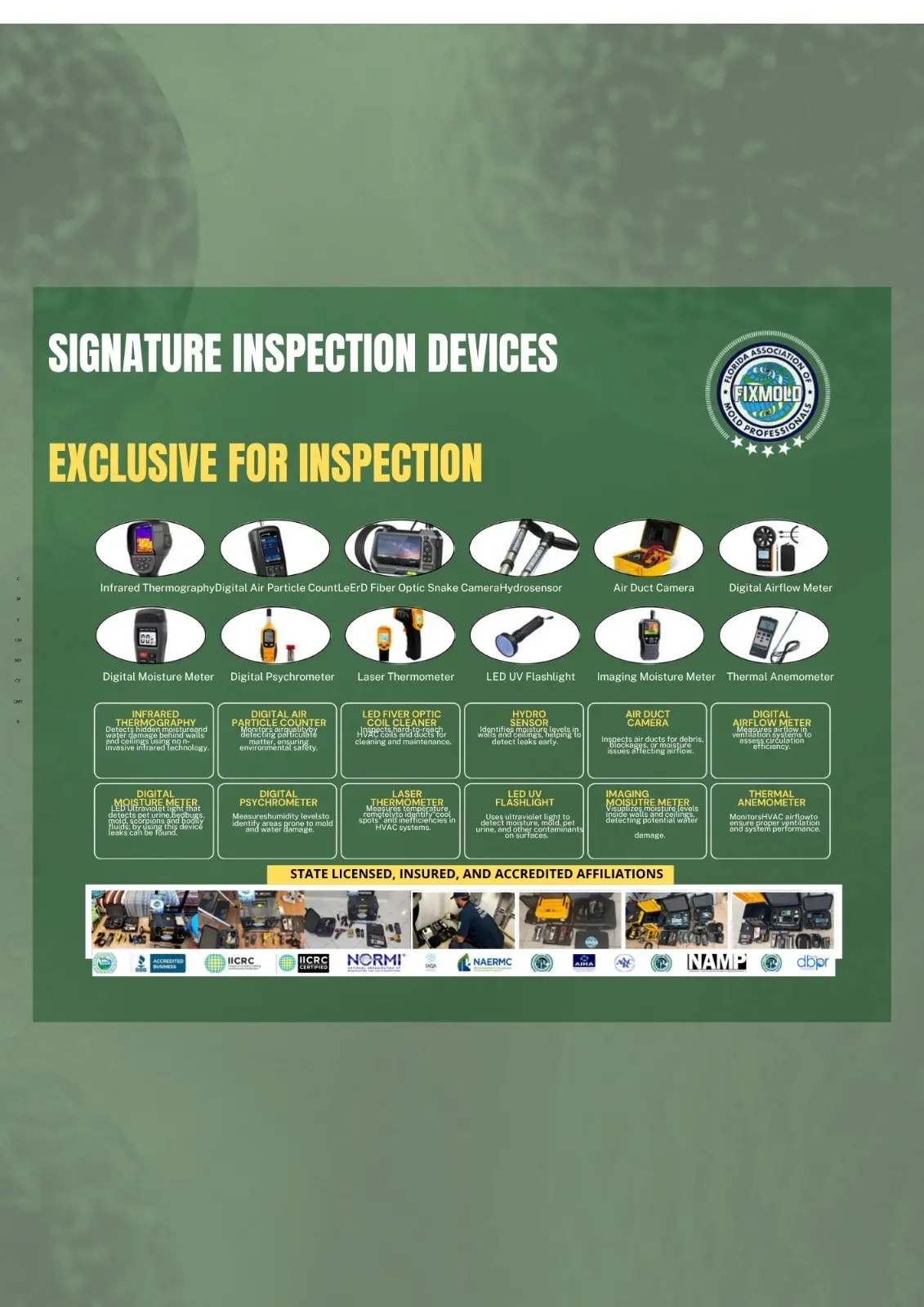
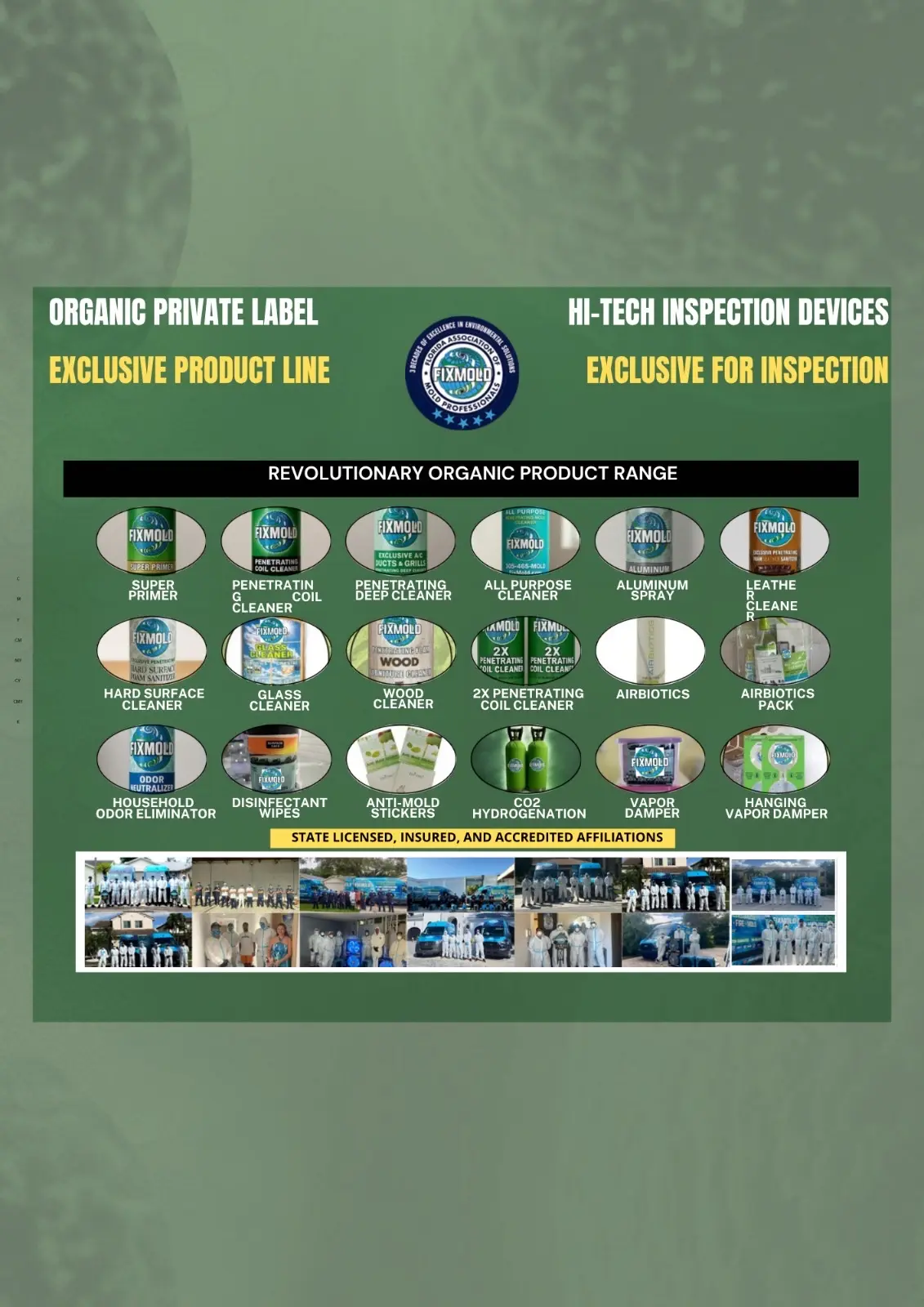
    State Licensed and Accredited Affiliations

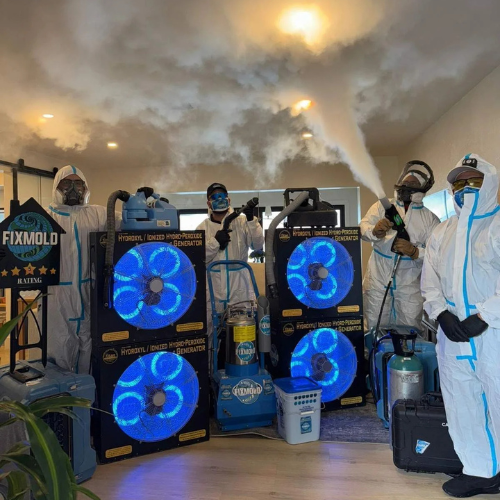
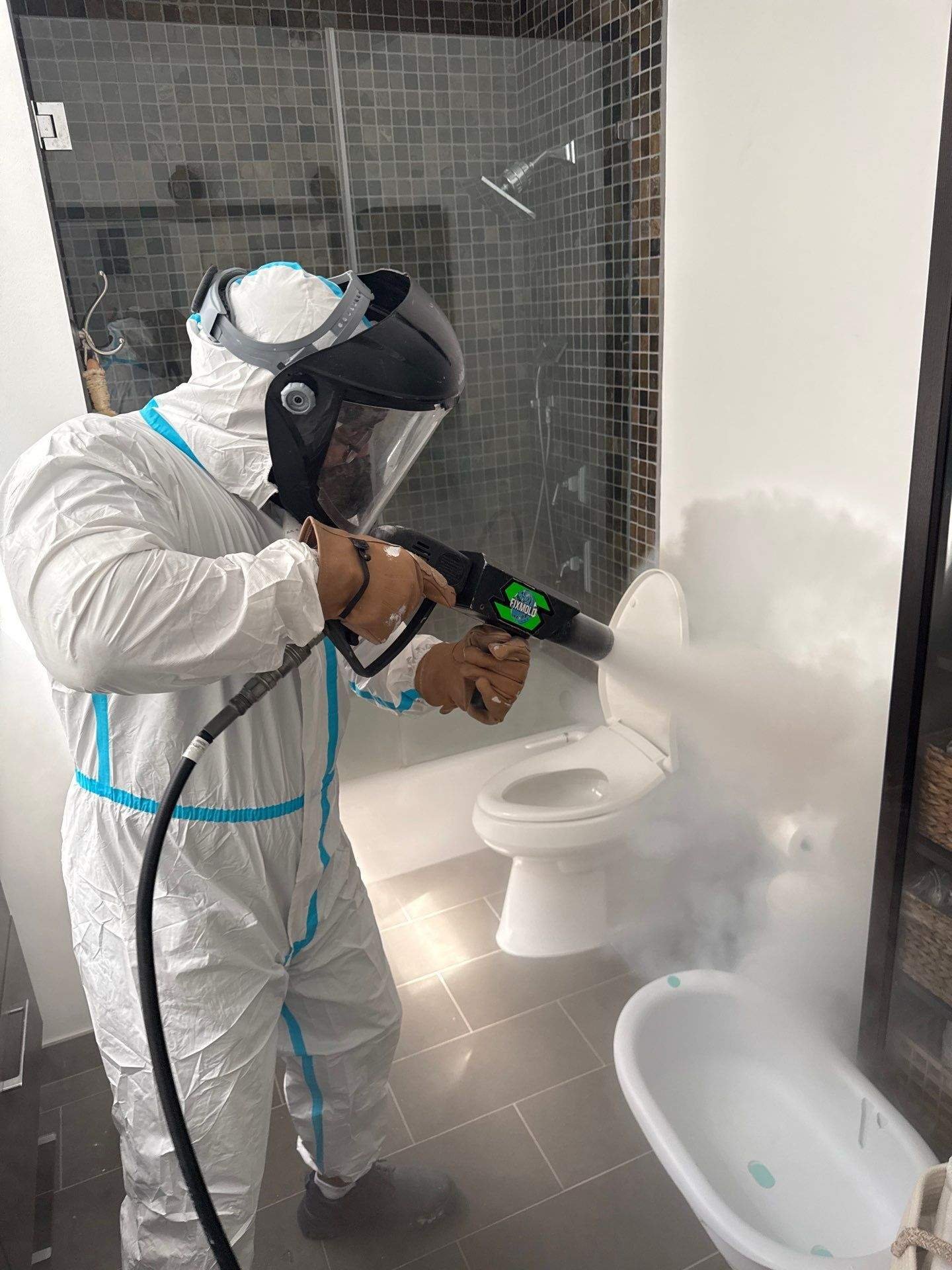
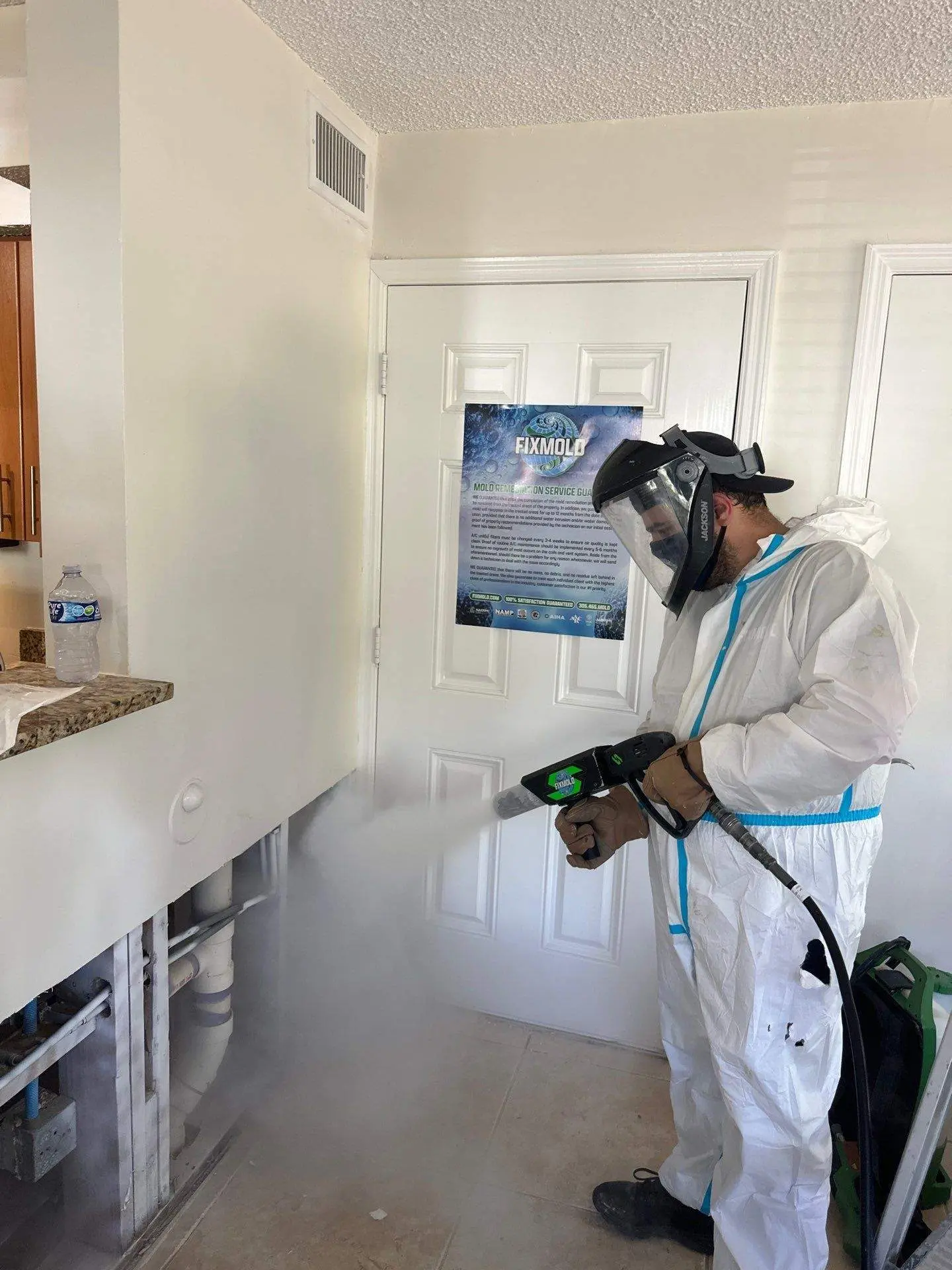
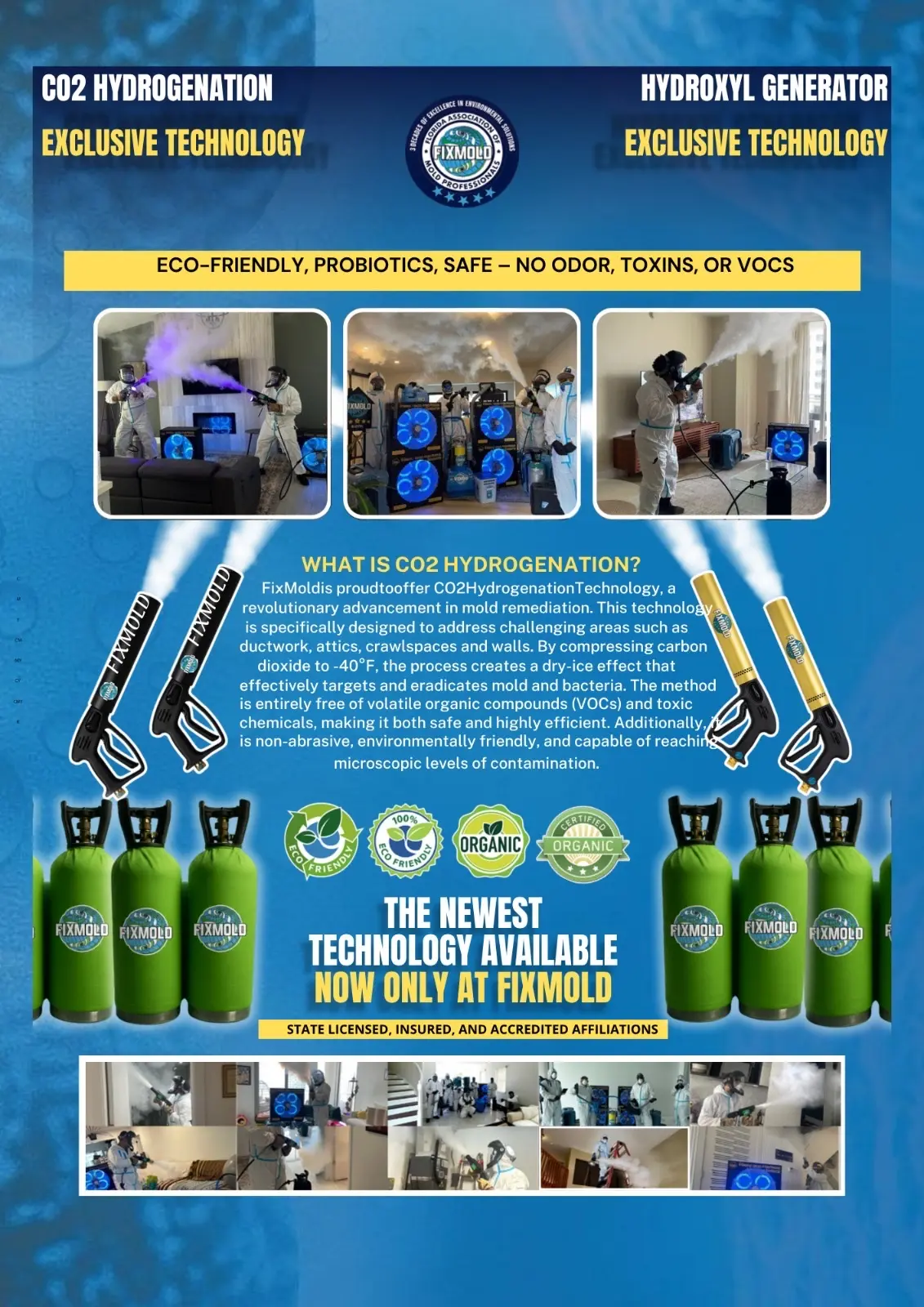
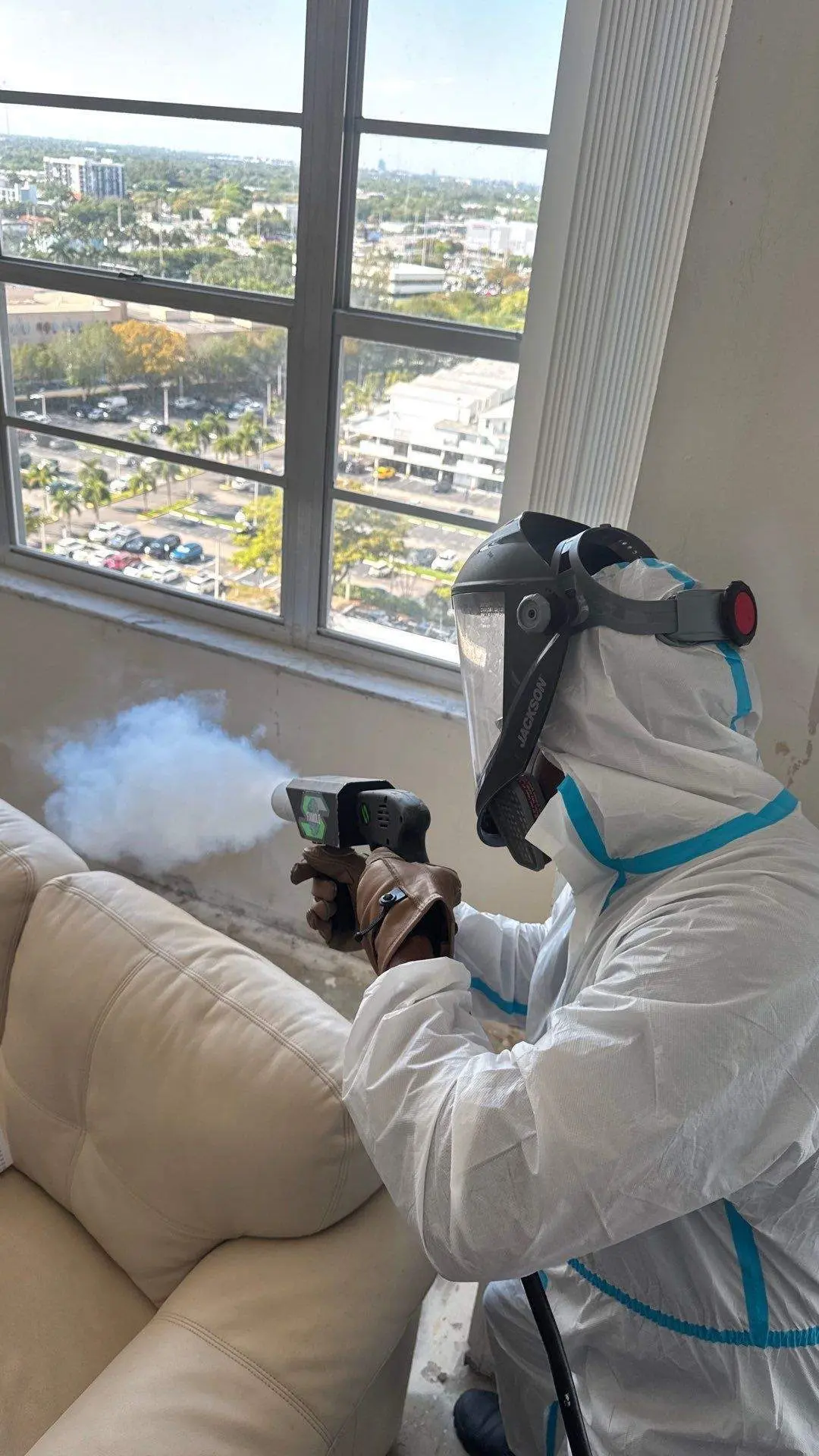
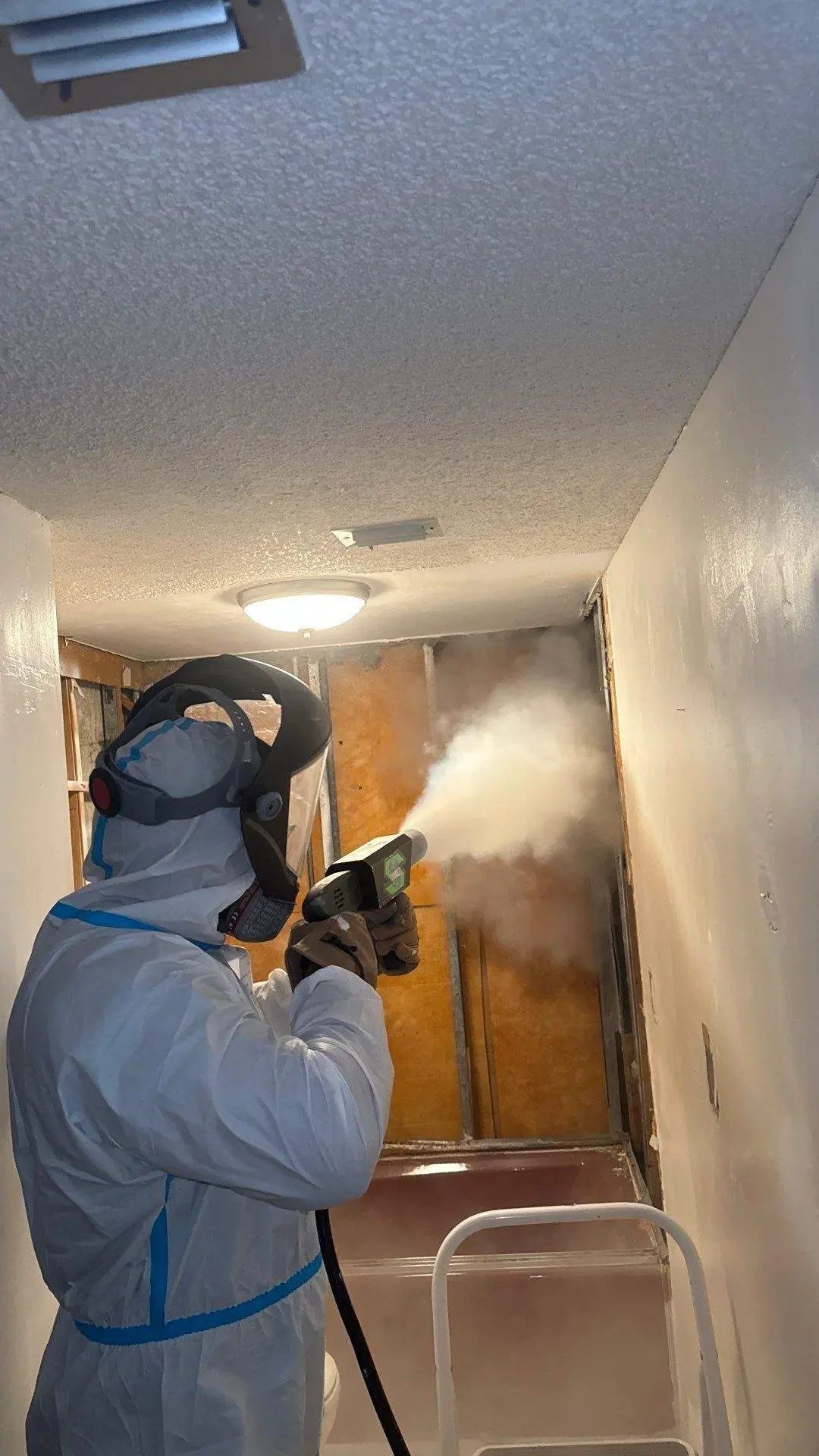
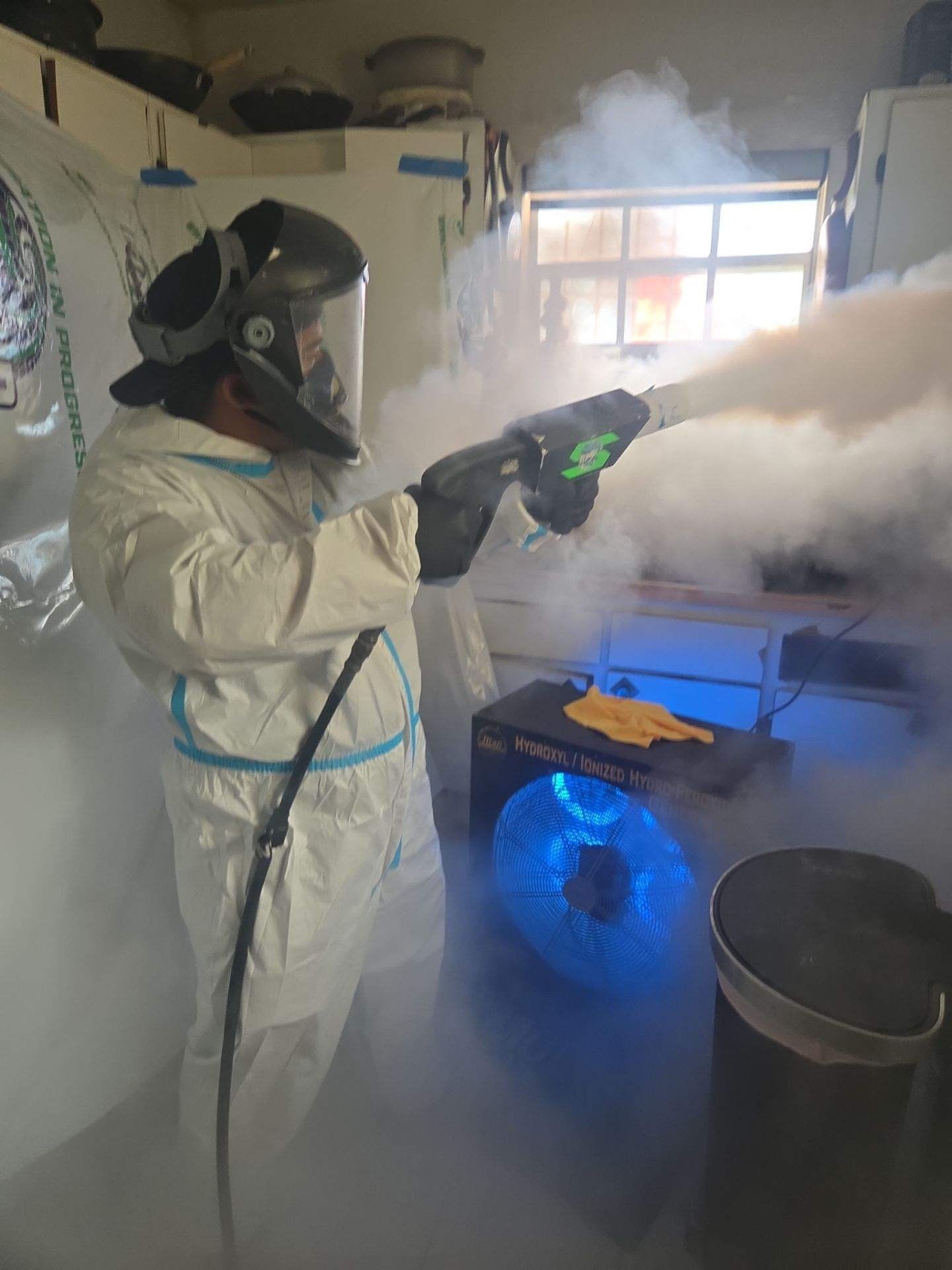
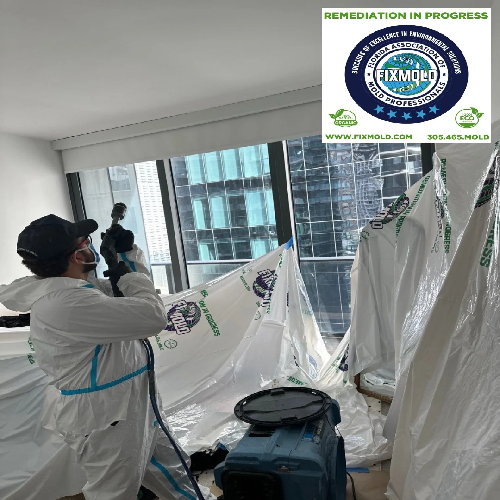
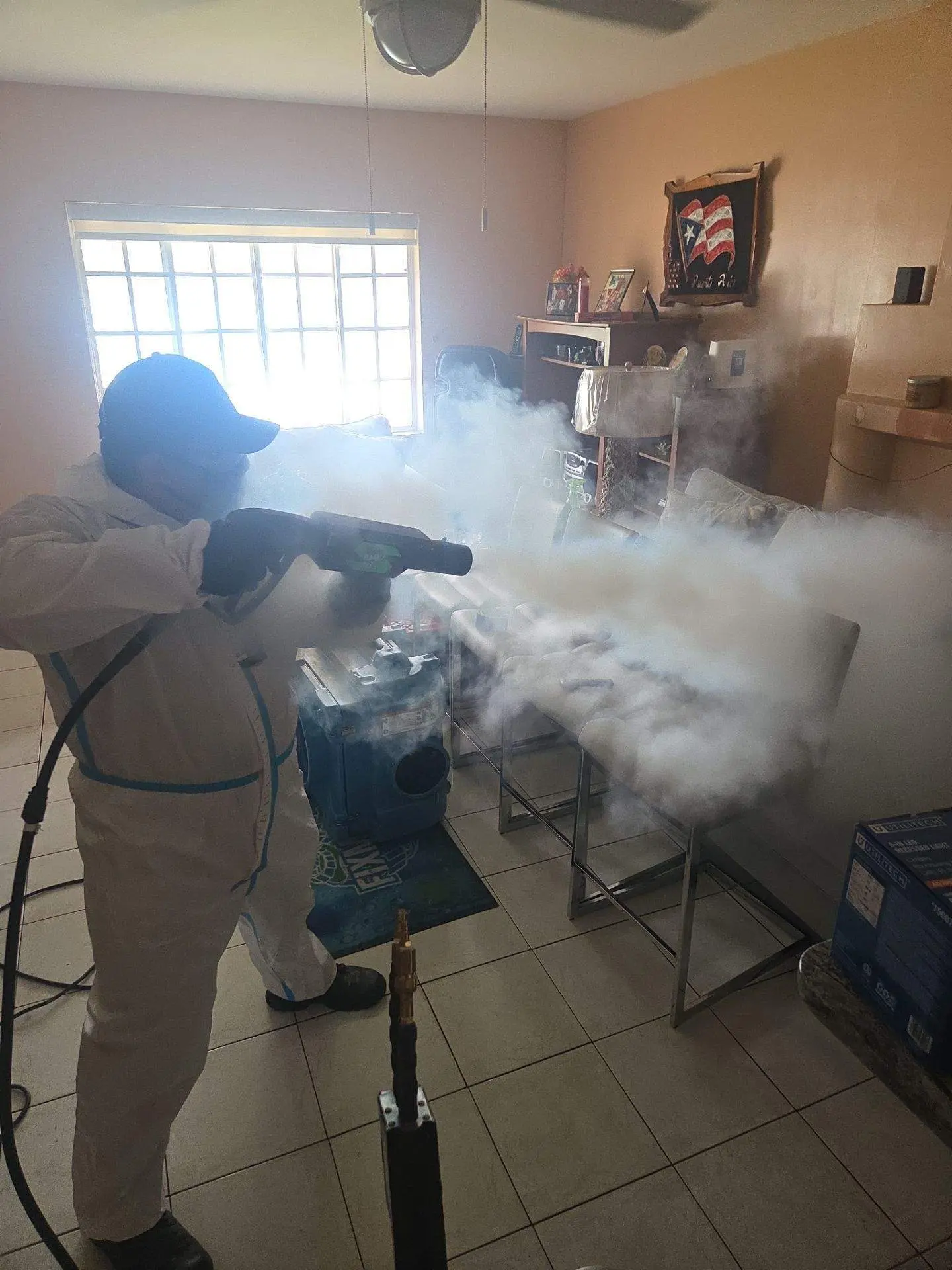
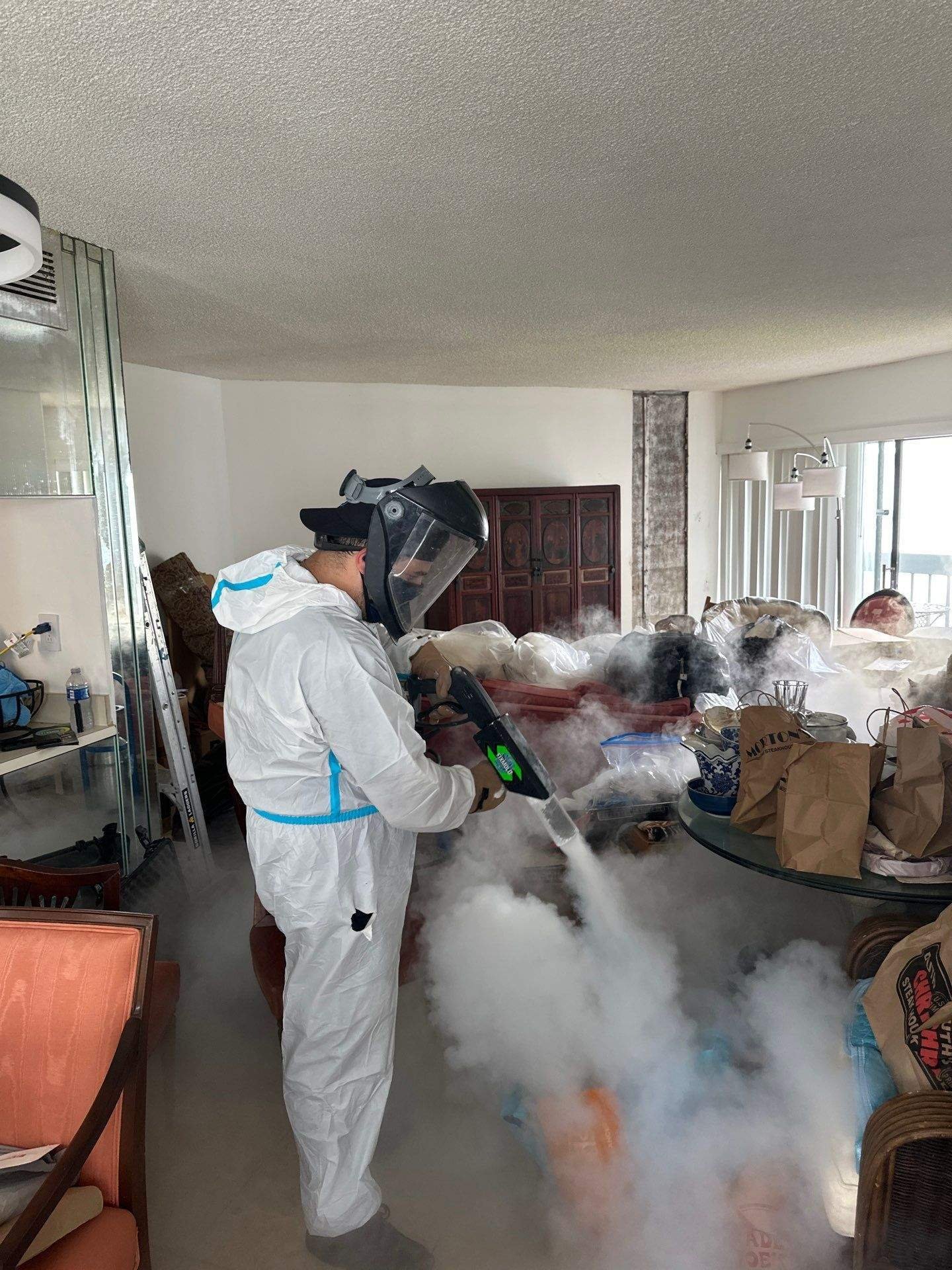
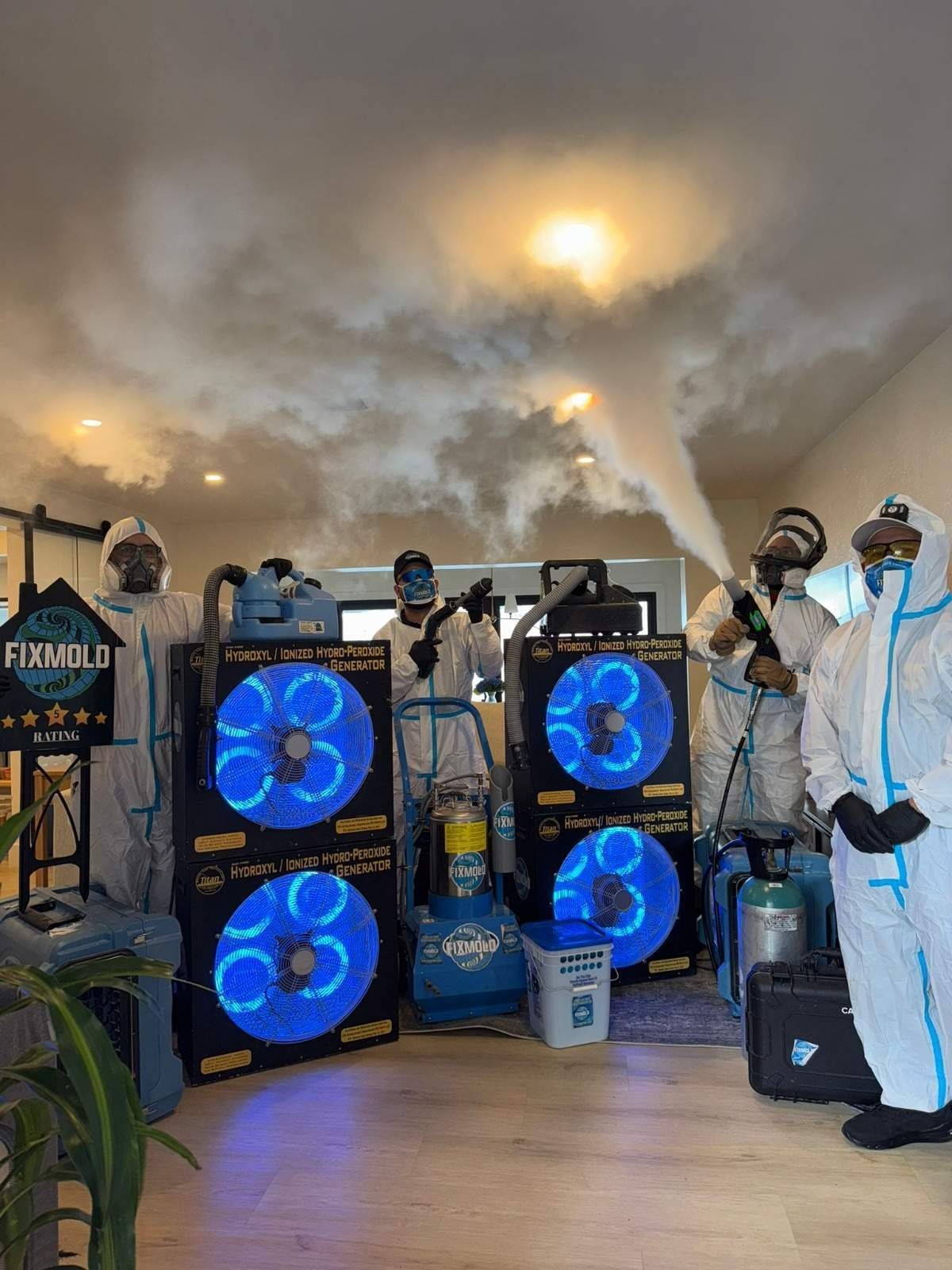
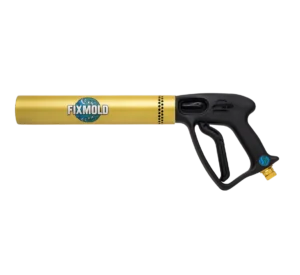
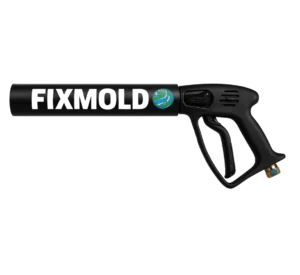
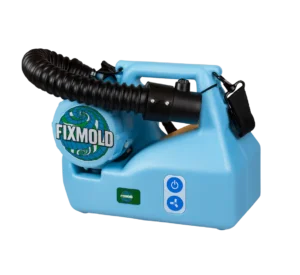
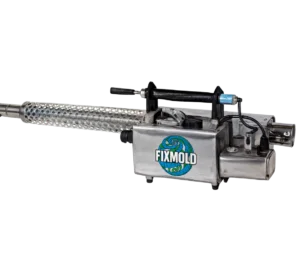
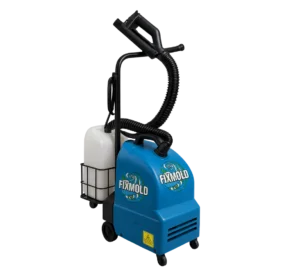
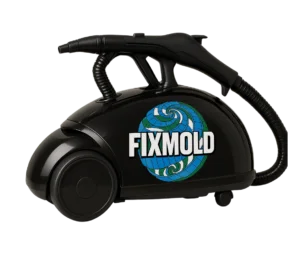
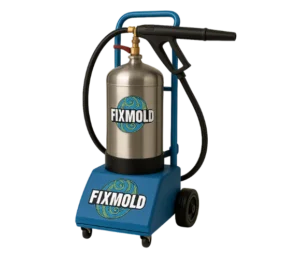
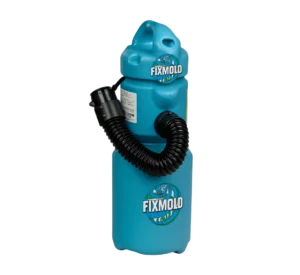
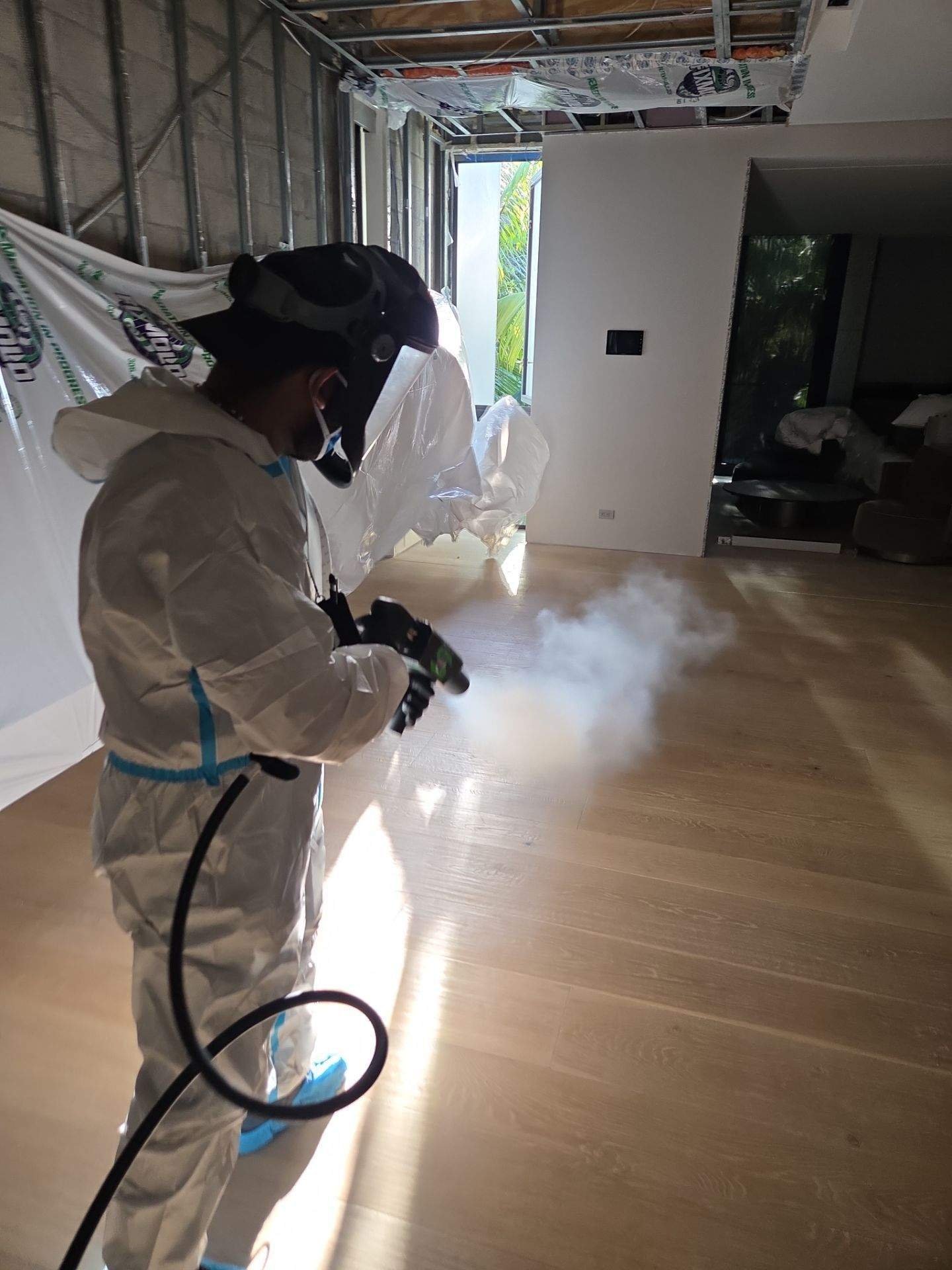
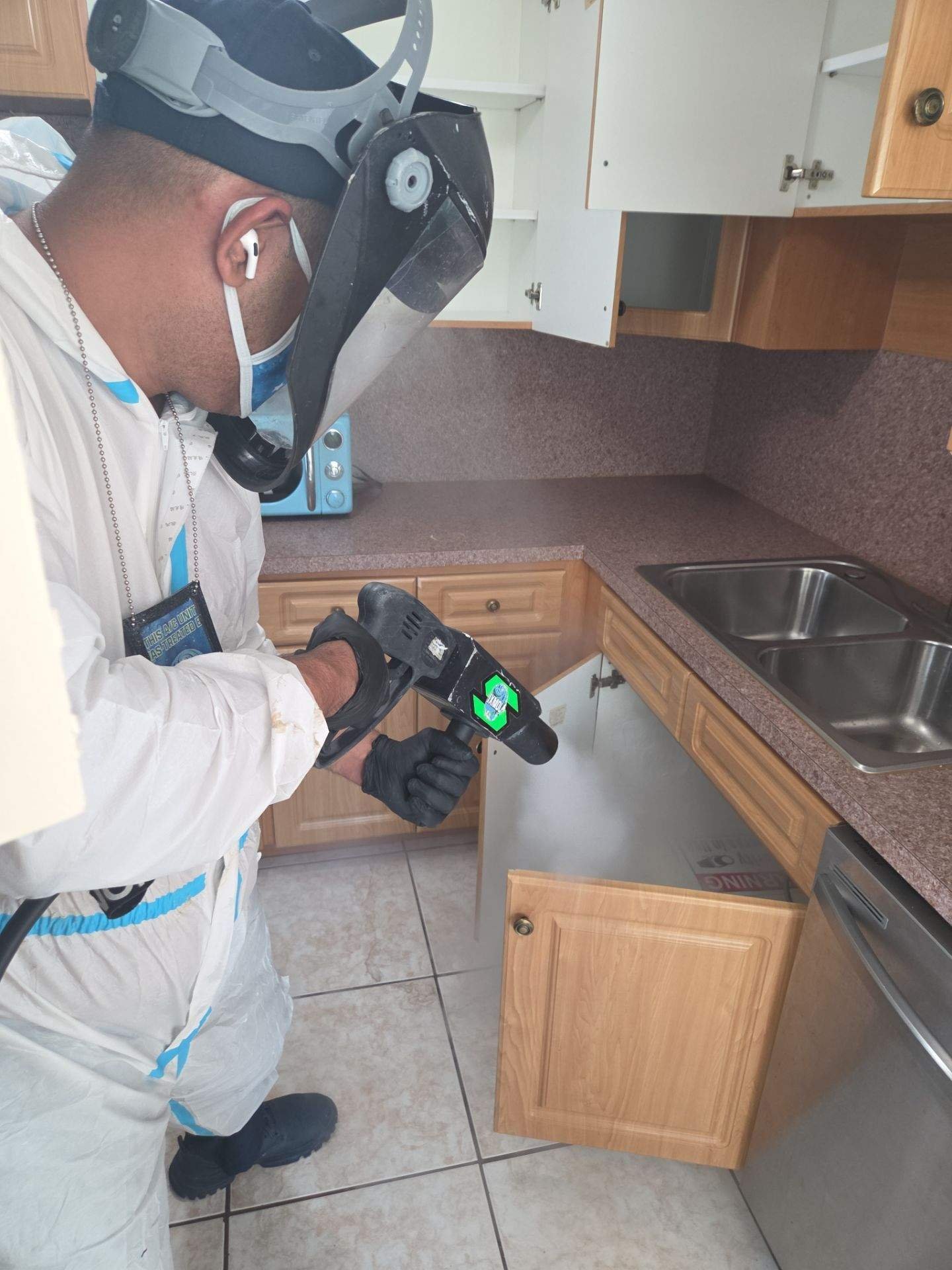
    CO2 Hydrogenation Dry Ice Mist Technology — Exclusively Developed by the Katz Family

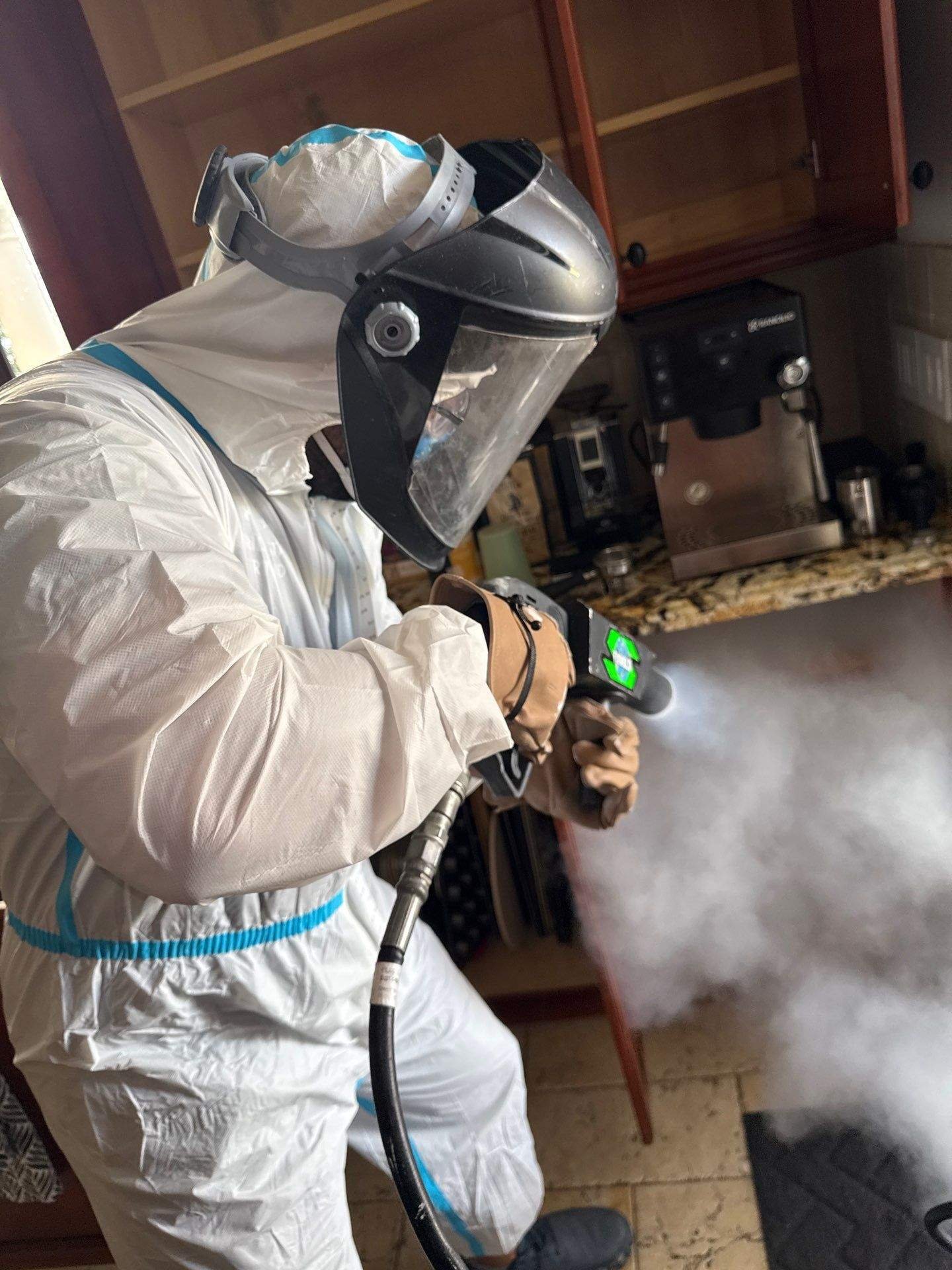
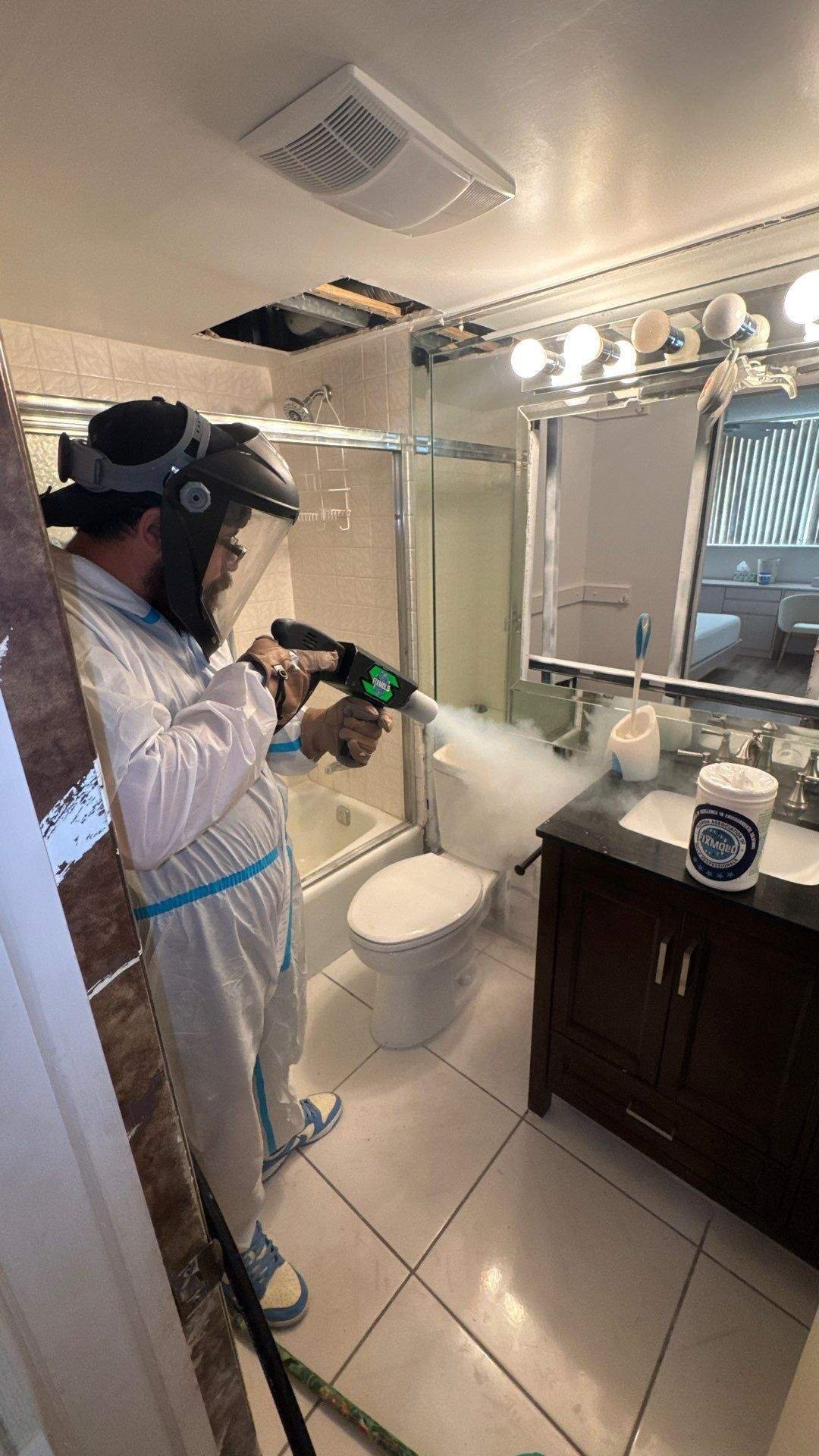
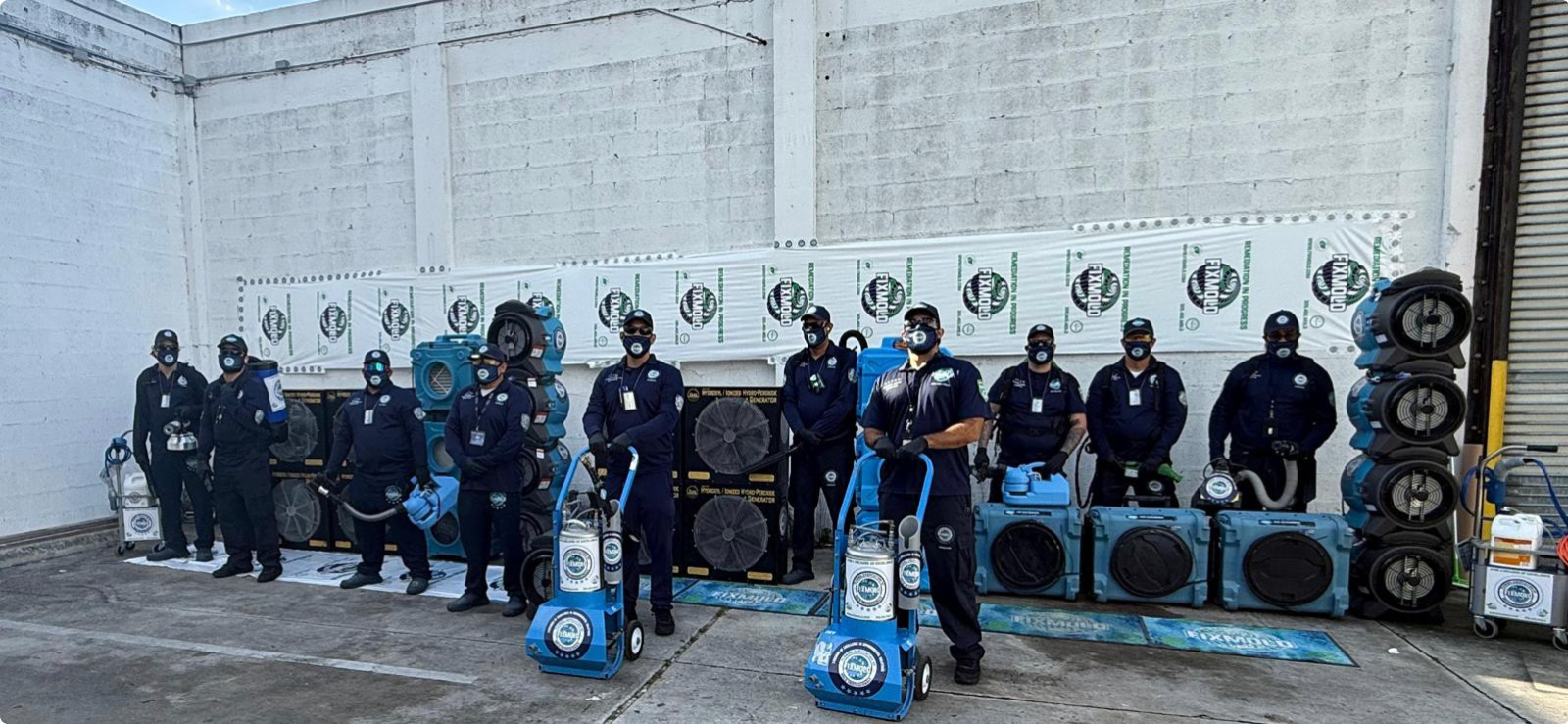
    Most mold remediation companies use the same basic chemicals, the same spray equipment and the same process that has existed in this industry for decades. FixMold does not. The CO2 hydrogenation dry ice mist system deployed on our jobs is proprietary technology two decades in development, exclusively patented for use by the Katz family's companies. No other mold remediation company in South Florida has access to it. No other company in this market can offer what it does.
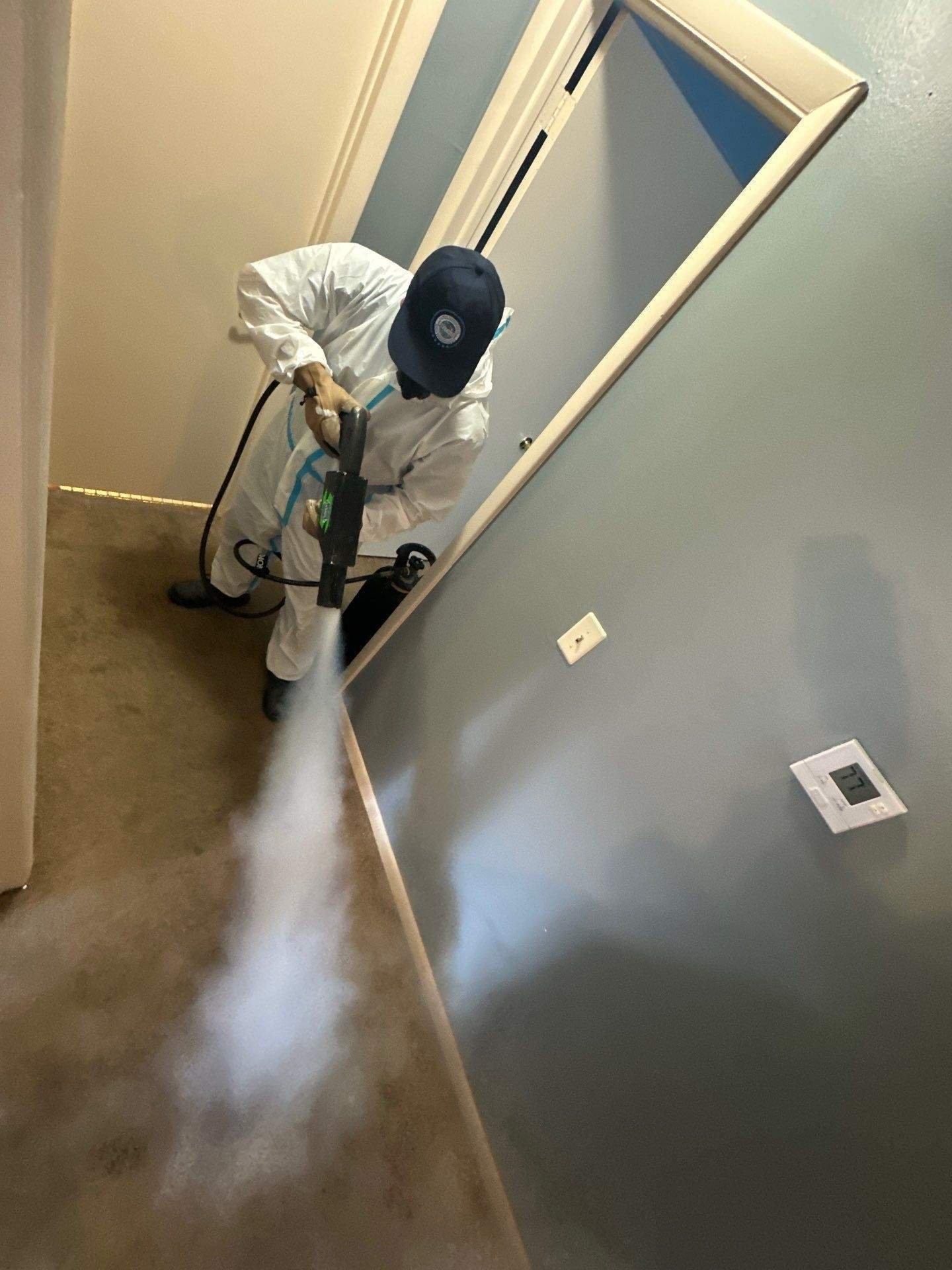
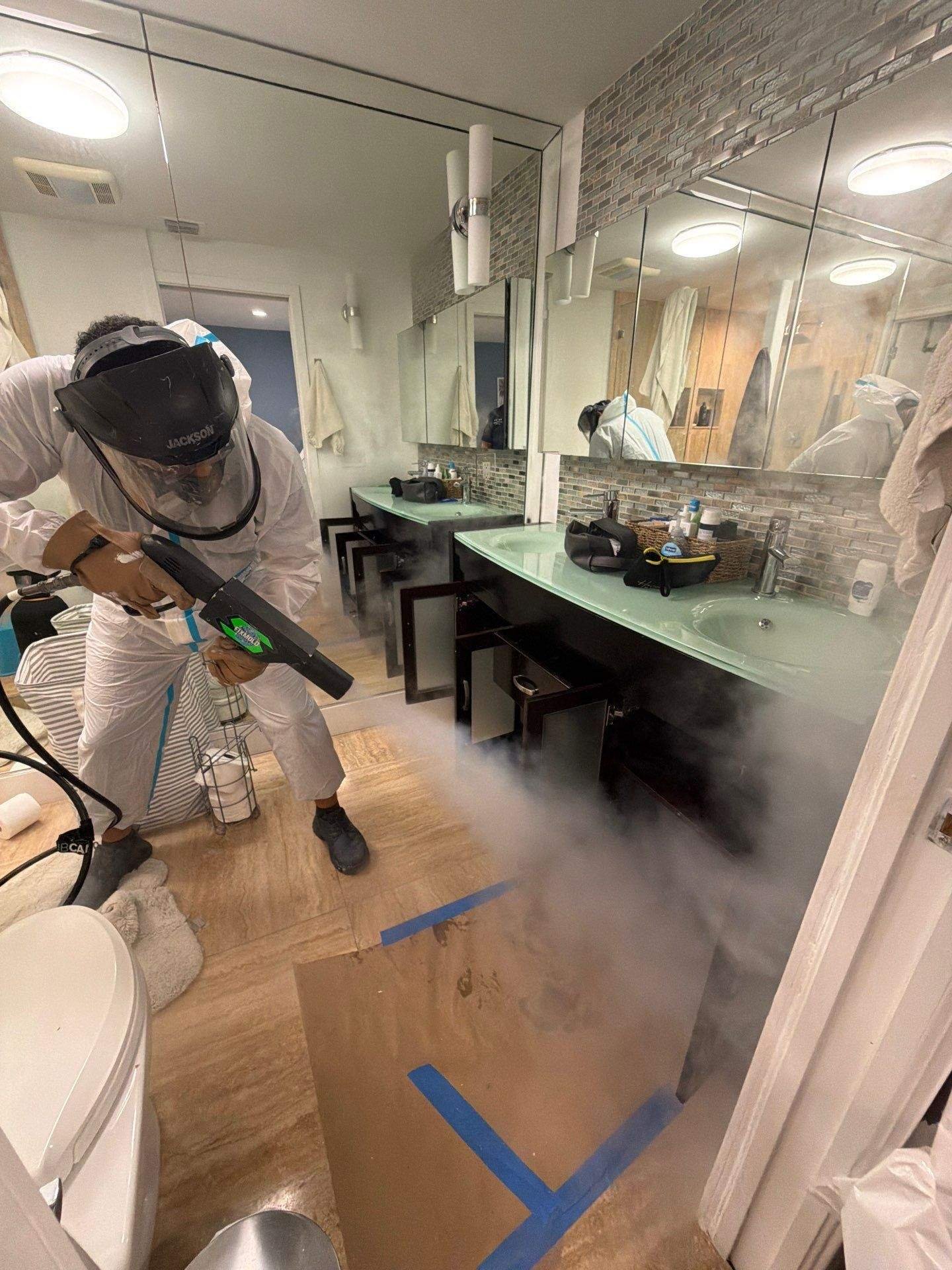
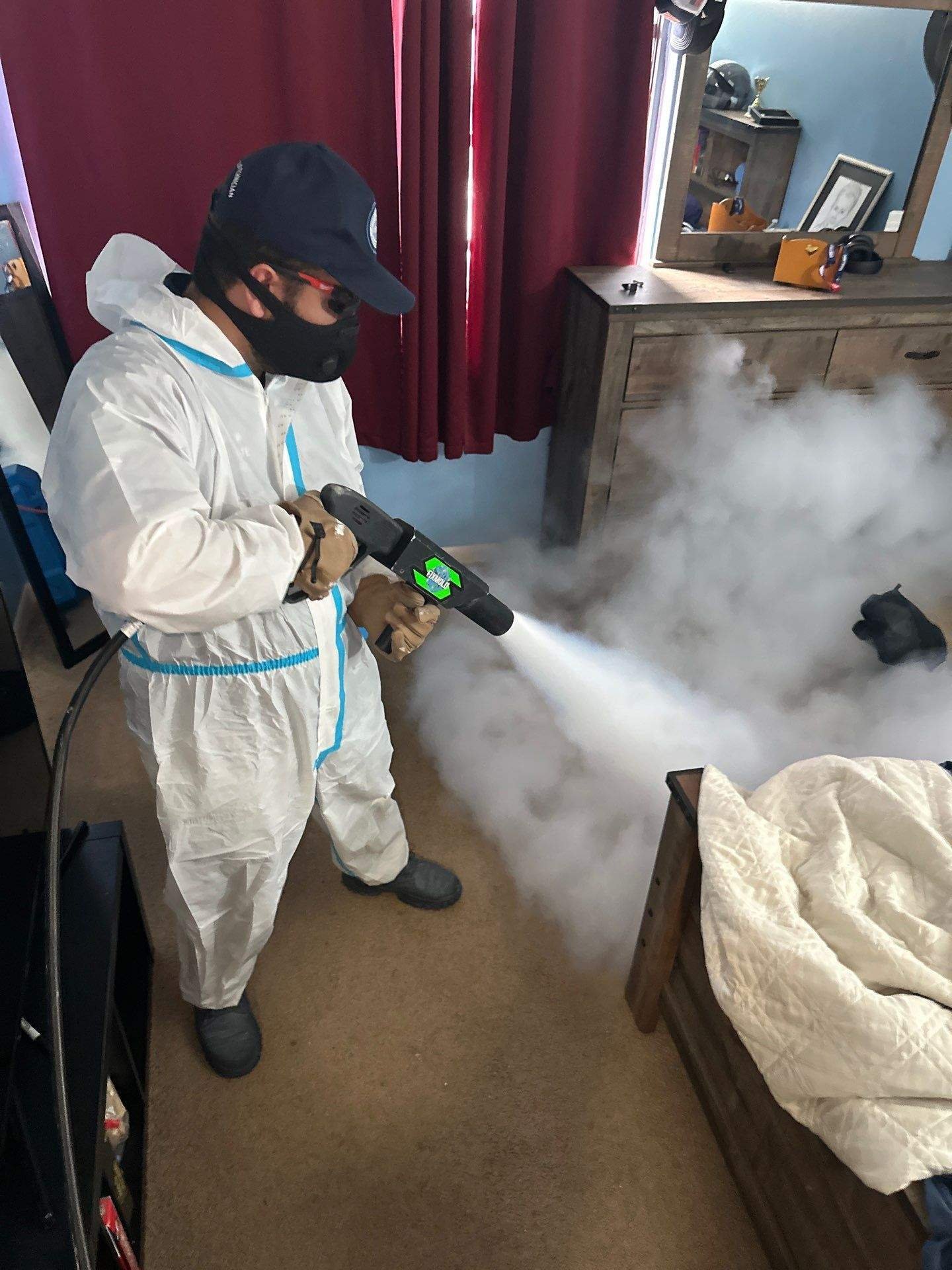
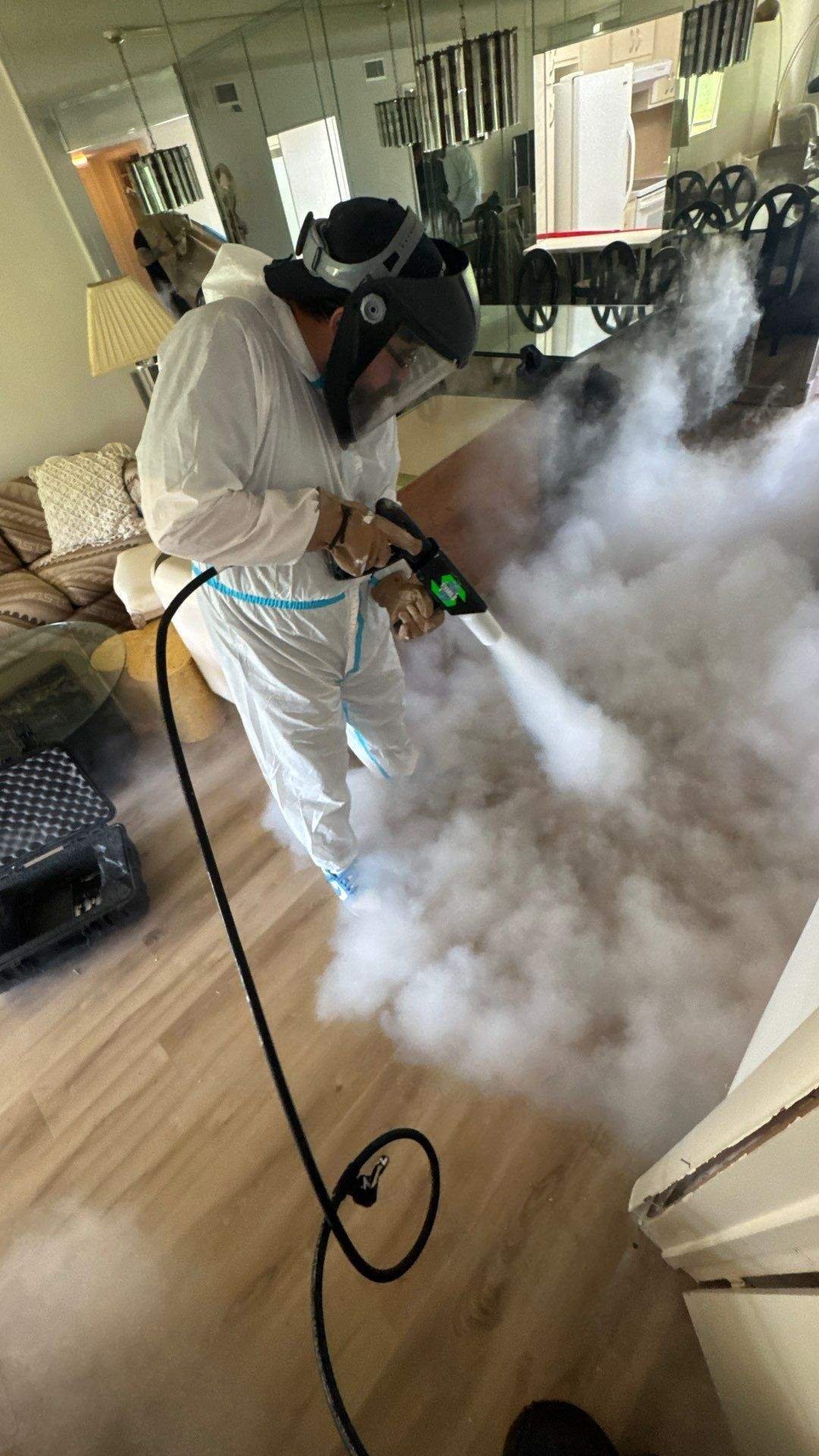
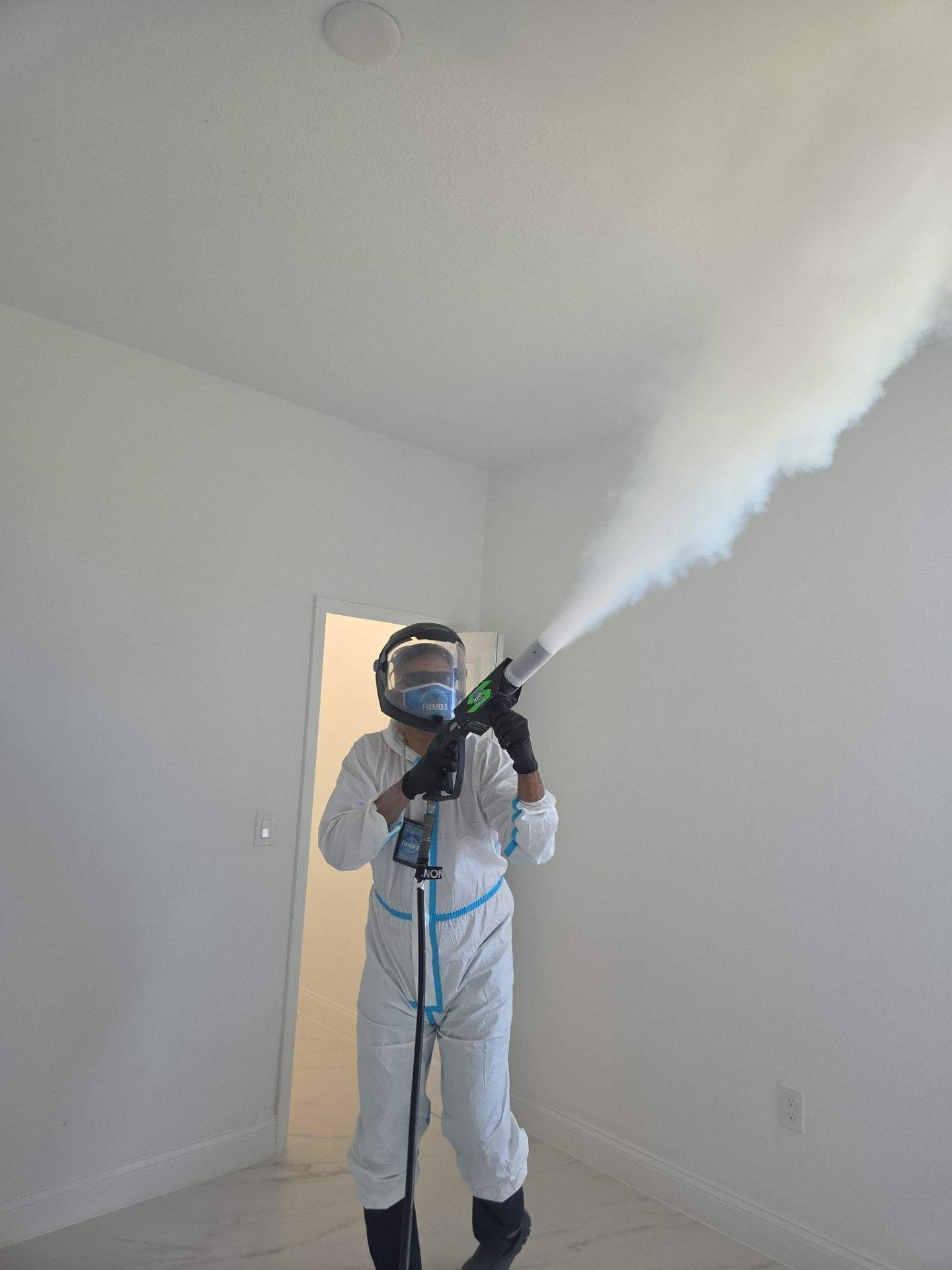
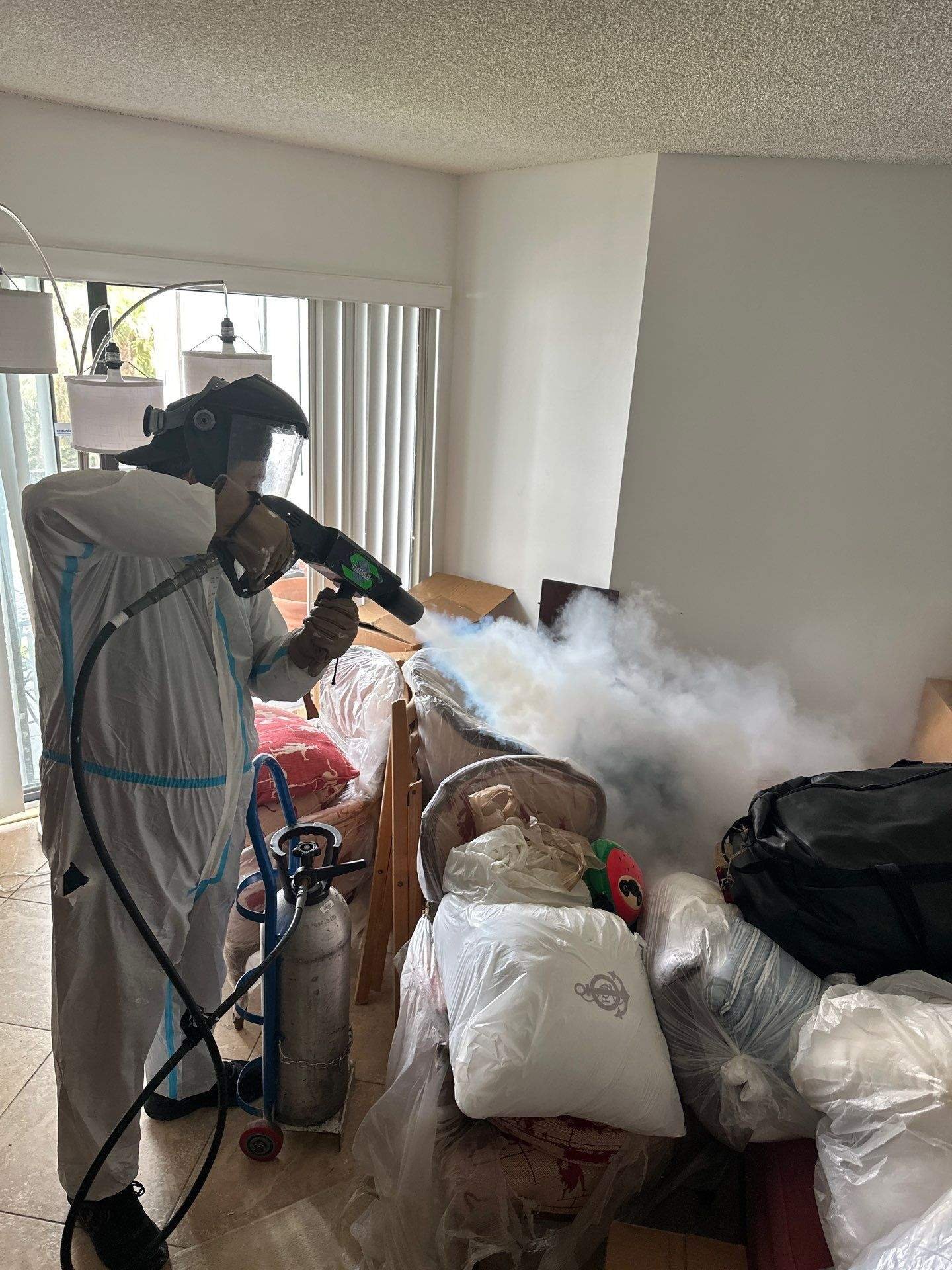
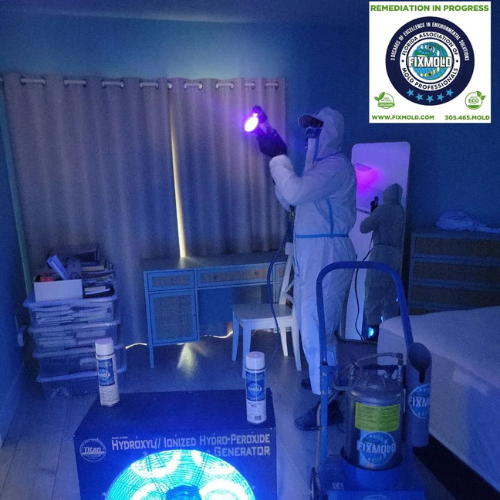
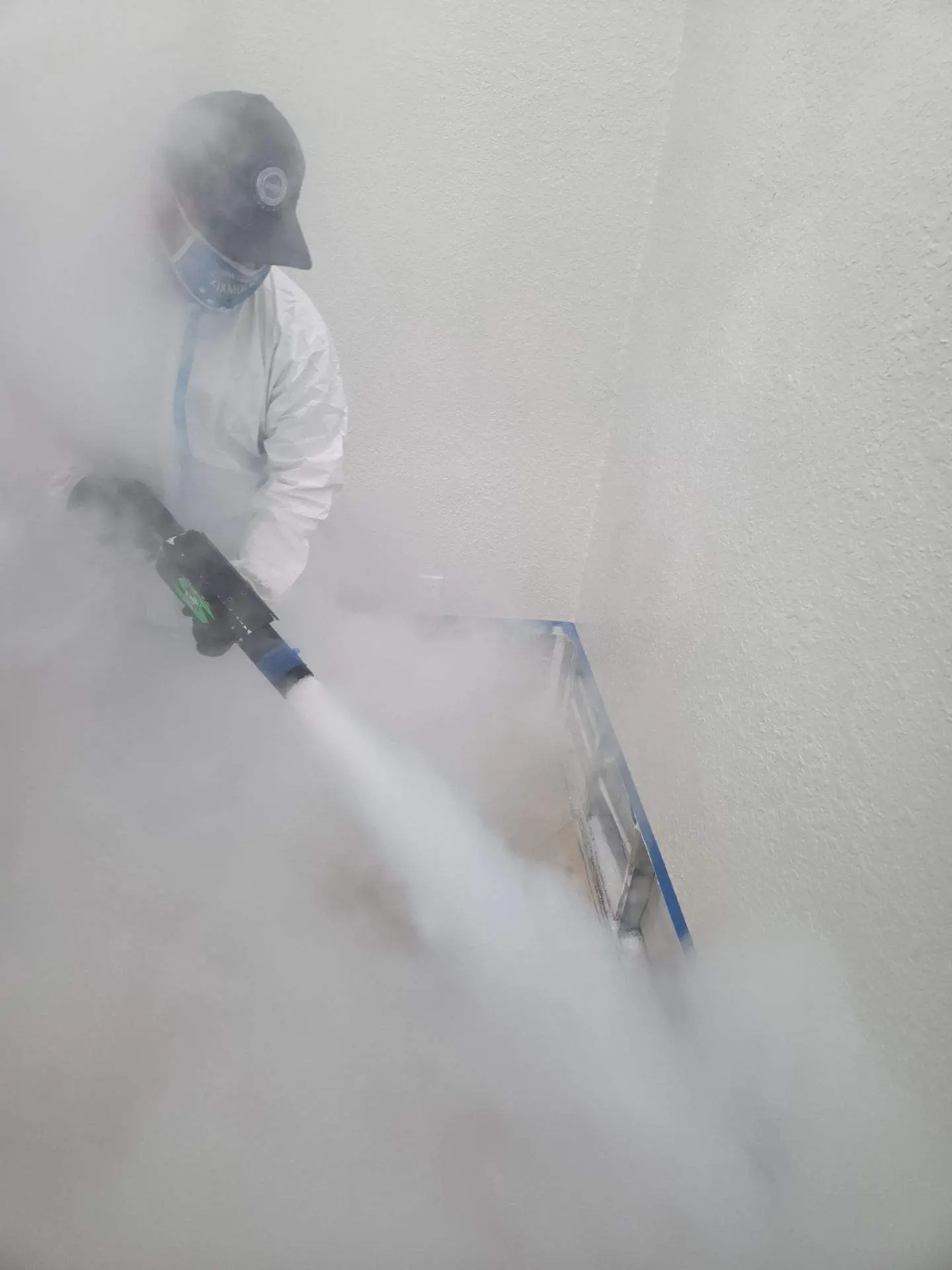
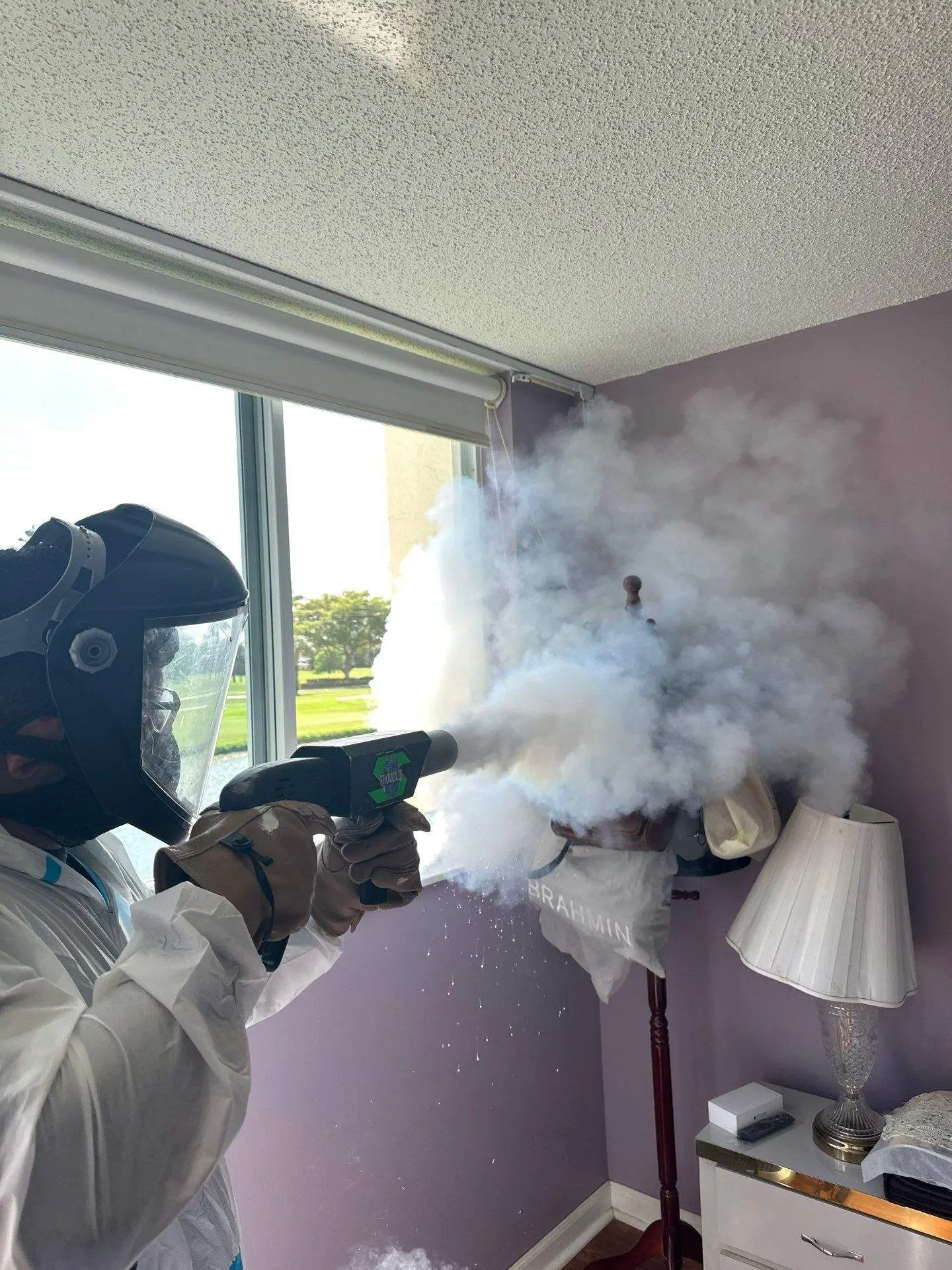
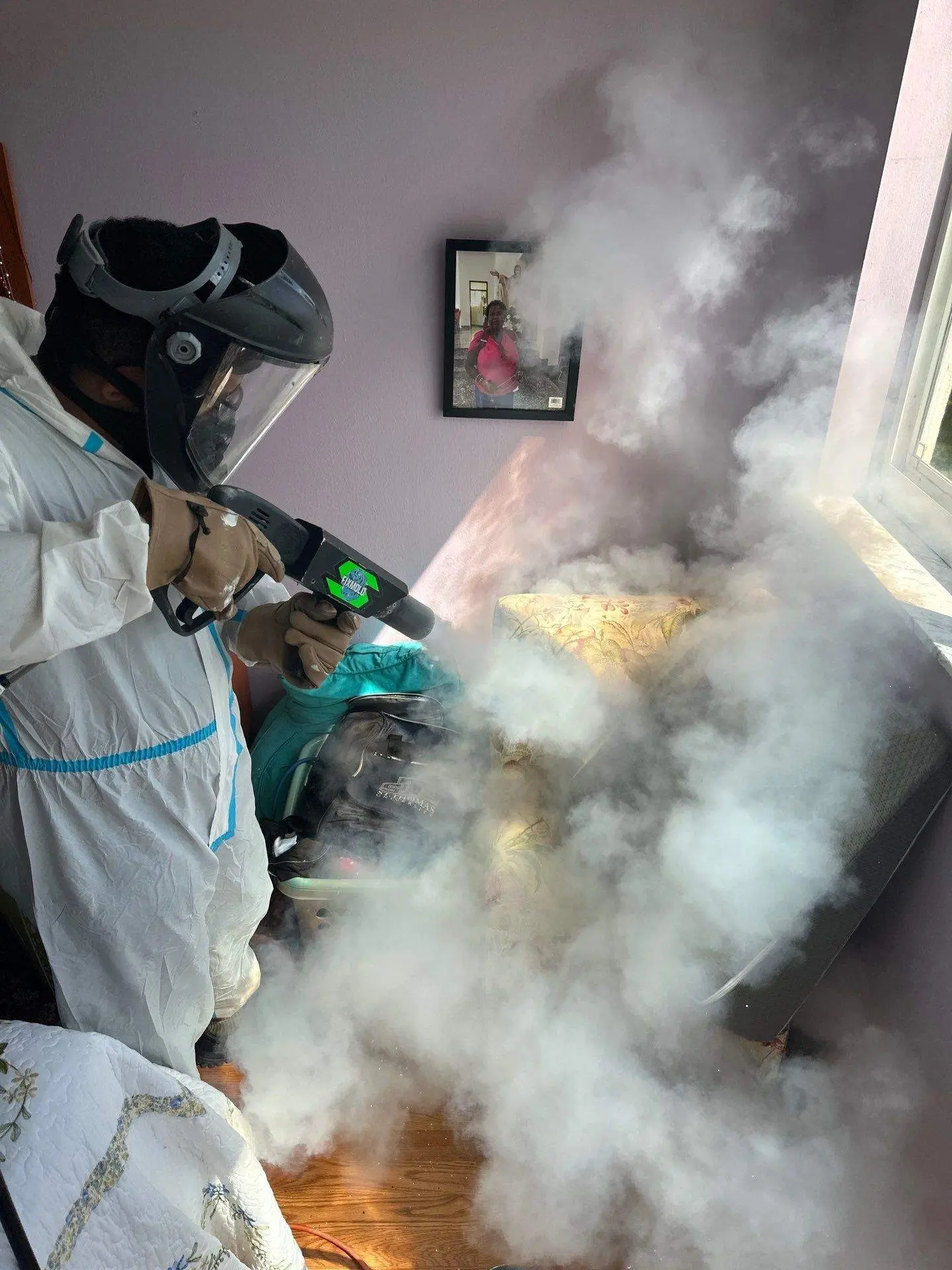
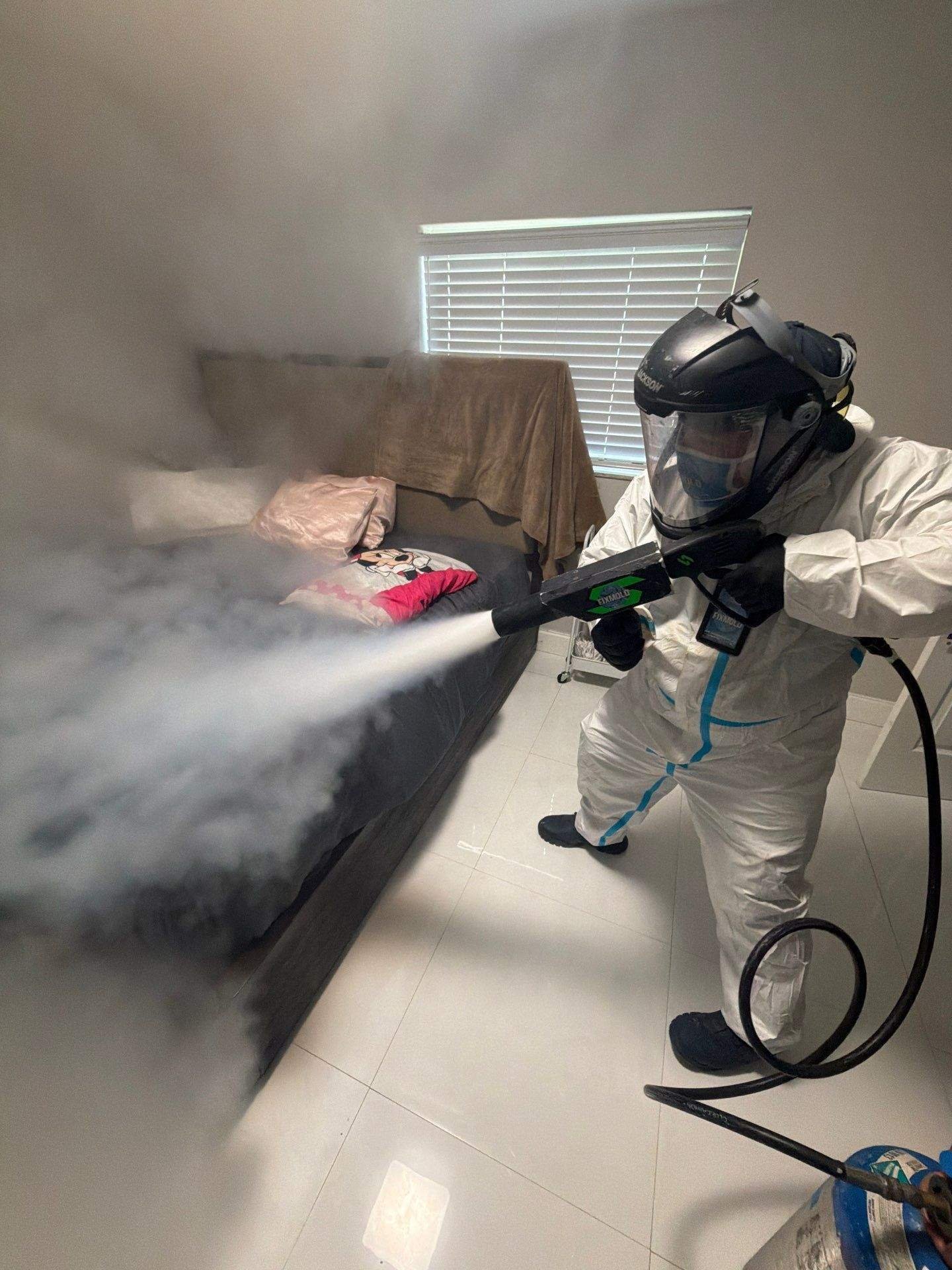
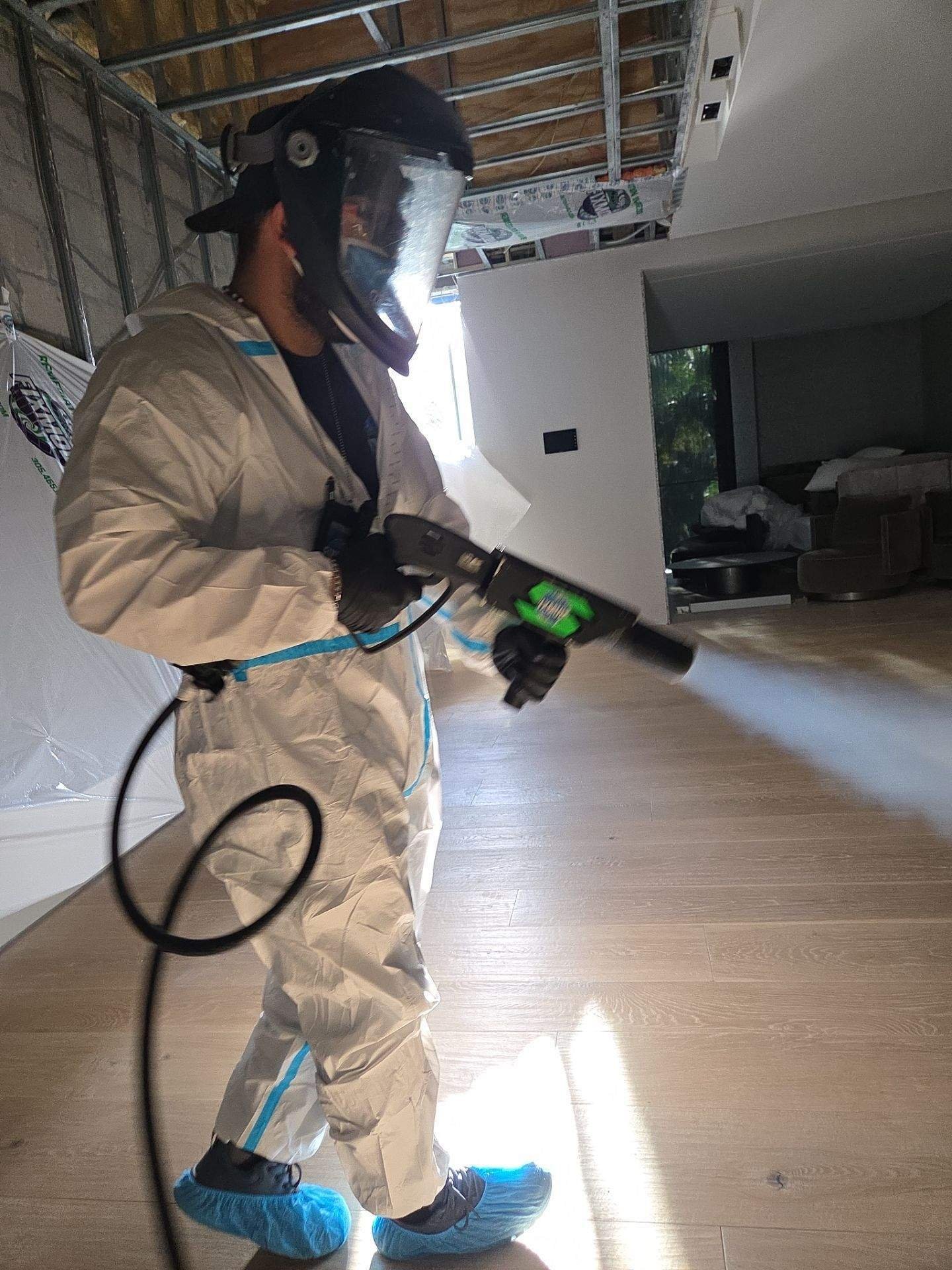
    This is not marketing language. It is a factual statement about a patented process. The technology uses CO2 in a hydrogenation reaction to generate a cold dry mist that penetrates surface mold colonies, structural cavities and porous materials in ways that liquid chemical application fundamentally cannot reach. It kills mold at the root level, inside the material, not just at the surface where it is visible, making it a key component of advanced mold remediation services used across residential, commercial and marine environments.

    The result is a remediation outcome that holds. It is a significant part of why FixMold backs every job with a 12-month warranty and why that warranty has remained credible across 35 years of the Katz family's work in this market.

    Call or text: +1-305-465-6653 | Free FaceTime assessment | $150 off your remediation — current offer


    Two Decades of Development Behind One Technology


    The CO2 hydrogenation process did not come from a product catalog. It was developed through years of field work across thousands of mold remediation jobs in some of the most challenging mold environments in the country, South Florida's residential and commercial properties, New York City's five boroughs, marine vessels and specialty environments where standard remediation approaches produced results that did not hold.

    The specific problem the Katz family identified over years of work was this: liquid chemical antimicrobials, even very effective ones, treat what they contact. They saturate a surface. They penetrate to a limited depth in porous materials. What they cannot reliably reach is the mycelium network, the root structure of a mold colony that extends into the material being colonized. Stachybotrys chartarum growing into drywall paper and gypsum, Aspergillus establishing in wood framing, Cladosporium penetrating the underside of roofing materials, all grow into their substrate rather than simply sitting on top of it. Surface treatment addresses the visible colony but leaves the root structure intact. Given the right moisture conditions, the colony re-establishes from what remains below the surface.

    CO2 hydrogenation approaches this problem from a different physical basis. The dry ice mist generated by the process penetrates into porous materials through the same mechanisms that allow gases to migrate through building materials generally. It reaches where liquid cannot flow. It contacts the mycelium network within the material rather than only the fruiting bodies and spore masses at the surface. The cold temperature of the CO2 mist simultaneously disrupts the cellular structure of the mold organism while the hydrogenation reaction produces compounds that address the biological contamination at the molecular level.

    What CO2 Hydrogenation Treats That Standard Methods Cannot


    The practical difference between CO2 hydrogenation treatment and standard liquid antimicrobial application shows up most clearly in specific situations that are common in South Florida properties.

    Concrete block construction, which is the dominant wall system across residential and commercial buildings throughout Miami-Dade and Broward counties, is a substrate that liquid antimicrobials struggle to penetrate effectively. The block itself is porous but the pores are small and often partially blocked by painted or sealed surfaces. Mold colonizing concrete block from the interior face often has its active mycelium network inside the block material. CO2 dry ice mist penetrates the block through the same gas-phase migration that allows moisture vapor to move through masonry. It reaches and treats the contamination inside the material rather than only on the face.

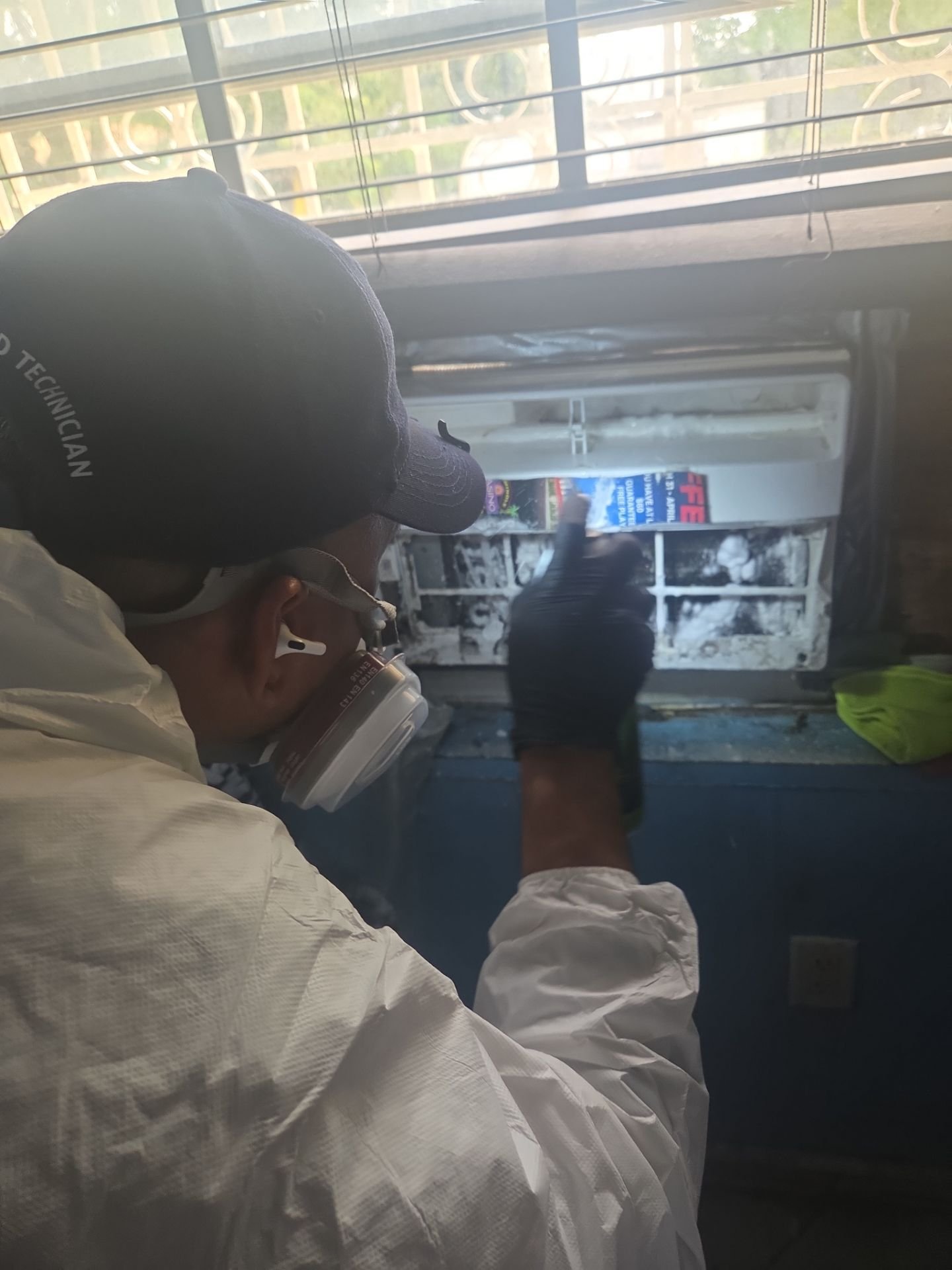
    HVAC ductwork and air handler cavities present a similar challenge. Flex duct systems common in South Florida residential construction have a layered wall structure, an inner liner, insulation layer and outer vapor barrier, where mold can establish in the insulation layer with no direct access for liquid treatment without damaging or removing the duct. CO2 mist can be introduced into the duct interior and migrates through the inner liner into the insulation layer to address contamination that no spray treatment could reach.

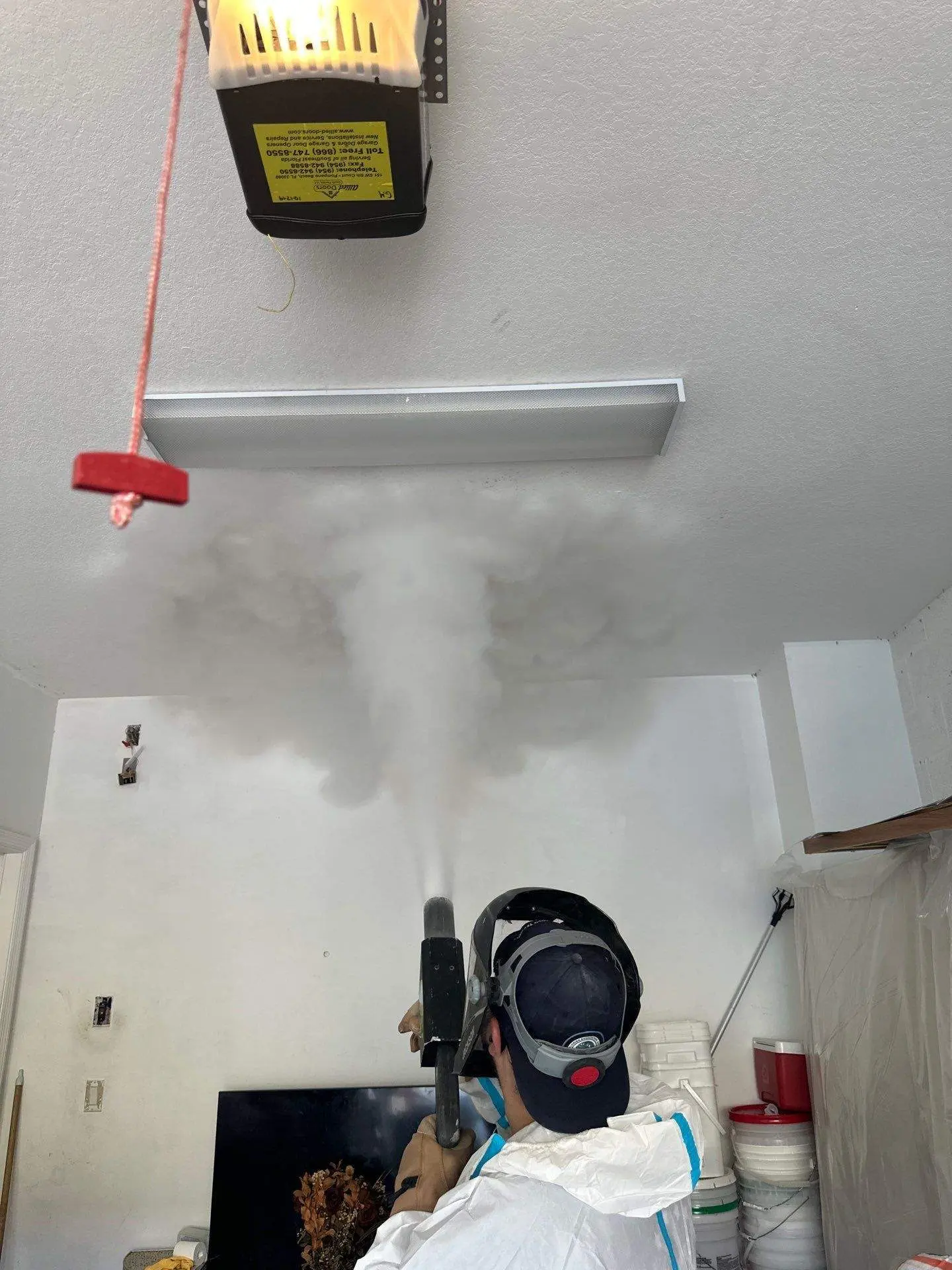
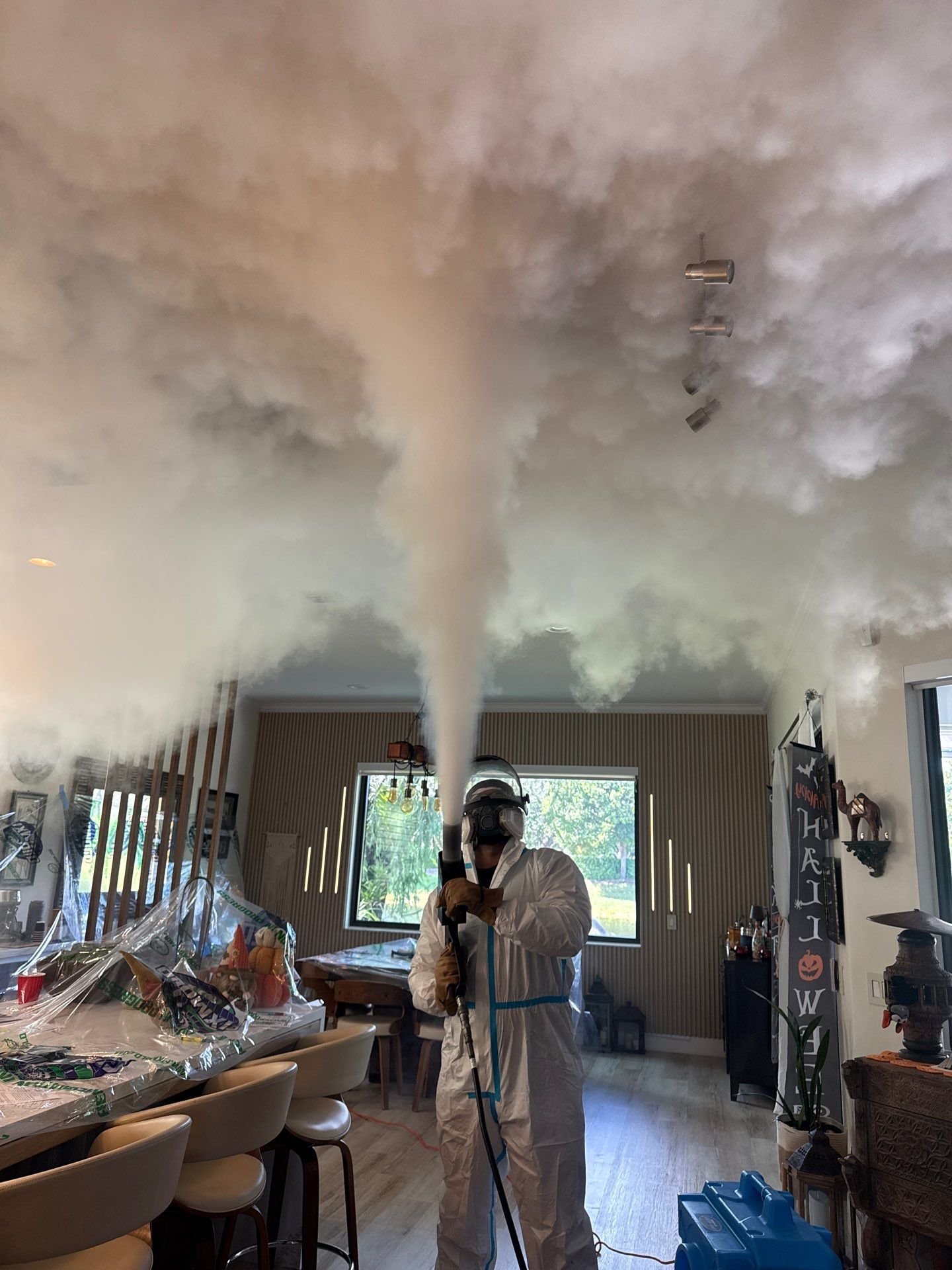
    Attic spaces in South Florida homes, where mold on roof decking underside is one of the most common presentations in neighborhoods across Kendall, Doral, Miami Lakes, Coral Springs and similar markets, involve treating large surface areas of rough-sawn or engineered wood in spaces that are difficult to access fully and where liquid application is slow and labor-intensive. CO2 dry ice mist fills the attic space as a gas, contacting every surface simultaneously rather than requiring line-of-sight spray application to each affected area.

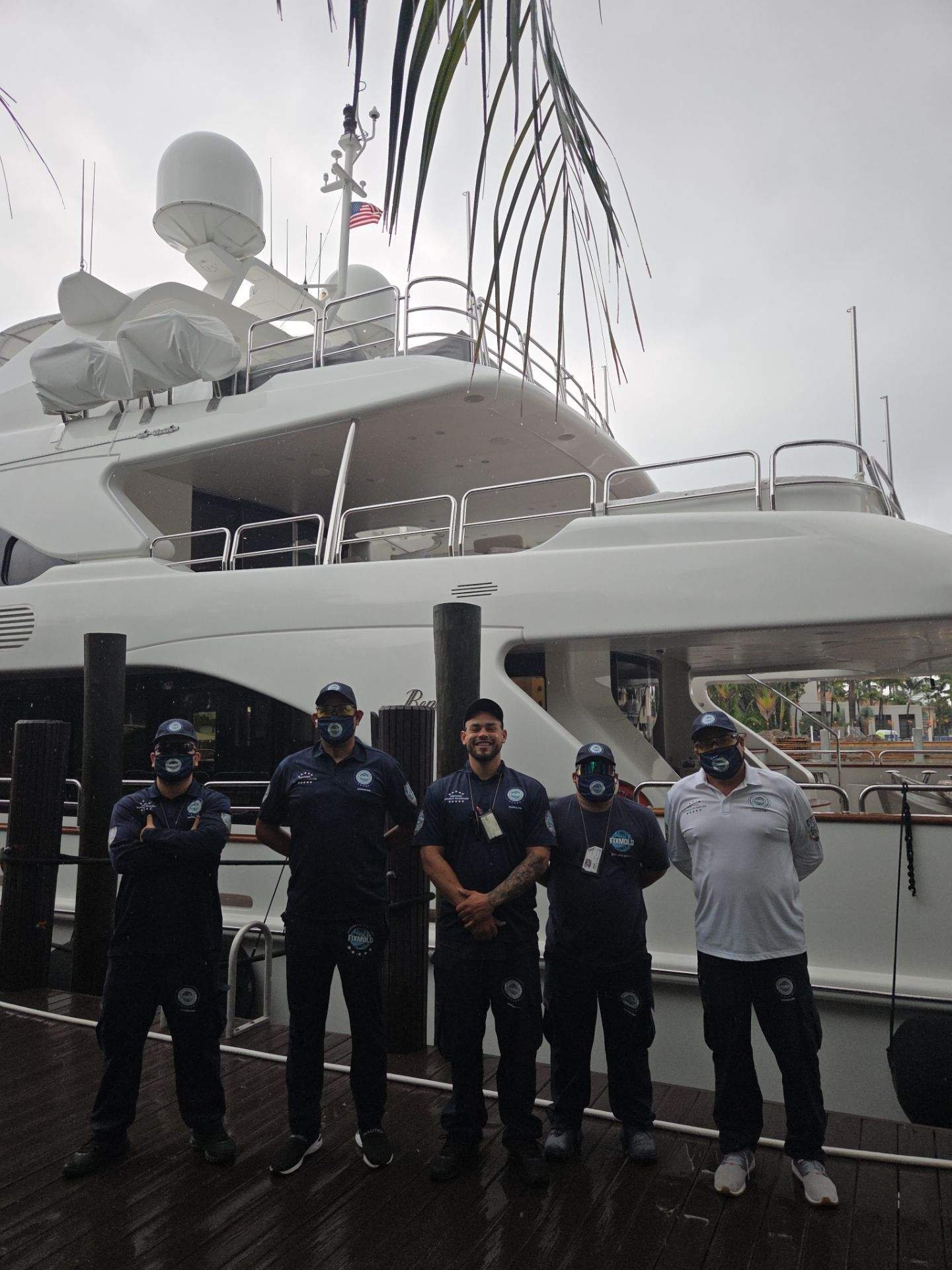
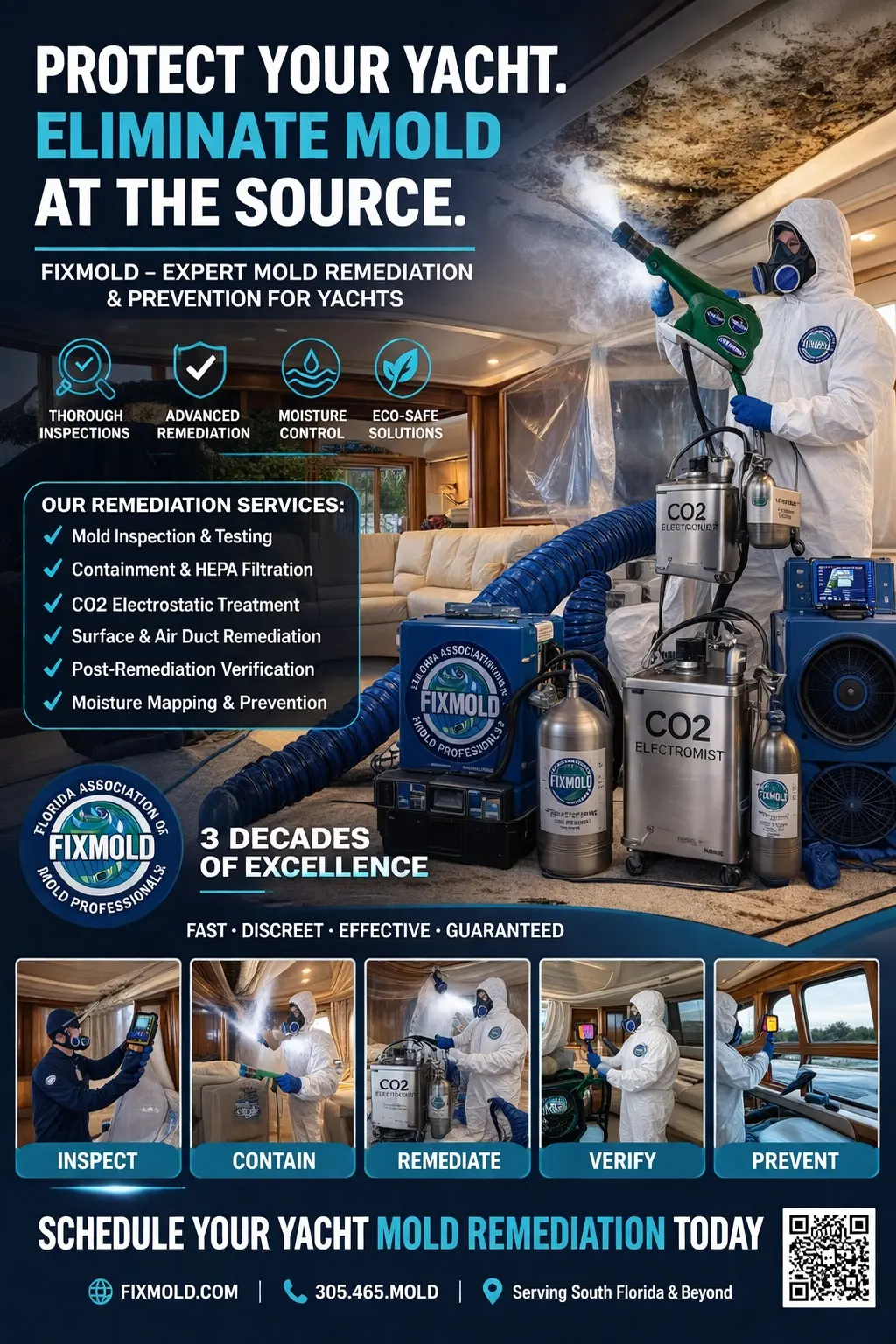
    Boat hulls, bilge areas and marine structural cavities, where FixMold's marine remediation division operates across Miami's marina communities and the broader South Florida boating market, present some of the most physically inaccessible mold environments encountered in remediation work. CO2 hydrogenation is one of the primary reasons FixMold's marine remediation produces results that other companies cannot replicate in these environments.

    How CO2 Hydrogenation Fits Into the Full FixMold Process


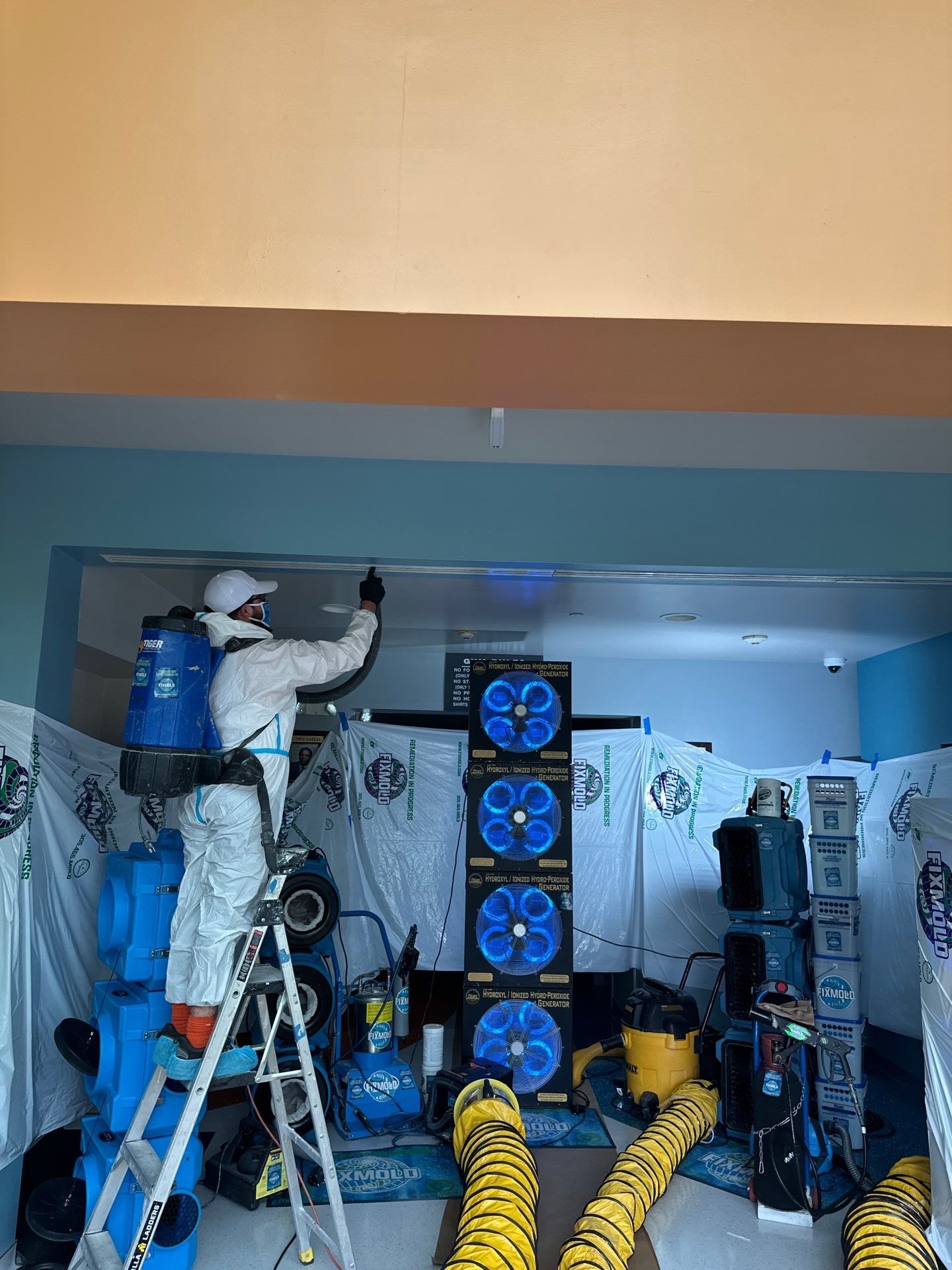
    CO2 hydrogenation is not a standalone treatment and is not deployed in isolation. It is one step within the FixMold 12-step signature remediation process, applied at the point in the process where its specific capabilities produce the most value, which is after physical removal of contaminated materials and HEPA vacuuming of all surfaces, and before the application of liquid antimicrobial treatment and protective coating.

    The sequence matters. Physical removal eliminates the bulk of the mold mass and its spore load. HEPA vacuuming removes residual surface spores. CO2 hydrogenation then treats the remaining contamination in the material substrate and in structural cavities where physical removal cannot reach. Liquid antimicrobial treatment follows to address surface-level contamination and provide broad-spectrum antimicrobial action across all treated surfaces, often enhanced by technologies like exclusive electrostatic organic disinfecting technology for complete surface coverage. Protective antimicrobial coating then establishes the long-term barrier against regrowth. Each step addresses a different aspect of the contamination problem. CO2 hydrogenation addresses the specific aspect that no other step in the process reaches.

    The Patent and What It Means for Customers


    The CO2 hydrogenation process was patented after extensive development and testing. The patent covers the specific application methodology, the equipment configuration and the treatment parameters developed by the Katz family over two decades of refinement. No other mold remediation company operating in South Florida, New York or anywhere else can legally replicate this process.

    For customers, this means that a FixMold remediation delivers a treatment outcome that is genuinely not available anywhere else. When you compare quotes from multiple remediation companies, you are comparing companies that use similar equipment, similar chemicals and similar processes. When FixMold performs a remediation, the CO2 hydrogenation step is not something that can be price-matched by a competitor, because the competitor cannot perform it.

    This is one of the core reasons the Katz family's 12-month warranty has been sustainable across decades and thousands of jobs. A remediation backed by technology that addresses contamination at the root level inside the material produces results that hold in a way that surface treatment alone does not.

    A Deep Commitment To Restoration

    A Family Legacy Of Trust

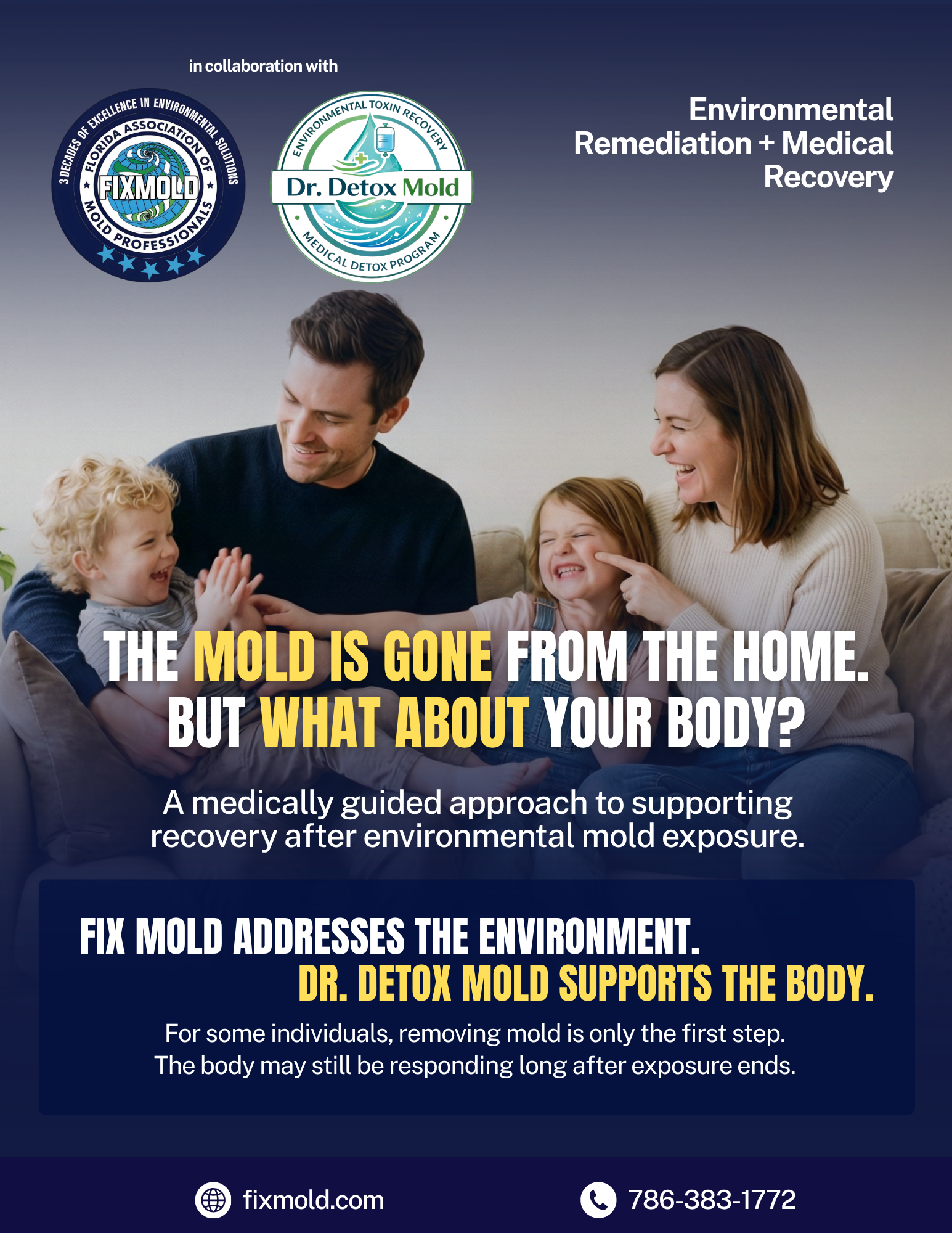
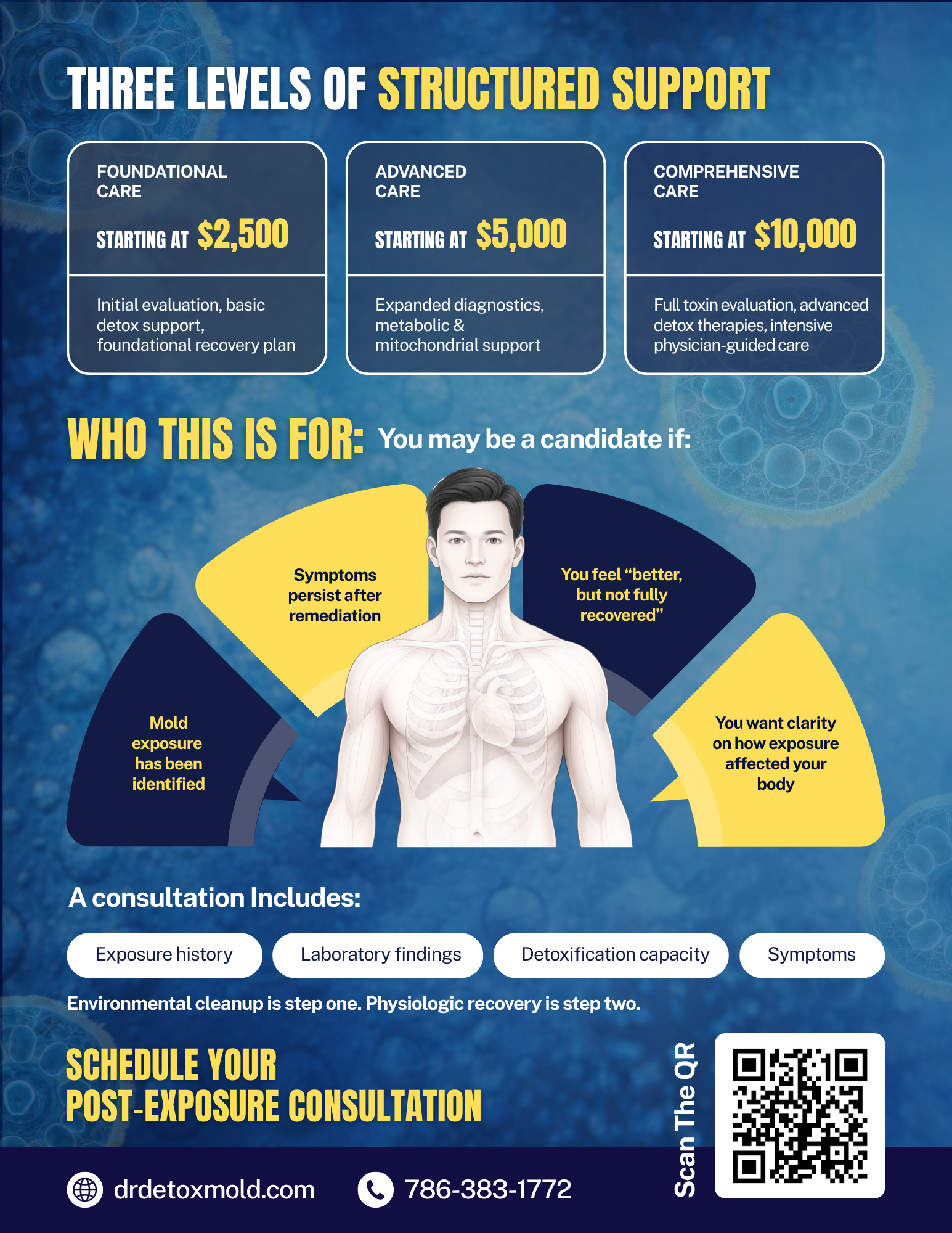
    Mold Removed From Your Home. What About Your Body?

    A medically guided approach to supporting recovery after mold exposure.
    Miami Fix Mold
    Miami Fix Mold

    FixMold focuses on eliminating mold from your environment.

    But for some individuals, recovery doesn’t stop there.
    Even after successful remediation, the body may continue responding to past exposure. In these cases, a structured, medically guided approach may be necessary to support full recovery.

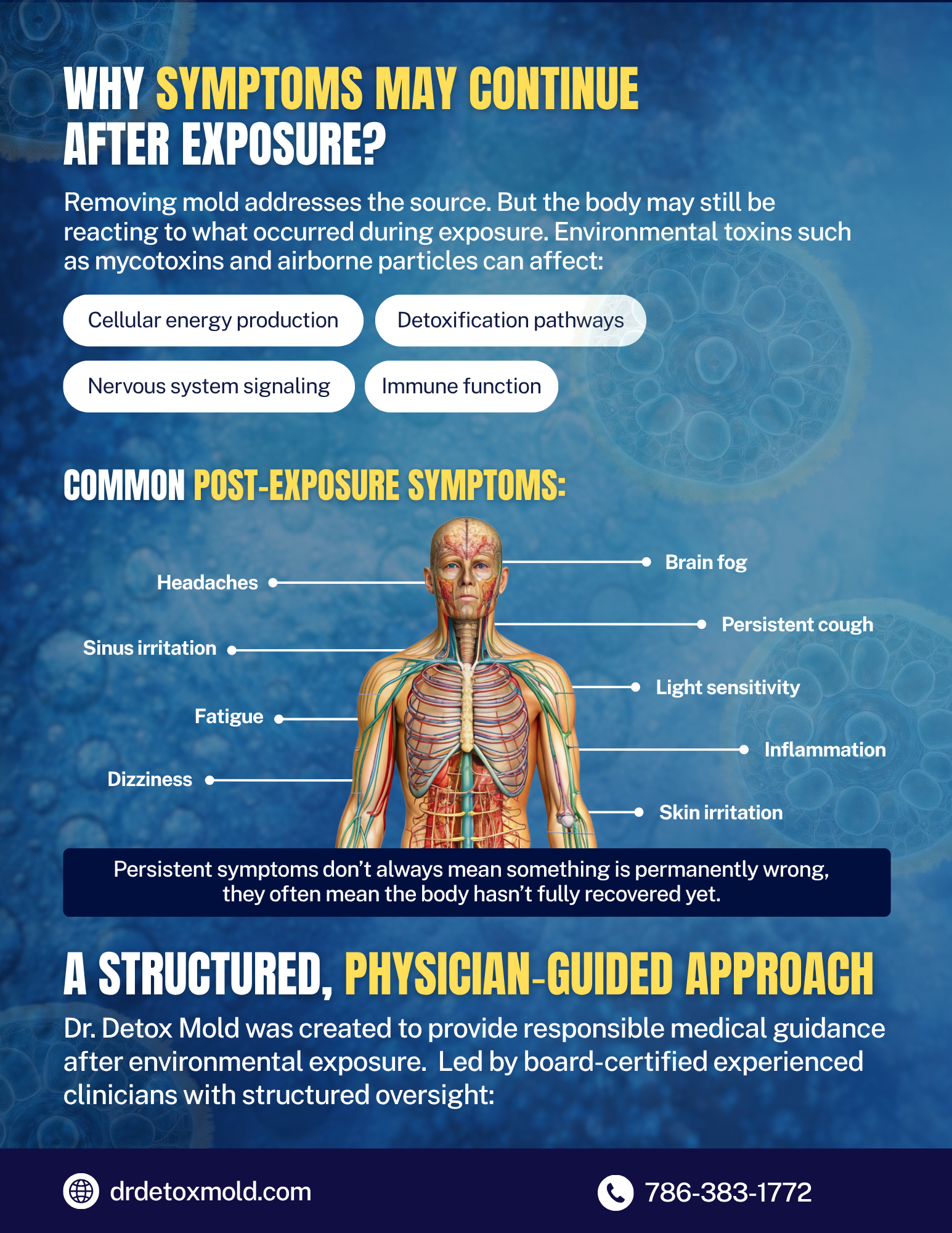
    Why Symptoms Can Continue After Mold Exposure

    Removing mold addresses the source of the problem, but it does not always resolve how the body has been affected during exposure.

    Environmental toxins can impact multiple systems:
    • Immune function
    • Nervous system signaling
    • Cellular energy production
    • Detoxification pathways

    For some individuals, these systems require time and proper support to return to balance.

    Common Post-Exposure Symptoms

    • Brain fog
    • Fatigue
    • Headaches
    • Sinus congestion or irritation
    • Persistent cough
    • Dizziness
    • Light sensitivity
    • Skin irritation
    • Ongoing inflammation

    Important

    • Persistent symptoms do not always indicate something permanent
    • They often indicate that the body has not fully recovered yet

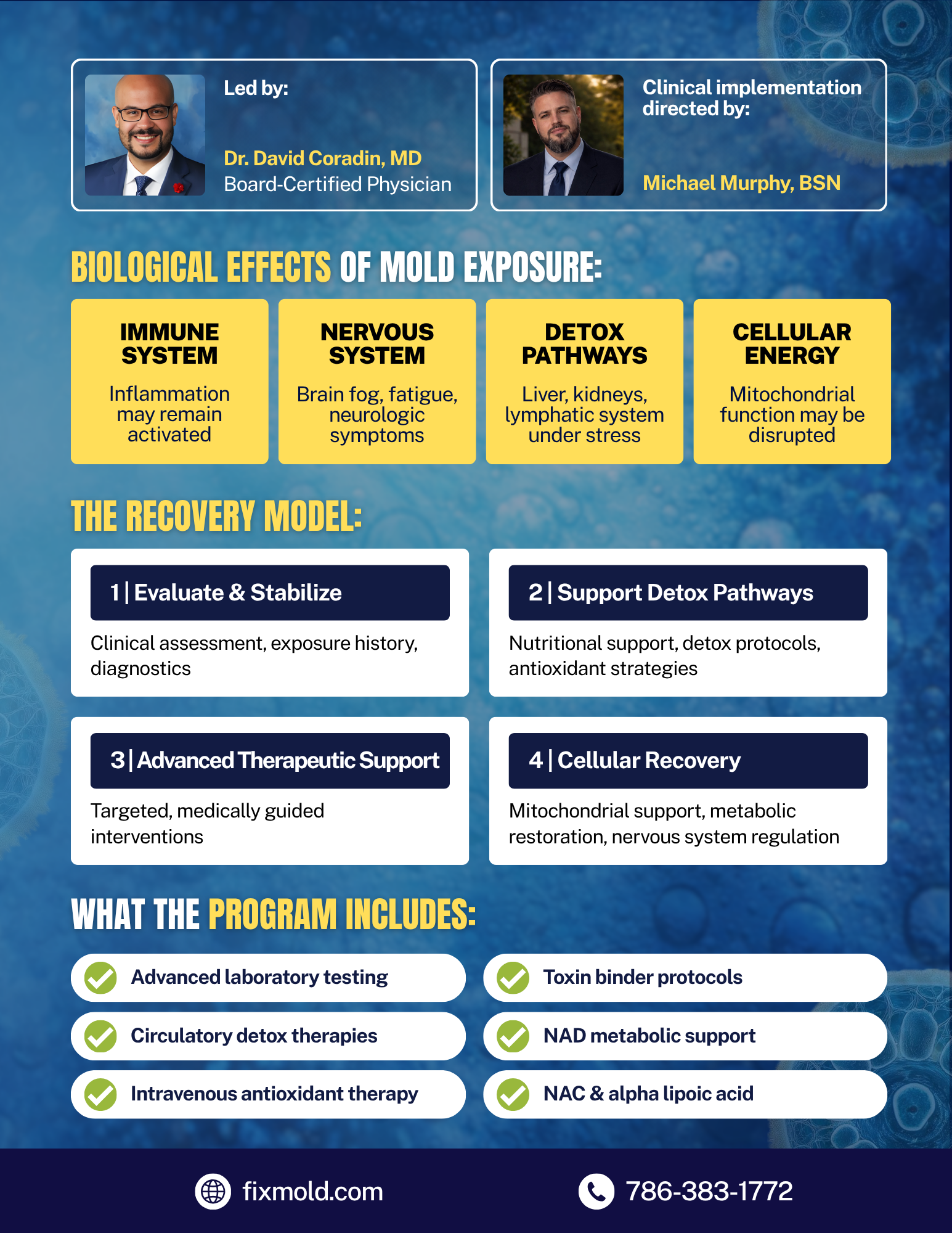
    Recovery Approach

    1. Evaluation & Stabilization
    • Clinical assessment
    • Exposure history review
    • Diagnostic testing

    2. Detoxification Support
    • Nutritional protocols
    • Toxin-binding strategies
    • Antioxidant support

    3. Advanced Therapeutic Support
    • Targeted, medically guided interventions
    • IV-based therapies when appropriate

    4. Cellular Recovery
    • Mitochondrial support
    • Metabolic restoration
    • Nervous system regulation

    Core Focus

    • Detoxification support
    • Immune system balance
    • Cellular energy restoration
    • Nervous system regulation

    Key Principle

    Recovery is not about doing more. It is about doing the right things, in the right order.

    Next Steps

    If mold exposure has been identified and symptoms are still present, evaluation may provide clarity.
    • Exposure history review
    • Laboratory evaluation
    • Detoxification assessment
    • Symptom analysis

    Schedule Your Post-Exposure Consultation

    📞 786-383-1772

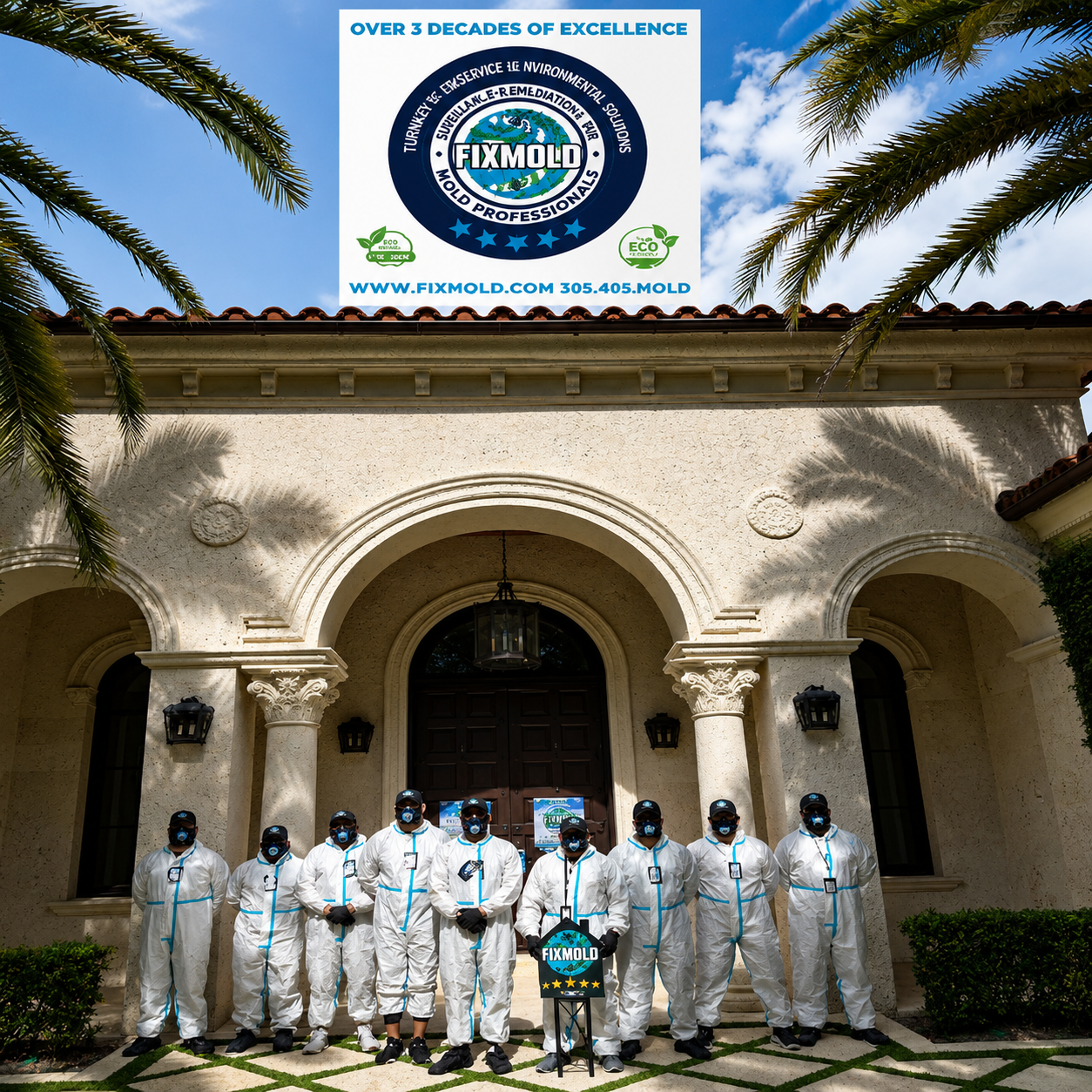
    OUR TEAM

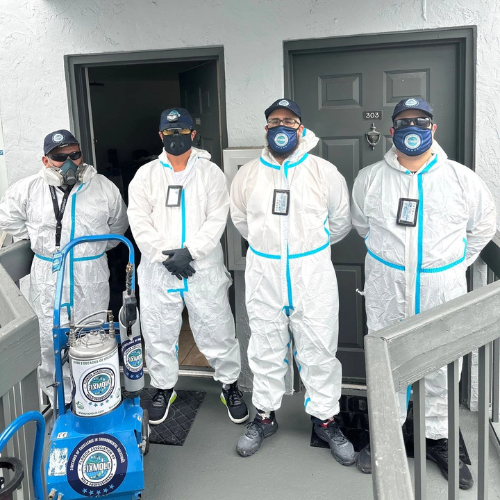
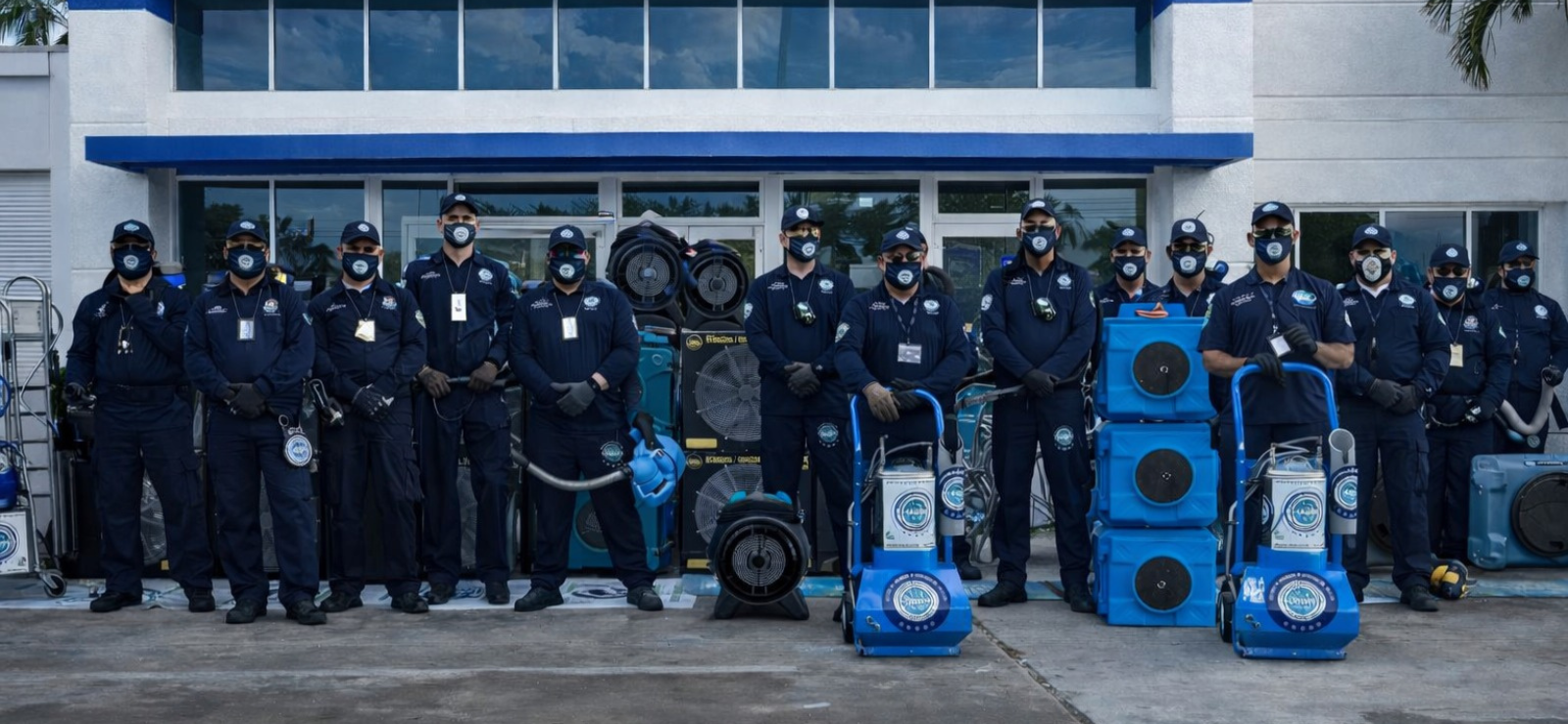
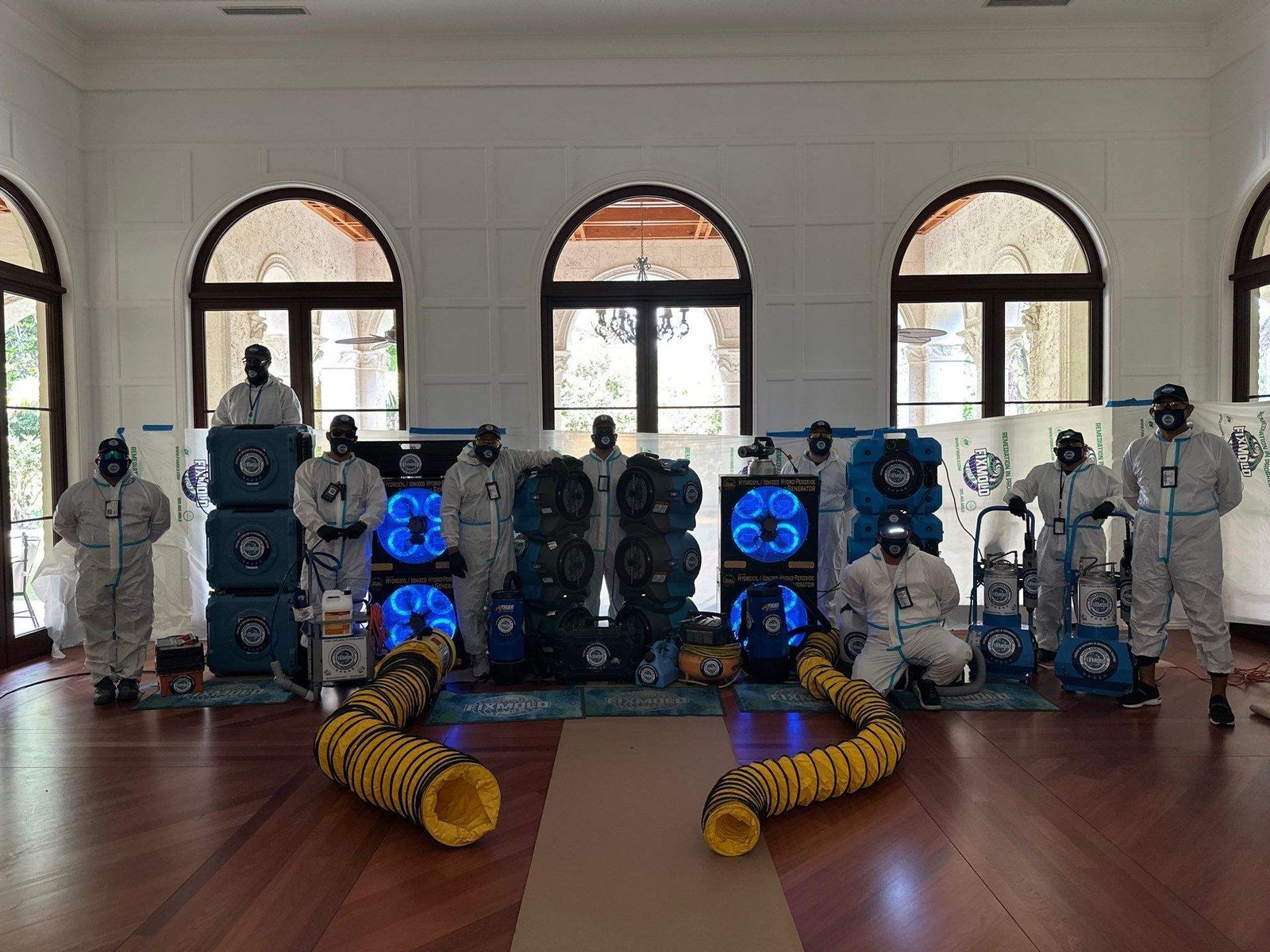
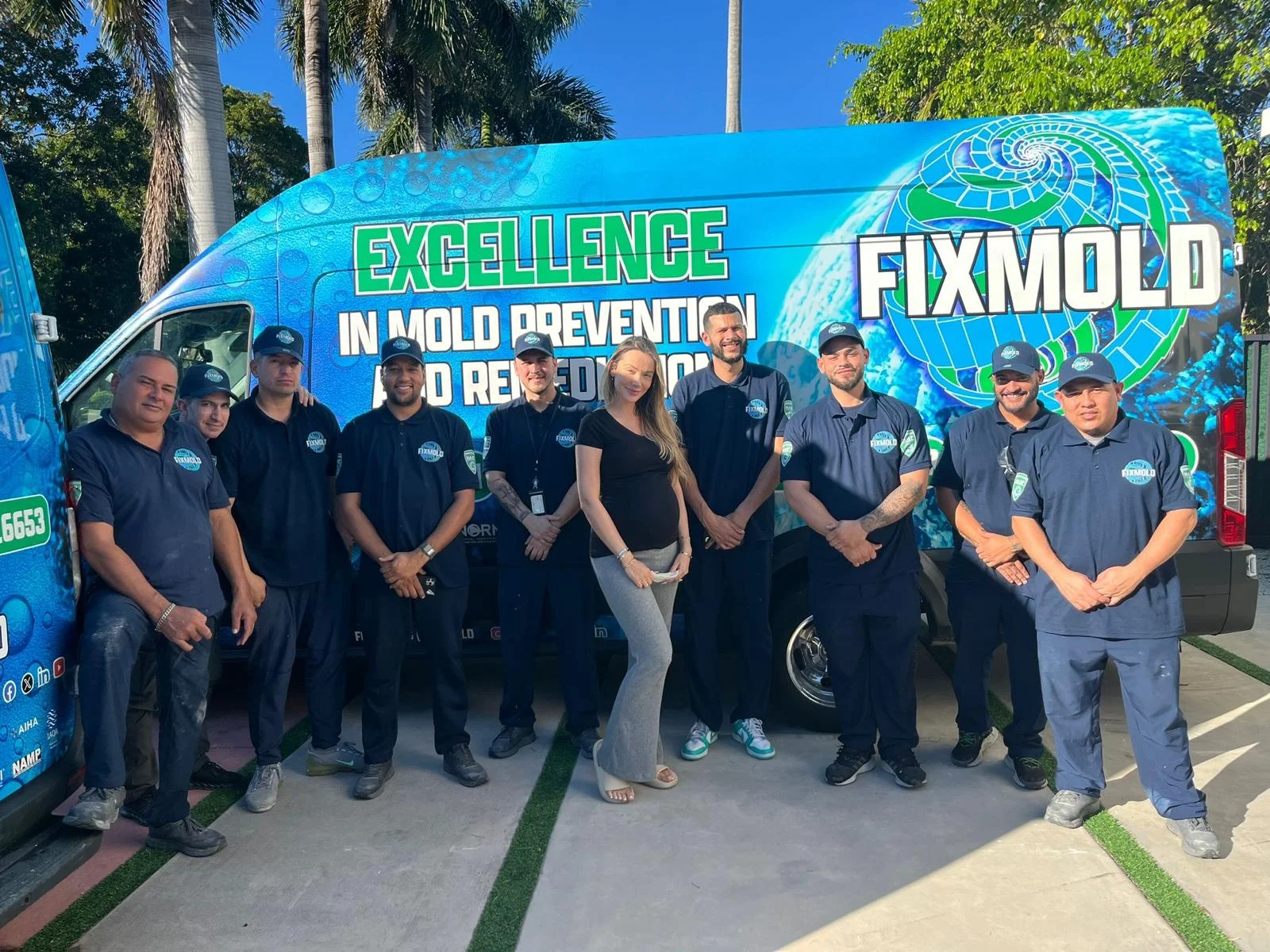
    THE BACK-BONE OF OUR 5 STAR SERVICE
    👉 Call Now: +1-305-465-6653
    Fast response. Certified technicians. Guaranteed results.

    OUR AWARDS

    Proof Of Unmatched Excellence
    Miami fix mold

    FixMold
    10750 NW 6th CtMiami, FL 33168

    License
    MRSR2709 MRSA2521

    Proudly Serving all of South Florida

    We are here to answer any question you may have.
    +

    Is CO2 hydrogenation safe for my family and pets?

    Yes. The CO2 dry ice mist is non-toxic and leaves no chemical residue on surfaces after the treatment dissipates. CO2 is naturally present in the atmosphere and the mist itself evaporates without leaving any material behind. The hydrogenation reaction targets the cellular biology of mold organisms specifically and does not produce compounds harmful to humans or animals. Our organic VOC-free approach applies across every technology we use including this one.

    +

    Is this the same as dry ice blasting used in some mold remediation?

    No. Dry ice blasting is a physical abrasion process where frozen CO2 pellets are propelled at a surface to remove material mechanically, similar to sandblasting. CO2 hydrogenation is a chemical process where CO2 in a specific state is used to generate a reactive mist that penetrates materials and addresses mold contamination through a biochemical reaction rather than physical abrasion. The mechanisms, the equipment and the outcomes are fundamentally different.

    +

    Can I find this technology with other mold remediation companies?

    No. The CO2 hydrogenation process is exclusively patented for use by the Katz family's companies. FixMold is the entity through which this technology is currently deployed in South Florida. If another company claims to offer CO2 hydrogenation mold treatment, ask to see their licensing documentation.

    +

    Does this technology replace the need for physical mold removal?

    No, and any company suggesting that chemical treatment alone is sufficient without physical removal of contaminated materials is not following professional remediation standards. CO2 hydrogenation addresses contamination in the substrate and in inaccessible cavities. It works alongside physical removal, not instead of it. The full FixMold 12-step process uses both because each addresses a different dimension of the problem.

    Urgent Enquiry Virtual Assessment
    🎁 Today’s Offer

    Services

    10750 NW 6th CtMiami, FL 33168
    License
    #MRSR2709 #MRSA2521
    Founded by industry expert Moty Katz, backed by a 30+ year family legacy in mold remediation and prevention.
    Air Quality Testing. Mycotoxins.
    Mold Testing &
    Air Samples
    Proud Sponsors Of South Florida
    Hatzalah Emergency Medical Services
    Air Quality Testing. Mycotoxins.
    Mold Testing & Air Samples
    Proud Sponsors Of South Florida
    Hatzalah Emergency Medical Services
    Serving Multiple Counties