You notice a musty smell in your guest bedroom. You figure it’s just the AC running too much. A few weeks pass. Then you start sneezing every morning. Then your kid develops a cough that won’t quit.
Most Miami Springs homeowners don’t connect those dots until a technician pulls back drywall and shows them what’s been growing inside their walls.
That’s the thing about mold. It doesn’t announce itself. It grows quietly behind baseboards, inside AC closets, under bathroom tiles, and in attic insulation — often for months before anyone knows it’s there.
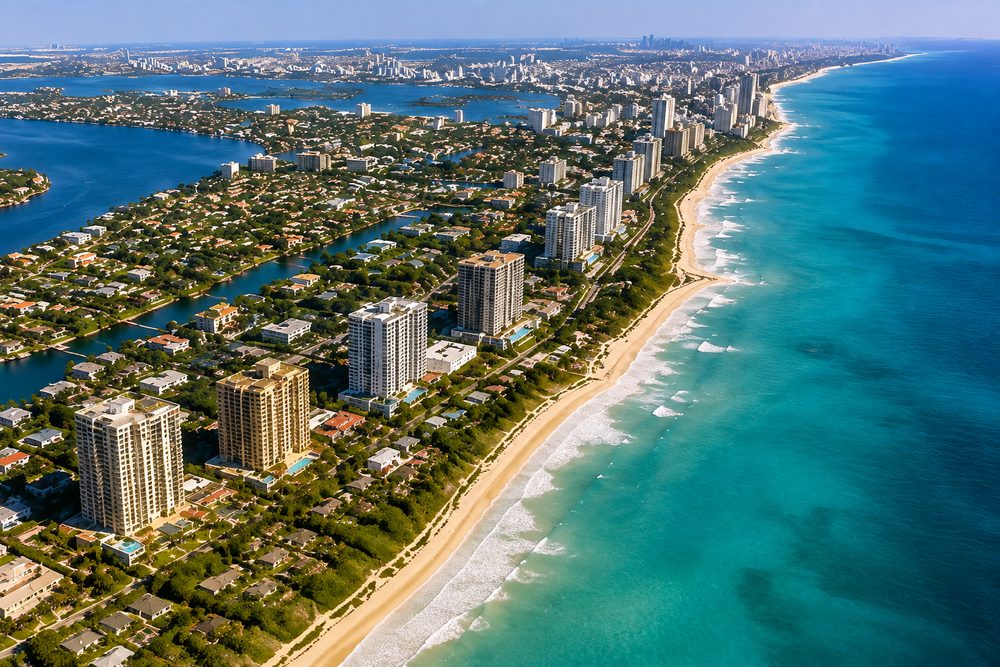
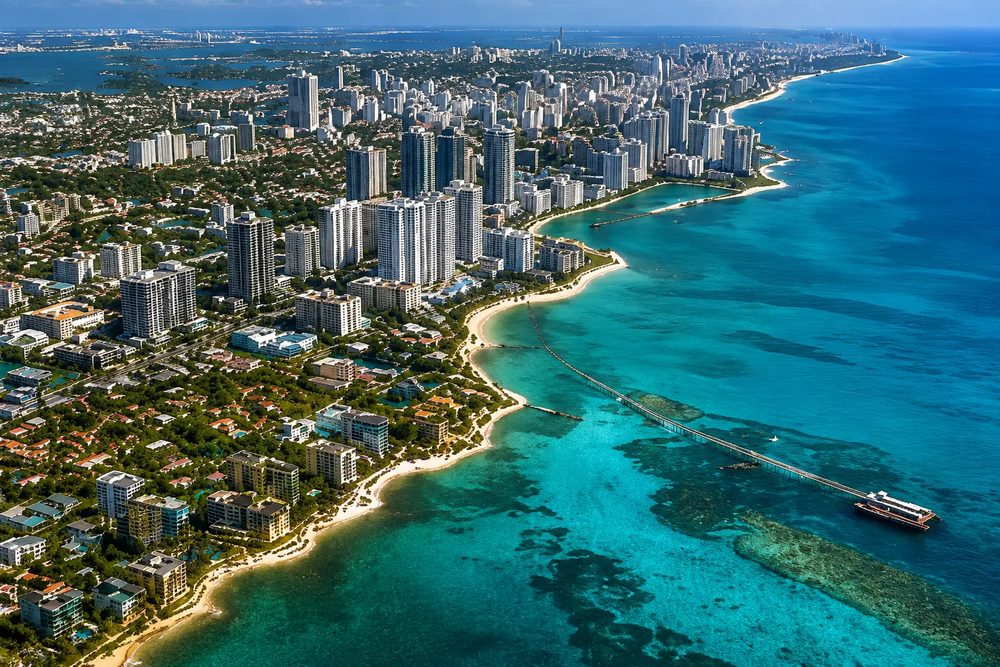
Miami Springs sits in one of the most mold-active zip codes in Florida. The neighborhood’s older homes (many built in the 1940s through 1960s), combined with Miami-Dade’s year-round heat and humidity, create nearly perfect conditions for mold to thrive. Add in the flood risk from heavy seasonal rains and the proximity to MIA flight paths, and you’ve got a community that genuinely needs professional mold remediation services in Miami Springs more than most.
This article covers everything you need to know — from spotting early warning signs to understanding what the remediation process actually looks like.
Why Miami Springs Homes Are So Vulnerable to Mold
The Perfect Storm of Humidity, Age, and Storm Exposure
Miami Springs is a beautiful, tree-lined city. But those same features that make it charming — the lush landscaping, the older bungalows, the mature canopy streets — also create conditions that trap moisture and feed mold growth.
Here’s why mold thrives here specifically:
- Older construction materials: Homes built before the 1980s used plaster, cellulose insulation, and wood-framed walls that absorb moisture easily. Once wet, they don’t dry out fast enough in South Florida’s climate.
- Humidity that never really drops: Miami-Dade County averages indoor relative humidity above 60% for most of the year. Mold only needs 55–60% to start colonizing. Many Miami Springs homes sit right on that edge constantly.
- Aging plumbing: Slow pipe sweats, minor drain-line leaks, and corroded supply lines are common in homes over 40 years old. These tiny leaks feed mold for months without triggering a noticeable water bill spike.
- AC systems under stress: In Miami Springs, air conditioning runs almost 12 months a year. That constant cycling creates condensation inside air handlers, ductwork, and AC closets.
- Hurricane and storm season: Wind-driven rain regularly finds its way through aging window seals, around roof penetrations, and through stucco cracks. Water intrusion from even a moderate storm can start a mold colony within 24–48 hours.
What Does Mold Remediation Actually Mean?
A Quick, Clear Definition
Mold remediation is the complete process of identifying, containing, removing, and treating mold-contaminated areas in a building — and then correcting the moisture source so mold doesn’t return. It’s not just scrubbing surfaces. Real remediation addresses the root cause.
This distinction matters more than most people realize. Painting over mold, wiping it with bleach, or sealing a wall without fixing the underlying moisture issue will not solve the problem. The mold comes back. Every time.
A proper mold remediation service in Miami Springs follows these steps:
- Inspection and assessment — using moisture meters, thermal imaging, and air sampling to find all affected areas, including hidden ones
- Containment — sealing off work areas with plastic barriers and negative air pressure to prevent spores from spreading to clean areas
- Removal — physically removing mold-contaminated materials (drywall, insulation, subflooring) that can’t be safely cleaned
- Treatment — applying EPA-registered antimicrobial solutions to kill remaining spores and inhibit regrowth
- Drying and moisture correction — fixing the water source so moisture doesn’t return
- Clearance testing — independent lab testing to confirm the job is done and the air is safe to breathe
Skipping any of these steps is where things usually go wrong.
Where Mold Hides in Miami Springs Homes
Mold location patterns in Miami Springs are different from other parts of the country because of how people live here year-round. Here are the most common places our technicians find mold in Miami Springs properties:
- AC closets and air handlers — condensation builds up constantly; drain pans overflow; coil insulation gets wet
- Behind bathroom tile and shower walls — grout fails in humid climates much faster than in dry ones
- Inside kitchen cabinets — especially under sinks where supply line fittings slowly weep
- Attic insulation and roof decking — older homes often have inadequate soffit ventilation that traps heat and moisture
- Laundry rooms — especially when the dryer vents into a tight closet or the washer drain line has a slow partial clog
- Around windows — Miami Springs gets significant wind-driven rain, and older aluminum-frame windows are notorious for leaking along the sill
- In walls adjacent to exterior stucco — hairline cracks in stucco let in just enough moisture to feed wall cavity mold for years
If you’ve noticed any of these areas feeling damp, smelling off, or showing discoloration, a professional mold inspection is the right next step. Visit fixmold.com/services/mold-services/ to learn more.
The Health Risks You Can’t Afford to Ignore
Mold isn’t just a cosmetic or structural problem. It’s a health issue — and in Miami Springs, where windows stay closed and AC runs all day, indoor air quality matters enormously.
Different mold species cause different symptoms. Black mold (Stachybotrys) gets the most press, but Cladosporium, Aspergillus, and Penicillium are actually more common and can still cause serious respiratory issues, skin irritation, and neurological symptoms in sensitive individuals.
People most at risk include:
- Children and elderly residents
- Anyone with asthma or existing respiratory conditions
- People with compromised immune systems (including chemotherapy patients)
- Anyone who spends significant time indoors in the affected space
Key warning sign: If people in your household experience recurring respiratory symptoms that get better when they leave home, that’s a strong sign the air inside your home has a problem. Don’t ignore it.
DIY vs. Professional Mold Removal: Where the Line Is
When DIY is okay:
- Isolated surface mold on hard, non-porous surfaces (tile, glass) covering less than 10 square feet
- Mold from a single, confirmed, already-repaired water source
- No sign of spread into wall cavities or HVAC systems
When you need a licensed professional:
- Any mold in HVAC systems, ductwork, or air handlers
- Mold covering more than 10 square feet
- Mold after water damage or flooding
- Any visible mold on drywall, insulation, or wood framing
- Musty smell with no visible mold (hidden mold)
- Household members with health symptoms
Here’s the reality: Most Miami Springs homeowners who call us waited too long. They tried bleach sprays, fans, and dehumidifiers first. By the time they call for professional mold removal services, what started as a small bathroom mold patch has spread behind the wall into 3–4 adjacent areas. Call early — the remediation scope grows the longer mold is left alone.
What to Expect From FixMold’s Mold Remediation Service in Miami Springs
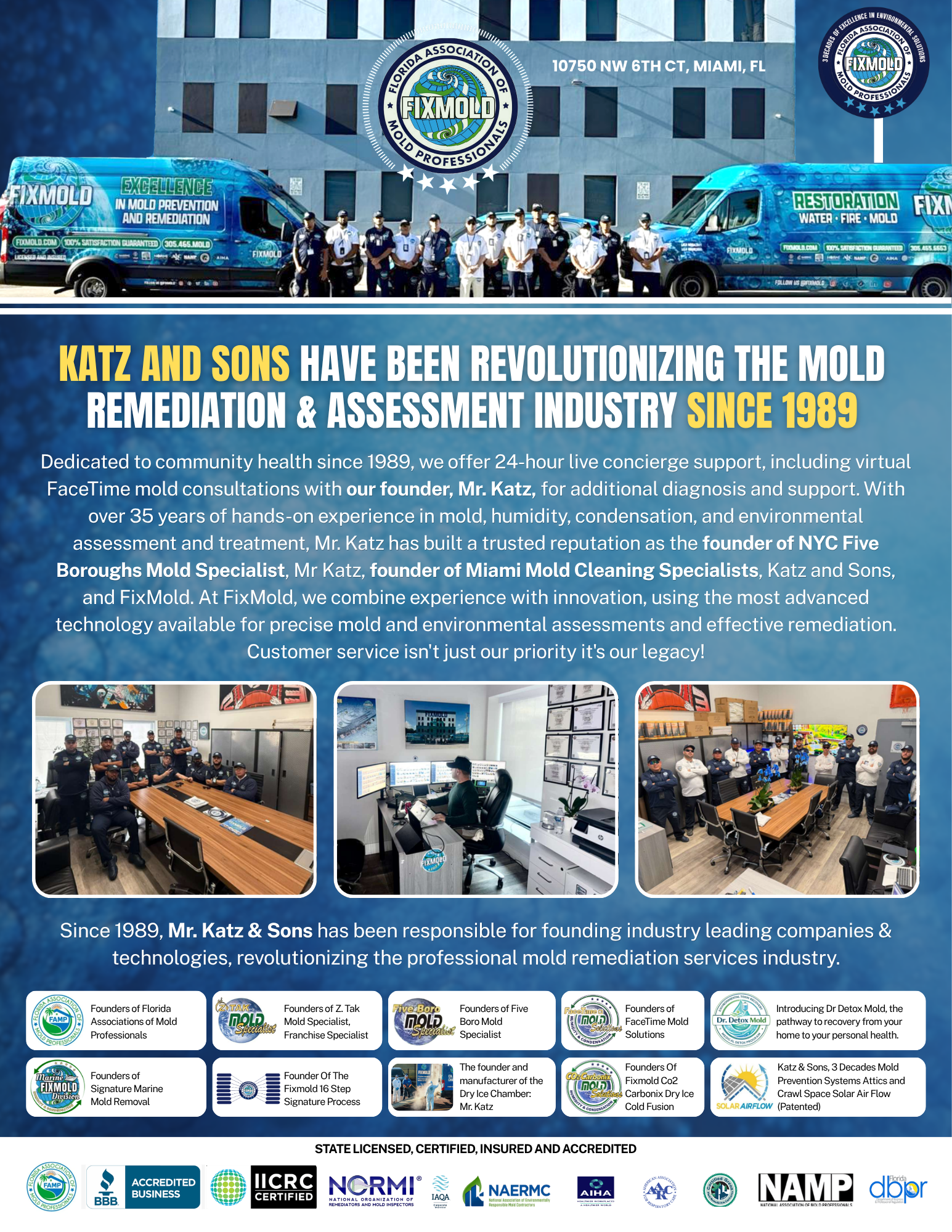
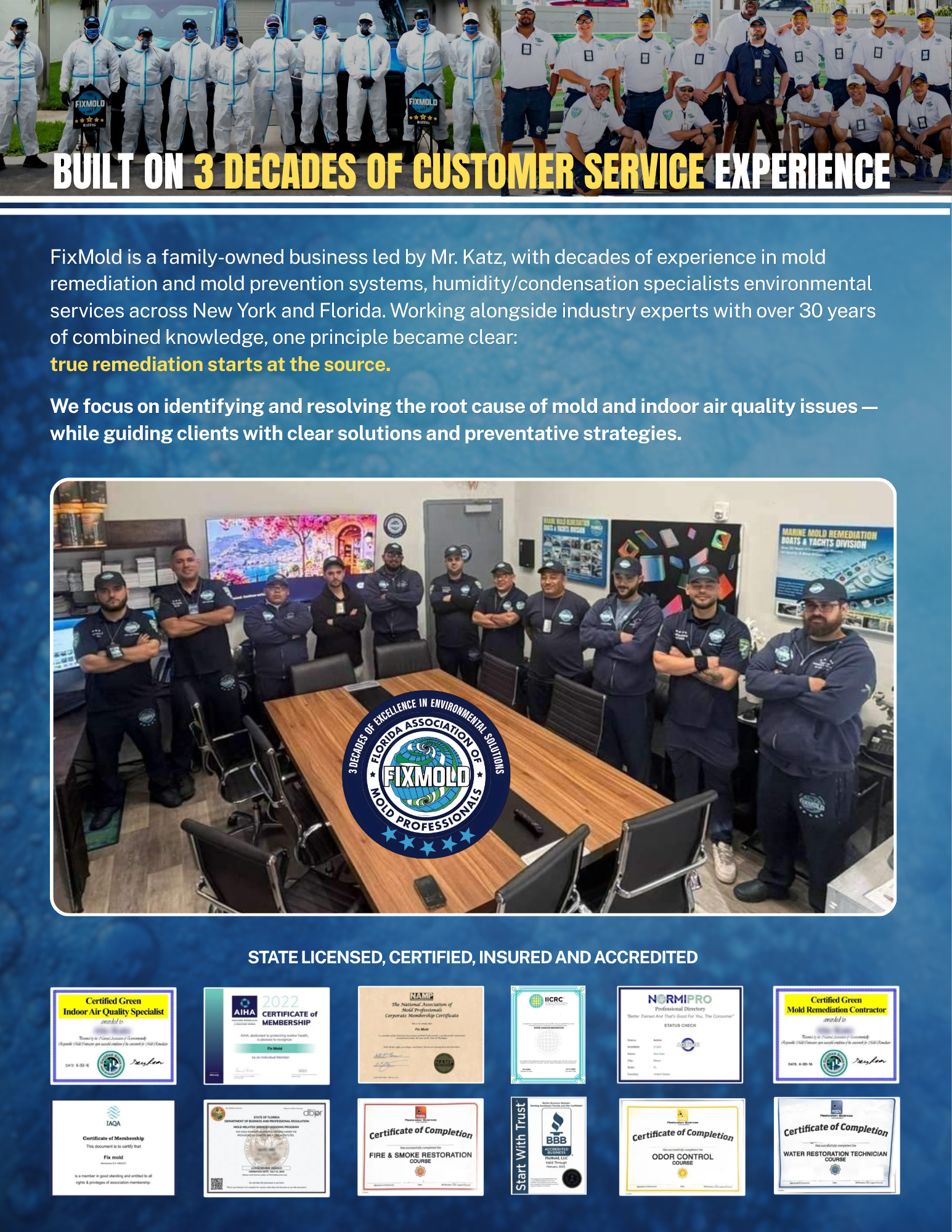
FixMold has served Miami-Dade County for over 30 years. The Katz family built this company on the principle that homeowners deserve honest answers, real solutions, and results they can verify.
When you call FixMold for mold remediation services in Miami Springs, here’s what actually happens:
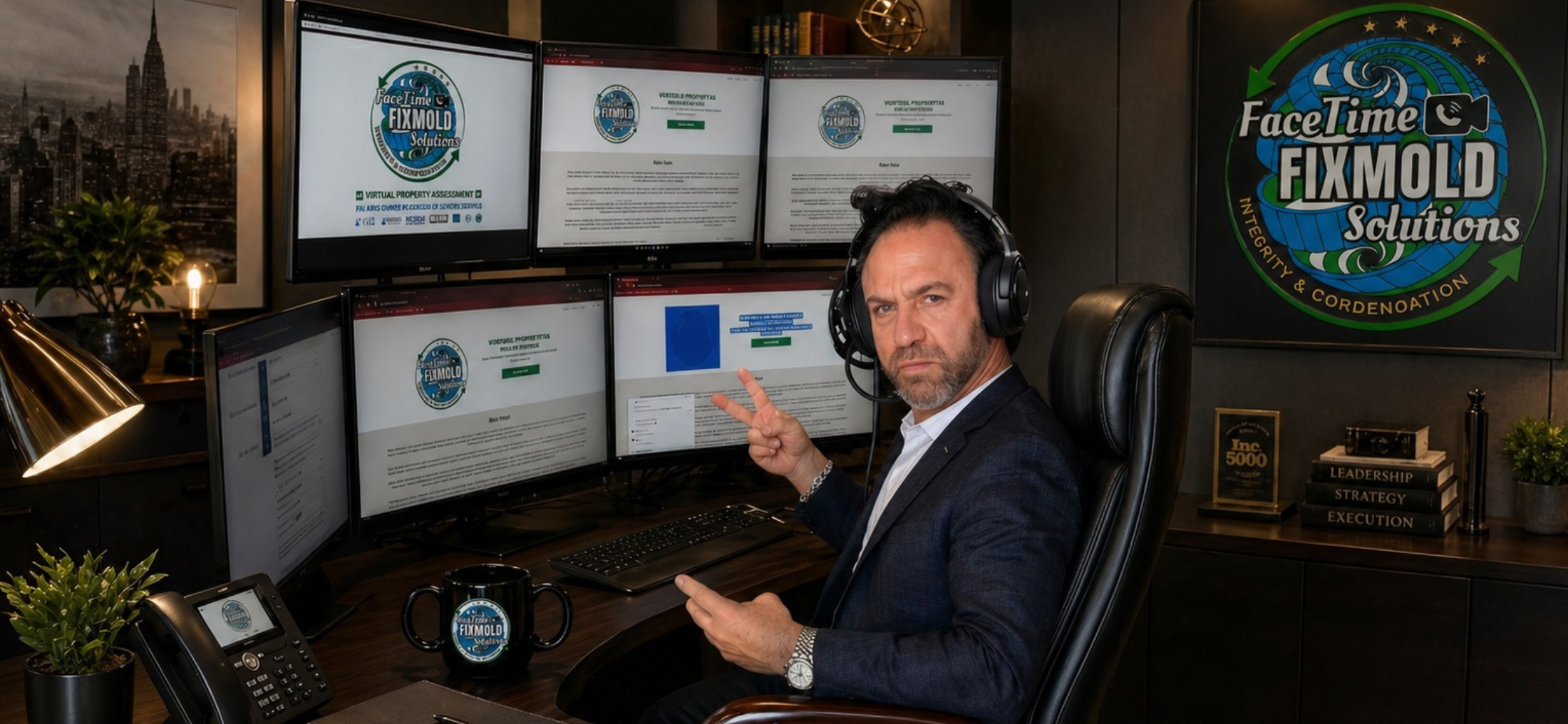
Step 1 — FaceTime or On-Site Consultation
We start with a free assessment — either a virtual FaceTime call or an in-person visit. Mr. Katz or a certified technician reviews what you’re seeing, asks targeted questions, and gives you a real picture of the situation before any work begins. No pressure, no upselling.
Step 2 — Certified Inspection and Testing
Our team uses infrared thermal imaging, professional moisture meters, and air sampling to find every mold colony — including hidden ones. Air samples go to an accredited independent lab. You get a full written report with photos, moisture readings, and a clear action plan.
Step 3 — Containment and Removal
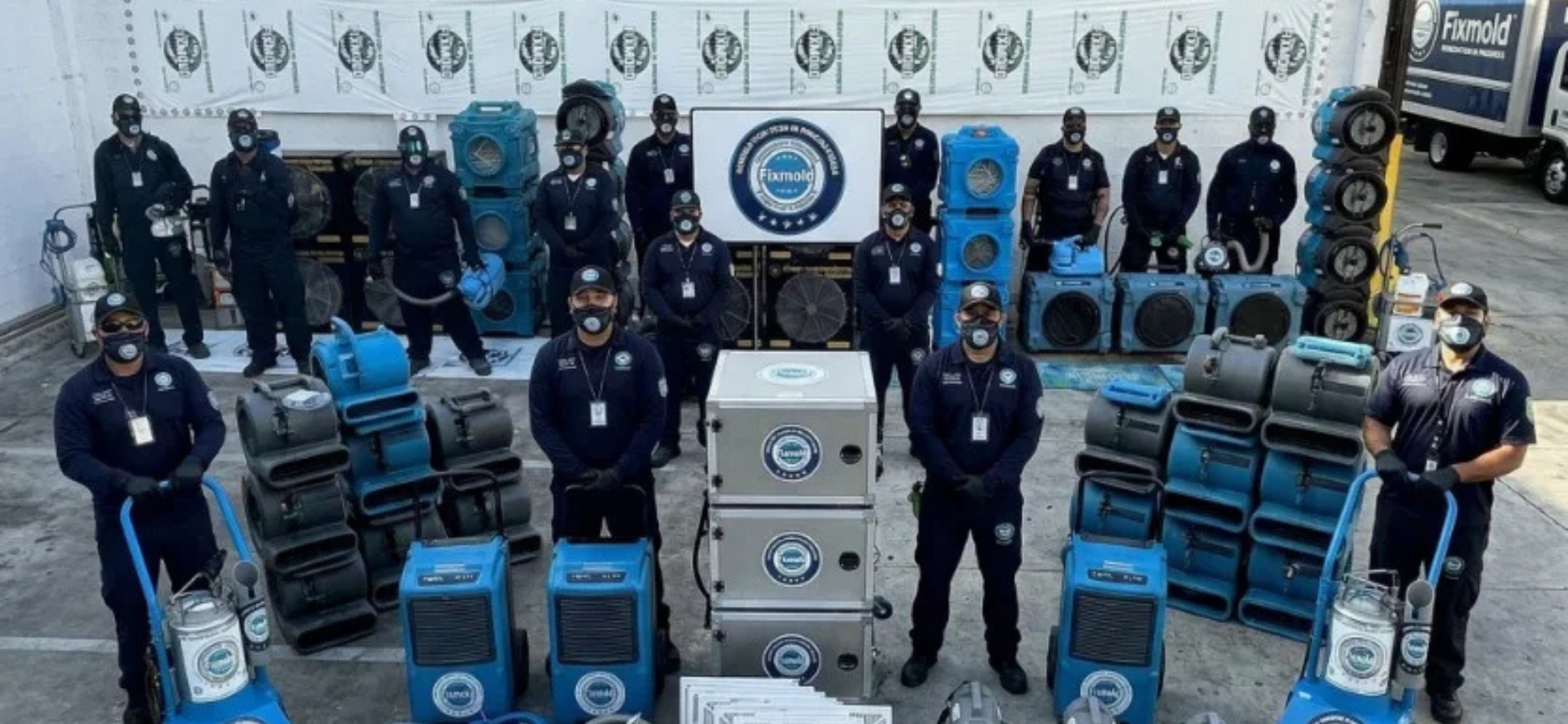
Affected areas are sealed with negative air pressure systems so spores can’t spread. Contaminated materials are removed and bagged according to Florida environmental guidelines. Our HEPA filtration systems (fixmold.com/services/air-quality-deep-cleaning-services/) clean the air continuously during the job.
Step 4 — Treatment and Moisture Correction
We apply 100% organic, no-VOC antimicrobial treatments to all affected surfaces. Then we address the moisture source — whether that’s an AC drain line, a plumbing leak, ventilation gap, or roof penetration. Without fixing the source, the mold will return.
Step 5 — Independent Clearance Testing
After the job is done, we arrange independent lab clearance testing. You get a written clearance certificate confirming the air and surfaces meet safe standards. FixMold also offers a 12-month warranty (fixmold.com/1-year-warranty/) on all remediation work.
Mold Prevention: Protecting Your Miami Springs Home Long-Term
Remediation fixes the current problem. Prevention keeps it from coming back. In Miami Springs specifically, the most effective prevention strategies are:
- Maintain indoor humidity below 55% — use a quality hygrometer, not just your AC thermostat reading. Many homes in Miami Springs run at 65%+ even with AC on.
- Service your AC system twice a year — coils, drain pans, and drain lines need regular cleaning. HVAC mold restoration is one of the most overlooked services for preventing recurring mold.
- Check exterior stucco annually — hairline cracks form every season. Seal them before hurricane season starts, not after.
- Run exhaust fans properly — bathroom and kitchen fans should vent outside, not into the attic. Many older Miami Springs homes have improperly routed ventilation.
- Inspect under sinks and around appliances quarterly — a small drip under the kitchen sink can grow a significant mold colony in 60–90 days.
Conclusion: Don’t Let Miami Springs Humidity Win
Mold in a Miami Springs home isn’t a matter of poor housekeeping. It’s a matter of climate, building age, and moisture management — and it requires a real strategy.
The key takeaways:
- Miami Springs homes are structurally and climatically prone to mold growth year-round
- Mold hides in walls, HVAC systems, and attics long before it’s visible
- Proper remediation addresses both the mold and the moisture source — skipping either step means the problem returns
- Health symptoms that improve when you leave home are a red flag worth investigating
- Professional clearance testing is the only way to confirm a job is truly done
Call FixMold today at 1-786-882-1823 or schedule your inspection online at fixmold.com/schedule-online/. Same-day service available. Certified, licensed, and trusted by Miami-Dade families for over 30 years.
Frequently Asked Questions About Mold Remediation in Miami Springs
How long does mold remediation take in a Miami Springs home?
Most residential mold remediation jobs in Miami Springs take between one and three days, depending on the size of the affected area and how deeply the mold has penetrated building materials. A bathroom mold issue caught early might be resolved in a single day. Mold that has spread through wall cavities or an HVAC system typically requires two to four days. Your FixMold technician will give you a realistic timeline during the initial assessment.
How much does mold remediation cost in Miami Springs, FL?
Mold remediation costs in Miami Springs typically range from $500 to $6,000+, depending on the size of the affected area, the type of materials involved, and the complexity of the job. Small, surface-level bathroom mold costs far less than mold that has spread into wall cavities or HVAC systems. FixMold offers transparent pricing with no hidden fees and a price-match guarantee. Contact us for a free estimate.
Is mold remediation covered by homeowners insurance in Florida?
Florida homeowners insurance generally covers mold remediation when mold results from a sudden, covered water event — like a burst pipe or storm damage. It typically doesn’t cover mold from long-term maintenance neglect. FixMold works with homeowners on insurance documentation and can help you understand what your policy may cover.
Can mold come back after professional remediation?
Yes — if the moisture source that caused the mold isn’t corrected, mold can return. This is the most common reason mold ‘comes back’ after treatment. FixMold’s process always includes moisture source correction and offers a 12-month warranty on remediation work, giving homeowners genuine assurance that the problem is truly resolved.
How do I know if I need mold testing or mold remediation?
If you can see mold, you generally don’t need testing to confirm it’s there — you need remediation. Mold testing is most valuable when you have symptoms (musty smell, health issues, poor air quality) but no visible mold growth, or when you need lab-verified clearance after a remediation job. FixMold offers both mold testing services and full remediation — visit fixmold.com/services/mold-services/ to learn more.
#MoldRemediationMiamiSprings #MiamiSpringsMold #FixMold #MoldRemovalMiami #MoldInspectionMiami
https://fixmold.com/locations/mold-remediation-miami-fl/
Milly is a content contributor at FixMold with a focus on mold inspection, remediation strategies, air quality improvement, and property protection. She shares practical insights and educational resources to help homeowners and businesses maintain safer, cleaner indoor environments.