Finding a dark patch on a wall, ceiling or AC vent can raise immediate concerns. Is it “toxic black mold”? Is the problem limited to the surface? Could there be hidden water damage?
The first thing to understand is that color alone cannot answer those questions. A useful assessment considers moisture, affected materials, the extent of growth and the people occupying the property.
What Is Stachybotrys chartarum?
Stachybotrys chartarum is a greenish-black mold that can grow on cellulose-rich materials such as paper, fiberboard and gypsum board when moisture persists. Leaks, flooding and ongoing condensation can create conditions that support its growth.
However, a dark patch is not enough to identify it. Other molds can appear black or dark green, and stains, dirt or water damage can sometimes resemble mold.
A photograph or visual inspection alone cannot reliably establish the species.
Does Black Mold Mean Toxic Mold?
Some molds can produce substances called mycotoxins. That does not mean every black patch is producing toxins, or that its appearance establishes someone’s exposure or illness.
Likewise, white or green mold should not be dismissed as harmless. The practical response to indoor growth is to address the mold and the moisture supporting it, regardless of color.
Is a Small Patch Just a Moisture Problem?
Moisture and mold are closely connected. A small patch may reflect a localized condensation issue, but its visible size does not always reveal the full extent of damage.
For example, a bathroom surface spot may relate to frequent dampness and inadequate ventilation. A patch that repeatedly returns near a window may indicate an unresolved leak. Discoloration on drywall may warrant checking the material behind the surface.
The question is not simply whether the patch looks alarming. It is whether the source has been identified and the affected area properly evaluated.
When Might Cleanup Be Manageable?
EPA guidance says homeowners can often handle mold affecting less than about 10 square feet, depending on the circumstances.
That is a cleanup guideline, not a guarantee that a small area is harmless. Health concerns, contaminated water, extensive water damage and suspected HVAC contamination require additional consideration.
Hard surfaces may be cleaned with detergent and water and dried completely. Moldy porous materials may require removal. Painting or caulking over growth does not resolve the underlying problem.
When Should You Seek Professional Help?
Consider a professional evaluation when growth returns after cleaning, musty odors persist without an obvious source, building materials remain damp, or water damage extends beyond the visible patch.
Suspected mold inside an HVAC system also deserves particular attention. EPA advises against operating a system known or suspected to be contaminated because it could spread mold.
Health concerns require a separate medical assessment. Mold can trigger allergic reactions or worsen asthma, but symptoms alone do not identify the environmental cause. Discuss persistent symptoms with a healthcare professional.
How FixMold Miami Looks Beyond the Surface
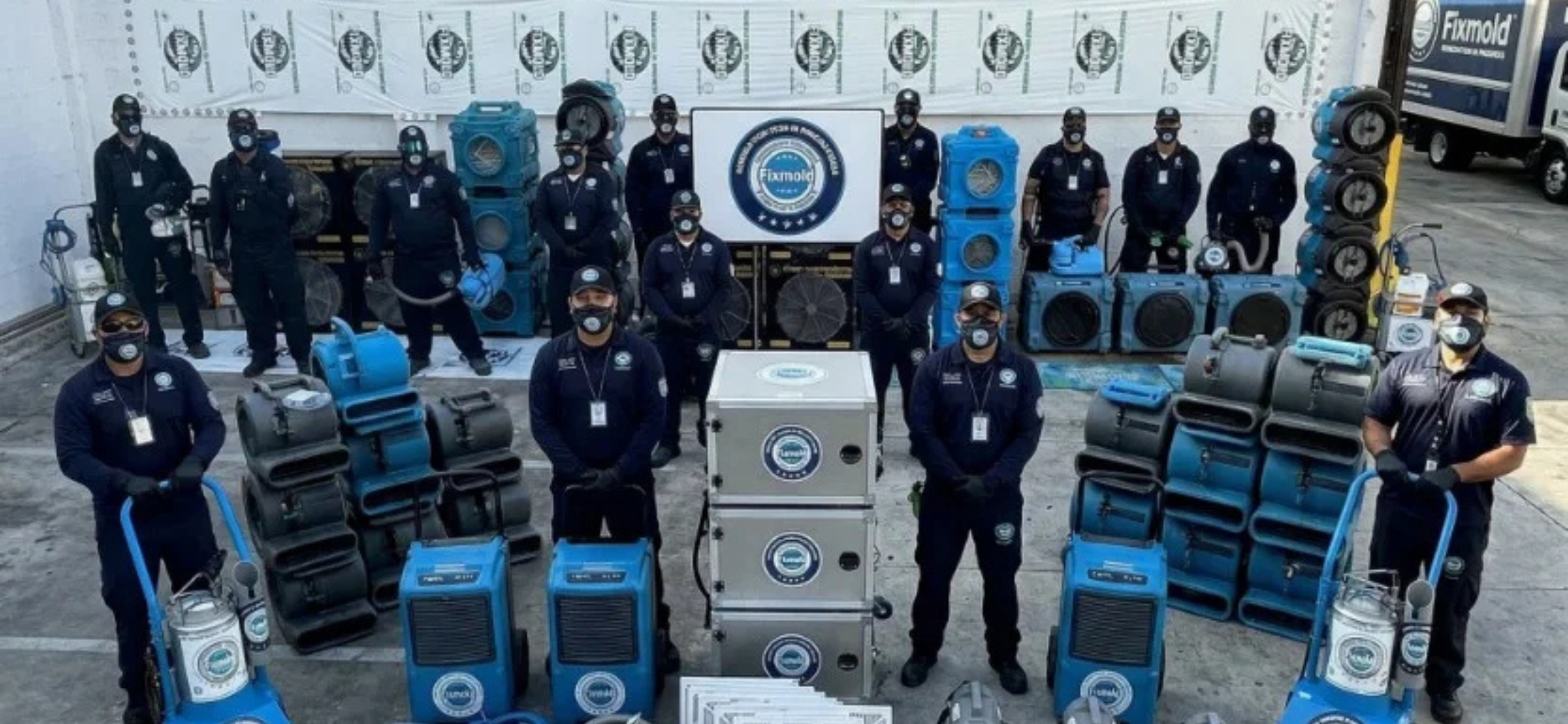
FixMold Miami investigates moisture conditions to help determine appropriate next steps. Depending on the property, an assessment may include checking leaks, humidity, condensation, affected materials and HVAC conditions.
Moisture meters help evaluate dampness. Thermal imaging can reveal temperature patterns that warrant further investigation; it does not identify mold species or prove mold is present.
Visible mold often warrants corrective action without waiting for species identification. Where sampling is appropriate, it should answer a specific assessment question.
Find the Moisture. Address the Source.
Cleaning a patch without correcting the water problem can allow growth to return. A lasting approach combines appropriate cleanup or material removal with moisture correction and drying.
FixMold Miami serves Miami-Dade, Broward, Palm Beach and Monroe counties.
Explore our service locations.
Request help with your property.
FixMold Miami — We fix the source.
#FixMoldMiami #MoldInspection #BlackMold #SouthFlorida
Jerusha is a contributor at FixMold, specializing in mold remediation, indoor air quality, moisture control, and environmental wellness. She creates informative content focused on mold prevention, and advanced restoration solutions for residential and commercial properties.