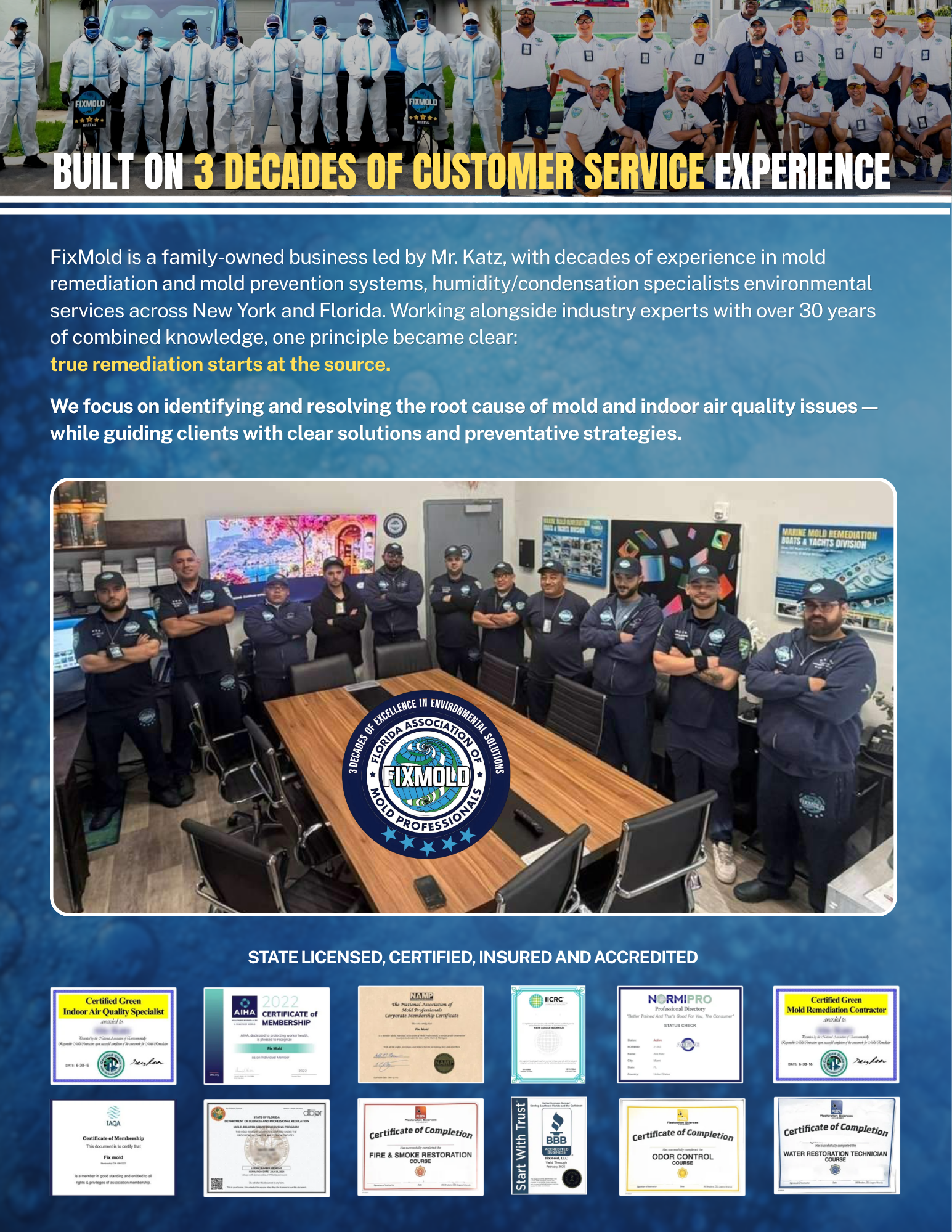
35 Years of Katz & Sons Experience | Serving Miami-Dade, Broward, Palm Beach & Monroe Counties
Why Professional Mold Remediation Requires More Than Removing Visible Mold
In South Florida, mold problems frequently begin long before homeowners notice visible discoloration, unusual odors, or water stains.
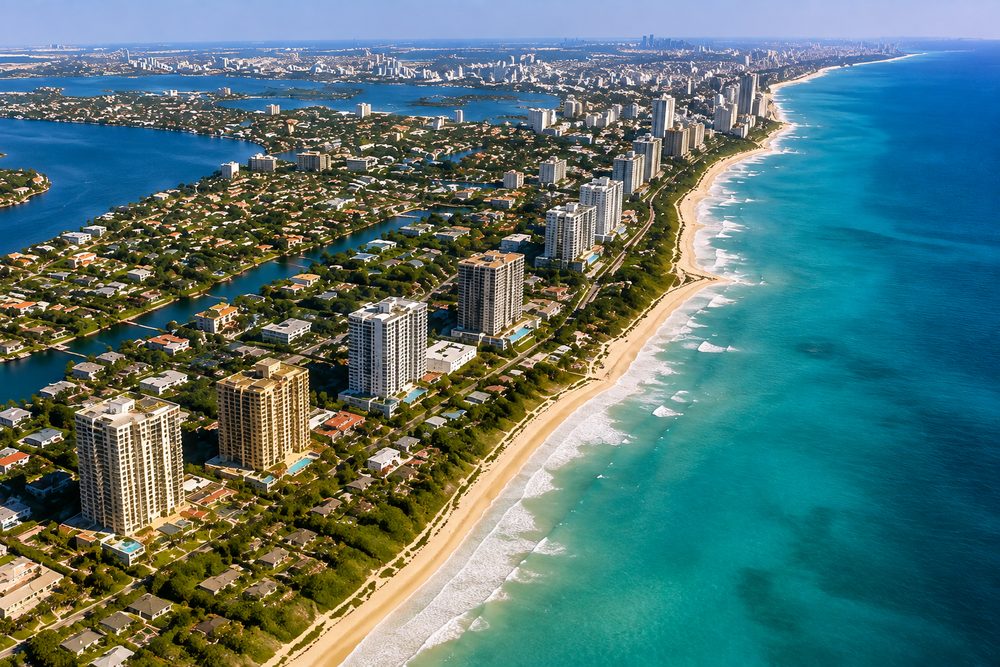
Miami’s tropical climate, frequent rainfall, high humidity, aging HVAC systems, and condensation problems create conditions where moisture can accumulate inside walls, ceilings, ductwork, attics, and other concealed spaces.
Simply cleaning visible mold without identifying and addressing the underlying moisture problem may result in recurring contamination.
At FixMold Miami, we believe professional remediation must begin with understanding the source.
Our comprehensive approach combines a 12-step inspection framework with a 23-step remediation process, emphasizing advanced moisture detection, source correction, controlled restoration, professional documentation, and long-term prevention.
Our philosophy is simple: We Don’t Just Remove Mold — We Fix the Source!
Part One: The FixMold Miami 12-Step Inspection Process
A professional mold inspection is the foundation of an effective remediation plan.
Our structured inspection framework evaluates moisture conditions, the HVAC system, potential contamination pathways, and the overall building environment.
Step 1: Initial Consultation and Property History
We begin by discussing the client’s concerns, previous water damage, plumbing leaks, unusual odors, visible discoloration, and recurring humidity problems.
Understanding the property’s history helps our technicians determine where to focus the investigation.
Step 2: Comprehensive Visual Assessment
Our specialists evaluate accessible interior and exterior areas for visible evidence of water intrusion, material deterioration, condensation, and suspected microbial growth.
Step 3: Professional Moisture Mapping
Using professional moisture-detection instruments, we investigate affected walls, ceilings, flooring, and other accessible building materials.
These findings help identify moisture patterns and potential hidden water damage.
Step 4: Infrared Thermography
Advanced infrared cameras identify temperature variations that may indicate moisture-related conditions, missing insulation, or air leakage.
Thermal findings are evaluated alongside moisture readings and physical observations.
Step 5: Humidity and Psychrometric Evaluation
Relative humidity, ambient temperature, and other environmental measurements are assessed to help identify condensation risks.
Step 6: HVAC, AC Coil and Ventilation Inspection
Where accessible and within the inspection scope, our technicians examine HVAC components, evaporator coils, blower assemblies, supply and return registers, and ventilation systems.
The objective is to identify conditions that may contribute to microbial contamination or moisture accumulation.
Step 7: Attic, Crawlspace and Building-Envelope Assessment
We evaluate accessible attic ventilation, insulation conditions, crawlspaces, exterior cracks, roofline transitions, and potential moisture entry points.
Step 8: Root-Cause and Water Intrusion Investigation
Potential sources may include plumbing leaks, exterior wall defects, condensation, improperly insulated ductwork, inadequate ventilation, or roof-related water intrusion.
Step 9: Indoor Air Sampling When Appropriate
Professional indoor air samples may be collected when testing is warranted.
Independent laboratory analysis can provide additional information about airborne fungal particles.
Step 10: Surface Swab and Tape-Lift Sampling
Surface samples may be collected from suspicious areas to help characterize potential microbial contamination.
Testing recommendations depend on the property’s conditions and the purpose of the assessment.
Step 11: Findings Analysis and Photo Documentation
Inspection observations, moisture measurements, thermal images, and available laboratory results are reviewed.
Photos help document affected areas and support clear communication with the property owner.
Step 12: Detailed Reporting and Remediation Planning
Our inspection findings help establish a property-specific remediation strategy, including affected areas, potential moisture sources, recommended corrective measures, and appropriate next steps.
Part Two: The FixMold Miami 23-Step Remediation Process
Mold remediation requires a coordinated approach that considers occupant protection, containment, material removal, filtration, moisture control, and verification.
Our 23-step framework organizes these activities into a comprehensive restoration process.
The actual sequence and methods depend on the property’s conditions, the approved scope, and applicable professional requirements.
Phase 1: Site Preparation and Containment
Step 1 — Client Briefing and Project Preparation
Review the approved remediation scope, discuss safety procedures, and prepare the work areas.
Step 2 — Property and Contents Protection
Protect unaffected furniture, flooring, personal belongings, and adjacent surfaces.
Step 3 — Professional Containment Installation
Install appropriate containment barriers to isolate affected work zones.
Step 4 — Negative Air Pressure Establishment
Use professional negative-air equipment when required to reduce migration of airborne particles outside the work zone.
Step 5 — HEPA Air Filtration
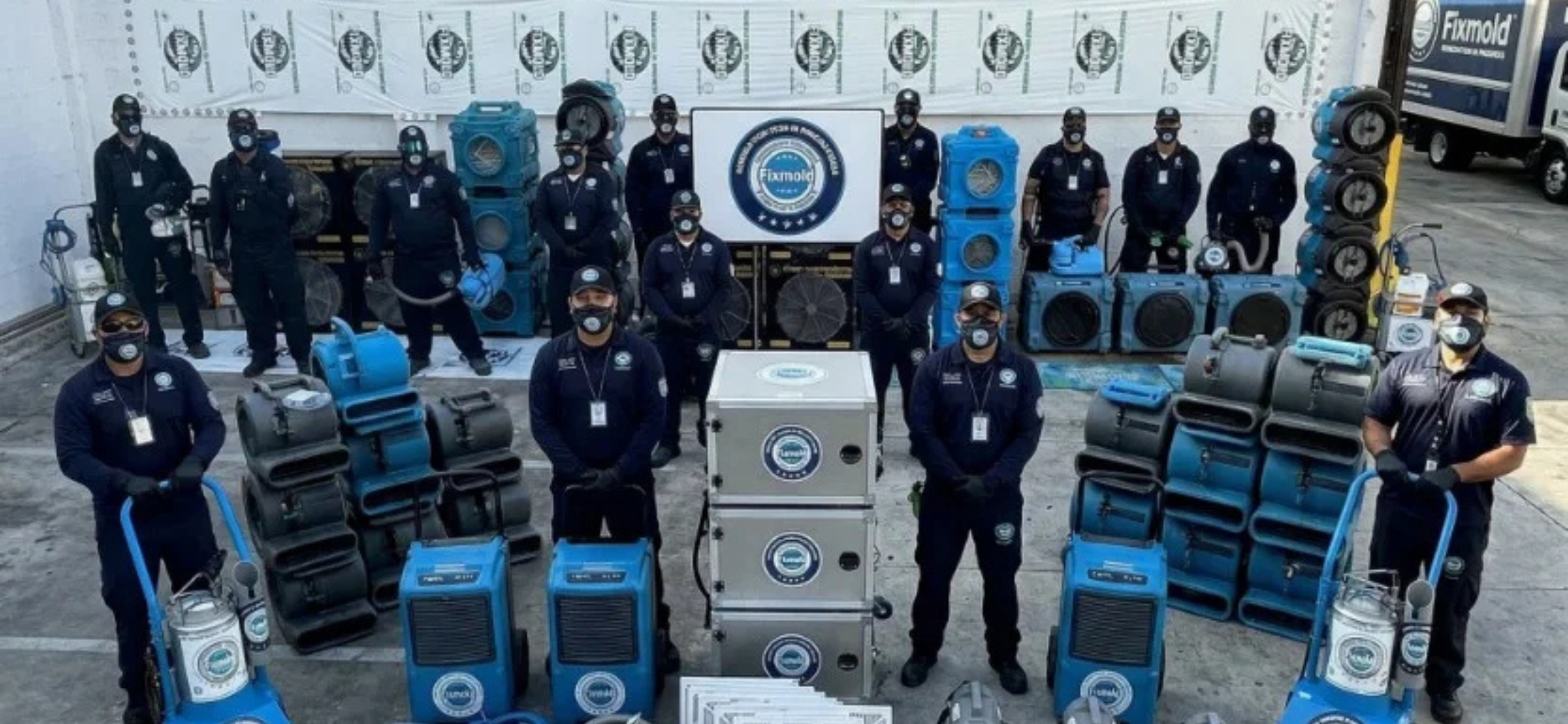
Deploy appropriately sized HEPA-filtered air scrubbers to capture airborne particulate matter during remediation.
Phase 2: Moisture Correction and Mold Removal
Step 6 — Removal of Unsalvageable Porous Materials
Remove affected materials that cannot be adequately cleaned or restored, following the approved protocol.
Step 7 — Correct the Active Moisture Source
Address the underlying water intrusion, excessive condensation, or other moisture conditions through the appropriate qualified trades.
Step 8 — HEPA Vacuuming
Perform detailed HEPA vacuuming of affected surfaces and surrounding work areas.
Step 9 — Physical Surface Cleaning
Clean affected materials using appropriate methods to remove microbial contamination and settled debris.
Step 10 — Targeted Antimicrobial Treatment
Apply suitable products when indicated by the remediation protocol, using manufacturer instructions and applicable safety precautions.
Phase 3: Structural Drying and HVAC Restoration
Step 11 — Structural Drying and Dehumidification
Use professional drying equipment when required, monitoring affected materials until established drying goals are reached.
Step 12 — HVAC System Isolation and Protection
Protect HVAC components from contamination during remediation and prevent avoidable distribution of airborne particles.
Step 13 — Duct, Vent and Evaporator Coil Restoration
Where included in the scope, clean or restore affected HVAC components using methods appropriate to the equipment and materials.
Step 14 — Detailed Structural Cleaning
Clean accessible framing, structural surfaces, ceilings, and other affected materials in accordance with the remediation protocol.
Step 15 — Contents Cleaning and Restoration
Evaluate salvageable belongings and perform appropriate contents cleaning or arrange specialized off-site restoration when needed.
Phase 4: Final Treatments and Environmental Restoration
Step 16 — Specialized Surface Encapsulation
Apply compatible coatings or encapsulation systems when technically appropriate and specified in the work plan.
Step 17 — Odor Control and Air Quality Restoration
Use suitable odor-control and filtration methods to address remaining environmental conditions after contamination removal.
Step 18 — Final Detailed Cleaning
Complete a final cleaning of affected and adjacent work areas, including surfaces, equipment, and accessible horizontal areas.
Step 19 — Quality-Control Inspection and Moisture Rechecks
Review the completed work, confirm the absence of visible debris, and perform appropriate follow-up moisture measurements.
Phase 5: Verification, Documentation and Prevention
Step 20 — Post-Remediation Verification Preparation
Confirm that the affected work areas are ready for independent verification, where required.
Step 21 — Independent Clearance Testing
Arrange third-party post-remediation verification or sampling when specified in the project requirements.
Step 22 — Final Photo Documentation and Client Walkthrough
Document the completed work and explain restoration activities, findings, and any outstanding recommendations to the property owner.
Step 23 — Prevention Recommendations and Warranty Support
Provide appropriate humidity-control, ventilation, water-intrusion prevention, and maintenance guidance.
Applicable warranty coverage is governed by the written agreement and its conditions.
Why FixMold Miami Emphasizes Advanced Inspection Technology
Traditional visual inspections can overlook important moisture-related conditions.
Our approach incorporates several technologies to help assess the property more comprehensively.
Infrared Thermography: Identifies thermal anomalies that warrant further investigation.
Professional Moisture Detection: Helps map moisture conditions in accessible materials.
Psychrometric Analysis: Evaluates humidity and temperature conditions associated with condensation.
HVAC Inspection: Examines accessible ventilation components for moisture or contamination concerns.
Independent Laboratory Testing: Provides additional environmental information when appropriate.
Photo Documentation: Helps property owners understand the work being performed and track progress.
These technologies are most valuable when used together and interpreted by qualified professionals.
Customer Communication: A Major Part of the FixMold Experience
A successful remediation project is not only about technical procedures. It is also about helping customers understand what is happening inside their property.
FixMold Miami emphasizes communication, documentation, and transparency.
Our clients can receive progress photographs and project updates, helping them follow the work from inspection through final review.
What Our Customers Are Saying
Customer testimonials published on the FixMold Miami website consistently highlight thorough explanations, professionalism, and communication.
Arthur M. — Google Review
“Victor explained the entire process and was very thorough.”
Daina Lee — Google Review
“Victor was very knowledgeable, explained everything clearly, and helped ease my concerns.”
Danny — Google Review
“They were professional, explained everything clearly, and showed up on time.”
These customer experiences reflect the importance of communication throughout the restoration process.
View customer feedback at https://fixmold.com/about-us/
Why Finding the Moisture Source Matters
One of the most important components of professional mold remediation is identifying and controlling the moisture conditions responsible for the problem.
Common contributors in South Florida include:
- HVAC condensation and clogged condensate drainage systems
- Plumbing leaks and concealed pipe failures
- Roof and exterior wall water intrusion
- Stucco cracks and deteriorating window seals
- Poor attic or crawlspace ventilation
- Inadequate humidity control
- Improperly insulated ductwork
- Persistent indoor condensation
Mold growth can recur when moisture conditions remain unresolved.
That is why our remediation philosophy focuses on evaluating the source rather than simply treating visible symptoms.
Serving South Florida With 35 Years of Family Industry Experience
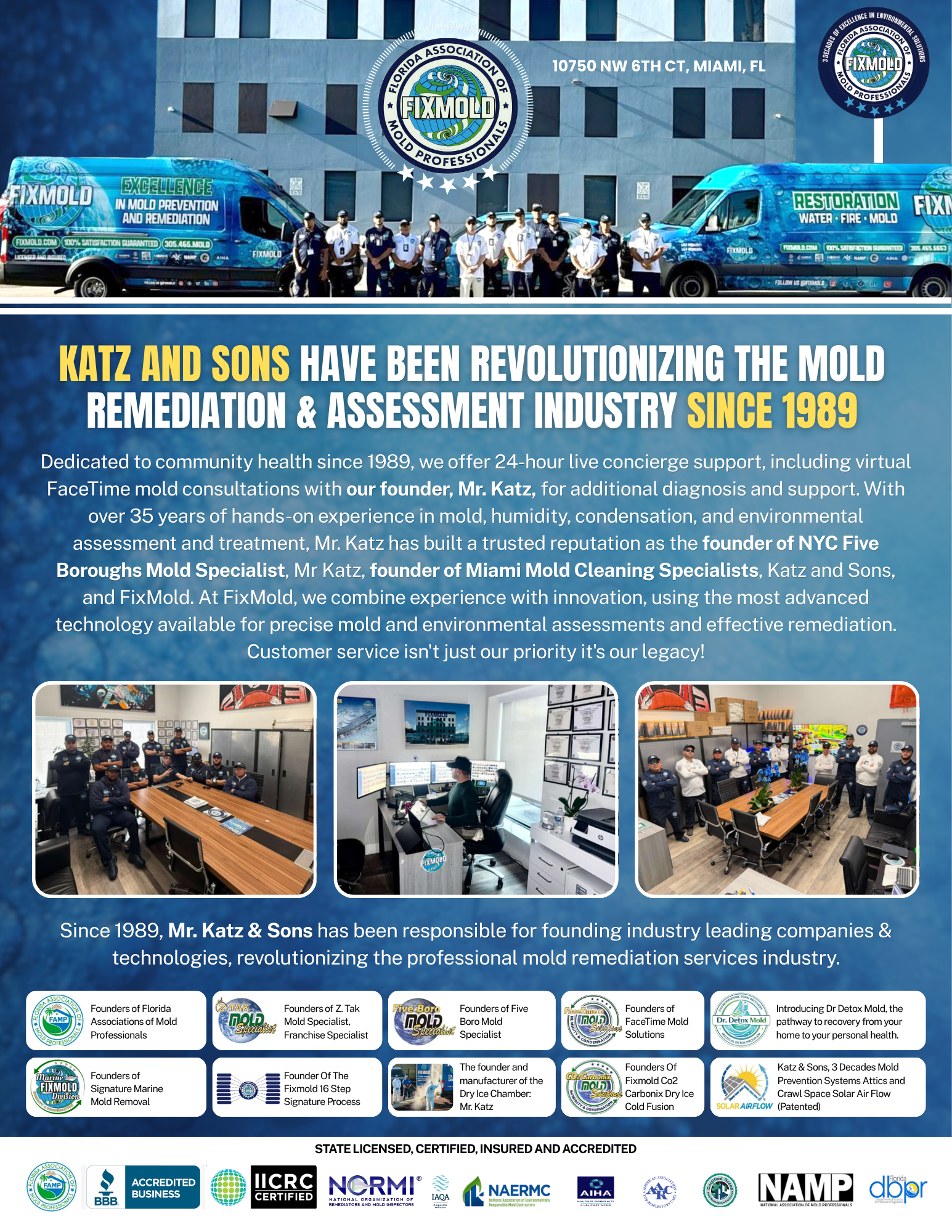
FixMold Miami continues the Katz family’s environmental restoration tradition, dating back to 1991.
Our company serves residential, commercial, condominium, and other properties across South Florida.
Whether a client is dealing with hidden moisture, HVAC contamination, recurring mold, or a recent water intrusion event, our objective is to provide detailed assessment, professional remediation, and practical preventive recommendations.
Schedule a Professional Mold Inspection in South Florida
Are you experiencing recurring mold, musty odors, moisture staining, or unexplained indoor humidity?
FixMold Miami can help evaluate the conditions and recommend appropriate next steps.
Our 12-step inspection and 23-step remediation framework emphasizes technical precision, transparent reporting, and addressing the underlying moisture problem.
FIXMOLD MIAMI
Katz & Sons — Since 1991
We Don’t Just Remove Mold — We Fix the Source!
Serving Miami-Dade, Broward, Palm Beach, and Monroe Counties.
🌐 https://fixmold.com/
📍 https://fixmold.com/locations/
📋 https://fixmold.com/meta-form-leads-florida/
#FixMoldMiami #MoldRemediation #MoldInspection #IndoorAirQuality #MiamiMoldRemoval
Jerusha is a contributor at FixMold, specializing in mold remediation, indoor air quality, moisture control, and environmental wellness. She creates informative content focused on mold prevention, and advanced restoration solutions for residential and commercial properties.