Mold moves faster than most people expect. Within 48 hours of water exposure, active colonization begins inside wall cavities, under flooring and behind fixtures. Long before anything appears on the surface. If you are dealing with a mold problem right now, the window to contain it before it spreads further is already open and closing.
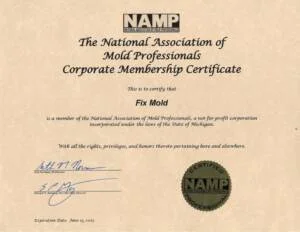
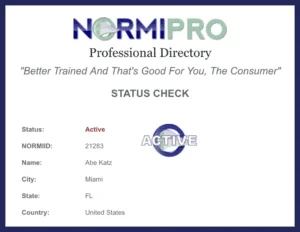
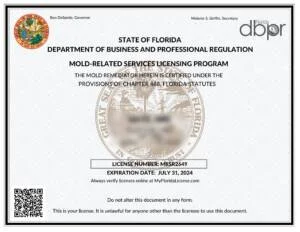
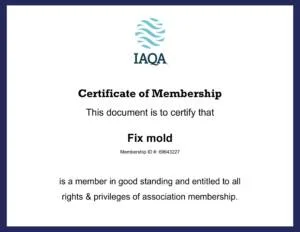
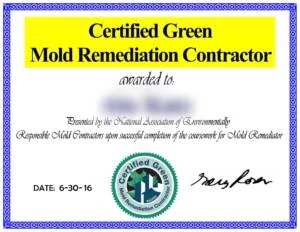
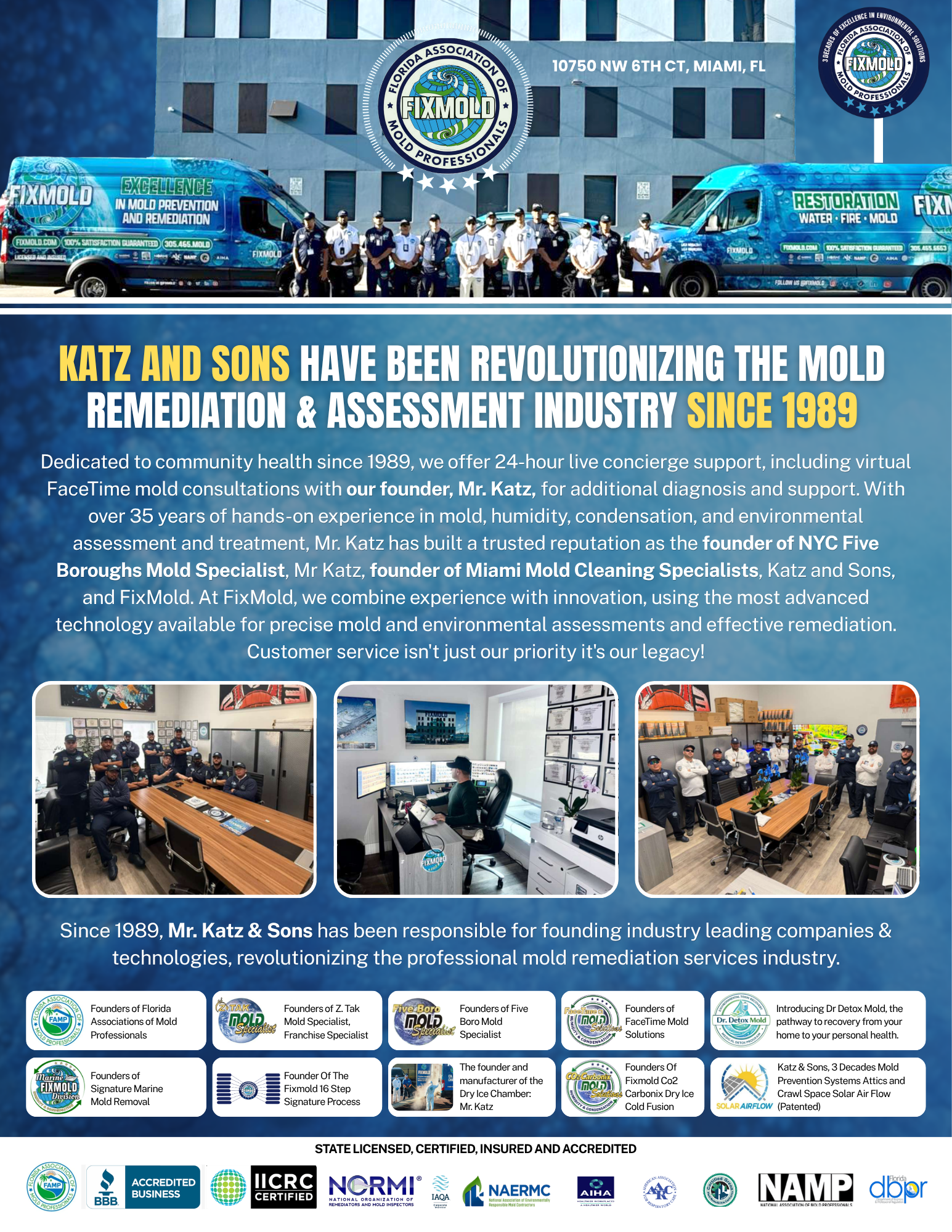
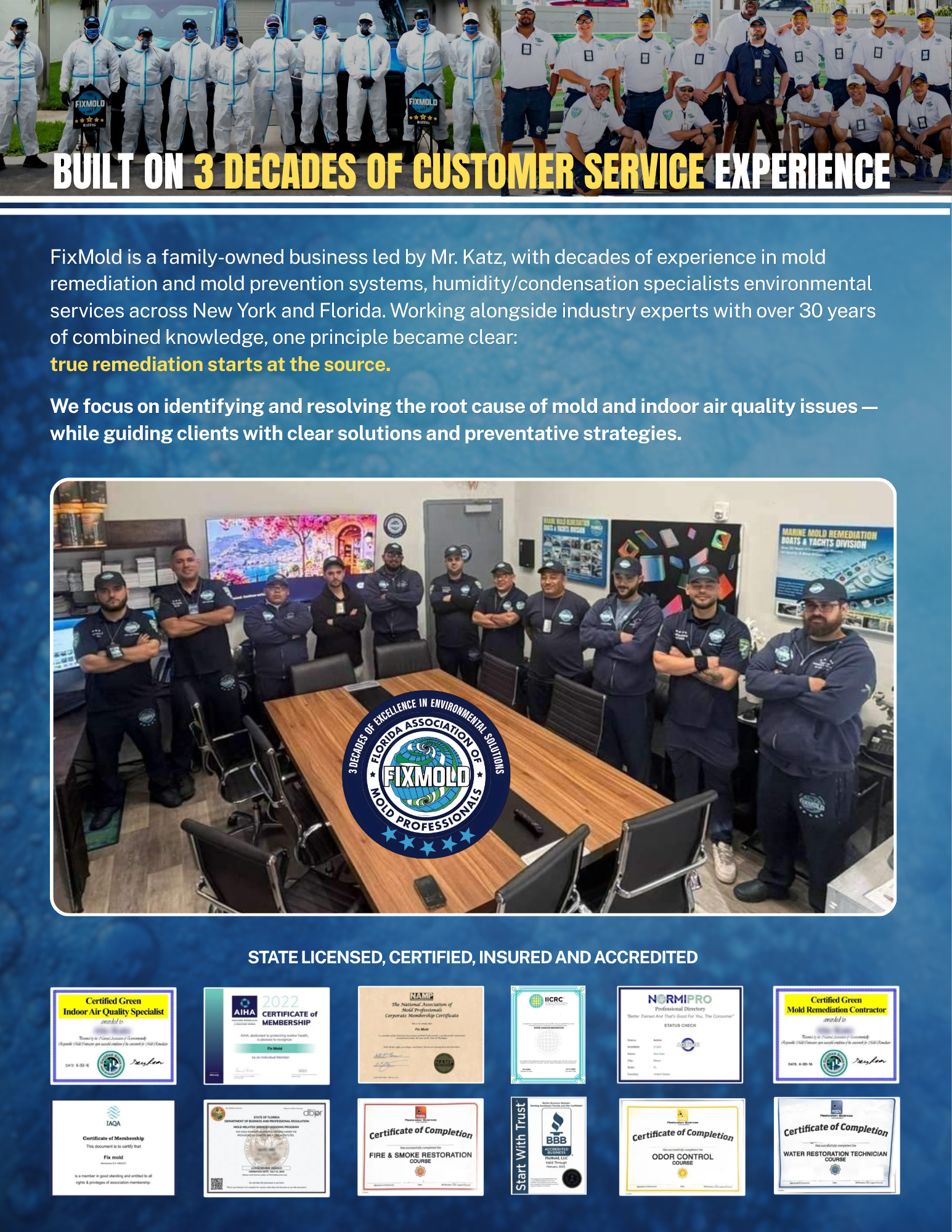
FixMold is South Florida's highest-rated mold remediation company, built on 35 years of the Katz family's work in this exact market. We are state licensed for both mold assessment and mold remediation, which means you work with one accountable team from the first inspection through to the final clearance test. No handoffs. No subcontractors. No loose ends.
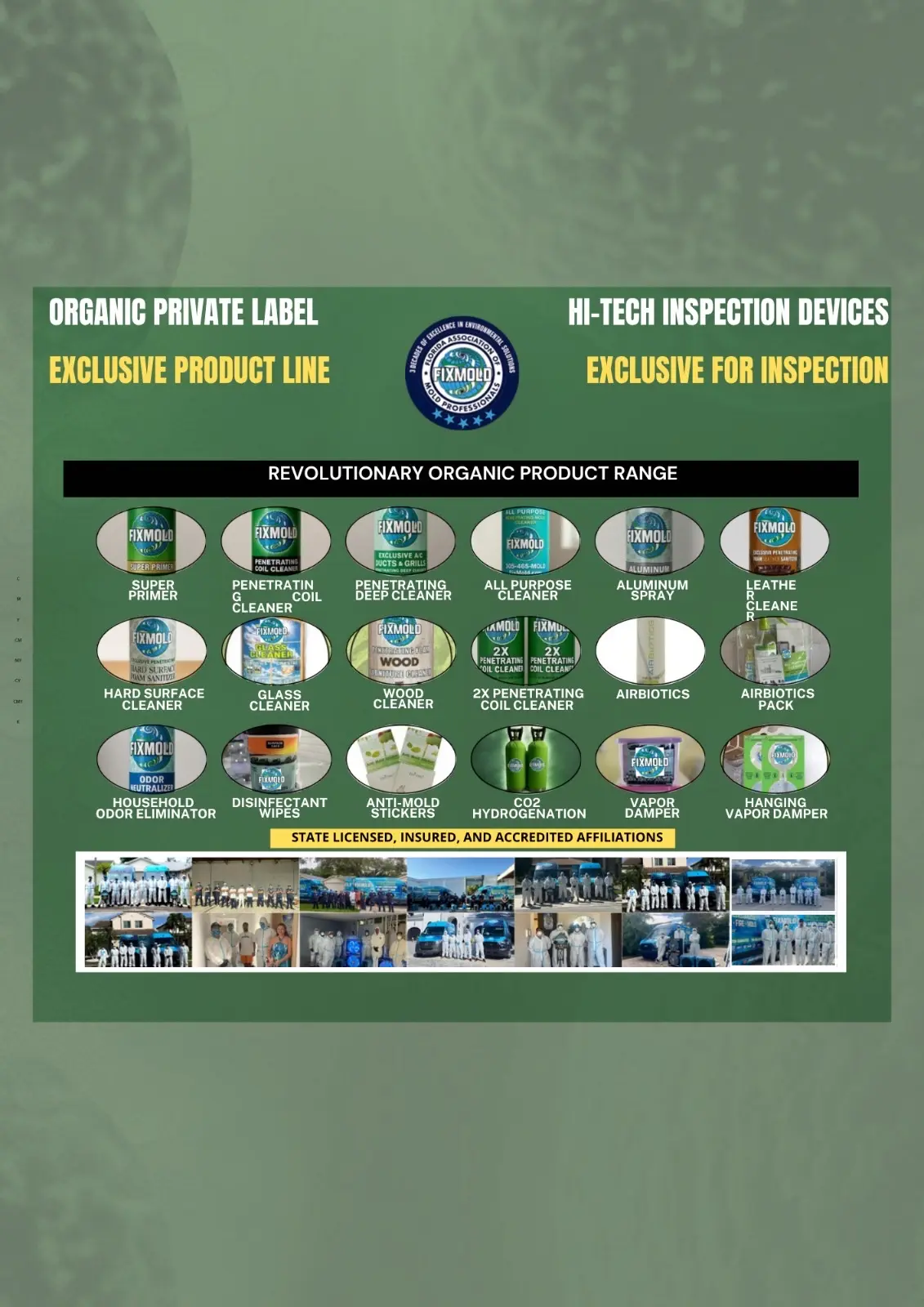
Every remediation we perform follows our proprietary 12-step signature process, uses organic VOC-free antimicrobial treatments that are safe for families and pets, and is backed by a 12-month warranty. We also offer a price match guarantee: if another licensed company quotes you a lower price for the same scope of work, we match it.
What Our Mold Remediation Service Includes
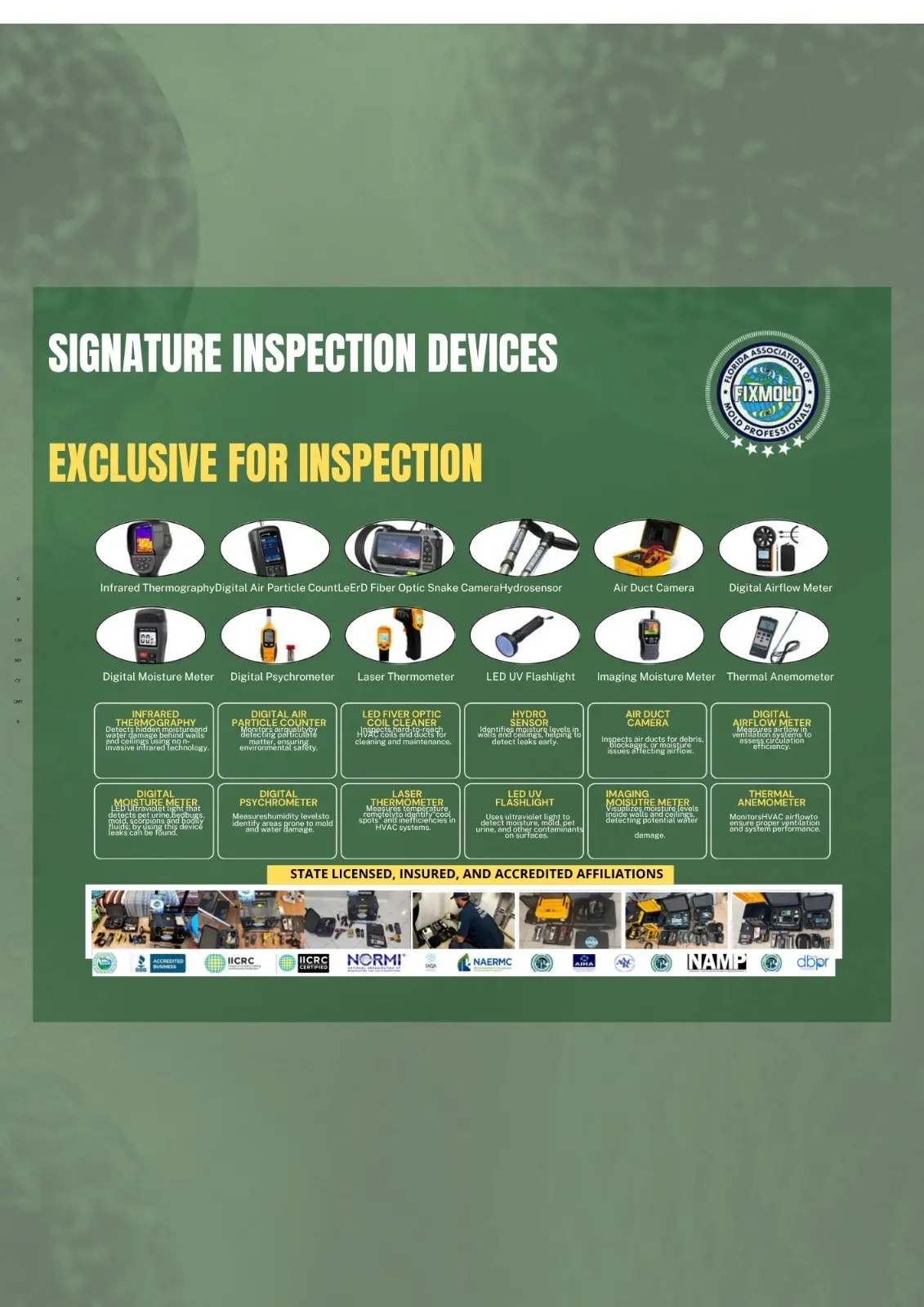
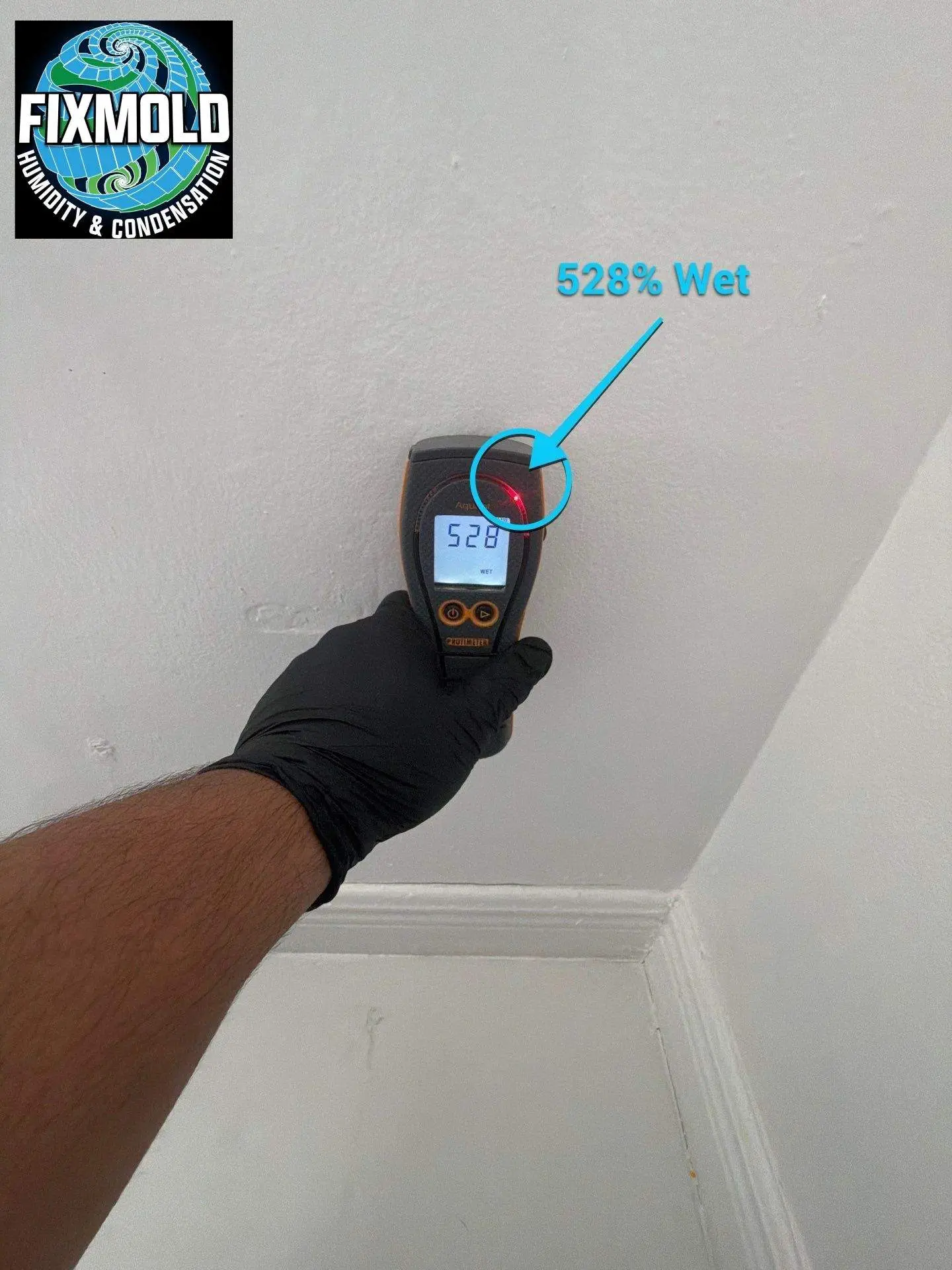
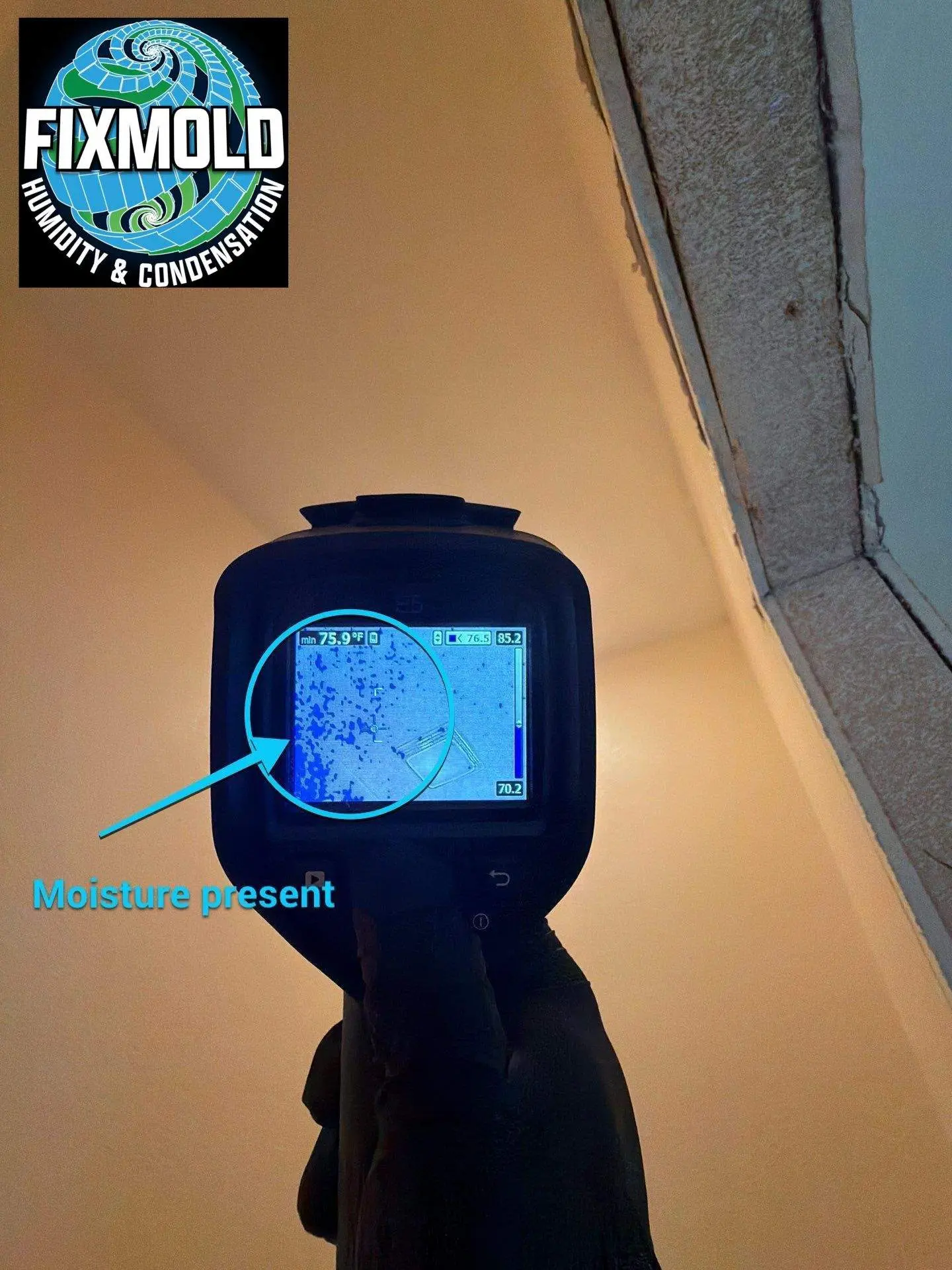
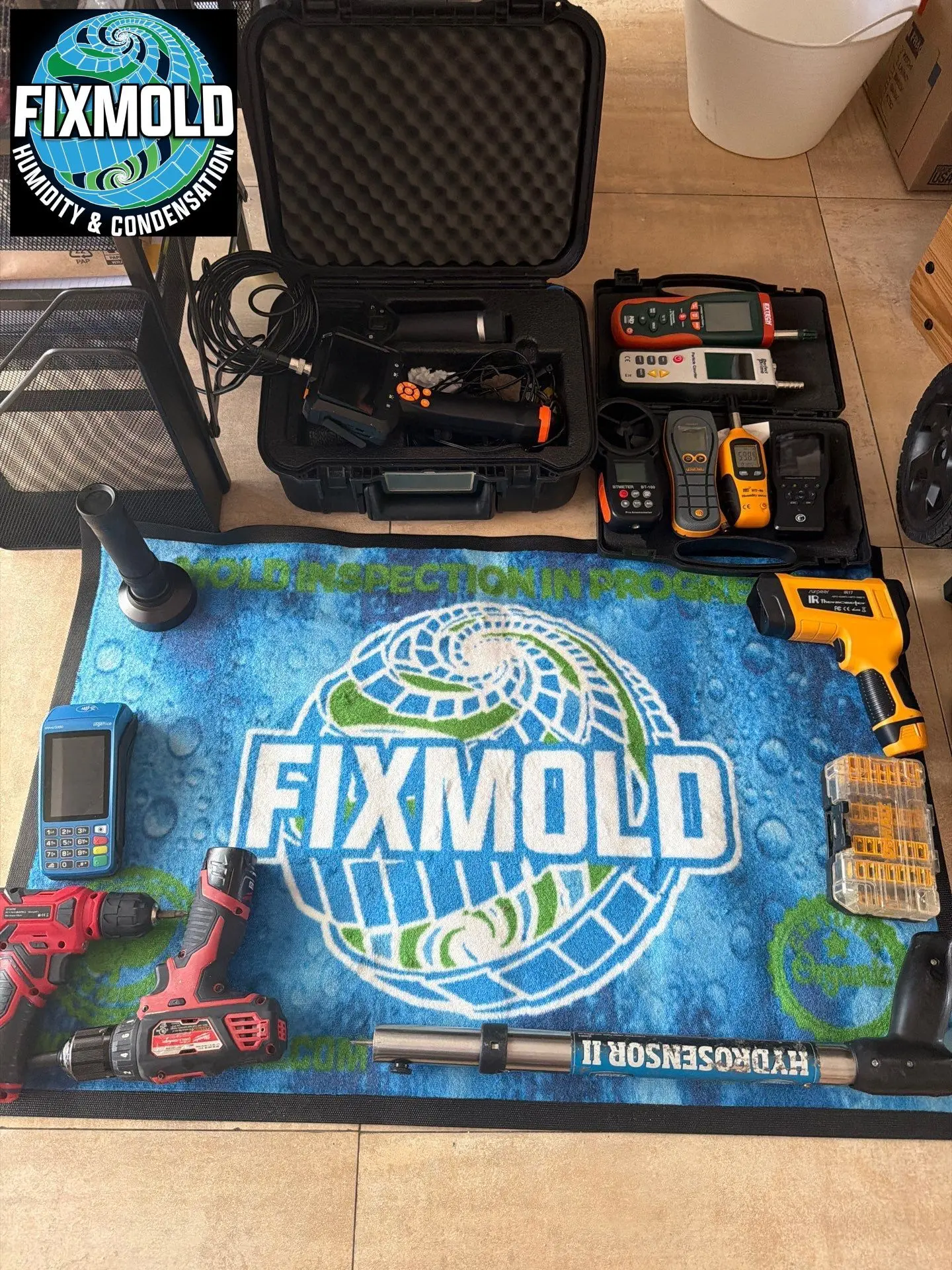
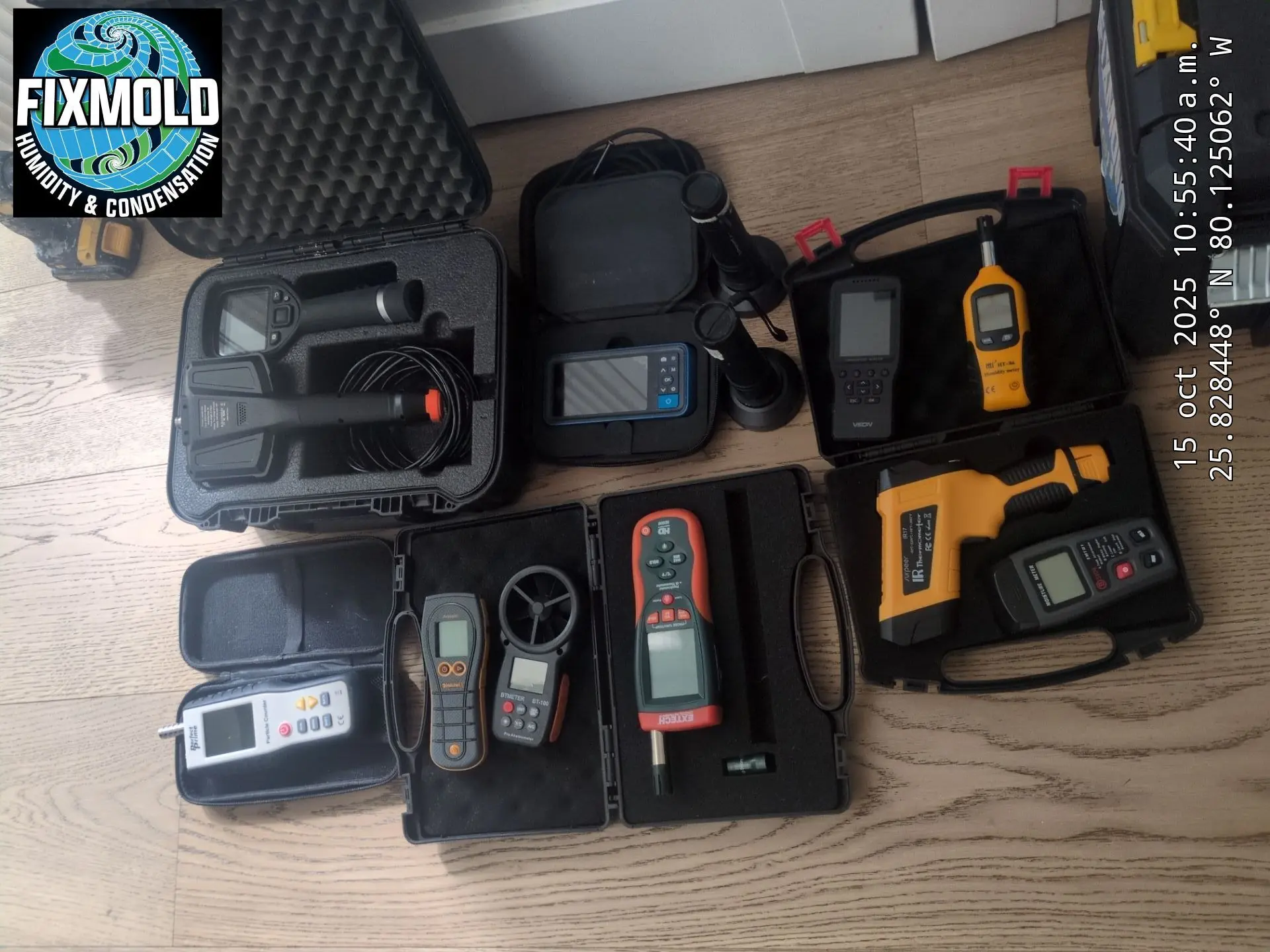
Full mold assessment with infrared thermal imaging and moisture mapping before work begins
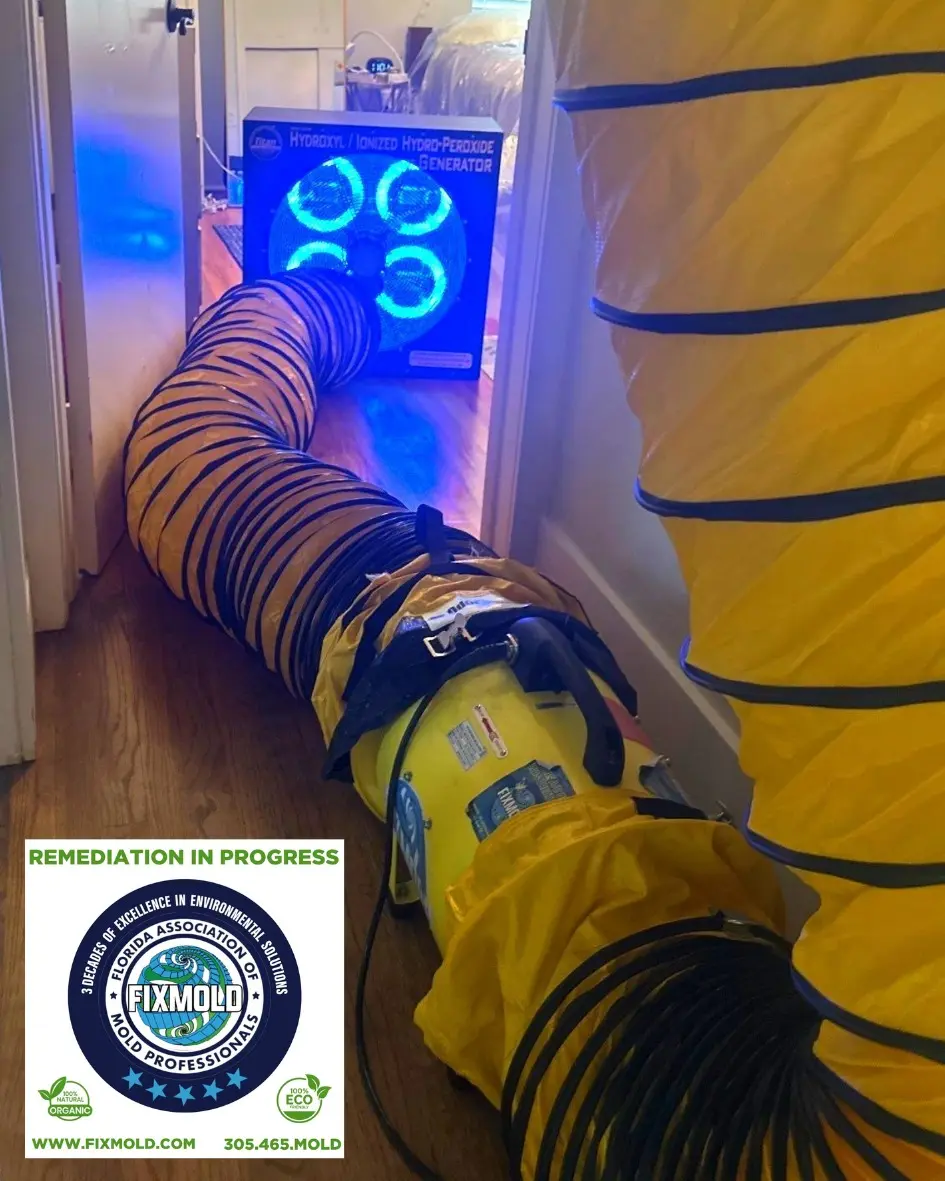
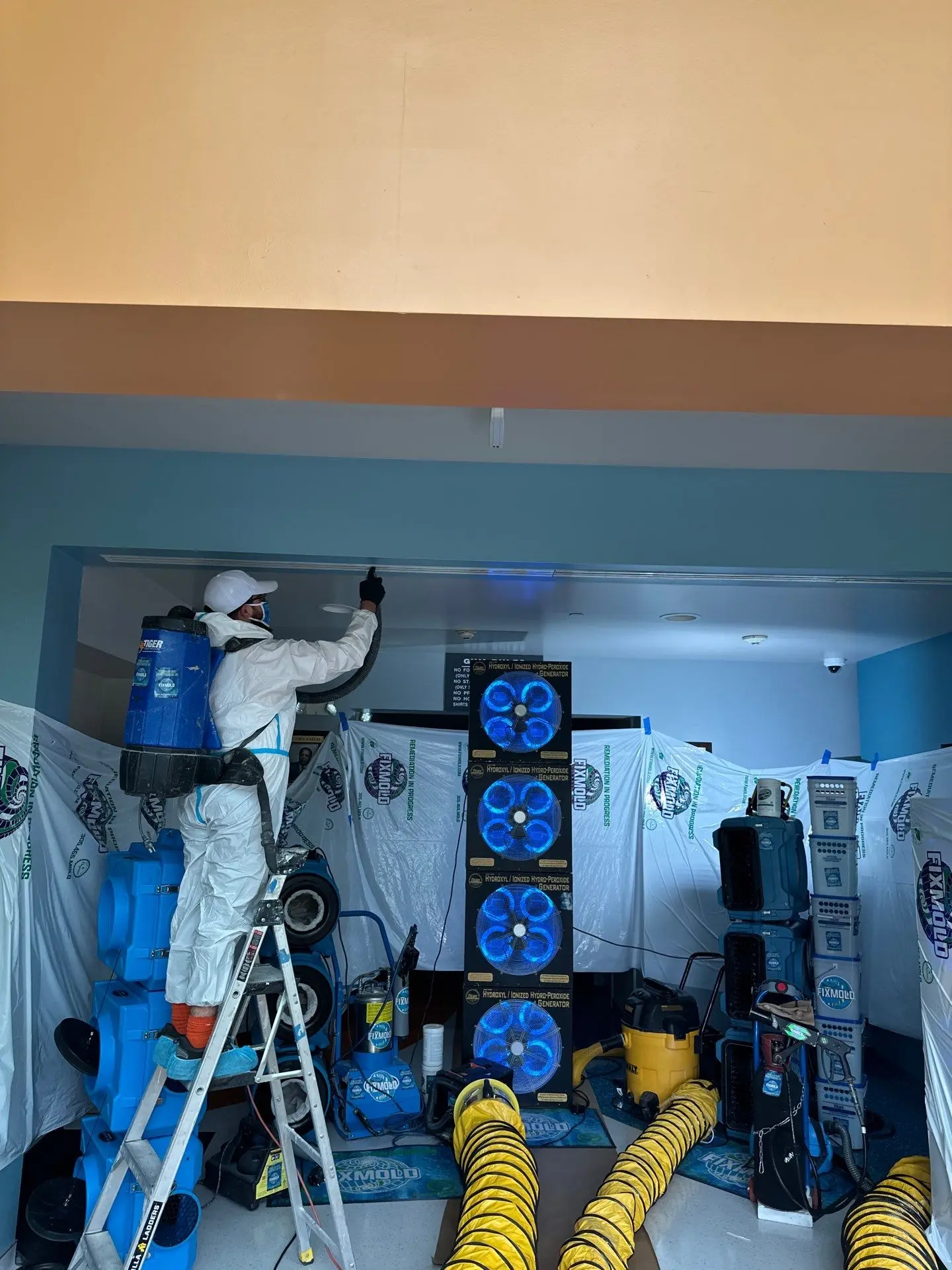
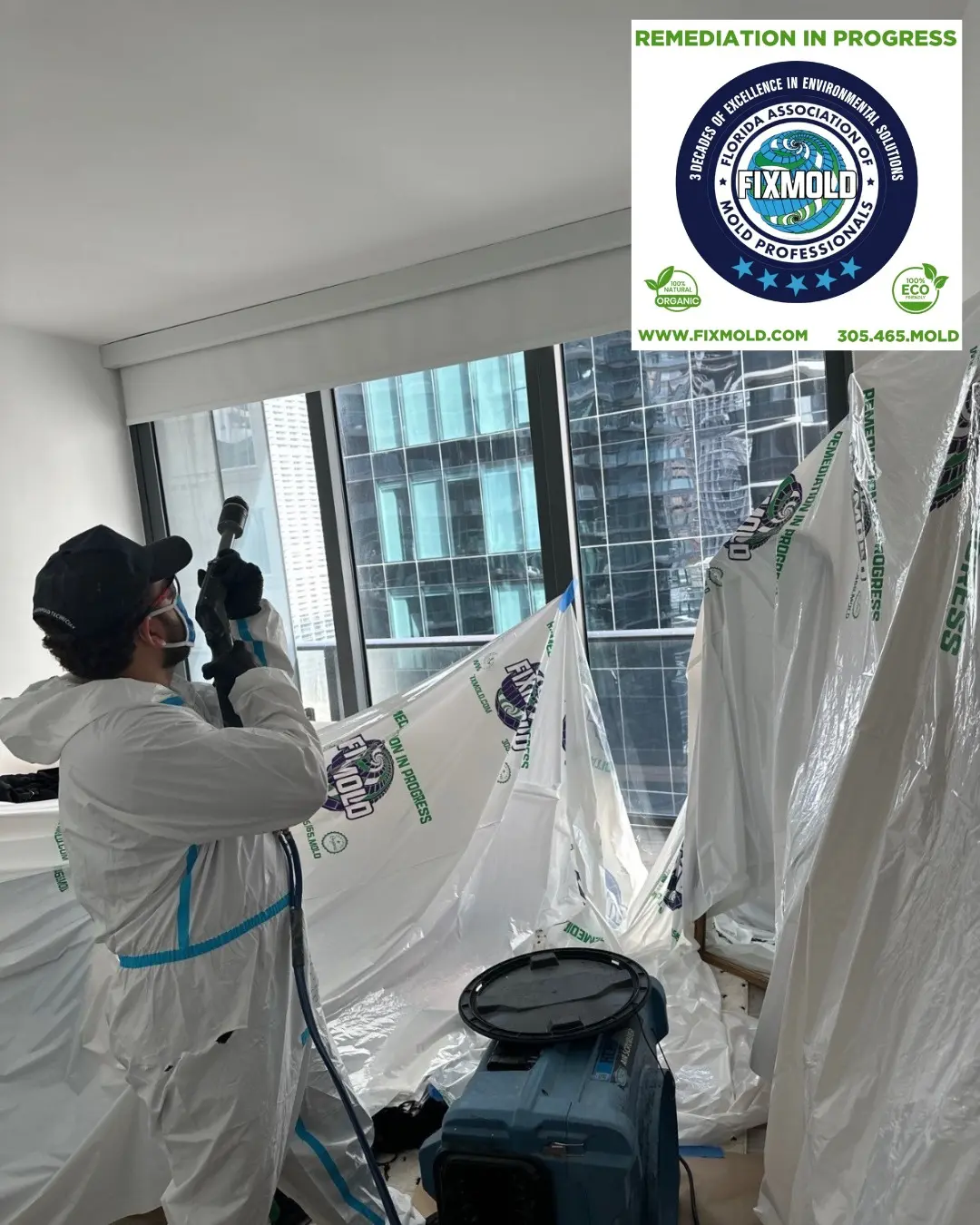
Containment setup with negative air pressure to prevent spores from spreading during removal
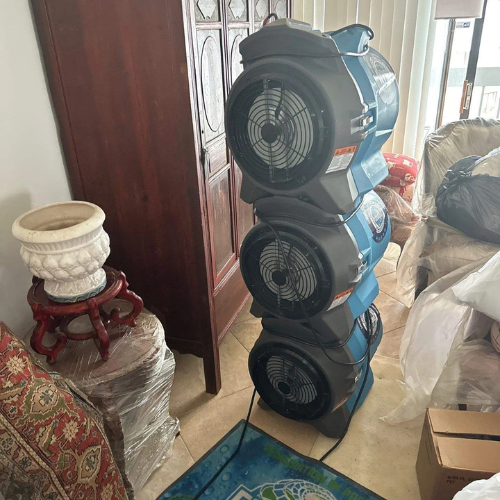
HEPA air filtration running continuously throughout the job
Physical removal of all mold-contaminated materials
Proprietary antimicrobial treatment using 100% organic VOC-free disinfectants
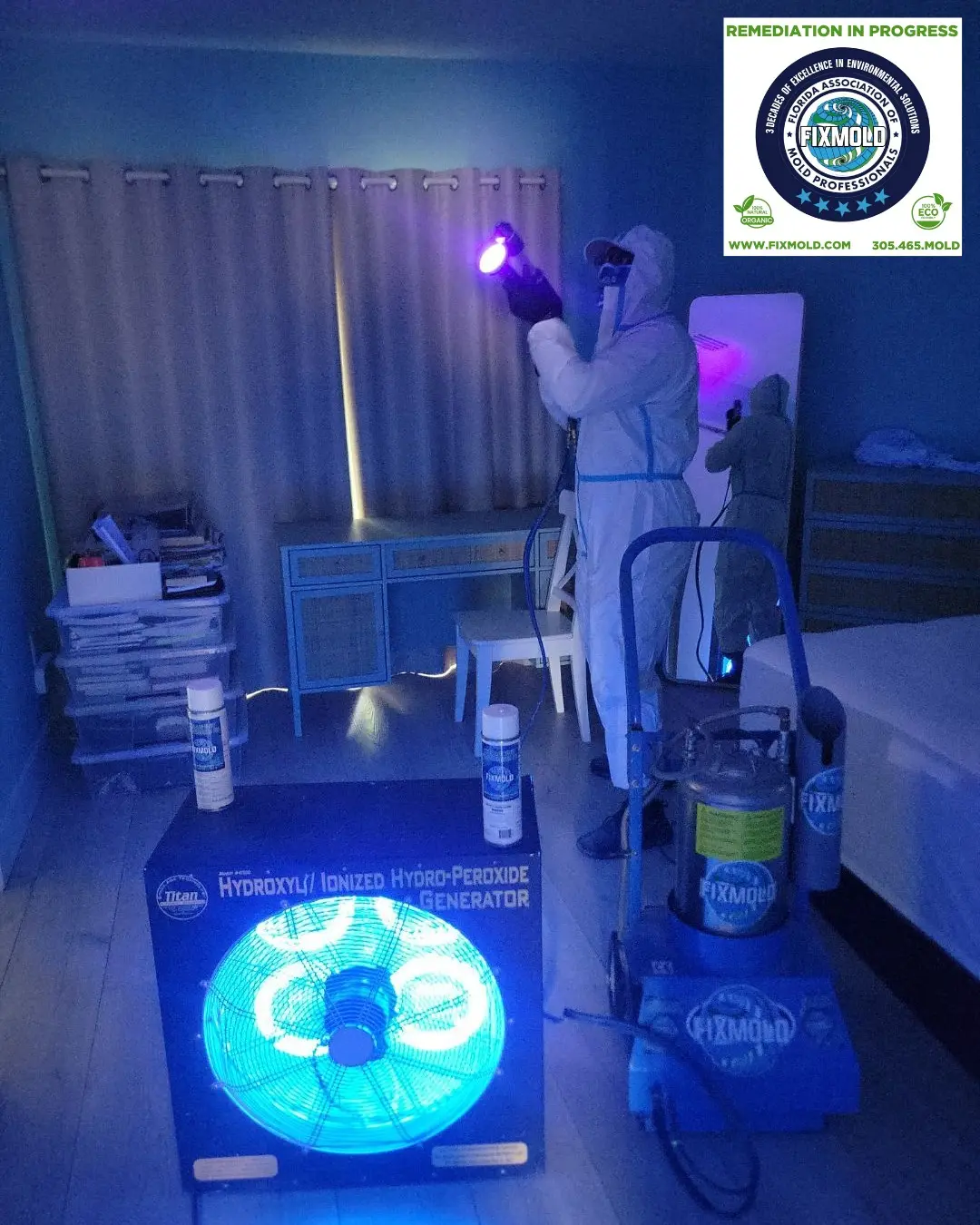
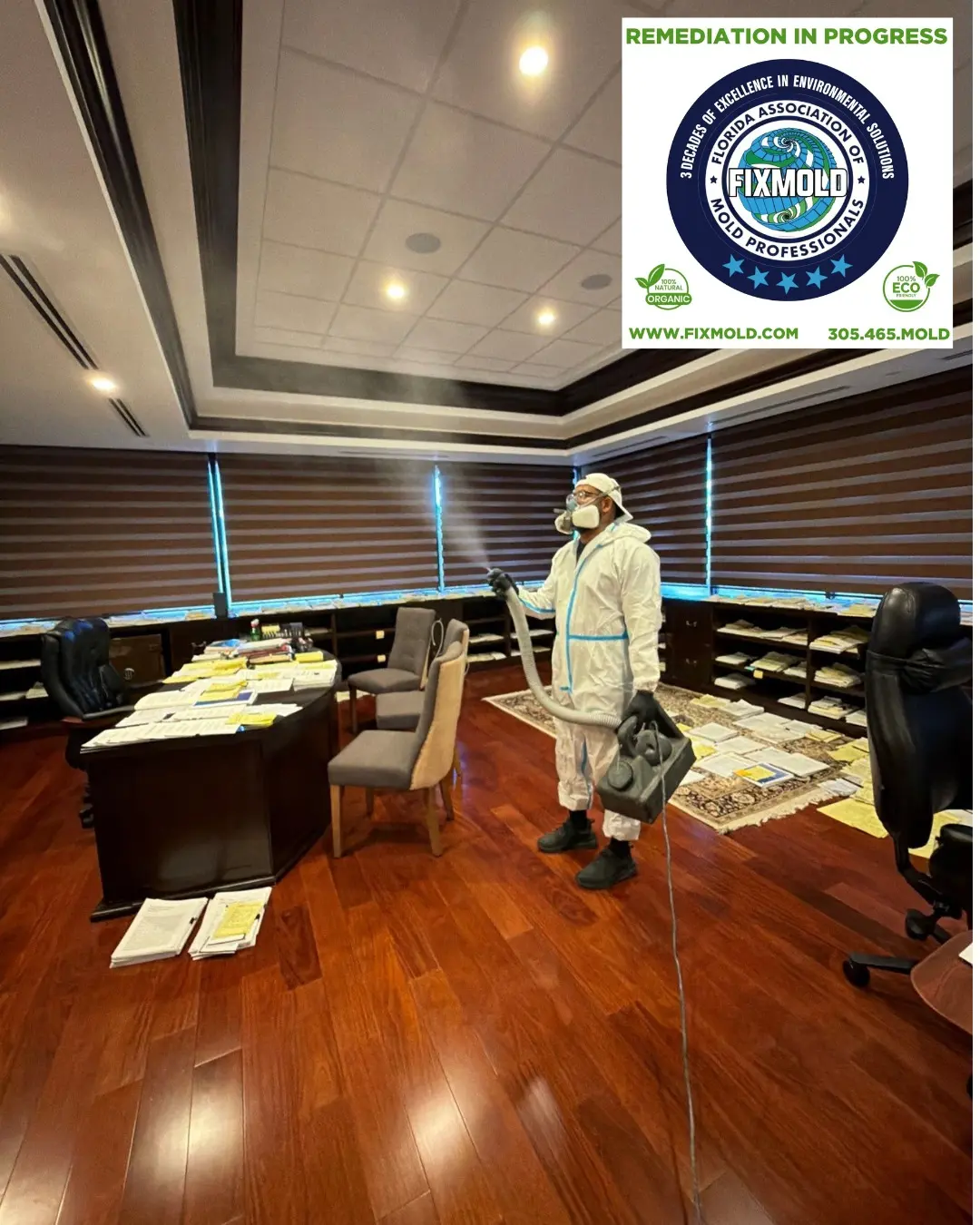
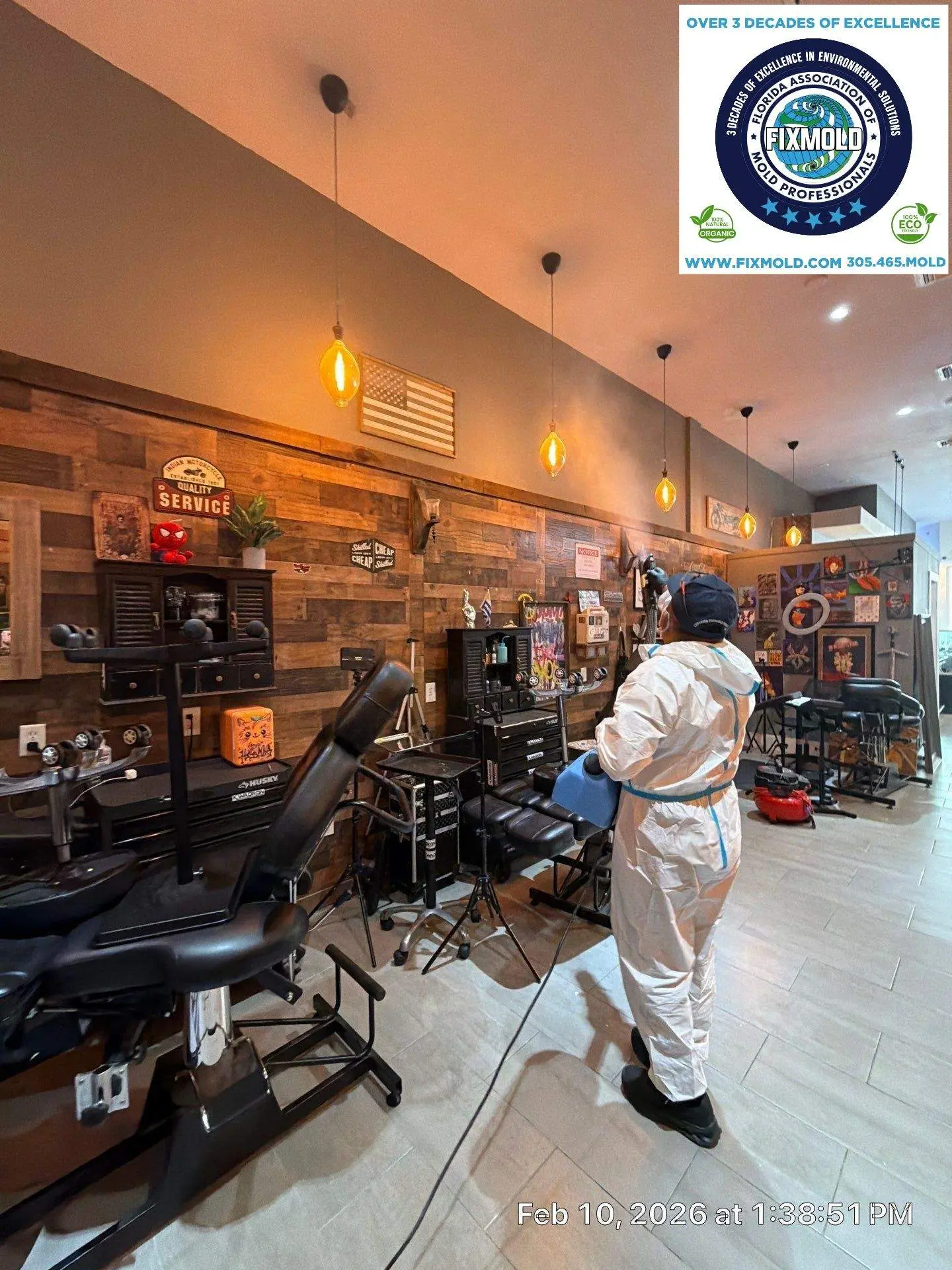
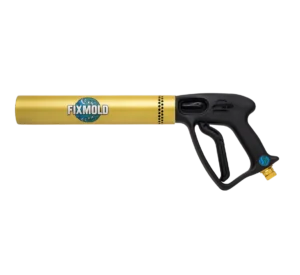
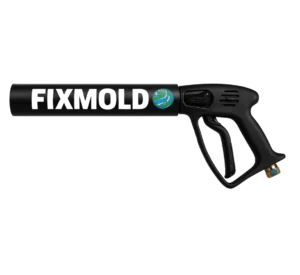
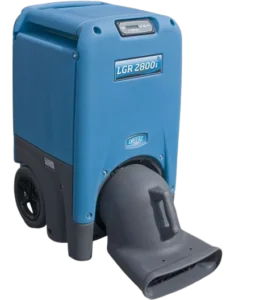
Hydroxyl generator and electrostatic disinfection for complete air and surface coverage
Antimicrobial coating applied to treated surfaces to prevent regrowth
Post-remediation clearance testing to confirm the job is complete
12-month warranty on all work performed
Read More Custom
Mold Remediation vs Mold Removal: Why the Difference Matters
These terms get used interchangeably but they are not the same thing, and the difference has real consequences for whether your problem comes back.
Mold removal refers to the physical act of taking out mold-affected material. Pulling out drywall. Cutting out contaminated insulation. Wiping down a surface. Done in isolation, it addresses what is visible but nothing else. Spores that have become airborne during the removal process settle elsewhere in the property. Mycotoxins remain on surfaces that were not visibly colonized. The moisture source that caused the problem in the first place stays exactly where it is. Three months later, the mold is back.
Call or text: 786-882-1823 | Free FaceTime Assessment: fixmold.com | $150 OFF remediation if testing confirms a problem.
Professional mold remediation is the complete process. Containment comes first, creating a sealed negative-pressure environment so that spores disturbed during removal cannot migrate to unaffected areas. Then physical removal of contaminated materials. Then antimicrobial treatment of all affected surfaces, including those that showed no visible growth but were exposed. Then air treatment to reduce ambient spore counts throughout the property. Then moisture source identification and remediation so the conditions that caused the problem cannot repeat. Then laboratory clearance testing to verify the result. That is the difference between fixing a problem and covering it over.
The FixMold 12-Step Signature Remediation Process
This is the process the Katz family developed and refined over more than three decades working in South Florida's specific climate conditions. It is not a generic industry checklist. It is a methodology built around the reality that Miami's humidity, heat and storm patterns create mold challenges that require a more comprehensive response than what a standard template provides.
1. Full Property Assessment
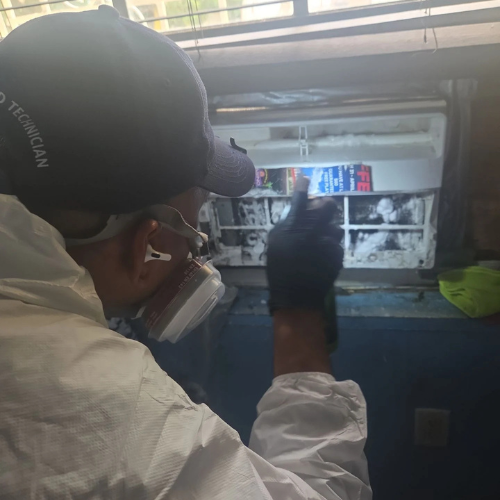
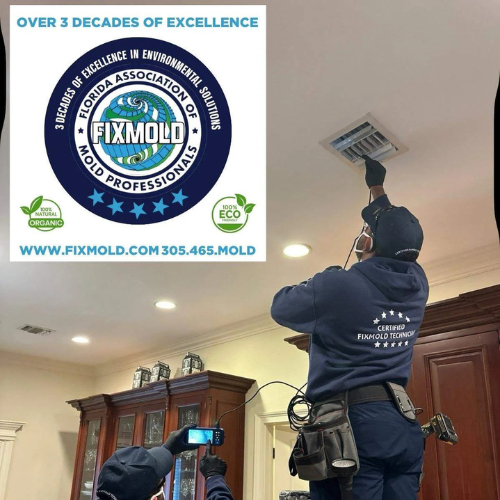
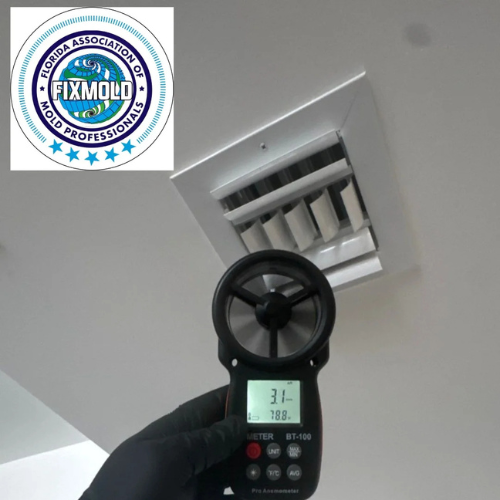
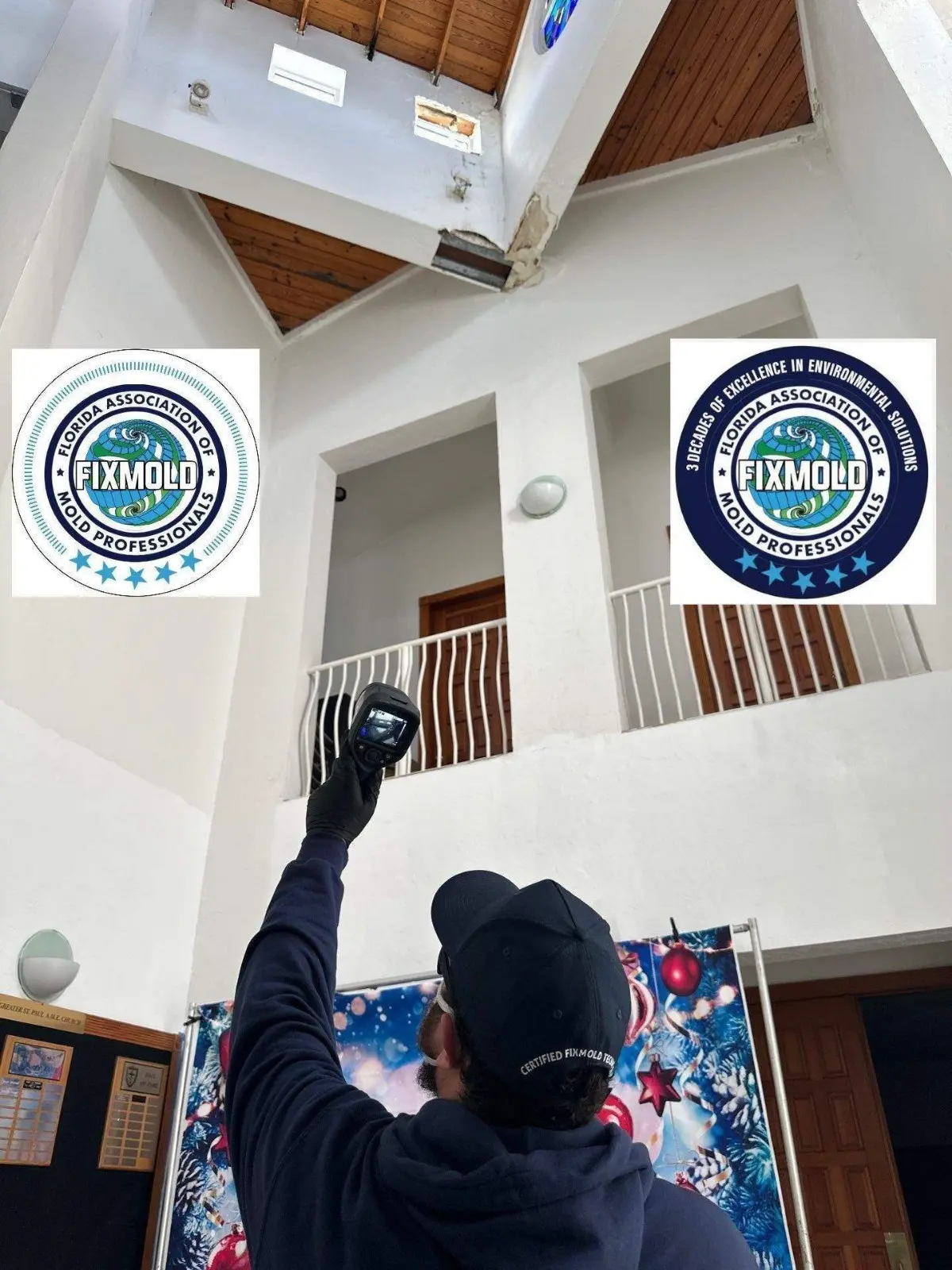
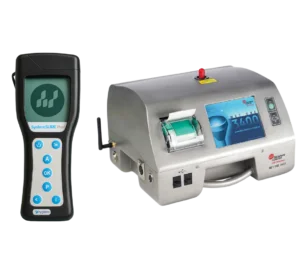
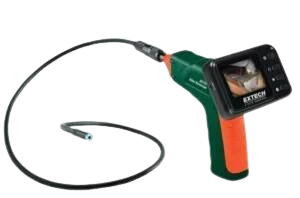
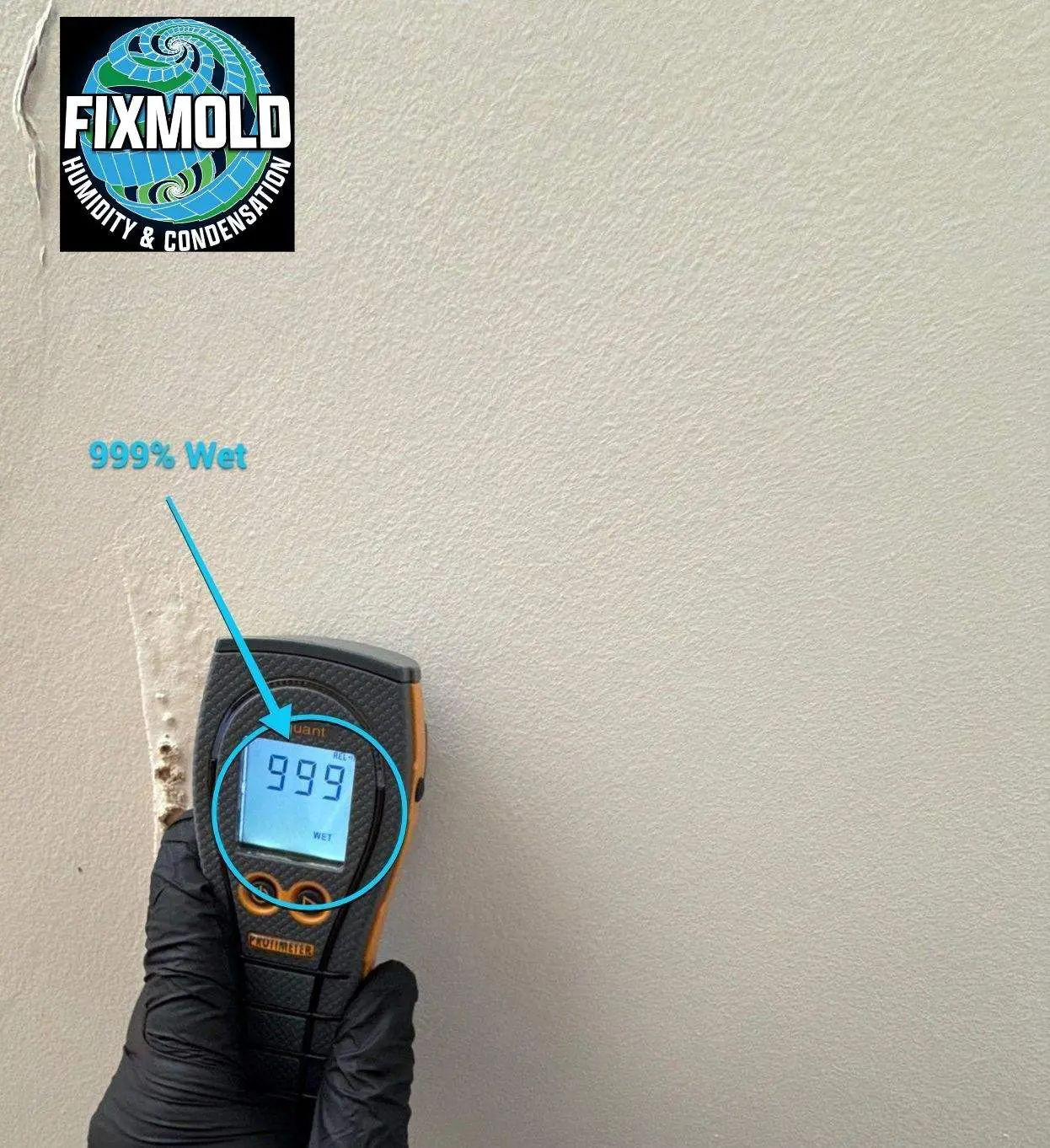
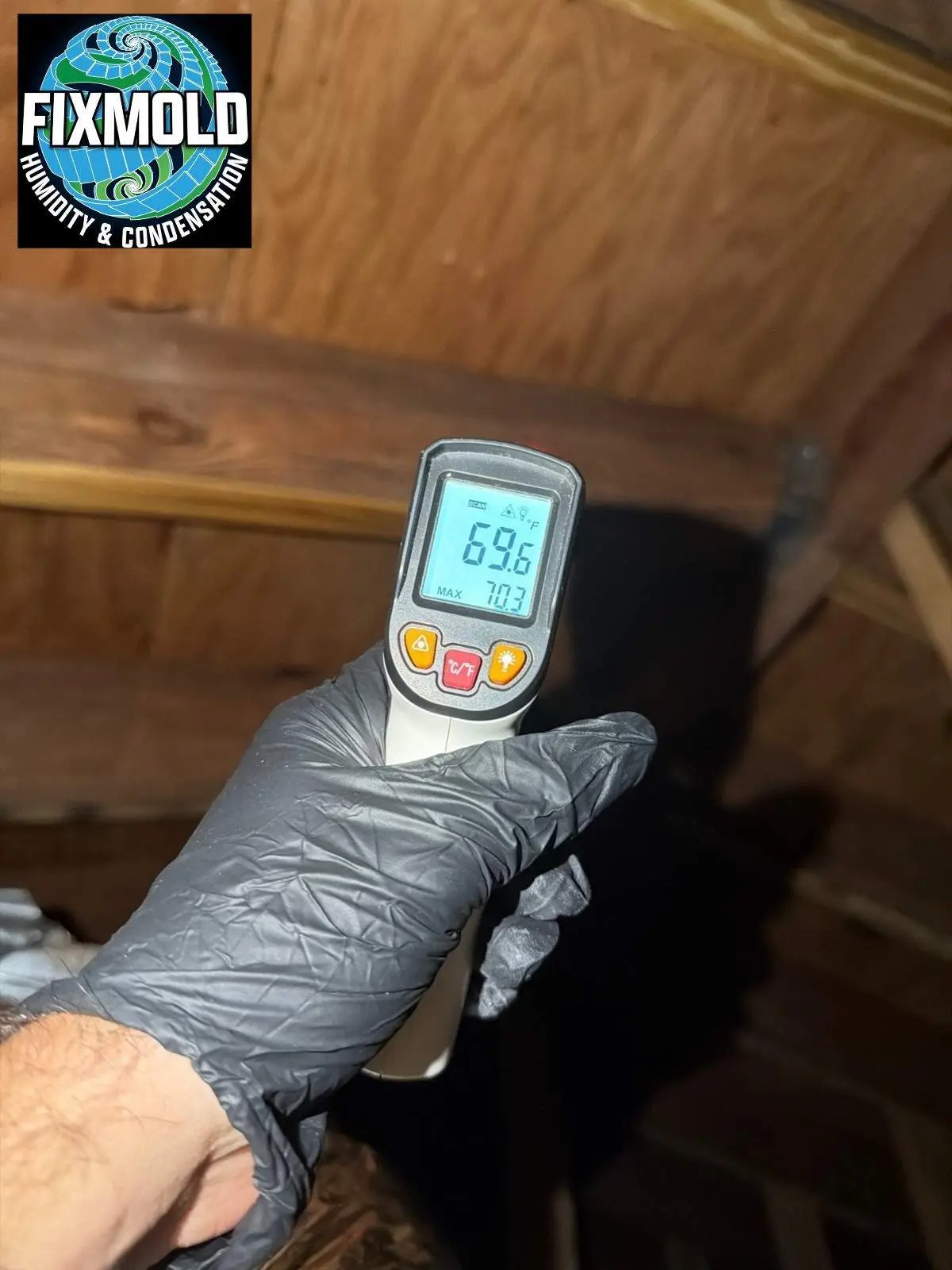
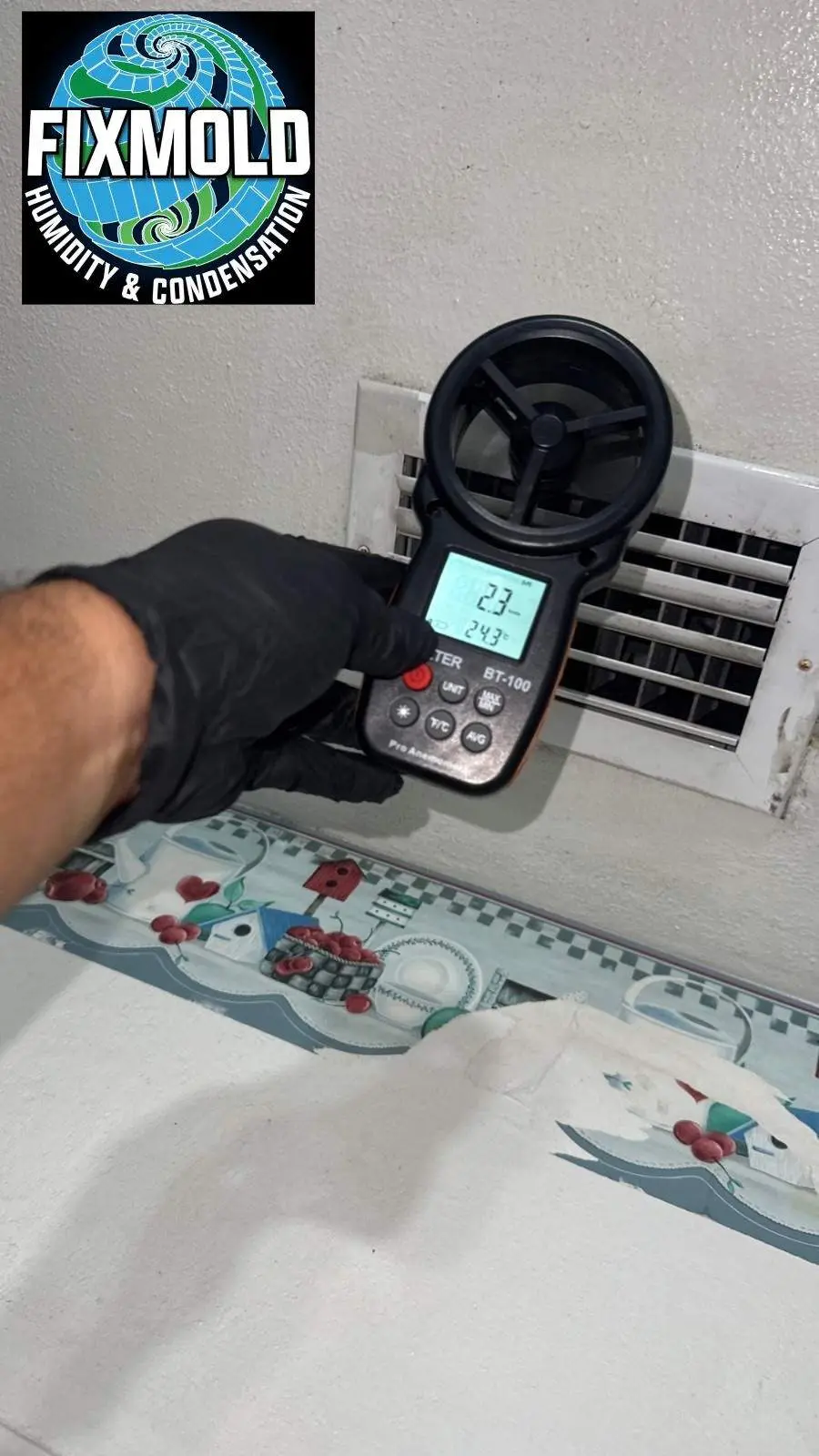
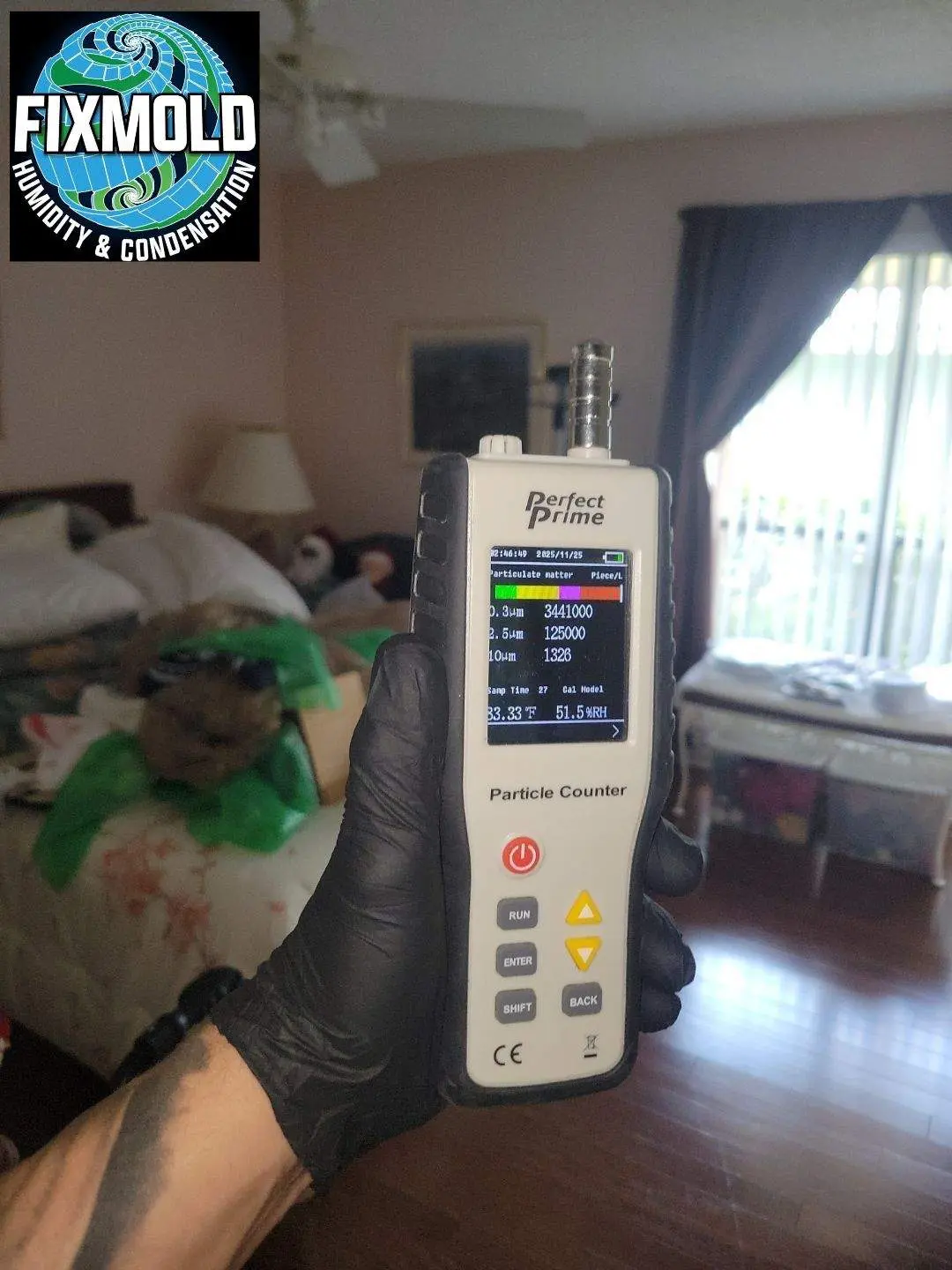
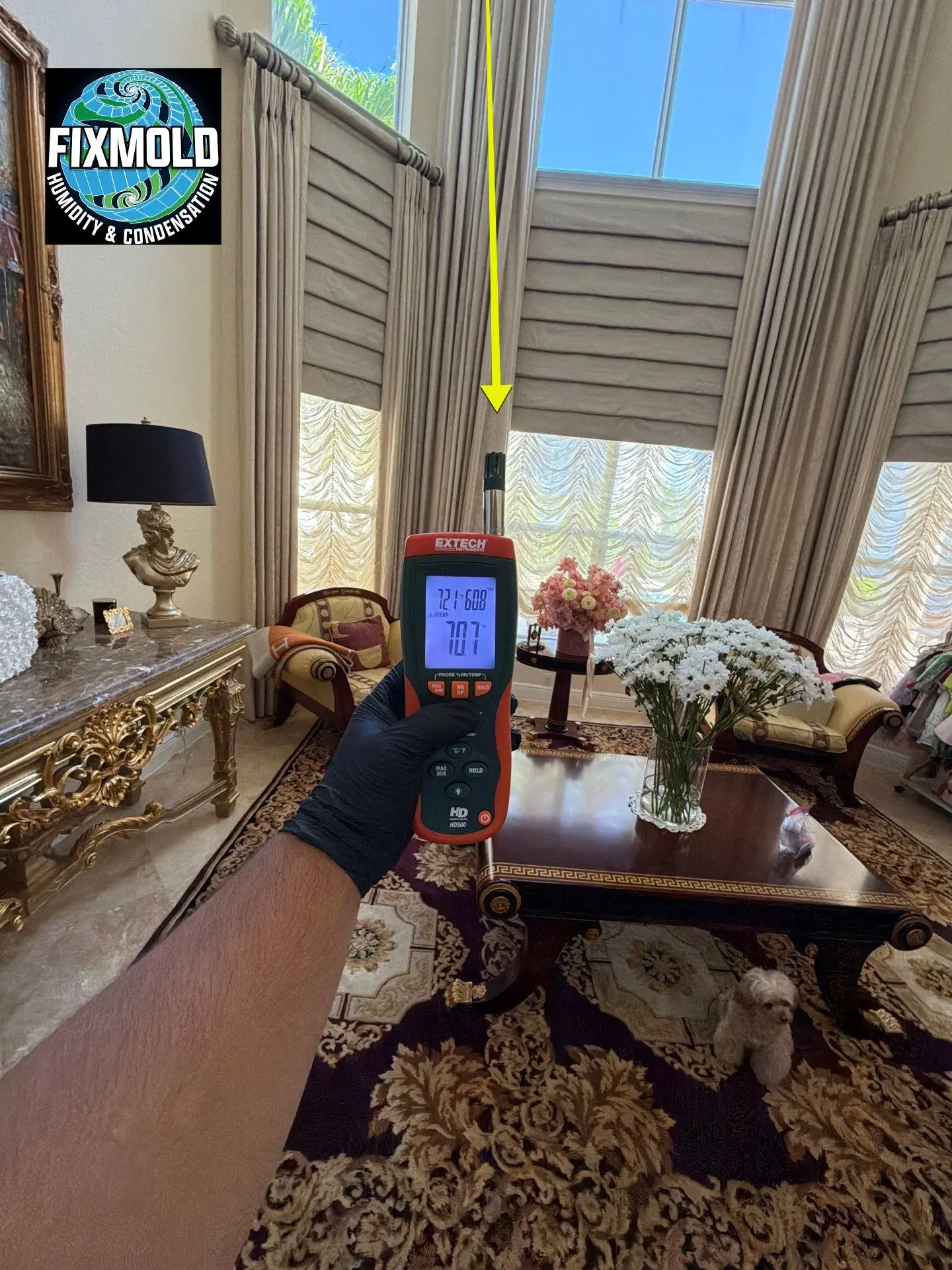
Before a single piece of equipment is set up, our assessor maps the full extent of the problem. Infrared thermal imaging identifies moisture behind surfaces. Moisture meters quantify the saturation level in affected materials. Air sampling establishes baseline spore counts. This assessment dictates the scope of work. We do not estimate based on what is visible. We assess based on what is actually there.
2. Containment and Negative Air Pressure
The affected area is sealed with heavy-duty polyethylene barriers. An air scrubber creates negative pressure inside the containment zone so that any spores disturbed during work flow outward through filtration rather than into the rest of the property. Entry and exit points are sealed with zipper doors. This step is non-negotiable and is one of the clearest differences between a professional remediation and someone trying to handle a serious mold problem themselves.
3. HEPA Air Filtration
Commercial-grade HEPA air scrubbers run continuously throughout the job. HEPA filtration captures particles down to 0.3 microns, which covers all mold spores. Air in the work zone is continuously cycled and filtered for the duration of the remediation.
4. Controlled Removal of Contaminated Materials
Mold-affected drywall, insulation, flooring, wood framing or other organic building materials are carefully removed within the contained area and double-bagged for disposal per Florida Department of Health guidelines. We remove what needs to come out and nothing more. Unnecessary demolition adds cost and extends the project without improving the result.
5. HEPA Vacuuming of All Surfaces
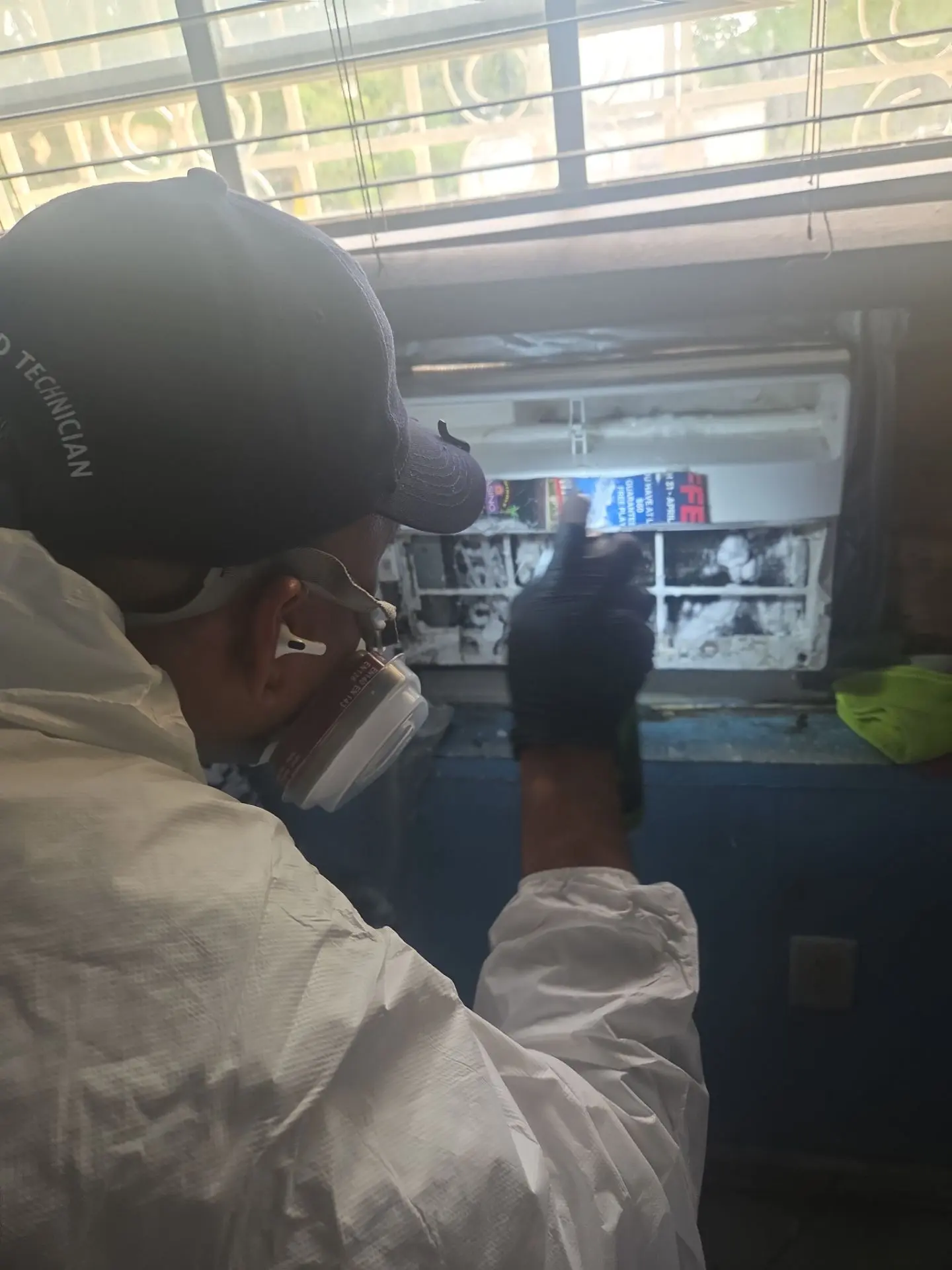
Before antimicrobial treatment, every surface in the affected area is HEPA vacuumed to remove residual spores and particulates. This step is often skipped by companies cutting corners. Skipping it means treating a surface that still carries a significant spore load, which reduces the effectiveness of everything that follows.
6. Antimicrobial Treatment with Organic VOC-Free Disinfectants
We treat all affected and adjacent surfaces with our organic, biodegradable, VOC-free antimicrobial solution. This product is safe for families, children and pets and carries no off-gassing period. It kills mold at the surface level and penetrates porous materials to address growth that extends beneath the surface.
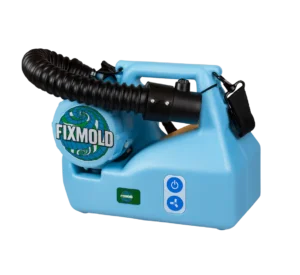
7. ULV Particle Fogging
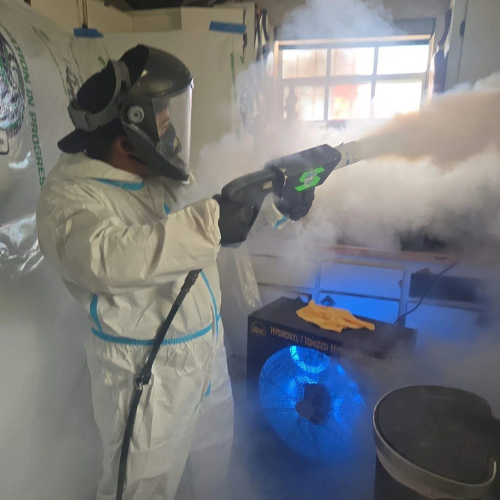
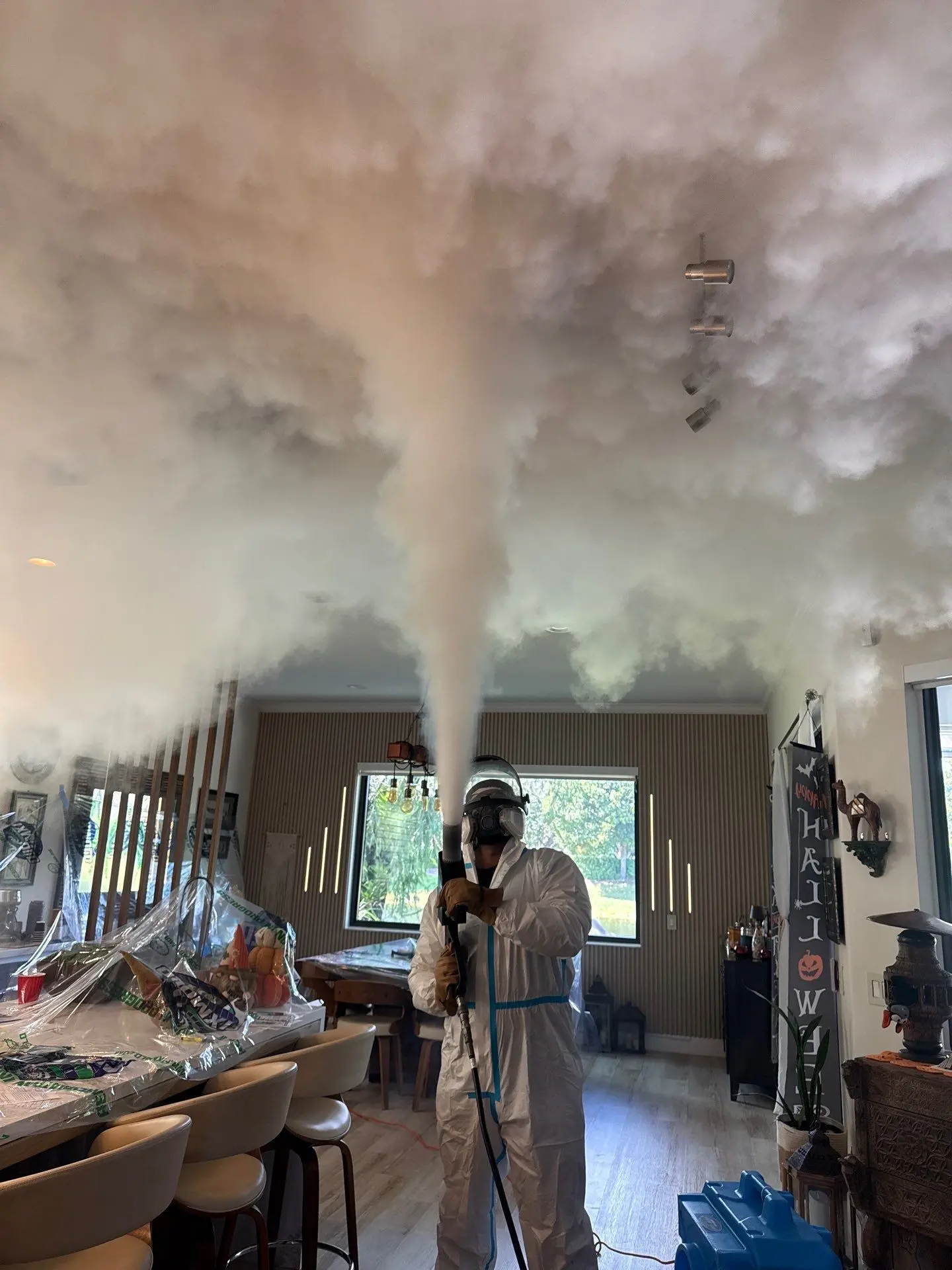
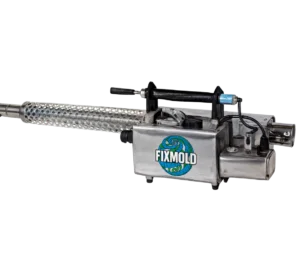
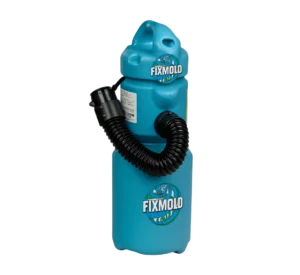
Our ULV particle fogger disperses antimicrobial solution in a microscopic particle size that penetrates into voids, crevices and areas that direct application cannot reach. This is particularly important in wall cavities, duct openings and structural framing where mold often colonizes below the visible surface.
8. Hydroxyl Generator Deployment
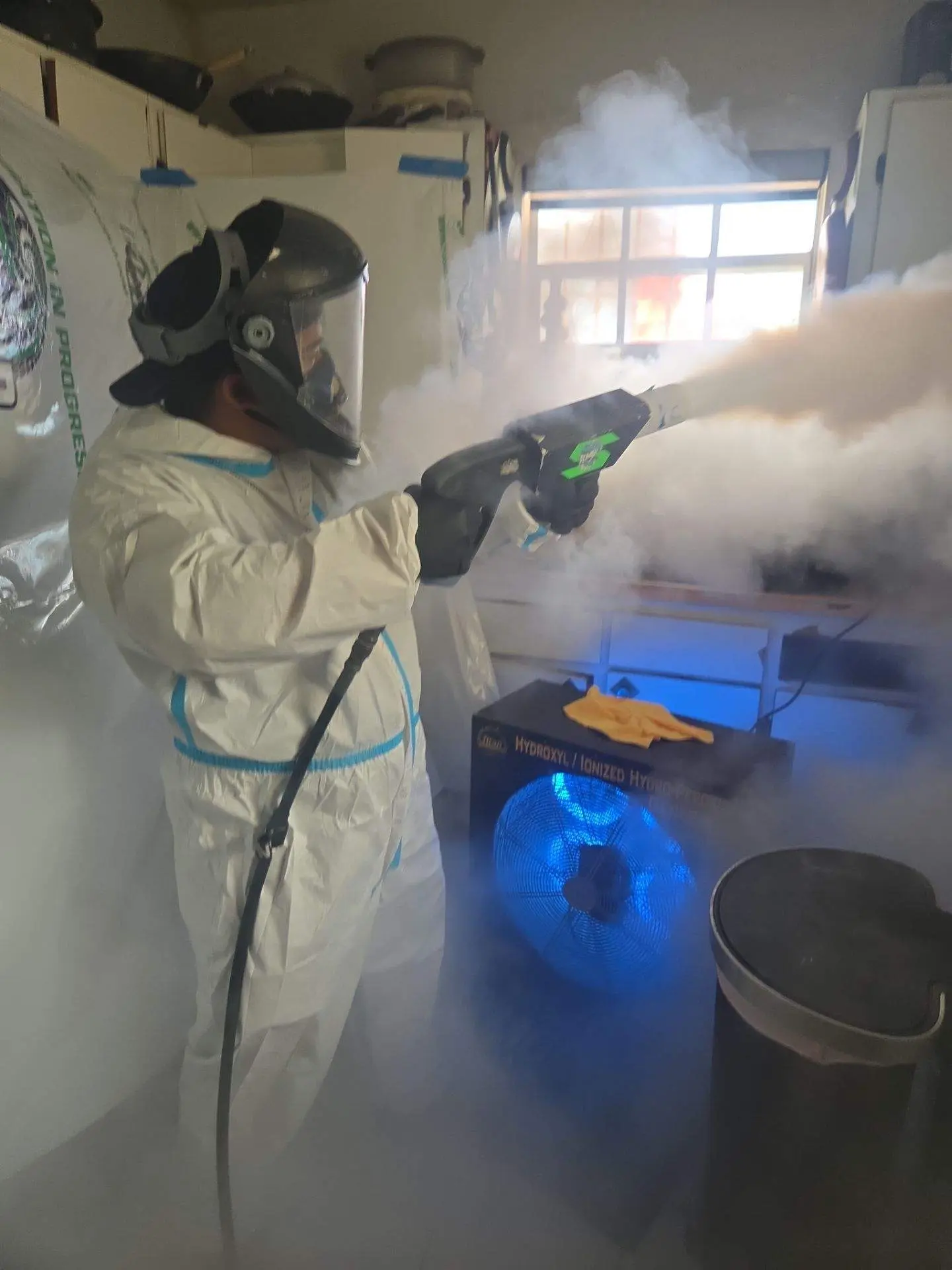
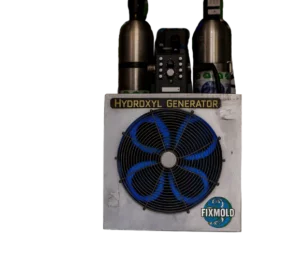
Hydroxyl generators produce hydroxyl radicals that break down mold spores, mycotoxins and volatile organic compounds at the molecular level. Unlike ozone generators, hydroxyl generators are safe to run in occupied spaces and do not require property evacuation. They work on the air throughout the property, not just the immediate remediation area.
9. Electrostatic Disinfection
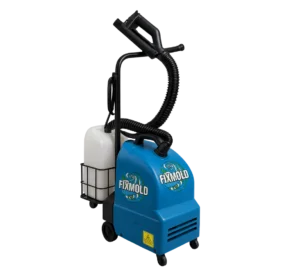
Electrostatic sprayers apply a positively charged antimicrobial mist that wraps around surfaces and reaches the underside of objects, providing 360 degree coverage that conventional spraying cannot achieve. This step ensures complete surface treatment across the entire affected zone.
10. Antimicrobial Protective Coating
Treated surfaces receive a final antimicrobial coating that creates a long-lasting barrier against mold regrowth. This coating remains active on the surface long after the job is complete and is a significant reason why our remediation results hold up under the 12-month warranty we provide.
11. Moisture Source Remediation
If the moisture source has not already been addressed before we arrive, we identify it and either remedy it directly through our general contractor services or provide a specific recommendation. This step is the one most commonly skipped by companies that treat mold as a surface problem rather than a moisture problem. Treating the mold without addressing the source is temporary work at best.
12. Post-Remediation Clearance Testing
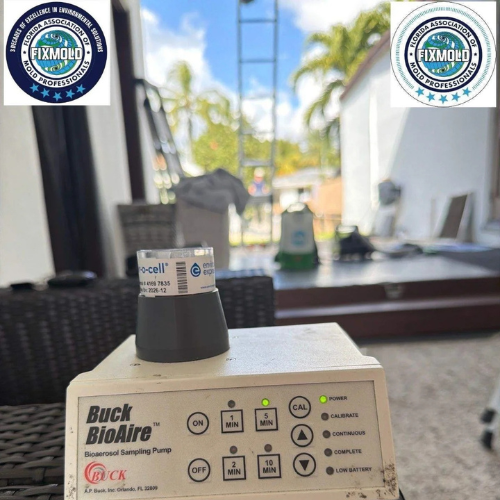
The final step is independent laboratory testing to confirm that indoor air quality has returned to safe levels. We collect air samples from the remediated area and compare them to outdoor baseline readings. Work is not complete until those results confirm clearance. This is not an optional add-on. It is how we verify our own work before we hand the property back to you.
How Long Mold Remediation Takes
Timeline depends entirely on the scope of what was found during the assessment. A contained bathroom or single-room problem is typically a half-day job. A mid-size residential remediation covering multiple rooms or areas runs a full day. Larger properties or situations where mold has spread through structural framing, HVAC systems or multiple floors can run anywhere from two to seven days. Your assessor gives you a realistic timeline before work begins based on what the inspection actually found, not an estimate pulled from a standard template.
Does Homeowner Insurance Cover Mold Remediation in Florida?
This depends on the cause. If mold resulted directly from a sudden covered loss, a burst pipe, roof damage from a storm, an appliance failure, most Florida homeowner policies will cover the remediation up to the policy's mold limit, which varies. If mold developed from long-term humidity, slow leaks or deferred maintenance, most policies will not cover it.
FixMold works with insurance claims regularly. We provide the documentation that adjusters require, including a full assessment report, photographic evidence, lab results and a detailed scope of work. If you are filing a claim, we recommend contacting us before you contact a public adjuster so we can give you an accurate picture of scope and cost from the start.
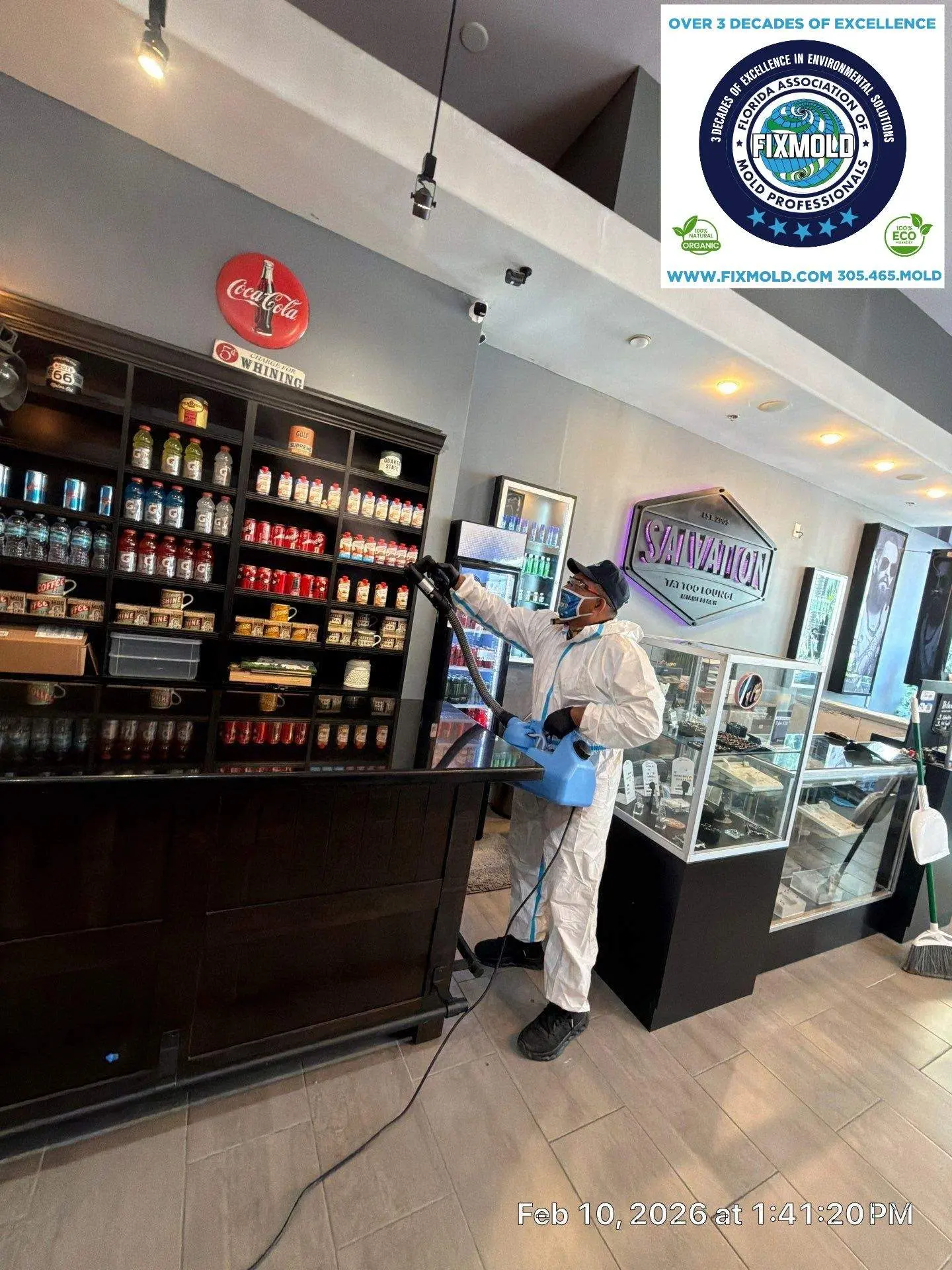
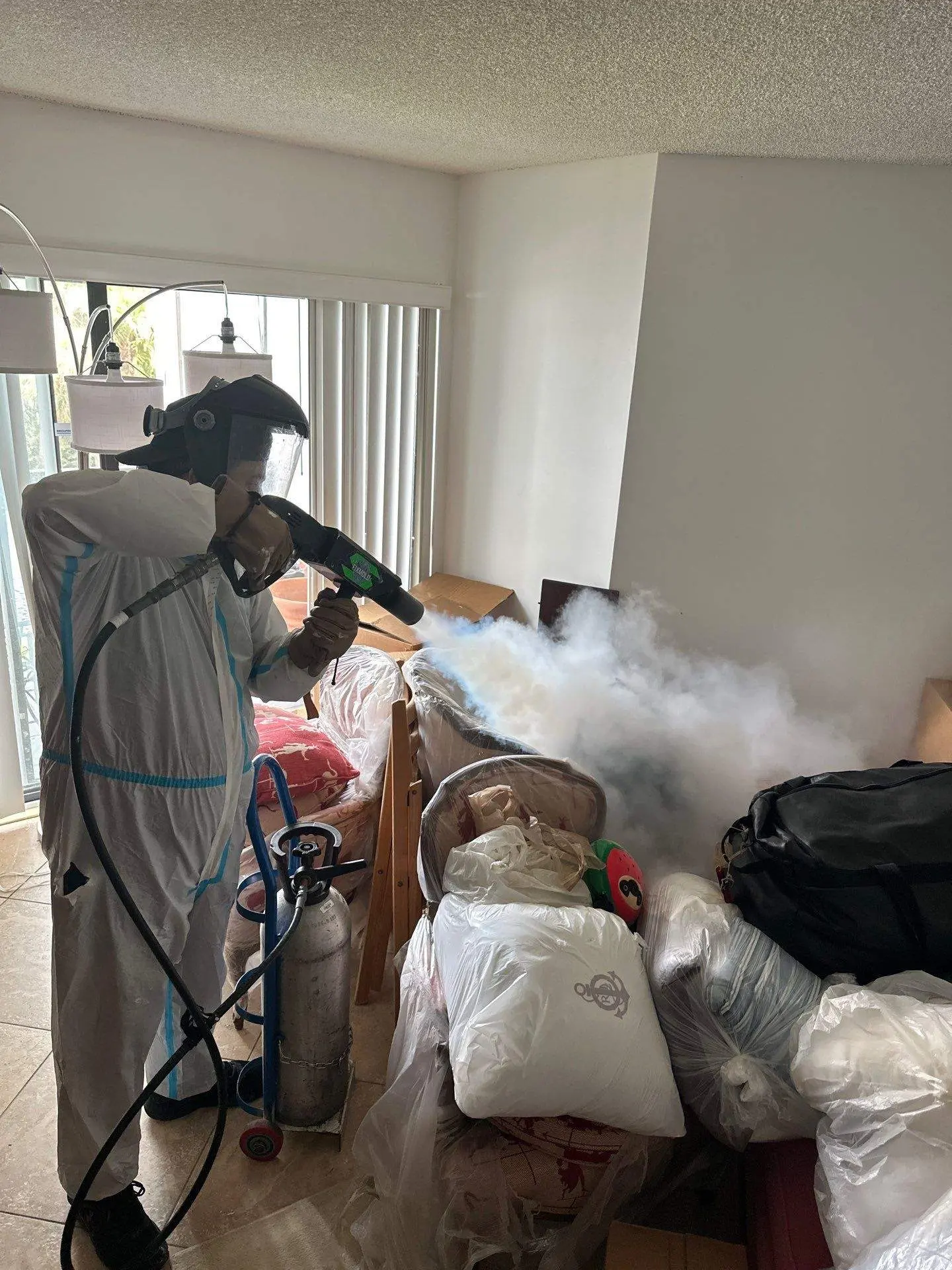
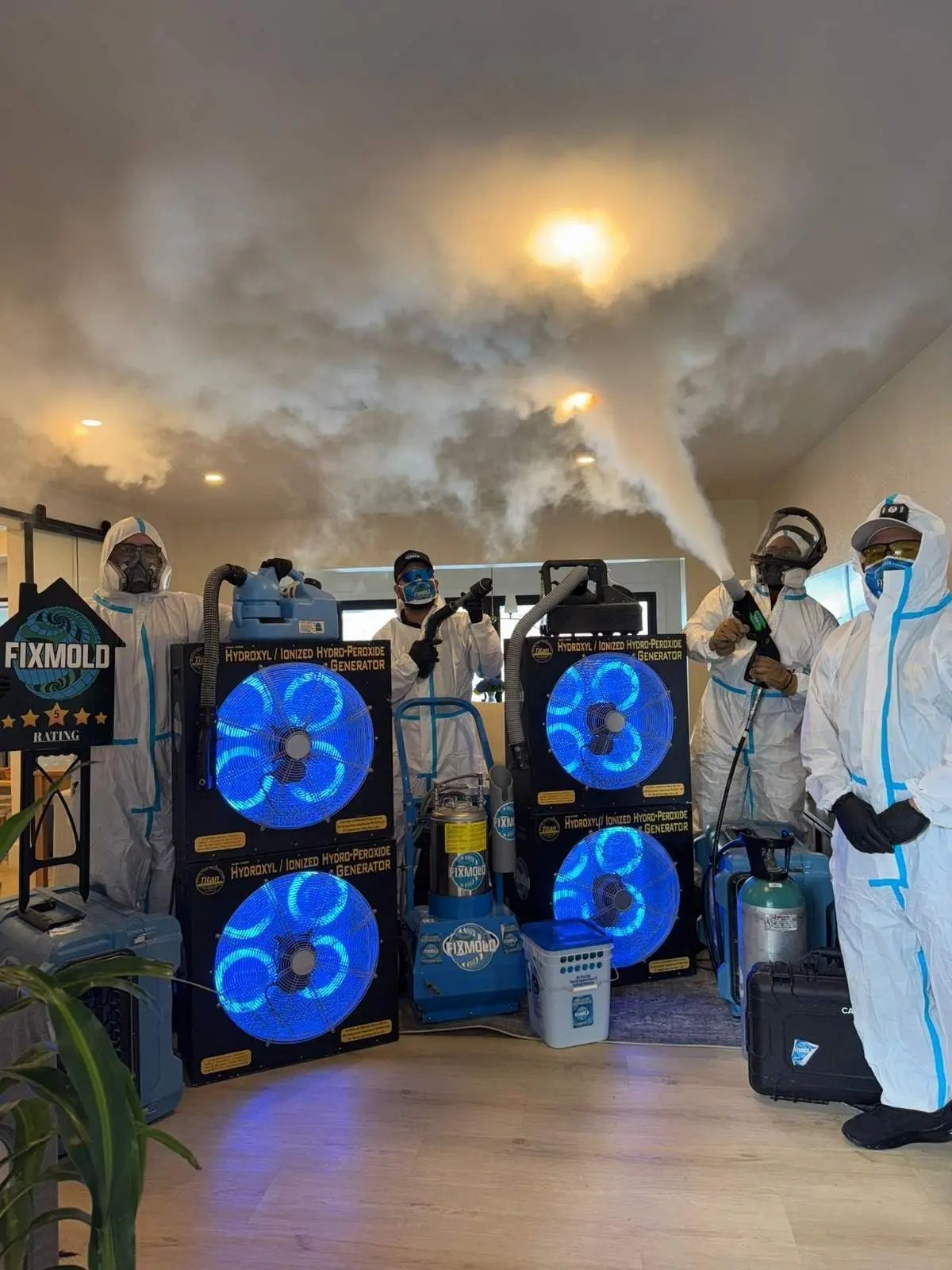
When our team arrives, work starts immediately. The property gets sealed and negative air pressure containment goes up before anything else is touched. This is not a precaution, it is the foundation of a remediation that actually works. Spores disturbed during removal need somewhere to go. Containment means they go through filtration, not into the rest of your home.
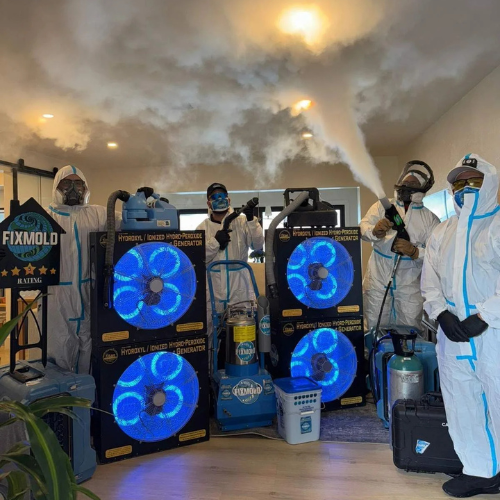
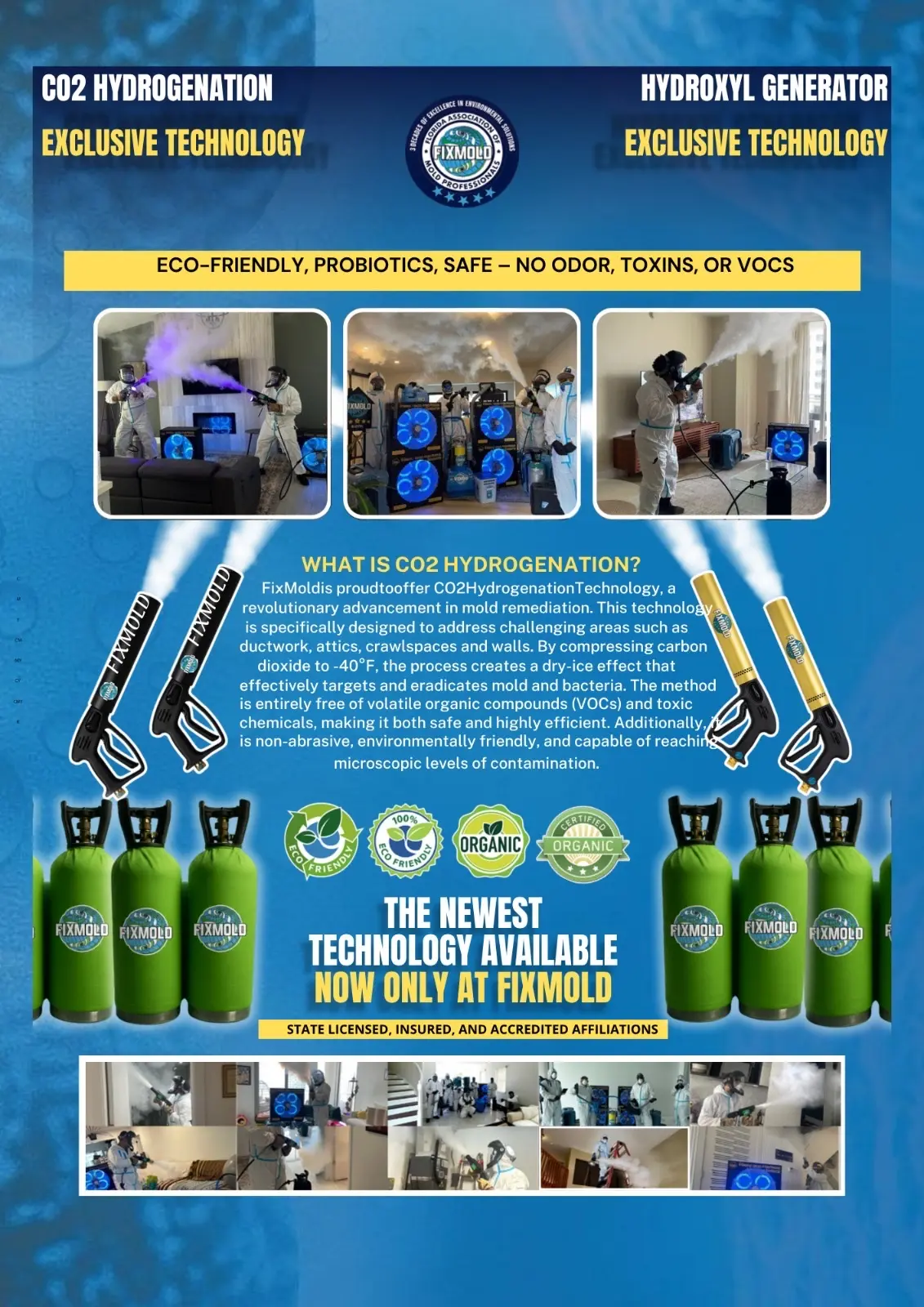
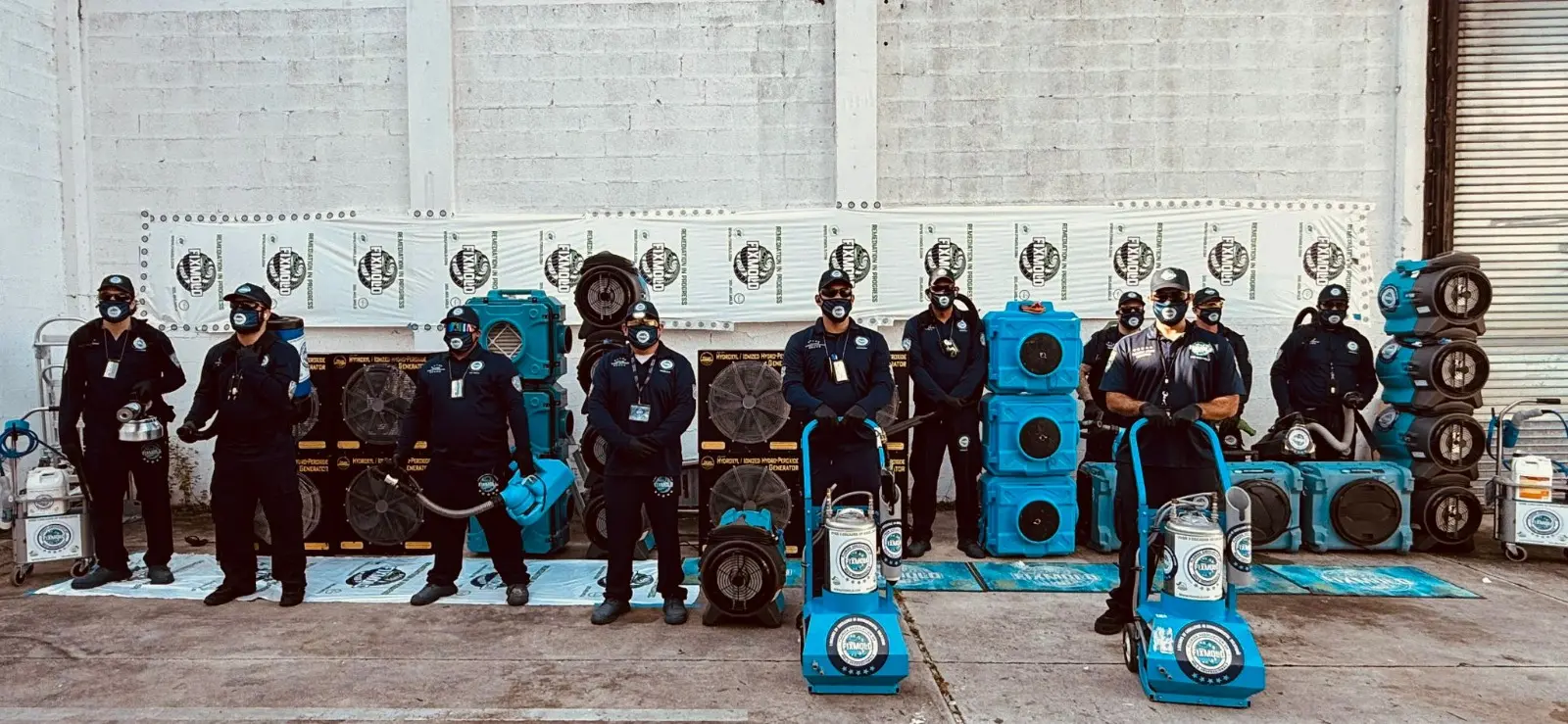
Our hydroxyl ionized hydro-peroxide generator runs throughout the entire job. It produces hydroxyl radicals that break down mold spores, mycotoxins and volatile organic compounds at the molecular level, treating the air in the property beyond the immediate work zone. Unlike ozone generators, it is safe to run without evacuating the property. Most mold companies in South Florida do not own one. It is part of every FixMold remediation because the air is part of the problem, not just the walls.
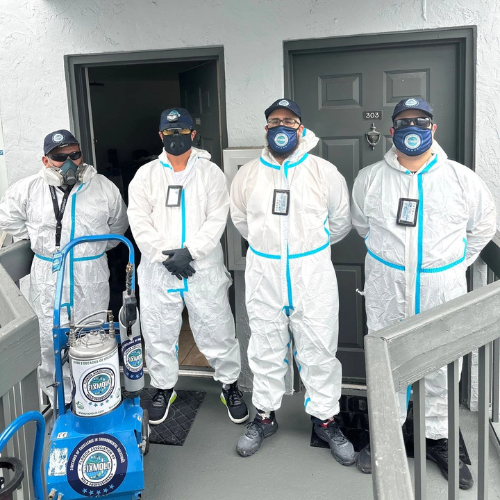
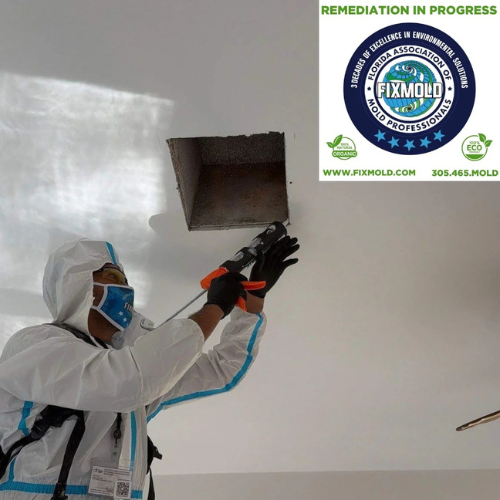
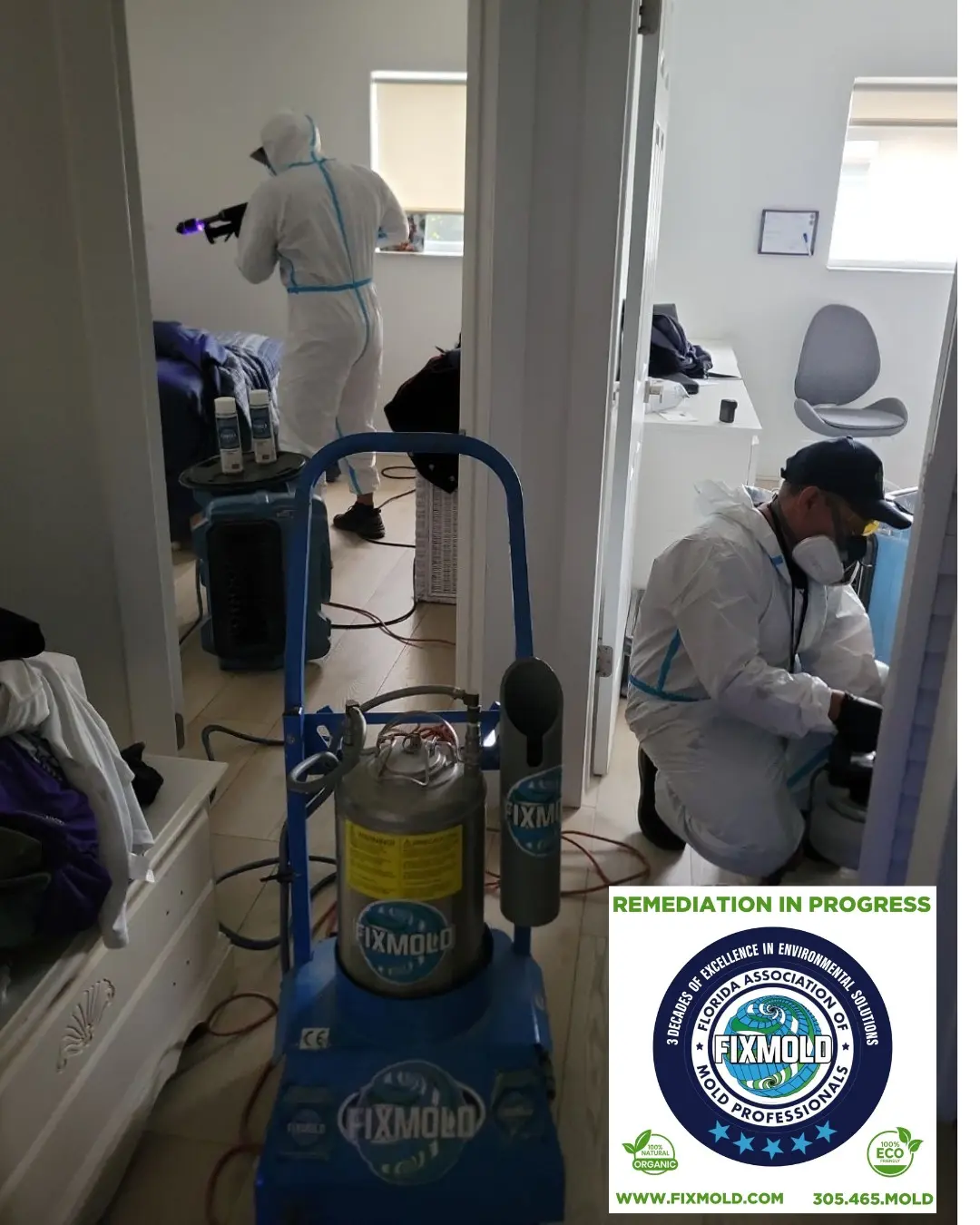
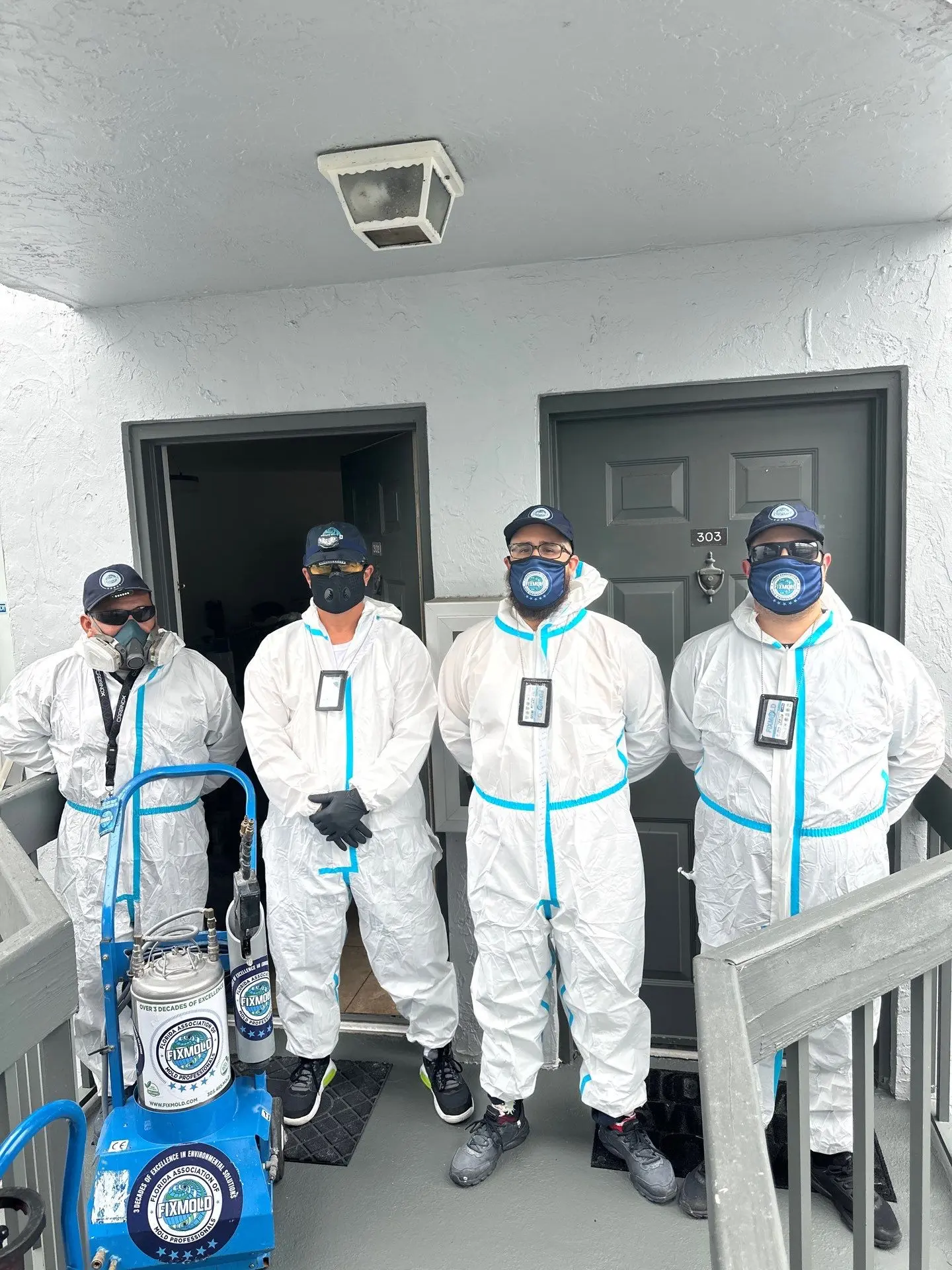
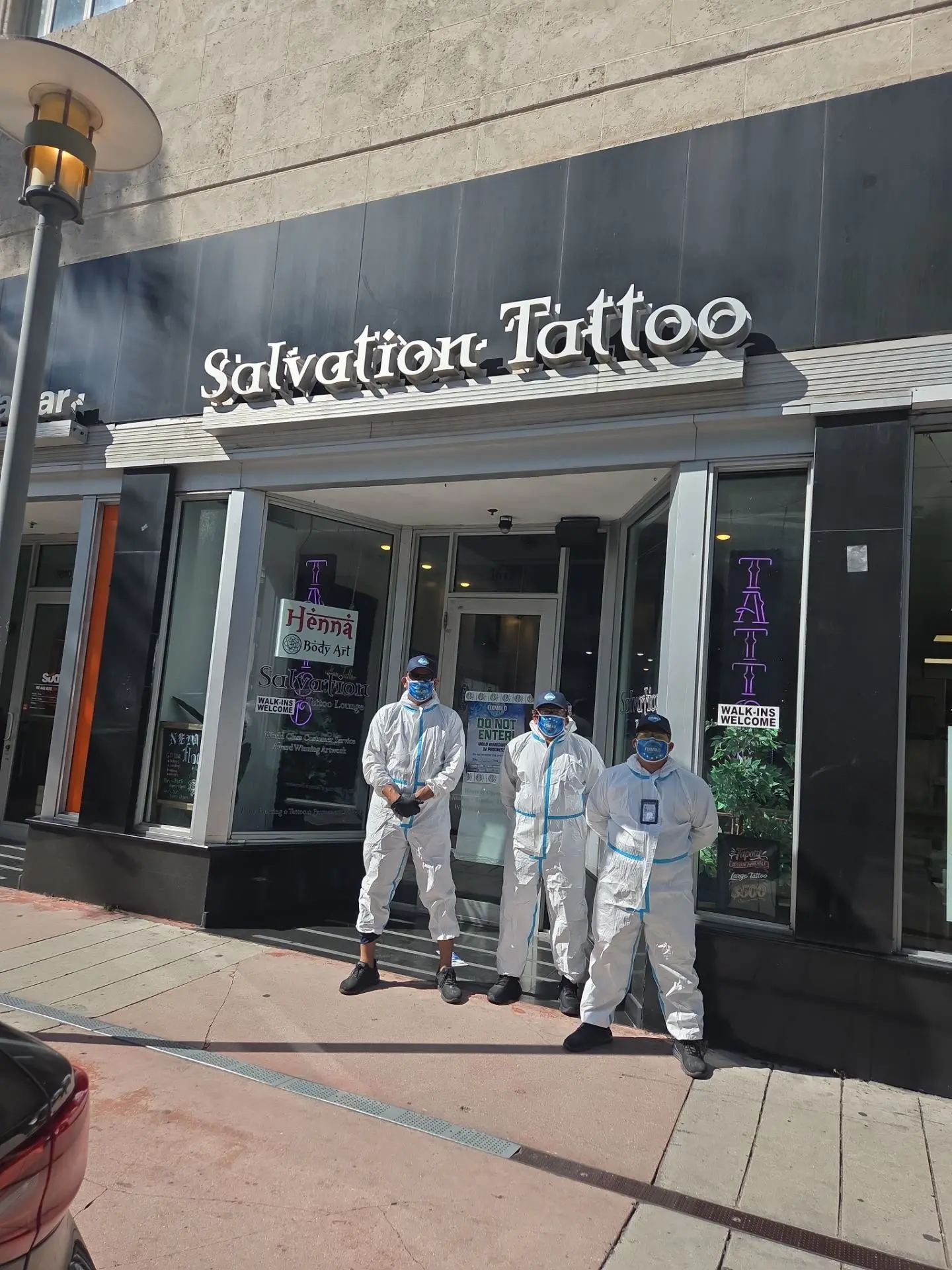
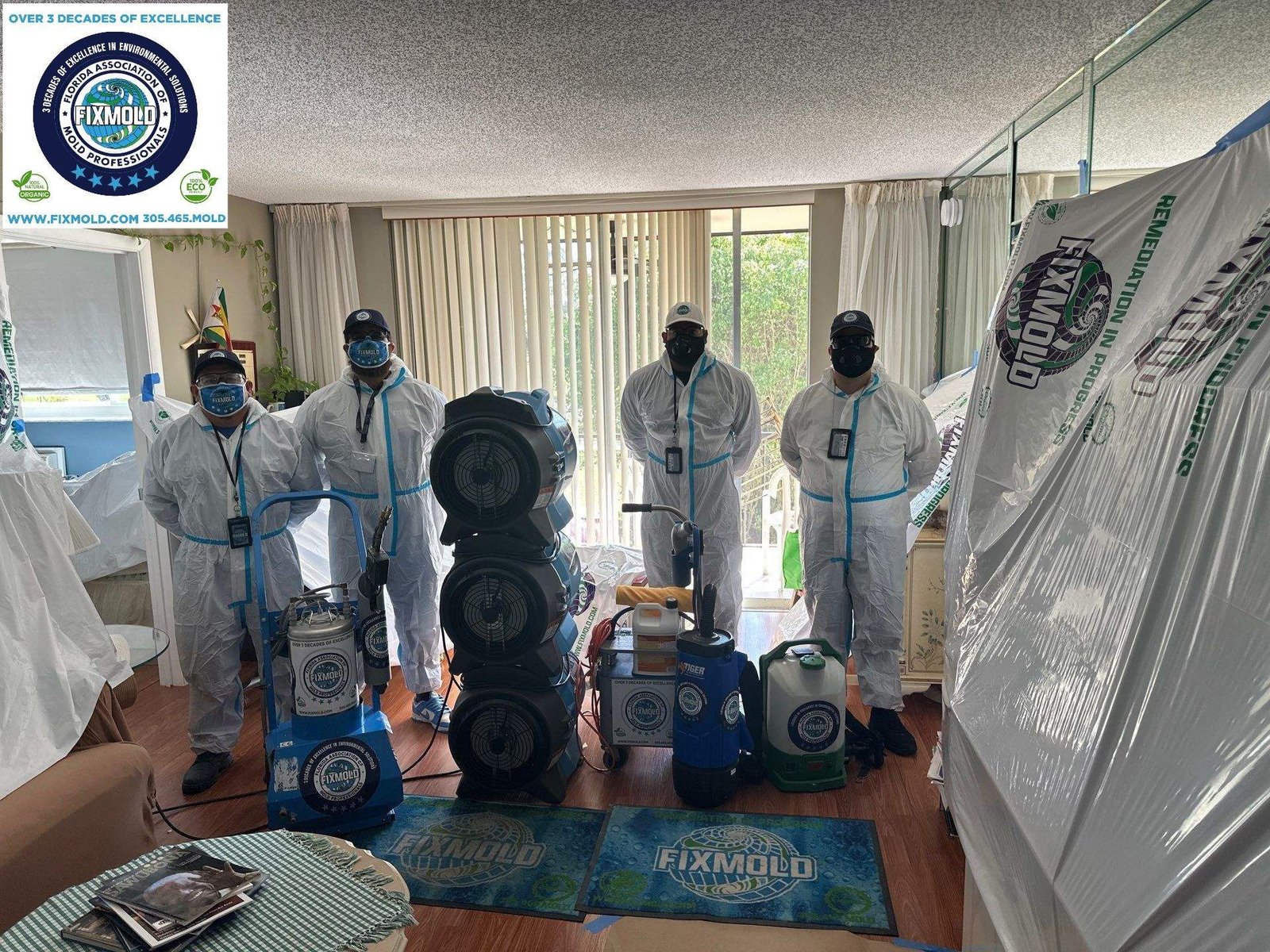
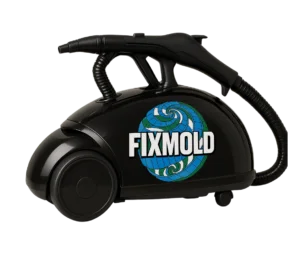
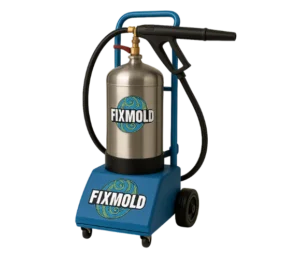
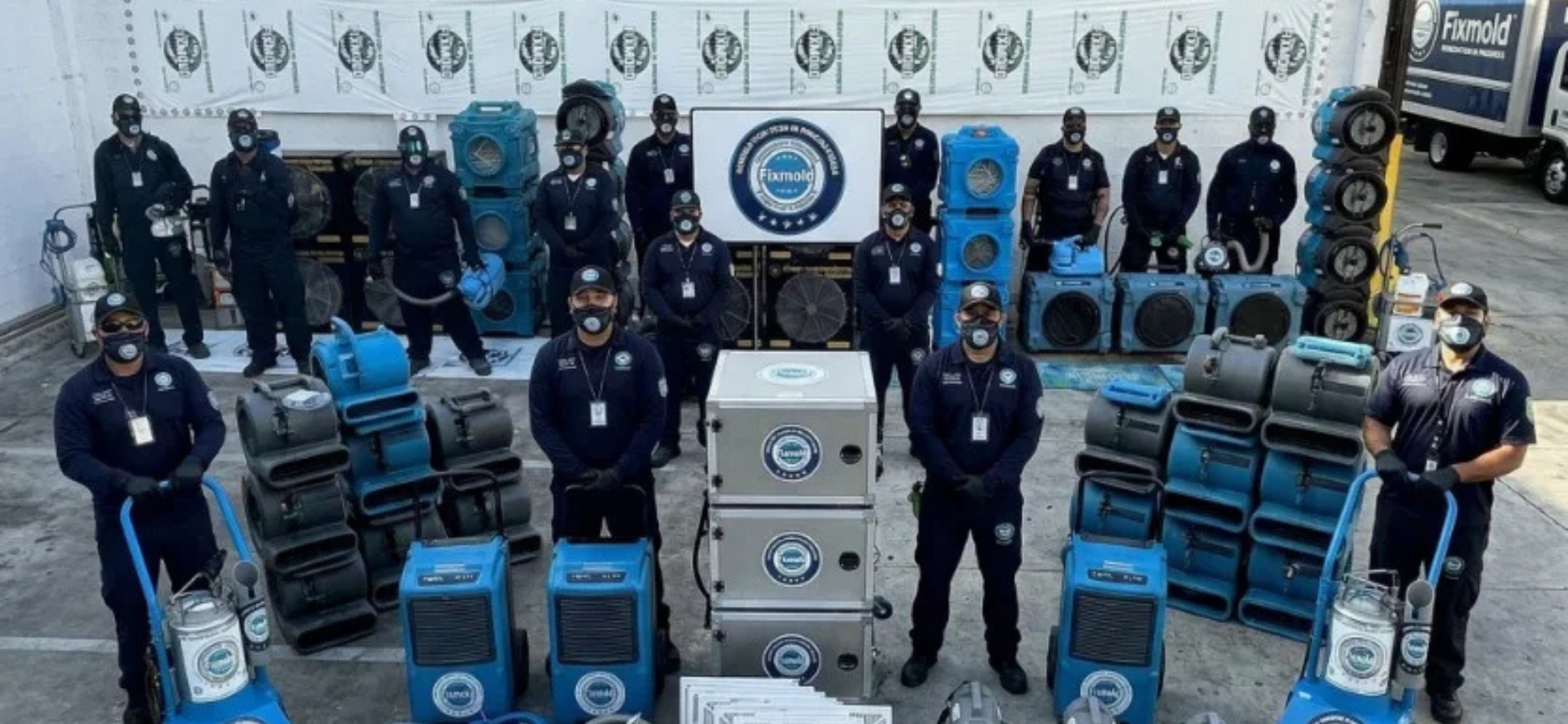
Mold remediation done properly is not a one-person job. Our certified teams work in pairs with branded FixMold equipment, following the same documented 12-step signature process on every job regardless of size. One technician works the affected area while the other manages equipment, records readings and maintains containment integrity throughout.
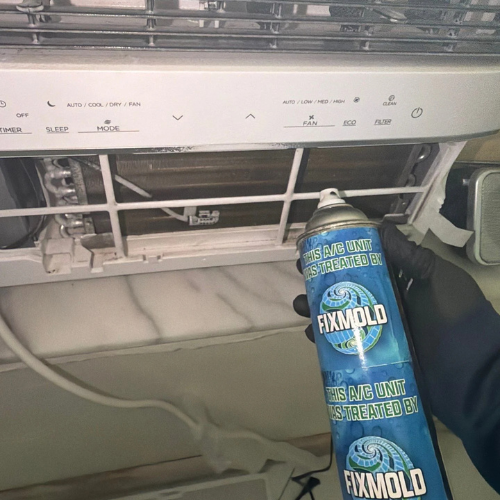
Every surface in the work zone gets treated with our 100% organic VOC-free antimicrobial solution. No off-gassing. Safe for families, children and pets. After treatment, a protective antimicrobial coating goes on every surface to prevent regrowth. Then post-remediation clearance testing confirms the indoor air quality has returned to safe levels before we consider the job complete. The 12-month warranty we back every job with is only possible because that final step is never skipped.
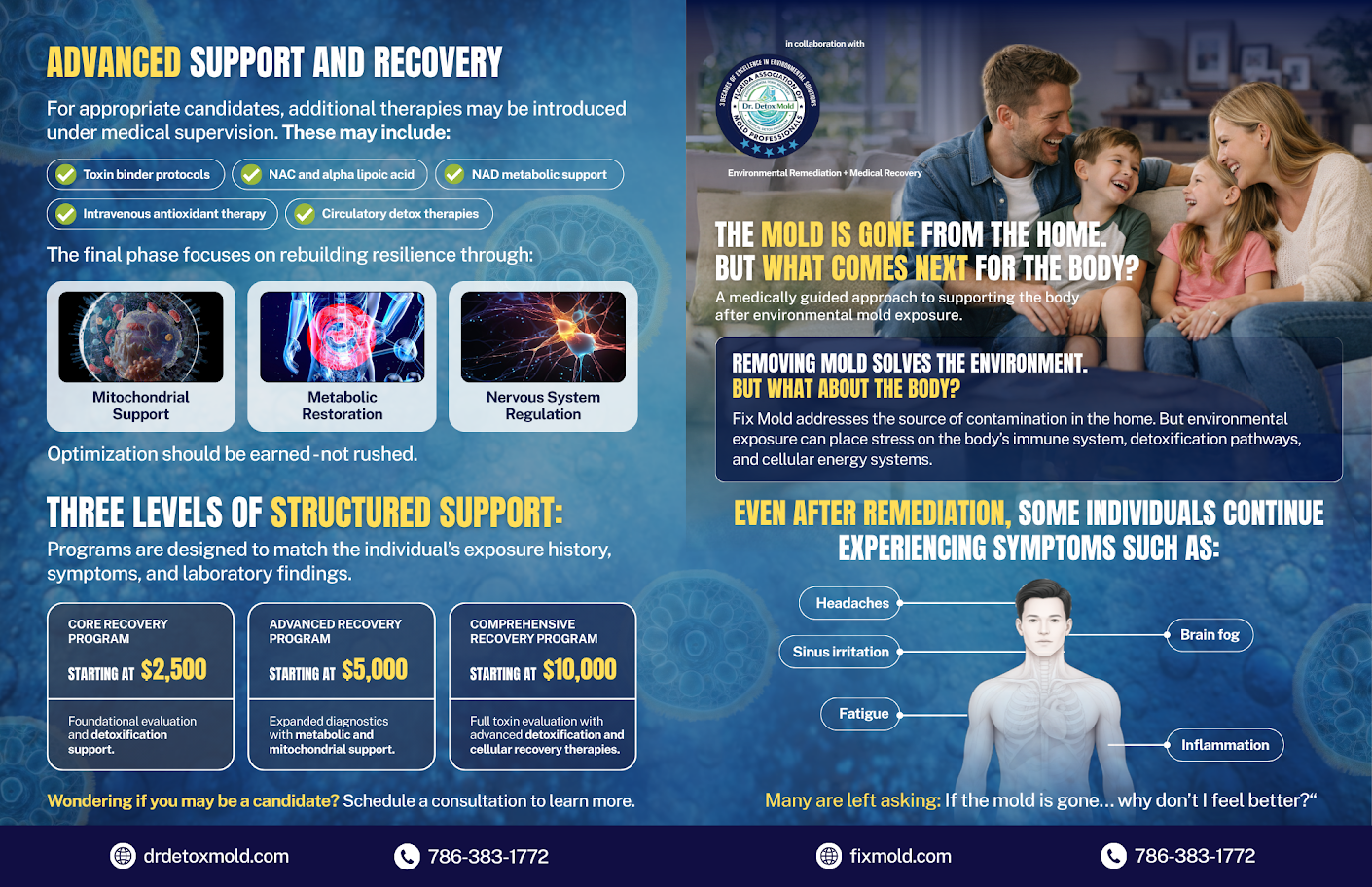
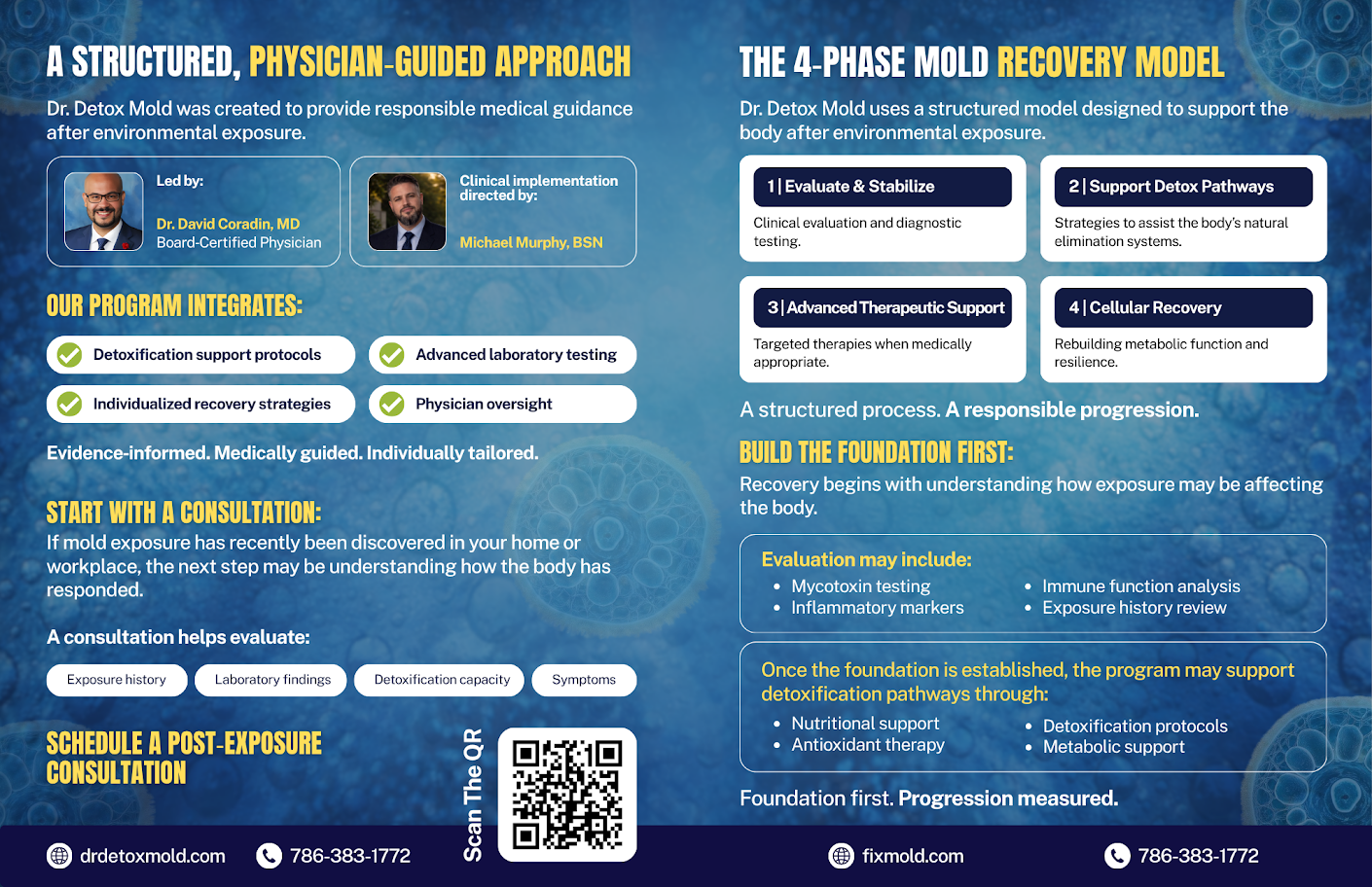
Mold Removed From Your Home. What About Your Body?
A medically guided approach to supporting recovery after mold exposure.
FixMold focuses on eliminating mold from your environment.
But for some individuals, recovery doesn’t stop there. Even after successful remediation, the body may continue responding to past exposure. In these cases, a structured, medically guided approach may be necessary to support full recovery.
Toggle Content
Why Symptoms Can Continue After Mold Exposure
Removing mold addresses the source of the problem, but it does not always resolve how the body has been affected during exposure.
Environmental toxins such as mycotoxins and airborne particles can impact multiple systems in the body, including:
Immune function
Nervous system signaling
Cellular energy production
Detoxification pathways
For some individuals, these systems require time and proper support to return to balance.
Common Post-Exposure Symptoms
Brain fog
Fatigue
Headaches
Sinus congestion or irritation
Persistent cough
Dizziness
Light sensitivity
Skin irritation
Ongoing inflammation
Important:
Persistent symptoms do not always indicate something permanent.
They often indicate that the body has not fully recovered yet.
A Structured, Physician-Guided Recovery Approach
Recovery after mold exposure is not one-size-fits-all.
Each individual responds differently, and proper care requires personalized evaluation.
The recovery process typically includes:
1. Evaluation & Stabilization
Clinical assessment
Exposure history review
Diagnostic testing
2. Detoxification Support
Nutritional protocols
Toxin-binding strategies
Antioxidant support
3. Advanced Therapeutic Support
Targeted, medically guided interventions
IV-based therapies when appropriate
4. Cellular Recovery
Mitochondrial support
Metabolic restoration
Nervous system regulation
Core Areas of Focus
Detoxification support
Immune system balance
Cellular energy restoration
Nervous system regulation
Key Principle
Recovery is not about doing more.
It is about doing the right things, in the right order.
When Environmental Cleanup Is Complete, Recovery Can Begin
If mold exposure has been identified and symptoms are still present, a post-exposure evaluation may provide clarity on the next steps.
Consultation May Include:
Exposure history review
Laboratory evaluation
Detoxification capacity assessment
Symptom analysis
WHY THIS VERSION WORKS
Keeps FixMold as the primary authority
Positions Dr. Detox as a complement, not competitor
Avoids medical overclaims
Builds trust instead of pushing sales
Flows naturally within a service page
High conversion potential for users still experiencing symptoms
Call to Action
Schedule Your Post-Exposure Consultation
📞+1-305-465-6653
OUR TEAM
THE BACK-BONE OF OUR 5 STAR SERVICE
👉 Call Now: +1-305-465-6653 Fast response. Certified technicians. Guaranteed results.
Most residential inspections run between one and two hours depending on property size, the number of areas flagged during the visual walkthrough, and how many samples are indicated. Larger homes and commercial properties take longer. We do not rush inspections to fit more jobs into a day.
+
Can I test for black mold myself?
DIY mold test kits are sold at hardware stores. They are not reliable diagnostic tools. They do not identify species accurately. They do not give you spore concentration data. They provide no information about hidden moisture sources or the actual extent of any growth in your building. What they mostly provide is ambiguous results that either falsely reassure you or alarm you without telling you anything useful about what to do next. A certified inspector with calibrated equipment and a certified laboratory gives you information you can actually act on..
+
What happens if black mold is confirmed?
Your inspector will explain what was found, what the concentration levels mean for your health and your property, and what remediation looks like for your specific situation. FixMold provides full mold remediation services in-house. You do not have to start the process over with a different company. Our remediation process, scope, timeline and cost will be explained clearly so you can make an informed decision. All our remediation work is backed by a 12-month warranty.
+
How do I know the mold is gone after remediation?
We conduct post-remediation clearance testing after every job. This involves the same air sampling protocol as the initial test, with results compared against your original outdoor baseline and industry reference ranges. Work is not complete until clearance testing confirms that indoor air quality has returned to acceptable levels. This is not optional and is included as part of our remediation process.
+
What is the difference between black mold testing and a mold inspection?
A mold inspection is a broader visual assessment of a property for mold-related conditions. Black mold testing specifically refers to laboratory-analyzed sampling that identifies species and quantifies spore concentrations. We typically perform an inspection as part of every testing engagement, because the visual assessment guides where sampling should occur. You can request a visual inspection without laboratory sampling, but laboratory sampling is required for definitive species identification and quantified air quality data.