How to Improve Air Quality in the Home | Hidden Health Risks (And How to Fix It)
Jerusha
May 1st, 2025
No Comments
Like what we publish? Pin Fixmold Miami as a preferred source on Google.
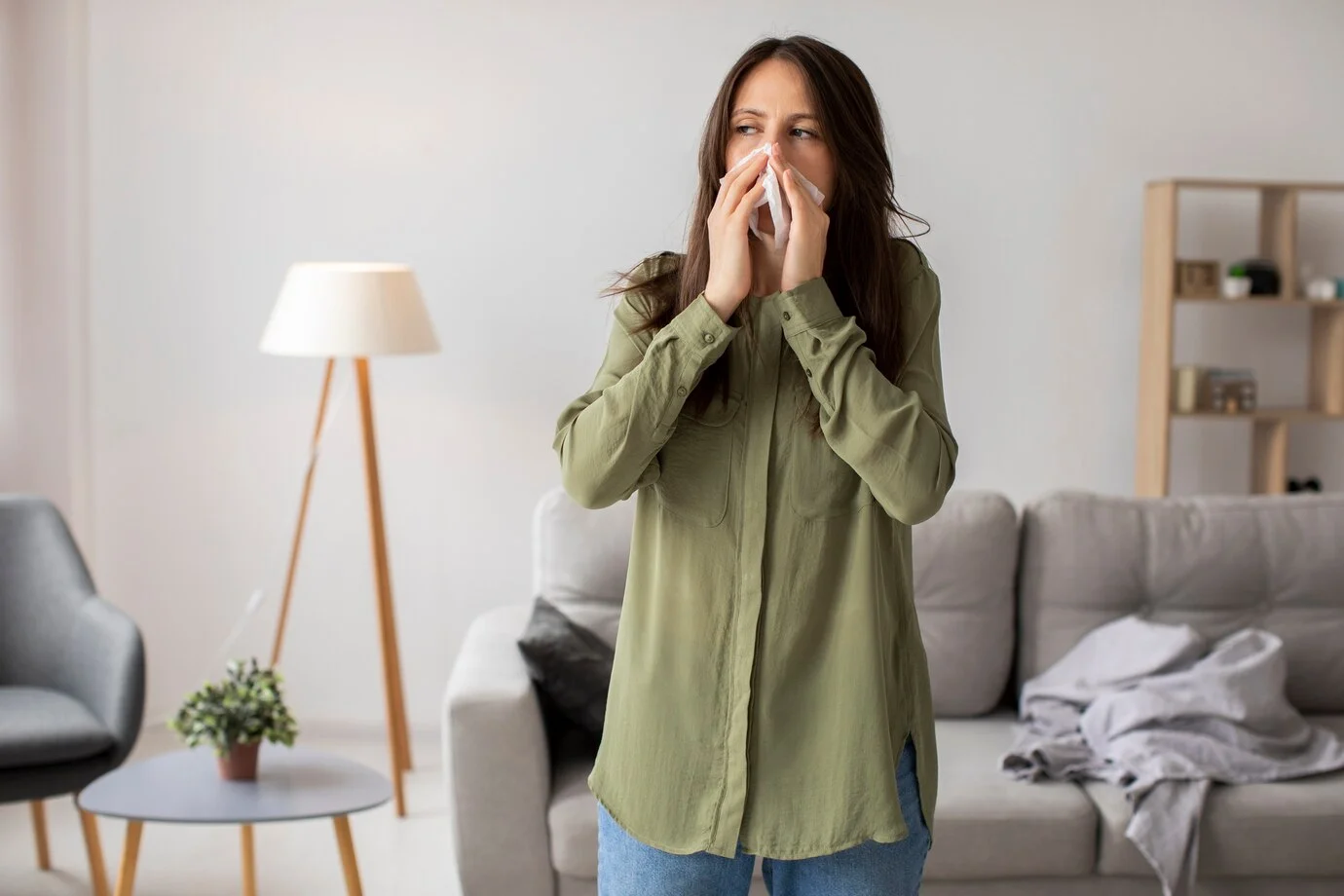
When we think of air pollution, we often picture smog-filled cityscapes. But the real threat might be inside your home. According to the EPA, indoor air can be 2 to 5 times more polluted than outdoor air. And in Miami, with its high humidity and warm temperatures, the conditions are ripe for mold, mildew, and airborne pollutants to thrive.
These contaminants not only compromise your comfort but can also trigger allergies, asthma, and long-term respiratory issues.
That’s why it’s critical to learn how to improve air quality in home environments. Choosing a professional Air Quality Service in Miami isn’t just a luxury, it’s a vital step toward protecting your health and well-being.
Why Indoor Air Quality Is a Silent Threat
Many people assume the air inside their homes is cleaner than the air outside but that’s often not the case. Indoor air can be up to five times more polluted due to dust, pet dander, mold spores, cleaning chemicals, and other invisible contaminants.
Poor indoor air quality (IAQ) is a silent threat because its symptoms are easy to ignore or misattribute frequent headaches, allergies, fatigue, or respiratory issues can all stem from poor air. Over time, long-term exposure to pollutants can contribute to serious health conditions like asthma, heart disease, and even cognitive decline.
Unlike outdoor pollution, which is more visible and regulated, indoor air problems quietly build up, especially in sealed environments. Prioritizing IAQ through proper ventilation, regular cleaning, and professional air quality services can protect your family’s health and comfort.
Common Pollutants in Indoor Air:
Mold spores
Dust mites
Pet dander
Volatile organic compounds (VOCs)
Smoke and cooking by products
Pollen and outdoor pollutants carried inside
The Hidden Health Effects of Poor Indoor Air Quality
Let’s break down how polluted indoor air impacts your health:
1. Respiratory Issues
Prolonged exposure to indoor allergens and pollutants can worsen asthma, bronchitis, and other chronic respiratory diseases. Mold spores, especially prevalent in humid Miami homes, can trigger severe allergic reactions.
2. Cognitive Decline and Fatigue
Poor ventilation and high CO₂ levels are linked to lower cognitive function. A Harvard study found that people exposed to better indoor air scored 61% higher in decision-making tasks.
3. Sleep Disturbances
Bad air quality—especially from mold and VOCs—can lead to poor sleep, night coughing, or sinus congestion.
4. Skin Irritations and Allergies
Contaminants like mold and chemicals can cause skin dryness, rashes, and worsen conditions like eczema.
5. Immune System Suppression
Chronic exposure to pollutants wears down the body’s ability to fight off infections. This is particularly dangerous for children and the elderly.
Why Miami Homes Are Especially at Risk
Miami’s tropical climate creates the perfect storm for indoor air issues:
High humidity (average RH: 75%+)
Frequent storms and water intrusion
Year-round AC use, often without proper filtration
Older homes with poor ventilation or water damage
These factors encourage mold growth, airborne contaminants, and high moisture retention—all of which degrade indoor air quality rapidly.
Most Overlooked Signs of Poor Indoor Air Quality
You may be living with poor air without even realizing it. Here are subtle indicators:
A musty smell that doesn’t go away
Family members getting sick more often
Dust buildup near vents or on surfaces
Foggy windows (sign of excessive humidity)
Increased allergy or asthma symptoms indoors
How to Improve Air Quality in Home (Especially in Miami
If you’re wondering how to improve air quality in home, the solution lies in both lifestyle changes and professional services. Here’s how:
Control Humidity
Keep indoor humidity below 50% using:
Dehumidifiers
Proper AC maintenance
Bathroom and kitchen exhaust fans
High humidity = high mold risk. Controlling moisture is critical in Miami.
Improve Ventilation
Use cross-ventilation where possible and ensure HVAC systems are inspected regularly. Clean air needs to flow, not recirculate.
Use HEPA Filters
Install high-quality HEPA filters in HVAC systems and air purifiers to capture dust, mold spores, and allergens.
Reduce VOCs and Chemicals
Avoid aerosol sprays, scented candles, and store chemicals away from living spaces.
Regular Mold Inspections
Even a small water leak can lead to mold colonies. A professional mold inspection—especially with thermal imaging—can uncover hidden moisture behind walls or ceilings.
Why Choose Professional Air Quality Service in Miami
While DIY methods help, nothing replaces the precision and depth
Mold inspection and lab testing
Thermal imaging to detect hidden moisture
VOC measurement and analysis
Humidity and airflow assessments
Customized remediation plans
We specialize in tackling air quality problems specific to Miami’s coastal, high-moisture climate. Whether it’s detecting mold before it spreads or advising on air purification systems, we help protect your home—and your health.
Real Stats That Should Worry You
7 in 10 homes in South Florida experience mold growth issues at some point (Florida DOH)
50% of all illnesses are caused or aggravated by polluted indoor air (American College of Allergists)
Up to 90% of time is spent indoors, making indoor air quality more important than ever (EPA)
Mold-related symptoms account for 30%+ of respiratory diagnoses in humid areas like Miami
Improving indoor air quality often goes hand‑in‑hand with professional mold remediation. Homeowners seeking trusted mold removal services in Miami Beach can rely on experienced specialists for thorough inspections, remediation, and long‑term prevention.
Frequently Asked Questions (FAQs)
What causes poor air quality in Miami homes?
High humidity, water damage, lack of ventilation, and mold are the main culprits.
Can mold really make me sick?
Yes. Mold exposure can cause respiratory issues, fatigue, skin irritation, and more—especially in high-humidity climates like Miami.
What is the fastest way to improve air quality at home?
Use a dehumidifier, replace HVAC filters, reduce chemical use, and consider a professional air quality inspection.
How often should I get my air quality tested?
At least once a year—or immediately after flooding, leaks, or unexplained health symptoms.
JerushaJerusha - Author at Fix Mold Miami
Jerusha is a contributor at FixMold, specializing in mold remediation, indoor air quality, moisture control, and environmental wellness. She creates informative content focused on mold prevention, and advanced restoration solutions for residential and commercial properties.