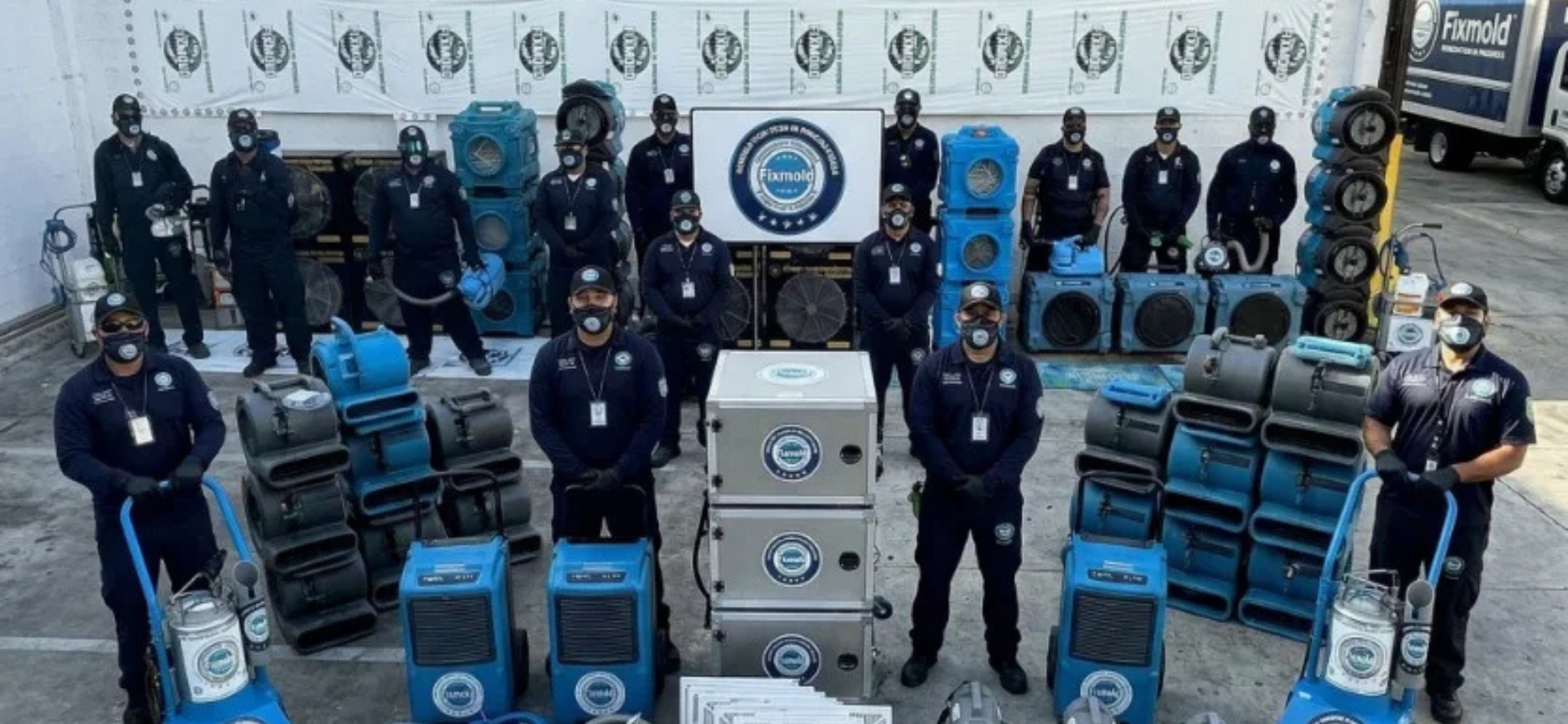
By FixMold Miami | Indoor Air Quality & HVAC Restoration Specialists
When homeowners think about indoor air quality problems, mold is usually one of their first concerns. But another potentially overlooked issue may be hiding inside your air conditioning system: reversed duct insulation and exposed fiberglass.
In South Florida, where air conditioning systems operate throughout much of the year, deteriorating duct insulation can become an important indoor air quality concern.
At FixMold Miami, we believe that restoring indoor air quality means looking beyond visible mold and examining the entire HVAC environment.
What Is Reversed Duct Insulation?
Reversed duct insulation is a term sometimes used to describe a condition in which the interior insulation of an HVAC duct becomes displaced, damaged, folded inward, or exposed directly to moving air.
Many duct systems contain fiberglass insulation designed to help control temperature and reduce noise. When properly installed and protected, it performs an important function.
However, when its protective surface deteriorates, fiberglass material may become exposed within the airflow pathway.
This can create several concerns:
- Loose fiberglass particles may enter the air stream.
- Deteriorating insulation can collect dust and debris.
- Moisture can contribute to further material damage.
- Compromised duct liners can affect HVAC performance.
- Airborne particles may circulate throughout occupied spaces.
Because the ductwork is often hidden above ceilings, inside attics, or behind walls, deterioration may remain unnoticed for years.
Why Exposed Fiberglass Deserves Attention
Fiberglass insulation is widely used in residential and commercial HVAC systems. Intact, properly installed fiberglass is not automatically hazardous.
The concern arises when the material becomes damaged and releases fibers or dust into occupied areas.
Exposure to airborne fiberglass particles may cause irritation of the eyes, nose, throat, and skin, particularly for sensitive individuals.
An HVAC system with deteriorating internal insulation may also accumulate debris that affects air cleanliness and comfort.
The important distinction is that exposed fiberglass and mold are different problems, but both deserve professional attention when they affect indoor air quality.
Exposed Fiberglass vs. Mold: Understanding the Difference
Mold is a biological contaminant that can grow when moisture and suitable materials are present. Mold exposure may cause allergic reactions and respiratory symptoms in susceptible individuals.
Fiberglass, by comparison, is a manufactured mineral-fiber material. Exposure to loose fibers is primarily associated with mechanical irritation.
Although the health effects are not identical, both conditions can become concerns when material or particles enter the air circulating through a property.
A thorough indoor environmental assessment should consider the possibility of both moisture-related contamination and damaged HVAC materials.
Five Warning Signs of Damaged Duct Insulation
1. Visible Fiberglass Around Vents
Loose, fuzzy, or fibrous material near supply registers may indicate deterioration within the duct system.
2. Excessive Dust Accumulation
Persistent dust around air registers or within occupied rooms may warrant an evaluation of the HVAC system, filters, and ductwork.
3. Musty or Unusual Odors
A musty smell may indicate moisture problems or microbial growth. Although it does not specifically identify fiberglass damage, it is a reason to investigate the system.
4. Uneven Airflow and Cooling
Collapsed or displaced internal duct insulation may obstruct airflow and affect cooling performance.
5. Recurring Indoor Irritation
Eye, nose, throat, or skin irritation that appears associated with indoor conditions may justify investigating possible airborne irritants. These symptoms alone cannot identify the cause.
Why South Florida Properties Are Particularly Vulnerable
In Miami-Dade, Broward, Palm Beach, and Monroe Counties, HVAC systems operate under demanding conditions.
High humidity, frequent cooling cycles, condensation, aging ductwork, and improper installation may contribute to insulation deterioration.
Water intrusion following storms or roof leaks can further compromise HVAC materials.
Homes, condominiums, high-rise properties, and commercial buildings may all experience these issues.
How FixMold Miami Can Help
FixMold Miami approaches indoor air quality concerns by evaluating the potential source of the problem rather than focusing only on visible symptoms.
Depending on the property and findings, the assessment and recommended restoration process may include:
Step 1: HVAC and Duct Inspection
Evaluate accessible air handlers, vents, ductwork, and insulation for signs of deterioration or contamination.
Step 2: Moisture Investigation
Identify condensation, water intrusion, or humidity concerns that may be contributing to material damage.
Step 3: Indoor Air Quality Assessment
Determine whether additional investigation or appropriate sampling is warranted based on observed conditions.
Step 4: Corrective Recommendations
Recommend suitable repair, removal, replacement, cleaning, or restoration measures based on the type and extent of damage.
Step 5: Long-Term Prevention
Provide guidance on HVAC maintenance, moisture management, and protecting the integrity of the duct system.
Cleaning alone may not correct damaged fiberglass insulation. Where the liner is deteriorated, appropriate repair or replacement may be necessary.
Don’t Ignore What You Cannot See
A visually clean home does not necessarily mean every component of its air conditioning system is in good condition.
Hidden duct insulation damage can go unnoticed while the system continues distributing air throughout the property.
Whether the concern is mold, exposed fiberglass, moisture, or deteriorating HVAC materials, identifying the source is an important first step toward restoring a healthier indoor environment.
FixMold Miami — We Find the Source. We Fix It.
Serving residential, condominium, high-rise, and commercial properties throughout South Florida.
📍 Miami-Dade: 786-933-4349
📍 Broward: 954-951-8479
📍 West Palm Beach: 561-786-4883
📍 Monroe County: 305-465-6653
🌐 www.fixmold.com
Schedule your professional assessment and discover what may be hiding inside your HVAC system.
#FixMoldMiami #ReversedDuctInsulation #ExposedFiberglass #IndoorAirQuality #HVACRestoration #DuctInsulation #MoldInspection #MoldRemediation #AirDuctInspection #FiberglassInsulation #MiamiMoldExperts #SouthFloridaHomes #HealthyIndoorAir #HVACMaintenance #WeFindTheSourceWeFixIt
https://fixmold.com/locations
Jerusha is a contributor at FixMold, specializing in mold remediation, indoor air quality, moisture control, and environmental wellness. She creates informative content focused on mold prevention, and advanced restoration solutions for residential and commercial properties.