Mold is one of the most common and underestimated threats to homes and businesses in Broward County. The warm, humid climate of South Florida creates nearly perfect conditions for mold to grow — often hidden behind walls, inside HVAC systems, or beneath flooring. If you’ve noticed a musty smell, experienced unexplained respiratory issues, or spotted dark discoloration on surfaces, it’s time to take action.
This guide covers everything you need to know about Broward mold inspection, testing, assessment, and removal, and explains why working with a licensed mold inspector in Broward is the safest, most effective choice.
Why Mold Is Such a Problem in Broward County
Broward County sits in the heart of South Florida, where average humidity levels often exceed 70% throughout the year. Seasonal storms, flooding events, and aging building infrastructure create conditions that allow mold to spread rapidly. Unlike cooler climates where mold growth slows in winter, Broward properties are at risk year-round.
Common causes of mold in Broward homes and buildings include:
- Air conditioning condensation and improper drainage
- Roof leaks and water intrusion after heavy rainfall
- Plumbing leaks inside walls or under flooring
- Poor ventilation in bathrooms, laundry rooms, and kitchens
- Flooding or storm surge damage
- Aging construction materials that retain moisture
Even a small water leak left unaddressed for 24 to 48 hours can trigger mold growth. This is why regular Broward mold inspection is a critical part of responsible property ownership.
Understanding Broward Mold Inspection
A professional mold inspection is a systematic evaluation of a property to identify the presence of mold, moisture, and conditions that support mold growth. It is not simply a visual scan — a thorough inspection uses advanced technology to detect problems that the naked eye cannot see.
What Happens During a Mold Inspection?
When a licensed professional performs a mold inspection in Broward, the process typically includes:
- Infrared thermography to detect hidden moisture behind walls and ceilings
- Moisture mapping using calibrated meters
- Visual walkthrough of all accessible areas, including attics, crawl spaces, and HVAC units
- Fiber optic camera inspection inside vent systems and tight spaces
- Air particle sampling when mold is suspected but not visible
The result is a comprehensive written report that identifies problem areas, the likely source of moisture, and recommendations for remediation.
When Should You Schedule a Mold Inspection in Broward?
You should strongly consider scheduling a mold inspection if:
- You notice a persistent musty or earthy odor inside your property
- You or your family members are experiencing unexplained allergy symptoms, coughing, or headaches
- Have you had any water damage, flooding, or plumbing leaks in the past 12 months
- You are buying or selling a property and want to protect your investment
- Your property has been vacant for an extended period
- You manage rental units, condos, or commercial properties in Broward County
Real estate professionals, insurance adjusters, and property managers regularly rely on professional mold inspections to make informed decisions.
Broward Mold Assessment: Going Beyond the Surface
A mold assessment is a deeper evaluation that goes beyond identifying visible mold. It examines a property’s full environmental conditions to determine why mold is growing and which structural or mechanical systems are contributing to the problem.
During a professional mold assessment, technicians analyze:
- HVAC system performance, airflow rates, and duct cleanliness
- Building envelope integrity, including windows, doors, and roofing
- Indoor humidity and dew point levels
- Psychrometric data to understand how moisture is behaving within the building
- Construction materials and whether they are susceptible to mold retention
A mold assessment is often required before major remediation work begins, especially in commercial buildings, multi-family properties, or HOA-managed communities. The findings from the assessment guide the entire remediation strategy.
If you’re dealing with a recurring mold problem despite previous cleaning or treatment, a full mold assessment in Broward will help identify the root cause and prevent future recurrence.
Broward Mold Testing and Black Mold Testing
Mold testing involves collecting samples from the air, surfaces, or both, and sending them to an accredited laboratory for analysis. The results identify the types of mold present, concentration levels, and whether those levels exceed normal outdoor background counts.
Types of Mold Testing Available in Broward
Air sampling: Cassette or impactor samples capture airborne spores in a measured volume of air. This is the most common form of Broward mold testing and helps identify mold that is not yet visible.
Surface sampling: Tape lifts, swabs, or bulk samples are collected from visible growth or suspicious surfaces to confirm the species and density of mold present.
ERMI testing: Environmental Relative Moldiness Index testing uses dust collection to analyze a broader spectrum of mold species, often used for health-related assessments.
Why Black Mold Testing in Broward Matters
Black mold — most commonly Stachybotrys chartarum — is one of the most concerning types of mold found in water-damaged buildings. It grows in areas with persistent moisture, typically on cellulose-rich materials like drywall, wood, and paper.
Symptoms associated with black mold exposure include chronic respiratory issues, neurological effects, fatigue, and skin irritation. Because black mold is not always visually distinct from other dark-colored molds, professional black mold testing in Broward is the only reliable way to confirm its presence.
If you suspect black mold in your Broward home or business, do not attempt to clean or disturb the area before testing. Disturbing black mold without proper containment can cause spores to become airborne and spread contamination throughout the property.
Broward Mold Removal: A Professional Process
Mold removal in Broward is not simply wiping away visible growth. A professional Broward mold removal process addresses both the contamination and the conditions that caused it — ensuring that mold does not return.
The Broward Mold Removal Process
Step 1 — Containment: Before removal begins, affected areas are isolated using physical barriers and negative air pressure systems. This prevents spores from spreading to unaffected areas of the building during remediation.
Step 2 — Removal of affected materials: Porous materials like drywall, insulation, and flooring that are significantly contaminated are safely removed and disposed of according to state and industry guidelines.
Step 3 — Surface treatment: Remaining structural materials are treated with antimicrobial solutions specifically designed to kill mold and prevent regrowth. HEPA vacuuming is performed to remove residual spores.
Step 4 — Air cleaning: HEPA air scrubbers and UV-C sterilization are used to clean airborne particles from the remediation area.
Step 5 — Structural repair: Depending on the extent of damage, reconstruction of removed materials is completed to restore the property to its original condition.
Step 6 — Post-remediation clearance testing: An independent clearance test confirms that mold levels are within safe parameters before the space is reoccupied.
Professional Broward mold removal should always follow IICRC S520 standards and Florida state regulations for mold remediation.
Why You Need a Licensed Mold Inspector in Broward
Florida is one of the few states in the United States that requires licensing for mold assessors and mold remediators. This regulation exists specifically because Florida’s climate makes mold a serious public health concern.
Under Florida Statute 468, only licensed professionals may legally perform mold assessments and remediation on residential and commercial properties above a certain threshold. Hiring an unlicensed contractor — even one offering a lower price — puts you at legal and financial risk, especially if you are a landlord, property manager, or involved in a real estate transaction.
A licensed mold inspector in Broward brings:
- State certification and ongoing continuing education requirements
- Calibrated, professional-grade testing equipment
- Liability insurance that protects the property owner
- Written reports that are accepted by insurance companies, real estate attorneys, and courts
- Independent assessment authority — they assess but do not remediate, eliminating conflicts of interest
When hiring any mold professional in Broward, always ask to see their Florida state license number and verify it through the Florida Department of Business and Professional Regulation (DBPR).
Air Vent Cleaning and Air Restoration in Broward
Your HVAC system is one of the most common pathways for mold spores to travel throughout a building. Dirty air handlers, clogged coils, and contaminated ductwork can distribute spores into every room in a property — making remediation efforts far less effective if the ventilation system is not addressed.
Professional air vent cleaning in Broward removes mold, dust, and biofilm buildup from inside ductwork and air handling units. This is especially important in Broward County properties where air conditioning runs nearly year-round, creating consistent moisture inside HVAC systems.
Air restoration services take this a step further, improving the overall indoor air quality through HEPA filtration, UV-C sterilization of air handlers, coil cleaning, and the application of EPA-registered antimicrobial treatments inside duct systems.
Mold Clearance Testing in Broward
After remediation is complete, mold clearance testing in Broward confirms that the work was successful. Clearance testing is performed by an independent assessor — not the company that performed the remediation — to ensure there is no conflict of interest.
A clearance certificate is valuable documentation for:
- Real estate transactions requiring proof of successful remediation
- Insurance claims where evidence of professional remediation is required
- Landlord-tenant disputes where documented proof protects both parties
- HOA and property management compliance requirements
Without a clearance certificate, there is no formal documentation that mold has been properly addressed. This can create significant liability for property owners who sell or rent a property after remediation without proper verification.
Choosing the Right Mold Company in Broward County
With many companies offering mold services in South Florida, it’s important to know what distinguishes a qualified, trustworthy provider from a less reliable one. Here are the key questions to ask:
- Are they state-licensed for both mold assessment and mold remediation in Florida?
- Do they carry liability insurance and workers’ compensation?
- Do they use accredited laboratories for mold testing?
- Do they provide written, detailed reports?
- Do they offer independent post-remediation clearance testing?
- Do they have verifiable reviews from Broward County clients?
A reputable company will have no hesitation answering any of these questions transparently.
Get Professional Mold Services in Broward County Today
Whether you need a Broward mold inspection, a comprehensive mold assessment, laboratory mold testing, black mold testing, or complete mold removal services, working with a licensed and experienced team makes all the difference in protecting your property and your health.
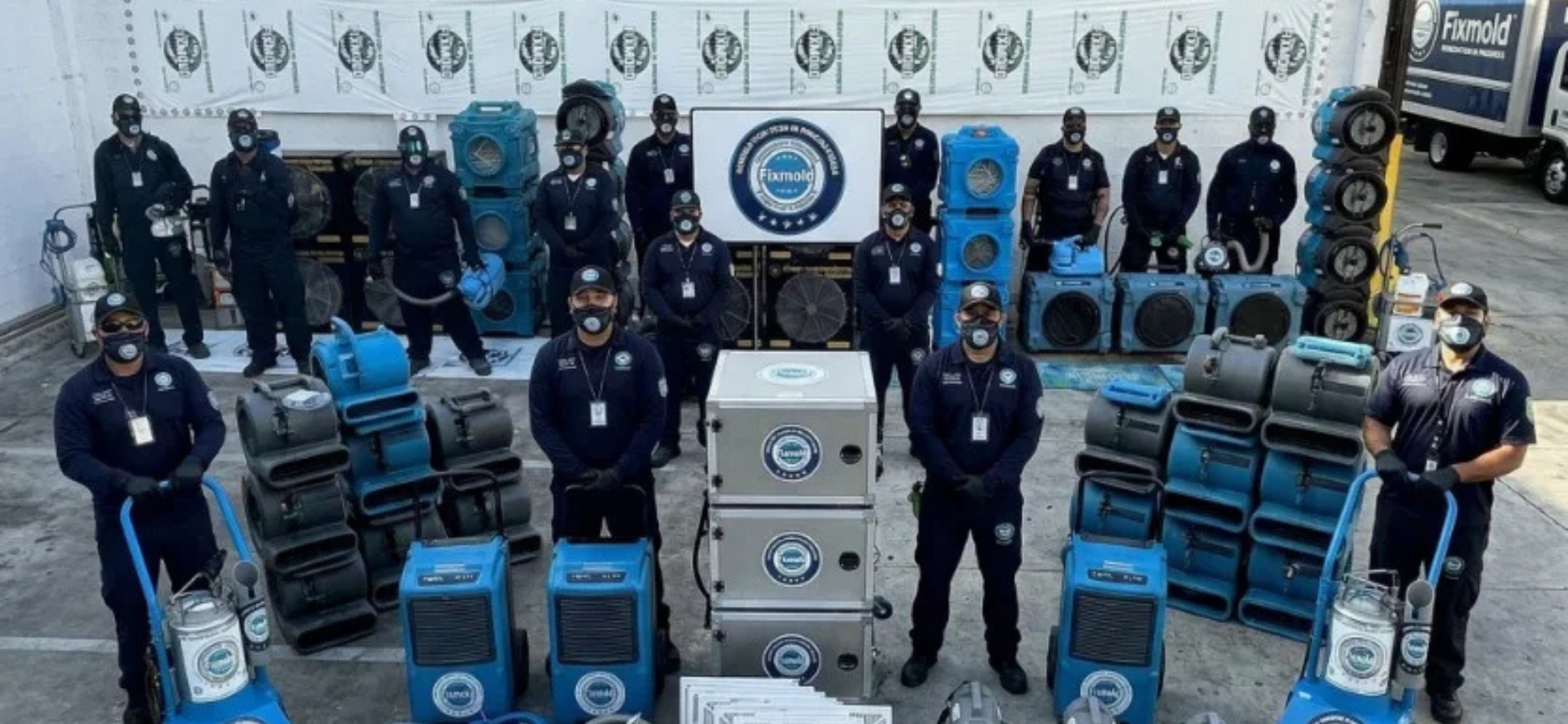
FixMold is a state-licensed, IICRC-certified mold remediation company serving all of Broward County, including Fort Lauderdale, Hollywood, Pembroke Pines, Coral Springs, Pompano Beach, and Deerfield Beach. To learn more or schedule your mold inspection and remediation services, call or visit online today.
Don’t wait for mold to become a larger problem. Early detection through a professional Broward mold inspection is always faster and more affordable than addressing advanced contamination. Contact a licensed mold inspector in Broward and protect what matters most.
Frequently Asked Questions About Mold Services in Broward
How long does a Broward mold inspection take?
A standard residential mold inspection in Broward typically takes one to three hours, depending on the size of the property and the complexity of the issues found. Larger commercial properties or buildings with suspected extensive contamination may require longer assessments.
Is mold testing always necessary?
Not always. In cases where mold is clearly visible and the source of moisture is identified, testing may not change the remediation approach. However, for health-related concerns, for real estate transactions, or when mold is suspected but not visible, Broward mold testing provides essential documentation and guidance.
What is the difference between mold removal and mold remediation?
Mold removal typically refers to physically removing mold from surfaces. Mold remediation is a broader term that includes removal, treatment, containment, air cleaning, and post-remediation clearance testing. Complete Broward mold remediation addresses both the contamination and its underlying cause.
Can I stay in my home during mold remediation in Broward?
This depends on the size and location of the affected area. For minor, isolated contamination, temporary displacement may not be necessary. For larger or more complex jobs, temporary relocation during active remediation is recommended, especially for children, individuals, or anyone with respiratory conditions.
How much does black mold testing in Broward cost?
Costs vary based on the number of samples taken, the size of the property, and whether air sampling, surface sampling, or both are included. A licensed mold assessor will provide a clear scope of work and pricing before any testing begins.
Is mold covered by homeowner’s insurance in Florida?
Mold coverage under Florida homeowner’s insurance depends on the cause. Mold coverage resulting from a sudden, covered water event, such as a burst pipe, is often covered. Mold from long-term neglect or gradual leaks is typically not. A professional mold assessment report can help support insurance claims by documenting the source and timeline of moisture intrusion.
For expert mold services across Broward County, call 1-954-280-3229
Jerusha is a contributor at FixMold, specializing in mold remediation, indoor air quality, moisture control, and environmental wellness. She creates informative content focused on mold prevention, and advanced restoration solutions for residential and commercial properties.