Living in Miami means enjoying sunshine, coastal breezes, and tropical warmth — but it also means dealing with one of the most aggressive mold-friendly climates in the United States. High humidity, heavy rainfall, hurricane exposure, and constant air-conditioning use create the perfect conditions for hidden moisture. And where moisture exists, mold eventually follows.
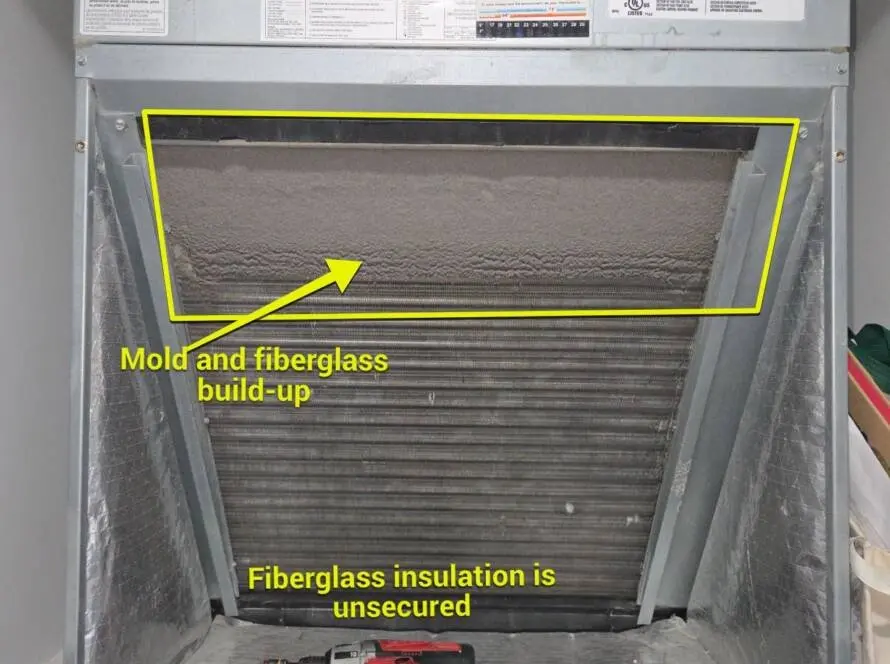
One of the most common — and most misunderstood — sources of indoor mold contamination we see at FixMold is exposed or moisture-damaged fiberglass insulation.
Many homeowners assume insulation is simply a passive building material that helps regulate temperature. In reality, fiberglass insulation can become a powerful reservoir for moisture, mold spores, bacteria, and airborne contaminants. When that happens, it doesn’t just affect one area — it can impact your entire home’s structure, air quality, and long-term safety.
This comprehensive guide explains how mold develops in fiberglass insulation, why it spreads so aggressively in Miami homes, the risks it creates, and the professional remediation process FixMold uses to remove contamination and restore healthy indoor environments.
Why Mold Problems Are So Common in Miami Homes
South Florida provides ideal conditions for microbial growth year-round. Unlike drier climates where mold is often tied to a single water event, Miami homes face continuous moisture exposure from multiple sources.
Common contributors include:
- High ambient humidity levels year-round
- Frequent rainstorms and tropical weather systems
- Hurricane and storm water intrusion
- Roof leaks and flashing failures
- Condensation from temperature differences
- Air conditioning systems running constantly
- Poor attic ventilation
- Crawl space moisture buildup
- Plumbing leaks inside walls
- Older building materials retaining moisture
Even homes that appear structurally sound can develop hidden moisture pockets inside wall cavities, attics, duct chases, and insulation layers. These areas often go unnoticed for months — or even years — while mold colonies expand silently.
Understanding Fiberglass Insulation and Why It’s Vulnerable
Fiberglass insulation is widely used in Miami homes because it is cost-effective and energy efficient. However, its physical structure makes it highly vulnerable to contamination.
Fiberglass insulation consists of fine glass fibers woven into a porous matrix designed to trap air for thermal resistance. Unfortunately, that same porous structure also allows it to absorb and retain moisture extremely easily.
When fiberglass insulation becomes damp, several things happen:
- Moisture becomes trapped deep inside the material
- Airflow through insulation slows, preventing drying
- Organic dust particles inside insulation feed mold growth
- Temperature fluctuations accelerate condensation cycles
- Mold spores settle and colonize within the fibers
Once mold establishes itself inside fiberglass insulation, cleaning the surface is not effective. The contamination spreads internally throughout the material.
At that point, the insulation is considered compromised and typically must be professionally removed.
How Mold Spreads From Insulation Into the Entire Home
Many homeowners are surprised to learn that mold in insulation rarely stays contained in one area. Because insulation is located in key structural and airflow pathways, contamination spreads easily.
Air circulation distributes spores
HVAC systems draw air through wall cavities, attics, and duct systems. If insulation contains mold spores, those particles become airborne and circulate throughout the home.
Structural materials become contaminated
Mold spreads from insulation to:
- Wood framing
- Roof decking
- Drywall backing
- Ceiling joists
- Subfloors
- Air ducts
Moisture cycles worsen over time
Wet insulation loses its ability to regulate temperature, which increases condensation and humidity — creating even better conditions for mold growth.
Indoor air quality declines
Even if mold is hidden behind walls, microscopic spores enter breathing air. This can lead to persistent odors and reduced indoor environmental quality.
Signs Your Insulation May Be Contaminated
Because insulation is hidden, mold problems often develop long before visible growth appears. Early warning signs can include:
- Persistent musty or damp odors
- Allergy symptoms that worsen indoors
- Increased humidity despite air conditioning
- Hot or uneven temperature zones
- Visible staining on ceilings or walls
- Condensation around vents or attic surfaces
- Reduced HVAC efficiency
- Dust that smells earthy or stale
- Previous water damage or roof leaks
If your home has experienced flooding, storm damage, or long-term humidity issues, insulation contamination is especially likely.
Why Moldy Insulation Cannot Simply Be Cleaned
One of the most common misconceptions is that mold can be “treated” while leaving insulation in place. This is rarely effective for fiberglass materials.
Reasons include:
- Mold penetrates deep inside fiber layers
- Cleaning solutions cannot reach internal contamination
- Dead mold fragments remain allergenic
- Odor-producing compounds remain trapped
- Moisture retention continues after treatment
Professional remediation standards generally require removal of porous materials that are mold contaminated or moisture saturated.
The Health and Structural Risks of Ignoring Contaminated Insulation
Untreated mold inside insulation can lead to long-term consequences for both the building and occupants.
Indoor environmental concerns
Airborne mold particles can contribute to:
- Respiratory irritation
- Persistent allergy symptoms
- Indoor odor problems
- Reduced comfort levels
- Overall decline in air quality
Structural deterioration
Moisture and microbial growth gradually weaken building components, potentially affecting:
- Wood integrity
- Insulation performance
- Ceiling structures
- Wall assemblies
- Energy efficiency
Ongoing moisture damage
Wet insulation continues to trap humidity, allowing mold growth to expand into surrounding materials.
The longer contamination remains, the more extensive restoration becomes.
The FixMold Professional Remediation Process
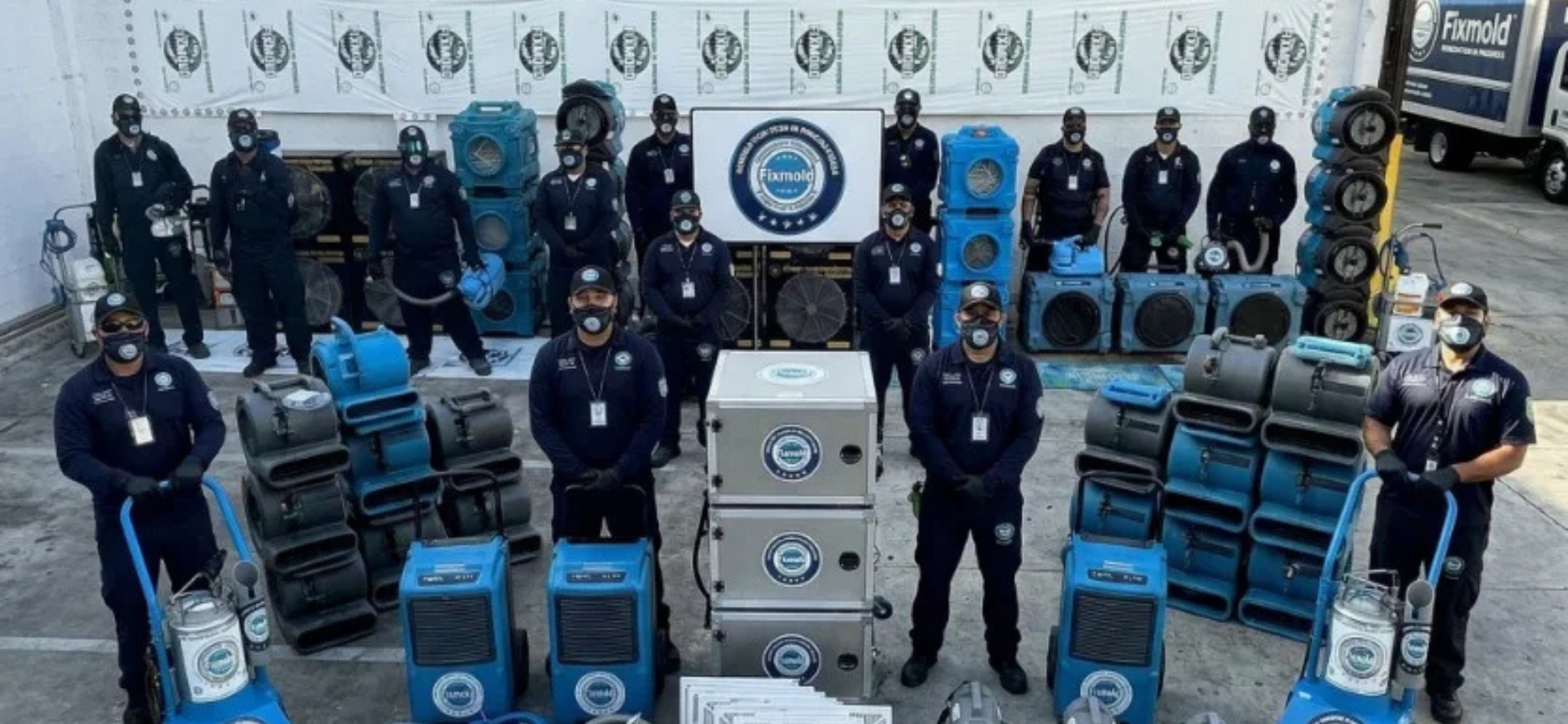
At FixMold Miami, remediation is not just about removing visible mold. Our goal is to restore the entire indoor environment to safe, stable conditions while preventing recurrence.
Every project follows a structured, multi-stage protocol.
Step 1 — Comprehensive Inspection and Environmental Assessment
We begin by identifying the full scope of contamination. This includes both visible and hidden problem areas.
Our assessment may involve:
- Moisture mapping of structural materials
- Thermal imaging to locate hidden water intrusion
- Indoor air quality testing
- Surface swab sampling
- Attic and wall cavity inspection
- HVAC system evaluation
- Humidity profiling
This data allows us to design a targeted remediation strategy based on actual environmental conditions.
Step 2 — Professional Containment and Environmental Control
Before removal begins, affected areas are isolated to prevent cross-contamination.
Containment measures include:
- Negative air pressure systems
- HEPA-filtered air scrubbers
- Physical containment barriers
- Controlled entry protocols
- Airflow management
This ensures mold spores are captured and removed rather than spread throughout the property.
Step 3 — Safe Removal of Contaminated Fiberglass Insulation
All compromised insulation is carefully extracted using controlled removal procedures.
Materials removed typically include insulation that is:
- Mold contaminated
- Moisture saturated
- Odor retaining
- Structurally degraded
- Environmentally unsafe
Removal is performed with specialized equipment and protective procedures to prevent airborne dispersal.
Step 4 — Structural Cleaning and Antimicrobial Treatment
Once insulation is removed, all exposed structural components are thoroughly cleaned and treated.
This includes:
- HEPA vacuuming of surfaces
- Professional antimicrobial application
- Spore neutralization treatments
- Deep cleaning of framing and cavities
- Decontamination of affected building materials
This step eliminates residual microbial presence and prepares the structure for stabilization.
Step 5 — Advanced Environmental Sanitization
To restore indoor air quality, FixMold uses multiple environmental purification technologies, including:
- Thermofogging for penetration into inaccessible areas
- Electrostatic disinfection for uniform surface coverage
- Hydroxyl generation for air purification
- HEPA filtration to capture airborne particles
- Targeted odor elimination treatments
These methods work together to neutralize remaining contaminants at a microscopic level.
Step 6 — Moisture Stabilization and Environmental Drying
Long-term mold prevention depends on eliminating excess moisture.
We ensure:
- All materials reach safe dryness levels
- Humidity conditions are stabilized
- Ventilation is properly balanced
- Moisture sources are identified and addressed
This step breaks the moisture cycle that allowed mold to develop in the first place.
Step 7 — Post-Remediation Verification and Clearance Testing
Independent verification confirms that remediation was successful.
Testing may include:
- Indoor air quality analysis
- Surface sampling
- Moisture measurements
- Environmental condition monitoring
Clearance results confirm the environment meets professional safety standards.
Why Professional Mold Remediation Is Essential in South Florida
DIY cleanup methods rarely address the full scope of contamination, especially when insulation is involved. Without professional containment, removal, and environmental treatment, mold often returns.
Miami’s climate makes proper remediation especially critical because:
- Humidity accelerates regrowth
- Hidden moisture is common
- Air systems spread contamination quickly
- Structural materials dry slowly
- Storm events create recurring exposure
Professional remediation ensures the problem is resolved at its source.
Why Homeowners Choose FixMold Miami
FixMold provides state-certified indoor environmental services tailored specifically for South Florida conditions. Our approach combines scientific assessment, advanced remediation technology, and strict environmental control procedures.
Homeowners trust FixMold because we focus on:
- Complete contamination removal
- Indoor air quality restoration
- Moisture source correction
- Long-term prevention strategies
- Safe and controlled remediation practices
We treat not just the mold — but the entire environmental system that allowed it to grow.
When to Schedule a Professional Inspection
Early detection makes remediation faster, safer, and more cost-effective.
You should consider a professional inspection if your home has experienced:
- Roof or plumbing leaks
- Storm or flood damage
- Persistent humidity problems
- Musty odors
- Allergy symptoms indoors
- Visible moisture staining
- HVAC performance changes
Hidden insulation contamination is extremely common in Miami homes — even when no visible mold is present.
Protecting Your Miami Home Long Term
Mold prevention is ultimately about moisture control and environmental balance. After remediation, maintaining proper ventilation, humidity control, and building maintenance is essential.
Professional monitoring, periodic inspections, and prompt response to water intrusion can prevent major contamination from developing again.
Restore Your Home Safely With FixMold
Mold hidden inside fiberglass insulation is not just a cosmetic issue — it is an environmental condition that can affect your entire home. Professional remediation removes contamination at its source, restores indoor air quality, and protects structural integrity.
If you suspect insulation moisture, musty odors, or hidden mold, early evaluation is the best way to protect your property and indoor environment.
FixMold provides expert mold inspection, contamination removal, and full environmental restoration services throughout Miami and South Florida — helping homeowners return their properties to safe, healthy living conditions.
#fixmoldmiami, #FixmoldMiami Solutions, #FixmoldMiamiMoldTesting, #FixmoldMiamiRemediation, #MiamiFIxmoldSpecialist, #FixmoldLLC, #FixmoldMiamiLLC, #FixmoldMotyKatz
https://fixmold.com/locations/mold-remediation-riviera-beach-fl/
Jerusha is a contributor at FixMold, specializing in mold remediation, indoor air quality, moisture control, and environmental wellness. She creates informative content focused on mold prevention, and advanced restoration solutions for residential and commercial properties.